
There's something incredibly satisfying about ending a meal with a sweet treat. For many people, dessert isn't just food—it's a comforting ritual that makes healthy eating feel sustainable. The challenge comes when traditional desserts are packed with refined sugar and carbohydrates, making it harder to stay on track with a low-carb lifestyle. That's where Dessert Meal Plans can make a meaningful difference. Rather than eliminating sweets, a thoughtfully planned approach allows you to enjoy desserts that fit your nutrition goals while still tasting delicious.
Today's Dessert Meal Plans focus on balance rather than restriction. They pair nutrient-dense ingredients with smart portion sizes, helping you satisfy sweet cravings without causing dramatic spikes in blood sugar. According to the American Diabetes Association, meals that include fiber, healthy fats, and protein can support more stable blood glucose levels than meals high in refined carbohydrates alone. Likewise, Harvard T.H. Chan School of Public Health recommends emphasizing minimally processed foods, healthy fats, and high-quality proteins as part of an overall healthy eating pattern.
This guide is designed to show that low carb desserts don't have to be boring, expensive, or difficult to prepare. Throughout the week, you'll discover practical ideas that combine wholesome ingredients with simple recipes. Whether your goal is reducing sugar intake, following a ketogenic lifestyle, managing blood sugar, or simply enjoying healthier desserts, these Dessert Meal Plans offer flexibility without sacrificing flavor.
Instead of relying on willpower alone, you'll learn how planning transforms dessert into something you can confidently enjoy every day.
Why Low Carb Dessert Meal Plans Work
A successful healthy eating routine isn't built on eliminating your favorite foods—it's built on making smarter choices that you can maintain for the long term. That's exactly why low carb dessert meal plans have become increasingly popular among people looking to reduce sugar intake without giving up dessert entirely. Instead of viewing sweets as an occasional "cheat meal," these meal plans incorporate balanced desserts into a structured weekly menu. The result is a more enjoyable eating pattern that supports consistency, reduces feelings of deprivation, and helps satisfy cravings more healthily. (1)
Unlike traditional desserts that often rely on refined flour, added sugar, and processed ingredients, low carb desserts emphasize nutrient-dense foods. Ingredients such as almond flour, coconut flour, Greek yogurt, chia seeds, berries, and unsweetened cocoa powder provide flavor, texture, and nutrition while keeping carbohydrate levels lower. Many recipes also include healthy fats from nuts, seeds, avocados, or coconut, along with protein-rich ingredients that help make desserts more filling.
One of the biggest advantages of following Dessert Meal Plans is that they encourage intentional eating rather than impulsive snacking. When dessert is already planned and prepared, you're less likely to reach for candy bars, pastries, or other high-sugar treats after dinner. Instead of making last-minute decisions based on cravings, you simply enjoy the dessert you've already included in your meal plan.
Another reason these meal plans work is their flexibility. They aren't limited to one dietary approach. Whether you're following a general low carb lifestyle, a ketogenic diet, or simply trying to reduce added sugars, the recipes can often be adapted to suit your individual preferences. You can also rotate seasonal fruits, experiment with different natural sweeteners, and adjust portion sizes to match your nutritional goals.
Research continues to show that meals combining protein, healthy fats, and fiber may help increase satiety and support more stable blood sugar levels compared with meals high in refined carbohydrates alone. While dessert should still be enjoyed in moderation, choosing nutrient-rich ingredients can make it part of an overall balanced eating pattern rather than something that works against your health goals.
Understanding Low Carb Desserts
The phrase "low carb dessert" sometimes creates the impression that desserts must be bland, dry, or lacking in flavor. In reality, today's low carb baking has evolved dramatically. Thanks to improved recipes and innovative ingredients, many healthy desserts closely resemble traditional favorites while containing significantly less sugar and refined carbohydrates.
A low carb dessert generally focuses on replacing high-carbohydrate ingredients with alternatives that provide similar texture and taste. For example, almond flour often replaces wheat flour, while sweeteners such as monk fruit, erythritol, stevia, or allulose take the place of refined sugar. These substitutions allow you to create cookies, brownies, cheesecakes, puddings, muffins, and even ice cream with fewer carbohydrates than conventional recipes.
Low carb desserts also prioritize nutritional quality. Rather than being composed primarily of sugar and white flour, they're often built around ingredients that contribute beneficial nutrients.
Some of the most common ingredients include:
- Almond flour for healthy fats and vitamin E
- Coconut flour for fiber
- Greek yogurt for protein and calcium
- Cream cheese for rich texture
- Chia seeds for fiber and omega-3 fatty acids
- Flaxseed meal for fiber and healthy fats
- Unsweetened cocoa powder for antioxidants
- Fresh berries for vitamins and natural sweetness
- Natural nut butters for satisfying flavor
These ingredients don't simply reduce carbohydrates—they often increase the nutritional value of desserts as well.
It's also important to understand the difference between total carbohydrates and net carbohydrates. Many people following low carb eating patterns pay attention to net carbs, which are typically calculated by subtracting dietary fiber from total carbohydrates. Fiber isn't fully digested by the body in the same way as other carbohydrates, which is why it plays an important role in many low carb recipes. However, recommendations can vary depending on individual health needs, so it's always wise to consult a healthcare professional if you're managing a medical condition such as diabetes.
Low carb desserts aren't meant to replace fresh fruits, vegetables, or balanced meals. Instead, they offer a satisfying way to enjoy something sweet while supporting a healthier overall eating pattern. When included as part of well-designed Dessert Meal Plans, they help demonstrate that healthy eating can be both practical and enjoyable.
Benefits of Planning Desserts Ahead
Many people spend time planning breakfasts, lunches, and dinners, yet dessert is often left to chance. Unfortunately, those unplanned moments are when sugar cravings are most likely to take over. Planning desserts removes much of the guesswork and helps transform healthy eating into a routine instead of a daily challenge.
One of the biggest advantages of planning desserts is improved consistency. When a delicious low carb dessert is already waiting in your refrigerator or freezer, you're much less likely to stop at a bakery or grab processed snacks while running errands. Convenience often determines food choices, so making healthy desserts just as accessible as less nutritious options can dramatically improve long-term success.
Planning also saves time. Preparing several desserts during one meal prep session means you won't need to bake every evening. A batch of cheesecake cups, chia pudding, or almond flour muffins can provide multiple servings throughout the week. This approach reduces kitchen cleanup while ensuring that healthier desserts are always available when cravings strike.
Another benefit is better portion control. It's much easier to enjoy desserts mindfully when they're divided into individual servings. Instead of eating directly from a large container, pre-portioned desserts encourage you to slow down and appreciate each bite. This simple habit can help prevent accidental overeating while making dessert feel more satisfying.
Planning desserts also supports smarter grocery shopping. Knowing exactly which recipes you'll prepare allows you to purchase ingredients with purpose, reducing food waste and unnecessary spending. Many ingredients—such as almond flour, chia seeds, Greek yogurt, cocoa powder, berries, and nuts—can be used in multiple recipes throughout the week, making meal planning both practical and budget-friendly.
Additional benefits of planning your Dessert Meal Plans include:
- Reducing last-minute sugar cravings by having healthier options readily available.
- Saving money by preparing desserts at home instead of buying specialty low carb treats.
- Improving nutritional balance by pairing desserts with meals rich in protein and vegetables.
- Making healthy eating less stressful through organized meal preparation.
- Creating sustainable habits that are easier to maintain over time.
- Encouraging family participation, especially when everyone enjoys homemade desserts together.
Meal planning also provides an opportunity to experiment with seasonal ingredients. During the summer, fresh berries become the highlight of many recipes, while autumn introduces flavors such as pumpkin, cinnamon, and pecans. Winter is perfect for rich chocolate desserts and warm baked treats, while spring offers bright citrus flavors like lemon and lime.
By preparing desserts ahead of time, you're creating an environment where healthy choices become the easiest choices. That's one of the reasons Dessert Meal Plans continue to grow in popularity among people seeking a balanced, realistic approach to nutrition.
Who Should Follow This Meal Plan?
One of the greatest strengths of these Dessert Meal Plans is their versatility. They aren't designed exclusively for people following a ketogenic diet or those counting every gram of carbohydrate. Instead, they're suitable for a wide range of individuals who want to enjoy desserts while making more mindful food choices.
If you're trying to reduce your intake of added sugars, this meal plan offers an approachable place to start. Rather than eliminating sweets, it introduces desserts made with wholesome ingredients that provide more nutritional value than traditional baked goods. This gradual transition often feels more realistic and sustainable than strict restriction.
People following a low carb lifestyle may also benefit from these meal plans because they emphasize ingredients that naturally contain fewer carbohydrates. By combining lean proteins, healthy fats, vegetables, and satisfying desserts, the plan supports a balanced approach that many people find easier to maintain than highly restrictive diets.
These Dessert Meal Plans may also appeal to:
- Individuals looking to reduce processed foods.
- Home cooks who enjoy healthy baking.
- Busy professionals seeking convenient meal prep ideas.
- Families wanting healthier dessert options.
- Anyone interested in practicing mindful eating.
- People who enjoy planning meals.
- Those exploring lower-sugar recipes for overall wellness.
Athletes and physically active individuals can also adapt these meal plans by increasing protein portions or incorporating additional nutrient-dense snacks based on their energy needs. Likewise, vegetarians can replace meat with protein-rich foods such as tofu, tempeh, eggs, cottage cheese, or legumes where appropriate.
It's important to remember that nutritional needs vary from person to person. Individuals with diabetes, kidney disease, food allergies, pregnancy, or other medical conditions should speak with a healthcare provider or registered dietitian before making significant dietary changes. Personalized guidance helps ensure that any meal plan aligns with individual health goals and nutritional requirements.
Ultimately, these Dessert Meal Plans are ideal for anyone who believes healthy eating should be enjoyable rather than restrictive. By focusing on balance, preparation, and wholesome ingredients, they demonstrate that dessert can have a place in a nutritious lifestyle. Instead of viewing sweets as something to fear, you'll learn how to enjoy them intentionally, confidently, and in moderation.
The Science Behind Low Carb Sweet Cravings
Have you ever finished a filling meal only to find yourself searching the kitchen for something sweet? You're not alone. Sugar cravings are incredibly common, and they aren't simply a matter of lacking willpower. In fact, cravings are influenced by a combination of biology, hormones, emotions, daily habits, sleep quality, and even the foods you regularly eat. Understanding the science behind these cravings is one of the most valuable steps toward building successful Dessert Meal Plans that feel satisfying instead of restrictive.
Our brains are naturally wired to enjoy sweet flavors. Historically, sweet foods were often rich in energy and relatively safe to eat, making sweetness an important survival cue. Today, however, highly processed desserts are widely available and often contain large amounts of added sugar, refined flour, and unhealthy fats. These foods can temporarily activate the brain's reward system, making them particularly appealing during times of stress, fatigue, or emotional discomfort.
That doesn't mean you need to eliminate dessert. Instead, Dessert Meal Plans help redirect those cravings toward nutrient-dense alternatives made with ingredients like berries, Greek yogurt, almond flour, chia seeds, nuts, and unsweetened cocoa powder. These ingredients provide sweetness while also contributing fiber, protein, vitamins, minerals, and healthy fats.
Another reason low carb desserts are effective is that they often slow digestion. Rather than producing the rapid rise and fall in blood sugar associated with many sugary treats, they help provide a steadier release of energy. This can leave you feeling satisfied for longer and may reduce the urge to snack repeatedly throughout the day.
Several lifestyle factors can also influence cravings, including:
- Poor sleep quality
- High stress levels
- Skipping meals
- Dehydration
- Long periods without eating
- Highly restrictive dieting
- Habitual evening snacking
- Emotional eating
Recognizing these triggers allows you to address the underlying cause instead of simply resisting cravings through willpower alone. A balanced eating pattern that includes planned desserts is often much easier to maintain than one built around constant restriction.
Why Sugar Cravings Happen
Sugar cravings are complex, and they rarely stem from just one cause. While many people assume cravings occur because the body "needs sugar," the reality is usually more nuanced. Hunger, habits, hormones, emotions, and food choices all play a role in determining when and why you reach for something sweet.
One of the most common triggers is a diet high in refined carbohydrates. Foods such as pastries, candy, sugary cereals, sweetened beverages, and white bread digest quickly, causing blood glucose levels to rise rapidly. After this rise, blood glucose may fall, leaving you feeling hungry again sooner than expected. This cycle can create repeated cravings for additional sugary foods.
Habits also have a powerful influence. If you've spent years eating dessert every evening while watching television, your brain begins to associate that activity with sweetness. Even if you're not physically hungry, simply sitting down to watch your favorite show may trigger a craving because of that established routine.
Emotions are another major factor. Stress, boredom, anxiety, loneliness, and even celebration can increase the desire for sweet foods. Many desserts provide temporary comfort because they activate reward pathways in the brain. While enjoying dessert occasionally is perfectly normal, relying on sweets as the primary coping strategy for emotional challenges may lead to unhealthy eating patterns over time.
Sleep should not be overlooked either. Research suggests that inadequate sleep can influence hormones involved in appetite regulation. When you're sleep deprived, you may find yourself craving highly palatable foods, including desserts and processed snacks. Prioritizing consistent, high-quality sleep may help reduce these cravings naturally.
Common reasons sugar cravings occur include:
- Rapid blood sugar fluctuations after eating refined carbohydrates.
- Emotional stress and anxiety.
- Poor sleep habits that affect appetite hormones.
- Skipping meals, leading to excessive hunger later in the day.
- Dehydration, which can sometimes mimic hunger.
- Established habits and environmental cues.
- Highly restrictive diets that eliminate favorite foods.
This is where thoughtfully designed Dessert Meal Plans can make a difference. Instead of denying yourself dessert until cravings become overwhelming, you intentionally include satisfying low carb sweets in your overall eating pattern. This approach can help reduce feelings of deprivation while making healthy eating feel much more sustainable.
Planning balanced meals throughout the day also plays an important role. Eating adequate amounts of protein, healthy fats, vegetables, and fiber helps create lasting fullness, making it less likely that you'll experience intense cravings later in the evening.
Blood Sugar and Insulin Explained
Understanding blood sugar and insulin doesn't require a medical degree. In fact, knowing the basics can help you make smarter food choices and better understand why Dessert Meal Plans emphasize balanced ingredients rather than simply removing sugar.
When you eat carbohydrates, your digestive system breaks them down into glucose, which enters the bloodstream. Glucose serves as an important source of energy for your body's cells. As blood glucose rises, the pancreas releases insulin, a hormone that helps move glucose from the bloodstream into cells where it can be used or stored.
This process is completely natural and essential for good health. Problems arise when meals consistently contain large amounts of rapidly digested carbohydrates and added sugars without enough protein, fiber, or healthy fats. These foods are digested quickly, often leading to sharper increases in blood glucose compared with meals that contain a better balance of nutrients.
After a rapid increase in blood sugar, insulin works to move glucose into cells. As glucose levels begin to decline, some people may feel hungry again sooner, especially if the original meal lacked protein or fiber. This can contribute to a cycle of frequent snacking and recurring cravings for sugary foods.
That's one reason balanced Dessert Meal Plans focus on combining carbohydrates with other nutrients. Rather than serving dessert made almost entirely from sugar and refined flour, low carb desserts typically include ingredients that digest more gradually.
Examples include:
| Traditional Dessert | Balanced Low-Carb Alternative |
|---|---|
| Chocolate cake | Almond flour chocolate cake |
| Ice cream sundae | Greek yogurt berry parfait |
| Sugar cookies | Almond flour cookies |
| Vanilla pudding | Chia pudding |
| Fruit pie | Berry cheesecake cups |
The goal isn't to eliminate carbohydrates but to choose sources that fit within your overall nutritional needs while promoting greater satisfaction.
Fiber plays an especially important role. Ingredients such as chia seeds, flaxseed meal, berries, and almond flour contain fiber that slows digestion and contributes to fullness. Pairing these ingredients with protein-rich foods like Greek yogurt or cottage cheese creates desserts that are both enjoyable and more nutritionally balanced.
It's also important to remember that everyone's response to carbohydrates is different. Factors such as age, activity level, body composition, medications, and certain health conditions can influence blood sugar regulation. Individuals with diabetes or other metabolic conditions should follow personalized guidance from their healthcare provider or registered dietitian.
Understanding how blood sugar and insulin work helps explain why small ingredient changes can make a meaningful difference. Instead of focusing only on what you're avoiding, Dessert Meal Plans encourage you to choose foods that provide lasting nourishment alongside great flavor.
How Healthy Fats and Protein Reduce Cravings
If there's one secret behind satisfying low carb desserts, it's the combination of healthy fats and protein. Together, these nutrients help transform dessert from a quick burst of sweetness into a snack or meal component that supports fullness and sustained energy.
Protein is widely recognized as one of the most filling nutrients. It takes longer to digest than simple carbohydrates and helps promote satiety after meals. That's why many successful Dessert Meal Plans include ingredients like Greek yogurt, cottage cheese, ricotta cheese, protein powder, or eggs. These foods provide protein while contributing creamy textures that work beautifully in puddings, cheesecakes, smoothies, and baked desserts.
Healthy fats offer similar benefits. Foods such as almonds, walnuts, pecans, chia seeds, flaxseed, natural peanut butter, almond butter, coconut, and avocados add richness and flavor while slowing digestion. Because fats contribute to a feeling of satisfaction, desserts containing moderate amounts of healthy fats may help reduce the desire to continue snacking.
For example, compare these two desserts:
- A slice of traditional frosted cake made primarily from refined flour and sugar.
- A bowl of Greek yogurt topped with raspberries, chopped walnuts, chia seeds, and a sprinkle of unsweetened cocoa powder.
While both may satisfy a sweet craving, the second option provides protein, fiber, healthy fats, vitamins, and minerals that contribute to greater fullness and nutritional value.
Some of the best ingredients to include in Dessert Meal Plans are:
Protein-Rich Ingredients
- Plain Greek yogurt
- Cottage cheese
- Ricotta cheese
- Eggs
- Whey protein isolate
- Unsweetened protein powder
- Collagen peptides
Healthy Fat Sources
- Almonds
- Walnuts
- Pecans
- Pistachios
- Chia seeds
- Flaxseed meal
- Natural peanut butter
- Almond butter
- Coconut cream
- Avocados
Fiber-Rich Additions
- Raspberries
- Blackberries
- Strawberries
- Unsweetened coconut
- Psyllium husk (in some recipes)
- Ground flaxseed
- Chia seeds
Combining these ingredients creates desserts that are flavorful, satisfying, and more nutritionally balanced than many traditional sweets.
Another advantage of healthy fats is that they enhance flavor and texture. Creamy cheesecakes, silky chocolate mousse, and rich peanut butter desserts all owe much of their appeal to fat. By using nutrient-dense fat sources in appropriate portions, you can enjoy indulgent textures without relying on large amounts of added sugar.
Protein also supports muscle maintenance and overall health, making it an important nutrient for active individuals and older adults alike. Incorporating protein into desserts can be an easy way to increase daily intake while still enjoying your favorite flavors.
Ultimately, the goal of Dessert Meal Plans isn't simply to reduce carbohydrates. It's to create desserts that leave you feeling satisfied, energized, and less likely to experience recurring cravings later in the day. When healthy fats, protein, and fiber work together, dessert becomes more than a sweet treat—it becomes part of a balanced eating pattern that you can realistically enjoy for the long term. (2, 3)
Pantry Staples for Low Carb Dessert Success
Creating delicious Dessert Meal Plans starts long before you turn on the oven or blend your first smoothie. The secret to consistently making satisfying low carb desserts is having a well-stocked pantry filled with versatile, nutrient-dense ingredients. When your kitchen already contains healthy baking essentials, preparing desserts becomes quick, convenient, and much less stressful. Instead of making a last-minute trip to the grocery store or reaching for processed sweets, you'll have everything you need to whip up a creamy cheesecake mousse, a batch of almond flour brownies, or a refreshing berry parfait in minutes.
A thoughtfully organized pantry also helps reduce food waste and saves money over time. Many low carb ingredients can be used in multiple recipes, allowing you to create cookies, muffins, pancakes, puddings, and frozen desserts from the same collection of staples. For example, almond flour works beautifully in cakes, cookies, pie crusts, and pancakes, while chia seeds can be used in puddings, smoothies, homemade jams, and even as an egg substitute in certain recipes.
Another advantage of stocking your pantry is better meal planning. Successful Dessert Meal Plans rely on consistency, and consistency becomes much easier when healthy ingredients are always within reach. Rather than depending on packaged "low carb" products that may contain unnecessary additives, preservatives, or hidden sugars, you can prepare homemade desserts using simple ingredients that you recognize and trust.
A balanced low carb pantry typically includes:
- High-quality low carb flours
- Natural sugar alternatives
- Protein-rich dairy or dairy-free products
- Healthy fats
- Nuts and seeds
- Unsweetened chocolate products
- Pure extracts and spices
- Baking essentials
- Fresh or frozen berries
- Natural nut butters
With these ingredients available, you'll be prepared to create dozens of desserts that fit seamlessly into your weekly Dessert Meal Plans. Better yet, many of these pantry staples have a long shelf life, making them practical investments for anyone committed to healthier eating.
Best Low Carb Flours
Traditional wheat flour is a staple in conventional baking, but it's relatively high in carbohydrates and lacks the nutritional profile found in many low carb alternatives. Fortunately, today's healthy baking offers a wide variety of flour substitutes that provide excellent texture while adding beneficial nutrients such as healthy fats, fiber, protein, and vitamins.
Among all the available options, almond flour remains the most popular choice for low carb desserts. Made from finely ground blanched almonds, it has a mild flavor that works well in cookies, cakes, muffins, pancakes, brownies, and pie crusts. Almond flour is naturally gluten-free and provides vitamin E, magnesium, and heart healthy monounsaturated fats.
Coconut flour is another favorite, though it behaves very differently from almond flour. Because it absorbs a significant amount of liquid, recipes typically require much smaller quantities along with additional eggs or moisture. Coconut flour is rich in dietary fiber, making it especially useful for creating filling desserts.
Other low carb flour options continue to grow in popularity as more people explore alternative baking techniques.
Comparison of Popular Low Carb Flours
| Flour | Approximate Net Carbs | Best Uses | Key Benefits |
|---|---|---|---|
| Almond Flour | Low | Cakes, cookies, muffins, pancakes | Rich in healthy fats and vitamin E |
| Coconut Flour | Very Low | Muffins, breads, cakes | High in fiber and absorbs moisture well |
| Flaxseed Meal | Very Low | Muffins, crackers, pancakes | Excellent source of omega-3 fats |
| Sunflower Seed Flour | Low | Cookies and quick breads | Nut-free alternative |
| Hazelnut Flour | Low | Brownies and chocolate desserts | Rich, naturally sweet flavor |
Carbohydrate content varies slightly by brand and serving size. Always check the product's Nutrition Facts label.
Each flour contributes unique characteristics to baked goods. Almond flour creates moist, tender textures, while coconut flour produces lighter baked goods when properly balanced with additional liquid. Flaxseed meal adds a subtle nutty flavor and increases fiber, making it a valuable addition to many Dessert Meal Plans.
Many experienced bakers combine two or more flours to improve texture. For example, using almond flour with a small amount of coconut flour often produces cakes that are both moist and sturdy. Experimenting with different combinations allows you to discover which textures you enjoy most while expanding your collection of reliable dessert recipes.
Store low carb flours in airtight containers, preferably in a cool pantry or refrigerator. Because nut-based flours contain natural oils, refrigeration can help extend freshness and preserve flavor.
Healthy Sugar Alternatives
One of the biggest challenges when creating low carb desserts is replacing refined sugar without sacrificing sweetness or texture. Thankfully, several modern sweeteners provide excellent results while allowing you to enjoy desserts with significantly less added sugar.
Among the most popular options is monk fruit sweetener. Derived from monk fruit, this natural sweetener is prized for its clean taste and ability to sweeten recipes with very little impact on blood sugar. Many commercial monk fruit products are blended with erythritol to improve texture and measurement consistency.
Stevia is another widely used plant-derived sweetener. Available in liquid and powdered forms, stevia is intensely sweet, so only small amounts are needed. Some people notice a slight herbal aftertaste, although this varies depending on the brand and recipe.
Allulose has gained popularity because it behaves similarly to sugar in baking. It browns well, creates smooth textures in frozen desserts, and produces less cooling sensation than erythritol. While allulose is technically classified as a rare sugar, it contributes very few calories.
Popular Low Carb Sweeteners
| Sweetener | Best Uses | Characteristics |
|---|---|---|
| Monk Fruit | Cakes, cookies, beverages | Clean sweetness with minimal aftertaste |
| Stevia | Drinks, puddings, yogurt | Highly concentrated |
| Allulose | Ice cream, caramel, baked goods | Similar texture to sugar |
| Erythritol | Cookies, muffins, frostings | Popular in baking blends |
Although these sweeteners can help reduce added sugar, moderation is still important. Choosing recipes that emphasize naturally flavorful ingredients—such as vanilla, cinnamon, cocoa, berries, and citrus zest—can reduce the need for excessive sweetness altogether.
Another practical strategy is gradually reducing the sweetness of homemade desserts over time. Many people discover that after limiting added sugars for several weeks, their taste buds become more sensitive to naturally sweet foods. Fresh berries, roasted nuts, and unsweetened coconut begin to taste sweeter than before, making heavily sweetened desserts less appealing.
When selecting sweeteners, always read ingredient labels carefully. Some products marketed as "sugar-free" may still contain fillers or additional carbohydrates that don't align with your nutritional goals.
Dairy and Non-Dairy Ingredients
Creamy textures are one of the defining characteristics of many desserts, and fortunately, both dairy and non-dairy ingredients can work beautifully in Dessert Meal Plans. Choosing high-quality options allows you to create rich cheesecakes, silky puddings, fluffy mousses, frozen treats, and creamy smoothies without relying on heavily processed ingredients.
For those who enjoy dairy, Greek yogurt is one of the most versatile ingredients available. It provides protein, calcium, and probiotics while creating thick, creamy desserts that pair perfectly with berries, cocoa, nuts, and spices. Plain, unsweetened varieties are generally the best choice because they contain no added sugars.
Cream cheese remains a staple for many low carb desserts, especially cheesecakes, frostings, and mousse recipes. It delivers richness while combining well with vanilla, lemon, chocolate, pumpkin, or peanut butter.
Other valuable dairy ingredients include:
- Cottage cheese
- Ricotta cheese
- Heavy whipping cream
- Mascarpone cheese
- Butter
- Unsweetened kefir (for smoothies)
For individuals who avoid dairy, today's plant-based alternatives offer excellent flexibility.
Popular Dairy-Free Alternatives
| Dairy Ingredient | Dairy-Free Alternative |
|---|---|
| Greek yogurt | Unsweetened coconut yogurt |
| Cream cheese | Plant-based cream cheese |
| Heavy cream | Coconut cream |
| Butter | Coconut oil or vegan butter |
| Milk | Unsweetened almond milk |
| Whole milk | Unsweetened soy milk |
Coconut cream deserves special attention because it creates exceptionally rich desserts while adding a subtle tropical flavor. It's especially popular in chocolate mousse, whipped toppings, and frozen desserts.
Unsweetened almond milk is another pantry favorite because it works well in smoothies, puddings, pancakes, muffins, and baked goods while remaining relatively low in carbohydrates. Unsweetened soy milk may also be suitable for some recipes and provides more protein than many other plant-based beverages.
No matter which ingredients you choose, selecting unsweetened versions helps keep added sugars to a minimum and gives you greater control over the final flavor of your desserts.
Nuts, Seeds, Chocolate & Flavorings
The finishing touches often determine whether a dessert tastes ordinary or truly memorable. Nuts, seeds, chocolate, extracts, and spices add flavor, texture, and nutritional value while helping create desserts that feel indulgent without relying on excessive sugar.
Nuts are among the most valuable ingredients in Dessert Meal Plans. They provide healthy fats, plant protein, fiber, vitamins, and minerals while contributing satisfying crunch.
Some of the best choices include:
- Almonds
- Walnuts
- Pecans
- Macadamia nuts
- Hazelnuts
- Pistachios
Each variety brings a different flavor profile. Pecans pair beautifully with cinnamon and maple-inspired desserts, while hazelnuts naturally complement chocolate. Pistachios add vibrant color and a delicate sweetness to cheesecakes and frozen yogurt.
Seeds are equally versatile. Chia seeds create thick puddings, ground flaxseed adds fiber to muffins and pancakes, and hemp hearts increase protein while blending easily into smoothies.
Chocolate lovers don't have to give up their favorite flavor either. Choosing unsweetened cocoa powder or dark chocolate with 85% cocoa or higher allows you to enjoy deep chocolate flavor with significantly less added sugar than traditional milk chocolate.
Pantry Flavor Boosters
Keep these ingredients on hand to create bakery-quality desserts:
- Pure vanilla extract
- Almond extract
- Lemon extract
- Peppermint extract
- Orange zest
- Lemon zest
- Cinnamon
- Nutmeg
- Pumpkin pie spice
- Ground ginger
- Espresso powder
- Sea salt
These simple additions dramatically enhance desserts without increasing carbohydrate content. A pinch of cinnamon can deepen the flavor of brownies, while lemon zest brightens cheesecake and yogurt parfaits. Espresso powder intensifies chocolate desserts without making them taste like coffee.
Essential Pantry Checklist for Dessert Meal Plans
For convenience, here's a quick shopping checklist:
Low Carb Baking Essentials
- Almond flour
- Coconut flour
- Flaxseed meal
- Baking powder
- Baking soda
- Xanthan gum (optional)
Sweeteners
Healthy Fats
- Natural almond butter
- Natural peanut butter
- Coconut oil
- Extra virgin olive oil
- Butter or plant-based alternative
Protein & Dairy
- Greek yogurt
- Cream cheese
- Cottage cheese
- Heavy cream
- Unsweetened almond milk
Nuts & Seeds
- Almonds
- Pecans
- Walnuts
- Chia seeds
- Ground flaxseed
Chocolate & Flavorings
- Unsweetened cocoa powder
- Dark chocolate (85% cacao or higher)
- Pure vanilla extract
- Cinnamon
- Lemon zest
Keeping these ingredients stocked makes it easy to prepare delicious desserts whenever cravings arise. More importantly, they provide the foundation for sustainable Dessert Meal Plans that combine convenience, flavor, and balanced nutrition—making healthy eating feel enjoyable every single day.
Meal Prep Tips Before Starting the 7-Day Plan
One of the biggest reasons people successfully stick to Dessert Meal Plans isn't motivation—it's preparation. Having the right ingredients, pre-portioned desserts, and ready-to-cook meals can make healthy eating feel effortless, even during a busy week. Without a plan, it's much easier to rely on convenience foods, takeout, or sugary snacks when time is short. Spending just one or two hours preparing your kitchen before the week begins can save several hours later while making it far easier to stay consistent with your nutrition goals.
Meal preparation also helps remove decision fatigue. After a long workday, deciding what to cook—and whether to make a healthy dessert—can feel overwhelming. When meals and desserts are already planned, those decisions have already been made. You simply open the refrigerator, reheat your meal, and enjoy a delicious dessert that supports your Dessert Meal Plans.
Another benefit of meal prep is better nutritional balance. Planning your meals ahead of time encourages you to include lean proteins, healthy fats, vegetables, and fiber-rich ingredients alongside your desserts. Instead of treating dessert as an afterthought, you intentionally build it into your daily routine, making healthy eating feel more enjoyable and sustainable.
Meal prep also supports your grocery budget. Buying ingredients with a specific plan reduces impulse purchases and food waste. Many pantry staples—such as almond flour, chia seeds, Greek yogurt, berries, unsweetened cocoa powder, and natural nut butters—can be used in multiple recipes throughout the week, making them practical investments for anyone following Dessert Meal Plans.
Before starting your 7-day plan, take a few minutes to review your recipes, organize your shopping list, and make space in your refrigerator and freezer. Having a clean, organized kitchen makes cooking more enjoyable and encourages you to stick with your healthy routine.
A little preparation today can make the entire week feel easier, less stressful, and much more successful.
Grocery Shopping Checklist
A carefully planned shopping trip is one of the easiest ways to set yourself up for success. Walking into the grocery store with a detailed list helps you avoid unnecessary purchases while ensuring you have everything needed for balanced meals and satisfying desserts. Since many ingredients appear in several recipes throughout the week, buying them once allows you to prepare multiple dishes with minimal waste.
When shopping for Dessert Meal Plans, focus primarily on whole, minimally processed foods. Fresh produce, lean proteins, dairy products, healthy fats, nuts, seeds, and quality baking ingredients should make up the majority of your cart. If possible, shop around the perimeter of the grocery store first, where you'll typically find fresh foods, before heading to the center aisles for pantry staples.
Fresh Produce
Fresh fruits and vegetables provide vitamins, minerals, antioxidants, and fiber while adding vibrant flavors to your meals and desserts.
Include:
- Spinach
- Mixed salad greens
- Romaine lettuce
- Broccoli
- Cauliflower
- Zucchini
- Asparagus
- Brussels sprouts
- Bell peppers
- Cucumbers
- Cherry tomatoes
- Avocados
- Garlic
- Lemons
- Limes
- Fresh herbs (parsley, dill, basil, rosemary, thyme)
- Strawberries
- Raspberries
- Blackberries
- Blueberries (in moderation)
Frozen berries are also an excellent option because they're picked at peak ripeness and are available year-round.
Protein Sources
Protein plays an important role in keeping meals satisfying and supporting muscle maintenance.
Choose a variety of:
- Chicken breasts
- Chicken thighs
- Turkey breast
- Lean ground turkey
- Lean ground beef
- Salmon
- Shrimp
- Tuna
- Eggs
- Cottage cheese
- Greek yogurt
- Ricotta cheese
- Cream cheese
- Tofu (for vegetarian meal plans)
Buying larger family packs can often reduce cost while providing enough protein for several meals.
Healthy Fats
Healthy fats help create creamy, satisfying desserts while adding flavor and richness.
Keep these pantry staples stocked:
- Extra-virgin olive oil
- Coconut oil
- Butter
- Heavy whipping cream
- Natural almond butter
- Natural peanut butter
- Avocados
- Walnuts
- Pecans
- Almonds
- Pistachios
Low Carb Baking Ingredients
A few specialty baking ingredients allow you to recreate many traditional desserts with fewer carbohydrates.
Purchase:
- Almond flour
- Coconut flour
- Ground flaxseed
- Chia seeds
- Baking powder
- Baking soda
- Unsweetened cocoa powder
- Vanilla extract
- Cinnamon
- Nutmeg
- Pumpkin pie spice
- Unsweetened shredded coconut
- Dark chocolate (85% cacao or higher)
Sweeteners
Choose sweeteners that fit your preferences and recipes.
Popular options include:
Buying one or two versatile sweeteners is often sufficient for most recipes.
Grocery Shopping Tips
To make shopping faster and more efficient:
- Check your pantry before leaving home.
- Read Nutrition Facts labels carefully.
- Choose unsweetened dairy and plant-based products.
- Buy seasonal produce whenever possible.
- Compare unit prices to save money.
- Avoid shopping while hungry.
- Stick closely to your grocery list.
Having every ingredient ready before the week begins makes following your Dessert Meal Plans much more enjoyable and eliminates unnecessary stress during busy weekdays.
Batch Preparation Tips
Preparing several meals and desserts at once is one of the smartest strategies for maintaining healthy eating habits. Batch cooking reduces the amount of time you spend in the kitchen each day while ensuring that nutritious options are always available when hunger strikes.
A dedicated meal prep session—usually lasting one to two hours—is enough to prepare the majority of your weekly meals. Many people find Sunday to be the ideal day, but any day that fits your schedule works just as well.
Instead of preparing one complete meal at a time, organize your prep by ingredient category. Cooking multiple proteins simultaneously, washing all vegetables together, and preparing several desserts in one session greatly improves efficiency.
Step 1: Prepare Proteins
Begin with your proteins since they often require the longest cooking time.
Cook several servings of:
- Grilled chicken breasts
- Roasted chicken thighs
- Lean turkey burgers
- Ground turkey
- Ground beef
- Baked salmon
- Boiled eggs
- Cooked shrimp
Allow proteins to cool before storing them in airtight containers.
Step 2: Wash and Chop Vegetables
Preparing vegetables ahead of time encourages you to use them throughout the week.
Wash and chop:
- Lettuce
- Cucumbers
- Bell peppers
- Broccoli
- Cauliflower
- Zucchini
- Celery
- Carrots (if included in your plan)
Store chopped vegetables in clear containers so they're easy to see and grab.
Step 3: Prepare Low Carb Desserts
This is where your Dessert Meal Plans truly come together.
Prepare several desserts that store well for multiple days, such as:
- Chia pudding
- Cheesecake mousse
- Greek yogurt parfaits
- Almond flour muffins
- Peanut butter fat bombs
- Chocolate avocado mousse
- No-bake cheesecake cups
- Berry yogurt bark
Preparing several desserts at once means you'll always have something satisfying available without reaching for processed sweets.
Step 4: Portion Ingredients
Instead of storing everything in large containers, divide meals into individual servings.
Pre-portion:
- Nuts
- Berries
- Yogurt
- Dessert cups
- Protein portions
- Salad ingredients
Individual containers reduce prep time during the week and make healthy choices much more convenient.
Step 5: Label Everything
Simple labels prevent confusion and reduce food waste.
Include:
- Recipe name
- Preparation date
- Use-by date
A small piece of masking tape and a marker work perfectly for this purpose.
Freezer-Friendly Meal Prep
Many low carb desserts freeze exceptionally well.
Excellent freezer options include:
- Cheesecake bites
- Brownies
- Fat bombs
- Muffins
- Cookie dough portions
- Chocolate bark
Freezing extra portions gives you healthy desserts even during especially busy weeks.
Portion Control Strategies
One of the greatest advantages of planning Dessert Meal Plans is learning that satisfaction doesn't require oversized portions. Healthy eating isn't about eliminating dessert—it's about enjoying the right amount while paying attention to your body's hunger and fullness cues.
Even nutritious desserts made with almond flour, nuts, cream cheese, or nut butters contain calories because they're made with wholesome, energy-dense ingredients. Portion control helps you enjoy these desserts regularly while keeping your overall eating pattern balanced.
A helpful strategy is to portion desserts immediately after preparing them. Instead of storing an entire cheesecake or batch of brownies in one container, divide them into single servings before refrigeration. This removes the temptation to cut increasingly larger portions each time you serve yourself.
Using smaller serving dishes can also make desserts appear more satisfying. A beautifully layered berry parfait in a small glass often feels more indulgent than the same amount served in a large bowl.
Easy Portion Control Ideas
- Prepare desserts in individual ramekins.
- Freeze single-serving portions.
- Measure nuts instead of pouring directly from the bag.
- Portion berries into small containers.
- Slice brownies before storing.
- Store desserts at the back of the refrigerator rather than on the front shelf.
Mindful eating is another valuable technique. Instead of rushing through dessert while watching television or scrolling through your phone, sit down and enjoy every bite. Slowing your eating pace allows your brain more time to recognize fullness and helps make smaller portions feel more satisfying.
Visual Portion Guide
| Food | Suggested Serving |
|---|---|
| Greek yogurt | ¾–1 cup |
| Chia pudding | ½–¾ cup |
| Cheesecake mousse | ½ cup |
| Mixed berries | ½ cup |
| Almonds | About ¼ cup |
| Dark chocolate | 1–2 small squares |
| Peanut butter | 1–2 tablespoons |
| Almond flour muffin | 1 muffin |
It's also helpful to pair desserts with balanced meals rather than eating them on an empty stomach. Enjoying dessert after a meal that includes lean protein, vegetables, and healthy fats may contribute to greater satisfaction and reduce the urge to continue snacking.
Remember that portion control isn't about strict limitation—it's about enjoying dessert intentionally. One thoughtfully prepared serving that fits into your Dessert Meal Plans is often far more satisfying than mindlessly eating several portions without fully appreciating them.
Over time, these small habits become second nature. Combined with meal preparation and balanced recipes, portion awareness allows you to enjoy delicious desserts while building a sustainable lifestyle that supports your long-term health goals.
Quick Meal Prep Timeline
| Task | Estimated Time |
|---|---|
| Grocery shopping | 45–60 minutes |
| Wash and chop vegetables | 20–30 minutes |
| Cook proteins | 40–60 minutes |
| Prepare desserts | 45–60 minutes |
| Portion meals and desserts | 20–30 minutes |
| Label and organize containers | 10–15 minutes |
With approximately 2–3 hours of preparation once a week, you'll have most of your Dessert Meal Plans ready to enjoy, making healthy eating simpler, more convenient, and much easier to maintain.
Day 1: Chocolate Lovers’ Low Carb Dessert Meal Plan
If you're starting a new healthy eating routine, the first day sets the tone for everything that follows. That's why Day 1 of this Dessert Meal Plan guide focuses on one of the world's favorite flavors—chocolate. Many people assume chocolate is off-limits on a low carb lifestyle, but that's far from the truth. By choosing high-quality ingredients like unsweetened cocoa powder, dark chocolate (85% cacao or higher), almond flour, and natural sugar alternatives, you can enjoy rich chocolate flavor without the excessive added sugars found in traditional desserts.
The goal of today's menu is to prove that healthy eating doesn't have to feel restrictive. Every meal is designed to balance lean protein, healthy fats, fiber-rich vegetables, and a satisfying dessert that fits naturally into your daily routine. Instead of experiencing the mid-afternoon energy slump that often follows sugary breakfasts or processed snacks, you'll enjoy steady energy from meals that digest more gradually.
According to the Harvard T.H. Chan School of Public Health, meals built around minimally processed foods—including vegetables, healthy fats, nuts, seeds, and quality protein sources—support long-term health and are easier to maintain than highly restrictive diets. Likewise, the American Diabetes Association recommends emphasizing nutrient-dense foods and limiting added sugars as part of a balanced eating pattern.
Today's Dessert Meal Plans menu contains approximately 35–40 grams of net carbohydrates, making it suitable for many people following a moderate low carb eating plan. Individual carbohydrate needs vary, so you can adjust portion sizes or ingredients based on your personal goals and guidance from a healthcare professional.
Breakfast
Chocolate Chia Protein Pudding
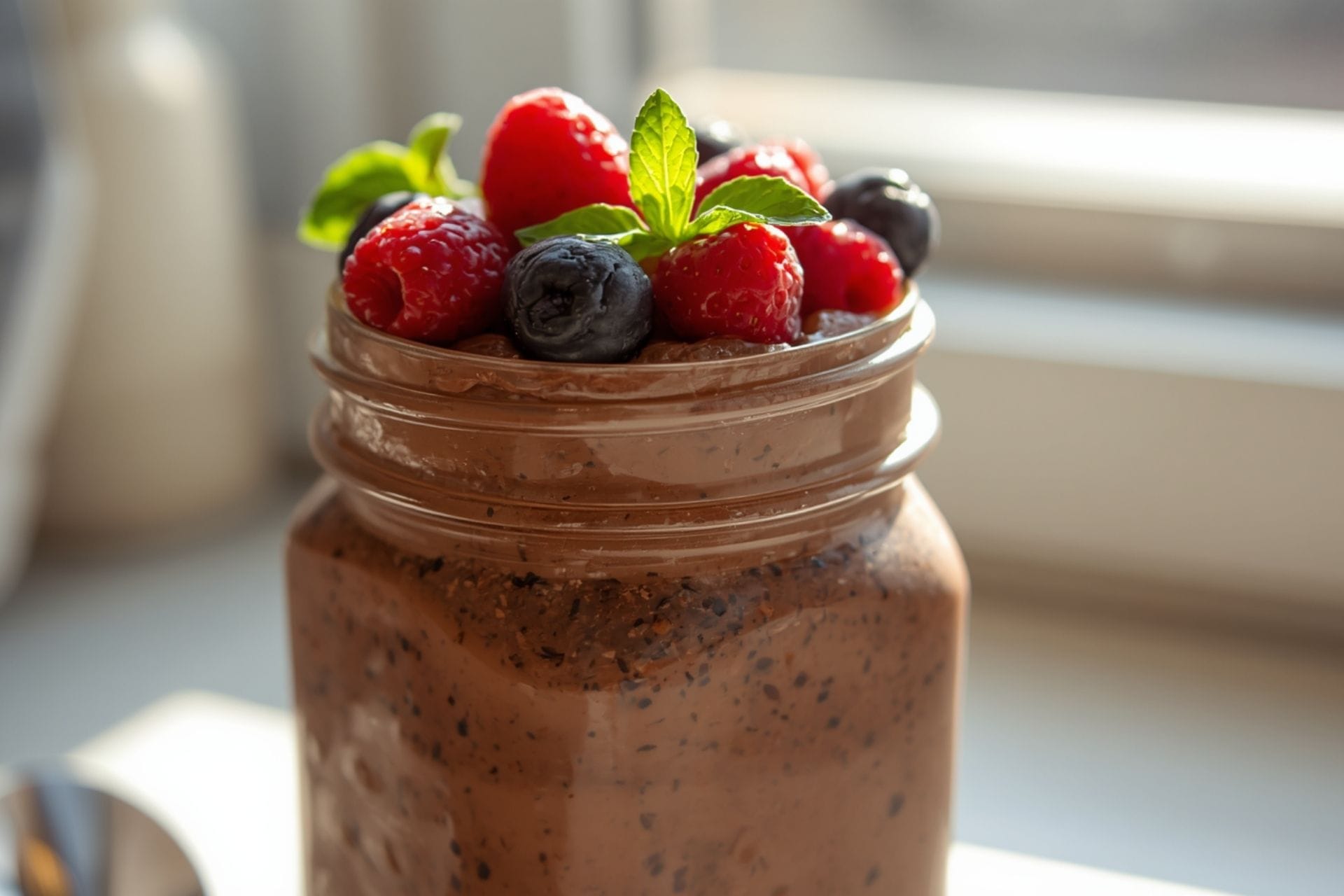
Breakfast often determines how you'll feel for the rest of the morning. A meal that's high in refined carbohydrates may leave you hungry again within a couple of hours, while one containing protein, healthy fats, and fiber can help you stay satisfied until lunch. That's exactly why this chocolate chia pudding is the perfect way to begin your Dessert Meal Plans.
Rather than relying on sugary breakfast cereals or pastries, this recipe combines nutrient-dense ingredients that create a creamy, dessert-like texture while providing lasting nourishment. Chia seeds absorb liquid overnight, forming a naturally thick pudding packed with fiber and plant-based omega-3 fatty acids. Unsweetened cocoa powder adds deep chocolate flavor without added sugar, while Greek yogurt contributes protein and a smooth, creamy consistency.
Ingredients
- ¾ cup plain Greek yogurt
- 2 tablespoons chia seeds
- 1 tablespoon unsweetened cocoa powder
- ½ teaspoon pure vanilla extract
- 1–2 teaspoons monk fruit sweetener (or to taste)
- ¼ cup unsweetened almond milk
- 2 tablespoons fresh raspberries
- 1 tablespoon chopped almonds
- Optional: dark chocolate shavings (85% cacao or higher)
Instructions
- Combine the Greek yogurt, almond milk, cocoa powder, vanilla, and sweetener in a bowl.
- Stir in the chia seeds until evenly distributed.
- Cover and refrigerate overnight, or for at least four hours.
- Before serving, top with raspberries, chopped almonds, and a few dark chocolate shavings.
The result is a breakfast that feels indulgent but is rich in protein, fiber, calcium, and healthy fats. It's also incredibly convenient because it can be prepared the night before, making busy mornings much easier.
Why This Breakfast Works
- High in protein to support satiety.
- Rich in fiber from chia seeds.
- Naturally chocolatey without refined sugar.
- Easy to prepare ahead of time.
- Fits perfectly into weekly Dessert Meal Plans.
Approximate Nutrition
| Nutrient | Amount |
|---|---|
| Calories | 360 |
| Net Carbs | 10 g |
| Protein | 24 g |
| Fat | 22 g |
| Fiber | 11 g |
Lunch
Grilled Chicken Spinach Salad with Creamy Avocado Dressing
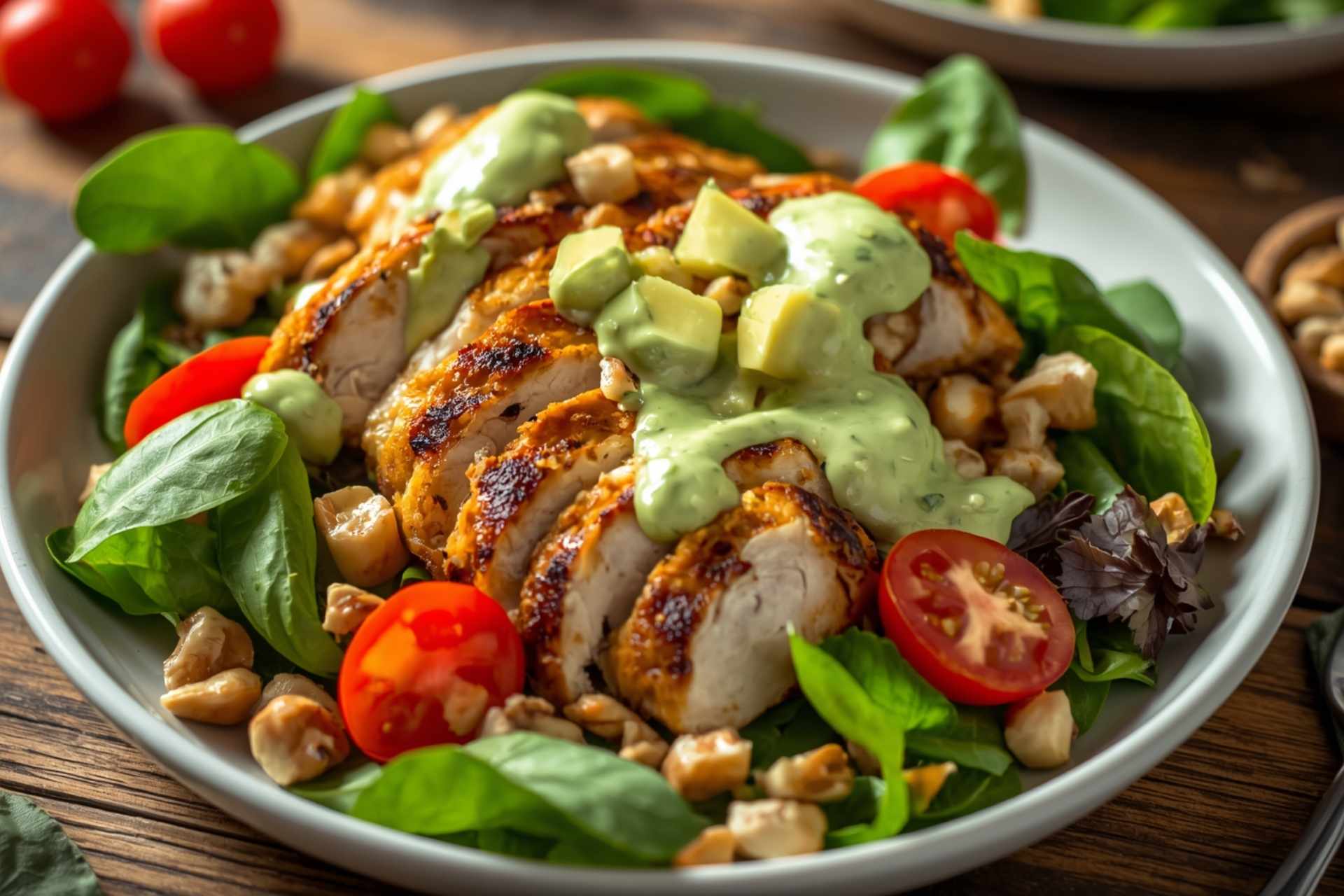
Lunch should provide enough nourishment to keep your energy stable throughout the afternoon without leaving you feeling sluggish. This colorful salad combines lean protein, healthy fats, and crisp vegetables while remaining naturally low in carbohydrates.
Fresh spinach forms the base of the salad, providing vitamins A, C, and K, along with folate and iron. Grilled chicken breast delivers high-quality protein that supports muscle maintenance and helps promote fullness. Creamy avocado adds heart healthy monounsaturated fats, while cucumbers, cherry tomatoes, and pumpkin seeds contribute crunch, color, and additional nutrients.
Ingredients
- 5 ounces grilled chicken breast
- 2 cups baby spinach
- ½ avocado
- ½ cup cucumber slices
- ½ cup cherry tomatoes
- 1 tablespoon pumpkin seeds
- 1 tablespoon extra-virgin olive oil
- Juice of ½ lemon
- Salt and freshly ground black pepper
Instructions
Arrange the spinach on a large plate, then layer the grilled chicken, avocado, cucumber, tomatoes, and pumpkin seeds on top. Whisk together the olive oil, lemon juice, salt, and pepper before drizzling the dressing over the salad.
This meal offers a satisfying combination of textures while keeping carbohydrates relatively low. The healthy fats from avocado and olive oil complement the lean protein from the chicken, making the salad filling enough to prevent afternoon cravings.
Why This Lunch Works
- Excellent source of lean protein.
- Rich in healthy fats.
- Naturally high in vitamins and minerals.
- Easy to meal prep for several days.
- Supports balanced Dessert Meal Plans.
Approximate Nutrition
| Nutrient | Amount |
|---|---|
| Calories | 470 |
| Net Carbs | 9 g |
| Protein | 39 g |
| Fat | 30 g |
| Fiber | 8 g |
Dinner
Garlic Butter Salmon with Roasted Broccoli
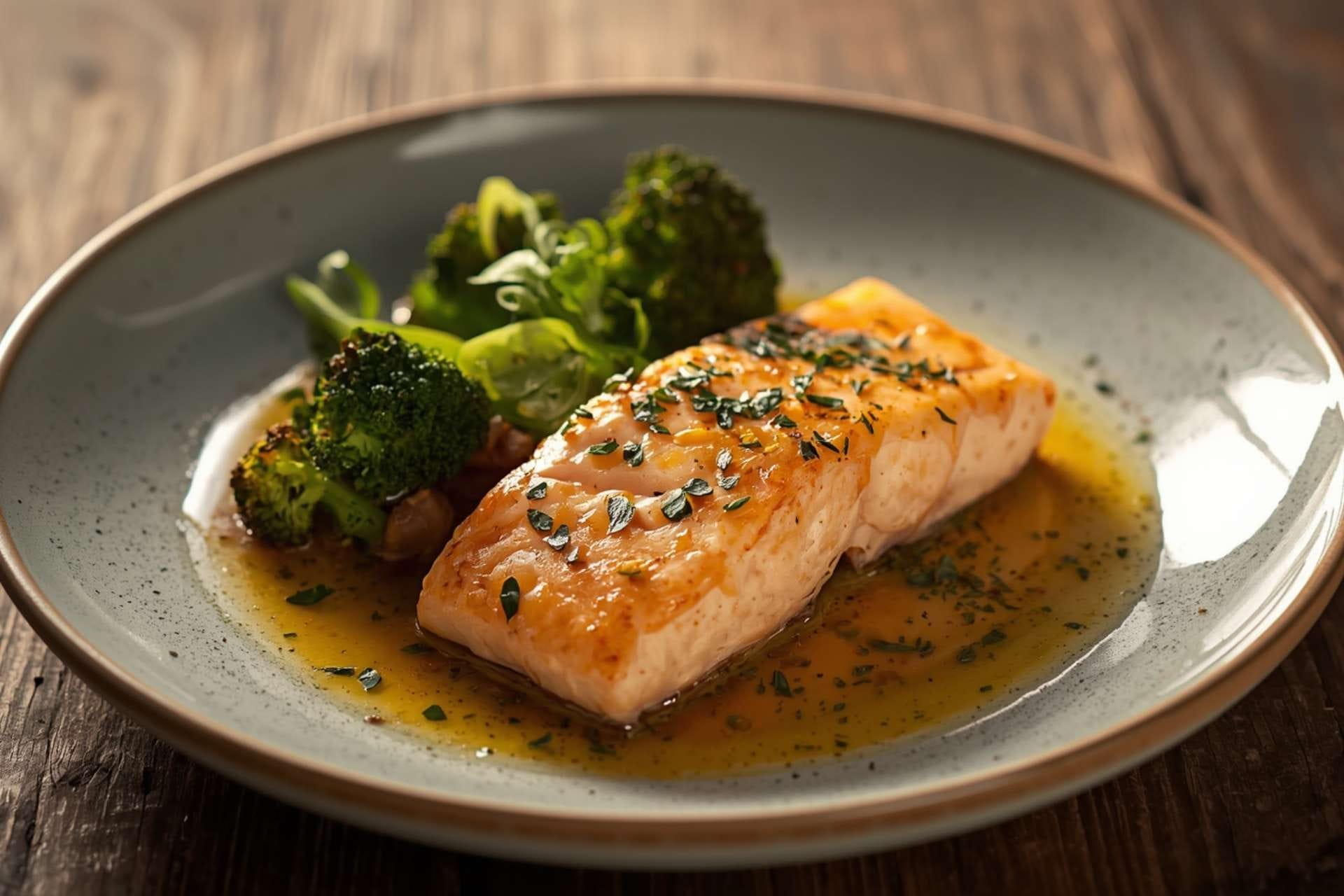
Dinner is the perfect opportunity to enjoy a flavorful meal that complements the day's lighter desserts. Salmon is one of the best protein choices for Dessert Meal Plans because it's naturally rich in omega-3 fatty acids, high-quality protein, vitamin D, and selenium.
Roasting broccoli with garlic and olive oil creates caramelized edges and enhances its natural sweetness without adding unnecessary carbohydrates. A simple garlic butter sauce ties everything together while adding richness that makes this meal feel restaurant-worthy.
Ingredients
- 6-ounce salmon fillet
- 2 cups broccoli florets
- 2 teaspoons olive oil
- 1 tablespoon butter
- 2 cloves garlic, minced
- Lemon wedges
- Fresh parsley
- Salt and pepper
Instructions
- Roast the broccoli in a preheated 400°F (200°C) oven for 20–25 minutes.
- Season the salmon with salt and pepper.
- Cook the salmon in a skillet until flaky.
- Melt the butter with garlic and spoon it over the salmon.
- Garnish with parsley and fresh lemon.
The combination of salmon and broccoli creates a nutrient-rich dinner that's satisfying without feeling heavy. Since today's dessert is chocolate-based, this savory meal provides excellent balance.
Why This Dinner Works
- High-quality protein supports fullness.
- Omega-3 fats contribute to heart health.
- Broccoli provides fiber and antioxidants.
- Simple ingredients with maximum flavor.
- Perfect for meal preparation.
Approximate Nutrition
| Nutrient | Amount |
|---|---|
| Calories | 610 |
| Net Carbs | 11 g |
| Protein | 42 g |
| Fat | 41 g |
| Fiber | 6 g |
Dessert
Creamy Chocolate Avocado Mousse
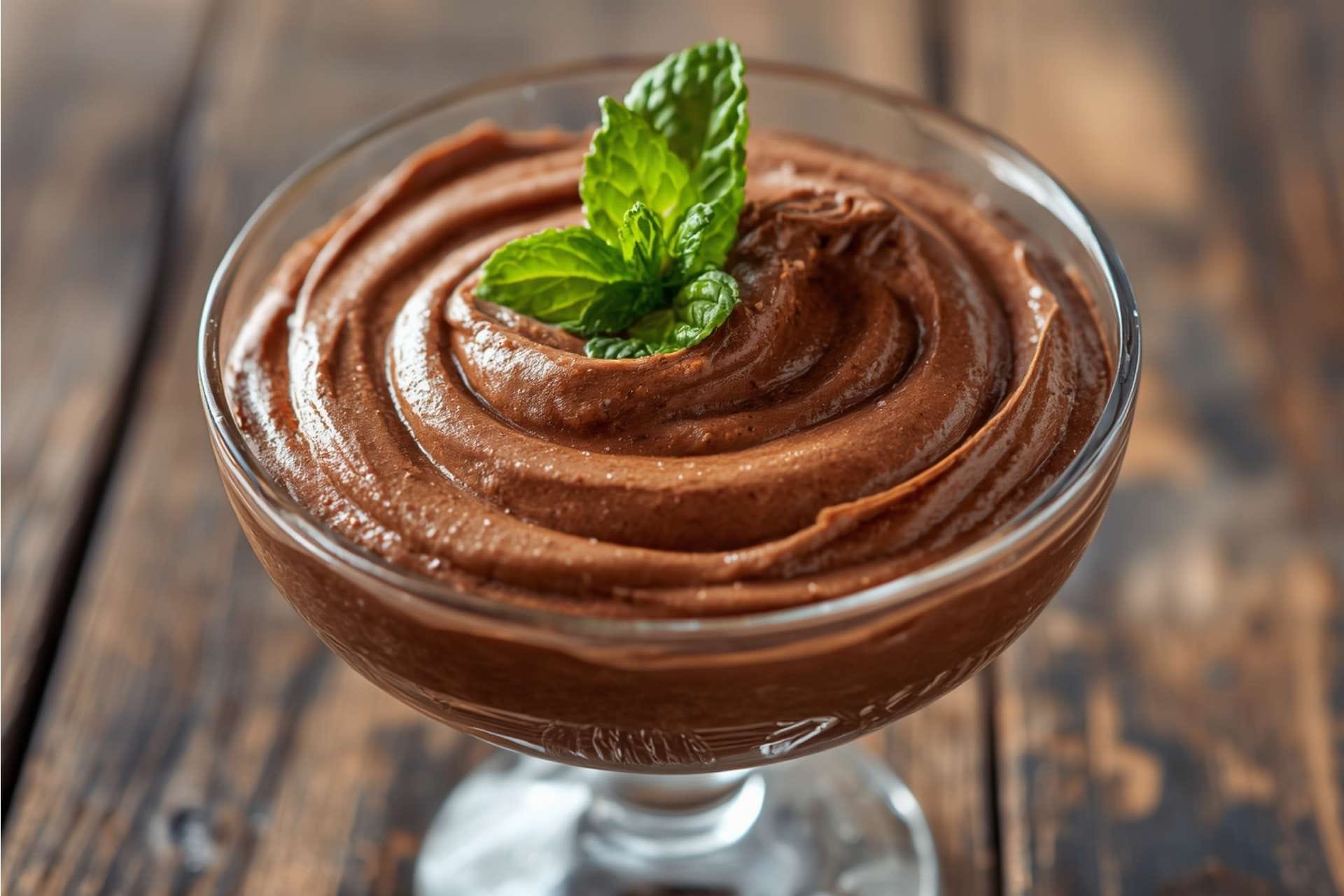
No chocolate themed day would be complete without a decadent dessert, and this mousse proves that rich flavor doesn't require refined sugar or processed ingredients. Avocado creates an incredibly silky texture while contributing healthy monounsaturated fats, fiber, and potassium. Combined with cocoa powder, vanilla, and a natural sweetener, it transforms into a dessert that tastes remarkably indulgent.
Ingredients
- 1 ripe avocado
- 2 tablespoons unsweetened cocoa powder
- 2 tablespoons unsweetened almond milk
- 1 teaspoon vanilla extract
- 1–2 teaspoons monk fruit sweetener
- Pinch of sea salt
- Optional: whipped cream and shaved dark chocolate for garnish
Instructions
Blend all ingredients until completely smooth and creamy. Chill for at least 30 minutes before serving. Garnish with a small dollop of whipped cream and a few dark chocolate shavings if desired.
The mousse is naturally dairy-optional, making it suitable for a variety of dietary preferences. Its creamy consistency and intense chocolate flavor make it feel like a restaurant-quality dessert while fitting beautifully into Dessert Meal Plans.
Why This Dessert Works
- Rich chocolate flavor without added sugar.
- Healthy fats help increase satiety.
- Naturally creamy texture.
- Quick to prepare.
- Ideal for make-ahead meal prep.
Approximate Nutrition
| Nutrient | Amount |
|---|---|
| Calories | 250 |
| Net Carbs | 7 g |
| Protein | 4 g |
| Fat | 23 g |
| Fiber | 8 g |
Daily Nutrition Breakdown
At the end of Day 1, you've enjoyed four satisfying meals—including dessert—without relying on refined sugar or heavily processed foods. The day's menu emphasizes nutrient-dense ingredients that provide lasting energy while helping you stay comfortably full.
Estimated Daily Totals
| Nutrient | Total |
|---|---|
| Calories | 1,690 kcal |
| Net Carbohydrates | 37 g |
| Protein | 109 g |
| Total Fat | 116 g |
| Dietary Fiber | 33 g |
Why Day 1 Is Nutritionally Balanced
Today's Dessert Meal Plans menu is built around foods that work together to support satiety and overall nutrition:
- Protein from Greek yogurt, chicken, and salmon helps maintain muscle and supports fullness.
- Healthy fats from avocado, olive oil, almonds, chia seeds, and salmon contribute to flavor and sustained energy.
- Fiber from vegetables, berries, chia seeds, and avocado supports digestive health and helps promote satiety.
- Micronutrients such as vitamin C, vitamin K, potassium, calcium, magnesium, and omega-3 fatty acids come from a variety of whole foods.
By ending the day with a rich chocolate dessert that fits your nutritional goals, you're reinforcing one of the core principles of successful Dessert Meal Plans: healthy eating doesn't require giving up the foods you love. Instead, it's about choosing ingredients that nourish your body while making every meal—including dessert—something you genuinely look forward to.
Expert Tip
Prepare the Chocolate Chia Protein Pudding and Chocolate Avocado Mousse the night before. Not only will the flavors deepen as they chill, but you'll also have two delicious, ready-to-eat options that make it much easier to stay on track with your Dessert Meal Plans during a busy day.
Day 2: Berry Bliss Low-Carb Dessert Meal Plans
After enjoying rich chocolate flavors on Day 1, it's time to brighten your menu with nature's sweetest low carb fruits—berries. Day 2 of this Dessert Meal Plans guide celebrates the fresh, vibrant flavors of strawberries, raspberries, and blackberries, paired with satisfying meals that keep carbohydrates moderate while delivering plenty of protein, healthy fats, and fiber.
Berries are often considered one of the best fruits for a low carb lifestyle because they generally contain fewer carbohydrates than tropical fruits while providing impressive amounts of vitamin C, fiber, and powerful antioxidants known as polyphenols. Their natural sweetness makes them ideal for healthy desserts without requiring large amounts of added sweeteners.
According to the Harvard T.H. Chan School of Public Health, berries are rich in beneficial plant compounds that support overall health and fit well into balanced dietary patterns. The American Heart Association also encourages eating a variety of colorful fruits and vegetables as part of a heart healthy lifestyle, and berries are among the most nutrient-dense options available.
Today's menu demonstrates that Dessert Meal Plans can be colorful, refreshing, and satisfying without relying on refined sugar. Every meal is designed to complement the others, creating steady energy throughout the day while ending with a dessert that feels like a special treat.
The estimated nutritional profile for Day 2 includes approximately 35–40 grams of net carbohydrates, making it appropriate for many people following a moderate low carb eating plan. Individual needs vary, so portions can always be adjusted based on your goals and guidance from a healthcare professional.
Breakfast
Berry Greek Yogurt Parfait with Almond Crunch
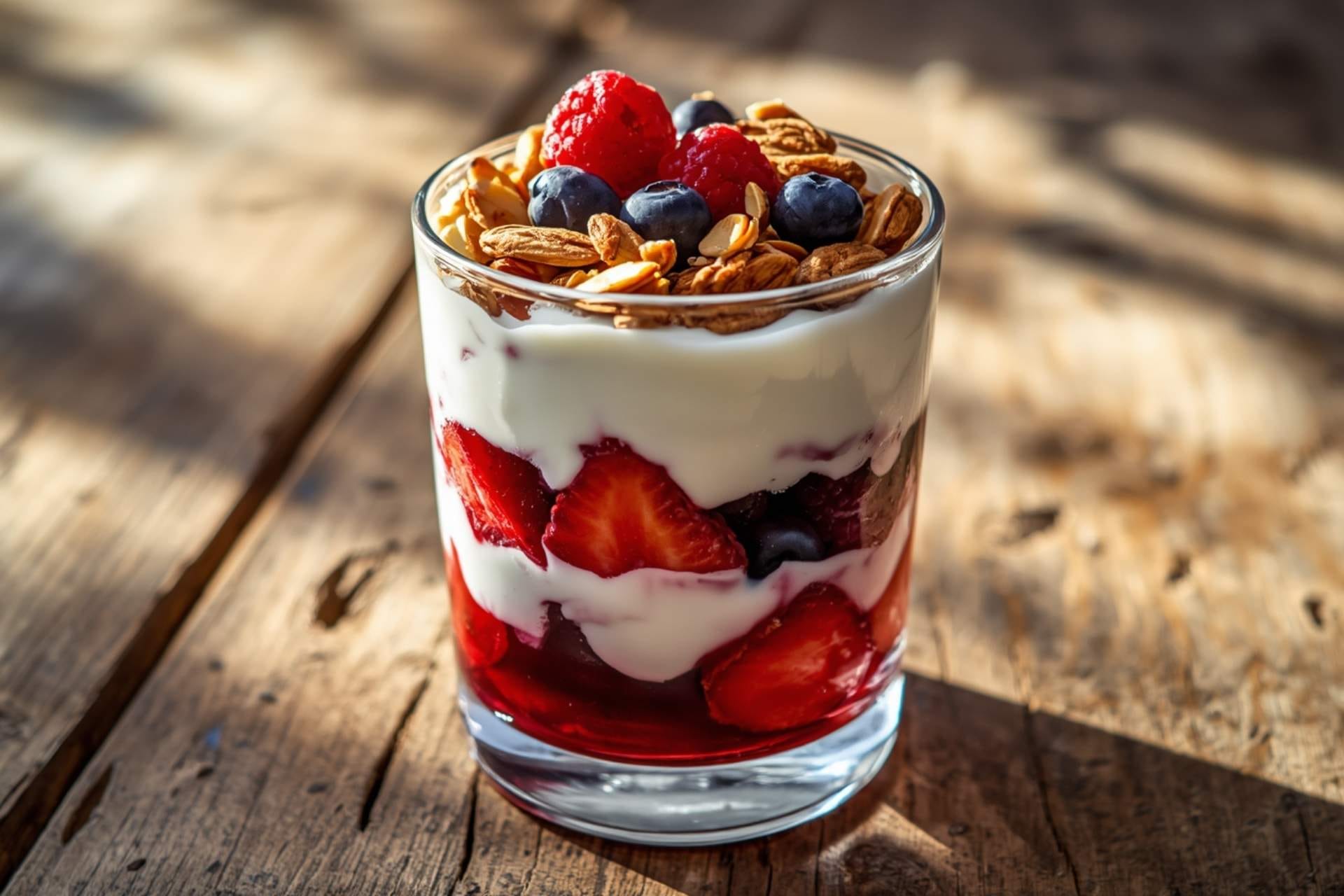
Breakfast should be something you genuinely look forward to, and this parfait delivers both flavor and nutrition. Instead of starting your morning with a sugar filled cereal or pastry, you'll enjoy layers of creamy Greek yogurt, juicy berries, crunchy almonds, and chia seeds. The result is a breakfast that feels like dessert while providing high-quality protein, fiber, and healthy fats.
The combination of berries and yogurt offers a balance of sweetness and creaminess without overwhelming your taste buds. Chia seeds add texture while increasing fiber and omega-3 fatty acids, helping you stay full throughout the morning.
Ingredients
- 1 cup plain Greek yogurt
- ¼ cup fresh strawberries, sliced
- ¼ cup fresh raspberries
- 2 tablespoons blackberries
- 2 tablespoons chopped almonds
- 1 tablespoon chia seeds
- ½ teaspoon vanilla extract
- 1 teaspoon monk fruit sweetener (optional)
- Pinch of cinnamon
Instructions
- Mix the Greek yogurt with vanilla and sweetener, if using.
- Layer yogurt, berries, almonds, and chia seeds in a serving glass.
- Repeat the layers until all ingredients are used.
- Sprinkle cinnamon on top before serving.
This breakfast can be prepared the night before, making it an excellent option for busy mornings. The flavors also develop beautifully as the parfait chills overnight.
Why This Breakfast Works
- High in protein to support fullness.
- Naturally sweet from fresh berries.
- Excellent source of calcium and probiotics.
- Rich in fiber from chia seeds and berries.
- Easy to prepare ahead for Dessert Meal Plans.
Approximate Nutrition
| Nutrient | Amount |
|---|---|
| Calories | 370 |
| Net Carbs | 11 g |
| Protein | 25 g |
| Fat | 21 g |
| Fiber | 9 g |
Lunch
Turkey Lettuce Wraps with Avocado and Herb Salad
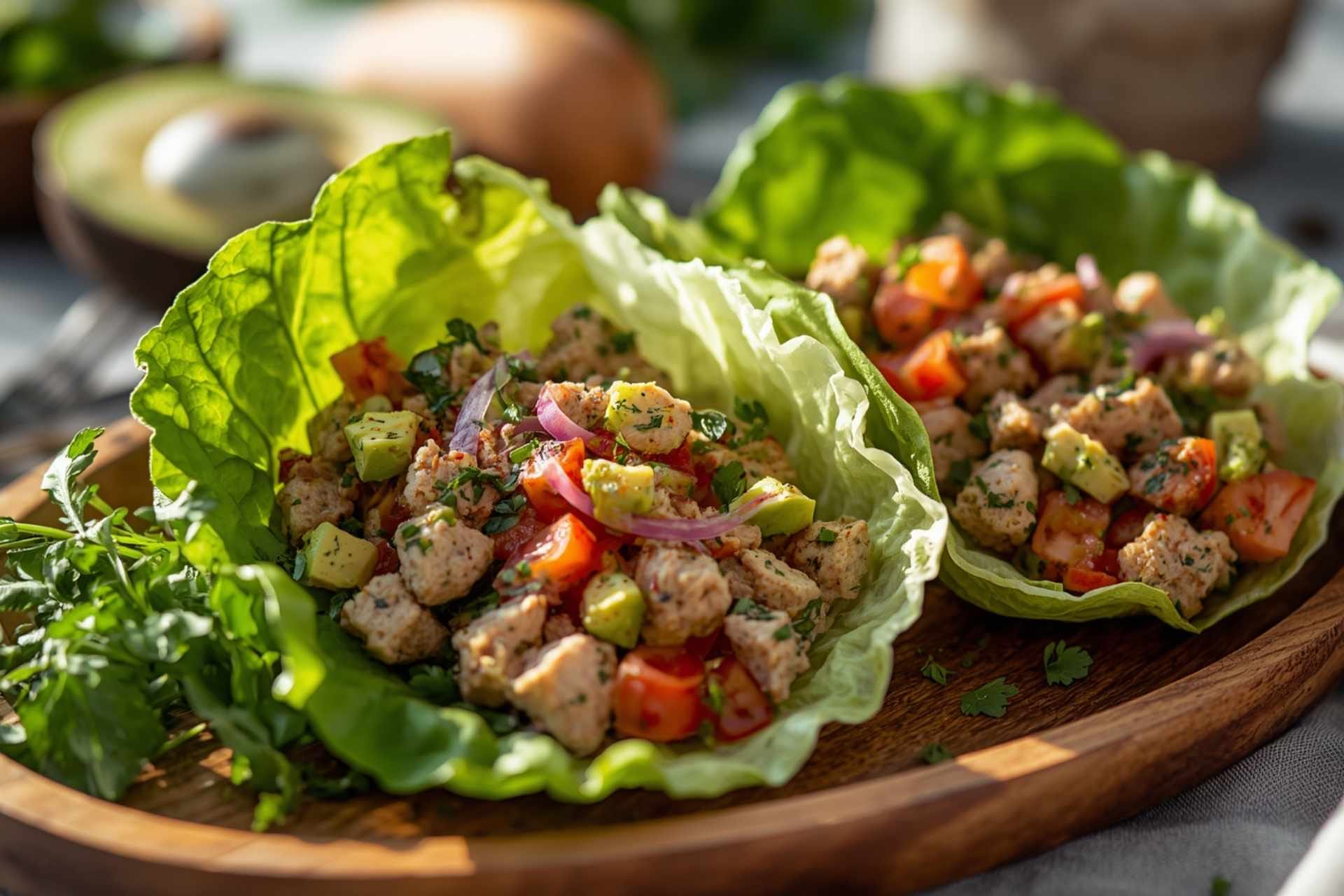
Lunch focuses on lean protein and crisp vegetables while keeping preparation simple. Instead of traditional sandwich bread, large romaine or butter lettuce leaves become fresh, crunchy wraps filled with seasoned turkey, creamy avocado, cucumber, and herbs.
This meal is satisfying without feeling heavy, making it ideal for maintaining steady energy during the afternoon. The healthy fats from avocado pair perfectly with lean turkey, while fresh vegetables contribute vitamins, minerals, and fiber.
Ingredients
- 5 ounces sliced roasted turkey breast
- Large romaine lettuce leaves
- ½ avocado, sliced
- ½ cucumber, thinly sliced
- Cherry tomatoes
- Fresh parsley
- Olive oil
- Lemon juice
- Dijon mustard
- Salt and black pepper
Instructions
Arrange turkey, avocado, and cucumber inside the lettuce leaves. Toss the tomatoes and parsley with olive oil and lemon juice to create a simple herb salad. Serve alongside the wraps.
This refreshing lunch comes together in less than fifteen minutes and works especially well for meal prep because the ingredients can be stored separately until serving.
Why This Lunch Works
- Rich in lean protein.
- Naturally gluten-free.
- Healthy fats help increase satiety.
- Fresh vegetables provide antioxidants and fiber.
- Supports balanced Dessert Meal Plans.
Approximate Nutrition
| Nutrient | Amount |
|---|---|
| Calories | 460 |
| Net Carbs | 9 g |
| Protein | 38 g |
| Fat | 29 g |
| Fiber | 8 g |
Dinner
Lemon Herb Chicken with Roasted Zucchini and Cauliflower
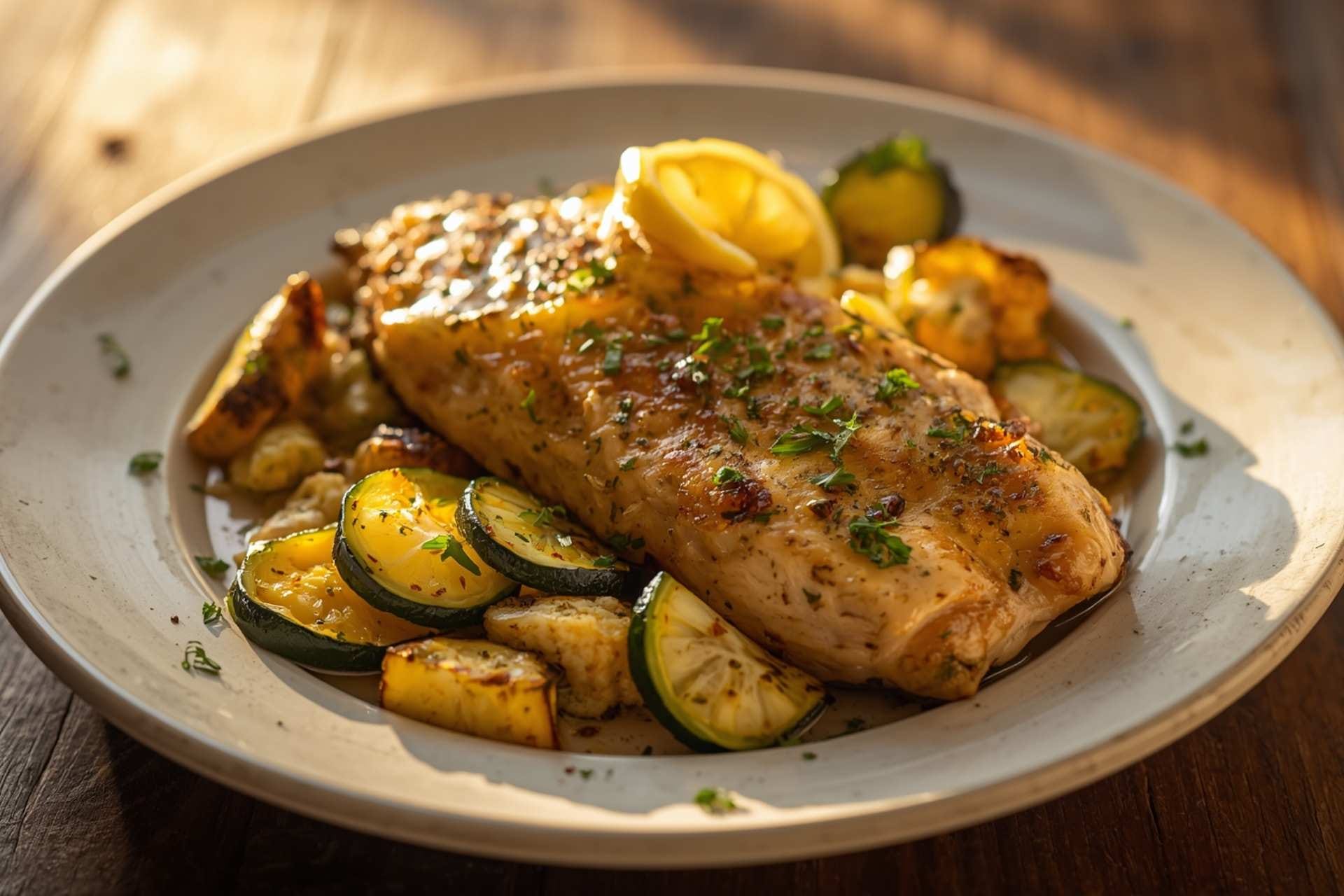
Dinner combines juicy roasted chicken with colorful vegetables seasoned with fresh herbs, garlic, and lemon. The bright citrus flavors provide a refreshing contrast to the creamy berry dessert waiting later in the evening.
Chicken thighs remain wonderfully moist during roasting and pair beautifully with zucchini and cauliflower. Roasting the vegetables caramelizes their natural sugars, creating a slightly sweet flavor without adding refined carbohydrates.
Ingredients
- 2 skin-on chicken thighs
- 2 cups zucchini slices
- 1½ cups cauliflower florets
- 2 tablespoons olive oil
- Garlic
- Fresh rosemary
- Fresh thyme
- Lemon zest
- Lemon juice
- Salt and pepper
Instructions
- Toss the vegetables with olive oil, garlic, rosemary, thyme, salt, and pepper.
- Arrange the chicken and vegetables on a baking sheet.
- Roast at 400°F (200°C) until the chicken reaches an internal temperature of 165°F (74°C).
- Finish with fresh lemon zest and juice before serving.
The combination of herbs, garlic, and citrus creates bold flavor while allowing the natural taste of the ingredients to shine.
Why This Dinner Works
- High-quality protein promotes fullness.
- Roasted vegetables add fiber and vitamins.
- One-pan recipe simplifies cleanup.
- Naturally low in carbohydrates.
- Ideal for weekly meal preparation.
Approximate Nutrition
| Nutrient | Amount |
|---|---|
| Calories | 620 |
| Net Carbs | 12 g |
| Protein | 43 g |
| Fat | 40 g |
| Fiber | 7 g |
Dessert
No-Bake Mixed Berry Cheesecake Cups

Day 2 finishes with a dessert that looks elegant enough for entertaining yet requires almost no baking. Cream cheese and Greek yogurt combine to create a silky filling, while fresh berries add natural sweetness and vibrant color.
Unlike traditional cheesecake, these cups skip the refined sugar and graham cracker crust while maintaining the creamy texture everyone loves. The result is a satisfying dessert that fits beautifully into your Dessert Meal Plans.
Ingredients
- 4 ounces cream cheese, softened
- ½ cup plain Greek yogurt
- 1 teaspoon vanilla extract
- 1–2 teaspoons monk fruit sweetener
- ¼ cup strawberries
- ¼ cup raspberries
- 2 tablespoons blackberries
- 1 tablespoon crushed almonds
- Fresh mint leaves (optional)
Instructions
- Beat the cream cheese until smooth.
- Mix in the Greek yogurt, vanilla, and sweetener.
- Spoon into individual dessert glasses.
- Top with mixed berries, crushed almonds, and mint.
- Chill for at least one hour before serving.
Preparing these cheesecake cups in advance allows the flavors to develop while making dessert ready whenever you need it.
Why This Dessert Works
- Rich, creamy texture without refined sugar.
- Protein from Greek yogurt helps increase satiety.
- Fresh berries provide antioxidants and vitamin C.
- Naturally portion-controlled.
- Excellent make-ahead dessert.
Approximate Nutrition
| Nutrient | Amount |
|---|---|
| Calories | 270 |
| Net Carbs | 8 g |
| Protein | 11 g |
| Fat | 21 g |
| Fiber | 5 g |
Nutrition Summary
At the end of Day 2, you've enjoyed four colorful meals filled with fresh ingredients, lean proteins, healthy fats, and naturally sweet berries. The menu emphasizes variety while maintaining the nutritional balance that makes Dessert Meal Plans practical and sustainable.
Estimated Daily Totals
| Nutrient | Total |
|---|---|
| Calories | 1,720 kcal |
| Net Carbohydrates | 40 g |
| Protein | 117 g |
| Total Fat | 111 g |
| Dietary Fiber | 29 g |
Nutritional Highlights
Day 2 provides a well-rounded combination of nutrients that support both satisfaction and overall wellness:
- Protein from Greek yogurt, turkey, chicken, and cream cheese helps promote fullness and supports muscle maintenance.
- Healthy fats from avocado, olive oil, almonds, and dairy contribute to long-lasting energy and rich flavor.
- Fiber from berries, chia seeds, cauliflower, zucchini, and leafy greens supports digestive health and balanced eating.
- Vitamin C from strawberries, raspberries, blackberries, lemon, and vegetables contributes to immune function and collagen production.
- Calcium and probiotics from Greek yogurt help support bone health and digestive wellness.
- Antioxidants from colorful berries provide naturally occurring plant compounds that contribute to a balanced diet.
Because each meal includes a thoughtful balance of protein, fiber, and healthy fats, today's menu helps reduce the likelihood of sudden hunger or afternoon sugar cravings. Instead of relying on processed snacks, you'll finish the day with nourishing meals that make healthy eating feel enjoyable rather than restrictive.
Meal Prep Tips for Day 2
Save time during the week by preparing several ingredients in advance:
- Wash and portion fresh berries into individual containers.
- Assemble yogurt parfaits the night before breakfast.
- Roast extra chicken for future lunches.
- Prepare multiple cheesecake cups at once and refrigerate for up to four days.
- Slice vegetables ahead of time for quick salads and lettuce wraps.
These simple meal prep habits make it easier to stay consistent with your Dessert Meal Plans, even on your busiest days.
Expert Tip
For the best flavor, choose fresh, ripe berries when they're in season. If fresh berries aren't available, unsweetened frozen berries are an excellent alternative. They're picked at peak ripeness, retain most of their nutrients, and work beautifully in parfaits, smoothies, cheesecakes, and other low carb desserts.
Day 3: Cheesecake-Inspired Low Carb Dessert Meal Plans
If there's one dessert that proves creamy indulgence can fit into a healthy lifestyle, it's cheesecake. Day 3 of this Dessert Meal Plans guide is inspired by the rich, velvety flavors of classic cheesecake while using wholesome, low carb ingredients that align with your nutrition goals. Instead of refined sugar, graham cracker crusts, and processed fillings, today's menu highlights nutrient-dense foods like Greek yogurt, cream cheese, berries, almond flour, and lean proteins.
One of the reasons cheesecake works so well in a low carb eating pattern is its naturally high protein and fat content. By making a few thoughtful ingredient swaps—such as replacing sugar with monk fruit sweetener or allulose and using almond flour instead of traditional flour—you can enjoy the same creamy texture with significantly fewer carbohydrates. This approach allows cheesecake flavors to become part of everyday Dessert Meal Plans rather than an occasional splurge.
Today's meals are designed to complement one another. Breakfast introduces light cheesecake-inspired flavors, lunch delivers lean protein and fresh vegetables, dinner features a comforting yet balanced entrée, and dessert finishes the day with a creamy no-bake cheesecake cup. Every meal emphasizes whole foods, quality protein, healthy fats, and fiber to help support satiety throughout the day.
According to the Academy of Nutrition and Dietetics, including protein-rich foods throughout the day can help support muscle maintenance and increase feelings of fullness. Pairing protein with vegetables, healthy fats, and fiber-rich ingredients creates balanced meals that are easier to sustain over time.
With approximately 35–38 grams of net carbohydrates, Day 3 fits comfortably into many moderate low carb lifestyles while proving that rich desserts and healthy eating can absolutely coexist.
Breakfast
Mini Cheesecake Yogurt Bowl
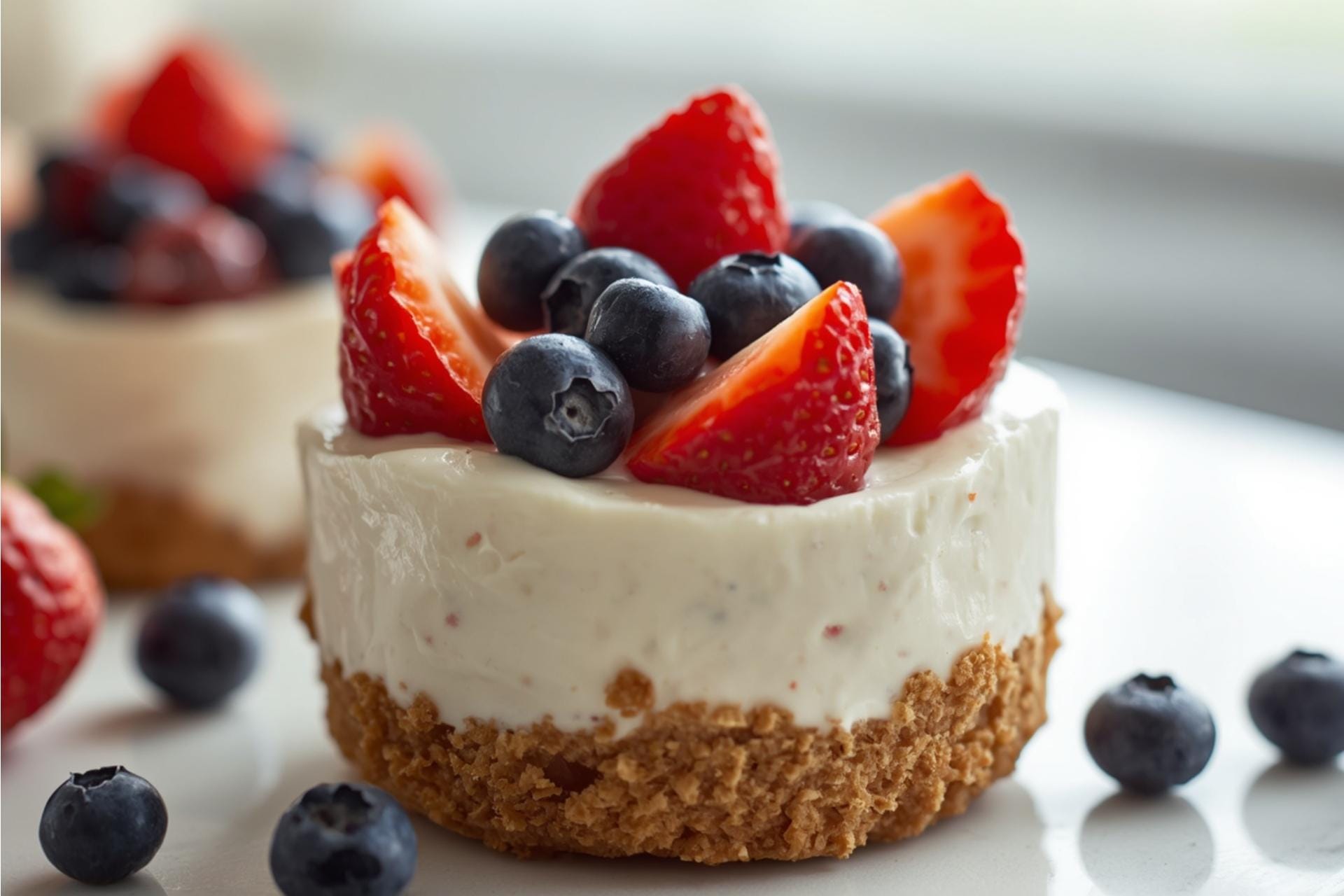
Imagine waking up to a breakfast that tastes remarkably similar to cheesecake—but is packed with protein, calcium, probiotics, and fresh fruit. That's exactly what this creamy yogurt bowl delivers. Combining plain Greek yogurt with softened cream cheese, vanilla, cinnamon, and fresh berries creates a luxurious texture that feels indulgent while providing balanced nutrition.
Unlike sugary breakfast pastries that may leave you hungry shortly afterward, this breakfast contains protein and healthy fats that help promote fullness. A sprinkle of crushed almonds adds satisfying crunch, while a few fresh raspberries provide natural sweetness and vibrant color.
Ingredients
- ¾ cup plain Greek yogurt
- 2 tablespoons softened cream cheese
- ½ teaspoon vanilla extract
- 1 teaspoon monk fruit sweetener (optional)
- ¼ teaspoon cinnamon
- ¼ cup fresh raspberries
- 1 tablespoon chopped almonds
- 1 tablespoon crushed pecans
- Lemon zest (optional)
Instructions
- Whisk together the Greek yogurt, cream cheese, vanilla, cinnamon, and sweetener until smooth.
- Spoon the mixture into a serving bowl.
- Top with raspberries, almonds, pecans, and a little fresh lemon zest.
The combination of creamy dairy, crunchy nuts, and juicy berries creates layers of flavor that closely resemble a traditional cheesecake—without the refined sugar.
Why This Breakfast Works
- High in protein for sustained energy.
- Rich in calcium and probiotics.
- Naturally sweetened with berries.
- Quick enough for busy mornings.
- Ideal for make-ahead Dessert Meal Plans.
Approximate Nutrition
| Nutrient | Amount |
|---|---|
| Calories | 390 |
| Net Carbs | 9 g |
| Protein | 27 g |
| Fat | 26 g |
| Fiber | 5 g |
Lunch
Grilled Chicken Caesar Salad (Low Carb Version)
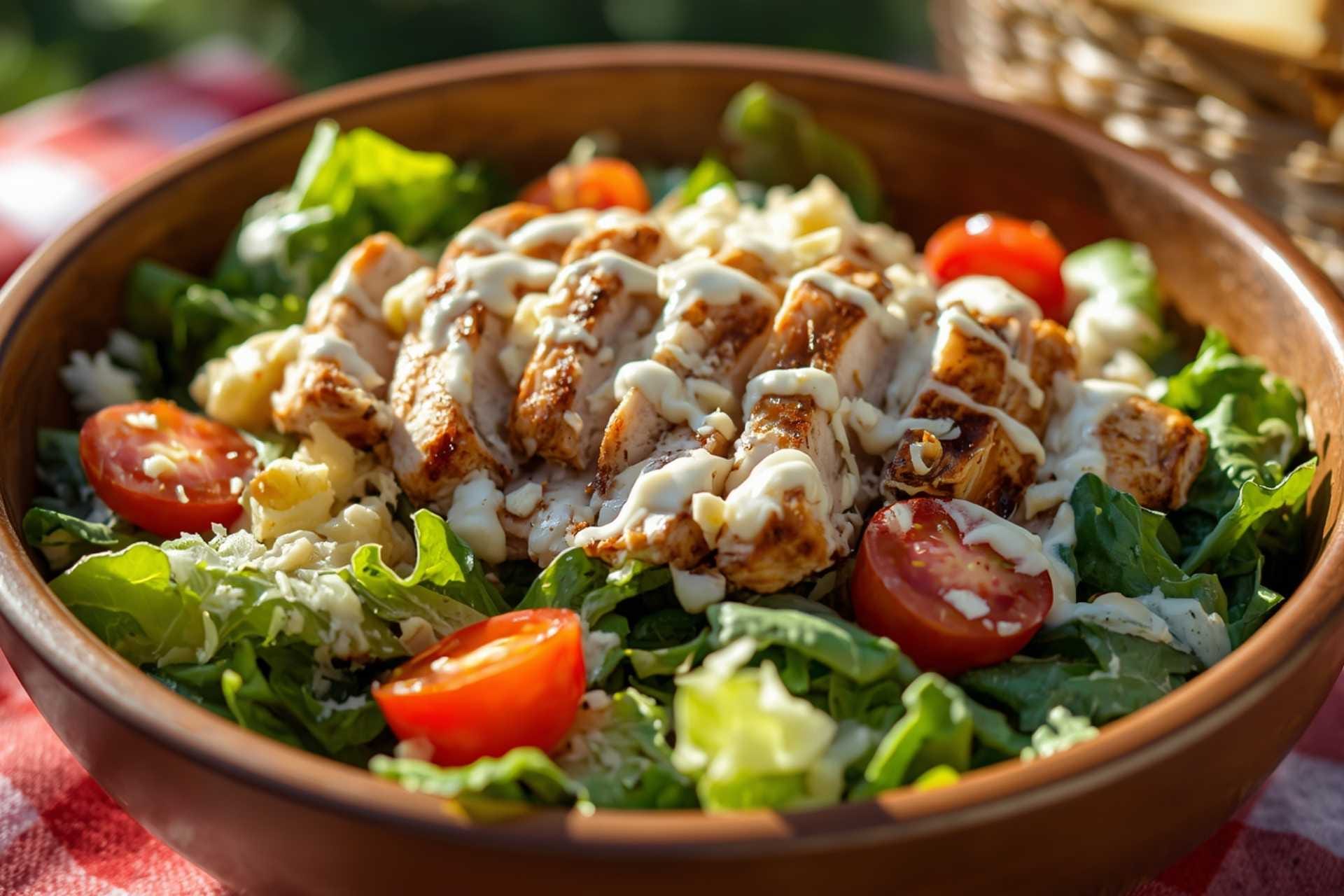
Lunch offers a lighter contrast to the creamy breakfast while maintaining excellent nutritional balance. This low carb Caesar salad skips the croutons but keeps all the classic flavors you love. Crisp romaine lettuce, juicy grilled chicken, freshly grated Parmesan cheese, and a homemade Caesar dressing come together for a satisfying meal that supports your Dessert Meal Plans.
Using homemade dressing allows you to control the ingredients while avoiding unnecessary added sugars that may appear in some bottled dressings. Fresh lemon juice, garlic, Parmesan, olive oil, and Dijon mustard create a bold flavor that perfectly complements the grilled chicken.
Ingredients
- 5 ounces grilled chicken breast
- 2 cups chopped romaine lettuce
- 2 tablespoons grated Parmesan cheese
- 1 tablespoon olive oil
- 1 teaspoon Dijon mustard
- 1 teaspoon lemon juice
- 1 clove garlic, minced
- Black pepper
- Optional: sliced avocado
Instructions
Whisk together the dressing ingredients until smooth. Toss the lettuce with the dressing before adding grilled chicken, Parmesan cheese, and avocado if desired.
This refreshing salad provides excellent protein while remaining naturally low in carbohydrates and incredibly satisfying.
Why This Lunch Works
- Excellent source of lean protein.
- Rich in healthy fats.
- Crisp vegetables increase fiber intake.
- Quick to prepare.
- Perfect for weekly meal prep.
Approximate Nutrition
| Nutrient | Amount |
|---|---|
| Calories | 455 |
| Net Carbs | 8 g |
| Protein | 40 g |
| Fat | 28 g |
| Fiber | 5 g |
Dinner
Herb-Roasted Turkey Meatballs with Creamy Cauliflower Mash
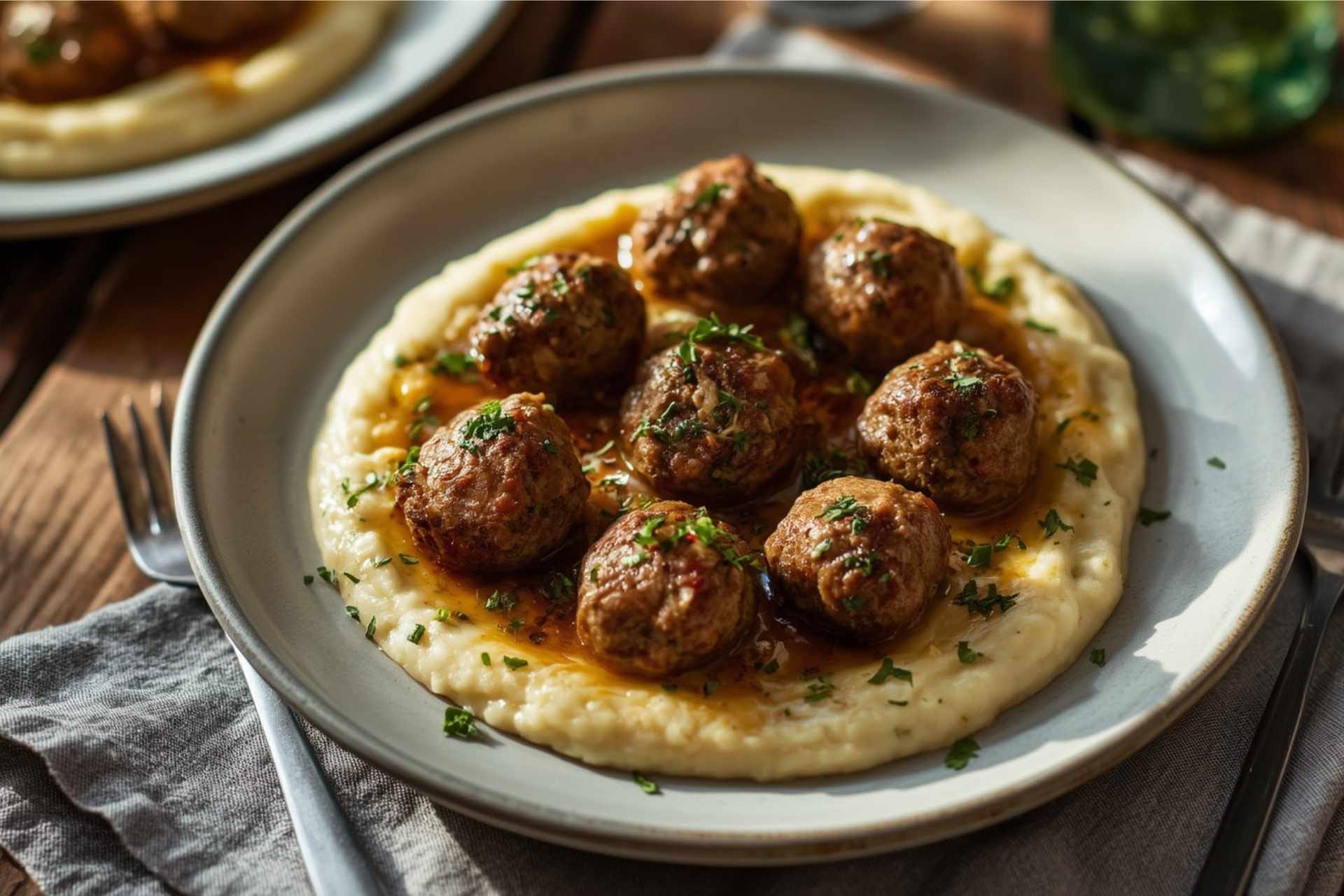
Comfort food doesn't have to be high in carbohydrates. Today's dinner features tender turkey meatballs seasoned with garlic, parsley, oregano, and Parmesan cheese, served alongside creamy cauliflower mash that delivers many of the comforting qualities of mashed potatoes while remaining much lower in carbohydrates.
The turkey meatballs provide lean protein, while the cauliflower mash contributes fiber, vitamin C, and a silky texture thanks to cream cheese and butter. Together, they create a satisfying meal that feels hearty without weighing you down.
Ingredients
Turkey Meatballs
- 6 ounces lean ground turkey
- 1 egg
- 2 tablespoons grated Parmesan
- Garlic
- Fresh parsley
- Italian seasoning
- Salt and pepper
Cauliflower Mash
- 2 cups cauliflower florets
- 1 tablespoon butter
- 2 tablespoons cream cheese
- Garlic powder
- Black pepper
Instructions
- Combine the turkey ingredients and shape into meatballs.
- Bake until fully cooked.
- Steam the cauliflower until tender.
- Blend the cauliflower with butter, cream cheese, and seasonings until smooth.
- Serve the meatballs over the cauliflower mash.
The creamy cauliflower perfectly complements the savory meatballs, creating a balanced dinner that fits naturally into your Dessert Meal Plans.
Why This Dinner Works
- High in protein.
- Comforting yet low in carbohydrates.
- Rich in vitamins and minerals.
- Easy to prepare in advance.
- Freezes well for meal prep.
Approximate Nutrition
| Nutrient | Amount |
|---|---|
| Calories | 610 |
| Net Carbs | 12 g |
| Protein | 46 g |
| Fat | 39 g |
| Fiber | 7 g |
Dessert
No-Bake Strawberry Cheesecake Cups
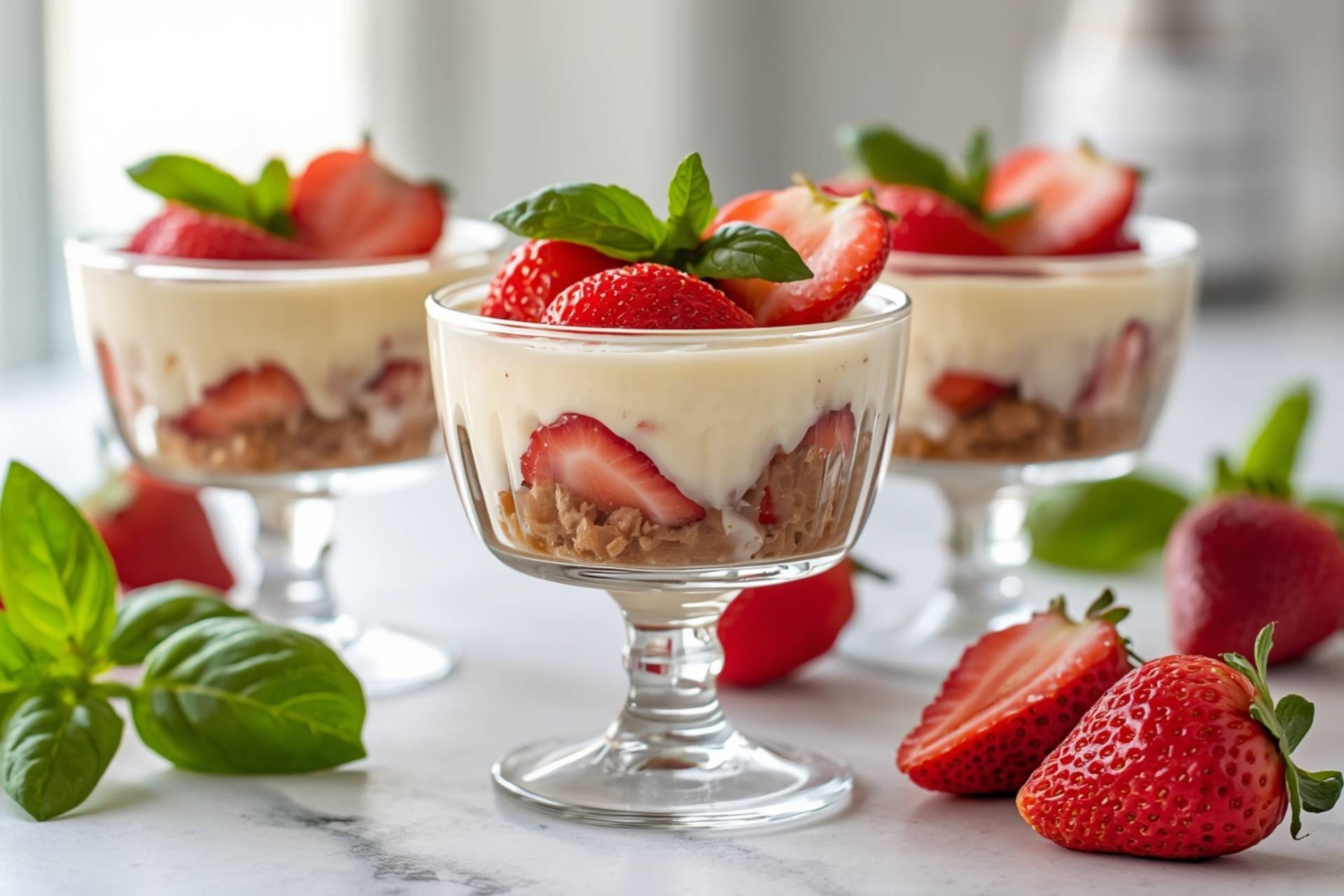
No cheesecake-inspired day would be complete without an actual cheesecake dessert. Fortunately, these no-bake cheesecake cups deliver all the creamy richness of the classic version while fitting beautifully into healthy Dessert Meal Plans.
Cream cheese forms the base of the filling, while Greek yogurt lightens the texture and increases protein. Fresh strawberries add natural sweetness and bright flavor, while crushed almond flour mixed with melted butter creates a simple crust reminiscent of traditional cheesecake.
Ingredients
Cheesecake Filling
- 4 ounces cream cheese
- ½ cup plain Greek yogurt
- 1 teaspoon vanilla extract
- 1–2 teaspoons allulose or monk fruit sweetener
Crust
- 2 tablespoons almond flour
- 1 teaspoon melted butter
- Pinch of cinnamon
Topping
- Fresh strawberries
- Mint leaves (optional)
Instructions
- Mix the almond flour with butter and cinnamon.
- Divide the mixture among small serving glasses.
- Beat together the cream cheese, yogurt, vanilla, and sweetener until smooth.
- Spoon the filling over the crust.
- Top with sliced strawberries and refrigerate for one hour before serving.
The result is a dessert that's creamy, refreshing, and surprisingly close to traditional cheesecake in both texture and flavor.
Why This Dessert Works
- High in protein.
- Naturally lower in carbohydrates.
- Rich, creamy texture.
- Easy to prepare ahead.
- Perfect for entertaining.
Approximate Nutrition
| Nutrient | Amount |
|---|---|
| Calories | 280 |
| Net Carbs | 8 g |
| Protein | 12 g |
| Fat | 22 g |
| Fiber | 3 g |
Nutrition Summary
Day 3 demonstrates that creamy comfort foods and cheesecake-inspired desserts can easily fit into balanced Dessert Meal Plans. Each meal combines high-quality protein, healthy fats, and fiber-rich ingredients to create satisfying dishes that support steady energy and long-lasting fullness.
Estimated Daily Totals
| Nutrient | Total |
|---|---|
| Calories | 1,735 kcal |
| Net Carbohydrates | 37 g |
| Protein | 125 g |
| Total Fat | 115 g |
| Dietary Fiber | 20 g |
Nutritional Highlights
Today's menu delivers an impressive variety of nutrients while maintaining moderate carbohydrate intake.
- Protein from Greek yogurt, cream cheese, turkey, chicken, Parmesan, and eggs helps support muscle maintenance and keeps you feeling satisfied throughout the day.
- Healthy fats from olive oil, nuts, cream cheese, butter, and avocado contribute to creamy textures and sustained energy.
- Fiber from cauliflower, berries, lettuce, almonds, and pecans supports digestive health and helps balance meals.
- Calcium from Greek yogurt, Parmesan, and cream cheese supports strong bones and teeth.
- Vitamin C from strawberries, cauliflower, and fresh lemon contributes to immune health and collagen production.
- Potassium from cauliflower and dairy products supports normal muscle and nerve function.
By including cheesecake-inspired flavors at both breakfast and dessert, today's menu satisfies sweet cravings without relying on refined sugar or highly processed treats. This balanced approach helps make Dessert Meal Plans enjoyable, realistic, and easier to maintain over the long term.
Meal Prep Tips for Day 3
Save time by preparing several recipes in advance:
- Mix multiple servings of the cheesecake yogurt breakfast and refrigerate for up to three days.
- Bake a double batch of turkey meatballs and freeze individual portions.
- Prepare cauliflower mash ahead of time and reheat gently with a splash of cream.
- Make several no-bake cheesecake cups at once—they keep well in the refrigerator for up to four days.
- Wash and slice strawberries in advance for quick breakfasts and desserts.
These simple preparation strategies help ensure your Dessert Meal Plans remain convenient even during busy weeks.
Expert Tip
For the smoothest cheesecake filling, allow the cream cheese to soften to room temperature before mixing. Blending softened cream cheese with Greek yogurt creates an ultra creamy texture without lumps, giving your low carb cheesecake desserts the rich consistency of traditional recipes.
Day 4: Peanut Butter Favorites Low Carb Dessert Meal Plans
Few ingredients are as comforting and versatile as peanut butter. Its naturally creamy texture, rich roasted flavor, and satisfying combination of healthy fats and protein make it a favorite for everything from smoothies to cookies and cheesecakes. On Day 4 of this Dessert Meal Plans guide, peanut butter takes center stage in a menu that proves you don't need refined sugar to enjoy indulgent desserts and delicious meals.
One of the biggest misconceptions about peanut butter is that it's unhealthy. In reality, natural peanut butter made from just peanuts (and sometimes a pinch of salt) can be part of a balanced eating pattern. It provides plant-based protein, heart healthy unsaturated fats, vitamin E, niacin, magnesium, and other essential nutrients. The key is choosing products without added sugars or hydrogenated oils, which are commonly found in many conventional peanut butter spreads.
According to the American Heart Association, replacing saturated fats with unsaturated fats from foods like nuts and seeds may support heart health as part of an overall balanced diet. Peanuts and peanut butter also contain beneficial plant compounds and healthy fats that contribute to satisfying meals.
Today's Dessert Meal Plans combine peanut butter with lean proteins, fresh vegetables, healthy fats, and fiber-rich ingredients to create meals that keep you energized throughout the day. Rather than experiencing the rapid rise and fall in energy that often follows sugary snacks, you'll enjoy steady nourishment and a dessert that feels both comforting and satisfying.
The estimated nutrition for Day 4 includes approximately 36–39 grams of net carbohydrates, making it suitable for many people following a moderate low carb eating pattern. Individual carbohydrate needs vary, so always adjust portions according to your personal goals and your healthcare provider's recommendations.
Breakfast
Peanut Butter Chocolate Smoothie Bowl
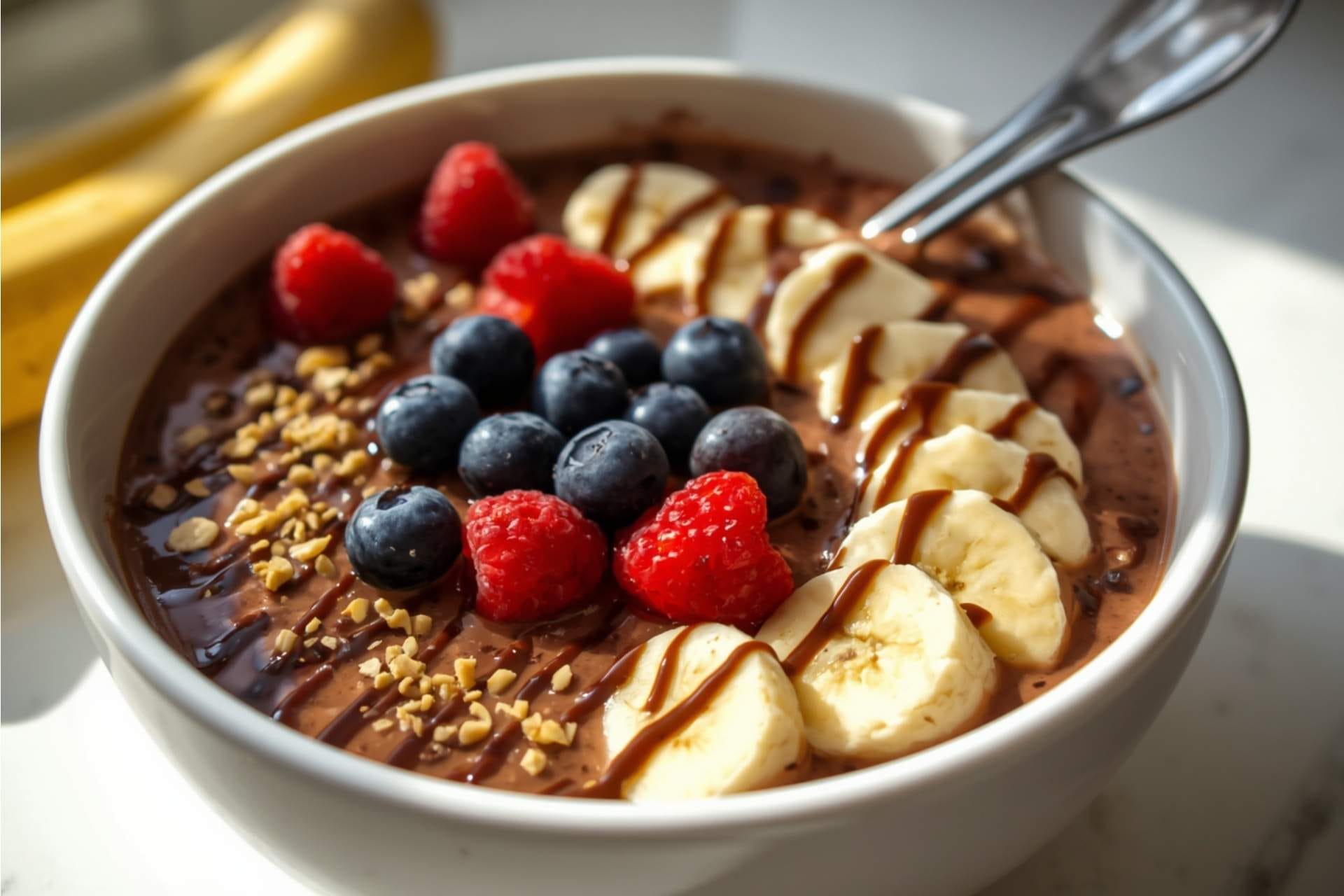
Starting your morning with a creamy smoothie bowl is an easy way to satisfy your sweet tooth while fueling your body with quality nutrition. This breakfast combines the classic pairing of peanut butter and chocolate into a thick, spoonable bowl topped with crunchy nuts and seeds for added texture.
Unlike many commercial smoothie bowls that contain fruit juice, flavored yogurt, or sugary granola, this homemade version focuses on protein, healthy fats, and fiber. Plain Greek yogurt forms the creamy base, while natural peanut butter and unsweetened cocoa powder create a rich flavor that tastes remarkably similar to a peanut butter cup.
Ingredients
- ¾ cup plain Greek yogurt
- 2 tablespoons natural peanut butter
- 1 tablespoon unsweetened cocoa powder
- ¼ cup unsweetened almond milk
- 1 teaspoon monk fruit sweetener (optional)
- ½ teaspoon vanilla extract
- 1 tablespoon chia seeds
- 1 tablespoon chopped peanuts
- A few sliced strawberries for garnish
Instructions
- Blend the Greek yogurt, peanut butter, cocoa powder, almond milk, vanilla, and sweetener until smooth.
- Pour the mixture into a bowl.
- Sprinkle with chia seeds, chopped peanuts, and fresh strawberries.
- Serve immediately or chill for 15 minutes for a thicker consistency.
The combination of protein and healthy fats helps keep you full throughout the morning, while the chocolate peanut butter flavor makes breakfast feel like a special treat.
Why This Breakfast Works
- Rich in protein for lasting fullness.
- Healthy fats support sustained energy.
- Naturally low in added sugar.
- Quick to prepare in under 10 minutes.
- Perfect for weekly Dessert Meal Plans.
Approximate Nutrition
| Nutrient | Amount |
|---|---|
| Calories | 410 |
| Net Carbs | 10 g |
| Protein | 28 g |
| Fat | 28 g |
| Fiber | 8 g |
Lunch
Asian-Inspired Peanut Chicken Salad
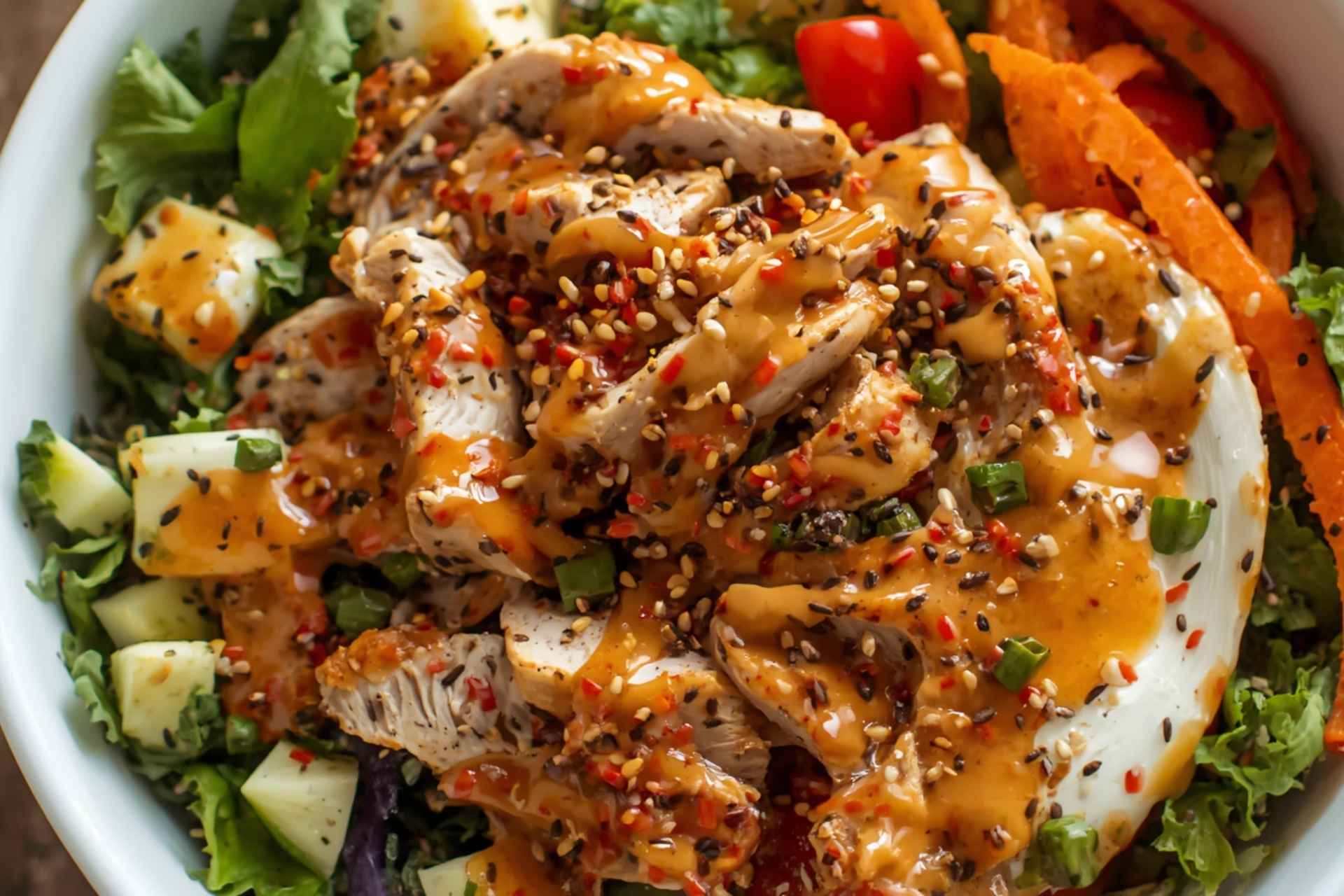
Lunch introduces another delicious way to enjoy peanut butter. A creamy peanut dressing transforms grilled chicken and crisp vegetables into a vibrant salad packed with flavor, color, and satisfying crunch.
Fresh cabbage, carrots, cucumbers, and leafy greens provide vitamins, minerals, and fiber, while grilled chicken supplies lean protein. The homemade peanut dressing ties everything together with a combination of natural peanut butter, sesame oil, soy sauce (or tamari), lime juice, ginger, and garlic.
Ingredients
Salad
- 5 ounces grilled chicken breast
- 2 cups shredded cabbage
- 1 cup mixed greens
- ½ cucumber, sliced
- ¼ cup shredded carrots
- Fresh cilantro
- Chopped peanuts
Peanut Dressing
- 1 tablespoon natural peanut butter
- 1 teaspoon sesame oil
- 1 teaspoon low-sodium soy sauce or tamari
- Juice of ½ lime
- Fresh grated ginger
- Minced garlic
- Water to thin as needed
Instructions
Whisk together all dressing ingredients until smooth. Arrange the vegetables and grilled chicken in a bowl before drizzling with the peanut dressing. Garnish with cilantro and chopped peanuts.
This colorful lunch delivers restaurant-quality flavor while fitting perfectly into balanced Dessert Meal Plans.
Why This Lunch Works
- High-quality lean protein.
- Healthy fats increase satiety.
- Fresh vegetables add crunch and fiber.
- Homemade dressing avoids added sugars.
- Great for meal prep lunches.
Approximate Nutrition
| Nutrient | Amount |
|---|---|
| Calories | 495 |
| Net Carbs | 11 g |
| Protein | 40 g |
| Fat | 31 g |
| Fiber | 7 g |
Dinner
Garlic Herb Pork Tenderloin with Roasted Green Beans
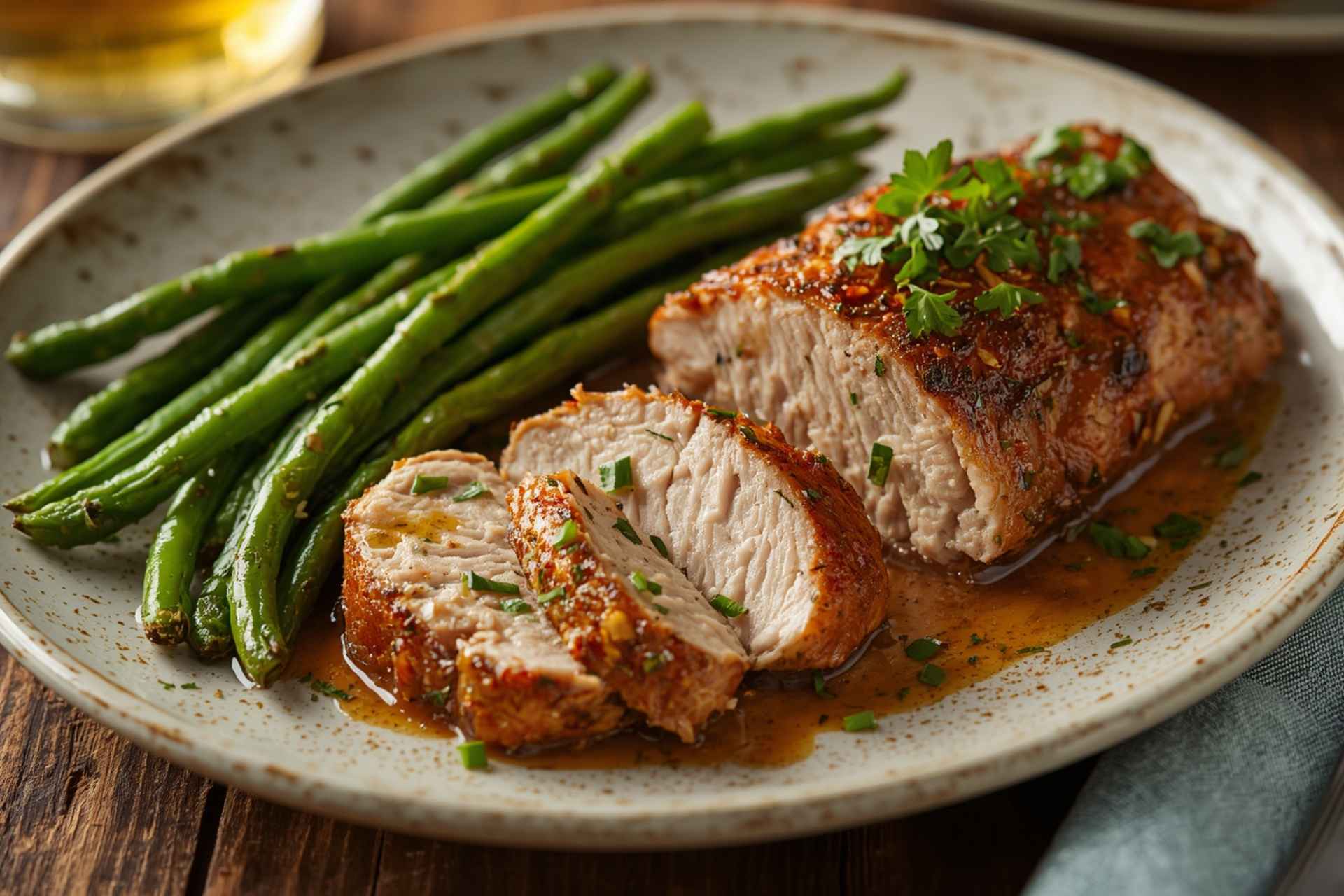
Dinner offers another protein-rich meal that complements today's peanut butter-inspired menu without repeating flavors. Pork tenderloin is one of the leanest cuts of pork and pairs beautifully with roasted green beans seasoned with garlic, olive oil, and herbs.
The roasted vegetables develop natural sweetness as they caramelize, while the garlic and rosemary create savory depth. This meal is elegant enough for entertaining yet simple enough for weeknight cooking.
Ingredients
- 6-ounce pork tenderloin
- 2 cups fresh green beans
- 2 teaspoons olive oil
- Garlic cloves
- Fresh rosemary
- Fresh thyme
- Black pepper
- Sea salt
- Lemon wedges
Instructions
- Season the pork with garlic, rosemary, thyme, salt, and pepper.
- Roast until the internal temperature reaches 145°F (63°C).
- Toss the green beans with olive oil and garlic before roasting alongside the pork.
- Finish with fresh lemon juice before serving.
This balanced dinner supplies quality protein along with colorful vegetables that help increase fiber intake without adding many carbohydrates.
Why This Dinner Works
- Lean protein supports muscle maintenance.
- Green beans provide vitamins and fiber.
- Easy one-pan preparation.
- Naturally low in carbohydrates.
- Excellent for batch cooking.
Approximate Nutrition
| Nutrient | Amount |
|---|---|
| Calories | 595 |
| Net Carbs | 10 g |
| Protein | 45 g |
| Fat | 37 g |
| Fiber | 6 g |
Dessert
No-Bake Peanut Butter Cheesecake Bites
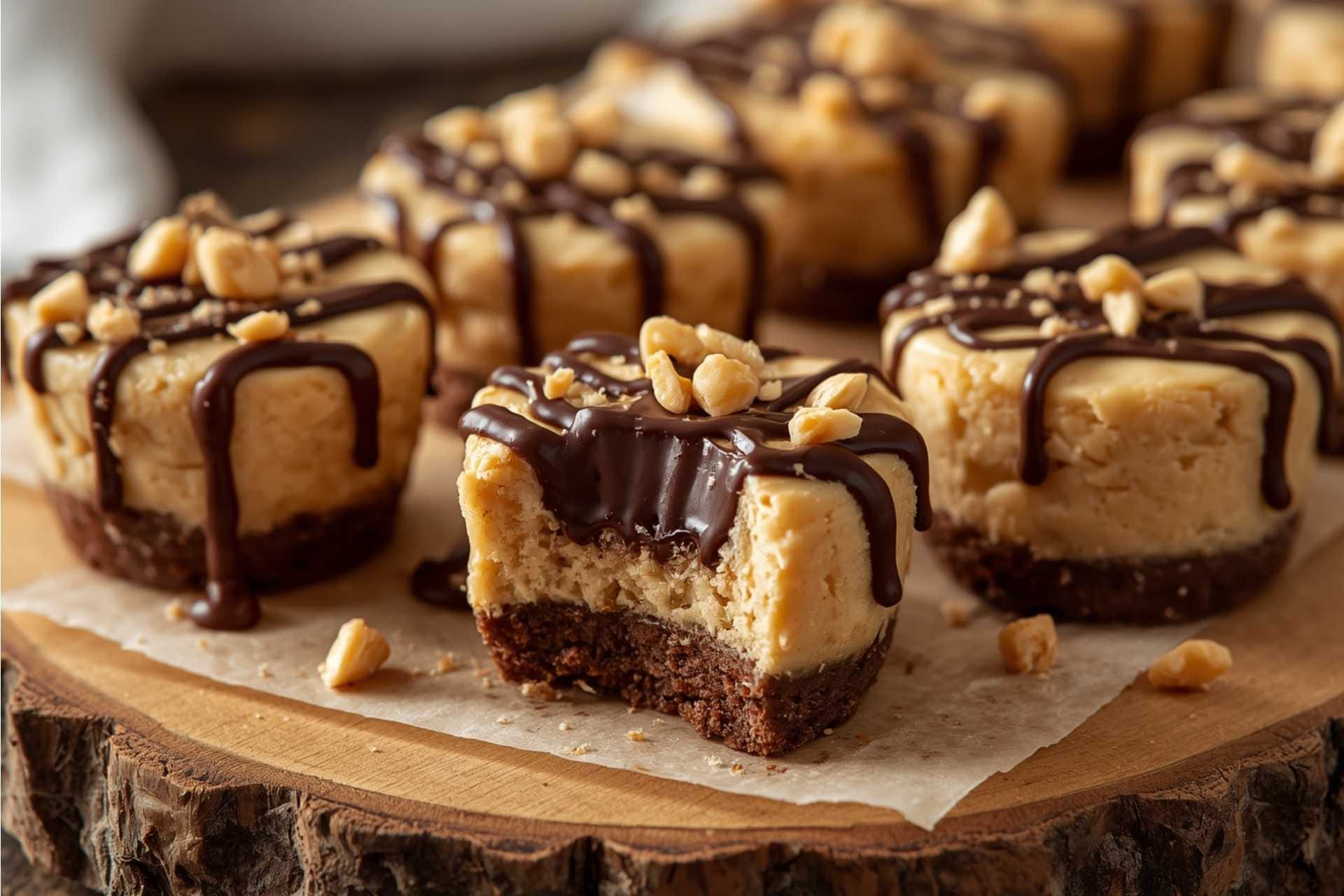
Day 4 ends with a dessert that combines two beloved flavors—peanut butter and cheesecake. These bite-sized treats require no baking, making them ideal for meal prep or quick weeknight desserts.
Cream cheese creates the classic cheesecake texture, while natural peanut butter adds rich flavor and healthy fats. A small amount of monk fruit sweetener provides sweetness without refined sugar, and crushed peanuts add a satisfying crunch.
Ingredients
- 4 ounces cream cheese, softened
- 2 tablespoons natural peanut butter
- 1 teaspoon vanilla extract
- 1 teaspoon monk fruit sweetener
- 2 tablespoons almond flour
- 1 tablespoon crushed peanuts
- Optional: drizzle of melted dark chocolate (85% cacao or higher)
Instructions
- Beat the cream cheese until smooth.
- Mix in the peanut butter, vanilla, and sweetener.
- Stir in the almond flour.
- Roll into bite-sized balls or spoon into mini silicone molds.
- Chill for one hour before serving.
- Garnish with crushed peanuts and a drizzle of dark chocolate if desired.
These cheesecake bites freeze exceptionally well, making them one of the easiest desserts to prepare ahead for future Dessert Meal Plans.
Why This Dessert Works
- Creamy texture with rich peanut butter flavor.
- No baking required.
- Naturally low in carbohydrates.
- Easy to portion and freeze.
- Great for satisfying evening cravings.
Approximate Nutrition
| Nutrient | Amount |
|---|---|
| Calories | 265 |
| Net Carbs | 7 g |
| Protein | 10 g |
| Fat | 22 g |
| Fiber | 3 g |
Nutrition Summary
Day 4 highlights how versatile peanut butter can be in both savory meals and sweet treats. By choosing natural peanut butter without added sugar and pairing it with nutrient-dense ingredients, today's Dessert Meal Plans provide satisfying flavors while supporting balanced nutrition.
Estimated Daily Totals
| Nutrient | Total |
|---|---|
| Calories | 1,765 kcal |
| Net Carbohydrates | 38 g |
| Protein | 123 g |
| Total Fat | 118 g |
| Dietary Fiber | 24 g |
Nutritional Highlights
Today's menu delivers a balanced mix of macronutrients and essential vitamins and minerals:
- Protein from Greek yogurt, chicken, pork tenderloin, cream cheese, and peanut butter helps support muscle maintenance and keeps you feeling full.
- Healthy fats from peanuts, olive oil, sesame oil, chia seeds, and cream cheese contribute to long-lasting energy and rich flavor.
- Fiber from vegetables, chia seeds, peanuts, green beans, and cabbage supports digestive health and helps promote satiety.
- Vitamin E from peanut butter and peanuts acts as an antioxidant and supports healthy cells.
- Magnesium from peanuts, cocoa powder, and chia seeds contributes to normal muscle and nerve function.
- Vitamin C from fresh vegetables, lime juice, and strawberries supports immune health and collagen production.
- Potassium from Greek yogurt, green beans, and peanut butter contributes to healthy fluid balance and muscle function.
Because each meal combines protein, fiber, and healthy fats, today's menu helps reduce energy crashes and minimizes the desire for sugary snacks between meals. The peanut butter-inspired desserts offer comfort and indulgence while remaining aligned with your overall nutrition goals.
Meal Prep Tips for Day 4
Preparing several ingredients ahead of time makes today's menu even easier to follow:
- Blend extra smoothie ingredients into freezer packs for quick breakfasts.
- Grill multiple chicken breasts for salads throughout the week.
- Prepare a double batch of peanut dressing and refrigerate it for up to five days.
- Roast additional pork tenderloin to use in tomorrow's lunch.
- Make several batches of peanut butter cheesecake bites and store them in the refrigerator for five days or freeze them for up to two months.
These simple strategies make Dessert Meal Plans practical for busy schedules while reducing daily cooking time.
Expert Tip
When buying natural peanut butter, read the ingredient label carefully. The best options contain only peanuts or peanuts and a small amount of salt. Avoid varieties with added sugars, hydrogenated oils, or artificial ingredients, as these can reduce the nutritional quality of your recipes and add unnecessary calories.
Day 5: Coconut & Vanilla Treats Low Carb Dessert Meal Plans
By Day 5 of your Dessert Meal Plans, you've already discovered that healthy desserts can be rich, satisfying, and surprisingly easy to prepare. Today's menu shifts to a lighter, tropical-inspired flavor profile featuring two timeless favorites—coconut and vanilla. Together, these ingredients create naturally sweet aromas and creamy textures that make every meal feel like a relaxing getaway, all while supporting your low carb lifestyle.
Coconut has become a staple in low carb and ketogenic cooking for good reason. Ingredients like unsweetened shredded coconut, coconut cream, coconut milk, and coconut flour provide healthy fats, satisfying texture, and subtle sweetness without relying on refined sugar. Vanilla, on the other hand, enhances nearly every dessert by adding warmth and depth of flavor. A small amount of pure vanilla extract can transform simple ingredients like Greek yogurt or chia pudding into something that tastes bakery-worthy.
One of the biggest advantages of today's menu is its versatility. Most of the recipes can be prepared ahead of time, making them ideal for busy weekdays. Breakfast comes together the night before, lunch is easy to pack for work, dinner requires minimal cleanup, and dessert stores beautifully in the refrigerator for several days. These qualities make Day 5 one of the most practical additions to your weekly Dessert Meal Plans.
According to the Harvard T.H. Chan School of Public Health, dietary patterns centered around minimally processed foods—including nuts, seeds, vegetables, dairy, and healthy fats—can support long-term health when balanced with appropriate portions. Likewise, the Academy of Nutrition and Dietetics encourages building meals around nutrient-dense ingredients that provide lasting satisfaction rather than short-lived energy spikes.
Today's menu contains approximately 34–38 grams of net carbohydrates, depending on the exact brands and portions you choose. It emphasizes protein, healthy fats, and fiber while allowing coconut and vanilla to shine as the stars of every dessert dish.
Breakfast
Creamy Vanilla Coconut Chia Pudding
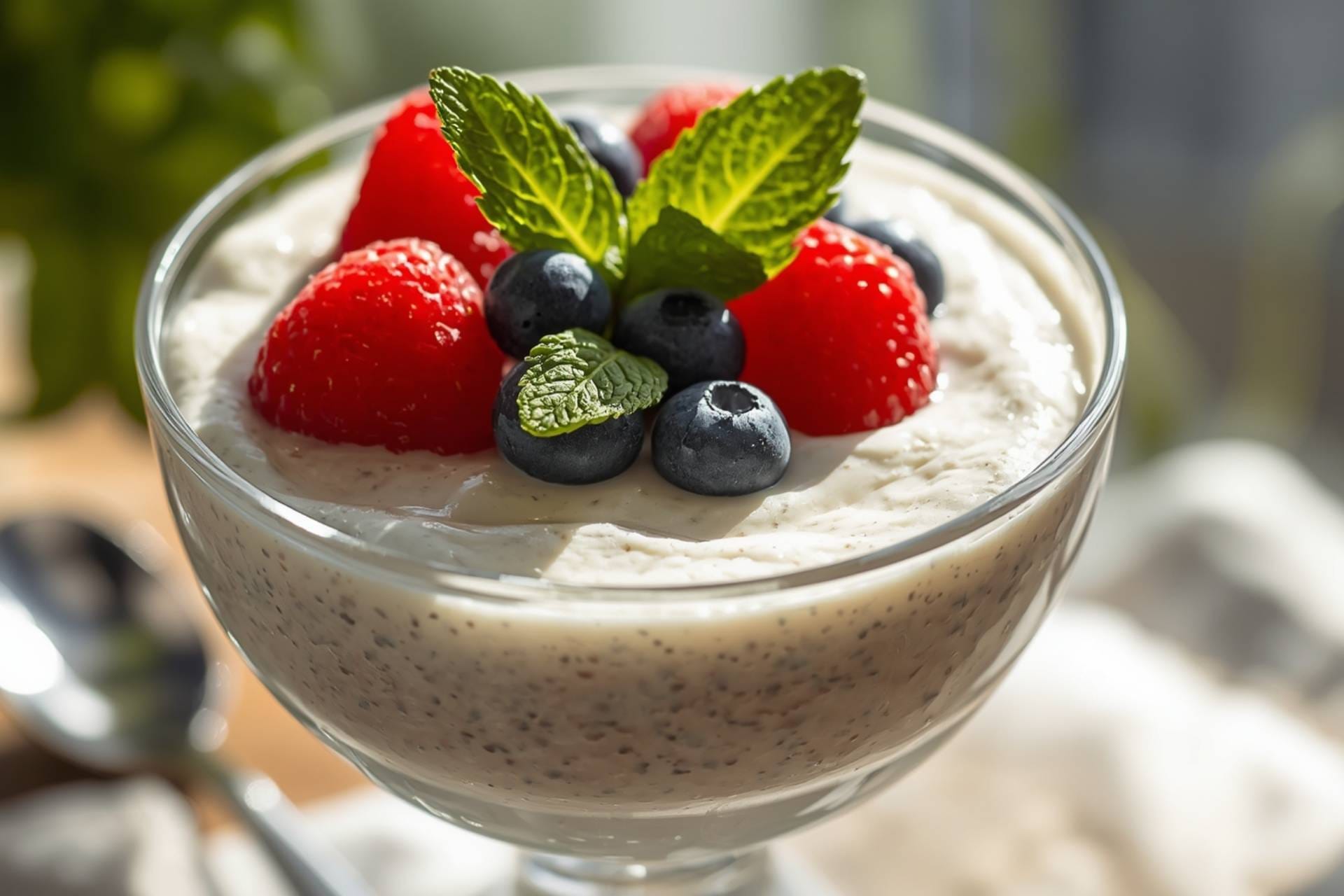
Breakfast should be simple enough for hectic mornings while still feeling enjoyable. This creamy vanilla coconut chia pudding accomplishes exactly that. Prepared the evening before, it requires only a few minutes of hands-on time and develops an irresistibly smooth texture overnight as the chia seeds absorb the liquid.
The combination of unsweetened coconut milk, Greek yogurt, and chia seeds creates a naturally thick pudding that's rich in protein, fiber, and healthy fats. Pure vanilla extract provides bakery-style flavor, while a small amount of monk fruit sweetener enhances the natural sweetness without adding refined sugar.
Ingredients
- ¾ cup plain Greek yogurt
- ¼ cup unsweetened coconut milk
- 2 tablespoons chia seeds
- ½ teaspoon pure vanilla extract
- 1 teaspoon monk fruit sweetener (optional)
- 2 tablespoons unsweetened shredded coconut
- ¼ cup fresh strawberries
- 1 tablespoon sliced almonds
Instructions
- Combine the Greek yogurt, coconut milk, vanilla, and sweetener in a bowl.
- Stir in the chia seeds until evenly distributed.
- Cover and refrigerate overnight or for at least four hours.
- Before serving, top with shredded coconut, strawberries, and sliced almonds.
The result is a breakfast that feels creamy and indulgent while providing balanced nutrition to help you stay energized until lunch.
Why This Breakfast Works
- High in protein to support fullness.
- Fiber-rich chia seeds promote satiety.
- Coconut provides satisfying healthy fats.
- Easy to prepare ahead of time.
- Perfect for weekly Dessert Meal Plans.
Approximate Nutrition
| Nutrient | Amount |
|---|---|
| Calories | 385 |
| Net Carbs | 10 g |
| Protein | 25 g |
| Fat | 25 g |
| Fiber | 10 g |
Lunch
Lemon Coconut Chicken Salad
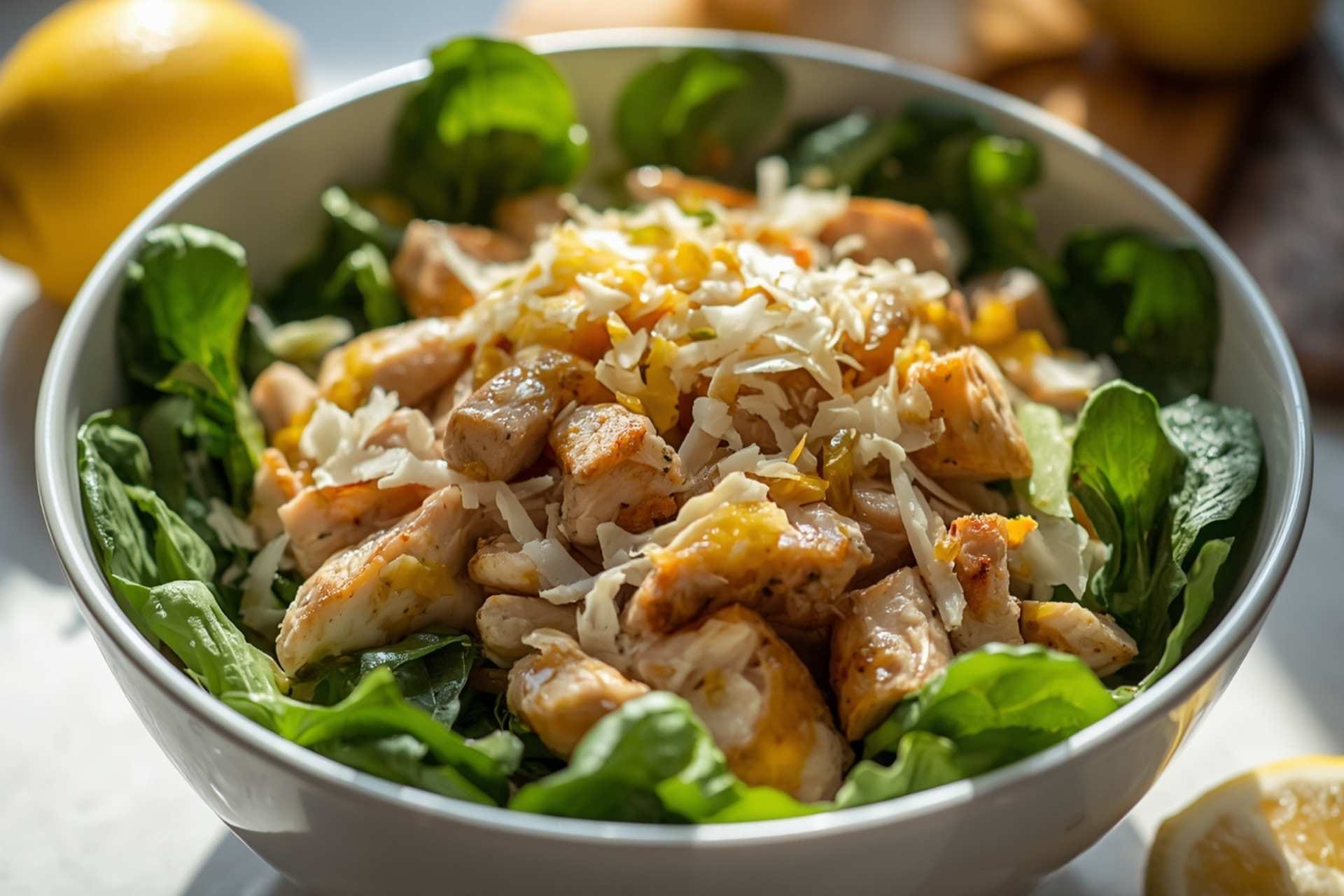
Lunch introduces subtle coconut flavor freshly and refreshingly. Tender grilled chicken is served over crisp mixed greens with cucumber, avocado, toasted coconut flakes, and a bright lemon dressing. The toasted coconut adds a delicate crunch and a hint of sweetness without overpowering the savory ingredients.
Healthy fats from avocado and olive oil complement the lean chicken breast, creating a meal that keeps you comfortably full throughout the afternoon. Fresh herbs and lemon juice provide vibrant flavor while keeping the ingredient list simple.
Ingredients
- 5 ounces grilled chicken breast
- 2 cups mixed greens
- ½ avocado
- ½ cucumber, sliced
- 2 tablespoons toasted unsweetened coconut flakes
- Fresh parsley
- Olive oil
- Lemon juice
- Salt and black pepper
Instructions
Arrange the mixed greens, chicken, avocado, cucumber, and toasted coconut flakes on a serving plate. Whisk together olive oil, lemon juice, salt, and pepper before drizzling over the salad.
The toasted coconut adds unexpected texture and transforms an everyday chicken salad into something memorable.
Why This Lunch Works
- Lean protein supports muscle maintenance.
- Healthy fats promote lasting satisfaction.
- Fresh vegetables increase fiber intake.
- Toasted coconut adds flavor without added sugar.
- Excellent choice for meal preparation.
Approximate Nutrition
| Nutrient | Amount |
|---|---|
| Calories | 480 |
| Net Carbs | 9 g |
| Protein | 39 g |
| Fat | 32 g |
| Fiber | 8 g |
Dinner
Herb-Roasted Cod with Creamy Garlic Spinach
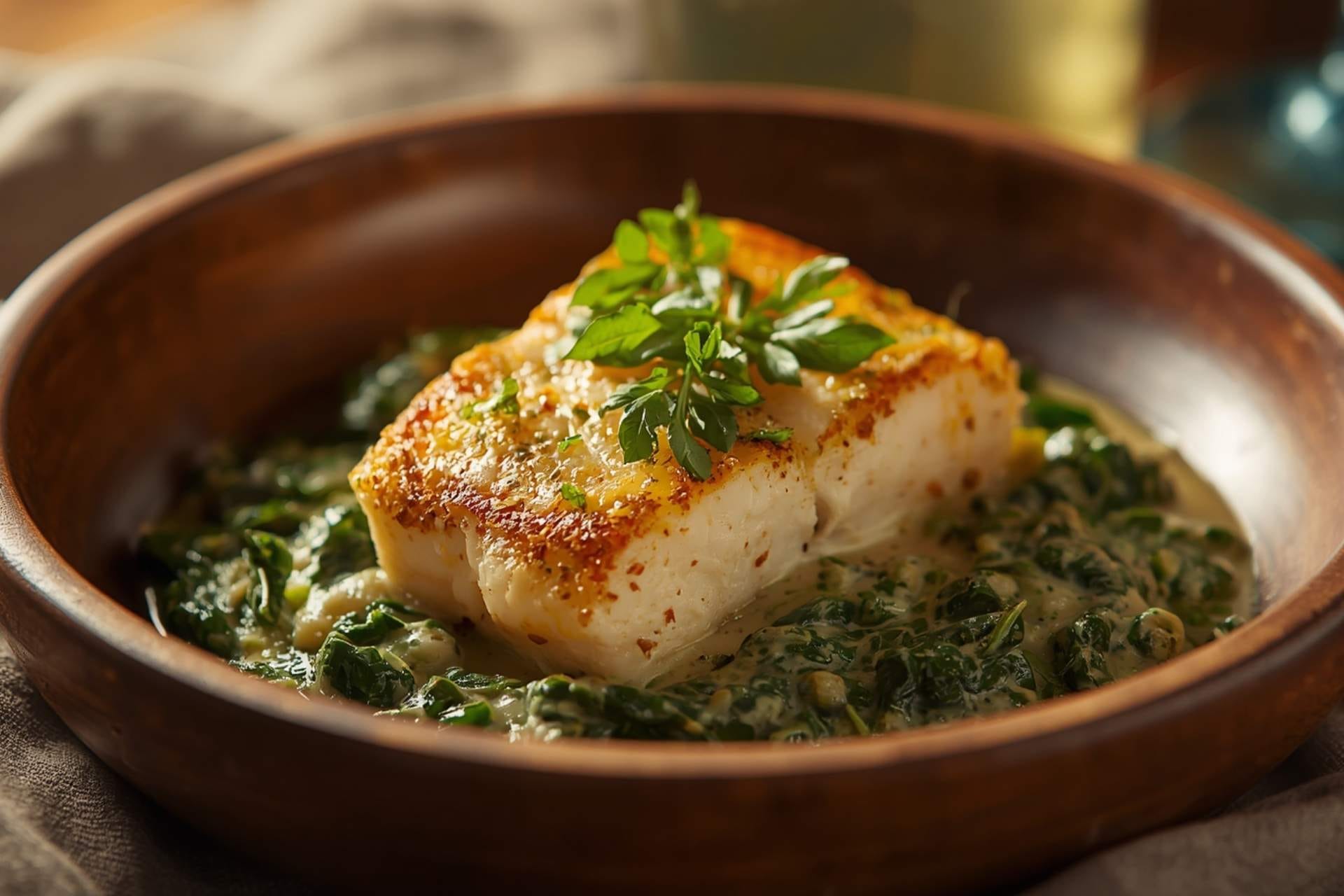
Dinner features flaky baked cod served alongside creamy garlic spinach for a light yet satisfying evening meal. Cod is naturally lean and mild in flavor, making it an excellent partner for rich coconut and vanilla desserts later in the day.
The spinach is gently cooked with garlic, cream cheese, and a splash of heavy cream to create a silky side dish that feels comforting while remaining relatively low in carbohydrates.
Ingredients
- 6-ounce cod fillet
- 2 cups fresh spinach
- 1 tablespoon olive oil
- 1 tablespoon cream cheese
- 1 tablespoon heavy cream
- 2 cloves garlic
- Lemon wedges
- Fresh dill
- Salt and pepper
Instructions
- Bake the cod with olive oil, dill, salt, pepper, and lemon until flaky.
- Sauté garlic in olive oil.
- Add spinach and cook until wilted.
- Stir in cream cheese and heavy cream until smooth.
- Serve the cod alongside the creamy spinach.
This elegant dinner delivers excellent nutrition while keeping preparation simple enough for busy weeknights.
Why This Dinner Works
- High-quality lean protein.
- Rich in vitamins A and K from spinach.
- Creamy texture without excessive carbohydrates.
- Ready in about 30 minutes.
- Great for family dinners.
Approximate Nutrition
| Nutrient | Amount |
|---|---|
| Calories | 565 |
| Net Carbs | 9 g |
| Protein | 44 g |
| Fat | 37 g |
| Fiber | 5 g |
Dessert
No-Bake Coconut Vanilla Cheesecake Mousse
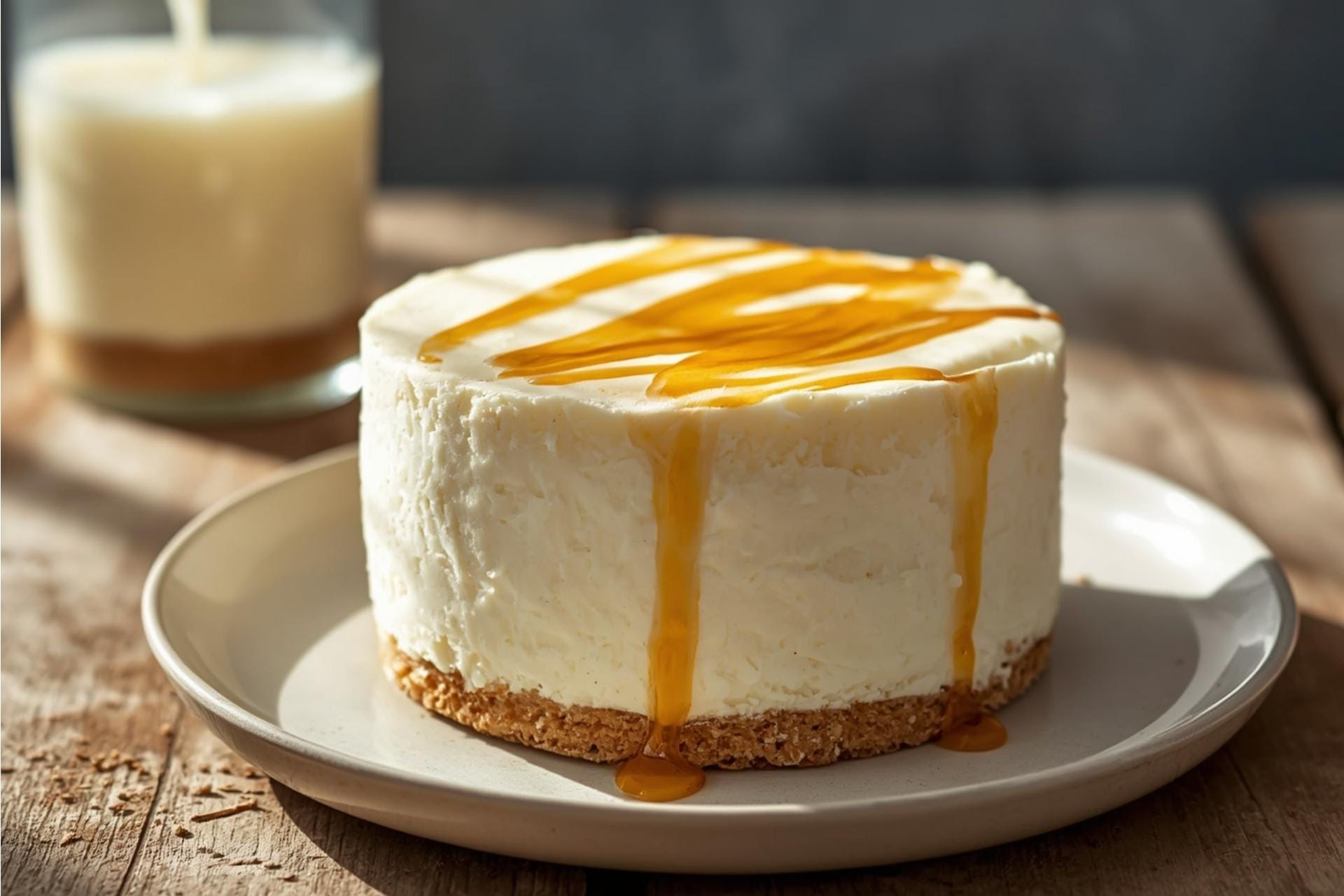
Today's dessert captures the classic flavors of coconut cream pie and vanilla cheesecake in one elegant dish. The mousse combines cream cheese, Greek yogurt, coconut cream, vanilla extract, and a touch of monk fruit sweetener to create an incredibly smooth texture that's rich without feeling overly heavy.
Unsweetened shredded coconut sprinkled over the top adds texture, while a few fresh raspberries provide color and brightness.
Ingredients
- 4 ounces cream cheese, softened
- ½ cup plain Greek yogurt
- 2 tablespoons coconut cream
- 1 teaspoon pure vanilla extract
- 1 teaspoon monk fruit sweetener
- 2 tablespoons unsweetened shredded coconut
- Fresh raspberries
- Mint leaves (optional)
Instructions
- Beat the cream cheese until smooth.
- Add Greek yogurt, coconut cream, vanilla, and sweetener.
- Mix until silky and well combined.
- Spoon into dessert glasses.
- Top with shredded coconut and raspberries.
- Refrigerate for one hour before serving.
This mousse stores beautifully for several days, making it one of the easiest desserts to prepare ahead for your Dessert Meal Plans.
Why This Dessert Works
- Creamy cheesecake texture.
- Naturally flavored with vanilla and coconut.
- High in protein compared with traditional mousse.
- Easy no-bake recipe.
- Perfect for make-ahead desserts.
Approximate Nutrition
| Nutrient | Amount |
|---|---|
| Calories | 275 |
| Net Carbs | 7 g |
| Protein | 11 g |
| Fat | 23 g |
| Fiber | 3 g |
Nutrition Summary
Day 5 demonstrates how tropical flavors can bring variety and excitement to healthy eating. By combining coconut, vanilla, lean proteins, colorful vegetables, and naturally low carb ingredients, today's Dessert Meal Plans provide balanced nutrition without sacrificing flavor.
Estimated Daily Totals
| Nutrient | Total |
|---|---|
| Calories | 1,705 kcal |
| Net Carbohydrates | 35 g |
| Protein | 119 g |
| Total Fat | 117 g |
| Dietary Fiber | 26 g |
Nutritional Highlights
Today's menu provides a balanced combination of macronutrients while emphasizing whole-food ingredients.
- Protein from Greek yogurt, chicken, cod, and cream cheese helps maintain muscle mass and supports long-lasting fullness.
- Healthy fats from coconut, avocado, olive oil, almonds, and dairy contribute to sustained energy and rich, satisfying flavors.
- Fiber from chia seeds, spinach, mixed greens, coconut, berries, and avocado supports digestive health and helps increase satiety.
- Omega-3 fatty acids from cod contribute to heart and brain health.
- Vitamin A and vitamin K from spinach support healthy vision, immune function, and bone health.
- Calcium from Greek yogurt and cream cheese supports healthy bones and teeth.
- Vitamin C from strawberries, raspberries, lemon, and leafy greens contributes to immune health and collagen production.
The combination of balanced meals and a creamy coconut vanilla dessert demonstrates one of the key principles of successful Dessert Meal Plans: desserts don't have to be overly sweet to feel indulgent. Rich textures, quality ingredients, and natural flavors often create a more satisfying experience than heavily processed sweets.
Meal Prep Tips for Day 5
Preparing a few ingredients in advance makes today's menu even easier to follow:
- Make several jars of vanilla coconut chia pudding for breakfasts throughout the week.
- Toast extra unsweetened coconut flakes and store them in an airtight container for salads and desserts.
- Grill multiple chicken breasts for quick lunches.
- Prepare the cheesecake mousse a day ahead to allow the flavors to develop.
- Portion desserts into individual serving cups to simplify portion control and reduce food waste.
These strategies help keep your Dessert Meal Plans convenient, organized, and easy to maintain during busy weeks.
Expert Tip
For the richest coconut flavor, choose full-fat, unsweetened coconut milk or coconut cream rather than sweetened coconut beverages. Full-fat coconut products create a creamier texture in puddings, mousses, and cheesecakes while helping desserts feel more satisfying with smaller portions.
Day 6: Lemon & Refreshing Desserts Low Carb Dessert Meal Plans
By the time you reach Day 6 of this Dessert Meal Plans guide, you've experienced rich chocolate, juicy berries, creamy cheesecake, peanut butter, and tropical coconut flavors. Today's menu introduces a lighter, brighter direction with the refreshing taste of fresh lemon. Its naturally vibrant citrus aroma pairs beautifully with creamy dairy, fresh herbs, lean proteins, and crisp vegetables, creating meals that feel energizing without sacrificing satisfaction.
Lemon is one of the most versatile ingredients in healthy cooking. While its tart flavor enhances desserts, it also brightens savory dishes, making vegetables taste fresher and proteins more flavorful. Because lemons contain very little sugar while providing vitamin C and beneficial plant compounds, they're an excellent ingredient for low carb recipes. A little fresh lemon juice and zest can dramatically improve the flavor of dishes without adding many calories or carbohydrates.
Today's Dessert Meal Plans emphasize balance rather than restriction. Every meal combines lean protein, healthy fats, fiber-rich vegetables, and naturally low carb ingredients to help maintain steady energy levels throughout the day. Instead of relying on sugary snacks to overcome afternoon fatigue, you'll enjoy meals that satisfy hunger while leaving room for a refreshing lemon dessert in the evening.
According to the Harvard T.H. Chan School of Public Health, building meals around vegetables, healthy fats, quality protein, and minimally processed ingredients supports long-term health and sustainable eating habits. The American Diabetes Association also recommends choosing nutrient-dense foods and limiting added sugars to help maintain balanced blood glucose levels.
Day 6 contains approximately 34–37 grams of net carbohydrates, depending on ingredient brands and portion sizes. It offers a delicious reminder that citrus desserts can feel light, elegant, and incredibly satisfying while remaining fully compatible with healthy Dessert Meal Plans.
Breakfast
Lemon Vanilla Greek Yogurt Bowl
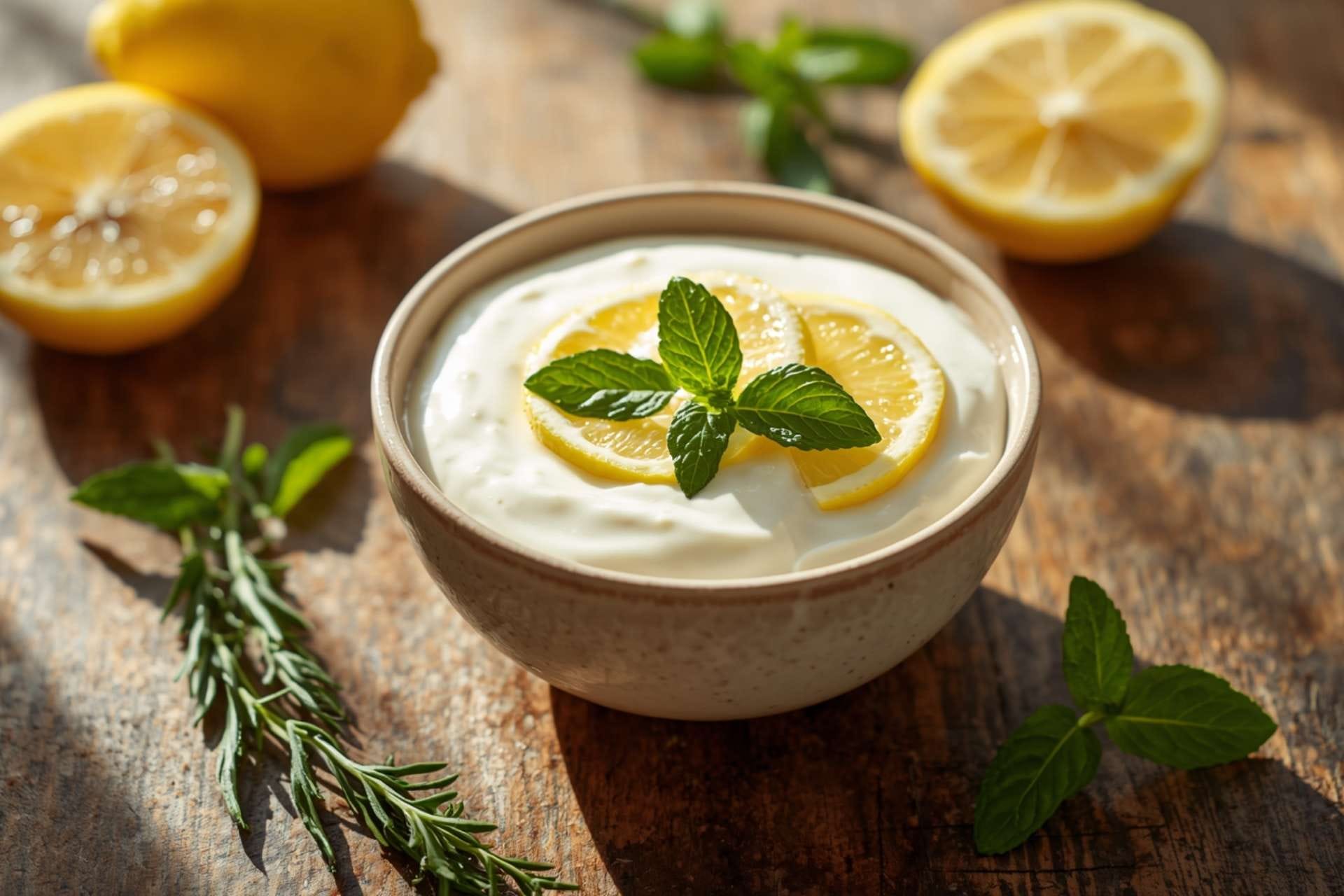
Few breakfasts feel as refreshing as a creamy yogurt bowl infused with fresh lemon and vanilla. This simple recipe delivers bright citrus flavor while supplying plenty of protein, probiotics, and healthy fats to help you stay satisfied all morning.
Fresh lemon zest provides an intense citrus aroma without adding significant carbohydrates, while vanilla softens the tartness and creates a flavor reminiscent of classic lemon cheesecake. A topping of chopped almonds, chia seeds, and blueberries adds crunch, color, and fiber for extra staying power.
Ingredients
- 1 cup plain Greek yogurt
- 1 teaspoon fresh lemon zest
- 1 tablespoon fresh lemon juice
- ½ teaspoon pure vanilla extract
- 1 teaspoon monk fruit sweetener (optional)
- 1 tablespoon chia seeds
- 2 tablespoons sliced almonds
- ¼ cup fresh blueberries
- Fresh mint leaves for garnish
Instructions
- Stir together the Greek yogurt, vanilla, lemon zest, lemon juice, and sweetener until smooth.
- Spoon into a serving bowl.
- Top with blueberries, almonds, chia seeds, and mint.
- Serve immediately or refrigerate for a chilled breakfast.
The bright citrus flavor wakes up your taste buds while the protein-rich yogurt helps reduce mid-morning hunger.
Why This Breakfast Works
- High in protein for sustained energy.
- Fresh lemon adds natural flavor without excess sugar.
- Fiber-rich toppings support fullness.
- Probiotics promote digestive health.
- Quick enough for busy mornings.
Approximate Nutrition
| Nutrient | Amount |
|---|---|
| Calories | 375 |
| Net Carbs | 10 g |
| Protein | 27 g |
| Fat | 22 g |
| Fiber | 8 g |
Lunch
Lemon Herb Shrimp and Avocado Salad
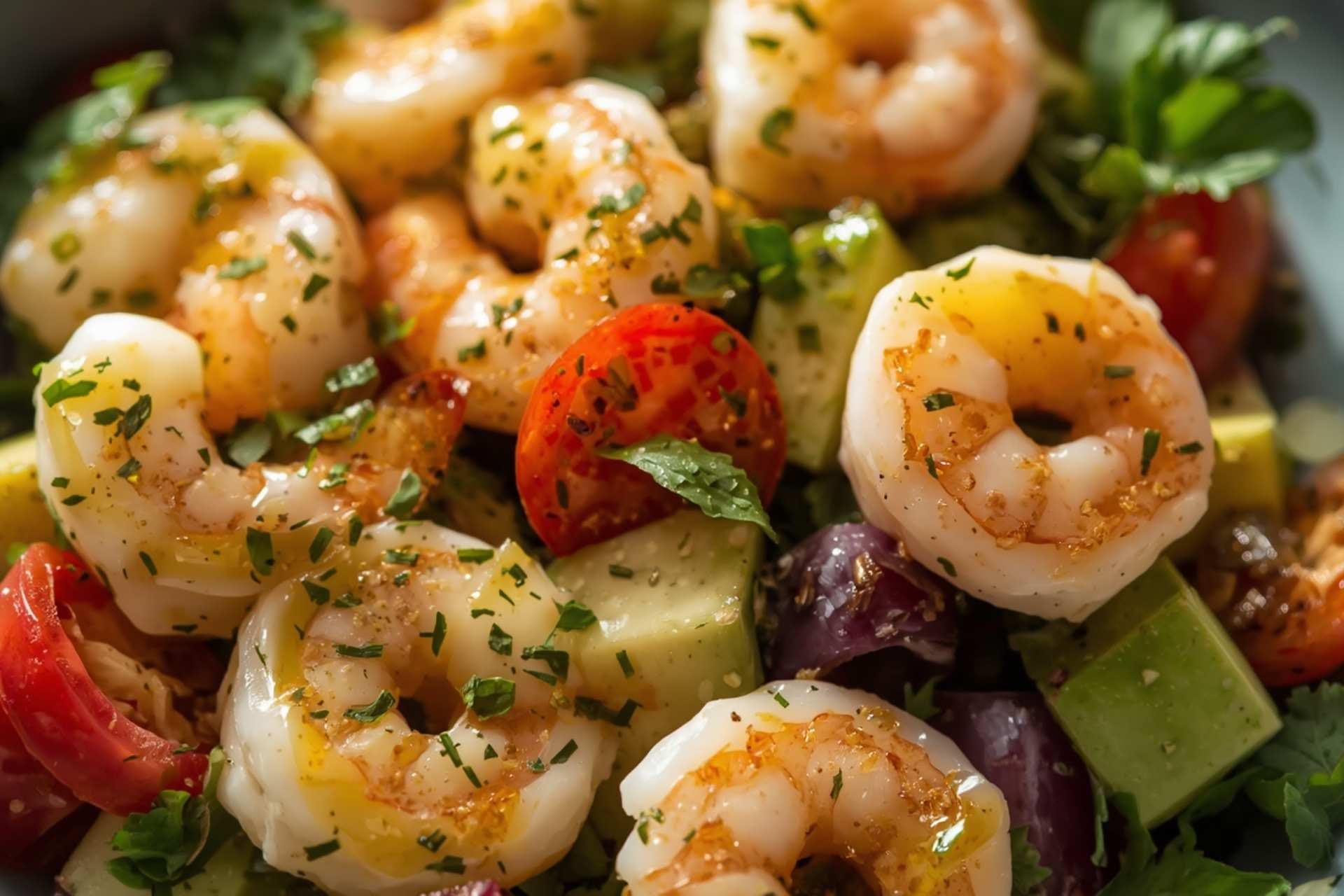
Lunch continues today's fresh citrus theme with juicy shrimp, creamy avocado, crisp vegetables, and a homemade lemon herb vinaigrette. Shrimp is naturally low in carbohydrates and provides high-quality protein while remaining relatively low in calories.
Fresh cucumber, spinach, cherry tomatoes, and avocado create a colorful salad rich in vitamins, minerals, and fiber. The homemade dressing combines olive oil, lemon juice, garlic, parsley, and black pepper to create a light yet flavorful finish.
Ingredients
- 5 ounces cooked shrimp
- 2 cups baby spinach
- ½ avocado
- ½ cucumber, sliced
- ½ cup cherry tomatoes
- 1 tablespoon olive oil
- Juice of ½ lemon
- Fresh parsley
- Garlic
- Salt and pepper
Instructions
Arrange the spinach, shrimp, avocado, cucumber, and tomatoes on a serving plate. Whisk together olive oil, lemon juice, garlic, parsley, salt, and pepper before drizzling over the salad.
This refreshing meal comes together in less than 20 minutes and works beautifully as both a weekday lunch and an elegant dinner party starter.
Why This Lunch Works
- Lean seafood provides high-quality protein.
- Healthy fats from avocado support satiety.
- Colorful vegetables contribute antioxidants.
- Bright lemon dressing adds flavor naturally.
- Easy to meal prep.
Approximate Nutrition
| Nutrient | Amount |
|---|---|
| Calories | 470 |
| Net Carbs | 9 g |
| Protein | 36 g |
| Fat | 31 g |
| Fiber | 8 g |
Dinner
Lemon Garlic Chicken with Roasted Asparagus
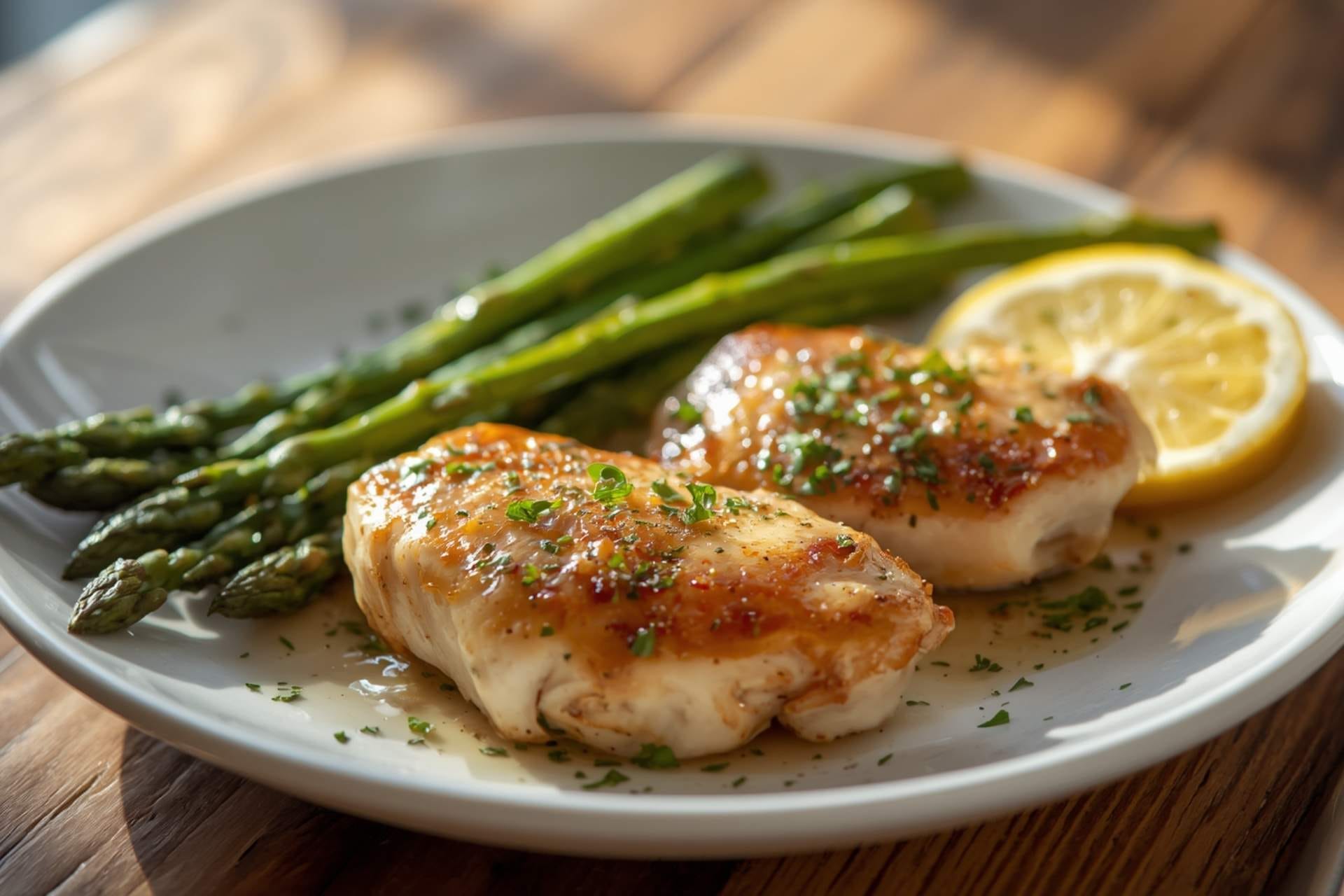
Dinner features tender chicken breast roasted with garlic, fresh herbs, and lemon alongside perfectly roasted asparagus. This simple combination delivers restaurant-quality flavor while remaining naturally low in carbohydrates and rich in nutrients.
Roasting the chicken with fresh lemon slices allows the citrus flavor to infuse the meat without overpowering it. Meanwhile, asparagus develops a delicate sweetness in the oven that pairs beautifully with garlic and olive oil.
Ingredients
- 6-ounce chicken breast
- 2 cups asparagus
- 2 teaspoons olive oil
- 2 cloves garlic
- Fresh thyme
- Lemon slices
- Salt
- Black pepper
- Fresh parsley
Instructions
- Season the chicken with garlic, thyme, salt, pepper, and lemon.
- Arrange the asparagus alongside the chicken on a baking sheet.
- Drizzle with olive oil.
- Roast until the chicken reaches an internal temperature of 165°F (74°C).
- Garnish with parsley before serving.
This one-pan dinner minimizes cleanup while delivering plenty of protein and fresh flavor.
Why This Dinner Works
- High-quality lean protein.
- Naturally low in carbohydrates.
- Rich in vitamins and minerals.
- Simple preparation.
- Excellent for meal prep.
Approximate Nutrition
| Nutrient | Amount |
|---|---|
| Calories | 560 |
| Net Carbs | 9 g |
| Protein | 46 g |
| Fat | 34 g |
| Fiber | 5 g |
Dessert
No-Bake Lemon Cheesecake Mousse
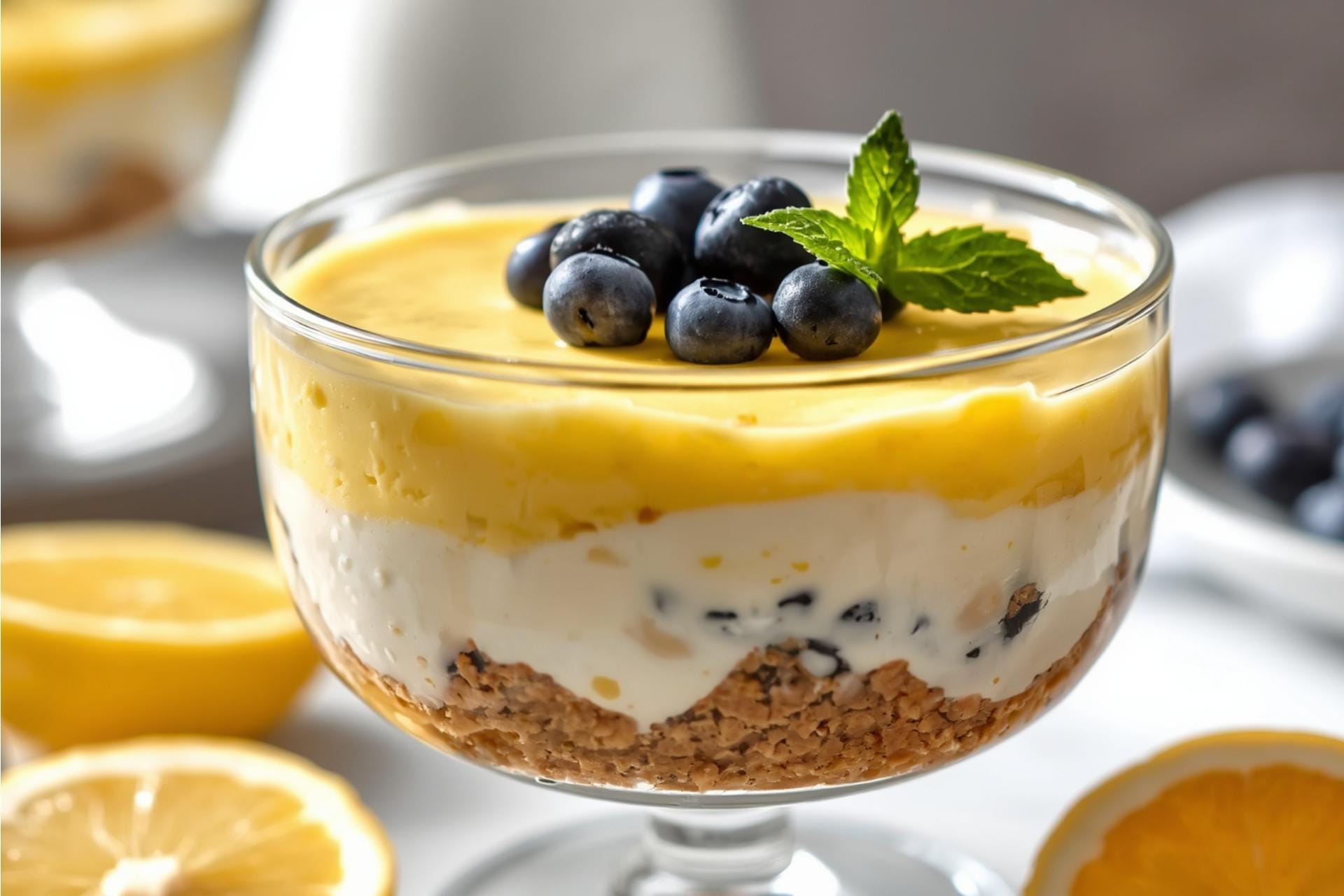
Today's dessert captures everything people love about lemon cheesecake while keeping carbohydrates remarkably low. The combination of cream cheese, Greek yogurt, fresh lemon zest, and vanilla creates a silky mousse that's both refreshing and satisfying.
Unlike traditional lemon pie or cheesecake, this recipe skips refined sugar and flour-based crusts. Instead, natural sweetener and fresh citrus provide clean, bright flavor while maintaining the creamy richness that makes cheesecake so irresistible.
Ingredients
- 4 ounces softened cream cheese
- ½ cup plain Greek yogurt
- 1 tablespoon fresh lemon juice
- 1 teaspoon lemon zest
- ½ teaspoon vanilla extract
- 1 teaspoon allulose or monk fruit sweetener
- 1 tablespoon unsweetened whipped cream (optional)
- Fresh blueberries
- Mint leaves
Instructions
- Beat the cream cheese until smooth.
- Add the Greek yogurt, lemon juice, zest, vanilla, and sweetener.
- Continue mixing until silky and creamy.
- Spoon into dessert glasses.
- Top with blueberries and mint before chilling for at least one hour.
The mousse delivers a bright, refreshing finish to the day while satisfying dessert cravings with wholesome ingredients.
Why This Dessert Works
- Creamy cheesecake flavor.
- Bright citrus notes.
- High in protein.
- Naturally low in added sugar.
- Easy make-ahead dessert.
Approximate Nutrition
| Nutrient | Amount |
|---|---|
| Calories | 265 |
| Net Carbs | 7 g |
| Protein | 12 g |
| Fat | 21 g |
| Fiber | 2 g |
Nutrition Summary
Day 6 highlights how fresh citrus flavors can make healthy eating feel light, vibrant, and exciting. The carefully balanced meals throughout today's Dessert Meal Plans provide steady energy while allowing you to enjoy dessert without guilt or excessive sugar intake.
Estimated Daily Totals
| Nutrient | Total |
|---|---|
| Calories | 1,670 kcal |
| Net Carbohydrates | 35 g |
| Protein | 121 g |
| Total Fat | 108 g |
| Dietary Fiber | 23 g |
Nutritional Highlights
Today's menu offers an impressive combination of nutrients from fresh, minimally processed ingredients.
- Protein from Greek yogurt, shrimp, chicken, and cream cheese helps support muscle maintenance and promotes lasting fullness throughout the day.
- Healthy fats from avocado, olive oil, almonds, and dairy products contribute to sustained energy while enhancing the flavor and texture of meals.
- Fiber from spinach, asparagus, blueberries, chia seeds, avocado, and almonds supports digestive health and helps regulate appetite.
- Vitamin C from fresh lemons, blueberries, tomatoes, and leafy greens supports immune function, collagen production, and antioxidant protection.
- Vitamin K from spinach and asparagus contributes to healthy bones and normal blood clotting.
- Potassium from avocado, Greek yogurt, and vegetables helps support healthy muscle function and fluid balance.
- Calcium from Greek yogurt and cream cheese supports strong bones while adding creamy texture to breakfast and dessert.
By combining refreshing citrus flavors with nutrient-dense ingredients, Day 6 demonstrates that Dessert Meal Plans don't need to rely on heavy or overly sweet desserts to feel indulgent. Fresh lemon provides brightness and complexity that naturally elevates every meal.
Meal Prep Tips for Day 6
Save valuable time during the week with a little preparation:
- Mix several servings of the lemon yogurt breakfast and refrigerate them for up to three days.
- Cook extra shrimp for salads or lettuce wraps later in the week.
- Roast multiple chicken breasts to use in future lunches.
- Prepare several lemon cheesecake mousse cups at once—they keep well in the refrigerator for up to four days.
- Wash and chop vegetables ahead of time for quick meal assembly.
These meal prep strategies make it much easier to stay consistent with your Dessert Meal Plans, even on busy workdays.
Expert Tip
Always use fresh lemon juice and freshly grated lemon zest whenever possible. Bottled lemon juice often lacks the bright aroma and vibrant flavor of fresh lemons, while the zest contains natural citrus oils that dramatically enhance both savory dishes and low carb desserts without adding extra sugar or significant carbohydrates.
Day 7: Celebration Dessert Day Low-Carb Dessert Meal Plans
Congratulations—you've reached the final day of this 7-day Dessert Meal Plans journey! Over the past week, you've discovered that healthy eating doesn't have to mean saying goodbye to your favorite sweets. From rich chocolate creations and berry-filled treats to creamy cheesecakes, tropical coconut desserts, refreshing lemon recipes, and peanut butter favorites, you've learned how simple ingredient swaps can transform classic desserts into balanced, nourishing options.
Day 7 is designed as a celebration of everything you've accomplished. Rather than treating dessert as something to "earn," today's menu embraces the idea that dessert can be a natural, enjoyable part of a healthy eating pattern. By combining quality protein, healthy fats, fiber-rich vegetables, and thoughtfully prepared low carb desserts, you can enjoy indulgent flavors while maintaining nutritional balance.
One of the greatest lessons from these Dessert Meal Plans is that consistency matters far more than perfection. Healthy eating isn't about eliminating every favorite food—it's about building meals that satisfy your body while supporting your long-term goals. Today's menu reflects that philosophy by featuring elegant meals that feel special enough for a celebration yet remain practical enough for everyday life.
According to the Academy of Nutrition and Dietetics, sustainable eating habits are built on balance, variety, and enjoyment rather than strict restriction. Likewise, the Harvard T.H. Chan School of Public Health emphasizes choosing nutrient-dense foods most of the time while creating eating patterns that are realistic enough to maintain over the long term.
Today's Dessert Meal Plans provide approximately 35–39 grams of net carbohydrates, making this celebratory menu compatible with many moderate low carb lifestyles. More importantly, it demonstrates that healthy eating can be both satisfying and joyful—without relying on excessive added sugars or highly processed foods.
Breakfast
Vanilla Almond Pancakes with Fresh Berries

What better way to celebrate the final day than with fluffy low carb pancakes? These almond flour pancakes are light, tender, and naturally satisfying. Flavored with pure vanilla extract and topped with fresh berries, they offer all the comfort of a weekend breakfast while fitting beautifully into healthy Dessert Meal Plans.
Unlike traditional pancakes made with refined flour and sugary syrups, this version uses almond flour, eggs, cream cheese, and a touch of monk fruit sweetener to create a protein-rich breakfast that supports steady energy levels. Fresh strawberries and blueberries provide natural sweetness, while a dollop of Greek yogurt adds creaminess and extra protein.
Ingredients
- ¾ cup almond flour
- 2 eggs
- 2 ounces cream cheese
- ½ teaspoon baking powder
- 1 teaspoon vanilla extract
- 1 teaspoon monk fruit sweetener
- Butter for cooking
- ¼ cup strawberries
- ¼ cup blueberries
- 2 tablespoons plain Greek yogurt
Instructions
- Blend the almond flour, eggs, cream cheese, vanilla, baking powder, and sweetener until smooth.
- Cook small pancakes in a lightly buttered skillet over medium heat.
- Serve with fresh berries and Greek yogurt.
- Garnish with a sprinkle of cinnamon if desired.
These pancakes deliver bakery-quality flavor while remaining significantly lower in carbohydrates than traditional recipes.
Why This Breakfast Works
- High in protein for lasting fullness.
- Almond flour provides healthy fats and vitamin E.
- Fresh berries add natural sweetness and antioxidants.
- Great for weekend brunches or meal prep.
- A festive start to your final day of Dessert Meal Plans.
Approximate Nutrition
| Nutrient | Amount |
|---|---|
| Calories | 430 |
| Net Carbs | 11 g |
| Protein | 24 g |
| Fat | 31 g |
| Fiber | 6 g |
Lunch
Grilled Salmon Caesar Salad
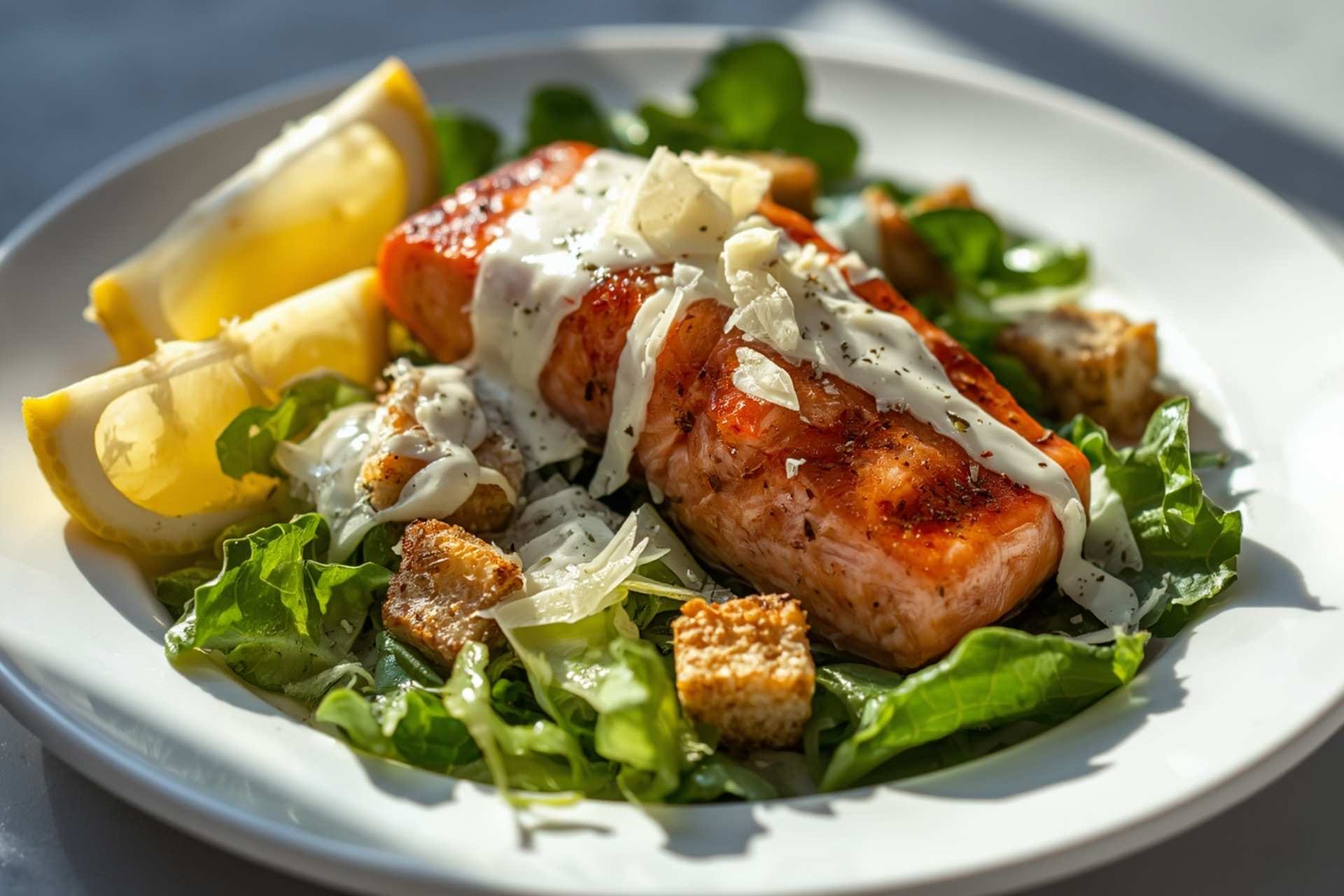
Lunch brings together one of the most satisfying combinations of lean protein, healthy fats, and crisp vegetables. Fresh grilled salmon tops crunchy romaine lettuce with shaved Parmesan cheese, avocado slices, and a homemade Caesar dressing made without added sugar.
Salmon is naturally rich in omega-3 fatty acids, making it one of the healthiest protein choices you can include in your weekly Dessert Meal Plans. Combined with leafy greens and olive oil, it creates a meal that's filling without feeling overly heavy.
Ingredients
- 5-ounce grilled salmon fillet
- 2 cups chopped romaine lettuce
- ¼ avocado
- 2 tablespoons shaved Parmesan
- Olive oil
- Dijon mustard
- Lemon juice
- Garlic
- Black pepper
Instructions
Prepare the dressing by whisking together olive oil, Dijon mustard, lemon juice, garlic, and black pepper. Toss the lettuce with the dressing before topping with grilled salmon, Parmesan, and avocado.
The richness of the salmon pairs beautifully with the crisp lettuce, making this lunch both elegant and deeply satisfying.
Why This Lunch Works
- Rich in omega-3 fatty acids.
- Excellent source of protein.
- Leafy greens provide vitamins and minerals.
- Homemade dressing avoids added sugars.
- Perfect for balanced Dessert Meal Plans.
Approximate Nutrition
| Nutrient | Amount |
|---|---|
| Calories | 520 |
| Net Carbs | 8 g |
| Protein | 38 g |
| Fat | 36 g |
| Fiber | 6 g |
Dinner
Herb-Crusted Beef Tenderloin with Garlic Brussels Sprouts
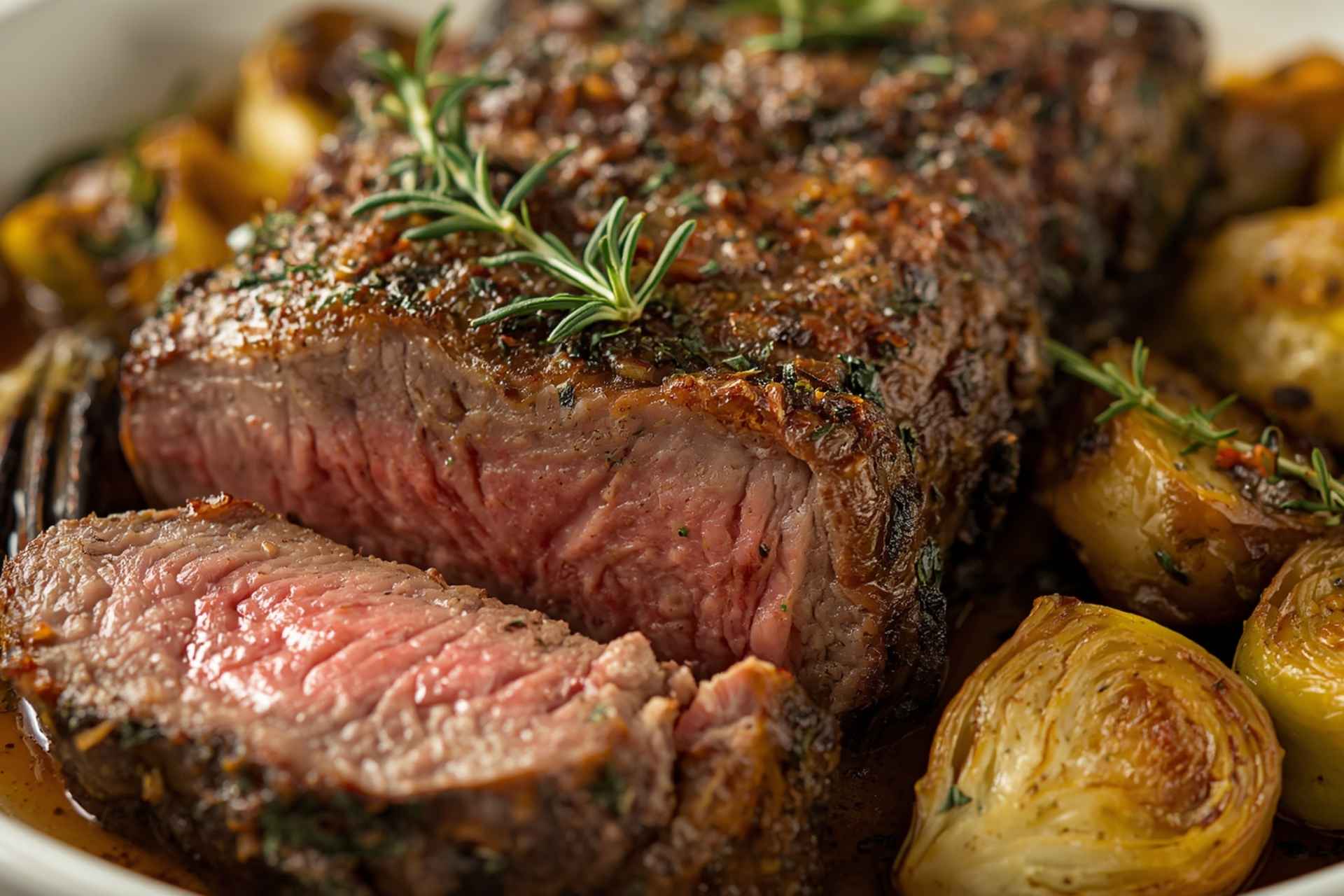
The final dinner of the week deserves something memorable. Tender beef tenderloin seasoned with rosemary, thyme, garlic, and cracked black pepper creates an elegant entrée that's surprisingly simple to prepare. Served alongside roasted Brussels sprouts, this meal delivers restaurant-quality flavor while maintaining moderate carbohydrate intake.
Brussels sprouts become wonderfully sweet when roasted, developing caramelized edges that pair perfectly with the savory beef. Together, they provide an impressive combination of protein, fiber, vitamins, and minerals.
Ingredients
- 6-ounce beef tenderloin
- 2 cups Brussels sprouts
- 2 teaspoons olive oil
- Fresh rosemary
- Fresh thyme
- Garlic cloves
- Salt
- Black pepper
- Butter (optional)
Instructions
- Season the beef with herbs, garlic, salt, and pepper.
- Roast or grill to your preferred doneness.
- Toss Brussels sprouts with olive oil and garlic.
- Roast until golden brown and tender.
- Finish with a small pat of butter if desired.
This meal feels luxurious enough for a celebration while remaining perfectly aligned with your healthy eating goals.
Why This Dinner Works
- High-quality protein supports muscle maintenance.
- Brussels sprouts provide fiber and vitamin C.
- Rich, satisfying flavors reduce cravings.
- Excellent choice for special occasions.
- Fits naturally into healthy Dessert Meal Plans.
Approximate Nutrition
| Nutrient | Amount |
|---|---|
| Calories | 610 |
| Net Carbs | 11 g |
| Protein | 45 g |
| Fat | 40 g |
| Fiber | 7 g |
Dessert
Triple Chocolate Celebration Cheesecake Cups

Every celebration deserves an unforgettable dessert, and these Triple Chocolate Cheesecake Cups deliver exactly that. Combining cream cheese, Greek yogurt, unsweetened cocoa powder, vanilla, and finely chopped dark chocolate creates a rich, silky dessert that rivals traditional bakery cheesecakes while containing far less sugar.
A garnish of whipped cream, dark chocolate curls, and fresh raspberries transforms these cheesecake cups into an elegant finale worthy of completing your week of Dessert Meal Plans.
Ingredients
- 4 ounces softened cream cheese
- ½ cup plain Greek yogurt
- 1 tablespoon unsweetened cocoa powder
- 1 teaspoon vanilla extract
- 1 teaspoon allulose or monk fruit sweetener
- 1 tablespoon finely chopped dark chocolate (85% cacao)
- Fresh raspberries
- Sugar-free whipped cream (optional)
- Chocolate curls for garnish
Instructions
- Beat the cream cheese until smooth.
- Blend in Greek yogurt, cocoa powder, vanilla, and sweetener.
- Fold in the chopped dark chocolate.
- Spoon into serving glasses.
- Chill for one hour before topping with raspberries and whipped cream.
The result is a rich, creamy dessert that proves healthy eating can end on an indulgent note without abandoning your nutrition goals.
Why This Dessert Works
- Rich chocolate flavor with minimal added sugar.
- High in protein compared with traditional cheesecake.
- Elegant presentation for celebrations.
- Easy to prepare ahead.
- A memorable finish to your Dessert Meal Plans.
Approximate Nutrition
| Nutrient | Amount |
|---|---|
| Calories | 290 |
| Net Carbs | 8 g |
| Protein | 12 g |
| Fat | 23 g |
| Fiber | 4 g |
Weekly Nutrition Review
Completing this 7-day Dessert Meal Plans program demonstrates that healthy desserts can fit comfortably into a balanced eating pattern. Throughout the week, every menu emphasized nutrient-dense ingredients, lean proteins, healthy fats, fiber-rich vegetables, and naturally lower-carbohydrate desserts instead of heavily processed sweets.
Estimated Weekly Daily Averages
| Nutrient | Average Per Day |
|---|---|
| Calories | 1,720 kcal |
| Net Carbohydrates | 37 g |
| Protein | 120 g |
| Total Fat | 113 g |
| Dietary Fiber | 26 g |
What You Achieved This Week
Over the course of 7 days, your Dessert Meal Plans consistently included:
- High-quality protein from Greek yogurt, eggs, poultry, seafood, lean beef, pork, and dairy to support muscle maintenance and promote satiety.
- Healthy fats from avocados, nuts, seeds, olive oil, salmon, coconut, and natural nut butters to provide lasting energy and enhance flavor.
- Fiber-rich foods including leafy greens, broccoli, Brussels sprouts, berries, chia seeds, almonds, cauliflower, asparagus, and spinach to support digestive health and help manage hunger.
- Naturally low carb desserts made with almond flour, coconut flour, cream cheese, Greek yogurt, cocoa powder, fresh berries, vanilla, lemon, and natural sweeteners instead of refined sugar.
- Essential vitamins and minerals such as calcium, magnesium, potassium, vitamin C, vitamin A, vitamin K, vitamin E, selenium, and omega-3 fatty acids from a diverse selection of whole foods.
Beyond the nutritional benefits, this week's Dessert Meal Plans also demonstrated several sustainable healthy eating habits:
- Planning desserts reduces impulsive high-sugar choices.
- Meal prepping breakfasts and desserts saves time during busy weeks.
- Using natural sweeteners allows you to enjoy sweetness while limiting added sugars.
- Including dessert as part of a balanced meal plan helps reduce feelings of deprivation and may make healthy eating easier to maintain over time.
- Rotating flavors—such as chocolate, berries, cheesecake, peanut butter, coconut, lemon, and vanilla—prevents boredom and keeps healthy eating enjoyable.
The greatest takeaway from this 7-day journey is that healthy desserts don't have to feel like a compromise. With thoughtful ingredient choices and balanced meal planning, desserts can become an enjoyable part of your everyday routine rather than an occasional indulgence. By continuing to build your weekly Dessert Meal Plans around whole foods, lean proteins, healthy fats, and naturally sweet ingredients, you'll create an eating pattern that's both nourishing and sustainable for the long term.
Meal Prep Tips for the Week Ahead
As you continue creating your own Dessert Meal Plans, consider these simple habits:
- Prepare two or three desserts at once to enjoy throughout the week.
- Keep almond flour, coconut flour, cocoa powder, and natural sweeteners stocked in your pantry.
- Freeze berries for smoothies, cheesecakes, and parfaits.
- Cook proteins in batches to simplify lunches and dinners.
- Portion desserts into individual containers to encourage mindful serving sizes.
These strategies make healthy eating more convenient while ensuring you always have a satisfying dessert ready when cravings appear.
Expert Tip
Healthy eating is most successful when it's consistent rather than perfect. Instead of aiming for flawless meals every day, focus on creating balanced Dessert Meal Plans that you genuinely enjoy. Small, sustainable habits—like preparing homemade desserts, choosing whole-food ingredients, and planning meals—often have a greater long-term impact than overly restrictive diets.
Weekly Grocery List for Dessert Meal Plans
A successful week of Dessert Meal Plans starts long before you prepare your first recipe—it begins with a well-organized grocery list. Shopping with a plan saves time, reduces food waste, helps you stay within your budget, and makes it much easier to stick to your healthy eating goals. Instead of making multiple trips to the grocery store or reaching for convenience foods, you'll have everything needed to prepare balanced meals and satisfying low carb desserts throughout the week.
One of the biggest advantages of planning your shopping list is consistency. When your refrigerator and pantry are stocked with wholesome ingredients, healthy choices become the easiest choices. You'll always have fresh vegetables for lunch, lean proteins for dinner, and nutritious ingredients ready to create delicious desserts whenever a sweet craving appears.
This grocery list has been designed specifically to support the 7-day Dessert Meal Plans featured in this guide. The ingredients overlap across multiple recipes, helping reduce unnecessary spending while ensuring every item gets used. Fresh berries appear in breakfasts and desserts; Greek yogurt works in parfaits, cheesecakes, and smoothies; while almond flour, cocoa powder, and natural sweeteners become the foundation for many low carb baked treats.
According to the Academy of Nutrition and Dietetics, planning meals and grocery shopping can encourage healthier eating habits and improve diet quality. Likewise, the USDA MyPlate recommends filling your shopping cart with a variety of vegetables, fruits, lean proteins, healthy fats, and minimally processed foods to support balanced nutrition.
Below is a comprehensive grocery list organized by department, making your shopping trip faster and more efficient.
Produce
Fresh produce is the heart of every healthy Dessert Meal Plan. Colorful vegetables provide vitamins, minerals, antioxidants, and fiber that support overall health, while low carb fruits like berries add natural sweetness without significantly increasing carbohydrate intake.
Choosing seasonal produce whenever possible often provides the best flavor, higher nutritional value, and lower prices. If certain fruits or vegetables aren't available fresh, frozen options without added sauces or sugars are excellent alternatives.
Fresh Vegetables
- Baby spinach
- Mixed salad greens
- Romaine lettuce
- Kale
- Broccoli
- Cauliflower
- Brussels sprouts
- Asparagus
- Green beans
- Zucchini
- Cucumbers
- Bell peppers
- Cherry tomatoes
- Avocados
- Mushrooms
- Celery
- Cabbage
- Fresh garlic
- Yellow onions
- Red onions
Fresh Herbs
- Fresh parsley
- Fresh basil
- Fresh dill
- Fresh thyme
- Fresh rosemary
- Fresh mint
- Fresh cilantro
Fresh herbs dramatically improve the flavor of both savory meals and desserts while adding almost no calories or carbohydrates.
Low Carb Fruits
- Strawberries
- Raspberries
- Blackberries
- Blueberries (use moderate portions)
- Lemons
- Limes
These fruits work beautifully in parfaits, cheesecake cups, smoothies, chia puddings, and refreshing desserts throughout your Dessert Meal Plans.
Dairy
Dairy products play an important role in creating the creamy textures that make low carb desserts so satisfying. Choosing plain, unsweetened varieties helps avoid unnecessary added sugars while providing high-quality protein and calcium.
Greek yogurt appears repeatedly throughout these Dessert Meal Plans because it's incredibly versatile. It works equally well in breakfast bowls, smoothies, cheesecakes, dessert mousses, and creamy sauces.
Dairy Shopping List
- Plain Greek yogurt
- Cream cheese
- Heavy cream
- Unsalted butter
- Cottage cheese
- Parmesan cheese
- Mozzarella cheese
- Cheddar cheese
- Feta cheese
- Unsweetened whipped cream (optional)
- Eggs
When purchasing dairy, compare nutrition labels and choose products with little or no added sugar whenever possible.
Why These Dairy Products Matter
- Excellent source of protein.
- Rich in calcium.
- Creates creamy textures without excessive carbohydrates.
- Supports satisfying breakfasts and desserts.
- Works in both sweet and savory recipes.
Pantry
A well-stocked pantry makes preparing healthy meals and desserts much easier. Many of these ingredients have a long shelf life, making them worthwhile staples you'll continue using long after this 7-day meal plan ends.
Natural nut butters, healthy oils, herbs, spices, and low carb sweeteners create incredible flavor while keeping recipes simple.
Healthy Oils & Vinegars
- Extra-virgin olive oil
- Avocado oil
- Sesame oil
- Apple cider vinegar
- Red wine vinegar
Nuts & Seeds
- Almonds
- Pecans
- Walnuts
- Peanuts
- Pistachios
- Chia seeds
- Flaxseed meal
- Pumpkin seeds
- Sunflower seeds
Natural Sweeteners
- Monk fruit sweetener
- Allulose
- Erythritol
- Stevia (optional)
Pantry Seasonings
- Sea salt
- Black pepper
- Cinnamon
- Nutmeg
- Vanilla extract
- Almond extract
- Unsweetened cocoa powder
- Baking powder
- Garlic powder
- Onion powder
- Italian seasoning
- Smoked paprika
- Oregano
Other Pantry Staples
- Natural peanut butter
- Unsweetened almond butter
- Dijon mustard
- Low-sodium soy sauce or tamari
- Unsweetened coconut flakes
- Dark chocolate (85% cacao or higher)
These ingredients form the backbone of countless Dessert Meal Plans, allowing you to create everything from cheesecakes and brownies to flavorful marinades and salad dressings.
Frozen Foods
Frozen foods are an excellent way to save money while reducing food waste. Many frozen fruits and vegetables are harvested at peak ripeness and quickly frozen, helping preserve much of their nutritional value.
Keeping a few frozen staples on hand also ensures you'll always have ingredients available for smoothies, desserts, and quick dinners—even when fresh produce runs low.
Frozen Fruits
- Unsweetened strawberries
- Unsweetened raspberries
- Unsweetened blueberries
- Mixed berries
Frozen berries blend beautifully into smoothies, yogurt bowls, and low carb desserts.
Frozen Vegetables
- Broccoli florets
- Cauliflower rice
- Spinach
- Green beans
- Mixed vegetables (without sauces)
Frozen Proteins
- Salmon fillets
- Shrimp
- Chicken breasts
- Turkey meatballs (homemade or minimally processed)
These convenient protein options make it easy to prepare healthy dinners in less than 30 minutes.
Benefits of Frozen Foods
- Longer shelf life.
- Less food waste.
- Convenient for meal prep.
- Budget-friendly.
- Nutritionally comparable to fresh produce in many cases.
Baking Essentials
Low carb baking relies on different ingredients than traditional baking, but once your pantry is stocked, you'll be able to prepare dozens of delicious desserts with ease. These essentials create moist cakes, fluffy muffins, creamy cheesecakes, cookies, brownies, and dessert bars that fit naturally into your Dessert Meal Plans.
Low Carb Flours
Unlike refined wheat flour, these alternatives provide fiber, healthy fats, and more protein while remaining significantly lower in digestible carbohydrates.
Baking Ingredients
- Unsweetened cocoa powder
- Baking powder
- Baking soda
- Xanthan gum (optional)
- Psyllium husk powder (optional)
Flavor Enhancers
- Pure vanilla extract
- Almond extract
- Lemon extract
- Coconut extract
- Instant espresso powder (for chocolate desserts)
- Cinnamon
- Pumpkin pie spice
Low-Carb Chocolate
- Sugar-free chocolate chips
- Dark chocolate (85–100% cacao)
- Unsweetened baking chocolate
Decorating Ingredients
- Unsweetened shredded coconut
- Chopped nuts
- Cocoa nibs
- Freeze-dried berries (without added sugar)
Keeping these ingredients available allows you to prepare homemade desserts whenever cravings strike instead of relying on processed store-bought sweets.
Smart Shopping Tips for Dessert Meal Plans
Making thoughtful choices at the grocery store helps you get the most value from your ingredients while supporting your nutrition goals.
- Shop the perimeter of the grocery store first, where fresh produce, dairy, and proteins are usually located.
- Read ingredient labels carefully and choose products with no added sugars whenever possible.
- Buy nuts, seeds, and baking ingredients in bulk if you regularly prepare low carb desserts.
- Select plain Greek yogurt instead of flavored varieties, then sweeten it naturally with berries or monk fruit.
- Compare nutrition labels for almond flour, coconut flour, and sweeteners to find the best quality products.
- Choose frozen fruits and vegetables without added sauces, syrups, or seasonings.
- Purchase fresh herbs in small amounts or grow your own for continuous flavor throughout the week.
- Plan recipes before shopping to avoid buying unnecessary ingredients and reduce food waste.
A carefully organized grocery list turns healthy eating into a simple routine rather than a daily challenge. Once your kitchen is stocked with these essentials, preparing balanced Dessert Meal Plans becomes quicker, easier, and far more enjoyable.
Expert Tip
Set aside 30–60 minutes after grocery shopping to wash vegetables, portion berries, prepare snack containers, and organize ingredients in your refrigerator. This small investment of time can significantly reduce weekday meal preparation and make it much easier to stick to your Dessert Meal Plans when life gets busy.
Complete Weekly Meal Prep Guide for Dessert Meal Plans
One of the biggest secrets to successfully following Dessert Meal Plans isn't finding the perfect recipe—it's having a reliable meal prep routine. Preparing ingredients in advance helps remove daily decision-making, reduces cooking time during busy weekdays, minimizes food waste, and makes healthy eating far more convenient. Instead of wondering what to cook after a long day, you'll already have nutritious meals and satisfying desserts waiting in your refrigerator.
Meal prep doesn't have to mean spending your entire weekend cooking dozens of complicated recipes. A few hours of organized preparation can provide enough ingredients for several breakfasts, lunches, dinners, and desserts while leaving flexibility to mix and match meals throughout the week. The goal isn't perfection—it's making healthy choices easier than unhealthy ones.
For this 7-day Dessert Meal Plans guide, meal prep focuses on preparing versatile ingredients that can be used in multiple recipes. Grilled chicken can appear in salads, lettuce wraps, and grain-free bowls. Greek yogurt becomes breakfast parfaits, cheesecake mousse, and creamy dips. Roasted vegetables pair with several dinners, while homemade desserts satisfy sweet cravings without requiring last-minute baking.
According to the Academy of Nutrition and Dietetics, meal planning and advance food preparation are associated with healthier eating habits and can make it easier to meet nutrition goals. Likewise, the USDA MyPlate encourages preparing meals ahead of time to increase fruit and vegetable intake while reducing reliance on highly processed convenience foods.
Below is a simple three-step system that helps you prepare an entire week of Dessert Meal Plans with minimal stress.
Prep on Sunday
Sunday is the ideal time to complete the majority of your weekly food preparation. Dedicating two to three hours to cooking and organizing ingredients allows you to enjoy quick, stress-free meals for the next several days. Rather than preparing every finished meal, focus on versatile building blocks that can be combined in different ways throughout the week.
1. Prepare Your Proteins
Protein is the foundation of nearly every meal in your Dessert Meal Plans. Cooking several servings at once saves considerable time later in the week.
Prepare:
- 4–6 grilled chicken breasts
- Roasted salmon fillets
- Turkey meatballs
- Lean ground turkey
- Hard-boiled eggs
- Cooked shrimp
- Roasted pork tenderloin (optional)
Allow proteins to cool completely before portioning them into airtight containers.
2. Roast Several Vegetables
Roasting vegetables enhances their natural sweetness while creating delicious caramelized flavors.
Prepare large batches of:
- Broccoli
- Cauliflower
- Brussels sprouts
- Green beans
- Asparagus
- Bell peppers
- Zucchini
Drizzle with olive oil and season simply with garlic, salt, pepper, and herbs so they remain versatile throughout the week.
3. Wash and Prepare Fresh Produce
One of the easiest ways to encourage healthy eating is making fruits and vegetables immediately accessible.
Wash and portion:
- Strawberries
- Blueberries
- Raspberries
- Blackberries
- Spinach
- Mixed greens
- Cucumbers
- Lettuce
- Herbs
Store berries in shallow containers lined with paper towels to absorb excess moisture and help maintain freshness.
4. Prepare Breakfasts
Morning routines become much easier when breakfast is already waiting.
Prepare several servings of:
- Chia pudding
- Greek yogurt parfaits
- Smoothie freezer packs
- Low carb pancake batter
- Cheesecake yogurt bowls
Having grab-and-go breakfasts reduces the temptation to choose high-sugar convenience foods.
5. Make Several Desserts
The desserts are one of the highlights of these Dessert Meal Plans, so preparing multiple servings ahead of time keeps healthy treats readily available.
Excellent make-ahead desserts include:
- Chocolate avocado mousse
- Lemon cheesecake mousse
- Peanut butter cheesecake bites
- Coconut vanilla mousse
- Berry cheesecake cups
- Chia pudding
- No-bake cheesecakes
Store desserts in individual serving containers to simplify portion control.
6. Prepare Homemade Sauces
Simple sauces can completely transform basic ingredients.
Mix ahead:
- Lemon vinaigrette
- Caesar dressing
- Peanut dressing
- Garlic herb butter
- Yogurt dipping sauce
Homemade dressings generally contain fewer added sugars than wide bottled varieties.
7. Portion Snacks
Prepare convenient snack containers containing:
- Mixed nuts
- Cheese cubes
- Celery sticks
- Cucumbers
- Bell pepper strips
- Almond butter
- Berries
These options make it much easier to stay consistent with your Dessert Meal Plans between meals.
Midweek Refresh
Even the best meal prep routine benefits from a quick refresh halfway through the week. Spending 30 to 45 minutes on Wednesday or Thursday helps maintain freshness while reducing food waste. Instead of cooking another full week's worth of food, simply replenish ingredients that taste best when freshly prepared.
Restock Fresh Produce
Leafy greens and herbs are usually the first ingredients to lose freshness.
Replace or prepare additional:
- Spinach
- Lettuce
- Mixed greens
- Cucumbers
- Fresh herbs
- Berries
Fresh vegetables keep salads crisp and desserts visually appealing.
Cook Additional Protein if Needed
Depending on your household size, prepare another small batch of:
- Chicken breast
- Salmon
- Shrimp
- Turkey meatballs
Cooking only what you'll use during the remainder of the week helps preserve quality.
Refill Breakfast Supplies
Prepare fresh:
- Greek yogurt parfaits
- Chia pudding
- Smoothie ingredients
- Cheesecake yogurt bowls
Breakfast remains one of the easiest meals to prepare ahead, making it worthwhile to keep several servings available.
Prepare Fresh Desserts
Many no-bake desserts taste their best within three or four days.
Refresh your dessert selection by preparing another batch of:
- Cheesecake mousse
- Chocolate pudding
- Coconut cream desserts
- Lemon mousse
Having homemade desserts ready reduces the temptation to purchase processed sweets.
Review Your Pantry
Take a few minutes to check pantry staples before they run low.
Restock:
- Almond flour
- Coconut flour
- Monk fruit sweetener
- Cocoa powder
- Vanilla extract
- Nuts
- Seeds
Keeping these essentials available ensures you're always ready to prepare healthy desserts.
Storage Tips
Proper food storage plays a major role in maintaining food quality, freshness, and safety throughout the week. Investing in quality storage containers can dramatically improve your meal prep experience while reducing unnecessary waste.
Use Airtight Containers
Glass meal prep containers with secure lids help preserve flavor while preventing leaks. Glass also reheats more evenly than many plastic containers and resists staining from tomato sauces or spices.
Label Everything
Attach labels showing:
- Recipe name
- Preparation date
- Use-by date
Simple labels eliminate guesswork and help rotate older foods first.
Refrigeration Guidelines
Store prepared foods safely:
- Cooked chicken: up to 4 days
- Cooked seafood: 2–3 days
- Roasted vegetables: 4 days
- Greek yogurt parfaits: 3 days
- Chia pudding: 5 days
- Cheesecake mousse: 4 days
- Homemade salad dressing: up to 1 week
Always refrigerate foods promptly after cooling.
Freeze for Longer Storage
Many recipes from these Dessert Meal Plans freeze surprisingly well.
Excellent freezer options include:
- Turkey meatballs
- Grilled chicken
- Low carb pancakes
- Cheesecake bites
- Chocolate mousse
- Almond flour muffins
Freeze individual portions for convenient meals on especially busy days.
Keep Ingredients Separate
For maximum freshness:
- Store salad dressing separately from greens.
- Add nuts immediately before serving.
- Keep berries separate until needed.
- Garnish desserts just before serving.
- Slice avocados immediately before eating.
These simple habits maintain better texture and appearance.
Organize Your Refrigerator
Arrange foods by category:
Top Shelf
- Breakfasts
- Desserts
- Yogurt
Middle Shelf
- Cooked proteins
- Leftovers
Bottom Shelf
- Raw meats (if any)
Produce Drawer
- Vegetables
- Herbs
- Berries
Door
- Condiments
- Dressings
- Beverages
An organized refrigerator makes assembling meals significantly faster.
Food Safety Reminders
Following basic food safety practices helps protect both quality and health.
- Cool cooked foods before sealing containers.
- Refrigerate foods within two hours of cooking.
- Reheat leftovers until thoroughly hot.
- Discard foods with unusual odors or textures.
- Wash fresh produce before storing whenever appropriate.
These simple practices help ensure every meal remains safe and delicious throughout your Dessert Meal Plans.
Why Meal Prep Makes Dessert Meal Plans Easier
Meal preparation isn't simply about saving time—it's about removing barriers that often lead to unhealthy food choices. When balanced meals and homemade desserts are already prepared, you're much less likely to rely on fast food, sugary snacks, or highly processed convenience foods.
A consistent meal prep routine also provides several long-term benefits:
- Reduces daily cooking stress.
- Saves money by minimizing food waste.
- Encourages balanced portion sizes.
- Makes healthy desserts readily available.
- Simplifies grocery shopping.
- Helps maintain consistent eating habits.
- Supports long-term healthy lifestyle changes.
Over time, these small weekly habits become automatic, making Dessert Meal Plans feel less like a structured program and more like your normal way of eating.
Sample Sunday Meal Prep Timeline
| Time | Task |
|---|---|
| 9:00–9:20 AM | Wash and prepare fresh produce |
| 9:20–10:00 AM | Roast vegetables |
| 10:00–10:45 AM | Cook chicken, salmon, and turkey meatballs |
| 10:45–11:15 AM | Prepare breakfasts (chia pudding and parfaits) |
| 11:15–11:45 AM | Make desserts and portion snacks |
| 11:45–12:00 PM | Label containers and organize refrigerator |
In just three hours or less, you'll have most of your meals prepared for nearly the entire week.
Expert Tip
Choose stackable glass storage containers in several sizes instead of random plastic containers. Clear containers allow you to quickly see what's available, encourage you to use ingredients before they spoil, and make organizing your refrigerator much easier. Investing in quality storage is one of the simplest ways to make Dessert Meal Plans sustainable for months—not just one week.
Best Low Carb Dessert Recipes to Rotate in Your Dessert Meal Plans
One of the biggest reasons healthy eating plans fail isn't because the meals are difficult—it's because they become repetitive. Even the most delicious recipes can lose their appeal if you eat them every single day. That's why building a collection of reliable, easy-to-make desserts is one of the smartest ways to maintain successful Dessert Meal Plans over the long term.
Instead of relying on one favorite dessert, create a rotation of recipes that feature different flavors, textures, and ingredients. Some days you may crave rich chocolate, while other days a refreshing lemon mousse or creamy cheesecake feels more satisfying. Rotating desserts also exposes you to a wider variety of nutrients from ingredients like berries, nuts, seeds, Greek yogurt, avocado, almond flour, and cocoa.
Another advantage of maintaining several dessert options is flexibility. Quick mug cakes satisfy unexpected cravings in minutes, while cheesecakes and mousse cups can be prepared several days in advance for effortless meal prep. Frozen desserts provide cooling treats during warmer months, while protein-rich recipes work well after exercise or as filling afternoon snacks.
According to the Academy of Nutrition and Dietetics, incorporating foods you genuinely enjoy into a balanced eating pattern makes healthy habits easier to maintain. Similarly, the American Diabetes Association encourages choosing desserts made with nutrient-dense ingredients while limiting added sugars and highly refined carbohydrates.
The following recipes represent some of the best desserts to include in your regular Dessert Meal Plans. Rotating them throughout the month keeps your menu exciting while helping you stay consistent with your nutrition goals.
Mug Cakes

Few desserts are as convenient as a low carb mug cake. Prepared in less than five minutes using a microwave, these single-serving cakes satisfy chocolate or vanilla cravings without requiring an entire baking session.
Unlike traditional cakes made with refined flour and sugar, low carb mug cakes rely on almond flour, coconut flour, eggs, butter, cocoa powder, and natural sweeteners such as monk fruit or allulose. The result is a moist, fluffy dessert that's rich in protein and healthy fats while remaining relatively low in digestible carbohydrates.
One of the greatest strengths of mug cakes is portion control. Since each recipe produces only one serving, there's no temptation to eat several slices of leftover cake. They're also highly customizable. Add cinnamon for warmth, peanut butter for richness, berries for freshness, or sugar-free chocolate chips for extra indulgence.
Popular Mug Cake Flavors
- Chocolate Lava Mug Cake
- Vanilla Almond Mug Cake
- Peanut Butter Chocolate Mug Cake
- Lemon Poppy Seed Mug Cake
- Cinnamon Coffee Cake
- Pumpkin Spice Mug Cake
- Coconut Vanilla Mug Cake
- Double Chocolate Brownie Mug Cake
Why Rotate Mug Cakes?
- Ready in under five minutes.
- Naturally portion controlled.
- Minimal cleanup.
- Easy to customize.
- Ideal for busy evenings.
- Great addition to weekly Dessert Meal Plans.
Cheesecakes

Cheesecake remains one of the most beloved desserts among low-carb enthusiasts—and for good reason. The naturally rich combination of cream cheese, Greek yogurt, eggs, vanilla, and heavy cream creates an indulgent texture without relying heavily on flour or sugar.
Traditional cheesecakes often contain graham cracker crusts and significant amounts of added sugar. Low carb versions replace these ingredients with almond flour, crushed pecans, or eliminate the crust. Natural sweeteners maintain sweetness while dramatically reducing carbohydrate content.
Cheesecakes also work exceptionally well for meal prep. Individual cheesecake jars, mini cheesecakes, or cheesecake mousse cups can be prepared several days in advance and stored in the refrigerator, making them one of the most convenient desserts for your Dessert Meal Plans.
Delicious Cheesecake Variations
- Classic Vanilla Cheesecake
- Chocolate Cheesecake
- Lemon Cheesecake
- Raspberry Swirl Cheesecake
- Peanut Butter Cheesecake
- Coconut Cheesecake
- Pumpkin Cheesecake
- Strawberry Cheesecake Cups
Why Cheesecake Works So Well
- Rich, satisfying texture.
- High in protein.
- Excellent make-ahead dessert.
- Naturally low in carbohydrates.
- Easy to customize with seasonal flavors.
- Suitable for special occasions.
Fat Bombs
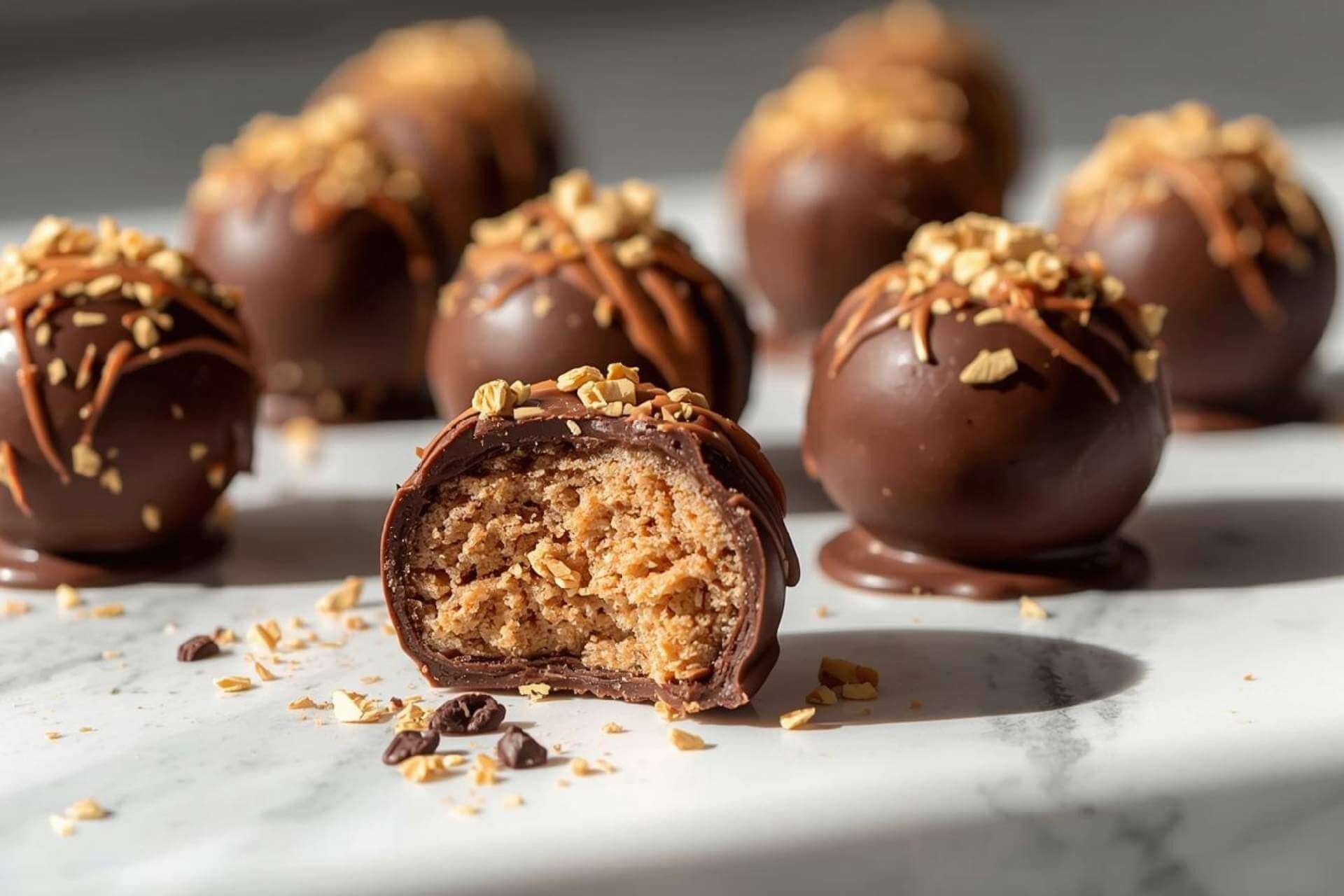
Fat bombs are small, nutrient-dense snacks designed to provide healthy fats while satisfying dessert cravings. Although especially popular among ketogenic eaters, they also fit comfortably into many moderate Dessert Meal Plans when enjoyed in appropriate portions.
Most fat bombs combine ingredients such as cream cheese, coconut oil, butter, nut butter, cocoa powder, shredded coconut, chopped nuts, and natural sweeteners. Their rich texture means that one or two pieces are often enough to satisfy a craving that might otherwise lead to sugary snacks.
Because fat bombs freeze exceptionally well, they're perfect for batch cooking. Prepare a large batch once, freeze individual portions, and enjoy them whenever cravings strike.
Favorite Fat Bomb Recipes
- Chocolate Peanut Butter Fat Bombs
- Coconut Vanilla Fat Bombs
- Lemon Cream Fat Bombs
- Salted Caramel Fat Bombs
- Mocha Espresso Fat Bombs
- Raspberry Cheesecake Fat Bombs
- Almond Joy Fat Bombs
- Chocolate Mint Fat Bombs
Benefits of Fat Bombs
- Rich in healthy fats.
- Convenient grab-and-go snack.
- Excellent freezer life.
- Highly satisfying.
- Helps reduce sweet cravings.
- Easy meal prep dessert.
Because fat bombs are calorie-dense, moderation remains important even within healthy Dessert Meal Plans.
Chocolate Mousse
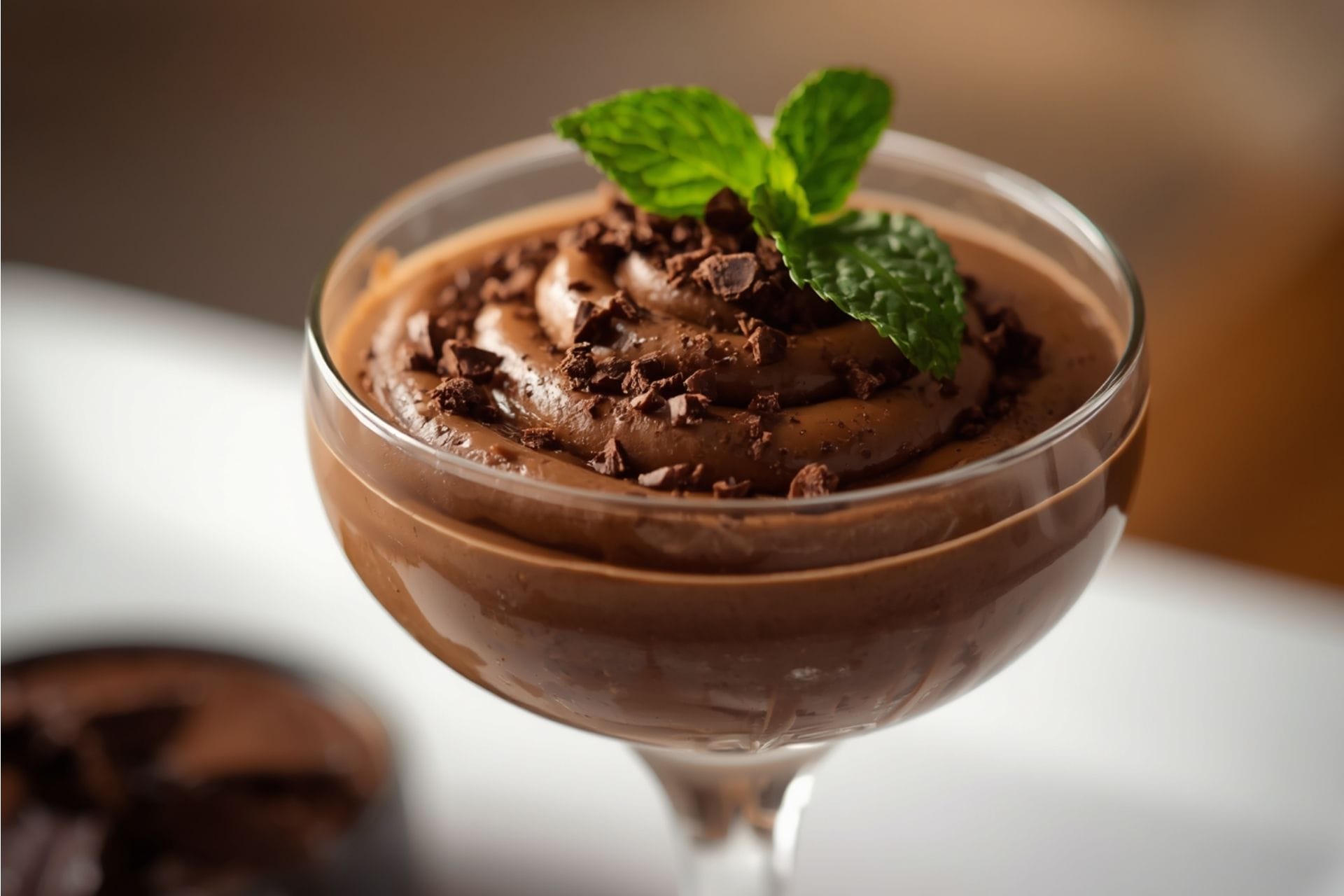
Chocolate mousse offers one of the richest dessert experiences without requiring large amounts of sugar. Properly prepared, low carb mousse becomes incredibly silky, airy, and luxurious while remaining surprisingly nutritious.
Many recipes use cream cheese or Greek yogurt for protein, avocado for healthy fats, heavy cream for richness, and unsweetened cocoa powder for intense chocolate flavor. Natural sweeteners provide sweetness without significantly increasing carbohydrate intake.
Chocolate mousse also provides tremendous versatility. Depending on the ingredients, it can become a light afternoon snack, elegant dinner party dessert, breakfast parfait layer, or frozen treat.
Popular Chocolate Mousse Variations
- Classic Chocolate Mousse
- Dark Chocolate Avocado Mousse
- Triple Chocolate Cheesecake Mousse
- Peanut Butter Chocolate Mousse
- Mocha Espresso Mousse
- Chocolate Coconut Mousse
- Mint Chocolate Mousse
- Raspberry Chocolate Mousse
Why Chocolate Mousse Is a Favorite
- Creamy, luxurious texture.
- Rich chocolate flavor.
- Naturally gluten-free.
- High in healthy fats.
- Easy to prepare.
- Beautiful presentation.
For chocolate lovers, rotating different mousse recipes throughout your Dessert Meal Plans prevents boredom while satisfying even strong sweet cravings.
Frozen Desserts
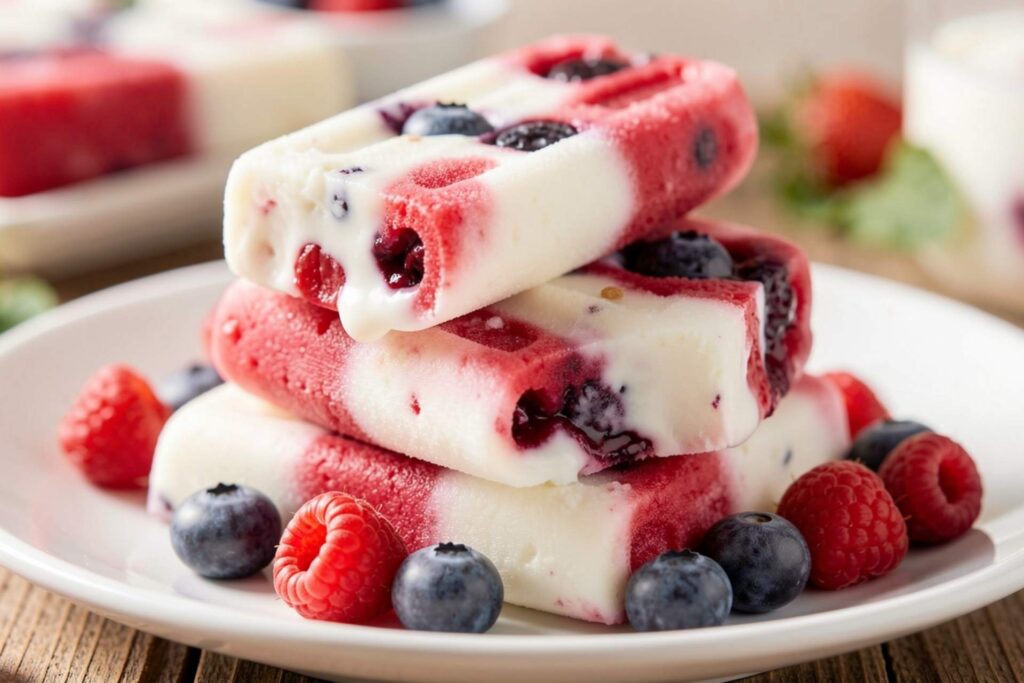
Frozen desserts provide refreshing alternatives during warm weather while offering countless opportunities to enjoy fruit, yogurt, and creamy low carb ingredients. Contrary to popular belief, frozen treats don't have to rely on refined sugar or commercial ice cream.
Homemade frozen desserts often feature Greek yogurt, coconut milk, berries, avocado, cocoa powder, nut butters, vanilla, and natural sweeteners. These ingredients create creamy textures while supplying significantly more protein and healthy fats than many traditional frozen desserts.
Many frozen recipes also require little more than a blender and freezer, making them simple enough for beginners.
Refreshing Frozen Dessert Ideas
- Greek Yogurt Berry Popsicles
- Chocolate Frozen Yogurt
- Strawberry Cheesecake Ice Cream
- Coconut Lime Popsicles
- Lemon Frozen Yogurt
- Peanut Butter Ice Cream
- Raspberry Sorbet
- Chocolate Banana-Free "Nice Cream"
Advantages of Frozen Desserts
- Perfect during summer.
- Easy batch preparation.
- Family-friendly.
- Long freezer storage.
- Refreshing alternative to baked desserts.
- Excellent for rotating seasonal flavors.
Frozen desserts add welcome variety to your Dessert Meal Plans, especially when fresh berries are in season.
Protein Desserts
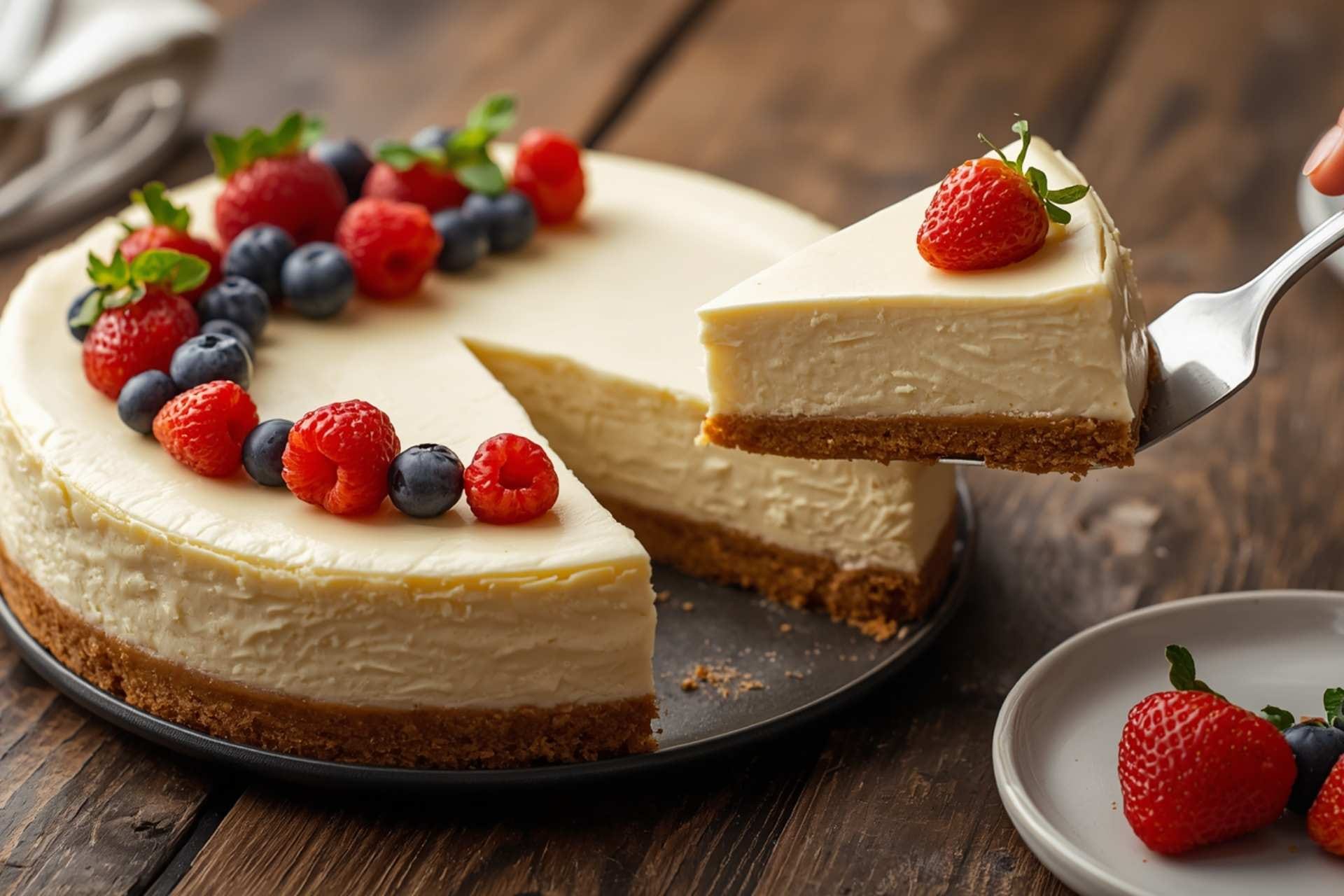
Protein desserts have become increasingly popular because they combine indulgent flavors with nutritional benefits that support satiety and muscle maintenance. Instead of viewing dessert as empty calories, these recipes transform sweets into balanced snacks or post-workout options.
Greek yogurt, cottage cheese, protein powder, eggs, almond flour, cream cheese, peanut butter, and chia seeds form the foundation of many protein-rich desserts. These ingredients help slow digestion and promote longer-lasting fullness compared with desserts made primarily from refined carbohydrates.
Protein desserts also work particularly well for meal prep because many require no baking and store well for several days.
High-Protein Dessert Ideas
- Chocolate Protein Pudding
- Vanilla Protein Cheesecake
- Greek Yogurt Berry Parfaits
- Peanut Butter Protein Bars
- Protein Brownies
- Cottage Cheese Chocolate Mousse
- High-Protein Ice Cream
- Chocolate Protein Cookies
- Protein Pancake Muffins
- Vanilla Chia Protein Pudding
Why Include Protein Desserts?
- Promote fullness.
- Support muscle recovery.
- Excellent afternoon snack.
- Great post-workout option.
- Easy to prepare ahead.
- Naturally fit balanced Dessert Meal Plans.
How to Rotate Desserts Throughout the Month
Instead of repeating the same dessert every day, develop a simple rotation that keeps your meals interesting while reducing the likelihood of craving high-sugar treats.
| Day | Dessert Category | Example |
|---|---|---|
| Monday | Mug Cake | Chocolate Lava Mug Cake |
| Tuesday | Cheesecake | Lemon Cheesecake Cup |
| Wednesday | Fat Bomb | Peanut Butter Fat Bomb |
| Thursday | Chocolate Mousse | Dark Chocolate Avocado Mousse |
| Friday | Frozen Dessert | Berry Frozen Yogurt |
| Saturday | Protein Dessert | Vanilla Protein Cheesecake |
| Sunday | Special Occasion | Triple Chocolate Cheesecake Cups |
This approach creates variety without making meal planning complicated.
Tips for Building Your Own Dessert Rotation
As your confidence grows, expand your collection of favorite recipes while keeping nutrition in mind.
- Choose desserts made with whole-food ingredients whenever possible.
- Rotate chocolate, vanilla, lemon, berry, coconut, peanut butter, and coffee flavors.
- Prepare two or three different desserts every weekend.
- Freeze extra portions for busy weeks.
- Experiment with seasonal berries and fresh citrus.
- Use almond flour and coconut flour instead of refined flour.
- Select natural sweeteners such as monk fruit or allulose.
- Keep portion sizes reasonable, even with healthy desserts.
Over time, these simple habits make your Dessert Meal Plans feel exciting rather than repetitive.
Expert Tip
Aim to keep three different dessert options available in your refrigerator or freezer each week. For example, prepare a batch of cheesecake cups, freeze several fat bombs, and mix a chocolate mousse. Having multiple choices satisfies different cravings while making it much easier to avoid highly processed sweets.
Common Mistakes That Stop Results in Dessert Meal Plans
Following carefully designed Dessert Meal Plans can help you enjoy sweet treats while maintaining a balanced, lower-carbohydrate lifestyle. However, even the best meal plan won't deliver the desired results if a few common mistakes repeatedly sneak into your daily routine. Many people assume that simply choosing "low carb" desserts guarantees success, but the reality is much more nuanced. Hidden ingredients, oversized portions, and nutritional imbalances can gradually increase calorie and carbohydrate intake without you realizing it.
The good news is that these mistakes are easy to correct once you know what to look for. Small adjustments—such as reading ingredient labels more carefully, balancing desserts with protein, and practicing mindful portion control—can make a significant difference over time. Healthy eating isn't about perfection; it's about making informed choices consistently.
One of the biggest advantages of structured Dessert Meal Plans is that they encourage intentional eating rather than impulsive snacking. Instead of reaching for whatever sweet food is available, you're choosing desserts made from nutrient-dense ingredients like Greek yogurt, almond flour, berries, cocoa powder, nuts, and natural sweeteners. These foods provide flavor and satisfaction while contributing valuable nutrients to your overall diet.
According to the Academy of Nutrition and Dietetics, sustainable nutrition comes from balanced eating patterns rather than eliminating entire food groups. Likewise, the American Diabetes Association recommends paying attention to total carbohydrate intake, portion sizes, and overall meal quality instead of focusing solely on whether a product is labeled "sugar-free" or "low carb."
Let's explore the most common mistakes that can interfere with your progress and learn how to avoid them.
Hidden Carbs
One of the most common reasons people struggle with Dessert Meal Plans is underestimating hidden carbohydrates. Many foods marketed as "healthy," "natural," or even "keto-friendly" may still contain ingredients that increase carbohydrate intake more than expected. Without checking nutrition labels or ingredient lists, it's easy to consume extra carbohydrates that gradually add up throughout the day.
For example, flavored yogurts, packaged nut butters, protein bars, and store-bought sauces often contain added sugars, maltodextrin, syrups, or starches. Even ingredients that sound wholesome—such as honey, maple syrup, coconut sugar, or dates—are still concentrated sources of carbohydrates. While these sweeteners may be less processed than refined sugar, they can still raise blood glucose levels and increase total carbohydrate intake.
Hidden carbohydrates can also appear in surprising places outside of desserts. Salad dressings, marinades, flavored coffee creamers, barbecue sauces, ketchup, and even some spice blends may contain added sugars. If these foods are consumed alongside low carb desserts, your overall daily carbohydrate intake may become much higher than intended.
Common Sources of Hidden Carbs
- Sweetened Greek yogurt
- Flavored cream cheese
- Store-bought whipped topping
- Sweetened almond or coconut milk
- Granola
- Honey roasted nuts
- Protein bars with added sugars
- Flavored coffee creamers
- Bottled salad dressings
- Commercial dessert toppings
How to Avoid Hidden Carbs
- Read the ingredient list before purchasing packaged foods.
- Compare nutrition labels between different brands.
- Choose plain dairy products and sweeten them yourself.
- Make homemade salad dressings whenever possible.
- Buy unsweetened nut butters with only nuts and salt listed as ingredients.
- Keep a food journal if you're unsure where carbohydrates are coming from.
The more familiar you become with ingredient labels, the easier it becomes to build successful Dessert Meal Plans around truly low carb foods.
Too Much Sweetener
Natural sweeteners like monk fruit, allulose, erythritol, and stevia have made low carb desserts more accessible than ever. They allow you to enjoy sweetness without the large amounts of added sugar found in traditional desserts. However, using excessive amounts of even sugar-free sweeteners can create new challenges.
One issue is taste adaptation. When desserts remain extremely sweet, your preference for sweetness may stay elevated, making naturally sweet foods like berries seem less satisfying. Over time, this can make it more difficult to appreciate the subtle flavors of whole foods.
Another consideration is digestive comfort. Some sugar alcohols—particularly when consumed in large quantities—may contribute to bloating, gas, or digestive discomfort in sensitive individuals. While many people tolerate sweeteners like erythritol or allulose well, moderation is still a sensible approach.
The goal of Dessert Meal Plans isn't simply replacing sugar with unlimited sweetener. Instead, it's gradually shifting toward desserts where ingredients like vanilla, cinnamon, cocoa, citrus, berries, and roasted nuts provide much of the flavor naturally.
Signs You May Be Using Too Much Sweetener
- Every dessert tastes extremely sweet.
- Fresh fruit no longer seems flavorful.
- You experience digestive discomfort after desserts.
- You constantly crave sweet foods.
- You add sweetener automatically without tasting first.
Better Strategies
- Start with less sweetener than a recipe suggests.
- Allow vanilla, cocoa, cinnamon, and citrus zest to enhance flavor.
- Use berries to provide natural sweetness.
- Experiment with unsweetened desserts occasionally.
- Train your taste buds to enjoy milder sweetness over time.
Reducing sweetness gradually often makes Dessert Meal Plans feel even more satisfying because you'll begin appreciating the natural flavors of quality ingredients.
Poor Portion Sizes
Even nutritious desserts can become less supportive of your goals if portion sizes continually grow larger. Because many low carb desserts are made with wholesome ingredients like almond flour, nuts, cream cheese, heavy cream, coconut oil, and nut butters, they're often rich in healthy fats and calories. These ingredients are incredibly satisfying, but they're also energy-dense.
It's easy to think, "It's low carb, so I can eat as much as I want." Unfortunately, this mindset can unintentionally lead to consuming far more calories than planned. A generous slice of cheesecake or several handfuls of fat bombs may still contribute substantial energy intake despite being relatively low in carbohydrates.
Practicing mindful eating can make a significant difference. Instead of eating directly from a large container, portion desserts into individual serving dishes. Eating slowly and paying attention to fullness signals often helps you feel satisfied with less.
Portion Control Tips
- Prepare individual dessert cups.
- Use smaller dessert plates or bowls.
- Avoid eating directly from storage containers.
- Measure ingredients when baking.
- Freeze extra portions to prevent overeating.
- Pause for a few minutes before deciding on a second serving.
Healthy Portion Examples
| Dessert | Recommended Serving |
|---|---|
| Cheesecake | 1 small slice or individual cup |
| Chocolate Mousse | ½–¾ cup |
| Chia Pudding | ½ cup |
| Fat Bombs | 1–2 pieces |
| Mug Cake | 1 individual cake |
| Frozen Yogurt | ½ cup |
Reasonable portions allow Dessert Meal Plans to remain enjoyable while supporting long-term healthy eating habits.
Lack of Protein
Dessert alone rarely provides lasting satisfaction. One of the most overlooked mistakes in Dessert Meal Plans is failing to include enough protein throughout the day. While desserts may satisfy a craving temporarily, they won't keep you full for long if your meals lack adequate protein.
Protein plays an essential role in supporting muscle maintenance, helping regulate appetite, and promoting satiety. When combined with healthy fats and fiber, it slows digestion and helps create steadier energy levels. This combination may also reduce the urge to snack frequently between meals.
Fortunately, many low carb desserts naturally incorporate protein-rich ingredients. Greek yogurt, cottage cheese, eggs, cream cheese, protein powder, ricotta cheese, and nuts all contribute valuable protein while enhancing texture and flavor.
Balancing desserts with protein doesn't mean every dessert needs a protein shake. Instead, aim for overall daily balance by pairing desserts with nutrient-rich meals that include lean proteins, vegetables, and healthy fats.
High-Protein Ingredients for Desserts
- Plain Greek yogurt
- Cottage cheese
- Cream cheese
- Ricotta cheese
- Eggs
- Whey protein powder
- Casein protein powder
- Almond flour
- Peanut butter
- Chia seeds
- Hemp seeds
- Unsweetened soy yogurt
Protein-Rich Dessert Ideas
- Greek yogurt berry parfait
- Chocolate protein pudding
- Cheesecake mousse
- Cottage cheese chocolate whip
- Protein brownies
- Vanilla protein pancakes
- Peanut butter protein bites
- Chia protein pudding
Including these recipes regularly makes your Dessert Meal Plans more satisfying and nutritionally balanced.
Bonus Mistakes to Avoid
While hidden carbohydrates, excessive sweetener, oversized portions, and inadequate protein are the most common challenges, a few additional habits can also slow progress.
Skipping Fiber
Fiber helps promote fullness and supports digestive health. Include berries, chia seeds, flaxseed, vegetables, almonds, walnuts, and coconut throughout your meals.
Drinking Calories
Specialty coffee drinks, sweetened smoothies, flavored lattes, and sugary beverages may contain more carbohydrates than expected. Water, sparkling water, unsweetened tea, and black coffee remain excellent everyday choices.
Not Planning Desserts
Waiting until cravings become overwhelming often leads to impulsive choices. Preparing desserts in advance keeps healthier options easily available.
Expecting Instant Results
Healthy eating is a long-term lifestyle rather than a quick fix. Consistency over weeks and months generally produces more meaningful results than seeking rapid changes.
Quick Checklist for Successful Dessert Meal Plans
Use this checklist each week to stay on track:
- ✔ Read nutrition labels carefully.
- ✔ Choose unsweetened dairy products.
- ✔ Measure dessert portions.
- ✔ Include protein at every meal.
- ✔ Eat plenty of vegetables.
- ✔ Prepare desserts ahead of time.
- ✔ Keep healthy snacks available.
- ✔ Rotate dessert recipes to prevent boredom.
- ✔ Stay hydrated throughout the day.
- ✔ Focus on consistency rather than perfection.
Following these habits helps transform Dessert Meal Plans into a sustainable routine rather than a temporary diet.
Expert Tip
When evaluating any packaged "low carb" dessert, don't rely solely on the marketing claims on the front of the package. Turn the product over and review the Nutrition Facts panel and ingredient list. Look for total carbohydrates, added sugars, serving size, fiber, and protein, and compare brands before purchasing. In many cases, a simple homemade dessert made with whole-food ingredients provides better nutrition and greater satisfaction.
How to Customize Dessert Meal Plans for Your Lifestyle
One of the greatest advantages of well-designed Dessert Meal Plans is their flexibility. No two people have the same nutritional needs, food preferences, or health goals, so a meal plan should be viewed as a customizable framework rather than a rigid set of rules. Whether you're vegetarian, gluten-free, dairy-free, or simply looking to increase your daily protein intake, you can easily adapt these recipes while still enjoying delicious low carb desserts.
Personalizing your Dessert Meal Plans not only makes them more enjoyable but also increases the likelihood that you'll stick with them over the long term. Research consistently shows that eating patterns are easier to maintain when they align with your lifestyle, taste preferences, and cultural traditions. Small modifications—such as swapping one protein source, replacing dairy ingredients, or choosing a different flour—can make a significant difference without sacrificing flavor or nutrition.
Another important benefit of customization is variety. Rotating ingredients throughout the week exposes your body to a wider range of vitamins, minerals, antioxidants, healthy fats, and plant compounds. This diversity supports overall nutrition while preventing meal fatigue, which is one of the most common reasons people abandon healthy eating plans.
According to the Academy of Nutrition and Dietetics, healthy eating patterns can be adapted to fit a wide range of dietary preferences while still providing adequate nutrition. Similarly, the Harvard T.H. Chan School of Public Health emphasizes focusing on whole, minimally processed foods and creating sustainable eating habits that can be maintained for years—not just weeks.
Below are several practical ways to customize your Dessert Meal Plans without compromising taste, convenience, or nutritional balance.
Vegetarian Version
A vegetarian lifestyle can fit beautifully with Dessert Meal Plans. In fact, many of the desserts in this guide already rely on vegetarian-friendly ingredients such as Greek yogurt, cream cheese, eggs, nuts, seeds, berries, almond flour, coconut flour, and natural sweeteners. The primary adjustments usually involve replacing meat or seafood at lunch and dinner while ensuring adequate protein intake throughout the day.
High-quality vegetarian protein sources help maintain fullness, support muscle health, and balance blood sugar levels. By combining protein-rich dairy or plant-based alternatives with healthy fats and fiber-rich vegetables, you can create satisfying meals that complement your low carb desserts.
Best Vegetarian Protein Sources
- Eggs
- Plain Greek yogurt
- Cottage cheese
- Ricotta cheese
- Halloumi cheese
- Tofu
- Tempeh
- Edamame
- Unsweetened soy yogurt
- Hemp seeds
- Pumpkin seeds
- Almonds
- Walnuts
- Chia seeds
- Flaxseed
Easy Meal Swaps
| Original Meal | Vegetarian Alternative |
|---|---|
| Grilled Chicken Salad | Grilled Halloumi Salad |
| Baked Salmon | Herb-Roasted Tofu |
| Turkey Meatballs | Mushroom and Walnut Patties |
| Beef Tenderloin | Grilled Portobello Mushrooms |
| Shrimp Salad | Marinated Tempeh Salad |
These substitutions maintain variety while preserving the overall structure of your Dessert Meal Plans.
Vegetarian Dessert Ideas
Many desserts already fit vegetarian diets naturally, including:
- Lemon cheesecake mousse
- Chocolate chia pudding
- Berry Greek yogurt parfaits
- Almond flour mug cakes
- Peanut butter fat bombs
- Coconut mousse
- Vanilla cheesecake cups
- Protein yogurt bowls
Tips for Vegetarian Success
- Include protein at every meal.
- Rotate different nuts and seeds.
- Add vegetables of various colors throughout the week.
- Choose minimally processed vegetarian protein sources whenever possible.
- Monitor vitamin B12 and iron intake if following a long-term vegetarian diet.
With thoughtful planning, vegetarian Dessert Meal Plans can be every bit as satisfying and nutritionally balanced as omnivorous versions.
Gluten-Free Version
Many recipes featured in these Dessert Meal Plans are naturally gluten-free because they rely on ingredients such as almond flour, coconut flour, cocoa powder, eggs, dairy, nuts, seeds, berries, and vegetables instead of wheat flour. This makes the transition to a gluten-free meal plan surprisingly simple.
Individuals with celiac disease or non-celiac gluten sensitivity should pay close attention to food labels, as gluten can appear in unexpected packaged products, sauces, seasoning blends, and processed desserts. Choosing certified gluten-free ingredients helps minimize the risk of cross-contamination.
Naturally Gluten-Free Ingredients
- Almond flour
- Coconut flour
- Flaxseed meal
- Chia seeds
- Eggs
- Greek yogurt
- Cream cheese
- Cottage cheese
- Fresh berries
- Unsweetened cocoa powder
- Nuts
- Seeds
- Coconut flakes
Gluten-Free Pantry Essentials
Keep these ingredients stocked for easy baking:
- Certified gluten-free almond flour
- Coconut flour
- Baking powder labeled gluten-free
- Xanthan gum (optional)
- Psyllium husk powder
- Pure vanilla extract
- Unsweetened cocoa powder
- Monk fruit sweetener
Foods to Double-Check
Even when following Dessert Meal Plans, always read labels for:
- Protein powders
- Chocolate chips
- Flavor extracts
- Peanut butter
- Baking mixes
- Dessert toppings
- Packaged nuts
- Salad dressings
Benefits of Gluten-Free Low Carb Desserts
- Naturally rich in healthy fats.
- Excellent source of protein.
- High in fiber when made with nuts and seeds.
- Easy to prepare at home.
- Suitable for many dietary preferences.
Many people discover they don't need complicated specialty products because simple whole-food ingredients naturally create delicious gluten-free desserts.
Dairy-Free Version
Dairy contributes creaminess and protein to many low carb desserts, but it's entirely possible to enjoy flavorful Dessert Meal Plans without it. Whether you're lactose intolerant, allergic to dairy proteins, or prefer plant-based alternatives, several excellent substitutes create equally satisfying textures.
Today's grocery stores offer an impressive variety of unsweetened dairy alternatives. When choosing substitutes, look for products with no added sugars and minimal ingredient lists whenever possible.
Dairy-Free Alternatives
| Dairy Ingredient | Dairy-Free Replacement |
|---|---|
| Greek Yogurt | Unsweetened Coconut Yogurt |
| Cream Cheese | Dairy-Free Cream Cheese |
| Heavy Cream | Full-Fat Coconut Cream |
| Butter | Avocado Oil or Coconut Oil |
| Milk | Unsweetened Almond Milk |
| Whipped Cream | Coconut Whipped Cream |
Excellent Dairy-Free Ingredients
- Coconut cream
- Coconut yogurt
- Unsweetened almond milk
- Unsweetened coconut milk
- Cashew cream
- Silken tofu
- Avocados
- Coconut oil
- Almond butter
- Macadamia nuts
Dairy-Free Dessert Ideas
These recipes adapt especially well:
- Coconut chia pudding
- Chocolate avocado mousse
- Berry coconut parfaits
- Lemon coconut mousse
- Peanut butter fat bombs
- Almond flour brownies
- Frozen berry popsicles
- Coconut ice cream
Helpful Tips
- Choose unsweetened plant-based products.
- Compare nutrition labels for added sugars.
- Use coconut cream for rich textures.
- Add vanilla and cinnamon to enhance flavor naturally.
- Refrigerate coconut cream before whipping for better consistency.
With a few thoughtful substitutions, dairy-free Dessert Meal Plans remain creamy, satisfying, and full of flavor.
High-Protein Version
Increasing daily protein intake is one of the easiest ways to make Dessert Meal Plans more filling and nutritionally balanced. Protein supports muscle maintenance, promotes satiety, and may help reduce hunger between meals. It also slows digestion when combined with healthy fats and fiber, helping maintain steadier energy levels throughout the day.
Many low carb desserts already contain moderate amounts of protein thanks to ingredients like eggs, Greek yogurt, cream cheese, cottage cheese, and almond flour. A few simple adjustments can raise protein content even further without dramatically changing flavor or texture.
High-Protein Ingredients
- Plain Greek yogurt
- Cottage cheese
- Eggs
- Egg whites
- Whey protein isolate
- Casein protein powder
- Unsweetened soy yogurt
- Ricotta cheese
- Almond flour
- Peanut butter
- Hemp seeds
- Chia seeds
High-Protein Dessert Ideas
Rotate these recipes through your weekly Dessert Meal Plans:
- Chocolate protein pudding
- Vanilla protein cheesecake
- Cottage cheese chocolate mousse
- Greek yogurt berry parfait
- Peanut butter protein bites
- Protein mug cakes
- Chocolate protein brownies
- High-protein frozen yogurt
- Vanilla chia protein pudding
- Protein pancakes
Protein Boosting Tips
Small ingredient swaps can significantly increase protein content.
Instead of:
- Regular yogurt → choose Greek yogurt.
- Whole eggs only → add extra egg whites.
- Traditional frosting → use Greek yogurt frosting.
- Heavy cream alone → combine with cottage cheese.
- Plain smoothies → add protein powder.
Sample High-Protein Day
| Meal | Protein-Rich Option |
|---|---|
| Breakfast | Greek Yogurt Parfait with Chia Seeds |
| Lunch | Grilled Chicken Salad with Avocado |
| Snack | Cottage Cheese Chocolate Mousse |
| Dinner | Baked Salmon with Broccoli |
| Dessert | Protein Cheesecake Cup |
This approach helps maintain balanced nutrition while still allowing room for delicious desserts.
Benefits of a High-Protein Meal Plan
A protein-rich version of Dessert Meal Plans may help:
- Increase feelings of fullness.
- Support muscle recovery after exercise.
- Reduce unnecessary snacking.
- Maintain lean body mass.
- Improve meal satisfaction.
- Create balanced, nutrient-dense desserts.
As always, individual protein needs vary based on age, activity level, and health status. If you have specific medical conditions or dietary concerns, consult a registered dietitian or healthcare professional for personalized recommendations.
Mix and Match Your Perfect Dessert Meal Plans
One of the best aspects of these meal plans is that you don't have to choose just one approach. Many people successfully combine multiple modifications based on their individual needs.
For example, you could create:
- A vegetarian and gluten-free meal plan using eggs, Greek yogurt, almond flour, and vegetables.
- A dairy-free and gluten-free version using coconut cream, almond flour, berries, and avocado.
- A high-protein vegetarian plan featuring Greek yogurt, cottage cheese, tofu, and protein-rich desserts.
- A dairy-free high-protein plan using tofu, unsweetened soy yogurt, hemp seeds, and plant-based protein powder.
The key is focusing on whole, minimally processed ingredients while maintaining balance across your meals.
Expert Tip
When customizing your Dessert Meal Plans, change only one or two ingredients at a time instead of completely rewriting every recipe. This approach makes it easier to identify substitutions you enjoy, maintain recipe consistency, and build a personalized collection of desserts you'll look forward to making again and again.
Expert Nutrition Tips for Long-Term Success with Dessert Meal Plans
Creating delicious Dessert Meal Plans is only the first step toward building healthier eating habits. The real challenge—and the greatest reward—comes from maintaining those habits consistently over weeks, months, and even years. While many people focus exclusively on recipes, lasting success usually depends on daily behaviors rather than any single meal or dessert.
Think of healthy eating like building a house. The desserts, breakfasts, lunches, and dinners are the visible structure, but your everyday habits are the foundation. Skills such as mindful eating, understanding nutrition labels, and tracking carbohydrate intake help support informed decisions, making it easier to stay consistent even when life becomes busy.
One of the biggest advantages of structured Dessert Meal Plans is that they encourage planning instead of reacting to cravings. Rather than eliminating sweets, you learn how to enjoy balanced desserts made with wholesome ingredients while maintaining an overall nutritious eating pattern. This approach often feels more realistic and sustainable than highly restrictive diets.
According to the Academy of Nutrition and Dietetics, sustainable nutrition focuses on building healthy habits that fit your lifestyle instead of following short-term rules. Likewise, the Harvard T.H. Chan School of Public Health emphasizes choosing minimally processed foods, balancing meals with protein, healthy fats, and fiber, and practicing mindful eating rather than obsessing over individual foods.
The following expert strategies can help transform your Dessert Meal Plans into a long-term lifestyle that supports both enjoyment and overall well-being.
Mindful Eating
Mindful eating is one of the simplest yet most powerful habits you can develop when following Dessert Meal Plans. Instead of eating quickly while distracted by television, work, or social media, mindful eating encourages you to slow down and pay attention to your food, your body's hunger signals, and your level of satisfaction.
Many people discover that they don't actually crave large portions of dessert—they simply eat automatically because the food is available. By slowing down and focusing on each bite, you may find that smaller servings become surprisingly satisfying.
Mindful eating also helps reduce emotional eating. Stress, boredom, fatigue, and habit often trigger dessert cravings that have little to do with physical hunger. Learning to recognize these patterns makes it easier to choose intentionally rather than impulsively.
Benefits of Mindful Eating
Practicing mindful eating may help you:
- Better recognize hunger and fullness cues.
- Appreciate flavors and textures more fully.
- Reduce unnecessary snacking.
- Feel satisfied with smaller portions.
- Improve your relationship with food.
- Enjoy desserts without guilt or restriction.
Practical Ways to Eat More Mindfully
Before eating your dessert, pause for a moment and ask yourself:
- Am I physically hungry?
- Am I eating because of stress or boredom?
- Will this dessert satisfy my craving?
- Am I eating slowly enough to enjoy it?
Simple habits make a noticeable difference.
- Sit down at a table instead of eating while standing.
- Remove distractions such as phones or television.
- Take smaller bites.
- Chew thoroughly.
- Notice aromas, textures, and flavors.
- Put your spoon or fork down between bites.
- Stop eating when comfortably satisfied rather than overly full.
Mindful Dessert Ritual
Turn dessert into a pleasant daily ritual instead of an automatic habit.
For example:
- Prepare your dessert on a small plate or bowl.
- Sit somewhere comfortable.
- Take a deep breath before the first bite.
- Notice the colors and aroma.
- Eat slowly.
- Finish feeling satisfied—not rushed.
Over time, these habits help Dessert Meal Plans become more enjoyable while naturally supporting healthier portion sizes.
Reading Nutrition Labels
One of the most valuable skills for anyone following Dessert Meal Plans is learning how to read nutrition labels with confidence. Attractive packaging and marketing claims such as "low carb," "natural," "sugar-free," or "keto-friendly" don't always tell the whole story. The Nutrition Facts panel provides the information you need to make informed choices.
Start by checking the serving size. Many packaged desserts contain more than one serving, so eating the entire package may provide significantly more carbohydrates and calories than expected.
Next, review the amount of total carbohydrates, dietary fiber, added sugars, and protein. Fiber and protein generally contribute to greater fullness, while added sugars can quickly increase carbohydrate intake.
The ingredient list is equally important. Ingredients are listed in descending order by weight, so the first few items usually make up the majority of the product.
Key Sections to Review
When comparing products, pay attention to:
- Serving size
- Calories
- Total carbohydrates
- Dietary fiber
- Added sugars
- Protein
- Total fat
- Sodium
- Ingredient list
Ingredients Worth Looking For
High-quality low carb desserts often include:
- Almond flour
- Coconut flour
- Greek yogurt
- Cream cheese
- Eggs
- Unsweetened cocoa powder
- Monk fruit sweetener
- Allulose
- Nuts
- Seeds
Ingredients to Limit
While not every ingredient needs to be avoided completely, it's wise to be aware of:
- Added sugars
- High-fructose corn syrup
- Maltodextrin
- Corn syrup solids
- Hydrogenated oils
- Excessive artificial additives
Quick Label Comparison Example
| Nutrition Factor | Better Choice |
|---|---|
| Added Sugar | Lower or None |
| Protein | Higher |
| Dietary Fiber | Higher |
| Ingredient List | Short and Recognizable |
| Sweetener | Monk Fruit, Allulose, or Stevia |
| Flour | Almond or Coconut Flour |
Choosing products with simple ingredient lists often aligns well with successful Dessert Meal Plans.
Don't Rely on Front of Package Claims
Marketing phrases can be helpful, but they shouldn't replace reading the label.
Always verify:
- Carbohydrate content.
- Serving size.
- Protein amount.
- Fiber content.
- Added sugars.
- Overall ingredient quality.
This habit quickly becomes second nature and greatly improves grocery shopping decisions.
Tracking Net Carbs
One of the most frequently discussed concepts in Dessert Meal Plans is net carbohydrates, often shortened to net carbs. While different eating patterns emphasize carbohydrate intake to varying degrees, understanding this concept can help you make more informed food choices.
In general, net carbs refer to the carbohydrates that are more likely to affect blood glucose after accounting for dietary fiber. Many people following lower-carbohydrate eating patterns pay attention to both total carbohydrates and dietary fiber when planning meals. If you have diabetes or another medical condition that requires carbohydrate management, follow the guidance provided by your healthcare professional or registered dietitian.
Tracking carbohydrate intake doesn't mean obsessing over every gram. Instead, it provides awareness of where carbohydrates come from so you can build balanced meals while still enjoying desserts.
Why Track Carbohydrates?
Tracking helps you:
- Understand your eating habits.
- Plan balanced meals.
- Compare packaged products.
- Recognize hidden carbohydrate sources.
- Stay consistent with your nutrition goals.
Foods Naturally Lower in Carbohydrates
Many ingredients used in Dessert Meal Plans are naturally lower in carbohydrates while providing valuable nutrients.
Examples include:
- Almond flour
- Coconut flour
- Eggs
- Greek yogurt
- Cream cheese
- Unsweetened cocoa powder
- Chia seeds
- Flaxseed
- Pecans
- Walnuts
- Avocados
- Raspberries
- Blackberries
- Strawberries
Simple Tracking Methods
You don't need complicated software to monitor your meals.
Many people successfully use:
- A notebook or food journal.
- A printable meal planner.
- A spreadsheet.
- A nutrition tracking app.
- Weekly meal prep worksheets.
The best tracking method is the one you'll consistently use.
Tips for Accurate Tracking
- Measure portions occasionally to improve estimation skills.
- Read labels every time you buy a new product.
- Save favorite recipes for future reference.
- Record meals shortly after eating.
- Focus on overall eating patterns rather than single meals.
Avoid Becoming Overly Focused on Numbers
Tracking should be a helpful tool—not a source of stress.
Healthy eating also includes paying attention to:
- Hunger levels.
- Energy throughout the day.
- Food quality.
- Meal satisfaction.
- Variety.
- Consistency.
A balanced mindset makes Dessert Meal Plans much easier to maintain over the long term.
Bonus Nutrition Habits That Support Success
Small daily habits often have a greater impact than dramatic dietary changes. Consider incorporating these strategies alongside your Dessert Meal Plans.
Stay Hydrated
Sometimes thirst is mistaken for hunger. Drinking enough water throughout the day supports normal body functions and may help prevent unnecessary snacking.
Prioritize Sleep
Poor sleep can influence appetite-regulating hormones and increase cravings for high-sugar foods. Aim for consistent, high-quality sleep whenever possible.
Include Plenty of Fiber
Fiber-rich vegetables, berries, chia seeds, flaxseed, almonds, and walnuts help promote fullness and support digestive health.
Plan for Treats
Rather than viewing dessert as a "cheat," include a planned low carb dessert as part of your weekly routine. This mindset can make healthy eating feel more sustainable.
Focus on Progress
Healthy habits are built through consistency, not perfection. If one meal doesn't go as planned, simply return to your routine at the next opportunity.
Long-Term Success Checklist
Use this checklist to stay on track with your Dessert Meal Plans:
- ✔ Practice mindful eating every day.
- ✔ Read Nutrition Facts labels carefully.
- ✔ Choose whole, minimally processed ingredients.
- ✔ Include protein with meals and snacks.
- ✔ Enjoy desserts in appropriate portions.
- ✔ Stay hydrated.
- ✔ Plan meals ahead of time.
- ✔ Keep healthy desserts prepared.
- ✔ Track carbohydrate intake if it supports your goals.
- ✔ Celebrate consistent habits rather than perfection.
These simple practices create a foundation for lasting success.
Expert Tip
Rather than aiming for a "perfect" week, strive to follow your Dessert Meal Plans 80–90% of the time. Building flexible, realistic habits is more sustainable than chasing perfection, and it allows room for life's unexpected events while keeping your overall nutrition on track.
The Bottom Line
Healthy desserts don't have to be an occasional luxury—they can become a regular, enjoyable part of your routine. These Dessert Meal Plans demonstrate that thoughtful ingredient choices make it possible to satisfy sweet cravings while supporting your overall nutrition goals.
Throughout this 7-day guide, you've explored meals rich in protein, healthy fats, fiber, and fresh produce alongside desserts inspired by chocolate, berries, cheesecake, peanut butter, coconut, lemon, and vanilla. Each recipe emphasizes balance over restriction, making it easier to build habits that last.
Remember, no single food determines your success. Long-term health comes from consistent choices, realistic expectations, and meals you genuinely enjoy. Planning, stocking your kitchen with wholesome ingredients, and preparing desserts in advance can reduce stress while making healthy eating feel effortless.
As you continue experimenting with new recipes, don't be afraid to personalize these Dessert Meal Plans. Swap ingredients, try seasonal fruits, explore new spices, and create combinations that fit your preferences. The more enjoyable your meals become, the more likely you'll continue making nourishing choices for years to come.
Frequently Asked Questions (FAQs)
Can I eat dessert every day on a low carb diet?
Yes, you can enjoy dessert daily if it's made with nutrient-dense, lower-carbohydrate ingredients and fits within your overall eating pattern. Prioritizing desserts that include protein, healthy fats, and fiber may help improve satiety and support blood sugar management.
Which fruits are best for low carb desserts?
Berries are among the most popular choices because they're relatively lower in carbohydrates than many other fruits. Raspberries, blackberries, and strawberries also provide fiber, vitamin C, and antioxidants.
Are sugar substitutes safe?
Regulatory agencies such as the U.S. Food and Drug Administration (FDA) have approved several non-nutritive sweeteners for use within established acceptable daily intake levels. If you have concerns or specific medical conditions, consult a healthcare professional.
Can these Dessert Meal Plans help with weight management?
Weight management depends on many factors, including overall calorie intake, physical activity, sleep, stress, and consistency. Choosing balanced, portion-controlled desserts may help reduce cravings and support healthier eating habits.
What is the best flour for low carb baking?
Almond flour is one of the most versatile options due to its mild flavor and texture. Coconut flour is another excellent choice, though it absorbs more liquid and typically requires recipe adjustments.
Can I meal prep desserts for the entire week?
Absolutely. Chia pudding, cheesecake cups, fat bombs, muffins, and yogurt parfaits all store well for several days, making them ideal for weekly meal prep.
Are these recipes suitable for people with diabetes?
Many recipes use lower-carbohydrate ingredients, but individual nutritional needs vary. People with diabetes should work with their healthcare provider or registered dietitian to determine the best meal plan for their specific needs.
How should I store homemade low carb desserts?
Most refrigerated desserts remain fresh for three to five days in airtight containers. Many baked desserts and fat bombs can also be frozen for several weeks.
Can children enjoy these desserts?
Many recipes use wholesome ingredients that families may enjoy together. However, children have unique nutritional needs, so it's best to consult a pediatric healthcare professional if making significant dietary changes.
What's the easiest dessert for beginners?
Chia pudding, Greek yogurt parfaits, and no-bake cheesecake cups are excellent starting points. They require minimal equipment, simple ingredients, and very little preparation time.


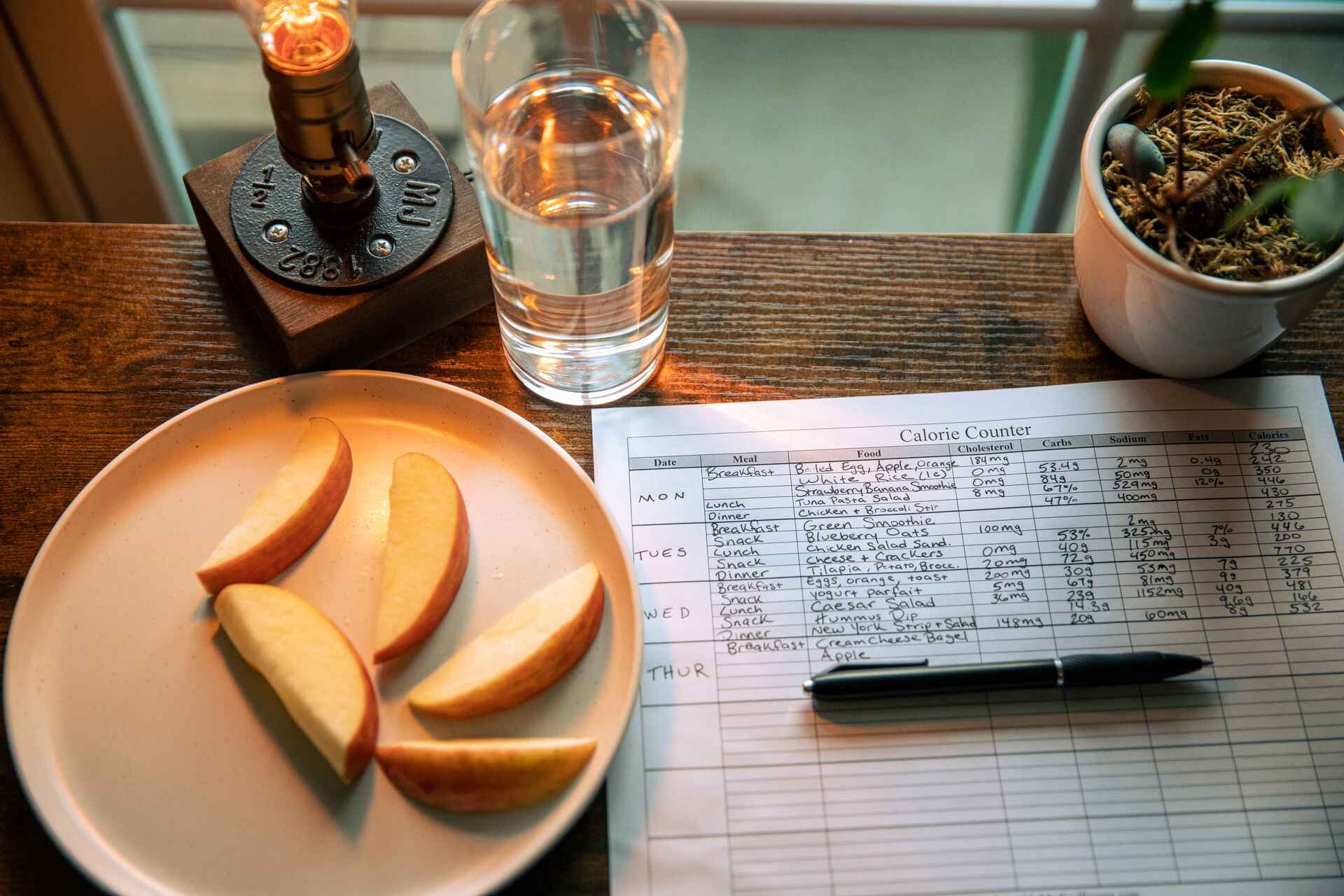

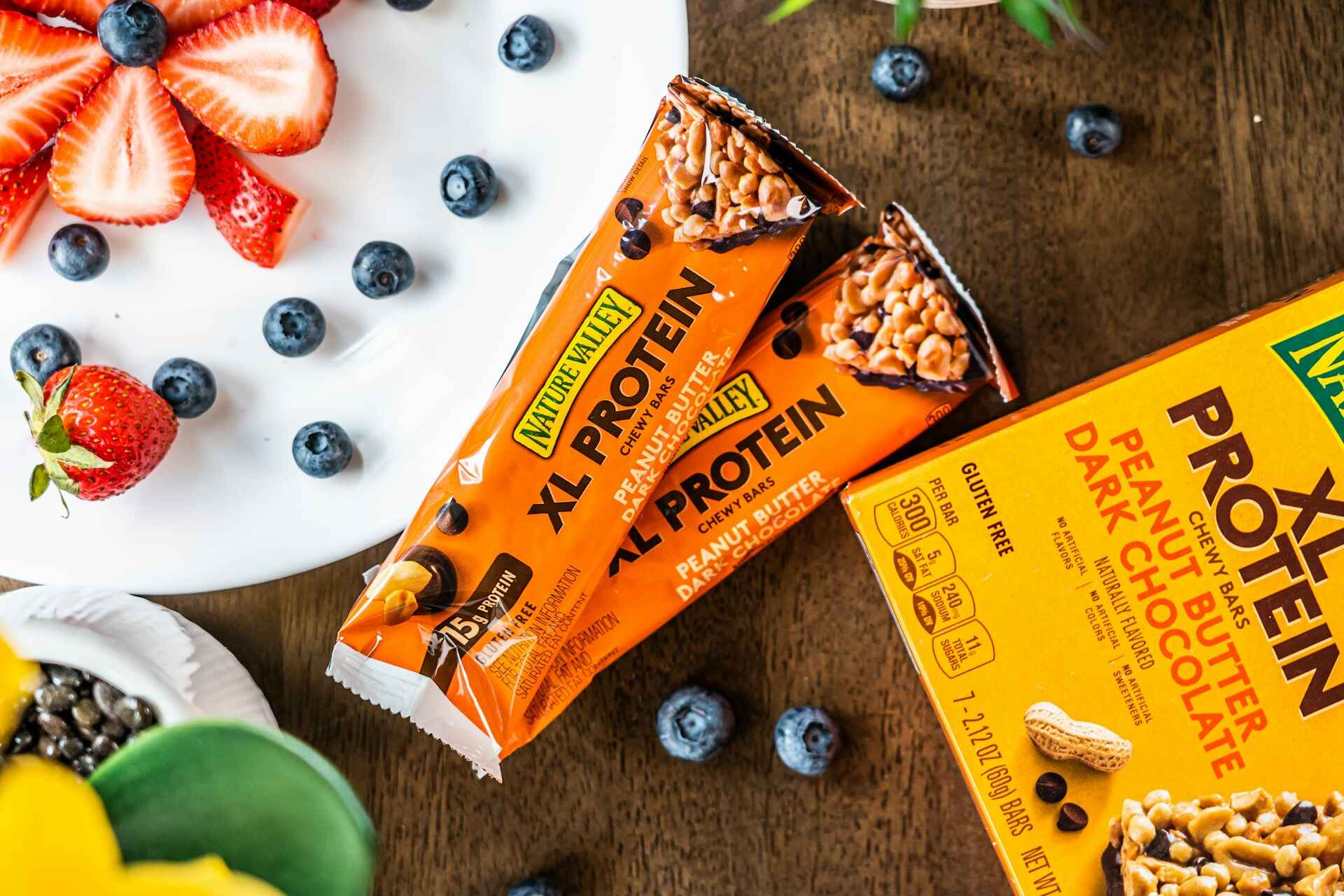


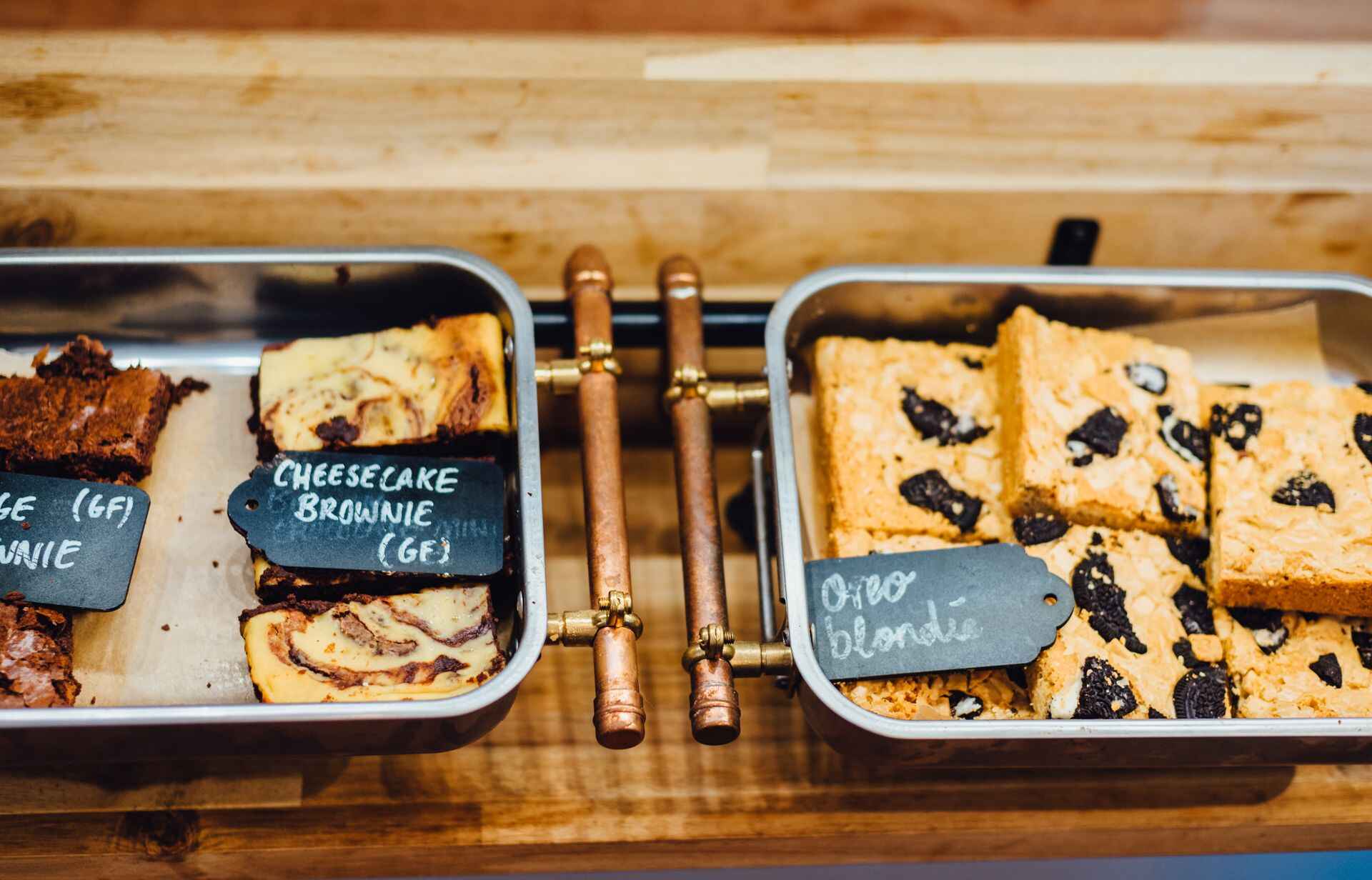
0 Comments