
If you love dessert but want something that feels lighter on carbs, low carb chocolate is one of the easiest places to start. Chocolate already brings deep flavor, so you usually need fewer ingredients to make a dessert taste indulgent. That is exactly why a smart, low carb chocolate recipe can feel like a treat rather than a compromise.
This guide walks through the full game plan for building low carb chocolate desserts that stay under 8g net carbs per serving. You will get the ingredient strategy, the texture tricks, the best format ideas, and the carb-saving habits that make recipes work in real life. You will also see how to think about labels, sweeteners, and recipe structure without getting lost in food-science jargon. USDA FoodData Central is a reliable resource for verifying cocoa nutrition, and FDA label guidance is useful when comparing total carbs, fiber, sugars, and sugar alcohols on packaged ingredients.
What Makes Low Carb Chocolate Desserts Work So Well?
The best low carb chocolate desserts do not feel like substitutes. They feel like the real thing, just smarter. That is the magic. Chocolate has such a naturally bold, rich flavor that it can carry a dessert without needing a heavy dose of sugar to make it interesting. In other words, chocolate already brings the drama. You need to build the right stage around it.
That is why low carb chocolate desserts often taste more satisfying than other low carb sweets. Cocoa has depth, bitterness, and aroma, so even a small amount can create a dessert that feels full bodied and indulgent. When you pair that with cream, butter, cream cheese, eggs, or nut flour, you get a texture that feels luxurious instead of stripped down. The dessert becomes layered. It has a body. It has presence. That is what makes people keep coming back for another bite.
Another reason low carb chocolate recipes work so well is that they are flexible. You can make them fudgy, fluffy, creamy, chilled, baked, or frozen, and each version can still stay within a lower-carb framework. That gives you a lot of room to build desserts that fit your cravings instead of forcing you into one rigid format. Want something spoonable? Go for mousse. Want something dense and bakery? Make brownies. Want something that feels elegant? Cheesecake cups work beautifully. Chocolate is one of the few flavors that play well in almost every dessert format, which makes it a natural fit for low carb baking.
There is also the flavor balance factor. Sugar usually masks other flavors, but in low carb chocolate desserts, you start paying more attention to the ingredients that support the chocolate rather than hide it. A pinch of salt can sharpen the cocoa. Vanilla can round it out. Espresso powder can deepen it. The right sweetener can help without taking over. Once those elements are balanced, the dessert tastes intentional, not like something that was assembled to avoid carbs. That distinction matters more than people realize.
And then there is the emotional side. Chocolate dessert is comfort food for a lot of people. When you make it low carb chocolate style, you are not just cutting carbs. You are keeping the comfort while trimming the excess. That makes the whole experience feel more sustainable. You are not staring at a sad bowl of compromise. You are eating something that still feels rich and satisfying, which is exactly why these desserts are so easy to love and so easy to repeat. (1, 2)
What “Under 8g Net Carbs” Really Means
When people say a dessert is under 8g net carbs, they are talking about a serving that keeps the digestible carbohydrate load relatively low compared with a standard chocolate treat. That usually means the recipe has been built with carb-conscious ingredients and measured carefully so each portion stays within a target range. The keyword here is portion. A dessert can look very low carb at the recipe level and still go over the limit if the serving size is too large. So the number only makes sense when you connect it to the final portion.
For low carb chocolate desserts, this matters because chocolate ingredients can add up quickly if you are not paying attention. Cocoa powder, sweetener blends, nuts, dairy, and chocolate chips all contribute differently. A little cocoa may be fine, but a big scoop of sweetened chocolate topping can change the math fast. That is why “under 8g net carbs” is less about one magic ingredient and more about smart recipe design. You are balancing flavor, texture, and serving size at the same time.
The idea of net carbs itself is especially important in dessert recipes because people often use it as a practical shortcut for planning. Instead of only looking at total carbs, they look at the carbs that remain after fiber and certain sugar alcohols are accounted for, depending on how they track. That makes dessert planning feel more realistic, especially when you are trying to enjoy a treat without blowing up your day’s carb budget. In a recipe like low carb chocolate brownies or mousse, the net carb target helps you think in terms of what a single serving actually delivers, not just what the bowl contains.
Another reason this target is useful is that it keeps the recipe focused. If you know the dessert has to stay under 8g net carbs per serving, you naturally become more selective with ingredients. You stop wasting carbs on things that do not add much value. You start asking better questions. Does this ingredient improve texture? Does it deepen the chocolate flavor? Does it help the dessert set properly? If the answer is no, it probably does not belong. That kind of decision-making is what separates a decent recipe from a truly great low carb chocolate dessert.
It also helps to think of the 8g target as a guardrail, not a punishment. You are not trying to create a dessert that tastes empty or overly restrained. You are trying to create something rich enough that a small portion feels complete. That is the whole point of low carb chocolate baking. If the recipe is done well, one serving should feel satisfying enough that you do not need a giant piece to enjoy it. That is what makes the approach work in the real world.
Why Chocolate Desserts Are So Easy to Optimize for Low Carb Eating
Chocolate desserts are almost tailor-made for low carb adaptation because the chocolate flavor is already intense. You do not need a ton of sugar to make cocoa taste like chocolate. That is a huge advantage.
In many desserts, sugar does several jobs at once: sweetening, adding bulk, creating tenderness, and influencing color. Chocolate, though, has a strong enough identity that you can reduce the sugar and still keep the dessert interesting. That gives low carb chocolate recipes a head start before you even begin.
Chocolate also pairs beautifully with ingredients that support low carb cooking. Cream, butter, cream cheese, almond flour, coconut flour, eggs, and nut butters all complement chocolate in a way that feels natural. None of them feels out of place. In fact, these ingredients often make chocolate desserts taste even richer and more satisfying. That is one of the reasons low carb chocolate desserts can be so good when they are made well. The ingredients do not have to fight each other. They blend.
Another advantage is that chocolate desserts can be built around texture, not just sweetness. A silky mousse, a dense brownie, a creamy cheesecake cup, or a chilled chocolate parfait all bring different experiences to the table. That means you are not relying only on sugar to create interest. You are creating contrast through texture, temperature, and richness. A low carb chocolate dessert can be soft and cool, or fudgy and warm, or airy and light. That variety keeps the recipe from feeling repetitive.
Chocolate is also easy to pair with flavor boosters that do not add much carb impact. Vanilla gives warmth. Espresso brings depth. Salt sharpens the edges. Cinnamon can add a subtle twist. These small additions make the dessert taste more complex, which helps you rely less on sweetness alone. That is a huge part of making low carb chocolate desserts taste polished. Instead of chasing sugar, you are building flavor in layers. The result feels more adult, more balanced, and often more satisfying.
And finally, chocolate desserts are easy to optimize because people already expect them to be rich. That expectation works in your favor. A chocolate dessert is supposed to feel indulgent, so a low carb version does not have to apologize for being a little different.
It just has to deliver on the main promise: deep chocolate flavor, good texture, and a satisfying finish. When those three things are in place, low carb chocolate desserts stop feeling like a workaround and start feeling like a smart favorite you will actually want to make again. (3, 4)
Ingredient Strategy and Recipe Frameworks
Making delicious low carb chocolate desserts isn't about finding one magical ingredient—it's about understanding how different ingredients work together. Think of your recipe as a puzzle where every piece has a purpose. Cocoa creates bold flavor, sweeteners replace sugar, healthy fats provide richness, and low carb flours give structure. Once you understand each role, creating decadent desserts under 8g net carbs becomes surprisingly simple.
The beauty of low carb chocolate baking is that most recipes follow the same basic formula. Whether you're making brownies, cheesecake bars, mousse, or chocolate truffles, the building blocks remain remarkably similar. That means stocking a handful of pantry staples allows you to create dozens of different desserts without constantly buying specialty ingredients.
Another advantage is consistency. Traditional baking often depends heavily on sugar for moisture, texture, and color. In contrast, low carb chocolate recipes rely on fat, protein, and carefully selected sweeteners to achieve the same indulgent results. The end product is rich, satisfying, and full of chocolate flavor—without the sugar crash afterward.
Before diving into individual recipes, it's worth becoming familiar with the ingredients you'll use repeatedly. Once you know why each ingredient matters, you'll have the confidence to customize recipes, troubleshoot baking problems, and even develop your own signature low carb chocolate creations.
Cocoa Powder Choices: Natural, Dutch-Processed, and What Each One Changes
If chocolate is the star of the show, cocoa powder is its foundation. Choosing the right type can dramatically change the flavor, texture, and even the appearance of your dessert. Fortunately, once you understand the difference between natural cocoa and Dutch-processed cocoa, selecting the right one becomes easy.
Natural cocoa powder is made by roasting cocoa beans before removing most of the cocoa butter. It has a bright, slightly fruity flavor with noticeable acidity. That acidity reacts with baking soda, helping cakes and brownies rise properly while creating a lighter crumb.
Dutch processed cocoa goes through an additional alkalizing process that neutralizes its natural acidity. The result is a darker powder with a smoother, richer, and less bitter flavor. Many people describe it as having a deeper chocolate taste, making it especially popular in luxurious desserts.
Natural Cocoa Powder
Natural cocoa works particularly well in recipes that include baking soda because the acid activates the leavening process.
It's an excellent choice for:
- Classic brownies
- Chocolate muffins
- Snack cakes
- Cookies
- Everyday chocolate cakes
The flavor is slightly sharper, making the chocolate taste vibrant and bold.
Dutch-Processed Cocoa
Dutch cocoa creates desserts with a darker color and a smoother finish.
It's perfect for:
- Chocolate mousse
- Cheesecake
- Chocolate ice cream
- Ganache
- Flourless chocolate cake
- Rich chocolate frosting
Because the acidity has been reduced, Dutch cocoa generally pairs better with baking powder than baking soda.
Can You Substitute One for the Other?
Sometimes—but not always.
If the recipe depends on baking soda for lift, switching cocoa types can affect the texture. Recipes using baking powder are generally more forgiving.
For beginners, it's best to use whichever cocoa powder the recipe recommends. Once you gain confidence with low carb chocolate baking, experimenting becomes much easier.
Tips for Buying Cocoa Powder
Choose cocoa powder with a short ingredient list.
Look for:
- Unsweetened cocoa powder
- No added sugar
- No artificial fillers
- No maltodextrin
- No unnecessary starches
High-quality cocoa may cost slightly more, but the richer flavor means you'll often need less to create deeply satisfying low carb chocolate desserts.
Chocolate Bars and Chips: What to Buy, What to Avoid, and How to Swap
Not every chocolate product belongs in a low carb chocolate recipe. Many chocolate bars that appear "healthy" contain significant amounts of added sugar, rice syrup, or other sweeteners that quickly increase carbohydrate content.
Learning to read ingredient labels is one of the best habits you can develop.
Look for These Ingredients
Good options often include:
- Unsweetened chocolate
- Sugar-free dark chocolate
- Cocoa mass
- Cocoa liquor
- Cocoa butter
- Monk fruit sweetener
- Allulose
- Stevia
- Erythritol
The shorter the ingredient list, the better.
Ingredients to Limit
Be cautious with products containing:
- Sugar
- Corn syrup
- Rice syrup
- Maltodextrin
- Dextrose
- Cane sugar
- Honey
- Coconut sugar
These ingredients can dramatically increase the carb count of your dessert.
Chocolate Chips vs. Chocolate Bars
Chocolate chips are designed to hold their shape while baking.
Chocolate bars melt more smoothly because they typically contain a higher percentage of cocoa butter.
Choose chocolate chips when making:
- Cookies
- Muffins
- Snack bars
- Trail mix
Choose chocolate bars when making:
- Ganache
- Chocolate drizzle
- Mousse
- Cheesecake filling
- Chocolate bark
Smart Ingredient Swaps
If a recipe calls for sweetened chocolate, consider replacing it with:
| Instead of | Try |
|---|---|
| Milk chocolate | Sugar-free dark chocolate |
| Chocolate syrup | Homemade cocoa sauce |
| Chocolate frosting | Cocoa cream cheese frosting |
| Chocolate candies | Roasted nuts with melted chocolate |
These simple substitutions keep the chocolate flavor front and center while reducing unnecessary carbs.
Sweetener Choices: Allulose, Monk Fruit, Stevia, Erythritol, and Blends
Sugar replacement is often the biggest challenge in low carb chocolate baking. Every sweetener behaves differently, which means choosing the right one can dramatically improve your dessert.
The best bakers rarely rely on one sweetener alone. Instead, they combine two or more to create a smoother flavor and better texture. (5)
Allulose
Many experienced low carb bakers consider allulose the closest substitute to regular sugar.
Benefits include:
- Dissolves easily
- Browns beautifully
- Keeps baked goods moist
- No cooling sensation
- Excellent for caramel sauces
It's especially good in brownies, cakes, cheesecakes, and cookies.
Monk Fruit
Monk fruit extract is incredibly sweet, so it's often blended with erythritol or allulose.
Advantages include:
- Zero sugar
- Very little aftertaste in quality blends
- Heat stable
- Great for baked desserts
It works particularly well in recipes where chocolate is the dominant flavor.
Stevia
Stevia is one of the sweetest natural options available.
Because it's so concentrated, a tiny amount goes a long way.
It's best suited for:
- Mousse
- Whipped cream
- Pudding
- Drinks
- No-bake desserts
Using too much can create a bitter or licorice-like aftertaste.
Erythritol
Erythritol has been popular for years because it measures similarly to sugar.
It's useful in:
- Cookies
- Cakes
- Brownies
- Muffins
However, large amounts may create a cooling sensation, especially in chilled desserts.
Why Sweetener Blends Usually Win
Professional recipe developers often combine sweeteners because each one covers another's weaknesses.
For example:
- Allulose improves moisture.
- Monk fruit boosts sweetness.
- Erythritol adds bulk.
- Stevia enhances sweetness without extra volume.
The result tastes much closer to traditional sugar while maintaining the goals of low carb chocolate baking. (6, 7, 8, 9)
Fats, Flours, and Binders That Keep Desserts Rich Without Raising Carbs
Chocolate desserts aren't memorable because they're sweet.
They're memorable because they're rich.
Healthy fats create that luxurious mouthfeel people expect from brownies, cheesecake, and chocolate mousse.
Best Fats
Some of the most useful ingredients include:
- Butter
- Heavy cream
- Cream cheese
- Coconut oil
- Avocado oil
- Unsweetened nut butter
Each contributes moisture while carrying chocolate flavor beautifully.
Low Carb Flours
Unlike wheat flour, low-carb flours each behave differently.
- Soft texture
- Mild flavor
- Moist crumb
- Great for brownies and cakes
- Extremely absorbent
- High in fiber
- Requires additional eggs or liquid
- Best used in small quantities
Many experienced bakers combine both flours to achieve a better texture.
Binders
Binders provide stability.
Popular options include:
- Eggs
- Egg yolks
- Cream cheese
- Gelatin
- Xanthan gum
- Psyllium husk (small amounts)
Without enough binder, desserts may crumble or collapse after baking.
No-Bake, Baked, and Frozen Dessert Formats You Can Build From One Base
One of the smartest strategies in low carb chocolate baking is learning how a single recipe can become many desserts.
Instead of memorizing dozens of recipes, master one versatile chocolate base.
No-Bake Desserts

Perfect for beginners because they require fewer ingredients and almost no baking experience.
Ideas include:
- Chocolate mousse
- Cheesecake cups
- Chocolate truffles
- Fat bombs
- Chocolate pudding
- Layered parfaits
Baked Desserts

These offer classic bakery textures.
Popular choices include:
- Brownies
- Cakes
- Cookies
- Muffins
- Lava cakes
- Blondies with chocolate swirl
Frozen Desserts

Frozen desserts provide incredible texture with minimal effort.
Examples include:
- Chocolate ice cream
- Frozen cheesecake bites
- Chocolate yogurt bark
- Ice cream sandwiches
- Frozen mousse bars
- Chocolate popsicles
The wonderful thing about low carb chocolate desserts is that the same ingredients often appear in every category. Once your pantry is stocked, creating variety becomes effortless.
Pantry Ratio Guide for Building Desserts That Stay Under the Carb Limit
Instead of memorizing dozens of recipes, learn a flexible formula.
Think of every low carb chocolate dessert as five simple building blocks.
| Component | Best Choices | Purpose |
|---|---|---|
| Chocolate Flavor | Unsweetened cocoa, sugar-free chocolate | Rich chocolate taste |
| Healthy Fat | Butter, heavy cream, cream cheese | Moisture and richness |
| Structure | Almond flour, coconut flour | Texture |
| Sweetness | Allulose, monk fruit blend, stevia | Balanced sweetness |
| Flavor Boosters | Vanilla, espresso powder, sea salt | Depth and aroma |
Once you understand this framework, creating your own recipes becomes much easier. You can swap ingredients based on what you have in your pantry while still producing desserts that are creamy, chocolatey, and consistently stay under your carb goal.
The best part is that low carb chocolate baking becomes less about following strict recipes and more about understanding how ingredients work together. That's when your kitchen starts feeling like a place for creativity instead of trial and error, and every new dessert becomes another opportunity to enjoy rich chocolate flavor without sacrificing your low carb lifestyle.
Best Low Carb Chocolate Dessert Formats to Make First
If you are new to low carb chocolate baking, start with desserts that are forgiving. Some recipes are pretty, but they are hard to execute. Others are simple, flexible, and almost impossible to mess up if you measure carefully. The goal is to build confidence before you try a more elaborate recipe.
The four best starting points are mousse, brownies, cheesecake cups, and frozen treats. They cover a wide range of textures, from airy to fudgy to creamy to icy. That makes them perfect for testing your favorite sweetener and figuring out which version of low carb chocolate you personally enjoy most.
Chocolate mousse and parfait cups
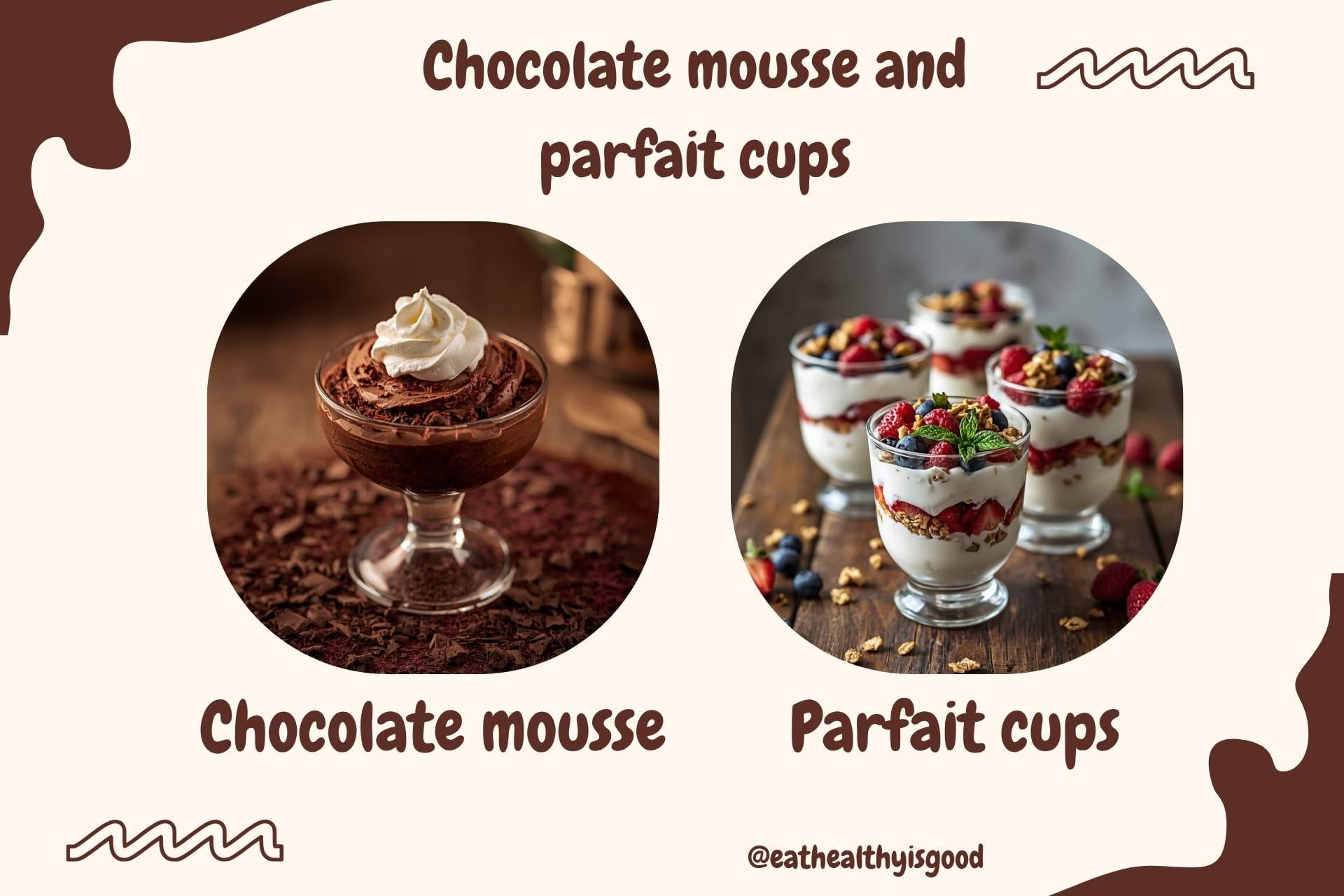
Chocolate mousse is the easiest place to start because it needs very little flour, if any at all. That means it can stay naturally lower in carbs while still tasting rich. A mousse base usually combines whipped cream or a similar creamy ingredient with cocoa powder and a sweetener, then gets chilled until it becomes silky and spoonable. The result is one of the most elegant low carb chocolate desserts you can make with very little effort.
Parfait cups take that same idea and turn it into a layered dessert. You can alternate mousse with a few berries, crushed nuts, or a thin cheesecake layer. Keep the add-ins modest so the carb count stays where you want it. The nice part about parfaits is that they look fancy even when the ingredients are simple, which makes them a great choice for guests.
Brownies, bars, and mug cakes
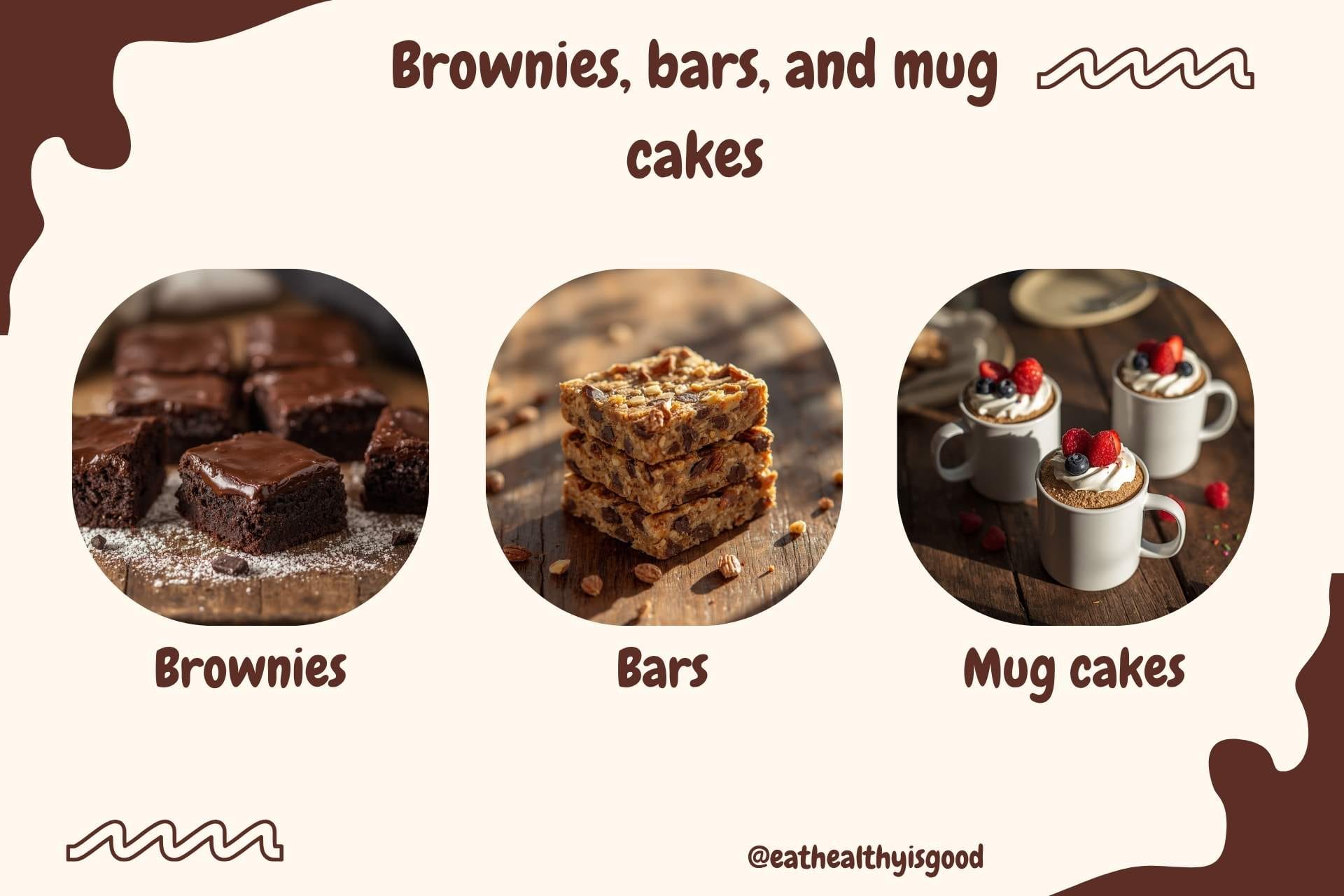
If your ideal low carb chocolate dessert is fudgy and dense, brownies and bars are where you should go first. These are the recipes where structure matters most, so almond flour, eggs, and fat have to work together. A little extra cocoa can deepen the flavor, while a pinch of salt keeps the chocolate from tasting flat. When done right, a low carb chocolate brownie should feel rich enough that you do not miss the sugar at all.
Mug cakes are the quick-fix version of that same craving. They are perfect when you want dessert now, not after a full bake and cool cycle. The trick is not to overdo the flour or the sweetener, because mug cakes can go from tender to rubbery fast. Keep the recipe compact, microwave in short bursts, and let the chocolate do the talking.
Cheesecake cups and fat bombs
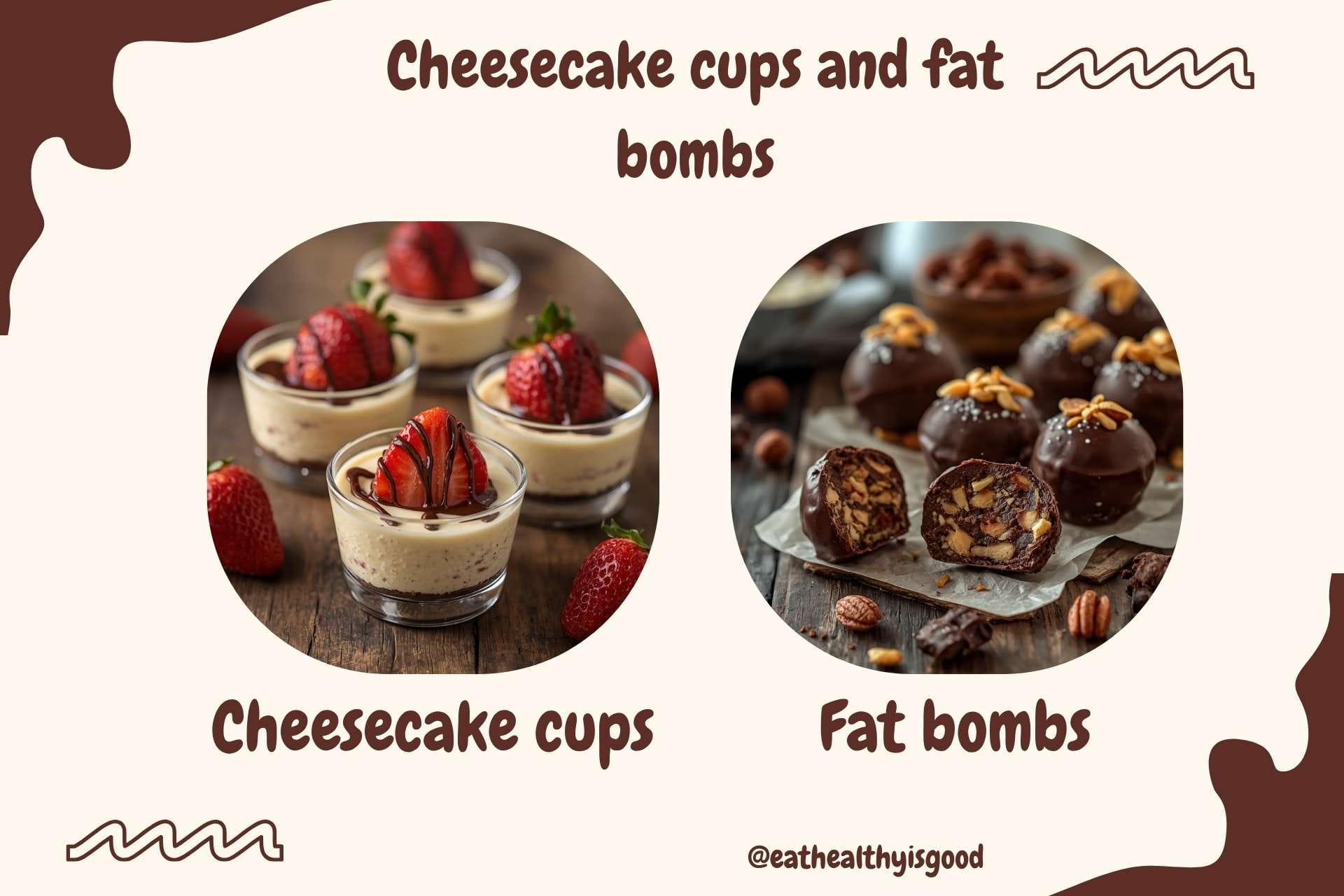
Cheesecake cups are a dream for low carb chocolate lovers because cream cheese pairs beautifully with cocoa. The filling can be spooned into small jars, silicone molds, or dessert cups, then chilled until firm. You can top them with whipped cream, shaved chocolate, or a few crushed nuts. Because the base is so rich, a small serving is usually enough to satisfy a serious dessert craving.
Fat bombs work best when you want something tiny but intense. They are not meant to be a huge dessert. They are meant to be a concentrated bite of low carb chocolate flavor. That is why they are helpful for portion control. You get a strong hit of chocolate and creaminess without accidentally creating a giant carb load in one sitting.
Frozen desserts and chocolate bark
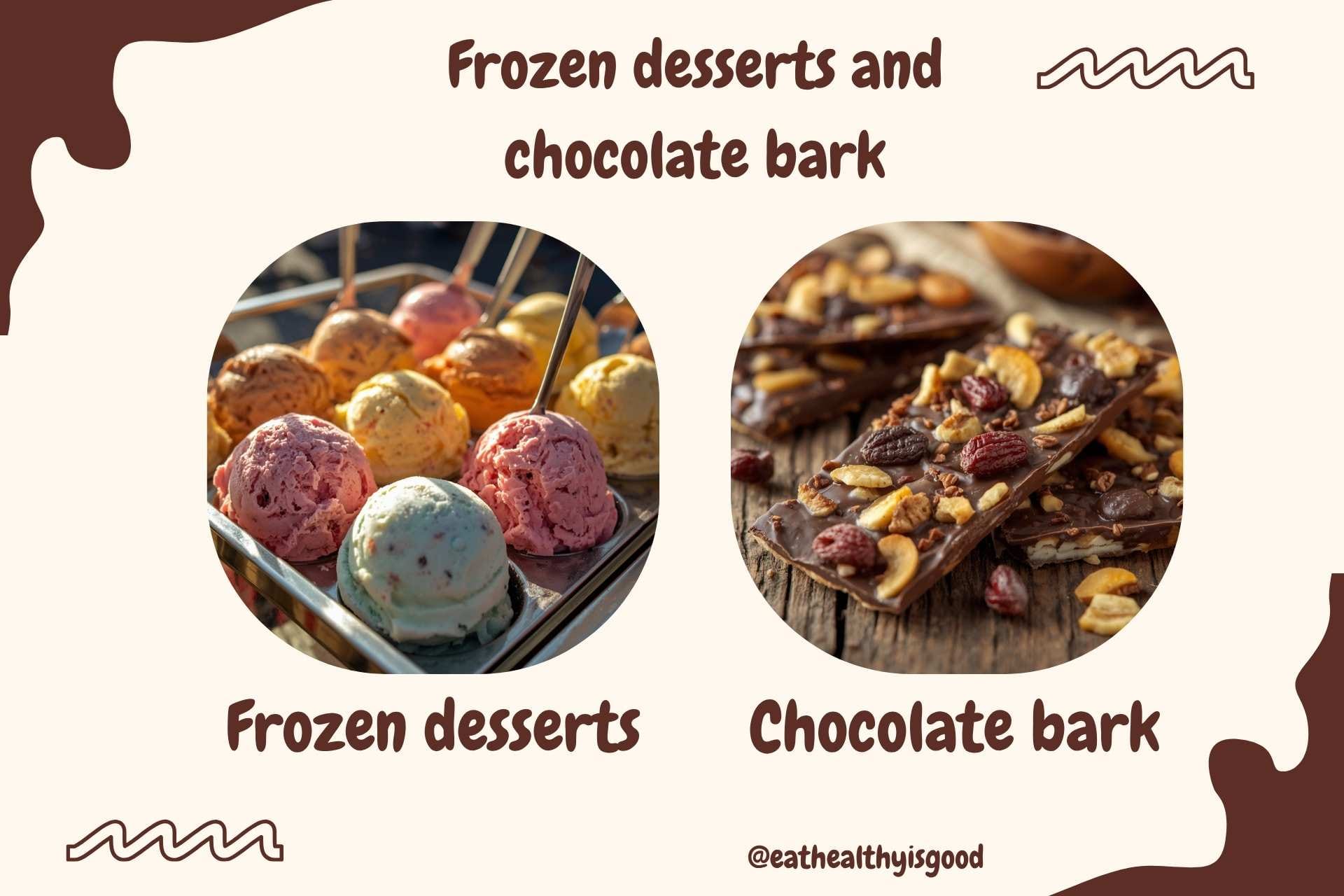
Frozen low carb chocolate desserts are ideal when you want something refreshing. Think chocolate ice cream treats, frozen mousse cups, or layered freezer bars. These desserts often rely on cream, nut butter, cocoa, and a sweetener, and then they are frozen until firm. They can be incredibly satisfying, especially if you like a texture that sits somewhere between candy and ice cream.
Chocolate bark is another easy win. Melt sugar-free or very dark chocolate, spread it thin, and top it with nuts, seeds, or coconut flakes in controlled amounts. Once it sets, break it into shards. It is one of the most adaptable low carb chocolate recipes because the toppings can be adjusted to match your carb goals and your mood. A few smart toppings can turn a simple sheet of chocolate into a snackable dessert that feels special.
How to Keep Every Serving of Low Carb Chocolate Under 8g Net Carbs
This is where the practical part starts. A good recipe idea is nice, but the real challenge is portion control. You can make a dessert that tastes amazing and still overshoot your target if you do not think about the whole recipe. That is why low carb chocolate baking rewards planners.
The easiest method is to decide on your serving size before you bake. Do not wait until the dessert is finished to figure out portions. If you want eight servings, divide the batter into eight equal parts from the start. If you want smaller portions, use a mini-muffin tray, ramekins, or a loaf pan cut into more pieces. When you bake with a serving plan, low carb chocolate desserts become much easier to manage.
Read labels like a baker, not just a shopper
FDA Nutrition Facts guidance is useful because it reminds you what belongs on the label: total carbohydrate, dietary fiber, total sugars, added sugars, and sometimes sugar alcohols. That matters in low carb chocolate recipes because each ingredient contributes differently to the final math. A sweetener may look harmless in the pantry, but if it includes a bulking agent or a hidden carb source, it can change the entire recipe.
When you shop, look for the ingredient list first and the serving size second. Then check whether your chocolate product is actually sugar-free or simply dark. A lot of people assume anything with cocoa is safe, but the sugar content can be surprisingly high in certain products. For low carb chocolate recipes, the label is your compass.
Use small amounts of high-impact ingredients
A tiny amount of the right ingredient can go much further than a large amount of the wrong one. That is especially true for cocoa powder, espresso powder, vanilla, and salt. These ingredients do not usually add many carbs, but they make the chocolate taste fuller and more rounded. That means you can use less sweetener, which helps keep low carb chocolate desserts tasting balanced instead of overly fake or overly sweet.
This is one of the easiest mindset shifts in low carb baking: taste is a layering process. You are not trying to force sweetness to do every job. You are using low carb chocolate ingredients to build depth, then adjusting sweetness only enough to make the dessert pleasant and complete.
Add texture on purpose
Texture is half the experience. A smooth mousse is great, but a mousse with a crunchy topping is better. A brownie is fine, but a brownie with a soft center and a shiny top feels much more satisfying. For low carb chocolate recipes, the best texture builders are usually small amounts of nuts, whipped cream, cream cheese, cocoa nibs, and sugar-free chocolate bits.
Think of texture like a soundtrack. The chocolate is the melody, but the crunch, creaminess, and chill are the background instruments that make the dessert memorable. If everything is soft, the dessert can feel flat. If everything is crunchy, it can feel dry. The best low carb chocolate desserts usually mix at least two textures.
Troubleshooting, Storage, and Serving Tips That Save the Dessert
Even strong low carb chocolate recipes can run into trouble. Maybe the brownies are too dry. Maybe the mousse never fully sets. Maybe the cheesecake cups are grainy. These are normal issues, and the fix is usually a simple one. The good news is that most of the common problems are caused by the same handful of mistakes.
If a dessert tastes too bitter, the cocoa may be overpowering the sweetener. If it tastes too sweet, the sweetener may be hiding the chocolate instead of supporting it. If the texture is off, the problem is often flour choice, egg ratio, or overbaking. In other words, low carb chocolate baking is less about perfection and more about understanding the balance points.
Fixing dryness, crumbling, graininess, sinking, and uneven baking
Dryness usually means the batter needs more fat, more moisture, or less bake time. Crumbling often points to too much coconut flour or not enough binder. Graininess can happen if the sweetener is not fine enough or if the batter is not mixed well. Sinking usually means the dessert was underbaked or the structure was too weak. Uneven baking often comes from a pan that was too large, too small, or not prepared consistently.
A few simple fixes go a long way:
- Add a little more fat if the dessert feels dry.
- Use less coconut flour than you think you need.
- Sift cocoa and sweetener together for a smoother low carb chocolate batter.
- Let baked desserts cool fully before cutting.
- Use parchment or a lined pan for cleaner slices.
These small habits protect the final result and make your low carb chocolate dessert feel more polished.
Storage and make-ahead tips
Many low carb chocolate desserts store well, which makes them even more useful. Cheesecake cups, mousse, bars, and brownies can often be made ahead and chilled until serving time. That is great for meal prep, parties, or just keeping dessert ready when a craving hits. A lot of these recipes actually taste better after resting because the flavors settle and the texture firms up.
For best results, store desserts in airtight containers and keep toppings separate until serving. If you add whipped cream too early, it can soften or collapse. If you add nuts too early, they can lose their crunch. The point is to keep the layers doing their jobs until the last minute so your low carb chocolate dessert looks and tastes fresh.
Serving ideas that make a simple dessert feel special
You do not need a complicated garnish to make a dessert look beautiful. A dusting of cocoa, a dollop of whipped cream, a few raspberries, or a sprinkle of chopped nuts can be enough. A tiny finishing touch can make low carb chocolate desserts feel like something from a café instead of a quick kitchen project.
If you are serving guests, plate the dessert with intention. Use a small bowl or a short glass so the portions feel elegant. Add one bright element, like berries or mint, to break up the dark chocolate color. That contrast makes the dessert feel intentional and helps the low carb chocolate flavor stand out even more.
The Bottom Line
Low carb chocolate desserts are one of the easiest ways to make lower-carb eating feel enjoyable instead of restrictive. When you choose the right cocoa, the right sweetener, and the right format, the dessert can still taste rich, creamy, and satisfying. You do not need a giant ingredient list or complicated methods to get there. You just need a clear plan, a good carb budget, and a little confidence in the kitchen.
The biggest win is that low carb chocolate recipes are highly adaptable. Once you understand the structure, you can turn one base into mousse, brownies, cheesecake cups, bark, or frozen treats without starting over. That makes dessert feel flexible instead of stressful, which is exactly what a good recipe should do. If your goal is to keep each serving under 8g net carbs, the smartest move is to build with intention from the very beginning and let the chocolate work for you.
FAQs
Is low carb chocolate the same as keto chocolate?
Not exactly. Low carb chocolate means the recipe keeps carbs lower than a standard dessert, while keto usually follows a stricter carb target. A dessert can be low carb without being strictly keto, depending on the ingredients and serving size.
What is the best sweetener for low carb chocolate desserts?
There is no single winner for every recipe. Allulose works especially well in soft, moist desserts, while monk fruit blends and erythritol are often useful in other formats. FDA guidance shows that allulose is treated differently on labels, and sugar alcohols are a separate carbohydrate category, so the best choice depends on both texture and carb tracking.
Can I use regular cocoa powder in low carb chocolate recipes?
Yes, unsweetened cocoa powder is one of the most useful ingredients for low carb chocolate baking. Just check the label carefully and avoid cocoa mixes with added sugar. USDA FoodData Central is a good reference point when you want to verify the product you are using.
Why do some low carb chocolate desserts taste gritty?
That usually happens when the sweetener is too coarse, the batter was not mixed well enough, or the recipe has too many dry ingredients for the amount of fat and moisture. Sifting ingredients and using the right sweetener blend can make a big difference.
How do I keep each serving of low carb chocolate under 8g net carbs?
Start by setting the serving size before you bake, then build around cocoa, cream, eggs, nut flour, and a measured sweetener. Keep add-ins small, because toppings can quietly raise the carb count. If you portion the dessert evenly from the start, staying under the limit gets much easier.




Great content! Keep up the good work!
Thank you!