
Dessert has a way of bringing people together, whether you're celebrating a birthday, enjoying a cozy weekend, or simply satisfying a sweet craving after dinner. The good news? You don't need refined sugar to create delicious treats that taste indulgent. Today's sugar-free dessert recipes are more flavorful, creative, and satisfying than ever, thanks to innovative sweeteners and wholesome ingredients that deliver sweetness without the energy crash.
If you've been curious about reducing your sugar intake, you're in the right place. Whether you're following a low carb lifestyle, managing blood sugar levels, or simply looking for healthier dessert ideas, learning how to make sugar-free dessert recipes opens the door to countless possibilities. From rich chocolate brownies to creamy cheesecakes and refreshing frozen treats, there's something for every craving.
This guide explains what makes a dessert truly sugar-free, the best sugar alternatives for baking, and several easy recipes you can make at home. You'll also discover practical baking tips, common mistakes to avoid, and simple ways to create desserts that taste every bit as good as traditional favorites.
What Makes a Dessert Truly Sugar-Free?
If you've ever stood in the grocery store comparing dessert labels, you've probably noticed terms like "sugar-free," "no added sugar," and "naturally sweetened." At first glance, they seem interchangeable—but they're not. Understanding what these labels mean is one of the most important steps toward choosing or creating delicious sugar-free dessert recipes that truly align with your health goals.
A genuinely sugar-free dessert contains little to no sugar from added sweeteners. Instead of relying on white sugar, brown sugar, honey, or corn syrup, these recipes use alternative sweeteners such as monk fruit, allulose, erythritol, or stevia. These ingredients provide sweetness while significantly reducing the amount of sugar in the finished dessert.
That said, "sugar-free" doesn't always mean "carb-free" or "calorie-free." Many desserts still include ingredients like milk, yogurt, berries, or nuts, which naturally contain carbohydrates or naturally occurring sugars. The difference is that these sugars come packaged with nutrients like fiber, protein, vitamins, or minerals instead of being added solely for sweetness.
Learning to distinguish between different types of sugars also makes it easier to adapt your favorite desserts into healthier versions. A classic chocolate cake, for example, can often be transformed into one of your favorite sugar-free dessert recipes simply by replacing refined sugar with a baking-friendly sweetener while maintaining moisture and texture with wholesome ingredients.
When evaluating recipes or packaged desserts, keep these characteristics in mind:
- They contain no refined white or brown sugar.
- They use low or zero-calorie sweeteners or naturally sweet ingredients.
- They emphasize whole-food ingredients whenever possible.
- They avoid highly processed syrups and concentrated sweeteners.
- They focus on flavor through ingredients like vanilla, cocoa, cinnamon, citrus zest, and fresh berries—not just sweetness.
Understanding these basics gives you the confidence to read ingredient labels, modify recipes, and choose desserts that satisfy your sweet tooth without relying on refined sugar.
Added Sugar vs. Natural Sugar
Not all sugar behaves the same way in your body—or in your baking. One of the biggest misconceptions surrounding sugar-free dessert recipes is that every type of sugar should be treated equally. In reality, there's a significant difference between added sugars and naturally occurring sugars, and knowing that difference can help you make smarter ingredient choices. (1)
What Is Added Sugar?
Added sugar refers to any sugar or sweetener incorporated into a food during processing, cooking, or baking. Its primary purpose is to enhance sweetness, improve texture, or extend shelf life rather than provide nutritional value. (2)
Common examples of added sugars include:
- White granulated sugar
- Brown sugar
- Cane sugar
- Powdered sugar
- Corn syrup
- High-fructose corn syrup
- Honey
- Maple syrup
- Molasses
- Agave nectar
- Coconut sugar
- Rice syrup
- Golden syrup
While some of these sweeteners are marketed as "natural," they still count as added sugars because they're used to sweeten foods and contribute extra calories.
What Is Natural Sugar?
Natural sugars occur naturally in whole foods and are accompanied by beneficial nutrients. Unlike refined sugars, these foods often contain fiber, protein, antioxidants, or vitamins that help slow digestion and contribute to a more balanced eating pattern.
Examples include:
- Strawberries
- Blueberries
- Raspberries
- Apples
- Peaches
- Plain milk
- Plain Greek yogurt
Many sugar-free dessert recipes incorporate small amounts of fresh fruit because it adds natural sweetness, vibrant flavor, and nutritional benefits without relying on refined sugar.
Why This Difference Matters
Imagine eating a candy bar versus a bowl of fresh berries. Both contain sugar, but berries also provide fiber, water, and antioxidants that help support overall nutrition. That's why many healthier desserts prioritize whole-food ingredients instead of refined sweeteners.
When creating homemade desserts, try building flavor with naturally rich ingredients such as:
- Unsweetened cocoa powder
- Cinnamon
- Vanilla extract
- Almond extract
- Lemon zest
- Orange zest
- Fresh berries
- Toasted nuts
These additions create depth and complexity, making desserts taste indulgent without depending solely on sweetness.
Sugar-Free vs. No Added Sugar
These two phrases appear on countless food packages, yet they mean very different things. Understanding the distinction can help you choose products that genuinely fit your dietary needs and prevent confusion when browsing recipes.
What Does "Sugar-Free" Mean?
A dessert labeled sugar-free is made without added sugars and typically contains only trace amounts of sugar overall. Instead of traditional sweeteners, recipes rely on alternatives like:
- Monk fruit sweetener
- Allulose
- Erythritol
- Stevia
- Sucralose (in some commercial products)
These ingredients allow bakers to create cakes, cookies, puddings, and cheesecakes with plenty of sweetness while minimizing sugar content.
Examples of sugar-free dessert recipes include:
- Chocolate cheesecake made with monk fruit
- Allulose sweetened brownies
- Sugar-free peanut butter cookies
- Vanilla mousse sweetened with erythritol
What Does "No Added Sugar" Mean?
"No added sugar" simply means that no sugars were added during preparation. However, the ingredients themselves may naturally contain sugar.
Examples include:
- Fresh fruit salad
- Unsweetened applesauce
- Greek yogurt with berries
- Banana "nice" cream
- Chia pudding made with mashed fruit
These desserts can still be nutritious choices, but they aren't necessarily sugar-free because the ingredients naturally contribute sugars.
Which Option Is Better?
Neither label is automatically healthier—the best choice depends on your goals.
Choose sugar-free dessert recipes if you want to:
- Reduce refined sugar intake
- Limit overall sugar consumption
- Follow a keto or low carb lifestyle
- Experiment with alternative sweeteners
Choose no added sugar desserts if you prefer:
- Whole-food ingredients
- Naturally sweet flavors
- Minimal food processing
- Fruit-forward desserts
Both approaches can fit into a balanced eating pattern when made with quality ingredients and enjoyed in appropriate portions.
Common Ingredients to Avoid
One of the easiest ways to improve your homemade desserts is learning which ingredients quietly add unnecessary sugar. Many products marketed as "healthy" or "natural" still contain sweeteners that can quickly increase the total sugar content.
When shopping for ingredients or packaged foods, watch for these common names on nutrition labels:
- Cane sugar
- Brown sugar
- Raw sugar
- Turbinado sugar
- Demerara sugar
- Corn syrup
- High-fructose corn syrup
- Rice syrup
- Malt syrup
- Barley malt
- Dextrose
- Fructose
- Glucose syrup
- Maltodextrin
- Fruit juice concentrate
- Evaporated cane juice
- Honey
- Maple syrup
- Agave nectar
- Coconut sugar
Although some of these ingredients are less refined than table sugar, they still function as added sugars in recipes.
Better Ingredient Swaps
Instead of using traditional sweeteners, stock your pantry with ingredients commonly found in successful sugar-free dessert recipes:
| Instead of... | Try... |
|---|---|
| White sugar | Allulose |
| Brown sugar | Monk fruit sweetener |
| Corn syrup | Allulose syrup |
| Powdered sugar | Powdered monk fruit blend |
| Sweetened chocolate | Sugar-free dark chocolate |
| Sweetened peanut butter | Natural peanut butter with no added sugar |
| Flavored yogurt | Plain Greek yogurt |
| Sweetened whipped topping | Homemade whipped cream |
Read Labels Carefully
Many packaged foods contain hidden sugars, even when they're not obviously sweet. Ingredients like flavored yogurt, protein bars, granola, nut butters, canned fruit, and baking mixes often include added sweeteners that can easily go unnoticed.
When buying ingredients for sugar-free dessert recipes, make it a habit to:
- Read the ingredient list from top to bottom.
- Compare nutrition labels between brands.
- Choose products with short, recognizable ingredient lists.
- Look for versions labeled "unsweetened" or "no added sugar."
- Prioritize whole foods whenever possible.
Taking a few extra moments to review labels helps ensure that your desserts stay true to their purpose. With the right ingredients on hand, you'll find it much easier to create desserts that are rich, satisfying, and naturally delicious—without relying on refined sugar.
Why More People Are Choosing Sugar-Free Dessert Recipes
Not long ago, sugar-free dessert recipes were often associated with bland flavors, chalky textures, or artificial aftertastes. Today, that's no longer the case. Thanks to better sugar alternatives, creative baking techniques, and a growing interest in healthier eating, it's easier than ever to enjoy desserts that taste indulgent without relying on refined sugar. From rich chocolate brownies to creamy cheesecakes and fruity frozen treats, modern recipes prove you don't have to sacrifice flavor to make smarter choices.
The shift toward sugar-free dessert recipes is also being driven by a greater awareness of nutrition. Many people are reading food labels more carefully, cutting back on added sugars, and looking for desserts made with wholesome ingredients. Whether the goal is to support overall wellness, reduce sugar intake, or simply enjoy a more balanced lifestyle, homemade sugar-free desserts offer flexibility that store-bought treats often can't match.
Another reason these desserts continue to gain popularity is customization. You can choose the sweetener that works best for your taste preferences, adjust the sweetness level, and include nutrient-rich ingredients like almond flour, Greek yogurt, chia seeds, berries, or dark cocoa powder. This makes it possible to create desserts that fit a variety of eating patterns without compromising on texture or satisfaction.
Many sugar-free dessert recipes also pair naturally with other dietary preferences, making them ideal for households with different nutritional needs. Depending on the ingredients you choose, these desserts can be:
- Lower in refined carbohydrates
- Gluten-free
- Keto-friendly
- Low carb
- Diabetic-friendly
- High in healthy fats
- Rich in fiber
- Naturally sweetened
Perhaps the biggest reason people keep coming back to homemade sugar-free desserts is how satisfying they can be. Instead of relying on an intense burst of sweetness, these recipes emphasize balanced flavors, quality ingredients, and rich textures. Vanilla, cocoa, cinnamon, citrus zest, toasted nuts, and fresh berries all contribute depth and complexity, creating desserts that feel every bit as indulgent as traditional favorites.
Let's take a closer look at some of the biggest benefits that have inspired so many people to add sugar-free dessert recipes to their regular baking routine.
Better Blood Sugar Stability
One of the most commonly cited reasons for choosing sugar-free dessert recipes is the desire to reduce added sugar and support more stable blood sugar levels. While everyone's nutritional needs are different, replacing refined sugar with lower-glycemic sweeteners can help create desserts that fit more comfortably into a balanced eating plan.
Traditional desserts often contain large amounts of refined sugar, which can be digested quickly and contribute to rapid increases in blood glucose after eating. Homemade sugar-free desserts, on the other hand, frequently rely on sweeteners such as allulose, monk fruit, erythritol, or stevia. These alternatives provide sweetness without adding the same amount of sugar found in conventional baked goods.
Ingredient choices also make a difference. Many sugar-free dessert recipes include foods that naturally contribute protein, fiber, or healthy fats, helping create desserts that are more balanced than those made primarily with white flour and sugar.
Some ingredients that add both flavor and nutrition include:
- Almond flour
- Coconut flour
- Greek yogurt
- Cream cheese
- Chia seeds
- Walnuts
- Pecans
- Unsweetened cocoa powder
- Fresh berries
Combining these ingredients creates desserts that are rich, satisfying, and full of texture. For many people, this balanced approach makes it easier to enjoy dessert as part of an overall healthy eating pattern rather than viewing it as an occasional indulgence.
It's important to remember that even sugar-free dessert recipes should be enjoyed in appropriate portions. Sweeteners may reduce sugar content, but ingredients like nuts, butter, and cream still contribute calories and carbohydrates. A mindful approach allows you to enjoy dessert while maintaining balance.
More Consistent Energy Levels
Have you ever enjoyed a slice of cake only to feel sluggish an hour later? Many people describe this experience as a "sugar crash"—a temporary drop in energy that can follow eating foods high in refined sugar. While individual responses vary, this is one reason many home bakers are experimenting with sugar-free dessert recipes.
By replacing refined sugar with alternative sweeteners and emphasizing nutrient-dense ingredients, these desserts often provide a more satisfying eating experience. Rather than delivering an intense burst of sweetness, they focus on rich flavors, creamy textures, and balanced ingredients that can leave you feeling comfortably satisfied.
Healthy fats and protein play an important role here. Ingredients commonly found in sugar-free desserts help increase richness while making recipes more filling.
Popular examples include:
- Cream cheese
- Heavy cream
- Almond butter
- Peanut butter
- Eggs
- Greek yogurt
- Coconut cream
- Nuts and seeds
These ingredients add body and creaminess while complementing alternative sweeteners beautifully.
Another advantage is portion satisfaction. Because many sugar-free dessert recipes emphasize rich flavors instead of intense sweetness, it's often easier to feel content with a modest serving. A small slice of cheesecake or a fudgy brownie made with almond flour and cocoa powder can be surprisingly satisfying without the overwhelming sweetness of traditional desserts.
If you're preparing desserts for family gatherings, meal prep, or weekday snacks, recipes that balance sweetness with wholesome ingredients can help you enjoy treats without feeling overly heavy afterward.
Reduced Sugar Cravings
One unexpected benefit many people notice after making sugar-free dessert recipes regularly is that their taste preferences begin to change. Foods that once seemed mildly sweet may suddenly taste perfectly satisfying, while heavily sweetened desserts can start to feel overwhelming.
This doesn't happen overnight, but gradually reducing added sugar often encourages greater appreciation for the natural flavors found in ingredients like cocoa, vanilla, berries, toasted coconut, and roasted nuts.
Instead of relying on excessive sweetness, successful sugar-free baking builds flavor through thoughtful combinations such as:
- Dark cocoa and espresso powder
- Lemon zest and blueberries
- Cinnamon and pecans
- Vanilla and strawberries
- Coconut and lime
- Almond extract and cherries
- Pumpkin and warm baking spices
These flavor pairings create desserts that feel indulgent without depending entirely on sugar.
Many sugar-free dessert recipes also encourage more mindful eating. Since they're often homemade, there's greater control over ingredient quality, sweetness level, and portion size. This makes it easier to prepare desserts that satisfy cravings while supporting long-term healthy eating habits.
To make desserts even more satisfying, consider adding ingredients that improve texture and richness:
- Chopped almonds
- Toasted walnuts
- Unsweetened coconut flakes
- Sugar-free chocolate chips
- Cocoa nibs
- Fresh raspberries
- Chia seeds
These ingredients create interesting textures and flavors, helping every bite feel more enjoyable.
Supports Low Carb & Keto Lifestyles
One reason sugar-free dessert recipes have become so popular is their versatility. Many recipes naturally fit into low carb and ketogenic eating patterns because they replace refined sugar with low-carbohydrate sweeteners and use alternative flours instead of traditional wheat flour.
For anyone following a low carb lifestyle, dessert doesn't have to be off the menu. With a few smart ingredient swaps, it's possible to recreate many classic favorites while significantly reducing carbohydrate content.
Common substitutions include:
| Traditional Ingredient | Low-Carb Alternative |
|---|---|
| White flour | Almond flour |
| Cake flour | Coconut flour |
| Sugar | Allulose |
| Brown sugar | Monk fruit blend |
| Corn syrup | Allulose syrup |
| Graham cracker crust | Almond flour crust |
| Sweetened chocolate | Sugar-free dark chocolate |
These simple swaps allow you to prepare everything from cookies and brownies to cheesecakes and ice cream while keeping carbohydrates lower than traditional recipes.
Many keto-friendly sugar-free dessert recipes also include healthy fat sources that contribute richness and improve texture, such as:
- Butter
- Cream cheese
- Heavy cream
- Avocados
- Coconut cream
- Macadamia nuts
- Pecans
- Almond butter
These ingredients help create desserts that feel luxurious while fitting comfortably into a lower-carb eating pattern.
Another advantage is flexibility. Whether you're making birthday cupcakes, holiday cookies, or quick weeknight treats, most recipes can be adjusted to meet your preferences. You can experiment with different sweeteners, vary the amount of sweetness, or add nutrient-rich ingredients like flaxseed, chia seeds, or unsweetened cocoa powder for additional flavor and texture.
Ultimately, the growing popularity of sugar-free dessert recipes comes down to one simple idea: they allow you to enjoy dessert without feeling like you're compromising your goals. By focusing on wholesome ingredients, balanced flavors, and creative baking techniques, these recipes make it possible to satisfy a sweet tooth while embracing a healthier and more intentional way of eating.
Best Sugar Alternatives for Baking
Finding the right sweetener is one of the biggest secrets to mastering sugar-free dessert recipes. While replacing regular sugar might seem as simple as making a one-to-one swap, each sugar alternative behaves differently during baking. Some caramelize beautifully, others retain moisture, and a few can leave an aftertaste if used incorrectly. Understanding these differences helps you choose the best option for cookies, cakes, brownies, cheesecakes, and frozen desserts. (3)
The good news is that today's sugar substitutes have come a long way. Modern sweeteners offer improved flavor, better texture, and more reliable baking performance than earlier generations. Whether you're making a rich chocolate cake or a light fruit mousse, there's a sweetener that can help you achieve delicious results without relying on refined sugar.
When selecting a sweetener for your favorite sugar-free dessert recipes, consider several factors:
- Sweetness level compared to regular sugar
- Baking performance in high temperatures
- Ability to brown or caramelize
- Texture and moisture retention
- Potential aftertaste
- Ease of measuring and conversion
- Compatibility with low carb or keto lifestyles
Many experienced bakers discover that no single sweetener works perfectly in every recipe. Cakes often require different properties than cookies, while frozen desserts benefit from ingredients that prevent ice crystals and maintain a creamy texture. That's why understanding each option can dramatically improve your baking results.
Here's a closer look at the most popular sugar alternatives used in homemade sugar-free dessert recipes.
Allulose
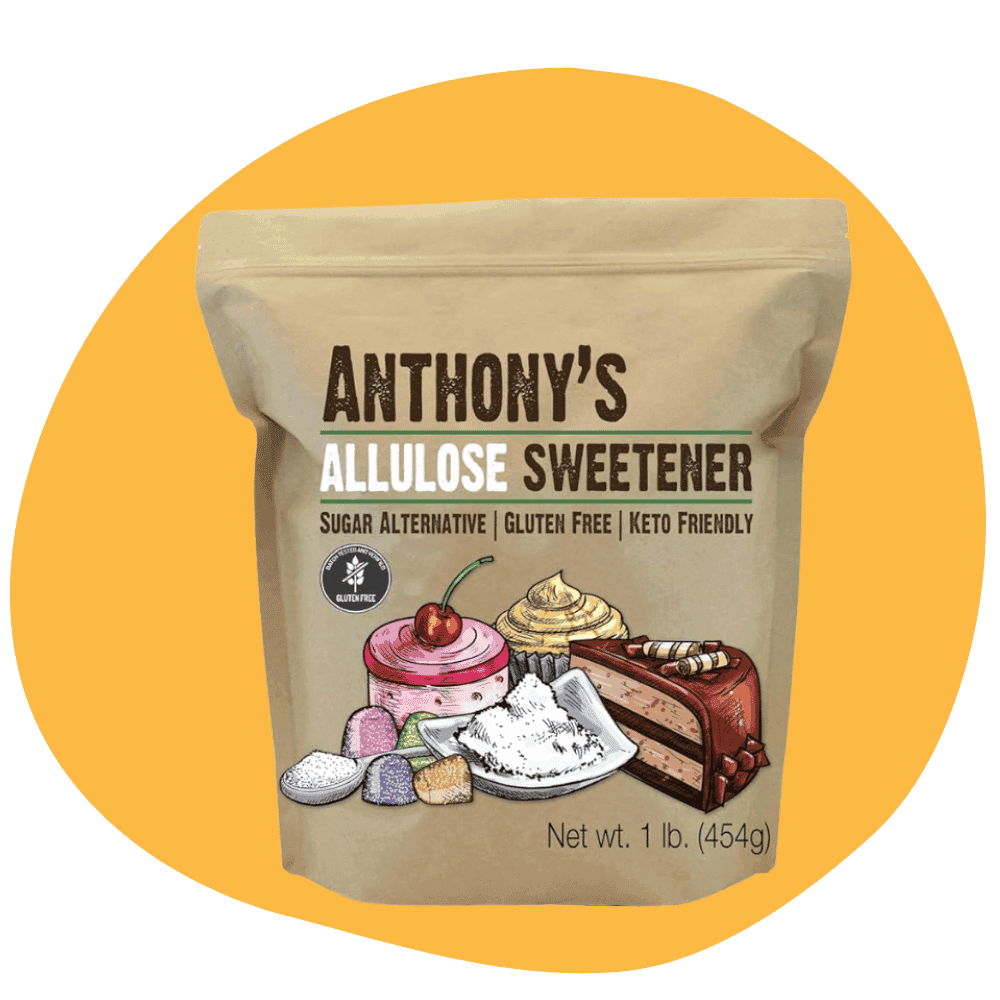
Among experienced home bakers, allulose has earned a reputation as one of the closest alternatives to traditional sugar. Although it's classified as a rare sugar, it contributes very few calories and behaves remarkably like regular sugar in many baking applications.
Unlike some sugar substitutes, allulose dissolves easily, blends smoothly into batters, and helps create desserts with a soft, moist texture. It also browns more naturally than many other alternatives, making it especially useful for recipes where color and caramelization matter.

Why Bakers Love Allulose
One reason allulose stands out is its ability to mimic sugar's functional properties rather than simply adding sweetness. Traditional sugar does much more than sweeten—it affects moisture, tenderness, browning, and mouthfeel. Allulose performs well in many of these areas, making it a favorite ingredient for beginner and experienced bakers alike.
Benefits include:
- Mild, clean sweetness
- No noticeable cooling sensation
- Excellent moisture retention
- Smooth texture
- Beautiful browning
- Dissolves quickly
- Works well in baked and frozen desserts
Best Uses for Allulose
Because of its versatility, allulose shines in recipes where texture is just as important as sweetness.
It's especially effective in:
- Chocolate cakes
- Cheesecakes
- Brownies
- Muffins
- Ice cream
- Custards
- Puddings
- Caramel sauces
Many sugar-free dessert recipes featuring allulose taste surprisingly similar to their traditional counterparts because the sweetener creates a soft crumb and rich mouthfeel.
Helpful Tips
Keep these tips in mind when baking with allulose:
- It is slightly less sweet than table sugar, so some recipes may require a little more.
- Browning occurs more quickly, so watch baking times carefully.
- Store it in an airtight container to prevent clumping.
If you're new to sugar-free baking, allulose is one of the easiest sweeteners to begin experimenting with.
Monk Fruit Sweetener
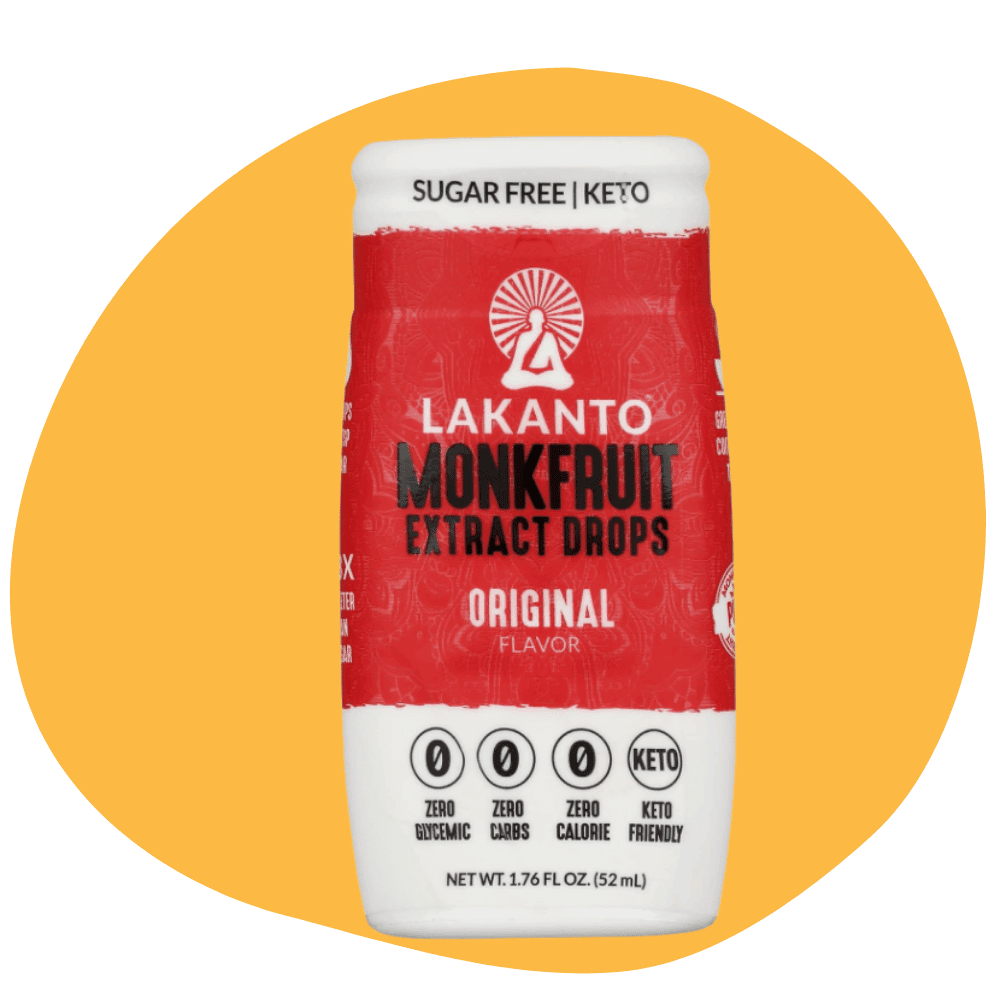
Monk fruit has become one of the most popular ingredients in sugar-free dessert recipes, thanks to its clean flavor and natural origin. Extracted from the monk fruit, this sweetener contains compounds called mogrosides, which provide sweetness without the sugar found in traditional sweeteners.
Pure monk fruit extract is extremely sweet, so most baking products combine it with erythritol or allulose to make measuring easier and improve texture.
Why Choose Monk Fruit?
Many home bakers appreciate monk fruit because it delivers sweetness without the bitterness sometimes associated with other alternatives.
Advantages include:
- Zero added sugar
- Pleasant sweetness
- Easy-to-use baking blends
- Stable during baking
- Suitable for low carb recipes
- Widely available
Best Desserts for Monk Fruit
Monk fruit performs particularly well in recipes where sweetness takes center stage.
Try it in:
- Cheesecake
- Chocolate chip cookies
- Peanut butter cookies
- Cupcakes
- Frosting
- Lemon bars
- Banana-free muffins
- Fruit crisps
Because monk fruit blends often measure cup-for-cup like sugar, they're convenient for adapting family recipes into delicious sugar-free dessert recipes.
Baking Tips
For the best results:
- Choose baking blends rather than concentrated extracts.
- Sift powdered versions before making frosting.
- Pair with vanilla or citrus zest to enhance flavor.
- Avoid over sweetening, as monk fruit can become overpowering in high amounts.
Erythritol
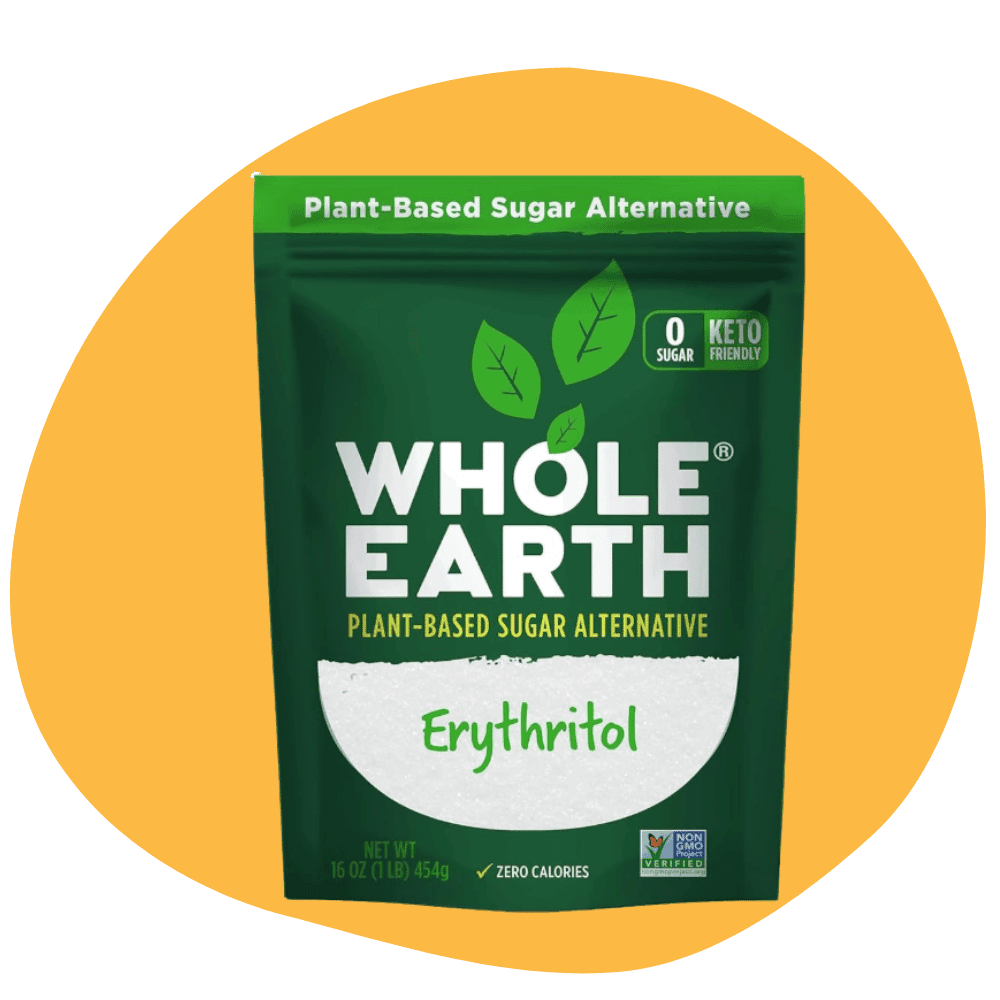
Erythritol has long been a staple ingredient in low carb baking. It's a sugar alcohol that provides sweetness while contributing very few calories, making it a common choice for homemade sugar-free dessert recipes.
One of its biggest advantages is stability. Erythritol performs well under high temperatures, making it suitable for cookies, cakes, and brownies.
Benefits of Erythritol
Home bakers appreciate erythritol because it's:
- Heat stable
- Easy to measure
- Readily available
- Affordable
- Crisp when baked
- Long shelf life
Best Uses
Erythritol works particularly well in:
- Brownies
- Shortbread cookies
- Pie crusts
- Biscotti
- Chocolate bark
- Granola
Potential Drawbacks
Despite its popularity, erythritol has one notable characteristic: it creates a cooling sensation on the tongue, especially in frostings, candies, and frozen desserts.
You can minimize this effect by:
- Combining it with allulose.
- Using finely powdered erythritol.
- Mixing it with monk fruit.
- Increasing vanilla or cocoa flavor.
Many experienced bakers blend erythritol with other sweeteners to create desserts with a smoother finish.
Stevia
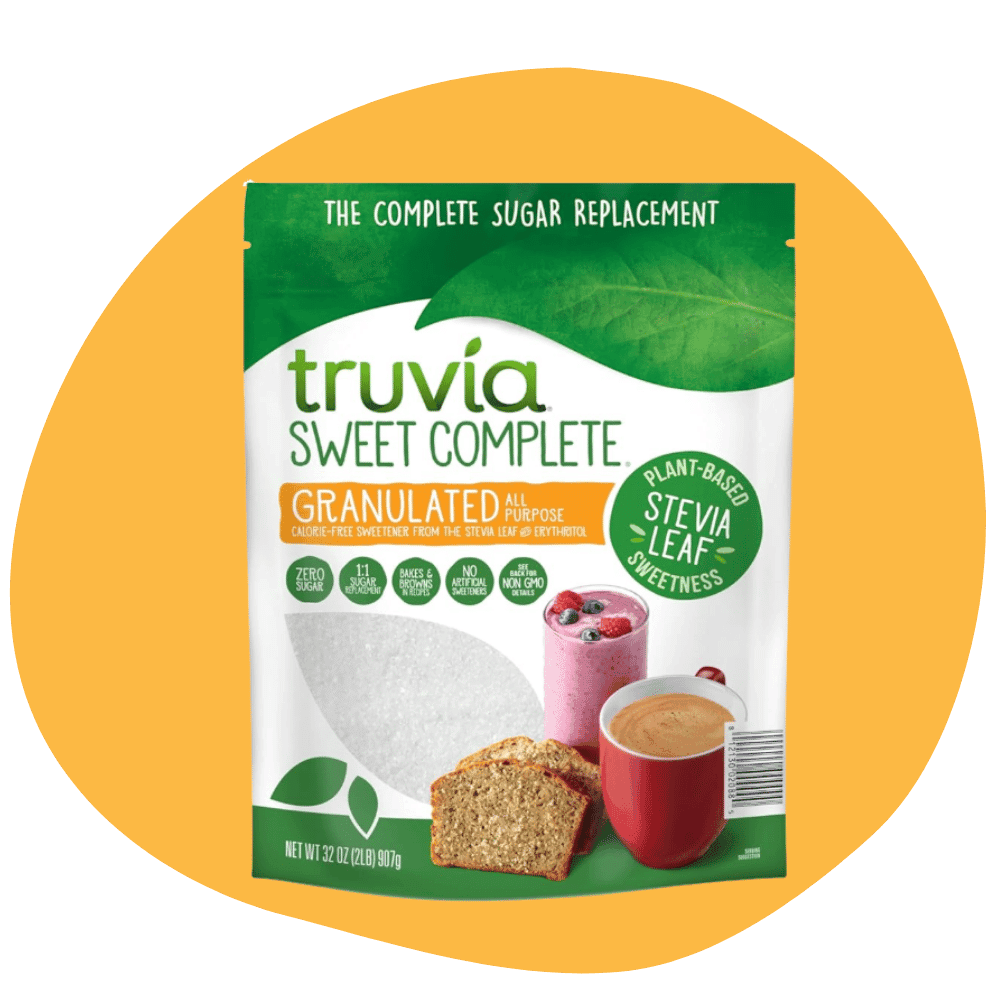
Stevia is one of the sweetest sugar alternatives available, making it unique among baking ingredients. Derived from the leaves of the Stevia rebaudiana plant, it provides intense sweetness in very small amounts.
Because it is much sweeter than sugar, careful measuring is essential.
Advantages of Stevia
Stevia offers several benefits:
- Extremely concentrated
- Plant-derived
- Stable during baking
- Long shelf life
- Suitable for beverages and desserts
Best Recipes for Stevia
Stevia works especially well in recipes requiring only modest sweetness.
Examples include:
- Chocolate pudding
- Greek yogurt parfaits
- Smoothies
- Chia pudding
- Whipped cream
- Mousse
- Homemade jams
Tips for Better Flavor
Some people notice a slight herbal or bitter aftertaste with stevia.
To reduce this:
- Pair it with vanilla extract.
- Add cinnamon or cocoa powder.
- Blend it with allulose or monk fruit.
- Use products specifically formulated for baking.
Since stevia contributes almost no bulk, it generally performs best in recipes where sweetness—not structure—is its primary role.
Xylitol
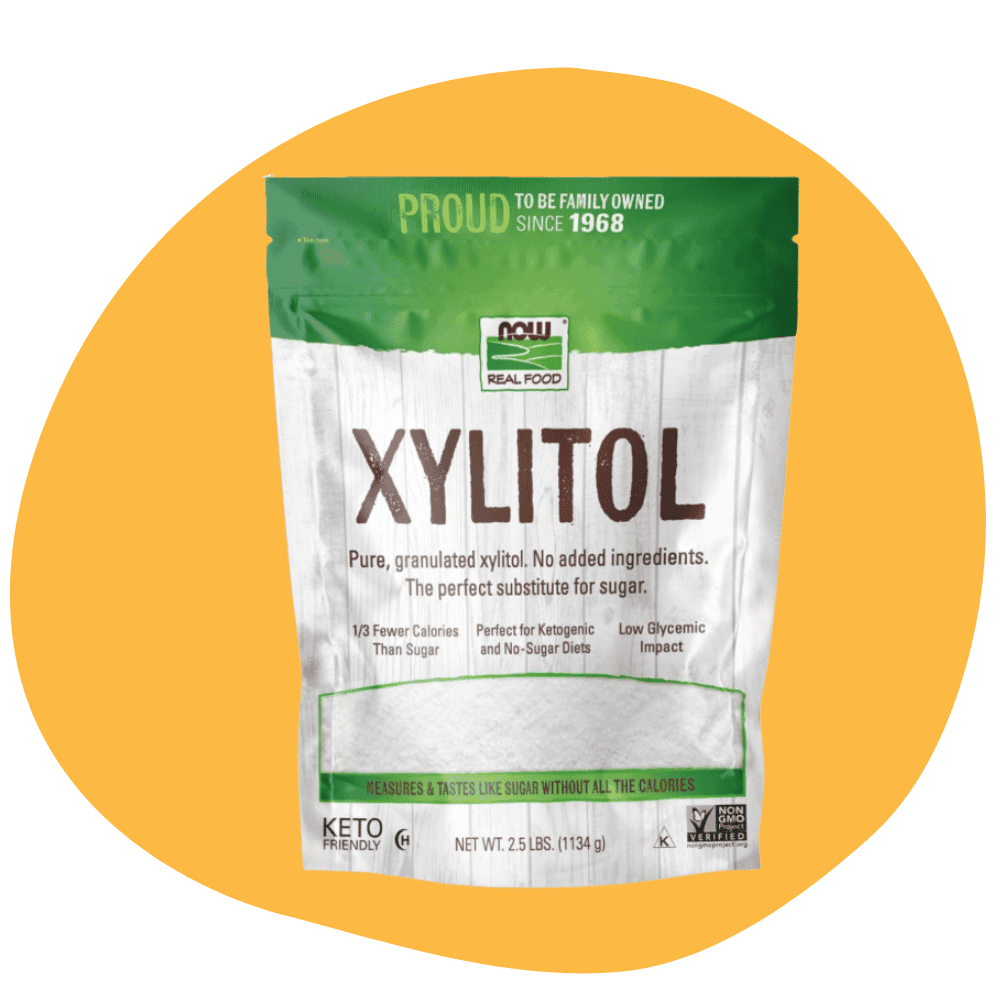
Xylitol has a sweetness level very close to regular sugar, making it another useful ingredient in sugar-free dessert recipes. It dissolves well, browns nicely, and provides a texture similar to traditional sugar in many baked goods.
Why Bakers Use Xylitol
Benefits include:
- Similar sweetness to sugar
- Smooth texture
- Good browning
- Moist baked goods
- Easy substitutions
Best Recipes
Xylitol works well in:
- Cakes
- Muffins
- Cookies
- Coffee cakes
- Fruit fillings
- Crisps
- Sweet sauces
Important Safety Note
While xylitol is commonly used in human foods, it is extremely toxic to dogs, even in very small amounts. If you have pets, store xylitol securely and never allow dogs access to foods containing it.
Helpful Tips
For successful baking:
- Measure carefully.
- Store in airtight containers.
- Use recipes specifically tested with xylitol whenever possible.
Blended Sweeteners
Many experienced bakers agree that the best sugar-free dessert recipes often rely on more than one sweetener. Blending different sugar alternatives allows you to combine their strengths while minimizing individual weaknesses.
For example:
- Allulose adds moisture.
- Monk fruit boosts sweetness.
- Erythritol improves structure.
- Stevia enhances sweetness in tiny amounts.
Together, these ingredients can create desserts with a flavor and texture much closer to traditional baking.
Why Blends Work So Well
Blended sweeteners help:
- Reduce cooling aftertaste
- Improve browning
- Increase moisture
- Create softer cakes
- Produce chewier cookies
- Enhance caramelization
- Deliver balanced sweetness
Popular Sweetener Combinations
Many commercial baking blends use combinations like:
| Blend | Ideal For |
|---|---|
| Allulose + Monk Fruit | Cakes, cupcakes, muffins |
| Monk Fruit + Erythritol | Cookies, brownies, bars |
| Allulose + Erythritol | Cheesecake, ice cream |
| Stevia + Allulose | Puddings, mousse, custards |
| Monk Fruit + Stevia | Frostings and fillings |
How to Choose the Right Blend
The ideal blend depends on the dessert you're making.
- Soft cakes: Prioritize allulose for moisture.
- Chewy cookies: Monk fruit and erythritol provide structure.
- Creamy cheesecakes: Allulose creates a smooth texture.
- Frozen desserts: Allulose helps reduce iciness and improves scoopability.
- Frostings: Powdered monk fruit blends produce a silky consistency.
Don't be afraid to experiment. Every kitchen, recipe, and palate is different, and small adjustments can make a big difference. As you gain experience with these sweeteners, you'll discover which combinations consistently produce your favorite sugar-free dessert recipes—whether you're baking decadent brownies, fluffy cupcakes, or creamy no-bake cheesecakes.
Essential Pantry Ingredients for Sugar-Free Dessert Recipes
The secret to making consistently delicious sugar-free dessert recipes isn't just choosing the right sweetener—it's building a well-stocked pantry with ingredients that add flavor, structure, and richness. When you have the right staples on hand, whipping up a batch of brownies, cookies, cheesecakes, or muffins becomes much easier. Instead of making last-minute grocery runs, you'll be ready to bake whenever a sweet craving strikes.
Many of the ingredients used in sugar-free dessert recipes do double duty. They not only replace traditional baking staples but also improve texture, boost nutrition, and help create desserts that are every bit as satisfying as their sugar-filled counterparts. Ingredients like almond flour, cream cheese, and unsweetened cocoa powder bring natural richness and complexity, while pantry essentials such as butter, eggs, and vanilla extract provide the foundation for countless recipes.
When stocking your pantry, aim for ingredients that are versatile, easy to store, and suitable for a variety of desserts. Having these basics available allows you to prepare everything from quick mug cakes and no-bake cheesecakes to elegant layer cakes and frozen treats.
Here are the pantry staples every home baker should keep within reach.
Sugar-Free Chocolate
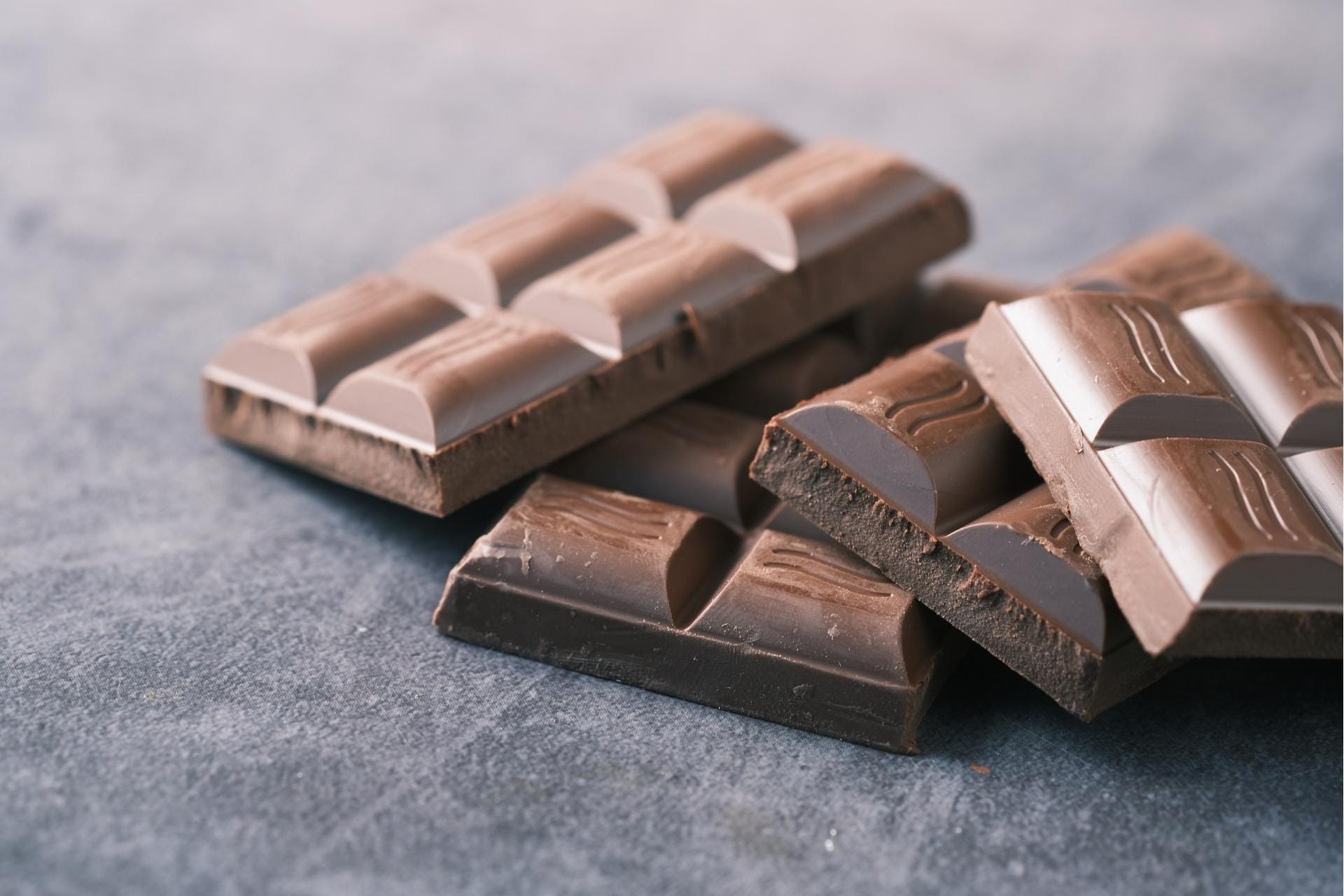
Chocolate is one of the most beloved dessert ingredients, and thankfully, enjoying it doesn't require refined sugar. High-quality sugar-free chocolate has become widely available, making it easier than ever to prepare rich, decadent sugar-free dessert recipes that satisfy even serious chocolate lovers.
Most sugar-free chocolate is sweetened with alternatives such as allulose, monk fruit, erythritol, or stevia. These sweeteners preserve the deep cocoa flavor while dramatically reducing added sugar.
Best Uses for Sugar-Free Chocolate
Because it melts smoothly and blends beautifully into recipes, sugar-free chocolate works well in both baked and no-bake desserts.
Popular options include:
- Chocolate brownies
- Chocolate cake
- Chocolate mousse
- Cheesecake
- Chocolate bark
- Truffles
- Ganache
- Chocolate chip cookies
- Ice cream
Shopping Tips
Not all sugar-free chocolate is created equal. For the best results, choose products that:
- It contains a high percentage of cocoa solids for a richer flavor.
- Use quality sugar substitutes with minimal aftertaste.
- Have simple ingredient lists without unnecessary fillers.
- Melt evenly for baking and candy making.
If you're using chocolate chips, check that they're specifically formulated for baking so they hold their shape during cooking.
Storage
Store sugar-free chocolate in a cool, dry place away from direct sunlight. Properly stored, it can maintain its quality for several months, making it an excellent pantry staple for spontaneous baking sessions.
Cocoa Powder
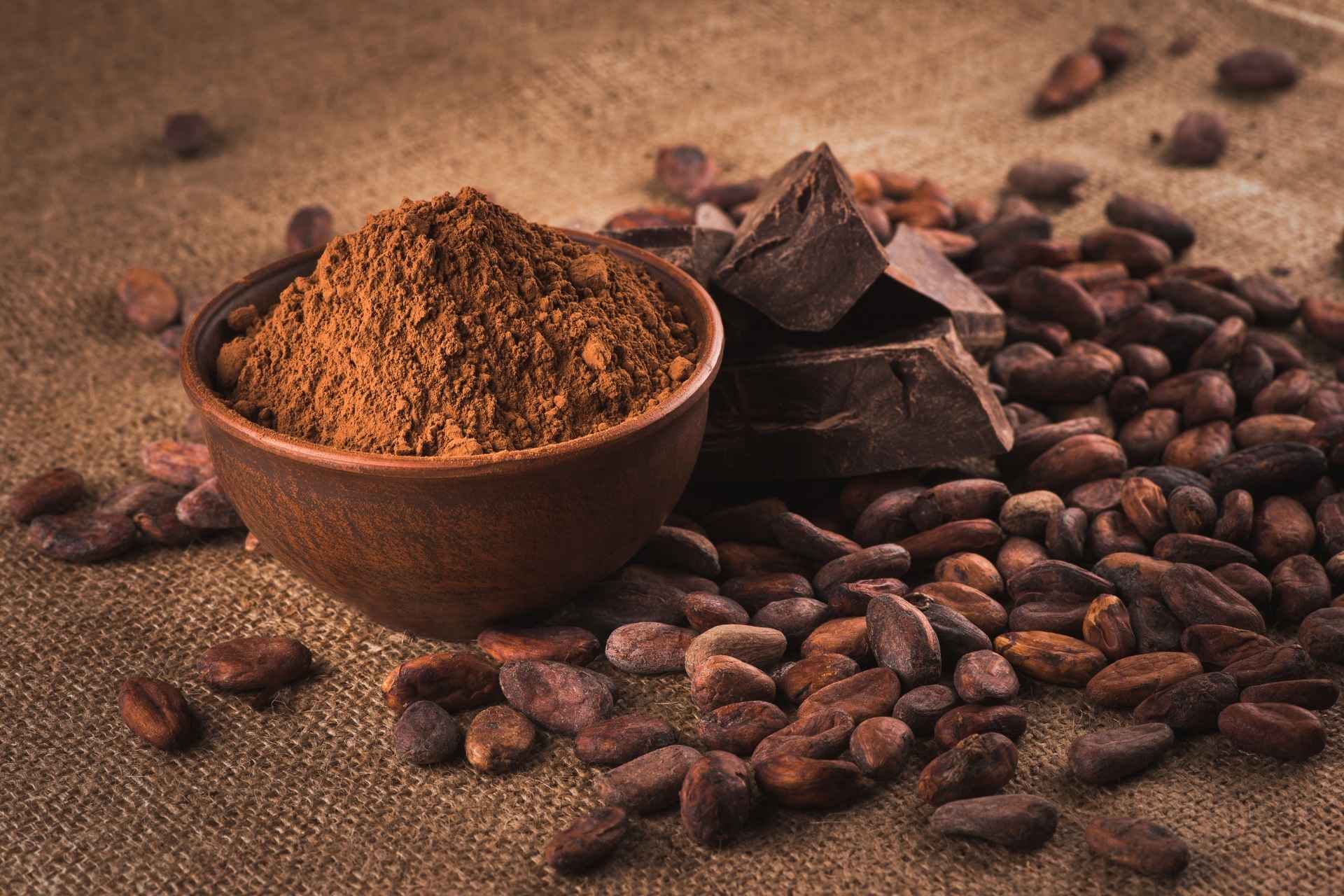
Unsweetened cocoa powder is one of the most valuable ingredients in homemade sugar-free dessert recipes. Since it contains no added sugar, it delivers bold chocolate flavor while allowing you to control sweetness entirely through your chosen sugar substitute.
Its concentrated flavor means a little goes a long way, making it ideal for everything from cakes to smoothies.
Types of Cocoa Powder
There are two common varieties:
- Natural cocoa powder offers a bright, slightly fruity chocolate flavor and reacts with baking soda to help baked goods rise.
- Dutch-process cocoa powder has been treated to reduce acidity, resulting in a darker color and smoother, milder taste. It's often paired with baking powder rather than baking soda.
Using the type specified in a recipe helps ensure the proper texture and rise.
Best Uses
Cocoa powder adds richness to:
- Brownies
- Chocolate cake
- Cookies
- Frosting
- Muffins
- Hot chocolate
- Protein balls
- Smoothies
- Puddings
Pro Baking Tip
Bloom cocoa powder by whisking it into warm butter, hot coffee, or heated cream before adding it to the batter. This simple technique intensifies chocolate flavor and creates a deeper, more luxurious taste.
Almond Flour
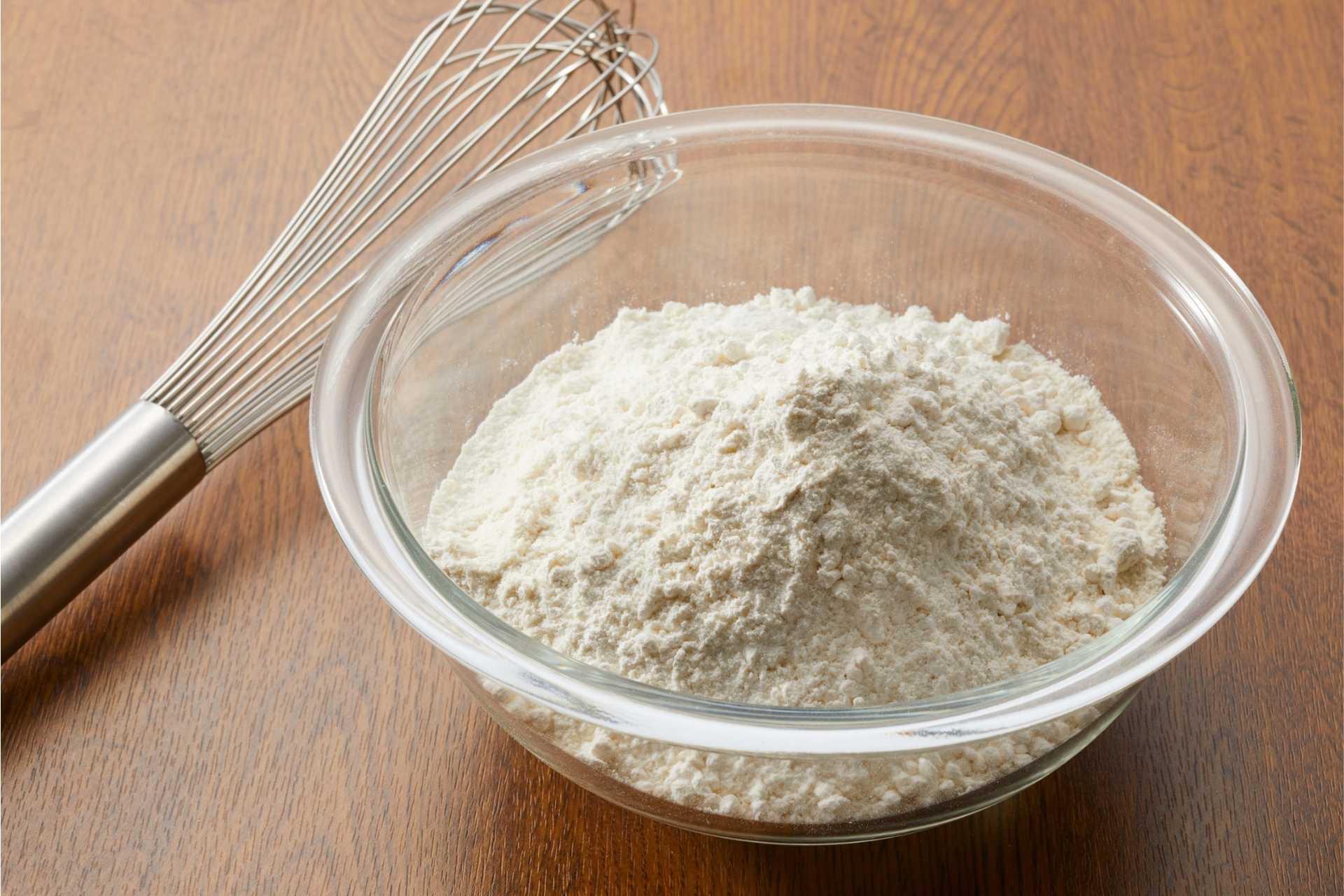
Almond flour has become one of the cornerstones of sugar-free dessert recipes, especially among low carb and gluten-free bakers. Made from finely ground blanched almonds, it produces tender, moist baked goods with a delicate nutty flavor.
Unlike wheat flour, almond flour contains healthy fats, protein, and fiber, helping create desserts that feel rich without relying on refined carbohydrates.
Why Bakers Love Almond Flour
Benefits include:
- Naturally gluten-free
- Low in carbohydrates
- High in healthy fats
- Adds moisture
- Soft, tender texture
- Mild flavor that complements many desserts
Ideal Recipes
Almond flour works beautifully in:
- Cookies
- Muffins
- Cakes
- Cupcakes
- Brownies
- Pie crusts
- Biscotti
- Pancakes
- Shortbread
Baking Tips
Almond flour behaves differently from traditional flour, so keep these tips in mind:
- Measure by weight whenever possible for greater accuracy.
- Store it in the refrigerator or freezer to prevent the natural oils from turning rancid.
- Avoid overmixing, as delicate batters can become dense.
Its naturally moist texture makes almond flour especially well suited for soft cakes and chewy cookies.
Coconut Flour
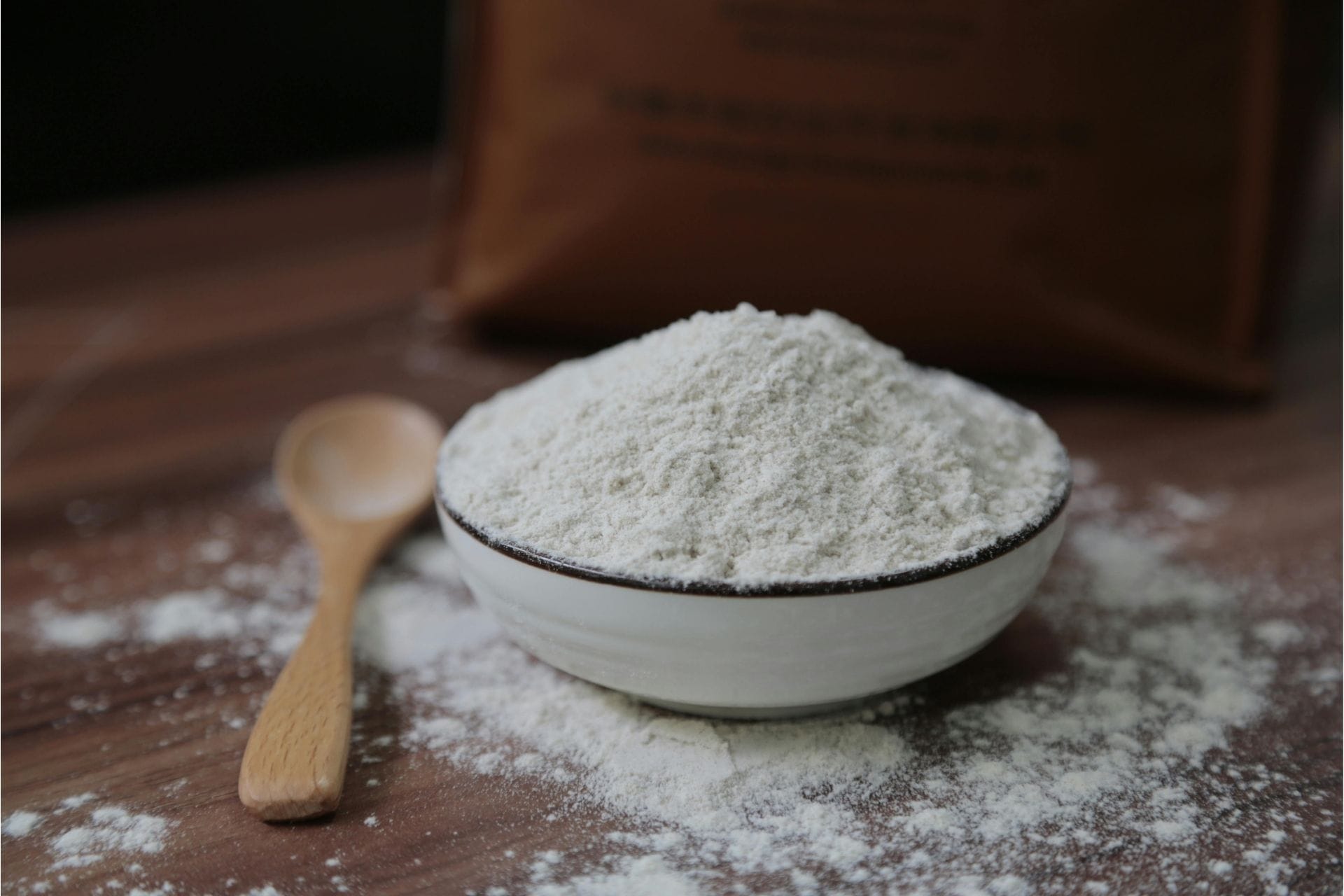
Coconut flour is another popular choice for sugar-free dessert recipes, but it requires a different approach than almond flour. Made from dried, finely ground coconut meat, this flour is incredibly absorbent and can dramatically change a recipe if substituted incorrectly.
Why Use Coconut Flour?
Despite its unique properties, coconut flour offers several advantages:
- Naturally gluten-free
- High in fiber
- Lower in carbohydrates than wheat flour
- Mild coconut flavor
- Long shelf life
Best Recipes
Coconut flour performs well in:
- Muffins
- Cupcakes
- Pancakes
- Quick breads
- Brownies
- Cookies
Baking Tips
Because coconut flour absorbs a large amount of liquid:
- Use only the amount called for in the recipe.
- Increase eggs or liquid ingredients when necessary.
- Allow batter to rest for several minutes before baking so the flour fully hydrates.
Many experienced bakers combine coconut flour with almond flour to achieve a balanced texture that's soft without becoming overly dense.
Coconut Cream
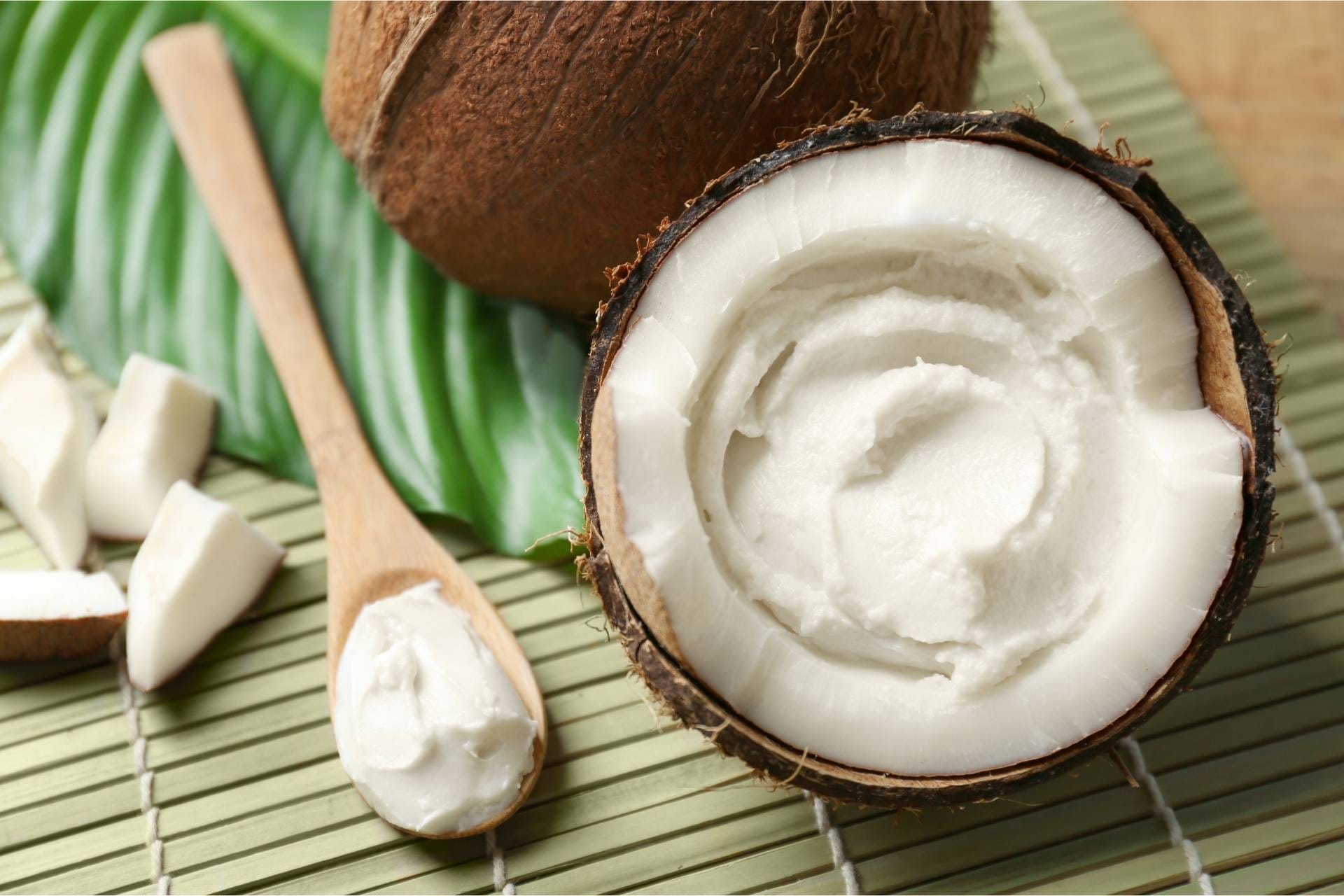
If you're looking to add luxurious richness to sugar-free dessert recipes, coconut cream deserves a permanent place in your pantry. Thicker than coconut milk, it delivers a silky texture and subtle tropical flavor that complements everything from chocolate mousse to frozen desserts.
Best Uses
Coconut cream is excellent for:
- No-bake cheesecakes
- Chocolate mousse
- Ice cream
- Whipped topping
- Custards
- Puddings
- Vegan desserts
- Frostings
Tips for Success
For fluffy whipped coconut cream:
- Refrigerate the can overnight.
- Scoop out only the thick cream.
- Whip until light and airy.
- Sweeten with powdered monk fruit or allulose.
Its creamy consistency makes it a favorite ingredient for dairy-free desserts while adding richness to traditional recipes as well.
Heavy Cream
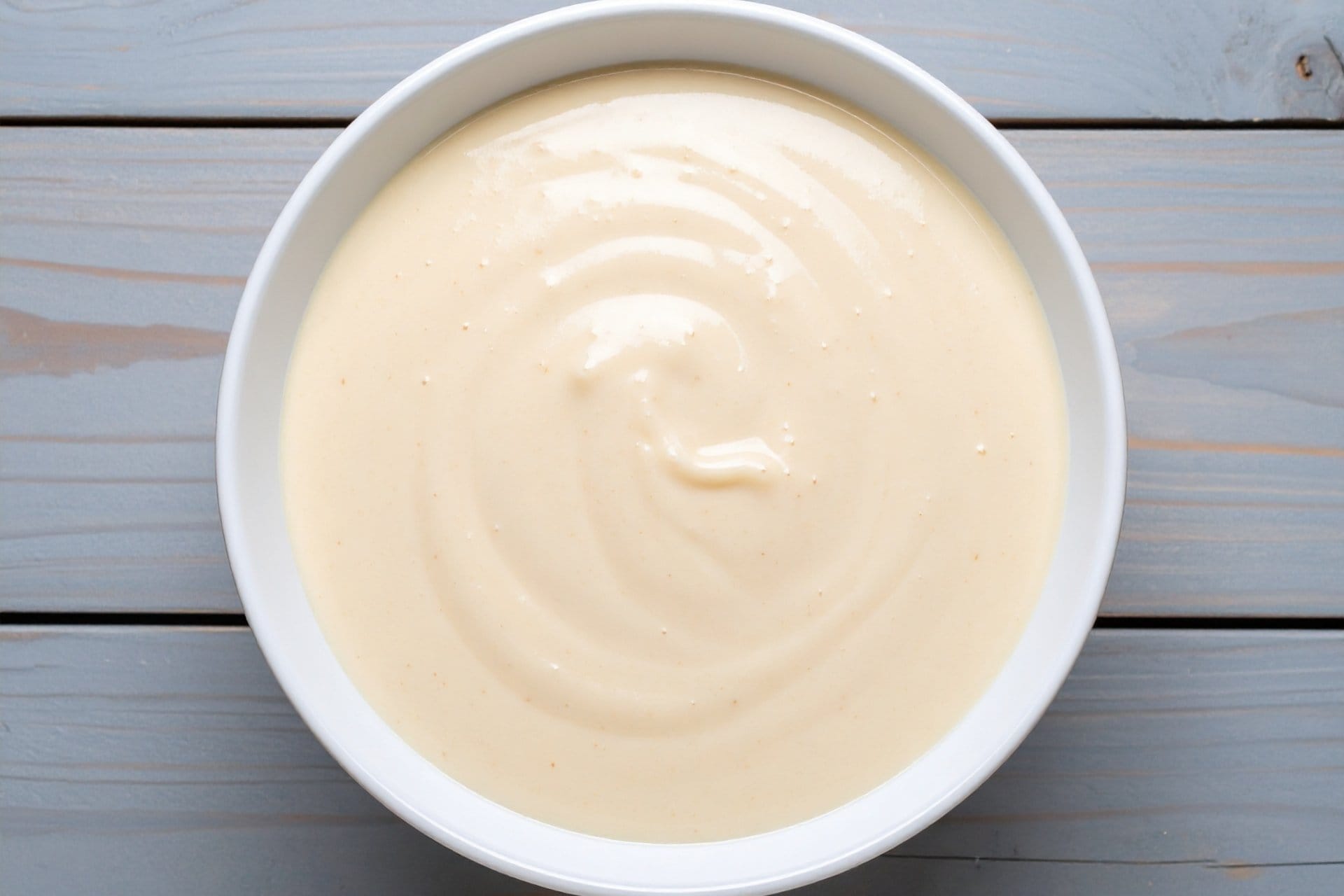
Heavy cream plays an essential role in many classic sugar-free dessert recipes. Its high fat content contributes smoothness, richness, and stability, making it one of the most versatile ingredients in dessert making.
Favorite Uses
Heavy cream enhances:
- Cheesecakes
- Mousse
- Whipped cream
- Ice cream
- Custards
- Chocolate ganache
- Coffee desserts
- Panna cotta
Baking Benefits
Heavy cream:
- Creates silky textures.
- Helps desserts stay moist.
- Whips into stable peaks.
- Adds luxurious mouthfeel.
- Blends well with sugar alternatives.
For best results, chill both the cream and the mixing bowl before whipping.
Cream Cheese
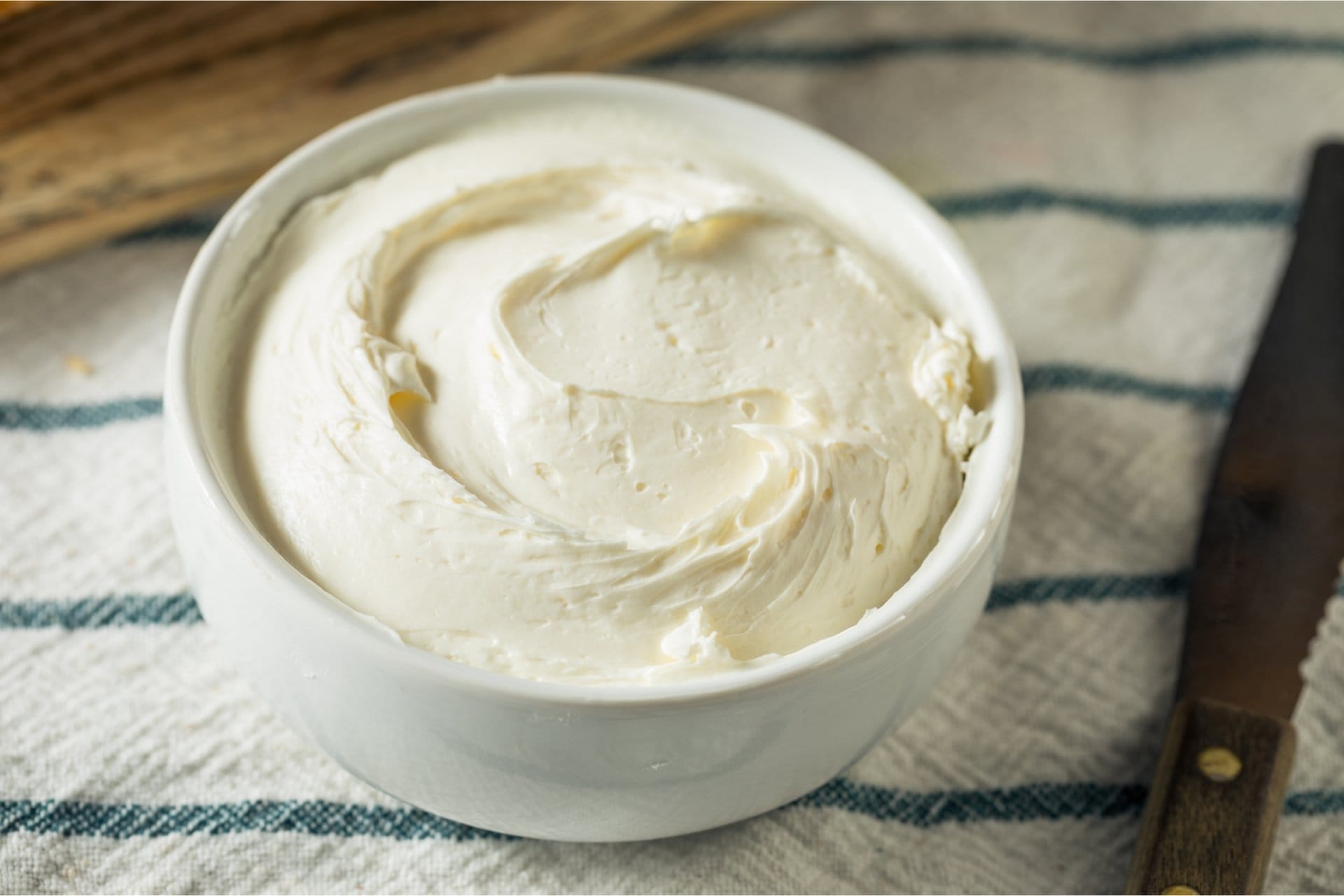
Few ingredients create the rich, creamy texture found in so many beloved sugar-free dessert recipes quite like cream cheese. From classic cheesecakes to creamy frostings and no-bake parfaits, it's a pantry staple that delivers both flavor and structure.
Best Recipes
Cream cheese shines in:
- Cheesecake
- Cheesecake bars
- Frosting
- Fat bombs
- Dessert dips
- Chocolate mousse
- Creamy fillings
Helpful Tips
- Allow cream cheese to soften before mixing.
- Beat until completely smooth to prevent lumps.
- Pair with vanilla and lemon juice for a brighter flavor.
Its mild tang balances sugar substitutes beautifully while contributing incredible creaminess.
Eggs
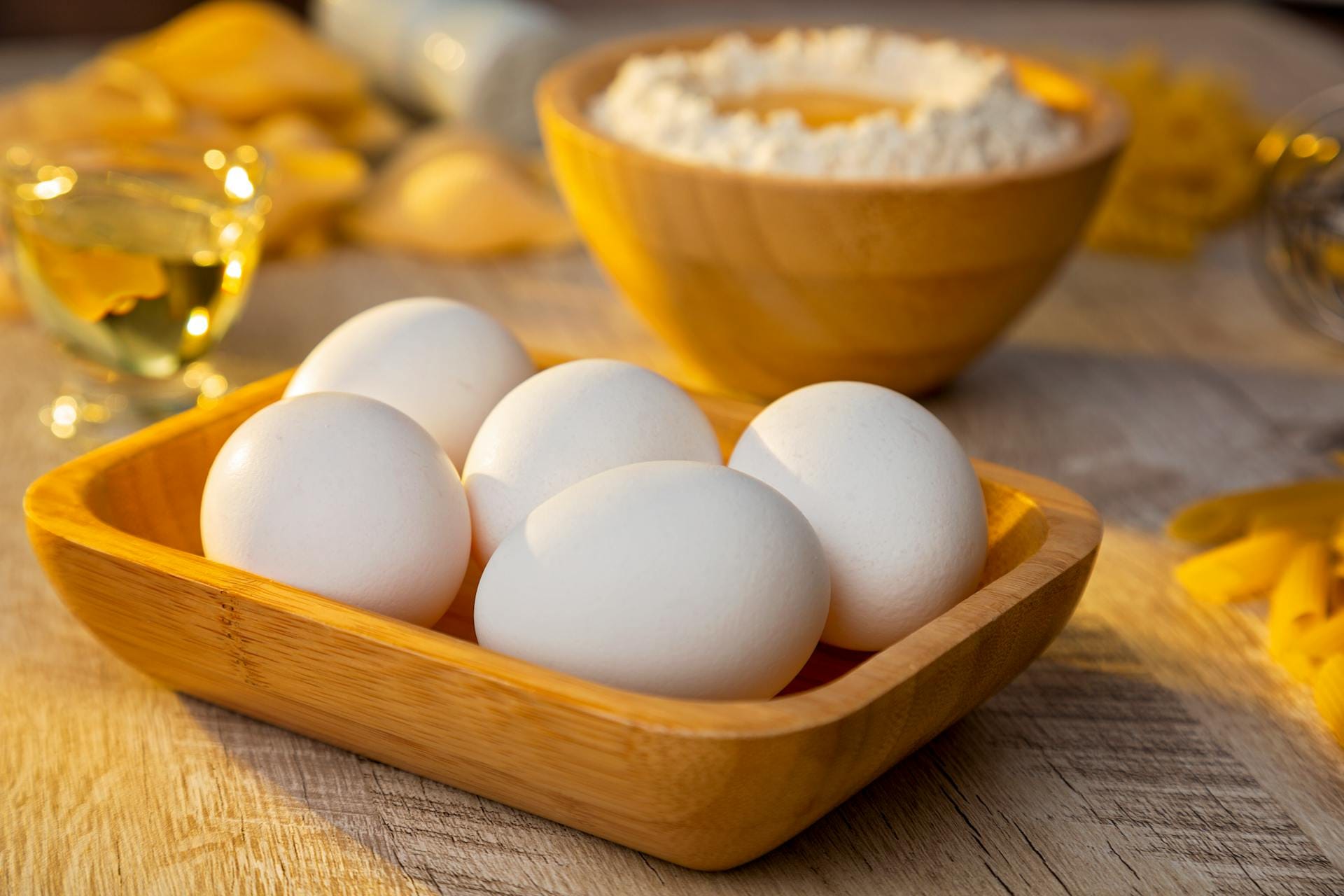
Eggs are one of the hardest working ingredients in baking. They provide structure, moisture, richness, and stability, making them indispensable in many sugar-free dessert recipes.
What Eggs Do
Eggs help:
- Bind ingredients together.
- Add moisture.
- Improve texture.
- Create lift.
- Stabilize batters.
- Enrich flavor.
Best Practices
For the smoothest batter:
- Use room temperature eggs.
- Crack eggs into a separate bowl before adding them.
- Beat gently unless the recipe specifies whipping.
These small habits can significantly improve the consistency of cakes, cookies, and custards.
Butter
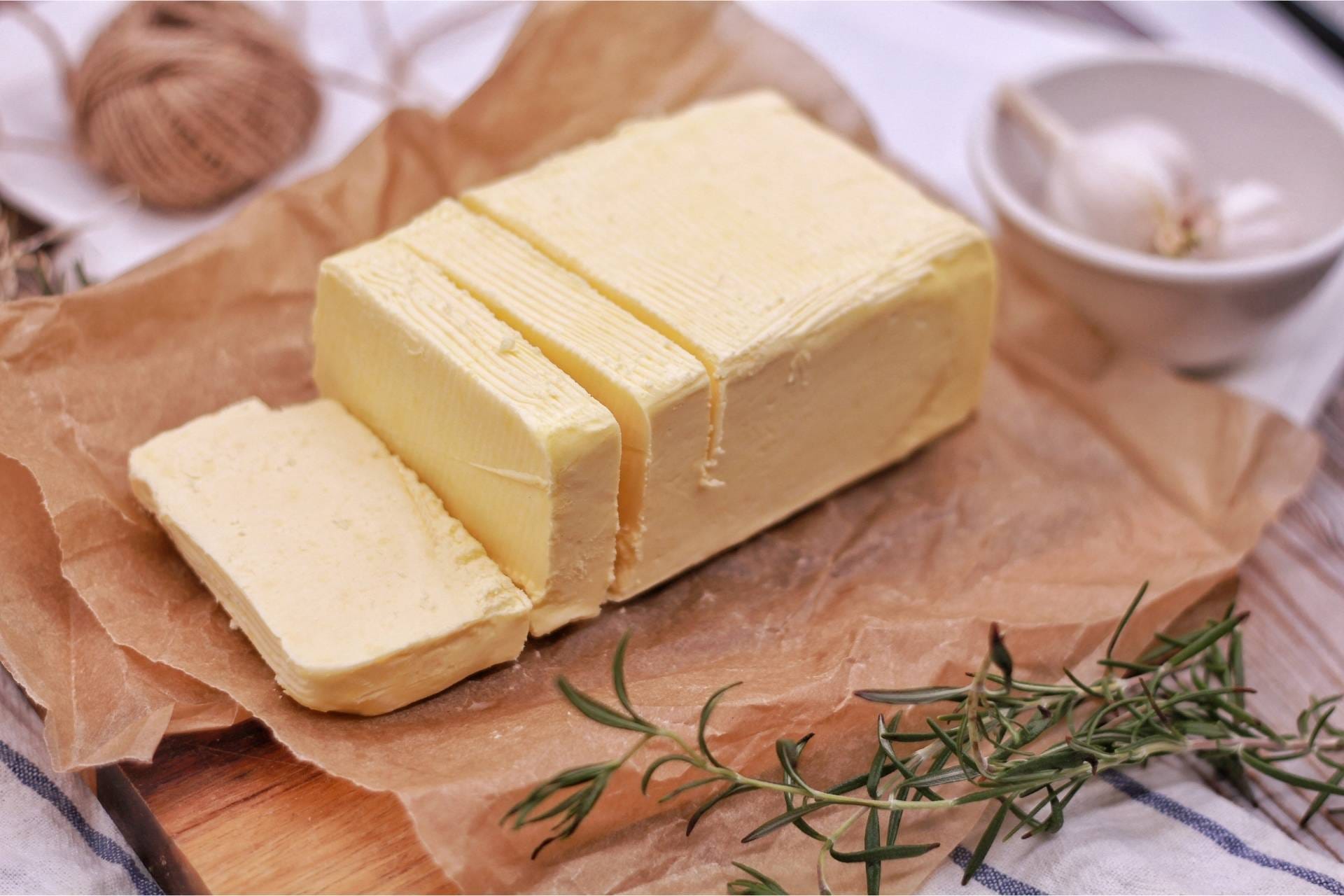
Butter remains one of the most reliable ingredients in traditional and sugar-free dessert recipes alike. It contributes flavor, tenderness, and that unmistakable bakery richness that's difficult to replicate.
Best Uses
Butter is perfect for:
- Cookies
- Brownies
- Cakes
- Pie crusts
- Frosting
- Shortbread
- Crumble toppings
Baking Tips
For optimal results:
- Use unsalted butter to better control the recipe's salt level.
- Soften butter naturally at room temperature for creaming methods.
- Brown butter for a deeper, nutty flavor that elevates simple desserts.
Even a small amount of browned butter can transform the flavor of cookies, blondies, and cakes.
Vanilla Extract
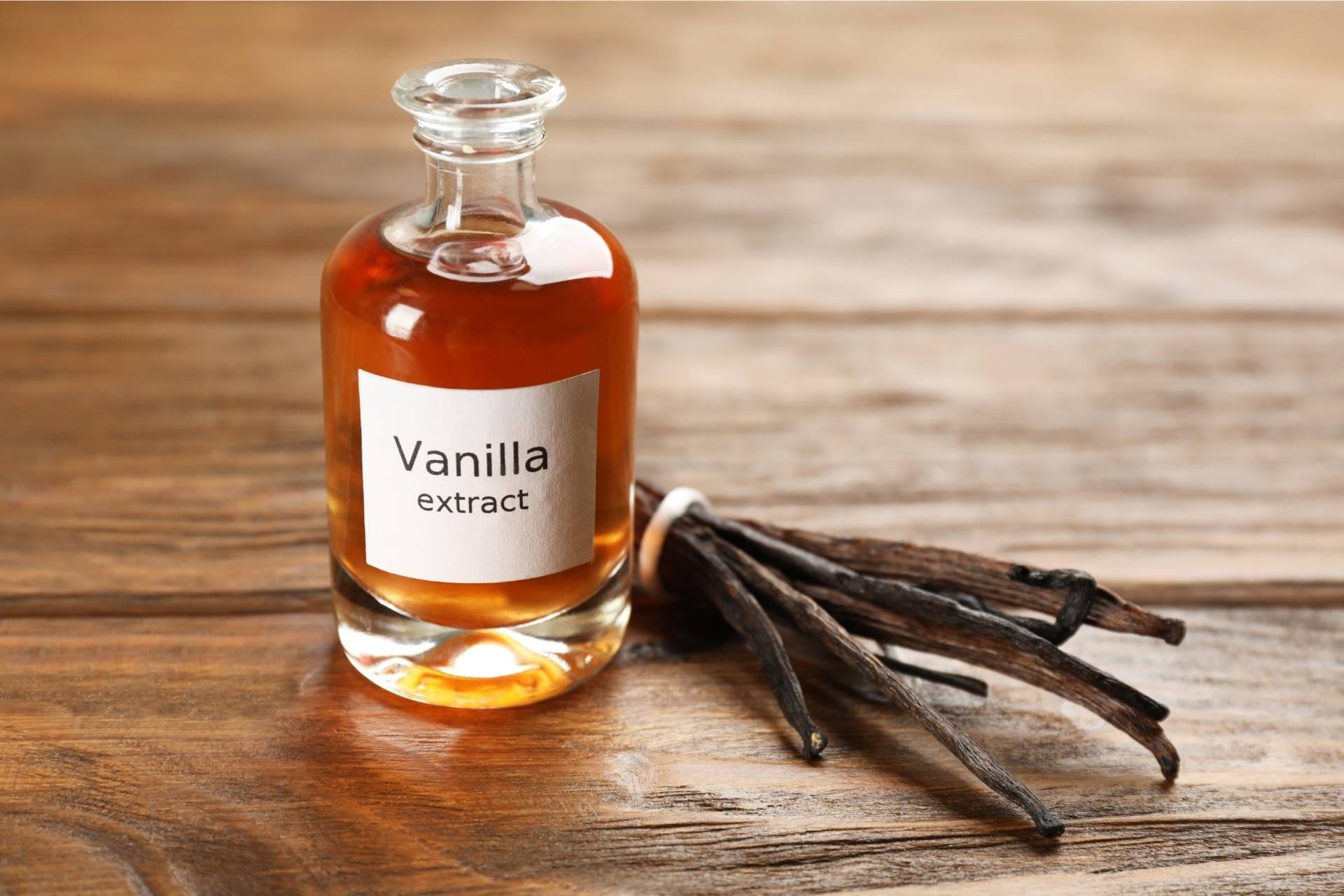
Vanilla extract might seem like a small ingredient, but it's one of the most powerful flavor enhancers in sugar-free dessert recipes. Because alternative sweeteners can sometimes have subtle aftertastes, vanilla helps round out flavors and create a more balanced dessert.
Why Vanilla Matters
Good quality vanilla:
- Enhances sweetness perception without adding sugar.
- Softens the flavor of alternative sweeteners.
- Adds warmth and depth.
- Complements chocolate, fruit, nuts, and spices.
Where to Use It
Vanilla belongs in almost every dessert, including:
- Cakes
- Cookies
- Cheesecakes
- Muffins
- Brownies
- Ice cream
- Frosting
- Puddings
- Whipped cream
Choosing the Best Vanilla
Whenever possible, use pure vanilla extract rather than imitation vanilla. Although it's often more expensive, its richer aroma and more complex flavor make a noticeable difference in homemade desserts.
As your pantry grows, these ingredients become the foundation for countless sugar-free dessert recipes. With quality chocolate, nutritious flours, creamy dairy products, and flavorful extracts on hand, you'll be ready to bake everything from quick weekday treats to impressive desserts for holidays and special occasions—all without relying on refined sugar.
Essential Equipment for Success
Having the right ingredients is only half the recipe for successful sugar-free dessert recipes. The other half is using reliable kitchen tools that help you mix, measure, bake, and store your desserts with confidence. While you don't need a professional bakery setup, investing in a few quality pieces of equipment can make baking easier, more enjoyable, and much more consistent.
One of the biggest challenges when making sugar-free dessert recipes is that alternative sweeteners and specialty flours don't always behave like traditional sugar and wheat flour. A slight measuring error or uneven baking temperature can affect texture, moisture, and sweetness. That's why precision matters more than many people realize.
Fortunately, you can create bakery quality desserts with a modest collection of kitchen essentials. Most of these tools are affordable, easy to find, and versatile enough to use in countless recipes beyond desserts.
Think of your baking equipment as a toolkit. Each item has a specific purpose, and together they help ensure that every cake rises beautifully, every cookie bakes evenly, and every cheesecake has a perfectly creamy texture.
Let's look at the equipment that deserves a permanent place in every home baker's kitchen.
Baking Tools
The right baking tools don't just make the process easier—they also improve the quality of your finished desserts. Whether you're preparing fudgy brownies, fluffy cupcakes, or creamy cheesecakes, dependable equipment helps produce consistent results every time.
Mixing Bowls
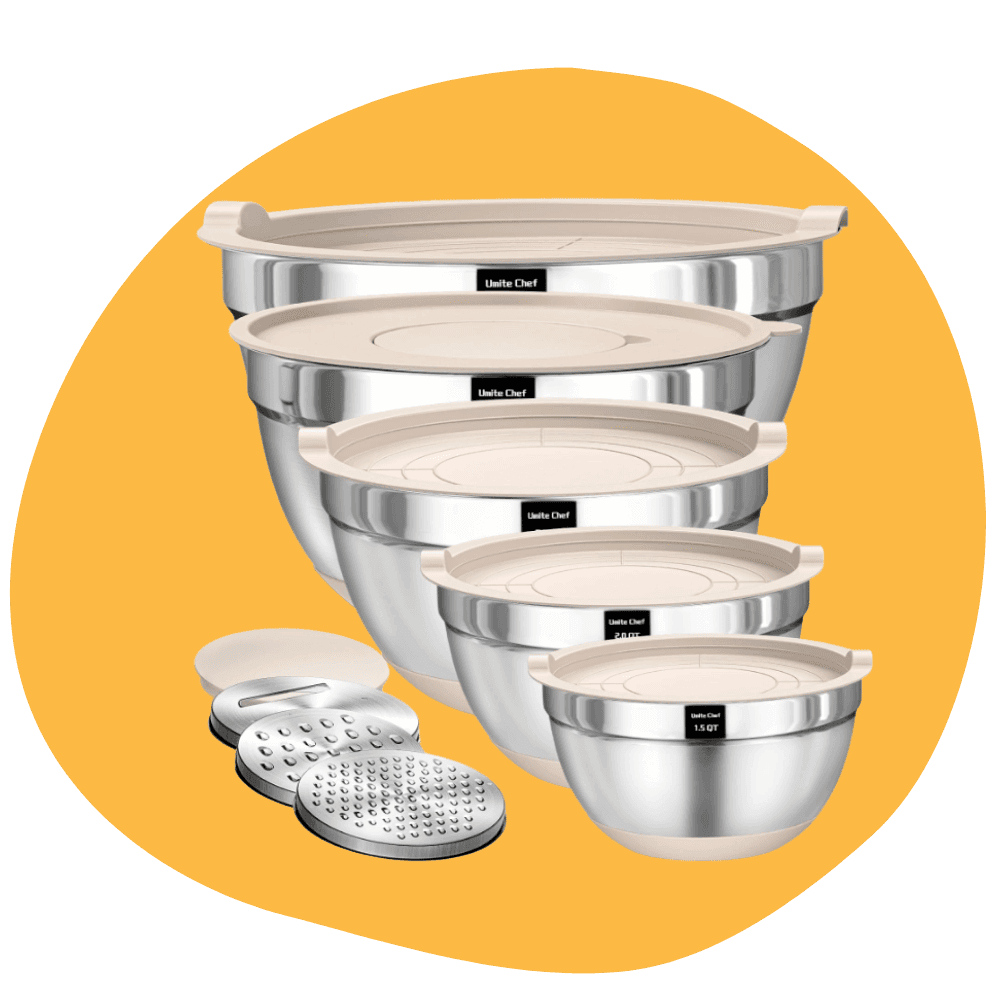
A set of sturdy mixing bowls is one of the first investments every baker should make.
Choose bowls in several sizes to handle different tasks:
- Small bowls for spices and extracts
- Medium bowls for dry ingredients
- Large bowls for cake batters and cookie dough
Stainless steel bowls are lightweight and durable, while glass bowls work well for microwave melting and ingredient prep.
Electric Mixer

Alternative sweeteners often require thorough mixing to dissolve properly, making an electric mixer especially helpful for sugar-free dessert recipes.
A hand mixer works well for most home bakers and is ideal for:
- Whipping cream
- Beating cream cheese
- Mixing cookie dough
- Preparing cake batter
- Making frosting
If you bake frequently, a stand mixer can save time and effortlessly handle heavier doughs.
Silicone Spatulas

Silicone spatulas are indispensable because they scrape every bit of batter from the bowl, reducing waste and ensuring ingredients are fully incorporated.
They're perfect for:
- Folding whipped cream
- Mixing delicate batters
- Scraping bowls clean
- Spreading frosting
- Stirring chocolate
Heat-resistant silicone spatulas are particularly useful when working with melted chocolate or warm caramel sauces.
Whisks

A good whisk helps blend ingredients smoothly while introducing air into batters.
Use one for:
- Combining dry ingredients
- Mixing eggs
- Preparing pudding
- Whipping sauces
- Making ganache
Small balloon whisks are excellent for quickly blending cocoa powder without lumps.
Baking Pans

Different desserts require different pans, so it's worth having several options available.
Consider keeping:
- Round cake pans
- Square brownie pans
- Muffin tins
- Loaf pans
- Springform pans for cheesecake
- Pie plates
- Mini tart pans
A springform pan is particularly valuable if cheesecake is one of your favorite sugar-free dessert recipes, as it allows for easy removal without damaging delicate edges.
Cooling Rack
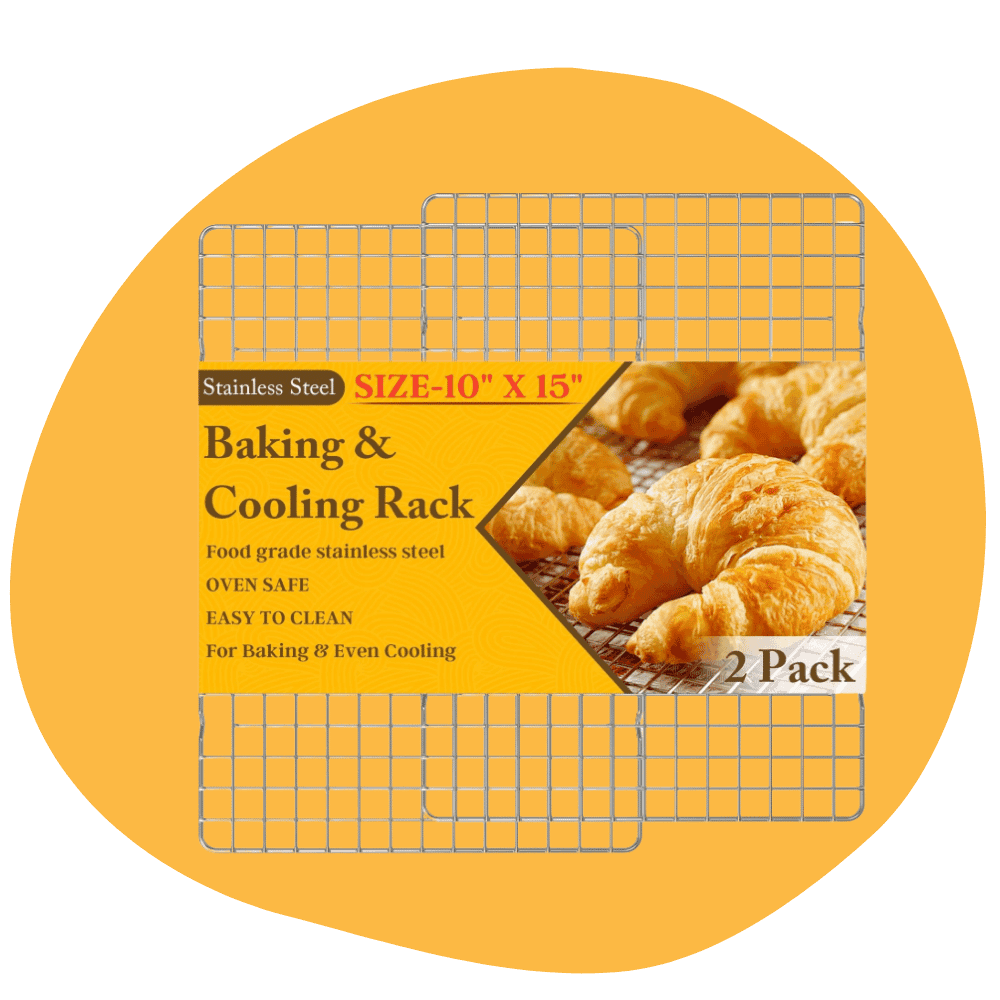
Cooling baked goods directly on a countertop traps steam underneath, which can lead to soggy bottoms.
Instead, place cakes, cookies, and muffins on a wire cooling rack to:
- Improve airflow
- Prevent condensation
- Preserve crisp edges
- Speed cooling
This simple tool can noticeably improve the texture of many baked desserts.
Parchment Paper
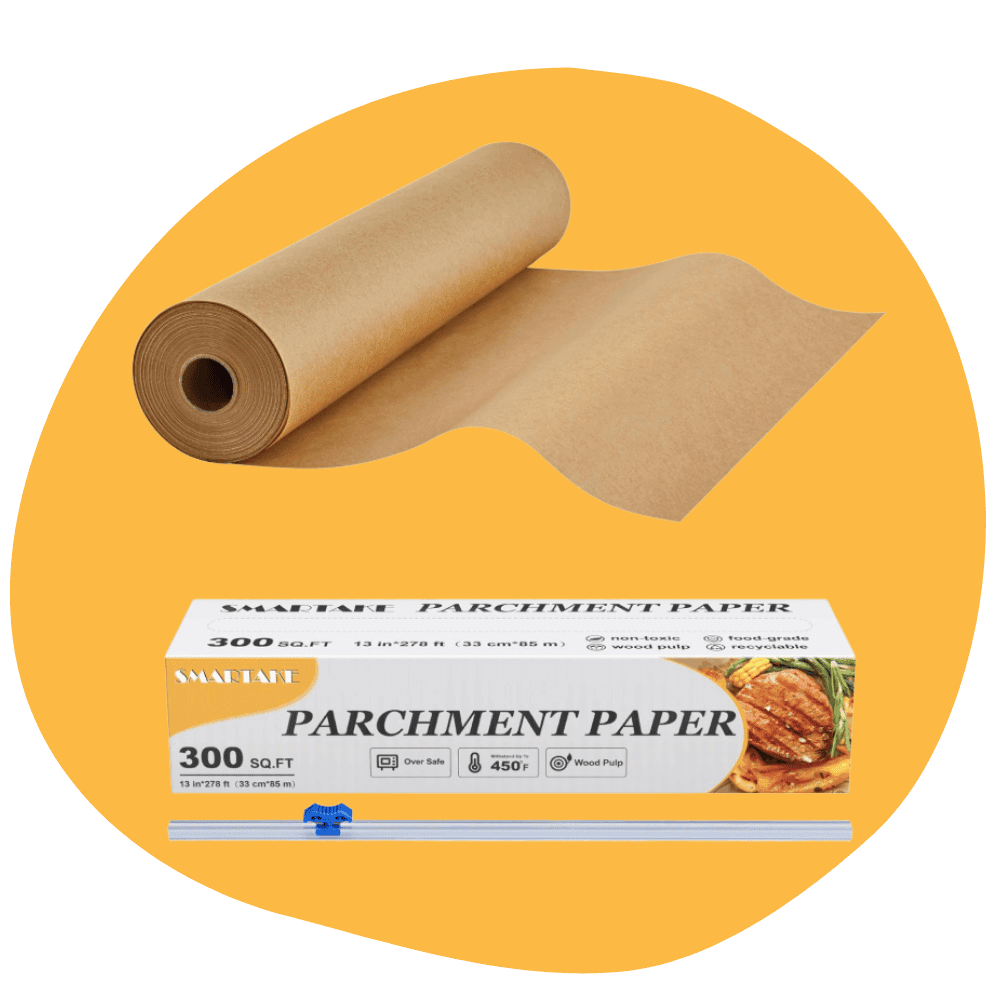
Parchment paper is one of the easiest ways to improve cleanup while preventing sticking.
It works beautifully for:
- Cookies
- Brownies
- Cheesecake
- Cake layers
- Bars
- Homemade candy
Using parchment paper also reduces the need for additional grease or oil.
Offset Spatula
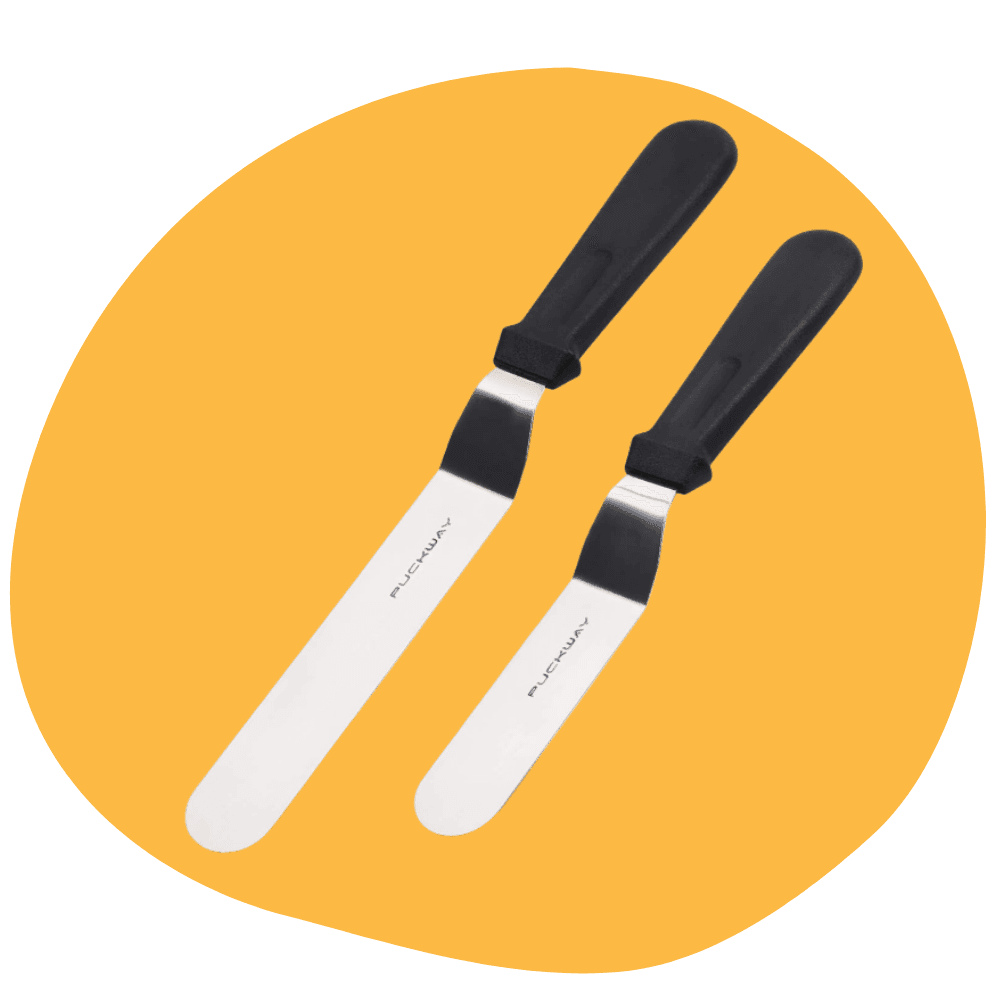
If you enjoy decorating desserts, an offset spatula makes frosting cakes and spreading fillings much easier.
It's ideal for:
- Cheesecake filling
- Buttercream
- Chocolate ganache
- Brownie batter
- Dessert bars
Even beginners can achieve smoother, more professional looking results with this simple tool.
Measuring Tips
Accurate measuring is one of the most overlooked aspects of successful baking. Unlike cooking, where ingredients can often be adjusted along the way, baking depends on precise ratios. This becomes even more important when preparing sugar-free dessert recipes, since alternative sweeteners and specialty flours respond differently than traditional ingredients.
Small measuring mistakes can affect:
- Sweetness
- Moisture
- Texture
- Rise
- Baking time
- Overall consistency
Fortunately, a few simple habits can dramatically improve your results.
Use a Digital Kitchen Scale
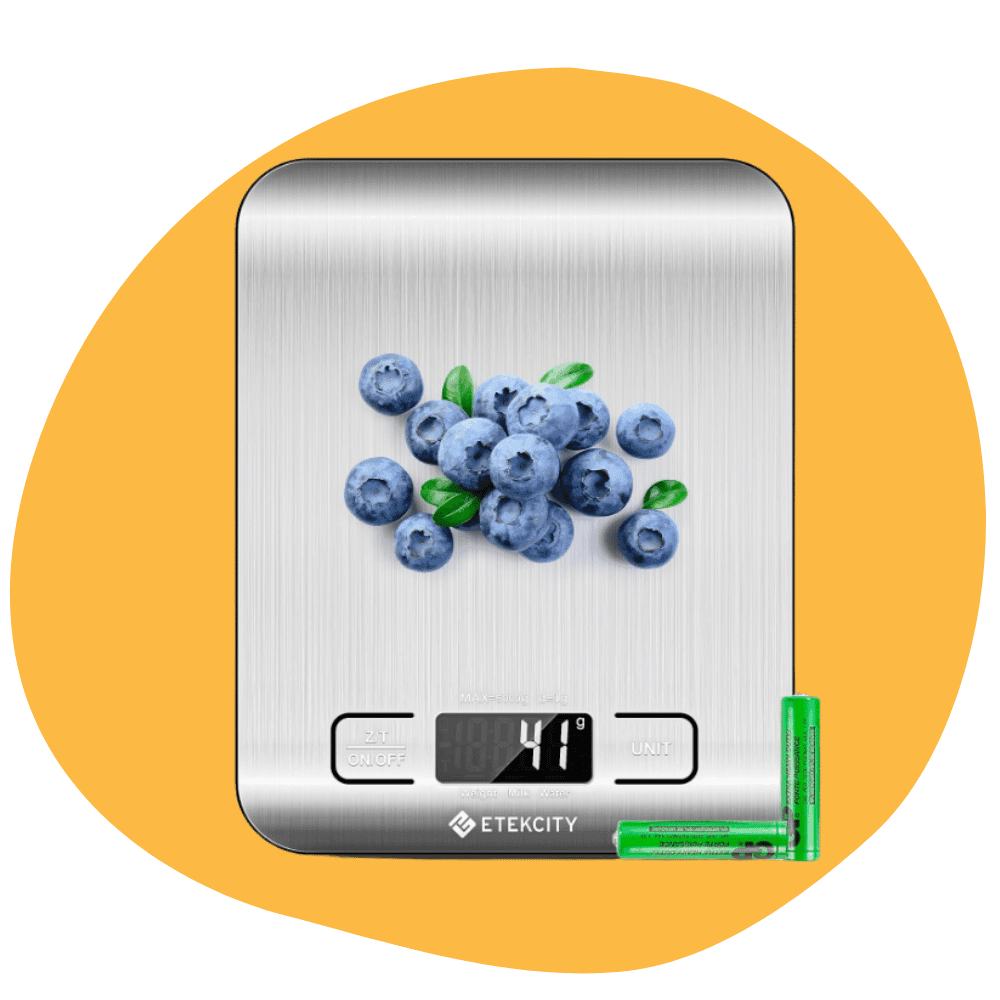
Many experienced bakers consider a digital kitchen scale their most valuable tool.
Measuring by weight provides greater accuracy than measuring by volume, especially for ingredients such as:
- Almond flour
- Coconut flour
- Cocoa powder
- Sweeteners
- Chocolate chips
- Butter
Even slight variations in packed flour can change the texture of a cake or brownie.
Spoon and Level Flour
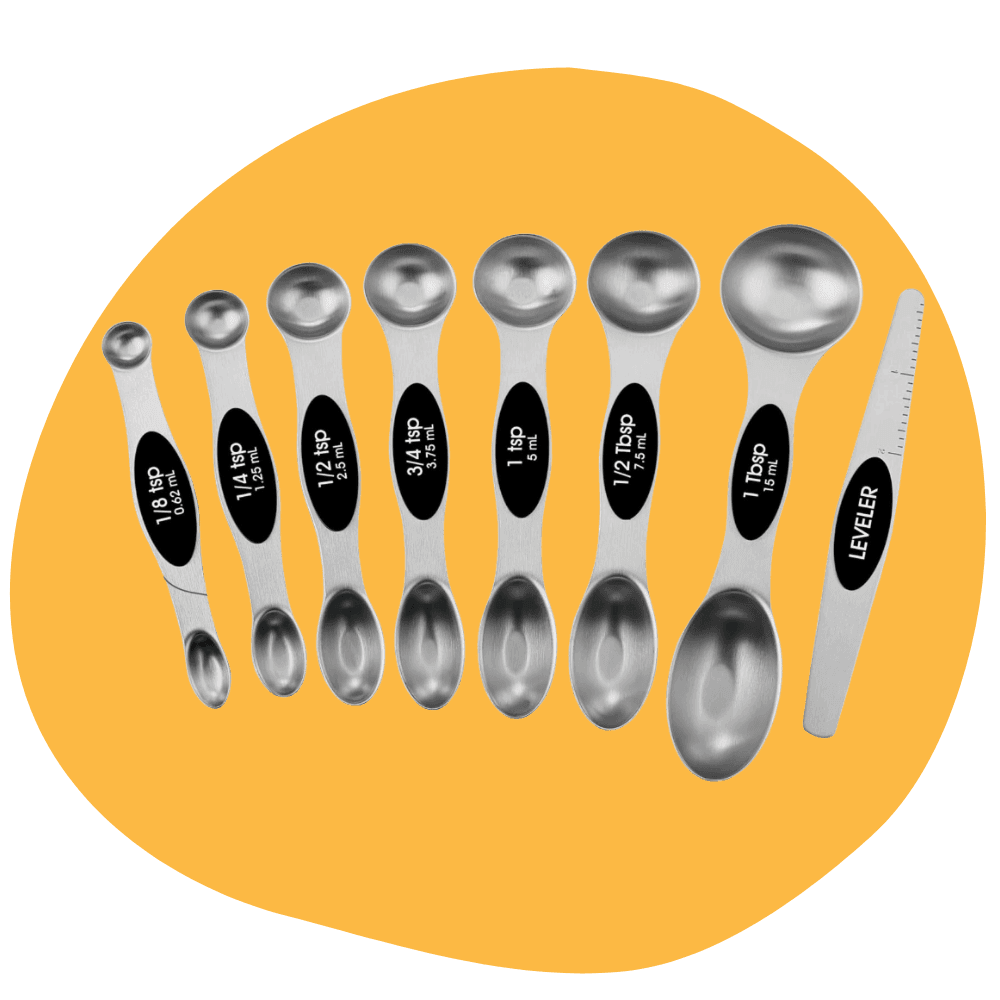
If measuring by cups, avoid scooping flour directly with the measuring cup.
Instead:
- Stir the flour first.
- Spoon it gently into the measuring cup.
- Level it with a straight edge.
This method prevents compacting and helps avoid dense baked goods.
Measure Sweeteners Carefully
Different sugar substitutes vary widely in sweetness.
Some products measure cup-for-cup like sugar, while others are far more concentrated.
Always:
- Read package instructions.
- Follow recipe recommendations.
- Avoid estimating quantities.
Using too much sweetener can overwhelm a dessert, while too little may leave it tasting flat.
Measure Liquids at Eye Level
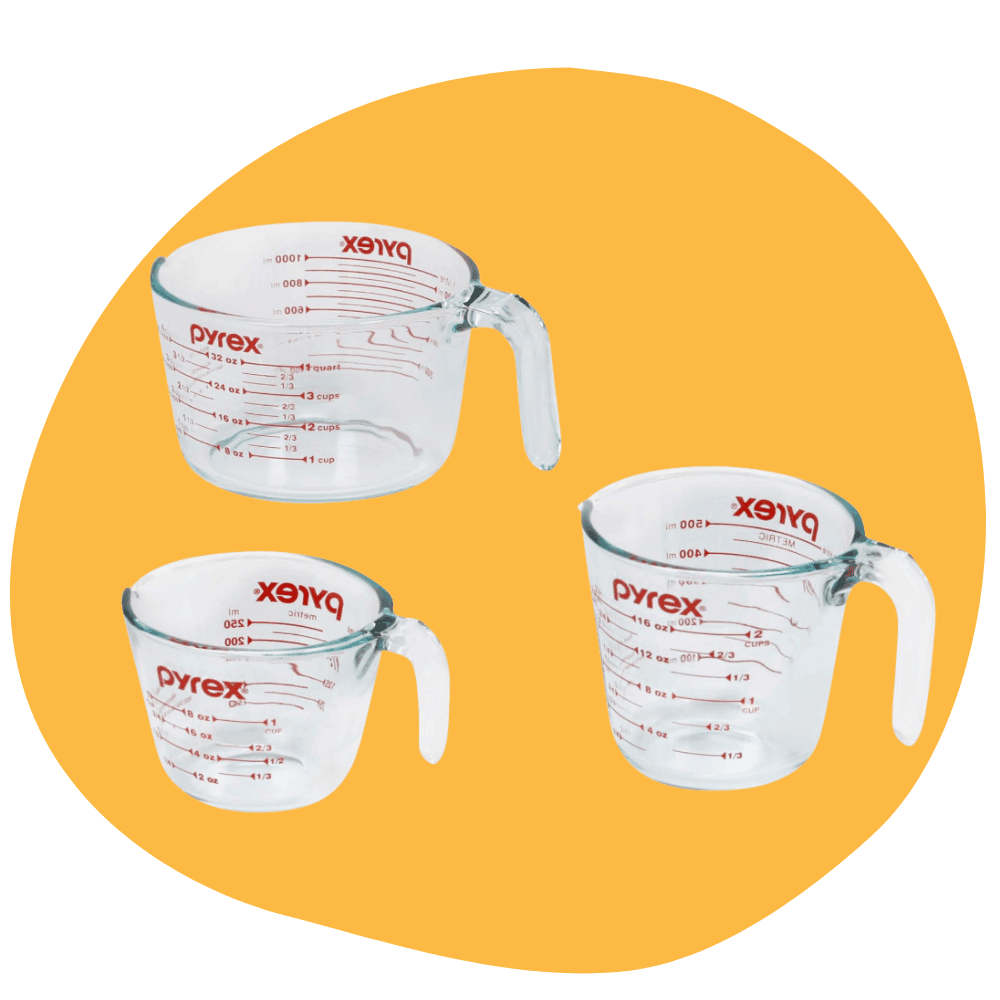
For liquids such as heavy cream, vanilla extract, or melted butter, use clear liquid measuring cups placed on a flat surface.
Viewing measurements at eye level helps ensure accuracy and prevents accidental overpouring.
Prep Before You Begin
Professional bakers often organize every ingredient before mixing—a technique known as mise en place.
Before starting:
- Measure all ingredients.
- Crack eggs into a small bowl.
- Soften butter and cream cheese.
- Preheat the oven.
- Prepare baking pans.
This simple routine reduces mistakes and makes baking feel much less stressful.
Don't Guess
One extra tablespoon of coconut flour or a little too much stevia can dramatically change the final result.
Instead of estimating:
- Use proper measuring spoons.
- Level dry ingredients.
- Double-check conversions.
- Read the recipe completely before starting.
Precision creates consistency, especially when working with sugar-free dessert recipes.
Storage Containers
Even the best desserts can lose their freshness if they're stored improperly. Investing in quality storage containers helps preserve flavor, texture, and moisture while extending the life of your homemade treats.
Proper storage is particularly important for sugar-free dessert recipes because many contain fewer preservatives than commercial baked goods. Cream desserts, fresh fruit toppings, and alternative sweeteners all benefit from careful handling.
Airtight Containers
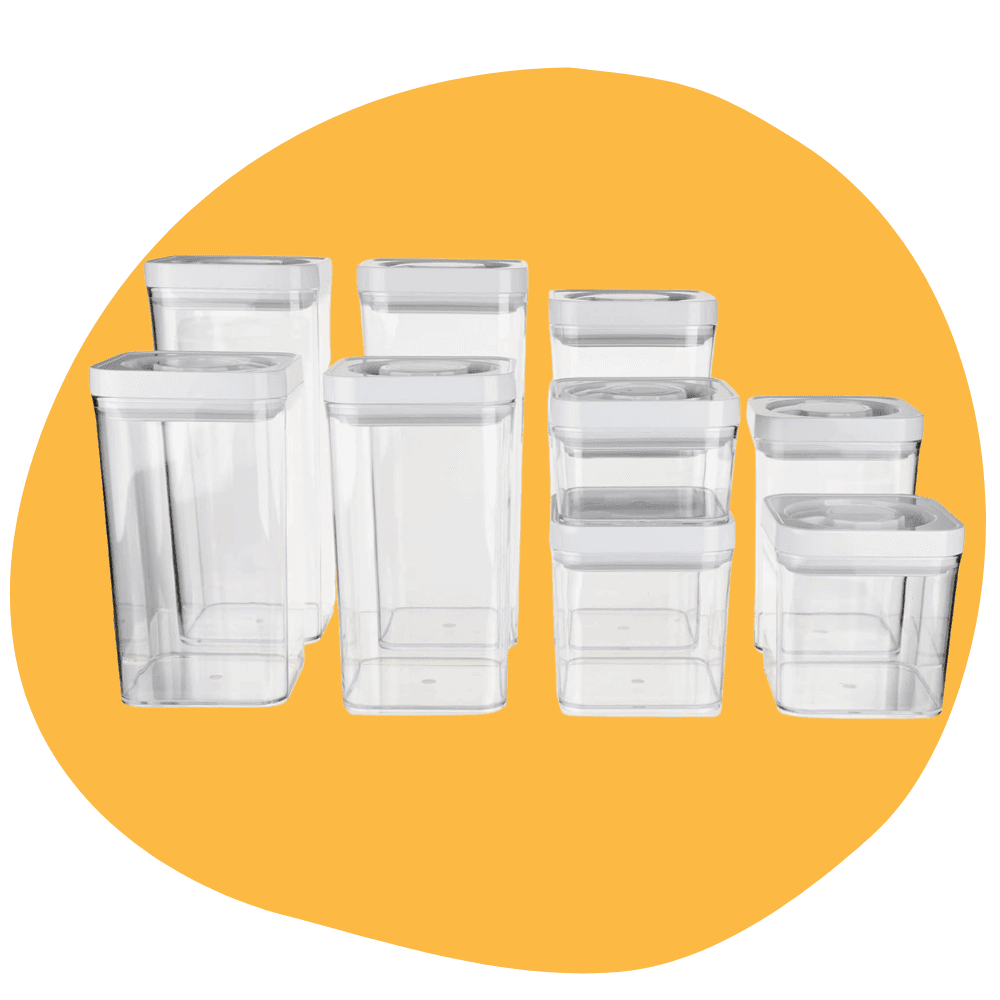
Airtight containers are the workhorses of dessert storage.
They're ideal for:
- Cookies
- Brownies
- Muffins
- Bars
- Cupcakes
Keeping air out helps prevent baked goods from drying out while maintaining freshness.
Glass Food Storage Containers
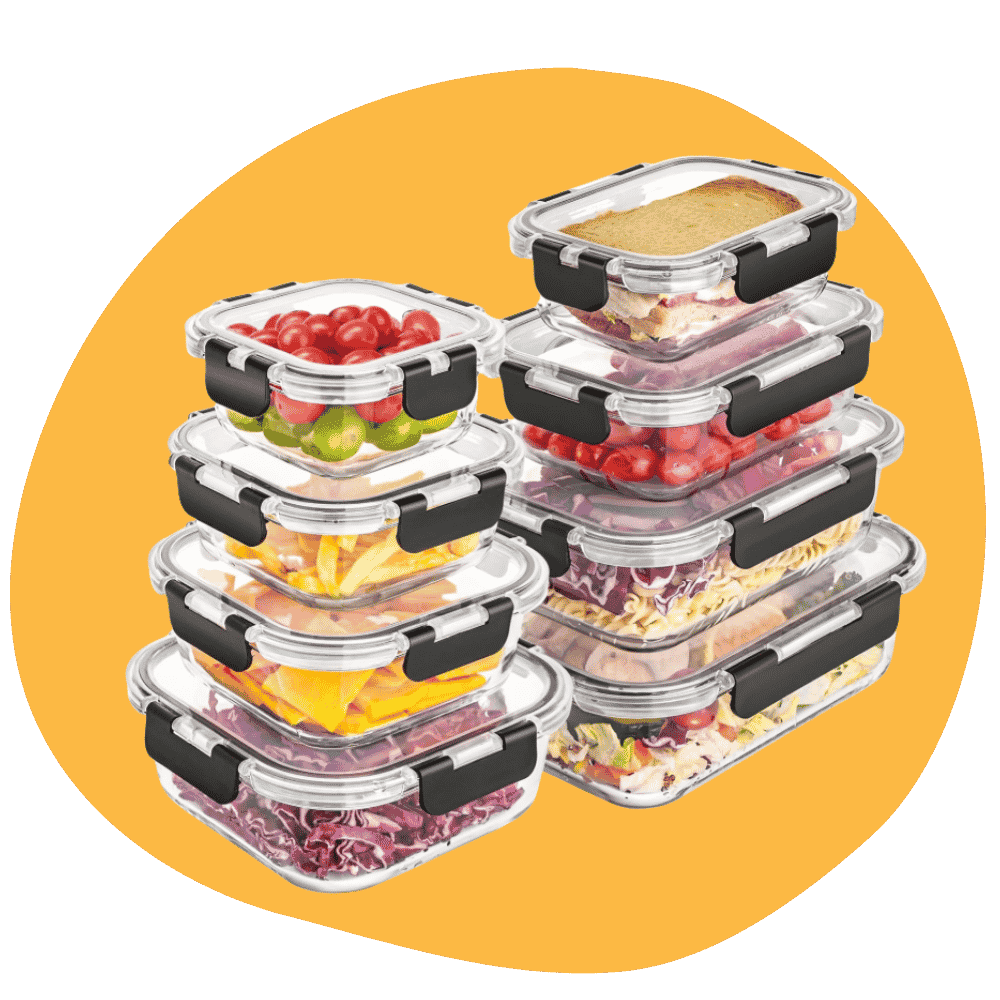
Glass containers offer several advantages over plastic.
They:
- Resist stains and odors.
- Can often go from refrigerator to microwave.
- Allow you to see the contents easily.
- Help maintain freshness.
They're particularly useful for storing cheesecakes, mousse, puddings, and layered desserts.
Mason Jars
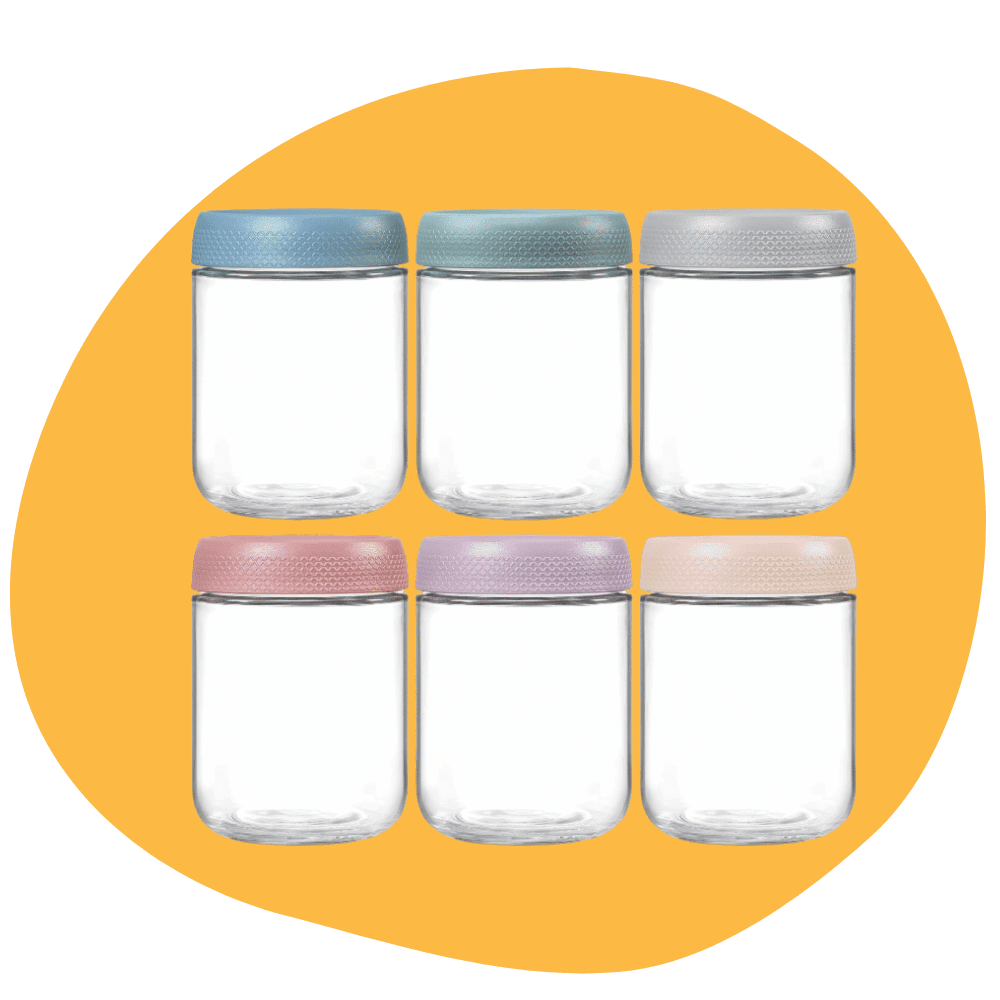
Mason jars aren't just attractive—they're practical, too.
Use them for:
- Chia pudding
- Dessert parfaits
- Individual cheesecakes
- Chocolate mousse
- Overnight oats
- Fruit compotes
Their tight-fitting lids make them perfect for meal prep and grab-and-go desserts.
Freezer Bags
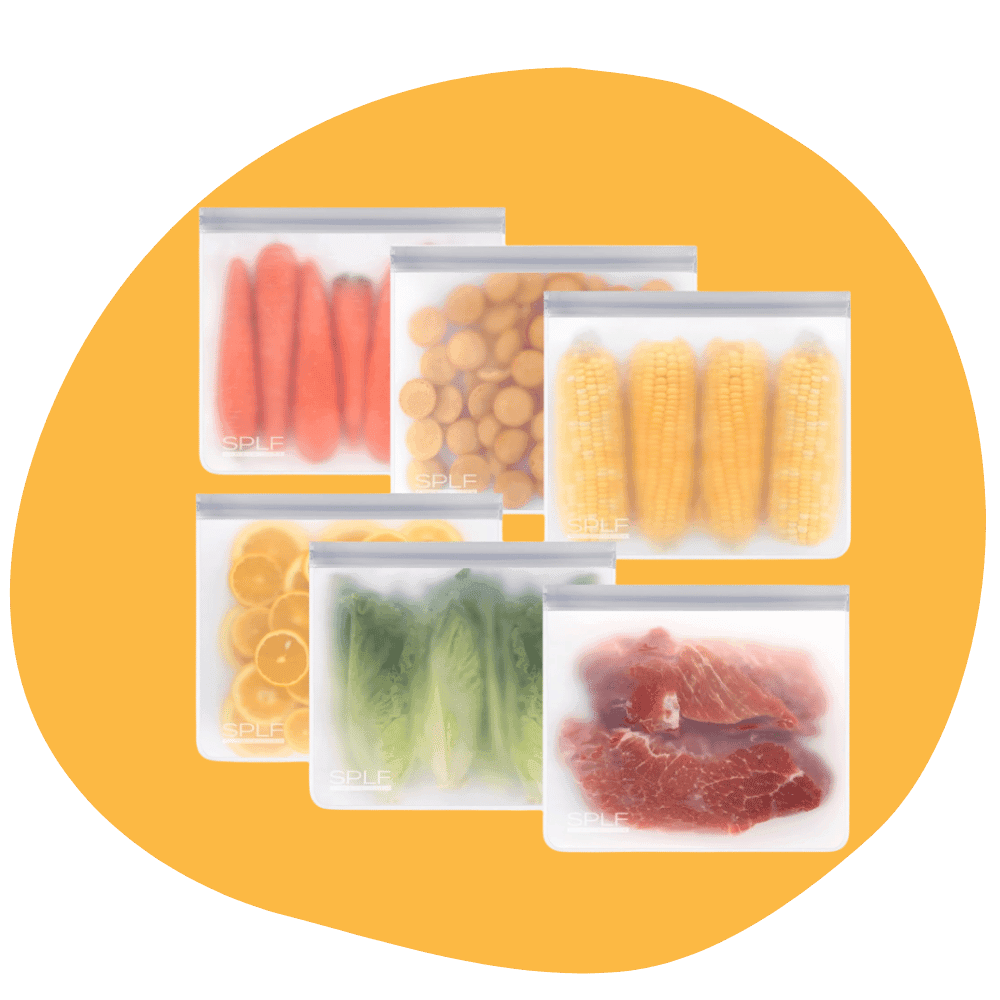
Many sugar-free dessert recipes freeze exceptionally well.
Heavy-duty freezer bags work nicely for:
- Brownies
- Cookies
- Muffins
- Cake slices
- Pie crusts
To prevent freezer burn:
- Wrap desserts individually.
- Remove excess air.
- Label each bag with the date.
Cake Carriers
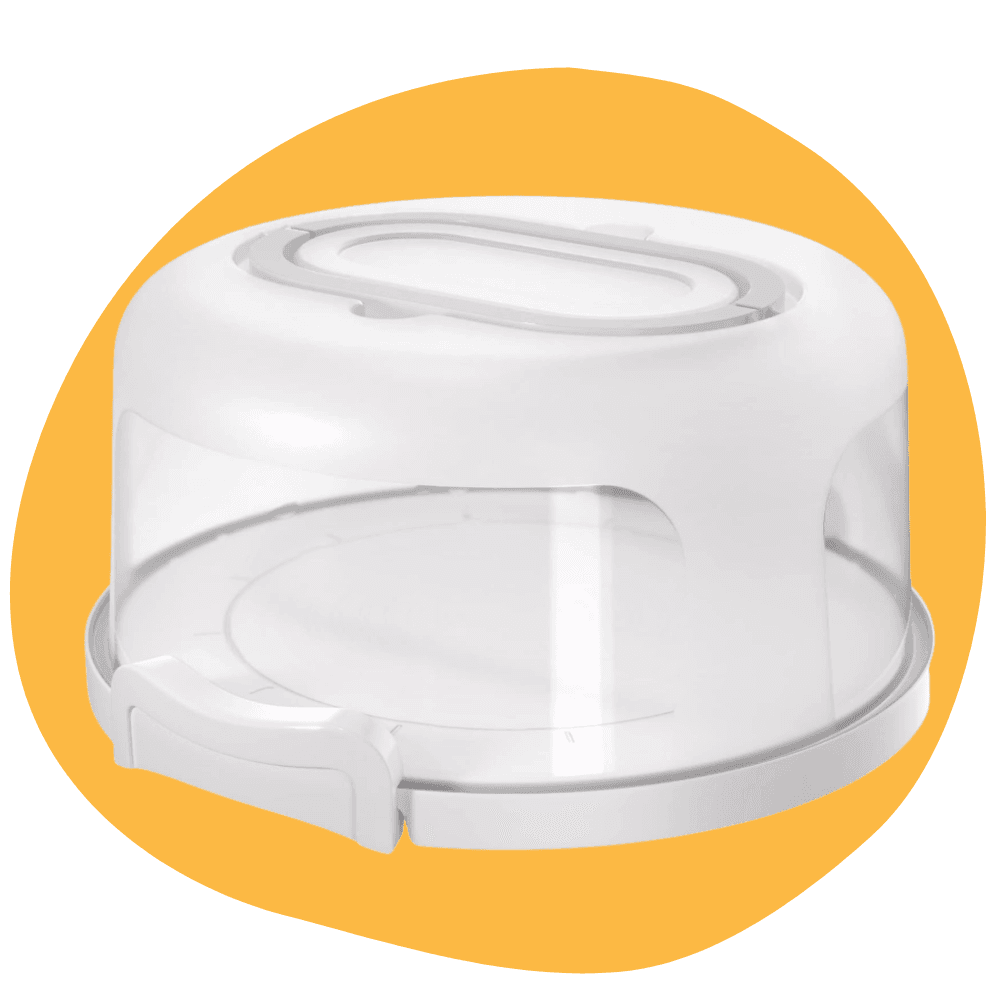
If you're bringing dessert to a party or family gathering, a cake carrier protects delicate frosting and decorations during transport.
Look for one with:
- Locking lid
- Sturdy handle
- Non-slip base
This keeps cakes secure while making travel much easier.
Label Everything
It's surprisingly easy to forget when something was baked.
Label containers with:
- Dessert name
- Preparation date
- Freeze by date
This simple habit helps you rotate desserts and enjoy them while they're at their best.
Organize Your Pantry
Keeping baking ingredients organized saves time and makes preparing sugar-free dessert recipes much more enjoyable.
Consider storing ingredients in clear, airtight containers with labels for:
- Almond flour
- Coconut flour
- Cocoa powder
- Monk fruit sweetener
- Allulose
- Erythritol
- Baking powder
- Baking soda
- Vanilla extract
- Chocolate chips
A tidy pantry not only looks appealing but also helps you quickly see what needs replenishing before your next baking session.
With the right equipment, careful measuring techniques, and proper storage solutions, you'll set yourself up for consistent success in the kitchen. These practical tools may seem simple, but they make a remarkable difference in the quality of your sugar-free dessert recipes, helping every batch turn out beautifully from the first bite to the last.
Sugar-Free Baking Science Explained
Mastering sugar-free dessert recipes isn't just about swapping white sugar for a sugar substitute. Baking is a science, and sugar plays a much bigger role than simply making desserts taste sweet. It influences texture, color, moisture, tenderness, volume, and even how long baked goods stay fresh. When you remove sugar from a recipe, you're changing the chemistry of the batter or dough.
Fortunately, modern sweeteners like allulose, monk fruit, erythritol, and stevia have made sugar-free dessert recipes easier and more successful than ever. Once you understand how each ingredient behaves, you can confidently bake cakes that stay moist, cookies with crisp edges and chewy centers, and cheesecakes that are rich and creamy—all without relying on refined sugar.
Think of sugar as a multitasking ingredient. In traditional baking, it acts as a sweetener, moisturizer, tenderizer, browning agent, and preservative all at once. Since no single sugar alternative perfectly replaces every one of those functions, experienced bakers often combine sweeteners or adjust other ingredients to achieve the desired result.
The good news is that understanding a few simple baking principles can dramatically improve your desserts. Instead of wondering why a cake turned out dry, or cookies spread too much, you'll know exactly what happened—and how to fix it next time.
Let's explore the science behind successful sugar-free dessert recipes.
Why Sugar Affects Texture
One of sugar's most important jobs is creating the texture we associate with classic desserts. It doesn't simply dissolve into batter—it interacts with flour, eggs, butter, and liquids throughout the baking process.
When sugar is creamed with butter, tiny air pockets form. These pockets expand in the oven, helping cakes become light and fluffy while giving cookies their characteristic tenderness.
Sugar also slows gluten development. In recipes made with wheat flour, too much gluten can make baked goods tough or chewy. Sugar competes for moisture, limiting gluten formation and resulting in softer cakes and cookies.
When baking sugar-free dessert recipes, removing traditional sugar changes several aspects of texture:
- Cakes may become denser.
- Cookies can turn crisp instead of chewy.
- Brownies may lose their fudgy consistency.
- Muffins may not rise as much.
- Frostings may feel less smooth.
Fortunately, ingredient adjustments can compensate for these changes.
Ingredients That Improve Texture
Many sugar-free recipes rely on naturally rich ingredients that help recreate sugar's effects.
Excellent texture boosters include:
- Almond flour
- Cream cheese
- Greek yogurt
- Sour cream
- Butter
- Heavy cream
- Coconut cream
- Eggs
- Avocado (in chocolate desserts)
These ingredients increase tenderness while contributing moisture and richness.
Choosing the Right Sweetener
Each sweetener affects texture differently.
| Sweetener | Texture Effect |
|---|---|
| Allulose | Soft and moist |
| Monk Fruit Blend | Balanced and tender |
| Erythritol | Crisp and slightly dry |
| Stevia | Adds sweetness but little structure |
| Xylitol | Similar to traditional sugar |
Understanding these characteristics allows you to choose the best sweetener for each dessert instead of relying on one product for every recipe.
Moisture Retention
One of the biggest challenges in sugar-free dessert recipes is keeping baked goods moist. Traditional sugar naturally attracts and holds water, a property known as hygroscopicity. This helps cakes stay soft, brownies remain fudgy, and cookies stay chewy for days after baking.
When sugar is removed, desserts can dry out more quickly unless moisture is replaced through other ingredients.
How to Keep Desserts Moist
Fortunately, there are many simple ways to improve moisture without adding refined sugar.
Try incorporating ingredients like:
- Cream cheese
- Greek yogurt
- Heavy cream
- Sour cream
- Butter
- Coconut cream
- Pumpkin puree
- Mashed avocado
- Nut butters
Each contributes richness while preventing baked goods from becoming crumbly.
Don't Overbake
Even perfectly balanced sugar-free dessert recipes can become dry if baked too long.
Signs your dessert is done include:
- A toothpick comes out with a few moist crumbs.
- The edges are lightly golden.
- The center springs back gently when touched.
- Cheesecakes have a slight jiggle in the center.
Remember that desserts continue cooking slightly from residual heat after leaving the oven.
Cool Properly
Cooling also affects moisture retention.
For best results:
- Let cakes cool in the pan for about 10 minutes.
- Transfer to a wire rack.
- Avoid slicing while still hot.
- Store in airtight containers once completely cool.
These simple habits help preserve freshness and texture.
Browning
Have you ever wondered why homemade cookies develop golden edges while some sugar-free versions stay pale? The answer lies in Browning reactions.
Traditional sugar contributes to caramelization, one of the chemical reactions responsible for creating:
- Golden crusts
- Toasted flavors
- Rich aromas
- Appealing color
When sugar is removed, these reactions become less pronounced.
Which Sweeteners Brown Best?
Not every sugar substitute behaves the same way.
Here's how popular options compare:
| Sweetener | Browning Ability |
|---|---|
| Allulose | Excellent |
| Xylitol | Moderate |
| Monk Fruit Blend | Moderate |
| Erythritol | Minimal |
| Stevia | Very little |
Because allulose browns so effectively, it's often considered one of the best choices for cakes, cookies, and pastries.
Ways to Encourage Browning
If your sugar-free dessert recipes look pale, try these techniques:
- Brush pastries lightly with egg wash.
- Use allulose in place of some erythritol.
- Bake on the center oven rack.
- Preheat the oven completely.
- Avoid overcrowding baking sheets.
Proper browning not only improves appearance but also enhances flavor.
Sweetener Conversion Chart
One of the most common mistakes in sugar-free dessert recipes is assuming every sweetener replaces sugar in equal amounts. In reality, each sweetener has a different sweetness level and baking behavior.
Use this quick reference as a starting point.
| Sweetener | Relative Sweetness Compared to Sugar | General Conversion* | Best For |
|---|---|---|---|
| Allulose | About 70% as sweet | Use about 1⅓ cups for every 1 cup sugar | Cakes, brownies, ice cream |
| Monk Fruit Baking Blend | Approximately equal | 1:1 | Cookies, muffins, cakes |
| Erythritol | About 70% as sweet | Use about 1⅓ cups for every 1 cup sugar | Cookies, bars |
| Stevia | Much sweeter than sugar | Follow product directions carefully | Puddings, drinks |
| Xylitol | Similar sweetness | 1:1 | Cakes, muffins, cookies |
Always check the package instructions for your specific product, as formulations vary by brand.
Tips for Better Conversions
Keep these guidelines in mind:
- Measure carefully.
- Avoid combining unfamiliar sweeteners without testing.
- Taste no-bake mixtures before chilling.
- Record successful adjustments for future recipes.
Small changes often make a significant difference.
Common Mistakes
Even experienced bakers occasionally encounter challenges when preparing sugar-free dessert recipes. Fortunately, most problems have straightforward solutions once you understand the science behind them.
Using the Wrong Sweetener
Not every sweetener is suitable for every recipe.
For example:
- Stevia alone doesn't provide enough bulk for cakes.
- Erythritol may create grainy frostings.
- Monk fruit extract can become overpowering if overused.
Choosing the appropriate sweetener for each dessert dramatically improves results.
Measuring Ingredients Incorrectly
Precision matters even more in sugar-free baking than in traditional baking.
Common measuring mistakes include:
- Scooping flour directly from the bag.
- Packing the almond flour too tightly.
- Estimating sweetener amounts.
- Forgetting to level measuring cups.
Using a digital kitchen scale whenever possible produces far more consistent results.
Ignoring Ingredient Temperature
Cold ingredients don't blend smoothly.
Before baking:
- Bring eggs to room temperature.
- Soften cream cheese completely.
- Allow butter to soften naturally.
- Use room temperature heavy cream when specified.
Properly tempered ingredients create smoother batters and more even baking.
Overmixing the Batter
While thorough mixing is important, excessive mixing can create dense cakes and tough muffins.
Instead:
- Mix dry ingredients separately.
- Blend wet ingredients until smooth.
- Fold everything together gently.
- Stop mixing once no dry streaks remain.
Gentle handling produces lighter desserts.
Expecting Identical Results
One of the biggest misconceptions about sugar-free dessert recipes is expecting them to behave exactly like traditional desserts. While today's sugar substitutes produce outstanding results, slight differences in texture, browning, or sweetness are perfectly normal.
Rather than aiming for an exact copy, focus on creating desserts that are delicious in their own right. Many people discover they actually prefer the balanced sweetness and rich flavors of homemade sugar-free treats once they become familiar with alternative ingredients.
Pro Tips for Consistent Success
Keep these best practices in mind every time you bake:
- ✔ Read the recipe completely before starting.
- ✔ Measure ingredients accurately.
- ✔ Use fresh baking powder and baking soda.
- ✔ Don't overbake.
- ✔ Allow desserts to cool fully before slicing.
- ✔ Store leftovers in airtight containers.
- ✔ Keep notes about successful ingredient substitutions.
Once you understand the science behind texture, moisture, browning, and sweetener behavior, baking becomes far less intimidating. Every batch of sugar-free dessert recipes is an opportunity to refine your technique, experiment with new ingredients, and discover combinations that suit your taste. With a little practice and attention to detail, you'll consistently create desserts that are moist, flavorful, and every bit as satisfying as their traditional counterparts.
Best Sugar-Free Dessert Recipes
One of the biggest myths about reducing sugar is that you'll have to give up your favorite desserts. Fortunately, that's far from the truth. Today's sugar-free dessert recipes are rich, creamy, chocolatey, and every bit as satisfying as traditional sweets. With the right combination of quality ingredients and modern sugar alternatives, you can recreate nearly every classic dessert without relying on refined sugar.
Whether you're baking for a birthday party, preparing desserts for weekly meal prep, or simply looking for healthier ways to satisfy your sweet tooth, having a collection of dependable recipes makes life much easier. The recipes below focus on simple ingredients, approachable techniques, and flavors the whole family can enjoy. Many are naturally low in carbohydrates, gluten-free, or easy to adapt to different dietary preferences.
The best part is that these desserts don't taste like "diet food." Instead of depending on excessive sweetness, they build flavor with ingredients like unsweetened cocoa powder, vanilla extract, cream cheese, almond flour, fresh berries, peanut butter, and warming spices. The result is desserts that feel indulgent while helping reduce added sugar.
Before getting started, keep these simple tips in mind:
- Use room temperature ingredients whenever possible.
- Measure alternative sweeteners carefully.
- Don't overbake cakes or brownies.
- Allow baked goods to cool completely before slicing.
- Taste no-bake fillings before chilling and adjust sweetness if needed.
Now let's explore some of the most popular sugar-free dessert recipes that deserve a permanent place in your baking rotation.
Sugar-Free Chocolate Cake
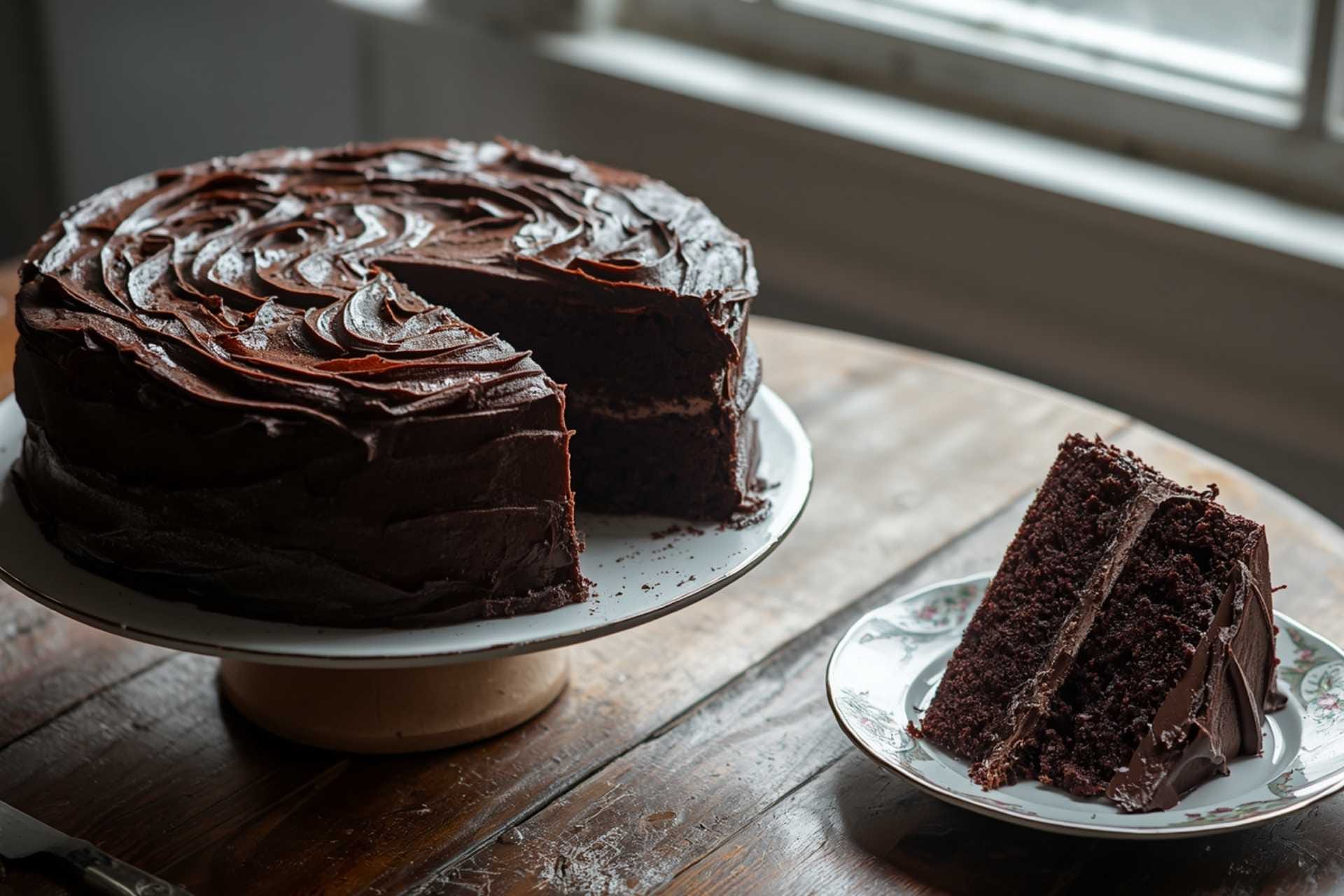
A moist, rich chocolate cake proves that you don't need refined sugar to create a truly memorable dessert. This recipe delivers deep chocolate flavor with a soft crumb and creamy frosting, making it ideal for birthdays, holidays, or weekend baking.
Why You'll Love It
This cake combines almond flour, unsweetened cocoa powder, and allulose or a monk fruit baking blend to achieve a texture that's surprisingly close to a traditional chocolate cake. Hot coffee enhances the cocoa flavor without making the cake taste like coffee, while butter and eggs help create a tender crumb.
Key Ingredients
- Almond flour
- Unsweetened cocoa powder
- Baking powder
- Eggs
- Unsalted butter
- Allulose or monk fruit blend
- Vanilla extract
- Hot brewed coffee
- Heavy cream (for frosting)
- Sugar-free dark chocolate
Baking Tips
- Sift the cocoa powder to eliminate lumps.
- Use room temperature eggs for better volume.
- Avoid overmixing once the dry ingredients are added.
- Frost only after the cake has cooled completely.
Serving Ideas
Top your chocolate cake with:
- Fresh raspberries
- Whipped cream
- Chocolate curls
- Chopped pecans
- Sugar-free chocolate ganache
It's no surprise that chocolate cake remains one of the most searched sugar-free dessert recipes year after year.
Sugar-Free Brownies
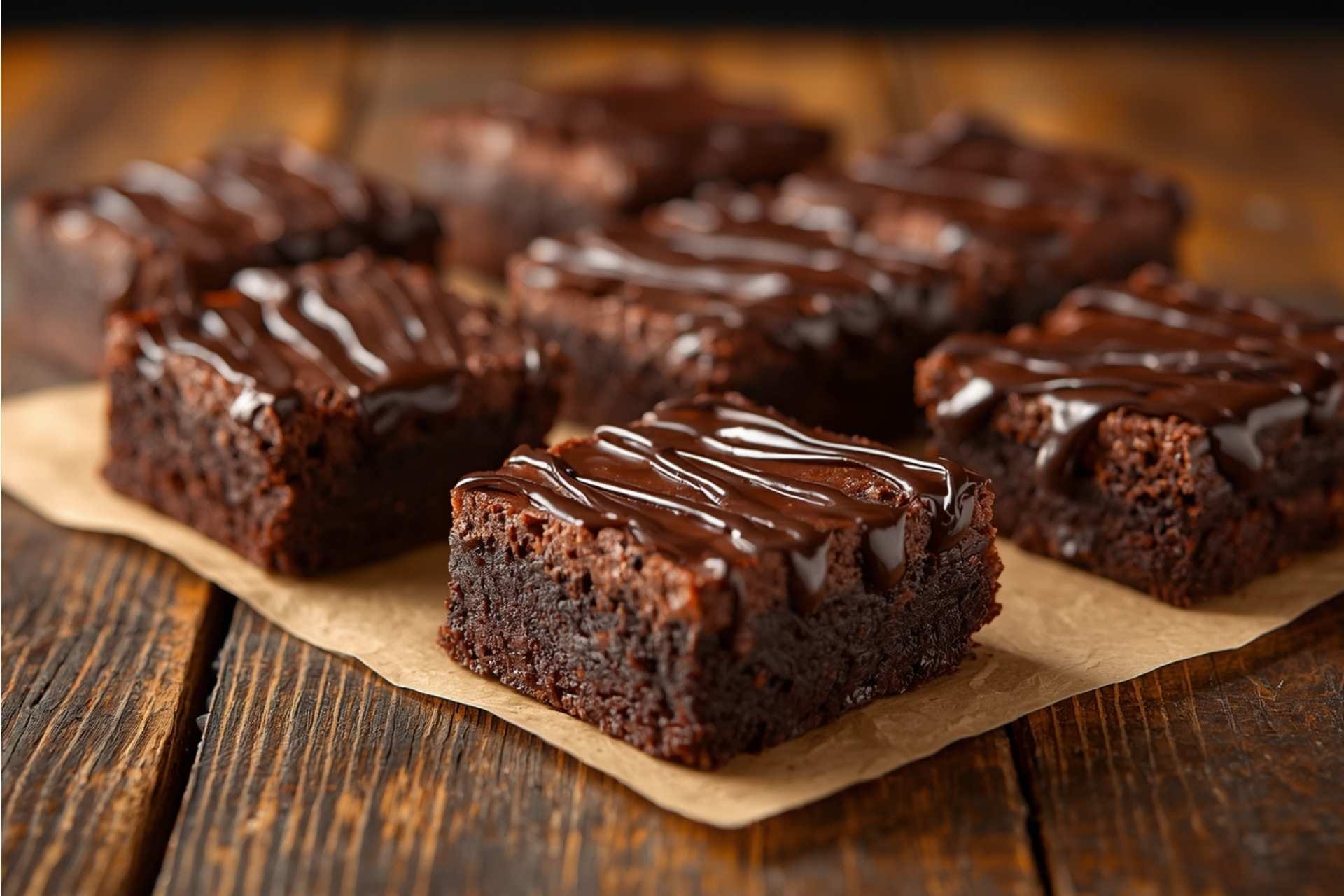
Brownies are famous for their fudgy texture, shiny tops, and intense chocolate flavor. Fortunately, those qualities are still possible without refined sugar.
What Makes These Brownies Special?
The combination of butter, sugar-free chocolate, cocoa powder, and allulose creates a dense, chewy brownie that rivals any bakery version. Almond flour provides structure without making the brownies dry.
Ingredients
- Sugar-free dark chocolate
- Butter
- Allulose
- Eggs
- Almond flour
- Cocoa powder
- Vanilla extract
- Sea salt
Expert Tips
- Slightly underbake the brownies for maximum fudginess.
- Chill overnight for cleaner slices.
- Sprinkle flaky sea salt over the top before serving.
Delicious Add-Ins
Customize your brownies with:
- Walnuts
- Pecans
- Sugar-free chocolate chips
- Peanut butter swirls
- Espresso powder
These brownies freeze beautifully, making them perfect for meal prep.
Cheesecake
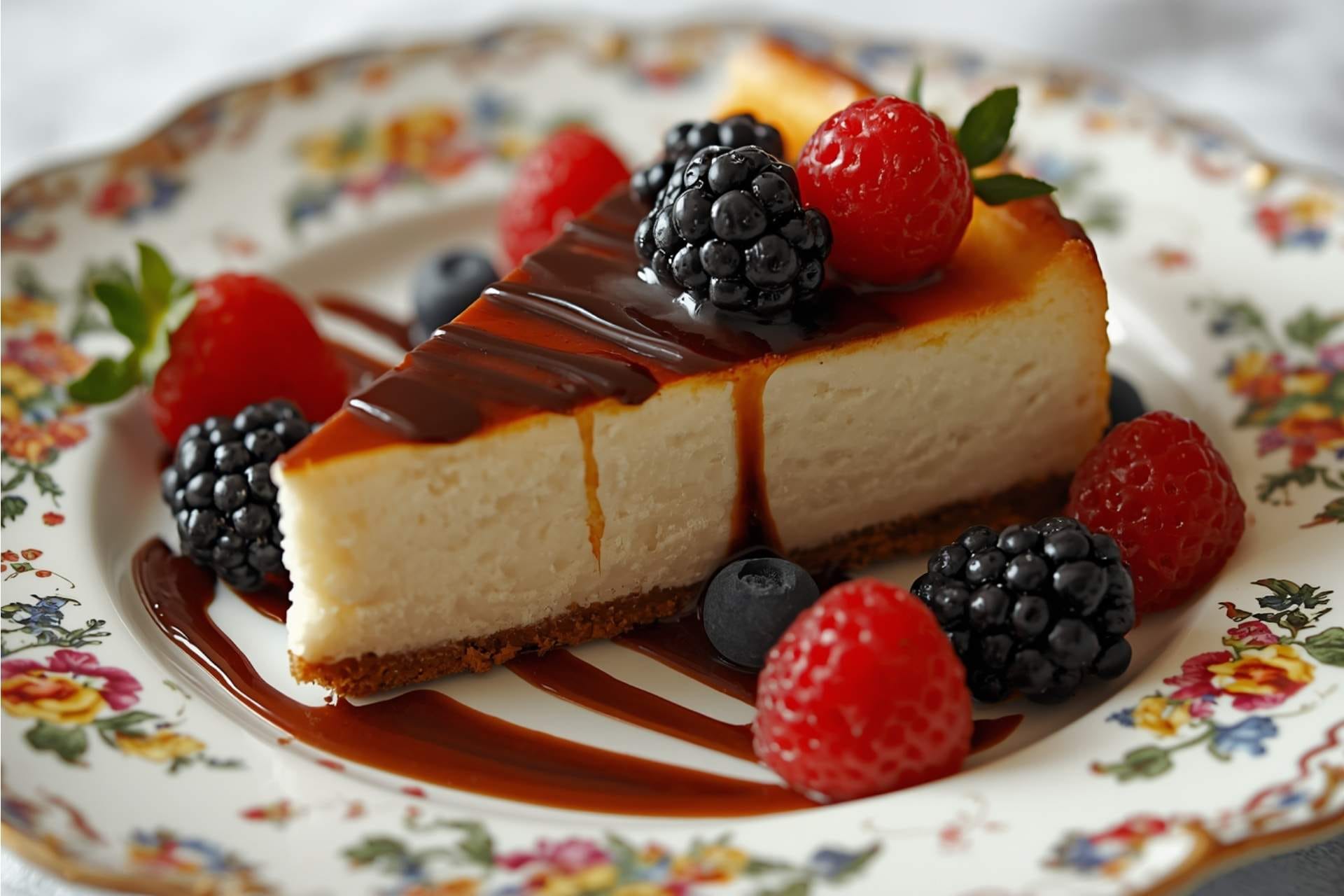
Few desserts feel as luxurious as cheesecake. Its rich, creamy texture naturally pairs well with sugar alternatives, making it one of the easiest sugar-free dessert recipes to master.
Why It Works So Well
Cream cheese provides most of the flavor and texture, allowing alternative sweeteners to blend seamlessly without changing the dessert's character.
Simple Ingredients
- Cream cheese
- Heavy cream
- Eggs
- Allulose
- Vanilla extract
- Lemon juice
- Almond flour crust
Pro Tips
- Beat the filling gently to avoid excess air.
- Bake in a water bath for a smoother texture.
- Chill overnight for the best flavor.
Topping Ideas
- Fresh strawberries
- Blueberries
- Sugar-free caramel sauce
- Raspberry puree
- Whipped cream
Chocolate Mousse
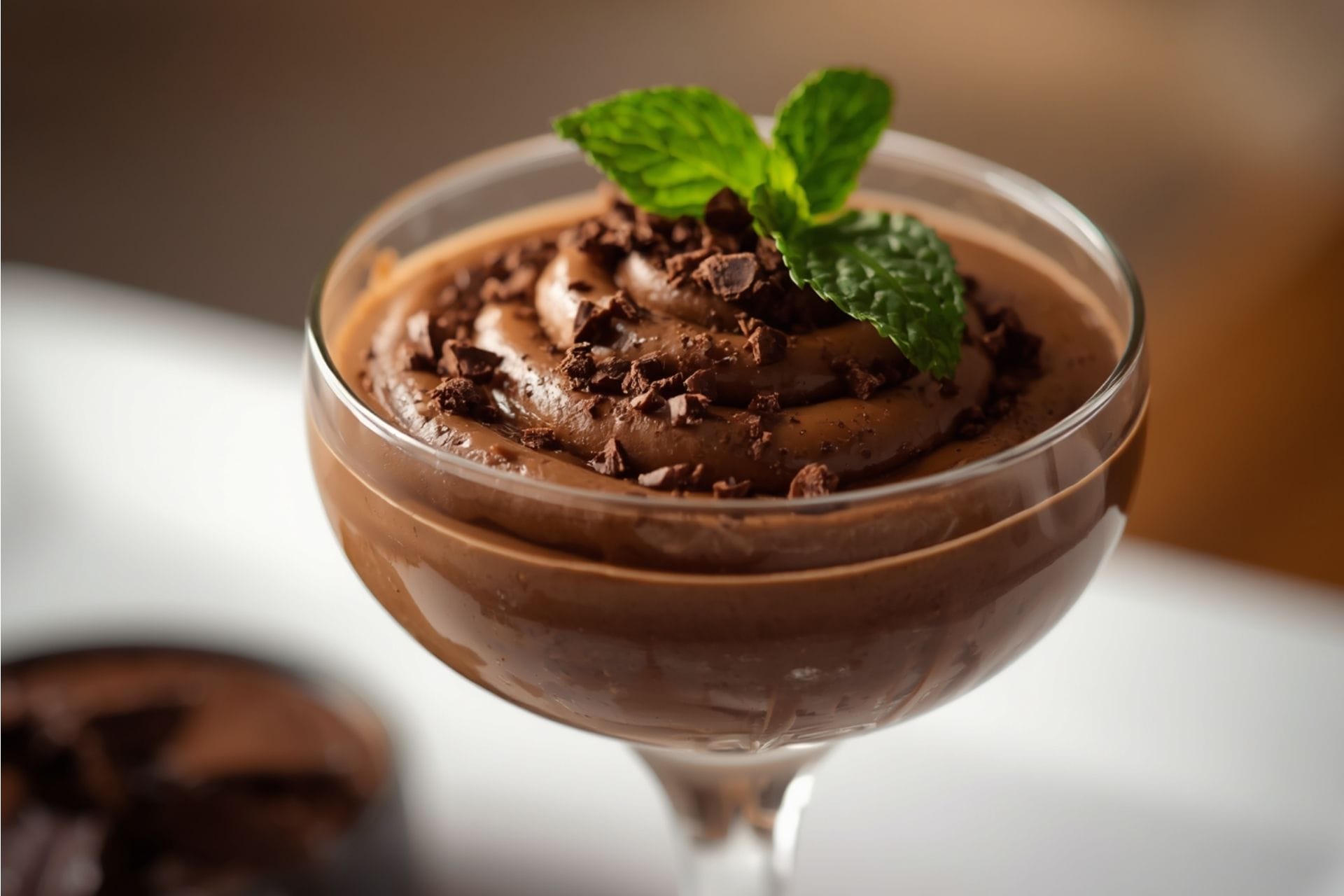
When you're craving something elegant but effortless, chocolate mousse is hard to beat.
Why You'll Love It
This no-bake dessert comes together quickly while delivering an incredibly rich chocolate flavor.
Main Ingredients
- Heavy cream
- Sugar-free dark chocolate
- Cocoa powder
- Monk fruit sweetener
- Vanilla extract
Flavor Variations
Try adding:
- Espresso powder
- Orange zest
- Peppermint extract
- Cinnamon
- Raspberry puree
Serve chilled in individual glasses for an impressive presentation.
Peanut Butter Cookies
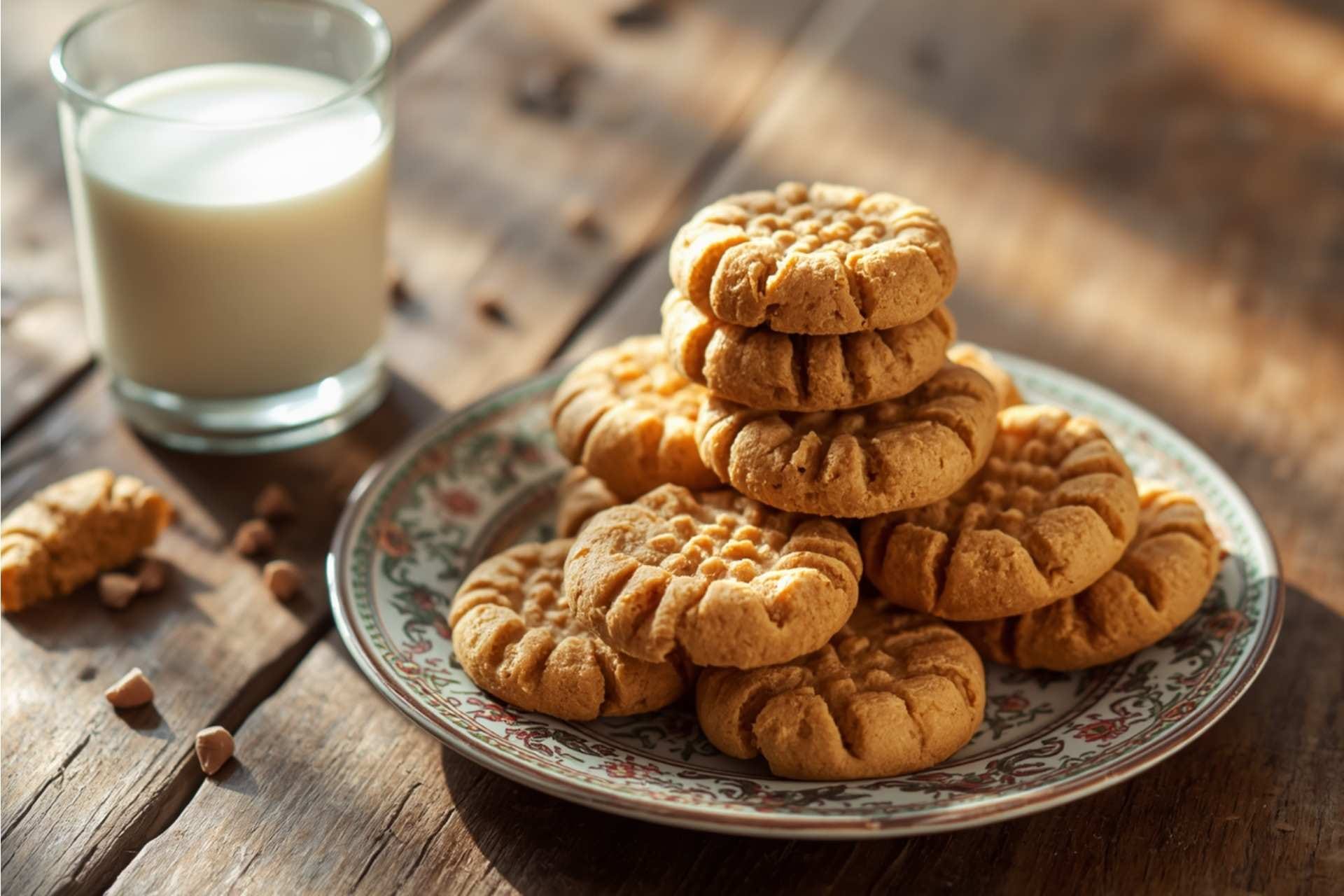
Peanut butter cookies are naturally rich, making them an excellent candidate for sugar-free dessert recipes.
Why They Work
Natural peanut butter contributes fat, flavor, and moisture, allowing you to reduce carbohydrates while maintaining a soft, chewy texture.
Ingredients
- Natural peanut butter
- Egg
- Monk fruit sweetener
- Vanilla
- Baking soda
Optional Mix-Ins
- Chopped peanuts
- Sugar-free chocolate chips
- Cinnamon
- Sea salt flakes
Bake until the edges are lightly golden while keeping the centers soft.
Lemon Bars
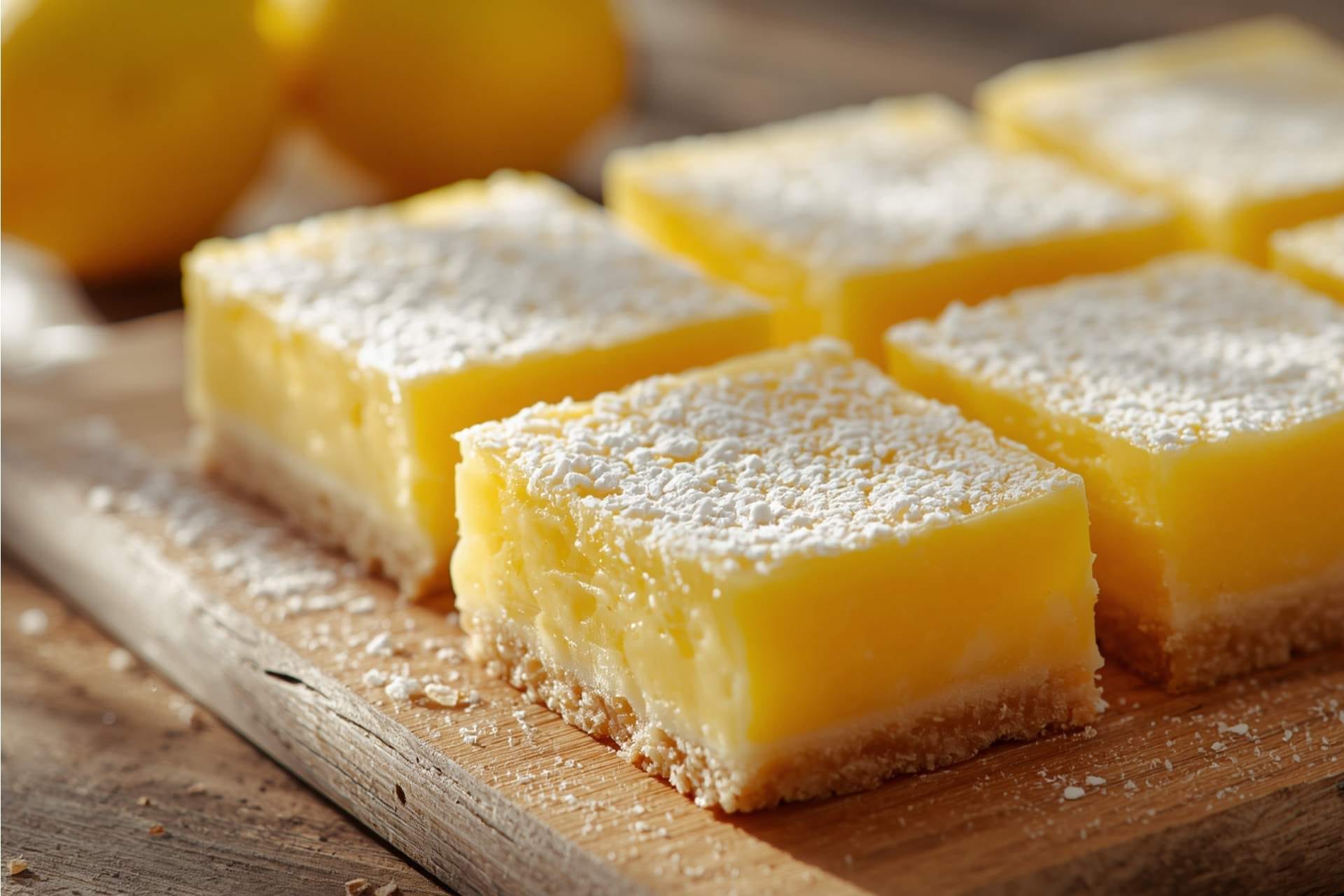
Bright, tangy lemon bars offer the perfect contrast to richer chocolate desserts.
Components
Shortbread Base
- Almond flour
- Butter
- Allulose
Lemon Filling
- Eggs
- Fresh lemon juice
- Lemon zest
- Allulose
Tips
Use freshly squeezed lemons whenever possible. Fresh zest dramatically enhances flavor compared to bottled juice.
Dust the finished bars with powdered monk fruit sweetener for a classic bakery appearance.
Chocolate Chip Cookies
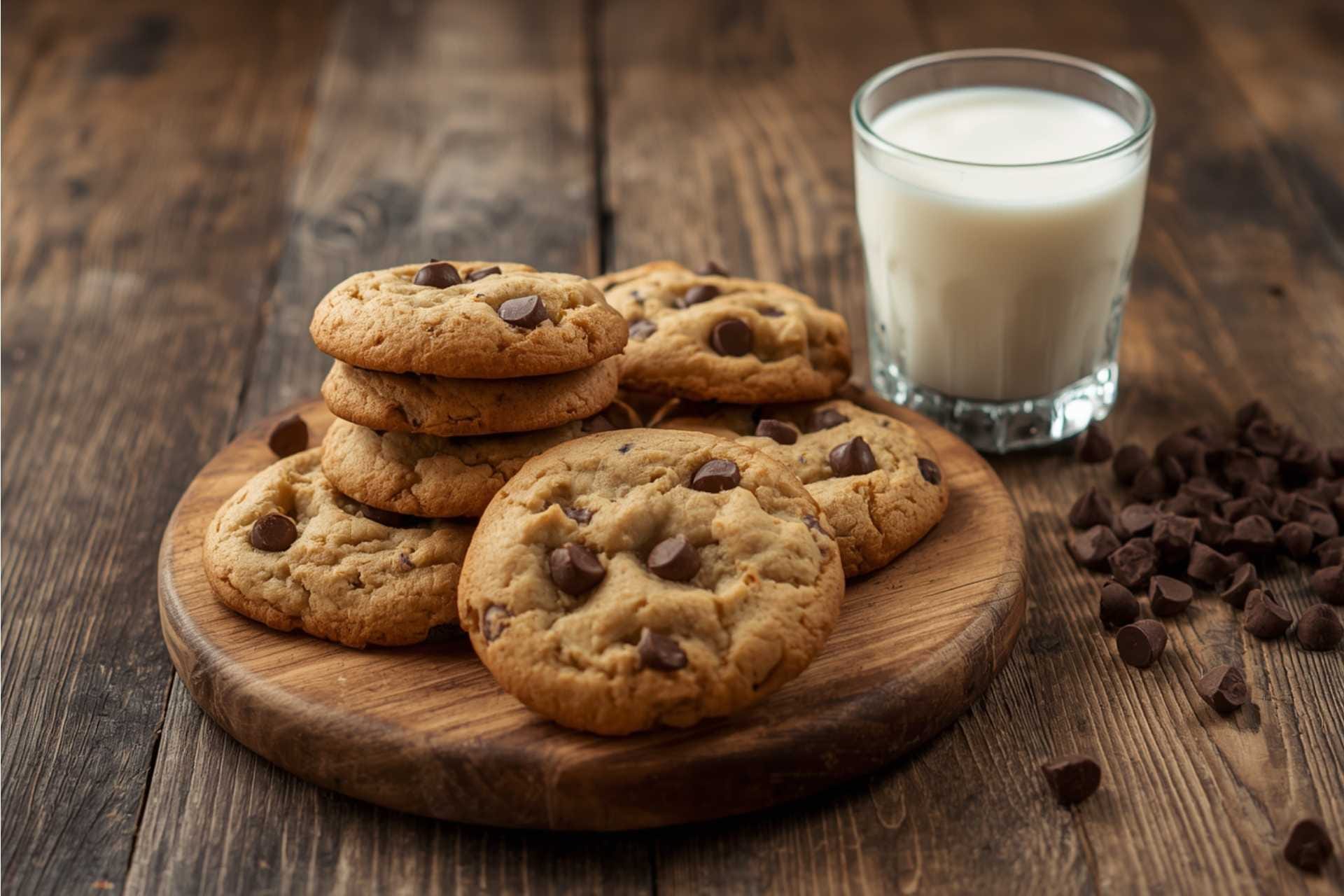
Chocolate chip cookies remain one of the world's favorite desserts, and sugar-free versions are just as comforting.
Pantry Ingredients
- Almond flour
- Butter
- Eggs
- Monk fruit blend
- Vanilla extract
- Sugar-free chocolate chips
For Perfect Cookies
- Chill the dough before baking.
- Slightly underbake.
- Let cookies cool on the baking sheet for several minutes.
This creates crisp edges with chewy centers.
Vanilla Cupcakes
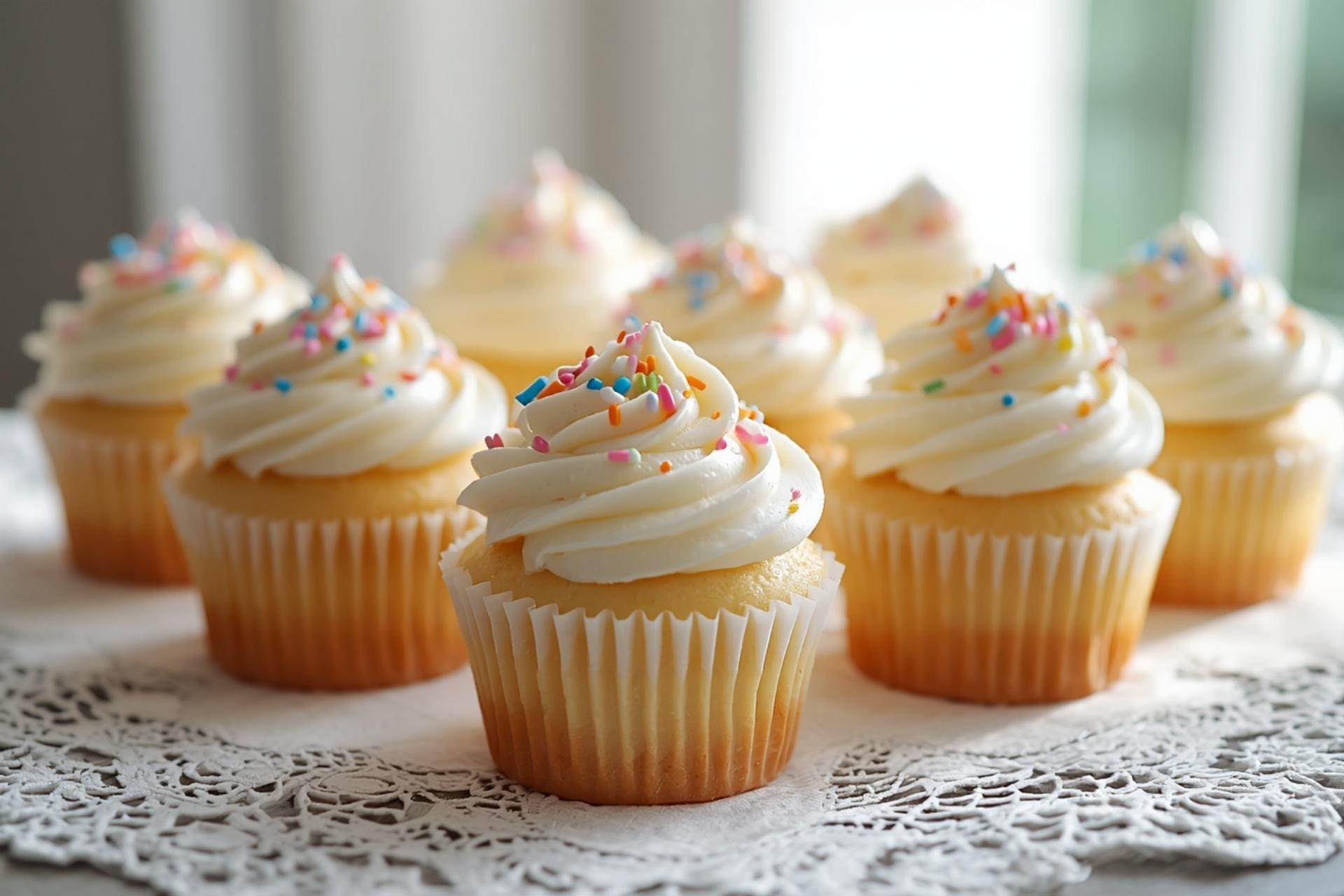
Simple vanilla cupcakes are perfect for birthdays, holidays, and celebrations.
Why Everyone Loves Them
The delicate vanilla flavor pairs well with almost any frosting, making these cupcakes incredibly versatile.
Favorite Frostings
- Cream cheese frosting
- Chocolate buttercream
- Whipped cream
- Strawberry frosting
- Lemon frosting
Decorate with fresh berries or sugar-free sprinkles for a festive finish.
Ice Cream
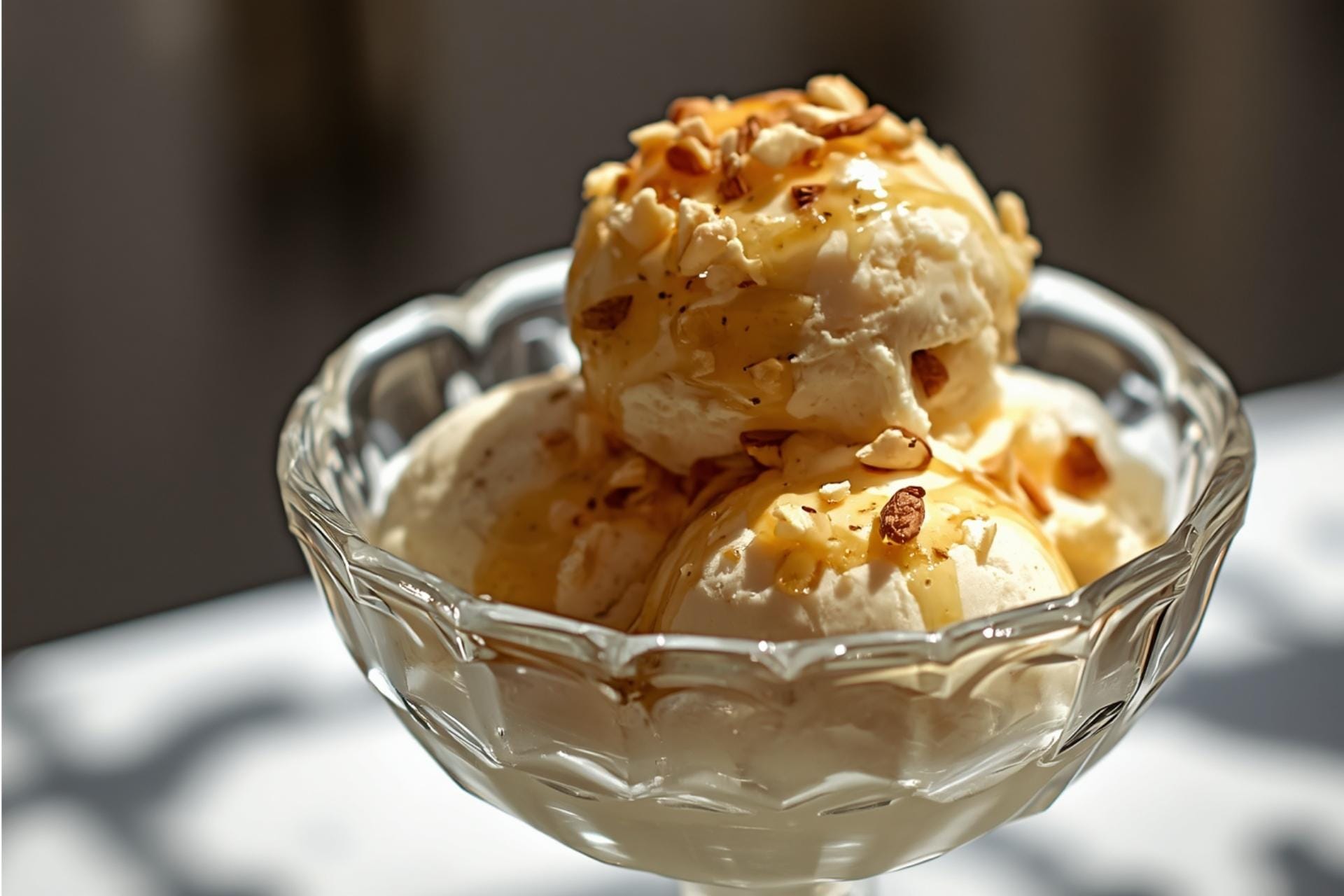
Homemade ice cream is one of the most rewarding sugar-free dessert recipes because you control every ingredient.
Ingredients
- Heavy cream
- Unsweetened almond milk
- Allulose
- Vanilla extract
Flavor Ideas
- Chocolate
- Strawberry
- Coffee
- Mint chocolate chip
- Butter pecan
- Cookies and cream
Allulose helps create a creamier texture by reducing ice crystal formation.
Frozen Yogurt
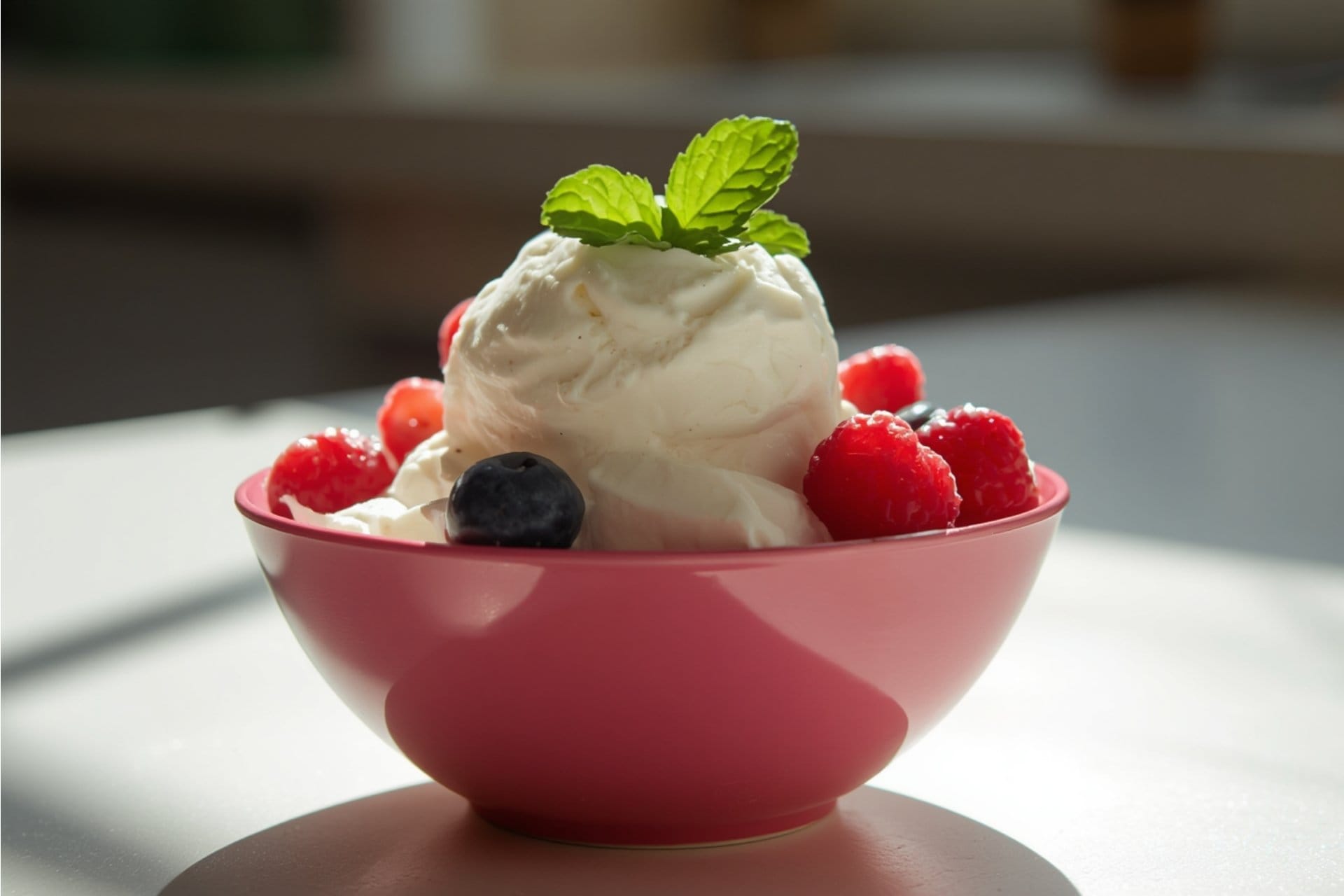
Frozen yogurt is lighter than ice cream while still delivering plenty of creaminess.
Ingredients
- Plain Greek yogurt
- Monk fruit sweetener
- Vanilla extract
- Fresh berries
Optional Additions
- Chopped almonds
- Coconut flakes
- Cinnamon
- Dark chocolate shavings
This refreshing dessert works well during warmer months.
Mug Cake
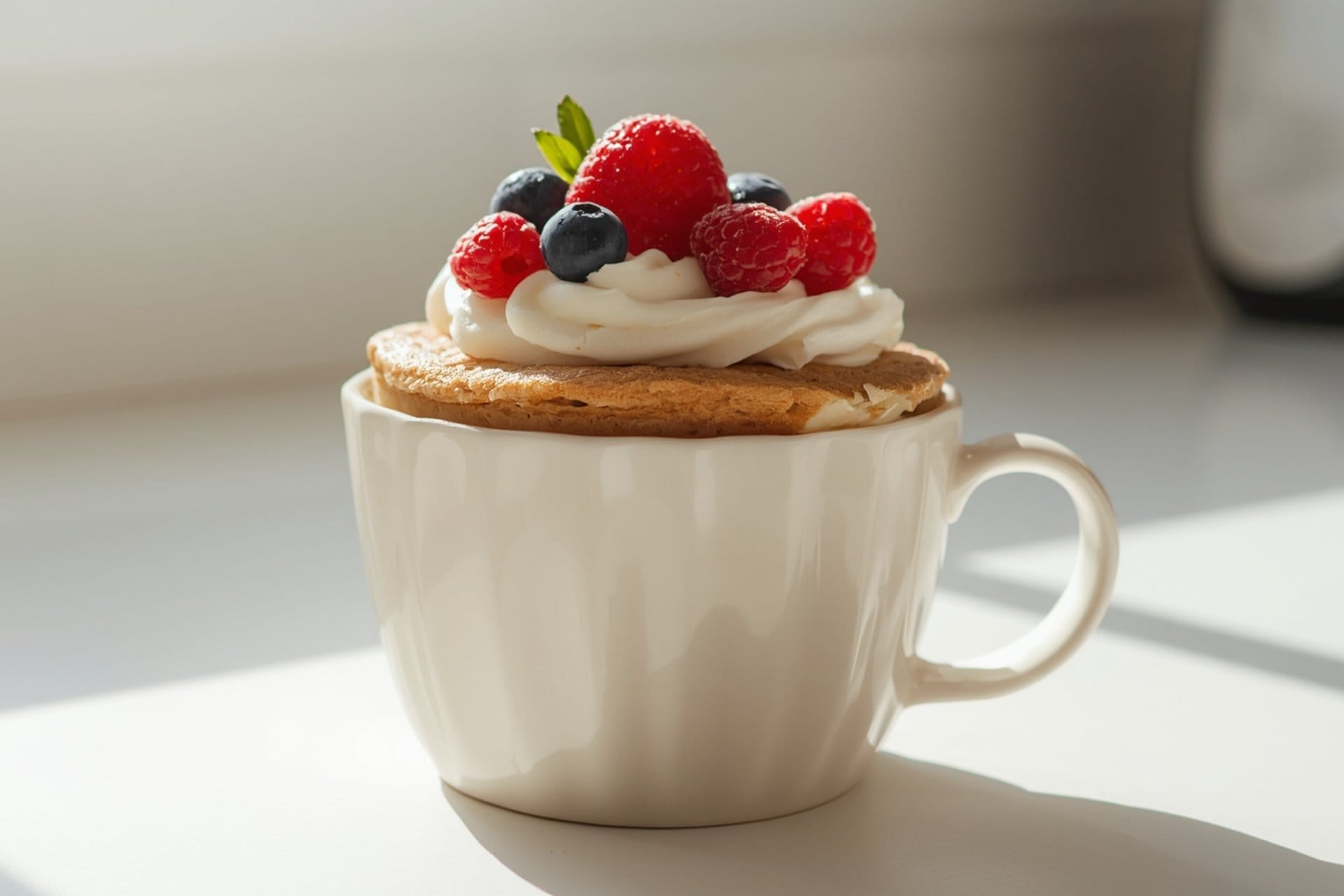
Sometimes you want dessert immediately—and that's exactly where mug cakes shine.
Why It's So Popular
Ready in less than five minutes, mug cakes satisfy chocolate cravings without baking an entire cake.
Basic Ingredients
- Almond flour
- Cocoa powder
- Egg
- Butter
- Allulose
- Baking powder
Microwave until just set, then top with whipped cream or berries.
Chia Pudding
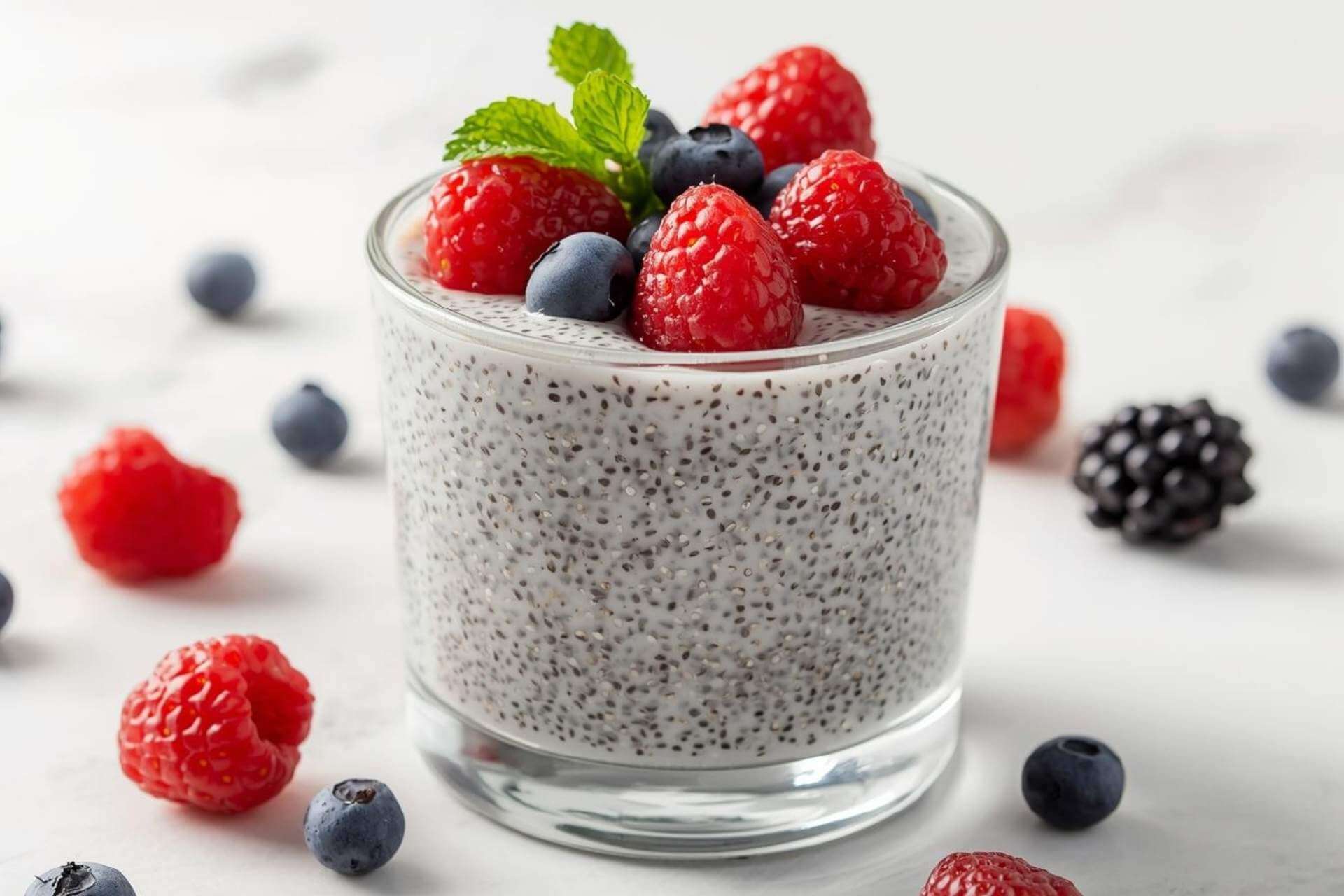
For a make-ahead dessert that doubles as a satisfying snack, chia pudding is an excellent option.
Simple Ingredients
- Chia seeds
- Unsweetened almond milk
- Vanilla extract
- Monk fruit sweetener
Flavor Combinations
- Chocolate
- Coconut
- Pumpkin spice
- Mixed berries
- Cinnamon vanilla
Allow the pudding to chill overnight for the creamiest texture.
Berry Crisp
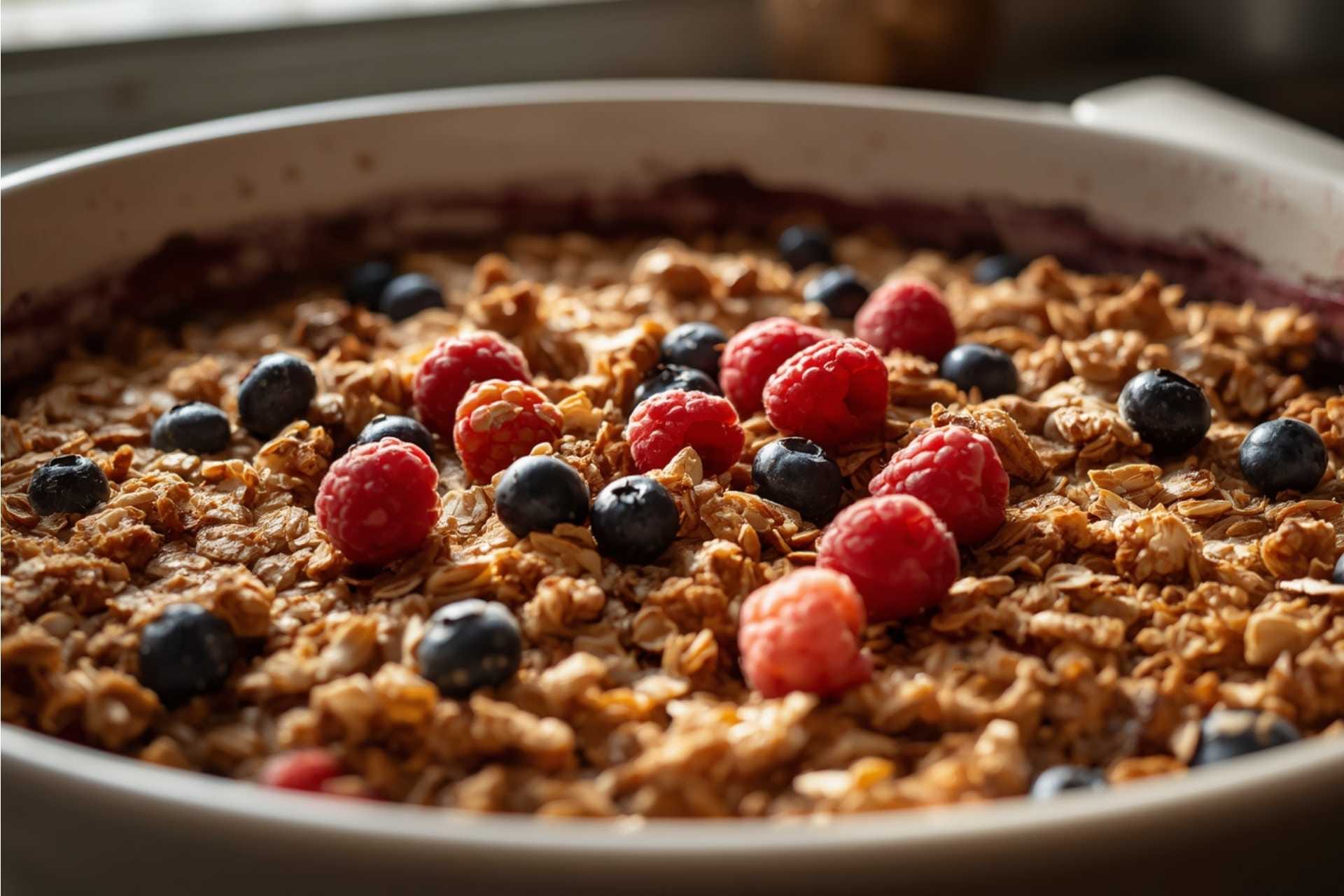
A warm berry crisp showcases the natural sweetness of fresh fruit while using minimal added sweetener.
Best Fruits
- Blueberries
- Blackberries
- Raspberries
- Strawberries
Crisp Topping
- Almond flour
- Butter
- Chopped pecans
- Cinnamon
- Monk fruit sweetener
Serve warm with sugar-free vanilla ice cream.
No-Bake Cheesecake Cups
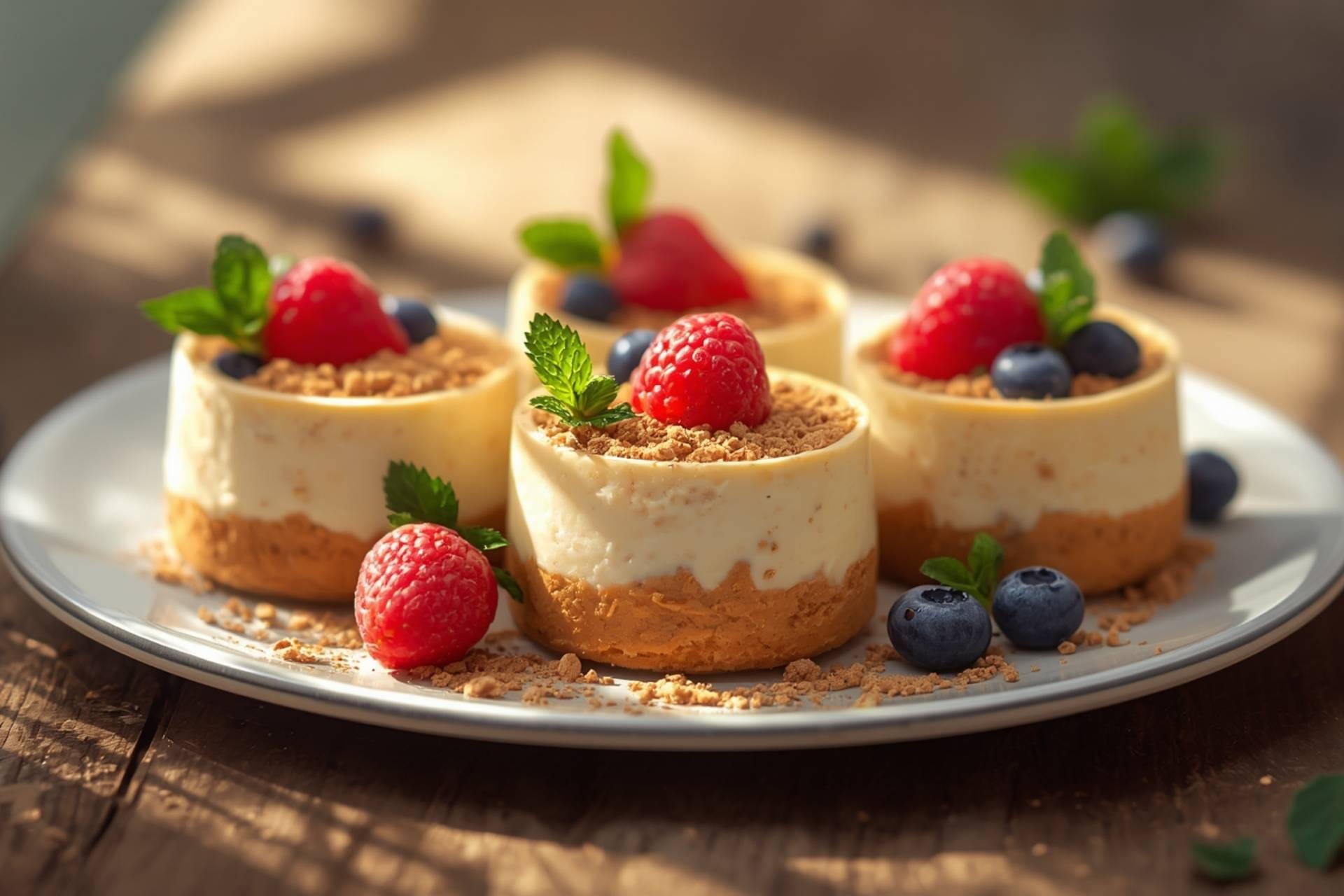
These individual desserts deliver all the creamy goodness of cheesecake without turning on the oven.
Why They're Perfect
They're:
- Easy to prepare
- Great for parties
- Perfect for meal prep
- Beginner-friendly
- Ready after chilling
Ingredients
- Cream cheese
- Heavy cream
- Vanilla
- Monk fruit sweetener
- Almond flour crust
Topping Ideas
Finish each cup with:
- Fresh raspberries
- Blueberries
- Sugar-free chocolate curls
- Toasted almonds
- Lemon zest
- Unsweetened coconut flakes
- Chopped pistachios
Store them in small jars or dessert glasses for convenient grab-and-go treats.
Tips for Success with Sugar-Free Dessert Recipes
No matter which dessert you choose, a few simple habits can make a noticeable difference in the final result.
Use High-Quality Ingredients
Since sugar-free dessert recipes often contain fewer ingredients than traditional desserts, the quality of each one matters. Choose pure vanilla extract, fresh eggs, premium unsweetened cocoa powder, real butter, and high-quality sugar-free chocolate whenever possible. Better ingredients create richer flavor and a more satisfying texture.
Taste and Adjust Before Baking
Many no-bake fillings and batters can be tasted safely before they go into the oven (provided they don't contain raw eggs). This allows you to adjust sweetness, add a splash of vanilla, or brighten flavors with a little citrus zest before baking.
Don't Rush the Cooling Process
Allow cakes, brownies, and cheesecakes to cool completely before slicing or frosting. Cooling helps desserts set properly, improves texture, and allows flavors to fully develop.
Store Desserts Properly
Keep your homemade treats fresh by storing them in airtight containers. Refrigerate cream desserts, freeze baked goods for longer storage, and always label containers with the preparation date.
With these recipes and techniques in your baking repertoire, you'll have a delicious collection of sugar-free dessert recipes that can satisfy every craving—from rich chocolate indulgences to light fruit desserts—all while reducing your reliance on refined sugar.
Naturally Sweetened Desserts
Not every dessert needs a sugar substitute to be delicious. Some of the best sugar-free dessert recipes rely on the natural sweetness found in whole foods like berries, peaches, apples, bananas, and dairy products. These ingredients bring their own flavor, texture, and nutritional value, making it possible to create satisfying treats with little or no added sweetener.
Naturally sweetened desserts have become increasingly popular among home bakers who want to reduce refined sugar while keeping recipes simple and wholesome. Instead of focusing on artificial sweetness, these desserts celebrate the vibrant flavors of fresh fruit, creamy yogurt, nuts, spices, and vanilla. The result is a dessert that's lighter, refreshing, and often packed with vitamins, minerals, antioxidants, and fiber.
One of the biggest advantages of naturally sweetened sugar-free dessert recipes is their versatility. Many require minimal preparation, making them ideal for busy weekdays, healthy snacks, or quick desserts when you don't feel like baking. Whether you're preparing a colorful fruit parfait, creamy yogurt bowl, or refreshing frozen treat, these recipes prove that nature already provides plenty of sweetness.
Another benefit is flexibility. You can customize ingredients based on the season, your favorite fruits, or what's already in your refrigerator. Fresh berries in summer, apples in the fall, citrus in winter, and peaches in spring all bring unique flavors that require very little enhancement.
Some pantry staples that pair beautifully with naturally sweet ingredients include:
- Cinnamon
- Pure vanilla extract
- Unsweetened cocoa powder
- Chopped almonds
- Pecans
- Walnuts
- Chia seeds
- Unsweetened coconut flakes
- Natural peanut butter
- Lemon zest
These additions build flavor without relying on refined sugar, helping create desserts that feel both nourishing and indulgent.
Let's explore some of the easiest ways to enjoy naturally sweet, sugar-free dessert recipes.
Fruit-Based Desserts
Fresh fruit has always been one of nature's finest desserts. Its vibrant color, refreshing flavor, and natural sweetness make it the perfect foundation for countless sugar-free dessert recipes. Instead of masking fruit with heavy syrups or refined sugar, these recipes allow its natural character to shine.
Berries are particularly popular because they're naturally flavorful while fitting comfortably into many low carb eating patterns. Strawberries, raspberries, blueberries, and blackberries pair beautifully with whipped cream, yogurt, chocolate, and nuts.
Best Fruits for Sugar-Free Desserts
Some of the most versatile fruits include:
- Strawberries
- Blueberries
- Raspberries
- Blackberries
- Peaches
- Cherries
- Apples
- Pears
- Oranges
- Kiwi
Choosing ripe, in-season fruit often means you won't need any additional sweetener at all.
Easy Fruit Dessert Ideas
If you're looking for quick inspiration, try these naturally sweet combinations:
- Mixed berries with freshly whipped cream
- Baked cinnamon apples with chopped pecans
- Grilled peaches topped with Greek yogurt
- Strawberry parfait layered with almonds
- Berry salad with fresh mint
- Chocolate dipped strawberries using sugar-free dark chocolate
- Apple slices with natural peanut butter
- Citrus fruit salad with vanilla yogurt
Each dessert comes together quickly while delivering plenty of flavor.
Boosting Flavor Naturally
Instead of adding sugar, enhance fruit with ingredients such as:
- Vanilla extract
- Cinnamon
- Nutmeg
- Fresh mint
- Lemon zest
- Orange zest
- Toasted coconut
- Cocoa powder
These simple additions highlight fruit's natural sweetness while adding complexity.
A Great Choice for Entertaining
Fruit-based sugar-free dessert recipes are also visually stunning. Bright colors and fresh garnishes create elegant presentations with very little effort. Arrange assorted berries on a platter, drizzle with melted sugar-free chocolate, and finish with chopped pistachios for an impressive dessert that's as beautiful as it is delicious.
Greek Yogurt Desserts
Greek yogurt has become one of the most versatile ingredients in modern sugar-free dessert recipes. Its thick, creamy texture makes it an excellent substitute for heavy cream, sour cream, or even ice cream in many recipes. At the same time, its naturally tangy flavor pairs beautifully with fruit, cocoa, vanilla, nuts, and warm spices.
Another reason Greek yogurt is so popular is its nutritional profile. It provides protein and calcium while creating desserts that feel rich without requiring excessive amounts of butter or cream.
Why Greek Yogurt Works So Well
Its creamy consistency allows it to perform multiple roles in dessert recipes.
Greek yogurt can be used as:
- Dessert base
- Cheesecake filling
- Frosting ingredient
- Smoothie component
- Frozen dessert
- Fruit dip
- Layered parfait
This versatility makes it one of the smartest refrigerator staples for anyone who regularly prepares sugar-free dessert recipes.
Delicious Greek Yogurt Dessert Ideas
Here are several favorites:
- Vanilla Greek yogurt parfait
- Chocolate yogurt mousse
- Berry yogurt bark
- Frozen yogurt popsicles
- Peanut butter yogurt cups
- Lemon yogurt pudding
- Pumpkin yogurt parfait
- Cinnamon apple yogurt bowl
Each recipe requires only a handful of ingredients while delivering satisfying flavor.
Tasty Mix-Ins
Transform plain Greek yogurt with:
- Fresh berries
- Chopped walnuts
- Pecans
- Almond butter
- Chia seeds
- Flaxseed
- Unsweetened coconut
- Cocoa nibs
- Vanilla extract
- Cinnamon
These additions create interesting textures while making every serving more filling.
Meal Prep Friendly
Many yogurt-based sugar-free dessert recipes can be prepared several days in advance.
Store individual portions in small jars for:
- Healthy afternoon snacks
- Quick breakfasts
- Lunchbox treats
- Post-dinner desserts
Meal prepping also makes it easier to avoid highly processed sweets when cravings appear.
Frozen Fruit Recipes
Frozen fruit desserts are proof that simplicity often produces the most refreshing results. With just a blender or food processor, you can transform frozen berries, mangoes, peaches, or bananas into creamy treats that rival traditional ice cream.
Frozen fruit is picked at peak ripeness, making it an excellent year-round ingredient for sugar-free dessert recipes. It also eliminates the need to wash, peel, and chop, saving valuable time in the kitchen.
Benefits of Frozen Fruit
Keeping frozen fruit in your freezer offers several advantages:
- Available year-round
- Convenient and ready to use
- Naturally sweet
- Long shelf life
- Great for smoothies and desserts
- Reduces food waste
It's an easy way to keep healthy dessert ingredients on hand at all times.
Easy Frozen Fruit Desserts
Some delicious ideas include:
- Berry frozen yogurt
- Strawberry sorbet
- Raspberry smoothie bowls
- Frozen banana "nice cream"
- Mango coconut popsicles
- Blueberry frozen mousse
- Cherry frozen bites
- Peach smoothie parfaits
Many of these desserts require no baking at all.
Flavor Enhancers
Boost flavor naturally with ingredients like:
- Pure vanilla extract
- Cinnamon
- Cocoa powder
- Fresh mint
- Lemon juice
- Lime zest
- Coconut cream
- Greek yogurt
These ingredients add richness while preserving the fresh fruit flavor.
Homemade Nice Cream
One of the most popular frozen sugar-free dessert recipes is banana "nice cream."
Blend frozen banana slices until creamy, then customize with:
- Unsweetened cocoa powder
- Peanut butter
- Cinnamon
- Vanilla
- Chopped pecans
- Fresh berries
- Sugar-free chocolate chips
The result is a smooth, scoopable dessert that feels surprisingly similar to traditional ice cream.
Frozen Dessert Toppings
Add texture and visual appeal with:
- Toasted almonds
- Walnuts
- Unsweetened shredded coconut
- Cocoa nibs
- Chia seeds
- Fresh strawberries
- Blueberries
- Sugar-free chocolate drizzle
These toppings turn simple frozen fruit into a dessert worthy of special occasions.
Tips for the Best Results
For consistently delicious frozen sugar-free dessert recipes, follow these simple techniques:
- Freeze ripe fruit for maximum natural sweetness.
- Blend frozen fruit in small batches to achieve a smoother consistency.
- Add liquid gradually to avoid making the mixture too thin.
- Serve immediately for a soft serve texture, or freeze for 1–2 hours for firmer scoops.
- Use high-powered blenders or food processors for the creamiest results.
Naturally sweetened desserts remind us that dessert doesn't have to depend on refined sugar to be enjoyable. By highlighting the flavors of fresh fruit, creamy Greek yogurt, wholesome nuts, and simple pantry ingredients, you can prepare sugar-free dessert recipes that are colorful, refreshing, and satisfying. Whether you're serving a chilled berry parfait on a summer afternoon or blending frozen fruit into a creamy "nice cream" after dinner, these recipes offer an easy and delicious way to enjoy dessert while embracing a more balanced approach to sweetness.
Keto & Low Carb Sugar-Free Dessert Recipes
For many people, reducing sugar naturally goes hand in hand with lowering carbohydrate intake. That's why keto and low carb sugar-free dessert recipes have become some of the most searched healthy dessert ideas online. Whether you're following a ketogenic lifestyle, reducing refined carbohydrates, or simply looking for more balanced treats, these desserts make it possible to satisfy your sweet tooth without relying on traditional sugar or high-carb ingredients.
Unlike conventional desserts made with white flour, sugar, corn syrup, and sweetened chocolate, keto-friendly desserts focus on nutrient-dense ingredients that provide richness, flavor, and satisfying texture. Almond flour replaces wheat flour, cream cheese creates luxurious fillings, and alternative sweeteners provide sweetness without the large amount of carbohydrates found in table sugar.
One of the biggest reasons these desserts are so popular is that they don't feel restrictive. Instead of giving up brownies, cheesecakes, cookies, or ice cream, you simply prepare them differently. Modern baking ingredients make it surprisingly easy to recreate familiar favorites while keeping carbohydrate content significantly lower.
Another advantage is flexibility. Most sugar-free dessert recipes designed for keto lifestyles can be customized based on your preferences. Whether you enjoy chocolate, berries, peanut butter, vanilla, lemon, or coconut, countless combinations fit comfortably into a low carb eating plan.
Common ingredients you'll find in keto desserts include:
- Almond flour
- Coconut flour
- Cream cheese
- Heavy cream
- Butter
- Eggs
- Unsweetened cocoa powder
- Sugar-free chocolate
- Pecans
- Walnuts
- Chia seeds
- Coconut cream
Together, these ingredients create desserts that are creamy, rich, and deeply satisfying while helping reduce refined carbohydrates.
Let's look at the key concepts that make keto baking successful.
Net Carbs Explained
If you've explored keto baking, you've probably seen the term net carbs mentioned in nearly every recipe. Understanding this concept makes it much easier to choose ingredients and prepare sugar-free dessert recipes that align with a low carb lifestyle.
Net carbs represent the carbohydrates that are more likely to affect blood sugar after accounting for components that are not fully digested or absorbed by the body.
The commonly used calculation is:
Net Carbs = Total Carbohydrates − Fiber − Certain Sugar Alcohols (when applicable)
Because different sugar alcohols are absorbed differently, many recipe creators calculate net carbs slightly differently. Always check the nutrition information for the specific ingredients you use.
Why Net Carbs Matter
Many whole-food ingredients contain carbohydrates, but they're also rich in fiber. Fiber slows digestion and contributes to fullness, making certain foods suitable for many low carb eating plans.
That's one reason ingredients like almond flour and chia seeds appear so frequently in sugar-free dessert recipes.
Naturally Lower-Carb Ingredients
Some popular options include:
- Almond flour
- Coconut flour
- Pecans
- Walnuts
- Macadamia nuts
- Chia seeds
- Flaxseed meal
- Unsweetened cocoa powder
- Cream cheese
- Heavy cream
- Butter
These ingredients provide flavor and texture while keeping carbohydrate content relatively low.
Ingredients That Add Up Quickly
Even healthy ingredients can increase carbohydrates when used in large amounts.
Pay attention to portions of:
- Bananas
- Dates
- Honey
- Maple syrup
- Oats
- Wheat flour
- Cornstarch
- Sweetened dried fruit
These foods may fit other eating styles, but generally aren't common in keto-focused sugar-free dessert recipes.
Reading Nutrition Labels
Learning to read labels carefully becomes one of your best baking skills.
When shopping, look for:
- Total carbohydrates
- Dietary fiber
- Added sugars
- Sweetener type
- Serving size
Ingredient lists can vary significantly between brands, especially for sugar-free chocolate and baking sweeteners.
Best Keto Sweeteners
Choosing the right sweetener can determine whether your dessert turns out soft, chewy, creamy, or dry. Since each sweetener behaves differently during baking, experienced home bakers often select one based on the specific recipe rather than using the same product every time.
Fortunately, today's keto-friendly sweeteners make preparing sugar-free dessert recipes much easier than ever before.
Allulose
Many experienced bakers consider allulose the gold standard for keto desserts.
Its biggest advantages include:
- Mild sweetness
- Excellent moisture retention
- Smooth texture
- Natural browning
- No cooling sensation
- Creamy frozen desserts
It's especially effective in:
- Cheesecakes
- Brownies
- Ice cream
- Chocolate cake
- Caramel sauce
- Custards
Because allulose behaves similarly to sugar, it creates desserts that closely resemble traditional recipes.
Monk Fruit Sweetener
Monk fruit is another favorite because it delivers clean sweetness without adding sugar.
It's ideal for:
- Cookies
- Cupcakes
- Muffins
- Frosting
- Lemon bars
- Fruit desserts
Many baking blends combine monk fruit with erythritol or allulose for easier measuring and improved texture.
Erythritol
Erythritol remains one of the most widely available keto sweeteners.
Benefits include:
- Heat stable
- Affordable
- Easy to find
- Works well in baked goods
- Long shelf life
It's commonly used in:
- Cookies
- Brownies
- Pie crusts
- Biscotti
- Granola
Some people notice a slight cooling sensation, so many recipes combine it with allulose for a smoother finish.
Stevia
Stevia is highly concentrated, meaning a small amount provides substantial sweetness.
It works best in:
- Puddings
- Yogurt
- Smoothies
- Frostings
- Beverages
Because stevia adds almost no bulk, it's usually blended with other sweeteners in baked recipes.
Blended Sweeteners
Many commercial baking products combine multiple sweeteners to improve flavor and texture.
These blends often help:
- Reduce aftertaste
- Improve moisture
- Encourage browning
- Increase softness
- Simplify measuring
For many home bakers, blended products produce the most reliable sugar-free dessert recipes.
Quick Sweetener Comparison
| Sweetener | Best For | Texture | Sweetness |
|---|---|---|---|
| Allulose | Cakes, cheesecake, ice cream | Soft and moist | Mild |
| Monk Fruit Blend | Cookies, muffins | Balanced | Similar to sugar |
| Erythritol | Brownies, bars | Slightly crisp | Moderate |
| Stevia | Drinks, pudding | Minimal texture impact | Very sweet |
| Sweetener Blends | Most baked desserts | Closest to sugar | Balanced |
Experimenting with different sweeteners is one of the fastest ways to improve your baking skills.
Ingredient Swaps
Perhaps the biggest advantage of keto baking is discovering how easy it is to transform traditional desserts into delicious sugar-free dessert recipes. Most recipes require only a few thoughtful substitutions to dramatically reduce both sugar and carbohydrates.
Rather than eliminating favorite desserts, ingredient swaps allow you to recreate familiar flavors while improving nutritional balance.
Replace Traditional Flour
Instead of wheat flour, try:
| Traditional Ingredient | Keto Alternative |
|---|---|
| All purpose flour | Almond flour |
| Cake flour | Almond flour |
| Self rising flour | Almond flour + baking powder |
| Wheat flour | Coconut flour (recipe adjustments required) |
Remember that coconut flour absorbs much more liquid than almond flour, so recipes are not directly interchangeable.
Replace Sugar
Instead of refined sugar, use:
- Allulose
- Monk fruit baking blend
- Erythritol
- Stevia blends
Always choose the sweetener recommended by the recipe whenever possible.
Replace High-Carb Chocolate
Swap milk chocolate for:
- Sugar-free dark chocolate
- Unsweetened cocoa powder
- Sugar-free chocolate chips
These ingredients provide deep chocolate flavor while keeping added sugar to a minimum.
Replace High-Carb Crusts
Instead of graham crackers, use:
- Almond flour
- Chopped pecans
- Crushed walnuts
- Coconut flour
- Unsweetened coconut
These crusts are flavorful, sturdy, and naturally complement creamy desserts.
Replace Sweetened Dairy
Choose:
- Plain Greek yogurt
- Heavy cream
- Cream cheese
- Unsweetened almond milk
- Coconut cream
These ingredients provide richness without unnecessary added sugar.
Replace Sugary Toppings
Instead of syrup or candy, top desserts with:
- Fresh raspberries
- Blueberries
- Strawberries
- Whipped cream
- Toasted pecans
- Unsweetened coconut
- Cocoa nibs
- Sugar-free chocolate drizzle
These toppings add visual appeal while complementing the dessert's natural flavors.
Easy Everyday Swaps
Small substitutions can transform many classic desserts into delicious sugar-free dessert recipes:
- Use almond flour instead of breadcrumbs in dessert crusts.
- Replace sweetened peanut butter with natural peanut butter.
- Swap flavored yogurt for plain Greek yogurt mixed with vanilla.
- Replace sugary whipped topping with homemade whipped cream.
- Use vanilla extract and cinnamon to enhance sweetness naturally.
Build Confidence Through Experimentation
One of the best aspects of keto baking is that it encourages creativity. As you become more familiar with ingredient substitutions, you'll discover your own favorite combinations of sweeteners, flours, and flavorings. You may even find that your homemade versions become family favorites, regardless of whether anyone follows a keto lifestyle.
With a well-stocked pantry and a willingness to experiment, preparing keto and low carb sugar-free dessert recipes becomes less about restriction and more about possibility. Rich cheesecakes, fudgy brownies, chewy cookies, creamy ice cream, and elegant chocolate mousse are all within reach—proving that reducing sugar and carbohydrates doesn't mean giving up the desserts you love.
Diabetic-Friendly Dessert Tips
Enjoying dessert while managing blood sugar doesn't have to feel impossible. In fact, many sugar-free dessert recipes can fit into a diabetes-friendly eating pattern when they're made with thoughtful ingredients and enjoyed in appropriate portions. The goal isn't simply to eliminate sugar—it's to create desserts that offer balanced nutrition, satisfying flavor, and steady energy while supporting overall healthy eating habits. (4)
One of the biggest misconceptions is that any dessert labeled "sugar-free" is automatically suitable for everyone. While removing refined sugar is an important step, ingredients such as refined flour, starches, and certain sweeteners can still influence carbohydrate intake. That's why successful diabetic-friendly desserts focus on the complete nutritional picture rather than sweetness alone.
Many homemade sugar-free dessert recipes naturally include ingredients that provide healthy fats, protein, and fiber. These nutrients contribute to satisfying textures while helping create desserts that are more balanced than many traditional baked goods. Almond flour, cream cheese, Greek yogurt, chia seeds, nuts, seeds, and unsweetened cocoa powder all play valuable roles in creating desserts that taste indulgent without depending on large amounts of refined carbohydrates.
Another advantage of homemade desserts is complete ingredient control. You decide which sweetener to use, how much sweetness to add, and what ingredients best suit your nutritional goals. This flexibility makes homemade desserts an appealing alternative to many packaged products that may contain hidden sugars or highly processed ingredients.
Some excellent ingredients commonly found in diabetic-friendly sugar-free dessert recipes include:
- Almond flour
- Coconut flour
- Cream cheese
- Greek yogurt
- Heavy cream
- Eggs
- Chia seeds
- Ground flaxseed
- Unsweetened cocoa powder
- Fresh berries
- Pecans
- Walnuts
- Natural peanut butter
- Vanilla extract
These ingredients work together to create desserts that are rich, flavorful, and satisfying.
It's also important to remember that everyone's nutritional needs are unique. People living with diabetes should follow guidance from their healthcare provider or registered dietitian when deciding which desserts best fit their individual meal plan. Homemade recipes can be a wonderful option, but they should always complement an overall balanced eating pattern.
Let's explore a few practical strategies for making sugar-free dessert recipes even more diabetes-friendly.
Portion Control
Even the healthiest dessert is best enjoyed in reasonable portions. Portion awareness is one of the simplest ways to include sugar-free dessert recipes in a balanced lifestyle without feeling deprived. Instead of eliminating dessert, thoughtful serving sizes allow you to enjoy your favorite treats while keeping overall carbohydrate and calorie intake in perspective.
One of the benefits of homemade desserts is that you control the portion size from the beginning. Rather than cutting oversized bakery slices, you can bake mini cheesecakes, smaller brownies, or individual parfaits that naturally encourage moderation.
Easy Ways to Practice Portion Control
Small changes can make a noticeable difference:
- Bake cupcakes instead of layer cakes.
- Use mini muffin pans for bite-sized treats.
- Prepare individual dessert jars.
- Slice brownies into smaller squares.
- Freeze extra portions for later.
These strategies make it easier to enjoy dessert without unintentionally overeating.
Serve Dessert Mindfully
Instead of eating directly from the pan or container:
- Plate your dessert.
- Sit down at the table.
- Eat slowly.
- Savor each bite.
- Avoid distractions like television or scrolling on your phone.
Mindful eating often increases satisfaction, allowing a smaller serving to feel just as enjoyable.
Pair Dessert with a Balanced Meal
Rather than eating dessert on an empty stomach, many people prefer enjoying sugar-free dessert recipes after a meal that includes lean protein, vegetables, and healthy fats. This balanced approach can help dessert feel like part of an overall nutritious eating pattern rather than a separate indulgence.
Portion Ideas
Reasonable serving sizes might include:
- One small brownie
- One cupcake
- A single cheesecake cup
- Half a cup of frozen yogurt
- A small bowl of berries with whipped cream
- One or two cookies
- A modest slice of cheesecake
Exact portion sizes vary depending on the recipe and individual dietary needs, but consistency is often more important than perfection.
Glycemic Impact
One reason many people choose sugar-free dessert recipes is to reduce the amount of added sugar in their diet. Another important consideration is a dessert's overall glycemic impact—a term that describes how carbohydrate containing foods may influence blood sugar after eating.
While reducing added sugar can be helpful, the total combination of ingredients matters just as much. A dessert made without refined sugar may still contain ingredients that contribute carbohydrates, so it's helpful to think about recipes as a whole rather than focusing on one ingredient.
Ingredients That May Help Lower Overall Glycemic Impact
Many homemade desserts include ingredients such as:
- Almond flour
- Coconut flour
- Chia seeds
- Flaxseed meal
- Walnuts
- Pecans
- Cream cheese
- Greek yogurt
- Unsweetened cocoa powder
These ingredients often replace refined flour or sugar while adding texture, flavor, and nutritional value.
Smart Ingredient Choices
When preparing sugar-free dessert recipes, consider choosing:
- Whole-food ingredients whenever possible.
- Unsweetened dairy products.
- Fresh berries instead of sweetened fruit fillings.
- High-quality sugar-free chocolate.
- Natural nut butters without added sugar.
These substitutions can improve both flavor and ingredient quality.
Read Labels Carefully
Packaged products labeled "sugar-free" may still contain:
- Maltodextrin
- Modified starches
- Refined flours
- Added carbohydrates
- Hidden sweeteners
Reading ingredient lists and nutrition labels helps you understand exactly what's in the foods you're using.
Think Beyond Sweetness
It's easy to assume sweetness alone determines whether a dessert fits a balanced eating plan, but texture building ingredients also matter. Flour, starches, fruit, dairy products, and even certain sugar substitutes contribute to the overall nutritional profile.
Looking at the complete recipe provides a much clearer picture than focusing only on sugar content.
Fiber & Protein Balance
One of the easiest ways to make sugar-free dessert recipes more satisfying is to include ingredients that naturally provide fiber and protein. These nutrients contribute to fullness, improve texture, and transform desserts from simple treats into more balanced recipes.
Unlike traditional desserts that often rely heavily on refined flour and sugar, homemade sugar-free desserts frequently incorporate nutrient-dense ingredients that offer much more than sweetness.
High-Fiber Ingredients
Fiber-rich additions include:
- Chia seeds
- Ground flaxseed
- Almond flour
- Coconut flour
- Pecans
- Walnuts
- Unsweetened coconut
- Raspberries
- Blackberries
These ingredients add texture while helping desserts feel more substantial.
Protein-Rich Ingredients
Protein also plays an important role in many sugar-free dessert recipes.
Excellent choices include:
- Greek yogurt
- Cream cheese
- Cottage cheese
- Eggs
- Peanut butter
- Almond butter
- Heavy cream
- Ricotta cheese
Together, these ingredients create creamy, satisfying desserts with impressive versatility.
Combining Fiber and Protein
Some delicious combinations include:
- Greek yogurt with berries and chia seeds
- Chocolate chia pudding
- Almond flour brownies
- Cheesecake topped with fresh raspberries
- Peanut butter cookies made with almond flour
- Berry parfait layered with walnuts
These recipes combine flavor, texture, and balanced nutrition in every bite.
Healthy Fat Completes the Picture
Many sugar-free dessert recipes also include healthy fats that contribute richness and satisfaction.
Common examples include:
- Almonds
- Walnuts
- Pecans
- Butter
- Coconut cream
- Avocado
- Natural nut butters
These ingredients help create creamy textures while making desserts feel indulgent.
Simple Ways to Improve Any Dessert
Even your favorite recipes can become more balanced with a few thoughtful additions:
- Stir chia seeds into pudding.
- Add chopped walnuts to brownies.
- Top frozen yogurt with fresh berries.
- Sprinkle flaxseed over parfaits.
- Fold almond butter into the chocolate mousse.
- Mix chopped pecans into cookie dough.
These small upgrades increase texture and nutritional value without sacrificing flavor.
Enjoy Dessert as Part of a Balanced Lifestyle
The best sugar-free dessert recipes are the ones you'll genuinely enjoy making and eating. Rather than thinking of desserts as foods to avoid, consider them opportunities to incorporate wholesome ingredients, practice mindful portions, and experiment with nourishing recipes that fit your personal preferences.
By emphasizing portion control, understanding the overall glycemic impact of ingredients, and balancing desserts with fiber, protein, and healthy fats, you can create treats that are both satisfying and thoughtfully prepared. Whether you're serving a creamy cheesecake, fudgy brownie, fresh berry parfait, or rich chocolate mousse, these simple strategies help ensure your homemade desserts remain every bit as enjoyable as they are delicious.
Meal Prep & Batch Baking
One of the best ways to stay consistent with healthy eating is to plan, and that includes dessert. Preparing sugar-free dessert recipes in advance means you'll always have a delicious treat ready when a sweet craving strikes. Instead of reaching for highly processed snacks or sugary baked goods from the store, you can enjoy homemade desserts made with wholesome ingredients and your preferred sugar alternatives.
Meal prep isn't just for lunches and dinners—it works incredibly well for desserts too. Many sugar-free dessert recipes actually taste even better after they've had time to chill, allowing flavors to meld and textures to set. Cheesecakes become creamier, brownies turn fudgier, and chia puddings develop a richer consistency overnight.
Batch baking also saves valuable time during busy weeks. Rather than baking every few days, you can prepare larger quantities in a single afternoon and portion them into convenient servings. This approach reduces kitchen cleanup, minimizes food waste, and helps you stick to your healthy eating goals without sacrificing dessert.
Another advantage of meal prepping is portion control. Dividing desserts into individual servings immediately after baking or assembling makes it much easier to enjoy an appropriate amount without accidentally overeating.
Excellent sugar-free dessert recipes for meal prep include:
- Chocolate brownies
- Cheesecake bars
- Vanilla cupcakes
- Peanut butter cookies
- Lemon bars
- Chia pudding
- Chocolate mousse
- Frozen yogurt
- Berry crisp
- No-bake cheesecake cups
- Energy bites
- Mini cheesecakes
Most of these desserts keep well in the refrigerator or freezer, making them ideal for weekly planning.
To maximize freshness and quality, invest in a few reusable storage essentials:
- Glass meal prep containers
- Airtight food storage containers
- Silicone freezer bags
- Mason jars
- Reusable freezer labels
- Small dessert cups with lids
Organizing desserts this way keeps your refrigerator tidy while making healthy choices more convenient throughout the week.
Let's explore the best ways to store your homemade sugar-free dessert recipes for maximum freshness.
Freezing Tips
The freezer is one of the most valuable tools for anyone who regularly prepares sugar-free dessert recipes. Freezing extends shelf life, reduces food waste, and ensures that homemade desserts are always available whenever cravings appear.
Fortunately, many sugar-free desserts freeze exceptionally well because they're made with ingredients like cream cheese, butter, almond flour, cocoa powder, and eggs, all of which hold up nicely when frozen correctly.
Best Desserts for Freezing
These desserts maintain excellent texture after thawing:
- Brownies
- Chocolate cake
- Cheesecake
- Cheesecake bars
- Peanut butter cookies
- Chocolate chip cookies
- Vanilla cupcakes
- Muffins
- Lemon bars
- Cookie dough
- Berry crisp
- Chocolate mousse
Preparing double batches and freezing half is an easy way to save time later.
How to Freeze Properly
For the best results:
- Allow baked goods to cool completely.
- Wrap individual portions tightly.
- Place wrapped desserts in airtight freezer containers.
- Label each container with the preparation date.
- Freeze in single-serving portions whenever possible.
Individual servings thaw faster and reduce unnecessary waste.
Prevent Freezer Burn
Proper packaging helps preserve flavor and texture.
Consider using:
- Plastic wrap
- Aluminum foil
- Airtight freezer containers
- Heavy-duty freezer bags
- Vacuum-sealed bags, if available
Removing as much air as possible helps maintain freshness.
Recommended Freezer Times
While storage times vary slightly by recipe, these general guidelines work well:
| Dessert | Freezer Storage Time |
|---|---|
| Brownies | Up to 3 months |
| Cheesecake | Up to 2 months |
| Cookies | Up to 3 months |
| Cupcakes | Up to 3 months |
| Chocolate Cake | Up to 3 months |
| Chia Pudding | Up to 1 month |
| Chocolate Mousse | Up to 2 months |
| Berry Crisp | Up to 3 months |
Always thaw desserts safely in the refrigerator for the best texture.
Freezing Cookie Dough
Instead of baking every cookie immediately, portion the cookie dough into individual scoops.
Freeze the dough on a baking sheet before transferring it to freezer bags. This allows you to bake only as many cookies as you need, resulting in fresh homemade desserts whenever the craving strikes.
Refrigerator Storage
Not every dessert belongs in the freezer. Many sugar-free dessert recipes are best stored in the refrigerator, where they maintain their ideal texture and flavor while remaining ready to enjoy throughout the week.
Cream desserts, puddings, parfaits, and cheesecakes actually improve after several hours of chilling, making refrigeration an essential part of the recipe rather than simply a storage method.
Desserts That Should Be Refrigerated
Keep these favorites chilled:
- Cheesecake
- No-bake cheesecake cups
- Chocolate mousse
- Chia pudding
- Greek yogurt parfaits
- Frozen yogurt (before serving)
- Whipped cream desserts
- Cream cheese frosting
- Custards
- Pudding cups
These recipes contain dairy products that should remain refrigerated until serving.
Use Airtight Containers
Exposure to air can dry out baked goods and allow desserts to absorb odors from other foods.
Quality airtight containers help preserve:
- Moisture
- Flavor
- Texture
- Freshness
- Appearance
Glass containers are especially useful because they don't retain odors and allow you to see the contents easily.
Label Everything
A simple label makes weekly meal prep much easier.
Include:
- Dessert name
- Preparation date
- Best-by date
This helps ensure older desserts are enjoyed first.
Approximate Refrigerator Storage Times
| Dessert | Refrigerator Storage |
|---|---|
| Cheesecake | 4–5 days |
| Brownies | 5–7 days |
| Cookies | 5–7 days |
| Chocolate Mousse | 3–4 days |
| Chia Pudding | 4–5 days |
| Greek Yogurt Desserts | 3–5 days |
| Berry Crisp | 4–5 days |
| Cupcakes | 3–4 days |
These timeframes may vary depending on the specific ingredients and storage conditions.
Avoid Moisture Build-Up
To help desserts stay fresh:
- Allow baked goods to cool completely before covering.
- Wipe excess condensation from container lids if needed.
- Store toppings separately when possible.
- Add fresh fruit just before serving to maintain texture.
These simple steps help preserve quality and presentation.
Weekly Dessert Prep
Setting aside a little time each week to prepare sugar-free dessert recipes can make healthy eating feel effortless. Whether you spend an hour on Sunday afternoon or bake in smaller batches throughout the week, having homemade desserts ready to enjoy reduces the temptation to buy highly processed sweets.
Weekly dessert prep also encourages variety. Instead of making one large dessert, consider preparing two or three smaller recipes with different flavors and textures. This keeps dessert interesting while preventing flavor fatigue.
A Simple Weekly Dessert Plan
Here's an example of an easy rotation:
Sunday
- Bake chocolate brownies.
- Prepare chia pudding.
- Portion Greek yogurt parfaits.
Wednesday
- Bake a fresh batch of cookies.
- Make chocolate mousse.
- Freeze extra brownies.
With just a little planning, you'll have multiple dessert options available throughout the week.
Mix Different Dessert Types
Variety helps satisfy different cravings.
Include a combination of:
- Chocolate desserts
- Fruit desserts
- Frozen treats
- Baked goods
- No-bake recipes
- Individual desserts
This approach keeps your dessert menu exciting while making it easier to stick with homemade options.
Batch Ingredients Instead of Entire Recipes
Another time-saving strategy is preparing ingredients ahead of time.
For example:
- Measure dry baking ingredients into containers.
- Toast nuts in advance.
- Wash and portion berries.
- Make homemade whipped cream.
- Mix sugar-free chocolate ganache.
- Prepare cookie dough for freezing.
These small tasks significantly reduce baking time later in the week.
Create Grab-and-Go Desserts
Busy schedules call for convenient options.
Prepare individual portions of:
- Chia pudding jars
- Cheesecake cups
- Yogurt parfaits
- Brownie squares
- Cookie packs
- Frozen yogurt containers
Having ready-to-eat desserts makes healthy choices the easiest choices.
Rotate Seasonal Flavors
Keep your sugar-free dessert recipes fresh by using seasonal ingredients.
Spring
- Lemon bars
- Strawberry parfaits
- Vanilla cupcakes with berries
Summer
- Frozen yogurt
- Berry crisp
- Peach desserts
Fall
- Pumpkin cheesecake
- Cinnamon muffins
- Apple crisp
Winter
- Chocolate brownies
- Peppermint mousse
- Ginger spice cookies
Seasonal baking adds variety while taking advantage of the freshest ingredients.
Meal Prep Mistakes to Avoid
Even experienced home bakers occasionally make storage mistakes. To keep your desserts tasting bakery fresh, avoid these common issues:
- Freezing desserts before they've cooled completely.
- Storing cookies with moist desserts like cheesecake.
- Overfilling containers, which can damage delicate toppings.
- Forgetting to label freezer containers.
- Leaving desserts uncovered in the refrigerator.
- Repeatedly thawing and refreezing the same dessert.
Make Healthy Desserts Part of Your Routine
Consistency is often the secret to long-term success. By dedicating a small amount of time each week to preparing sugar-free dessert recipes, you'll always have a delicious homemade option waiting in your refrigerator or freezer. Rich brownies, creamy cheesecakes, refreshing parfaits, and chewy cookies become convenient everyday treats rather than occasional projects.
With thoughtful meal prep, proper storage, and smart batch baking techniques, homemade desserts become easier, more economical, and just as accessible as store-bought alternatives. Over time, this simple habit not only saves time and money but also helps create a sustainable routine where wholesome, flavorful desserts are always within reach.
Troubleshooting Sugar-Free Dessert Recipes
Even the most experienced home bakers occasionally encounter desserts that don't turn out exactly as planned. The good news is that most issues with sugar-free dessert recipes have simple explanations—and even better solutions. Baking without traditional sugar changes the chemistry of a recipe, so slight adjustments in ingredients, sweeteners, or baking techniques can make a dramatic difference in the final result.
Unlike conventional sugar, alternative sweeteners don't always provide the same moisture, caramelization, or structure. Some absorb liquid differently, others crystallize more easily, and a few can leave behind a cooling sensation or slight aftertaste if not balanced properly. Understanding how these ingredients behave is the key to creating desserts that are consistently moist, flavorful, and bakery-worthy.
The encouraging news is that today's sugar alternatives have improved tremendously. With ingredients like allulose, monk fruit blends, erythritol, and stevia, it's easier than ever to bake cakes, brownies, cookies, and cheesecakes that rival their traditional counterparts. Most baking problems come down to a handful of common mistakes rather than the recipe itself.
If your sugar-free dessert recipes don't look or taste quite right, don't get discouraged. Every batch teaches you something valuable about ingredient behavior, oven performance, and baking techniques. Even professional bakers constantly refine recipes to achieve the perfect balance of flavor and texture.
Below are the most common sugar-free baking problems and the practical solutions that will help you bake with confidence.
Why Desserts Taste Bitter
One of the most common concerns when making sugar-free dessert recipes is an unexpected bitter or lingering aftertaste. Fortunately, this issue is usually easy to correct once you identify its source.
Bitterness rarely comes from the dessert itself. More often, it's caused by using the wrong sweetener, too much sweetener, low-quality cocoa powder, or an imbalance between sweet and rich ingredients.
Common Causes of Bitterness
Several factors may contribute to an unpleasant flavor:
- Using too much stevia.
- Overusing monk fruit extract.
- Choosing an overly bitter cocoa powder.
- Burning nuts during baking.
- Overbaking chocolate desserts.
- Using expired baking ingredients.
- Excess baking soda.
Even one of these issues can noticeably affect the finished dessert.
Choose Better Sweeteners
Some sweeteners produce a cleaner taste than others.
Many experienced bakers prefer:
- Allulose
- Monk fruit baking blends
- Allulose and monk fruit combinations
- Blended sweeteners formulated specifically for baking
Blended products often reduce the aftertaste associated with highly concentrated sweeteners.
Balance Flavors Naturally
Instead of simply adding more sweetener, balance bitterness with flavorful ingredients like:
- Vanilla extract
- Cinnamon
- Espresso powder
- Sea salt
- Cream cheese
- Heavy cream
- Butter
- Almond butter
A small pinch of salt, in particular, can significantly improve the overall flavor of chocolate desserts.
Use Quality Chocolate
When preparing chocolate-based sugar-free dessert recipes, the quality of your cocoa powder or sugar-free chocolate matters. Premium unsweetened cocoa typically delivers a richer, smoother chocolate flavor with less bitterness than lower-quality alternatives.
Taste Before Baking
Whenever possible, taste frostings, mousses, puddings, or no-bake fillings before chilling. This allows you to adjust the sweetness or add a little vanilla, cinnamon, or cocoa powder before serving.
Dry Texture Fixes
Dry cakes, crumbly brownies, and dense muffins are among the most common frustrations in sugar-free baking. Since traditional sugar naturally attracts and retains moisture, removing it can sometimes result in baked goods that feel less tender than expected.
Fortunately, dry sugar-free dessert recipes are usually easy to improve with a few ingredient adjustments.
Why Desserts Become Dry
Common causes include:
- Overbaking.
- Too much coconut flour.
- Too little fat.
- Using only erythritol.
- Incorrect ingredient measurements.
- Baking at excessive temperatures.
- Insufficient eggs.
Even an extra five minutes in the oven can noticeably affect texture.
Add Moisture Rich Ingredients
Improve softness by incorporating:
- Cream cheese
- Greek yogurt
- Sour cream
- Heavy cream
- Coconut cream
- Butter
- Mashed avocado
- Pumpkin puree
These ingredients help compensate for sugar's missing moisture retaining properties.
Don't Overbake
One of the simplest improvements is removing desserts from the oven slightly earlier.
Look for signs like:
- Lightly golden edges.
- A center that springs back gently.
- A toothpick with a few moist crumbs.
- Slight movement in cheesecakes.
Residual heat continues cooking desserts after they're removed from the oven.
Measure Flour Correctly
Low carb flours absorb liquid differently.
For consistent results:
- Spoon flour into measuring cups.
- Level with a straight edge.
- Use a digital kitchen scale whenever possible.
Precise measurements dramatically improve sugar-free dessert recipes.
Choose Better Sweeteners
Allulose naturally retains more moisture than many other sugar substitutes, making it an excellent choice for cakes, muffins, brownies, and cookies.
Grainy Sweeteners
A grainy texture can quickly distract from an otherwise delicious dessert. Fortunately, this problem is easy to prevent once you understand how certain sweeteners dissolve.
Erythritol, in particular, may recrystallize after cooling, creating a slightly crunchy texture in frostings, cheesecakes, and no-bake desserts.
Why Graininess Happens
Grainy desserts often result from:
- Undissolved sweeteners.
- Using coarse granules.
- Cooling desserts too quickly.
- Choosing the wrong sweetener.
- Insufficient mixing.
Solutions That Work
For smoother sugar-free dessert recipes:
- Use powdered sweeteners.
- Blend granulated sweeteners in a food processor.
- Dissolve sweeteners in warm liquid before mixing.
- Choose allulose for creamy desserts.
- Mix thoroughly until completely smooth.
These small adjustments greatly improve texture.
Best Uses for Powdered Sweeteners
Powdered sweeteners are ideal for:
- Buttercream frosting
- Cheesecake filling
- Chocolate mousse
- Whipped cream
- No-bake desserts
- Cream cheese frosting
Their fine texture creates noticeably smoother results.
Blend Sweeteners
Many experienced bakers combine allulose with erythritol or monk fruit to achieve:
- Better sweetness
- Improved moisture
- Reduced crystallization
- Smoother texture
- Better overall flavor
Blending sweeteners often produces the closest approximation to traditional sugar.
Cakes That Don't Rise
A flat cake can be disappointing, especially after spending time gathering quality ingredients. Fortunately, cakes usually fail to rise because of a few easily corrected mistakes rather than the sugar substitute itself.
Successful sugar-free dessert recipes still rely on proper aeration, fresh leavening agents, and careful mixing.
Common Reasons Cakes Stay Flat
Watch for these issues:
- Expired baking powder.
- Expired baking soda.
- Overmixed batter.
- Undermixed batter.
- Cold ingredients.
- Incorrect oven temperature.
- Opening the oven door too early.
Each can reduce the amount of air trapped in the batter.
Check Your Leavening Agents
Baking powder and baking soda lose effectiveness over time.
Replace them regularly for reliable results.
A quick freshness test:
- Baking powder should bubble in hot water.
- Baking soda should fizz immediately when mixed with vinegar.
Bring Ingredients to Room Temperature
Before baking:
- Soften butter.
- Bring eggs to room temperature.
- Allow cream cheese to soften.
- Warm dairy ingredients if the recipe recommends it.
Room temperature ingredients blend more smoothly and trap air more effectively.
Avoid Overmixing
Too much mixing develops a structure that can limit expansion.
Instead:
- Cream butter thoroughly.
- Add eggs one at a time.
- Fold dry ingredients gently.
- Stop mixing once combined.
Gentle mixing produces lighter cakes.
Verify Oven Temperature
Many home ovens run hotter or cooler than the displayed temperature.
An inexpensive oven thermometer helps ensure your sugar-free dessert recipes bake consistently.
Cookies That Spread Too Much
Perfect cookies should have crisp edges, soft centers, and an even shape. If your cookies flatten into thin circles during baking, several factors may be responsible.
Fortunately, spreading is one of the easiest baking problems to fix.
Common Causes
Cookies often spread because of:
- Butter that's too warm.
- Dough that isn't chilled.
- Too little flour.
- Excess fat.
- Hot baking sheets.
- Incorrect oven temperature.
Even slight differences in butter temperature can change how cookies bake.
Chill the Dough
Refrigerating cookie dough for 30 to 60 minutes helps:
- Firm the butter.
- Hydrate the flour.
- Reduce spreading.
- Improve flavor.
- Create thicker cookies.
Many professional bakers chill dough overnight for even better results.
Measure Ingredients Carefully
Using too little almond flour or coconut flour can leave the dough too soft.
Always:
- Measure accurately.
- Level measuring cups.
- Weigh ingredients whenever possible.
Consistency begins with precise measurements.
Use Cool Baking Sheets
Never place fresh cookie dough onto a hot baking sheet.
Allow pans to cool completely between batches to prevent premature spreading before the cookies even enter the oven.
Line Baking Sheets Properly
For even baking, use:
- Parchment paper
- Silicone baking mats
These surfaces encourage more consistent browning while helping cookies maintain their shape.
Don't Flatten the Dough
Many sugar-free dessert recipes spread naturally during baking. Unless instructed otherwise, leave cookie dough in rounded scoops and let the oven do the work.
Pro Tips for Perfect Sugar-Free Dessert Recipes
The more you bake, the more you'll understand how alternative sweeteners interact with ingredients like almond flour, butter, eggs, and cream cheese. Small adjustments often produce dramatic improvements, and keeping notes after each batch can help you recreate your best results.
For consistently delicious desserts, remember these golden rules:
- Always use fresh baking powder and baking soda.
- Measure ingredients as accurately as possible.
- Choose the right sweetener for each recipe.
- Don't overbake cakes, brownies, or cookies.
- Let baked goods cool completely before slicing.
- Use room temperature dairy and eggs.
- Chill doughs and batters when recommended.
- Store desserts properly to preserve freshness.
Most importantly, don't be discouraged by occasional baking mishaps. Every successful baker has experienced dry brownies, flat cakes, or grainy frosting at some point. The difference is that they learned from each batch and adjusted their technique. With a little practice and an understanding of the science behind sugar-free dessert recipes, you'll consistently create desserts that are moist, flavorful, beautifully textured, and worthy of sharing with family and friends.
Expert Tips for Better Flavor
The secret to unforgettable sugar-free dessert recipes isn't simply choosing the right sweetener—it's building layers of flavor that make every bite rich, balanced, and satisfying. Professional bakers know that exceptional desserts rely on much more than sweetness. Ingredients like vanilla, cocoa, citrus zest, toasted nuts, butter, spices, and a touch of salt all work together to create depth and complexity.
One of the biggest mistakes beginners make when preparing sugar-free dessert recipes is trying to compensate for reduced sugar by adding more sweetener. While this might seem logical, it often produces desserts that taste artificial or one-dimensional. Instead, experienced bakers focus on enhancing natural flavors so desserts taste indulgent without becoming overly sweet.
Think about your favorite bakery dessert. Chances are, what makes it memorable isn't excessive sweetness—it's the harmony of flavors. Rich chocolate, fragrant vanilla, roasted nuts, creamy butter, bright citrus, and warm cinnamon each contribute something unique. These flavor layers transform simple ingredients into desserts that feel luxurious.
Fortunately, creating bakery quality flavor at home doesn't require complicated techniques. A few thoughtful additions can elevate even the simplest recipes. Whether you're making cookies, brownies, cheesecakes, cakes, or frozen treats, paying attention to flavor balance is one of the easiest ways to improve your baking.
Professional bakers often rely on these pantry staples:
- Pure vanilla extract
- Almond extract
- Lemon zest
- Orange zest
- Unsweetened cocoa powder
- Espresso powder
- Cinnamon
- Nutmeg
- Cardamom
- Sea salt
- Toasted nuts
- Butter
These ingredients work together to create desserts that are naturally flavorful and never rely solely on sweetness.
Let's explore three techniques that can dramatically improve every batch of sugar-free dessert recipes.
Layering Flavors
One of the defining characteristics of professional baking is flavor layering. Instead of depending on a single dominant ingredient, great desserts combine complementary flavors that unfold with every bite. This technique creates desserts that taste richer, more balanced, and far more satisfying.
For sugar-free dessert recipes, layering flavors is especially important because reducing sugar allows other ingredients to become more noticeable. Rather than masking flavors, the dessert highlights them.
What Is Flavor Layering?
Flavor layering means combining ingredients that complement one another to create depth and complexity.
Instead of simply adding vanilla to chocolate cake, you might combine:
- Vanilla extract
- Espresso powder
- Dutch process cocoa
- Sea salt
- Butter
Each ingredient contributes its own subtle note while enhancing the others.
Classic Flavor Combinations
Some combinations rarely disappoint:
| Main Flavor | Complementary Ingredients |
|---|---|
| Chocolate | Espresso, vanilla, sea salt |
| Lemon | Vanilla, blueberries, poppy seeds |
| Strawberry | Cream cheese, basil, vanilla |
| Peanut Butter | Chocolate, cinnamon, sea salt |
| Coconut | Lime zest, vanilla, almonds |
| Pumpkin | Cinnamon, ginger, nutmeg |
| Apple | Cinnamon, cloves, pecans |
These pairings create desserts with remarkable depth despite containing little or no refined sugar.
Toast Ingredients for Richer Flavor
A simple extra step can significantly improve sugar-free dessert recipes.
Try lightly toasting:
- Pecans
- Walnuts
- Almonds
- Coconut flakes
Toasting releases natural oils that intensify flavor while adding a pleasant crunch.
Don't Forget Citrus
Fresh citrus zest brightens nearly every dessert.
Excellent options include:
- Lemon zest
- Orange zest
- Lime zest
Just a teaspoon can transform cheesecakes, cookies, cupcakes, and puddings.
Use Multiple Textures
Flavor isn't the only element that creates an enjoyable dessert.
Combine textures such as:
- Creamy mousse
- Crunchy nuts
- Smooth ganache
- Fresh berries
- Crisp cookie crumbles
Texture contrast makes every bite more exciting.
Salt Balance
It may seem surprising, but one of the most important ingredients in sugar-free dessert recipes isn't sweet at all—it's salt. Used correctly, salt enhances sweetness, intensifies chocolate, balances bitterness, and creates a more rounded flavor profile.
Professional pastry chefs rarely skip salt because even a tiny amount makes desserts taste fuller and more complete.
Why Salt Works
Salt doesn't simply make food salty.
Instead, it helps:
- Enhance sweetness.
- Reduce bitterness.
- Intensify the chocolate flavor.
- Highlight vanilla.
- Improve caramel notes.
- Balance rich ingredients.
This is especially helpful in desserts made with cocoa powder or dark chocolate.
Best Types of Salt
Several varieties work well in baking:
- Fine sea salt
- Kosher salt
- Flaky sea salt (for finishing)
- Himalayan pink salt
Fine salt blends smoothly into batters, while flaky sea salt creates beautiful finishing touches on cookies and brownies.
Where Salt Makes the Biggest Difference
Salt enhances countless sugar-free dessert recipes, including:
- Brownies
- Chocolate cake
- Chocolate mousse
- Peanut butter cookies
- Cheesecake
- Chocolate chip cookies
- Caramel sauce
Even fruit desserts benefit from a tiny pinch.
Finish with Flaky Salt
Sprinkling flaky sea salt over freshly baked desserts creates an appealing contrast between sweet and savory.
Perfect desserts for finishing salt include:
- Brownies
- Chocolate cookies
- Peanut butter cookies
- Chocolate bark
- Caramel cheesecake
This simple touch gives homemade desserts a bakery quality appearance.
Avoid Overdoing It
A little salt goes a long way.
The goal is balance—not making dessert taste salty. When used properly, salt quietly enhances every other ingredient without drawing attention to itself.
Extracts & Spices
Extracts and spices are among the easiest ways to add complexity without increasing sugar. They introduce aroma, warmth, freshness, and depth, allowing sugar-free dessert recipes to taste naturally rich and satisfying.
Because sugar no longer dominates the flavor profile, these ingredients become even more noticeable, making quality especially important.
Pure Extracts Matter
Whenever possible, choose pure extracts rather than imitation versions.
Popular options include:
- Pure vanilla extract
- Almond extract
- Lemon extract
- Orange extract
- Peppermint extract
- Coconut extract
- Maple extract
A small amount often transforms the entire dessert.
Vanilla Is the MVP
Vanilla deserves a permanent place in every baker's pantry.
It complements nearly every dessert, including:
- Cakes
- Cookies
- Brownies
- Cheesecakes
- Ice cream
- Puddings
- Chia pudding
- Frostings
Pure vanilla extract softens the edges of alternative sweeteners while adding warmth and richness.
Warm Baking Spices
Spices create comforting flavors that naturally reduce the need for additional sweetness.
Excellent choices include:
- Cinnamon
- Nutmeg
- Ginger
- Cloves
- Cardamom
- Allspice
- Pumpkin pie spice
These spices pair beautifully with apples, pumpkin, chocolate, and nuts.
Unexpected Flavor Enhancers
Professional bakers often use ingredients that surprise home cooks.
Try adding:
- Espresso powder in chocolate desserts.
- Black pepper to strawberries.
- Fresh rosemary with citrus.
- Fresh basil with berries.
- Lavender in shortbread.
- Cardamom in vanilla cake.
Used sparingly, these ingredients create memorable flavor combinations.
Fresh vs. Dried
Whenever possible:
- Use fresh citrus zest instead of bottled juice.
- Grate whole nutmeg rather than buying pre-ground.
- Replace spices every year for maximum potency.
- Store extracts away from heat and sunlight.
Fresh ingredients consistently deliver better results.
Build Your Flavor Pantry
If you regularly prepare sugar-free dessert recipes, keeping a well-stocked pantry makes baking easier and more enjoyable.
Consider always having these essentials available:
- Pure vanilla extract
- Almond extract
- Cinnamon
- Cocoa powder
- Espresso powder
- Sea salt
- Lemon zest (fresh or frozen)
- Orange zest
- Nutmeg
- Cardamom
These ingredients work together in countless combinations, allowing you to create a wide variety of desserts without constantly shopping for specialty items.
Final Thoughts on Flavor
Exceptional sugar-free dessert recipes aren't memorable because they're extremely sweet—they're memorable because they're beautifully balanced. By layering complementary flavors, using salt strategically, and incorporating high-quality extracts and spices, you can create desserts that rival those from your favorite bakery.
Over time, you'll begin to recognize how small adjustments—a pinch of cinnamon, a splash of vanilla, a bit of citrus zest, or a sprinkle of flaky sea salt—can completely transform a recipe. These subtle enhancements add depth, richness, and sophistication, proving that incredible desserts are built on thoughtful flavor combinations rather than sugar alone. With these expert techniques, every homemade brownie, cheesecake, cookie, or chocolate cake becomes an opportunity to create something truly special.
Comparing Popular Sugar Alternatives
Choosing the right sweetener is one of the most important decisions you'll make when preparing sugar-free dessert recipes. While all sugar substitutes provide sweetness without traditional table sugar, they don't perform the same way in baking. Some create moist cakes, others produce crisp cookies, and a few work better in frozen desserts or no-bake recipes. Understanding these differences helps you select the best option for every dessert instead of relying on trial and error. (5)
Today's sugar alternatives have come a long way. Early products often left noticeable aftertastes or produced dry, crumbly baked goods. Modern sweeteners, especially those formulated specifically for baking, deliver excellent flavor, improved texture, and reliable performance. Whether you're baking for a low carb lifestyle, reducing added sugar, or simply looking for healthier dessert options, there's likely a sweetener that fits your needs.
No single sweetener perfectly replaces every function of sugar. Traditional sugar contributes sweetness, moisture, browning, structure, and tenderness. Since most sugar substitutes excel in only some of these areas, many experienced bakers combine two or more sweeteners to achieve the closest match to conventional desserts.
When comparing sweeteners, consider several important factors:
- Sweetness level
- Baking performance
- Browning ability
- Moisture retention
- Cooling sensation
- Solubility
- Cost
- Availability
- Aftertaste
- Best recipe applications
The ideal choice depends on what you're making. A cheesecake may benefit from one sweetener, while cookies or brownies perform better with another. Learning these differences can dramatically improve your sugar-free dessert recipes.
Quick Comparison Table
| Sweetener | Relative Sweetness | Browning | Moisture | Cooling Effect | Best Uses |
|---|---|---|---|---|---|
| Allulose | About 70% as sweet as sugar | Excellent | Excellent | None | Cakes, brownies, cheesecake, ice cream, caramel |
| Monk Fruit Baking Blend | Similar to sugar (varies by blend) | Good | Good | Minimal | Cookies, muffins, cakes, cupcakes |
| Erythritol | About 70% as sweet as sugar | Fair | Moderate | Noticeable | Cookies, bars, pie crusts |
| Stevia | Highly concentrated | Very little | None | None | Drinks, puddings, yogurt, smoothies |
| Xylitol | Similar sweetness to sugar | Good | Good | Very slight | Cakes, muffins, cookies (Keep away from dogs—it is highly toxic to them.) |
| Blended Sweeteners | Usually 1:1 with sugar | Very Good | Very Good | Minimal | Most baking recipes |
Allulose: The Closest Match to Sugar
Many professional bakers consider allulose one of the best sweeteners for sugar-free dessert recipes because it behaves similarly to traditional sugar during baking.
Advantages
- Creates soft, moist cakes
- Browns beautifully
- Dissolves easily
- Produces creamy ice cream
- No cooling sensation
- Mild, clean sweetness
Best Recipes
Allulose performs exceptionally well in:
- Chocolate cake
- Cheesecake
- Brownies
- Custards
- Ice cream
- Caramel sauce
- Chocolate mousse
Because it retains moisture so well, baked goods often stay fresh longer.
Monk Fruit Sweetener: Clean Sweetness
Monk fruit has become one of the most popular natural sweeteners for home bakers.
Many commercial baking blends combine monk fruit with erythritol or allulose to create a product that's easy to measure and bake with.
Benefits
- Pleasant sweetness
- Little aftertaste
- Easy 1:1 substitutions (for baking blends)
- Heat stable
- Widely available
Ideal Uses
Monk fruit works well in:
- Cupcakes
- Muffins
- Cookies
- Frosting
- Fruit desserts
- Pancakes
Its versatility makes it a favorite pantry staple.
Erythritol: Reliable and Affordable
Erythritol remains one of the most common ingredients in commercially available sugar-free baking products.
Strengths
- Budget-friendly
- Long shelf life
- Heat stable
- Readily available
- Easy to store
Limitations
Some people notice:
- Slight cooling sensation
- Crystallization after cooling
- Less browning than sugar
- Drier baked goods
These characteristics explain why many recipes combine erythritol with allulose.
Stevia: A Little Goes a Long Way
Stevia is one of the sweetest plant-based sugar alternatives available.
Because it's highly concentrated, only a tiny amount is needed.
Best Applications
Stevia excels in:
It is less suitable as the sole sweetener in baked goods because it contributes virtually no bulk or structure.
Xylitol: Sugar-Like Performance
Xylitol closely resembles traditional sugar in sweetness and texture, making it useful in many sugar-free dessert recipes.
Advantages
- Similar sweetness to sugar
- Good moisture retention
- Pleasant texture
- Excellent baking performance
Important Safety Note
Xylitol is extremely toxic to dogs, even in very small amounts. If you have pets, store xylitol securely and never leave xylitol containing foods within their reach.
Blended Sweeteners: Best of Both Worlds
Many experienced bakers prefer blended sweeteners because they combine the strengths of multiple ingredients.
Common combinations include:
- Allulose + Monk Fruit
- Allulose + Erythritol
- Monk Fruit + Erythritol
These blends often:
- Improve browning
- Reduce cooling aftertaste
- Increase moisture
- Improve texture
- Simplify measuring
For beginners, baking blends provide an easy starting point.
Choosing the Right Sweetener for Every Dessert
Instead of using the same sweetener in every recipe, match the sweetener to the dessert you're making.
| Dessert | Recommended Sweetener |
|---|---|
| Chocolate Cake | Allulose |
| Brownies | Allulose or Allulose Blend |
| Cheesecake | Allulose |
| Cookies | Monk Fruit Blend |
| Cupcakes | Monk Fruit Blend |
| Ice Cream | Allulose |
| Chocolate Mousse | Allulose |
| Chia Pudding | Stevia or Monk Fruit |
| Lemon Bars | Monk Fruit Blend |
| Berry Crisp | Monk Fruit Blend |
This approach consistently produces better texture and flavor.
Factors to Consider Before Buying
Not all sweeteners are created equal. Before adding one to your pantry, think about how you plan to use it.
Taste Preference
Some sweeteners have a more neutral flavor than others. If you're sensitive to aftertastes, you may prefer allulose or a well-balanced monk fruit blend.
Recipe Type
Ask yourself:
- Am I baking?
- Making frozen desserts?
- Preparing no-bake recipes?
- Sweetening beverages?
Different recipes benefit from different sweeteners.
Budget
Prices vary considerably.
Generally:
- Erythritol is among the most affordable.
- Monk fruit blends fall in the mid-range.
- Allulose is often more expensive but offers excellent baking performance.
Buying larger packages can lower the cost per serving if you bake frequently.
Ingredient Quality
Look for products with simple ingredient lists and avoid unnecessary fillers whenever possible. Baking specific blends is often designed to provide more consistent results in sugar-free dessert recipes.
Can You Mix Sweeteners?
Absolutely. In fact, combining sweeteners is one of the most effective ways to create desserts that taste closer to traditional recipes.
Popular combinations include:
- Allulose + Monk Fruit
- Allulose + Erythritol
- Monk Fruit + Stevia (in small amounts)
- Erythritol + Allulose for cookies
- Allulose + Monk Fruit for cakes
Blending sweeteners can improve:
- Moisture
- Sweetness balance
- Browning
- Texture
- Overall flavor
Many commercial baking products already use this strategy because it delivers more consistent results.
Which Sugar Alternative Is Best?
There isn't a single "best" sweetener for every recipe. Instead, the ideal choice depends on the dessert you're preparing and the qualities you're looking for.
- For moist cakes and creamy cheesecakes: Allulose is often the top performer.
- For everyday baking: Monk fruit baking blends offer convenience and balanced sweetness.
- For budget-friendly recipes: Erythritol remains a practical option, especially when blended with other sweeteners.
- For beverages and light desserts: Stevia works well in small amounts.
- For versatile, beginner-friendly baking: Commercial sweetener blends provide excellent all around performance.
As you gain experience with sugar-free dessert recipes, you'll likely develop a favorite combination of sweeteners for different types of desserts. Keeping two or three varieties in your pantry gives you the flexibility to create everything from rich chocolate brownies and silky cheesecakes to chewy cookies and refreshing frozen treats. With the right sweetener—and a little practice—you can consistently bake desserts that are flavorful, beautifully textured, and every bit as satisfying as their traditional counterparts.
How to Build Your Own Sugar-Free Dessert Recipes
Once you've mastered a few reliable recipes, you'll discover that creating your own sugar-free dessert recipes is easier than you might think. Professional bakers rarely invent desserts completely from scratch. Instead, they follow proven baking formulas, understand how ingredients interact, and make thoughtful adjustments based on flavor, texture, and sweetness.
The biggest advantage of developing your own recipes is flexibility. You can customize desserts to match your dietary preferences, favorite flavors, and pantry staples. Want a richer brownie? Add more chocolate. Prefer a lighter cheesecake? Swap part of the cream cheese for Greek yogurt. Need a dairy-free option? Use coconut cream instead of heavy cream. Understanding the building blocks of dessert recipes allows you to make these substitutions with confidence.
Homemade sugar-free dessert recipes also give you complete control over ingredient quality. Instead of relying on packaged mixes or store-bought treats with long ingredient lists, you can choose wholesome ingredients that suit your goals. This often results in desserts that taste fresher, contain fewer processed ingredients, and deliver better texture than many commercial alternatives.
Creating your own desserts doesn't require professional training. It simply requires understanding what each ingredient contributes to the finished recipe. Every successful dessert includes several essential components working together:
- Sweetness
- Structure
- Moisture
- Fat
- Flavor
- Leavening (for baked desserts)
- Texture
- Stability
Once you understand these building blocks, you'll be able to create countless variations of cakes, cookies, brownies, cheesecakes, puddings, muffins, bars, and frozen desserts without depending entirely on written recipes.
Let's break down the process into simple, practical steps.
Formula for Success
Every great dessert follows a basic framework. Whether you're baking brownies or making a creamy mousse, the same core principles apply. Instead of memorizing dozens of individual recipes, learn the formula behind them, and you'll be able to create delicious sugar-free dessert recipes with confidence.
Step 1: Choose Your Base
The base determines the overall texture of your dessert.
Common options include:
For baked desserts
- Almond flour
- Coconut flour
- Oat fiber (for low carb baking)
- Crushed nuts
- Cocoa powder
For creamy desserts
- Cream cheese
- Greek yogurt
- Ricotta cheese
- Cottage cheese
- Coconut cream
The base provides structure and defines whether your dessert will be light, dense, creamy, or chewy.
Step 2: Select Your Sweetener
Your sweetener influences far more than sweetness.
Consider:
- Allulose for moisture
- Monk fruit blends for everyday baking
- Erythritol for cookies
- Stevia for no-bake recipes
- Blended sweeteners for versatility
Always choose the sweetener based on the dessert you're making rather than using the same one for every recipe.
Step 3: Add Healthy Fat
Fat creates richness, tenderness, and a luxurious mouthfeel.
Popular choices include:
- Butter
- Heavy cream
- Cream cheese
- Coconut cream
- Avocado
- Almond butter
- Peanut butter
- Coconut oil
Healthy fats also help carry flavors throughout the dessert.
Step 4: Build Flavor
This is where ordinary desserts become memorable.
Layer flavors using:
- Vanilla extract
- Cinnamon
- Cocoa powder
- Espresso powder
- Lemon zest
- Orange zest
- Almond extract
- Sea salt
Combining several complementary flavors creates desserts that taste far more sophisticated than relying on sweetness alone.
Step 5: Finish with Texture
Texture is often overlooked, yet it's one of the reasons bakery desserts feel so satisfying.
Try adding:
- Chopped pecans
- Walnuts
- Toasted almonds
- Sugar-free chocolate chips
- Unsweetened coconut
- Cacao nibs
- Fresh berries
The contrast between creamy, crunchy, chewy, and crisp elements makes every bite more enjoyable.
A Simple Dessert Formula
Most successful sugar-free dessert recipes follow this pattern:
Base + Sweetener + Fat + Binder + Flavor + Texture = Delicious Dessert
For example:
- Almond flour
- Allulose
- Butter
- Eggs
- Vanilla
- Dark chocolate chips
Together, these ingredients create rich chocolate chip cookies with excellent texture.
Ingredient Ratios
Understanding ingredient ratios gives you the freedom to adapt recipes instead of following them exactly. Professional bakers often think in ratios rather than fixed measurements because it makes scaling recipes and experimenting much easier.
While every dessert is unique, many sugar-free dessert recipes follow predictable proportions.
Basic Cake Formula
A simple low carb cake generally includes:
- Flour
- Fat
- Eggs
- Sweetener
- Baking powder
- Liquid
- Flavorings
Maintaining balance between these ingredients helps cakes remain moist and tender.
Cookie Formula
Cookies usually rely on a balance of:
- Fat
- Sweetener
- Flour
- Egg
- Vanilla
- Baking soda
Adding too much fat may cause spreading, while excess flour can produce dry, crumbly cookies.
Cheesecake Formula
Creamy cheesecakes typically contain:
- Cream cheese
- Eggs
- Sweetener
- Vanilla
- Heavy cream or sour cream
This combination creates the rich, smooth texture that makes cheesecake so popular.
Brownie Formula
Rich brownies often combine:
- Butter
- Cocoa powder
- Almond flour
- Sweetener
- Eggs
- Vanilla
The ratio of butter to flour determines whether brownies become cakey or fudgy.
Chia Pudding Formula
One of the simplest sugar-free dessert recipes follows this structure:
- Chia seeds
- Unsweetened milk
- Sweetener
- Vanilla
- Optional toppings
The pudding thickens naturally after chilling for several hours.
Frozen Dessert Formula
Sugar-free ice cream and frozen yogurt usually include:
- Dairy base
- Sweetener
- Flavoring
- Stabilizing ingredient (optional)
Higher-fat ingredients generally produce creamier frozen desserts.
Keep Notes as You Experiment
Every successful baker develops recipes gradually.
Record details like:
- Sweetener used
- Baking time
- Oven temperature
- Texture
- Moisture
- Flavor adjustments
These notes make it much easier to recreate your favorite desserts later.
Flavor Pairings
The most memorable sugar-free dessert recipes don't rely on sweetness alone—they combine ingredients that naturally enhance one another. Learning classic flavor pairings allows you to create desserts that taste balanced, complex, and bakery worthy.
Think of flavor pairing as building a team. Each ingredient contributes something unique, and together they create a finished dessert that's greater than the sum of its parts.
Chocolate Pairings
Chocolate works beautifully with:
- Espresso
- Vanilla
- Cinnamon
- Hazelnuts
- Almonds
- Sea salt
- Peppermint
- Orange zest
- Peanut butter
- Raspberries
These combinations deepen chocolate flavor without adding sugar.
Berry Pairings
Fresh berries naturally complement:
- Cream cheese
- Greek yogurt
- Lemon zest
- Vanilla
- Almond extract
- Coconut
- Pecans
- Whipped cream
These ingredients highlight the berries' natural sweetness.
Citrus Pairings
Bright citrus flavors pair wonderfully with:
- Blueberries
- Strawberries
- Coconut
- Vanilla
- White chocolate (sugar-free)
- Almond flour
- Poppy seeds
Lemon and orange zest instantly brighten cakes and cookies.
Nut Pairings
Different nuts contribute their own distinctive flavors.
| Nut | Best Flavor Partners |
|---|---|
| Almonds | Vanilla, cherries, raspberries |
| Pecans | Cinnamon, maple extract, pumpkin |
| Walnuts | Chocolate, coffee, apples |
| Hazelnuts | Chocolate, espresso, vanilla |
| Pistachios | Lemon, rose water, berries |
Using toasted nuts enhances both flavor and texture.
Warm Spice Pairings
Spices add comfort and depth.
Excellent combinations include:
- Cinnamon + apples
- Nutmeg + pumpkin
- Ginger + lemon
- Cardamom + vanilla
- Cloves + pears
- Allspice + pecans
Even a small amount of spice can transform an ordinary dessert into something special.
Seasonal Flavor Inspiration
Rotating flavors throughout the year keeps sugar-free dessert recipes exciting.
Spring
- Lemon
- Strawberry
- Raspberry
- Vanilla
Summer
- Peach
- Blueberry
- Coconut
- Lime
Fall
- Pumpkin
- Apple
- Cinnamon
- Pecan
Winter
- Chocolate
- Peppermint
- Orange
- Gingerbread spices
Seasonal ingredients often provide the freshest flavors and the best value.
Don't Be Afraid to Experiment
Some of the most delicious desserts come from unexpected combinations.
Try pairing:
- Chocolate and chili powder
- Lemon and basil
- Strawberry and black pepper
- Orange and dark chocolate
- Rosemary and lemon
- Lavender and vanilla
- Pistachio and raspberry
- Espresso and cinnamon
Start with small amounts and adjust gradually until you find the perfect balance.
Your Creativity Is the Secret Ingredient
The beauty of creating your own sugar-free dessert recipes is that there are virtually endless possibilities. Once you understand the role of each ingredient, recognize dependable ratios, and learn how flavors complement one another, you can confidently transform simple pantry staples into desserts that are unique, satisfying, and full of character.
Don't be afraid to experiment with new sweetener blends, seasonal fruits, extracts, spices, or toppings. Keep a notebook of your favorite combinations, make small adjustments one recipe at a time, and allow your personal taste to guide you. Every successful dessert starts with curiosity, and every batch teaches you something new. Before long, you'll have a collection of signature sugar-free dessert recipes that family and friends will request again and again—recipes that reflect your own style while delivering the rich flavors and comforting textures everyone loves.
The Bottom Line
Making sugar-free dessert recipes at home doesn't mean sacrificing flavor or texture. With the right sweeteners, quality ingredients, and a few simple baking techniques, you can enjoy everything from fudgy brownies and creamy cheesecakes to refreshing frozen treats without relying on refined sugar.
Start with easy recipes, experiment with different sugar alternatives, and discover which combinations you enjoy most. As your confidence grows, you'll find that healthier desserts can be just as satisfying as traditional favorites. Whether your goal is reducing sugar, following a low carb lifestyle, or simply trying something new, these recipes prove that delicious desserts don't need refined sugar to shine.
Frequently Asked Questions
What is the best sweetener for sugar-free dessert recipes?
Allulose is often preferred for its sugar-like taste and baking performance, while monk fruit blends are another excellent choice for cookies, cakes, and frostings.
Can I replace sugar with the same amount of a sugar substitute?
Not always. Some sweeteners are much sweeter than sugar, while others have different moisture and browning properties. Always follow the conversion guidelines for the specific sweetener you're using.
Are sugar-free dessert recipes suitable for people with diabetes?
Many can be, but ingredient choices and portion sizes still matter. It's best to select recipes made with low-glycemic sweeteners and consult a healthcare professional for individualized advice.
Can I freeze sugar-free desserts?
Yes. Brownies, cookies, cheesecakes, and many cakes freeze well when wrapped tightly and stored in airtight containers.
How can I make sugar-free desserts taste more flavorful?
Enhance flavor with ingredients like vanilla extract, cinnamon, citrus zest, espresso powder, cocoa, and a small pinch of salt to create richer, more balanced desserts.
We may earn a commission when you buy using our links


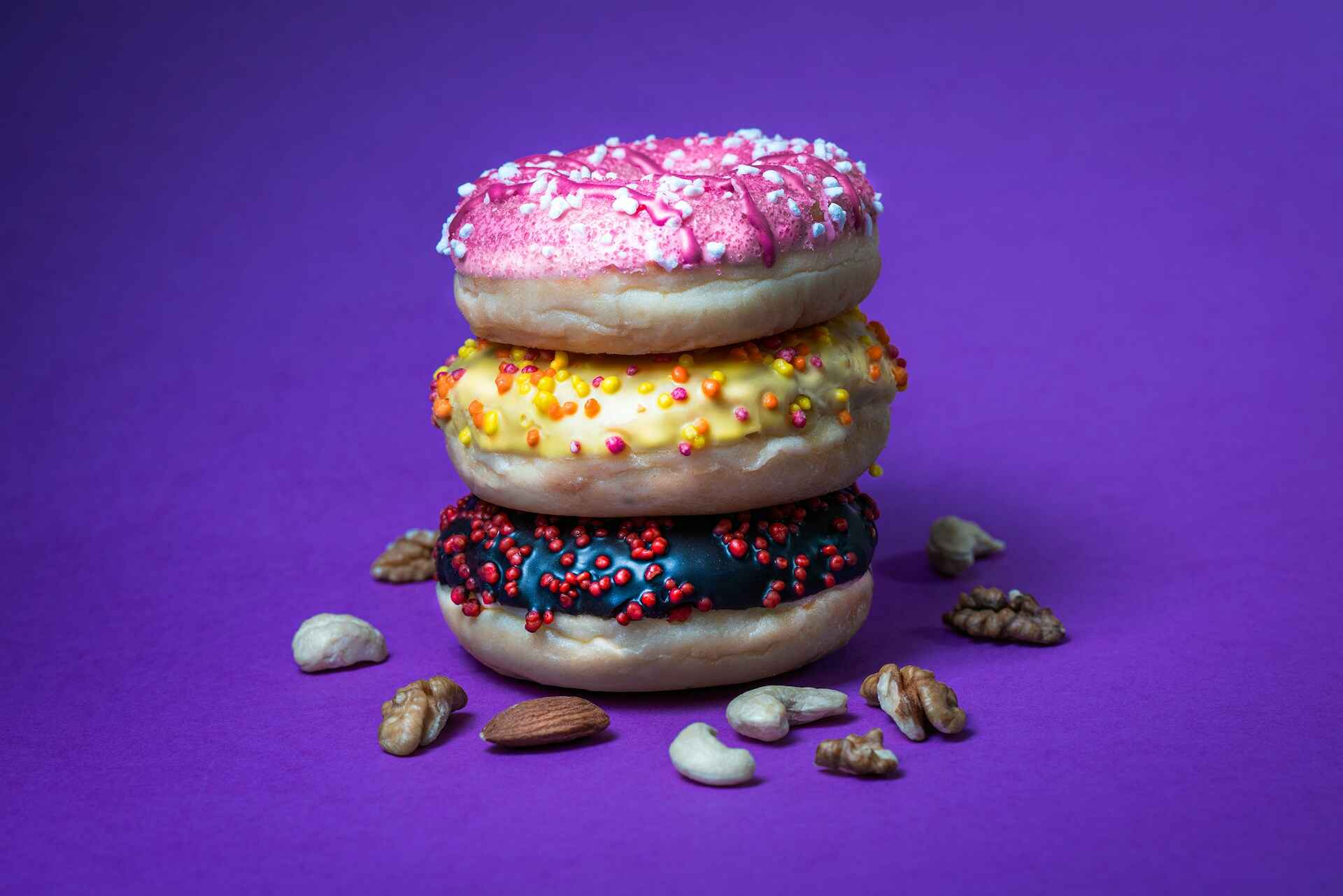
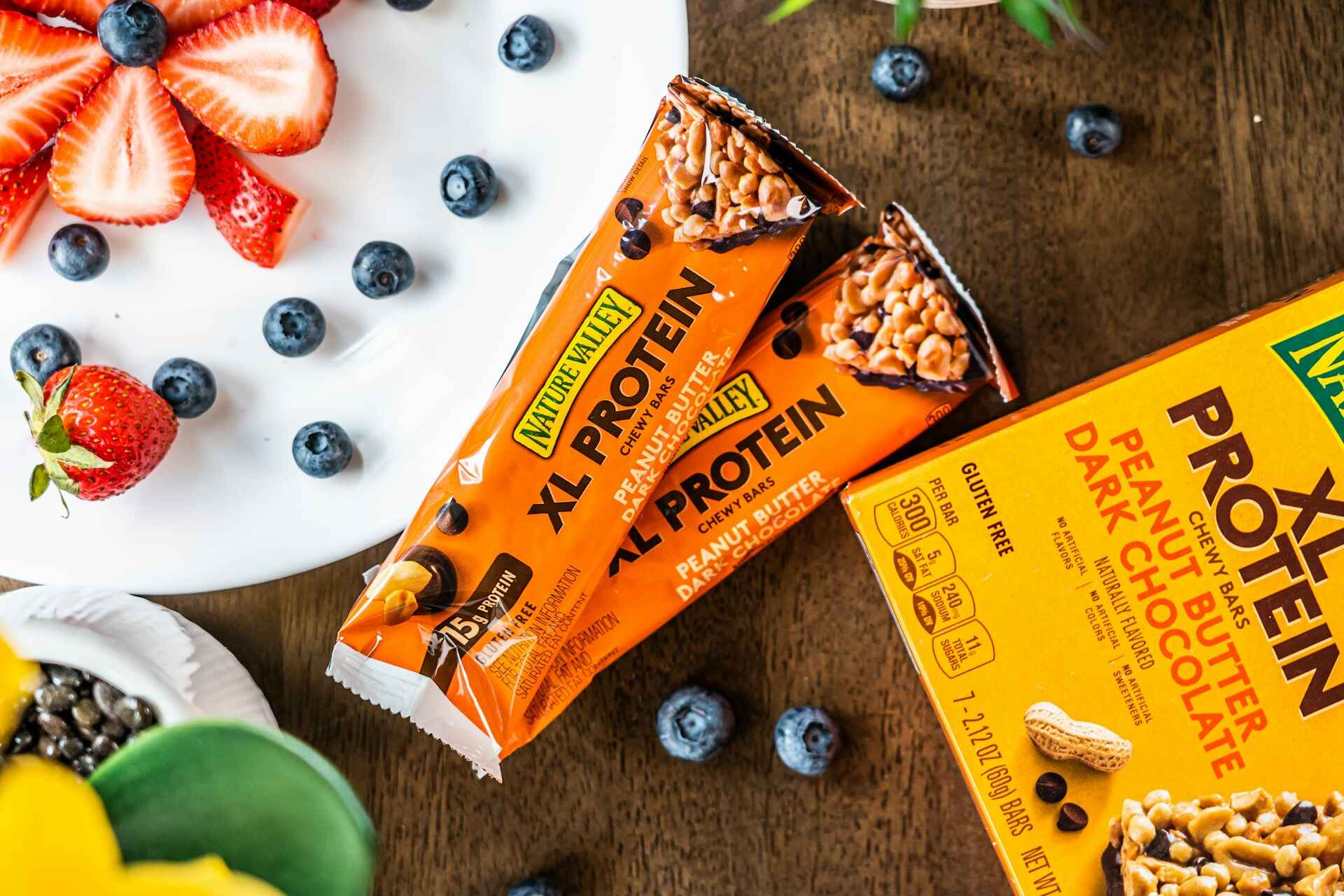
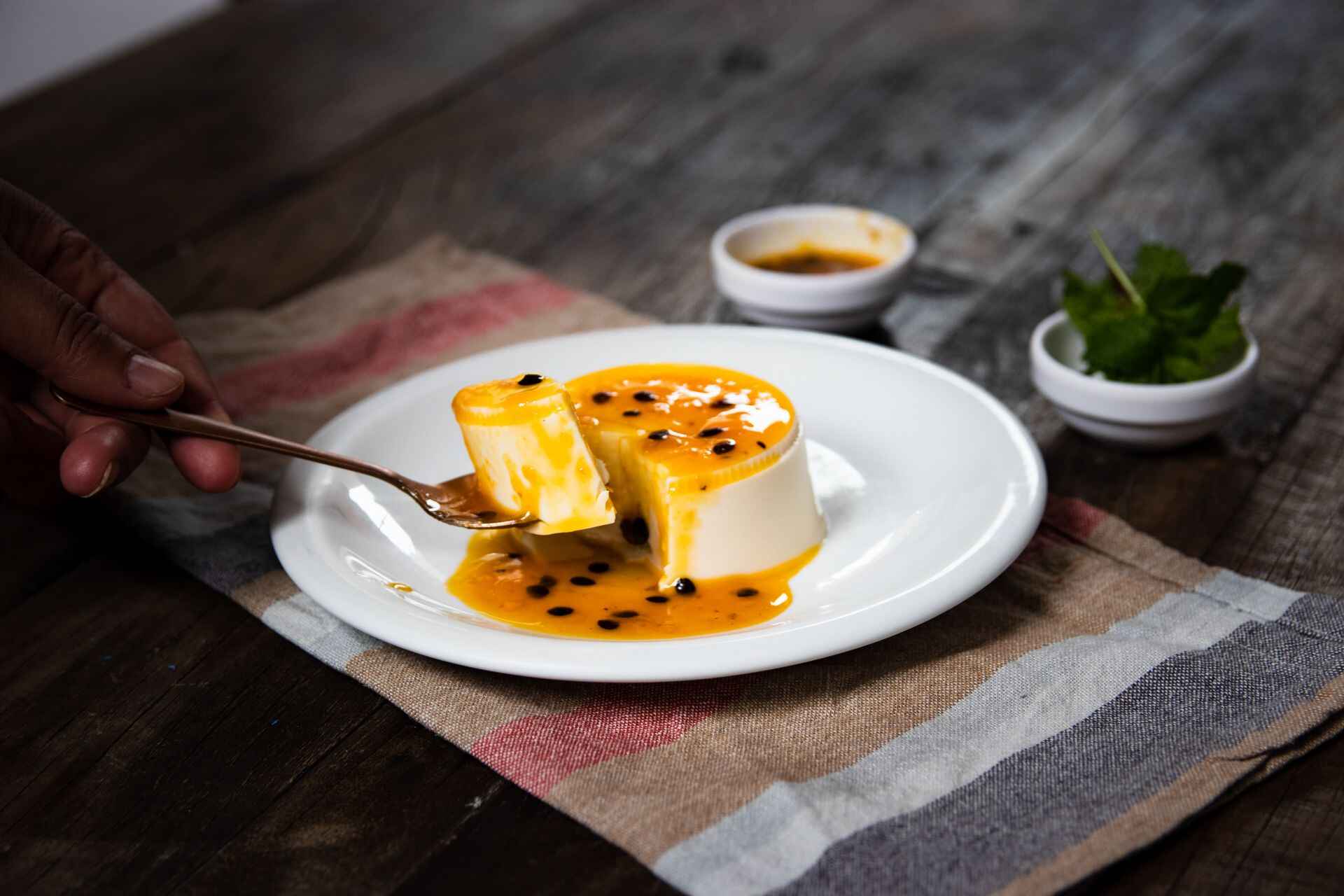
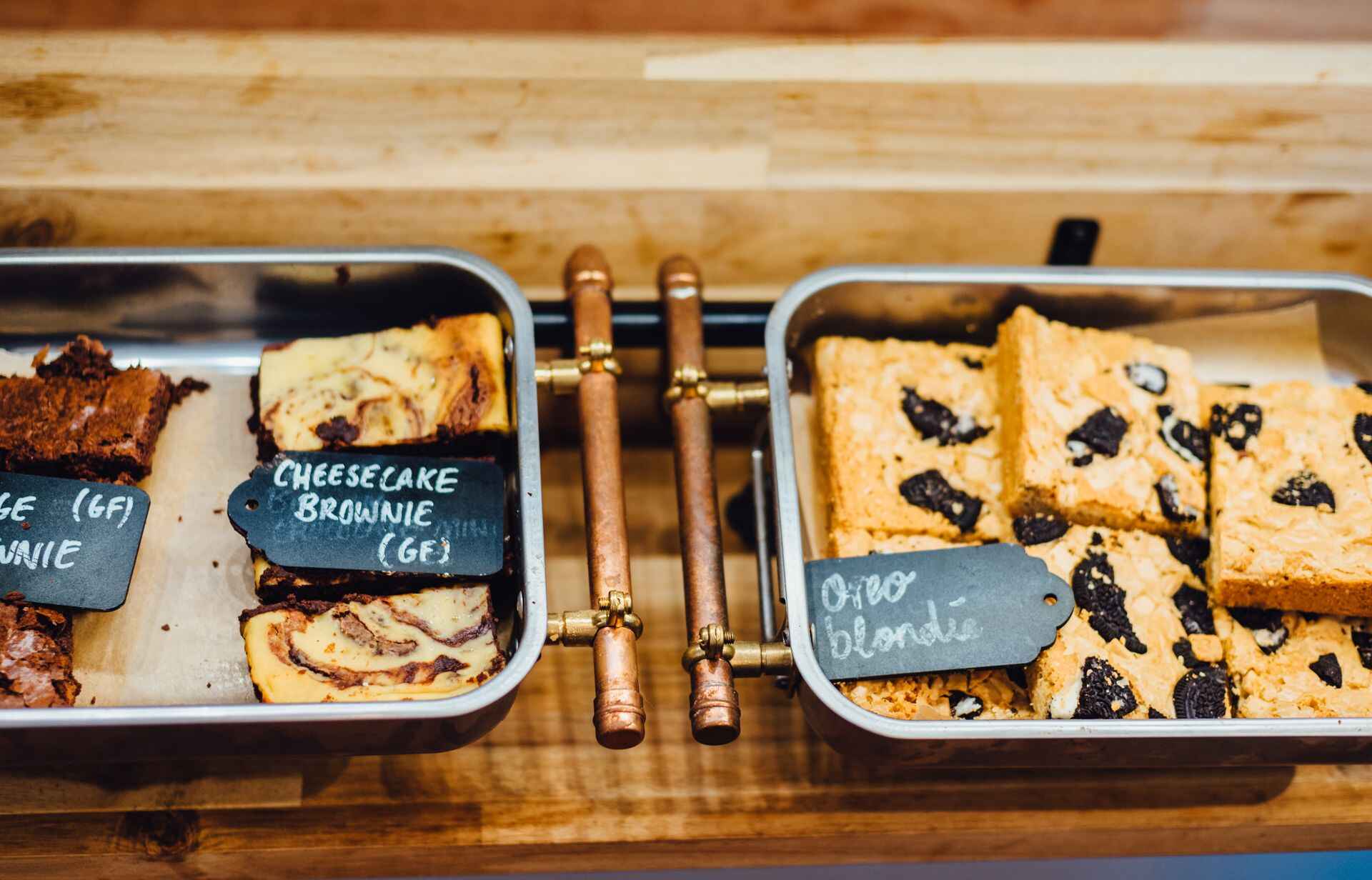
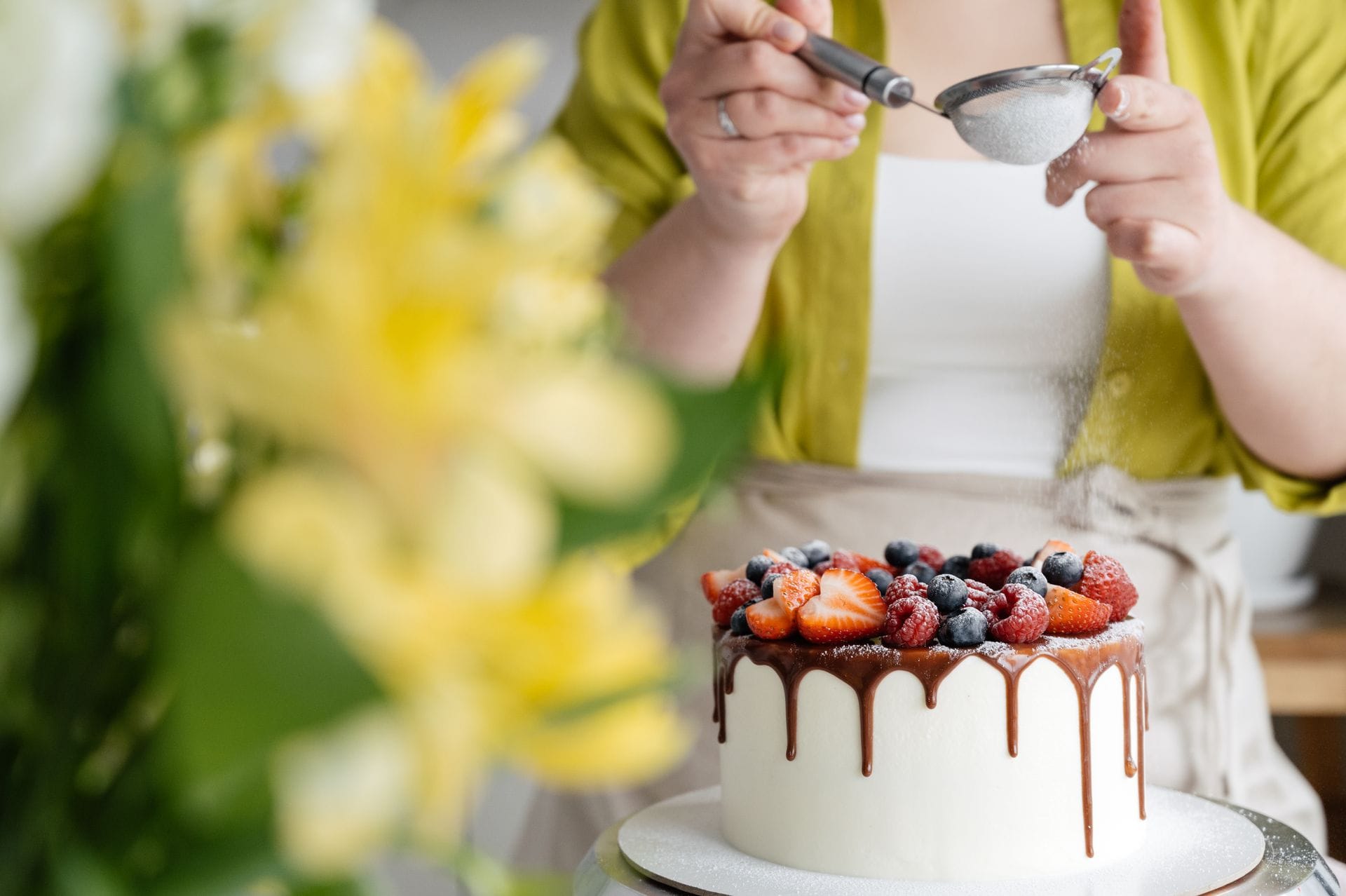
0 Comments