
Eating fewer carbohydrates sounds straightforward until you stand in front of the refrigerator and realize you have no idea what to make for dinner.
That is exactly where a 7-day low carb meal plan can help. Instead of making seven separate food decisions every morning, you start the week with a practical roadmap: what to eat, what to buy, what to prep, and what to do with leftovers. The goal is not to create a week of sad salads or meals built entirely around bacon and cheese. A good low carb meal plan can include colorful vegetables, eggs, fish, chicken, Greek yogurt, berries, nuts, olive oil, avocado, and satisfying homemade meals.
There is one important distinction before we begin: low carb does not automatically mean keto. Mayo Clinic explains that low carb diets vary considerably in the amount and type of carbohydrate they allow, with many approaches falling somewhere around 60 to 130 grams of carbohydrate per day. The American Diabetes Association also describes a low carb eating pattern as emphasizing non-starchy vegetables, healthy fats, protein, and limited amounts of quality carbohydrates.
This 7-day low carb meal plan is designed as a flexible, moderate approach for generally healthy adults. It is not intended to prescribe a specific calorie or carbohydrate target for every person. Think of it as a framework you can customize rather than a nutritional straitjacket.
Why a 7-Day Low Carb Meal Plan Makes Eating Low Carb Easier
The hardest part of changing the way you eat is often not knowing which foods are theoretically “good.” It is deciding what to do with those foods at 7:15 on a busy Tuesday morning.
A 7-day low carb meal plan removes much of that daily decision making. You already know that Monday breakfast is eggs, Tuesday breakfast is Greek yogurt, and Wednesday breakfast is an omelet. Your grocery basket becomes easier to organize because many ingredients appear more than once. Your refrigerator starts working like a little meal prep station instead of a graveyard for forgotten vegetables.
Meal planning also allows you to think about nutrition before hunger takes over. The CDC describes a meal plan as a guide for when, what, and how much to eat, and notes that a good plan should take goals, tastes, lifestyle, and medications into account. The CDC also recommends emphasizing non-starchy vegetables, reducing added sugars and refined grains, and focusing on whole foods as much as possible.
That idea is useful even if you do not have diabetes.
A simple low carb diet plan can make it easier to:
- Shop once instead of making several emergency grocery trips.
- Prepare proteins and vegetables ahead of time.
- Reuse leftovers before they spoil.
- Keep convenient meals available on busy days.
- Reduce the temptation to order highly processed takeout.
- Make portions more intentional.
- Notice which meals actually keep you satisfied.
There is also a psychological benefit. A weekly menu turns a vague goal—“I should eat healthier”—into concrete actions. You are not trying to become a completely different person overnight. You are simply following today's breakfast, today's lunch, and today's dinner.
That makes a low carb weekly meal plan feel much more manageable. (1)
What Does “Low Carb” Mean?
The phrase low carb can mean very different things depending on who is using it. That's why online meal plans can seem contradictory. One plan might provide 80 grams of carbohydrates per day, another 120 grams, and another 30 grams, yet all three call themselves “low carb.”
There is no single universal menu that defines the term for everyone.
Mayo Clinic explains that low carb diets vary in both the type and amount of carbohydrate allowed and reports that many low carb diets provide roughly 60 to 130 grams of carbohydrate per day. The American Diabetes Association uses a percentage-based definition in its review of eating patterns, describing a low carbohydrate eating pattern as reducing carbohydrates to 26–45% of total calories. It separately describes a very low carbohydrate pattern that often targets 20–50 grams of non-fiber carbohydrate per day.
That distinction matters.
A moderate low carb meal plan can still include some berries, yogurt, vegetables, legumes, or small portions of whole-food carbohydrate sources. A ketogenic diet is more restrictive and is designed to keep carbohydrate intake low enough to support nutritional ketosis. Cleveland Clinic notes that staying under roughly 50 grams of carbohydrate per day is commonly used as a ketogenic target, although individual responses vary.
So this plan is intentionally not written as a strict ketogenic meal plan.
Instead, it emphasizes foods that naturally contain fewer carbohydrates while preserving nutritional variety:
- Eggs and other quality protein sources.
- Fish and poultry.
- Lean meats in moderate portions.
- Non-starchy vegetables.
- Avocado and olives.
- Nuts and seeds.
- Plain Greek yogurt and cottage cheese.
- Small servings of berries.
- Olive oil and other healthy fats.
- Flavorful herbs, spices, vinegar, lemon, and low-sugar sauces.
The idea is to reduce the foods that can quickly push carbohydrate intake upward—such as sugary drinks, sweets, refined bread, large portions of pasta, and highly processed snacks—without turning every carbohydrate containing food into a forbidden food.
This distinction is important because carbohydrate quality matters too. Harvard's Nutrition Source emphasizes that the type of carbohydrate matters, pointing toward vegetables, fruits, whole grains, and beans as healthier carbohydrate sources than refined or sugary foods.
Another term you may encounter is net carbs. On many low carb websites, net carbohydrates generally refer to total carbohydrates minus fiber, and sometimes certain sugar alcohols. Because these calculations can differ between products and sugar alcohols are not nutritionally identical, it is smart to look at the full Nutrition Facts label rather than relying only on a package's “net carb” claim.
The CDC recommends reading total carbohydrate on the Nutrition Facts label and explains that fiber is the portion of plant foods that the body does not digest.
The bottom line? A low carb menu should be about reducing carbohydrates thoughtfully—not creating fear around every gram. (2)
How Many Carbs Should You Eat on a Low Carb Diet?
This question sounds like it should have one neat answer.
It doesn't.
The amount of carbohydrate that makes sense for one person may be unnecessarily restrictive—or simply impractical—for another. The CDC specifically states that there is no “one size fits all” carbohydrate amount and recommends individualized guidance, particularly for people managing diabetes.
For this sample 7-day low carb meal plan, a practical starting framework is approximately 50 to 100 grams of total carbohydrate per day, depending on portions and optional snacks. This is a planning range, not a medical prescription, and the actual carbohydrate content of each meal will vary according to brands, recipes, portion sizes, and substitutions.
Why choose that kind of range?
Because it gives the plan enough flexibility to include nutrient-rich foods without requiring every meal to resemble a ketogenic diet.
For example, a person following this low carb diet plan might have:
- Eggs and spinach at breakfast.
- Chicken salad with avocado at lunch.
- Salmon and broccoli at dinner.
- Greek yogurt with a small serving of berries as a snack.
Another person might need more carbohydrates because of their activity level or individual nutritional needs. They could add a modest serving of beans, lentils, fruit, or a whole-food grain while still keeping the overall pattern lower in carbohydrates than their usual diet.
The American Diabetes Association similarly describes a low carbohydrate meal pattern as one centered on non-starchy vegetables, healthy fats, protein, and limited quality carbohydrates.
A useful way to think about carbohydrate targets is as a dimmer switch rather than an on/off button.
You can adjust the carbohydrate level without completely changing the structure of the meal.
For example:
| Meal Component | Lower-Carb Choice | Higher-Carb Adjustment |
|---|---|---|
| Breakfast | Eggs + Spinach + Avocado | Add Berries or Whole-Grain Toast |
| Lunch | Chicken Salad + Vegetables | Add a Small Serving of Beans |
| Dinner | Salmon + Broccoli + Cauliflower | Add a Modest Portion of Quinoa or Brown Rice |
| Snack | Cheese + Cucumber | Add Berries + Plain Yogurt |
If you have diabetes, use insulin or glucose-lowering medication, have kidney or heart disease, are pregnant, or have another medical condition that affects nutrition, discuss carbohydrate changes with your healthcare professional. Mayo Clinic specifically recommends professional guidance before starting a weight loss diet when conditions such as diabetes, heart disease, or kidney disease are present.
A good low carb weekly meal plan should fit the person eating it—not the other way around. (3)
How This 7-Day Low Carb Meal Plan Works
The easiest way to follow this 7-day low carb meal plan is to stop thinking about individual “diet foods” and start thinking about meal construction.
Picture your plate as a simple puzzle.
You need a protein anchor, plenty of vegetables, a source of healthy fat, and—depending on your personal carbohydrate target—a controlled portion of carbohydrate-rich foods.
The protein helps turn a bowl of vegetables into an actual meal. The vegetables add volume, color, fiber, vitamins, minerals, and texture. Healthy fats make the meal more satisfying and help carry flavors. Small amounts of quality carbohydrates can be included when they fit your needs.
Harvard's Healthy Eating Plate emphasizes vegetables and fruits, healthy protein sources, healthy fats, and water while encouraging people to focus on diet quality rather than calories alone.
For a lower-carb adaptation, we will make non-starchy vegetables the star of the plate while keeping carbohydrate-rich foods more intentional.
Your basic formula looks like this:
Protein + non-starchy vegetables + healthy fat + optional quality carbohydrate
That formula is deliberately boring in the best possible way.
Because it means you can build hundreds of meals without needing a special cookbook.
Try grilled chicken with roasted broccoli, then use the same chicken in tomorrow's salad. Make salmon for dinner and turn the leftovers into lunch. Cook ground turkey with herbs and vegetables one night, then transform the leftovers into lettuce cups the next day.
Here are the main foods this plan relies on:
Protein
- Eggs
- Chicken breast or thighs
- Salmon
- Tuna
- Lean ground beef
- Ground turkey
- Greek yogurt
- Cottage cheese
- Tofu as a vegetarian alternative
Non-starchy vegetables
- Spinach
- Broccoli
- Cauliflower
- Zucchini
- Cucumber
- Mushrooms
- Bell peppers
- Green beans
- Asparagus
- Leafy greens
Healthy fats
- Avocado
- Extra-virgin olive oil
- Walnuts
- Almonds
- Chia seeds
- Flaxseed
- Strawberries
- Raspberries
- Blackberries
- Small portions of blueberries
Notice what is missing from that list?
You do not need a refrigerator full of expensive “keto” products.
You don't need specialty cookies.
You don't need low carb tortillas for every meal.
You certainly don't need to replace every normal food with a manufactured imitation.
Those products can have a place, but a sustainable low carb diet plan can be built primarily from ordinary groceries.
The CDC also recommends emphasizing whole foods, non-starchy vegetables, and fewer refined grains and added sugars when creating a healthy eating pattern.
This plan also intentionally repeats ingredients.
That may sound less exciting than seven completely different dinners, but it is much easier in real life. Buying one large container of spinach and using it across several breakfasts and lunches is smarter than purchasing six tiny packages of vegetables that sit around until Friday.
Think of your grocery list as an orchestra.
You want each ingredient to play more than one song. (4)
Portion Sizes, Calories, Protein, Carbs and Easy Swaps
One of the biggest problems with online meal plans is the false impression that a single serving size works for every adult.
It doesn't.
Your calorie and protein requirements depend on factors such as body size, activity level, age, appetite, and goals. Harvard also notes that its Healthy Eating Plate does not prescribe a fixed calorie or serving amount because individual nutritional needs vary.
So instead of treating portions as strict commandments, use them as starting points.
For a typical meal, you might begin with:
- Protein: roughly 4–6 ounces cooked, depending on the food and your needs.
- Vegetables: about 1–2 cups, or a generous serving.
- Healthy fat: around 1–2 teaspoons of oil or a modest serving of avocado, nuts, or seeds.
- Optional carbohydrate: a small portion that fits your personal daily target.
If you are hungry between meals, first ask yourself whether the meals themselves are large enough. Adding another tablespoon of nut butter to everything is not necessarily the answer.
You might simply need more vegetables or protein.
The CDC's meal planning guidance emphasizes portion awareness and gives practical hand-based estimates for protein, cheese, nuts, and other foods.
Now let's talk about substitutions.
A low carb meal plan becomes much easier to follow when one missing ingredient doesn't derail the entire day.
| Original | Easy Substitute |
|---|---|
| Chicken Breast | Turkey Breast |
| Salmon | Trout |
| Lean Beef | Ground Turkey |
| Greek Yogurt | Cottage Cheese |
| Broccoli | Green Beans |
| Cauliflower Rice | Shredded Cabbage |
| Spinach | Kale or Mixed Greens |
| Walnuts | Almonds |
| Avocado | Olives |
| Tuna | Cooked Chicken |
When making substitutions, aim for similar nutritional roles.
Replacing salmon with tuna makes sense because both provide protein and are easy to use in salads. Replacing broccoli with a sugary sauce simply because the sauce has no fat does not accomplish the same thing.
This is where the idea of a flexible low carb weekly meal plan becomes powerful.
You are following a structure, not a script.
7-Day Low Carb Meal Plan at a Glance
Before getting into each day, here is the entire 7-day low carb meal plan in one place.
| Day | Breakfast | Lunch | Dinner | Optional Snack |
|---|---|---|---|---|
| Day 1 | Spinach-Feta Eggs + Avocado | Chicken Avocado Salad | Salmon + Roasted Broccoli | Greek Yogurt + Walnuts |
| Day 2 | Greek Yogurt + Berries + Chia | Turkey Lettuce Wraps | Beef Zucchini Stir-Fry | Hard-Boiled Eggs |
| Day 3 | Mushroom-Spinach Omelet | Tuna Cucumber Salad | Chicken Cauliflower Bowl | Cottage Cheese |
| Day 4 | Egg Muffins | Chicken Salad Bowl | Turkey Meatballs + Vegetables | Nuts + Cucumber |
| Day 5 | Cottage Cheese + Berries | Salmon Salad | Low-Carb Taco Lettuce Bowl | Cheese + Vegetables |
| Day 6 | Avocado Scrambled Eggs | Leftover Protein Bowl | Garlic Chicken + Green Beans | Greek Yogurt |
| Day 7 | Low-Carb Breakfast Bowl | Leftovers or Tuna Salad | Roast Chicken + Vegetables | Nuts |
The beauty of this low carb menu is that it does not require you to cook a restaurant dinner every night.
Several meals intentionally create leftovers.
That is not cutting corners. That's meal planning working as designed.
You can also move the days around. Maybe Saturday is your busiest day, so you swap the leftovers Day 6 with a different day. Maybe you dislike fish. Replace the salmon with chicken or turkey and adjust the rest of your week.
The structure remains intact.
For carbohydrate tracking, remember that actual numbers depend on the ingredients and brands you purchase. A plain Greek yogurt may have a different carbohydrate profile from a flavored variety, and salad dressings can vary significantly in added sugar.
When you need accurate numbers, check the Nutrition Facts label or calculate the recipe using the specific ingredients you use. The CDC specifically recommends using food labels and carbohydrate information to track grams of carbohydrate.
Now let's make the week work.
Day 1: Eggs, Chicken Salad and Salmon With Broccoli
Day 1 should feel almost ridiculously simple.
That's intentional.
You do not need to begin a 7-day low carb meal plan with a complicated recipe containing fourteen ingredients and three different cooking techniques. The first day should build confidence.
Breakfast: Spinach and Feta Eggs With Avocado

Start with two or three eggs, a generous handful of spinach, a small amount of feta, and avocado.
Cook the spinach until just wilted, add the beaten eggs, and finish with feta and sliced avocado.
You get protein from the eggs, vegetables from spinach, and satisfying fat from the avocado and feta. If you prefer a little heat, add red pepper flakes or a few drops of hot sauce.
Coffee or unsweetened tea works well alongside the meal.
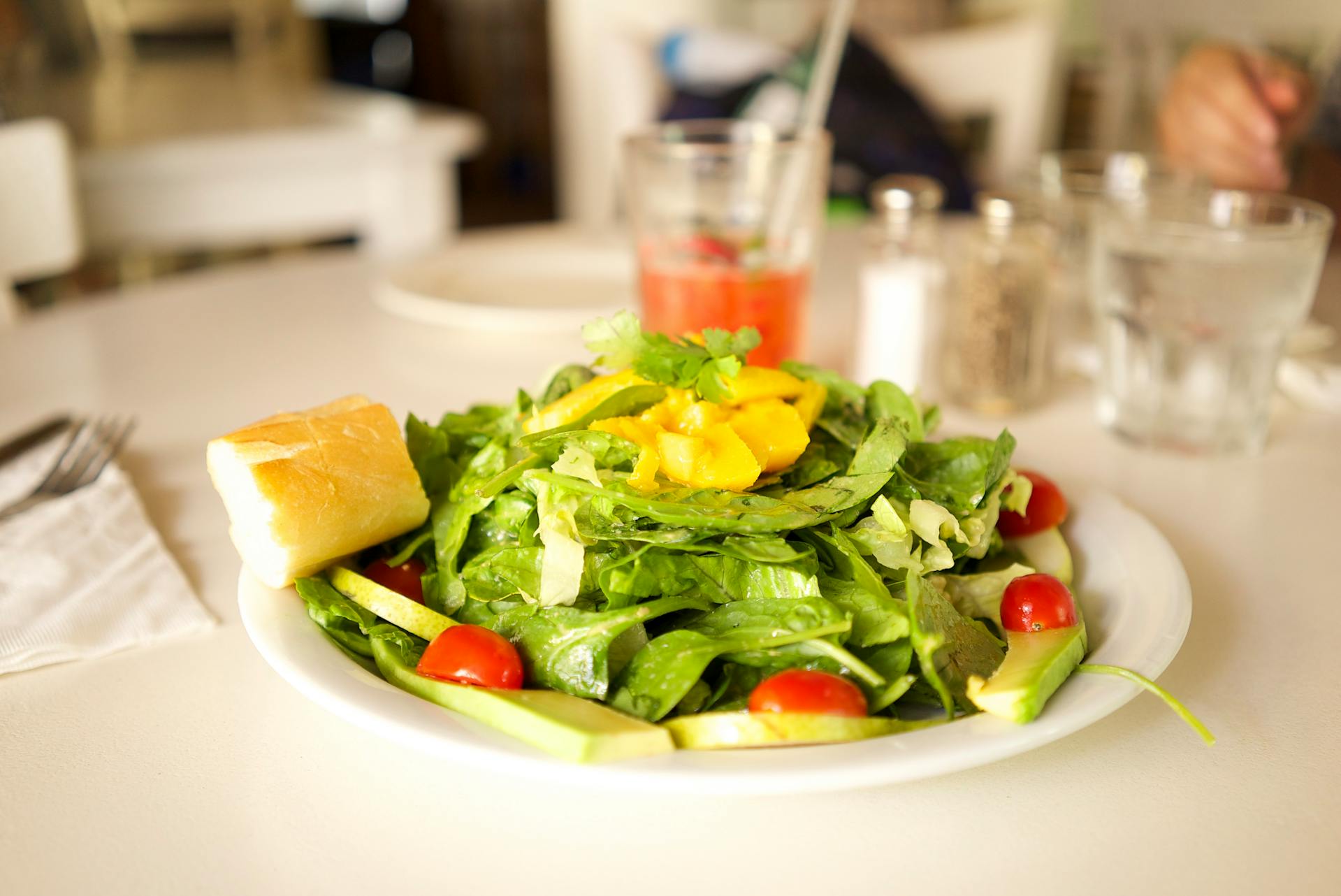
Lunch: Chicken Avocado Salad
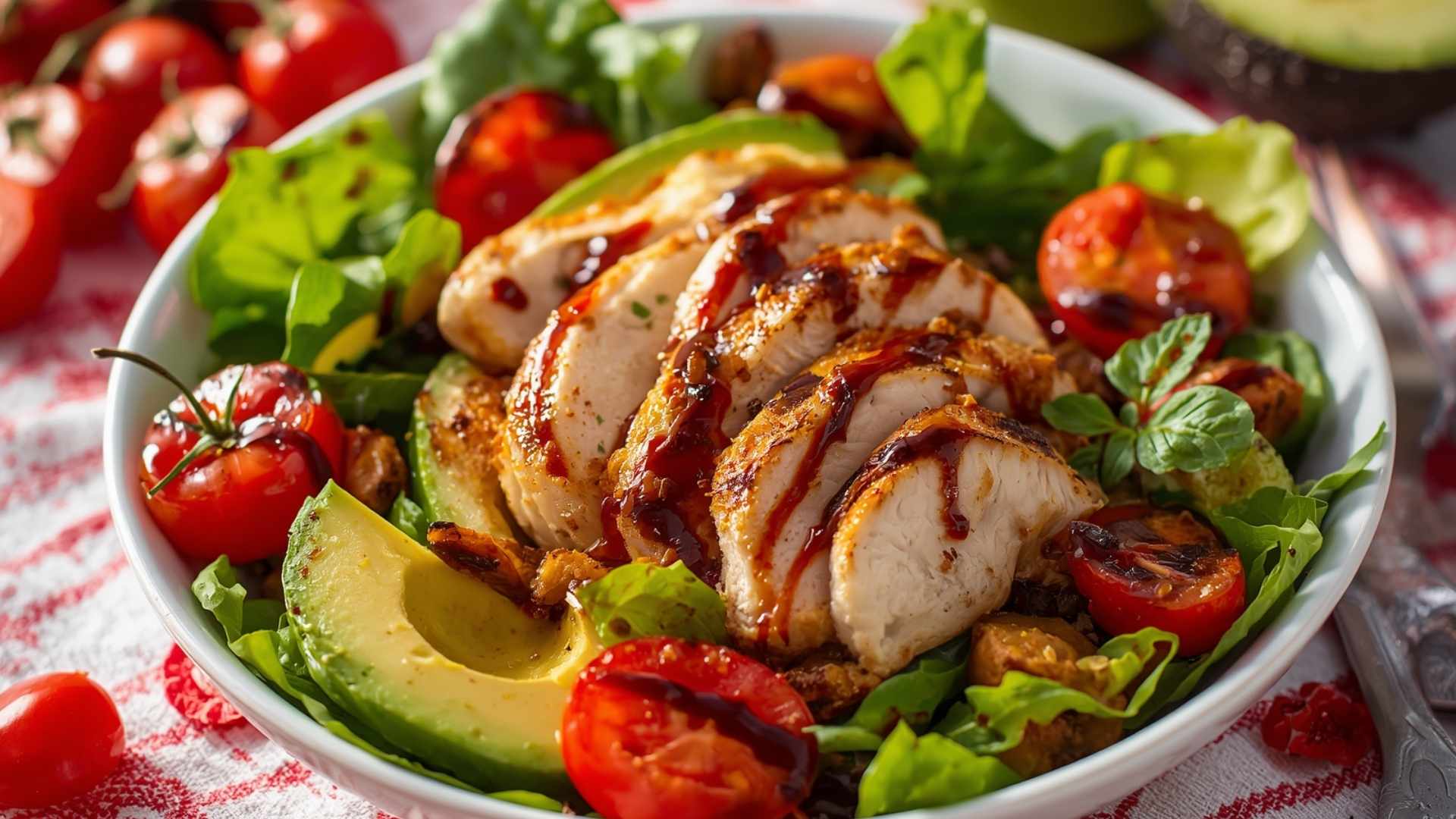
For lunch, use grilled or roasted chicken over mixed greens.
Add cucumber, avocado, a few tomato pieces, and a simple dressing made from olive oil, lemon juice, mustard, salt, and pepper.
This meal proves a low carb diet plan doesn't need to be complicated.
The dressing matters.
A good acidic dressing wakes up the whole bowl. Lemon juice adds brightness. Mustard adds personality. Olive oil adds richness.
Snack: Greek Yogurt and Walnuts

Choose plain, unsweetened Greek yogurt. Add a small portion of chopped walnuts and cinnamon.
Avoid turning the snack into dessert by adding flavored syrup or sweetened granola.
Dinner: Baked Salmon and Roasted Broccoli
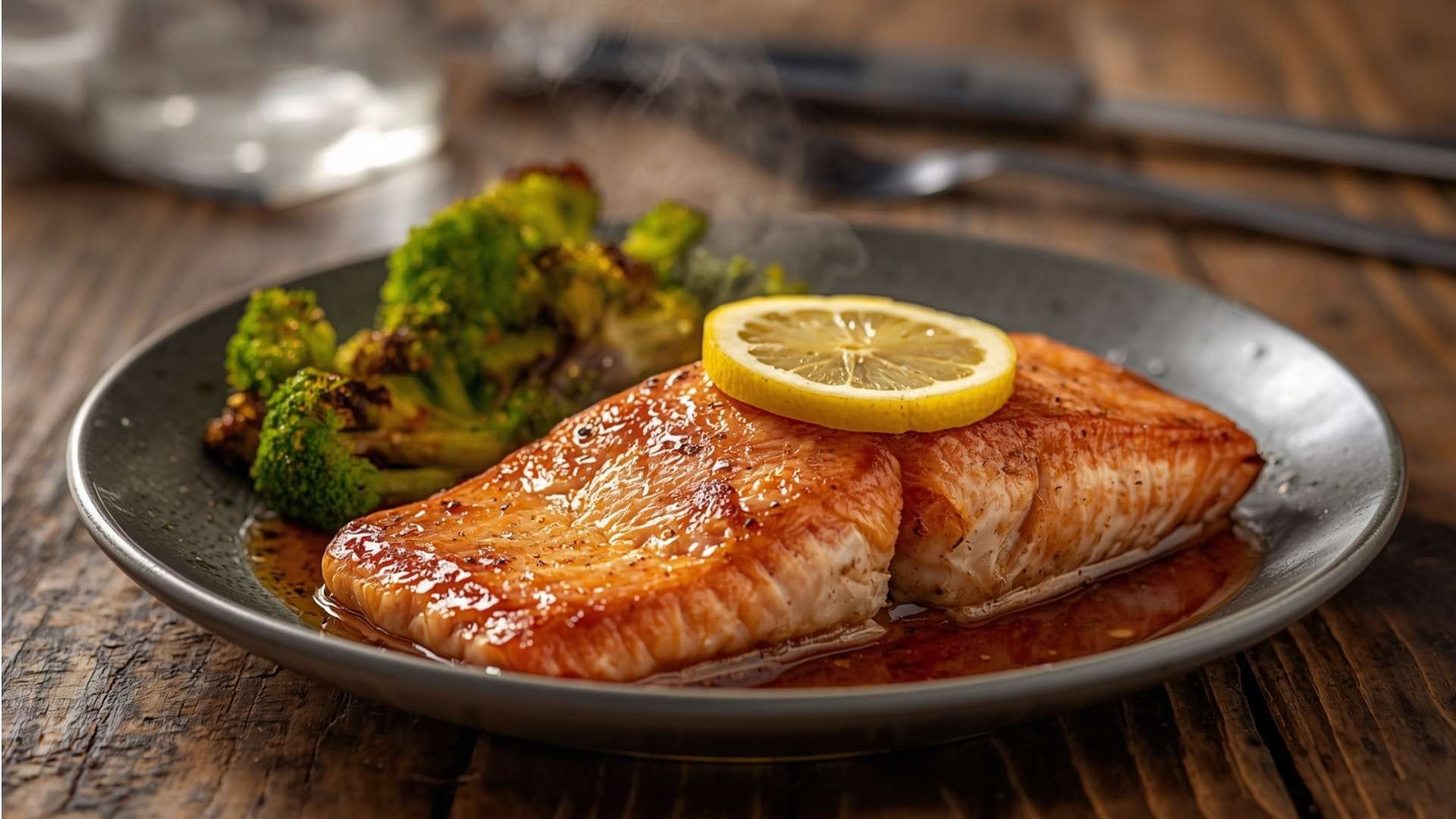
Season salmon with garlic, lemon, black pepper, and herbs.
Roast broccoli until the edges become slightly crisp.
Serve the fish with broccoli and a simple cucumber salad.
Before you finish cooking, set aside some of the chicken from lunch or prepare extra protein for the following day.
That little decision will save time tomorrow.
Day 1 strategy: Keep the first day simple enough that you finish thinking, “I can actually do this.”
Day 2: Greek Yogurt, Turkey Lettuce Wraps and Beef Zucchini Stir-Fry
Day 2 introduces a little more variety while keeping the ingredient list under control.
Breakfast: Greek Yogurt Berry Bowl
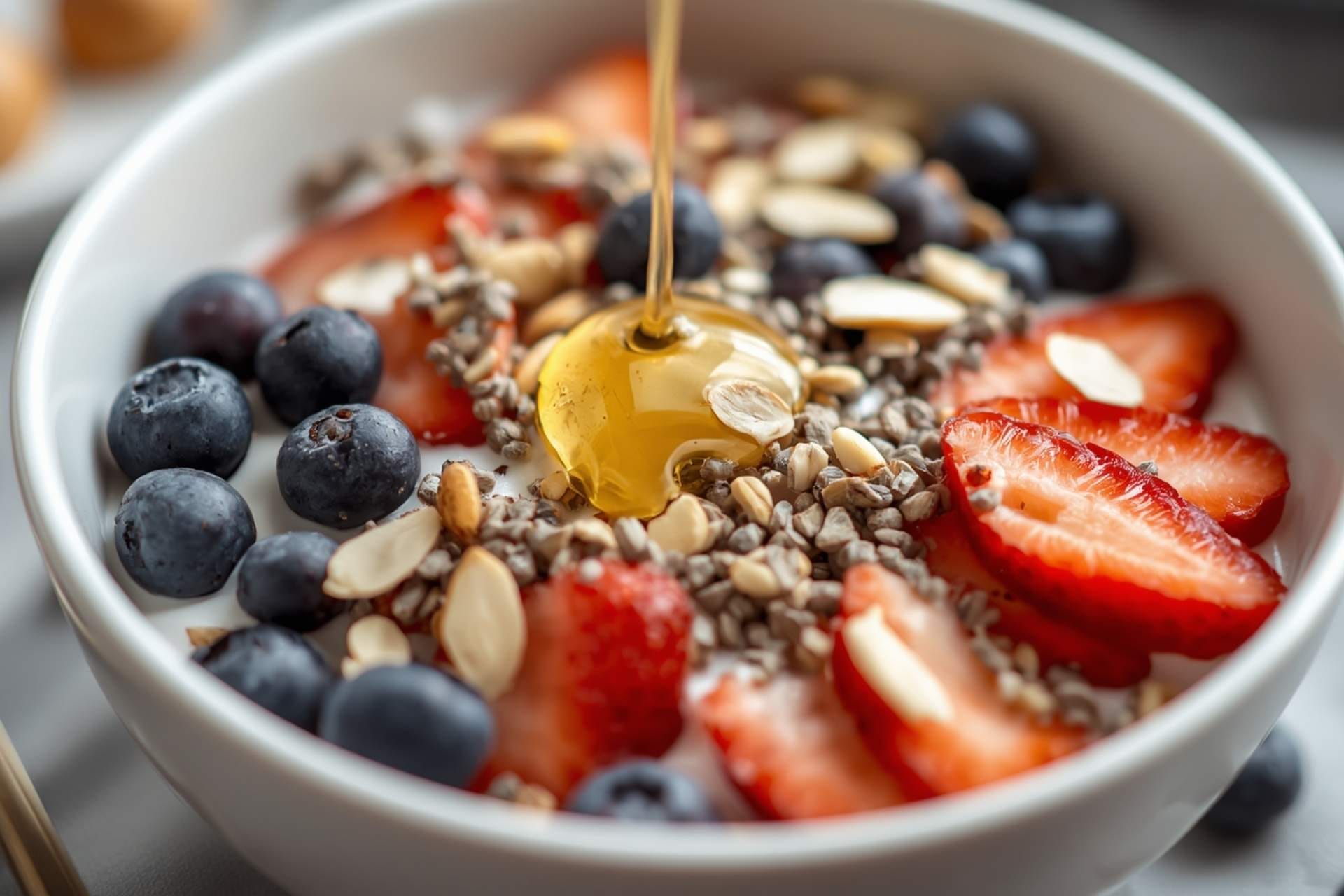
Use plain Greek yogurt as the base.
Add a small serving of strawberries, raspberries, or blueberries. Finish with chia seeds and a few chopped walnuts.
The important word here is small.
Berries can fit into a low carb eating pattern, but a giant bowl of fruit changes the carbohydrate total quickly.
If you need more staying power, add an egg on the side.
Lunch: Turkey Lettuce Wraps

Use large romaine or butter lettuce leaves instead of tortillas.
Fill them with sliced turkey, cucumber, bell pepper, avocado, and a small amount of cheese.
Add mustard or a homemade yogurt sauce.
The result has the hand held satisfaction of a sandwich without requiring a conventional bread heavy wrap.
You can also use leftover chicken from Day 1 if you prefer.
Snack: Hard-Boiled Eggs

Two hard-boiled eggs make a convenient snack that requires essentially no assembly.
Pair them with cucumber slices or celery if you want extra crunch.
Dinner: Beef Zucchini Stir-Fry
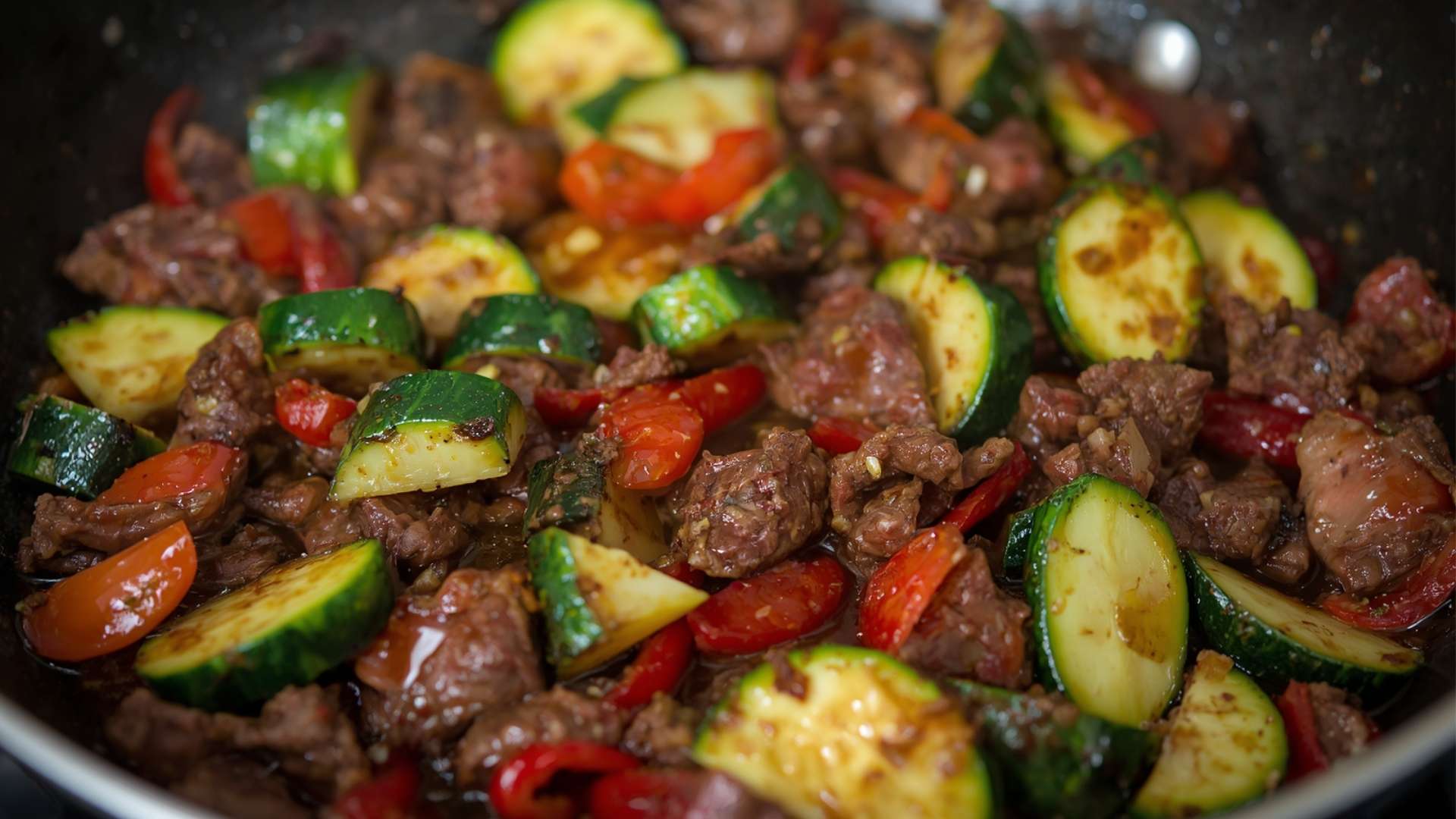
Brown lean ground beef in a skillet.
Add sliced zucchini, mushrooms, bell pepper, garlic, ginger, and a small amount of low-sodium soy sauce or tamari.
Use herbs and spices generously.
This meal should taste like real dinner—not like “diet food.”
You can serve it over cauliflower rice if you want a larger volume meal.
If another person in your household wants regular rice, serve the rice separately. That lets everyone eat the same basic dinner without requiring the whole family to follow the same low carb meal plan.
Make Tomorrow Easier
While cleaning up dinner, put aside one serving of the beef and vegetables.
Tomorrow's lunch is already halfway done.
That's the secret rhythm of the week: cook → portion → reuse.
Day 3: Mushroom Omelet, Tuna Salad and Chicken Cauliflower Bowl
By Day 3, many people realize that the meal plan is less about restriction and more about rhythm.
You know what's coming.
Your refrigerator has prepared food.
Breakfast takes minutes.
Lunch doesn't require a decision.
That's exactly what we want.
Breakfast: Mushroom and Spinach Omelet

Sauté mushrooms with spinach.
Add two or three beaten eggs and finish with a small amount of cheese.
If you want more volume, serve the omelet with cucumber or tomato on the side.
This breakfast provides a simple combination of protein and vegetables without relying on toast, cereal, muffins, or sweet breakfast foods.
Lunch: Tuna Cucumber Salad

Combine canned tuna with cucumber, celery, leafy greens, lemon juice, and olive oil.
For a creamy version, add a little plain Greek yogurt or mayonnaise according to your preference.
Avocado also works beautifully here.
The result is crunchy, creamy, salty, and fresh.
Those textures matter more than people realize.
A satisfying meal is not just about macronutrients. Your brain notices temperature, crunch, acidity, creaminess, aroma, and color.
Snack: Cottage Cheese

A modest portion of cottage cheese works as an easy protein-rich snack.
Add black pepper, cucumber, and herbs for a savory version.
Or add a few berries if you prefer something lightly sweet.
Dinner: Chicken Cauliflower Bowl

Take cooked chicken and combine it with cauliflower rice, broccoli, spinach, avocado, herbs, and lemon.
You can use Mexican-inspired seasoning, Mediterranean herbs, or a simple garlic and parsley mixture.
This is also an excellent “clean out the refrigerator” meal.
The vegetables don't have to be the same every week. The basic formula is what matters.
Protein + vegetables + flavor + healthy fat.
That formula is the backbone of a sustainable low carb weekly meal plan. (5)
Day 4: Egg Muffins, Chicken Salad and Turkey Meatballs
Day 4 is where meal prep starts paying dividends.
Breakfast: Make-Ahead Egg Muffins

Whisk eggs with spinach, diced peppers, mushrooms, and a little cheese.
Pour the mixture into a greased muffin pan and bake until set.
Prepare several at once and refrigerate the extras.
They become a grab-and-go breakfast for busy mornings.
You can also freeze them if appropriate for your recipe and storage setup, then thaw and reheat safely.
Lunch: Chicken Salad Bowl
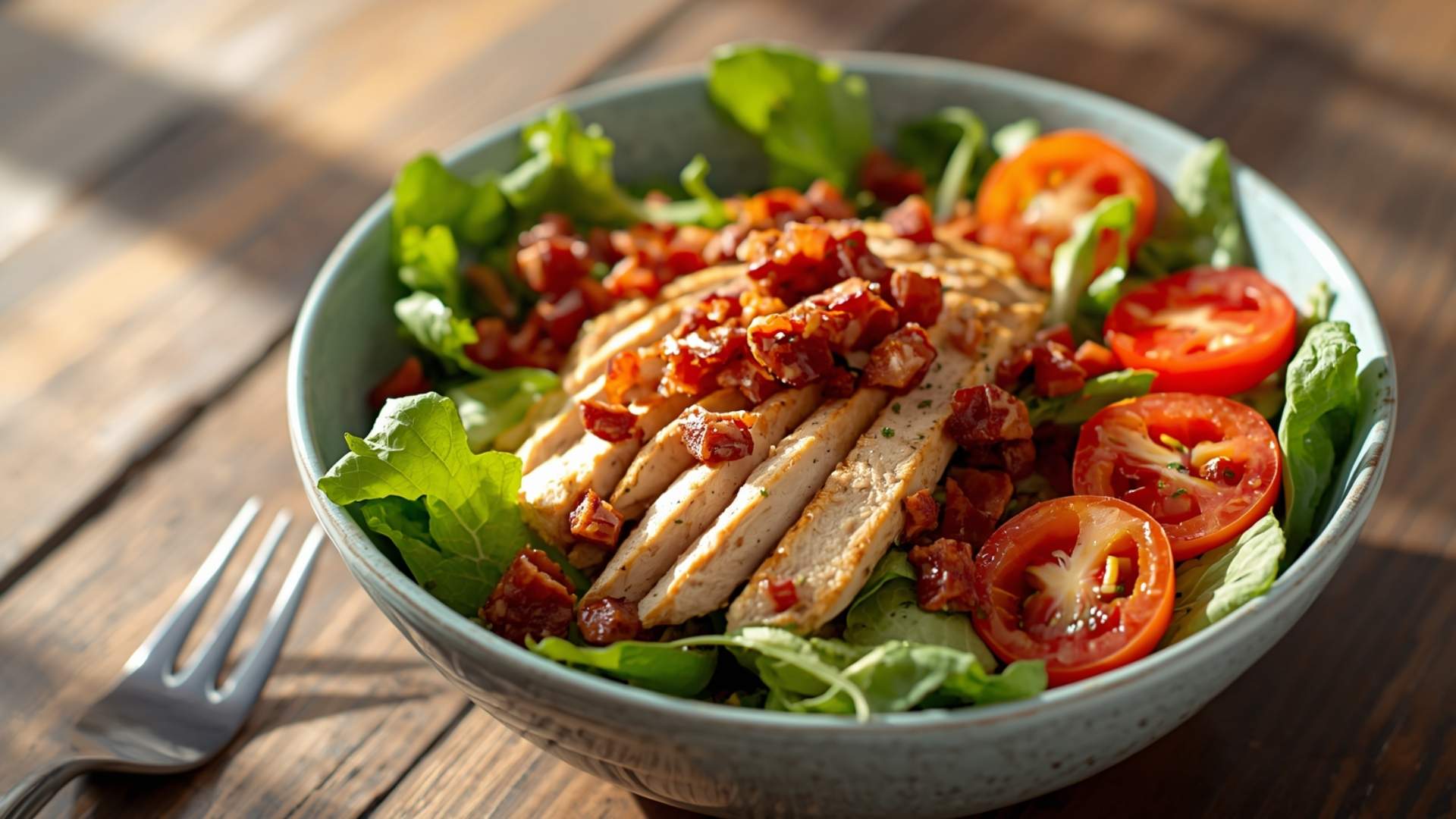
Use leftover chicken from Days 1–3.
Add mixed greens, cucumber, avocado, tomatoes, and a simple olive oil and lemon dressing.
This is intentionally repetitive.
And that's okay.
A 7-day low carb meal plan doesn't need seven completely separate shopping lists. Repeating ingredients reduces food waste and lowers the number of decisions you make.
Snack: Nuts and Cucumber
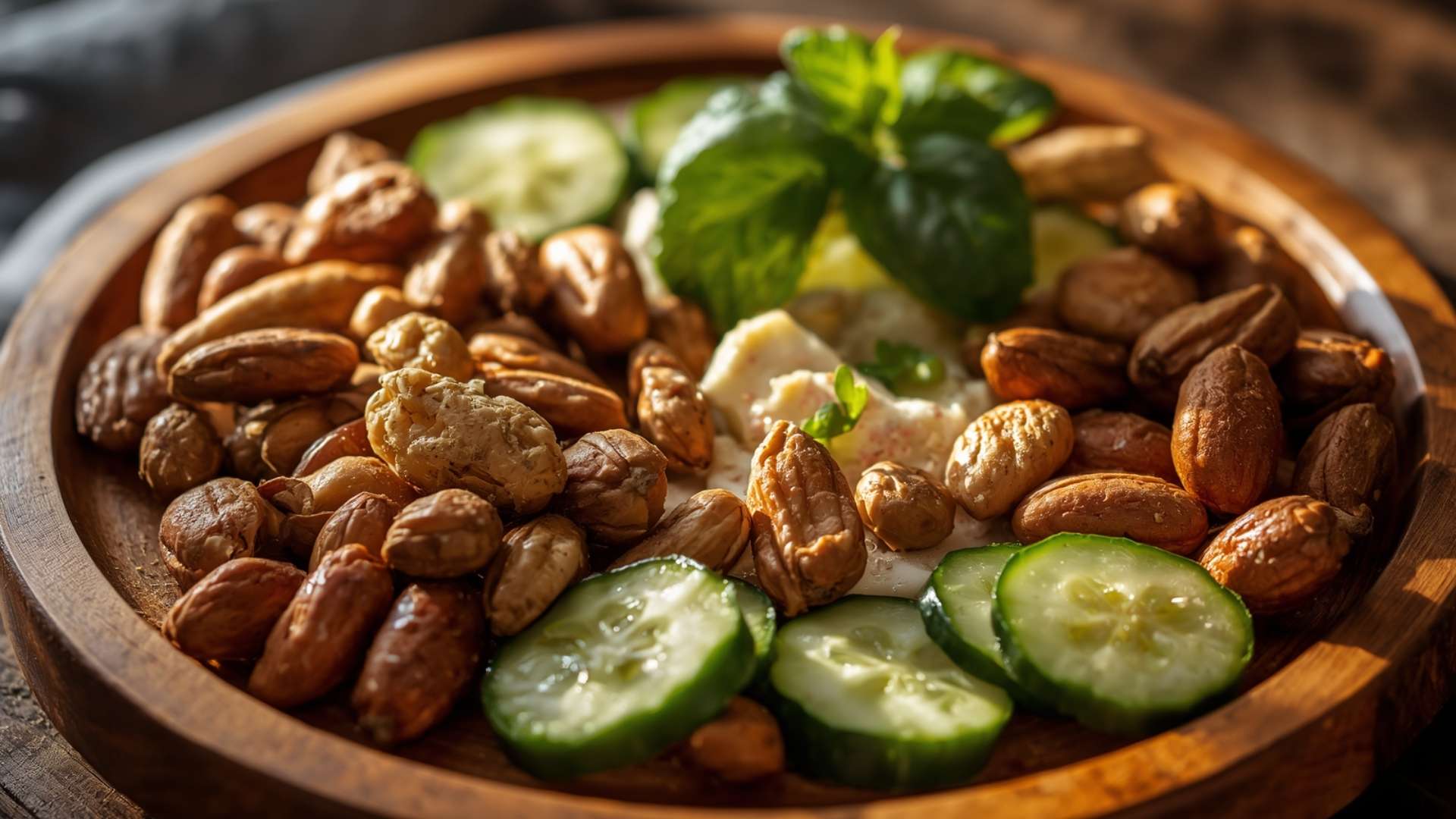
Choose a small handful of almonds or walnuts and pair them with cucumber slices.
Nuts are nutritious, but they are also energy-dense. “Healthy” does not mean unlimited.
That is an important lesson for anyone using a low carb eating plan for weight management.
Dinner: Turkey Meatballs With Roasted Vegetables

Mix ground turkey with egg, garlic, parsley, Italian herbs, salt, pepper, and a small amount of grated cheese.
Instead of traditional breadcrumbs, you can form the meatballs without them or use an appropriate low carb binder if your recipe requires one.
Serve the meatballs with roasted zucchini, cauliflower mash, and leafy greens.
For sauce, choose a tomato sauce with no added sugar or make your own with crushed tomatoes, garlic, herbs, and olive oil.
You can make extra meatballs.
Tomorrow, they can become lunch.
That is another small decision that makes the entire low carb menu easier.
Day 5: Cottage Cheese, Salmon Salad and Low Carb Taco Bowl
Friday meals should feel enjoyable.
Healthy eating becomes much easier when your meals still have personality.
Breakfast: Cottage Cheese and Berries

Combine cottage cheese with a small serving of berries, chia seeds, and cinnamon.
Some people love cottage cheese immediately.
Others need a little time.
If you're in the second group, blend it into a creamy bowl or use plain Greek yogurt instead.
No one awards you for eating a food you hate.
Lunch: Salmon Salad

Use leftover salmon over mixed greens.
Add cucumber, avocado, herbs, lemon, and olive oil.
A little Dijon mustard can add a sharper flavor.
If you do not have leftover salmon, canned salmon or tuna works.
Snack: Cheese and Vegetables
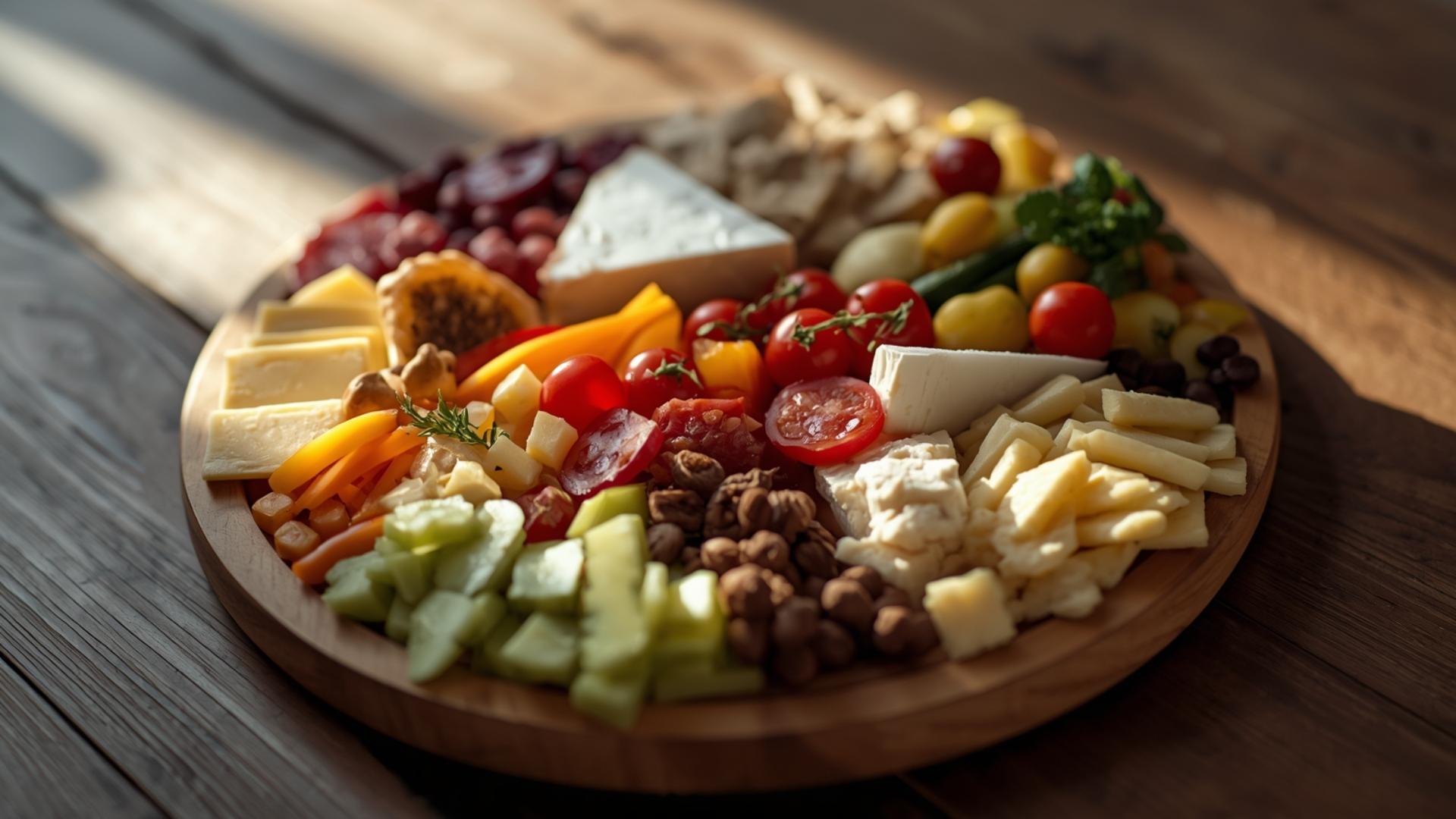
Pair a small portion of cheese with cucumber, celery, or bell pepper.
The crunch makes the snack more satisfying than simply eating cheese by itself.
Dinner: Low Carb Taco Lettuce Bowl

Brown lean ground beef with cumin, paprika, garlic, chili powder, and black pepper.
Build a bowl with:
- Shredded lettuce
- Seasoned beef
- Tomato
- Avocado
- Cucumber
- Salsa
- Plain Greek yogurt
- Fresh cilantro
- Lime
This is where low carb food gets fun.
You can still have taco night.
You are simply changing the base.
Instead of a pile of tortillas, make the vegetables the foundation and let the seasoned protein provide the main flavor.
This also works exceptionally well for families.
One person can use lettuce.
Another can add rice.
Someone else can use tortillas.
The shared meal remains nearly identical.
That flexibility is often more sustainable than creating completely separate “diet” meals.
Day 6: Avocado Eggs, Leftover Protein Bowl and Garlic Chicken
Day 6 is your busy day insurance policy.
The meal plan deliberately assumes you have a life.
Maybe you have errands.
Maybe you work late.
Maybe you just don't feel like cooking.
That's why this day relies on leftovers and quick preparation.
Breakfast: Avocado Scrambled Eggs

Scramble eggs with spinach.
Add avocado after cooking and season with black pepper and herbs.
If you have leftover vegetables from earlier in the week, toss them into the eggs.
This is one of the easiest ways to avoid throwing away small amounts of produce.
Lunch: Leftover Protein Bowl
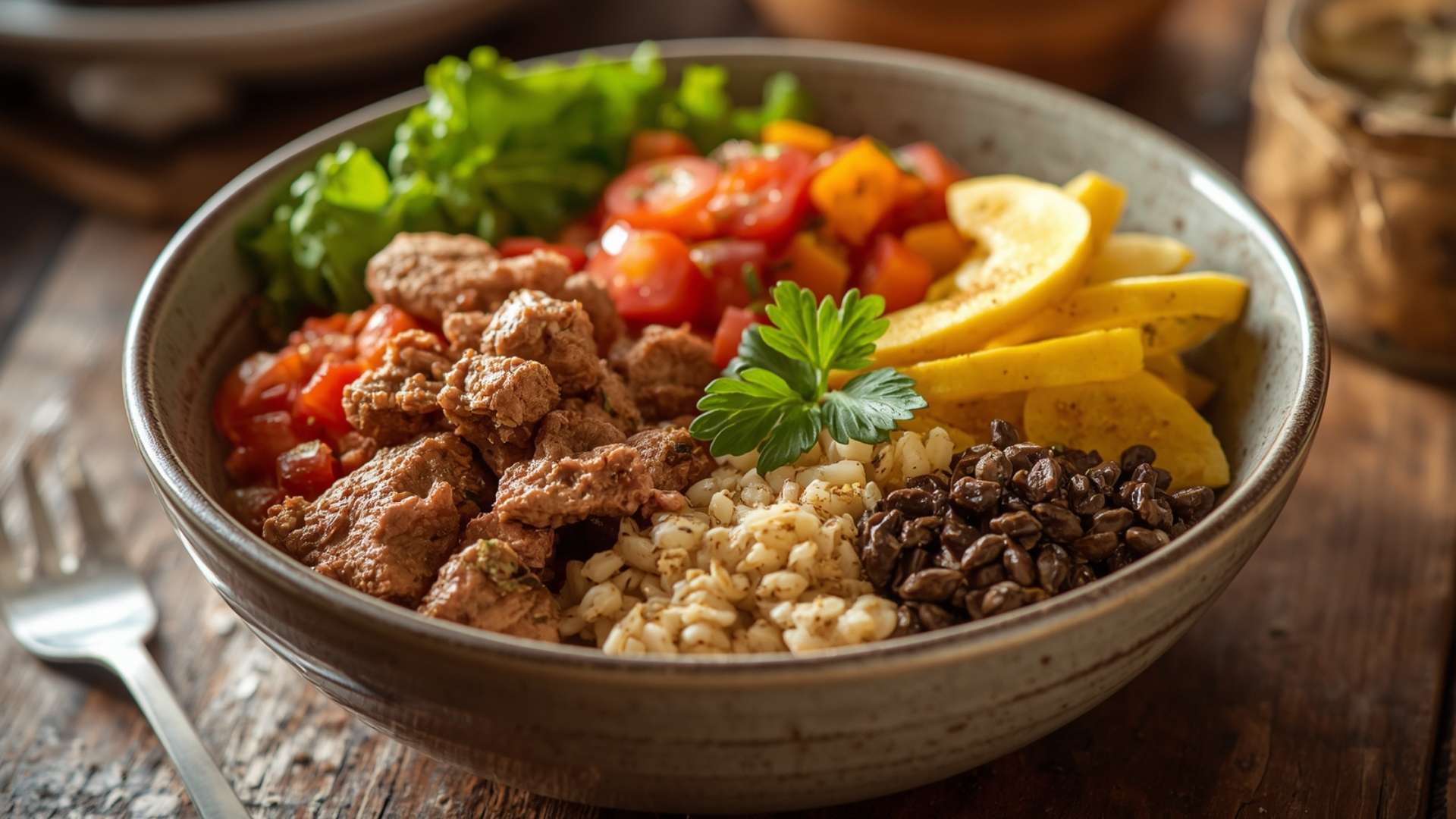
Open the refrigerator.
Take whatever cooked protein remains.
Add greens, cucumber, leftover roasted vegetables, avocado, and dressing.
Done.
This is not a “cheat.”
It's exactly what good meal planning should produce.
Snack: Plain Greek Yogurt

Choose unsweetened Greek yogurt and add cinnamon.
For more texture, add a small amount of walnuts or chia seeds.
Dinner: Garlic Chicken and Green Beans

Cook chicken with garlic, lemon, black pepper, paprika, and herbs.
Serve with green beans and roasted cauliflower.
This meal is fast, familiar, and easy to scale.
If you are feeding several people, simply increase the amount of chicken and vegetables.
One important point here is food safety.
The FDA advises refrigerating or freezing perishable foods, prepared foods, and leftovers within two hours. It recommends keeping the refrigerator at 40°F (4°C) or below and the freezer at 0°F (-18°C).
The FDA also recommends using leftovers within about three to four days, assuming proper refrigeration.
So your meal prep strategy should not simply be “put everything in the fridge and forget about it.”
Label containers.
Date them.
Freeze anything you will not use within a safe window.
Your low carb meal plan should make eating easier—not create a food-safety guessing game. (6, 7)
Day 7: Low Carb Breakfast Bowl, Leftover Lunch and Sunday Roast Chicken
You've made it to Day 7.
Instead of treating Sunday like the end of the plan, use it as the bridge into the next week.
Breakfast: Low Carb Breakfast Bowl
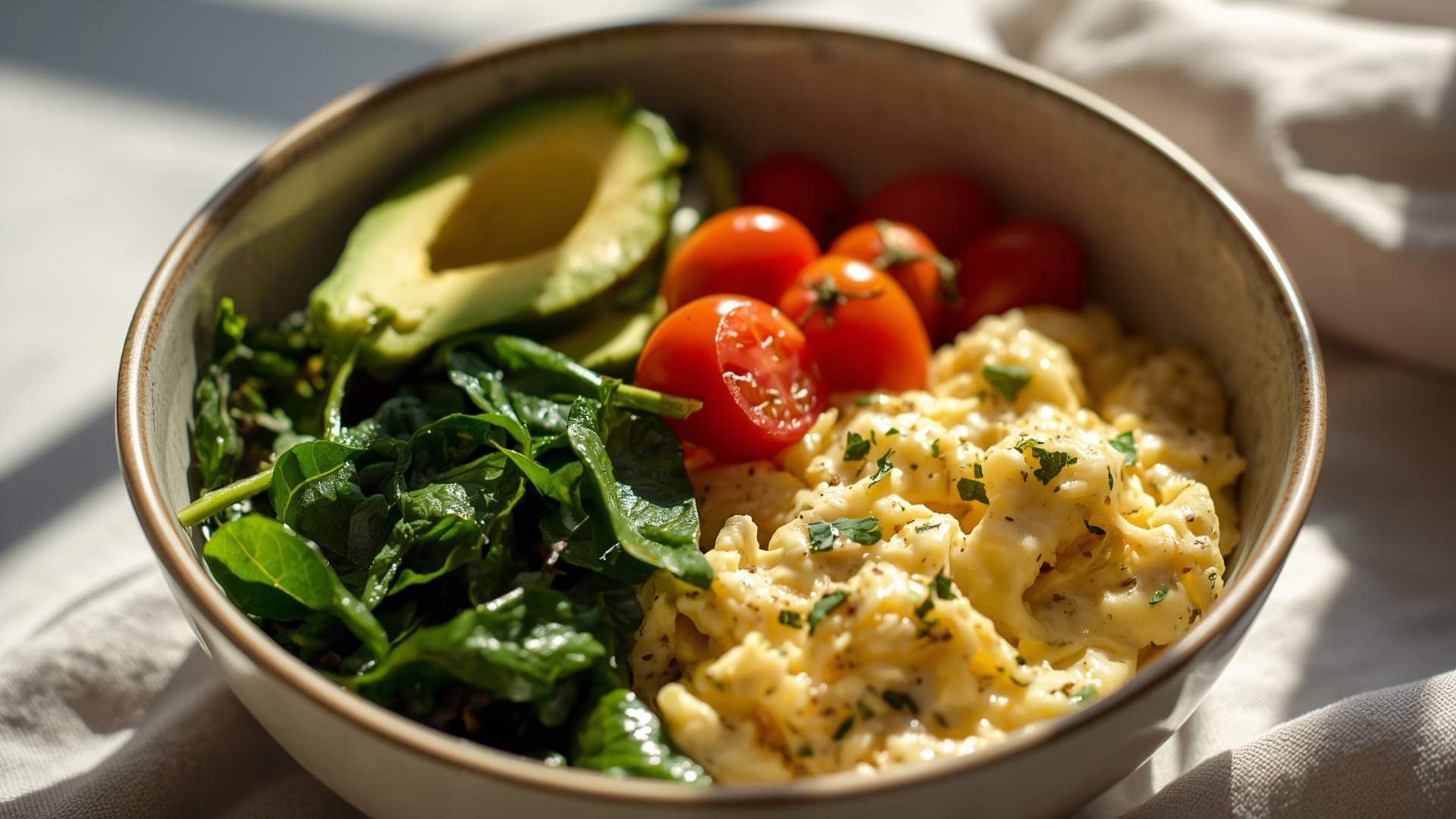
Combine scrambled eggs, spinach, avocado, mushrooms, and a small amount of cheese.
Add herbs or salsa for flavor.
There is no need to make breakfast complicated.
Lunch: Leftover Transformation

Turn leftovers into something that feels new.
Yesterday's chicken can become a salad.
Remaining turkey meatballs can become a vegetable bowl.
Leftover beef can become lettuce cups.
The trick is changing the presentation and flavor.
Use a different sauce.
Add herbs.
Try lemon and olive oil instead of the taco seasoning you used earlier.
The food has not magically become new—but your brain may experience it differently.
Snack: Nuts
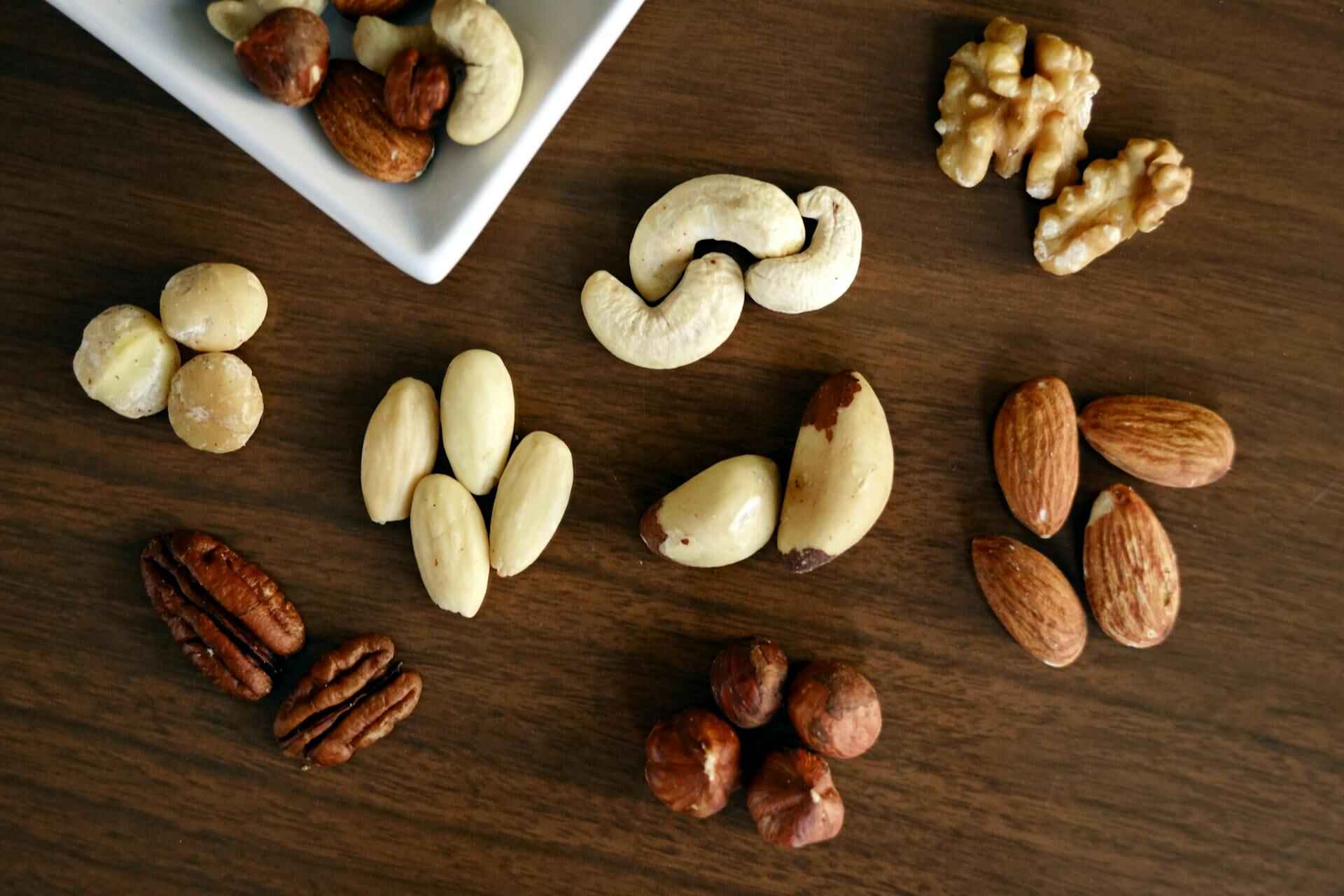
A small serving of nuts works well when you are genuinely hungry.
Measure them rather than eating directly from the container.
That tiny habit makes portions easier to understand.
Dinner: Sunday Roast Chicken

Roast chicken with garlic, lemon, rosemary, black pepper, and olive oil.
Serve it with green beans, cauliflower, and a large mixed salad.
Cook enough chicken to carry into the next week.
This is the moment when the 7-day low carb meal plan becomes a repeatable system rather than a one-time challenge.
You finish one week with ingredients and prepared food already pointing toward the next.
That is the real win.
Not perfection.
Momentum.
Complete Low Carb Grocery List for 7 Days
A great low carb grocery list should do more than tell you to “buy vegetables.”
It should tell you what you actually need.
The quantities below are an approximate starting point for one adult for seven days following the meal structure above. Appetite, portion size, substitutions, and whether you cook for other people will change the exact amounts.
Proteins
- 18 eggs
- 3 pounds chicken breast or boneless chicken thighs
- 1 to 1½ pounds salmon
- 1 to 1¼ pounds lean ground turkey
- 1 to 1¼ pounds lean ground beef
- 3 cans tuna
- 32 ounces plain Greek yogurt
- 16 ounces cottage cheese
- 4–8 ounces feta
- 6–8 ounces shredded or sliced cheese
- 1 block tofu for vegetarian substitutions
Vegetables
- 1 large bag spinach
- 2 large containers mixed greens
- 2 pounds broccoli
- 2 cauliflower heads or equivalent cauliflower rice
- 4 zucchini
- 4 cucumbers
- 4 bell peppers
- 12–16 ounces mushrooms
- 1 pound green beans
- 1 bunch asparagus, optional
- 1 pint cherry tomatoes
- 2 medium tomatoes
- 2 onions
- 1 garlic bulb
- 1 bunch fresh parsley
- 1 bunch cilantro, optional
- 4 lemons
- 2 limes
- 5–6 avocados
Fruit
- 2 cups strawberries
- 1–2 cups raspberries or blackberries
- 1 cup blueberries
Healthy fats
- Extra-virgin olive oil
- Walnuts
- Almonds
- Chia seeds
- Ground flaxseed
- Natural nut butter, optional
- Olives, optional
Pantry staples
- Dijon mustard
- Vinegar
- Unsweetened salsa
- Low-sodium soy sauce or tamari
- Paprika
- Cumin
- Chili powder
- Garlic powder
- Onion powder
- Italian seasoning
- Dried oregano
- Black pepper
- Cinnamon
- Red pepper flakes
- Sea salt
The grocery list deliberately uses the same ingredients multiple times.
For example, spinach appears at breakfast, in omelets, in salads, and in bowls. Avocado shows up in eggs, salads, wraps, and taco bowls. Chicken serves as both a dinner protein and a lunch ingredient.
This is how you make a 7-day low carb grocery list more economical and practical.
Shopping by Store Section
When you actually go shopping, organize your list based on where items live in the store.
- Produce first: greens, broccoli, cauliflower, zucchini, cucumber, peppers, mushrooms, avocados, lemons, berries.
- Protein section: eggs, chicken, fish, turkey, beef.
- Dairy: Greek yogurt, cottage cheese, feta, cheese.
- Pantry: olive oil, nuts, seeds, spices, mustard, salsa, vinegar.
This sounds like a tiny detail.
It is.
But tiny details are what turn an abstract low carb diet plan into something you can execute after work on a Wednesday.
How to Scale the List
For two adults, you can roughly double the proteins and most vegetables.
For a family, don't automatically multiply every ingredient by four. Children may eat different amounts, and family members may add carbohydrate foods such as rice, potatoes, tortillas, fruit, or whole grains.
A smarter strategy is to prepare a shared protein and vegetable base, then let everyone customize their plate.
That keeps your shopping list under control.
It also makes the low carb menu less isolating.
Sunday Meal Prep, Leftovers and Safe Food Storage
Meal prep has a reputation for meaning seven identical plastic containers lined up in the refrigerator.
It doesn't have to look like that.
For this 7-day low carb meal plan, think of meal prep as preparing building blocks, not entire meals.
Spend roughly 60–90 minutes preparing a few basics:
- Cook a large batch of chicken.
- Hard-boil several eggs.
- Wash and chop vegetables.
- Roast broccoli and cauliflower.
- Prepare a simple dressing.
- Portion nuts.
- Wash salad greens.
- Prepare egg muffins.
- Cook one batch of turkey meatballs.
- Portion leftover-friendly proteins.
Once these ingredients are ready, your weekday meals become assembly work.
That's much easier than starting every meal from scratch.
Batch Cooking vs Ingredient Prep
These two ideas are different.
Batch cooking means making a food in quantity, such as roasting several chicken breasts.
Ingredient prep means preparing food components without necessarily cooking them, such as washing spinach or slicing cucumbers.
You need both.
The more complicated a meal is to assemble, the less likely you may be to make it when you're tired.
Think about a Wednesday night.
If dinner requires washing vegetables, chopping onions, marinating chicken, measuring spices, and making sauce, takeout suddenly looks attractive.
But if the chicken is cooked and the vegetables are ready?
Dinner is ten minutes away.
The “Cook Once, Eat Twice” Method
This is one of the best habits in a low carb weekly meal plan.
When cooking chicken, make more than you need.
When making meatballs, freeze or refrigerate extra portions.
When roasting vegetables, fill two pans instead of one.
When preparing dressing, make enough for several salads.
The objective is not to spend Sunday cooking every meal.
The objective is to make weekday decisions easier.
What Should Go in the Refrigerator?
Generally, keep ready-to-eat foods in sealed containers and organize them so older items are easy to see.
Label containers with dates.
The FDA recommends keeping your refrigerator at 40°F (4°C) or below and your freezer at 0°F (-18°C). It also recommends refrigerating perishable foods, prepared foods, and leftovers promptly.
For large quantities of hot leftovers, dividing food into shallow containers helps it cool more quickly.
When Should You Freeze Food?
Freeze foods you do not expect to use within the recommended refrigerated storage period.
This is particularly useful for:
- Cooked chicken
- Turkey meatballs
- Ground beef
- Certain soups and stews
- Some cooked vegetables
- Extra portions of prepared meals
The FDA recommends using leftovers within three to four days and notes that freezing can be useful for reducing food waste.
What Should You Prepare Fresh?
Some foods are better assembled close to eating:
- Avocado
- Dressed salad
- Cucumber
- Fresh herbs
- Certain sauces
For example, prepare your salad ingredients in advance, but add the dressing right before eating.
That keeps greens crisp.
Food Safety Is Part of Meal Planning
A beautiful low carb meal plan is useless if food is stored unsafely.
Do not leave perishable foods sitting on the counter for hours. The FDA's 2-hour rule applies to foods that require refrigeration, with a shorter limit when temperatures are above 90°F.
Use a food thermometer for foods where safe internal temperature matters, and don't rely solely on appearance or smell to determine whether food is safe.
Meal prep should make your week easier and safer. (8)
Low Carb Snacks, Drinks, Eating Out and Budget Tips
A meal plan can fall apart between meals.
You might have breakfast at 8 a.m., lunch at noon, and then find yourself standing in the kitchen at 4:30 p.m. eating anything that isn't nailed down.
That's why snacks need some attention.
Low Carb Snack Ideas
Keep several simple options available:
- Hard-boiled eggs
- Plain Greek yogurt
- Cottage cheese
- Cheese with cucumber
- A small handful of almonds
- Walnuts
- Celery with natural nut butter
- Berries with plain yogurt
- Tuna cucumber cups
- Sliced bell pepper with a suitable dip
The key phrase is a portion aware snack.
Nuts, cheese, avocado, and nut butter can all fit into a lower-carb eating pattern, but they are energy-dense.
A small serving and a large serving can be very different things.
What Should You Drink?
Water should do most of the work.
Unsweetened tea and coffee can also fit.
Sparkling water can be useful when you want something fizzy.
Be careful with beverages marketed as “healthy” but loaded with added sugars.
The CDC recommends water or low-calorie beverages such as unsweetened tea in its meal planning guidance. Harvard's Healthy Eating Plate likewise recommends water, coffee, or tea while discouraging sugary drinks.
Eating Out While Following a Low Carb Menu
You do not need to stop going to restaurants.
Look for:
Grilled protein + vegetables
That combination appears on many menus.
At a burger restaurant, order the burger without the bun and add a salad or non-starchy vegetable side.
At a Mexican restaurant, choose a protein bowl without a large portion of rice and add lettuce, salsa, avocado, and vegetables.
At breakfast, choose eggs with vegetables instead of a pastry heavy meal.
At a sandwich shop, ask for the filling over salad greens or choose a lettuce wrap when available.
Ask for sauces and dressings on the side when possible.
How to Make Low Carb Eating Affordable
You don't need to build your shopping cart around expensive specialty products.
Eggs are versatile.
Chicken can be stretched across several meals.
Frozen vegetables can be convenient and economical.
Canned tuna can provide an easy protein option.
Buying larger packages and freezing appropriate portions can reduce waste.
Use seasonal produce when practical.
And above all, use what you buy.
Food waste is one of the fastest ways to make any meal plan more expensive.
A low carb grocery list built around ten ingredients used once each may look exciting on Pinterest, but it is often less practical than a shorter list where the same ingredients appear repeatedly.
The best grocery list is the one that gets eaten.
How to Customize the Plan for Weight Loss, Vegetarians and Families
A 7-day low carb meal plan becomes more useful when you can adapt it.
Let's start with weight loss.
A lower-carbohydrate diet does not automatically guarantee fat loss. Overall energy intake, food quality, activity, sleep, appetite, and long-term adherence all matter.
Harvard's Nutrition Source emphasizes that calories matter, while also stressing the importance of food quality and appropriate portions. Mayo Clinic describes weight loss as one reason some people choose a low carb approach but recommends considering the overall eating pattern and health context.
So don't make the common mistake of replacing bread and pasta with unlimited cheese, cream, butter, and nuts.
You may reduce carbohydrates while accidentally making the overall diet much more energy-dense.
Instead, prioritize:
- Plenty of non-starchy vegetables.
- Appropriate protein portions.
- Healthy fats in sensible quantities.
- Minimal added sugar.
- Mostly minimally processed foods.
- Snacks when genuinely needed.
Vegetarian Adaptation
A vegetarian can use the structure of this low carb meal plan without relying entirely on meat.
Replace:
- Chicken → tofu or eggs
- Ground beef → tofu crumbles or another suitable plant protein
- Tuna → egg salad or tofu salad
- Salmon → tofu plus healthy fat sources
Greek yogurt and cottage cheese can remain if dairy is part of the person's diet.
Nuts and seeds can also help.
Be careful, however, with plant foods such as beans and lentils. They can be highly nutritious but also contribute meaningful amounts of carbohydrate. Whether and how much they fit depends on the person's carbohydrate target.
Family Adaptation
This may be the most useful customization of all.
You don't necessarily need to put your family on the same low carb diet plan.
Instead, create a common meal base.
For example:
Dinner: chicken + broccoli + salad
You add:
- Rice for one family member.
- Potatoes for another.
- Extra chicken and vegetables for yourself.
- Tortillas for someone who wants a wrap.
Everyone eats dinner together.
Nobody needs a separate “diet meal.”
Beginner Adaptation
New to lower-carb eating?
Don't change everything at once.
For the first week, simply:
- Replace sugary beverages with water or unsweetened drinks.
- Include protein at each meal.
- Increase non-starchy vegetables.
- Reduce refined bread, sweets, and sugary snacks.
- Plan your lunches.
- Prepare one or two proteins ahead of time.
Then reassess.
Your ideal low carb weekly meal plan is the one you can keep using.
What About Exercise?
If you're active, your carbohydrate needs may differ from someone who is sedentary.
Some people perform well with lower carbohydrate intake.
Others find that adding more carbohydrate around demanding exercise makes sense.
Your plan should match your lifestyle rather than forcing your lifestyle into a rigid plan.
And again, if you use medication that affects blood glucose, especially insulin, carbohydrate changes should be discussed with your healthcare professional. The CDC emphasizes individualized carbohydrate planning for people with diabetes.
The Bottom Line: Make Your Low Carb Week Simple Enough to Repeat
The best 7-day low carb meal plan is not the one with the most complicated recipes.
It's the one that makes tomorrow easier.
You know what breakfast will be.
You already have lunch ingredients.
Dinner uses foods you actually enjoy.
Your grocery list isn't enormous.
Your leftovers have a purpose.
Your refrigerator contains building blocks instead of random ingredients.
And when life becomes busy, you have a backup meal instead of abandoning your plan entirely.
That's why the structure in this guide focuses on protein, non-starchy vegetables, healthy fats, practical portions, meal prep, leftovers, and flexible substitutions.
You don't need to eat the same foods every week.
You don't need to hit a perfect carbohydrate number every single day.
And you don't need to turn low carb eating into an all-or-nothing challenge.
Start with one week.
Shop with a list.
Prepare a few ingredients ahead of time.
Use leftovers intelligently.
Pay attention to hunger and energy.
Then decide what worked.
Maybe you loved the chicken bowls but hated cottage cheese.
Keep the bowls.
Replace the cottage cheese.
Maybe breakfast was easier when you ate eggs three days in a row.
Do that.
Maybe you discovered that having cooked protein ready in the refrigerator prevented more takeout meals than any diet rule ever did.
That's useful information.
A sustainable low carb meal plan is not about proving how much restriction you can tolerate.
It's about creating a food routine that fits your actual life.
And when a routine is simple enough to repeat, one week can become two.
Then three.
And eventually, healthy eating starts feeling less like a project and more like normal life.
Frequently Asked Questions About a 7-Day Low Carb Meal Plan
What can I eat on a low carb diet for a week?
A practical low carb week can include eggs, chicken, turkey, fish, lean meats, non-starchy vegetables, avocado, nuts, seeds, plain Greek yogurt, cottage cheese, olive oil, and modest portions of lower-carbohydrate fruits such as berries. Your exact food choices depend on your personal carbohydrate target. Mayo Clinic explains that low carb diets vary considerably in both carbohydrate amount and food selection, while the American Diabetes Association emphasizes non-starchy vegetables, healthy fats, protein, and limited quality carbohydrates in a low-carbohydrate eating pattern.
A 7-day low carb meal plan does not have to eliminate every food containing carbohydrates. Instead, the focus is on reducing highly refined and sugary carbohydrate sources while emphasizing nutrient-dense foods. Vegetables, for example, can provide carbohydrates along with fiber and micronutrients.
How many carbs should I eat per day on a low carb diet?
There is no single carbohydrate number that works for everyone. The CDC says there is no “one size fits all” carbohydrate amount and notes that needs depend on factors including age, weight, activity level, and individual circumstances.
Mayo Clinic reports that many low carb diets provide about 60 to 130 grams of carbohydrate per day, while the American Diabetes Association describes low-carbohydrate eating as a broader percentage-based pattern and separately identifies very low carbohydrate approaches.
For this article, the sample plan generally aims for a flexible moderate range rather than a strict ketogenic target.
If you have diabetes, take glucose lowering medication, or have another health condition affected by dietary carbohydrate, ask your healthcare professional for an individualized target.
Can I lose weight in 7 days on a low carb diet?
Your body weight can change during a week, but a change on the scale should not automatically be interpreted as a specific amount of body fat loss.
A low-carb diet may help some people reduce calorie intake or change eating habits, and Mayo Clinic lists weight loss as one reason people may choose a low carb approach. But results vary dramatically from person to person.
Rather than setting a goal such as “lose X pounds in seven days,” focus on controllable behaviors:
• Eat mostly minimally processed foods.
• Keep portions appropriate.
• Include protein and vegetables in meals.
• Reduce sugary drinks and refined snacks.
• Prepare meals ahead.
• Stay physically active.
• Sleep adequately.
A 7-day low carb meal plan is better viewed as a way to establish a routine than as a guaranteed rapid weight loss program.
What foods should I avoid on a low-carb meal plan?
A low-carb plan usually reduces foods that are especially concentrated in carbohydrates, including sugary drinks, sweets, many desserts, refined breads, large servings of pasta, and large portions of rice or other refined grains.
That does not mean every carbohydrate containing food needs to disappear.
Harvard emphasizes that carbohydrate quality matters and points toward vegetables, fruits, whole grains, and beans as generally healthier carbohydrate sources than refined and sugary options.
For a practical low carb menu, think less about creating a giant “forbidden food” list and more about changing priorities.
Instead of:
Pastry + sweet coffee
try:
Eggs + vegetables + unsweetened coffee
Instead of:
Large pasta bowl
try:
Chicken + vegetables + a smaller portion of a quality carbohydrate if it fits your target
The goal is a dietary pattern you can actually maintain.
Is a low carb diet the same as keto?
No.
Keto is a very low carbohydrate approach, while “low carb” is a broader category.
Mayo Clinic notes that low carb diets vary in their carbohydrate amounts and reports that many approaches provide around 60–130 grams per day. The American Diabetes Association separately describes very-low-carbohydrate patterns that often target 20–50 grams of non-fiber carbohydrate per day.
The distinction matters because a person following a general 7-day low carb meal plan may comfortably eat foods that would be difficult to fit into a strict ketogenic plan, such as larger portions of berries, yogurt, or certain legumes.
So don't assume that every low carb recipe needs to be keto.
Choose the level of carbohydrate restriction that makes sense for your goals and health circumstances.





0 Comments