
Protein has become the superstar of modern nutrition. People talk about it in gyms, grocery stores, restaurants, and all over social media. While carbohydrates and fats still play essential roles in the body, protein often steals the spotlight because it supports muscle repair, hormone production, immune health, and energy balance. What makes things even more interesting today is that people are no longer relying only on meat, eggs, and dairy for protein. Plant-based protein has massively entered the mainstream.
This shift is not just a passing trend. According to a survey by the International Food Information Council, many consumers reported increasing their intake of plant-based proteins between 2019 and 2020. People are becoming more curious about vegetarian eating, environmental sustainability, and healthier lifestyles. Grocery stores now dedicate entire aisles to meatless alternatives, plant protein powders, tofu products, and dairy-free options. Even major fast-food chains have added plant-based burgers to their menus.
The exciting part is that plant proteins are incredibly diverse. You are not limited to salads or bland meals. From hearty lentil soups to crispy tofu bowls and nutty quinoa dishes, plant-based eating can be flavorful, filling, and satisfying. Think of plant proteins like a giant toolbox. Every ingredient brings a unique texture, taste, and nutritional benefit to the table. Once you learn how to use them, your meals become more creative and enjoyable.
Why Plant-Based Protein Is Becoming So Popular
The Shift Away From Traditional Animal Protein
For decades, protein was almost automatically associated with steak, chicken breasts, eggs, and fish. That idea is changing quickly. Many people are reducing animal products because they want healthier eating habits, lower grocery costs, or more environmentally friendly food choices. Others simply enjoy experimenting with new foods and recipes.
Plant-based diets are no longer considered restrictive or boring. Restaurants now offer vegan tacos, lentil curries, chickpea wraps, and soy-based burgers that taste surprisingly close to meat. This growing availability has made plant proteins easier to enjoy than ever before. Younger generations, especially, are embracing flexible eating styles like “plant-forward” diets, where vegetables and legumes become the stars instead of side dishes.
Research also plays a huge role in this shift. Studies suggest that diets rich in plant foods may support heart health and lower the risk of cardiovascular disease. Many consumers now associate plant proteins with wellness, longevity, and cleaner eating habits. That positive image continues to drive demand worldwide.
What Recent Nutrition Research Says
Nutrition science keeps uncovering new information about plant-based eating. One important finding is that diets emphasizing healthy plant foods are associated with lower risks of cardiovascular disease and mortality. Researchers also continue to study how replacing some animal protein with plant protein may support blood sugar control and improve cholesterol markers.
Still, nutrition experts remind people that not all plant-based foods are automatically healthy. Highly processed meat substitutes can contain large amounts of sodium, additives, and saturated fat. That means the healthiest plant-based diet usually focuses on whole foods like beans, lentils, quinoa, tofu, nuts, and vegetables instead of relying entirely on packaged alternatives.
The smartest approach is balance. A diet built around minimally processed plant proteins can offer impressive nutritional benefits while still giving your body the protein it needs for daily function and strength.
What Exactly Is Plant-Based Protein?
Understanding Protein and Amino Acids
Protein is made from smaller building blocks called amino acids. Your body uses these amino acids to build muscles, repair tissues, create enzymes, transport nutrients, and support immune function. Imagine amino acids as tiny LEGO bricks. Your body snaps them together to build important structures and systems.
There are nine essential amino acids that the body cannot produce on its own. These must come from food. Animal products naturally contain all nine essential amino acids, which is why they are called complete proteins. Some plant foods contain complete proteins, too, while others are lower in certain amino acids.
This does not mean plant proteins are inferior. It simply means variety matters more. Eating different plant foods throughout the day helps provide the full range of amino acids your body needs. Combining beans with rice, hummus with whole-grain bread, or tofu with quinoa are all excellent examples.
Complete vs. Incomplete Proteins
One of the biggest myths about vegetarian eating is that plant proteins are somehow “weak.” That is not true. Many plant foods offer impressive protein content along with fiber, antioxidants, vitamins, and minerals that animal proteins often lack.
Complete plant proteins include foods like quinoa, soy products, spirulina, and chia seeds. Other foods, such as lentils or nuts, may be lower in one amino acid but still provide valuable nutrition. The body is incredibly efficient at combining amino acids from different meals over the course of the day.
Think about it like building a playlist. You do not need every song on one album. You simply need enough variety throughout the day to create a complete experience. The same idea applies to amino acids.
Benefits of Plant-Based Protein
Better health is probably one of your aims if you want to cut down on animal protein. Including more vegetables in your diet is nearly always a good thing!
Some investigation. According to a credible source, a plant-based diet may help prevent cancer. Other research has found that consuming plants can aid with weight loss and type 2 diabetes control.
Meanwhile, the fiber in plant-based diets encourages beneficial gut flora, more straightforward digestion, and, in the case of soluble fiber, better heart health.
According to 2019, a plant-based diet is associated with a decreased risk of cardiovascular disease and mortality from any cause in middle-aged individuals.
Plant proteins provide environmental benefits in addition to their usefulness to personal well-being. According to the World Resources Institute, plant foods have a clear advantage over animal products regarding land utilization, freshwater use, and greenhouse gas emissions.
Furthermore, when you choose proteins grown in the ground rather than in a feedlot, your conscience will be at ease about animal cruelty problems.
Environmental and Ethical Benefits
Lower Environmental Impact
Plant proteins offer environmental advantages that are difficult to ignore. Producing beans, lentils, peas, and grains generally requires less land and water compared to raising livestock. Plant foods also produce fewer greenhouse gas emissions in many cases.
Organizations such as the World Resources Institute have highlighted how plant-based eating patterns may help reduce environmental pressure related to food production. Choosing plant proteins even a few times per week can contribute to a more sustainable food system.
This does not mean every person must become fully vegan overnight. Small changes still matter. Replacing a few meat-based meals each week with lentil soup, tofu stir-fry, or black bean tacos can have a meaningful impact over time.
Animal Welfare Considerations
Ethics also influence food choices for many people. Industrial farming practices have raised concerns about animal welfare, overcrowding, and environmental conditions. Plant-based eating allows consumers to reduce reliance on intensive livestock production.
For some individuals, choosing plant proteins creates peace of mind. They feel more aligned with values related to compassion and sustainability. Food becomes more than fuel; it becomes a reflection of personal priorities and beliefs.
Drawbacks of Plant-Based Protein
Despite their numerous advantages, plant proteins have some disadvantages, some of which are more severe than others.
Though most plant-based options provide plenty of protein, they often fall short of the high quantities in animal products such as beef or chicken. If you require a high-protein diet, you may need to arrange your plant-based cuisine carefully.
Similarly, don't expect plant-based proteins to give vitamin levels comparable to animal products. Many have reduced levels of B vitamins, iron, and vitamin D3.
It's also worth noting that commercially manufactured plant-based proteins are frequently highly processed. A high-processed-food diet has been related to weight gain and an increased risk of cancer.
With so many different types of flora blooming on the earth, there are a plethora of plants that offer protein. Here are some categories to help you sort through your numerous options:
Panko Tofu Bento Bowl
Green Chef's vegan Panko Tofu Bento Bowl is the ideal way to add variety to your healthy eating regimen.
Sticky sushi rice with acidic pickled radishes, tenderstem broccoli, crunchy panko tofu, and a spicy sambal sauce. This Japanese-inspired meal is protein-packed and flavorful and deserves a place on your dinner table!
Protein types
- Soy-based foods include tempeh, tofu, edamame, Impossible Burger, soy milk, and soy crumbles (textured vegetable protein)
- Lentils, beans, rice, chickpeas, black beans, bean burgers, and eggless eggs are all bean or legume.
- Pea protein-based products include pea protein and pea milk.
- Grain-based foods include seitan, Ezekiel bread, whole wheat flour, spelled, and teff.
- Almonds, cashews, Brazil nuts, pistachios, chia seeds, flax seeds, and quinoa are nut and seed-based foods.
- Potatoes, sweet potatoes, spinach, broccoli, and asparagus are all vegetable-based.
- Other ingredients: mycoprotein, spirulina
Plant-Based Protein Nutritional Facts
| Plant-based protein | Serving size | Protein |
|---|---|---|
| Seitan | 1 oz. | 21 g |
| Tempeh | 3 oz. | 15 g |
| Tofu | 3 oz. | 8 g |
| Edamame | 1/2 cup | 7 g |
| Soy crumbles | 1/4 cup | 13 g |
| Faux eggs | 3 tbsp | 5 g |
| Impossible Burger | 4 oz. | 19 g |
| Pea protein | 1 tbsp | 24 g |
| Lentils | 1 cup cooked | 18 g |
| Beans and rice | 1 cup cooked | 12 g |
| Chia seeds | 2 tbsp | 5 g |
| Mycoprotein | 3.5 oz. | 15 g |
| Quinoa | 1 cup | 8 g |
| Spirulina | 1 tbsp | 4 g |
| Chickpeas | 1 cup | 15 g |
| Ezekiel bread | One slice | 5 g |
| Potatoes | One medium | 4.5 g |
| Almonds | 1/4 cup | 6 g |
| Green peas | 1/2 cup | 4 g |
Protein options to try
1. Seitan
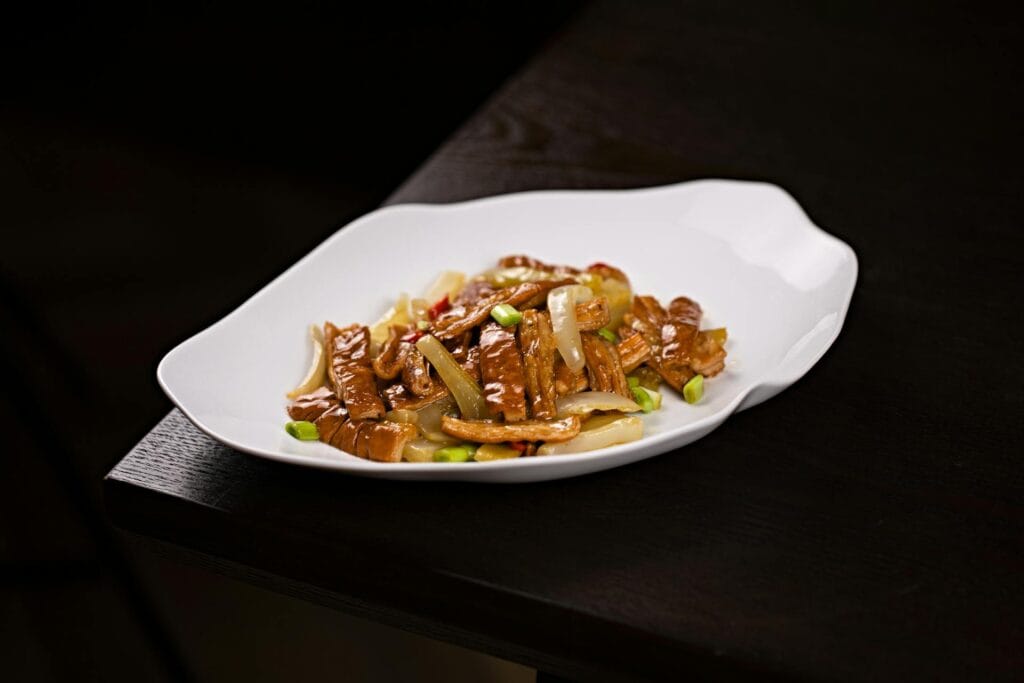
- Nutrition: This wheat-based protein has fewer than 100 calories and 4 grams of carbohydrates per serving. Its high concentration of the antioxidant selenium protects cells from free radical damage.
- Taste: Even though seitan is manufactured from wheat gluten, it does not taste like bread. Its flavor and texture have been compared to simple chicken or mushrooms.
- Using in cooking: Seitan has a meaty feel you can dig your teeth into. It works well as a replacement for chicken strips, burgers, or meat kabobs.
2. Tempeh
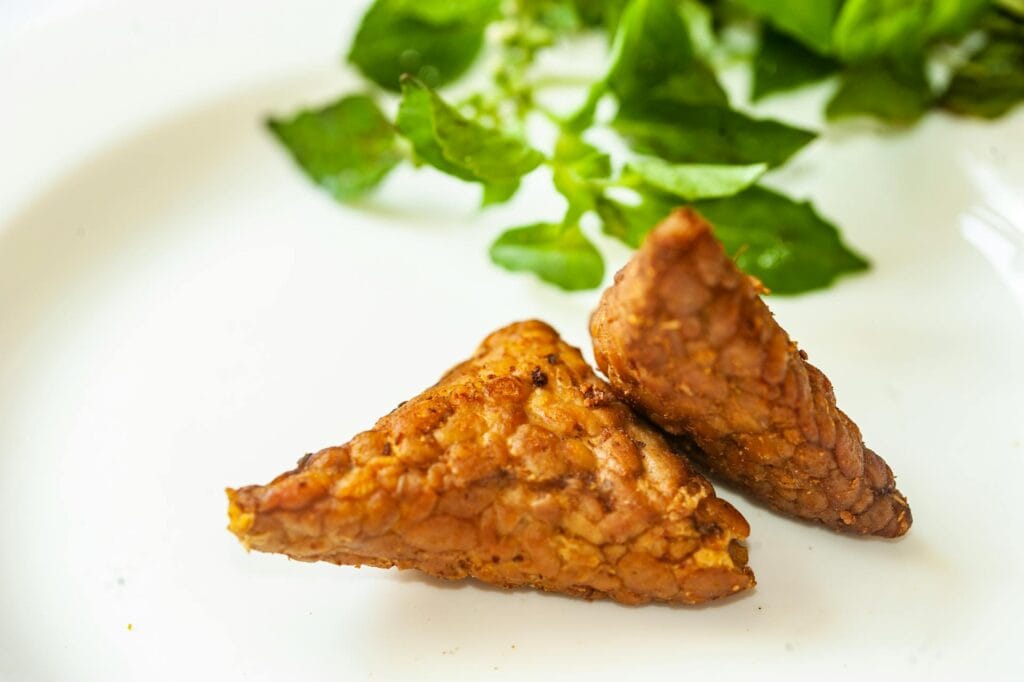
- Nutrition: Tempeh is the more complex, denser relative of tofu. It is higher in protein, fiber, iron, and potassium.
- Taste: Tempeh is manufactured from soy, although it may have a nutty or mushroom flavor on your palate. It, like tofu, adapts readily to different flavors.
- Using in cooking: Tempeh keeps its form nicely in various recipes because of its thick texture. It's delicious sautéed as a chicken-like sandwich filler. It can also serve as the focal point of a stir-fry.
3. Tofu, soy crumbles, and edamame
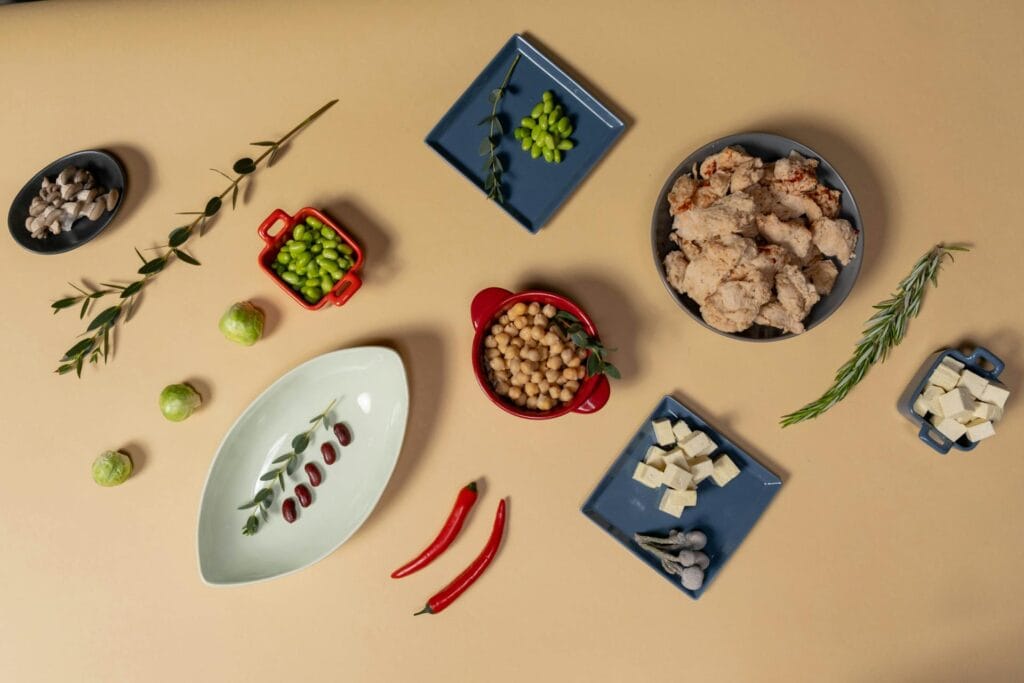
- Nutrition: Soy meals are high in protein and are among the most protein-rich vegan alternatives. Tofu has 8 grams per 3-ounce dish, whereas edamame has 7 grams per half cup.
- Taste: Soy crumbles, also known as textured vegetable protein or TVP, provide 13 grams of protein every 1/4 cup.
- Using in cooking: Tofu and soy crumbles are well-known for their propensity to absorb any flavors applied while cooking. This is why you shouldn't eat them all by yourself.
Edamame, on the other hand, tastes rich and almost buttery right out of the shell.
Crispy, firm tofu provides a delicious foundation for stir-fries, tacos, and even sandwiches. Squeeze as much moisture from the tofu as possible before frying to crisp it up to perfection.
Silken tofu can be used to add protein to smoothies or as a replacement for ricotta cheese.
Serve steamed edamame with a sprinkling of salt as a quick evening side dish or protein-rich afternoon snack.
Experiment using soy crumbles as a partial substitution for ground beef in any cuisine that asks for it.
4. Eggless eggs
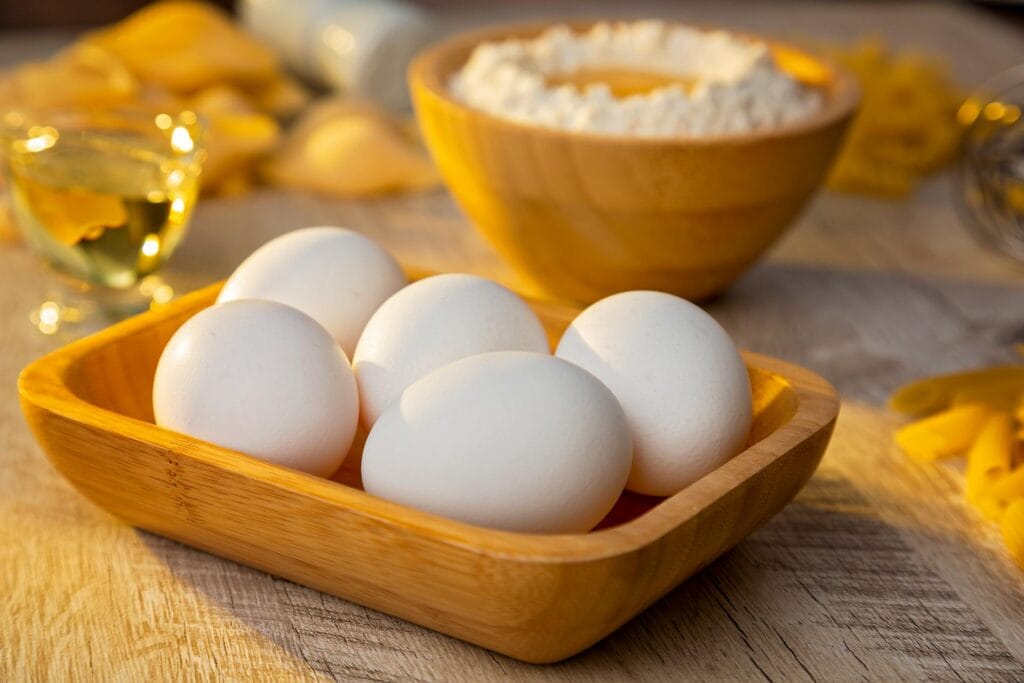
- Nutrition: Faux eggs, which are generally manufactured from mung beans or soy, are a suitable substitute for chicken eggs due to their equivalent calorie and protein content.
- However, keep an eye out for sodium. Fake eggs frequently contain more than twice as much as real eggs.
- Taste: Eggless eggs nearly perfectly resemble the flavor and texture of the real thing, thanks to the wonders of culinary technology.
- Using in cooking: Pourable mung bean-based "eggs," such as JustEgg, may be used in any recipe that calls for whisked eggs. You may use them in quiches, souffles, scrambled eggs, and baked products.
5. Impossible Burger

- Nutrition: A 4-ounce Impossible Burger made from soy has 3 grams of fiber and an astonishing assortment of vitamins and minerals.
- It also has a lot of protein, at 19 grams.
- One patty has 40% of the Daily Value of saturated fat and a somewhat high dose of salt.
- Taste: Some claim that the Impossible Burger tastes identical to a typical beef burger. Others are skeptical.
- One thing is sure: Impossible's culinary scientists have spent a significant amount of time and effort attempting to replicate the delicious flavor of beef using a combination of spices and oils.
- Using in cooking: Impossible Burgers are a popular restaurant entrée, but they may also be purchased and cooked at home.
- Impossible Burger patties, according to the maker, cook much like ground beef, roughly 2 minutes for each side on the grill or skillet.
6. Pea protein
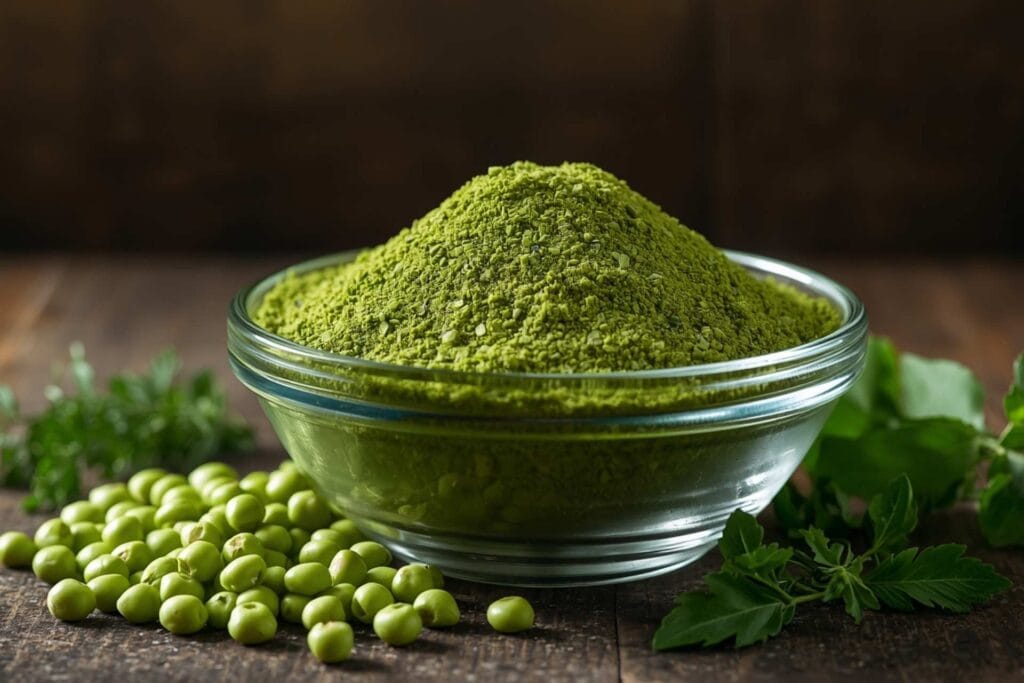
- Nutrition: What a nutrient-dense food! A single scoop of pea protein has 24 grams of protein, 120 calories, and 35% of your daily iron needs.
- Taste: Does pea protein have a pea flavor? No, not always. Many users of the alternative protein powder think it has a pleasant flavor. Furthermore, it is neither chalky nor grainy and combines nicely in recipes.
- Using in cooking: Pea protein is included in a variety of store-bought goods, including pea milk and meat substitutes. As a solo meal, it is most usually marketed as a powder.
- Scoop a spoonful or two into your morning smoothie or baking dough.
7. Lentils
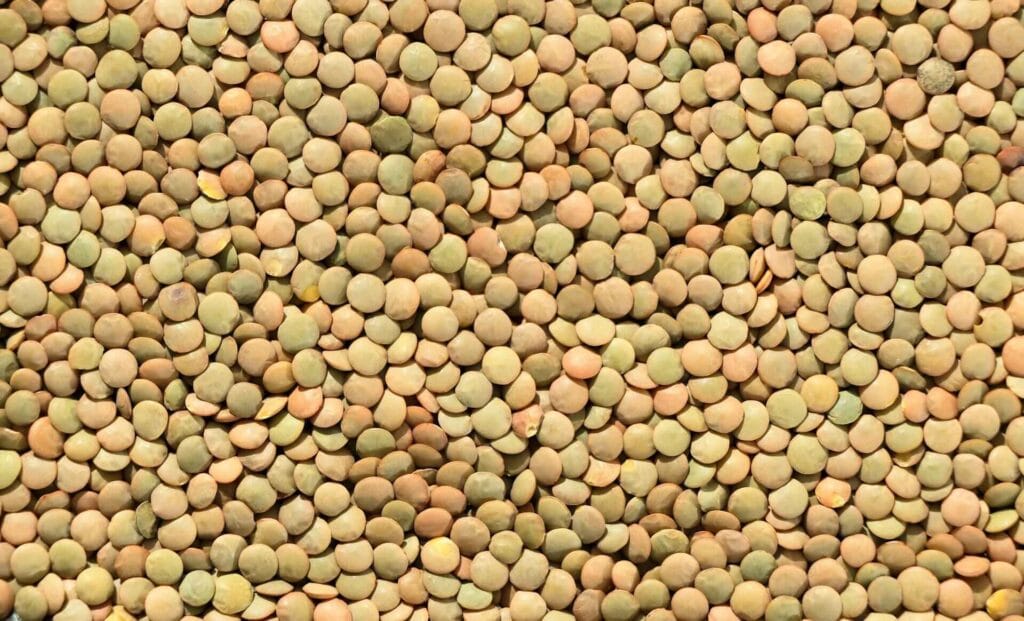
- Nutrition: Do you need a fiber boost? Lentils provide 14 grams of fiber per cooked cup and 18 grams of plant-based protein.
- Taste: Lentils are available in a variety of colors, including green, brown, yellow, red, and black.
- Each may have a slightly distinct flavor, but when cooked, you should anticipate an earthy flavor and a smooth, creamy texture.
- Using in cooking: Lentils are a culinary powerhouse! Their generally neutral flavor and silky smoothness complement soups, curries, and salads wonderfully.
- You may also use them in place of ground beef in meals such as tacos, casseroles, and burgers.
8. Beans and rice
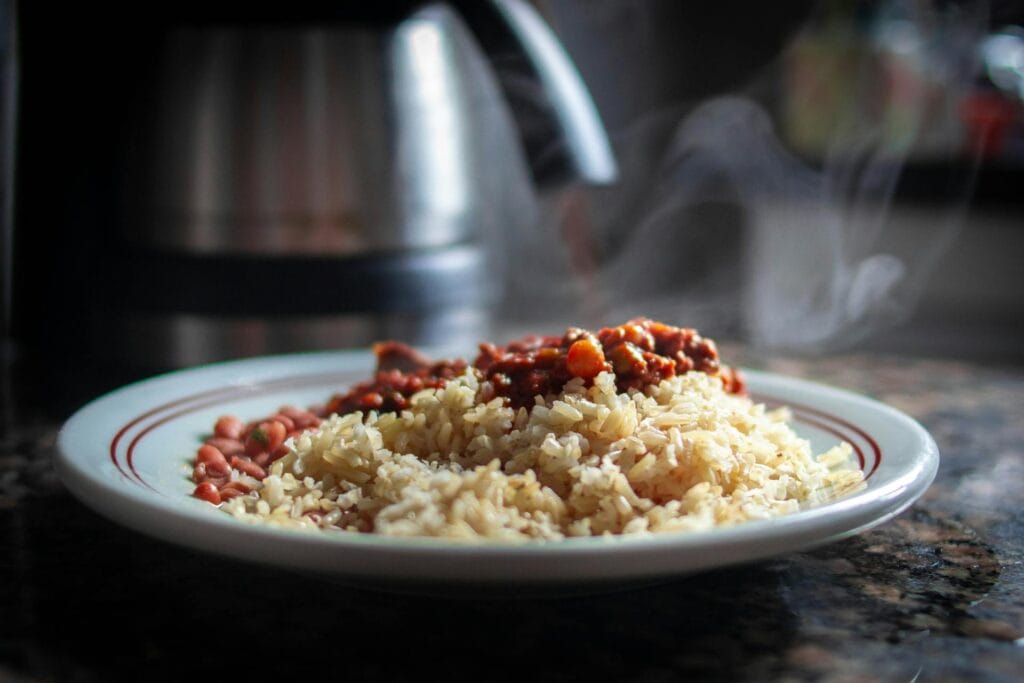
- Nutrition: Beans and rice have long been marketed as a complete vegetarian protein source. This implies that combined, they provide all of the amino acids your body cannot create on its own.
- Another benefit is that this classic combination is incredibly high in fiber, especially when cooked with brown rice.
- Taste: The flavor of any B&R meal will be determined by the type of beans used. Start with a milder bean, such as cannellini or black, for a more versatile meal.
- Using in cooking: While beans and rice can be eaten on their own, they also make an excellent stuffing for stuffed peppers, enchiladas, or wraps.
9. Chia seeds
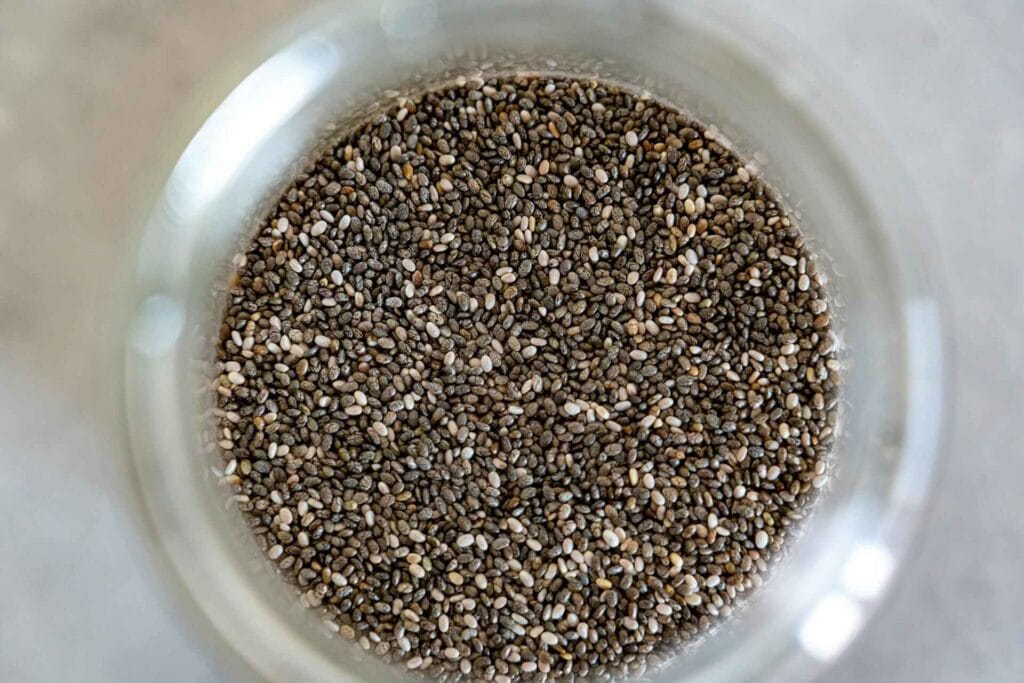
- Nutrition: Chia seeds are incredibly healthy for such a small meal. They're high in omega-3 fatty acids, antioxidants, and fiber.
- Taste: These little seeds aren't noted for their robust flavor. When added to recipes, they may be completely undetectable.
- Using in cooking: Chia seeds add protein to smoothies and puddings, but may also be paired with savory meals. Soak your seeds before adding them to basil pesto or homemade salad dressing.
10. Mycoprotein
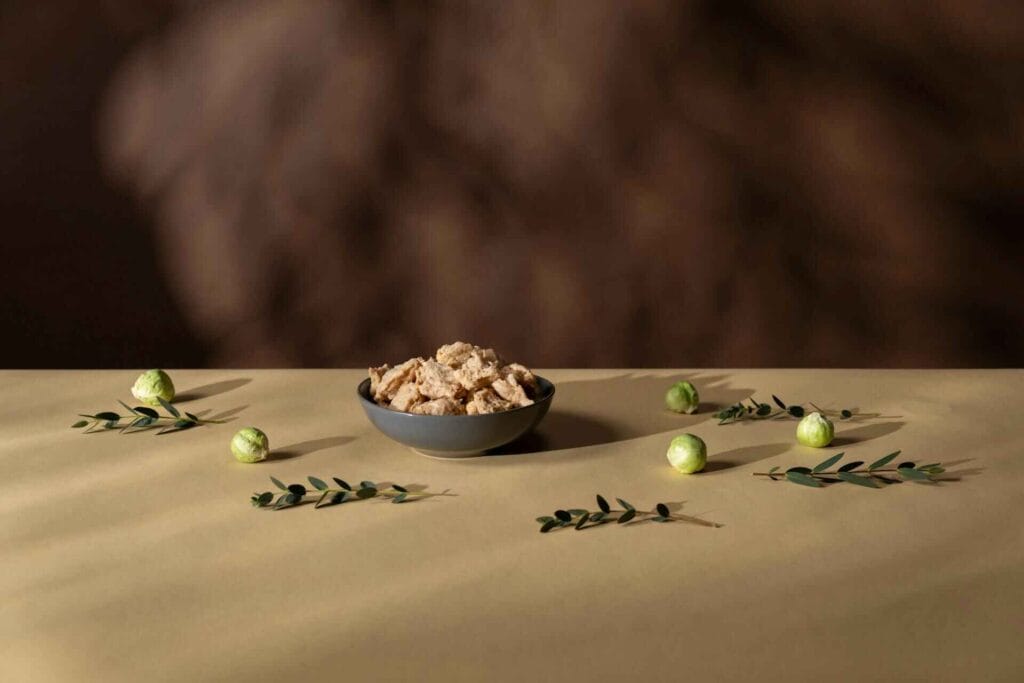
- Nutrition: Mycoprotein, often known as Quorn, is unique because it is generated from fermented fungus. One dish contains a substantial quantity of protein (15 grams).
- Taste: Quorn's flavors strive to replicate the sensory experience of eating chicken.
- Using in cooking: Even though it is manufactured from plants, Quorn must be prepared before eating. Try mycoprotein meatless grounds in lasagna or ketchup-dipped baked meatless nuggets.
11. Quinoa
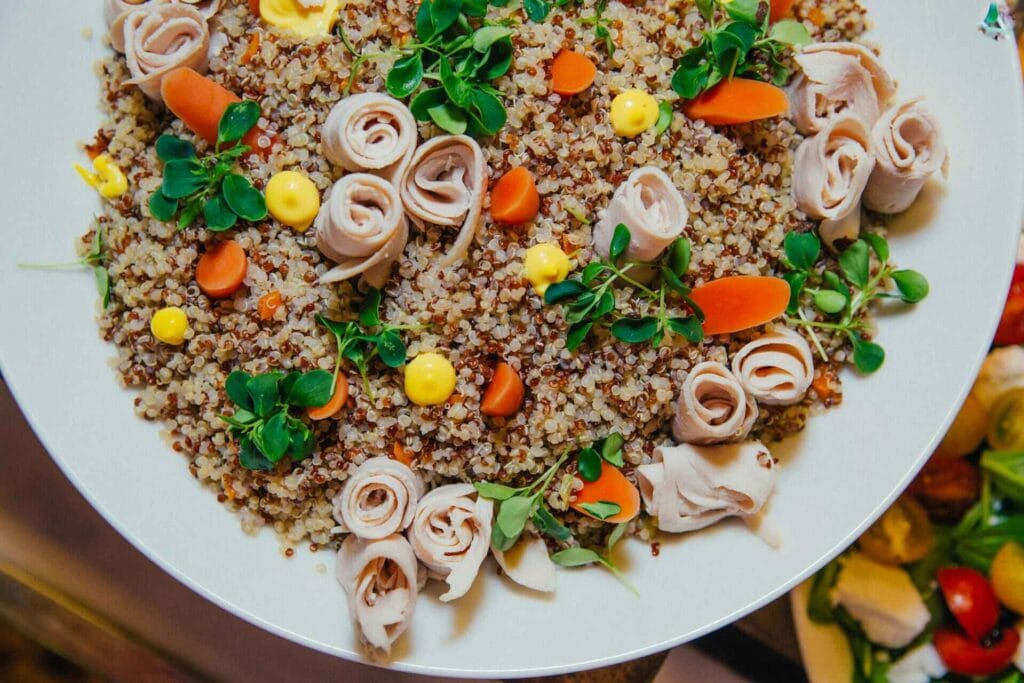
- Nutrition: Think of quinoa as a simple side dish. Consider again!
- This fluffy "grain" (really a seed) is abundant in calcium, potassium, complex carbohydrates, and, of course, protein.
- Taste: Most people describe the flavor of quinoa as "nutty," with a texture comparable to couscous.
- Using in cooking: On the stovetop, quinoa cooks rapidly. From there, it may be used as a base for everything from Mexican recipes to fried patties to casseroles.
- Serve leftovers on salads or make porridge with milk and cinnamon for breakfast.
12. Spirulina

- Nutrition: Consider spirulina for a significant quantity of protein with few calories.
- A tablespoon of the dry material has just 20 calories, 0.5 grams of fat, 2 grams of carbohydrates, and 4 grams of protein.
- Taste: I won't lie: spirulina has a strong flavor that many people dislike. This plant-based protein is essentially a sort of algae, so it's no surprise that it tastes like salt water.
- Nonetheless, your taste receptors may ultimately adjust to its distinct flavor.
- Using in cooking: Spirulina tablets are available. The most frequent ways to include it in food are to combine it into a smoothie or stir the powder into water or juice.
13. Chickpeas
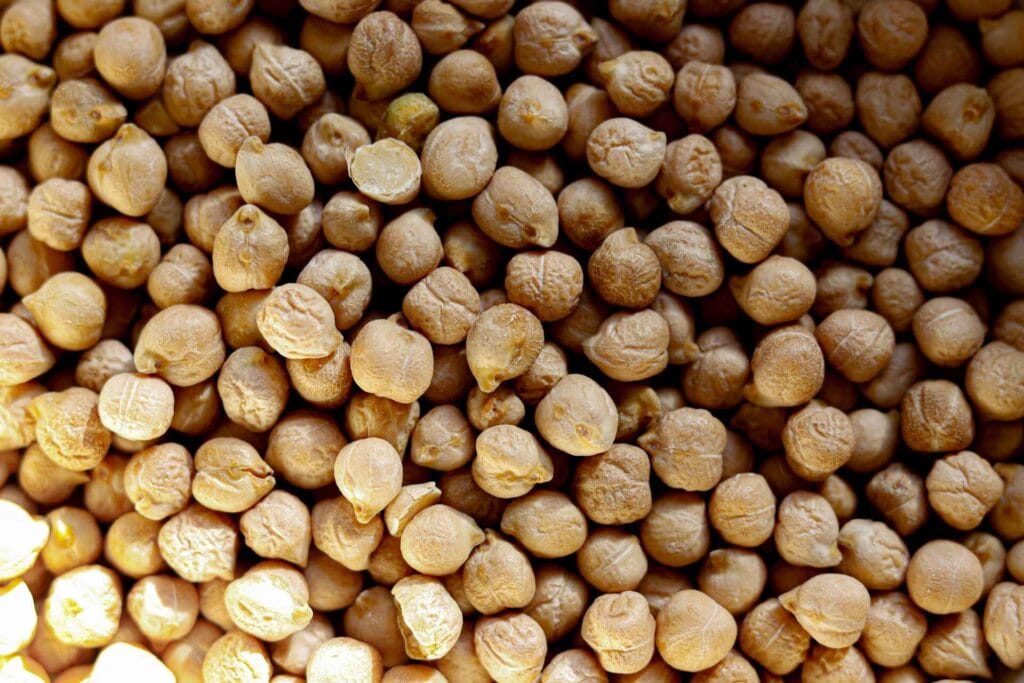
- Nutrition: Chickpeas, often known as garbanzo beans, are high in nutrients. One cup contains 15 grams of protein, 13 grams of fiber, and 10% of your daily calcium requirements.
- Taste: Like many other plant-based proteins, Chickpeas have a nutty or earthy flavor.
- Using in cooking: Chickpeas in their complete form are a simple addition to savory salads. There are also several variations for mashed chickpeas.
- Use them to make wraps, falafel, hummus, and chickpea cakes.
14. Ezekiel bread
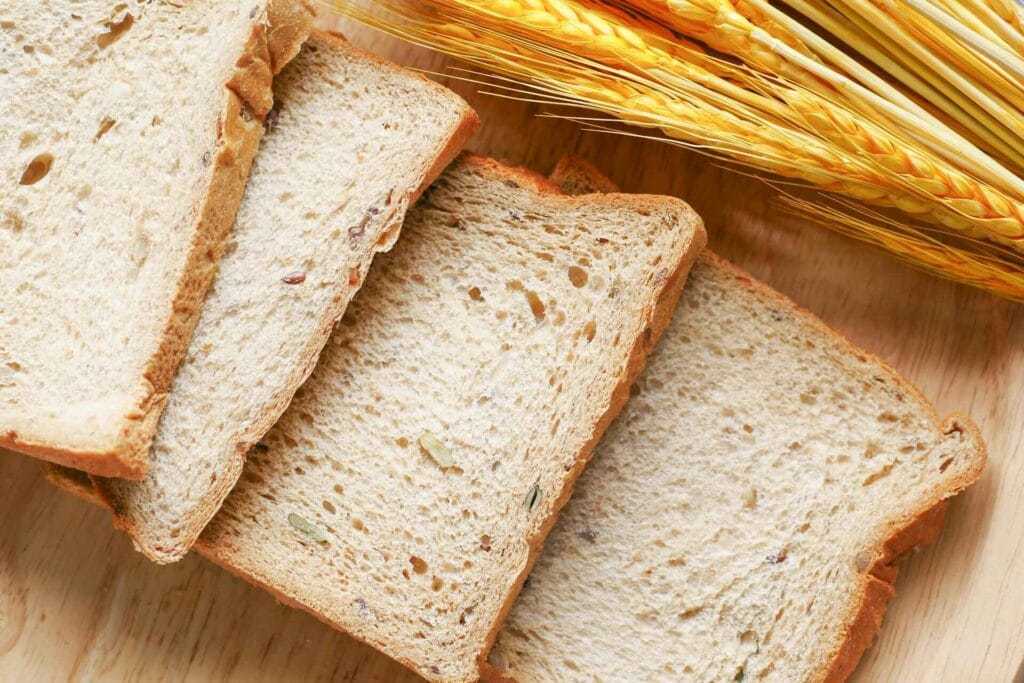
- Nutrition: Ezekiel bread has a comprehensive nutrition profile that is substantially higher in protein than other breads due to its basis of lentils, soy, sprouted, and whole grains.
- Taste: You'll undoubtedly notice a difference between Ezekiel bread and regular loaves, which is a good thing! The mix of ingredients in this loaf lends it a distinct heartiness.
- Using in cooking: Use Ezekiel bread the same way as you would whole grain bread.
15. Potatoes
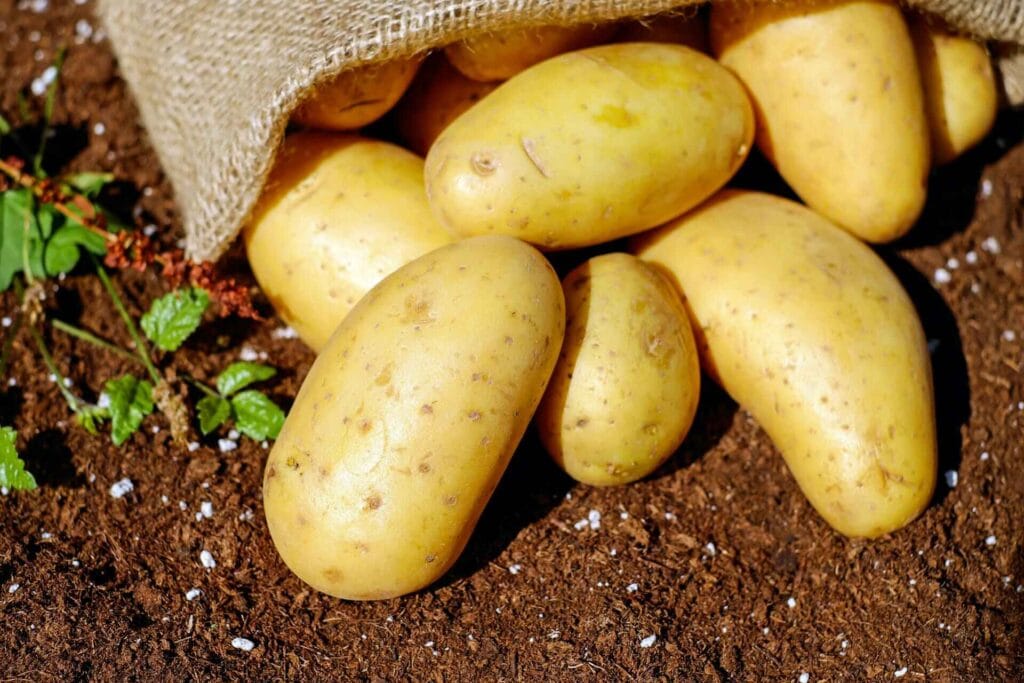
- Nutrition: You might not think potatoes are a protein powerhouse, yet they rank high among vegetables. One medium Russet potato has 4.5 grams of plant-based protein.
- Meanwhile, this modest starch is high in potassium and fiber.
- Taste: Dress up white potatoes' light flavor with herbs and spices for a low- or no-calorie flavor boost.
- Roasting and sautéing potatoes may also help bring out their inherent sweetness.
- Using in cooking: Because potatoes don't have a lot of protein, you might want to mix them with another plant-based protein in dishes.
- Try potato-chickpea burritos, potato-egg scrambles, or potato-tofu hash.
16. Nuts
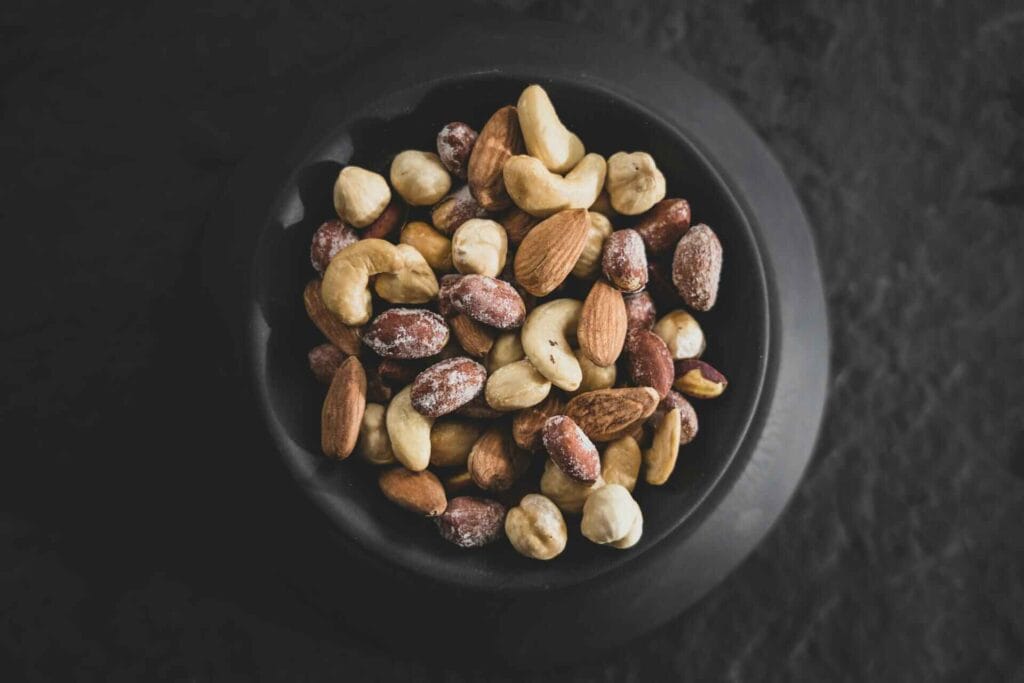
- Nutrition: Hello, good fats! Almonds, cashews, pistachios, and walnuts are high in heart-healthy monounsaturated fat.
- The protein content of 4 to 6 grams per 1-ounce serving contributes to the nutritional value.
- Taste: The flavor profiles of nuts differ, as do the flavors of nut butter, depending on the nut utilized.
- Using in cooking: There's nothing more convenient for a fast snack than a handful of almonds.
- Nuts may also be the star of meals and desserts. Toast nuts briefly in the oven for a delicious ice cream topping, or make a creamy cashew curry.
17. High protein vegetables
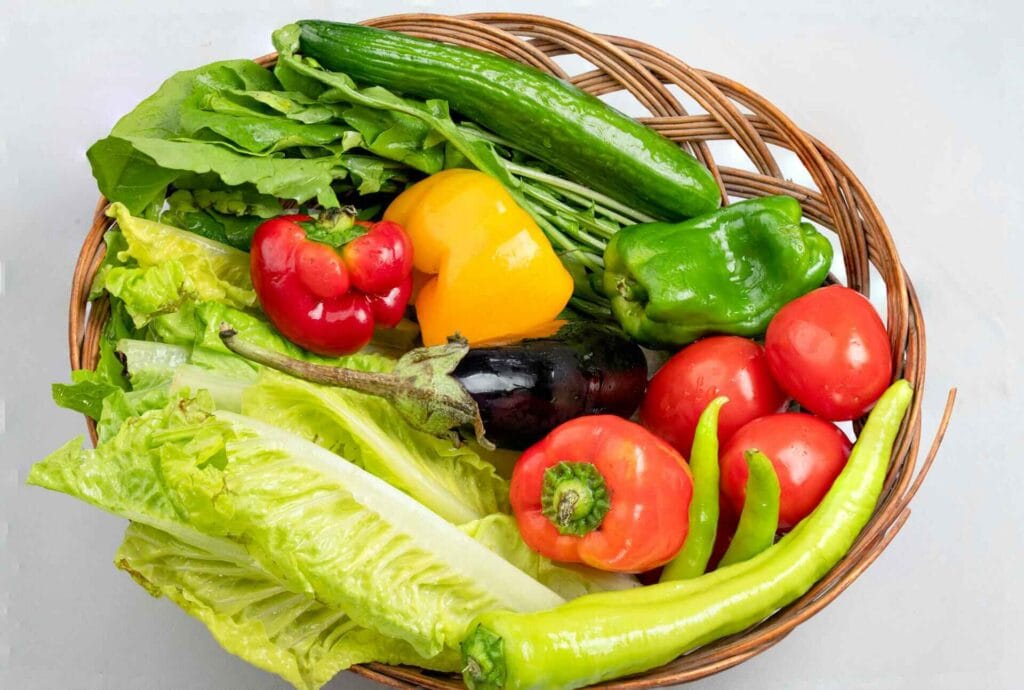
- Nutrition: Brussels sprouts, spinach, peas, maize, broccoli, and asparagus are high in protein.
- Even though they don't have the protein level of some other plant-based options, every little bit helps.
- Furthermore, they lack protein, which they make up for in fiber and minerals like potassium, calcium, and vitamin K.
- Taste: Nobody will turn their nose up at vegetables appropriately served.
- Choose cooking methods that enhance rather than eliminate the flavor of veggies like spinach and broccoli. Grilling, sautéing, and roasting are examples of these methods.
- Using in cooking: When it comes to vegetable preparation, anything goes.
- On Meatless Monday, vegetables can be substituted for meat in almost any meal package.
- Put asparagus in a cheesy spaghetti, roasted broccoli over pizza, or peas and corn in a pot pie.
Bottom Line
Plant-based protein is no longer a niche lifestyle reserved for vegans or health enthusiasts. It has become a practical, flexible, and flavorful way for people to support their health while exploring new foods and eating habits. From lentils and chickpeas to tofu, quinoa, and nuts, there are endless ways to enjoy protein from plants without sacrificing satisfaction or nutrition.
Research continues to highlight potential benefits related to heart health, digestion, weight management, and sustainability. At the same time, balance remains essential. Whole and minimally processed foods generally provide the greatest nutritional advantages.
The best part about plant-based eating is that it does not require perfection. Even small shifts toward more plant proteins can make meals more diverse, colorful, and nourishing. Whether you are fully vegetarian or simply curious about adding more plant foods to your plate, there has never been a better time to explore the world of plant-based protein.
FAQs
Can you build muscle with plant-based protein?
Yes. Many athletes and fitness enthusiasts successfully build muscle using plant proteins like tofu, tempeh, lentils, pea protein, and quinoa. Consuming enough total protein and calories is the most important factor.
What is the highest protein plant food?
Seitan and pea protein are among the highest-protein plant foods. Seitan can provide about 21 grams of protein per serving, while pea protein powders often contain over 20 grams per scoop.
Is plant protein healthier than animal protein?
Plant proteins often contain fiber, antioxidants, and lower saturated fat levels compared to some animal proteins. Research suggests plant-rich diets may support heart health.
Do vegans get enough protein?
Yes, vegans can meet protein needs by eating a variety of legumes, soy foods, grains, nuts, and seeds throughout the day.
What is the easiest plant protein for beginners?
Tofu, lentils, chickpeas, and edamame are beginner-friendly because they are affordable, versatile, and easy to cook in many recipes.




0 Comments