
The ketogenic diet (or keto) is a low-carb, high-fat diet with several health advantages.
Many studies have shown that this diet may help you lose weight and enhance your health. (1)
Ketogenic diets may also help with diabetes, cancer, epilepsy, and Alzheimer's. (2, 3, 4, 5)
Here's a step-by-step introduction to the keto diet for beginners.
What is a ketogenic diet?
Keto basics
The ketogenic diet is an extremely low-carb, high-fat diet comparable to Atkins and low-carb diets.
It entails substantially lowering carbohydrate consumption and substituting it with fat. This carbohydrate restriction puts your body into a metabolic condition known as ketosis.
This causes your body to become very effective at burning fat for energy. It also converts fat to ketones in the liver, which may provide power to the brain. (6) Following a ketogenic diet may significantly reduce blood sugar and insulin levels. This, in conjunction with elevated ketones, has some health advantages. (7, 8)
Different types of ketogenic diets
The ketogenic diet is available in numerous variations, including:
- The standard ketogenic diet (SKD) is a low-carbohydrate, moderate-protein, and high-fat diet. It comprises 70% fat, 20% protein, and 10% carbohydrates. (9)
- A cyclical ketogenic diet (CKD) consists of 5 ketogenic days followed by two high-carb days.
- A targeted ketogenic diet (TKD): This diet permits you to eat carbohydrates between exercises.
- A high-protein ketogenic diet is comparable to a conventional ketogenic diet., but it contains more protein. Typically, the ratio is 60% fat, 35% protein, and 5% carbohydrates.
However, only the conventional and high-protein ketogenic diet has received substantial research. Bodybuilders or athletes generally utilize more sophisticated approaches, like cyclical or tailored ketogenic diets,
What is ketosis?
Ketosis is a metabolic state in which your body burns fat for fuel rather than carbohydrates.
It happens when you drastically restrict your carbohydrate intake, decreasing your body's availability of glucose (sugar), the primary energy source for the cells.
The most effective strategy to enter ketosis is to follow a ketogenic diet. This generally entails reducing carbohydrate intake to 20 to 50 grams daily and focusing on fats such as meat, fish, eggs, nuts, and healthy oils.
It's also critical to limit your protein intake. This is because if you ingest a lot of protein, it might turn into glucose, slowing down your transition into ketosis. (10)
Intermittent fasting may also help you enter ketosis more quickly. Intermittent fasting may take numerous forms, but the most typical include restricting food consumption to roughly 8 hours daily and fasting for the remaining 16 hours. (11) Blood, urine, and breath tests may help establish if you've entered ketosis by measuring the number of ketones your body generates. (12)
Specific symptoms, such as increased thirst, dry mouth, frequent urination, and reduced hunger or appetite, may suggest that you've entered ketosis.
A Keto diet can help you lose weight
A ketogenic diet is an excellent strategy to lose weight and reduce disease risk factors.
Evidence suggests that the ketogenic diet may be as successful as a low-fat diet for weight loss. (13, 14; 15)
Furthermore, the diet is so satisfying that you may lose weight without calculating calories or tracking your diet (16)
A meta-analysis of 13 studies indicated that the ketogenic diet, which is very low in carbohydrates, was somewhat more successful for long-term weight loss than a low-fat diet. The keto diet resulted in an average weight loss of 2 pounds (0.9 kg), more significant than the low-fat diet.
Furthermore, it resulted in lower diastolic blood pressure and lipid levels.
Another study of 34 older persons discovered that those who followed a ketogenic diet for 8eight weeks lost approximately five times the total body fat as those who followed a low-fat diet. (17)
Increased ketones, decreased blood sugar levels, and greater insulin sensitivity may also be necessary. (18, 19)
Ketogenic diets for diabetes and prediabetes
Metabolic abnormalities, elevated blood sugar levels, and decreased insulin activity characterize diabetes. (20)
The ketogenic diet may assist you in losing the extra fat, which is connected to type 2 diabetes, prediabetes, and metabolic syndrome. (21, 22, 23, 24)
Prior research discovered that the ketogenic diet increased insulin sensitivity by 75%.
A little research on women with type 2 diabetes discovered that adopting a ketogenic diet for 90 days dramatically decreased levels of hemoglobin A1C, a marker of long-term blood sugar control.
Another research of 349 persons with type 2 diabetes revealed that those who followed a ketogenic diet lost an average of 26.2 pounds (11.9 kg) over two years. This is a significant advantage when considering the relationship between obesity and type 2 diabetes.
Furthermore, they had better blood sugar control, and the need for specific blood sugar drugs was reduced among participants during the trial.
Benefits of keto
The ketogenic diet began as a treatment for neurological illnesses such as epilepsy.
Several studies have now proven that the diet can assist a broad range of health conditions:
- Coronary artery disease. The keto diet may help reduce risk factors such as body fat, HDL (good) cholesterol levels, blood pressure, and blood sugar levels. (25, 26 )
- Cancer. Because it may help limit tumor development, the diet is presently being investigated as an additional cancer therapy. (27, 28 )
- Alzheimer's. The keto diet may help lessen Alzheimer's disease symptoms and prevent its development. (29, 30 )
- Epilepsy. The ketogenic diet has been demonstrated in studies to reduce seizures in epileptic children significantly.
- Parkinson's disease (PD). Although further research is required, one study discovered that the diet improved Parkinson's disease symptoms. (31)
- Polycystic ovarian syndrome (PCOS). The ketogenic diet may help lower insulin levels, which may be necessary for polycystic ovary syndrome. (32, 33 )
- Trauma to the brain. According to several studies, diet may improve the results of traumatic brain injuries. (34)
However, remember that research in many of these areas is far from definitive.
Foods to avoid
Carbohydrate-rich foods should be avoided.
On a ketogenic diet, the following items must be restricted or eliminated:
- Sugary foods include soda, fruit juice, smoothies, cake, ice cream, and candy, among other things.
- Grains and starches include wheat-based items like rice, pasta, and cereal.
- Fruit: any fruit, except modest amounts of berries such as strawberries.
- Peas, kidney beans, lentils, chickpeas, and other legumes
- Potatoes, sweet potatoes, carrots, parsnips, and other root vegetables and tubers
- Low-fat or diet items include mayonnaise, salad dressings, and condiments.
- BBQ sauce, honey mustard, teriyaki sauce, ketchup, and other condiments or sauces
- Unhealthy fats include processed vegetable oils, mayonnaise, and other condiments.
- Beer, wine, liquor, and mixed cocktails are all examples of alcoholic beverages.
- Sugar-free diet foods include sugar-free sweets, syrups, puddings, sweeteners, and desserts, among other things.
Foods to eat
It would help if you based the bulk of your meals on the following foods:
- Red meat, steak, ham, sausage, bacon, chicken, and turkey are all examples of meat.
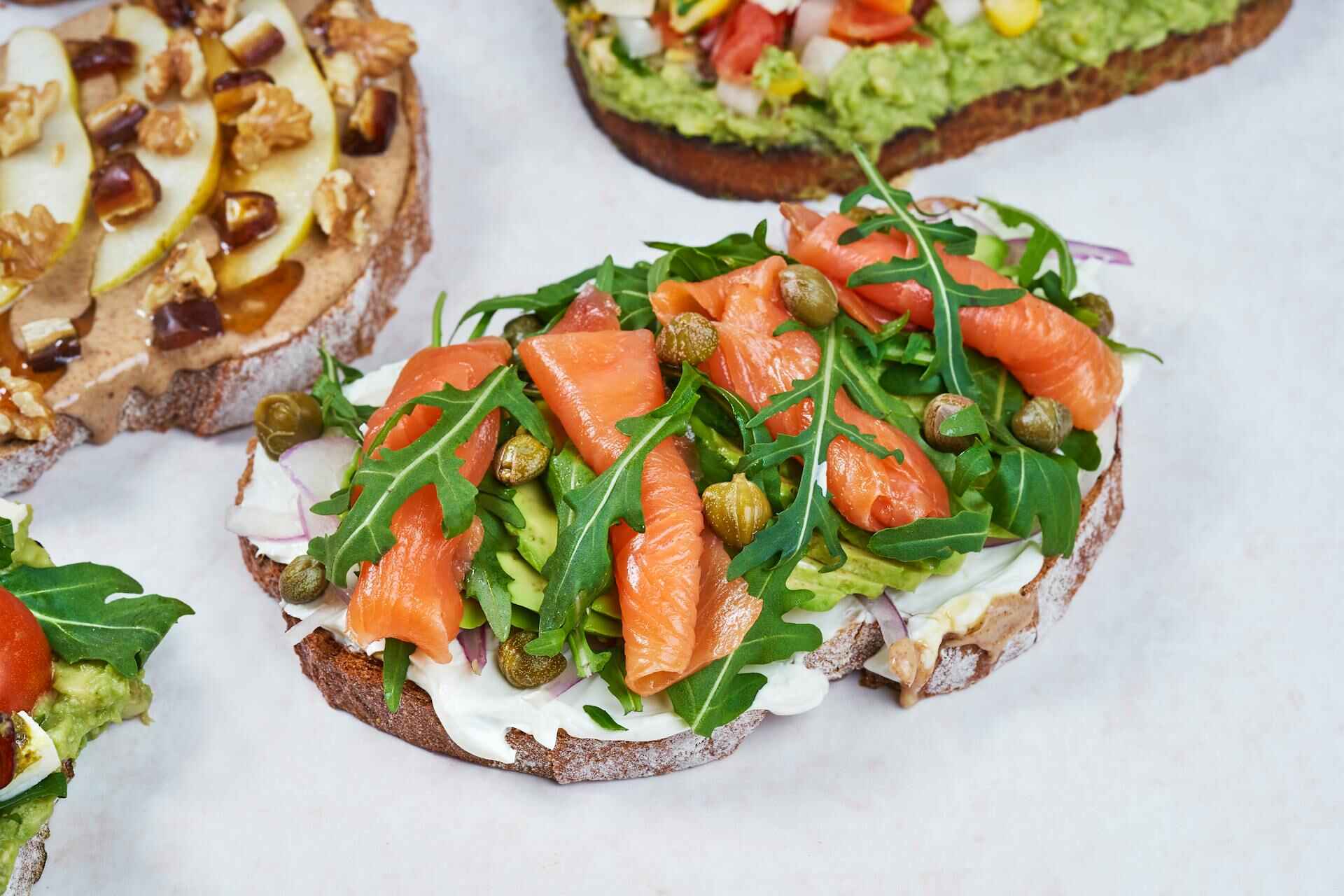
- Salmon, trout, tuna, and mackerel are examples of fatty fish.
- Pastured eggs or omega-3 whole eggs
- Cream and butter: grass-fed butter with heavy cream
- Cheddar, goat, cream, blue, and mozzarella are unprocessed cheeses.
- Almonds, walnuts, flaxseeds, pumpkin seeds, chia seeds, and other nuts and seeds
- Extra virgin olive oil and avocado oil are both healthful oils.
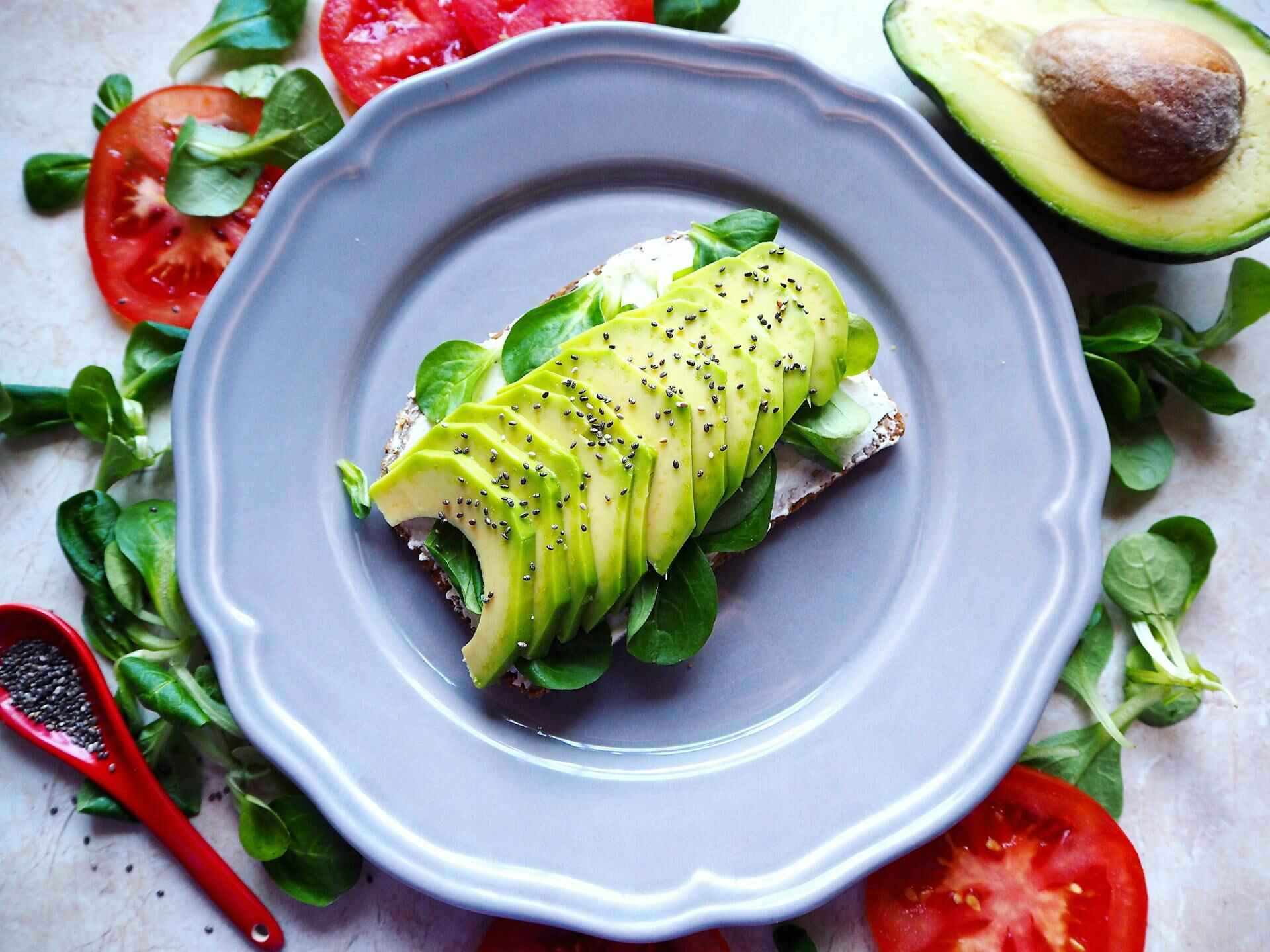
- Whole avocados or freshly prepared guacamole
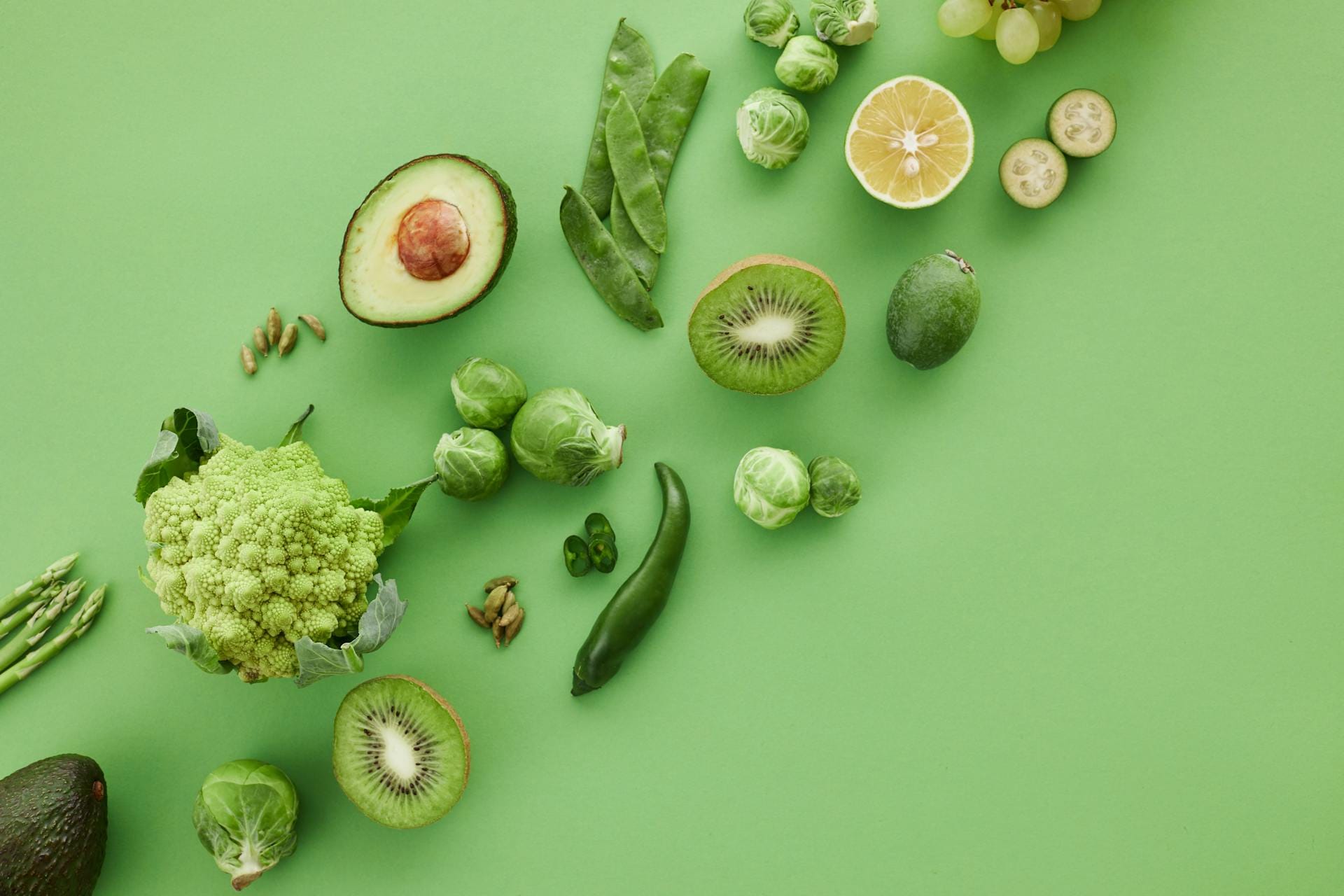
- Green vegetables, tomatoes, onions, peppers, and other low-carb vegetables
- seasonings (salt, pepper, herbs, and spices)
Sample Keto meal plan for one week
Here's an example ketogenic diet food plan for one week to get you started:
Monday
- Muffins with vegetables, eggs, and tomatoes for breakfast
- Lunch consists of an olive oil-dressed chicken salad with feta cheese, olives, and a side salad.
- Dinner: grilled fish with asparagus sautéed in butter
Tuesday
- Breakfast consists of an egg, a tomato, basil, and spinach. Almond milk, peanut butter, spinach,
- chocolate powder, and stevia milkshake for lunch (more keto smoothies here) with cut strawberries on the side
- Tacos with a cheese shell with salsa for dinner
Wednesday
- Nut milk chia pudding with coconut and blackberries for breakfast
- Avocado shrimp salad for lunch
- Pork chops with Parmesan cheese, broccoli, and salad for dinner
Thursday
- omelet with avocado, salsa, peppers, onion, and spices for breakfast
- Lunch: guacamole and celery sticks with a handful of nuts
- Dinner: stuffed chicken breast with pesto and cream cheese, with grilled zucchini on the side
Friday
- Breakfast: sugar-free Greek yogurt with whole milk, peanut butter, chocolate powder, and fruit
- Tacos with ground beef, lettuce wraps, and sliced bell peppers for lunch
- Dinner: stuffed cauliflower and mixed vegetables
Saturday
- Cream cheese pancakes with blueberries and grilled mushrooms for breakfast
- Salad with zucchini and beet "noodles" for lunch
- Dinner: grilled white fish in olive oil with spinach and toasted pine nuts
Sunday
- Breakfast consists of fried eggs with mushrooms.
- Low-carb sesame chicken and broccoli for lunch
- spaghetti squash Bolognese for dinner
Over time, aim to rotate your veggies and meat since each variety delivers various nutrients and health advantages.
Healthy keto snacks
In case you are hungry in between meals, here are some keto-friendly snacks:
- fatty cuts of meat or seafood
- a sprinkling of nuts or seeds
- Sushi snacks made with ketones
- olives
- 1-2 hard-boiled or deviled eggs
- keto-friendly snack bars
- Dark chocolate (90% cocoa)
- full-fat Greek yogurt, nut butter, and cocoa powder
- guacamole with bell peppers
- strawberries with unflavored cottage cheese
- guacamole and salsa on celery
- Jerky made from beef
- leftovers in smaller servings
- bombs made of fat
Risks of the keto
Staying on the keto diet for an extended period may have several negative consequences, including the following risks:
- low protein levels in the blood
- more fat in the liver
- stones in the kidneys
- a lack of micronutrients
Sodium-glucose cotransporter 2 (SGLT2) inhibitors, a kind of diabetes treatment, might increase the risk of diabetic ketoacidosis, a hazardous illness that raises blood acidity. The keto diet should be avoided by anybody using this medicine. (35, 36 )
More studies are being conducted to assess the long-term safety of the keto diet. Keep your doctor aware of your food plan so that they can influence your decisions.
The Bottom Line
A ketogenic diet may be beneficial to those who:
- are overweight
- suffer from diabetes
- are attempting to enhance their metabolic wellness
It may be less ideal for top athletes or those seeking significant muscle or weight.
It may also be incompatible with certain people's lives and tastes. Speak with your doctor about your eating habits and objectives to determine if a keto diet is good for you.




0 Comments