
Whether you're trying to build muscle, lose weight, or enjoy healthier sweets, protein dessert snacks can be a delicious way to stay on track. These satisfying treats combine the comfort of dessert with the staying power of protein, making them an excellent choice for busy afternoons, post-workout recovery, or late-night cravings. Instead of reaching for candy or pastries that leave you hungry again an hour later, you can enjoy desserts that nourish your body while satisfying your sweet tooth. The best part? You don't have to sacrifice flavor to make smarter choices.
Over the past few years, high-protein desserts have become a staple in many kitchens, and it's easy to see why. Social media is filled with creative recipes that transform Greek yogurt, cottage cheese, protein powder, oats, and nut butters into brownies, cheesecakes, puddings, cookies, and frozen treats. Grocery stores have also responded by stocking shelves with healthy protein snacks and ready-to-eat desserts designed for active lifestyles. While these options can be convenient, homemade recipes often give you greater control over ingredients, sugar content, and protein quality.
This guide explores everything you need to know about protein dessert snacks, from understanding what makes a dessert high in protein to discovering why these treats have become so popular. You'll also learn how protein supports fullness, helps manage cravings, and fits into a balanced eating plan. Along the way, you'll find practical tips that make it easier to choose ingredients and create desserts you'll actually look forward to eating.
Why Protein Dessert Snacks Are Becoming So Popular
The popularity of protein dessert snacks isn't just another food trend—it reflects the growing desire for foods that are both enjoyable and functional. People today want snacks that do more than satisfy hunger. They're looking for options that support fitness goals, provide lasting energy, and help them maintain healthy eating habits without feeling deprived.
Desserts have traditionally been viewed as indulgences reserved for special occasions, often packed with refined sugar and low in nutrients. Modern recipes challenge that idea by incorporating ingredients naturally rich in protein, healthy fats, and fiber. These additions help create desserts that are more balanced and satisfying, allowing you to enjoy something sweet while contributing to your daily nutrition goals.
Another reason protein dessert recipes continue to gain attention is convenience. Many recipes require only a handful of ingredients and can be prepared in minutes. Busy professionals, parents, college students, and athletes all appreciate desserts that are simple to make ahead of time and easy to grab when cravings strike.
Some of the biggest reasons people choose high-protein sweet treats include:
- Supporting muscle recovery after exercise.
- Staying full between meals.
- Reducing afternoon energy crashes.
- Managing sweet cravings more effectively.
- Increasing daily protein intake without eating another savory meal.
- Creating healthier alternatives to traditional desserts.
The growing variety of recipes also means there's something for nearly every dietary preference. Whether you follow a low carb lifestyle, enjoy Mediterranean-inspired eating, prefer vegetarian meals, or simply want healthier desserts, protein dessert snacks offer endless possibilities.
What Makes a Dessert High in Protein?
Not every dessert labeled as "high protein" truly delivers meaningful nutrition. A dessert earns that description when a substantial portion of its calories comes from protein rather than sugar or refined carbohydrates. While there's no universal definition, many nutrition professionals consider a serving containing around 10 grams or more of protein to be a solid healthy protein snack, especially when paired with moderate amounts of added sugar.
The secret lies in choosing ingredients that naturally provide protein while still creating the creamy, rich textures people love in desserts. Fortunately, many versatile options blend beautifully into sweet recipes without compromising taste.
Common high-protein ingredients include:
- Greek yogurt
- Cottage cheese
- Whey protein powder
- Casein protein powder
- Plant-based protein powders
- Skyr yogurt
- Eggs
- Ricotta cheese
- Peanut butter
- Almond butter
- Chia seeds
- Hemp seeds
- Pumpkin seeds
- Unsweetened soy milk
- High-protein milk
These ingredients contribute more than just protein. Many also provide calcium, healthy fats, probiotics, vitamins, and minerals that support overall wellness. Combining protein with fiber-rich ingredients like oats, berries, cocoa powder, or chia seeds creates desserts that digest more slowly, helping you stay satisfied longer.
A well-balanced protein dessert snack also avoids relying heavily on added sugars. Natural sweetness from fruit, vanilla, cinnamon, or small amounts of honey or maple syrup often provides plenty of flavor while allowing the protein-rich ingredients to shine.
Another hallmark of quality protein dessert recipes is balance. Instead of focusing solely on protein numbers, look for desserts that combine:
| Component | Why It Matters |
|---|---|
| Protein | Supports fullness and helps maintain lean muscle mass. |
| Fiber | Promotes digestive health and increases feelings of satiety. |
| Healthy Fats | Add richness and help keep you feeling satisfied longer. |
| Natural Sweetness | Helps reduce reliance on refined sugar while adding enjoyable flavor. |
| Whole-Food Ingredients | Enhance the overall nutritional value of your meals and desserts. |
When these elements come together, desserts become more than occasional treats—they become nourishing snacks that can comfortably fit into many eating patterns.
How Protein Helps Reduce Hunger
One of the biggest reasons people love protein dessert snacks is the way they help control hunger. Unlike sugary desserts that can leave you searching for another snack shortly afterward, protein-rich treats digest more gradually. This slower digestion helps you feel satisfied for a longer period, making it easier to avoid constant snacking throughout the day.
Protein influences several hormones involved in appetite regulation. It encourages the release of hormones associated with fullness while helping reduce signals that trigger hunger. Although everyone responds differently, many people notice that adding more protein to meals and snacks naturally reduces mindless eating.
Think of protein as a slow burning fuel source. Instead of creating a quick burst of energy followed by a sharp crash, it provides steadier nourishment that keeps your body fueled between meals. That's why a bowl of Greek yogurt with berries often feels much more satisfying than a slice of frosted cake, even if the calorie counts are similar.
Healthy protein snacks are especially useful during times when cravings tend to appear, such as:
- Mid-afternoon at work.
- After exercising.
- Late in the evening.
- During long study sessions.
- Between busy errands.
Pairing protein with fiber-rich ingredients makes these desserts even more filling. Chia seeds, oats, berries, flaxseed, and nuts all contribute additional texture while helping stabilize energy levels. The combination creates snacks that satisfy both physical hunger and the desire for something sweet.
Over time, regularly choosing protein dessert snacks instead of highly processed sweets can make healthy eating feel less restrictive. Rather than constantly resisting dessert cravings, you're replacing them with options that align with your nutrition goals while still feeling like a treat.
Why Sweet Snacks Don't Have to Ruin Your Diet
Many people grow up believing that enjoying dessert automatically means abandoning healthy eating. Fortunately, nutrition has evolved beyond strict "good food versus bad food" thinking. A balanced lifestyle leaves room for enjoyable foods, especially when they're thoughtfully prepared using wholesome ingredients.
The beauty of protein dessert snacks is that they bridge the gap between nutrition and enjoyment. Instead of eliminating sweets, you can reinvent favorite desserts using ingredients that provide lasting nourishment. A chocolate protein pudding made with Greek yogurt, for example, delivers creaminess, chocolate flavor, and a generous serving of protein. Frozen yogurt bark topped with berries and nuts feels indulgent while offering vitamins, minerals, and healthy fats.
This balanced approach also supports long-term consistency. Highly restrictive diets often become difficult to maintain because they remove favorite foods completely. By incorporating high-protein desserts into your weekly routine, you can satisfy cravings without feeling like you've failed your eating plan.
Keep these practical strategies in mind:
- Enjoy desserts mindfully rather than eating while distracted.
- Prioritize recipes made with whole-food ingredients.
- Watch portion sizes without obsessing over perfection.
- Include protein, fiber, and healthy fats whenever possible.
- Save ultra-processed sweets for occasional enjoyment rather than everyday habits.
Healthy eating isn't about perfection—it's about creating habits that you can maintain for years. Protein dessert recipes make that journey more enjoyable by proving that nourishing foods can also taste amazing. When desserts support your goals instead of working against them, they become something to look forward to rather than something to feel guilty about.
The Science Behind Protein Dessert Snacks and Satiety
Understanding why protein dessert snacks help keep you full makes it easier to choose recipes that truly support your health goals. Protein isn't just another nutrient on a nutrition label—it's one of the building blocks your body depends on every day. From repairing muscles after exercise to producing enzymes and hormones, protein plays a vital role in countless biological processes. One of its most noticeable benefits, however, is its ability to promote satiety, or the feeling of fullness after eating.
When you enjoy a traditional dessert that's high in refined sugar and low in protein, your body digests it quickly. This can lead to a rapid rise in blood sugar followed by a noticeable drop, often leaving you hungry again within a short time. In contrast, high-protein desserts are digested more slowly. The combination of protein, healthy fats, and fiber helps provide a steadier release of energy, making you feel satisfied for longer.
Think of your appetite like a campfire. Refined sugar is similar to tossing dry leaves onto the flames—it burns quickly, creating a brief burst of heat before fading away. Protein acts more like hardwood logs that burn slowly and consistently, providing steady warmth for hours. That's exactly why many people find healthy protein snacks easier to fit into a balanced eating routine than conventional desserts.
Another advantage is psychological. When you know your dessert contains nutritious ingredients that contribute to your daily protein goals, it's easier to enjoy it without guilt. Instead of viewing dessert as a "cheat," you begin to see it as another opportunity to nourish your body while still satisfying your sweet tooth. This mindset encourages consistency, which is often more valuable than striving for perfection.
Choosing protein dessert recipes made with wholesome ingredients also reduces the temptation to overeat. Because these desserts are naturally more filling, many people feel satisfied with one serving rather than returning for seconds. Over time, this can help create healthier eating habits without relying on strict rules or deprivation.
How Protein Supports Muscle Recovery
Whether you're a seasoned athlete or someone who simply enjoys staying active, your muscles work hard every day. Every workout—whether it's lifting weights, running, cycling, swimming, or even a brisk walk—creates tiny amounts of stress within muscle fibers. That stress isn't a bad thing. In fact, it's the signal your body uses to repair and strengthen muscles during recovery. Protein provides the amino acids needed for this rebuilding process, making it one of the most important nutrients after physical activity.
That's why protein dessert snacks have become increasingly popular as post-workout treats. Instead of finishing a workout and reaching for a sugary pastry, you can enjoy a dessert that satisfies cravings while supplying nutrients your muscles need. A protein-rich chocolate mousse, Greek yogurt parfait, or cottage cheese cheesecake offers both comfort and recovery in a single serving.
The timing of protein intake doesn't have to be perfect, but eating protein within a reasonable window after exercise can support muscle protein synthesis—the natural process your body uses to repair muscle tissue. Pairing protein with carbohydrates from fruit, oats, or whole grains can also help replenish energy stores, making many protein dessert recipes excellent recovery options.
Some excellent post-workout high-protein sweet treats include:
- Greek yogurt topped with berries and granola
- Chocolate protein pudding
- Cottage cheese with pineapple
- Peanut butter protein smoothie bowls
- Protein overnight oats
- Frozen yogurt bark with mixed fruit
- Protein brownies made with oat flour
- Chia seed protein pudding
These desserts aren't just for bodybuilders. Busy parents, weekend hikers, recreational runners, and anyone looking to stay active can benefit from adding more quality protein throughout the day. Recovery isn't limited to intense gym sessions—your body repairs tissues continuously, making consistent protein intake valuable for overall wellness.
Another reason these desserts work so well is convenience. Many can be prepared in advance, stored in the refrigerator, and enjoyed whenever you need a quick snack. Meal prepping a batch of healthy protein snacks at the beginning of the week helps eliminate guesswork and makes healthier choices much easier during busy days.
As you continue exploring protein dessert snacks, you'll notice that many recipes rely on nutrient-rich ingredients like Greek yogurt, cottage cheese, eggs, or protein powder. These ingredients not only increase protein content but also contribute calcium, vitamins, and minerals that support bone health, immune function, and overall recovery.
Protein and Blood Sugar Balance
Another reason protein dessert snacks are gaining popularity is their ability to promote more stable energy levels throughout the day. While sugary desserts often cause quick spikes and drops in blood glucose, desserts that include protein digest at a slower pace. This slower digestion helps moderate the body's response to carbohydrates, creating a steadier source of energy instead of dramatic highs and lows. (1)
Imagine driving a car with two different fuel sources. One burns almost instantly, forcing you to stop frequently for refueling. The other provides a slow, dependable supply of energy that keeps you moving comfortably for much longer. That's similar to the difference between a sugary dessert and a balanced high-protein dessert.
The ingredients you combine matter just as much as the protein itself. Pairing protein with fiber-rich foods such as berries, oats, flaxseed, chia seeds, or nuts slows digestion even further. Healthy fats from almonds, walnuts, pistachios, peanut butter, or avocado also contribute to a more satisfying snack that helps maintain consistent energy.
Some balanced combinations include:
| Protein Source | Pair With | Benefit |
|---|---|---|
| Greek Yogurt | Blueberries | Protein + Antioxidants |
| Cottage Cheese | Fresh Peaches | Protein + Fiber |
| Protein Powder | Rolled Oats | Sustained Energy |
| Chia Seeds | Almond Milk | Fiber + Healthy Fats |
| Peanut Butter | Apple Slices | Protein + Natural Carbohydrates |
| Skyr Yogurt | Strawberries | High Protein + Vitamin C |
These combinations don't just taste great—they also create desserts that feel satisfying long after you've finished eating. Instead of reaching for another snack an hour later, you're more likely to stay comfortably full until your next meal.
This balanced approach is one reason protein dessert recipes fit into many eating styles, including Mediterranean-inspired eating patterns, balanced meal plans, and active lifestyles. Rather than focusing on restriction, these desserts encourage choosing ingredients that work together to support overall health.
For people with specific medical conditions affecting blood sugar, individual nutrition needs can vary. It's always wise to work with a healthcare professional or registered dietitian when making significant dietary changes. Still, for most healthy individuals, replacing refined desserts with balanced protein dessert snacks can be a practical step toward more consistent energy and improved dietary quality.
Why Protein Helps Control Cravings
Cravings are one of the biggest challenges when trying to eat healthier. They often appear unexpectedly—during a stressful afternoon, while watching television, or late at night when the kitchen suddenly seems impossible to resist. The good news is that protein dessert snacks can help manage these cravings without making you feel deprived.
One reason is simple satisfaction. Protein-rich foods generally take longer to digest than refined carbohydrates, helping you stay full longer. But there's another factor at work as well: enjoyment. When your dessert is creamy, chocolatey, fruity, or naturally sweet, you're satisfying both physical hunger and emotional cravings at the same time.
Instead of telling yourself you "can't have dessert," you shift your mindset to choosing a dessert that better supports your goals. That subtle change often makes healthy eating feel far more sustainable.
Here are several practical ways healthy protein snacks can help reduce cravings:
- They increase feelings of fullness between meals.
- They provide steady energy rather than quick sugar crashes.
- They satisfy sweet cravings with balanced nutrition.
- They reduce the temptation to binge on processed desserts.
- They make meal planning more enjoyable.
- They encourage consistent eating habits instead of restrictive dieting.
Cravings are also influenced by routine. If you know you typically want something sweet every evening, planning a nutritious dessert ahead of time can be incredibly effective. Instead of relying on willpower in the moment, you've already prepared a satisfying option like protein pudding, frozen yogurt bark, cheesecake cups, or homemade protein cookies.
Another helpful strategy is keeping your favorite ingredients stocked in the kitchen. Having Greek yogurt, cocoa powder, berries, cottage cheese, protein powder, nut butter, vanilla extract, cinnamon, and dark chocolate readily available makes it easy to create delicious protein dessert recipes in just a few minutes.
It's important to remember that no single dessert is a magic solution. Healthy eating is built on consistent habits, not perfection. Protein dessert snacks work best as part of an overall balanced eating pattern that includes plenty of fruits, vegetables, whole grains, healthy fats, and quality protein throughout the day.
Best Ingredients for Protein Dessert Snacks
Creating delicious protein dessert snacks starts with choosing the right ingredients. While recipes and techniques certainly matter, the quality of your ingredients often determines whether a dessert turns out rich, creamy, satisfying, and nutritious—or disappointingly dry and bland. The good news is that you don't need a pantry full of specialty products to make amazing high-protein desserts. Many of the best ingredients are already available in most grocery stores and can be used in dozens of recipes.
Think of these ingredients as the foundation of your dessert toolkit. Once you become familiar with how each one works, you'll be able to mix and match them to create everything from cheesecakes and brownies to puddings, parfaits, cookies, frozen treats, and energy bites. Even better, many of these foods provide nutrients beyond protein, including calcium, probiotics, healthy fats, fiber, vitamins, and minerals that contribute to overall wellness.
Another advantage of using whole-food ingredients is flexibility. Whether you follow a balanced diet, prefer lower-carb meals, enjoy Mediterranean-inspired eating, or simply want to increase your protein intake, these staples can be adapted to fit your preferences. Small changes—such as swapping flavored yogurt for plain Greek yogurt or replacing refined sugar with mashed fruit—can dramatically improve the nutritional profile of your desserts without sacrificing flavor.
As you build your collection of protein dessert recipes, you'll likely find yourself returning to the same trusted ingredients again and again. They're affordable, easy to find, and versatile enough to transform ordinary sweets into healthy protein snacks that satisfy both your cravings and your nutrition goals.
Greek Yogurt: The Creamy Superstar of High Protein Desserts
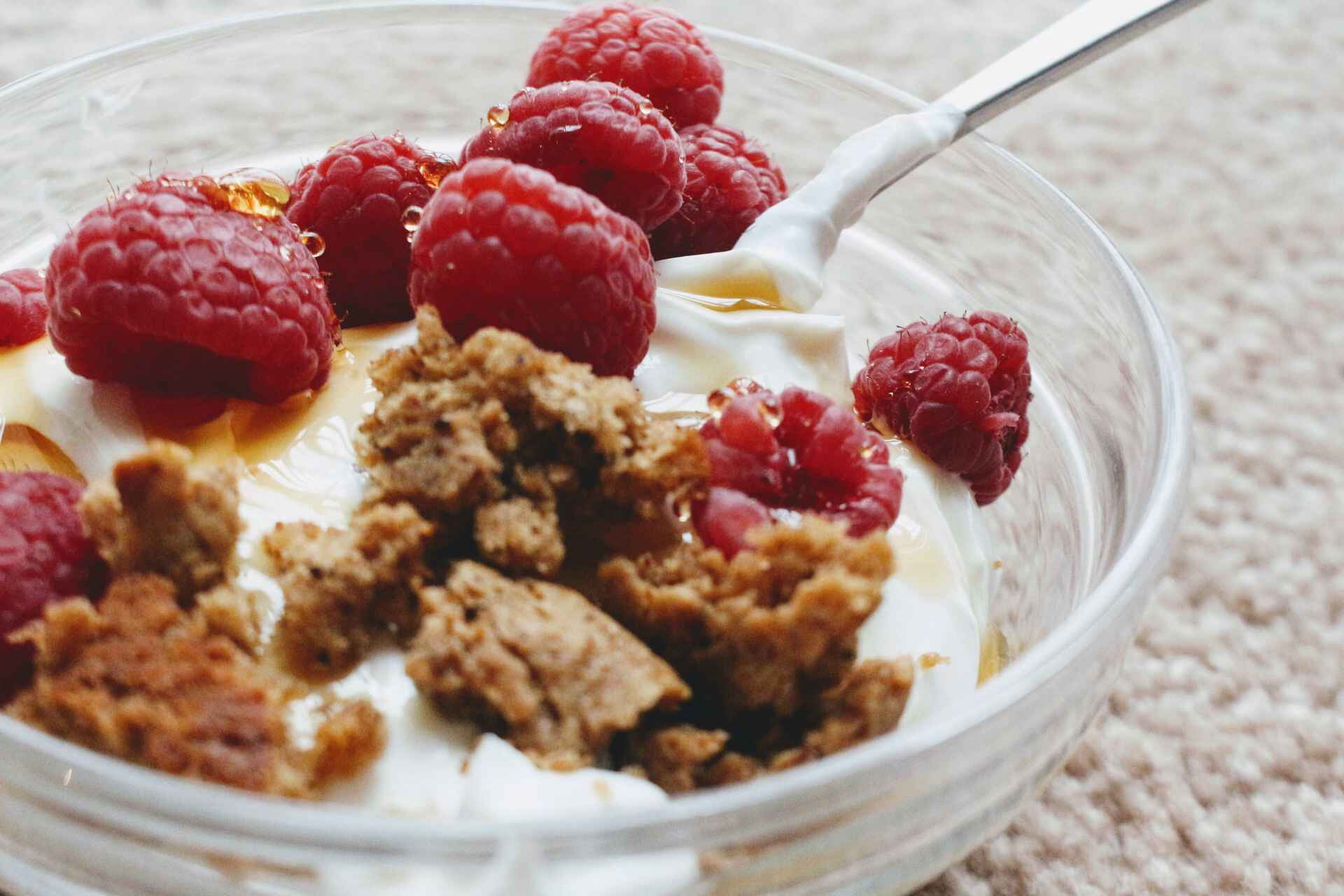
If there were one ingredient that deserves the title of MVP in the world of protein dessert snacks, it would probably be Greek yogurt. Thick, creamy, and naturally rich in protein, Greek yogurt has become a favorite among home cooks, athletes, and nutrition enthusiasts alike. Its mild flavor makes it incredibly versatile, allowing it to pair beautifully with fruits, chocolate, vanilla, spices, and even citrus flavors. (2)
Unlike regular yogurt, Greek yogurt is strained to remove much of its liquid whey. This process creates a thicker texture while concentrating the protein, making it an excellent base for desserts. It also contains calcium and beneficial probiotics that support digestive health, adding nutritional value beyond its impressive protein content.
Greek yogurt can easily replace heavier ingredients like whipped cream, sour cream, or cream cheese in many recipes while still delivering a luxurious texture. It's equally delicious served on its own with fresh fruit or transformed into frozen bark, parfaits, cheesecakes, mousses, and smoothie bowls.
Some of the best ways to use Greek yogurt in protein dessert recipes include:
- Layering it with berries and granola for parfaits.
- Mixing it with cocoa powder for chocolate mousse.
- Freezing it with fruit for yogurt bark.
- Blending it into smoothies.
- Stirring in peanut butter for a creamy dip.
- Combining it with vanilla and cinnamon for a quick dessert.
- Using it as the base for cheesecake filling.
- Swirling it into overnight oats.
To get the most nutritional benefits, choose plain Greek yogurt whenever possible. This allows you to control the sweetness by adding fresh fruit, vanilla extract, cinnamon, or a small drizzle of honey. Flavored yogurts often contain significant amounts of added sugar, which can quickly turn a nutritious dessert into something much closer to a traditional sweet treat.
Greek yogurt also pairs exceptionally well with ingredients like chia seeds, almonds, walnuts, pistachios, cocoa powder, oats, and berries. These combinations create high-protein sweet treats that are not only delicious but also rich in fiber and healthy fats, making them even more satisfying.
For anyone just beginning to explore homemade healthy protein snacks, Greek yogurt is one of the easiest ingredients to work with. It requires no cooking, blends smoothly into recipes, and adapts effortlessly to countless dessert styles.
Cottage Cheese: The Surprisingly Versatile Secret Ingredient
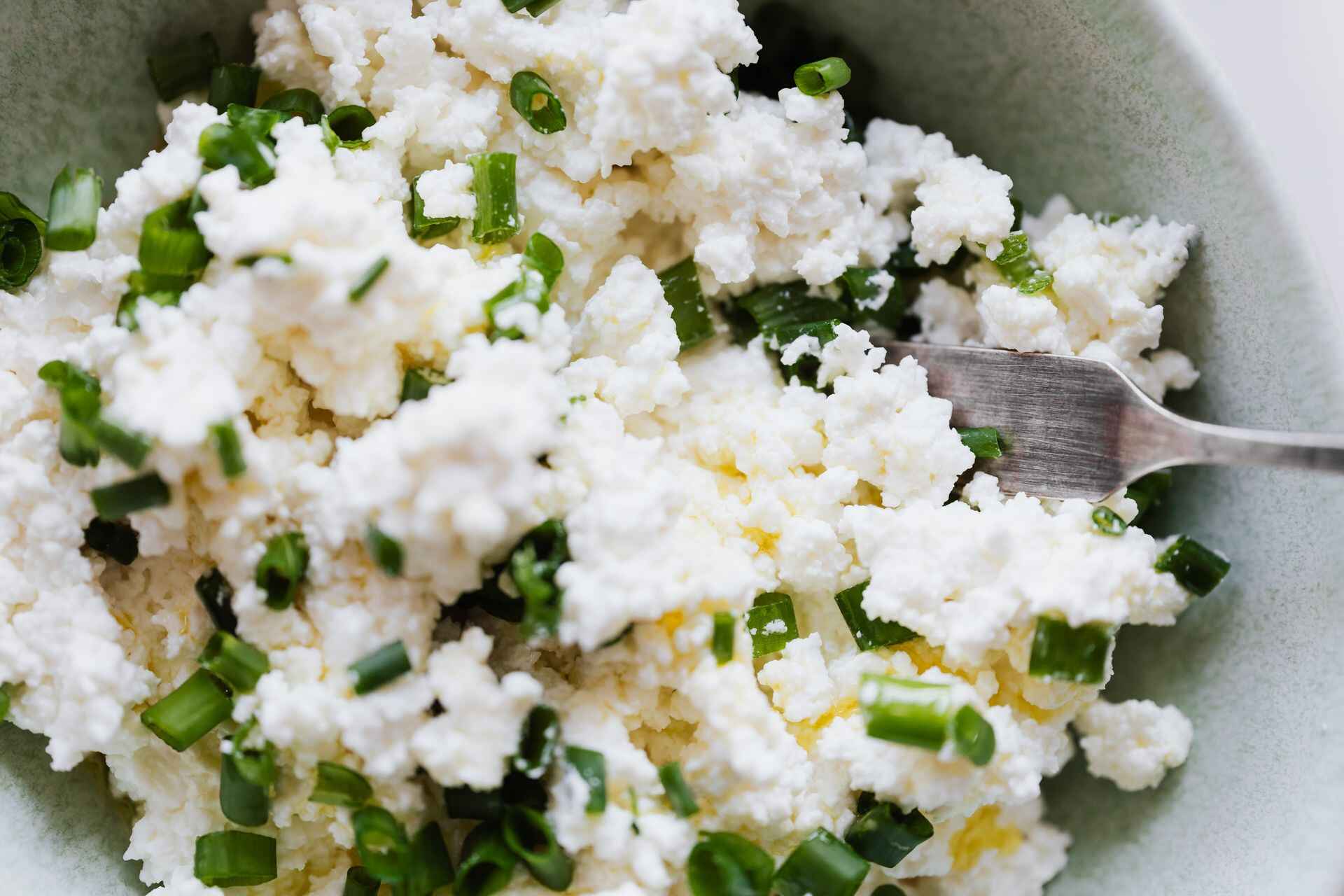
Cottage cheese has experienced an impressive comeback in recent years, thanks largely to creative home cooks and social media recipes that showcase its incredible versatility. While many people once thought of cottage cheese as a plain diet food, it's now recognized as one of the best ingredients for protein dessert snacks because of its mild flavor, creamy consistency when blended, and naturally high protein content. (3)
One of cottage cheese's biggest strengths is its ability to transform completely when mixed in a blender or food processor. The small curds disappear, creating a smooth texture remarkably similar to cheesecake filling, mousse, pudding, or whipped cream. This makes it an ideal ingredient for desserts that feel indulgent while remaining surprisingly nutritious.
Some delicious ways to incorporate cottage cheese into protein dessert recipes include:
- Cheesecake cups with berries.
- Chocolate mousse.
- Banana cream pudding.
- Frozen dessert bars.
- Protein ice cream.
- Fruit parfaits.
- Cookie dough-inspired dips.
- Cinnamon vanilla pudding.
Because cottage cheese has a neutral taste, it easily absorbs other flavors. Cocoa powder, vanilla extract, cinnamon, espresso powder, citrus zest, and fresh berries all blend beautifully into creamy desserts. A little natural sweetener can enhance flavor without overwhelming the protein-rich base.
Beyond protein, cottage cheese supplies calcium, phosphorus, vitamin B12, and other nutrients that support bone health and normal body function. It's also remarkably filling, making it an excellent choice for people looking to reduce unnecessary snacking between meals.
Another advantage is affordability. Compared to many specialty protein products, cottage cheese is often inexpensive while delivering excellent nutrition. It can replace cream cheese in many recipes, reducing saturated fat while increasing protein—a win for both taste and nutrition.
If you've never considered cottage cheese for dessert, blending it into a silky chocolate mousse or berry cheesecake may completely change your opinion. Its versatility continues to make it one of the standout ingredients in modern high-protein desserts.
Protein Powder: A Convenient Way to Boost Protein
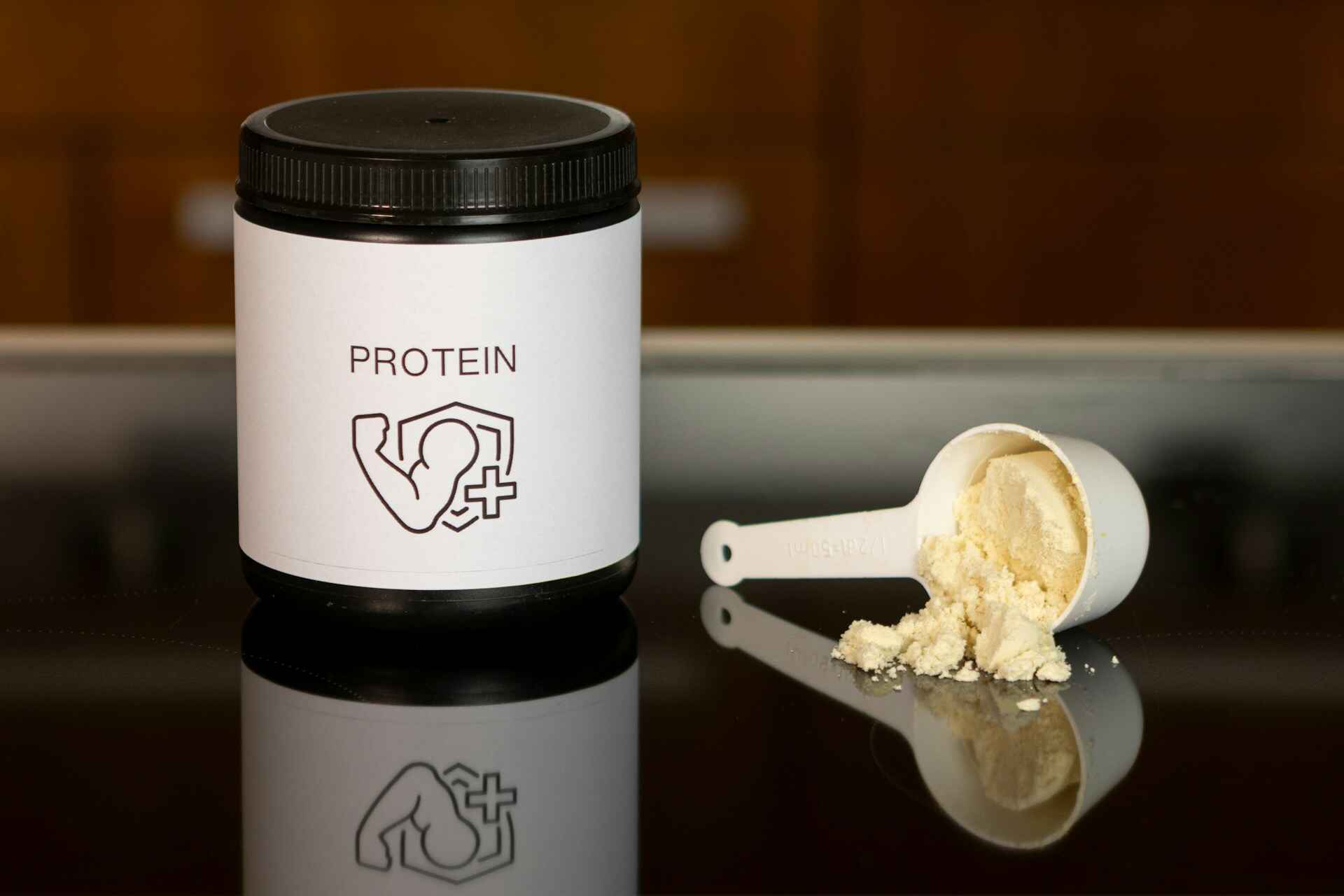
Protein powder is one of the most recognizable ingredients in protein dessert snacks, but it's also one of the most misunderstood. Some people assume it's only for bodybuilders, while others worry it will make desserts taste artificial. In reality, today's protein powders come in a wide range of flavors and formulations, making them suitable for many lifestyles when used thoughtfully.
The main purpose of protein powder is simple: it provides a concentrated source of protein that can easily be mixed into recipes. This allows you to increase the protein content of desserts without dramatically changing portion sizes. Whether you prefer whey, casein, soy, pea, or blended plant proteins, there's an option available for nearly every dietary preference.
Popular ways to use protein powder include:
- Protein brownies.
- Mug cakes.
- Pancakes.
- Overnight oats.
- Smoothie bowls.
- Protein cookies.
- Frozen yogurt desserts.
- Homemade energy bites.
Choosing the right flavor makes a significant difference. Vanilla protein powder works well in cheesecakes, yogurt bowls, fruit-based desserts, and oatmeal, while chocolate protein powder naturally complements brownies, puddings, and chocolate mousses. Unflavored varieties offer maximum flexibility when you want other ingredients to take center stage.
A few simple tips help improve texture:
- Mix protein powder with liquid gradually.
- Avoid overbaking recipes.
- Pair it with moist ingredients like yogurt or mashed banana.
- Add healthy fats such as nut butter when appropriate.
- Follow tested recipes until you become comfortable experimenting.
Protein powder should complement a balanced diet rather than replace whole-food protein sources. Greek yogurt, cottage cheese, eggs, beans, dairy, nuts, seeds, and lean proteins still offer additional nutrients that powders alone cannot provide. Used appropriately, though, protein powder can make protein dessert recipes even more convenient and satisfying.
Nuts, Seeds, and Nut Butters: Flavor, Texture, and Lasting Satisfaction
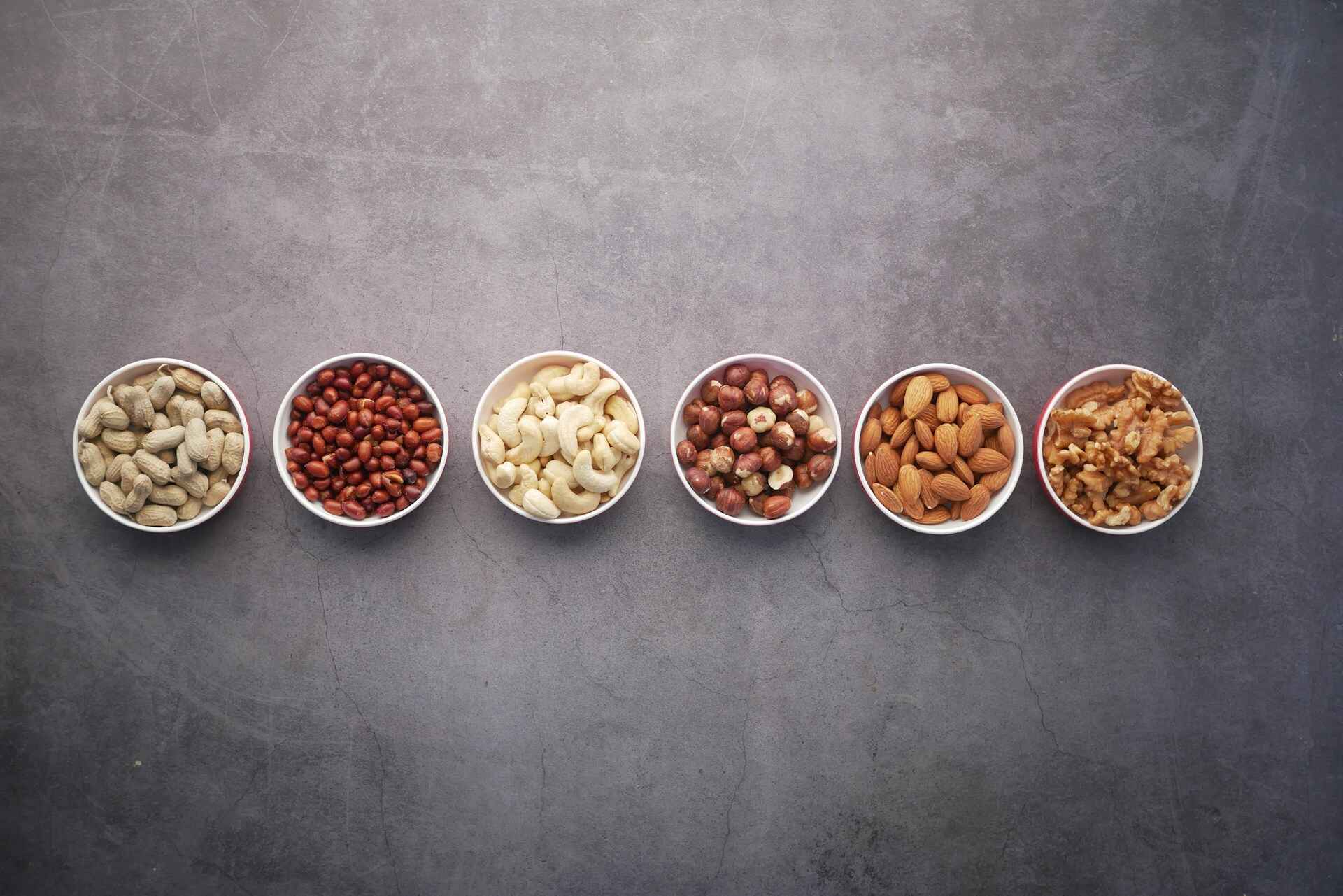
No collection of protein dessert snacks would be complete without nuts, seeds, and their creamy counterparts. These ingredients contribute much more than crunch—they provide healthy fats, plant-based protein, fiber, vitamins, minerals, and satisfying texture that elevates nearly every dessert.
Although nuts generally contain less protein per serving than dairy products or protein powder, they offer an impressive nutritional package. Almonds, walnuts, pistachios, peanuts, cashews, pecans, pumpkin seeds, hemp seeds, sunflower seeds, flaxseeds, and chia seeds all bring unique flavors and health benefits to dessert recipes.
Nut butters deserve special attention because they combine protein with creamy richness. Peanut butter, almond butter, and cashew butter instantly make desserts feel more indulgent while contributing healthy fats that help promote fullness. A spoonful stirred into Greek yogurt or blended into protein pudding creates a dessert that tastes decadent without relying on excessive sugar.
Some favorite additions include:
- Almonds for crunchy yogurt parfaits.
- Walnuts in protein brownies.
- Pistachios sprinkled over frozen yogurt bark.
- Chia seeds in pudding.
- Hemp seeds blended into smoothies.
- Pumpkin seeds added to energy bites.
- Peanut butter swirled into chocolate mousse.
- Almond butter mixed into overnight oats.
Here's a quick comparison of these versatile ingredients:
| Ingredient | Protein Contribution | Best Dessert Uses |
|---|---|---|
| Almonds | Moderate | Yogurt bowls, cookies, bark |
| Walnuts | Moderate | Brownies, banana desserts |
| Pistachios | Moderate | Frozen yogurt, parfaits |
| Peanut Butter | Good | Brownies, puddings, dips |
| Almond Butter | Good | Smoothies, cookies, oats |
| Chia Seeds | Moderate | Pudding, parfaits |
| Hemp Seeds | High for seeds | Smoothies, yogurt bowls |
| Pumpkin Seeds | Moderate | Energy bites, granola |
One of the biggest strengths of nuts and seeds is balance. Their combination of protein, healthy fats, and fiber helps create healthy protein snacks that keep you satisfied long after dessert is over. They also add visual appeal, making homemade desserts look just as beautiful as they taste.
As you experiment with protein dessert recipes, don't be afraid to combine several of these ingredients. A bowl of Greek yogurt topped with berries, chia seeds, almonds, and a drizzle of almond butter delivers multiple textures, vibrant flavors, and a well-rounded nutritional profile—all while feeling like a genuine dessert rather than a compromise.
Easy Homemade Protein Dessert Snacks
One of the best things about making your own protein dessert snacks is the freedom to customize every recipe to suit your taste, dietary preferences, and nutrition goals. Instead of relying on store-bought desserts that may contain excess added sugar, preservatives, or artificial ingredients, homemade treats allow you to choose wholesome ingredients while controlling the flavor and texture. Whether you're preparing desserts for post-workout recovery, an afternoon pick-me-up, or a healthier family dessert, homemade recipes make it easier to enjoy sweets without compromising your goals.
Another advantage is cost. While ready made healthy protein snacks can be convenient, they often come with a premium price tag. Preparing desserts at home using pantry staples like Greek yogurt, cottage cheese, oats, cocoa powder, nut butter, and protein powder is typically much more affordable. Many recipes can also be made in large batches, making weekly meal prep simple and helping you avoid last-minute trips to the vending machine or bakery.
Homemade protein dessert recipes are also incredibly versatile. You can adjust the sweetness, experiment with seasonal fruits, swap ingredients for dairy-free or gluten-free alternatives, and create desserts that match your favorite flavors. Chocolate lovers can enjoy rich brownies and mousse, while fruit fans can whip up berry parfaits, frozen yogurt bark, or tropical smoothie bowls.
To make meal prep even easier, consider keeping these ingredients stocked in your kitchen:
- Plain Greek yogurt
- Cottage cheese
- Vanilla and chocolate protein powder
- Rolled oats
- Natural peanut butter or almond butter
- Unsweetened cocoa powder
- Fresh and frozen berries
- Bananas
- Chia seeds
- Flaxseed meal
- Dark chocolate chips
- Vanilla extract
- Cinnamon
- Unsweetened almond milk
- Honey or pure maple syrup (optional)
With these simple staples, you'll always be just a few minutes away from creating delicious high-protein desserts that satisfy cravings while supporting a balanced lifestyle.
Protein Mug Cakes: A Warm Dessert in Minutes
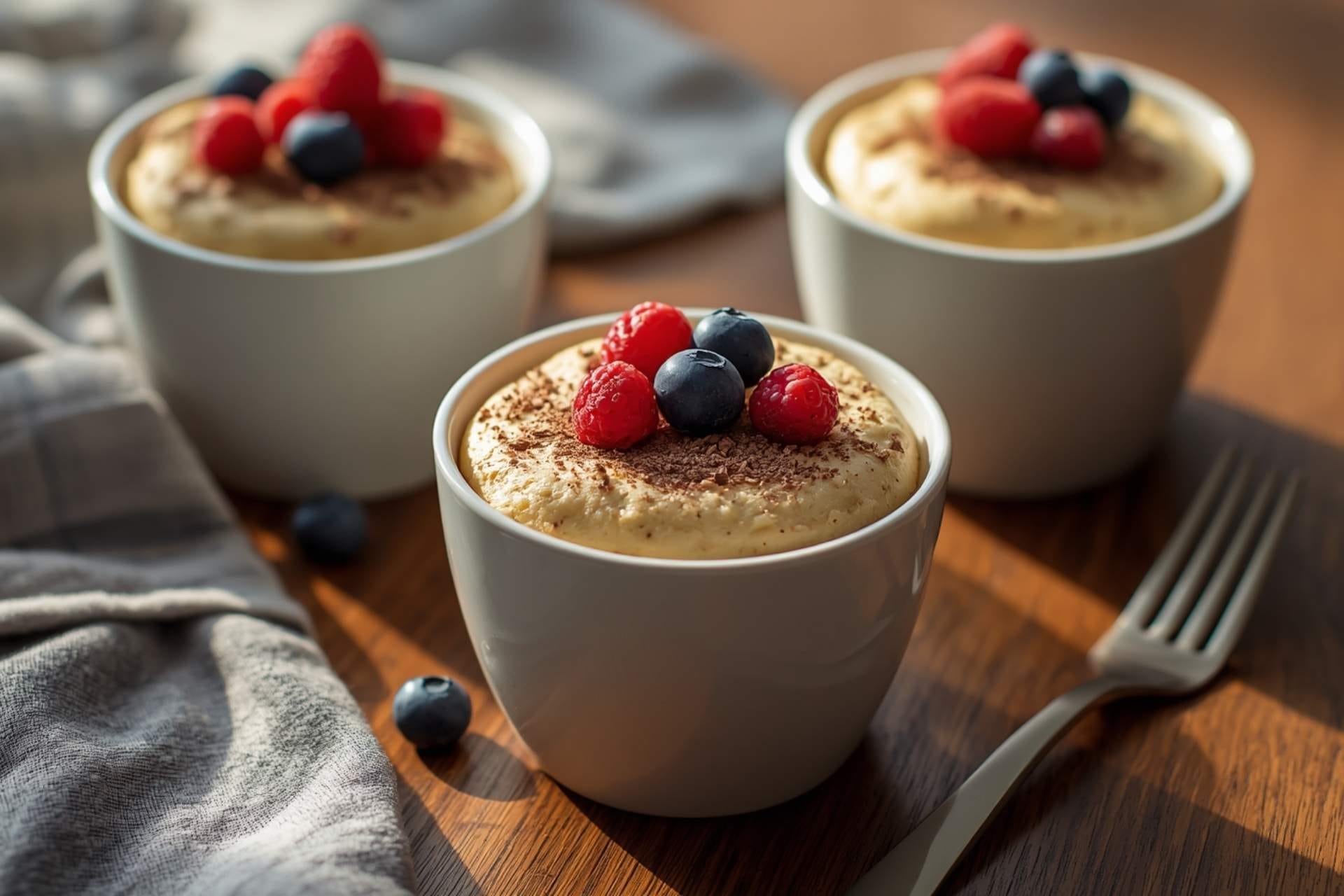
Sometimes you want dessert immediately—not after an hour of baking. That's where protein mug cakes shine. These single-serving treats are among the easiest protein dessert snacks you can make, requiring only a handful of ingredients and a microwave. In less than five minutes, you can enjoy a warm, fluffy cake that's packed with protein and customizable to your favorite flavors.
The beauty of a protein mug cake lies in its simplicity. Most recipes combine protein powder with oat flour or blended oats, an egg or egg white, baking powder, milk, and flavorings like cocoa powder or vanilla extract. Once mixed in a microwave-safe mug, the batter cooks quickly into a soft cake that's perfect on its own or topped with Greek yogurt and fresh fruit.
Popular flavor combinations include:
- Chocolate peanut butter
- Double chocolate
- Vanilla cinnamon
- Lemon poppy seed
- Blueberry muffin
- Pumpkin spice
- Cookies and cream
- Mocha espresso
One of the biggest benefits of mug cakes is portion control. Because each recipe makes a single serving, there's no temptation to cut "just one more slice" from a full-sized cake. This makes them an excellent option for anyone trying to enjoy high-protein sweet treats while maintaining balanced eating habits.
For the best texture, keep these tips in mind:
- Don't overcook the batter.
- Use a large mug to prevent overflow.
- Mix ingredients thoroughly.
- Let the cake rest for one minute after cooking.
- Add toppings after the cake cools slightly.
Some delicious topping ideas include:
- Greek yogurt
- Fresh strawberries
- Sliced banana
- Blueberries
- Chopped almonds
- Crushed pistachios
- Sugar-free chocolate chips
- Peanut butter drizzle
Protein mug cakes are proof that homemade protein dessert recipes don't have to be complicated. They're quick enough for busy weekdays but satisfying enough to feel like a special treat.
Protein Energy Balls: Perfect for Meal Prep
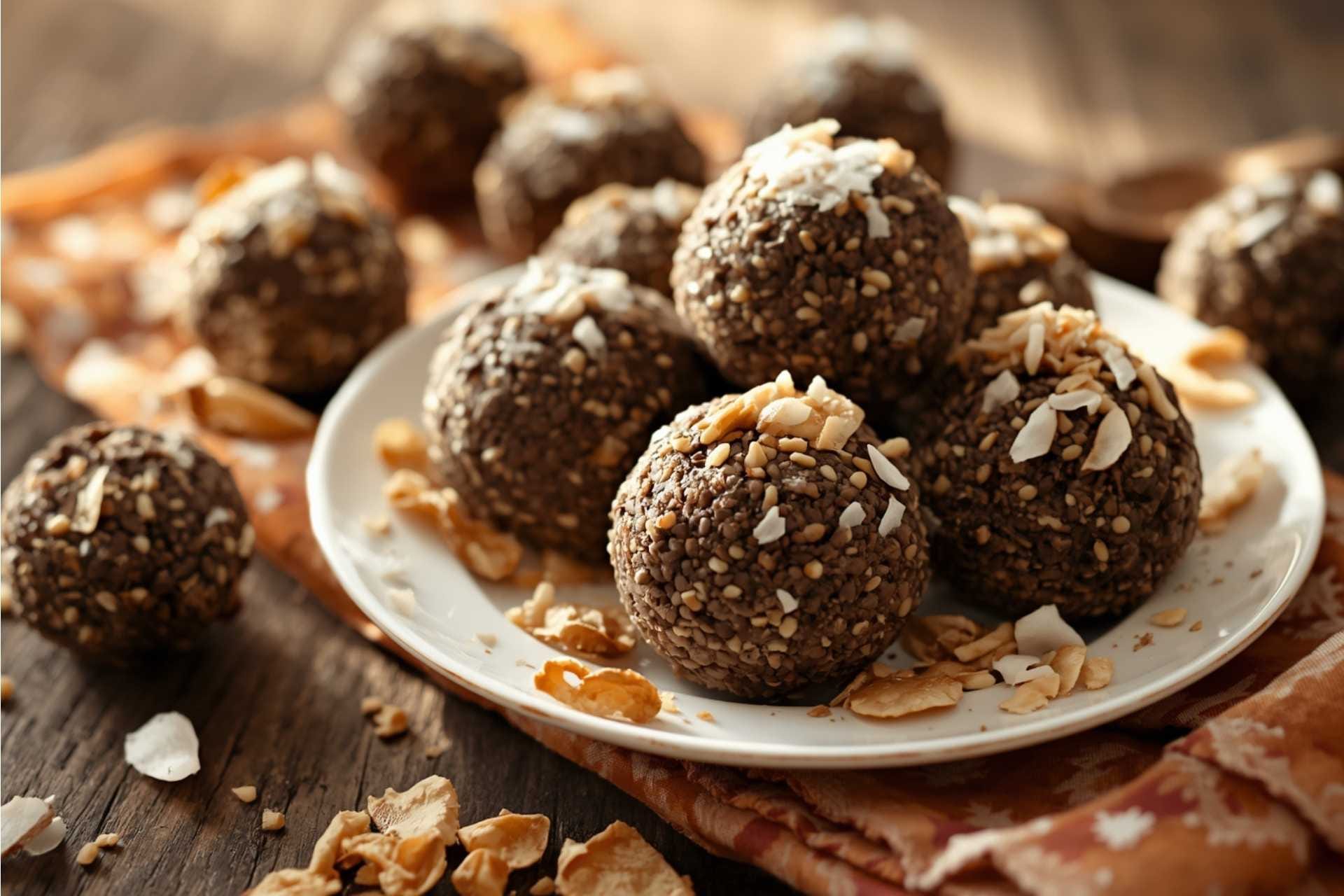
If convenience is your top priority, protein energy balls deserve a permanent place in your meal prep routine. These no-bake protein dessert snacks are portable, customizable, and ideal for storing in the refrigerator or freezer. Whether you need a quick breakfast, a post-workout bite, or an afternoon snack, they're always ready to grab.
Energy balls usually start with a simple base of oats, nut butter, protein powder, and a liquid ingredient such as honey, maple syrup, or milk. From there, the possibilities become nearly endless. You can add cocoa powder, coconut, dried fruit, chopped nuts, seeds, spices, or even dark chocolate chips to create unique flavor combinations.
Favorite variations include:
- Chocolate peanut butter
- Almond coconut
- Lemon vanilla
- Carrot cake
- Pumpkin spice
- Mocha espresso
- Chocolate cherry
- Blueberry almond
The preparation process couldn't be simpler:
- Mix all ingredients.
- Chill the mixture briefly.
- Roll into bite-sized balls.
- Refrigerate until firm.
- Store in an airtight container.
Because they're made with wholesome ingredients, these healthy protein snacks provide a satisfying combination of protein, fiber, and healthy fats. They also travel well, making them perfect for lunchboxes, road trips, gym bags, or busy workdays.
For extra nutrition, consider mixing in:
- Chia seeds
- Hemp hearts
- Ground flaxseed
- Pumpkin seeds
- Unsweetened shredded coconut
- Finely chopped walnuts
- Cinnamon
- Vanilla extract
Meal prep enthusiasts often make two or three different flavors at once to keep snack time interesting throughout the week. With minimal effort, you'll have a refrigerator full of protein dessert snacks that are just as convenient as store-bought options—but far more customizable.
Frozen Yogurt Bark: Refreshing, Colorful, and Nutritious
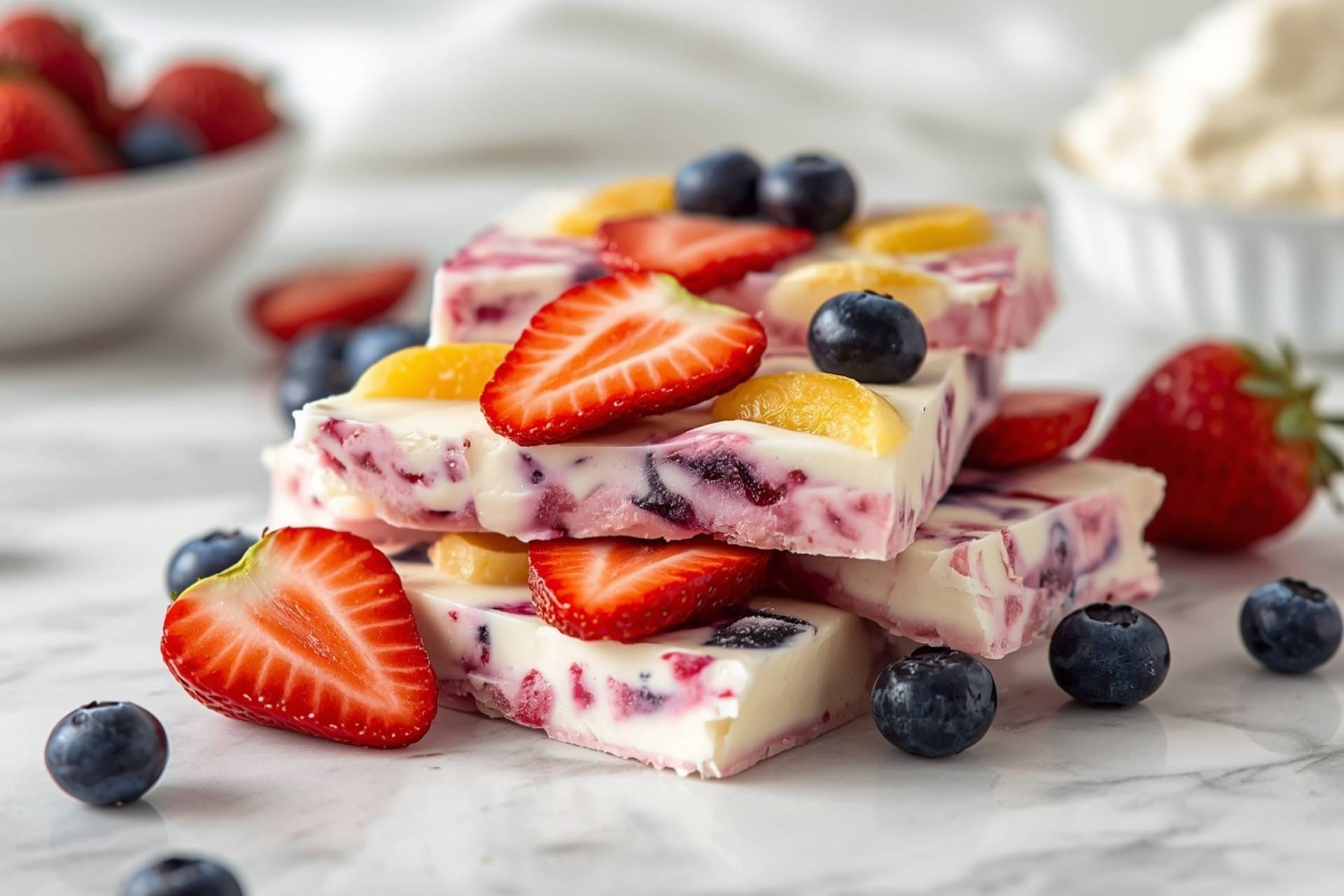
Frozen yogurt bark has quickly become one of the most popular high-protein desserts, and for good reason. It's visually appealing, endlessly customizable, and incredibly easy to prepare. Even better, it feels like a frozen dessert while delivering protein, calcium, and fresh fruit in every bite.
The basic recipe starts with a thick layer of Greek yogurt spread across a parchment-lined baking tray. After sweetening lightly with honey or maple syrup—if desired—you simply add your favorite toppings before freezing until firm. Once frozen, the bark breaks into rustic pieces that make snack time fun and satisfying.
Excellent topping combinations include:
- Strawberries and blueberries
- Kiwi and mango
- Raspberries and pistachios
- Blackberries and almonds
- Peanut butter drizzle
- Dark chocolate chips
- Coconut flakes
- Chia seeds
One reason frozen yogurt bark works so well is its flexibility. Every batch can be completely different depending on the season or what's already in your kitchen. Summer berries create vibrant colors, while autumn flavors like cinnamon and chopped pecans bring warmth and richness.
To create beautiful bark, follow these simple suggestions:
- Use full-fat or low-fat plain Greek yogurt.
- Pat fruit dry before adding it.
- Slice larger fruits into small pieces.
- Freeze for at least three hours.
- Break into uneven pieces for a rustic appearance.
Frozen yogurt bark also makes an excellent family-friendly dessert. Kids enjoy helping decorate each batch, making it an easy way to introduce healthier ingredients in a fun, approachable format.
Among all protein dessert recipes, frozen yogurt bark stands out because it requires no baking, no complicated techniques, and very little cleanup. It's proof that nutritious desserts can be simple enough for beginners while still looking impressive enough to serve guests.
Protein Brownies: Rich Flavor with Better Nutrition
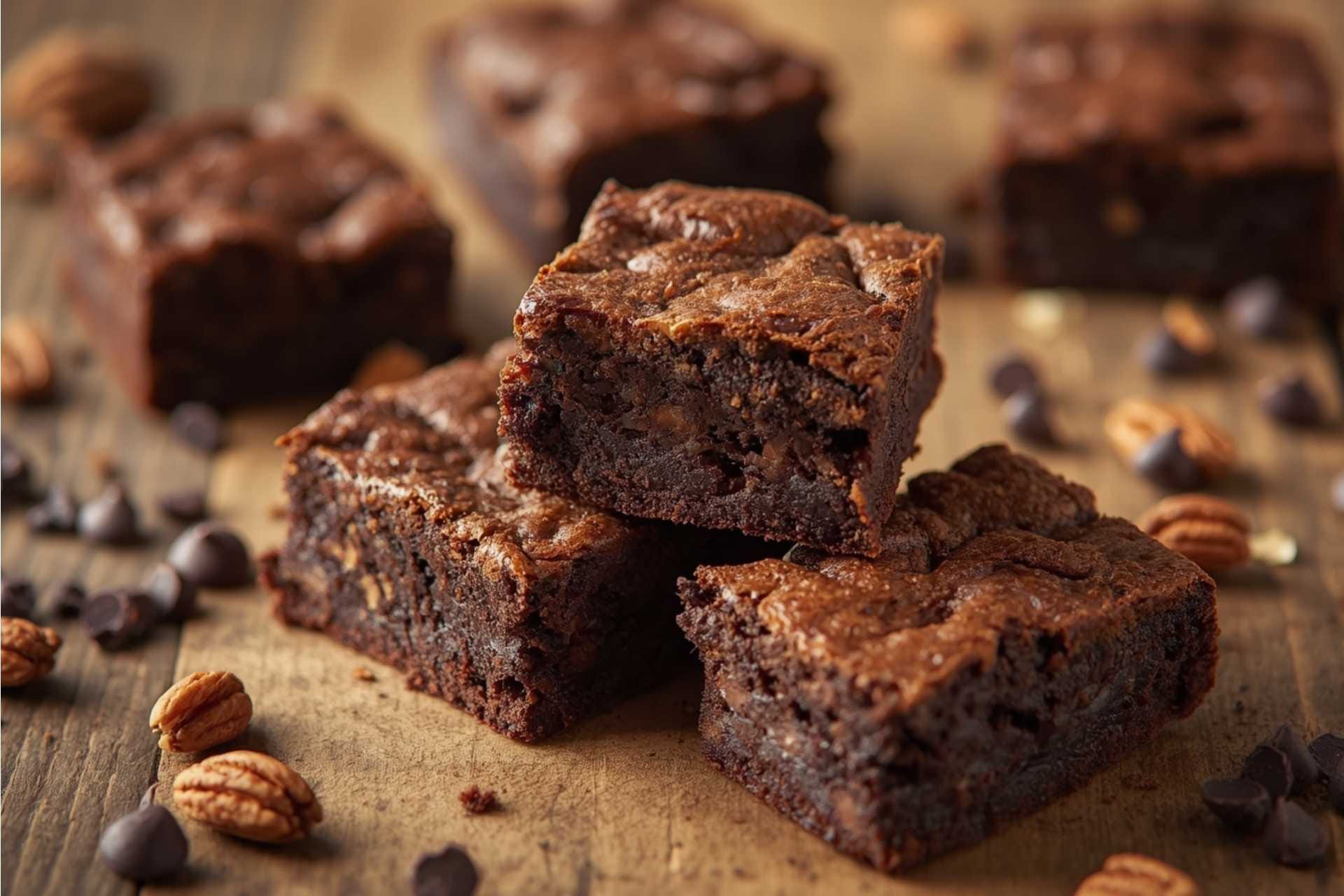
Brownies have long been a favorite comfort dessert, but traditional recipes often rely heavily on butter, refined flour, and sugar. Thankfully, homemade protein dessert snacks make it possible to enjoy rich, chocolatey brownies with a much more balanced nutritional profile. Protein brownies deliver the fudgy texture people love while incorporating ingredients that contribute more protein and fiber than conventional recipes.
Many recipes use protein powder alongside oat flour or almond flour to boost nutrition without sacrificing flavor. Greek yogurt, cottage cheese, mashed banana, applesauce, or pumpkin purée often replace some of the butter or oil, creating moist brownies that stay tender while reducing saturated fat.
Popular ingredients include:
- Chocolate protein powder
- Unsweetened cocoa powder
- Almond flour
- Oat flour
- Eggs
- Greek yogurt
- Cottage cheese
- Peanut butter
- Dark chocolate chips
- Vanilla extract
Flavor variations are nearly endless:
- Double chocolate
- Peanut butter swirl
- Raspberry chocolate
- Mint chocolate
- Espresso brownie
- Walnut brownie
- Salted caramel
- Chocolate coconut
To achieve bakery-quality results, remember these helpful tips:
- Avoid overmixing the batter.
- Bake just until the center is set.
- Allow brownies to cool completely before slicing.
- Store leftovers in an airtight container.
- Freeze individual portions for convenient snacks.
Protein brownies pair beautifully with fresh berries or a spoonful of Greek yogurt, turning an already satisfying dessert into a complete healthy protein snack. They're also ideal for meal prep because they freeze exceptionally well and thaw quickly whenever cravings strike.
Perhaps the biggest advantage of homemade protein brownies is balance. You still enjoy the comforting taste of chocolate while increasing protein intake and reducing unnecessary sugar. That's exactly what makes protein dessert recipes so appealing—they allow you to enjoy familiar favorites in a way that better supports your long-term wellness goals.
By mastering these four versatile recipes—mug cakes, energy balls, frozen yogurt bark, and protein brownies—you'll have a reliable collection of protein dessert snacks for nearly every occasion.
Store-Bought Protein Dessert Snacks
Homemade desserts are a fantastic way to control ingredients and customize flavors, but life doesn't always leave time for cooking. Between work, school, travel, family commitments, and workouts, convenience often becomes a priority. Fortunately, today's grocery stores offer more protein dessert snacks than ever before. Refrigerated dairy cases, freezer aisles, and snack sections are filled with products that promise high protein, lower sugar, and satisfying flavor.
The challenge is knowing which products truly deliver on those promises. Attractive packaging can make almost any dessert seem healthy, but a closer look at the nutrition label often tells a different story. Some products contain plenty of protein but are also loaded with added sugars, saturated fats, or long lists of highly processed ingredients. Others provide only a small amount of protein while using "high protein" as a marketing buzzword.
Learning how to evaluate healthy protein snacks empowers you to make smarter choices without spending hours comparing products in the grocery aisle. Once you understand the basics of nutrition labels and ingredient lists, you'll quickly recognize which desserts fit your goals and which are better enjoyed occasionally.
Another advantage of choosing quality store-bought high-protein desserts is flexibility. They're ideal for busy mornings, post-workout recovery, long road trips, office snacks, or evenings when you simply don't feel like cooking. Rather than replacing homemade desserts entirely, these products can become helpful additions to your weekly routine.
When shopping, aim for desserts that provide a balance of:
- High-quality protein
- Moderate amounts of added sugar
- Whole-food ingredients when possible
- Fiber for additional satiety
- Healthy fats in reasonable portions
- Real flavor instead of excessive artificial sweeteners
By combining convenience with informed decision-making, you can enjoy protein dessert snacks that genuinely support your nutrition goals instead of working against them.
How to Read Nutrition Labels Like a Pro
The nutrition facts panel is one of the most valuable tools for evaluating protein dessert snacks, yet many shoppers only glance at the protein number before adding a product to their cart. While protein content is important, it's only one piece of the overall nutritional picture.
Start by checking the serving size. A dessert may appear to provide 20 grams of protein, but that number could represent two servings rather than one. Understanding portion sizes helps you compare products fairly and avoid accidentally consuming more calories than expected.
Next, examine the protein content alongside calories. A dessert containing a meaningful amount of protein should provide a reasonable balance between protein and total energy. Although individual nutrition needs vary, many people look for products that offer around 10 to 20 grams of protein per serving.
Here's a simple checklist to use when comparing healthy protein snacks:
- Protein: Aim for at least 10 grams per serving.
- Added sugar: Lower is generally better.
- Fiber: More fiber helps improve satiety.
- Saturated fat: Keep it moderate.
- Sodium: Watch for unexpectedly high amounts.
- Ingredient list: Shorter, recognizable ingredients are often preferable.
The ingredient list itself deserves careful attention. Ingredients are listed in descending order by weight, meaning the first few items make up most of the product.
Ideally, you'll see ingredients such as:
- Greek yogurt
- Milk
- Cottage cheese
- Whey protein
- Casein
- Pea protein
- Cocoa
- Oats
- Nuts
- Fruit
If sugar or syrups appear among the first few ingredients, the dessert may be more like traditional candy than a balanced protein dessert snack.
Another helpful tip is comparing products side by side. Two chocolate protein puddings may look nearly identical, yet one could contain significantly less added sugar and more protein. Spending an extra minute reading labels often leads to healthier purchases over time.
Ingredients to Avoid—or Limit
Not every packaged high-protein dessert deserves a permanent place in your shopping cart. While occasional treats certainly have room in a balanced lifestyle, some products rely heavily on highly processed ingredients that contribute little nutritional value beyond sweetness and shelf stability.
That doesn't mean every unfamiliar ingredient is harmful, nor does it mean you need to avoid packaged foods entirely. Instead, focus on finding products that emphasize quality ingredients while limiting unnecessary additives.
Here are some ingredients worth paying attention to:
- Large amounts of added sugars
- Multiple sugar syrups
- Hydrogenated oils
- Excessive saturated fat
- Artificial colors
- Long ingredient lists filled with unnecessary fillers
It's also important to recognize that "sugar-free" doesn't automatically mean healthier. Some products replace sugar with large amounts of sugar alcohols or artificial sweeteners. While these ingredients may reduce calories, some individuals find that consuming them in large amounts causes digestive discomfort.
Instead of looking for perfection, think in terms of overall balance.
Ask yourself questions like:
- Does this dessert provide meaningful protein?
- Are the ingredients recognizable?
- Does it fit my daily nutrition goals?
- Will it actually satisfy my craving?
A quality protein dessert snack should leave you feeling satisfied rather than encouraging you to immediately search for another snack.
Another useful strategy is choosing products with whole-food ingredients whenever possible. Desserts containing yogurt, cottage cheese, nuts, seeds, oats, fruit, or cocoa often provide a broader range of nutrients than highly processed alternatives.
Remember that moderation remains important. Even nutritious desserts contribute calories, so portion awareness continues to matter regardless of how much protein a product contains.
Best Protein Bars for Sweet Cravings
Protein bars have become one of the most popular healthy protein snacks because they're portable, shelf-stable, and available in countless flavors. From chocolate brownie and peanut butter cookie to birthday cake and cookies and cream, today's options often resemble dessert more than traditional nutrition bars.
Not all protein bars are created equal, though. Some deliver impressive nutrition with balanced ingredients, while others resemble candy bars with added protein. Choosing wisely makes a significant difference.
When evaluating protein dessert snacks in bar form, look for products that offer:
- A satisfying amount of protein
- Moderate added sugar
- Fiber for fullness
- Whole-food ingredients
- Balanced calories
- Appealing texture
Many people enjoy protein bars as:
- Afternoon snacks
- Post-workout recovery
- Travel food
- Hiking fuel
- Emergency office snacks
- Quick breakfasts
Pairing a protein bar with fresh fruit or plain Greek yogurt creates an even more balanced snack by adding vitamins, minerals, and fiber.
It's also worth experimenting with different protein sources. Some bars use whey protein, while others rely on soy, pea, rice, or blended plant proteins. Taste and texture vary widely, so trying several varieties can help you discover your favorites.
Instead of buying large boxes immediately, consider purchasing individual bars first. This allows you to compare flavor, texture, digestibility, and satisfaction before committing to a full package.
Ultimately, the best protein bar is one you'll genuinely enjoy eating while supporting your nutrition goals.
Best Protein Ice Cream for a Healthier Frozen Treat
Few desserts are as universally loved as ice cream. Fortunately, the growing popularity of protein dessert snacks has inspired food companies to create frozen treats that combine creamy texture with significantly more protein than traditional ice cream.
Protein ice cream can be an excellent option for people who enjoy frozen desserts but want something that better fits an active lifestyle. Wide varieties provide extra protein while reducing added sugar compared to conventional premium ice cream.
When shopping, compare products using this simple guide:
| Feature | Look For |
|---|---|
| Protein | 10–20 grams per serving |
| Added Sugar | Moderate or lower |
| Protein Source | Milk, Whey, or Casein Proteins |
| Ingredients | Recognizable, whole-food-focused ingredients whenever possible |
| Flavor | Choose one you'll genuinely enjoy |
| Portion Size | Clearly labeled serving information |
Popular flavors often include:
- Chocolate
- Vanilla bean
- Mint chocolate chip
- Cookies and cream
- Salted caramel
- Strawberry
- Peanut butter swirl
- Coffee
Protein ice cream also pairs beautifully with wholesome toppings that increase both flavor and nutrition:
- Fresh strawberries
- Blueberries
- Sliced banana
- Chopped almonds
- Pistachios
- Dark chocolate shavings
- Unsweetened coconut flakes
- Chia seeds
While protein ice cream can be a fun addition to your routine, it's still wise to enjoy appropriate portions. A balanced dessert should satisfy your craving without becoming an everyday excuse to overeat simply because the label says "high protein."
For those who enjoy experimenting in the kitchen, homemade versions offer even more flexibility. Blending frozen bananas with Greek yogurt, protein powder, cocoa, or berries creates creamy frozen desserts with minimal ingredients and endless flavor combinations.
The growing selection of store-bought protein dessert snacks makes healthy eating more convenient than ever before. By learning how to read labels, recognize quality ingredients, and choose products that prioritize both nutrition and taste, you'll be well equipped to enjoy satisfying desserts even on your busiest days.
Protein Dessert Snacks for Different Health and Fitness Goals
One of the biggest reasons protein dessert snacks have become a staple in so many kitchens is their incredible versatility. Unlike traditional desserts, which are often enjoyed purely for indulgence, high-protein desserts can be adapted to support a wide range of health and fitness goals. Whether you're working toward weight loss, building lean muscle, managing your blood sugar, or following a vegetarian lifestyle, there's a protein-packed dessert that can fit your needs.
The key is understanding that no single dessert is perfect for everyone. Your ideal snack depends on your activity level, daily protein requirements, overall calorie intake, and personal preferences. A marathon runner may need more carbohydrates alongside protein after a long workout, while someone focused on weight management may prioritize desserts rich in protein and fiber with minimal added sugar.
The good news is that most protein dessert recipes can be easily customized. A few ingredient swaps—such as choosing a different protein source, adjusting portion sizes, or adding more fiber-rich foods—can transform one recipe into something that aligns with your goals.
As you read through the following sections, remember that consistency matters more than perfection. Enjoying balanced healthy protein snacks regularly is often far more effective than following an overly restrictive eating plan that feels impossible to maintain.
Protein Dessert Snacks for Weight Loss
If weight loss is your goal, dessert doesn't have to disappear from your meal plan. In fact, thoughtfully prepared protein dessert snacks can make healthy eating feel more satisfying by helping reduce hunger while providing a sweet finish to your day. The combination of protein and fiber promotes fullness, making it easier to avoid frequent snacking or oversized portions later.
Instead of viewing dessert as something to "earn" or "avoid," think of it as another opportunity to nourish your body. A balanced dessert made with Greek yogurt, berries, or cottage cheese can satisfy cravings while contributing valuable nutrients. This approach encourages a healthier relationship with food and helps reduce the all-or-nothing mindset that often leads to overeating.
Some excellent ingredients for weight-loss-friendly high-protein desserts include:
- Plain Greek yogurt
- Cottage cheese
- Fresh berries
- Chia seeds
- Ground flaxseed
- Unsweetened cocoa powder
- Cinnamon
- Vanilla extract
- Almond butter (in moderate portions)
- Protein powder
Simple desserts that fit many balanced eating plans include:
- Greek yogurt with blueberries and cinnamon
- Chocolate chia protein pudding
- Cottage cheese cheesecake cups
- Frozen yogurt bark topped with berries
- Protein mug cakes made with oat flour
- Berry smoothie bowls with protein powder
When choosing or preparing healthy protein snacks, keep these practical tips in mind:
- Focus on protein first.
- Include fiber-rich ingredients whenever possible.
- Limit added sugars.
- Practice mindful portion sizes.
- Eat slowly and enjoy each bite.
- Prepare snacks in advance to avoid impulsive choices.
Another helpful strategy is pairing dessert with your routine rather than your emotions. For example, enjoying a small protein dessert snack after dinner each evening may help reduce late-night cravings while creating a satisfying habit you can maintain over time.
Weight loss isn't about eliminating foods you love—it's about making choices that support your long-term goals while allowing room for enjoyment.
Protein Dessert Snacks for Muscle Gain
For people working to build lean muscle, protein plays a central role in recovery and growth. Strength training creates small amounts of stress within muscle fibers, and your body uses dietary protein to repair and strengthen those tissues. That's why protein dessert snacks have become a favorite option among athletes, gym goers, and anyone following an active lifestyle.
A post-workout dessert doesn't need to be complicated. Combining quality protein with nutritious carbohydrates can help replenish energy while supporting recovery. Homemade protein dessert recipes are especially useful because you can adjust ingredients based on your training schedule and nutritional needs.
Excellent post-workout dessert ideas include:
- Chocolate Greek yogurt parfait
- Protein overnight oats
- Cottage cheese with pineapple
- Chocolate protein brownies
- Peanut butter protein smoothie bowls
- Frozen yogurt bark
- Protein rice pudding
- Banana protein pancakes
Many people also enjoy preparing high-protein sweet treats in advance so they're ready immediately after exercise. Meal prep saves time and helps prevent reaching for less nutritious convenience foods when hunger strikes.
To support muscle building goals, consider these simple guidelines:
- Include protein with every meal and snack.
- Pair protein with complex carbohydrates after exercise.
- Stay hydrated throughout the day.
- Eat enough overall calories to support recovery.
- Prioritize quality sleep alongside good nutrition.
While protein powder can certainly be useful, whole-food ingredients remain equally important. Greek yogurt, cottage cheese, eggs, milk, nuts, seeds, and legumes all contribute valuable nutrients beyond protein alone.
Remember that building muscle is a gradual process. Consistent training, balanced nutrition, and regular recovery work together over time. Protein dessert snacks simply provide one enjoyable way to support those efforts.
Diabetes-Friendly Protein Dessert Snacks
People looking to support healthy blood sugar management often assume dessert is completely off-limits. Fortunately, that's not necessarily true. Many protein dessert snacks can be adapted to include more protein, fiber, and wholesome ingredients while limiting added sugars and refined carbohydrates.
The goal isn't simply reducing sugar—it's creating balanced desserts that digest more gradually and promote longer lasting satisfaction. Pairing protein with fiber-rich foods like berries, oats, chia seeds, flaxseed, or nuts helps create desserts that fit more comfortably into balanced meal plans.
Some diabetes-friendly dessert ideas include:
- Plain Greek yogurt with fresh berries
- Chia seed pudding
- Cottage cheese topped with cinnamon
- Chocolate avocado protein mousse
- Unsweetened protein smoothies
- Homemade frozen yogurt bark without added sugar
Helpful ingredients include:
- Greek yogurt
- Cottage cheese
- Unsweetened almond milk
- Chia seeds
- Flaxseed
- Walnuts
- Almonds
- Cocoa powder
- Fresh berries
- Cinnamon
General tips for preparing healthy protein snacks include:
- Choose plain dairy products rather than flavored varieties.
- Add sweetness naturally with fruit when possible.
- Watch serving sizes.
- Include healthy fats for additional satisfaction.
- Avoid relying solely on highly processed sugar substitutes.
Because everyone's nutritional needs are unique, people living with diabetes should work with their healthcare provider or registered dietitian when making dietary changes. Individual meal planning can help ensure desserts fit safely into an overall eating strategy.
The encouraging news is that dessert doesn't have to disappear entirely. Thoughtfully prepared protein dessert recipes allow many people to enjoy something sweet while still emphasizing balanced nutrition.
Vegetarian Protein Dessert Snacks
Following a vegetarian eating pattern doesn't mean sacrificing protein or dessert. In fact, there are countless delicious protein dessert snacks made entirely from vegetarian-friendly ingredients. Dairy products, eggs, legumes, soy foods, nuts, seeds, and plant-based protein powders all make excellent additions to nutritious desserts.
One of the biggest advantages of vegetarian desserts is ingredient variety. You can combine different protein sources to create satisfying recipes that offer diverse flavors and textures while contributing to your daily protein intake.
Excellent vegetarian protein ingredients include:
- Greek yogurt
- Cottage cheese
- Skyr yogurt
- Ricotta cheese
- Eggs
- Soy milk
- Tofu
- Pea protein powder
- Hemp seeds
- Chia seeds
- Pumpkin seeds
- Almond butter
- Peanut butter
Delicious vegetarian protein dessert recipes include:
- Berry yogurt parfaits
- Cottage cheese cheesecake
- Chocolate tofu mousse
- Protein oatmeal cookies
- Chia pudding with fruit
- Almond butter protein bites
- Frozen yogurt bark
- Vanilla protein pancakes
Plant-based eaters can also enjoy many of these recipes by choosing dairy-free yogurt, soy milk, pea protein powder, almond milk, or coconut yogurt fortified with protein.
Another benefit of vegetarian high-protein desserts is the opportunity to include colorful fruits, nuts, seeds, and whole grains that contribute antioxidants, fiber, vitamins, and minerals. These ingredients not only improve nutrition but also create beautiful desserts with vibrant flavors and satisfying textures.
Meal prep works especially well for vegetarian healthy protein snacks. Preparing parfaits, chia pudding, protein bites, or overnight oats ahead of time ensures nutritious desserts are always available during busy weeks.
The most successful eating patterns are those you genuinely enjoy. By experimenting with different ingredients and recipes, you'll quickly discover that protein dessert snacks can easily become one of the most satisfying parts of a balanced vegetarian lifestyle.
Whether your priority is losing weight, gaining muscle, supporting healthy blood sugar, or following a vegetarian diet, protein dessert snacks can be adapted to fit your lifestyle without sacrificing flavor. The flexibility of these desserts is exactly what makes them so popular—they allow you to enjoy sweet treats while working toward your personal health goals.
Common Mistakes People Make with Protein Dessert Snacks
Adding protein dessert snacks to your routine is a smart way to satisfy your sweet tooth while supporting your nutrition goals. However, simply choosing a dessert labeled "high protein" doesn't automatically make it a healthy choice. Like any food, the overall quality of the ingredients, portion size, and how the dessert fits into your daily eating pattern all matter. Many people unknowingly make small mistakes that reduce the nutritional benefits of these desserts or even turn them into calorie-dense treats that don't align with their goals.
The encouraging news is that these mistakes are easy to avoid once you know what to look for. By making a few thoughtful adjustments, you can continue enjoying high-protein desserts while getting the most nutritional value from every serving.
Too Much Added Sugar
One of the most common misconceptions is assuming that every product labeled as a protein dessert snack is automatically healthy. While many products do contain an impressive amount of protein, some also include large quantities of added sugars, flavored syrups, or sweeteners that can quickly increase the calorie content.
Sugar isn't something you need to eliminate. In fact, enjoying dessert is part of a balanced lifestyle. The goal is to choose recipes and products where protein remains the star instead of being overshadowed by excessive sweetness.
Simple ways to reduce added sugar include:
- Choose plain Greek yogurt instead of flavored varieties.
- Sweeten recipes naturally with berries or ripe bananas.
- Use cinnamon and vanilla extract to boost flavor.
- Add cocoa powder instead of sugary chocolate syrups.
- Read ingredient labels before purchasing packaged desserts.
Homemade protein dessert recipes give you complete control over sweetness, making it much easier to create desserts that taste delicious without relying heavily on refined sugar.
Choosing Low-Quality Protein Sources
Not all protein sources offer the same nutritional value. Some processed desserts include only a small amount of protein while relying on fillers, artificial flavors, and refined ingredients to create texture and taste.
Instead, prioritize desserts made with nutrient-rich ingredients such as:
- Plain Greek yogurt
- Cottage cheese
- Skyr
- Ricotta cheese
- Eggs
- Whey protein
- Casein protein
- Pea protein
- Soy protein
- Nuts and seeds
Whole-food ingredients provide much more than protein alone. They also contribute calcium, vitamins, minerals, probiotics, healthy fats, and fiber that support overall wellness.
When shopping for packaged healthy protein snacks, remember that the ingredient list can tell you just as much as the nutrition facts panel. Products with recognizable, minimally processed ingredients are often better long-term choices than desserts built around highly refined additives.
Ignoring Portion Sizes
Even nutritious foods deserve mindful portions. Because protein dessert snacks are healthier than many traditional desserts, it's easy to assume they're unlimited. Unfortunately, calories can add up quickly, especially when ingredients like nut butters, dark chocolate, dried fruit, coconut, and granola are used generously.
That doesn't mean avoiding these ingredients—they're nutritious and delicious. It simply means enjoying them in balanced amounts.
Helpful habits include:
- Serve desserts in individual bowls.
- Prepare single-serving recipes like mug cakes.
- Measure ingredients when meal prepping.
- Store leftovers in portion-sized containers.
- Eat slowly and enjoy every bite.
Mindful eating often leads to greater satisfaction because you're paying attention to flavor, texture, and fullness instead of eating automatically.
Skipping Fiber
Protein gets most of the attention, but fiber deserves equal recognition. Together, protein and fiber create desserts that keep you satisfied much longer than desserts made primarily with refined flour and sugar.
Excellent fiber-rich additions include:
- Chia seeds
- Flaxseed meal
- Rolled oats
- Fresh berries
- Apples
- Pears
- Pumpkin puree
- Almonds
- Walnuts
These ingredients add texture while supporting digestive health and making your high-protein desserts even more filling.
Depending Only on Protein Powder
Protein powder is convenient, but it shouldn't become the only protein source in your diet. Some people begin adding protein powder to every dessert while overlooking nutrient-rich whole foods.
Instead, aim for variety by rotating ingredients such as:
| Protein Source | Great For |
|---|---|
| Greek Yogurt | Parfaits, Bark, Cheesecake |
| Cottage Cheese | Mousse, Pudding, Cheesecake |
| Eggs | Brownies, Cakes, Muffins |
| Skyr | Fruit Bowls and Parfaits |
| Ricotta | Cheesecake and Baked Desserts |
| Protein Powder | Mug Cakes, Smoothies, Brownies |
Using different protein sources provides a wider range of nutrients while keeping recipes interesting.
Forgetting Overall Balance
A healthy lifestyle isn't built around one food. Protein dessert snacks work best when they're part of an eating pattern that includes:
- Plenty of vegetables
- Fresh fruit
- Whole grains
- Lean proteins
- Healthy fats
- Adequate hydration
- Regular physical activity
Dessert doesn't have to compete with healthy eating—it can complement it. When you think about your diet as a whole rather than focusing on individual foods, making balanced choices becomes much easier.
The Bottom Line
Protein dessert snacks prove that eating well doesn't mean giving up the foods you love. By combining wholesome ingredients with naturally satisfying flavors, these desserts allow you to enjoy something sweet while supporting your health and fitness goals. Whether your focus is increasing daily protein intake, recovering after workouts, managing hunger, or simply making smarter food choices, there's a recipe that fits your lifestyle.
One of the greatest strengths of high-protein desserts is their versatility. Creamy Greek yogurt parfaits, rich chocolate brownies, frozen yogurt bark, protein mug cakes, chia pudding, and energy bites all offer different textures and flavors while contributing valuable nutrients. Instead of feeling limited by restrictive diets, you gain the freedom to enjoy desserts in ways that align with your long-term goals.
Remember that healthy eating is built on consistency rather than perfection. An occasional traditional dessert can absolutely fit into a balanced lifestyle, but regularly choosing healthy protein snacks helps create habits that support lasting wellness. Focus on quality ingredients, reasonable portions, and recipes you genuinely enjoy. Those small, sustainable choices often have the biggest impact over time.
As you experiment with new protein dessert recipes, don't be afraid to personalize them. Add seasonal fruit, try different nuts and seeds, explore new spices, or adjust sweetness to your preference. The more enjoyable your healthy desserts become, the easier it is to maintain your routine.
The next time you're craving something sweet, consider reaching for one of these nourishing protein dessert snacks. Your taste buds—and your body—will appreciate the delicious balance.
Frequently Asked Questions
Are protein dessert snacks actually healthy?
Yes, they can be. Protein dessert snacks made with ingredients such as Greek yogurt, cottage cheese, eggs, nuts, seeds, and fruit provide protein and other beneficial nutrients. The healthiest options are those with minimal added sugar, plenty of whole-food ingredients, and balanced portions.
Can high protein desserts help with weight loss?
They may support weight management by promoting fullness and reducing cravings between meals. While no single food causes weight loss, replacing traditional sugary desserts with balanced high-protein desserts can make it easier to maintain healthy eating habits over time.
When is the best time to eat protein dessert snacks?
You can enjoy them whenever they fit your schedule. Many people choose them:
● After workouts
● As an afternoon snack
● After dinner
● Before bedtime
● During busy workdays
The best time is the one that helps you stay consistent with your overall nutrition goals.
What ingredients add the most protein to desserts?
Some of the best high-protein ingredients include:
● Greek yogurt
● Cottage cheese
● Skyr
● Ricotta cheese
● Protein powder
● Eggs
● Peanut butter
● Almond butter
● Chia seeds
● Hemp seeds
● Pumpkin seeds
Combining several of these ingredients often creates the most satisfying protein dessert recipes.
Can I eat protein dessert snacks every day?
Absolutely—provided they're part of a balanced eating pattern. Daily healthy protein snacks made from nutritious ingredients can contribute to your protein intake while satisfying sweet cravings. Variety remains important, so rotate recipes and include a wide range of whole foods to ensure you're getting a broad spectrum of nutrients.





Easy to follow.
Thank you! I’m so glad you found it easy to follow. I really appreciate you taking the time to share your feedback! 😊
This was worth my time.
Thank you so much! I’m really glad you felt the post was worth your time. I truly appreciate you reading and sharing your feedback! 😊
I enjoyed this post.
Thank you so much! I’m glad you enjoyed the post. I really appreciate you taking the time to read it and share your feedback! 😊
Thanks for such a helpful post.
Thank you so much for your kind words! I’m glad you found the post helpful. I really appreciate you taking the time to read it and leave a comment! 😊
Great knowledge shared here.
Thank you so much! I’m glad you found the information useful. I really appreciate you taking the time to read the post and share your thoughts! 😊
This gave me a better understanding.
Thank you so much! I’m glad the post helped give you a better understanding. I really appreciate you taking the time to read and share your feedback! 😊
Informative and engaging.
Thank you so much! I’m glad you found the post both informative and engaging. I really appreciate you taking the time to read it and share your feedback! 😊
Great advice.
Thank you so much! I’m glad you found the advice helpful. I really appreciate you taking the time to read the post and share your feedback! 😊
This article is really informative.
Thank you so much! I’m glad you found the article informative and helpful. I really appreciate you taking the time to read it and leave a comment! 😊
Great insights. Keep it up!
Thank you so much for the kind words and encouragement! I’m glad you found the insights helpful. I truly appreciate your support and hope you enjoy the next posts too! 😊
I enjoyed every part of it.
Thank you so much! I’m really glad you enjoyed every part of the post. I truly appreciate you taking the time to read it and share your feedback! 😊
This helped me a lot.
Thank you so much! I’m really glad the post was helpful to you. I appreciate you taking the time to read it and share your feedback! 😊
I like your writing style.
Thank you so much! I’m glad you enjoyed the writing style. I really appreciate your kind words and support! 😊