
Low carb diet recipes can be a lifesaver when lunch needs to be fast, filling, and not boring. A smart low carb diet lunch usually centers on protein, nonstarchy vegetables, and healthy fats, which aligns with guidance from the Mayo Clinic, Harvard, CDC, and USDA on building balanced meals with plenty of vegetables and high-quality protein.
When your day is packed, lunch has a funny way of becoming an afterthought. You grab whatever is nearby, and suddenly you are tired, hungry again an hour later, and staring at a snack drawer as it betrayed you.
That is exactly why low carb diet recipes matter so much for busy weekdays: they can be simple enough to make ahead, easy enough to pack, and satisfying enough to keep you steady through the afternoon.
Why Low Carb Diet Lunches Matter When Your Day Is Packed
A packed day has a way of turning lunch into an afterthought. You start the morning with good intentions, then meetings, errands, classes, or family chaos take over, and suddenly you are standing in front of the fridge hoping something easy will magically appear.
That is where low carb diet recipes become so helpful: they give you a lunch structure that is simple, filling, and realistic enough to repeat on busy weekdays. CDC and Mayo Clinic both emphasize meals built around vegetables, lean protein, and healthy fats, which is exactly the kind of balance that makes a lunch feel steady instead of random. (1, 2, 3)
The busy day lunch problem
The real problem is not usually that people do not care about lunch. It is that lunch has to compete with everything else. When time is short, people often grab whatever is quickest, which can mean a meal that looks convenient but does not actually hold them over. That is why low carb diet recipes matter so much for busy days: they can be prepped ahead, packed easily, and built from ingredients that are already useful in several different meals. Mayo Clinic notes that low carb eating usually centers on proteins, healthy fats, and nonstarchy vegetables, while CDC’s plate method also supports building meals around vegetables and lean protein for balance.
The lunch problem is also about momentum. If lunch is too complicated, too small, or too easy to skip, the rest of the day tends to spiral into mindless snacking and low energy. A good low carb lunch does the opposite. It keeps your day moving, gives you something solid to look forward to, and makes healthy eating feel less like a project and more like a routine.
That is the quiet strength of low carb diet recipes: they fit into real life without demanding perfection. (4)
What will dieters get from this guide?
This guide is built to remove the guesswork. Instead of giving you vague lunch ideas that sound nice but are hard to use, it gives you a full set of low carb diet recipes that work for busy days, meal prep, and actual hunger. You will get recipe ideas that feel familiar enough to enjoy, but smart enough to keep carbs lower without making lunch feel boring. That balance matters because healthy eating is much easier to sustain when it still tastes like food you genuinely want to eat.
You will also see how to think about lunch more flexibly. The best part of low carb diet recipes is not just the ingredients themselves, but the patterns behind them. Once you understand how to build a bowl, salad, wrap, or lettuce-based lunch, you can swap ingredients confidently instead of following recipes like they are rules carved in stone. That makes lunch faster, easier, and a lot less stressful.
CDC’s guidance on plate balance is useful here because it gives a simple visual framework: more nonstarchy vegetables, a solid protein source, and a smaller share of carb foods if you choose to include them. (5)
How the 10 recipes are organized
The ten recipes in this guide are arranged to make life easier, not harder. They move from lighter, fresh options to more filling comfort-style lunches, so you can find the kind of low carb diet recipes that fit your mood and your schedule. Some are better for meal prep, some are better for grab-and-go lunches, and some are ideal when you want something that feels a little more like comfort food without losing the low carb structure. That variety matters because no one wants the same lunch idea on repeat forever. Mayo Clinic and CDC both support meal patterns that emphasize variety, balance, and nutrient-dense foods, which is exactly what this structure is meant to encourage.
The recipes are also organized with practicality in mind. Earlier recipes lean into simple bowls, salads, and wraps, while later ones show you how to make classic comfort foods work in a lower-carb way. That way, you can start with the easiest low carb diet recipes first and work your way toward more flavorful or customizable options as your routine gets stronger.
Think of it like building a lunch playbook: once you know which ideas are the fastest, which are the most filling, and which keep best in the fridge, you stop wasting time at noon and start eating with more confidence. (6)
What Counts as a Low Carb Diet Lunch?
A low carb lunch is not about eating the tiniest meal possible. It is about building a plate that keeps carbs lower while still giving you enough protein, fiber, and healthy fat to feel satisfied through the afternoon. Mayo Clinic notes that low carb diets vary, but a common range is about 60 to 130 grams of carbohydrate per day, while very low carb plans go below that. In practice, that means lunch can still include vegetables, dairy, nuts, seeds, and even small portions of carb foods if they fit your plan. (7)
For a lot of people, the most helpful way to think about low carb diet recipes is to stop obsessing over one perfect carb number and start thinking about balance. A lunch can be considered low carb if it replaces the usual bread, rice, pasta, or sugary sides with more vegetables and a strong protein source.
That is why bowls, salads, lettuce wraps, and veggie-based swaps show up so often in low carb diet recipes: they naturally shift the meal toward more filling ingredients and fewer refined starches.
Low carb versus very low carb versus keto
These terms get mixed up all the time, but they are not the same thing. A general low carb pattern usually reduces carbohydrate intake without eliminating it, and Mayo Clinic’s range of 60 to 130 grams per day is a useful reference point. Very low carb diets go lower than that, while keto is stricter still; Harvard describes keto as a low-carbohydrate, fat-rich eating plan, and Mayo Clinic notes keto is commonly kept at 50 grams of carbs per day or less. (8, 9)
That difference matters because the best low carb diet recipes should match the style of eating you actually plan to follow. A lunch that works for a moderate low carb approach may include more vegetables, yogurt-based dressings, or a small amount of fruit, while a keto-style lunch will usually be stricter about those choices.
In other words, the label matters less than the structure: protein first, nonstarchy vegetables second, and carb foods limited according to your target. (10)
Why protein, fiber, and healthy fat keep lunch satisfying
A lunch feels satisfying when it gives your body enough substance to work with. CDC’s plate method recommends filling half the plate with nonstarchy vegetables and one quarter with lean protein, which is a simple way to create a meal that feels balanced instead of skimpy. Mayo Clinic also explains that low carb plans usually lean more heavily on protein and fat, which is one reason they can feel more filling than a lunch built mostly around refined starches.
This is where low carb diet recipes really shine. Protein brings staying power, fiber from vegetables adds volume, and healthy fats help the meal feel richer and more complete. When those pieces are together, lunch does not just “fit the rules.” It actually works in real life, because you are less likely to feel hungry again an hour later. ADA guidance also notes that nonstarchy vegetables can help people feel full longer while adding nutrients without as many carbs. (11)
Think of it like building a strong playlist. One good song is nice, but the whole mix keeps you going.
The same thing happens with low carb diet recipes: if the meal only has one good element, it falls flat, but when protein, crunch, and healthy fat show up together, the lunch feels complete and easier to repeat.
Foods that usually belong on a low carb lunch plate
The best low carb lunch plate usually starts with a protein source and then adds vegetables that bring crunch, color, and volume.
CDC’s meal planning guidance gives a clear model: fill half the plate with nonstarchy vegetables like broccoli or salad greens, and use the remaining space for lean protein and a smaller share of carb foods if desired. Mayo Clinic and Harvard both support choosing more minimally processed foods, especially vegetables and quality proteins, when you are building a healthier lower-carb pattern.
For low carb diet recipes, the most common lunch-friendly foods are chicken, turkey, tuna, salmon, eggs, tofu, leafy greens, cucumbers, tomatoes, avocado, olives, cheese, nuts, seeds, and simple dressings. These ingredients work because they are easy to mix, easy to pack, and easy to turn into bowls, salads, roll-ups, or lettuce cups. They also fit the kind of lunch structure that tends to keep people satisfied without leaning on bread, rice, or pasta.
A practical low carb lunch plate often looks something like this:
- Protein: chicken, tuna, salmon, eggs, turkey, tofu, or lean beef.
- Vegetables: lettuce, spinach, cucumber, broccoli, cauliflower, cabbage, peppers.
- Healthy fats: avocado, olive oil, olives, cheese, seeds, nuts.
- Flavor boosters: mustard, lemon, herbs, salsa, pesto, vinegar, yogurt-based dressings.
That is the sweet spot for low carb diet recipes: simple ingredients, strong flavor, and enough balance to carry you through a busy afternoon.
The Best Ingredients For Low Carb Lunches
The best low carb diet recipes usually start with ingredients that make lunch feel complete without adding a lot of extra carbs. A strong low carb lunch is not just “less bread.” It is a smart mix of protein, vegetables, healthy fats, and flavor builders that work together so the meal feels satisfying and easy to repeat. Mayo Clinic notes that low carb diets focus on proteins, healthy fats, and nonstarchy vegetables, and CDC’s plate method similarly recommends filling half the plate with nonstarchy vegetables and one quarter with lean protein.
That is what makes this kind of lunch so useful on busy days. When your ingredients are chosen well, you can build a bowl, salad, wrap, or lunch box in minutes instead of starting from scratch every time. The goal with low carb diet recipes is not to make lunch complicated; it is to make the right ingredients do more of the work for you. Harvard also notes that low carb eating patterns are stronger when the protein and fat choices come from healthy sources, which is another reason ingredient quality matters so much. (12)
Proteins that work well for meal prep
Protein is the anchor of most low carb diet recipes, especially when you are prepping lunches ahead of time. CDC’s plate method recommends a quarter of the plate as lean protein, and the Mayo Clinic lists meat, poultry, fish, eggs, and some dairy as common low carb choices. That means you have a lot of practical options that can be cooked once and used in several different lunches.
Chicken breast is one of the easiest choices because it can be grilled, baked, shredded, or sliced and then reused in salads, bowls, lettuce wraps, or roll-ups. Turkey works just as well, especially if you want a lighter deli-style lunch that still feels filling. Tuna and salmon are also strong meal prep proteins because canned versions are fast, shelf-stable, and easy to turn into lunches with almost no effort. Eggs are another useful option, and they show up often in low carb plans because they are quick to prepare and blend well into recipes like egg salad, bowls, and snack-style lunch plates. (13)
Plant-based protein can also play a role in low carb diet recipes. Tofu is a solid option for lunch bowls and stir-fry-style meals, and Harvard notes that healthier low carb patterns can work well when protein and fat selections come from healthy sources. That makes tofu, Greek yogurt, cheese, nuts, and seeds useful supporting ingredients when you want variety without relying only on meat.
A good rule is to batch cook one or two proteins at the start of the week, then repurpose them. That saves time and keeps lunch from becoming repetitive. A container of cooked chicken can become one of many different low carb diet recipes simply by changing the sauce, vegetables, or serving style.
Low carb vegetables that add volume and crunch
Vegetables are a part of low carb diet recipes that make lunch feel generous instead of tiny. CDC recommends filling half the plate with nonstarchy vegetables, and ADA says these vegetables can help you feel full longer while adding nutrients without as many calories and carbs. Mayo Clinic also lists examples such as lettuce, cucumbers, and broccoli as lower-carb vegetables that fit well in this style of eating.
The best vegetables for lunch are the ones that bring texture, color, and volume. Lettuce, spinach, arugula, cucumbers, celery, bell peppers, broccoli, cauliflower, cabbage, zucchini, mushrooms, and tomatoes are all easy to use in low carb diet recipes. They work because they can be eaten raw or lightly cooked, and they hold up well in meal prep containers. The crunch of cucumber, the freshness of greens, and the bite of cabbage can completely change how satisfying a lunch feels.
Cauliflower and zucchini deserve special mention because they are such useful swaps in lunch recipes. They can stand in for rice, noodles, or heavier bases while still keeping the meal lighter.
That is why cauliflower rice bowls and zucchini noodle lunches show up so often in low carb diet recipes: they give you the shape of a comfort meal without relying on a starch-heavy base. (14)
If you want lunch that does not feel flat, think in layers. Use leafy greens for the base, add a crunchy vegetable, then add one softer vegetable for contrast. That mix keeps low carb diet recipes interesting bite after bite.
Flavor boosters, sauces, and toppings
Flavor is what keeps low carb diet recipes from feeling like a checklist. A low carb lunch can be technically correct and still taste dull if the seasoning, sauce, or topping is weak. Mayo Clinic says low carb eating focuses on proteins, healthy fats, and nonstarchy vegetables, which leaves plenty of room for flavorful ingredients that do not overload the meal with carbs. Harvard also emphasizes that low carb patterns are more sustainable when the protein and fat choices are healthy, which makes sauces and toppings worth choosing carefully.
The easiest flavor boosters are the ones that add a lot with very little. Mustard, lemon juice, vinegar, herbs, garlic, pepper, hot sauce, salsa, and pesto can completely change the mood of a lunch. Pickles, olives, capers, feta, parmesan, and seeds also add punch and texture, which is useful because low carb diet recipes often rely on strong contrast to stay interesting. A little saltiness or tang can make a simple chicken bowl taste like a full meal.
Creamy toppings are useful too, especially when you want richness without a lot of effort. Avocado, olive oil, mayonnaise, Greek yogurt, and cheese all fit naturally into many low carb diet recipes. They help the meal feel more complete and keep it from becoming too dry or too light. If you are building lunch for meal prep, keep the sauce separate until serving time so the texture stays fresh. That one small habit can make a huge difference in how lunch tastes later in the day.
A good topping should serve a purpose. It should add crunch, creaminess, salt, or brightness. If it does none of those things, it is probably just taking up space.
The best low carb diet recipes use toppings the way a good editor uses punctuation: sparingly, but exactly where they belong.
Pantry staples that save time on busy days
The fastest low carb diet recipes usually come from a pantry that is already doing part of the work for you. When your shelf and fridge are stocked with the right basics, lunch becomes a quick assembly job instead of a last-minute scramble. That matters because busy days are not usually ruined by a lack of motivation. They are ruined by a lack of options. The more useful ingredients you keep on hand, the easier it is to build a good lunch without thinking too hard. (15)
Some of the most useful pantry staples are canned tuna, canned salmon, olives, pickles, mustard, vinegar, olive oil, nuts, seeds, and shelf-stable seasonings. Mayo Clinic’s low carb guidance highlights proteins, healthy fats, and nonstarchy vegetables as the core of this style of eating, which makes these pantry ingredients a natural fit. Harvard also notes that healthier low carb eating patterns work best when the protein and fat sources are high quality, so shelf-stable options like canned fish, nuts, and seeds can be especially handy.
This is where convenience becomes a real advantage. A can of tuna can turn into a salad, lettuce cup, cucumber boat, or avocado bowl. A jar of mustard can become a quick dressing. A bag of nuts can add crunch to several different low carb diet recipes. If you keep a few reliable staples in rotation, you will never be far from a decent lunch.
The best pantry strategy is simple: choose ingredients that are versatile, flavorful, and easy to combine. That way, even on the busiest days, you can still build low carb diet recipes that feel fresh, satisfying, and realistic.
How To Build a Filling Low Carb Lunch in Minutes
The fastest low carb diet recipes all follow the same basic idea: keep the structure simple, then let the ingredients do the work. When lunch only has a few moving parts, it becomes much easier to make it quickly, pack it neatly, and eat it without feeling like you are settling for less. That is the real secret behind a filling low carb lunch. It is not about using a long ingredient list. It is about using the right combination of foods so the meal feels balanced from the first bite to the last.
A lunch that works in minutes should also work in real life. That means it needs to be satisfying enough to hold you over, flexible enough to use with leftovers, and easy enough to assemble when your schedule is already packed. The best low carb diet recipes do exactly that. They use protein for staying power, produce for volume and freshness, fat for richness, and crunch for texture. Once you understand that formula, lunch becomes less of a daily problem and more of a quick build.
The easy formula: protein + produce + fat + crunch
The easiest way to think about lunch is to build it in layers. Start with protein, add produce, add fat, and then finish with something crunchy. That formula works because it covers the things most people want from lunch without relying on bread, pasta, or rice. It also keeps low carb diet recipes from feeling repetitive, because you can change each layer and still end up with a meal that makes sense.
Protein is the anchor. It gives the meal substance and helps it feel like a real lunch instead of a snack spread. Chicken, tuna, salmon, eggs, turkey, beef, tofu, and Greek yogurt all work well here. Once the protein is in place, add produce. That could mean lettuce, spinach, cucumber, cabbage, tomatoes, broccoli, cauliflower, bell peppers, or zucchini. Produce brings volume and freshness, which are important because low carb meals can feel too small if they do not have enough plant-based bulk.
Then comes fat, which adds richness and helps the meal feel more complete. Avocado, cheese, olive oil, olives, mayo, pesto, and creamy dressings are all useful in low carb diet recipes. Finally, add crunch. This is the piece many people forget, but it matters more than it seems. Celery, seeds, nuts, cucumber, radishes, cabbage, and lettuce can wake up the whole meal. Without crunch, lunch can start to feel flat, even if the ingredients are technically right.
A simple formula might look like this:
- Protein: grilled chicken, tuna, turkey, eggs, or salmon
- Produce: greens, cucumber, tomato, cabbage, peppers, or cauliflower
- Fat: avocado, cheese, olive oil, pesto, or dressing
- Crunch: seeds, nuts, celery, cucumber, or shredded cabbage
That combination is why low carb diet recipes are so practical. You do not have to invent lunch from scratch every time. You are just plugging ingredients into a pattern that already works.
How to keep lunch portable for work, school, or errands
A lunch that tastes great at home can still fail in the real world if it does not travel well. That is why portability matters so much when you are making low carb diet recipes. If you are packing lunch for work, school, or a day of errands, the best meal is the one that still looks good and tastes good when you are finally ready to eat it. A little planning makes that much easier.
The biggest rule is to keep wet and dry ingredients separate whenever you can. Dressings, sauces, and creamy toppings can turn crisp vegetables into a soggy mess if they sit too long. If your lunch includes a salad, bowl, or wrap, store the sauce in a separate small container and add it right before eating. This one habit can make a huge difference in the quality of low carb diet recipes that need to sit for a few hours before lunch.
Container choice matters too. Divided containers are useful when you want to keep ingredients separate. Mason jars work well for layered salads. Small sauce cups are great for dressings, pickles, olives, and condiments. If you are packing a lunch with a warm component, make sure the hot and cold parts stay separated until mealtime. That keeps textures better and prevents the whole meal from feeling limp or overheated.
You also want ingredients that do not require a lot of last-minute assembly. That is why low carb diet recipes like chicken salad, egg salad, tuna bowls, turkey roll-ups, and cheeseburger bowls are so popular. They are convenient because they can be built in advance or packed in pieces. If you know your lunch will be eaten between meetings or in the car, go with foods that are easy to grab, fork-friendly, and not too messy.
A few portable lunch habits make the whole process easier:
- Keep sauces separate until serving time.
- Use sturdy vegetables like cabbage, cucumber, and bell peppers.
- Pack lunches in leakproof containers.
- Choose fillings that are easy to eat with a fork or by hand.
- Avoid overfilling wraps or bowls so they stay neat.
When you think ahead like this, low carb diet recipes become much easier to use during busy days. Lunch stops being a gamble and starts becoming something you already know will work.
When to choose a bowl, wrap, salad, or lettuce cup
Not every lunch should look the same, even if the ingredients are similar. The format you choose can change the whole experience of eating it. That is why some low carb diet recipes work better as bowls, while others are better as wraps, salads, or lettuce cups. The format should match the food, your schedule, and the way you like to eat.
Bowls are usually the best choice when you want something hearty and easy to prep. They are ideal for chicken, beef, tuna, cauliflower rice, or zucchini noodles because everything can be layered in one place. Bowls also work well when you want lunch to feel warm or mixable. They are one of the most flexible low carb diet recipe formats because you can use leftovers, change the sauce, and switch the vegetables without changing the structure of the meal.
Wraps are better when you want something handheld and quick. A lettuce wrap, cheese wrap, or low carb tortilla is useful when you need lunch to feel portable and simple to eat. Wraps are especially good for deli meat, chicken salad, turkey, or taco filling. If your day involves driving, standing, or moving around a lot, a wrap can be more practical than a bowl.
Salads are the best option when you want freshness and volume. They are light, crisp, and easy to customize, which makes them a strong fit for low carb diet recipes that use lots of vegetables. A salad works especially well when you want lunch to feel bright and clean rather than heavy. It is also one of the easiest formats for meal prep because greens, toppings, and dressing can all be packed separately.
Lettuce cups sit somewhere between a wrap and a salad. They are great when you want crunch and handheld convenience without the carbs from bread or tortillas. Lettuce cups are especially good for chicken salad, tuna salad, taco filling, and Asian-inspired meat mixtures. They feel fun to eat, and that matters more than people realize. If lunch feels enjoyable, you are far more likely to stick with it.
Here is the easiest way to decide:
- Choose a bowl if you want something hearty and flexible.
- Choose a wrap if you want something handheld and compact.
- Choose a salad if you want freshness and volume.
- Choose a lettuce cup if you want crunch and easy eating.
That kind of matching is what makes low carb diet recipes so useful. You are not forcing every lunch into the same shape. You are picking the format that makes the meal easiest to enjoy.
Meal Prep Strategy for Low Carb Lunches That Last All Week
The easiest way to stay consistent with low carb diet recipes is to stop treating lunch like a daily emergency. Meal prep gives you a head start, and that matters because the best lunch is usually the one you already made before the day got chaotic. USDA and CDC food-safety guidance also make it clear that cooked leftovers should be refrigerated promptly and used within 3 to 4 days for best safety and quality, which makes smart planning especially important when you are prepping lunches for the workweek. (16, 17, 18)
The real goal is not to spend your whole Sunday cooking. It is to create a few flexible building blocks that can turn into several different low carb diet recipes without becoming boring. If you prep one or two proteins, a few vegetables, and a couple of sauces, you can mix and match throughout the week and still keep lunch feeling fresh. That is the kind of system that saves time, reduces decision fatigue, and makes low carb eating feel much more realistic on busy days. (19, 20)
The Sunday prep method
A good Sunday prep session starts with a simple plan. Pick one or two proteins, wash and chop vegetables, make a sauce or dressing, and portion everything into containers that can be grabbed quickly during the week. CDC recommends refrigerating perishable food within 2 hours of preparation, or within 1 hour if the food has been sitting in a warm environment, so it helps to pack everything up as soon as the prep is done. (21)
The best low carb diet recipes are often the ones that share ingredients but not identity. A batch of chicken can become a salad on Monday, a lettuce wrap on Tuesday, and a cauliflower rice bowl on Wednesday. That kind of flexible prep keeps lunch from feeling repetitive while still saving time. Instead of cooking five completely different meals, you are creating a small lunch toolkit that can be rearranged all week.
A simple Sunday prep rhythm might look like this: cook protein first, prep vegetables second, mix sauces third, and pack the most delicate ingredients last. That order matters because it keeps food fresher and easier to assemble later. If you have ever opened a lunch container and found everything soggy and sad, you already know why this step is worth the effort. The best low carb diet recipes stay appealing because they are built in layers, not all thrown together at once. (22)
How to batch cook proteins without getting bored
Protein is the backbone of most low carb diet recipes, but eating the same chicken all week gets old fast. The solution is not to cook less protein. It is to season and use it in different ways. Mayo Clinic and CDC both support meals built around lean protein, and batch cooking makes that practical without turning lunch into a repeat loop.
One of the easiest ways to avoid boredom is to cook the same protein with different flavor profiles.
For example, plain chicken can be split into two containers: one tossed with pesto, the other seasoned with taco spices. Ground beef can become a cheeseburger bowl one day and a taco salad the next. Tuna, salmon, and eggs also work well here because they can be dressed differently with mustard, herbs, yogurt, lemon, pickles, or spices.
That is what makes low carb diet recipes so practical for meal prep: the structure stays the same, but the flavor changes enough to keep things interesting.
It also helps to think in textures. Some proteins are best warm, while others hold up well cold. Cooked chicken and beef are good both ways, while tuna salad and egg salad are naturally better chilled. If you match the protein to the meal format, your low carb diet recipes will taste better when you finally eat them.
Best containers, jars, and lunch boxes
The right container can make or break meal prep. Leakproof containers are especially useful for low carb diet recipes because many of them rely on dressings, sauces, and juicy vegetables that can turn a lunch box into a mess if they are not sealed well. Divided lunch containers are great when you want to keep ingredients separate, while jars work well for layered salads where dressing goes on the bottom, and greens stay on top until mealtime.
For hot lunches, choose containers that can go from fridge to microwave safely, and pack wet and dry items separately when possible. CDC recommends storing warm food in several shallow containers so it cools faster, which helps protect both safety and texture. That is especially useful for low carb diet recipes with chicken, beef, cauliflower rice, or sautéed vegetables, since these ingredients taste much better when they are not trapped in excess steam.
A good lunch box does not have to be fancy. It just has to keep food tidy, cool, and easy to grab. If a container helps your low carb diet recipes stay crisp, separate, and portable, it is doing its job. That small bit of organization can save a lot of frustration during the week.
Make-ahead timeline for 3, 4, and 5-day storage
Food safety matters most when you are planning lunches ahead of time. USDA says cooked leftovers can be kept in the refrigerator for 3 to 4 days, and FoodSafety.gov gives the same range for leftovers and many prepared salads, including chicken, tuna, and egg salads. That means the safest low carb prep plan usually starts with making enough food for the first part of the week, then refreshing midweek if you need more.
For a 3-day plan, you can prep almost everything at once. This works well for low carb diet recipes like chicken salad bowls, taco bowls, egg salad lunches, or lettuce wrap fillings. These meals generally hold up well when the ingredients are stored separately and assembled closer to eating time.
For a 4-day plan, keep the most delicate ingredients separate. Store sauces, sliced avocado, and leafy greens in their own containers so they do not lose texture. USDA and CDC both emphasize prompt refrigeration and keeping cold food at 40°F (4°C) or below, which is especially important when lunches are meant to last several days. (23, 24)
For a 5-day plan, it is usually smarter to prep components rather than fully assembled lunches. Cook the protein, chop the vegetables, and mix the sauce, but save the final assembly for later in the week. That approach gives you more flexibility and better texture, and it fits the food-safety guidance more comfortably than leaving everything mixed together for too long. If something sits out above 40°F for too long, USDA advises not eating it; perishable food should not be left out for more than 2 hours or 1 hour in hot conditions.
The simplest rule is this: prep the parts that last well, and assemble the parts that do not. That is how low carb diet recipes stay useful all week without turning limp, watery, or repetitive. When meal prep is set up this way, lunch gets easier every single day.
Recipe 1 — Chicken Lettuce Wraps With Crunchy Veggies
Chicken lettuce wraps are one of the easiest low carb diet recipes to keep on repeat because they are quick, flexible, and satisfying without feeling heavy. They give you that handheld lunch feel people often miss when they cut back on bread, and they do it with ingredients that are easy to find and easy to prep ahead. The combination of tender chicken, crisp lettuce, and fresh vegetables creates a lunch that feels bright and substantial at the same time.
What makes this recipe especially useful for busy days is that it works just as well as a last-minute lunch as it does for meal prep. You can use leftover chicken, pre-cooked chicken breast, or even rotisserie chicken if that is what you already have. That kind of flexibility is exactly what makes low carb diet recipes so practical in real life. When a recipe can adapt to your fridge instead of demanding a special shopping trip, it becomes much easier to stick with.
Why this recipe works for busy days
This recipe works so well because it checks all the boxes a weekday lunch needs. It is fast, portable, and easy to eat without a fork and knife if you do not want to slow down. You also get a nice balance of protein and crunch, which helps the meal feel more complete than a plain salad. That balance is a big reason low carb diet recipes like this one are so popular for lunch.
It is also a smart recipe for people who get bored easily. The filling can be made in several ways, so you are not locked into one flavor. You can keep it light with simple seasoning, make it savory with garlic and ginger, or give it a little tang with mustard or a low-sugar dressing. Once you have the basic structure down, it is easy to reuse the same idea without it ever feeling stale.
Another reason this recipe works during busy weeks is that it holds up well in stages. You can prep the chicken filling ahead of time, wash the lettuce earlier in the day, and then assemble everything in just a few minutes when it is time to eat. That makes it one of those low carb diet recipes that feels almost too simple to be this useful.
Ingredients and easy swaps
The ingredients are straightforward, but the recipe can change a lot depending on what you like or what you already have on hand.
That is one of the best parts of low carb diet recipes: they do not have to be rigid to be successful.
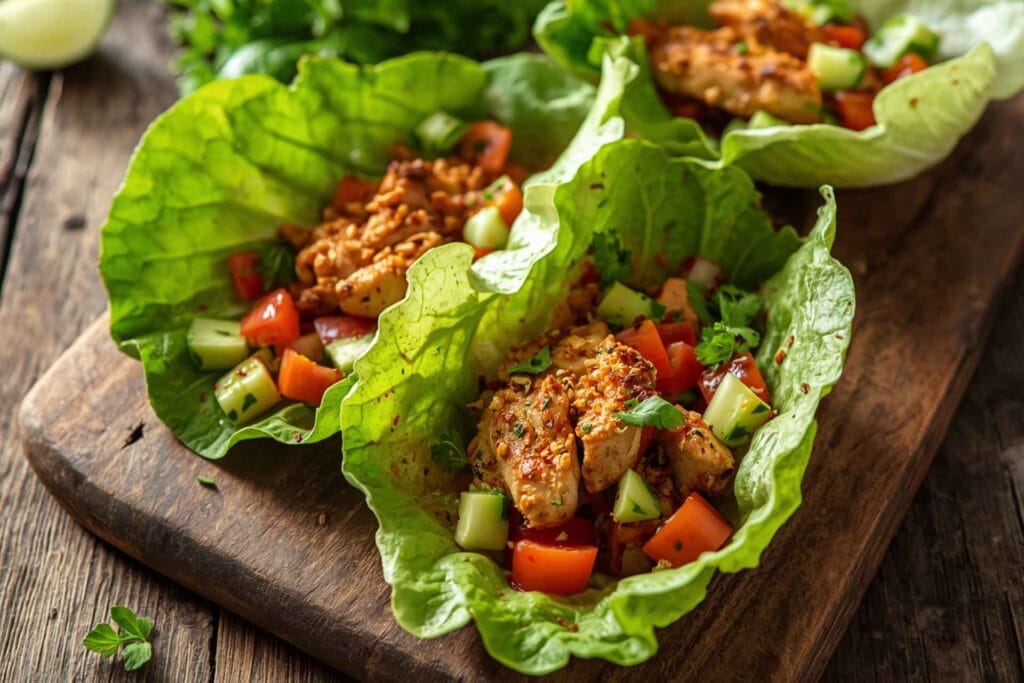
Basic ingredients:
- Cooked chicken, chopped or shredded
- Lettuce leaves, such as romaine, butter lettuce, or iceberg
- Celery, finely chopped
- Cucumber, diced or sliced thin
- Bell pepper, chopped small
- Green onion
- Olive oil, mayo, yogurt, or a light dressing
- Salt and pepper
Optional flavor add-ins:
- Garlic
- Fresh herbs
- Lemon juice
- Mustard
- Pickles or relish
- Avocado
- Sesame seeds
- Red pepper flakes
If you want a creamier version, mix the chicken with a little mayonnaise or Greek yogurt. If you want a fresher version, keep the filling lighter and add more crunchy vegetables. If you want a more savory lunch, season the chicken with garlic, paprika, onion powder, or a splash of vinegar. That kind of flexibility is what makes low carb diet recipes easy to use more than once a week.
You can also swap the lettuce type depending on how you want the wraps to feel. Butter lettuce is soft and delicate, romaine is crisp and sturdy, and iceberg gives you the most crunch. Each one changes the experience a little, which means the same recipe can still feel new.
Step-by-step prep
This recipe comes together quickly, especially if the chicken is already cooked. The goal is to keep the method simple so lunch does not turn into a cooking project.
- Step 1: Prepare the chicken filling.
- Chop or shred the chicken into small pieces. Mix it with your chosen dressing or seasoning so the flavor coats every bite.
- Step 2: Chop the vegetables.
- Keep the pieces small so the wraps are easy to fill and easy to eat. Crunchy vegetables work best when they are bite-sized.
- Step 3: Wash and dry the lettuce.
- This matters more than people think. Dry lettuce holds the filling better and keeps the wraps from becoming soggy too quickly.
- Step 4: Assemble the wraps.
- Spoon the chicken mixture into each lettuce leaf, then add the chopped vegetables and any toppings you like.
- Step 5: Finish with extra flavor.
- A little lemon, pepper, or fresh herbs can brighten the whole wrap and make it taste more polished.
- Step 6: Serve immediately or pack for later.
- If you are eating right away, layer everything and enjoy. If not, keep the filling and lettuce separate until mealtime.
This is the kind of method that makes low carb diet recipes feel practical instead of fussy. There is nothing complicated here, and that is exactly why it works.
Storage and serving tips
Storage is simple if you keep the filling and lettuce separate. That is the best way to protect the texture and keep the wraps crisp. If you mix everything too early, the lettuce can wilt, and the lunch loses some of its freshness. For that reason, low carb diet recipes like this one are best when you think in parts instead of one fully assembled container.
If you are meal prepping, store the chicken mixture in one container and the lettuce in another. Keep crunchy vegetables in a separate small cup if you can, especially if they are going to sit for a while before lunch. That helps everything stay bright and crisp instead of soft and blended.
For serving, you can keep the wraps simple or turn them into a small lunch plate. Add cucumber slices, olives, cherry tomatoes, or a few nuts on the side if you want more volume. That gives you the feel of a fuller meal without changing the basic low carb structure.
Recipe 2 — Tuna Avocado Salad Bowls
Tuna avocado salad bowls are one of the most practical low carb diet recipes you can keep in your weekday rotation. They come together fast, they taste fresh, and they give you that satisfying mix of creamy, salty, and crisp that makes lunch feel complete without needing bread or crackers. The combination of tuna and avocado works especially well because one brings protein and structure while the other adds richness and a smooth, satisfying texture. That balance is exactly what makes this kind of lunch so dependable on busy days.
What also makes this recipe so appealing is how little effort it asks from you. You can use pantry tuna, a ripe avocado, and a few simple vegetables, then have lunch ready in minutes.
That is the beauty of low carb diet recipes: they do not have to be complicated to be good. In fact, some of the best ones are the simplest, because they rely on clean flavors and ingredients that naturally work well together.
Why tuna and avocado are such a strong pair
Tuna and avocado make sense together because they bring two different kinds of satisfaction to the same bowl. Tuna gives the meal its backbone. It is mild, lean, and easy to season, which makes it one of the most versatile proteins in low carb diet recipes. Avocado, on the other hand, adds creaminess and a buttery texture that makes the whole bowl feel more complete. When you combine them, you get a lunch that tastes rich without feeling heavy.
That contrast is part of the magic. Tuna on its own can feel a little plain, and avocado on its own can feel a little soft. Put them together, though, and they balance each other nicely. The tuna keeps the bowl grounded, while the avocado adds the kind of smooth texture that makes each bite more satisfying.
This is why the recipe works so well for lunch: it does not just check the nutrition box. It actually feels good to eat.
Another reason this pairing works is that it is easy to season in different ways. You can keep it simple with lemon, salt, and pepper, or go bolder with mustard, herbs, pickles, or a little hot sauce. That flexibility is useful because low carb diet recipes should be repeatable without becoming boring. Tuna and avocado give you a strong base, and the seasoning lets you change the personality of the bowl whenever you want.
Ingredients and seasoning ideas
The ingredient list is short, which is part of the appeal. You do not need a lot to make this lunch work. A few smart ingredients go a long way, and that makes it perfect for busy days when you want something fast but still nourishing.
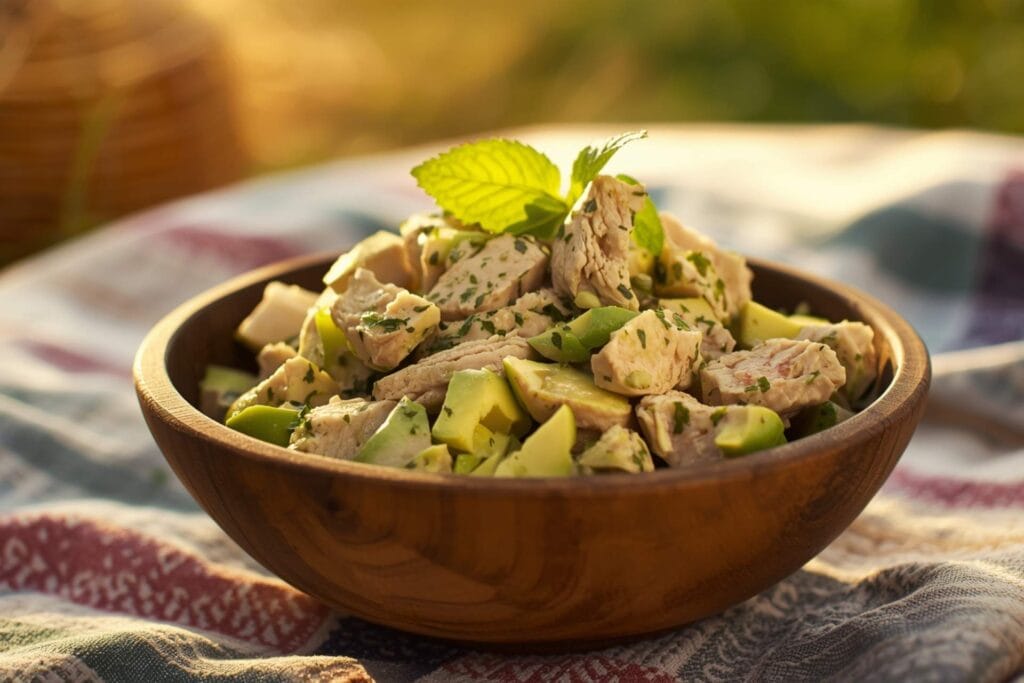
Basic ingredients:
- Canned tuna, drained well
- Ripe avocado
- Celery, chopped small
- Cucumber or lettuce for serving
- Lemon juice
- Salt and pepper
Optional add-ins:
- Red onion
- Cherry tomatoes
- Chopped pickles
- Fresh dill or parsley
- Mustard
- Mayo or Greek yogurt
- Red pepper flakes
- Olive oil
Seasoning ideas:
- Classic and bright: lemon juice, salt, pepper, dill
- Creamy and tangy: mayo, mustard, celery, pickle pieces
- Fresh and herby: olive oil, parsley, lemon zest, cucumber
- Bold and spicy: hot sauce, pepper, a little garlic powder
The great thing about this recipe is that you can build it to match your mood. If you want something light, keep the seasoning simple and fresh. If you want something more filling, add a creamy binder like mayo or Greek yogurt. If you want more crunch, use celery, cucumber, or chopped pickles. That kind of choice is what keeps low carb diet recipes from feeling repetitive.
This recipe also works well because it does not need special ingredients to taste good. Tuna, avocado, and a few seasonings are enough to make a lunch that feels balanced and complete. If your fridge is looking bare, this is one of those recipes that can still save the day.
Step-by-step prep
This bowl is simple enough to make in just a few minutes, but it still benefits from a thoughtful order. The goal is to keep the avocado fresh, the tuna well seasoned, and the whole bowl easy to eat. That is how low carb diet recipes stay both quick and satisfying.
- Step 1: Drain the tuna well.
- This matters because too much moisture can make the bowl watery. Use a fork to break up the tuna into smaller pieces.
- Step 2: Prepare the avocado.
- Cut it in half, remove the pit, and scoop the flesh into a bowl. Mash it lightly if you want a creamier texture, or leave it chunky if you prefer more bite.
- Step 3: Add seasoning and mix-ins.
- Stir in lemon juice, salt, pepper, and any add-ins you like, such as celery, mustard, or herbs. Taste as you go so the flavor stays balanced.
- Step 4: Assemble the bowl base.
- You can serve the mixture over lettuce, cucumber slices, or chopped greens. If you want extra volume, add more vegetables underneath or alongside the tuna avocado mix.
- Step 5: Finish with extra toppings.
- A few red pepper flakes, herbs, or a drizzle of olive oil can make the bowl feel more finished.
This is one of the easiest low carb diet recipes to scale up or down. If you need a small lunch, use one can of tuna and half an avocado. If you need a bigger meal, add another egg, more vegetables, or a second half of avocado. The structure stays the same, which makes it easy to repeat.
Make it more filling without adding many carbs
One of the best things about this recipe is that it can be made more substantial without changing its low carb feel. That makes it especially useful if you need lunch to last through a long afternoon. The trick is to add volume, texture, and fat in the right places, not just more ingredients for the sake of it.
A boiled egg is one of the easiest ways to make the bowl more filling. It adds extra protein and makes the lunch feel more complete without adding many carbs. You can also add more crunchy vegetables like celery, cucumber, bell pepper, or shredded lettuce. Those ingredients bulk up the bowl and give you more to chew on, which helps the meal feel larger. That is a simple but important part of successful low carb diet recipes.
Another smart move is to turn the tuna avocado mixture into a bigger salad instead of keeping it in a small bowl. Add greens, sliced cucumber, cherry tomatoes, or shredded cabbage underneath, and the meal instantly feels more generous. You can also top it with seeds, olives, or a little cheese if your version of low carb diet recipes allows those extras. The goal is to make the lunch feel abundant, not skimpy.
If you want even more staying power, serve the bowl with a side of extra vegetables instead of crackers or chips. That keeps the meal in line with your low carb goals while still giving you enough food to feel satisfied. It is a small shift, but it makes a big difference in how the lunch feels an hour later.
The best low carb lunches are not always the most elaborate ones. Often, they are the meals that are fast to make, easy to season, and satisfying enough to keep you going. Tuna avocado salad bowls fit that pattern beautifully, which is exactly why they belong on any list of reliable low carb diet recipes.
Recipe 3 — Egg Salad Cucumber Boats
Egg salad cucumber boats are one of those low carb diet recipes that quietly solve a lot of lunch problems at once. They are quick to make, easy to pack, naturally low in carbs, and sturdy enough to feel like a real meal without asking you to cook much at all. The cool crunch of cucumber gives the creamy egg salad a fresh contrast, which is exactly what makes this lunch feel more interesting than a plain scoop of egg salad on a plate. Mayo Clinic notes that low carb eating often centers on protein and nonstarchy vegetables, and this recipe fits that pattern beautifully.
This is also a great lunch for busy days because it does not need to be fussy to be good. You can make the egg salad ahead of time, hollow out the cucumbers in just a few minutes, and assemble everything when you are ready to eat. That kind of simplicity is one of the biggest strengths of low carb diet recipes: they keep lunch manageable without making it boring. CDC meal planning guidance also supports meals built around lean protein and vegetables, which makes this a smart fit for a balanced low carb plate.
The appeal of a no-fuss lunch
The biggest reason this recipe works is that it does not require a lot of moving parts. Egg salad is already simple, and cucumbers make a ready-made vessel that adds crunch without bread or crackers. That means you get a lunch that feels complete but still stays light and easy to assemble. In the world of low carb diet recipes, that kind of convenience matters more than people realize.
A no-fuss lunch is the kind you can actually keep in your routine. There is no complicated sauce, no long cooking process, and no need to worry about a special low carb substitute. The ingredients are familiar, the steps are short, and the result is dependable. That makes this one of the best kinds of lunches for busy weeks, especially when you want something that feels homemade but is not time-consuming.
There is also a nice mental shift that happens with recipes like this. Instead of thinking, “What do I have to give up?” you start thinking, “What can I build with what I already have?” That is a much more sustainable way to approach low carb diet recipes. Egg salad cucumber boats turn that idea into something tangible, easy, and repeatable. Because the lunch is so simple, it is also easy to customize later without changing the whole recipe.
Ingredients and texture upgrades
The basic ingredients are straightforward, but the recipe gets better when you think about texture as much as flavor. Egg salad can be creamy and rich, while cucumber brings cool freshness and crunch. That contrast is the heart of what makes this one of the most satisfying low carb diet recipes for lunch.
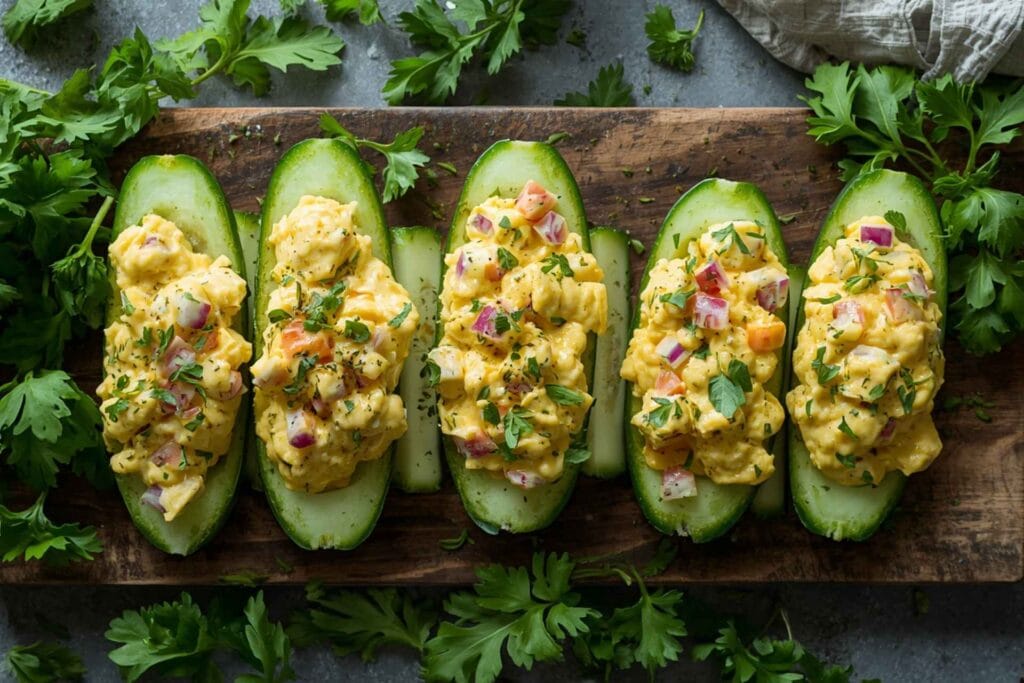
Basic ingredients:
- Hard-boiled eggs
- Cucumber
- Mayonnaise or Greek yogurt
- Mustard
- Salt and pepper
Optional add-ins:
- Celery
- Chives
- Dill
- Pickles
- Red onion
- Paprika
- Lemon juice
- Avocado
- Everything bagel seasoning, if it fits your carb goals
Texture upgrades:
- Finely chopped celery for extra crunch
- Chopped pickles for brightness and bite
- Chives or dill for a fresher finish
- A few cucumber seeds were scooped out to make the boat easier to fill
- Thinly sliced radish for a sharper crunch
The texture part matters because low carb diet recipes can feel flat when everything is soft or creamy. A good lunch should have contrast. The cucumber gives the recipe structure, while the egg salad gives it body. If you want even more interest, add a crunchy ingredient like celery or radish so each bite feels layered instead of one-note.
You can also choose how creamy you want the filling to be. Some people like a richer egg salad with more mayo, while others prefer a lighter version using Greek yogurt or a mix of both. Both approaches work well, and both can fit into low carb diet recipes depending on your preferences. The key is to keep the filling balanced so it stays flavorful without becoming too heavy.
Step-by-step prep
This recipe is simple enough for beginners, but the order still matters if you want the best result. The goal is to make the egg salad flavorful and the cucumber boats sturdy enough to hold everything without falling apart. That kind of practical structure is what makes low carb diet recipes so useful during the week.
- Step 1: Cook and cool the eggs.
- Hard-boil the eggs and let them cool completely before peeling. Cooling helps the texture stay firm and makes chopping easier.
- Step 2: Make the egg salad.
- Chop the eggs and mix them with mayonnaise or Greek yogurt, mustard, salt, pepper, and any extra seasonings you like. Keep the texture how you want it, whether chunkier or smoother.
- Step 3: Prepare the cucumbers.
- Slice the cucumbers lengthwise. If needed, use a spoon to scoop out a little of the center, so there is room for the filling.
- Step 4: Fill the boats.
- Spoon the egg salad into the cucumber halves and press it gently into place.
- Step 5: Finish with toppings.
- Add herbs, paprika, chives, or a little cracked pepper on top for extra flavor.
- Step 6: Serve immediately or chill briefly.
- If you are eating now, enjoy right away. If not, keep the components separate until mealtime.
This recipe is one of those low carb diet recipes that can be made in under 15 minutes if your eggs are already cooked. That makes it especially helpful for lunch prep because it gives you a real meal without turning the kitchen into a project.
Best ways to pack and serve it
Packing matters a lot with cucumber boats because moisture can build up if they sit too long. USDA advises storing perishable prepared foods in the refrigerator promptly and keeping them chilled until serving time, which is especially useful for egg-based lunches. For best quality, it also helps to store the egg salad separately from the cucumber until you are ready to eat.
If you are meal prepping, place the egg salad in a sealed container and keep the cucumber halves in a separate container or bag. That way, the cucumbers stay crisp and do not release extra water into the filling. This is a small detail, but it makes a big difference in how fresh low carb diet recipes taste later in the day. CDC also reminds people to refrigerate perishable foods promptly, which is useful any time you are packing lunches ahead of time.
For serving, you can keep it very simple or make it feel more complete. Add a side of cherry tomatoes, a few olives, sliced bell pepper, or extra cucumber rounds if you want more volume. That keeps the meal low carb while making it feel fuller. If you want the lunch to feel more polished, sprinkle the tops with paprika or fresh herbs right before serving. That little finishing touch makes the whole dish feel brighter and more intentional.
Egg salad cucumber boats are a great reminder that low carb diet recipes do not have to be complicated to work well. Sometimes the best lunch is just the one that is easy to make, easy to pack, and easy to enjoy.
Recipe 4 — Salmon Stuffed Avocados
Salmon stuffed avocados are one of the most elegant low carb diet recipes you can make without really trying. The finished dish looks polished enough to feel special, but the actual process is simple enough for a busy weekday lunch.
That balance is what makes it so useful: you get a meal that feels fresh, rich, and satisfying without spending a lot of time in the kitchen. Harvard notes that avocados are a good source of fiber and contain more fat than carbohydrate, which is one reason they fit so naturally into lower-carb meals. (25, 26)
The same idea applies to salmon. Fish like salmon are rich in protein and long-chain omega-3 fats, and Harvard describes fish and seafood as major sources of these healthful fats. Cleveland Clinic also notes that salmon is a great source of protein and omega-3s, which helps explain why it works so well in low carb diet recipes that need to feel both filling and flavorful. (27, 28, 29)
Why this feels restaurant-worthy but still simple
Part of the appeal here is presentation. A halved avocado filled with seasoned salmon looks like something you would order at a café, even though the ingredients are basic and the prep is fast. That visual payoff matters because lunch feels more enjoyable when it looks intentional. Avocados also bring creaminess and fiber, while salmon brings savory depth and protein, so the meal feels complete without needing bread, rice, or crackers.
This is one of those low carb diet recipes that gives you a lot of return for very little effort. A few ingredients can create a lunch that feels calm and put-together, which is especially nice on days when everything else feels rushed. The avocado acts almost like a built-in bowl, so you do not need extra side dishes just to make the meal feel substantial.
That is one reason it works so well for lunch: it is neat, balanced, and naturally satisfying.
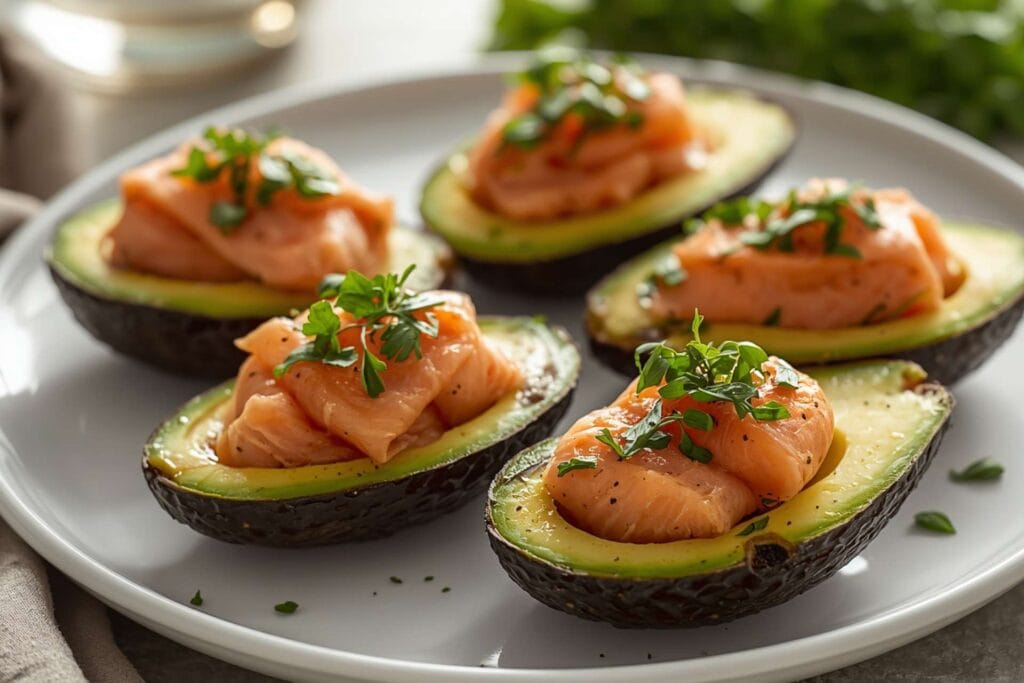
Ingredients and substitutions
The core ingredients are simple: ripe avocados, salmon, lemon juice, salt, pepper, and a few herbs or crunchy add-ins if you want them. If you like a creamier filling, you can mix in a little Greek yogurt or mayonnaise. If you want extra freshness, chopped celery, dill, parsley, or cucumber all work well. Because avocados are higher in fat and lower in carbohydrate, they are a strong base for low carb diet recipes that need richness without starch.
Here are some easy ways to change the flavor:
- Bright and simple: lemon juice, salt, pepper, dill
- Creamy and tangy: mayo, mustard, celery, chives
- Fresh and herby: parsley, cucumber, olive oil, lemon zest
- Bold and savory: capers, red onion, cracked pepper, hot sauce
You can also swap the salmon based on what you have. Canned salmon is convenient and shelf-stable when it is labeled and stored properly, while cooked salmon gives you a fresher, richer flavor. USDA notes that some canned seafood is not shelf-stable unless it is specifically labeled that way, so it is important to check the package and store it correctly. (30, 31)
Step-by-step prep
The method is fast, which makes this one of the easiest low carb diet recipes to keep in rotation.
- Step 1: Cut the avocados in half and remove the pits.
- Choose avocados that are ripe but still firm enough to hold the filling.
- Step 2: Prepare the salmon filling.
- If you are using canned salmon, drain it if needed and flake it with a fork. If you are using cooked salmon, break it into small pieces. Mix in lemon juice, salt, pepper, and any herbs or creamy ingredients you want.
- Step 3: Taste and adjust.
- A little extra lemon or pepper can make the flavor brighter. If the filling feels dry, add a small spoonful of yogurt or mayo.
- Step 4: Spoon the salmon into each avocado half.
- Pack it gently so it sits neatly in the center.
- Step 5: Finish with toppings.
- Fresh dill, parsley, capers, or sesame seeds can add a nice finishing touch.
- Step 6: Serve right away.
- Avocado is best when fresh, so this lunch tastes most vibrant soon after assembly.
That’s the beauty of low carb diet recipes like this one. There is no complicated technique, just a few good ingredients used well.
When to use canned salmon versus cooked salmon
Canned salmon is the better choice when you want speed and convenience. It is ideal for busy weekdays, pantry meals, and quick lunch prep because it can be opened, mixed, and served in minutes. USDA’s food storage guidance also makes it clear that shelf-stable foods only stay shelf-stable when they are properly labeled, so it is smart to check the package before storing it in your pantry.
Cooked salmon makes more sense when you want a fresher, more delicate texture. It is a great option if you made extra salmon for dinner and want to reuse it in another one of your low carb diet recipes. Since salmon is rich in protein and omega-3 fats, both versions work well nutritionally; the biggest difference is convenience versus flavor freshness. Harvard and the Cleveland Clinic both point to salmon as a strong protein choice with beneficial omega-3s, so either version can fit nicely into a lower-carb lunch plan.
If you are meal prepping, canned salmon is often the easiest backup to keep on hand. If you are making lunch from leftovers, cooked salmon can give the bowl a more “fresh from dinner” feel. Either way, salmon stuffed avocados remain one of the most dependable low carb diet recipes because they are fast, flavorful, and satisfying without needing many moving parts.
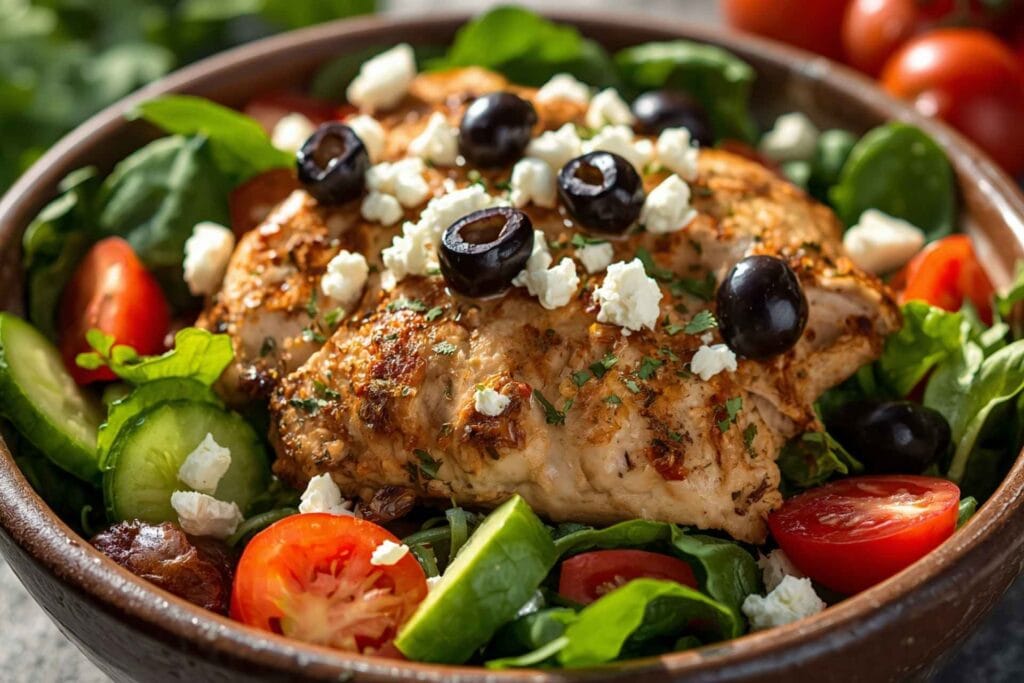
Recipe 5 — Greek Chicken Salad with Feta and Olives
Greek chicken salad is one of those low carb diet recipes that feels bright, filling, and easy to love from the first bite.
It has the kind of balance people want at lunch: savory chicken, crisp vegetables, salty feta, briny olives, and a dressing that ties everything together without making the salad heavy. That combination makes it feel complete in a way that plain greens never really do. You get color, texture, protein, and flavor all in one bowl.
This is also a great recipe for busy days because it does not need much to feel finished. If you have cooked chicken and a few basic Mediterranean-style ingredients, lunch practically makes itself. That is one of the strongest reasons low carb diet recipes like this work so well in real life. They are not about complexity. They are about smart combinations that taste like more effort than they actually take.
What makes this salad feel complete
A lot of salads are technically healthy but still leave you hungry an hour later. This one avoids that problem because it has all the pieces that make lunch feel satisfying. The chicken gives it staying power, the feta adds richness, the olives bring salt and depth, and the vegetables add freshness and crunch. Together, they create a bowl that feels like a full meal instead of a side dish pretending to be lunch.
That balance is exactly what makes this one of the more reliable low carb diet recipes for weekday eating. When you combine protein, vegetables, healthy fat, and strong flavor, the salad feels intentional and complete. The chicken keeps you full, the cucumber and tomato keep it light, and the feta and olives prevent the salad from feeling bland. It is a very simple formula, but it works beautifully.
There is also something satisfying about the contrast in textures. You have juicy tomatoes, crisp cucumber, tender chicken, creamy feta, and firm olives all in the same bowl. That mix keeps every bite interesting. Without that variety, salads can start to feel like a chore. With it, they feel like a meal you actually want to eat again tomorrow.
Ingredients and dressing ideas
The ingredient list is simple, but the flavor can go in several directions depending on how you dress it. That flexibility is one of the biggest advantages of low carb diet recipes. You can keep the base the same and change the mood with just a few tweaks.
Core ingredients:
- Cooked chicken, sliced or shredded
- Romaine, mixed greens, or spinach
- Cucumber, chopped
- Cherry tomatoes, halved
- Red onion, thinly sliced
- Feta cheese
- Kalamata olives
Optional add-ins:
- Bell pepper
- Avocado
- Pepperoncini
- Fresh dill
- Fresh parsley
- Artichoke hearts
- Celery for extra crunch
Dressing ideas:
- Simple vinaigrette: olive oil, red wine vinegar, oregano, salt, and pepper
- Lemon dressing: lemon juice, olive oil, garlic, and a little mustard
- Creamy Greek-style dressing: Greek yogurt, lemon juice, garlic, dill, and olive oil
- Shortcut dressing: a good-quality store-bought Greek or vinaigrette dressing if you need speed
The dressing should support the salad, not overpower it. A bright vinaigrette keeps the salad fresh and light, while a creamy version makes it feel richer and a little more indulgent. Either way, the goal is to keep the recipe in that sweet spot where it still feels like one of your best low carb diet recipes but tastes like something you would order at a café.
You can also adjust the salad depending on how hungry you are. If you want a lighter lunch, use more greens and vegetables. If you want a more filling lunch, add extra chicken, avocado, or feta. That kind of flexibility makes this recipe especially helpful for meal planning because it can fit different needs without changing the whole structure.
Step-by-step prep
This salad comes together quickly, especially if the chicken is already cooked. The process is simple, but a little order helps keep the salad crisp and balanced. That is one of the reasons low carb diet recipes like this are so useful for lunch prep.
- Step 1: Prepare the greens and vegetables.
- Wash and dry the lettuce or greens. Chop the cucumber, halve the tomatoes, and slice the onion thinly.
- Step 2: Add the chicken.
- Use cooked chicken that is already seasoned or lightly salted. Slice it or shred it, depending on the texture you want.
- Step 3: Add the feta and olives.
- Sprinkle the feta over the salad and add the olives for that classic Greek-style flavor.
- Step 4: Mix the dressing.
- Whisk together your dressing ingredients until smooth. Keep it simple and bright so it enhances the salad instead of burying it.
- Step 5: Assemble the bowl.
- Layer the greens first, then vegetables, then chicken, feta, and olives.
- Step 6: Dress and toss gently.
- Add the dressing just before serving and toss lightly so everything gets coated without turning soggy.
That step-by-step structure keeps the salad fresh and easy to repeat. It also helps low carb diet recipes like this one stay practical on days when you do not want to think too hard about lunch.
Meal prep and storage tips
Meal prep is where this salad really shines. You can prep nearly every part ahead of time, which makes lunch much easier during the week. The key is to keep the components separate until you are ready to eat. That protects the texture and helps the salad stay bright instead of wilted. For low carb diet recipes, that kind of texture control is especially important because freshness is a big part of what makes the meal enjoyable.
Store the chicken, vegetables, feta, olives, and dressing in separate containers if possible. The greens should be washed and dried well before storing so they do not get soggy. If you are prepping several lunches at once, keep the more delicate ingredients, like avocado or dressing, out until serving time. That way, the salad still tastes fresh on day three or day four.
For best results, pack the salad in a container with enough room to toss it lightly before eating. If you are eating at work or on the go, a jar or divided container can be useful, especially if you want to keep the dressing away from the greens until later. This makes the salad one of the more dependable low carb diet recipes for busy people because it stays flexible and easy to manage.
If you want to stretch the recipe across several lunches, batch cook the chicken and use the same base ingredients in different ways. One day it can be a salad, another day it can be a lettuce wrap filling, and another day it can be served in a bowl with extra vegetables. That kind of reuse is what makes low carb diet recipes so smart for meal prep. They save time without making lunch feel repetitive.
Recipe 6 — Turkey Roll-Ups with Cheese, Greens, and Mustard
Turkey roll-ups with cheese, greens, and mustard are one of the fastest low carb diet recipes you can make, and that speed is a big part of the appeal. When lunch needs to happen now, this recipe gives you something that feels neat, satisfying, and balanced without requiring a pan, oven, or complicated prep. You can build it in minutes, eat it cold, and still feel like you had a real lunch instead of a snacky backup plan.
This recipe also works because it is so easy to customize. Some days you might want it simple and classic. Other days you might want more crunch, more richness, or a little extra tang. That flexibility is exactly why low carb diet recipes like this are so useful during a busy week. They adapt to your fridge, your schedule, and your appetite without asking for much in return.
Why roll-ups are one of the fastest options
Roll-ups are fast because they remove almost all of the usual friction around lunch. There is no cooking, no long assembly, and no need to wait for anything to cool. You simply layer the ingredients, roll them up, and eat. That makes them one of the most practical low carb diet recipes for people who are short on time but still want something that feels put together.
They are also easy to portion. You can make one serving for a light lunch or several roll-ups for a more filling meal. Because the ingredients are already sliced or easy to slice, the prep stays minimal. That is a huge advantage when you are trying to keep lunch realistic on a weekday. A recipe that takes less than 10 minutes is much more likely to become part of your routine than one that feels like a project.
Another reason roll-ups work so well is that they travel easily. You can pack them in a lunch box, wrap them in parchment, or store them in a divided container. That portability makes them a strong fit for work lunches, school lunches, and busy days when you need something you can grab quickly. In the world of low carb diet recipes, that kind of convenience is worth a lot.

Ingredients and low carb add-ins
The base recipe only needs a few ingredients, which is part of what makes it so useful. But once you understand the structure, you can build on it in a lot of different ways. That is the beauty of low carb diet recipes: the framework stays simple while the flavor can shift depending on what you add.
Basic ingredients:
- Deli turkey or sliced cooked turkey
- Cheese slices or thin cheese strips
- Leafy greens such as spinach, romaine, or butter lettuce
- Mustard
- Salt and pepper, if needed
Low-carb add-ins:
- Avocado slices
- Cucumber sticks
- Pickles
- Bell pepper strips
- Tomato slices
- Celery
- Cream cheese
- Chives
- Herbs like parsley or dill
The cheese gives the roll-up richness, the greens add freshness, and the mustard brings sharp flavor, so the whole thing does not taste flat. If you want a creamier version, spread a thin layer of cream cheese inside before rolling. If you want more crunch, add cucumber or bell pepper strips. If you want a more savory bite, add pickles or a little extra mustard. Those little adjustments are what make low carb diet recipes feel flexible instead of repetitive.
You can also change the type of cheese to change the mood of the lunch. Cheddar makes it more robust, provolone feels a little softer, and Swiss can add a milder flavor. Each version works, and each one gives you a different way to keep lunch interesting without changing the whole recipe.
Step-by-step prep
This recipe is so simple that the process almost explains itself, but a little order still helps make it better. The goal is to keep the roll-ups tight, neat, and easy to eat. That is what makes low carb diet recipes like this one so dependable during a busy week.
- Step 1: Lay out the turkey slices.
- Place them flat on a clean surface or cutting board so they are easy to fill.
- Step 2: Add the cheese.
- Place one slice of cheese on each turkey slice or layer a smaller amount if the slices are large.
- Step 3: Add greens and mustard.
- Place a leaf or two of greens on top and spread a thin line of mustard for flavor.
- Step 4: Add any extras.
- If you want avocado, pickles, or cucumber, place them near one end so the roll-up stays compact.
- Step 5: Roll tightly.
- Start at one end and roll the ingredients together snugly. If needed, secure with a toothpick for transport.
- Step 6: Slice or pack whole.
- You can leave them whole or cut them in half for easier eating.
This is the kind of recipe that proves low carb diet recipes do not have to be fancy to work. They just need to be simple enough that you will actually make them again.
Best pairings for a full lunch box
Turkey roll-ups are great on their own, but they become even better when paired with a few simple sides. That is especially useful if you want a lunch box that feels full without adding a lot of carbs. The goal is to create a lunch that feels complete, not just like a few ingredients thrown together. That is where low carb diet recipes really shine.
A few good pairings include:
- Cucumber slices or cucumber rounds
- Cherry tomatoes
- A small container of olives
- Celery sticks with dip
- Bell pepper strips
- A handful of nuts or seeds
- A boiled egg
- A small side salad
These additions help round out the meal without making it heavy. They also add texture, which matters a lot in low carb lunches. If everything in the lunch box is soft and similar, the meal can feel less satisfying. Crisp vegetables, salty olives, or a crunchy snack on the side make the lunch feel more complete and a lot more interesting.
If you want the lunch box to feel especially polished, use a divided container and keep the roll-ups separate from the sides. That keeps the greens from getting soggy and makes the lunch look neat when you open it later. That small bit of planning makes low carb diet recipes easier to enjoy away from home.
Turkey roll-ups are also excellent for batch prep. You can make a few at once and keep the ingredients ready for the next day. Since the recipe is so quick, it is easy to repeat without getting bored.
That is one of the best things about low carb diet recipes: when the lunch is simple, the habit becomes much easier to keep.
Recipe 7 — Taco Salad Bowl with Beef, Lettuce, and Avocado
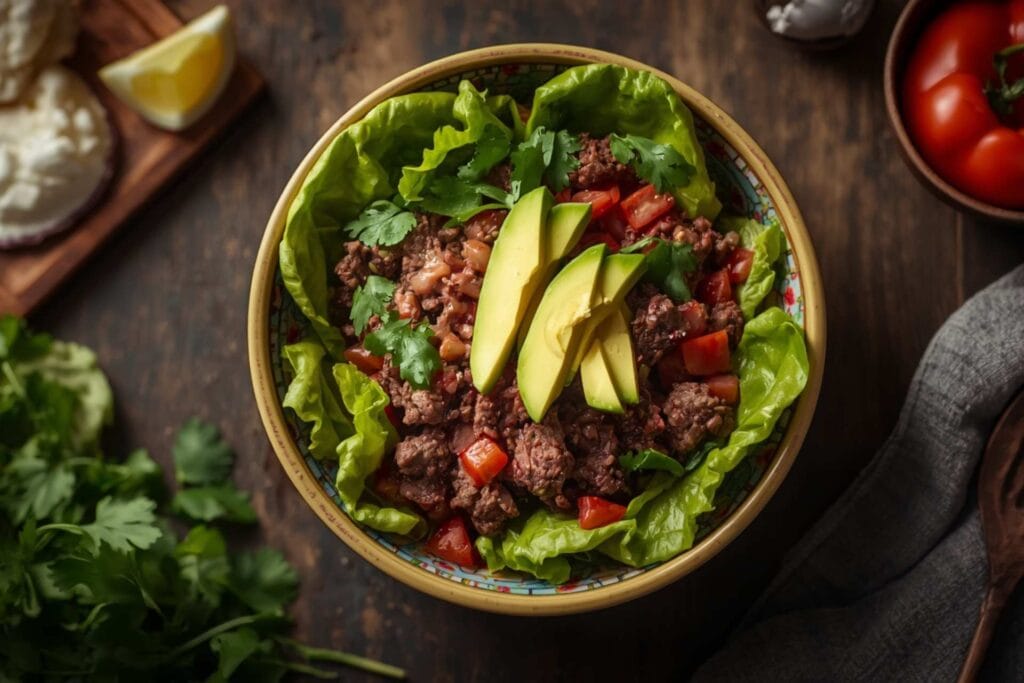
A taco salad bowl is one of the most satisfying low carb diet recipes because it brings big flavor without needing tortillas, chips, or rice. You still get the same bold, savory experience people love about taco night, but the format shifts into something lighter, fresher, and easier to pack for lunch. That makes this recipe especially useful on busy days when you want lunch to feel fun instead of routine.
This is also a great example of how low carb diet recipes can be exciting without being complicated. Taco seasoning, crisp lettuce, creamy avocado, and seasoned beef already do most of the heavy lifting. Add a few toppings, and you have a bowl that feels colorful, filling, and easy to repeat all week. It is the kind of lunch that keeps lower-carb eating from feeling dull.
Why taco flavors help low carb lunches feel exciting
Taco flavor works so well because it is naturally bold. You get spice, salt, richness, freshness, and a little tang all in one meal. That combination is useful in low carb diet recipes because it gives you a strong flavor base without depending on bread or pasta to make the meal feel satisfying. When lunch tastes lively, it is easier to stay interested in eating it again tomorrow.
There is also a comfort factor here. Taco salad feels familiar, even though it is lighter than a traditional taco plate. That familiarity matters because busy weekday lunches are easier to stick with when they feel enjoyable and recognizable. You are not asking yourself to eat a “diet lunch.” You are just eating a taco bowl in a smarter format. That small shift makes a huge difference in how the meal feels.
Another reason taco flavors work so well is that they pair beautifully with lots of vegetables. Lettuce, avocado, tomato, onion, peppers, and salsa all fit naturally into the bowl. That means you can build one of the most flexible low carb diet recipes around ingredients that are easy to keep on hand. If you have the seasoning, the protein, and a few toppings, lunch is practically done.
Ingredients and seasoning options
The base is simple, but there is plenty of room to customize. That flexibility is one of the reasons low carb diet recipes like this one stay in rotation so easily.
Basic ingredients:
- Ground beef or ground turkey
- Romaine or shredded lettuce
- Avocado
- Tomato
- Onion
- Shredded cheese
- Salsa
- Sour cream or Greek yogurt
- Taco seasoning
Optional add-ins:
- Bell peppers
- Jalapeños
- Black olives
- Cilantro
- Cucumber
- Shredded cabbage
- Lime wedges
- Hot sauce
The beef is the anchor, and the seasoning is what makes the bowl taste like taco night. You can use a packaged taco seasoning if you want speed, or make your own blend with chili powder, cumin, paprika, garlic powder, onion powder, salt, and pepper. Homemade seasoning gives you more control, which is helpful in low carb diet recipes when you want to keep the flavor strong without extra sugar or fillers.
The toppings are where you can make the bowl feel more personal. Avocado adds creaminess, salsa adds brightness, cheese adds richness, and lettuce gives you crunch. If you want more freshness, add lime juice and cilantro. If you want more heat, use jalapeños or hot sauce.
That kind of build-your-own flexibility is one of the best parts of low carb diet recipes: the structure stays the same, but the flavor can shift with your mood.
Step-by-step prep
This recipe comes together quickly, especially if the vegetables are already washed and chopped. The goal is to keep the process easy enough that it fits into a busy day without feeling rushed.
- Step 1: Cook the beef.
- Brown the ground beef or turkey in a skillet over medium heat. Drain off any excess fat if needed.
- Step 2: Add the seasoning.
- Stir in taco seasoning and a small amount of water if required. Let the meat simmer briefly so the flavor coats everything well.
- Step 3: Prepare the base.
- Add lettuce to a bowl or lunch container. Romaine, chopped iceberg, or shredded cabbage all work well.
- Step 4: Chop the toppings.
- Slice the avocado, dice the tomato, and chop the onion, cilantro, or any other toppings you want to use.
- Step 5: Assemble the bowl.
- Add the seasoned beef over the lettuce, then layer on the tomato, avocado, cheese, salsa, and any extras.
- Step 6: Finish with sauce.
- Add sour cream, Greek yogurt, lime juice, or hot sauce at the end so the bowl tastes fresh and balanced.
This is one of those low carb diet recipes that looks like you spent more time on it than you actually did. That is a big win for lunch.
How to keep it fresh for lunch later
Taco salad bowls are excellent for meal prep, but the key is keeping the components separate until you are ready to eat. That helps preserve texture and makes the bowl taste much fresher later in the day. If everything sits together too long, the lettuce softens, and the avocado can brown. That is why low carb diet recipes like this one benefit from a little bit of packing strategy.
The best way to store it is to keep the beef, lettuce, and toppings in separate containers if possible. Pack the avocado and salsa separately, so they stay fresh until lunch. If you are adding sour cream or yogurt, keep that in a small side container too. When it is time to eat, just assemble everything in the bowl and stir lightly.
A few extra tips make a big difference:
- Use sturdy greens like romaine or cabbage.
- Add avocado at the last minute.
- Keep salsa and dressing separate.
- Chill the beef before packing if you are not eating it warm.
- Use a leakproof container so the lunch stays neat.
If you want the bowl to feel even more filling, add extra lettuce or a few crunchy vegetables like cucumber or bell pepper. That gives the lunch more volume without changing the low carb structure. It also helps the meal feel balanced and satisfying, which is exactly what good low carb diet recipes should do.
The best taco salad bowls are the ones that stay bright, flavorful, and easy to assemble. Once you find your favorite version, it becomes one of the simplest lunches to keep on repeat.
Recipe 8 — Cauliflower Rice Chicken Bowl
A cauliflower rice chicken bowl is one of those low carb diet recipes that checks a lot of boxes at once. It is fast, filling, and easy to customize, which makes it a strong choice for busy weekdays when you want lunch to feel satisfying without leaning on bread, pasta, or regular rice. Cauliflower is often used as a lower-carb stand-in for grain-based sides, and it fits well into meal patterns that emphasize nonstarchy vegetables and lean protein. (32, 33, 34)
This recipe works especially well because it feels like a real meal, not a “diet” meal. You still get a warm bowl, a savory sauce, and plenty of flavor, but the base stays lighter.
That is one reason low carb diet recipes like this one are so popular: they borrow the comfort of familiar dishes while making room for more vegetables and more balance. Cauliflower itself is a nutrient-dense vegetable, and the Cleveland Clinic notes that it provides vitamins and antioxidants while also being a versatile ingredient in lower-carb cooking. (35)
Why cauliflower rice is a smart swap
Cauliflower rice is smart because it gives you volume without making the bowl heavy. That matters on busy days, when lunch needs to keep you going but not weigh you down. USDA and Cleveland Clinic sources both place cauliflower among nonstarchy, lower-carb vegetables that can fit well into a healthier eating pattern, and that makes it an easy swap for people who want more vegetable-forward low carb diet recipes. (36)
It also plays nicely with almost any flavor profile. You can keep the bowl simple with garlic and olive oil, go creamy with a yogurt-based sauce, or make it bold with soy sauce, sesame oil, or a spicy dressing.
Another reason this swap works is texture. When it is cooked correctly, cauliflower rice has a light, fluffy bite that feels similar to a grain bowl without trying to be rice. It does not need to mimic rice perfectly to be useful. It just needs to create a base that soaks up sauce, supports the chicken, and keeps the bowl from feeling empty.
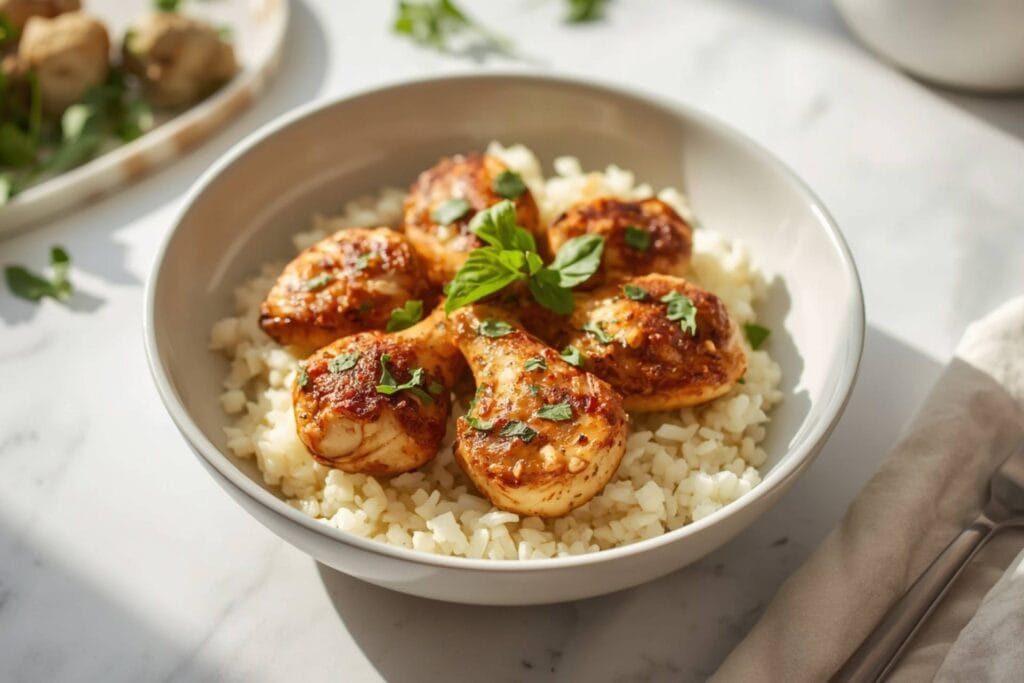
Ingredients and sauce options
For the base, you will want cauliflower rice, cooked chicken, and a few vegetables that add color and crunch. A simple bowl can be built from ingredients you probably already have in the fridge. That is what makes this one of the most practical low carb diet recipes for lunch prep. Use what you have, keep the flavor strong, and let the bowl do the work.
Basic ingredients:
- Cauliflower rice
- Cooked chicken breast or shredded chicken
- Broccoli, bell peppers, or spinach
- Garlic
- Olive oil or avocado oil
- Salt and pepper
- Green onions or parsley for finishing
Sauce options:
- Garlic yogurt sauce for a creamy finish
- Soy sauce or coconut aminos for a savory, stir-fry style bowl
- Pesto for a rich, herb-forward bowl
- Lemon tahini sauce for a brighter, nuttier flavor
- Buffalo sauce with ranch or yogurt drizzle for a spicier version
The sauce is where the bowl becomes memorable. A good sauce can turn a basic lunch into something you actually look forward to. That is why so many low carb diet recipes rely on simple but bold flavor builders. A small amount of sauce goes a long way when the ingredients are already well-seasoned.
Step-by-step prep
This bowl comes together quickly, which is a big part of its appeal. You can make it fresh or prep the parts ahead of time and assemble it later. That makes it especially useful for weekday lunches, since low carb diet recipes need to be convenient enough to repeat.
- Step 1: Cook or reheat the chicken.
- Season it simply if you are starting from scratch. Garlic, paprika, salt, pepper, and a little lemon work well.
- Step 2: Warm the cauliflower rice.
- Cook it in a skillet with a small amount of oil until just tender. You want it soft enough to eat easily, but not so soft that it turns watery.
- Step 3: Prepare the vegetables.
- Use whatever you like best. Broccoli, peppers, mushrooms, spinach, or zucchini all work well in low carb diet recipes like this one.
- Step 4: Make the sauce.
- Keep it simple and add enough flavor to tie the whole bowl together. If the sauce tastes good on its own, it will almost certainly improve the bowl.
- Step 5: Assemble the bowl.
- Start with cauliflower rice, add the chicken, layer in the vegetables, and finish with sauce and herbs.
- Step 6: Taste and adjust.
- A final pinch of salt, a squeeze of lemon, or a sprinkle of chili flakes can make the bowl taste brighter and more complete.
That final seasoning step matters more than people think. Many low carb diet recipes fall flat because they stop one step too early. A little finishing touch can make the difference between “fine” and “really good.”
How to avoid a soggy texture
Soggy cauliflower rice is the one thing that can ruin this bowl, but it is easy to prevent. The key is moisture control. Cauliflower naturally releases water as it cooks, so the goal is to cook it quickly and not overcrowd the pan. Cleveland Clinic notes that cauliflower is often used as a rice alternative, which is helpful only if the texture is handled well. (37)
Here is how to keep the texture better:
- Pat thawed cauliflower rice before cooking.
- Use a wide skillet so that moisture can evaporate.
- Cook over medium-high heat rather than low heat.
- Avoid adding too much sauce directly to the pan.
- Store sauce separately if you are meal prepping.
Those small habits make a big difference. They help low carb diet recipes stay fresh instead of soft and dull. If you are packing the bowl for later, build it with the cauliflower rice on the bottom, the chicken and vegetables on top, and the sauce in a separate container. Then mix everything right before eating.
You can also improve the texture by choosing vegetables that hold up well. Broccoli, bell peppers, and green onions keep their bite, while watery vegetables can soften the whole bowl. If you want even more texture, add sesame seeds, chopped nuts, or a few sliced almonds at the end. That extra crunch gives the bowl a more complete feel and helps the meal stay interesting from the first bite to the last.
Recipe 9 — Zucchini Noodle Pesto Chicken Lunch
A zucchini noodle pesto chicken lunch is one of those low carb diet recipes that feels fresh without trying too hard. It has the light, twirlable texture of pasta, the savory richness of pesto, and enough protein from the chicken to make lunch feel like an actual meal instead of a snack in disguise. Zucchini is naturally low in calories and carbohydrates, and it brings a lot of moisture and a mild flavor that works well in quick lunch recipes. (38)
This is exactly why so many low carb diet recipes lean on zucchini noodles. They give you that familiar pasta-style experience while keeping the bowl lighter and more vegetable-forward. The result is a lunch that feels comforting, but still fits nicely into a low carb routine.
Why zucchini noodles work so well in lunch recipes
Zucchini noodles, often called zoodles, work because they are flexible, quick to prepare, and easy to pair with almost anything savory. USDA and Cleveland Clinic sources describe zucchini as a low-calorie vegetable that fits well into a balanced eating pattern, and that makes it a natural choice for lunch recipes that need to stay lighter. (39)
The best part is that zucchini noodles do not need to behave exactly like pasta to be useful. They just need to create a base that carries flavor well. When you toss them with pesto and chicken, they soak up the sauce without making the meal feel heavy. That balance is a big reason low carb diet recipes like this one are so popular for weekdays.
Another advantage is speed. Zucchini noodles cook fast, so they work beautifully when lunch needs to come together in a hurry. You can sauté them for a minute or two, or even serve them lightly warmed. That makes them ideal for busy days when you want something homemade but not time-consuming.
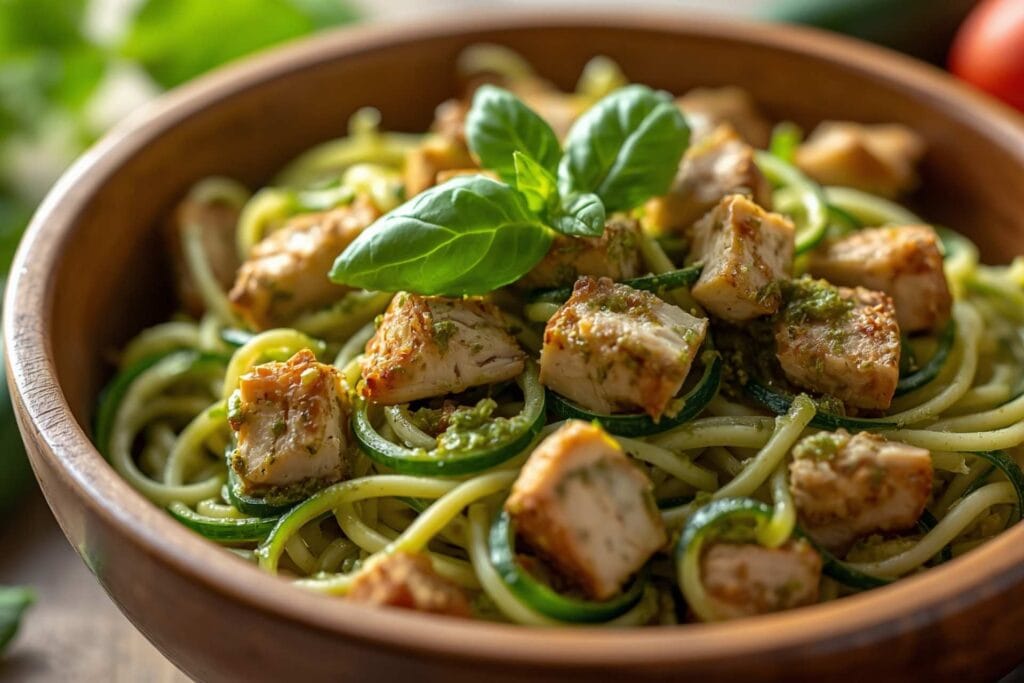
Ingredients and flavor variations
The basic version of this lunch is simple: zucchini noodles, cooked chicken, pesto, and a few finishing touches. But the beauty of low carb diet recipes is that they can be adjusted easily depending on what you have and what kind of flavor you are craving.
Core ingredients:
- Zucchini noodles
- Cooked chicken breast or shredded chicken
- Pesto
- Olive oil
- Garlic
- Salt and pepper
- Parmesan or mozzarella, if desired
Optional add-ins:
- Cherry tomatoes
- Spinach
- Mushrooms
- Pine nuts
- Lemon zest
- Red pepper flakes
- Fresh basil
If you want the lunch to taste brighter, add lemon zest or a squeeze of lemon juice. If you want something richer, add more pesto and a little Parmesan. If you want a more Mediterranean feel, toss in tomatoes and spinach.
That kind of flexibility is exactly what makes low carb diet recipes so useful: you can change the flavor without changing the whole structure of the meal.
Pesto itself is also a strong flavor base because it brings herbs, garlic, fat, and saltiness in one spoonful. That means you do not need a lot of extra ingredients to make the bowl taste complete. A small amount goes a long way, especially when the zucchini noodles are fresh and the chicken is well-seasoned.
Step-by-step prep
This lunch is easy enough for beginners, but it still feels polished when served well. The key is keeping each element simple and timing the noodles correctly. That is how low carb diet recipes stay fast without losing texture or flavor.
- Step 1: Prepare the zucchini noodles.
- Use a spiralizer or buy pre-spiralized zucchini if you want to save time. If you are making them yourself, keep the strands fairly even so they cook at the same rate.
- Step 2: Cook or warm the chicken.
- Shredded chicken, sliced grilled chicken, or leftover roasted chicken all work well. Season it lightly with salt, pepper, garlic, or Italian herbs.
- Step 3: Warm the pesto gently.
- You do not need to cook it hard. Just loosen it with a small splash of olive oil or water if it is thick, so it coats the noodles more evenly.
- Step 4: Sauté the zucchini noodles briefly.
- A quick toss in a skillet is usually enough. You want them just tender, not soft and limp.
- Step 5: Combine everything.
- Add the chicken to the zucchini noodles, spoon over the pesto, and toss gently until coated. Finish with parmesan, basil, or red pepper flakes.
- Step 6: Taste and adjust.
- This last step matters more than people think. A little extra salt, pepper, or lemon can brighten the whole bowl and make the flavors pop.
This recipe is a great example of how low carb diet recipes can feel effortless without feeling plain. It is all about choosing a few strong ingredients and letting them do the heavy lifting.
How to keep the noodles from getting watery
This is the part that makes or breaks the dish. Zucchini naturally holds a lot of water, so if you treat the noodles like regular pasta, they can turn soft and watery fast. That is not a problem with the recipe itself; it is just a texture issue that needs a little handling. Zucchini is known for its high water content, and culinary extension guidance notes that salting and draining can help keep cooked zucchini dishes from becoming watery. (40)
A few simple habits help a lot:
- Pat the zucchini noodles dry before cooking.
- Lightly salt them and let them sit briefly.
- Use a hot skillet so moisture evaporates quickly.
- Do not overcrowd the pan.
- Add pesto at the end, not too early.
If you are packing this lunch ahead of time, store the noodles and sauce separately when possible. That keeps the dish from soaking into itself before you are ready to eat. It also helps preserve the bright, fresh feel that makes low carb diet recipes like this one so appealing.
Another good trick is to keep the noodles slightly undercooked. They will soften a bit more as they sit, so a firmer texture at the start usually gives you the best result later. Think of it like building a bridge before the traffic starts. A little structure up front keeps the whole thing from collapsing in the lunchbox.
For even better results, choose toppings that absorb sauce without making the bowl watery. Parmesan, chicken, and a few cherry tomatoes work well, but avoid loading the bowl with too many extra wet ingredients at once. When you keep the balance right, this becomes one of those low carb diet recipes you will actually want to repeat, not just tolerate.
Recipe 10 — Cheeseburger Bowl with Pickles, Tomato, and Special Sauce
A cheeseburger bowl is one of those low carb diet recipes that feels almost too easy to be useful, which is exactly why it works so well. It gives you all the familiar comfort food flavors you already know—savory beef, melted cheese, juicy tomato, briny pickles, and that creamy “special sauce” finish—without the bun getting in the way. For busy lunch days, that matters because a meal is much easier to repeat when it feels satisfying and familiar. CDC guidance also supports building meals around protein and vegetables, which makes a bowl like this a very natural fit for a lower-carb routine. (41)
The real charm of this recipe is that it does not ask you to give up the food experience you actually want. It just changes the format. Instead of a burger that can get messy and heavy, you get a crisp, colorful bowl that is easy to pack, easy to customize, and easy to eat at your desk, in the car, or between errands.
That is why low carb diet recipes like this one are so useful for consistency: they feel like a treat, but they still fit into a simple weekday rhythm.
Why comfort food lunches help with consistency
Comfort food has a bad reputation sometimes, but in the context of low carb diet recipes, it can be a very smart tool. If lunch feels too bland or too “diet,” people often get bored fast and start reaching for whatever is easiest, even if it is not the best fit for their goals. A cheeseburger bowl solves that problem by giving you bold flavor and a familiar structure, which makes it more likely you will actually look forward to lunch instead of dreading it. Meals built around protein, vegetables, and healthy fats are also aligned with CDC and Mayo Clinic style guidance for balanced eating, so the bowl is not just satisfying; it is practical too. (42)
That is the quiet power of comfort food lunches. They reduce decision fatigue. When a lunch recipe tastes like something you already enjoy, you spend less energy talking yourself into eating it. That matters on busy days, because consistency usually wins over perfection. A recipe like this keeps low carb diet recipes feeling realistic instead of restrictive, and that is often the difference between sticking with a plan for three days and sticking with it for three months.
Ingredients and customization ideas
One reason this recipe belongs in any list of low carb diet recipes is how flexible it is. You can build the bowl with what you have, adjust the toppings to match your taste, and keep the carbs low without losing flavor. The base is simple, but the toppings are where you can make it your own.
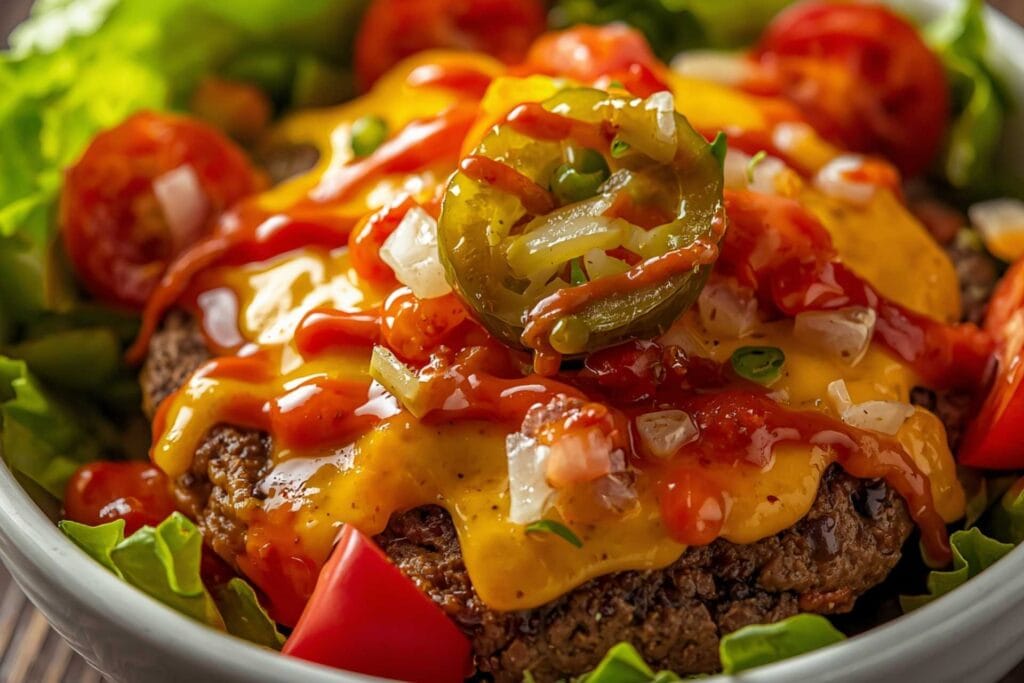
Core ingredients:
- Ground beef or ground turkey
- Shredded lettuce or chopped romaine
- Cherry tomatoes or diced tomato
- Pickles
- Shredded cheddar or sliced cheese
- Onion, if desired
- Salt, pepper, garlic powder, and paprika
Special sauce ideas:
- Mayo + mustard + relish
- Greek yogurt + mustard + a little pickle juice
- Mayo + ketchup-style sugar-free sauce, if it fits your plan
- Thousand Island-style sauce made in a lighter way
Customization ideas:
- Add avocado for extra creaminess
- Add bacon if you want a stronger burger flavor
- Add mushrooms for a more savory bowl
- Add jalapeños for heat
- Add chopped celery or cucumber for extra crunch
- Use shredded cabbage instead of lettuce for a sturdier base
This kind of flexibility is one reason low carb diet recipes work so well in real life. A recipe does not need to be rigid to be effective. In fact, the more adaptable it is, the more likely you are to make it again. You can keep the same burger flavor profile and still switch up the toppings depending on what is in the fridge.
If you want the lunch to feel lighter, use more lettuce and a smaller amount of sauce. If you want it to feel heartier, add more beef and cheese. Either way, the bowl still lands in the sweet spot of being filling without leaning on bread or fries.
Step-by-step prep
The method is straightforward, which is another reason this recipe is such a strong fit for low carb diet recipes. You do not need special equipment or complicated steps. You just need a hot pan, a few fresh toppings, and a sauce that brings the burger flavor together.
- Step 1: Cook the meat.
- Brown the ground beef or turkey in a skillet over medium heat. Season it with salt, pepper, garlic powder, and paprika. If there is extra fat, drain it off if needed.
- Step 2: Prepare the bowl base.
- Add shredded lettuce or chopped romaine to a bowl. If you want a sturdier base, shredded cabbage works well too.
- Step 3: Chop the toppings.
- Dice the tomato, slice the pickles, and chop any onion or extra vegetables you want to include.
- Step 4: Make the special sauce.
- Stir together mayonnaise, mustard, and a little relish or pickle juice. Keep it creamy, tangy, and simple.
- Step 5: Assemble the bowl.
- Add the hot meat over the lettuce, then layer on cheese, tomato, pickles, and any other toppings you like. Drizzle with sauce.
- Step 6: Finish and serve.
- Taste the bowl and add another pinch of salt or a little extra sauce if needed.
This is exactly the kind of meal that helps low carb diet recipes feel doable during a hectic week. It is fast enough for lunch, but still feels like you made something on purpose instead of grabbing random ingredients and hoping for the best.
Make-ahead and reheat tips
Meal prep is where this bowl really shines. You can cook the meat ahead of time, chop the toppings in advance, and keep the sauce separate until you are ready to eat. That makes the recipe especially practical for work lunches, because the only thing you need to do at mealtime is assemble and enjoy.
For food safety, USDA advises reheating leftovers to 165°F and using a food thermometer when possible. That is especially helpful for cooked meat dishes like this one. USDA also recommends covering food and reheating it evenly, which helps the bowl taste better and heat more consistently. (43, 44, 45)
A few extra tips make the bowl hold up even better:
- Store the lettuce separately from the meat.
- Keep pickles, tomato, and sauce in small containers.
- Reheat only the meat if you want the bowl warm.
- Add cheese after reheating so it softens without getting rubbery.
- Assemble right before eating to keep the texture crisp.
That separation step is what protects the whole recipe. The meat can be warm and savory, while the vegetables stay fresh and crunchy. When you pack low carb diet recipes this way, they feel much closer to restaurant quality and much less like leftover compromise food.
Another smart move is making double the meat and using it in another lunch later in the week. That way, your prep time works harder for you. One batch can become cheeseburger bowls, taco salad bowls, or stuffed peppers later on, which is exactly the kind of kitchen efficiency that keeps busy-day lunches from becoming boring.
Smart Low Carb Swaps That Make Lunch Easier
The fastest way to make low carb diet recipes feel sustainable is not to start from zero every time. It is to swap the parts of lunch that usually carry the most carbs and replace them with options that still feel familiar. That way, you keep the same comfort and structure you are used to, but the meal fits a lower-carb routine much more naturally. These little changes are powerful because they remove friction. Instead of asking, “What should I make that is totally different from everything else?” you are simply asking, “What is the best swap for this meal?”
That mindset matters more than people think. A lot of people do well with low carb diet recipes for a few days, then stall because lunch starts feeling repetitive or inconvenient. Smart swaps fix both problems at once. They make meals easier to assemble, easier to pack, and easier to enjoy. They also help you keep the foods you actually like, which is a big reason you will keep coming back to them.
Bread and wrap swaps
Bread is often the first thing people cut back on when they start looking for low carb diet recipes, and for good reason. Sandwiches and wraps are convenient, but the bread or tortilla usually carries a large share of the carbs. The good news is that you do not have to give up handheld lunches. You just need a better vessel.
Lettuce wraps are the simplest swap. They add crunch, freshness, and structure without much effort. Large romaine leaves, butter lettuce, or even cabbage leaves can hold chicken, tuna salad, turkey, or taco filling surprisingly well. If you want something a little sturdier, cabbage is a great choice because it gives you more bite and lasts longer in the fridge. That is especially helpful for low carb diet recipes that need to hold up until lunchtime.
Cheese wraps and egg wraps are another option when you want something more filling. They work especially well with deli meat, chicken, or egg salad. If you are not trying to keep carbs extremely low, low carb tortillas can also be a practical middle ground. They feel familiar and portable, which makes them useful for work lunches, school lunches, and busy days when you need something fast.
The best bread swap is the one you will actually use. If lettuce wraps feel too delicate, use cabbage. If you miss the softness of bread, use a low carb tortilla. If you want something that feels simple and fresh, build a lettuce cup or open-faced bowl instead. The goal with low carb diet recipes is not to be strict for the sake of it. The goal is to make lunch easier to repeat.
Rice, pasta, and noodle swaps
Rice, pasta, and noodles are the parts of lunch that often make a meal feel complete, so replacing them well can make a huge difference. The smartest low carb diet recipes do not try to eliminate that feeling. They recreate it more lightly. That is where cauliflower rice, zucchini noodles, spaghetti squash, and shredded cabbage come in.
Cauliflower rice is one of the most useful swaps because it works in so many directions. You can use it under stir-fried chicken, taco meat, garlic shrimp, or pesto chicken. It absorbs flavor well and gives you that bowl-like structure many people want at lunch. Zucchini noodles are another great option when you want something that feels a little more like pasta. They are especially good with pesto, tomato sauce, or simple garlic-and-olive-oil style meals.
Spaghetti squash offers a softer, stringy texture that works well in hot bowls. Shredded cabbage is more of a crunch-forward option, and it is great for stir-fry style lunches or sesame chicken bowls. The real value here is variety. When low carb diet recipes use different swaps, lunch stays interesting instead of feeling like one repeated formula.
It also helps to match the swap to the sauce. Thicker sauces usually work best with cauliflower rice or spaghetti squash, while lighter sauces cling well to zucchini noodles. If you want a more filling meal, pair the swap with plenty of protein and a few vegetables. That is how these dishes stay satisfying, not just lighter.
Crouton, chip, and cracker swaps
Crunch is one of the easiest things to miss when you cut back on carbs. A salad without crunch can feel flat, and lunch without a little texture often feels incomplete. That is why the best low carb diet recipes always think beyond the main ingredient. They add something crisp, salty, or toasty so the meal feels layered and alive.
Instead of croutons, try roasted nuts, seeds, parmesan crisps, or crispy chickpeas if they fit your carb plan. For salads, chopped celery, cucumbers, bell peppers, or radishes can add freshness and crunch without making the meal feel heavy. Cheese crisps also work well when you want a snacky topping that feels more substantial than lettuce alone.
If chips are what you miss, use cucumber rounds, bell pepper strips, or homemade cheese crisps as dippers. They pair well with tuna salad, chicken salad, or guacamole. Crackers can be swapped for seed crackers, sliced vegetables, or even thick cucumber rounds if the filling is creamy enough. These are the little things that keep low carb diet recipes from feeling bare.
The key is not just replacing the crunch, but replacing the experience. People often reach for chips or crackers because they want something salty, crisp, and fun to eat. A smart swap should deliver that same feeling while still fitting the lunch you are building. Once you find the right texture match, it becomes much easier to stick with your routine.
Sauce and dressing swaps
Sauces and dressings are where many low carb diet recipes quietly succeed or fail. You can have the perfect protein and vegetables, but if the sauce is too sweet or too heavy, the whole meal can drift away from your goal. On the other hand, a good dressing can make a simple lunch taste polished, bright, and satisfying.
The easiest swaps are usually the most reliable. Mustard, vinaigrette, olive oil with lemon, pesto, salsa, and yogurt-based dressings all bring strong flavor without relying on added sugar. For creamy lunches, you can mix mayonnaise with mustard, herbs, pickle juice, or a little Greek yogurt. That gives you the richness people usually want from a dressing, but with better control over the ingredients.
If you love bold flavors, hot sauce, chimichurri, tahini, and herb sauces can make low carb diet recipes feel much more exciting. Even a small drizzle can change the whole meal. That is especially useful for meal prep because food that tastes good cold or reheated usually depends on a flavorful sauce carrying the dish.
The smartest move is to keep sauces separate until you are ready to eat. That protects texture and helps your lunch stay fresh longer. It also gives you more control over flavor, which is helpful if you are packing several low carb diet recipes in a row and want each one to feel a little different. A good sauce swap does not just lower carbs. It makes lunch something you actually look forward to.
Common Low Carb Lunch Mistakes to Avoid
Even the best low carb diet recipes can fall flat if a few simple mistakes keep sneaking into your lunch routine.
The problem is not usually the idea of eating low carb. It is the small stuff: not enough protein, not enough texture, hidden sugars in sauces, or meals that are so small they leave you hungry long before the workday is over. Once you know what to watch for, these mistakes are easy to fix, and your lunches instantly become more satisfying and more repeatable.
A strong low carb lunch should feel complete. It should have enough substance to carry you through the afternoon, enough flavor to keep you interested, and enough structure that it still tastes good when packed ahead. That is the difference between random food and low carb diet recipes you actually keep making.
Too little protein
This is one of the biggest low carb lunch mistakes, and it is also one of the easiest to miss. A salad with lettuce, a few cucumbers, and a splash of dressing may look healthy, but if it barely contains any protein, it will not keep you full for long. The whole point of low carb diet recipes is not to eat less and feel miserable. It is to build meals that are lighter on starch but still satisfying enough to power your day.
Protein gives lunch staying power. It slows things down, balances the meal, and helps keep you from feeling snacky an hour later. That is why recipes like chicken lettuce wraps, tuna avocado bowls, egg salad cucumber boats, and cheeseburger bowls work so well. They do more than just fit the low carb format; they actually make the meal feel complete.
A good rule of thumb is to make protein the anchor, not the side note. If you are building one of your own low carb diet recipes, start with the main protein first and then build around it. That could mean grilled chicken over greens, turkey roll-ups with cheese, salmon stuffed in avocado, or a taco salad bowl with beef. The more intentional the protein is, the more balanced the lunch will feel.
Easy ways to fix this mistake:
- Add a full portion of chicken, turkey, tuna, salmon, beef, eggs, or tofu.
- Use leftovers from dinner to make lunch faster.
- Pair smaller protein portions with other filling ingredients like avocado, cheese, or Greek yogurt.
- Avoid building a lunch around vegetables alone unless it is paired with another solid protein source.
When protein is too low, low carb diet recipes stop feeling like meals and start feeling like appetizers. That is a fast path to hunger, snacking, and frustration.
Too little texture
Texture is the secret ingredient people forget most often. A lunch can have great ingredients and still feel boring if everything is soft, creamy, or one-note. One of the reasons low carb diet recipes succeed is that they can be built with crunch, creaminess, and freshness all in the same bowl. That mix keeps each bite interesting and helps the meal feel more substantial.
Think about the difference between a plain chicken salad and a chicken salad with celery, cucumber, herbs, nuts, and lettuce. Same basic idea, completely different eating experience. Texture adds satisfaction. Crunch wakes up the palate. Fresh herbs, crisp vegetables, and toasted toppings give lunch the kind of contrast that keeps it from feeling flat.
A lot of low carb lunches go wrong because they rely too heavily on soft foods. Creamy fillings are delicious, but they need something crisp to balance them out. If you are making low carb diet recipes at home, always ask yourself what the texture is doing. Is there crunch? Is there freshness? Is there contrast? If the answer is no, the meal may need one more ingredient.
Easy ways to fix this mistake:
- Add celery, cucumber, bell pepper, radish, cabbage, or lettuce for crunch.
- Use chopped nuts, seeds, or cheese crisps as toppings.
- Mix creamy ingredients with crisp vegetables.
- Combine warm and cool elements in the same lunch.
When texture is strong, low carb food feels more alive. That is what makes low carb diet recipes feel like something you want to eat, not just something you are trying to get through.
Hidden carbs in sauces and toppings
This is the sneaky one. A meal can look very low carb on the surface and still have more carbs than expected because of the dressing, sauce, glaze, or toppings. Sweet sauces, creamy dressings, bottled marinades, and even some “healthy” toppings can quietly push the carb count higher than planned. That is why many low carb diet recipes taste great at first but do not fit the goal as neatly as they seem.
The good news is that this problem is easy to control once you know where the hidden carbs tend to live. Honey mustard, barbecue sauce, sweet chili sauce, store-bought dressings, candied nuts, and crunchy toppings made with flour or sugar are common culprits. Even something as simple as a generous drizzle of sauce can change the balance of a lunch.
That does not mean you need to eat bland food. It just means the sauce should be chosen as carefully as the protein. Mustard, vinaigrette, pesto, salsa, herb-based dressings, olive oil with lemon, and yogurt-based sauces are all strong options for low carb diet recipes because they bring flavor without relying on sugar as heavily. When you control the sauce, you control a big part of the lunch.
Easy ways to fix this mistake:
- Check labels on sauces and dressings before using them.
- Keep dressings and sauces separate until serving.
- Use smaller amounts of bold sauces instead of pouring them on heavily.
- Choose simple ingredients like mustard, lemon juice, olive oil, salsa, or pesto.
Hidden carbs do not have to ruin a meal. They just need a little attention. Once you get used to spotting them, your low carb diet recipes become much more predictable and much easier to repeat.
Making lunch too small to last the afternoon
This mistake is so common because it often feels like the “healthy” thing to do. People make lunch smaller, lighter, and more restrained, then wonder why they are starving later. The truth is that a good low carb lunch should still be filling. The goal of low carb diet recipes is not to make yourself hungry on purpose. It is to create meals that support your energy and keep your afternoon on track.
If lunch is too small, your body will let you know. You may feel distracted, tired, or restless before the day is even halfway over. That is often a sign that the meal did not have enough protein, fat, or volume. A balanced low carb lunch should feel like it could actually carry you through the rest of the day, not just get you from noon to 1:00 p.m.
This is where many people underestimate the power of vegetables and healthy fats. A bowl can still be low carb and generous at the same time. Add enough chicken, beef, salmon, eggs, avocado, olive oil, or cheese, and the meal suddenly has more staying power.
That is one reason low carb diet recipes are so useful: they can be light without being tiny.
Easy ways to fix this mistake:
- Increase the protein portion.
- Add more low-carb vegetables for volume.
- Include a healthy fat like avocado, olives, cheese, or dressing.
- Pack a lunch that looks like a real meal, not a small snack plate.
A lunch that is too small usually leads to grazing later, which makes it harder to stay consistent. When you build low carb diet recipes with enough substance, you do not just stay fuller. You stay more focused, more satisfied, and more likely to stick with your plan.
The Bottom Line
Busy days do not have to derail lunch. Once you have a few reliable low carb diet recipes in your back pocket, the whole week gets easier. You can rotate between bowls, wraps, salads, and lettuce cups without falling into the same boring routine, and you can build meals that actually keep you going instead of making you sleepy. The best part is that lower-carb lunches do not need to be complicated to be good. They just need the right combination of protein, produce, fat, and flavor.
Start with one recipe, then add another next week. Before long, you will have your own personal rotation of low carb diet recipes that feel easy, satisfying, and repeatable.
FAQs
What can I eat for lunch on a low carb diet?
You can build lunch around protein, nonstarchy vegetables, and healthy fats. Good examples include chicken salad, tuna bowls, lettuce wraps, egg salad, salmon avocado plates, and other low carb diet recipes that keep starches lower while still feeling filling. CDC and Mayo Clinic both support meal patterns that emphasize vegetables and protein.
What are the best low carb lunch ideas for work?
The best work lunches are the ones that travel well. Chicken salad, turkey roll-ups, tuna avocado bowls, taco salad bowls, and cauliflower rice meals are strong choices because they are easy to pack and reheat or assemble later. These low carb diet recipes also hold up well in meal prep containers.
How many carbs should a low carb lunch have?
That depends on your overall eating style. Mayo Clinic explains that low-carb diets vary widely, and keto is much stricter than a general low-carb approach. The most useful answer is to choose low carb diet recipes that fit your plan, your schedule, and your health goals.
Can I meal prep low carb lunches for the whole week?
Yes, and it is one of the easiest ways to stay consistent. Prep proteins, vegetables, and dressings separately so your low carb diet recipes stay fresh. Some items will hold better than others, so it is smart to mix and match rather than make everything in one giant batch.
What is the easiest low carb lunch to make in under 10 minutes?
Tuna avocado salad, turkey roll-ups, egg salad cucumber boats, and chicken lettuce wraps are all fast options. These low carb diet recipes are especially helpful on days when you do not have time to cook but still want something satisfying.


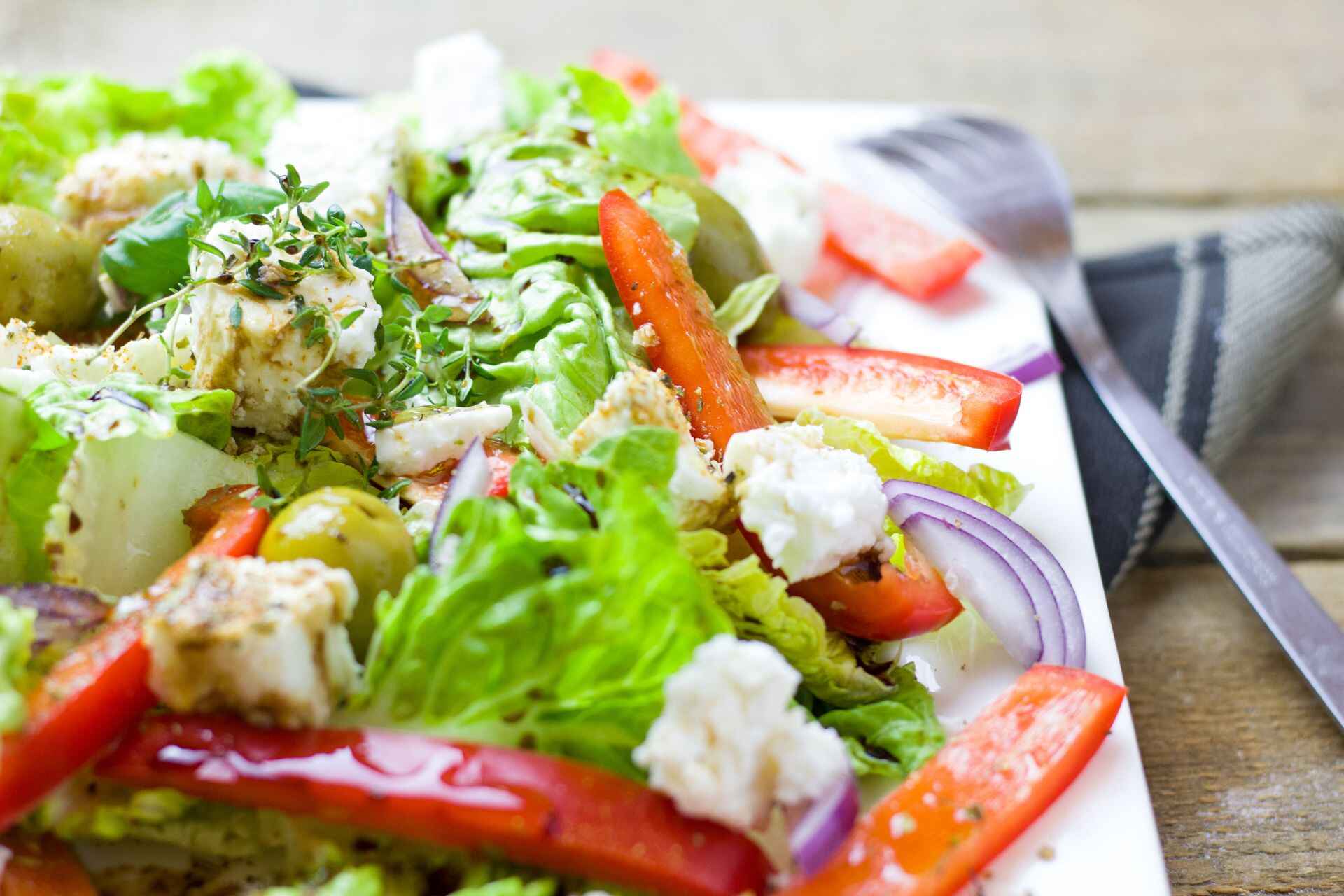
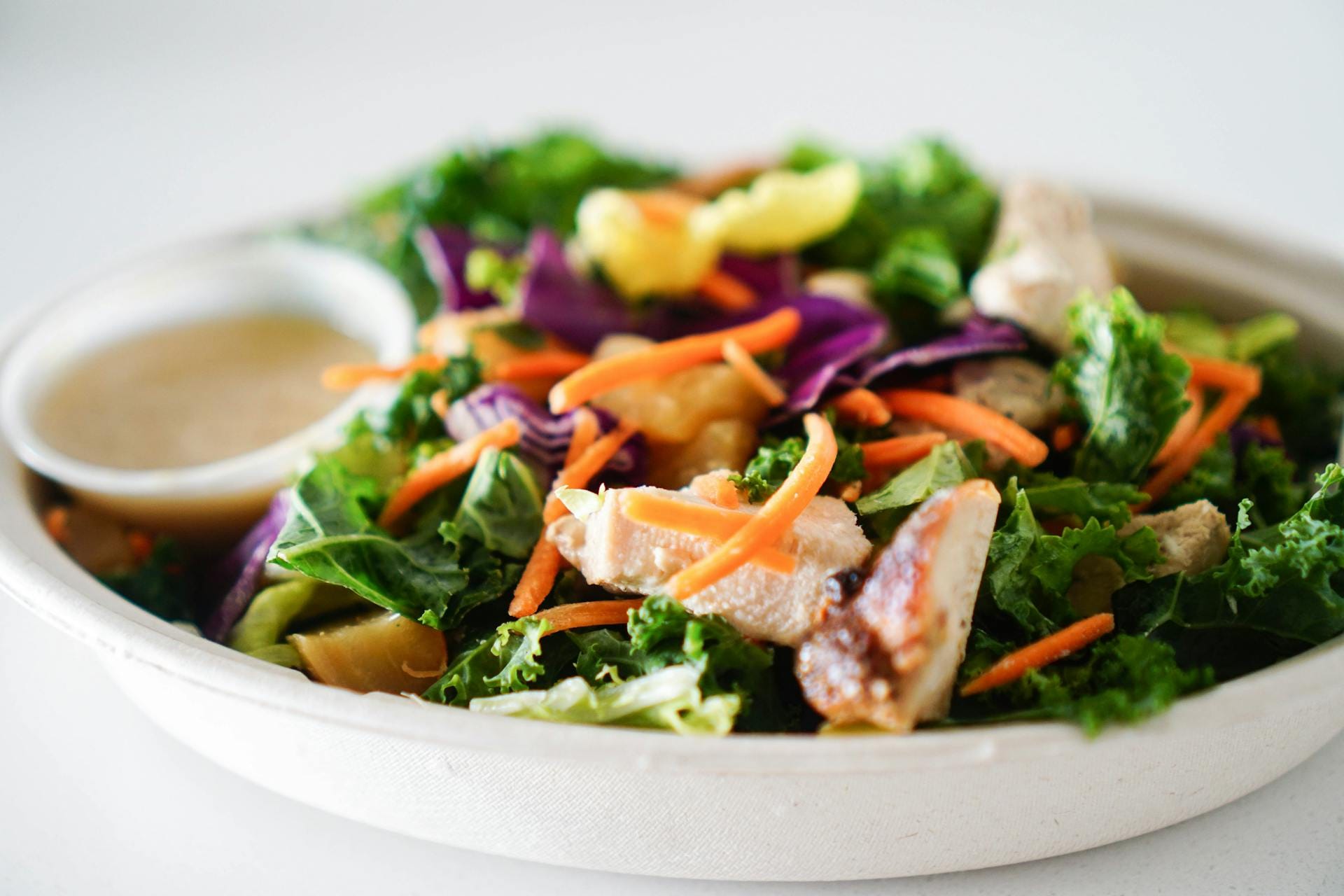
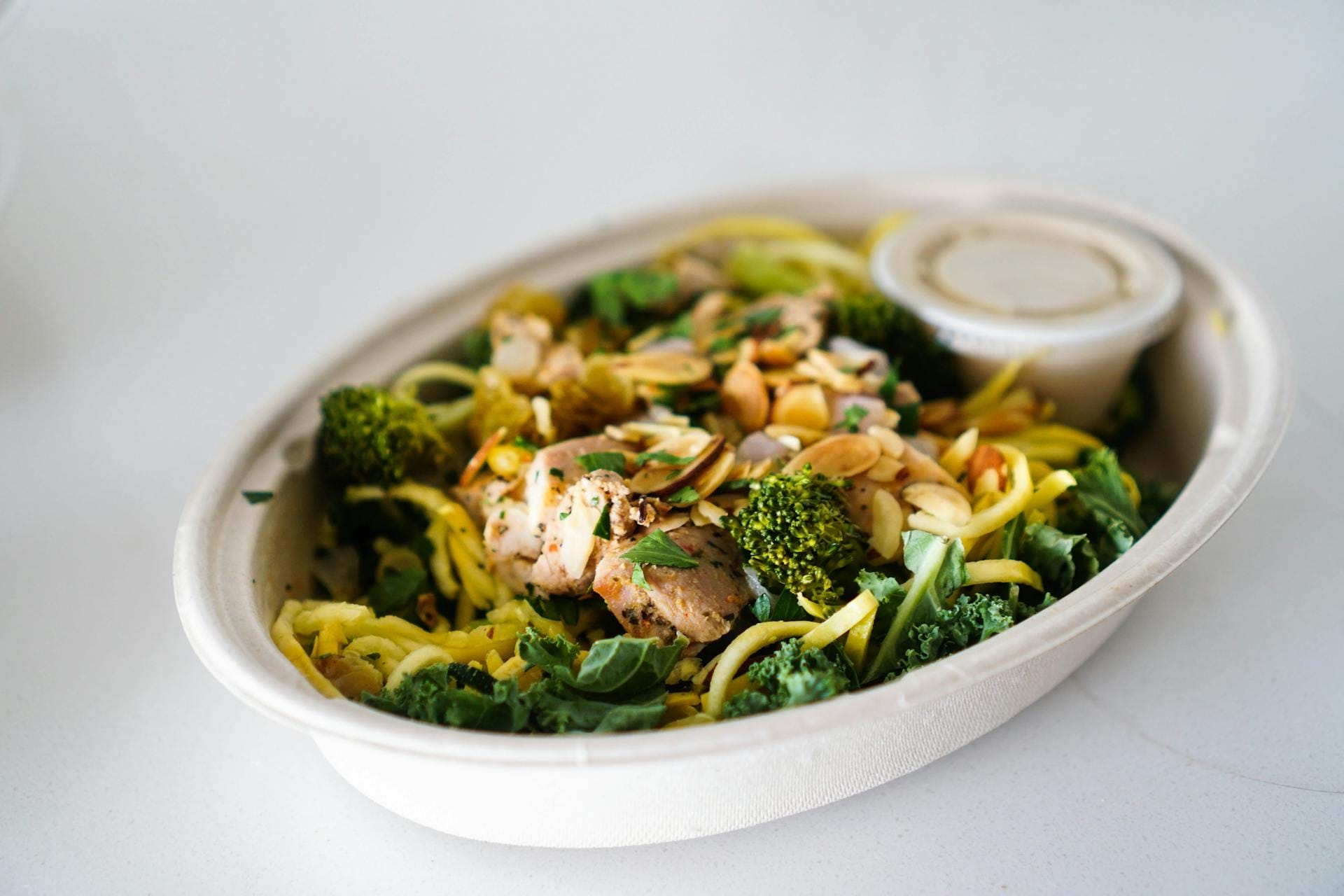
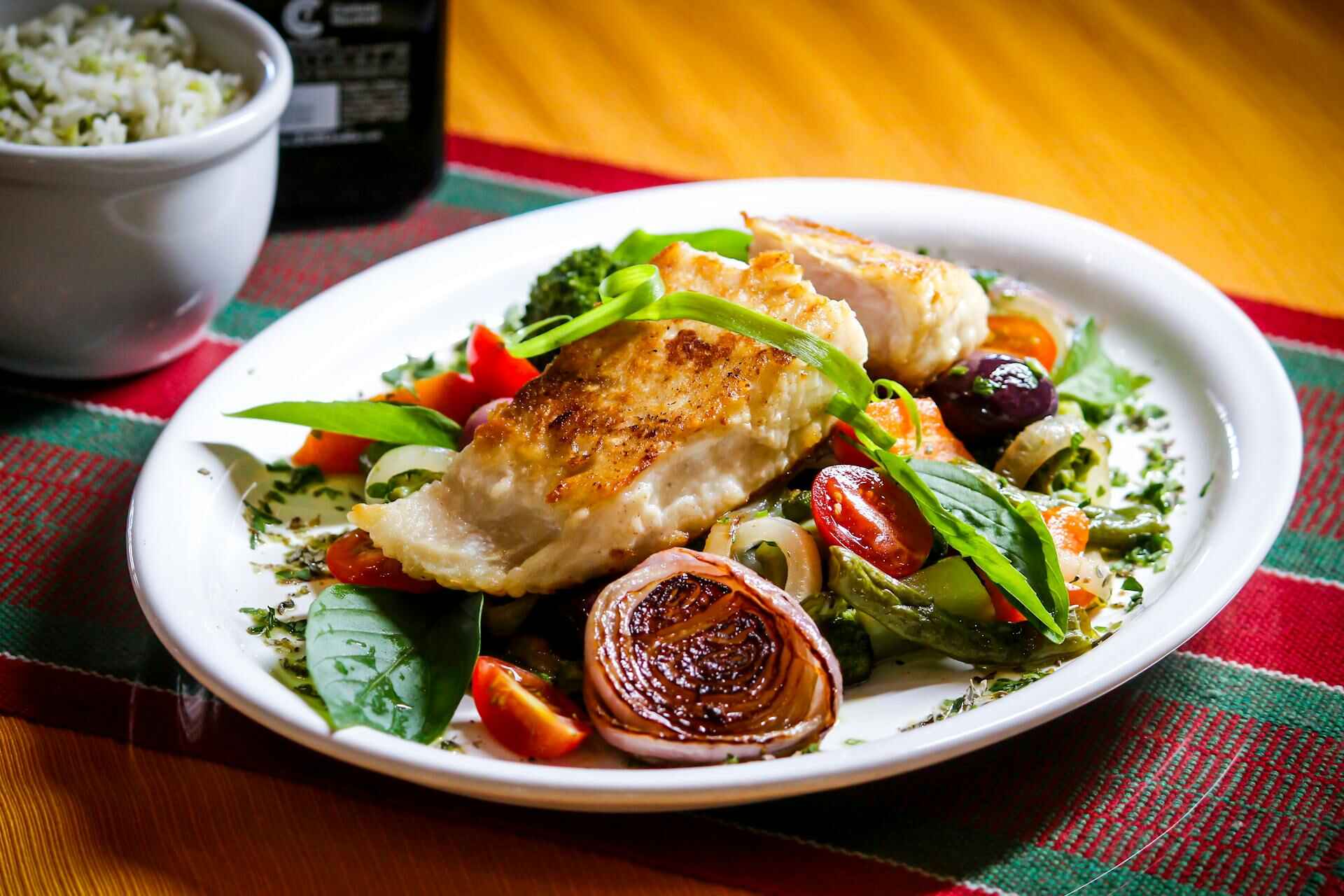
0 Comments