
Starting a new eating plan can feel a little like cleaning out an overstuffed closet. You know what you want to keep, you know some things have to go, but the sheer number of choices can make the first step feel harder than it needs to be.
A practical 30-day keto rapid fat loss plan gives you something much more useful than a list of forbidden foods: it gives you structure. Instead of wondering what to eat every morning, whether you are eating too much fat, or why the scale suddenly moved three pounds overnight, you have a framework for making decisions one day at a time.
There is one important distinction to make before we begin. Rapid scale weight loss is not the same thing as rapid body fat loss. When carbohydrate intake drops substantially, your body uses stored glycogen, and the water associated with that glycogen also changes. That can make the scale move quickly during the first several days, but it does not mean every pound represents newly burned body fat. For that reason, this 30-day keto rapid fat loss plan focuses on realistic progress, food quality, protein, physical activity, sleep, and habits that can continue after Day 30.
Current evidence supports a nuanced view of keto. A systematic review and meta-analysis published in August 2026 found a small additional reduction in body weight with ketogenic diets compared with higher-carbohydrate diets when prescribed energy intake was comparable, but the researchers rated the certainty of that evidence as low and emphasized that the available studies were predominantly short-term. Meanwhile, the CDC recommends gradual weight loss of roughly 1 to 2 pounds per week because people who lose weight at a steady pace are more likely to keep it off.
So think of this as a 30-day experiment in better habits, not a crash diet. Your goal isn't to force your body into losing a dramatic number on the scale. Your goal is to create a consistent keto calorie deficit, eat satisfying nutrient-dense food, protect muscle, move regularly, and learn what actually works for you.
Important: A ketogenic diet is not appropriate for everyone. People with diabetes, kidney disease, heart disease, certain metabolic conditions, pregnancy, breastfeeding, a history of eating disorders, or people taking certain medications should discuss major dietary changes with a qualified healthcare professional. The 2026 American Diabetes Association Standards of Care specifically identify very low carbohydrate eating, prolonged fasting, dehydration, and other factors as potential contributors to diabetic ketoacidosis risk among people taking SGLT2 inhibitors.
What Is the Keto Diet and How Does It Support Fat Loss?
The ketogenic diet is a very low carbohydrate eating pattern designed to shift the body's primary fuel source toward fat and ketones. When carbohydrate intake falls enough, the liver begins producing ketones from fatty acids. This metabolic state is called nutritional ketosis. Harvard Health explains that many people begin producing meaningful levels of ketones after reducing carbohydrates to roughly 20 to 50 grams per day, although the exact amount varies considerably from person to person. (1)
That sounds simple, but the practical side is more interesting. Your body is always using a mixture of fuels, and the proportion changes depending on what you eat, how active you are, how much energy your body needs, and what your recent food intake looks like. A 30-day ketogenic diet changes the available fuel landscape by sharply reducing carbohydrates, particularly sugar and starch. Once glycogen stores fall, your metabolism can rely more heavily on fatty acids and ketones.
But here's the part that gets lost in many flashy keto guides: ketosis does not magically override energy balance. Being in ketosis does not mean you can eat unlimited butter, cheese, cream, nuts, and keto desserts while expecting body fat to disappear. Weight loss still depends on the relationship between the energy you consume and the energy your body uses. NIDDK explains that successful weight management generally involves a sustainable eating pattern that reduces calorie intake when weight loss is the goal while supporting regular physical activity. (2, 3)
That is why a well-designed keto weight loss plan looks different from a plate piled with bacon and cheese. The better approach centers meals around adequate protein, non-starchy vegetables, healthy fats, and portions that support a reasonable calorie deficit. The diet can be low in carbohydrates without becoming nutritionally narrow.
Terminology also matters. Nutritional ketosis is different from diabetic ketoacidosis, a dangerous metabolic condition. Nutritional ketosis occurs as a normal adaptation to carbohydrate restriction, while diabetic ketoacidosis involves abnormal ketone accumulation and metabolic acidosis and requires urgent medical attention. People at risk for DKA should not assume that "being in ketosis" is automatically beneficial or safe.
How Much Weight Can You Realistically Lose on Keto in 30 Days?
This is probably the question everyone wants answered: how much weight can you lose on keto in 30 days?
The honest answer is that there is no single number that applies to everyone. Your starting weight, body composition, food intake, activity level, water balance, genetics, medications, sleep, and consistency all influence the result. Two people can follow almost identical 30 day keto weight loss plans and see very different numbers on the scale.
The CDC recommends a gradual rate of around 1 to 2 pounds per week for people pursuing weight loss, noting that steady weight loss is more likely to be maintained than faster loss. That gives you a useful reality check. It doesn't mean everyone will lose exactly that amount, and it certainly does not mean a person who loses less is failing. (4)
Keto can make the first week look different.
When carbohydrate intake drops, glycogen stores decrease. Glycogen is stored together with water, so reducing glycogen can produce a noticeable early change in body weight. Some of that initial drop is therefore water rather than adipose tissue. You might step on the scale after five days and think, "Wow, this keto fat burning thing is working incredibly fast." Maybe some body fat has been lost, but it would be a mistake to interpret the entire change as fat.
Current research also doesn't justify promising an enormous fixed loss. The 2026 systematic review and meta-analysis found that ketogenic diets were associated with about 1.49 kg greater weight loss than higher-carbohydrate diets under comparable prescribed energy conditions, but the evidence was rated low certainty, and the researchers cautioned that the studies were mostly short-term. (5)
So your goal for this 30-day keto rapid fat loss plan should be to look at the whole picture.
Track:
- Weekly average body weight
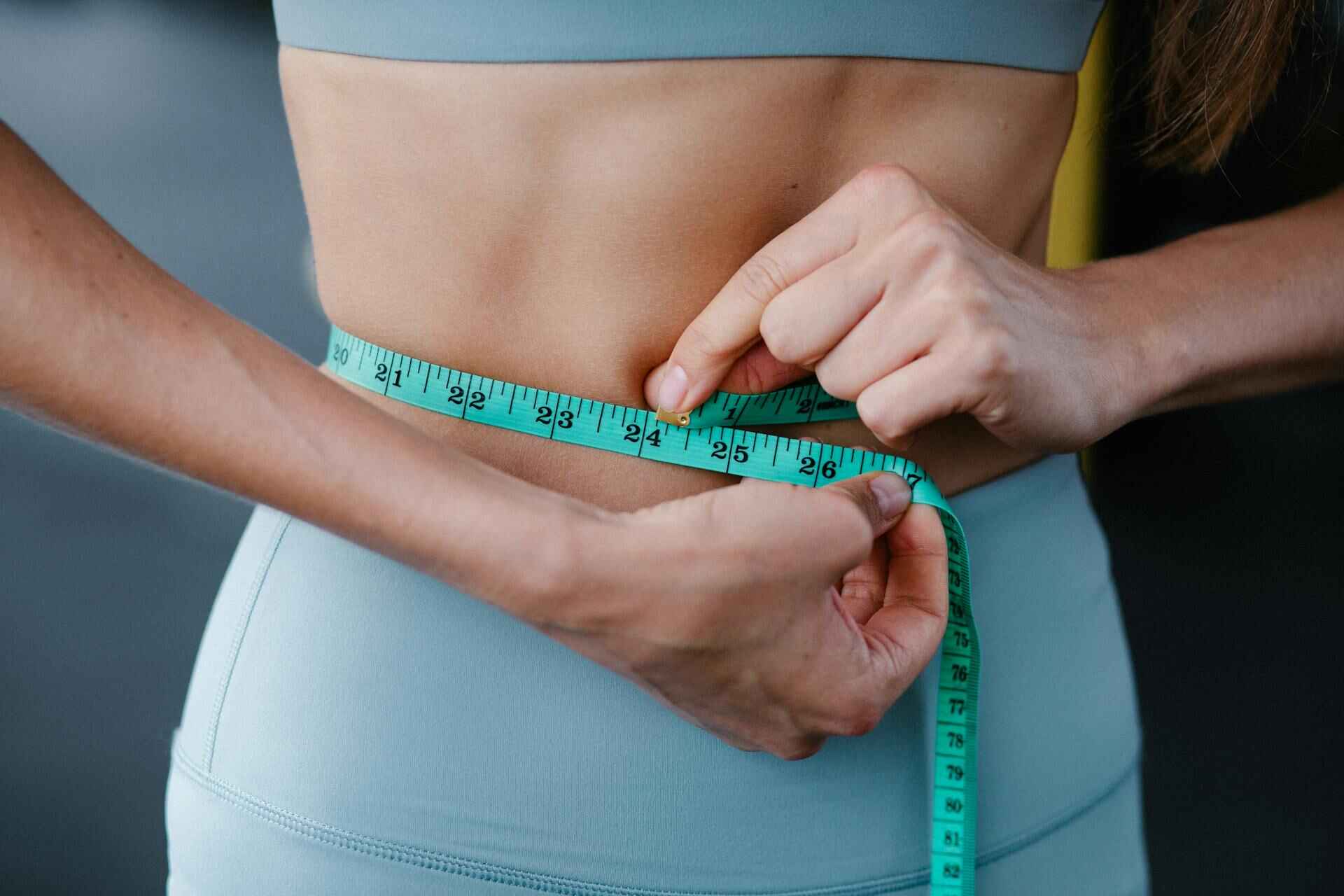
- Waist circumference
- How your clothes fit
- Strength and physical performance
- Hunger and fullness
- Energy levels
- Sleep quality
- Diet adherence
- Daily movement
A single weigh-in is a snapshot. Your weekly trend is the story.
Another useful perspective comes from NIDDK. For people with overweight or obesity, structured weight management guidance commonly uses an initial target of around 5% to 10% of starting weight over six months, rather than expecting dramatic short-term transformations. (6)
That may sound less exciting than a "lose 15 pounds in 30 days" headline, but it is much more useful when you are building a plan you can actually live with.
The 30-Day Keto Fat Loss Framework: Four Weeks, Four Goals
The biggest mistake you can make with a 30 day keto diet plan is treating every day as a battle against the scale.
Instead, give each week a different job.
Week 1 is adaptation.
Week 2 is consistency.
Week 3 is activity and fat loss habits.
Week 4 is consolidation and maintenance.
This structure turns a vague goal into a sequence of manageable steps.
Week 1 — Keto Adaptation and Carb Reduction
The first week is not the week to see how little you can eat.
Your primary goal is to reduce major sources of carbohydrates while learning what a balanced keto plate looks like. Remove sugary drinks, sweets, bread, pasta, rice, most conventional baked goods, and other high-carbohydrate staples. At the same time, add protein, low carb vegetables, and satisfying fats so your meals feel like meals rather than punishment.
This is also when many people first experience the keto flu. The transition can be uncomfortable for some people, with symptoms such as headache, fatigue, irritability, and nausea appearing during the early adaptation period. Cleveland Clinic's 2026 guidance notes that "keto flu" is not actual influenza but rather a collection of symptoms that some people experience as they transition into ketosis. (7)
Don't respond to early discomfort by eating almost nothing.
Drink fluids regularly, eat enough food, include vegetables, and pay attention to how you're feeling. If symptoms are severe, persistent, or unusual, don't automatically label them "keto flu."
Your first week's mission is simple: learn the pattern.
Week 2 — Consistency and Appetite Control
By Week 2, you should stop thinking of the diet as a temporary emergency.
Create a handful of meals you genuinely enjoy and rotate them. This is where a keto meal plan for weight loss becomes useful. When breakfast is already decided, and you know what's waiting for lunch, you remove dozens of little decisions from your day.
Build meals around a protein source, several servings of non-starchy vegetables, and a measured source of healthy fat. Don't automatically add extra fat just because keto is a high-fat eating pattern. Fat is energy-dense, and generous portions can make it surprisingly easy to erase your intended calorie deficit.
Your second week goal is not perfection. It is repetition.
Week 3 — Fat-Loss Habits and Activity
Now it is time to make movement part of the routine.
A keto exercise plan should not be designed around punishing yourself for eating. Instead, use walking, resistance training, and moderate cardio to support overall health and help preserve lean tissue while you lose weight.
The CDC's current guidance recommends that adults get at least 150 minutes of moderate intensity physical activity each week plus muscle strengthening activities on at least two days. (8, 9)
Start where you are.
If you're currently sedentary, a daily brisk walk is meaningful. You don't need to jump into six days of intense workouts simply because you're trying keto for belly fat. More isn't automatically better.
Week 4 — Consolidation and Long-Term Planning
Week 4 is where the plan gets interesting.
You've now spent almost a month learning how your body responds to reduced carbohydrate intake, different portion sizes, structured meals, and regular movement. This is the moment to review your progress without emotional judgment.
Ask yourself:
- Which meals kept me full?
- Which foods triggered overeating?
- Did hunger decrease?
- Did my waist measurement change?
- Did my strength improve?
- Did my energy become more stable?
- Can I realistically continue this approach?
Your answer to those questions is more valuable than the number on your scale.
Keto Macronutrients: How Many Carbs, Protein, and Fat Should You Eat?
Let's talk about keto macros for weight loss without pretending there is one magical ratio for every human body.
A traditional ketogenic diet is characterized by very low carbohydrate intake and a relatively high proportion of calories from fat. Harvard Health notes that carbohydrate intake may need to fall into the rough range of 20 to 50 grams per day for many people to reach ketosis, but individual responses differ. (10)
That does not mean you need to hit exactly 25 grams of carbohydrates every single day.
Your protein needs matter too.
Protein helps provide amino acids for maintaining and repairing body tissues, and adequate protein intake is particularly relevant when calories are reduced. A person trying to lose body fat while preserving as much lean mass as possible should think beyond the simplistic "fat is good because keto" message.
Then there is dietary fat.
Yes, fat is the defining macronutrient of a ketogenic diet. No, that doesn't mean dietary fat should be unlimited.
Think of added fat as a dial rather than an on/off switch. Olive oil, avocado, nuts, seeds, and fatty fish can be useful components of a nutrient-rich eating pattern, but portions still matter. Two tablespoons of oil can quietly add a substantial amount of energy to a salad, even though the salad itself is low in carbohydrates.
Your keto calorie deficit still matters.
A simple meal building framework is:
- Start with protein.
- Add a generous portion of low carb vegetables.
- Add a measured portion of healthy fat.
- Adjust portions based on hunger, body size, activity, and goals.
- Track your overall intake when progress or appetite becomes difficult to understand.
NIDDK notes that calorie needs vary with factors including age, body size, sex, metabolism, and physical activity. (11, 12)
This is why generic "eat exactly 1,200 calories and 80% fat" prescriptions can be inappropriate.
Your keto protein intake also deserves attention. Rather than trying to keep protein artificially low because you're worried about "kicking yourself out of ketosis," prioritize adequate protein and build your carbohydrate and fat intake around your individual needs. A carefully designed plan should serve your nutritional needs, not the other way around.
What to Eat on a 30-Day Keto Fat Loss Plan
A good keto meal plan should feel surprisingly ordinary.
You don't need twelve exotic powders, specialty crackers, expensive oils, or dozens of packaged "keto" snacks. Start with recognizable food.
Think about your plate as a simple formula:
Protein + low carb vegetables + healthy fat + flavor.
Protein options can include eggs, chicken, turkey, beef, fish, seafood, Greek yogurt, and other protein-rich foods that fit your dietary needs. Vegetables can include leafy greens, broccoli, cauliflower, zucchini, mushrooms, asparagus, cucumber, peppers, cabbage, and green beans.
Then bring in healthy fats.
Olive oil is an easy choice. So are avocado, nuts, seeds, olives, and fatty fish. Harvard specifically recommends healthier fat and protein sources such as olive oil, avocados, and nuts when discussing keto approaches.
Here are useful keto foods for fat loss:
- Eggs
- Salmon
- Sardines
- Tuna
- Chicken breast or thighs
- Turkey
- Leaner cuts of beef
- Shrimp and other seafood
- Greek yogurt without added sugar
- Avocado
- Olive oil
- Olives
- Almonds
- Walnuts
- Chia seeds
- Flaxseeds
- Pumpkin seeds
- Broccoli
- Cauliflower
- Spinach
- Kale
- Zucchini
- Mushrooms
- Asparagus
- Cucumber
- Cabbage
- Green beans
- Small portions of berries
Notice something?
It's not a menu made entirely of meat and dairy.
That matters because a well-formulated keto diet weight loss plan should provide a broad range of nutrients rather than relying on bacon, butter, cheese, and processed meats at every meal.
Harvard Health warns that poorly formulated keto diets can create concerns around nutrient adequacy and saturated fat. (13)
The goal is not simply to become "low carb."
The goal is to create a food pattern you can actually feel good eating.
30-Day Keto Foods to Limit or Avoid
A useful keto foods to avoid list is less about creating fear around individual foods and more about protecting your carbohydrate target and overall calorie intake.
Most conventional sources of added sugar and refined starch are difficult to fit into a strict ketogenic pattern. That includes sweetened drinks, candy, traditional desserts, bread, pasta, rice, many breakfast cereals, and large servings of potatoes.
Common foods to limit include:
- Sugary soda and sweetened beverages
- Candy
- Cakes and pastries
- Traditional bread
- Pasta
- Rice
- Sweet breakfast cereals
- Large servings of potatoes
- Sweetened yogurt
- Sugary sauces
- Sugar-heavy condiments
- High-carbohydrate packaged snacks
But there is another category that deserves attention: processed "keto" foods.
A cookie can be marketed as keto and still be easy to overeat. A low carb chocolate bar can still provide substantial calories. A keto pizza can still be a calorie-dense pizza.
The word "keto" on a package is not a nutritional halo.
Read the nutrition label. Look at serving size. Look at protein, fiber, saturated fat, and total calories. Then ask yourself whether the food is actually helping your 30-day keto rapid fat loss plan or simply giving you a clever way to eat dessert every afternoon.
A 7-Day Keto Meal Plan to Repeat Across the 30 Days
You don't need 30 completely different days of food.
In fact, trying to invent 90 unique meals can make healthy eating exhausting. A better strategy is to use a 7-day keto meal plan for weight loss, repeat it, and make small substitutions based on preference and availability.
The following framework is a starting point rather than a personalized prescription.
| Day | Breakfast | Lunch | Dinner | Optional Snack |
|---|---|---|---|---|
| 1 | Eggs, Spinach and Avocado | Chicken Salad | Salmon with Broccoli | Plain Greek Yogurt |
| 2 | Greek Yogurt with Chia and a Few Berries | Tuna Lettuce Wraps | Chicken with Cauliflower | Almonds |
| 3 | Vegetable Omelet | Turkey and Avocado Salad | White Fish with Roasted Vegetables | Cucumber with Cheese |
| 4 | Eggs with Mushrooms | Chicken Vegetable Bowl | Lean Beef with Zucchini | Walnuts |
| 5 | Chia Seed Bowl | Salmon Salad | Chicken with Green Beans | Greek Yogurt |
| 6 | Scrambled Eggs and Vegetables | Tuna Cucumber Salad | Turkey with Cauliflower Mash | Macadamias |
| 7 | Greek Yogurt with Chia and Berries | Egg Salad Lettuce Cups | Salmon with Asparagus | A Small Handful of Nuts |
The meal plan works because it is flexible.
Don't like salmon? Use sardines, tuna, chicken, turkey, or another protein source.
Don't eat dairy? Leave out the yogurt and cheese and choose another protein-rich option.
Vegetarian? Use lower-carbohydrate plant foods such as tofu and other suitable protein sources while paying attention to total carbohydrate intake.
The trick is not culinary perfection. It's building meals that make hunger easier to manage.
A breakfast of eggs, spinach, and avocado can be assembled in minutes. A chicken salad can be prepared in bulk. Salmon can be cooked alongside vegetables. Leftover chicken can become tomorrow's lunch.
This is where meal prep becomes your quiet superpower.
Instead of asking, "What am I going to eat?" at 12:30 p.m. while starving, you open the refrigerator and find an answer waiting.
Keto Grocery List for 30 Days
A good keto grocery list should make healthy choices easier rather than turning your kitchen into a low carb laboratory.
Start with the perimeter of the store and then add a few useful pantry staples.
Protein
- Eggs
- Chicken
- Turkey
- Salmon
- Tuna
- Sardines
- Shrimp
- Lean beef
- Other fish and seafood
- Greek yogurt, if tolerated
- Tofu or other suitable plant proteins
Low Carb Vegetables
- Spinach
- Kale
- Broccoli
- Cauliflower
- Zucchini
- Mushrooms
- Cucumber
- Cabbage
- Asparagus
- Green beans
- Bell peppers
- Lettuce
- Brussels sprouts
Healthy Fats
- Extra-virgin olive oil
- Avocados
- Olives
- Almonds
- Walnuts
- Chia seeds
- Flaxseeds
- Pumpkin seeds
Pantry Staples
- Herbs
- Spices
- Garlic
- Vinegar
- Mustard without added sugar
- Unsweetened nut butter
- Canned fish
- Low-sodium broth
- Chia seeds
- Flaxseed meal
Read labels carefully.
A product may claim to be low carb while containing more carbohydrate than you expect. Serving sizes can also be surprisingly small.
Your grocery list should support the plan, not tempt you into eating foods merely because they carry a keto label.
Exercise for Faster Fat Loss Without Sacrificing Muscle
Here's where the phrase keto fat burning needs a reality check.
Your body can increase its use of fat as a fuel source during carbohydrate restriction, but that doesn't mean every workout causes a dramatic increase in body fat loss. Exercise is valuable because it supports physical fitness, helps maintain or build muscle, increases energy expenditure, and contributes to overall health.
The best keto exercise plan is one you can repeat.
For many adults, that means combining walking or other aerobic movement with resistance training. The CDC currently recommends at least 150 minutes of moderate intensity aerobic activity per week and muscle strengthening activity on at least two days. (14)
A simple weekly structure might look like this:
| Day | Activity |
|---|---|
| Monday | 30-Minute Brisk Walk + Full-Body Strength |
| Tuesday | 30-Minute Brisk Walk |
| Wednesday | 30-Minute Walk + Mobility |
| Thursday | Full-Body Strength + Short Walk |
| Friday | 30-Minute Brisk Walk |
| Saturday | Longer Easy Walk or Preferred Activity |
| Sunday | Recovery and Light Movement |
Strength training deserves special attention.
When you are eating in a calorie deficit, preserving lean tissue becomes an important goal. Resistance training provides your muscles with a reason to stay strong. You don't need a complicated bodybuilding split. Squats, hinges, presses, pulls, carries, and appropriately scaled bodyweight exercises can form a useful foundation.
And please don't make the common mistake of trying to "exercise off" every calorie you eat.
Your workout should support your life, not become another punishment.
Keto Flu, Hunger, Fatigue, Constipation, and Other First-Week Problems
The keto flu can make Day 3 feel very different from Day 30.
Some people experience headache, fatigue, irritability, nausea, dizziness, muscle cramps, or digestive changes while adapting to a ketogenic diet. Cleveland Clinic's 2026 guidance describes these symptoms as a temporary collection of effects that can occur during the transition to ketosis, sometimes beginning a few days into the process. (15)
The important word is temporary.
Don't assume every uncomfortable symptom is something you simply have to endure.
Start with the basics:
- Drink enough fluids.
- Eat actual meals rather than dramatically undereating.
- Include vegetables.
- Avoid making carbohydrate restriction more extreme than necessary.
- Pay attention to fiber.
- Give yourself recovery time.
- Consider your overall diet quality.
Constipation is another common complaint.
When people cut bread, grains, beans, many fruits, and other carbohydrate containing foods without deliberately replacing their fiber sources, bowel habits can change. The solution isn't to eat nothing but meat and cheese.
Build meals around low carb vegetables, seeds, nuts, and other fiber containing foods that fit your dietary approach.
And remember: symptoms that are severe, persistent, or unusual deserve medical attention. Not everything should be labeled the "keto flu."
Electrolytes, Hydration, Fiber, and Nutrients on Keto
During a one month keto diet, hydration and nutrient quality deserve more attention than they typically receive on social media.
Carbohydrate restriction can change fluid and electrolyte balance, particularly during the transition into ketosis. That is one reason people sometimes associate keto with headaches, fatigue, or muscle cramps.
But electrolyte supplements aren't automatically appropriate for everyone.
If you have kidney disease, cardiovascular conditions, take medications that affect potassium or sodium, or have another medical condition, you should ask a healthcare professional before deliberately increasing electrolyte intake.
Hydration is also individual.
Drink regularly according to thirst, environment, activity, and medical guidance rather than forcing huge amounts of water.
Then consider fiber.
Your vegetables aren't decoration. They're one of the nutritional foundations of the plan. Dark leafy greens, broccoli, cauliflower, cabbage, zucchini, chia seeds, flaxseeds, nuts, and other low-carbohydrate plant foods can contribute fiber and micronutrients.
Harvard Health specifically notes potential nutrient deficiencies as one of the concerns with restrictive ketogenic diets, which is another reason food quality matters.
A smart 30 day keto diet plan should therefore prioritize:
Protein + vegetables + healthy fats + fiber + adequate fluids + nutritional variety.
The more narrowly you eat, the harder it becomes to cover your nutritional bases.
Common Keto Fat Loss Mistakes That Can Stall Progress
Sometimes the problem isn't that keto "stopped working."
Sometimes the plan quietly changed.
Here are some of the most common issues.
Eating too much dietary fat
"Fat is allowed" can quickly become "fat is unlimited."
It isn't.
Olive oil, nuts, cheese, butter, cream, avocado, and other high-fat foods can all fit into a keto plan, but large quantities can make it difficult to maintain a calorie deficit.
Too little protein
A meal containing nothing but coffee and cream may be low carb, but it isn't necessarily a satisfying fat loss meal.
Too many keto snacks
Keto bars, cookies, fat bombs, desserts, and cheese snacks can turn into a constant stream of calories.
Ignoring portions
Low carb does not mean calorie-free.
Drinking calories
Cream-heavy coffees, smoothies, alcoholic drinks, and sweetened beverages can quietly add calories.
Weekend overeating
Five careful days followed by two days of uncontrolled eating can erase a large portion of the weekly deficit.
Expecting ketosis to guarantee fat loss
A ketone meter can tell you something about ketone levels. It cannot tell you that you are definitely losing body fat at a particular rate.
Changing the plan too quickly
Your scale is not a perfect daily measurement of fat tissue. Sodium, hydration, digestive contents, exercise, and hormonal changes can all affect weight.
The better question is not, "Why didn't I lose weight today?"
Ask, "What is my trend over several weeks?"
Is Rapid Keto Weight Loss Actually Fat Loss? Understanding the Scale
Imagine stepping on the scale one morning and seeing that you weigh three pounds less than you did a week ago.
It is tempting to calculate: "Three pounds of fat gone."
Real biology is messier.
Weight represents much more than fat. It includes body water, glycogen, digestive contents, muscle tissue, fat tissue, and other components. During the early days of carbohydrate restriction, glycogen depletion and accompanying water changes can make the scale move faster than the underlying reduction in adipose tissue.
That's why the dramatic first week drop seen in some keto weight loss results should not become your expected weekly rate.
Instead, measure several things.
1. Weekly Weight Average
Weighing under similar conditions can help you see the trend. Add the readings together and calculate an average rather than reacting to one day's number.
2. Waist Circumference
Your waist measurement can provide another perspective on changes in body size. NIDDK notes that waist circumference can help assess weight related health risk alongside BMI.
3. Clothing Fit
That old pair of jeans can sometimes tell a more intuitive story than a scale.
4. Strength
If you are lifting weights, track your performance.
5. Photos
Progress photos can be useful when taken under consistent conditions.
The result is a much clearer picture.
You're no longer asking, "How much weight did I lose yesterday?"
You're asking, "What direction are my measurements moving over time?"
That is a much better question.
Who Should Not Start a 30-Day Keto Diet Without Medical Guidance?
A 30-day keto rapid fat loss plan should not be treated as a universal prescription.
Some people need individualized medical advice before making major carbohydrate or calorie changes.
That includes people with conditions such as diabetes, kidney disease, certain liver or metabolic conditions, and those taking medications that can be affected by dietary changes. Pregnancy and breastfeeding also warrant individualized guidance.
The issue becomes especially important for people taking SGLT2 inhibitors.
The American Diabetes Association's 2026 Standards of Care identify very low carbohydrate eating patterns, prolonged fasting, dehydration, and other factors as risk factors for diabetic ketoacidosis among people taking SGLT2 inhibitors. DKA can sometimes occur without extremely high glucose levels.
That makes "I'll just try keto for 30 days" an inappropriate casual experiment for some people.
Before beginning, talk with a qualified healthcare professional if you:
- Have diabetes.
- Take insulin or glucose lowering medication.
- Take an SGLT2 inhibitor.
- Have kidney disease.
- Have heart disease.
- Are pregnant or breastfeeding.
- Have a history of an eating disorder.
- Have a condition requiring a specialized diet.
- Take medication that could be affected by major diet changes.
Mayo Clinic's 2026 guidance on low carbohydrate diets also recommends discussing a weight loss diet with a healthcare professional, particularly if you have conditions such as diabetes, heart disease, or kidney disease. (16)
There is no prize for doing a diet unsafely.
Keto Fat Choices: Healthy Fats vs. Too Much Saturated Fat
One of the easiest mistakes in keto is thinking that because dietary fat is emphasized, all sources of fat are equally desirable.
They're not.
A nutrient conscious keto fat loss plan can emphasize unsaturated fat sources such as extra-virgin olive oil, avocado, nuts, seeds, and fatty fish while keeping an eye on large amounts of butter, heavy cream, fatty processed meats, and other sources high in saturated fat.
The American Heart Association recommends limiting saturated fat to less than 6% of total calories for cardiovascular health. It also emphasizes replacing saturated fat with unsaturated fat rather than simply adding more fat to the diet. (17)
This doesn't mean you need to build a fat-free keto diet.
That's not the point.
Instead, think about fat quality.
For example, a lunch of grilled salmon, leafy greens, avocado, and olive oil is nutritionally different from a lunch consisting primarily of processed meats, cheese, and butter.
Both might be very low in carbohydrates.
But "low carb" doesn't automatically mean "nutritionally equivalent."
The quality of your fats should be part of your 30-day keto rapid fat loss plan, especially if your goal is to create an eating pattern you can continue beyond the initial month.
How to Track Your 30-Day Results
A simple tracking system keeps your emotions from taking over.
At the beginning of Day 1, record:
- Body weight
- Waist measurement
- Optional hip measurement
- Front and side progress photos
- Typical daily step count
- Current exercise routine
- Hunger level
- Sleep pattern
Then repeat your measurements weekly.
You can also make a simple daily note:
- Food: Followed plan / mostly followed / off plan
- Movement: Steps + exercise
- Hunger: Low / moderate / high
- Energy: Low / moderate/high
- Sleep: Hours + quality
- Notes: Anything unusual
You don't need to become obsessed with data.
You simply want enough information to identify patterns.
For example, you might discover that you eat well Monday through Thursday but consistently overeat nuts and cheese on Friday nights. Or perhaps you discover that your hunger becomes significantly worse after poor sleep. Or maybe your scale isn't changing, but your waist is smaller, and your gym performance is improving.
Those are useful observations.
Ketone testing can be used by some people who deliberately follow ketogenic diets, but don't let a ketone reading become a scorecard for personal success. A higher number isn't automatically better, and "being in ketosis" doesn't tell you how much body fat you lost that day.
What to Do When Weight Loss Stalls During the 30 Days
Let's say you have been following your plan for 18 days.
The scale hasn't moved for four days.
Should you panic?
No.
First, confirm that you actually have a keto weight loss plateau.
Four days is not necessarily a true plateau. Look at your average weight over at least a couple of weeks and consider other progress markers.
Then review your food intake.
Ask:
- Did portion sizes increase?
- Am I eating more nuts because they're healthy?
- Did the keto desserts become a daily habit?
- Am I drinking calorie containing beverages?
- Are weekends different from weekdays?
- Has my activity decreased?
- Am I sleeping poorly?
- Am I actually hungry, or simply eating because food is available?
You don't automatically need to cut another 500 calories.
Start with the smallest useful adjustment.
If you've been adding generous amounts of oil, cheese, cream, and nuts, reduce portions slightly. If you stopped walking, restore your normal activity. If your meals are heavily processed, rebuild them around whole foods.
And remember that weight loss stalls can happen during any dietary approach.
Your metabolism isn't "broken."
Your body isn't failing.
Weight regulation is dynamic, and your energy needs can change as your body weight changes. NIDDK notes that metabolism slows during weight loss and that maintaining lost weight can be difficult because the body requires fewer calories at a lower weight. (18)
What to Do After Day 30? Avoiding the Keto Rebound
The last day of your one month keto diet should not become an excuse to eat everything you avoided for four weeks.
You've reached Day 30.
Great.
Now what?
This is actually the most important part.
You have several options.
You can continue a ketogenic approach. You can move to a moderately low carbohydrate plan. You can transition toward a Mediterranean eating pattern. Or you can create another balanced eating structure based on your individual preferences and health goals.
There is no requirement to stay at the same carbohydrate intake forever.
What matters is what happens next.
A good keto maintenance plan might include:
- Continuing protein-rich meals
- Keeping vegetables at most meals
- Maintaining regular physical activity
- Continuing resistance training
- Keeping highly processed foods occasional
- Monitoring body weight trends without obsessing over them
- Reintroducing carbohydrates gradually if desired
- Prioritizing minimally processed carbohydrate sources
- Keeping portion awareness
- Maintaining consistent sleep
NIDDK emphasizes that successful weight management includes a healthy eating pattern you can maintain over time and continued physical activity to help maintain weight loss.
This is why the "30 days" should be thought of as a starting chapter.
The real victory is not surviving thirty days.
It's figuring out which habits are worth keeping for the next six months.
The Bottom Line: A Safe 30-Day Keto Fat Loss Plan Is About Consistency, Not Extreme Restriction
A 30-day keto rapid fat loss plan can provide a clear structure for reducing carbohydrates, improving meal quality, increasing protein awareness, and developing more consistent eating habits. It may also produce a noticeable early change in scale weight, particularly because carbohydrate restriction changes glycogen and fluid balance. But that early drop should not be interpreted as thirty days of pure body fat loss.
The most useful approach is more grounded.
Build meals around protein and low carbohydrate vegetables. Choose mostly unsaturated fats. Watch portions even when foods are keto-friendly. Drink enough fluids. Pay attention to fiber. Walk. Strength train. Sleep. Track your trends instead of reacting to individual weigh-ins.
And don't treat ketosis as a magic switch.
Current research suggests ketogenic diets can produce modest short-term weight loss advantages under some conditions, but the 2026 evidence review rated the certainty of that evidence as low and highlighted limitations around long-term effects. That's an important reminder that the best keto diet weight loss plan is not necessarily the most extreme one.
It's the one you can follow safely and consistently.
A successful 30 days should leave you with more knowledge about your eating habits, not simply a lower number on the scale.
Frequently Asked Questions About a 30-Day Keto Fat-Loss Plan
How much weight can you realistically lose on keto in 30 days?
There is no universal amount that everyone can safely expect to lose. The CDC describes approximately 1 to 2 pounds per week as a gradual rate that is more likely to be maintained, although actual results vary by person. Keto can produce a larger initial scale drop because carbohydrate restriction changes glycogen and water storage, so early scale changes should not be confused with pure fat loss.
How much weight can you realistically lose on keto in 30 days?
There is no universal amount that everyone can safely expect to lose. The CDC describes approximately 1 to 2 pounds per week as a gradual rate that is more likely to be maintained, although actual results vary by person. Keto can produce a larger initial scale drop because carbohydrate restriction changes glycogen and water storage, so early scale changes should not be confused with pure fat loss.
Your starting body weight, calorie intake, activity, adherence, sleep, medications, and other factors can influence your results. The 2026 meta-analysis of ketogenic diets found a modest additional average weight reduction under comparable prescribed energy conditions, but the researchers rated the evidence as low certainty.
A better goal is to monitor your weekly weight trend, waist measurement, and other markers of progress instead of chasing a specific number.
Can you lose belly fat in 30 days on keto?
You cannot choose exactly where your body loses fat first.
A keto for belly fat strategy is really a broader fat-loss strategy. If your overall body-fat level decreases, your waist circumference may decrease as well, but the timing and degree of abdominal fat loss vary between individuals.
NIDDK notes that excess abdominal fat is associated with health risks and that waist circumference can help provide information alongside BMI.
The most practical approach is to combine an appropriate calorie deficit with a nutrient-rich eating pattern, resistance training, regular aerobic activity, adequate protein, sleep, and consistency.
How many carbs should I eat on keto to lose weight?
There is no single carbohydrate target that guarantees weight loss.
Harvard Health notes that many people enter ketosis when carbohydrates are reduced to approximately 20 to 50 grams per day, although individual responses vary.
Some people may need a different intake to maintain nutritional ketosis.
More importantly, the carbohydrate number alone does not determine fat loss. Total energy intake, protein, food quality, hunger, activity, and adherence also matter.
A 30-day keto diet plan should therefore use carbohydrate restriction as one component of the overall eating pattern rather than treating a specific number as a magic threshold.
How long does it take to enter ketosis?
Harvard Health reports that it typically takes around two to four days to reach ketosis after sufficiently restricting carbohydrates, although the timing varies from person to person.
Several factors can affect the transition, including previous carbohydrate intake, activity, individual metabolism, and the degree of carbohydrate restriction.
Don't assume that faster ketosis means better fat loss.
The objective of a keto fat loss plan is not simply to maximize ketone production. It is to build a sustainable dietary pattern that supports the desired outcome.
What should I eat during the first week of keto?
Keep the first week simple.
Focus on eggs, fish, chicken, turkey, suitable cuts of meat, non-starchy vegetables, avocado, olive oil, nuts and seeds in sensible portions, and other minimally processed foods that fit your carbohydrate target.
A simple breakfast might include eggs with spinach and avocado. Lunch could be a chicken salad with leafy greens and olive oil. Dinner might be salmon with broccoli and zucchini.
Don't turn the first week into a starvation challenge.
The transition can already feel different enough without dramatically restricting calories at the same time.
Is the keto diet safe for everyone?
No.
A ketogenic diet may be inappropriate or require medical supervision for some people, particularly those with diabetes, kidney disease, certain medical conditions, pregnancy, breastfeeding, eating-disorder history, or medication considerations.
People taking SGLT2 inhibitors deserve particular caution because the American Diabetes Association's 2026 Standards of Care identifies very-low-carbohydrate eating and other factors as risk factors for DKA in this context.
Mayo Clinic also recommends speaking with a healthcare professional before starting a low-carbohydrate weight-loss diet if you have health conditions such as diabetes, heart disease, or kidney disease.
Can I exercise while starting keto?
Yes, many people can remain physically active while beginning a low carbohydrate eating pattern, but your first days may feel different.
Start with manageable activity, especially if you're new to exercise. Walking is a practical option, and resistance training can help support muscle preservation during weight loss.
The CDC recommends at least 150 minutes of moderate intensity activity per week and muscle strengthening activities on at least two days for adults.
If you have a chronic health condition, have been inactive, or plan to begin vigorous exercise, discuss an appropriate exercise program with a healthcare professional.
Can I have a cheat day on keto?
A planned "cheat day" isn't required.
For some people, a full day of unrestricted eating makes it difficult to maintain their weekly calorie deficit or return comfortably to their normal eating pattern. It can also turn one flexible meal into an entire weekend of overeating.
A better strategy may be flexibility within the broader plan.
Enjoying an occasional food that does not fit strict keto doesn't mean you've ruined your progress. What matters is what you do consistently, not one meal.
What should I do if I stop losing weight?
First, make sure it is actually a plateau.
Look at your multi-day or weekly weight averages rather than one or two readings. Then review food portions, snacks, beverages, weekend eating, physical activity, sleep, and recent changes in your routine.
If you've genuinely stalled for several weeks, make one modest adjustment rather than drastically slashing calories.
Remember that a lower body weight can also mean lower energy requirements. NIDDK explains that metabolism slows during weight loss and that the body requires fewer calories at a lower weight.
What happens after 30 days of keto?
Day 30 isn't the finish line.
You can continue keto, transition to a less restrictive low-carb approach, or move toward another balanced dietary pattern. The right choice depends on your goals, preferences, health status, and ability to maintain the approach.
The most important principle is sustainability.
A successful keto maintenance plan should preserve the habits that helped you eat well while avoiding the cycle of extreme restriction followed by overeating.
Key Takeaways From This 30-Day Keto Rapid Fat Loss Plan
The most useful lessons to carry forward are simple:
- Keto can be a structured low carbohydrate approach, but ketosis isn't a guarantee of fat loss.
- Early scale changes can include substantial changes in water weight.
- A sustainable keto calorie deficit is more important than chasing extreme restriction.
- Adequate protein matters during weight loss.
- Build meals around minimally processed foods and plenty of low-carbohydrate vegetables.
- Favor unsaturated fats more often and pay attention to saturated-fat intake.
- Regular walking and resistance training complement the diet.
- A keto weight loss plateau should be investigated calmly rather than triggering an extreme diet response.
- A 30-day ketogenic diet should lead into a sustainable maintenance strategy rather than an immediate return to old habits.
- People with certain health conditions or medications should obtain individualized medical advice before beginning a ketogenic diet.




0 Comments