
The ideal fuel type for maximum health and performance is constantly being researched. One such field of study is the advantages of operating your body on ketones, or "ketone bodies," rather than glucose.
But what precisely are ketones? They serve as an alternate fuel source for the body when glucose levels are depleted. This happens on a low-carb, high-fat diet, such as the ketogenic diet, which is one of the main reasons for its multiple health advantages.
Several studies have shown encouraging evidence that utilizing ketones for energy can enhance a variety of health indicators, including:
- Decreased inflammation (1)
- Improved mental clarity (2)
- Faster weight loss and increased satiety (3, 4).
The ketogenic diet focuses on preparing your body to function in a state of ketosis, in which your body burns ketones from fat instead of glucose from carbs.
Because we are becoming more aware of how helpful using ketones for energy may be, you must educate yourself on what ketones are.
This page covers everything about ketones, from how they're made to their advantages and low carb diets.
What Are Ketones?
Ketones, commonly known as "ketone bodies," are energy molecules that the liver produces due to fat metabolism. While you don't have access to carbohydrates or enough glucose reserves (glycogen), such as while on a ketogenic diet, your body produces ketones.
Even though most individuals run on carbs (glucose), research reveals that burning fats (ketones) for energy is the better option (5).
Your liver generates three kinds of ketones:
- Beta-hydroxybutyric acid (BHB)
- Acetoacetate (AcAc)
- Acetone (Ace)
BHB is the most potent ketone body for energy production of the three.
As a result, most exogenous ketone supplements are composed of BHB salts.
What Is the Distinction Between Exogenous and Endogenous Ketones?
Exogenous ketones are ketone bodies (mostly BHB) taken as a supplement to increase blood ketone levels. Meanwhile, the body produces endogenous ketones, as in the case of a ketogenic diet.
Exogenous ketones are an excellent tool for quickly entering ketosis and preparing your body to burn fat for energy (6).
How Are Ketones Formed in Your Body?
Our forefathers relied on ketones as their primary energy source during the hunter-gatherer era (7).
Fortunately, we can now duplicate similar physiological circumstances to produce ketones.
The Science Behind Ketone Production
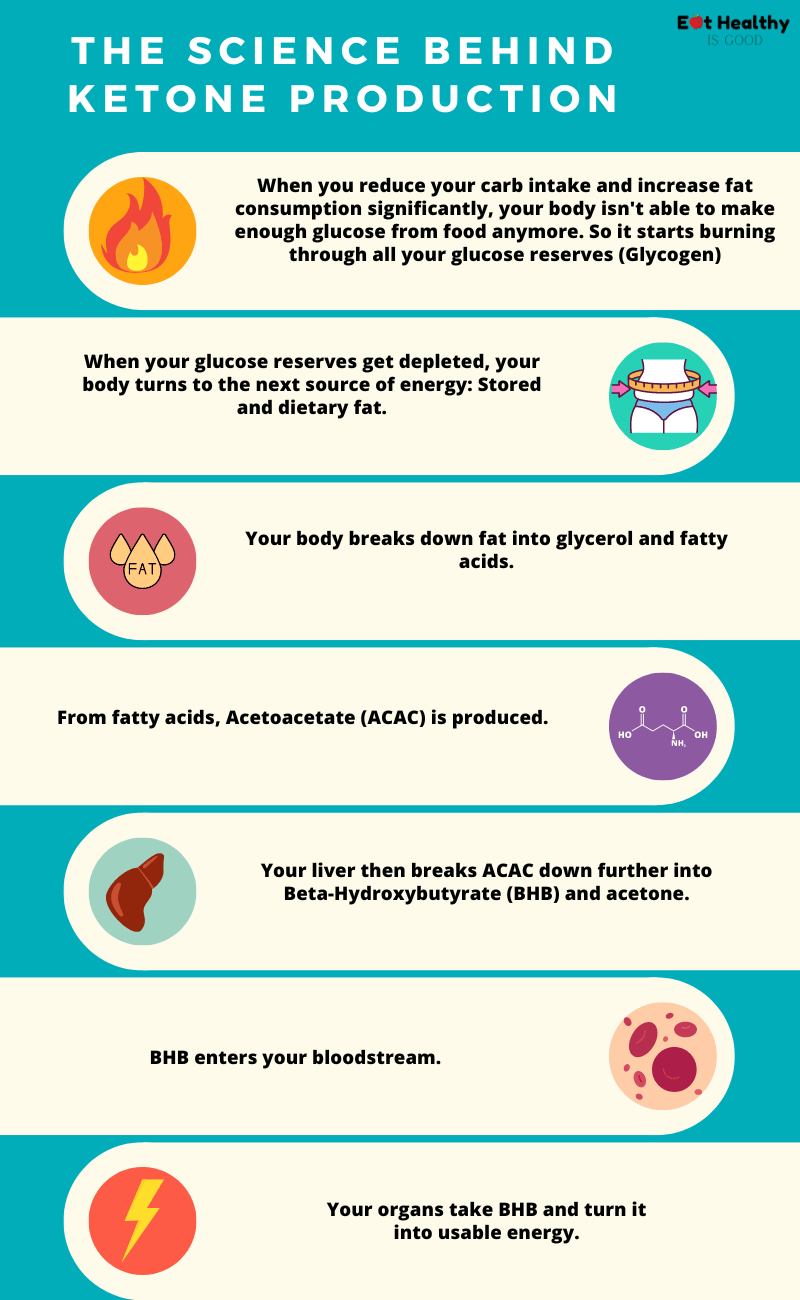
Ketogenesis is the process of converting stored body fat into ketones.
This is how your body produces ketones:
When your body doesn't have enough glucose for fuel, such as on a very low carbohydrate diet, fasting, or exercising, it burns down its fat reserves (8).
Fatty acids are released into the bloodstream and taken to the liver, where they are transformed into ketones (9). Acetoacetate (AcAc) and beta-hydroxybutyrate (BHB) are the two most prevalent ketone molecules, whereas acetone (Ace) is the third and least abundant (10).
You're fat-adapted when you're efficient at producing the proper quantity of ketones to burn fat and utilize those ketones for energy.
Are Ketones Bad?
The presence of ketones is typically a good thing. In reality, your body constantly produces a small number of ketones. Ketones are always present and often rise when there is a glucose deficiency (11).
However, there are times when ketone levels may rise over what is considered safe. This can occur in diabetics as a condition known as diabetic ketoacidosis (which is more frequent in type 1 diabetics than in type 2 diabetics) (12).
Nutritional Ketosis vs. Ketoacidosis
When you follow a low carbohydrate keto diet, your body produces ketones for energy, known as nutritional ketosis. The health benefits of this metabolic state include more incredible energy, improved attention, and less inflammation.
Ketoacidosis is not synonymous with ketosis. Ketoacidosis, also known as diabetic ketoacidosis (DKA), occurs when blood ketone levels in people with diabetes reach dangerous levels (typically above 3 mmol/L), and insulin levels fall drastically. This often happens when people with diabetes cease monitoring their ketone levels, routinely skip their insulin dose, and experience stress (trauma, surgery, or sickness). DKA is potentially fatal because it causes the blood to become overly acidic, affecting organ function.
It's worth noting that if you do not have diabetes, your chances of developing DKA are pretty low.
In any case, it's critical to assess your ketones frequently while on the keto diet to verify that they're within the usual range of 0.5 - 3.0 mmol/L (13).
Measuring Ketones
When following a keto diet, monitoring your ketone levels is critical to ensure your body makes and uses ketones for energy.
To confirm nutritional ketosis, three tests are used:
1: Urine Testing
Testing your ketones in the urine is the cheapest (and most handy) method, but also the least reliable. Ketone test strips are available at most pharmacies and are a simple approach for someone new to the ketogenic diet.
2: Blood Testing
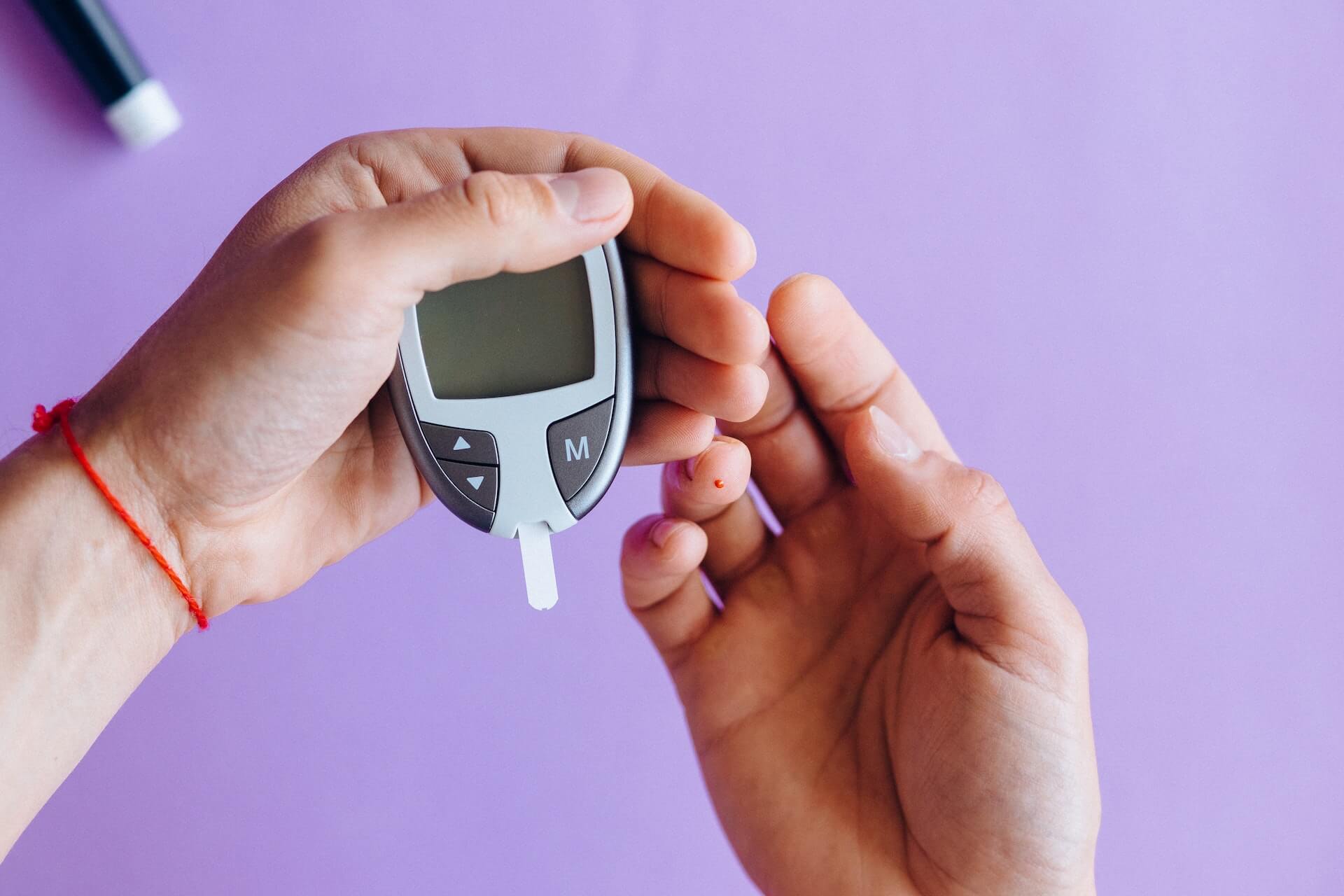
The most accurate approach to measuring your ketones is using a blood meter. However, it is intrusive (you must prick your finger) and costly if you test frequently.
However, if you value precision and can afford it, this way outperforms the others.
3: Breath Testing
Ketone breath meters are a non-invasive approach to testing your ketones by measuring the levels of acetone in your breath.
They are not as reliable as blood tests since drinking alcohol and drinking too much water might bias findings.
When Should You Test Your Ketone Levels?
Once you've started keto, measure your ketone levels daily to see if you've reached the ideal ketone level of 0.5 - 3.0 mmol/L (14).
Following that, it is suggested that you continue to check weekly.
For maximum accuracy and to guarantee you're in a fasting condition (15), test your levels 3 hours after your previous meal.
Here are some signs and symptoms that your ketone levels may be excessively high, like in DKA (16):
- A dry mouth
- High blood glucose levels (greater than 240 mg/dL)
- Intense thirst
- Frequent urination
If left untreated, more severe symptoms such as:
- Fatigue
- Confusion
- A fruity breath odor
- Nausea
- Vomiting
- Stomach pain
- Trouble breathing
These symptoms are uncommon with the ketogenic diet and are more common in those with uncontrolled diabetes. Talk to your doctor about evaluating your ketone levels if you have any symptoms.
Ketones and Low Carb Diets
A high-fat, low-carb diet successfully primes the body to create ketones at levels sufficient to yield health advantages. This is the goal of the keto diet.
To get ideal ketone levels, limit your carb consumption to fewer than 50 grams daily and often as little as 25 grams (17).
When you begin utilizing ketones, you will notice that you are no longer hungry every two or three hours, as you would on a carbohydrate-heavy diet (18). This is a significant reason why so many people succeed in losing weight on keto (19).
The Bottom Line
The evidence is unequivocal on the advantages of using ketones as your primary energy source.
Although most research on the advantages of ketones is recent, utilizing ketones for energy has been done for a long time.
If you're currently following a high-carbohydrate diet and aren't feeling well, switching to a keto diet may help.
Ketones change the way your metabolism operates, allowing you to improve your health and well-being while also preventing chronic illnesses.
Frequently Asked Questions
What is a ketone?
Ketones, often known as "ketone bodies," break down stored body fat to produce energy molecules. While you don't have access to carbohydrates or enough glucose reserves (glycogen), such as while on a ketogenic diet, your liver produces ketones.
What do ketones do?
When glucose levels are depleted, the body uses ketones as an alternate fuel source. They give energy to the body and mind and other health advantages.
How do I test for ketones?
There are three primary ways for testing ketones: urine, blood, and ketone breath tests. Blood ketone tests are the most accurate and expensive (and intrusive) testing method.
What's the difference between nutritional ketosis and ketoacidosis?
Nutritional ketosis occurs when your body produces ketones from a lack of carbohydrates. It is not the same as ketoacidosis, a condition in which blood ketone levels reach deadly levels and is frequent in people with poorly controlled diabetes.








0 Comments