
Picture this: it’s Monday morning, your alarm has already gone off twice, you’re trying to get out the door, and suddenly you realize there’s nothing ready to eat. By Wednesday, the same thing happens again. By Friday, takeout starts looking like the easiest answer. This is exactly where keto meal prep can change the way your week feels, because the goal isn’t to spend your entire Sunday cooking identical meals in little containers. The goal is to make good food easier to reach when life gets busy.
A practical keto diet meal prep routine gives you a collection of cooked proteins, vegetables, sauces, breakfasts, lunches, and freezer-friendly meals that can be mixed and matched throughout the week. Instead of starting from zero every evening, you begin with a head start. Think of it like setting up your kitchen dominoes: once the first pieces are in place, the rest of the week falls together much more easily.
This guide walks through keto meal prep for beginners, as well as more advanced weekly batch cooking strategies. You’ll learn how to build a keto weekly meal plan, create a realistic keto grocery list, cook several foods at once, store leftovers safely, prevent flavor fatigue, and turn a handful of ingredients into several different meals.
A ketogenic diet is a very low carbohydrate eating pattern that typically restricts carbohydrates enough to promote nutritional ketosis. Medical references commonly describe ketogenic approaches in the range of about 20–50 grams of carbohydrate per day, although individual dietary needs and approaches vary.
The most important idea here is simple: easy keto meal prep should make your life easier, not turn your kitchen into a second job.
What Is Keto Meal Prep and Why Does Weekly Batch Cooking Work?
At its simplest, keto meal prep means preparing food in advance so you have convenient meals or ingredients ready when you need them. That preparation might involve cooking complete meals, preparing individual ingredients, washing and chopping vegetables, making sauces, portioning snacks, or freezing meals for later. There isn’t one “correct” way to do it, and that’s actually good news. You can build a system around your schedule rather than forcing your schedule around your meal plan. (1, 2)
There are three basic approaches worth knowing. Full meal preparation means cooking complete breakfasts, lunches, or dinners and storing them in individual portions. Component preparation means cooking ingredients separately, such as a tray of chicken, a pan of vegetables, a pot of cauliflower rice, and two sauces, then assembling different meals later. A hybrid approach combines both, which is often the most flexible choice because you can have a few grab-and-go meals while keeping other ingredients separate for variety.
For a busy household, keto meal prep for the week can act like a little kitchen assistant. You open the refrigerator and find cooked chicken ready for salad, ground beef ready for a taco bowl, roasted vegetables waiting to be reheated, and dressing already mixed. Suddenly, dinner doesn’t feel like a project.
The other benefit is decision making. When you’re hungry and tired, even a simple question like “What should I make?” can feel surprisingly exhausting. A prepared kitchen removes some of that mental clutter.
It can also make grocery shopping more intentional. Instead of filling your cart with random ingredients and hoping they become meals, you shop for a specific set of meals and reusable components. That can help reduce food waste because the same chicken, herbs, vegetables, or sauces may appear in several different dishes.
This approach is especially useful for keto meal prep for beginners. You don’t need fifteen recipes. You need a small number of foods that work well together.
The Keto Meal Prep Food Framework: Protein, Low Carb Vegetables, and Fats
Before you write your keto grocery list, it helps to understand the building blocks of a balanced low carb meal.
A simple framework is:
- Protein: chicken, turkey, beef, pork, eggs, fish, seafood, tofu, or another protein that fits your eating pattern.
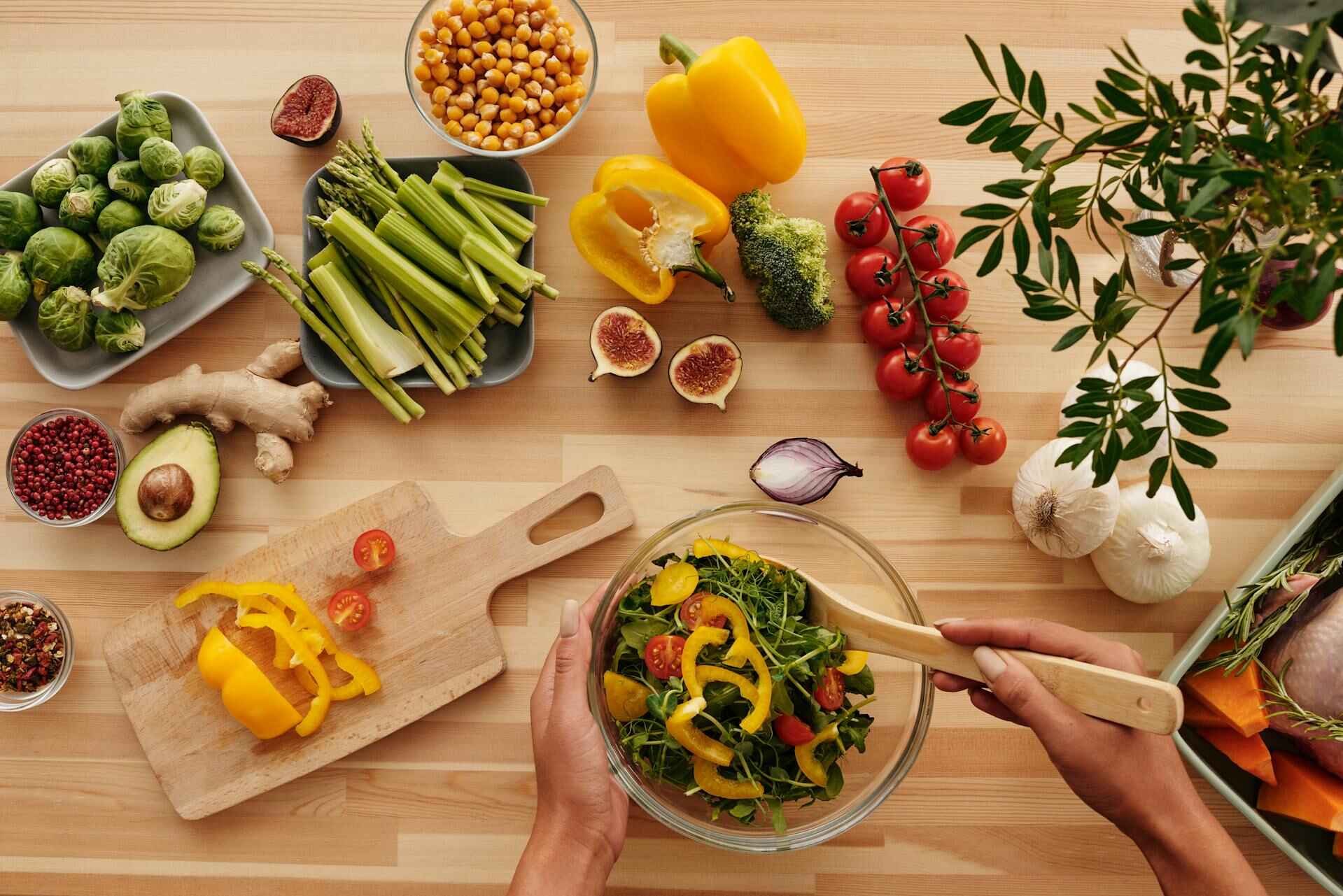
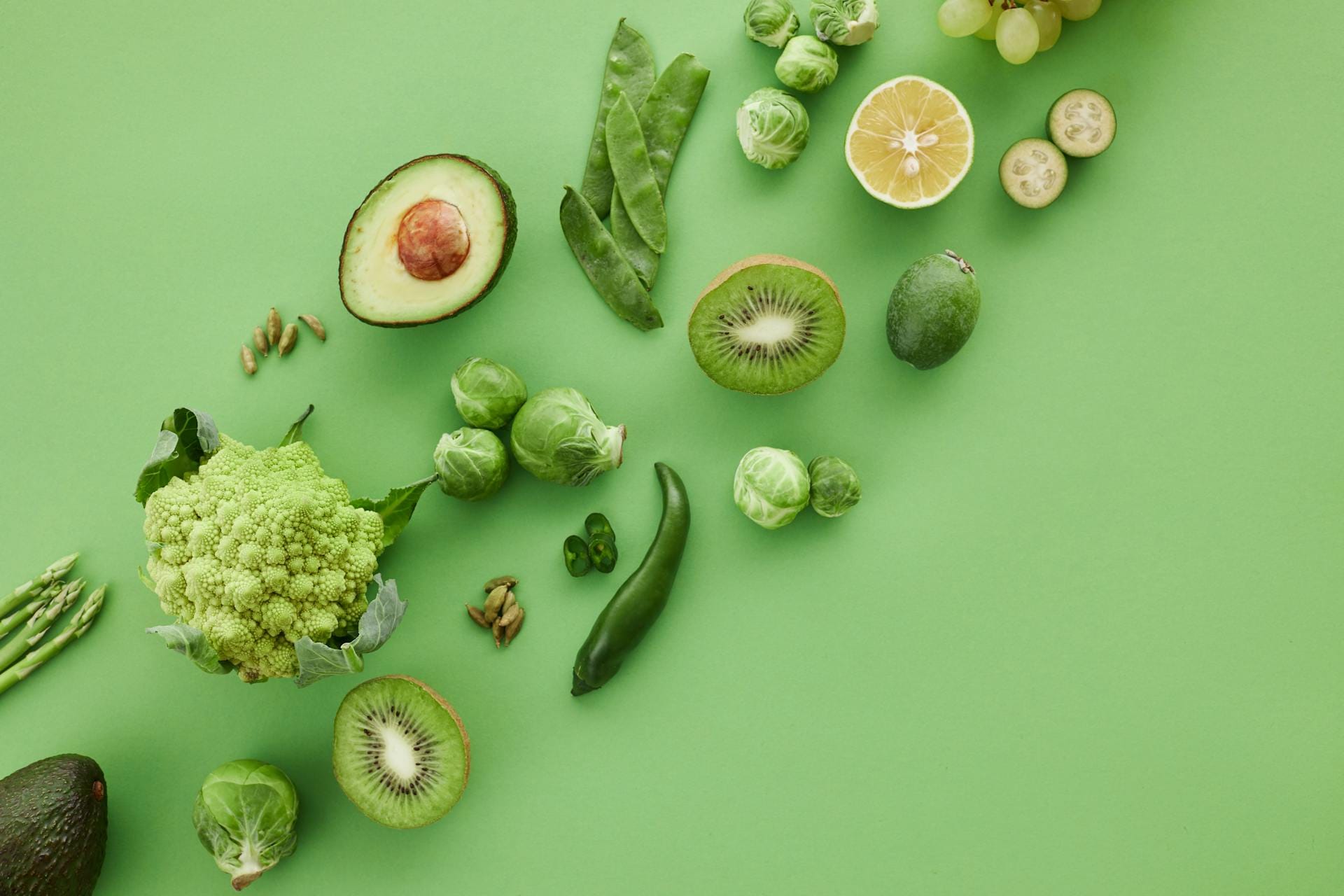
- Low carb vegetables: leafy greens, broccoli, cauliflower, zucchini, cabbage, mushrooms, asparagus, cucumber, and other nonstarchy vegetables.
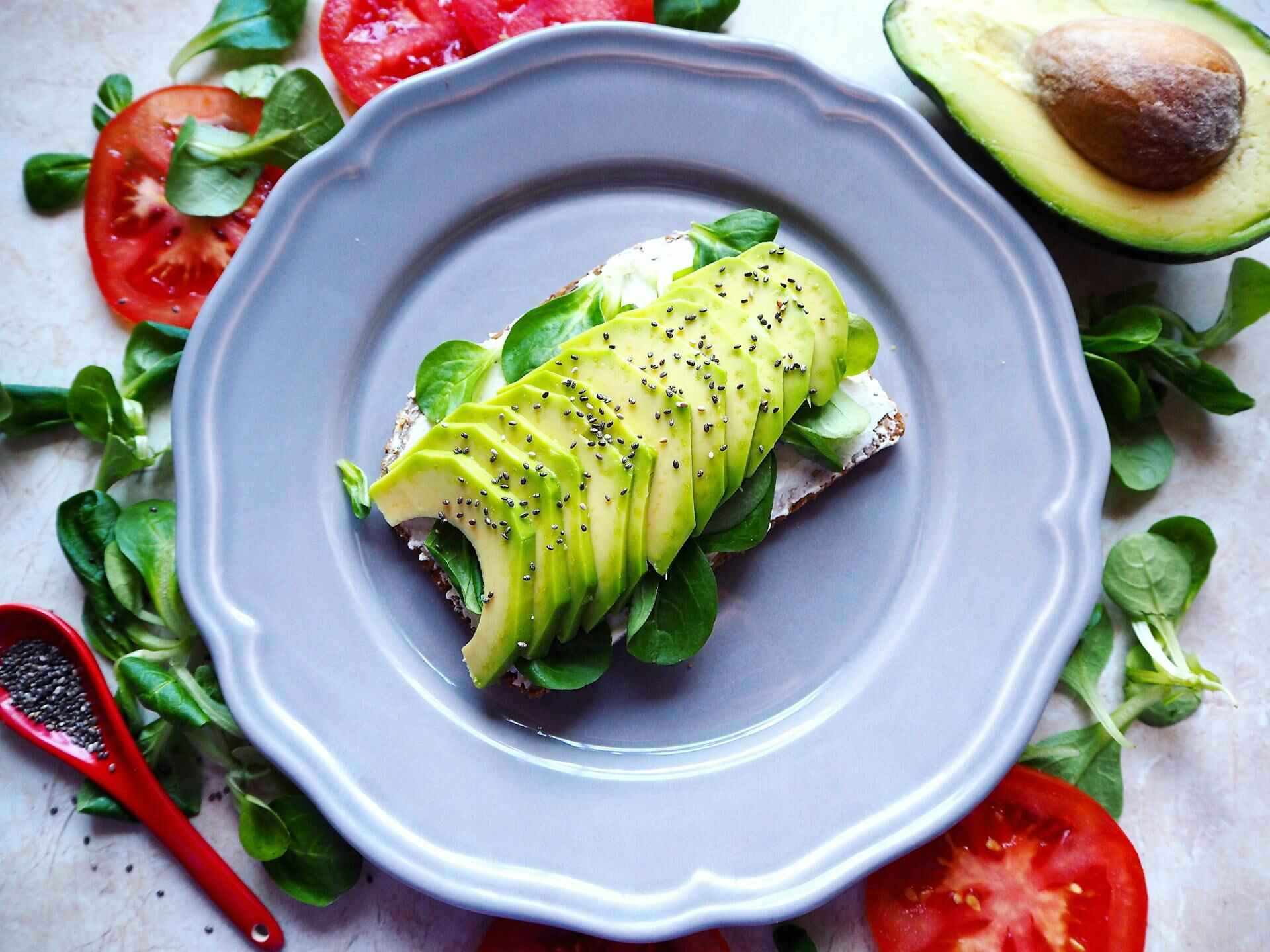
- Fat and flavor: olive oil, avocado, nuts, seeds, cheese, olives, pesto, dressings, or another suitable sauce.
- Flavor boosters: herbs, spices, garlic, lemon, vinegar, mustard, and low-sugar seasonings.
This framework is useful because it is more flexible than memorizing dozens of recipes. Suppose you prepare lemon herb chicken, roasted broccoli, cauliflower rice, and a creamy herb dressing. On Monday, you can turn those ingredients into a bowl. On Tuesday, add leafy greens and avocado for a salad. On Wednesday, season the chicken differently and serve it with sautéed cabbage. The ingredients stay familiar, but the meal doesn’t feel identical.
That’s the secret behind successful keto meal prep ideas: versatility beats repetition.
A keto-friendly eating pattern can be built around vegetables and minimally processed foods rather than relying heavily on specialty packaged products. Low carbohydrate diets vary considerably, so the exact carbohydrate target should reflect the individual's goals and circumstances.
Vegetables are particularly useful in batch cooking because they provide color, texture, and variety. Roasted broccoli feels completely different from crisp cucumber. Creamy cauliflower has a different personality from crunchy cabbage slaw. A little variety in texture can make prepared food much more satisfying.
Fats also have a practical role in meal preparation because they can help with flavor. A plain chicken breast can become lemon garlic chicken with one dressing, smoky chicken with another seasoning, or Mediterranean chicken with olives and herbs.
The goal isn’t to make every meal complicated. It’s to make basic ingredients adaptable.
How to Plan a Full Week of Keto Meals Before You Cook
The easiest way to make keto meal prep overwhelming is to start cooking before you know what you’re making.
Instead, begin with your calendar.
Look at the upcoming week and ask yourself a few practical questions. Which mornings are rushed? Which days will you eat lunch at work? Which evenings are likely to be busy? Are there nights when you already know you’ll eat out? Are there days when you’ll have more time to cook?
Your answers should shape your keto weekly meal plan.
You don’t necessarily need seven breakfasts, seven lunches, and seven dinners prepared in advance. For many people, planning three or four days of refrigerated meals and freezing suitable portions for later is more practical.
Start with two proteins.
For example:
- Lemon herb chicken
- Taco seasoned ground beef
Then choose two or three vegetables:
- Roasted broccoli
- Cauliflower rice
- Sautéed cabbage
Add two sauces:
- Garlic herb dressing
- Avocado lime sauce
Now you have the foundation for several meals without cooking several completely separate recipes.
Here’s where the system becomes fun. The chicken can become a salad, bowl, lettuce wrap, or skillet dinner. The taco beef can become a lettuce bowl, stuffed pepper filling, breakfast hash, or cauliflower rice bowl. The vegetables can move between meals without looking like leftovers from yesterday.
A Simple Weekly Planning Matrix
| Day | Breakfast | Lunch | Dinner |
|---|---|---|---|
| Monday | Egg Muffins | Chicken Avocado Salad | Taco Beef Cauliflower Bowl |
| Tuesday | Chia Pudding | Chicken Lettuce Wraps | Lemon Chicken With Broccoli |
| Wednesday | Egg and Vegetable Bowl | Taco Beef Salad | Salmon With Asparagus |
| Thursday | Egg Muffins | Chicken Bowl | Beef and Cabbage Skillet |
| Friday | Chia Pudding | Leftover Protein Salad | Freezer-Friendly Chicken Casserole |
| Saturday | Fresh Eggs and Avocado | Quick Tuna Salad | Sheet-Pan Chicken and Vegetables |
| Sunday | Flexible Breakfast | Leftovers | Prep-Night Dinner |
Notice something important: you aren’t cooking a completely new dinner every night.
That’s the point.
Your keto meal prep recipes should overlap intelligently.
Planning also allows you to think about freshness. Delicate leafy greens, sliced avocado, herbs, and certain raw vegetables are usually best kept fresh or prepared closer to serving time. Cooked proteins and hearty vegetables can be incorporated into earlier meal prep sessions, while suitable portions can be frozen for later.
A 2-session approach can work beautifully. Do the main batch cooking at the beginning of the week, then spend 20–30 minutes midway through the week washing fresh greens, preparing another vegetable, or cooking a fresh protein.
Meal prep doesn’t have to mean predicting every meal seven days in advance.
Keto Meal Prep Grocery List: What to Buy for the Week
A practical keto grocery list should read like a blueprint, not a random collection of “healthy foods.” (3, 4)
Organize your list by the way you shop.
Proteins
Choose a mixture of proteins that can appear in several different meals:
- Chicken thighs
- Chicken breast
- Ground beef
- Ground turkey
- Salmon
- Shrimp
- Canned tuna
- Eggs
- Turkey
- Pork
- Tofu, if appropriate for your eating pattern
You don’t need all of them. Two or three proteins can be enough for a week of low carb meal prep.
Vegetables
Build your list around vegetables that can be cooked in batches or eaten fresh:
- Broccoli
- Cauliflower
- Zucchini
- Cabbage
- Spinach
- Mixed salad greens
- Mushrooms
- Asparagus
- Cucumbers
- Bell peppers
- Brussels sprouts
- Green beans
Frozen vegetables can also be convenient. They reduce chopping and can be especially useful for quick weeknight meals.
Healthy Fats and Flavor
Stock the items that turn simple food into meals:
- Extra-virgin olive oil
- Avocados
- Olives
- Cheese
- Nuts
- Seeds
- Unsweetened nut or seed products
- Pesto
- Mustard
- Vinegar
- Lemon juice
- Herbs
- Spices
Pantry and Emergency Foods
Your emergency shelf might include:
- Canned tuna
- Canned salmon
- Broth
- Shelf-stable seasonings
- Pickles
- Olives
- Nut or seed products that fit your plan
Planning what you already own before shopping is one of the simplest ways to limit duplicate purchases. A weekly meal plan can also help you use leftovers intentionally rather than discovering them at the back of the refrigerator later.
The USDA's MyPlate meal planning resources similarly encourage checking existing food, planning meals, making a shopping list, using leftovers, and mixing fresh, frozen, and shelf-stable foods.
Keto Meal Prep Containers, Kitchen Tools, and Storage Equipment
You don’t need a kitchen full of gadgets for easy keto meal prep.
A few dependable tools can do most of the work.
Glass containers are convenient for reheating and can be useful for storing complete meals. Lightweight food safe plastic containers are practical for lunches. Divided containers can keep ingredients separated, while individual containers are sometimes better when you want maximum flexibility.
- Large sheet pans
- A large skillet
- A Dutch oven or slow cooker
- Cutting boards
- Sharp knives
- Measuring spoons
- Food thermometer
- Refrigerator/freezer labels
- Airtight containers
- Meal prep bowls or jars
A food thermometer deserves special attention. Food can look cooked while still being unsafe, so temperature is a much better indicator than color alone. The FDA recommends using a food thermometer to check foods that require cooking to a safe internal temperature.
Shallow containers are useful when cooling large quantities because smaller portions cool more quickly. The FDA specifically recommends dividing leftovers into smaller containers to help them cool faster.
Labels are another tiny improvement with a big payoff. Write the food name and preparation date on containers before putting them away.
Future you will be grateful.
The 2-Hour Keto Batch Cooking Workflow
You don’t have to spend half your weekend cooking.
A well-organized prep session can focus on overlapping tasks so your oven, stovetop, cutting board, and hands are all working efficiently.
Step 1: Clear the Kitchen
Empty the dishwasher, clean your counters, pull out your containers, and check your ingredients.
Step 2: Preheat the Oven
Start with foods that have longer cooking times, such as roasted chicken and sheet-pan vegetables.
Step 3: Cook Your Main Proteins
While the oven works, brown ground beef in a skillet or prepare another protein.
Step 4: Prepare Vegetables
Wash and chop vegetables while proteins cook.
Step 5: Make Sauces
A five-minute dressing can be the difference between “meal prep chicken” and a meal you actually look forward to eating.
Step 6: Prepare Fresh Components
Wash greens, slice cucumbers, portion nuts, or prepare other ingredients that are best kept fresh.
Step 7: Assemble Selected Meals
Prepare a few complete breakfasts and lunches while leaving other components separate.
Step 8: Cool, Label, and Store
Transfer foods into appropriate containers and refrigerate or freeze them promptly.
For food safety, perishable foods should generally be refrigerated or frozen within two hours. If the surrounding temperature is above 90°F, the FDA says the window is one hour.
A sample 2-hour schedule might look like this:
| Time | Task |
|---|---|
| 0:00–0:10 | Kitchen Setup and Oven Preheat |
| 0:10–0:25 | Season Chicken and Vegetables |
| 0:25–0:30 | Put Trays Into Oven |
| 0:30–0:55 | Brown Ground Beef |
| 0:55–1:15 | Cook Cauliflower Rice and Cabbage |
| 1:15–1:30 | Prepare Sauces |
| 1:30–1:45 | Wash and Portion Fresh Ingredients |
| 1:45–2:00 | Assemble, Label, and Organize |
The exact timing will vary according to your recipes, but the principle stays the same: start the longest tasks first and use passive cooking time intelligently.
How to Batch Cook Keto Proteins for Maximum Variety
Protein is the anchor of most keto meal prep recipes, so it’s worth choosing preparations that survive refrigeration and reheating well. (5, 6)
Chicken is a classic example. Instead of making one heavily seasoned batch, you can prepare a neutral lemon herb chicken and change the personality of each meal with sauces and side dishes.
Ground beef is similarly flexible. Cook a batch with garlic, onion powder, paprika, salt, and other seasonings that fit your plan. Then turn it into taco bowls, stuffed vegetables, cabbage skillets, or lettuce wraps.
Chicken thighs are especially useful for batch cooking because they tend to stay moist during reheating. Chicken breast can also work well when it is not overcooked and is paired with sauces.
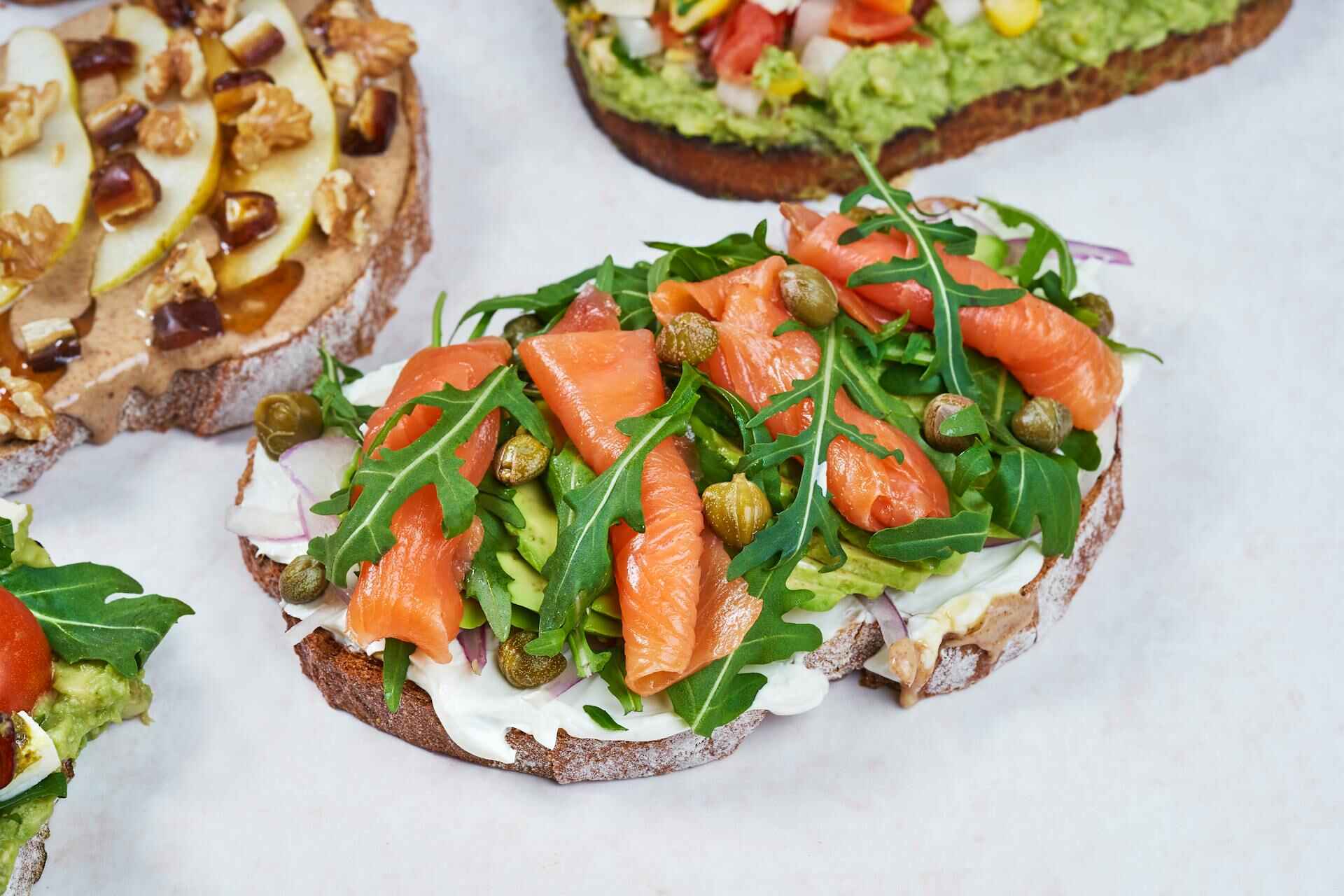
Salmon and other fish are delicious but can be more delicate. Consider preparing smaller quantities or using fish for the first couple of days rather than making a huge batch for the entire week.
Eggs can make excellent breakfast components. Hard-cooked eggs, egg muffins, crustless frittatas, and other egg dishes can become building blocks for quick breakfasts.
The trick is not to cook everything with a completely different recipe.
Instead, think in layers.
- Base + seasoning + sauce + vegetable = new meal.
For example:
- Chicken + Mediterranean seasoning + cucumber + feta-style topping = Mediterranean bowl.
- Chicken + taco seasoning + lettuce + avocado = taco salad.
- Chicken + pesto + roasted broccoli = quick dinner bowl.
One batch of chicken suddenly feels like three different meals.
When cooking meat, poultry, seafood, or egg dishes, use a food thermometer and follow safe cooking temperatures rather than depending only on color or texture.
Batch Cooking Low Carb Vegetables, Sauces, and Flavor Boosters
Vegetables can make or break low carb meal prep.
Nobody gets excited about a container full of limp broccoli.
The solution is simple: choose cooking methods based on texture.
Roasting works beautifully for broccoli, cauliflower, Brussels sprouts, zucchini, and other vegetables that benefit from caramelized edges. Sautéing works well for cabbage and mushrooms. Raw vegetables like cucumbers and leafy greens are often better prepared separately.
You can also underseason some components intentionally.
Why?
Because the final sauce can change everything.
Imagine having roasted cauliflower in the refrigerator. Monday it goes with garlic herb chicken. Tuesday it gets tossed with taco beef and avocado. Wednesday it becomes the base for a creamy soup.
A good sauce collection can be surprisingly powerful:
- Lemon herb vinaigrette
- Garlic dressing
- Pesto
- Mustard dressing
- Ranch dressing
- Avocado lime sauce
- Simple olive oil and vinegar dressing
Keep sauces separate from foods that can become soggy.
This is especially important for salads. Nobody wants lettuce that has been marinating in dressing since Sunday.
The same principle applies to herbs. Keep delicate herbs separate and add them immediately before eating whenever possible.
Keto Breakfast Meal Prep: Make-Ahead Ideas for Busy Mornings
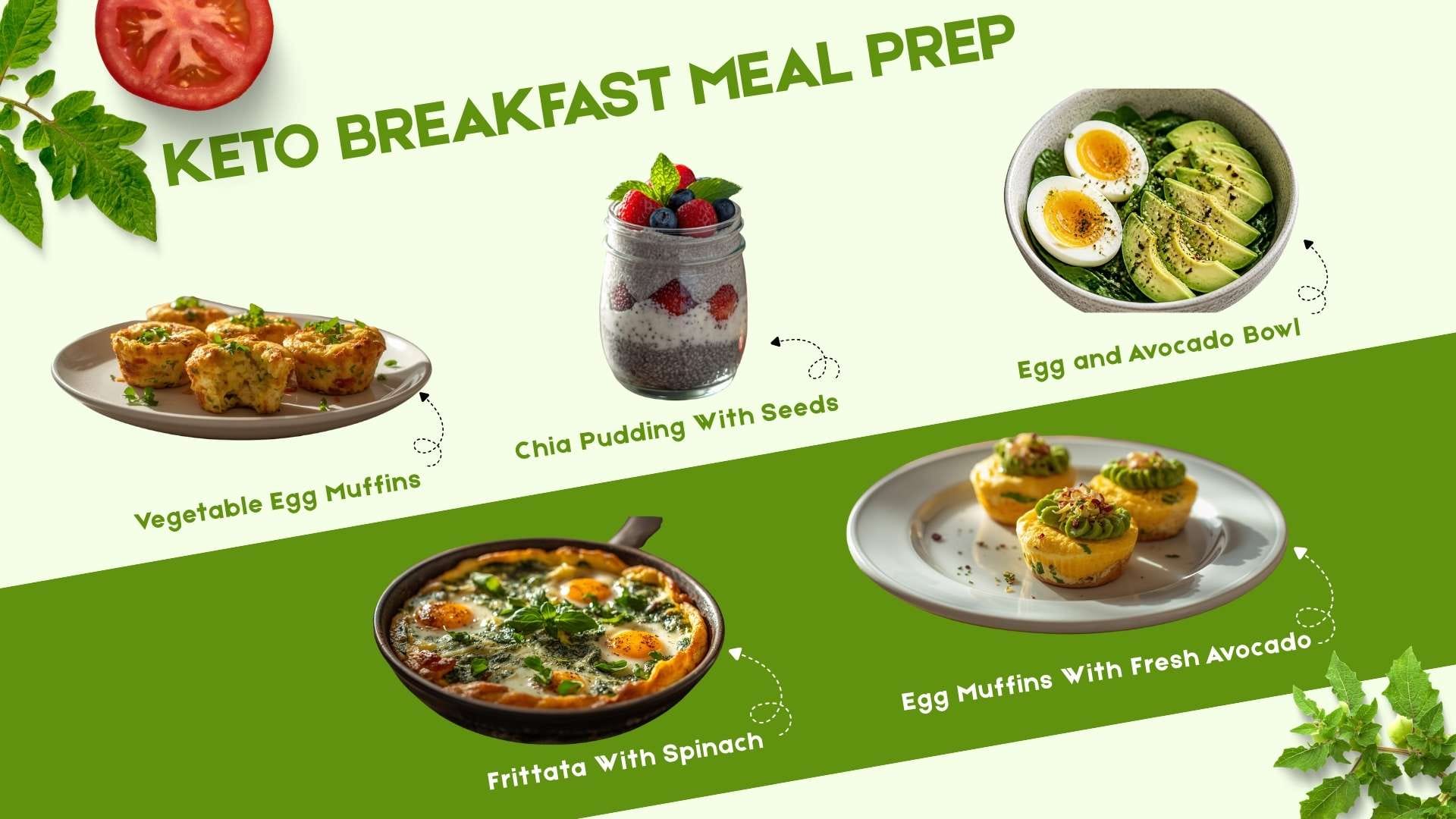
Breakfast is often where a good keto meal prep routine pays off immediately.
A prepared breakfast means you don’t have to make decisions before your brain has fully switched on.
Egg muffins are a classic option because they can be customized with vegetables, cheese, herbs, or cooked meat. A crustless frittata can work the same way in a larger format.
Chia pudding can be prepared in individual jars and customized with suitable toppings such as nuts, seeds, or a small amount of berries that fit your carbohydrate plan.
You can also prepare breakfast bowls with cooked eggs, sautéed vegetables, avocado, and a flavorful sauce.
The key is variety.
Instead of preparing five identical breakfasts, try a rotation:
| Day | Breakfast Idea |
|---|---|
| Monday | Vegetable Egg Muffins |
| Tuesday | Chia Pudding With Seeds |
| Wednesday | Egg and Avocado Bowl |
| Thursday | Frittata With Spinach |
| Friday | Egg Muffins With Fresh Avocado |
This is one reason easy keto meal prep works best when you prepare components rather than everything in finished form.
For example, prepare eggs and vegetables ahead, but add fresh avocado just before eating.
It gives the meal a fresher feel without adding much effort.
Keto Lunch Meal Prep: 5 Make-Ahead Lunches You Won’t Get Bored With
Lunch is where repetition can become especially obvious.
Eating the same bowl five days in a row may be convenient, but convenience only works when you still want to eat the food.
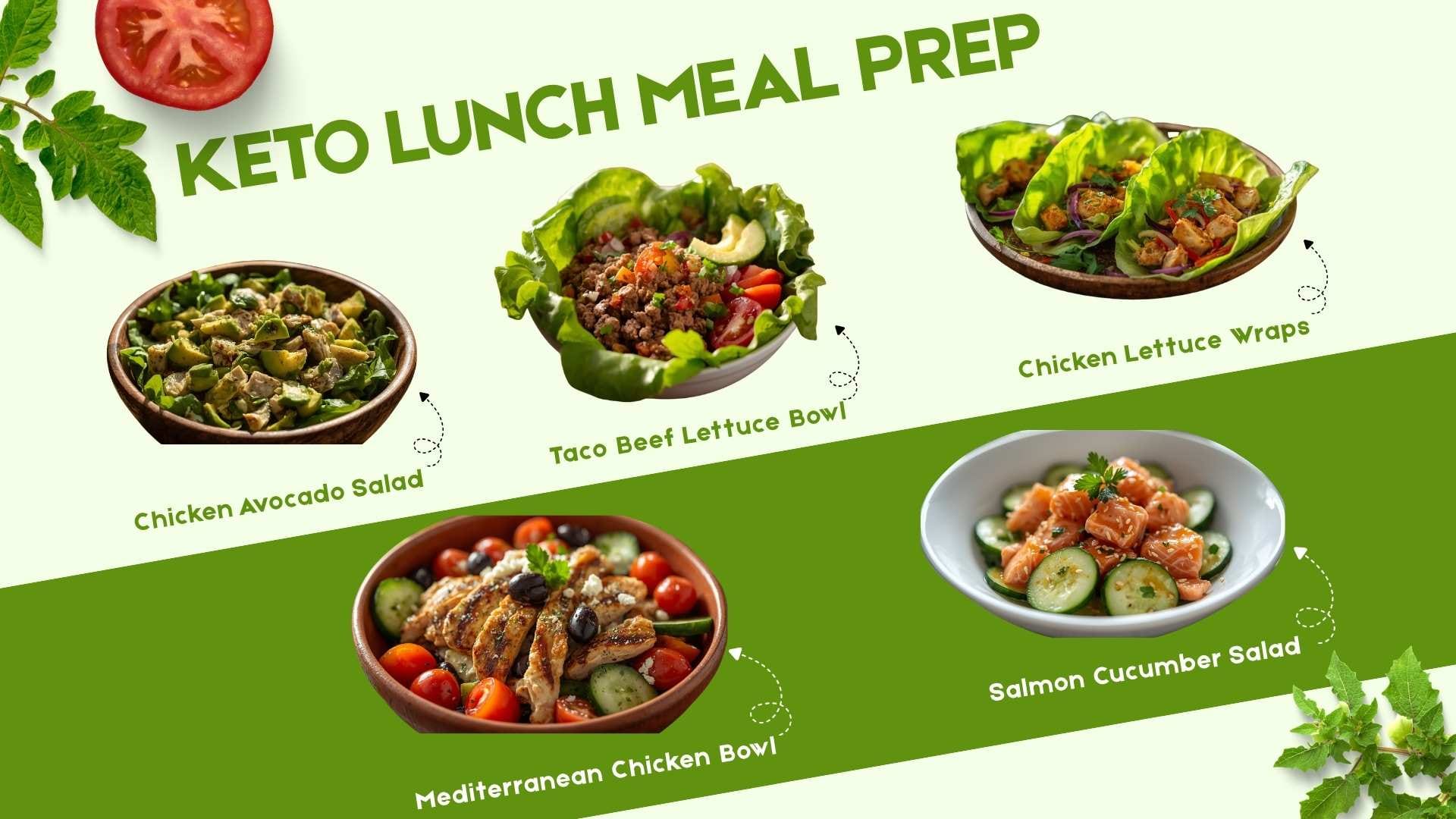
Here are five formats using overlapping ingredients.
1. Chicken Avocado Salad
- Start with cooked chicken, leafy greens, cucumber, avocado, and a lemon herb dressing. Keep the dressing separate until serving.
2. Taco Beef Lettuce Bowl
- Use seasoned ground beef, chopped lettuce, cucumber, cheese, avocado, and an appropriate low-sugar salsa or sauce.
3. Chicken Lettuce Wraps
- Place cooked chicken inside large lettuce leaves with cucumber, shredded cabbage, and a flavorful sauce.
4. Mediterranean Chicken Bowl
- Combine chicken, cucumber, olives, greens, roasted vegetables, and a herb dressing.
5. Salmon Cucumber Salad
- Use cooked or canned salmon, cucumber, greens, herbs, and a simple dressing.
The ingredients overlap, but the format changes.
That’s what makes keto meal prep recipes practical.
For work lunches, use containers that travel well and keep dressings separate. If you are reheating food, follow the instructions for your specific dish and use appropriate microwave-safe containers.
A reusable system is far easier than preparing a completely new lunch recipe every single night.
Keto Dinner Meal Prep: Batch Cook Components, Not Boring Dinners
Dinner is usually where the “I’m tired” factor shows up.
This is where your batch cooked ingredients become incredibly useful.
Instead of asking, “What recipe am I supposed to make tonight?” ask, “Which protein and vegetable combination sounds good?”
That tiny change gives you flexibility.
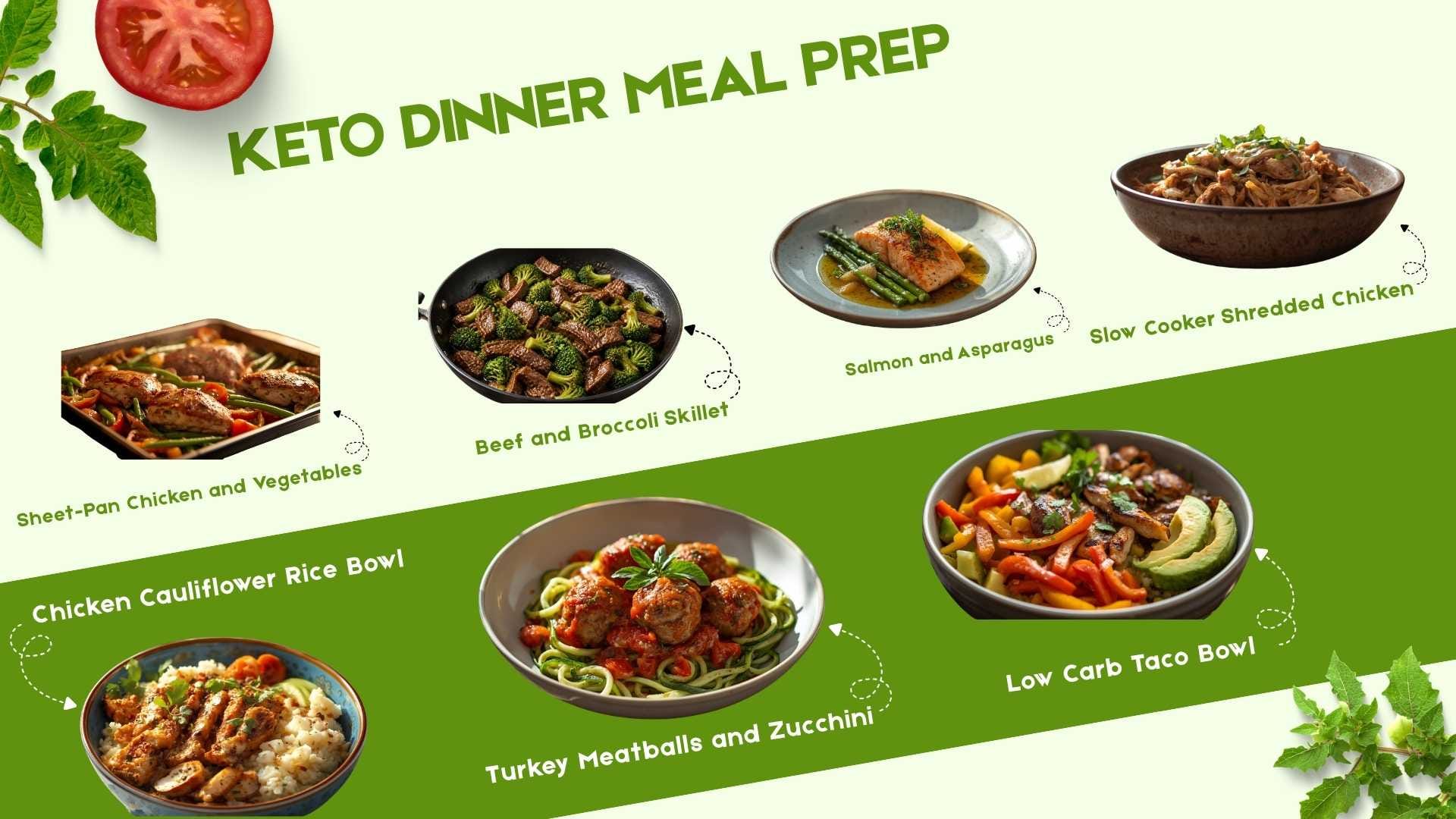
Sheet-Pan Chicken and Vegetables
- Prepare chicken with herbs and spices and roast it with broccoli, zucchini, or another suitable vegetable.
Beef and Broccoli Skillet
- Use prepared ground beef or thinly sliced beef and finish it with cooked broccoli and a flavorful sauce.
Salmon and Asparagus
- This is ideal for a smaller batch that you plan to eat early in the week.
Turkey Meatballs and Zucchini
- Make meatballs in advance and pair them with sautéed zucchini and pesto or another suitable sauce.
Chicken Cauliflower Rice Bowl
- Combine prepared chicken, cauliflower rice, vegetables, and a sauce.
Low Carb Taco Bowl
- Use seasoned beef, lettuce, cucumber, avocado, cheese, and your preferred toppings.
Slow Cooker Shredded Chicken
- This can become lunch bowls, lettuce wraps, salads, or quick skillet meals.
The goal is to make your refrigerator feel like a menu.
You can also keep one fully assembled freezer meal for a night when the week gets unexpectedly chaotic.
That small safety net is one of the best keto meal prep ideas you can add.
Keto Snacks and Emergency Meals for Busy Days
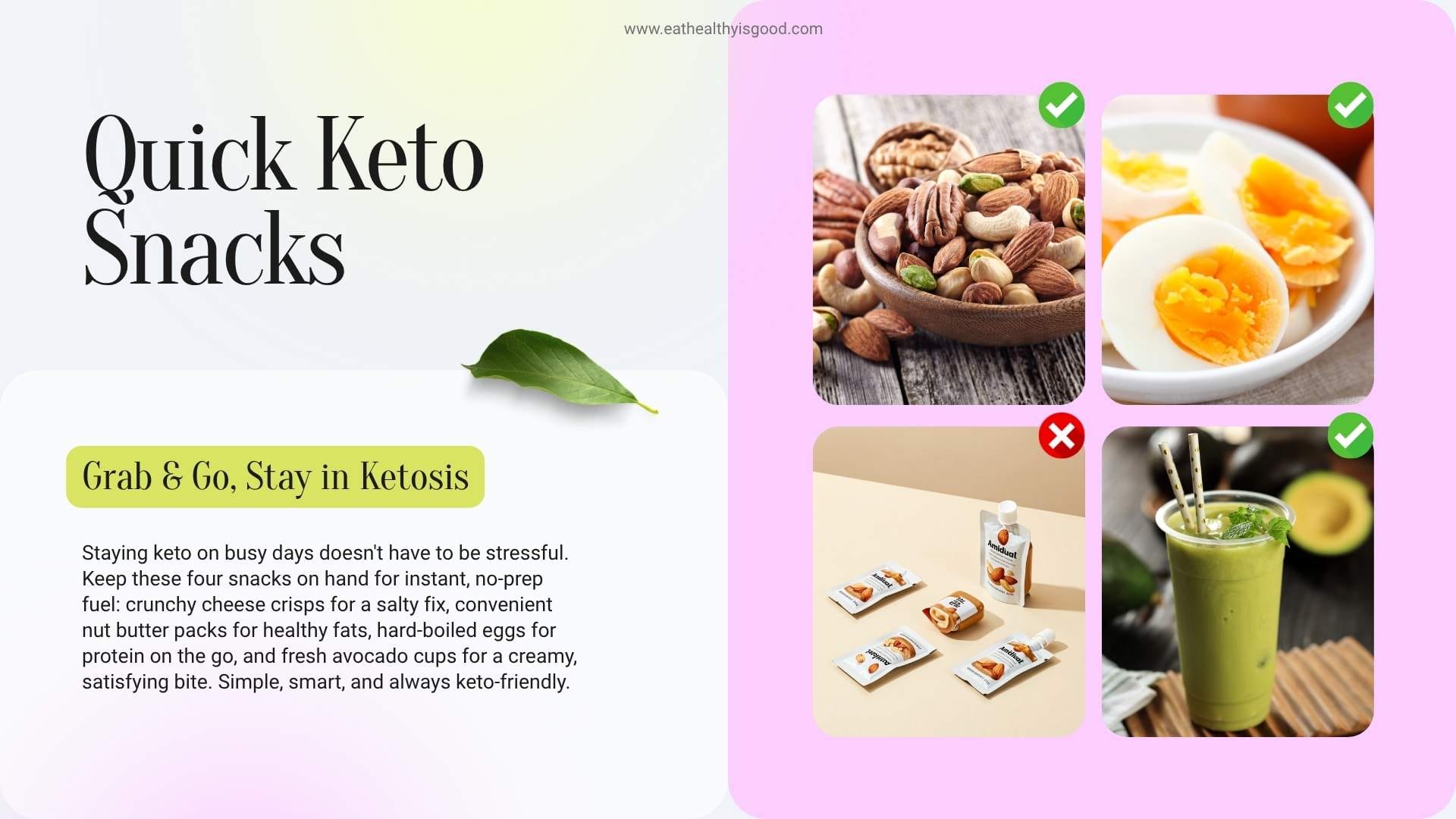
An emergency meal doesn’t have to be complicated.
Sometimes you simply need something ready in five minutes.
Useful prepared options can include:
- Hard-cooked eggs
- Cheese portions
- Nuts or seeds
- Tuna packets
- Olives
- Cucumber with dip
- Leftover cooked chicken
- Pre-portioned vegetables
- Small servings of appropriate leftovers
You can also build an “emergency meal box” in your refrigerator.
For example:
Protein + vegetable + sauce = meal.
Take cooked chicken, cucumber, and dressing.
Done.
Or use tuna, greens, avocado, and olive oil.
Done.
This is a major benefit of keto meal prep for beginners. You don’t need a special recipe every time you eat.
One more useful trick is to keep a freezer meal ready for the evenings when your schedule falls apart. That meal might be a suitable casserole, soup, stew, or cooked protein and vegetable combination.
The point is not to create endless food rules. It is to give yourself convenient choices.
How Long Does Keto Meal Prep Last? Food Storage, Freezing, and Reheating
Food safety should be part of every keto meal prep plan.
The USDA says refrigerated leftovers are generally safe for 3 to 4 days when handled and stored properly.
That means a Sunday meal prep session doesn’t automatically mean every cooked meal should sit in your refrigerator until Friday.
Instead, consider a combination of refrigeration and freezing.
For example:
- Monday lunch → refrigerator
- Monday dinner → refrigerator
- Tuesday meals → refrigerator
- Wednesday meals → refrigerator
- Thursday or Friday portions → freeze if appropriate
The FDA recommends keeping the refrigerator at 40°F or below and the freezer at 0°F or below.
Cooked food should be refrigerated or frozen within two hours. On very hot days, when the temperature is above 90°F, the FDA recommends reducing that time to one hour.
A Simple Food Storage Guide
| Food | Practical Storage Approach |
|---|---|
| Cooked Chicken | Refrigerate for Near-Term Meals; Freeze Suitable Later Portions |
| Ground Beef | Refrigerate Near-Term Portions; Freeze Extras |
| Cooked Vegetables | Refrigerate in Covered Containers |
| Egg Dishes | Refrigerate Promptly and Use Within the Appropriate Leftover Window |
| Soups and Stews | Refrigerate Short-Term; Freeze Extra Portions |
| Salmon | Prepare Smaller Quantities for Earlier Meals |
| Chia Pudding | Refrigerate and Prepare According to Ingredients |
| Fresh Salad Greens | Keep Refrigerated and Separate From Wet Ingredients |
These are planning categories rather than universal expiration dates. Different ingredients, recipes, handling methods, and packaging can affect quality and safety.
How to Cool Prepared Food
One of the biggest mistakes people make is leaving a giant pot of food sitting on the counter because they think it needs to cool completely first.
The FDA recommends dividing large quantities into smaller, shallow containers to help food cool more quickly before refrigeration.
How to Freeze Keto Meals
Freeze meals in portions that match how you’ll actually use them.
If you live alone, a giant family-size container may not be useful. Smaller portions are easier to thaw, reheat, and combine with fresh vegetables.
Label every container with:
Food name + date
That prevents the freezer from becoming a mysterious archaeological site.
How to Thaw Food Safely
Do not thaw perishable foods on the kitchen counter.
The FDA recommends thawing in the refrigerator, cold water, or the microwave. Food thawed in cold water or a microwave should be cooked immediately.
When you’re unsure about a food’s safety, it is better to discard it rather than rely on smell or appearance alone. The FDA specifically cautions that appearance and odor are not reliable guarantees of safety in every situation.
Your Complete 7-Day Keto Meal Prep Schedule
Here is a practical keto weekly meal plan designed around components rather than seven completely separate cooking projects. (7, 8, 9)
Sunday: Main Prep Day
Prepare:
- Lemon herb chicken
- Taco seasoned ground beef
- Roasted broccoli
- Cauliflower rice
- Sautéed cabbage
- Egg muffins
- Two sauces
Keep some ingredients separate so you can create different meals.
Monday
- Breakfast: Egg muffins with avocado.
- Lunch: Chicken salad with cucumber and herb dressing.
- Dinner: Taco beef cauliflower bowl.
Tuesday
- Breakfast: Chia pudding.
- Lunch: Chicken lettuce wraps.
- Dinner: Lemon herb chicken with roasted broccoli.
Wednesday
- Breakfast: Egg and vegetable bowl.
- Lunch: Taco beef salad.
- Dinner: Fresh salmon and asparagus.
Wednesday Mini Prep
- Spend 20–30 minutes preparing another vegetable or washing fresh greens.
- This is the part many people skip, but it can dramatically improve freshness.
Thursday
- Breakfast: Egg muffins.
- Lunch: Mediterranean chicken bowl.
- Dinner: Beef and cabbage skillet.
Friday
- Breakfast: Chia pudding.
- Lunch: Chicken and avocado salad.
- Dinner: Freezer meal or quick chicken vegetable bowl.
Saturday
- Keep the food flexible.
Use leftover ingredients before starting something new.
Sunday
Enjoy a flexible meal while planning the next week.
This approach keeps keto meal prep for the week realistic. You are not pretending life will behave perfectly. You are leaving room for leftovers, spontaneous plans, restaurant meals, and the occasional evening when cooking is simply not happening.
How to Customize Keto Meal Prep for Different Lifestyles
There is no single perfect meal prep routine.
A person cooking for one has different needs than a family of five. A college student has a different schedule from someone working from home. A person who loves leftovers can prep differently from someone who wants every dinner to feel fresh.
For One Person
Cook smaller batches and freeze portions you won’t eat within the recommended refrigerated window.
For Couples
Choose two proteins and increase the vegetable quantities.
For Families
Prepare shared proteins and vegetables, and let different household members add foods that fit their own eating patterns.
For Busy Professionals
Prioritize portable breakfasts, easy lunches, and dinners that reheat quickly.
For People Who Dislike Leftovers
Focus on component prep rather than full meals.
For Vegetarian Low Carb Eating
Use suitable protein foods such as eggs, tofu, dairy products, nuts, seeds, and other options that fit the individual's dietary needs while keeping an eye on total carbohydrates.
For people with medical conditions or those taking medications affected by carbohydrate intake or blood glucose, major dietary changes should be discussed with a qualified healthcare professional. Low carbohydrate patterns can affect glucose control, and medication adjustments may sometimes be needed under medical supervision.
The important part is personalization.
Your keto diet meal prep routine should fit your real life.
Budget-Friendly Keto Meal Prep, Common Mistakes, and Troubleshooting
You don’t need expensive ingredients to create effective low carb meal prep.
Some of the most useful meal prep foods are surprisingly ordinary.
Eggs, ground meat, chicken thighs, cabbage, frozen vegetables, canned fish, and seasonal produce can become the backbone of many meals.
Buying ingredients that work in multiple recipes can also reduce waste.
For example, a large cabbage can become:
- Cabbage skillet
- Salad slaw
- Stir-fried vegetables
- Soup ingredient
- Lettuce wrap filling
That is much more useful than buying one specialty ingredient for one recipe.
Mistake 1: Cooking Too Much
More food isn’t automatically better.
If you repeatedly throw away prepared meals, reduce the amount you cook.
Mistake 2: Using One Flavor Profile
Chicken with the same seasoning every day quickly becomes boring.
Change the sauce instead.
Mistake 3: Overcooking Vegetables
Cook vegetables with reheating in mind. A vegetable that is perfectly soft on Sunday may become too soft after another reheating cycle.
Mistake 4: Mixing Everything
Keep wet ingredients separate when texture matters.
Mistake 5: Keeping Everything in the Refrigerator
Use the freezer strategically when the food is suitable for freezing.
Mistake 6: Ignoring Food-Safety Timelines
Do not stretch refrigerated leftovers simply because they look fine. USDA guidance puts properly stored leftovers at roughly three to four days in the refrigerator.
Mistake 7: Buying Too Many “Keto” Products
A food being marketed as keto doesn’t automatically make it a good foundation for your meals.
Build your kitchen around foods you genuinely enjoy and can use repeatedly.
“My Meals Taste Boring”
Add a new sauce.
“My Vegetables Are Soggy”
Cook some vegetables separately and keep fresh ingredients raw.
“My Chicken Is Dry”
Avoid overcooking and use sauces, dressings, or broth based preparations where appropriate.
“I Never Finish What I Prep”
Prepare smaller quantities.
“I Don’t Have Two Hours”
Try a 30-minute mini prep.
Cook one protein, one vegetable, one breakfast, and one sauce.
That is enough to create a head start.
The Bottom Line: Build a Keto Meal Prep System You Can Actually Repeat
The best keto meal prep routine isn’t the one that looks the most impressive on social media.
It’s the one you can actually repeat next week.
Start small.
Choose two proteins, two vegetables, one breakfast, one sauce, and one emergency meal. Make enough for the next few days and freeze suitable portions that won’t be eaten within the recommended refrigerated storage window.
Then do it again.
As the routine becomes familiar, you can add another sauce, another vegetable, a freezer meal, or a second weekly preparation session.
The magic of easy keto meal prep isn’t that it eliminates cooking. It simply moves some of the work to a moment when you have the time and energy to do it.
And that changes everything.
A prepared chicken breast can become a salad at lunch and a skillet dinner at night. A tray of roasted vegetables can appear beside eggs in the morning, chicken at lunch, and beef at dinner. A simple sauce can turn the same ingredients into an entirely different meal.
That is why keto meal prep ideas work best when they are flexible.
Don’t aim for perfection.
Aim for a refrigerator that makes your next meal easier.
Frequently Asked Questions About Keto Meal Prep
How long does keto meal prep last in the fridge?
For properly handled cooked leftovers, USDA guidance generally recommends using them within 3 to 4 days when refrigerated. This is why a smart keto meal prep routine often combines refrigerated meals with freezer portions rather than keeping every prepared meal in the refrigerator for an entire week. Storage time can vary by the specific food, recipe, handling, and temperature, so always use safe food-handling practices. The FDA recommends maintaining your refrigerator at 40°F or below and refrigerating or freezing perishable foods within two hours.
Can you meal prep keto for five days?
Yes, but the safest practical strategy may not be to keep all five days of cooked food refrigerated. Prepare the first several days of meals for the refrigerator and freeze appropriate portions intended for later in the week. Another option is to do a primary prep session followed by a small midweek cooking session. This approach can also improve texture and freshness. Your keto weekly meal plan can therefore be structured around both refrigerator friendly meals and freezer-friendly foods.
What foods are best for keto meal prep?
Versatile foods are usually the most useful. Chicken, ground beef, eggs, salmon, tuna, shrimp, tofu, broccoli, cauliflower, zucchini, cabbage, leafy greens, cucumbers, avocado, nuts, seeds, olives, cheese, olive oil, and suitable sauces can all be useful components. The best foods for keto meal prep are the ones you enjoy eating, can use in multiple combinations, and can store safely. Building meals from minimally processed ingredients can also make your prep routine more flexible.
Can I freeze keto meal prep?
Many cooked low carbohydrate meals can be frozen, although texture varies by recipe. Soups, stews, cooked meats, casseroles, and some cooked vegetables tend to be more freezer-friendly than delicate leafy salads or foods where crisp texture is essential. Portion freezer meals into appropriate containers, label them with the date, and thaw foods safely in the refrigerator, cold water, or microwave rather than on the counter.
What should I cook first when meal prepping keto?
Start with the food that requires the longest cooking time. Preheat your oven, begin roasting proteins or vegetables, and then use that cooking time to prepare stovetop ingredients, sauces, fresh vegetables, and portions. This overlapping approach helps you make easy keto meal prep much more efficiently. Instead of cooking one recipe from beginning to end before starting the next, think of your kitchen as several small stations working at the same time.
How do I keep keto meal prep from getting boring?
Change the flavor profile rather than completely changing the ingredients. A batch of chicken can become Mediterranean chicken with herbs and olives, taco chicken with avocado and salsa, or a creamy herb bowl with roasted vegetables. Different sauces, spices, textures, and fresh toppings can make familiar foods feel completely different. Keto meal prep recipes become much easier to enjoy when you prepare versatile components instead of five identical meals.
What are easy keto meals for work?
Salads, lettuce wraps, chicken bowls, tuna salads, egg meals, and reheatable protein and vegetable combinations are practical options. For salads, keep dressing separate until you are ready to eat. For reheated meals, use microwave safe containers and follow safe storage and reheating practices. A portable keto grocery list can include several work-friendly backup foods, so you aren't completely dependent on cafeteria or takeout options.
Can I meal prep keto without eating the same food every day?
Absolutely. This is one of the biggest advantages of component-based preparation. Prepare two proteins, several vegetables, and two sauces, then combine them differently each day. You can turn one protein into a salad, bowl, lettuce wrap, skillet meal, or dinner plate without making five completely separate recipes. This is often a better approach for long-term keto diet meal prep because it creates convenience without sacrificing variety.
How many days should I meal prep at once?
For cooked leftovers, the USDA's general refrigerator guideline is 3 to 4 days, provided they have been handled and stored properly. Because of this, many people find that a 3 or 4 day refrigerator plan combined with freezer meals or a midweek prep works better than storing every meal in the refrigerator for seven days. The right schedule depends on how much you cook, what foods you prepare, how quickly you eat them, and whether some portions can be frozen.
What should I put on a beginner keto grocery list?
Start with a small collection of versatile proteins, nonstarchy vegetables, fats, flavor boosters, and emergency foods. A beginner friendly keto grocery list might include chicken, ground beef, eggs, salmon or tuna, broccoli, cauliflower, zucchini, cabbage, salad greens, cucumbers, avocado, olive oil, olives, cheese, nuts, seeds, herbs, spices, mustard, vinegar, and a few freezer-friendly staples. You do not need to buy every keto branded product in the store. A smaller collection of foods that work across multiple meals is usually much easier to manage.
Is keto meal prep good for beginners?
Keto meal prep for beginners can be a practical way to reduce daily decision making and make planned meals more accessible. Start with a small batch rather than trying to prepare an entire week's menu at once. Choose one breakfast, two proteins, two vegetables, and one sauce, then practice combining them in different ways. As you become more comfortable with shopping, cooking, portioning, and storage, expand the system gradually.
Do I need to cook every meal during weekly meal prep?
No. That is one of the biggest misconceptions about keto meal prep. You can prepare ingredients instead of complete meals. For example, cooking chicken, beef, broccoli, cauliflower rice, and a sauce gives you the foundation for multiple meals throughout the week. This approach can also make food fresher because you assemble the final dish closer to the time you eat it.
What is the easiest keto meal prep strategy?
Start with the 2-2-2 method: two proteins, two vegetables, and two sauces. Add one prepared breakfast and one emergency meal. Cook the proteins and vegetables in batches, make the sauces, portion the breakfast, and store everything appropriately. Then assemble different combinations throughout the week. Once this feels easy, expand your menu.
How can I make keto meal prep cheaper?
Build your low carb meal prep around affordable staples rather than specialty products. Eggs, ground meat, chicken thighs, canned fish, cabbage, frozen vegetables, and seasonal produce can provide a lot of flexibility. Buy ingredients that appear in multiple meals instead of purchasing one expensive ingredient for one recipe. Planning before shopping is also important because it reduces the chance of buying foods you won’t use.
What is the best day to do keto meal prep?
There is no universal best day. Many people choose Sunday because it gives them a natural reset before the workweek, but another day can work just as well. The most useful day is the one when you consistently have enough time and energy to prepare food. A short midweek session can also help maintain freshness and reduce the amount of food you need to store for several days.
Can keto meal prep include fresh foods?
Yes. In fact, fresh ingredients can make prepared meals much more enjoyable. Keep ingredients such as avocado, herbs, salad greens, cucumbers, and crunchy toppings separate when possible and add them shortly before eating. This creates contrast between cooked and fresh components. A combination of prepared and fresh ingredients is often the sweet spot for keto meal prep ideas.
What is the difference between keto meal prep and low-carb meal prep?
Keto meal prep generally refers to preparing foods that fit a ketogenic eating pattern, which is typically much lower in carbohydrates than a broader low carbohydrate diet. A low carb diet can cover a wider range of carbohydrate intakes and doesn't necessarily aim to maintain nutritional ketosis. Exact carbohydrate targets vary, so the distinction should be based on the dietary pattern being followed rather than simply using “low carb” and “keto” as identical terms. Medical references describe ketogenic diets as very low carbohydrate approaches intended to promote nutritional ketosis.
How do I know whether a keto meal is balanced?
A simple place to start is a protein source, a variety of nonstarchy vegetables, and flavorful fat ingredients that fit your eating pattern. Then adjust based on your individual nutritional needs, preferences, and goals. A healthy diet is broader than carbohydrate restriction alone, so food quality and variety still matter. People making major dietary changes for health reasons should consider individualized guidance from a qualified healthcare professional.
Final Takeaway
The real beauty of keto meal prep is not complicated recipes, expensive containers, or spending your whole weekend in the kitchen.
It is preparation.
When good ingredients are already washed, cooked, portioned, and waiting for you, healthy meals become much easier to assemble. When your freezer contains a backup dinner, one chaotic evening doesn't have to derail your plans. And when your refrigerator has several flexible components instead of one giant container of the same meal, eating well feels much less repetitive.
Start with one week.
Choose a simple keto grocery list. Cook two proteins. Roast two vegetables. Make two sauces. Prepare one breakfast. Freeze whatever appropriate portions you won't use within the recommended refrigerated storage period.
Then open the refrigerator on Monday morning and let your future self do less work.
That is the real purpose of easy keto meal prep—making the next good meal the easiest meal to choose.



0 Comments