
One issue many have while trying the ketogenic diet is whether they would regain the weight they lost if they quit following the ketogenic diet, alter their eating habits, and begin eating items like whole grains, legumes, and other high-carb meals.
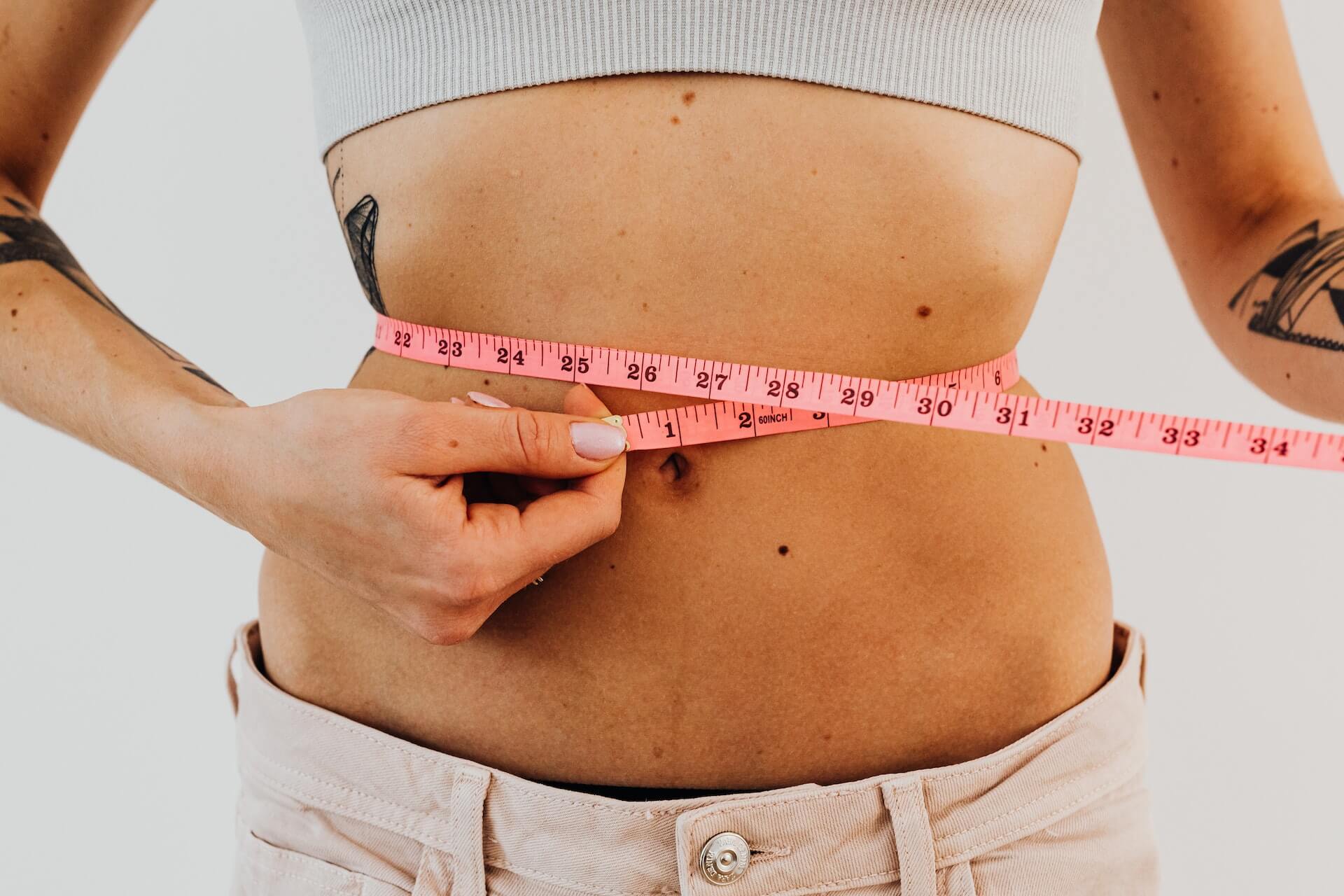
It's a valid worry. A high-fat, moderate-protein, low-carb diet minimizes bloating and inflammatory foods while programming your body to use fat for energy. As a result, it's reasonable to worry whether your weight loss may revert if you return carbohydrates (and hence inflammatory foods) into your diet and exit ketosis for a lengthy period or permanently.
Thankfully, the answer is no. If you are mindful throughout and after the change, you will not necessarily regain the weight.
There are several reasons why people opt to discontinue following a high-fat diet that maintains them in a state of ketosis. Two examples are traveling and significant life events that make it challenging to keep to a specific food plan (such as having a new baby at home and friends dropping off meals). Meanwhile, some people feel best when they cycle in and out of ketosis for short periods, while others have achieved their keto goals and wish to restore more net carbohydrates into their diet.
While you may discontinue the keto diet at any point without experiencing things like the keto flu (which is common when you first begin keto), here are a few guidelines to follow if you decide to transition off of a ketogenic lifestyle. They can help you avoid regaining all the weight you lost on the keto diet while preparing you to continue managing your health.
Make a Slow Transition Off Keto
First and foremost, consider slow and steady while shifting to a post-keto lifestyle. Any significant diet shift can influence your digestive system and weight, so you should avoid going from keto to a regular American diet that is heavy in carbs and poor in nutrients. If you go full carbage, you may have adverse effects such as swiftly regaining weight (including virtually immediate water weight) and digestive problems resulting from the carb excess. You don't want to start a diet that will make you feel worse than before you began keto, do you?
Your best approach is gradually reintroducing carbohydrates into your diet for the first week and beyond, keeping your macronutrients in check, and progressively increasing your carbohydrate grams. Begin by including one serving of starchy vegetables or fruit each day. Gradually work your way up to more veggies (maybe a good piece of sweet potato) while keeping a balanced diet and considering calorie constraints to keep yourself in check. See how introducing one serving back into your diet feels for a couple of days, and then gradually increase if needed while maintaining your typical fat and lean protein consumption.
Remember, even when you're not on keto, there's no need for many processed carbohydrates or carbs; most don't give many health advantages. Remember to keep it low and slow.
Stick to Real, Whole, Unprocessed Foods
To avoid significant weight gain after shifting out of ketosis, maintain a "clean" diet that excludes processed foods.
Obesity was most likely caused by changes in the caloric amount and quality of the food supply, in conjunction with an industrialized food system that produced and promoted easy, highly processed meals from low-cost agricultural inputs. Such foods frequently contain high levels of salt, sugar, fat, and flavor enhancers, and they are designed to have above-average appetitive attributes that stimulate desire and consumption.
Did the Food Environment Cause the Obesity Epidemic? – Obesity journal. (3)
In other words, processed meals are high in calories, make you want to eat more, and do not deliver adequate nourishment. Furthermore, sugar and highly processed grains lead to weight gain (1) and inflammation (2), the latter of which is at the core of many disease processes in the body, including cardiovascular disease, metabolic syndrome, type 2 diabetes, and autoimmune diseases.
High carbohydrate consumption might also put you back on the "blood sugar roller coaster." Ketones are far more effective than glucose in fueling the human brain. Because your brain cannot generate or store glucose (4), when it gets low, you may become angry and wobbly until you ingest more. The more processed and sugary items you eat (such as bagels, cereal, bread, chips, spaghetti, and candy), the more trouble you may have controlling your blood sugar.
You've worked hard to shed weight and improve your health while on keto. If you cease following a keto diet, your most excellent option for avoiding gaining weight and feeling well is to select clean food choices, such as vegetable carb sources, wild-caught seafood, and grass-fed pasture-raised meats; continue to nourish yourself with real, complete foods. Maintain a healthy intake and eat fat with your carbs to decrease sugar absorption in your system.
If you wish to reintroduce grains and grain products into your diet, choose organic versions of ancient kinds such as amaranth, millet, and quinoa, which have yet to be selectively bred like current wheat and maize products. Consume these grains in moderation since the carbohydrates will still trigger an insulin reaction.
Incorporate Movement Into Your Routine
Remember to keep your exercise level up throughout the day while transitioning out of ketosis. According to research, consistent movement throughout the day considerably influences your overall health more than a single intense exercise session. (5) Consistent activity can aid in weight loss and improve overall well-being. We're also talking about only a few jogging sessions. Taking a few breaks from work to walk, getting up and stretching, or practicing a few yoga positions during the day will all help.
The Bottom Line
Whether you're considering a keto diet and want to know what happens "after," or you're dieting and want to know what happens "after," keep these easy ideas in mind to avoid gaining weight as you change your diet. When moving out of ketosis, the best method to keep the weight off is to go low and slow, consume carbohydrates from vegetables and fruit (real food), continue to nourish your body with good eating and genuine food, avoid overly processed meals, and move your body throughout the day. It would help if you also considered incorporating intermittent fasting into your routine.
Furthermore, if you make significant adjustments to your diet, it's a good idea to visit a trained dietitian or nutritionist to ensure your selections are appropriate for your body.





0 Comments