
Have you ever looked at a nutrition label, wondered how many carbohydrates you should eat, or questioned whether you really need to give up bread to lose weight? You are not alone. Low-carb eating is surrounded by confusing information, and it can be hard to know which advice fits your lifestyle.
This low carb diet FAQ answers more than 50 common questions about carbohydrates, food choices, weight loss, potential health benefits, side effects, and long-term eating habits. Whether you are exploring a low-carb diet for the first time or trying to make an existing eating plan easier to follow, you will find practical guidance without memorizing a complicated list of rules.
Here is one important point to understand from the beginning: a low-carbohydrate diet is not a single, standardized eating plan. Some approaches make moderate adjustments to carbohydrate intake, while others, such as the ketogenic diet, restrict carbohydrates much more aggressively. The foods you choose, your overall nutritional intake, your health history, and your ability to maintain your eating pattern all matter.
You also do not necessarily need to eliminate every food containing carbohydrates to make progress toward a health goal. Vegetables, fruit, beans, lentils, and whole grains can provide fiber, vitamins, minerals, and other beneficial nutrients. The goal is to find an approach that supports your needs rather than following the strictest diet you can tolerate.
Ready to sort through the questions one by one? This guide explains the low-carb diet basics, shows you how to make informed food choices, and helps you understand when professional guidance is important.
1. What Is a Low-Carb Diet?
What Does Low-Carb Actually Mean?
A low-carbohydrate diet is an eating pattern that reduces the amount of carbohydrate you consume compared with your usual intake. Carbohydrates are found in many foods, including grains, bread, pasta, potatoes, fruit, milk, beans, sweets, and sugary drinks. Your body breaks down many of these carbohydrates into glucose, which cells use for energy.
There is no single carbohydrate limit that defines every low-carb diet. Some plans focus on reducing refined carbohydrates and added sugars, while others set a specific daily gram limit. Very low-carb approaches restrict carbohydrates much more substantially and may cause the body to produce increased amounts of ketones for energy.
According to Mayo Clinic's overview of low-carb diets, these diets vary in the types and quantities of carbohydrates allowed. That variation matters because one person's balanced, lower-carb meal plan may look very different from another person's ketogenic menu.
For a practical starting point, think about your existing meals. You might replace sugary drinks with water, add vegetables to lunch and dinner, choose less refined foods, and adjust portions of carbohydrate-rich foods. Those changes can be easier to maintain than suddenly removing entire food groups.
The key is to understand what you are changing, why you are changing it, and how you will maintain adequate nutrition.
Low-Carb vs. Keto vs. Atkins vs. Mediterranean Eating
These terms often appear together in a low-carb nutrition guide, but they do not mean the same thing.
| Eating Pattern | General Approach | Important Distinction |
|---|---|---|
| Moderate Low-Carb | Reduces Carbohydrate Intake While Allowing a Range of Carbohydrate-Containing Foods | Can Be Flexible and Adapted to Personal Preferences |
| Very-Low-Carb | Restricts Carbohydrate Intake More Substantially | Requires Extra Attention to Nutritional Adequacy and Individual Suitability |
| Ketogenic Diet | Uses Strict Carbohydrate Restriction to Encourage Nutritional Ketosis | A Low-Carb Diet Does Not Automatically Produce Ketosis |
| Atkins-Style Diet | Commonly Uses Structured Phases with Different Carbohydrate Limits | The Approach Depends on the Phase and Version Followed |
| Lower-Carb Mediterranean-Style Eating | Emphasizes Vegetables, Fish, Olive Oil, Nuts, Seeds, and Other Nutrient-Rich Foods While Moderating Carbohydrate Intake | Focuses on Food Quality as Well as Carbohydrate Quantity |
A ketogenic diet is therefore one type of low-carb diet, not a synonym for every lower-carbohydrate eating pattern. Someone who eats fruit, beans, and moderate portions of whole grains might follow a lower-carb plan without entering ketosis.
Mediterranean eating also shows that reducing carbohydrates doesn't mean eating unlimited cheese, butter, or processed meat. A lower-carb pattern can still prioritize vegetables, seafood, nuts, seeds, and unsaturated fats.
Choose an approach based on your goals, food preferences, health circumstances, and ability to follow it consistently.
Does a Low-Carb Diet Mean Giving Up All Carbs?
No. Most low-carb diets reduce carbohydrate intake rather than eliminating carbohydrates. Even vegetables, dairy products, nuts, and some protein containing foods contribute carbohydrates in varying amounts.
A common mistake is to treat every carbohydrate containing food as unhealthy. Whole fruit, beans, lentils, vegetables, and minimally processed whole grains provide nutrients that are hard to replace if you remove them without planning.
Instead, consider which foods you eat most often, their nutritional value, and the portions that fit your intended eating pattern. Reducing sugary drinks and frequently eaten refined snacks may be more useful than automatically banning every food containing starch.
The distinction is especially important for people who want a flexible eating plan. Your dietary approach should support a nutritious overall pattern, not turn every meal into a test of whether you can avoid carbohydrates completely.
Who Might Consider a Low-Carb Diet?
Adults may consider a lower-carb eating pattern for several reasons, including weight management, reducing their consumption of added sugars, or working with a medical professional to manage blood glucose.
Some people find that meals containing adequate protein, vegetables, and healthy fats help them feel satisfied. Others prefer an eating pattern that includes more whole grains, legumes, and fruit. Neither preference automatically determines which diet will work best.
A lower-carb plan can be adjusted to fit different cuisines, budgets, and cooking habits, but suitability is not universal. People with diabetes who use certain medications, those with kidney disease, pregnant or breastfeeding individuals, children, and people at risk of disordered eating need particular care with restrictive approaches.
Before making substantial dietary changes, consider your medical history and nutritional requirements. If you have a chronic condition or take prescription medication, consult your healthcare professional before adopting a strict plan.
2. How Many Carbs Should You Eat Per Day?
Is There an Official Definition of a Low-Carb Diet?
There is no single universally accepted definition used by every research study, clinician, and commercial diet program. Some approaches describe carbohydrate intake as a percentage of total energy intake, while others use grams per day.
That is why two people can both describe their diets as low-carb while eating noticeably different amounts of carbohydrates. One may reduce portions of bread, rice, and sugary foods. Another may follow a much stricter plan that substantially limits grains, legumes, many fruits, and starchy vegetables.
The important thing is to recognize which type of eating pattern you are considering. A moderate reduction is not the same as a very low-carbohydrate or ketogenic diet, and the potential risks are not identical.
Common Daily Carbohydrate Targets Compared
The figures below are broad examples of how different eating patterns are often described. They are not individualized prescriptions or a recommendation that everyone should aim for the lowest number.
| Approximate Daily Carbohydrate Intake | General Description | What to Know |
|---|---|---|
| 100–150 Grams | A Relatively Moderate Carbohydrate Reduction for Some Adults | May Allow Several Portions of Fruit, Legumes, or Grains |
| 50–100 Grams | Often Described as a Lower-Carbohydrate Approach | Food Selection and Portion Sizes Become More Important |
| About 20–50 Grams | Commonly Associated with Very Low-Carb or Ketogenic Approaches | More Restrictive and Not Suitable for Everyone |
| More Than 150 Grams | May Still Be Appropriate Within a Balanced Eating Pattern | Individual Energy Needs and Food Quality Matter |
These ranges overlap with different definitions in research and commercial programs, so they should not be treated as rigid categories. A person's total energy requirements, activity level, medical situation, and chosen foods can all change what is appropriate.
For example, someone who eats 100 grams of carbohydrates from vegetables, beans, fruit, and plain yogurt has a different nutritional pattern from someone eating the same amount mostly from sugary drinks and refined snacks.
The practical question is not simply how low you can make your carbohydrate number. It is how to build an eating pattern that meets your nutritional needs and supports your goals.
How Do You Choose a Daily Carb Target?
Start by identifying your reason for reducing carbohydrates. Are you trying to reduce added sugar, organize meals more effectively, manage blood glucose with clinical support, or experiment with a different approach to weight management?
Your answer can guide the level of change you consider. Someone who mainly drinks sweetened beverages and regularly eats large portions of refined snacks may benefit from improving those habits before adopting a restrictive plan.
Consider the foods you enjoy, your activity level, and how you normally organize meals. A target that requires you to eliminate many of your preferred foods may be unnecessarily difficult to maintain.
Medical considerations should come first. People using insulin or medications that can cause hypoglycemia may need treatment adjustments when carbohydrate intake changes. The American Diabetes Association's 2026 Standards of Care emphasize the importance of clinical oversight for people following very low-carbohydrate eating plans.
Rather than selecting a target from a social media post, discuss an appropriate range with a registered dietitian or healthcare professional when necessary.
Total Carbs vs. Net Carbs
- Total carbohydrates generally include sugars, starches, and dietary fiber as reported on a food label. These components do not all affect digestion and blood glucose in the same way.
- Net carbs are a commonly used term that attempts to estimate the carbohydrate available for digestion by subtracting certain components, often fiber, from total carbohydrates. However, there is no universally standardized calculation that works perfectly for every product or every type of fiber and sugar alcohol.
For instance, some tracking tools subtract all sugar alcohols, even though individual sugar alcohols can have different digestive and blood glucose effects. That can make net carb numbers look more precise than they really are.
For a general overview of food composition, begin with the total carbohydrate figure on the nutrition label. If you are counting carbohydrates for diabetes management, follow the method recommended by your diabetes care team rather than assuming that a net carb figure is interchangeable with total carbohydrates.
Do You Need to Count Every Gram of Carbohydrate?
Not necessarily. Some people prefer to track food because numbers make portions and patterns easier to understand. Others find that keeping a general awareness of carbohydrate-rich foods works better for their lifestyle.
You might begin by learning which foods contribute the most carbohydrates to your usual meals. Check serving sizes, notice added sugars, and experiment with meal combinations that include protein, vegetables, and fiber-rich foods where appropriate.
Formal carbohydrate counting can be particularly useful for some people with diabetes. The CDC's guide to carb counting explains how people use carbohydrate information to manage blood glucose, including how some individuals match mealtime insulin to carbohydrate intake.
For weight management, however, precise daily tracking is not the only possible approach. Choose the method that supports your goal without making eating unnecessarily stressful.
3. What Can You Eat on a Low-Carb Diet?
The Main Foods to Build Meals Around
A nutritious low-carb eating plan can include a wide range of foods. The specific portions depend on your daily carbohydrate target, but the general aim should be to create meals that provide adequate protein, healthy fats, fiber, vitamins, and minerals.
Useful foods to consider include:
- Non-starchy vegetables such as spinach, broccoli, cauliflower, cucumbers, zucchini, and peppers.
- Protein sources such as eggs, fish, poultry, tofu, and other suitable minimally processed foods.
- Sources of unsaturated fat, including olive oil, avocado, nuts, and seeds.
- Plain yogurt, cheese, and other dairy products where appropriate for your needs and carbohydrate target.
- Fruit, beans, lentils, and whole grains in portions compatible with your chosen plan.
- Water and other suitable unsweetened beverages.
You do not need to buy expensive specialty products to follow a lower-carb pattern. Eggs, canned fish, frozen vegetables, tofu, seasonal produce, and ordinary home cooked meals can provide plenty of variety.
The goal is to improve your overall food pattern, not simply replace every carbohydrate source with cheese, processed meat, or packaged low-carb snacks.
Which Protein Sources Are Suitable?
Protein helps maintain and repair tissues and contributes to satiety. On a lower-carbohydrate diet, suitable protein choices can include eggs, chicken, turkey, fish, seafood, tofu, and other protein-rich foods that fit your dietary preferences.
Plant-based choices deserve attention, too. Tofu, tempeh, nuts, seeds, and some legumes can provide protein, although their carbohydrate content varies. If you avoid animal products, you may need to plan more carefully to meet your protein and micronutrient requirements.
Try varying your protein sources across the week. Fish, for example, offers a different nutritional profile from processed meat, while beans provide fiber alongside plant protein and carbohydrates.
There is no need to assume that a higher-protein diet is automatically better. Your appropriate protein intake depends on factors such as age, body size, activity level, and health status. People with kidney disease may need individualized advice about protein intake and other dietary considerations.
What Are the Best Low-Carb Vegetables?
Non-starchy vegetables are useful because many provide fiber and micronutrients without contributing as much carbohydrate as starchy foods in comparable portions.
Good options include:
- Spinach, kale, lettuce, and other leafy greens.
- Broccoli, cauliflower, and cabbage.
- Cucumbers, zucchini, and celery.
- Bell peppers, mushrooms, and asparagus.
- Green beans and other suitable non-starchy vegetables.
You can serve these vegetables raw, steamed, roasted, sautéed, or mixed into soups and salads. Olive oil, herbs, garlic, spices, lemon juice, and other flavorings can make them more appealing without requiring complicated recipes.
Potatoes, sweet potatoes, corn, and peas generally provide more carbohydrates per portion than many leafy greens, but they are not inherently unhealthy. Whether they fit your plan depends on portion sizes and your chosen carbohydrate target.
Try to keep vegetables varied instead of relying on only one or two options. A broader range of plant foods makes it easier to obtain different nutrients and keep meals interesting.
Can You Eat Fruit on a Low-Carb Diet?
Yes. Fruit can be included in many lower-carbohydrate eating patterns, although portion sizes and fruit choices affect total carbohydrate intake.
Berries such as strawberries, raspberries, and blackberries are popular choices because modest portions can fit into many lower-carb menus. Other fruits, including apples, oranges, peaches, and pears, may also fit depending on your daily target.
Whole fruit offers fiber, water, vitamins, and other nutrients. It is different from fruit juice, which is easier to consume quickly and generally contains less fiber per serving.
You do not have to think of fruit as a forbidden food simply because it contains naturally occurring sugar. Instead, pay attention to portion size, nutritional value, and how the food fits your overall eating pattern.
If you follow a very strict ketogenic plan, you may need to choose smaller portions of fruit more carefully. A less restrictive low-carb plan generally offers more flexibility.
Can You Eat Dairy Products?
Many low-carb diets include dairy foods, but the carbohydrate content varies by product.
Hard cheeses and many other cheeses contain relatively little carbohydrate per serving. Plain Greek yogurt may also fit, although its carbohydrate content depends on the product and portion size. Milk contains lactose, a naturally occurring sugar, and flavored yogurts can contain substantial added sugar.
When shopping, compare nutrition labels rather than assuming all dairy products are interchangeable. Look at serving sizes, total carbohydrates, protein, added sugars where listed, and saturated fat.
If you avoid dairy because of intolerance, allergy, personal preference, or other reasons, suitable fortified alternatives may be useful. Check labels because sweetened plant-based drinks and yogurts can contain added sugars, while protein and calcium content varies substantially.
Dairy is an option, not a requirement. A well-planned lower-carb diet can be built around other foods.
Can You Eat Bread, Rice, Potatoes, Beans, and Oats?
Yes, these foods can fit into some low-carbohydrate eating plans. The main questions are how much you eat, how frequently you eat them, and how strict your chosen carbohydrate target is.
Bread, rice, pasta, and oats can contribute substantial carbohydrates in ordinary portions. Beans and lentils contain carbohydrates, too, but they also provide fiber and plant protein. Potatoes and sweet potatoes contribute starch and supply nutrients such as potassium.
You might choose smaller portions of these foods, combine them with non-starchy vegetables and protein, or include them in meals on days when your overall carbohydrate intake allows. A person following a moderate low-carb pattern may have room for foods that would be harder to fit into a strict ketogenic diet.
Avoid assuming that eliminating every grain or legume is necessary for better health. The CDC's guidance on choosing healthy carbohydrates provides useful information about carbohydrate quality and nutrient-rich food choices.
The best choice is one that fits your needs while allowing you to maintain a varied and enjoyable diet.
Which Fats and Oils Should You Choose?
Fat can help make meals satisfying, but the type of fat matters. Good options to consider include olive oil, avocado, nuts, seeds, and fish that provide unsaturated fats.
A low-carb diet does not automatically become heart healthy simply because it contains fewer carbohydrates. If you replace bread, beans, and other carbohydrate containing foods mostly with butter, fatty processed meat, cream, and large amounts of cheese, your intake of saturated fat may increase.
The American Heart Association's guidance on saturated fat explains why dietary patterns that replace saturated fats with unsaturated fats are important for cardiovascular health. Individual cholesterol responses vary, but food choices deserve attention even when a diet's carbohydrate content is low.
Think about the bigger picture. Use fats to prepare food and add flavor, but combine them with vegetables, suitable protein sources, and other nutrient-rich foods rather than treating high-fat products as unlimited foods.
Which Foods and Drinks Should You Limit?
The foods most worth limiting depend on your existing habits and nutritional goals. Sugary drinks, sweets, frequently eaten refined snacks, and heavily sweetened beverages can contribute substantial carbohydrates without necessarily providing much nutritional value.
Other foods can be less obvious. Sauces, salad dressings, marinades, flavored yogurt, packaged snacks, and coffee drinks may contain sugars or starches that add up across the day.
Alcohol also deserves consideration. Some alcoholic drinks contain carbohydrates, and alcohol can affect judgment, hydration, and medication related risks. Anyone with diabetes or taking medications associated with ketoacidosis should discuss alcohol and restrictive eating patterns with their healthcare professional.
You do not need to build a rigid banned food list. Instead, identify the items that contribute most to your goals, consider reasonable portions, and choose alternatives you genuinely enjoy.
A sustainable dietary pattern leaves room for flexibility while keeping your regular meals nutritionally balanced.
4. How to Count Carbs and Read Food Labels
How to Find Carbohydrates on a Nutrition Label
Start with the serving size on the package. Nutrition information is usually reported per serving, not necessarily per package, plate, or amount you typically eat.
Imagine a packaged snack that lists 18 grams of total carbohydrates per serving. If you eat two servings, you consume 36 grams of total carbohydrates from that food, assuming the label is accurate for those portions.
Next, look at the total carbohydrate value. Depending on the labeling system, the label may also show fiber, total sugars, added sugars, and other components. These details help you understand where the carbohydrates come from and how the food fits your nutritional needs.
For diabetes management, counting the total carbohydrate amount and following your healthcare team's recommended method is particularly important. The CDC explains that a carbohydrate serving in diabetes education is often estimated at 15 grams, but this does not mean every food serving contains exactly that amount.
How to Calculate Net Carbs
Net carbs are a practical tracking concept used by some low-carb and ketogenic diet followers. A common method subtracts dietary fiber from total carbohydrates, because fiber is not digested and absorbed in the same way as many sugars and starches.
Consider this hypothetical label:
| Nutrition Information | Amount per Serving |
|---|---|
| Total Carbohydrates | 15 g |
| Dietary Fiber | 5 g |
| Illustrative Net Carbohydrates | 10 g |
In this example, subtracting the 5 grams of fiber from 15 grams of total carbohydrates gives 10 grams under the common calculation.
However, the calculation is not necessarily appropriate for every product. Sugar alcohols differ in digestibility and their effects on blood glucose, so subtracting all sugar alcohols in full may give a misleading estimate. Some countries also present carbohydrate and fiber information differently on labels.
For that reason, treat net carbs as a tracking estimate rather than a perfect measure of physiological response. If you count carbohydrates to manage diabetes or adjust medication, follow advice from your qualified diabetes care team.
What Is the Difference Between Fiber, Sugar, and Starch?
Sugar, starch, and fiber are different components of carbohydrate-containing foods.
- Sugars include naturally occurring sugars in foods such as fruit and milk, as well as added sugars in many packaged foods.
- Starches are found in foods such as grains, potatoes, corn, beans, and lentils. Your body can break down many starches into glucose during digestion.
- Dietary fiber is found in plant foods and is not digested in the same way as most sugars and starches. Different types of fiber have different effects, and adequate intake supports digestive health.
These distinctions explain why 20 grams of carbohydrates from different foods should not be assumed to have identical nutritional value. Food sources also provide varying amounts of protein, vitamins, minerals, and other beneficial compounds.
A balanced approach considers both the quantity and quality of carbohydrates rather than viewing every gram as nutritionally equivalent.
Where Do Hidden Carbs Come From?
Hidden carbohydrates often appear in products people do not think of as carbohydrate-rich foods. Salad dressings, ketchup, barbecue sauces, marinades, sweetened tea, specialty coffee drinks, flavored yogurt, and packaged snacks are common examples.
Restaurant meals can be harder to estimate because recipes, portion sizes, and sauces vary. A dish described as grilled chicken, for instance, may come with a sugary glaze or a starch sauce.
The easiest solution is to read labels when buying packaged food and ask questions when ordering meals. You do not have to investigate every ingredient in every situation, but checking foods you consume frequently can improve your awareness.
If you choose packaged products marketed as low-carb, compare their labels rather than relying only on the front of package claims. A product can contain relatively few carbohydrates while still providing substantial saturated fat, sodium, or calories.
How to Assemble a Balanced Low-Carb Meal
An easy way to organize a meal is to begin with a protein source, add a generous portion of non-starchy vegetables, and include a suitable source of fat. You can add portions of fruit, legumes, whole grains, or starchy vegetables according to your preferred carbohydrate range.
For example, grilled fish with roasted broccoli and olive oil creates a different nutritional balance from a meal made mainly of processed meat and cheese. Both might be low in carbohydrates, but the first makes room for vegetables and unsaturated fats.
A simple day's menu might look like this:
| Meal | Example | Practical Benefit |
|---|---|---|
| Breakfast | Eggs with Spinach and Tomatoes | Combines Protein with Vegetables |
| Lunch | Chicken or Tofu Salad with Cucumber, Leafy Greens, and Olive-Oil Dressing | Offers Protein, Vegetables, and Unsaturated Fat |
| Snack, If Needed | Nuts or Vegetables with a Suitable Dip | Provides a Convenient Option Between Meals |
| Dinner | Fish, Roasted Cauliflower, and a Portion of Lentils If They Fit Your Target | Adds Variety and Allows Flexible Carbohydrate Choices |
These examples are not a personalized meal prescription. Adjust portions to your needs, preferences, and medical circumstances. The purpose is to show that eating lower-carb meals does not require complicated recipes or expensive specialty foods.
5. Can a Low-Carb Diet Help You Lose Weight?
How Does Carb Reduction Affect Weight Loss?
A lower-carbohydrate eating pattern may help some people lose weight, but the outcome depends on more than the amount of carbohydrate consumed.
One possible benefit is that meals containing adequate protein, vegetables, and suitable fats may help some people feel full for longer. If that makes it easier to reduce total energy intake, weight loss may follow. Reducing sugary beverages or frequently eaten energy-dense snacks can also change overall food intake.
Another factor is water weight. When carbohydrate intake drops substantially, the body's stored glycogen decreases, and glycogen is associated with water. This can produce an early change on the scale that does not represent body fat loss alone.
The longer-term picture is more complex. Mayo Clinic notes that low-carb diets may produce greater short-term weight loss in some comparisons, but differences often become smaller or harder to maintain over longer periods. The Cochrane review of low-carbohydrate versus balanced-carbohydrate diets likewise found little to no difference in weight reduction between these approaches for periods of up to two years.
That does not mean the approach cannot work. It means there is no universal reason to assume carbohydrate restriction always produces better long-term results than other sustainable dietary strategies.
How Much Weight Can You Lose on a Low-Carb Diet?
There is no reliable single figure that applies to everyone. Results depend on your starting weight, total energy intake, activity level, body composition, medication use, sleep, and consistency over time.
Someone who substantially changes their usual food intake may see an early scale change, partly because of differences in water retention. Another person may notice gradual changes over several weeks. Neither pattern alone proves that a diet will be effective over the long term.
Be cautious of programs that promise a specific amount of weight loss in seven days or guarantee dramatic results within a month. Such claims often ignore individual differences and may encourage excessively restrictive behavior.
A more useful approach is to establish realistic habits you can maintain. Consider how you feel, how well your meals satisfy you, whether you can follow the plan comfortably, and whether your health markers are improving when monitoring is appropriate.
If weight management is your goal, a clinician or registered dietitian can help you choose a suitable approach based on your circumstances.
Why Does Weight Sometimes Drop Quickly at First?
When you reduce carbohydrate intake, your body may use some of its stored glycogen. Glycogen is stored with water, so changes in glycogen stores can affect body weight relatively quickly.
This helps explain why the scale sometimes drops faster in the first days of a strict low-carb diet than it does later. The early change includes water weight and should not be interpreted as an equivalent amount of body fat loss.
Your daily weight also changes because of hydration, sodium intake, digestion, bowel movements, menstrual cycle changes, and other normal factors. Those fluctuations can obscure gradual changes over time.
Look at longer-term trends rather than judging the entire diet by a few morning measurements. Maintaining adequate hydration and eating regular, balanced meals is more useful than trying to force the scale down through extreme restriction.
Why Am I Not Losing Weight on a Low-Carb Diet?
If the scale has stopped moving, it does not automatically mean you need to eliminate more carbohydrates.
Start by looking at the details of your routine. Portion sizes may be larger than expected, and foods such as nuts, cheese, oils, creamy dressings, and specialty snacks can be energy-dense even when they contain relatively few carbohydrates. Sugary beverages and alcohol may also contribute energy without being particularly filling.
Other factors include inconsistent habits, changes in activity, poor sleep, medications, fluid retention, and normal variations in body weight. Weight loss progress can also slow as your body weight and energy requirements change.
Try keeping a nonjudgmental record of your regular meals and routines for a short period. Look for one or two realistic improvements rather than cutting out another food group immediately.
If you are experiencing persistent weight changes or have concerns about an underlying health condition, speak with a medical professional. A nutrition plan should support your health, not make you feel that every plateau is a personal failure.
Do Calories Still Matter on a Low-Carb Diet?
Yes. Carbohydrate intake is one component of your diet, but total energy intake still matters for changes in body weight.
Some people naturally eat less when they reduce carbohydrates because meals with adequate protein and fiber-rich vegetables help them feel satisfied. Others replace carbohydrate-rich foods with large portions of energy-dense fats, which may mean their overall energy intake does not decrease.
That is why low-carb eating is not a guarantee of weight loss. Portion sizes, food choices, appetite, activity, and long-term adherence all affect the result.
Rather than counting every calorie automatically, consider whether your routine meets your goals and provides adequate nutrition. Some people benefit from tracking energy intake, while others find it more practical to use consistent meals and portion awareness.
The best method is one that helps you make informed decisions without creating unnecessary stress or encouraging excessively restrictive behavior.
How Do You Handle Weight Loss Plateaus and Maintenance?
A plateau is a period when body weight changes little or not at all. It can happen during many kinds of weight management programs, including low-carb plans.
Before changing your diet, look at your progress over several weeks rather than a few days. Review portions, activity, sleep, stress, hydration, and the regularity of your meals. Ask whether your current approach still fits your appetite, schedule, and energy needs.
You might discover that a small adjustment works better than a drastic change. For example, adding regular walks, planning meals in advance, or making frequently consumed snacks more balanced may be easier to maintain than lowering your carbohydrate limit significantly.
Long-term maintenance also requires flexibility. Your eating pattern should be able to accommodate different social situations, changing schedules, and foods you enjoy.
A useful goal is to build habits that continue to support your well-being after the initial period of weight loss, rather than treating the diet as a temporary challenge with a fixed finish line.
6. What Are the Potential Health Benefits?
Can a Low-Carb Diet Help Manage Blood Sugar?
Reducing carbohydrate intake can affect the amount of glucose entering the bloodstream after meals. For some people with diabetes or elevated blood glucose, changing carbohydrate portions and improving food choices may help with glucose management.
However, blood glucose responses depend on many factors, including the type of carbohydrate, portion size, meal composition, activity, medication, and individual physiology. Someone who uses insulin or certain glucose-lowering medications may experience hypoglycemia if their carbohydrate intake changes without appropriate treatment guidance.
The important distinction is that a lower-carbohydrate diet may be one tool for managing blood glucose; it is not a cure for diabetes. People with diabetes should work with their clinical team to determine whether dietary changes suit their treatment plan.
The American Diabetes Association's Standards of Care provide current clinical recommendations and highlight the need to individualize nutrition and medication management.
What Can Happen to Cholesterol and Triglycerides?
Blood lipid responses to low-carb eating vary. Some people experience lower triglyceride levels, while others may experience an increase in LDL cholesterol, depending on factors such as genetics, total dietary composition, weight changes, and the sources of fat they eat.
It is therefore misleading to say that every low-carb diet improves cholesterol or that every low-carb diet damages heart health. The foods replacing carbohydrates can make a meaningful difference.
For example, a plan centered on olive oil, nuts, seeds, fish, and a variety of vegetables has a different nutritional profile from one built largely around butter, fatty processed meats, and high-fat dairy products.
If you follow a restrictive plan, discuss appropriate lipid testing with your healthcare professional, especially if you have a history of cardiovascular disease or abnormal cholesterol.
A blood test provides useful information that cannot be inferred simply from how much weight you lose or how low your carbohydrate intake becomes.
Can Lower-Carb Eating Affect Hunger, Energy, and Appetite?
Some people report feeling more satisfied on a lower-carbohydrate diet, particularly when their meals provide adequate protein and vegetables. Others find that strict carbohydrate limits make them hungry, tired, or preoccupied with food.
Both experiences are possible because appetite and energy are influenced by more than macronutrient ratios. Total food intake, sleep, physical activity, stress, hydration, and underlying health conditions also matter.
If you feel consistently weak, dizzy, unusually fatigued, or unable to eat enough, do not assume that discomfort means the diet is working. Your plan may be too restrictive, insufficiently balanced, or unsuitable for your circumstances.
Pay attention to how your body responds over time. A sustainable diet should help you meet your nutritional needs and function in daily life, rather than forcing you to tolerate ongoing symptoms.
What Does the Research Say About Long-Term Benefits?
Research on lower-carbohydrate eating includes many different dietary approaches, study populations, and follow-up periods. That makes it important to distinguish the effects of a specific intervention from claims about all low-carb diets.
Some studies report improvements in body weight or selected blood-glucose and lipid measures, especially over shorter periods. Yet results vary, and long-term differences between lower-carbohydrate and more balanced carbohydrate approaches may be modest.
The Cochrane review noted above found little to no difference in weight reduction and several cardiovascular risk markers between low-carbohydrate and balanced carbohydrate weight reduction diets over periods of up to two years.
This finding supports a practical message: sustainability and overall food quality matter.
Long-term health also depends on factors such as dietary variety, fiber intake, the balance of dietary fats, physical activity, sleep, and medical care when needed.
Instead of assuming the strictest plan must be the healthiest, use evidence and your individual circumstances to decide whether lower-carb eating is a good fit.
7. What Are the Risks and Side Effects?
What Happens When You Cut Carbs Suddenly?
A sudden, substantial reduction in carbohydrate intake can cause temporary symptoms in some people. These may include headaches, tiredness, lightheadedness, muscle cramps, digestive changes, and reduced exercise performance.
Changes in water and electrolyte balance may contribute to some symptoms, while changes in food choices can affect fiber intake and bowel habits. People who adopt a ketogenic diet may also experience symptoms commonly described as keto flu, although the term is nontechnical and does not describe one specific medical condition.
Not everyone experiences these effects, and there is no guarantee that symptoms will disappear after a set number of days. Severe or persistent symptoms should not automatically be dismissed as a normal adjustment period.
If you are considering changing your carbohydrate intake, a less abrupt approach may be easier to manage, depending on your health circumstances. Stay appropriately hydrated, maintain adequate food intake, and pay attention to how you feel.
Seek professional advice if symptoms persist, worsen, or interfere with everyday activities.
How Can You Avoid Constipation and Low Fiber Intake?
Constipation can become an issue if you reduce carbohydrates by removing many fiber-containing foods without replacing them with suitable alternatives.
Fiber is found in vegetables, fruit, beans, lentils, nuts, seeds, whole grains, and other plant foods. The amount you can include depends on your chosen eating pattern, but a low-carb diet should not automatically become a low-fiber diet.
Consider including a variety of suitable vegetables, nuts, seeds, and other fiber-containing foods. Drink enough fluid for your needs, and increase fiber gradually if your usual intake has been low. Sudden increases can sometimes cause bloating or digestive discomfort.
Do not assume that a supplement is necessary simply because you are following a lower-carb diet. Food variety, adequate fluid intake, regular movement, and appropriate meal patterns may all help, although persistent constipation sometimes requires medical assessment.
Seek clinical advice if bowel changes are ongoing, painful, or accompanied by concerning symptoms.
Can a Low-Carb Diet Raise LDL Cholesterol?
Yes, LDL cholesterol can increase in some people following a low-carb diet, particularly when the eating pattern is high in saturated fat. Individual responses differ, so the change cannot be predicted from carbohydrate intake alone.
Foods such as butter, fatty processed meats, cream, and some high-fat dairy products contain saturated fat. Replacing substantial amounts of carbohydrate-rich foods with these products may increase saturated-fat intake.
A more balanced lower-carb approach can emphasize olive oil, nuts, seeds, fish, vegetables, and other foods that provide unsaturated fats and useful nutrients.
The American Heart Association's guidance on saturated fat explains why the type of dietary fat matters for cardiovascular health. If you adopt a restrictive eating plan, ask your healthcare professional whether and when cholesterol testing is appropriate.
Do not assume that weight loss automatically means every cardiovascular risk marker is improving.
Can Severe Carbohydrate Restriction Cause Nutritional Problems?
It can, especially when a restrictive diet limits food variety or removes entire categories of nutrient-rich foods without suitable replacements.
For example, eliminating many fruits, legumes, vegetables, and whole grains can make fiber intake more difficult to maintain. Depending on the foods excluded and included, some people may also struggle to obtain adequate amounts of certain vitamins, minerals, and other nutrients.
This does not mean every low-carb diet causes deficiencies. It means that nutritional adequacy requires planning.
Build meals around varied vegetables and appropriate protein sources, include suitable sources of unsaturated fat, and select other nutrient-rich foods that fit your plan. If you follow a very restrictive approach for an extended period, professional dietary assessment may be helpful.
Supplements should be chosen based on actual needs and professional advice rather than used as a substitute for a poorly planned eating pattern.
What Should You Know About Kidney Health and Other Conditions?
There is no basis for claiming that every lower-carb diet inevitably damages healthy kidneys. However, people with chronic kidney disease or other complex medical conditions may have specific requirements involving protein, minerals, fluid, medications, and energy intake.
A diet that works for one person may be unsuitable for someone with a different medical history. For example, a plan that substantially changes protein intake or eliminates many food groups may require adjustments to remain nutritionally appropriate.
People with kidney disease should consult their healthcare professional or renal dietitian before making major dietary changes. They should not assume that an internet carbohydrate target automatically fits their clinical needs.
The same principle applies to other chronic conditions. Individual advice can help balance dietary goals with medical treatment, nutritional adequacy, and overall quality of life.
When Can a Low-Carb Diet Interact With Medication?
This is one of the most important safety questions in any low carb diet FAQ. Substantial reductions in carbohydrate intake can change how certain medications affect the body, particularly for people with diabetes.
People who use insulin or medications that can cause hypoglycemia may need adjustments to their treatment when their carbohydrate intake changes. Blood-glucose monitoring and clinician guidance can help reduce the risk of dangerously low blood sugar.
Another important example involves sodium-glucose cotransporter 2 (SGLT2) inhibitors, a class of medication used for diabetes and certain other conditions. The American Diabetes Association's 2026 clinical guidance identifies very low-carbohydrate eating patterns as a risk factor for diabetic ketoacidosis in people taking SGLT inhibitors. Ketoacidosis can sometimes occur without extremely high blood glucose.
People taking blood pressure medication may also require monitoring when substantial dietary and weight changes occur.
Do not stop, reduce, or increase prescribed medication on your own. Discuss your intended diet with the clinician who manages your treatment before making substantial changes.
Which Symptoms or Situations Need Medical Attention?
Mild changes in appetite or bowel habits can occur after dietary adjustments, but not every symptom should be attributed to a diet transition.
Seek prompt medical advice for persistent vomiting, ongoing dizziness, severe weakness, or symptoms that interfere with normal activities. Severe abdominal pain, confusion, fainting, difficulty breathing, or other signs of a medical emergency require urgent assessment.
People with diabetes who take SGLT2 inhibitors or who otherwise have a risk of diabetic ketoacidosis should be especially alert to symptoms such as nausea, vomiting, abdominal pain, unusual fatigue, and rapid or difficult breathing. Do not rely on blood glucose alone to rule out ketoacidosis.
If you feel unwell after starting a restrictive diet, stop treating the symptoms as proof that the plan is working and seek appropriate advice. The right response depends on the symptoms, their severity, your medical history, and your medications.
A safe eating plan should never require you to ignore serious warning signs.
8. How to Follow a Low-Carb Diet in Everyday Life
How Should Beginners Get Started?
You do not need to transform every meal overnight. A gradual approach can help you understand your food habits and identify changes that feel manageable.
Start by looking at your most frequent meals. You could replace sugary drinks with water, add vegetables to lunch and dinner, choose less refined snack options, or make protein a consistent part of your meals.
Next, decide whether you need a specific carbohydrate target or would benefit more from general food changes. If you choose a target, make sure it is appropriate for your needs and medical circumstances.
Plan a few straightforward meals before buying specialty products. Eggs, frozen vegetables, canned fish, tofu, nuts, seeds, and other everyday foods can make practical building blocks.
Give yourself time to learn. Consistent habits are more valuable than an extreme first week followed by a return to old routines.
How Do You Plan Meals and Shop on a Budget?
A lower-carb eating pattern does not need to be expensive. The key is to organize meals around affordable foods and use ingredients in more than one recipe.
Frozen vegetables can reduce waste and simplify cooking. Eggs, canned fish, tofu, seasonal produce, and suitable cuts of meat can provide variety without requiring expensive specialty products.
Try planning three or four main meals for the week and using leftovers for lunch. A roasted vegetable mixture, for example, can be served alongside eggs, fish, chicken, or tofu on different days.
Before shopping, make a list based on meals you will actually prepare. Buying large quantities of unfamiliar diet products often adds cost without improving your overall eating pattern.
If your budget is limited, prioritize useful everyday foods rather than bars, powders, or packaged snacks marketed specifically to low-carb consumers.
How Can You Eat Out, Travel, and Attend Social Events?
Eating outside the home is easier when you focus on flexible choices rather than trying to recreate every part of your normal routine.
At a restaurant, look for meals with a protein source and vegetables. Ask about sauces or dressings when necessary, and choose portions that align with your preferences. You can also select a suitable carbohydrate-containing side when it fits your plan.
Travel and social occasions may require compromise. You might not know the exact carbohydrate content of every meal, and you do not need to turn that uncertainty into a stressful experience.
Consider your overall habits across days and weeks, not just one lunch or celebration. A sustainable eating plan should allow you to share meals with other people and participate in ordinary activities.
If you have diabetes or another condition calling for precise dietary management, follow your treatment team's advice for eating away from home.
Can Vegetarians and Vegans Eat Low-Carb?
Yes, although planning becomes particularly important when you combine carbohydrate restriction with a vegetarian or vegan diet.
Tofu, tempeh, nuts, seeds, and some plant-based protein products can be useful options. Some legumes contain more carbohydrates than a strict ketogenic plan allows in ordinary portions, but they also provide protein, fiber, and other nutrients.
Vegetarians and vegans should consider how they will meet their protein and micronutrient needs as they maintain adequate dietary variety. Depending on the foods eaten, nutrients such as vitamin B12, iron, calcium, and omega-3 fatty acids may deserve particular attention.
A registered dietitian experienced in plant-based diets can help create an eating pattern that fits your preferences without unnecessary restriction.
There is no need to assume that a vegan or vegetarian diet must be low in carbohydrates to be healthy. Choose a pattern that meets your actual nutritional and personal needs.
Can You Exercise on a Low-Carb Diet?
Yes, many people can exercise while following a lower-carb eating pattern. However, the effect on performance depends on the type of activity, training intensity, total energy intake, and how much carbohydrate you consume.
Some activities rely heavily on carbohydrate availability, particularly high-intensity training and repeated strenuous efforts. People who substantially reduce carbohydrates may notice changes in performance while adjusting to their new eating pattern.
Make sure you eat enough overall, obtain adequate protein, stay hydrated, and pay attention to recovery. If you experience persistent fatigue or declining performance, your diet may need to be adjusted.
Athletes and highly active people may benefit from individualized advice about the amount and timing of carbohydrates that best supports their training.
The purpose of a diet is not to impose a carbohydrate target at the expense of your health, performance, or ability to exercise comfortably.
How Do You Make Low-Carb Eating Sustainable?
The best eating plan is one you can follow while meeting your nutritional needs and maintaining a satisfying relationship with food.
Build meals around foods you enjoy, choose ingredients you can afford, and leave room for different cuisines and social situations. You may find that a moderate reduction in refined carbohydrates works better than strict carbohydrate restriction.
Avoid assuming that one imperfect meal ruins your progress. Flexibility allows you to make reasonable decisions without turning eating into an all-or-nothing exercise.
Review your routine occasionally. Are you eating enough vegetables? Are your meals satisfying? Are you finding it difficult to socialize, exercise, or enjoy food? Your answers can help you adjust the plan.
If dietary rules become stressful or restrictions affect your relationship with food, seek appropriate support. Long-term health involves more than hitting a specific carbohydrate target.
9. Is a Low-Carb Diet Suitable for Everyone?
What Should People With Type 1 or Type 2 Diabetes Consider?
Carbohydrate intake and medication management are closely related for some people with diabetes. Changing how much carbohydrate you eat may alter blood glucose levels and the amount of medication needed to manage those levels.
For people using insulin, carbohydrate counting may be part of the treatment plan. Others may use medications with different effects and risks, so dietary adjustments should be tailored to their treatment.
Type 1 diabetes requires particular care because insulin is essential to treatment and insufficient insulin can lead to ketoacidosis. People with type 2 diabetes also need individualized guidance, especially if they use insulin, medications that cause hypoglycemia, or SGLT2 inhibitors.
The ADA's 2026 Standards of Care provide current clinical recommendations. Discuss a proposed low-carb diet with your diabetes care team before making substantial changes, and follow their guidance about medication, glucose monitoring, and warning signs.
Is Very Low-Carb Eating Appropriate During Pregnancy or Breastfeeding?
Very low-carbohydrate and ketogenic diets are generally not recommended during pregnancy or breastfeeding without careful clinical guidance. These life stages involve specific nutritional needs, and overly restrictive eating can make it more difficult to obtain adequate energy and nutrients.
The American Diabetes Association's 2026 pregnancy guidance emphasizes a balanced eating pattern that includes vegetables, fruit, legumes, whole grains, nuts, seeds, fish, and other suitable protein sources. It identifies a recommended minimum carbohydrate intake of 175 grams per day during pregnancy in its clinical nutrition guidance.
That figure is a pregnancy specific dietary reference, not a universal target for every adult. The important point is that pregnancy and breastfeeding are not appropriate times to experiment with a restrictive diet without professional advice.
If you are pregnant, breastfeeding, planning a pregnancy, or managing diabetes during pregnancy, work with your healthcare professional and a qualified dietitian to develop an appropriate eating plan.
What If You Have Kidney Disease or Other Chronic Conditions?
People with kidney disease or other chronic medical conditions may need specific dietary adjustments. Depending on the condition, these may involve protein, potassium, sodium, fluid, phosphorus, energy intake, or medications.
A strict low-carb plan may remove foods that would otherwise provide useful nutrients or change the balance of nutrients in the diet. This does not mean carbohydrate restriction is automatically unsuitable for every person with a chronic condition; it means individual assessment is essential.
Before making a significant change, ask your healthcare professional how it might affect your condition and treatment. A renal dietitian or another appropriately qualified nutrition professional can help tailor the plan when needed.
Avoid copying the carbohydrate target of someone whose health history and nutritional requirements differ from yours.
What About Older Adults, Athletes, and Highly Active People?
Older adults may need to pay particular attention to adequate energy and protein intake, especially when appetite is limited or maintaining muscle mass is a priority. A restrictive diet that makes it difficult to eat enough may not be suitable.
Athletes and highly active people may have different carbohydrate requirements depending on training demands. Some find lower-carb eating workable for particular activities, while others perform better with more carbohydrate.
In both cases, the important questions concern total nutrition, recovery, strength, physical function, and sustainability rather than reaching the lowest possible carbohydrate intake.
If you are older, highly active, or have specific nutritional needs, a qualified professional can help you determine whether a lower-carb approach is appropriate.
What If You Have a History of Disordered Eating?
A restrictive eating plan may be unsuitable for people who are vulnerable to disordered eating or whose previous experiences with food rules have harmed their well-being.
Counting grams, labeling foods as forbidden, or pursuing increasingly strict targets can sometimes increase anxiety and preoccupation with eating. Your health and psychological well-being matter more than following a particular diet.
Consider working with a qualified healthcare professional who understands eating disorders and can help you choose an appropriate approach.
When Should You Speak With a Registered Dietitian or Clinician?
Professional guidance is especially important if you have diabetes, kidney disease, cardiovascular disease, a history of disordered eating, or another medical condition that affects nutrition.
It is also wise to seek advice before adopting a very low-carbohydrate diet during pregnancy or breastfeeding, or if you use medication that could be affected by changes in food intake.
A registered dietitian can help assess food quality, portion sizes, nutritional adequacy, and practical meal planning. Your clinician can advise on medication, monitoring, and health-related risks.
Seeking guidance does not mean you cannot make dietary choices independently. It means you have the information needed to make those choices more safely.
10. Low Carb Diet FAQ: Answers to 60 Common Questions
The following low-carb diet questions provide quick answers to common concerns. Use them as a starting point, and refer to the earlier sections for more detailed explanations.
Low-Carb Diet Basics
1. What Is a Low-Carb Diet?
A low-carb diet reduces carbohydrate intake compared with your usual eating pattern. Depending on the approach, it may limit refined carbohydrates, sugary foods, starchy foods, or carbohydrate intake more broadly while emphasizing suitable protein, vegetables, and fats.
2. How Many Carbs a Day Is Considered Low-Carb?
There is no universally accepted cutoff. Some plans use less than 130 grams per day, while stricter approaches use considerably lower targets. Definitions differ among research studies and diet programs, so select a range based on your goals and health circumstances.
3. Is a Low-Carb Diet the Same as Keto?
No. Keto is a type of very low-carbohydrate diet designed to promote nutritional ketosis. A general low-carb eating plan can allow more carbohydrates and does not necessarily cause ketosis.
4. Is a Low-Carb Diet Safe for Long-Term Use?
Safety depends on the diet's composition, nutritional adequacy, your health, and your ability to maintain it. Long-term evidence varies, and strict restriction is unsuitable for some people. Seek medical guidance if you have relevant health conditions or use medications affected by dietary changes.
5. Do You Have to Eliminate Carbs?
No. Most low-carb diets reduce carbohydrate intake rather than eliminate every carbohydrate-containing food. Many people can include suitable portions of vegetables, fruit, dairy, beans, or whole grains depending on their chosen approach.
6. Are All Carbohydrates Bad for You?
No. Carbohydrate-containing foods differ in their nutrient content, processing, and effects on blood glucose. Vegetables, whole fruit, legumes, and whole grains can provide fiber, vitamins, minerals, and other beneficial nutrients.
7. How Long Does It Take to Adjust to a Low-Carb Diet?
Experiences vary. Some people notice changes in appetite or energy within days, while others experience fatigue, headaches, or digestive changes. Do not assume persistent or severe symptoms are normal; seek medical advice if you feel unwell.
8. Can You Follow a Low-Carb Diet Without Losing Weight?
Yes. Reducing carbohydrates does not automatically cause weight loss. Weight changes depend on total energy intake, activity, individual physiology, and other factors. Some people follow lower-carb diets primarily for food preferences or glucose management.
Daily Carbohydrate Targets and Counting
9. How Many Carbs Should You Eat Per Day to Lose Weight?
There is no ideal number for everyone. Your needs depend on factors including energy requirements, activity, health status, and food preferences. A sustainable eating pattern with adequate nutrition matters more than choosing the lowest possible target.
10. How Many Carbs Should a Woman Eat Per Day?
There is no single carbohydrate limit for all women. Energy needs vary by body size, activity, age, life stage, and health status. Pregnancy and breastfeeding involve specific nutritional requirements, so restrictive plans require professional guidance.
11. How Many Carbs Should a Man Eat Per Day?
Carbohydrate needs vary by individual, including body size, activity level, health circumstances, and goals. Men do not automatically need to eat more or fewer carbohydrates than women based on sex alone.
12. What Are Net Carbs?
Net carbs are an informal tracking term commonly calculated by subtracting dietary fiber from total carbohydrates. Some products also subtract certain sugar alcohols. Because those substances vary in their effects, net carb calculations should be interpreted cautiously.
13. Should You Count Total Carbs or Net Carbs?
For general nutrition awareness, total carbohydrates provide a clear starting point. If you use carbohydrate counting to manage diabetes or medication, follow your healthcare team's method rather than assuming net carbs can replace total carbohydrates.
14. What Do 20, 50, or 100 Grams of Carbs Look Like?
The amount depends on the foods and portions selected. A 20-gram target may require strict portions, while 50 or 100 grams allows progressively more flexibility. Check food labels and reliable nutrition databases to estimate portions rather than guessing.
15. Do Fiber and Sugar Alcohols Count as Carbs?
Fiber and sugar alcohols may be included within total carbohydrate figures, depending on the labeling system. Their digestion and effects differ. Some net carb calculations subtract them, but not all sugar alcohols behave identically, so avoid assuming every gram can be deducted.
16. How Do You Calculate Carbs From a Food Label?
Check the serving size and total carbohydrate figure first. Multiply the listed amount by the number of servings you eat. For example, two servings of a food with 12 grams of carbohydrates per serving provide 24 grams in total.
Foods and Drinks
17. What Foods Can You Eat on a Low-Carb Diet?
Common choices include non-starchy vegetables, eggs, fish, poultry, tofu, nuts, seeds, olive oil, avocado, and suitable dairy products. Portions of fruit, beans, lentils, and whole grains can also fit some lower-carb eating plans.
18. What Foods Should You Limit on a Low-Carb Diet?
Depending on your target, you may reduce sugary drinks, sweets, refined snacks, large portions of grains, or other carbohydrate-rich foods. The exact limits vary. Focus on improving your overall food pattern rather than assuming every carbohydrate-containing food must be forbidden.
19. Which Vegetables Are Lowest in Carbs?
Leafy greens, cucumbers, zucchini, mushrooms, celery, and many other non-starchy vegetables are useful options. Broccoli, cauliflower, and bell peppers can also fit many plans. Portions and preparation matter, especially when tracking a strict carbohydrate limit.
20. Can You Eat Fruit on a Low-Carb Diet?
Yes. Many lower-carb diets allow fruit in suitable portions. Berries are common choices, but apples, oranges, peaches, and other whole fruits may also fit. Choose portions according to your plan rather than treating all fruit as unhealthy.
21. Are Bananas Allowed on a Low-Carb Diet?
Bananas can fit some moderate low-carb plans, but they contribute more carbohydrates per serving than many berries. If you follow a strict ketogenic diet, you may find a smaller portion harder to fit. Your overall target determines what is practical.
22. Can You Eat Potatoes or Sweet Potatoes?
Yes, depending on your carbohydrate target and portion size. Potatoes and sweet potatoes contain starch but also provide useful nutrients. People following very strict plans may limit portions more substantially than those following a moderate lower-carb pattern.
23. Can You Eat Beans and Lentils on a Low-Carb Diet?
Beans and lentils contain carbohydrates, but they also provide fiber, plant protein, and minerals. They may be difficult to fit in large portions on a strict ketogenic plan, while moderate low-carb plans can often accommodate them in suitable amounts.
24. Is Oatmeal Allowed on a Low-Carb Diet?
Oats contain carbohydrates and can fit some moderate low-carb approaches in controlled portions. They also provide fiber. If you follow a strict carbohydrate target, compare serving sizes and nutrition labels before deciding how oatmeal fits your meals.
25. Can You Eat Bread, Rice, and Pasta?
Yes, some lower-carb plans allow smaller portions of bread, rice, or pasta. The amount you can include depends on your daily carbohydrate target. You can also explore suitable alternatives, but you do not need to eliminate these foods unless your chosen approach requires it.
26. What Can You Drink on a Low-Carb Diet?
Water, sparkling water, unsweetened tea, and unsweetened coffee are common choices. Some other drinks may fit depending on their ingredients and your health circumstances. Check flavored beverages for added sugars, and discuss alcohol with your clinician if medications or medical conditions make it relevant.
Weight Loss and Results
27. Does a Low-Carb Diet Help You Lose Weight?
It can help some people lose weight, particularly when it makes it easier to reduce overall energy intake. However, research does not establish that low-carb eating consistently outperforms other sustainable approaches over the long term. Individual results vary.
28. How Much Weight Can You Lose in the First Week?
There is no reliable universal figure. Some people experience a relatively quick scale change because reduced carbohydrate intake affects glycogen and associated water. That early change should not be interpreted as an equivalent amount of fat loss.
29. How Quickly Can You Expect to See Results?
Results depend on your eating pattern, activity level, starting weight, health, and consistency. Changes in appetite or water weight may happen quickly, while changes in body fat often take longer. Avoid programs that guarantee dramatic results on a fixed timeline.
30. Why Am I Not Losing Weight on a Low-Carb Diet?
Possible reasons include portion sizes, high-energy foods, inconsistent habits, fluid retention, medication effects, and changes in activity. Review your overall pattern before making more restrictions. A healthcare professional can help if weight changes are unexplained or concerning.
31. Can a Low-Carb Diet Help Reduce Belly Fat?
A low-carb diet may contribute to overall weight loss for some people, but it does not guarantee targeted fat loss from the abdomen. Fat distribution varies, and no particular diet can promise that the body will lose fat from one chosen area first.
32. Do Calories Still Matter When You Eat Low-Carb?
Yes. Lower-carb foods can still provide substantial energy, particularly when portions of oils, cheese, nuts, or other energy-dense foods are large. Carbohydrate restriction can make weight management easier for some people, but it does not eliminate the role of total energy intake.
33. What Should You Do When Weight Loss Stops?
Look at your weight trend over several weeks and review your routine, portions, activity, sleep, and overall food intake. Make manageable adjustments rather than eliminating more foods immediately. Seek individualized advice if the plateau is accompanied by other health concerns.
Health Benefits and Blood Sugar
34. Can a Low-Carb Diet Lower Blood Sugar?
Reducing carbohydrate intake may reduce post-meal glucose rises for some people. The effect depends on food choices, portions, medication, activity, and individual physiology. People with diabetes should coordinate substantial dietary changes with their healthcare team.
35. Is a Low-Carb Diet Good for Type 2 Diabetes?
It may be useful for some people, but it is not the only dietary approach to managing type 2 diabetes. Food quality, personal preferences, medication, nutritional adequacy, and monitoring all matter. Consult your diabetes care team before adopting a restrictive plan.
36. Is Keto Better Than a Moderate Low-Carb Diet for Blood Sugar?
Not necessarily. Suitability depends on individual circumstances, treatment, nutritional needs, and long-term adherence. Very low-carbohydrate diets also raise additional safety considerations for some people taking diabetes medications, including SGLT2 inhibitors.
37. Can a Low-Carb Diet Raise or Lower Cholesterol?
It can do either. Some people experience lower triglycerides, while LDL cholesterol may rise in others. The sources of fat and protein, genetics, weight changes, and overall food pattern can influence the result. Discuss cholesterol testing with your healthcare professional.
38. Can Low-Carb Eating Improve Triglycerides or Blood Pressure?
Some people experience improvements in selected cardiometabolic measures, but results are not guaranteed. Weight changes, food quality, sodium intake, activity, and medication also influence these markers. Monitor relevant health measures with your healthcare team when appropriate.
39. Do Carbohydrates Cause Insulin Resistance?
No single nutrient alone explains insulin resistance. The condition is affected by multiple factors, including genetics, body composition, activity, sleep, medications, and overall health. Carbohydrate quality and quantity can affect glucose levels, but not all carbohydrate-containing foods are equivalent.
40. Can a Low-Carb Diet Help With PCOS or Fatty Liver Disease?
Some people may benefit from dietary changes that improve weight management or metabolic markers, but results and suitability vary. Evidence does not justify promising that a low-carb diet cures polycystic ovary syndrome or fatty liver disease. Seek individualized clinical advice for either condition.
Side Effects, Risks, and Safety
41. What Are the Most Common Side Effects of a Low-Carb Diet?
Possible effects include constipation, headaches, tiredness, muscle cramps, and digestive changes. They do not happen to everyone, and severe symptoms should not be dismissed as normal. The risk depends partly on how restrictive the diet is and how it is planned.
42. What Is Keto Flu, and Is It the Same as Low-Carb Adjustment?
Keto flu is an informal term for symptoms some people report when beginning a ketogenic diet, such as fatigue, headaches, and difficulty concentrating. It is not a formal diagnosis, and not every low-carb diet causes it. Seek advice for persistent or serious symptoms.
43. How Can You Prevent Constipation on a Low-Carb Diet?
Include suitable fiber-containing foods, such as non-starchy vegetables, nuts, and seeds, according to your plan. Drink adequate fluids and maintain regular physical activity where appropriate. Persistent constipation or symptoms accompanied by severe pain warrant medical assessment.
44. Can a Low-Carb Diet Cause Vitamin or Mineral Deficiencies?
A poorly planned restrictive diet can make it harder to obtain enough fiber and certain vitamins or minerals. A varied, well-planned lower-carb diet may reduce this risk. If many foods are excluded, consider professional nutrition guidance instead of automatically relying on supplements.
45. Can a Low-Carb Diet Damage Your Kidneys?
It is inaccurate to say every low-carb diet damages healthy kidneys. However, people with kidney disease may require individualized guidance about protein, minerals, fluid, and other dietary factors. Discuss substantial dietary changes with your clinician or renal dietitian if you have kidney disease.
46. Can a Low-Carb Diet Cause High LDL Cholesterol?
LDL cholesterol can rise in some people, particularly when restrictive diets rely heavily on saturated fat-rich foods. Other people may have different lipid responses. Choosing appropriate fat sources and discussing lipid testing with your healthcare professional can help you evaluate your individual response.
47. What Warning Signs Mean You Should Stop and Seek Advice?
Persistent vomiting, severe weakness, fainting, confusion, significant abdominal pain, or breathing difficulties require prompt medical assessment. People at risk of diabetic ketoacidosis should be especially alert to nausea, vomiting, abdominal pain, and unusual breathing, even if their glucose reading is not extremely high.
48. Who Should Avoid Strict Low-Carb Diets or Seek Medical Guidance First?
People with diabetes who use insulin or certain medications, those with kidney disease, pregnant or breastfeeding individuals, children, and people at risk of disordered eating require particular caution. Medical guidance can help determine whether a restrictive eating pattern is safe and appropriate.
Keto, Ketosis, and Carbohydrate Limits
49. How Do You Know if You Are in Ketosis?
Ketosis occurs when the body produces increased amounts of ketones as an alternative fuel source. Blood ketone testing can measure beta-hydroxybutyrate, while urine strips detect certain ketones in urine. Symptoms alone are not a reliable way to confirm ketosis.
50. Is Nutritional Ketosis the Same as Diabetic Ketoacidosis?
No. Nutritional ketosis is a metabolic state that can occur during a ketogenic diet. Diabetic ketoacidosis is a serious medical emergency involving excessive ketone production and acid buildup. People with diabetes or relevant medication risks should know the warning signs and seek urgent care if suspected.
51. Does Everyone on a Low-Carb Diet Enter Ketosis?
No. Many people reduce carbohydrates without restricting them enough to produce sustained nutritional ketosis. Whether ketosis develops depends on carbohydrate intake and other individual factors. A moderate lower-carb diet is not necessarily ketogenic.
52. How Many Carbs Can You Eat and Still Be in Ketosis?
There is no exact carbohydrate threshold that guarantees ketosis for everyone. Many ketogenic diets use very low-carb targets, but individual responses vary with activity, energy intake, and other factors. If ketosis is relevant to a medical condition, seek professional guidance rather than relying on a universal number.
53. Do You Need Ketone Strips or a Ketone Meter?
Most people following a general low-carb diet do not need to measure ketones. Some individuals may need testing under medical guidance. People at risk of diabetic ketoacidosis should follow their healthcare team's instructions, because nutritional ketosis and ketoacidosis are not interchangeable.
Everyday Life and Long-Term Eating
54. What Can Vegetarians and Vegans Eat on a Low-Carb Diet?
Options can include tofu, tempeh, nuts, seeds, non-starchy vegetables, and selected plant-based protein products. Some legumes and grains may fit in moderate portions. Plan carefully to maintain adequate protein and micronutrient intake, particularly on a highly restrictive vegan diet.
55. Can You Build Muscle and Exercise While Eating Low-Carb?
Yes, many people can exercise and build muscle while eating low-carb, provided they obtain adequate energy, protein, and recovery. However, high-intensity performance may be affected by substantial carbohydrate restriction. Athletes may benefit from individualized sports nutrition guidance.
56. What Is an Easy Low-Carb Breakfast?
Eggs with vegetables, plain yogurt with a suitable portion of nuts and berries, or tofu scrambled with spinach are simple options. Choose portions based on your nutritional needs and carbohydrate target. Breakfast does not need to be complicated to be balanced.
57. What Are Some Quick Low-Carb Snacks?
Useful choices may include nuts, boiled eggs, cucumber with an appropriate dip, cheese, or plain yogurt, depending on your preferences and needs. Pay attention to portions and overall nutritional quality rather than assuming every product labeled low-carb is automatically healthy.
58. Can You Eat Out or Travel Without Abandoning Your Diet?
Yes. Look for meals with protein and vegetables, check sauces when necessary, and choose portions that fit your preferences. Flexibility is part of a sustainable eating plan. If you need precise carbohydrate management for a medical condition, follow your treatment team's guidance.
59. Is a Low-Carb Diet Expensive?
It does not have to be. Eggs, seasonal and frozen vegetables, tofu, canned fish, and other everyday foods can make affordable meal foundations. Costs often rise when people rely heavily on specialty bars, packaged snacks, supplements, and marketed low-carb replacements.
60. Can You Maintain a Low-Carb Diet Long-Term or Reintroduce Carbs?
Some people maintain lower-carb eating for extended periods, while others prefer a more flexible pattern. If you decide to reintroduce carbohydrates, you can add suitable foods gradually and assess how the changes fit your appetite, preferences, and health goals. There is no requirement to remain on a strict plan indefinitely unless a specific clinical situation calls for individualized guidance.
The Bottom Line: Find a Low-Carb Approach That Works for You
The most useful takeaway from this low carb diet FAQ is that you do not need to follow the strictest plan to make informed decisions about carbohydrates. A lower-carb eating pattern can take different forms, and the right approach depends on your goals, health circumstances, food preferences, and ability to maintain a balanced diet.
Start with the basics: understand serving sizes, choose a variety of nutrient-rich foods, include suitable protein sources, and pay attention to the quality of the fats you eat. Reduce foods that do not serve your goals without automatically treating every carbohydrate-containing food as unhealthy.
Keep expectations realistic, too. Weight loss is not guaranteed; early changes on the scale may include water weight, and long-term results depend on more than carbohydrate intake. If you have diabetes, kidney disease, take relevant medications, or have other specific nutritional needs, seek professional guidance before adopting a restrictive plan.
Most importantly, use the information in this low-carb diet guide to make choices that support your health rather than create unnecessary stress around food. Start with manageable changes, remain flexible, and focus on building habits that work in everyday life.





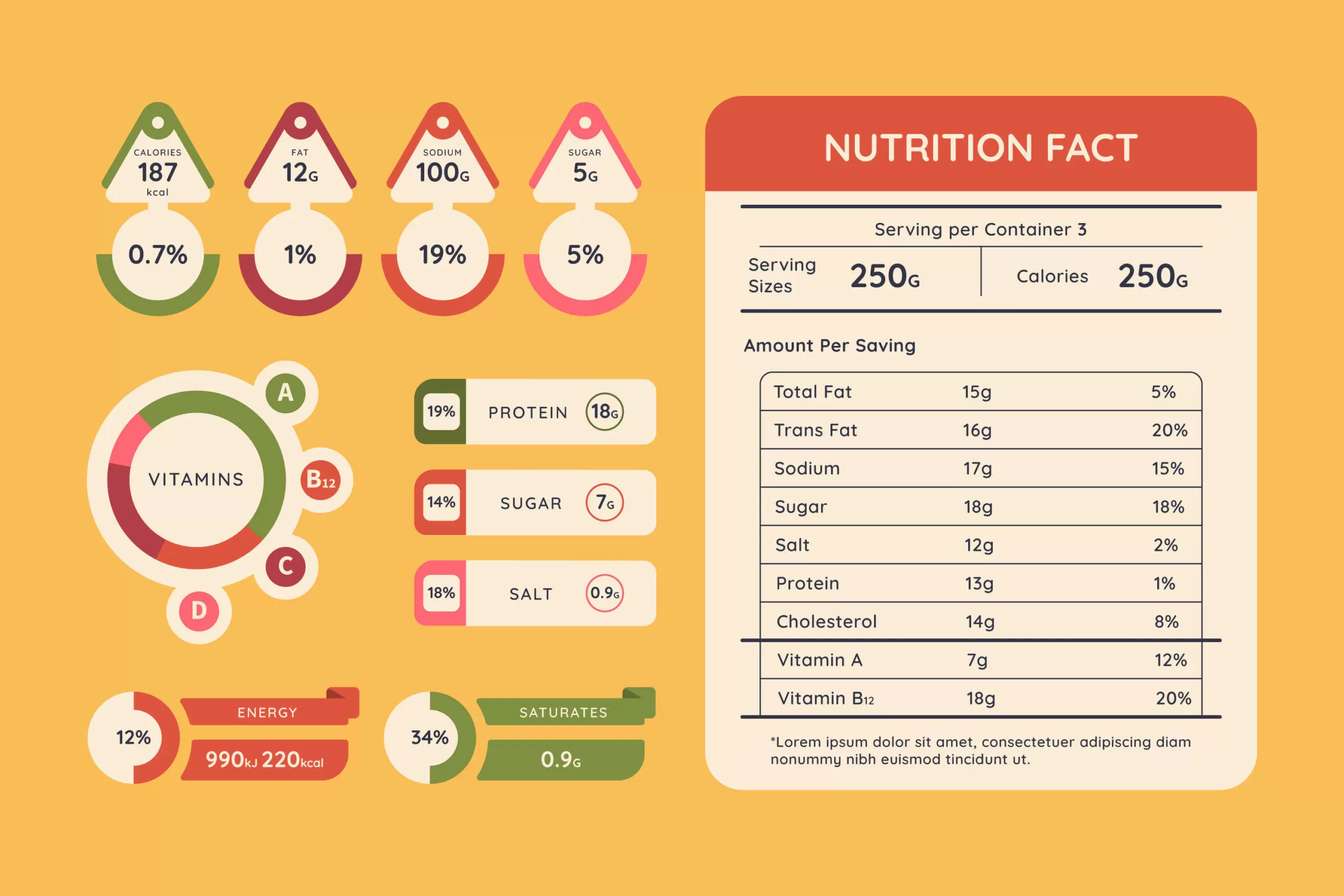

Such important message