
Carbohydrates have acquired a terrible rap throughout the years. They are frequently associated with weight gain, type 2 diabetes, and a range of other health problems.
Yes, processed meals heavy in sugar and refined carbohydrates often lack essential vitamins and minerals. On the other hand, many nutrient-dense, fiber-rich meals can benefit your health.
While low carb diets may be advantageous for certain people, there is no need to exclude high carb items completely.
Here are 12 healthy high carb meals.
1. Quinoa
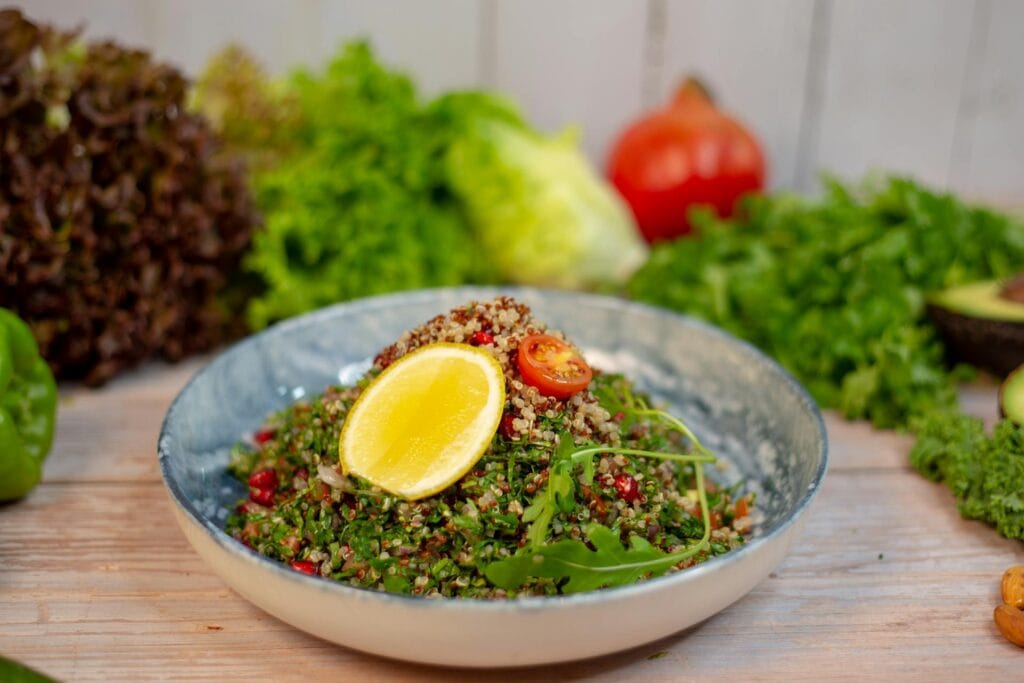
Quinoa is a healthy seed that has grown in popularity among health-conscious customers.
It is classed as a pseudocereal, a seed processed and consumed similarly to a grain.
Quinoa is a high carb food since it contains 70% carbohydrates when cooked. It is, nevertheless, a rich source of protein and fiber (1).
Quinoa is high in minerals and plant components, and it has been linked to several health advantages, including better blood sugar control and heart health (2, 3).
Furthermore, it does not contain gluten, making it a popular gluten-free alternative to wheat.
Quinoa is also incredibly satisfying due to its high fiber and protein content. As a result, it may aid in promoting reasonable weight control and intestinal health (4, 5).
2. Oats
Oats are a highly nutritious whole grain with vitamins, minerals, and antioxidants.
Raw oats contain 70% carbs. A 1-cup (81-gram) meal of carbohydrates comprises 54 grams, including 8 grams of fiber. They are especially abundant in fiber, known as oat beta-glucan (6, 7).
Oats are also a rich source of protein, with more protein than other grains (8).
According to research, oats may minimize your risk of heart disease by reducing cholesterol levels (9, 10, 11).
Oats may also help reduce blood sugar levels, particularly in persons with type 2 diabetes (12).
Furthermore, oats are filling, which may aid in weight management (13, 14).
3. Buckwheat
Buckwheat, like quinoa, is classified as a pseudocereal. Despite its name, Buckwheat is not linked to wheat and does not contain gluten.
Raw Buckwheat has 75 grams of carbs per 100 grams, but cooked buckwheat groats have around 19.9 grams of carbs per 100 grams (15, 16).
Buckwheat is an exceptionally healthy grain that contains both protein and fiber. It also has more nutrients and antioxidants than other cereals (17).
Furthermore, human and animal research shows it may be perfect for heart health and blood sugar management (18, 19).
4. Bananas
Bananas are a popular fruit that is used in a variety of cuisines.
One big banana (136 g) provides around 31 g of carbs in the form of starches or sugars (20).
Bananas are also abundant in potassium, B6, and C vitamins, and other essential plant components (20).
Bananas may help decrease blood pressure and enhance heart health due to their high potassium content (21).
Green, unripe bananas have more starch. As the bananas ripen, this turns into natural sugars, causing them to become yellow. As a result, eating bananas while they're less ripe will provide you with more starch and less sugar (22).
Unripe and less ripe bananas also include a good quantity of resistant starch and pectin, which help with digestion and offer fuel for the healthy bacteria in your gut (23, 24).
5. Sweet potatoes

Sweet potatoes are a nutrient-dense tuber or root vegetable.
One-half cup (100 grams) of mashed, cooked sweet potatoes with skin has around 20.7 grams of carbs, made of starch, sugar, and fiber (25).
Sweet potatoes are also high in vitamins A, C, and potassium (25).
Furthermore, they are high in antioxidants, which help neutralize dangerous free radicals in your cells, protecting you from chronic illness (26, 27).
6. Beets
Beets are purple root vegetables that are also known as beetroot.
While they aren't regarded as particularly rich in carbohydrates, they have much for a non-starchy vegetable. Beets provide around 10 grams of carbs per 100 grams, primarily from sugar and fiber (28, 29).
They're also high in vitamins, minerals, antioxidants, and plant compounds (30).
Beets are also abundant in inorganic nitrates, which your body converts to nitric oxide. Nitric oxide reduces blood pressure and may reduce the risk of various disorders (31, 32).
Beet juice is also high in nitrates, and athletes may take it to improve their performance (33, 34, 35).
Because nitric oxide relaxes blood arteries, oxygen may flow more efficiently during exercise.
7. Oranges
Oranges are a well-known citrus fruit.
They're mostly water and contain roughly 15.5 grams of carbs per 100-gram serving. Oranges are also high in fiber (36).
Oranges are exceptionally high in vitamin C, potassium, and B vitamins. They also include citric acid, several solid plant components, and antioxidants (37).
Oranges may help avoid kidney stones and promote heart health. They may also boost iron absorption from other meals, which may aid in preventing iron deficiency anemia (38, 39, 40, 41).
8. Blueberries
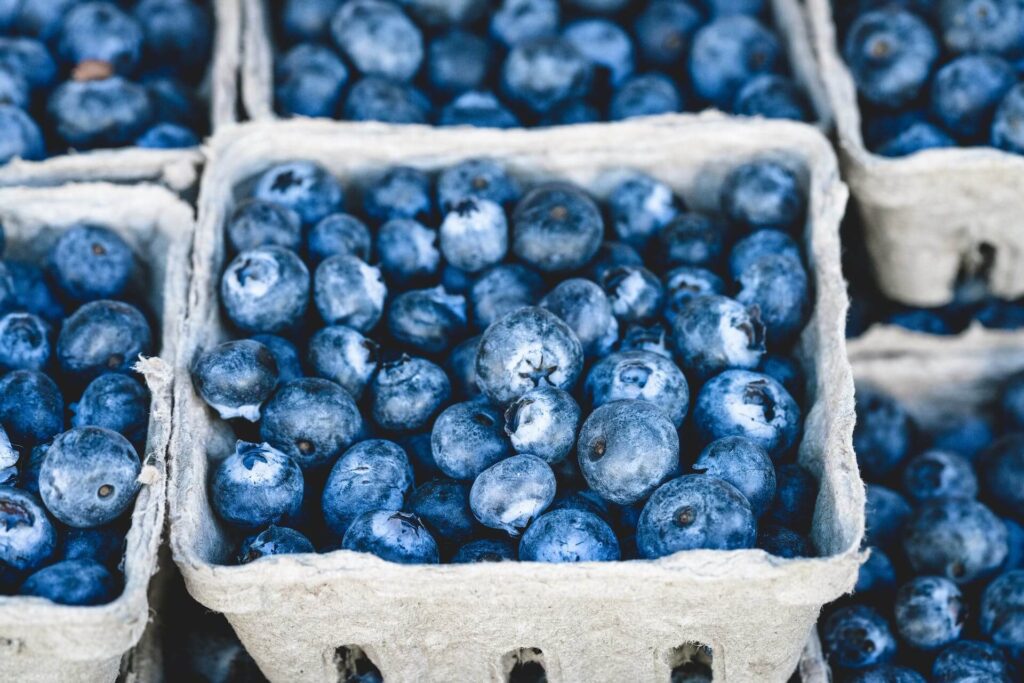
Because of its high antioxidant content, blueberries are commonly touted as a superfood.
They are primarily water, with around 14.5 grams of carbs per 100 grams (42).
Blueberries are abundant in numerous vitamins and minerals, such as vitamin C, K, and manganese (42).
Studies have demonstrated blueberries to be an excellent source of antioxidant chemicals, which can help protect your body from harmful free radicals. Blueberries may even boost memory in elderly persons, according to research (43, 44).
9. Grapefruit
Grapefruit is a citrus fruit that tastes sweet, sour, and bitter.
It has roughly 8% carbs and is high in vitamins, minerals, and antioxidants (45).
According to specific human and animal research, Grapefruit may benefit heart health and blood sugar control (46, 47).
Furthermore, further studies show that grapefruit components may help prevent kidney stones, decrease cholesterol levels, and even potentially delay the growth and spread of cancer cells (48, 49, 50, 51).
However, additional research into the effects of Grapefruit on people is required.
10. Apples
Apples are widely renowned for their crisp texture and sweet, tart flavor.
They come in various colors, shapes, and tastes, with 14-16 grams of carbohydrates per 100 grams (52, 53, 54).
Apples contain several vitamins and minerals, but only in trace amounts.
They are, nevertheless, high in vitamin C, antioxidants, and fiber (55).
Apples may also provide several health advantages, including better blood sugar control and heart health (56, 57).
According to a preliminary study, including apples in your diet may even be related to a lower risk of some forms of cancer. More research, however, is required (58, 59).
11. Kidney beans
Kidney beans are a kind of common bean that belongs to the legume family.
Cooked kidney beans include around 21.5 grams of carbohydrates per 100 grams, which are made up of starches and fiber. Protein is also abundant in this legume (62).
Kidney beans are high in vitamins, minerals, and plant components. They are also high in antioxidants, such as anthocyanins and isoflavones (63).
Its various health advantages include better blood sugar management and a lower incidence of colon cancer (64, 65).
12. Chickpeas
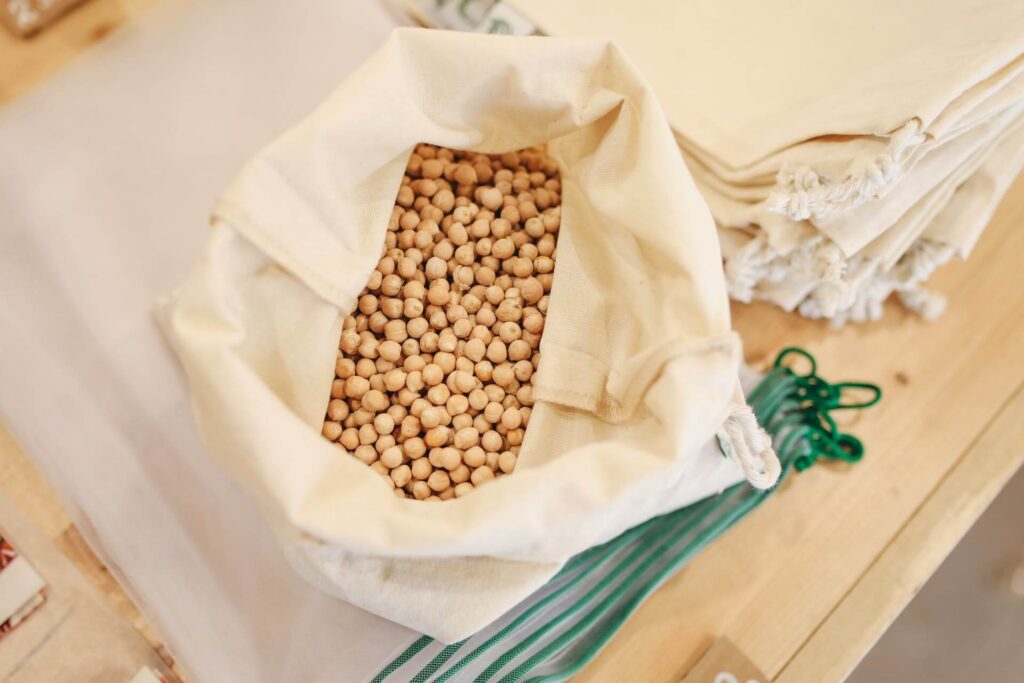
Chickpeas, often known as garbanzo beans, are a kind of legume.
Cooked chickpeas include 27.4 grams of carbs per 100-gram meal and nearly 8 grams of fiber. They're also high in plant-based protein (66).
Chickpeas are high in vitamins and minerals, such as iron, phosphorus, and B vitamins (66).
Chickpeas have been linked to better heart and digestive health, and some research suggests they may also help protect against cancer. However, further human analysis is required (67).
The Bottom Line
It's a common misconception that all carbohydrates are bad for you. In reality, carbs are abundant in many of the healthiest diets.
However, if you're on a low carb diet, you shouldn't eat a lot of carbohydrates. Furthermore, in large quantities, refined carbohydrates, such as white bread and spaghetti, may be hazardous.
However, as part of a balanced, whole-food diet, you may enjoy these nutritious, delightful carbohydrates.






0 Comments