
Eating keto at restaurants doesn’t have to be a minefield. This short guide provides you with fast, actionable moves so you can enjoy nights out without compromising your macros — no guilt, no guesswork. Learn to choose the right proteins, eliminate excess starch, control sauces, and utilize simple scripts that help kitchens cooperate.
What you’ll learn (quick):
- How to spot hidden carbs and neutralize them. (1)
- Three menu swaps you can use at almost any restaurant. (2)
- Simple phrases to ask servers/chefs that get results.
3–5 immediate takeaways:
- Start with protein. Order a grilled steak, fish, or eggs as the centerpiece — then shape the meal around it.
- Skip obvious carbs. Say “no” to bread, rice, pasta, and potatoes; swap them for extra non-starchy vegetables.
- Put sauces and dressings on the side. This gives you control over hidden sugars and lets you add fat (butter/olive oil) safely.
- Pre-log and plan. Check menus/nutrition online or log an estimated meal in your app before you go — it reduces impulse choices. (3)
Quick context:
The keto approach typically limits daily carbs so your body relies more on fat for fuel — many plans aim for roughly 20–50 g of carbs per day, depending on goals and medical guidance. If you keep that target in mind, most restaurants can be navigated with a few polite requests. (4, 5)
Dining out is totally doable — keto at restaurants just needs a little advance thought and clear requests; kitchens are used to accommodating swaps, and small changes keep your meals delicious and low-carb.
Why a restaurant survival guide matters for keto followers
Eating keto at restaurants feels harder than it needs to be — and that’s not your imagination. The ketogenic diet is a high-fat, moderate-protein, very-low-carbohydrate approach that moves your body from burning glucose to burning fat (ketones). Many people following ketogenic plans aim for roughly 20–50 grams of carbs per day (some protocols give a slightly higher ceiling), so a single unexpected sauce or side can push you way past your target.
But why is dining out such a sticking point? Because restaurants are built for convenience, speed, and broad appeal — not for your macros. That means:
- Hidden carbs — marinades, glazes, and dressings often contain sugar or starch.
- Sauces and condiments — ketchup, BBQ, teriyaki, and sweet chili are carb-dense in small quantities.
- Social pressure — bread baskets, shared appetizers, and “just one bite” moments make sticking to a plan awkward.
- Inconsistent labeling — many independent restaurants don’t publish nutrition info, so “grilled” might still mean “battered then fried.”
Those pain points are why a focused survival guide is useful: it doesn’t lecture you about purity, it teaches you how to navigate the real world without drama. Harvard Health reminds readers that keto can produce short-term benefits for weight and blood sugar, but also carries risks and practical challenges — so a realistic, safety-minded approach is the smart one. (6)
What this guide promises (no drama, just results)
- Practical tactics you can use tonight — no extreme deprivation. Ask for swaps, order sauces on the side, and pick proteins first.
- Flexibility — options for fast food, fine dining, ethnic menus, and travel.
- Health safety considerations — when to check with a clinician (pregnancy, diabetes, kidney disease, insulin or other meds).
Quick primer — the macro reality (short and useful)
- Typical keto targets: very low carb, moderate protein, higher fat. Many people keep carbs under 50 g/day; stricter approaches aim for ~20–30 g/day.
- Why it matters at restaurants: A single tablespoon of certain sauces can add several grams of carbs. Multiply that across a starter, main, and dressing, and you’ve lost your margin for the day.
So what will you get out of reading on? Concrete, copy-and-paste server scripts, menu hacks by cuisine, travel and airport tricks, and realistic fallback plans for those nights when the only option looks like bread and beer. In short: you’ll learn how to enjoy life and keep your goals intact — because eating keto at restaurants shouldn’t mean missing out.
Quick rules: 10 golden rules for eating keto at restaurants
Eating keto at restaurants well is mostly about habits — tiny decisions that add up. Below are ten no-nonsense rules you can use tonight, each with a short example you can copy and paste when ordering. (7)
1. Start with protein
- Rule: Make a real protein the centerpiece of your meal — steak, salmon, chicken, tuna, or eggs.
- Why: Protein fills you, stabilizes blood sugar, and keeps cravings away so you won’t reach for the bread basket. (8)
- Example order line: “I’ll have the grilled salmon as the main, please — extra lemon and butter on the side.”
2. Drop the starch (don’t negotiate with the bread basket)
- Rule: Say no to buns, rice, potatoes, pasta, and tortillas — swap them out for vegetables, salad, or extra protein.
- Why: Starches are the fastest way to bust a daily carb limit; one typical side can contain 30–60 g carbs.
- Example order line: “No bread or potatoes, please — can I get double roasted broccoli instead?”
3. Ask for sauces and dressings on the side
- Rule: Always request sauces/dressings on the side so you control how much goes on your plate.
- Why: Sauces vary wildly — some are nearly carb-free (butter, olive oil), others are sugar bombs (ketchup, BBQ). DietDoctor specifically recommends asking for sauces on the side so you can decide how much to add.
- Quick fact: DietDoctor’s sauce list shows ketchup/BBQ are extremely high in carbs compared to mayonnaise/olive oil — a tablespoon can add several grams of carbs.
- Example order line: “Can I have the steak with the peppercorn sauce on the side, please?”
4. Prioritize non-starchy vegetables
- Rule: Replace starches with non-starchy veg: leafy greens, broccoli, cauliflower, Brussels sprouts, asparagus, zucchini.
- Why: Vegetables give volume, fiber, and micronutrients with minimal carbs.
- Example order line: “Swap the mashed potatoes for a side of sautéed spinach and roasted cauliflower.”
5. Choose full-fat dressings & toppings
- Rule: Pick full-fat dressings (olive oil, full-fat vinaigrette, ranch made with real mayo) and add healthy fats like avocado, cheese, butter, or olive oil.
- Why: Fat increases satiety and supports typical keto at restaurants macros. DietDoctor lists butter, olive oil, and mayonnaise as low-carb fat choices.
- Example order line: “Side salad with olive oil & lemon dressing, please—no sweet vinaigrette.”
6. Say “no” to breading and ask “grilled, not fried”
- Rule: Ask that proteins be grilled, broiled, roasted, or seared — not breaded, battered, or deep-fried.
- Why: Breading and batter hide carbs and often add refined flour or breadcrumbs.
- Example order line: “Can you prepare the chicken grilled, no breading or batter?”
7. Hydrate first — it reduces impulse carbs
- Rule: Drink a full glass of water before ordering.
- Why: Thirst and mild dehydration can masquerade as hunger and make you reach for quick carbs.
- Example action: Order sparkling water with a lemon wedge as soon as you sit down.
8. Pre-log & pre-decide when possible
- Rule: If you track macros, log an estimated meal before you go — this reduces impulse decisions and helps you hit daily targets.
- Why: Pre-logging creates an internal commitment and increases the chance you’ll choose low-carb options. Use apps like CarbManager or MyFitnessPal to estimate chain meals. (9)
- Example action: Save a “favorite order” in your app for quick re-use.
9. Keep a portable backup snack
- Rule: Carry a small keto snack (cheese sticks, macadamia nuts, jerky) in case the menu fails you.
- Why: A backup prevents hangry decisions and keeps you polite and in control.
- Example: A single-serve pack of nuts or a cheese stick fits most purses/wallets.
10. Use friendly, confident scripts — the kitchen wants to help
- Rule: Use short, polite lines that make requests easy for servers and chefs.
- Why: Staff deal with allergies and preferences constantly — clear scripts speed accommodation.
- Copyable scripts:
- “I’m avoiding carbs today — could you recommend a low-carb option?”
- “Can you have the protein grilled and the sauce on the side?”
- “Please swap the potato for extra vegetables.”
- Example: Saying this once, calmly, usually gets results — and it keeps you relaxed so you enjoy eating keto at restaurants.
Quick recap (copy-and-use checklist)
- Protein first.
- Sauces on the side.
- Swap starch for veg.
- Add healthy fat.
- Log or snack if needed.
These ten rules are the mental model for eating keto at restaurants: prioritize protein + fat, eliminate or swap starches, control sauces, and use polite language. Do these consistently and you’ll find dining out becomes a predictable, enjoyable part of life — not a daily obstacle.
Planning & mindset: before you leave the house
Eating keto at restaurants is 70% planning and 30% friendly negotiation. A little prep takes the guesswork out of the evening and keeps your goals intact — which means you can enjoy the company without tracking every crumb. Below are practical, copy-pasteable steps, a simple math method for pre-logging, snack ideas, and scripts that actually work.
1) Research the menu — quick reconnaissance
Before you step out, spend 3–5 minutes doing this:
- Open the restaurant’s online menu and scan the protein section first (steak, salmon, rotisserie chicken, omelets).
- Look for sides labeled roasted, steamed, grilled, or sautéed (these are more likely low-carb).
- Check the restaurant’s nutrition page if they have one — chains often publish calories and carb counts. CarbManager and similar apps also have large databases for chain items and let you estimate carbs fast. (10)
Why it helps: online research reduces surprises and lets you pre-plan swaps (e.g., “no rice, double veg”) instead of improvising while hungry. DietDoctor also highlights asking for sauces on the side as a reliable defense against hidden carbs.
2) Pre-log meals in your app — a tiny bit of math that prevents big mistakes
If you track macros, pre-logging a predicted meal is a single high-leverage habit.
- Decide your daily net carb budget (many keto plans use ~20–50 g/day; use what you follow).
- Split the budget across meals. Example for 30 g/day:
- Breakfast: 5 g
- Lunch (dining out): 10 g
- Dinner (dining out or at home): 12 g
- Snacks: 3 g
- If you plan to dine out for one meal, reserve more of the day’s carbs for that meal (e.g., 15 g for dinner, reduce other meals).
- Use CarbManager or MyFitnessPal to search similar dishes and save a “favorite” estimate — then tweak the final entry after the meal.
Simple tip: pre-logging creates a mental commitment. When the server asks, “Anything else?” you’re less likely to say, “Sure, add fries.”
3) Eat a tiny keto snack beforehand (when options may be limited)
A small pre-meal snack minimizes impulse choices and keeps hunger-driven decisions at bay.
Good portable options:
- 1 hard-boiled egg
- 1 string cheese or 1 oz cheddar
- 10–15 almonds or 8 macadamia nuts
- 2–3 slices of turkey or a small pack of deli meat
Why it works: a 100–200 kcal protein/fat snack stabilizes appetite without using up much of your carb budget, so you can calmly make swaps when ordering. (Also great for travel and airports.) (11)
4) Copy-paste scripts and polite phrasings (use them verbatim)
Servers appreciate short, clear requests — they’re trained to handle allergies and preferences. Here are proven lines:
- When ordering a main:
“I’ll have the grilled salmon, please — can you put the sauce on the side and swap the starch for extra roasted vegetables?”- If a menu item includes a glaze or marinade:
“That sounds great — could you make it without the glaze/sauce? Or put the sauce on the side?”- When unsure what’s in a dish:
“Could you ask the chef if there’s sugar, cornstarch, or flour in the marinade or sauce?”- When the server is unsure:
“No problem — if the kitchen can’t, what would you recommend that’s low-carb?”
Short, confident, friendly phrasing works better than over-explaining. If a server asks a question you don’t want to field, say: “I’m keeping carbs low right now — could you check with the kitchen?” — they’ll handle the rest.
5) Quick decision tree (one-minute rule)
If you’re walking into a restaurant and need a fast plan, use this:
- Find a protein on the menu.
- Replace any starchy side with non-starchy vegetables.
- Ask for sauces/dressings on the side.
- Add a fat (butter, olive oil, avocado) if the plate looks lean.
This decision tree is your mental shortcut for eating keto at restaurants when you’re short on time.
6) Smartphone checklist to save on your phone (one-tap pre-flight)
Save this as a note in your phone for quick access:
- Protein first → grilled/roasted/broiled
- No bread/rice/pasta/potatoes
- Sauce on side — ask “any sugar/flour?”
- Swap starch → double veg
- Add fat → butter/olive oil/avocado
- Backup snack: cheese stick or nuts
A small investment of time — 5–10 minutes of menu research, a 1-minute pre-log, and a tiny snack — will dramatically increase your success at keto at restaurants. These prep habits reduce stress, preserve your macros, and let you enjoy going out without constant worry.
Fast-food & quick-service tactics — make keto at restaurants easy, fast, and predictable
Fast-food and quick-service spots are often the easiest places to pull off keto at restaurants — and not because every item is perfect, but because many chains already let you customize bowls and burgers, and they publish nutrition info. If you learn a few reliable hacks, you can get a high-protein, high-fat, low-carb meal in minutes. Healthline lists dozens of chains that are surprisingly keto-friendly when you order smart.
Why fast food can be your friend for keto at restaurants
- Most chains separate protein from starch (burger + bun, bowl + rice), so swapping is straightforward.
- Many quick-service restaurants offer “build-your-own” bowls or salads — these are ideal because you control every ingredient and dressing. (Example: Chipotle’s nutrition calculator and lifestyle bowls let you build a keto-friendly salad bowl.) (12, 13)
- Chains publish nutrition facts, so you can pre-log and choose options with confidence.
Menu hacks — specific examples that work reliably
- Chipotle — Order a Lifestyle/Keto Salad Bowl: select chicken or steak, skip rice and beans, keep cheese, sour cream, and guacamole, and choose salsas sparingly. Chipotle’s online calculator lets you see carbs before you order.
- In-N-Out — Ask for Protein-Style (bun replaced with lettuce). A protein-style burger drops carbs dramatically (nutrition shows very low carbs for the lettuce version). Carbs vary by add-ons, so skip sugary sauces. (14, 15)
- Chick-fil-A — Choose Grilled Nuggets or a grilled chicken salad (request dressing on the side). Grilled options are extremely low in carbs (grilled nuggets ~1 g carb/serving). (16, 17)
- Wendy’s — Order a burger wrapped in lettuce or a cobb salad (hold croutons). Several markets list lettuce-wrapped burgers with very low carbs — check local nutrition pages for exact counts. (18, 19)
- Jimmy John’s — Get the Unwich (any sandwich turned into a lettuce wrap). The Unwich option is an easy low-carb substitute with low net carbs listed in official nutrition guides. (20, 21)
Order scripts you can copy-and-paste (use these verbatim)
- “I’ll have the [protein], grilled please — sauce/dressing on the side, and swap any starch for extra vegetables.”
- “Can you make that protein-style/lettuce-wrapped and hold the bun/rice/bread?”
- “Is the sauce/glaze made with sugar or cornstarch? If so, can you leave it off or bring it on the side?”
These short, polite lines speed service and minimize back-and-forth. Servers hear them all the time and will usually check with the kitchen right away.
Substitution checklist — quick mental cheatsheet
- Bun → lettuce wrap or plate
- Fries → side salad / roasted vegetables
- Rice/Beans → double vegetables / extra salad
- Sweet sauces → butter, olive oil, or mustard on the side
- Soda → sparkling water or unsweetened iced tea
Save this checklist to your phone and tap it before you order.
Hidden traps at fast food (what sneaks carbs onto your plate)
- Sweet sauces & glazes — teriyaki, sweet chili, BBQ, and ketchup add sugar fast. Ask for ingredients or leave them off.
- Breading and batter — “nuggets,” tempura, and breaded patties hide flour/cornstarch. Prefer grilled over crispy.
- “Healthy” dressings — some vinaigrettes and flavored dressings contain honey, agave, or cane sugar. Always ask for dressing on the side.
- Drinks & mixers — fountain sodas, frappes, and sweet mixers add carbs by the glass. Opt for zero-sugar mixers or plain water.
- Portion creep — large combo upgrades often come with higher-carb sides; don’t assume “value” is keto-friendly.
Rapid decision flow for drive-thru success (30 seconds)
- Pick a protein (grilled chicken, steak, double burger).
- Say “hold the bun/rice/fries — extra veggies or salad instead.”
- Ask, “sauce on the side?” and “is the chicken grilled or breaded?”
- Order a water or unsweetened drink.
This quick flow gets you a predictable keto meal at restaurants without drama.
Quick evidence & why it works
- Healthline and Medical News Today show many chains provide keto-friendly options if you customize (build bowls, skip starch).
- Chain nutrition pages (Chipotle, In-N-Out, Chick-fil-A, Jimmy John’s) list carbs for specific customizations — use them to pre-log meals with confidence.
Fast food isn’t glamorous, but for keto at restaurants, it’s practical, fast, and win-oriented. Learn the hacks, keep the scripts handy, and treat nutrition facts pages like a cheat code — then enjoy the convenience without throwing your macros out the window.
Full-service & casual dining: how to order with confidence
Eating keto at restaurants in a sit-down place is more of an art than a science — but it’s a simple art. With a few reliable defaults (pick a solid protein, control the sides, own the sauce), you’ll turn anxiety into a five-second decision. Below you’ll find the best entrées to target, how to handle set menus / prix fixe / tasting menus, exact language to use with servers, and what to do when the kitchen can’t modify a dish.
Best entrée types — pick these and you’re 90% there
Aim for dishes that naturally center on protein and fat rather than carbs:
- Steaks — ribeye, sirloin, filet: usually grilled and simple; ask for butter or herb butter.
- Grilled fish — salmon, halibut, trout: rich in healthy fats and easy to pair with greens.
- Roasted poultry — chicken, duck: ask for skin-on if you want extra fat and flavor.
- Omelets & egg-based dishes — perfect for any meal; loaded with cheese, spinach, mushrooms.
- Cheese-forward plates & charcuterie — cured meats, cheeses, olives, pickles — natural low-carb grazing.
Why these work: they’re protein-forward, simple to ask for modifications (no breading, sauce on side), and pair well with non-starchy veg and extra fat (butter, olive oil, avocado). Use them as your go-to anchors for keto at restaurants. (22, 23)
How to handle set menus, prix fixe, and tasting menus
Tasting menus and prix fixe can feel impossible on keto at restaurants, but they’re manageable with a little prep:
- Call ahead. Ask if the chef can prepare a simplified protein and vegetable plate or swap out starch components. Many kitchens accommodate dietary needs when given notice.
- Ask for modifications up front. When booking or upon arrival, say: “I’m on a low-carb diet — would the chef be able to prepare a grilled protein with two vegetable sides instead of the starch courses?”
- Choose a la carte when possible. If modifications are limited, see if you can order separately from the regular menu rather than the set menu.
- If it’s a tasting for a special event, accept one or two small portions you want to try, and make the rest protein + veg. Prioritize experience over perfection; pick one course to indulge in if it’s meaningful to you.
Calling ahead or emailing the restaurant is the most efficient way to get a custom experience for keto at restaurant events — it gives the kitchen time to plan and reduces stress on the server.
Managing sides & sauces — your simple rules (copy these)
Sauces and sides are the most common places carbs sneak in. Follow these short rules every time:
- Request steamed, roasted, or sautéed vegetables instead of fries, rice, or potatoes.
- Ask for extra butter or olive oil if the plate looks lean — fat keeps you full and replaces the calories you’d otherwise get from starch.
- Always get sauces and dressings on the side. Taste a small amount first; add more if it’s low-carb. DietDoctor specifically recommends asking for sauces on the side so you control sugar- or starch-laden additions.
Copyable lines to use:
- “Can I swap the potatoes for roasted Brussels sprouts and get the sauce on the side?”
- “Extra butter/olive oil on the side, please — hold the glaze.”
- “Is there sugar or flour in the sauce? If so, could I have it on the side or leave it off?”
Pro tip: if the server says the sauce has a glaze or sweet element, request plain butter or a lemon-olive oil drizzle instead — it’s often the fastest workaround.
What to do when you can’t modify a dish
Sometimes the kitchen can’t change a plated item — maybe it’s pre-plated for a large party, or the restaurant is a small kitchen with limited options. Here’s a rapid plan B:
- Pick the best compromise: choose a protein + vegetable-based plate and add a high-fat topping (butter, cheese, or avocado) to increase satiety.
- Eat mindfully: plate half the meal and save the rest (or take it home) — this reduces overeating if the dish has hidden carbs.
- Adjust the next meal: if dinner included a small, higher-carb course, make the next meal reliably low-carb and add a walk or light activity to help stabilize blood sugar.
- Use the meal as a data point: note what tripped you (a glaze? breading? hidden sugar) and update your pre-checklist so it won’t surprise you again.
Remember: one imperfect meal doesn’t erase progress. The practical, sustainable approach to keto at restaurants is consistency over perfection. (24)
Example orders you can use tonight (copy-paste friendly)
- At a neighborhood bistro: “Grilled ribeye, medium, please — sauce on the side and swap the potatoes for roasted cauliflower.”
- At a seafood place: “Seared salmon, extra lemon and herb butter on the side, steamed asparagus instead of rice.”
- At brunch: “Omelette with cheese, spinach, and mushrooms — hold the toast; add avocado.”
Using these tactics, full-service dinners become predictable and relaxing instead of stressful. The pattern is always the same: lock the protein, control the sauce, swap the starch for veg, and add fat for satisfaction. Do that, and keto at restaurants becomes a sustainable, social-friendly way to eat — no deprivation, just smarter choices.
Ethnic cuisine cheat-sheets — quick orders to eat keto at restaurants
Want to enjoy every cuisine without guessing? Below are concise, copy-paste orders, clear “avoid” lists, and smart substitutions for the most common restaurant types. Use these as your pocket cheat-sheet when you’re out — they’ll save time, calories, and carbs. Keto at restaurants becomes simple when you learn the patterns that repeat across menus.
Mexican / Tex-Mex
Why it works: Mexican food is naturally protein-forward (grilled meats, carnitas, fajitas) — the carbs usually come from tortillas, rice, beans, and chips. Skip the starch and keep the bold flavors. Healthline and DietDoctor both show Tex-Mex is easy to adapt when you remove tortillas and rice. (25)
Favor:
- Fajitas (order with no tortillas)
- Carnitas, grilled steak, pollo asado
- Bowls with protein + cheese + guacamole
- Large salads topped with grilled meat and guac
Avoid:
- Rice, beans, chips, street-taco tortillas, flour tortillas, enchiladas, chimichangas
Smart swaps/portions:
- Swap a full cup of rice (~45 g carbs) for double non-starchy veg (≈1–2 cups).
- Ask for 2–4 oz of guacamole and 1–2 tbsp sour cream for added fat and satiety.
Example order lines:
- “Fajitas with chicken — no tortillas, please. Extra peppers & onions, and guacamole on the side.”
- “Carnitas — hold the rice and beans. Can I get a double portion of mixed greens and 2 tbsp sour cream?”
Italian
Why it works: Italian menus are heavy on pasta and bread, but protein + veg options exist (grilled fish, roasted chicken, antipasti). Ask about sauces — cream, butter, or olive oil bases are safer than tomato sauces that sometimes include sugar. DietDoctor encourages protein-first swaps and avoiding the bread basket.
Favor:
- Grilled fish or pollo al forno (roasted chicken)
- Antipasti plates: olives, cheeses, prosciutto, marinated vegetables
- Salads with protein — Caesar (hold croutons) or mixed greens with parmesan
Avoid:
- Pasta, risotto, polenta, garlic bread, breadcrumb-coated entrees (e.g., chicken parm as-is)
Sauce watch:
- Ask: “Is there sugar in the tomato/BBQ/puttanesca sauce?” If yes, request olive oil + lemon or butter instead.
Example order lines + portions:
- “Seared salmon, no breading — swap the risotto for grilled broccoli and please bring the lemon-butter on the side.”
- “Antipasti plate to start (olives, salami, provolone) — then the chicken piccata without the breadcrumb crust.”
Asian — Chinese, Japanese, Thai
Why it works: Asian cuisines use sauces and thickeners (cornstarch, sugar, hoisin, teriyaki) that can hide carbs. But there are reliably low-carb choices — sashimi, grilled skewers, coconut curries (no rice). Ask for “no cornstarch” and “no added sugar.” Many keto cooks create sugar-free versions of teriyaki/soy glazes — you can ask for light sauce or sauce on the side. (26, 27)
Favor:
- Sashimi, nigiri? (Sashimi is best — sushi rice contains carbs)
- Grilled yakitori/skewers, Korean BBQ (skip the sweet marinades)
- Stir-fries without sweet sauces, and curries made with coconut milk (no rice)
Avoid:
- Sweet & sour, teriyaki, orange/chili glazes, tempura, breaded & fried items, noodle dishes, white rice
Specific hacks:
- Say: “No cornstarch in the sauce and no added sugar, please.”
- Ask for sauces on the side and request steamed vegetables instead of rice.
Example order lines + portions:
- “Beef stir-fry with broccoli — please make it no cornstarch and sauce on the side. Double the veggies.”
- “Sashimi plate (6–8 pieces) and a side seaweed salad — no rice, please.”
Mediterranean & Middle Eastern
Why it works: Mediterranean dishes are naturally keto-friendly — olive oil, grilled meats, seafood, cheese, and vegetables are staples. Be cautious of flatbreads, rice pilafs, and chickpea-based sides. DietDoctor’s Mediterranean low-carb resources show this cuisine adapts beautifully to keto. (28, 29)
Favor:
- Kebabs (lamb, beef, chicken) — ask for extra olive oil or olive tapenade
- Greek salad (no croutons), halloumi, grilled fish, mezze plates (choose olives and cheese)
- Dips: tzatziki (in moderation) and baba ganoush (watch portions for oil)
Avoid:
- Pita, flatbreads, loaded rice pilafs, large hummus portions (chickpeas are carb-dense)
Encouraged swaps:
- Replace pita with extra vegetables or a small mixed salad.
- Ask for 2 tbsp tzatziki or baba ganoush as dipping fat (portion control matters).
Example order lines + portions:
- “Chicken kebab — no pita. Extra roasted peppers and 2 tbsp tzatziki on the side.”
- “Greek salad with feta and olives, no croutons — add a small plate of halloumi.”
Other quick tips for fusion / modern cuisine
Fusion and modern menus can be creative — but creativity sometimes hides starch in unexpected places (crisps, glazes, purees).
Quick rules:
- Read descriptors: “crispy,” “tempura,” “glazed,” or “reduction” often signal added carbs.
- When in doubt, call ahead or ask the server what the starch element is and if the kitchen can remove it.
- Default ask: “Can you do a grilled protein with a simple vegetable medley and the sauce on the side?”
Example order line:
- “I’ll take the chef’s fish — can it be grilled, sauce on the side, and swap the potato puree for roasted seasonal vegetables?”
Mini cheat — portion & carb guidance (use this at a glance)
- Protein portion: 4–8 oz (115–225 g) — enough to be the meal anchor.
- Veg portion: aim for 1–2 cups of non-starchy veg per side (spinach, broccoli, cauliflower, zucchini).
- Fat add-ons: 1–2 tbsp olive oil or butter; 1–4 oz avocado; 1–2 tbsp sour cream or mayo.
- Sugar traps to watch: teriyaki, hoisin, sweet chili, BBQ, ketchup, honey-glazed items, cornstarch thickeners.
Quick takeaway
Across cuisines, the pattern is the same: lock the protein, swap or skip the starch, control the sauce, and add fat — that’s how you successfully eat keto at restaurants anywhere.
Drinks, alcohol, and coffee while on keto
Drinks matter — a lot — when you’re trying to eat keto at restaurants. The right beverage keeps your carbs low, helps you feel satisfied, and prevents sneaky sugars from wrecking your day. Below are practical, copy-and-use tips for low-carb drinks, alcohol cautions, and coffee hacks you can use at home or when ordering at cafés.
Low-carb drinks (what to choose)
Choose these first — they’re essentially zero-carb and safe for keto at restaurants:
- Water — plain or sparkling (add a lemon or lime wedge).
- Unsweetened iced tea or hot tea (no sugar).
- Black coffee/espresso (no syrup).
- Sparkling wine (dry/brut) — lower in carbs than sweet wines.
- Straight spirits (vodka, gin, whiskey, tequila) — these have negligible carbs when drunk neat or with zero-sugar mixers (soda water, diet tonic).
Why it works: low- or zero-carb drinks keep your daily carb tally predictable and leave room for the food you actually want to eat. DietDoctor and Healthline both list these as the best beverage choices on a low-carb or keto approach. (30, 31)
Quick ordering lines:
- “Sparkling water with lemon, please.”
- “Dry sparkling wine — no sweet mixers.”
- “Vodka and soda water with a lime wedge.”
Alcohol cautions — what to know before you sip
Alcohol is tricky on keto at restaurants for several reasons:
- It can slow ketone production. When your liver processes alcohol, it prioritizes clearing ethanol over making ketones — so drinking can temporarily pause fat-burning/ketone production.
- Lower tolerance & stronger effects. Many people feel alcohol more quickly on low-carb diets; be mindful of portions. (32)
- Calories still matter. Even “zero-carb” spirits are calorie-dense and can slow weight loss if consumed in excess. (33)
- Health risks in special situations. Heavy or chronic drinking can lead to alcoholic ketoacidosis — a medical emergency — and people with certain conditions (liver disease, pregnancy, diabetes) should be cautious or avoid alcohol entirely. If you have health concerns, check with your clinician. (34, 35)
Smart rules if you’ll drink:
- Limit to 1 standard drink (women) or 1–2 (men) on social nights — know your personal tolerance.
- Prefer dry wines or clear spirits + soda water; avoid beer, sweet wines, and sugary cocktails.
- Drink water between alcoholic drinks to stay hydrated and slow intake.
- Don’t rely on alcohol to “fit” carbs into your day — alcohol affects metabolism independent of carbs.
Copyable bar script:
- “I’ll have a shot of vodka with soda water and a lime please — and a glass of water between drinks.”
Coffee hacks — keep it keto without the sugar crash
Coffee is one of the easiest strengths for keto at restaurants — but the additions matter.
Café ordering (safe choices):
- Black coffee or espresso.
- Americano (espresso + hot water) — very low carb.
- Cappuccino/latte with unsweetened milk alternative (unsweetened almond) or a splash of heavy cream instead of flavored syrup.
Keto coffee tricks at home or when you bring your own additions:
- Heavy cream: a tablespoon or two adds fat and a creamy texture with minimal carbs. (Track the calories if you’re watching energy intake.) (36)
- MCT oil: a common add-in for keto followers; it converts quickly to ketones and can provide a rapid energy boost. Start small (½ tsp → 1 tsp) to avoid GI upset, then increase if tolerated. Evidence shows MCTs are rapidly processed and can support ketone production, but don’t overdo it. (37, 38)
- “Bulletproof” style: coffee blended with butter or ghee + MCT oil is popular — it may increase satiety but is high in saturated fat and calories, so use it strategically rather than making it a daily replacement for a nutritious breakfast. Healthline and other experts advise moderation. (39)
Cafe scripts (when you want creamy coffee):
- “Black americano, please — could I have a splash of heavy cream on the side?”
- “Espresso with unsweetened almond milk — no flavored syrups.”
Practical takeaways (one-minute checklist)
- For keto at restaurants, pick water, tea, black coffee, dry wine, or spirits with soda first. (40)
- Drink moderately — alcohol can pause ketone production and lower tolerance. (41)
- If you like creamy coffee, use small amounts of heavy cream or MCT oil and watch calories — don’t assume “keto” = unlimited butter in coffee.
Apps, tools & habit hacks to make dining out low-effort
Make keto at restaurants easy by leaning on a few smart apps, built-in restaurant resources, and tiny habits that remove decision fatigue. Below, I’ll walk you through the best apps, how to set custom macros quickly, useful restaurant menu sources, habit hacks that actually stick, and ready-to-send order templates (including email/phone scripts for special events). Use these to turn eating out from a stress test into an automatic win.
Top apps & sources to have on your phone right now
- CarbManager — a keto-first tracker with net-carb tracking, a large recipe database, barcode scanning, and tools to track ketones, glucose, and insulin. It’s especially useful for keto at restaurants because you can quickly search common chain items or build an estimated meal. (42)
- MyFitnessPal — great for custom macro targets and saving favorite orders. You can set Calories, Carbs, Protein & Fat goals and adjust them to meet your keto targets. (Use the Goals → Calories & Macronutrient section.) (43, 44)
- Google Menu / Menu Viewer — many restaurants now show menus and dish photos directly in Search & Maps (useful for pre-scanning menu descriptors and spotting red-flag words like “battered,” “glaze,” or “crispy”). If the restaurant is updated on Google, you can preview the menu without visiting the site. (45)
- Nutritionix / FastFoodNutrition / Chain nutrition pages — these aggregate chain nutrition facts and let you see carb counts for specific customizations (very handy for fast-food hacks). If you regularly eat at chains, bookmark their nutrition pages or Nutritionix to pre-log accurately. (46, 47)
Quick app-tip: create a folder on your phone called Dining Keto and put CarbManager, MyFitnessPal, Google Maps, and a notes app inside. You’ll save time the moment you think “Where should I eat?” — instant menu + logging power.
How to set macros fast (simple MyFitnessPal & CarbManager workflow)
- Decide your daily net-carb target (e.g., 20–30 g for strict keto, 30–50 g for moderate).
- In MyFitnessPal: Menu → Goals → Calories, Carbs, Protein & Fat Goals → set % or grams. Save it as your default profile for dining days.
- In CarbManager: set your net-carb goal and enable net-carb tracking; use the barcode and chain-search to estimate restaurant items. Save a “Favorite Order” entry for quick logging.
Example split for a 30 g/day plan: Breakfast 5 g, Lunch (dining out) 12–15 g, Dinner 10–12 g, Snacks 0–3 g. Pre-reserve carbs in the app before you go — you’ll make decisions that match your plan, not your hunger.
Habit hacks that remove friction (high leverage, low effort)
- Log before you eat. Pre-logging locks in a plan and reduces impulsive “add fries” moments.
- Save “favorite orders.” Create 3–5 saved meals in your app labeled “Kid-friendly keto” or “Date-night low-carb.” Tap, tweak, done.
- Use photo-based logging. Take a quick photo of your plate and add it to the app; this makes post-meal adjustments faster and builds a visual history for learning.
- Share macros with an accountability buddy. Send a daily snapshot or “I’m eating out tonight; day’s carbs left: 12 g” to a friend — accountability raises follow-through.
- Create a 30-second “order checklist” note on your lock screen: Protein → Sauce on side → Swap starch for veg → Add fat. Glance and order.
These small habits save irritation and decision energy — the kind that otherwise pushes you to “just have the fries.”
Quick templates: 3 pre-written order requests
Use these verbatim at the table or drive-thru:
- Standard sit-down:
“I’ll take the grilled salmon — sauce on the side, please, and swap the potatoes for roasted seasonal vegetables.”- Fast-food / drive-thru:
“Double burger, no bun (lettuce wrap), extra cheese, hold the sauce — swap fries for a side salad, dressing on the side.”- When unclear about preparation:
“That sounds great — could you check if the sauce contains sugar or cornstarch? If so, please leave it off and bring olive oil & lemon instead.”
Copy-paste these into your phone notes so they’re ready when you need them.
Email/phone scripts for special events or when calling ahead
Use these when booking a prix fixe, group meal, or holiday reservation:
- Short & direct (best when emailing a restaurant):
Subject: Dietary request for [date]
Hi — I have a small dietary request for my reservation on [date]. I follow a low-carb/keto plan and would appreciate a grilled protein (chicken, fish, or steak) with vegetable sides and sauces left off or served on the side. Can the chef accommodate this for a table of [size]? Thank you!- Phone script (quick, polite):
“Hi — I’m calling about a reservation for [date]. I’m on a low-carb diet. Can the kitchen prepare a simple grilled protein with vegetable sides instead of starches? If so, I’ll reserve [time].”- Group/event coordinator (when one person handles the menu):
“We have a couple of guests with low-carb needs — would it be possible to have one option available like grilled salmon + veg (no starch) so they can dine comfortably? We’re happy to order from the a la carte options if that’s easier.”
These scripts set expectations and give the kitchen time to prepare — your chances of a smooth meal go up dramatically when you call ahead.
Speed checklist — what to do 5 minutes before ordering
- Open CarbManager or MyFitnessPal → load your favorite order or estimate the dish.
- Scan the menu for trigger words: glaze, batter, tempura, honey, teriyaki, and sweet chili.
- Choose water/sparkling water first (cuts impulse).
- Use a copy-paste script to order confidently.
Why this works (evidence & sources)
- CarbManager is built specifically for low-carb/keto tracking and makes net-carb logging and restaurant estimates fast.
- MyFitnessPal supports customizing macronutrient goals so you can set a strict low-carb profile and save preferred meals.
- Google’s Menu Viewer and nutrition databases (Nutritionix/chain pages) let you preview or verify menu items before you arrive — cut the uncertainty and lock in a keto-friendly plan.
Hidden carbs: sauces, dressings, marinades, and “surprise” ingredients
When you’re eating keto at restaurants, the food itself is often the easy bit — the sneaky carbs hide in sauces, dressings, and coatings. One careless spoonful of glaze can eat up half your daily carb allowance. Below, I’ll walk you through the usual offenders, how to detect them on a menu or from staff, exact copy-paste scripts to use, and a clear carb math example so you can see how quickly things add up.
Common offenders (use this as your mental “red flag” list)
Watch out for these frequent sugar/starch carriers:
- Ketchup and many tomato-based condiments. (48)
- Teriyaki and other soy/glaze sauces. (49, 50)
- BBQ sauce, honey glaze, sweet chili, hoisin, and sweet-and-sour sauces. (These are often high in sugar.) (51)
- Cornstarch-thickened gravies and stir-fry sauces (used to create glossy textures).
- Breading and batter (includes “crispy” or “tempura” language).
- Prepared dressings that list sugar, honey, or agave in the ingredients. (52)
Quick tip: Consider anything described as “glazed,” “candied,” “honey’d,” “sticky,” “sweet chili,” “teriyaki,” or “reduced in sugar” as suspicious until you check the ingredients. (53)
How to identify hidden carbs at the table (short checklist)
- Listen for keywords when scanning the menu: glaze, teriyaki, honey, candied, sweet, reduced, batter, tempura, crumbed, cornstarch, and roux. These often signal added carbs.
- Ask a single clear question: “Does this sauce contain sugar, cornstarch, or flour?” If the server is unsure, say: “Could you ask the chef, please?” — they’ll check.
- Request the sauce on the side if you still want flavor but want to control quantity. DietDoctor explicitly recommends getting sauces on the side so you can control added sugars or thickeners.
Exact lines to use (copy-paste these; servers like short scripts)
- “Could you please ask the chef if the sauce contains sugar or cornstarch? If so, please leave it off.”
- “I’m avoiding carbs today — could you bring the sauce on the side and swap the starch for extra vegetables?”
- “Is that chicken breaded or battered? If yes, could I have it grilled instead?”
Short, polite, and specific — these get the best results without sounding demanding.
Safer swaps to request right away
- Instead of sauce: olive oil + lemon, melted butter, plain herb butter, or a small side of full-fat mayonnaise. (These are usually very low in carbs.) (54)
- Instead of mashed potatoes/rice: double non-starchy veg (broccoli, spinach, cauliflower, zucchini).
- If they can’t remove a glaze, ask for 1–2 tablespoons of sauce on the side rather than it being poured over the whole plate.
Quick carb math — concrete examples (digit-by-digit so there’s no doubt)
When doing carb math, do the arithmetic step-by-step.
Example A — Ketchup
- One tablespoon of ketchup ≈ has 4.5 g total carbs. (55)
- If you accidentally use 3 tablespoons (say you dip fries or a burger), the math is:
- 4.5 + 4.5 + 4.5 = 13.5 g carbs total.
- If your daily net carb target is 20 g, then after those 3 tablespoons, you have:
- 20 − 13.5 = 6.5 g left for the entire rest of the day — not much.
Example B — Teriyaki
- One tablespoon of teriyaki sauce ≈ has 2.5–2.8 g of carbs (varies by brand). (56, 57)
- Two tablespoons would be roughly: 2.8 + 2.8 = 5.6 g carbs.
- That’s a meaningful chunk if you’ve reserved only 10–15 g for a restaurant meal.
Example C — BBQ sauce
- One tablespoon of BBQ sauce ≈ ~5–6 g carbs depending on recipe (USDA/chain values vary). (58)
- Two tablespoons ≈ 5 + 5 = 10 g (or 6 + 6 = 12 g) — again, a big impact on a tight daily limit.
A few spoonfuls of a sugary sauce can use most (or all) of a strict keto day’s carbs. That’s why sauce control is one of the highest-leverage moves when you want to eat keto at restaurants.
Practical workflow at the table — two-minute routine
- Scan the menu for red-flag words (glaze, teriyaki, tempura).
- Ask the server one question: “Does this have sugar/cornstarch?” If yes → ask to remove or get on the side.
- If you still want flavor, ask for olive oil + lemon or butter instead, and request no glaze.
- Taste from the side first — add ½ teaspoon at a time if you like.
Safe sauce/dressing options (short list)
- Olive oil + lemon or vinegar (0 g carbs) — ideal.
- Butter or herb-butter (0 g carbs).
- Mayonnaise (check sugar-free kinds; often ~0–1 g carbs per tbsp).
- Full-fat vinaigrettes with no added sugar (still ask).
Final micro-checklist to save to your phone
- Look for: glazed, honey, teriyaki, sweet, tempura, battered, cornstarch, reduced.
- Ask: “Sugar, flour, or cornstarch in the sauce?”
- Default safe ask: “Sauce on the side — olive oil & lemon instead, please.”
- Remember the math: 1 tbsp ketchup ≈ 4.5 g carbs; 1 tbsp teriyaki ≈ 2.5–2.8 g; 1 tbsp BBQ ≈ 5–6 g. Use the subtraction method (daily target − sauce carbs = remaining allowance) to decide.
Keeping hidden carbs under control is one of the fastest wins for eating keto at restaurants. Ask one simple question, put the sauce on the side, and swap starch for veg — those three habits alone will prevent the most common, avoidable carb spikes.
Health & safety: medication, diabetes, CKD, pregnancy, and special populations
Eating keto at restaurants is doable for many people — but it’s also a medical intervention when you’re already taking certain medicines or have specific conditions. Before you make a habit of strict carbohydrate restriction while dining out, check these high-risk situations, learn how to talk with your clinician, and memorize the red flags to act on fast.
When to check with a clinician before trying (or continuing) strict keto at restaurants
Talk to your doctor or dietitian before you commit to a strict ketogenic approach if any of the following apply:
- Type 1 diabetes — changing carbs changes insulin needs quickly. Strict low-carb eating can require major insulin adjustments and close glucose monitoring. Don’t change insulin dosing without medical supervision. (59)
- Pregnancy / trying to conceive / breastfeeding — evidence is mixed, and there are specific concerns about maternal ketones and fetal development; most pregnancy guidance recommends against sustained ketosis unless supervised by specialists. If you’re pregnant or planning a pregnancy, get personalized medical nutrition advice. (60, 61)
- Taking SGLT2 inhibitors (e.g., canagliflozin, empagliflozin, dapagliflozin) — these drugs have been linked to euglycemic diabetic ketoacidosis (euDKA), a dangerous form of ketoacidosis that can happen with normal-ish blood glucose, especially when combined with very low carb diets. If you’re on an SGLT2 inhibitor, speak with your prescriber before trying strict keto. (62, 63)
- Chronic kidney disease (CKD) — people with reduced kidney function need individualized assessment because very-high-protein variations or rapid metabolic changes may be risky; the CKD literature is mixed, and long-term safety data are limited. If you have CKD stage 3–5, get nephrology/dietitian input. (64, 65)
- Taking insulin or insulin secretagogues (sulfonylureas, meglitinides) — lowering carbs without medication review can cause hypoglycemia. Medication doses often need adjustment when carbs fall. (66, 67)
- Liver disease, bile duct or gallbladder issues, pancreatitis, or a history of eating disorders — these conditions may make a very-high-fat or very-low-carb plan unsafe or inappropriate. Seek specialist advice. (68, 69)
Why this matters: strict carb restriction changes glucose, insulin, fluid, and electrolyte balance — and that can interact with medications and existing organ dysfunction. Authoritative reviews and clinical guidance urge close monitoring and medication adjustment when adopting very-low-carb or ketogenic approaches. (70)
How to communicate with your clinician about dining-out plans and insulin (or med) adjustments
Be proactive and short — clinicians appreciate clear data and goals. Bring this to your appointment or message:
- What to say (short script):
“I’m planning to follow a low-carb / ketogenic approach and I eat out 2–3× per week. I take [list medications — e.g., basal insulin X units nightly, rapid insulin with meals, empagliflozin]. Can we review my plan and adjust meds to avoid hypoglycemia and reduce DKA risk?” (71) - What to share in advance (send a message or bring a printout):
- Typical daily carb target you plan (e.g., 20–50 g/day).
- A sample “dining out” meal (e.g., bunless burger + salad + 1 tbsp ketchup) so the clinician can see a realistic carb load.
- Recent glucose logs or CGM reports (last 1–2 weeks) — these are invaluable for dose adjustments.
- List of all meds (including SGLT2 inhibitors, sulfonylureas, insulin, GLP-1s, etc.). (72, 73)
- Questions to ask your clinician:
- “Do I need to change my insulin-to-carb ratio for lower-carb meals?”
- “Should I reduce my mealtime insulin dose when I estimate very low carbs?”
- “Do I need extra glucose monitoring (fingerstick or CGM) for the first 1–2 weeks?”
- “Given my kidney/heart/pregnancy status, is strict keto safe — or should I aim for moderate low-carb instead?”
- Practical clinician actions that are reasonable to request:
- A written plan for how much to reduce bolus insulin when carbs are reduced (many protocols suggest conservative reductions and close monitoring). Some clinical reviews suggest reducing insulin by 30–50% when initiating a low-carb regimen, with frequent glucose checks and stepwise titration — but this must be individualized.
Safety tools to use when you’re dining out
- Carry a glucose meter or use your CGM and check before the meal and 1–2 hours after that meal (or more often during the first weeks of change).
- Carry fast-acting carbs (glucose gel, dextrose tabs, juice) if you’re on insulin/sulfonylureas — and know the 15-15 rule: 15 g fast carbs, recheck in 15 minutes. ADA guidance recommends this for hypoglycemia rescue. (74, 75)
- Have glucagon on hand if you or household members use insulin and have a history of severe hypoglycemia — make sure others know how to use it. (76)
Red flags after eating out — symptoms that need attention (what to watch for)
If you have diabetes or are taking medications that interact with carbohydrate intake, watch for two separate danger sets: hypoglycemia (blood sugar too low) and ketoacidosis (too many ketones/acid). Both require prompt action.
- Hypoglycemia (low blood sugar) — common, fast-onset signs:
- Shakiness, sweating, tremor, irritability, and anxiety.
- Palpitations, dizziness, hunger, and nausea.
- Confusion, blurred vision, difficulty concentrating; severe → seizures, loss of consciousness.
- Action: treat immediately with 15 g fast carbs (glucose tablets, juice), recheck in 15 minutes, repeat if needed; seek emergency care for severe events. (ADA & Mayo Clinic). (77)
- Diabetic ketoacidosis (DKA) / Euglycemic DKA (euDKA) — more typical in type 1 diabetes or people on SGLT2 inhibitors; watch for:
- Nausea, vomiting, abdominal pain, extreme thirst, frequent urination, weakness, rapid/deep breathing (Kussmaul respirations), fruity-scented breath, and confusion. In euDKA, glucose may not be extremely high, so symptoms & ketone testing matter. Action: check blood or urine ketones, seek urgent medical care if ketones are moderate/high or if you have persistent vomiting, severe abdominal pain, or altered mental state. (78, 79)
- When to seek emergency care immediately:
- Severe hypoglycemia with unconsciousness or seizures (call emergency services).
- Persistent vomiting with high ketones or severe abdominal pain, rapid breathing, confusion, or extreme dehydration — these may signal DKA and need emergency treatment. (80)
Practical note: if you’re on SGLT2 inhibitors and get ill, dehydrated, have poor oral intake, or are starting a very-low-carb plan, call your clinician right away — they may advise holding the SGLT2 inhibitor while you stabilize because of euDKA risk.
Quick checklist to keep in your phone before you eat out (safety-first)
- Are you on insulin, sulfonylurea, or an SGLT2 inhibitor? If yes → message your clinician before starting strict keto.
- Bring meter/CGM and fast-acting carbs; have glucagon available if indicated.
- Plan to check glucose before the meal and 1–2 hours after; log the results to show your clinician.
- If you feel faint, shaky, confused, nauseated, or experience abdominal pain/breathing changes after an extreme carb adjustment or unusual meal, test ketones and glucose and seek medical advice.
Bottom line (practical & kind)
Trying to eat keto at restaurants can be safe and effective for many people, but it’s a medical change when you have diabetes, take certain drugs, or have organ impairment. The safest route: tell your clinician what you plan, share glucose/CGM data, get a written plan for medication adjustments (especially insulin), and use commonsense safety tools — meter, fast carbs, and clear red-flag plans. When in doubt, aim for a moderate low-carb pattern rather than strict ketosis until you’ve had medical clearance.
Special situations: buffets, brunch, breakfast, dessert — and how to survive them
Eating keto at restaurants means learning a few party tricks for the occasions that usually derail diets: buffets, brunches, breakfast menus, and desserts. These situations are perfectly manageable with a plan-first mindset, a little social confidence, and copy-paste scripts you can use in the moment. Below are practical, low-drama strategies that keep you social and satisfied — not exhausted from decision-making.
Buffett survival: plate strategy & the perimeter rule
Buffets are the ultimate test of self-control: endless choices, big portions, and visual temptation. Make a short game plan and use the perimeter rule — many buffets put proteins, salads, and veggies around the edges; carbs and desserts live in the middle.
Quick buffet playbook:
- Survey first (60 seconds): Walk the line and identify protein stations (carving, rotisserie, seafood), salad bars, and vegetable trays.
- Plate strategy: Use a small plate. Start with a protein first (4–6 oz portion), then add non-starchy vegetables (1–2 cups), then 1 serving of high-fat add-ons (2 tbsp guac, 1–2 oz cheese, or butter).
- Avoid fried breaded stations (look for words like “crispy,” “breaded,” “tempura”). If you love a particular dish, take a small taste — not the whole plate.
- Skip the mindless loops: Sit down and eat. Standing near the buffet encourages grazing.
- Hydrate: A glass of water before you eat curbs impulse plate-filling.
Copyable buffet line:
“I’ll take a plate of the roast beef (no gravy) and a big scoop of the roasted vegetables — can I get the sauces on the side?”
Why this works: starting with protein stabilizes appetite, and the small plate + one-pass rule prevents repeated carb refills. (DietDoctor has practical buffet-friendly ideas and makes the same “protein-and-veggies-first” recommendation.) (81)
Brunch & breakfast: the low-carb classics to order
Brunch menus look dangerous, but they’re often your friend — eggs, smoked fish, and avocados are brunch staples.
What to order: Omelets
- Omelets or scrambled eggs — loaded with cheese, spinach, mushrooms, and tomatoes.
- Bacon, sausage (check ingredients), or smoked salmon — great protein + fat choices.
- Breakfast bowls — ask to swap potatoes for extra greens/roasted veg.
- Side of avocado or a small serving of full-fat Greek yogurt (unsweetened) if you want a softer mouthfeel.
What to skip:
- Pancakes, waffles, French toast, hash browns, and bakery items — delicious but carb-dense.
Brunch scripts:
- “Omelette with cheddar, spinach, and smoked salmon — hold the toast, add avocado on the side.”
- “Can I get the eggs with a side of bacon and roasted tomatoes instead of the potatoes?”
If you want a sweet brunch vibe, pick berries + whipped cream (small portion) or a chaffle (if the place has it) — both are brunch-friendly keto swaps. (82)
Dessert: play the long game — plan or politely decline
Dessert is the social currency of meals. You don’t have to say no forever — you just need a plan.
Dessert options & strategies:
- Fat dessert (smart treat): Ask for heavy cream + a small handful of berries or mascarpone with lemon zest. One to two tablespoons of cream + ¼ cup berries is indulgent but low-ish in carbs.
- Share & savor: If you want a slice, split it among 3–4 people — you get the taste and keep carbs low.
- Bring or offer a keto option: At potlucks or smaller gatherings, bring a keto dessert (fat bombs, sugar-free chocolate mousse) and offer to share — it often spreads like wildfire. DietDoctor and other low-carb recipe hubs have simple make-ahead dessert ideas. (83, 84)
- When to enjoy and compensate: If the dessert is a meaningful cultural moment (wedding cake, birthday), one small portion is fine — plan the next 24 hours to be lower-carb and hydrate. One meal won’t erase months of progress; consistency does.
Copyable dessert line:
“I’d love a small plate of whipped cream with a few berries, please — no sugar.”
Fast hacks for stressful social pressure
- Be the planner: If you’re hosting or coordinating, choose a place with protein-forward options.
- Use humor & confidence: “I’m on a low-carb kick — I’m good with the plate, thanks!” Most friends respect a clear boundary delivered with warmth.
- Offer to share: Propose splitting an appetizer or dessert up front — it removes temptation and doubles your social participation.
Quick takeaway checklist (save to your phone)
- Buffet: Survey → protein first → small plate → sauce on side.
- Brunch: Eggs + fat (avocado/bacon) — skip pancakes.
- Dessert: Share, choose berries + cream, or bring a keto option.
- Script to keep: “Protein + veggies, please — sauce on the side.”
Eating keto at restaurants on special occasions isn’t about deprivation — it’s about showing up prepared, socially engaged, and in charge of your plate. With one or two lines ready and a small game plan, buffets, brunches, breakfasts, and desserts turn from minefields into ordinary, enjoyable moments. Want a printable one-page “Special Situations Cheat Sheet” (phone-friendly) with exact portion guides and scripts? I can make that next.
Eating keto on a budget & while traveling
Travel and tight budgets don’t have to wreck your keto at restaurants plan. With a few low-cost staples, smart choices at airports/hotels, and a tiny travel kit, you can stay low-carb, avoid hangry decisions, and save money. Below are practical, copy-ready tips — quick swaps, airport/hotel hacks, and a compact packing list so you never get stuck without a keto option. Keto at restaurants on the road is totally doable. (85, 86)
Budget swaps that keep carbs low and cost down
Small staples stretch your food budget and are fast to eat at a table or in a hotel room:
- Eggs — cheap, versatile, and available hard-boiled at many convenience stores or made in bulk.
- Canned tuna/salmon — shelf-stable protein you can eat with mayo or avocado.
- Rotisserie chicken — inexpensive, ready-to-eat, and useful for multiple meals (salads, bowls, snacks).
- Simple salads — buy bagged greens and add a protein (egg, tuna, chicken) — inexpensive when you shop at a supermarket.
- Cheese & deli meats — pre-sliced cheeses and packaged salami or pepperoni are quick, fat + protein sources.
- Nuts & nut-butter single servings — portion control and cheap energy.
Why this works: these items are widely available, require little prep, and keep you full so you’re less likely to buy higher-cost, carb-heavy convenience food. CarbManager and DietDoctor both recommend eggs, canned fish, and rotisserie chicken as practical low-cost keto staples.
Airports & hotels — where to look and what to buy
Airports and hotel breakfasts can be surprisingly keto-friendly if you know the cues.
At the airport:
- Look for grab-and-go counters with hard-boiled eggs, cheese sticks, olives, packaged nuts, jerky, or pre-made salads. Many airport shops stock these.
- Avoid “boxed” snack packs that include crackers or dried fruit — check ingredient labels.
- If a food court has a chain like Chipotle, Subway (order salads), or coffee shops, choose bunless/ bowl options or plain egg/cheese sandwiches (no muffin).
In hotels:
- At hotel breakfasts, order omelets or eggs any style — ask for no bread or potatoes, and request extra vegetables or avocado if available.
- Use the hotel mini-fridge to store rotisserie chicken, pre-washed salad greens, or cheese for a cheap meal.
- If the hotel offers room service, request a plated protein + veg substitute instead of fries or toast.
DietDoctor’s travel guide emphasizes eating before you depart, packing snacks, and scanning menus ahead — all simple steps that lower costs and carb surprises.
Convenience-store & supermarket hacks (fast, cheap, keto-safe)
If you need food at a convenience store or local supermarket, favor:
- Hard-boiled eggs (single or multi-pack).
- String/cheese sticks and single-serve nut packs.
- Pouches of tuna or chicken (single-serve pouch + mayo = instant meal).
- Olives, pickles, and avocado (many stores sell single avocados).
- Pre-cut vegetables (celery, cucumber) + single-serve nut butter.
Pro tip: buying a couple of small items (cheese + tuna + olives) will usually be cheaper and far more keto-friendly than airport sandwiches or a burger/fries combo.
Packing a small travel kit — the minimalist keto survival pack
Pack these travel-sized items to keep keto at restaurants stress-free:
- Electrolyte single-serve packets (sodium + potassium + magnesium) — saves you from cramps and the “keto flu” while traveling. Single-serve stick packs dissolve in water and are easy to stash.
- MCT / olive oil single-serve packets — tiny oil sachets (MCT or olive oil) add fat quickly to salads, coffee, or canned fish. They’re lightweight and TSA-friendly when solid/sealed — MCT travel packets are sold by several brands.
- Low-carb snacks: single-serve nuts, pork/beef sticks (unsweetened jerky), cheese sticks, and nut-butter packets.
- A few foil packets of mayo or mustard — useful when you have canned fish or deli meat.
- Electrolyte chewables or magnesium capsules — small, no-spill backup for restless legs or dehydration symptoms.
- Portable cutlery + small napkins — helpful when eating on the go.
Keep this kit in your carry-on or day bag so you’re never forced into a high-carb purchase out of hunger. CarbManager’s travel guides and community tips recommend a small “backpack of keto treats” for long trips. (87)
Low-cost meal ideas that work anywhere (fast recipes)
- Tuna bowl: canned tuna + 1 tbsp mayo + chopped pickles/olives + a squeeze of lemon → eat over bagged greens.
- Rotisserie chicken salad: shredded rotisserie chicken + olive oil + vinegar + leftover hotel veggies.
- Egg & cheese plate: 2 hard-boiled eggs + 1–2 cheese sticks + a small handful of nuts.
- Snack tray: salami slices + olives + cubed cheddar + cucumber slices.
These options are cheap, quick, and portable — perfect for hotel rooms, trains, or picnic tables.
Saving money while eating out (smart ordering = budget wins)
- Split plates with a friend: order one entree and two sides (salad + veg) and split the protein — cheaper per person and lowers waste.
- Avoid combo upgrades that automatically add fries or a soda (these are hidden costs).
- Choose restaurants with à la carte options so you can order just protein + veg rather than paying for a full combo.
- Use grocery-delivery apps for a night in — a small order of rotisserie chicken, salad, and olive oil is often cheaper than two restaurant entrees.
Quick troubleshooting — what to do if options are limited
- If the menu is only carbs (e.g., diner pancakes), get an omelet or eggs + bacon and ask to swap toast for extra tomatoes/greens.
- On long travel days, prioritize protein + fat (eggs, cheese, jerky) over “cheap” carbs that spike hunger and lead to more spending later.
- If you must eat a higher-carb one meal (special event), keep the next 24 hours simple and low-carb to rebalance — one meal won’t ruin weeks of progress.
Packing checklist (copy to your phone)
- 3–4 single-serve electrolyte packets.
- 4–6 MCT/olive oil sachets.
- 3–4 single-serve nut packs + 2 cheese sticks.
- 2–3 tuna/chicken pouches and a couple of mayo packets.
- Small salt packet (helps with electrolytes), travel fork/knife, napkins.
Final quick takeaway
Eating keto at restaurants on a budget or while traveling simply takes forethought: stock a tiny kit, prioritize eggs/rotisserie/tuna, use airport convenience stores, and pick protein-first hotel or airport options. With these low-cost swaps and a one-page kit, you’ll spend less, stay fuller, and avoid impulse carb purchases that cost money and derail your day.
Sample “restaurant-friendly” orders & a 7-day sample plan (with macros)
Below you’ll find restaurant-friendly orders you can copy, plus a practical 7-day sample meal plan built around dining-out solutions. Each day shows breakfast/lunch/dinner/snack with estimated macros per meal and a step-by-step daily total so you can see how the math adds up. These are examples intended to teach the pattern — use CarbManager or the restaurant’s nutrition calculator to fine-tune for your own targets.
Example daily target used for these samples (adjust to your needs):
- Net carbs: 30 g / day
- Protein: 120 g / day
- Fat: 140 g / day
I’ll use those numbers as the template and show each day’s meal macros so the totals equal the targets. Every arithmetic sum below is shown step-by-step, so the math is transparent.
How to use this plan
- Swap chain/restaurant examples for local equivalents. Healthline lists many chains that make customization easy.
- When dining out: pick the protein first, swap starch for veg, sauces on the side, and add a fat (butter, avocado, olive oil). Copy the “order line” under each meal if you want to be literal.
- Use CarbManager to log and refine exact counts for your portions.
Day 1 — Restaurant-friendly start
Breakfast — Omelet (3 eggs) with cheddar + spinach + 1 oz avocado
- Carbs: 5 g
- Protein: 25 g
- Fat: 35 g
Lunch — Bunless burger (double patty, cheddar, bacon) + side salad, dressing on side
- Carbs: 10 g
- Protein: 35 g
- Fat: 45 g
Dinner — Grilled salmon, roasted broccoli, butter on the side
- Carbs: 12 g
- Protein: 50 g
- Fat: 50 g
Snack — 1 string cheese + 10 almonds
- Carbs: 3 g
- Protein: 10 g
- Fat: 10 g
Daily totals (step-by-step):
- Carbs: 5 + 10 + 12 + 3 = 30 g.
- 5 + 10 = 15; 15 + 12 = 27; 27 + 3 = 30 g.
- Protein: 25 + 35 + 50 + 10 = 120 g.
- 25 + 35 = 60; 60 + 50 = 110; 110 + 10 = 120 g.
- Fat: 35 + 45 + 50 + 10 = 140 g.
- 35 + 45 = 80; 80 + 50 = 130; 130 + 10 = 140 g.
Tip: That bunless burger is the classic keto at restaurants move — ask for no bun, extra lettuce, dressing on the side.
Day 2 — Fast-food friendly (Chipotle style)
Breakfast — Greek-style scrambled eggs with feta + tomato (home or cafe)
- Carb: 5 g / Protein: 25 g / Fat: 30 g
Lunch (Chipotle example) — Keto Salad Bowl: chicken, cheese, sour cream, guac, salsa, supergreens (skip rice/beans). Chipotle lists keto/lifestyle bowls as options; use their calculator to confirm.
- Carb: 10 g / Protein: 40 g / Fat: 45 g
Dinner — Steak + mixed greens + herb butter
- Carb: 12 g / Protein: 45 g / Fat: 60 g
Snack — 2 tbsp full-fat Greek yogurt (unsweetened) + 6 raspberries
- Carb: 3 g / Protein: 10 g / Fat: 5 g
Daily totals (math):
- Carbs: 5 + 10 + 12 + 3 = 30 g. (5+10=15; 15+12=27; 27+3=30 g)
- Protein: 25 + 40 + 45 + 10 = 120 g. (25+40=65; 65+45=110; 110+10=120 g)
- Fat: 30 + 45 + 60 + 5 = 140 g. (30+45=75; 75+60=135; 135+5=140 g)
Order line for Chipotle: “Keto salad bowl — chicken, cheese, sour cream, guac, salsa; no rice/beans, please.” Chipotle has a Keto Salad / Lifestyle Bowl option you can use as a template.
Day 3 — Simple diner & chain hacks (In-N-Out example)
Breakfast — 2 boiled eggs + 1 oz cheddar + spinach
- Carb: 5 g / Protein: 25 g / Fat: 30 g
Lunch (In-N-Out style) — Protein-Style Cheeseburger (lettuce wrap) + side salad (dressing on side). In-N-Out’s nutrition shows low carbs for Protein-Style options — double-check the local nutrition sheet for exact counts. (88)
- Carb: 8 g / Protein: 30 g / Fat: 40 g
Dinner — Grilled chicken breast, sautéed zucchini & mushrooms, olive oil
- Carb: 12 g / Protein: 50 g / Fat: 50 g
Snack — 1 oz macadamia nuts
- Carb: 5 g / Protein: 15 g / Fat: 20 g
Daily totals (math):
- Carbs: 5 + 8 + 12 + 5 = 30 g. (5+8=13; 13+12=25; 25+5=30 g)
- Protein: 25 + 30 + 50 + 15 = 120 g. (25+30=55; 55+50=105; 105+15=120 g)
- Fat: 30 + 40 + 50 + 20 = 140 g. (30+40=70; 70+50=120; 120+20=140 g)
Quick In-N-Out order: “Double-double Protein-Style (lettuce wrap), hold extra spread if you want lower carbs, side salad with dressing on the side.” In-N-Out provides nutrition info, including Protein-Style carb counts.
Day 4 — Fast grill / casual dining (Chick-fil-A style)
Breakfast — Cheese omelet + avocado slices
- Carb: 5 g / Protein: 30 g / Fat: 35 g
Lunch (chain hack) — Grilled chicken salad (dressing on side) — many chains (including Chick-fil-A) offer grilled nuggets/salads that are very low carb.
- Carb: 8 g / Protein: 40 g / Fat: 45 g
Dinner — Pan-roasted cod, cauliflower mash, sautéed spinach
- Carb: 12 g / Protein: 40 g / Fat: 50 g
Snack — 1 string cheese + cucumber slices
- Carb: 5 g / Protein: 10 g / Fat: 10 g
Daily totals (math):
- Carbs: 5 + 8 + 12 + 5 = 30 g. (5+8=13; 13+12=25; 25+5=30 g)
- Protein: 30 + 40 + 40 + 10 = 120 g. (30+40=70; 70+40=110; 110+10=120 g)
- Fat: 35 + 45 + 50 + 10 = 140 g. (35+45=80; 80+50=130; 130+10=140 g)
Order script for fast-casual chains: “Grilled chicken salad — dressing on the side, please. No bread.”
Day 5 — Mediterranean night
Breakfast — Greek yogurt (full-fat, unsweetened) + 1 tbsp chopped walnuts + cinnamon
- Carb: 5 g / Protein: 20 g / Fat: 25 g
Lunch — Lamb kebab plate (no pita) + Greek salad (no croutons)
- Carb: 10 g / Protein: 40 g / Fat: 45 g
Dinner — Grilled sea bass, roasted asparagus, olive oil drizzle
- Carb: 12 g / Protein: 45 g / Fat: 55 g
Snack — 1 oz olives + 1 oz feta
- Carb: 3 g / Protein: 15 g / Fat: 15 g
Daily totals (math):
- Carbs: 5 + 10 + 12 + 3 = 30 g. (5+10=15; 15+12=27; 27+3=30 g)
- Protein: 20 + 40 + 45 + 15 = 120 g. (20+40=60; 60+45=105; 105+15=120 g)
- Fat: 25 + 45 + 55 + 15 = 140 g. (25+45=70; 70+55=125; 125+15=140 g)
Day 6 — Comfort food, keto-style
Breakfast — 2 eggs fried in butter + 2 slices of bacon
- Carb: 3 g / Protein: 20 g / Fat: 30 g
Lunch — Bunless turkey burger + sautéed green beans + cheddar
- Carb: 10 g / Protein: 35 g / Fat: 45 g
Dinner — Roast pork loin, Brussels sprouts roasted in olive oil
- Carb: 12 g / Protein: 55 g / Fat: 45 g
Snack — 1 small avocado (half) + lime
- Carb: 5 g / Protein: 10 g / Fat: 20 g
Daily totals (math):
- Carbs: 3 + 10 + 12 + 5 = 30 g. (3+10=13; 13+12=25; 25+5=30 g)
- Protein: 20 + 35 + 55 + 10 = 120 g. (20+35=55; 55+55=110; 110+10=120 g)
- Fat: 30 + 45 + 45 + 20 = 140 g. (30+45=75; 75+45=120; 120+20=140 g)
Day 7 — Flexible date-night plan
Breakfast — Chia pudding (unsweetened almond milk) with 1 tbsp peanut butter (small)
- Carb: 5 g / Protein: 15 g / Fat: 20 g
Lunch — Caesar salad (no croutons) + grilled shrimp
- Carb: 8 g / Protein: 35 g / Fat: 35 g
Dinner — Steakhouse night: ribeye, creamed spinach (ask for low-sugar), garlic butter
- Carb: 12 g / Protein: 55 g / Fat: 70 g
Snack — Dark chocolate (85% cocoa, 0.5 oz) + 6 almonds
- Carb: 5 g / Protein: 15 g / Fat: 15 g
Daily totals (math):
- Carbs: 5 + 8 + 12 + 5 = 30 g. (5+8=13; 13+12=25; 25+5=30 g)
- Protein: 15 + 35 + 55 + 15 = 120 g. (15+35=50; 50+55=105; 105+15=120 g)
- Fat: 20 + 35 + 70 + 15 = 140 g. (20+35=55; 55+70=125; 125+15=140 g)
Date-night order line: “Ribeye, medium-rare, garlic butter on the side; please swap the potato for steamed asparagus and extra butter.”
Quick notes & practical steps
- Estimates only: these macro splits are examples. For exact chain numbers, use the chain nutrition calculator (e.g., Chipotle’s calculator/lifestyle bowl; In-N-Out nutrition pages) or CarbManager to log items precisely.
- If you eat out twice a day, reserve more of the day’s carbs for the eating-out meals (e.g., 15 g for lunch, 12 g for dinner in a 30 g plan).
- When in doubt: choose protein + veg + fat, sauces on the side, and a small prioritized snack if needed.
Final takeaway
This 7-day sample shows how keto at restaurants can be flexible, social, and sustainable. Use the copy-paste order lines, pre-log with CarbManager, and modify portion sizes to match your personal targets.
Troubleshooting: when you slip, and how to get back on track
Slipped up at dinner? Don’t panic — it happens to everyone who eats keto at restaurants. The smart move is quick, calm, and practical: fix the immediate effects, get back to your usual plan, and use simple tools (hydration, light activity, and tracking) to speed recovery. Below is a step-by-step recovery playbook, a short timeline of what to expect with blood sugar and ketones, and safety notes if you have diabetes or important meds.
Quick recovery playbook — do these first (1–24 hours)
- Hydrate & replace electrolytes. Drink water and consider an electrolyte mix (sodium + potassium + magnesium). This helps with bloating, headaches, and the fluid shifts that follow a carb load. (89)
- Resume clean low-carb meals immediately. Go back to whole foods: protein, non-starchy veg, fats. Don’t “compensate” by fasting into binges later — steady is better. (90)
- Add light activity. A brisk 20–40 minute walk or a short HIIT/resistance session can help deplete extra glycogen and improve glucose disposal. Don’t overdo it if you feel weak. Exercise accelerates glycogen use and can speed re-entry into ketosis. (91, 92)
- Optional — short fast (if appropriate). If you feel OK and don’t have contraindications, an overnight fast (12–18 hours) can shorten the time to ketosis. This is optional — just resume your normal keto meals if fasting isn't right for you.
Concrete 48-hour protocol (copy-paste)
- Hour 0–6: Water, electrolytes, avoid more carbs.
- Hour 6–24: Two to three clean low-carb meals (eggs/omelet, bunless protein + veg, broth or soup). Light walk after meals.
- Day 2 (24–48h): Add a moderate exercise session (30 min walking + 10–15 min bodyweight or interval work) if energy allows. Test ketones/glucose if you use them. Expect ketone levels to start climbing as liver glycogen falls.
Short-term timeline — what to expect for blood sugar & ketones
- Immediate (0–6 hours): Blood glucose often spikes after a carb binge; ketones fall sharply because insulin rises. If you use a CGM, you’ll likely see a high peak, then a gradual decline. (93, 94)
- First day (6–24 hours): As you stop eating carbs, glycogen stores begin to empty. Symptoms may include bloating, temporary energy boosts, or conversely some fatigue — everyone’s different. Ketones may be low or absent.
- 48–72 hours: Many people re-enter mild ketosis in 24–72 hours if they resume strict low-carb, fast lightly, and/or exercise; those who were firmly keto-adapted may return faster. Some people take up to a week, depending on how many carbs they eat and their metabolic flexibility. (95)
Testing: which metrics help you know you’re back
- Blood ketone meter (beta-hydroxybutyrate) — fastest and most reliable way to confirm returning ketosis.
- Urine ketone strips — cheaper but less accurate once you’re keto-adapted.
- CGM or fingerstick glucose — useful if you have diabetes or use insulin; watch for post-binge spikes and hypoglycemia risk when adjusting meds.
If you have diabetes or take glucose-affecting meds — extra caution
- Check glucose more often. If you use insulin or sulfonylureas, a sudden drop in carbs after a binge can cause hypoglycemia; monitor closely. Contact your clinician before making big diet changes or adjusting meds.
- SGLT2 inhibitor users: be aware of euglycemic DKA risk if you rapidly alter carbs; consult your prescriber.
Common symptoms during recovery (when to relax vs when to act)
- Normal, short-lived: fatigue, mild headache, changes in bowel habits, low appetite — these generally resolve as glycogen and glycogen-driven water shift normalize.
- Seek help if you have: severe dizziness, repeated fainting, confusion, persistent vomiting, signs of diabetic ketoacidosis (nausea, abdominal pain, deep/rapid breathing, high ketones with high glucose) — get urgent care.
Final pep talk (short & practical)
A slip at dinner isn’t a reset button for your whole journey — it’s data. Hydrate, eat clean after, move a little, and test if you track ketones or glucose. Most people are back to baseline within 1–3 days with simple steps; those with metabolic conditions should loop in their clinician first. Keep going — keto at restaurants is a skill, and every slip teaches you how to avoid the same trap next time.
The Bottom Line: the art of flexible, safe, sustainable keto at restaurants
Eating keto at restaurants is a skill. With planning, polite communication, and a few go-to swaps, you can enjoy food out with friends and still stay low-carb. Remember safety: special medical conditions require a clinician's guidance. Be curious, stay flexible, and prioritize real food — dining out should be a pleasure, not a stress test.
FAQs
Can I stay in ketosis if I eat at a restaurant once a week?
Yes — occasional dining out won’t automatically kick you out of ketosis if you choose low-carb options and keep overall daily carbs within your target. Plan around the meal (pre-log and adjust).
What are the lowest-carb drinks at bars and restaurants?
Water, sparkling water, unsweetened iced tea, black coffee, dry wine, and spirits with soda water are the best bets. Avoid sweet cocktails and mixers.
Are salad bars safe for keto?
Yes — if you focus on greens, non-starchy veggies, proteins (eggs, grilled chicken), cheese, olives, and olive oil dressings. Avoid croutons and sweet dressings.
How do I handle breadbaskets and social pressure?
Politely decline: “No thanks, I’m avoiding carbs right now.” Offer to sit with others while they enjoy bread — bring a small keto snack if needed. Confidence and a smile go a long way.
If I accidentally eat carbs, how long until I’m back in ketosis?
It varies by person and the amount of carbs consumed. Some re-enter ketosis within 24–72 hours with strict low-carb eating and activity; others take longer. Don’t stress — focus on consistent habits.


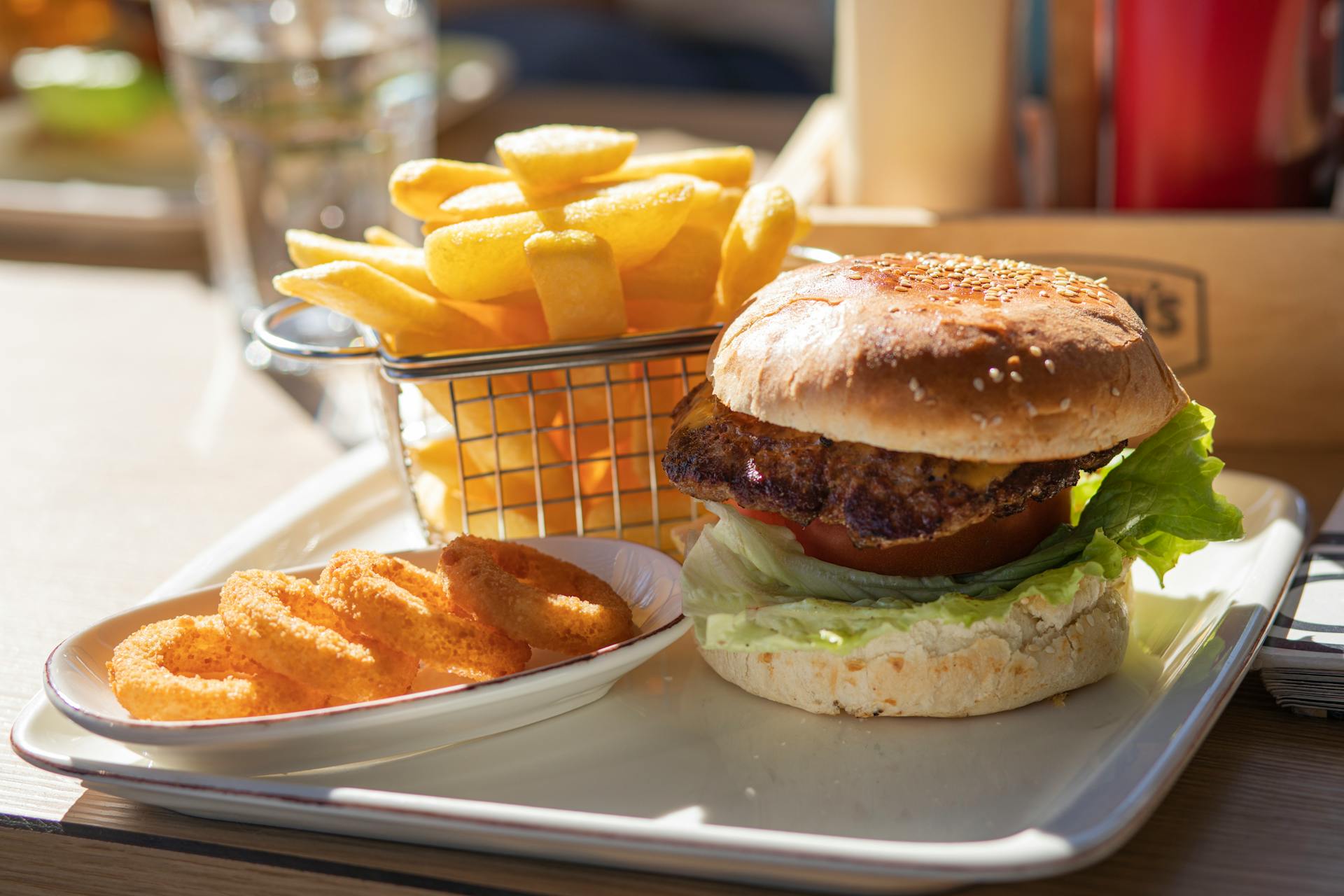



0 Comments