
The Keto diet was not known as such during hunter-gatherer times. When carbohydrates were limited, it was just how you ate.
When carbohydrates are limited, the human body's typical brain fuel, glucose, is depleted. To keep us alive and well, we produce ketones.
The Keto diet takes its name from this distinct metabolic condition, which is known as ketosis.
However, depending on your objectives and interests, several methods exist to eat Keto. Some even permit carbohydrate consumption if done strategically.
Let us begin at the beginning of contemporary Keto history, with the development of the first therapeutic Ketogenic diet.
#1: Traditional Ketogenic Diet (4:1)
The conventional Keto diet (also known as the classic Keto diet) was created in the 1920s as a therapy for infantile epilepsy. Researchers discovered that when children progressed deeper into ketosis, they had fewer and less severe seizures.
Regarding dietary options, the traditional Keto diet is about as adaptable as a straightjacket. You can only take 1 gram of protein plus carbs for every 4 grams of fat [1]. This 4:1 ratio implies consuming almost 80% of calories from fat, leaving little room for protein and carbohydrates.
Traditional Keto is excellent for increasing ketone levels, but it is entirely restricted. As a result, the conventional Keto diet is best suited for therapeutic purposes. A practitioner, for example, may recommend this diet...
- For the management of epilepsy
- As an adjuvant for certain types of cancer [2]
- To ameliorate neurodegenerative disease [3]
#2: Standard Ketogenic Diet (SKD)
When most individuals talk about Keto, they refer to the regular Keto diet. The SKD is a catch-all phrase for a very low-carb diet that contains roughly the following macronutrients:
- 55-75% fat
- 15-35% protein
- 0-10% carbs
Maintaining these macronutrient ratios causes a metabolic change. Rather than relying solely on glucose (sugar) for energy, your body switches to fat and ketones [4]. This is known as ketosis.
The key to entering ketosis is to decrease the amount of carbs you consume. Keeping carbohydrates low helps to keep the hormone insulin low, which aids in burning body fat.
The advantages of the Keto diet are based on this fat-burning condition. One of these advantages is appetite control, which helps to explain Keto's popularity as a weight loss diet in many populations [5][6][7]—less hunger results in less overeating.
Another advantage of ketosis? It aids in resolving insulin and blood sugar issues that contribute to type 2 diabetes—a year of supervised Keto eating corrected diabetes (as indicated by HbA1C) in 60% of 218 participants in the Virta Health Study [8].
#3: High-Protein Ketogenic Diet
A kind of SKD is the high-protein Ketogenic diet, often known as the modified Atkins diet. This diet places protein at the top of the food pyramid (30-35% of calories) and fat at the bottom (50-60% of calories). Carbohydrates account for less than 10% of total calories.
Some people are concerned that high-protein Keto diets are incompatible with weight loss. However, clinical evidence demonstrates that these concerns are primarily unfounded [9]. When combined with strength exercise, greater protein consumption on Keto has been found to enhance strength increases and better body composition [10].
If you're physically active, you should increase your protein consumption while on Keto. Protein is required to deliver the amino acids (such as leucine) that drive muscle development. Fat alone will not suffice.
Increasing protein also broadens your nutritional options, allowing for more fish and leaner meats. As a result, it is simpler to stick to than higher-fat Keto diets.
#4: Cyclical Ketogenic Diet (CKD)
A cyclical Keto diet entails following a conventional keto diet while increasing carb consumption at certain times. This is also known as carb cycling.
A common carb cycling strategy includes 1-2 high-carb days each week; the rest of the week is low-carb. You might also carb cycle daily, with one high-carb meal each day (such as dinner).
On high-carb days, you consume 100-500 grams of carbs. On "normal" keto days, you limit yourself to 20-30 grams of carbohydrates or fewer.
Adjust fat calories down to balance energy intake on high-carb days. Fat consumption increases on low-carb days. Protein does not change.
The CKD may feed hard workouts such as HIIT, CrossFit, or marathons. These activities require glucose (carbs) for energy, and carb refeeds let athletes go harder for longer by replenishing the body's glucose stores (glycogen).
Carb cycling can also make Keto more manageable in the long run. It reinstates rice, potatoes, and bananas on the menu. That appeals to people.
#5: Targeted Ketogenic Diet (TKD)
If your workout is waning on Keto, but your sleep and electrolytes are OK, a focused Keto diet may be for you.
The TKD is intermediate between the SKD and the CKD. You can eat some carbohydrates, but not a lot.
To offer a surge of performance-enhancing energy, you eat 15-50 grams of fast-absorbing carbohydrates before, during, or after training on a TKD. These simple carbohydrates can be obtained from whole foods such as white rice or potatoes, but many athletes utilize dextrose (glucose) powder.
The kind of carbohydrate is critical. For example, because fructose is digested differently from glucose, it is not optimal for giving energy to the TKD. Low-glycemic carbohydrates, such as beans and berries, are likewise ineffective since they are slowly digested.
Willn't fast-absorbing carbohydrates knock you out of ketosis? For a little sum. However, because these carbohydrates are ingested close to activity, you should be able to burn them off quite rapidly. Then, you may resume your usual fat-burning routine.
#6: Keto 2.0
The term "Keto 2.0" refers to the recent trend of "clean Keto" and "plant-based Keto" diets. It's a Keto Mediterranean diet—fish, vegetables, and olive oil.
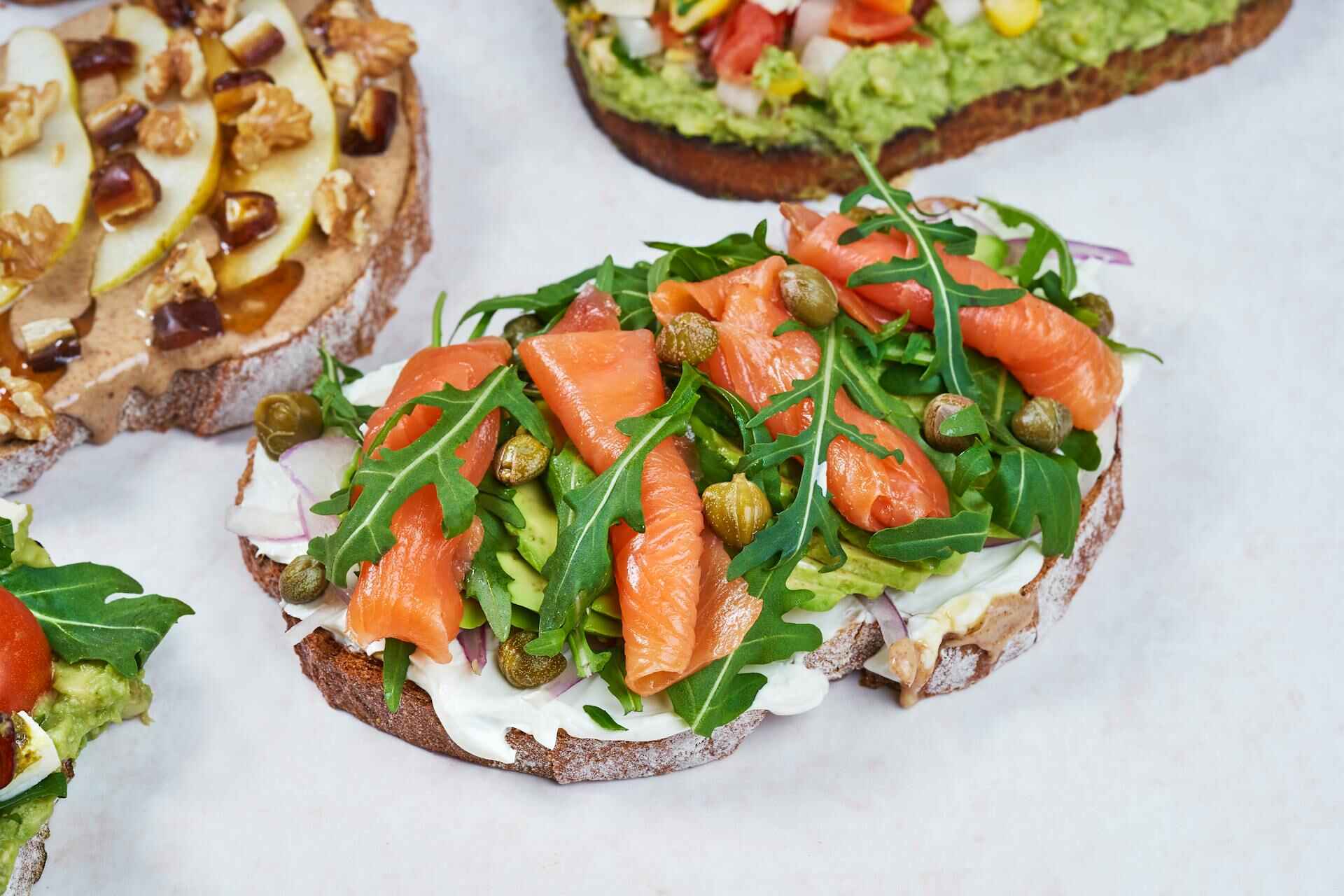
Plants provide the majority of your calories on Keto 2.0. This includes abundant extra virgin olive oil, coconut oil, avocados, and nuts. Meat is discouraged, but you may supplement your protein needs with fish and eggs.
Carbohydrate limitations are eased in Keto 2.0, allowing up to 20% of daily calories. However, carbohydrate consumption above 10% of daily calories may inhibit your desired fat-burning ketogenic state.
Where Should You Start?
Start on the higher-protein end of conventional Keto unless you use it for medicinal purposes. Protein should account for 30% of daily calories to stimulate fat reduction and body recomposition.
Try a cyclical or focused Keto diet if you're having trouble exercising after a few weeks of Keto eating. Finally, if you prefer a plant-based diet, try Keto 2.0.
What's the link between all of these Keto diets? You must keep track of your carbohydrates! Use the Carb Manager app to easily track meals, gain community feedback, and experiment with different macro ratios.
Over 3 million people have joined us on their health journey. Come and be a part of the community.


0 Comments