
Low carb lunches do not have to feel plain, repetitive, or tiny. The best bowls and salads are the kind that actually hold you over, taste exciting halfway through the week, and still feel fresh when you open the lid at lunch.
Current recipe roundups keep showing the same winning pattern: low carb, high-protein, make-ahead lunches are popular because they are convenient, satisfying, and easy to customize. Salads that include protein and smart add-ins also show up again and again because they are much more likely to feel like a real meal than a pile of greens.
The secret is not complicated. A filling low carb bowl usually starts with a crisp base, then adds a solid protein, then finishes with healthy fats, crunchy vegetables, and a dressing that brings the whole thing together. That formula matters because fiber can help slow digestion and reduce hunger, while protein and fats add staying power and make lunch feel complete instead of flimsy. When those pieces work together, lunch stops feeling like a compromise and starts feeling like something you actually look forward to.
This guide is built around that idea. You will get a practical guide to building low carb bowls and salads, a smart meal prep system, and six lunch recipes that are hearty enough for busy weekdays but simple enough to repeat without getting bored. The recipes are designed to be flexible, so you can swap proteins, change dressings, and adjust toppings without losing the satisfying balance that makes them work. And because lunch only feels good when it is safe and fresh, the storage tips here follow current food-safety guidance about chilling perishable food promptly and keeping refrigerated meals cold.
Why Low Carb Bowls and Salads Work So Well for Lunch
The lunch problem this guide solves
Lunch is where a lot of healthy eating plans quietly fall apart. Breakfast might be quick, dinner might feel planned, but lunch often happens in the middle of a packed day when energy is low, and decisions get sloppy. That is exactly when people reach for something random, settle for a weak salad that does not satisfy, or skip the meal altogether and end up overeating later. Low carb bowls and salads solve that problem because they are fast to assemble, easy to prep ahead, and flexible enough to fit whatever is already in the fridge.
Current low carb lunch recipe roundups keep leaning into this exact need: meals that are simple, high-protein, and practical enough to repeat during the workweek.
The other big issue is boredom. A basic salad can be fine once, maybe twice, but by the third day, it starts to feel like punishment instead of food. That is usually what happens when lunch is built on only greens and a little dressing, with nothing substantial underneath. A better low carb lunch needs more than lettuce. It needs substance, contrast, and flavor so it feels like a real meal instead of a side dish pretending to be one. Recipe collections focused on low carb, high-protein lunches keep emphasizing that satisfying lunches work best when they combine protein, vegetables, and smart extras that make the meal feel complete.
This is also where meal prep fatigue shows up. People want lunches that travel well, hold up in the fridge, and still taste fresh by midday. That is why bowls and salads are such a strong fit. They can be assembled in stages, kept crisp with simple storage habits, and adjusted easily so you are not eating the same exact thing in the same exact way every day.
The guide is built to answer that real world problem: how to make lunch filling enough to power the afternoon, but simple enough that you will actually keep doing it. Food-safety guidance also supports this style of planning, because prepared foods should be refrigerated promptly and stored cold to stay safe and fresh.
What makes bowls more filling than a basic salad
The difference between a plain salad and a filling bowl usually comes down to structure. A basic salad often starts and ends with leafy greens, which can be refreshing but not always satisfying for long. A bowl, on the other hand, is built like a complete meal. It usually includes a base, a protein, vegetables with texture, something creamy or salty, and a sauce that connects everything. That layering changes the eating experience completely because each bite feels more balanced and intentional.
Protein is the biggest reason bowls feel substantial. Chicken, tuna, salmon, eggs, turkey, tofu, and similar ingredients give the meal staying power and help it feel less like a snack and more like lunch. Fiber also matters because it helps add volume and can support fullness, especially when it comes from vegetables, cabbage, greens, cucumbers, and other low carb produce. Healthy fats from avocado, olives, cheese, seeds, or olive oil dressings make the bowl taste richer and more satisfying, which is another reason these lunches hold attention longer.
Nutrition sources consistently point to the same pattern: protein, fiber, and healthy fats are the core ingredients behind a more filling salad or bowl.
Texture is the other piece people overlook. A bowl becomes more satisfying when it has crunch, creaminess, freshness, and a little bite all at once. Think crisp romaine with tender chicken, juicy tomatoes with salty feta, cool cucumber with a tangy dressing, or avocado against spicy taco seasoned meat. That variety makes the meal feel more complete and keeps your brain interested longer. It is the difference between eating “a salad” and eating something that feels layered, purposeful, and worth looking forward to. Popular lunch recipe roundups keep showing this same formula because it works so well in real life, not just on paper.
Sauce is what brings it all together. Without dressing or a flavorful drizzle, even a well built bowl can taste flat. But with the right sauce, the ingredients stop feeling separate and start tasting like one cohesive dish. A creamy dressing can soften spicy chicken, a lemon vinaigrette can brighten salmon, and a yogurt sauce can make a vegetable heavy bowl feel richer. That last step is small, but it makes a huge difference in whether the bowl feels like lunch or just a pile of ingredients.
The Formula for a Filling Low Carb Bowl or Salad
Start with a strong low carb base
Every satisfying low carb bowl starts with a base that can actually carry the rest of the meal. Leafy greens, cabbage slaw, cauliflower rice, zucchini noodles, and chopped romaine all work because they give you volume, texture, and structure without relying on grains. That matters for lunch, because a base that feels too light can leave the whole bowl feeling unfinished. The strongest low carb salads usually use a base that is sturdy enough to hold dressing and toppings while still keeping the meal crisp and fresh. Harvard’s nutrition guidance also emphasizes vegetables and fiber as useful parts of a healthy eating pattern, which is one reason these bases show up so often in satisfying lunch bowls. (1, 2, 3)
The best base is not always the prettiest one. Romaine gives you crunch, spinach gives you softness, kale gives you chew, and cabbage slaw gives you staying power. Cauliflower rice and zucchini noodles work especially well when you want the bowl to feel more like a complete lunch and less like a side salad. These ingredients are all useful because they help the meal feel large enough to satisfy, while still keeping carbs lower than grain lunch bowls. USDA’s MyPlate guidance also reinforces the idea of building meals around vegetables and protein, which fits this bowl style very naturally. (4, 5)
A strong base also helps with texture. Chopped romaine and cabbage hold up better than delicate greens when you are packing lunch ahead of time, and that is a big deal when you want your salad to still look and taste good later in the day. The more structure the base has, the more easily it supports the protein, toppings, and dressing without turning soggy too quickly. That is why meal prep bowls often feel better built than a loose salad in a large bowl. The base does not just hold the food. It helps hold the experience together. (6, 7)
Add a protein that carries the meal
Protein is what turns a bowl from “light lunch” into “real lunch.” Chicken, tuna, eggs, salmon, turkey, tofu, tempeh, and leftovers all work because they bring substance and staying power. Harvard notes that protein foods include fish, poultry, eggs, beans, nuts, and soy foods, and that they are an important part of a healthy diet. In a low carb bowl, protein is the anchor that keeps the meal from disappearing too quickly after you eat it. (8)
The smartest protein choice usually depends on the flavor direction you want. Chicken and turkey are mild and flexible, so they fit almost any dressing or topping combination. Tuna and salmon work especially well when you want something savory and a little richer. Eggs are easy, dependable, and great for meal prep. Tofu and tempeh are excellent plant-based options because they soak up flavor and pair well with crunchy vegetables and bold sauces. Leftovers also deserve a place here because a bowl is often the best way to give dinner a second life without making lunch feel repetitive. (9)
Protein matters for fullness, but it also matters for balance. A bowl with only vegetables can taste fresh, yet still feel incomplete by the time you finish eating. Once protein is added, the meal gains weight and structure.
That is one reason high-protein salads and lunch bowls continue to be popular in recipe coverage: they solve the problem of a salad that looks good but does not satisfy. When the protein fits the rest of the ingredients, the whole bowl feels more intentional and more useful for a busy day. (10)
Use healthy fats and smart toppings for staying power
Healthy fats are the ingredient group that makes a low carb bowl feel rich rather than empty. Avocado, cheese, olives, seeds, nuts, and olive oil dressings all add depth and help the bowl taste finished. USDA notes that oils are part of a healthy eating pattern, and Harvard’s nutrition guidance highlights nuts and seeds as useful sources of healthy fats and satiety. In practice, that means even a small amount of these toppings can make a big difference in how satisfying the meal feels. (11)
These toppings are also important because they add contrast. Avocado makes the bowl creamy. Cheese adds salt and richness. Olives bring a briny note. Seeds and nuts add crunch and keep each bite interesting. Olive oil dressings help pull the ingredients together without burying them. When a bowl combines protein, fiber, and healthy fats, it tends to feel more filling and complete than one built on greens alone. That is the pattern nutrition coverage keeps returning to, because it works so well in real life. (12)
The best low carb bowls usually use toppings with a purpose. A few slices of avocado can soften a spicy bowl. Feta can sharpen a Mediterranean bowl. Pumpkin seeds or almonds can make a salad feel more substantial. Even a simple drizzle of olive oil can make the ingredients taste more connected. You do not need a long list of add-ins. You need a few smart ones that support the bowl’s flavor and texture instead of distracting from them.
Finish with crunch, acidity, and herbs
The final layer is what keeps a bowl from tasting flat. Pickles, cucumber, onion, peppers, lemon, vinegar, dill, cilantro, and parsley bring brightness, crunch, and freshness. These ingredients are important because they wake up the richer parts of the bowl and keep the flavors moving. Vinegar and lemon add acidity, which helps cut through creamy ingredients like avocado, cheese, or olive oil dressings. Herbs add freshness and make even a simple bowl taste more thoughtful. Harvard’s nutrition materials note that vinegar can influence satiety, while fresh vegetables and herbs help keep the meal lively and balanced. (13)
Crunch is just as important as flavor. Celery, cucumber, onion, and peppers keep the bowl from feeling soft or heavy, while pickles add a sharp bite that can make tuna, chicken, or egg bowls taste brighter. Cilantro, dill, and parsley work like finishing touches that make the whole bowl feel fresher. These ingredients may seem small, but they often create the difference between a lunch that feels ordinary and one that actually holds your attention.
That is part of why high-quality salad recipes keep repeating the same formula: protein, fiber, fat, crunch, and acid.
This formula is popular for a reason. It fits the way people actually eat at lunch: they want something fast, filling, and easy to repeat without getting bored. It also matches the structure of a balanced plate, with vegetables doing a lot of the heavy lifting and protein giving the meal staying power. When you build a low carb bowl this way, the result feels practical and satisfying at the same time. That is the real strength of the formula. It is simple, but it covers everything a good lunch needs.
Best Low Carb Ingredients to Keep on Hand
A great low carb lunch routine starts before you ever open a cutting board. The real secret is having the right ingredients ready to go, because the easiest lunch is usually the one you can build without thinking too hard. When your fridge and pantry are stocked with sturdy greens, reliable proteins, a few bold toppings, and simple sauces, lunch stops being a daily problem and becomes more like a quick formula. Because people searching for low carb bowls and salads are usually looking for convenient, realistic lunch ideas rather than complicated cooking projects.
Recipe roundups and nutrition guidance both point toward the same truth: the most satisfying bowls are built from ingredients that bring protein, fiber, texture, and healthy fats together in one place. (14)
Low carb bases for bowls and salads
The base sets the tone for the entire bowl. Romaine is one of the best choices when you want crunch and structure; spinach works well when you want something softer and faster to eat; kale adds chew and a stronger green flavor, and arugula gives the bowl a peppery edge that keeps things interesting. Shredded cabbage is one of the smartest low carb bases because it stays crisp and holds up well in meal prep, while cauliflower rice and zucchini noodles are great when you want the bowl to feel a little more substantial without adding grains.
Leafy greens and other vegetables are widely recognized as nutrient-dense, low-calorie staples that bring vitamins, minerals, fiber, and volume to a meal. (15, 16, 17)
What makes these bases especially useful is that they do different jobs. Romaine is ideal for a chopped salad because it keeps its crunch. Spinach recedes into the background, letting stronger toppings shine. Kale and cabbage can stand up to heavier dressings and heartier toppings, which makes them especially good for lunches you prep ahead.
Cauliflower rice is useful when you want a bowl that feels more like a meal and less like a side salad, while zucchini noodles bring a fresh, lightly crisp texture that works well with chicken, salmon, or yogurt-based sauces. The best base is not always the fanciest one. It is the one that can carry the rest of the bowl without getting soggy or boring.
For lunch prep, think about durability as much as flavor. Some greens are tender and beautiful right away, but they wilt quickly once dressing is added. Others, like cabbage and kale, hold up better and are better choices when the salad has to wait in the fridge. That is why many meal prep bowls use chopped greens or slaw-style bases instead of delicate loose leaves. A sturdy base keeps the texture alive until lunchtime and gives the whole bowl a more satisfying bite. It also makes the bowl easier to pack because the ingredients settle more neatly and travel better in containers.
Protein staples for fast lunch assembly
Protein is the part that turns a pretty bowl into a lunch that actually works. Rotisserie chicken is one of the easiest options because it saves time and brings immediate flavor. Hard-boiled eggs are another reliable staple because they are inexpensive, portable, and easy to prep in batches.
Canned tuna is a pantry hero for the same reason: it is fast, filling, and ready when you are. Cooked salmon, turkey, tofu, and tempeh all fit the same pattern, giving you flexible options depending on the kind of bowl you want to build. Harvard Nutrition Source notes that fish, poultry, beans, nuts, and tofu are all useful protein choices, and protein-rich meals are commonly used in salads because they pair so well with vegetables. (18)
The reason these proteins matter so much is simple: they help the meal feel complete. A bowl built only on greens and toppings can taste fresh for a few bites, but protein gives it staying power. Chicken and turkey work well when you want a mild base that can take on different dressings. Tuna and salmon are excellent when you want something richer or more savory. Eggs are easy to slice over the top of a salad and make the meal feel more substantial without much effort. Tofu and tempeh are smart plant-based options because they can absorb flavor and pair easily with crunchy vegetables and bold sauces.
For a low carb lunch strategy, the best protein staples are the ones you can use in multiple recipes during the same week. That is what makes meal prep feel practical instead of repetitive. You can roast or shred chicken once and use it in a Greek bowl on Monday, a buffalo bowl on Wednesday, and a chopped salad on Friday. You can keep hard-boiled eggs ready for quick Cobb-style lunches. You can use tuna for a fast, no-cook option when time is tight. The goal is not just protein for the sake of protein. The goal is a protein that gives you options.
Flavor boosters that keep meals interesting
This is the part that keeps lunch from getting boring. Feta adds saltiness and tang. Avocado brings creaminess. Olives add briny depth. Pickles and jalapeños bring sharpness and heat. Herbs like dill, cilantro, and parsley make everything taste fresher. Sunflower seeds and almonds add crunch and a little extra richness. Nutrition coverage on filling salads keeps pointing to ingredients like avocado, nuts, and seeds because they help add texture, healthy fats, and satiety to the meal. In other words, these are the ingredients that make the bowl feel finished instead of flat.
The smartest flavor boosters do more than taste good. They create contrast. A creamy bowl needs something crisp. A rich protein needs something acidic. A mild base needs something salty or sharp. That is why a few pickles can make tuna salad taste brighter, why feta can wake up a cucumber heavy bowl, and why jalapeños can keep a taco salad from tasting one-note. Small toppings often make the biggest difference because they change how the whole bowl feels in your mouth. That is a big reason lunch salads get more repeat traction when they include a mix of textures and flavors instead of only one dominant note.
If you want a low carb bowl to feel restaurant level, this is where you make it happen. The bowl does not need twenty ingredients. It needs a few smart ones. One creamy element, one salty element, one crunchy element, and one fresh herb can completely change the outcome. The result is a lunch that feels layered and intentional, which is exactly what people tend to search for when they look up low carb bowls and salads. They want food that feels simple but still tastes as if somebody thought about it.
Dressings and sauces that stay low carb
A good dressing does not just add flavor. It pulls the whole bowl together. Ranch-style dressings are popular because they are creamy and familiar. Greek yogurt-based sauces work well when you want something tangy and lighter but still rich enough to coat the ingredients. Vinaigrettes are a classic low carb option because they bring acidity and keep the bowl tasting fresh. Tahini lemon sauce adds depth and a nutty, savory flavor. Avocado crema gives you that silky texture that makes a bowl feel especially satisfying. Mayo Clinic dressing recipes show how olive oil, vinegar, lemon juice, herbs, and mustard can come together in simple homemade dressings that fit this style of meal well. (19, 20, 21)
The best low carb dressings are usually the ones that make the ingredients taste brighter, not heavier. A vinaigrette works especially well with greens, cucumbers, and salmon because it sharpens the flavor. Ranch or yogurt sauces fit chicken bowls and buffalo salads because they add cooling creaminess. Tahini lemon sauce is a strong choice for Mediterranean bowls because it gives the meal body and depth. Avocado crema works beautifully with taco salad bowls because it softens the spice and adds a smooth finish. A good dressing is less about hiding the ingredients and more about helping them taste as they belong together.
If you are building lunches for the week, keep in mind that the easiest dressing is often the one you can make quickly and store safely. Olive oil, vinegar, lemon, mustard, herbs, and yogurt are all flexible ingredients that can be mixed into different combinations without much effort. That makes them practical for meal prep and also keeps the lunch routine from feeling repetitive. When the base, protein, toppings, and sauce all work together, you get the kind of low carb bowl that actually makes you look forward to lunch instead of just getting through it. That is the whole point of the formula. It is simple, but it works.
Meal Prep, Storage, and Food Safety Tips
How to prep 3 to 5 lunches at once
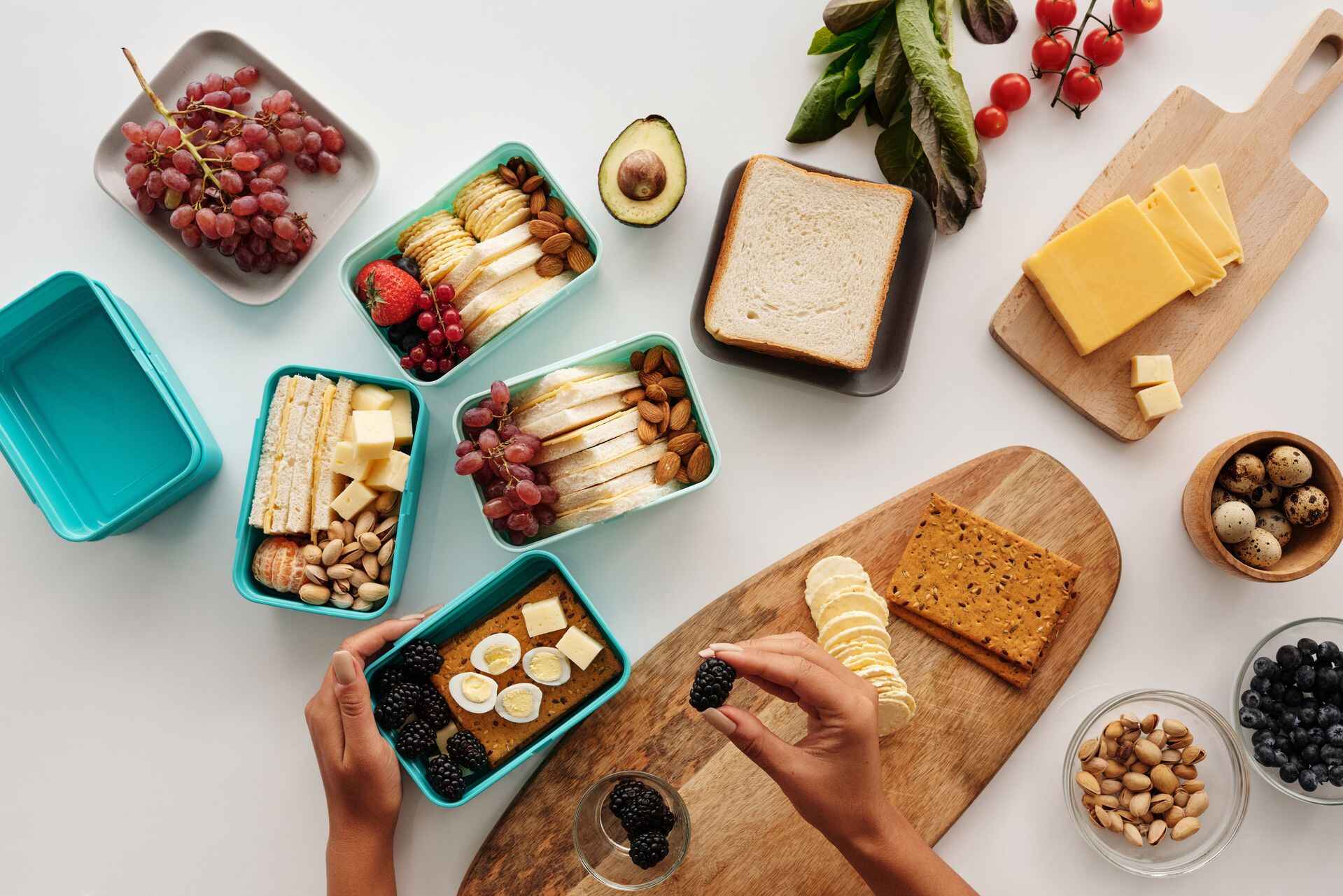
The easiest way to make low carb bowls and salads work all week is to stop thinking in single lunches and start thinking in batches. If you cook one protein, wash your greens, chop a few vegetables, and portion your toppings separately, you can turn one prep session into three to five lunches with very little extra effort. That approach is especially useful for work lunches because it keeps the food flexible. You are not locking yourself into one exact meal; you are building a small system that can be mixed and matched during the week. Meal prep salad roundups and lunch guides consistently lean on this style because it saves time and preserves freshness. (22, 23)
A smart prep session usually starts with protein. Roast or shred chicken, hard-boil eggs, cook turkey, or portion salmon and tofu into containers before you do anything else. After that, wash and fully dry the greens so they are ready to use. Then chop the vegetables that will hold up well in the fridge, like cucumber, cabbage, peppers, celery, onion, and radish. Finally, portion the toppings and sauces into small containers so you are not digging through the fridge every morning. The goal is not to create one giant salad; it is to create a set of building blocks that can be assembled quickly and still taste fresh. (24)
This method works well because it reduces friction. When all the pieces are ready, lunch becomes more like assembly than cooking. That matters on busy weekdays, especially when you want something low carb, filling, and practical. It also helps you avoid the common meal prep trap of making one large container that looks good on day one but gets tired, soggy, and messy by day three. Separating the ingredients gives you more control over flavor, texture, and portion size.
How to keep salads crisp and bowls from getting soggy
If there is one rule that shows up over and over in meal prep salad advice, it is this: keep the dressing separate until you are ready to eat. That small step makes a huge difference because it protects the greens from wilting and keeps crunchy vegetables from losing their texture. Current meal prep coverage repeats this point so often because it works. A salad that is dressed too early almost always softens, while a salad that stays dry until lunchtime keeps its snap and tastes fresher. (25)
Dry greens matter just as much as separate dressing. If the lettuce or spinach is still wet after washing, the extra moisture will break down the texture faster and make the container look sad by lunchtime. That is why meal prep salad tips often focus on drying the leaves thoroughly before storing them. Layered containers can also help. Put heavier or wetter ingredients lower in the container, keep crunchy toppings in their own section, and save delicate ingredients for the top or a separate compartment. This keeps the bowl from turning into a mixed-up, watery pile before lunch even starts. (26)
Moisture barriers are another useful trick. A paper towel, a separate compartment, or a small piece of packaging that keeps wet ingredients away from dry ones can help preserve texture. That is especially useful for chopped salads with cucumber, tomato, avocado, or saucy protein because those ingredients release moisture as they sit. Keeping crunchy toppings separate is also a simple but powerful move. Seeds, nuts, and crispy vegetables should be added at the last minute, so they still have a real crunch when you eat.
Salad container roundups and prep tips keep pointing to separation for exactly this reason: the less the ingredients mix too early, the better the texture stays. (27)
Refrigerator timing and safe storage basics
Food safety is just as important as texture, especially when you are prepping chicken, tuna, salmon, eggs, yogurt, sauces, or other perishable ingredients. The CDC says perishable food should not sit out for more than 2 hours, or more than 1 hour if it has been exposed to temperatures above 90°F. The FDA also says a refrigerator should be kept at 40°F or below, and that an appliance thermometer is the best way to check whether the fridge is holding the correct temperature. Those two points are the backbone of safe lunch prep. If the food is chilled properly and kept cold, it is much easier to store and pack safely. (28, 29, 30)
Another helpful rule is to cool food quickly. USDA guidance recommends placing leftovers into small, shallow containers so they cool faster in the refrigerator. That matters because large containers hold heat longer, which slows the cooling process and makes safe storage harder. If you are batch cooking protein for lunches, divide it into smaller portions instead of leaving it in one big container. That simple step helps the food chill more evenly and makes lunch assembly faster later in the week. (31, 32)
For most cooked leftovers, the USDA says to use them within 3 to 4 days when refrigerated. That is a useful planning window for lunch prep because it means you can usually make several bowls on Sunday and still eat them safely through the middle of the week. If you know you will not finish something in time, freezing is the safer backup. The main point is to plan your prep around real storage limits, not just convenience. When you match the recipe to the fridge timeline, the lunch routine becomes much easier to trust.
Best containers for lunch on the go
The container you use can make a bigger difference than people expect. Glass containers are popular because they are sturdy, easy to clean, and work well for both fridge storage and reheating. Compartment bowls are especially useful for low carb lunches because they let you separate the base, protein, toppings, and dressing without needing multiple boxes. Mason jars can also work well for layered salads when you want to keep the dressing at the bottom and the greens at the top. The common thread is separation, because separation keeps textures intact and makes the lunch easier to eat later.
Leakproof dressing cups are another small tool that pays off fast. Even if you do everything else right, a salad can still become messy if the dressing leaks into the greens too early. A small sealed cup lets you control the timing and add the sauce right before eating, which is exactly what helps keep the salad crisp. That is one reason many highly rated salad containers have built-in dressing compartments or separate top sections for toppings. They are designed around the reality that a good lunch should taste fresh, not pre-sogged.
The best container is the one that matches your routine. If you reheat protein, glass often makes sense. If you eat everything cold, a compartment bowl or a mason jar may be easier. If you pack lunch in a backpack or commute with it, leakproof lids matter more than anything else. What matters most is not the brand or the trend. It is whether the container helps your food stay cold, separate, and appetizing until lunchtime. When that happens, low carb bowls and salads stop feeling fragile and start feeling dependable.
Recipe 1 — Greek Chicken Bowl
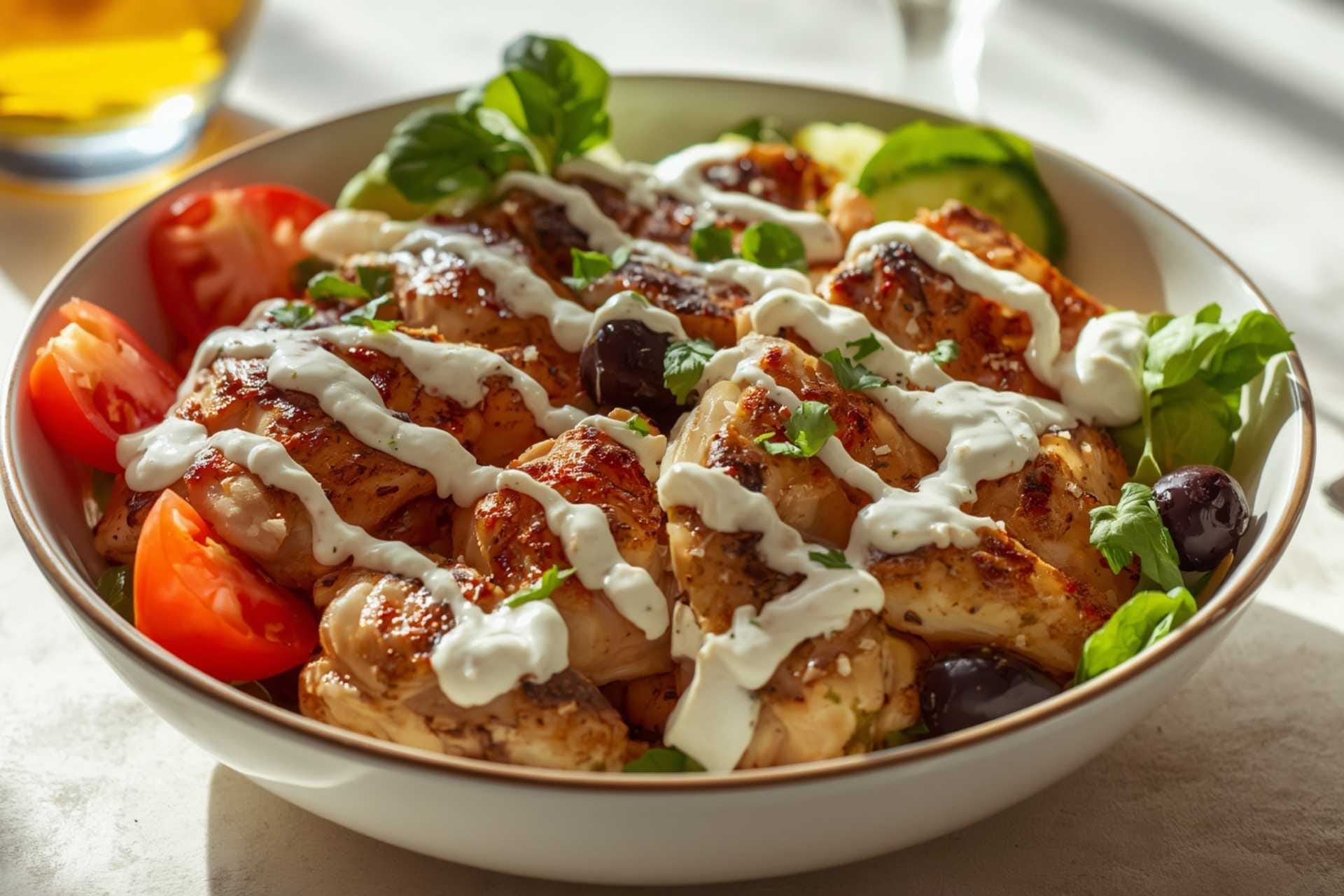
Why this bowl works
The Greek chicken bowl works because it hits almost every note a satisfying lunch should hit at the same time. It is bright from the cucumber and tomato, salty from the feta and olives, creamy from the tzatziki, and fresh from the lettuce and herbs. That balance matters more than people realize. When a bowl has a little crunch, a little creaminess, a little acid, and enough protein to hold it together, it feels like a full meal instead of a light bite. That is exactly why this recipe fits so well into a low carb lunch plan. It gives you the comfort of something structured without relying on grains to make it feel complete.
Another reason this bowl works so well is that the flavor profile is naturally familiar and easy to love. Greek inspired ingredients already do a lot of the heavy lifting. Lemon, cucumber, onion, feta, olives, and yogurt sauce all bring strong flavor without needing a complicated cooking process. You do not have to fight the ingredients or hide them under a heavy dressing. Everything here tastes clean and intentional, which makes the bowl feel refreshing even on a busy day. That is a big deal for lunch because the middle of the day is often when people want something that feels light enough to avoid sluggishness, but satisfying enough to carry them through the afternoon.
This bowl also has a strong advantage for meal prep. The ingredients hold up well when stored separately, and the flavors stay good even after the chicken has been cooked ahead of time. Unlike more delicate salads that wilt quickly, the Greek bowl has sturdy parts that can be packed in advance without losing their appeal. That makes it one of those rare recipes that works both as a fresh lunch and as a fridge-ready meal prep option. It is practical, colorful, and dependable, which is exactly the kind of combination that keeps people coming back to it.
Ingredient list and flavor profile
A Greek chicken bowl depends on simple ingredients that taste good on their own and even better together. The chicken gives the bowl substance and protein. The cucumber adds coolness and crunch. Tomatoes bring juiciness and a little sweetness. Red onion adds sharpness, which keeps the bowl from tasting flat. Feta contributes a salty, creamy bite that ties everything together. Olives bring briny depth, while lettuce creates a crisp, fresh base. Tzatziki finishes the bowl with a cool, tangy layer that makes every bite feel complete.
What makes this ingredient list so strong is the contrast. You have soft and crunchy, creamy and crisp, salty and bright, rich and fresh. That kind of variety is what turns a salad bowl into a real lunch. If every ingredient had the same texture, the bowl would feel one-dimensional. But in this case, each part does something different. The cucumber cools the palate, the feta adds richness, the tomato keeps it lively, and the chicken gives it enough weight to satisfy real hunger. It is a simple ingredient list, but it behaves like a much more layered meal.
The flavor profile leans Mediterranean in the best possible way. It is not heavy or overly spiced. It is clean, savory, and vibrant. A little lemon or garlic in the chicken can deepen the flavor, but even without extra work, the ingredients already feel balanced. This is one of the reasons the bowl is so easy to repeat during the week. It does not get old quickly because the ingredients are classic and flexible. You can keep it simple or build it up depending on your mood, and it still feels like a good lunch either way.
Step-by-step assembly and texture balance
The best way to assemble this bowl is to think in layers. Start with the greens first, so they create a stable base for everything else. Lettuce or chopped romaine works especially well because it stays crisp and gives the bowl structure. Once the greens are in place, add the chicken so the protein sits in the center and helps anchor the rest of the ingredients. After that, add the cucumber, tomato, and red onion so the bowl gets its fresh, juicy middle layer. Finish with feta and olives on top so their stronger flavors stay visible and do not get lost under the other ingredients.
Texture balance is a big part of what makes this bowl satisfying. The greens bring crunch, the chicken brings tenderness, the cucumber gives a clean bite, and the tomato adds juiciness. Feta softens the edges with creaminess, while the olives add a firmer, saltier note. Tzatziki should go on last, either drizzled over the top or served on the side, so it does not weigh down the salad too early. That final step matters because the sauce should connect the bowl, not drown it. If you add too much too soon, you lose the contrast that makes the dish so appealing.
You can also think about the bowl the way a chef thinks about plating. The goal is not just to dump everything into a container and hope for the best. The goal is to give each ingredient enough space to do its job. When the chicken is placed over the greens, the vegetables are scattered in a way that feels balanced, and the sauce sits at the end of the process, the bowl looks more inviting and tastes more structured. That kind of thoughtful assembly makes even a simple lunch feel a little more special.
Make-ahead swaps and lunchbox notes
One of the best things about this Greek chicken bowl is how easy it is to adapt. Grilled chicken is the classic choice, but leftover chicken works just as well and saves time. If you want a lighter or plant-forward version, tofu can step into the same role and still work with the Greek flavors. You can also adjust the toppings based on what you have on hand. If you are out of tomatoes, add a bell pepper. If you want more crunch, use shredded cabbage in part of the base. If you want more richness, add avocado. The framework stays the same, which makes the recipe flexible without losing its identity.
For lunchbox packing, the biggest rule is to keep the sauce separate until serving. Tzatziki tastes great, but if it sits on the greens too long, it can soften the lettuce and flatten the texture. A small container or dressing cup solves that problem immediately. You can still assemble the rest of the bowl ahead of time and keep it chilled in the fridge, then add the sauce right before eating. That one step protects the crunch and keeps the whole lunch tasting fresher.
This bowl is also a smart option when you need a lunch that travels well. It does not rely on heat to taste good, so it works cold and still feels complete. That makes it useful for office lunches, school lunches, or days when you are eating between errands. Because the ingredients are sturdy and the flavors are already balanced, it holds up better than many other salads. It is the kind of recipe that makes low carb eating feel easy rather than strict, which is exactly why it belongs in a repeatable lunch rotation.
Recipe 2 — Taco Salad Bowl
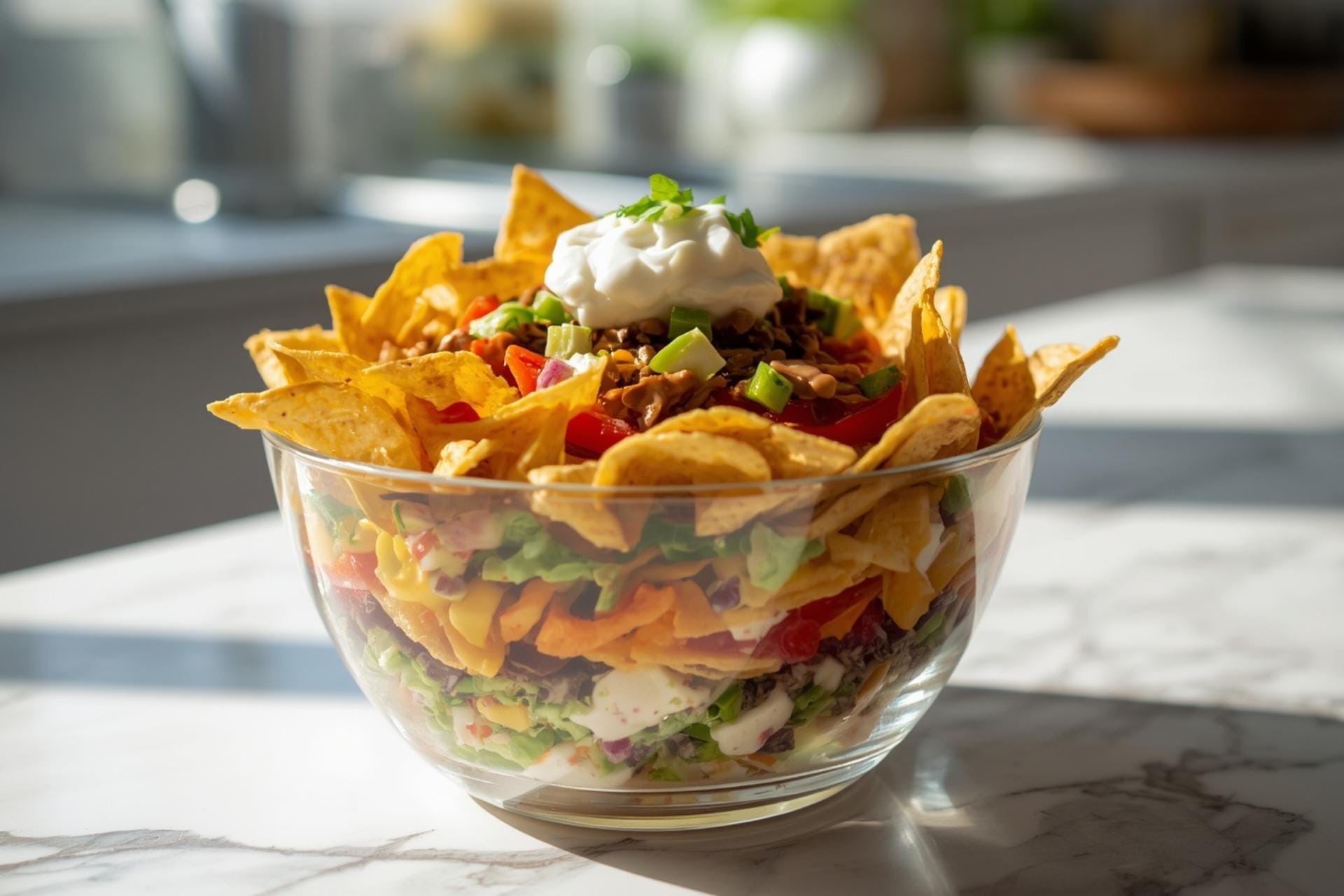
Why taco flavors work so well for low carb lunches
Taco flavor is one of the easiest ways to make a low carb lunch feel exciting instead of restrictive. It is bold, familiar, and naturally built around ingredients that already work well in a bowl format. You get seasoned protein, fresh vegetables, creamy toppings, and a punchy sauce, all without needing a tortilla to carry the meal. That matters because a lot of people searching for low carb lunch ideas are not really looking for a “diet salad.” They are looking for something that tastes fun, feels complete, and still fits a lower-carb routine. Current low carb lunch recipe roundups keep leaning toward protein-rich, flavor-forward bowls for exactly that reason.
The reason taco flavors work so well is that they already bring contrast to the table. The seasoning is savory and a little smoky, the vegetables are fresh and cool, the cheese adds richness, and the salsa gives you brightness and acidity. That mix keeps the bowl from tasting flat. It also helps the meal feel more substantial because every bite has something different going on. A taco salad does not need a tortilla to feel like taco night. It just needs the right balance of protein, texture, and sauce to make it feel complete.
This kind of lunch also works because it is easy to customize. You can keep it classic with beef and cheddar, make it lighter with turkey, add chicken for a leaner version, or go vegetarian with a meatless crumble or eggs. The structure stays the same even when the protein changes, which makes the recipe useful for different preferences and meal prep needs. That flexibility is one of the main reasons bowl lunches continue to dominate low carb recipe content. They are simple to repeat, but they never have to taste the same twice.
Ingredient list and assembly plan
The beauty of a taco salad bowl is how quickly it comes together once the ingredients are ready. Start with seasoned ground beef or turkey as the base protein. Then add lettuce for crunch, tomato for freshness, avocado for creaminess, cheese for richness, salsa for brightness, and sour cream for a cool, tangy finish. Each ingredient has a job. The meat gives the bowl weight, the vegetables keep it fresh, and the toppings pull everything together into one satisfying lunch. That is why taco bowls show up so often in low carb and high-protein lunch lists.
They check the boxes people care about most: flavor, fullness, and speed.
The assembly is just as important as the ingredients. Start with chopped lettuce so the base stays crisp and easy to eat. Add the warm or cooled seasoned meat in the center, then layer tomato, avocado, cheese, and any other toppings around it. Salsa can be spooned over the top or kept on the side if you want more control over the texture. Sour cream should usually go on last because it helps tie the flavors together and cools down the spices. If the bowl feels too loose, add more lettuce. If it feels too dry, add a little more salsa or sour cream. The goal is a lunch that feels balanced, not overloaded.
The best taco salad bowls also use seasoning thoughtfully. A good taco spice blend gives the protein enough personality so the bowl does not rely on extra carbs or heavy sauces to taste good. Garlic, chili powder, cumin, paprika, onion powder, salt, and pepper are usually enough to create that classic taco flavor without making the recipe complicated. That seasoning matters more than people think because it turns a basic protein and lettuce combination into something that feels like an actual meal. In a low carb lunch, flavor has to do some of the work that bread or rice normally would. That is one reason taco bowls are so effective.
Variations for different diets and preferences
One of the nicest things about this recipe is how easy it is to adapt. If you prefer beef, use it. If you want something leaner, turkey works well. If you want a lighter flavor, chicken is a strong option and still holds taco seasoning beautifully. For a vegetarian version, a meatless crumble or spiced tofu can step in and still give the bowl the hearty structure it needs. Some people even like a double-egg version, where hard-boiled eggs take the place of meat and create a more brunch-like taco salad that still works for lunch. The structure stays familiar even when the protein changes, which is part of the reason this bowl is so flexible.
You can also adjust the toppings depending on what kind of lunch you want. If you want a sharper flavor, add jalapeños or extra salsa. If you want more creaminess, increase the avocado or sour cream. If you want a fresher bowl, add extra tomato, onion, or cilantro. If you want more crunch, add shredded lettuce, cabbage, or even a few pumpkin seeds on top. These changes are small, but they help keep the lunch from feeling repetitive. That kind of variation is important when you are building a low carb meal plan around recipes you will actually eat more than once.
The other thing to remember is that the taco salad bowl can be as bold or as mild as you need it to be. Some people want a spicy lunch that wakes them up. Others want something simple and familiar that still feels satisfying. This recipe supports both. Keep the seasoning softer if you want a gentler flavor, or push the chili powder and jalapeños higher if you want more kick. Because the ingredients are so familiar, the bowl can shift directions easily without losing its identity. That makes it especially useful for households with different tastes or for anyone who likes to rotate lunch flavors through the week.
Meal prep version and storage tips
The smartest way to meal prep a taco salad bowl is to keep the hot filling separate from the cold toppings. That one move protects the texture of the lettuce, keeps the avocado fresher, and stops the bowl from turning into a soggy mix before lunch. Cook the seasoned meat ahead of time, let it cool slightly, and store it in its own container. Keep the lettuce, tomato, cheese, avocado, salsa, and sour cream separate until you are ready to eat. That way, the bowl still feels fresh and crisp even if it was assembled the night before. Meal prep salad guidance repeatedly emphasizes this same point because it works so reliably.
Food safety matters here, too. The CDC recommends refrigerating perishable food promptly and keeping it cold until serving. That is especially important with cooked meat, eggs, dairy-based toppings, and other ingredients that should not sit out too long. If you are packing the taco bowl for later in the day, keep it chilled in a sealed container and avoid letting it sit at room temperature for long periods. The lunch should stay safe, but it should also stay appetizing, and proper storage helps with both.
For the best texture, think of the bowl in layers. The lettuce belongs on the bottom, the protein goes in the center, and the toppings should sit around or above it until lunchtime. Salsa and sour cream are usually best in separate cups because they can soften the greens if they sit too long. If you want to save time in the morning, prep several bowls at once by portioning the ingredients into containers on one day and assembling them as needed during the week. That keeps the routine simple while still giving you a lunch that tastes fresh instead of pre-mixed and tired.
A taco salad bowl is one of those lunches that proves low carb eating does not have to feel limited. It is colorful, filling, flexible, and easy to pack. Most importantly, it gives you a lunch that feels like real food, not a compromise. That is why it belongs in any strong low carb lunch rotation. It is quick enough for busy days, flavorful enough to stay interesting, and practical enough to make again next week.
Recipe 3 — Cobb Salad Lunch Bowl
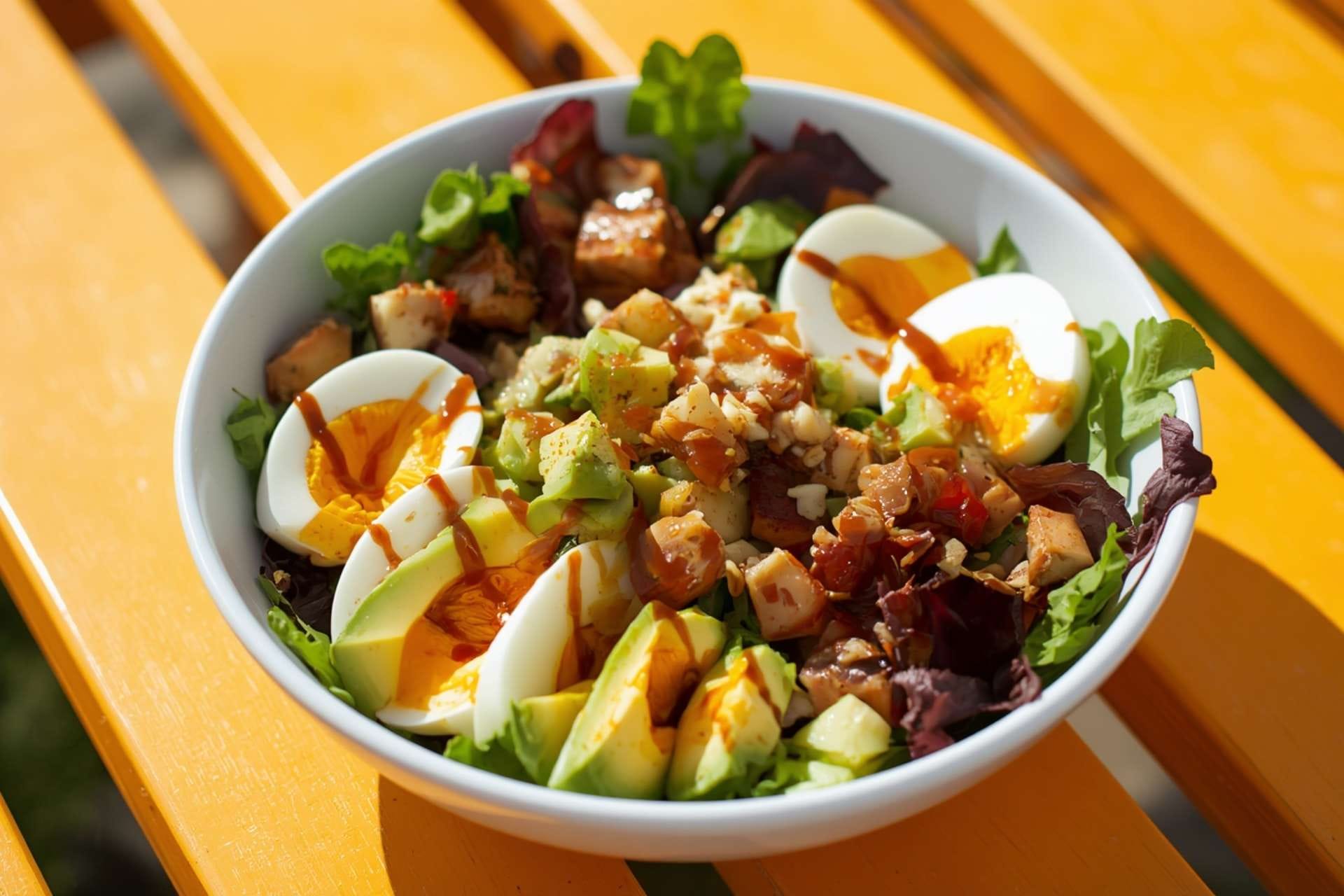
The classic Cobb structure
The Cobb salad works so well for lunch because it already has the right building blocks built in. You are not trying to force a side salad into a main meal. You are starting with a classic lunch structure that naturally combines protein, richness, freshness, and crunch in one bowl. Chicken gives the salad its body, eggs add a soft and satisfying bite, bacon brings salt and depth, avocado adds creaminess, tomato brings brightness, blue cheese adds sharp flavor, and greens hold everything together. That mix is one of the reasons the Cobb salad has stayed popular for so long. It feels complete without needing bread, crackers, or anything extra.
What makes the Cobb formula especially strong is the way each ingredient plays a different role. Chicken is the anchor. Eggs add richness and make the bowl feel more substantial. Bacon gives it that savory edge that keeps the flavor from feeling too clean or too light. Avocado smooths everything out, while tomato keeps the whole bowl from feeling heavy. Blue cheese adds a sharp, tangy note that cuts through the richer ingredients. Greens balance the bowl with freshness and structure. That combination is what turns a Cobb salad into a real lunch instead of just another salad with toppings.
The best part is that the Cobb structure is flexible without losing its identity. You can use grilled chicken, roasted chicken, or leftover chicken and still keep the same core feel. You can make it more rustic and hearty or more refined and chopped and tidy. You can keep the blue cheese strong or use it lightly.
The structure stays recognizable either way. That is exactly what makes Cobb such a smart low carb lunch choice: it already knows how to be filling, balanced, and satisfying without needing a lot of extra planning.
How to make it feel hearty enough for lunch
A Cobb salad becomes lunch worthy when you pay attention to portion balance. The goal is not to bury the greens under toppings or make the bowl feel messy and overloaded. The goal is to give every ingredient enough space so the salad still feels structured and easy to eat. A good lunch Cobb usually has enough chicken and eggs to make it filling, enough bacon to keep the flavor bold, enough avocado to add creaminess, and just enough blue cheese to sharpen the whole bowl. When those pieces are balanced well, the salad feels like a full meal with a clear purpose.
Chopping also matters more than people think. A Cobb salad tastes better when the ingredients are cut into bite-sized pieces because each forkful gets a little of everything. That is part of what makes the bowl feel so satisfying. Instead of chasing large leafy greens around the container, you get a clean, even mix of textures and flavors. The chicken is easy to bite into, the eggs blend smoothly into the salad, and the bacon and avocado distribute more evenly. Chopped ingredients also make the salad easier to pack and easier to eat at work or school, which is a big reason this style works so well for grab-and-go lunches.
A bold dressing is the final piece that makes the salad feel complete. Cobb salad has a lot of rich ingredients, so it benefits from a dressing with enough personality to tie everything together. Something creamy or tangy usually works best because it complements the chicken, eggs, bacon, and blue cheese without getting lost. If the dressing is too mild, the salad can taste dull. If it is too heavy, the bowl can feel overly rich. The sweet spot is a dressing that supports the ingredients instead of competing with them. When that balance is right, the salad feels hearty enough to carry you through the afternoon without weighing you down.
Dressing ideas and easy flavor upgrades
The dressing is where you can steer the Cobb salad in different directions without changing the whole recipe. Ranch is the easiest and most familiar option because it keeps the bowl creamy and approachable. It works especially well when you want the salad to feel comforting and easy to love. Blue cheese dressing gives the bowl a sharper, more dramatic flavor and matches the cheese already in the salad, which makes the whole thing taste even more cohesive.
If you want something a little lighter but still bold, Dijon vinaigrette is a strong choice because it adds brightness and a little bite without making the bowl feel heavy. Lemon herb dressing is another great option when you want the salad to taste fresher and more vivid.
If you want to upgrade the flavor without making the recipe complicated, small additions can go a long way. A few sliced cucumbers can add extra crunch and coolness. Chopped chives or parsley can make the salad feel fresher and more finished. Pickled red onions can add sharpness and help cut through the richness of the bacon and avocado. A few cherry tomatoes can make the bowl sweeter and juicier. Even a pinch of black pepper or a squeeze of lemon can wake the entire salad up. These changes are simple, but they help keep the bowl from feeling repetitive if you plan to eat it more than once a week.
You can also adjust the dressing based on how rich the rest of the bowl feels. If you use plenty of avocado and blue cheese, a lighter vinaigrette may be the better choice. If the salad is a little lean, ranch or blue cheese dressing can give it more body. That flexibility is one reason Cobb salads work so well in low carb lunch planning. They let you decide whether you want the bowl to feel creamy, sharp, bright, or classic, and it still tastes like a Cobb salad either way.
Prep notes for grab-and-go lunches
Cobb salad is one of the best make-ahead lunches because so many of its components can be prepped separately. Cook the chicken ahead of time. Hard-boil the eggs in batches. Crisp the bacon and store it in a separate container. Wash and dry the greens well so they stay fresh longer. Slice the avocado close to serving time if possible, or keep it with lemon juice to slow browning. When the ingredients are ready like this, lunch assembly becomes quick and low-stress instead of chaotic. That kind of prep is what makes a weekday salad routine actually sustainable.
Layering matters when you are packing the salad. Start with the greens, so they form the base. Add the chicken and eggs next because they are the main protein components and help anchor the bowl. Then add the bacon, tomato, avocado, and blue cheese on top so the salad still looks fresh and appetizing when you open it later. If you are using dressing, keep it separate until you are ready to eat. That protects the texture and keeps the lettuce from going limp too soon. A Cobb salad should look layered, clean, and colorful, not mixed into a wet pile.
For lunchboxes, a compartment container or a wide, shallow bowl works especially well. It gives the ingredients room to stay organized and makes the salad easier to eat without everything sliding around. If you are packing several lunches at once, Cobb salad is a great recipe to repeat because the prep work is straightforward and the results are satisfying. It is hearty enough to feel like lunch, simple enough to prep ahead, and flexible enough to keep in rotation without getting boring. That is why it remains one of the strongest low carb salad options for busy days.
Recipe 4 — Buffalo Chicken Salad Bowl
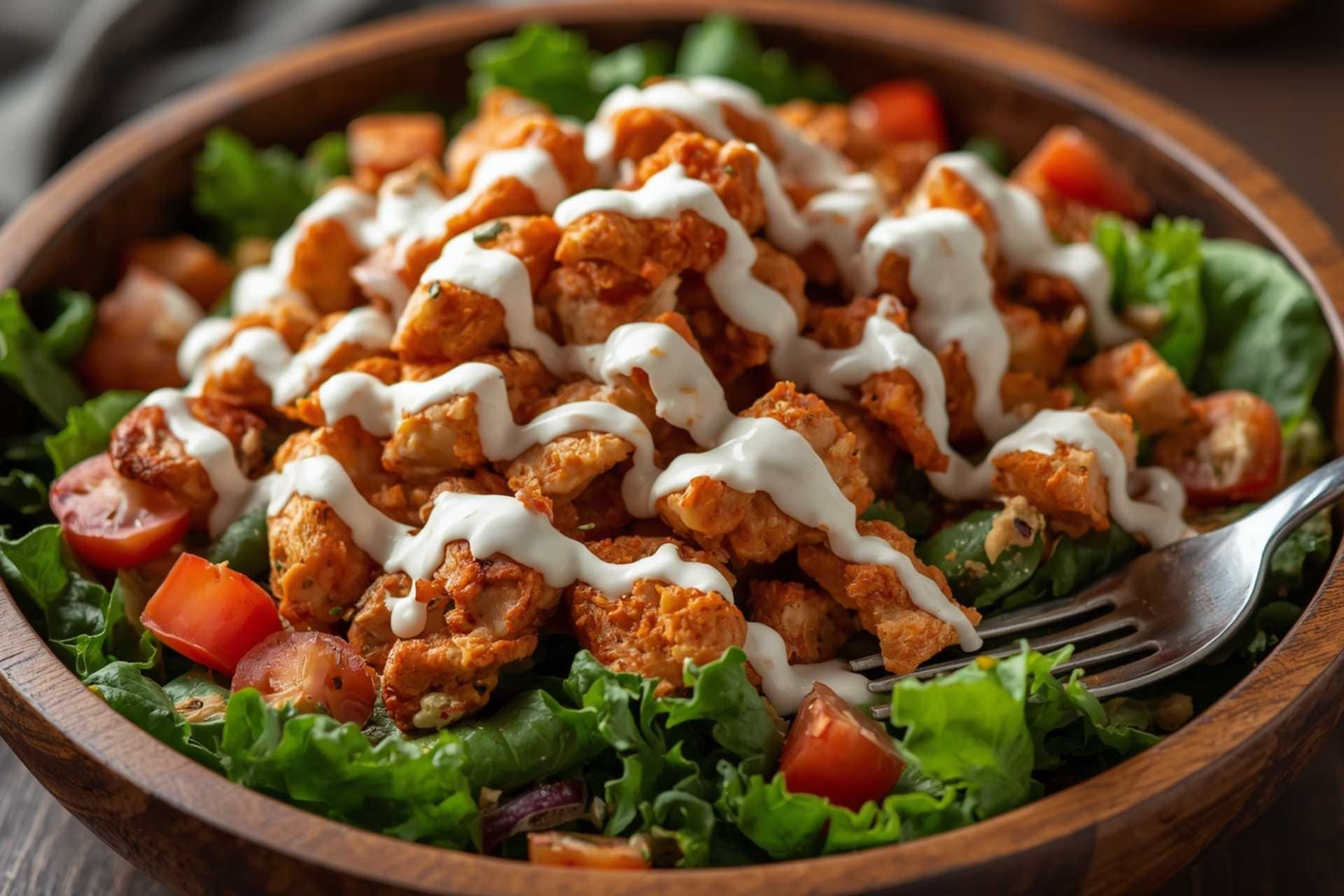
Why spicy bowls stay exciting all week
Buffalo chicken salad bowls stay interesting because they solve one of the biggest lunch problems: flavor fatigue. A lot of low carb lunches are healthy, but they can start to blur together after a few days. Buffalo flavor breaks that pattern right away. It is bold, tangy, a little fiery, and instantly recognizable, which gives the bowl a strong personality from the first bite. That kind of flavor keeps lunch from feeling routine, especially when you are eating a similar style of meal several times a week.
There is also something naturally satisfying about the contrast in a buffalo bowl. The spicy chicken brings heat and energy, while the cool vegetables and creamy dressing calm everything down. That push and pull makes the meal feel layered instead of flat. You are not just eating chicken over greens. You are getting temperature contrast, texture contrast, and flavor contrast all in one bowl. That is a big reason spicy salads tend to hold attention better than milder ones. They feel alive.
Buffalo chicken also works well in a lunch format because the flavor carries over after prep. Some meals taste best only when they are freshly made, but buffalo chicken stays flavorful even when it has been cooked ahead of time. That means the bowl still tastes assertive and satisfying by lunchtime, not faded or bland. If you want a low carb lunch that does not feel repetitive, buffalo flavor is one of the easiest ways to keep the routine fresh without making the recipe complicated.
Ingredient list and heat level control
The core of this bowl is simple: chicken, celery, romaine, cucumber, carrots in moderation, blue cheese or ranch, and buffalo sauce. That ingredient list works because it gives you everything a good bowl needs. The chicken brings the protein and heft. The romaine adds crunch and structure. Celery and cucumber give you a clean, cooling bite. Carrots can add a little sweetness and color, but keeping them in moderation helps the bowl stay lower in carbs. Blue cheese or ranch finishes the dish with creamy balance, while the buffalo sauce is what gives the whole recipe its character.
Heat level control is important because not everyone wants the same amount of spice at lunch. If you like a milder bowl, toss the chicken with a lighter amount of buffalo sauce or mix the sauce with a little ranch before adding it. That softens the heat while keeping the same flavor direction. If you want more kick, add extra buffalo sauce to the chicken or serve a little on the side for dipping. You can also increase the spice with a pinch of cayenne or a hotter sauce, depending on what you enjoy. The bowl should feel exciting, not overwhelming.
The vegetables matter just as much as the sauce because they help shape the final flavor. Celery is almost mandatory in a buffalo bowl because it adds that classic cool crunch that works so well with spicy chicken. Cucumber gives the salad a refreshing base, and romaine keeps everything crisp and easy to eat. A few shredded carrots can add color and a tiny bit of sweetness, which helps round out the heat. The more carefully you balance those ingredients, the more complete the bowl feels.
How to balance heat, creaminess, and crunch
The reason buffalo chicken salad bowls work so well is that they are built on balance. The spicy chicken gives you heat, but the bowl would not feel finished without something cool and creamy to soften it. That is where blue cheese or ranch comes in. Both dressings help cool down the spice and make the bowl feel richer. Blue cheese adds a sharper, more intense flavor, while ranch creates a smoother, more familiar finish. Either one works, and the choice usually comes down to how bold you want the final bowl to taste.
Crunch is the other piece that makes the bowl satisfying. Romaine, celery, and cucumber all bring freshness, but they also keep the salad from feeling too soft or too rich. Buffalo chicken can be intense on its own, so the crunchy vegetables act like a reset between bites. They keep the salad moving and prevent the flavor from becoming one-note. That is one of the reasons this recipe feels so satisfying, even though it is simple. Every part of the bowl is pulling in a different direction, but they still fit together.
If you want to push the bowl a little further, you can use a layered assembly style. Start with the romaine, then add the cucumber and celery, then pile the buffalo chicken in the center, and finally finish with dressing and a small amount of blue cheese or ranch. That structure keeps the bowl tidy and makes each bite feel more balanced. It also helps the textures stay clearer, which matters a lot in a lunch you may be eating hours after it was packed. A good buffalo bowl should be spicy, cool, crisp, and creamy all at once. That combination is what makes it memorable.
Make-ahead strategy and leftover ideas
Buffalo chicken salad bowls are especially useful for meal prep because they work beautifully with leftovers. If you have cooked chicken from the night before, you are already halfway done. Rotisserie chicken is another fast shortcut that makes the bowl much easier to pull together on a busy day. You can shred the chicken, toss it with buffalo sauce, and portion it into containers in just a few minutes. That kind of flexibility is what makes the recipe so practical for weekday lunches. It feels fresh, but it does not demand a lot of extra time.
For best results, keep the chicken and the cold ingredients separate until serving if you are packing the bowl ahead. That protects the crunch of the lettuce, celery, and cucumber. Dressing should usually stay on the side as well, especially if you want the salad to still feel crisp by lunchtime. If you are building several bowls at once, store the chicken in one container, the chopped vegetables in another, and the dressing in a small cup or sealed container. Then combine everything when you are ready to eat. That simple system keeps the bowl tasting cleaner and fresher.
This recipe also gives leftovers a second life in a way that does not feel boring. Buffalo chicken can be used in a salad one day, stuffed into lettuce cups another day, or served over chopped vegetables later in the week. That makes it a strong choice if you want to prep once and eat in different ways without getting tired of the food. The buffalo chicken salad bowl is quick, bold, and easy to repeat, which is exactly what makes it such a strong low carb lunch recipe.
Recipe 5 — Tuna Crunch Salad Bowl
Why tuna is a smart high-protein lunch base
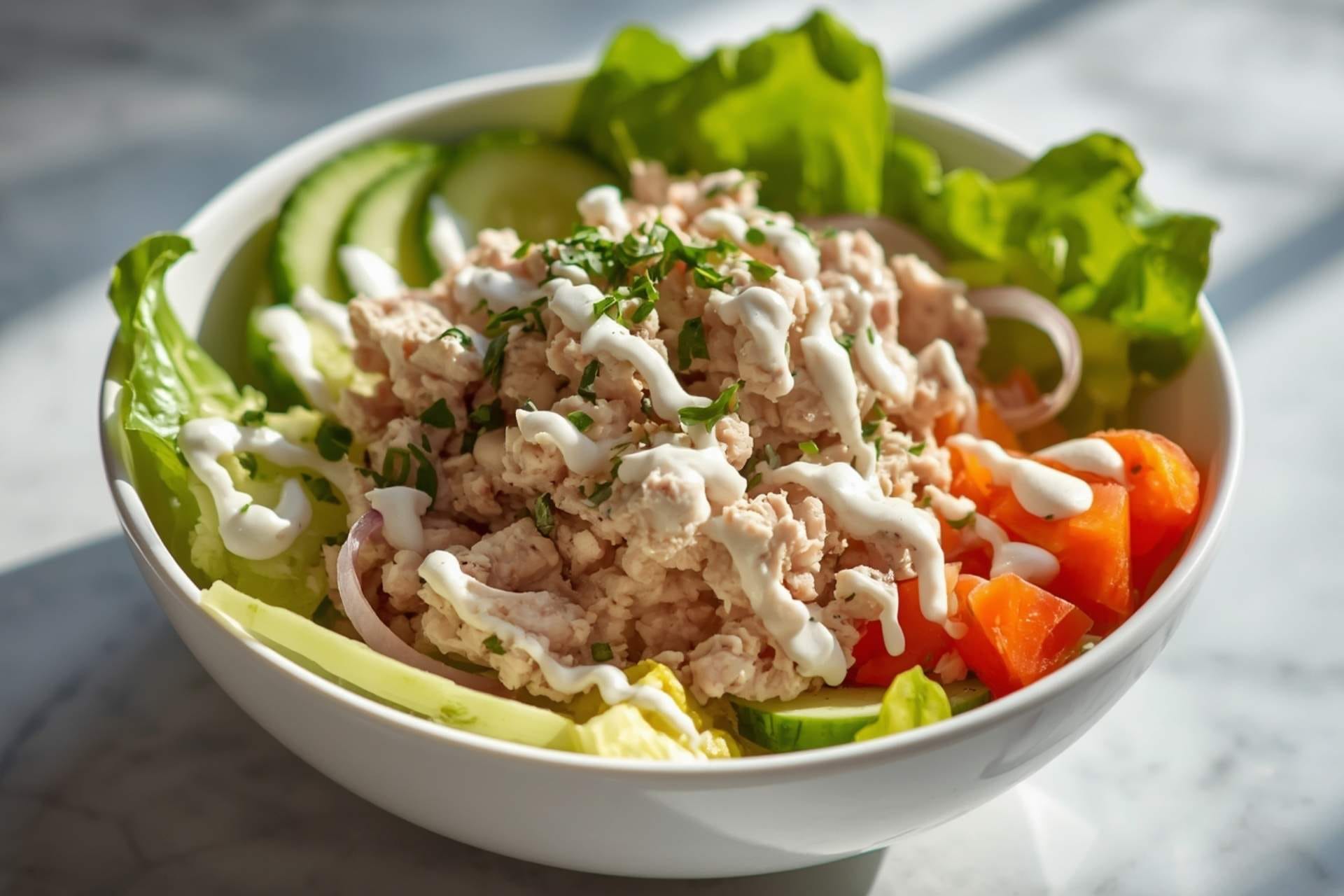
Tuna is one of the smartest low carb lunch bases because it checks so many boxes at once. It is fast, affordable, pantry-friendly, and naturally high in protein, which makes it a very practical choice for busy weekdays. You do not need a long prep session or a big list of ingredients to make tuna work. You can open a can, mix it with a few simple add-ins, and build a lunch that feels complete without adding extra carbs. That is a big reason tuna salad keeps showing up in low carb lunch ideas. It is simple, dependable, and easy to turn into something satisfying.
Another reason tuna works so well is that it fits into a low carb routine without effort. It does not need bread, crackers, or rice to feel like a real meal. In a bowl, tuna becomes the anchor that holds the whole lunch together. It gives the salad substance and staying power, while the vegetables and toppings bring freshness and contrast. That balance matters because a lunch should do more than taste good for two bites. It should actually help you get through the afternoon without feeling like you need another snack right away. Tuna does that job very well.
Tuna also gives you a lot of flexibility. You can keep the flavor clean and light, or build it into something richer and more savory. You can make it creamy with mayo or Greek yogurt, or brighten it up with lemon and herbs. You can keep it very simple for a quick lunch, or layer it with crunchy vegetables and bold toppings for a more filling bowl. That versatility is one of the biggest reasons tuna is such a strong base for low carb lunch recipes. It is not flashy, but it is incredibly useful, which is exactly what makes it a kitchen staple.
Ingredient list and crunch building add-ins
A great tuna crunch salad bowl usually starts with tuna, celery, cucumber, lettuce, pickles, red onion, and mayo or Greek yogurt. That ingredient list works because every item plays a different role. The tuna brings protein and body. The celery adds crispness. The cucumber keeps the bowl cool and refreshing. Lettuce gives the bowl a sturdy base. Pickles add sharpness and tang. Red onion gives the salad a little bite. Mayo or Greek yogurt binds everything together and adds creaminess, so the tuna mixture does not feel dry. Together, these ingredients create a lunch that is cool, crunchy, and satisfying.
The texture is what makes this bowl so good. Tuna on its own can feel soft, but when you pair it with celery, cucumber, and lettuce, the whole dish becomes more interesting. Crunch is especially important in low carb bowls because it helps keep the meal from feeling too heavy or too plain. The contrast between creamy tuna and crisp vegetables makes each bite feel more alive. Pickles and red onion also keep the flavor moving, so the bowl has a brighter, sharper edge instead of tasting flat. That is the kind of detail that turns a basic tuna salad into something you actually look forward to eating.
The mayo versus Greek yogurt choice gives you control over the final texture and flavor. Mayo creates a richer, smoother tuna salad with a classic feel. Greek yogurt makes the bowl a little lighter and tangier, which works well if you want a fresher finish. Some people like to use a little of both for the best of both worlds. The important thing is that the tuna mixture should be creamy enough to hold together, but not so heavy that it overwhelms the vegetables. When the ratio is right, the bowl feels balanced and easy to eat.
Ways to make it taste fresher and brighter
Tuna salad can go from basic to memorable with just a few bright ingredients. Lemon juice, dill, mustard, capers, herbs, and avocado all help wake up the flavor and make the bowl taste fresher. Lemon juice adds acidity and lifts the whole dish. Dill brings a clean, slightly grassy flavor that works especially well with tuna. Mustard gives the salad a little sharpness and depth. Capers add a salty, briny note that makes the bowl taste more complex. Fresh herbs like parsley or dill make everything feel lighter and more vibrant. Avocado adds creaminess and richness without making the salad feel heavy.
These add-ins matter because tuna can taste dull if it is not seasoned well. A good tuna crunch bowl should feel bright and layered, not flat or overly creamy. Lemon and herbs help keep the flavor clean. Mustard gives it a little edge. Capers and pickles reinforce that tangy, savory profile that makes tuna salad so satisfying when it is done well. Even a small amount of one or two of these ingredients can change the whole mood of the bowl. That is one of the easiest ways to make a simple lunch feel fresher without making the recipe more complicated.
Avocado is especially useful if you want the bowl to feel more filling and luxurious. It adds smoothness and helps tie the flavors together in a way that feels natural. A few slices of avocado on top can make the tuna salad taste richer without changing the low carb structure of the meal. If you want the bowl to feel more “finished,” this is a great place to go. Freshness is important, but richness matters too. When the two work together, the lunch feels balanced and satisfying instead of too light or too heavy.
Make it into a jar salad or lunch box bowl
The tuna crunch salad bowl is a great candidate for a jar salad because the ingredients can be layered in a way that keeps them fresh until lunch.
The basic rule is simple: keep the wet ingredients away from the greens and put the crunch at the top. That means the tuna mixture should go lower in the jar, with cucumber, onion, pickles, and other sturdy ingredients above it, and the lettuce or greens should stay near the top. This layering helps prevent the salad from turning soggy before you are ready to eat it. It is one of the easiest ways to make a make-ahead tuna bowl work well.
For a lunch box version, use a compartment container or a bowl with separate sections. Put the tuna mixture in one section, the vegetables in another, and the greens in a third, if possible. That keeps the textures cleaner and makes the lunch more enjoyable when it is time to eat. If you are packing the salad in one container, use the tuna mixture as a base and place the crisp vegetables and lettuce on top, then add any crunchy toppings at the very end. The goal is to keep the ingredients from blending too early. A little separation goes a long way in keeping the salad crisp and appetizing.
This style of lunch is especially helpful if you need something you can prep ahead of time without losing quality. Tuna holds up well in the fridge, and the ingredients are simple enough that the bowl does not need a lot of special handling. That makes it a smart option for busy workdays, school lunches, or any day when you want something quick but still satisfying. Tuna crunch salad bowls are practical, flexible, and easy to keep interesting, which is exactly what makes them a strong addition to any low carb lunch rotation.
Recipe 6 — Salmon Avocado Salad Bowl
Why is salmon a strong low carb lunch protein
Salmon is one of the best proteins you can use in a low carb lunch bowl because it brings so much to the table at once. It has a rich texture, a strong savory flavor, and enough body to make a salad feel like a true meal instead of a light side dish. That is especially helpful at lunch, when you want something satisfying but still clean and fresh. Salmon naturally pairs well with greens and avocado, which makes it an easy choice for a bowl that feels balanced without needing grains or bread.
What makes salmon stand out is the way it changes the whole mood of the salad. Chicken is mild and flexible, tuna is quick and practical, but salmon feels a little more substantial and a little more polished. It gives the bowl a deeper flavor and a softer, almost buttery bite that works beautifully with crisp greens and bright lemon. That contrast is a big part of why the recipe feels so good. You get richness from the salmon, freshness from the vegetables, and creaminess from the avocado, all in one lunch that feels complete and thoughtfully built.
Salmon is also a smart low carb protein because it does not need much help to taste good. A little salt, pepper, lemon, and olive oil are often enough to bring it to life. That means you can keep the bowl simple without making it boring. The ingredients do the work for you. For lunch, that is a huge advantage. A recipe like this feels elevated, but it is still practical enough for a weekday routine. It is the kind of bowl that can make healthy eating feel easy instead of forced.
Ingredient list and flavor pairing
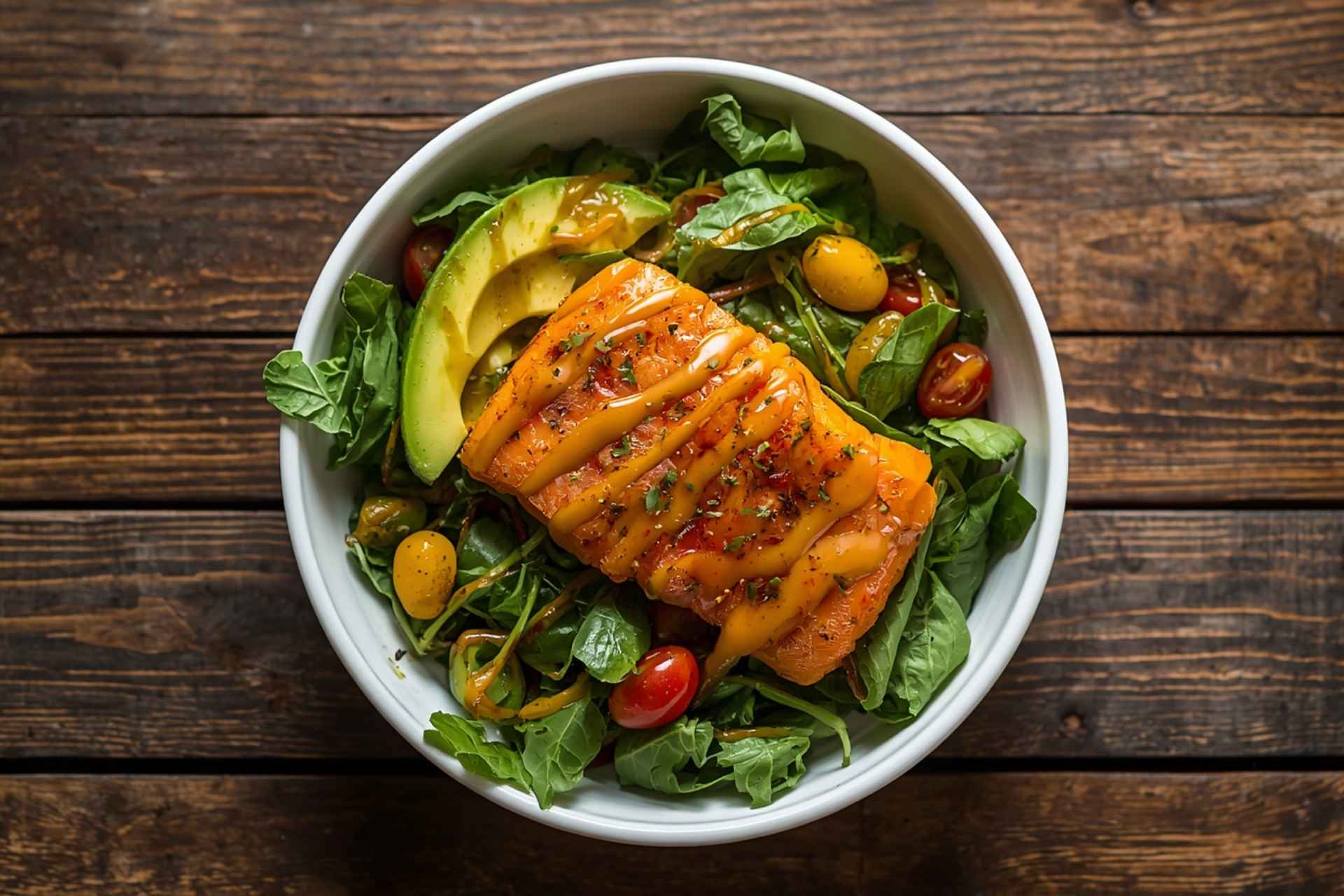
A salmon avocado salad bowl works best when the ingredients are clean, fresh, and well balanced. The core ingredients are salmon, greens, cucumber, avocado, radish, dill, lemon, and olive oil. That combination works because each item plays a different role. The salmon gives the bowl substance and protein. The greens create a crisp, fresh base. The cucumber adds coolness and crunch. Avocado brings creaminess and richness. Radish adds a peppery bite and a little sharpness. Dill gives the bowl a light herbal note. Lemon brightens everything up. Olive oil brings it all together with a smooth finish.
The flavor pairing here is especially strong because nothing feels heavy or out of place. Salmon and avocado are a natural match because both ingredients bring richness, but they do it in different ways. Salmon is savory and layered. An avocado is soft and creamy. Cucumber and greens keep the bowl from feeling too rich by adding freshness and crunch. Radish gives it a little edge, so the flavor does not stay too soft or too mellow. Dill and lemon are the finishing touches that make the salad taste clean and lively. That combination gives the bowl a restaurant feel without requiring much effort.
This recipe also has a nice visual balance, which matters more than people think. The deep color of the salmon looks beautiful against the green base; the avocado adds a softer color and texture, and the radish gives the bowl a little brightness. When the ingredients look fresh and layered, the meal feels more appealing before you even take a bite. That visual appeal helps the bowl feel special enough to enjoy again and again. It is simple, but not plain.
Cooked salmon vs. leftover salmon vs. canned salmon
One of the best things about this salad bowl is how flexible it is when it comes to the salmon itself. Cooked salmon is the most polished option if you want the bowl to feel a little more special. You can season it lightly, roast or pan-sear it, and let it cool before adding it to the salad. That gives you the richest flavor and the best texture. It is the version you choose when you want the lunch to feel complete and fresh from the start.
Leftover salmon is probably the easiest and most practical option for meal prep. If you made salmon for dinner the night before, you can turn it into a salad bowl the next day without doing much extra work. That makes the recipe especially useful for busy weeks because it gives leftovers a second life in a way that does not feel repetitive. Leftover salmon already has good flavor, and when you pair it with lemon, greens, and avocado, it tastes like an intentional lunch instead of yesterday’s dinner. That is a big win for low carb meal planning.
Canned salmon is the most convenient backup option and a very smart choice when you want speed or want to keep costs lower. It is shelf-stable, quick to use, and still gives the bowl plenty of protein and richness. The texture is a little different from fresh cooked salmon, but it still works well in a salad format, especially if you mix it with olive oil, lemon, herbs, and a little seasoning. Canned salmon is the version that keeps this recipe accessible on days when cooking is not realistic. That flexibility is part of why the bowl is so useful. It works whether you are planning, using leftovers, or pulling together lunch fast.
Final plating, garnish, and storage notes
The final plating matters because salmon avocado salad bowls are all about freshness and balance. Start with the greens as the base so the bowl has structure. Add the cucumber and radish for crunch, then place the salmon on top or slightly off center so it feels like the anchor of the bowl. Add the avocado last or near the top so it stays visible and keeps its shape. Finish with a little dill, a squeeze of lemon, and a drizzle of olive oil. That final step makes the bowl taste brighter and look more finished.
Keeping the avocado fresh is one of the most important storage details. If you are preparing the salad ahead of time, it is usually best to add the avocado as close to serving time as possible. If you need to prep it earlier, a little lemon juice can help slow browning and keep it looking fresher for longer. You can also pack the avocado separately and slice it into the bowl right before eating. That keeps the texture better and helps the salad stay more appealing in a lunch container. Avocado adds so much creaminess that it is worth protecting.
Dressing should also be added at the last minute whenever possible. A salmon salad with lemon and olive oil tastes best when the greens are still crisp, and the ingredients still have their own texture. If the dressing sits too long, the bowl can start to lose its contrast, which is one of the things that makes it so satisfying in the first place. For lunch prep, keep the salmon, greens, avocado, and dressing in separate containers if you can. Then combine them right before serving. That simple habit helps the bowl stay fresh, tidy, and appetizing, even if it was prepared earlier in the day.
How to Mix and Match These Bowls Without Getting Bored
The easiest way to keep lunch interesting is to think in templates instead of individual recipes. Once you understand the structure of a good bowl, you can swap the protein, switch the dressing, and change the toppings without reinventing the whole meal. That is what makes low carb lunches sustainable. They do not depend on elaborate cooking. They depend on combinations that keep working. (33, 34)
For example, the Greek bowl can become a chicken free version with tofu and a lemony herb dressing. The taco bowl can become a turkey bowl, a beef bowl, or even a chopped egg bowl with salsa and avocado. The Cobb salad can lose the bacon and still work if you keep the chicken, egg, avocado, and blue cheese. The buffalo chicken bowl can become a buffalo tuna bowl if you want something different but still spicy. When you think this way, one week of grocery shopping can create a lot of lunches. (35, 36)
You can also rotate flavors instead of ingredients. One week can be Mediterranean. Another can be Tex-Mex. Another can be spicy, creamy, or herb-heavy. That keeps lunch from feeling repetitive even when the base ingredients overlap. It is a small shift, but it makes a huge difference in real life because boredom is often what derails healthy meal prep, not the food itself. (37)
If your lunches tend to lose their appeal by Thursday, the answer is usually not to cook more complicated recipes. The answer is to use more contrast. Add something crunchy. Add something acidic. Add something creamy. Add one fresh herb. Those tiny adjustments can make a leftover bowl taste new again without changing the entire recipe. That is the kind of flexibility that turns meal prep into a habit instead of a chore. (38)
The Bottom Line
Low carb bowls and salads work because they solve a real problem: lunch needs to be fast, satisfying, and easy to repeat without feeling dull. When you build around a strong base, a solid protein, the right fats, and a little crunch or acid, the meal feels complete in a way that plain salads rarely do. That is why these six recipes are so useful. They are not just “healthy ideas.” They are actual lunch strategies you can keep using week after week.
The nicest part is how flexible they are. A Greek chicken bowl can become a tofu bowl. A taco salad can become a turkey bowl. A Cobb salad can be adjusted based on what is in the fridge. Tuna and salmon bowls give you quick, practical options when you do not feel like cooking much. Once you start thinking in templates, lunch gets easier, faster, and a lot more satisfying.
If you keep the ingredients fresh, store the dressing separately, and chill everything promptly, these bowls also work well for meal prep.
That means less lunchtime stress and fewer last minute food decisions. And honestly, that is what makes a great lunch recipe in the real world: it tastes good, it holds up, and you actually want to eat it again tomorrow.
FAQs
What makes a low carb bowl or salad filling?
A filling bowl usually combines protein, fiber, and healthy fats. Protein helps the meal feel substantial, fiber slows digestion, and fats add richness and staying power. When those pieces come together, a lunch bowl feels like a full meal instead of a light side dish. That is why so many current low carb lunch recipes focus on chicken, tuna, salmon, eggs, avocado, and crunchy vegetables.
What are the best bases for low carb bowls?
The best bases are usually sturdy greens or chopped vegetables that hold texture well. Romaine, spinach, arugula, kale, shredded cabbage, cauliflower rice, and cucumber heavy salads are all strong choices. A good base should support the toppings without turning soggy too quickly. If you want the bowl to feel more substantial, use chopped greens or cabbage because they tend to feel heartier.
How do you keep salad fresh for lunch?
Keep wet ingredients separate until you are ready to eat, and refrigerate perishable food promptly. The CDC says perishable foods should be refrigerated within 2 hours, or within 1 hour if they have been sitting in hot conditions above 90°F. Using dry greens, leakproof containers, and separate dressing cups also helps preserve texture. That small bit of planning is what keeps a lunch salad crisp instead of soggy.
Can you meal prep low carb bowls for the whole week?
Yes, as long as you prep smartly. Cook proteins ahead of time, chop vegetables in batches, and store dressings separately. Most bowls taste best within a few days when the ingredients are still fresh and crisp. If you are prepping for several days, use sturdier vegetables like cabbage, cucumber, celery, and romaine because they tend to hold up better than very delicate greens.
What toppings add flavor without adding many carbs?
Great low carb toppings include avocado, cheese, olives, herbs, seeds, pickles, celery, cucumber, radish, and strong dressings like vinaigrettes or yogurt sauces. These ingredients add salt, acid, crunch, or creaminess, which makes the bowl taste more complete. The key is not just adding more ingredients, but choosing ones that create contrast. That is what makes the bowl feel alive.

0 Comments