
Eggs are one of those ingredients that can make healthy eating feel surprisingly simple. Whether you're preparing breakfast before a busy morning, putting together a quick lunch, or looking for an inexpensive source of protein, eggs offer plenty of possibilities. They're naturally low in carbohydrates, easy to prepare, and versatile enough to work with vegetables, cheese, fish, herbs, and healthy fats. That's one reason they're so popular with people following low-carb and ketogenic eating plans.
But are eggs actually a good choice when you're watching your carbohydrate intake? How much protein does one egg provide? Should you eat the yolk, or are egg whites a better option? And what about cholesterol, something many people still worry about when deciding how often to include eggs in their meals?
The good news is that eggs offer more than just protein. They contain several essential nutrients, including choline, vitamin B12, selenium, and vitamin D. They can also become the foundation of satisfying meals without requiring complicated ingredients or hours in the kitchen.
In this guide, we'll explore everything you need to know about eggs on a low carb diet, from nutrition facts and protein quality to heart health, cooking techniques, food safety, and 15 delicious meal ideas. You'll also find practical tips for building balanced meals that make low-carb eating easier to maintain.
Let's crack into it!
Are Eggs Low Carb and Keto-Friendly?
Yes! Eggs are naturally very low in carbohydrates, making them an excellent option for people following a low-carb or ketogenic eating pattern. A typical large egg contains approximately 0.4 grams of carbohydrates, which is a relatively small amount compared with foods such as bread, oatmeal, rice, and many breakfast cereals. This means you can enjoy eggs without using up much of your daily carbohydrate allowance.
One of the biggest advantages of eggs is their flexibility. You can boil them, scramble them, fry them, bake them, or turn them into an omelet. They also pair well with other low-carb ingredients, including spinach, mushrooms, zucchini, avocado, broccoli, and cheese. Instead of relying on toast or sugary breakfast cereals, you can create a satisfying meal using eggs and vegetables.
Why Are Eggs Suitable for Keto?
A ketogenic diet generally limits carbohydrate intake enough to encourage the body to use more fat and ketones as fuel. The exact carbohydrate target varies by individual, but many conventional keto plans use approximately 20–50 grams of net carbohydrates per day.
With fewer than half a gram of carbohydrates in a typical large egg, eggs fit comfortably into many ketogenic meal plans. They also provide protein and fat, two macronutrients that make it easier to prepare meals without depending on high-carbohydrate ingredients.
For example, consider these breakfast combinations:
- Two boiled eggs with half an avocado.
- Scrambled eggs with spinach and olive oil.
- A mushroom and cheese omelet.
- Baked eggs with zucchini and fresh herbs.
- Eggs with smoked salmon and cucumber.
Each combination can provide protein, fat, and important nutrients while keeping carbohydrates relatively low. The exact carbohydrate content depends on ingredient quantities and any sauces or toppings you include.
Low-Carb Diet Versus Ketogenic Diet: What's the Difference?
Although people sometimes use the terms interchangeably, a low-carb diet and a ketogenic diet are not necessarily the same.
A low-carb eating plan generally reduces carbohydrate intake compared with a person's previous eating pattern. Some approaches allow moderate quantities of vegetables, fruit, dairy products, and selected higher-carbohydrate foods.
A ketogenic diet is more restrictive. It aims to reduce carbohydrate intake sufficiently to encourage nutritional ketosis.
Here's a simple comparison:
| Feature | Low-Carb Diet | Ketogenic Diet |
|---|---|---|
| Carbohydrates | Varies According to the Plan | Usually Substantially Restricted |
| Protein | Moderate to High, Depending on the Approach | Moderate, Individualized |
| Fat | Varies | Usually a Larger Proportion of Calories |
| Eggs | Suitable | Suitable |
| Vegetables | Wide Selection | Primarily Lower-Carb Choices |
| Fruit | Selected Portions May Fit | Usually Smaller Portions of Lower-Carb Fruit |
Eggs work with both approaches because their carbohydrate content is naturally low. The important distinction is what you serve alongside them.
For example, scrambled eggs with spinach and avocado can fit a keto breakfast, while eggs served with toast, hash browns, and fruit may contain considerably more carbohydrates.
Are All Egg Dishes Low Carb?
Not necessarily. Plain eggs are low in carbohydrates, but prepared meals can contain additional ingredients that increase the carbohydrate content.
Some examples include:
- Omelets made with flour batter.
- Egg sandwiches served on regular bread.
- Breakfast casseroles containing potatoes.
- Scrambled eggs with sweetened sauces.
- Quiches made with traditional pastry crust.
- Egg dishes served with sugary ketchup or breakfast sauces.
The easiest solution is to look beyond the main ingredient. Check the complete recipe, including vegetables, dairy products, seasonings, sauces, and any side dishes.
When choosing low carb eggs for everyday meals, simple preparation usually makes it easier to control the nutritional profile.
How Many Carbs Are in an Egg? Nutrition by Size and Serving
One of the most common questions people ask when starting a carbohydrate-conscious eating plan is how many carbohydrates are actually present in an egg.
The answer depends slightly on egg size, but the difference is relatively small. A typical large egg weighing approximately 50 grams provides around 0.4 grams of total carbohydrates.
Eggs also contain no dietary fiber, so their net carbohydrate content is approximately the same as their total carbohydrate content.
Here's an approximate comparison:
| Egg Size | Calories | Protein | Total Carbs |
|---|---|---|---|
| Small | 54 | 4.8 g | 0.3 g |
| Medium | 63 | 5.5 g | 0.3 g |
| Large | 72 | 6.3 g | 0.4 g |
| Extra-Large | 80 | 7.0 g | 0.4 g |
| Jumbo | 90 | 7.9 g | 0.5 g |
Values are approximate and can vary with egg size and food composition data. A large raw whole egg is commonly listed at approximately 72 calories, 6.3 grams of protein, and 0.36 grams of carbohydrates.
How Many Carbs Are in Different Egg Portions?
If you're planning meals or tracking your macros, it's useful to understand how the numbers change with portion sizes.
| Serving | Calories | Protein | Carbs |
|---|---|---|---|
| 1 Large Egg | 72 | 6.3 g | 0.4 g |
| 2 Large Eggs | 144 | 12.6 g | 0.8 g |
| 3 Large Eggs | 216 | 18.9 g | 1.2 g |
| 4 Large Eggs | 288 | 25.2 g | 1.6 g |
These figures provide a useful starting point for meal planning. Cooking an egg in oil or butter will increase the calories and fat in the finished dish, even though the egg's carbohydrate content remains essentially unchanged.
Total Carbohydrates Versus Net Carbohydrates
You might see both terms when reading keto recipes.
- Total carbohydrates include all carbohydrates listed in a food's nutrition information.
- Net carbohydrates are generally calculated by subtracting dietary fiber from total carbohydrates. Some approaches also subtract certain sugar alcohols, depending on the type and the tracking method used.
Because eggs contain virtually no fiber, there is little difference between their total and net carbohydrate figures.
For practical purposes, you can count one large egg as approximately 0.4 grams of carbohydrates when tracking your daily intake.
Egg Nutrition Facts: Protein, Calories, Fat and Essential Nutrients
Eggs may look simple, but their nutritional composition is surprisingly interesting. A single large egg provides a combination of protein, fat, vitamins, and minerals that can support a varied and balanced eating pattern.
This is particularly useful when you're following a low-carb plan because you're often replacing foods that previously provided significant calories and nutrients. Rather than focusing only on reducing carbohydrates, it's important to choose foods that continue to provide the nutrients your body needs.
A whole egg contains two main parts: the white and the yolk. Each contributes different nutritional components, which is one reason eating the entire egg can offer a broader nutritional profile than eating only the white.
Nutrition Facts for One Large Whole Egg
The following values are approximate for one large raw egg weighing around 50 grams.
| Nutrient | Approximate Amount |
|---|---|
| Calories | 72 kcal |
| Protein | 6.3 g |
| Total Fat | 4.8 g |
| Saturated Fat | 1.6 g |
| Total Carbohydrates | 0.4 g |
| Fiber | 0 g |
| Cholesterol | 186 mg |
| Sodium | 71 mg |
| Potassium | 69 mg |
Actual values can vary by egg size and preparation. For authoritative food composition information, consult USDA FoodData Central.
Protein: The Main Nutritional Advantage
Protein is one of the reasons eggs are so popular among people following low-carb eating plans.
A large egg contains approximately 6 grams of complete protein. This means it provides all nine essential amino acids that the body needs to obtain through food.
Protein is involved in several important functions, including:
- Maintaining and repairing body tissues.
- Supporting normal muscle function.
- Producing enzymes and certain hormones.
- Supporting immune system function.
- Helping maintain normal body structures.
Eating eggs alongside other protein sources can also help create meals with a more substantial protein contribution.
For example, two eggs with cottage cheese provide more protein than two eggs alone. Adding smoked salmon or grilled chicken can increase the total further.
The important thing is to consider your overall daily protein intake rather than expecting one food to meet all your nutritional needs.
Healthy Fats and Energy
Eggs contain naturally occurring fats, most of which are found in the yolk.
Dietary fat supplies energy and helps the body absorb fat soluble vitamins. Eggs contain a mixture of monounsaturated, polyunsaturated, and saturated fats.
Although eggs can fit into low-carb meal plans, it's still useful to consider the other fats you include throughout the day.
For example, an omelet cooked with a small amount of olive oil and served with avocado offers a different fat profile from an omelet cooked in large amounts of butter and served with bacon.
Choosing a variety of unsaturated fat sources is a practical way to support an overall heart-conscious eating pattern.
Choline: An Important Nutrient in Egg Yolks
Choline deserves special attention because eggs are a convenient dietary source.
The National Institutes of Health Office of Dietary Supplements identifies one large hard-boiled egg as providing approximately 147 milligrams of choline.
Choline is involved in several important processes:
- Maintaining normal cell structure.
- Producing acetylcholine, a neurotransmitter.
- Supporting normal nervous system function.
- Contributing to lipid metabolism.
- Supporting normal development during pregnancy.
The body can produce some choline, but it cannot make enough to meet all its needs. That's why dietary sources matter.
Egg yolks, fish, meat, dairy products, and certain plant foods all contribute choline to the diet.
Vitamins and Minerals Found in Eggs
Eggs provide several vitamins and minerals in varying amounts.
- Vitamin B12: Supports normal red blood cell formation and nervous system function.
- Vitamin D: Plays a role in calcium absorption and maintaining healthy bones. Eggs provide some vitamin D, although they are not a particularly rich source compared with certain oily fish.
- Vitamin A: Contributes to normal vision, immune function, and cell growth.
- Riboflavin (vitamin B2): Helps the body convert food into energy and supports normal cellular function.
- Selenium: Acts as a component of important antioxidant related enzymes and supports thyroid function.
- Phosphorus: Contributes to healthy bones and teeth and participates in energy metabolism.
Lutein and zeaxanthin: These carotenoids are present in egg yolks and are also found in foods such as leafy green vegetables.
Eggs are therefore more than just a protein source. They contribute several useful nutrients, although no single food supplies everything required for a healthy diet.
Whole Eggs vs. Egg Whites vs. Egg Yolks: What's Healthier?
Should you eat the entire egg, or is it better to separate the white from the yolk?
The answer depends on what you're looking for nutritionally.
Egg whites contain most of the egg's protein and very little fat. Egg yolks contain much of their fat, cholesterol, choline, and several vitamins.
When you eat the whole egg, you benefit from both parts.
Egg Whites
Egg whites are mostly water and protein.
They're useful when you want to increase the protein content of a meal without adding much additional fat or cholesterol.
Some practical ways to use them include:
- Adding extra egg whites to a vegetable omelet.
- Mixing them into scrambled whole eggs.
- Making egg white muffins.
- Preparing an egg white frittata.
- Using them in selected low-carb baking recipes.
However, egg whites don't provide the same range of nutrients as whole eggs.
Egg Yolks
Egg yolks contain several nutrients that are important to consider.
They provide:
- Choline.
- Vitamin B12.
- Vitamin A.
- Some vitamin D.
- Selenium.
- Dietary fat.
- Lutein and zeaxanthin.
They also contain most of the egg's dietary cholesterol.
Removing yolks reduces the calorie and fat content of the finished meal, but it also removes many of these nutrients.
Whole Eggs or Egg Whites: A Simple Comparison
| Nutritional Feature | Whole Egg | Egg White |
|---|---|---|
| Protein | High-Quality Complete Protein | High-Quality Protein |
| Fat | Contains Fat | Almost Fat-Free |
| Cholesterol | Contains Cholesterol | Virtually None |
| Choline | Good Dietary Source | Very Little |
| Vitamin D | Contains Some | Virtually None |
| Calories | Higher | Lower |
For most people, whole eggs can be included as part of a varied eating pattern. People who need to manage their cholesterol intake or follow specific medical nutrition advice may benefit from discussing appropriate portions with a medical expert.
There's no universal requirement to choose one over the other. You can also combine whole eggs and additional whites to create a balance that works for your nutritional goals.
Why Eggs Are a Good Choice for a Low-Carb Eating Pattern
The beauty of eggs isn't just their low carbohydrate content. They're also convenient, versatile, relatively affordable, and easy to combine with other nutritious ingredients.
For someone beginning a new eating plan, having a few dependable ingredients can make a significant difference. You don't need a complicated shopping list or expensive specialty products to prepare satisfying meals.
Here are five practical reasons to include eggs in a balanced low-carb eating pattern.
1. Naturally Low in Carbohydrates
One large egg provides approximately 0.4 grams of carbohydrates.
This means eggs leave plenty of room in your daily carbohydrate allowance for other foods, especially vegetables, nuts, seeds, and selected dairy products.
For example, two boiled eggs contain fewer than 1 gram of carbohydrates before you add any accompanying ingredients.
2. A Convenient Source of Complete Protein
Protein is important regardless of whether you're following a low-carb, Mediterranean, or conventional balanced eating plan.
Eggs provide all nine essential amino acids, making them a useful addition to meals that might otherwise be low in protein.
You can include them at breakfast, lunch, or dinner.
3. A Variety of Essential Nutrients
Eggs contribute choline, selenium, vitamin B12, and other nutrients that support normal body functions.
Eating the whole egg allows you to benefit from nutrients in both the white and yolk.
4. Easy to Prepare in Different Ways
Not everyone enjoys eating the same meal every day.
Fortunately, eggs can be prepared in several ways without changing the basic ingredient list too much.
You can make:
- Boiled eggs for snacks.
- Omelets for breakfast.
- Frittatas for dinner.
- Egg salads for lunch.
- Baked egg muffins for meal preparation.
This flexibility makes it easier to keep meals interesting.
5. Relatively Affordable and Accessible
Compared with many specialty protein products, eggs are often a convenient grocery option.
They're available in different sizes and can be purchased in quantities suitable for individuals or families.
You also don't need expensive equipment to prepare them. A saucepan, frying pan, mixing bowl, and oven-safe dish will cover most basic recipes.
The main thing to remember is that eggs should be one part of a varied diet. Pair them with vegetables, fish, nuts, seeds, and other protein sources to create more balanced meals.
Egg Protein Quality, Satiety and Muscle Maintenance
When discussing protein in eggs, it's important to look beyond the number on the nutrition label.
A large egg provides approximately 6.3 grams of protein. More importantly, this protein contains all nine essential amino acids that the body cannot make in sufficient quantities on its own.
These amino acids contribute to tissue maintenance, normal physiological functions, and muscle protein synthesis.
Why Is Egg Protein Considered High Quality?
Protein quality depends partly on the amino acids a food provides and how well the body can digest and use them.
Egg protein is widely regarded as high-quality protein because it contains all nine essential amino acids in useful proportions.
These include:
- Leucine.
- Isoleucine.
- Valine.
- Lysine.
- Methionine.
- Phenylalanine.
- Threonine.
- Tryptophan.
- Histidine.
Leucine receives particular attention because it plays a role in stimulating muscle protein synthesis.
However, eating eggs alone doesn't automatically build muscle. Muscle maintenance and development also depend on sufficient overall protein intake, resistance exercise, energy availability, recovery, and other factors.
Can Eggs Help You Feel Full?
Protein can contribute to satiety, which is the feeling of fullness after eating.
This makes eggs a useful ingredient in breakfasts that are more substantial than a meal based mainly on refined carbohydrates.
For example, compare a breakfast consisting of sweetened cereal with a breakfast of scrambled eggs, spinach, and avocado.
The second meal provides protein, fat, and vegetables, creating a different nutritional combination.
That doesn't mean every person will feel equally satisfied after eating eggs. Appetite is influenced by sleep, stress, activity levels, food preferences, portion size, and many other factors.
How to Increase Protein in an Egg-Based Meal
One large egg alone won't provide all the protein most adults need in a meal.
You can increase the total protein by combining eggs with other foods.
| Food Combination | Why It Works |
|---|---|
| Eggs and Cottage Cheese | Adds Additional Protein |
| Eggs and Smoked Salmon | Combines Two Complete Protein Sources |
| Eggs and Grilled Chicken | Creates a Higher-Protein Meal |
| Eggs and Plain Greek Yogurt | Provides Additional Dairy Protein |
| Eggs and Tofu | Adds Plant-Based Protein |
The best combination depends on your preferences, dietary requirements, and daily protein target.
Can Eating Eggs Help With Low-Carb Weight Management?
Eggs can fit into a weight-management eating plan, but it's important to understand what they can and cannot do.
No individual food automatically causes weight loss. However, eggs can make it easier to prepare protein-rich meals, provide useful nutrients, and replace some highly refined breakfast foods.
Protein and Fullness
Protein is associated with greater fullness than meals with less protein.
When you eat a protein-containing meal, your digestive and hormonal responses help regulate appetite.
This can make an egg-based breakfast a practical choice for people who find that a pastry or sweetened cereal doesn't keep them satisfied for long.
For example, a breakfast containing two eggs, sautéed spinach, and avocado provides protein, fat, and vegetables.
It's also relatively easy to prepare in around 10 minutes.
Calories Still Matter
One common misconception about low-carb eating is that restricting carbohydrates automatically leads to weight loss, regardless of total food intake.
That's not how energy balance works.
Weight management is influenced by several factors, including:
- Overall calorie intake.
- Physical activity.
- Sleep quality.
- Food choices.
- Individual metabolic and health factors.
- Long-term eating habits.
Eggs can be included in a calorie-conscious diet, but portion sizes and cooking ingredients still matter.
A large omelet cooked in generous amounts of butter and topped with several portions of cheese will have a very different calorie content from two poached eggs served with spinach.
Build a More Satisfying Breakfast
Instead of relying on eggs alone, combine them with vegetables and an appropriate portion of healthy fats.
Try this simple example:
Spinach, eggs, and avocado breakfast
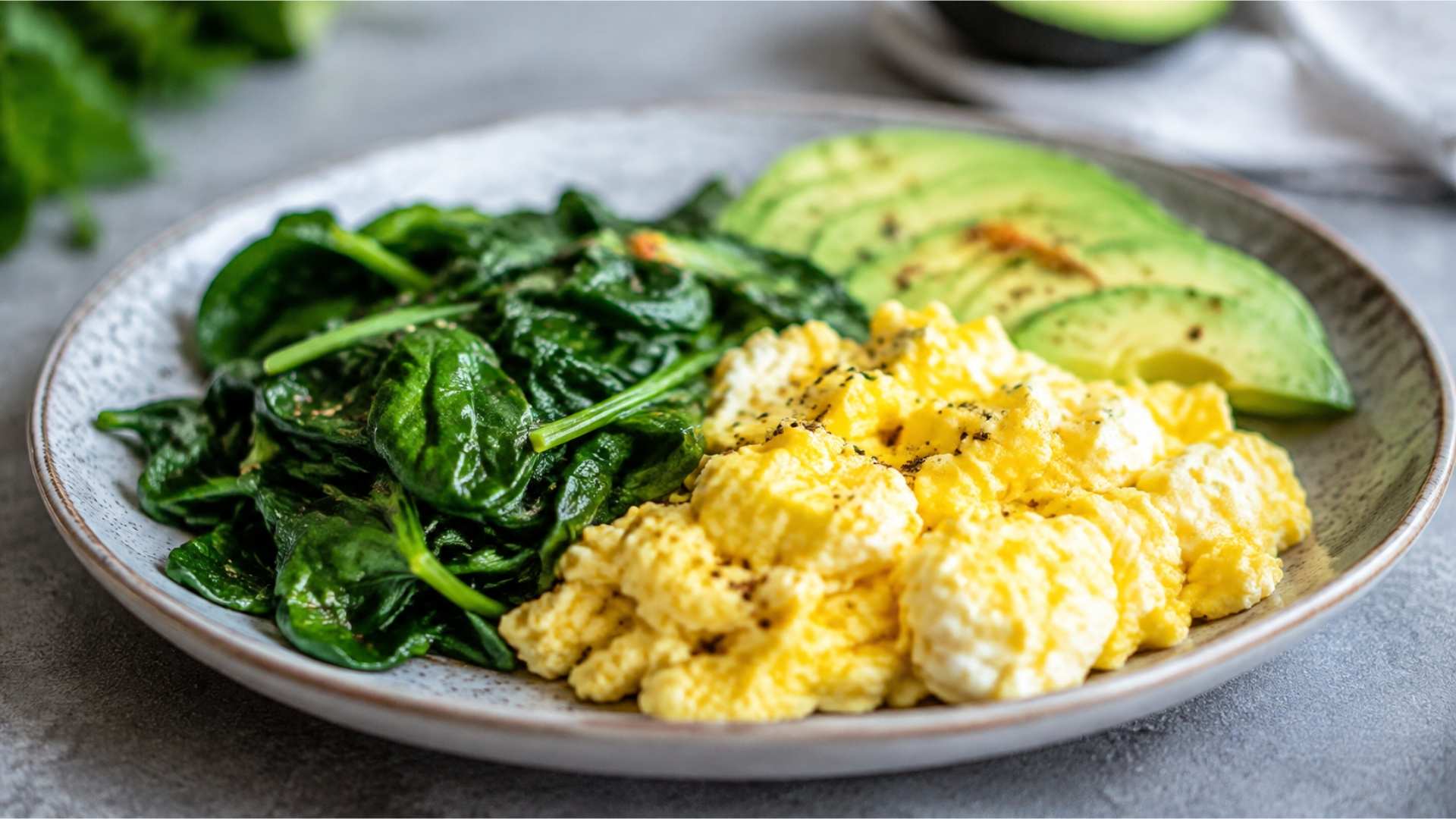
Ingredients:
- 2 large eggs.
- 1 cup fresh spinach.
- ¼ avocado.
- 1 teaspoon olive oil.
- Black pepper.
- A small pinch of salt.
Preparation:
- Heat the olive oil in a nonstick frying pan.
- Add spinach and cook until wilted.
- Beat the eggs in a bowl.
- Pour them into the pan and gently scramble until fully cooked.
- Serve with sliced avocado.
This breakfast provides protein, vegetables, and unsaturated fat without requiring bread or another high-carbohydrate side.
Avoid the Egg-Only Diet Trap
You might have seen restrictive egg diets promoted as a quick way to lose weight.
These plans often rely heavily on eggs while removing many other food groups.
Although reducing food variety can reduce calorie intake temporarily, it isn't necessarily a balanced or sustainable approach.
A healthier strategy is to use eggs alongside other foods that provide fiber, vitamins, minerals, and different sources of protein.
Think of eggs as a useful ingredient, not the entire foundation of your diet.
Eggs and Cholesterol: Are Eggs Good or Bad for Heart Health?
Eggs and cholesterol have been discussed for decades, and it's easy to understand why people feel confused.
Egg yolks contain dietary cholesterol, which historically led many people to believe that eating eggs directly increased their risk of heart disease.
However, current nutritional guidance takes a broader view.
Dietary cholesterol is not the same thing as blood cholesterol, and the effect of a food depends on the overall eating pattern and individual health factors.
Understanding Dietary Cholesterol
Dietary cholesterol is the cholesterol naturally present in animal-derived foods.
Egg yolks contain a relatively high amount compared with many other individual foods.
Blood cholesterol, on the other hand, refers to cholesterol circulating in the bloodstream, including LDL and HDL cholesterol.
These measurements help healthcare professionals assess cardiovascular risk.
Although dietary cholesterol can affect blood cholesterol in some people, the relationship isn't identical for everyone.
What Is LDL Cholesterol?
LDL stands for low-density lipoprotein.
It's commonly described as "bad cholesterol" because higher levels of LDL cholesterol are associated with increased cardiovascular risk.
LDL particles contribute to the development of atherosclerosis, a process in which plaque builds up in artery walls.
What Is HDL Cholesterol?
HDL stands for high-density lipoprotein.
It's commonly referred to as "good cholesterol" because it participates in transporting cholesterol away from tissues toward the liver.
However, having a high HDL number doesn't automatically cancel out other cardiovascular risk factors. A healthcare professional should interpret the complete lipid profile rather than focusing on one measurement.
What Does Current Guidance Say About Eggs?
The American Heart Association published updated cardiovascular dietary guidance in March 2026.
Its recommendations emphasize overall dietary patterns rather than focusing on individual foods or isolated nutrients. The statement explains that dietary cholesterol is no longer a primary target for cardiovascular risk reduction for most people and that moderate egg consumption can be included in a heart healthy dietary pattern.
The same guidance emphasizes:
- Eating a variety of vegetables and fruits.
- Choosing healthy protein sources.
- Replacing saturated fats with unsaturated fats.
- Limiting highly processed foods.
- Reducing added sugar.
- Managing sodium intake.
- Maintaining a healthy overall dietary pattern.
Why Your Overall Egg-Based Meal Matters
Think about two different breakfasts.
Breakfast A:
- Fried eggs.
- Several slices of bacon.
- Sausage.
- Butter heavy cooking.
- Processed cheese.
Breakfast B:
- Two eggs.
- Spinach.
- Mushrooms.
- Avocado.
- A little olive oil.
Both meals contain eggs, but their overall nutritional profiles are very different.
The first contains more processed meat and may provide substantially more sodium and saturated fat. The second incorporates vegetables and unsaturated fats.
This is why a discussion about eggs on a low carb diet should consider more than carbohydrate content.
Does Saturated Fat Matter?
Yes.
Saturated fat intake remains an important consideration in cardiovascular nutrition.
Foods such as fatty processed meats, butter, high-fat dairy products, and certain tropical oils can contribute significant amounts of saturated fat.
The 2026 American Heart Association guidance recommends replacing sources of saturated fat with unsaturated fat sources as part of a heart healthy eating pattern.
Practical examples include:
- Using olive oil instead of large amounts of butter.
- Adding avocado to meals.
- Choosing nuts and seeds.
- Eating fish regularly.
- Limiting processed meats.
You don't have to remove eggs to make these improvements. Instead, pay attention to the entire meal and your overall eating pattern.
Do Eggs Affect Everyone's Cholesterol in the Same Way?
No.
Individual responses to dietary cholesterol can vary.
Genetics, existing health conditions, total diet composition, body weight, and other lifestyle factors may influence cholesterol levels.
Some people may experience a larger change in LDL cholesterol after increasing their dietary cholesterol intake than others.
If you have concerns about your cholesterol levels, discuss them with your healthcare professional and use appropriate blood tests to monitor your cardiovascular risk.
Who Should Be Careful About Egg Consumption?
Although eggs can be included in many healthy eating patterns, some people may need individualized advice.
It's especially important to consider your existing health conditions rather than assuming that general nutrition recommendations apply equally to everyone.
People who may benefit from personalized dietary guidance include those with:
- Familial hypercholesterolemia.
- Significantly elevated LDL cholesterol.
- Established cardiovascular disease.
- Diabetes and additional cardiovascular risk factors.
- A medically prescribed cholesterol lowering eating plan.
- Egg allergy or other food-related restrictions.
For example, someone with familial hypercholesterolemia has an inherited condition that can cause very high LDL cholesterol levels. Their dietary advice may differ from that of someone without this condition.
Similarly, people who have diabetes and cardiovascular risk factors should discuss their dietary choices with a qualified healthcare professional rather than relying on general internet recommendations.
There is no universal number of eggs that every person should eat daily.
The appropriate amount depends on personal health circumstances, dietary preferences, nutrient requirements, and the rest of the diet.
Egg allergies also require separate attention. People with an egg allergy should follow guidance from their healthcare professional and avoid ingredients that trigger their allergic reactions.
Best Ways to Cook Eggs on a Low-Carb Diet
One reason eggs are so useful is that they can be prepared in several different ways.
You don't need to eat boiled eggs every morning to maintain a low-carb eating pattern.
A simple change in cooking method or seasoning can turn the same basic ingredient into something completely different.
Here are seven practical cooking methods to try.
1. Boiled Eggs
Boiled eggs are among the simplest options.
They're convenient for packed lunches, salads, and quick snacks. You can also boil several eggs together and keep them refrigerated for later use.
For hard-boiled eggs, place them in a saucepan, cover with water, bring to a boil, and cook until the whites and yolks are firm.
2. Scrambled Eggs
Scrambled eggs are ideal when you need something quick.
Beat eggs in a bowl, season lightly, and cook in a nonstick pan over moderate heat until fully cooked.
You can add:
- Spinach.
- Mushrooms.
- Fresh parsley.
- Chopped tomatoes.
- A small amount of cheese.
For a creamier texture, add a little plain Greek yogurt after cooking, provided it suits your dietary preferences.
3. Fried Eggs
Fried eggs work well for breakfast or as a topping for vegetable bowls.
Use a suitable cooking oil and avoid excessive amounts of butter or processed cooking fats.
Serve them with sautéed mushrooms, zucchini, or roasted vegetables.
4. Poached Eggs
Poaching is a useful option when you want to avoid adding much cooking fat.
Carefully place a cracked egg into gently simmering water and cook until the white is set.
Serve with spinach, avocado, or roasted tomatoes.
5. Baked Eggs
Baked eggs are convenient when you're preparing breakfast for several people.
Crack eggs into individual oven-safe dishes, add vegetables and seasonings, then bake until the whites are set and the yolks reach your preferred level of doneness.
For food safety, follow appropriate cooking guidance, especially when serving vulnerable individuals.
6. Omelets
Omelets offer plenty of room for creativity.
You can combine eggs with vegetables, herbs, cheese, and other protein sources.
A good starting combination is spinach, mushrooms, and feta cheese.
7. Frittatas
A frittata is a thicker egg dish that can be prepared in an oven-safe frying pan or baking dish.
It's particularly useful for meal preparation because it can be divided into individual portions.
Try combining eggs with zucchini, peppers, spinach, and a small amount of cheese.
Cooking Methods Compared
| Cooking Method | Additional Cooking Fat Required | Best Use |
|---|---|---|
| Boiled | None | Snacks and Meal Prep |
| Poached | Little or None | Light Breakfasts |
| Scrambled | Usually a Small Amount | Quick Meals |
| Fried | Usually a Small Amount | Breakfast and Bowls |
| Baked | Depends on Recipe | Family Meals |
| Omelet | Usually a Small Amount | Breakfast or Lunch |
| Frittata | Depends on Recipe | Batch Cooking |
The carbohydrate content of plain eggs remains very low regardless of cooking method. Added ingredients and sauces are what can significantly change the overall carbohydrate total.
Best Cooking Fats, Seasonings and Low-Carb Egg Add-Ins
Eggs have a mild flavor, which means they pair beautifully with many ingredients.
The easiest way to make them more interesting is to experiment with vegetables, herbs, spices, and suitable cooking fats.
Cooking Fats
Good options to consider include:
- Extra-virgin olive oil.
- Avocado oil.
- Small amounts of butter.
- Other unsaturated vegetable oils suitable for cooking.
Olive oil is especially useful for sautéing spinach, mushrooms, and zucchini before adding eggs.
Remember that oils are calorie-dense, so measuring them can be helpful when monitoring your calorie intake.
Vegetables
Vegetables add flavor, color, and dietary fiber to egg-based meals.
Try:
- Spinach.
- Broccoli.
- Mushrooms.
- Zucchini.
- Bell peppers.
- Asparagus.
- Cauliflower.
- Cucumber.
- Small portions of tomatoes.
Non-starchy vegetables are particularly convenient for people following carbohydrate-conscious meal plans.
Herbs and Seasonings
A few seasonings can make a basic egg dish taste completely different.
Consider:
- Black pepper.
- Paprika.
- Garlic powder.
- Chili flakes.
- Fresh parsley.
- Chives.
- Dill.
- Basil.
- Oregano.
- Turmeric.
Fresh herbs are particularly useful when you want more flavor without relying on sugary sauces.
Cheese and Other Add-Ins
Cheese can add flavor and protein to egg recipes, although portions matter because some cheeses contain substantial amounts of saturated fat and sodium.
Useful choices include feta, mozzarella, cottage cheese, and small portions of cheddar.
You can also add avocado, salmon, or chicken when you want to make a more substantial meal.
8 Easy Low-Carb Egg Breakfast Recipes
Breakfast doesn't have to be complicated.
With a few basic ingredients, you can create satisfying meals that fit into a low-carb eating pattern without spending your entire morning in the kitchen.
These recipes use common ingredients and can be adjusted according to your nutritional preferences.
1. Spinach and Feta Omelet
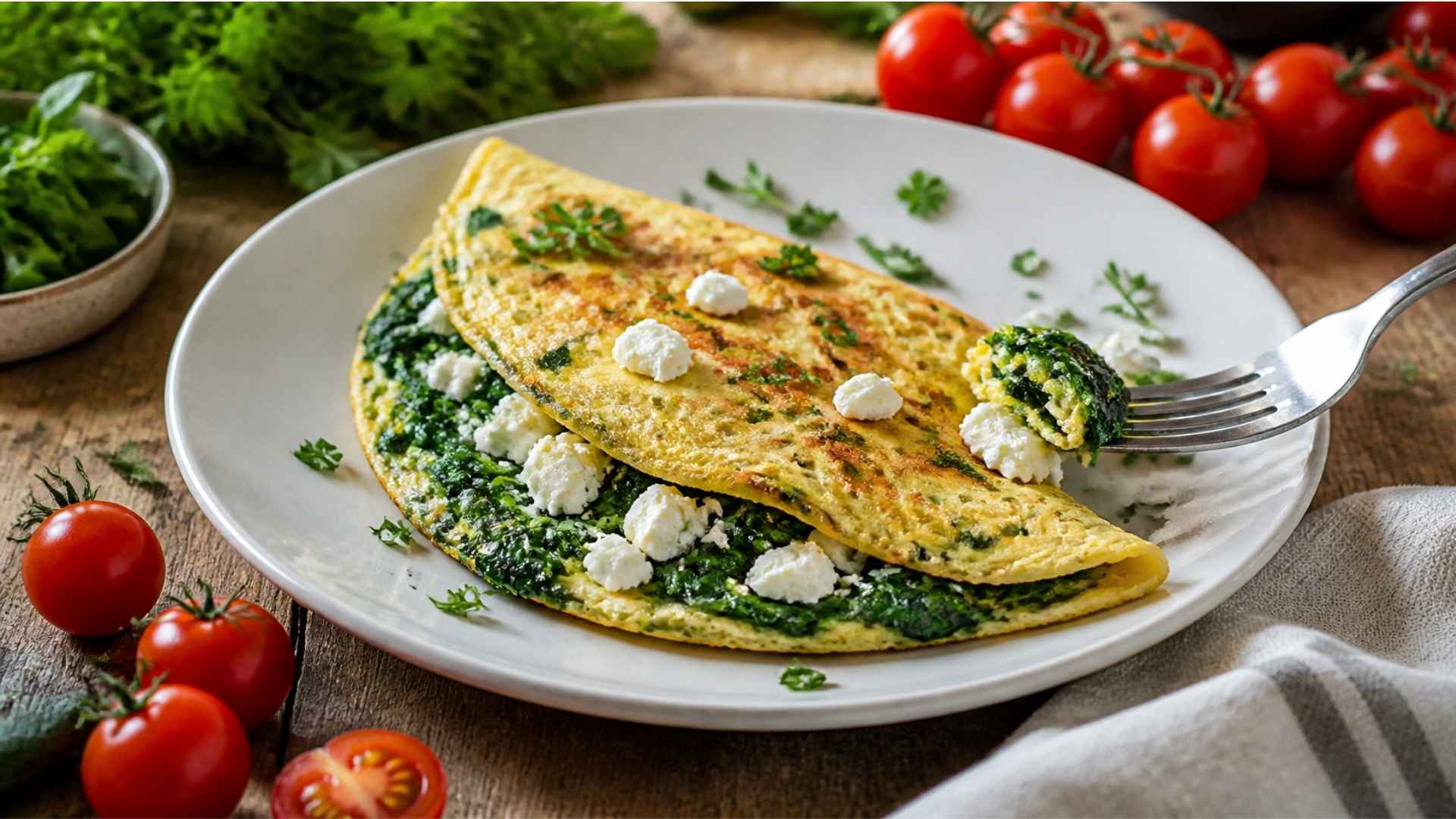
- Preparation time: 10 minutes
- Servings: 1
Ingredients:
- 2 large eggs.
- 1 cup fresh spinach.
- 25 g feta cheese.
- 1 teaspoon olive oil.
- Black pepper.
Instructions:
- Beat the eggs in a small bowl.
- Heat olive oil in a nonstick frying pan.
- Add spinach and cook until wilted.
- Pour in the beaten eggs.
- Cook gently until almost set.
- Sprinkle feta over one half of the omelet.
- Fold and cook until the eggs are fully done.
This recipe combines complete protein from eggs with leafy greens and the distinctive flavor of feta. It's a practical breakfast for anyone who wants a simple alternative to bread meals.
2. Classic Scrambled Eggs
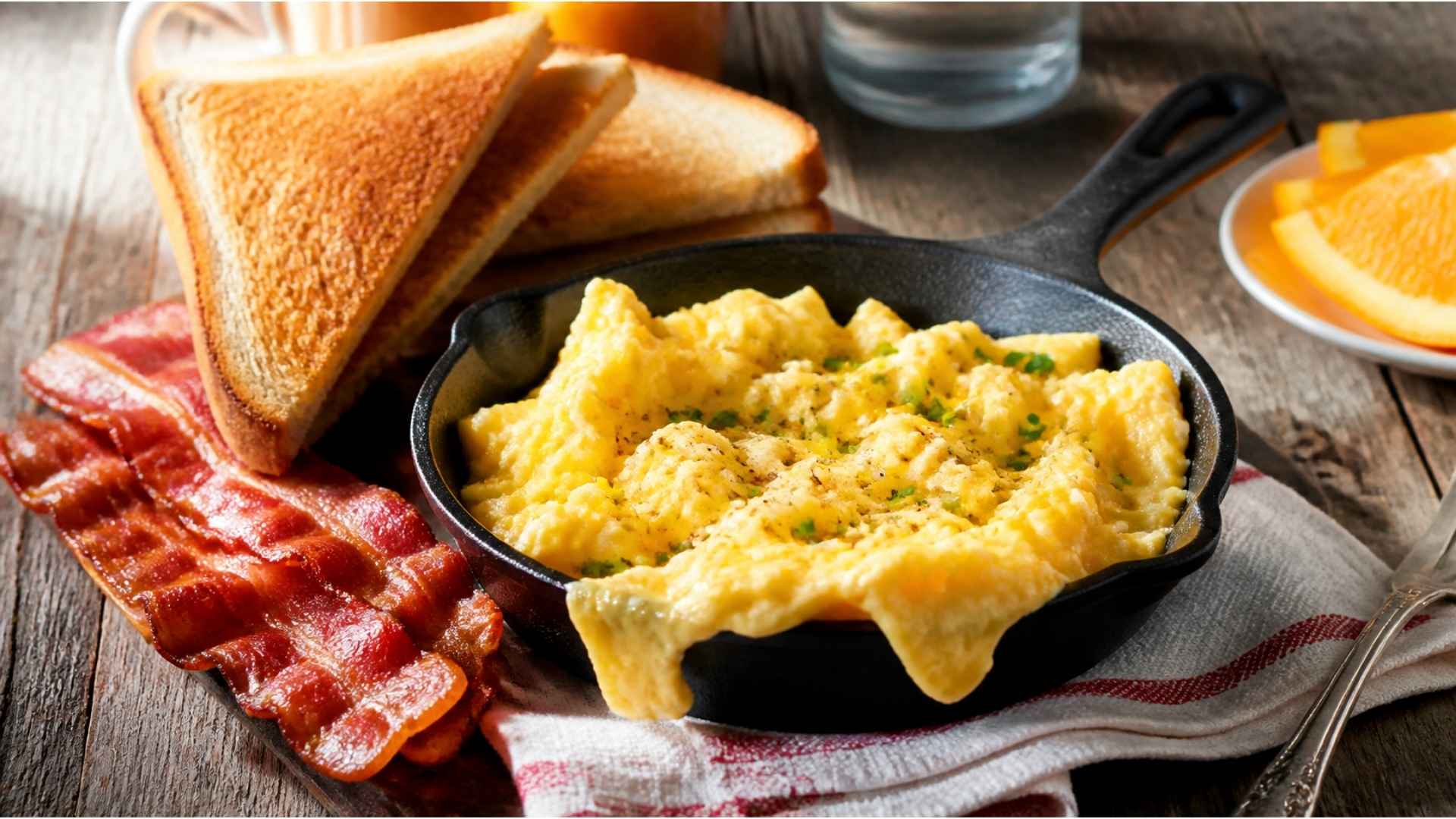
- Preparation time: 5 minutes
- Servings: 1
Ingredients:
- 2 large eggs.
- 1 teaspoon olive oil or a small amount of butter.
- Black pepper.
- Fresh chives.
Instructions:
- Crack the eggs into a bowl.
- Beat until the yolks and whites are combined.
- Heat the oil in a nonstick pan over low to medium heat.
- Add the eggs.
- Stir gently while cooking.
- Continue until fully cooked, then season with pepper and chives.
For extra vegetables, stir in spinach or finely chopped mushrooms.
The simple ingredient list makes this one of the easiest low carb egg recipes to prepare on a busy morning.
3. Avocado and Egg Breakfast Bowl
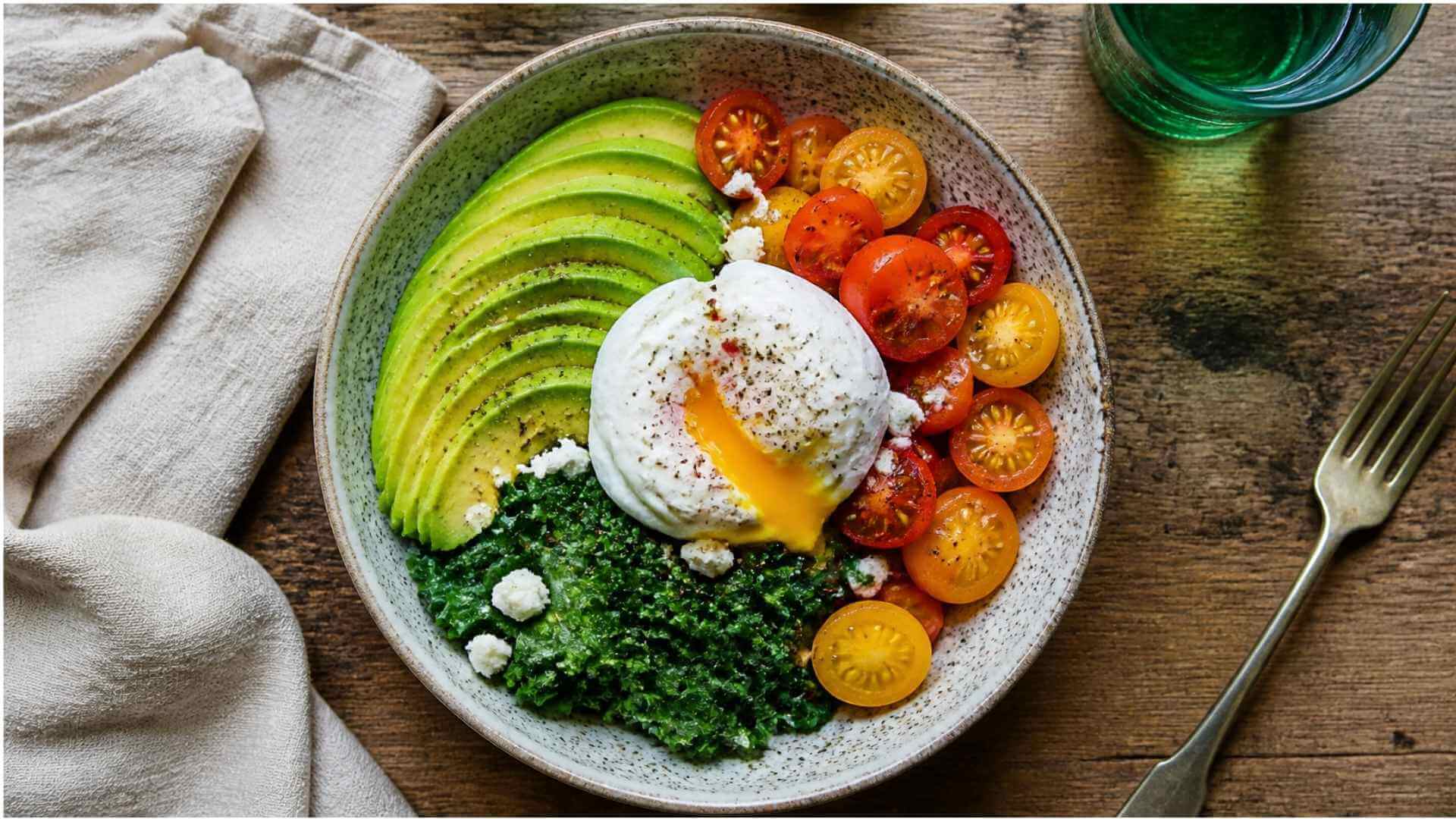
- Preparation time: 10 minutes
- Servings: 1
Ingredients:
- 2 hard-boiled eggs.
- ½ avocado.
- ½ cup cucumber slices.
- A handful of leafy greens.
- 1 teaspoon lemon juice.
- Black pepper.
Instructions:
- Peel and slice the boiled eggs.
- Cut the avocado into small cubes.
- Arrange leafy greens and cucumber in a bowl.
- Add the eggs and avocado.
- Drizzle with lemon juice.
- Finish with black pepper.
This bowl provides protein, vegetables, and unsaturated fat. It's also convenient when you want a breakfast that doesn't require using the stove.
4. Mushroom and Cheese Omelet

- Preparation time: 12 minutes
- Servings: 1
Ingredients:
- 2 large eggs.
- ½ cup sliced mushrooms.
- 20 g shredded mozzarella.
- 1 teaspoon olive oil.
- Black pepper.
- Fresh parsley.
Instructions:
- Heat olive oil in a frying pan.
- Add mushrooms and cook until softened.
- Beat the eggs in a bowl.
- Pour the eggs over the mushrooms.
- Add mozzarella.
- Cook until the eggs are set.
- Fold the omelet and garnish with parsley.
Mushrooms contribute flavor and texture without adding many carbohydrates. Mozzarella adds a mild, creamy element.
5. Low-Carb Egg Muffins

- Preparation time: 10 minutes
- Cooking time: 18–20 minutes
- Servings: 6 muffins
Ingredients:
- 6 large eggs.
- ½ cup chopped spinach.
- ¼ cup diced bell peppers.
- 30 g shredded cheese.
- Black pepper.
Instructions:
- Preheat the oven to 350°F (175°C).
- Grease a six-cup muffin tin.
- Beat the eggs in a large bowl.
- Add spinach, bell peppers, cheese, and pepper.
- Divide the mixture evenly between the muffin cups.
- Bake until the centers are fully set.
- Allow to cool before removing.
These muffins are useful for planned breakfasts and make-ahead meals. You can also change the vegetables according to what's available.
For food safety, refrigerate cooked egg dishes promptly and follow recommended storage times.
6. Smoked Salmon Egg Scramble
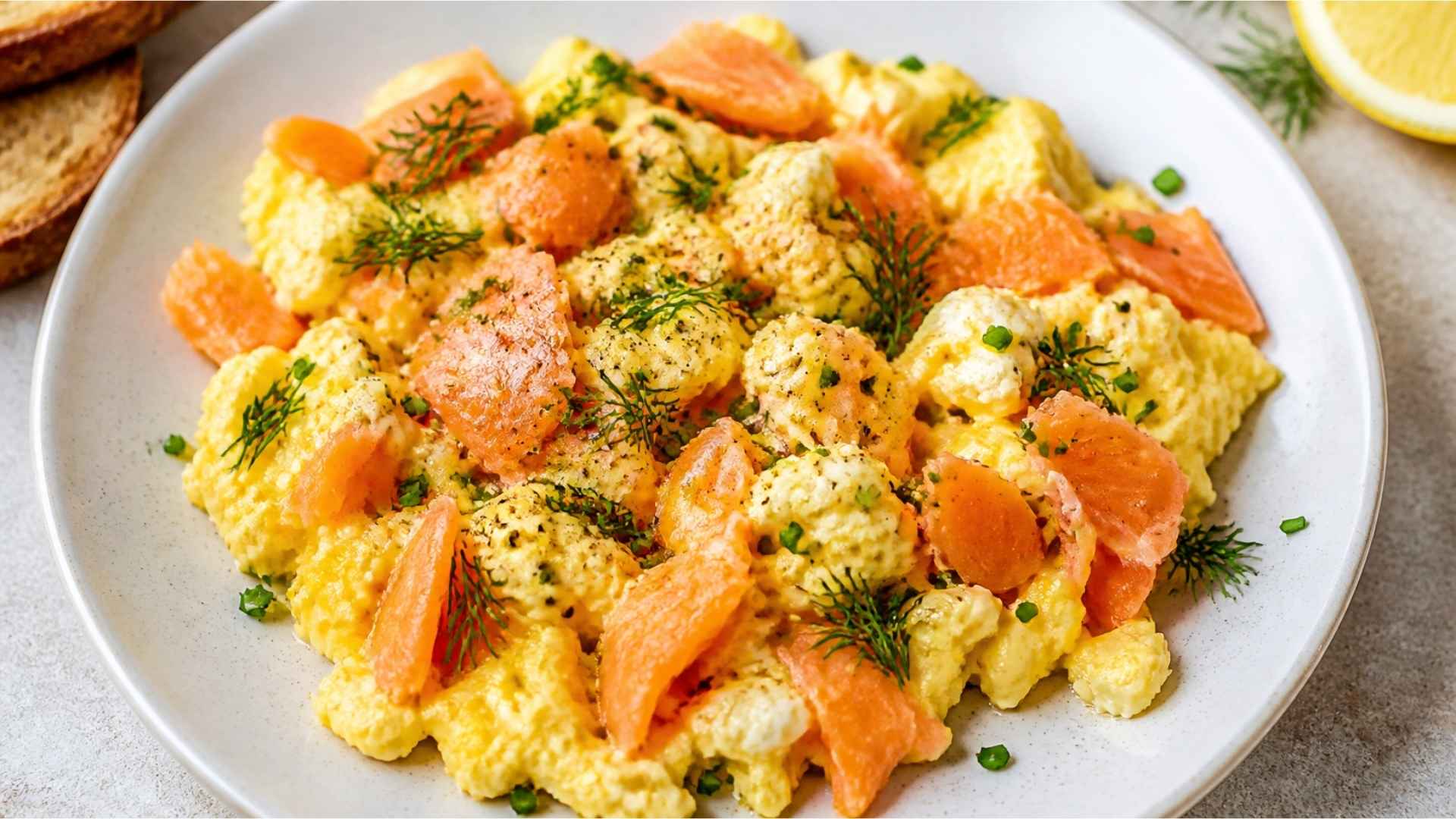
- Preparation time: 10 minutes
- Servings: 1
Ingredients:
- 2 large eggs.
- 40 g smoked salmon.
- 1 tablespoon chopped fresh dill.
- 1 teaspoon olive oil.
- Black pepper.
- A squeeze of lemon.
Instructions:
- Beat the eggs in a bowl.
- Heat olive oil in a nonstick frying pan.
- Scramble the eggs over moderate heat.
- Once the eggs are almost set, fold in the smoked salmon.
- Cook until the eggs are fully done.
- Finish with dill, black pepper, and lemon juice.
The combination of eggs and salmon provides two sources of high-quality protein. Smoked salmon can contain considerable sodium, so check the label and adjust your seasoning.
7. Baked Eggs With Spinach
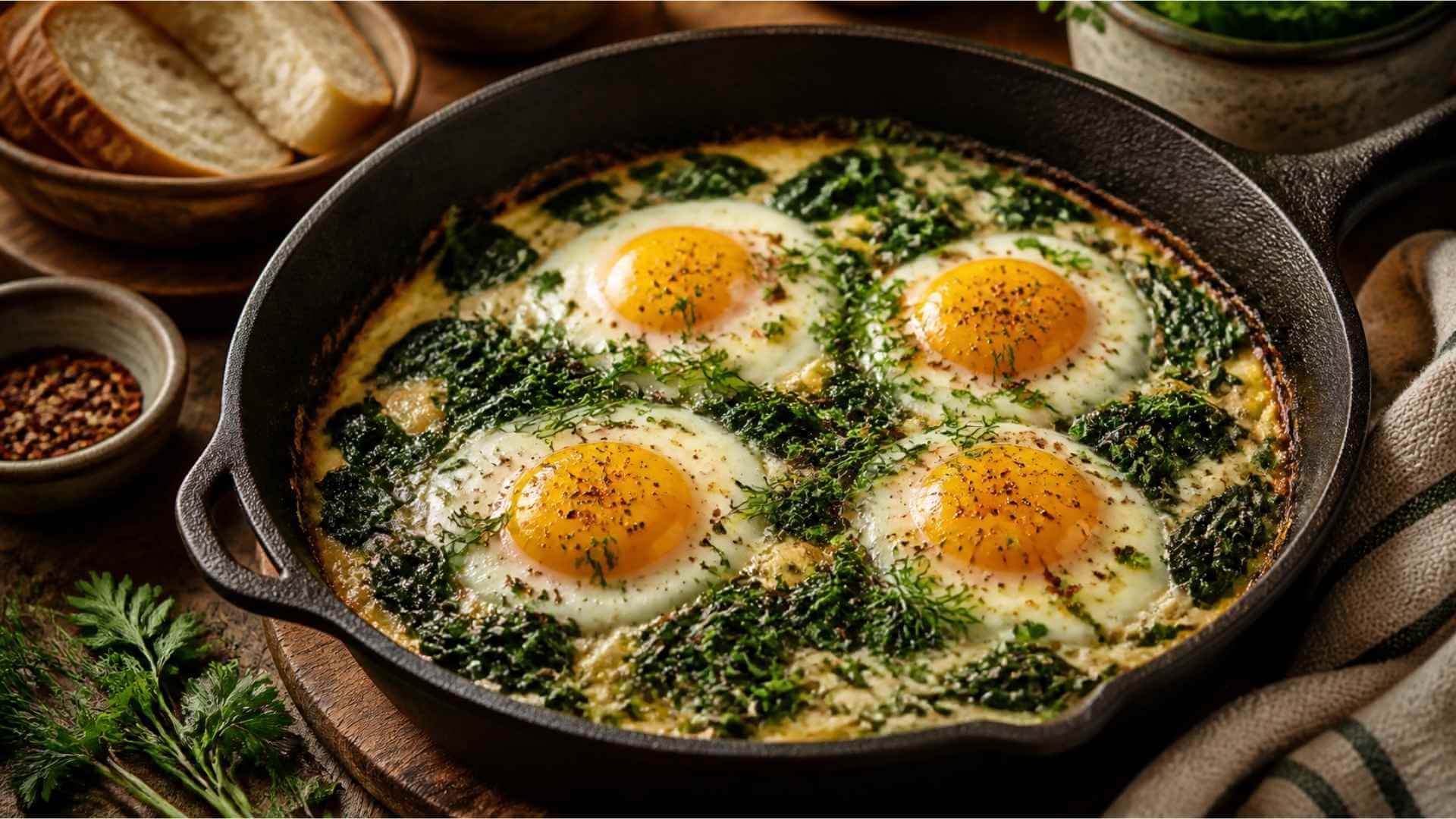
- Preparation time: 5 minutes
- Cooking time: 12–15 minutes
- Servings: 1
Ingredients:
- 2 large eggs.
- 1 cup fresh spinach.
- 2 tablespoons chopped tomatoes.
- 1 teaspoon olive oil.
- Black pepper.
- Dried oregano.
Instructions:
- Preheat the oven to 375°F (190°C).
- Sauté the spinach briefly in olive oil.
- Transfer the spinach to a small oven-safe dish.
- Add tomatoes and seasonings.
- Crack the eggs over the vegetables.
- Bake until the eggs are thoroughly cooked.
This dish is simple but colorful, making it an easy option when you want something different from scrambled eggs.
8. Mexican Egg Scramble

- Preparation time: 10 minutes
- Servings: 1
Ingredients:
- 2 large eggs.
- ¼ cup diced bell peppers.
- 2 tablespoons chopped tomatoes.
- 1 tablespoon fresh cilantro.
- 1 teaspoon olive oil.
- Chili powder.
- Black pepper.
Instructions:
- Heat olive oil in a frying pan.
- Add bell peppers and cook until softened.
- Stir in the tomatoes and chili powder.
- Beat the eggs and pour them into the pan.
- Scramble until fully cooked.
- Finish with chopped cilantro.
Choose salsa carefully, as some commercial varieties contain added sugars. You can also prepare a fresh tomato and cilantro topping at home.
Low-Carb Egg Recipes for Lunch, Dinner, Snacks and Meal Prep
Eggs aren't just for breakfast! They're one of the most versatile ingredients you can keep in your kitchen, especially when you're following a low-carb eating plan. With a few simple ingredients, you can turn eggs into satisfying lunches, quick dinners, delicious snacks, and convenient make-ahead meals. They're naturally low in carbohydrates, provide high-quality protein, and pair beautifully with vegetables, avocado, cheese, fish, and other nutritious ingredients.
The best part? You don't need complicated recipes or expensive ingredients to make something delicious. Whether you're craving a creamy egg salad, a vegetable-packed dinner, or a quick snack between meals, there are plenty of ways to enjoy eggs on a low-carb diet without relying on bread, rice, or pasta.
Here are 12 easy ideas to add more variety to your weekly menu.
Low-Carb Egg Recipes for Lunch
Lunch is a great opportunity to combine eggs with fresh vegetables and other protein sources. These recipes are simple to prepare, satisfying, and easy to customize with ingredients you already have.
1. Classic Egg Salad Lettuce Cups

- Preparation time: 12 minutes
- Servings: 2
Egg salad is a classic, but who says you need bread to enjoy it? These lettuce cups provide a refreshing alternative to traditional egg salad sandwiches. Hard-boiled eggs create a creamy, protein-rich filling, while Greek yogurt and mustard add flavor without making the recipe complicated.
Ingredients:
- 4 large hard-boiled eggs.
- 2 tablespoons plain Greek yogurt.
- 1 teaspoon Dijon mustard.
- 1 tablespoon chopped fresh chives.
- 4 large lettuce leaves.
- Black pepper to taste.
Instructions:
- Peel and chop the hard-boiled eggs.
- Mix Greek yogurt and Dijon mustard in a bowl.
- Add the eggs and chopped chives.
- Season with black pepper and mix gently.
- Spoon the egg mixture into clean lettuce leaves.
- Serve immediately or refrigerate until ready to eat.
- Approximate nutrition per serving: 190 calories, 14 g protein, 3 g carbohydrates, and 13 g fat.
- Storage: Keep the egg salad in an airtight container in the refrigerator for up to 3–4 days. Store the lettuce separately to keep it crisp.
- Why You'll Love It: These lettuce cups are easy to prepare ahead and make a convenient lunch when you want something fresh without the extra carbohydrates from sandwich bread. Add diced cucumber, celery, or avocado for additional texture.
2. Tuna and Boiled Egg Salad
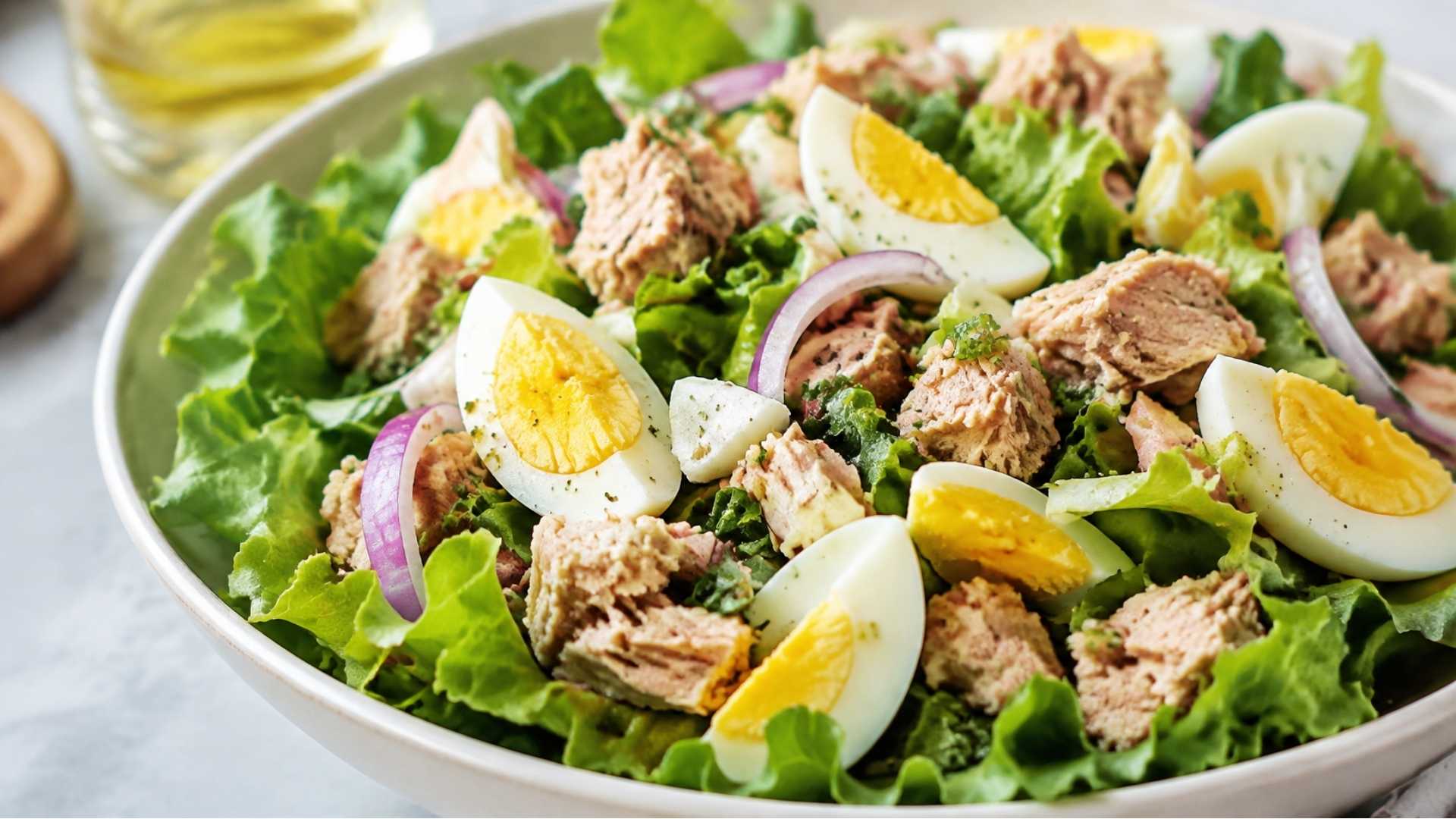
- Preparation time: 10 minutes
- Servings: 2
Need a quick lunch that doesn't require turning on the stove? This tuna and boiled egg salad is an excellent option. Combining tuna and eggs provides two sources of high-quality protein, while leafy greens and cucumber add freshness and crunch.
Ingredients:
- 1 can tuna in water, drained (about 5 ounces).
- 2 large hard-boiled eggs.
- 2 cups mixed leafy greens.
- ½ cucumber, sliced.
- 1 tablespoon extra-virgin olive oil.
- 1 tablespoon lemon juice.
- Black pepper to taste.
Instructions:
- Arrange the leafy greens in two serving bowls.
- Divide the drained tuna between the bowls.
- Slice the boiled eggs and arrange them over the greens.
- Add cucumber slices.
- Mix olive oil and lemon juice in a small bowl.
- Drizzle the dressing over the salads.
- Season with black pepper and serve.
- Approximate nutrition per serving: 230 calories, 28 g protein, 4 g carbohydrates, and 12 g fat.
- Storage: Store the prepared salad in an airtight container in the refrigerator and enjoy within 3–4 days. For the best texture, keep the dressing separate until serving.
- Why You'll Love It: This salad is a convenient way to combine protein, fresh vegetables, and healthy fats in one meal. It's particularly useful for busy weekdays when you want a nutritious lunch without spending much time in the kitchen.
3. Avocado and Egg Salad Bowl
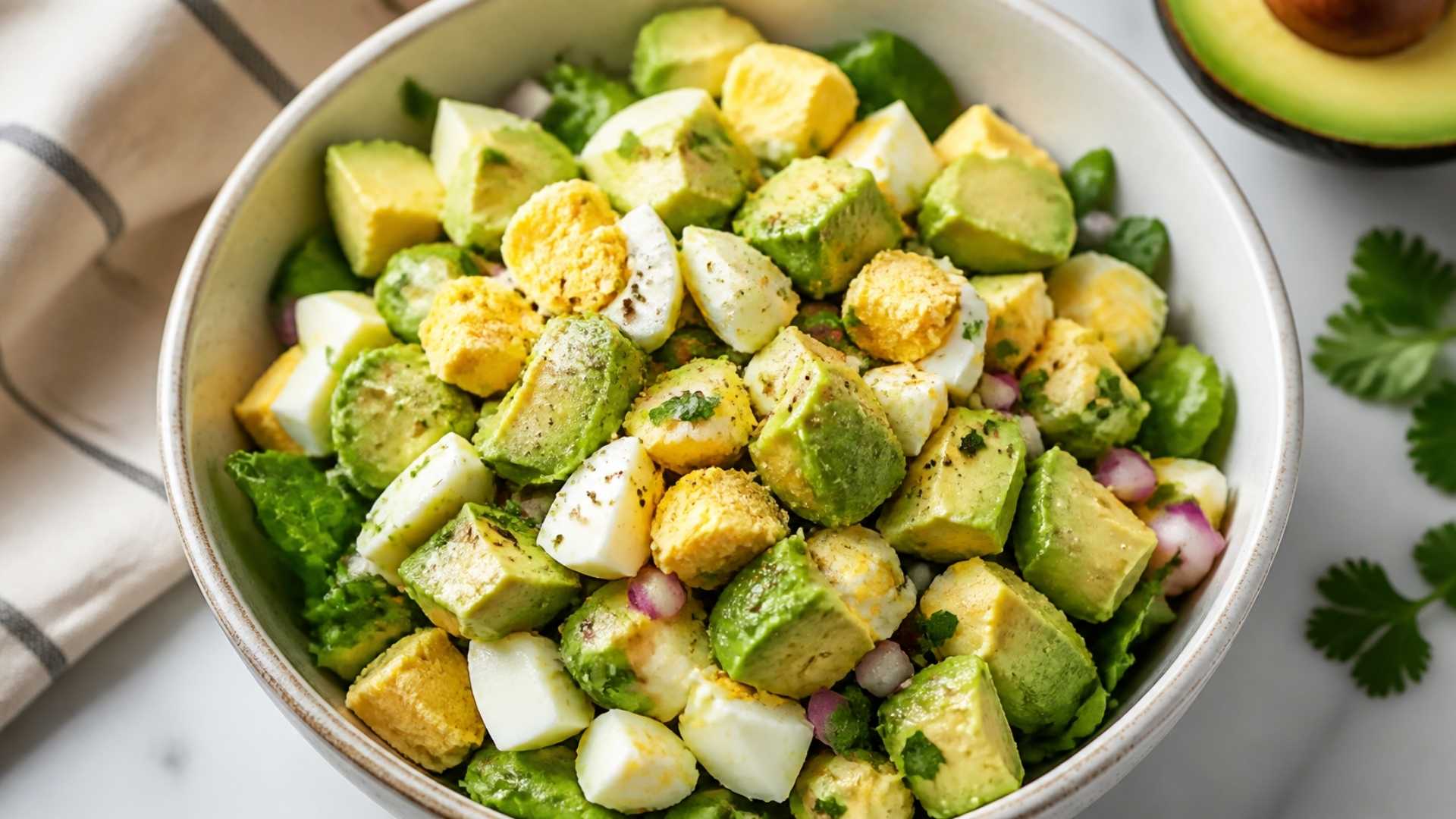
- Preparation time: 10 minutes
- Servings: 2
If you enjoy creamy textures and fresh ingredients, this avocado and egg salad bowl deserves a place on your meal plan. The eggs provide protein, avocado contributes fiber and unsaturated fats, and cucumber adds a refreshing crunch.
Ingredients:
- 4 large hard-boiled eggs.
- 1 medium avocado.
- 1 cup mixed leafy greens.
- 1 cup diced cucumber.
- 1 tablespoon lemon juice.
- 1 tablespoon chopped parsley.
- Black pepper to taste.
Instructions:
- Peel the eggs and cut them into quarters.
- Dice the avocado and cucumber.
- Divide the leafy greens between two bowls.
- Add the eggs, avocado, and cucumber.
- Drizzle with lemon juice.
- Garnish with parsley and black pepper.
- Toss gently before serving.
- Approximate nutrition per serving: 285 calories, 14 g protein, 12 g carbohydrates, and 22 g fat.
- Storage: For the freshest results, store the eggs, vegetables, and avocado separately. Add the avocado and lemon juice just before serving to help maintain its color and texture.
- Why You'll Love It: This bowl is colorful, filling, and easy to customize. You can add feta cheese, grilled chicken, or a few olives to create a Mediterranean-inspired lunch.
4. Spinach and Mushroom Frittata

- Preparation time: 10 minutes
- Cooking time: 20 minutes
- Servings: 4
A frittata is one of the easiest ways to turn everyday vegetables and eggs into a satisfying meal. It's similar to an omelet but thicker, making it perfect for sharing or preparing ahead. Spinach and mushrooms add flavor and nutrients, while mozzarella creates a creamy finish.
Ingredients:
- 6 large eggs.
- 1 cup chopped fresh spinach.
- 1 cup sliced mushrooms.
- ¼ cup shredded mozzarella cheese.
- 1 tablespoon olive oil.
- Black pepper to taste.
Instructions:
- Preheat the oven to 375°F (190°C).
- Heat olive oil in an oven-safe skillet.
- Add mushrooms and cook until softened.
- Stir in the spinach until wilted.
- Beat the eggs in a bowl and season with pepper.
- Pour the egg mixture over the vegetables.
- Sprinkle mozzarella over the top.
- Transfer the skillet to the oven.
- Bake until the center is completely set.
- Allow to cool slightly before slicing into four portions.
- Approximate nutrition per serving: 160 calories, 12 g protein, 3 g carbohydrates, and 12 g fat.
- Storage: Refrigerate leftover portions in a covered container for 3–4 days. Reheat thoroughly before serving.
- Why You'll Love It: This frittata is a simple way to use leftover vegetables while preparing several portions at once. Serve it with a fresh cucumber salad or roasted broccoli for a balanced low-carb lunch or light dinner.
Low-Carb Egg Recipes for Dinner
Who says eggs belong only on the breakfast table? They're also excellent for preparing quick, affordable dinners. Combine them with vegetables, cheese, and different protein sources to create meals that are simple enough for weeknights but still satisfying.
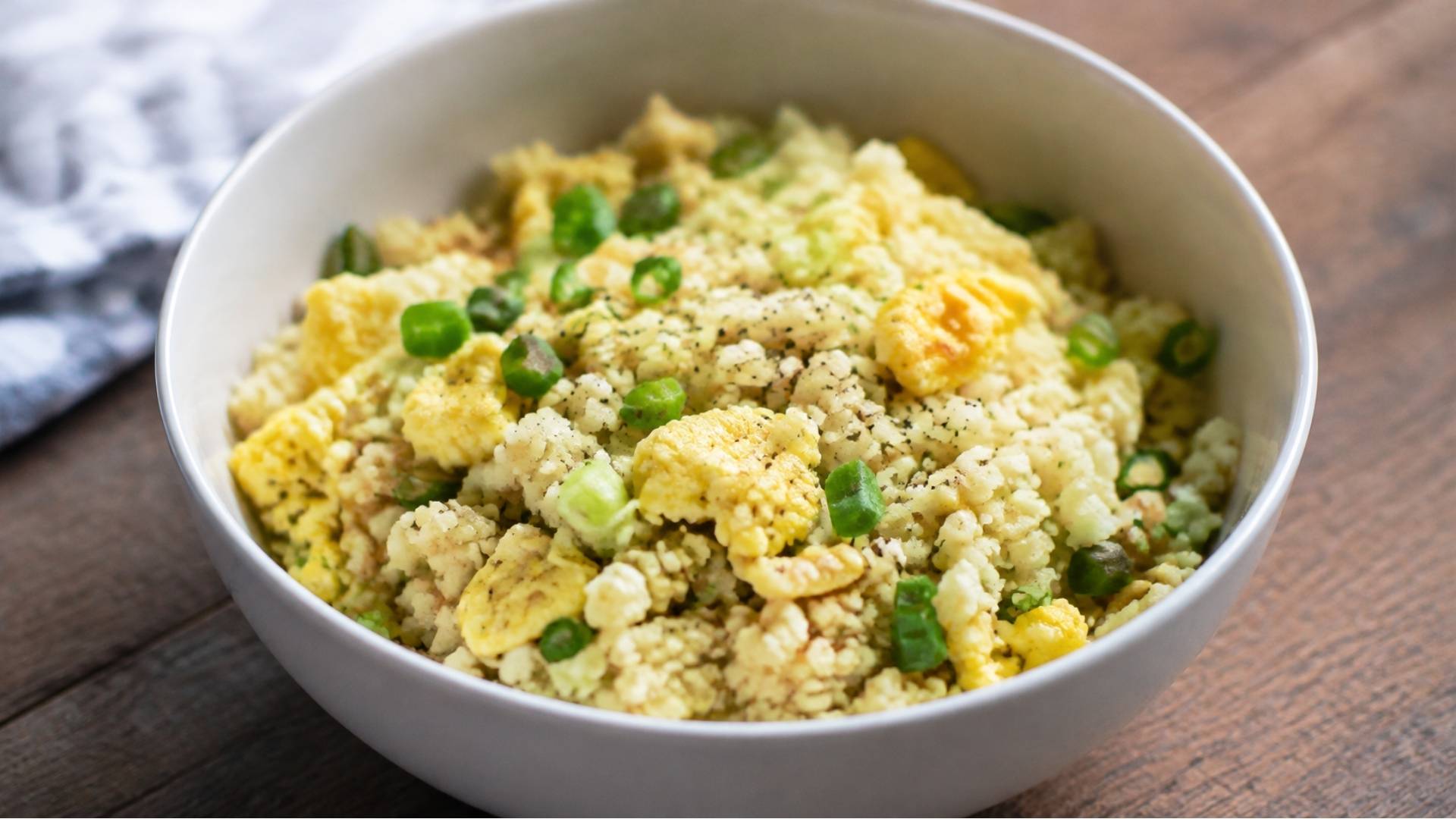
5. Cauliflower Rice With Scrambled Eggs
- Preparation time: 15 minutes
- Servings: 2
Craving fried rice without using traditional rice? Try this cauliflower rice and scrambled egg combination. Finely chopped cauliflower creates a vegetable-based alternative to rice, while eggs provide protein and help bring the ingredients together.
Ingredients:
- 3 large eggs.
- 4 cups cauliflower rice.
- ½ cup chopped broccoli.
- ¼ cup diced bell peppers.
- 1 tablespoon olive oil.
- ½ teaspoon garlic powder.
- Black pepper to taste.
- 1 teaspoon reduced-sodium soy sauce (optional).
Instructions:
- Heat olive oil in a large skillet over medium heat.
- Add cauliflower rice and cook for 4–5 minutes.
- Stir in broccoli and bell peppers.
- Cook until the vegetables begin to soften.
- Beat the eggs in a separate bowl.
- Move the vegetables to one side of the skillet.
- Pour the eggs into the empty side and scramble until fully cooked.
- Combine the eggs and vegetables.
- Add garlic powder, pepper, and soy sauce if desired.
- Stir everything together and serve warm.
- Approximate nutrition per serving: 220 calories, 13 g protein, 14 g carbohydrates, and 13 g fat.
- Storage: Refrigerate leftovers in an airtight container for up to 3–4 days. Reheat thoroughly before serving.
- Why You'll Love It: This dish gives you the familiar flavor and texture of fried rice while using cauliflower instead of traditional rice. Add cooked chicken, shrimp, or tofu if you'd like additional protein.
6. Mediterranean Baked Eggs

- Preparation time: 10 minutes
- Cooking time: 15–20 minutes
- Servings: 2
Bring Mediterranean-inspired flavors to your dinner table with these baked eggs. Fresh spinach, tomatoes, garlic, and feta create a delicious combination, while the eggs provide protein and make the dish satisfying without needing bread or potatoes.
Ingredients:
- 4 large eggs.
- 1 cup chopped fresh spinach.
- ½ cup diced tomatoes.
- ¼ cup crumbled feta cheese.
- 1 tablespoon olive oil.
- 1 garlic clove, minced.
- ½ teaspoon dried oregano.
- Black pepper to taste.
Instructions:
- Preheat the oven to 375°F (190°C).
- Heat olive oil in an oven-safe skillet.
- Add garlic and cook briefly until fragrant.
- Stir in spinach and tomatoes.
- Add oregano and black pepper.
- Make four small spaces in the vegetable mixture.
- Crack one egg into each space.
- Sprinkle feta over the top.
- Bake until the egg whites are completely set and the eggs are thoroughly cooked.
- Approximate nutrition per serving: 250 calories, 16 g protein, 7 g carbohydrates, and 18 g fat.
- Storage: Refrigerate leftovers in a covered container for up to 3–4 days. For the best texture, enjoy immediately after cooking.
- Why You'll Love It: This recipe combines simple ingredients into a flavorful one-pan dinner. Serve it with roasted zucchini, broccoli, or a fresh green salad for an easy Mediterranean-inspired meal.
7. Zucchini and Cheese Egg Skillet

- Preparation time: 10 minutes
- Cooking time: 12 minutes
- Servings: 2
When you want something warm and comforting without spending much time cooking, this zucchini and cheese skillet is a great choice. Zucchini becomes tender as it cooks, while eggs and cheese create a satisfying combination. It's an easy way to add more vegetables to your dinner.
Ingredients:
- 4 large eggs.
- 1 medium zucchini, diced.
- ¼ cup shredded cheddar cheese.
- 1 tablespoon olive oil.
- ½ teaspoon garlic powder.
- 1 tablespoon chopped parsley.
- Black pepper to taste.
Instructions:
- Heat olive oil in a large nonstick skillet.
- Add diced zucchini and cook for 5–6 minutes until tender.
- Sprinkle with garlic powder and black pepper.
- Beat the eggs in a bowl.
- Pour the eggs over the zucchini.
- Stir gently until the eggs begin to set.
- Add shredded cheddar cheese.
- Continue cooking until the eggs are fully cooked.
- Finish with fresh parsley and serve.
- Approximate nutrition per serving: 240 calories, 16 g protein, 6 g carbohydrates, and 18 g fat.
- Storage: Place leftovers in a covered container and refrigerate for up to 3–4 days. Reheat thoroughly before serving.
- Why You'll Love It: This skillet requires only a few ingredients and one pan. You can also replace cheddar with mozzarella or feta, or add mushrooms and spinach for extra variety.
8. Vegetable-Packed Dinner Omelet

- Preparation time: 10 minutes
- Cooking time: 10 minutes
- Servings: 2
A dinner omelet is perfect when you want something quick but don't feel like preparing an elaborate meal. Instead of sticking with a basic cheese omelet, fill it with mushrooms, spinach, and bell peppers for extra flavor and variety.
Ingredients:
- 4 large eggs.
- ½ cup sliced mushrooms.
- ½ cup chopped spinach.
- ¼ cup diced bell peppers.
- ¼ cup shredded mozzarella.
- 1 teaspoon olive oil.
- Black pepper to taste.
Instructions:
- Heat olive oil in a skillet.
- Add mushrooms and bell peppers and cook until softened.
- Stir in spinach until wilted.
- Beat the eggs in a bowl and pour them into the skillet.
- Cook over medium-low heat until the edges begin to set.
- Sprinkle mozzarella over one half.
- Fold the omelet and cook until the eggs are fully set.
- Divide into two portions and serve warm.
- Approximate nutrition per serving: 215 calories, 16 g protein, 5 g carbohydrates, and 15 g fat.
- Storage: Refrigerate cooked portions in a covered container for up to 3–4 days. Reheat thoroughly before eating.
- Why You'll Love It: This recipe is easy to adjust based on the vegetables you have available. It's also a practical dinner when you need to use up leftover spinach, mushrooms, or bell peppers.
Easy Low-Carb Egg Snacks
Sometimes you don't need a complete meal. You just need something convenient to enjoy between meals. Eggs are particularly useful for this because they can be prepared in advance, divided into portions, and combined with simple low-carb ingredients.
9. Classic Deviled Eggs

- Preparation time: 15 minutes
- Servings: 3 (two halves per serving)
Deviled eggs are a classic snack that works just as well for everyday eating as it does for family gatherings. They're creamy, flavorful, and easy to prepare with ingredients you probably already have.
Ingredients:
- 3 large hard-boiled eggs.
- 1 tablespoon plain Greek yogurt.
- 1 teaspoon Dijon mustard.
- Black pepper to taste.
- A pinch of paprika.
- Fresh chives for garnish.
Instructions:
- Peel the boiled eggs and cut them in half lengthwise.
- Remove the yolks and place them in a small bowl.
- Mash the yolks with Greek yogurt and mustard.
- Season with black pepper.
- Spoon or pipe the filling into the egg whites.
- Sprinkle with paprika and chopped chives.
- Refrigerate until ready to serve.
- Approximate nutrition per serving: 95 calories, 7 g protein, 1 g carbohydrates, and 7 g fat.
- Storage: Keep deviled eggs refrigerated in a covered container and consume within 3–4 days.
- Why You'll Love It: These bite-sized snacks provide protein and flavor without requiring complicated preparation. You can also use avocado or a small amount of mayonnaise in place of Greek yogurt.
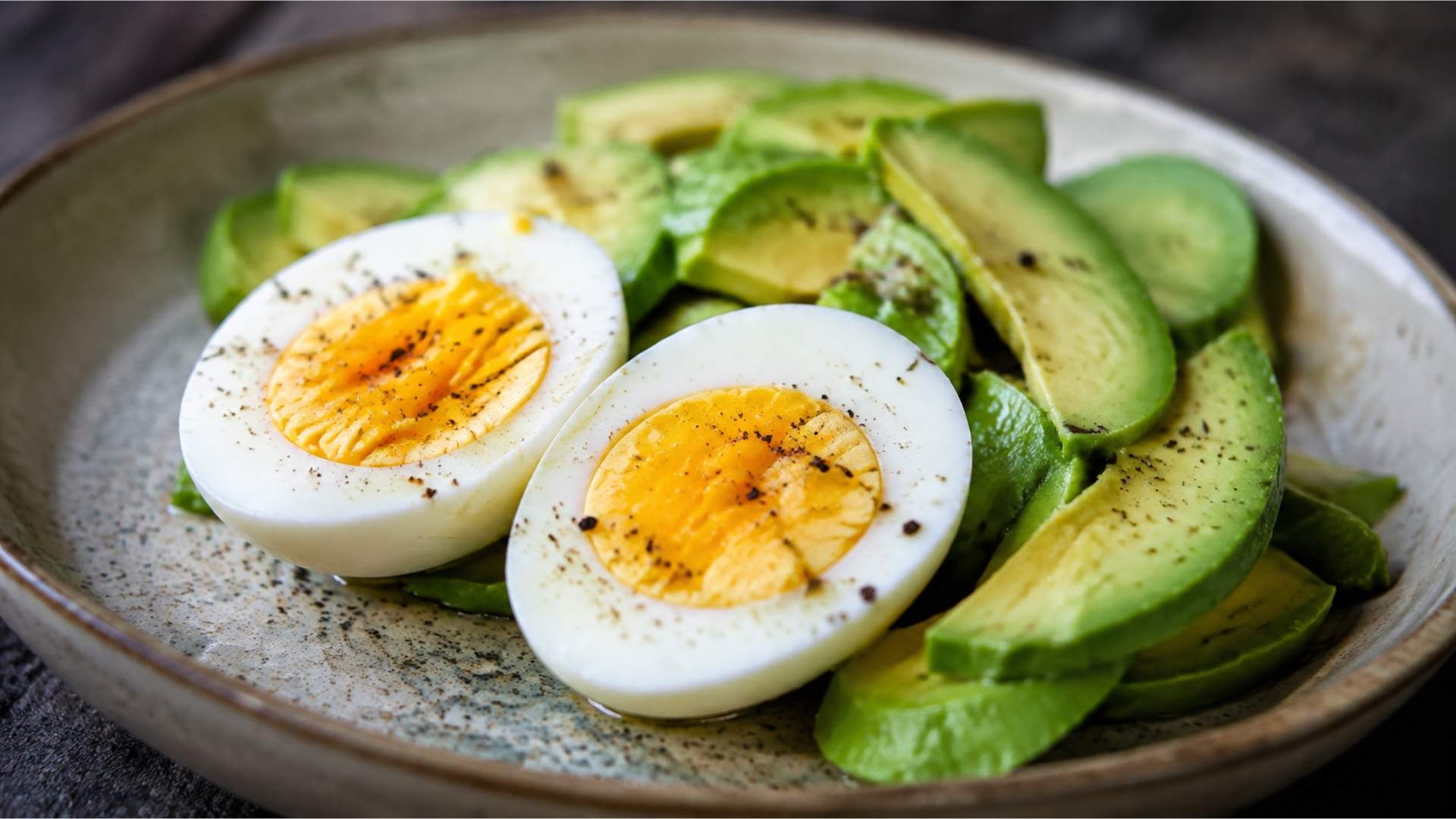
10. Hard-Boiled Eggs With Avocado
- Preparation time: 8 minutes
- Servings: 2
For days when you want something simple, hard-boiled eggs and avocado make an easy combination. The eggs provide protein, while avocado contributes fiber and unsaturated fats. A little lemon juice, salt, and pepper bring everything together.
Ingredients:
- 2 large hard-boiled eggs.
- ½ medium avocado.
- 1 teaspoon lemon juice.
- Black pepper to taste.
- A pinch of paprika.
Instructions:
- Peel the hard-boiled eggs and cut them in half.
- Slice the avocado.
- Arrange the eggs and avocado on a small plate.
- Add lemon juice and black pepper.
- Finish with a light sprinkle of paprika.
- Serve immediately.
- Approximate nutrition per serving: 155 calories, 7 g protein, 4 g carbohydrates, and 12 g fat.
- Storage: Store boiled eggs in the refrigerator for up to one week. Keep the avocado separate and slice it just before serving to prevent browning.
- Why You'll Love It: This snack requires very little preparation and is easy to take to work or enjoy at home. It's also a useful alternative to packaged snacks when you want something made from simple ingredients.
11. Mini Vegetable Egg Bites

- Preparation time: 10 minutes
- Cooking time: 15–18 minutes
- Servings: 3 (two egg bites per serving)
These mini egg bites are a convenient option when you want something ready to eat without preparing a new meal every time. They're similar to miniature vegetable omelets and can be customized with different ingredients.
Ingredients:
- 4 large eggs.
- ¼ cup finely chopped zucchini.
- ¼ cup chopped spinach.
- ¼ cup diced bell peppers.
- ¼ cup shredded mozzarella.
- Black pepper to taste.
Instructions:
- Preheat the oven to 350°F (175°C).
- Lightly grease a six-cup muffin tin.
- Beat the eggs in a bowl.
- Add zucchini, spinach, bell peppers, and mozzarella.
- Season with black pepper.
- Divide the mixture evenly between the muffin cups.
- Bake for 15–18 minutes or until fully set.
- Allow to cool slightly before removing.
- Approximate nutrition per serving: 160 calories, 12 g protein, 4 g carbohydrates, and 11 g fat.
- Storage: Store cooked egg bites in an airtight container in the refrigerator for 3–4 days. Reheat thoroughly before serving.
- Why You'll Love It: They're easy to portion, convenient for packed lunches, and ideal for preparing ahead. You can also switch up the fillings with mushrooms, feta, or chopped herbs.
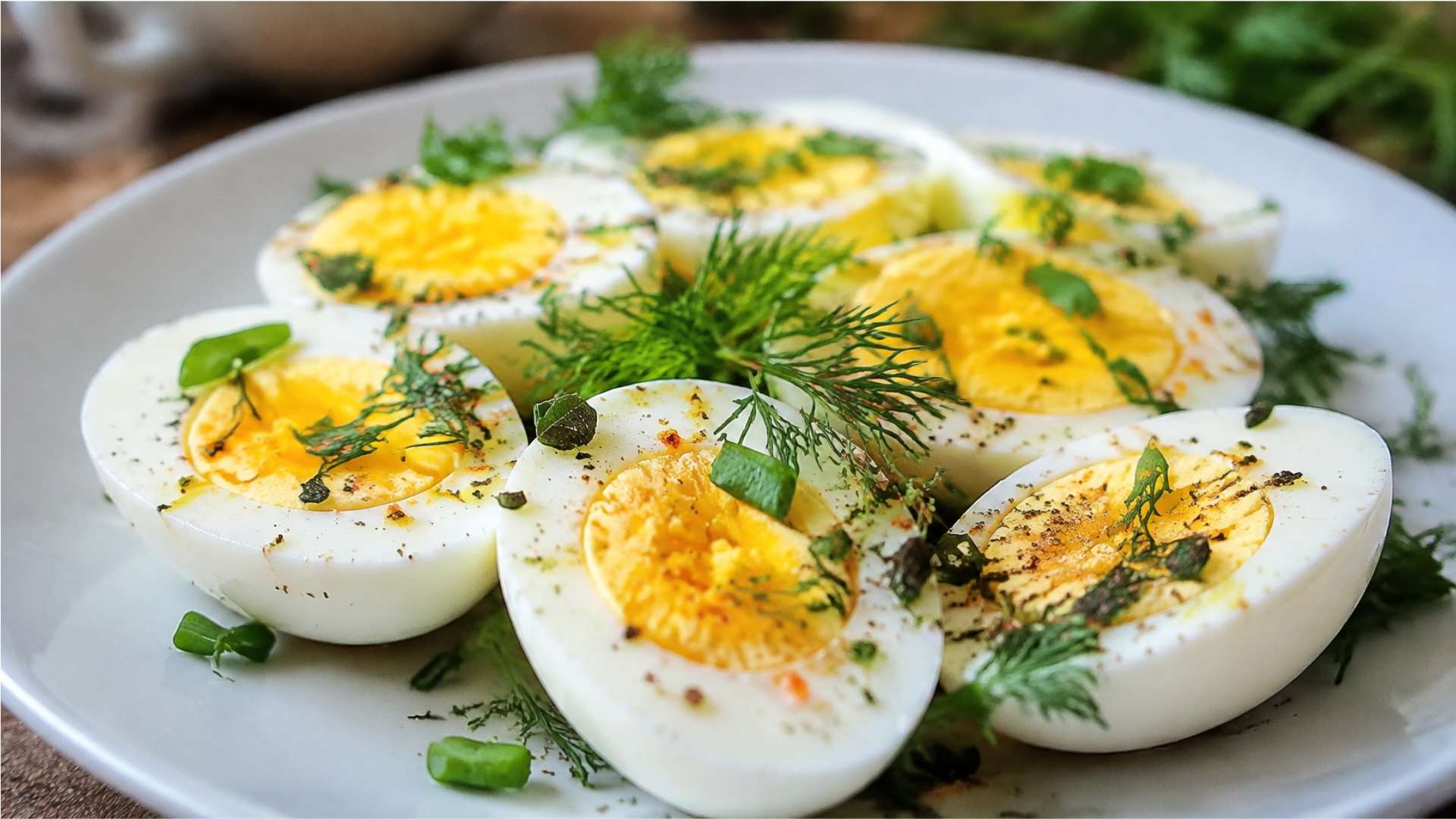
12. Seasoned Boiled Eggs With Fresh Herbs
- Preparation time: 10 minutes
- Servings: 4
Sometimes the simplest recipes are the most useful. Hard-boiled eggs become an easy snack when you add fresh herbs, pepper, paprika, and a little lemon juice. This is a great option when you want a quick source of protein without cooking an elaborate dish.
Ingredients:
- 4 large hard-boiled eggs.
- 1 tablespoon chopped fresh parsley.
- 1 teaspoon chopped chives.
- 1 teaspoon lemon juice.
- A pinch of paprika.
- Black pepper to taste.
Instructions:
- Peel the hard-boiled eggs.
- Cut each egg into halves or quarters.
- Arrange them on a serving plate.
- Sprinkle with parsley and chives.
- Add lemon juice, paprika, and black pepper.
- Serve immediately or refrigerate for later.
- Approximate nutrition per serving: 75 calories, 6 g protein, 0.5 g carbohydrates, and 5 g fat.
- Storage: Keep the hard-boiled eggs refrigerated in a covered container for up to one week. For the best flavor and texture, add fresh herbs and lemon juice shortly before serving.
- Why You'll Love It: This recipe is inexpensive, quick, and easy to customize. Try different herbs and seasonings to create new flavors without adding many carbohydrates.
Simple Meal-Prep Tips for Low-Carb Egg Recipes
Preparing meals ahead of time doesn't mean you have to spend your entire Sunday in the kitchen. A little organization can make it easier to enjoy different egg meals throughout the week.
Here are four practical strategies:
1. Prepare Boiled Eggs for Several Meals
Boil several eggs at once and refrigerate them for quick lunches, salads, and snacks. Keep them in their shells until you're ready to use them whenever possible. According to the FDA, properly refrigerated hard-cooked eggs should be used within one week.
2. Bake Egg Muffins in Advance
Prepare a batch of vegetable egg muffins using spinach, zucchini, mushrooms, or bell peppers. Divide them into individual portions and store them in covered containers. They're convenient for busy mornings and quick snacks.
3. Make a Large Vegetable Frittata
A frittata can provide several meals from one cooking session. Prepare it with eggs and your favorite vegetables, allow it to cool, and divide it into portions. Refrigerate the portions promptly and reheat thoroughly when serving.
4. Prepare Egg Salad Ingredients Separately
If you're planning to eat egg salad several times during the week, prepare the boiled eggs in advance but keep the dressing and fresh vegetables separate until serving. This helps preserve the texture and freshness of your meals.
For food safety, refrigerate cooked egg dishes within two hours of preparation, keep your refrigerator at 40°F (4°C) or below, and use cooked egg leftovers within 3–4 days. Hard-boiled eggs have a separate recommended storage limit of one week.
How to Keep Your Low-Carb Egg Meals Interesting
One of the easiest mistakes to make when following a low-carb eating plan is preparing the same meals repeatedly. Even nutritious foods can become boring when you don't change the ingredients or cooking methods.
Fortunately, eggs give you plenty of room to experiment.
Try these simple combinations:
- For Mediterranean flavors: Combine eggs with spinach, feta, tomatoes, olives, and oregano.
- For a protein-rich lunch: Pair boiled eggs with tuna, leafy greens, and cucumber.
- For a vegetable-packed dinner: Prepare scrambled eggs with zucchini, mushrooms, and cauliflower rice.
- For a quick snack: Serve boiled eggs with avocado, fresh herbs, or paprika.
- For meal prep: Make vegetable frittatas or mini egg bites with different fillings.
You can also rotate eggs with other protein sources, including salmon, chicken, tofu, cottage cheese, and plain Greek yogurt. This helps create more variety while supplying different nutrients throughout the week.
The goal isn't to eat eggs at every meal. Instead, use them as one convenient ingredient in a varied, balanced eating pattern.
With these low-carb egg recipes, you can enjoy simple lunches, satisfying dinners, convenient snacks, and practical make-ahead meals without feeling stuck eating the same breakfast every day. A few everyday ingredients and a little preparation can make low-carb eating much easier and more enjoyable.
Using Eggs in Low-Carb Baking and Healthy Recipe Swaps
Eggs have an important role in low-carb baking.
When traditional wheat flour is replaced with almond flour, coconut flour, or other alternatives, the structure of a recipe changes. Eggs help hold ingredients together, contribute moisture, and create a more stable finished product.
This makes them particularly useful in homemade keto-friendly breads, muffins, pancakes, and wraps.
Why Are Eggs Important in Low-Carb Baking?
In conventional baking, gluten helps create structure and elasticity in many doughs.
Almond flour and coconut flour don't provide the same gluten structure. As a result, low-carb baked goods often depend more heavily on eggs and other binding ingredients.
Eggs can help:
- Bind flour and other ingredients.
- Provide moisture.
- Improve structure.
- Support the rise and texture of some recipes.
- Add protein and fat.
- Help ingredients combine more evenly.
However, too many eggs can create a rubbery texture, while too few may cause baked products to crumble.
It's important to follow the recipe's ingredient ratios rather than assuming eggs can be substituted in equal amounts for every traditional baking ingredient.
Popular Low-Carb Recipes That Use Eggs
Some common examples include:
- Almond flour bread: Eggs help bind almond flour and other ingredients into a loaf.
- Coconut flour muffins: Coconut flour absorbs substantial moisture, so eggs are important for structure and texture.
- Keto chaffles: Eggs and cheese create a quick waffle-like base.
- Cloud bread: Whipped egg whites are commonly used to create a light structure.
- Low-carb pancakes: Eggs help hold alternative flours together.
- Egg wraps: Thin cooked eggs can be used as a flexible alternative to traditional wraps.
Whole Eggs Versus Egg Whites in Baking
Some recipes use whole eggs, while others rely heavily on egg whites.
Whole eggs contribute moisture, fat, and structure. Egg whites can provide aeration and protein, particularly when whipped.
Using one in place of the other without adjusting the recipe can change the texture.
For example, replacing all whole eggs with whites may produce a drier result, while adding extra yolks can make a recipe richer and softer.
If you're experimenting with a new low-carb baking recipe, make small adjustments rather than changing multiple ingredients at once.
How to Choose, Store and Handle Eggs Safely
Nutrition is only one part of healthy eating. Food safety also matters, especially when you're preparing eggs in advance or serving them to family members.
Fresh eggs can sometimes contain Salmonella even when their shells look clean and uncracked. Proper buying, refrigeration, preparation, and storage help reduce the risk of foodborne illness.
The U.S. Food and Drug Administration's egg safety guidance provides practical recommendations for consumers.
How to Choose Eggs at the Grocery Store
Start by checking the carton.
Choose eggs that:
- Are sold in a refrigerated display.
- Have clean, uncracked shells.
- Are within the recommended date range.
- Have been stored at an appropriate temperature.
- Come in intact packaging.
Avoid buying eggs with cracked shells because bacteria may enter through damaged areas.
Organic, Free-Range and Conventional Eggs
You may see several labels when shopping for eggs.
- Conventional eggs: Generally produced under standard commercial poultry production systems.
- Organic eggs: Produced according to the relevant organic production requirements.
- Free-range eggs: Come from hens raised under specific housing and outdoor access standards, depending on the country and labeling regulations.
- Pasture-raised eggs: Usually marketed as coming from hens with greater access to outdoor pasture environments, although production standards can vary.
- Omega-3-enriched eggs: Come from hens whose feed is formulated to increase the omega-3 content of their eggs.
These labels relate primarily to production practices and, in some cases, nutritional composition. Organic or free-range labeling does not automatically mean an egg contains fewer carbohydrates.
Choose according to your budget, preferences, availability, and the labeling standards that apply where you shop.
How Should You Store Eggs?
For consumers following U.S. FDA guidance:
- Refrigerate eggs promptly.
- Keep the refrigerator at 40°F (4°C) or below.
- Store eggs in their original carton.
- Avoid leaving eggs at room temperature for extended periods.
- Use hard-cooked eggs within one week when properly refrigerated.
Keeping eggs in their original carton also helps protect them from absorbing odors from other foods.
How to Store Cooked Eggs
Prepared eggs can make meal planning easier, but they need appropriate refrigeration.
For hard-boiled eggs:
- Cook until fully hard-boiled.
- Cool them promptly.
- Refrigerate within two hours.
- Keep them in a covered container.
- Use within seven days.
For leftover cooked egg dishes, the FDA recommends refrigeration and consumption within three to four days.
Don't leave prepared egg meals sitting on the kitchen counter for long periods, especially in warm weather.
Important Food Safety Tips
Follow these simple precautions:
- Wash your hands before and after handling raw eggs.
- Clean surfaces and utensils that come into contact with raw eggs.
- Cook eggs until the yolks and whites are firm.
- Avoid using cracked or visibly damaged eggs.
- Use pasteurized eggs for recipes that require raw or undercooked eggs.
- Refrigerate prepared egg meals promptly.
The FDA particularly recommends using pasteurized egg products for recipes such as homemade Caesar dressing or other dishes in which eggs remain raw or undercooked.
Food safety becomes especially important for pregnant women, young children, older adults, and people with weakened immune systems.
How to Build Balanced Low-Carb Meals With Eggs
Once you understand the nutrition facts, the next step is learning how to incorporate eggs into meals that are varied and satisfying.
It's easy to become overly focused on carbohydrates when starting a low-carb eating pattern. However, reducing carbohydrate intake shouldn't mean forgetting about vegetables, dietary fiber, protein variety, or essential nutrients.
Eggs are a convenient starting point, but they work best when combined with other nutrient-rich foods.
Combine Eggs With Vegetables
Vegetables are particularly important in low-carb eating because many provide dietary fiber, vitamins, minerals, and beneficial plant compounds.
Try pairing eggs with:
- Spinach.
- Broccoli.
- Mushrooms.
- Cauliflower.
- Zucchini.
- Cucumber.
- Bell peppers.
- Asparagus.
Vegetables also add volume and texture to meals without necessarily contributing large amounts of carbohydrates.
Include Different Protein Sources
Eating eggs every day isn't a requirement for following a low-carb plan.
You can rotate them with other protein sources, including:
- Salmon.
- Sardines.
- Tuna.
- Chicken.
- Turkey.
- Tofu.
- Plain Greek yogurt.
- Cottage cheese.
This variety makes your eating plan more interesting and helps distribute nutrients across different foods.
Choose Appropriate Fat Sources
Fat is an important part of many low-carb eating plans, particularly ketogenic diets.
However, it's useful to consider the types of fats you consume.
Include sources of unsaturated fats such as:
- Olive oil.
- Avocado.
- Almonds.
- Walnuts.
- Chia seeds.
- Flaxseed.
- Fatty fish.
The American Heart Association's 2026 dietary guidance recommends emphasizing unsaturated fat sources in place of saturated fat sources.
Example: A Balanced One-Day Low-Carb Meal Plan
Here's a simple example showing how eggs can fit into a varied eating pattern.
| Meal | Suggested Meal | Nutritional Focus |
|---|---|---|
| Breakfast | Spinach and Feta Omelet | Protein and Vegetables |
| Lunch | Tuna and Boiled Egg Salad | Protein and Leafy Greens |
| Snack, If Needed | Boiled Egg with Cucumber | Convenient Protein |
| Dinner | Grilled Salmon with Roasted Broccoli | Protein, Omega-3 Fats, and Fiber |
This is an example, not a universal prescription. Individual nutritional requirements vary depending on age, activity level, health conditions, and dietary goals.
Practical Tips for Low-Carb Beginners
If you're new to this eating pattern, start with simple meals rather than trying to change everything at once.
A few useful habits can make the process easier:
- Keep boiled eggs refrigerated for convenient snacks.
- Prepare vegetables in advance.
- Choose cooking methods that don't require excessive added fat.
- Use herbs and spices to create variety.
- Plan meals around different protein sources.
- Check the carbohydrate content of packaged sauces and dressings.
- Include enough vegetables and fiber-rich foods.
The aim is to develop a realistic routine that you can maintain, not to create a restrictive menu that becomes difficult to follow.
The Bottom Line
Eggs are a convenient, versatile, and naturally low-carbohydrate food that can fit into many low-carb and ketogenic eating plans. They provide high-quality protein, choline, vitamins, and minerals, making them useful for more than just breakfast. From simple scrambled eggs to vegetable frittatas and satisfying salads, there are plenty of ways to enjoy them throughout the day. The key is to combine eggs with vegetables, varied protein sources, and healthy fats while considering your individual nutritional needs. With a little creativity, eggs on a low carb diet can make everyday meals both practical and enjoyable.
Frequently Asked Questions About Eggs on a Low-Carb Diet
How Many Eggs Can You Eat Per Day on a Low-Carb Diet?
There isn't one daily egg limit that works for everyone. Your appropriate intake depends on your overall eating pattern, nutritional needs, preferences, and cardiovascular health. Eggs are naturally low in carbohydrates and provide high-quality protein, which makes them convenient for low-carb meals. However, eating a varied diet is still important. Include other protein sources such as fish, chicken, tofu, and dairy products, alongside vegetables, nuts, and seeds. If you have elevated LDL cholesterol, familial hypercholesterolemia, cardiovascular disease, or another medical condition that affects your dietary requirements, ask your healthcare professional about an appropriate egg intake.
Are Eggs Low Carb and Keto-Friendly?
Yes. Eggs are naturally low in carbohydrates and can fit into both low-carb and ketogenic meal plans. One large egg contains approximately 0.4 grams of carbohydrates, making it easy to include in meals while keeping carbohydrate intake relatively low. Boiled eggs, scrambled eggs, omelets, and baked eggs are all practical options. Just pay attention to additional ingredients such as bread, potatoes, flour, sweetened sauces, and high-carbohydrate toppings. Plain eggs are low carb, but the complete dish determines the final nutritional profile.
How Many Net Carbs Are in One Large Egg?
One large egg contains approximately 0.4 grams of total carbohydrates. Since eggs contain virtually no dietary fiber, their net carbohydrate content is also approximately 0.4 grams. This makes eggs a convenient food for people tracking their daily carbohydrate intake. Two large eggs provide roughly 0.8 grams of carbohydrates, while three provide around 1.2 grams. Keep in mind that added ingredients such as milk, sauces, cheese, and vegetables can change the carbohydrate content of an egg meal.
Do Eggs Increase Cholesterol Levels?
Egg yolks contain dietary cholesterol, but dietary cholesterol and blood cholesterol are not the same thing. Individual responses to dietary cholesterol can vary, and overall eating patterns also matter. Current American Heart Association guidance emphasizes heart healthy dietary patterns rather than treating dietary cholesterol as the main cardiovascular risk reduction target for most people. It also emphasizes limiting saturated fat and choosing healthier protein and fat sources. People with specific cholesterol related conditions should discuss their dietary choices with a medical professional and monitor their blood cholesterol as recommended.
Are Egg Whites Healthier Than Whole Eggs?
Egg whites and whole eggs offer different nutritional advantages. Egg whites provide protein with very little fat and virtually no cholesterol. Whole eggs contain protein along with nutrients concentrated in the yolk, including choline, vitamin B12, vitamin A, and some vitamin D. If you want additional protein without adding much fat, combining whole eggs with extra egg whites can be useful. However, for many people, whole eggs can fit into a balanced eating pattern. Your best choice depends on your nutritional requirements and personal health circumstances.




0 Comments