
Finding genuinely useful keto bars can feel surprisingly complicated. Walk into a grocery store or browse an online marketplace and you’ll see products labeled keto, low carb, high protein, sugar-free, no added sugar, and zero sugar. They may all look similar at first glance, but the nutrition panels can tell very different stories.
That is why choosing keto bars should involve more than grabbing the package with the biggest "KETO" label on the front. A good bar should fit your carbohydrate goals while also making sense for your appetite, protein needs, calorie intake, ingredient preferences, and digestive tolerance. The same idea applies to keto protein bars and keto ice cream bars: the front of the package gets your attention, but the Nutrition Facts panel and ingredient list tell you what you are actually buying.
A ketogenic diet is generally described as a very-low-carbohydrate eating pattern, often around 20–50 grams of carbohydrate per day, although individual approaches and definitions vary. That means a single snack can use up a meaningful portion of someone's daily carbohydrate budget. A bar containing 3 grams of net carbs may fit comfortably for one person, while a product containing considerably more carbohydrate may not fit the same plan.
This guide is designed to make the process easier. You’ll learn how keto bars differ from ordinary protein bars, how to read a label, how net carbs work, what to know about erythritol and allulose, how to compare keto friendly protein bars, and what to look for in keto ice cream bars. You’ll also find homemade ideas, practical portion guidance, storage tips, and a simple shopping framework you can reuse every time you buy a bar.
The goal isn’t to make every food choice complicated. It’s the opposite. Once you understand what matters, choosing keto bars becomes much more straightforward.
What Are Keto Bars?
Keto bars are packaged or homemade snack bars designed to fit a carbohydrate restricted eating pattern. They commonly use ingredients such as nuts, seeds, nut butter, coconut, cocoa, protein powders, fiber ingredients, and low or no-sugar sweeteners. Some are designed primarily as convenient fat-rich snacks, while others resemble traditional protein bars and emphasize a higher protein content.
That distinction matters.
A traditional granola bar may rely heavily on oats, dried fruit, honey, maple syrup, dates, or other carbohydrate-rich ingredients. A conventional candy snack bar may contain substantial amounts of added sugar. In contrast, many low carb bars replace some of those ingredients with nuts, seeds, protein ingredients, fiber, and alternative sweeteners.
But no single formula fits all keto bars. One product might be built around almond butter and coconut, another around whey protein, and another around chocolate and fiber. A frozen product marketed as a keto ice cream bar may have a completely different formulation from a shelf-stable protein bar.
That is why it helps to think about keto bars as a category rather than a single type of food.
You may encounter:
- Low carb snack bars made primarily from nuts and seeds.
- Keto protein bars designed around a higher protein content.
- High-protein keto bars intended for active people or people who want a more substantial snack.
- Sugar-free bars sweetened with non-sugar sweeteners.
- Low-sugar bars that still contain meaningful carbohydrate from other ingredients.
- Keto food bars intended as portable snacks or meal replacements.
- Homemade no-bake bars made from nut butter, protein powder, seeds, coconut, and low carb sweeteners.
- Frozen products such as keto ice cream bars and keto ice cream pops.
You’ll also see products marketed as keto-friendly snacks even when their nutritional profiles are quite different from one another.
This is where label reading becomes important. A product can be low in sugar but relatively high in total carbohydrate. Another may have a small amount of sugar but a significant amount of fiber. Another can contain a large amount of protein yet still not fit your personal carbohydrate target.
The word "keto" can help you find products worth investigating, but it should not replace the investigation itself.
Think of the package claim as the book cover. The Nutrition Facts panel and ingredient list are the chapters inside.
What Makes a Bar Truly Keto-Friendly?
There is no single official food label rule that means a packaged product automatically qualifies as "keto" for every person. The ketogenic diet itself can vary, and the amount of carbohydrate needed to maintain nutritional ketosis is not identical for everyone.
A very low carbohydrate ketogenic pattern is often described as roughly 20–50 grams of carbohydrate daily, but this is a broad clinical description rather than a guarantee that every person eating within that range will experience the same degree of ketosis.
That creates an important question: What should you actually look for when buying keto bars?
Start with carbohydrate.
For many people following a ketogenic eating plan, the total carbohydrate content is one of the first numbers worth checking. Then look at fiber, sweeteners, serving size, protein, fat, calories, and the ingredient list.
Here is a simple comparison:
| Label Term | What It Tells You | Why It Matters |
|---|---|---|
| Total Carbohydrate | Total carbohydrate listed on the Nutrition Facts panel | Essential starting point for evaluating carbohydrate intake |
| Dietary Fiber | Fiber included within total carbohydrate on U.S. labels | Helps explain the carbohydrate profile |
| Total Sugars | Naturally occurring and added sugars together | Shows the amount of sugar in the listed serving |
| Added Sugars | Sugars added during processing | Useful for comparing packaged products |
| Sugar Alcohols | Certain sweeteners listed within carbohydrate information | Type and amount can matter for calculation and tolerance |
| Protein | Protein per serving | Useful when comparing snack and protein-bar options |
| Fat | Total fat per serving | Helps characterize the bar's overall macro profile |
| Calories | Energy per serving | Important because low-carb does not automatically mean low-calorie |
The FDA requires Nutrition Facts information to be interpreted according to the listed serving size, while the American Heart Association recommends paying attention to serving information, calories, saturated fat, sodium, added sugars, and beneficial nutrients such as fiber.
That means a product advertised as a "keto snack" should still be evaluated against the rest of your day.
Imagine your daily carbohydrate budget as a small backpack. Every food you add puts something inside. A snack bar may fit perfectly, or it may take up more room than expected. The answer depends on what else you are eating.
This is also why "low sugar" and "keto" should not be treated as interchangeable.
A low-sugar bar may contain ingredients such as oats, dates, starches, fruit concentrates, or grains that contribute carbohydrates even if the sugar number appears modest. Likewise, no added sugar bars can contain naturally occurring carbohydrates or carbohydrate containing fibers.
The same principle applies to sugar-free bars. Sugar-free tells you something specific about sugar; it does not automatically tell you that the product has a very low total carbohydrate count.
When choosing keto bars, look beyond one headline number.
A practical checklist is:
- Check the serving size.
- Check total carbohydrate.
- Check dietary fiber.
- Review any listed sugar alcohols.
- Check protein.
- Look at fat and saturated fat.
- Check calories.
- Read the ingredients.
- Consider whether the serving actually satisfies you.
That last point is easy to overlook.
A bar may look perfect on paper but leave you hungry 30 minutes later. Another may contain slightly more calories but keep you satisfied because it contains a better combination of protein, fat, and fiber. There is no universally perfect bar. The useful goal is to find keto bars that fit your personal nutrition strategy. (1, 2)
How to Read a Keto Bar Nutrition Label
The Nutrition Facts panel is your most reliable starting point when evaluating keto bars. Marketing language can be helpful for finding a product category, but the label tells you what the manufacturer reports in a standardized format.
Start at the top.
1. Check the serving size
This is step number one because every other number on the panel depends on it.
A package might contain one bar but list a serving as one-half bar. Another product could contain multiple small pieces under one serving. The American Heart Association recommends beginning with the serving information because calories and nutrients are based on that stated amount.
Suppose a package says:
Serving size: 1/2 bar
and you eat the entire bar.
You have consumed approximately twice the calories, carbohydrate, fat, protein, and other nutrients listed for one serving.
This becomes particularly important with keto bars because a product may advertise an attractive carbohydrate number that applies to only part of the package.
2. Check total carbohydrate
For a low carb or ketogenic eating pattern, total carbohydrate deserves your attention.
Do not jump immediately to the phrase "net carbs."
First look at the number officially declared as total carbohydrate.
Then examine the other carbohydrate components.
3. Check dietary fiber
Fiber is listed as part of total carbohydrate on the U.S. Nutrition Facts panel.
A bar might contain 15 grams of total carbohydrate and 10 grams of dietary fiber. That is a very different situation from a bar containing 15 grams of total carbohydrate and only 2 grams of fiber.
Still, you should not automatically assume every gram of fiber has identical metabolic effects or that every manufacturer's net carb calculation should be accepted without thinking.
4. Check sugars and added sugars
Total sugars include both naturally occurring and added sugars, while added sugars identify sugars incorporated during processing.
A sugar-free bar may contain little or no sugar while still containing carbohydrate from other ingredients.
A no added sugar bar can be made with ingredients that contribute carbohydrates naturally.
So, once again, one line on the package cannot tell the whole story.
5. Check sugar alcohols and sweeteners
Depending on the product and labeling format, you may see sugar alcohols listed separately within the carbohydrate section.
This is where many shoppers become confused.
Sugar alcohols are not one single substance. Erythritol, xylitol, sorbitol, mannitol, maltitol, and other polyols differ in how they are absorbed, metabolized, and tolerated.
The FDA notes that sugar alcohols such as erythritol, xylitol, sorbitol, and maltitol are different from traditional sugars and may be used as sugar substitutes.
6. Check protein
If you want keto protein bars, protein deserves special attention.
Two bars might have similar calories and net carbohydrate numbers but provide very different amounts of protein.
Look at the source too.
Whey, casein, milk protein, egg protein, collagen, pea protein, soy protein, and mixed plant proteins all have different nutritional characteristics.
7. Check fat and saturated fat
"Keto" does not mean you should ignore the type of fat.
A bar can be high in fat because it contains almonds, walnuts, seeds, peanut butter, coconut, cocoa butter, or oils. It can also be high in saturated fat depending on its ingredients.
Harvard's Nutrition Source emphasizes the importance of the broader "protein package": when you eat protein, you also consume the fats, fiber, sodium, and other components that accompany it.
The same thinking works well for keto bars.
Don't evaluate protein in isolation. Look at the entire package.
8. Read the ingredient list
Ingredients are listed in descending order by weight under U.S. labeling rules, and the American Heart Association recommends using ingredient lists alongside Nutrition Facts information when evaluating packaged foods.
You don't need a chemistry degree to do this.
Just ask:
- What are the first several ingredients?
- Are nuts, seeds, nut butter, protein ingredients, or whole-food components near the top?
- What sweeteners are included?
- Are there multiple forms of added sugars?
- Does the product contain an ingredient you avoid?
With practice, reading keto bars becomes much faster.
Net Carbs Explained: How to Calculate Them Correctly
The term net carbs appears everywhere in the keto food world, but it is important to understand what it means and what it does not mean.
"Net carbs" is commonly used as an informal way to describe carbohydrates that remain after subtracting certain types of fiber and, depending on the approach, some sugar alcohols or other ingredients.
A commonly used calculation is:
Net carbs = total carbohydrate − dietary fiber − certain deductible sugar alcohols
But that equation needs context.
There is no single universal FDA definition of "net carbs" that applies as an official Nutrition Facts value. The Nutrition Facts panel gives you standardized fields such as total carbohydrate, dietary fiber, total sugars, and added sugars. Some products separately provide sugar alcohol information.
This is why the safest strategy is to start with the official label and then understand how the manufacturer is arriving at its stated net carb figure.
Consider this hypothetical example:
| Nutrition Information | Amount |
|---|---|
| Total Carbohydrate | 16 g |
| Dietary Fiber | 8 g |
| Sugar Alcohols | 5 g |
| Manufacturer-Stated Net Carbs | 3 g |
Someone may calculate:
16 − 8 − 5 = 3 g
That looks straightforward.
But another product might use allulose, which deserves special attention. FDA guidance states that allulose is included in total carbohydrate on the Nutrition Facts label, while FDA has exercised enforcement discretion regarding its exclusion from Total Sugars and Added Sugars and has permitted manufacturers to use 0.4 calories per gram for allulose.
That makes the carbohydrate calculation more nuanced.
You should also avoid assuming that every gram of every sugar alcohol behaves identically. FDA recognizes several different sugar alcohols, while MedlinePlus notes that some, including sorbitol, mannitol, and xylitol, can cause gastrointestinal symptoms when consumed in larger amounts.
For that reason, a smart approach to keto bars is:
- Start with total carbohydrate.
- Identify dietary fiber.
- Identify the sweetener or sweeteners.
- Check how the product calculates net carbs.
- Consider your own tolerance.
- Use the same calculation method consistently when comparing products.
Don't let a single "2g net carb" claim become the entire decision.
Two bars with the same advertised net carbs can have dramatically different amounts of protein, fiber, calories, saturated fat, sodium, and total carbohydrate.
USDA FoodData Central can also be helpful when researching packaged foods. Its branded food database is updated regularly; the September 24, 2026 update log, for example, shows another new release of branded food data.
For current shopping decisions, however, always check the manufacturer's current package because formulations can change. (3, 4)
Keto Bar Ingredients: What to Look For and What to Question
Ingredients are where keto bars become especially interesting.
A good ingredient list can reveal why a bar has its texture, sweetness, protein content, and carbohydrate profile. It can also explain why two products that look nearly identical in a photograph taste and behave completely differently.
Common ingredients include nuts and seeds.
Nuts and nut butters
Almonds, pecans, walnuts, macadamias, peanuts, and nut butters are common foundations for low carb snack bars.
They contribute fat, some protein, minerals, and texture.
Nut butter can also create a soft, dense consistency without requiring large amounts of grain-based ingredients.
Coconut
Coconut flakes, coconut cream, coconut oil, and coconut flour appear frequently in keto food bars and homemade recipes.
Each has a different nutritional role. Coconut flour, for example, is very different from coconut oil. The ingredient's position and quantity matter.
Seeds
Chia, flax, hemp, sunflower, and pumpkin seeds can add texture and fiber.
They are especially useful in homemade keto bars because you can control exactly how much you use.
Protein ingredients
Keto protein bars may contain:
- Whey protein.
- Milk protein.
- Casein.
- Egg white protein.
- Collagen peptides.
- Pea protein.
- Soy proteína.
- Mixed plant proteins.
Protein powders can vary substantially in their other ingredients too. Harvard's Nutrition Source notes that protein powders may contain sweeteners, thickeners, added sugars, vitamins, minerals, and other ingredients, which is another reason to read the entire label.
Fibers
Many packaged keto bars use added fibers to increase fiber content, improve texture, provide bulk, or reduce the need for traditional flour and sugar.
Common examples include chicory root fiber, inulin, soluble corn fiber, and other functional fibers.
Some people tolerate these ingredients easily. Others may notice bloating or digestive discomfort, especially when several high-fiber ingredients are combined.
Chocolate and cocoa
Cocoa and dark chocolate can make keto dessert bars much more satisfying.
But check whether the chocolate contains added sugar, maltitol, other sweeteners, or carbohydrate-rich fillers.
The phrase "dark chocolate" alone does not guarantee that a product is low carb.
What should you question?
There is no need to fear long ingredient lists automatically. A more useful strategy is to identify ingredients that matter to your goals.
For example:
If you are avoiding dairy, look for whey, casein, milk proteins, and milk solids.
If you're avoiding nuts, watch for almond, peanut, cashew, macadamia, and other tree nut ingredients.
If sugar alcohols upset your stomach, pay close attention to the sweetener blend.
If you're choosing plant-based keto protein bars, identify the primary protein source instead of assuming that "plant-based" means nutritionally identical to whey.
Ingredient literacy makes shopping easier because you stop relying on vague labels and start understanding what is inside. (5, 6)
Keto Sweeteners and Sugar Alcohols: Erythritol, Allulose, Stevia, Monk Fruit & Maltitol
Sweeteners are one of the biggest reasons keto bars can taste surprisingly sweet while containing little or no traditional sugar.
They are also one of the most confusing parts of the label.
Let's break them down.
Erythritol
Erythritol is a sugar alcohol that is widely used in sugar-free bars and low carb desserts.
It provides sweetness without the same carbohydrate and calorie contribution as table sugar.
MedlinePlus describes erythritol as a sugar alcohol that is 60–80% as sweet as table sugar and has fewer calories. It also notes that research into potential long-term cardiovascular implications is ongoing, rather than presenting the question as settled.
That distinction matters.
You may see online claims that erythritol is either completely harmless or inherently dangerous. The evidence is more nuanced than either extreme.
For everyday food selection, the practical questions are often simpler:
- Do you tolerate it?
- Does the product fit your carbohydrate goals?
- Do you like the taste and texture?
- How much are you consuming?
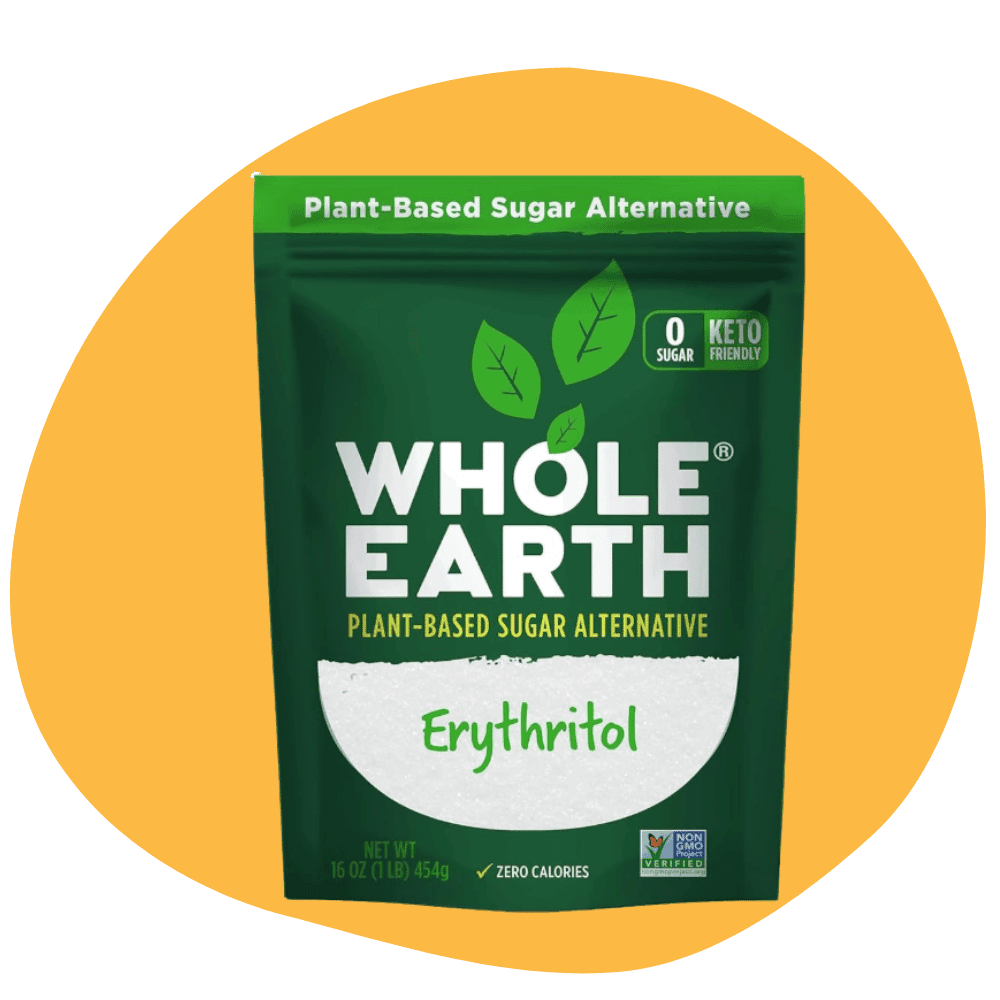
Erythritol has long been a staple ingredient in low carb baking. It's a sugar alcohol that provides sweetness while contributing very few calories, making it a common choice for homemade sugar-free dessert recipes.
One of its biggest advantages is stability. Erythritol performs well under high temperatures, making it suitable for cookies, cakes, and brownies.

Allulose
Allulose is especially interesting for keto-friendly snacks.
The FDA recognizes that allulose is metabolized differently from traditional sugars. Under current FDA guidance, allulose is included in total carbohydrate but may be excluded from Total Sugars and Added Sugars under enforcement discretion, and manufacturers may use 0.4 calories per gram for labeling purposes.
This can make labels look confusing if you do not know what you are seeing.
A product containing allulose can have a different relationship between total carbohydrate, sugars, calories, and the manufacturer's stated net carb calculation than a product sweetened with conventional sugar.
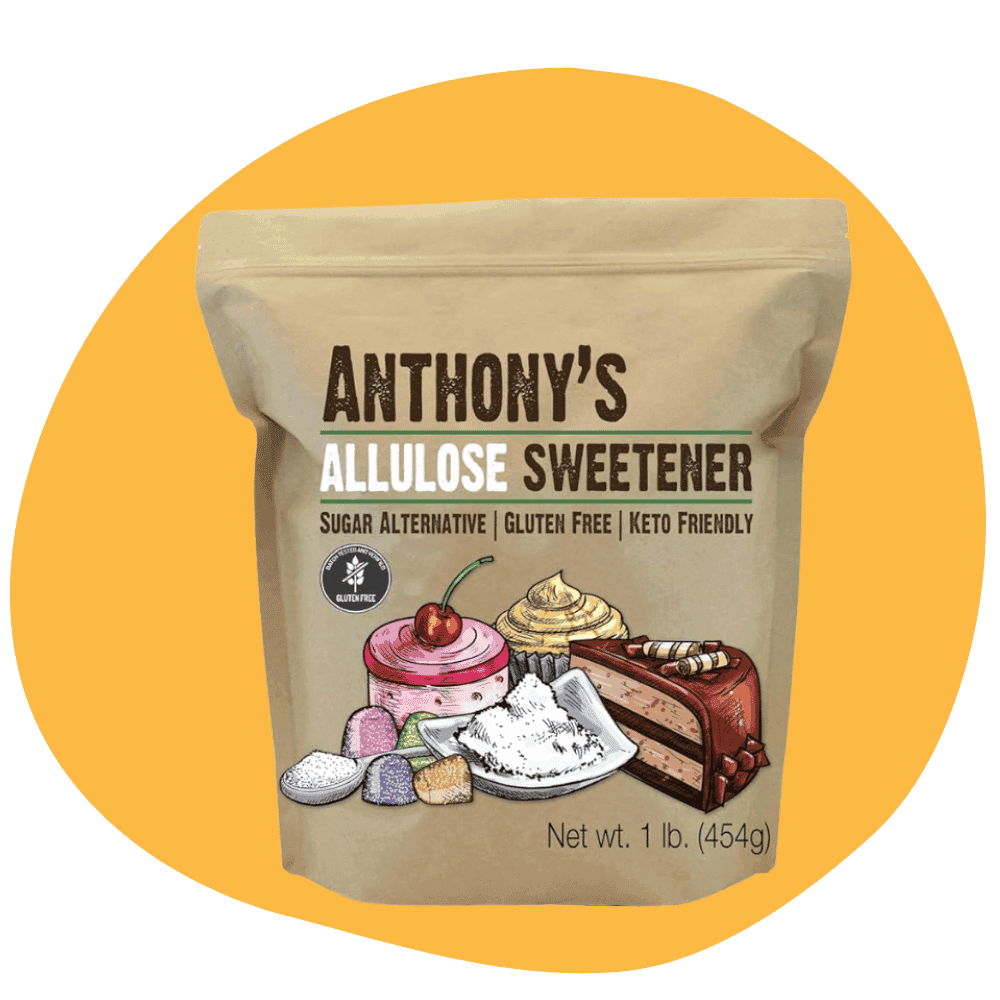
Among experienced home bakers, allulose has earned a reputation as one of the closest alternatives to traditional sugar. Although it's classified as a rare sugar, it contributes very few calories and behaves remarkably like regular sugar in many baking applications.
Unlike some sugar substitutes, allulose dissolves easily, blends smoothly into batters, and helps create desserts with a soft, moist texture. It also browns more naturally than many other alternatives, making it especially useful for recipes where color and caramelization matter.
Stevia
Stevia is a high-intensity sweetener derived from steviol glycosides.
You will often find it in blends rather than alone because manufacturers may combine sweeteners to improve taste.
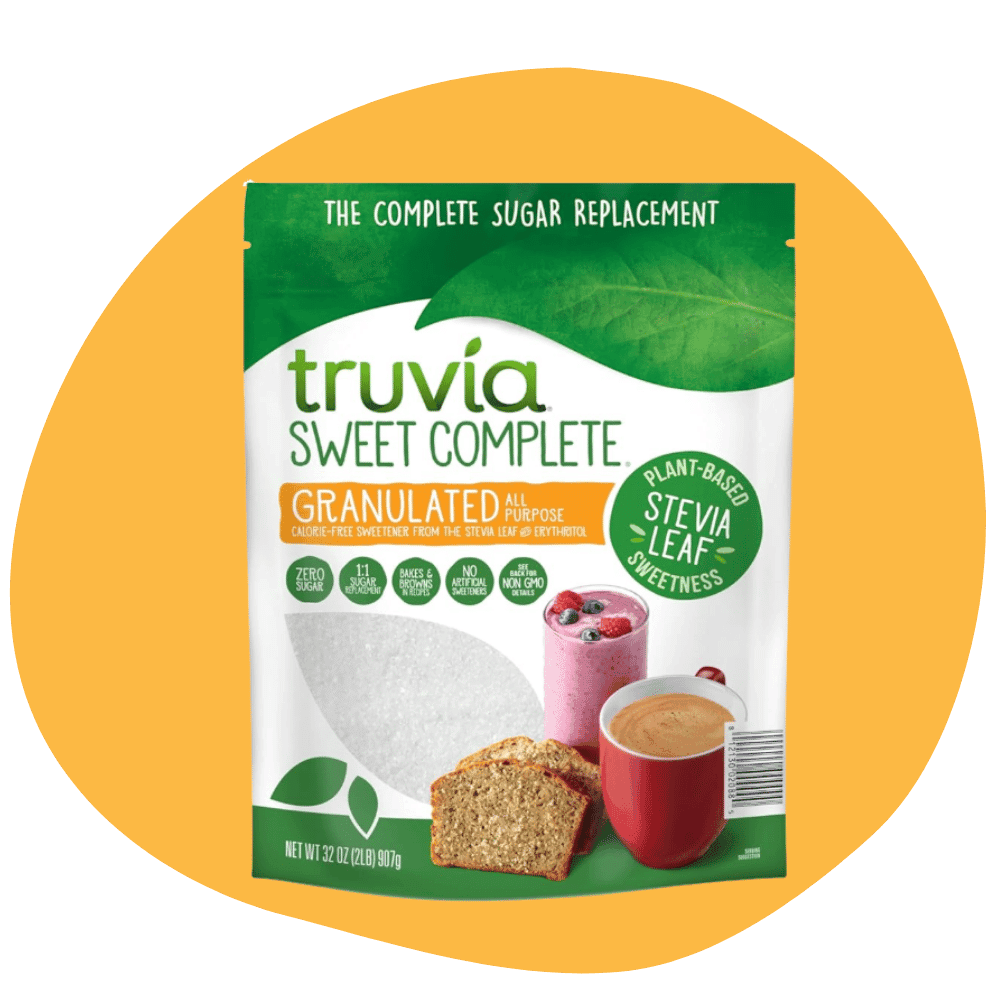
Stevia is one of the sweetest sugar alternatives available, making it unique among baking ingredients. Derived from the leaves of the Stevia rebaudiana plant, it provides intense sweetness in very small amounts.
Because it is much sweeter than sugar, careful measuring is essential.
Monk fruit
Monk fruit sweeteners are also commonly blended with other sweeteners or bulking ingredients.
That last part is important.
A package saying "monk fruit sweetened" does not necessarily mean monk fruit is the only sweetening ingredient.
Always read the ingredient list.
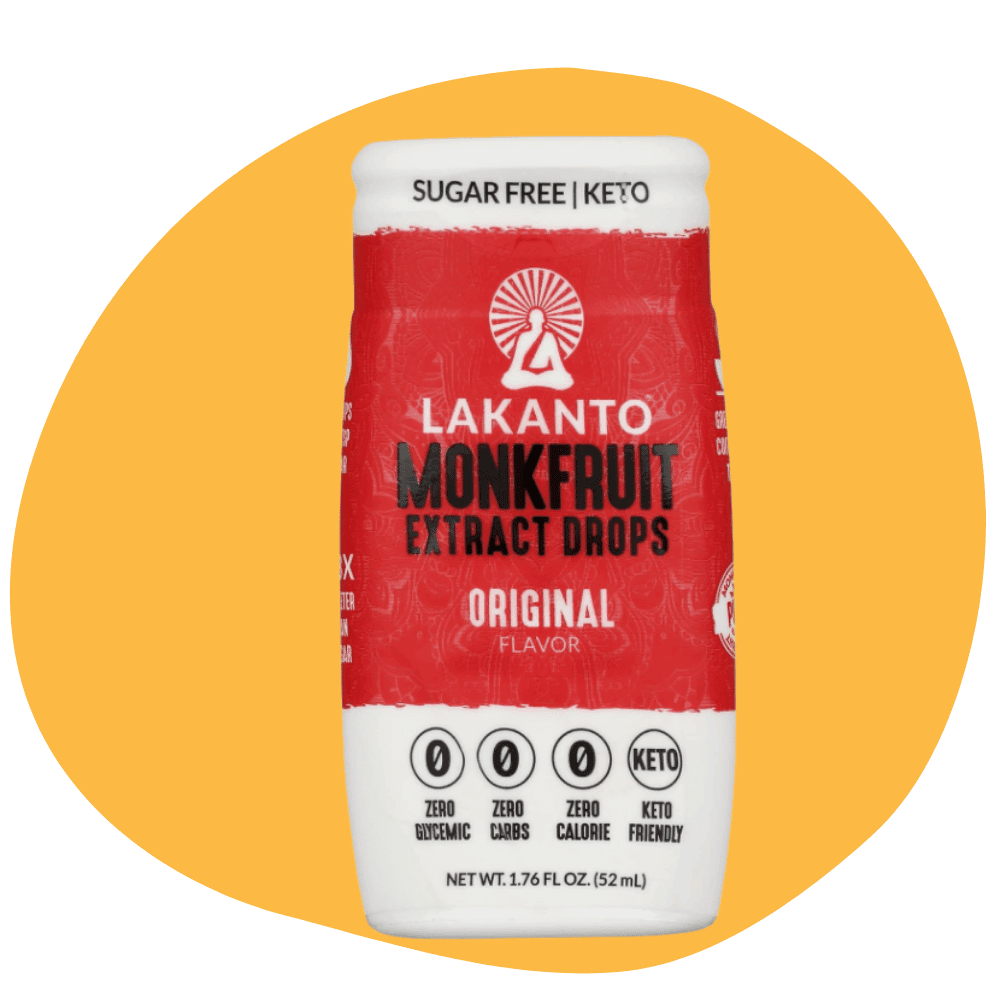
Monk fruit has become one of the most popular ingredients in sugar-free dessert recipes, thanks to its clean flavor and natural origin. Extracted from the monk fruit, this sweetener contains compounds called mogrosides, which provide sweetness without the sugar found in traditional sweeteners.
Pure monk fruit extract is extremely sweet, so most baking products combine it with erythritol or allulose to make measuring easier and improve texture.
Maltitol
Maltitol is another sugar alcohol, and it deserves particular attention when evaluating keto bars.
Sugar alcohols vary in their effects on carbohydrate absorption and blood glucose, and not all should automatically be treated as identical. FDA lists maltitol alongside several other sugar alcohols while distinguishing these substances from traditional sugars.
If a product's carbohydrate calculation depends heavily on sugar alcohols, understand which one is being used rather than simply accepting a large "net carb" number printed on the front.
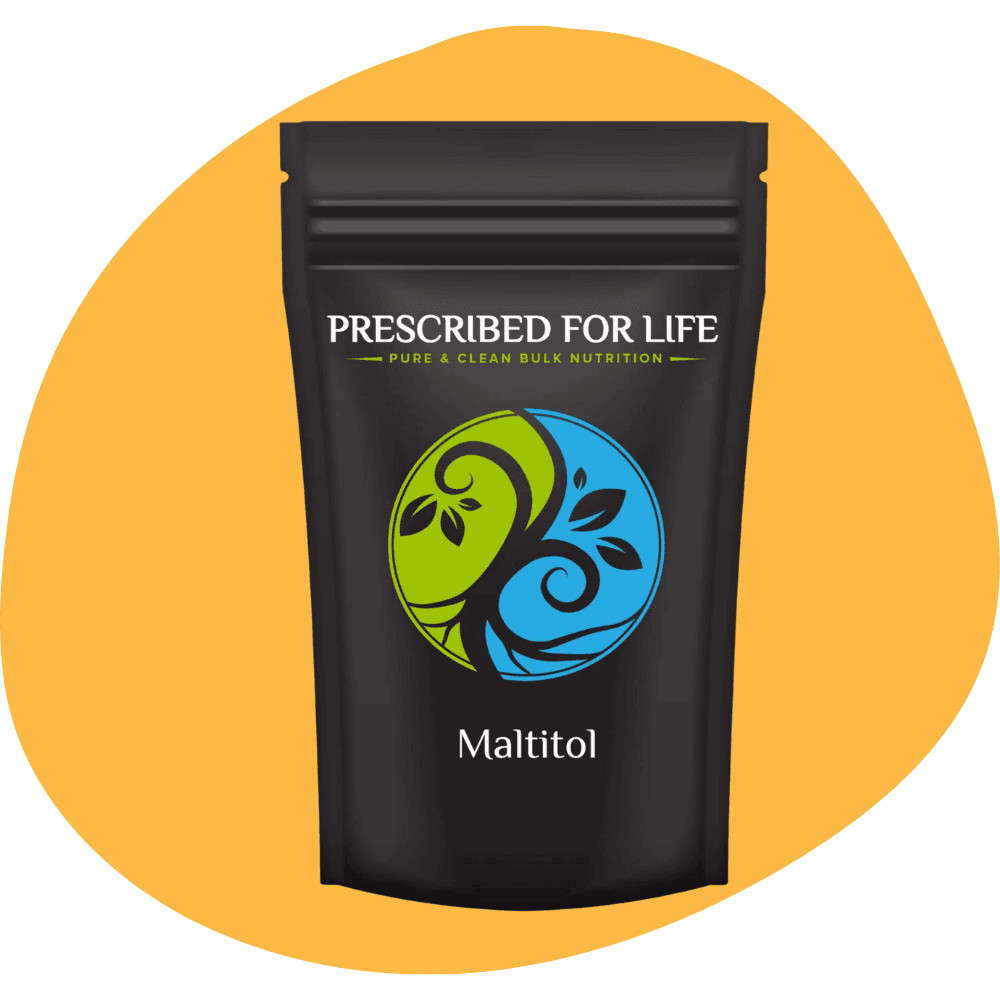
Prescribed for Life Maltitol Crystalline Powder — a versatile low-calorie sugar substitute with about 60–70% of the sweetness of sugar. Gluten-free, vegan, and non-GMO, it’s ideal for baking, beverages, and everyday recipes when you want sweetness with fewer calories than regular sugar.
What about digestive comfort?
This may be one of the most important practical issues.
Some people tolerate certain sugar alcohols well. Others experience gas, cramping, bloating, or diarrhea, especially after consuming larger amounts.
MedlinePlus specifically notes that sugar alcohols, including sorbitol, mannitol, and xylitol, can cause stomach cramps and diarrhea when consumed in large amounts.
So, when you try a new product, don't evaluate it only by whether the bar fits your carb target.
Ask how you feel afterward.
A mathematically perfect bar that leaves you uncomfortable isn't a very practical snack. (7, 8)
Protein, Fat & Fiber: Finding the Right Keto Bar Macro Balance
One of the easiest mistakes to make when shopping for keto bars is assuming that more protein automatically makes a product better.
It doesn't.
Protein is important, but the rest of the nutrition package matters too.
Harvard's Nutrition Source calls this the "protein package": the protein you eat arrives alongside fats, fiber, sodium, and other nutritional components.
That is an excellent framework for evaluating keto protein bars.
Suppose you find two products.
Bar A
- 15 g protein
- 4 g net carbs
- 220 calories
- 15 g fat
- 7 g fiber
Bar B
- 20 g protein
- 4 g net carbs
- 320 calories
- 24 g fat
- 4 g fiber
Neither is automatically "better."
Bar B delivers more protein but also more calories.
The right choice depends on the situation.
If you want a small snack before running errands, Bar A may be more appropriate for you.
If you need a more substantial post-workout snack, Bar B might make more sense.
That is why high-protein keto bars shouldn't be evaluated from the protein number alone.
Protein source matters
Whey protein is rich in essential amino acids and is commonly used in protein foods.
Casein is another dairy derived protein with different digestion characteristics.
Collagen is popular in collagen keto bars, but collagen should not automatically be treated as interchangeable with a complete dietary protein source in every context.
Pea protein can be useful for pea protein keto bars, especially for people avoiding dairy.
Plant-based products may combine pea, pumpkin seed, sunflower seed, or other proteins to create a more balanced amino acid profile.
The broader point is simple:
Look at the entire nutrition package rather than chasing a single number.
Fiber matters too
Fiber can help with fullness and supports digestive and metabolic health as part of an overall healthy eating pattern. The American Heart Association notes that dietary fiber can help promote fullness and recommends adults consume roughly 25–34 grams daily depending on age and sex.
But more fiber isn't automatically better.
A bar containing a very large dose of added fiber may be uncomfortable for someone who isn't accustomed to it.
A practical keto snack protein bar should be something you can actually digest and enjoy. (9)
Keto Protein Bars: How to Choose Keto-Friendly Protein Bars
Keto protein bars sit at the intersection of two different food categories.
They're supposed to provide protein while also keeping carbohydrates relatively low.
That sounds simple.
It isn't always.
Some protein bars are essentially candy bars with added protein. Others are legitimate high-protein snacks. Still others function more like compact meal replacements.
When shopping for keto friendly protein bars, begin by asking what you actually want the bar to do.
Do you need:
- A quick 150–200 calorie snack?
- A portable source of protein after exercise?
- A breakfast backup?
- Something for a long flight?
- A hiking snack?
- A shelf-stable emergency food?
- A dessert that happens to provide protein?
- A more substantial keto meal replacement bar?
Your answer changes what "good" looks like.
For everyday snacking
A moderate calorie bar with meaningful protein and fiber may work well.
For exercise
Protein may become more important, particularly if the bar replaces another protein-rich snack.
For hiking or travel
Calories, portability, shelf stability, and satiety may matter just as much as carbohydrate content.
For dessert
Taste and satisfaction become major factors.
You might choose a chocolate or peanut butter product even if it contains fewer grams of protein than a dedicated workout bar.
There is no reason every snack has to solve the same nutritional problem.
Plant-based keto protein bars
Plant-based keto protein bars can work well for people who avoid animal derived ingredients.
Common protein sources include pea, pumpkin seed, sunflower seed, soy, or mixed plant proteins.
Check the carbohydrate content because plant-based does not automatically mean low carb.
Some vegan bars rely heavily on dates, oats, rice syrup, or other carbohydrate-rich ingredients.
That is exactly why vegan keto protein bars need to be judged by the Nutrition Facts panel rather than the word "vegan."
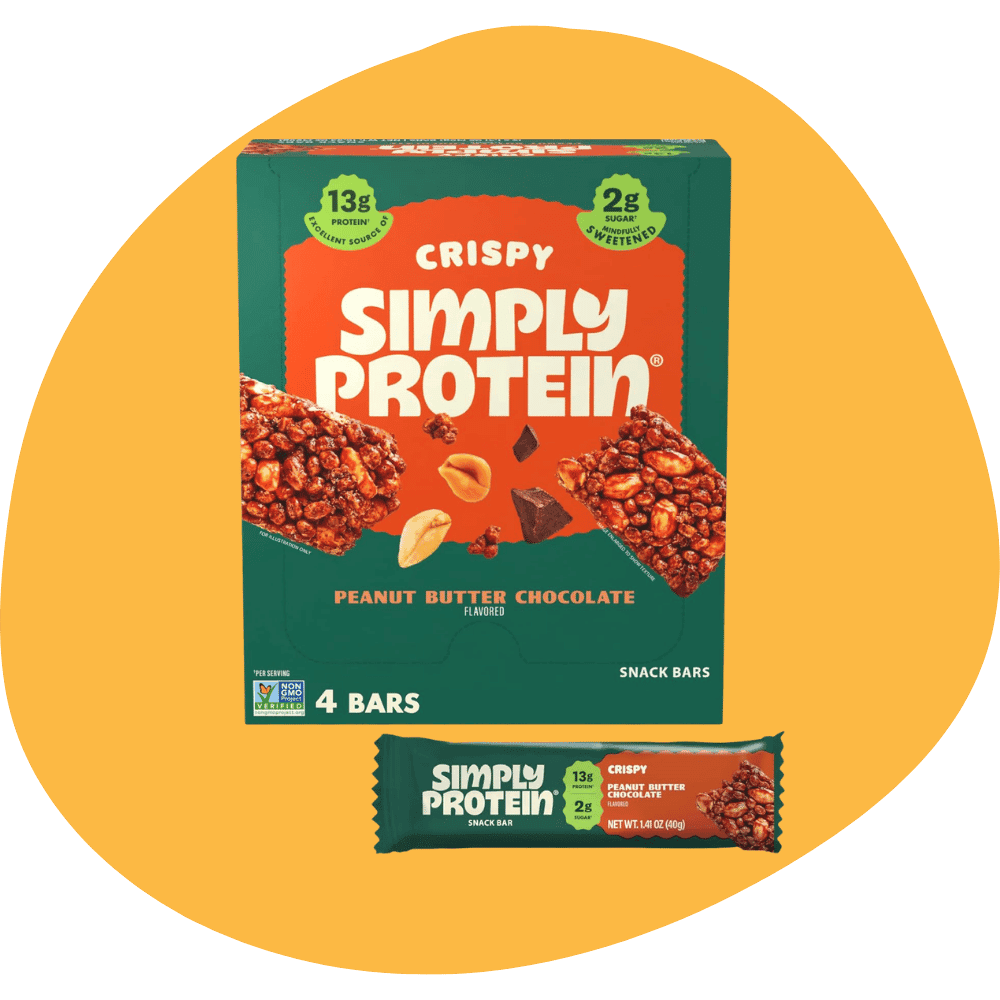
SimplyProtein Peanut Butter Chocolate Crispy Bars — a crunchy, satisfying plant-based protein snack with 13g protein, 7g fiber, and only 2g sugar per bar. Vegan, gluten-free, non-GMO, and kosher, these low-carb bars combine rich peanut butter and chocolate flavor in a convenient grab-and-go snack. They’re perfect for work, travel, workouts, or everyday low-sugar snacking.
Dairy-free keto protein bars
For a dairy-free keto protein bar, review the ingredient list for:
- Whey.
- Casein.
- Milk protein concentrate.
- Milk powder.
- Cream.
- Milk solids.
Also check allergen statements where relevant.
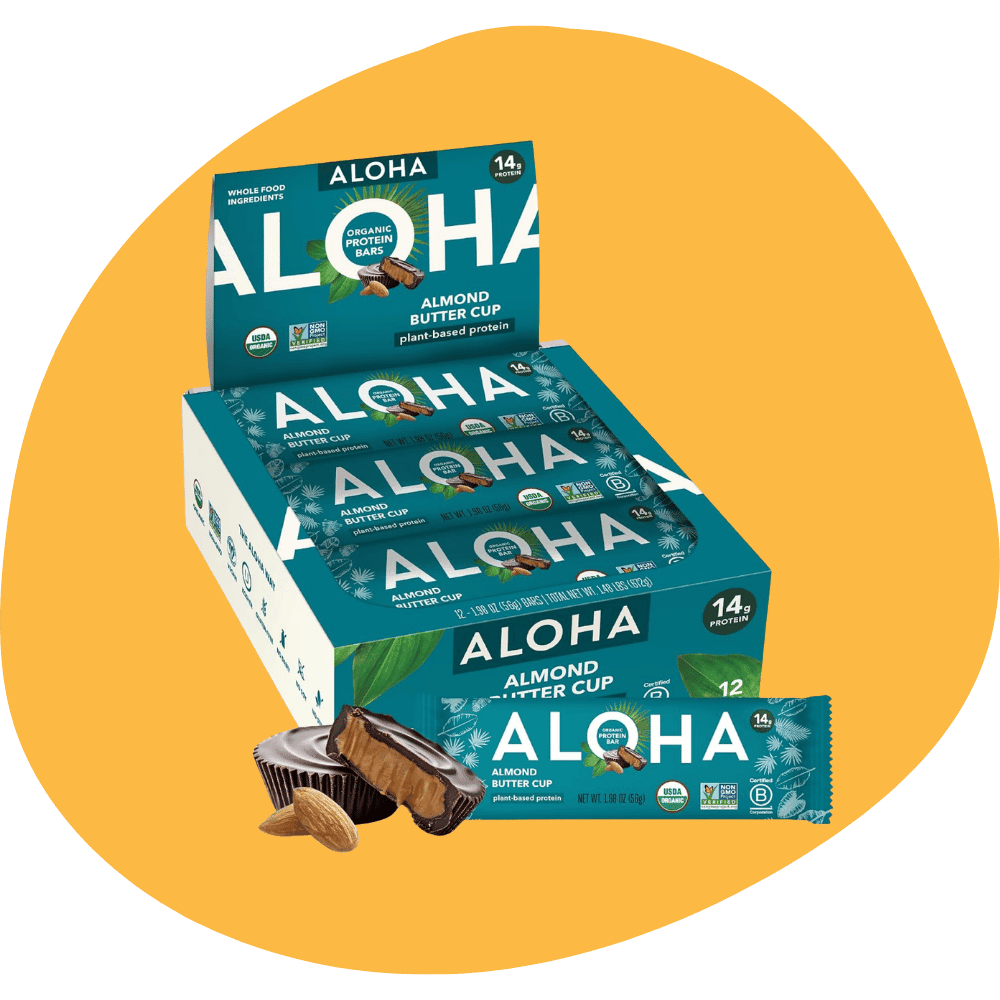
ALOHA Organic Plant-Based Protein Bars — Almond Butter Cup — a delicious vegan protein snack made with organic, plant-based ingredients and a rich almond-butter flavor. These bars are low sugar, low carb, gluten-free, paleo-friendly, non-GMO, and made with no stevia or erythritol. Perfect for busy mornings, post-workout fuel, travel, or a satisfying on-the-go snack.
Collagen keto bars
Collagen is a common ingredient in collagen keto bars.
These products may appeal to people who prefer collagen protein, but the fact that a bar contains collagen doesn't automatically tell you whether it is a complete replacement for a varied protein intake.
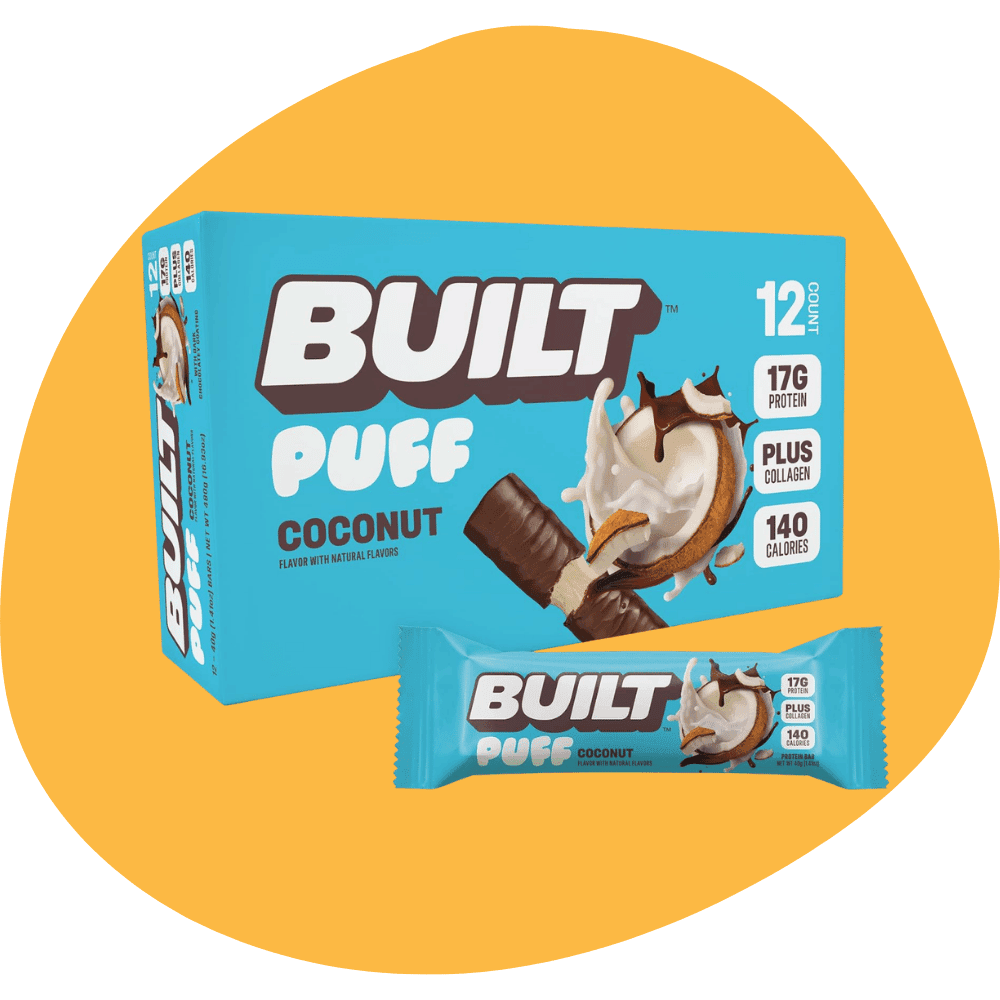
BUILT Puff Protein Bars
Enjoy a light, soft, and satisfying protein snack with 17g of protein per bar and a delicious coconut flavor. The fluffy texture makes these bars feel more like a treat while providing convenient protein for busy mornings, workouts, or on-the-go snacking—a tasty option when you want something sweet, filling, and easy to take anywhere.
Whey protein keto bars
Whey protein keto bars are popular because whey provides substantial protein in a compact format.
The other ingredients still matter, though.
A whey-based bar can contain enough carbohydrate or added sugar to make it unsuitable for a strict low carb plan.
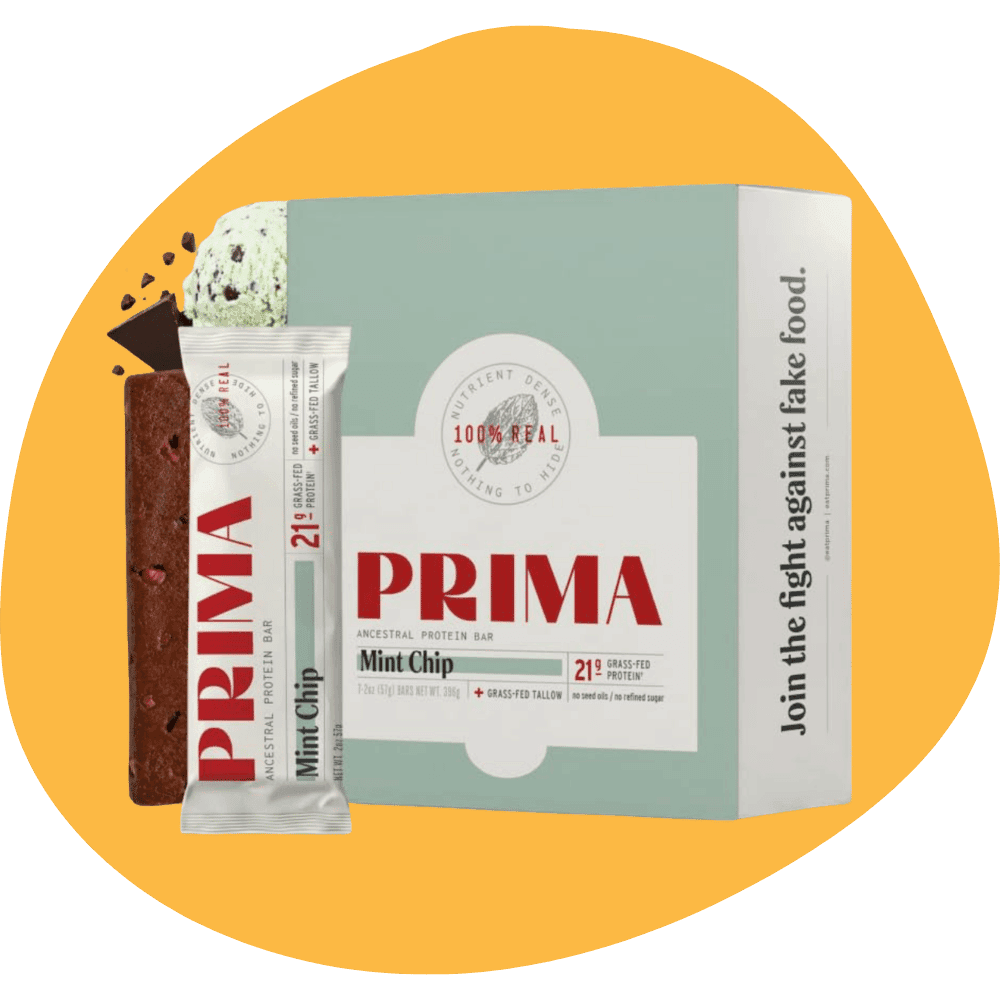
PRIMA Mint Chip Protein Bar — a delicious, chewy protein snack with 21g of grass-fed protein from whey and collagen, sweetened with organic raw honey and made with whole-food ingredients like cacao, coconut, and peppermint. With no seed oils or preservatives, it’s a satisfying grab-and-go option for busy days, workouts, or whenever you want a rich mint-chocolate treat.
Pea protein keto bars
Pea protein keto bars can be an option for dairy-free and plant-based eaters.
Again, check the complete ingredient list and carbohydrate count.
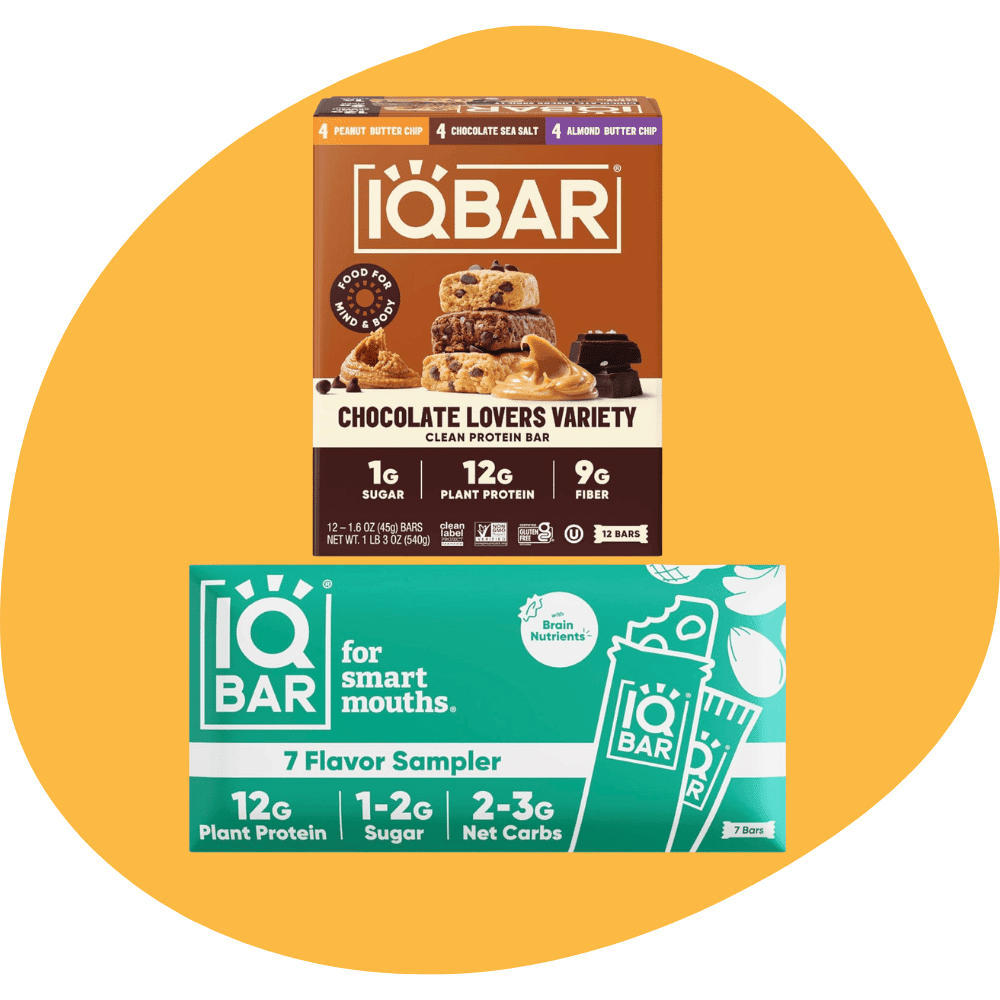
IQBAR Brain and Body Keto Protein Bars offer a convenient low carb, high-fiber snack with plant-based protein and a delicious chocolate-forward flavor selection. Designed for busy days, workouts, or on-the-go snacking, these vegan, low-sugar protein bars provide satisfying nutrition in an easy grab-and-go format—a great option for keto and low-carb lifestyles.
Refrigerated versus shelf-stable
Refrigerated keto protein bars can have softer textures and ingredient profiles that resemble homemade snacks.
Shelf-stable keto protein bars are generally more convenient for travel, work desks, backpacks, and emergency food storage.
But shelf stability can influence texture and formulation.
Think about how you will actually use the bar.
The perfect bar sitting in the refrigerator at home won't help much when you're halfway through an 8-hour road trip. (10, 11)
Keto Ice Cream Bars: Are They Really Keto?
Now for one of the most fun categories: keto ice cream bars.
A frozen dessert can feel like a completely different food category from a protein bar, but the same label reading principles still apply.
Keto ice cream bars, keto ice cream pops, and low carb ice cream bars are often formulated with alternative sweeteners, fibers, dairy or dairy alternatives, and chocolate coatings.
But frozen desserts vary considerably.
Current 2026 comparative data show meaningful differences among store-bought frozen bars and pops in total carbohydrate, fiber, sugar alcohols, protein, calories, and calculated net carbs. One recent comparison, for example, showed products ranging from roughly 2 grams of net carbs per piece to significantly higher amounts, depending on the product and calculation method.
That's a useful reminder:
Never assume every frozen product labeled keto has the same nutritional profile.
"No sugar added" does not automatically mean keto
This is one of the biggest misconceptions.
A no sugar added ice cream bar may still contain carbohydrates from milk, fruit ingredients, starches, fibers, or other components.
Likewise, a sugar-free ice cream bar may use sugar alcohols or other sweeteners while still delivering calories and carbohydrates.
Read the full label.
Look at the coating
A chocolate covered keto ice cream bar can be delicious, but the coating may contain cocoa butter, chocolate liquor, sweeteners, milk solids, sugar alcohols, or other ingredients.
The shell is part of the nutritional profile.
Don't ignore it because it is thin.
What about keto popsicles?
Keto popsicles and low carb popsicles can be especially tricky because fruit frozen products can contain substantial carbohydrates.
A popsicle may look light and refreshing but still contain concentrated fruit carbohydrates or added sweeteners.
Again, the package answers the question better than the name.
Homemade keto ice cream bars
Making homemade keto ice cream bars gives you more control.
You can choose:
- Unsweetened coconut cream.
- Greek yogurt or another appropriate dairy base.
- Allulose or another sweetener you tolerate.
- Vanilla.
- Cocoa.
- Nut butter.
- Chopped nuts.
- Sugar-free chocolate coating.
For dairy-free keto ice cream bars, coconut cream or another suitable unsweetened base can provide richness.
The advantage is control.
You know exactly how much sweetener you use, what type of fat you add, and which ingredients are included.
The disadvantage is that homemade frozen treats require planning and freezer space.
That's the eternal trade-off: convenience versus control. (12)
How to Choose Store-Bought Keto Bars Without Getting Misled
Choosing keto bars at the grocery store can become incredibly simple once you use a repeatable process.
Instead of standing in front of the shelf comparing 17 packages at once, use this 7-step system.
Step 1: Confirm the serving size
Is one bar actually one serving?
If not, do the math.
Step 2: Check total carbohydrate
Start with the official number.
Don't begin with the marketing claim.
Step 3: Check fiber
A high-fiber product may have a very different carbohydrate profile from another bar with the same total carbohydrate number.
Step 4: Examine the sweetener
Is it:
- Erythritol?
- Allulose?
- Stevia?
- Monk fruit?
- Maltitol?
- Sorbitol?
- Xylitol?
- A blend?
Then ask whether you personally tolerate it.
Step 5: Check protein
If you're buying high-protein, low carb bars, make sure the actual protein amount matches your reason for buying the product.
Step 6: Check fat, saturated fat, calories, and sodium
A bar can be low carb and still be calorie-dense.
The American Heart Association recommends comparing packaged foods and paying attention to nutrients such as saturated fat, sodium, and added sugars rather than focusing on only one nutrient.
Step 7: Read the entire ingredient list
Look for ingredients that matter to your dietary preferences, allergies, tolerance, and overall eating pattern.
Your reusable keto bar scorecard
You can even save this simple checklist on your phone:
| Question | Check |
|---|---|
| Is the serving size reasonable? | ☐ |
| Did I check total carbohydrate? | ☐ |
| Did I check fiber? | ☐ |
| Did I identify the sweetener? | ☐ |
| Did I check protein? | ☐ |
| Did I check calories? | ☐ |
| Did I check saturated fat and sodium? | ☐ |
| Did I read the ingredient list? | ☐ |
| Will I actually enjoy eating this? | ☐ |
| Does it fit my personal carbohydrate budget? | ☐ |
This method works for low carb bars, keto protein bars, and frozen products alike.
The American Heart Association specifically recommends reading both Nutrition Facts labels and ingredient lists because similar products can vary in nutrient content.
Don't get hypnotized by the front of the package
The front might say:
KETO
0G SUGAR
20G PROTEIN
HIGH FIBER
Wonderful.
Now turn the package around.
That's where the useful information begins.
Packaging claims can help consumers understand products, but the American Heart Association emphasizes using those claims together with the Nutrition Facts label.
This small habit can dramatically improve how you shop for keto bars. (13, 14)
How to Make Homemade Keto Bars at Home
Homemade keto bars are surprisingly easy.
You don't need a commercial kitchen, specialized equipment, or an intimidating ingredient list.
The basic concept is:
Base + protein + texture + sweetness + flavor
A simple homemade formula could include:
- Almond or peanut butter.
- Protein powder.
- Chia or flax.
- Unsweetened coconut.
- A low carb sweetener.
- Cocoa powder.
- Vanilla.
- A small amount of salt.
Mix everything.
Press it into a lined pan.
Chill.
Slice.
That's the basic idea.
No-bake keto protein bars
A simple no-bake formula is:
- 1 cup nut butter
- 1/2 cup protein powder
- 1/4 cup unsweetened coconut
- 2 tablespoons chia seeds
- Low-carb sweetener to taste
- 1 teaspoon vanilla
- A pinch of salt
Mix the ingredients until a thick dough forms.
If the mixture is too dry, add a small amount of nut butter or another suitable ingredient.
If it's too wet, add more protein powder or ground seeds.
Press into a lined container.
Refrigerate until firm.
Slice into individual keto snack bars.
The great thing about homemade keto bars is that you can change the formula.
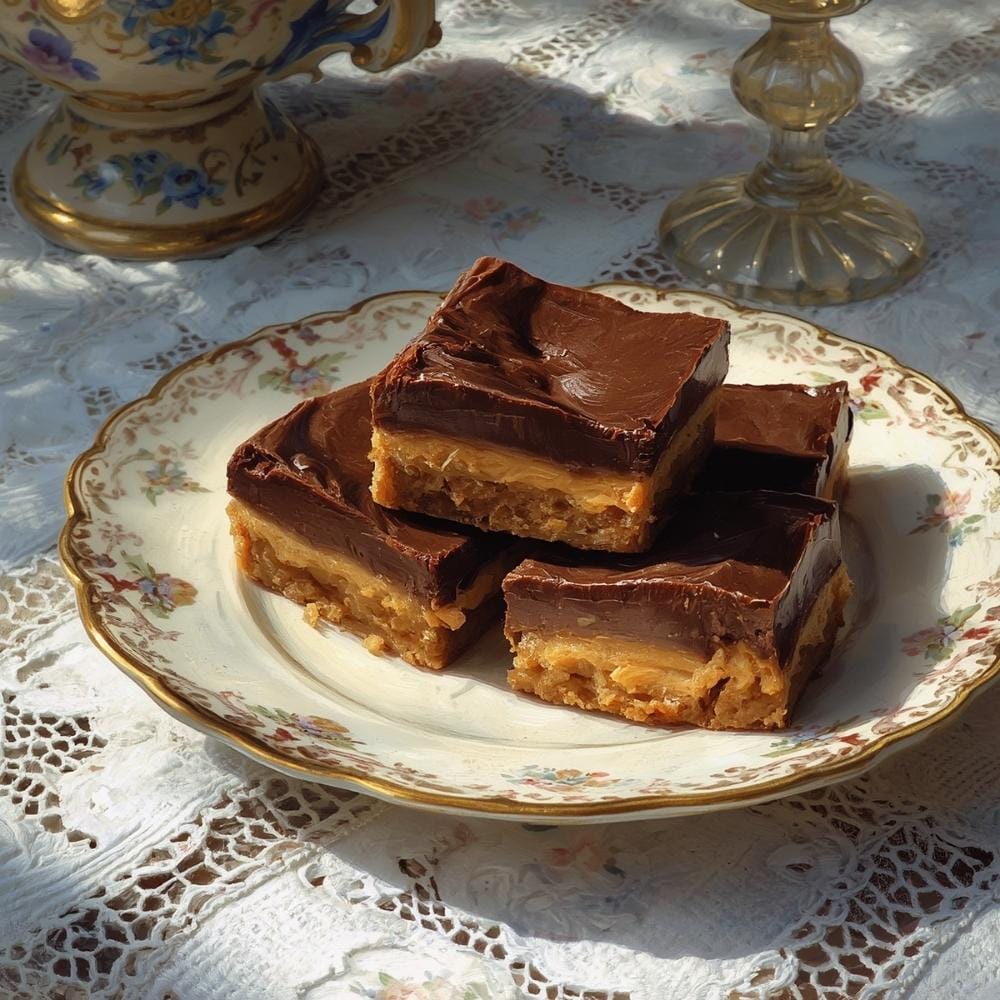
Chocolate peanut butter bars
Add unsweetened cocoa powder and a little extra peanut butter.
For additional texture, add chopped peanuts.
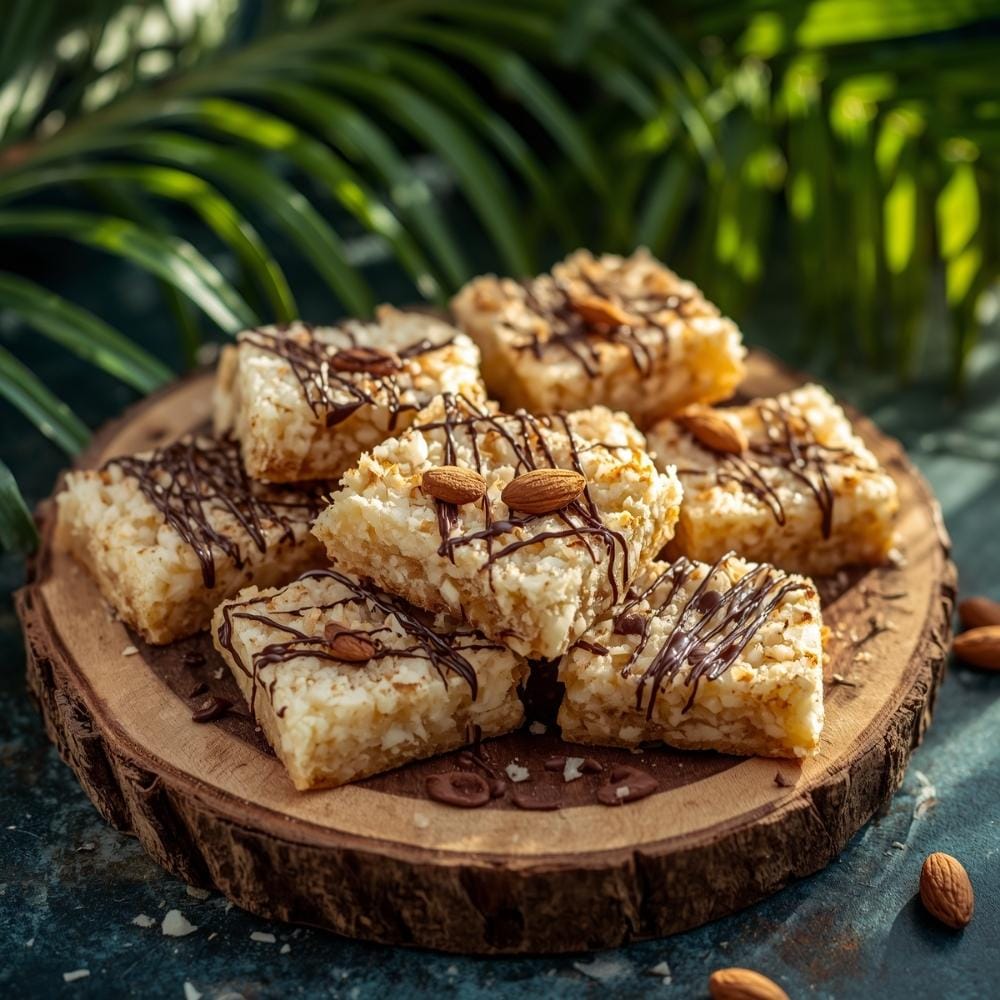
Coconut almond bars
Use almond butter and unsweetened shredded coconut.
Add vanilla and a small amount of almond extract if desired.
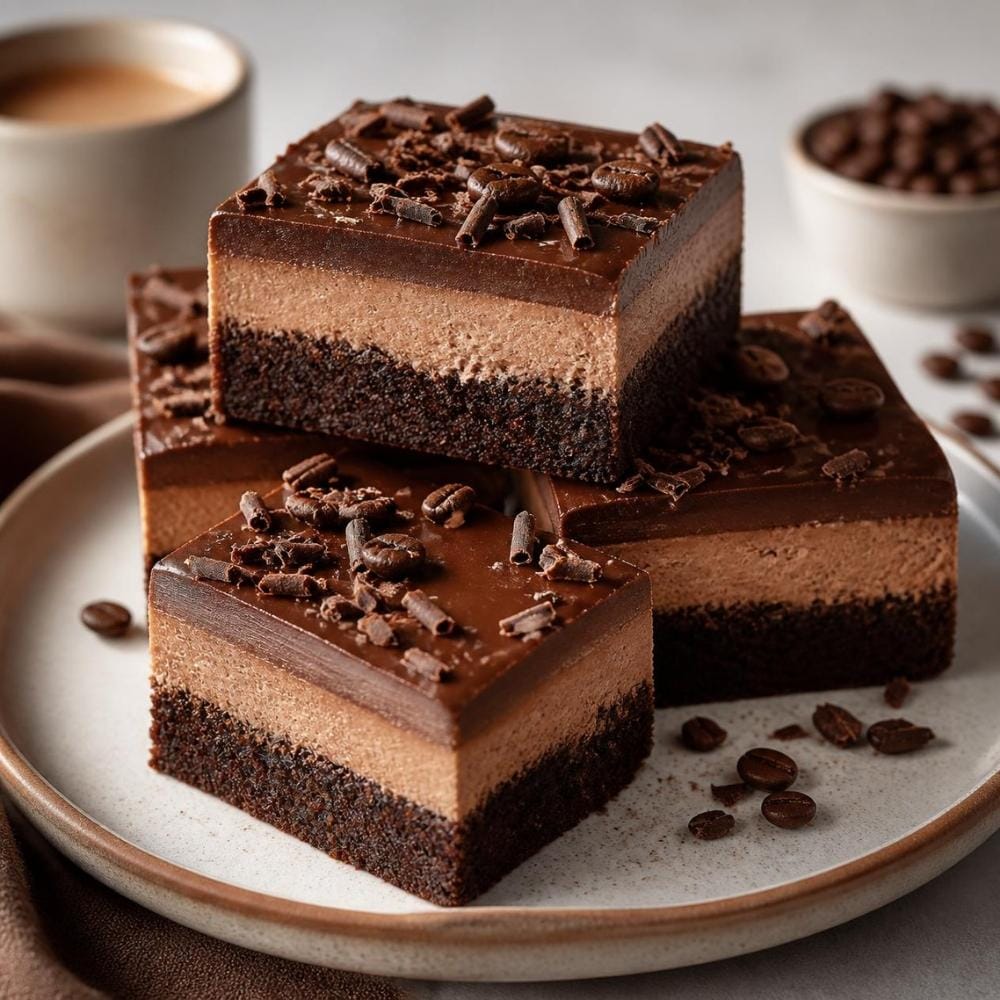
Mocha bars
Add cocoa powder plus a small amount of instant coffee or espresso powder.
This creates a dessert-like flavor without requiring traditional sugar.
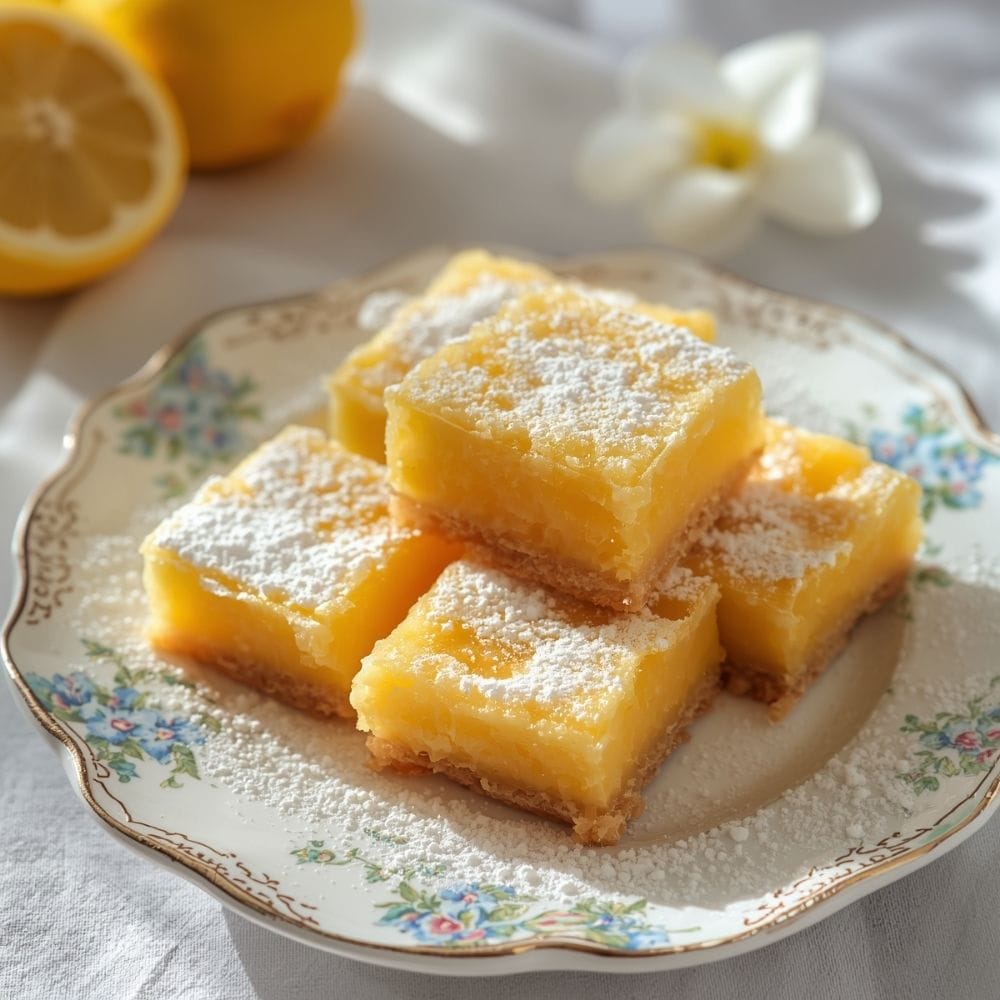
Lemon bars
Use almond butter as the base and add lemon zest, lemon extract, and a small amount of powdered low carb sweetener.
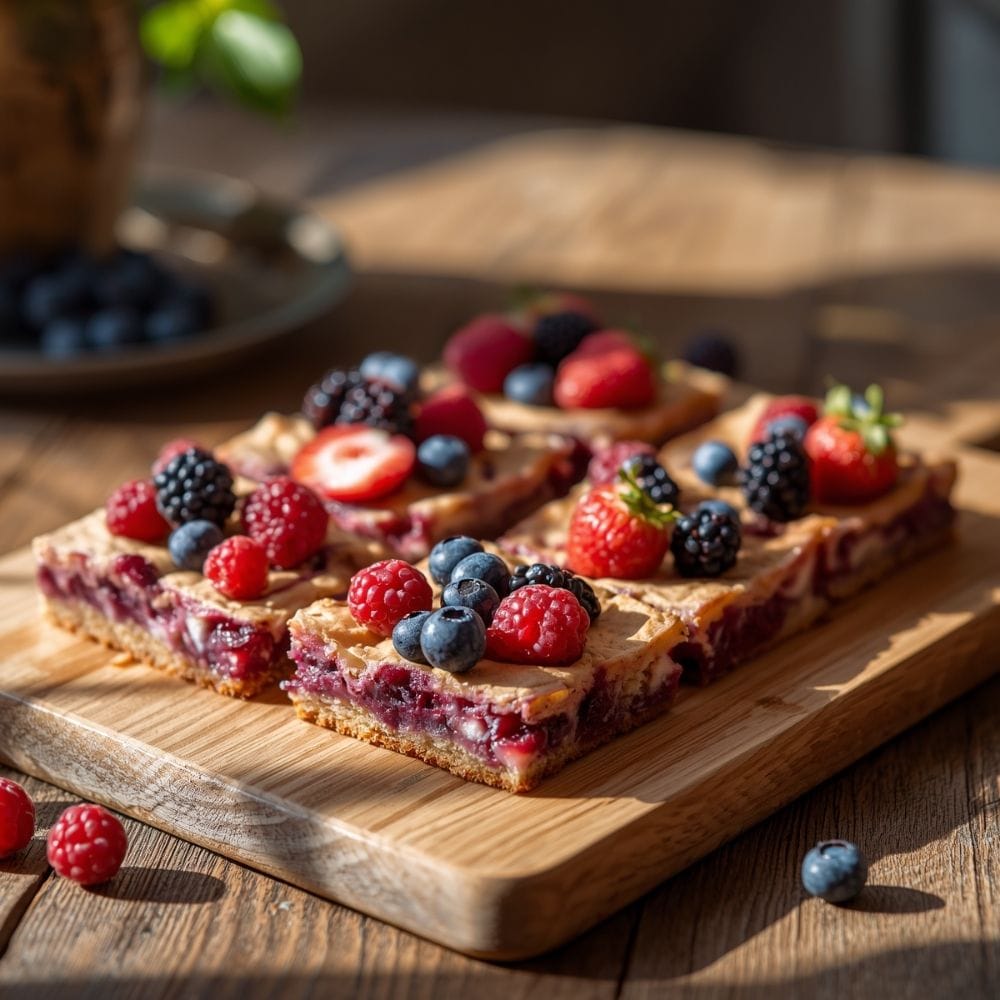
Berry bars
Use a modest amount of lower-carbohydrate berries or freeze-dried berries, keeping in mind that dried and freeze-dried fruit can contribute carbohydrates quickly.
How to increase protein
Increase protein powder gradually.
Don't simply keep adding powder until the bar becomes dry and crumbly.
Instead, balance it with nut butter or another moisture-rich ingredient.
How to make them dairy-free
Choose a dairy-free protein powder such as an appropriate pea or mixed plant protein.
This can transform the basic recipe into dairy-free keto protein bars.
How to make them vegan
Use plant-based protein, nut or seed butter, coconut, seeds, and a suitable plant-based sweetener.
Nut-free option
Use sunflower seed butter or another appropriate seed butter if tolerated.
Always account for allergies and cross contact where relevant.
Homemade keto ice cream bars

For homemade keto ice cream bars, blend a suitable unsweetened base with your preferred low carb sweetener and flavoring.
A simple concept:
- Unsweetened coconut cream
- Vanilla
- Sweetener
- Cocoa or berries
- Optional chopped nuts
- Optional sugar-free chocolate coating
Pour into molds and freeze.
You can also create keto ice cream pops by using popsicle molds.
The beauty of homemade snacks is flexibility.
You aren't locked into the texture, sweetness, protein content, or flavor profile of a commercial product.
Recipe searches for no-bake keto protein bars commonly revolve around combinations such as nut butter, protein powder, seeds, coconut, chocolate, and low carb sweeteners, which makes this category naturally adaptable to different preferences. (15, 16)
Portions, Storage, Convenience & When a Keto Bar Makes Sense
The best keto bars are not necessarily the ones you eat constantly.
They are the ones that solve a problem.
Maybe you have a long commute.
Maybe you're traveling.
Maybe you don't have access to a refrigerator at work.
Maybe you're hiking.
Maybe breakfast got away from you.
Maybe you need a snack in your bag for an unexpectedly long afternoon.
That's where keto snacks on the go become useful.
Packaged keto bars are especially convenient because they are compact, portable, and usually don't require preparation.
But convenience can become a trap if every snack becomes a packaged bar.
Whole foods still matter.
A handful of unsalted nuts, eggs, cheese, plain yogurt, avocado, vegetables with a suitable dip, or another minimally processed option may work better in some situations.
The American Heart Association encourages moderation with snacks and recommends paying attention to serving size and the Nutrition Facts label for packaged options.
Shelf-stable bars
Shelf-stable keto protein bars are ideal for:
- Travel.
- Work bags.
- Road trips.
- Emergency food.
- Hiking.
- Long days away from home.
Refrigerated bars
Refrigerated keto protein bars may offer softer textures and ingredient profiles that resemble homemade snacks.
Their downside is obvious: they need cold storage.
Homemade storage
Store homemade keto bars in an airtight container.
Refrigeration generally helps firm up soft bars and slows spoilage. Freezing can extend practical storage for many homemade recipes, although exact storage life depends on ingredients and preparation.
When in doubt, use the ingredient with the shortest safe storage window as your limiting factor.
Bar or whole-food snack?
Ask yourself:
"Do I need convenience, or am I choosing this because it is genuinely the best food available?"
Sometimes convenience is exactly the right answer.
That's not a failure.
Food does not need to be perfect to be useful. (17)
Who Should Be More Careful With Keto Bars?
Keto bars can be convenient, but they are not automatically appropriate for everyone.
People with food allergies need to carefully examine both ingredient lists and allergen statements.
People sensitive to sugar alcohols or concentrated added fibers may notice digestive symptoms after consuming certain bars.
MedlinePlus notes that some sugar alcohols can cause gastrointestinal symptoms, particularly when consumed in larger amounts.
People monitoring carbohydrate intake for medical reasons may also need a more individualized approach than simply following a product's front of package "keto" claim.
If you're using keto bars frequently as meal replacements, pay closer attention to the broader nutritional picture.
Ask:
- Are you getting enough protein?
- Are you eating enough fiber?
- Are you getting a variety of foods?
- Are you relying too heavily on packaged snacks?
- Does your overall eating pattern provide the nutrients you need?
This is especially important because a bar is a packaged food, not a magic nutrition capsule.
A product can be low carbohydrate while still being relatively high in calories, saturated fat, sodium, or other nutrients you may want to moderate.
The American Heart Association recommends considering multiple aspects of a food's nutritional profile instead of focusing on a single claim.
And if you are following a ketogenic diet for a medical condition, taking medications that affect glucose, or managing another condition that requires specialized nutrition, personalized professional guidance can be more appropriate than generic advice.
The Bottom Line: How to Pick a Keto Bar With Confidence
Choosing keto bars doesn't have to feel like solving a puzzle.
Once you understand the basics, the process becomes much more practical.
Start with the serving size.
Check total carbohydrates.
Look at fiber.
Understand the sweeteners.
Consider how the product calculates its net carbs.
Check protein.
Look at fat, saturated fat, calories, and sodium.
Then read the ingredient list.
That's it.
The most useful keto bar isn't necessarily the one with the biggest keto claim or the lowest number printed on the front of the wrapper.
It is the one that fits your personal carbohydrate budget, nutritional needs, appetite, taste preferences, digestive tolerance, and lifestyle.
The same principle applies to keto protein bars. A high-protein product can be convenient after exercise, during travel, or as a quick snack, but protein grams should be considered alongside calories, fat, fiber, sodium, and the type of protein used.
And when it comes to keto ice cream bars, don't let the dessert-like packaging fool you into skipping the label. Look at total carbohydrate, fiber, sweeteners, serving size, protein, and calories. Current frozen product comparisons illustrate that supposedly similar products can have noticeably different nutrition profiles.
There is also nothing wrong with making your own keto bars.
Homemade versions let you control the ingredients, sweetness, protein source, texture, and portion size.
Most importantly, remember that a packaged snack is just one small part of your overall eating pattern.
A 2026 systematic review and meta-analysis found that ketogenic diets were associated with a small additional reduction in weight compared with higher-carbohydrate diets under comparable prescribed energy conditions, but the researchers rated the certainty of the evidence as low and emphasized limitations involving short-term evidence, protein and energy intake, and long-term significance.
That is a useful perspective.
You don't need to make one keto bar carry the entire weight of your diet.
Use it as a tool.
Choose thoughtfully.
Enjoy it when it works for you.
And keep the bigger picture—your overall diet and eating pattern—at the center.
Frequently Asked Questions About Keto Bars
Are keto bars actually keto?
Some keto bars are formulated to fit very-low-carbohydrate eating patterns, but the word "keto" on a package should not be treated as a substitute for checking the Nutrition Facts panel. Start with serving size and total carbohydrate, then examine fiber, sweeteners, protein, calories, and ingredients. A product that works for one person's carbohydrate budget may not work for another person's plan. This is particularly important because ketogenic diets can vary, although very-low-carbohydrate approaches are often described in the range of about 20–50 grams of carbohydrate per day.
Can you eat protein bars on a keto diet?
Yes, some people include keto protein bars as convenient snacks, but not every protein bar is low enough in carbohydrate for a ketogenic diet. Start by checking total carbohydrates and then review fiber and the sweeteners used. Also consider the bar's total calories and protein source. A conventional protein bar may contain oats, dates, syrups, or other carbohydrate-rich ingredients, while a purpose-made keto friendly protein bar may use nuts, seeds, protein powder, and alternative sweeteners instead. The important question is whether the product fits your individual eating plan rather than whether it simply contains a high amount of protein.
What makes a protein bar keto-friendly?
A keto friendly protein bar generally combines a relatively low carbohydrate profile with an amount of protein that makes sense for its intended use. Look beyond protein grams alone. Check total carbohydrate, fiber, sweeteners, calories, fat, sodium, and ingredients. A bar made with whey, collagen, or pea protein can still contain enough carbohydrate to be unsuitable for someone's ketogenic plan. Likewise, a very high-protein product might be unnecessarily calorie-dense for a small snack. The "right" bar depends on why you're eating it, how it fits into your daily carbohydrate intake, and which ingredients you tolerate.
Are keto ice cream bars really low in carbs?
Some keto ice cream bars are quite low in carbohydrates, but the category varies considerably. Current product comparisons show meaningful differences among frozen bars and pops in total carbohydrate, fiber, sugar alcohols, protein, and calories. Terms such as "no sugar added," "sugar-free," or "low calorie" should not be treated as synonyms for "very low carb." Check the current Nutrition Facts panel for the exact product and serving size. Pay particular attention to the coating, sweeteners, dairy ingredients, and any added carbohydrate sources.
What should I look for when buying keto bars?
Start with serving size, then check total carbohydrate and dietary fiber. Next, examine the sweeteners and determine whether the product contains a sugar alcohol or ingredients such as allulose. Check protein, calories, fat, saturated fat, and sodium. Finally, read the ingredient list and make sure the product fits your dietary preferences, allergies, and digestive tolerance. A useful rule is to treat the front of the package as an introduction and the back of the package as the evidence. The American Heart Association similarly recommends comparing Nutrition Facts panels and ingredient lists when shopping for packaged foods.
Final Keto Bar Shopping Checklist
Before putting a package of keto bars in your cart, run through these questions:
- Is one bar actually one serving?
- How many total carbohydrates are in that serving?
- How much dietary fiber does it contain?
- Which sweeteners are used?
- Does it contain sugar alcohols or allulose?
- How much protein does it provide?
- Is the calorie count appropriate for your snack?
- How much saturated fat and sodium does it contain?
- Do you recognize and tolerate the main ingredients?
- Will this food genuinely satisfy you?
- Does it fit your overall carbohydrate target?
Once you've done that a few times, shopping for keto bars becomes much less confusing.
You start seeing past the bold packaging and the clever claims.
You read the numbers.
You understand the ingredients.
You know what matters to you.
And that's when keto bars become what they should be: a convenient food option that fits into your lifestyle, rather than a product that dictates how you eat.
We may earn a commission when you buy using our links




Thanks for sharing this informative article. Looking forward to more content like this!
Thank you so much for your kind words! I’m glad you found the article informative. I truly appreciate your support and hope you enjoy the upcoming content as well! 😊
Your authenticity makes every piece of content feel genuine and trustworthy
Thank you so much for your thoughtful words! ❤️ Building trust with my readers is always a priority, and I’m happy to know that it comes through in my content. Your support means a lot and inspires me to keep sharing helpful, honest, and reliable information!
Really love how you balance education with entertainment so perfectly for all audiences