
Have you ever opened your refrigerator, looked at everything inside, and still felt like you had nothing to eat? It happens, especially when you're trying to change your eating habits. The good news is that building a kitchen full of delicious, nutritious low carb foods doesn't have to involve expensive specialty products, complicated recipes, or a long list of restrictions.
Whether you're exploring a lower-carbohydrate eating pattern for the first time, looking for new meal ideas, or trying to make grocery shopping a little easier, having the right ingredients on hand can make everyday meals feel much more manageable. Think juicy chicken, fresh fish, crunchy cucumbers, colorful vegetables, creamy avocado, satisfying eggs, and a handful of nuts when you need a quick snack.
The trick is to focus on variety rather than perfection. Some foods contain almost no carbohydrates, while others provide smaller amounts alongside valuable nutrients such as fiber, vitamins, minerals, and antioxidants. You can build a practical low carb foods list around ingredients you genuinely enjoy instead of filling your kitchen with things you will never use.
In this guide, you'll discover 63 foods to consider for your kitchen, learn how to read nutrition labels, and find straightforward ways to turn your groceries into satisfying meals. You'll also get a flexible grocery list, a 7-day meal inspiration plan, and tips for eating well without making your food budget or schedule more complicated.
Let's get started.
What Counts as a Healthy Low-Carb Food?
Before filling your shopping cart, it helps to understand what makes a food a good choice for a lower-carbohydrate eating pattern. The answer isn't simply whether a food contains carbohydrates. Its nutritional value, serving size, preparation method, and role in your overall eating pattern matter, too.
A flexible low-carb diet generally reduces the amount of carbohydrate-rich foods you eat, but different versions have different limits. Some emphasize smaller portions of refined grains and added sugars while keeping fruit, legumes, and selected whole grains in the diet. Others, especially ketogenic diets, restrict carbohydrates much more severely.
According to Harvard Health's guide to nutritious low-carb foods, a lower-carbohydrate eating pattern can still include a variety of protein foods, vegetables, healthy fats, and carefully selected carbohydrate sources. The goal is to choose foods that support your nutritional needs rather than focusing exclusively on a number.
Here are the qualities worth looking for when choosing healthy low carb foods:
- Protein: Eggs, fish, poultry, tofu, and other protein foods help you build balanced meals.
- Fiber: Non-starchy vegetables, nuts, seeds, and selected fruits provide fiber, which supports digestive health.
- Healthy fats: Foods containing unsaturated fats, including olive oil, avocado, nuts, and seeds, can help improve the overall quality of your diet.
- Vitamins and minerals: A colorful range of vegetables and other nutrient-rich foods helps diversify your nutrient intake.
- Minimal added sugar: Plain, minimally processed ingredients make it easier to control the carbohydrates coming from sweetened sauces, beverages, and packaged snacks.
- Practicality: Foods you can prepare quickly and enjoy repeatedly are more likely to become part of your routine.
It's also important to remember that a food doesn't become unhealthy just because it contains carbohydrates. Fruit, beans, whole grains, and dairy products can supply valuable nutrients. Reducing carbohydrates is one possible dietary approach, not a requirement to eliminate every food that contains them.
The best low carb foods for beginners are therefore the ones that fit your goals, taste preferences, budget, and health needs. Start with familiar ingredients, experiment with a few new options, and create a routine you can realistically maintain.
Total Carbs vs. Net Carbs: What Should You Count?
If you've ever compared two packages of low-carb snacks, you've probably noticed that the numbers can be confusing. One product might advertise a low net carb count, while another lists a much higher amount of total carbohydrates. Understanding the difference makes grocery shopping easier.
- Total carbohydrates include the carbohydrates listed on the Nutrition Facts label, including dietary fiber and sugars. Fiber is a type of carbohydrate that isn't digested in the same way as sugars and starches. It contributes to the total carbohydrate figure on standard U.S. food labels.
- Net carbohydrates is a commonly used term that generally estimates digestible carbohydrates by subtracting dietary fiber from total carbohydrates. Some manufacturers also subtract certain sugar alcohols or other ingredients, but those calculations can vary and shouldn't automatically be treated as exact measures of how a food affects your body.
For example, imagine a hypothetical serving containing 12 grams of total carbohydrates and 4 grams of dietary fiber. Using the basic calculation, its estimated net carbohydrate content would be 8 grams. Those figures are just an illustration, not nutrition data for a particular product.
When checking a packaged food, start with the serving size and total carbohydrates. Then look at fiber, total sugars, added sugars, protein, sodium, and saturated fat. The FDA's guide to Nutrition Facts serving sizes explains why the amount you actually eat matters: if you consume two servings, you consume twice the listed nutrients.
The CDC's guide to carbohydrate counting also explains how carbohydrates are measured in grams and why individual targets can differ.
One final detail: net carbs are not a substitute for medical nutrition advice. If you're following a prescribed carbohydrate target, particularly for diabetes management, use the counting method recommended by your health care team.
How to Use This List of 63 Healthy Low-Carb Foods
You don't need to buy every item in this guide. Think of the list as a menu of possibilities, not a shopping assignment. Choose a few proteins, several vegetables, one or two fruits that fit your preferences, and a handful of pantry staples. Once you have the basics, you can add ingredients as you discover recipes you like.
The 63 foods are organized into eight groups: protein, fish and seafood, vegetables, fruits, nuts and seeds, dairy and alternatives, fats and flavor boosters, and pantry staples and drinks.
When comparing foods, remember that carbohydrate content depends on serving size, preparation, and the product itself. Plain chicken, for example, is very different from breaded chicken covered in a sweet sauce. An unsweetened yogurt can also differ substantially from a fruit-flavored variety with added sugar.
Use USDA FoodData Central to check nutrient information for common foods, and use the label when buying packaged products. For the most useful comparison, check the same serving size and preparation method whenever possible.
| What to Check | Why It Matters |
|---|---|
| Serving Size | Shows the Amount Represented by the Nutrition Figures |
| Total Carbohydrates | Helps You Track Carbohydrate Intake Consistently |
| Dietary Fiber | Shows How Much Fiber the Food Provides |
| Added Sugars | Helps Identify Extra Sugar in Packaged Foods |
| Protein | Helps You Build Balanced Meals |
| Sodium and Saturated Fat | Adds Context Beyond Carbohydrate Content |
Use this information to build a grocery list that reflects how you actually eat. A few dependable ingredients that become satisfying meals are worth more than a cupboard full of specialty foods you bought because their packaging looked appealing.
Meat, Poultry, Eggs, and Plant-Based Protein Foods
Protein foods are some of the most flexible ingredients to include in a lower-carbohydrate kitchen. Many plain animal proteins contain little or no carbohydrate, while plant-based choices such as tofu, tempeh, and edamame provide different combinations of protein, fiber, and carbohydrates.
What matters is the whole meal. Grilled chicken with broccoli and olive oil offers a different nutritional profile from breaded chicken with a sugary glaze and a large serving of fries. The ingredient, cooking method, sauce, and portion all affect the finished dish.
Here are ten protein foods worth considering.
1. Eggs

Eggs are an easy place to start when building a collection of low carb foods. They're versatile, relatively quick to prepare, and useful at breakfast, lunch, or dinner. Keep them on hand for scrambled eggs, hard-boiled snacks, omelets, frittatas, or a simple egg salad.
For a balanced meal, pair eggs with spinach, mushrooms, or bell peppers. You can also serve boiled eggs with cucumber slices or use them to add protein to a vegetable salad. These combinations bring different textures and nutrients to your plate without relying on bread or sugary breakfast products.
Eggs are naturally very low in carbohydrates, but the ingredients you add can change the finished meal. Cheese, plain vegetables, and herbs usually fit easily into a lower-carb approach, while sweet sauces or certain prepared fillings may add extra carbohydrates.
For convenience, boil several eggs in advance and refrigerate them promptly. Having a few ready to eat can help when you're hungry and don't have time to cook.
2. Chicken

Chicken is one of the most adaptable ingredients for everyday meal planning. Boneless breasts are convenient for quick cooking, while thighs offer a different texture and can work especially well in roasted or skillet dishes.
Season chicken with garlic, black pepper, paprika, lemon, or dried herbs, then roast, grill, bake, or sauté it. Serve it with broccoli, cabbage, cauliflower, or a generous salad. Leftover chicken can become lettuce wraps, soup, or a lunch bowl the next day.
Plain chicken is naturally low in carbohydrates, but prepared products require a closer look. Breaded pieces, sweet marinades, and bottled sauces may contribute more carbohydrates than expected. If you're buying pre-seasoned chicken, check the ingredient list and Nutrition Facts label.
To simplify your week, cook enough chicken for two meals and store it safely. Use one portion for dinner and transform the other into a different lunch so the leftovers don't feel repetitive.
3. Turkey

Turkey gives you another flexible poultry option. Ground turkey works well in meatballs, stuffed peppers, and vegetable skillets, while roasted turkey can be served with green beans, cauliflower, or a salad.
If you enjoy sandwiches, turkey can also be part of a lettuce wrap or a salad topped with cucumber, tomatoes, and mustard. You don't need to eliminate every familiar meal when reducing carbohydrates; sometimes changing the base or side dish is enough to make a meal fit your preference.
Plain turkey is naturally very low in carbohydrates. Deli slices and packaged turkey products can contain added starches, sugars, or substantial sodium, so compare labels instead of assuming every turkey product is nutritionally identical.
Choosing different proteins throughout the week keeps meals varied. Turkey is especially useful when you want a change from chicken without learning an entirely new cooking method.
4. Lean Beef
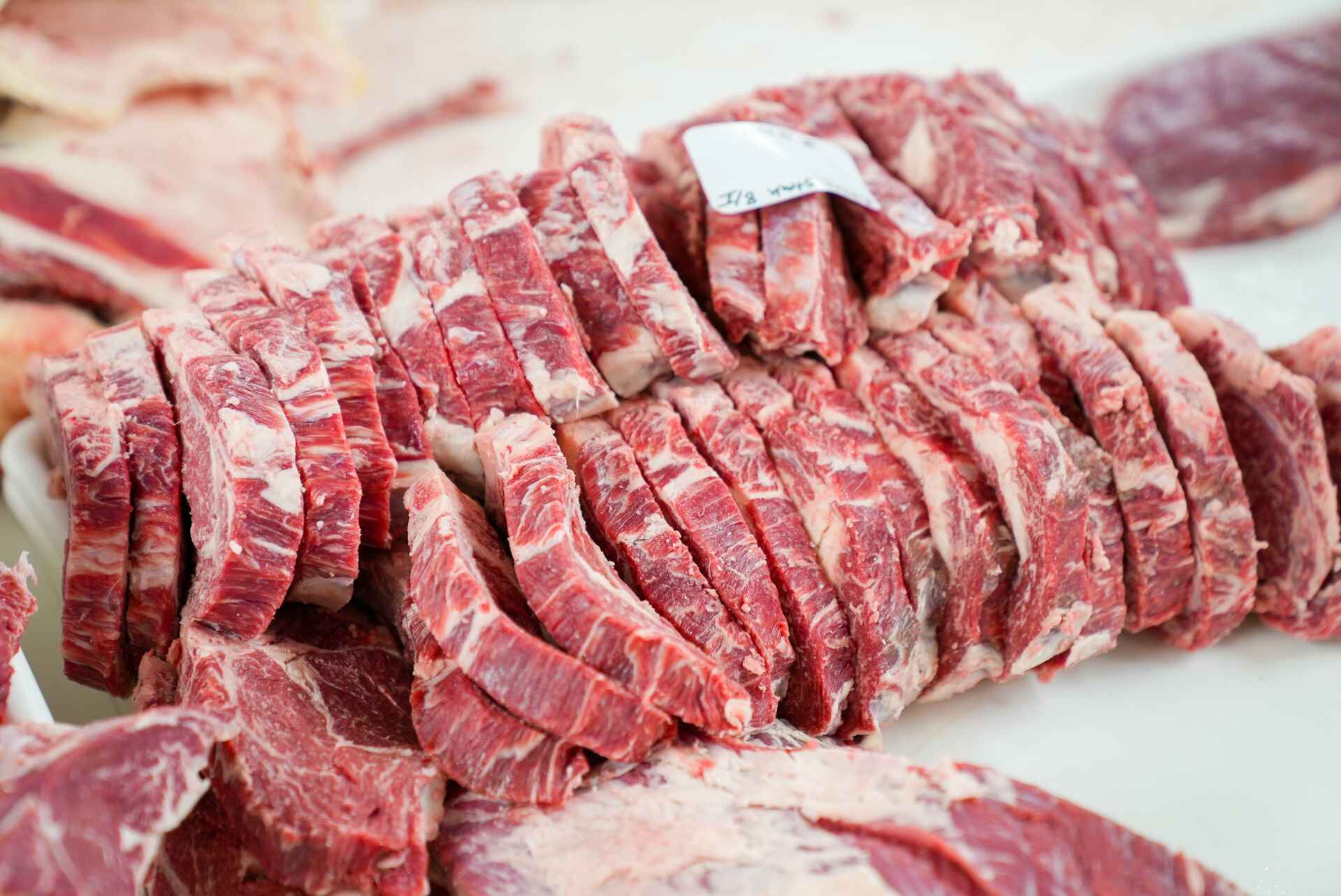
Lean beef can supply protein, iron, and vitamin B12. Ground beef is practical for burger patties, stuffed vegetables, and skillet meals, while steak can be grilled or served in thin slices over a large salad.
The simplest way to keep beef dishes lower in carbohydrates is to build them around the meat and vegetables rather than breading, sweet barbecue sauce, or a flour coating. Try beef strips with mushrooms and peppers, or serve a burger with lettuce, tomato, and mustard.
Beef contains virtually no carbohydrates when plain, but it varies in saturated fat depending on the cut. If you eat red meat, consider leaner cuts and vary your protein sources with fish, poultry, eggs, and plant proteins.
A useful shopping habit is to choose beef because you have a specific meal in mind. Buying an appropriate quantity for that meal makes it easier to manage your budget and avoid food waste.
5. Pork Tenderloin

Pork tenderloin is a relatively lean cut that can make an excellent weeknight dinner. Its mild flavor works with garlic, rosemary, black pepper, mustard, and lemon. Roast it whole or slice it into medallions for quicker cooking.
Pair pork with Brussels sprouts, green beans, zucchini, or cabbage. You can also slice cooked leftovers and add them to a salad or vegetable bowl the following day.
Plain pork tenderloin contains little to no carbohydrate, but sweet glazes and packaged marinades can change the nutrition profile. Read product labels and use herbs, spices, citrus, and small amounts of unsweetened mustard for flavor.
For a convenient dinner, roast the tenderloin alongside a tray of vegetables. Preparing both together means fewer dishes and gives you ready-to-use leftovers for another meal.
6. Lean Lamb
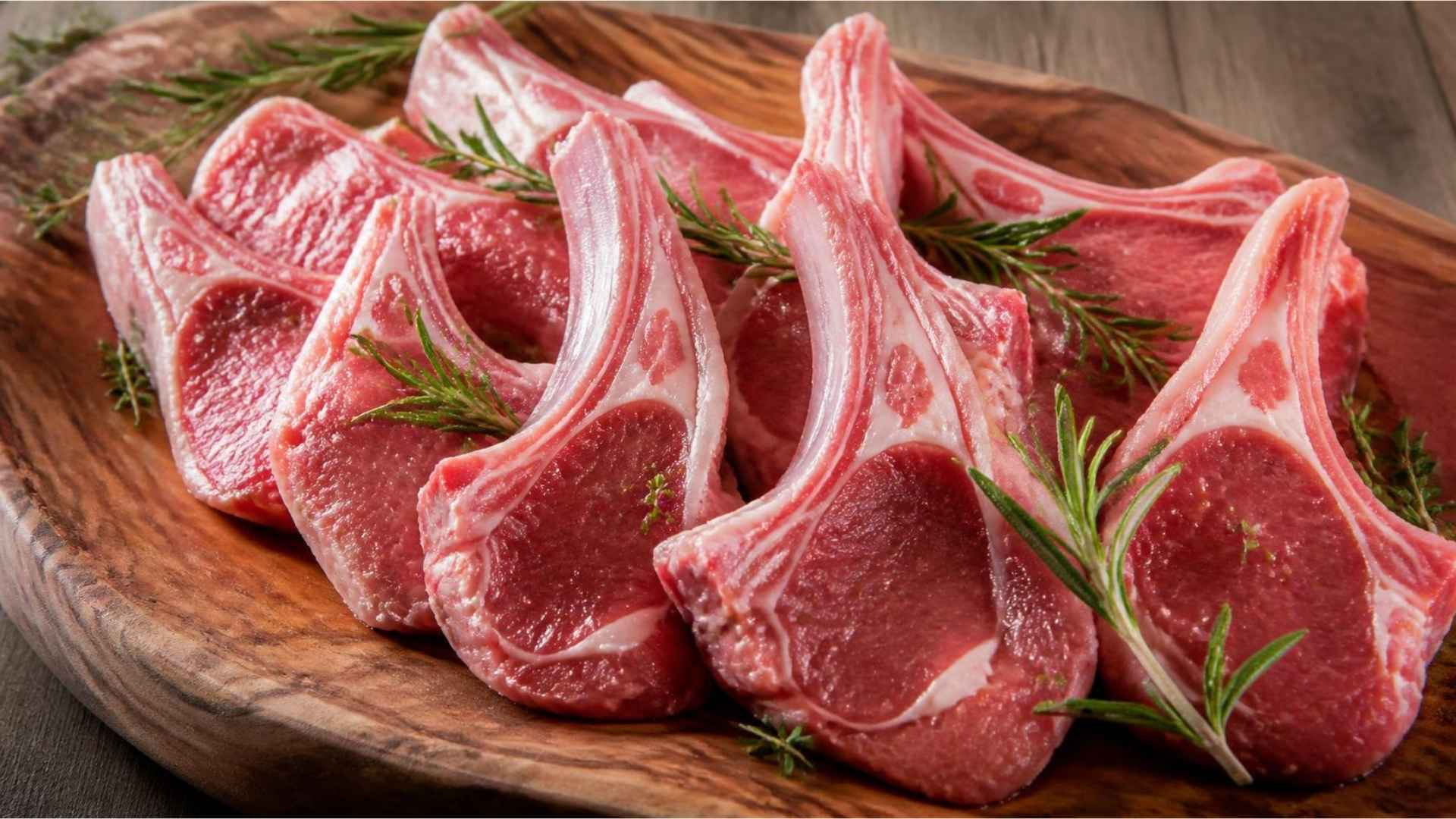
Lamb adds variety if your usual meal rotation revolves around chicken and beef. Leaner cuts can be grilled, roasted, or pan-seared and served with vegetables, lemon, garlic, and herbs.
Try lamb with roasted eggplant, sautéed spinach, or a cucumber salad with plain yogurt and dill. These sides add freshness and texture without requiring a heavy sauce.
Plain lamb contains very little carbohydrate, although the amount of saturated fat varies by cut. Portion size and the rest of your diet still matter, so use lamb as one option among several protein sources rather than relying on it for nearly every meal.
If lamb isn't part of your usual grocery routine, begin with one simple preparation. A familiar herb seasoning and a vegetable side are enough to make it approachable.
7. Firm Tofu
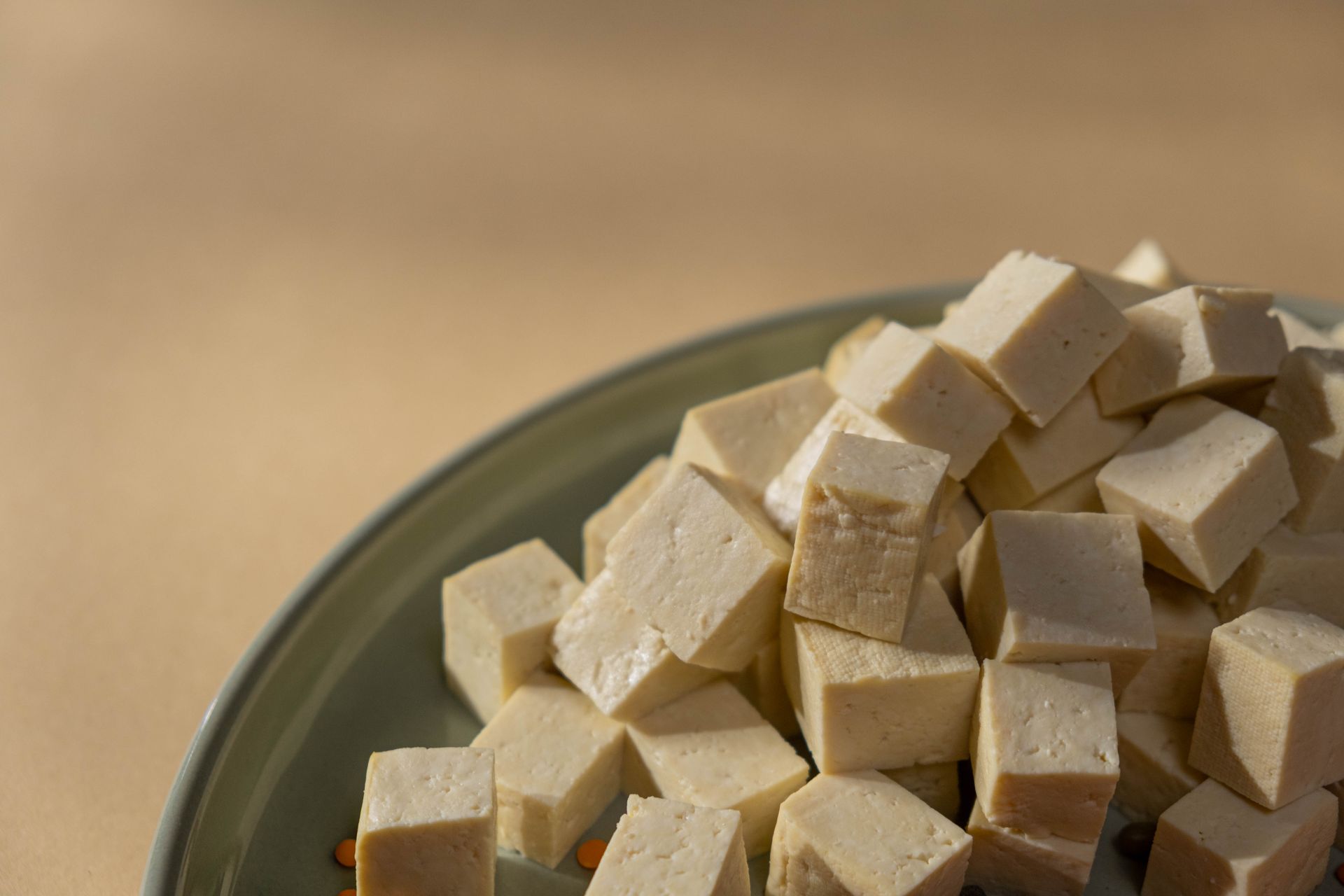
Firm tofu is a useful plant-based choice because it absorbs marinades and seasonings while holding its shape during cooking. It works in stir-fries, sheet-pan dinners, salads, and quick skillet meals.
Press excess moisture from the tofu if needed, cut it into cubes, and roast or pan-sear it until the outside is lightly crisp. Combine it with cabbage, mushrooms, zucchini, or bell peppers. For flavor, try garlic, ginger, lemon, or a modest amount of a sauce whose nutrition label fits your needs.
Tofu contains protein and some carbohydrates, so its nutrition profile is different from plain meat or fish. Check the package if you track carbohydrates closely, as composition varies by type and brand.
To make weekday cooking easier, prepare a batch of tofu in advance and add it to different dishes over several days. Changing the vegetables and seasonings can make the same ingredient taste completely different.
8. Tempeh

Tempeh is a fermented soybean food with a firm, hearty texture. It can make vegetable meals more satisfying and is a good ingredient to try if you want more variety from plant proteins.
Slice tempeh thinly, season it with garlic and spices, and bake or pan-sear it. Serve it with cabbage, broccoli, mushrooms, or zucchini. Crumbled tempeh also works in skillet dishes, where it can take on the flavor of the seasonings around it.
Tempeh generally contains more carbohydrates than plain meat, and its exact values depend on the product. If carbohydrate counting is important to your diet, check the nutrition label rather than relying on a generic estimate.
Tempeh is especially practical for people who want a more plant-forward menu without making every meal a salad. A warm tempeh and vegetable bowl can be every bit as convenient as a chicken skillet.
9. Edamame

Edamame are young soybeans, often sold frozen in their pods or already shelled. They provide protein and fiber, making them a useful plant-based addition to salads, bowls, and simple snacks.
Try shelled edamame with cucumber, cabbage, and tofu, or add a portion to a vegetable salad. You can also steam the pods and serve them with a small amount of seasoning.
Unlike plain meat, edamame contains carbohydrates, so portion size matters when following a strict carbohydrate target. That doesn't make it a poor food choice; it simply means that it contributes differently to your meal.
Frozen edamame is easy to store and prepare. Keep a bag on hand for the days when you need a convenient plant protein but haven't planned anything elaborate.
10. Seitan

Seitan is made primarily from wheat gluten and is often used as a meat substitute because of its chewy, firm texture. Depending on the preparation, it can work in stir-fries, salads, and vegetable skillet meals.
Slice it into strips and cook it with mushrooms, cabbage, or peppers. Season it with garlic, herbs, or another sauce that fits your carbohydrate target. Because store-bought products vary, check both the ingredient list and the nutrition panel.
Seitan is not appropriate for people with celiac disease or anyone who needs to avoid gluten. It also isn't suitable for people with a wheat-related condition that requires avoiding wheat. If you need a gluten-free alternative, tofu or tempeh may be more appropriate choices.
The main lesson across these ten foods is simple: start with a protein you enjoy, add vegetables, and season the meal thoughtfully. That basic formula gives you dozens of combinations without requiring an entirely new recipe every night.
Fish and Seafood: Protein-Rich Foods for Your Freezer and Pantry
Fish and seafood are valuable options for a varied lower-carbohydrate eating pattern. Plain fish and most shellfish contain little carbohydrate, while offering protein and, in some cases, omega-3 fats or important micronutrients.
Frozen fish and canned seafood are particularly helpful when fresh ingredients aren't convenient. They offer a practical way to make dinner without visiting the store every day.
Here are eight choices to rotate through your kitchen.
11. Salmon
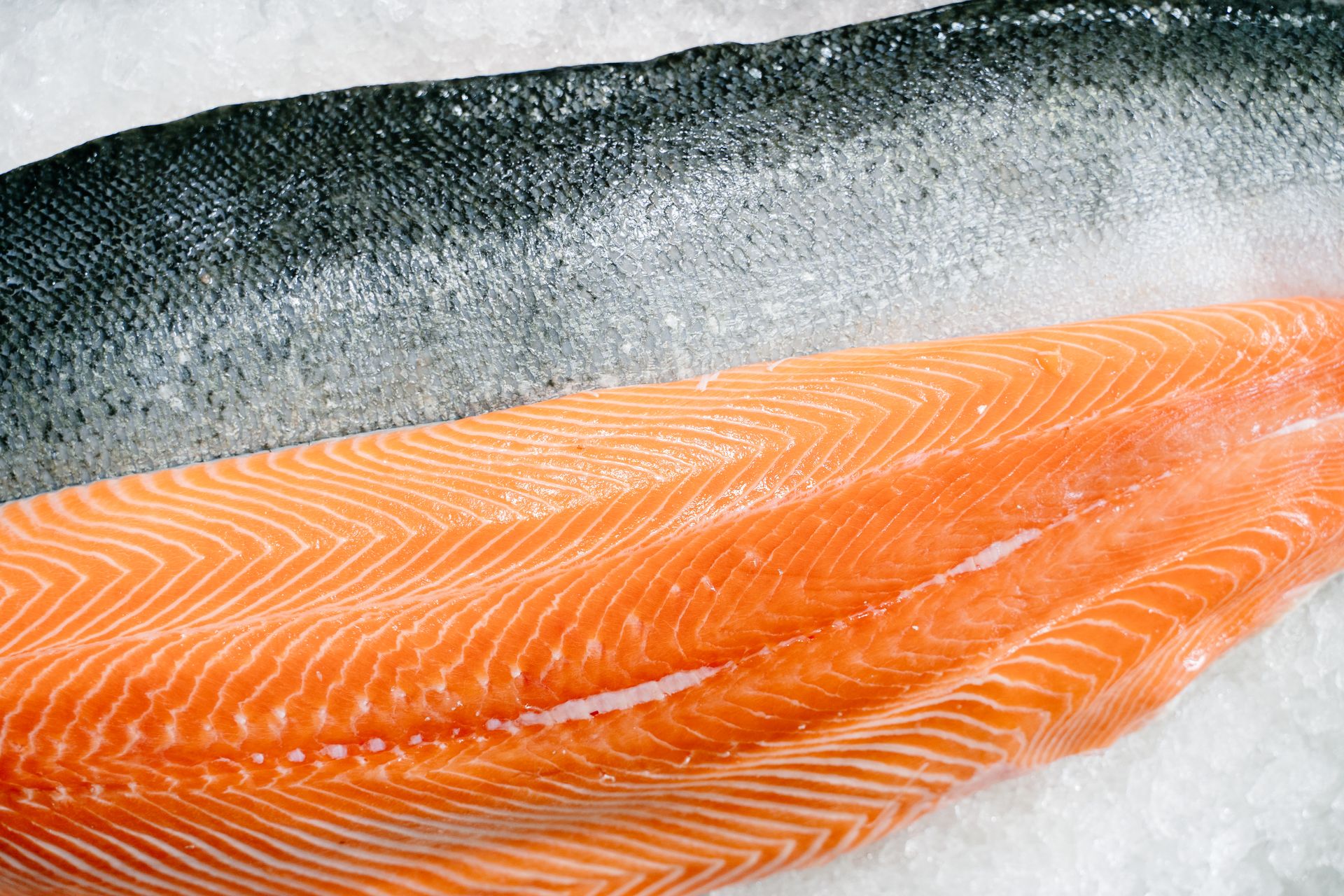
Salmon is known for its protein and omega-3 fatty acids. Its rich flavor makes it satisfying with simple seasonings, so you don't need a sugary glaze or elaborate sauce.
Bake salmon with lemon, black pepper, and herbs, then serve it with broccoli, asparagus, or a leafy salad. Leftovers can be flaked into a lunch bowl with cucumber, avocado, and a mustard dressing.
Plain salmon contains virtually no carbohydrates. The carbohydrate content can change when you use marinades, breading, or sweet sauces, so keep an eye on added ingredients if you're counting carbs.
Frozen fillets are convenient because you can use what you need and keep the rest frozen. Follow the package instructions for safe thawing and cooking.
12. Sardines

Canned sardines are a practical pantry staple. They're rich in protein and can provide omega-3 fats, and some products also supply calcium when the soft edible bones are included.
Add sardines to a salad with lettuce, cucumbers, olives, and lemon juice. You can also mash them with mustard and herbs for a quick filling, or serve them alongside roasted vegetables.
Sardines are naturally very low in carbohydrates, but canned versions may differ in sodium and added ingredients. Compare labels, particularly if you're monitoring sodium for health reasons.
If you're unsure about sardines, start with a small serving in a strongly flavored salad. Their convenience makes them worth considering, especially when fresh fish isn't available.
13. Trout
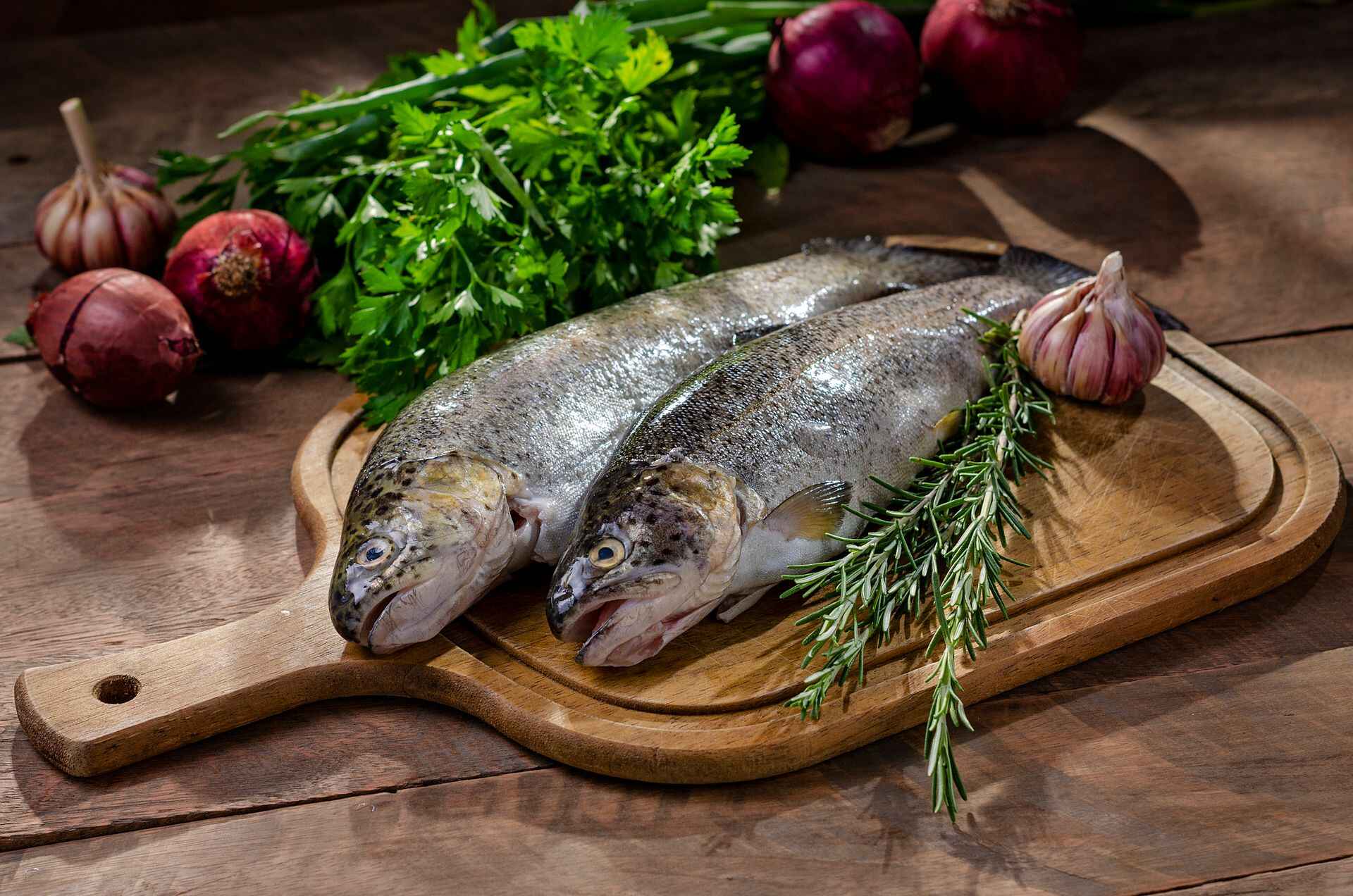
Trout offers another way to vary your seafood choices. Its flavor is generally mild enough for simple preparations, and it pairs well with herbs, lemon, and roasted vegetables.
Bake or grill trout with olive oil, black pepper, and fresh herbs. Serve it with asparagus, spinach, or cauliflower for an uncomplicated dinner.
Plain trout contains virtually no carbohydrates, although the details depend on the coating or sauce used. Choose fresh or frozen fillets without unnecessary sweetened additions.
Keeping more than one type of fish on your shopping rotation can make seafood meals feel less repetitive. Trout, salmon, and cod can often be prepared with similar cooking techniques but produce different flavors and textures.
14. Tuna
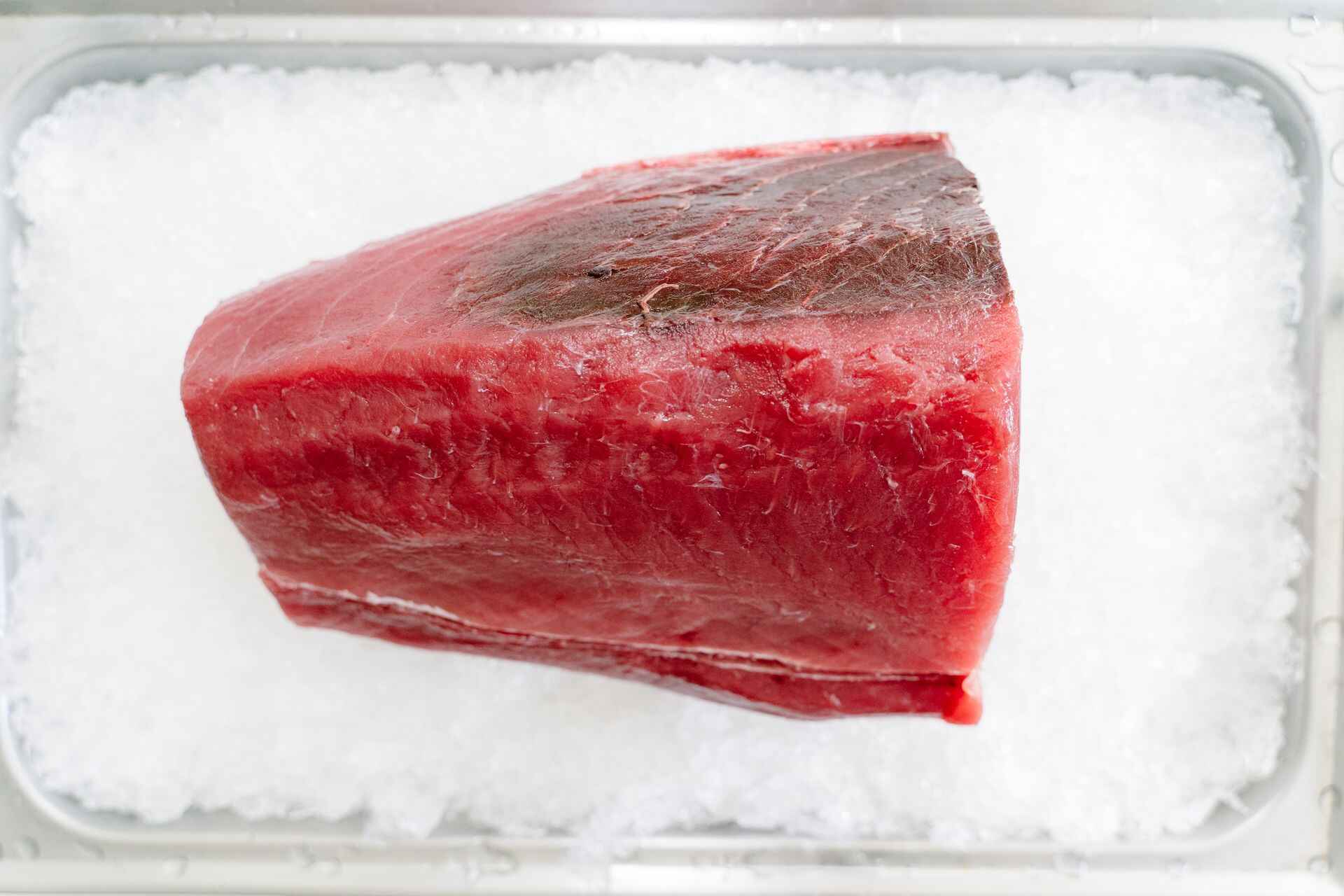
Canned tuna is a convenient option for quick lunches. It works in salads, lettuce wraps, stuffed tomatoes, and simple bowls built from vegetables you already have.
Combine tuna with chopped cucumber, celery, a small amount of mayonnaise, and mustard. Serve it over leafy greens or spoon it into romaine leaves. If you prefer a lighter dressing, lemon juice and plain yogurt can also work.
Plain tuna is naturally very low in carbohydrates. Flavored tuna pouches and prepared tuna salads may contain more sodium, sugar, or carbohydrates, so read the product label.
Different tuna species have different mercury profiles. Follow current local or national seafood guidance, especially for children and people who are pregnant or breastfeeding. Canned tuna is convenient, but it's sensible to vary your seafood choices rather than eat the same type every day.
15. Cod

Cod has a mild flavor and a flaky texture, which makes it easy to pair with a wide range of seasonings. It's especially useful when you want a simple meal that doesn't feel heavy.
Bake cod with lemon, garlic, black pepper, and herbs. Serve it with cauliflower, green beans, zucchini, or a salad. You can also use flaked cod in lettuce wraps with cabbage and a yogurt sauce.
Plain cod contains virtually no carbohydrates. Breaded fish and prepared fish products can be quite different, so compare the ingredients and nutrition facts if you're buying a convenience product.
Frozen cod fillets are practical for weekly meal planning. Thaw and prepare them according to the package instructions, and avoid repeatedly thawing and refreezing the same portion.
16. Shrimp
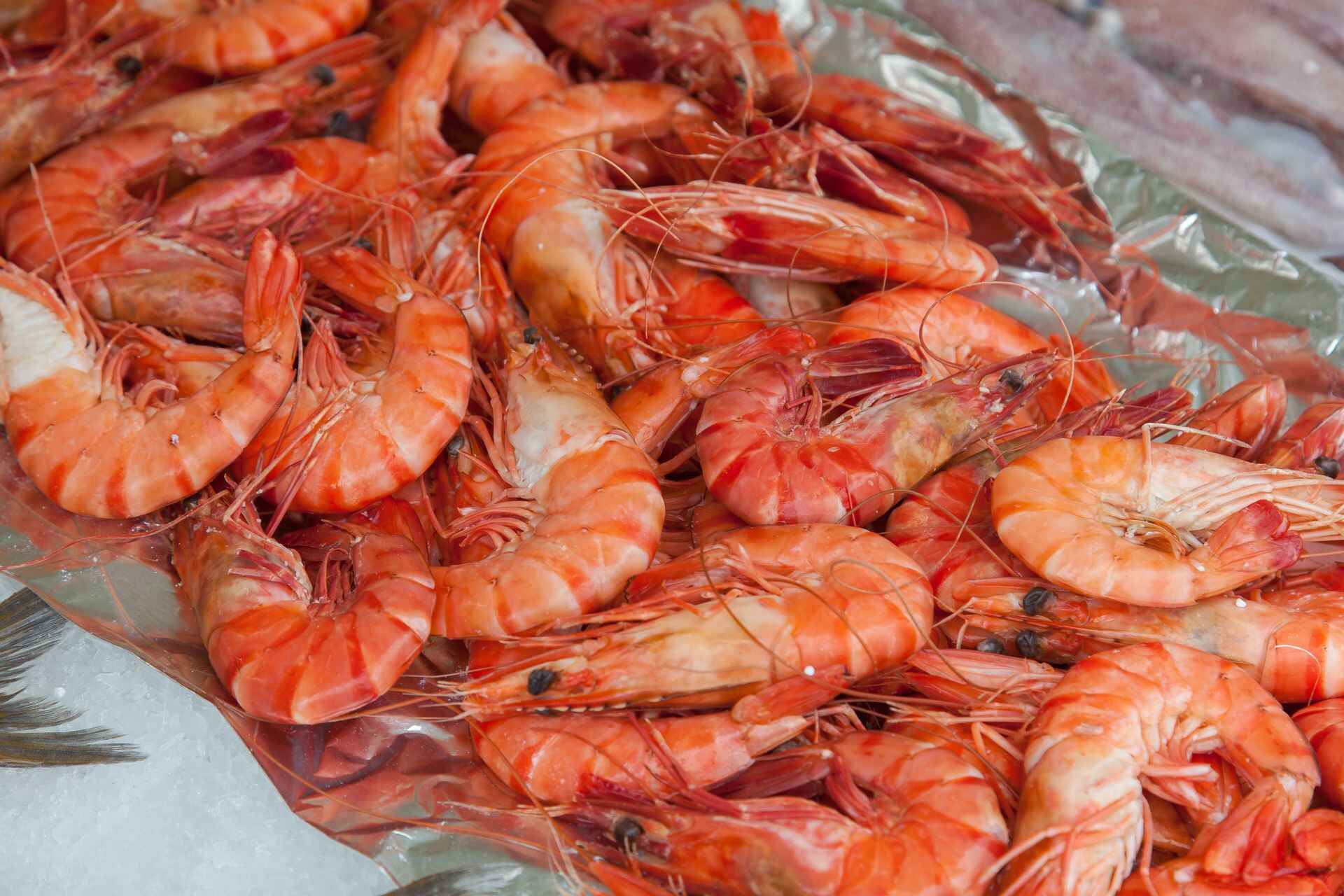
Shrimp cooks quickly, making it useful for busy evenings. It can be grilled, sautéed, boiled, or added to a vegetable stir-fry.
For a quick dinner, sauté shrimp with garlic, lemon, and a small amount of olive oil. Add zucchini, broccoli, or cabbage, and serve the mixture as a warm vegetable bowl.
Plain shrimp is very low in carbohydrates. Breading, sweet chili sauce, and some prepared marinades can add more, so check the label or use seasonings you control.
Frozen peeled shrimp can cut down on preparation time. Keep a bag on hand for those evenings when your original dinner plan falls through, and you need something fast.
17. Crab

Crab can add a delicate seafood flavor to salads, omelets, or vegetable bowls. Fresh or plain cooked crab is a useful option when you want to change your protein rotation.
Try crab with cucumber, lettuce, lemon, and a little mustard dressing. You can also fold it into an omelet with herbs or serve it beside roasted asparagus.
Crab's carbohydrate content depends on the type of product. Imitation crab often contains added starches or sugars, so don't assume it has the same nutrition profile as plain crab meat.
Packaged seafood can vary widely in sodium and ingredients. Checking the label is especially useful when buying ready-to-eat crab products.
18. Mussels
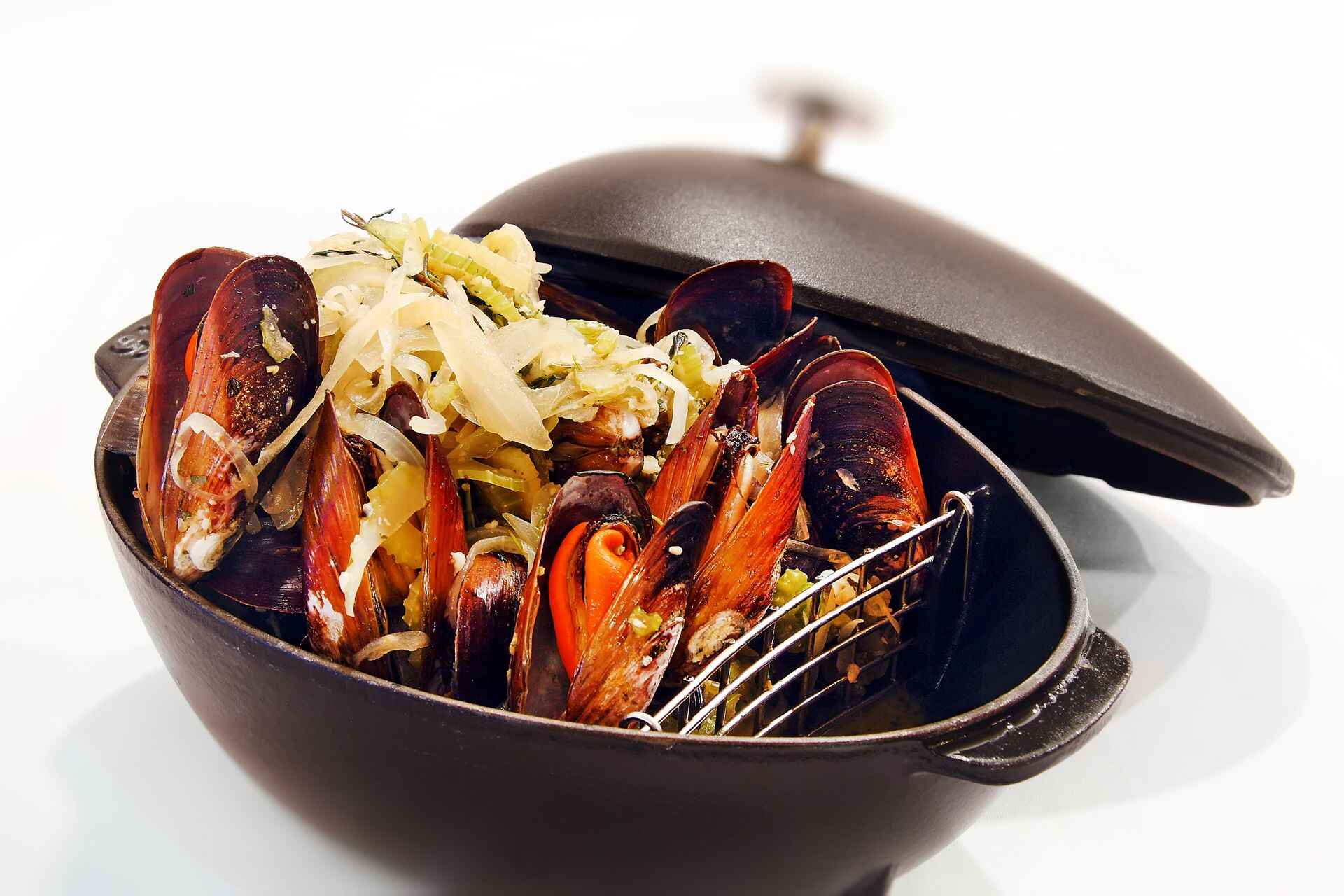
Mussels provide protein and a range of micronutrients. They're also an option for people who want to expand their seafood choices beyond familiar fillets and shrimp.
Cook mussels using a safe, reliable method and serve them with garlic, herbs, and vegetables. A side of zucchini, leafy greens, or roasted cauliflower can make the meal more substantial without relying on a large portion of bread or pasta.
Unlike plain fish fillets, mussels contain some carbohydrates. If you follow a strict daily target, look up the values for the exact portion and preparation method.
Buy mussels from reliable sources and follow food safety guidance for storage and cooking. Discard any that should be rejected under the applicable handling instructions rather than taking chances with seafood safety.
Fish and seafood can make a low carb grocery list more interesting while offering useful sources of protein. Rotate among different types, use a mixture of fresh, frozen, and canned products, and choose preparation methods that let their natural flavors shine.
Low-Carb Vegetables to Keep in Your Refrigerator
If there's one group of ingredients that deserves plenty of room in your kitchen, it's non-starchy vegetables. They contribute color, texture, fiber, and important nutrients to meals, and many can be used in multiple ways.
Vegetables also make it easier to create variety around a familiar protein. Chicken can feel different when served with roasted cauliflower one evening and a crunchy cucumber salad the next. You don't need a new main dish every day; changing the vegetables and seasonings can be enough.
Carbohydrate content differs among vegetables, and the amount you eat matters. The following choices are useful starting points for a flexible lower-carbohydrate menu.
19. Spinach
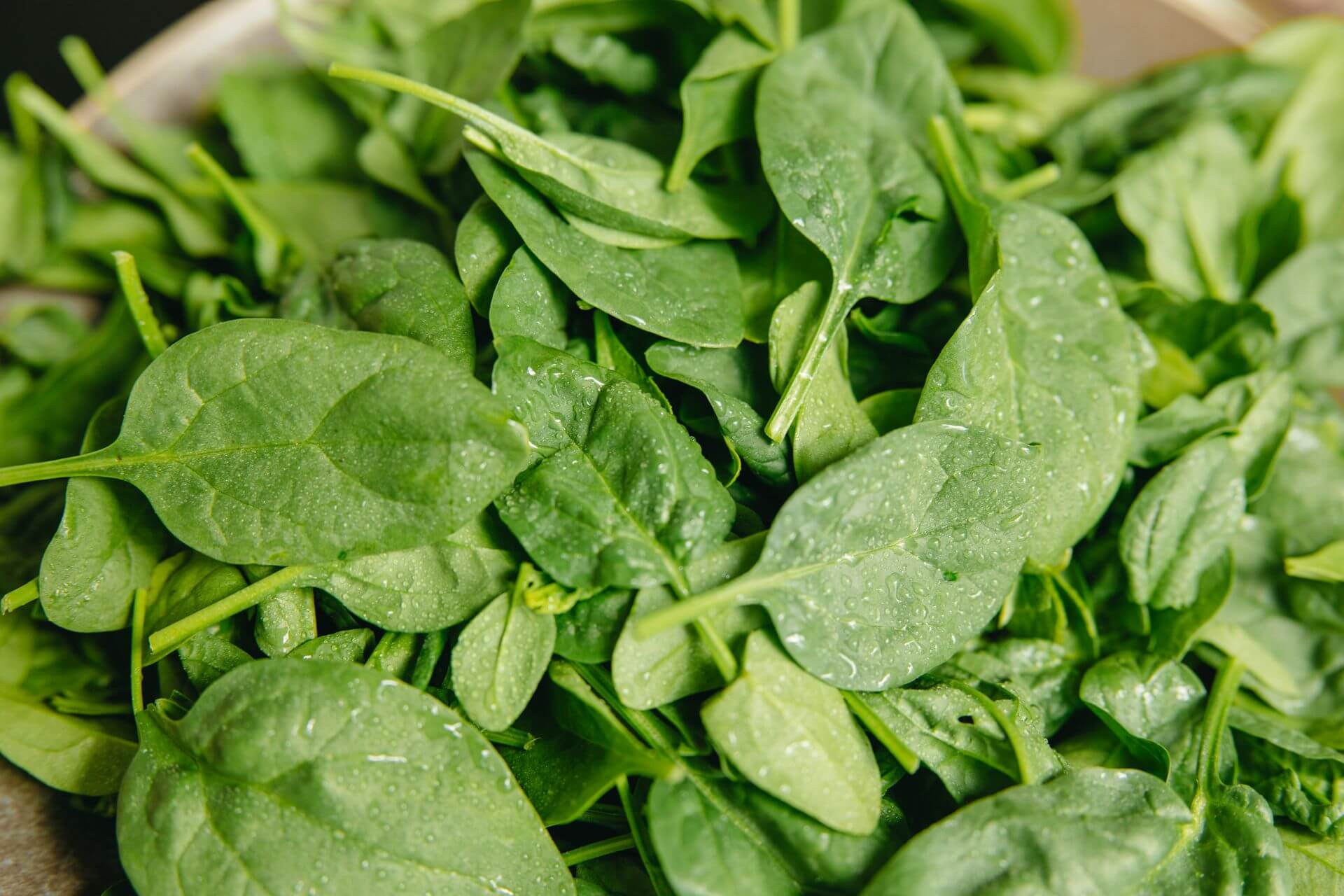
Spinach is an easy vegetable to keep on hand because it cooks quickly and fits into many meals. Add a handful to scrambled eggs, fold it into an omelet, or sauté it with garlic as a simple side.
Fresh spinach works well in salads, while frozen spinach is useful in cooked recipes. Frozen spinach can be especially practical because it reduces washing and chopping, although you may need to squeeze out extra moisture before using it in some dishes.
Spinach contains carbohydrates, including fiber, but its carbohydrate contribution depends on the portion. Use it to add variety and volume rather than worrying about every leaf.
For a fast meal, cook spinach with mushrooms and eggs, or stir it into a skillet during the final minutes of cooking. It wilts quickly and blends naturally with other ingredients.
20. Romaine Lettuce
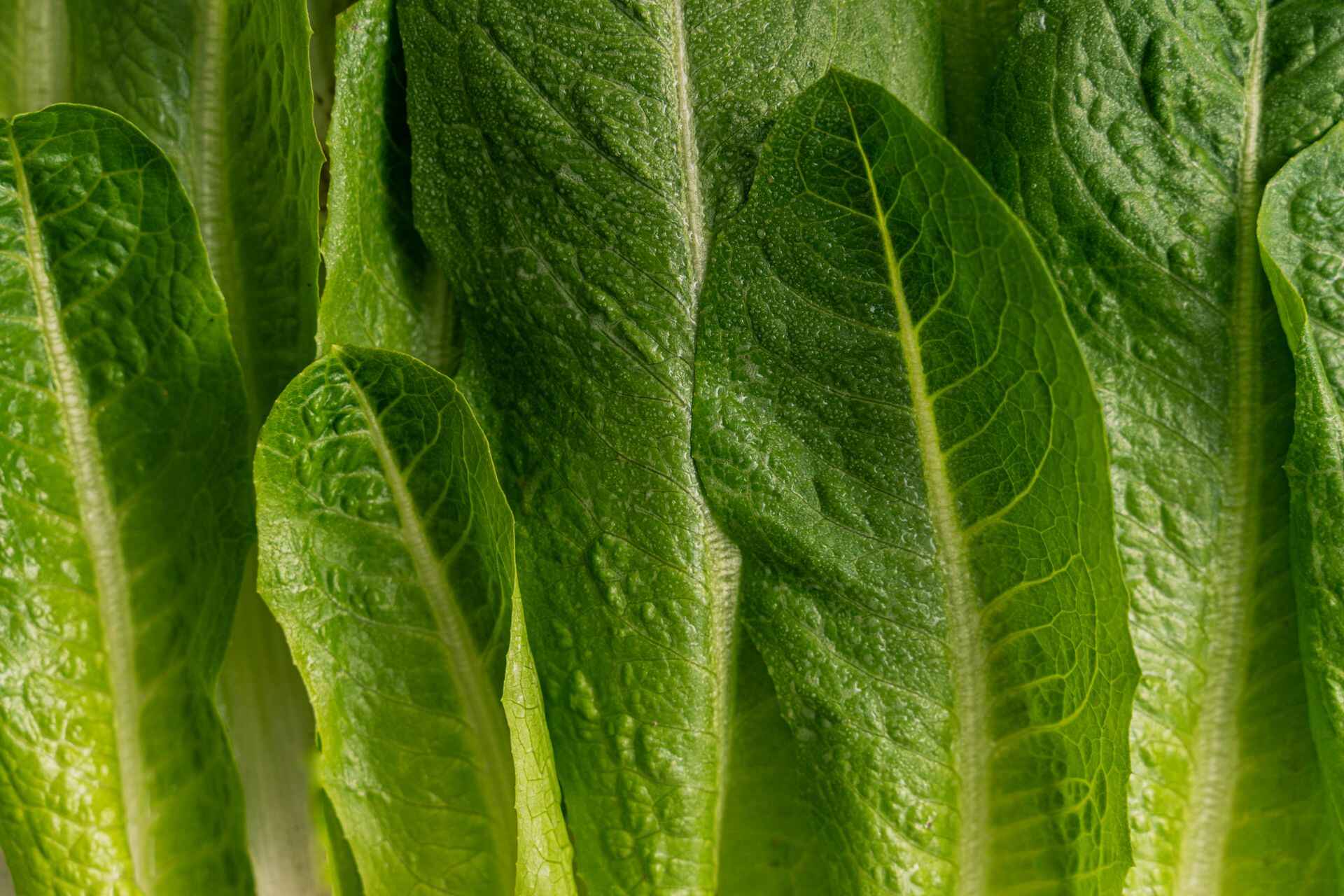
Romaine lettuce provides crunch and works as the foundation for salads, lettuce wraps, and burger toppings. Its sturdy leaves can hold fillings, making them useful when you want an alternative to bread or tortillas.
Build a satisfying salad with romaine, chicken, cucumber, tomatoes, and avocado. Add a dressing made from olive oil, lemon juice, mustard, and seasonings for a simple combination.
Lettuce is relatively low in carbohydrates, though serving size still counts. Prepared salads may contain croutons, sweetened dressings, or other additions that increase the carbohydrate total.
Wash and dry lettuce appropriately, then store it according to food safety guidance. Keeping washed leaves ready to use can make preparing lunch much faster.
21. Kale
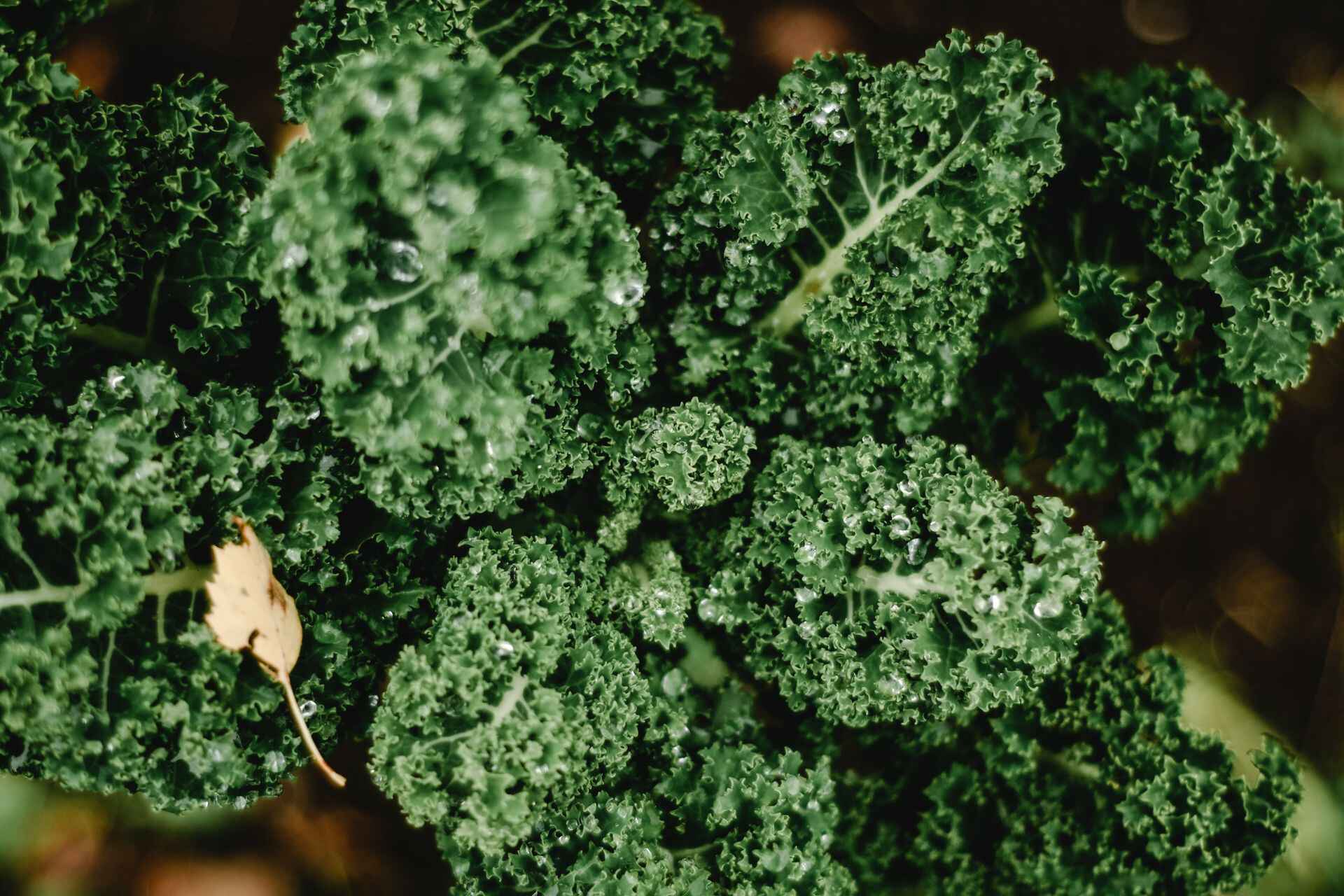
Kale brings a heartier texture to meals than many delicate salad greens. You can massage raw kale with a small amount of dressing, sauté it, stir it into soups, or roast it for crisp edges.
Because kale has a firm texture, chopping it into smaller pieces can make it easier to eat raw. Pair it with lemon juice, olive oil, and a portion of nuts or seeds if those ingredients fit your needs.
Kale contains carbohydrates as well as fiber and micronutrients. You don't need to treat its carbohydrate content as a reason to avoid it; simply include it in the amount that works for your plan.
If you find raw kale too tough, try cooking it with garlic or adding it to a warm skillet meal. The texture becomes softer and its flavor less assertive.
22. Arugula
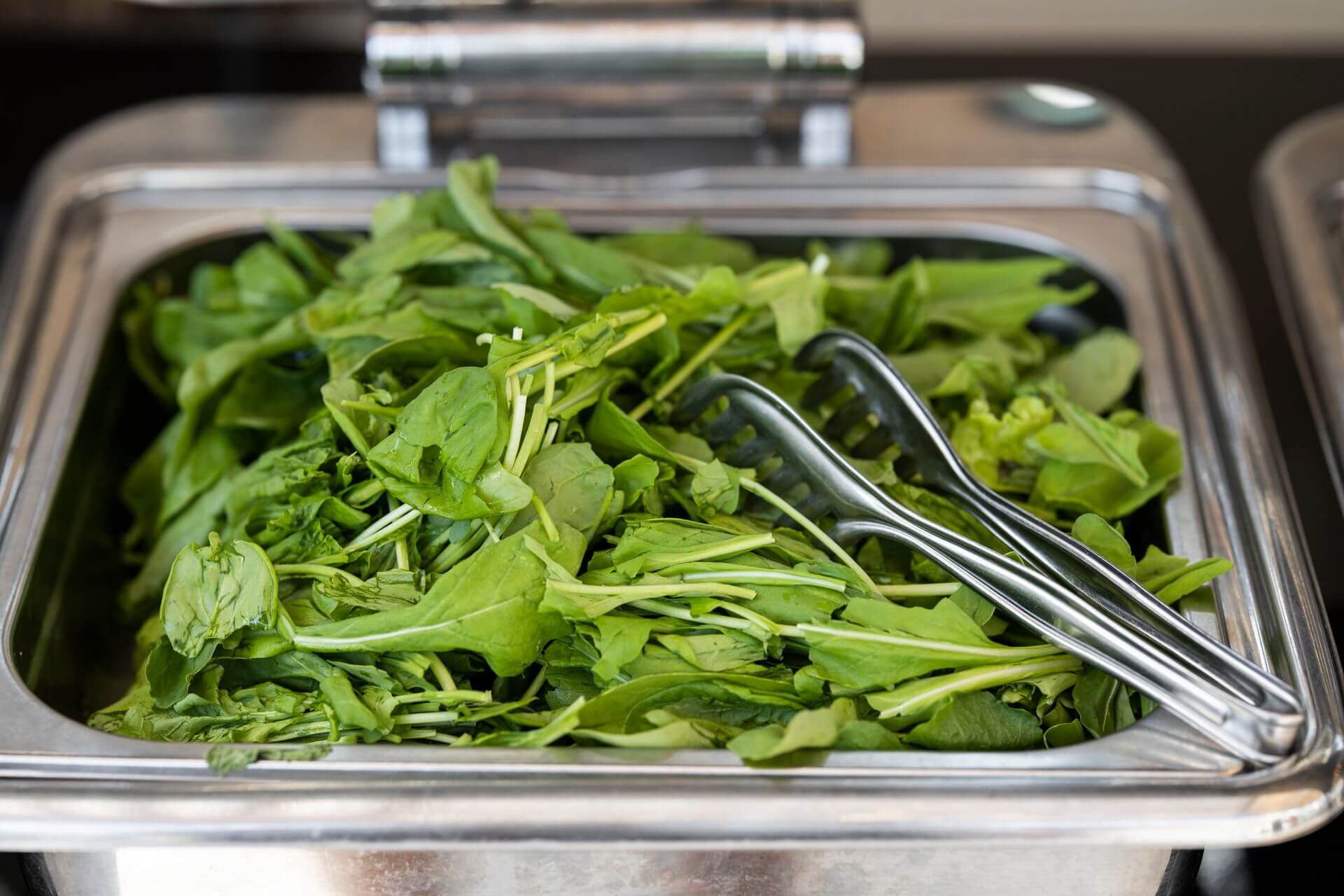
Arugula is a peppery leafy green that can add plenty of flavor to a meal. A small handful can transform a simple salad, top an omelet, or create a fresh contrast with roasted vegetables.
Combine arugula with salmon, chicken, cucumber, or tomato. A lemon and olive oil dressing is often enough to bring the ingredients together.
Like other leafy greens, arugula is relatively low in carbohydrates. Packaged salad kits may contain dressings or toppings that change the nutritional profile, so review the components if you're monitoring your intake.
Arugula is particularly useful when you're tired of plain lettuce. Mixing leafy greens adds different textures and flavors without requiring extra cooking.
23. Broccoli
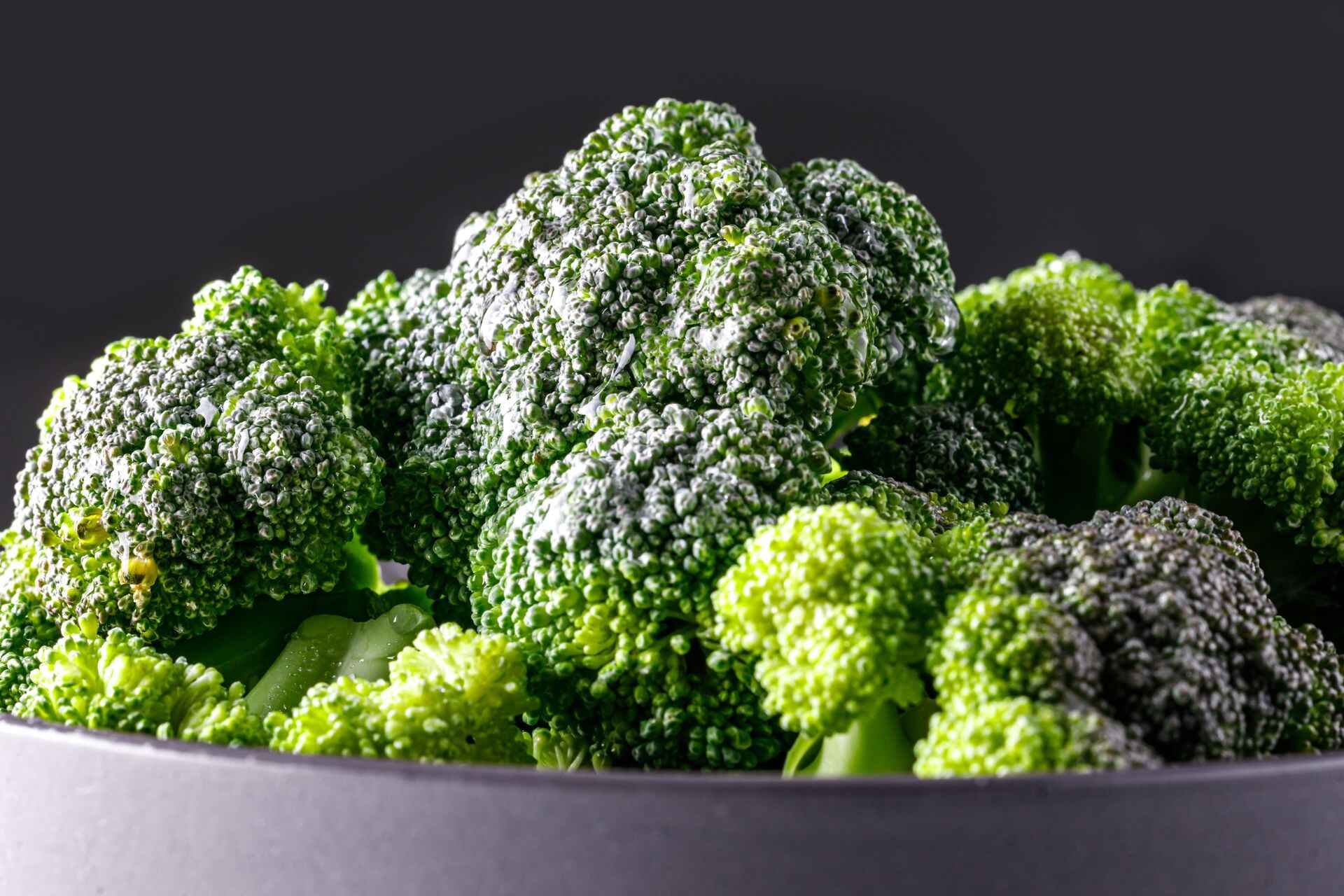
Broccoli is a versatile non-starchy vegetable that works roasted, steamed, sautéed, or stir-fried. Its slightly firm texture makes it useful for meals that need a substantial vegetable side.
Roast broccoli with olive oil, black pepper, and garlic, or steam it and finish with lemon juice. You can also add florets to a chicken skillet or chop them into a cauliflower and broccoli side dish.
Broccoli contains carbohydrates and fiber, so portion size should be considered if you're following a specific carbohydrate target. Plain broccoli is different from a casserole prepared with flour, sweet sauces, or other carbohydrate-containing ingredients.
Fresh and frozen broccoli are both practical options. Frozen florets may be especially helpful when you want to reduce food waste because you can use the amount needed and leave the rest in the freezer.
24. Cauliflower
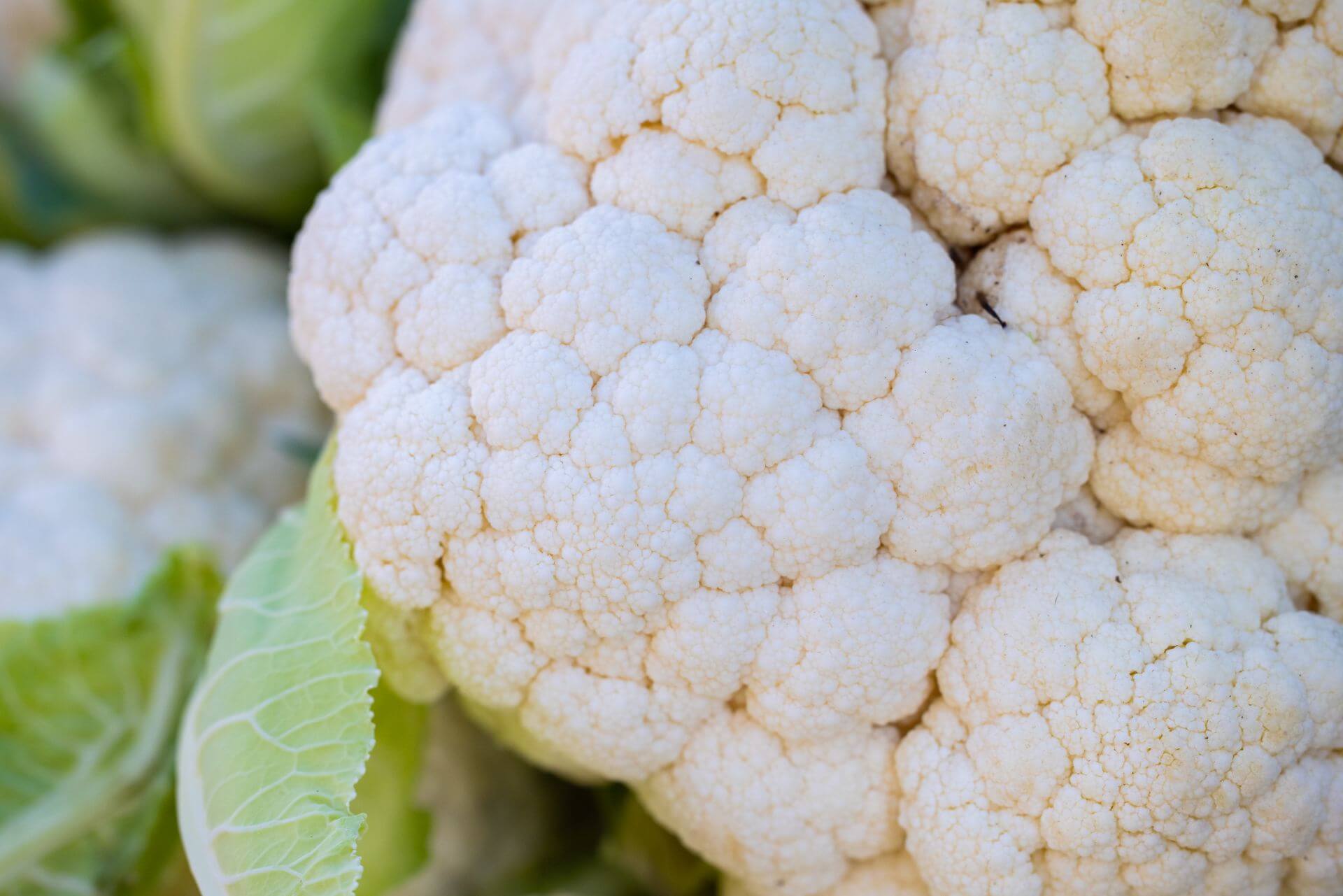
Cauliflower earns its place in a lower-carbohydrate kitchen because it's adaptable. You can roast it, steam it, mash it, or chop it finely to make cauliflower rice.
For a simple side, roast cauliflower florets with garlic, olive oil, and paprika. To make a rice base, pulse raw florets in a food processor or buy plain frozen cauliflower rice, then cook it until tender.
Cauliflower is not carbohydrate-free, but it can replace some more carbohydrate-dense ingredients in selected dishes. Its value is in giving you a different texture and preparation option, not in making every meal a substitute for a grain dish.
Try cauliflower mash beside roasted chicken or use cauliflower rice with shrimp and peppers. Keep the seasoning interesting so you don't feel as though you're eating the same vegetable repeatedly.
25. Cabbage
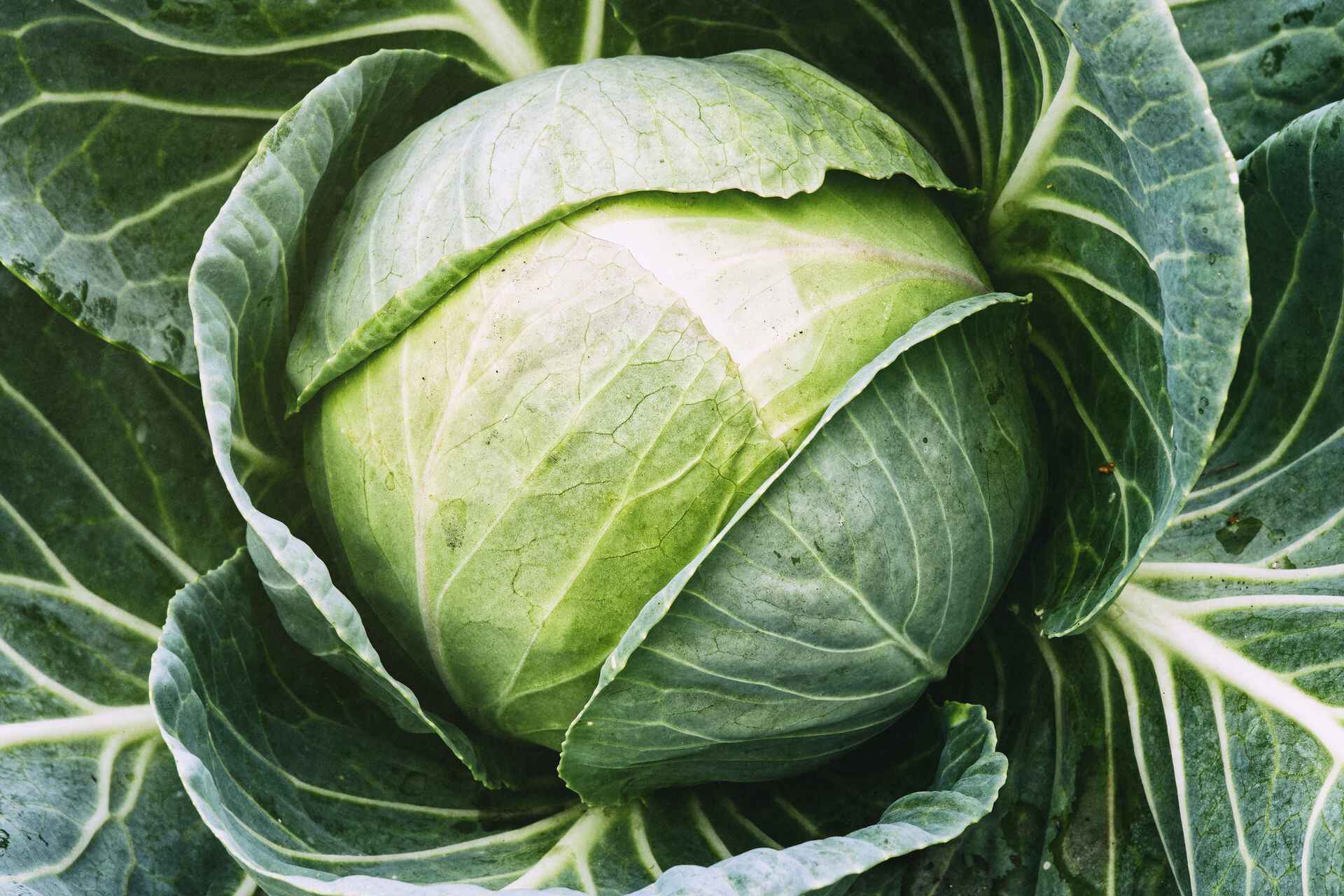
Cabbage is budget-friendly, stores well when handled properly, and fits into a surprising number of meals. Use it raw in slaws, cook it in soups, or stir-fry it with tofu, chicken, or shrimp.
For a quick side, thinly slice cabbage and toss it with lemon juice, olive oil, black pepper, and a little mustard. For a warm meal, sauté cabbage with garlic and mushrooms until tender.
Cabbage contains carbohydrates and fiber, but it can be a useful vegetable in a lower-carb eating pattern. Sweetened coleslaw dressings or bottled stir-fry sauces can add extra sugar, so making your own dressing offers more control.
A whole cabbage can stretch across several meals. Slice off what you need and use the remaining portion in another dish later in the week.
26. Brussels Sprouts
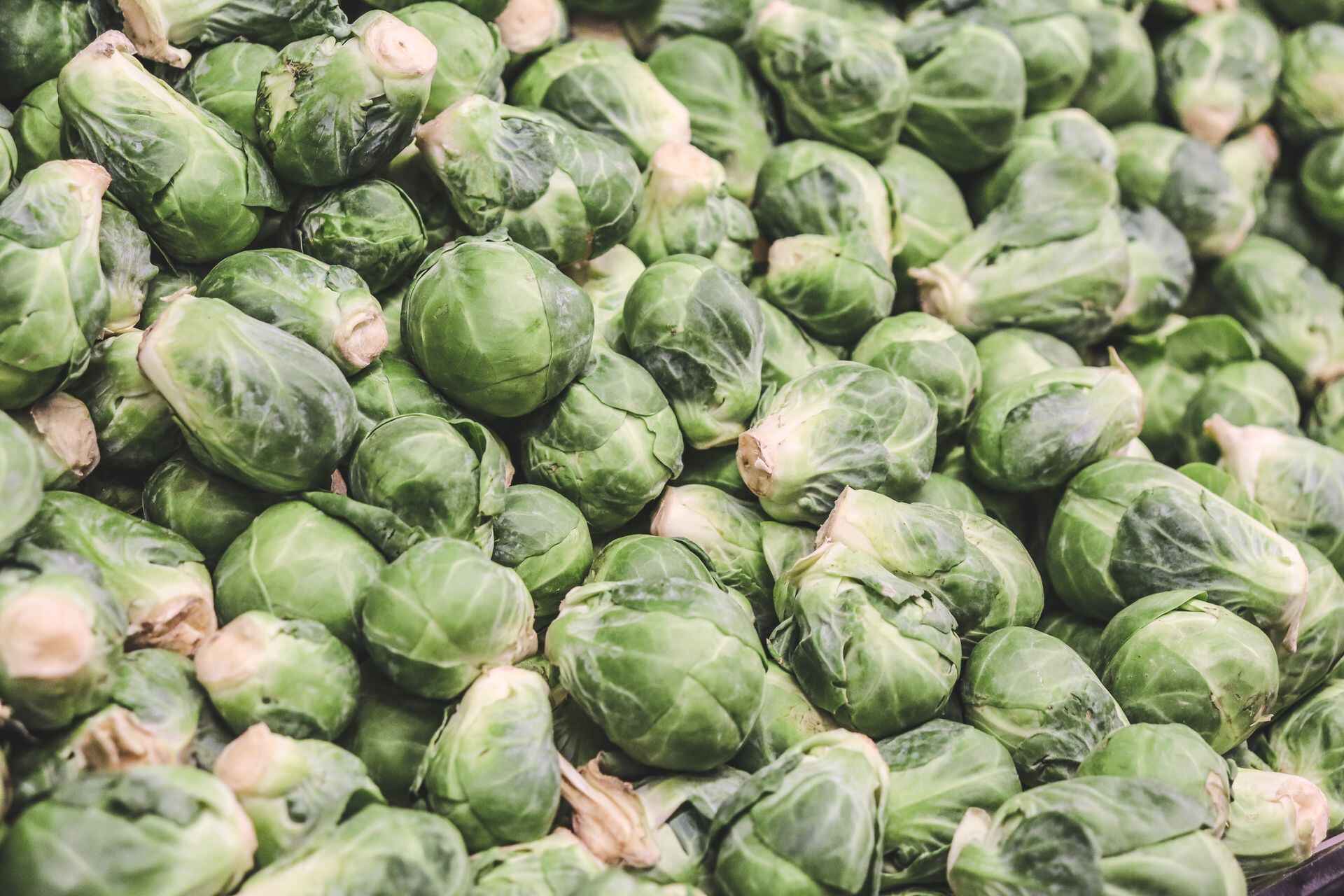
Brussels sprouts have a hearty texture that works particularly well when roasted. Halve them, toss them with a modest amount of olive oil and seasonings, and roast until tender with browned edges.
Serve them with salmon, pork tenderloin, or chicken. You can also combine roasted sprouts with mushrooms or a small amount of chopped nuts for extra texture.
Brussels sprouts contain carbohydrates, including fiber, so the portion contributes to your total intake. They don't need to be avoided simply because they're not as low in carbohydrates as lettuce or cucumber.
If you've never enjoyed Brussels sprouts, try roasting them rather than boiling them until soft. A little browning can make the flavor more appealing.
27. Zucchini
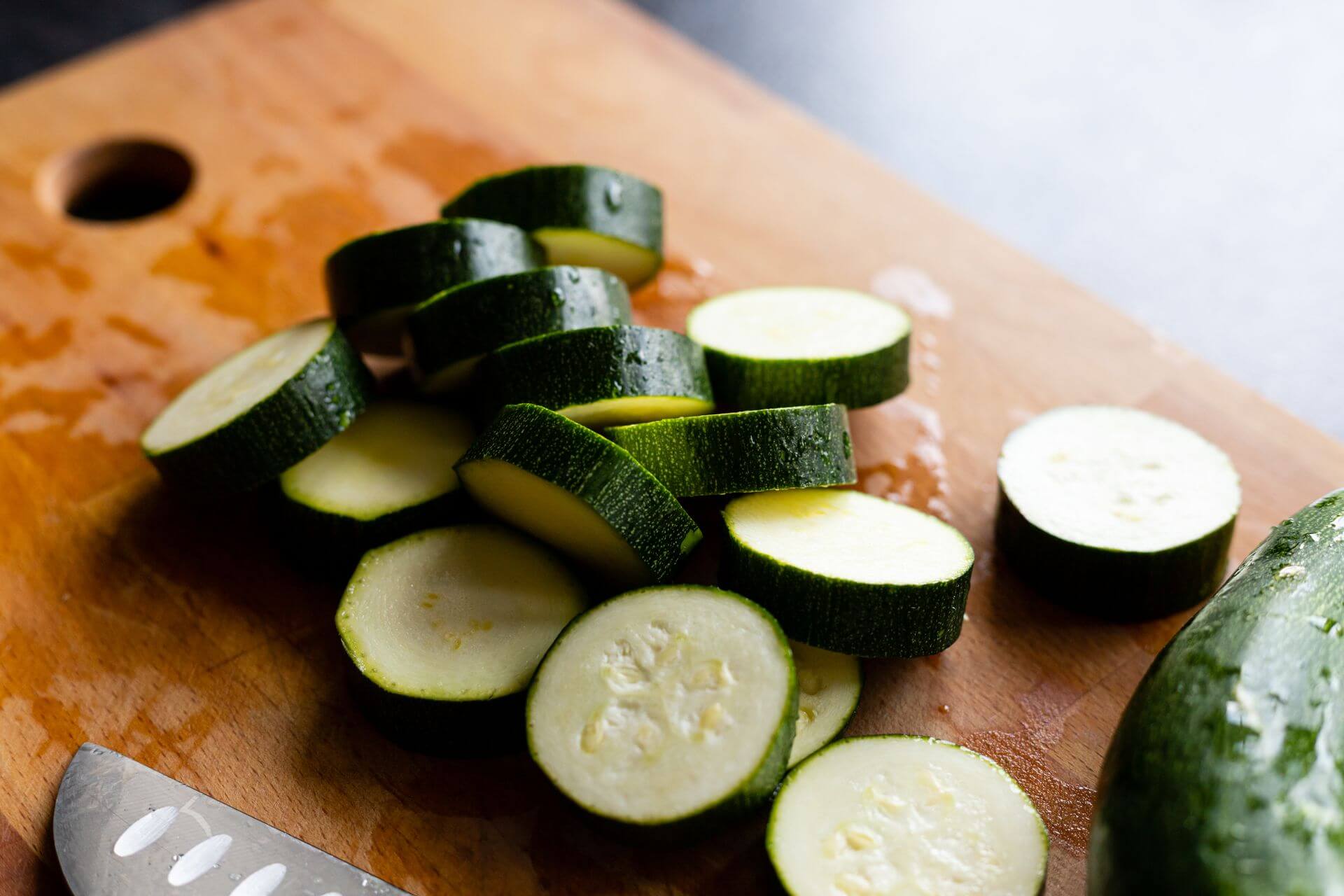
Zucchini is mild, versatile, and quick to cook. Use it in grilled vegetable plates, skillet meals, baked dishes, or as a noodle base when you want a different texture.
To make zucchini noodles, use a spiralizer or a vegetable peeler. Cook them briefly so they don't become watery, and top them with chicken, shrimp, mushrooms, or a suitable tomato sauce.
Zucchini contains carbohydrates, but it is commonly used as a lower-carbohydrate alternative to some starchy sides. Keep in mind that zucchini noodles are not nutritionally identical to wheat pasta, and they may provide less energy depending on portion and toppings.
Sliced zucchini also works well on a sheet pan with peppers and mushrooms. A batch of roasted vegetables can be served with different proteins throughout the week.
28. Cucumbers

Cucumbers are refreshing, crunchy, and easy to prepare. Slice them for snacks, add them to salads, or use them as a base for yogurt dips.
Combine cucumber with tomatoes, olives, and feta for a Mediterranean salad, or serve cucumber sticks beside boiled eggs. You can also use thin slices in place of crackers when you want a crunchy base for a topping.
Cucumbers are relatively low in carbohydrates, although pickled versions and prepared products can differ. Some pickles contain added sugars, so check the label rather than assuming all cucumber products have the same nutrition profile.
Because they require little cooking, cucumbers are ideal for busy days. Keep them washed and ready to slice so that adding vegetables to lunch takes only a minute.
29. Asparagus
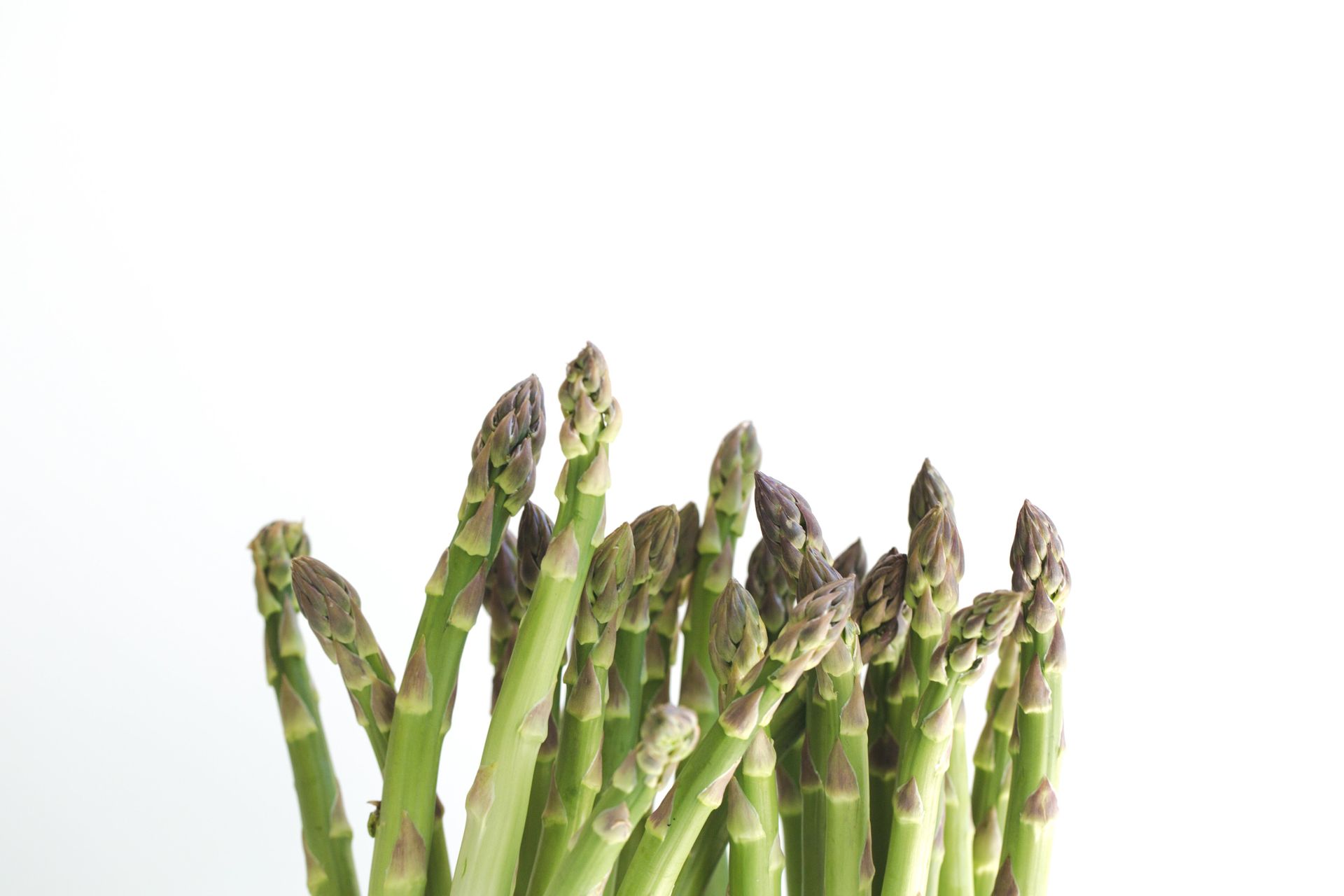
Asparagus is especially convenient as a quick side dish. Roast, steam, or grill it, then finish with lemon juice, black pepper, and a little olive oil.
Serve asparagus with cod, salmon, chicken, or eggs. It can also be chopped into a frittata or added to a vegetable skillet.
Asparagus contains carbohydrates and fiber, but it generally fits well into many lower-carbohydrate meal patterns. The larger carbohydrate contribution may come from accompanying ingredients, such as sweet glazes or thickened sauces.
Choose bunches with firm stalks and prepare them according to their freshness. If you buy more than you need for one meal, plan to use the remaining portion soon rather than letting it sit forgotten in the refrigerator.
30. Mushrooms
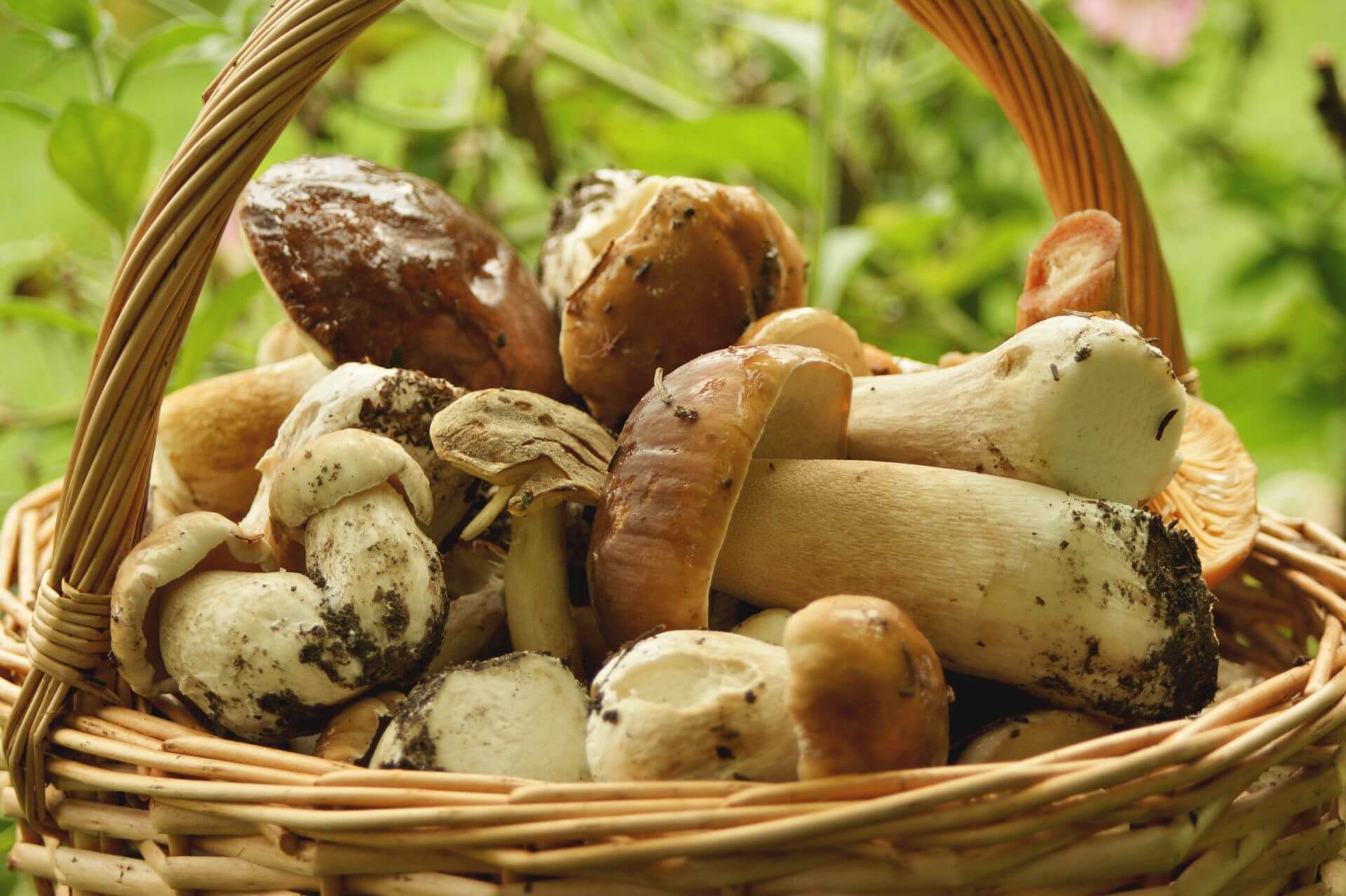
Mushrooms provide a savory, earthy flavor that works in many dishes. Sauté them with garlic, add them to an omelet, or roast them alongside chicken and other vegetables.
They're especially helpful when you want to make a meal feel more substantial without relying entirely on meat. Mushrooms pair well with tofu, tempeh, ground turkey, beef, and leafy greens.
Mushrooms contain some carbohydrates, with the exact amount depending on variety and serving size. They are useful for flavor and texture, not because they are entirely carbohydrate-free.
Cook mushrooms until excess moisture evaporates if you want them browned rather than watery. Their savory flavor can add depth to quick meals with only a few ingredients.
31. Celery
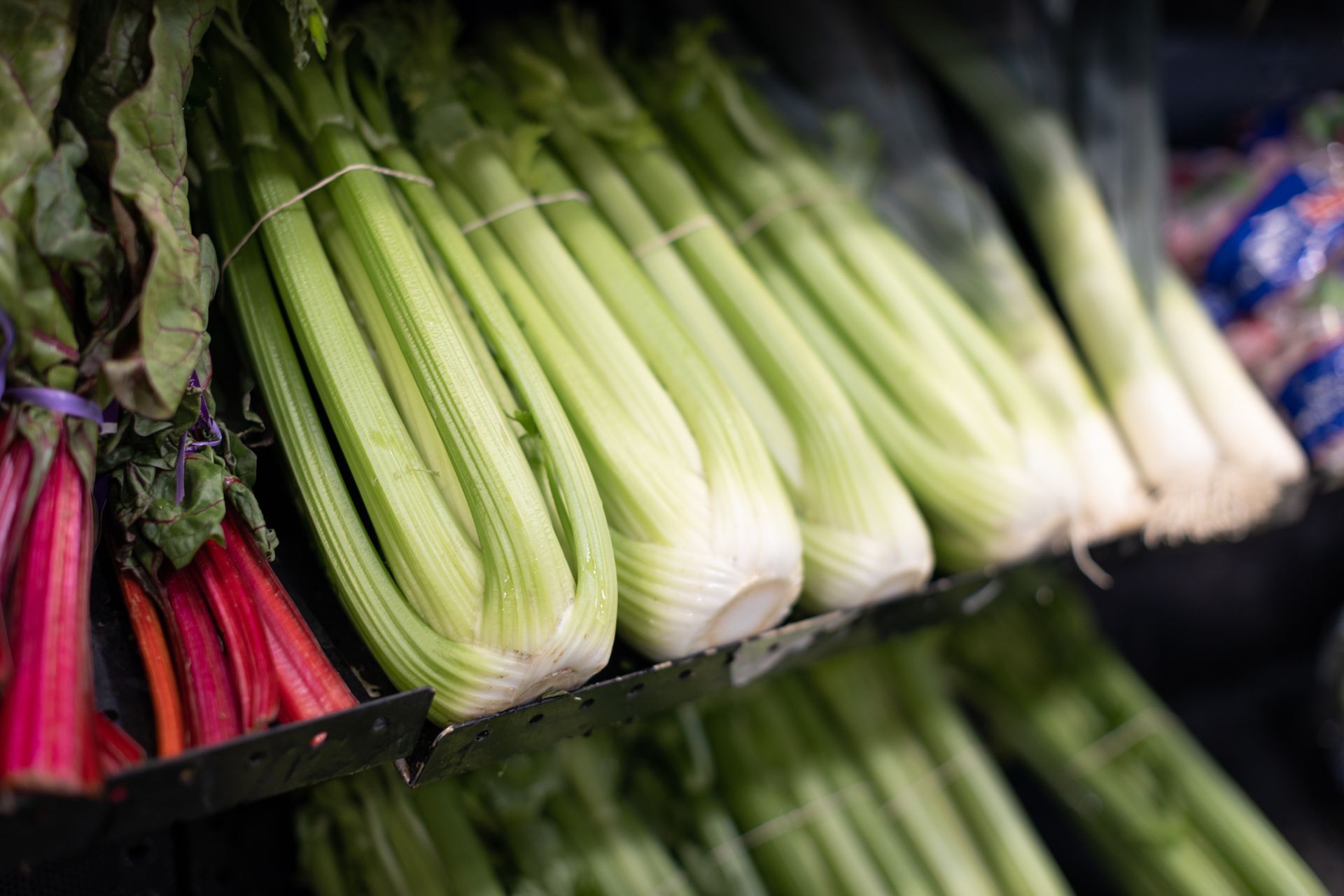
Celery is a crunchy vegetable that can be used in snacks, salads, soups, and cooked dishes. Its mild flavor makes it easy to combine with other ingredients.
Try celery sticks with a suitable dip, add chopped celery to tuna salad, or use it as a starting point for soups and skillet recipes. It can also add crunch to a chicken salad made with yogurt or mayonnaise.
Celery is relatively low in carbohydrates, but dips and spreads can contribute much more. If you're using a packaged dip, check the ingredients and serving size.
Celery is inexpensive in many grocery stores and can serve multiple purposes in a single week. Buy it when you already have a few meals in mind that use it.
32. Bell Peppers
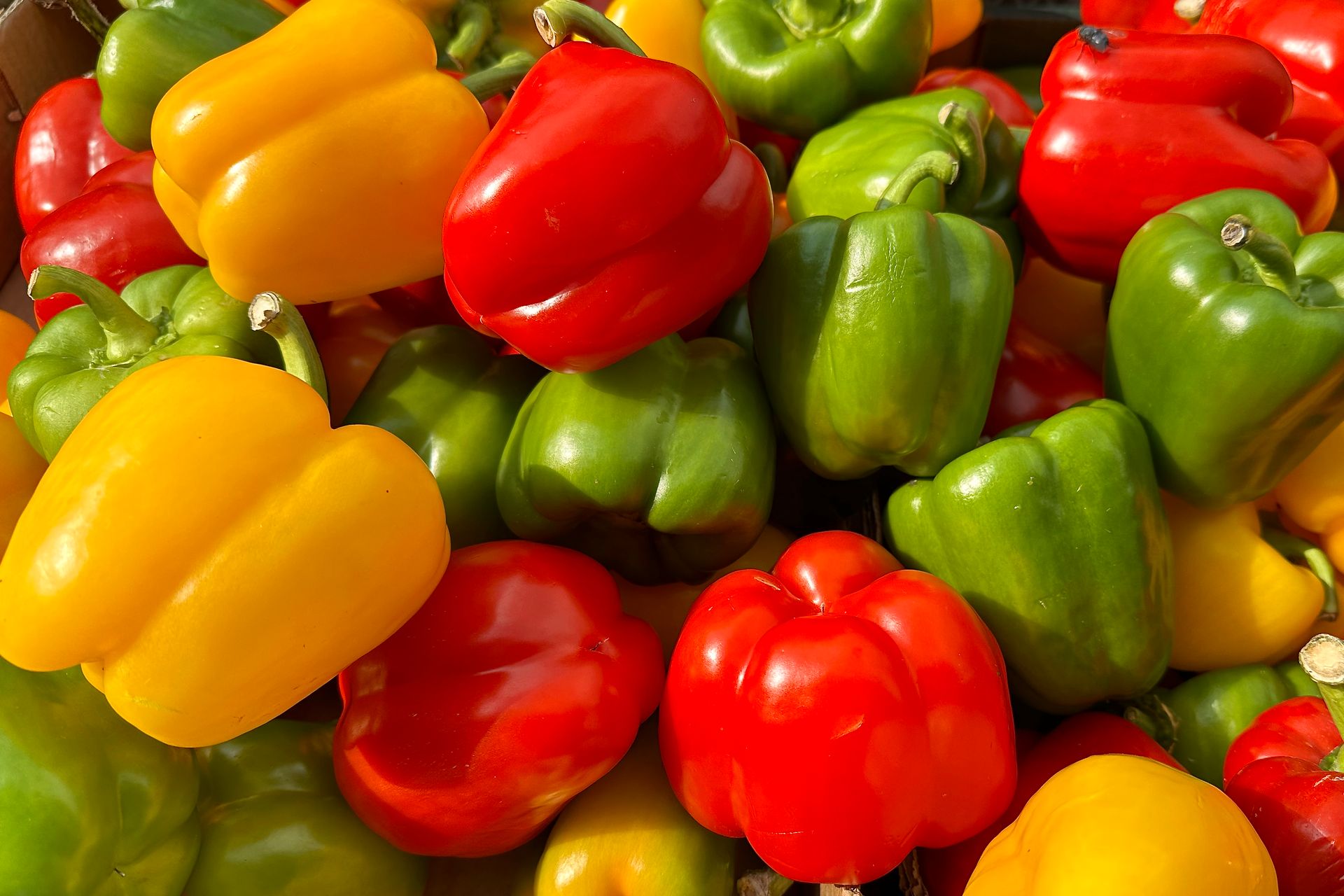
Bell peppers bring color, crunch, and sweetness to lower-carbohydrate meals. Use them raw in snack plates, sliced into salads, roasted on a sheet pan, or cooked in a skillet with chicken or tofu.
For a simple dinner, fill pepper halves with seasoned ground turkey and chopped vegetables. Depending on your carbohydrate target, a small portion of other ingredients can be included in the filling, but check their contribution rather than assuming the whole dish is low in carbohydrates.
Peppers contain carbohydrates, and the amount varies with color, serving size, and preparation. They're still useful for variety and nutrients when included in portions appropriate to your needs.
Keep sliced peppers ready to use for quick lunches. They add crunch to salads and provide a simple alternative to some refined snack foods.
33. Green Beans
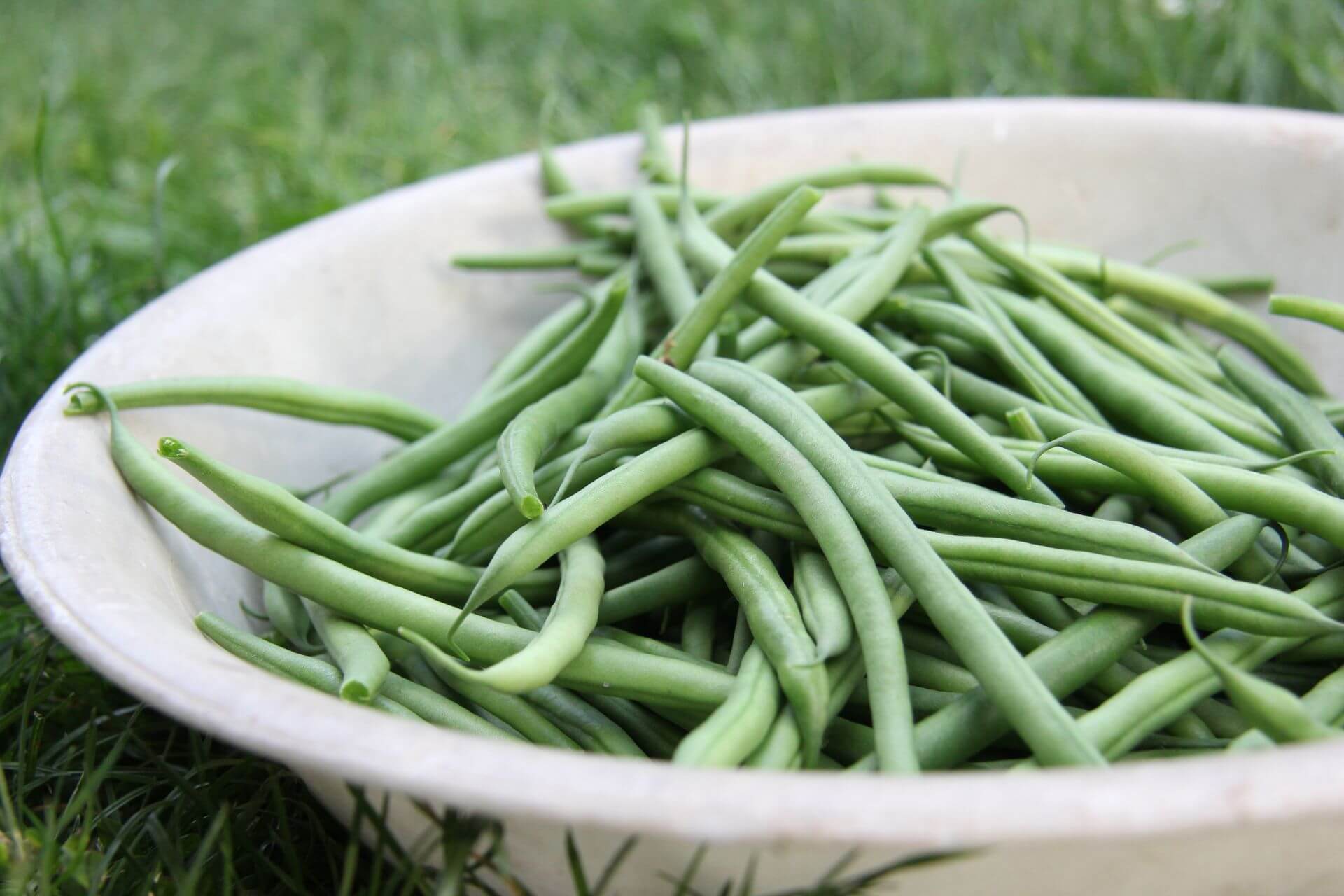
Green beans make an easy side dish for nearly any protein. Steam them, roast them, or sauté them with garlic and black pepper.
Serve green beans with roasted chicken, fish, or pork tenderloin. You can also chop cooked beans into a salad or mix them with mushrooms for a warm vegetable dish.
Green beans contain carbohydrates, so portion size remains relevant. Creamy casseroles and sweetened glazes can add additional ingredients that change the nutrition profile.
Fresh, frozen, and plain canned green beans are all practical possibilities. If you use canned beans, consider checking the sodium level and draining or rinsing them as appropriate.
34. Eggplant

Eggplant is useful for meals that need a tender, hearty vegetable. Roast slices in the oven, grill them, or cube them for a skillet dish with tomatoes, mushrooms, and herbs.
Eggplant can also become part of a vegetable bake. Layer roasted slices with tomato sauce and a suitable amount of cheese, taking care to check the sauce ingredients for added sugar.
Eggplant contains carbohydrates, but it can fit into many lower-carbohydrate plans depending on the serving and preparation. Breaded or deep-fried versions may have a different carbohydrate and calorie profile from plain roasted eggplant.
For a quick meal, roast eggplant alongside zucchini and bell peppers. Use the mixture as a side dish or combine it with tofu or chicken.
35. Tomatoes
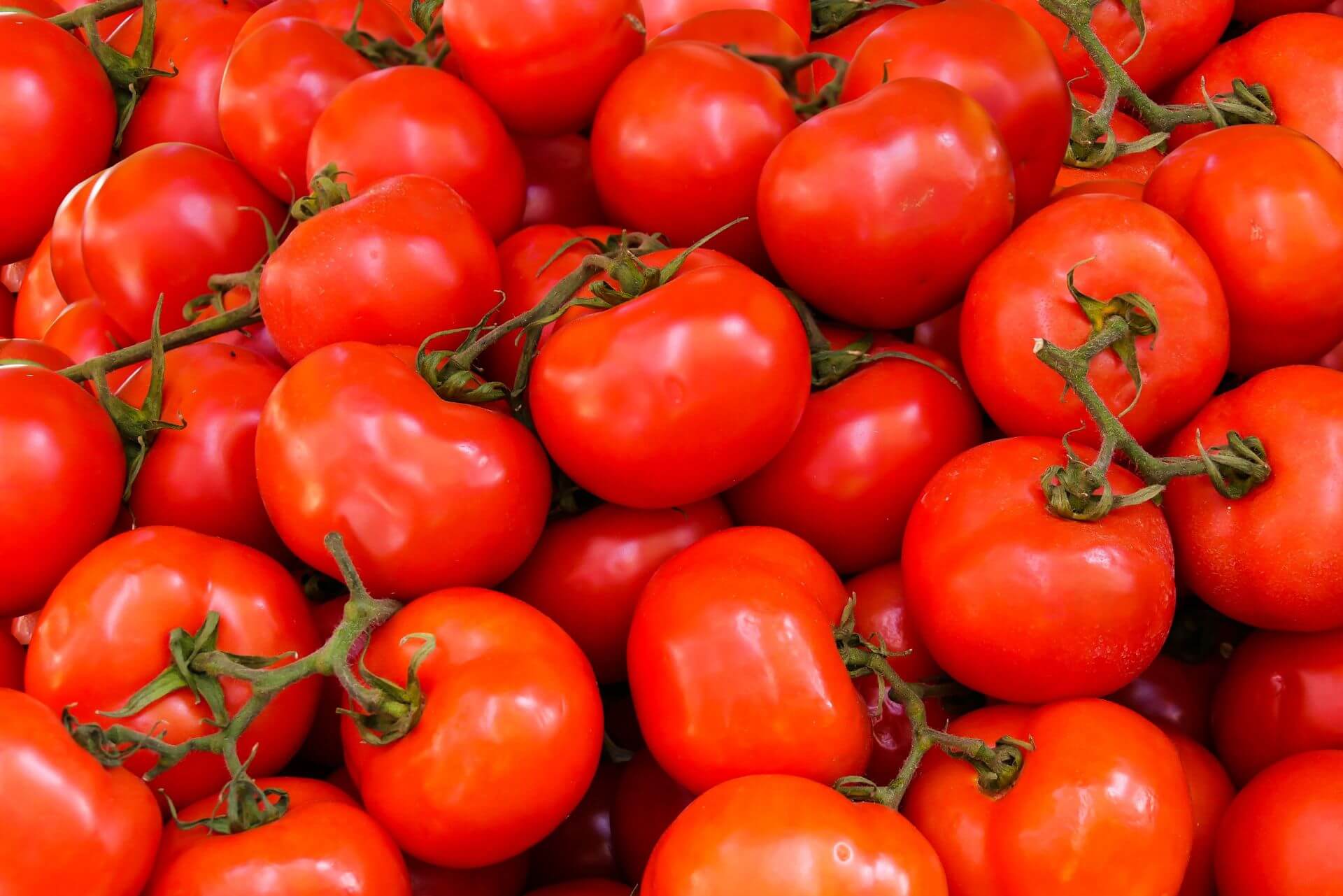
Tomatoes add acidity, moisture, and flavor to salads, eggs, soups, and sauces. Fresh tomatoes work well in chopped salads, while canned varieties can be convenient for cooked meals.
Add chopped tomatoes to an omelet, pair them with cucumber and feta, or simmer canned tomatoes with herbs to create a simple sauce. If you buy canned products, choose plain versions when possible and compare the labels.
Tomatoes contain natural carbohydrates, so they aren't carbohydrate-free. However, they can still be part of a balanced lower-carbohydrate eating pattern when the portion suits your needs.
Be especially careful with prepared pasta sauces and ketchup. Some contain substantial added sugar, which can make the finished product very different from plain tomatoes.
The easiest vegetable strategy is to keep a mix of fresh and frozen choices available. Choose two or three vegetables you can prepare quickly, and add new options when you want more variety. That keeps your kitchen useful without turning every grocery trip into a complicated project.
Lower-Carb Fruits That Add Flavor and Variety
Fruit often gets confusing when people start searching for low carb foods. Some diets restrict fruit heavily, while others include berries, avocado, and other fruit in portions that suit the person's carbohydrate target.
You don't need to assume that every fruit is off-limits. Whole fruit provides water, fiber, and micronutrients, and the amount of carbohydrate you consume depends partly on the type of fruit and the amount you eat.
These seven choices can add variety to a lower-carbohydrate kitchen.
36. Avocado
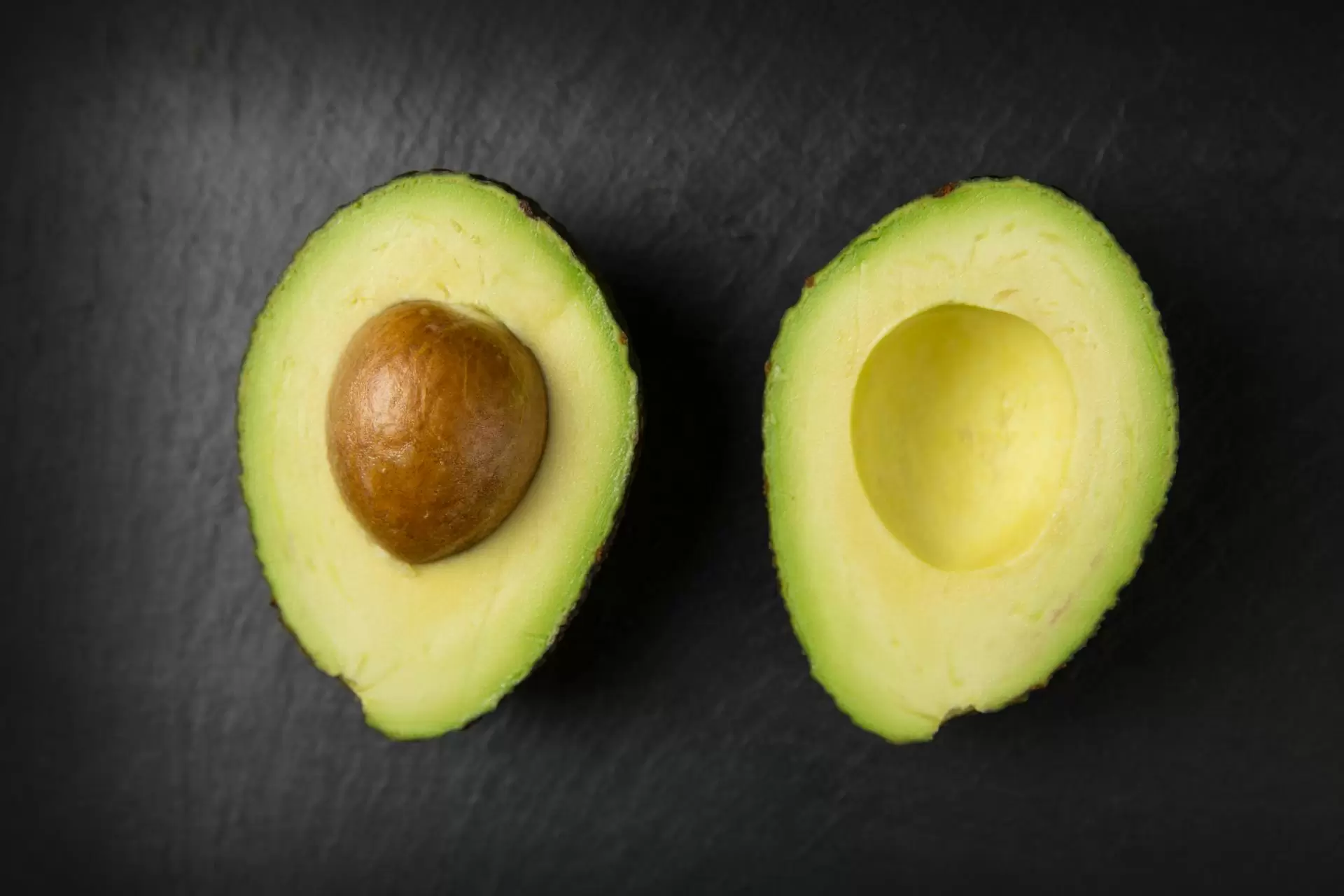
Avocado is unusual among fruits because it contains substantial unsaturated fat and fiber. Its creamy texture works well in salads, egg dishes, wraps, and simple spreads.
Mash avocado with lemon juice, black pepper, and a little garlic for a quick topping. Add slices to a salad with chicken or salmon, or serve it with scrambled eggs and spinach.
Avocado contains carbohydrates, including fiber, so the total amount still depends on the portion. Its carbohydrate profile is different from that of many sweet fruits, but it isn't a reason to ignore serving size entirely.
Because avocado can be calorie-dense, choose a portion that fits your appetite and meal needs. You don't need to eat a whole avocado with every meal to benefit from its flavor and versatility.
37. Olives

Olives bring a salty, savory flavor to salads, vegetable bowls, and Mediterranean-inspired meals. They're convenient because wide varieties are available in jars or cans and require little preparation.
Combine olives with cucumbers, tomatoes, feta, and leafy greens. You can also serve a few beside eggs or fish to make a simple plate more interesting.
Olives are relatively low in carbohydrates, but packaged varieties can contain substantial sodium. Compare labels if sodium is part of your dietary plan, and remember that stuffed or marinated products may have additional ingredients.
Their bold flavor means a small amount can change the taste of an entire salad. That makes olives useful when you want variety without preparing another sauce.
38. Strawberries
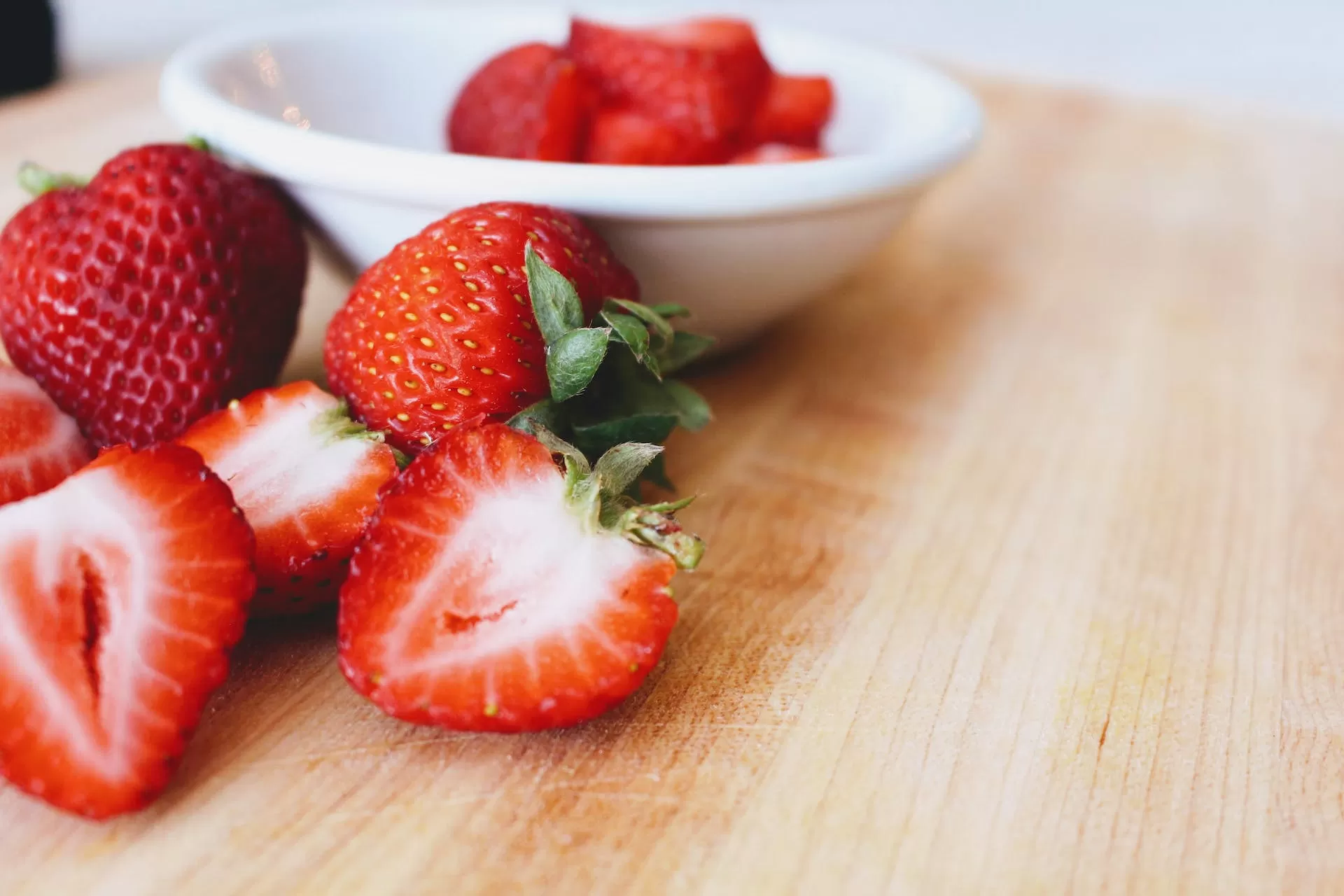
Strawberries are a colorful fruit choice that can work in smaller portions on many lower-carbohydrate menus. They're useful for breakfast, snacks, and simple desserts.
Add sliced strawberries to plain Greek yogurt, or combine them with chia seeds for a quick breakfast bowl. You can also serve a modest portion alongside cottage cheese or another food that fits your plan.
Strawberries contain natural sugars and carbohydrates, so portion size matters. Sweetened strawberry yogurt, preserves, syrups, and dried strawberry snacks may contain added sugar and can differ substantially from fresh berries.
Fresh and frozen unsweetened strawberries are both useful. Frozen fruit can be convenient for yogurt bowls or smoothies, although blended drinks may be consumed more quickly than whole fruit.
39. Raspberries
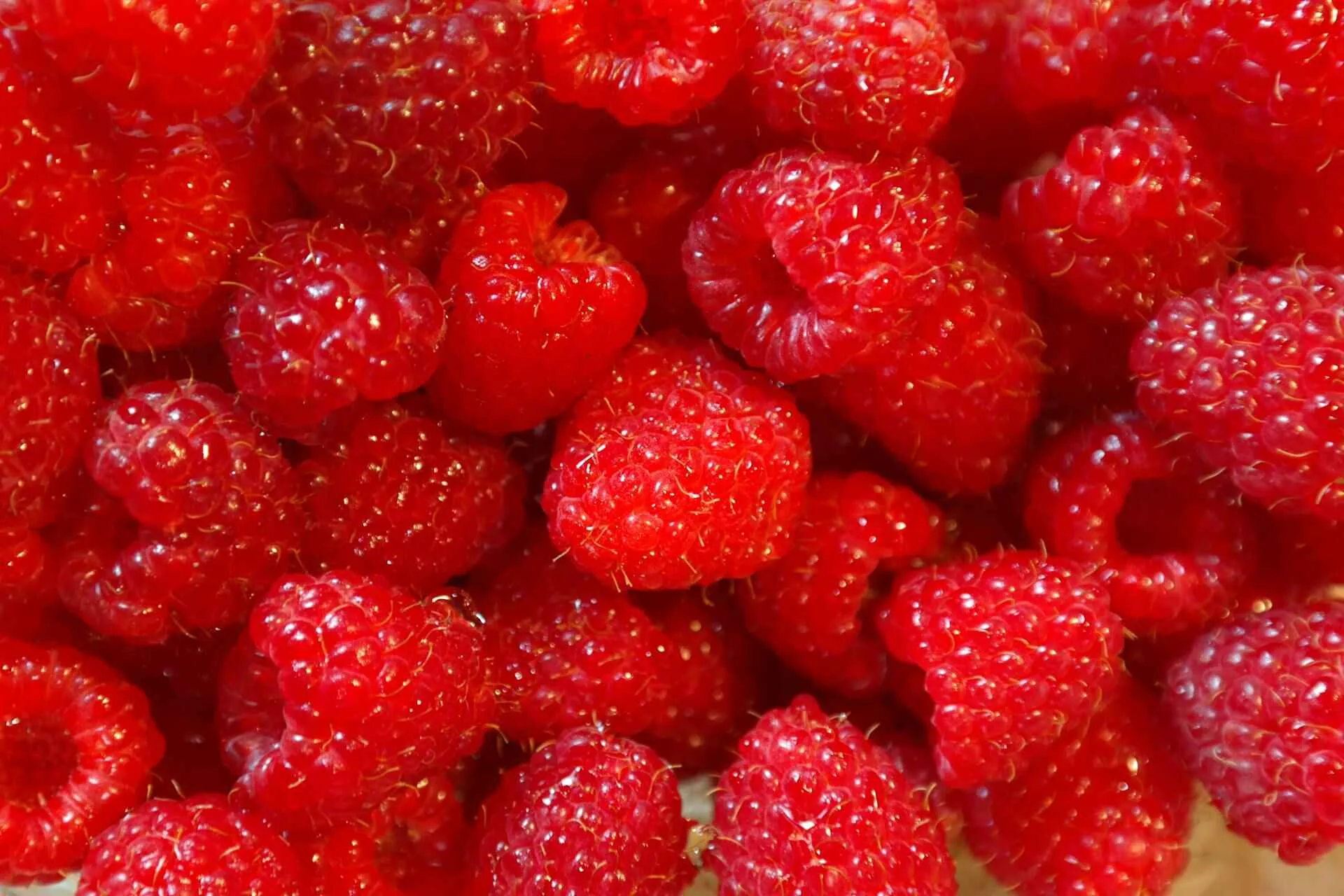
Raspberries are a good option when you're looking for a fruit that contributes fiber as well as flavor. They work in plain yogurt, chia pudding, or a small fruit portion served with breakfast.
Try raspberries with plain yogurt and ground flaxseed, or add a few to a bowl of cottage cheese. Their tart flavor can also provide contrast in a simple dessert without requiring a sugary topping.
Raspberries still contain carbohydrates, so you should count the portion if you're following a strict target. The fact that a berry is often considered lower in carbohydrates doesn't mean you can ignore how much you eat.
Fresh raspberries are delicate, so store and wash them carefully. Frozen unsweetened raspberries offer another convenient option when fresh fruit is expensive or unavailable.
40. Blackberries
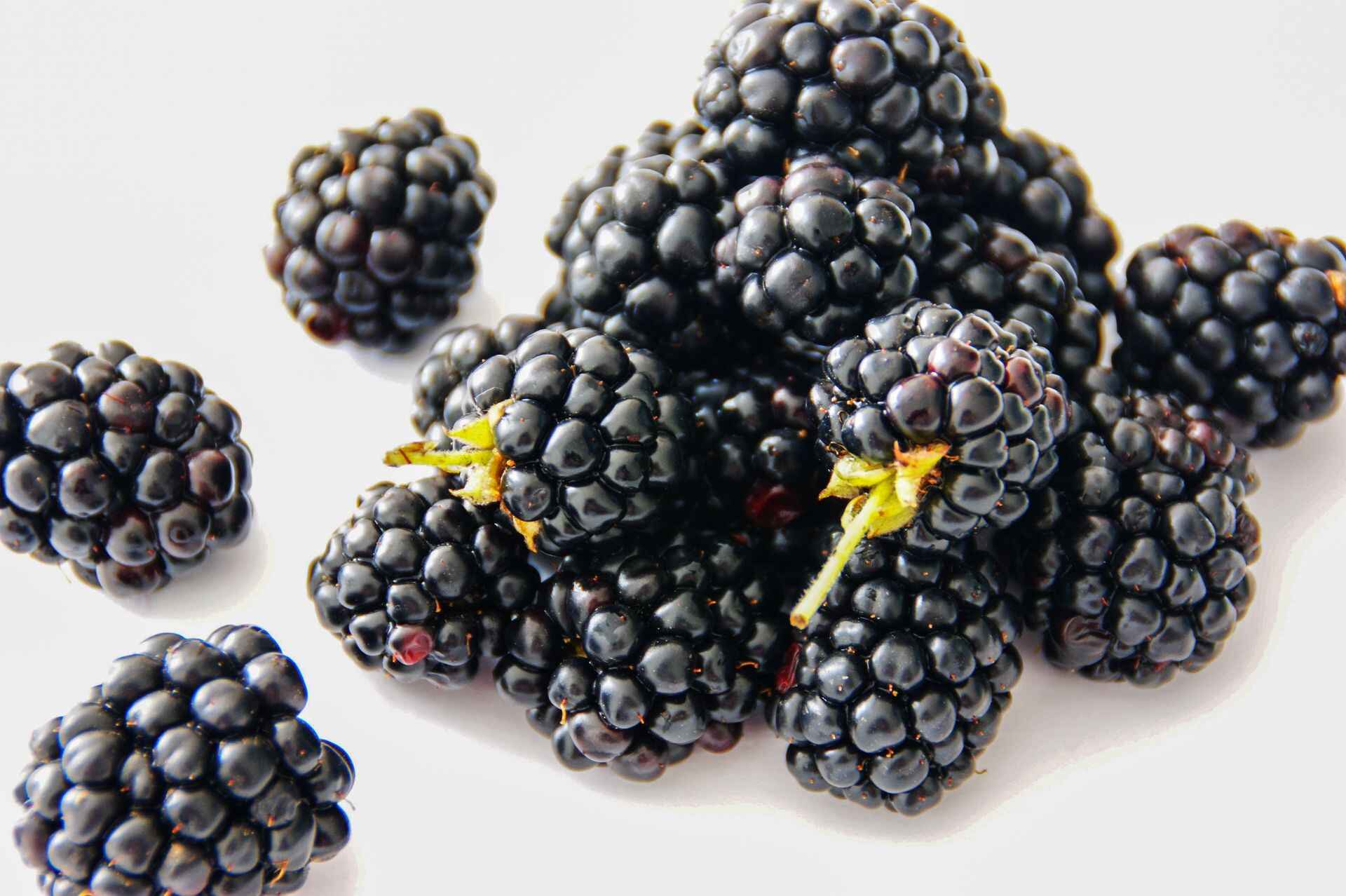
Blackberries are another berry to consider when building a flexible fruit rotation. Their flavor works well in breakfast bowls and snacks, and they can add color to a plain yogurt dish.
Pair blackberries with plain Greek yogurt or add a small amount to chia pudding. You can also combine them with strawberries or raspberries for a mixed-berry serving.
Blackberries contain naturally occurring sugars and carbohydrates, so choose the portion according to your needs. Avoid assuming that every packaged berry product has the same nutrition profile as the fresh or frozen whole fruit.
Buying berries in season can help manage cost. When they aren't affordable fresh, plain frozen berries are often an easy way to maintain variety.
41. Blueberries
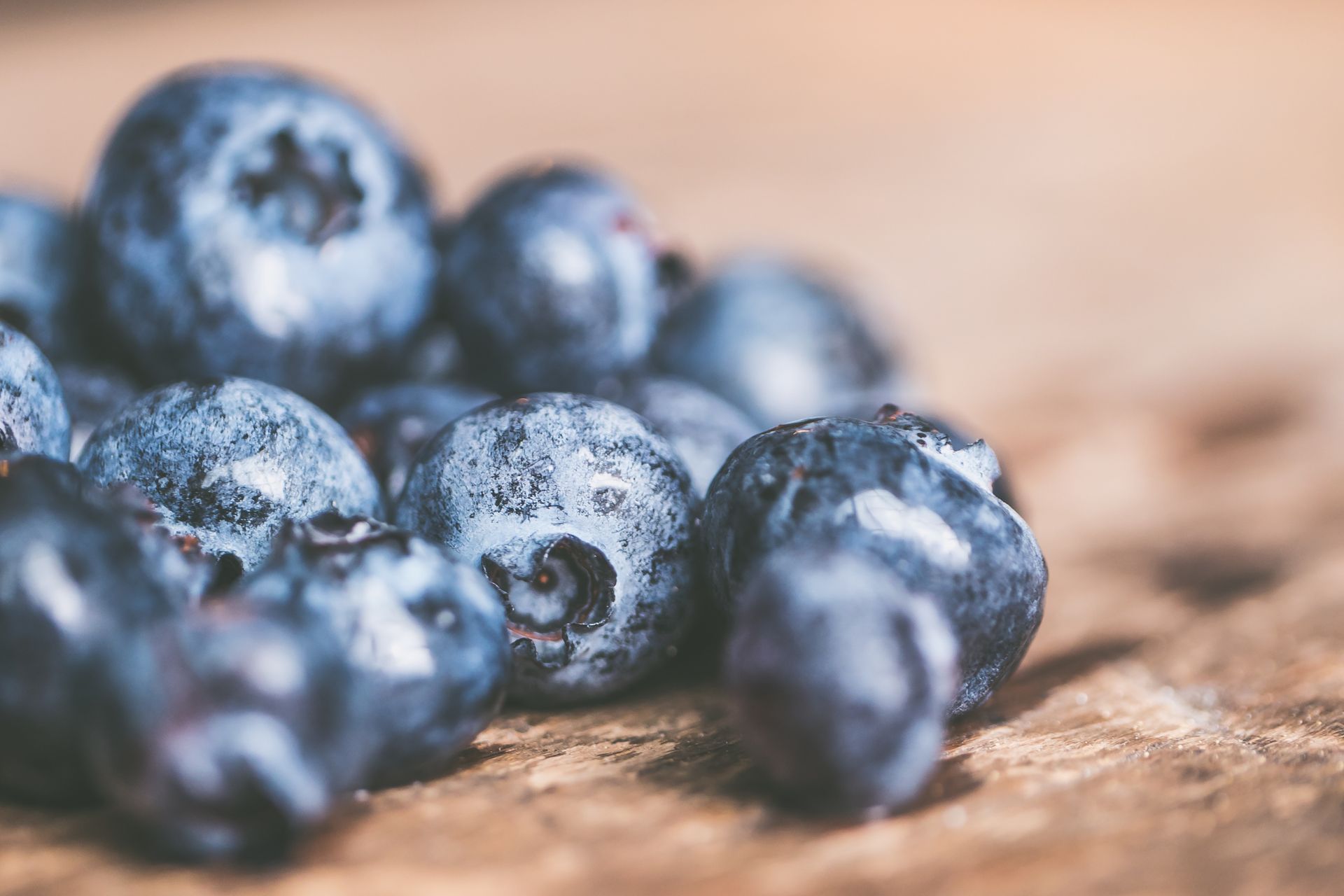
Blueberries are convenient, flavorful, and easy to use without much preparation. They fit into yogurt bowls, selected smoothies, and small snack portions.
Try blueberries with plain yogurt and chia seeds, or serve them alongside eggs for a breakfast that includes a variety of food groups. When you prepare smoothies, measure the portion rather than adding fruit freely, since several servings can accumulate quickly.
Compared with some other berries, blueberries can contribute more carbohydrates for a given volume, so portion size may be particularly important on a stricter plan. They still provide useful nutrients and do not need to be universally excluded.
Choose unsweetened frozen blueberries when you want a convenient option. Avoid relying on sweetened dried fruit or fruit syrups as direct substitutes for whole berries.
42. Lemons

Lemons are useful less as a snack and more as a flavor tool. Their juice and zest bring brightness to fish, salads, vegetables, water, and homemade dressings.
Squeeze lemon over baked salmon, add a little juice to olive-oil dressing, or use zest to make roasted vegetables more aromatic. Lemon can help a meal taste fresh without relying on a sugary sauce.
A small amount of lemon juice contributes relatively little carbohydrate, although the quantity used still matters. Lemon-flavored drinks or bottled products may contain added sugars, so check the label when buying a packaged version.
Keep lemons in your kitchen for times when a meal tastes flat. A little acidity can bring out the flavor of simple ingredients and make everyday cooking feel less repetitive.
Fruit can add pleasure and variety to a lower-carbohydrate eating pattern. Start with the types you enjoy, pay attention to portions, and choose whole fruit more often than juice or sweetened fruit products.
Nuts and Seeds for Snacks, Fiber, and Healthy Fats
Nuts and seeds can be convenient additions to a low carb foods list because they contribute flavor, texture, unsaturated fats, and, in many cases, fiber. They also work across multiple meals, from a breakfast bowl to a salad topping or a simple snack.
The catch is that nuts and seeds are energy-dense. A food can be relatively low in carbohydrates and still provide a substantial amount of calories in a small serving. That's not automatically a problem; it simply means portion awareness is helpful.
43. Almonds
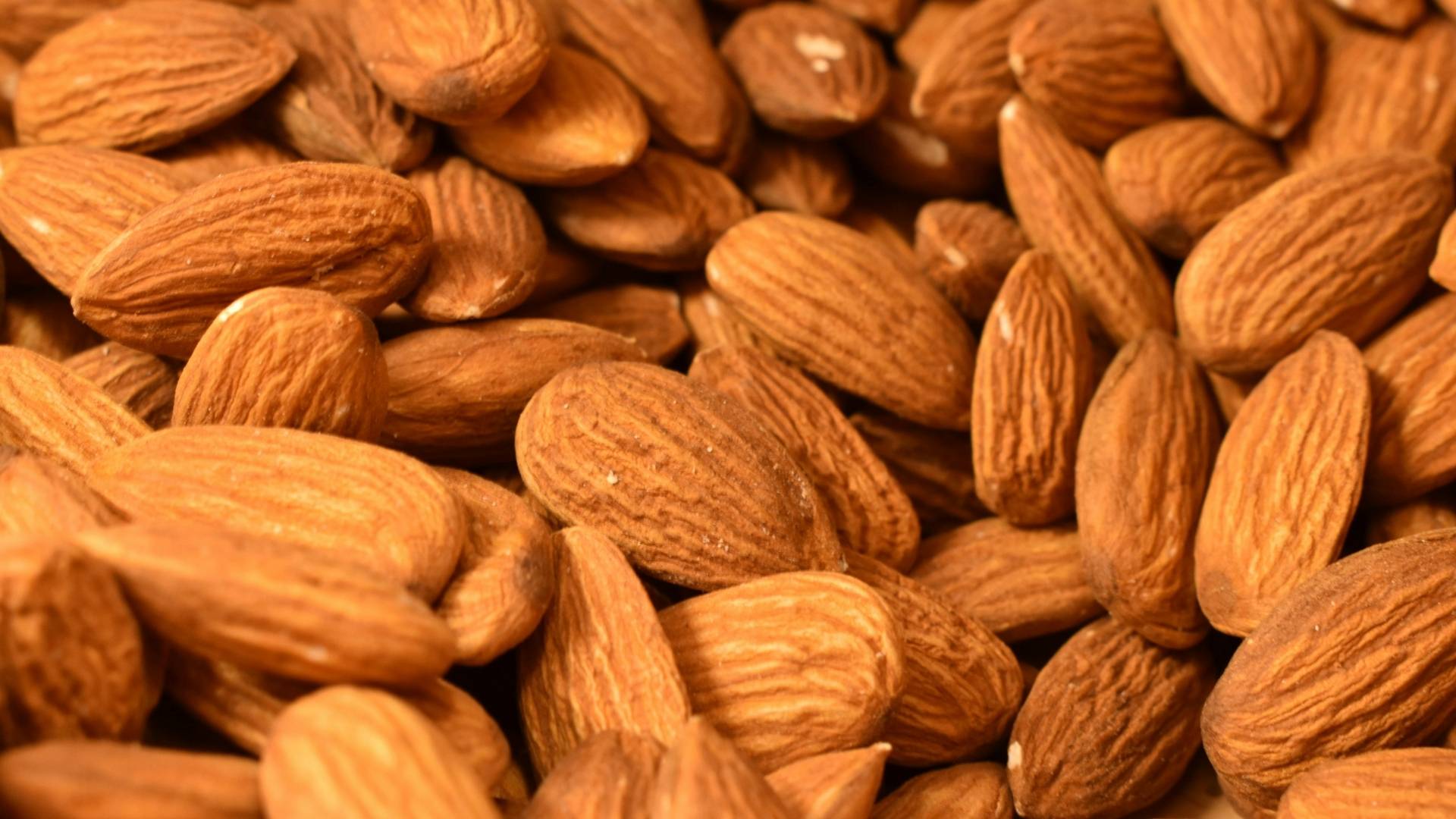
Almonds are a handy snack and a crunchy addition to meals. You can eat a measured handful, chop them over a salad, or use unsweetened almond butter as a spread or recipe ingredient.
Try almonds alongside plain yogurt or combine chopped almonds with berries in a breakfast bowl. They can also add texture to roasted vegetables or homemade snack mixtures.
Almonds contain carbohydrates as well as fiber, protein, and fats. Check the portion size if you're tracking carbohydrate intake, and remember that honey-roasted or candy-coated almonds can contain added sugars.
Store almonds in a sealed container in a cool, dry place, following package guidance. If you buy in bulk, keep a manageable portion within easy reach and store the remainder properly to preserve freshness.
44. Walnuts
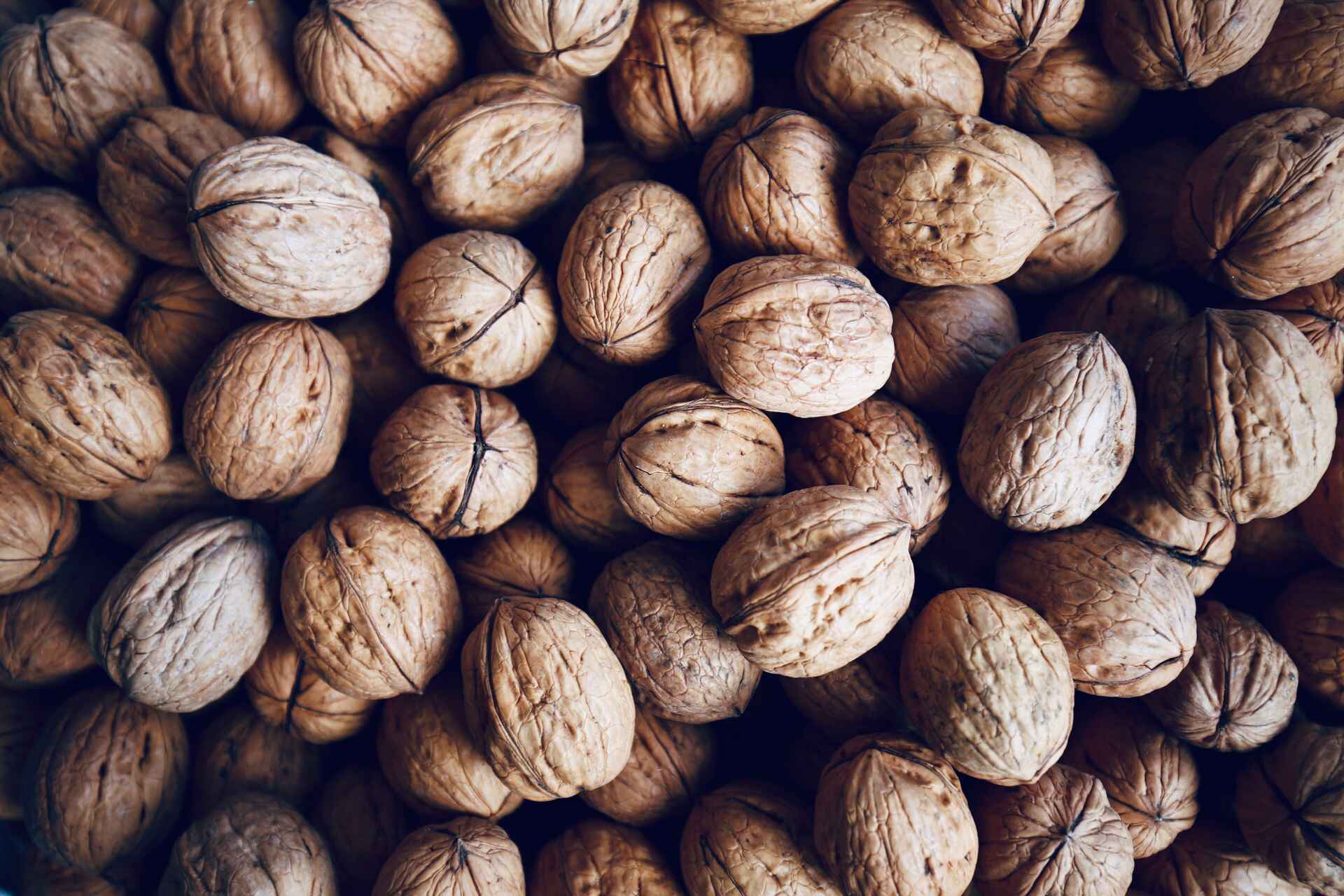
Walnuts have a rich flavor that works well in salads, yogurt bowls, and vegetable dishes. They also provide unsaturated fats, making them a useful alternative to snacks built primarily from refined starch or added sugar.
Sprinkle chopped walnuts over a salad with spinach, cucumber, and a suitable protein. You can also add a measured portion to plain yogurt or combine walnuts with berries for a simple snack.
Walnuts are not carbohydrate-free, and the serving size contributes to both carbohydrate and calorie intake. Choose plain versions most of the time, since candied walnuts can contain substantial added sugar.
Because walnuts have a delicate flavor, store them according to the package instructions and consider refrigeration for longer storage. This can help preserve quality, especially in warm conditions.
45. Pecans
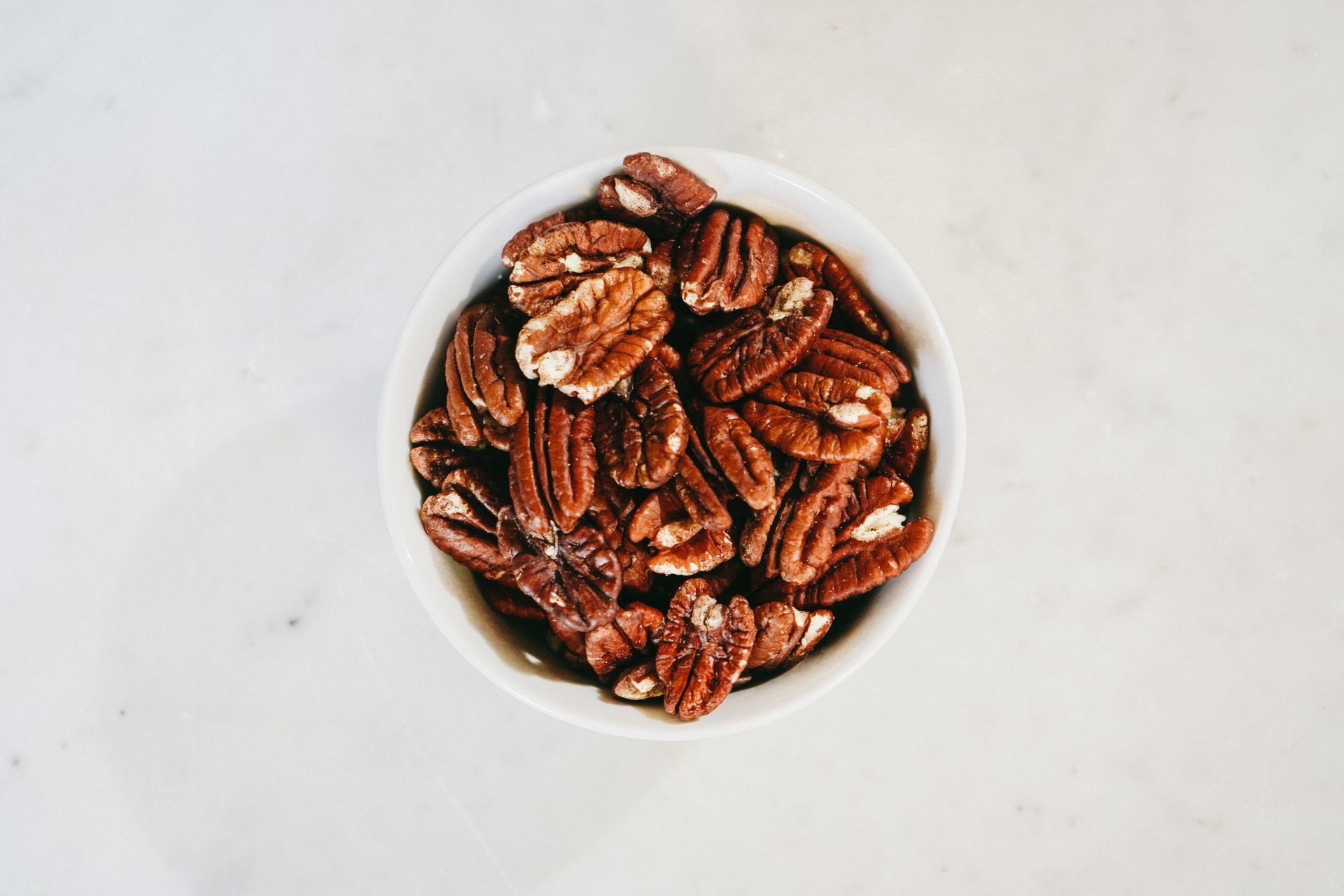
Pecans bring a buttery flavor and tender crunch to meals. They're useful as a snack, a topping for plain yogurt, or a finishing ingredient for roasted vegetables and salads.
Try chopped pecans with leafy greens and a savory protein, or portion them into small containers for a convenient snack. They can also add texture to homemade low-sugar desserts.
Pecans are energy-dense, and the amount you eat matters even when carbohydrates are relatively low. Check packaged varieties for added sugar, especially products marketed as glazed, candied, or sweet-spiced nuts.
To make portions easier to manage, divide a larger package into smaller servings when you bring it home. That way, you can enjoy pecans without repeatedly eating directly from the bag.
46. Macadamia Nuts
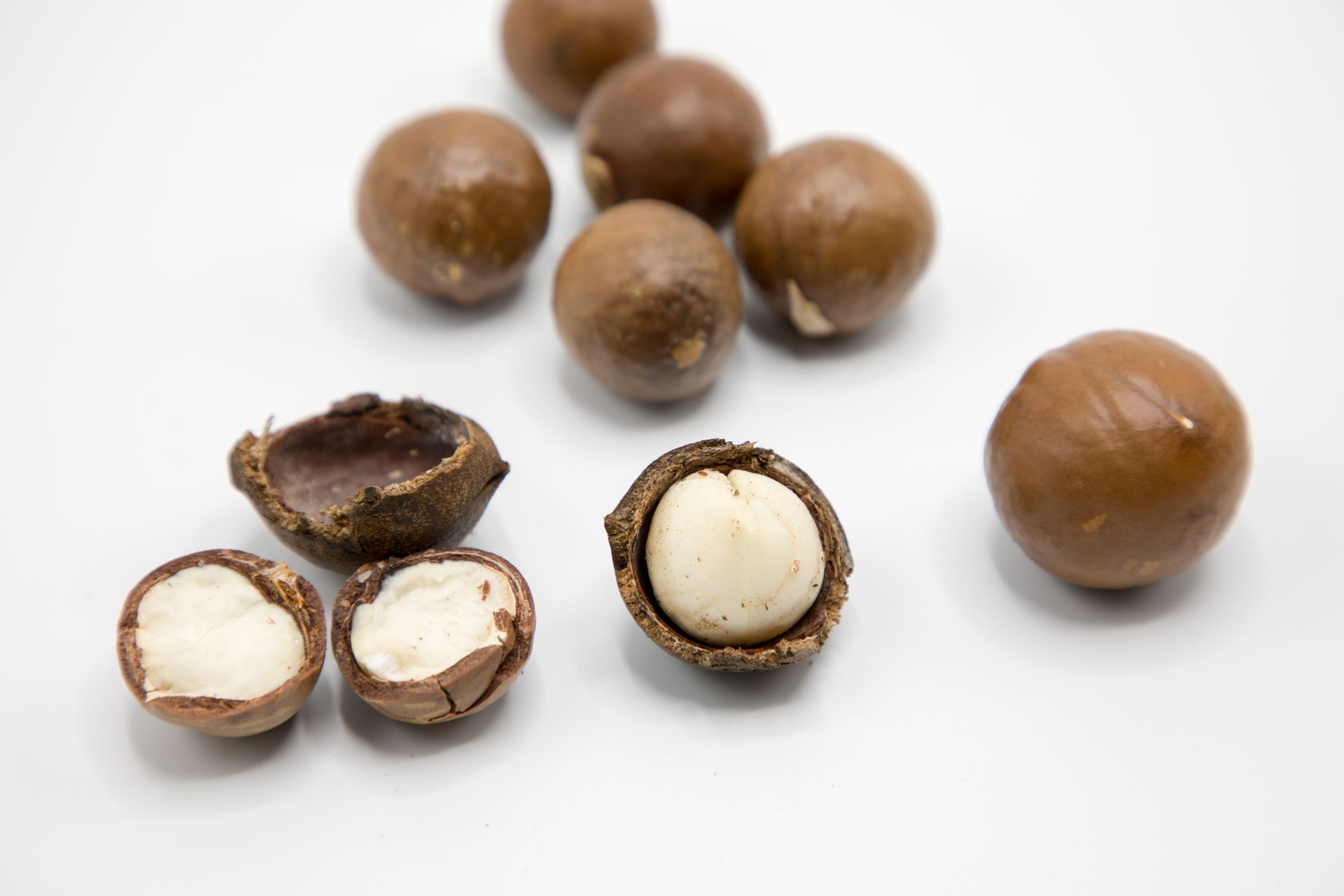
Macadamia nuts have a rich texture and are often enjoyed in small portions. They can add variety if your usual snack choices are almonds or walnuts.
Eat them plain, add a few to a small snack assortment, or chop them over a salad. Their distinctive flavor also works well in some baking recipes, although ingredients such as flour and sweetener will affect the finished product's carbohydrate content.
Macadamias contain fat and calories, so portion size still matters. Compare the nutrition label if you are tracking carbohydrates, and check for added sugar in flavored versions.
There's no need to purchase every type of nut. Choose one or two varieties you enjoy and use them consistently before expanding your selection.
47. Chia Seeds
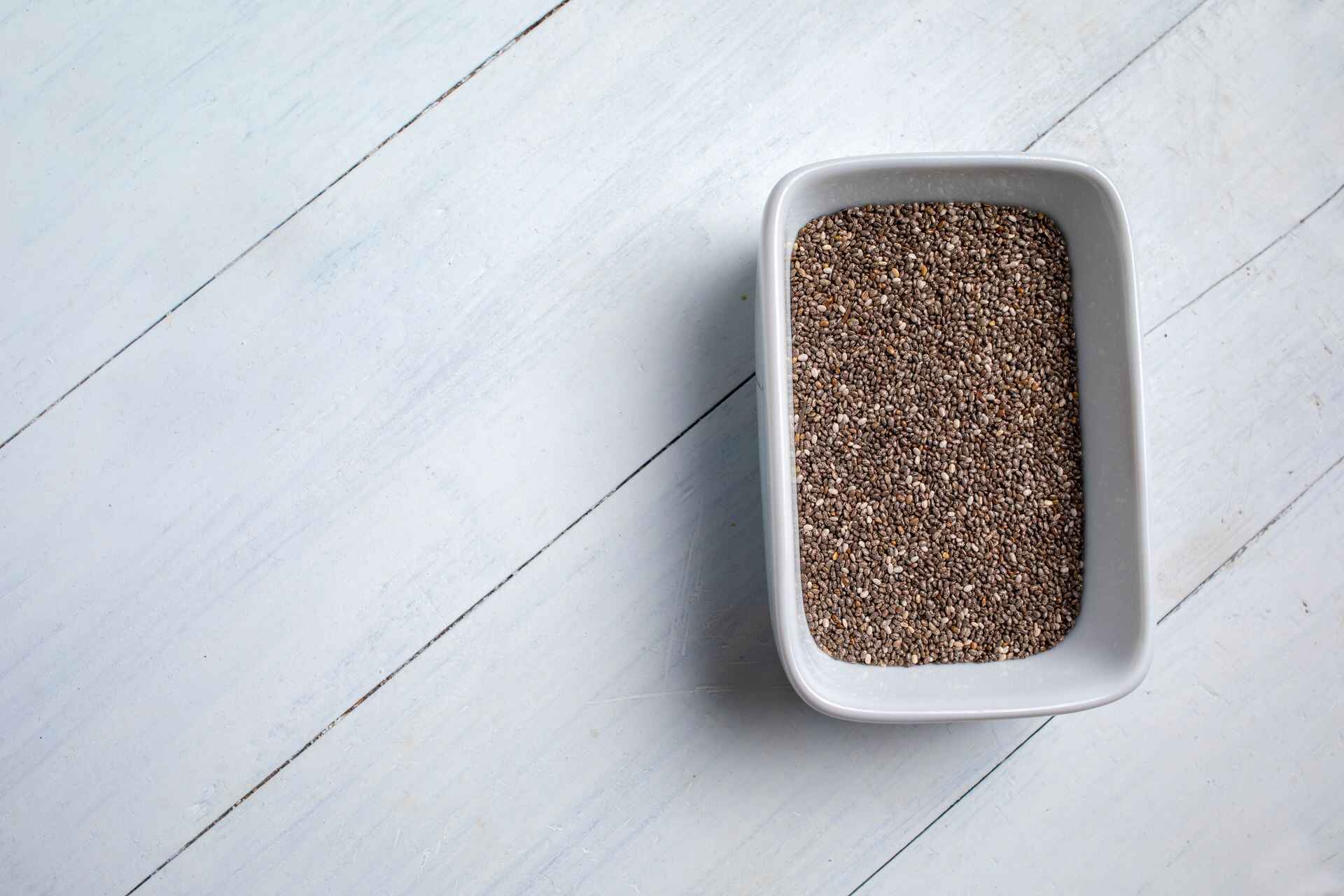
Chia seeds can thicken liquid and create a pudding-like texture, which makes them useful for breakfasts and snacks. They provide fiber and can be mixed into plain yogurt, selected smoothies, or overnight recipes.
To make a simple chia pudding, stir chia seeds into an appropriate unsweetened milk alternative and allow the mixture to thicken in the refrigerator. Add a small portion of berries or a little cinnamon for flavor.
Chia seeds contain carbohydrates, much of which is fiber, so they should still be counted according to your preferred dietary method. Increase fiber gradually if you're not used to eating much of it, and drink adequate fluids.
Chia seeds are also handy for making a quick breakfast in advance. Preparing a serving the night before can remove one decision from your morning routine.
48. Ground Flaxseed

Ground flaxseed is a simple ingredient to mix into yogurt, suitable smoothies, or selected recipes. Grinding makes it easier to incorporate into food than using whole flaxseeds in some preparations.
Stir a small amount into plain Greek yogurt with raspberries, or use it in a recipe for a fiber containing baked dish. It can also be added to some homemade mixtures as part of a broader combination of ingredients.
Flaxseed contains fiber, fat, protein, and some total carbohydrates. Since nutrition figures vary by amount and form, check the product information if precise carb counting matters to you.
Store ground flaxseed as directed on the package, often in an airtight container in the refrigerator after opening. Keeping it fresh matters because its oils can become rancid over time.
49. Pumpkin Seeds
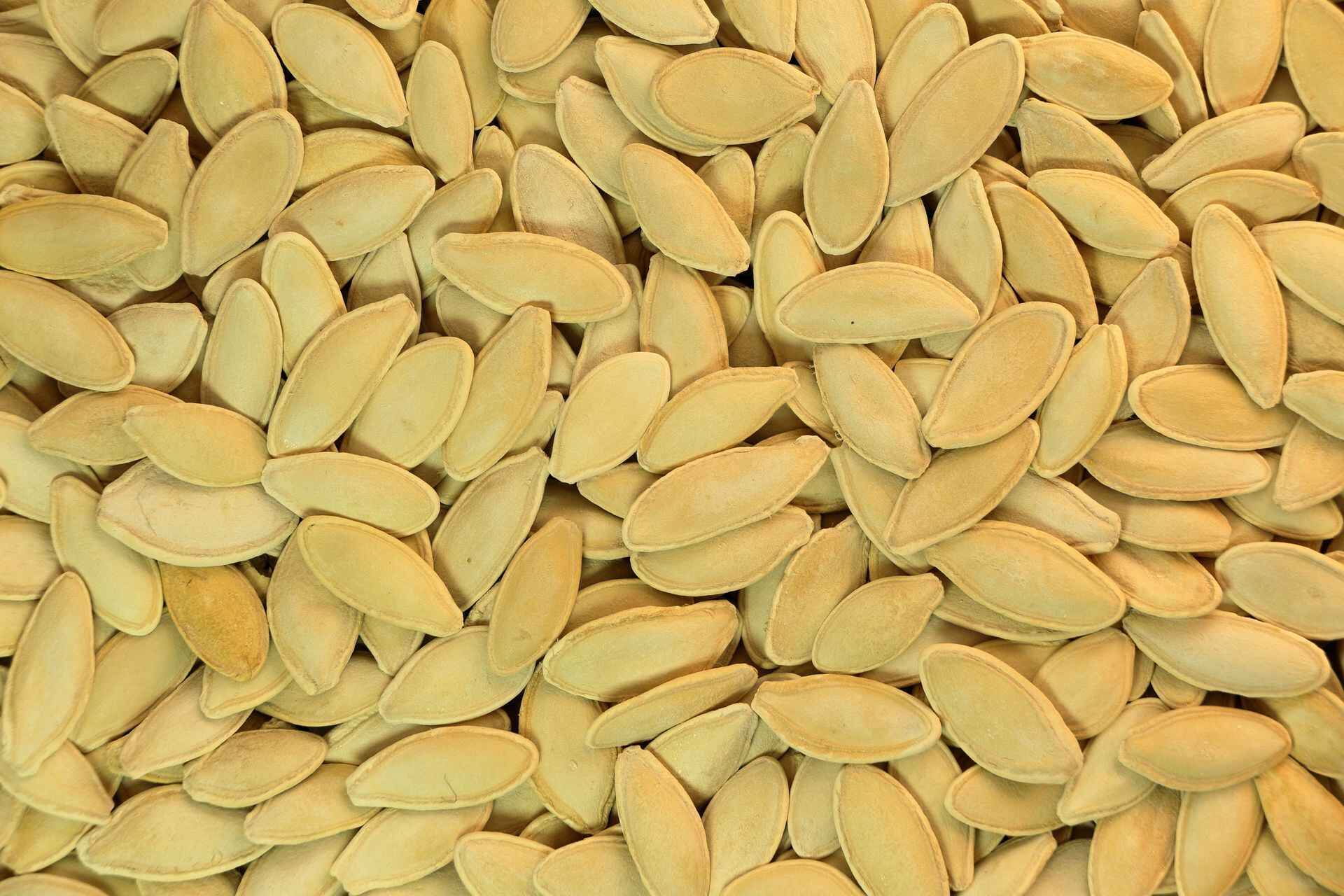
Pumpkin seeds, sometimes sold as pepitas, provide crunch and can be added to salads, yogurt bowls, or snack portions. Their savory flavor also works well in homemade seed mixtures.
Sprinkle them over roasted cauliflower, add a small portion to a leafy salad, or keep a measured serving for an afternoon snack. Plain or lightly seasoned varieties make it easier to control added ingredients.
Pumpkin seeds contain carbohydrates, protein, fiber, fats, and minerals. Portion size matters, and flavored products may include additional sugar or sodium.
Use nuts and seeds as one part of your meal routine rather than the foundation of every snack. Pairing a modest portion with vegetables, plain yogurt, or another food you enjoy can make your choices more varied and satisfying.
Dairy and Unsweetened Dairy Alternatives
Dairy foods and fortified alternatives can fit into a lower-carbohydrate kitchen, but products differ considerably. Cheese, plain yogurt, cottage cheese, and soy milk do not have identical carbohydrate amounts, protein levels, or nutritional profiles.
One of the most useful shopping habits is choosing plain or unsweetened products and checking the label. Flavored yogurt, sweetened plant milk, and ready-made dairy desserts may contain added sugars that aren't present in their plain counterparts.
50. Cheddar Cheese

Cheddar is useful because a small amount can add a concentrated savory flavor to meals. Grate it over eggs, sprinkle it onto roasted broccoli, or add a measured portion to a salad.
Cheddar generally contains little carbohydrate, although exact figures depend on the product. It also contains saturated fat and sodium, so consider how much you use and how it fits into your broader eating pattern.
Cheese doesn't need to be eliminated from a lower-carbohydrate diet, but it isn't necessary to add it to every meal. If your dinner already contains several rich ingredients, a smaller amount may give you the flavor you're looking for.
Store cheese according to package directions and check for spoilage before using it. Grating a little fresh cheese at home may also give you more control over the ingredients than relying on heavily processed cheese products.
51. Mozzarella
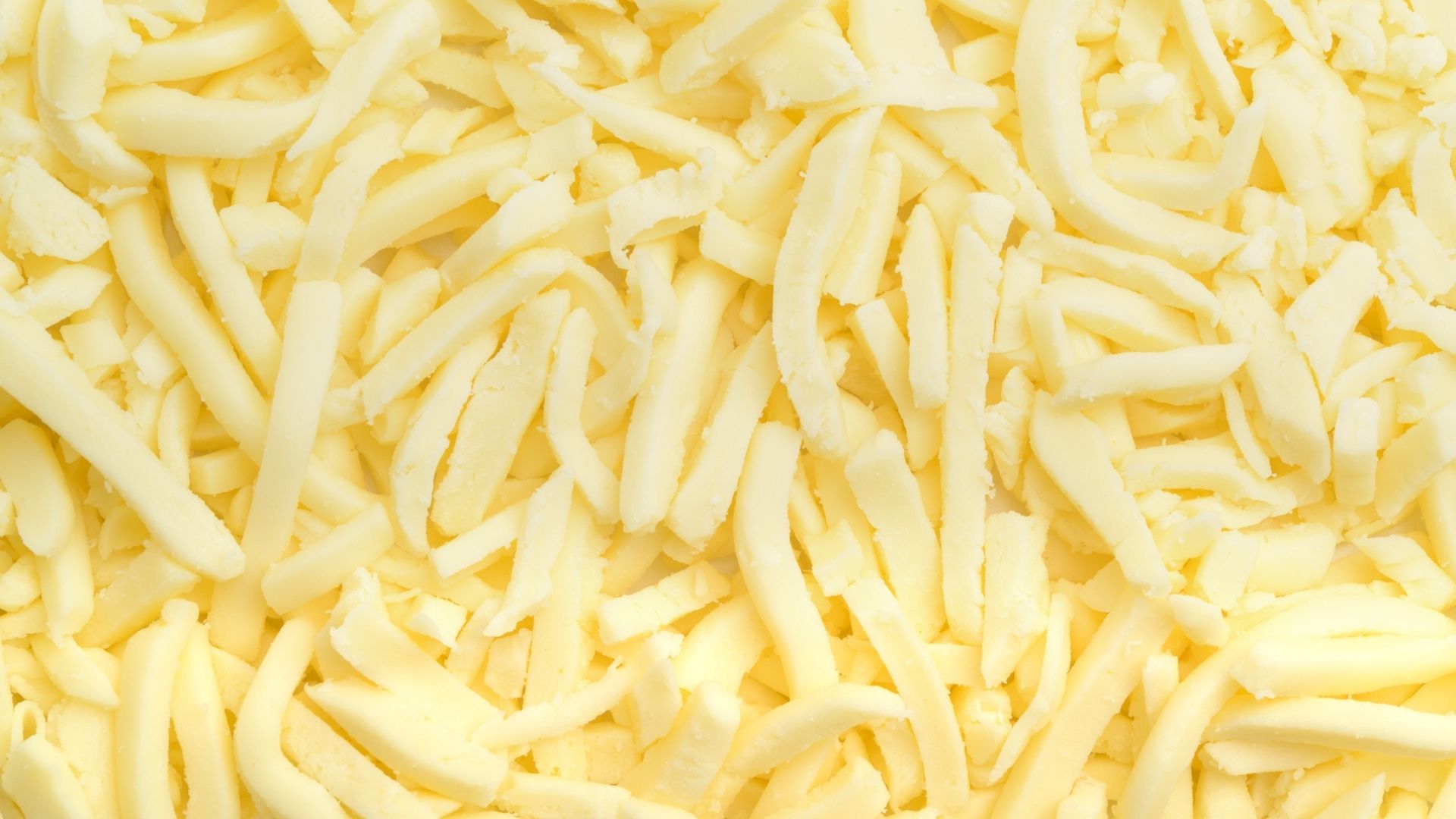
Mozzarella offers a mild flavor that pairs well with tomatoes, vegetables, and eggs. Fresh mozzarella works in salads, while firmer varieties can be used in suitable cooked dishes.
Combine mozzarella with tomatoes and leafy greens, or add a moderate amount to a vegetable bake. You can also use it with eggplant and plain tomato sauce for a simple meal.
Mozzarella usually contains relatively little carbohydrate, but the nutrient profile differs according to the type and serving. Check the label when comparing fresh mozzarella, shredded cheese, and processed cheese products.
Keep the portion appropriate to the meal. Cheese can add protein and calcium, but vegetables and other foods are still important for creating variety across your day.
52. Feta
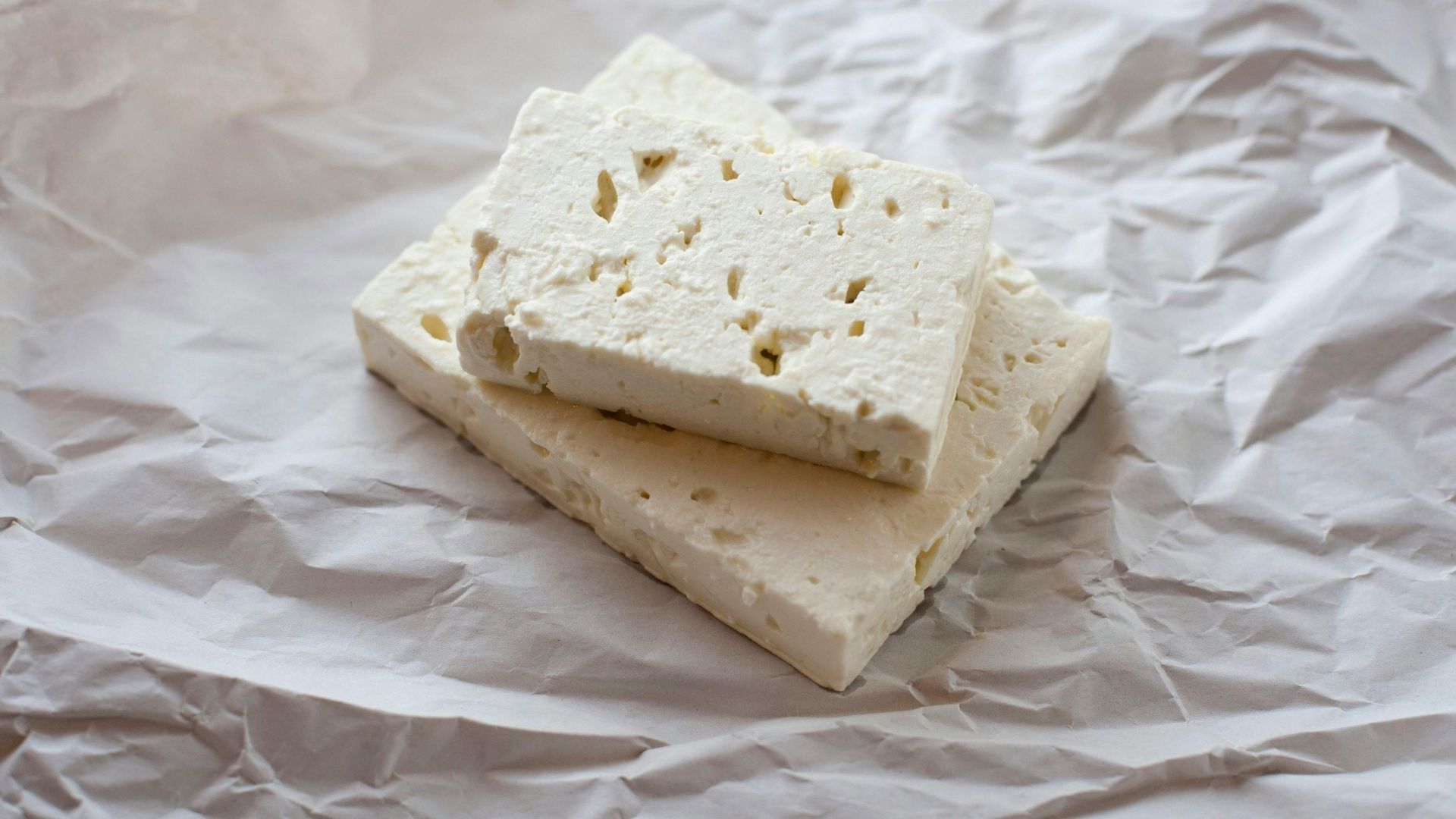
Feta has a salty, tangy flavor that can make a salad more interesting without requiring a complicated dressing. It works with cucumbers, tomatoes, olives, spinach, and roasted vegetables.
Add a small amount to a chopped salad or crumble it over roasted eggplant. Pair it with chicken or fish when you want a more flavorful vegetable side.
Feta is generally low in carbohydrates, but its sodium content can be substantial. If you're monitoring sodium, compare products and use enough to provide flavor rather than treating it as the main ingredient.
Because feta is assertive, a small serving can go a long way. That's helpful when you're trying to add variety without substantially increasing the amount of food on your plate.
53. Plain Greek Yogurt

Plain Greek yogurt is useful at breakfast, as a snack, or as the base for a simple dip. It can provide protein and calcium, although its exact nutritional profile varies with fat content and brand.
Choose unsweetened yogurt, then add berries, chia seeds, or ground flaxseed if those ingredients fit your plan. You can also mix plain yogurt with lemon juice, dill, garlic, and cucumber for a cooling sauce to serve with chicken or vegetables.
Yogurt contains naturally occurring lactose, so it contributes carbohydrates even when no sugar has been added. Flavored varieties may contain additional added sugar, making the ingredient list and Nutrition Facts label especially useful.
Plain Greek yogurt is a practical choice because it can be used in both sweet and savory dishes. Keep a container in the refrigerator and use it in meals before it expires.
54. Cottage Cheese
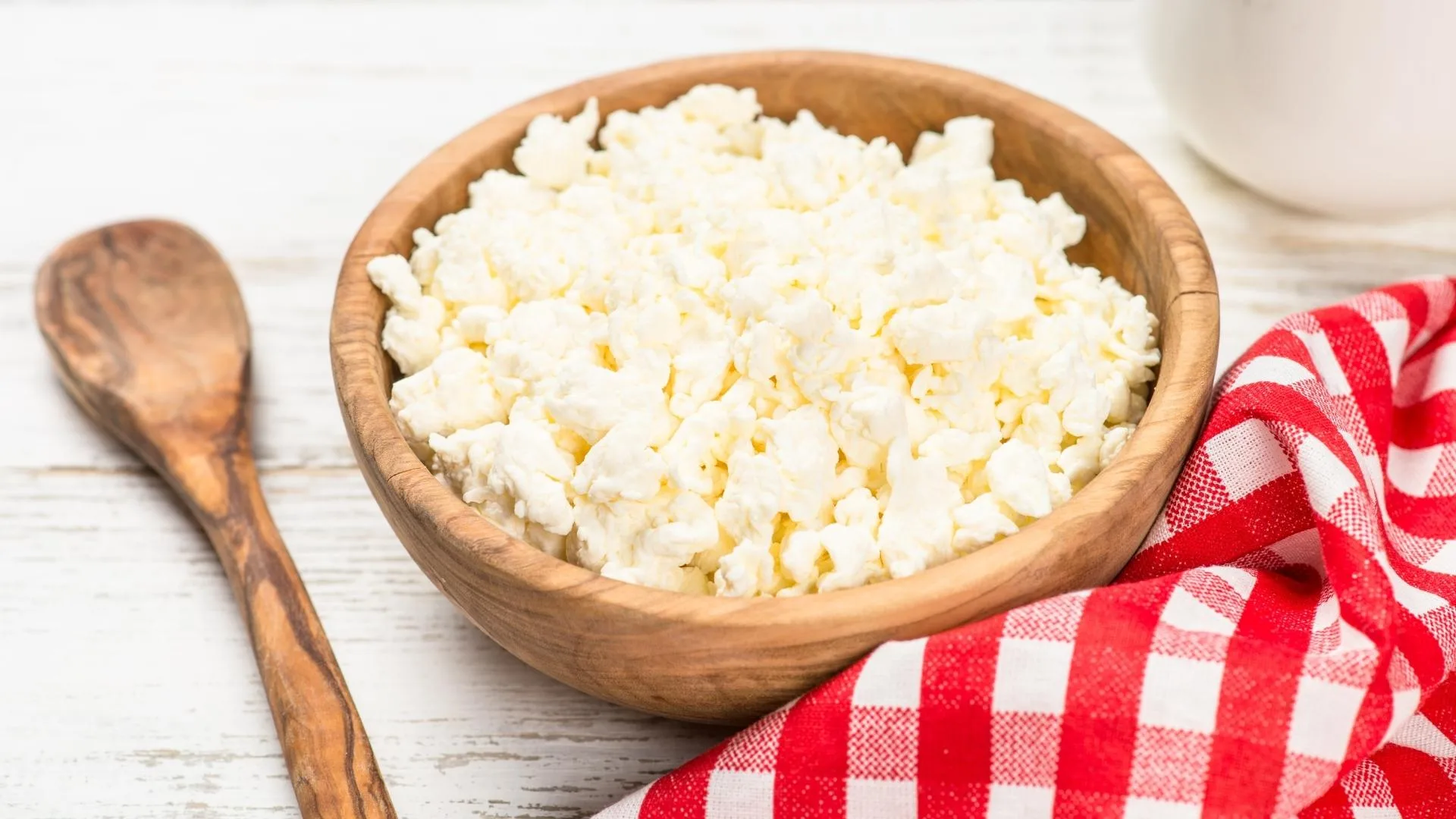
Cottage cheese is a convenient protein-containing food that can be eaten plain or incorporated into simple meals. It works for breakfast, snacks, and light lunches when you want something that requires little preparation.
Pair cottage cheese with a suitable berry portion, or serve it alongside cucumber, tomatoes, and black pepper. It can also be used in selected recipes for a creamy texture.
Cottage cheese contains carbohydrates, partly because of naturally occurring lactose. Sodium content and other nutrients vary by product, so compare labels if you have a specific nutritional target.
Choose the style you enjoy, whether that means small curds, large curds, or a particular fat level. The most useful option is the one that fits your preferences and is likely to be eaten rather than wasted.
55. Unsweetened Fortified Soy Milk

Unsweetened fortified soy milk can be an alternative to dairy milk for people who avoid dairy or prefer plant-based products. Depending on the brand, it may supply protein as well as added nutrients such as calcium and vitamin D.
Use it in coffee, in selected recipes, or alongside an appropriate breakfast. When comparing products, check whether they are unsweetened and fortified, and compare protein and carbohydrate figures.
Different plant milks have different nutritional profiles. Almond, coconut, oat, and soy beverages are not interchangeable in terms of protein, carbohydrate, or added nutrients, so choose according to your needs rather than the front-of-package marketing.
If you're replacing dairy milk regularly, consider whether the alternative supplies the nutrients you are looking for. A registered dietitian can help if you have concerns about calcium, protein, vitamin D, or other dietary requirements.
Healthy Fats, Oils, and Flavor Boosters
Carbohydrate content is only one part of a food's nutritional profile. The type of fat you eat matters, too, and choosing more unsaturated fats can improve the overall quality of a diet.
Oils and condiments can also make plain ingredients much more enjoyable. A meal of chicken and vegetables may feel repetitive when served without seasoning, but olive oil, herbs, citrus, mustard, and spices can create a completely different flavor.
56. Extra-Virgin Olive Oil

Extra-virgin olive oil is a versatile cooking oil commonly used in Mediterranean-style eating patterns. It works in dressings, for roasting vegetables, and for finishing cooked meals.
Mix olive oil with lemon juice, mustard, garlic, and black pepper for a simple dressing. You can also toss broccoli, cauliflower, or zucchini with a small amount before roasting.
Olive oil contains virtually no carbohydrates, but it is energy-dense. If you're managing your overall calorie intake, measure the amount rather than pouring freely from the bottle.
Use olive oil as one part of a balanced meal rather than assuming it makes any meal healthy. The vegetables, protein, portions, and other ingredients still matter.
57. Avocado Oil
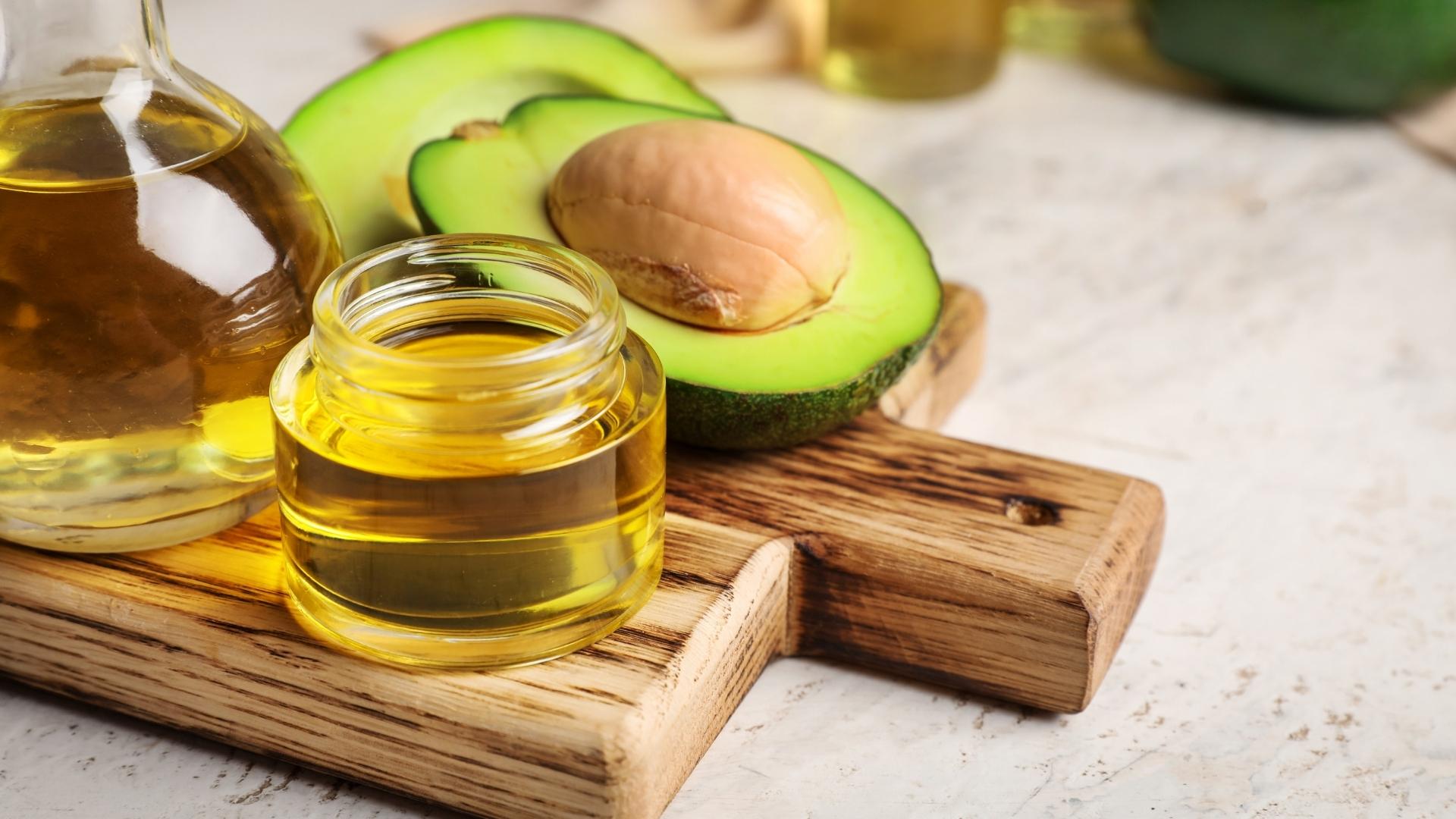
Avocado oil is another cooking option that can be useful in the kitchen. It is rich in fat and has a mild flavor, so it can work in dressings or suitable cooked dishes depending on the product's specifications.
Use a measured amount to sauté vegetables or prepare a simple dressing. Check the label and follow the manufacturer's guidance for the intended cooking method.
Like olive oil, avocado oil contains very little carbohydrate but contributes calories. It isn't necessary to buy several specialty oils if one or two familiar options already meet your needs.
Store cooking oils away from excessive heat and light, and follow package recommendations. Buying a quantity you can use while fresh is often more practical than purchasing a large bottle that stays open for months.
58. Mayonnaise Without Added Sugar

Mayonnaise can help bind tuna salad, egg salad, and other simple dishes. When choosing a packaged variety, check the ingredient list and nutrition panel rather than assuming all products are alike.
Mix a small amount with canned tuna, celery, mustard, and black pepper, then serve it over romaine or with cucumber slices. You can also combine mayonnaise with lemon juice and herbs to create a quick dressing.
Mayonnaise is generally very low in carbohydrates, but it is calorie-dense, and product formulations differ. Some dressings marketed as light or flavored may contain added sugar or other ingredients worth checking.
Use it for flavor and texture rather than as the main component of a meal. If you prefer a different taste, plain yogurt or an olive-oil dressing may be suitable alternatives.
59. Yellow Mustard

Yellow mustard is an easy way to add tangy flavor to meals. It pairs well with eggs, turkey, chicken, salad dressings, and homemade marinades.
Stir mustard into an olive-oil dressing or spread a small amount on a lettuce wrap with turkey and cucumber. You can also mix it with lemon juice and herbs to make a quick sauce for roasted vegetables.
Plain mustard is usually low in carbohydrates, but flavored condiments vary. Honey mustard and some sweetened sauces may contain more sugar than standard yellow mustard.
Because mustard has a strong flavor, a modest amount often goes a long way. It can make familiar foods more interesting without requiring a complex recipe.
Other useful flavor boosters include garlic, black pepper, chili, cumin, paprika, rosemary, parsley, vinegar, lemon zest, and fresh herbs. These aren't additional items in the numbered list, but they can help make your kitchen more flexible.
The goal isn't to eliminate flavor while reducing carbohydrates. It's to find seasonings that make simple ingredients enjoyable enough to use again and again.
Low-Carb Pantry Staples and Drinks for Everyday Convenience
A useful kitchen isn't built only around foods that need immediate preparation. Pantry staples and drinks can make it easier to put together a meal when fresh ingredients run low or your schedule changes unexpectedly.
These four options are worth considering because they are practical and can fit into many lower-carbohydrate eating patterns.
60. No-Sugar Added Canned Tomatoes
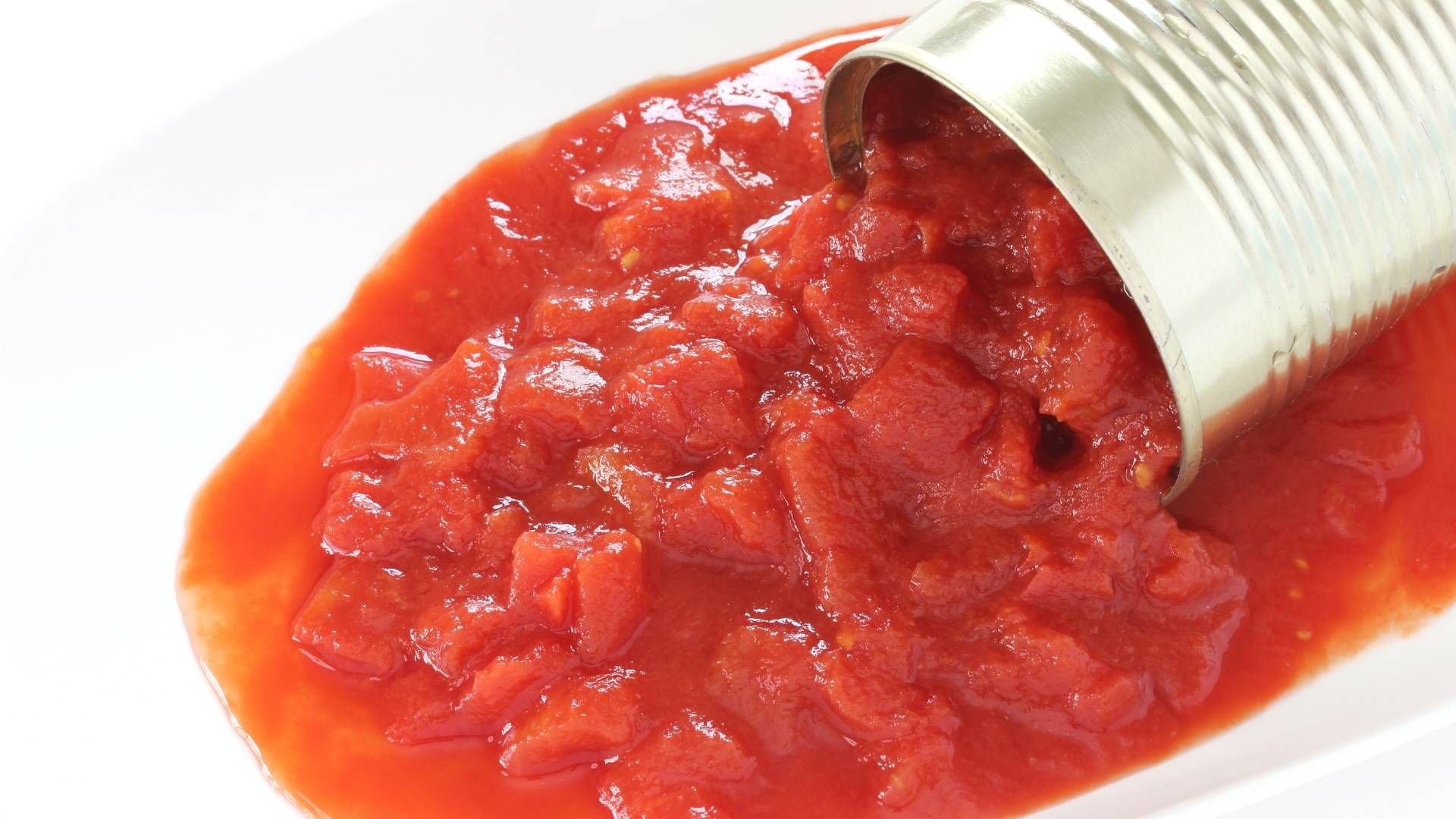
Plain canned tomatoes are helpful for quick sauces, soups, and skillet meals. They can make chicken, ground turkey, tofu, or vegetables taste more interesting without requiring a long cooking process.
Simmer canned tomatoes with garlic, herbs, and black pepper to make a simple sauce. Add it to roasted eggplant or use it as a base for a skillet meal with ground meat and vegetables.
Tomatoes contain natural carbohydrates, so check serving size if you're following a strict target. Products with added sugar have a different nutritional profile, which is why reading the ingredient list matters.
Keep a few cans available if you frequently make soups or tomato-based dishes. Choose products you already know how to use rather than stockpiling ingredients for recipes you rarely prepare.
61. Low-Sodium Broth

Broth is a helpful shortcut for soups, vegetable dishes, and skillet recipes. It adds flavor and moisture without requiring you to start with a long homemade stock preparation.
Use broth to cook mushrooms, simmer vegetables, or make a simple chicken and leafy greens soup. It can also help loosen ingredients in a pan after cooking.
Broth can contain very little carbohydrate, but packaged varieties differ in sodium and ingredients. Check the label, especially if sodium intake matters for your health.
Choose plain broth without unnecessary sweetened additions. If you use a concentrated product, follow the mixing instructions and consider the sodium content of the finished portion.
62. Unsweetened Tea

Unsweetened tea is a useful drink option if you're trying to reduce added sugars from beverages. It can be served hot or cold and flavored with lemon, mint, or other ingredients that fit your preferences.
Prepare a jug of unsweetened iced tea and store it safely in the refrigerator. That gives you a ready-to-drink choice when you're tempted to reach for a sweetened beverage.
Plain tea contains virtually no carbohydrates when served without sugar or sweetened additions. Bottled teas can be very different, so read the label rather than assuming all tea drinks are unsweetened.
Tea doesn't need to be the only beverage you drink. Water and other suitable unsweetened drinks can all be part of a practical hydration routine.
63. Plain Sparkling Water

Plain sparkling water can add variety if you find regular water boring. The bubbles make it feel different, and a squeeze of lemon or lime can provide flavor without requiring added sugar.
Keep chilled sparkling water available for meals or when you're looking for an alternative to soda. You can add cucumber slices or fresh herbs for a little extra flavor.
Plain sparkling water generally contains no carbohydrates. Flavored versions vary, so check for added sugar or other ingredients if the carbohydrate total matters to you.
You don't need expensive specialty drinks to stock a lower-carbohydrate kitchen. Simple beverages that you enjoy and regularly use are often the most practical choices.
Foods to Limit or Portion Carefully on a Low-Carb Diet
A lower-carbohydrate eating pattern often means paying more attention to certain foods, particularly those that supply substantial amounts of refined starch or added sugar. However, there is a difference between limiting a food to meet your goals and declaring that food universally unhealthy.
Sugary soft drinks, sweetened teas, candy, pastries, and many desserts can add carbohydrates quickly. Refined grains such as white bread, crackers, and some breakfast cereals may also contribute substantial carbohydrates, particularly when eaten in large portions.
Starchy vegetables such as potatoes, corn, peas, and sweet potatoes contain carbohydrates along with useful nutrients. Beans, lentils, whole grains, milk, and many fruits also contribute carbohydrates, but they can supply fiber, vitamins, minerals, or protein. Whether to include them, and in what portions, depends on the style of eating you're following and your individual needs.
The CDC's guidance on choosing healthy carbohydrates emphasizes the importance of considering carbohydrate quality, including the nutrients in foods and the role of fiber. A lower-carb approach should not automatically be interpreted as a reason to avoid every nutrient-rich carbohydrate source.
Packaged foods can be particularly confusing because their marketing may emphasize one feature while ignoring others. A product labeled sugar-free may still contain carbohydrates from starches or other ingredients. A product advertised as low carb may also be high in sodium, saturated fat, or calories.
Use this simple approach when deciding what to limit or include:
- Check total carbohydrates and serving size.
- Look at added sugar, sodium, saturated fat, fiber, and protein.
- Consider how the food fits into the whole meal.
- Choose less processed options when practical, while recognizing that convenient foods can still be useful.
- Avoid treating one food as the sole cause of weight gain or poor health.
For example, you could replace a sugary drink with sparkling water, use plain yogurt instead of sweetened yogurt, or serve a burger with vegetables instead of a large refined grain bun. You can make these changes without turning the grocery store into a list of forbidden foods.
The most sustainable approach is usually one that makes room for flexibility, supports nutritional needs, and fits your actual lifestyle.
How to Build Balanced, Satisfying Low-Carb Meals
Once you have your ingredients, the next challenge is turning them into meals that taste good and keep you satisfied. The good news is that you don't need an entirely new recipe for every day of the week.
A simple meal building framework can help. Choose a protein, add one or more vegetables, include a suitable source of fat or flavorful dressing, and incorporate other ingredients according to your carbohydrate target. Adjust the portions to your appetite, energy needs, activity level, and any relevant medical advice.
The CDC's diabetes meal planning guidance offers a useful reminder that meal planning should consider personal preferences, lifestyle, and health needs. Although people may choose lower-carbohydrate meals for different reasons, the principle of building meals from appropriate combinations of foods remains practical.
Breakfast Ideas
Breakfast doesn't have to revolve around cereal, pastries, or toast. Eggs, plain yogurt, cottage cheese, vegetables, nuts, and seeds can form the basis of many quick morning meals.
Try scrambled eggs with spinach and mushrooms, or make a frittata with peppers and a little cheese. If you prefer something cold, prepare plain Greek yogurt with chia seeds and a measured serving of berries. Cottage cheese with cucumber and black pepper offers a savory alternative.
You can also prepare breakfast ahead of time. Boil eggs, wash vegetables, or make chia pudding the night before. That means breakfast can be ready when you're short on time instead of relying on whatever packaged food happens to be nearby.
Lunch Ideas
Lunch is often easier when you have cooked protein available. Leftover chicken can become a salad, tuna can be turned into lettuce wraps, and tofu can be served with a mixture of cabbage, mushrooms, and peppers.
For a simple salad, combine romaine, cucumber, tomatoes, a protein, and a dressing made with olive oil and lemon juice. If you'd rather have a warm meal, heat leftover chicken or tofu with vegetables in a skillet. A broth soup with protein and non-starchy vegetables is another practical option.
The secret is to prepare ingredients that can be reused in different ways.
Cooked chicken doesn't have to become the same meal twice: serve it hot on Monday and cold in a salad on Tuesday.
Dinner Ideas
Dinner can be built around a single protein and a tray of vegetables. Salmon with broccoli, pork tenderloin with green beans, or tofu with zucchini and mushrooms are all straightforward starting points.
If you cook a protein in a batch, change the seasonings from meal to meal. Lemon and herbs work well with fish, while garlic and paprika can suit chicken or roasted vegetables. A small amount of mustard or a homemade dressing can give a familiar dish a different flavor.
Sheet pan meals are especially useful because several ingredients can cook together. Arrange vegetables alongside the protein when their cooking times allow, and prepare any ingredients that need different temperatures or timing separately.
Snack Ideas
Snacks can help bridge the gap between meals, but they don't need to be complicated. Plain yogurt, a measured portion of nuts, boiled eggs, cucumber with a suitable dip, or a small portion of cheese can be convenient choices.
Choose a snack because you're hungry or need something practical, not simply because a product is marketed as low carb. Some packaged snacks offer little nutritional value despite having relatively few carbohydrates.
If you're frequently hungry shortly after a meal, look at the meal itself. It may need more protein, vegetables, fiber containing foods, or enough overall energy for your needs. Restricting carbohydrates more and more isn't automatically the best answer.
How to Make Meals Feel Different
Variety comes from more than changing the main ingredient. Different textures, temperatures, dressings, herbs, and cooking methods can transform the same groceries.
For example, use cucumber and tomatoes in a cold salad one day, roast zucchini and mushrooms on another, and make a quick cabbage skillet later in the week. Rotate fish, poultry, eggs, tofu, and other proteins to broaden your options.
This approach is especially helpful when using a low carb foods list for weight management or meal planning. Instead of thinking about foods you cannot eat, focus on the many combinations available from ingredients that suit your preferences.
How to Shop for, Store, and Budget Low-Carb Foods
The smartest shopping list is not the longest one. It's the one that helps you prepare meals, use what you buy, and stay within your budget.
Before shopping, look at your calendar. How many meals will you prepare at home? Which ingredients do you already have? Can one protein be used for two different meals? Answering these questions helps you buy food intentionally instead of filling the cart with products that sound appealing but have no clear purpose.
Buy a Few Ingredients From Each Category
Start with two or three proteins, several vegetables, one or two fruit options that fit your plan, and a few staples. For example, you might choose eggs, chicken, tofu, spinach, broccoli, cucumbers, frozen berries, plain yogurt, and olive oil.
That small collection already creates several possible meals. You can add fish, nuts, different vegetables, or other ingredients when you have a recipe in mind.
If you enjoy variety, rotate your choices every week. You don't need all 63 foods in your kitchen at the same time.
Compare Fresh, Frozen, and Canned Foods
Fresh produce is useful when you plan to eat it soon, but frozen and canned foods can be just as practical for many recipes. Plain frozen broccoli, frozen spinach, canned tuna, and canned tomatoes can help reduce waste and make meal preparation easier.
Compare prices by unit and check how much usable food each package contains. A large package may be economical only if you'll use it before it spoils.
For canned foods, consider sodium and added ingredients. For frozen items, look for plain vegetables or proteins when you want to avoid sauces that add sugar or starch.
Store Food With a Plan
Food safety and storage matter just as much as buying the right ingredients. Follow product instructions and recognized food safety guidance for refrigeration, freezing, preparation, and leftovers.
Wash produce when appropriate, store it correctly, and keep raw meat separate from ready-to-eat foods. Refrigerate cooked food promptly and use it within recommended safety time frames.
If you prepare meals ahead, label containers with the date and contents. Freezing suitable portions can make future dinners easier, but thaw and reheat food safely.
Keep Your Budget Under Control
You can build a useful low carb grocery list without purchasing every specialty product labeled keto or low carb. Eggs, seasonal vegetables, plain frozen vegetables, canned fish, chicken, and simple pantry ingredients can support many everyday meals.
Try planning two or three dinners before shopping. Buy ingredients that appear in more than one recipe and use leftovers for lunch where appropriate. If one ingredient is expensive, substitute a more affordable food from the same general category.
It's also wise to avoid buying specialty products before you know whether you'll use them. Start with familiar foods and expand slowly. Your kitchen should support your routine, not create extra costs or clutter.
A Practical Low-Carb Grocery List and 7-Day Meal Inspiration
This sample low carb grocery list is designed to make planning easier, not to prescribe a particular carbohydrate target. Adjust the quantities for household size, appetite, budget, and the way you prefer to eat.
Sample Grocery List
| Category | Foods to Consider |
|---|---|
| Protein | Eggs, Chicken, Ground Turkey, Tofu, Salmon, Canned Tuna |
| Vegetables | Spinach, Romaine, Broccoli, Cauliflower, Zucchini, Cucumbers, Mushrooms, Cabbage |
| Fruit | Avocado, Strawberries, Raspberries, Lemons |
| Dairy or Alternatives | Plain Greek Yogurt, Cottage Cheese, Cheddar, Unsweetened Fortified Soy Milk |
| Nuts and Seeds | Almonds, Walnuts, Chia Seeds, Ground Flaxseed |
| Fats and Seasonings | Extra-Virgin Olive Oil, Mustard, Garlic, Black Pepper, Dried Herbs |
| Pantry Staples | Plain Canned Tomatoes, Low-Sodium Broth, Unsweetened Tea, Sparkling Water |
You can swap any ingredient for a similar choice that fits your preferences. If you don't eat fish, for example, choose another protein you enjoy. If dairy doesn't suit you, consider an appropriate alternative and check its nutritional profile.
Day 1: Simple and Familiar
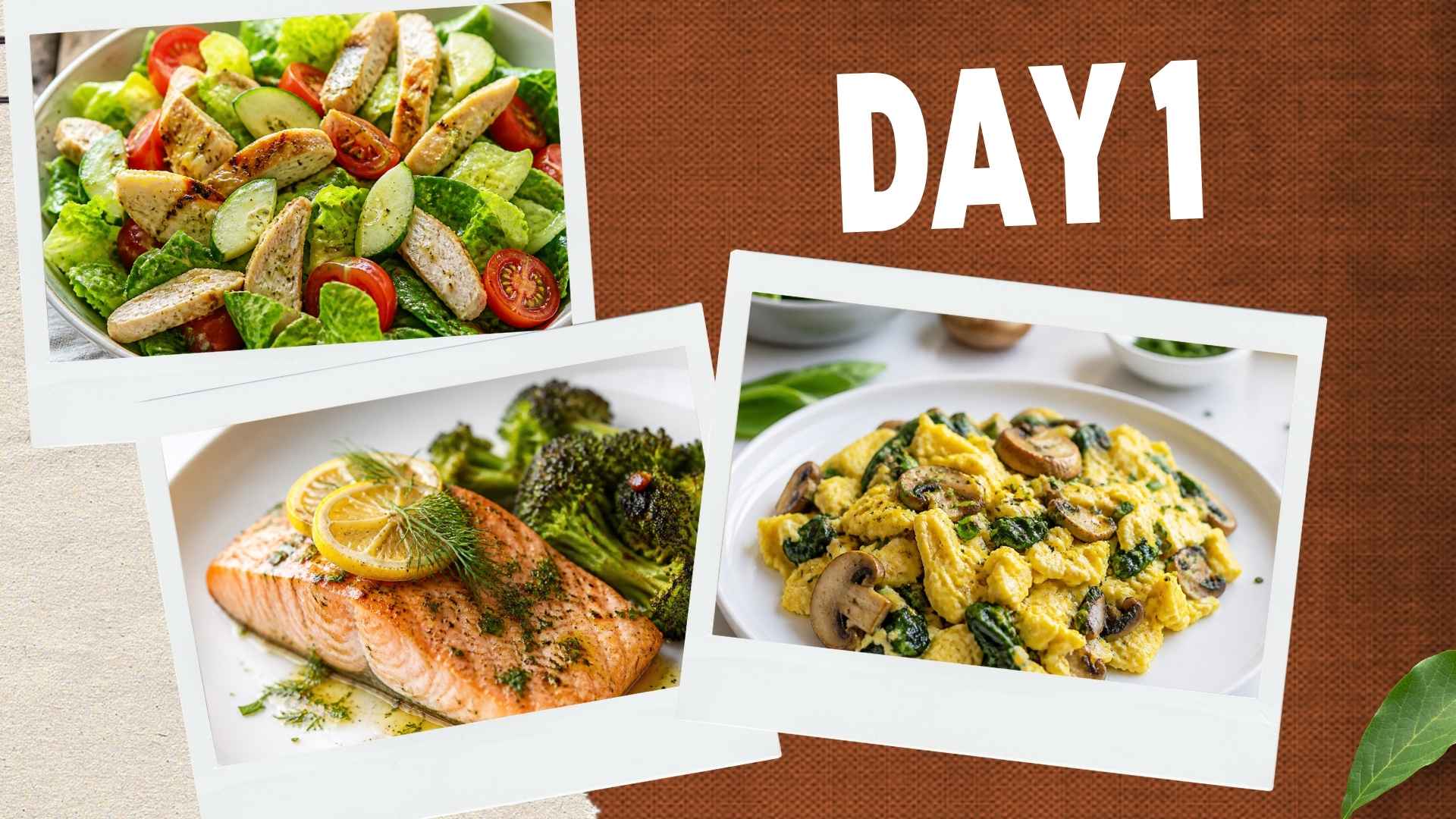
- Breakfast: Scrambled eggs with spinach and mushrooms.
- Lunch: Chicken salad with romaine, cucumbers, tomatoes, and olive oil dressing.
- Dinner: Baked salmon with roasted broccoli.
Prepare extra chicken at lunch or dinner if you would like leftovers for the next day. Use lemon, garlic, and herbs to flavor the meals without relying on a sweetened sauce.
Day 2: A Mix of Cold and Warm Meals
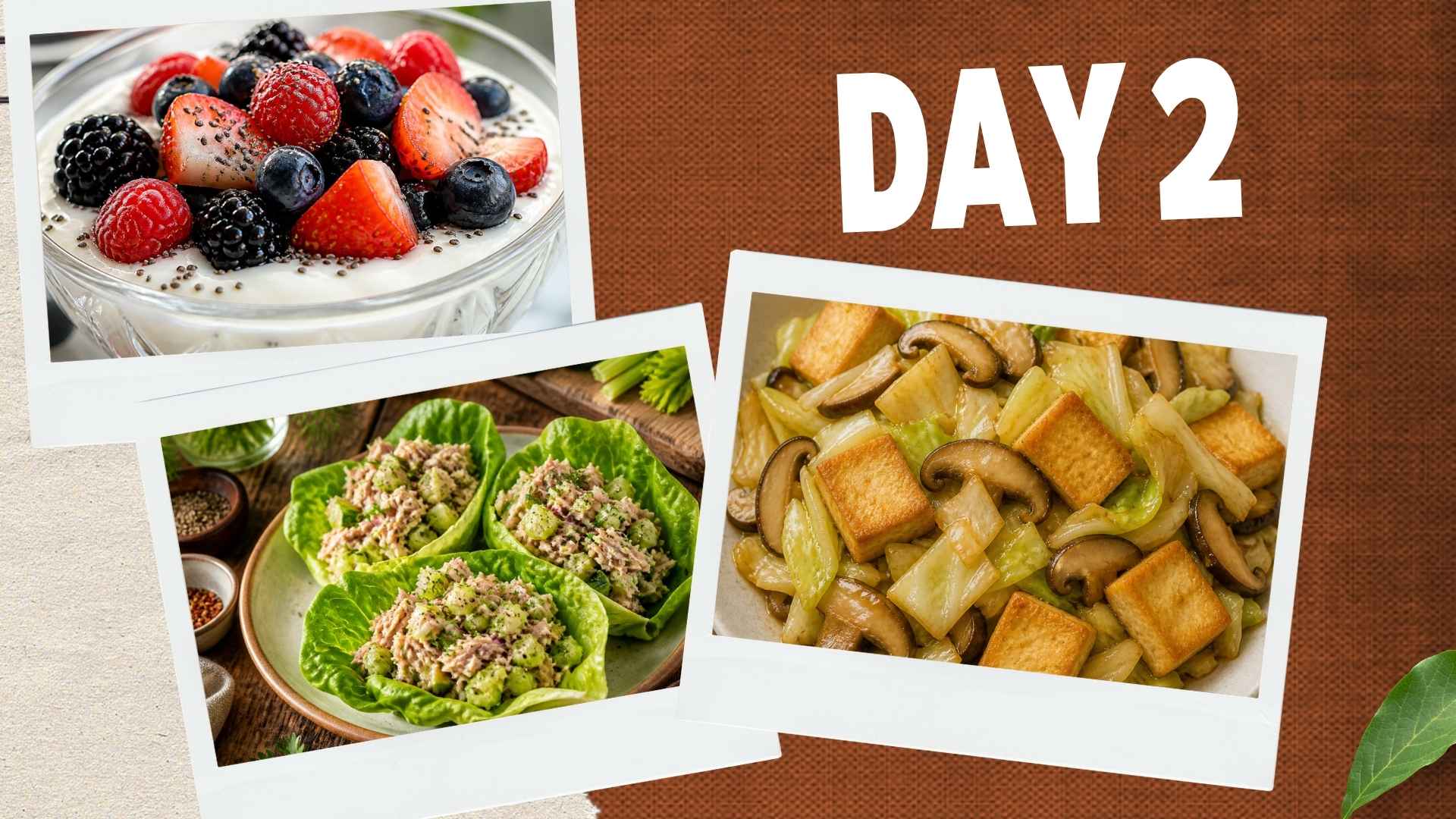
- Breakfast: Plain Greek yogurt with a measured portion of berries and chia seeds.
- Lunch: Tuna lettuce wraps with cucumber and celery.
- Dinner: Tofu stir-fried with cabbage and mushrooms.
This day combines animal and plant proteins. Adjust the fruit, yogurt, and tofu portions to match your carbohydrate target.
Day 3: Make Use of Ground Turkey
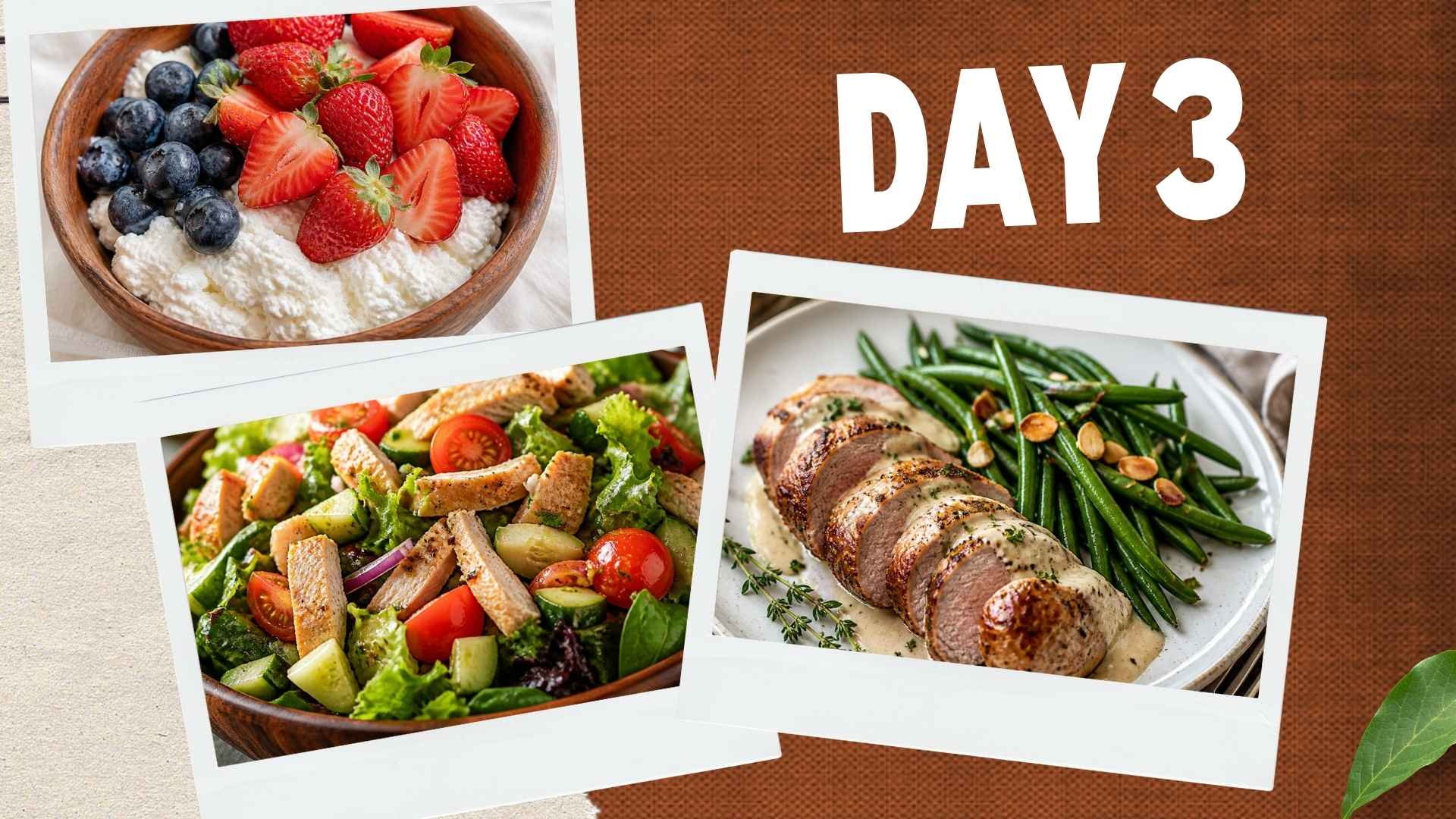
- Breakfast: Cottage cheese with a suitable portion of berries.
- Lunch: Turkey and vegetable salad.
- Dinner: Pork tenderloin with green beans.
Cook enough turkey for more than one serving if that fits your schedule. Turn leftovers into a vegetable skillet or another salad instead of repeating the same lunch.
Day 4: Fast Preparation
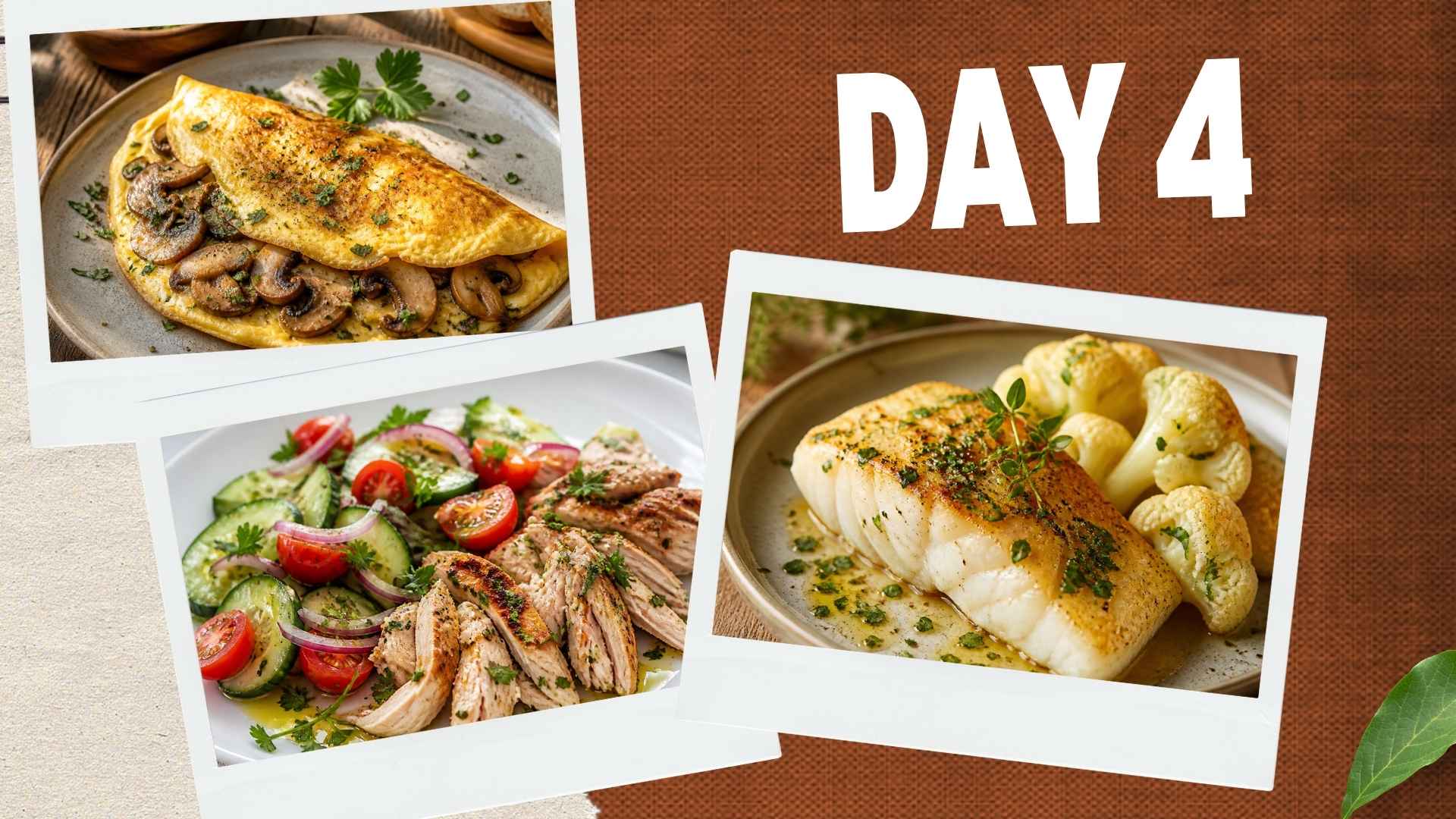
- Breakfast: Mushroom omelet.
- Lunch: Leftover chicken with cucumbers and tomatoes.
- Dinner: Baked cod with cauliflower.
Frozen vegetables can make this day especially convenient. You can prepare a protein and a vegetable side without spending much time washing or chopping ingredients.
Day 5: A Vegetable Focused Day

- Breakfast: Plain yogurt with ground flaxseed.
- Lunch: Egg salad served over lettuce.
- Dinner: Lean beef with roasted eggplant.
Use herbs, mustard, lemon, and black pepper to vary the flavor. The meals can be adjusted with appropriate portions of nuts, seeds, or other foods depending on appetite and nutritional needs.
Day 6: Plant-Forward Choices
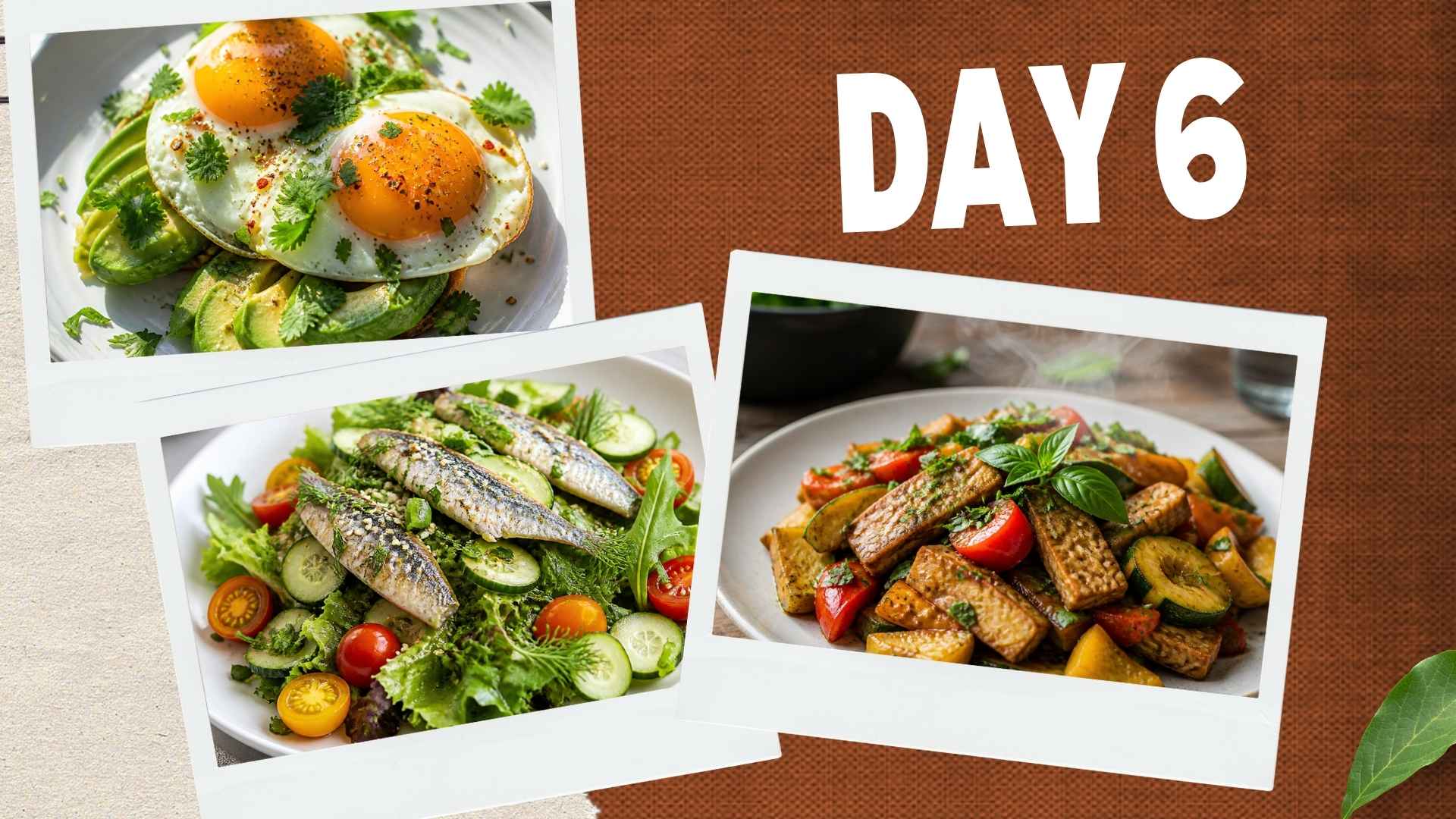
- Breakfast: Eggs with avocado.
- Lunch: Sardine salad with cucumber and leafy greens.
- Dinner: Tempeh with zucchini and bell peppers.
This combination provides variety without requiring complicated recipes. If you prefer, substitute tofu for tempeh or choose another protein that suits your taste and budget.
Day 7: Use What Remains
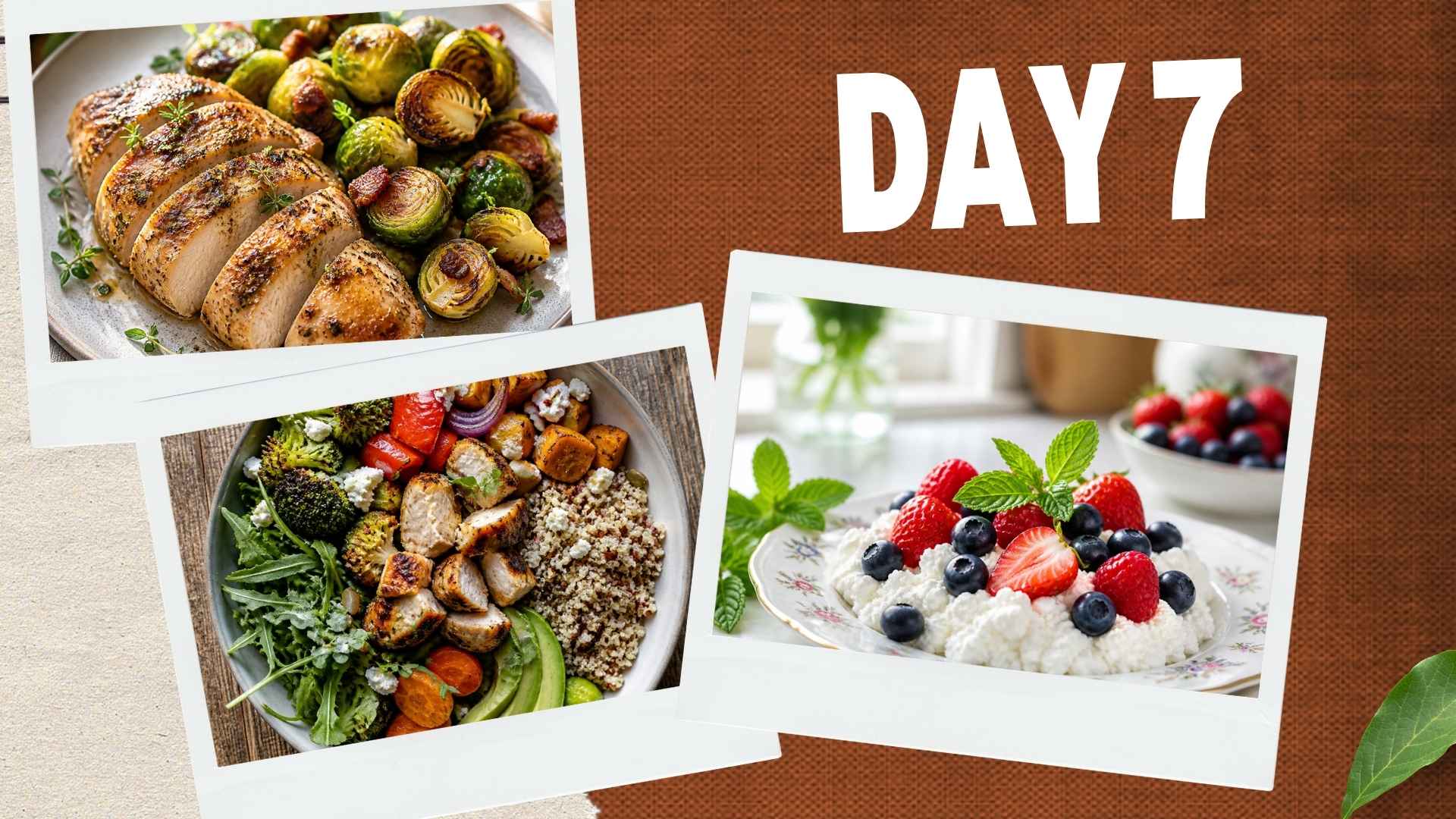
- Breakfast: Cottage cheese with berries.
- Lunch: A bowl made with leftover protein and vegetables.
- Dinner: Chicken with roasted Brussels sprouts.
The final day is an opportunity to use what remains in your refrigerator rather than buying entirely new ingredients. You can swap the proteins, vegetables, and sides according to what you have available.
How to Make the Plan Your Own
You don't need to follow the schedule exactly. The goal is to reduce decision fatigue and help you use your groceries more efficiently.
If one day's meals don't appeal to you, switch them with another day. If you dislike a particular vegetable, replace it with one you prefer. If the plan feels too restrictive, review your carbohydrate target and overall meal composition rather than assuming that stricter rules will necessarily work better.
Nutrition totals will depend on the exact ingredients and portions you choose. If you have a prescribed carbohydrate target or a medical condition that affects food choices, use guidance from your health care team to tailor the plan.
Common Low-Carb Mistakes and Important Health Considerations
Lowering carbohydrate intake can be a useful strategy for some people, but it isn't automatically healthier in every form. The way you build your diet matters, and restrictive approaches can create challenges if they remove too many foods without replacing the nutrients they provide.
Mistake 1: Eating Too Few Vegetables and Too Little Fiber
When people reduce bread, grains, beans, fruit, and other carbohydrate-containing foods, they may also reduce their fiber intake. That can make it harder to maintain a varied diet and may contribute to constipation.
Include a variety of non-starchy vegetables and consider fiber containing foods such as chia seeds, ground flaxseed, nuts, and suitable fruit portions. Increase fiber gradually if you're not used to it, and drink adequate fluids.
Harvard's Nutrition Source guide to fiber explains why fiber-rich foods are important. Avoid assuming that all foods containing carbohydrates need to be eliminated simply to reduce refined starches and added sugars.
Mistake 2: Depending Too Much on Processed Meat
Bacon, sausages, deli meats, and packaged meat products can be convenient, but they shouldn't automatically become the foundation of every meal just because some varieties contain little carbohydrate.
Choose a wider range of proteins, including fish, poultry, eggs, tofu, and other foods that suit your diet. Pay attention to sodium, saturated fat, and processing rather than judging every food by carbohydrate content alone.
A lower-carbohydrate diet can still be unbalanced if it consists mostly of processed meats, cheese, and oils with very few vegetables. Aim for variety.
Mistake 3: Assuming Every Low-Carb Packaged Product Is Healthy
A low-carb label describes only one aspect of a food. A product may have fewer carbohydrates but still contain substantial calories, sodium, saturated fat, or ingredients you prefer to limit.
Compare the full nutrition label, and ask whether the product adds something useful to your diet. Convenience foods can be helpful, but they don't need to replace vegetables, protein-rich ingredients, and other foods you enjoy.
You may find that ordinary ingredients provide better value and flexibility than expensive specialty products.
Mistake 4: Restricting Carbohydrates Too Aggressively
A flexible low-carb diet and a ketogenic diet are not the same thing. A ketogenic diet generally involves a much stricter carbohydrate limit, while other lower-carbohydrate approaches allow more flexibility.
A sudden, substantial reduction in carbohydrates can cause short-term effects such as headache, constipation, fatigue, or muscle cramps in some people. Strict restriction may also make it harder to obtain enough fiber or certain vitamins and minerals if the diet is not carefully planned.
The Mayo Clinic's overview of low-carb diets discusses potential benefits, limitations, and risks. Long-term results differ among people, and it is not appropriate to assume that a restrictive plan will be sustainable for everyone.
Mistake 5: Ignoring Medical Needs
Some people need individualized advice before making major dietary changes. This is particularly important for people with diabetes who take insulin or certain glucose-lowering medications, because changes in carbohydrate intake can affect medication needs and blood glucose levels.
People with kidney disease may also need tailored advice about protein, sodium, potassium, or other nutrients. Nutritional requirements can change with the stage of kidney disease and other health circumstances, as explained in the National Institute of Diabetes and Digestive and Kidney Diseases' guide to healthy eating with chronic kidney disease.
People who are pregnant, have a complex medical history, or have other conditions affected by dietary restriction should speak with a qualified health professional before following a strict plan.
Mistake 6: Expecting One Food List to Solve Everything
No grocery list can guarantee weight loss, improved blood sugar, or better health by itself. Results depend on the overall eating pattern, portions, activity, sleep, medical circumstances, and whether the approach is sustainable.
A list is a tool to help you make decisions. Use it to identify useful ingredients, plan meals, and reduce reliance on foods you prefer to limit. Reassess as you learn what works for your routine.
A balanced, sustainable approach often involves small changes rather than a complete pantry overhaul. Start with meals you already enjoy, make a few practical swaps, and build your kitchen around foods that support your needs.
The Bottom Line: Make Your Kitchen Work for Your Goals
Building a kitchen around low carb foods doesn't have to mean buying expensive products or following a long list of rigid rules. Eggs, fish, poultry, tofu, vegetables, selected fruits, nuts and seeds, plain dairy products, oils, and practical pantry staples can provide plenty of options for everyday meals.
Use the 63 foods in this guide as a starting point. Pick a few ingredients from each category, check labels and serving sizes, and plan meals that fit your tastes, budget, and nutritional needs. Keep convenient options available so you can put together lunch or dinner even when your schedule changes.
Most importantly, focus on the overall quality of your diet rather than carbohydrate numbers alone. Fiber, protein, healthy fats, vitamins, minerals, portions, and personal health needs all matter.
Start with a short low carb grocery list, prepare a few dependable meals, and add variety as you go. A well-stocked kitchen should make eating well easier—not make your life more complicated.
Frequently Asked Questions About Healthy Low-Carb Foods
What Are the Lowest-Carb Foods to Stock in Your Kitchen?
Plain eggs, meat, poultry, fish, many types of seafood, and cooking oils contain little or no carbohydrate. Many non-starchy vegetables, including leafy greens, cucumbers, and zucchini, are also useful choices for lower-carbohydrate meals. Packaged versions can differ from plain ingredients, so check sauces, coatings, and nutrition labels before making comparisons. The best selection depends on your carbohydrate target and nutritional needs.
What Are the Best Low-Carb Vegetables?
Spinach, romaine lettuce, cucumbers, zucchini, cauliflower, broccoli, mushrooms, asparagus, and cabbage are useful vegetables to consider. They offer different textures and preparation options, helping you add variety to meals. Their carbohydrate content varies by portion, and cooking methods or added sauces can change the finished dish. Choose a range of vegetables rather than relying exclusively on one or two favorites.
Which Vegetables Are Higher in Carbohydrates?
Potatoes, sweet potatoes, corn, peas, and some winter squash generally contribute more carbohydrates per typical serving than many leafy greens or cucumbers. They also provide nutrients, and a higher carbohydrate content does not automatically make a food unhealthy. If you're following a strict carbohydrate target, check the portion and count the carbohydrates according to your chosen method. Your individual eating pattern determines whether and how these foods fit.
What Foods Help You Feel Full While Eating Fewer Carbohydrates?
Protein foods, fiber containing vegetables, nuts and seeds, and appropriate amounts of unsaturated fats can help create satisfying meals. Examples include eggs with spinach, chicken with a large salad, or plain yogurt with a suitable portion of berries and chia seeds. Adequate portions and overall energy intake also matter. If you're constantly hungry, reconsider the balance and size of your meals instead of automatically cutting carbohydrates further.
What Foods Should You Limit on a Low-Carb Diet?
Depending on your individual carbohydrate target, you may choose to limit sugary drinks, sweets, refined-grain products, and packaged foods with substantial added sugar. Sweetened sauces, flavored yogurts, and breaded convenience foods can also contribute more carbohydrates than expected. However, whole fruit, legumes, dairy, and whole grains can supply useful nutrients and do not need to be universally banned. Focus on portion size, food quality, and the overall pattern of your diet rather than treating all carbohydrates as the same.




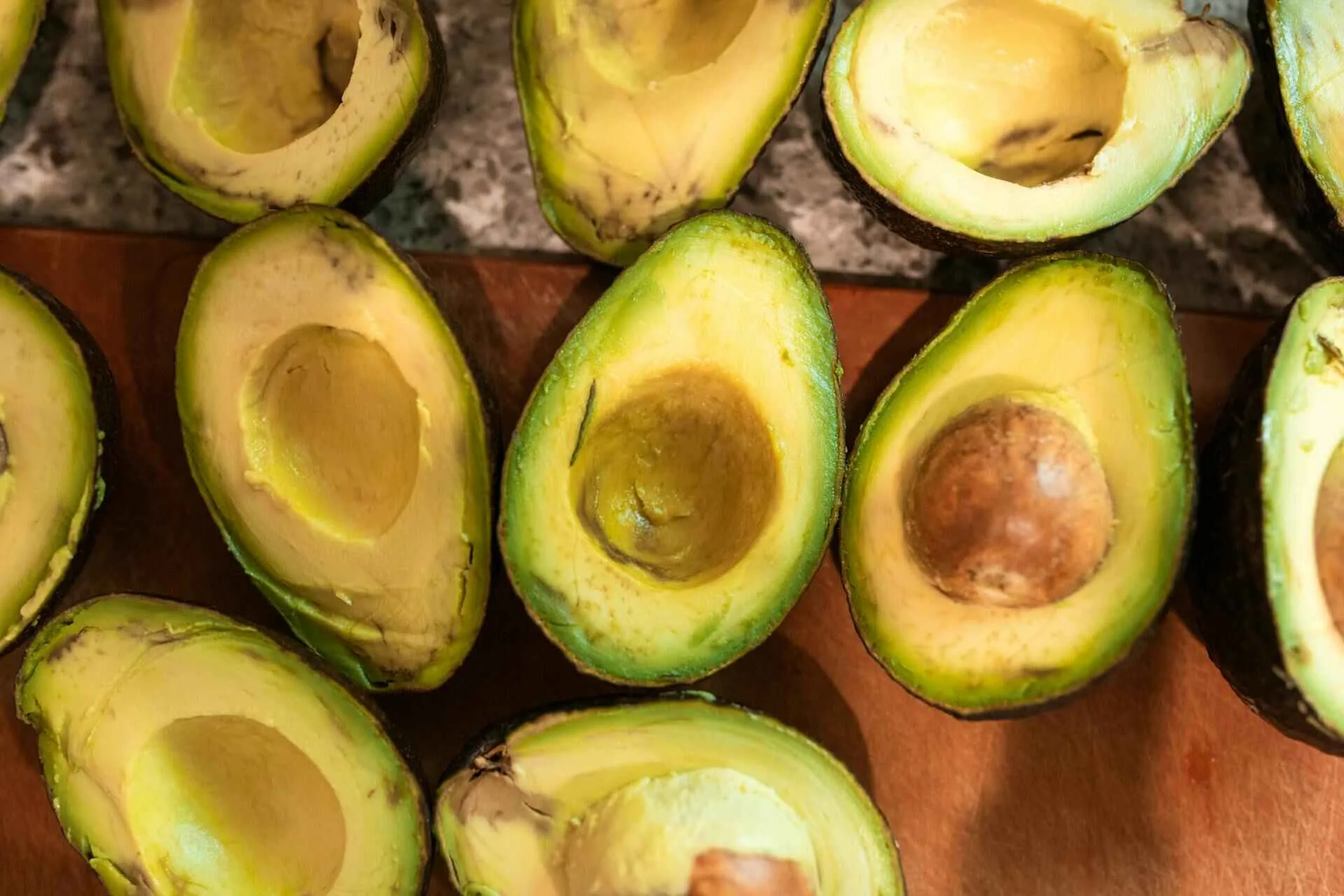


0 Comments