
Whether you're lifting weights, training for a 5K, or simply trying to eat healthier, choosing the right high-protein snack recipes can make a remarkable difference in how you feel before and after exercise. While many people focus on their main meals, snacks often determine whether your body has the nutrients it needs to repair muscles, maintain energy, and curb hunger between meals.
The good news? You don't need expensive supplements or complicated recipes to enjoy delicious, satisfying options.
Recent sports nutrition guidance continues to emphasize that pairing 20–40 grams of high-quality protein with carbohydrates after exercise supports muscle repair, replenishes glycogen stores, and prepares your body for the next workout. Experts also recommend spreading protein intake throughout the day instead of consuming most of it at dinner.
This guide explores everything you need to know about making high-protein snacks part of your routine. You'll discover why protein matters, which ingredients deserve a permanent place in your kitchen, and how to build simple recipes that taste amazing while supporting your fitness goals. Whether your goal is building muscle, losing fat, improving athletic performance, or simply staying full longer, these ideas will help you snack smarter without sacrificing flavor.
Why high-protein snack recipes Matter for Active Lifestyles
One of the biggest nutrition mistakes people make is overlooking the power of snacks. Many reach for chips, candy bars, or sugary pastries when hunger strikes, only to experience an energy crash an hour later. Swapping those choices for high-protein snacks gives your body steady fuel while supplying the amino acids needed for muscle maintenance and recovery.
Protein serves as the building block for muscles, skin, enzymes, hormones, and countless other tissues. Every workout, especially strength training, creates tiny tears in muscle fibers. Those tears aren't harmful—they're actually part of the adaptation process. Your body repairs them using dietary protein, allowing muscles to become stronger over time.
Quality high-protein snacks also help:
- Support muscle recovery
- Increase fullness between meals
- Reduce unnecessary cravings
- Stabilize blood sugar levels
- Preserve lean muscle during weight loss
- Promote healthy metabolism
- Provide consistent energy throughout the day
Research from the International Society of Sports Nutrition suggests that active adults generally benefit from consuming 1.4–2.0 grams of protein per kilogram of body weight daily, distributed across meals and snacks. (1, 2)
Instead of thinking of snacks as "extra calories," imagine them as small opportunities to nourish your body. A cup of Greek yogurt with berries or cottage cheese with pineapple can do far more for your recovery than a bag of chips ever could.
How Protein Repairs and Builds Muscle
After resistance training, your muscles enter a rebuilding phase known as muscle protein synthesis. During this process, amino acids from dietary protein help repair damaged fibers and support new muscle growth.
Foods rich in complete proteins—including dairy, eggs, poultry, fish, soy, and lean meats—provide all nine essential amino acids. One amino acid, leucine, plays a particularly important role in stimulating muscle protein synthesis.
Choosing high-protein snacks after exercise provides your body with the raw materials it needs exactly when it's recovering.
Examples include:
- Greek yogurt parfaits
- Cottage cheese bowls
- Hard-boiled eggs
- Protein smoothies
- Turkey roll-ups
- Tuna with whole-grain crackers
These simple foods deliver high-quality protein while fitting easily into busy schedules.
Why Protein Timing Matters
For years, people believed there was a tiny "anabolic window" immediately after workouts. Modern research paints a more flexible picture. While eating protein shortly after exercise is beneficial, the overall amount of protein consumed throughout the day matters even more.
Current recommendations suggest consuming protein every 3–4 hours and including protein-rich snacks between meals to maximize muscle protein synthesis. (3)
That means your breakfast, lunch, dinner, and snacks can all contribute to better recovery.
Protein vs. Carbohydrates: Why You Need Both
Protein often gets all the attention, but carbohydrates remain essential for active people. Carbs replenish glycogen—the stored form of energy your muscles use during exercise—while protein supports muscle repair.
Think of recovery like repairing a house after a storm:
- Protein supplies the bricks.
- Carbohydrates provide the workers with energy.
- Water keeps everything functioning smoothly.
Some excellent combinations include:
- Greek yogurt with berries
- Chocolate milk
- Cottage cheese with peaches
- Apple slices with peanut butter
- Turkey sandwich on whole-grain bread
These balanced high-protein snacks support both recovery and long-lasting energy. (4)
Understanding Post-Workout Nutrition
You've finished a challenging workout, your heart rate is slowly returning to normal, and you're already thinking about your next meal. This is the perfect opportunity to refuel your body with high-protein snacks that support recovery and help you reach your fitness goals. While no single snack can transform your results overnight, consistently choosing nutritious, protein-rich foods after exercise can make a noticeable difference in how quickly your muscles recover, how energized you feel, and how well you perform during your next workout.
For years, fitness enthusiasts believed they had only a tiny "anabolic window" of about 30 minutes to eat after training. Modern research paints a more flexible picture. Although eating soon after exercise is beneficial—especially after long or intense sessions—your total daily protein intake and the way you distribute it throughout the day are even more important. Current guidance from the International Society of Sports Nutrition recommends consuming 20–40 grams of high-quality protein every 3–4 hours, paired with adequate carbohydrates to maximize muscle protein synthesis and recovery.
Think of recovery like recharging your smartphone. Plugging it in for a few minutes helps, but a full recharge happens through consistent, adequate charging over time. In the same way, your body benefits most when high-protein snacks become part of your everyday eating pattern rather than an occasional post-workout treat.
The Science Behind Muscle Recovery
Every workout places a unique demand on your body. Resistance training creates tiny tears in muscle fibers, while endurance exercise gradually depletes your glycogen stores—the carbohydrates your muscles rely on for energy. Neither of these processes is harmful. In fact, they're essential for becoming stronger, faster, and more resilient. What matters is giving your body the nutrients it needs to rebuild.
Protein supplies amino acids, the building blocks your muscles use to repair damaged tissue. Among these amino acids, leucine plays a particularly important role because it activates muscle protein synthesis—the natural process responsible for repairing and growing muscle fibers. Complete protein sources such as dairy products, eggs, poultry, fish, lean meat, soy foods, and quality protein powders naturally contain generous amounts of leucine.
Carbohydrates deserve just as much attention. During exercise, your muscles burn stored glycogen for fuel. Afterward, replenishing these stores helps reduce fatigue and prepares your body for the next training session. This is why many nutrition experts recommend combining protein with carbohydrates instead of focusing on protein alone.
Some excellent combinations include:
- Greek yogurt with berries and granola
- Cottage cheese with pineapple
- Whole-grain toast with turkey slices
- Protein smoothie with banana
- Chocolate milk
- Overnight oats with whey protein
- Apple slices with peanut butter
Hydration is another piece of the recovery puzzle. Sweat causes your body to lose water and electrolytes, including sodium and potassium. Replacing these fluids supports circulation, nutrient transport, and normal muscle function. Water is often enough for moderate workouts, while longer or more intense sessions may require electrolyte-rich beverages.
Recent sports dietitians also emphasize that recovery isn't determined by a single "superfood." Instead, consistently eating balanced meals filled with lean protein, colorful fruits and vegetables, healthy fats, and whole grains creates the strongest foundation for athletic performance and overall health. (5)
How Much Protein Do You Really Need?
One of the most common questions people ask is, "How much protein should I eat?" The answer depends on your age, body size, activity level, and training goals.
For most healthy adults, the Recommended Dietary Allowance (RDA) is 0.8 grams of protein per kilogram of body weight per day. However, active individuals typically require considerably more to support recovery and muscle maintenance.
The International Society of Sports Nutrition recommends approximately 1.4–2.0 grams of protein per kilogram of body weight daily for most physically active adults. Rather than eating most of that protein at dinner, experts recommend spreading intake across meals and high-protein snacks throughout the day.
General Protein Guidelines
| Activity Level | Daily Protein Recommendation |
|---|---|
| Sedentary Adults | 0.8 g/kg |
| Recreational Exercisers | 1.2–1.6 g/kg |
| Strength Athletes | 1.6–2.0 g/kg |
| Endurance Athletes | 1.4–2.0 g/kg |
For post-workout recovery, many experts recommend aiming for:
- 20–40 grams of protein
- Moderate carbohydrates
- Plenty of fluids
- Whole-food sources whenever possible
Examples of high-protein snacks that meet this recommendation include:
- Greek yogurt with fruit (20–25 g protein)
- Cottage cheese bowl (25 g protein)
- Whey protein smoothie (25–30 g protein)
- Turkey wrap (22–28 g protein)
- Egg muffins with cheese (20+ g protein)
Whole foods remain the gold standard because they provide vitamins, minerals, healthy fats, fiber, and antioxidants alongside protein. Protein powders are convenient, especially when you're traveling or short on time, but they work best as a supplement—not a replacement—for a balanced diet.
Best Recovery Foods According to Sports Nutrition Experts
You don't need fancy supplements or expensive products to recover well. Many everyday ingredients naturally provide the protein, carbohydrates, and micronutrients your body needs after exercise.
Nutrition professionals consistently recommend foods such as:
- Greek yogurt for its complete protein and probiotics
- Eggs for high-quality protein and choline
- Salmon for protein and omega-3 fatty acids
- Cottage cheese for slow digesting casein protein
- Tofu as a complete plant-based protein
- Sweet potatoes for complex carbohydrates
- Bananas for potassium and quick digesting carbohydrates
- Berries for antioxidants that help combat exercise induced oxidative stress
- Olive oil and nuts for healthy fats that support overall health
Recent dietitian recommendations also highlight tart cherries for their antioxidant and anti-inflammatory properties, making them a valuable addition to balanced recovery meals. (6)
Instead of relying on processed snack foods, try combining two or three of these ingredients into satisfying high-protein snacks. The result is a more balanced snack that supports both recovery and long-lasting energy.
Common Post-Workout Nutrition Mistakes
Even the best workout routine can be undermined by poor recovery habits. Fortunately, these mistakes are easy to avoid once you know what to look for.
1. Skipping Recovery Nutrition
Many people finish exercising and wait several hours before eating. While the recovery window is more flexible than once believed, delaying nutrition for too long can leave your body without the building blocks it needs for muscle repair.
2. Eating Protein Without Carbohydrates
Protein is essential, but carbohydrates help replenish glycogen stores and support recovery. Balanced high-protein snacks almost always include both.
3. Not Drinking Enough Water
Dehydration slows recovery and may increase fatigue. Drinking water consistently before, during, and after exercise supports every aspect of recovery.
4. Depending Entirely on Supplements
Protein shakes are convenient, but they shouldn't replace nutritious whole foods. Foods like eggs, yogurt, lean poultry, beans, and fish provide additional vitamins and minerals that powders cannot fully replicate.
5. Ignoring Overall Daily Nutrition
Perhaps the biggest mistake is focusing only on the post-workout snack while overlooking the rest of the day. Research consistently shows that total daily protein intake and overall dietary quality matter more than chasing the perfect recovery window. Eating balanced meals and high-protein snacks throughout the day yields the best long-term results for muscle growth, recovery, and performance. (7)
By understanding how recovery works and consistently choosing nutritious high-protein snacks, you'll give your body the tools it needs to repair muscle, replenish energy stores, and prepare for your next workout. The next section explores the best protein-rich ingredients to stock in your kitchen, along with practical tips for choosing the right foods for your fitness goals.
Best Ingredients for High-Protein Snack Recipes
When it comes to making delicious and satisfying high-protein snacks, your ingredients matter just as much as your recipes. Stocking your kitchen with protein-rich staples makes it easy to prepare healthy snacks in just a few minutes, whether you're rushing out the door, recovering from a workout, or looking for an afternoon energy boost. The beauty of these ingredients is their versatility. Many can be mixed, matched, and customized to suit your taste buds while providing the nutrients your body needs to recover and thrive.
Sports nutrition experts consistently recommend prioritizing whole-food protein sources whenever possible. Foods like Greek yogurt, eggs, lean chicken, salmon, beans, tofu, and cottage cheese naturally provide protein alongside vitamins, minerals, healthy fats, and other nutrients that support overall health. While protein powders can certainly be convenient, they work best as a supplement to—not a replacement for—a balanced diet. (8, 9)
Let's explore the best ingredients to keep on hand so you can prepare flavorful high-protein snacks any day of the week.
Dairy Protein Sources
Dairy products are among the easiest and most effective ways to increase your protein intake. They're widely available, affordable, and require very little preparation, making them perfect for busy lifestyles.
Greek Yogurt
If there were a superstar in the world of high-protein snacks, Greek yogurt would certainly be near the top of the list. Thanks to its straining process, Greek yogurt contains significantly more protein than regular yogurt while remaining creamy and satisfying. It also provides calcium, potassium, and beneficial probiotics that support gut health.
Some delicious ways to enjoy Greek yogurt include:
- Fresh berries and chopped almonds
- Peanut butter with banana slices
- Honey and walnuts
- Homemade granola
- Chia seeds and cinnamon
- Cocoa powder with strawberries
For an even bigger protein boost, blend Greek yogurt into smoothies or use it as a healthier substitute for sour cream and mayonnaise in dips.
Cottage Cheese
Cottage cheese has made an impressive comeback in recent years—and for good reason. Rich in casein protein, it digests more slowly than whey, helping provide a steady release of amino acids over several hours. That makes it an excellent choice for high-protein snacks, especially in the evening.
Try pairing cottage cheese with:
- Pineapple chunks
- Peach slices
- Cherry tomatoes
- Cucumbers and black pepper
- Everything bagel seasoning
- Avocado and herbs
Dietitians continue to recommend both Greek yogurt and cottage cheese because they combine high-quality protein with calcium and other essential nutrients. (10)
Eggs and Egg Whites
Eggs remain one of the most complete protein sources available. They contain all nine essential amino acids, making them an excellent choice for muscle repair and recovery. Besides protein, eggs provide vitamin D, selenium, choline, and healthy fats that support brain and overall health.
Hard-boiled eggs are among the simplest high-protein snacks you can prepare in advance. Cook a batch at the beginning of the week, store them in the refrigerator, and you'll always have a quick snack ready.
Other egg-based snack ideas include:
- Egg muffins with spinach and cheese
- Deviled eggs made with Greek yogurt
- Mini vegetable omelets
- Egg salad lettuce wraps
- Egg white bites with peppers and onions
Because they're portable and versatile, eggs are ideal for meal prep and busy mornings.
Lean Meat and Poultry
Lean meats provide high-quality complete protein while remaining relatively low in saturated fat. They're especially useful for anyone trying to build muscle or maintain lean body mass.
Great options include:
- Grilled chicken breast
- Turkey breast slices
- Lean roast beef
- Rotisserie chicken
- Ground turkey meatballs
Turn these ingredients into easy high-protein snacks by making:
- Turkey roll-ups with cheese
- Chicken salad lettuce cups
- Mini chicken wraps
- Turkey and avocado pinwheels
- Chicken cucumber bites
According to sports nutrition guidance, whole-food protein sources like poultry offer not only protein but also important nutrients such as iron, zinc, and B vitamins that support energy production and recovery.
Fish and Seafood
Fish is another outstanding ingredient for high-protein snacks. Besides supplying complete protein, wide varieties are rich in omega-3 fatty acids, which may help reduce inflammation associated with intense exercise.
Excellent choices include:
- Salmon
- Tuna
- Sardines
- Shrimp
- Canned salmon
Easy snack ideas include:
- Tuna salad with whole-grain crackers
- Smoked salmon cucumber bites
- Salmon lettuce wraps
- Shrimp cocktail cups
- Tuna stuffed mini peppers
Recent nutrition recommendations continue to highlight salmon as one of the best recovery foods because it combines protein with anti-inflammatory omega-3 fats.
Plant-Based Protein Sources
You don't have to eat meat to enjoy satisfying high-protein snacks. Plant-based proteins are packed with fiber, antioxidants, vitamins, and minerals that support both recovery and long-term health.
Beans, Lentils, and Chickpeas
Legumes are inexpensive, filling, and incredibly versatile.
Favorite snack ideas include:
- Roasted chickpeas
- Black bean dip
- White bean hummus
- Lentil salad cups
- Chickpea snack mix
Their combination of protein and fiber helps keep you feeling satisfied longer while providing steady energy throughout the day.
Tofu, Tempeh, and Edamame
Soy foods are unique because they provide complete protein, making them especially valuable for vegetarians and vegans.
Simple snack ideas include:
- Air-fried tofu cubes
- Teriyaki tempeh bites
- Steamed edamame with sea salt
- Crispy baked tofu
- Edamame salad cups
Recent expert guidance recognizes tofu as an excellent plant-based option that supports muscle maintenance while fitting easily into balanced recovery meals.
Protein Powders Explained
Protein powders can make preparing high-protein snacks faster and more convenient, especially after workouts or during busy days. While they're not essential for everyone, they can help fill nutritional gaps when whole-food meals aren't practical.
The most common types include:
| Protein Powder | Best For | Key Benefits |
|---|---|---|
| Whey Protein | Post-Workout | Fast digestion and naturally rich in leucine to support muscle recovery. |
| Casein Protein | Evening Snacks | Slow digestion provides a steady release of amino acids over time. |
| Soy Protein | Plant-Based Diets | Complete protein containing all essential amino acids. |
| Pea Protein | Dairy-Free Diets | Easily digestible and suitable for many common food allergies. |
| Brown Rice Protein | Vegan Recipes | Often combined with pea protein for a more balanced amino acid profile. |
Protein powders work well in:
- Smoothies
- Overnight oats
- Homemade protein bars
- Protein pancakes
- Energy balls
- Yogurt bowls
When shopping for protein powder, look for products with:
- Minimal added sugar
- Short ingredient lists
- Third-party quality testing
- Protein as the first ingredient
- No unnecessary fillers or artificial additives
Experts generally recommend getting most of your protein from whole foods, using protein powders as a convenient supplement rather than your primary source. (11, 12)
Building a pantry around these wholesome ingredients makes preparing high-protein snacks simple, affordable, and delicious. Whether you prefer dairy, lean meats, seafood, or plant-based proteins, you'll have countless ways to create satisfying snacks that fuel workouts, support recovery, and keep you energized throughout the day.
25 High-Protein Snack Recipes to Fuel Workouts and Recovery
One of the easiest ways to stay consistent with healthy eating is to have a variety of high-protein snacks ready whenever hunger strikes. Whether you're heading to the gym, working from home, or packing lunches for the week, having nutritious snacks within reach helps you avoid processed convenience foods and keeps your energy levels steady. Recent dietitian recommendations continue to highlight simple, whole-food snacks like Greek yogurt, cottage cheese, homemade protein bars, roasted chickpeas, and energy balls as excellent options for supporting muscle recovery and long-lasting fullness. (13)
The recipes below are designed to be easy, delicious, and practical. Most require minimal ingredients, can be prepared ahead of time, and provide a balanced combination of protein, healthy fats, and complex carbohydrates. They're perfect for athletes, busy professionals, students, or anyone looking to add more high-protein snacks to their daily routine.
No-Cook High-Protein Snacks
When you're short on time, no-cook snacks can be lifesavers. These recipes come together in just a few minutes while delivering the protein your body needs after a workout or between meals.
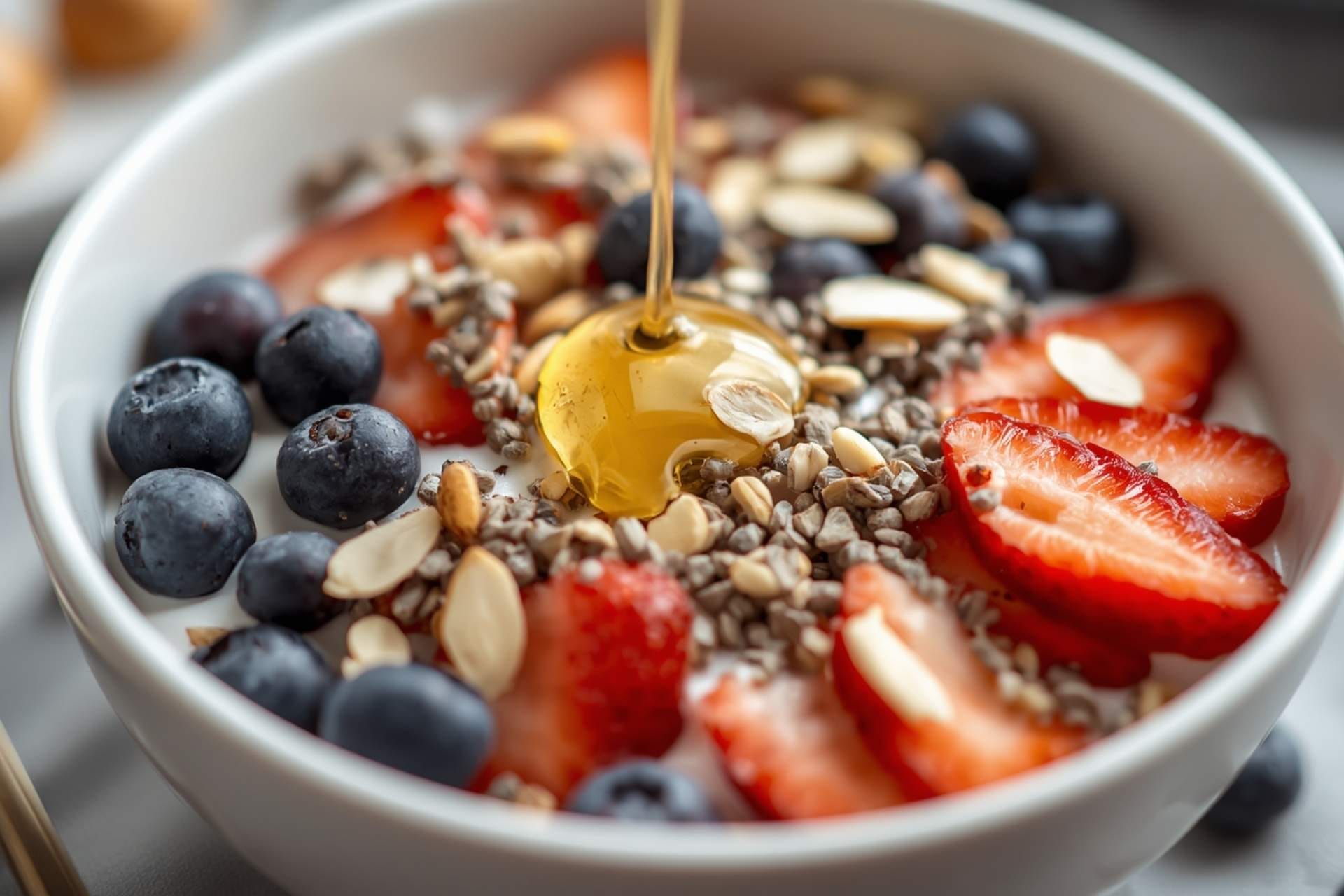
1. Greek Yogurt Berry Power Bowl
Ingredients
- 1 cup plain Greek yogurt
- ½ cup mixed berries
- 1 tablespoon chia seeds
- 1 tablespoon sliced almonds
- Drizzle of honey (optional)
Instructions
- Add yogurt to a bowl.
- Top with berries.
- Sprinkle chia seeds and almonds.
- Finish with honey if desired.
Protein: ~22g
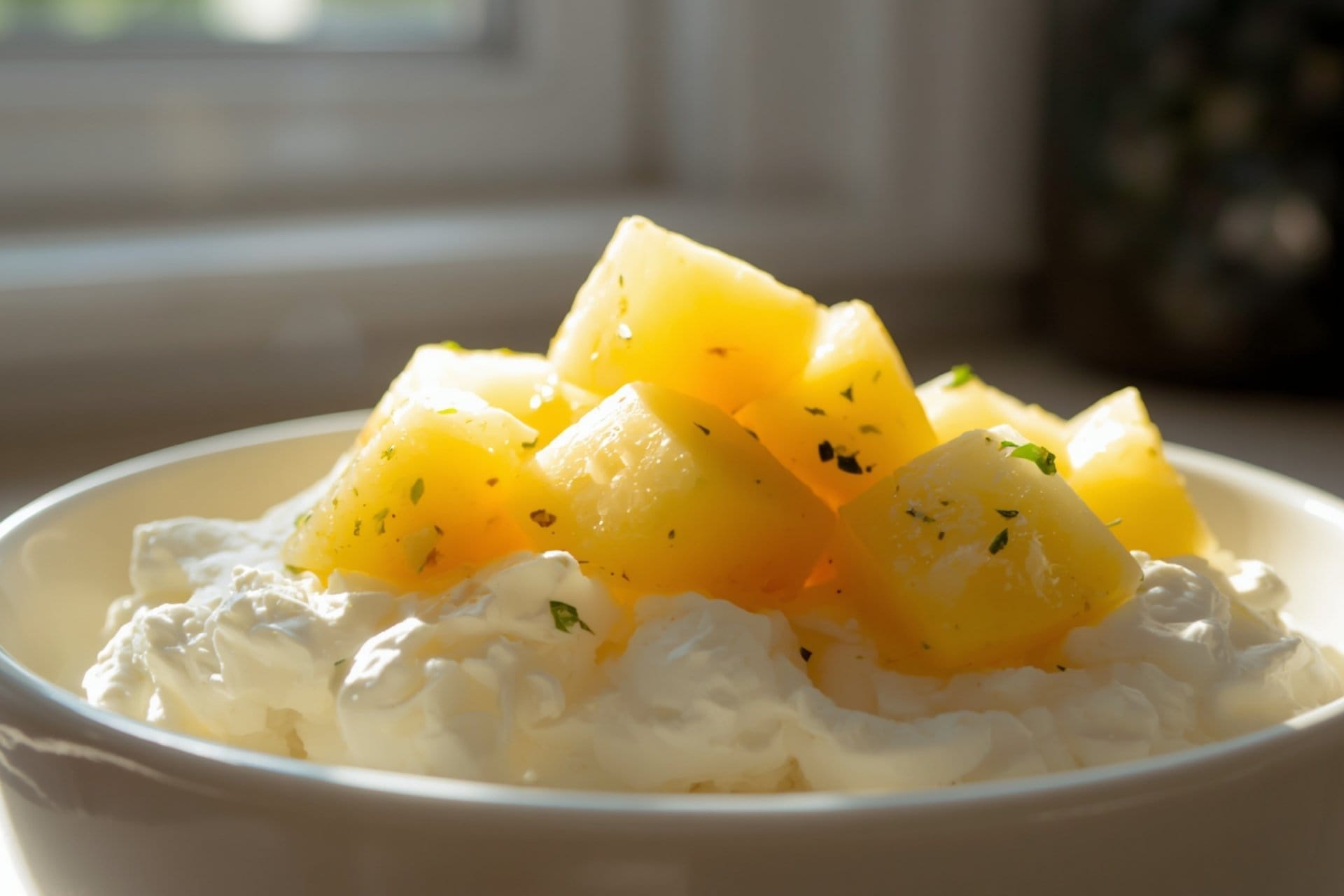
2. Cottage Cheese & Pineapple Cup
Ingredients
- 1 cup cottage cheese
- ½ cup pineapple chunks
- Cinnamon (optional)
Instructions
Mix everything and enjoy chilled.
Protein: ~25g
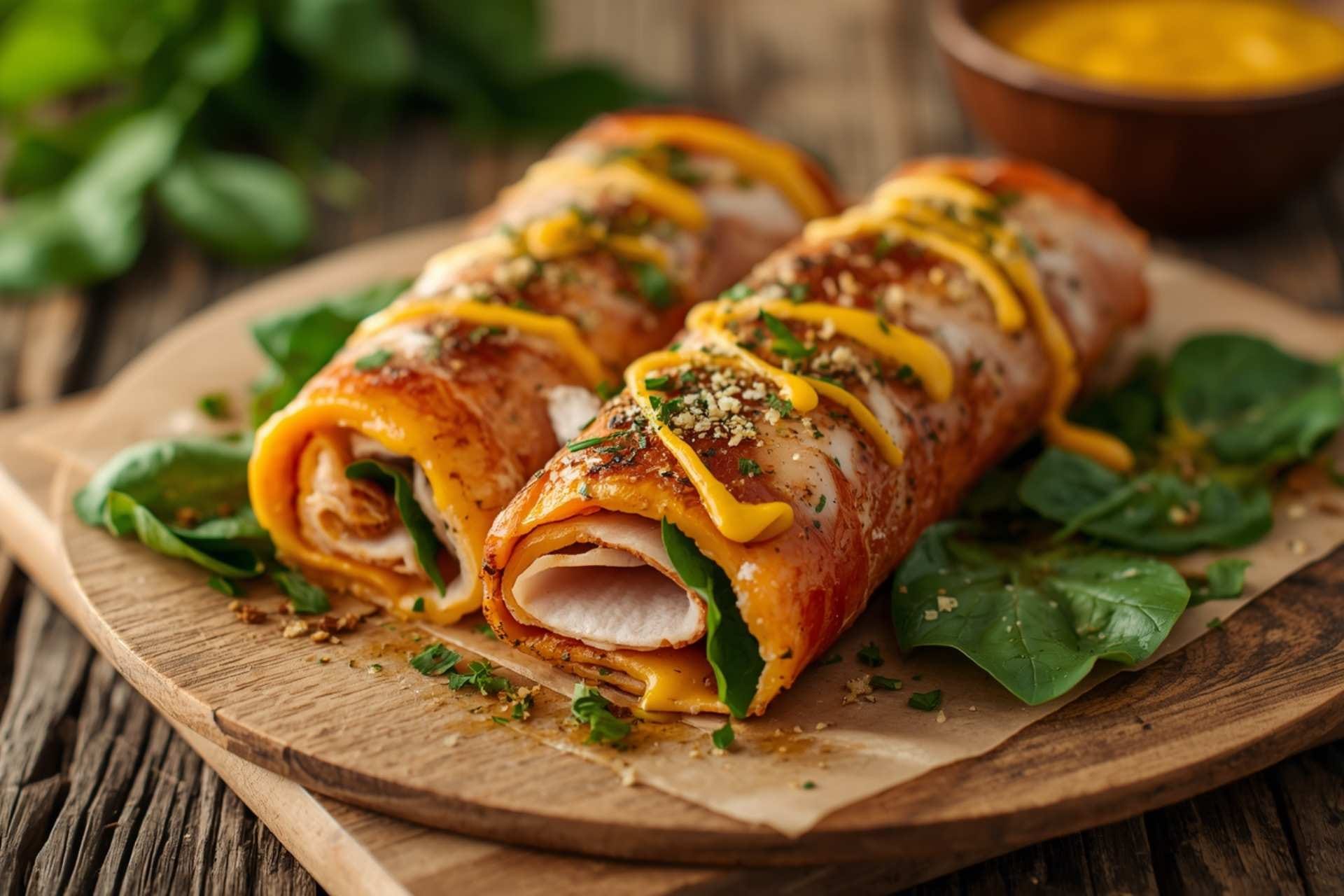
3. Turkey Roll-Ups
Ingredients
- Turkey breast slices
- Cheese sticks
- Baby spinach
- Mustard
Instructions
Spread mustard on the turkey, add cheese and spinach, then roll tightly.
Protein: ~20g
4. Apple with Peanut Butter & Greek Yogurt Dip
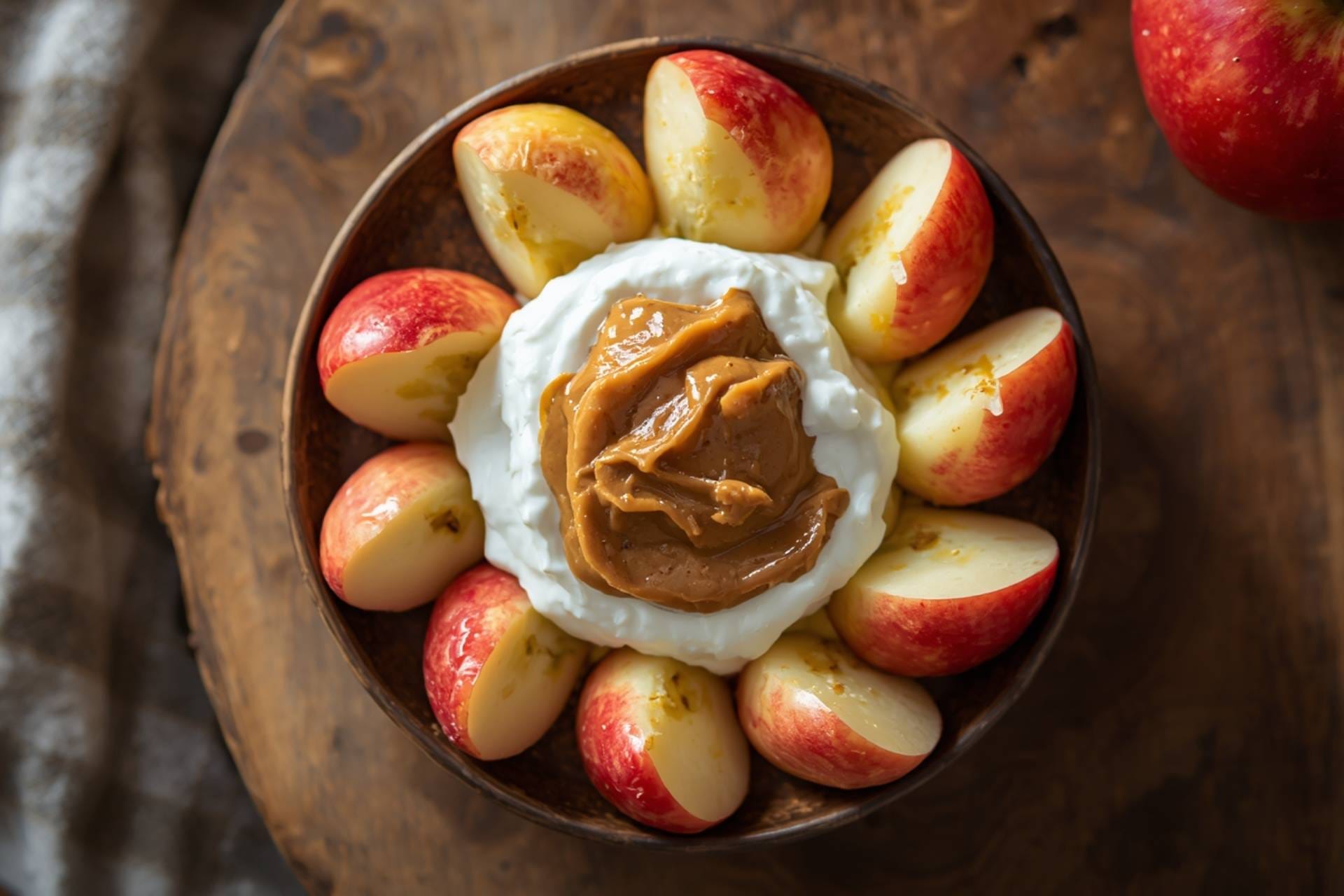
Instead of eating peanut butter alone, stir it into Greek yogurt for an extra protein boost.
Protein: ~18–22g
5. Tuna Cucumber Boats
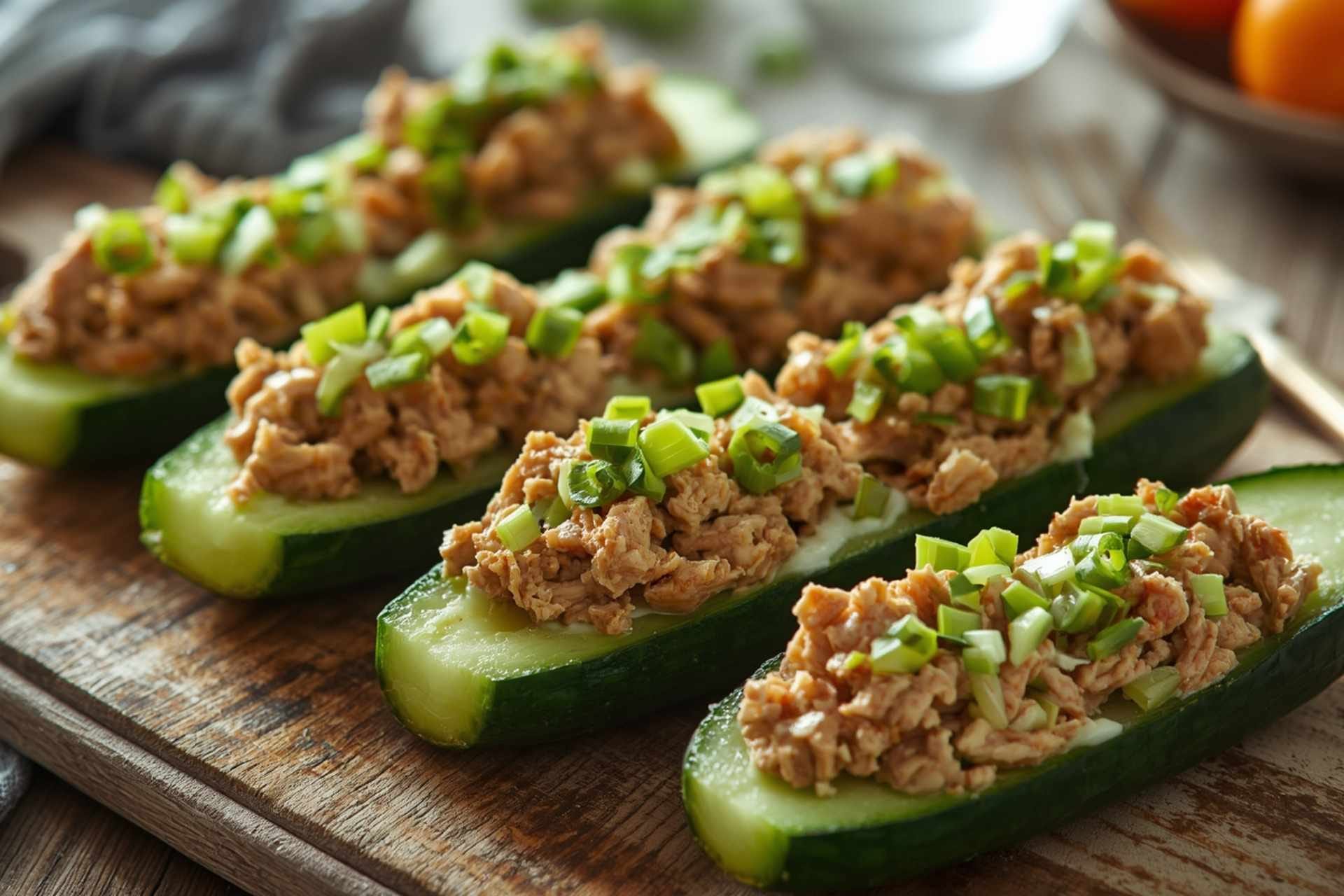
Ingredients
- Canned tuna
- Greek yogurt
- Diced celery
- Cucumbers
Slice cucumbers in half, scoop out the seeds, and fill with tuna salad.
Protein: ~24g
Meal Prep High Protein Snacks
Meal prepping is one of the easiest ways to ensure healthy choices are always available. Preparing snacks in advance saves time, reduces food waste, and helps you stay consistent with your nutrition goals.
6. Spinach Egg Muffins
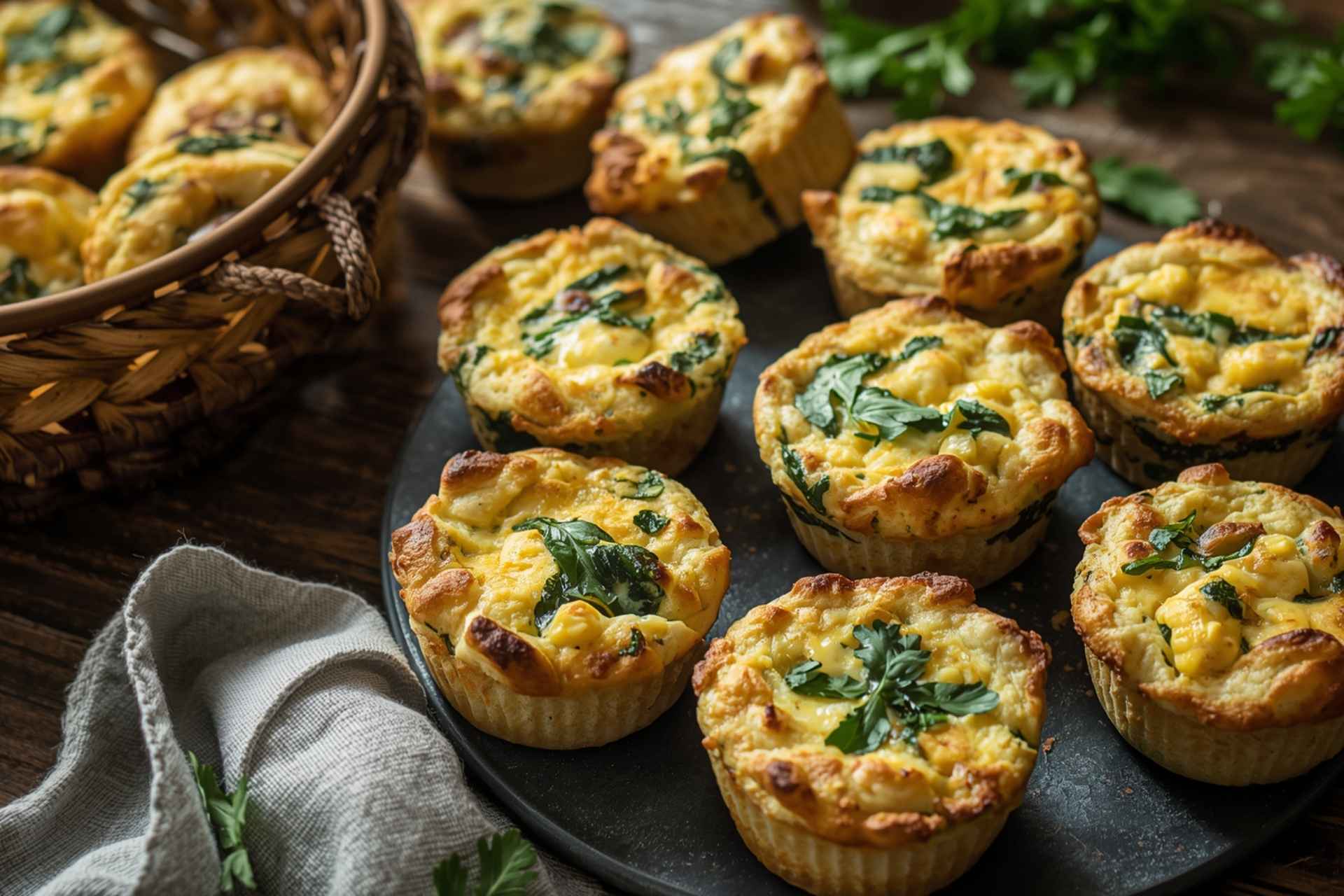
Ingredients
- Eggs
- Egg whites
- Spinach
- Bell peppers
- Cheddar cheese
Bake in a muffin tin for 20–25 minutes.
Protein: ~18g (2 muffins)
7. Homemade Protein Bars
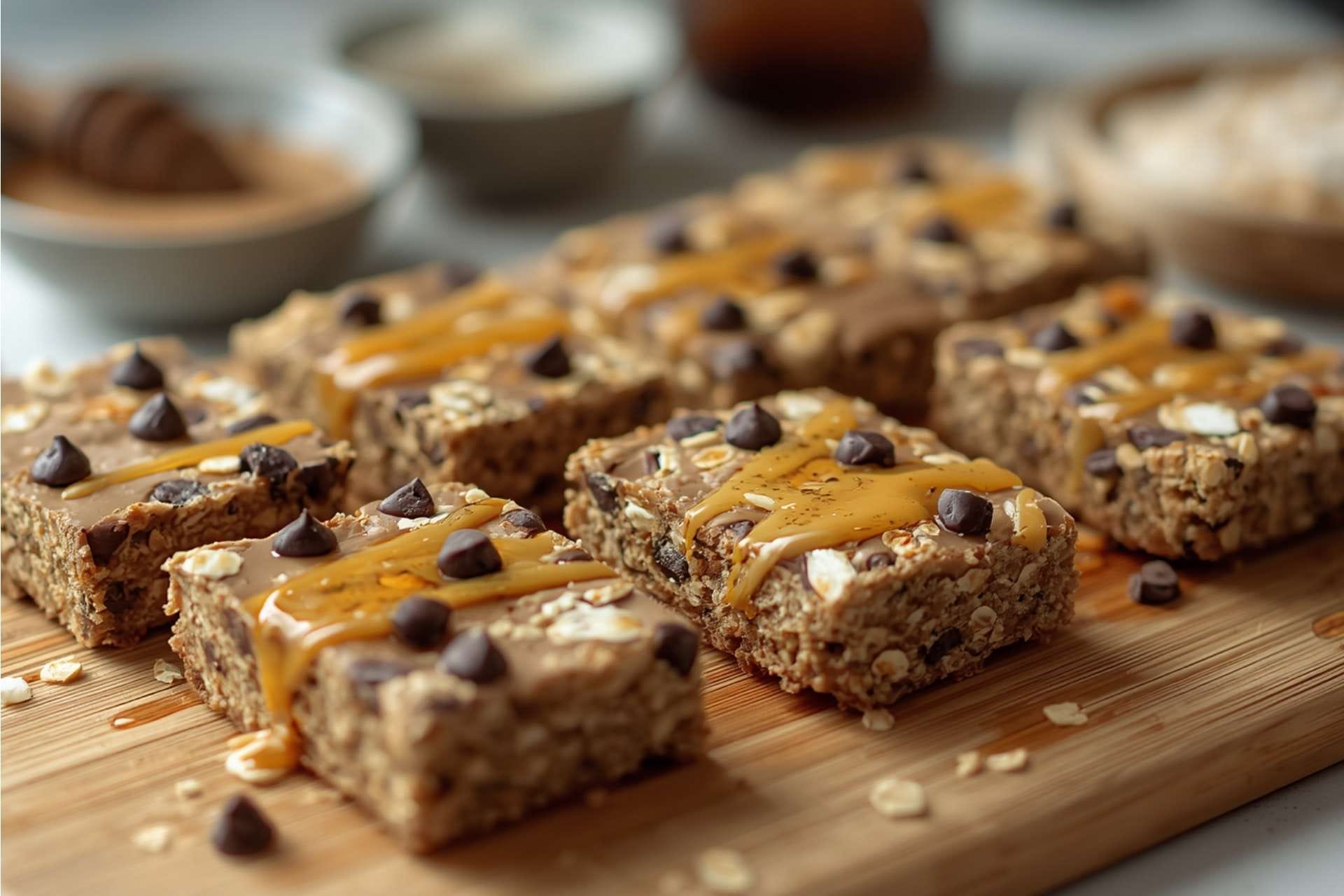
Combine:
- Rolled oats
- Vanilla protein powder
- Almond butter
- Honey
- Chia seeds
- Dark chocolate chips
Press into a pan and refrigerate before slicing.
Protein: ~15–20g per bar
Homemade protein bars remain a favorite among registered dietitians because you can control the ingredients and limit added sugar. (14)
8. Chicken Salad Lettuce Cups
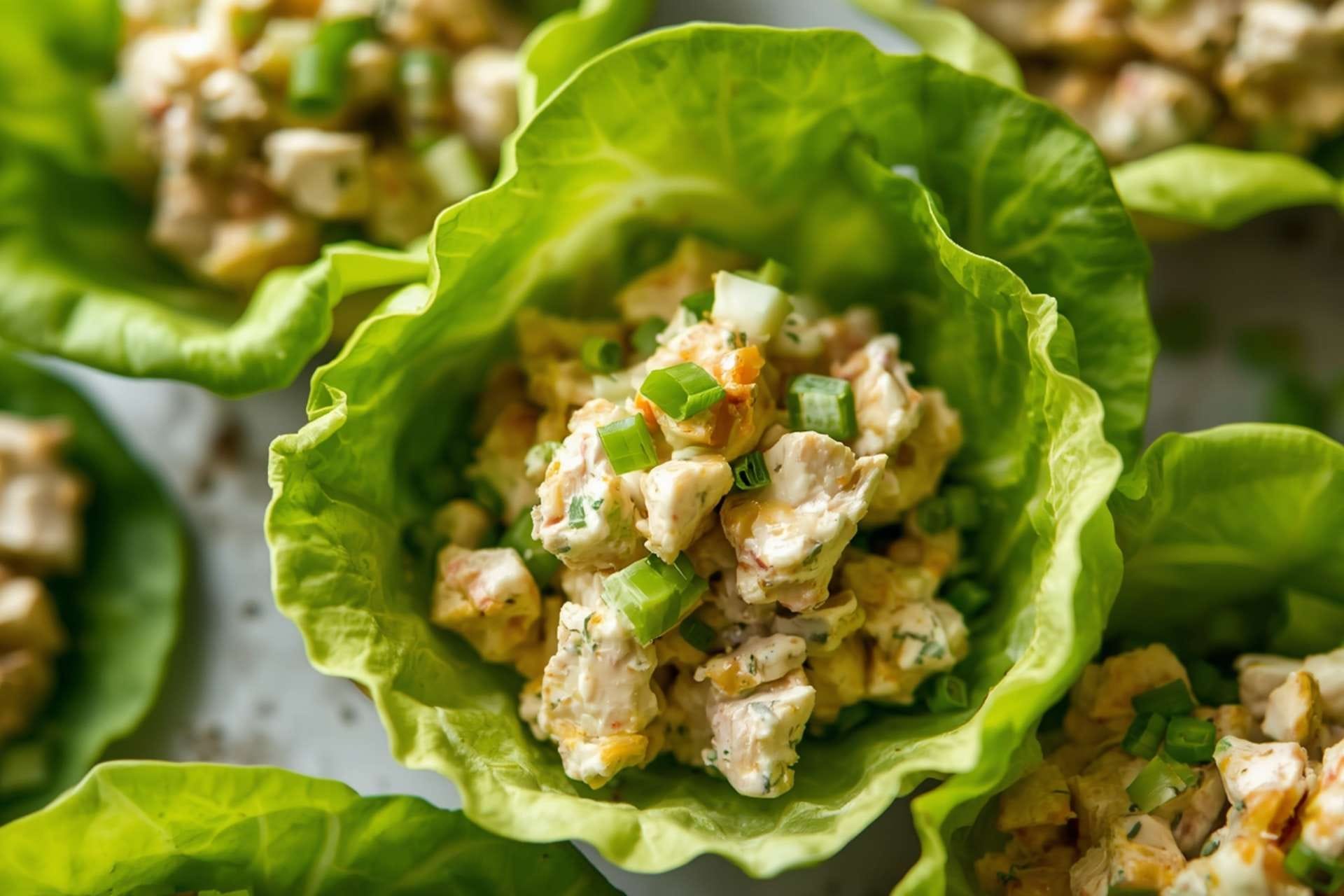
Mix:
- Shredded chicken
- Greek yogurt
- Dijon mustard
- Celery
- Green onions
Serve in crisp lettuce leaves.
Protein: ~24g
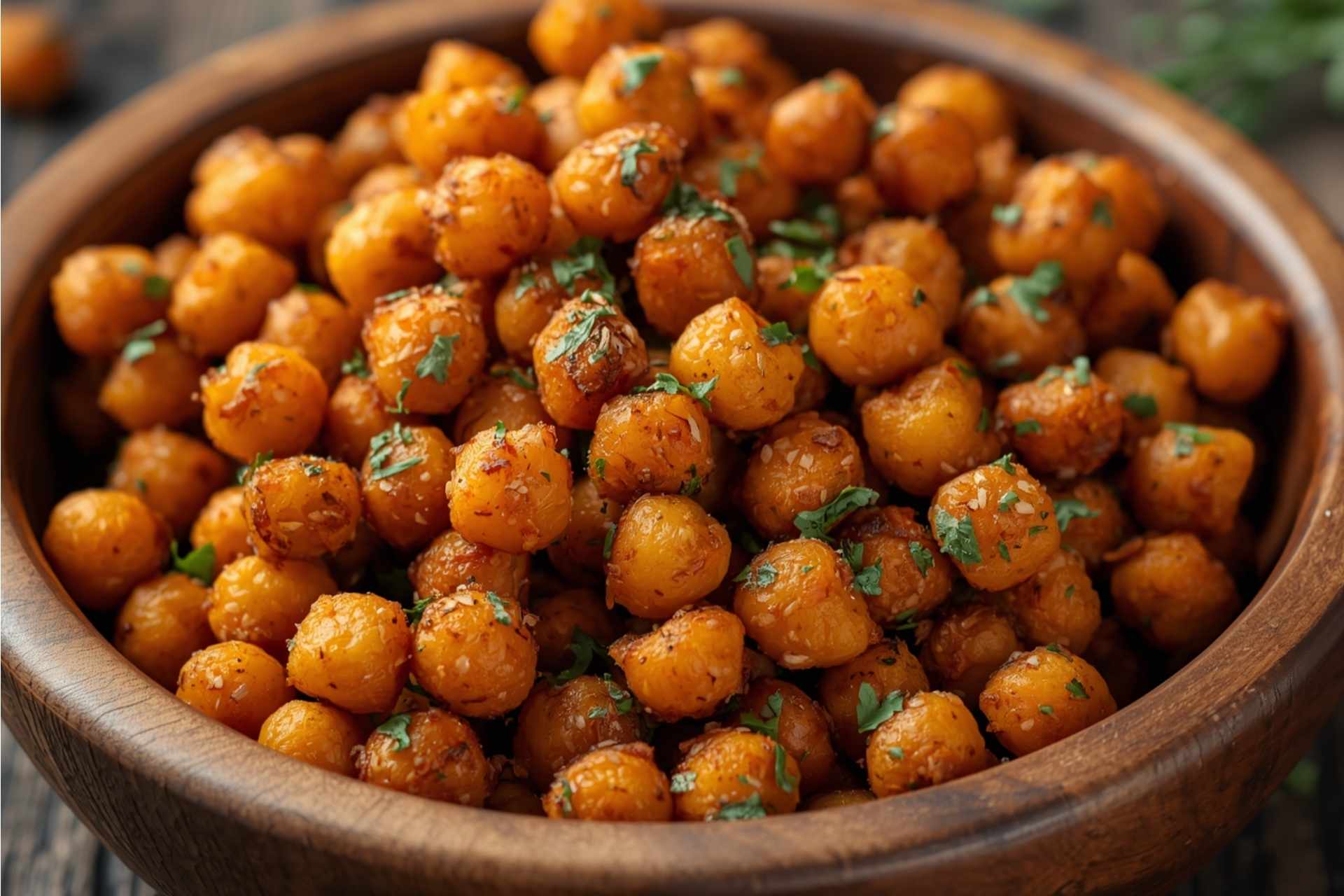
9. Roasted Chickpeas
Ingredients
- Chickpeas
- Olive oil
- Smoked paprika
- Garlic powder
- Sea salt
Bake until crispy.
Protein: ~12g per serving
Roasted chickpeas are one of today's most popular portable high-protein snacks, offering both protein and fiber for lasting fullness.
10. High-Protein Overnight Oats
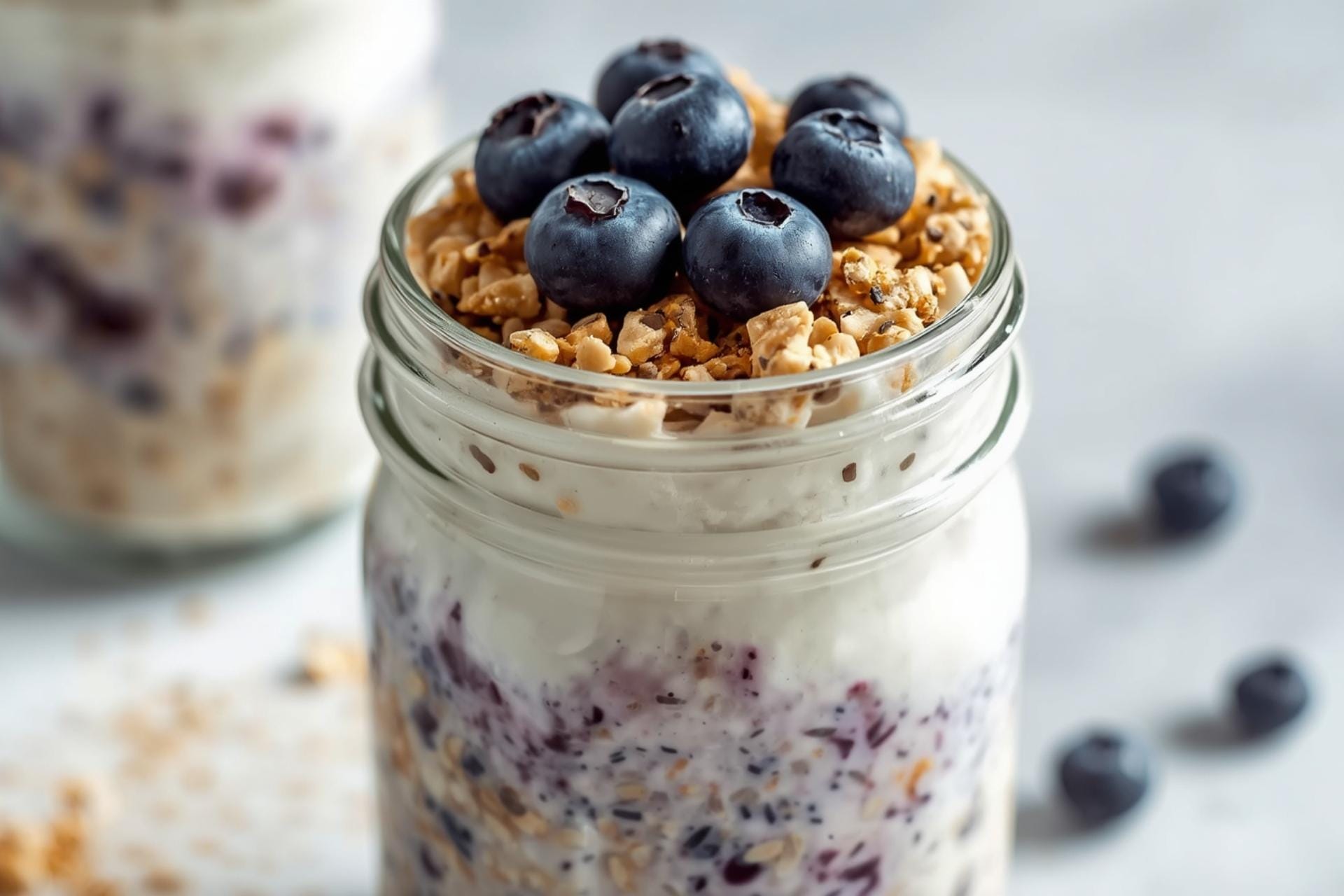
Combine:
- Rolled oats
- Greek yogurt
- Protein powder
- Milk
- Chia seeds
- Blueberries
Refrigerate overnight.
Protein: ~28g
Smoothies & Protein Drinks
Smoothies are among the quickest ways to enjoy high-protein snacks after exercise. They're portable, customizable, and easy to digest, making them ideal for busy mornings or post-workout recovery.
11. Chocolate Banana Recovery Shake
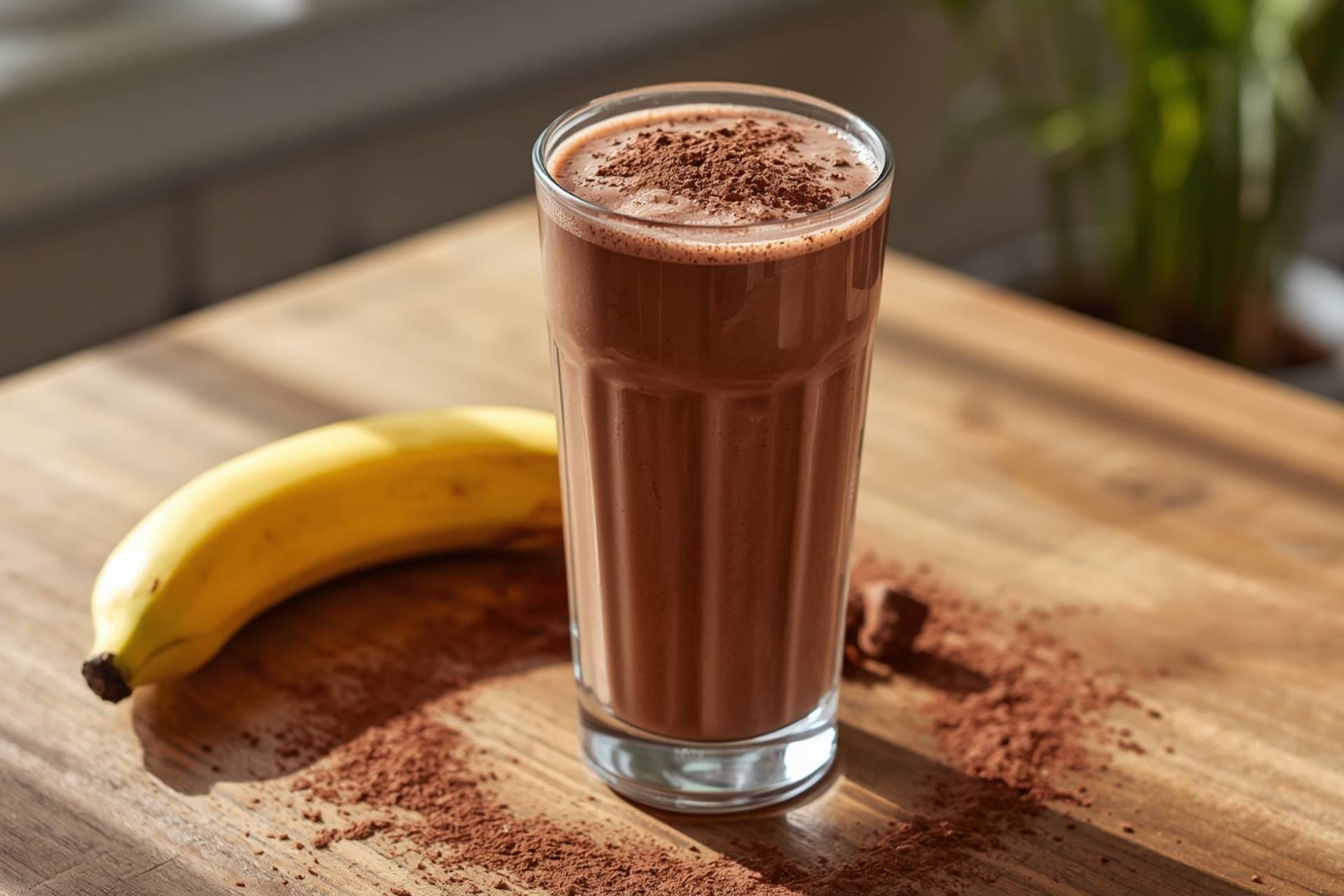
Blend:
- Whey protein
- Banana
- Unsweetened cocoa powder
- Milk
- Ice
Protein: ~30g
12. Berry Greek Yogurt Smoothie
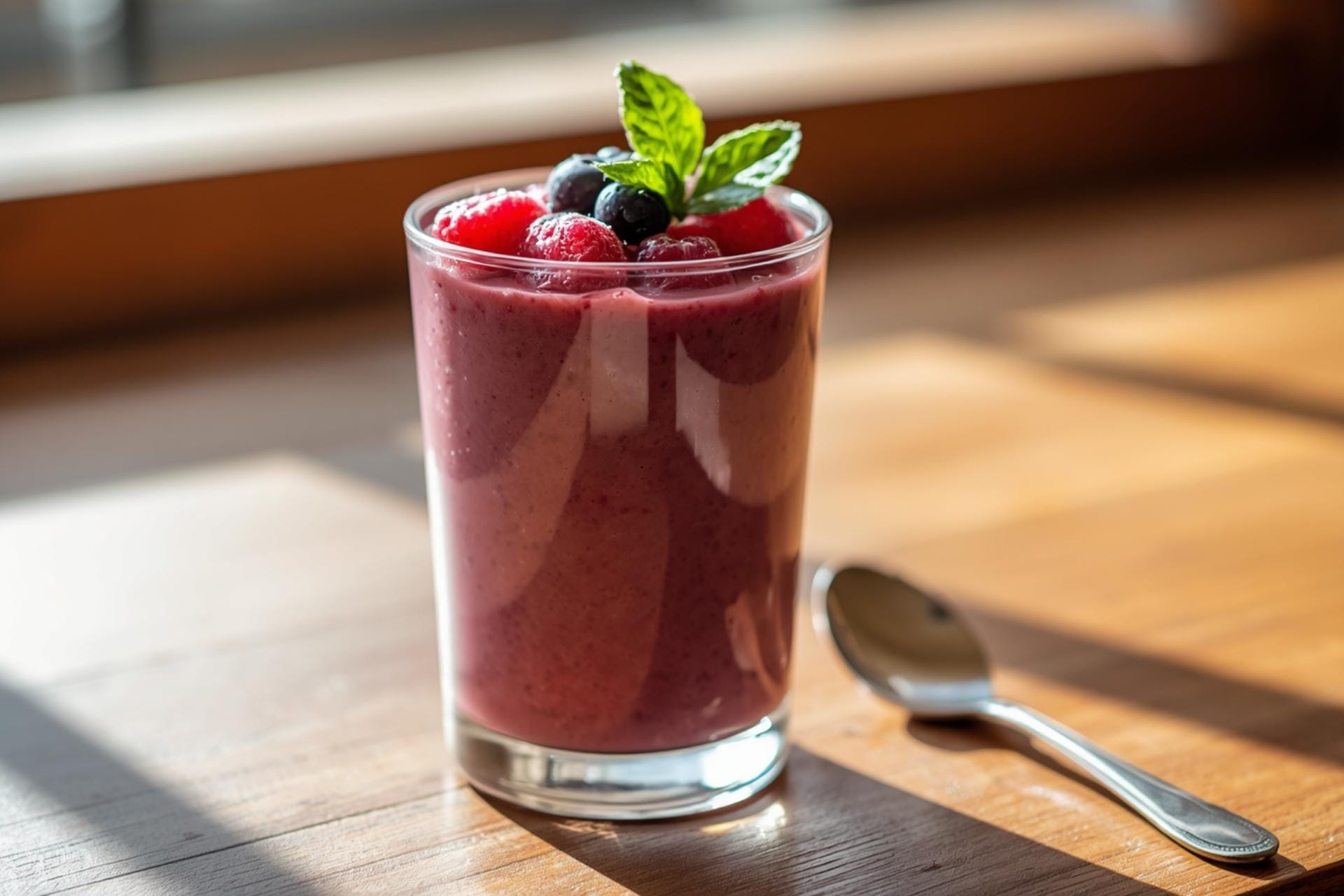
Blend:
- Greek yogurt
- Frozen berries
- Milk
- Ground flaxseed
Protein: ~24g
13. Tropical Protein Smoothie
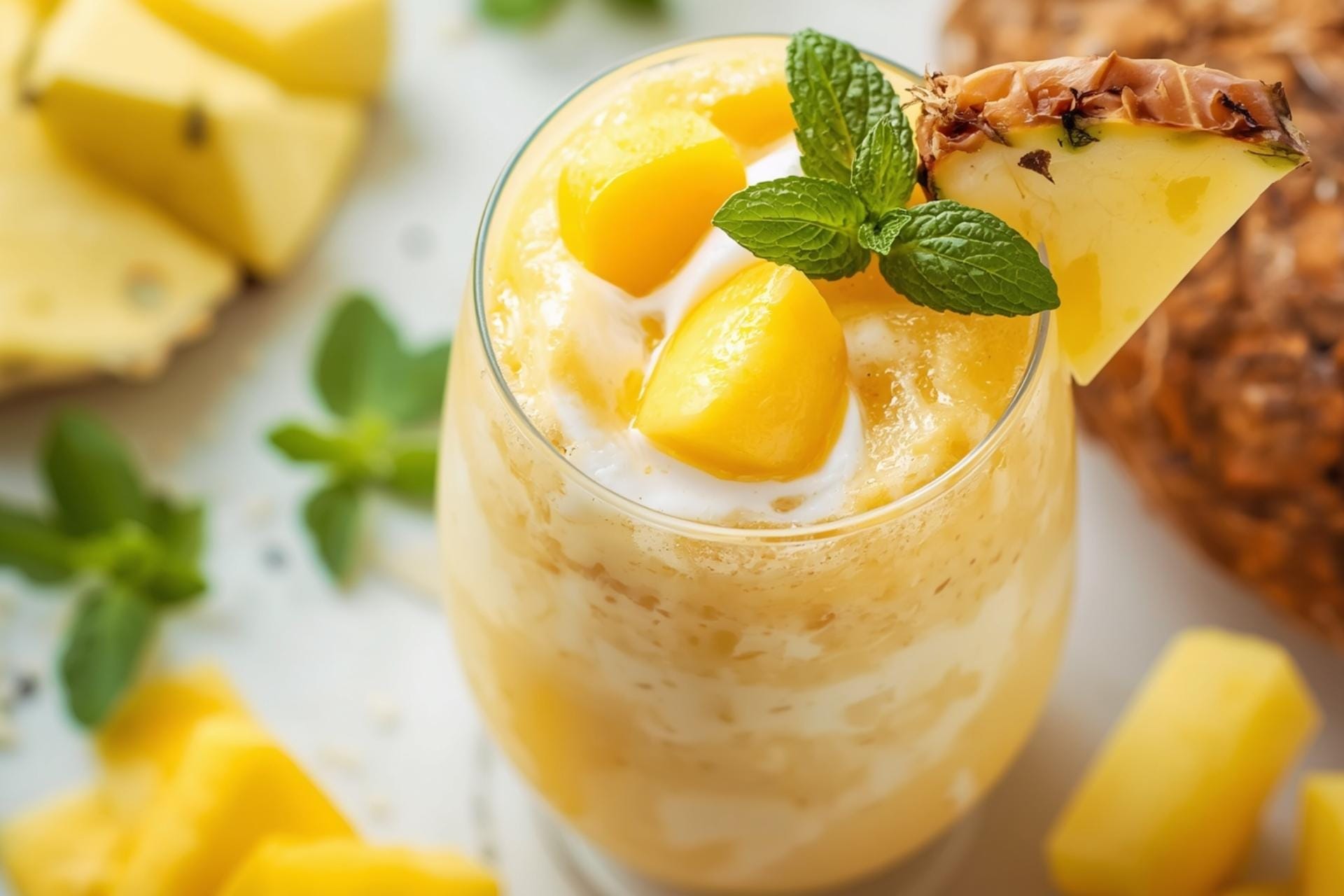
Blend:
- Mango
- Pineapple
- Vanilla protein powder
- Coconut milk
Protein: ~25g
14. Coffee Protein Shake
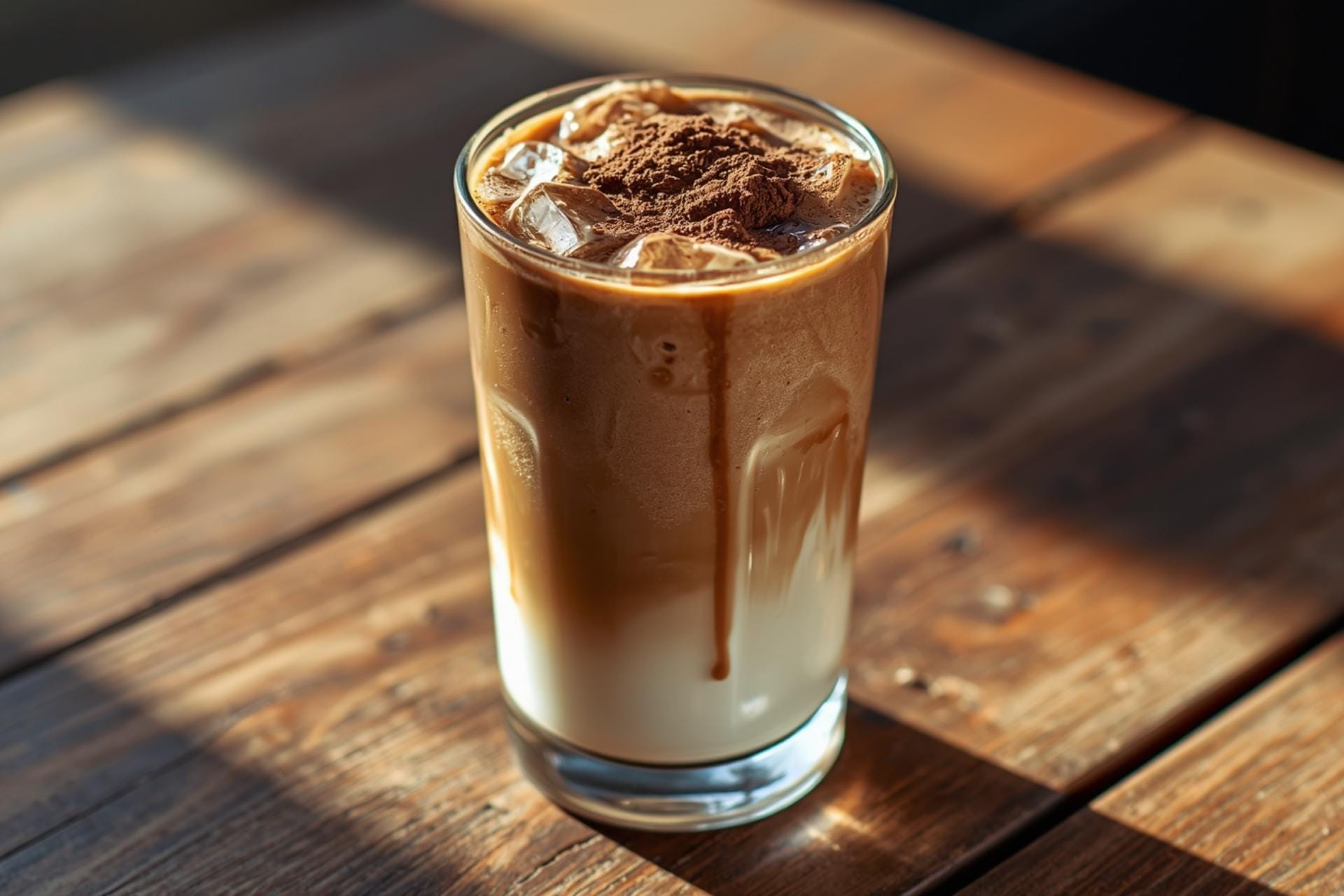
Blend:
- Cold brew coffee
- Chocolate protein powder
- Milk
- Ice
Perfect for busy mornings.
Protein: ~27g
15. Green Recovery Smoothie
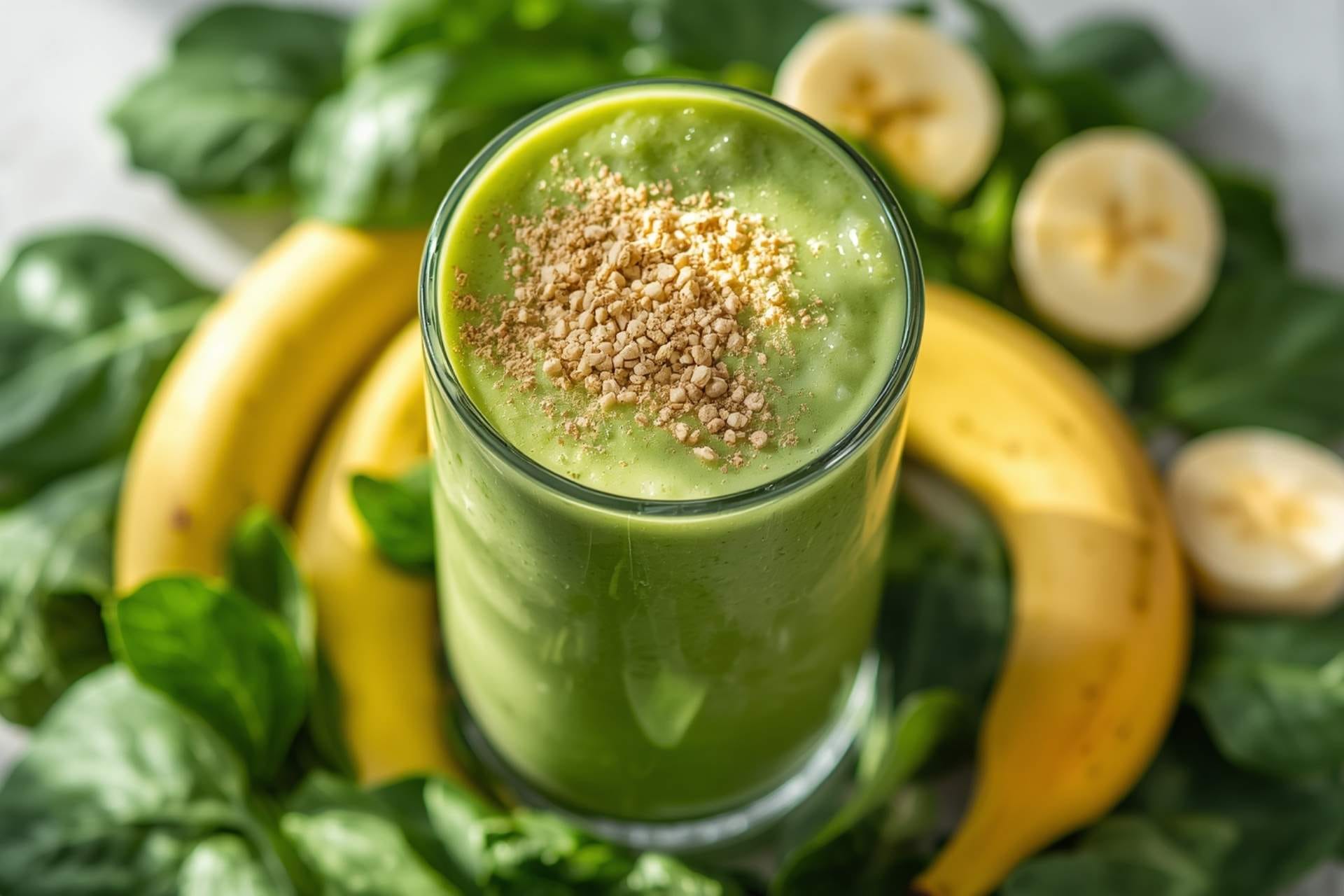
Blend:
- Spinach
- Banana
- Greek yogurt
- Protein powder
- Almond milk
Protein: ~28g
Sports dietitians continue to recommend smoothies because they're a convenient way to consume approximately 20–30 grams of protein after exercise, especially when paired with fruit for carbohydrates. (15)
Sweet High Protein Snacks
If you enjoy dessert but still want to support your nutrition goals, these sweet recipes offer the best of both worlds.
16. Protein Energy Balls
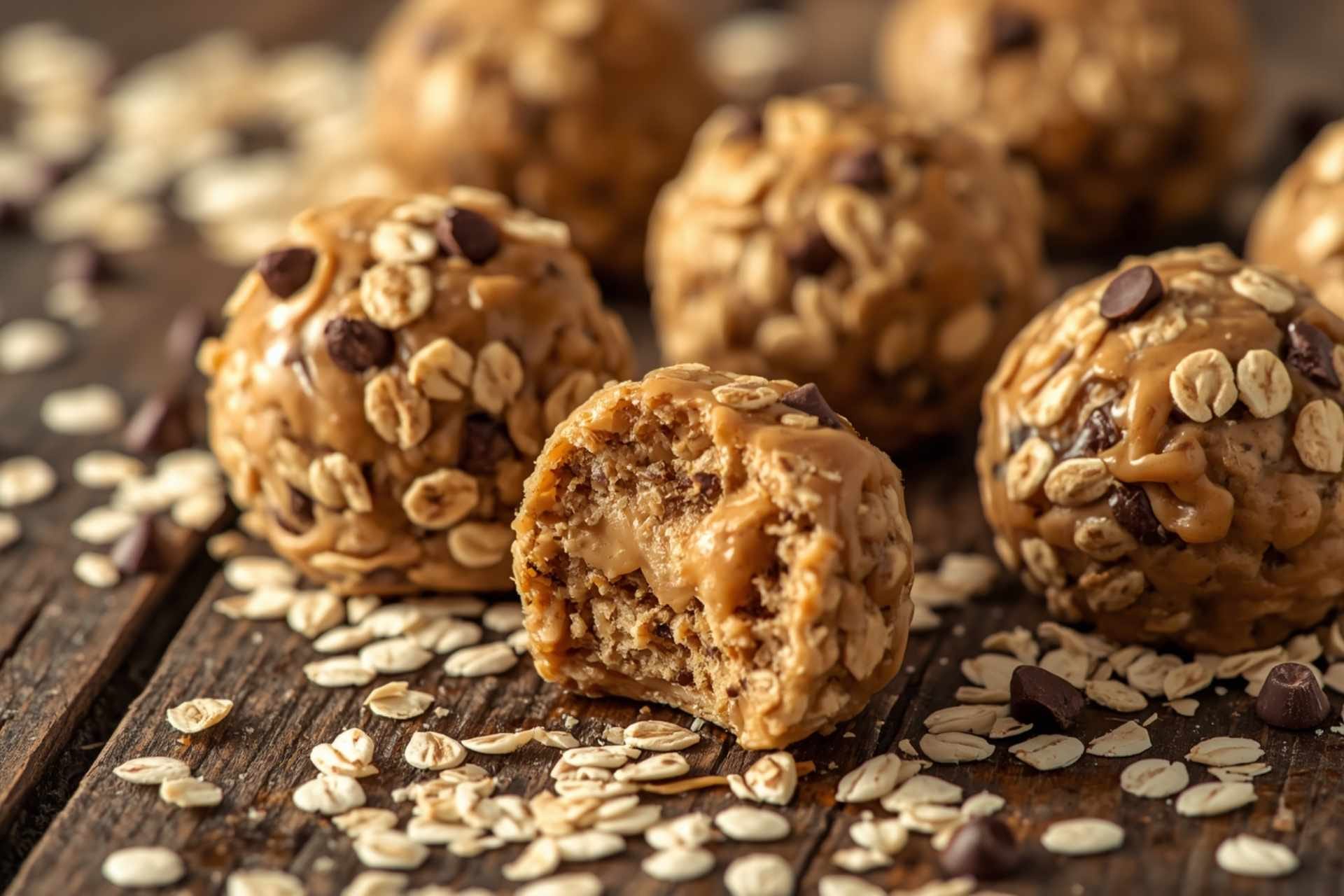
Mix:
- Oats
- Peanut butter
- Protein powder
- Honey
- Mini chocolate chips
Roll into bite-sized balls.
Protein: ~8g each
Energy balls remain one of the most popular homemade snack ideas because they're portable, freezer-friendly, and endlessly customizable. (16)
17. Cottage Cheese Cheesecake Cups
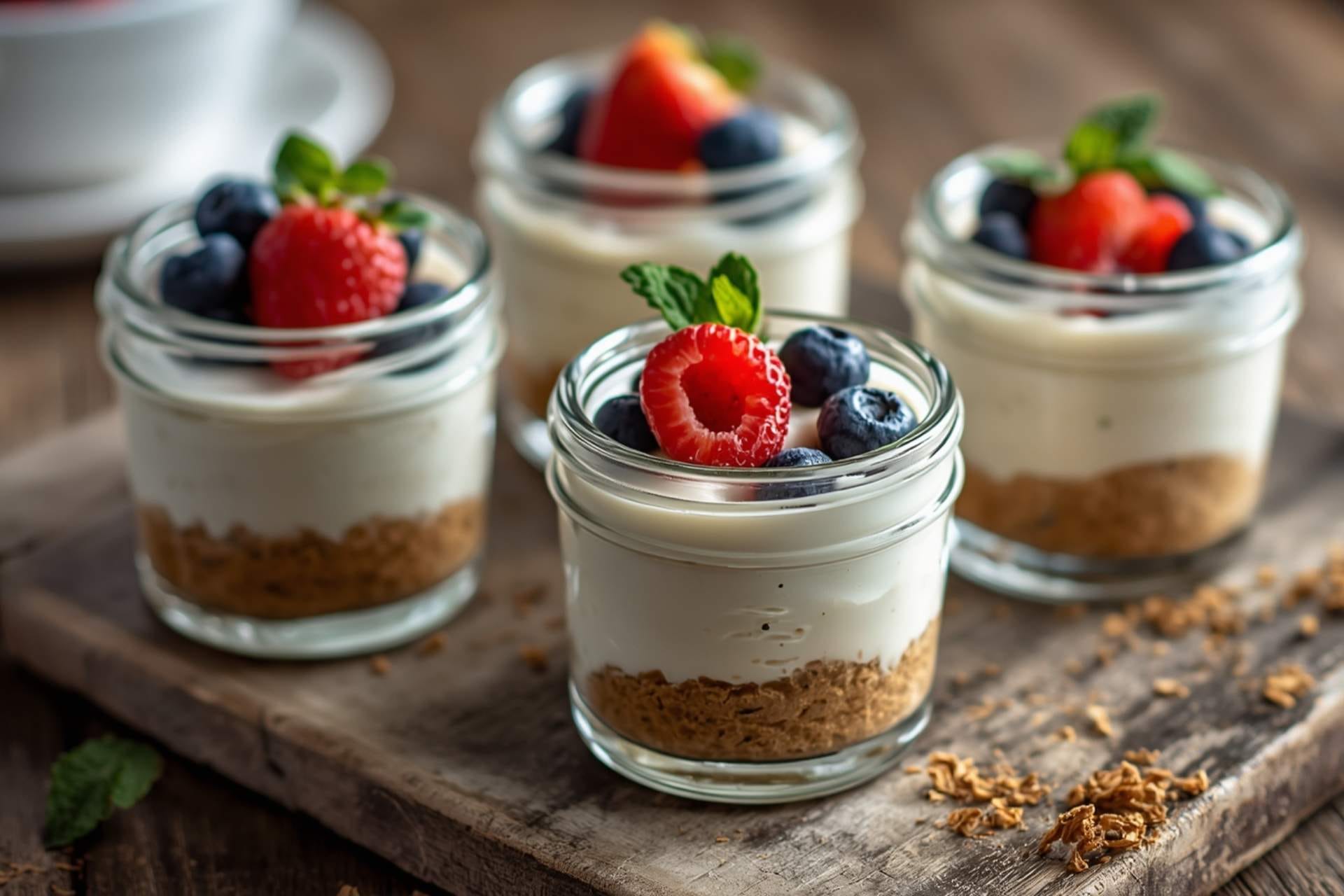
Blend:
- Cottage cheese
- Vanilla extract
- Honey
- Lemon juice
Top with fresh berries.
Protein: ~22g
18. Chocolate Protein Pudding
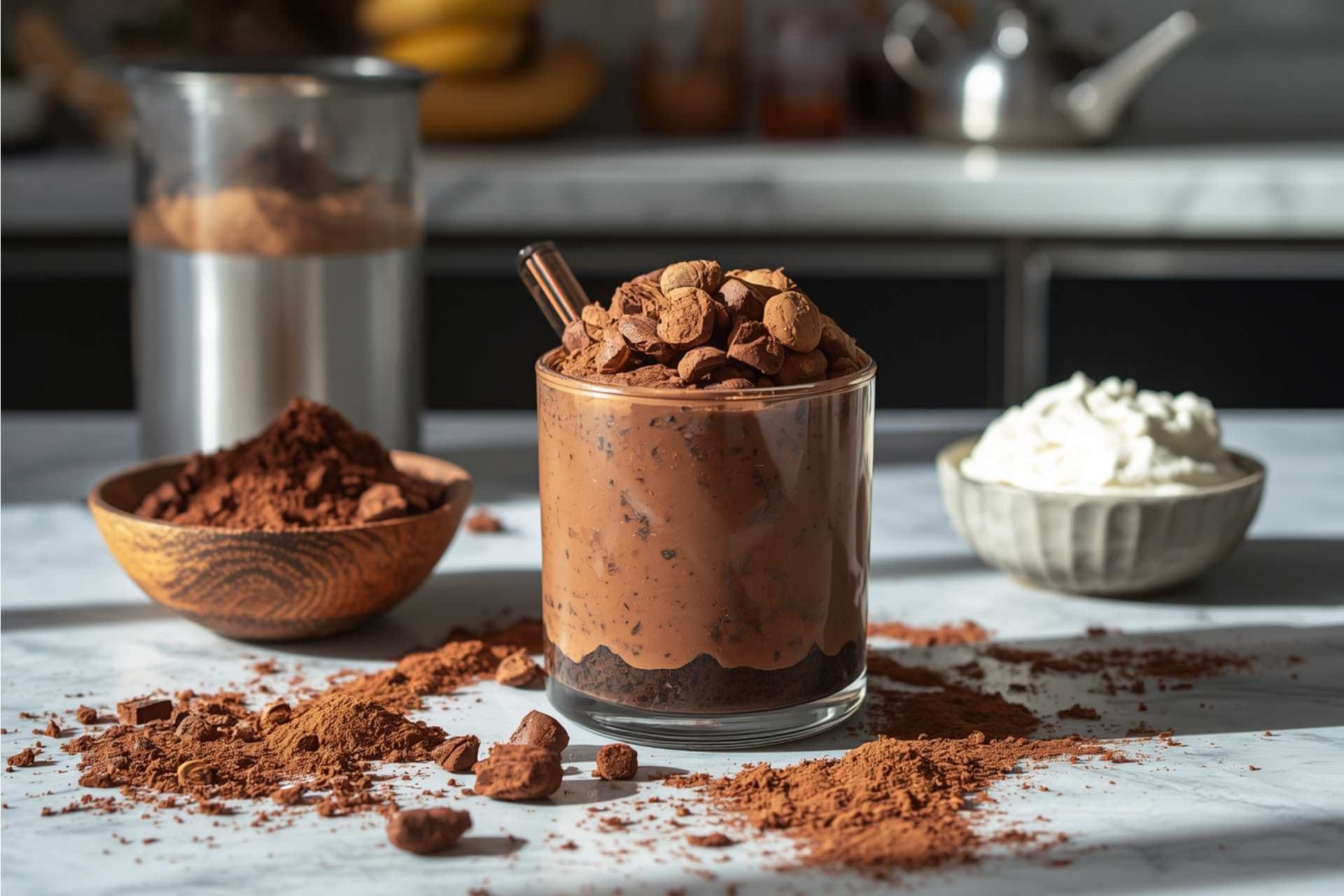
Mix:
- Chocolate protein powder
- Greek yogurt
- Cocoa powder
- Almond milk
Chill before serving.
Protein: ~25g
19. Frozen Yogurt Bark
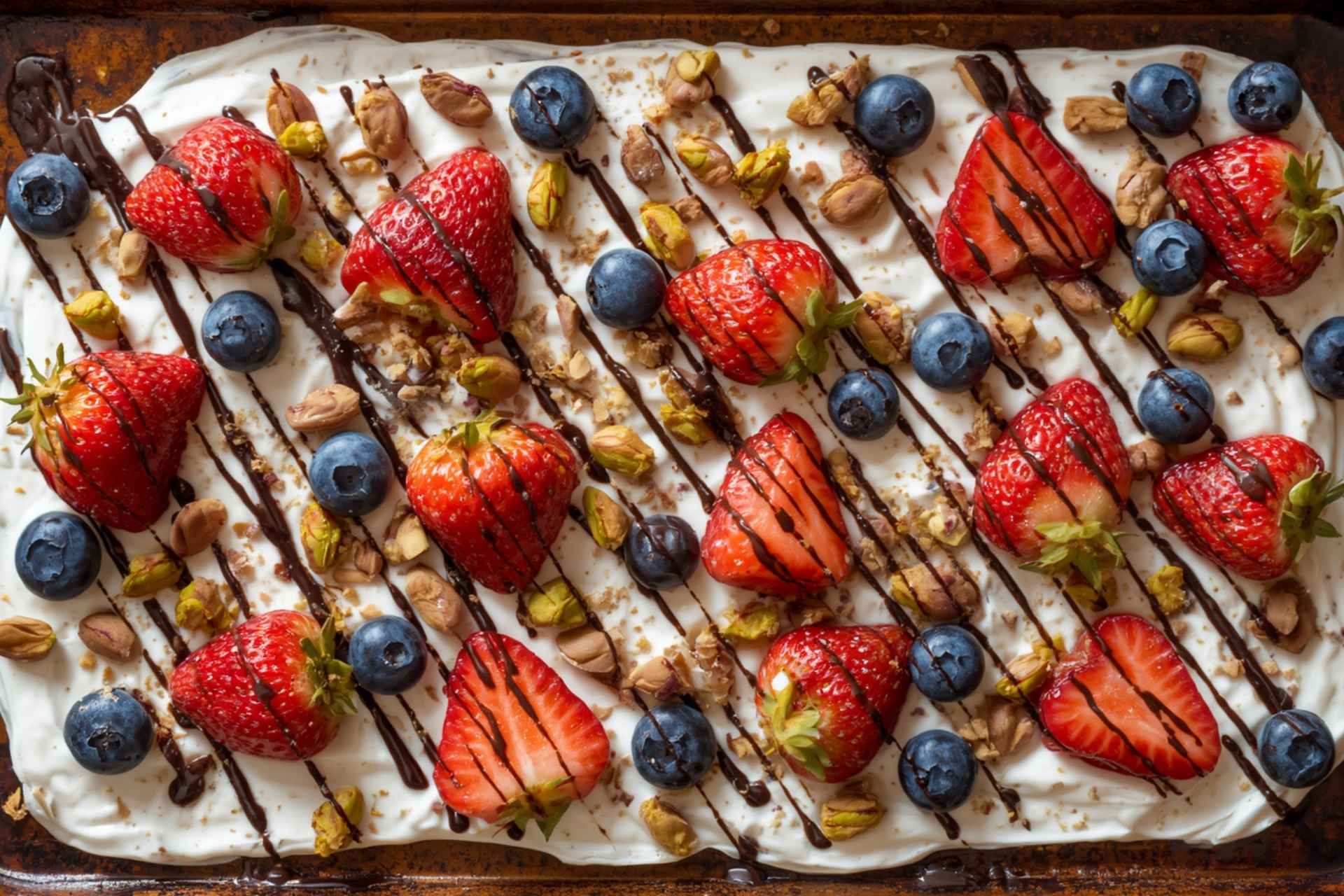
Spread Greek yogurt on a baking tray.
Top with:
- Strawberries
- Blueberries
- Pistachios
- Dark chocolate
Freeze and break into pieces.
Protein: ~18g
20. Protein Cookies
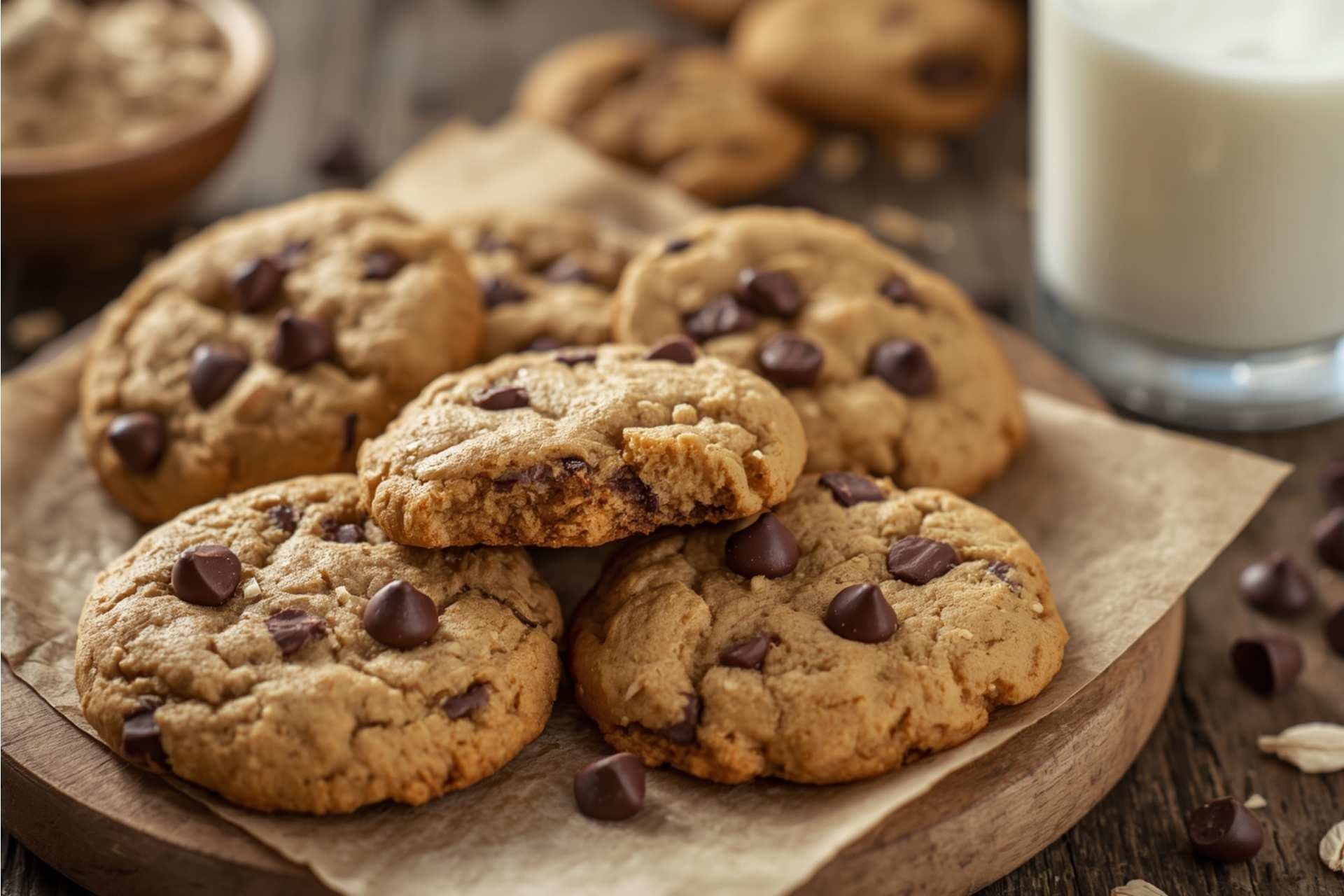
Use:
- Oat flour
- Vanilla protein powder
- Peanut butter
- Egg
- Dark chocolate chips
Bake until lightly golden.
Protein: ~12g each
Savory High Protein Snacks
Savory snacks are perfect if you prefer bold flavors over sweet treats. They're also excellent options for meal prep and lunchboxes.
21. Buffalo Chicken Dip
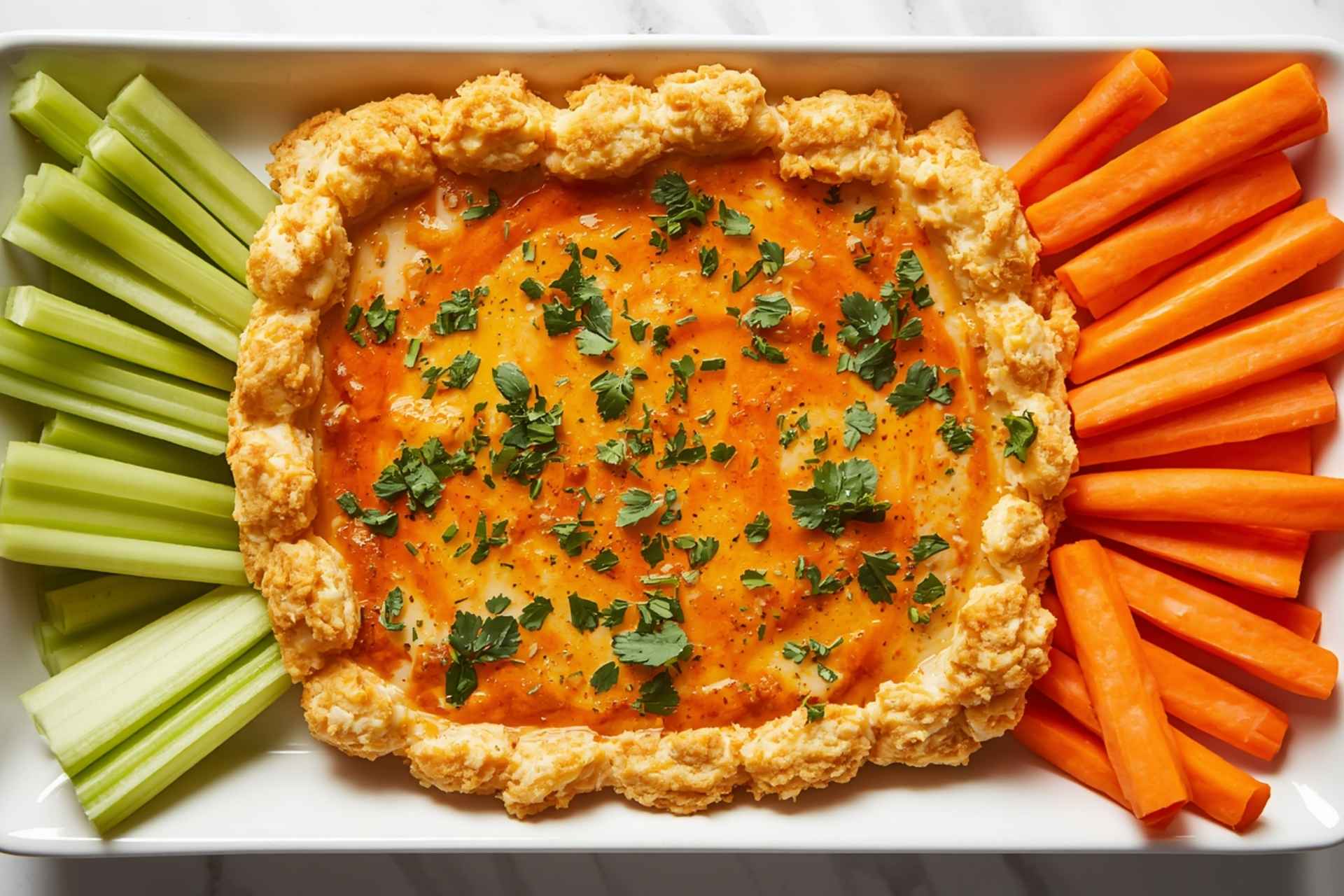
Mix:
- Shredded chicken
- Greek yogurt
- Hot sauce
- Reduced-fat cream cheese
Serve with vegetables.
Protein: ~20g
22. Cottage Cheese Ranch Dip
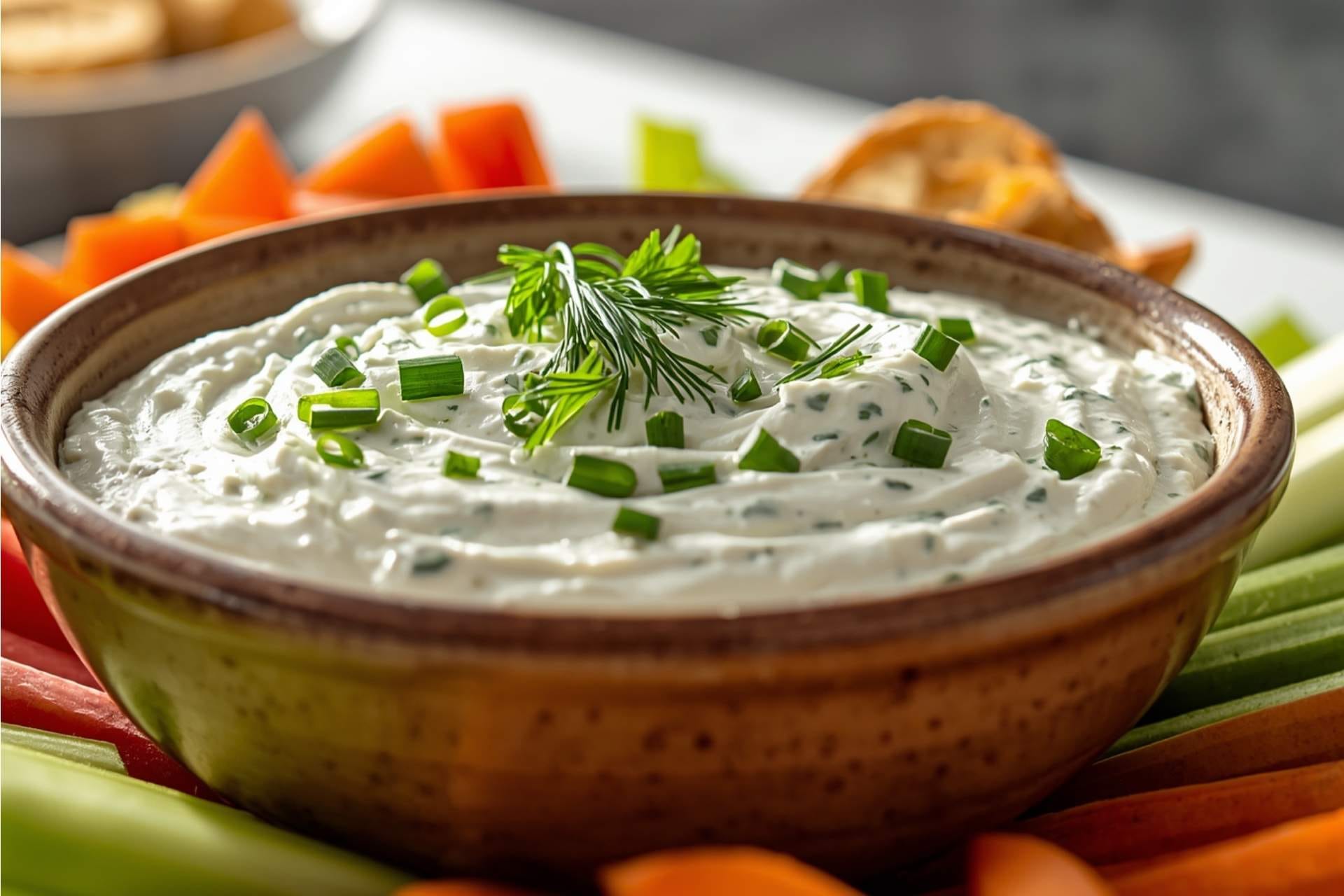
Blend:
- Cottage cheese
- Dill
- Garlic
- Chives
- Lemon juice
Serve with carrots, celery, and bell peppers.
Protein: ~18g
23. Turkey Meatballs
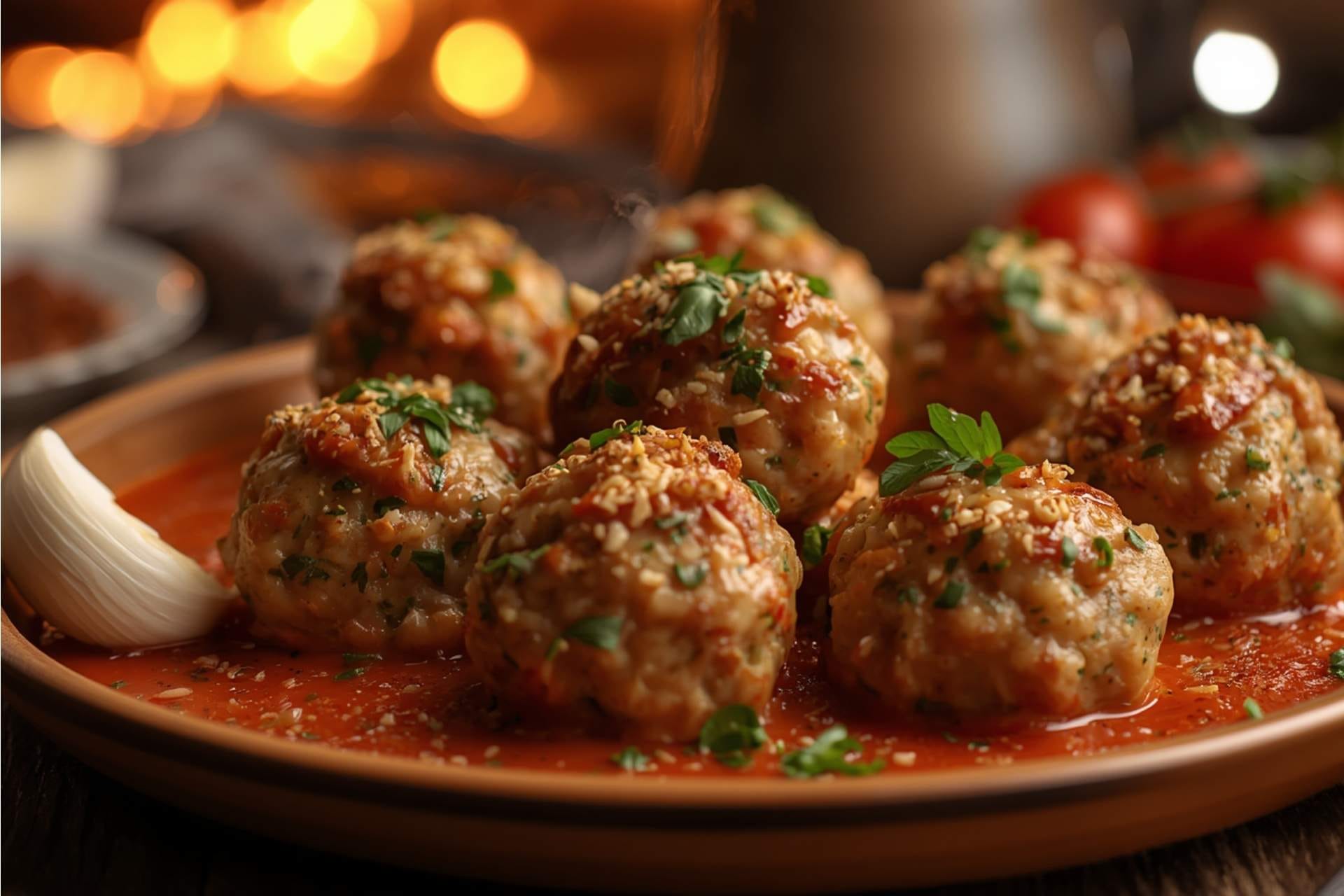
Prepare lean turkey meatballs with:
- Parmesan
- Garlic
- Italian seasoning
- Parsley
Bake and refrigerate for quick snacks.
Protein: ~22g
24. Mini Protein Wrap Bites
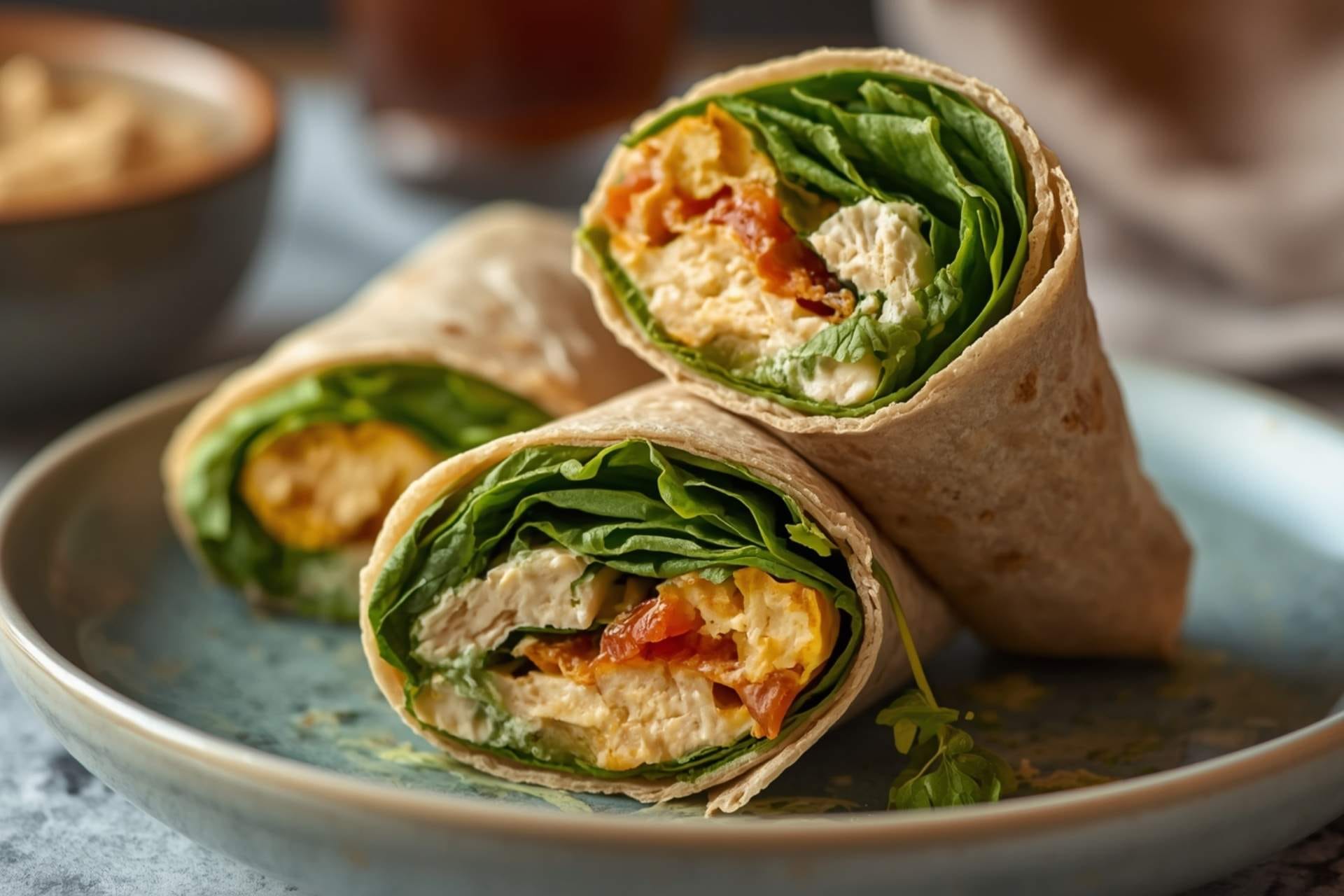
Fill whole-wheat tortillas with:
- Turkey
- Cheese
- Spinach
- Hummus
Roll tightly and slice.
Protein: ~20g
25. Edamame Snack Bowl
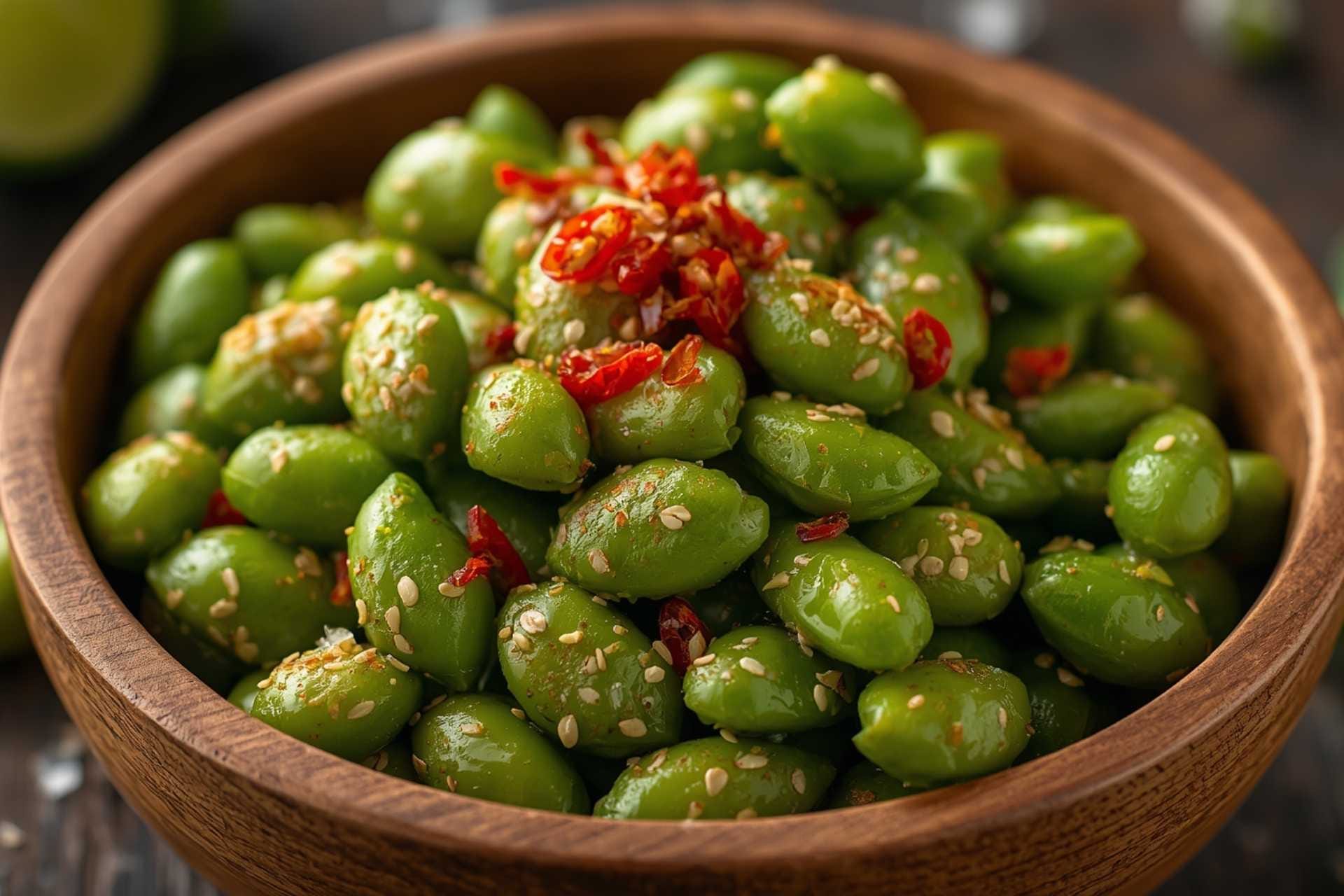
Combine:
- Shelled edamame
- Sesame seeds
- Sea salt
- Chili flakes
- Lime juice
Protein: ~17g
Edamame is widely recommended as one of the best plant-based high-protein snacks because it provides complete protein along with fiber, iron, and magnesium. (17)
These 25 recipes prove that high protein snacks don't have to be boring or repetitive. By keeping a mix of no-cook options, meal-prep favorites, smoothies, sweet treats, and savory bites on hand, you'll always have nutritious choices ready to support your workouts, satisfy hunger, and promote recovery.
High Protein Snacks for Different Fitness Goals
Not all high protein snacks serve the same purpose. The ideal snack for a marathon runner isn't necessarily the best option for someone trying to build muscle or lose body fat. Your activity level, training style, and overall health goals all influence what your body needs between meals and after exercise.
The good news is that you don't need an entirely different diet for every fitness goal. By making a few simple adjustments to your protein source, carbohydrate intake, and portion sizes, you can customize your high-protein snacks to fit your lifestyle. Registered dietitians consistently recommend focusing on whole-food protein sources, pairing them with fiber-rich carbohydrates and healthy fats for lasting energy, improved recovery, and better satiety. Recent guidance also emphasizes spreading protein intake throughout the day rather than consuming it all in one meal. (18, 19)
Whether your goal is gaining muscle, losing weight, improving endurance, or simply eating healthier, the following strategies will help you choose high-protein snacks that work for you.
High Protein Snacks for Muscle Gain
If you're working to build lean muscle, protein is one of your greatest allies. Resistance training creates microscopic damage to muscle fibers, and dietary protein provides the amino acids needed to repair and strengthen them. While workouts stimulate muscle growth, recovery nutrition is what allows those adaptations to occur.
Experts generally recommend consuming 20–40 grams of high-quality protein after strength training, combined with carbohydrates to replenish glycogen stores and support recovery. Total daily protein intake remains even more important than perfect timing, so eating high-protein snacks consistently throughout the day is an effective strategy. (20)
Best High Protein Snacks for Building Muscle
- Greek yogurt with granola and berries
- Cottage cheese with banana slices
- Homemade protein smoothie
- Turkey wrap on whole-grain tortilla
- Egg muffins with vegetables
- Grilled chicken and whole-grain crackers
- Tuna salad with whole-wheat pita
- Homemade protein bars
- Chocolate milk after intense workouts
- Edamame with roasted almonds
Muscle Building Tips
- Aim for protein at every meal and snack.
- Include complex carbohydrates after workouts.
- Stay hydrated throughout the day.
- Prioritize strength training and adequate sleep.
- Prepare snacks ahead of time to stay consistent.
Think of your muscles like a house under renovation. Every workout lays the foundation, but high-protein snacks supply the bricks and materials needed to finish the project.
High Protein Snacks for Fat Loss
Contrary to popular belief, losing body fat doesn't mean eliminating snacks. In fact, nutritious high-protein snacks can help control hunger, reduce cravings, and make it easier to maintain a calorie deficit without feeling deprived.
Protein is the most filling macronutrient, helping you stay satisfied for longer than refined carbohydrates alone. Pairing protein with fiber-rich foods such as fruits, vegetables, beans, or whole grains creates snacks that provide lasting energy while supporting healthy weight management. (21, 22)
Smart High Protein Snacks for Weight Loss
- Cottage cheese with cucumber slices
- Hard-boiled eggs
- Plain Greek yogurt with berries
- Roasted chickpeas
- Edamame
- Turkey roll-ups
- Tuna lettuce cups
- Low-fat cheese with apple slices
- Protein pudding made with Greek yogurt
- Homemade trail mix with nuts and seeds
Weight Loss Success Tips
- Choose minimally processed foods whenever possible.
- Watch portion sizes, especially for calorie-dense foods like nuts and nut butters.
- Pair protein with fiber for greater fullness.
- Limit snacks high in added sugars.
- Drink water regularly, as thirst is often mistaken for hunger.
Recent healthy eating recommendations also encourage planning snacks and keeping nutritious protein-rich foods visible and ready to eat, making healthy choices easier during busy days.
High Protein Snacks for Endurance Athletes
Long-distance runners, cyclists, swimmers, and other endurance athletes have different nutritional priorities than strength athletes. Their bodies rely heavily on carbohydrates during prolonged exercise, but protein remains essential for repairing muscles and supporting recovery after long training sessions.
The most effective high-protein snacks for endurance athletes combine protein with carbohydrate-rich foods that replenish glycogen stores. This balanced approach helps reduce fatigue and prepares the body for future workouts.
Recovery Snacks for Endurance Training
- Chocolate milk
- Greek yogurt with granola
- Peanut butter banana smoothie
- Overnight oats with protein powder
- Cottage cheese with peaches
- Turkey sandwich on whole-grain bread
- Rice cakes with tuna
- Sweet potato with cottage cheese
- Protein oatmeal
- Fruit smoothie with Greek yogurt
Recovery Tips for Endurance Athletes
- Replace fluids lost through sweat.
- Include sodium after prolonged exercise when appropriate.
- Eat within a couple of hours after training.
- Combine protein with carbohydrates.
- Focus on consistent nutrition across the day rather than one perfect meal.
Foods like salmon, tart cherries, potatoes, berries, and leafy vegetables are also recommended by sports dietitians because they provide antioxidants, healthy fats, and micronutrients that support overall recovery.
High Protein Snacks for Everyday Healthy Eating
You don't have to be training for a marathon or spending hours in the gym to benefit from high-protein snacks. Protein-rich snacks can help busy professionals, students, parents, and older adults maintain energy, stay satisfied between meals, and make healthier food choices throughout the day.
Rather than reaching for chips or sugary treats during the afternoon slump, consider choosing snacks that combine protein with whole-food ingredients. These options are more filling and often provide additional nutrients like calcium, fiber, iron, and healthy fats.
Everyday High Protein Snacks
- Greek yogurt parfait
- Cottage cheese with fresh fruit
- Hard-boiled eggs
- Mixed nuts and seeds
- Hummus with vegetables
- Roasted edamame
- Peanut butter on whole-grain toast
- Homemade protein energy bites
- Cheese with whole-grain crackers
- Turkey and avocado roll-ups
Recent nutrition experts also recommend pairing protein with fiber-rich foods—such as fruit, vegetables, or whole grains—to promote steadier energy levels and reduce between meal hunger. (23, 24)
Simple Habits for Long-Term Success
- Keep healthy snacks prepared in advance.
- Store washed fruit and vegetables at eye level in your refrigerator.
- Prepare snack boxes for busy weekdays.
- Rotate ingredients to prevent boredom.
- Focus on consistency rather than perfection.
Healthy eating isn't about finding one magical recipe—it's about building small habits that you can maintain for years. By choosing wholesome high-protein snacks that match your personal goals, you'll make it easier to recover from workouts, stay energized throughout the day, and support your overall well-being.
Why Personalization Matters
The best nutrition plan is one that fits your lifestyle. Some people thrive on dairy snacks, while others prefer plant-based options. Some need portable snacks for long workdays, while others have time to prepare fresh meals at home. The key is finding high-protein snacks that you genuinely enjoy and can eat consistently.
Remember these simple guidelines:
- Build muscle: Prioritize 20–40 grams of protein after training.
- Lose weight: Combine protein with fiber for lasting fullness.
- Improve endurance: Pair protein with carbohydrates after exercise.
- Support everyday health: Choose minimally processed, nutrient-dense snacks.
No matter your fitness level, making high-protein snacks a regular part of your eating routine is a practical, sustainable way to fuel your body and support long-term health.
Meal Prep Guide for High Protein Snacks
Meal prepping is one of the smartest habits you can develop if you're serious about eating healthier, supporting your workouts, and saving time during busy weeks. Instead of scrambling to find something nutritious when hunger strikes, you'll already have a refrigerator full of delicious high-protein snacks waiting for you. Better yet, meal prep helps reduce food waste, makes grocery shopping easier, and removes the daily stress of deciding what to eat.
Recent nutrition experts continue to recommend preparing meals and snacks in advance because it encourages healthier eating patterns, reduces reliance on ultra-processed convenience foods, and helps people stay consistent with their nutrition goals. Whether you're training several days a week or simply trying to eat more protein, dedicating just one or two hours each week to meal prep can make healthy choices almost effortless. (25, 26)
The best part? You don't need to spend your entire Sunday in the kitchen. A simple plan, a handful of versatile ingredients, and proper food storage are enough to keep your favorite high-protein snacks fresh, flavorful, and ready whenever you need them.
Batch Cooking Tips
Batch cooking is the foundation of successful meal prep. Instead of preparing individual snacks every day, you cook several protein-rich ingredients at once and mix and match them throughout the week. This strategy saves both time and money while making it easier to hit your daily protein goals.
Think of batch cooking as creating a "protein toolkit." Rather than preparing complete recipes every time you're hungry, you simply combine ready-to-eat ingredients into quick snacks. For example, grilled chicken can become lettuce wraps one day, whole-grain crackers with chicken salad the next, and a protein bowl later in the week.
Batch Cook These Protein Staples
- Grilled chicken breast
- Lean turkey meatballs
- Hard-boiled eggs
- Baked tofu
- Roasted chickpeas
- Cooked quinoa
- Brown rice
- Edamame
- Lentils
- Black beans
Prepare These Fresh Ingredients
- Wash berries and grapes
- Slice cucumbers and bell peppers
- Chop celery and carrots
- Portion mixed greens
- Slice apples (store with lemon juice to reduce browning)
- Prepare fruit salad
- Portion nuts and seeds
Dairy Staples to Keep Ready
- Plain Greek yogurt
- Cottage cheese
- String cheese
- Skyr yogurt
- Milk for smoothies
With these ingredients on hand, assembling high-protein snacks becomes incredibly simple. One day you might combine cottage cheese, berries, and almonds. The next day, turkey roll-ups with cucumber slices take less than five minutes to prepare.
Recent healthy meal planning guidance also recommends cooking extra portions at dinner and repurposing leftovers into lunches and snacks later in the week. This minimizes waste while reducing the amount of cooking required. (27)
Storage Guidelines
Meal prep only works well if your food stays fresh, safe, and appetizing. Proper storage preserves flavor, texture, and nutritional quality while reducing the risk of foodborne illness.
One of the simplest habits is using airtight containers. They help maintain freshness and prevent moisture loss, especially for ingredients like cooked chicken, roasted vegetables, and homemade protein bars.
Best Containers for High Protein Snacks
- Glass meal prep containers
- BPA-free plastic containers
- Mason jars
- Small snack containers
- Silicone reusable bags
- Portion control containers
Labeling each container with the preparation date makes it easy to rotate foods and enjoy the oldest items first. This simple habit reduces waste and helps ensure everything is eaten while still fresh.
Refrigerator Storage Tips
- Keep the refrigerator at 40°F (5°C) or below.
- Refrigerate cooked foods within 2 hours.
- Store meals in single-serving portions.
- Place ready-to-eat snacks at eye level.
- Rotate older foods to the front.
Most prepared high-protein snacks—including cooked chicken, egg muffins, cottage cheese bowls, and yogurt parfaits—stay fresh for approximately 3 to 4 days when properly refrigerated. Foods you won't eat within that timeframe should generally be frozen for later use. (28)
Another helpful strategy is to portion snacks immediately after preparing them. Instead of storing a large batch of roasted chickpeas in one container, divide them into individual servings. This makes grab-and-go snacking easier and supports portion control.
Freezer-Friendly High Protein Snacks
Your freezer is one of the best tools for maintaining a steady supply of high-protein snacks. Freezing prepared foods extends their shelf life, reduces waste, and gives you healthy options even during your busiest weeks.
Many people assume frozen foods lose their nutritional value, but that's rarely the case. Properly frozen homemade snacks can retain excellent flavor and nutrition when stored correctly.
Excellent Freezer-Friendly Snacks
- Homemade protein bars
- Protein energy balls
- Egg muffins
- Turkey meatballs
- Breakfast burritos
- Chicken burrito bowls
- Protein pancakes
- Whole-grain waffles
- Smoothie freezer packs
- Cooked quinoa
- Brown rice
- Cooked beans
Smoothie freezer packs are especially convenient. Simply portion fruit, spinach, and other ingredients into freezer-safe bags. When you're ready, empty the bag into a blender, add Greek yogurt or protein powder, pour in milk, and blend.
Protein energy balls also freeze exceptionally well. Prepare a large batch using oats, peanut butter, protein powder, chia seeds, and honey. Freeze them individually so you can grab one whenever you need a quick snack.
Foods That Freeze Well
| Food | Freezer Life |
|---|---|
| Egg Muffins | Up to 3 months |
| Turkey Meatballs | Up to 3 months |
| Protein Bars | Up to 3 months |
| Cooked Chicken | 2–3 months |
| Cooked Quinoa | Up to 3 months |
| Smoothie Packs | 2–3 months |
| Energy Balls | Up to 3 months |
Some foods don't freeze as successfully. Fresh lettuce, cucumbers, watermelon, and plain yogurt often become watery after thawing, making them better suited for fresh preparation. Instead, freeze the protein component and add fresh produce just before serving.
Meal prep experts also recommend freezing recipes in individual portions rather than one large container. This allows you to thaw only what you need, preserving quality and reducing food waste.
Meal Prep Success Tips
Consistency matters more than perfection. You don't need dozens of recipes or expensive containers to succeed. Start with a few favorite high-protein snacks, prepare them consistently, and gradually expand your routine.
Weekly Meal Prep Checklist
- ✔ Plan your snacks before grocery shopping.
- ✔ Buy enough protein for the week.
- ✔ Batch cook one or two protein sources.
- ✔ Wash and chop fresh produce.
- ✔ Portion snacks into grab-and-go containers.
- ✔ Label containers with the preparation date.
- ✔ Freeze extras for future weeks.
- ✔ Restock ingredients before running out.
Even preparing just three or four snack options each week can dramatically reduce unhealthy impulse eating. Recent dietitian designed meal plans emphasize that preparation, balanced protein and fiber, and keeping nutritious foods visible and accessible are key strategies for maintaining healthy eating habits over time. (29)
By following these meal prep strategies, you'll always have delicious high-protein snacks ready to fuel your workouts, support recovery, and keep you energized throughout the day.
Expert Nutrition Tips for Long-Term Success
Building a healthier lifestyle isn't about finding one magical recipe or following the latest diet trend. Instead, it's about creating sustainable habits that fit your schedule, preferences, and fitness goals. That's where high-protein snacks truly shine. They aren't just convenient—they help you maintain steady energy, support muscle recovery, reduce hunger between meals, and make it easier to meet your daily protein needs.
The most successful athletes and health conscious eaters don't rely on perfection. They focus on consistency. By pairing nutritious high-protein snacks with proper hydration, quality sleep, balanced meals, and regular physical activity, you'll create a nutrition routine that supports both short-term performance and long-term health. Sports dietitians continue to emphasize that recovery is influenced by multiple lifestyle factors, including adequate sleep, hydration, and balanced nutrition—not just protein intake alone. (30)
Let's explore four expert backed strategies that can help you get even more benefits from your high-protein snacks.
Hydration: The Missing Piece of Recovery
Protein may help repair muscles, but water is what keeps your body functioning efficiently. Every workout causes fluid loss through sweat, and even mild dehydration can reduce physical performance, delay recovery, and contribute to fatigue.
Hydration plays a vital role in:
- Delivering nutrients to muscles
- Supporting digestion
- Regulating body temperature
- Lubricating joints
- Removing waste products
- Maintaining healthy circulation
If you're eating nutritious high-protein snacks but forgetting to drink enough water, you're missing an important part of the recovery process.
Hydration Tips
- Drink water consistently throughout the day instead of waiting until you're thirsty.
- Increase fluid intake during hot weather or long workouts.
- Include electrolyte-rich drinks after prolonged or intense exercise when needed.
- Eat water-rich foods like watermelon, oranges, cucumbers, berries, and tomatoes.
- Pair your high-protein snacks with a glass of water or milk.
For workouts lasting more than an hour or involving heavy sweating, recovery should include fluids, sodium, carbohydrates, and protein—not protein alone. A simple snack like Greek yogurt with fruit or a smoothie made with milk provides hydration and essential nutrients in one serving. (31, 32)
Sleep and Recovery
Many people spend hours planning workouts and meals but overlook one of the most powerful recovery tools available: sleep. During sleep, your body performs many of the processes that support muscle repair, hormone regulation, and tissue recovery.
While eating high-protein snacks won't magically improve sleep quality, a light, protein-rich snack before bed may help reduce nighttime hunger and provide amino acids that support overnight muscle repair—especially if there's been a long gap since dinner.
Examples include:
- Greek yogurt with berries
- Cottage cheese with cinnamon
- Edamame
- A small protein smoothie
- Cottage cheese with sliced peaches
Experts recommend keeping bedtime snacks modest in size and eating them about 1–2 hours before bed if you're genuinely hungry. Large, heavy meals close to bedtime may cause discomfort or interfere with sleep. (33, 34)
Healthy Sleep Habits
- Aim for 7–9 hours of sleep each night.
- Maintain a consistent bedtime schedule.
- Limit caffeine later in the day.
- Reduce screen exposure before bed.
- Keep your bedroom cool, dark, and quiet.
Think of sleep as your body's overnight repair shift. Your workouts create the challenge, high protein snacks provide the building materials, and sleep gives your body the uninterrupted time it needs to rebuild.
Protein Distribution Throughout the Day
One of the biggest misconceptions about protein is that eating a huge amount at dinner makes up for low protein intake earlier in the day. Research suggests otherwise. Distributing protein evenly across meals and snacks appears to be a more effective strategy for supporting muscle protein synthesis throughout the day.
Instead of consuming most of your protein in one sitting, try including protein at:
- Breakfast
- Mid-morning snack
- Lunch
- Afternoon snack
- Dinner
- Evening snack (if needed)
This approach makes it much easier to meet your daily protein goals while keeping hunger under control.
Sample Daily Protein Schedule
| Time | Example High-Protein Snack or Meal |
|---|---|
| Breakfast | Greek Yogurt with Berries and Oats |
| Morning Snack | Hard-Boiled Eggs |
| Lunch | Grilled Chicken Salad |
| Afternoon Snack | Cottage Cheese with Fruit |
| Dinner | Salmon, Quinoa, and Vegetables |
| Evening Snack | Edamame or Cottage Cheese |
Spacing protein intake across the day also helps many people avoid the energy crashes that can come from relying on refined carbohydrates alone. Pairing protein with fiber-rich foods, healthy fats, and whole grains creates satisfying meals and snacks that support steady energy levels. (35, 36)
Recovery Nutrition Timing
For years, athletes worried about consuming protein within a strict 30-minute "anabolic window." While eating after exercise is beneficial, current evidence suggests that the overall quality of your diet and total daily protein intake matter even more.
A practical recovery strategy includes:
- Eating within about two hours after training when possible.
- Including 20–40 grams of high-quality protein.
- Pairing protein with carbohydrates to replenish glycogen.
- Rehydrating with water or another appropriate beverage.
- Continuing to eat balanced meals and high-protein snacks throughout the day.
Great post-workout options include:
- Greek yogurt with granola and berries
- Cottage cheese with pineapple
- Chocolate milk
- Turkey sandwich on whole-grain bread
- Protein smoothie with banana
- Overnight oats with protein powder
- Tuna and whole-grain crackers
Recovery doesn't end after your post-workout snack. Every balanced meal, every glass of water, every night of quality sleep, and every nutritious high-protein snack contributes to better performance and long-term health. Rather than chasing perfection, focus on building habits you can maintain consistently—and your body will thank you over time.
The Bottom Line
Choosing the right high-protein snacks is one of the simplest ways to support your workouts, improve recovery, and build healthier eating habits that last. Whether your goal is gaining lean muscle, increasing endurance, managing your weight, or simply feeling more energized throughout the day, adding protein-rich snacks to your routine can make a meaningful difference. The key isn't finding one "perfect" snack—it's creating a balanced eating pattern that fits your lifestyle and keeps you consistently fueled.
Throughout this guide, you've discovered how protein supports muscle repair, why pairing protein with carbohydrates enhances recovery, and which whole-food ingredients deserve a permanent place in your kitchen. You've also explored 25 delicious recipes, practical meal prep strategies, and expert nutrition tips that make healthy eating both achievable and enjoyable. From creamy Greek yogurt parfaits and homemade protein bars to savory turkey roll-ups and roasted chickpeas, there are countless ways to enjoy high-protein snacks without getting bored.
One of the biggest takeaways from current sports nutrition research is that consistency matters more than perfection. Rather than worrying about eating within a narrow post-workout window or chasing trendy supplements, focus on meeting your daily protein needs through balanced meals and snacks. Distributing protein throughout the day, staying hydrated, getting enough sleep, and eating a variety of nutrient-dense foods all work together to support muscle recovery and long-term health. Research also suggests that pairing protein with fiber-rich carbohydrates and healthy fats helps promote satiety, stable energy, and overall dietary quality. (37, 38)
Remember, healthy eating doesn't have to be complicated. Start by choosing two or three favorite high-protein snacks from this guide and add them to your weekly meal prep routine. As those habits become second nature, experiment with new recipes, seasonal ingredients, and different protein sources to keep your meals exciting. Small, sustainable changes often lead to the biggest long-term results.
Your fitness journey is unique, and your nutrition should support it—not complicate it. By making wholesome high-protein snacks a regular part of your day, you'll be giving your body the fuel it needs to recover, perform, and thrive, one satisfying bite at a time.
Frequently Asked Questions (FAQs)
What are the best high protein snacks after a workout?
The best high protein snacks after exercise combine 20–40 grams of high-quality protein with healthy carbohydrates to support muscle repair and replenish glycogen stores.
Excellent options include:
● Greek yogurt with berries and granola
● Cottage cheese with pineapple
● Protein smoothies with fruit
● Turkey sandwiches on whole-grain bread
● Chocolate milk
● Tuna with whole-grain crackers
● Egg muffins with vegetables
Choose snacks that are convenient and enjoyable so you can eat them consistently after training. (39)
How much protein should I eat after exercising?
Most active adults benefit from consuming 20–40 grams of protein after resistance or endurance exercise. This amount helps maximize muscle protein synthesis, especially when combined with carbohydrates and adequate hydration. Your total daily protein intake remains more important than consuming protein at an exact time after your workout. (40)
Can I build muscle without protein powder?
Absolutely. Protein powder is convenient, but it isn't essential.
You can meet your protein needs through whole foods such as:
● Greek yogurt
● Cottage cheese
● Eggs
● Chicken
● Turkey
● Fish
● Tofu
● Tempeh
● Lentils
● Beans
● Edamame
Protein powders offer a quick option when preparing meals isn't practical.
Are homemade protein bars healthier than store-bought bars?
In many cases, yes. Homemade protein bars allow you to control:
● Added sugars
● Sodium
● Fiber content
● Healthy fats
● Protein quality
● Portion sizes
They also avoid many preservatives and artificial ingredients commonly found in packaged bars. Look for recipes that use oats, nut butter, seeds, and quality protein powder for a balanced snack.
What high protein snacks contain at least 20 grams of protein?
Many delicious snacks provide around 20 grams of protein or more, including:
● Greek yogurt bowl
● Cottage cheese with fruit
● Turkey roll-ups
● Chicken salad lettuce cups
● Protein smoothie
● Tuna salad
● Egg muffins
● Smoked salmon with whole-grain crackers
● Edamame with roasted chickpeas
These snacks are ideal for supporting muscle recovery while keeping you full between meals.
Are plant-based high protein snacks effective for muscle recovery?
Yes. Plant-based protein sources such as tofu, tempeh, edamame, soy milk, beans, lentils, chickpeas, quinoa, and pea protein can effectively support muscle recovery when consumed in adequate amounts. Soy foods are particularly valuable because they provide all nine essential amino acids, making them a complete protein source.
Is it okay to eat high protein snacks before bed?
Yes, if you're hungry. A small protein-rich snack, such as Greek yogurt, cottage cheese, or edamame, eaten 1–2 hours before bedtime can help reduce hunger overnight and may support muscle repair overnight. However, there is limited evidence that bedtime protein directly improves sleep quality, so keep portions moderate and avoid heavy meals close to bedtime.
How can I make high protein snacks part of my daily routine?
The easiest way is to plan. Try these simple habits:
● Batch cook protein-rich foods each week.
● Keep grab-and-go snacks in the refrigerator.
● Portion snacks into individual containers.
● Pair protein with fruits, vegetables, or whole grains.
● Rotate recipes to avoid boredom.
● Carry portable snacks for work, school, or the gym.
Building these habits makes it much easier to meet your daily protein goals and maintain a healthy, balanced eating pattern over time. Experts also recommend pairing protein with fiber and healthy fats for sustained energy and fullness.

Thanks for inspiring change
Thank you so much for your kind words! I’m really glad you found the article inspiring. I appreciate you taking the time to leave a comment, and I hope you’ll find more helpful tips and recipes here. Wishing you all the best on your healthy eating journey!
Grateful for creators like you who care deeply
Thank you so much for your thoughtful comment! Your kind words truly mean a lot to me and encourage me to keep creating helpful, reliable content. I’m grateful to have readers like you, and I hope you’ll continue to find inspiration and practical tips here. Thanks again for your support!