
If your mornings feel like a rush from the moment your feet hit the floor, you are not alone. That is exactly why low carb breakfast recipes have become such a go-to for so many home cooks. They are quick, filling, and easier to keep in your regular rotation than breakfast dishes that demand a long list of ingredients or a sink full of dishes. The best part is that simple does not have to mean plain. With the right mix of eggs, cheese, avocado, yogurt, or a few smart pantry staples, low carb breakfast recipes can feel cozy, flavorful, and satisfying without turning breakfast into a whole production.
This guide is built for people who want breakfast to work for real life. Maybe you need something you can make in under 10 minutes. Maybe you want a meal prep option you can grab on the way out the door. Or maybe you just want low carb breakfast recipes that taste good enough to repeat all week without getting bored. Whatever your morning looks like, these ideas keep things simple, realistic, and tasty.
Why Simple Low Carb Breakfasts Work So Well
Busy mornings do not leave much room for complicated cooking. When the alarm goes off and the day starts moving fast, most people need breakfast to be something they can make without thinking too hard. That is where low carb breakfasts really shine. They cut down on decision fatigue, they come together quickly, and they make it much easier to eat something satisfying before the rest of the day pulls you in ten different directions. Instead of juggling a long ingredient list or spending half the morning in the kitchen, you can lean on simple ingredients that actually work hard for you.
The truth is, simple does not mean boring. In fact, some of the best breakfast recipes are the ones with just a few smart ingredients that do one thing really well. A fluffy egg scramble with cheese and spinach can feel comforting and rich. A cottage cheese bowl with cinnamon and berries can feel cool, creamy, and fresh. An avocado egg plate can feel hearty without being heavy. When the ingredients are chosen well, low carb breakfasts can taste just as satisfying as anything more elaborate, sometimes even better, because the flavors are clean and the textures are balanced.
Another reason these breakfasts work so well is that they fit real life. Most people are not trying to prepare a perfect brunch spread on a weekday morning. They are trying to get something on the table that tastes good, keeps them full, and does not blow up the budget. That is why low carb breakfasts made with eggs, yogurt, cheese, avocado, sausage, or simple vegetables are such a smart choice. They use everyday ingredients that are easy to find, easy to store, and easy to repeat. You do not need specialty products or complicated techniques to make breakfast feel intentional.
There is also a comfort factor here. When you know a breakfast recipe by heart, the whole morning feels smoother. You are not standing in front of the fridge wondering what to do. You already know what works, and that kind of routine can be a real stress-saver. Low carb breakfasts are especially helpful because they often rely on a few dependable building blocks. Protein keeps them satisfying, healthy fats help them feel rich, and low carb vegetables or dairy add color, flavor, and texture without making the meal feel weighed down.
Budget-friendly eating is another big reason these breakfasts deserve a place in your routine. A lot of people assume that eating low carb means buying expensive ingredients, but that is not true. Eggs, cheese, cottage cheese, frozen spinach, canned salmon, and plain Greek yogurt can all be affordable staples when used wisely. With a little planning, low carb breakfasts can stretch your grocery budget and still feel fresh throughout the week. That is especially helpful when you are feeding a family or trying to keep meal costs under control without settling for bland food.
What really makes simple breakfasts powerful is consistency. A fast, filling, and affordable breakfast is one you are more likely to make again tomorrow. And that matters more than chasing a perfect recipe you will only use once. Low carb breakfasts work because they are realistic. They do not require a huge time investment, do not create a mess, and do not require a long list of ingredients you will only use once. They are the kind of meals that quietly make life easier, one morning at a time.
When breakfast becomes simple, it also becomes more sustainable. You are more likely to stay on track with your eating goals when your first meal of the day is easy to repeat.
That is one of the biggest advantages of low carb breakfasts: they remove the guesswork and make healthy choices feel natural instead of forced. And once that happens, breakfast stops being a problem to solve and starts becoming a reliable part of your routine.
Why This Topic Matches What’s Ranking Right Now
If you look at what performs well for low carb breakfast recipes, a clear pattern starts to show up fast: people want recipes that are simple, protein-forward, and easy to make with a short ingredient list. That makes perfect sense when you think about how most mornings actually go. Dieters are not hunting for complicated brunch projects first thing in the morning. They want something fast, dependable, and satisfying enough to carry them through the day without a sugar crash or another round of snacking an hour later. (1, 2, 3, 4, 5, 6, 7)
That is where the sweet spot really happens. Recipes with 5 ingredients or fewer feel approachable, but they still leave enough room to create something tasty and nourishing. You are not sacrificing quality just because the ingredient list is short. In fact, that simplicity often improves the recipe because every ingredient has a clear role. One ingredient adds protein, another brings flavor, another adds creaminess, and suddenly the whole dish feels balanced without being fussy. That is exactly why low carb breakfast recipes with a lean, focused structure tend to catch attention.
There is also a strong nutrition angle behind the trend. People are looking for breakfasts that do more than just fill a plate. They want meals that feel substantial, support steady energy, and fit into a lower-carb routine without making breakfast feel restrictive. A high-protein approach helps with that because protein gives the meal more staying power. When paired with healthy fats and simple low carb ingredients, the result is a breakfast that feels practical instead of trendy. That combination of convenience and nutrition is a big part of why these recipes keep showing up.
Egg-based recipes also keep appearing again and again, and it is easy to see why. Eggs are affordable, versatile, and naturally fit the low carb style of eating people are searching for. They can be scrambled, baked, stuffed, folded into muffins, or turned into a skillet meal with very little effort. They also pair well with cheese, avocado, sausage, spinach, mushrooms, and plenty of other staples, which makes them almost endlessly adaptable. For anyone browsing low carb breakfast recipes, eggs offer the kind of reliable, no-nonsense base that makes breakfast feel easy instead of overwhelming.
That is really the heart of it. The best performing breakfast ideas are not just low in carbs. They are also realistic, flexible, and built for busy people who want food that actually works in real life. When a recipe checks those boxes, it is much more likely to stand out. And that is why low carb breakfast recipes with fewer ingredients, more protein, and a strong egg base keep rising to the top. (8, 9)
What “Low Carb” Really Means at Breakfast
At breakfast, low carb simply means building a meal that keeps the focus away from heavy starches and added sugar. It does not have to mean eating bland food or following a strict set of rules that makes breakfast feel stressful. In practical terms, low carb breakfast recipes usually rely on ingredients like eggs, cheese, avocado, yogurt, nuts, seeds, vegetables, and lean proteins instead of toast, muffins, pancakes, sweet cereals, or large servings of bread. That shift alone can change how breakfast feels for the rest of the morning. (10, 11)
A lot of people hear the phrase low carb and think it automatically means “no carbs at all,” but that is not really how most everyday breakfast eating works. A truly realistic approach is more flexible than that. You are not trying to erase every carbohydrate from the plate. You are simply choosing carbs more carefully and using them in smaller amounts, while letting protein and healthy fats do most of the heavy lifting. That is why low carb breakfast recipes often feel so satisfying. They are built to keep you full, steady, and energized instead of giving you a quick spike followed by an energy dip.
It also helps to understand the difference between low carb, keto, and simply lower carb. These terms are related, but they are not the same. Low carb is the broadest idea. It usually means reducing refined starches and sugar while still allowing some carbs from vegetables, dairy, nuts, seeds, and even small portions of fruit. Keto-style is more specific and usually much stricter, with a much heavier focus on fat and a far lower carb intake overall. Simply lower carb is the most relaxed version of all. It often means making a few smart swaps, like skipping toast, choosing Greek yogurt instead of a sweet pastry, or pairing eggs with vegetables instead of hash browns. That softer approach is one reason low carb breakfast recipes are so popular. They feel workable instead of overwhelming.
The real beauty of low carb breakfast recipes is how naturally they replace starch-heavy breakfast foods with more balanced ingredients. Instead of a plate dominated by bread or flour, the meal often centers on protein, fats, and vegetables. Eggs become the main star. Avocado brings creaminess. Cheese adds richness. Spinach, mushrooms, peppers, or tomatoes add volume, color, and texture. These ingredients work together like a team, with each one playing a role in making the breakfast feel complete. You still get a satisfying meal, but it is built in a way that supports steadier energy and often keeps you feeling full longer.
This is also why low carb breakfasts can be such a useful everyday habit. They are not about chasing a perfect diet label. They are about making breakfast easier to manage in real life. A meal made with eggs, cheese, and vegetables is simple, quick, and flexible. A bowl of Greek yogurt with seeds and nuts can be just as practical. A skillet of sausage, spinach, and eggs can feel hearty without needing bread on the side. When people search for low carb breakfast recipes, they are usually looking for food that fits into a normal schedule without extra drama, and that is exactly what this approach delivers.
Another reason this style works so well is that it helps breakfast feel more intentional. Instead of reaching for whatever is fastest, you start choosing ingredients that do more for you. Protein supports fullness. Fats add richness and staying power. Vegetables bring freshness and texture. Even when the meal is tiny, it can still feel complete. That is the difference between eating breakfast just to say you ate and eating breakfast in a way that actually supports your morning. With low carb breakfast recipes, the goal is not restriction. The goal is balance, simplicity, and a breakfast that genuinely works.
The 5-Ingredient Formula That Makes Recipes Easy
One of the smartest things about low carb breakfast recipes is that they do not need to be complicated to feel satisfying. In fact, the best ones often follow a simple pattern that makes breakfast easier to plan, easier to cook, and easier to repeat.
Think of it like building a solid little breakfast blueprint: base + protein + fat + flavor + optional texture. Once you understand that formula, you can mix and match ingredients without feeling like you need to memorize a dozen different recipes. That is a huge relief on busy mornings, especially when you are trying to make something fast without giving up taste or quality.
The base is the starting point. In low carb breakfast recipes, this is usually something like eggs, Greek yogurt, cottage cheese, avocado, or a low carb vegetable such as spinach or mushrooms. The base gives the dish structure and helps decide whether the breakfast will feel creamy, fluffy, baked, or savory. The protein comes next, and this is what helps the meal feel more filling and substantial. Eggs, sausage, bacon, smoked salmon, turkey, and cottage cheese all work well here. Then comes the fat, which adds richness and helps the breakfast feel more satisfying. Cheese, avocado, butter, olive oil, nuts, and seeds can all play this role beautifully.
After that, you bring in flavor, which is where the recipe starts to come alive. This can be as simple as salt and pepper, or it can include herbs, garlic powder, paprika, cinnamon, mustard, salsa, or hot sauce. Flavor is the part that keeps low carb breakfast recipes from tasting repetitive. Even a very basic dish can feel totally different when you change the seasoning. Finally, there is the optional texture piece, which adds interest. A sprinkle of seeds, a few chopped nuts, fresh herbs, crispy bacon, or sautéed vegetables can turn a plain breakfast into something that feels more layered and complete. That last detail often makes the difference between “fine” and “I actually want to eat this again tomorrow.”
What makes this formula so helpful is that it reduces decision fatigue. Instead of standing in the kitchen asking yourself what breakfast should be today, you just follow a simple pattern. That means less mental clutter and fewer chances to overthink the meal before the day has even started. With low carb breakfast recipes, that matters a lot because breakfast usually happens when your energy is still low, and your brain is already being pulled in different directions. A formula gives you a shortcut. You do not have to invent breakfast from scratch every time. You just plug ingredients into a structure that already works.
This is also where the 5-ingredient idea becomes especially practical. Fewer ingredients usually mean fewer grocery trips, fewer items to prep, and fewer leftovers sitting in the fridge waiting to be used. That makes low carb breakfast recipes both budget-friendly and easier to manage. If a recipe uses eggs, cheese, spinach, sausage, and seasoning, you can often use those same ingredients in several different ways throughout the week. One day, it becomes a scramble. The next day, it becomes a muffin cup or breakfast bake. That kind of flexibility saves money and keeps meal planning from turning into a chore.
Another benefit of this formula is that it encourages smarter shopping. When you know the structure of a recipe, you can buy ingredients that do more than one job. A block of cheese can be used in egg muffins, omelets, and breakfast skillets. A carton of eggs can work for baking, scrambling, boiling, or making a quick skillet meal. A bag of spinach can disappear into multiple low carb breakfast recipes before it goes bad. That kind of efficient cooking is what makes simple breakfast planning feel so empowering. You are not just making food. You are creating a system that supports your routine.
The final payoff is that this formula makes cooking feel less intimidating. A lot of people think they need complex recipes to make breakfast interesting, but that is not true. Once you know how to build a breakfast with a base, protein, fat, flavor, and texture, you can create endless combinations without stress. That is the real magic of low carb breakfast recipes. They are not about doing more. They are about doing less, but doing it well. And when breakfast becomes that simple, it becomes much easier to stick with. (12, 13)
Pantry Staples You Should Keep on Hand
The easiest way to make low carb breakfast recipes feel effortless is to keep a small set of dependable ingredients in your kitchen at all times. You do not need a giant specialty pantry or a fridge packed with hard-to-find items. You just need a few staples that can be mixed, matched, and repeated in different ways without getting boring. When the basics are always there, breakfast stops feeling like a daily puzzle and starts feeling like a simple routine. (14, 15, 16, 17)
The best pantry and fridge staples for low carb breakfast recipes are the ones that can play multiple roles. Eggs can become a scramble, muffin cup, skillet, or bake. Cheese can add richness to almost anything. Greek yogurt and cottage cheese can turn into a quick bowl or a protein-packed base. Avocados bring creaminess, chia seeds add body, and vegetables like spinach, mushrooms, tomatoes, and herbs help every dish taste fresher and more complete. Even proteins like bacon, sausage, and smoked salmon can be used in several breakfast formats, which makes them especially useful when you want variety without extra effort.
Eggs
Eggs are the backbone of so many low carb breakfast recipes because they are fast, affordable, and endlessly flexible. You can scramble them, fry them, bake them, poach them, or whisk them into a casserole. That means one ingredient can turn into a dozen different breakfasts depending on how much time you have and what else is in the fridge. Eggs also work well with both savory and mild flavors, so they are easy to pair with almost anything.
What makes eggs especially useful is how well they fit into different breakfast styles. If you want something quick, you can make a simple scramble. If you want something portable, you can bake them into muffins. If you want a more filling meal, you can layer them into a breakfast skillet or casserole. That kind of versatility is exactly why eggs show up in so many low carb breakfast recipes. They are the ingredient that makes the whole system work.
Cheese
Cheese adds richness, flavor, and a little extra staying power to low carb breakfast recipes. A small amount can make a meal feel more satisfying without adding much prep time. Cheddar, mozzarella, feta, goat cheese, and pepper jack all bring something different to the table, which is helpful when you want breakfast to feel fresh instead of repetitive. Cheese also melts beautifully, which makes it perfect for eggs, bakes, skillets, and stuffed breakfast cups.
The best thing about cheese is how easily it changes the mood of a dish. Cheddar gives breakfast a classic comfort food feel. Feta makes it taste brighter and more Mediterranean. Pepper jack adds a little kick. Even a plain omelet can feel new with the right cheese on top.
That is why cheese is such a strong supporting player in low carb breakfast recipes: it does not require much effort, but it adds a lot of payoff.
Cottage Cheese / Greek Yogurt
Cottage cheese and Greek yogurt are two of the most practical ingredients for low carb breakfast recipes because they are creamy, protein-rich, and easy to customize. They work especially well when you want something fast but still filling. Cottage cheese can be served in a bowl with savory toppings like cucumber, tomato, herbs, and pepper, or it can be paired with a few berries and cinnamon for a lighter breakfast. Greek yogurt can do the same, which makes both ingredients very useful for busy mornings.
These two staples also work well as a base for breakfast bowls and no-cook meals. You can top them with nuts, seeds, or a small amount of fruit to add texture without turning the meal into a sugar-heavy breakfast. If you like variety, they are also easy to flavor in different directions. Use vanilla and cinnamon for a sweeter bowl, or use salt, herbs, and olive oil for something more savory. That flexibility makes them excellent building blocks for low carb breakfast recipes.
Avocado
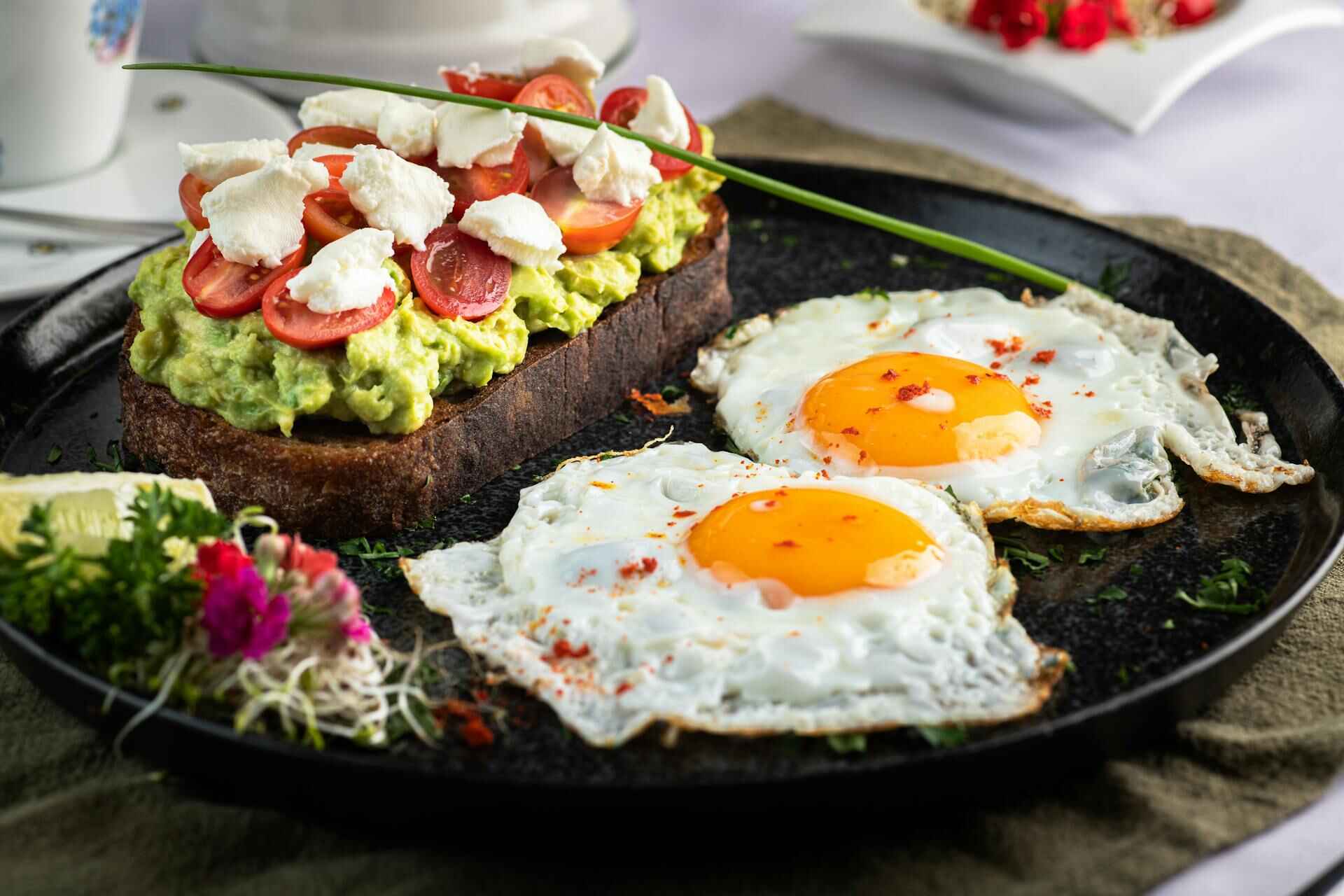
Avocado brings creaminess, healthy fats, and a rich texture that makes low carb breakfast recipes feel more complete. It is one of those ingredients that can instantly make a simple breakfast feel more satisfying. A few slices on the side of eggs, a spoonful on top of a breakfast bowl, or half an avocado baked with an egg can turn a plain meal into something you actually look forward to eating. It is simple, but it does a lot of heavy lifting.
The beauty of avocado is that it works in both quick and more structured breakfasts. You can mash it onto a plate with eggs, layer it into a breakfast wrap-style bowl, or pair it with smoked salmon for a more elegant meal. It also adds a soft, buttery texture that balances out crunchier or saltier ingredients. In low carb breakfast recipes, that balance matters because it helps the meal feel more rounded and less one-note.
Chia Seeds
Chia seeds are small, but they carry a lot of weight in low carb breakfast recipes. They are especially useful when you want a breakfast that can be made ahead of time. When mixed with liquid, chia seeds thicken into a pudding-like texture that feels creamy and satisfying. That makes them a smart base for breakfast bowls, parfait-style jars, and no-cook meals. They also pair well with both sweet and savory ingredients, which gives them more range than people often expect.
Another reason chia seeds are so helpful is that they can add texture and structure without making breakfast complicated. A spoonful stirred into yogurt can make the bowl feel fuller. Chia pudding can be topped with nuts, cinnamon, or a few berries for a breakfast that feels thoughtful but still easy. Because of their versatility, chia seeds deserve a spot in any kitchen that relies on low carb breakfast recipes for fast and repeatable meals.
Bacon, Sausage, Smoked Salmon
Proteins like bacon, sausage, and smoked salmon are some of the easiest ways to make low carb breakfast recipes feel more satisfying. They bring salt, flavor, and substance to the plate, which helps breakfast feel like a real meal instead of a quick bite. Bacon adds crunch and smoky flavor. Sausage gives a hearty, savory quality. Smoked salmon adds a more polished, rich taste that works especially well with eggs and avocado.
These proteins are also incredibly versatile. Bacon can be crumbled into egg muffins, layered into breakfast bakes, or served alongside a simple scramble. Sausage works beautifully in skillets, casseroles, and stuffed omelets. Smoked salmon can go on a breakfast plate, inside an egg wrap, or next to avocado and cucumber for something lighter. That flexibility is one of the biggest reasons they fit so well into low carb breakfast recipes. They make it easy to change the mood of breakfast without changing your whole routine.
Spinach, Mushrooms, Tomatoes, Herbs
Vegetables and herbs may not always get the spotlight, but they are some of the most useful ingredients in low carb breakfast recipes. Spinach, mushrooms, tomatoes, and fresh herbs add color, freshness, and texture without making breakfast feel heavy. They also help balance richer ingredients like eggs, cheese, bacon, and sausage. A breakfast that has both protein and vegetables usually feels more complete and more interesting to eat.
These ingredients also give you a lot of freedom. Spinach disappears easily into scrambled eggs, muffins, or casseroles. Mushrooms add a savory, earthy flavor to skillets and omelets. Tomatoes bring juiciness and brightness to bowls or egg dishes. Herbs like chives, parsley, dill, and basil can make even the simplest breakfast taste fresher and more finished. That is the real strength of these ingredients in low carb breakfast recipes: they help you build meals that are easy to make but still feel layered and flavorful.
When you keep these staples on hand, breakfast becomes much easier to manage. You are no longer starting from zero every morning. You already have the pieces you need to build something quick, filling, and flexible. That is what makes low carb breakfast recipes so practical for everyday life. They are not about perfection. They are about having the right ingredients ready, so a good breakfast is never far away.
Recipe Cluster 1 — Egg-Based Classics
Eggs show up again and again in low carb breakfast recipes because they are one of the easiest ways to make breakfast feel fast, filling, and flexible at the same time. They are affordable, they cook quickly, and they work with almost any flavor direction you want to take. That alone makes them a natural fit for busy mornings.
But the bigger reason egg recipes dominate low carb breakfast content is simple: they solve a lot of breakfast problems at once. They give you protein, they create structure, and they pair beautifully with cheese, vegetables, herbs, and breakfast meats.
Another reason eggs are so popular is that they act like a blank canvas for flavor and macros. That means you can build them up or keep them minimal, depending on your needs. Want more protein? Add sausage, bacon, or cottage cheese. Want more color and freshness? Add spinach, tomatoes, or herbs. Want more richness? Add cheese or avocado. Eggs let you shape the meal without starting over every time, which is exactly why they show up so often in low carb breakfast recipes. They are easy to repeat, but never have to feel repetitive.
5-Ingredient Egg Muffins

Egg muffins are one of the best meal prep options in the world of low carb breakfast recipes because they are compact, customizable, and easy to reheat. They are the kind of breakfast you can make once and enjoy for several days, which makes busy mornings feel a lot more manageable. You can bake a whole tray at once, store them in the fridge, and grab a few whenever you need something quick. That kind of convenience is hard to beat.
The ingredient list can stay simple without losing flavor. Eggs form the base, then you can add cheese for richness, spinach for freshness, sausage for extra protein, and herbs for a little lift. That combination gives you a breakfast that feels satisfying without being heavy. You can also switch the add-ins based on what you already have. Cheddar and spinach give you a classic flavor, while feta and herbs make the muffins feel brighter. Sausage and mozzarella make them heartier. That flexibility is one of the reasons egg muffins remain such a strong staple in low carb breakfast recipes.
Storage is another reason these muffins work so well. Once they cool, store them in an airtight container in the refrigerator for several days. They reheat best when warmed gently so they stay tender instead of rubbery. A short microwave burst or a few minutes in a low oven usually does the trick. If you want to make breakfast even easier, you can keep a batch ready at the start of the week and simply reheat what you need. That makes egg muffins a smart choice for anyone who wants low carb breakfast recipes that save time without sacrificing taste.
5-Ingredient Breakfast Skillet

A breakfast skillet is one of the most satisfying low carb breakfast recipes because it delivers a full, hearty meal in one pan. That means less cleanup, less effort, and fewer dishes sitting in the sink before your day has even begun. The beauty of a skillet breakfast is that it feels generous without being complicated. You can cook everything in a single pan, then serve it right away while it is still warm and flavorful.
The best versions usually follow a simple formula: eggs, meat, greens, cheese, and seasoning. Eggs bring the protein and structure. Meat like sausage or bacon adds saltiness and depth. Greens like spinach or kale give the dish freshness and color. Cheese melts into everything and pulls the whole skillet together. Seasoning is the part that makes the meal feel finished, whether you use garlic powder, paprika, pepper, or fresh herbs. That combination creates a breakfast that feels balanced and complete, which is why skillet dishes are such a natural fit for low carb breakfast recipes.
The trick to keeping a skillet from turning watery is to manage moisture before it reaches the pan. If you are using vegetables like mushrooms, spinach, or tomatoes, cook off some of the liquid first. Frozen vegetables should be thawed and drained well before they go in. Fresh spinach can also be added near the end so it wilts without releasing too much water. A dry pan or too-low heat can also make the texture off, so it helps to cook with a little confidence and give ingredients enough time to brown properly. When done well, a breakfast skillet becomes one of those low carb breakfast recipes that feels rustic, easy, and deeply satisfying.
5-Ingredient Omelet Cups

Omelet cups are perfect when you want low carb breakfast recipes that are portable, neat, and easy to batch cook. They have the comfort of a regular omelet, but in a format that travels better and stores more neatly. That makes them especially useful for school mornings, work breakfasts, or anytime you want something you can make ahead and portion out later. They are also easy to customize, which helps keep breakfast from getting boring.
The basic structure is simple: eggs, cheese, a protein or vegetable, seasoning, and a little extra flavor from herbs or another add-in. The nice thing about omelet cups is that they welcome small swaps. You can use spinach one week, diced bell peppers the next, and mushrooms after that. If you want more protein, add sausage or ham. If you want something a little lighter, keep the filling mostly vegetables and cheese. That ability to shift with your schedule and pantry makes them especially useful in low carb breakfast recipes.
These cups are also a great option for batch cooking because they hold their shape well after baking. Once cooled, they can be stored in the fridge and reheated quickly throughout the week. They are easy to tuck into a lunchbox, pack for an on-the-go breakfast, or serve alongside avocado and fruit for a more rounded meal. If you are building a rotation of low carb breakfast recipes that are practical and family-friendly, omelet cups deserve a spot near the top of the list.
Egg-based classics work so well because they check almost every box at once. They are simple enough for weekday mornings, satisfying enough to keep you full, and flexible enough to adapt to whatever ingredients you already have. That is what makes them such a strong foundation for low carb breakfast recipes. They do not ask for much, but they give a lot back in return.
Recipe Cluster 2 — Creamy and No-Cook Options
This is the zero-fuss lane of low carb breakfast recipes. These are the breakfasts for mornings when you do not want to turn on the stove, wait for anything to cook, or stand around juggling pans before coffee. They are cool, creamy, quick, and surprisingly satisfying. The nice part is that low carb breakfast ideas do not have to be hot or complicated to feel like a real meal. In fact, some of the best options are the ones you can pull together in a few minutes with almost no effort at all.
Creamy breakfasts work especially well because they feel comforting without needing much cooking. That matters on busy days when you want something easy but still nourishing. A bowl of cottage cheese, a jar of chia pudding, or an avocado egg boat can all deliver a solid mix of protein, fat, and texture. That combination is what makes low carb breakfast recipes so useful in real life. They are flexible, filling, and easy to adapt to your schedule. (18)
Cottage Cheese Breakfast Bowl

A cottage cheese breakfast bowl is one of the simplest low carb breakfast recipes you can make, but it still feels complete and satisfying. Cottage cheese gives you a creamy base with a strong protein boost, which makes it a smart choice when you want breakfast to hold you over. It is also incredibly easy to customize. You can keep it savory with herbs, pepper, and cucumber, or go slightly sweet with cinnamon and a few berries. Either way, it takes almost no time to put together. (19, 20)
The reason cottage cheese works so well for protein-forward breakfasts is that it delivers a lot of staying power in a very simple format. Instead of needing bread, cereal, or other starch-heavy ingredients, you get a bowl that already feels substantial. That makes it especially appealing for people who want low carb breakfast recipes that are fast but not flimsy. It is the kind of breakfast that feels practical without feeling boring.
You can also make the bowl more interesting by adding a few smart toppings. Nuts add crunch, seeds bring texture, and cinnamon gives warmth without extra sugar. A small handful of berries can add freshness and color without pushing the meal too far from a low-carb style. The key is moderation. You do not need a huge pile of toppings to make the bowl work. A few thoughtful additions are enough to turn a plain scoop of cottage cheese into something that feels more finished and intentional. That balance is what makes cottage cheese such a strong star in low carb breakfast recipes.
Chia Pudding

Chia pudding is one of the most practical make-ahead low carb breakfast recipes because it does the work while you sleep. You mix the ingredients, let them sit, and wake up to a creamy breakfast that is ready when you are. That alone makes it a favorite for busy mornings, but the texture is part of the appeal, too. Chia pudding feels soft, smooth, and a little bit special, even though it is incredibly easy to make. It is proof that a low carb breakfast can be simple and still feel like a treat.
One of the biggest strengths of chia pudding is how easy it is to change up the flavor. You can go vanilla, cinnamon, cocoa, or even coconut, depending on what you like. That makes it easy to keep in rotation without getting tired of it. For low carb breakfast recipes, that kind of variety matters because breakfast gets repeated often. The more flexible the recipe is, the more likely you are to keep using it.
If you want to keep chia pudding low in carbs, the details matter. Start with unsweetened milk so you are not adding sugar you do not need. Almond milk, coconut milk, or another unsweetened option works well. Then keep the toppings modest. A few berries, some chopped nuts, or a sprinkle of seeds is usually enough. You are aiming for balance, not a dessert bowl disguised as breakfast. When built thoughtfully, chia pudding becomes one of those low carb breakfast recipes that feels both easy and smart.
Another benefit of chia pudding is that it is very portable. You can make it in a jar, store it in the fridge, and grab it when you are headed out the door. That makes it a strong choice for anyone who needs breakfast to travel well. It also pairs nicely with other simple foods if you need a little more protein or fullness. That flexibility is part of why it fits so naturally into a routine built around low carb breakfast recipes. (21, 22)
Avocado Egg Boats

Avocado egg boats are one of the most satisfying low carb breakfast recipes in this entire cluster because they bring together two ingredients that already work beautifully on their own. Avocado gives you creaminess and healthy fat. Eggs bring protein and structure. Put them together, and you get a breakfast that feels rich, filling, and surprisingly elegant for something so easy to make. It is the kind of meal that looks impressive without requiring much effort at all.
What makes avocado and eggs such a strong pairing is how well they support satiety. The healthy fats in avocado help the meal feel more substantial, while the eggs add protein that helps round everything out. That combination is one reason these breakfast boats work so well for low carb eating. They deliver a satisfying texture and a balanced feel without needing bread, pastry, or anything heavy on the side. For people looking for low carb breakfast recipes that actually keep them full, this is a smart option.
The structure is simple enough to remember without a recipe card. Slice the avocado in half, remove a little of the flesh if needed, and add an egg to the center. Bake until the egg sets, then season with salt, pepper, herbs, or a little cheese if desired. You can also add extras like crumbled bacon, chopped chives, or a dash of paprika for more flavor. That makes the recipe feel flexible while still staying true to the low carb idea. It is a strong example of how low carb breakfast recipes can be both beautiful and practical at the same time.
This section works so well because it proves that no-cook and low-effort breakfasts can still feel satisfying. You do not need a hot skillet every morning to eat well. A creamy bowl, a make-ahead pudding, or a simple avocado egg boat can be just as effective. That is the real strength of low carb breakfast recipes: they give you options that fit different moods, different schedules, and different energy levels without making breakfast feel like a chore. (23, 24)
Recipe Cluster 3 — Heartier Savory Ideas
This is the part of low carb breakfast recipes that leans into a more filling, plate-style breakfast. If the creamy no-cook section is the zero-fuss lane, this is the “I want a real breakfast” lane. These recipes feel a little more complete, a little more weekend-worthy, and a lot more satisfying for bigger appetites. They are the kind of meals that work beautifully when you want breakfast to feel like brunch without spending all morning in the kitchen.
What makes these recipes so useful is that they still stay simple, even when they feel heartier. You are not building a giant meal with a long ingredient list. You are just combining a few smart ingredients in a way that gives you more texture, more flavor, and more staying power. That is one of the reasons low carb breakfast recipes continue to be such a strong choice for busy households. They can be light and quick or rich and filling, depending on what you need that day.
Smoked Salmon Breakfast Plate
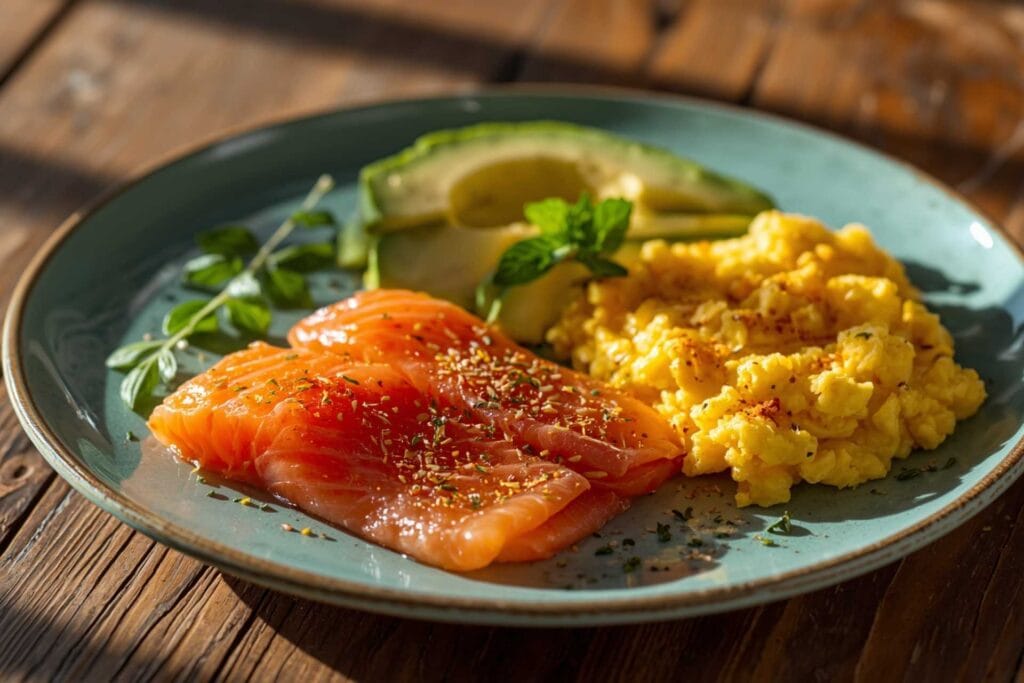
A smoked salmon breakfast plate is one of those low carb breakfast recipes that feels instantly elevated without asking for much work. It is simple, elegant, and very easy to assemble when you want breakfast to feel like an upgrade.
The basic version is easy to remember: eggs, smoked salmon, avocado, and greens. That combination gives you protein, healthy fats, and freshness all on one plate, which is exactly why it works so well for a low carb routine.
The real strength of this breakfast is the balance. The eggs bring warmth and structure. The smoked salmon adds a rich, savory flavor that feels a little special. Avocado gives the plate creaminess and helps the meal feel more filling. Greens add color, freshness, and a lighter contrast, so the breakfast does not feel too heavy. Together, they create a plate that looks polished but still fits perfectly into low carb breakfast recipes. It is a strong choice for mornings when you want something that feels intentional and satisfying.
This is also a great “upgrade” meal because it takes familiar ingredients and turns them into something that feels more refined. You are not working harder, just assembling smarter. A few capers, some fresh dill, lemon, or sliced cucumber can make the plate feel even more polished without pushing it into complicated territory.
That is the beauty of low carb breakfast recipes like this one: they can feel restaurant-inspired while still being practical enough for home.
If you are making this on a weekend, it can also become a nice brunch-style plate. Serve it with soft scrambled eggs or a poached egg, keep the salmon cold for contrast, and add a small handful of greens or microgreens for freshness. That kind of presentation makes breakfast feel a little more special, which is helpful when you want something satisfying but not heavy. It is a reminder that low carb breakfast recipes do not have to be plain to be effective.
Cream Cheese Pancakes
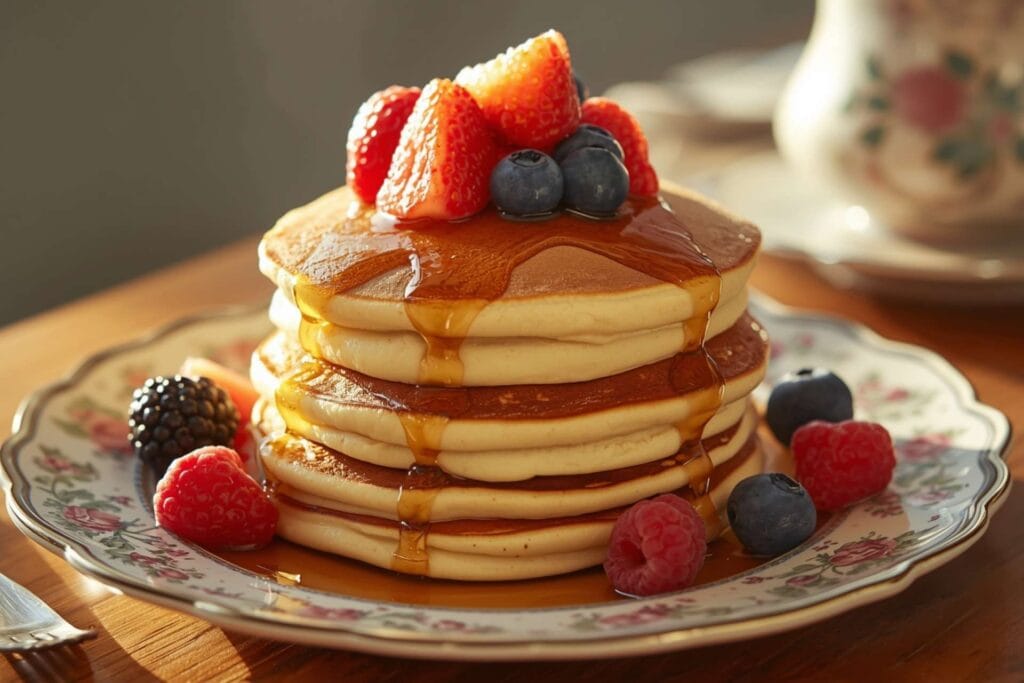
Cream cheese pancakes are a smart option for dieters who still want something a little sweet-ish without stepping away from low carb breakfast recipes. They are soft, delicate, and a little more dessert-like in texture than a traditional pancake, which makes them especially appealing when you are craving something warm and comforting. They are not meant to taste exactly like diner pancakes, and that is okay. Their charm is in their own texture and simplicity.
The texture is what makes these pancakes stand out. They are usually thinner and more tender, almost like a cross between a pancake and a crepe. That gives them a lighter feel, which works well in low carb cooking. You can stack them, fold them, or keep them simple on the plate. Because they are made with a short ingredient list, they fit neatly into low carb breakfast recipes that focus on fewer ingredients and a more thoughtful balance of macros.
Toppings matter here, especially if you want to keep the recipe from drifting into sugar-heavy territory. A few berries, a spoonful of whipped cream, a dusting of cinnamon, or a little nut butter can be enough. The key is to use toppings that support the recipe instead of overwhelming it. You want the pancakes to stay the star. If you pile on syrup, candy-like add-ins, or too much sweet fruit, the breakfast starts losing its low carb feel. With the right toppings, though, these pancakes can be one of the more comforting low carb breakfast recipes in your rotation.
This recipe is also useful because it gives you a sense of variety. A lot of people who follow a low carb routine still miss the feeling of having something soft and breakfast on the plate. Cream cheese pancakes help fill that gap. They let you enjoy the ritual of a warm breakfast without leaning heavily on flour or sugar. That makes them a valuable option for mornings when you want a little comfort but still want to stay in line with your goals.
Sausage and Egg Bake

A sausage and egg bake is one of the best batch prep low carb breakfast recipes because it gives you a lot of payoff for very little effort. You mix a few ingredients, bake them in one dish, and suddenly breakfast is ready for several days. That makes it perfect for weekday mornings when time is tight, and you do not want to start from scratch every day. It is one of those recipes that quietly makes your whole week feel easier.
The structure is simple, which is part of the appeal. Eggs form the base, sausage adds richness and protein, and cheese helps pull everything together. You can also tuck in vegetables like spinach, mushrooms, peppers, or onions if you want extra color and texture. That flexibility is a big reason this style of breakfast bake belongs in low carb breakfast recipes. It works with the ingredients you already have, and it does not need to be exact to turn out well.
One of the biggest benefits of a breakfast bake is how much time it saves later. Instead of cooking eggs one morning, sausage the next, and trying to put together something quick every day, you just make one dish and portion it out. That is a huge advantage for busy families or anyone who likes breakfast to be simple and predictable. Reheating a slice of breakfast bake takes far less effort than cooking from scratch, and that can make a real difference when mornings get hectic.
It also holds up well in the fridge, which makes it especially useful for meal prep. You can make it on Sunday and use it across multiple mornings without it feeling like a completely different breakfast every day. Add fresh herbs or a side of avocado when serving if you want to keep it feeling fresh. That kind of small adjustment helps keep low carb breakfast recipes interesting while still staying practical. The recipe does the heavy lifting, so you do not have to.
These heartier savory ideas are a strong reminder that low carb breakfast recipes can do more than just be fast. They can feel filling, special, and satisfying enough to carry you through a long morning. Whether you want a polished breakfast plate, a sweet-leaning pancake option, or a make-ahead casserole-style bake, this section gives you a little more room to play while still keeping things simple.
Meal Prep, Storage, and Smart Swaps
One of the biggest reasons low carb breakfast recipes work so well in real life is that they are easy to prep ahead, store properly, and adapt without starting from scratch every time. That is a huge advantage when weekdays are busy, and you do not want breakfast to become another decision you have to make before the day even begins. A little planning goes a long way here. When you batch cook a few breakfasts at once, you are not just saving time. You are also making it much easier to stay consistent with a routine that feels manageable instead of stressful.
Batch cooking several breakfasts at once is one of the smartest ways to make low carb breakfast recipes part of your weekly flow. Instead of cooking one serving at a time, you can prepare a tray of egg muffins, a breakfast casserole, a skillet mixture, or a few jars of chia pudding in one session. That means your effort gets stretched across multiple mornings, which is exactly what makes meal prep feel worth it. A single cooking session can give you breakfast for three to five days, depending on the recipe and the number of people in your household. That kind of efficiency is especially helpful when you are trying to keep mornings calm.
The key to successful batch cooking is choosing recipes that hold up well after storage. Egg muffins, breakfast bakes, chia pudding, cottage cheese bowls, and sausage-and-egg casseroles are all strong choices because they reheat or serve well later. When possible, separate wet ingredients from anything crisp or fresh until serving time. For example, if you are making low carb breakfast recipes with avocado, fresh herbs, or greens, it is usually better to add those right before eating. That helps preserve the texture and keeps the meal tasting fresh instead of tired.
How to Store Low Carb Breakfasts in the Fridge
The fridge is the easiest place to store most low carb breakfast recipes for short-term use. Once your breakfast items have cooled, place them in airtight containers so they stay fresh and do not absorb odors from the rest of the fridge. Most egg-based recipes hold up well for several days when stored properly, especially if they are not overloaded with watery vegetables. Recipes like egg muffins, breakfast bakes, and cooked sausage mixtures usually do best when refrigerated in separate portions so they are easy to grab.
A good rule is to keep wet toppings and fresh add-ons separate when possible. That means avocado, salsa, herbs, or delicate greens should usually be added after reheating or just before serving. This helps your low carb breakfast recipes stay flavorful and keep their texture. If you are making several breakfasts at once, label the containers with the date so you know what needs to be eaten first. That small habit makes a big difference, especially when you are juggling a busy week.
How to Freeze Breakfasts for Later
Freezing is another great option for low carb breakfast recipes, especially if you like to cook in bigger batches. Some recipes freeze better than others, but baked egg dishes, breakfast muffins, sausage bakes, and certain casseroles can usually be frozen without much trouble. The best results come from portioning the food before freezing so you can thaw only what you need. That keeps things simple and prevents food waste.
When freezing breakfast items, wrap them well or use freezer-safe containers to help protect flavor and texture. It also helps to cool the food completely before freezing, so condensation does not create ice crystals. If you are freezing a dish that includes cheese or cooked vegetables, it may soften a little after thawing, but it can still taste very good. That is one reason low carb breakfast recipes are such a smart meal prep choice. They are practical enough to hold up in the freezer and flexible enough to be useful later in the week.
How to Reheat Without Drying Out Eggs
Eggs can go from soft and fluffy to dry and rubbery very quickly if they are reheated too aggressively. That is why it helps to reheat low carb breakfast recipes gently. A lower heat setting or a shorter microwave burst is usually better than blasting them for too long. If you are reheating egg muffins or a breakfast bake, cover them loosely so they retain a little moisture as they warm through. That simple step can help the texture stay tender rather than turn tough.
Another helpful trick is to let refrigerated breakfasts sit out for a minute or two before reheating. That reduces the temperature shock and helps them warm more evenly. If the recipe includes cheese, avocado, or creamy ingredients, those can also help keep the dish from feeling dry. A small spoonful of salsa, a few drops of hot sauce, or a side of avocado can bring leftovers back to life. That is the kind of small detail that makes low carb breakfast recipes feel more appealing day after day.
Easy Swaps for Dairy-Free, Egg-Free, or Budget-Friendly Variations
One of the strengths of low carb breakfast recipes is that they can often be adjusted without losing the whole idea. If you need dairy free options, you can skip the cheese and lean more on avocado, olive oil, herbs, vegetables, and protein-rich meats. Dairy free cottage cheese or yogurt alternatives can also work in some cases, depending on the recipe. The goal is not to force every breakfast into one exact pattern. The goal is to keep it satisfying and workable.
Egg-free versions take a little more creativity, but they are still possible. You can use chia pudding, cottage cheese bowls, avocado-based plates, or savory breakfast bowls built around meat and vegetables. In some recipes, eggs can be replaced with tofu or another plant-based protein if that fits your eating style. That kind of flexibility is useful because it keeps low carb breakfast recipes open to more people and more routines.
Budget-friendly swaps matter just as much. Eggs are already affordable, but you can stretch them even further by pairing them with frozen vegetables, a small amount of cheese, or inexpensive proteins like sausage. Frozen spinach, mushrooms, and mixed vegetables are especially useful because they are practical, easy to store, and less likely to spoil quickly. If you are trying to make low carb breakfast recipes fit a tighter grocery budget, focus on ingredients that do double duty and show up in more than one meal during the week.
How to Adjust Recipes for Different Appetites and Household Sizes
Not everyone needs the same breakfast portion, and that is something worth planning for. A single person may want one or two egg muffins, while a bigger eater may need a larger skillet meal or an extra side like avocado or yogurt.
Families often need the opposite problem solved: more food, less stress, and enough flexibility for different preferences at the same table. That is why low carb breakfast recipes are so useful. They can be scaled up or down without much trouble.
For smaller appetites, focus on lighter portions and recipes with strong flavor and good texture. A cottage cheese bowl, chia pudding, or one or two omelet cups may be enough. For bigger appetites, add more protein, a larger serving of vegetables, or a side of sausage, salmon, or avocado. If you are feeding a household, choose recipes that can be divided into portions easily, like breakfast bakes or muffin-style dishes. That way, everyone can take what they need without creating extra work.
The real advantage here is control. You do not have to prepare a huge breakfast just because one person is hungry, and you do not have to settle for something tiny just because you are in a rush. Low carb breakfast recipes can be scaled to fit the morning, the mood, and the number of people at the table. That makes them far more practical than recipes that only work in one exact size.
When meal prep, storage, and smart swaps all work together, breakfast becomes much easier to manage. You are no longer cooking every morning from scratch or worrying about wasting ingredients. You have a system that supports you. And that is what makes low carb breakfast recipes such a reliable part of a busy week: they are simple to prepare, easy to store, and flexible enough to fit real life.
Common Mistakes That Make Low Carb Breakfasts Less Satisfying
A lot of people try low carb breakfasts and decide they are not filling enough, but the problem is usually not the idea itself. The problem is often how the meal is built. A breakfast can look polished, fresh, and even “healthy” on the plate, yet still leave you hungry an hour later if it is missing the right balance of protein, fat, seasoning, and texture. That is why so many seemingly good breakfasts do not actually work in real life. They may look beautiful in a photo, but they do not always hold up when your morning gets busy, and your appetite starts asking for more.
The good news is that these mistakes are easy to fix once you know what to look for. Low carb breakfasts should feel steady, satisfying, and practical, not thin or disappointing. When a breakfast leaves you hungry too soon, it usually means something is off in the structure. Maybe it needs more protein. Maybe it has too many sneaky carbs. Maybe it is soft but not flavorful, or light but not substantial. Once you understand the common pitfalls, it becomes much easier to build breakfasts that actually do their job.
Too Little Protein
One of the biggest mistakes people make with low carb breakfasts is not adding enough protein. This is a problem because protein is what gives breakfast staying power. Without it, even the prettiest bowl or plate can feel more like a snack than a meal. A breakfast built mostly on fruit, yogurt, vegetables, or a small amount of cheese may taste good at first, but if the protein is too low, you may find yourself looking for food again very quickly.
Protein is especially important in low carb breakfasts because it helps the meal feel anchored. Eggs, sausage, smoked salmon, Greek yogurt, cottage cheese, and similar ingredients give structure to the plate. They make the breakfast feel complete instead of skimpy. A good rule of thumb is to make sure protein is the first thing you think about when building the meal, not the last thing you toss on top. If the breakfast is just a few bites of something creamy or crunchy, it probably needs more protein to be truly satisfying.
Relying on Ingredients That Look Healthy but Do Not Keep You Full
Another common issue is assuming that any ingredient that looks healthy will automatically make a good breakfast. That is not always true. Some foods are colorful, fresh, and beautiful, but they do not carry much staying power on their own. A bowl of fruit, a few greens, or a light topping can make breakfast look balanced, but if those ingredients are not paired with protein and fat, the meal can fade fast.
This is one reason some low carb breakfasts seem promising but do not feel filling enough. The ingredients may be nutritious, but nutrition and satiety are not always the same thing. A good breakfast needs more than appearance. It needs enough substance to keep up with the morning. That is why cottage cheese, eggs, avocado, cheese, and seeds show up so often in low carb meals. They do more than decorate the plate. They help the meal last.
Overloading on Hidden Carbs
Hidden carbs can sneak into low carb breakfasts faster than people expect. A recipe may look low carb at first glance, but once you add sweetened yogurt, flavored creamers, syrupy toppings, packaged granola, or oversized servings of fruit, the carb count can climb quickly. That does not mean those foods are automatically bad. It just means they need to be used thoughtfully if you want breakfast to stay in a lower-carb style.
This is where many people get tripped up. They think they are making a low carb meal because the main ingredient is something like yogurt or eggs, but the extras shift the balance. A few small additions can change the whole direction of the dish. Low carb breakfasts work best when the add-ins are intentional. Use berries in moderation. Choose plain yogurt when possible. Keep sweet toppings small. Focus on ingredients that support the meal instead of quietly turning it into something heavier on carbs than you planned.
Overcooking Eggs Until They Turn Rubbery
Eggs are one of the best parts of low carb breakfasts, but they are also easy to overcook. When that happens, the texture turns dry, rubbery, and less appealing. And once that happens, the whole breakfast can feel off, even if the ingredients are solid. Eggs should feel soft, tender, and pleasant to eat. If they are cooked too long, they stop feeling satisfying and start feeling like something you have to get through.
This matters more than people think because texture plays a huge role in whether breakfast feels enjoyable. A good egg dish should feel fluffy or silky, not tough. If you are making scrambled eggs, cook them gently and remove them while they are still slightly soft. If you are baking egg muffins or a breakfast casserole, keep an eye on the oven so they do not dry out. The best low carb breakfasts often come down to small technique details like this one. A little care goes a long way.
Forgetting Salt, Seasoning, and Texture Contrast
A bland breakfast is rarely a satisfying breakfast. Even when the ingredients are strong, low carb breakfasts can fall flat if they are under-seasoned or too soft all the way through. Salt matters because it brings out flavor. Herbs and spices matter because they keep the food interesting. Texture contrast matters because a meal that is all creamy, all soft, or all mild can feel one-note very quickly.
This is one of the easiest mistakes to fix. A sprinkle of salt, cracked pepper, paprika, garlic powder, dill, chives, or chili flakes can completely change the experience of a breakfast. A little crunch from nuts, seeds, crispy bacon, or toasted vegetables can also make a big difference. When low carb breakfasts include both flavor and texture contrast, they feel much more complete. That little extra layer is often what turns an average breakfast into one you actually want to eat again.
Why Some Breakfasts Look Good but Still Leave People Hungry
A breakfast can look amazing on a screen and still fail in real life. That usually happens when the meal is built for appearance instead of balance. A beautiful plate of fruit, yogurt, and a few almonds might look light, fresh, and appealing, but it may not have enough protein, fat, or volume to keep you full for long. The same thing can happen with a fancy-looking egg dish that is too small or too plain. It may be stylish, but it is not always practical.
That is why low carb breakfasts should be judged by how they feel after you eat them, not just by how they look before you take the first bite. A satisfying breakfast usually has more going on than surface-level appeal. It has enough protein to hold you over, enough fat to make it feel rich, and enough seasoning and texture to keep it interesting. When those pieces are missing, the breakfast may look healthy, but it still leaves you frustrated and hungry.
The best way to avoid that problem is to think about breakfast as a full experience, not just a pretty plate. Ask yourself whether the meal has enough substance, whether the flavors are balanced, and whether the textures make you want to keep eating. That mindset makes low carb breakfasts far more successful because it shifts the focus from looks to function. And in the morning, function matters. A breakfast that truly satisfies makes the whole day feel easier to manage.
The Bottom Line
Low carb breakfast recipes work because they are simple enough for busy mornings and flexible enough to fit real life. You do not need a long ingredient list or a complicated cooking method to make breakfast satisfying. In fact, the simplest recipes are often the most useful ones, especially when they are built around protein, healthy fats, and a few smart flavor boosters.
The best part is that you can mix and match these ideas based on your mood, your schedule, and what is already in your kitchen. Some days call for an egg muffin or breakfast skillet. Other days call for cottage cheese, chia pudding, or an avocado egg boat. When you have a few reliable low carb breakfast recipes in your back pocket, breakfast gets easier, calmer, and a whole lot more enjoyable.
FAQs
What are the easiest low carb breakfast recipes for beginners?
Egg muffins, scrambled eggs with cheese, cottage cheese bowls, and chia pudding are some of the easiest low carb breakfast recipes for beginners. They use simple ingredients, basic methods, and very little prep time.
Are eggs the best base for low carb breakfast recipes?
Eggs are one of the best bases because they are affordable, versatile, and high in protein. That said, low carb breakfast recipes can also use cottage cheese, Greek yogurt, avocado, salmon, and sausage as the main star.
How do I make low carb breakfast recipes more filling?
Focus on protein first, then add healthy fats and a little fiber. A breakfast with eggs, cheese, avocado, or chia seeds will usually feel more satisfying than one built around carbs alone.
Can I meal prep low carb breakfast recipes ahead of time?
Yes. Egg muffins, breakfast casseroles, and chia pudding are especially good for meal prep. Most low carb breakfast recipes with baked or chilled components can be made ahead and stored for a few days.
How can I keep low carb breakfast recipes from getting boring?
Rotate your flavors, textures, and toppings. Try different cheeses, herbs, proteins, or vegetables, and mix in both savory and creamy options so breakfast stays interesting all week.





0 Comments