
Although aging and being a woman are uncontrollable risk factors for stroke, adopting a specific food plan may assist older women in lowering their risks of this devastating health catastrophe. Research published in Stroke in September 2018 discovered that women over 40 who ate a Mediterranean diet reduced their stroke risk by an average of 22%. According to the American Stroke Association, women have more strokes and die from them than men each year, and the risk of stroke for both sexes doubles every ten years after age 55.
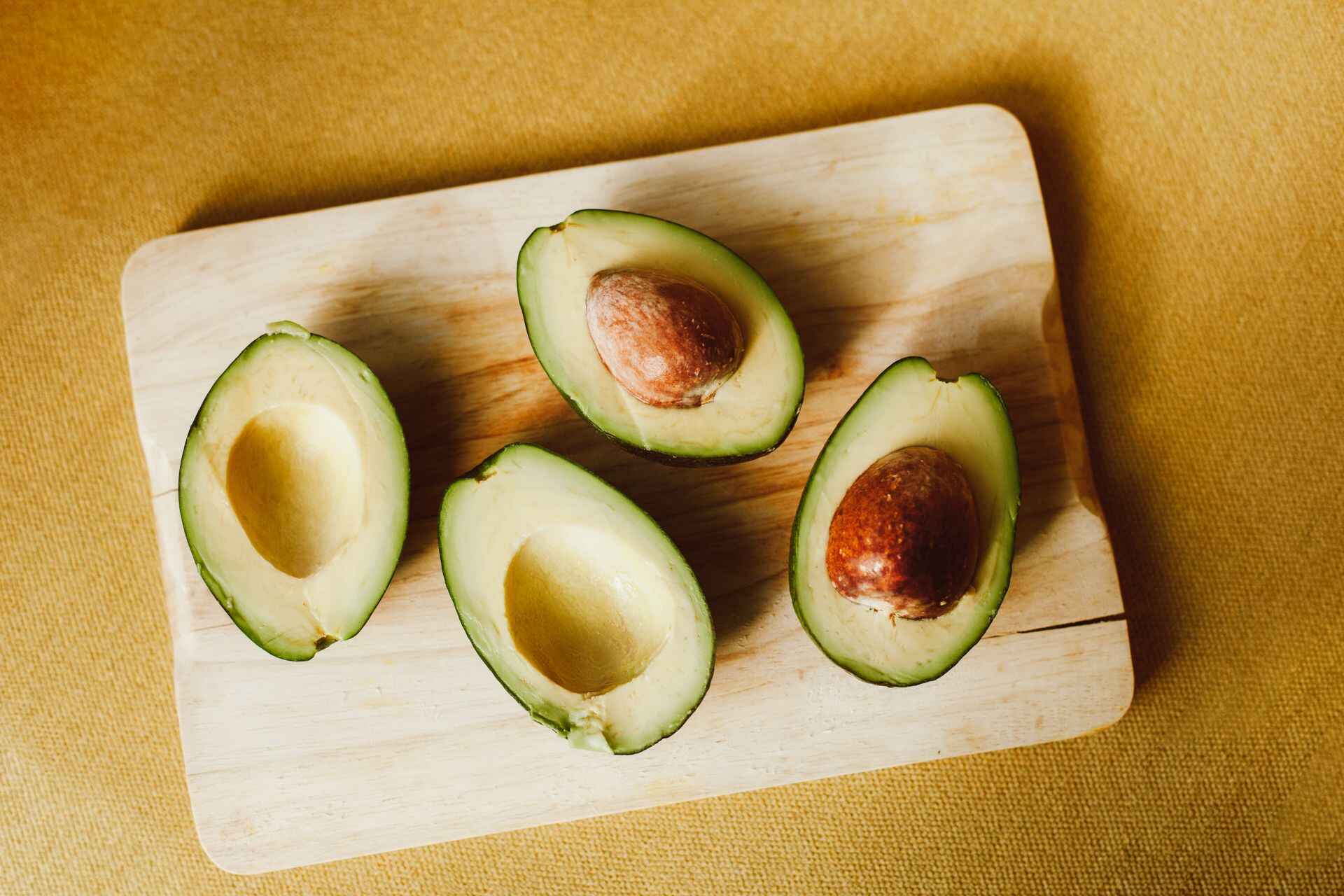
“Our findings suggest that eating a Mediterranean-style diet high in fish, fruits, nuts, vegetables, and beans and low in meat and dairy may reduce stroke risk in women over 40,” says Ailsa Welch, PhD, a professor of nutritional epidemiology at the University of East Anglia in the United Kingdom.
The diet did not have the same protective impact on males, who had a statistically insignificant risk reduction of 6% by following the diet, but Dr. Welch adds, “A good, balanced diet is vital for everyone, young and old.”
A previous study indicates that the Mediterranean diet may be especially beneficial in reducing heart disease and stroke. For example, a meta-analysis published in Critical Reviews in Food Science and Nutrition in October 2017 discovered that the strategy — particularly a diet high in olive oil, vegetables, fruit, and legumes — may help protect against heart disease and death.
Why the Mediterranean Diet May Protect Against Stroke in Women but Not Men
The new study’s findings are based on health data from around 10,600 men and 12,700 women in England. Participants ranged in age from 40 to 77 and kept seven-day food diaries to document their eating habits. There were 2,009 strokes over the 17-year research period.
Women in the research who followed a Mediterranean diet religiously observed a protective benefit against stroke independent of menopausal status or whether they used hormone replacement treatment.
“It’s unknown why we identified disparities between men and women, but it’s possible that dietary components affect males differently than women,” says lead researcher Phyo Myint, MD, clinical chair of medicine at the University of Aberdeen School of Medicine in Scotland. “The disparities we discovered might be related to variances in risk factors that exclusively impact women or differences in how women respond to risk factors like [high] blood pressure and diabetes.”
Sarah Samaan, MD, a cardiologist from Baylor Scott & White Health in Plano, Texas, who was not involved in the study, believes the findings support the Mediterranean diet’s possibly favorable effects.
“Because the diet appears to cut heart attack risk in both men and women and also helps guard against other chronic disorders, such as dementia and cancer,” adds Dr. Samaan, “it is a smart choice for most individuals.”
According to a review published in Nutrients in July 2017, people who eat a Mediterranean diet appear to have a higher intake of brain-boosting nutrients such as vitamin B12, vitamin D, iron, zinc, calcium, folic acid, selenium, and iodine, potentially protecting against Alzheimer’s disease, the most common form of dementia. In addition, according to a study published in Nutrients in October 2017, the method may help reduce the risk of numerous cancer forms, including colorectal and breast cancer.
“The fact that it may be less protective against stroke in males than in women is no reason to shun this sort of diet,” Samaan explains.
The latest study’s authors also discovered that individuals already at high risk of heart disease had a 13% lower total stroke risk.
According to Welch, one of the study’s shortcomings was that diets were only reviewed initially. “As a result, we cannot rule out the likelihood that people’s diets altered over the research period,” she explains.
She further claims that because the participants were racially diverse, there was insufficient evidence to evaluate the association between food and stroke in a nonwhite population.
“Future study should look at why men and women respond differently to the Mediterranean diet, and whether this is due to changes in risk factors that only impact women, or whether women respond differently [to] risk factors like blood pressure and diabetes,” Welch adds.
According to the American Stroke Association, smoking, pregnancy, a history of preeclampsia/eclampsia or gestational diabetes, oral contraceptive usage (particularly when paired with smoking), and postmenopausal hormone treatment are all risk factors for stroke in older women.
A stroke happens when blood flow to the brain is reduced or stopped entirely. This might be due to a blood vessel clot (ischemic stroke) or a burst or leak in a vulnerable blood vessel (hemorrhagic stroke). When brain cells are deprived of oxygen, they can die, losing capabilities such as memory, speech, and muscular control.
Tips for Reducing Your Risk of Stroke and Related Health Complications
If you’re a woman who is getting older, you can take action to reduce your risk of stroke. To lower your odds, the National Institute of Neurological Disorders and Stroke recommends the following:
- Stop smoking. Cigarette smoking doubles the risk of ischemic stroke and quadruples the risk of hemorrhagic stroke. Use nicotine substitutes, prescription drugs, or other effective smoking cessation methods recommended by your healthcare physician.
- Look after your heart. Atrial fibrillation (Afib), coronary artery disease, valve abnormalities, and heart chamber expansion can all raise your risk of stroke. After the age of 80, one in every four strokes is caused by Afib. If you have high blood pressure or cholesterol, see your doctor. They may advise you to take blood thinners, aspirin, or a cholesterol-lowering drug called a statin.
- If you have diabetes, you should keep your blood sugar under control. Diabetes causes hyperglycemia (high blood sugar), but it can also cause damage to blood vessels in the brain. Diabetes is also associated with high blood pressure, increasing stroke risk.
- If necessary, lose weight. A high body mass index (BMI) is linked to an increased risk of stroke. According to research published in April 2018 in Nutrition and Diabetes, exercising and adopting a plant-based diet like the Mediterranean approach will help you maintain a healthy weight.
- Take efforts to lower your chances of having a second stroke. If you’ve had a stroke or a transient ischemic attack (a shorter-term stroke that doesn’t cause lasting damage), you’re several times more likely to have another one, according to the Mayo Clinic. It is vital to make efforts to reduce your risk of having another stroke.
According to the National Stroke Association, obtaining aid quickly for a loved one suffering from a stroke can improve recovery. The organization recommends the FAST method to assist recall the warning signals of a stroke:
- You are dropping the face Request that the individual smile. Is one side of your face drooping?
- Arm ailment Request that the person lifts both arms. Does one of your arms droop?
- Difficulties with speech Request that the person repeats a short phrase. Is their speech slurred or peculiar?
- It’s time to dial 9-1-1. If you see any of these indicators, contact 911 right away.




0 Comments