
Welcome — you’re in the right place if you want to make low carb foods simple, satisfying, and actually work for your life. This guide walks you from the basics (what a low-carb diet is) to practical shopping lists, quick meals, smart swaps (think cauli-rice and zoodles), and real fixes for plateaus or bloating. Low-carb approaches can help with weight loss and blood-sugar control for many people when done sensibly.
Think of this as the friendly playbook — no calorie-counting anxiety, just useful rules, tasty swaps, and safety checkpoints so you stay healthy while enjoying food. For best results, focus on whole low carb foods (vegetables, quality proteins, healthy fats) rather than packaged “low carb” junk — the evidence shows the healthiest low-carb patterns emphasize nutrient-dense choices.
A quick heads up: some people see changes in cholesterol or experience shifts in electrolytes when they lower carbs, so we cover when to test, what labs to watch, and how to talk to your doctor if needed. This guide gives food-first fixes and simple monitoring steps so you can be both ambitious and safe.
Below is what you’ll get — short, practical sections that you can use right now:
- What is a Low-Carb Diet? — the simple science and common versions.
- Why People Choose Low Carb: Benefits & Realistic Expectations — what usually happens (and what to expect).
- Core Low-Carb Foods (Your Shopping List) — proteins, veg, fats, and pantry staples.
- Fruits on Low Carb: Which Ones Fit — berries, avocados, and portion tips.
- Beverages, Condiments & Spices — flavor without the sneaky carbs.
- Low-Carb Snack Ideas & Quick Meals — grab-and-go and 10–20 minute dinners.
- Common Low-Carb Substitutes (Bread, Pasta, Rice, Baking) — what works, what doesn’t.
- Meal Building: How to Balance Macros without Overworrying — simple plate and hand cues.
- Micronutrients & Common Gaps (what to watch for) — fiber, electrolytes, vitamin D, and iron.
- Safety, Cholesterol & When to See a Doctor — easy monitoring steps and who should check in first.
- Practical Shopping List by Category — one-trip cart and budget swaps.
- Kitchen Hacks & Batch-Cook Strategies — save time and avoid takeout.
- Troubleshooting: Plateaus, Digestive Issues & Taste Problems — fast fixes that actually work.
Ready? Let’s dive in — short sections, real tips, and recipes you can actually cook.
What is a Low Carb Diet?
A low carb diet reduces the proportion of calories you get from carbohydrates (bread, rice, pasta, sugary drinks, sweets) and shifts the focus toward protein, healthy fats, and non-starchy vegetables. It’s not one single eating plan — it’s a family of approaches that vary by how strictly they limit carbs and what foods they emphasize. (1, 2)
The common types (quick overview)
- Moderate low-carb: often places daily carbs under about 130 grams and focuses on replacing refined carbs with whole foods (vegetables, legumes, whole nuts). This is flexible and easier to sustain for many people. (3)
- Low-carb / lower than moderate: many people aim for roughly 50–100 grams of carbs per day to get stronger effects on appetite and blood sugar.
- Very low carb/ketogenic: typically under 20–50 grams of carbs per day to push the body into ketosis (burning fat-derived ketones for energy). This is the most restrictive and is usually used for short-term or under medical supervision. (4)
Note: those gram ranges are general adult guidelines. If you’re a teen, growing, or have health conditions, talk with a parent and a healthcare professional before trying strict carb reduction. The American Academy of Pediatrics and other child health groups caution against very restrictive diets for children and adolescents without medical oversight. (5, 6)
What you typically eat on a low-carb plan
Low-carb approaches lean on whole foods that are naturally low in digestible carbs. Typical low carb foods include:
- Lean and fatty proteins: chicken, beef, pork, fish, shellfish
- Eggs and many dairy products (cheese, plain Greek yogurt, heavy cream) in moderation
- Non-starchy vegetables: leafy greens, broccoli, cauliflower, zucchini, peppers
- Healthy fats: olive oil, avocado, nuts, seeds, butter, or ghee
- Occasional low-sugar fruits: berries, small portions of melon or citrus
At the same time, most people limit or avoid:
- Sugary beverages, sweets, and pastries
- White bread, pasta, white rice, and most breakfast cereals
- Starchy roots like large portions of potatoes, many beans (on very strict plans)
These swaps keep meals filling while cutting the quick blood sugar spikes that come from refined carbs.
Why people try low-carb diets (and what they can — and can’t — do)
- Why: Many people try low-carb to lose weight, reduce appetite, or improve blood sugar control. Controlled studies and clinical guidance show benefits for short-term weight loss and glycemic improvements for some people. (7)
- What to expect: Appetite reduction, faster early weight loss (often water + fat), and steadier blood sugar for some, but long-term success depends on food quality, calorie balance, and how sustainable the plan is for you.
- Tradeoffs: Very restrictive versions can risk nutrient shortfalls (fiber, certain vitamins/minerals) and may not be appropriate for growing teens, pregnant people, or those with some health conditions. That’s why focusing on whole, nutrient-dense low carb foods and getting professional guidance is smart.
Practical takeaways (teen-friendly & safe)
- If you’re under 18 or still growing, do not jump into a very low carb or ketogenic plan on your own — ask a parent/guardian and see a pediatrician or registered dietitian first. Evidence for strict carb restriction in adolescents is limited, and experts recommend caution.
- Start by choosing higher-quality low carb foods: swap refined snacks for veggies + hummus, choose grilled fish over fried fast food, and include a variety of colors on your plate.
- Keep it balanced and sustainable: aim for meals with protein + veggies + a source of healthy fat so you stay full and get nutrients needed for growth and energy.
Why People Choose a Low Carb Diet: Benefits & Realistic Expectations
People pick low carb foods for lots of reasons — weight loss, steadier blood sugar, fewer cravings, or simply because it makes meal planning easier. Below, I’ll break down the real benefits, what you can reasonably expect, and the tradeoffs so you don’t get blindsided.
Main benefits people report
- Faster initial weight loss. Cutting carbs often leads to quick early losses (partly water, partly fat), which can be motivating when you’re starting. (8)
- Reduced hunger and fewer cravings. Eating more protein and fat tends to keep people fuller between meals, so many who choose low carb foods naturally eat less without feeling deprived. (9)
- Better short-term blood sugar control for some people. Lowering carbs can help lower glucose spikes and reduce the need for glucose-lowering medication in select adults with type 2 diabetes — under medical guidance. (10, 11)
- Improvements in some blood lipids. Low-carb plans often raise HDL (the “good” cholesterol) and lower triglycerides — though LDL (the “bad” cholesterol) can go up for some people. (12)
Realistic expectations (what usually happens and when)
- First 1–2 weeks: Rapid drop in weight (water loss) and possible short-term side effects like fatigue, headache, or constipation — sometimes called “keto flu” on very low carb plans. This is common and often temporary.
- Weeks 2–12: Many people see continued fat loss if they maintain a calorie deficit and enough protein. Appetite often stabilizes, which helps with adherence.
- Longer term (6+ months): Benefits can continue, but research shows differences between low-carb and other sensible diets (like balanced or Mediterranean) shrink over time. Long-term outcomes depend heavily on food quality and how sustainable the plan is for you. (13, 14)
Who tends to benefit most?
- People who struggle with blood sugar swings (e.g., some with prediabetes or type 2 diabetes).
- Those who feel satisfied with protein and fat-heavy meals and who prefer simpler plate rules (protein + veg + fat).
- People who want quick, early wins and a strategy that reduces snacking driven by sugar crashes.
Tradeoffs and downsides to be aware of
- Possible LDL increases. Some people see higher LDL cholesterol on higher-fat, low carb diets — so monitoring with blood tests is smart.
- Nutrient gaps. Very restrictive versions can limit fiber, B vitamins, and some minerals unless you choose a variety of low carb foods (leafy greens, nuts, seeds, berries).
- Adherence challenges. Very low carb or ketogenic plans can be hard to maintain socially and practically over the years. That’s why many health experts favor moderate low-carb approaches that are easier to stick with. (15, 16)
- Possible long-term risks if done poorly. Some observational studies hint that extremely low carb diets that cut out healthy sources of carbs (like fruits, whole grains) and replace them with lots of processed meats may be linked with higher long-term risks. The overall message: quality matters. (17)
Practical tips to get the benefits and reduce risks
- Prioritize whole low carb foods (fish, eggs, leafy greens, nuts, avocados) rather than packaged “low-carb” junk.
- Eat enough protein at every meal to protect muscle and boost satiety.
- Include fiber-rich low-carb choices (vegetables, chia, flax, small amounts of berries) to support digestion and heart health.
- Stay conscious of electrolytes (sodium, potassium, magnesium) early on — bone broth, avocados, and leafy greens help.
- Get basic labs (lipids, fasting glucose/A1c) if you plan to follow a strict low-carb plan for months — and check back with your clinician.
Important note for teens and young people
If you’re under 18, growing, or an athlete, don’t start a very low carb or ketogenic diet without talking to a parent/guardian and a healthcare provider. Young bodies need balanced nutrients for growth, concentration, and energy — and restrictive plans can interfere with that.
Bottom line: Choosing low carb foods can be a powerful, practical tool for weight control, appetite management, and blood sugar improvement — especially when the focus is on whole foods and sustainability. Expect faster early changes, follow safe monitoring practices, and favor a balanced, nutrient-dense approach for the best long-term results.
Core Low Carb Foods (Your Shopping List)
If you want simple, practical groceries that make low carb foods easy to follow, aim for a combination of proteins, vegetables, healthy fats, and a few versatile pantry staples. Below, I break down the categories, why each matters, and quick tips for picking the best options at the store. Where useful, I’ll flag teen-safe advice and sanity checks so you don’t accidentally make the plan too restrictive.
Animal Proteins: Meat, Poultry & Fish
Why they matter
Animal proteins are the backbone of many low carb foods plans because they deliver protein, B-vitamins, iron, and — in fatty fish — omega-3s without carbs. Choosing a variety helps you avoid nutrient gaps and keeps meals interesting.
Smart picks (buy these often)
- Fresh or frozen fish: salmon, mackerel, sardines, trout (excellent omega-3 sources)
- Lean poultry: chicken breast or thighs, turkey (versatile and lower in saturated fat than some red meats)
- Beef & pork: lean cuts for balance; occasional fattier cuts if you prefer. Rotate with other proteins.
- Shellfish & canned options: tuna, sardines, shrimp — convenient and low-carb.
Quick shopping tips
- Choose wild or fatty fish at least 1–2 times per week for heart healthy fats.
- Limit highly processed meats (bacon, deli slices) — they’re low in carbs but can be high in sodium and preservatives.
Eggs: The Versatile Low-Carb Staple
Why eggs rock for low carb foods
Eggs are nutrient dense (protein, choline, vitamin D in fortified yolks) and super flexible — breakfast, lunch, dinner, or baked into low carb bakes. They’re one of the fastest ways to add filling protein to a meal without carbs.
How to use them
- Make a big batch of hard-boiled eggs for grab-and-go snacks.
- Whip up a veggie omelet with spinach and mushrooms for a nutrient-dense, low-carb breakfast.
- Bake egg muffins with cheese and peppers for portable meals.
Safety note for teens
If you’re a teen, eggs are a safe, practical protein—just make sure meals include veggies and sources of fiber too, so you get balanced nutrition.
Low-Carb Vegetables: What to Eat & Portioning
What counts as low-carb vegetables
Focus on above-ground and non-starchy vegetables: leafy greens, broccoli, cauliflower, zucchini, bell peppers, asparagus, mushrooms, cucumbers, and summer squash. These give volume, fiber, micronutrients, and very few digestible carbs — perfect for low carb foods. (18)
Practical portioning (easy rules)
- Aim for at least half your plate to be non-starchy vegetables at most meals.
- If you want a rule of thumb: a large handful of raw salad greens or 1 cup cooked veg is a common serving for adults (adjust up or down for teens depending on activity and growth needs).
Cooking & prep tips
- Roast cauliflower, broccoli, and Brussels sprouts for variety.
- Spiralize zucchini for zoodles or pulse cauliflower in a food processor for quick cauli-rice.
- Keep a bag of frozen mixed veg on hand for emergencies — still a good source of fiber and vitamins.
Healthy Fats & Oils
Why fats matter in low carb foods
When you reduce carbs, fats often replace calories. Pick fats that support heart and brain health — mostly unsaturated fats — and use saturated fats (butter, coconut oil) more sparingly. The American Heart Association and other authorities recommend limiting saturated fat and favoring olive and avocado oils. (19, 20)
Top choices
- Extra virgin olive oil — great for dressings and low-to-medium heat cooking.
- Avocado oil — high smoke point, good for roasting and frying.
- Avocados — a whole food source of monounsaturated fat and potassium.
- Nuts & seeds (see below) — snacks and texture.
- Small amounts of butter or ghee for flavor — but balance these with unsaturated fats.
Practical tips
- Use olive oil-based dressings on salads to add calories and satiety without carbs.
- If you like butter for taste, mix it with olive oil when cooking to lower saturated fat per meal.
Dairy: What’s OK and What to Limit
How dairy fits into low carb foods
Full-fat dairy (cheese, heavy cream, plain Greek yogurt) can be low in carbs and helps with satiety and flavor. However, some dairy contains significant saturated fat, so choose wisely and watch portion sizes. Milk contains lactose (a sugar), so it adds carbs — especially in larger servings. (21)
Good choices
- Hard cheeses (cheddar, parmesan) — low in carbs per ounce.
- Plain Greek yogurt (full fat if tolerated) — higher protein and lower sugar than flavored varieties.
- Heavy cream — small amounts for coffee or sauces when keeping carbs low.
What to limit
- Flavored yogurts and sweetened dairy drinks are often higher in added sugars.
- Large amounts of whole milk if you are tracking carbs — it contains lactose.
Teen & heart-health reminder
If you’re under 18 or still growing, full-fat dairy can be part of a balanced diet — but if family history includes high cholesterol or heart disease, discuss dairy choices with a parent and provider. The overall pattern (lots of veggies, fish, and unsaturated oils) matters more than any single food. (22)
Nuts, Seeds & Legumes: Quick Guide
Nuts & seeds (low-carb friendly in moderation)
Nuts and seeds are convenient, low carb foods snacks that add healthy fats, some protein, and fiber. But they’re calorie-dense, so watch portions: a small handful (about 1 ounce) is usually enough. Good choices include almonds, walnuts, pistachios, chia seeds, and flaxseed.
Legumes (beans, lentils) — use with awareness
Legumes are nutritious (fiber, plant protein) but contain more digestible carbs than most non-starchy vegetables. On a moderate low-carb plan, you can include beans and lentils for variety and fiber; on a very low carb or ketogenic approach, they’re often limited. Choose based on your personal carb target and goals.
How to include them
- Add a small amount of beans to salads if you’re on a moderate low-carb plan.
- Use chia or flax in yogurt or smoothies to boost fiber without many digestible carbs.
- Snack on a measured portion of nuts instead of mindless snacking.
Quick Grocery-List Snapshot (one-line reminders)
- Proteins: salmon, chicken thighs, lean beef, canned tuna.
- Eggs & dairy: eggs, Greek yogurt (plain), cheddar. (23)
- Veggies: spinach, cauliflower (fresh or riced frozen), zucchini, broccoli.
- Fats & pantry: olive oil, avocados, almonds, chia seeds, almond flour (for baking swaps).
Safety & Practical Notes (important)
- If you’re under 18, growing, very active, or have health conditions, don’t start a strict, very low carb or ketogenic plan without parental and medical guidance. Teens need adequate calories, calcium, iron, and other nutrients for growth — so prioritize balanced meals and whole low carb foods, not extreme restriction. (24)
- Focus on food quality over zero-carb perfection: lots of vegetables, some fruit as tolerated, fish and lean proteins, and healthy oils make the diet safer and more sustainable. (25)
Fruits on Low Carb: Which Ones Fit
Fruits can definitely be part of low carb foods eating — you don’t have to skip them entirely. The trick is picking the right fruits, controlling portions, and thinking in terms of net carbs (total carbs minus fiber) so you know how a serving will affect your daily target. Below is a practical, evidence-based guide to the fruits that fit best, which to limit, and how to use them in real meals. (26, 27)
Quick refresher: what are net carbs and why they matter
Net carbs = total carbohydrate − fiber (and sometimes minus certain sugar alcohols). People following low carb foods plans use net carbs to estimate the carbs that actually raise blood sugar. Note: the FDA doesn’t formally define “net carbs,” and experts caution it can be misleading—so use it as a practical tool, not a perfect rule.
Best fruit picks for low carb foods (low net carbs per typical serving)
These are the easiest fruits to fit into a low-carb day because they give vitamins, antioxidants, and fiber while keeping net carbs low.
- Raspberries — ~1 cup (123 g): Total carbs ~15 g; fiber ~8 g →net ≈ 7 g. High fiber and very berry-friendly for snacks or yogurt bowls. (28)
- Blackberries — ~1 cup (144 g): Total carbs ~14 g; fiber ~8 g →net ≈ 6 g. Dense in fiber and antioxidants — great mixed into plain Greek yogurt. (29)
- Strawberries — ~1 cup (sliced, 168 g): Total carbs ~13 g; fiber ~3 g →net ≈ 10 g. Sweet but lower-carb than many other fruits; a classic low-carb fruit choice. (30)
- Blueberries — ~1 cup (148–150 g): Total carbs ~21 g; fiber ~3–4 g →net ≈ 17–18 g. Nutrient-dense and delicious — smaller servings (¼–½ cup) work best on strict days. (31, 32)
- Tomatoes (yes, a fruit) — 1 medium (≈123 g): Total carbs <5 g; fiber ~1–2 g →net ≈ 3–4 g. Very low carb and versatile in savory meals. (33, 34)
- Avocado — ½ medium: Total carbs ~8–9 g per 100 g with high fiber →net carbs are very low (often <3–4 g per ½ avocado). Technically a fruit, avocado is a top pick for low carb foods because it supplies healthy fats and potassium. (35, 36)
(When I show “≈” it’s because natural foods vary by size/variety — use these as workable estimates when you plan portions.)
Fruits to eat in smaller portions or less often on strict low-carb days
- Cantaloupe/honeydew/watermelon — juicy and relatively low per 100 g, but a typical serving (1 cup) still delivers ~10–13 g total carbs, so keep portions limited if you’re aiming for very low daily carbs. (37, 38)
- Kiwifruit, apples, pears — nutritious and fiber-rich but higher in total carbs; a small piece can fit into a moderate low-carb plan. (39)
- Blueberries (larger servings) — excellent for nutrients but higher net carbs per cup; try ¼–½ cup on strict days. (40)
Fruits to avoid or treat as “occasional” on strict low-carb/keto plans
- Banana, mango, pineapple, grapes — these tropical/sweet fruits have higher sugar and carb density and can quickly blow a strict carb budget.
- Dried fruit and fruit juice — very concentrated carbs: for example, only two tablespoons of raisins can equal ~15 g of carbohydrate. Fruit juice lacks fiber and hits blood sugar fast — avoid or strictly portion. (41)
Practical portioning & pairing tips (make fruit work for you)
- Measure, don’t guess. A cup of berries vs. a handful can differ a lot. If you’re tracking carbs, weigh or use measuring cups. (A rule of thumb from diabetes guidance: a small piece of whole fruit or about ½ cup frozen/canned fruit ≈ , 15 g carbs.)
- Pair fruit with protein or fat. An apple or a few berries with nut butter or Greek yogurt slows absorption and helps you feel full — a simple hack for low carb foods.
- Favor whole fruit, not juice or dried. Whole fruit has fiber that blunts sugar spikes; juice and dried fruit are concentrated sugars.
- Time it around activity. If you’re active or about to exercise, a slightly larger fruit serving can be useful fuel. On sedentary days, keep portions smaller. (42)
Teen-safe note (important)
If you’re under 18, growing, or very active (sports), fruit is an important source of vitamins and energy. Avoid extreme restrictions or trying a very low carb/keto plan on your own — talk with a parent or healthcare provider so your diet supports growth and school performance. Fruits like berries and avocados are excellent choices for teens because they provide nutrients without excessive carbs. (43)
Quick snack ideas that use low-carb fruits
- Raspberry + plain Greek yogurt + a sprinkle of chia seeds (portable and satisfying).
- Half an avocado mashed on cucumber slices with a pinch of salt and lemon. (44)
- A small handful of blackberries with a few almonds for a balanced mini-snack.
Low carb foods can include fruit — especially berries, avocado, and tomatoes — when you select the right types and watch portion sizes. Use net carbs as a practical guide (but don’t treat it as perfect), pair fruit with protein or fat to blunt sugar effects, and avoid concentrated forms like dried fruit or juice. If you’re a teen or have health conditions, check in with an adult or clinician before doing very strict carb cutting.
Beverages, Condiments & Spices
When you’re building meals around low carb foods, drinks, sauces, and seasonings are where a lot of flavor (and sneaky carbs) hide. This section gives straightforward choices, label-reading tips, and quick DIY swaps so your meals stay tasty without blowing your carb budget.
Beverages — what to drink (and what to skip)
- Best picks
- Water — plain, still, or sparkling. Add a lemon wedge or a cucumber slice for interest.
- Unsweetened tea — black, green, herbal. Iced or hot, it’s a zero-carb option.
- Black coffee — zero carbs; if you add milk, count the carbs from dairy. Consider unsweetened nut milks in small amounts.
- Seltzer or flavored sparkling water — pick unsweetened varieties; they give soda vibes without the sugar.
- Bone broth — low in carbs and useful for electrolytes and satiety, especially on stricter days.
- Drinks to limit or avoid
- Sugary sodas, fruit juices, sports drinks, and sweetened iced teas — these add lots of carbs quickly.
- Alcoholic mixed drinks and sweet liqueurs — many cocktails are high in sugar; choose lower-carb options like dry wine or spirits with soda water if you drink, and it’s appropriate for your age and situation.
- Practical tips
- If you crave sweetness, try a splash of zero-calorie sweetener in iced tea or sparkling water. Test how your body tolerates different sweeteners — some people prefer stevia or monk fruit blends.
- Watch portions with milk or plant milks — they add small amounts of carbs that can add up.
Teen-safe note: If you’re under 18, prioritize water and milk (if your family uses it) for growth and hydration. Limit caffeine and avoid alcohol.
Condiments — flavor without the hidden carbs (mostly)
- Low carb condiments to keep on hand
- Mustard (Dijon or yellow) — typically very low in carbs.
- Mayonnaise (check for sugar; choose olive or avocado oil–based brands if possible) — very low carb and great for making dressings.
- Hot sauce and most vinegar-based sauces usually have minimal carbs.
- Soy sauce/tamari — low in carbs, but watch sodium. Consider low-sodium versions.
- Pickles and capers — add tang and crunch with little carb cost.
- Use with caution
- Ketchup, barbecue sauce, sweet chili sauce, and many bottled salad dressings often contain added sugar. These can sneak in several grams of carbs per tablespoon.
- Store-bought relishes and some chutneys — good to check the label for sugar.
- Label-reading quick guide
- Look at the total carbohydrates and sugars per serving. If a small serving has 3–5 g of sugar, it can add up fast.
- Check the ingredient list — sugar, corn syrup, cane juice, honey, and molasses are obvious red flags.
- Prefer short ingredient lists and recognizable items.
DIY swap ideas (fast and tasty)
- Mix olive oil + apple cider vinegar + mustard + garlic for a simple vinaigrette.
- Make a creamy dressing: Greek yogurt + lemon + dill + garlic — tangy, low in carbs, and great on salads.
- Quick sugar-free BBQ-style glaze: tomato paste + apple cider vinegar + smoked paprika + low-carb sweetener (use sparingly).
Spices & herbs — your best friends
- Why they matter: Spices and fresh herbs deliver big flavor with almost no carbs — perfect for keeping low carb foods interesting and satisfying.
- Always-stock spices
- Garlic powder, onion powder (in moderation), black pepper, smoked paprika, cumin, turmeric, chili flakes, dried oregano, dried basil.
- Fresh herbs: cilantro, parsley, basil, dill — add brightness to meals.
- Flavor combinations that work
- Mexican-style: cumin + chili + smoked paprika + lime.
- Mediterranean: oregano + garlic + lemon + olive oil.
- Asian-inspired: ginger + garlic + sesame oil + tamari.
- Blends to avoid or check
- Some pre-mixed spice blends and seasoning packets contain sugar, maltodextrin, or anti-caking agents. Read labels for hidden carbs.
Quick hacks to keep flavor high and carbs low
- Make a flavor station in your kitchen: olive oil, apple cider vinegar, mustard, a hot sauce, and 3–5 staple spices. You’ll be able to transform leftovers into a new meal in minutes.
- When eating out, ask for sauces and dressings on the side so you control how much goes on your plate.
- Use citrus (lemon, lime) and fresh herbs to add brightness, rather than relying on sugary sauces.
Wrap-up
Beverages, condiments, and spices are small things that make a huge difference for low carb foods. Favor water, unsweetened drinks, and broth for hydration; choose vinegar, oil, and herb-based condiments; and use bold spices to keep meals exciting. Read labels, make simple homemade swaps, and you’ll keep flavor high without adding hidden carbs.
Low Carb Snack Ideas & Quick Meals
When you’re hungry between classes, at practice, or in a rush before homework, low carb foods should be easy, tasty, and actually fill you up — not leave you reaching for chips five minutes later. Below are practical, portable, and flavorful snack ideas plus fast meal builds you can throw together in 5–20 minutes. Think of this as your “snack toolbox”: grab, mix, or reheat, and you’re good to go.
Quick principles for snacking smart
- Aim for protein + fat + fiber in snacks to keep blood sugar steady and curb cravings.
- Keep portions sensible — nuts and cheese are calorie-dense even though they’re low-carb.
- Prep once, eat many times: batch cook eggs, chicken, or roasted veggies and portion them for the week.
- Swap, don’t eliminate: if you miss muffins, try an almond flour muffin or yogurt with berries instead.
Grab-and-go snack ideas (5 minutes or less)
- Hard-boiled eggs + a sprinkle of salt & pepper — classic, cheap, filling.
- String cheese or cheese slices + a few cherry tomatoes (if carbs allow).
- A small handful of almonds or walnuts + 3–4 raspberries — crunchy + sweet + satisfying.
- Celery sticks with 1–2 tablespoons of almond butter or cream cheese.
- Canned tuna or salmon packet + cucumber slices or romaine leaves (no bread needed).
- Greek yogurt (plain) with a teaspoon of chia seeds and a few blueberries — sweet but lower in carbs than flavored yogurts.
Savory snack combos that feel like a mini-meal
- Avocado boat: half an avocado sprinkled with hemp seeds, lemon, and a pinch of sea salt.
- Mini charcuterie: a slice of turkey or roast beef rolled up with a slice of cheese and a pickle spear.
- Cucumber “scoops”: thick cucumber slices topped with cream cheese, smoked salmon, and dill.
- Edamame (if you’re on a moderate low-carb plan): shelled and lightly salted — quick and protein-rich.
Sweet-ish options (keep portions in mind)
- Cottage cheese or plain Greek yogurt + a few raspberries and a dusting of cinnamon.
- Dark chocolate (70%+ cocoa) — 1 square with a few almonds for balance.
- Frozen berry bites: Spoon a small pile of blueberries on a baking sheet, freeze, and snack slowly for a cold treat.
Fast, filling 10–20 minute meals
- 5-minute omelet: 2 eggs + spinach + a little cheese — fold and eat. Add salsa or hot sauce.
- Stir-fry bowl: pre-cooked chicken or shrimp + frozen riced cauliflower + soy sauce/tamari + steamed broccoli.
- Lettuce-wrapped burger: Grill or pan-sear a burger patty and wrap it in large romaine leaves with mustard and pickles.
- Tuna salad bowl: canned tuna + mayo + celery + a squeeze of lemon, served over a bed of greens.
- Sheet-pan dinner (20 minutes active time): toss salmon filets and asparagus with olive oil, roast at 400°F until done — minimal washing up.
One-pan and microwave-friendly hacks
- Scramble eggs with precooked sausage and frozen spinach in a skillet for a quick skillet meal.
- Microwave “baked” egg: crack an egg in a small, greased ramekin, add spinach and cheese, microwave 45–60 seconds (watch timing — microwaves vary).
- Use frozen riced cauliflower in the microwave — then stir in butter, pre-cooked chicken, and soy sauce for instant fried-rice vibes.
Snacks & meals for athletic teens or after training
If you’re training hard, you may need slightly more carbs around workouts. Choose low carb foods that include a bit more starchy veg or fruit near exercise:
- Greek yogurt + banana half (post-workout snack) — helps refill glycogen a bit while delivering protein.
- Small baked sweet potato with cottage cheese (after long sessions) — moderate carbs + protein for recovery.
Meal prep plan (weekly, simple)
- Sunday (30–45 minutes):
- Boil 10 eggs.
- Roast a tray of mixed vegetables (broccoli, cauliflower, bell pepper).
- Bake or grill a batch of chicken thighs or tofu cubes.
- Portion into containers: protein + veg + a small fat (olive oil, avocado).
- During the week, rotate sauces (pesto, vinaigrette, tahini dressing) and add fresh greens or quick-cooked zucchini noodles to transform the base meals.
Portion guidance & carb awareness
- Nuts: ~1 ounce (about a small handful) — 5–7 g carbs depending on type.
- Cheese: 1–2 ounces — low carbs, but check labels for processed cheese spreads.
- Yogurt: ¾ cup plain Greek yogurt — ~6–10 g net carbs depending on brand.
When tracking, estimate conservatively. If you aren’t closely tracking, use plate rules: protein + veg + a little fat, and you’ll usually stay in a low-carb range.
Troubleshooting cravings
- Craving sweets? Try a combo: a small serving of fruit with protein (Greek yogurt + berries) to satisfy the sweet tooth and stabilize blood sugar.
- Feeling unsatisfied after a snack? Add more protein next time (e.g., pair nuts with cheese or add an egg).
- Bored with flavors? Rotate herbs, hot sauces, and citrus to keep things interesting.
Teen-safe notes & allergy swaps
- If you’re allergic to nuts, swap to sunflower seed butter or extra cheese/eggs for protein.
- Keep snacks balanced for school days: include something portable (hard-boiled egg or cheese) and something fresh (apple slices if allowed), so you have energy for classes.
Wrap-up: Treat low carb foods, snacks, and quick meals like building blocks — mix protein + fat + fiber, prep a few basics on the weekend, and use smart swaps to keep things tasty.
Common Low Carb Substitutes (Bread, Pasta, Rice, Baking)
Swapping the familiar staples — bread, pasta, rice, and baked treats — is the part of low carb foods where creativity pays off. Belo, with I’ll walk through the most reliable substitutes, why they work, how to use them, and the realistic trade-offs so your meals taste like food you actually want to eat.
Vegetable Noodles & Rice Alternatives
Why they work
Vegetable-based noodles and rices cut carbs dramatically while keeping texture and bulk. They’re fast, versatile, and usually lower-calorie — perfect for turning saucy favorites into low carb foods meals.
Top options & tips
- Zucchini noodles (zoodles) — spiralize raw zucchini for a pasta feel. Tip: salt, press, or pat dry to remove excess water, and sauté briefly on high heat so they stay firm.
- Shirataki/konjac noodles — nearly zero carbs and shelf-stable. Rinse well, boil 1–2 minutes, then dry-pan to improve texture. Some people dislike the initial smell, which rinsing removes.
- Spaghetti squash — roast and scrape into strands; slightly sweet, great with tomato or cream sauces.
- Riced cauliflower — ready-to-use frozen or made from fresh cauliflower pulsed in a food processor. Sauté briefly or steam; it takes on the flavors of the dish.
- Sautéed cabbage or thinly sliced kohlrabi — neat in stir-fries and as a slaw-style base.
Serving ideas
- Use zoodles with pesto and grilled chicken.
- Stir-fry riced cauliflower with eggs and soy sauce for a low-carb “fried rice.”
- Swap pasta for shirataki with a rich meat ragu for very low carbs.
Practical note
Vegetable substitutes behave differently than wheat pasta or rice — cook them quickly, avoid overwatering, and use strong sauces to enhance satisfaction.
Low Carb Flours & Baking Mixes
Why substitutions matter
Almond, coconut, and other low carb flours let you make breads and desserts while keeping carbs down — but they’re not 1:1 replacements for wheat flour. They need different ratios of eggs, liquid, and leavening.
Common low carb flours & how to use them
- Almond flour / almond meal — most common low carb flour; moist, slightly nutty. Great for quick breads, muffins, and pancakes. Use recipes that are specifically developed for almond flour.
- Coconut flour — extremely absorbent; a little goes a long way. Recipes typically use much less coconut flour and more eggs or liquid.
- Flaxseed meal — adds fiber, omega-3s, and a nutty flavor; often used as an egg substitute or binder.
- Psyllium husk — excellent for structure and “chewiness” in keto breads (helps mimic gluten’s binding). Use sparingly.
- Oat fiber (not the same as oat flour) — mostly insoluble fiber and very low in net carbs; often used in keto baking blends.
- Commercial low carb baking mixes — convenient blends usually containing psyllium, almond flour, and sometimes sweeteners. They speed up baking but vary widely in quality.
Baking tips (so things don’t collapse)
- Expect denser texture; low-carb baked goods usually aren’t as airy as wheat breads.
- Increase eggs and binding agents (psyllium, flax, xanthan gum) to improve structure.
- Measure by weight when possible — almond and coconut flours vary by brand and grind.
- Let low carb baked goods cool fully before slicing — they often set as they cool.
Tradeoffs
- Higher calorie density from nuts/seeds.
- Different mouthfeel — some people love it; others miss the chew of wheat bread.
Sweeteners & Sugar Substitutes
Why are they used
Sugar alternatives let you keep sweet flavors while cutting carbs, but they differ in sweetness, aftertaste, digestibility, and impact on blood sugar.
Common options & what to expect
- Erythritol — a sugar alcohol with near-zero calories and minimal blood sugar impact. Often used in baking blends. In larger amounts, some people experience digestive discomfort.
- Xylitol — tastes close to sugar and bakes well, but it’s toxic to dogs — keep it away from pets. It can also cause GI upset for some people.
- Allulose — a rare sugar that tastes like sugar and browns in baking; has minimal effect on blood glucose for many people. Availability has grown, but check labels.
- Stevia & monk fruit — high-intensity sweeteners (no calories). Often blended with sugar alcohols to improve texture and bulk in baked goods. Some people notice a bitter or licorice-like aftertaste with stevia alone.
- Sucralose — very sweet, stable for baking in many cases, but some people prefer natural alternatives.
Practical tips
- For baking, blends (e.g., erythritol + stevia or allulose) often provide the best texture and sweetness without an odd aftertaste.
- Start with small amounts when trying a new sweetener to test tolerance — digestive tolerance varies.
- Beware “sugar-free” packaged foods using sugar alcohols; they can still have calories and may stall weight goals if eaten in excess.
Safety note
If you have diabetes or metabolic concerns, monitor how specific sweeteners affect your blood glucose — individual responses vary. And keep xylitol far away from pets.
Store Bought Low-Carb Products: Pros / Cons
Whydo people buy them
Convenience — low carb breads, bars, cold cuts, pre-made crusts, and baking mixes make it easier to follow low carb foods when time is tight.
Pros
- Convenient & time-saving — ready to use when you don’t have time to cook.
- Consistent macros — labels usually list carbs and fiber, so you can track easily.
- Accessible comfort foods — can make the transition more sustainable by keeping familiar textures (e.g., low carb bread for sandwiches).
Cons & red flags
- Hidden carbs & serving tricks — labels can be misleading (small serving sizes or sugar alcohols listed separately). Check the net carbs calculation and serving size carefully.
- Highly processed ingredients — fillers, gums, and flavor enhancers are common; they can affect digestion and long-term health if eaten as staples.
- Sugar alcohols & digestive issues — many low-carb packaged foods use erythritol or maltitol; these can cause bloating or laxative effects in some people.
- Calorie density — a “low-carb” bar can still be calorie-heavy, so portion control matters for weight goals.
- Cost — specialty low-carb products are often pricier than whole food alternatives.
How to shop smart
- Read the Nutrition Facts panel: note serving size, total carbs, fiber, and sugar alcohols. Calculate net carbs if that’s part of your system.
- Scan the ingredient list: prefer recognizable ingredients and fewer additives.
- Treat packaged low-carb items as occasional conveniences, not daily staples, unless the product is minimally processed and fits your overall goals.
- Try small packages first — evaluate how the product affects your satiety, digestion, and weight trajectory before making it a regular purchase.
Quick troubleshooting & recipe rescue tips
- Are baked goods too wet? Add a bit more almond flour, or a teaspoon of psyllium husk (mix well). Let it rest so psyllium absorbs moisture.
- Muffins collapse? You may need more structure (eggs) or less leavening; follow recipes designed for the specific low carb flour.
- Dessert tastes off? Try a different sweetener or blend (some people prefer allulose for browning and less aftertaste).
- Noodles soggy? Don’t overcook zoodles/konjac; drain and dry-pan to improve texture.
Substitutes let you keep the foods you love while sticking with low carb foods goals — but they each behave differently. Expect a learning curve: different flours need different liquids/eggs, vegetable noodles require quick cooking, and sweeteners vary in tolerance and baking behavior. Prioritize whole-food swaps where possible, read labels on packaged items, and experiment with small batches until you find the textures and flavors you enjoy.
Meal Building: How to Balance Macros without Overworrying
Balancing meals on a low carb foods plan doesn’t have to mean math anxiety or obsessing over numbers. Use simple visual rules, sensible protein targets, and a few swap-ready examples — and you’ll get the benefits (better satiety, steadier energy) without turning eating into a spreadsheet.
1) Use a simple plate model (no scales required)
A low-carb-friendly version of the plate method is easy to remember and works for most people:
- Half your plate = non-starchy vegetables (leafy greens, broccoli, cauliflower, peppers).
- One quarter = a protein source (chicken, fish, eggs, tofu).
- One quarter = a carb or starchy vegetable or extra fat, depending on your goal (for stricter low-carb: keep this tiny and add extra non-starchy veg + fats).
This visual guide is supported by established meal planning tools like Harvard’s Healthy Eating Plate and diabetes plate approaches — they emphasize vegetables and protein while trimming refined carbs. Use the plate first; track only if you need to fine-tune. (45)
2) Aim for a reasonable per-meal protein target (so you preserve muscle and stay full)
You don’t need to obsess over grams, but eating a solid protein portion at each meal helps with fullness and muscle maintenance. Evidence-based guidance suggests a practical per-meal target of roughly 20–40 g of high-quality protein (or about 0.25–0.4 g/kg body weight per meal for active people), which maximizes muscle protein synthesis for most adults. Spreading protein across meals is often better than loading it all at dinner. (46, 47)
Quick rules:
- Most people hit 20–30 g protein with a palm-sized portion of meat/fish (3–4 oz) or ~2–3 scoops of a typical protein powder serving.
- If you’re very active or older, aim toward the higher end (30–40 g per meal). (48, 49)
3) Pick the carb level that fits your goals — here are practical splits
Everyone’s “low carb” looks different. Choose a sensible macro window and keep it consistent:
- Moderate low-carb (flexible): ~30–40% of calories from carbs — good for daily energy and workouts. (Focus on whole carbs.)
- Lower-carb (weight loss/blood sugar focus): ~10–30% carbs — emphasize non-starchy veg + controlled portions of berries or whole grains.
- Ketogenic (therapeutic/strict): ~5–10% carbs, high fat, moderate protein — used deliberately and often under supervision. (50)
You don’t have to be rigid — pick one target range, practice the plate approach, and adjust based on energy, workouts, and results.
4) Use hand-portion cues if you want a portable shortcut
No scale? No problem. The hand-method is a practical, personalized portion tool:
- Palm = protein (a cooked palm ≈ 3–4 oz → ~20–30 g protein).
- First = vegetables (1 fist ≈ 1 cup raw leafy greens or ½–1 cup cooked veg).
- Thumb = fat (thumb = ~1 tablespoon oil/butter/nut butter).
- Cupped hand = carbs (½–1 cup cooked grains or starchy veg).
Many dietitians and programs use this because your hand roughly scales with body size — bigger hands, bigger portions. It’s especially useful for teens and busy people who need simple rules. (51, 52)
5) Build plates that actually taste good (sample templates)
Breakfast (5–10 min)
- Option A — Savory: 2 eggs scrambled + handful of spinach + ½ avocado (adds ~20–25 g protein).
- Option B — On-the-go: Greek yogurt (plain) + 2 Tbsp chia + ¼ cup raspberries + small handful of nuts.
Lunch (10–15 min)
- Protein bowl: 4 oz grilled chicken (palm) + big mixed greens (half plate) + roasted cauliflower + olive oil vinaigrette (thumb).
- Wrapless taco: Ground turkey + cabbage slaw + salsa + 1–2 Tbsp sour cream on romaine leaves.
Dinner (20–30 min)
- Sheet-pan: Salmon fillet + broccoli + lemon + a drizzle of olive oil. Add a small scoop of riced cauliflower if you want “rice.”
- Stir-fry: Shrimp + mixed peppers + zucchini + tamari + sesame oil — serve over riced cauliflower.
Each example follows the plate method and hits the protein range that supports satiety and muscle. Swap proteins, veg, and fats to keep variety and micronutrients high. (53)
6) Simple swaps when you want fewer carbs (but still balanced)
- Replace bread/pasta with zoodles, spaghetti squash, or cauli-rice to keep plate volume without carbs.
- If you cut a starchy side, add an extra fist of vegetables + a thumb of healthy fat (olive oil, nuts) for satiety.
- Use beans or lentils as a carb plus protein on moderate low-carb days, but limit them on stricter plans.
7) Small tracking tips (only if you need them)
- Start with the plate or hand method for 2–4 weeks — most people see appetite and portion cues recalibrate quickly.
- If weight or blood sugar isn’t moving, track one week (use an app or food log) to spot hidden carbs or too-large portions.
- Focus first on protein distribution, veg variety, and minimizing ultra-processed carbs — those three wins usually move the needle. (54)
8) Safety & teen-friendly reminders
- If you’re a teen, still growing, or very active in sports, prioritize energy and nutrient variety. Don’t jump to very low carb or keto without talking to a parent/guardian and a healthcare provider or registered dietitian. Teens often need more carbs for growth, concentration, and performance. (55, 56)
Keep it simple
- Use the plate model: half veg/quarter protein/quarter carb or fat (adjust carbs down for stricter plans).
- Aim for ~20–40 g protein per meal (or ~0.25–0.4 g/kg per meal) to support muscle and fullness. (57)
- Favor whole low carb foods (vegetables, quality protein, healthy fats), use hand portions for convenience, and tweak macros only if you need to. (58)
Micronutrients & Common Gaps (what to watch for)
When people switch to low carb foods, the focus often lands on protein and fat — which is great — but that shift can create gaps in important micronutrients if you don’t plan for them. Below, I’ll walk through the common shortfalls (what they do, food first fixes you can use, and safe ways to check whether you actually need a supplement). Practical, teen-safe, and easy to use.
Fiber — keep your gut happy
Why it matters: Fiber feeds your gut, supports steady digestion, helps prevent constipation, and slows sugar absorption. Many people accidentally cut fiber when they drop bread, rice, and legumes. That’s fixable. (59, 60)
Food first fixes:
- Add chia seeds, flaxseed, and psyllium husk to yogurt or smoothies.
- Prioritize non-starchy vegetables (broccoli, cauliflower, Brussels sprouts) and berries (raspberries, blackberries).
- Use avocado and nuts/seeds as snacks — they give fiber plus healthy fats.
Quick tip: Increase fiber slowly (over 1–2 weeks) and drink a little more water as you add fiber to avoid bloating. (61)
Electrolytes — sodium, potassium, magnesium
Why it matters: Switching to low carb foods changes your body’s fluid balance and can lower stored glycogen. That often flushes more sodium and water out of your system and may reduce potassium and magnesium levels, which can cause fatigue, muscle cramps, dizziness, or the so-called “keto flu” in the early weeks. Clinicians recommend watching electrolytes when carbs drop sharply. (62)
Food first fixes (safer than guessing at pills):
- Sodium: Add a pinch of salt to meals or sip bone broth (watch if you have high blood pressure or are on a salt-restricted diet).
- Potassium: Eat avocado, spinach, mushrooms, and salmon.
- Magnesium: Include almonds, pumpkin seeds, spinach, and pumpkin seeds — or try magnesium-rich whole foods first.
Safety note: If you’re on blood-pressure meds, heart meds, or insulin, talk to a doctor before adding electrolyte supplements — meds can interact with electrolyte changes. Periodic lab checks can be useful if you follow a very-low-carb plan long term. (63)

Electrolyte Pills — 100 Capsules | Potassium • Magnesium • Sodium • Chloride • Calcium — Rehydration, Keto & Cramp Support
Compact electrolyte capsule formula (100 caps) delivering key minerals — potassium, magnesium, sodium, chloride, and calcium — to help replace minerals lost with sweat or low-carb diets.
Useful for short-term rehydration after exercise, during hot weather, or when following keto/low-carb plans that increase electrolyte loss; many people also use electrolytes to help reduce muscle cramps.
Contains concentrated minerals for convenience (capsules are an alternative to drinks or powders) — follow label directions, avoid exceeding recommended doses, and consult your healthcare provider if you take blood-pressure or heart medications or have kidney disease.
Sources for quick reference: Cleveland Clinic (what electrolytes do), MD Anderson (when to use electrolytes), MedlinePlus (imbalances & risks), WebMD/EatingWell (mineral uses & safety).

Vitamin D & Calcium — bone health matters
Why it matters: Vitamin D helps your body absorb calcium and keeps bones strong. If you cut dairy or spend little time in sunlight, vitamin D status can fall — especially in winter or at higher latitudes. Teens need steady vitamin D and calcium for bone growth, so don’t skimp here. (64, 65)
Food first fixes:
- Fatty fish (salmon, sardines), fortified dairy or fortified plant milks (if you use them), and eggs are vitamin D–friendly choices that fit many low carb foods plans.
- For calcium: include yogurt, cheese, leafy greens (kale, collards), and canned sardines (with bones).
When to test: If you rarely get sun, avoid dairy, or have symptoms (bone pain, frequent fractures), ask a clinician about a vitamin D blood test before starting a supplement. (66, 67)
Iron & zinc — especially important for growing teens and active people
Why it matters: Iron carries oxygen in the blood; zinc supports growth and immune function. Young women, highly active teens, and some vegetarians are at higher risk for iron shortfalls. Low-carb plans that cut out whole grains and some legumes can reduce non-heme iron sources, so plan intentional protein and iron-rich foods. (68, 69)
Food first fixes:
- Best iron sources: red meat, liver, oysters, canned sardines, and chicken — these provide heme iron, which the body absorbs well.
- Boost absorption: Eat iron-rich foods with a vitamin C source (bell pepper, a few berries, or a squeeze of lemon) to help your body absorb plant iron. Avoid tea or milk at the same meal if you’re trying to increase iron uptake. (70, 71)
Testing & safety: Don’t start iron supplements unless a blood test shows deficiency — excess iron can be harmful. If you suspect low iron (fatigue, breathlessness, heavy periods), talk with a parent/guardian and see your clinician.
B vitamins & folate — energy and focus
Why it matters: B vitamins (B12, thiamine, folate) support energy, brain function, and blood health. Cutting many grain products can lower the intake of certain B vitamins for some people. (72)
Food first fixes:
- Eat eggs, organ meats, lean beef, shellfish, and fortified foods (if used). For folate, include leafy greens and asparagus. Teen diets should prioritize these foods for growth and concentration in school.
Omega-3 fatty acids — brain and heart support
Why it matters: Fat-focused low carb foods plans can still be low in omega-3s if they rely heavily on saturated fats. Aim for fatty fish and plant sources of alpha-linolenic acid (ALA), so you get anti-inflammatory benefits.
Food first fixes:
- Two servings a week of fatty fish (salmon, mackerel, sardines) + plant sources like chia or walnuts will help. If you don’t eat fish, discuss options with a clinician (e.g., algae-based omega-3 supplements).
Iodine & other trace minerals
Why it matters: Iodine is crucial for thyroid function. If you avoid iodized salt and seafood, your iodine intake may be low. Other trace minerals (selenium, copper) usually follow from a varied diet but deserve attention if your plan is extremely restrictive.
Food first fixes:
- Use iodized salt in small amounts, include seafood when possible, and eat a variety of proteins and nuts/seeds.
Practical quick checklist (food first approach)
- Add plenty of leafy greens, cruciferous veg, and berries for fiber and micronutrients. (73)
- Include fatty fish, eggs, and dairy for vitamin D, calcium, and omega-3s.
- Snack on nuts, seeds, and avocado for magnesium, fiber, and healthy fats.
- Use bone broth or a pinch of salt to help with sodium early in carb reduction — but check with your clinician if you have health conditions.
When to consider testing or supplements (and how to do it safely)
- If you have symptoms (persistent fatigue, muscle cramps, hair loss, or unusual bruising), or if you plan a very low carb or ketogenic diet for months, ask a clinician about basic labs: CBC (for iron), lipid panel, vitamin D, and electrolyte checks.
- Supplements can help after testing confirms a deficiency, or when dietary sources are consistently insufficient. Don’t self-prescribe high-dose supplements — talk with a parent/guardian and a healthcare provider first. The AAP specifically advises caution about restrictive low carb diets in children and adolescents and recommends medical oversight if carb restriction is used medically. (74, 75)
Teen-specific safety note (important)
If you’re under 18: growing bodies need balanced calories and micronutrients for bone growth, brain development, and hormones. Avoid strict, long-term, very low carb or ketogenic plans unless supervised by a pediatrician or registered dietitian. If you’re curious about changing your eating pattern, talk it over with a parent/guardian and your healthcare team first.
A well-planned low-carb approach can be nutrient-rich — but the common gaps (fiber, electrolytes, vitamin D, iron, certain B vitamins, and omega-3s) are worth watching. Focus on whole-food sources first: veggies, fatty fish, eggs, nuts/seeds, and dairy (if you tolerate it). Test before you supplement, involve a parent/guardian if you’re under 18, and check with a clinician when you make major changes or if you take medications. That keeps your low carb foods plan effective, safe, and sustainable.
Safety, Cholesterol & When to See a Doctor
Cutting carbs can change more than your appetite — it often changes blood lipids (cholesterol and triglycerides) and fluid balance, so it’s smart to know what to watch for and when to loop in a clinician. Below is a practical, teen-friendly guide that explains common changes, who’s at higher risk, what tests matter, and easy steps to reduce risk while following low carb foods.
What commonly happens to cholesterol on low-carb plans
Many people on low carb foods see triglycerides go down and HDL (“good”) cholesterol go up — that’s usually positive. However, LDL (“bad”) cholesterol can go up in some people, sometimes substantially. Which way your numbers move depends on the type of fats you eat, your genes, and how strictly you reduce carbs. Monitor rather than assume. (76)
Why responses vary — fat type, calories, and genetics matter
- If you replace carbs with unsaturated fats (olive oil, avocados, nuts, fatty fish), the effect on LDL tends to be smaller, and heart markers often improve.
- If you replace carbs with lots of saturated fat (processed meats, lots of butter, fatty cuts of red meat), some people see larger LDL increases.
- Genetics also plays a role: people with familial hypercholesterolemia or certain lipid-response genes can have big LDL jumps on high-fat diets. That’s why individual monitoring is important. (77)
Tests you should know about (and what they tell you)
- Lipid panel — includes total cholesterol, LDL, HDL, and triglycerides. This is the main test to monitor heart risk markers.
- Basic metabolic panel/electrolytes — useful if you’re doing a very low carb plan and notice dizziness, cramps, or fatigue (electrolyte shifts can happen early on).
- A1c / fasting glucose — helpful if you have diabetes or prediabetes and are changing carbs, since meds and carb changes interact.
- When to test: Healthy adults without risk factors generally get cholesterol checked every 4–6 years, per public health guidance, but if you start a strict low-carb or high-fat plan, or have risk factors, test sooner and more often. For young people, screening windows differ (see next section). (78, 79)
Who should definitely talk to a clinician before trying a strict low-carb or ketogenic plan?
- People with existing heart disease, very high baseline cholesterol, or familial hypercholesterolemia.
- Anyone taking cholesterol or blood-pressure medication, or diabetes medication (carb changes can alter medication needs).
- Pregnant or breastfeeding people, and children/adolescents — pediatric groups caution against unsupervised restrictive diets. If you’re under 18, involve your parent/guardian and pediatrician. (80)
Specific advice for teens and young people (very important)
- The American Academy of Pediatrics warns that low-carb or ketogenic diets can be harmful if used unsupervised in kids and teens — they can affect growth, mood, and nutrient intake. Teens who want to try major diet changes should talk with a parent/guardian and their pediatrician or a registered dietitian first. If a clinician does recommend carb restriction (rarely for teens), it should include monitoring and nutrient support.
Action steps if your cholesterol rises after switching to low carb foods
- Don’t panic. A single lab change is a signal, not a final verdict.
- Re-check in 6–12 weeks while you optimize food quality (more unsaturated fats, more veggies, less processed meat). If LDL stays high, your clinician will help interpret overall risk and next steps.
- Swap fats: favor olive oil, fatty fish, nuts, and avocado over processed meats and excessive butter. These swaps often improve heart-risk markers while keeping your low carb foods plan intact. (81)
- Look at the whole picture: blood pressure, family history, smoking, age, and diabetes matter. Decisions about medication are based on overall cardiovascular risk, not LDL alone.
When to see a doctor now (don’t wait)
- You have chest pain, unexplained shortness of breath, fainting, or severe palpitations — seek immediate care.
- You have a family history of very high cholesterol or early heart disease (heart attack or stroke before age 55 in a close relative) — see a clinician for baseline testing.
- You start a strict low-carb or ketogenic plan and experience severe dizziness, repeated muscle cramps, fainting, or new neurological symptoms — these can signal electrolyte imbalances or other issues that need evaluation.
- You have diabetes, and you change carbs — check in promptly because medications (insulin, sulfonylureas) often need adjustment. (82)
Practical, low-risk ways to keep following low carb foods while protecting heart health
- Prioritize whole foods: fish, poultry, eggs, non-starchy vegetables, nuts, seeds, and olive oil. Avoid processed “low-carb” junk.
- Keep an eye on fiber (veggies, seeds) to support lipid and gut health.
- Exercise, sleep, and quitting smoking: lifestyle factors strongly affect heart risk alongside diet.
- If labs show troubling changes, work with your clinician on a plan — sometimes a few months of diet tweaks are enough; sometimes medication or further evaluation is needed.
Quick checklist before you start (smart and safe)
- Get a baseline lipid panel if you have risk factors (family history, high BP, diabetes) or if you plan a very low carb/high-fat diet.
- If you’re under 18, talk to a parent/guardian and your pediatrician first. The AAP recommends caution and monitoring for restrictive diets in youth.
- Plan to retest lipids 6–12 weeks after major dietary changes so you can see how your body responded and adjust safely.
Low carb foods can be a healthy, effective approach for many people, but they’re not risk-free. Changes in LDL cholesterol and electrolyte balance are common enough that baseline testing and targeted follow-up are sensible—especially if you have risk factors, take medications, or are under 18. When in doubt, ask your clinician (or a pediatrician if you’re a teen). They’ll help you balance the benefits with safety and make a plan that fits your life.
Practical Shopping List by Category
Want a grocery run that actually supports your low carb foods goals without overthinking? Here’s a ready-to-shop, smart, and practical list organized by aisle — plus why each item matters, good swaps, storage tips, and how often to buy it. Use this as a checklist on your next trip.
Proteins (fridge/meat counter)
Why: Protein is the foundation of filling low carb foods — keeps you full and supports muscle.
- Fresh: chicken thighs, chicken breasts, ground turkey, lean ground beef, pork chops.
- Fish & seafood: salmon, tuna (fresh or steaks), sardines, shrimp.
- Canned / shelf-stable: canned tuna, canned salmon, sardines in olive oil (easy for fast meals).
- Vegetarian options: extra-firm tofu, tempeh (for moderate low-carb plans).
Buy frequency: Weekly or every 10 days for fresh; frozen or canned can be monthly.
Storage tip: Freeze portions you won’t use in 2–3 days; label with date.
Eggs & Dairy (fridge)
Why: Eggs are a versatile, cheap protein; dairy adds fat, flavor, and calcium.
- Eggs (large carton)
- Cheese: cheddar, feta, parmesan, mozzarella (hard cheeses store longer)
- Greek yogurt (plain, full-fat if tolerated)
- Heavy cream (small carton) for sauces/coffee
Buy frequency: Weekly.
Swap: Use cottage cheese or ricotta if you want softer cheeses.
Low Carb Vegetables (produce)
Why: Volume, fiber, and micronutrients — the core of most low carb foods plates.
- Leafy greens: spinach, romaine, kale, arugula
- Cruciferous: cauliflower, broccoli, Brussels sprouts
- Versatile veg: zucchini (for zoodles), bell peppers, asparagus, cucumbers
- Aromatics: onions (use sparingly), garlic, ginger
Buy frequency: 2–7 days for fresh salad greens; heartier veg (cauli, broccoli) weekly.
Storage tip: Wash salad greens right before use; store between paper towels to absorb moisture.
Fruits (limited & strategic)
Why: Nutrients and flavor — pick lower-carb fruits in small portions.
- Berries: raspberries, blackberries, strawberries (small amounts)
- Avocados (technically a fruit — a low carb foods superstar)
- Tomatoes (use in salads and sauces)
Buy frequency: Weekly.
Portion note: Buy frozen berries for smoothies and portion control.
Healthy Fats & Oils (pantry/fridge)
Why: Fats keep you satisfied and are a core part of most low carb foods meals.
- Extra virgin olive oil, avocado oil
- Avocados
- Butter or ghee (for cooking)
- Olives (jarred)
Buy frequency: Oils monthly; avocados weekly.
Tip: Keep a small bottle of good olive oil for dressings and a high-heat oil (avocado) for roasting.
Nuts, Seeds & Small Snacks (pantry)
Why: Portable fats and protein — great for snacks and toppings.
- Almonds, walnuts, pistachios (raw or dry-roasted)
- Chia seeds, flaxseed meal, pumpkin seeds
- Nut butters (almond, peanut — check for added sugar)
Buy frequency: Monthly (store cool).
Portion tip: Pre-portion into snack bags to avoid overeating.
Pantry Staples & Canned Goods
Why: Quick meals and convenience without resorting to processed carbs.
- Canned tomatoes (no-sugar-added)
- Canned coconut milk (full-fat for curries)
- Canned beans (only for moderate low-carb plans)
- Almond flour, coconut flour (for baking)
- Riced cauliflower (frozen)
Buy frequency: Monthly or as needed.
Label tip: Choose products with short ingredient lists and no added sugars.
Baking & Sweetener Options
Why: For baking and dessert swaps while keeping carbs low.
- Almond flour, coconut flour, psyllium husk powder
- Sweeteners: erythritol, monk fruit blends, allulose (try small amounts to test tolerance)
Buy frequency: Monthly.
Baking tip: Follow recipes developed for these flours — they’re not 1:1 with wheat.
Condiments, Sauces & Seasonings
Why: Flavor without excess carbs (if you pick wisely).
- Mustard, full-fat mayo (check labels), hot sauce (no sugar), vinegar (apple cider, balsamic sparingly)
- Soy sauce or tamari (low-sodium if preferred)
- Basic spices: garlic powder, paprika, cumin, oregano, turmeric, cinnamon
Buy frequency: Monthly; spices less often.
Label tip: Watch for sugar in sauces like ketchup or BBQ sauce.
Frozen Section (time-savers)
Why: Long shelf-life, less waste — great for busy weeks.
- Frozen riced cauliflower, frozen spinach, mixed berry medley (unsweetened)
- Frozen fish fillets or shrimp
- Pre-spiralized vegetables, if available
Buy frequency: Monthly or as needed.
Quick meal idea: Stir-fry frozen riced cauliflower + shrimp + soy sauce = 10-minute meal.
Budget Picks & Smart Swaps
- Buy whole chickens (cheaper per pound) and roast for multiple meals.
- Use canned fish and frozen veg for low-cost, nutrient-dense dinners.
- Swap pricey specialty low-carb packaged bars for bulk nuts + a square of dark chocolate.
Organic? What to prioritize
- Prioritize organic for: berries, leafy greens, tomatoes — produce often on the “dirty” list for pesticides.
- Lower priority: onions, avocados, broccoli (thicker skins).
Note: Organic isn’t required for success — choose what fits your budget.
Quick “One-Trip” Cart
- Proteins: chicken thighs, canned tuna, salmon fillets
- Eggs: 1–2 dozen
- Veg: spinach, cauliflower, zucchini, bell peppers, broccoli
- Fruits: avocados, frozen berries
- Fats: olive oil, butter, olives
- Pantry: almond flour, riced cauliflower, canned tomatoes, Greek yogurt
- Snacks: almonds, chia seeds
- Condiments: mustard, mayo, soy sauce, apple cider vinegar
Final practical tips
- Make a short meal plan before shopping (3 dinners + 4 lunches + snacks) to avoid impulse buys.
- Check what you already have first — use up perishable low carb foods before buying more.
- Keep a small whiteboard on the fridge for “use-first” items (eggs, spinach, berries) to cut waste.
Kitchen Hacks & Batch Cook Strategies
Want to make low carb foods feel effortless all week? Batch cooking and a few kitchen hacks will change the game — less stress, fewer takeout temptations, and quick, tasty meals ready in minutes. Below are practical, time saving tricks, tools worth owning, step-by-step batch sessions, storage and reheating tips, and safety notes so you can cook smart and stay fueled.
Why batch cook for low carb foods?
- Saves time: cook once, eat multiple times.
- Keeps you on track: less impulse snacking or grabbing fast carbs.
- Improves variety: rotate sauces and mix-ins to make the same base feel new.
- Reduces waste: Use perishables efficiently and freeze extras.
Essential tools that speed everything up
- Sharp chef’s knife — priceless for fast prep.
- Sheet pans (2–3) — roast protein and veg together.
- Large nonstick skillet or cast-iron pan — for quick browns and one-pan meals.
- Instant Pot/pressure cooker — fast braises, shredded meat, and bone broth.
- Food processor — make cauliflower rice, blitz dressings, or chop veggies.
- Spiralizer (or mandoline) — zoodles in seconds.
- Glass food containers (stackable) — stores and reheats well; avoid single-use plastics.
- Silicone baking mats & storage bags — easy cleanup and freezer-friendly.
Smart prepping: 90-minute batch session (example)
Do this once on your weekend or whenever you have spare time. Everything here supports quick, low carb foods meals.
- Start the oven (400°F / 200°C).
- Protein batch: Season 4–6 chicken thighs (olive oil, salt, pepper, smoked paprika). Roast 25–35 minutes until internal temp hits 165°F (74°C). Let cool, then shred or portion.
- Veg tray: On a separate sheet pan, toss cauliflower florets, broccoli, and sliced bell peppers with olive oil and garlic. Roast 20–25 minutes (flip halfway).
- Egg prep: Hard-boil a dozen eggs (10–12 minutes boiling, then ice bath). Peel and store.
- Cauli rice: Pulse cauliflower in a food processor, then lightly sauté in a skilletfor 5–8 minutes until just tender. Cool and portion.
- Finish & portion: Divide into 3–5 meal containers (protein + veg + a fat or sauce on the side). Add a snack pack (nuts + cheese) to each box if desired.
Total active time: ~60–90 minutes. You now have lunches and quick dinners ready for several days.
Faster alternatives: 30-minute weeknight batch
- Pan-seared salmon fillets (4) — cook and cool.
- Sautéed greens (spinach + garlic) — wilt fast and portion.
- Microwave “cauli rice” bag + store-bought pesto = 10-minute bowls.
This gives you 3–4 quick meals with minimal cleanup.
Mix-and-match meal ideas using your batches
- Shredded chicken + roasted veg + avocado + hot sauce = bowl.
- Egg + sautéed greens + cheese = fast breakfast or lunch.
- Salmon + lemon + steamed broccoli + cauliflower rice = dinner in 5 minutes.
- Zoodles tossed with pesto + leftover protein = pasta-style meal.
Sauces & dressings: small batches to transform meals
Make 1–2 small jars (enough for the week):
- Lemon-olive oil vinaigrette (olive oil, lemon, mustard, salt).
- Creamy herb sauce (Greek yogurt, lemon, dill, garlic).
- Peanut-ginger dressing (tahini or almond butter, tamari, ginger, lime) — great on stir-fries.
Store chilled up to 5–7 days.
Freezing & thawing guidelines
- Freeze cooked proteins (chicken, meatballs, salmon) in single-serving portions for 2–3 months.
- Freeze riced cauliflower and roasted veg in flatter, stackable bags for faster thawing.
- Label everything with item and date — first in, first out.
- Thaw safely: overnight in the fridge or quick-thaw in the microwave if cooking immediately.
Reheating tips (keep texture & flavor)
- Oven or toaster oven (350°F / 175°C) for 8–12 minutes keeps roasted veg crisp.
- Skillet reheat works best for proteins — a quick sear brings texture back.
- Microwave for 60–90 seconds for softer items (stir mid-way). Add a splash of water or cover loosely to prevent drying.
- Sauce trick: add a spoon of olive oil, butter, or a drizzle of broth when reheating to restore juiciness.
Time-saving shopping + prep combos
- Buy a rotisserie chicken and shred half for meals, freeze the rest in portions.
- Use frozen riced cauliflower and frozen spinach to cut fresh-veg prep time.
- Pre-chopped salad greens keep mornings fast (rinse and pat dry if needed).
- Keep hard-boiled eggs on hand — fastest protein snack.
Flavor hacks so leftovers don’t feel boring
- Swap sauces: Italian one night, Asian-inspired the next. Same base, different mood.
- Finish with fresh herbs and acid (lemon or vinegar) right before eating — it brightens flavors instantly.
- Toast nuts or seeds quickly in a dry pan to add crunch to bowls.
Troubleshooting common batch cook problems
- Do meals taste the same? Rotate three sauces and one fresh herb per week.
- Veg soggy after reheating? Roast hotter and longer initially, reheat in a skillet or oven to regain texture.
- Protein dry? Don’t overcook initially; add sauce or a splash of broth when reheating.
- Food safety worry? Cool food within 2 hours of cooking, refrigerate promptly, and heat until steaming hot.
Safety & teen notes
- If you’re under 18, involve a parent/guardian for oven use, heavy knives, and handling raw meat. Learning safe kitchen skills is great — just keep an adult in the loop.
- Wash hands and surfaces after raw meat prep. Use separate cutting boards for meat and produce if possible.
- Don’t store perishable low carb foods beyond safe windows: fridge ~3–4 days for cooked meat; freeze anything you won’t eat in that window.
Mini weekly plan (example using batches)
- Monday: Shredded chicken + roasted veg + avocado.
- Tuesday: Egg + sautéed greens + cheese + toast-free “muffin” (almond flour).
- Wednesday: Salmon + cauli rice + lemon-garlic sauce.
- Thursday: Chicken salad (leftover chicken + mayo + celery) on romaine leaves.
- Friday: Stir-fry using frozen riced cauliflower + shrimp + peanut-ginger sauce.
Rotate weekend leftovers or try a quick fresh recipe.
Final pro tip
Batch cooking success is mostly about consistency, not perfection. Start with one 60–90 minute session per week. Learn one reliable chicken and one vegetable roast recipe. Once those are comfortable, add a new technique (eggs, fish, or a slow cooker braise) each week. Tiny systems beat big intentions every time.
Troubleshooting: Plateaus, Digestive Issues & Taste Problems
Even the most committed people hit bumps: a weight loss plateau, bloating from a new low carb foods product, or sad, soggy zoodles. Don’t stress — these are fixable with targeted checks and tiny experiments. Below, I give clear causes, fast fixes you can try this week, and when to see a clinician.
Plateaus — why they happen and how to break them
Whydoes it stall (common reasons)
- Metabolic adaptation: as you lose weight, your body needs fewer calories — the same meals stop producing the same deficit.
- Hidden calories or portion creep: nuts, cheese, oils, and “low-carb” treats add up fast.
- Loss of muscle / less activity: muscle loss lowers resting energy needs.
- Sleep, stress & hormones: Poor sleep or chronic stress raises appetite and slows progress. (83, 84)
Practical, step-by-step fixes (try one at a time)
- Track one week — log everything (use an app) to find hidden calories: dressings, nuts, sauces.
- Check protein & strength training — aim for a solid protein portion each meal and add 2 strength sessions/week to protect muscle.
- Adjust portions — reduce fat-rich condiments rather than whole-food fats; they’re easier to trim without losing satiety.
- Improve sleep & stress management — prioritize 7–9 hours, add short walks, and try evening wind-downs.
- Two-week calorie experiment — reduce daily intake by ~200–300 kcal (safe, conservative) and reassess. If weight still stalls, re-evaluate medical causes. (85)
When to suspect something else
- Rapid changes in energy, menstrual irregularities, or unexplained fatigue — check thyroid and talk to a clinician if these appear.
Digestive issues — common complaints & how to troubleshoot them
Typical patterns on low carb foods
- Constipation (too little fiber, dehydration)
- Diarrhea or gas (new sugar alcohols, konjac/shirataki, fiber supplements fermenting)
- Bloating/cramps (sudden increase in fat or sugar alcohols) (86, 87)
What to try (practical, food first)
- If constipated: add fiber-rich low-carb choices (chia, ground flax, leafy greens), increase water, and move more. Introduce fiber slowly over 7–10 days.
- If bloated/loose stools after low-carb packaged foods: stop suspect items for 3–7 days (especially sugar alcohols like erythritol, xylitol, sorbitol) to see if symptoms resolve — these are common culprits because they’re poorly absorbed and ferment in the gut. (88)
- If using shirataki/konjac: rinse thoroughly, boil briefly, and dry-pan to improve texture and reduce GI upset for sensitive people.
- Consider magnesium (food sources first: nuts, seeds, spinach) if you have cramps — after checking meds and dosing safety. Bone broth or a pinch of salt can ease early electrolyte shifts when carbs drop quickly. (89, 90)
Small experiment plan (7–10 days)
- Remove processed low-carb products (bars, cookies) for 7 days.
- Reintroduce one product at a time and note symptom changes in a food-symptom log.
- If symptoms persist or worsen (blood, weight loss, severe pain), see a clinician.
What the evidence says
- Sugar alcohols and polyols often cause gas, bloating, and diarrhea in susceptible people; dose matters, and individual tolerance varies. If you see GI symptoms after consuming them, they’re the prime suspect.
Taste & texture problems — quick cooking fixes
Common issues: zoodles soggy, baked goods collapse, konjac aftertaste. Here’s how to rescue them.
Zoodles soggy? Try this:
- Use small-medium zucchini, salt, and rest 10–15 minutes to draw water, then squeeze dry in paper towels. Sauté quickly over high heat — don’t overcook. Or serve raw with a warm sauce. These steps cut sogginess and watery plates. (91, 92)
Baked goods collapse with almond flour or coconut flour:
- Use finely ground almond flour (not coarse almond meal).
- Increase binders: more eggs or a tablespoon of psyllium husk helps structure.
- Don’t substitute 1:1 for wheat flour — follow recipes written for these flours. Cooling fully before slicing improves texture.
Konjac/shirataki odd aftertaste or smell:
- Rinse, boil briefly, and dry-pan — the smell often comes from the packaging liquid and is removable. Add bold sauces (peanut-ginger, tomato ragu) to mask any residual flavor.
Quick plating & flavor tricks to boost satisfaction
- Add acid (lemon, vinegar) and fresh herbs right before serving — acidity brightens flavor and makes low carb swaps taste fresher.
- Finish with toasted nuts/seeds for crunch and satiety.
- Rotate sauces weekly so similar bases feel new.
If you’re tracking carbs and nothing helps, consider medical checks to consider
- If you’re on diabetes meds: changing carbs can change insulin or sulfonylurea needs — contact your clinician before big changes. (93)
- Persistent GI bleeding, severe pain, unexplained weight loss, or prolonged diarrhea (>2 weeks) — see a clinician.
- If your energy, mood, or menstrual cycle changes after diet shifts — check iron, thyroid, B12, and vitamin D with your clinician. These labs rule out treatable causes.
Quick troubleshooting checklist (do this in order)
- Pause packaged low-carb products for 7 days.
- Increase water + add 1 serving of high-fiber low carb foods (chia, flax, veggies).
- Retry zoodles with salting + squeeze + high-heat sauté.
- Swap sweeteners (if GI issues) — replace sugar alcohols with small amounts of allulose or reduce the sweetener overall.
- Track intake for 7 days (apps help) and compare to week 0 — look for hidden calories.
- Add 1–2 strength workouts/week to fight muscle loss and support plateau-busting.
- If severe or persistent problems, contact your clinician (or pediatrician if you’re under 18).
(Cite: advice on sugar alcohols, keto flu/electrolytes, zoodle prep, plateaus, and lifestyle impact.)
When to get professional help — short guide
- Urgent: chest pain, fainting, severe dehydration, blood in stool — go to emergency care.
- Soon: persistent severe GI symptoms (>2 weeks), major mood/energy changes, or if you’re on meds that interact with diet (diabetes, blood pressure).
- Routine monitoring: consider baseline labs (lipids, electrolytes, basic metabolic panel) if you plan to follow a strict very low carb or ketogenic approach long-term. Recheck 6–12 weeks after major dietary changes. (94)
Final pep talk & micro plan (doable in one week)
- Identify one problem (plateau, bloating, or taste).
- Pick one single fix from above and try it consistently for 7–14 days.
- Log results (weight, symptoms, energy).
- Reassess — if improved, keep it; if not, try the next fix or talk to a clinician.
FAQs
Can I eat fruit on a low-carb diet?
Yes. Choose lower-sugar options like berries and keep portions small so fruit fits into low carb foods totals.
Are sweeteners like erythritol safe?
Many people tolerate them well, but some experience digestive upset. Test small amounts when introducing new low carb foods substitutes.
Is dairy allowed on low carb?
Full-fat dairy, like cheese and cream, fits many low carb foods plans; watch milk and sweetened yogurts for hidden carbs.
Will low carb raise my cholesterol?
Responses vary. Monitor labs and consult your doctor if your low carb foods approach includes much more saturated fat.
What are the best bread and pasta substitutes?
Zucchini noodles, shirataki, riced cauliflower, and almond- or coconut-based breads are common low carb foods swaps.
The Bottom Line
Low carb eating is flexible: it can be simple (meat + veg + fat) or creative (cauliflower pizzas and almond-flour muffins). Focus on whole, minimally processed foods, keep an eye on portion sizes and micronutrients, and choose substitutes that make the diet sustainable for you. If you have health conditions or are on medication, coordinate with your healthcare provider. With the right swaps and a few kitchen hacks, low-carb can be both satisfying and nutritious.
We may earn a commission when you buy using our links

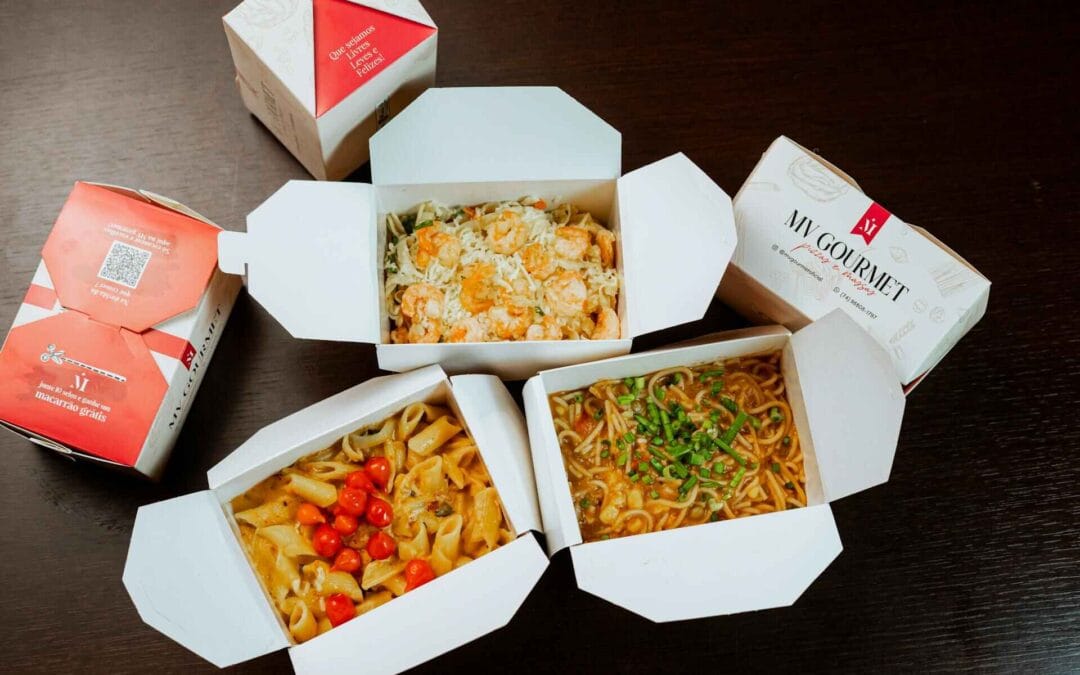
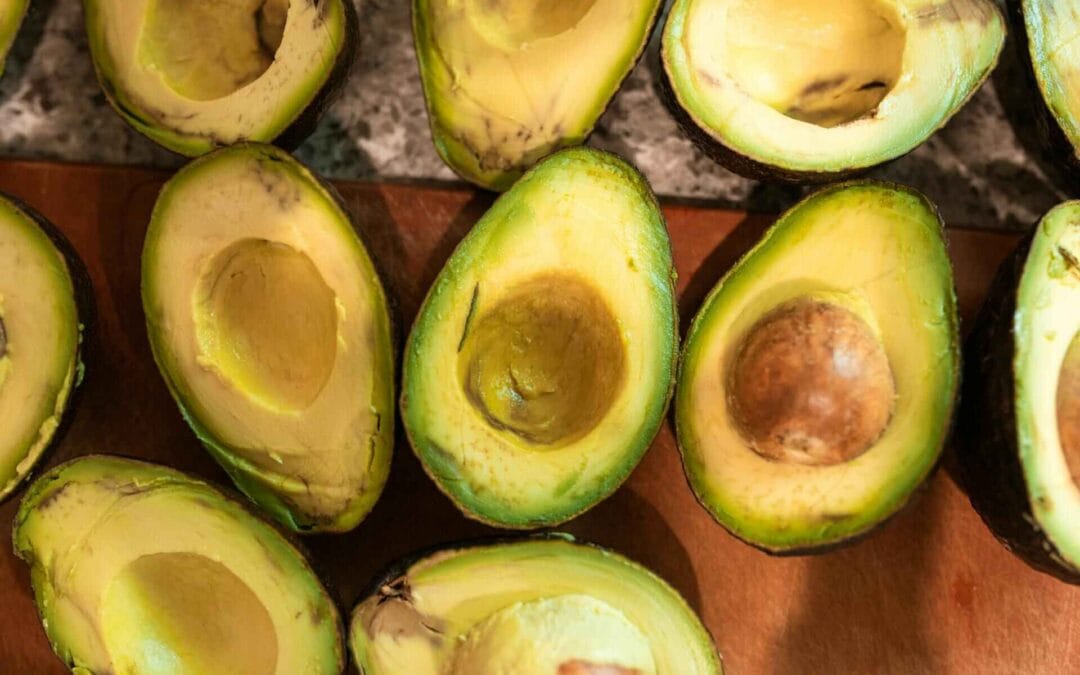


0 Comments