
Potatoes are one of those foods that seem to appear everywhere. You find them baked, mashed, roasted, fried, added to soups, and served alongside everything from grilled chicken to fresh fish. They're affordable, filling, versatile, and naturally gluten-free. But if you're following a low-carb diet or trying to reduce your carbohydrate intake, you might be wondering whether this familiar vegetable deserves a place on your plate.
So, are potatoes low carb?
Unfortunately, not really. Although potatoes contain beneficial nutrients, including potassium, vitamin C, vitamin B6, and dietary fiber, they're also rich in starch. A 100-gram baked potato with its skin provides approximately 21.2 grams of total carbohydrates and 2.2 grams of fiber. That leaves around 18.9 grams of net carbohydrates using the common total carbohydrate minus fiber calculation.
That doesn't automatically make potatoes unhealthy or mean you must avoid them forever. Their suitability depends on your eating pattern, portion size, preparation method, and personal nutritional goals.
For someone following a strict ketogenic diet, a regular serving of potatoes can use a substantial part of the daily carbohydrate allowance. However, someone following a more flexible low-carb eating pattern may be able to enjoy a smaller portion occasionally.
In this guide, we'll explore carbs in potatoes, their nutritional benefits, their effects on blood sugar, and whether different varieties deserve a place in your meal plan. You'll also discover ten practical alternatives that deliver a similar comforting texture without the same carbohydrate load.
Let's get started!
Are Potatoes Low Carb? The Quick Answer
The simple answer is no. Potatoes are not considered low-carb vegetables because most of their carbohydrate content comes from starch. While they provide vitamins, minerals, and some fiber, their carbohydrate concentration is considerably higher than that of vegetables such as spinach, cucumber, lettuce, broccoli, and zucchini.
But why does this distinction matter?
When you eat potatoes, your digestive system breaks down much of their starch into glucose. Glucose is a type of sugar that your body uses as an energy source. This is a normal digestive process, but it means potatoes can contribute a significant amount of carbohydrates to your daily intake.
Consider these approximate nutritional values for plain baked potatoes:
| Nutritional Information | Per 100 g |
|---|---|
| Calories | 93 kcal |
| Total Carbohydrates | 21.15 g |
| Dietary Fiber | 2.2 g |
| Estimated Net Carbohydrates | 18.95 g |
| Protein | 2.5 g |
| Fat | 0.13 g |
These figures are based on USDA FoodData Central data for baked potatoes with their flesh and skin. Actual figures vary according to preparation and moisture content. (1, 2)
As you can see, the potato net carbs remain relatively high even after subtracting fiber.
Are potatoes low in carbs compared with other vegetables?
Not usually. Compare 100 grams of baked potato with 100 grams of raw cauliflower:
- Baked potato: approximately 21.2g total carbohydrates.
- Raw cauliflower: approximately 5g total carbohydrates.
- Raw zucchini: approximately 3.1g total carbohydrates.
- Raw radishes: approximately 3.4g total carbohydrates.
The difference is substantial. Cauliflower, zucchini, and radishes allow you to enjoy larger vegetable portions while consuming considerably fewer carbohydrates than you would with potatoes. (3, 4)
However, don't confuse high carbohydrate content with poor nutritional quality. Potatoes can still be part of a balanced diet. The important thing is understanding how they fit into your overall eating pattern.
The takeaway: Potatoes are nutritious but starchy. They're generally unsuitable for strict keto diets, although smaller servings may fit into less restrictive low-carb eating plans.
How Many Carbs Are in a Potato? (Nutrition by Serving Size)
One of the most common questions people ask when changing their eating habits is: how many carbs are in a potato?
The answer depends on how much the potato weighs, how it's cooked, and whether you're including the skin.
A small potato naturally contains fewer carbohydrates than a large one. That sounds obvious, but portion sizes can become surprisingly misleading when you're estimating food by appearance.
For instance, a baked potato served at a restaurant might be considerably larger than the potato you normally prepare at home. Eating the entire restaurant portion could mean consuming more than twice the carbohydrates you originally planned.
According to USDA derived nutrition data, 100 grams of baked potato with skin contains approximately 21.15 grams of total carbohydrates. Using that figure, we can estimate the carbohydrate content of different portions. (5)
Carbs in potatoes by weight
The following table uses the baked potato reference values consistently.
| Potato Weight | Total Carbs | Fiber | Estimated Net Carbs |
|---|---|---|---|
| 50 g | 10.6 g | 1.1 g | 9.5 g |
| 75 g | 15.9 g | 1.7 g | 14.2 g |
| 100 g | 21.2 g | 2.2 g | 19.0 g |
| 125 g | 26.4 g | 2.8 g | 23.6 g |
| 150 g | 31.7 g | 3.3 g | 28.4 g |
| 175 g | 37.0 g | 3.9 g | 33.1 g |
| 200 g | 42.3 g | 4.4 g | 37.9 g |
| 250 g | 52.9 g | 5.5 g | 47.4 g |
Note: Values are estimates calculated from USDA baked potato data per 100 g. They are not standardized small, medium, or large potato weights. Actual potatoes vary.
Even a 100-gram portion provides approximately 19 grams of estimated net carbohydrates. For someone aiming to stay below 20 grams of net carbs per day, that is a considerable amount.
How many carbs are in a small potato?
A 75-gram baked potato contains approximately:
- 15.9 grams of total carbohydrates.
- 1.7 grams of fiber.
- 14.2 grams of estimated net carbohydrates.
This may be manageable for someone following a moderate carbohydrate-restricted eating pattern, but it can represent a significant portion of a strict ketogenic carbohydrate budget.
How many carbs are in a medium potato?
A medium potato can weigh approximately 150–175 grams, although there is no universal definition of a medium potato.
Using the baked potato figures above, that portion provides approximately 31.7–37 grams of carbohydrates.
The CDC also explains that a small baked potato can contain around 30 grams of carbohydrates, equivalent to approximately two 15-gram carbohydrate servings. (6)
How many carbs are in a large potato?
A large potato weighing 250 grams would provide approximately:
- 52.9 grams of total carbohydrates.
- 5.5 grams of fiber.
- 47.4 grams of estimated net carbohydrates.
That is a substantial amount, especially if you're trying to follow a ketogenic eating pattern.
Does potato size really matter?
Absolutely. Imagine putting two potatoes on your kitchen counter. One looks small enough for a side dish, while the other looks like something you'd order at a steakhouse.
They may look similar in nutritional terms because they're both potatoes, but their weights can be very different.
For more accurate carbohydrate tracking:
- Weigh the potato before cooking if you're using a raw potato database entry.
- Use a cooked potato entry if you're weighing it after cooking.
- Include the skin when the database entry specifies flesh and skin.
- Measure added ingredients separately.
- Record the actual serving rather than assuming every potato has the same nutritional value.
This small habit can make a significant difference when tracking carbs in potatoes.
Carbs in potatoes: raw vs. cooked
Cooking changes the amount of water in a potato, which influences its nutritional values per 100 grams.
| Potato Preparation | Total Carbs per 100 g | Fiber per 100 g |
|---|---|---|
| Raw Potato, Flesh and Skin | 17.49 g | 2.1 g |
| Boiled Potato, Without Skin | 20.01 g | 1.8 g |
| Baked Potato, Flesh and Skin | 21.15 g | 2.2 g |
Notice something interesting? The baked potato has more carbohydrates per 100 grams than the raw potato.
That doesn't mean baking magically creates extra carbohydrates. It's mainly a consequence of water loss during cooking. When some water evaporates, the remaining food becomes more concentrated.
This is why it's important to compare the same preparation methods and serving weights when calculating how many carbs are in a potato.
Total Carbs vs. Net Carbs in Potatoes: What’s the Difference?
When you're researching whether potatoes are low carb, you'll probably come across two nutritional terms: total carbohydrates and net carbohydrates.
They sound similar, but they're not the same. Understanding the difference is particularly useful if you're following a ketogenic or carbohydrate-restricted diet and want to make more informed food choices.
What are total carbohydrates?
Total carbohydrates represent the overall amount of carbohydrates in a food. Depending on the food and labeling system, this includes:
- Starch: A complex carbohydrate that your digestive system breaks down into glucose.
- Sugars: Naturally occurring or added sugars.
- Dietary fiber: Carbohydrates that are not fully digested in the small intestine.
Potatoes contain very little naturally occurring sugar compared with their starch content. Most of their carbohydrate content comes from starch.
For example, a 100-gram baked potato contains approximately 21.15 grams of total carbohydrates, including 2.2 grams of dietary fiber. (9, 10)
What are net carbohydrates?
Net carbohydrates are commonly calculated by subtracting dietary fiber from total carbohydrates.
The calculation looks like this:
Net carbs = Total carbohydrates − Dietary fiber
Let's use a baked potato as an example.
| Nutrient | Amount per 100 g |
|---|---|
| Total Carbohydrates | 21.15 g |
| Dietary Fiber | 2.2 g |
| Estimated Net Carbohydrates | 18.95 g |
After subtracting fiber, you're left with approximately 19 grams of estimated net carbohydrates.
This is the figure many people following low-carb and ketogenic eating patterns use when tracking their daily carbohydrate intake.
However, keep an important distinction in mind: net carbohydrates are a commonly used calculation, not a separate nutrient measured directly on every nutrition label. Labeling rules also differ between countries, and subtracting sugar alcohols requires additional care because different sugar alcohols are absorbed differently.
Why do net carbs matter on a low-carb diet?
Imagine you're following a ketogenic eating plan with a daily target of 25 grams of net carbohydrates.
You decide to eat a 150-gram baked potato with dinner. That potato contains approximately 28.4 grams of estimated net carbohydrates.
In other words, the potato alone exceeds your planned daily target.
This explains why regular potatoes are challenging to fit into a strict ketogenic diet.
On a more flexible low-carb diet, however, your daily carbohydrate allowance might be higher. A smaller portion could therefore fit more comfortably into your meal plan.
Should you always subtract fiber?
When estimating net carbs from a whole potato using typical US nutrition data, subtracting dietary fiber is a useful calculation.
However, don't assume every carbohydrate-containing food works the same way. Sugar alcohols, resistant starch, and different regional labeling conventions can make calculations more complicated.
For everyday planning, focus on the total carbohydrate information first. Then use the fiber figure to estimate net carbohydrates when appropriate.
The key is understanding both numbers rather than assuming that a vegetable is low carb simply because it contains some fiber.
Why Are Potatoes Considered Starchy Vegetables?
You might be wondering why potatoes are treated differently from vegetables like broccoli, spinach, lettuce, and cucumber.
After all, potatoes grow underground, come from plants, and are commonly sold in the vegetable section of supermarkets.
So why aren't they considered low-carb vegetables?
The answer comes down to their nutritional composition, particularly their starch content.
What is starch?
Starch is a type of complex carbohydrate that plants use to store energy.
When you eat foods containing digestible starch, enzymes in your digestive system break it down into smaller carbohydrate molecules, eventually producing glucose that enters your bloodstream.
Potatoes contain substantial quantities of starch, which explains their relatively high carbohydrate content.
According to the CDC, potatoes belong to the starchy vegetable category alongside foods such as corn and green peas. (11, 12)
Starchy vegetables vs. non-starchy vegetables
The easiest way to understand the distinction is to compare the typical carbohydrate content of different vegetables.
| Starchy Vegetables | Non-Starchy Vegetables |
|---|---|
| Potatoes | Spinach |
| Sweet Potatoes | Lettuce |
| Corn | Cucumber |
| Green Peas | Broccoli |
| Cassava | Cauliflower |
| Parsnips | Zucchini |
| Yams | Radishes |
| Winter Squash | Mushrooms |
Starchy vegetables generally provide more carbohydrates per serving. Non-starchy vegetables tend to provide fewer carbohydrates and are often easier to incorporate into a strict low-carb meal plan.
This doesn't mean starchy vegetables are unhealthy. They simply serve a different nutritional purpose.
Are potatoes technically vegetables?
Yes. Botanically, potatoes are plant organs called tubers, and they're commonly classified as vegetables in everyday food terminology.
However, dietary guidelines often group foods according to their nutritional composition rather than botanical classification.
For meal planning, potatoes are treated more like grains or other carbohydrate-rich foods than leafy or non-starchy vegetables.
This distinction is particularly relevant for people managing their carbohydrate intake.
Why does this matter for your low-carb grocery list?
When you shop for groceries, it can be tempting to assume that anything from the vegetable section is automatically appropriate for a low-carb diet.
But the nutrition label tells a different story.
A large potato can contain considerably more carbohydrates than a generous serving of leafy greens or cauliflower.
For beginners, separating vegetables into starchy and non-starchy categories makes grocery shopping and meal planning much easier.
A practical tip: Build most of your low-carb meals around non-starchy vegetables, then decide whether you want to include a smaller serving of a starch-containing food.
That approach gives you more control over your overall carbohydrate intake without requiring you to eliminate every carbohydrate-containing vegetable.
Carbs in Different Types of Potatoes: Russet, Red, White, and Yukon Gold
Not all potatoes look or taste the same.
Some are fluffy and dry when cooked, while others remain firm and hold their shape. You might prefer creamy Yukon Gold potatoes for mashing, red potatoes for salads, or russet potatoes for baking.
But are some varieties substantially lower in carbohydrates?
The answer is that potato variety can influence starch content, texture, and moisture, but you shouldn't assume that a particular regular potato variety is automatically low carb.
Russet potatoes
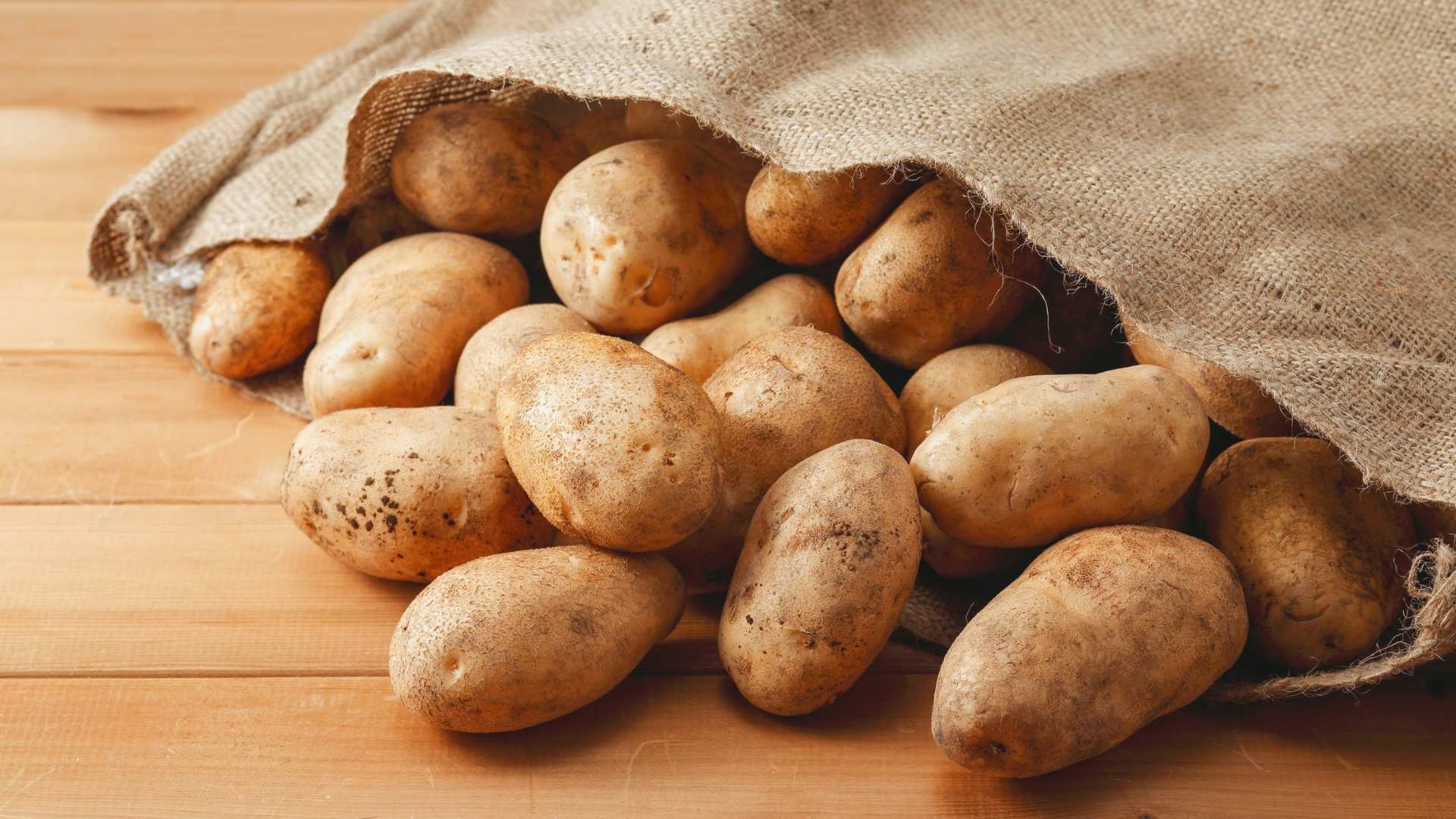
Russet potatoes are popular for baking, mashing, and making French fries.
They have a relatively high-starch composition, which gives them their characteristic fluffy texture after cooking.
Their culinary advantages include:
- A soft, light interior when baked.
- A fluffy texture suitable for mashed potatoes.
- A crisp exterior when roasted correctly.
- Good versatility in soups and casseroles.
However, their starch content means they're not an ideal choice for strict keto diets.
Red potatoes
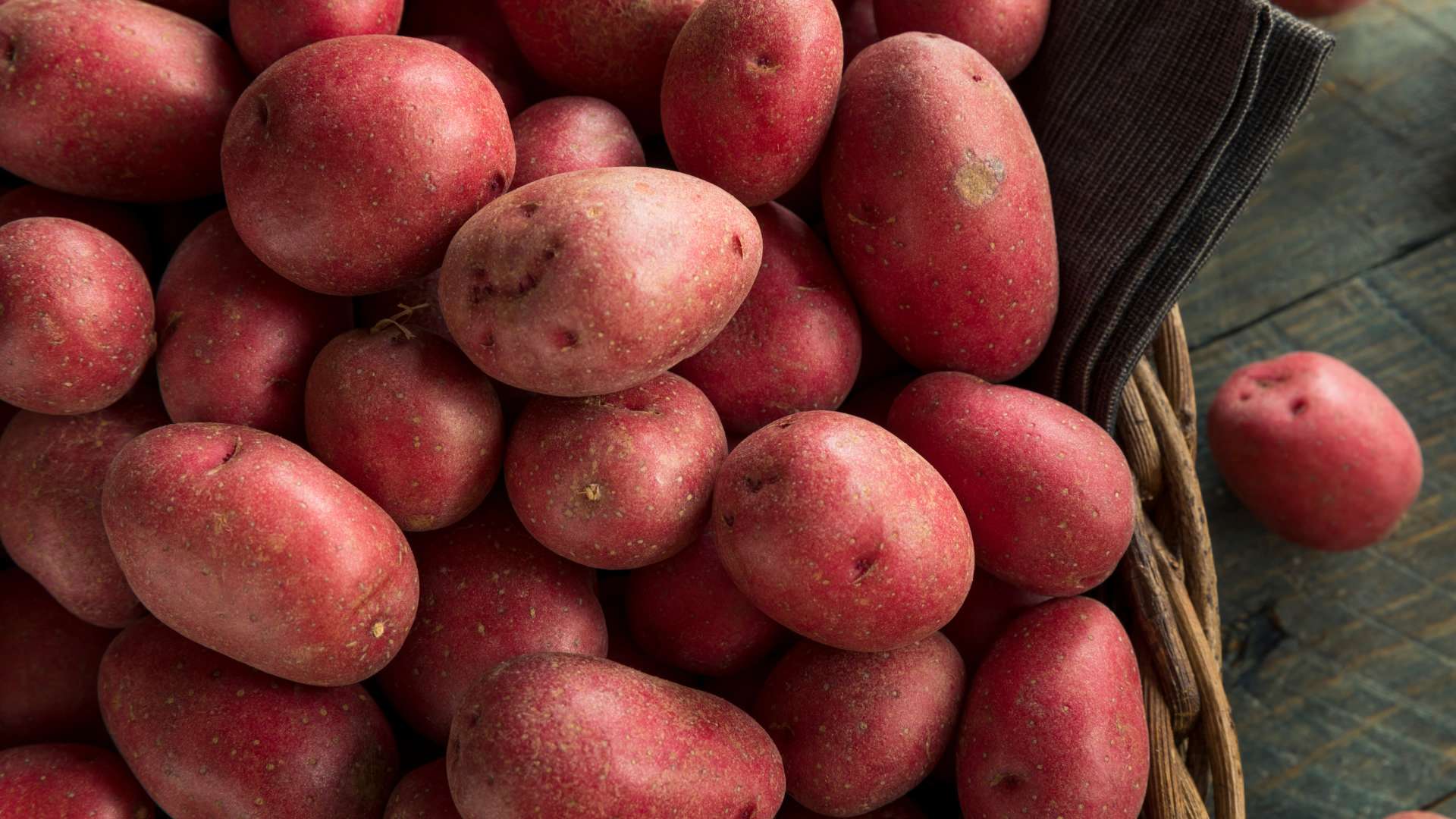
Red potatoes usually have thinner skins and a firmer texture than russet potatoes.
They're commonly used in:
- Potato salads.
- Roasted vegetable dishes.
- Soups and stews.
- Boiled side dishes.
Their waxier texture helps them retain their shape during cooking.
Although some red potato varieties can have different starch characteristics, they should not be considered low-carb simply because they are smaller or firmer.
White potatoes
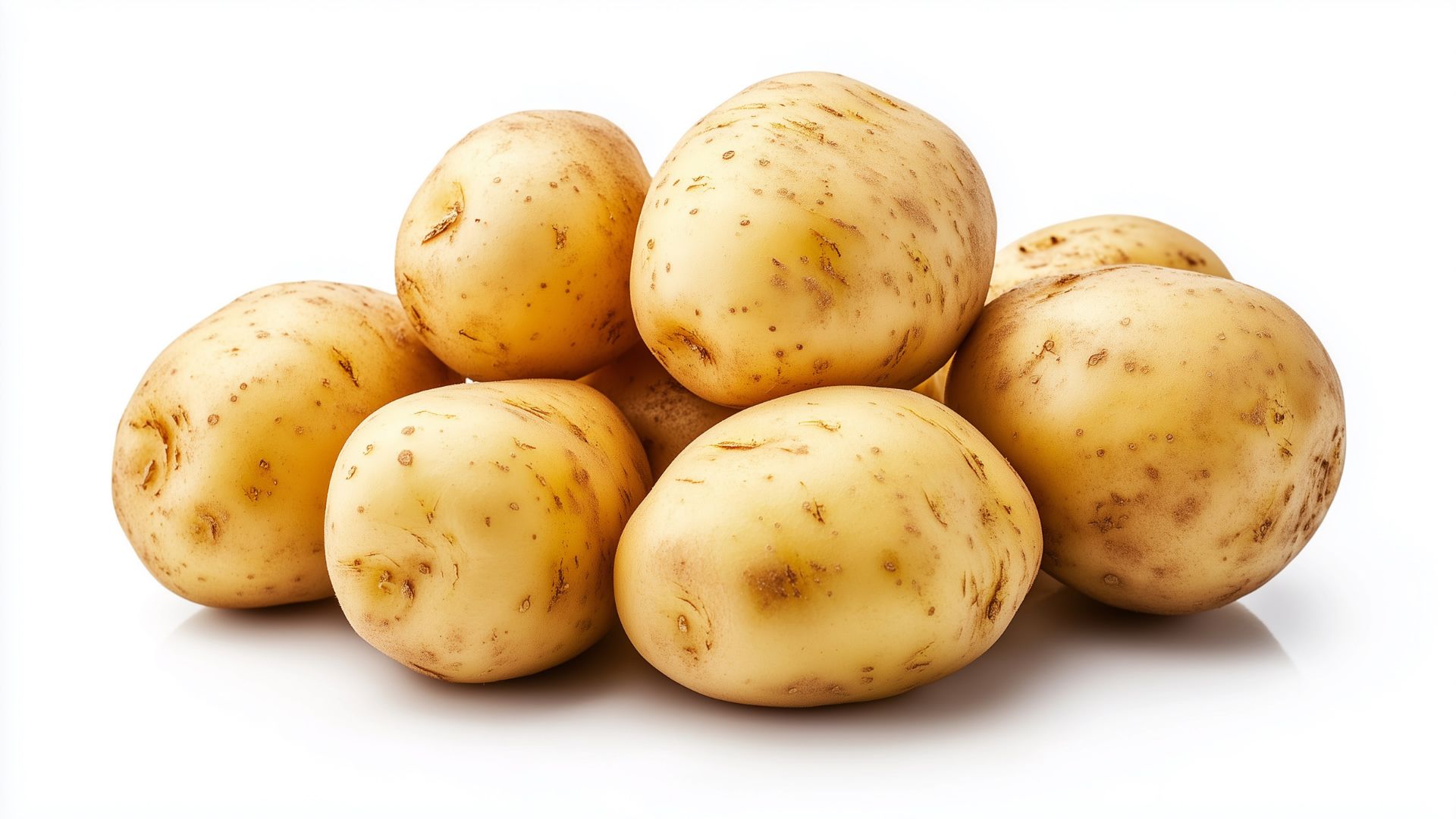
White potatoes are common in everyday cooking.
Their texture can vary according to variety, but they're often used for:
- Boiling.
- Mashing.
- Baking.
- Roasting.
- Homemade potato wedges.
Like other regular potatoes, they contain a substantial amount of starch.
Yukon Gold potatoes
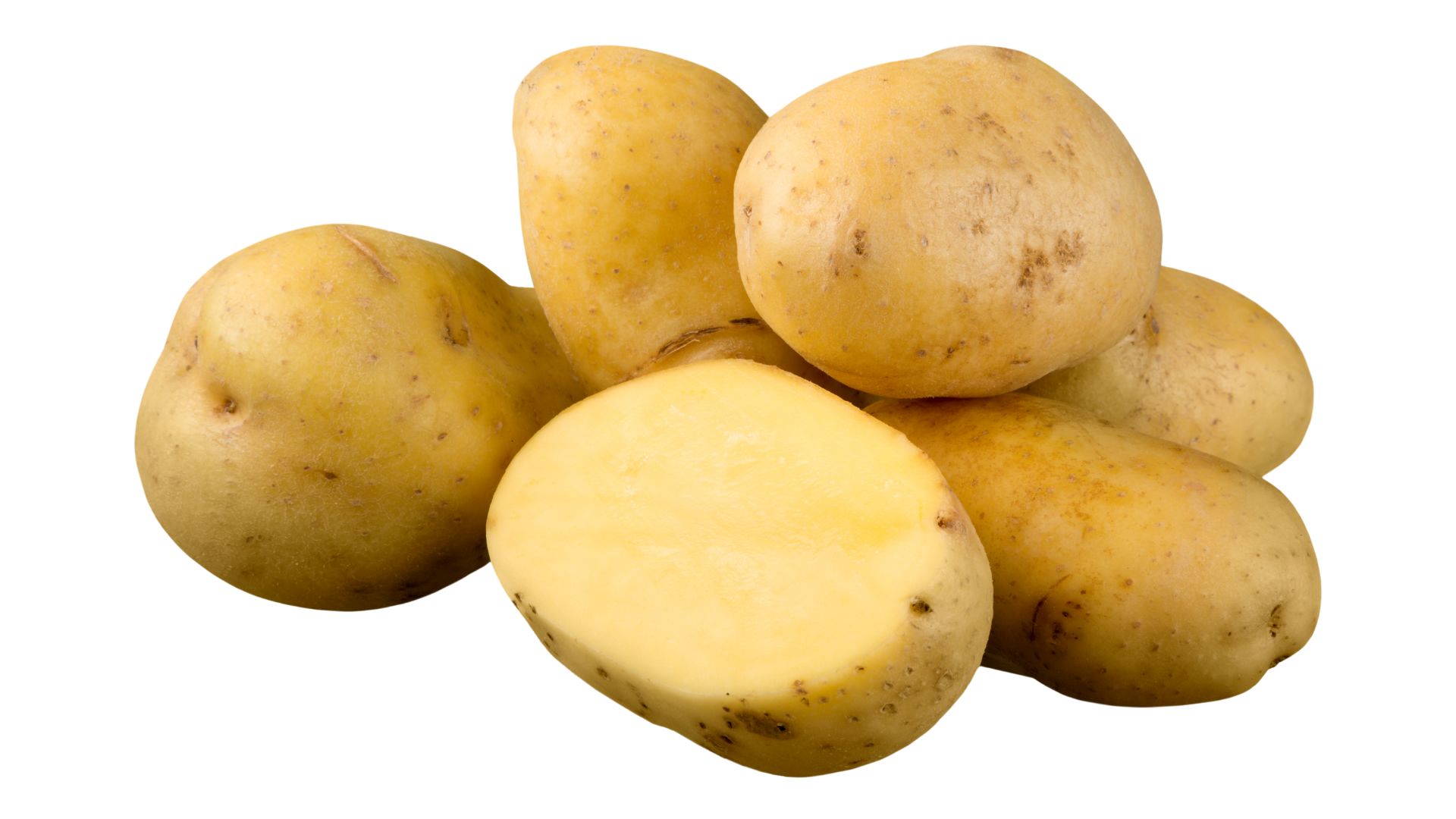
Yukon Gold potatoes are known for their yellow flesh and naturally creamy texture.
They're particularly useful for mashed potatoes, roasted potatoes, and soups.
Their buttery flavor makes them delicious with minimal seasoning, but they aren't significantly low-carb alternatives to ordinary white potatoes.
New potatoes and fingerling potatoes
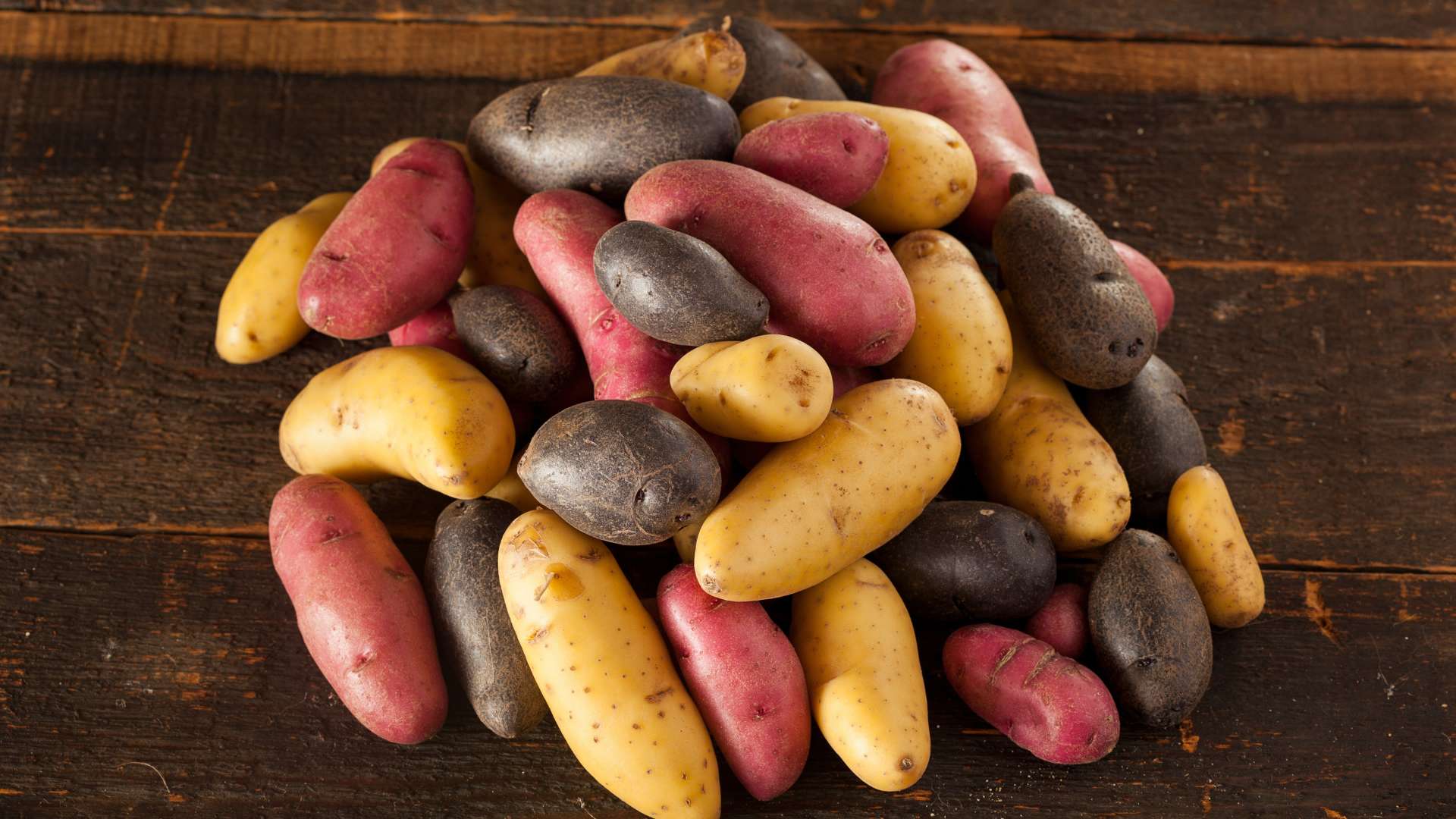
New potatoes are harvested before reaching full maturity. They tend to have thinner skins and a more delicate texture.
Fingerling potatoes are small, elongated potatoes with a firm consistency and distinctive appearance.
Their smaller sizes can help with portion control, but size alone doesn't make them low carb.
A small potato still contains carbohydrates, and several small potatoes can quickly add up to the equivalent of one large serving.
Potato variety comparison
| Potato Variety | Typical Texture | Common Use | Low-Carb Suitability |
|---|---|---|---|
| Russet | Fluffy, starchy | Baking and fries | Low suitability |
| Red | Firm, waxy | Salads and roasting | Low suitability |
| White | Variable | General cooking | Low suitability |
| Yukon Gold | Creamy | Mashing and roasting | Low suitability |
| New Potatoes | Tender and firm | Salads and boiling | Portion-dependent |
| Fingerling | Firm | Roasting | Portion-dependent |
The most important factor is still the quantity you eat.
Instead of looking for a magical low-carb potato variety, compare standardized nutritional information and measure your portions.
Harvard's potato nutrition review also explains the differences between starchy, waxy, and all-purpose varieties and how their characteristics influence cooking. (13)
Are Sweet Potatoes Lower in Carbs Than White Potatoes?
Sweet potatoes are often promoted as a healthier alternative to regular potatoes.
They're colorful, naturally sweet, and contain beta-carotene, which your body can convert into vitamin A.
But does that make them a better choice when you're watching your carbohydrate intake?
Not necessarily.
Both white potatoes and sweet potatoes are carbohydrate-rich vegetables. Their carbohydrate content is relatively similar when comparing standardized cooked portions.
White potatoes vs. sweet potatoes: nutritional comparison
Let's compare USDA derived values for 100 grams of baked potato and baked sweet potato. (14)
| Nutrient per 100 g | Baked White Potato | Baked Sweet Potato |
|---|---|---|
| Calories | 93 kcal | 90 kcal |
| Total Carbohydrates | 21.15 g | 20.70 g |
| Dietary Fiber | 2.2 g | 3.3 g |
| Estimated Net Carbs | 18.95 g | 17.40 g |
| Protein | 2.5 g | 2.0 g |
| Total Fat | 0.13 g | 0.15 g |
The sweet potato has slightly fewer total carbohydrates and more fiber in this particular comparison.
However, the difference is modest. Neither food qualifies as a genuinely low-carb vegetable.
What makes sweet potatoes nutritionally different?
Sweet potatoes are particularly notable for their beta-carotene content.
Orange-fleshed varieties contain carotenoid pigments that give them their characteristic color. Beta-carotene is a precursor of vitamin A, which contributes to normal vision, immune function, and other physiological processes.
Sweet potatoes also provide:
- Dietary fiber.
- Potassium.
- Vitamin C.
- Vitamin B6.
- Manganese.
- Naturally occurring carbohydrates.
White potatoes have their own nutritional strengths, particularly their potassium and vitamin C contributions.
Both can be part of a nutritious eating pattern. The better option depends on your preferences and nutritional needs.
Can you eat sweet potatoes on keto?
If you're following strict keto, sweet potatoes can present the same practical problem as white potatoes.
A 150-gram portion of baked sweet potato provides approximately 31 grams of total carbohydrates and about 26 grams of estimated net carbohydrates.
That's a considerable amount for someone aiming for a very low daily carbohydrate allowance.
Instead of choosing sweet potatoes because they sound healthier, look at their actual carbohydrate content.
The bottom line: Sweet potatoes may offer a different micronutrient profile and slightly more fiber, but they aren't a particularly low-carb replacement for ordinary potatoes.
Potato Glycemic Index and Glycemic Load: What Happens to Blood Sugar?
You've probably heard that potatoes can cause blood sugar spikes.
But what does that actually mean?
To understand the relationship between potatoes and blood glucose, it's helpful to become familiar with two nutritional concepts: the glycemic index and glycemic load.
These measurements provide additional information about how carbohydrate-containing foods can affect blood sugar.
What is the glycemic index?
The glycemic index (GI) measures how quickly a carbohydrate-containing food raises blood glucose compared with a reference food, usually pure glucose.
Foods with higher GI values generally cause a faster rise in blood glucose under the conditions used for testing.
However, the glycemic index doesn't tell you everything about a food.
For example, it doesn't automatically account for the amount of food you're eating or the total quantity of carbohydrates in your meal.
Two foods can have similar GI values but provide very different amounts of carbohydrates per serving.
Harvard explains that carbohydrate quality, digestion, and the overall composition of a meal are important considerations when interpreting blood sugar responses. (15, 16)
What is the glycemic load?
The glycemic load (GL) takes carbohydrate quantity into consideration.
A simplified formula is:
Glycemic load = GI × available carbohydrates per serving ÷ 100
Available carbohydrates generally refer to digestible carbohydrates rather than total carbohydrates including fiber.
Why is this useful?
Imagine comparing two servings of different foods.
One food may have a relatively high glycemic index but contain very little available carbohydrate in the portion you're eating. Another may have a moderate GI but contain a much larger amount of carbohydrate.
The second food could produce a greater overall glucose exposure.
That's why portion size matters when you're considering potatoes.
Why can potatoes raise blood sugar?
Potatoes contain starch, and much of this starch is digestible.
During digestion, enzymes break starch into glucose molecules, which enter the bloodstream.
Your body responds by producing insulin, a hormone that helps regulate blood glucose.
The exact response depends on several factors, including:
- The potato variety.
- Whether it's boiled, baked, mashed, or fried.
- How much you eat.
- What else is included in your meal.
- Your individual insulin sensitivity and metabolic health.
Does cooking method affect potato GI?
Yes, preparation can change the structure of potato starch and influence digestion.
Baked potatoes, boiled potatoes, mashed potatoes, and fried potatoes don't necessarily produce identical glycemic responses.
For example, mashing can disrupt the potato's structure, and the final dish may be digested differently depending on how it's prepared.
However, you shouldn't assume that boiling or baking automatically makes a potato low glycemic or low carb.
The carbohydrate content still matters.
Does eating potatoes with protein and fat help?
Including protein, fiber-rich foods, and some healthy fats in a meal can influence digestion and the overall post-meal glucose response.
Consider these two meal examples:
Meal A:
- Large serving of mashed potatoes.
- Butter and cream.
- Little protein.
- Very few vegetables.
Meal B:
- Smaller portion of boiled potatoes.
- Grilled salmon.
- Steamed broccoli.
- Olive oil and herbs.
Meal B provides a more balanced combination of carbohydrates, protein, fiber, and fats.
That doesn't mean the potatoes have disappeared from the carbohydrate calculation. It simply shows how the whole meal can be structured more thoughtfully.
Should everyone avoid high-GI foods?
Not necessarily.
The glycemic index is one tool for evaluating carbohydrate-containing foods, not a complete measurement of overall health.
You should also consider:
- Total carbohydrate intake.
- Fiber intake.
- Portion sizes.
- Nutritional variety.
- Frequency of consumption.
- Your personal response to food.
For people managing diabetes or prediabetes, individualized guidance from a registered dietitian can help determine which portions and meal combinations work best.
Resistant Starch in Potatoes: Does Cooling Reduce Carbs?
Here's an interesting fact about potatoes that many people don't know: their starch structure can change when they're cooked and subsequently cooled.
This process is associated with the formation of resistant starch.
You may have seen claims online suggesting that refrigerating potatoes makes them low carb.
That sounds appealing, doesn't it?
Unfortunately, the reality is more complicated.
What is resistant starch?
Resistant starch is a type of starch that resists digestion in the small intestine.
Instead of being completely broken down and absorbed like ordinary digestible starch, some resistant starch passes into the large intestine, where gut bacteria can ferment it.
This fermentation can produce short-chain fatty acids, including butyrate.
Resistant starch is naturally found in several foods, including:
- Potatoes.
- Green bananas.
- Beans.
- Lentils.
- Some whole grains.
- Cooked and cooled rice.
How does cooling potatoes create resistant starch?
When you cook potatoes, heat causes starch granules to absorb water and change their structure. This process is known as gelatinization.
When the cooked potato cools, some starch molecules can reorganize into more resistant structures.
This process is called retrogradation.
As a result, cooled potatoes can contain more resistant starch than freshly cooked potatoes.
However, the amount varies according to cooking conditions, cooling time, potato variety, and other factors.
Does refrigerating potatoes reduce their total carbohydrates?
Not in the simple way many online articles suggest.
Cooling doesn't remove carbohydrates from the potato.
Instead, it can change the proportion of starch that resists digestion.
Therefore, a chilled potato still contributes carbohydrates to your diet, and you shouldn't treat it as a carbohydrate-free food.
When tracking nutrition, continue to use a suitable food database entry or measured serving rather than assuming that all the starch has disappeared.
What does scientific research say?
A particularly relevant study published in Nutrients in 2019 examined the effects of chilled potatoes on post-meal glucose and insulin responses.
The randomized crossover study included 30 women with elevated fasting glucose and insulin.
Researchers compared a 250-gram serving of boiled potatoes with baked potatoes that had subsequently been chilled.
The chilled potato produced lower glucose and insulin responses at certain measured time points. For example, glucose responses were approximately 4.8% lower at 15 minutes and 9.2% lower at 30 minutes. However, the researchers did not find significant differences in every measured outcome, including overall glucose response over the full testing period. (17)
These findings are interesting, but the study was relatively small and involved a specific group of women. We shouldn't automatically assume that everyone will experience the same response.
Can you reheat potatoes after cooling?
Some resistant starch may remain after reheating, although the amount can depend on the cooking and reheating process.
This means cooled and reheated potatoes may still contain some resistant starch.
However, don't overcomplicate your meals trying to maximize one nutrient at the expense of your overall dietary pattern.
A balanced meal with appropriate portions, protein, and non-starchy vegetables is still a practical starting point.
Should you cool potatoes before eating them?
It can be a useful preparation technique for people who enjoy potato salads or chilled potato dishes.
For example, you could:
- Boil potatoes until tender.
- Cool them promptly.
- Refrigerate them in a covered container.
- Use them in a potato salad with herbs, vegetables, and a suitable dressing.
Follow food-safety guidance when cooling and refrigerating cooked potatoes, and don't leave cooked food sitting at room temperature for extended periods.
Remember: Cooling potatoes may change starch digestibility, but it doesn't turn potatoes into low-carb food.
Potato Nutrition Facts: Calories, Fiber, Vitamins, and Minerals
We've spent considerable time discussing carbohydrate content, but potatoes provide more than starch.
They also contain several useful vitamins and minerals.
This is important because categorizing a food as high carb doesn't automatically mean it's nutritionally worthless.
A plain baked potato is naturally low in fat and provides potassium, vitamin C, vitamin B6, and dietary fiber.
Let's look at what you actually get.
Baked potato nutrition facts
The following figures are based on 100 grams of baked potato with its flesh and skin, using USDA-derived data.
| Nutrient | Amount per 100g |
|---|---|
| Calories | 93 kcal |
| Total carbohydrates | 21.15g |
| Dietary fiber | 2.2g |
| Total sugars | 1.18g |
| Estimated net carbs | 18.95g |
| Protein | 2.5g |
| Total fat | 0.13g |
| Potassium | 535mg |
| Vitamin C | 9.6mg |
| Vitamin B6 | 0.31mg |
| Magnesium | 28mg |
| Phosphorus | 70mg |
| Iron | 1.08mg |
1. Potassium
Potassium is an essential mineral that supports several normal bodily functions.
It helps regulate:
- Fluid balance.
- Muscle contractions.
- Nerve signaling.
- Normal heart function.
- Blood pressure regulation.
Potatoes can be a useful source of potassium, especially when prepared with their skin.
However, potassium content varies depending on the potato variety and cooking method. Boiling can cause some potassium to leach into the cooking water.
2. Vitamin C
Vitamin C is an essential nutrient that supports normal immune function and collagen production.
It also acts as an antioxidant, helping protect cells from oxidative damage.
Potatoes contain vitamin C, although the amount varies with storage and preparation.
Heat and prolonged cooking can reduce vitamin C content, so preparation matters.
3. Vitamin B6
Vitamin B6 participates in many metabolic reactions.
It contributes to normal protein metabolism, nervous system function, and the production of certain neurotransmitters.
Potatoes provide a modest amount of this vitamin, making them more nutritionally interesting than a simple starch source.
4. Dietary fiber
Potatoes contain some dietary fiber, particularly when you eat the skin.
Fiber supports digestive health and helps regulate bowel movements.
It can also contribute to feelings of fullness as part of an overall balanced diet.
However, the amount in potatoes isn't especially high compared with many beans, lentils, and non-starchy vegetables.
Harvard notes that a medium potato with its skin provides approximately 2–3 grams of fiber, with much of it found in the peel.
Does potato skin contain more nutrients?
Yes, the skin contributes fiber and contains several minerals.
Eating the potato skin can help you retain more of its fiber rather than removing it during preparation.
Before cooking, scrub the potato thoroughly under running water to remove dirt and debris.
Also, avoid eating potatoes that have become green, heavily sprouted, or damaged. Green discoloration can indicate elevated glycoalkaloids such as solanine, which can cause illness when consumed in excessive quantities.
Are potatoes a good source of protein?
Not particularly.
Potatoes contain a small amount of protein, but they shouldn't be considered a major protein source.
If you're following a low-carb eating pattern, pair your vegetables with protein-rich foods such as:
- Eggs.
- Chicken breast.
- Salmon.
- Tuna.
- Lean beef.
- Tofu.
- Greek yogurt.
That combination helps create a more satisfying and nutritionally balanced meal.
Are Potatoes Healthy? Potential Benefits and Nutritional Considerations
So far, we've established that potatoes contain a substantial amount of carbohydrates.
But does that mean they're unhealthy?
Not at all.
Food quality is more complicated than simply labeling ingredients as good or bad. A food can be rich in carbohydrates and still provide valuable nutrients.
The important thing is understanding the role it plays in your overall eating pattern.
Potatoes provide useful nutrients
Potatoes contribute several micronutrients that support everyday bodily functions.
Their potassium content helps with normal muscle and nerve function, while vitamin C and vitamin B6 contribute to important physiological processes.
They also provide water, some fiber, and naturally occurring plant compounds.
Eating a potato occasionally as part of a varied diet isn't inherently unhealthy.
Potatoes can be filling
Have you ever eaten a plain baked potato and felt comfortably full afterward?
Potatoes contain water and provide a reasonable amount of food volume relative to their calorie content.
That can make plain boiled or baked potatoes a satisfying addition to certain meals.
However, preparation matters.
A plain baked potato and a large serving of French fries are very different foods nutritionally.
When potatoes are deep fried or prepared with large quantities of butter, cream, cheese, or oil, their calorie and fat content can increase substantially.
The difference between whole potatoes and processed potato products
Consider these examples:
Plain potato preparations:
- Boiled potatoes.
- Baked potatoes.
- Steamed potatoes.
- Homemade roasted potatoes.
More heavily processed or energy-dense preparations:
- Deep fried French fries.
- Commercial potato chips.
- Loaded mashed potatoes with butter and cream.
- Fried potato snacks.
The second category often comes with additional fats, sodium, and calories.
This doesn't mean every fried potato product is forbidden. It simply means you should consider the complete nutritional profile rather than looking only at the potato itself.
Can potatoes fit into a balanced Mediterranean diet?
Yes, depending on your portions and overall food choices.
A Mediterranean eating pattern emphasizes vegetables, fruits, legumes, whole grains, nuts, olive oil, and appropriate protein sources.
Potatoes can occasionally appear alongside these foods.
For example, a Mediterranean-inspired meal might include:
- Grilled fish.
- A small portion of boiled potatoes.
- A large green salad.
- Extra virgin olive oil.
- Fresh herbs and lemon.
The potato contributes carbohydrates, while the other foods provide protein, fiber, healthy fats, and a wider range of nutrients.
Harvard's potato guidance suggests that moderate portions of potatoes can be incorporated into an overall healthy eating pattern, with attention to preparation and added fats.
When should you limit potatoes?
You may benefit from reducing potato portions when:
- You're following a strict ketogenic diet.
- Your daily carbohydrate target is very low.
- You need to carefully manage carbohydrate intake for diabetes.
- You find that large potato portions make it difficult to reach your nutritional goals.
- You frequently eat potato products prepared with large amounts of oil or saturated fat.
The goal isn't necessarily to eliminate potatoes. It's to make sure they fit your personal eating strategy.
Are Potatoes Keto Friendly? Can You Eat Them on a Ketogenic Diet?
If you're following a ketogenic diet, potatoes probably aren't the most convenient vegetable choice.
Why? Because keto focuses on keeping carbohydrate intake relatively low so that the body can enter and maintain a metabolic state called ketosis.
During ketosis, the body relies more heavily on ketones produced from fat instead of depending primarily on glucose from carbohydrates for energy.
Although individual carbohydrate targets vary, many strict ketogenic eating plans use approximately 20–50 grams of net carbohydrates per day.
Now, let's put a regular potato into perspective.
How many net carbs does a potato use on keto?
A 150-gram baked potato contains approximately:
- 31.7 grams of total carbohydrates.
- 3.3 grams of dietary fiber.
- 28.4 grams of estimated net carbohydrates.
That means one reasonably sized serving could consume most or even exceed the daily carbohydrate target of someone following a strict ketogenic plan.
This is why the answer to are potatoes keto friendly is generally no.
Can you eat a small potato on keto?
Technically, you might fit a very small potato portion into your daily carbohydrate allowance, depending on your individual target and the rest of your meals.
For example, a 50-gram portion contains approximately 9.5 grams of estimated net carbohydrates.
However, that doesn't leave much room for other carbohydrate-containing foods if you're targeting 20 grams per day.
You would also need to account for vegetables, dairy products, sauces, nuts, and other ingredients consumed throughout the day.
What about potato starch?
Potato starch is another ingredient worth understanding.
It's commonly used as a thickener in soups, sauces, baked goods, and processed foods.
Although some potato starch products contain resistant starch, ordinary potato starch is still a concentrated carbohydrate ingredient.
Don't assume potato starch is automatically keto-friendly just because it may be marketed as a source of resistant starch.
Always check the nutritional label and ingredient information.
Better keto alternatives to potatoes
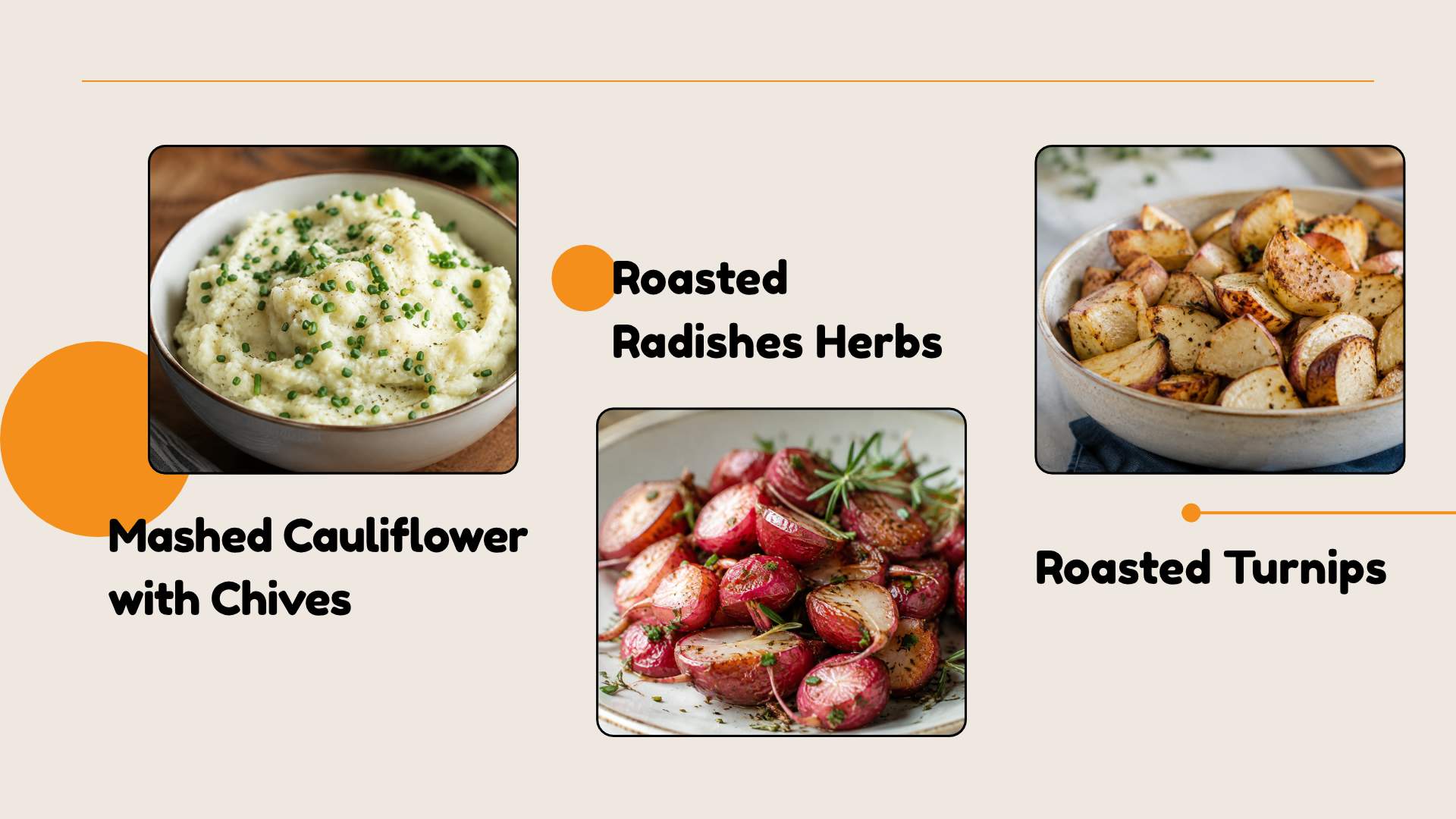
If you enjoy the texture of potatoes, you don't have to give up your favorite comfort foods completely.
Try these alternatives:
- Cauliflower: Excellent for creamy mashed potato dishes.
- Radishes: Become milder and softer when roasted.
- Turnips: A useful alternative for mashing and roasting.
- Celeriac: Provides an earthy, slightly sweet flavor.
- Zucchini: Works well in fries and vegetable casseroles.
These vegetables generally provide considerably fewer carbohydrates than regular potatoes.
You can use them to recreate familiar recipes without relying on large quantities of potato starch.
My recommendation: For strict keto, make cauliflower and radishes your first alternatives to experiment with. They're versatile, affordable in many supermarkets, and easy to season.
Can You Eat Potatoes on a Low-Carb Diet?
Here's where things become more interesting.
Although potatoes aren't particularly low-carb, that doesn't necessarily mean they're incompatible with every type of low-carb diet.
The term low-carb diet covers several different approaches.
Some people follow very restrictive ketogenic eating patterns, while others simply reduce their daily carbohydrate consumption without attempting to maintain ketosis.
The difference matters.
Low-carb diets aren't all the same
There isn't one universal carbohydrate target that defines every low-carb eating pattern.
For example, someone aiming for 100 grams of carbohydrates daily has considerably more flexibility than someone following a ketogenic plan with a 20-gram net carb target.
This means your ability to include potatoes depends on your individual carbohydrate allowance.
How can potatoes fit into a moderate low-carb diet?
Let's say your daily target is 100 grams of carbohydrates.
You could theoretically include a 75-gram baked potato, providing approximately:
- 15.9 grams of total carbohydrates.
- 1.7 grams of fiber.
- 14.2 grams of estimated net carbohydrates.
That leaves room for other foods throughout the day.
However, you'll still need to account for the carbohydrates from fruit, dairy, vegetables, legumes, and other ingredients.
Three practical ways to include potatoes
1. Reduce the portion size.
Instead of serving a huge baked potato as the main carbohydrate component of your meal, use a smaller portion as a side dish.
A measured 50–75-gram portion can be easier to accommodate than an entire large potato.
2. Combine potatoes with non-starchy vegetables.
You can stretch a meal by combining a smaller potato portion with broccoli, spinach, cauliflower, zucchini, or green beans.
This gives your plate greater vegetable variety without relying entirely on starchy foods.
3. Pay attention to the rest of your daily meals.
If you include potatoes at dinner, consider choosing meals with fewer concentrated carbohydrate sources earlier in the day.
For example, a breakfast of scrambled eggs with spinach and a lunch of tuna salad can leave more room for a potato portion at dinner.
Example of a moderate low-carb dinner
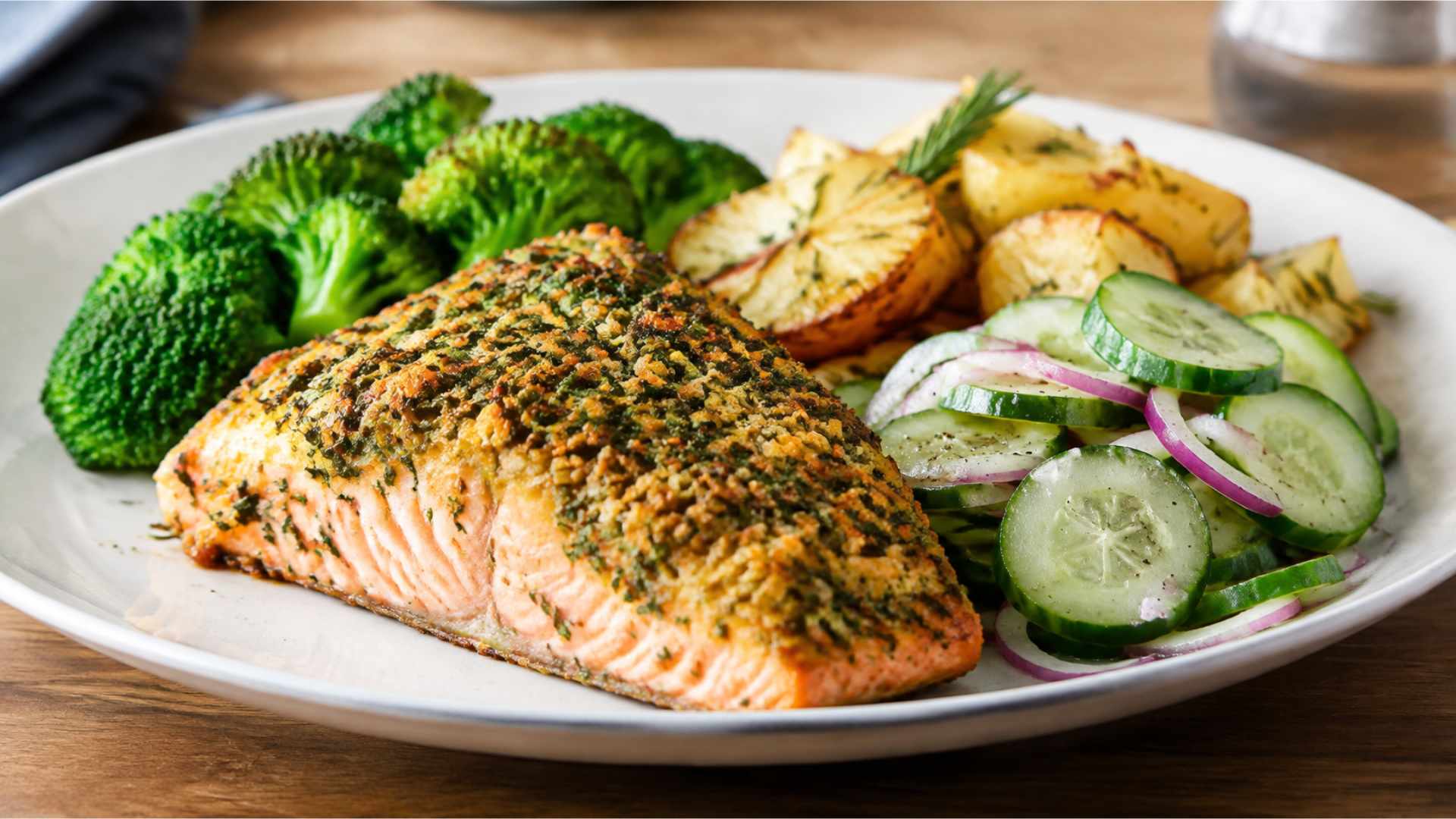
Try combining:
- Grilled salmon.
- A small serving of boiled potatoes.
- Steamed broccoli.
- A cucumber salad.
- A little olive oil and lemon juice.
This combination includes protein, carbohydrates, fiber, and healthy fats.
It's also much easier to portion than a dinner centered around a large serving of mashed potatoes.
Should beginners eliminate potatoes?
Not necessarily.
A sustainable eating pattern should be realistic enough to follow over time.
Some beginners find it easier to reduce potato portions gradually rather than removing familiar foods immediately.
Others prefer switching to cauliflower, turnips, or radishes because they want to reach a stricter carbohydrate target.
Both approaches can be reasonable depending on individual goals.
If you're primarily interested in a general low-carb lifestyle rather than ketosis, you may have more flexibility with occasional potato portions.
Are Potatoes Bad for Blood Sugar or People With Diabetes?
Potatoes deserve special attention when discussing blood sugar because their starch content can contribute a substantial amount of digestible carbohydrate to a meal.
But does that mean everyone with diabetes should avoid them?
No.
People with diabetes can often include carbohydrate-containing foods such as potatoes within an individualized meal plan. The important considerations are portion size, carbohydrate counting, medication, activity, and individual blood glucose responses.
Why can potatoes increase blood sugar?
When you eat a potato, your digestive system breaks down digestible starch into glucose.
That glucose enters the bloodstream, increasing blood sugar.
In response, the body releases insulin to help move glucose into cells and regulate circulating blood glucose.
For people with diabetes, this process may not work as efficiently as it should.
Depending on the individual, a large potato serving may produce a noticeable post-meal blood glucose increase.
The CDC identifies potatoes as starchy vegetables and explains that carbohydrate counting can help people with diabetes manage their blood glucose.
How many carbs should people with diabetes eat?
There isn't one carbohydrate target that works for everyone with diabetes.
Individual needs depend on several factors, including:
- Type of diabetes.
- Medication and insulin regimen.
- Physical activity.
- Body composition and nutritional needs.
- Personal glucose response.
- Overall health goals.
Some people use carbohydrate counting to estimate their carbohydrate intake at meals.
The CDC explains that one carbohydrate serving is approximately 15 grams of carbohydrates. It also gives a small baked potato as an example of a food that can contain around 30 grams, equivalent to approximately two carbohydrate servings.
That's why seemingly small portion changes can matter.
How to build a balanced meal with potatoes
One practical approach is the Diabetes Plate Method.
This method provides a visual way to organize meals without requiring you to weigh every ingredient.
According to CDC guidance:
- Fill half your plate with non-starchy vegetables.
- Fill one-quarter with lean protein.
- Fill the remaining quarter with carbohydrate-containing foods, including starchy vegetables such as potatoes. (18, 19)
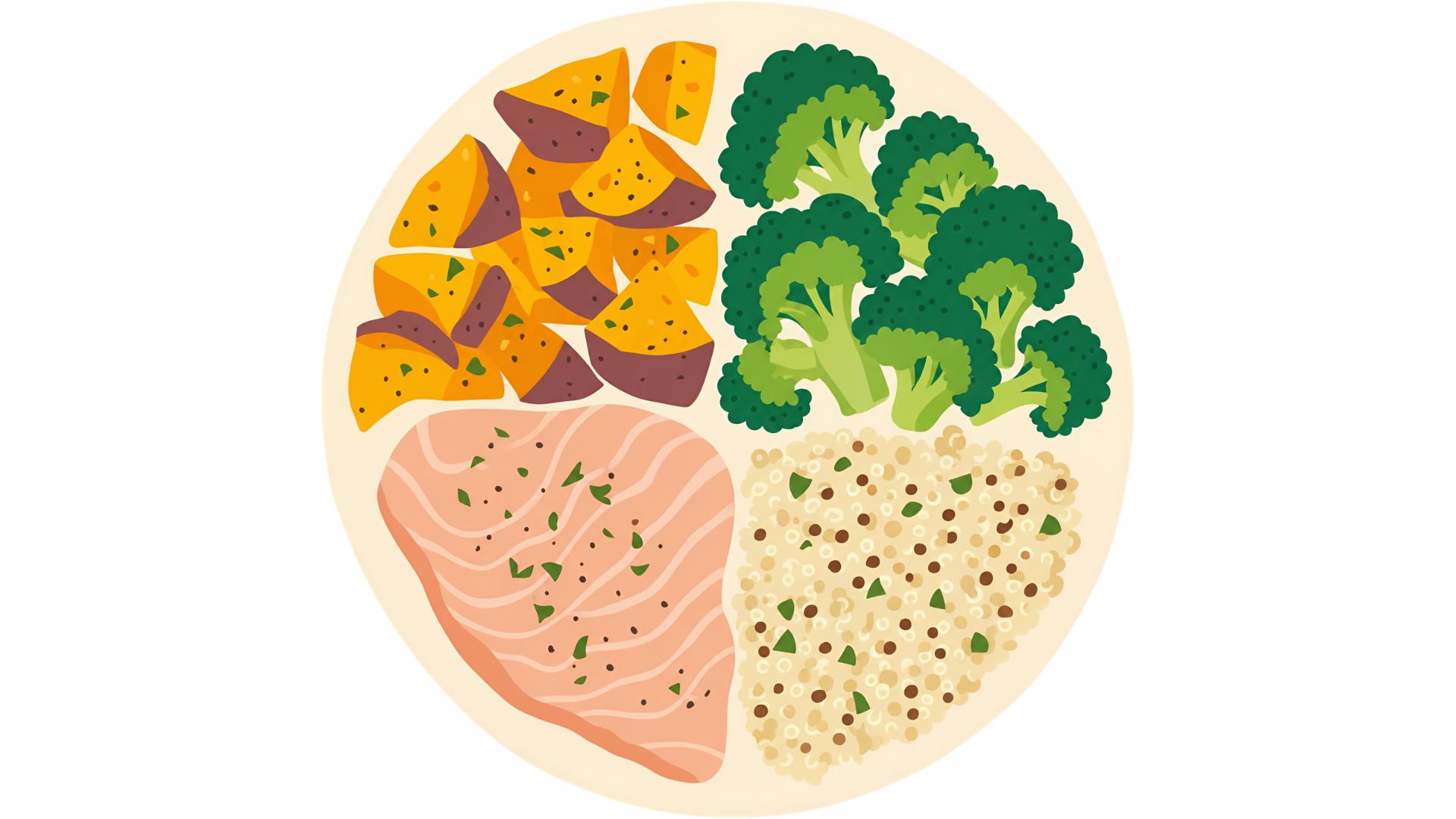
For example, you could prepare a meal containing:
| Meal component | Food |
|---|---|
| Half the plate | Broccoli, spinach, cucumber, and lettuce |
| One-quarter | Grilled chicken or salmon |
| One-quarter | Measured portion of boiled potatoes |
This approach makes potatoes part of a balanced meal rather than allowing them to dominate the plate.
Which potato preparation is better?
If you're watching blood sugar, pay attention to how the potatoes are prepared.
Plain boiled or baked potatoes may be easier to portion than heavily processed potato dishes.
Consider these practical differences:
| Preparation | Consideration |
|---|---|
| Boiled potatoes | Easy to measure and portion |
| Baked potatoes | Convenient, especially with the skin |
| Mashed potatoes | Portion sizes can become difficult to estimate |
| French fries | Often contain additional fat and calories |
| Potato chips | Easy to overconsume and often high in sodium |
Cooking method alone cannot guarantee a particular blood glucose response.
The total amount of carbohydrates in the meal remains important.
Can chilled potatoes help people with diabetes?
There is some promising research about resistant starch.
The 2019 randomized crossover study discussed earlier found lower glucose responses at certain time points after participants consumed chilled rather than freshly boiled potatoes.
However, the trial involved only 30 women with elevated fasting glucose and insulin.
It would be premature to recommend chilled potatoes as a treatment for diabetes or assume that they produce the same response in everybody.
Should people with diabetes avoid potatoes?
Not automatically.
A person with diabetes may be able to include potatoes in a suitable meal plan.
If you're taking insulin or glucose-lowering medication, speak with your diabetes care team before making substantial changes to your carbohydrate intake.
A registered dietitian or qualified diabetes educator can help you identify appropriate portions and meal combinations.
The important takeaway: Potatoes contain digestible starch, so carbohydrate awareness matters. But diabetes management should focus on the complete meal and your individual needs, not a blanket list of forbidden foods.
Are Potatoes Good for Weight Loss?
Potatoes have an interesting reputation when it comes to weight loss.
Some people consider them a food to avoid because they're high in carbohydrates. Others praise plain boiled potatoes for their ability to help you feel satisfied.
So which opinion is correct?
The answer depends on your overall calorie intake, preparation method, portion size, and eating habits.
Do potatoes cause weight gain?
Eating potatoes doesn't automatically cause weight gain.
Weight management is influenced by your overall energy balance, dietary habits, activity levels, sleep, and other individual factors.
A plain baked potato contains approximately 93 calories per 100 grams.
That's not particularly high compared with many calorie-dense foods.
However, the calories can increase substantially when you add butter, cream, cheese, bacon, or cooking oil.
The difference between plain potatoes and loaded potatoes
Consider these examples:
Plain baked potato:
- Potato.
- Black pepper.
- Fresh herbs.
- A small amount of olive oil.
Loaded baked potato:
- Large potato.
- Butter.
- Sour cream.
- Cheese.
- Bacon.
- Creamy dressing.
Both contain potatoes, but the second dish can provide considerably more calories and saturated fat.
This is why examining the entire recipe is more useful than judging the potato alone.
Can potatoes help you feel full?
Potatoes contain water and some dietary fiber, and their relatively substantial food volume can contribute to fullness.
However, fullness depends on more than one ingredient.
Protein, fiber, meal size, food texture, and personal appetite all influence satisfaction after eating.
If you enjoy potatoes, pairing a modest portion with lean protein and non-starchy vegetables can create a balanced meal.
Are potatoes suitable for low-carb weight loss?
That depends on the carbohydrate target you're following.
For a strict ketogenic weight loss plan, regular potatoes are usually difficult to accommodate.
For a more flexible calorie-controlled or moderate low-carb approach, smaller servings may be perfectly reasonable.
Don't automatically assume that reducing every carbohydrate source is necessary to achieve sustainable weight management.
What matters is choosing a dietary pattern that supports your nutritional needs and that you can maintain consistently.
Healthiest Ways to Cook and Eat Potatoes
If you enjoy potatoes, learning how to prepare them thoughtfully can make a real difference to the nutritional quality of your meals.
The good news is that you don't need complicated recipes or expensive kitchen equipment.
Simple ingredients, reasonable portions, and basic cooking techniques can help you enjoy potatoes without turning every meal into a calorie-heavy dish.
Let's explore the most common preparation methods.
1. Boiled potatoes
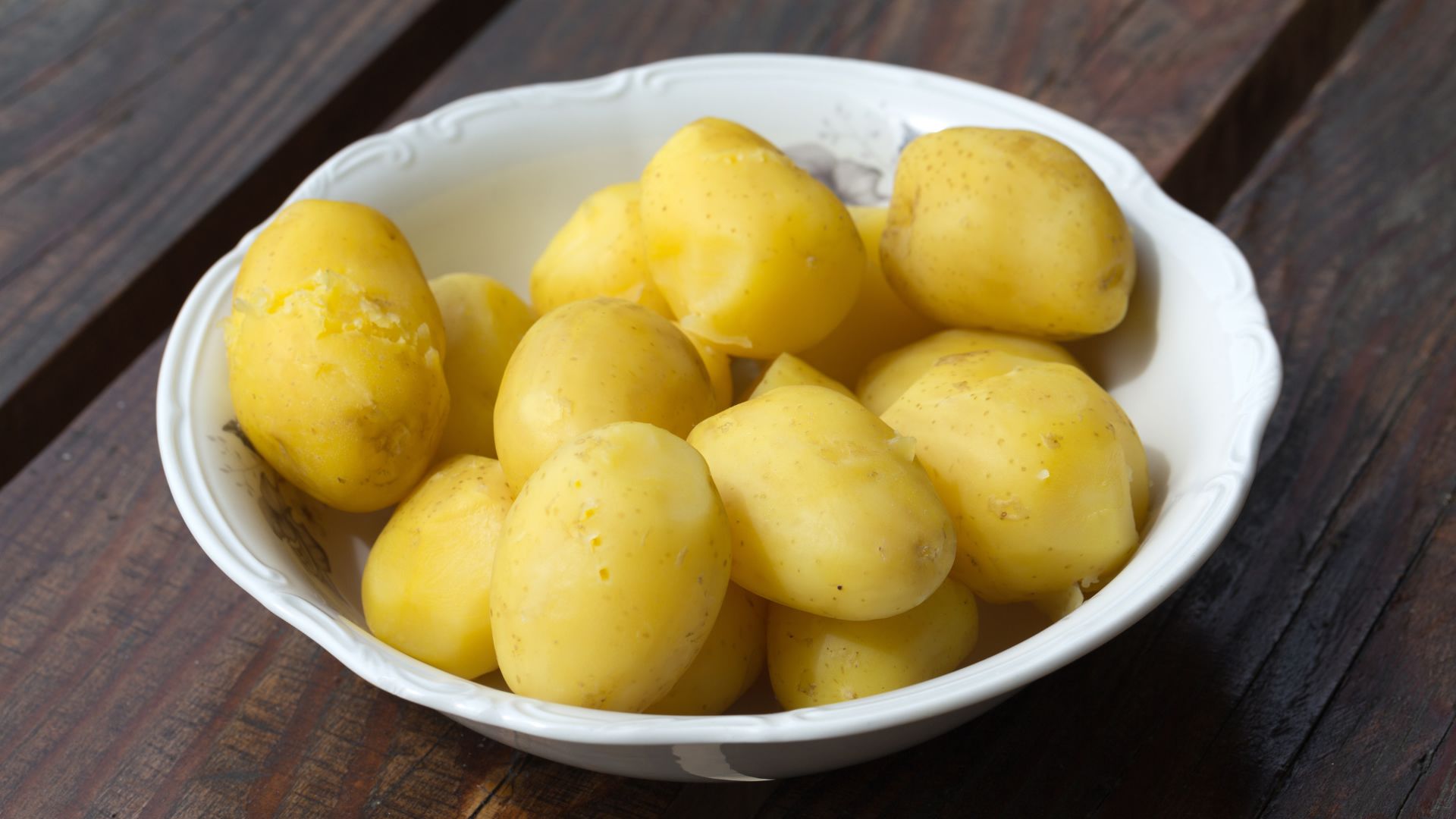
Boiling is one of the simplest ways to prepare potatoes.
It requires little or no added fat, and you can season the finished potatoes with herbs, garlic, lemon, and black pepper.
Why choose boiled potatoes?
- You can easily measure the cooked portion.
- They work well in soups and salads.
- You don't need to add oil.
- They can be cooled for dishes containing resistant starch.
Boiling can also cause some water soluble nutrients, including potassium and vitamin C, to leach into the cooking water.
When suitable, using the cooking liquid in soups can help retain some of those nutrients.
2. Baked potatoes

Baking potatoes is convenient because you can prepare them without adding much fat.
Keep the skin on to retain its contribution of dietary fiber.
For a lighter meal, top a baked potato with:
- Plain Greek yogurt.
- Chopped chives.
- Black pepper.
- Steamed broccoli.
- A small portion of grilled chicken.
However, remember that baking doesn't remove the potato's carbohydrate content.
3. Steamed potatoes
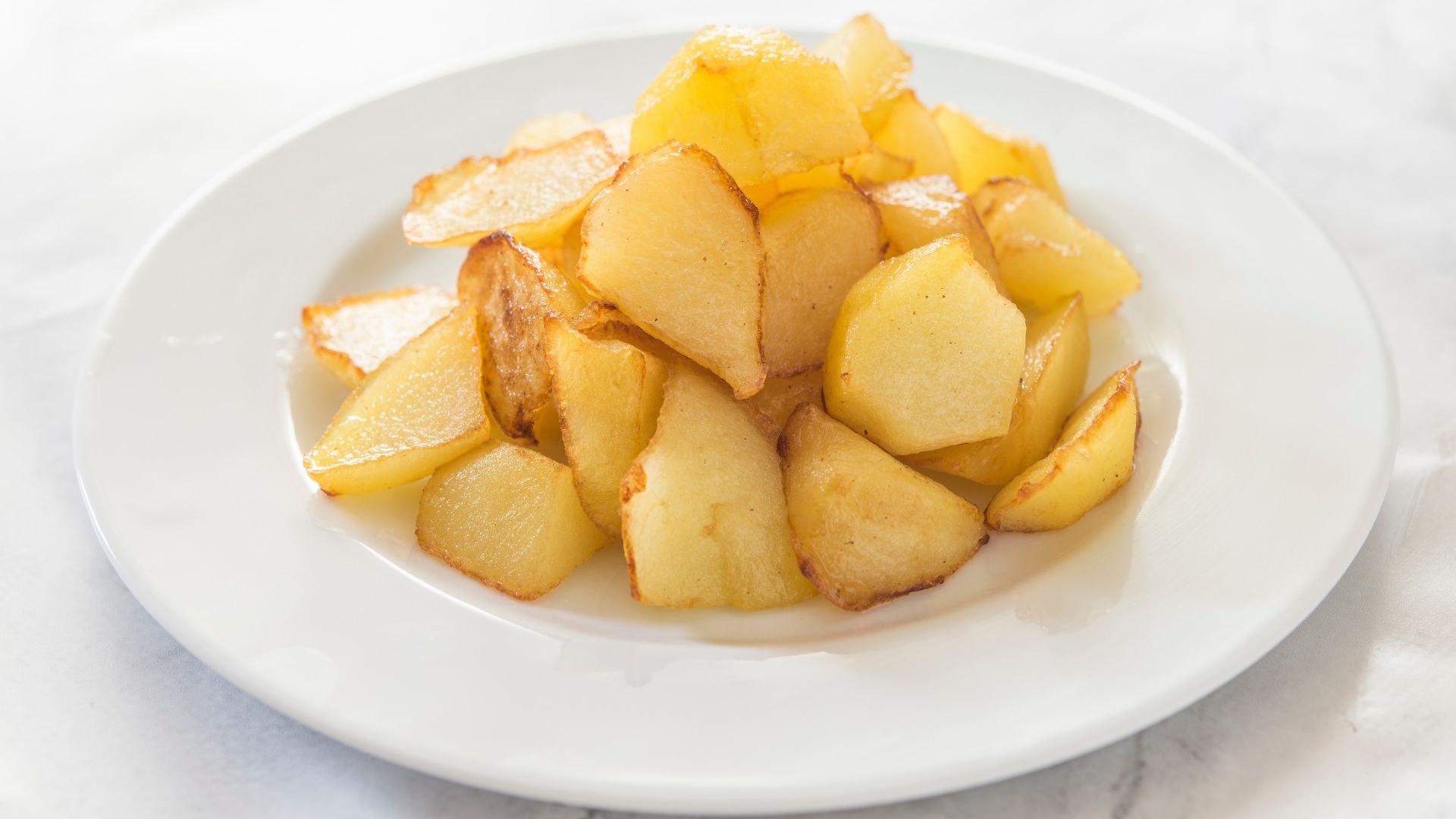
Steaming is another straightforward preparation method.
It helps avoid excessive added fats and keeps the potato relatively intact.
Steamed potatoes work especially well in:
- Vegetable bowls.
- Homemade salads.
- Balanced lunch plates.
- Fish and vegetable dinners.
Season with rosemary, thyme, parsley, lemon, or garlic to add flavor without relying on heavy sauces.
4. Roasted potatoes
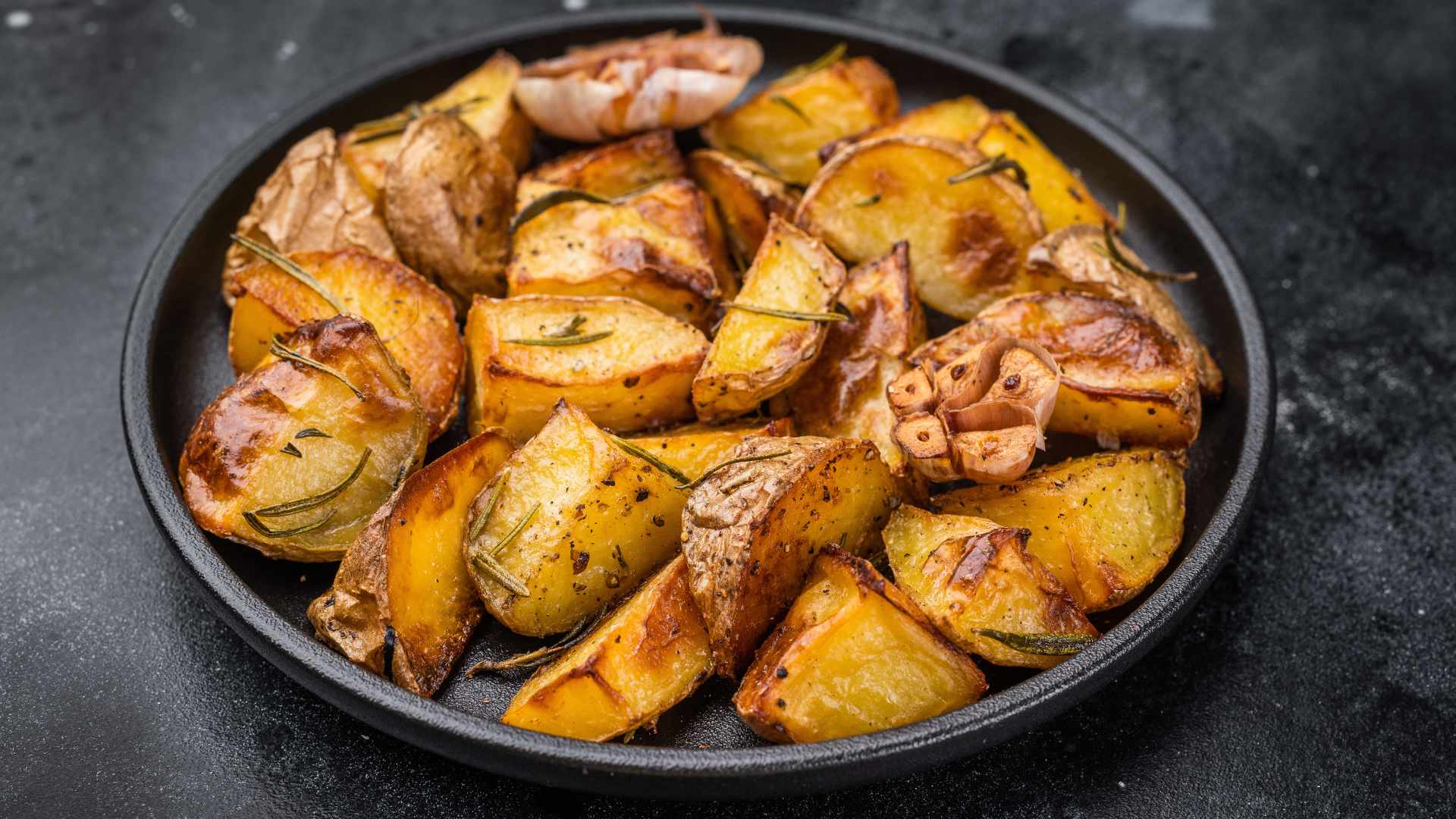
Roasted potatoes are delicious, especially when the outside becomes golden and slightly crisp.
However, the amount of oil you use can change their calorie content significantly.
For a lighter preparation:
- Cut potatoes into evenly sized wedges.
- Toss with a modest amount of olive oil.
- Add garlic, rosemary, paprika, and black pepper.
- Spread the wedges in a single layer.
- Roast until tender and golden.
You can also mix potatoes with lower-carbohydrate vegetables such as zucchini, cauliflower, and radishes.
This creates a more varied vegetable side dish.
5. Mashed potatoes
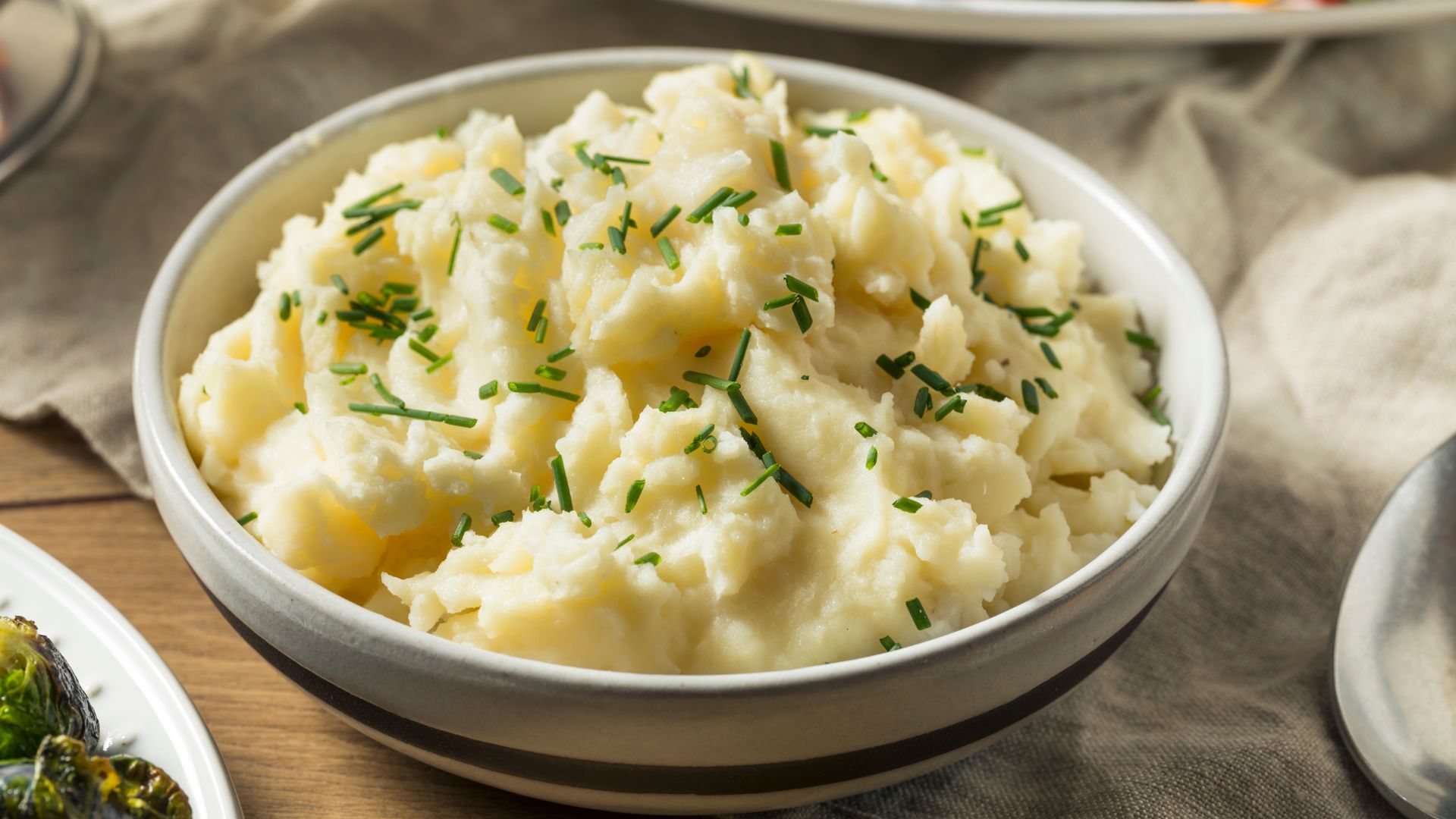
Traditional mashed potatoes often include butter, cream, and whole milk.
While these ingredients contribute flavor and texture, they also increase the calorie and fat content.
A lighter version can use:
- A little olive oil.
- Unsweetened milk.
- Plain Greek yogurt.
- Garlic.
- Black pepper.
- Fresh herbs.
You can also mix mashed potatoes with cauliflower to reduce the proportion of potato in the final dish.
For example, combining equal weights of cauliflower and potato creates a creamy side dish with fewer carbohydrates than an equivalent quantity of all potato mash.
6. Fried potatoes and French fries

French fries are among the most popular potato dishes, but they're not the easiest option when you're monitoring calories.
Deep frying adds fat, and restaurant portions can be substantially larger than expected.
A homemade baked version can be prepared with considerably less added oil.
However, baking French fries doesn't automatically make them low carb. Their carbohydrate content still comes primarily from the potato.
7. Potato chips
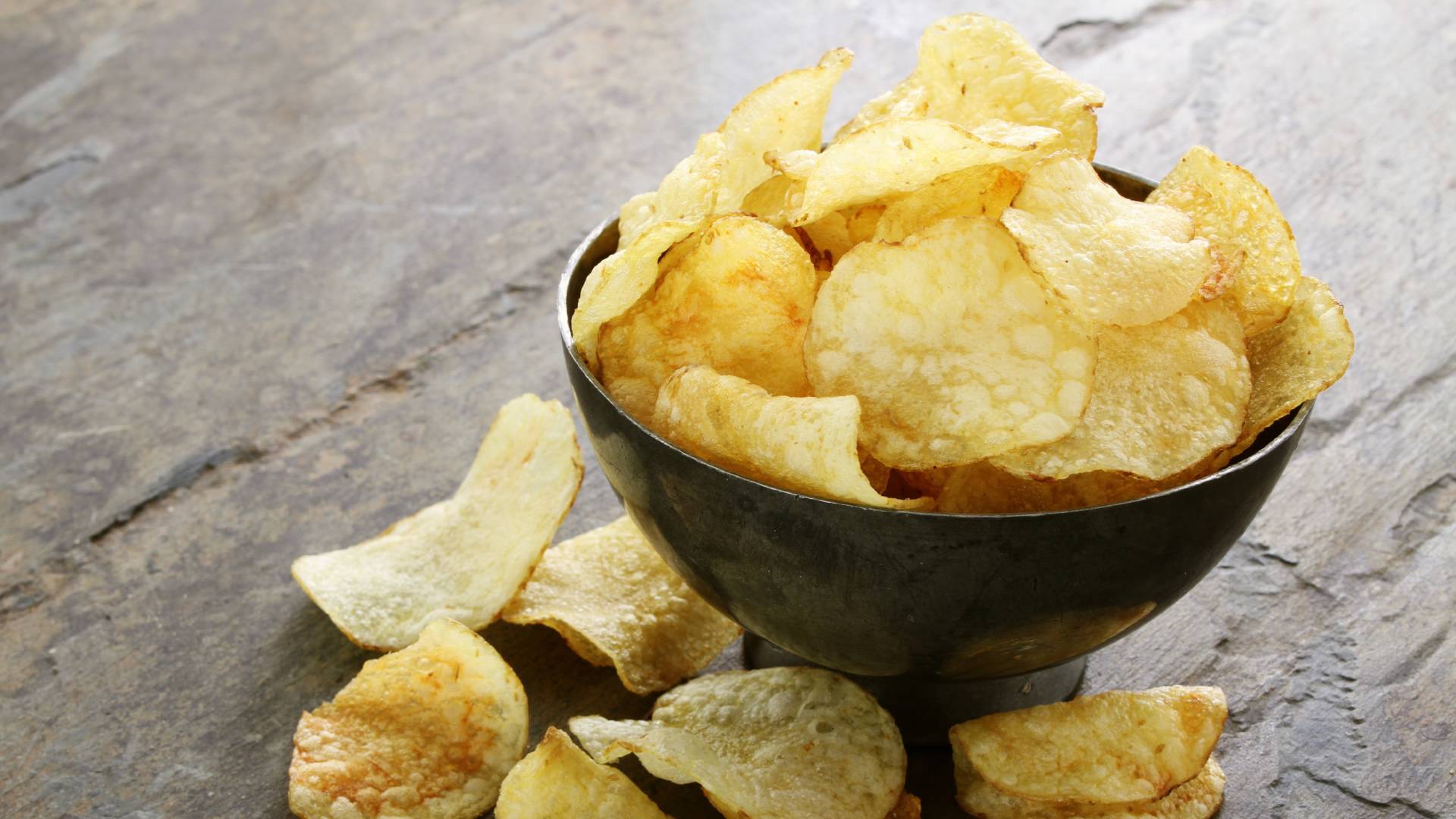
Potato chips are usually thinly sliced, fried or otherwise processed, and seasoned with salt.
They're easy to eat quickly, and their concentrated texture makes portion sizes particularly important.
For a more balanced snack, consider alternatives such as:
- Cucumber slices with Greek yogurt dip.
- Cheese portions.
- Boiled eggs.
- A small handful of nuts.
- Homemade roasted radishes.
Comparison of potato cooking methods
| Preparation | Added fat required | Main nutritional consideration |
|---|---|---|
| Boiled | No | Water-soluble nutrients may enter cooking water |
| Steamed | No | Minimal added fat |
| Baked | No | Convenient, skin can provide fiber |
| Roasted | Usually some | Added oil increases calories |
| Mashed | Depends on recipe | Cream and butter change calorie content |
| Deep-fried | Usually substantial | Often higher in calories and fat |
| Chips | Usually substantial or processed | Easy to consume large portions |
Which potato preparation is best for a low-carb diet?
No preparation method removes the fundamental starch content of regular potatoes.
However, boiled or baked potatoes are generally practical choices when you want to control added calories and measure your servings.
For strict low-carb eating, replacing some or all of the potatoes with cauliflower, radishes, or turnips will make a bigger difference than switching from baking to boiling.
10 Low-Carb Alternatives to Potatoes
Now for the fun part!
Just because regular potatoes aren't particularly suitable for strict keto doesn't mean you have to give up mashed vegetables, roasted sides, fries, or hearty comfort food recipes.
Several vegetables can provide a similar texture while containing considerably fewer carbohydrates.
The secret is choosing the right substitute for the dish you're preparing.
Some vegetables work beautifully in mashed recipes, while others are better roasted or cut into fries.
Here are ten alternatives worth adding to your low-carb grocery list.
1. Cauliflower
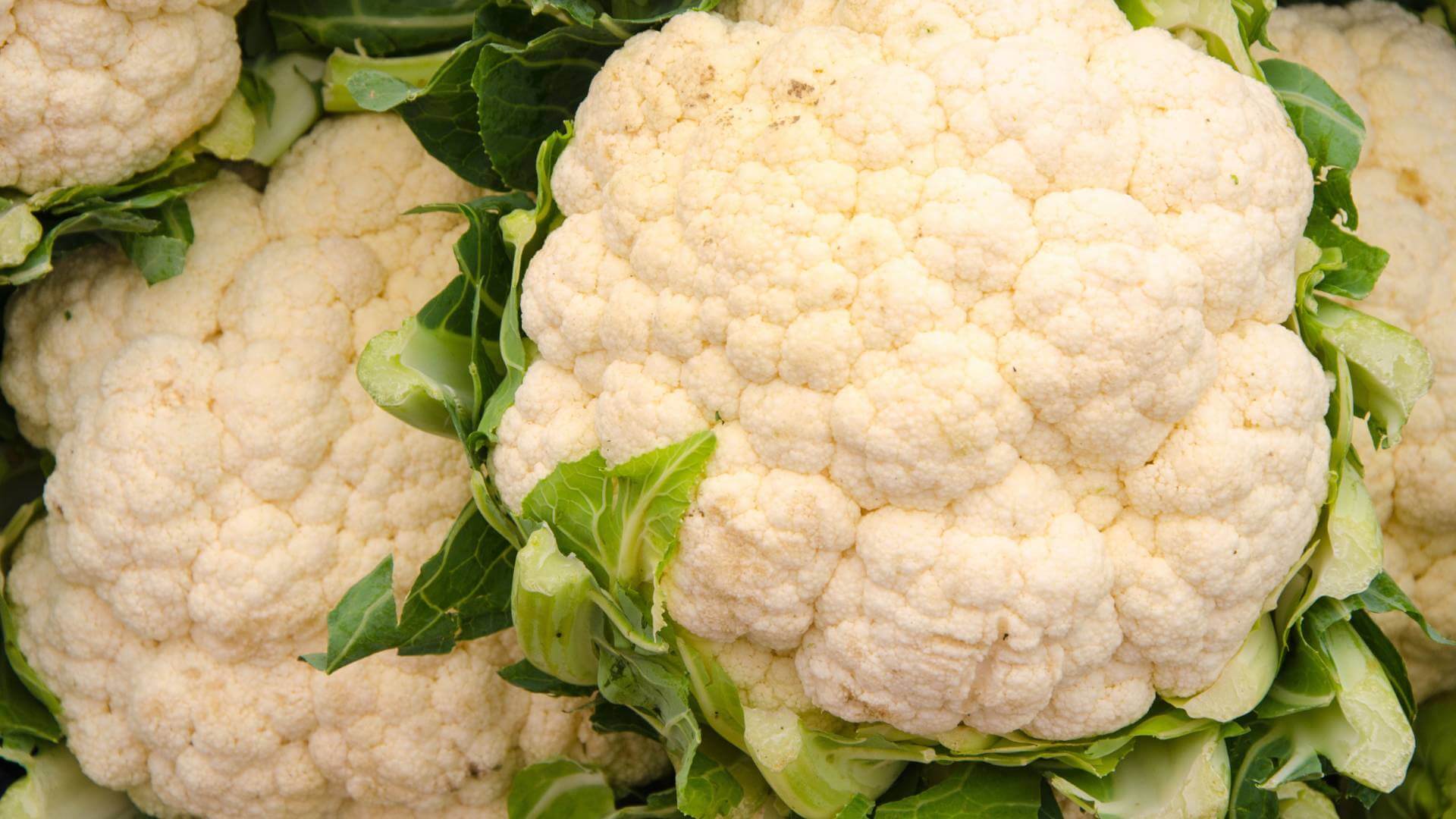
Cauliflower is one of the most versatile vegetables for low-carb cooking.
It has a mild flavor, a tender texture when cooked, and can absorb seasonings surprisingly well.
According to USDA FoodData Central data, 100 grams of raw cauliflower contains approximately 5 grams of total carbohydrates and 2 grams of fiber. (20)
Why cauliflower works as a potato substitute:
- It makes creamy mashed vegetable dishes.
- It works well in soups.
- It can be roasted with garlic and olive oil.
- It provides a mild flavor that pairs with many ingredients.
Recipe idea: Creamy cauliflower mash
Steam cauliflower florets until tender. Drain thoroughly, then blend with a little olive oil, garlic, black pepper, and Greek yogurt.
The result is a creamy side dish that works beautifully with grilled chicken or salmon.
2. Radishes
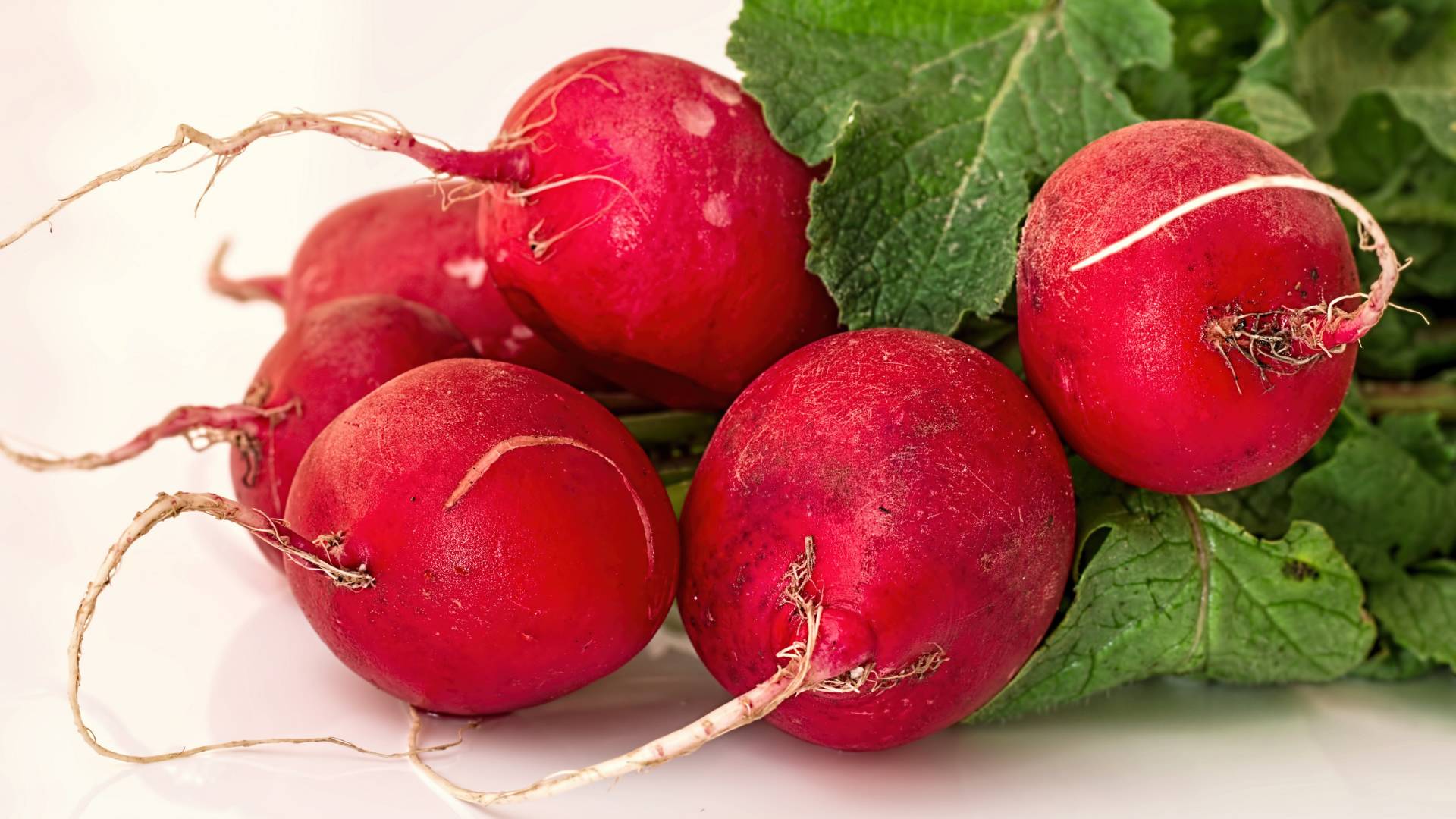
Radishes might seem like an unusual potato alternative, but roasting transforms their flavor and texture.
Raw radishes have a crisp, peppery taste. When cooked, they become softer, and their sharpness becomes milder.
They're especially useful for people following ketogenic diets.
Why try roasted radishes?
- They're naturally low in carbohydrates.
- They work well as a roasted side dish.
- They're easy to season.
- They provide a pleasant texture when cooked properly.
Recipe idea: Roasted radishes
Cut radishes in half, toss with olive oil, rosemary, salt, and black pepper, then roast until tender.
They're particularly delicious alongside grilled beef or chicken.
3. Turnips
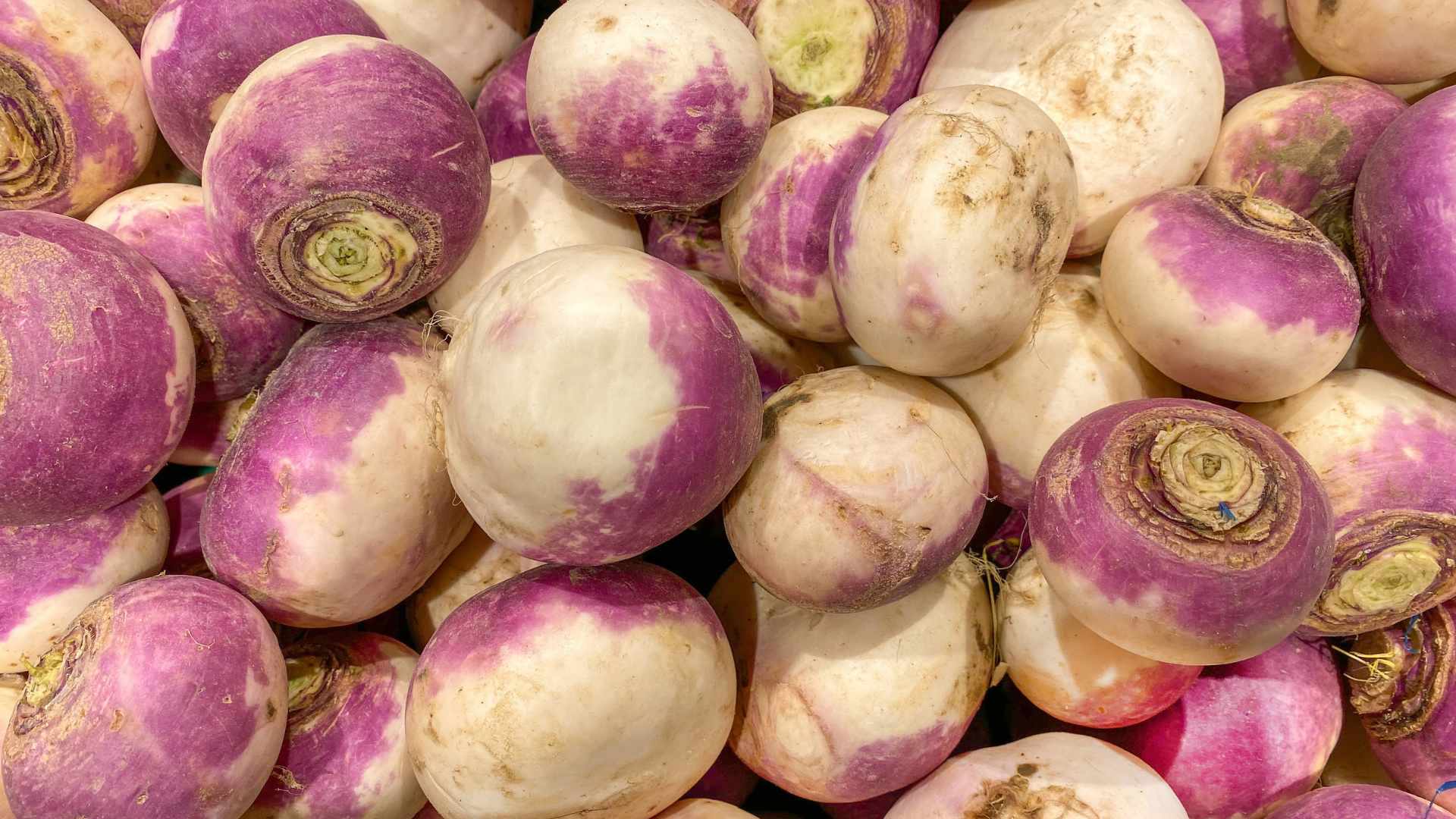
Turnips are root vegetables with a slightly peppery and earthy flavor.
Their texture becomes tender after cooking, making them a useful replacement for potatoes in several recipes.
You can use them for:
- Mashed vegetables.
- Roasted wedges.
- Vegetable soups.
- Low-carb stews.
- Homemade turnip fries.
Recipe idea: Turnip mash
Peel the turnips, chop into cubes, and boil until tender. Drain well, then mash with olive oil, garlic, and fresh herbs.
Turnips have a more distinctive flavor than potatoes, so season them generously.
4. Rutabaga
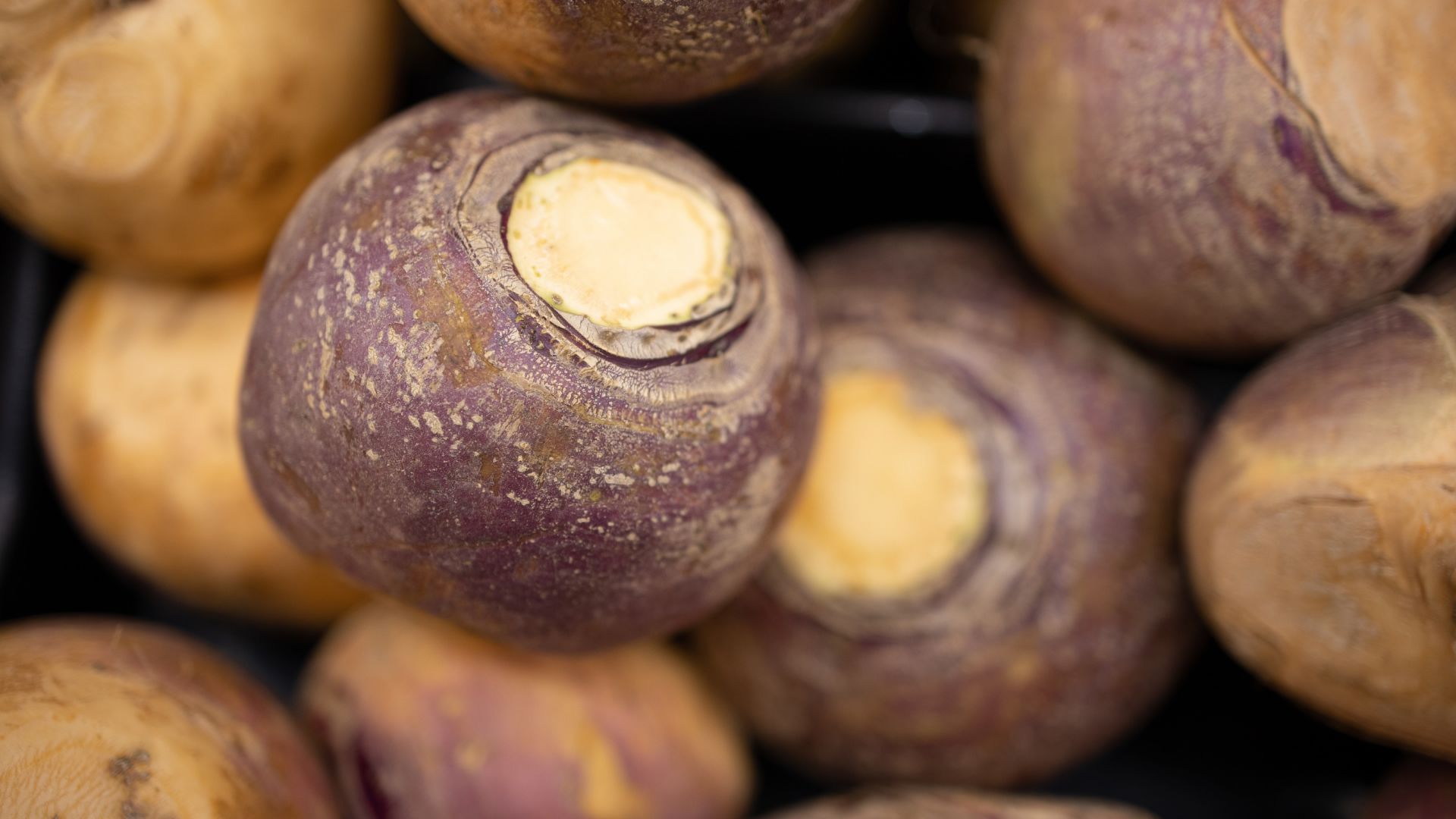
Rutabaga, sometimes called swede, is a root vegetable that resembles a large turnip.
It has a slightly sweet, earthy flavor and works well in hearty winter recipes.
It's not as low in carbohydrates as cauliflower or radishes, so portion size still matters.
Best ways to use rutabaga:
- Roasted cubes.
- Mashed rutabaga.
- Vegetable stews.
- Oven-baked fries.
Recipe idea: Crispy rutabaga wedges
Cut peeled rutabaga into wedges, season with paprika and olive oil, and bake until golden.
This is a useful alternative when you're craving roasted potato wedges.
5. Celeriac
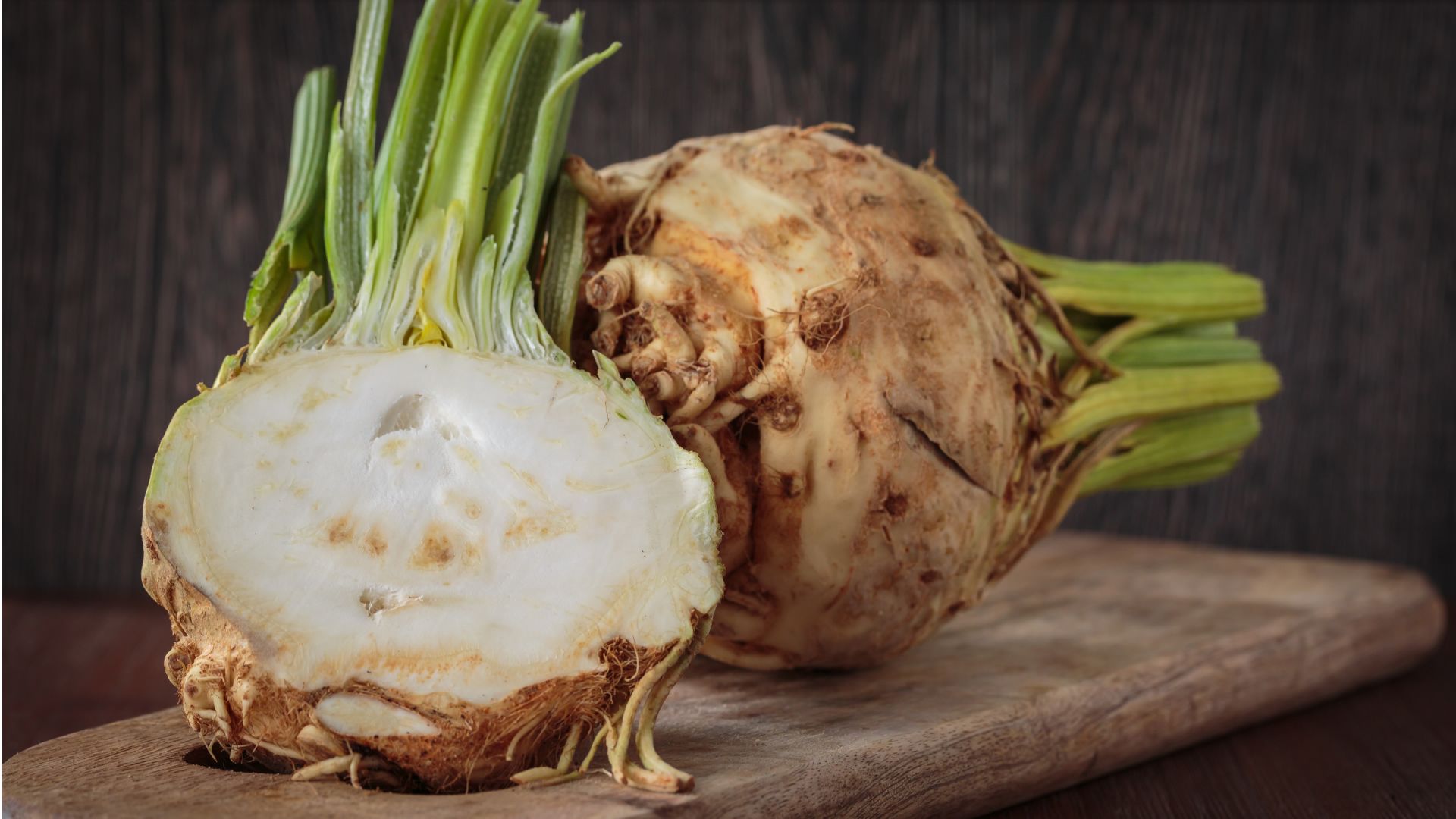
Celeriac, also called celery root, has a knobby appearance that doesn't immediately make it look appetizing.
But don't let appearances fool you.
Once peeled and cooked, it becomes tender and develops a mild, slightly nutty flavor.
It's especially useful in creamy soups and vegetable purées.
Why celeriac is worth trying:
- It can replace part of the potato in soups.
- It works well mashed.
- It can be roasted or baked.
- It offers a different flavor profile from ordinary root vegetables.
Recipe idea: Celeriac mash
Peel and dice the celeriac. Boil until soft, drain, and blend with a little olive oil, garlic, and pepper.
It's particularly good with roast chicken and grilled fish.
6. Zucchini
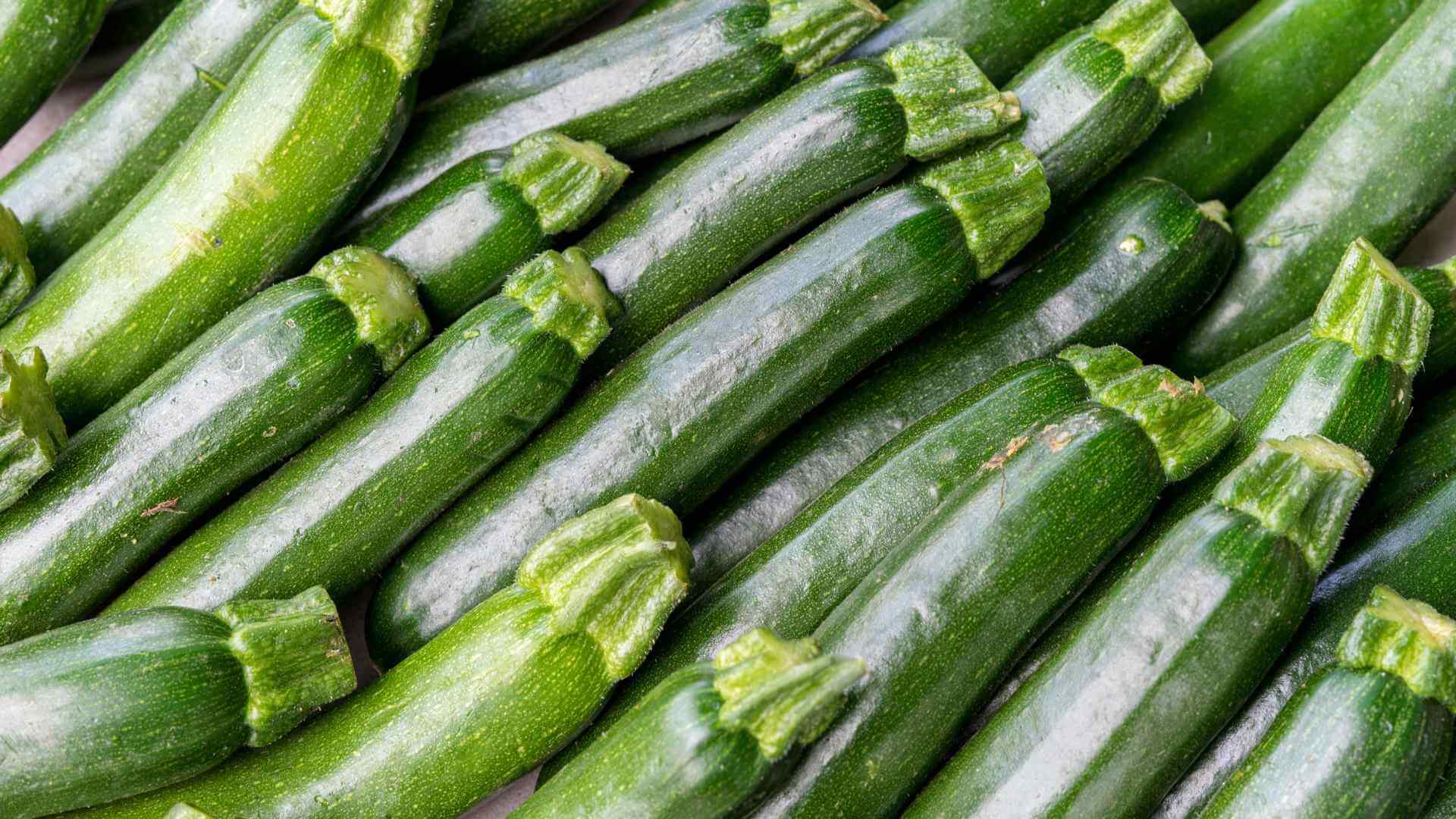
Zucchini is a great option for everyday low-carb meals.
It's naturally low in carbohydrates and high in water.
Its texture isn't identical to potatoes, but it works particularly well when sliced into sticks, rounds, or cubes.
Best uses:
- Zucchini fries.
- Roasted vegetable dishes.
- Grilled zucchini.
- Low-carb casseroles.
- Vegetable noodles.
Recipe idea: Baked zucchini fries
Cut zucchini into sticks, dip them into beaten egg, coat lightly with almond flour and seasonings, then bake until golden.
For a crispier result, avoid overcrowding the baking tray.
7. Eggplant
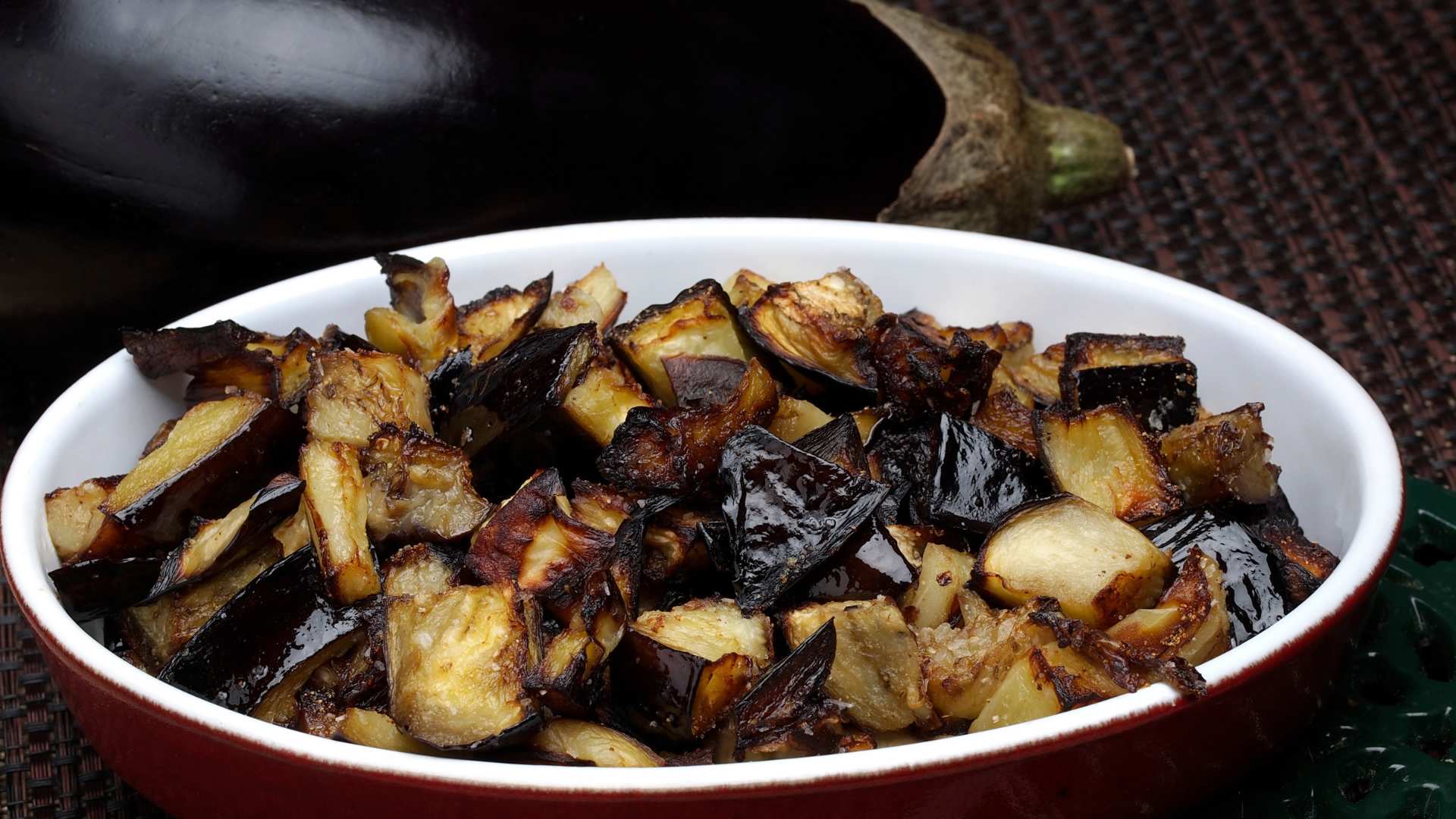
Eggplant has a soft, creamy texture after cooking.
It's naturally low in net carbohydrates and can replace potatoes in several Mediterranean-inspired recipes.
Try using it in:
- Roasted vegetable bowls.
- Baked casseroles.
- Vegetable stews.
- Grilled side dishes.
Recipe idea: Garlic roasted eggplant
Cut eggplant into cubes, toss with olive oil, garlic, oregano, and black pepper, and roast until tender.
It pairs especially well with tomatoes, grilled fish, and chicken.
8. Broccoli
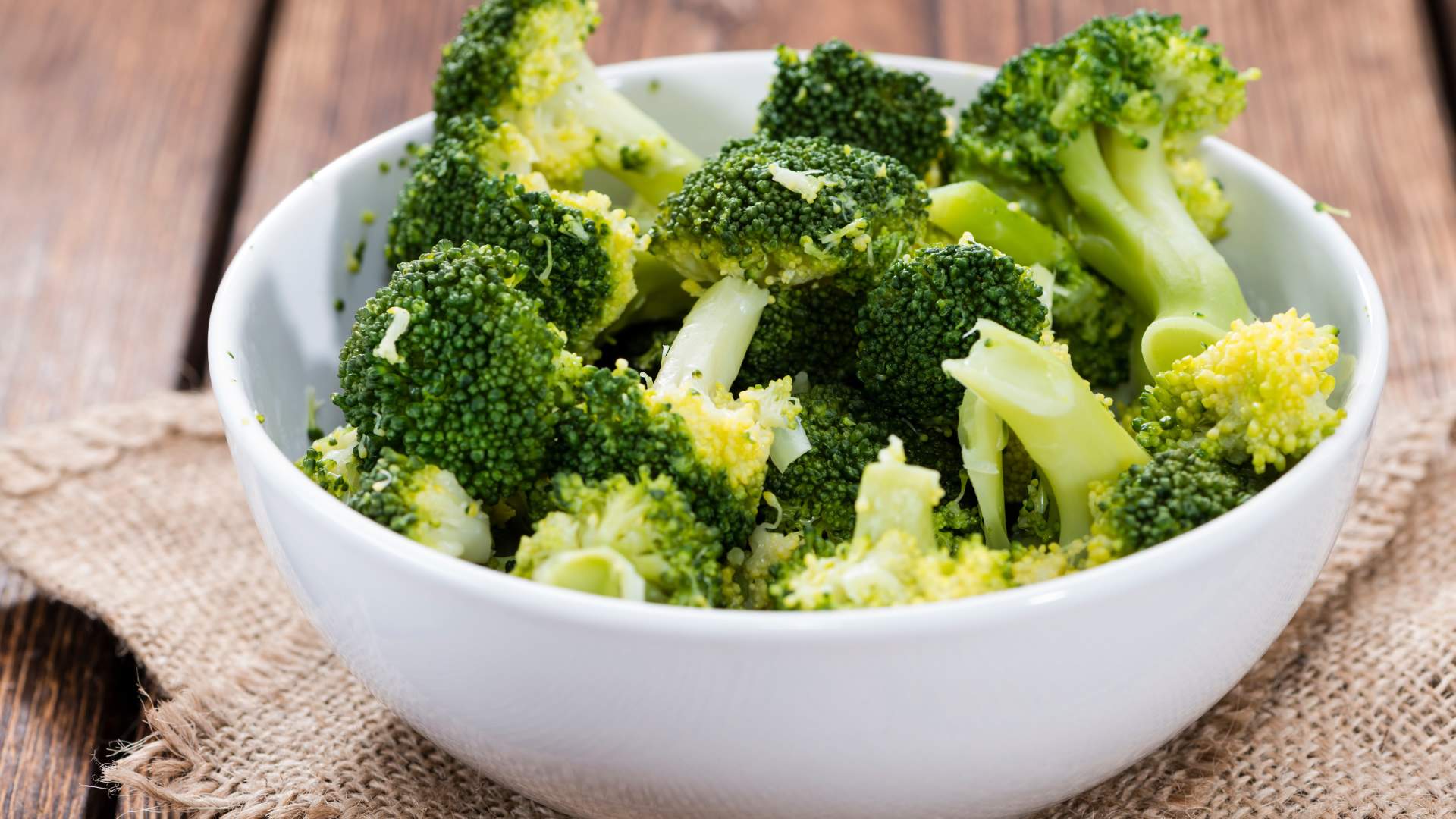
Broccoli is a particularly useful non-starchy vegetable.
It's rich in vitamin C and provides dietary fiber.
It has a completely different flavor from potatoes, but its texture makes it an excellent addition to almost any low-carb dinner.
Best uses:
- Steamed broccoli.
- Roasted broccoli.
- Broccoli mash.
- Creamy vegetable soups.
- Low-carb casseroles.
Recipe idea: Broccoli mash
Steam broccoli until tender, then blend with garlic, a small amount of cream cheese, and black pepper.
You can combine it with cauliflower for a milder flavor.
9. Spaghetti squash
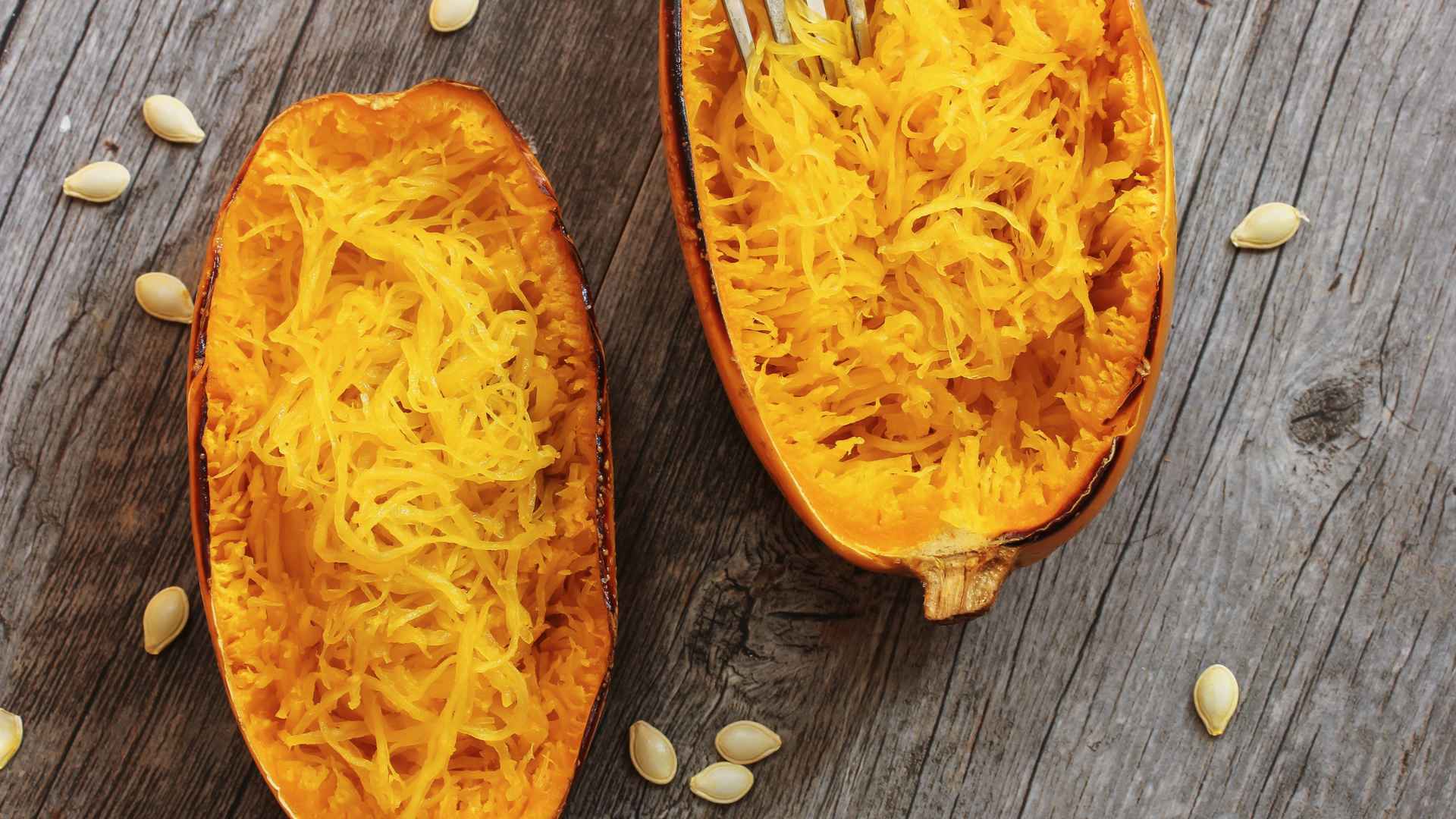
Spaghetti squash is known for its stringy flesh, which separates into strands after cooking.
It's particularly useful as a replacement for grain noodles, but it can also work in vegetable bowls.
Its flavor is mild, making it easy to pair with different sauces.
Recipe idea: Roasted spaghetti squash
Cut the squash lengthwise, remove the seeds, and roast until tender. Use a fork to separate the flesh into strands.
Serve with grilled chicken, tomato sauce, or sautéed vegetables.
10. Kohlrabi
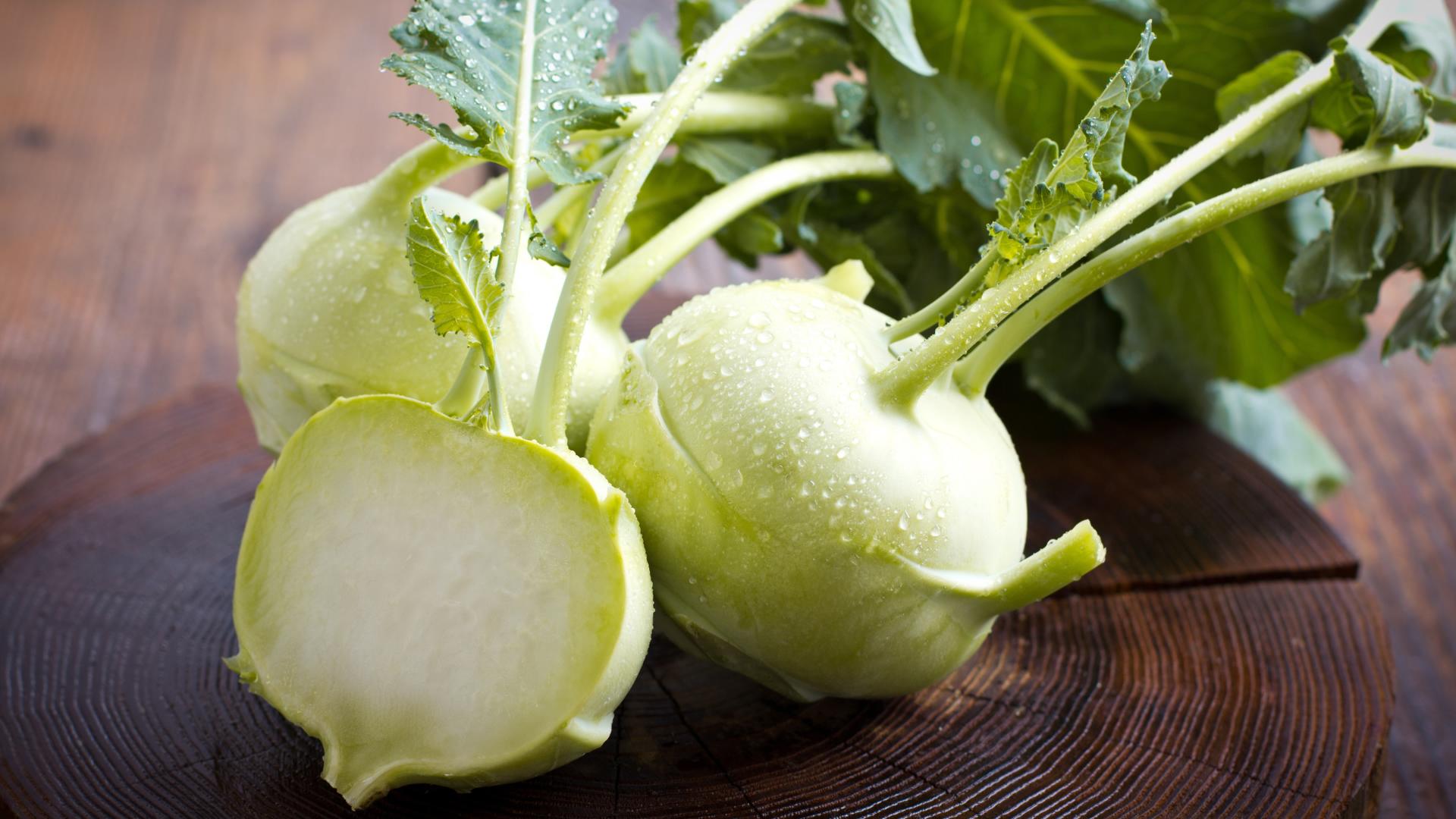
Kohlrabi is a less familiar vegetable, but it deserves a place in your low-carb kitchen.
It has a mild, slightly sweet flavor and a texture that resembles a combination of cabbage and turnip.
Peel it before cooking because the outer layer can be tough.
Best uses:
- Roasted kohlrabi cubes.
- Kohlrabi fries.
- Mashed kohlrabi.
- Vegetable soups.
- Low-carb stir-fries.
Recipe idea: Kohlrabi fries
Peel the kohlrabi, cut into sticks, season with paprika and olive oil, and bake until tender with lightly browned edges.
Low-carb potato alternatives: nutrition comparison
The following table provides approximate values per 100 grams of raw edible vegetable, using USDA derived food composition data where available.
| Vegetable | Total carbs | Fiber | Estimated net carbs |
|---|---|---|---|
| Cauliflower | 4.97g | 2.0g | 2.97g |
| Radishes | 3.40g | 1.6g | 1.80g |
| Turnips | 6.43g | 1.8g | 4.63g |
| Rutabaga | 8.62g | 2.3g | 6.32g |
| Celeriac | 9.20g | 1.8g | 7.40g |
| Zucchini | 3.11g | 1.0g | 2.11g |
| Eggplant | 5.88g | 3.0g | 2.88g |
| Broccoli | 6.64g | 2.6g | 4.04g |
| Spaghetti squash | 6.91g | 1.5g | 5.41g |
| Kohlrabi | 6.20g | 3.6g | 2.60g |
Approximate raw food values per 100g. Cultivar and food-database entries can vary. Some vegetables, particularly rutabaga and celeriac, should still be portioned according to your carbohydrate target.
For comparison, 100 grams of baked potato contains approximately 21.15 grams of total carbohydrates. (21)
Which potato substitute should you choose?
It depends on the recipe.
| What you're craving | Best alternative |
|---|---|
| Creamy mashed potatoes | Cauliflower |
| Crispy roasted potatoes | Radishes |
| Homemade potato wedges | Turnips |
| Hearty roasted vegetables | Rutabaga |
| Creamy vegetable purée | Celeriac |
| French fries | Zucchini or kohlrabi |
| Vegetable soup | Cauliflower or celeriac |
| A filling roasted side | Eggplant |
| A vegetable side dish | Broccoli |
| Noodle-style recipes | Spaghetti squash |
My favorite starting point for beginners would be cauliflower mash and roasted radishes.
They're straightforward, adaptable, and can help make the transition to lower-carbohydrate meals feel much easier.
How to Build Balanced Low-Carb Meals Without Potatoes
Replacing potatoes is only one part of creating a successful low-carb eating pattern.
You also need meals that provide enough protein, fiber, healthy fats, vitamins, and minerals.
Otherwise, you might find yourself hungry shortly after eating or struggling to maintain your new routine.
The good news is that you don't need complicated recipes.
A few basic combinations can make everyday meal planning much easier.
1. Grilled salmon with cauliflower mash and broccoli
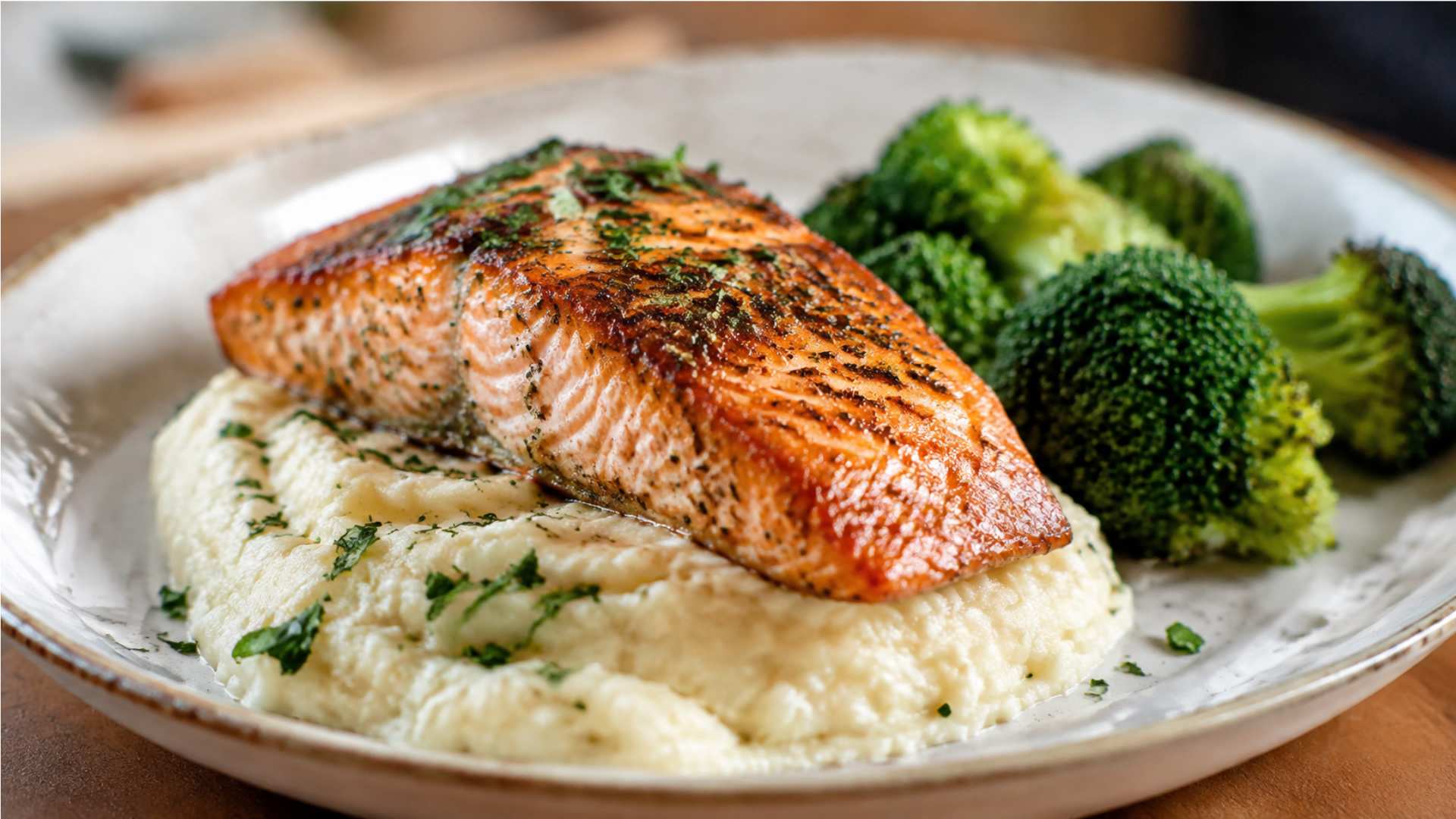
This is a delicious option for anyone who enjoys traditional fish and potato dinners.
Replace the potato mash with cauliflower mash and add steamed broccoli.
The meal provides:
- Protein from salmon.
- Omega-3 fats from oily fish.
- Fiber from vegetables.
- Vitamin C from broccoli.
- Potassium and other micronutrients.
Season with lemon, garlic, dill, and olive oil.
2. Roast chicken with radishes and green beans
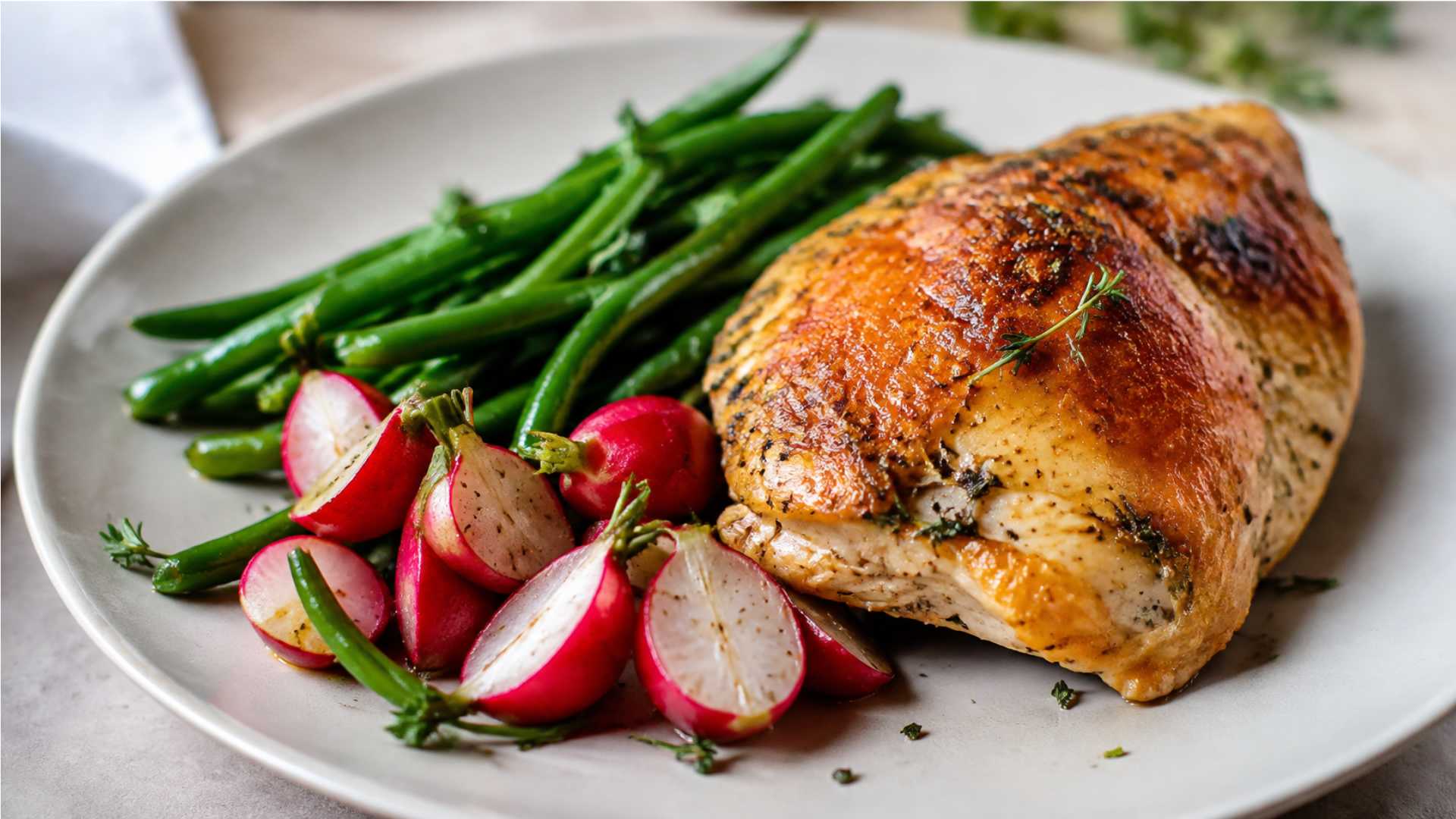
Radishes make a surprisingly good roasted vegetable side dish.
When cooked, their flavor becomes milder, and their texture becomes softer.
Serve them with roast chicken and green beans.
Season everything with rosemary, thyme, black pepper, and garlic.
3. Beef with turnip mash and spinach
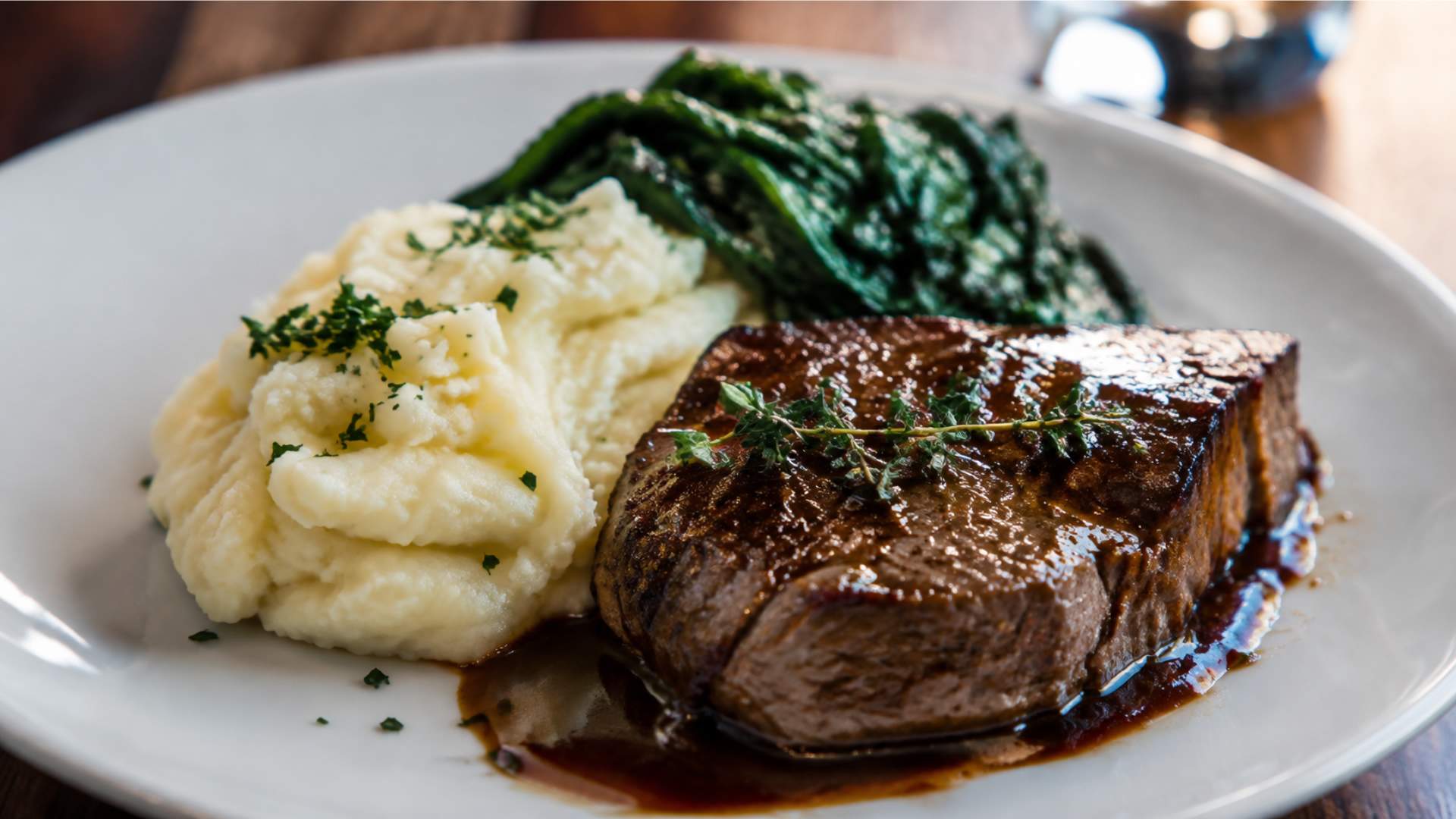
If you enjoy steak and mashed potatoes, you'll want to try this combination.
Turnip mash offers a slightly earthy flavor that pairs beautifully with grilled beef.
Add sautéed spinach for extra vegetables.
Use a modest amount of olive oil and herbs instead of relying on a heavy butter sauce.
4. Omelet with zucchini and mushrooms
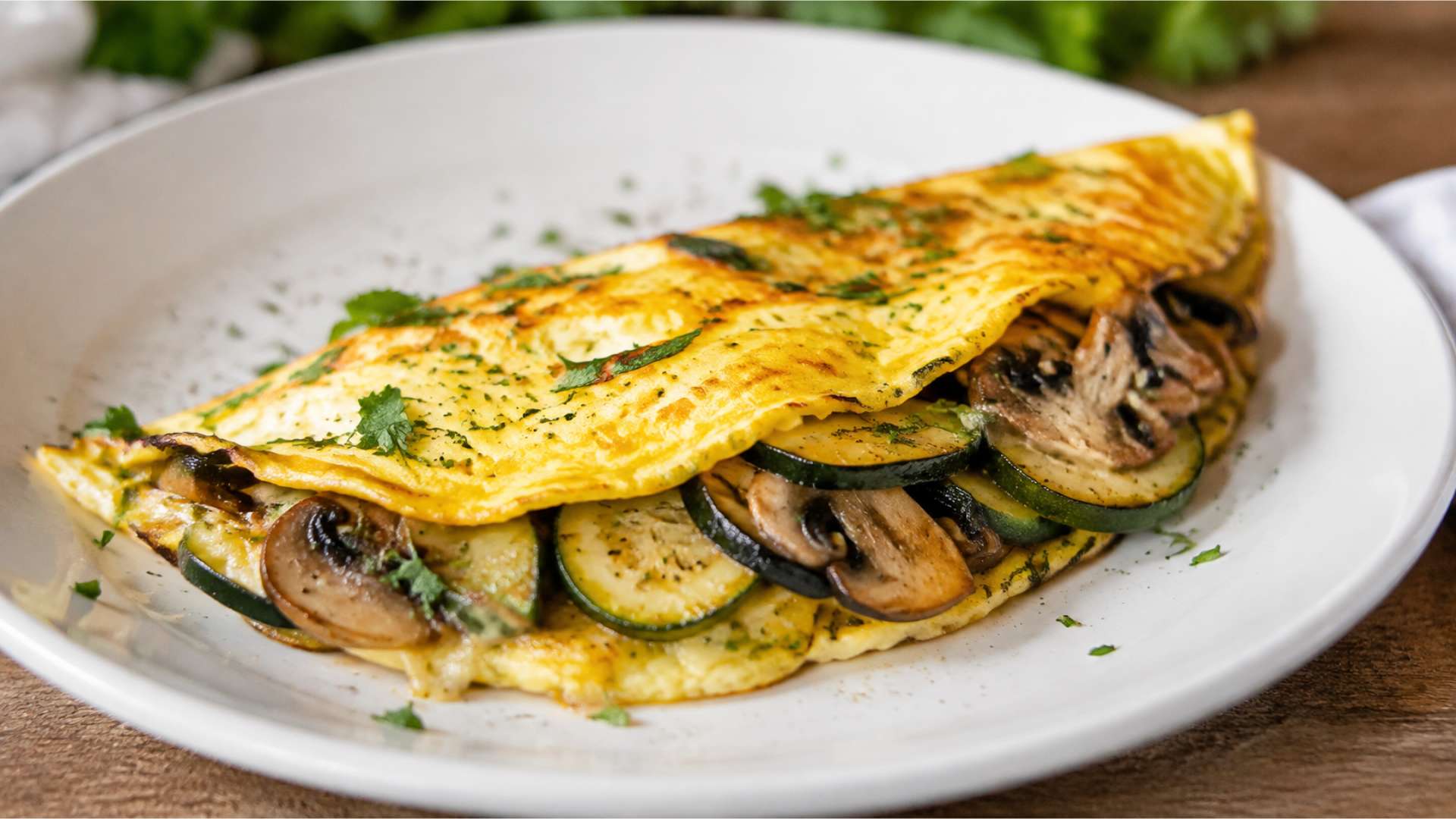
A vegetable omelet is an easy breakfast or light dinner.
Combine eggs with:
- Sliced zucchini.
- Mushrooms.
- Spinach.
- Black pepper.
- Fresh parsley.
You can add a little feta cheese for flavor.
It's a simple meal with protein, vegetables, and very little carbohydrate compared with a breakfast centered around bread or potatoes.
Example one-day low-carb meal plan
Here's a simple example for someone looking to reduce carbohydrate intake while enjoying varied, satisfying meals.
| Meal | Suggested meal | Nutritional focus |
|---|---|---|
| Breakfast | Spinach and feta omelet | Protein and vegetables |
| Lunch | Tuna and boiled egg salad | Protein and leafy greens |
| Snack, if needed | Boiled egg with cucumber | Convenient protein |
| Dinner | Grilled salmon with roasted broccoli and cauliflower mash | Protein, healthy fats, and fiber |
You can adjust portions according to your energy requirements and carbohydrate target.
Five practical meal planning tips for beginners
- Start with protein: Choose eggs, chicken, fish, tofu, or another protein source.
- Add non-starchy vegetables: Include broccoli, spinach, cucumber, cauliflower, or zucchini.
- Choose your fat sources thoughtfully: Olive oil, avocado, nuts, and seeds can contribute useful unsaturated fats.
- Measure carbohydrate-rich foods: Pay attention to potatoes, rice, bread, fruit, and other starch-containing ingredients.
- Prepare vegetables in advance: Wash, chop, and store suitable vegetables so that making dinner becomes easier.
Don't forget dietary variety
Following a low-carb diet shouldn't mean eating the same three vegetables every day.
Try different vegetables throughout the week, experiment with herbs and spices, and include a variety of protein sources.
If you remove potatoes from your meals, replace them with vegetables that contribute fiber and micronutrients rather than relying exclusively on meat, cheese, and processed low-carb products.
A varied eating pattern is easier to maintain and provides a broader range of nutrients.
The Bottom Line: Are Potatoes Low Carb?
So, are potatoes low carb? The answer is no. Regular potatoes are starchy vegetables that contain considerably more carbohydrates than non-starchy vegetables such as cauliflower, zucchini, radishes, broccoli, and spinach.
A 100-gram baked potato provides approximately 21 grams of total carbohydrates and 19 grams of estimated net carbohydrates. This makes regular potatoes difficult to accommodate in strict ketogenic eating patterns, especially when your daily carbohydrate allowance is limited.
However, potatoes aren't automatically unhealthy, and you don't necessarily need to eliminate them if you're following a more flexible low-carb diet.
The important things to consider are:
- Portion size: Smaller portions contain fewer carbohydrates than large potatoes.
- Preparation method: Boiled and baked potatoes are practical choices when you want to control added fats.
- Overall nutrition: Potatoes provide potassium, vitamin C, vitamin B6, and some dietary fiber.
- Personal goals: Your carbohydrate needs depend on your eating pattern, activity, and health requirements.
- Food alternatives: Cauliflower, radishes, turnips, and zucchini can help you recreate your favorite potato recipes with fewer carbohydrates.
If you're just starting a low-carb lifestyle, don't make your meal plan unnecessarily complicated.
Start by filling your plate with plenty of non-starchy vegetables, add a satisfying protein source, and choose carbohydrate portions that fit your personal goals.
And remember, a sustainable eating pattern is about more than avoiding individual foods. It's about building balanced meals that you enjoy and can maintain over time.
For more inspiration, explore our guides to healthy low-carb foods and low-carb vegetables to discover more nutritious ingredients for your kitchen.
Frequently Asked Questions About Potatoes and Carbohydrates
Are potatoes low carb?
No. Regular potatoes are considered starchy vegetables because they contain substantial amounts of starch. A 100-gram baked potato with its skin provides approximately 21.15 grams of total carbohydrates, including 2.2 grams of dietary fiber. That leaves approximately 18.95 grams of estimated net carbohydrates. Potatoes can fit into some balanced eating patterns, but they're generally unsuitable for strict ketogenic diets.
How many carbs are in one medium potato?
The exact number depends on the potato's weight and preparation method. A baked potato weighing 150 grams contains approximately 31.7 grams of total carbohydrates and 28.4 grams of estimated net carbohydrates. A 175-gram potato contains approximately 37 grams of total carbohydrates. For accurate tracking, weigh your portion instead of assuming every medium potato has the same nutritional value.
Are potatoes keto friendly?
Regular potatoes are generally not considered keto-friendly because their starch content makes them relatively high in carbohydrates. A 150-gram baked potato provides approximately 28.4 grams of estimated net carbohydrates. This can exceed the entire daily carbohydrate allowance of someone following a very strict ketogenic plan. Cauliflower, radishes, turnips, and zucchini are useful alternatives for keto-friendly recipes.
Does refrigerating potatoes reduce their carbohydrates?
Refrigerating cooked potatoes can increase their resistant starch content through a process called retrogradation. Resistant starch is not digested in the same way as ordinary starch in the small intestine. Some research suggests that chilled potatoes can produce a different post-meal glucose response compared with freshly cooked potatoes. However, cooling doesn't remove all the carbohydrates or make potatoes low carb. Their carbohydrate content should still be considered when planning meals.
Are sweet potatoes lower in carbs than white potatoes?
Sweet potatoes and white potatoes have relatively similar carbohydrate contents when compared by equal cooked weights. USDA derived data show approximately 20.7 grams of total carbohydrates per 100 grams of baked sweet potato, compared with approximately 21.15 grams per 100 grams of baked white potato. Sweet potatoes provide more fiber and are particularly rich in beta-carotene, but neither type should automatically be considered a low-carb food.



0 Comments