
Bread can make eating healthy feel a little more complicated. Whether you enjoy a slice of toast with breakfast, a sandwich for lunch, or a warm piece of sourdough alongside dinner, giving up bread can seem like a pretty big adjustment when you're trying to reduce your carbohydrate intake.
So, is bread low carb, or does it contain too many carbohydrates for a low-carb or ketogenic diet?
The answer depends on the type of bread, the ingredients, and how much you eat. Traditional white bread, whole wheat bread, rye bread, and sourdough bread generally contain enough carbohydrates to make them difficult to fit into a strict keto diet. However, specially formulated low-carb bread, almond flour bread, flaxseed bread, and other alternatives can offer a way to enjoy familiar meals while keeping carbohydrate intake lower.
The good news? You don't necessarily have to say goodbye to sandwiches, toast, or burgers just because you're following a low-carb eating plan.
In this guide, we'll explore the carbs in bread, compare popular bread varieties, explain how to calculate net carbohydrates, and discover some of the best keto-friendly alternatives. You'll also learn how to read nutrition labels, choose store-bought options, and make your own low-carb bread at home.
Let's take a closer look!
Is Bread Low-Carb? The Quick Answer
Most traditional bread is not considered low-carb. Regular bread is usually made with wheat flour, which contains starch that your body breaks down into glucose during digestion. This means that even bread marketed as whole wheat, multigrain, or sourdough can contain a considerable amount of carbohydrates.
For example, one slice of commercially prepared white bread weighing approximately 27 grams contains about 13 grams of total carbohydrates. A 32-gram slice of whole wheat bread can contain approximately 13.7 grams.
That might not sound like much at first. However, imagine making a sandwich with two slices of regular bread. You're already consuming approximately 26–28 grams of carbohydrates before adding vegetables, sauces, cheese, or other ingredients.
For someone following a strict ketogenic diet, that can represent a substantial portion of the day's carbohydrate allowance.
But does that mean all bread is off-limits?
Not necessarily. Some specially formulated breads use ingredients such as almond flour, coconut flour, flaxseed meal, psyllium husk, and other high-fiber ingredients to create products with fewer digestible carbohydrates.
Here's a quick comparison:
| Bread Type | General Carbohydrate Profile | Strict Keto Suitability |
|---|---|---|
| White Bread | Relatively High | Usually Unsuitable |
| Whole Wheat Bread | Relatively High | Usually Unsuitable |
| Multigrain Bread | Moderate to High | Usually Unsuitable |
| Rye Bread | Relatively High | Usually Unsuitable |
| Sourdough Bread | Relatively High | Usually Unsuitable |
| Sprouted Grain Bread | Moderate to High | Usually Unsuitable |
| Almond Flour Bread | Often Lower | Can Be Suitable |
| Coconut Flour Bread | Often Lower | Can Be Suitable |
| Cloud Bread | Usually Very Low | Often Suitable |
| Commercial Keto Bread | Product-Dependent | Check the Label |
The carbohydrate content varies considerably by recipe, slice weight, and manufacturer.
The important thing is to distinguish between healthy bread and low-carb bread. Whole wheat bread can provide fiber and valuable nutrients, but that doesn't automatically make it suitable for a ketogenic diet.
If your goal is to reduce carbohydrates without giving up bread entirely, choosing the right variety and paying attention to portion sizes can make a difference.
What Low-Carb and Keto Actually Mean
Before deciding whether you can enjoy bread while following a low-carb eating plan, it's helpful to understand what these diets actually involve.
People often use the terms low-carb and keto interchangeably, but they aren't the same.
A low-carb diet generally reduces the amount of carbohydrates consumed throughout the day. Depending on the dietary definition, it may involve approximately 50–129 grams of carbohydrates daily, although other definitions and individual plans use different targets.
A ketogenic diet is more restrictive. Commonly used definitions describe ketogenic eating patterns as providing approximately 20–50 grams of carbohydrates per day, with the goal of encouraging nutritional ketosis.
During ketosis, the body produces ketones from fat, which can serve as an alternative energy source.
Here's a simplified comparison:
| Dietary Approach | Common Daily Carbohydrate Range |
|---|---|
| Very-Low-Carb / Ketogenic | 20–50 g |
| Low-Carb, Non-Ketogenic | 51–129 g |
| Moderate-Carbohydrate | 130–224 g |
These ranges are research classifications, not universal dietary prescriptions. Individual carbohydrate requirements can vary depending on health, activity, goals, and medical circumstances.
For someone following a moderate low-carb plan, a slice of whole wheat bread might fit comfortably into a meal. For someone aiming to stay within 20–30 grams of carbohydrates daily, that same slice may use a significant portion of the daily allowance.
That's why understanding the difference between low-carb and keto-friendly foods matters.
How Many Carbs Are in Bread? Typical Counts by Type
When researching how many carbs are in bread, you'll quickly discover that there isn't one universal answer.
The carbohydrate content depends on several factors, including:
- The type of flour used.
- The amount of starch in the recipe.
- The weight and thickness of each slice.
- Whether the bread contains seeds or added fiber.
- The amount of sugar or other sweeteners added.
- The manufacturer's recipe and serving-size measurements.
For example, a thin slice of sandwich bread may contain fewer carbohydrates than a large, thick bakery slice, even when both are described as white bread.
Likewise, two whole wheat products can have different nutritional profiles depending on their ingredients and preparation methods.
Let's examine some common varieties.
Bread Carb Count Table: White, Whole Wheat, Sourdough, Rye, and More
The following table provides illustrative nutrition values based on USDA FoodData Central reference foods. These are reference measurements rather than universal values for every commercial loaf.
| Bread Type | Serving Size | Total Carbs | Dietary Fiber |
|---|---|---|---|
| White Bread | 1 Slice (27 g) | 13 g | Less Than 1 g |
| Whole Wheat Bread | 1 Slice (32 g) | 13.7 g | 1.9 g |
| Rye Bread | 1 Slice (32 g) | 15.5 g | 1.9 g |
| Multigrain Bread | 1 Slice (26 g) | 11.3 g | 1.9 g |
| Sourdough Bread | 1 Slice (31 g) | 16.1 g | 0.7 g |
| Sprouted Grain Bread | Brand-Dependent | Check Label | Check Label |
| Gluten-Free Bread | Brand-Dependent | Check Label | Check Label |
| Almond Flour Bread | Recipe-Dependent | Check Recipe | Check Recipe |
| Cloud Bread | Recipe-Dependent | Check Recipe | Check Recipe |
| Commercial Keto Bread | Brand-Dependent | Check Label | Check Label |
USDA FoodData Central reference data for white bread, whole wheat bread, rye bread, multigrain bread, and sourdough bread.
Notice something interesting? Multigrain bread in this particular reference contains fewer total carbohydrates per slice than the white and whole wheat samples.
However, this doesn't mean every multigrain loaf is lower in carbohydrates. Portion weight and ingredients matter, so always compare the actual product you're purchasing.
- White bread: White bread is generally made with refined wheat flour. Its carbohydrate content mainly comes from starch, while its fiber content is often relatively low. A standard slice can contain around 13 grams of carbohydrates.
- Whole wheat bread: Whole wheat bread contains the bran, germ, and endosperm of the wheat grain. This means it generally offers more fiber and nutrients than refined white bread. However, it still contains carbohydrates from wheat starch.
- Rye bread: Rye bread has a distinctive flavor and may provide more fiber than some white breads. Nevertheless, regular rye bread is not automatically keto-friendly.
- Multigrain bread: Multigrain simply means that multiple grains are used. Those grains may be refined, whole, or a combination of both. The name alone doesn't guarantee that the product is low in carbohydrates.
- Sourdough bread: Sourdough is prepared using a fermentation process involving naturally occurring microorganisms. Although fermentation changes the characteristics of the dough, ordinary sourdough still contains substantial carbohydrates.
- Sprouted grain bread: Sprouted grain bread is made using grains that have begun to germinate. It may offer a different nutritional profile from conventional bread, but sprouting doesn't eliminate its carbohydrates.
The main takeaway? Don't judge bread by its name alone. Check its actual nutrition information.
Why Slice Size and Brand Change the Numbers
Have you ever noticed that one brand of bread has noticeably larger slices than another?
That's one reason people sometimes underestimate their carbohydrate intake.
Consider these examples:
- A thin sandwich slice might weigh 20 grams.
- A regular slice might weigh 30–32 grams.
- A thick bakery slice might weigh 40–45 grams or more.
Even when the bread recipes are similar, the larger slice generally contains more carbohydrates because you're eating more of the product.
Brand formulations can also make a difference. Some manufacturers add seeds, extra fiber, protein ingredients, or alternative flours. Others use more refined flour or add sweeteners.
When comparing products, look at the carbohydrate information per slice and the actual weight of that slice.
For a more accurate comparison, you can also calculate the carbohydrates per 100 grams. This helps you compare products with different serving sizes.
The FDA guide to serving sizes explains why serving information matters when interpreting nutrition labels.
Which Types of Bread Are Lowest in Carbs?
If you're following a low-carb diet, you don't necessarily need traditional wheat flour to make delicious bread.
Several alternative ingredients can produce bread-like textures without relying heavily on conventional grain flour.
Some of the most popular options include:
1. Almond flour bread
- Almond flour is made from finely ground almonds. It contains fat, protein, and fiber and is commonly used in keto baking.
- It creates a moist, slightly dense texture that works well for sandwiches, toast, and breakfast bread.
2. Coconut flour bread
- Coconut flour is another popular ingredient in low-carb baking. It absorbs considerable moisture, so recipes typically require more eggs or liquid than conventional bread recipes.
- Its slightly sweet flavor makes it particularly useful in breakfast recipes.
3. Flaxseed bread
- Ground flaxseed provides fiber and healthy fats. It can help create a dense bread that works well with savory toppings.
4. Psyllium husk bread
- Psyllium husk is a fiber-rich ingredient that helps bind dough and create a more bread-like texture.
- It's especially popular in gluten-free and keto baking because it improves flexibility and structure.
5. Cloud bread
- Cloud bread is a light, fluffy bread alternative usually prepared with eggs and other binding ingredients.
- It doesn't have the exact texture of conventional bread, but it can work well for sandwiches, burgers, and breakfast dishes.
6. Commercial keto bread
- Some commercial manufacturers produce bread specifically for people following lower-carbohydrate eating plans.
- These products may use combinations of wheat protein, alternative flours, resistant starches, fibers, and other ingredients.
However, always check their nutrition labels rather than automatically trusting the words "keto" or "zero net carbs."
Whole Wheat, Multigrain, Sourdough, Rye, and Sprouted Bread: Are They Low-Carb?
These bread varieties often appear in discussions about healthy eating, which can make it difficult to understand whether they're appropriate for low-carb diets.
Let's clarify the differences.
- Is whole wheat bread low-carb?
- Whole wheat bread can be a nutritious choice because it generally contains more fiber and nutrients than conventional refined white bread.
- However, it still contains wheat starch. A regular slice can contain around 12–14 grams of carbohydrates, depending on its size.
- Therefore, whole wheat bread isn't usually suitable for strict keto.
- Is multigrain bread low-carb?
- Not necessarily.
- The word multigrain only indicates that the bread contains more than one type of grain. It doesn't mean that the bread is low in carbohydrates or high in whole grains.
- Always check the ingredients list and nutrition label.
- Is sourdough bread low-carb?
- Sourdough bread is made using a fermentation process that gives it its characteristic flavor and texture.
- Fermentation can change certain properties of bread, but it doesn't remove all its carbohydrates.
- A standard sourdough slice may contain approximately 16 grams of carbohydrates, depending on its size.
- That makes ordinary sourdough difficult to fit into a strict ketogenic diet.
- Is rye bread low-carb?
- Rye bread contains carbohydrates from rye flour, just like wheat bread contains carbohydrates from wheat flour.
- Some varieties offer a higher fiber content, but traditional rye bread is still generally too carbohydrate-rich for strict keto.
- Is sprouted grain bread keto-friendly?
- Sprouted grains may offer nutritional benefits, but sprouting doesn't make a bread product carbohydrate-free.
- Products such as sprouted whole-grain bread should still be counted as carbohydrate-containing foods.
The distinction is important: bread can be nutritious without being low-carb.
Can You Eat Bread on Keto?
Yes, you can enjoy certain bread alternatives while following a ketogenic diet, but traditional bread generally requires more careful portion control.
A typical keto diet limits carbohydrate intake to approximately 20–50 grams per day, although individual plans can vary.
Now imagine eating a sandwich made with two slices of ordinary white bread.
If each slice contains approximately 13 grams of carbohydrates, your sandwich provides around 26 grams before adding anything else.
That's a substantial amount for someone following a strict 20-gram or 30-gram carbohydrate target.
However, there are alternatives.
For example, you could prepare a sandwich using specially formulated keto bread, make cloud bread at home, or replace the bread entirely with lettuce leaves.
Here are a few practical ways to enjoy familiar meals:
- Replace traditional sandwich bread with a verified lower-carb variety.
- Use lettuce leaves as wraps for chicken, turkey, or tuna.
- Prepare homemade almond flour bread for breakfast.
- Use cloud bread as a burger bun.
- Try egg wraps when you want a quick alternative.
- Serve your favorite sandwich fillings over a salad.
The important thing is to consider your overall carbohydrate intake.
One food doesn't determine whether your entire diet fits your goals. What matters is the combined nutritional content of everything you eat throughout the day.
Also, remember that not everyone needs to follow strict keto. A person following a moderate low-carb approach may be able to include occasional servings of traditional whole-grain bread.
What Makes Bread Low-Carb or Keto-Friendly?
Traditional bread generally relies on wheat flour, which contains a significant amount of starch.
Low-carb bread recipes approach things differently.
Instead of relying entirely on conventional flour, they often use ingredients that provide structure, flavor, protein, and fiber while reducing the proportion of conventional starch.
For example, almond flour contains substantially more fat and fewer carbohydrates per comparable weight than standard wheat flour.
Coconut flour and flaxseed meal also provide different nutritional properties from refined wheat flour.
Some recipes combine several ingredients to recreate the familiar texture of sandwich bread.
However, there isn't one universal formula for keto-friendly bread.
Some products contain relatively simple ingredients, while others rely on specialized fibers, wheat proteins, and starch derivatives.
The nutritional result can vary significantly.
When choosing a product, consider more than its front label claims.
Look for:
- Total carbohydrates per serving.
- Dietary fiber.
- Protein.
- Calories.
- Saturated fat.
- Sodium.
- Added sugars.
- Ingredient quality.
A product with fewer net carbohydrates isn't automatically the best nutritional choice.
It's also worth remembering that some alternative breads are calorie-dense. Almond flour, for example, contains more fat and calories than refined wheat flour by weight.
If weight management is one of your goals, consider the complete nutrition profile instead of focusing exclusively on carbohydrate numbers.
Common Ingredients in Keto Bread
Understanding the ingredients can make choosing and preparing low-carb bread much easier.
Here's what some common ingredients contribute.
| Ingredient | Purpose in Low-Carb Bread |
|---|---|
| Almond Flour | Adds moisture, fat, and structure |
| Coconut Flour | Provides fiber and absorbs moisture |
| Flaxseed Meal | Adds fiber and helps bind ingredients |
| Psyllium Husk | Improves texture and flexibility |
| Chia Seeds | Provide fiber and binding properties |
| Sunflower Seed Flour | Adds structure and a nutty flavor |
| Egg Whites | Help create structure and protein |
| Vital Wheat Gluten | Provides elasticity and chewiness |
| Oat Fiber | Adds bulk and dietary fiber |
- Almond flour: Almond flour is one of the most popular ingredients in keto baking. It's made from ground almonds and works particularly well in sandwich loaves, muffins, and quick breads.
- Coconut flour: Coconut flour absorbs more liquid than many other flours. It usually requires additional eggs or liquid to prevent baked goods from becoming dry.
- Flaxseed meal: Ground flaxseed adds fiber and helps bind ingredients. It works well in dense, savory bread recipes.
- Psyllium husk: This ingredient is especially helpful when making bread without conventional wheat flour. It creates a gel-like consistency when mixed with water, helping the dough hold together.
- Chia seeds: Chia seeds contain fiber and can absorb water to create a gel. They can help improve the structure of certain recipes.
- Vital wheat gluten: This ingredient creates elasticity and a chewy texture. However, it contains wheat gluten and is unsuitable for people with celiac disease or those who must avoid gluten.
- Oat fiber: Oat fiber is often used to increase the fiber content and bulk of alternative bread recipes. It should not be confused with oat flour, which contains digestible carbohydrates.
The best ingredient combination depends on the texture you're trying to achieve.
For soft sandwich bread, almond flour and eggs may work well. For a more traditional, chewy loaf, psyllium husk can help improve structure.
How to Read a Low-Carb Bread Nutrition Label
Choosing a store-bought low-carb bread can feel confusing, especially when packaging features phrases such as "keto-friendly," "high fiber," "zero net carbs," or "low carbohydrate."
These descriptions can sound impressive, but the nutrition label tells you much more.
Before purchasing a product, look at the following information.
1. Serving size
- Start with the serving size.
- A product may advertise a low carbohydrate count per serving, but that serving might represent only one small slice.
- If you normally eat two or three slices, your actual carbohydrate intake will be higher.
2. Total carbohydrates
- This is one of the most important numbers to examine.
- Total carbohydrates include starches, sugars, and dietary fiber.
- Don't rely only on a manufacturer's front label claims.
3. Dietary fiber
- Fiber is listed underneath total carbohydrates on the Nutrition Facts panel.
- Some low-carb breads contain added fibers that increase the total fiber content without contributing the same amount of digestible carbohydrate as ordinary starch.
4. Added sugars
- Some bread products contain added sugar, honey, syrups, or other sweeteners.
- Check the added-sugar section to understand what you're purchasing.
5. Protein
- Protein can contribute to satiety and help make a meal more balanced.
- Some low-carb bread varieties use ingredients such as eggs, seeds, or wheat protein to increase their protein content.
6. Sodium
- Bread products can contain considerable sodium.
- This is worth checking, especially when you're comparing several commercial products.
7. Ingredient list
- The ingredients are listed in descending order by weight.
- Look for the main flour or fiber sources, added sweeteners, oils, and other ingredients.
For example, a bread containing almond flour, eggs, flaxseed, and psyllium husk will have a different nutritional profile from one made primarily with wheat flour and added starch.
Here's a practical example of how to compare two hypothetical products.
| Nutrition Information | Product A | Product B |
|---|---|---|
| Serving Size | 1 Slice | 1 Slice |
| Total Carbohydrates | 12 g | 16 g |
| Dietary Fiber | 9 g | 4 g |
| Total Sugars | 1 g | 2 g |
| Protein | 6 g | 5 g |
| Sodium | 170 mg | 220 mg |
Using the commonly advertised net carb calculation, Product A would appear to have fewer net carbohydrates.
However, you should also examine which fibers are present, the complete ingredient list, calories, and serving size before deciding which product is better.
One important point: a product's "net carb" claim isn't a substitute for the full nutrition label.
In September 2026, ConsumerLab published independent testing of several low-carb breads and bagels. Its results found that net carb claims were accurate in only half of the tested products. Two products contained two to three times their stated net carbohydrates. The sample was limited, so the findings shouldn't be generalized to every keto bread, but they reinforce the importance of checking product information.
Net Carbs vs. Total Carbs: What Counts?
If you've ever purchased keto bread, you've probably noticed the term net carbs on the packaging.
But what does it actually mean?
Total carbohydrates include several different types of carbohydrates, including sugar, starch, and fiber.
Net carbohydrates are commonly calculated by subtracting dietary fiber from total carbohydrates.
The basic calculation is:
Net carbs = Total carbohydrates − Dietary fiber
For example, imagine a bread serving contains:
- Total carbohydrates: 15 grams.
- Dietary fiber: 10 grams.
The commonly advertised calculation would give you:
15 − 10 = 5 grams of net carbohydrates.
This calculation is frequently used by people following ketogenic and low-carb diets.
However, there's an important limitation.
The term "net carbs" doesn't have a standardized legal definition under FDA food labeling rules. The American Diabetes Association also explains why automatically subtracting all fiber and sugar alcohols may not accurately represent how every product affects blood glucose.
Some fibers and sugar alcohols can be partially digested or metabolized.
For that reason, it's better to examine the complete carbohydrate information rather than relying entirely on the number advertised by a manufacturer.
If you're managing diabetes, counting carbohydrates for medication, or monitoring blood glucose, pay particular attention to total carbohydrates and follow your healthcare professional's guidance.
Helpful resources:
- American Diabetes Association: Understanding carbohydrates
- FDA: Understanding Nutrition Facts serving sizes
Best Low-Carb Bread Alternatives
What happens when you really want a sandwich but don't want to use regular bread?
Fortunately, there are several delicious alternatives.
The best choice depends on whether you're looking for something soft and fluffy, something sturdy enough to hold sandwich fillings, or an option that requires almost no preparation.
Here are some popular choices.
1. Cloud bread

Cloud bread is a light alternative usually prepared using eggs and a few additional ingredients.
It has a soft, airy texture rather than the dense texture of conventional sandwich bread.
You can use it for:
- Breakfast sandwiches.
- Burgers.
- Chicken sandwiches.
- Light lunch wraps.
2. Lettuce wraps

Lettuce wraps are one of the easiest ways to replace conventional bread.
Large lettuce leaves can hold turkey, grilled chicken, tuna salad, cheese, and other sandwich fillings.
They provide crunch and freshness without the carbohydrate contribution of traditional bread.
3. Almond flour bread
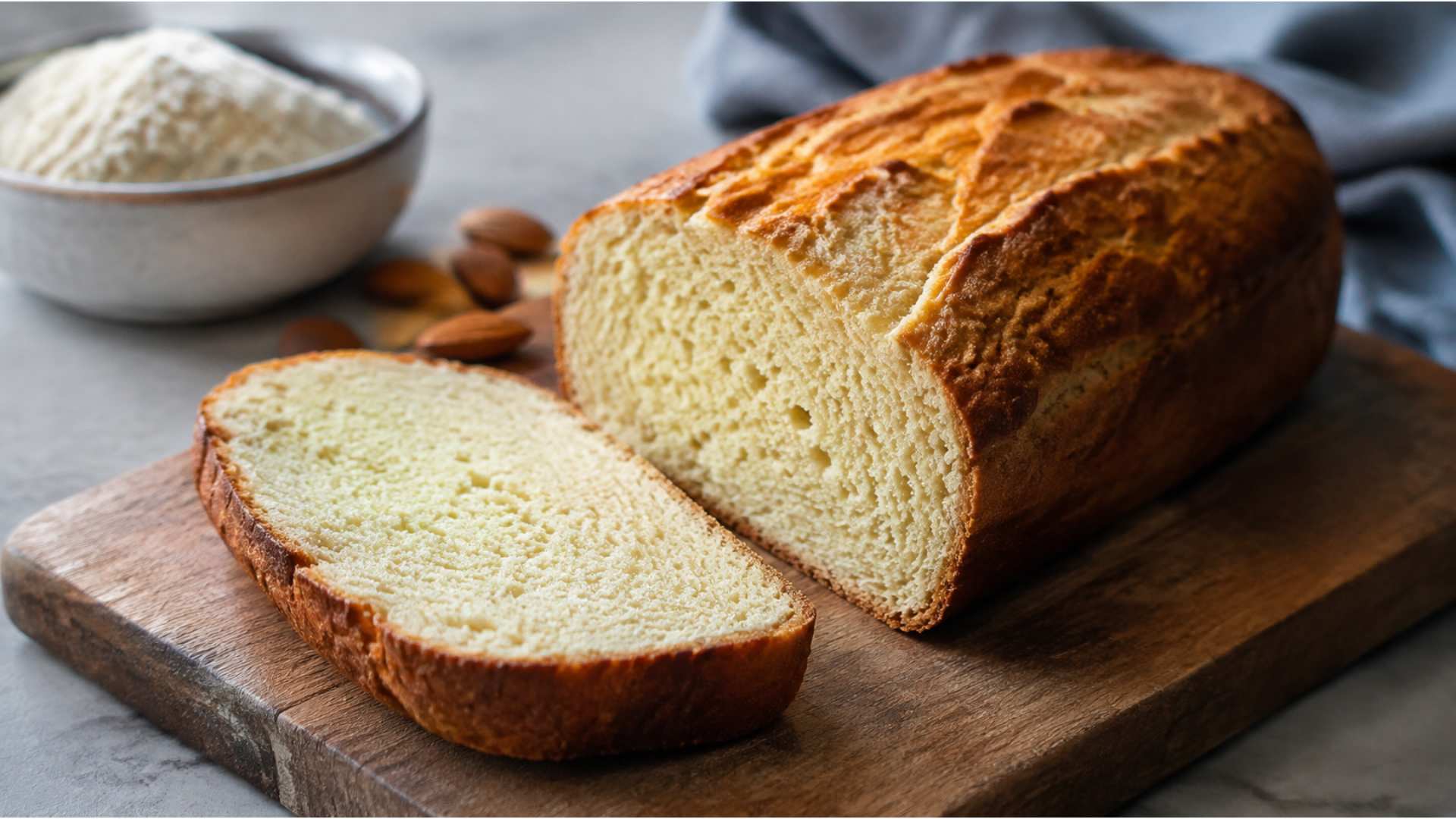
Almond flour bread is a popular option for people who enjoy making their own keto-friendly recipes.
Its soft, slightly dense texture works well for toast and sandwiches.
4. Coconut flour bread
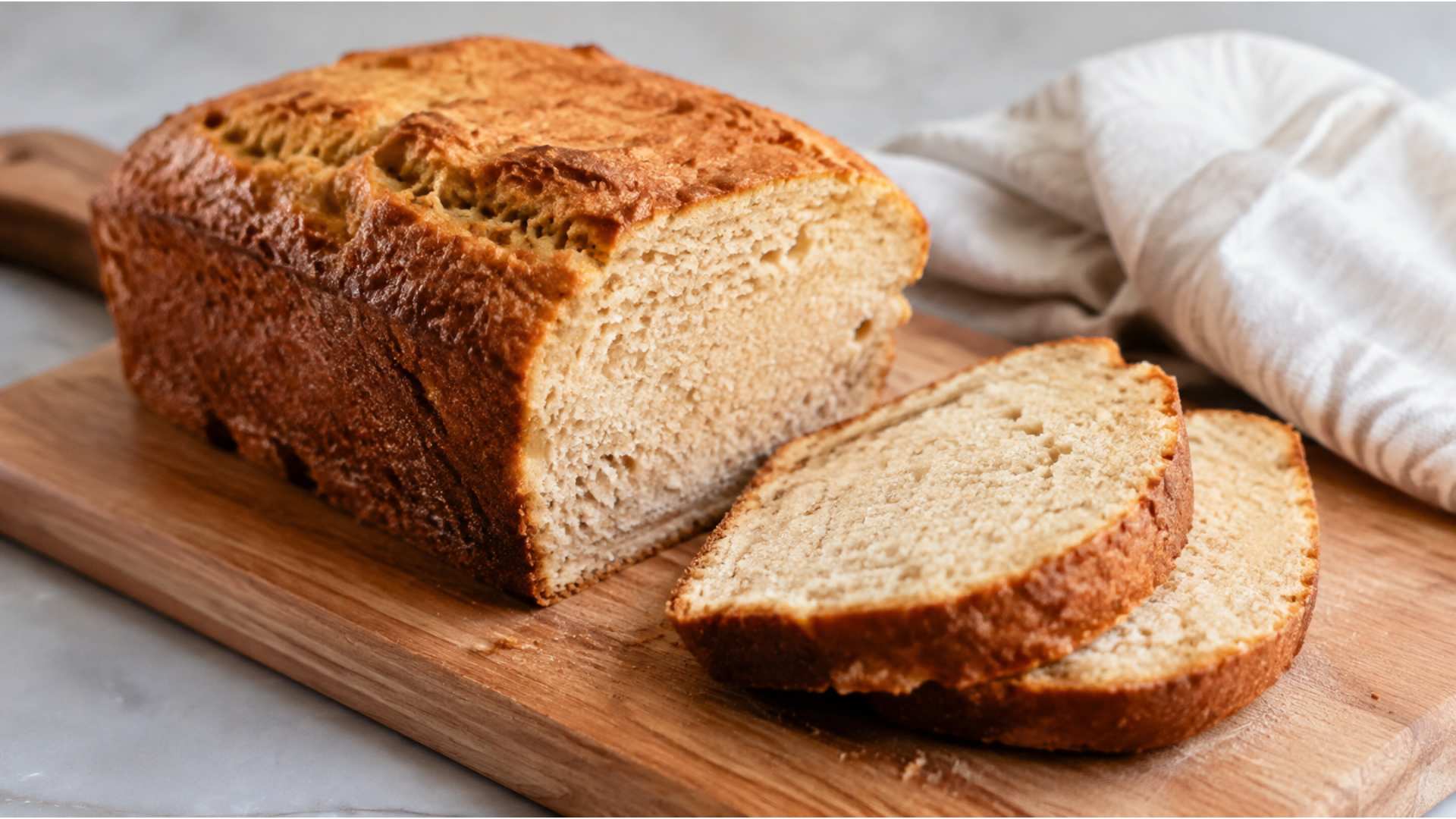
Coconut flour creates a distinctive texture and works well in homemade low-carb baking.
Because it absorbs considerable moisture, it's important to follow a recipe designed specifically for coconut flour.
5. Flaxseed bread
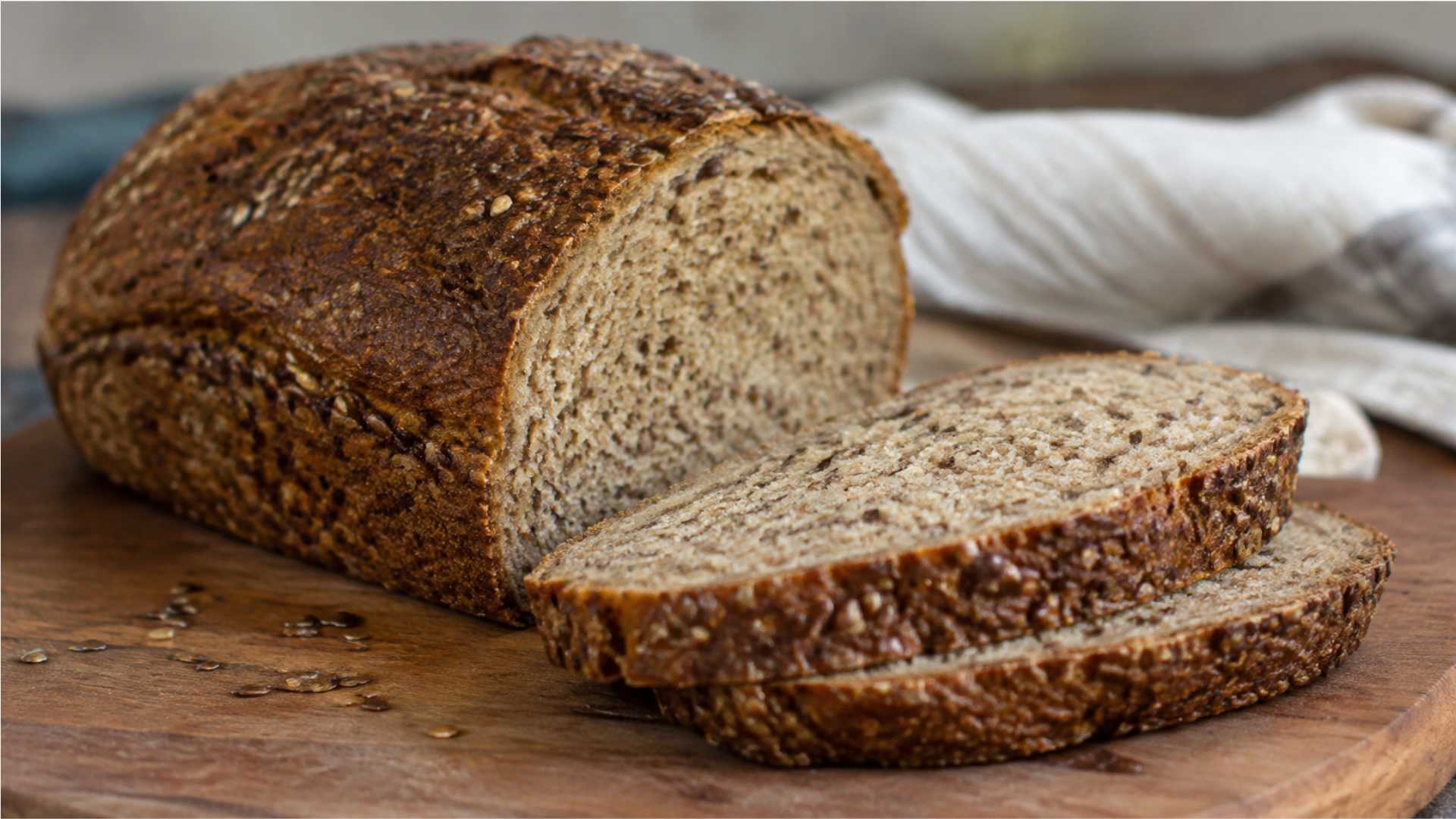
Flaxseed bread is another useful option.
Ground flaxseed adds fiber and creates a hearty texture, making it particularly suitable for savory sandwiches.
6. Portobello mushroom buns

Large Portobello mushroom caps can replace burger buns.
Simply grill or roast them and use them to hold your favorite burger ingredients.
7. Egg wraps

Egg wraps are an easy alternative when you want something flexible.
Prepare a thin omelet, allow it to cool slightly, and use it to wrap chicken, cheese, vegetables, or other fillings.
8. Low-carb tortillas
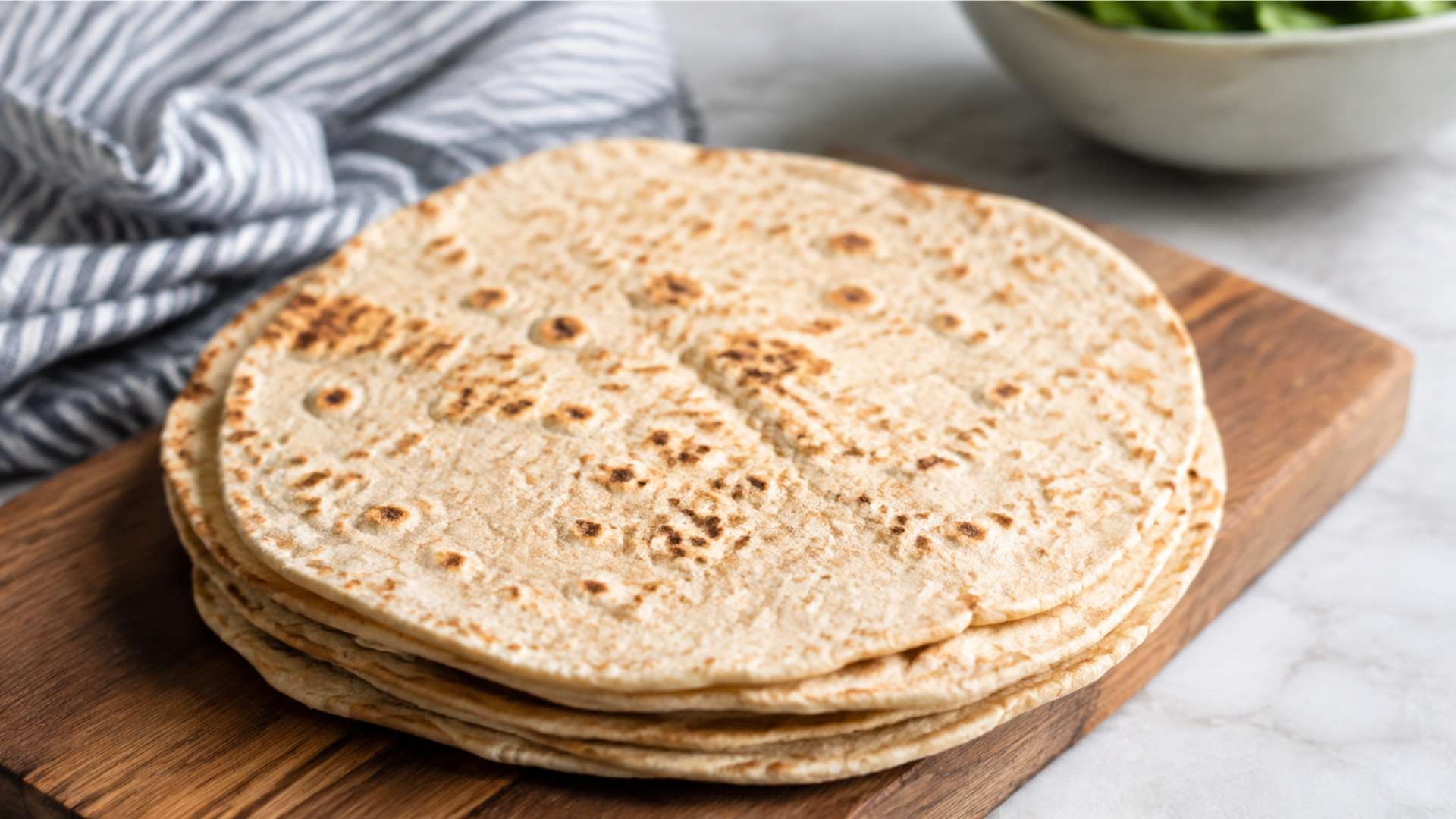
Some commercial tortillas are formulated with added fiber and alternative ingredients.
Check the carbohydrate count per tortilla, since products can vary significantly.
The important thing is to find alternatives that fit your eating preferences and provide enough satisfaction to make your meal enjoyable.
An Easy Homemade Low-Carb Bread Recipe
Making bread at home gives you more control over the ingredients and portion sizes.
This almond flour bread recipe is a practical starting point for anyone who wants to experiment with a homemade low carb bread recipe.
Ingredients:
- 2 cups almond flour.
- 4 large eggs.
- 1/4 cup psyllium husk powder.
- 2 teaspoons baking powder.
- 1/2 teaspoon salt.
- 1/2 cup water.
- 1 tablespoon apple cider vinegar.
Instructions:
- Preheat your oven to 350°F.
- Line a small loaf pan with parchment paper.
- Combine almond flour, psyllium husk powder, baking powder, and salt in a large mixing bowl.
- In a separate bowl, whisk together the eggs, water, and apple cider vinegar.
- Add the wet ingredients to the dry ingredients and mix until a thick dough forms.
- Let the mixture rest for several minutes so the psyllium can absorb moisture.
- Transfer the dough into the prepared loaf pan.
- Smooth the surface and bake for approximately 45–55 minutes, checking that the center is fully cooked.
- Allow the bread to cool completely before slicing.
The result is a hearty homemade bread that works well for sandwiches, toast, and breakfast.
Recipe tips:
- Use finely ground almond flour for a smoother texture.
- Choose psyllium husk powder intended for baking.
- Don't skip the cooling step because the loaf needs time to set.
- Store slices in an airtight container in the refrigerator or freezer.
- Calculate the nutritional values using your actual ingredient brands and the number of slices produced.
Unlike traditional wheat bread, this recipe doesn't rely on conventional wheat flour as its main ingredient.
It's also naturally gluten-free when all ingredients are certified gluten-free and handled without cross contamination. However, always verify ingredient packaging if gluten avoidance is medically necessary.
How to Choose a Store-Bought Low-Carb Bread
Not everyone has the time or interest to bake bread at home.
Sometimes, buying a ready-made loaf is simply more convenient.
The good news is that several manufacturers offer products marketed toward people following low-carb eating plans.
However, not every product will fit your dietary preferences or carbohydrate target.
When shopping, you may encounter brands and product lines such as:
- Sola.
- Carbonaut.
- Hero.
- Base Culture.
- Nature's Own Life.
- Other regional keto and low-carb bakery products.
Product availability and formulations can change, so always examine the current packaging rather than relying on an older online nutrition listing.
Here's what to consider before purchasing.
Check the total carbohydrates per slice.
- Start with the amount listed on the Nutrition Facts panel.
- A product might advertise one serving as two slices, while another lists one slice as a serving. Compare equivalent portions.
Look at the fiber content.
- Some alternative breads contain large amounts of added fiber.
- Check which fiber ingredients are used and whether you tolerate them comfortably.
Consider the protein content.
- Protein can make a bread product more filling and contribute to the nutritional value of your meal.
Check sodium levels.
- Some commercial breads contain relatively high amounts of sodium, so compare different options.
Read the ingredient list.
- Don't assume all products labeled keto-friendly are made from whole-food ingredients.
- Some use combinations of wheat gluten, modified starches, added fibers, and other specialized ingredients.
Compare price and serving size.
- Specialty low-carb bread can cost more than conventional sandwich bread.
- Compare the actual price per slice or serving rather than the advertised package price alone.
Check storage instructions.
- Some low-carb breads have different shelf life requirements from traditional sandwich bread.
- Certain products need refrigeration or freezing to maintain their quality.
The best store-bought option isn't necessarily the one with the lowest advertised net carb number. It's the one that fits your carbohydrate goals, ingredient preferences, budget, and overall nutritional needs.
Is Low-Carb Bread Healthy? Benefits and Drawbacks
Choosing low-carb bread can make it easier to maintain a lower-carbohydrate eating pattern.
However, does that automatically mean it's healthier than conventional bread?
Not necessarily.
Like most foods, the nutritional value depends on the ingredients, preparation, and your overall dietary pattern.
Let's examine the potential advantages and drawbacks.
Potential benefits of low-carb bread
It can help reduce carbohydrate intake.
- For people following a low-carb or ketogenic eating plan, replacing traditional wheat bread with a product containing fewer carbohydrates can make meal planning easier.
- You can still enjoy familiar foods without using as much of your daily carbohydrate allowance.
Some products provide additional fiber.
- Certain keto bread varieties contain fiber from ingredients such as psyllium husk, flaxseed, and other plant-based sources.
- Fiber plays an important role in digestive health and can help support regular bowel movements.
- However, fiber sources differ, and some added fibers may cause digestive discomfort when consumed in large amounts.
It offers more meal flexibility.
- Having a bread alternative available can make it easier to prepare sandwiches, burgers, toast, and other familiar meals.
- This can make a low-carb eating plan feel less restrictive.
It can be convenient.
- Commercial products save preparation time, particularly for people who don't want to bake homemade bread.
Potential drawbacks of low-carb bread
1. Some products are highly processed.
Certain commercial keto breads contain several specialized ingredients, including modified starches, added fibers, preservatives, and sweeteners.
Processing doesn't automatically make a product unhealthy, but it's worth understanding what you're eating.
2. Added fiber can cause digestive discomfort.
Some people experience bloating, gas, or changes in bowel movements when they suddenly consume large quantities of added fiber.
Increasing fiber gradually and drinking adequate water can help improve tolerance.
3. Some alternatives are calorie-dense.
Almond flour, seeds, and other ingredients can add substantial calories.
Reducing carbohydrates doesn't automatically reduce the calorie content of a product.
4. Sodium can vary considerably.
Commercial breads may contain different amounts of sodium depending on the recipe.
Check the nutrition label if you're monitoring sodium consumption.
5. Some products aren't suitable for people with dietary restrictions.
For example, a low-carb loaf made with vital wheat gluten isn't suitable for someone with celiac disease.
Likewise, almond flour bread isn't appropriate for someone with an almond allergy.
Is Whole Wheat Bread Healthier Than Low-Carb Bread?
This is where things get interesting.
Whole wheat bread and low-carb bread serve different purposes.
Whole wheat bread generally provides more fiber and nutrients than refined white bread because it retains the bran and germ of the grain.
Harvard's Nutrition Source explains that whole grains contain several naturally occurring nutrients and that choosing whole grains instead of refined grains can improve overall dietary quality.
You can learn more in Harvard's guide to whole grains.
However, whole wheat bread still contains carbohydrates.
Low-carb bread may be a better fit for someone following strict keto, but that doesn't automatically make it nutritionally superior.
The right choice depends on your dietary goals, overall health, and personal preferences.
Instead of asking which bread is universally healthier, consider asking which one fits your needs while providing a balanced nutritional profile.
How to Fit Bread Into a Low-Carb Day
One of the biggest mistakes people make when starting a low-carb diet is thinking they need to eliminate every familiar food.
In reality, choosing appropriate portions and alternatives can make eating habits more flexible.
Whether you prefer traditional whole wheat bread or a specialty keto loaf, planning your meals can help you stay within your carbohydrate target.
Here are a few practical examples.
- Breakfast: Eggs and low-carb toast
- Enjoy scrambled eggs with one slice of low-carb bread, avocado, and sliced tomatoes.
- This combination provides protein, fat, and vegetables alongside your bread alternative.
- Lunch: Turkey sandwich
- Use two slices of verified low-carb bread with turkey, lettuce, cucumber, cheese, and mustard.
- Check the nutritional information for the bread and fillings, since sauces and dressings can add carbohydrates.
- Afternoon snack: Simple and satisfying
- Try boiled eggs, cheese, cucumber slices, or a small handful of nuts.
- You don't need bread with every meal to enjoy satisfying food.
- Dinner: Salmon and vegetables
- Serve grilled salmon with roasted broccoli, zucchini, and avocado.
- This is a practical way to build a meal around protein and nonstarchy vegetables instead of using bread as the main component.
Here's an illustrative daily meal plan:
| Meal | Suggested Food | Nutritional Focus |
|---|---|---|
| Breakfast | Eggs with avocado and low-carb toast | Protein and fiber |
| Lunch | Turkey sandwich on low-carb bread | Protein and vegetables |
| Snack | Cheese with cucumber | Protein and convenience |
| Dinner | Grilled salmon with broccoli | Protein and healthy fats |
The actual carbohydrate count will depend on your ingredients and portions.
Practical Tips for Enjoying Bread on a Low-Carb Diet
If bread is one of your favorite foods, these tips can help you make more informed choices.
- Compare brands: Don't assume all keto bread products have the same nutritional profile.
- Pay attention to portions: One slice and two slices can make a meaningful difference.
- Choose fiber-rich alternatives: Look for appropriate fiber sources that you tolerate comfortably.
- Experiment with homemade recipes: Almond flour, flaxseed, and psyllium husk can create useful bread alternatives.
- Use lettuce wraps: They're a simple option when you want to avoid conventional bread.
- Build balanced meals: Combine bread alternatives with protein, vegetables, and healthy fats.
- Avoid relying on front label claims: Read the complete Nutrition Facts panel.
You don't need to make every meal complicated. A few practical substitutions can make a noticeable difference in how easily you follow your preferred eating plan.
The Bottom Line: Is Bread Low-Carb?
So, is bread low carb? Traditional bread generally isn't. White bread, whole wheat bread, sourdough, rye, and most multigrain varieties contain enough carbohydrates to make them difficult to fit into a strict ketogenic diet.
However, that doesn't mean you have to give up bread completely.
Almond flour bread, coconut flour bread, flaxseed bread, cloud bread, and selected commercial keto products can provide lower-carbohydrate alternatives.
The key is to check serving sizes, read nutrition labels, compare total carbohydrates, and understand how different fiber ingredients affect advertised net carb values.
Remember, healthy eating isn't about finding one perfect food. It's about choosing foods that work together to support your nutritional needs and long-term goals.
Whether you enjoy homemade keto bread, a turkey sandwich, or a fresh lettuce wrap, there are plenty of ways to make lower-carb meals satisfying.
And sometimes, the best approach is simply finding a bread alternative you genuinely enjoy.
Frequently Asked Questions About Bread and Carbs
Can I Eat Bread on a Low-Carb Diet?
Yes, you can eat bread on a low-carb diet, but the type and portion size matter.
Traditional white and whole wheat bread contain considerable carbohydrates, so they may use up a large part of your daily carbohydrate allowance.
If you want to reduce your intake, consider almond flour bread, flaxseed bread, cloud bread, or selected commercial low-carb varieties.
People following a moderate low-carb plan may also be able to include smaller portions of regular whole-grain bread.
The best choice depends on your daily carbohydrate target and overall eating pattern.
What Type of Bread Has the Fewest Carbs?
Cloud bread and certain specially formulated keto breads are among the options that can contain very few carbohydrates per serving.
Almond flour bread, coconut flour bread, and flaxseed bread are also popular alternatives.
However, carbohydrate content varies according to the recipe and serving size.
When shopping for commercial products, compare the total carbohydrates, dietary fiber, and ingredient list rather than relying only on the advertised net carb figure.
Is Whole Wheat Bread Low-Carb?
No, regular whole wheat bread generally isn't considered low-carb.
Although it usually contains more fiber and nutrients than refined white bread, it still contains carbohydrates from wheat starch.
A typical 32-gram slice of whole wheat bread contains approximately 13.7 grams of total carbohydrates.
It can fit into some moderate low-carb eating plans, but it's generally difficult to accommodate on a strict ketogenic diet.
How Many Carbs Are in One Slice of Bread?
The answer depends on the variety, serving weight, and manufacturer.
As a general reference:
● White bread: approximately 13 grams per 27-gram slice.
● Whole wheat bread: approximately 13.7 grams per 32-gram slice.
● Rye bread: approximately 15.5 grams per 32-gram slice.
● Multigrain bread: approximately 11.3 grams per 26-gram slice.
● Sourdough bread: approximately 16.1 grams per 31-gram slice.
These are illustrative reference values. Your actual bread may contain more or fewer carbohydrates.
Always check the Nutrition Facts panel for the product you're eating.
Is Sourdough Bread Keto-Friendly?
Traditional sourdough bread generally isn't keto-friendly because it still contains substantial carbohydrates from wheat flour.
Although fermentation changes the properties and flavor of the bread, it doesn't eliminate all the starch.
A regular slice can contain approximately 16 grams of carbohydrates, depending on its weight.
If you're following a strict keto diet, specially formulated keto bread or almond flour bread may be more practical alternatives.
Does Toasting Bread Reduce Its Carbohydrate Content?
No. Toasting bread doesn't meaningfully remove its total carbohydrates.
When bread is toasted, moisture evaporates, and the slice becomes lighter and crispier. However, most of the carbohydrates remain.
This means that toasting a slice of bread doesn't turn it into a low-carb food.
For carbohydrate counting, use the nutrition information for the original bread and account for the portion you actually eat.
Is Gluten-Free Bread Low-Carb?
Not necessarily.
Gluten-free bread is made without gluten-containing ingredients, but many products use rice flour, potato starch, tapioca starch, or corn-based ingredients.
These ingredients can provide considerable carbohydrates.
Gluten-free and low-carb describe different nutritional characteristics.
If you're looking for bread that fits both requirements, examine the ingredients and nutrition label carefully.
Can I Eat Bread and Still Lose Weight?
Yes, bread can fit into a weight management eating plan.
Weight management depends on several factors, including overall energy intake, food quality, physical activity, and individual circumstances.
Choosing whole-grain bread, managing portions, and building balanced meals can help support a sustainable eating pattern.
You don't necessarily need to eliminate bread to make progress toward your goals.







0 Comments