
Starting a new way of eating can feel surprisingly complicated. One website says you should count every gram of carbohydrate, another tells you to eat unlimited bacon and cheese, and someone on social media insists that fruit is suddenly the enemy. No wonder beginners feel confused.
This low carb diet beginners guide takes a more practical approach: instead of treating carbohydrates as something to fear, it shows you how to make thoughtful choices, understand portions, build balanced meals, and create habits you can actually maintain.
A low carb diet for beginners can mean different things depending on how many carbohydrates you eat and which foods you choose. Mayo Clinic’s current guidance describes many low carb diets as providing roughly 60 to 130 grams of carbohydrate per day, while very low carbohydrate approaches can be considerably lower. No single magic number works for everyone. Your goals, activity level, food preferences, medications, medical history, and overall eating pattern all matter.
The most useful way to think about this approach is simple: reduce the foods that provide large amounts of refined or added carbohydrates, while making room for vegetables, protein-rich foods, healthy fats, and other nutrient-dense choices. This isn't about building a plate that looks like a chemistry experiment. It's about making everyday meals easier to understand.
What Is a Low Carb Diet?
A low carb diet is an eating pattern that limits carbohydrate containing foods to some degree. Carbohydrates are one of the three major macronutrients, alongside protein and fat. Your body breaks carbohydrates down into glucose, which serves as an important source of energy for cells, tissues, and organs. Carbohydrates include sugars, starches, and fiber, so simply saying “carbs are bad” misses a huge part of the nutritional picture. (1, 2, 3)
This is where many beginners get tripped up. A bowl of sugary cereal and a serving of broccoli both contain carbohydrates, but they are not nutritionally interchangeable. Food quality, fiber, vitamins, minerals, protein, portion size, and the overall dietary pattern matter. The American Diabetes Association, for example, encourages choosing nutrient-dense carbohydrate foods and reducing refined, highly processed carbohydrate foods and foods with added sugar.
There is also no universal definition of exactly how many grams make a diet “low carb.” Mayo Clinic currently describes a typical low carb range as approximately 60–130 grams per day, with some very low carb diets going below 60 grams. That means two people can both legitimately describe their diets as low carb while eating noticeably different amounts of carbohydrate.
For beginners, that flexibility can actually be useful. You don't have to jump straight from a standard diet to an extremely restrictive ketogenic plan. You can start by reducing sugary drinks, sweets, refined grains, and oversized portions of starch while increasing protein and non-starchy vegetables. Think of it as turning down the volume rather than switching the radio off.
How Many Carbs Should Beginners Eat Per Day?
The question of how many carbs per day is probably one of the first questions you'll have, but there isn't one number that applies to everyone. (4)
A practical framework looks like this:
| Eating Pattern | Approximate Carbohydrate Level | General Description |
|---|---|---|
| Moderate Low Carb | Around 100–130 g/day | Flexible approach with vegetables, some fruit and selected higher-carb foods |
| Lower Carb | Around 60–100 g/day | More substantial reduction in grains, starches and added sugars |
| Very Low Carb | Below 60 g/day | Much stricter approach and closer to ketogenic-style eating |
These figures are useful for understanding the landscape, not as a personalized prescription. Mayo Clinic notes that low carb diets vary considerably in how many carbohydrates they allow.
If you're completely new to this style of eating, starting moderately may be easier than trying to eliminate almost every carbohydrate containing food on day one. A gradual approach can give you time to discover which foods cause you to exceed your preferred carb level and which meals keep you comfortably satisfied.
Your carbohydrate needs may also change. A highly active person who exercises regularly may approach carbohydrates differently from someone who is sedentary. Someone managing diabetes while taking medication may need individualized guidance rather than simply following a number from an internet article. The American Diabetes Association emphasizes that carbohydrate intake directly affects blood glucose and that meal planning needs to be individualized.
The goal isn't to win a carbohydrate counting contest. The goal is to find an intake that supports your health objectives without making your diet so restrictive that you can't maintain it.
Low Carb vs. Keto: What’s the Difference?
People often use low carb and keto as if they mean the same thing. They don't. (5)
A ketogenic diet is a particularly restrictive form of carbohydrate reduction designed to promote nutritional ketosis. In contrast, a general low carb diet can include substantially more carbohydrates and may not produce ketosis at all.
That's an important distinction because you can reduce carbohydrates without going ketogenic. You might eat eggs and vegetables for breakfast, chicken salad for lunch, salmon with broccoli for dinner, and still include moderate portions of berries, yogurt, beans, or another carbohydrate containing food depending on your chosen target.
A ketogenic diet typically limits carbohydrates much more aggressively. Some low carb diets, by comparison, allow enough carbohydrates to include a wider selection of fruits, dairy products, legumes, or whole grains in controlled portions.
For a beginner, flexibility can be an advantage. The more restrictive a diet becomes, the more planning it may require. Restaurants become trickier, social meals take more thought, and accidental deviations can feel bigger than they really are.
Ask yourself what you actually need. Are you simply trying to eat fewer refined carbohydrates and improve your meals? Are you trying to lose weight? Are you managing blood glucose under medical supervision? Or are you specifically interested in nutritional ketosis? Those are different goals, and they don't necessarily require the same dietary strategy.
A successful low carb diet for beginners does not have to become keto. That's one of the most useful distinctions to understand before you begin.
Potential Benefits of a Low Carb Diet
The popularity of low carb eating largely comes from a handful of potential benefits, particularly around weight management and metabolic health. (6)
The first is low carb diet weight loss. Reducing carbohydrates can help some people lose weight, especially when it replaces energy-dense, highly processed foods and naturally reduces total calorie intake. A lower carbohydrate pattern may also improve satiety for some individuals because meals often contain more protein and satisfying foods. However, it would be inaccurate to suggest that low carb eating produces automatic or unlimited fat loss.
Research summarized by Harvard's Nutrition Source suggests that lower-carbohydrate diets can support weight loss and may improve some cardiovascular risk markers, including triglycerides and HDL cholesterol. At the same time, Harvard emphasizes that the quality of fats and proteins replacing carbohydrates matters.
Potential benefits may include:
- Better control of added-sugar intake.
- Reduced consumption of highly refined grains.
- Greater emphasis on protein-rich foods.
- More non-starchy vegetables.
- Potential improvement in triglycerides.
- Potential improvements in blood glucose for some people.
- A simpler meal structure for people who prefer fewer carbohydrate heavy foods.
- Weight loss when the overall eating pattern creates an appropriate energy deficit.
Mayo Clinic also identifies weight management and blood sugar management among reasons people may choose a low carbohydrate eating pattern.
But here's a crucial point: not every low carb diet is healthy simply because it is low in carbohydrates.
Imagine two plates. The first contains grilled salmon, olive oil, leafy greens, broccoli, avocado, and a small serving of berries. The second contains processed meat, fried foods, butter heavy dishes, and very few vegetables. Both could technically be low in carbohydrates. They are not nutritionally equivalent.
That distinction should shape your entire approach.
Can a Low Carb Diet Help With Weight Loss?
Yes, it can help some people lose weight, but the mechanism is more nuanced than “cut carbs and watch the fat disappear.” (7)
When carbohydrate-rich foods are reduced, several things can happen. You may eat fewer calories because you're replacing highly palatable processed foods with more filling meals. Protein can increase fullness. Non-starchy vegetables add volume and fiber without contributing large amounts of carbohydrate. Eliminating sugary drinks can also remove a significant source of calories without requiring much additional effort.
There is another reason the scale can move quickly at the beginning. When carbohydrate intake falls substantially, the body's stored glycogen and associated water can change. That means early scale loss can include water, not just body fat. It's one reason a dramatic first week change should not be interpreted as proof that the same rate of fat loss will continue.
NIDDK emphasizes that successful weight management relies on an eating plan you can maintain over time, along with appropriate physical activity and other healthy behaviors.
In other words, low carb diet weight loss works best when the eating pattern helps you consistently manage your total energy intake while providing enough nutrition to support your body.
You don't need to chase the biggest possible calorie restriction. In fact, an overly restrictive plan can leave you tired, hungry, and frustrated.
A better question is: “Can I eat this way next month?”
If the answer is yes, you're building something useful.
Low Carb Diet and Blood Sugar: What Beginners Should Know
Carbohydrates have a direct relationship with blood glucose because the body breaks many carbohydrates down into glucose. The American Diabetes Association explains that the amount and type of carbohydrate consumed can affect blood glucose, while insulin plays an important role in moving glucose from the bloodstream into cells. (8)
That is one reason a lower-carb approach may be appealing to some people with prediabetes or type 2 diabetes. Reducing rapidly digested carbohydrate foods may reduce the amount of glucose entering the bloodstream after meals.
However, there's a difference between “may help” and “works for everyone.”
People with diabetes need to be particularly careful when changing carbohydrate intake, especially if they use medications that can cause blood glucose to fall. A major change in carbohydrate consumption can change medication requirements or the risk of hypoglycemia. That's a medical decision—not something to solve by guessing from a meal plan online.
The ADA also makes an important point: carbohydrates aren't one giant category of “good” or “bad.” It recommends nutrient-dense choices, especially non-starchy vegetables, while encouraging people to limit refined and highly processed carbohydrate foods with added sugars.
For a beginner, this means you don't need to panic when you see a carbohydrate containing food. Instead, ask:
- Is this food highly processed?
- Does it contain useful fiber?
- Does it provide protein, vitamins, minerals, or other nutrients?
- What is the portion size?
- How does it fit into the rest of my day?
- Does it help or hinder my personal goal?
That mindset is far more useful than labeling every carbohydrate as unhealthy.
What Foods Can You Eat on a Low Carb Diet?
One of the best parts of a low carb diet beginner's guide is learning that your menu can still be surprisingly varied. (9)
The basic idea is to build meals around foods that provide protein, vegetables, healthy fats, and relatively few refined carbohydrates.
A practical low carb foods list can include:
- Eggs.
- Chicken and turkey.
- Fish and seafood.
- Lean or minimally processed meats.
- Tofu and other plant proteins.
- Leafy greens.
- Broccoli.
- Cauliflower.
- Zucchini.
- Mushrooms.
- Cucumbers.
- Peppers.
- Cabbage.
- Avocado.
- Nuts and seeds.
- Unsweetened Greek yogurt.
- Cottage cheese, depending on your carbohydrate target.
- Olive oil.
- Olives.
- Lower-carbohydrate fruits such as berries in suitable portions.
Mayo Clinic specifically identifies protein foods, some healthy fats, and non-starchy vegetables as common components of low carb eating patterns.
The big mistake is assuming that because a food is low in carbohydrates, you can eat unlimited amounts. Nuts, cheese, oils, avocado, and fatty meats can contribute substantial calories even when carbohydrate content is low.
That's why a useful low carb foods list should answer two questions at once: “How many carbohydrates does this contain?” and “How does this food contribute to the overall quality of my diet?”
Best Low Carb Proteins, Fats, Vegetables, Dairy, and Snacks
Protein is the anchor of many satisfying low carb meals.
Good choices include eggs, chicken, turkey, fish, seafood, lean meats, tofu, tempeh, Greek yogurt, cottage cheese, nuts, and seeds. Your specific choices can depend on dietary preferences, budget, cultural foods, and health considerations.
For fats, focus more often on unsaturated sources such as olive oil, avocado, nuts, seeds, and fatty fish. Harvard's nutrition guidance emphasizes that the health effects of a low carb pattern depend heavily on what replaces the carbohydrate—particularly whether the replacement foods are nutritious sources of protein and fat.
For vegetables, think color and variety rather than only carbohydrate counts. Leafy greens, broccoli, cauliflower, zucchini, cabbage, mushrooms, cucumbers, tomatoes, and peppers can all add volume, flavor, and nutrients.
And snacks don't need to become packaged “keto” products.
Try combinations such as:
- Plain Greek yogurt with a small portion of berries.
- A boiled egg with cucumber slices.
- A small serving of nuts.
- Cheese with sliced vegetables.
- Tuna with cucumber or lettuce.
- Avocado with a protein-rich topping.
The most satisfying snack is usually the one that contains something substantial—not just something marketed as “low carb.”
Foods to Limit or Avoid on a Low Carb Diet
The foods you reduce will depend on how aggressively you're limiting carbohydrates. Still, some foods are obvious places to start. (10)
These include:
- Sugary soda and sweetened drinks.
- Candy.
- Cakes and pastries.
- Cookies.
- Sweetened breakfast cereals.
- Fruit juice.
- Sweetened coffee drinks.
- Refined white bread.
- Large servings of pasta.
- Large servings of rice.
- Many highly processed snack foods.
- Sugary sauces and condiments.
The ADA similarly recommends limiting refined, highly processed carbohydrate foods and foods with added sugar.
But don't fall into the trap of thinking “avoid” means “these foods are toxic.” A flexible dietary pattern can account for personal preferences and occasional foods.
For example, someone following a moderate low carb approach might occasionally include a small serving of whole grains or fruit while still eating considerably fewer refined carbohydrates than before. Someone following a ketogenic diet would typically be more restrictive.
This is why a good low carb diet plan should specify the level of carbohydrate restriction rather than making vague promises about forbidden foods.
The purpose is not to create a giant blacklist.
It's to change your everyday food environment so that nutrient-dense foods become the easy default.
Hidden Carbs: Reading Nutrition Labels Like a Beginner
Packaged foods are where carbohydrate counting gets interesting.
A label might say “healthy,” “natural,” “high protein,” or even “low sugar,” but those phrases don't tell you everything you need to know.
The Nutrition Facts label gives you more useful information, including serving size, total carbohydrate, dietary fiber, total sugars, added sugars, protein, fat, and other nutrients.
The first thing to check is serving size.
This matters because a package may contain multiple servings. The FDA explains that if you consume two servings, you consume twice the calories and nutrients shown for one serving.
Next, look at total carbohydrate. Then examine dietary fiber and added sugars.
Here's a simple example:
| Label Item | Why It Matters |
|---|---|
| Total Carbohydrate | Gives the overall carbohydrate amount |
| Dietary Fiber | Indicates the fiber contribution |
| Total Sugars | Includes naturally occurring and added sugars |
| Added Sugars | Shows sugars added during processing |
| Serving Size | Determines how much the listed nutrition actually represents |
Be especially careful with:
- Salad dressings.
- Ketchup and barbecue sauce.
- Flavored yogurt.
- Protein bars.
- Granola.
- Sweetened nut milks.
- “Healthy” cereals.
- Prepared marinades.
- Smoothies.
- Bottled coffee drinks.
These foods can quietly add carbohydrates throughout the day.
The FDA explains that added sugars are included within total sugars and notes that fiber is a nutrient many Americans need more of.
Once you understand labels, grocery shopping becomes much easier. You stop relying on the front of the package and start looking at the information that actually describes what's inside.
How to Start a Low Carb Diet Step by Step
The best way to learn how to start a low carb diet is to make the first week boringly simple.
You do not need 40 new recipes. You don't need a refrigerator full of specialty products. You certainly don't need every trendy “keto” ingredient on the internet.
Start here.
Step 1: Choose your goal.
Decide whether your priority is weight management, reducing added sugars, improving meal quality, supporting blood glucose management, or simply eating fewer refined carbohydrates.
Step 2: Pick a realistic carbohydrate level.
You can start moderately and adjust rather than immediately adopting an extremely restrictive plan.
Step 3: Remove the biggest sources of refined carbs.
For many people, this means sugary beverages, desserts, sweetened cereals, pastries, and oversized portions of refined grains.
Step 4: Add protein to every main meal.
Eggs, fish, chicken, tofu, Greek yogurt, or another protein can make meals considerably more satisfying.
Step 5: Fill your plate with non-starchy vegetables.
Vegetables provide volume, fiber, vitamins, minerals, and variety.
Step 6: Add an appropriate source of healthy fat.
Olive oil, avocado, nuts, seeds, and fish can contribute flavor and satiety.
Step 7: Build a small rotation of easy meals.
Don't make yourself cook a completely different dinner every night.
Step 8: Watch how you feel.
Pay attention to hunger, energy, digestion, cravings, and exercise performance.
Step 9: Adjust.
A diet isn't supposed to be a test you either pass or fail. If you're constantly hungry, exhausted, or frustrated, the plan may need to change.
Gradual progress is still progress. In fact, a sustainable eating pattern is generally more useful than an aggressive plan you abandon after ten days.
NIDDK emphasizes that long-term weight management works best with eating and activity habits that can be maintained over time.
Build a Balanced Low Carb Plate
You don't necessarily need to calculate every gram of carbohydrate forever.
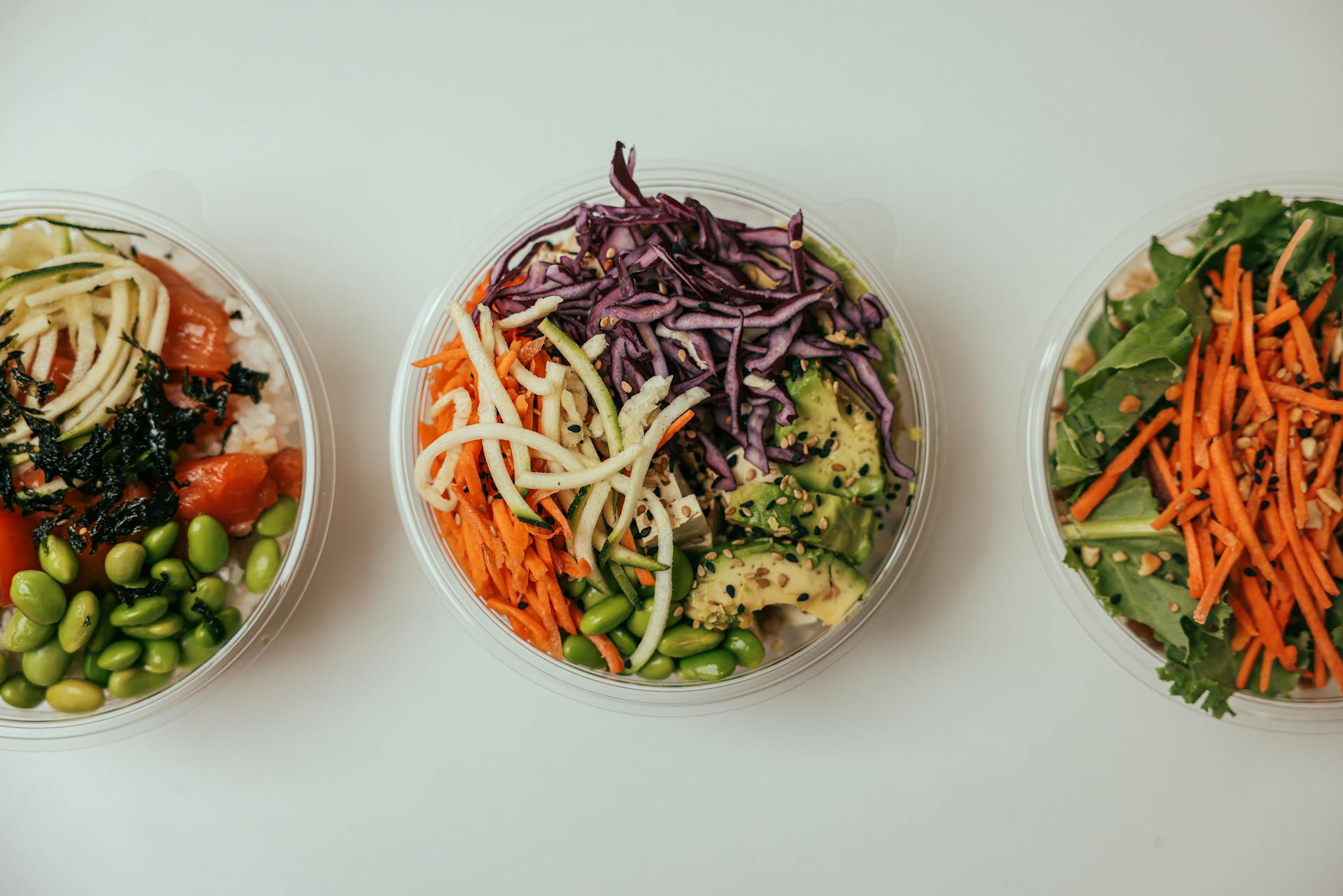
A simple plate can work beautifully:
Protein + non-starchy vegetables + healthy fat + optional carbohydrate serving.
For breakfast, that might look like eggs with spinach, mushrooms, and avocado.
For lunch, try grilled chicken over leafy greens with cucumber, tomatoes, olive oil, and a small serving of berries on the side.
For dinner, consider salmon, roasted broccoli, and cauliflower with olive oil and herbs.
If your carbohydrate target is more flexible, you might also include a measured portion of beans, lentils, whole grains, fruit, or another higher-carbohydrate food.
The exact plate will depend on your goals. Someone following a moderate low carb plan has more room for these foods than someone deliberately pursuing ketosis.
This approach is useful because it shifts your attention away from numbers alone. You start building meals visually, almost like putting together a simple puzzle.
NIDDK also emphasizes vegetables, fruit, protein foods, and healthy fats as components of nutritious eating patterns.
Low Carb Meal Planning and Grocery Shopping
A low carb diet plan becomes dramatically easier when your kitchen is prepared. (11, 12)
Instead of shopping for individual recipes, shop for components.
Choose two or three proteins:
- Chicken.
- Eggs.
- Salmon.
- Canned tuna.
- Ground turkey.
- Tofu.
Then choose several vegetables:
- Broccoli.
- Spinach.
- Cauliflower.
- Zucchini.
- Cabbage.
- Cucumbers.
- Peppers.
Then add a few fats and flavor boosters:
- Olive oil.
- Avocado.
- Nuts.
- Seeds.
- Olives.
- Herbs and spices.
- Lower-sugar sauces.
You can turn those ingredients into completely different meals throughout the week.
For example, chicken can become a salad, lettuce wraps, a vegetable bowl, or a skillet meal. Eggs can become an omelet, egg salad, or a quick breakfast. Leftover roasted vegetables can become the base of another meal.
This is where low carb meal planning becomes less about dieting and more about reducing daily decisions.
A good grocery list should also include emergency foods. Think canned tuna, frozen vegetables, eggs, prewashed greens, and other staples that let you assemble a meal when you're tired.
Because let's be honest: the meal you eat when you're exhausted matters more than the perfect meal you planned for Saturday.
Common Low Carb Side Effects and How to Manage Them
Some people experience temporary symptoms when making a major carbohydrate reduction, particularly when moving into a very low carb or ketogenic pattern.
These can include:
- Headaches.
- Fatigue.
- Constipation.
- Muscle cramps.
- Irritability.
- Nausea.
- Digestive changes.
- Difficulty concentrating.
Cleveland Clinic's current guidance on “keto flu” describes symptoms such as headache, fatigue, constipation or diarrhea, muscle cramps, nausea, irritability, and sleep difficulties during keto adaptation. It also notes that not everyone experiences these symptoms.
It's important not to confuse a very low carb ketogenic transition with every form of low carb eating. Someone who simply reduces sugary drinks, desserts, and refined grains may not experience dramatic symptoms at all.
One potential issue is that people sometimes remove carbohydrate containing foods without replacing the fiber, fluid, or nutrients they were previously providing. If you eliminate fruit, beans, whole grains, and many vegetables and replace them with meat and cheese alone, constipation isn't exactly a surprising outcome.
Hydration matters, too. Very restrictive carbohydrate reduction can alter fluid balance. Cleveland Clinic recommends attention to hydration and appropriate electrolyte sources during keto adaptation, while also emphasizing that people taking certain medications should seek medical guidance.
If symptoms are severe, persistent, unusual, or concerning, don't assume they're merely “detox.” Talk with a healthcare professional.
You also don't earn bonus points for suffering.
A milder approach that you can tolerate may be much more sensible than forcing yourself through an extreme transition.
Is a Low Carb Diet Safe? Risks, Contraindications, and Medications
A lower-carbohydrate eating pattern can be reasonable for many healthy adults, but that doesn't mean every version is appropriate for everyone.
Mayo Clinic recommends discussing a weight loss diet with a healthcare professional, especially when someone has conditions such as diabetes, heart disease, or kidney disease.
You should seek individualized advice before making a major dietary change if you:
- Take medication for diabetes or blood glucose.
- Have kidney disease.
- Have significant heart or metabolic conditions.
- Are pregnant or breastfeeding and considering a highly restrictive diet.
- Have a history of an eating disorder.
- Have been told by a clinician to follow a specific therapeutic diet.
- Experience symptoms that concern you after changing your diet.
Medication is particularly important.
A substantial reduction in carbohydrates can affect blood glucose. If medication lowers glucose, suddenly changing carbohydrate intake may change the relationship between food, medication, and blood sugar. The ADA notes that carbohydrate intake plays an important role in blood glucose management, and that too little carbohydrate or medication imbalance can contribute to low blood glucose.
There are nutritional risks, too. A poorly designed diet can become low in fiber or certain vitamins and minerals. A diet dominated by processed meat, butter, and high saturated fat foods isn't automatically healthy just because the carbohydrate number is small.
Harvard's guidance is especially valuable here: lower-carbohydrate patterns can be healthier when the replacement proteins and fats come from high-quality sources.
A safe low carb diet beginner's guide should therefore emphasize quality, variety, moderation, and medical personalization rather than simply telling everyone to eat as few carbohydrates as possible.
Low Carb Diet Mistakes Beginners Should Avoid
Starting with the right intentions doesn't guarantee that your first attempt will be perfect.
Here are the mistakes I would avoid.
Mistake #1: Cutting vegetables.
Some beginners become so focused on carbohydrate numbers that they start avoiding vegetables. That's backwards. Non-starchy vegetables can be a valuable part of a low carb eating pattern.
Mistake #2: Treating cheese, butter, and bacon as unlimited foods.
Low carb does not mean calorie-free.
Mistake #3: Forgetting fiber.
A good diet still needs foods that support digestive health and overall nutrition.
Mistake #4: Buying every packaged “low carb” product.
A product can be low in carbohydrates without being particularly nutritious.
Mistake #5: Eating too little.
Aggressive restriction can leave you tired and hungry.
Mistake #6: Obsessing over perfect carb numbers.
Being 5 grams over a target isn't a moral failure.
Mistake #7: Panicking over the first-week scale change.
Early weight changes can include shifts in body water.
Mistake #8: Believing all carbohydrates are unhealthy.
Carbohydrates occur in fruits, vegetables, dairy, legumes, and whole grains as well as sweets and refined foods.
Mistake #9: Making social life impossible.
A diet that works only when you're alone isn't particularly sustainable.
Mistake #10: Giving up after one high-carb meal.
One meal doesn't erase weeks of healthy choices.
NIDDK's guidance on weight management reinforces the importance of sustainable eating habits rather than perfection.
The goal is not to become the person who never eats a carbohydrate again.
The goal is to become someone who knows how to make good choices most of the time.
How to Make Low Carb Eating Sustainable Long Term
A diet only becomes useful when it survives real life.
Real life includes birthdays. Restaurant dinners. Holidays. Travel. Work lunches. Family members who aren't following the same diet. Days when you don't feel like cooking.
That's why sustainability should be one of your first criteria when choosing a low carb approach.
Start by building meals you genuinely enjoy. If you love Mediterranean foods, you don't need to turn your diet into endless plain chicken and steamed broccoli. Use olive oil, herbs, fish, vegetables, salads, yogurt, nuts, seeds, and appropriately portioned carbohydrate foods to create meals that still feel like food.
NIDDK recommends eating patterns that people can maintain over time and notes that healthy choices are easier to sustain when they include foods you enjoy.
Social situations also become easier when you stop thinking in absolutes.
At a restaurant, you can focus on protein and vegetables. You can ask for sauces on the side. You can skip or reduce the bread basket. You can choose water or an unsweetened drink. And if you decide to eat a dessert, you can enjoy it without declaring the entire day ruined.
The same principle applies to travel.
Instead of asking, “How can I follow my diet perfectly?” ask, “What are the best choices available right now?”
That's a much more sustainable question.
Over time, you may also stop tracking carbohydrates every day. Tracking can be useful for learning portions and understanding which foods contain more carbohydrates, but many people eventually develop enough familiarity to make decisions without logging every bite.
A low carb diet plan should be a tool, not a prison.
A Simple Beginner’s Low Carb Day + 7-Day Planning Framework
Here's an example of what a simple day could look like. (13)
- Breakfast: Two eggs scrambled with spinach and mushrooms, plus avocado.
- Lunch: Grilled chicken salad with leafy greens, cucumber, tomatoes, olive oil, and herbs.
- Snack: Plain Greek yogurt with a modest portion of berries.
- Dinner: Baked salmon with roasted broccoli, zucchini, and olive oil.
- Drinks: Water, sparkling water, unsweetened tea, or unsweetened coffee.
This day provides protein, vegetables, healthy fats, and relatively low amounts of refined carbohydrates. The exact carbohydrate and calorie totals will depend on portion sizes and individual foods.
For a 7-day low carb diet plan, keep the structure simple:
| Day | Breakfast | Lunch | Dinner |
|---|---|---|---|
| 1 | Eggs, Spinach and Avocado | Chicken Salad | Salmon and Broccoli |
| 2 | Greek Yogurt and Berries | Tuna Lettuce Wraps | Chicken with Cauliflower |
| 3 | Vegetable Omelet | Turkey and Avocado Salad | Fish with Roasted Vegetables |
| 4 | Eggs and Mushrooms | Leftover Chicken Bowl | Beef with Cabbage and Peppers |
| 5 | Greek Yogurt with Seeds | Salmon Salad | Chicken Vegetable Skillet |
| 6 | Eggs with Avocado | Tuna and Cucumber Salad | Shrimp with Zucchini |
| 7 | Omelet with Vegetables | Leftovers | Roast Chicken with Mixed Vegetables |
You don't have to eat seven completely different breakfasts. Repetition is not failure. It's efficiency.
For a vegetarian approach, substitute tofu, tempeh, eggs, Greek yogurt, cottage cheese, nuts, seeds, and other suitable foods. For a dairy-free approach, rely on eggs, seafood, meat, tofu, nuts, seeds, and unsweetened dairy alternatives that fit your carbohydrate target.
The best low carb diet for beginners is often the one that makes shopping and cooking easier rather than more complicated.
The Bottom Line
A good low carb diet beginner's guide should leave you feeling more confident, not more afraid of food.
You don't need to eliminate every carbohydrate. You don't have to live on bacon and butter. You don't need a refrigerator full of expensive specialty products. And you don't need to count every gram for the rest of your life.
Start with the biggest opportunities.
Reduce sugary drinks. Cut back on refined grains and sweets. Build meals around protein. Eat plenty of non-starchy vegetables. Choose healthier sources of fat. Pay attention to portions. Learn to read nutrition labels. Give yourself enough flexibility to keep going.
The most important lesson is that low carb foods aren't valuable simply because they contain fewer carbohydrates.
Their real value comes from what else they provide: protein, fiber, vitamins, minerals, healthy fats, and satisfying texture and flavor.
A thoughtfully designed eating pattern can help some people with low carb diet weight loss, appetite control, blood glucose management, and improvements in certain metabolic markers. But the evidence does not support treating every low carb diet as identical. The food choices made within the pattern matter enormously. Harvard's nutrition guidance specifically highlights the importance of the types of protein and fat used to replace carbohydrates.
The same principle applies to low carb diet benefits. A diet based on vegetables, fish, nuts, seeds, olive oil, quality protein, and minimally processed foods is a very different proposition from one based mainly on processed meats, butter, and packaged “keto” snacks.
When deciding how many carbs per day you should eat, think in terms of context rather than a magic number. Mayo Clinic currently describes typical low carb diets as roughly 60–130 grams per day, but emphasizes that diets vary considerably. Your ideal approach may be more moderate, more restrictive, or somewhere in between.
And remember the bigger picture.
Weight is influenced by more than carbohydrates. Physical activity, sleep, stress, food quality, calorie intake, medications, health conditions, and long-term adherence all play roles. NIDDK emphasizes that sustainable eating and regular physical activity are central to healthy weight management.
So don't make your first goal perfection.
Make it consistency.
Choose a few meals you enjoy. Keep useful ingredients in your kitchen. Learn the carbohydrate content of the foods you eat most often. Make one improvement at a time. And if a particular version of low carb eating makes you miserable, don't assume you need more discipline—you may simply need a better approach.
That's the real purpose of a low carb diet for beginners: not to give you another list of rules, but to help you understand food well enough to make better decisions on your own.
Frequently Asked Questions
What is the best low carb diet for beginners?
The best starting point is usually a version that is realistic, nutritionally balanced, and compatible with your goals. You don't automatically need a ketogenic diet simply because you're reducing carbohydrates. A moderate low carb diet plan can emphasize protein, non-starchy vegetables, healthy fats, and fewer refined carbohydrates while still allowing selected fruits, dairy, legumes, or whole grains depending on your individual carbohydrate target. The Mayo Clinic notes that low carb diets vary considerably in the amount of carbohydrate they allow, which is why there isn't one universal version that is right for everyone. For beginners, a gradual approach may also be easier to maintain than making a drastic change overnight.
How many carbs should a beginner eat per day?
There is no single answer to how many carbs per day everyone should consume. Mayo Clinic currently describes typical low carb diets as providing approximately 60–130 grams of carbohydrate per day, while some very low carbohydrate diets provide less than 60 grams. Your ideal amount depends on factors such as your health status, activity level, dietary preferences, goals, and medication use. Rather than immediately choosing the lowest possible number, consider starting with the largest and easiest changes—such as replacing sugary drinks, desserts, and refined grains with more nutrient-dense foods.
What foods should I avoid on a low carb diet?
Common foods to reduce include sugary beverages, candy, cakes, cookies, pastries, sweetened cereals, fruit juice, refined bread, large portions of pasta and rice, and highly processed snacks. The exact list depends on how restrictive your approach is. The ADA recommends choosing nutrient-dense carbohydrate foods and eating less refined, highly processed carbohydrates and foods with added sugar. You don't necessarily need to eliminate every fruit, dairy product, legume, or whole grain unless your specific carbohydrate target requires it.
Can I lose belly fat on a low carb diet?
A low carb diet can contribute to overall body fat loss when it helps create an appropriate energy deficit, but you cannot reliably choose exactly where your body loses fat first. For some people, reducing refined carbohydrate foods makes it easier to control hunger, reduce overall calorie intake, and maintain a consistent eating pattern. That's where low carb diet weight loss may become useful. The scale can also change rapidly during the early stages of substantial carbohydrate restriction because body water and glycogen stores change. Don't interpret every early pound as pure body fat loss. For long-term results, focus on an eating pattern you can maintain. NIDDK emphasizes sustainable dietary and physical activity habits as part of successful weight management.
Is a low carb diet healthy long term?
It can be, but the answer depends heavily on what the diet contains. A long-term low carb pattern based on vegetables, quality protein, fish, nuts, seeds, olive oil, avocado, and other minimally processed foods is very different from one dominated by processed meats, highly saturated fat-rich foods, and packaged snacks. Harvard's nutrition guidance emphasizes that the types of protein and fat replacing carbohydrates matter when evaluating a lower-carbohydrate dietary pattern. Long-term sustainability matters, too. NIDDK recommends eating patterns that can be maintained over time, rather than approaches that are so restrictive they become difficult to follow. People with diabetes, kidney disease, heart disease, medication requirements, pregnancy, or other significant health considerations should discuss major dietary changes with a qualified healthcare professional before starting.
Key Takeaways From This Low Carb Diet Beginners Guide
If you remember only a handful of ideas, make them these:
- Low carb does not mean zero carb.
- No universal carbohydrate target fits everyone.
- Mayo Clinic currently describes many low carb diets as roughly 60–130 grams of carbohydrate per day.
- Focus on food quality, not carbohydrate numbers alone.
- Build meals around protein and non-starchy vegetables.
- Choose healthier unsaturated fats more often.
- Reduce sugary drinks and highly refined carbohydrate foods.
- Learn to read Nutrition Facts labels, especially serving size and total carbohydrate.
- Expect that very restrictive carbohydrate reduction can produce temporary adaptation symptoms in some people.
- Don't treat one imperfect meal as failure.
- Choose a low carb diet plan you can actually live with.
The smartest place to begin isn't with a list of foods you're forbidden to eat.
It's with the question: What healthier foods can I add to my meals today?
That small shift can make the entire process feel less like a diet—and much more like a sustainable way of eating.







0 Comments