
If you’ve wondered how to start a keto diet and want a clear, no-nonsense plan, this guide is for you. It’s written for real people — not for gurus — who want practical steps, honest trade-offs, and meal ideas that actually fit into a busy life.
This guide is best for:
- Beginners who want a clear step-by-step path to keto (no guesswork).
- People aiming for weight loss who want a structured low carb approach.
- Folks focused on metabolic health (blood sugar control, insulin sensitivity)—with the caveat to check meds with a clinician first.
- Those seeking improved focus and steady energy (many report fewer energy dips once adapted).
- People who need an evidence-based plan with troubleshooting (keto flu, electrolytes, plateaus).
Not ideal for: pregnant/breastfeeding people, certain kidney or metabolic conditions, or anyone on glucose-lowering medications without medical supervision. The diet can be therapeutic, but it isn’t automatically “safe” for everyone.
TL;DR step summary (6–8 quick steps)
If you want the short version of how to start a keto diet, follow these 6–8 quick steps — then dive into the details below.
- Commit & set goals. Define why you’re doing keto and set a realistic timeframe.
- Lower carbs to ~20–50 g/day. Aim for fewer than ~50 g carbs to start; many beginners target ~20–30 g.
- Calculate macros. Set calories → protein (moderate) → carbs (low) → fat (fill remaining).
- Stock your kitchen. Buy high-fat, low-carb staples (eggs, fish, avocados, olive oil, low-carb veg).
- Manage electrolytes & hydration. Prevent the keto flu with salt, potassium foods, and magnesium.
- Follow a simple 7-day plan. Use easy breakfasts, batch-cook proteins, and keep snacks ready.
- Monitor progress. Track weight, energy, and optionally ketones (urine/breath/blood).
- Troubleshoot & adjust. If you stall, tweak calories, protein, sleep, or do a planned refeed.
What to expect in the article (meal plans, troubleshooting, macros, sample week, FAQs)
This guide gives you everything to actually start — not just theory. Expect the following practical sections:
- Macros made simple: Step-by-step math and real examples (for 1,500 / 2,000 / 2,500 kcal) so you know exactly how to start a keto diet from day one.
- Food lists & pantry swaps: What to eat, what to avoid, and low carb swaps that keep meals tasty and easy.
- 7-day sample meal plan + quick recipes: Breakfasts, lunches, dinners, and snacks with approximate macros so you can copy-paste a week of eating.
- Keto flu & electrolytes: Clear fixes for the common adaptation symptoms — sodium, potassium, magnesium guidance, and when to seek care.
- Exercise & lifestyle tips: How to train while adapting, sleep and stress hacks, and when targeted or cyclical approaches make sense.
- Monitoring & testing: Pros and cons of urine, breath, and blood ketone tests, and realistic progress metrics to track.
- Troubleshooting: Plateaus, digestion issues, cholesterol questions, social eating strategies, and when to modify or stop.
- Advanced options & transitions: Carb refeed, targeted keto for workouts, cyclical keto patterns, and safe ways to reintroduce carbs.
- FAQs & quick cheat sheet: Short answers to the most searched questions (carb limits, time to get into ketosis, building muscle, safety).
This structure helps you move fast from “I’m curious” to “I’m doing this” — with evidence-based checkpoints along the way.
What is the ketogenic diet? (short science primer)
If you’re learning how to start a keto diet, it helps to get the big picture first: at its core, the ketogenic diet is a very low carbohydrate, high-fat way of eating that trains your body to burn fat (and the ketones made from fat) instead of relying on glucose from carbs. This shift in fuel changes hormones, appetite, and energy patterns — which is why people use it for weight loss, blood sugar control, or cognitive focus. (1, 2)
Basic definition — how keto shifts fuel from glucose to ketones
- Normally, your body runs on glucose (from carbs) for quick energy. When you cut carbs drastically, the liver starts breaking down fatty acids into ketone bodies (acetone, acetoacetate, β-hydroxybutyrate).
- Those ketones become an alternative fuel source for the brain, heart, and muscles — this metabolic state is called ketosis.
- Practically speaking, this means you’ll eat far fewer carbohydrates, keep protein moderate, and raise fat intake so calories still meet your needs.
Why this matters for beginners: shifting fuels changes appetite signals (many people feel less hungry) and short-term water and mineral balance (you may lose a lot of water in the first week). The metabolic shift is the core reason people ask how to start a keto diet — because the body reacts differently than on a high-carb plan. (3, 4)
Typical macronutrient ratios (standard ketogenic macros and ranges: ~70–80% fat, 5–10% carbs, 10–20% protein)
Here are the practical, commonly used macro targets beginners see across clinical guides and popular plans:
- Fat: ~65–80% of calories (fat is the primary energy source).
- Carbohydrates: ~5–10% of calories — often 20–50 grams total per day for many people aiming for nutritional ketosis.
- Protein: ~10–25% of calories (moderate protein — enough to preserve muscle but not so high that it kicks you out of ketosis for some people).
Example (2,000 kcal/day):
- Carbs 30 g ≈ 120 kcal (≈6% of calories)
- Protein 90 g ≈ 360 kcal (≈18% of calories)
- Fat ≈ 140 g ≈ 1,420 kcal (≈76% of calories)
Different sources report slightly different ranges — clinical ketogenic protocols used for epilepsy may use much higher fat ratios (classic 3:1 or 4:1 fat:protein+carb ratios), whereas weight loss plans tend to use the ~70/20/10 style split. If you’re figuring out how to start a keto diet, start with a conservative carb cap (20–50 g/day) and adjust protein to meet your goals. (5, 6)
Common variations (Standard Ketogenic Diet, Cyclical Keto, Targeted Keto, High-protein Keto)
Keto isn’t one single blueprint. Here are the main variants you’ll encounter:
- Standard Ketogenic Diet (SKD)
- Very low carb, moderate protein, high fat. This is the classic “keto” most beginners follow.
- Cyclical Ketogenic Diet (CKD)
- Mostly low-carb days with planned higher-carb “refeed” days (e.g., 5 low-carb days, 1–2 higher-carb days). Used by some athletes or people who want periodic carb intake. (7)
- Targeted Ketogenic Diet (TKD)
- Small amounts of fast carbs consumed immediately before/after intense training to fuel that session while staying in ketosis the rest of the time. Good for people who do high-intensity workouts.
- High-protein Ketogenic Diet
- Similar to SKD but with higher protein (useful if your priority is muscle retention or building while keeping carbs low). Watch that protein isn’t excessive if your primary goal is strict ketosis. (8)
Which variant fits you? If you’re just learning how to start a keto diet, SKD is the simplest place to begin. Move to TKD/CKD if your training needs or lifestyle demand it.
Ketosis vs. ketoacidosis — quick safety note
- Ketosis (nutritional ketosis) is a controlled, normal metabolic state produced by fasting or a very low carb diet. Blood ketone levels in nutritional ketosis are generally modest and safe for most healthy adults. (9)
- Ketoacidosis (diabetic ketoacidosis or DKA) is a serious, potentially life-threatening medical emergency that occurs primarily in people with insulin deficiency (especially type 1 diabetes). DKA involves extremely high ketone levels plus high blood sugar and acid-base imbalance — it requires urgent medical care. Ketosis is not the same as ketoacidosis. (10, 11)
Takeaway/safety tip: If you have diabetes (especially type 1) or take medications that affect insulin, talk with your clinician before trying keto. Watch for warning signs (severe nausea, vomiting, abdominal pain, confusion, very rapid breathing) and seek immediate care if they occur.
Quick recap
- The ketogenic diet shifts fuel use from glucose to ketones — that’s the core concept.
- Typical beginner macros: ~70–80% fat, 5–10% carbs, 10–20% protein (rough ranges; clinical variants exist).
- Several keto styles exist (SKD, CKD, TKD, high-protein), so pick one that matches activity and goals.
- Ketosis is a planned metabolic state; ketoacidosis is a dangerous medical emergency — they’re different. Consult a clinician if you have diabetes or major health issues.
Is keto right for you? Benefits, risks, and who should consult a clinician
Deciding how to start a keto diet is more than swapping bread for butter — it’s about matching the plan to your health, goals, and life. Belo,w I break down documented benefits, real risks, who must check with a clinician first, and what to bring to that appointment so your conversation is useful. If you’re under 18, do not start a restrictive diet without a parent/guardian and a pediatrician or registered dietitian — kids and teens have special needs for growth and development.
Documented benefits (weight loss, blood sugar control for some, appetite suppression, and possible cognitive benefits)
Many people try to start a keto diet because it produces fairly rapid, early results. The science shows several repeatable short-term effects:
- Weight loss (short-term): Keto commonly causes fast initial weight loss, partly from water loss and partly from reduced appetite and lower calorie intake. Several controlled and observational studies report meaningful short-term weight reductions on ketogenic approaches. (12)
- Improved blood sugar control for some people: Low carb, ketogenic patterns can reduce fasting glucose and A1c in people with type 2 diabetes or prediabetes — at least in the short term — but medication adjustments may be required and must be supervised. (13)
- Appetite suppression: Many people report feeling less hungry on keto. This is likely metabolic (steady blood sugars, increased satiety from fat and protein) and is a major reason keto can create a calorie deficit without constant hunger.
- Possible cognitive or neurological benefits (select populations): Ketones provide an alternate brain fuel; keto is an established medical therapy for epilepsy and is being explored for migraine, certain neurodegenerative conditions, and cognitive symptoms in some older adults. Evidence is promising but mixed and often limited to small studies. (14, 15)
Bottom line: keto has clear short-term benefits for weight and blood sugar control in many people, and promising signals for brain-related uses — but long-term outcomes and broad safety remain under study.
Potential risks and contraindications (lipid changes, nutrient gaps, kidney issues, pregnancy, eating disorders)
No diet is risk-free. Here are the most important downsides to weigh before you decide how to start a keto diet:
- Unfavorable lipid changes for some: While triglycerides often fall, LDL (“bad”) cholesterol can rise on high-fat keto plans — a concern for heart disease risk that deserves monitoring. Choose mostly unsaturated fats and limit saturated fats if you have a cardiovascular risk. (16)
- Nutrient gaps & low fiber: Cutting whole grains, many fruits, and legumes can reduce intake of fiber, B-vitamins, magnesium, potassium, and other micronutrients unless you plan carefully. (17)
- Kidney stones and kidney stress (in some): Low-carb/high-protein patterns and changes in urinary chemistry can increase kidney stone risk for susceptible people; those with existing renal disease should be cautious. (18, 19)
- Pregnancy & breastfeeding: Pregnancy is generally not a time for strict carb restriction. Keto during pregnancy or while breastfeeding may reduce the availability of some nutrients to a developing baby and is usually discouraged unless recommended and supervised by specialists. (20)
- Eating-disorder risk & relationship with food: Highly restrictive diets can worsen or trigger disordered eating patterns in vulnerable people. If you have a history of restrictive eating or body-image issues, avoid strict dieting and connect with a therapist and dietitian.
- Short-term side effects (“keto flu”) and electrolyte shifts: Headache, fatigue, dizziness, constipation, and flu-like symptoms are common during the first days to weeks as your body adapts. Managing electrolytes helps (see later sections). (21)
Practical safety tip: If you have heart disease risk factors, diabetes, kidney disease, are pregnant, or are a minor, treat keto as a medical intervention — don’t experiment alone. (22)
Who should talk to a doctor first (diabetes on meds, pregnant/breastfeeding, renal disease, children, people with certain metabolic disorders)
These groups should always consult a clinician before attempting a ketogenic diet:
- People with diabetes who take medication (especially insulin or sulfonylureas): Keto can dramatically lower blood glucose; drugs may need immediate dose changes to avoid hypoglycemia. Get medical supervision and a clear plan to monitor glucose and adjust meds. (23)
- Pregnant or breastfeeding people: Pregnancy and lactation increase nutrient needs. Avoid unsupervised, strict carbohydrate restriction during these times.
- People with chronic kidney disease or reduced kidney function: Kidney disease changes how the body handles protein and electrolytes — medical input is essential.
- Children and adolescents (except in specific medical contexts like epilepsy): Pediatric ketogenic therapy for epilepsy is delivered by specialist teams with close monitoring; it’s not a general weight loss plan for kids. If you’re under 18, involve a pediatrician and a registered dietitian. (24, 25)
- People with metabolic or rare disorders (e.g., certain fatty-acid oxidation defects): Some inherited metabolic disorders make ketosis dangerous — screening and genetic/medical review are necessary. (26)
- Anyone on multiple prescription medicines: The carbohydrate content of medicines, and interactions (e.g., with sodium or electrolytes), can matter — review meds with a pharmacist and clinician. (27)
How to prepare for a medical consult (labs to consider: lipid panel, kidney function, A1c, electrolytes)
Make your appointment efficient and actionable by bringing a short list and recent data (if available). Here’s what to prepare and ask:
Before you go — bring:
- Summary of why you want to try how to start a keto diet (goals, timeline).
- Current medication list (including OTC and supplements).
- Recent vital numbers (weight, blood pressure if available) and any recent lab results you already have.
Labs & tests worth discussing (baseline and follow-up):
- Lipid panel (total cholesterol, LDL, HDL, triglycerides): to monitor any changes in cardiovascular risk.
- Basic metabolic panel/kidney function (creatinine, eGFR, electrolytes): important if you have kidney concerns or are older.
- Hemoglobin A1c and fasting glucose: if you have diabetes or prediabetes, to guide medication changes.
- Electrolytes (sodium, potassium, magnesium) and possibly vitamin D: to check baseline status and reduce the risk of keto flu complications. (28)
- Thyroid panel (if fatigue or other symptoms present): because thyroid function affects metabolism and energy. (Ask your clinician.)
- If you’re a child being considered for medical ketogenic therapy, expect specialized baseline testing and weekly follow-up early on (this is standard for pediatric ketogenic programs).
Questions to ask your clinician:
- “Given my meds and health history, is keto safe for me?”
- “Which labs should we check before I start, and how often should we repeat them?”
- “If I try keto, which symptoms would mean I should stop immediately and seek care?”
- “Can I work with a registered dietitian to design a balanced plan and avoid nutrient gaps?”
Final safety note (teen-specific)
If you’re under 18, do not attempt a strict ketogenic diet for weight loss without a parent/guardian and pediatric healthcare team. For growth, learning, and long-term health, balanced, varied eating guided by a pediatrician or dietitian is the safest approach.
Quick citations (evidence anchors)
- Short-term weight loss, appetite suppression, glucose/A1c improvements: systematic reviews and clinical summaries.
- Cardiovascular/lipid concerns and cautions: Harvard Health and related analyses.
- Pregnancy, pediatric use, and medical ketogenic therapy supervision: WebMD and NHS pediatric resources.
- Kidney and electrolyte risks, and general safety flags: WebMD, VerywellHealth summaries, and clinical guidance.
- Practical considerations for medicines and clinical supervision: NHS pharmacy/medicines guidance.
Step 1: Mindset & goal setting (how to start mentally)
Before you change what you eat, change how you think about it. Starting how to start a keto diet successfully is mostly about mindset — realistic goals, patience through adaptation, and safe tracking. If you’re under 18, this section is extra-important: don’t try a restrictive diet for weight loss without telling a parent/guardian and getting medical guidance. Clinical teams worry about growth, nutrient needs, and mental health when kids or teens restrict food. (29)
Define realistic goals (weight, energy, labs, athletic performance)
Think outcomes, not just headlines. Instead of “lose as much as possible,” choose specific, healthy objectives:
- Behavior goals (best first step):
- Cook three low-carb meals at home per week.
- Swap sugary drinks for water or sparkling water every day.
- These are concrete and build habits without focusing only on the scale. (Great for teens and adults alike.)
- Performance & well-being goals (useful and safe):
- Improve energy levels during the afternoon slump.
- Finish a 20–30 minute walk 4× per week.
- Increase one-rep max on a major lift or do 3 more bodyweight reps in 6 weeks.
- Health-check goals (evidence-based):
- Improve fasting glucose or A1c (if you have elevated blood sugar) under a clinician's supervision.
- Track blood pressure or a lipid panel if you have cardiovascular risk factors. (30)
- If weight loss is the reason:
- Prefer rate and method that are sustainable and safe. For minors, weight-loss goals should be set only with a pediatrician or registered dietitian; focus instead on improving habits and overall health.
Tip: write 1–3 short goals on a note and pin them where you meal-plan or grocery shop — it keeps decisions aligned with your why.
Timeline expectations (first week, 2–4 weeks, 3 months)
Knowing the timeline manages expectations and prevents frustration when your body adapts. These are typical patterns for people starting how to start a keto diet:
- First week — metabolic switching & water loss
- 2–4 weeks — early fat adaptation
- Hunger often decreases, and energy stabilizes. Some people report clearer thinking. Many reach measurable nutritional ketosis in this window (2–7 days to start, but adaptation continues). (33)
- ~3 months — steady state and realistic changes
- By 8–12 weeks,s you’ll see clearer patterns in body composition and performance. If weight loss or lab improvements are goals, 3 months is a realistic checkpoint to evaluate progress and tweak macros or calories. (34)
Important: individual factors (age, prior diet, activity level, hormones) change timelines. Be patient and base changes on trends (weeks) rather than daily swings.
Tracking and measurement choices (weight, body comp, ketone testing, how you feel)
Pick a few non-overwhelming metrics that match your goals. Over-tracking can backfire (especially for teens), so focus on what guides safe adjustments.
Safe & useful things to track
- How you feel daily: energy, sleep, mood, and digestion. These subjective measures are often the best early signals.
- Weekly check-ins:
- Weight (1× per week, same conditions) or
- Clothes fit / progress photos (fewer number-focused).
- Performance metrics: strength, endurance, number of workouts — great if your goal is athletic.
- Basic labs (if clinically indicated): fasting glucose/A1c, lipid panel, kidney function — discuss with a clinician before starting.
Ketone testing — pros & cons
- Blood meters: most accurate for current ketone level (β-hydroxybutyrate). Good if you need precision, but costs add up. (35, 36)
- Breath meters: noninvasive, decent for trend monitoring, less precise than blood.
- Urine strips: cheap and easy early on, but become less reliable as you become fat-adapted. Useful for beginners who just want a yes/no signal. (37)
Do this instead of obsessing: pick one objective measure + one wellbeing measure. For example:
- Weekly weight or waist measurement + daily energy score (1–5).
Special caution for teens and body image
- If you’re under 18, avoid obsessive tracking of weight or calories. Tracking can trigger unhealthy behaviors in vulnerable teens. Talk to a parent/guardian and a pediatrician or registered dietitian before you start measuring weight loss. If tracking causes anxiety, stop and seek support.
Actionable checklist — get mentally ready
- Write down your why (health, focus, performance) and pin it where you plan meals.
- Choose 1 behavior goal + 1 outcome goal (e.g., “No soda” + “feel less afternoon crash”).
- Decide tracking tools: notebook/app for meals, one weekly weigh-in OR clothes-fit check, and an energy journal.
- If under 18 or on meds, book a consult with a clinician before changing calories or macronutrients.
Step 2: Calculate your macros (exactly how many carbs, protein, and fat)
Getting macros right is one of the first practical steps in starting a keto diet. That means figuring out how many calories you need, then splitting them into carbs, protein, and fat in a way that supports ketosis while keeping you healthy. Below, I’ll walk you through the calorie math, common keto macro targets, protein guidance, and quick example tables for three calorie levels. If you’re under 18, pregnant, breastfeeding, or on meds — talk with a clinician and a parent/guardian before changing your diet. (38)
How to calculate calories for your goal (BMR, activity factor)
Step 1 — Find your BMR (basal metabolic rate):
Use the Mifflin–St Jeor formula — a widely used estimate of calories burned at rest:
- Men: BMR = 10 × weight(kg) + 6.25 × height(cm) − 5 × age + 5
- Women: BMR = 10 × weight(kg) + 6.25 × height(cm) − 5 × age − 161. (39)
Step 2 — Apply an activity factor (to get Total Daily Energy Expenditure, TDEE):
- Sedentary (little/no exercise): × 1.2
- Lightly active (1–3 days/week): × 1.375
- Moderately active (3–5 days/week): × 1.55
- Very active (6–7 days/week): × 1.725
- Extremely active (physical job/extra training): × 1.9. (40)
Step 3 — Set a goal:
- Maintenance: use TDEE.
- Safe weight loss: subtract ~10–20% from TDEE (avoid aggressive deficits, especially if under 18). For teens and anyone with health risks, get medical input before reducing calories. (41)
Macro targets for keto (practical grams for carbs, protein, fat)
Practical, evidence-backed keto targets for many beginners are:
- Carbs: 20–50 g/day (typically ~5–10% of calories) to enter and maintain nutritional ketosis. (42)
- Protein: moderate — often 15–25% of calories (see protein guidance next).
- Fat: makes up the remainder — commonly 65–80% of calories to fill energy needs. (43)
Practical tip: start with a conservative carb cap (e.g., 30 g/day) for the first 2–4 weeks, then adjust based on energy, performance, and ketone testing. (44)
Protein guidance (why moderate protein matters and protein target formulas)
Protein matters for muscle, repair, and satiety — but too much can be counterproductive for strict ketosis for some people because excess protein can be converted to glucose (gluconeogenesis). Most practical recommendations for people on keto:
- A common target: ~0.6–1.0 grams per pound of body weight (∼1.3–2.2 g/kg) depending on activity and goals. For many non-athletes, 0.6–0.8 g/lb of lean body mass is a reasonable starting point. (45)
- If building or preserving muscle: aim higher within the safe range (up to ~1.0 g/lb) while keeping total calories and carb cap in mind.
- If you have kidney disease or other medical conditions, do not follow high-protein prescriptions without medical supervision.
How to use this: calculate protein first (grams), set carbs next (20–50 g), then fill remaining calories with fat.
Example calculations for 1,500 / 2,000 / 2,500 kcal — tables + sample macros (~200 words)
Below are practical macro splits commonly used in keto plans. These examples assume a carb cap of 30 g and moderate protein targets. All numbers are approximate — use them as starting points and adjust to your needs.
1500 kcal example (lower-calorie — not recommended for most teens without supervision):
- Carbs: 30 g = 120 kcal (≈8%)
- Protein: 90 g = 360 kcal (≈24%) — ~0.6–0.8 g/lb depending on body weight.
- Fat: remaining = 1,020 kcal → 113 g (≈68%)
2000 kcal example (common adult starting point):
- Carbs: 30 g = 120 kcal (≈6%)
- Protein: 100 g = 400 kcal (≈20%) — reasonable for many adults.
- Fat: remaining = 1,480 kcal → 164 g (≈74%)
2500 kcal example (active adults or larger bodies):
- Carbs: 30 g = 120 kcal (≈5%)
- Protein: 140 g = 560 kcal (≈22%) — for active or larger people.
- Fat: remaining = 1,820 kcal → 202 g (≈73%)
Notes & safety reminders:
- If you’re a teen, underweight, or unsure about calorie needs, don’t self-prescribe 1,500 kcal — speak with a pediatrician or registered dietitian first. Restrictive intakes can harm growth and mental health. (46)
Quick practical checklist — ready to calculate your macros
- Calculate BMR with the Mifflin–St. Jeor formula, apply an activity factor to get TDEE.
- Decide goal: maintenance vs safe, small deficit (10–20%).
- Set carbs: 20–50 g/day (start ~30 g).
- Set protein: ~0.6–1.0 g/lb depending on activity; calculate grams.
- Fill the remaining calories with fat. Track for 2–4 weeks and adjust.
Step 3: Food lists — what to eat and what to avoid
If you’re learning how to start a keto diet, the single most useful thing is a clear, simple shopping & pantry plan. Below are easy-to-scan lists you can use when you supermarket shop or meal-prep — plus safe notes for teens and people with health conditions. Pick real food first; packaged “keto” junk still isn’t a health shortcut.
Safety reminder for teens: If you’re under 18, do not start a strict low-carb or ketogenic plan without discussing it with a parent/guardian and a doctor or registered dietitian. Restrictive diets can affect growth, mood, and learning.
Keto-friendly foods (meats, fish, eggs, healthy fats, low-carb vegetables, dairy, nuts/seeds)
Eat these regularly. They keep you full, supply essential nutrients, and make staying low-carb easy.
- Meats & poultry
- Beef, pork, lamb, chicken, turkey (preferably minimally processed).
- Fish & seafood
- Salmon, mackerel, sardines, tuna, shrimp — great for omega-3s.
- Eggs
- Whole eggs are nutrient-dense (yolk contains most vitamins).
- Healthy fats
- Olive oil, avocado oil, avocados, butter, ghee, and coconut oil (use in moderation).
- Low-carb vegetables
- Leafy greens (spinach, kale), cruciferous veg (broccoli, cauliflower), zucchini, asparagus, bell peppers (in moderation).
- Dairy (if tolerated)
- Full-fat cheese, Greek yogurt (unsweetened), cream, cottage cheese — watch portions and carbs.
- Nuts & seeds
- Almonds, walnuts, macadamia nuts, chia seeds, flaxseed — high in fat and fiber, but watch quantity for carbs.
- Berries (small amounts)
- Strawberries, raspberries, blackberries (lower in sugar than most fruit).
- Fermented foods
- Unsweetened sauerkraut, pickles, and kimchi — good for gut variety.
These are consistent recommendations across beginner keto guides. (47)
Foods to avoid (grains, sugars, starchy veg, high-sugar fruit, processed carbs)
Avoiding these keeps carbs low and helps you reach ketosis more reliably.
- All obvious sugars: soda, candy, pastries, syrup, honey, agave.
- Grains & grain products: bread, pasta, rice, cereal, crackers.
- Starchy vegetables: potatoes, sweet potatoes, corn, peas, most winter squashes.
- High-sugar fruit: bananas, grapes, mango, pineapple (stick to small portions of berries if at all).
- Sweetened dairy & processed “low-fat” foods: flavored yogurts, sweetened milks, many sauces.
- Processed snacks and baked goods: even “low-carb” packaged items can contain hidden starches or sugar alcohols that affect you.
Most reputable guides list the same core items to avoid — removing these makes staying below ~20–50 g carbs/day far simpler. (48)
Low-carb swaps and pantry staples (almond flour, cauliflower rice, shirataki noodles, condiments)
Small, practical swaps keep meals satisfying without over-complicating your life.
- Flour & grains
- Swap: almond flour, coconut flour, or ground flax for most baking.
- Swap: cauliflower rice or shirataki rice for rice; spiralized zucchini or konjac noodles for pasta. (These are great for texture + low carbs.) (49, 50)
- Sweeteners
- Use erythritol, stevia, monk fruit sparingly if you want desserts — but try to minimize habitual sweet tastes.
- Condiments
- Mustard, mayonnaise (full-fat, check labels), salsa (unsweetened), hot sauce; choose sugar-free ketchup or make your own.
- Pantry staples
- Canned tuna/salmon, bone broth, olives, coconut milk (unsweetened), nut butters (no sugar), canned tomatoes (check carbs), pickles (no sugar).
- Quick keto snacks
- Hard-boiled eggs, cheese sticks, olives, pork rinds, a small handful of nuts, celery + cream cheese.
These swaps are common in practical keto meal plans and keep cooking simple and affordable. (51)
Shopping checklist and labels to watch (hidden sugars, maltodextrin, additives)
When you’re reading food labels, don’t trust packaging claims like “keto-friendly” or “low carb” — read the ingredient list and nutrition facts.
Shopping checklist (printable):
- Fresh proteins: chicken, beef, fish
- Eggs (a dozen or two)
- Fresh low carb veg: spinach, broccoli, cauliflower, zucchini
- Avocados & olive oil
- Full-fat dairy: cheese, plain yogurt, cream (if tolerated)
- Nuts & seeds: almonds, chia, flax
- Almond/coconut flour, konjac/shirataki noodles, cauliflower rice
- Bone broth or stock
- Electrolyte basics: salt, magnesium supplement (optional)
Labels & ingredients to watch for (red flags):
- Hidden sugars: words like dextrose, maltodextrin, corn syrup, sucrose, fructose, glucose syrup — these add carbs fast.
- Sugar alcohols: Erythritol is generally okay for many people, but maltitol and sorbitol can raise blood sugar and cause GI distress.
- Starches & fillers: modified starch, tapioca starch, potato starch, rice flour — these raise carbs.
- “Low-fat” products: often replace fat with sugar or starch — check the sugar grams.
- Serving-size tricks: per-package vs per-serving numbers can hide the actual carbs you’ll eat.
For learning how to read labels, national health resources offer clear guides — if a product lists more than a few grams of sugars or total carbs per serving, it may not be a good keto fit. (52)
Quick practical tips (so your first shopping trip isn’t a struggle)
- Stick to the perimeter of the store (fresh foods) and only enter aisles for specific staples.
- Buy the simplest versions of products (e.g., plain canned tuna vs flavored pouches).
- Prep once, eat all week: roast a tray of chicken and a big pan of roasted cauliflower for 3–4 meals.
- Portion nut servings into small containers — calories add up.
- If you’re under 18: bring a parent/guardian and ask a dietitian for a balanced plan — aim for nutrient variety, not extreme restriction.
Step 4: Build a beginner meal plan (sample week + recipes)
This is the fun part — actually eating the keto way. Below you’ll find a simple framework for how to start a keto diet, a practical 7-day sample week with approximate macros per meal, quick 10- and 20-minute recipes, plus meal prep and budget tips so this becomes a repeatable habit — not a stressor.
Important safety note for minors: If you’re under 18, do not start a strict ketogenic diet without a parent/guardian and a clinician or registered dietitian. Restrictive eating can interfere with growth, mood, and learning. The sample plans below are written for general adult beginners; teens should focus on balanced, varied meals and speak with a healthcare professional before changing macronutrient targets.
How to assemble balanced keto meals (portioning, protein + fat + low-carb veg)
Think in plates, not rules. A simple meal template helps you keep meals balanced, nutrient-rich, and easy to prepare.
Basic keto plate (easy rule of thumb):
- Protein (25–40% of the plate): meat, fish, eggs — aim for 15–40 g protein per meal depending on your goals. (Protein helps preserve muscle and keeps you full.)
- Low carb vegetables (30–50%): non-starchy greens and cruciferous veg — spinach, broccoli, cauliflower, zucchini. These supply fiber, vitamins, and help with digestion.
- Healthy fats (rest of the plate): olive oil, butter, avocado, full-fat dairy, or fatty fish. Fat provides calories and satiety in keto; add until you feel satisfied.
Practical macro ranges per meal (adult beginner guide):
- Carbs: 3–10 g per meal (keeps daily carbs ~20–50 g).
- Protein: 15–40 g per meal (lower for light meals/snacks, higher for main meals).
- Fat: 15–40+ g per meal (fat is the energy filler — adjust based on hunger and activity).
Portioning tip: Use a kitchen scale for the first week so you learn what 100–150 g of cooked meat looks like, then eyeball confidently.
7-day sample meal plan (breakfast, lunch, dinner, snacks) — with approximate macros per meal
Below is a beginner-friendly sample week. Each meal has approximate macros (Carbs / Protein / Fat in grams). Totals are rough and intended as examples for adults learning how to start a keto diet.
Day 1
- Breakfast: 2-egg omelet with spinach + 1 oz cheddar; 1/2 avocado
- Approx macros: Carb 6 g / Protein 20 g / Fat 30 g
- Lunch: Grilled chicken salad (4 oz chicken, mixed greens, olive oil vinaigrette)
- Approx macros: C 7 g / P 28 g / F 25 g
- Snack: 10 almonds + 1 string cheese
- Approx macros: C 3 g / P 7 g / F 14 g
- Dinner: Salmon (5 oz) + roasted broccoli with butter
- Approx macros: C 6 g / P 32 g / F 28 g
Day 2
- Breakfast: Full-fat Greek yogurt (unsweetened) + ¼ cup raspberries + chia seeds
- Approx: C 9 g / P 16 g / F 18 g
- Lunch: Bunless burger (4 oz) with cheese + side salad
- Approx: C 5 g / P 30 g / F 35 g
- Snack: Hard-boiled egg + 5 olives
- Approx: C 1 g / P 6 g / F 10 g
- Dinner: Pork chops (5 oz) + cauliflower mash (butter + cream)
- Approx: C 8 g / P 34 g / F 36 g
Day 3
- Breakfast: Bulletproof-style coffee (coffee + 1 Tbsp MCT oil or butter) + 2 boiled eggs
- Approx: C 2 g / P 12 g / F 36 g
- Lunch: Tuna salad (canned tuna, mayo, celery) on lettuce wraps
- Approx: C 4 g / P 30 g / F 28 g
- Snack: Celery sticks + 2 Tbsp cream cheese
- Approx: C 4 g / P 3 g / F 10 g
- Dinner: Stir-fry beef (5 oz) + zucchini noodles
- Approx: C 8 g / P 32 g / F 30 g
Day 4
- Breakfast: Scrambled eggs + sautéed mushrooms + 1/4 avocado
- Approx: C 5 g / P 18 g / F 25 g
- Lunch: Cobb salad (egg, bacon, blue cheese, chicken)
- Approx: C 6 g / P 35 g / F 40 g
- Snack: 1 oz macadamia nuts
- Approx: C 2 g / P 2 g / F 21 g
- Dinner: Baked cod + asparagus + butter
- Approx: C 6 g / P 28 g / F 20 g
Day 5
- Breakfast: Cottage cheese (full-fat) + cinnamon + 6 raspberries
- Approx: C 7 g / P 14 g / F 10 g
- Lunch: Egg salad + pickles on a bed of greens
- Approx: C 3 g / P 20 g / F 25 g
- Snack: Cheese stick + cucumber slices
- Approx: C 2 g / P 8 g / F 12 g
- Dinner: Roast chicken thigh + roasted Brussels sprouts
- Approx: C 9 g / P 30 g / F 35 g
Day 6
- Breakfast: Smoothie (unsweetened almond milk, spinach, ½ avocado, protein powder)
- Approx: C 7 g / P 20 g / F 18 g
- Lunch: Shrimp salad with olive oil and lemon
- Approx: C 4 g / P 28 g / F 20 g
- Snack: Pork rinds + guacamole
- Approx: C 3 g / P 6 g / F 18 g
- Dinner: Zucchini lasagna (ground beef, ricotta, zucchini)
- Approx: C 10 g / P 35 g / F 40 g
Day 7
- Breakfast: Cheese & veggie frittata (2 eggs + cheese + peppers)
- Approx: C 5 g / P 18 g / F 22 g
- Lunch: Leftovers or simple grilled steak + side salad
- Approx: C 6 g / P 35 g / F 35 g
- Snack: 1 Tbsp peanut butter + celery
- Approx: C 4 g / P 4 g / F 8 g
- Dinner: Salmon patties + sautéed spinach
- Approx: C 5 g / P 30 g / F 30 g
Notes:
- These are examples to teach portioning and meal composition. Totals vary by ingredients and cooking method. Use a tracking app to get exact numbers if you need precision.
- If you’re under 18 or have medical conditions, do not follow adult macro targets without supervision.
Quick & easy 10-minute keto breakfasts and 20-minute dinners
10-minute breakfasts
- Egg mug: whisk 2 eggs + spinach + cheese, microwave 90 sec. Approx: C 4 g / P 14 g / F 18 g
- Avocado toast (keto style): ½ avocado mashed on cucumber slices + smoked salmon. Approx: C 5 g / P 12 g / F 20 g
- Greek yogurt bowl: unsweetened full-fat Greek yogurt + 6 raspberries + 1 Tbsp chia seeds. Approx: C 8 g / P 15 g / F 14 g
20-minute dinners
- Pan-seared salmon + quick sautéed greens: cook salmon 4–5 min/side; stir fry spinach in garlic + butter. Approx: C 5–7 g / P 30–35 g / F 25–30 g
- Garlic butter shrimp + zucchini noodles: 10 min shrimp + 5 min zoodles. Approx: C 6 g / P 28 g / F 20 g
- One-pan chicken & broccoli: bake or sauté chicken pieces with broccoli, olive oil, and garlic. Approx: C 8 g / P 30 g / F 30 g
These are lifesavers on busy days — keep staples ready (frozen shrimp, pre-washed greens, eggs).
Budgets, batch cooking, and meal-prep tips
Make keto cheap and sustainable with a few habits:
Budget tips
- Buy frozen vegetables & frozen fish — often cheaper and just as nutritious.
- Use cheaper protein cuts (chicken thighs, ground beef) and stretch with veg and fat.
- Buy nuts in bulk and portion them into snack bags.
Batch cooking
- Roast a whole chicken once and use it across 3–4 meals (salads, wraps, soups).
- Make a big pan of cauliflower rice or roasted vegetables and portion for lunches.
- Cook a large pot of chili (use low-sugar tomato base) and freeze single portions.
Meal-prep checklist
- Set aside 1–2 hours on a weekend to cook proteins, chop veggies, and portion snacks.
- Use airtight containers for 3–4 days in the fridge or freeze single-serve portions.
- Label containers with date and contents.
Keeping it healthy & varied
- Rotate proteins and vegetables across the week to avoid boredom and nutrient gaps.
- Use herbs, citrus, and vinegar for flavor instead of hidden sugar sauces.
Final reminder & teen safety
If you’re a teen: prioritize variety, enough calories, and whole foods. Talk with a parent/guardian and a health professional before adopting how to start a keto diet. If your motivation is appearance or pressure from others, pause and speak to a trusted adult or healthcare provider — your health and growth come first.
Step 5: Electrolytes, hydration, and the keto flu
When people ask how to start a keto diet, one of the first real-world hurdles is the keto flu. It’s usually temporary, but it’s also the reason many beginners quit early. The good news: most cases are preventable or easily treated if you understand electrolytes, fluids, and the signs that mean you should get medical help. Below is a clear, teen-safe, evidence-based guide.
What is the keto flu, and whydoes it happen(electrolyte shifts, water loss)
- The keto flu is a cluster of flu-like symptoms some people get when they drop carbs quickly: fatigue, headache, brain fog, lightheadedness, muscle cramps, nausea, and irritability. Not everyone gets it, but it’s common. (53, 54)
- Why it happens: When you cut carbs, your body releases stored glycogen (carbs stored in the liver and muscles). Glycogen holds water; when glycogen leaves, water follows — that causes quick fluid loss and changes in electrolytes (sodium, potassium, magnesium). These shifts explain many symptoms of the keto flu. (55)
- Bottom line: the keto flu is usually temporary and related to water + mineral shifts rather than an infection — so targeted hydration and electrolyte support often help quickly.
Practical fixes — sodium, potassium, magnesium, hydration strategies (how much, which foods, supplements)
Use food first, then supplements if needed. Because you’re a teen (or may be working with teens), always check with a parent/guardian or clinician before starting supplements.
Sodium (salt)
- Why it helps: as you lose glycogen and water, your kidneys excrete more sodium. Slightly upping dietary salt can relieve dizziness and low-energy symptoms. (56)
- Practical tips: add a pinch of salt to meals, sip a cup of warm bone broth, or drink a low-carb electrolyte beverage (check sugar on labels). Avoid extreme sodium restriction while adapting. (57)
Potassium
- Why it matters: Low potassium can cause muscle cramps and weakness. Foods are the safest way to raise potassium unless your clinician tells you otherwise.
- Kidney caution: people with kidney disease must not increase potassium without medical advice because their bodies may not clear extra potassium safely. (58)
- Food sources (keto-friendly):
- Avocado, spinach, mushrooms, salmon, nuts/seeds (watch portions), and leafy greens. Add these daily rather than reaching immediately for high-dose potassium pills.
Magnesium
- Why it helps: magnesium supports nerves, muscles, and sleep; low magnesium can contribute to cramps and poor sleep. (59)
- Food sources: pumpkin seeds, almonds, spinach, and dark chocolate (small amounts). Try to get magnesium from food first. (60)
- Supplement note (adult guidance): Many reliable sources cite a common supplemental range of about 200–400 mg/day for adults, and the tolerable upper limit for supplemental magnesium (not food) is often listed around 350 mg/day — but that number varies by source and individual health. Because supplements can cause digestive issues and interact with conditions/meds, discuss doses with a clinician or pharmacist before starting — especially for teens. (61)
Hydration strategy
- Sip steadily: don’t gulp large volumes at once. Aim to drink when thirsty and add electrolyte sources if you’re feeling lightheaded.
- Avoid over-hydration: drinking huge amounts of plain water without electrolytes can dilute minerals and worsen symptoms. Balance fluids with salt-containing foods or an electrolyte drink. (62)
Simple starter “fix it” checklist
- Add a cup of warm bone broth or salted veggie broth.
- Eat an avocado or a big leafy salad (potassium + magnesium).
- Take a food-first magnesium source (pumpkin seeds, almonds); consider a low-dose supplement only after checking with a clinician.
When symptoms are NOT just keto flu, and when to seek help
Most keto flu symptoms are mild and resolve within a few days to a week with the fixes above. But some signs mean you should stop the diet and get medical help right away:
Red flags — seek immediate care or call your clinician if you have:
- Severe dizziness, fainting, or confusion.
- Fast or irregular heartbeat, chest pain, or trouble breathing.
- Persistent vomiting or diarrhea (can cause dangerous dehydration) or inability to keep fluids down.
- Severe muscle weakness or numbness, which can indicate major electrolyte problems.
- If you have diabetes and notice very high blood sugar or symptoms like extreme thirst, nausea/vomiting, stomach pain, or fruity breath — these could be signs of diabetic ketoacidosis (DKA), a medical emergency. People with insulin-dependent diabetes must always consult their care team before making major diet changes. (63)
When mild symptoms persist
- If mild keto flu symptoms last longer than about 7–10 days or are getting worse instead of better, contact a clinician for personalized advice. WebMD and clinic guides suggest seeking medical input if symptoms don’t improve with hydration and electrolyte steps. (64)
Quick recap — easy, safe steps to prevent or treat keto flu
- Expect possible short-term symptoms when you first cut carbs; most are due to fluid and electrolyte shifts.
- Use food first: salt, avocado, leafy greens, nuts/seeds, and bone broth. Consider supplements only after talking to a clinician (especially if you’re under 18 or on meds).
- Watch for red flags (severe dizziness, fainting, chest pain, vomiting, or diabetes-related emergencies) and get medical help if they happen.
Step 6: Exercise, sleep, and lifestyle adjustments for best results
Getting how to start a keto diet right isn’t only about food — sleep, movement, and stress management massively affect results, energy, and safety. Below are clear, teen-safe, evidence-based recommendations for exercise types, sleep/stress, and how to time workouts if you’re using targeted keto for performance. If you’re under 18, always check with a parent/guardian and your clinician or coach before changing your diet or training. (65, 66)
Best exercise types on keto (strength + low-moderate cardio)
Keto tends to work best for low to moderate-intensity activity and for maintaining strength when protein + training are adequate. High-intensity or repeated sprint efforts often rely on muscle glycogen (carb fuel) and may feel harder on strict keto. Choose training that matches your goals and energy. (67, 68)
Safe, effective exercise choices (teen-friendly):
- Strength training (2–4× per week): bodyweight, resistance bands, or light-to-moderate weights to build/maintain muscle — focus on technique and gradual progression. Supervision or a coach is recommended for teens. (69)
- Low-to-moderate cardio: brisk walking, cycling, swimming, or easy jogs — great for health and fat oxidation without demanding high glycogen. (70)
- Mobility & flexibility work: yoga, dynamic stretching, and mobility sessions to support recovery and reduce injury risk.
- Avoid heavy maximal lifting or repeated sprint training without professional oversight if you’re adapting to strict keto — performance and recovery can be affected. Studies show mixed results for high-intensity performance on keto.
Quick training rules of thumb:
- Prioritize progressive strength work to protect muscle when calories are lower.
- If you feel unusually weak or dizzy during workouts in the first 2–4 weeks, pause and check hydration/electrolytes before continuing. (71)
Sleep, stress, and metabolic health
Sleep and stress control are non-negotiable for good results — they affect hunger hormones, recovery, and overall metabolic health. For teens, these are especially important for growth, learning, mood, and athletic development. (72, 73)
Why sleep & stress matter
- Poor or short sleep raises appetite, reduces insulin sensitivity, and hurts focus and recovery. Aim for regular, sufficient sleep to support metabolism and training.
- Chronic stress elevates cortisol, which can disrupt sleep, appetite, and energy — making diet and workouts harder to sustain.
Practical sleep & stress tips
- Aim for consistent sleep timing. Teens should aim for the recommended hours per age (talk to a clinician about exact targets). Regular bed/wake times support hormones and recovery.
- Wind down: 30–60 minutes of a no-screens routine before bed (reading, light stretching, breathing exercises).
- Build recovery into training: schedule lighter days, include mobility, and prioritize active recovery (walks, easy cycling).
- Stress tools: short breathing breaks, journaling, or a 5–10 minute walk when stressed — these lower reactivity and help regulate appetite.
Timing workouts and targeted keto for athletic performance (if applicable)
If you’re athletic and want to keep intensity high while staying low-carb most of the time, targeted or cyclical approaches exist — but they require care and are generally better for older teens and adults under supervision. Research is mixed on whether full keto improves high-intensity performance; many studies suggest strategic carbs around workouts improve performance. (74)
Targeted Keto (TKD) — practical approach
- What it is: eat most days low-carb, but consume a small, quick source of carbs right before or after high-intensity workouts (e.g., 15–30 g). This supplies a bit of glycogen for the session without fully abandoning ketosis the rest of the day. Use simple carbs (banana, rice cake, sports gel) depending on tolerance. (75)
- When to use TKD: if you do short, intense efforts (sprints, heavy lifts, HIIT) and notice performance loss on strict keto. Try a small carb dose immediately pre-workout and see if performance improves. Track how you feel.
Cyclical Keto (CKD) — practical approach
- What it is: several low-carb days followed by a planned higher-carb refeed day (e.g., 1–2 days/week). This may help athletes with glycogen-demanding training but needs careful planning to avoid overeating and to maintain nutrient quality.
Recovery & fueling basics (kid-safe guidance)
- Post-workout: a small amount of carbs plus protein helps replenish glycogen and supports muscle repair (e.g., 10–20 g carbs + 15–25 g protein). For teens, a balanced snack (yogurt + berries or a small sandwich for high-intensity sessions) is often better than strict restriction. If you’re trying TKD, small pre/post-workout carbs are typical. (76)
- Be cautious with ketone supplements: recent research found some ketone supplements can impair performance; stick to whole-food fueling and talk to a coach or clinician before trying any supplement.
Practical action list — safe, teen-friendly steps
- Move daily: aim for at least 60 minutes of varied activity (CDC guidance for ages 6–17). Include cardio, play, strength, and mobility. (77)
- Strength train safely: 2–4 sessions per week with bodyweight, bands, or supervised weights; avoid maximal lifts until physically mature. Consult a coach.
- Prioritize sleep: regular schedule and screen-free wind-down to protect metabolism and recovery.
- If you need higher intensity: try targeted carbs (15–30 g) before/after workouts or a planned refeed — test what helps your performance and recovery. Get guidance from a sports dietitian or coach.
- Check in with adults: always run diet/training changes by a parent/guardian, pediatrician, or sports medicine pro — especially for teens, growing athletes, or if you’re on medication.
Quick evidence anchors
- Physical activity guidelines for youth: aim for 60+ minutes daily and include strength, aerobic, and bone-strengthening activities.
- Strength training is safe for adolescents when supervised and focused on technique rather than maximal loads.
- Keto & performance: evidence is mixed — keto can preserve/boost some strength measures but may impair high-intensity performance; targeted carb strategies can help.
- Carb timing matters: small amounts of carbs immediately around workouts can improve higher-intensity performance for many people.
- Sleep strongly affects metabolic health, recovery, and learning — prioritize regular, sufficient sleep.
Step 7: Monitoring progress and measuring ketosis
Tracking how you’re doing matters more than obsessing over a single number. When you learn how to start a keto diet, monitoring helps you know whether your ketosis strategy is working, whether to tweak macros, and how your energy, mood, and workouts are changing. Below, I cover how to test ketones, non-lab signs of ketosis, and practical tracking tools, apps, and weekly adjustment rules so you can make smart, steady progress.
How to test ketones — breath, blood, urine (pros/cons and accuracy)
There are three common home testing options. Each measures a different ketone and has tradeoffs:
1. Blood (β-hydroxybutyrate / BHB)
- What it measures: β-hydroxybutyrate (the main circulating ketone).
- Pros: most accurate and used clinically (gives a quantitative reading). Good for people who need precise feedback (medically supervised keto, diabetes monitoring).
- Cons: costs more (meter + single-use test strips) and requires a finger prick.
- Evidence note: clinical guidelines increasingly favor blood BHB for diagnosing/monitoring serious metabolic states (e.g., DKA), and it’s the most direct measure of current ketosis. (78, 79)
2. Breath (acetone / BrAce)
- What it measures: acetone in exhaled breath, which correlates with fat breakdown and ketone production.
- Pros: noninvasive, convenient, reusable devices available (no strips). Good for trend tracking and for people who dislike finger pricks.
- Cons: Breath meters vary in accuracy between models and can be affected by hydration, recent food, or device quality. Recent systematic reviews show promising correlations with blood ketones, but device performance varies. (80, 81)
3. Urine (acetoacetate strips)
- What it measures: acetoacetate excreted in urine (a ketone by-product).
- Pros: cheap, widely available, easy for beginners.
- Cons: less accurate over time — as you become fat-adapted, your body conserves ketones, and urine strips can give false negatives; hydration and kidney function also affect results. Urine strips are useful early on for a simple yes/no check, but they’re not reliable for fine monitoring. (82, 83)
Quick practical rule:
- Use blood testing for precise needs (medical supervision, tight control).
- Use breath for convenient trends if you want noninvasive tracking.
- Use urine only as a low-cost, early signal — expect false negatives as you adapt.
Non-lab signs of ketosis (appetite changes, energy, mental clarity)
You don’t always need a meter — several everyday signs commonly indicate you’ve entered nutritional ketosis:
- Reduced hunger and fewer cravings. Many people report a noticeable drop in frequent snacking and sugar cravings once adapted.
- More stable energy (after adaptation). The first week can be rocky, but by 2–4 weeks, many people experience steadier energy between meals.
- Improved mental clarity or focus (for some people). Multiple studies and surveys report cognitive or mood benefits in some users, though responses vary individually. (84)
- Physical cues: slight breath or urine odor (acetone), mild reduction in perceived effort for low-moderate cardio, or reduced post-meal sleepiness.
Important: these signs are subjective and vary person to person. Use them as part of a broader picture (feelings + food log +, if needed, a ketone test). If you have diabetes or take medications, never rely on subjective signs alone — check ketones and blood glucose and consult your clinician. (85)
Tracking tools/apps, food logs, and making weekly adjustments
Good tracking is simple, consistent, and actionable. Pick a small set of measures and review them weekly.
Recommended tracking tools & apps
- Cronometer — great micronutrient detail and accurate food database (useful if you care about vitamins/minerals). (86)
- Carb Manager — built for keto: auto calculates net carbs, macros, and has recipe/grocery features. (87)
- MyFitnessPal — broad database and flexible if you already use it; pair with a keto macro target. Many people use it with custom macros.
What to log (simple, high-signal items)
- Daily: total carbs, protein, fat, calories (use one app consistently).
- Weekly: weight or waist, average energy score (1–5), sleep quality, workout performance notes.
- Optional: ketone readings (blood/breath/urine) 2–4× per week if you want data-driven adjustments.
How to make weekly adjustments (practical rules)
- If you’re not entering ketosis (and testing shows low ketones): drop carbs by 5–10 g/day (focus on removing hidden carbs), keep protein moderate, and ensure electrolytes are managed.
- If weight loss stalls for 2–3 weeks, check total calories and protein. If you’re eating at maintenance, create a small deficit (~10%) first before making big changes.
- If energy/performance is down, check sleep, stress, hydration, and electrolytes first. Consider trying targeted carbs around workouts (15–30 g) rather than raising carbs across the whole day.
- If LDL or other labs worsen: don’t panic — discuss with your clinician. They may suggest fat quality changes (more mono- and polyunsaturated fats), fiber increases, or a different dietary approach. Always use labs + clinical context to guide decisions.
Weekly review checklist (copyable)
- Average daily carbs — are they in the 20–50 g zone?
- Protein target met? (0.6–1.0 g/lb as a starting rule, adjust for goals).
- Ketone trend (if testing): rising / stable / falling?
- Energy & workouts: improving / steady / worse?
- Sleep & stress: on track / needs work?
- Labs needed? (if on meds or at risk, plan follow-up labs).
Short FAQ — quick answers you’ll want
Q: Do I need to test ketones every day?
No. For most beginners, occasional checks (2–4× a week) plus attention to how you feel are enough. If you’re on meds (like insulin) or being medically supervised, follow your clinician’s guidance.
Q: Which test is best for beginners?
If cost matters, start with urine strips as a cheap yes/no signal, then move to breath or blood testing if you want more precise, long-term feedback. Remember, urine becomes less reliable as you adapt.
Q: My breath smells like nail polish remover — is that normal?
A mild acetone smell can happen during ketosis. If you have other worrying symptoms (persistent nausea, vomiting, confusion, very high blood sugar), seek medical help — especially if you have diabetes.
Quick citations (key evidence anchors)
- Blood BHB is the most direct, clinically preferred ketone measure, used for DKA evaluation and accurate monitoring. (88)
- Breath acetone correlates with blood ketone levels and can be a practical noninvasive trend tool (device accuracy varies).
- Urine strips are inexpensive but become unreliable as you become fat-adapted; hydration and kidney function can affect results.
- Keto often reduces appetite and may improve energy and focus for many people, though individual responses vary.
- Cronometer, Carb Manager, and MyFitnessPal are commonly used tracking tools with strengths for keto users.
Troubleshooting: common problems and fixes
Even the most careful plan hits snags. If you’re learning how to start a keto diet, expect a few bumps — plateaus, digestion changes, cholesterol questions, and social/holiday friction are common. Below are clear causes, fixes, and safe next steps (teen-friendly reminders included).
Stalled weight loss/plateaus — causes and solutions (calories, carbs, protein, sleep, stress)
Why plateaus happen (quick):
- You’re unintentionally eating too many calories (fat is calorie-dense).
- Hidden or creeping carbs add up (sauces, “keto” snacks, nuts, dairy).
- Protein is too low (losing muscle lowers calorie burn) or too high for strict ketosis in some people.
- Sleep loss, chronic stress, or reduced activity blunts fat loss by raising appetite and hormones like cortisol. (89, 90)
Fast, practical fixes (do these in 1–3 weeks):
- Track for 2 weeks: log all food (carbs, protein, fat, calories) in an app — small surprises often show up. (91)
- Check carbs first: bring total carbs below your target (e.g., from 50 g → 20–30 g/day) for 1–2 weeks to confirm ketosis.
- Recalculate calories & protein: if you’ve lost weight, your TDEE dropped — recalc macros and reduce calories modestly (≈10%) or hold until activity increases.
- Improve sleep & lower stress: aim for consistent sleep and add recovery (walks, breathing, less late-night screen time). Sleep fixes appetite hormones.
- Change your workouts: add strength training to protect muscle mass and increase metabolic rate; vary cardio intensity.
When to escalate: if you’re following these steps and nothing changes after 4–6 weeks, consider a short guided refeed (careful, planned carbs) or professional help from a dietitian to audit food and hormones. (92)
Digestive issues (constipation, diarrhea) — fiber, fat tolerance, probiotics
Common causes of keto:
- Rapid diet change → altered fiber intake and gut bacteria.
- Too much fat too fast (fat is calorie-dense and can upset digestion).
- Supplements (magnesium, sugar alcohols) or sugar substitutes that cause diarrhea. (93, 94)
Practical fixes (food-first):
- Constipation:
- Add low-carb, high-fiber veggies (spinach, broccoli, asparagus).
- Drink water regularly and include an electrolyte plan (salt + potassium).
- Try magnesium from food (pumpkin seeds, almonds) or a modest magnesium supplement if needed — check with a parent/clinician first.
- Diarrhea:
- Cut or reduce supplemental magnesium and sugar alcohols (maltitol is a common offender).
- Re-introduce gentle, lower-fat meals for a few days (easy proteins + steamed veg) until digestion calms.
- Probiotic & timing tips: Fermented foods (unsweetened yogurt, sauerkraut) or a low-dose probiotic can help some people; introduce gradually.
When to seek care: persistent severe pain, blood in stool, dehydration, or symptoms lasting >2 weeks — see a clinician.
High cholesterol concerns — what to monitor and dietary tweaks
What happens: many people on keto see triglycerides fall and HDL rise, but some experience increased LDL (sometimes strongly). A subgroup (“lean mass hyper-responders”) can have dramatic LDL rises — this matters for heart risk and needs monitoring. (95, 96)
What to monitor:
- Lipid panel: total cholesterol, LDL-C, HDL, and triglycerides. Recheck baseline, then ~6–12 weeks after starting (or per your clinician).
- If LDL rises significantly, discuss with your clinician and consider repeating tests while adjusting your diet.
Dietary tweaks to try before medication decisions:
- Shift fat quality: favor monounsaturated & polyunsaturated fats (olive oil, avocados, nuts, fatty fish) over large increases in saturated fat (butter, heavy red-meat servings). (97)
- Add fiber-rich, low-carb plant foods: more leafy greens, broccoli, and a few extra berries to support cholesterol clearance.
- Boost omega-3s: fatty fish (salmon, sardines) or a fish-oil supplement (after checking with a clinician).
- Re-evaluate caloric balance: excess calories (even from fat) can influence lipid levels.
Important: don’t stop or change prescribed medications without talking to your healthcare provider.
Social situations, eating out, holidays — practical scripts and swaps
Keto is social-friendly if you plan a bit. Here are quick scripts and realistic swaps to use at restaurants, parties, and holidays.
Simple restaurant strategies:
- Order the protein + veg: “I’ll have the grilled salmon with the steamed broccoli — could you hold the potatoes and butter the veg instead?”
- Bunless is your friend: burgers, chicken, or steak can be served without buns; ask for a side salad.
- Sauces on the side: many sauces hide sugar — request them on the side and use sparingly.
- Ask for substitutions: ask for extra greens, cauliflower rice, or a side of avocado.
Party & holiday tactics:
- Eat beforehand: have a small, satisfying keto snack before you go (hard-boiled egg, cheese & nuts), so you’re not starving.
- Bring one keto dish: tell the host you’ll bring a crowd-pleasing keto dip or salad.
- Use polite scripts:
- “Thanks — I’m trying to keep carbs low right now. Could you tell me what’s in this?”
- “Everything looks great — I’ll have a plate of salads and cheese, please.”
Alcohol & treats tips:
- Prefer dry wines or spirits with soda water; avoid sweet cocktails and sugary mixers.
- If you want a treat, plan it: a small dessert allowance or a controlled low-carb treat can help you enjoy social life without derailing progress.
Keep confidence: being flexible and nonjudgmental makes social eating simpler for you and your hosts. People usually respect simple, polite requests.
Quick troubleshooting checklist (copy & use)
- Plateau? Track food 2 weeks → check carbs & calories → recalc macros → add strength training → optimize sleep.
- Constipated? More low carb veg + water + magnesium (food first) → try probiotic if needed.
- High LDL? Recheck labs, shift to mono/polyunsaturated fats, raise fiber, add omega-3s, and consult a clinician. (98)
- Going out? Pick protein + veg, sauces on the side, eat a small snack before, and have polite scripts ready.
Teen safety & medical reminder
If you’re under 18, on medications, or have preexisting health issues (especially heart, kidney, or metabolic conditions), don’t self-manage these problems alone. Talk with a parent/guardian and a clinician or registered dietitian before making big changes — they can help adapt the plan safely.
Advanced strategies: carb refeed, cyclical keto, targeted keto
If you’re comfortable with the basics of how to start a keto diet and you’re still seeing limits (performance, plateaus, or simply missing carbs on heavy training days), advanced approaches let you be more strategic without abandoning the benefits of low-carb eating. Below, I explain when to consider a refeed, how cyclical and targeted keto work (with examples), and safe, practical steps for transitioning off keto if — or when — you want to reintroduce more carbs long-term.
When and why to consider carb refeeds
A carb refeed is a planned short period (usually a meal or a day) when you increase carbohydrate intake intentionally. People use refeeds for a few main reasons:
- Boosting performance during periods of heavy training when extra glycogen helps (e.g., intense lifting or sprint blocks).
- Resetting hormones/appetite if a long calorie deficit causes stalls in weight loss or low energy (short, occasional refeeds can temporarily raise leptin and give psychological relief).
- Preserving metabolic flexibility after sustained strict low-carb phases (some coaches recommend periodic higher-carb days for long-term sustainability).
Refeeds should be planned, not impulsive. A typical approach is one higher-carb day every 1–4 weeks, depending on training load and goals; others use shorter refeeds (a high-carb meal) timed around heavy workouts. Refeeds aren’t magic — they’re a tool for targeted needs, not a routine cheat day. (99)
Practical refeed rules
- Keep it to 1 meal or 1 day (unless you’re under sports supervision).
- Prioritize whole-food carbs with some protein (rice, potatoes, fruit) and avoid bingeing on junk food.
- Expect temporary water weight gain from glycogen restoration; this isn’t fat gain.
- Re-assess how you feel and perform the following week — did energy/performance improve? If not, adjust frequency or skip.
Cyclical and targeted keto explained with examples
Cyclical Ketogenic Diet (CKD)
- What it is: blocks of strict keto days (e.g., 5–6 days) followed by 1–2 higher-carb “refeed” days. Commonly used by athletes or bodybuilders who need periodic glycogen restoration for high-volume training.
- Example: 5 days at ~20–30 g carbs/day, then 2 days at ~150–250 g carbs (depending on body size and training) focused on starchy foods and fruits. Use higher-carb days around your hardest training sessions. (100)
Targeted Ketogenic Diet (TKD)
- What it is: you stay low-carb most of the day but consume a small amount of fast-acting carbs around intense workouts (usually 15–30 g) to fuel performance without fully disrupting ketosis the rest of the day. (101)
- Example: 15–30 g dextrose or a banana 15–30 minutes before weight training; resume strict keto afterwards. Track how your workout feels — many lifters see better rep quality and shorter recovery times with this approach. (102)
Which to pick?
- If your training is occasional and mostly moderate-intensity, stick with SKD (standard keto).
- If you’re doing repeated, glycogen-demanding workouts (heavy lifting, high-volume sprinting), TKD is a low-disruption first test.
- If you need sustained high-volume training and want more consistent carbs for performance, consider CKD — but use it under guidance (it requires planning and careful calorie control).
Performance note: recent evidence suggests carbohydrate feeding immediately before or during intense exercise can improve high-intensity performance versus staying strictly keto — so strategic carbs often work better than never eat carb approaches for athletes.
Transition plans off keto (reintroducing carbs safely)
If you decide keto isn’t right for you long-term, or you want to move back to a moderate carb lifestyle, do it gradually to reduce digestive upset, energy swings, or rapid weight regain. Sudden reintroduction often brings quick glycogen (and water) rebound and may feel like fast weight gain.
Safe transition plan (2–4 weeks — general adult guidance):
- Weeks 1–2 — small daily raises: add ~10–20 g carbs/day above your current intake for 3–4 days, then increase again. Choose low-GI, plant-focused carbs first (e.g., extra non-starchy veg, berries, root veg like carrot or small sweet potato). (103, 104)
- Weeks 2–3 — test performance & digestion: if workouts feel better, you can continue slowly increasing carbs on training days. Watch digestion — some people temporarily experience bloating or carb sensitivity that usually resolves with time. (105)
- Weeks 3–4 — find your new baseline: most people land between ~100–150 g carbs/day for a moderate, flexible approach — but this varies. Focus on whole grains, legumes, fruits, and vegetables to restore fiber and micronutrients. Track weight and hunger, and adjust calories if weight rebounds too quickly. (106)
Transition tips
- Increase calories slowly along with carbs (many regain weight when calories jump).
- Prioritize fiber & vegetables to rebalance gut flora and lower blood sugar spikes.
- Keep protein stable so appetite and muscle mass remain controlled.
- Expect leaks: temporary insulin sensitivity shifts and some GI symptoms can happen — they usually subside over days to weeks. If symptoms persist, slow the process and consult a clinician or dietitian. (107, 108)
Special caution for teens & clinical groups: minors, pregnant/breastfeeding people, and those on medications (especially diabetes meds) should consult a clinician before doing cyclical or targeted strategies or before moving off keto. Transitioning affects medication needs and nutrient status.
Quick takeaway (actionable)
- Use TKD (15–30 g carbs) around workouts if you want a small performance boost without full refeeds.
- Reserve CKD (1–2 higher-carb days) for heavy training blocks and plan those days around workouts.
- If you stop keto, add carbs slowly over 2–4 weeks, prioritize whole foods and fiber, and keep protein stable to protect muscle and appetite control.
Nutrition gaps, supplements, and long-term health
When you learn how to start a keto diet, thinking about micronutrients and long-term monitoring keeps the plan safe and sustainable. Below, I’ll walk through the most common nutrient gaps on low-carb plans, sensible supplements for beginners, and what labs and follow-up you should consider so you don’t get blindsided later.
Micronutrient risks (vitamin D, C, magnesium, iodine) and food solutions
Low-carb / ketogenic eating shifts your food choices — that’s great for many goals, but it can lower intake of some vitamins and minerals unless you plan for them.
Key micronutrients to watch
- Vitamin D — many people are borderline low regardless of diet because food sources are limited and sun exposure varies. Check levels if you suspect low sun exposure or symptoms. Food sources (fatty fish, egg yolks, fortified dairy) help, but supplements are commonly needed to reach optimal blood levels. (109, 110)
- Magnesium — changes in food patterns and increased urine loss during early keto can make magnesium status important (and low magnesium contributes to cramps, sleep trouble, and constipation). Aim to include magnesium-rich keto foods: pumpkin seeds, almonds, spinach, and fatty fish. The NIH gives age-specific intake targets to use as a guide. (111, 112)
- Vitamin C & B vitamins (including thiamine) — cutting out fortified grains and some fruits can lower B-vitamin and vitamin C intake. Eat low-carb but vitamin-rich veg (bell peppers, broccoli, leafy greens) and consider a multivitamin if your food variety is narrow. Recent work has found lower thiamine status in some low-carb followers, so don’t ignore B-vitamins. (113, 114)
- Iodine — if you avoid dairy, iodized salt, and seafood, iodine intake can drop. Eggs, dairy, and seafood are rich iodine sources; if you regularly avoid those, consider iodized salt or discuss testing with your clinician (especially important for thyroid health). (115, 116)
Food-first solutions (practical)
- Eat fatty fish (salmon, sardines) 1–2×/week for vitamin D and omega-3s.
- Add leafy greens, bell peppers, broccoli, and avocado daily for fiber, vitamin C, potassium, and magnesium.
- Use iodized table salt or include seafood/eggs regularly to protect iodine status.
- If your eating pattern is narrow (very restrictive, carnivore, or you skip dairy/veg), talk to a dietitian about targeted supplements and testing.
Recommended supplements for beginners (electrolytes, omega-3, vitamin D)
Supplements can be helpful short-term or long-term, but they’re best used intentionally — not as a lazy substitute for good food. Below are safe, commonly recommended starter supplements for people beginning keto. Always check with a healthcare provider first, especially for teens, pregnant people, or people on medication.
Electrolytes (sodium, potassium, magnesium)
- Why: Early adaptation to keto increases fluid and electrolyte losses; replacing them prevents headaches, cramps, and fatigue.
- Food first: bone broth, avocado, leafy greens, nuts/seeds, salt on foods.
- Supplement approach: many beginners use a magnesium supplement (food forms first; supplement doses should respect the NIH guidance and supplement ULs), plus a general electrolyte mix if symptoms persist. Don’t overdo sodium if you have high blood pressure or kidney disease — check with a clinician. (117)
- Why: Ketogenic eating often increases fat intake; getting adequate omega-3 helps lower triglycerides and supports heart health and inflammation control. Aim to eat fatty fish regularly or consider an omega-3 supplement (combined EPA+DHA ≈ 250–1000 mg/day is a common target in public health guidance; higher therapeutic doses are used under clinician direction). (118, 119)
- Why: Low blood levels are common and affect bone, immunity, and possibly metabolic health. The NIH lists typical daily recommendations (teens/adults commonly ~600 IU, with variation based on labs and clinician advice). If levels are low, clinicians may recommend higher doses temporarily — test first when possible. (120)
Multivitamin or targeted B-complex
- Consider a basic multivitamin or B-complex if your diet excludes fortified grains and a variety of produce — this is a safety net, not a license to avoid veggies. Thiamine (B1) can be low on strict low-carb diets, so a B-complex helps cover that gap if food variety is limited. (121)
Quick safety notes
- Don’t megadose supplements without a clinician — e.g., upper limits exist for vitamin D and supplemental magnesium.
- If you have kidney disease, heart issues, or take blood thinners, check supplements (especially potassium, magnesium, and omega-3s) with your clinician. (122)
Long-term follow-up: annual labs, lipid management, and when to get professional support
Keto is often used long-term. A simple monitoring plan helps you catch changes early and adapt sensibly.
Core labs to consider (baseline + periodic checks)
- Lipid panel (total cholesterol, LDL-C, HDL, triglycerides) — check 6–12 weeks after starting and annually thereafter or as advised. Keto often lowers triglycerides and raises HDL, but may increase LDL in some people. (123, 124)
- Basic metabolic panel/kidney function (creatinine, eGFR, electrolytes) — especially if you’re using supplements or have a kidney risk.
- A1c / fasting glucose — if you have diabetes or prediabetes, monitor more closely and coordinate medication changes with your care team. (125)
- Vitamin D (25-OH D) and magnesium (if symptoms or risk factors) — test if you suspect deficiency or before/after supplementing.
- Thyroid function if clinically indicated (fatigue, hair loss, cold intolerance).
- For children on therapeutic ketogenic therapy, specialized monitoring schedules (labs, bone health, trace elements) are standard — follow specialist guidance.
How to manage an unfavorable lipid response
- Don’t panic. Recheck fasting lipids (laboratory variability and recent diet changes can affect numbers).
- Diet tweaks first: prioritize monounsaturated/polyunsaturated fats (olive oil, avocados, nuts, fatty fish), add fiber-rich low carb veg, and reduce large increases in saturated fat. Increase oily fish or omega-3 supplements as advised.
- If LDL remains high, discuss with your clinician. They may recommend more testing (apoB, LDL particle testing), dietary adjustments, or cardiology referral depending on the overall risk profile.
When to get professional support
- You have diabetes and are on glucose-lowering meds (dose changes may be needed quickly).
- Significant, persistent GI symptoms, extreme fatigue, or worrying lab changes.
- Large, sustained rises in LDL or other cardiac risk markers.
- You’re pregnant, breastfeeding, under 18, or have chronic kidney or liver disease — always involve your clinician before major diet changes.
Quick action plan (copyable)
- Food first: prioritize fatty fish, leafy greens, nuts, seeds, and iodized salt.
- Start with simple supplements if needed: magnesium (food first), an electrolyte plan for early adaptation, omega-3s (if fish intake is low), and vitamin D if low sun exposure — but test and talk to a clinician for personalized dosing.
- Get baseline labs (lipids, basic metabolic panel, A1c if at risk) and repeat at 6–12 weeks, then annually or per your clinician’s advice.
- If you’re a teen, pregnant, breastfeeding, or on meds, schedule a clinical consult before starting — safety first.
Sample 30, 60, and 90 day plans (goals & checkpoints)
If you’re learning how to start a keto diet, a phased plan helps you avoid overwhelm and gives safe, measurable checkpoints. Below are three progressive blocks — 30, 60, 90 days — designed around habit building, adaptation, and evaluation. Because you might be a teen, I’ll keep these focused on healthy behaviors (meal variety, hydration, sleep, movement, and checking in with an adult or clinician) rather than strict weight targets or aggressive calorie cuts.
30-day beginner checklist
Goal: learn the basics, reduce guesswork, and get through the first adaptation phase while keeping things safe and balanced.
Top priorities for days 0–30
- Talk it over. Tell a parent/guardian and, if possible, a doctor or registered dietitian that you want to try starting a keto diet so they can support you and flag safety issues.
- Learn the basics (don’t obsess): what counts as carbs vs protein vs fat, and which foods are easiest to swap (e.g., swap sugary drinks for water).
- One-week kitchen reset: remove a couple of tempting sugary drinks/snacks and stock up on whole foods (eggs, fish, veggies, avocados, olive oil). Keep some familiar favorites so it doesn’t feel extreme.
- Hydration & electrolytes: keep a water bottle with you; add a pinch of salt to meals or have a cup of low-sodium broth if you feel headachy when cutting carbs.
- Meal pattern: aim to plan or prepare at least 3–4 home-made meals per week that include a protein + veg + a healthy fat. This builds confidence without dramatic restriction.
- Gentle tracking: pick one simple metric to track (energy 1–5, sleep hours, or how your clothes fit) rather than daily weigh-ins. If you do log food, focus on learning, not judgment.
- Sleep & movement: aim for regular sleep times and 30–60 minutes of varied activity most days (walks, sport, or bodyweight strength).
- Keto flu plan: know how to handle early symptoms — extra fluids, electrolytes, and rest — and stop & talk to an adult if symptoms are severe.
- Weekly checkpoints (copyable):
- Week 1: Did I prepare 3 low-carb meals? Any major side effects?
- Week 2: Energy score average this week (1–5)? Sleep average?
- Week 3: How’s digestion? Any cramps or bad headaches?
- Week 4: Do I want to continue, tweak, or check in with a clinician?
Red flags for immediate pause and check-in: severe dizziness, fainting, intense stomach pain, fainting, or if you feel out of control around food — reach out to a parent/guardian or clinician right away.
60-day adaptation and habit cementing
Goal: make the new patterns feel normal, optimize for energy and daily life, and address small problems before they grow.
Focus areas for days 31–60
- Consistency over perfection. Aim for most meals to follow your new pattern, but allow flexibility for social life and school events. Avoid “all-or-nothing” thinking.
- Refine meal prep: plan 2–3 cooked proteins and 3 prepped veggie sides to mix-and-match through the week. That keeps costs down and effort small.
- Protein + variety: make sure most meals contain a real protein source (eggs, fish, chicken, legumes if you include them) and a colorful veggie for micronutrients. If you avoid dairy or certain food groups, intentionally add substitutes to protect vitamins/minerals.
- Introduce strength training: 2 sessions/week of bodyweight or supervised resistance work to protect muscle and support metabolic health. For teens, use light-moderate loads with good form and adult supervision.
- Tweak rather than panic: if you feel low energy, check electrolytes, sleep, and carbs around workouts — a small carb snack before intense sessions is okay (targeted approach).
- Mindful monitoring:
- Continue a single weekly check-in metric (energy, mood, sleep, school focus).
- If you’re tracking food, focus on patterns (e.g., eating enough protein, including veggies), not calorie shaming.
- Problem-fix routine: schedule 10 minutes once a week to review what worked and what didn’t (meals that failed, cravings, social obstacles) and plan one concrete tweak.
- When to test labs: only if your clinician recommends baseline labs (lipids, glucose) — do not order self-testing without medical guidance. If you are on medication, get lab follow-up as instructed.
60-day checklist (copyable)
- I have 2 favorite quick meals I can make in <20 minutes.
- I added 1 weekly strength session.
- My sleep and energy are stable? (yes/no)
- Any digestive concerns? Note and act early.
90-day optimization: metrics to check & next steps
Goal: evaluate whether this way of eating fits your life long-term and make data driven adjustments.
What to review at ~90 days
- How you feel overall: energy through the school day, concentration in class, mood, and recovery from exercise. These are the most important signals for teens.
- Habit durability: Can you maintain most of your meals, grocery routine, and meal prep under normal life stress? If not, identify the barriers (time, cost, taste) and plan concrete fixes.
- Performance & activity: Are your workouts improving, steady, or declining? If high-intensity performance is suffering, consider a targeted carb approach around workouts or ask a coach for tweaks.
- Nutrition variety: evaluate whether you’re getting a wide range of veggies, seafood, eggs, and nuts — variety prevents micronutrient gaps. If your choices are narrow, set a goal to add 2 new veggies or a new protein source per week.
- Safe metrics to check (with adult/clinician input):
- Subjective: energy, mood, sleep quality, digestion, school focus, sport performance.
- Objective (only if clinically advised): basic labs (lipid panel, basic metabolic panel, A1c if at risk). Don’t self order labs without discussing results with a clinician, especially if you’re under 18.
- Decision points at 90 days
- Keep going with tweaks if you feel better, have stable habits, and a clinician has no objections.
- Modify (add more carbs on training days, increase veggie variety, bring in a dietitian) if performance or labs suggest it.
- Stop or pause and get professional help if you notice major mood changes, disordered eating thoughts, extreme fatigue, or troubling labs.
90-day action plan (copyable)
- Week 12: Review my energy/mood log — is it mostly positive?
- Week 12: If on meds or with health concerns, schedule a clinician follow-up.
- Week 12: If continuing, plan a sustainable 3-month rhythm (meal prep day, 2 strength sessions/week, 1 flexible social meal/week).
Extra: a sample non-restrictive weekly routine you can follow across these phases
- Mon: 30–45 min activity (walk or team sport), simple protein + veg dinners.
- Tue: Strength session 30 min (bodyweight or supervised), breakfast with eggs/Greek yogurt + fruit.
- Wed: Active recovery (light walk), easy batch-cook for dinner.
- Thu: Strength or sport practice, targeted snack before if energy dips.
- Fri: Social meal — choose protein + veg at a restaurant; enjoy with friends.
- Sat: Longer activity (bike ride, hike), batch-cook for week ahead.
- Sun: Plan groceries and prep 2 proteins + 2 veggie sides.
Teen-safety & mental-health note (very important)
Because you’re a teen, focus on growth, learning, and wellbeing over numbers. Avoid extreme restriction, don’t skip meals to “speed up” results, and be honest with a parent/guardian if tracking or food changes make you anxious. If dieting ever leads to obsessive behaviors or mood shifts, stop and get support from a trusted adult and a health professional. Your health and development come first.
Resources: tools, apps, and recipes
Once you know how to start a keto diet, the right tools make life way easier. Below, I list reliable macro calculators, meal planner & tracking apps, ketone meters, and the best recipe sites & cookbooks that beginners actually use. Each item includes what it does, why it helps, and a quick tip so you can pick the ones that fit your life.
Macro calculators, meal-planner apps, and ketone meters
Macro calculators (what to use and why)
- Carb Manager / Macro Calculator — built specifically for low-carb & keto eating: TDEE + macro targets + easy net-carb tracking. Great if you want a keto first calculator and food database.
- Cronometer — strong on micronutrients and accurate food data; good when you care about vitamins/minerals as you shift food groups. (Handy if you want to avoid nutrition gaps.) (126)
- MyFitnessPal — broad database and easy logging for people who already use it; works with custom macro goals if you prefer a general tracker.
Quick picks & tips
- If you want a keto first app: start with Carb Manager (it has built-in keto features and recipe libraries).
- If you want to watch micros (magnesium, iodine, vitamin D): use Cronometer.
Meal-planner apps
- Carb Manager includes meal plans and a large keto recipe library — handy for beginners who want one app for everything.
- Other meal planning apps (Mealime, AI planners) are useful if you want grocery lists and cooking schedules — pair them with a keto tracker for macro enforcement. (See app reviews for up-to-date picks.) (127, 128)
Ketone meters (breath vs. blood vs. urine)
- Blood meters (e.g., Keto-Mojo, Precision Xtra) measure β-hydroxybutyrate and are the most accurate home option — good if you want precise, clinical style numbers. Keto-Mojo is a popular, budget-friendly choice.
- Breath meters (e.g., Ketonix and others) are noninvasive and great for trend tracking without strips. Accuracy varies by device, but they’re convenient day-to-day. (129)
- Urine strips are cheap and OK for beginners who want a quick yes/no on early ketosis, but they become less reliable as you adapt. (130)
How to choose
- If you’re medically supervised or on meds: consider blood testing and follow clinician guidance.
- If you just want trends, breath or intermittent urine checks are user friendly and low-cost.
Recommended cookbooks, recipe sites, and community support options
Top recipe sites (easy, tested, beginner-friendly)
- Ruled.me — massive recipe library (hundreds of recipes), guides, and meal plans for keto starters; great for everyday inspiration and practical swaps. (131, 132)
- Diet Doctor — evidence-forward guides, visual meal plans, and tested recipes for low-carb & keto lifestyles. Good for reliable, medically-minded how-tos.
- Wholesome Yum / I Breathe I’m Hungry / KetoConnect — popular recipe sites/blogs with crowd-pleasing, family-friendly keto recipes (often quicker, comfort-food styles). Community recommendations often point to these when people want simple, repeatable meals.
Quick recipe-tip: bookmark 10 go-to recipes (5 dinners, 3 breakfasts, 2 snacks) and rotate them for the first month — that beats trying to “invent” keto meals every day.
Recommended cookbooks
- The Keto Reset Diet Cookbook (Mark Sisson) — a bestseller with approachable recipes and meal plans for beginners. Good if you want guided 21-day-ish programs + recipes.
- Other well rated keto cookbooks (look for recent editions) focus on family meals, instant-pot friendly recipes, or quick 20-minute dinners — pick the one that matches your kitchen style (slow cooker, instant pot, sheet-pan).
Community & support options
- Reddit — r/keto / r/ketorecipes — huge, active communities for recipe ideas, troubleshooting, and peer support. (Be cautious: advice varies in quality.)
- Carb Manager & Diet Doctor communities — built-in forums and social features tied to the apps/sites where users share meal plans and success stories. Great for structured support and app integrated tracking.
- Local groups & dietitian support — consider a registered dietitian or local support group (especially for teens or anyone on medication) for personalized guidance.
Safety note for teens: When you read forums or Reddit, remember that peer advice is not medical advice. Always run plans and supplements by a parent/guardian and a clinician before making big changes.
Quick action list — get these set up this week
- Pick one tracking app (Carb Manager for keto first; Cronometer for micronutrients). Log 3 days of food to learn your baseline.
- If you want accurate ketone feedback, consider a Keto-Mojo or a similar blood meter; otherwise, start with breath or urine testing for trends.
- Bookmark Ruled.me and Diet Doctor for reliable recipes and practical meal plans in your first month.
- Join one moderated community (Carb Manager / Diet Doctor forum / a registered dietitian’s group) for support and to ask questions safely.
The Bottom Line: Conclusion: realistic expectations & next steps
Starting how to start a keto diet doesn’t need to be dramatic — small changes add up. Focus on:
- Getting macros roughly right
- Managing electrolytes during adaptation
- Prioritizing sleep, movement, and sustainable habits
If you’re unsure about health conditions or meds, consult a clinician. Track progress, be patient, and adjust as you learn what your body responds to.
FAQs
How many carbs can I eat to be in ketosis?
Most people stay in ketosis at 20–50 grams of carbs per day, but this varies by activity, body composition, and metabolism.
How long does it take to get into ketosis?
Typically, 2–7 days with strict carb reduction; full adaptation (fat-adapted) can take several weeks.
Can I build muscle on keto?
Yes — with adequate protein, strength training, and calorie control. Consider slightly higher protein targets if muscle gain is the primary goal.
Is the keto diet safe long term?
Many people use keto long term, but it requires attention to nutrients and periodic lab checks. Discuss long-term plans with a healthcare professional.
How do I break a weight loss plateau on keto?
Check overall calories, hidden carbs, protein, sleep, and stress. Try a short refeed or adjust macros; track progress for 2–4 weeks before big changes.
We may earn a commission when you buy using our links

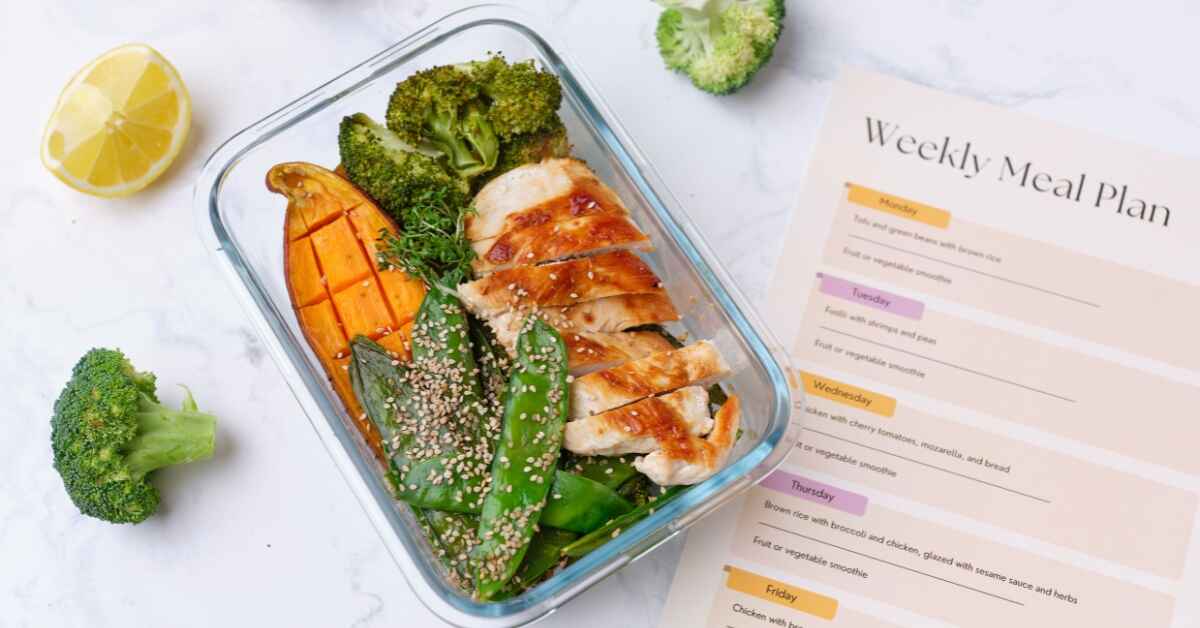
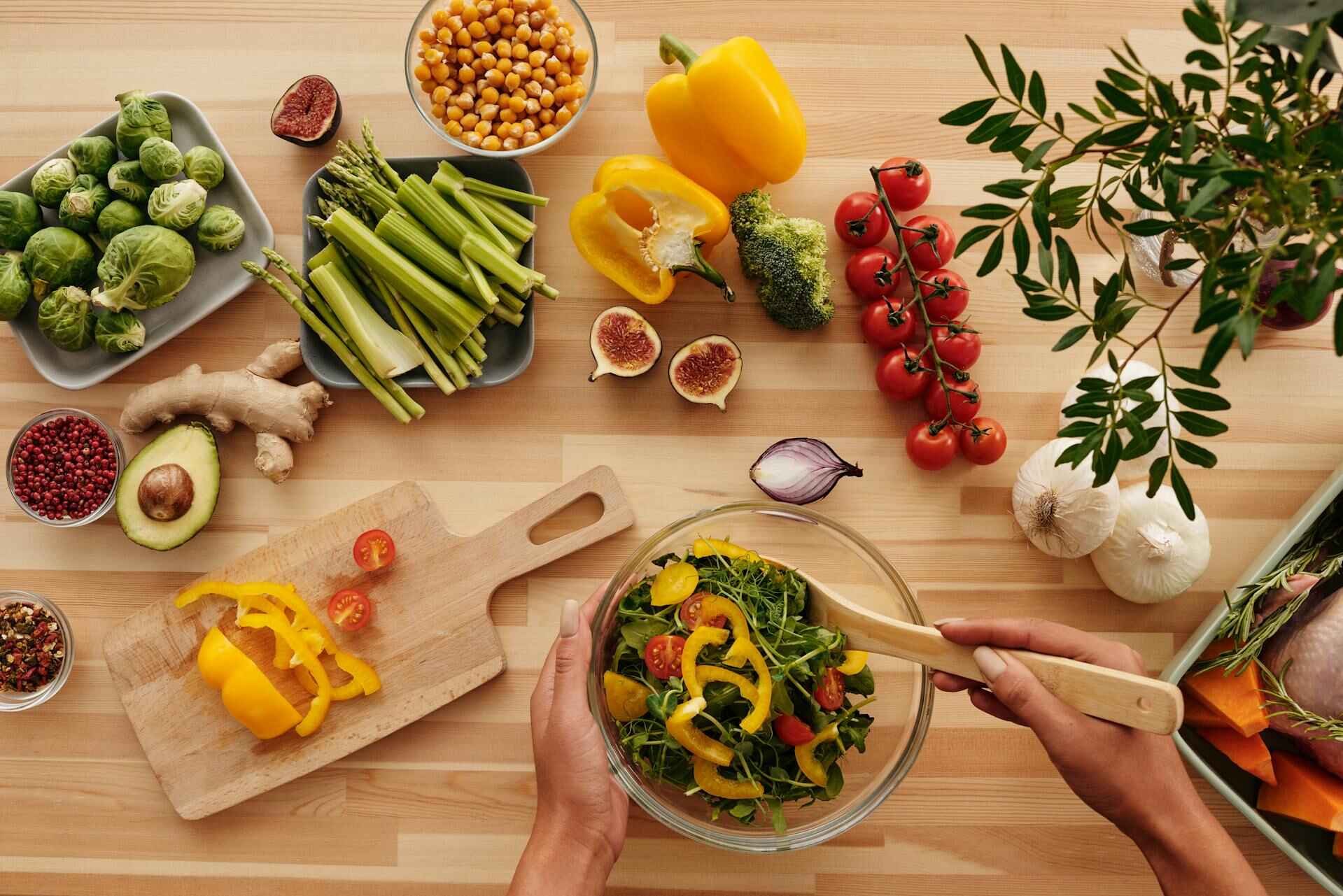
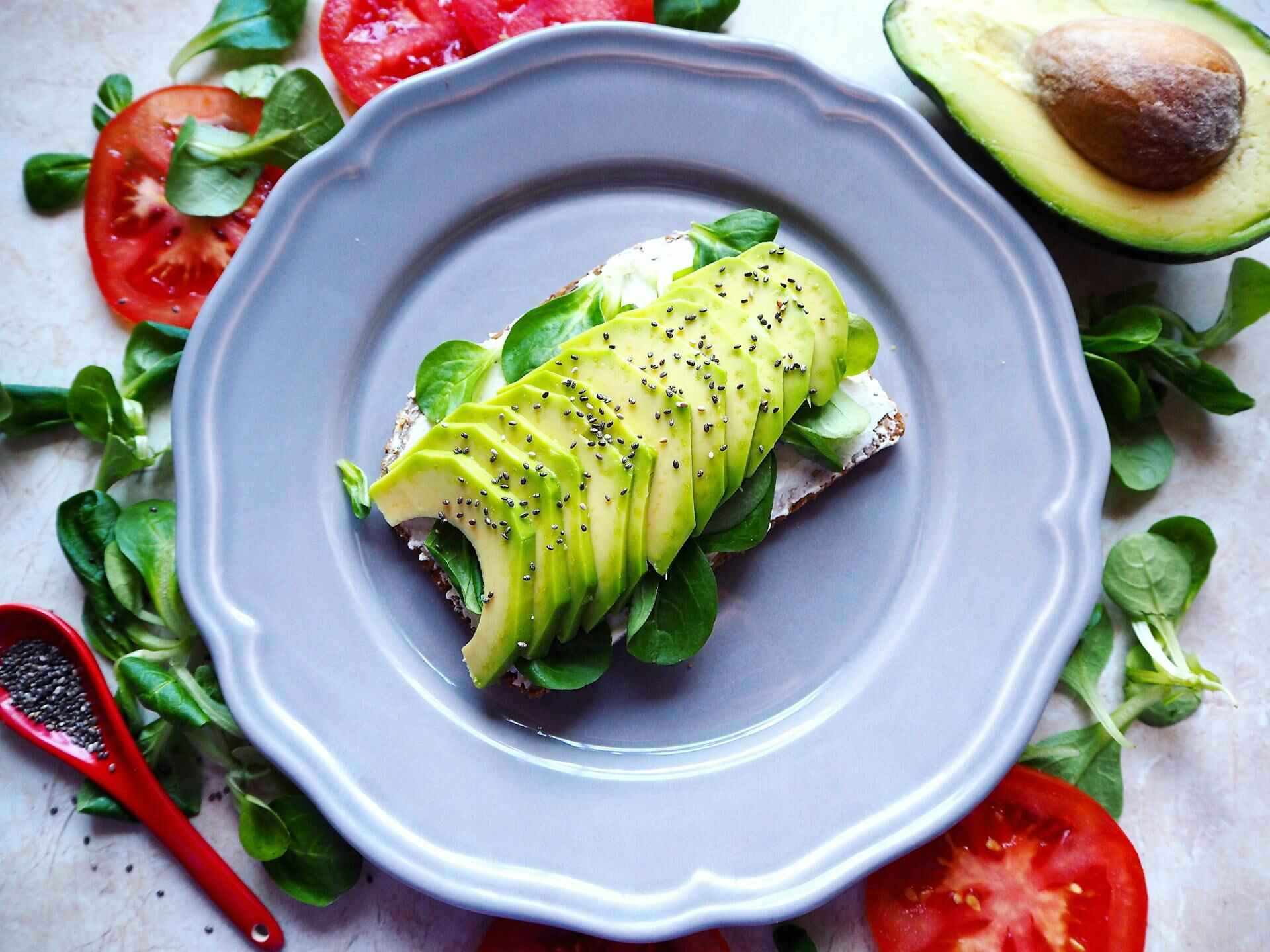
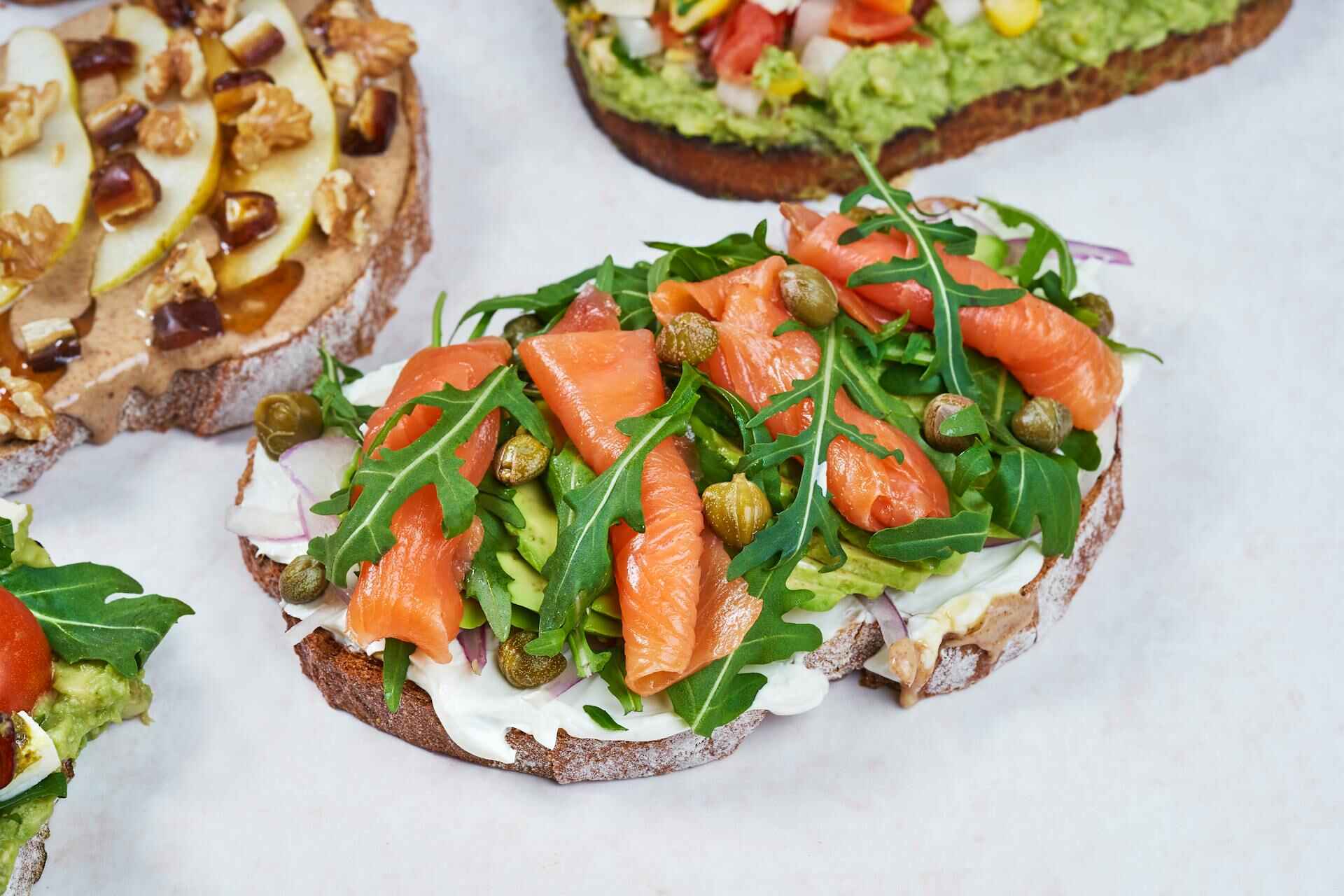
0 Comments