
Vegetarian diets are becoming more popular worldwide for various health, environmental, socioeconomic, and religious reasons.
Vegetarianism comes in many forms, including the ovo-vegetarian diet.
This post covers all there is to know about the ovo-vegetarian diet and includes a sample menu.
What is an ovo-vegetarian diet?
Except for eggs, an ovo-vegetarian diet excludes all animal-based items.
Meat, poultry, fish, and dairy items like milk, yogurt, and cheese are not permitted, but whole eggs, egg whites, and egg-containing meals such as mayonnaise, egg noodles, and some baked goods are.
Ovo-vegetarian diets are less prevalent than vegan diets, which entirely omit all animal-derived foods and byproducts, and lacto-ovo-vegetarian diets, which include dairy products and eggs but not meat, poultry, or fish.
Vegetarian diets of any sort are generally nutritious and highly healthful. Nonetheless, there are various reasons why someone would prefer an ovo-vegetarian diet over others.
Whole eggs are inexpensive and healthy, making them a terrific complement to any diet. They are a good source of high-quality protein, B vitamins, and anti-inflammatory substances (1).
Indeed, some people choose to incorporate eggs in an otherwise animal-free diet if they cannot achieve their nutritional demands on a purely vegan diet.
An ovo-vegetarian diet would also be a good option for someone who wants to be a vegetarian but has dairy allergies or sensitivities.
Others may follow the diet because of religious, environmental, or ethical concerns regarding the abuse of animals used to produce meat and dairy products.
Those driven by ethical considerations are more likely to consume solely ethically obtained eggs and egg products.
Many potential benefits
An ovo-vegetarian diet may be beneficial to your health in a variety of ways.
May contribute to improved diet quality.
According to research, vegetarians consume more nutrient-dense foods, such as fruits, vegetables, legumes, and whole grains, than non-vegetarians (2).
They also tend to consume fewer calories from added sweets and saturated fats and better adhere to salt consumption recommendations (2, 3).
Many experts believe this is why vegetarians have better health outcomes than non-vegetarians; more study is needed to demonstrate a definite cause-and-effect link (3).
Good for your heart
An ovo-vegetarian diet may be beneficial if you want to make dietary adjustments to improve your heart.
Several studies have found that vegetarians may have a 30-40% lower risk of heart disease than non-vegetarians (4).
Furthermore, vegetarian diets have been demonstrated to reduce blood pressure and cholesterol levels, as well as reverse the building of plaque inside blood vessels, when combined with regular exercise and stress management measures (4).
Promotes balanced blood sugar
Well-planned vegetarian diets may lower the risk of type 2 diabetes by increasing blood sugar management and insulin sensitivity.
According to a recent evaluation of 14 research, vegetarians are around 25% less likely to acquire type 2 diabetes than non-vegetarians (5).
A vegetarian diet may also enhance insulin sensitivity and blood sugar management in persons who already have the illness (5).
The greater consumption of whole grains, fruits, and vegetables seen in vegetarian diets appears to have an essential role in diabetes prevention.
Foods abundant in fiber, beta-carotene, vitamin C, and magnesium, such as dark leafy greens and root vegetables, may have the highest preventative benefits (5).
Other benefits
Other health and lifestyle benefits connected with vegetarian diets include:
- Weight loss. Vegetarian diets are often lower in calories and may help weight loss more successfully than omnivore ones (2, 6).
- Support gut health. Vegetarian diets are high in fiber and plant substances that promote the growth of beneficial gut flora, resulting in enhanced digestion and immunity (7, 8).
- May reduce cancer risk. Some studies suggest that vegetarian diets may cut cancer risk by up to 12%, while further research is needed (9).
- More affordable. High-quality meat and dairy products can be rather pricey. As a result, vegetarian diets may be more economical.
Though vegetarian diets have numerous advantages, it is crucial to realize that no single outcome is guaranteed.
Possible drawbacks
An ovo-vegetarian diet is highly safe and beneficial for the majority of people. However, if you do not plan your food correctly, you may fall short of acquiring some vital nutrients.
Insufficient protein intake
Protein is necessary to maintain healthy bones, muscles, organs, skin, and hair.
For protein, many non-vegetarian diets rely on meat and dairy products. Because an ovo-vegetarian diet eliminates certain items, you must ensure that you acquire your protein from other sources.
Eggs, legumes, nuts, and seeds are all excellent ovo-vegetarian protein sources.
Vitamins, minerals, and omega-3s
Iron, calcium, zinc, omega-3 fats, and vitamins D and B12 are among vegetarian diets’ most commonly deficient nutrients (10).
In non-vegetarian diets, meat, fish, and dairy products are frequently a primary source of these nutrients. As a result, omitting them may result in inadequacies if you do not replace them with vegetarian alternatives.
Here are a few foods that can help you transition to an ovo-vegetarian diet and offer these nutrients:
- Iron. Incorporating eggs and plant-based iron sources such as lentils, soybeans, garbanzo beans, brown rice, iron-fortified cereals, dried fruit, pumpkin seeds, and pistachios is an intelligent method to satisfy your iron requirements (11).
- Calcium. To maintain appropriate calcium intake, add foods like white beans, turnip greens, arugula, bok choy, tofu, and calcium-fortified foods to your diet regularly (12).
- Vitamin D. The most excellent strategy to promote vitamin D production in your skin is to spend time in the sun. Eggs from pasture-raised hens, fortified meals, and UV-treated mushrooms are other good sources (13, 14, 15).
- Vitamin B12. Eggs are an excellent source of vitamin B12. The same may be said for fortified foods such as milk replacements or nutritional yeast (16).
- Zinc. Whole grains, eggs, nuts, seeds, and legumes are all ovo-vegetarian zinc sources (17).
- Omega-3 fats. Chia seeds, flax seeds, hemp hearts, and walnuts are excellent plant-based sources of omega-3 fats. Furthermore, eggs from chickens fed an omega-3-enriched diet can deliver these beneficial lipids (18).
If you can’t satisfy your nutrient needs via food alone, talk to your doctor or a dietician about taking supplements.
Vegetarian junk foods
Not all ovo-vegetarian foods are nutritious.
Dairy-free pastries, fried meals, processed vegetarian meat replacements, sugar-sweetened drinks, cereals, and sweets, are theoretically permissible for an ovo-vegetarian diet but should be consumed rarely, if at all.
A healthy vegetarian diet focuses on complete, nutrient-dense foods while limiting refined grains, added sugars, highly refined oils, and other ultra-processed junk foods.
Foods to eat
Though certain foods are prohibited on an ovo-vegetarian diet, there are plenty of nutrient-dense choices.
A well-planned ovo-vegetarian diet should include a range of whole, plant-based meals like:
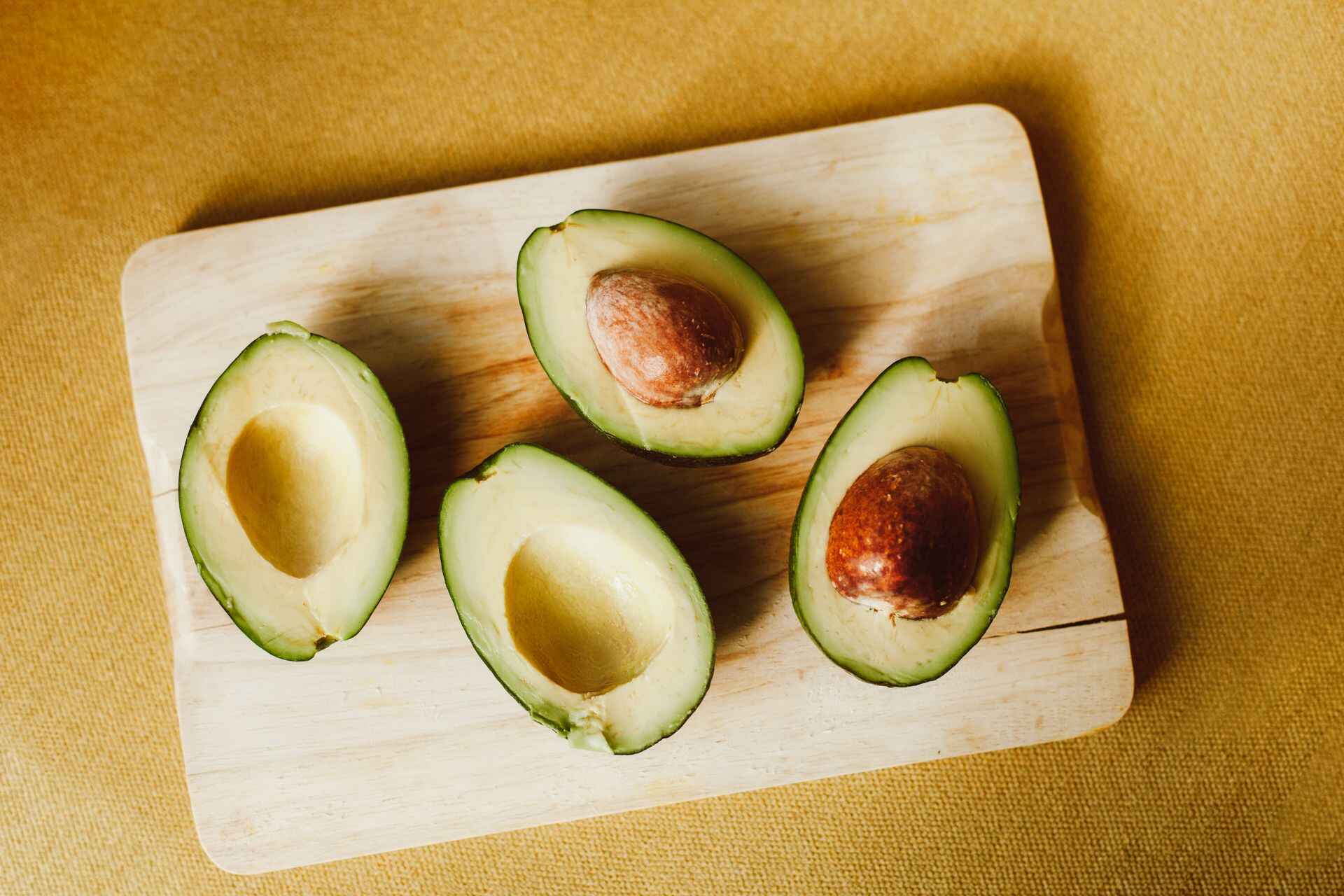
- Examples of fruits include apples, oranges, pears, berries, bananas, pineapple, mango, grapes, and avocado.
- Vegetables, carrots, potatoes, asparagus, turnips, broccoli, cauliflower, cucumbers, radishes, bell peppers, cabbage, tomatoes, summer and winter squash
- Rice, corn, quinoa, amaranth, buckwheat, bulgur, barley, oatmeal, pasta, crackers, popcorn, cereals, and bread are examples of grains (made without milk or butter)
- All legumes include soybeans, tofu, miso, lentils, black beans, garbanzo beans, kidney beans, peas, peanuts, pinto beans, and navy beans.
- Walnuts, macadamia nuts, pecans, pistachios, almonds, cashews, Brazil nuts, hemp seeds, chia seeds, sunflower seeds, nut butter, and flax seeds are examples of nuts and seeds.
- Whole eggs, egg whites, and egg products
- All dairy substitutes include soy, almond, oat, hemp, cashew, dairy-free yogurt, and dairy-free cheeses.
- Olive, avocado, walnut, flaxseed, and coconut oils are used.
- Beverages: Coffee, tea, water, mineral water, and nondairy milk
Remember that just because something is vegetarian doesn’t imply it’s healthy. To obtain the health advantages of an ovo-vegetarian diet, it is critical to consume as many wholes, minimally processed foods as possible.
Foods to avoid
Meats and dairy products are vital to avoiding an ovo-vegetarian diet, although certain meat-based food additives should also be avoided.
Avoid the following foods if you’re moving to an ovo-vegetarian diet:
- Beef, lamb, and pork are examples of red meat.
- Poultry includes chicken, turkey, and duck.
- Shellfish and fish
- Dairy products include milk, yogurt, cheese, and butter.
- Bread and pastries produced with milk or butter are examples of baked products.
- Food additives derived from meat and dairy: gelatin, lard, carmine, casein, whey
- Other items include animal broths, pâté, fish sauce, omega-3 supplements, nondairy creamer, and Caesar dressing.
Many of these foods may have vegetarian equivalents. However, remember that these substitutions are not necessarily nutritionally equal.
Most dairy-free milk substitutes, for example, do not have the same levels of protein and minerals as conventional cow’s milk. This isn’t to say they’re a horrible alternative, but it’s something to consider if you want to develop a nutritionally complete vegetarian diet.
Sample menu
Though nutritional requirements and dietary choices differ, here’s an example of a five-day ovo-vegetarian diet.
Monday
- Coconut-chia pudding with frozen berries and walnuts for breakfast
- Lentil vegetable stew with flax crackers for lunch
- Dinner: stir-fried tofu and vegetables with brown rice
Tuesday
- Whole-grain bread with braised vegetables and poached eggs for breakfast
- Lunch: hummus and veggie sandwich wrap with berries on the side
- Quinoa dish with black beans, nutritional yeast, mixed greens, guacamole, and salsa for dinner
Wednesday
- Breakfast: spinach, hemp protein powder, cashew milk, almond butter, bananas, ginger, and avocado smoothie
- Sandwich with egg salad on whole-grain bread for lunch
- Spicy peanut noodles with edamame, purple cabbage, and cilantro for dinner
Thursday
- Oatmeal with fresh fruit, hemp seeds, and slivered almonds for breakfast
- Lunch consists of leftover peanut noodles.
- Dinner: smokey tempeh with roasted veggies and mushroom risotto for vegetarians
Friday
- Breakfast: scrambled eggs and vegetables with fresh fruit on the side
- Soup with white beans, kale, and tomato for lunch, served with whole-grain bread
- Tacos with cauliflower and chickpeas and a cilantro-lime cashew cream sauce for dinner
The bottom line
The ovo-vegetarian diet, which excludes all animal products, and saves eggs, is a kind of vegetarianism.
This eating, as long as it is carefully planned, may give all the nutrients your body requires and offer various benefits, including a lower risk of heart disease and diabetes.
To get the most out of your ovo-vegetarian diet, incorporate a variety of nutritious grains, legumes, nuts, seeds, veggies, and fruits.




0 Comments