
The Atkins diet is a low-carbohydrate diet often used to lose weight.
Proponents of this diet argue that you can lose weight despite eating as much protein and fat as you like as long as you avoid carb-heavy items.
Over the last 12 years, over 20 studies have proven that low-carb diets without calorie tracking are successful for weight reduction and may lead to various health benefits.
The Atkins diet was popularized by Dr. Robert C. Atkins, who published a best-selling book about it in 1972.
Since then, the Atkins diet has grown in popularity across the globe, and many more books have been produced on it.
The diet was formerly deemed dangerous and condemned by conventional health experts, mainly owing to its high saturated fat content. New research, however, suggests that saturated fat is not harmful. (1, 2)
Since then, the diet has been widely researched and shown to result in higher weight reduction and improvements in blood sugar, "good" HDL cholesterol, triglycerides, and other health indicators than low-fat diets. (3)
Despite its high fat content, it does not elevate "bad" LDL cholesterol on average, while it does in a minority of people. (5)
The primary reason why low-carb diets are so successful for weight loss is that a decrease in carbohydrates and an increase in protein consumption lower hunger, causing you to consume fewer calories without even thinking about it. (6, 7)
This article discusses the health advantages of low-carb diets in further detail.
The Atkins Diet Is a 4-Phase Plan
The Atkins diet is divided into four stages:
- Phase 1 (induction): Eat no more than 20 grams of carbohydrates daily for two weeks. Consume high-fat, high-protein foods together with low-carb veggies such as leafy greens. This jump-starts the weight-loss process.
- Phase 2 (balancing): Reintroduce additional nuts, low-carb veggies, and modest quantities of fruit to your diet gradually.
- Phase 3 (fine-tuning): When you're incredibly near your ideal weight, increase your carbohydrate intake until weight loss slows.
- Phase 4 (maintenance): During this phase, you may consume as many nutritious carbohydrates as your body can handle without gaining weight.
These steps, however, are pretty tricky and may not be required. You should be able to lose weight and keep it off if you follow the eating plan outlined below.
Avoided Foods
On the Atkins diet, you should avoid the following foods:
- Sugar can be found in soft drinks, fruit juices, cakes, candy, and ice cream, among other things.
- Grains include wheat, spelled, rye, barley, and rice.
- Trans fats are commonly found in processed foods that contain the word "hydrogenated" in the ingredient list.
- Foods labeled "diet" or "low-fat" are typically high in sugar.
- Carrots, turnips, and other high-carb vegetables
- Bananas, apples, oranges, pears, and grapes are high-carb fruits.
- Potatoes and sweet potatoes are starches.
- Lentils, beans, chickpeas, and other legumes
Some individuals prefer to skip the induction period entirely and begin with lots of veggies and fruit. This method may also be quite successful.
Others would instead remain in the induction phase indefinitely. This is sometimes called a highly low-carb ketogenic diet (keto).
Foods to Eat
It would be best if you based your diet on these nutritious items.
- Beef, pig, lamb, chicken, bacon, and other meats
- Salmon, trout, sardines, and other fatty fish and seafood
- Eggs: Omega-3-enhanced or pastured eggs are the healthiest.
- Kale, spinach, broccoli, asparagus, and other low-carb veggies
- Full-fat dairy products include butter, cheese, cream, and full-fat yogurt.
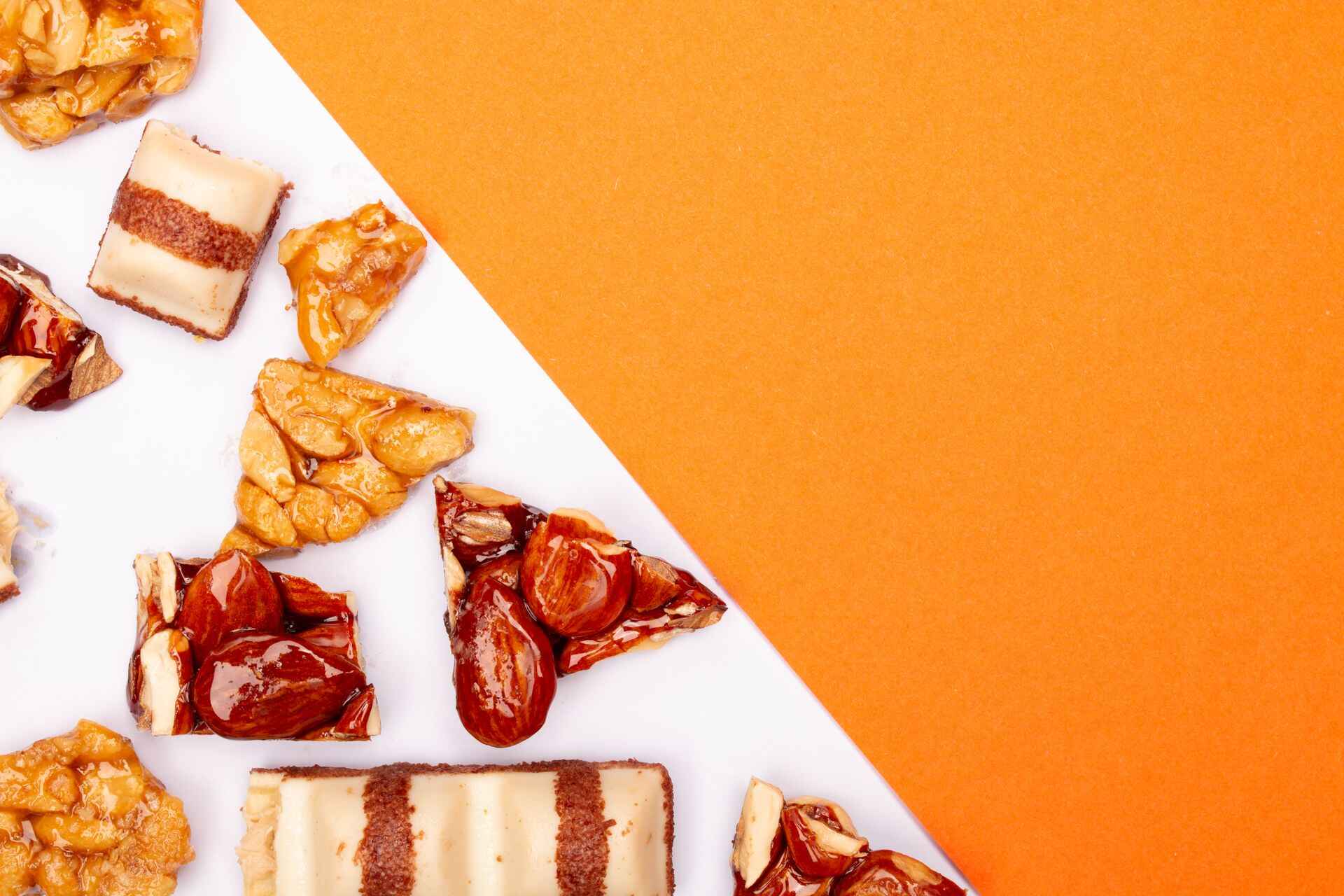
- Almonds, macadamia nuts, walnuts, sunflower seeds, and other nuts and seeds
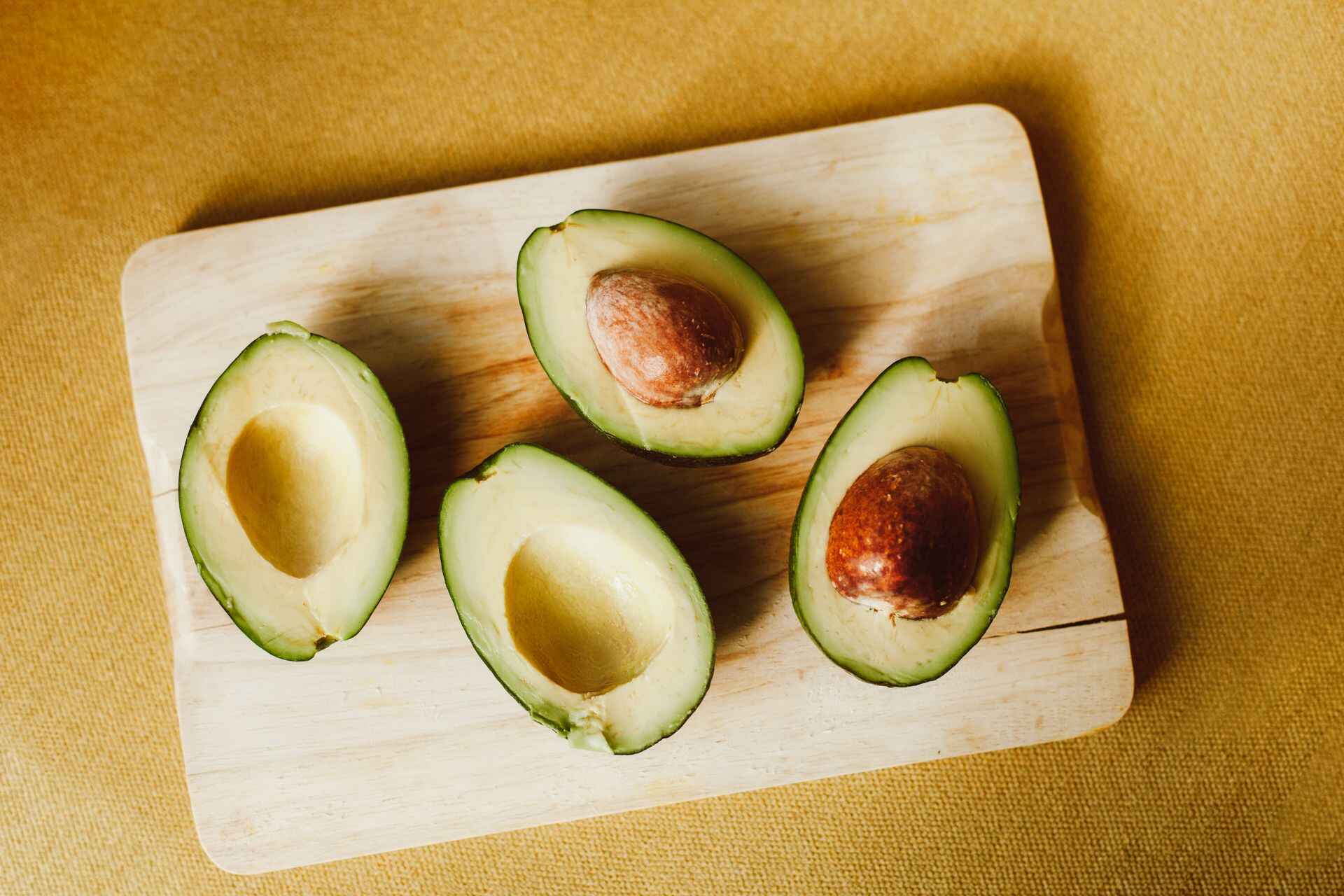
- Extra virgin olive oil, coconut oil, avocados, and avocado oil are all excellent sources of healthy fats.
You will lose weight if you base your meals on a fatty protein source, veggies, or nuts, and some healthy fats. It's as easy as that.
Beverages
Here are a few beverages that are suitable for the Atkins diet.
- Water: As usual, water should be your first choice.
- Coffee: Numerous studies have shown that coffee is highly beneficial and rich in antioxidants.
- Green tea is a very nutritious beverage.
In tiny doses, alcohol is also OK. Avoid high-carb beverages like beer and stick to dry wines with no added sugars.
Probably Eat
On the Atkins diet, you may consume a variety of delectable meals.
Bacon, thick cream, cheese, and dark chocolate are examples of such cuisine.
Many foods are considered fatty because of their high fat and calorie content.
When you follow a low-carb diet, your body uses fat as an energy source more often and suppresses your appetite, lowering your risk of overeating and weight gain.
If you want to learn more, see our 6 Indulgent Low-Carb Foods post.
After the Induction Period Is Over, You Can Gradually Reintroduce Healthier Carbohydrates
Contrary to popular belief, the Atkins diet is highly adaptable.
Only during the two-week induction period should you limit your carbohydrate consumption.
After the induction period, you may gradually reintroduce healthy carbohydrates such as higher-carb vegetables, fruits, berries, potatoes, legumes, and more nutritious grains such as oats and rice.
Even if you achieve your weight reduction objectives, you will almost certainly need to maintain a somewhat low-carb diet for the rest of your life.
You will regain weight if you reintroduce the same old meals in the same quantity as previously. This applies to any weight reduction regimen.
What About Vegetarians?
It is feasible to follow the Atkins diet as a vegetarian (or even vegan), although challenging.
Protein may be obtained from soy-based foods, as well as from nuts and seeds. Olive oil and coconut oil are both excellent sources of plant-based fat.
Eggs, cheese, butter, heavy cream, and other high-fat dairy foods are also acceptable to Lacto-ovo vegetarians.
A Sample Atkins Menu for One Week
This is an example Atkins diet meal for one week.
It is OK during the induction phase, but as you go through the stages, you should include higher-carb vegetables and fruits.
Monday
- Breakfast: fried eggs and veggies in coconut oil.
- Lunch consists of a chicken salad with olive oil and a handful of nuts.
- Steak and vegetables for dinner.
Tuesday
- Bacon and eggs for breakfast.
- Lunch consists of leftover chicken and vegetables from the night before.
- Dinner will be a bunless cheeseburger with carrots and butter.
Wednesday
- Breakfast: cooked omelet with vegetables in butter.
- Lunch is a shrimp salad with olive oil.
- Dinner is a ground-beef stir fry with vegetables.
Thursday
- Breakfast: fried eggs and veggies in coconut oil.
- Lunch was leftover stir-fry from the night before.
- Dinner will consist of salmon with butter and veggies.
Friday
- Bacon and eggs for breakfast.
- Lunch consists of a chicken salad with olive oil and a handful of nuts.
- Meatballs with veggies for dinner.
Saturday
- Breakfast: cooked omelet with assorted veggies in butter.
- Meatballs from the night before for lunch.
- Pork chops with veggies for dinner.
Sunday
- Bacon and eggs for breakfast.
- Leftover pork chops from the night before for lunch.
- Dinner: Grilled chicken wings with some salsa and vegetables.
Make a point to include a variety of veggies in your diet.
Healthy Low-Carb Snacks
On the Atkins diet, most individuals report that their hunger decreases.
They are usually more than satiated with three meals every day (sometimes only 2).
If you become hungry in between meals, here are some fast, nutritious snacks:
- Leftovers.
- A couple of hard-boiled eggs.
- A hunk of cheese
- A cut of beef.
- A little handful of nuts.
- Yogurt from Greece.
- Whipped cream with berries
- Carrots, baby (careful during induction).
- Berries (after induction).
The Bottom Line
If you're serious about the Atkins diet, consider purchasing or renting one of the Atkins books and getting started immediately.
That being said, the comprehensive advice in this post should provide you with all you need to succeed.
Ultimately, the Atkins diet is a safe and successful approach to reducing weight. You will not be let down.



0 Comments