
On the internet, there is a lot of bad weight loss information.
Much of what is suggested is dubious at best and is not founded on any solid science.
However, some natural techniques have been demonstrated to work.
Here are 28 simple natural methods to reduce weight.
1. Include Protein in Your Diet
Protein is the king of nutrients when it comes to weight reduction.
Because your body burns calories while digesting and metabolizing protein, a high-protein diet may increase metabolism by up to 80–100 calories per day. (1, 2)
A high-protein diet may also make you feel fuller and help you lose weight. Some studies reveal that persons who follow a high-protein diet consume almost 400 fewer calories each day. (3, 4)
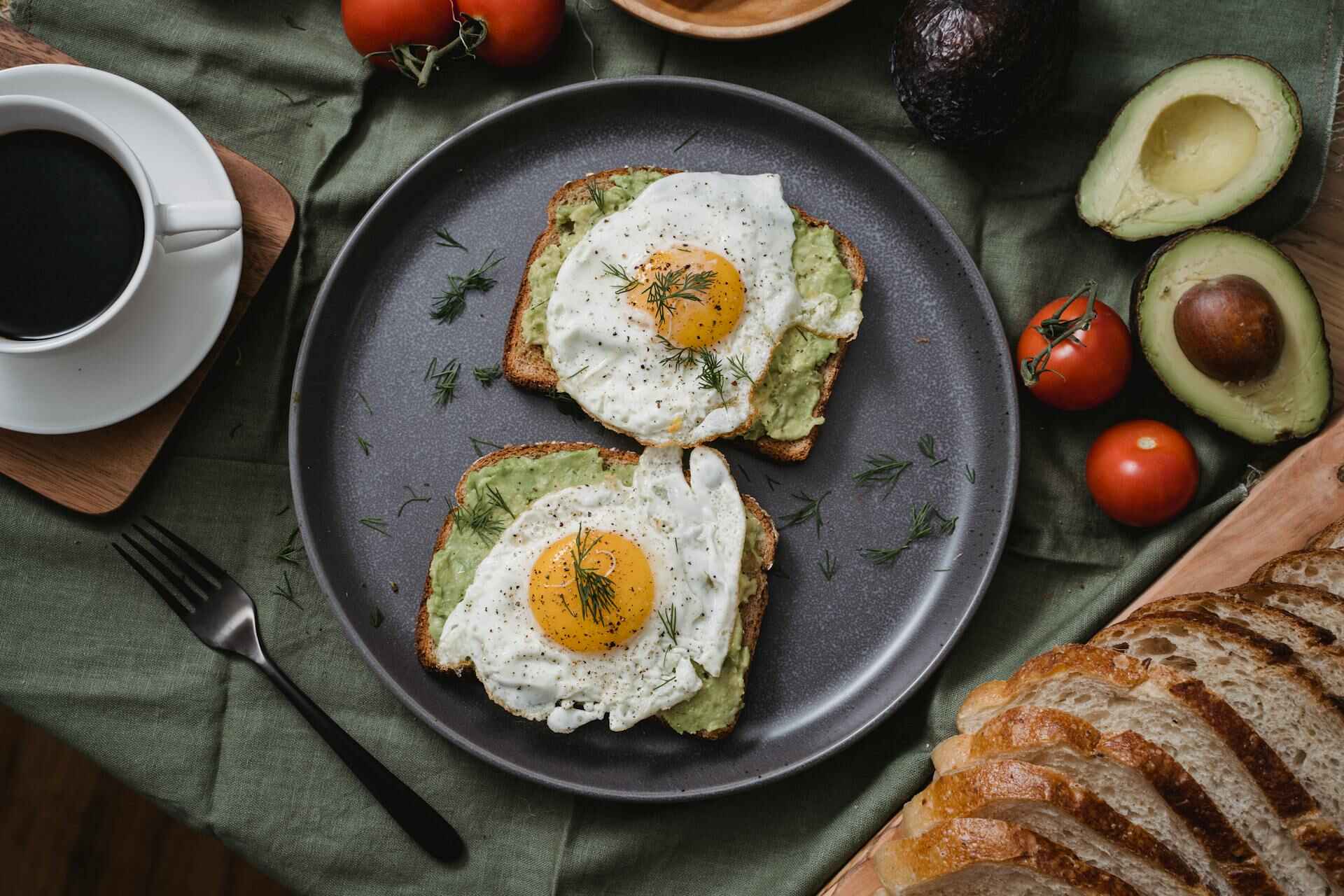
Even something as basic as having a high-protein breakfast (such as eggs) may have a significant impact. (5, 6, 7)
2. Consume whole, one-ingredient foods.
One of the most effective ways to improve your health is to base your diet on whole, single-ingredient foods.
This eliminates the great majority of added sugar, fat, and processed food.
Most whole foods are inherently full, which makes it much simpler to stay within safe calorie limits. (8)
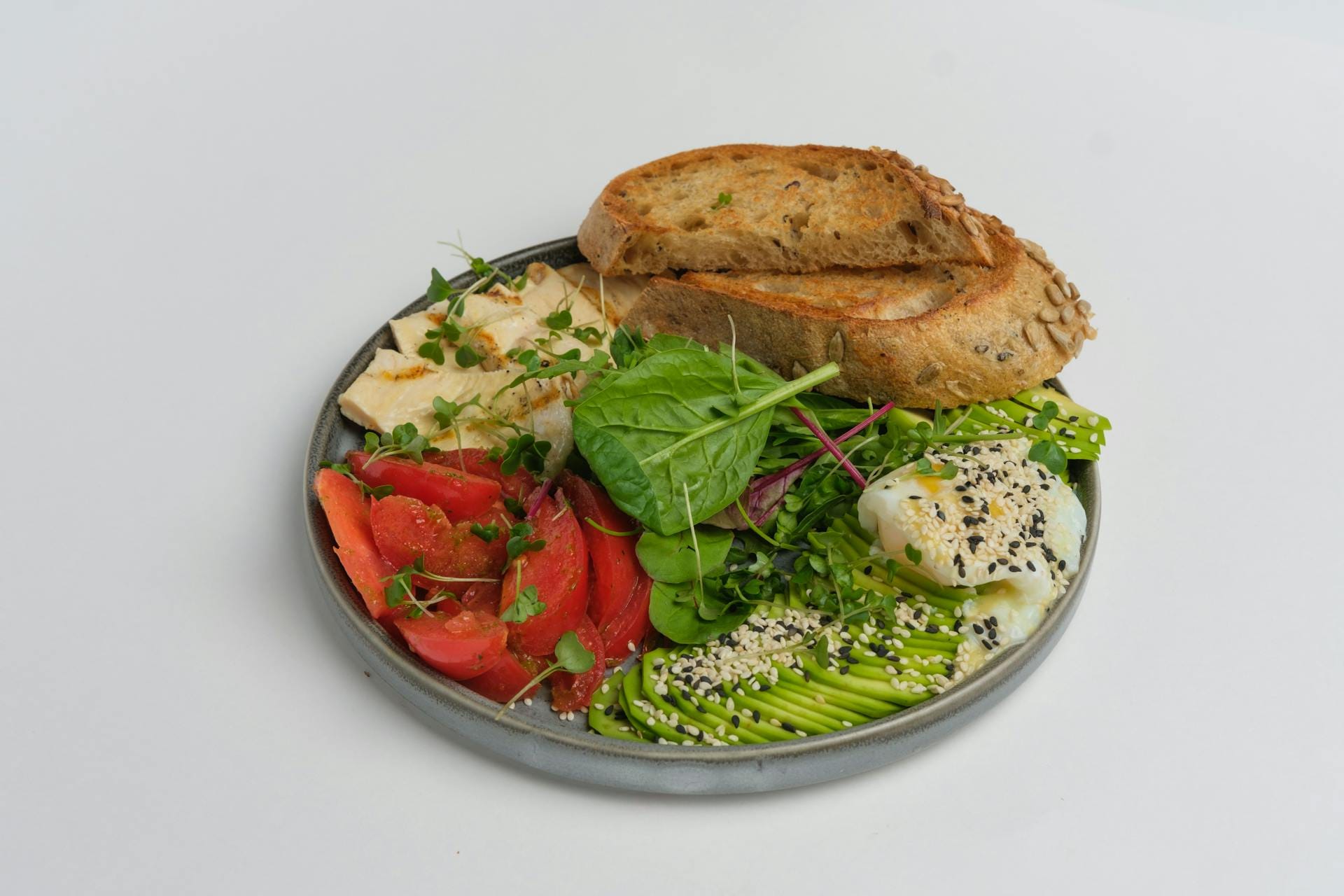
Furthermore, consuming complete meals gives your body the many critical elements it needs to operate effectively.
Weight reduction is a common natural side effect of consuming complete foods.
3. Avoid Consuming Processed Foods
Processed foods often have a lot of added sugars, fats, and calories.
Furthermore, processed meals are designed to encourage you to consume as much as possible. They are much more prone than unprocessed meals to trigger addictive-like eating. (9)
4. Stock Up on Healthy Snacks and Foods
According to research, the food you keep at home has a significant impact on your weight and eating habits. (10, 11, 12)
By keeping nutritious food on hand at all times, you lessen the likelihood of you or other family members consuming bad foods.
There are also numerous nutritious and natural snacks that are simple to prepare and transport.
Yogurt, whole fruit, almonds, carrots, and hard-boiled eggs are examples.
5. Limit Your Consumption of Added Sugar
Eating a lot of added sugar has been related to some of the world’s most serious illnesses, such as heart disease, type 2 diabetes, and cancer. (13, 14, 15)
Americans consume around 15 teaspoons of added sugar each day on average. This quantity is often buried in a variety of processed meals, so you may be ingesting a significant amount of sugar without even realizing it. (16)
Because sugar is known by many different names in ingredient lists, determining how much sugar a product contains may be tricky.
Cutting less on added sugar is an excellent approach to enhance your diet.
6. Drink lots of water.
There is some validity to the myth that drinking water might help you lose weight.
Drinking 0.5 liters (17 oz) of water will boost your calorie expenditure by 24–30% for an hour following. (17, 18, 19, 20)
Drinking water before meals may also result in lower calorie consumption, particularly among the middle-aged and elderly. (21, 22)
Water is especially beneficial for weight reduction when it is substituted for other drinks that are heavy in calories and sugar. (23, 24)
7. Drink (unsweetened) coffee
People are now discovering that coffee is a healthful beverage high in antioxidants and other useful ingredients.
Coffee consumption may aid in weight reduction by raising energy levels and the number of calories burned. (25, 26, 27)
Caffeinated coffee may increase your metabolism by 3–11 percent while decreasing your chance of getting type 2 diabetes by 23–50 percent. (28, 29, 30)
Furthermore, black coffee is ideal for weight reduction since it may make you feel full while containing nearly no calories.
8. Use Glucomannan as a supplement.
Glucomannan is one of numerous weight reduction supplements that are effective.
The roots of the konjac plant, often known as the elephant yam, provide this water-soluble, natural dietary fiber.
Glucomannan is low in calories, occupies stomach space, and slows stomach emptying. It also decreases protein and fat absorption and feeds the healthy gut flora. (31, 32, 33)
It is thought that its extraordinary capacity to absorb water is what makes it so beneficial for weight reduction. A single capsule may transform an entire glass of water into gel.
9. Avoid Consuming Liquid Calories
Beverages containing liquid calories include sweet soft drinks, fruit juices, chocolate milk, and energy drinks.
These beverages are harmful to one’s health in a variety of ways, including an increased risk of obesity. According to one research, each daily consumption of a sugar-sweetened beverage increases the risk of childhood obesity by 60%. (34)
It’s also worth noting that your brain does not process liquid calories in the same way that it does solid calories, so you wind up stacking these calories on top of everything else you consume. (35, 36)
10. Limit Your Consumption of Refined Carbohydrates
Refined carbohydrates have had the majority of their essential elements and fiber removed.
The refining procedure produces only readily digestible carbohydrates, which might raise the risk of overeating and illness. (37, 38)
White flour, white bread, white rice, sodas, pastries, snacks, sweets, pasta, morning cereals, and added sugar are the most common dietary sources of refined carbohydrates.
11. Intermittent Fasting
Intermittent fasting is a kind of eating habit that alternates between fasting and eating intervals.
Intermittent fasting may be done in a variety of ways, including the 5:2 diet, the 16:8 approach, and the eat-stop-eat strategy.
In general, these approaches cause you to consume fewer calories overall, without having to intentionally limit calories during meal times. This should result in weight reduction as well as a slew of other health advantages. (39)
12. Drink Green Tea (unsweetened)
Green tea is a natural beverage high in antioxidants.
Drinking green tea has been linked to a variety of health advantages, including enhanced fat burning and weight reduction. (40, 41)
Green tea may boost energy expenditure by 4% and selective fat burning by up to 17%, particularly dangerous belly fat. (42, 43, 44, 45)
Matcha green tea is a powdered green tea that may provide even greater health advantages than normal green tea.
13 Consume More Fruits and Vegetables
Fruits and vegetables are incredibly healthful, low-calorie foods.
They are rich in water, nutrients, and fiber, but have a very low energy density. This allows you to consume substantial portions without absorbing too many calories.
Numerous studies have shown that persons who consume more fruits and vegetables weigh less. (46, 47)
14. Count Calories Now and Then
When attempting to reduce weight, being conscious of what you’re eating is quite beneficial.
There are various successful methods for doing this, such as tracking calories, maintaining a food journal, or photographing what you eat. (48)
Using an app or another technological tool might be more effective than keeping a food journal. (49)
15. Make use of smaller plates
According to several research, using smaller plates helps you eat less because it alters your perception of portion sizes.
People appear to load their plates the same way, regardless of plate size, thus bigger plates end up with more food than smaller ones. (50)
Using smaller dishes minimizes the amount of food you consume while providing the impression that you ate more. (51)
16. Try a Low-Carbohydrate Diet
Numerous studies have demonstrated that low-carb diets are quite efficient for weight reduction.
Limiting carbohydrates and increasing your intake of fat and protein lessens your hunger and allows you to consume fewer calories. (52)
This may result in weight reduction that is up to three times that of a typical low-fat diet. (53)
A low-carbohydrate diet may also help to improve numerous risk factors for illness.
17. Consume food more slowly
If you eat too quickly, you may consume far too many calories before your body senses you are full. (54)
When compared to people who eat more slowly, faster eaters are far more prone to become fat. (55)
Slower chewing may help you consume fewer calories and enhance the synthesis of hormones associated with weight reduction. (56)
18. Include Eggs in Your Diet
Eggs are the best fat-burning meal. They are inexpensive, low in calories, rich in protein, and high in a variety of nutrients.
When compared to diets with less protein, high-protein foods have been demonstrated to lower hunger and improve fullness. (57)
Furthermore, eating eggs for breakfast may result in up to a 66% larger weight reduction over 8 weeks when compared to eating bagels for breakfast. It may also assist you in eating fewer calories for the remainder of the day. (58)
19. Add Flavor to Your Meals
Capsaicin, found in chili peppers and jalapenos, has been shown to improve metabolism and fat burning. (59)
Capsaicin may also suppress appetite and calorie consumption. (60)
20. Use probiotics
Probiotics are living microorganisms that provide health advantages when consumed. They may benefit digestive and cardiovascular health, and may even aid in weight reduction. (61)
According to research, overweight and obese persons have different gut flora than normal-weight people, which may impact their weight. (62)
Probiotics may aid in the regulation of healthy gut microorganisms. They may also inhibit dietary fat absorption while decreasing appetite and inflammation. (63)
Lactobacillus gasseri is the probiotic bacterium with the most potential benefits on weight reduction. (64)
21. Get Adequate Sleep
Getting adequate sleep is critical for weight reduction as well as preventing future weight gain.
Sleep-deprived persons are up to 55% more likely to become fat than those who receive adequate sleep, according to studies. This figure is significantly greater among children. (65)
This is due, in part, to the fact that sleep deprivation affects the daily oscillations in hunger hormones, resulting in poor appetite control. (66)
22. Consume More Fiber
Foods high in fiber may aid in weight reduction.
Water-soluble fiber-containing foods may be particularly beneficial, since this kind of fiber may assist boost the sense of fullness.
Fiber may cause the stomach to enlarge and stimulate the release of satiety hormones by delaying stomach emptying. (67)
As a result, we eat less naturally, without having to think about it.
Furthermore, numerous fibers may feed the beneficial intestinal flora. Obesity risk reduction has been related to healthy gut flora. (68)
Just be sure to gradually increase your fiber consumption to prevent stomach discomfort like bloating, cramps, and diarrhea.
23. Brush Your Teeth After Meals
Many individuals clean or floss their teeth after eating, which may reduce the need to snack or eat in between meals. (69)
This is because many individuals do not want to eat after cleaning their teeth. Furthermore, it may make meals taste terrible.
As a result, if you clean your teeth or use mouthwash after eating, you may be less motivated to go for an unneeded snack.
24. Overcome Your Food Addiction
Food addiction is characterized by intense cravings and changes in brain chemistry that make it difficult to avoid eating particular foods.
This is a primary cause of overeating for many individuals, affecting a sizable proportion of the population. A 2014 research found that over 20% of respondents met the criteria for food addiction. (70)
Some meals are much more prone than others to induce addiction symptoms. This comprises highly processed junk foods with high sugar, fat, or both content.
Seeking treatment is the most effective method to overcome food addiction.
25. Engage in some kind of cardio exercise
Cardio exercise, such as jogging, running, cycling, power walking, or hiking, is an excellent method to burn calories while also improving mental and physical health.
Cardio exercise has been demonstrated to alleviate a variety of risk factors for heart disease. It may also aid in weight loss. (71)
Cardio seems to be especially beneficial in reducing harmful belly fat, which accumulates around your organs and promotes metabolic illness. (72)
26. Incorporate Resistance Exercises
Muscle mass loss is a typical adverse effect of dieting.
If you lose a lot of muscle, your body will begin to burn fewer calories than it used to. (73)
You can avoid muscle mass loss by lifting weights regularly. (74)
You’ll also look and feel considerably better as a result.
27. Make use of Whey Protein
The majority of individuals acquire adequate protein from their diet alone. Taking a whey protein supplement, on the other hand, is an excellent strategy to increase protein consumption for individuals who don’t.
According to one research, substituting a portion of your calories with whey protein may result in considerable weight reduction while simultaneously boosting lean muscle mass. (75)
Just be sure to check the ingredients list since certain versions are high in added sugar and other harmful chemicals.
28. Concentrate on Changing Your Lifestyle
Dieting is one of those things that virtually invariably fails over time. People who “diet” actually acquire more weight over time. (76)
Instead of concentrating just on reducing weight, make it a priority to fuel your body with nutritious foods.
Not simply to reduce weight, but to become a better, happier, and fitter person.


0 Comments