
Going low-carb doesn't mean eating more steaks. Learn why a low-carb diet may be a good option for you, which items to eat more of, and which to avoid when cutting carbohydrates intelligently.
You may have a neighbor who followed a low-carb diet and lost weight. Perhaps you heard about a celebrity who did it for a part or to lose baby weight. Whatever your reason, a low-carb diet might appear to be the perfect option for weight loss.
But does it work? Yes, but not necessarily superior to a low-fat diet.
A 2020 review in the journal BMJ found that both low-carb and low-fat diets produced equivalent outcomes in weight loss and blood pressure reduction after six months. Low-carb diets decreased LDL ("bad") cholesterol less than low-fat diets. Low-carb diets appeared to enhance HDL ("good") cholesterol, whereas low-fat diets did not.
Reasons to Start a Low-Carb Diet
According to Cassie Bjork, RD, owner of Redefined Weight Loss, individuals primarily seek out low-carb diets to lose weight. "Then there's the added benefit of fewer sugar cravings." Because carbohydrates convert to sugar in the body, consuming fewer carbs can lower sugar cravings and aid in weight reduction," explains Bjork.
However, eliminating carbohydrates does not ensure weight loss. Balanced meals are essential for ensuring your body receives the nutrition to be healthy and content.
"Following a low-carb eating plan does not guarantee weight loss. No matter what diet you follow, you must consume enough nutrients—protein, fat, carbohydrates, fiber, vitamins, and minerals—to keep your body properly nourished," says Amy Gorin, M.S., RDN, owner of Plant-Based with Amy in Stamford, Connecticut. "And, of course, make sure that you're not taking in excess calories that could ultimately lead to weight gain," goes on to say.
The goal is to begin a low-carb diet carefully. That does not imply you can eat all the cold cuts, steaks, and cheese you want. Nor does it mean carbohydrates have become the enemy; you may still consume them.
The amount of carbohydrates recommended per day varies greatly depending on the program. At Eathealthyisgood, we recommend that on a low-carb diet, carbohydrates account for around 40% of your calories—at least 120 grams of carbs daily. That quantity allows you to maintain a balanced diet and receive nutrients. It's also more manageable than following highly low-carb diets. Their stringency can make them difficult (and unpleasant) to follow. What you consume should give you delight.
With that said, if you're on a low-carb diet to assist in controlling your diabetes, you should consult with your doctor and a trained dietitian. They'll tell you how many carbohydrates you should consume daily and how to count them.
Low-Carb Basics
Understanding which meals contain carbohydrates is critical, and then structuring your plate based on that knowledge.
Grains, such as bread and rice, are high in carbohydrates, as are starchy vegetables like potatoes and maize, and legumes like kidney beans. Fruits and milk are also rich in carbohydrates. Nonstarchy vegetables such as broccoli, leafy greens, and bell peppers contain some carbs, although they are not significant sources for most individuals. Protein (chicken, fish, shellfish, meat, eggs) and fats (butter, oil) have no carbohydrates.
Include entire grains, dairy (such as plain yogurt and milk), fruits, and vegetables in your diet. "Whole grains, fruit, and vegetables provide fiber, which can keep you satiated and may help lower cholesterol," goes on to explain.
Instead of eliminating all carbohydrates, Gorin advocates limiting unhealthy carbs such as added sugar and processed carbs. Think of cookies, drinks, and sugary cereals. Instead of maple syrup, sweeten your porridge with fruit. A spoonful of almond or peanut butter over a sweet potato for supper can substitute for brown sugar.
One pitfall is neglecting to include healthy fats in your meals. "A lot of people think that low carb means eating steaks all day long, but an often overlooked component is getting plenty of healthy fats," Bjork said. "Healthy fat keeps you full and will take the place of some of the carbs you used to be eating," she explains.
The primary reason individuals become hungry and do not adhere to a low-carb diet is a lack of sufficient healthy fat. Healthy fats include avocado, nuts & seeds, and olive oil.
How to Put a Low-Carb Diet Together
Gorin recommends spacing out your carbs throughout the day. Carbs give glucose and fuel to your brain, so you'll feel more alert and avoid brain fog.
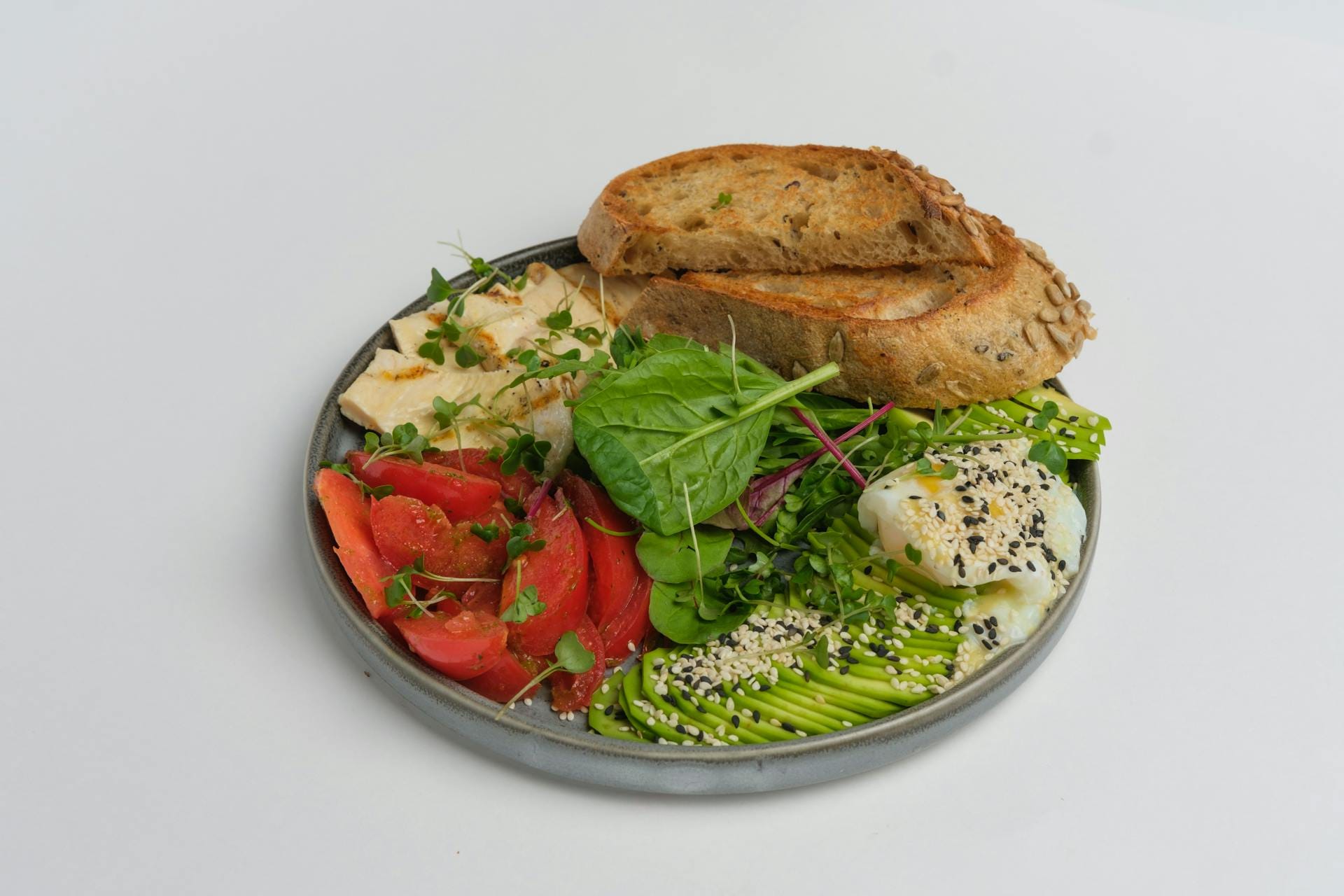
Gorin suggests constructing your plate with four components: protein (e.g., chicken, salmon), healthy fat, a fruit or nonstarchy vegetable, and a whole grain or starchy vegetable. If you're watching your carb intake, you may have a half-cup of brown rice instead of a full cup or a little sweet potato instead of a large one.
How to Count Carbs
Here are some general rules for counting carbohydrates, especially if trying to meet a specific daily goal.
- Starch (grains, beans, starchy vegetables) and fruits have around 15 grams of carbs per serving.
- Milk contains 12 grams per serving.
- Nonstarchy vegetables (such as broccoli and kale) provide about 5 grams of carbs per serving.
- Meat, fats, and oils have no carbohydrates.
A meal diary app (such as MyFitnessPal or Lose It!) can also help you monitor your daily carb intake. Keeping track of carbohydrates might be bothersome at first, but with experience, you'll gain a feel for how you prefer to divide them up in your meals—and soon, it'll be second nature, and you won't have to count them.
Avoid Going Too Low
While a low-carb diet may aid in losing weight in the long run, you do not want to go too low. Ensure you acquire carbohydrates from nutritious sources, such as fruits, vegetables, and whole grains.
The Bottom Line
Some people benefit from a low-carb diet. However, eating too few carbohydrates might make you feel tired, foggy, and dissatisfied. Before beginning a low-carb diet, do your homework—learn which high-carb items to replace with lower-carb alternatives and how to eat to achieve your objectives while being content and enjoying your meals.







0 Comments