
Vegetables are the unsung MVPs of a successful ketogenic plan: they bring texture, color, and essential nutrients without the carb hit of bread, rice, or potatoes — if you pick the right ones. Skip them, and you risk nutrient gaps, constipation, and a boring plate. Embrace the right keto vegetables, and your meals stay satisfying, diverse, and sustainable.
Sentence summary of keto and the role of vegetables:
The ketogenic diet is a low-carb, higher-fat eating approach that switches your body into burning fat for fuel, and keto vegetables are the low-carb, nutrient-dense plants that keep you nourished, full, and able to stay in ketosis.
Quick rules of thumb (non-starchy = generally OK; starchy = limit)
- Non-starchy = usually safe.
- Examples: spinach, kale, broccoli, cauliflower, zucchini, mushrooms, cucumbers, asparagus.
- Why: very low net carbs per serving (net carbs = total carbs − fiber), high in fiber and micronutrients.
- Starchy = limit or avoid on strict keto.
- Examples: potatoes, sweet potatoes, corn, parsnips, cassava.
- Why: high available carbs that can quickly push daily totals over strict keto limits.
- Portion and context matter.
- Small amounts of borderline veggies (like tomatoes or carrots) can fit if you track net carbs across the day.
- Choose preparation that adds fat, not sugar.
- Roast with olive oil, sauté in butter, or pair with avocado to keep meals keto-friendly and satisfying.
How this guide is organized — and how to use the net carb and meal plans below
This guide is built so you can read fast or deep dive, depending on your needs:
- Top-level primer: Short rules and quick wins (that’s this section).
- Vegetable lists & net carb: A practical, scrollable list of keto vegetables grouped by category (leafy greens, crucifers, nightshades, etc.), each with net carb estimates per serving, flavor notes, and quick prep ideas. Use these to plan portions and swap foods in recipes.
- Meal plans & templates: Ready-to-use daily and 7-day meal plans at different carb bands (strict vs. liberal keto). Each plan shows exact vegetable portions and calculates net carbs so you can copy or tweak.
- Cooking & recipe building blocks: Fast recipes and batch cook tricks (cauliflower rice, zucchini noodles, roasted cruciferous veg) that keep meal prep easy and predictable.
- Troubleshooting & special populations: Practical tips for diabetics, athletes, vegetarians, and older adults — how to use keto vegetables safely in each context.
How to use the net carb effectively
- Always check the serving size column first — one cup raw vs. cooked can change carb counts.
- Prefer net carbs (total − fiber) for daily tracking — that’s what most keto dieters use.
- Add vegetables into your daily tracker (app or spreadsheet) and watch the cumulative net carb total — this prevents accidental overages.
- If a veggie is marked “borderline,” treat it as a controlled treat: measure it, don’t eyeball.
Save the net carb cheat sheet from this guide and tape it to your fridge or phone so you can glance at keto vegetables and their portions while shopping or cooking.
What are “keto vegetables”? — definitions & rules
Keto vegetables are the plant foods you can eat on a ketogenic eating plan without blowing your daily carb budget — essentially the low-carb, non-starchy, often above ground vegetables that deliver fiber, vitamins, and volume with only a few grams of net carbs per serving.
Why that matters: on keto, you’re usually targeting a low daily net carb total (many people aim for ~20–50 g/day depending on strictness). Choosing the right keto vegetables lets you eat satisfying, nutrient-dense plates that keep you in ketosis while preventing micronutrient gaps and constipation. Practical, food first choices reduce the need for supplements and make the diet sustainable. (1, 2)
Difference between starchy and non-starchy vegetables
Quick rule:
- Non-starchy vegetables = usually keto vegetables (low in available carbs).
- Starchy vegetables = usually not keto-friendly for strict keto (high in digestible carbs and more likely to push you out of ketosis).
Short table (at a glance):
- Non-starchy (generally keto-friendly): leafy greens (spinach, romaine), crucifers (cauliflower, broccoli), zucchini, cucumber, asparagus, mushrooms, peppers (green).
- Starchy (limit/avoid on strict keto): potatoes, sweet potatoes/yams, corn, parsnips, cassava, taro.
Why the split exists: starchy vegetables store more energy as carbohydrates (starch) in their roots/tubers — that means more digestible carbs per bite. Non-starchy, above ground vegetables have more water and fiber and far fewer digestible carbs. If you need a quick guideline, many keto resources suggest that vegetables with <5 g net carbs per serving are safe to eat freely for most low-carb plans. (3)
“Above-ground vs. below-ground” rule explained
A simple, high-utility shortcut for choosing keto vegetables is this: above-ground = usually lower carb; below ground (roots/tubers) = usually higher carb.
- Above ground examples (lower carb): leaves (lettuce, spinach), stems (celery, asparagus), flowers (cauliflower, broccoli), and fruit vegetables (zucchini, eggplant, tomatoes in moderation).
- Below ground examples (higher carb): roots and tubers like carrots (moderation), beets (limit), potatoes, sweet potatoes, parsnips, and cassava.
This rule isn’t perfect (there are exceptions), but it’s excellent for grocery shopping and quick swaps: when in doubt, pick the green, leafy, or flower/stem parts. Clinical and public health resources use a similar division when they list non-starchy vs. starchy vegetables for blood glucose control. (4, 5)
Practical serving-size mindset (how much you can eat without exceeding carb targets)
Counting net carbs (total carbs − fiber) is the pragmatic method most keto followers use. Here’s a simple, practical approach you can use right away:
- Leafy greens (raw): ~0–2 g net carbs per cup. Eat big salads — they’re extremely low impact on your carb total. Example: a mixed-greens salad with olive oil is almost “free” in strict plans.
- Cruciferous veg (cooked, 1 cup): commonly ~2–5 g net carbs per cooked cup (cauliflower, broccoli, cabbage). Useful as rice or mash swaps. (6)
- “Borderline” veg (1/2 cup cooked): carrots, beets, peas — often contribute ~5–10+ g net carbs and should be portioned or reserved for higher-carb days. (7)
- Starchy tubers (small serving): a small potato or half a sweet potato can deliver 15–30+ g carbs — typically too much for strict keto daily targets. (8)
Practical rules you can use now (bullet list):
- If a vegetable is leafy or green and raw, you can usually eat a lot without many carbs.
- If a vegetable is starchy or a root, measure and limit it, or swap it for a lower carb alternative (e.g., cauliflower mash for potatoes).
- Use a food tracker or USDA FoodData Central when you need exact numbers — one cup cooked vs. raw changes the carb density a lot. (9)
Example micro-strategy:
- Aim for ~10–15 g net carbs from vegetables per day on a strict 20 g target — this leaves room for dairy, nuts, berries, and any hidden carbs in sauces. Programs like Atkins/Centers that publish induction targets use similar vegetable allotments to help dieters balance nutrients and ketosis safely. (10)
Takeaway: use the above ground vs below ground shortcut, focus on non-starchy choices, and track net carbs with a trusted database (USDA FoodData Central) or a keto tracker. That combo keeps your plates colorful, nutrient-dense, and reliably low in carbs — the whole point of choosing smart keto vegetables. (11)
Why vegetables are essential on keto — nutrients, fiber & health tradeoffs
Don’t treat keto vegetables as optional garnish — they’re the nutritional backbone of a healthy ketogenic plan. When you cut carbs, you also risk cutting out key vitamins, minerals, fiber, and phytochemicals that keep energy, digestion, and recovery running smoothly. Below, I break down exactly what you could miss, which veggies fill those gaps, and how fiber from vegetables helps you stay full and steady while still counting net carbs.
Micronutrients commonly missing on restrictive diets (vitamin C, potassium, magnesium), and which veggies fill gaps
Low carb and very low carb diets can unintentionally reduce intake of several micronutrients because they tend to limit fruits, whole grains, and some starchy vegetables. Clinical reviews list common shortfalls as vitamin C, potassium, magnesium, folate, and some B vitamins on restrictive ketogenic plans — which is why intentionally choosing nutrient-dense keto vegetables matters. (12)
Vegetables that plug the biggest gaps
- Vitamin C: Bell peppers (especially red), broccoli, Brussels sprouts, and kale are high in vitamin C per serving — helpful for immunity and collagen synthesis. (13, 14)
- Potassium: Spinach, avocado, mushrooms, and broccoli are strong sources of potassium and help offset sodium-related electrolyte shifts that can occur early in keto. (15)
- Magnesium: Leafy greens (spinach, Swiss chard), broccoli, and pumpkin seeds (if you include seeds/nuts) provide magnesium, which supports muscle function and sleep. (16, 17)
Quick practical tip: Build each day’s plate with at least two different keto vegetables (one leafy + one crucifer or savory veg) to improve your chance of meeting several micronutrients without adding many net carbs.
Fiber: role in digestion, blood sugar control, and satiety (and why fiber reduces “net carbs” impact)
Fiber is one reason keto vegetables are more than “low carb filler.” Plant fiber performs multiple jobs that matter on keto:
- Slower glucose absorption: Soluble fiber forms a gel in the gut that slows digestion and blunts post-meal blood sugar spikes — useful for stable energy and insulin control. (18, 19)
- Satiety and appetite control: Fiber helps you feel fuller longer, which reduces carb cravings and snacking — a huge practical win for keeping to a daily net carb target. (20)
- Gut health & short-chain fatty acids: Fermentable fibers feed beneficial gut bacteria, producing short-chain fatty acids that support colon health and metabolic signaling.
Why fiber lowers the net-carb impact: Many people tracking keto use net carbs = total carbs − fiber because fiber is not digested the same way — it doesn’t raise blood glucose for most people. So a cup of cauliflower or a big salad gives you volume, micronutrients, and fiber without a high net carb cost. (If you have a medical condition affecting digestion, consult your clinician; some people absorb certain fibers differently.)
Practical fiber tips
- Favor vegetables with a mix of soluble + insoluble fiber (e.g., broccoli, Brussels sprouts, avocado).
- If you’re chronically low in fiber, increase quantities slowly and drink more water to avoid bloating. (21)
Balancing ketosis goals vs. long-term nutrition
Keto works best when it’s both effective for ketosis and nutritionally complete. That means striking a balance: protect your ketosis goal while avoiding nutrient deficits that show up as fatigue, cramps, low mood, or poor recovery.
Simple framework to balance both
- Prioritize low net carb, nutrient-dense vegetables. Think spinach, broccoli, cauliflower, bell peppers (in moderation), zucchini, and avocado — these maximize vitamins/minerals per carb gram.
- Plan the day, not the meal. Spread your vegetable intake across meals so you don’t cram carbs into one sitting and spike ketone disruption.
- Use veggies to replace calories, not to hide carbs. Roast or sauté veggies in healthy fats (olive oil, butter, ghee) so your plate stays high-fat and satisfying rather than relying on starchy swaps that undo ketosis.
- Monitor and adjust. If you’re tracking ketones, note whether adding a borderline veg (small serving of carrot or tomato) changes your ketone readings — adjust portions accordingly. Clinical reviews recommend targeted monitoring for people using keto therapeutically. (22)
When to consider supplements or testing
- If you suspect ongoing deficiencies (persistent muscle cramps, abnormal labs, fatigue), talk with a clinician about blood tests for potassium, magnesium, vitamin D, and others — and consider targeted supplementation only under guidance.
Quick takeaway (actionable)
- Aim to include at least two different keto vegetables each day (a leafy green + a crucifer or savory veg) to cover vitamin C, potassium, and magnesium.
- Use net carbs to track impact — fiber-rich veg give volume and nutrients with minimal net carb cost.
- If you have symptoms or special health needs, monitor labs and work with a clinician — ketogenic diets can reduce intake of some micronutrients if you don’t plan intentionally.
How to calculate and track net carbs for vegetables
Tracking net carbs is the single most useful habit for anyone using keto vegetables to stay in ketosis. It keeps you honest about portions, lets you swap foods without guessing, and prevents accidental carb overload from sauces, canned items, or big starchy sides. Below, I’ll explain the rule, when you might count total carbs instead, and give fast, practical methods (labels, USDA lookups, apps) plus two worked examples you can copy.
Net carbs explained (total carbs − fiber)
- Definition: Net carbs = Total carbohydrates − Dietary fiber.
- Why it matters: Fiber is not digested into glucose the way starches and sugars are, so for most people, it doesn’t raise blood sugar and therefore doesn’t significantly affect ketosis. That’s why keto trackers and most keto communities use net carbs as the practical measure.
- What to watch for: Some sugar alcohols and specialty fibers (e.g., inulin, maltitol) behave differently — some count them partially toward carbs. For most whole keto vegetables, though, net carbs are the right metric.
Quick rule of thumb: If a vegetable has a lot of fiber (leafy greens, broccoli, cauliflower, avocado), subtract that fiber from total carbs to get the number you track in your daily carb budget.
When to count total carbs vs. net carbs (clinically advised cases)
Most keto followers use net carbs, but there are scenarios where counting total carbs is safer or clinically recommended:
- Digestive issues or malabsorption: If you have conditions that change how your gut handles fiber (e.g., certain surgeries, short bowel syndrome), fiber may impact you differently — some clinicians prefer total carb counting.
- Medication-sensitive cases (e.g., insulin users): People with type 1 diabetes or insulin treated type 2 diabetes sometimes track total carbs for precise insulin dosing. Always follow your clinician’s or diabetes educator’s instructions.
- Specific therapeutic uses of keto: When ketogenic therapy is used for medical reasons (epilepsy, some metabolic disorders), clinicians or dietitians may specify which carb counting method to use.
- If you notice unexpected blood sugar/ketone responses: If adding a high-fiber keto vegetable still causes unexpected glucose rises or ketone drops for you, try tracking total carbs for a few days to compare.
Bottom line: Net carbs are fine for most healthy adults on keto. If you’re on medication or have special clinical needs, confirm with your healthcare team whether you should track total carbs instead.
Quick methods: reading labels, USDA FoodData Central lookups, apps & sample calculations
Fast, accurate ways to get carb numbers
- Nutrition labels (packaged veg or mixes):
- Read Total Carbohydrate and Dietary Fiber per serving.
- Calculate: Net carbs = Total carbs − Fiber.
- Watch serving sizes (the label’s “serving” may be smaller than what you actually eat).
- USDA FoodData Central (recommended for whole foods):
- Search the vegetable and use the entry for raw or cooked as appropriate. USDA entries give total carbs and fiber per defined serving (e.g., 1 cup raw, 1 cup cooked).
- Use those numbers for exact tracking when you meal-prep.
- Tracking apps (convenience):
- Popular choices include Cronometer, MyFitnessPal, CarbManager — these show net or total carbs depending on settings. Cronometer is known for using vetted data sources.
- Apps help you sum daily totals and keep a running tally so you don’t accidentally exceed your target.
- Kitchen scale + simple math:
- If you cook from bulk (e.g., half a head of cauliflower), weigh the portion you eat, find carbs per 100 g from USDA, then do the math to scale to your portion.
Two worked examples (step-by-step arithmetic)
A. Zucchini — example serving: 1 cup sliced raw
(We’ll compute net carbs step-by-step so you can follow the logic.)
- Look up values (typical approximate values many databases show for 1 cup raw zucchini):
- Total carbohydrates = 3 g
- Dietary fiber = 1 g
- Calculate net carbs:
- Net carbs = Total carbs − Fiber
- Net carbs = 3 g − 1 g
- Net carbs = 2 g
- Interpretation: A cup of raw zucchini contributes roughly 2 g net carb, which is very low and allows you to include multiple cups across the day if your keto vegetables budget allows.
B. Sweet potato — example serving: 1 medium (baked, ~130 g)
- Look up typical values for a medium baked sweet potato:
- Total carbohydrates = 27 g
- Dietary fiber = 4 g
- Calculate net carbs:
- Net carbs = Total carbs − Fiber
- Net carbs = 27 g − 4 g
- Net carbs = 23 g
- Interpretation: One medium sweet potato provides about 23 g net carbs, which, on a strict ~20 g-per-day keto target, could consume your entire daily allotment — so it’s generally not suitable for strict keto unless used intentionally on a higher-carb or targeted day.
Practical tracking checklist (so you don’t have to think too hard)
- Always check the serving size before you calculate — 1 cup raw ≠ , 1 cup cooked.
- Subtract fiber to get net carbs for whole, non-processed keto vegetables.
- Weigh or measure borderline vegetables (carrots, beets, peas) because a “handful” can add up fast.
- Use an app to sum daily net carbs automatically; set your daily target (e.g., 20 g) and let the app alert you when you’re close.
- Double-check canned or pre-seasoned veg for added sugars or syrups — labels can hide carbs.
- If you’re on meds or have special conditions, check whether your clinician wants you to track total carbs instead.
Mini cheat (common veg net-carb quick reference)
- Leafy greens (large salad serving): ~1–3 g net carbs.
- Cauliflower (1 cup, riced or chopped, cooked): ~2–4 g net carbs.
- Broccoli (1 cup cooked): ~3–4 g net carbs.
- Zucchini (1 cup raw sliced): ~2 g net carbs (example above).
- Carrot (1 medium raw): ~4–5 g net carbs — portion carefully.
- Sweet potato (1 medium): ~23 g net carbs (example above) — generally too high for strict keto.
(These are rough ballparks — use USDA or a trusted tracker for exact numbers when precision matters.)
Top 40 Keto-Friendly Vegetables — carb counts, serving tips, and recipe ideas
Below are 40 practical keto vegetables organized by category. Each entry shows a rounded net carb estimate for a typical serving, why it’s useful on keto, quick prep ideas, and simple swaps or condiments to add fat and satiety. (Values are approximate — use USDA FoodData Central or your tracker for exact numbers.)
Leafy greens (8 items)
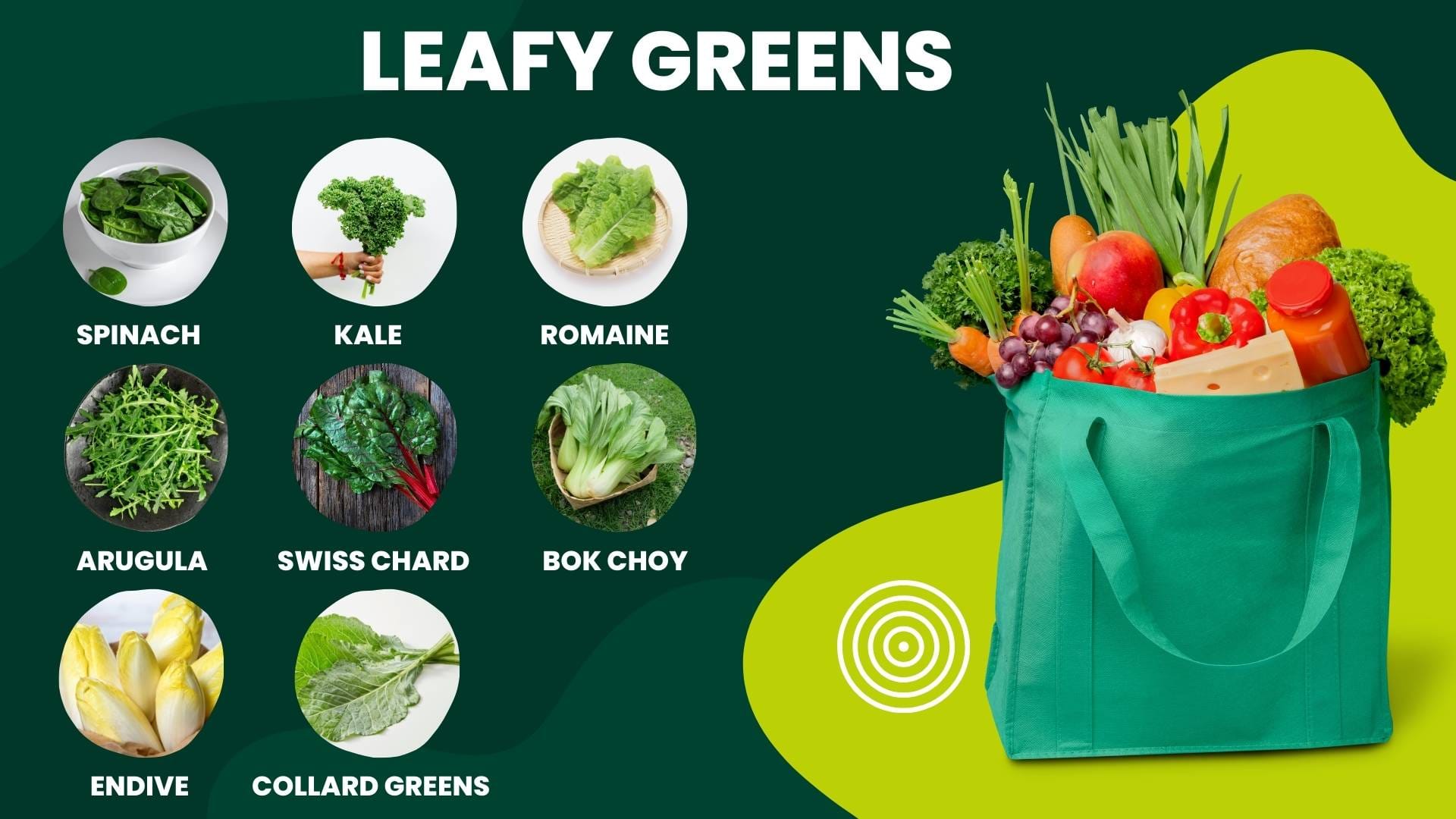
- Spinach — Net carbs: ~1 g per 1 cup raw.
- Why: Extremely low-carb, high in magnesium, potassium, and vitamin K.
- Prep: Toss raw into omelets, smoothies, or big salads. Sautéed with garlic and butter makes a rich side.
- Swap/condiment: Add a spoonful of olive oil or cream cheese to boost fat and absorption of fat-soluble vitamins.
- Kale — Net carbs: ~2 g per 1 cup raw (chopped).
- Why: Dense in vitamins C and A; hearty texture holds up to cooking.
- Prep: Massage raw for salads, crisp in the oven as kale chips, or sauté with bacon.
- Swap/condiment: Use olive oil + lemon or fattier dressings (blue cheese) to make it more satiating.
- Romaine — Net carbs: ~1 g per 1 cup.
- Why: Crisp, watery, nearly “free” on strict keto for volume.
- Prep: Big wedge salads, crunch in lettuce wraps or taco shells.
- Swap/condiment: Pile on avocado and full-fat dressing for calories and texture.
- Arugula — Net carbs: ~1 g per 1 cup.
- Why: Peppery flavor adds salad interest with minimal carbs.
- Prep: Use raw with prosciutto, shave Parmesan on top, or fold into warm dishes at the last minute.
- Swap/condiment: Drizzle with olive oil and lemon; top with pine nuts for extra fat.
- Swiss chard — Net carbs: ~2 g per 1 cup raw.
- Why: Good for magnesium and versatile, cooked or raw.
- Prep: Sauté stems first, then wilt leaves into cream sauce or use like spinach.
- Swap/condiment: Finish with butter and grated hard cheese for richness.
- Bok choy — Net carbs: ~1–2 g per cup cooked.
- Why: Mild Asian green that soaks up flavors.
- Prep: Stir-fry with sesame oil, garlic, and a splash of tamari.
- Swap/condiment: Top with toasted sesame oil and chili for fat and umami.
- Collard greens — Net carbs: ~3–4 g per 1 cup cooked.
- Why: Hearty and nutrient-dense; great for wraps.
- Prep: Blanch and use as wraps, or slowly braise with bacon.
- Swap/condiment: Spread with mayo or avocado before wrapping for extra fat.
- Endive — Net carbs: ~1 g per 1 cup.
- Why: Crisp, slightly bitter; great as a low-carb “chip.”
- Prep: Use leaves as scoops for dips, seafood salads, or soft cheeses.
- Swap/condiment: Fill with tuna salad made with olive oil mayo for a quick, fatty snack.
Cruciferous vegetables (6 items)
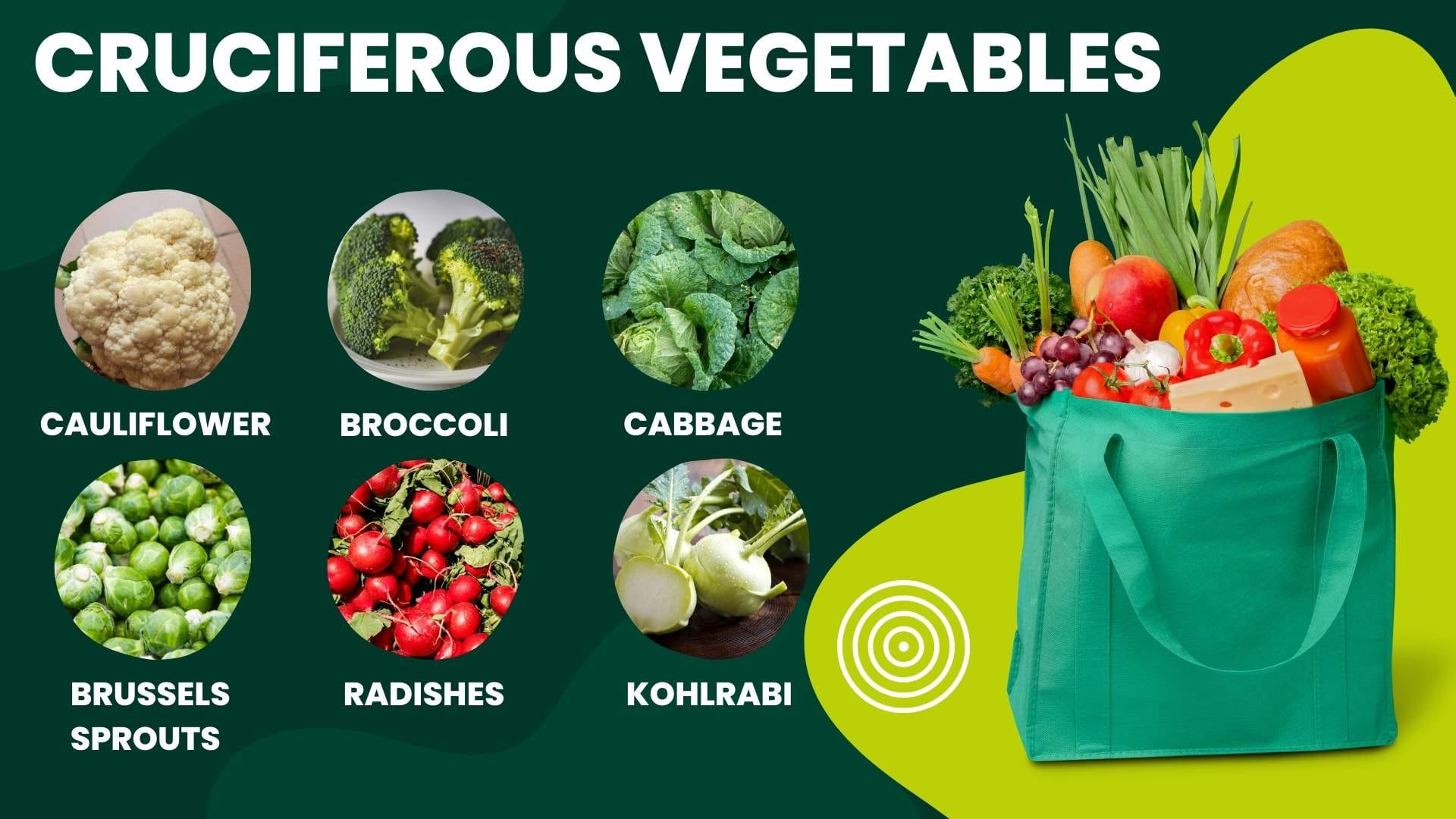
- Cauliflower — Net carbs: ~2–4 g per 1 cup (raw/riced). (23)
- Why: The ultimate keto starch swap — rice, mash, pizza crust.
- Prep: Rice, roast, mash with butter and cream, or make cauliflower “steaks.”
- Swap/condiment: Stir in butter, cheese, or olive oil to make it calorie-dense and satisfying.
- Broccoli — Net carbs: ~3–4 g per 1 cup cooked.
- Why: Fiber, vitamin C, and flexible in many preparations.
- Prep: Roast with garlic, steam and toss in butter, or include in stir-fries.
- Swap/condiment: Top with a creamy cheese sauce or a drizzle of sesame oil for fat.
- Cabbage — Net carbs: ~3 g per 1 cup cooked.
- Why: Cheap, filling, and great for slaw or sautéed dishes.
- Prep: Make keto coleslaw with mayo, or fry into cabbage “noodles.”
- Swap/condiment: Mix with full-fat mayo, apple-cider vinegar, and dill for a tangy side.
- Brussels sprouts — Net carbs: ~4 g per 1/2 cup cooked.
- Why: Nutty and caramelize beautifully when roasted.
- Prep: Halve and roast with bacon or toss in butter and lemon.
- Swap/condiment: Finish with bacon bits or parmesan for extra fat and umami.
- Radishes — Net carbs: ~2 g per 1 cup sliced.
- Why: Peppery crunch that softens when roasted; low-carb potato substitute when baked.
- Prep: Roast radishes to mellow the bite, or slice raw into salads.
- Swap/condiment: Serve with herb butter or aioli for richness.
- Kohlrabi — Net carbs: ~3–4 g per 1/2 cup sliced.
- Why: Crisp, mildly sweet — works as slaw or roasted cubes.
- Prep: Spiralize or shred raw for slaws, or roast chunks with spices.
- Swap/condiment: Toss with olive oil + lemon and a spoon of tahini for fat.
Salad & crunchy vegetables (6 items)
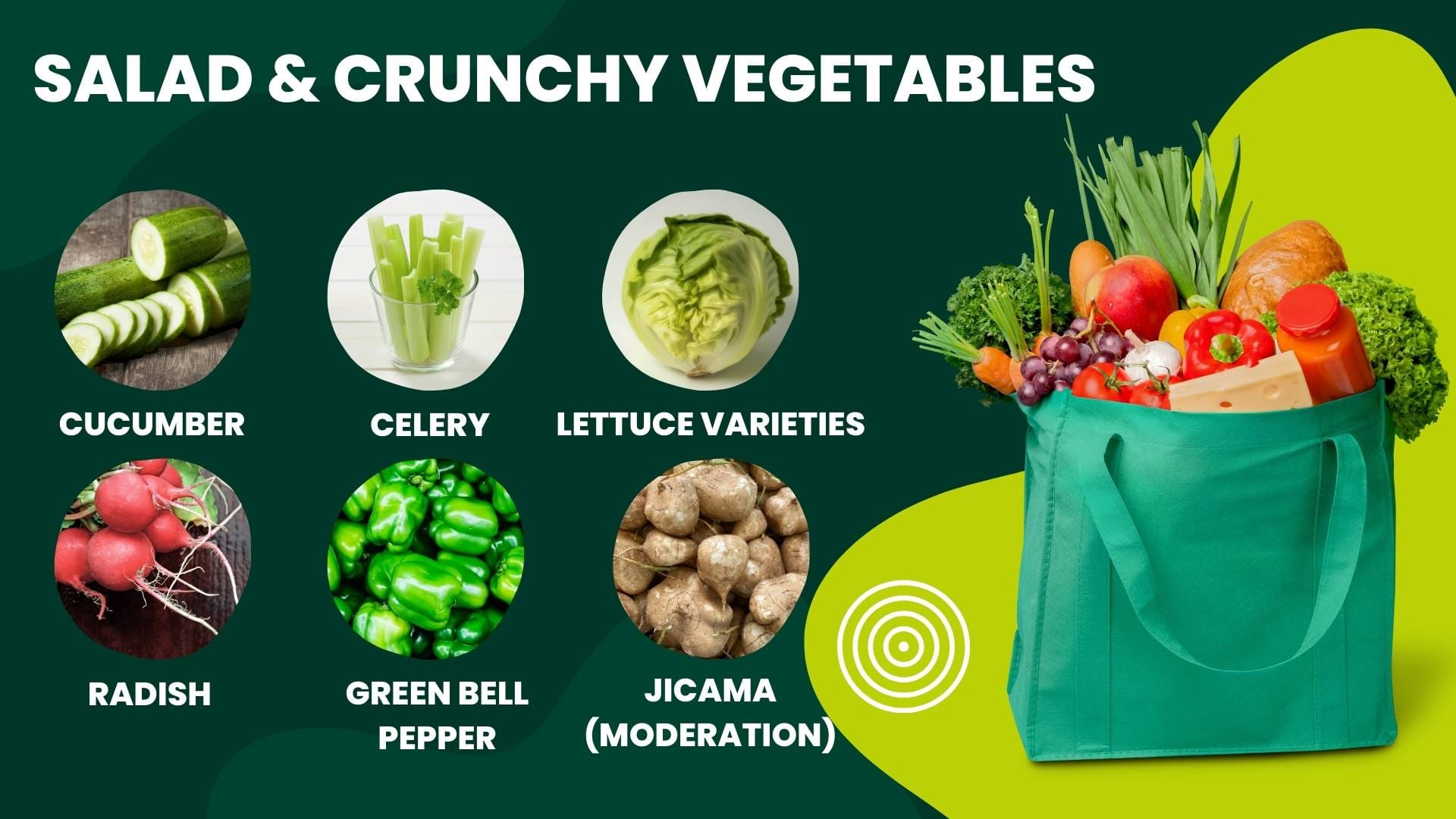
- Cucumber — Net carbs: ~2 g per 1 cup sliced. (24)
- Why: Hydrating, crunchy, and very low in carbs — great for salads.
- Prep: Make quick salads, tzatziki-style dips, or cucumber “sushi” rolls.
- Swap/condiment: Pair with full-fat Greek yogurt dressings or olive oil for more calories.
- Celery — Net carbs: ~1 g per stalk.
- Why: Crunchy, almost “free” for strict keto; great with dips.
- Prep: Fill with cream cheese, tuna salad, or almond butter (watch nut carbs).
- Swap/condiment: Top with buffalo chicken and blue cheese for a high-fat snack.
- Lettuce varieties (butter, iceberg, bibb) — Net carbs: ~1 g per cup.
- Why: Low-cal, great for wraps and volume.
- Prep: Use as sandwich or taco shells, or a big leafy bed for protein.
- Swap/condiment: Use fatty dressings and avocado to make them filling.
- Radish — (listed again here for crunchy use)Net carbs: ~2 g per 1 cup.
- Why: Sharp flavor adds texture; roasted radish mimics potato in dishes.
- Prep: Thinly slice for slaws or roast as a warm side.
- Swap/condiment: Toss with herb butter or olive oil and chili flakes.
- Green bell pepper — Net carbs: ~3 g per medium pepper.
- Why: Milder and lower-carb than red peppers; great for stuffing or fajitas.
- Prep: Slice for fajitas or stuff with ground meat and cheese.
- Swap/condiment: Top with sour cream, shredded cheese, or avocado crema.
- Jicama (moderation) — Net carbs: ~6 g per 1/2 cup (moderate).
- Why: Crunchy, slightly sweet — borderline; portion carefully.
- Prep: Use as a slaw base or raw sticks with lime and chili powder.
- Swap/condiment: Pair with high-fat dips to lower blood-sugar impact.
Nightshades & garden vegetables (6 items)
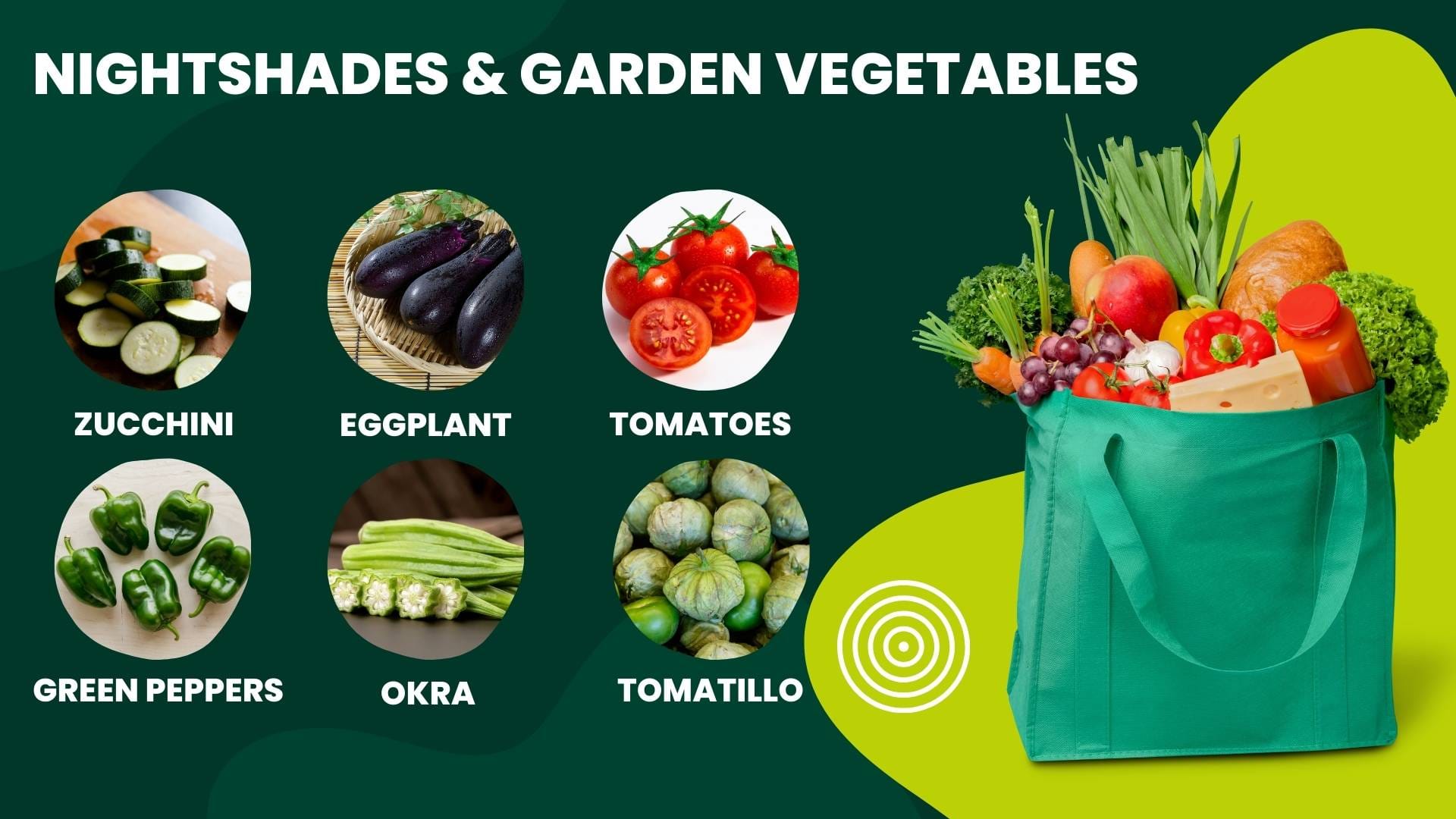
- Zucchini — Net carbs: ~2 g per 1 cup sliced.
- Why: Super versatile — zoodles, fritters, grilled slices, low in carbs.
- Prep: Spiralize for noodles, grill, or shred into fritters with almond flour.
- Swap/condiment: Toss with pesto and olive oil or top with cream sauce for fat.
- Eggplant — Net carbs: ~3 g per 1 cup cooked.
- Why: Meaty texture, so it works in casseroles and as a base for cheese toppings.
- Prep: Grill slices for “parm” or cube into stews. Salt to remove bitterness, then roast.
- Swap/condiment: Layer with cheese, olive oil, and a ground-meat ragu for calorie density.
- Tomatoes (use in moderation) — Net carbs: ~3 g per medium tomato.
- Why: Add acidity and lycopene, but contain more sugar than leafy veg.
- Prep: Use cherry tomatoes sparingly in salads, sauces, or roasted halves.
- Swap/condiment: Combine with olive oil and mozzarella (caprese) to increase fat and balance carbs.
- Green peppers — Net carbs: ~3 g per medium pepper.
- Why: Lower-carb pepper option for stuffing or sautés.
- Prep: Slice into stir-fries, use as fajita veggies, or roast and peel for sauces.
- Swap/condiment: Pair with guacamole or cheese for fat and flavor.
- Okra — Net carbs: ~4 g per 1 cup cooked.
- Why: Mucilaginous texture thickens stews and holds up to frying.
- Prep: Pan-fry, grill, or simmer in coconut curry.
- Swap/condiment: Cook with coconut milk or butter to add richness.
- Tomatillo (watch sugar) — Net carbs: ~3 g per medium tomatillo.
- Why: Tangy, great for verde sauces — but use moderate portions.
- Prep: Roast and blend into salsa verde for tacos or dressings.
- Swap/condiment: Mix with avocado and olive oil to make a creamy topping.
Alliums, mushrooms & aromatics (6 items)
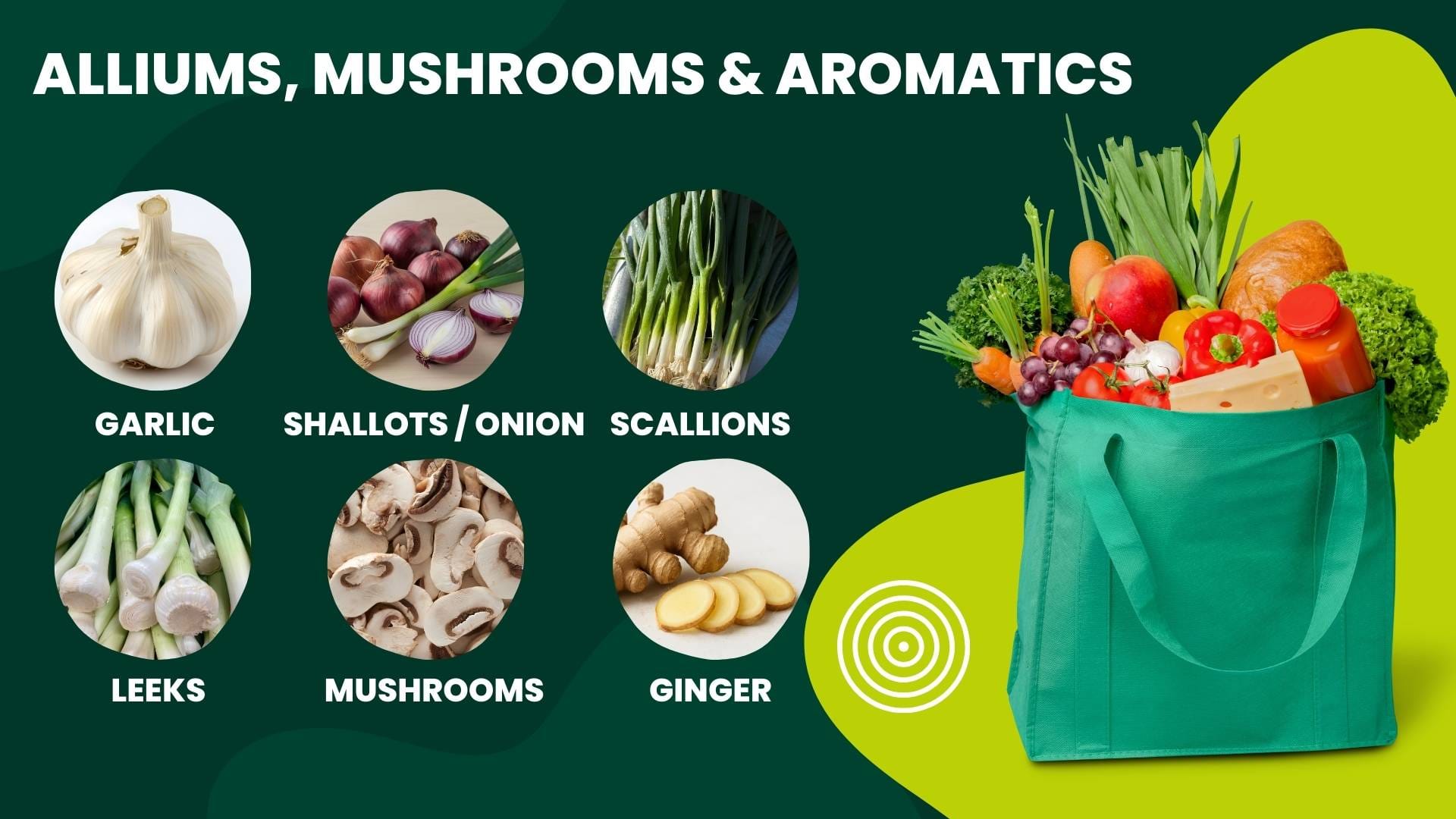
- Garlic (use sparingly) — Net carbs: ~1 g per small clove.
- Why: Powerful flavor — a little goes a long way on keto.
- Prep: Mince and sauté in fat to flavor any veg or protein.
- Swap/condiment: Infuse olive oil with garlic for rich, low-carb flavoring.
- Shallots / Onion (use sparingly) — Net carbs: ~1–3 g per tablespoon minced — count carefully.
- Why: Add sweetness and depth, but can add carbs quickly.
- Prep: Use small amounts in sauces, pickled shallots as garnish.
- Swap/condiment: Replace heavy onion with scallions for lower impact.
- Scallions (green onions) — Net carbs: ~1 g per medium stalk.
- Why: Onion flavor with minimal carbs — great garnish.
- Prep: Chop and sprinkle over soups, eggs, and salads.
- Swap/condiment: Sear in butter briefly to mellow and add fat.
- Leeks (limited) — Net carbs: ~3–4 g per 1/2 cup cooked (limited portion).
- Why: Delicate, sweet allium for soups and cream-based dishes.
- Prep: Use small quantities in creamy soups or braised dishes.
- Swap/condiment: Cook in butter and finish with cream for a rich side.
- Mushrooms — Net carbs: ~2 g per 1 cup cooked.
- Why: Umami-rich, low-carb, and a great meat substitute in some dishes.
- Prep: Sauté in butter, stuff with cheese, or mix into casseroles.
- Swap/condiment: Cook with bacon fat or butter to maximize calories.
- Ginger (small amounts) — Net carbs: ~0.5–1 g per tsp fresh.
- Why: Flavor booster for Asian-style keto dishes — use sparingly.
- Prep: Mince into dressings, stir-fries, or sauces.
- Swap/condiment: Pair with sesame oil and coconut aminos for full flavor without sugar.
Low carb fruit, vegetables & special items (4 items)
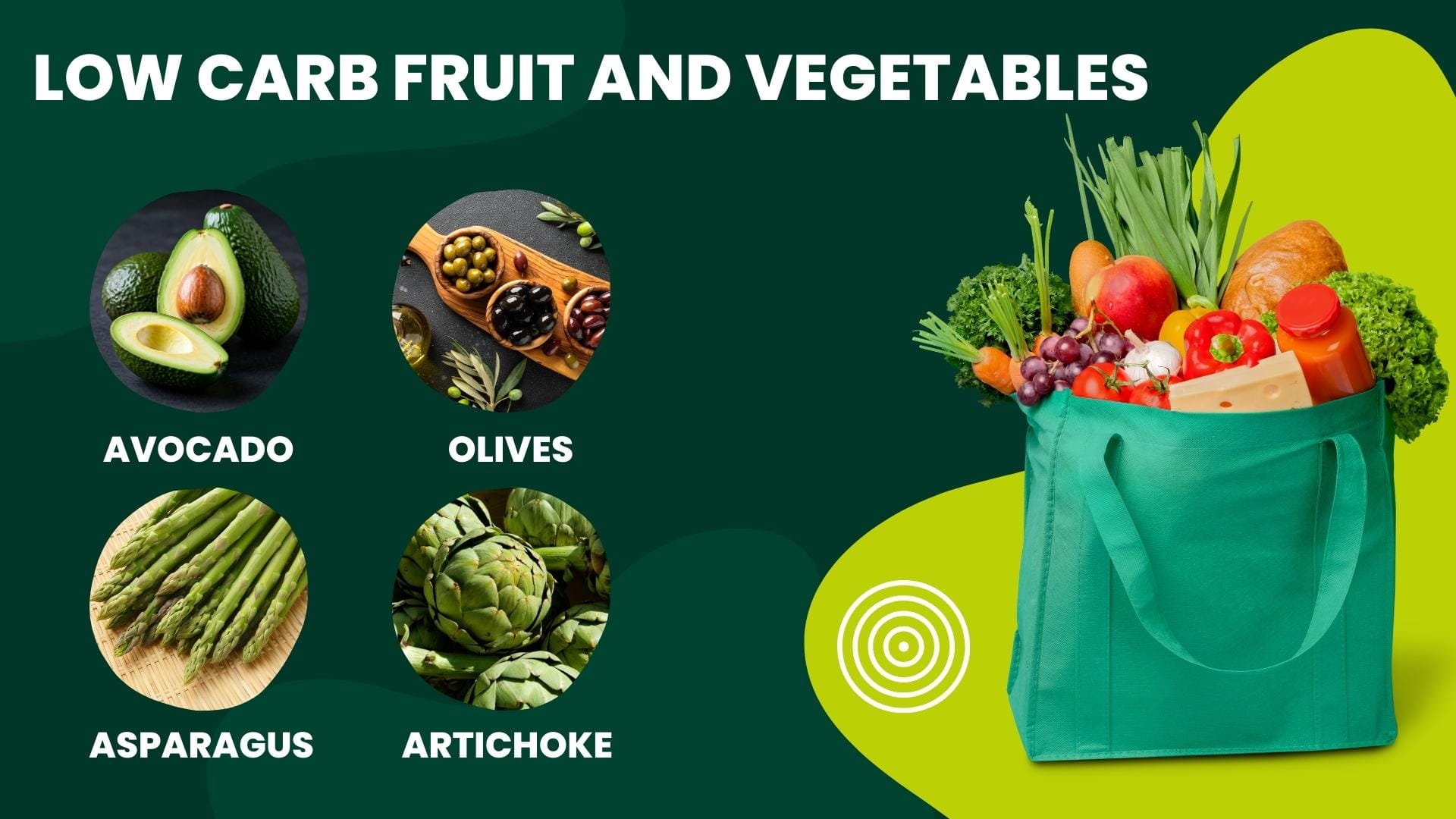
- Avocado — Net carbs: ~2 g per 1/2 medium. (25)
- Why: High in heart-healthy monounsaturated fat and fiber; a keto staple.
- Prep: Slice into salads, mash as guacamole, or blend into smoothies.
- Swap/condiment: Combine with lime, salt, and olive oil or top with bacon for extra fat.
- Olives — Net carbs: ~1 g per 10 small olives.
- Why: Salty, high-fat snack or garnish with minimal carbs.
- Prep: Add to salads, tapenades, or antipasto plates.
- Swap/condiment: Pair with cheese and cured meats for a high-fat plate.
- Asparagus — Net carbs: ~2 g per 5 spears (about 1 cup cooked).
- Why: Tender, elegant vegetable with fiber and folate.
- Prep: Roast, grill, or pan-sear with butter and lemon.
- Swap/condiment: Top with hollandaise or drizzle with olive oil to up the fat content.
- Artichoke (note serving) — Net carbs: ~6 g per medium cooked (measure portions).
- Why: Fiber-rich and savory; portions matter since net carbs are higher than many greens.
- Prep: Steam and dip hearts in garlic-butter or make a creamy artichoke dip.
- Swap/condiment: Serve with olive oil-based aioli or full-fat mayo to increase satiety.
Borderline items & how to eat them (4 items)
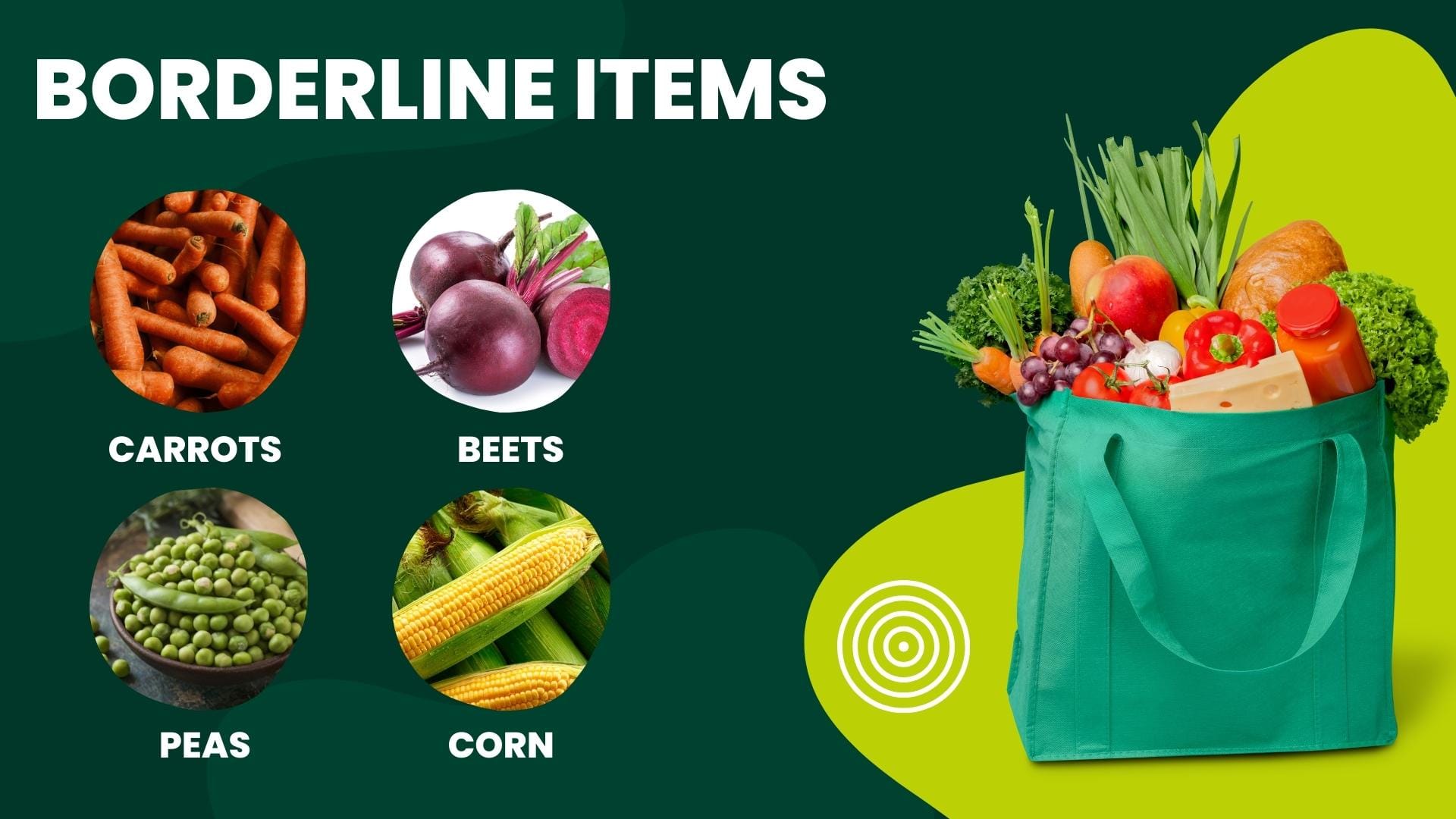
- Carrots — Net carbs: ~4–5 g per medium raw carrot.
- Why: Sweet root veg — fine in small amounts, but they add up quickly.
- Prep: Use thin sticks as garnish, not a main starch. Roasting concentrates sugars — portion carefully.
- Swap/condiment: Pair with high-fat dips to slow absorption, or reserve for refeed days.
- Beets — Net carbs: ~6–8 g per 1/2 cup cooked.
- Why: Earthy and sweet — richer in carbs; use sparingly for flavor.
- Prep: Small amounts diced into salads or roasted with olive oil.
- Swap/condiment: Combine with high-fat goat cheese to balance macros and make servings feel indulgent.
- Peas — Net carbs: ~7–8 g per 1/2 cup cooked.
- Why: Higher in starch than most green veg — best limited on strict keto.
- Prep: Use small amounts in stews or as a colorful garnish.
- Swap/condiment: Mix with fatty stews where the carbs are planned into the day.
- Corn — Net carbs: ~18–20+ g per ear (medium) — generally not keto-friendly.
- Why: High in readily available carbs — usually off-limits for strict keto.
- Prep: If eaten, do so intentionally on higher-carb days or targeted carb timing.
- Swap/condiment: Avoid; instead, use riced cauliflower or roasted radishes for a similar mouthfeel.
Vegetables to avoid or strictly limit
Not all vegetables are built the same for a low-carb or ketogenic plan. Some deliver tons of digestible carbs per serving (and can spike blood sugar), while others are dense in starch or sugars that make staying in ketosis difficult. Below, I cover the high-starch roots & tubers, legumes & peas, and fruit vegetables / sugary exceptions (plus canned/processed traps), with clear numbers, why they’re risky, and realistic strategies if you want to include them occasionally.
High-starch roots & tubers (potatoes, sweet potatoes, cassava, parsnips) — carbs and glycemic impact
- Why they’re a problem on keto: Roots and tubers store energy as starch — that means high total carbs and high net carbs per typical portion. Even a single medium potato or a medium sweet potato can deliver most or all of a strict keto day’s carb allowance. For example, a medium potato contains ~20–26 g total carbs (roughly ~19 g net carbs), with a high glycemic index that can cause rapid blood sugar rises. (26, 27)
- Sweet potatoes: nutritionally valuable (vitamin A, fiber), but carb content and glycemic response vary by variety and cooking method — boiling often produces a lower glycemic response than baking/roasting. That means a boiled sweet potato may behave differently than a baked one metabolically, but the carb load remains substantial (often ~20+ g net carbs for a medium tuber). Use caution. (28, 29)
- Cassava (yuca): extremely high in carbs (≈38 g carbs / 100 g) and used like a starchy staple in many cuisines — it’s not compatible with strict keto. Also note that cassava must be prepared properly because some varieties contain cyanogenic compounds that must be removed by peeling/soaking/cooking (food safety point—don’t eat raw cassava). (30, 31)
- Parsnips: higher in carbs than many “root” vegetables (a cup of cooked parsnips can contain ~20–25 g carbs), so portion control is essential if you try them. (32)
Practical rules & swaps
- Rule: Treat these as starchy side dishes, not vegetables you can pile onto a plate freely.
- If you want them, reserve them for intentional refeed/targeted carb days or athletic fueling around workouts. Measure portions and account for the entire portion in your daily net carb budget.
- Keto swaps: mashed/riced cauliflower, roasted radishes, or roasted turnips can mimic texture with far fewer net carbs.
High-starch legumes & some peas/beans — when (if ever) to reintroduce
- Legumes & beans (kidney beans, navy, black beans, chickpeas) are nutritious (fiber, protein) but relatively high in digestible carbs — a typical 1/2 cup cooked portion often has ~15–20 g total carbs and ~10–15 g net carbs depending on the type. That makes them a poor fit for strict keto. (33, 34)
- Peas & edamame: green peas have higher starch (≈7–8 g net per 1/2 cup) and are borderline for strict keto; edamame (immature soybeans) tend to be lower in net carbs relative to other beans and are sometimes workable in small servings, especially on more liberal low-carb plans.
When (and how) to reintroduce
- Refeeds/targeted carbs: If you’re using keto for weight loss but train hard, you can plan a controlled carb refeed where a measured portion of beans or peas is used around training — but expect a transient reduction in ketone levels.
- Metabolic testing: If you’re insulin-sensitive and tracking glucose or ketones, reintroduce slowly and monitor the effect on your blood glucose and ketone readings.
- Vegetarian keto: Some people on plant focused keto use small amounts of legumes for protein — but only after calculating the carbs into their daily limit and prioritizing lower-carb plant proteins (tofu, tempeh, seitan if allowed).
Fruit, vegetables, and sugary exceptions (corn, ripe plantain), plus canned/processed veg pitfalls (added sugars)
- Corn: corn (fresh or frozen) is a high-carb vegetable — an ear of corn or 1 cup kernels typically contains ~18 g or more of net carbs — so it’s generally incompatible with strict keto. It also has a moderate glycemic index. (35)
- Plantain: unripe plantain is starchy, and ripe plantain becomes even sweeter (higher sugar), making it unsuitable for strict keto outside of a planned higher-carb day. Carbs vary with ripeness but are substantial compared with leafy greens or crucifers. (36)
- Canned & processed vegetables — watch the label: canned vegetables (or jarred vegetables in sauces) can contain added sugars, syrups, or starchy thickeners. The Nutrition Facts label now highlights added sugars, which helps you spot hidden carbs — always check ingredient lists and the “Added Sugars” line. Canned kernels in syrups, canned beets in sugar, or canned vegetables in sweetened sauces can dramatically increase net carbs and upend a day’s total. (37)
Practical tips to avoid surprises
- Always read labels: watch for sugar, corn syrup, dextrose, or starches in the ingredients. Use the “Added Sugars” line to surface hidden sweeteners.
- Choose plain/frozen or no-salt/no sugar-added canned options and measure servings. Rinsing canned veg can reduce surface brine and sodium, but it won’t make a starchy food low-carb.
- If you crave the texture: use alternatives—cauliflower kernels, roasted radishes, or jicama in small portions — and account for their net carbs.
Quick decision flow (how to decide, in one glance)
- Is the veg a root/tuber, corn, plantain, or bean? → Limit or avoid for strict keto.
- Do you need extra fuel for exercise or a planned refeed? → Measure and use starchy veg strategically around training.
- Is the item canned/processed? → Check the label for added sugars/ingredients and serving size before you eat.
- Want a potato-like texture? → Try riced cauliflower, roasted radishes, or baked celeriac as lower-carb swaps.
Short, actionable takeaway
- Save potatoes, sweet potatoes, cassava, parsnips, most legumes, corn, and ripe plantain for planned higher-carb meals — they’re not reliable choices for staying in strict ketosis.
- If you do include any of these, measure precisely, track the net carbs, and watch your glucose/ketone response if you’re monitoring.
- Favor keto vegetables (leafy greens, crucifers, low-starch fruit veg like zucchini and tomatoes in moderation) as your daily vegetable foundation, and use the starchy exceptions intentionally and sparingly.
How to include vegetables in a keto meal plan — practical meal templates + sample 7-day plan
If you want keto vegetables to work for you (not against you), think in terms of macros + portions + predictability. Vegetables are tools: they provide micronutrients, fiber, and volume — but they also add carbs. Below, I give clear macro targets and vegetable portion rules for strict vs. liberal/targeted keto, a ready-to-copy sample day with exact veg portions and net carb math, a high-variety 7-day plan (with vegetarian & vegan swap ideas), and a grocery list you can drop into your phone.
Macro targets and vegetable portion rules for strict keto (20 g net carbs) vs. liberal/targeted keto (50 g net carbs)
Macro targets (typical guidance — adjust to your personal needs):
- Strict keto: ~20 g net carbs/day (keeps most people solidly in ketosis).
- Moderate/liberal keto: ~30–50 g net carbs/day (more flexibility for veggies, berries, and social eating).
- Targeted keto: Add extra carbs (15–50 g) timed around workouts to support performance — these are deliberate “carb ups.”
Vegetable portion rules (practical):
- Strict (20 g): Aim to get ~12–18 g net carbs from vegetables daily (leaving room for dairy, nuts, and small treats). Favor leafy greens, crucifers, and low-carb fruit vegetable (zucchini, cucumber, avocado).
- Liberal/targeted (50 g): You can include larger portions of borderline items (small amounts of carrots, tomatoes, peas) and occasional starchy swaps timed around exercise.
- Rule of thumb: Prioritize volume from leafy greens (very low net carbs) and use crucifers (cauliflower, broccoli) as “starch swaps” — they give texture with fewer carbs.
Portion examples (to memorize):
- Big salad (2–3 cups mixed leafy greens): ~1–3 g net carbs.
- 1 cup cooked broccoli or cauliflower: ~2–4 g net carbs.
- 1/2 medium avocado: ~2 g net carbs.
- 1 medium carrot or 1/2 cup cooked peas: ~4–8 g net carbs (treat as borderline).
Sample day (breakfast, lunch, dinner, snack) with exact veg portions and net carbs
Below is a practical, tested, strict keto sample day designed to land under 20 g net carbs while staying nutritious and delicious. I list each vegetable portion and its rounded net carb contribution (USDA-style ballpark numbers).
- Daily target: 20 g net carbs (strict keto)
- Total from vegetables in this sample day: ~19 g net carbs
Breakfast — Spinach & mushroom omelet
- 2 whole eggs + 1 cup spinach (raw) — 1 g net carb
- 1/2 cup cooked mushrooms — 1 g net carb
Breakfast veg total: 2 g
Lunch — Salmon salad
- 2 cups romaine + 1 cup sliced cucumber — 2 g + 2 g = 4 g
- 1/2 avocado — 2 g
- 1/2 cup cauliflower rice (cooked) — 2 g
Lunch veg total: 8 g
Dinner — Roast chicken + veg trio
- 1 cup cooked broccoli — 3 g
- 1/2 cup cauliflower mash — 2 g
- 5 spears of asparagus (roasted) — 2 g
Dinner veg total: 7 g
Snack
- 10 olives — 1 g
- 2 celery stalks — 1 g
Snack veg total: 2 g
Daily veg total: 2 (breakfast) + 8 (lunch) + 7 (dinner) + 2 (snack) = 19 g net carbs
Notes & tips for this day
- Dressings and sauces: use full-fat dressings (olive oil + vinegar, mayo-based) — these add zero carbs if unsweetened and keep you satiated.
- If you want more calories, add extra olive oil, butter, or a tablespoon of heavy cream — fats don’t affect net carbs.
- Want to lower the day to ~15 g? Reduce cauliflower rice to 1/4 cup or skip the celery snack.
7-day high-variety sample plan with swaps for vegetarians/vegans on keto
Below is a compact 7-day plan focusing on keto vegetables. Each day lists the main meals and key vegetable portions (you can mix & match). Aim to keep daily veg net carbs in the ~12–20 g range for strict keto; liberal days can go higher. Vegetarian and vegan swap notes follow each day.
Legend: (V) = vegetarian swap idea, (VG) = vegan swap idea. For vegetarian/vegan keto, you’ll need to prioritize high-fat plant foods (avocado, olives, coconut, nuts) and plant proteins (tofu, tempeh, seitan) and watch totals closely.
Day 1 — “Classic”
- Breakfast: Scrambled eggs + 1 cup spinach (1 g) + sautéed mushrooms (1/2 cup = ~1 g).
- Lunch: Tuna salad on 2 cups romaine (2 g) + 1/2 avocado (2 g).
- Dinner: Pan-seared salmon + 1 cup roasted broccoli (3 g) + small cauliflower mash (1/2 cup = 2 g).
(V swap: use halloumi or chickpea flour fritter — but chickpeas add carbs — better: paneer or halloumi) (VG swap: marinated tofu + extra avocado).
Day 2 — “Mediterranean”
- Breakfast: Greek yogurt (full fat, small portion) + handful spinach folded in (1 g) — skip if too many carbs.
- Lunch: Grilled chicken + Greek salad (cucumber 1 cup = 2 g, olives 10 = 1 g, romaine 1 cup =1 g).
- Dinner: Zucchini noodles (1.5 cups = ~3 g) with pesto and shrimp.
(V swap: zucchini noodles + ricotta + pine nuts) (VG swap: zucchini + blended cashew “cream”).
Day 3 — “Comfort”
- Breakfast: Omelet with scallions (1 tbsp) + cheddar + 1 cup kale (2 g).
- Lunch: BLT lettuce wraps (2 cups romaine = 2 g + tomato half = 1–2 g if used sparingly).
- Dinner: Pork chop with roasted Brussels sprouts (1/2 cup = ~2 g) and buttered asparagus (2 g).
(V swap: tempeh bacon; (VG swap: smoked tempeh + coconut yogurt).
Day 4 — “Green Clean”
- Breakfast: Avocado smoothie (1/2 avocado = 2 g + 1 cup spinach = 1 g).
- Lunch: Big mixed salad (2 cups arugula/romaine = 2 g) with olives and feta.
- Dinner: Cauliflower “fried rice” (1 cup cauli rice = 3 g) with eggs and scallions.
(V swap: add halloumi or extra eggs; (VG swap: add tofu scramble and coconut aminos).
Day 5 — “Hearty”
- Breakfast: Fried eggs + sautéed Swiss chard (1 cup = 2 g).
- Lunch: Tuna-stuffed endive leaves (endive 2 leaves = ~1 g) + cucumber spears.
- Dinner: Beef stew with turnip or rutabaga (use small amounts — 1/4 cup if needed) and roasted radishes.
(V swap: mushroom stew with coconut milk; (VG swap: seitan if allowed).
Day 6 — “Italian Night”
- Breakfast: Soft-boiled eggs + arugula salad (1–2 g).
- Lunch: Caprese salad (mozzarella + tomato slices — tomato in moderation, 1 small tomato = ~3 g).
- Dinner: Eggplant parmesan (use almond meal, control tomato portion) + side salad.
(V swap: extra cheese and seeds; (VG swap: use vegan mozzarella and extra olive oil).
Day 7 — “Refeed/Targeted (optional)”
- Breakfast: Omelet + sautéed spinach.
- Lunch: Grilled shrimp + mixed greens.
- Dinner: If this is a targeted carb day (training): small sweet potato (~23 g net carbs) after workout OR choose a 1/2 cup cooked beets (6–8 g) if you want a smaller carb bump. Otherwise, keep a regular low-carb dinner (cauliflower + broccoli).
(V/VG swap: add cooked lentils/beans only if this is a planned refeed — otherwise avoid.)
Vegetarian swap tips across the week
- Use eggs, full-fat dairy (if tolerated), halloumi, paneer, tempeh, and tofu as protein sources. Track carbs from dairy (some yogurts have sugars).
- Add nuts, seeds, nut butters, and avocado aggressively for fat calories.
Vegan swap tips across the week
- Rely on tofu, tempeh, seitan (watch carbs), coconut cream, nut butters, and avocado.
- Consider a vegan omega-3 supplement and be mindful of B12 and possibly protein adequacy — work with a dietitian if using strict vegan keto long term.
Quick grocery list generated from meal plan
Produce (focus on keto vegetables):
- Leafy greens: spinach, kale, romaine, arugula
- Crucifers: cauliflower, broccoli, cabbage, Brussels sprouts
- Nightshades/others: zucchini, eggplant, green peppers, tomatoes (small amounts)
- Salad & crunch: cucumber, celery, radishes, lettuce varieties
- Special items: avocado, olives, asparagus, mushrooms
- Borderline (use sparingly): carrots, beets, peas, jicama (if desired for texture)
Proteins & fats:
- Eggs, salmon, chicken, shrimp, beef, pork (or tofu/tempeh/halloumi for veg)
- Butter, ghee, olive oil, avocado oil, mayonnaise (unsweetened)
- Full-fat dairy: heavy cream, hard cheese, Greek yogurt (small amounts)
- Nuts & seeds: almonds, walnuts, pumpkin seeds (for magnesium)
Pantry & flavorings:
- Tamari/coconut aminos, mustard, apple cider vinegar, lemon/lime
- Canned tuna/salmon (no-sugar added), olives, pickles (no sugar)
- Almond flour, coconut flour (for coatings/fritters)
- Bone broth (optional for electrolytes)
Optional supplements & extras:
- Electrolyte powder (no added sugar), magnesium citrate (if advised), salt
Practical tips to make this plan work
- Meal-prep: Roast a big tray of cauliflower, broccoli, and Brussels sprouts at once. Riced cauliflower freezes well and speeds up weeknight cooking.
- Track one week: Log your food into an app (Cronometer or CarbManager) to ensure your daily net carb goals are where you want them.
- Adjust portion sizes: If you see your ketones fall (or energy dips), tighten veg portions for a day or add more fat (olive oil, butter) to regain satiety.
- Electrolytes: Especially in the first few weeks, add salt, eat avocado and leafy greens for potassium, and consider magnesium-rich foods or a supplement if you get cramps.
Cooking methods and recipe building blocks
Cooking keto vegetables so they taste indulgent (not “diet food”) is half the battle. The right technique concentrates flavor, adds pleasing textures, and lets you eat satisfying portions without spiking carbs. Below are practical low-carb cooking techniques, transformational swaps, preservation and batch cook tactics, and five short starter recipes you can master in 30 minutes.
Low carb cooking techniques that keep volume and flavor
- Roasting — High heat (400–450°F / 200–230°C) caramelizes edges and concentrates natural sweetness in crucifers and root vegetables (use radishes or kohlrabi sparingly as lower-carb roots).
- Tip: Toss in oil (1–2 Tbsp per sheet pan), spread a single layer, roast 20–30 min depending on veg size; flip halfway. Finish with a squeeze of acid (lemon/vinegar) and grated hard cheese to add fat and umami.
- Grilling — Great for zucchini, eggplant, asparagus, and peppers. Quick, smoky char improves mouthfeel while preserving low carbs. Brush with oil and grill 3–6 minutes per side, depending on thickness.
- Sautéing — Fast and versatile for leafy greens, mushrooms, and scallions. Use butter, ghee, or olive oil; medium-high heat for a minute or two to sweat, finish low so greens don’t get rubbery. Add aromatics (garlic, chili flakes) near the end.
- Steaming — Keeps veg bright and tender (broccoli, asparagus). Steam time usually 3–6 minutes; shock with cold water to stop cooking if using in salads. Add butter or olive oil after steaming to increase satiety.
- Pan-roast / broil finish — Sear a veg or vegetable steak in a hot pan, then pop under the broiler 1–3 minutes for caramelization. Ideal for cauliflower “steaks” or halved Brussels sprouts.
- Slow braise — Low, slow cooking in fatty liquids (coconut milk, tomato + olive oil) gives maximum tenderness and is excellent for eggplant and cabbage in stews.
Flavor boost rules: Always finish with a fat (olive oil, butter, tahini), acid (lemon, vinegar), and salt. These three transform plain veg into craveable sides.
Transformational swaps: cauliflower rice, zucchini noodles, mashed cauliflower instead of potatoes
- Cauliflower rice — Pulse raw cauliflower florets in a food processor to rice-size pieces. Sauté 5–8 minutes in butter or oil, season with soy sauce/tamari or herb butter. Use it under curries, stir-fries, or as a fried rice base.
- Zucchini noodles (zoodles) — Spiralize zucchini, pat dry to remove excess water, then toss briefly in a hot pan (1–2 minutes) or serve raw with pesto. Zoodles are best dressed generously with olive oil or cream sauces to add calories.
- Mashed cauliflower — Steam or boil cauliflower until very tender (10–12 minutes), drain well, blend with butter/cream/cream cheese and a pinch of salt. For a creamier mouthfeel, add a tablespoon of mascarpone or grated parmesan.
- Roasted radishes or turnips — When roasted, radishes mellow and become an acceptable potato stand-in for many. Use them in hash or roasted trays.
- Cabbage “noodles” — Thin ribbons of cabbage lightly sautéed make a low-carb pasta alternative that holds sauce well.
Preservation & batch-cook tactics (freezing riced cauliflower, blanch + shock greens)
- Riced cauliflower (make-and-freeze):
- Prep: Rice fresh cauliflower, spread on a baking sheet, and flash freeze for 1–2 hours. Transfer to freezer bags (flatten for space).
- Use: Sauté frozen riced cauliflower straight from the bag; you’ll avoid sogginess and speed up weeknight dinners.
- Storage: Use within 3–4 months for best texture.
- Blanch + shock greens (retain color & nutrients):
- Blanch: Drop greens in boiling water 30–60 seconds (depending on leaf toughness).
- Shock: Immediately plunge into ice water to stop cooking. Pat dry and freeze or store in airtight containers in the fridge for 3–4 days.
- Tip: Blanched greens reheat quickly in a pan with butter and garlic.
- Roast & refrigerate: Large batches of roasted broccoli, Brussels sprouts, or cauliflower keep 3–5 days refrigerated; reheat in a hot oven (425°F / 220°C) for 6–8 minutes to recrisp.
- Pickles & quick ferments: Quick pickled cucumbers, radishes, or cabbage (sauerkraut) add flavor, probiotics, and shelf stability — use as condiment sized servings to boost taste without many carbs.
- Freezing cooked portions: Cooked vegetable casseroles and cauliflower mash freeze well in meal sized portions; thaw overnight in the fridge before reheating.
5 “starter” recipes (short recipe templates)
- Cauliflower Fry-Up (serves 2)
- Ingredients: 4 cups riced cauliflower, 2 eggs, 2 Tbsp scallions, 2 Tbsp tamari, 1 Tbsp sesame oil, 1 Tbsp butter.
- Method: Sauté riced cauliflower in butter for 5–7 min. Push to side, scramble eggs, mix, add tamari & sesame oil. Garnish with scallions. Net carbs ~3–5 g per serving.
- Garlic-Butter Asparagus (serves 2)
- Ingredients: 12 asparagus spears, 2 Tbsp butter, 1 clove of garlic minced, lemon zest, and salt.
- Method: Sear asparagus in a hot pan with butter for 3–4 min per side until charred. Add garlic in the last 30 sec. Finish with lemon zest. Net carbs ~2 g per serving.
- Zucchini Noodle Pesto (serves 2)
- Ingredients: 3 medium zucchini (spiralized), 1/3 cup pesto (homemade or unsweetened), 1 Tbsp olive oil, and grated parmesan.
- Method: Toss raw zoodles with olive oil and pesto, lightly warm for 1–2 min in a pan. Top with parmesan and pine nuts. Net carbs ~4 g per serving.
- Roasted Brussels Sprouts with Bacon (serves 4)
- Ingredients: 1 lb Brussels sprouts halved, 4 slices bacon chopped, 1 Tbsp olive oil, salt, pepper.
- Method: Toss sprouts in oil, roast 20–25 min at 425°F, stir in cooked bacon, broil 1–2 min for crisp. Net carbs ~3–4 g per serving.
- Creamy Spinach Skillet (serves 2)
- Ingredients: 4 cups baby spinach, 2 Tbsp butter, 1/4 cup heavy cream, 2 Tbsp cream cheese, 1/4 cup grated parmesan, pinch nutmeg.
- Method: Sauté spinach in butter until wilted. Add cream + cream cheese, simmer 1–2 min until thickened. Stir in parmesan and nutmeg. Net carbs ~2–3 g per serving.
Quick practice tips: Keep a small jar of flavored oil (garlic + chili + lemon peel) to finish vegetables. Use that finish to make simple roasted veg taste restaurant level without adding carbs. Batch cook one or two bases (riced cauliflower, roasted crucifers) each weekend — they’ll carry you through busy weekdays and make sticking to keto vegetables both easy and delicious.
Micronutrients to watch & how vegetables help
On keto, you can still get most vitamins and minerals from food — but because the diet limits certain food groups, it’s smart to be deliberate. Below, I list the key micronutrients that often need attention on low-carb plans, the best keto vegetables that supply them, practical combos to hit targets without blowing your carb budget, and clear guidance on when testing or supplements (under clinician supervision) make sense.
Potassium, magnesium, vitamin C, folate, vitamin K — top vegetable sources and daily targets
Potassium — important for fluid balance, nerve and muscle function, and reducing cramps commonly reported during early keto adaptation. Recommended intakes vary by age/sex (teens and adults differ): for teens 14–18, the guidance is roughly ~2,300–3,000+ mg depending on sex; adults commonly aim for ~2,600–3,400 mg/day. Spinach, cooked broccoli, avocado, mushrooms, and cauliflower are excellent keto vegetable sources to help reach this.
Magnesium — supports muscle function, sleep, and energy; many people fall short. Recommended intakes for teens are ~360–410 mg/day (varies by sex), and for adults, about 310–420 mg/day. Good keto vegetable sources include spinach, Swiss chard, broccoli, and pumpkin seeds (if seeds/nuts are in your plan). Because supplemental magnesium can have side effects (loose stools), choose food first and supplement only if needed.
Vitamin C — important for immunity, skin health, and iron absorption; teens and adults generally need ~65–90 mg/day (teens slightly lower depending on age/sex). Bell peppers (especially red), broccoli, Brussels sprouts, and kale are very rich in vitamin C while remaining low in net carbs when portioned smartly.
Folate (Vitamin B9) — critical for cell growth and important for anyone who could become pregnant; the recommendation for teens and adults is ~400 mcg DFE/day (higher in pregnancy). Leafy greens (spinach, romaine, Swiss chard), asparagus, and Brussels sprouts are good low-carb folate sources. Women and teens capable of pregnancy should ensure at least 400 mcg of folic acid from fortified sources or supplements as recommended by health authorities.
Vitamin K — plays a role in blood clotting and bone health; Adequate Intakes (AIs) for teens and adults are roughly ~75–120 mcg/day depending on age/sex. Leafy greens (kale, spinach, collards, Swiss chard) are among the richest sources. Note: if you take blood thinning medication (warfarin), discuss vitamin K intake with your clinician before changing greens intake.
How low-carb choices can still meet micronutrient needs (practical combos)
You don’t need to eat starchy veg to get vitamins/minerals — pairings and variety do the heavy lifting. Aim to include at least one leafy green + one cruciferous veg + one special item (avocado/olive/mushroom) across meals each day. Here are practical combos and why they work:
- Breakfast: Omelet + 1 cup spinach (potassium, folate) + ½ avocado (potassium, healthy fat).
- Lunch: Big salad (2 cups romaine/arugula) with cucumber, 1/2 cup broccoli florets (vitamin C), olives (fat).
- Dinner: Roast salmon + 1 cup roasted Brussels sprouts (vitamin C, folate) + cauliflower mash (fiber, vitamin C).
- Snack/finishers: Handful of pumpkin seeds or almonds for magnesium; quick sauerkraut for probiotics and vitamin K in small amounts.
Why this works: leafy greens give folate and vitamin K with almost no net carbs; crucifers (broccoli, Brussels sprouts, cauliflower) provide vitamin C and fiber; avocado and olives add potassium and healthy fat to improve absorption of fat-soluble nutrients. Rotate colors and textures across the week to maximize phytochemical variety.
When to consider supplements or targeted testing (and clinician supervision)
When to test:
- You have persistent symptoms (muscle cramps, severe fatigue, frequent cramps, unexplained bruising, irregular periods).
- You’re on medications that interact with nutrients (e.g., diuretics affect potassium, warfarin interacts with vitamin K).
- You’re following a very restrictive or therapeutic ketogenic plan long-term (epilepsy, certain metabolic conditions).
- You’re pregnant, breastfeeding, or a teen with rapid growth (higher needs).
What to test: basic blood panel plus targeted tests (serum potassium, magnesium, vitamin D, folate, B12 — your clinician will advise). Don’t self diagnose from symptoms alone; lab testing is the safe route.
Supplement guidance (short & cautious):
- Prefer food first strategies — keto vegetables cover a lot.
- If a clinician recommends supplements, follow their dosing. For example, the Tolerable Upper Intake Level (UL) for supplemental magnesium for adults is 350 mg/day (supplemental forms); magnesium from food isn’t included in that UL, which is why food first is safer. Always check label forms (magnesium glycinate vs. oxide) and side effects.
- For women/teens capable of pregnancy, public health guidance often recommends 400 mcg folic acid daily from supplements or fortified foods in addition to dietary folate — discuss with your clinician.
Red flags & safety notes:
- Don’t take potassium supplements without medical supervision — excessive potassium can be dangerous, especially if you have kidney issues or take certain medications.
- If you take anticoagulants (warfarin), don’t change how much leafy greens you eat without discussing it with your prescriber because vitamin K affects dosing.
Quick action checklist (so you can put this into practice)
- Build daily plates that include one leafy green + one crucifer + one special item (like avocado) to cover folate, vitamin K, vitamin C, and potassium.
- Use USDA FoodData Central or a trusted tracker for precise nutrient numbers when you need accuracy.
- If you suspect a deficiency or take interacting medications, get blood tests and follow the clinician’s advice before supplementing.
Fiber, digestion, and gut health on keto
Good gut habits make keto vegetables work for you instead of against you. Fiber from low-carb veggies helps digestion, steadies blood sugar, and feeds friendly gut bacteria — but on a ketogenic plan, you’ll often eat less total fiber than before, so you need to be intentional. Below are clear, practical explanations and easy ways to use fibrous keto vegetables to support digestion and microbiome health.
Types of fiber in vegetables (soluble vs insoluble) and why both matter
- Soluble fiber
- What it is: dissolves in water to form a gel like substance in the gut.
- Why it helps: slows digestion and glucose absorption, helps lower cholesterol, and feeds certain beneficial gut microbes.
- Common keto vegetables with soluble fiber: broccoli, Brussels sprouts, asparagus, and cooked carrots (in small portions).
- Insoluble fiber
- What it is: doesn’t dissolve in water; adds bulk and speeds transit through the intestines.
- Why it helps: reduces constipation, promotes regular bowel movements, and supports stool consistency.
- Common keto vegetables with insoluble fiber: leafy greens (kale, spinach), cauliflower, cabbage, radishes, and raw celery.
Why you want both: a blend of soluble and insoluble fibers gives you steady blood sugar, better satiety, and predictable digestion — all useful when you’re limiting carbs but still want variety and gut comfort.
Using fibrous veg to reduce constipation, modulate blood sugar, and support microbiome diversity
Reduce constipation (practical steps):
- Start slow. If you were low-fiber before keto, increase fibrous keto vegetables gradually over 7–10 days so your gut can adjust.
- Hydrate. Fiber needs water to move well — drink extra water when you add more veggies.
- Prioritize insoluble fiber at meals (e.g., a salad of romaine + radish) and include a cooked crucifer (broccoli or cauliflower) later in the day.
- Include magnesium-rich foods (spinach, avocado) or discuss a clinician recommended magnesium supplement if constipation persists.
Modulate blood sugar:
- Pair fibrous keto vegetables with fat and protein (olive oil, butter, avocado, eggs) to blunt any small glucose rise from borderline veggies (e.g., a few cherry tomatoes or a small carrot).
- Soluble fiber in crucifers and asparagus slows carb absorption, which helps keep ketones and blood sugar steadier.
Support microbiome diversity:
- Rotate vegetables across the week — different plants feed different gut microbes. Example rotation: spinach + broccoli one day, arugula + cauliflower the next, then kale + asparagus.
- Include a small serving of fermented veg (see below) a few times a week for probiotic diversity.
- If you eat very low carb long term, aim for a gradual increase in variety (different leaves, crucifers, and mushrooms) rather than relying on the same two or three veggies every day.
Practical meal ideas to boost fiber without extra carbs
- Big mixed salad (2–3 cups leafy greens) + ½ cup roasted broccoli + ½ avocado.
- Cauliflower “fried rice” with eggs and scallions.
- Sautéed Swiss chard with garlic and pine nuts (if nuts fit your carb budget).
Fermented veg (sauerkraut, kimchi) and prebiotic notes (in moderation)
Fermented vegetables (sauerkraut, kimchi, curtido):
- Why they help: naturally fermented veg supply live bacteria (probiotics) and tangy flavor with very low net carbs when made without added sugar. A small serving (1–3 tablespoons) can add probiotics and enhance digestion.
- Caution: store bought versions sometimes contain added sugar — always read labels or choose traditionally fermented, no-sugar options. Start with small amounts (1 Tbsp) and increase gradually to see how your gut responds.
Prebiotic fibers (food for microbes):
- Prebiotic compounds (inulin, fructooligosaccharides) feed beneficial microbes. Some keto vegetables contain mild prebiotics — garlic, onions, leeks, and asparagus have prebiotic activity — but they can raise carbs if you overdo them. Use these in small amounts to get the microbial benefit without a big net carb hit.
- Be careful with high-inulin foods like Jerusalem artichoke or large amounts of chicory root — they’re usually too carb-heavy for strict keto.
If you have gut sensitivity:
- Fermented foods and added prebiotics can cause gas or bloating when introduced quickly. Start tiny, wait 48–72 hours, and pay attention. If symptoms are persistent or severe, consult a healthcare provider.
Quick action plan — fiber & gut health checklist for keto
- Aim to include at least one leafy green + one crucifer per day (low net carbs, high fiber).
- Increase fiber slowly over 1–2 weeks and drink more water.
- Add a small amount of fermented veg (1 Tbsp) a few times per week — choose no-sugar options.
- Pair fibrous veg with protein and fat at meals to smooth blood sugar and boost satiety.
- If constipation or digestive issues persist, check hydration and magnesium intake; seek medical advice before starting supplements.
Vegetables for special populations
Different people have different needs — and keto vegetables should be chosen with those needs in mind. Below are practical, evidence-based recommendations for people with diabetes, athletes using keto for performance, vegetarian/vegan keto followers, and older adults/women 50+. I give clear food choices, timing and monitoring tips, and safety notes so you can apply this to real life.
People with diabetes — vegetable choices that minimize glucose spikes (and monitoring tips)
Key idea: Favor non-starchy vegetables (leafy greens, crucifers, cucumbers, zucchini, peppers) because they’re low in digestible carbs and high in fiber, which reduces post-meal glucose rises. Making non-starchy veg half your plate is a simple, diabetes-friendly habit many diabetes authorities recommend. (38, 39)
Practical tips:
- Base meals on non-starchy veg: spinach, kale, broccoli, cauliflower, asparagus, and cabbage are all excellent choices that add volume without big glucose effects. (40)
- Pair carbs with fat & protein to slow absorption — for example, a small amount of tomato or carrot eaten with salmon and avocado will have a smaller glucose effect than the same veg eaten alone.
- Watch portion sizes for borderline items (peas, beets, small amounts of corn) and treat starchy tubers (potatoes, sweet potatoes) as occasional, planned items if you use them at all. (41, 42)
Monitoring & safety:
- If you use insulin or glucose-lowering meds: don’t change carb intake suddenly without consulting your clinician — reducing carbs may require medication adjustments to avoid hypoglycemia.
- Use glucose tools to learn your response: continuous glucose monitors (CGMs) or fingerstick checks (before a meal and ~2 hours after) are useful ways to see how a particular keto vegetable or meal affects your blood sugar — CGMs are increasingly recommended for insulin users and can guide food choices. (43, 44)
Bottom line: non-starchy keto vegetables are generally the safest, most nutrient-dense choices for people with diabetes — measure and monitor if you’re adjusting carbs or meds.
Athletes & performance keto — when to add starchy veg for training (targeted carb timing)
Key idea: Some athletes on ketogenic plans use targeted or cyclical strategies — adding 15–50 g of fast acting carbs before/after intense training sessions to support performance and glycogen repletion. When real food is preferred, small portions of starchy veg (white potato, white rice, or a modest sweet potato) timed around training are effective choices. (45, 46)
Practical approach:
- Targeted ketogenic diet (TKD): consume 15–50 g easily digested carbs within ~30–60 minutes before or after training to fuel or refill working muscles. Real food options: a small white potato bite, a few bites of sweet potato, or a banana (if you tolerate fruit). Measure the portion and account for it in your day’s plan. (47)
- Cyclical keto (CKD): planned higher-carb days (24–48 hrs) once weekly or around competition to restore muscle glycogen. These should be scheduled and tested in training (not for race day surprises). (48)
Performance cautions:
- If you’re adapting to keto, give at least 3–4 weeks before judging performance — adaptation time affects how well you use fat for fuel. Monitor subjective performance and recovery; if performance falls off, gradual targeted carbs may help.
Bottom line: athletes who need extra carbs can use starchy vegetables strategically around workouts, but portion, timing, and monitoring are essential to get the benefit without derailing ketosis outside training windows.
Vegetarian & vegan keto — top vegetable + plant-protein combos and micro-nutrient pitfalls
Key idea: Plant forward keto requires careful pairing; many plant proteins come with carbs, and some nutrients (B12, iron, iodine, vitamin D) are harder to get from plants alone. Combine keto vegetables with low-carb plant proteins and plan for supplements where needed. Recent reviews of plant based diets highlight common shortfalls and the importance of fortified foods or supplements. (49, 50)
Best combos:
- Tofu/tempeh + crucifers: iron, protein, and fiber — try tempeh stir-fry with broccoli and bok choy.
- Full-fat dairy or eggs (if lacto-ovo vegetarian) + leafy greens: eggs + spinach or halloumi + kale give B-vitamins, calcium (if dairy used), and folate.
- Avocado + nuts/seeds + mushrooms: healthy fats, magnesium, and a savory profile for satiety.
Micronutrient pitfalls & how to address them:
- Vitamin B12: not produced by plants — vegans must take a reliable B12 supplement or eat fortified foods. (51)
- Iron & zinc: plant sources are less bioavailable — pair with vitamin C rich keto vegetables (e.g., bell pepper, broccoli) to boost absorption and consider monitoring iron status. (52)
- Calcium & iodine: include tofu (if calcium set), leafy greens, and consider iodized salt or seaweed (watch iodine dosing) if intake is low.
- Vitamin D & omega-3 (EPA/DHA): consider supplements or fortified foods, especially for strict vegans.
Practical tip: work with a registered dietitian to plan a vegan/vegetarian keto menu — they can help balance protein, carbs, and micronutrients while keeping net carbs low.
Older adults & women 50+ — bone health, potassium, and vitamin K considerations
Key idea: As people age, bone health and electrolyte balance become priorities. Keto vegetables can support bone health (vitamin K, calcium sources, potassium), but older adults should be deliberate about intake and coordinate with clinicians on supplements or meds. Mayo Clinic and clinical reviews note nutrient targets and the role of leafy greens in bone health. (53, 54)
Focus areas:
- Bone health (calcium & vitamin D): older adults need adequate calcium (often 1,000–1,200 mg/day depending on age/sex) and vitamin D to absorb it — include calcium-rich foods (some leafy greens, canned fish with bones, fortified plant milks) and check vitamin D status with your clinician. Leafy greens (turnip greens, collards, kale) are good low-carb sources of calcium.
- Vitamin K: abundant in leafy greens (kale, spinach, collards) and important for bone metabolism. If you’re on blood thinners (warfarin), don’t change green leaf intake without medical advice — vitamin K affects anticoagulant dosing.
- Potassium & electrolytes: older adults often take medications (diuretics, ACE inhibitors) that affect potassium; keto vegetables like spinach, avocado, and cooked broccoli provide potassium, but supplements should only be used under medical supervision.
Practical checklist for older adults:
- Review meds with your clinician before changing sodium/potassium intake or starting supplements.
- Aim for a variety of leafy greens and crucifers across the week to support vitamin K, folate, and calcium intake without high carbs.
- Get bone-health labs as recommended (D-vitamin status, calcium, maybe bone density testing) and follow clinician guidance for supplements if dietary intake is insufficient.
Summary — how to apply this section
- People with diabetes: emphasize non-starchy keto vegetables, pair with fat/protein, and monitor glucose (CGM or timed checks) if on meds or making big diet changes.
- Athletes: use targeted carbs (15–50 g) from quick starchy veg around training if performance needs them — time and measure carefully.
- Vegetarian/vegan keto: pair low-carb plant proteins with keto vegetables and plan for B12, iron, vitamin D, and possibly calcium supplementation or monitoring.
- Older adults/women 50+: prioritize leafy greens for vitamin K, folate, and calcium support; check meds and labs before supplementing.
Shopping, storage, budgeting & seasonal picks
Smart shopping and storage mean you eat more keto vegetables with less waste, less stress, and lower cost. Below are practical, actionable strategies for buying seasonal, deciding between fresh vs. frozen, saving money, and storing your haul so it lasts — plus a clear list of the best frozen keto staples and why freezing doesn’t change carb counts.
Buying seasonal, frozen vs fresh (nutrient parity), cost-saving swaps
Why seasonality matters
- Seasonal produce is usually fresher, cheaper, and tastier — which means you’ll enjoy eating more veg and waste less. Examples: asparagus and peas in spring, zucchini and cucumbers in summer, broccoli and Brussels sprouts in fall/winter.
- Flavor matters: when veg tastes good, you’ll use less dressing/sauces that might contain hidden carbs.
Fresh vs. frozen — the quick truth
- Frozen is fine (and often better for nutrients). Many frozen vegetables are picked at peak ripeness and flash frozen, which locks in vitamins and minerals. For busy people or budget shoppers, frozen is a reliable choice.
- Fresh is great when in season. If you can buy a head of cauliflower ora bunch of kale on sale in season and use it within a few days, fresh can win on texture for some dishes.
Cost-saving buying hacks
- Buy frozen riced cauliflower or a whole head of cauliflower to rice yourself — whole heads often cost less per pound than pre-riced bags.
- Choose whole veg vs. pre-cut (e.g., whole broccoli vs. florets) — pre-cut costs more and spoils faster.
- Shop farmers’ markets late in the day for small markdowns, or join a CSA for seasonal boxes (rotate items into your meal plan).
- Use store brands and large bags of frozen veg for stir-fries and batch cooking — often cheaper and lower waste.
- Plan meals around what’s on sale that week (e.g., roast whatever crucifer is cheapest).
Label watch points
- For frozen/canned veg: check ingredients — avoid items with added sugar, sweetened sauces, or breading.
- For pre-made veggie mixes or sauces: watch for hidden carbs in dressings and marinades.
Best frozen keto vegetables and how freezing affects carbs (it doesn’t; portion still counts)
Freezing doesn’t change carbohydrate content
- Freezing preserves the macronutrient profile (carbs, protein, fat) — so a cup of frozen cauliflower has essentially the same carbs as a cup of fresh cauliflower (the only difference is water content/texture). Portion control still matters. If you use a whole bag, count the carbs in the whole bag.
Top frozen keto staples (reliable, low-carb, and versatile):
- Riced cauliflower — fastest way to make low-carb rice; great frozen and sautéed from frozen.
- Broccoli florets — steam or roast; frozen florets reheat well.
- Spinach (chopped, frozen) — perfect for smoothies, casseroles, and creamed dishes; drain excess water after thawing.
- Green beans — moderately low-carb, good for sides; check portion sizes on strict keto.
- Brussels sprouts — roast from frozen; just toss with oil and season.
- Asparagus (when available frozen) — good in soups and roasted dishes; texture varies by brand.
- Mixed green stir-fry blends (no sauce) — convenient for fast meals.
Frozen borderline items — use caution
- Frozen peas, corn, and sweet-potato cubes are still high in carbs — they remain high-carb even when frozen, so only use them on planned higher-carb days.
Practical tips for using frozen veg
- Cook certain frozen veg straight from frozen (cauliflower rice, broccoli) to avoid sogginess.
- For greens: thaw and squeeze out water for the best texture in recipes (e.g., creamed spinach).
- Label and portion: Divide bulk bags into portion sized freezer bags so you only thaw what you need.
- Shelf life: most frozen veg stays high-quality for 8–12 months; use older items in soups or casseroles first.
Quick storage & budgeting checklist (actionable)
- Fridge storage: keep leafy greens in a high-humidity crisper, wrapped in paper towels inside a perforated bag to reduce moisture and rot.
- Root veg: store in a cool, dark spot (not next to apples or bananas — ethylene gas speeds ripening).
- Herbs: store upright in a jar of water and loosely cover with a plastic bag, or chop and freeze in oil cubes for quick flavoring.
- Batch cook: roast a sheet pan of cauliflower, broccoli, and radishes on Sunday; refrigerate for 3–5 days or freeze portions for 1–3 months.
- Budget swap examples: if cauliflower is pricey, buy more cabbage (cheaper, versatile) or frozen riced cauliflower; swap pricey arugula for bulk romaine or spinach.
Bottom line: buy seasonally for the best value and flavor, embrace frozen as a nutrient-dense, budget friendly shortcut, and always count portions — freezing doesn’t magically reduce carbs, but it does make low-carb cooking faster and less wasteful.
Label reading, prepped & frozen veg, and supplements for convenience
When you’re trying to eat keto vegetables consistently, convenience foods (canned, prepped, frozen) and supplements can be life-savers — but only if you know how to read labels and pick quality products. Below is a practical guide: how to spot added sugar traps, what matters on a frozen/canned pack, and when a fiber or greens powder makes sense (and how to choose one safely).
How to read canned/frozen vegetable labels (added sugar pitfalls)
Quick checklist for reading labels (do these every time you buy a prepped product):
- Start with the serving size. The serving on the label might be much smaller than what you actually eat — always scale the grams to the portion you’ll consume. (55)
- Check “Total Carbohydrate” and “Dietary Fiber.” For keto tracking, calculate net carbs = Total carbs − Fiber. If the label lists Added Sugars, that number is also shown separately on modern Nutrition Facts labels — use it to spot sweetened products. (56, 57)
- Look at the Ingredients list for hidden sugars. Ingredients are listed by weight. Watch for: sugar, corn syrup, dextrose, maltodextrin, high-fructose corn syrup, cane juice solids, fruit juice concentrates, and anything with “syrup.” Even savory sauces (BBQ, teriyaki, some jarred salsas) often contain added sweeteners. (58)
- Watch claims like “no sugar added” or “unsweetened.” These help, but aren’t foolproof — always verify the ingredient list and the Added Sugars line. The FDA requires added sugars to be declared, which helps you compare products.
- Sodium matters with canned veg. Rinsing canned vegetables can reduce sodium but won’t remove sugars that are mixed into sauces — rinsing is useful for salt, not for sweeteners. (59)
Practical red flags (avoid or scrutinize these):
- Canned veg labeled “in syrup” or “candied” — outright avoid.
- “Seasoned” frozen mixes with a sauce packet — check that packet for sugars.
- Ready made salads or slaws that list sugar, honey, or sweetened dressings high on the ingredient list.
Why this matters: The FDA’s updated Nutrition Facts label now highlights Added Sugars (grams and %DV), making it easier to spot sugar containing products that would otherwise look benign. Use that line as a quick filter: 5% DV or less is low; 20% DV or more is high for added sugars.
Prepped & frozen veg: what to buy and how freezing affects carbs (it doesn’t — portion still counts)
Key facts and shopping tips:
- Freezing doesn’t change carbs. Macronutrient values (carbs, protein, fat, fiber) remain essentially the same after freezing, so a cup of frozen cauliflower has the same carb math as a cup of fresh cauliflower. Portion control still applies. (Nutrient retention varies by vitamin, but not carb content.) (60, 61)
- Best frozen picks for keto vegetables: riced cauliflower, chopped spinach, broccoli florets, Brussels sprouts, and mixed greens (no sauce). These are convenient, usually inexpensive, and nutrient-dense.
- What to avoid in frozen/prepped packs: mixes with sweet glazes, honey glazed vegetables, teriyaki packets, or buttered breading. Those add carbs quickly.
- Canned veg notes: choose “no salt added” or “low sodium” cans when possible; if the canning liquid includes sugar or syrup, skip it. Rinse canned veg to reduce sodium (but remember rinsing won’t remove sugars embedded in sauces).
Quick cooking tip:
- Cook many frozen vegetables directly from frozen to avoid sogginess (roast or high heat sauté). Thawing first can make them mushy.
When a fiber supplement or greens powder makes sense — red flags & quality markers
Food-first = priority. Whole keto vegetables should be your main source of fiber and micronutrients. But there are situations where supplements help:
- You struggle to meet fiber goals despite eating low-carb, fiber-rich veg (leafy greens, crucifers). A short-term, low-dose fiber supplement (psyllium, methylcellulose, or partially hydrolyzed guar gum, depending on tolerance) can restore regularity and support cholesterol and blood sugar control. Start low, increase gradually, and drink adequate water. Clinical reviews support fiber supplements for people who don’t get enough fiber from food. (62, 63)
- You need a convenient micronutrient boost on very busy days — a greens powder can top up small gaps, but it’s not a replacement for whole food fiber and phytochemicals.
How to choose a fiber supplement (practical rules):
- Start with simple types: psyllium husk (bulking, good for constipation), methylcellulose (neutral), or partially hydrolyzed guar gum (gentler prebiotic effect).
- Evidence & tolerance: some fibers are fermentable (inulin, FOS) and can cause gas/bloating — try a small dose first. Clinical guidance recommends increasing the dose slowly. (64)
- Safety: if you have bowel obstruction, difficulty swallowing, or certain GI surgeries, don’t start bulk forming fiber without a clinician’s clearance.
Greens powders — what to check (quality markers):
- Ingredient transparency: full ingredient list with amounts (avoid products that hide amounts behind “proprietary blends”).
- Third-party testing: look for independent seals (USP, NSF, or ConsumerLab testing) to reduce the risk of contamination (heavy metals, microbial contamination). ConsumerLab has found some green products contaminated or variable in quality in past tests — third-party checks matter. (65)
- No added sugars or maltodextrin fillers: some powders cram in sweeteners or carb-heavy fillers — check the Supplement Facts and ingredient list.
- Realistic nutrient claims: avoid powders that claim unrealistic single serving vitamin megadoses; check whether those levels push you past safe upper limits for fat or water soluble vitamins. The FDA requires Supplement Facts labeling (see industry guidance). (66)
When a greens powder makes sense
- Busy travel days, limited access to fresh veg, or as a temporary “top-up” after a short period of poor intake. Always combine with whole-food fiber when possible.
Red flags to avoid
- Proprietary blends without quantities.
- No third-party testing or GMP statements.
- Heavy reliance on seaweed/kelp without iodine disclosure (iodine can be high).
- Contamination warnings from independent testers (ConsumerLab).
Quick action checklist — labels, prepped veg, and supplements
- Always check Serving Size + Total Carb − Fiber = Net Carb before you buy or log prepped or frozen veg.
- Use the “Added Sugars” line and the Ingredients list to spot hidden sugars — 5% DV or less is low; 20% DV or more is high.
- Buy frozen staples (riced cauliflower, spinach, broccoli) for convenience — freezing doesn’t reduce or increase carbs; count portions.
- If using fiber or greens supplements, choose products with transparent labeling and third-party testing, and start with small doses — consult your clinician if you have health conditions or take meds.
Troubleshooting: staying in ketosis while adding vegetables
Adding keto vegetables improves nutrition and satiety — but if you’re tracking ketones or strict carbs, a little slip can knock you out of ketosis. This section gives quick checks, a step-by-step troubleshooting plan if ketones fall, and clear guidance on when to get medical help. Use this as your kitchen-to-lab troubleshooting flow: simple, practical, and non-judgmental.
Easy checks: tracking carbs, measuring ketones, noticing patterns in cravings and energy
Quick daily checks (5 minutes):
- Log everything you eat. Use a food tracker (Cronometer, CarbManager, MyFitnessPal) and enter exact portions — weigh higher-risk items (carrots, tomatoes, onions).
- Track net carbs (total carbs − fiber) so you know how close you are to your daily limit.
- Look at the whole day, not the meal — a small “harmless” snack can add up.
How to measure ketosis (pros & cons):
- Blood ketone meter (measures β-hydroxybutyrate): most accurate for current ketone level.
- Breath ketone meter (acetone): noninvasive and convenient but slightly less precise.
- Urine ketone strips (acetoacetate): cheap and useful early on, but less accurate once you’re keto-adapted.
Pick one consistent method and test at the same time each day (e.g., morning fasted) to see trends.
Notice patterns in how you feel:
- Energy dips, brain fog, or sudden sugar cravings after a meal often mean a carb spike.
- Bloating or GI changes after a meal can indicate a high-FODMAP veg or a new fermented food.
- Weight or measurements aren’t the only signal — focus on ketone trends, sleep, mood, and workout recovery too.
If you’re kicked out of ketosis — how to troubleshoot (which veg is likely to blame, portion changes)
If your ketone meter shows a drop or you notice increased cravings/energy swings, use this stepwise troubleshooting checklist:
1) Pause & review the last 24–48 hours
- Check for hidden carbs: sauces, dressings, condiments, marinades, store-bought pesto, or canned veg in sauce.
- Common vegetable culprits: carrots, beets, corn, peas, jicama, sweet potato, large portions of tomatoes/onions.
- Also check non-veg sources: nuts (large handfuls), milk/yogurt, low-fat dairy, alcoholic drinks, and fruit.
2) Reduce or remove borderline items for 24–72 hours
- Temporarily drop higher-carb veg (e.g., roasted carrots, beets, peas, corn) and retest ketones each morning.
- Replace with low-net-carb veg: spinach, romaine, cauliflower, zucchini, broccoli, asparagus, mushrooms, avocado.
3) Tighten portions & sauces
- Cut portion sizes (use ½ cup instead of 1 cup for cooked borderline veg) and swap sugary condiments for olive oil, butter, or full-fat mayo.
- Avoid honey, maple, sweetened dressings, and bottled marinades.
4) Boost fats & protein (not carbs)
- Add a tablespoon of olive oil, a pat of butter, or extra avocado to meals — increasing fat can help bring ketones back up by encouraging fat oxidation without adding carbs.
5) Re-test and reintroduce slowly
- After 48–72 hours of stricter choices, test ketones again. If ketones rise, reintroduce one borderline veg in a small measured portion and check the response the next day. This helps identify personal tolerance.
6) Check timing & activity
- High-intensity workouts can temporarily lower blood ketones (muscle uses ketones and glycogen). If you trained hard, consider whether the drop was exercise-related rather than carb-related.
7) Look for patterns
- If one particular meal or restaurant repeatedly causes a fall, inspect that meal’s hidden sugars or starchy sides. Keep a short “problem meal” note so you can avoid it next time.
When to consult a healthcare professional (meds, diabetes, pregnancy)
Certain situations require medical advice before you change your diet or troubleshoot on your own:
Talk to a clinician (or your parent/guardian + clinician) if you are:
- On glucose-lowering medications (insulin, sulfonylureas) — lowering carbs can cause hypoglycemia; medication doses often need adjustment by a provider.
- Taking medicines that affect electrolytes or kidney function (diuretics, ACE inhibitors) — keto changes fluid and electrolyte balance.
- Pregnant or breastfeeding — do not self-manage major diet changes; discuss nutrient needs with an OB/GYN or registered dietitian.
- A child or teen still growing (if that’s you): growth needs special attention — check with a pediatrician or pediatric dietitian.
- Experiencing severe symptoms (fainting, rapid heartbeat, severe dizziness, prolonged vomiting, or signs of dehydration) — seek urgent medical care.
What to bring to your clinician visit
- A 3–7 day food log showing portions and times.
- Ketone/glucose measurements and the method you used.
- A list of medications and supplements (doses and timing).
- Specific questions: e.g., “Can we safely reduce my med dose if I reduce daily carbs to X?” or “Which tests should we run to check electrolytes/nutrients?”
Quick troubleshooting cheat sheet
If ketones fall — 48-hour reset
- Stop all questionable sauces/condiments.
- Remove borderline veg (carrots, beets, peas, corn, sweet potato).
- Stick to greens + crucifers + avocado.
- Add more healthy fat at meals.
- Re-test morning ketones; reintroduce one item slowly if ketones return.
Prevention checklist
- Weigh high-risk veg servings.
- Log everything (including dressings).
- Use a consistent ketone test method.
- Hydrate and keep electrolytes in range (salt, potassium-rich veg, magnesium).
Final note (encouragement)
Small slips are normal and part of learning what works for your body. Use the steps above as a calm, scientific approach: measure, adjust, test, repeat. If anything feels off or you’re on medications, always involve a healthcare professional — and if you’re under 18, loop in a parent/guardian so they can help you get safe, expert support.
Advanced topics
Ketogenic cycling & deliberate refeeds (how to add starchy veg strategically)
What they are:
- Targeted Keto (TKD): add a modest amount of fast-acting carbs around workouts (often 15–50 g) so athletes get fuel without wrecking overall ketosis.
- Cyclical Keto (CKD): schedule periodic higher-carb days (e.g., 24–48 hours weekly) to refill muscle glycogen and support intense training.
How to add starchy vegetables strategically
- Choose your starchy vegetable: sweet potato, white potato, corn (small portions), or cooked beets. These provide dense, easily used carbs that replenish glycogen.
- Time it right: Consume the carbs after or immediately before high-intensity training. Post-workout carbs combined with protein are efficient for recovery and glycogen repletion.
- Portion rules: start small. For TKD, test 15–30 g carbs (e.g., ~1/4–1/2 small sweet potato) and monitor performance and ketones. For CKD refeed days, plan 100–200 g total carbs spread over 24 hours — include starchy vegetables in meals, not all at once.
- Measure response: use performance metrics (power, endurance), subjective recovery, and, if available, glucose/ketone readings. If performance improves with minimal negative impact on overall goals, the strategy may be useful.
- Safety & planning: remember that refeeds will likely reduce ketone readings temporarily — that’s expected. Reintroduce low-carb meals after the refeed and monitor how long it takes to return to baseline ketone levels.
Practical sample TKD mini-plan (example):
- 30–60 minutes pre-workout: small snack (optional) — keep it very low if you prefer post-workout carbs.
- Immediately post-workout: 20–30 g carbs from sweet potato (≈2–3 oz cooked) + 20–30 g protein (chicken, whey, tofu).
- Next 24 hours: return to normal low-carb keto vegetables and higher fats to re-enter ketosis.
Vegetables and long-term sustainability (plant-forward keto variants)
Why plant-forward keto?
- Emphasizes keto vegetables (lots of greens and crucifers), higher-fiber choices, and reduced reliance on processed meats — more variety, better micronutrient coverage, and easier long-term adherence for many people.
How to build a plant-forward keto plate
- Half the veg as leafy greens + crucifers. Make greens the star and use fatty dressings/dips to keep calories up.
- Use plant proteins strategically (tempeh, tofu, seitan if tolerated, high-fat cottage cheese or Greek yogurt if lacto-ovo) and mix them with nuts, seeds, and avocado.
- Favor whole-food fats: olives, avocado, nut butters, cold-pressed oils, and fatty fish where possible.
- Rotate color and texture weekly to maximize phytochemical diversity (spinach, kale, broccoli, cauliflower, mushrooms, asparagus, peppers in moderation).
Benefits & tradeoffs
- Benefits: improved fiber, broader vitamin/mineral intake, often lower environmental footprint, and more palatable plate variety.
- Tradeoffs: plant proteins often carry carbs; careful tracking and portion control are needed. Supplement planning (B12, D, possibly iron) can be necessary for strict veg/vegan variants.
Sample plant-forward swaps
- Replace a meat-heavy dinner with: grilled halloumi or tempeh + cauliflower rice + sautéed kale + avocado.
- Convert creamy chicken casseroles into mushroom & cauliflower gratin with added parmesan and poached egg for protein.
The Bottom Line — key takeaways and action steps
You can make keto vegetables the backbone of a satisfying, nutrient-rich ketogenic plan. Pick low-net-carb, above-ground vegetables (leafy greens, crucifers, zucchini, mushrooms, asparagus, avocado) as your daily staples, avoid or strictly limit starchy roots and high-sugar veg, and use portion control + tracking so veggies help—not hurt—your ketosis and nutrition.
Quick bulleted action plan
What to eat (daily basics)
- Leafy greens (spinach, kale, romaine) — big salads for volume; virtually “free” net carbs.
- Crucifers (cauliflower, broccoli, Brussels sprouts) — use as rice, mash, or roasted sides.
- Low-carb fruit veg & specials (avocado, olives, zucchini, asparagus, mushrooms) — fats + fiber = satiety.
- Flavor enhancers in small amounts: garlic, scallions, lemon, and herbs — they add taste without many carbs.
- Add healthy fats to vegetables (olive oil, butter, avocado) to keep meals filling and keto aligned.
What to avoid or limit
- High-starch tubers & roots: potatoes, sweet potatoes, cassava, parsnips — treat as planned carbs, not daily veg.
- High-starch legumes / some peas: beans and large portions of green peas are usually too carb-dense for strict keto.
- Fruit-vegetables & sugary exceptions: corn, ripe plantain, large amounts of beets — reserve for targeted or refeed days.
- Processed/canned veg with added sugar or glazes — read labels for “added sugars” and sauces.
Daily tracking & habits
- Track net carbs (total carbs − fiber) with an app or a simple food log.
- Aim for your daily carb band (example: ≤20 g net for strict keto; up to ~50 g for liberal keto) and allocate ~10–18 g of that to vegetables on strict days.
- Measure portions for borderline items (carrots, tomatoes, jicama). Weigh when uncertain.
One-week challenge — simple, practical steps to lock in habits
- Day 1 — Swap: Replace rice or potatoes at one meal with cauliflower rice (lunch or dinner).
- Day 2 — Big salad day: Eat a large salad (2–3 cups leafy greens) with protein and a high-fat dressing for one main meal.
- Day 3 — New veg trial: Cook one crucifer you rarely eat (roast Brussels sprouts or sauté kohlrabi).
- Day 4 — Zoodle night: Make zucchini noodles with pesto or cream sauce as a pasta replacement.
- Day 5 — Ferments & fiber: Add 1–2 Tbsp sauerkraut or kimchi to a meal and include a fibrous veg (broccoli or spinach).
- Day 6 — Batch cook: Prep 2–3 portions of riced cauliflower and a roasted crucifer for the week. Freeze one portion.
- Day 7 — Review & reflect: Check your food log, note energy, cravings, and (if you track) ketone readings. Keep the wins and tweak portions for borderline veg.
Quick checkpoints during the week
- Drink extra water and mind electrolytes (salt, potassium sources like avocado).
- If you’re on meds (especially for blood sugar or blood pressure), consult your clinician before making big changes.
- If ketone tracking is part of your plan, test at the same time each morning to see trends.
Small changes compound. Start with one swap (e.g., cauliflower rice), add a big salad habit, and build from there — your plates will get more colorful, your nutrients will improve, and keto vegetables will help you stay in ketosis without feeling deprived.
FAQs
Are potatoes allowed on keto?
Generally, no for strict keto — potatoes are high in starch and can push you over daily carb limits.
Is tomato okay on a ketogenic diet?
Tomatoes are moderate in carbs; small amounts are fine for most people, but track portions if you’re strict.
How many carbs are in one cup of cauliflower?
About 3–5 g net carbs per cup (varies slightly by source). Always check USDA values for precise numbers.
Can I eat carrots on keto?
Yes, in moderation — raw carrot sticks are fine as a small snack, but large portions can add up in carbs.
Which vegetables help prevent the “keto flu”?
Potassium- and magnesium-rich veg (spinach, avocado, broccoli) help — also stay hydrated and consider electrolyte supplementation if needed.


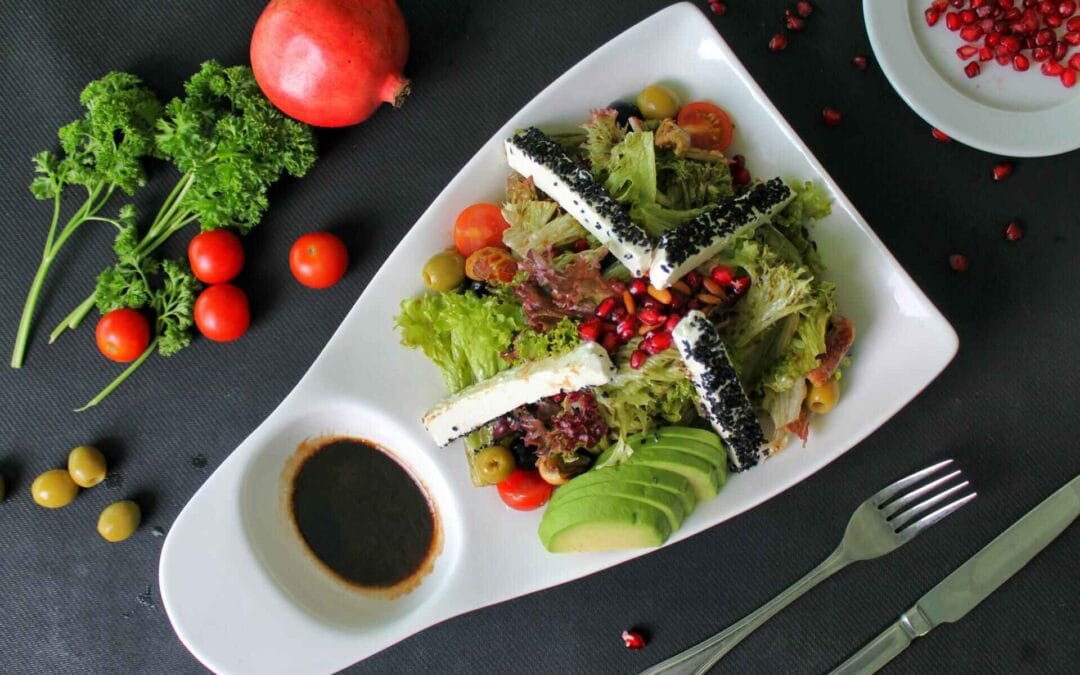
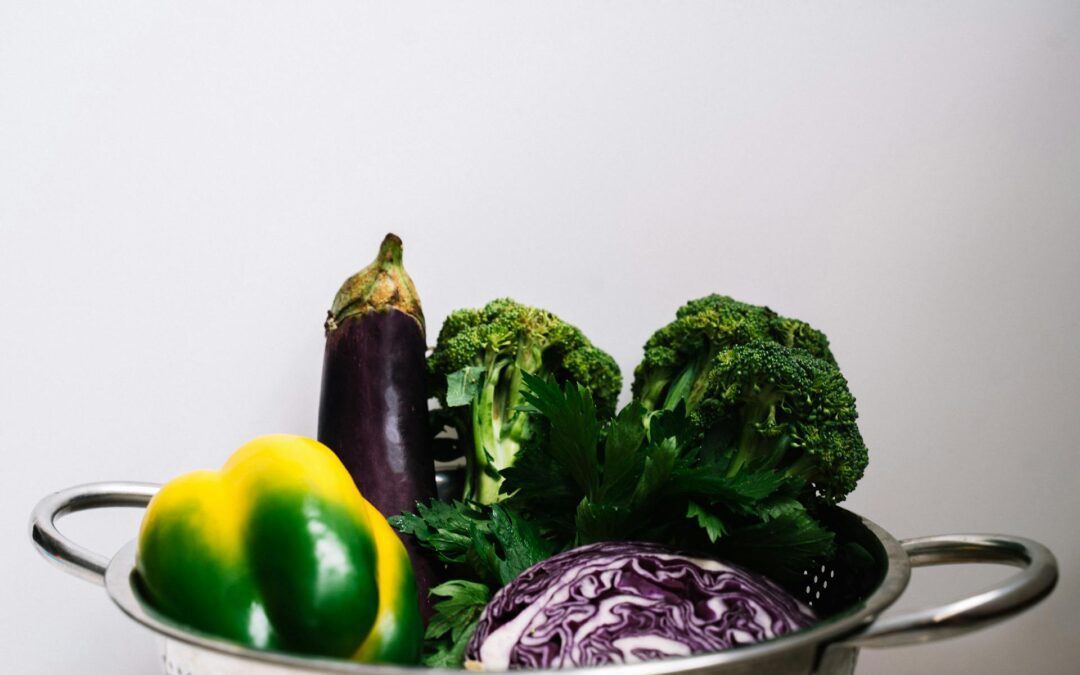
0 Comments