
Eating this method may result in short-term weight loss, but it has no substantial long-term advantages and may pose specific hazards.
Carbohydrates, protein, and fat, often known as macronutrients, all provide energy to your body. All foods include a mix of these nutrients.
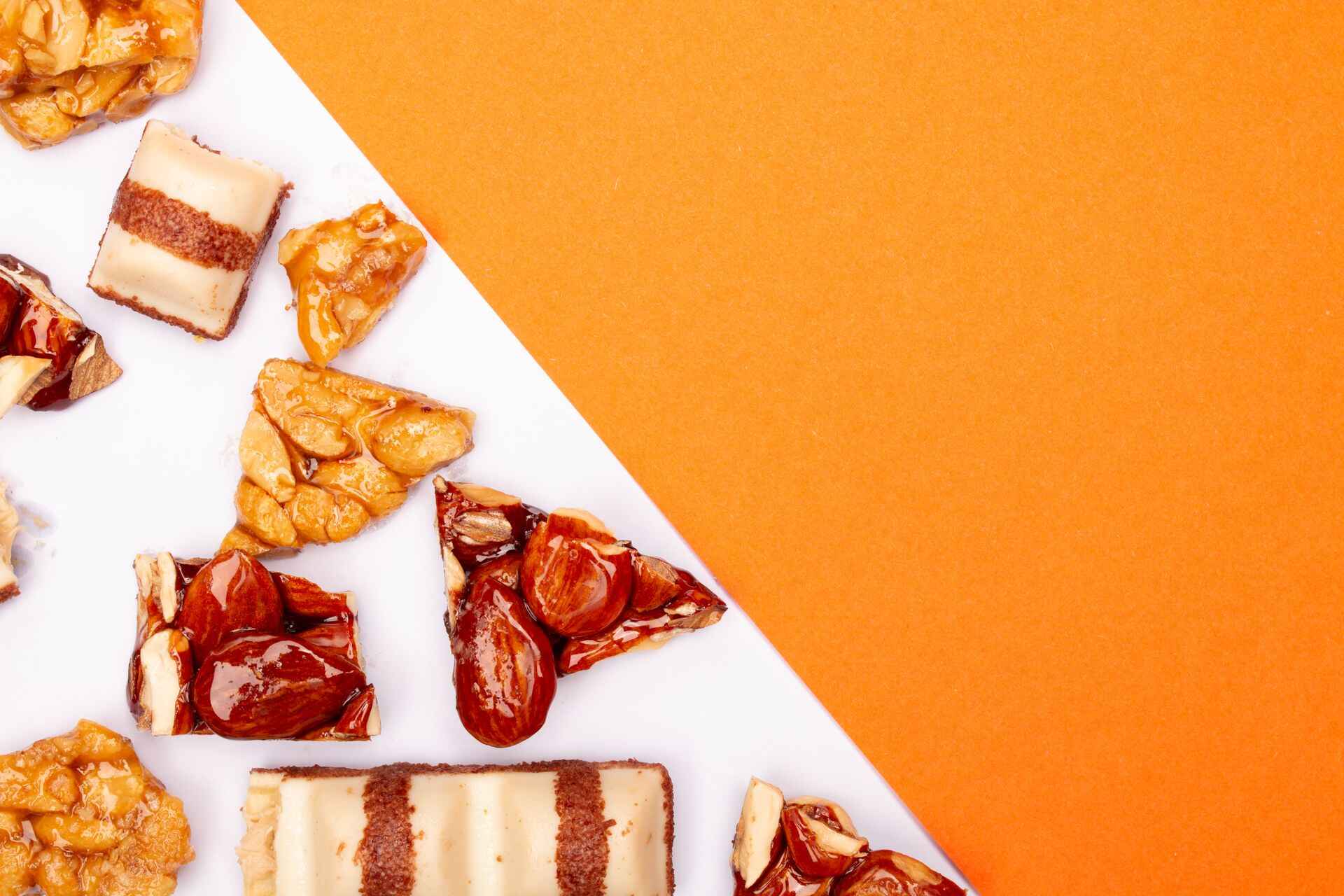
Many foods contain more than one macronutrient. Almonds have fat and protein, whereas cow's milk has protein, fat, and carbohydrates.
It's up to you to decide how and what you consume. Many things can impact what you eat. Cost, availability, tastes, and any medical concerns you have will all influence your meal choices.
You've probably heard commotion about a high-protein, low carbohydrate diet. People may eat this way to control their blood sugar levels, decrease weight, or gain muscular mass.
However, for most individuals, consuming a variety of meals is ideal. This ensures that you may eat freely and that your body receives all the nutrients required to flourish.
Is it OK to eat foods high in protein and low carb?
You will consume various protein-rich meals with little carbs as part of a well-balanced diet. That is OK. If you adopt a protein, low carb diet, you will consume more protein while avoiding or limiting carbs.
There are several definitions of a low carbohydrate diet. If you're following a certain diet plan, you could count carbs to remain under a specified limit. A very low carbohydrate diet may restrict carbs to 20-50 grams (g) per day.
When following a very low carbohydrate diet, you would most likely avoid or restrict high carbohydrate meals such as:
- grains and starches, including pasta, bread, cereal, rice, barley, and oats
- foods with added sugar
- yogurt and milk
- many fruits
- lentils and beans
- starchy vegetables, including corn, potatoes, squash, and sweet potatoes
Many of the items listed above are acceptable on a low-carb diet, which permits up to 130 g of carbohydrates per day and can be included in lower quantities. However, these items are off-limits on very low carb diets of 20-50 g daily.
Are eggs low carb and high protein?
Yes, eggs have modest amounts of carbs and are high in protein. The typical big chicken egg has almost 6 g of protein.
Many enjoy eggs because they are easy to cook, versatile, and filling. Feel free to eat eggs with meals or snacks if you love eggs.
Benefits of high protein, low carb eating
Increasing the quantity of protein in your diet can have various benefits. Even if you don't try to avoid carbs on purpose, eating adequate protein can help.
Your body needs protein to sustain immunological function, create and repair muscles, and maintain all its organs and tissues.
Eating protein-rich meals and snacks helps you feel fuller for longer.
In the near term, a low carbohydrate diet may assist control of type 2 diabetes.
According to the authors of a 2021 study review, people with type 2 diabetes saw better blood sugar levels during the first six months of following a reduced-carbohydrate diet. But after six months, the hazards began to exceed the advantages. People had higher LDL ("bad") cholesterol and a worse quality of life.
Are there risks from low carb, high protein foods?
A few dangers are associated with a high protein, low carbohydrate diet. The outcomes of any weight loss diet strategy are rarely long-term. Dieting for weight loss is one of the most significant predictors of future weight gain.
Dieting can also raise the likelihood of having an eating disorder.
If you've ever dieted, you've probably experienced some emotional side effects. Being on a tight diet might make socializing difficult and increase loneliness. Your mood and energy levels may suffer if you don't eat enough.
Furthermore, a low carbohydrate diet may make it difficult to get adequate fiber. Fiber is a form of carbohydrate that promotes good digestion. When you reduce your carbohydrate consumption, you may feel increased constipation.
While the findings are not definitive, some studies have found an increased risk of death in persons who follow carb diets as well as those who consume a lot of carbohydrates.
A high protein diet may tax your kidneys if you have a history of renal illness. Research suggests that it might worsen renal function.
Should you eat more protein than carbs to lose weight?
This strategy may result in short-term weight loss, but it is not a long-term solution for most individuals. Studies have shown that people who follow a high protein, low carb diet lose more weight than those who eat low fat.
However, take into account that these studies mainly look at short-term outcomes. The fact is that almost everyone who loses weight regains it. According to Research, up to 80% of those who lose weight eventually regain it.
Food examples
Here are some low-carbohydrate, high protein foods:
- seeds and nuts
- peanut butter and other nut butters
- fish and seafood
- chicken, beef, turkey, and pork
- eggs
- cheese and plain yogurt
- tofu
You may include other foods, such as the following, even if they are not significant protein sources.
- Non-starchy veggies include bok choy, broccoli, mushrooms, asparagus, cauliflower, leafy greens, cucumbers, peppers, tomatoes, green beans, celery, and zucchini.
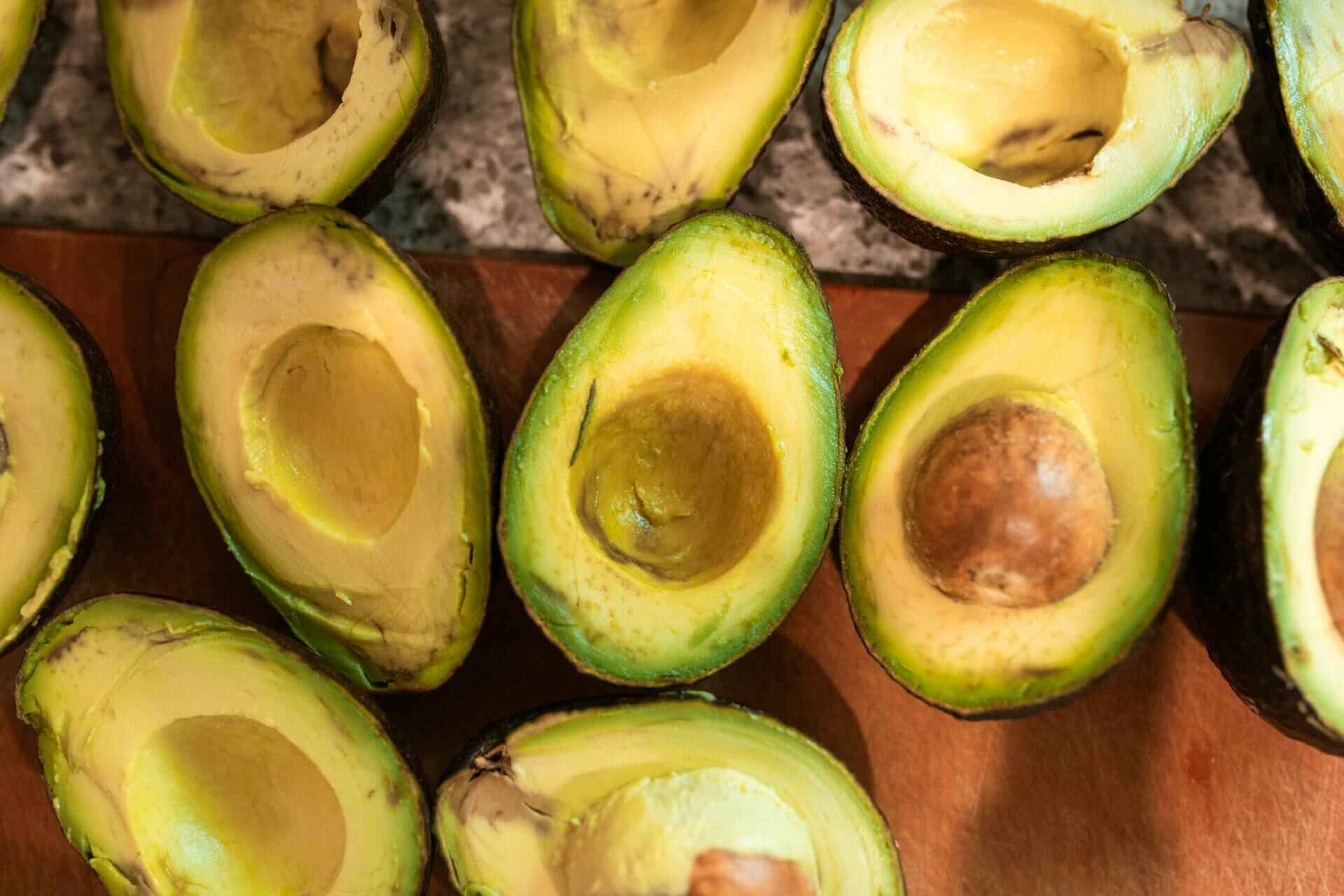
- Avocado, olives, and a small quantity of berries.
To make these ingredients into meals, consider incorporating them into the following dishes:
- An omelet made with cheese and vegetables, served with turkey bacon
- roasted pork with broccoli
- a tofu stir-fry (made with a low sugar sauce) with a variety of vegetables
- lettuce taco wraps
- steak with a side of roasted cauliflower
- beef stew, made without potatoes
- a green salad topped with cheese, nuts, and grilled chicken
The Bottom Line: High Protein, Low Carb Foods
Every food has some amount of carbohydrate, protein, and fat. These nutrients provide the body with energy. Some people opt to eat a high protein, low carbohydrate diet.
While this manner of eating may result in temporary weight loss, it is rarely permanent. There is little proof that this method will keep weight off in the long run.
There's nothing wrong with eating additional protein to ensure you get enough, especially if it improves your appetite and energy.
For certain people, a high protein, low carbohydrate diet has dangers such as renal damage and an increase in bad cholesterol.



0 Comments