
If you have ever tried to put together a vegetarian keto lunch and ended up staring into the fridge as it owes you answers, you are not alone.
This way of eating is a little like solving a puzzle with only a few pieces: you want it low carb, meat-free, satisfying, and easy enough to repeat on a busy weekday. The good news is that the formula works beautifully once you stop trying to build lunch around bread, rice, pasta, or beans and instead lean into eggs, tofu, tempeh, cheese, avocado, olive oil, nuts, seeds, and non-starchy vegetables. That is exactly how current vegetarian keto guidance frames the diet, and it is also the pattern you will see in today’s recipe roundups from reputable food sites.
What makes vegetarian keto recipes so appealing is not just the carb count. The right lunch can feel rich, bright, and genuinely filling without leaning on meat at all. A big salad with avocado and feta, a cauliflower rice bowl with tofu, or a crustless frittata slice can feel every bit as hearty as a sandwich, especially when you build it the right way. That balance matters because vegetarian diets naturally include foods like grains, legumes, and fruit, while keto keeps carbs very low, so the overlap requires a bit of intention. Once you understand that, the rest gets much easier.
What Vegetarian Keto Means
Vegetarian keto sits at the intersection of two eating styles that do not always naturally align. Vegetarian eating removes meat, while keto keeps carbohydrates very low so the body can rely more on fat for fuel. That means the usual vegetarian lunch staples—think grains, beans, lentils, rice bowls, wraps, and pasta salads—often need a complete reset when you are building vegetarian keto recipes. The goal is not just to avoid meat. The goal is to build a meal that stays low enough in carbs to fit keto while still feeling balanced, satisfying, and practical for everyday life. (1, 2, 3)
The easiest way to think about vegetarian keto is this: fat + protein + low carb vegetables. That formula shows up again and again in current keto and vegetarian nutrition guidance because it helps meals feel complete without leaning on high-carb fillers. In other words, a lunch built around avocado, eggs, tofu, cheese, olive oil, and leafy greens is much more aligned with vegetarian keto recipes than one centered on bread or rice. It is a simple pattern, but it makes a huge difference in how full and steady you feel after lunch.
Best foods to build lunches
The best vegetarian keto recipes start with ingredients that do more than one job at once. They should provide protein, texture, flavor, or healthy fat, and ideally all of the above. Non-starchy vegetables are the backbone of this approach because they add volume and freshness without pushing carbs too high. Think broccoli, zucchini, cauliflower, spinach, romaine, kale, cabbage, mushrooms, cucumber, and asparagus. These are the kinds of ingredients that let lunch feel generous without turning it into a carb-heavy meal.
Protein is the next piece of the puzzle, and this is where vegetarian keto gets its staying power. Eggs are one of the easiest building blocks because they are versatile, quick, and naturally low in carbs. Tofu and tempeh are especially useful because they bring structure to bowls, salads, and skillet meals. Cheese, Greek yogurt, and cottage cheese can also help round out a lunch with more richness and protein, while nuts and seeds add crunch and a bit more staying power. These foods appear frequently in vegetarian protein guidance because they are among the most practical options for meat-free eating patterns. (4, 5)
Healthy fats are what make vegetarian keto recipes feel satisfying rather than skimpy. Avocado, olives, olive oil, coconut oil, tahini, pesto, nuts, and seeds all help turn a pile of vegetables into a real meal. A salad with olive oil and avocado is not just “lighter”; it is more complete. A tofu bowl with sesame dressing is not just pretty; it is more filling because the fat slows things down in a way that helps lunch carry you through the afternoon. That is why so many current vegetarian keto meal ideas are built around creamy, rich, or oil-based elements instead of dry or overly lean ingredients.
A helpful shortcut is to build every lunch from the same simple structure. Start with a low carb vegetable base, add a solid protein source, then finish with a healthy fat and a bold flavor. That could look like spinach, tofu, feta, and olive oil; or cauliflower rice, eggs, avocado, and herbs; or romaine, halloumi, cucumbers, and sesame dressing. Once you start using that formula, vegetarian keto recipes become much easier to repeat, customize, and actually enjoy.
Foods to limit or avoid
The foods that tend to cause problems in vegetarian keto recipes are usually the same ones that make vegetarian lunches feel comforting and familiar. Bread, rice, pasta, quinoa, beans, lentils, and potatoes all bring useful nutrients in many diets, but they are also the ingredients most likely to push a lunch out of keto range. Keto relies on keeping carb intake very low, so even a lunch that looks “healthy” can work against ketosis if it is built around these starchy staples. (6)
Quinoa and beans are especially common trouble spots because they are often treated like default vegetarian protein sources. On a vegetarian diet, they make a lot of sense. On keto, they can crowd out the carb budget very quickly.
Lentils and chickpeas are in the same category: nutritious, filling, and useful in many meal plans, but not ideal when your goal is keeping carbs low enough for ketosis. That is why strong vegetarian keto recipes swap those ingredients for tofu, eggs, cheese, or low carb vegetables that deliver a similar sense of fullness without the carb load.
Sugary sauces are another sneaky problem. Sweet dressings, teriyaki-style glazes, honey mustard sauces, and bottled sauces with added sugar can turn an otherwise good lunch into a carb-heavy one. The same goes for fruit heavy lunches, especially when fruit is treated like the main event instead of a small accent. Keto-friendly eating usually favors lower-sugar choices and keeps high-carb extras in check, which is why the best vegetarian keto recipes rely more on savory, creamy, or herb forward flavor profiles than sweet ones.
The real issue is not that these foods are “bad.” It is that they change the math. Keto works by keeping carbohydrates low enough to maintain ketosis, so every high-carb ingredient eats into that limit. When lunch starts with bread, pasta, quinoa, or lentils, there is usually not much room left for the rest of the meal. That is why the most reliable vegetarian keto recipes are not built around substitutions that only look low carb; they are built around ingredients that naturally fit the pattern from the start.
How to Build a Filling Lunch
A filling lunch is the difference between vegetarian keto recipes that feel doable and ones that leave you hunting for snacks an hour later. The trick is not to make the plate huge; the trick is to make it balanced. On a vegetarian keto lunch plate, that usually means building around protein first, then adding fat for staying power, and finishing with low carb vegetables for volume, freshness, and texture. That formula works because keto eating is centered on low carbs and higher fat, while vegetarian eating still needs enough protein to feel satisfying and nutritionally complete. (7)
Protein first
If you want vegetarian keto recipes that actually keep you full, protein has to come first. Eggs, tofu, tempeh, Greek yogurt, cottage cheese, and cheese are all useful because they add structure to a meal rather than letting it collapse into a handful of vegetables and dressing. Higher protein eating patterns are consistently linked with better satiety, and research reviews show that higher protein intake tends to increase fullness compared with lower protein intake.
That is one reason vegetarian lunches often fail: they can look plenty “healthy,” but if the protein is too low, hunger shows up fast. (8, 9, 10)
Think about the difference between a plain salad and a salad with egg, tofu, or cheese. The second version does not just add nutrition; it changes the entire experience of the meal. Eggs are especially convenient because they are quick, portable, and easy to batch cook.
Tofu and tempeh work well because they hold flavor and add more substance to bowls, wraps, and stir-fry lunches. Greek yogurt, cottage cheese, and cheese are also practical because they can turn a light lunch into something that feels finished instead of flimsy. Current vegetarian protein guidance from major health sources continues to point to these foods because they are easy to work with and fit well into meat-free meal planning. (11)
Here is the simplest way to use protein in vegetarian keto recipes:
- Start with one main protein source, like eggs, tofu, tempeh, cottage cheese, or Greek yogurt.
- Add a second protein source if the lunch is especially light, such as cheese or seeds.
- Build the rest of the meal around vegetables and fat instead of using bread or grains as the base.
- Aim for a lunch that feels anchored, not airy.
Add fat for staying power
Fat is what turns a light lunch into a real lunch in many vegetarian keto recipes. Avocado, olive oil, coconut oil, nut butters, seeds, feta, cream cheese, and pesto do more than add flavor. They make the meal feel richer and more satisfying, which is especially helpful when you are not using bread, rice, or pasta to provide that sense of fullness. Keto eating is designed around higher fat and lower carbohydrate intake, so fat is not just allowed here; it is one of the main tools that makes the meal work.
This is why a simple salad can feel almost transformed with the right finishing touches. A bowl of lettuce and cucumber is fine, but it is not memorable. Add avocado, olive oil, feta, and pumpkin seeds, and suddenly the same bowl feels like an actual meal. A tofu salad dressed with pesto or tahini has more staying power than one dressed with a thin vinaigrette. Even cream cheese or a spoonful of nut butter can help create that richer mouthfeel that makes vegetarian keto recipes feel more satisfying and less like “diet food.” (12, 13)
The best way to think about fat is as the bridge between “I ate something” and “I am good until dinner.” When you are planning lunch, ask yourself whether the meal has a creamy element, an oily element, or a naturally fatty ingredient like avocado or olives. If the answer is no, the lunch may technically fit the carb target but still leave you unsatisfied. That is why the strongest vegetarian keto recipes usually have one ingredient that brings richness and one ingredient that brings texture. The combination is what makes the meal feel complete.
Use fiber and crunch wisely
Fiber and crunch are the ingredients that keep vegetarian keto recipes from feeling flat. Low carb vegetables like lettuce, spinach, kale, cucumber, celery, cabbage, cauliflower, mushrooms, and zucchini all add volume without a big carb load, and that matters a lot when you are trying to stay full on fewer carbs. Harvard Health notes that vegetables are naturally rich in fiber, and low carb vegetable roundups consistently highlight spinach, kale, cauliflower, zucchini, broccoli, and similar choices as strong keto-friendly picks. (14, 15, 16)
Texture matters just as much as nutrition. A lunch with soft ingredients only can feel boring, even if it is technically well balanced. That is why crunchy cabbage, cucumber slices, celery sticks, seeds, and roasted cauliflower are so useful in vegetarian keto recipes. They make the meal more interesting to eat, and they also help it feel bigger without relying on starch.
A good low carb lunch often has at least two textures: something creamy and something crisp. That contrast keeps each bite from feeling repetitive.
A few easy ways to use fiber and crunch well:
- Use romaine or lettuce cups instead of wraps.
- Add cucumber, celery, or shredded cabbage for freshness and snap.
- Mix in sautéed mushrooms or zucchini for bulk.
- Top bowls and salads with seeds for a little crunch.
- Choose cauliflower rice or chopped cauliflower when you want a base that still stays low carb.
When you put all three pieces together, vegetarian keto recipes become much easier to build. Protein gives the meal structure, fat gives it staying power, and fiber plus crunch make it feel satisfying enough to repeat.
That is the sweet spot: a lunch that is low carb, meat-free, and practical enough to fit real life, not just a recipe card.
10 Lunch Ideas By Category
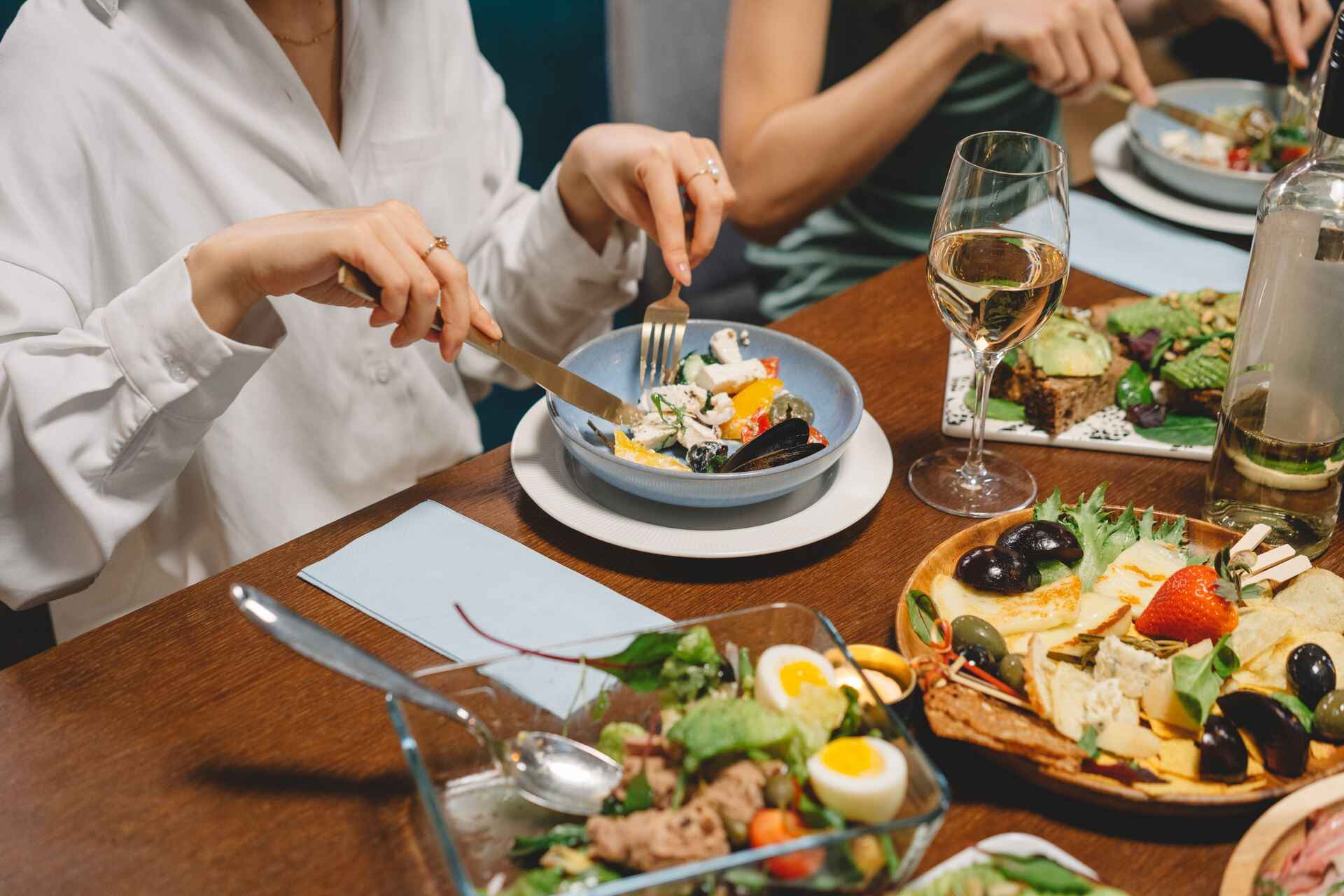
The best vegetarian keto recipes are the ones that feel easy to repeat, easy to pack, and easy to actually enjoy at lunchtime. That is why it helps to sort them into a few simple buckets instead of treating every lunch like a one-off project. Salads and bowls give you a fresh, customizable base. Wraps and roll-ups make lunch more portable. Warm lunches give you that cozy, satisfying feel when you do not want another cold meal.
Across all three categories, the winning formula stays the same: low carb vegetables, a solid protein source, and enough fat to make the meal feel complete. Current vegetarian keto guidance keeps pointing in that exact direction. (17)
Salads and bowls
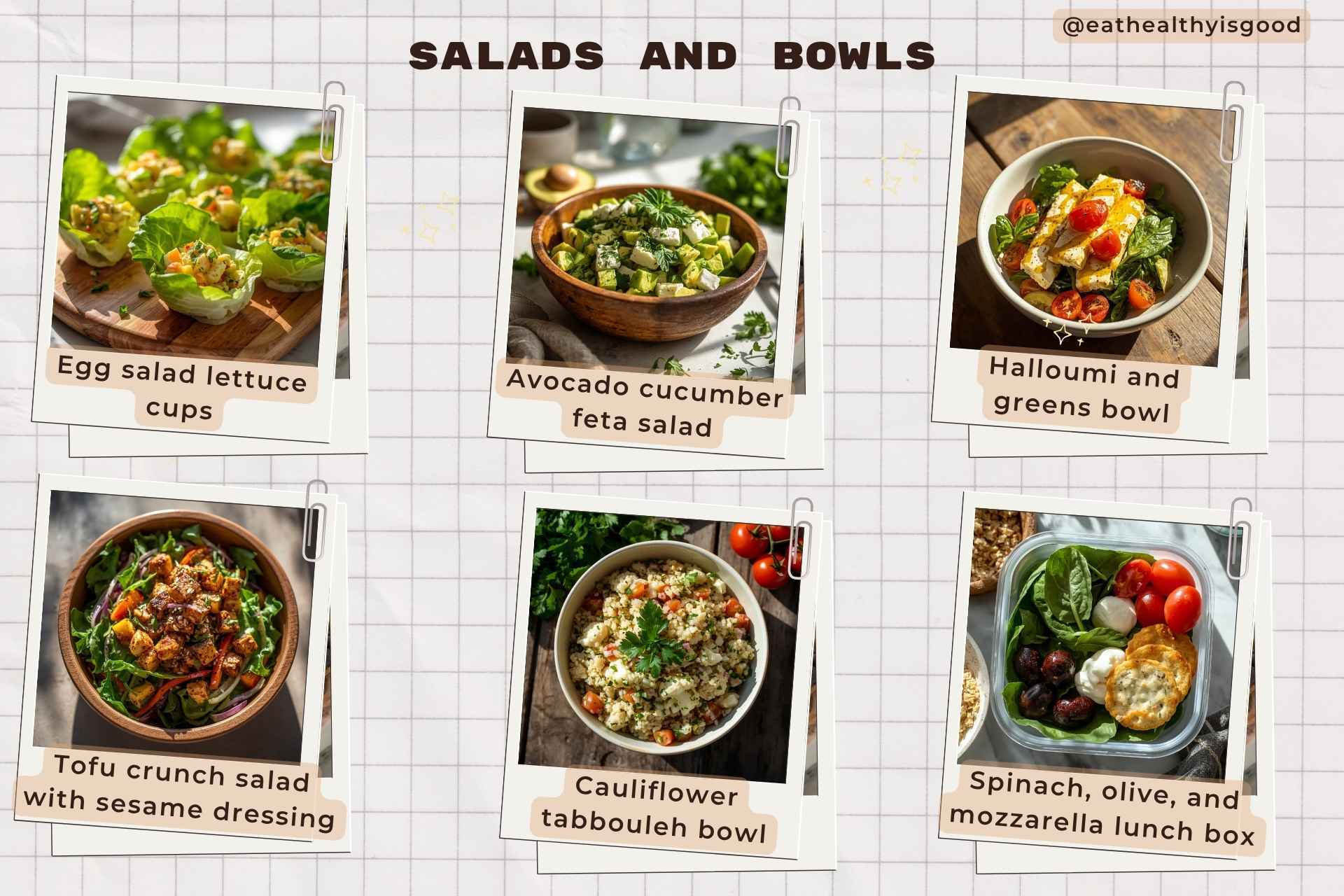
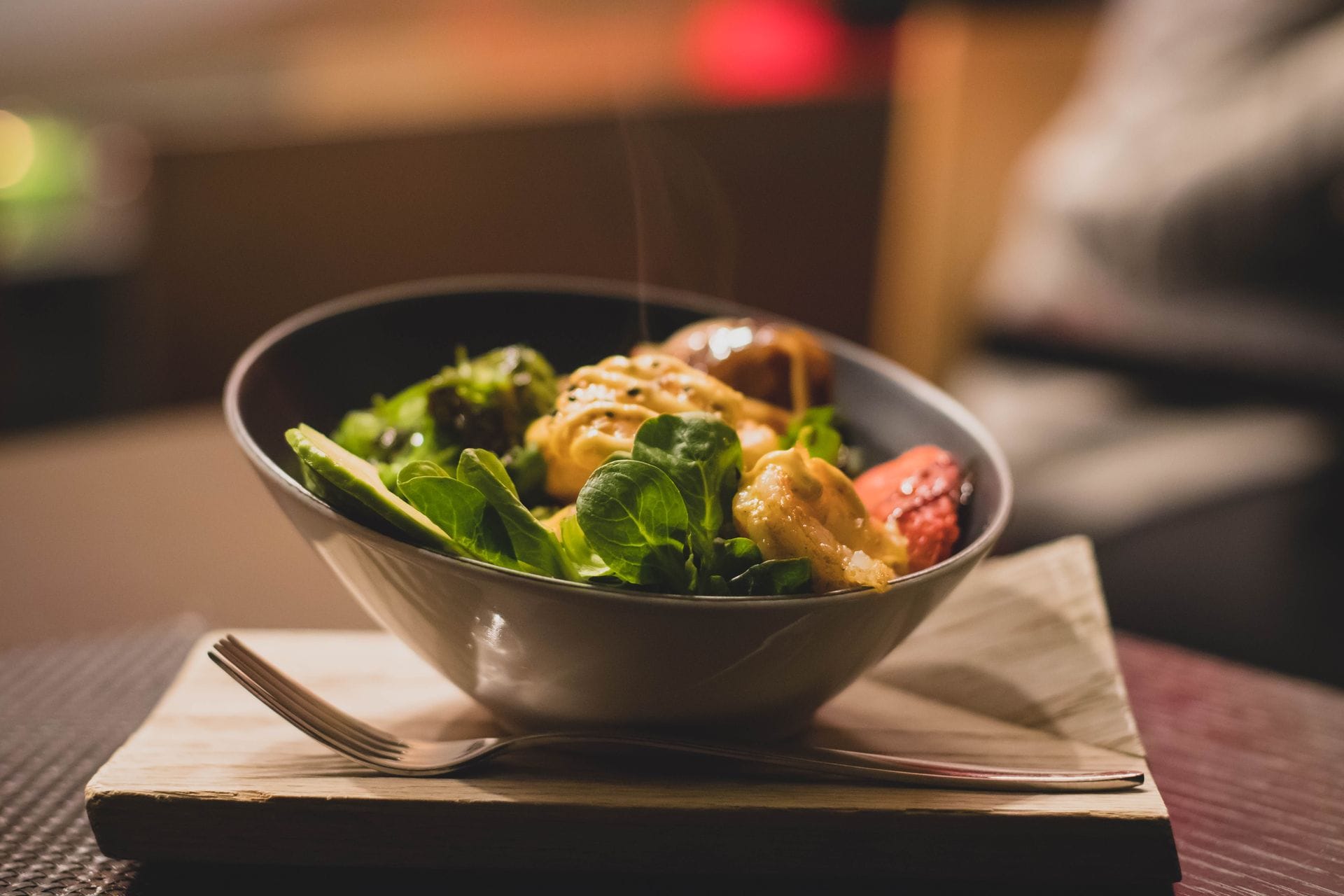
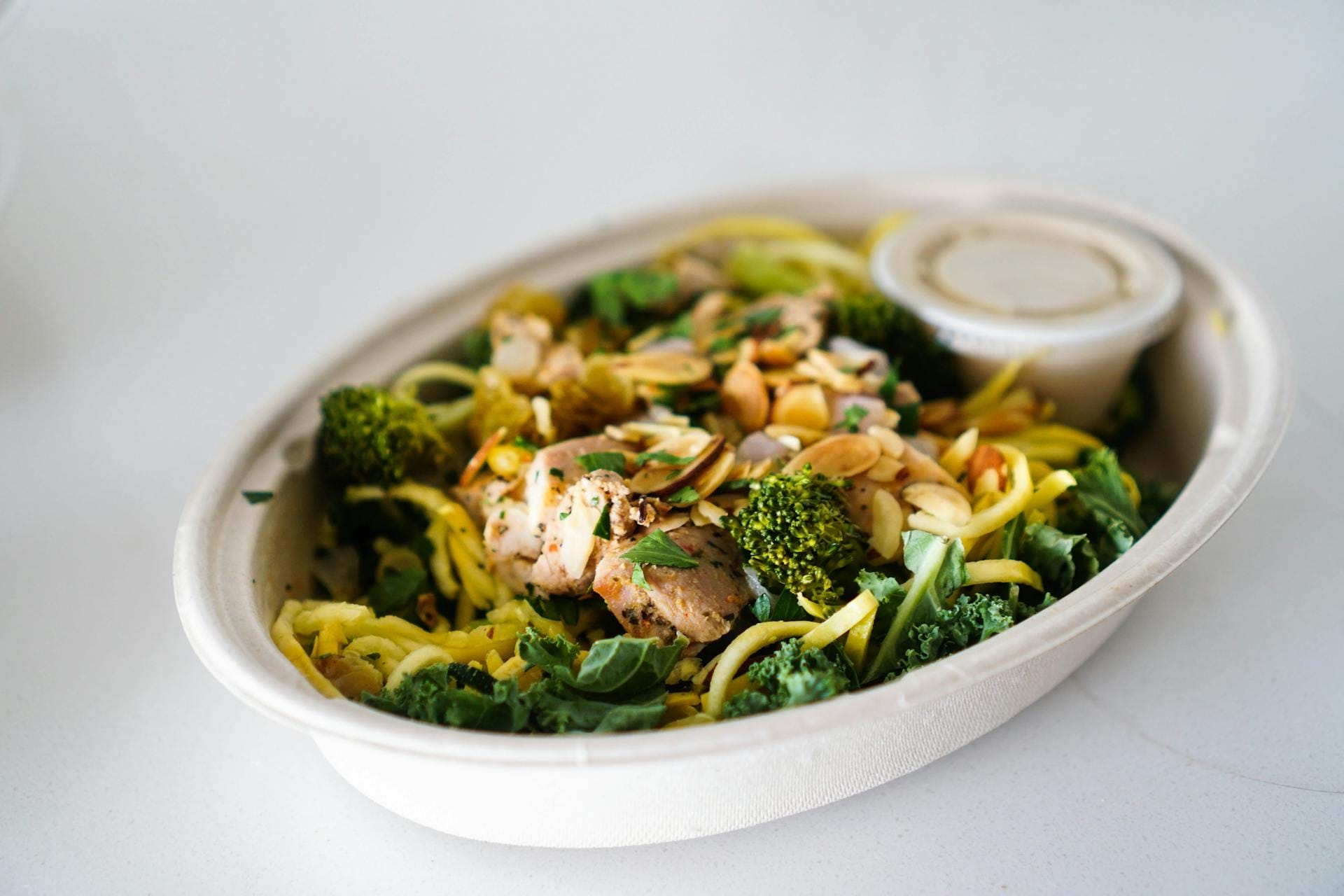
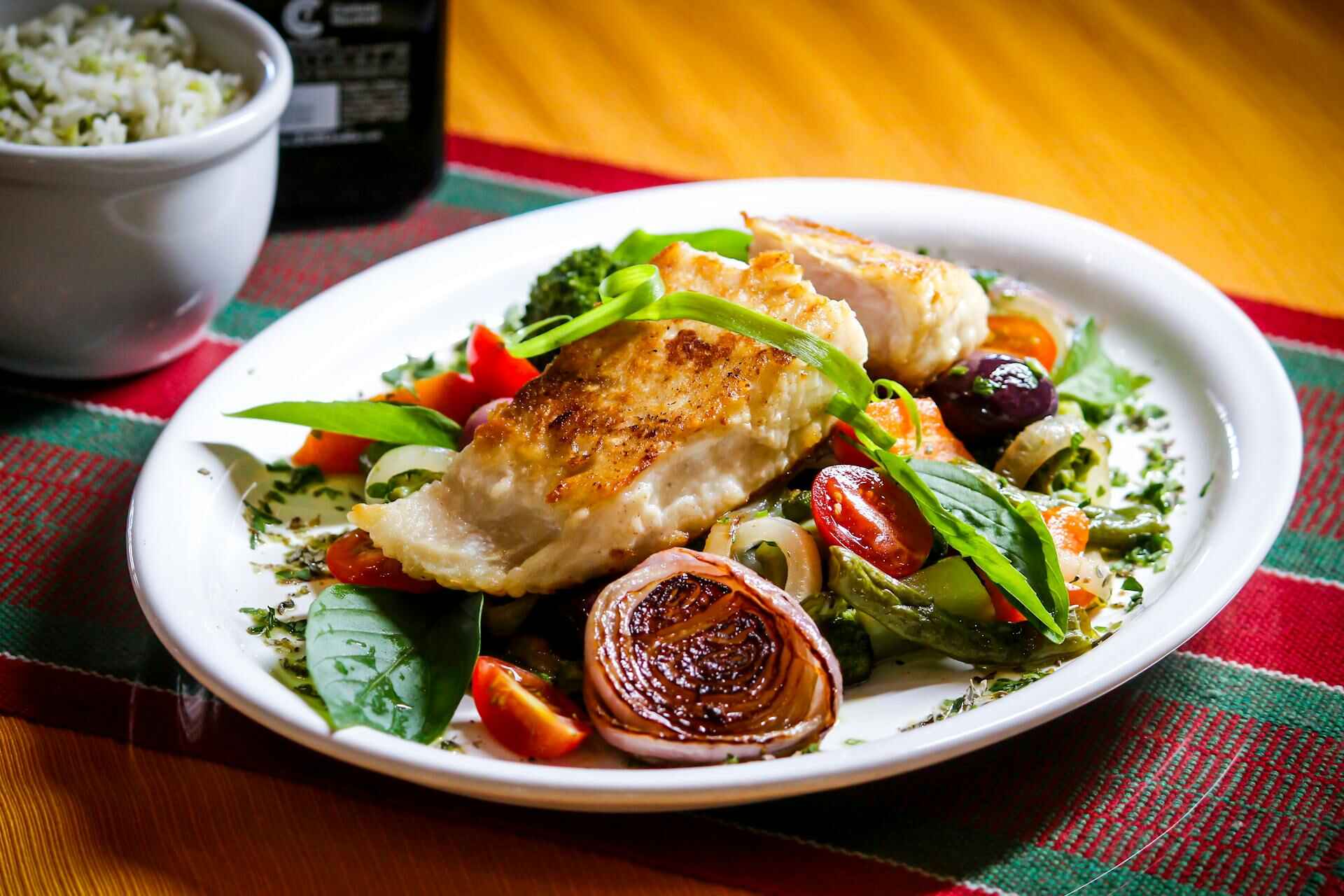
Salads and bowls are some of the easiest vegetarian keto recipes to build because they give you a lot of freedom without forcing you to rely on bread, pasta, or rice. A good keto salad is not just a pile of greens. It is a layered lunch with crunch, creaminess, protein, and enough flavor to keep you interested until the last bite. Diet focused recipe guides consistently highlight ingredients like spinach, kale, cauliflower, zucchini, cucumbers, avocados, eggs, tofu, cheese, and olives because they work beautifully in this kind of meal.
Here are some of the most useful lunch ideas in this category:
- Egg salad lettuce cups
These are one of the easiest vegetarian keto recipes to prep ahead. Mix chopped eggs with mayo or Greek yogurt, mustard, celery, and herbs, then spoon the filling into crisp lettuce leaves. The lettuce gives you the handheld feel of a wrap without the carbs, while the egg salad gives you the protein and fat that keep the lunch satisfying. - Avocado cucumber feta salad
This salad works because it is simple but balanced. Avocado brings healthy fat, cucumber brings crunch, and feta brings salt and richness. Add olive oil, lemon juice, and herbs, and you have one of those lunches that tastes brighter than the effort it took to make it. - Halloumi and greens bowl
Halloumi is one of those ingredients that makes vegetarian keto recipes feel a little more special. It holds up well when seared, which means it can anchor a bowl of spinach, arugula, cucumber, olives, and olive oil-based dressing. It is a great choice when you want something savory and filling without a lot of prep. - Tofu crunch salad with sesame dressing
Tofu is especially useful in vegetarian keto cooking because it absorbs flavor so well. Toss it with cabbage, cucumber, scallions, and sesame dressing for a lunch that has contrast in every bite. The crunch from the vegetables and the richness of the dressing help turn a basic salad into a complete meal. - Cauliflower tabbouleh bowl
Traditional tabbouleh uses bulgur, but cauliflower rice gives you the same fresh, herb-heavy feeling in a lower-carb format. Add parsley, mint, cucumber, olive oil, lemon, and feta for one of the most refreshing vegetarian keto recipes you can make. - Spinach, olive, and mozzarella lunch box
This is the kind of lunch that is almost too easy to overlook, but it works beautifully. Baby spinach gives you the leafy base, olives add fat and salt, and mozzarella makes the meal feel more substantial. Add cucumber or a few seeds for extra crunch, and you have a lunch box that is simple but not boring.
What makes these salads and bowls so effective is not a fancy technique. It is structured. Low carb vegetables create volume, protein creates satiety, and fat creates staying power. That combination is why salad-based vegetarian keto recipes are so common in current recipe roundups and nutrition guidance.
Wraps and roll-ups
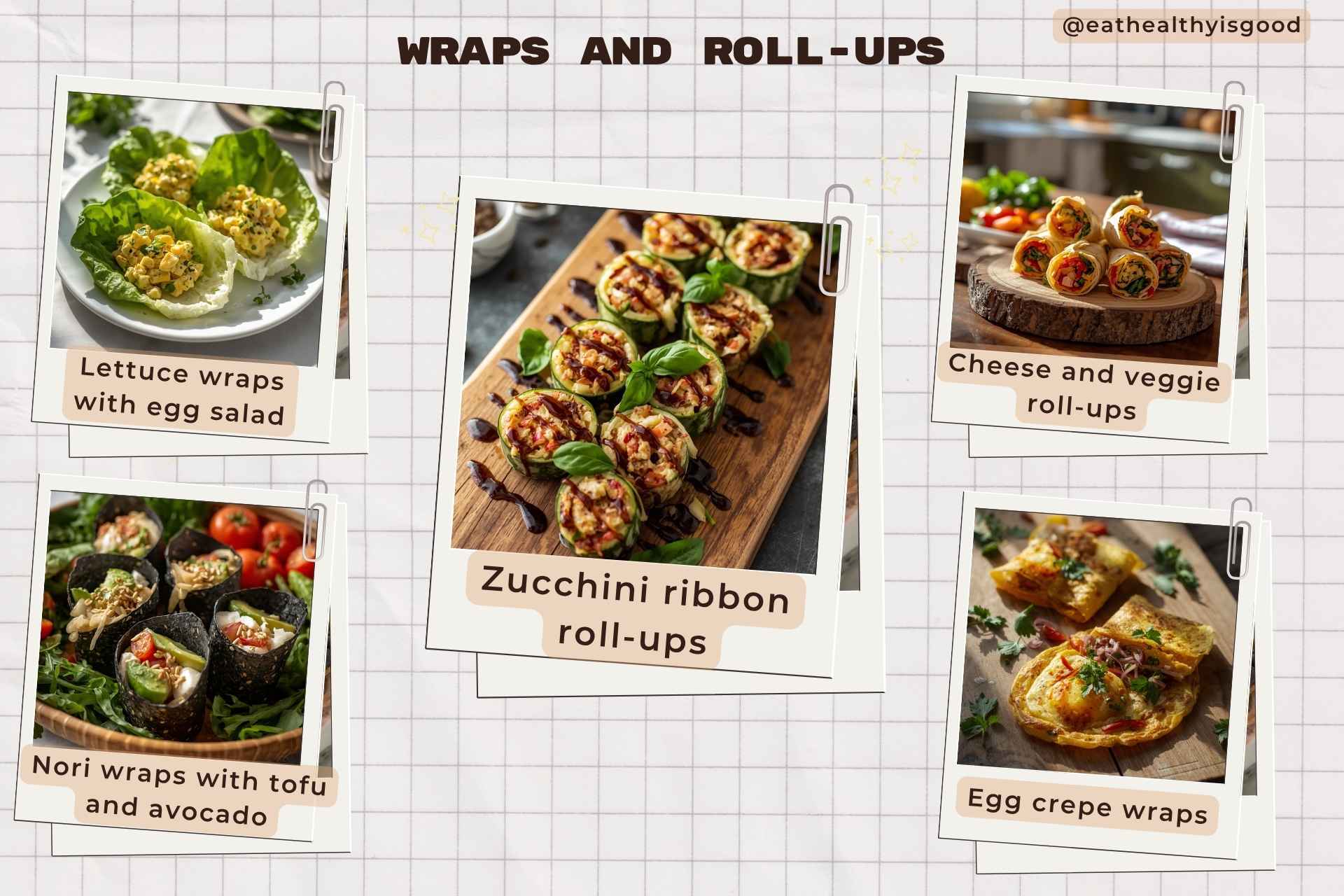
Wraps and roll-ups are perfect when you want vegetarian keto recipes that feel portable and quick. The challenge, of course, is that regular tortillas and sandwich bread are not keto-friendly, so the trick is to swap in lettuce, zucchini ribbons, cheese slices, nori sheets, or egg crepes instead. That small swap changes the whole game. You still get the hand held convenience of a wrap, but without the carb load that usually comes with it. Current low carb and vegetarian keto sources regularly point to leafy greens and non-starchy vegetables as the right foundation for this kind of meal. (18)
A few strong options in this category are:
- Lettuce wraps with egg salad
These are classics because they are fast, sturdy, and satisfying. The lettuce acts like a natural shell, while the egg salad gives you protein and creaminess. If you want a lunch that feels familiar but still fits the keto pattern, this is a great place to start. - Zucchini ribbon roll-ups
Thin strips of zucchini can be layered with cream cheese, pesto, herbs, or a little mozzarella, then rolled into neat little bites. They look polished, pack well, and fit neatly into the kind of lunch box that makes vegetarian keto recipes feel practical instead of fussy. - Cheese and veggie roll-ups
Slices of cheese can become the wrap themselves. Fill them with cucumber, greens, avocado, or herbs, and you get a low carb lunch that is more about smart assembly than complicated cooking. This kind of meal is especially useful when you need something fast. - Nori wraps with tofu and avocado
Nori sheets make a surprisingly good wrap base, especially when paired with tofu, avocado, and crisp vegetables. The flavor is clean, the texture is satisfying, and the result feels a little different from the usual salad routine. - Egg crepe wraps
A thin egg wrap works almost like a soft tortilla, only much more keto-friendly. Fill it with spinach, cheese, mushrooms, or tofu, and you have one of the most flexible vegetarian keto recipes for busy weekdays.
These wraps are especially useful because they solve one of the biggest issues in vegetarian keto eating: convenience. You do not always have time to make a warm lunch, and you do not always want another salad. Wraps and roll-ups bridge that gap. They are quick, portable, and easy to customize based on what you already have in the fridge. (19)
Warm lunches
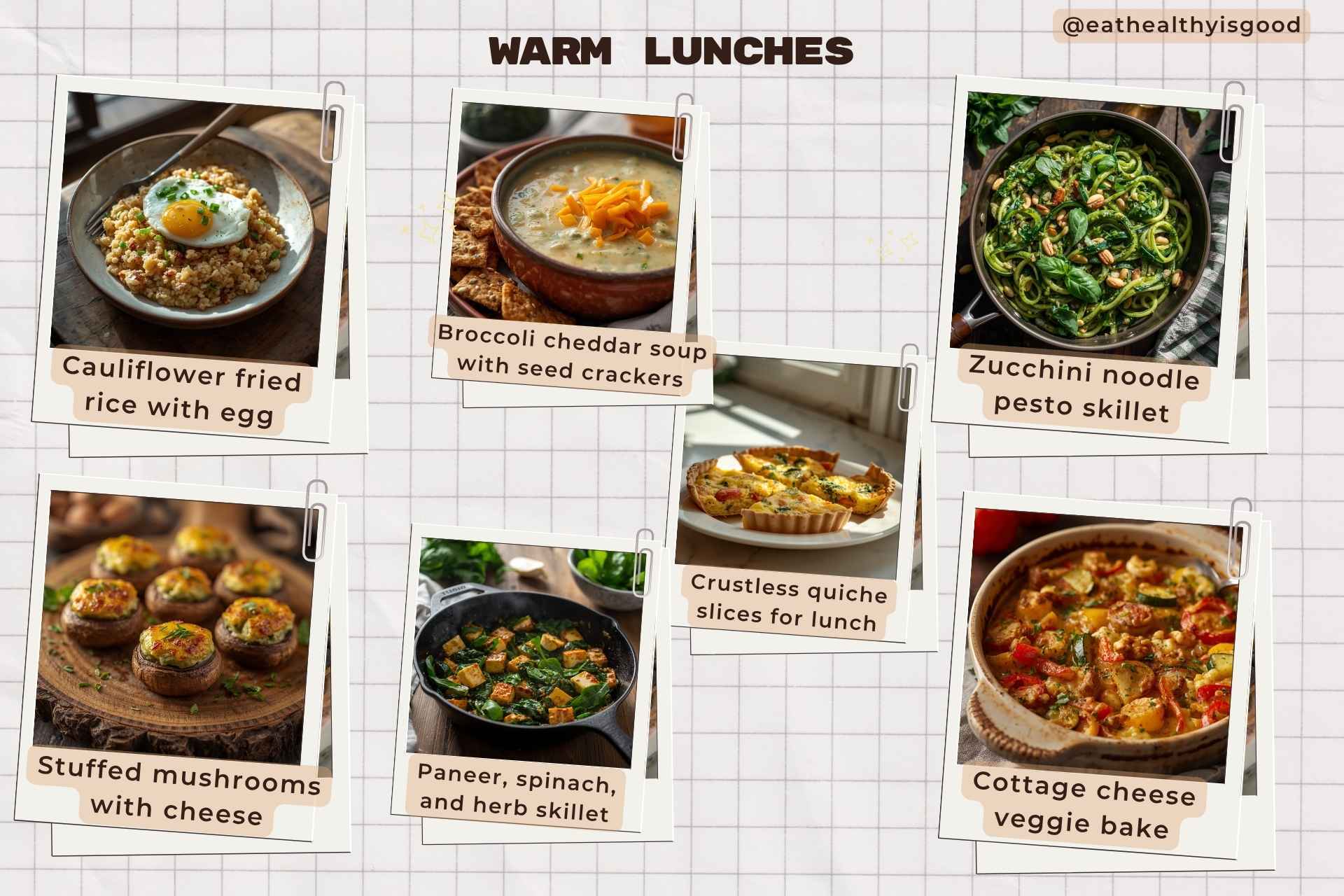
Warm lunches are where vegetarian keto recipes really start to feel cozy. When the weather is cooler, or when you just want something comforting and filling, hot lunches are hard to beat. The key is to keep the carb-heavy staples out and let low carb vegetables and protein do the work instead. Recipe roundups and keto vegetable guides consistently recommend ingredients like cauliflower, zucchini, spinach, broccoli, mushrooms, and cheese because they hold up well in skillet meals, soups, and casseroles.
Some of the most practical warm lunch ideas include:
- Cauliflower fried rice with egg
This is one of the easiest ways to turn leftovers into lunch. Cauliflower rice gives you the texture of rice without the carb load, and eggs add protein and richness. A few vegetables, sesame oil, and seasonings are usually enough to make it feel complete. - Broccoli cheddar soup with seed crackers
Creamy broccoli cheddar soup is a great example of how vegetarian keto recipes can feel hearty without feeling heavy. Pair it with seed crackers for a little crunch, and you have a lunch that is both comforting and low carb. - Zucchini noodle pesto skillet
Zucchini noodles are a popular low carb swap because they work well in quick skillet meals. Toss them with pesto, cheese, and herbs, and you get a lunch that feels fresh but still substantial. - Stuffed mushrooms with cheese
Mushrooms are ideal for keto-style cooking because they have a satisfying texture and absorb flavor beautifully. Stuff them with cheese, spinach, herbs, or even a little tofu mixture, and they become a perfect small batch lunch. - Crustless quiche slices for lunch
Crustless quiche is one of the best make-ahead vegetarian keto recipes because it stores well, reheats well, and gives you eggs, cheese, and vegetables in one tidy slice. Spinach, mushrooms, and herbs are especially good additions. - Paneer, spinach, and herb skillet
Paneer is a strong choice for vegetarian keto because it is filling, mild, and easy to season. Add spinach, garlic, and herbs, and you have a warm lunch that feels rich without needing rice or bread. - Cottage cheese veggie bake
Cottage cheese can do a lot of quiet work in a keto kitchen. When baked with vegetables, eggs, and cheese, it helps create a soft, creamy lunch that is easy to portion and reheat.
These warm lunches work so well because they solve the “I want something real” problem. They are not just low carb substitutes; they are satisfying meals in their own right. That is what makes the best vegetarian keto recipes so useful for actual day-to-day eating. They are flexible, they are filling, and they make it much easier to stay on track without feeling boxed in. (20)
Meal Prep, Shopping, and Storage
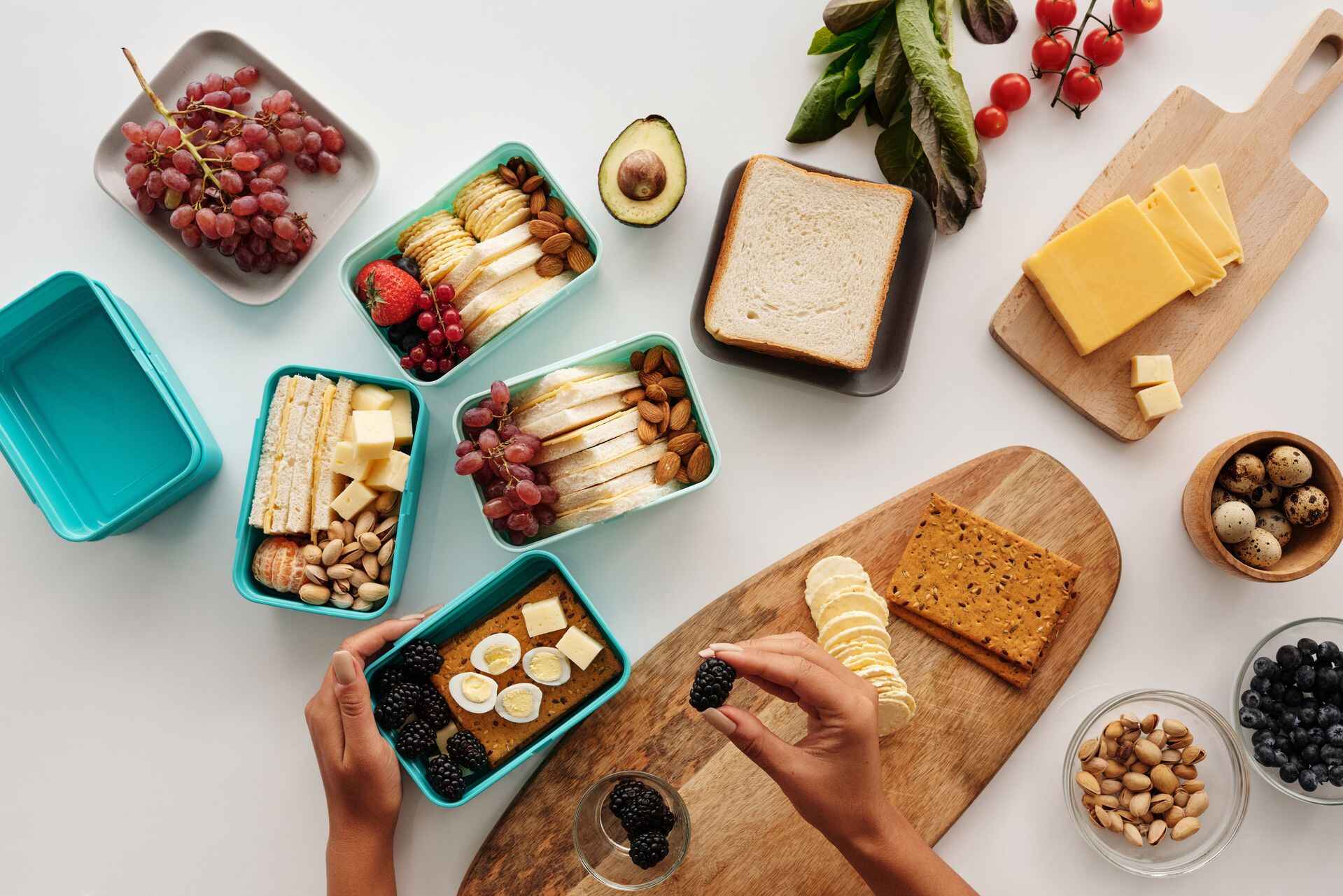
The easiest way to make vegetarian keto recipes work in real life is to stop treating lunch like a daily invention and start treating it like a system. When you prep a few core ingredients ahead of time, you can mix and match them into salads, bowls, wraps, and warm lunches without scrambling at noon.
That matters because low carb vegetarian eating is easiest to maintain when your fridge already contains the building blocks: cooked eggs, roasted vegetables, tofu, cheese, greens, and a few reliable sauces. Current low carb meal planning guidance points in exactly this direction, with meal prep and simple ingredient rotation showing up again and again in dietitian created low carb plans. (21, 22)
Make-ahead strategies for 3–5 days of lunches
A smart goal for vegetarian keto recipes is usually three to five lunches at a time. That is enough to save time without making the food feel stale or repetitive. Start by choosing one protein, one or two vegetables, and one sauce or dressing, then build different lunches from the same parts. For example, a batch of hard-boiled eggs, a tray of roasted cauliflower, a container of shredded cabbage, and a creamy dressing can become salad cups on one day and a bowl the next. Low carb meal planning resources and keto cooking guides both emphasize this kind of simple, repeatable structure because it keeps prep time low while making the meals easier to stick to. (23, 24, 25)
The most practical approach is to prep ingredients, not fully assembled lunches, whenever possible. Fully built salads can get soggy, wraps can get soft, and sauces can take over the whole container if they are mixed in too early. Instead, portion out the base ingredients into separate containers and assemble them right before eating, or pack them in layers with the wet ingredients at the bottom and the delicate greens at the top.
That way, your vegetarian keto recipes still taste fresh on day three instead of turning into a sad, watery lunch box. Food safety guidance also supports this kind of planning, because cooked foods should be cooled quickly and refrigerated promptly, not left out while you “get to it later.” (26, 27, 28)
How to keep salads crisp and sauces separate
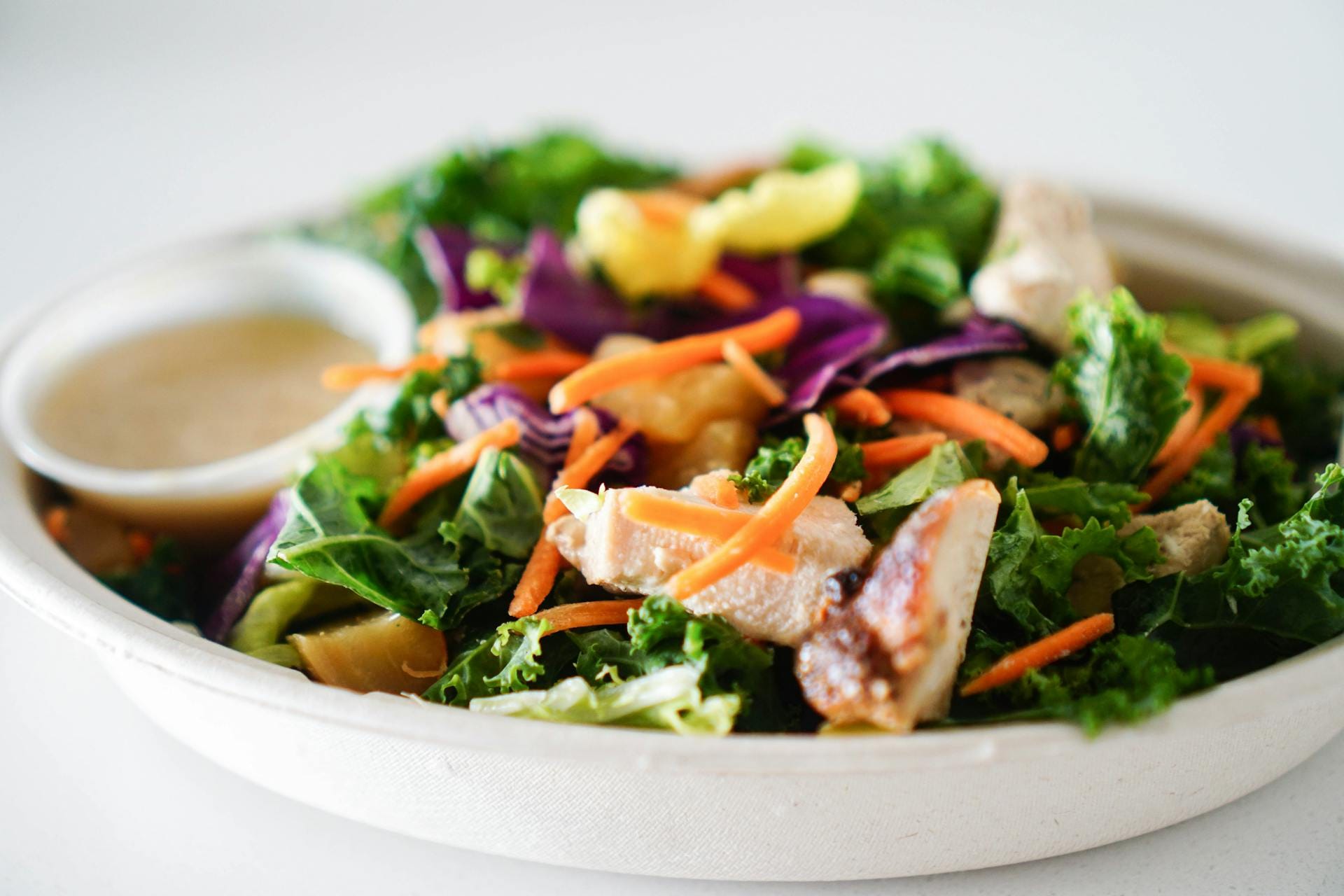
Salads are one of the best formats for vegetarian keto recipes, but they only stay great if you store them properly. The biggest mistake is mixing dressing into the greens too early. Once the leaves get coated, they begin to wilt, and the whole meal loses its crunch. The better move is to store the greens in a dry container, keep the protein in another compartment if you can, and pack dressing in a small jar or leak-proof cup.
That simple habit keeps the texture bright and makes lunch feel like it was just made, not forgotten. USDA and FDA food-safety guidance also emphasize keeping perishables cold and handling them quickly, which fits perfectly with this kind of structured storage. (29, 30, 31)
A few ingredients deserve special attention because they are so common in vegetarian keto recipes. Cucumbers, tomatoes, and avocados are delicious, but they release moisture or soften quickly, so it helps to pack them separately from leafy greens when possible. If you are using delicate greens like spinach or romaine, put a paper towel in the container to absorb extra moisture. And if your lunch includes cheese, olives, or tofu, keep them in a section that will not soak the rest of the meal. These little storage habits may sound minor, but they are the difference between a crisp lunch and a limp one.
Batch cook vegetables, eggs, tofu, and sauces
Batch cooking makes vegetarian keto recipes realistic enough for busy weeks. Start with vegetables that hold up well after cooking, such as cauliflower, broccoli, zucchini, mushrooms, cabbage, and spinach. Roast one tray, sauté another, and leave a few raw veggies washed and chopped for crunch. Then cook a batch of eggs and one protein like tofu or tempeh, so you have enough to mix into several lunches. Low carb meal prep guidance consistently recommends this “build once, use many times” method because it saves time and keeps meals from becoming repetitive.
Sauces are just as important as the main ingredients. A good sauce can make the same batch of vegetarian keto recipes taste completely different across the week. Think pesto, sesame dressing, tahini lemon sauce, garlic aioli, or a simple olive oil vinaigrette. Keep them separate from the main container so the textures stay right, then add them when you are ready to eat. That one change makes meal prep feel more like a flexible lunch system and less like eating the same thing over and over.
Grocery list and pantry staples to keep on hand
The best grocery list for vegetarian keto recipes is short, practical, and built around ingredients that can become many different meals. You do not need a giant specialty shopping list. You need a few reliable staples that can move from salad to bowl to skillet without much effort. Keto guidance from nutrition sources repeatedly highlights eggs, healthy oils, avocados, nuts, low carb vegetables, and other whole foods as core items, which lines up well with vegetarian meal planning.
Here is a strong foundation to keep around:
- Eggs
- Tofu and tempeh
- Cottage cheese, Greek yogurt, mozzarella, feta, cheddar, halloumi, or paneer
- Avocados and olives
- Spinach, romaine, kale, cabbage, cauliflower, zucchini, mushrooms, cucumber, celery
- Olive oil, avocado oil, coconut oil
- Pesto, mustard, tahini, vinegar, lemon juice, tamari
- Nuts and seeds such as almonds, walnuts, pumpkin seeds, chia, and sesame seeds
- Lettuce cups, nori sheets, or seed crackers for easy lunch assembly. (32, 33)
Pantry staples matter because they keep lunch flexible. If you already have olive oil, vinegar, mustard, seeds, and a few spices, a plain salad can turn into something much better in minutes. If you already have frozen cauliflower rice or zucchini noodles, a warm lunch becomes much easier. If you already have eggs and cheese, a quick frittata or crustless quiche is suddenly on the table. That kind of readiness is what makes vegetarian keto recipes sustainable instead of stressful.
Quick budget swaps that still stay low carb
One of the nicest things about vegetarian keto recipes is that they do not have to be expensive. Budget-friendly low carb cooking usually comes down to choosing ingredients that are filling, versatile, and not overly processed. Eggs, cabbage, cauliflower, spinach, zucchini, tofu, and simple cheeses often cost less than specialty keto products, and they stretch across multiple meals. Budget keto guidance also tends to emphasize basic proteins, oils, non-starchy vegetables, and simple high-fat ingredients instead of expensive packaged foods.
A few easy swaps make a big difference:
- Use cabbage instead of pricey salad kits when you want more crunch.
- Use cauliflower rice instead of packaged low carb grain substitutes.
- Use plain tofu or eggs as the protein instead of specialty meat-free keto products.
- Use olive oil, mustard, and vinegar for dressings instead of bottled sauces with added sugar.
- Use frozen vegetables when fresh ones are too expensive or not in season.
The goal is not to build a “perfect” pantry. The goal is to keep enough reliable ingredients around that lunch never feels like a rescue mission. When your kitchen already has the basics, you can rotate them through the week in different combinations and still keep things interesting.
That is the real secret behind vegetarian keto recipes that people actually follow: they are affordable, repeatable, and easy enough to make on a busy day.
A simple weekly rotation that works
If you want a low-effort system, use the same core ingredients in different forms across the week. One day can be a salad bowl, the next a lettuce wrap, the next a warm skillet lunch. You might prep roasted cauliflower, hard-boiled eggs, tofu, shredded cabbage, spinach, and one sauce, then use those pieces in different combinations. That approach keeps vegetarian keto recipes from feeling repetitive while saving time and money at the same time.
Low carb meal planning resources make the same point: a consistent structure is easier to maintain than a brand-new recipe every day.
The real win is that good storage and smart prep make the food taste better, not just easier. Crisp greens stay crisp, sauces stay bright, and warm lunches reheat without turning into mush. That is what turns vegetarian keto from a tricky idea into a practical routine you can actually live with.
How to Keep Vegetarian Keto Recipes Satisfying Long Term
The biggest mistake people make with vegetarian keto recipes is trying to replace every carb-heavy food with a fake version of itself. That can work once in a while, but it gets old fast.
A better strategy is to build meals that already belong in a low carb world: salads, skillet meals, bowls, soups, stuffed vegetables, and egg-based dishes. That way, you are not always comparing lunch to bread, rice, or pasta. You are starting from a better place.
Another good habit is rotating your flavors. One week can be lean Mediterranean with olives, feta, cucumber, and herbs. Another can be lean Asian-inspired with sesame, tofu, cabbage, and ginger. Another can be cozy and creamy with broccoli, cheese, mushrooms, and eggs. The food stays interesting because the mood changes. That is the kind of flexibility that makes a diet feel livable rather than punishing.
And do not ignore nutrients just because the meal looks pretty. Vegetarian keto can make vitamin B12, iron, omega-3s, and protein harder to cover if you are not paying attention, so keep an eye on balance and variety. NIH guidance on B12 is especially important here, since this nutrient plays a role in healthy blood, nerve function, and DNA production. A lunch that tastes good is great, but a lunch that supports your body is better.
The Bottom Line
Vegetarian keto recipes work best when they are built with intention, not improvisation. Start with protein, add fat for staying power, and let low carb vegetables bring volume, color, and crunch. From there, you can move between salads, wraps, and warm lunches without getting stuck in the same old pattern.
Current recipe collections and nutrition guidance both point to the same takeaway: eggs, tofu, tempeh, cheese, avocado, olive oil, and non-starchy vegetables are the real backbone of a meat-free, low carb lunch.
The best part is that this style of eating does not have to feel rigid. Once you learn the formula, lunch becomes easier, faster, and more enjoyable. You can keep it simple on busy days or dress it up when you have more time. Either way, the goal is the same: a meal that is low carb, deeply satisfying, and realistic enough to repeat tomorrow.
FAQs
Can I make vegetarian keto recipes without eggs?
Yes, but it takes more planning. Eggs are one of the easiest vegetarian keto proteins, so removing them means you will want to rely more on tofu, tempeh, paneer, halloumi, cheese, and full-fat dairy while keeping an eye on total carbs and protein.
What are the best proteins for vegetarian keto recipes?
The most useful options are eggs, tofu, tempeh, paneer, halloumi, Greek yogurt, cottage cheese, mozzarella, and cheddar. These foods show up again and again in vegetarian keto guidance because they provide protein without adding many carbs.
What vegetables work best in vegetarian keto recipes?
Non-starchy vegetables are the best fit, especially spinach, romaine, kale, cauliflower, broccoli, zucchini, cucumber, cabbage, celery, mushrooms, and asparagus. These vegetables add volume and texture while keeping the meal low in carbs.
Are beans and lentils okay in vegetarian keto lunches?
Usually not in large amounts. Beans and lentils are excellent vegetarian foods in general, but they are also higher in carbohydrates than most keto plans allow, so they can make it difficult to stay low carb.
How do I keep vegetarian keto recipes from getting boring?
Rotate formats and flavors. Move between salads, bowls, wraps, quiches, soups, and skillet meals, and switch up your seasonings with Mediterranean, sesame-ginger, curry, or herb-forward combinations. That keeps the food interesting without changing the low carb structure.

0 Comments