
Dessert shouldn’t mean automatic blood sugar whiplash — and it doesn’t have to. The surge in interest around low carb desserts is real: major recipe hubs and specialist sites now host hundreds of sugar-conscious options (from quick no-bake treats to show-stopping keto cheesecakes), making it easy to find tested recipes that swap refined sugar for smart alternatives while keeping texture and flavor.
Why does that matter for you? Because the dessert you choose can either be a metabolic speed-bump or a small, satisfying finish to a meal. Replacing refined sugar with allulose, erythritol blends, monk fruit, or fruit-forward preparations — plus leaning on high-fat, high-fiber ingredients like almond flour, coconut, and chia — lets desserts deliver richness and satiety without the rapid glucose spike that traditional sweets produce. Nutrition professionals and dietary pattern reviews also highlight how low-carb choices (including modestly sweet treats) fit into broader low-carbohydrate approaches for metabolic health and glycemic control.
Practically speaking, this guide promises to be your one stop l ow carb dessert playbook: tested recipes you can actually make, ingredient swaps with conversion tips, the baking science behind texture and browning, straightforward carb-counting guidance using authoritative data sources, and smart meal planning and portion strategies so dessert fits your goals — not the other way around. For accurate ingredient carb lookups as you calculate recipes and portions, the official reference is the USDA FoodData Central nutrient database.
Ready to keep the indulgence and lose the spike? In the next sections, you’ll get practical swaps, troubleshooting tips, and recipe blueprints that make low carb desserts deliciously reliable.
Why choose low carb desserts? Science & benefits
Desserts shouldn’t be a metabolic minefield — and they don’t have to be. The explosion of interest in low carb desserts reflects both demand and better recipe science: specialty sites and mainstream recipe hubs now offer hundreds of tested, sugar-conscious options that prove you can have creamy cheesecakes, fudgy brownies, and scoopable ice creams without a glucose roller coaster, for a quick snapshot of that availability, see the large recipe collections on Eat Healthy is Good, which catalogs well over a hundred low carb dessert recipes and practical how-tos. That breadth matters because it means these recipes aren’t just theoretical — they’re tested, iterated, and written for home cooks, not just lab benches.
From a practical point of view, the case for choosing low carb desserts comes down to three linked benefits: blunted blood-sugar response, better satiety, and a realistic way to include treats while staying within daily carb or metabolic goals. You keep the pleasure — creamy mouthfeel, a rich crumb, bright citrus notes — while swapping the metabolic behavior of the dish.
Instead of a quick, high-glycemic sugar spike followed by an energy crash and renewed cravings, a dessert built around fats, fiber, and low-glycemic sweeteners tends to release energy more slowly and leave you satisfied with a smaller portion. That’s why so many people who track glucose, follow low carb or ketogenic plans, or simply want steadier energy through the afternoon are turning to these recipes: the sensory experience is preserved, while the metabolic aftermath is gentler.
Below I’ll unpack the two most important mechanistic points — how carbs affect blood sugar and energy, and why low carb desserts can help with satiety, weight control, and metabolic health — so you can write recipes, design swaps, or plan portioned treats that actually work.
Blood sugar & energy: how carbs affect the body
Think of digestible carbohydrates as the fastest route to blood glucose. Simple sugars and refined starches are broken down rapidly, producing a quick rise in blood glucose that triggers insulin release. That insulin does its job — shuttling glucose into cells — but a large spike is often followed by a relatively rapid drop in blood sugar that can leave you hungry again, cranky, or reach for the snack. For people who monitor glucose (or those trying to avoid repeat sugar cravings), that cycle is exactly what most folks want to avoid after dessert.
Low carb desserts aim to change the fuel mix. Instead of loading the dish with rapidly digestible carbs, they use fats (butter, heavy cream, nut butters), fiber-rich flours (almond, psyllium, oat fiber), protein (eggs, cream cheese, Greek yogurt), and low-glycemic or non-glycemic sweeteners. The result tends to be a smaller, slower rise in blood glucose and a more gradual energy profile after eating. If you count carbs or log recipes, authoritative nutrient lookups — like the U.S. government’s food database — are an essential tool for accurate carb numbers (for example, checking the grams of total carbs in specific fruit portions).
For straightforward ingredient carb values, consult the reference database at USDA FoodData Central. Using those numbers, you can design portions (for example, a modest berry compote or a small slice of almond flour cake) that give satisfaction without exceeding a target carbohydrate budget.
Weight, satiety, and metabolic benefits
Beyond immediate blood sugar effects, low carb desserts can also help with satiety and caloric control — two key factors for weight management. Foods higher in fat and protein generally increase feelings of fullness compared with foods high in refined carbs; that means a dense, rich low carb dessert can often satisfy the same craving with a smaller portion. That’s not magic — it’s math and physiology: fats and proteins slow gastric emptying and modulate hormones tied to hunger, so you’re less likely to graze or overcompensate later.
There’s also a growing body of clinical and review literature showing that reduced-carbohydrate dietary patterns can improve short-term weight loss and glycemic markers for many people, though individual responses vary. For evidence summaries and clinical discussions on carbohydrate-focused approaches and metabolic outcomes, see reviews and meta-analyses available through biomedical archives such as PubMed Central.
The practical implication for dessert design is straightforward: prioritize ingredients that increase satiety (whole nuts, full-fat dairy, eggs, and fiber), size portions deliberately, and treat the sweetener as an enabler rather than the central ingredient. That way, you get the hedonic benefit of dessert — pleasure, ritual, and flavor — without turning that treat into the total of a meal’s carbohydrate load.
Put together, these mechanisms explain why many people find low carb desserts a sustainable way to enjoy sweets: they preserve texture and flavor while altering the metabolic impact, which helps control hunger, energy, and long-term adherence to healthier patterns.
Who should (and shouldn’t) eat low carb desserts
Low carb desserts are a flexible tool — not a one size fits all prescription. Who benefits depends on goals: people managing blood sugar, those following low carb or ketogenic eating patterns, and many who simply want steadier energy or fewer sugar cravings often find these recipes helpful.
Those who should be cautious include anyone with specific medical needs (pregnancy, certain metabolic conditions), young children when growth is a priority, and highly active people whose performance depends on higher carbohydrate intake. Below, I break this down into practical guidance for four common groups — people with diabetes, athletes, kids, and keto/low carb flexible eaters — with simple safety and portion pointers you can use right away. For accurate ingredient carb checks when you plan portions, use an authoritative nutrient lookup like USDA FoodData Central. (1)
People with diabetes: balance, portioning, and timing
If you have diabetes, dessert isn’t automatically off limits — it’s about planning and balance. Reputable diabetes resources emphasize that sweets can fit into a diabetes meal plan if you account for the carbohydrate in the dessert and pair it with protein/fat or carbs elsewhere in the meal to keep total intake in range. A practical approach is to treat a low carb dessert as part of the plate: plan the rest of the meal so total carbs remain within your usual target, or reduce starchy sides to accommodate a small sweet.
Many diabetes education sites explicitly say desserts are possible with portion control and swaps — for example, choosing a 5–10 g net carb dessert and adjusting the rest of the meal is a common strategy. Always coordinate portions with any medication timing (insulin or glucose-lowering drugs) and check glucose more closely when trying new recipes. For straightforward user facing guidance that echoes these ideas, see the guidance compiled at Diabetes Food Hub and public health summaries. (2, 3)
Quick tips: aim for small portions (often 4–10 g net carbs per serving for a treat), pair dessert with a source of protein or fat (plain Greek yogurt, a small handful of nuts), and always log the carbs so you can match medication if needed.
Athletes: use carbs strategically — not necessarily avoid dessert
For people doing moderate to high volumes of training, carbohydrates are a performance tool, not an enemy. Guidelines for athletes’ daily carbohydrate needs vary widely by training load (roughly 3–12 g per kg body weight per day in many sports-nutrition reviews), so a low-carb dessert that’s very low in carbs might be fine for light training days but too limiting before or after long/hard sessions when glycogen replenishment matters. In practice, endurance athletes often have higher-carb snacks around long workouts or races (before, during, or after) to optimize performance and recovery — while lower-carb desserts can work well on rest days or as occasional treats.
If you’re an athlete experimenting with low carb desserts, think about timing: save them for lower-intensity days, or add a small extra carbohydrate portion (fruit, higher-carb dessert option) after very long workouts to help recovery. For technical grounding on recommended carbohydrate ranges by activity level, see sports nutrition reviews and professional guidance. (4, 5)
Quick tips: match dessert choice to training day (low carb on easy days, higher carbs around heavy sessions), and watch total daily carbs rather than obsessing over a single treat.
Kids & teens: moderation and nutrient density matter most
Growing children and teenagers need calories, protein, and micronutrients to support growth. That means a dessert that is low in carbs but also low in calories or nutrients shouldn’t routinely replace more nutritious options. For kids, occasional low carb desserts can be fine — especially when they’re built with nutrient-dense ingredients (e.g., Greek yogurt with berries, nut butter based bars) — but avoid relying on sugar alcohol heavy sweets because some sweeteners (like large doses of xylitol or sugar alcohols) can cause digestive upset in sensitive children.
Also, be mindful of labeling; many packaged “keto” or “sugar-free” items use sugar alcohols that can cause diarrhea or cramps if kids eat several portions. If a child has a medical condition (type 1 diabetes, for example), coordinate dessert portions with their healthcare team. In general, prioritize balanced treats (fruit + protein or a small almond flour cookie with milk) and reserve novelty sugar-free confections for occasional use rather than everyday snacks.
Quick tips: favor whole-food based low carb treats, limit sugar alcohol heavy products for kids, and keep portions small.
Keto & low carb flexible eaters: keep goals clear and watch portions
If you’re following a ketogenic or strict low carb plan, desserts should usually be very low in net carbs (many keto recipes aim for ≤5–10 g net carbs per serving) so you don’t unintentionally kick yourself out of ketosis. For more flexible low carb approaches, the goal is often steadier blood sugar and fewer refined carbs, so slightly higher-carb treats (with smart pairings) may be acceptable.
Successful low carb dessert design focuses on swapping refined sugar for sweeteners that have minimal glycemic effect (e.g., erythritol, allulose, monk fruit blends), using high-fat and high-fiber flours for texture, and testing portion sizes with a carb tracker. Trusted low carb recipe collections provide tested recipes and realistic macros per serving — they’re a good starting point when you want to hit a target daily carb budget. (6, 7)
Quick tips: target ≤5–10 g net carbs for strict keto desserts, use blends of sweeteners for best texture/taste, and always calculate net carbs from your exact ingredients (use a database like the USDA’s to verify raw-ingredient values).
Bottom line (practical safety & portion guidance)
- Test small: try a single small portion first and note how you feel and how your glucose (if you monitor) responds.
- Read labels: watch for sugar alcohols and allulose treatment on nutrition panels; calculate net carbs the way you track them.
- Match the person to the plan: diabetics and those on medications should coordinate portions with their care team; athletes should time carbs around heavy training; kids need nutrient density and gentler sweeteners. For ingredient carb lookups and precise portion math, rely on the authoritative nutrient tables at USDA FoodData Central.
Key ingredients that make desserts low-carb (and delicious)
Creating low carb desserts that actually taste indulgent comes down to three ingredient groups: smart flours and structural fibers, the right sweeteners, and fats/proteins that deliver silkiness, lift, and mouthfeel. Get any one of these wrong and the result can be dry, gritty, or cardboard-like — but when they work together, you get fudgy brownies, tender cookies, and scoopable ice creams that behave like the classics. Below, I break each group down with practical tips, swap ratios, and troubleshooting so you can pick ingredients intentionally and design recipes that hold up in texture, flavor, and appearance.
Low-carb flours & starches (almond, coconut, psyllium, oat fiber)
Almond flour and coconut flour are the two pillars of low carb baking. Almond flour (finely ground blanched almonds) gives a tender crumb, good browning, and a nutty flavor; it behaves more like a traditional flour in terms of fat and moisture but lacks gluten, so recipes rely on eggs or binders for structure. Coconut flour is extremely absorbent and high in fiber — a little goes a long way.
As a rule of thumb, 1 tablespoon of coconut flour ≠ and 1 tablespoon of almond flour; a common conversion is about 3–4 parts almond flour to 1 part coconut flour by volume, and you’ll usually need extra eggs or liquids when coconut flour is present. For bars or cookies that must hold together, combine almond flour (for tenderness) with a small percentage of coconut flour (for binding and reduced net carbs) rather than substituting one for the other straight across.
Fiber-rich bulking agents like psyllium husk and oat fiber are invaluable when you need chew, elasticity, or volume without adding digestible carbs. Psyllium adds a bread-like crumb and helps trap moisture — a teaspoon or two can make a big difference in keto bread and pie crusts — but too much can create a gummy texture, so start small and scale up only if needed. Oat fiber (not to be confused with oat flour) is essentially insoluble fiber: it adds bulk and a light crumb without digestible carbs, making it great in cookie and crust recipes where bulk matters. When converting recipes, use a kitchen scale — gram accuracy beats cups for low carb flours because their density varies widely.
Check ingredient carb values and fiber content during recipe design with a trusted nutrient database so your net carb math is accurate; for raw ingredient lookups, the official reference is the USDA FoodData Central. That lets you tailor portion sizes and macros precisely (for example, almonds and coconut differ notably in fiber and total carbs per 100 g).
Sugar replacements: erythritol, allulose, stevia, monk fruit, and sugar alcohols
Not all sugar substitutes behave the same in recipes — they differ in sweetness, bulk, browning ability, and digestive tolerance. Erythritol is a popular zero-calorie sugar alcohol that provides bulk and a sugar-like mouthfeel, but it can produce a cooling sensation on the tongue and may recrystallize in some baked goods (leading to a slightly gritty texture).
Allulose, a rare sugar, is prized because it browns and caramelizes similarly to table sugar and gives great mouthfeel without contributing much to blood glucose for most people; it’s especially handy in cookies and sauces where color and caramel notes matter. Stevia and monk fruit are high-intensity sweeteners (very sweet by weight) and are excellent in custards, creams, and drinks, but because they lack bulk, they often need to be paired with a bulking agent (inulin, polydextrose, or a small amount of almond flour) when used in baked goods.
Many home bakers find blending sweeteners gives the best result: use allulose for browning and mouthfeel, erythritol for bulk and cost efficiency, and a touch of monk fruit or stevia to fine-tune sweetness without adding calories. Beware of xylitol: it tastes very sugar like but can cause digestive upset in some people and is toxic to dogs, so avoid it in treats that might be shared with pets.
Also be mindful of serving sizes: sugar alcohols in large amounts can cause bloating or laxative effects in sensitive eaters, so recipe notes and portion guidance are helpful. If you want the closest match to sugar’s functionality, prioritize allulose blends for baking and reserve concentrated stevia/monk fruit for sweetening beverages and chilled desserts.
Fats, eggs, and proteins for texture and mouthfeel
Fat and protein are what make low carb desserts feel indulgent. Butter, heavy cream, cream cheese, coconut cream, and nut butters deliver richness, lubricate the palate, and carry flavor in the absence of cane sugar. Eggs provide structure, leavening (when whipped or combined with baking powder), and emulsification — they’re often indispensable in low-carb cakes, custards, and bars. For mousse-like or silky textures, avocado, mascarpone, and full-fat Greek yogurt are excellent because they contribute both creaminess and some protein. If you need stabilization in chilled desserts, small amounts of gelatin (or vegan alternatives like agar) can set custards and panna cottas without changing the carb profile.
Texture tactics to remember: add a spoonful of fat (butter or oil) to batters that look dry; fat boosts tenderness and mouthfeel. If a recipe lacks chew or structure, increase the egg proportion or add a tiny pinch of xanthan gum (start with 1/8 teaspoon for small batches) — xanthan improves cohesion without affecting flavor. For scoopable low-sugar ice creams, combine higher-fat dairy with a sugar substitute that lowers freezing point (allulose works well) to avoid rock-hard results. Finally, balance is key: these fats and proteins increase satiety but also calories, so design portions that deliver satisfaction without unintended overconsumption.
How to replace sugar in recipes: practical swaps & ratios
Swapping sugar in a recipe is part science, part kitchen intuition — and if you treat it like a careful substitution instead of a casual "one-for-one" swap, your results will be dramatically better. First, remember sugar isn’t just sweet: it adds bulk, attracts and holds moisture, helps with browning, feeds yeast (when relevant), and contributes to texture by interfering with protein and starch networks. When you remove it, you need to replace each of those functions deliberately.
Start by deciding what role sugar plays in your recipe: is it primarily for sweetness (custards, creams), bulk and structure (cookies, bars), or browning and caramelization (cookies, caramel sauces)? Pick your primary low carb substitute based on that role. For browning and mouthfeel, allulose is a top performer because it caramelizes and gives a sugar-like texture. For bulk with low glycemic impact, erythritol or an erythritol blend gives volume and a sugary mouthfeel (but can recrystallize and provide a cooling sensation). For clean sweetness with minimal aftertaste, monk fruit and stevia are excellent, but they lack bulk and therefore usually need a companion bulking agent.
In practice, many bakers use blends: allulose for color and mouthfeel, erythritol for bulk and cost, and a pinch of monk fruit or stevia to fine-tune sweetness without increasing calories. When you’re planning and labeling recipes, check ingredient carbohydrate values from a trusted reference like USDA FoodData Central so your net carb math lines up with real portions.
Conversion rules & sweetness power (practical quick guide)
Sweeteners vary widely in sweetness per gram and functional properties, so conversion rules are essential. Below is a practical cheat sheet you can rely on for most home baking scenarios — treat it as a starting point, taste the batter/mixture, and adjust in small increments.
| Sugar function | Best substitute(s) | Approx. conversion (starting point) |
|---|---|---|
| Sweetness + browning | Allulose | 1 cup sugar ≈ 1 cup allulose — reduce liquid ~1–2 Tbsp (allulose browns like sugar) |
| Bulk + sweetness | Powdered erythritol (or erythritol blends) | 1 cup sugar ≈ 1 cup powdered erythritol by sweetness; may need a softener/binder to prevent crystallization |
| High-intensity sweetness | Monk fruit or stevia (use bulking agent) | 1 cup sugar ≈ 1–2 tsp monk fruit concentrate OR ~1 tsp stevia extract* + bulking agent (allulose/erythritol) |
| Brown-sugar effect | Allulose + molasses flavor | 1 cup brown sugar ≈ 1 cup allulose + ~1 Tbsp molasses flavoring (adjust to taste) |
| Note: stevia and monk-fruit concentrated extracts vary by brand — always follow manufacturer conversion guidance and taste as you go. When using erythritol, consider blends or adding a small amount of allulose or glycerin to reduce recrystallization and improve mouthfeel. | ||
Stevia brands differ; follow the manufacturer's conversion and always taste.
A few extra rules-of-thumb: when starting with allulose, reduce oven temp slightly (by about 10–15°F) because it browns faster than sugar; when using erythritol, expect some cooling and potential gritty recrystallization — powdered erythritol reduces graininess. If you use monk fruit or stevia, add a bulking agent (inulin, polydextrose, or a small amount of almond flour) because the recipe’s volume and structure may suffer without sugar’s mass. For liquid recipes (syrups, custards), dissolve the sweetener fully and taste warm — cold dulls sweetness, so aim slightly lower when hot and adjust after chilling.
Adjusting batters, custards, and when to lower the liquid or add binders
Once you’ve chosen a substitute, the second, often-overlooked step is adjusting the recipe’s matrix — moisture, binding, and temperature behavior. Sugar helps hold onto moisture; many low carb substitutes do not, so batters made with erythritol or large amounts of stevia can turn out dry, crumbly, or short.
Fixes are simple and systematic: add a tablespoon or two of liquid (milk, cream, or water) for every cup of sugar replaced when the batter looks dry; ramp up eggs by one (for cakes and muffins) to boost structure and moisture retention; or add a small quantity of fat — a tablespoon of melted butter or oil per cup replaced will often restore mouthfeel. Coconut flour recipes frequently need extra eggs or liquid because that flour soaks up moisture; conversely, almond flour recipes may require slightly less liquid because the nuts contribute fat.
For custards, puddings, and mousses, smoothness is king. High-intensity sweeteners like stevia or monk fruit dissolve easily but lack bulk and can make custards taste flat; blend them with a small amount of allulose (for mouthfeel) or add a tablespoon of glycerin or alcohol (culinary-grade, very small amounts) to round sweetness and keep texture smooth.
Temperature changes matter: some sweeteners crystallize when chilled (erythritol can), which will make frozen sauces or chilled custards grainy. Use allulose or a blend for freezer desserts — it lowers the freezing point and keeps ice creams scoopable.
When to lower the liquid? If a substitute contributes more free water (rare) or if you’re using liquid sugar substitutes (monk fruit syrups), you may need to reduce other liquids slightly to maintain batter viscosity.
When to add binders? If the crumb is falling apart, add binding agents: an extra egg (or egg yolk for richness), 1/8–1/4 tsp xanthan gum for cakes and cookies (use sparingly), or 1–2 tsp psyllium husk in breads and bars for improved chew and cohesion. Always make small test batches — low carb baking benefits hugely from iterative tweaks — and keep notes: how much extra liquid, whether you lowered oven temp, and which sweetener blend produced the best color and mouthfeel. That way, your recipe becomes reproducible and reliably delicious.
Handy conversion table & cheat sheet
When you swap sugar for low carb sweeteners, treat the change like a recipe tune-up, not a straight replacement. Sugar does four jobs in a recipe: sweetness, bulk, moisture retention, and browning. Most low carb sweeteners excel at one or two of those jobs, but rarely all four — which is why blends and small formula adjustments matter. Use the table below as a quick reference, then read the notes that follow so you know when to adjust liquids, add binders, or lower oven temps. For precise carb math when you’re finalizing portions, double-check raw ingredient values with the official database at USDA FoodData Central.
Below is a compact conversion cheat sheet that covers common baking and sauce scenarios. These starting points are what experienced low carb bakers use as a first pass — always taste and do a small test bake if you’re adapting an important recipe.
| Common sugar form | Best low-carb substitute(s) | Conversion (starting point) | Quick notes |
|---|---|---|---|
| Granulated sugar (baking) | Allulose or allulose + erythritol blend | 1 cup sugar ≈ 1 cup allulose (or ≈⅔–1 cup allulose + ⅓ cup erythritol) | Allulose browns well; reduce oven temp ~10–15°F. Powder erythritol if using to reduce grit. |
| Brown sugar | Allulose + molasses flavor or a brown-blend | 1 cup brown sugar ≈ 1 cup allulose + 1 Tbsp molasses flavor | Gives caramel notes and moisture; adjust flavor to taste. |
| Powdered / confectioners’ sugar | Powdered erythritol (or erythritol blend) | 1 cup sugar ≈ 1 cup powdered erythritol | Good for frostings — add 1–2 tsp xanthan or a little cream to stabilize texture. |
| Simple syrup (sauces, glazes) | Allulose syrup or monk-fruit syrup | Make 1:1 syrup by dissolving allulose in water (same sweetness) | Allulose syrup lowers freezing point (useful in ice creams); watch consistency. |
| Honey / maple (in recipes) | Small amounts of allulose + flavoring, or redesign recipe for low-carb | No direct 1:1 low-carb equivalent — best to rebuild recipe | Honey/maple are high-carb; for low-carb results, reformulate with low-carb sweeteners. |
| High-intensity liquid concentrates | Monk fruit or stevia extract (use with bulking agent) | Start ~¼–1 tsp (follow brand guidance) + bulking agent | Extracts lack bulk — add inulin, polydextrose, or a bit of allulose/erythritol for volume and mouthfeel. |
Practical rules to keep in mind after you pick a substitute:
- Moisture: Many sugar alternatives don’t hold moisture like sugar does. If the batter seems dry, add 1–2 tablespoons of liquid per cup of sugar replaced (cream, milk, or water), or increase the egg content by one for cakes and muffins.
- Bulk & binding: If you remove sugar’s bulk (especially when using stevia/monk fruit), add a bulking fiber (inulin, polydextrose) or a structural binder such as 1/8–1/4 tsp xanthan gum or 1–2 tsp psyllium husk for bars/breads.
- Browning & flavor: Use allulose when color and caramel flavor matter (cookies, sauces). If you must use erythritol, top the pastry with a small dusting of allulose or an egg wash to help color.
- Texture & crystallization: Erythritol can recrystallize and produce a cooling or slightly gritty mouthfeel; powdering erythritol or blending with allulose reduces this. For frozen desserts, prefer allulose (it reduces iciness and keeps ice cream scoopable).
- GI & safety: Some sugar alcohols in large amounts can cause digestive upset. Xylitol is attractive because it tastes like sugar but is toxic to dogs — never use xylitol if pets may get access.
- Taste test: Always taste the batter (when safe) and aim for slightly less sweetness. Hot — chilling reduces perceived sweetness, so fine-tune after cooling.
Quick cheat tips:
- Blend sweeteners (allulose for browning + erythritol for bulk + a pinch of monk fruit) for the most sugar-like results.
- Lower oven temps a bit when using allulose to prevent overbrowning.
- Use a kitchen scale: grams give repeatable, low-carb baking results far better than cups.
- Label portions and note net carbs per serving for clarity when sharing or tracking.
12 Best low carb dessert recipes (recipe ideas + carb counts)
If you want indulgence without the sugar crash, these 12 low carb dessert ideas deliver real flavor and reliable texture — from silky no-bake cheesecakes to scoopable ice creams. Below each idea, I give a short recipe blueprint, smart swaps, serving-size tips, and an approximate net carb range per serving so you can plan meals or track macros. (For precise carb math, use an ingredient database like USDA FoodData Central and your exact brands — labels and portions change the numbers.)
No-bake cheesecakes & mousse (2 recipes)
Mini No-Bake Keto Cheesecakes (almond-crust, lemon glaze)
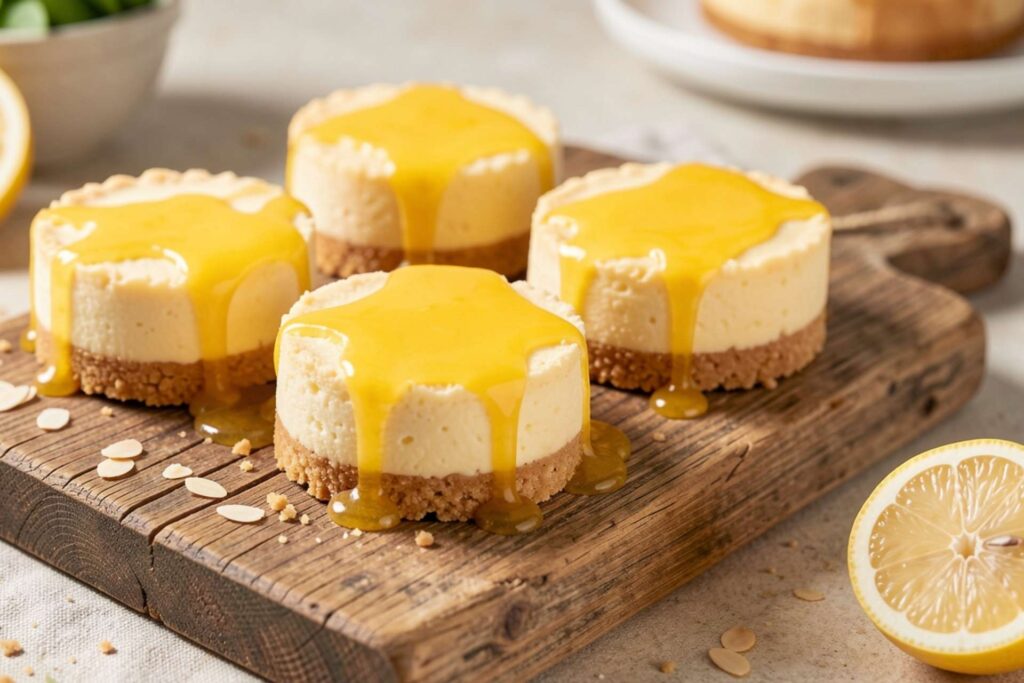
These crowd pleasers rely on cream cheese, heavy cream, vanilla, and a tender almond flour crust. Make a crust by pressing 1 cup almond flour + 2 Tbsp melted butter + 1 Tbsp powdered erythritol into muffin tins. Beat 8 oz cream cheese + 1/3 cup heavy cream + 1/4 cup allulose (or erythritol/allulose blend) + zest and 1–2 Tbsp lemon juice until silky, pipe into crusts, chill 2–4 hours.
- Why it works: cream cheese and heavy cream give richness and satiety; allulose helps with sweetness and mouthfeel without spiking glucose.
- Serving suggestion: one mini cheesecake, ≈ 3–6 g net carbs, depending on crust size and sweetener choice.
- Tip: omit the crust to drop carbs further (cheesecake “cups” ≈ 1–2 g net).
Silky Chocolate Avocado Mousse (no-bake, dairy-optional)
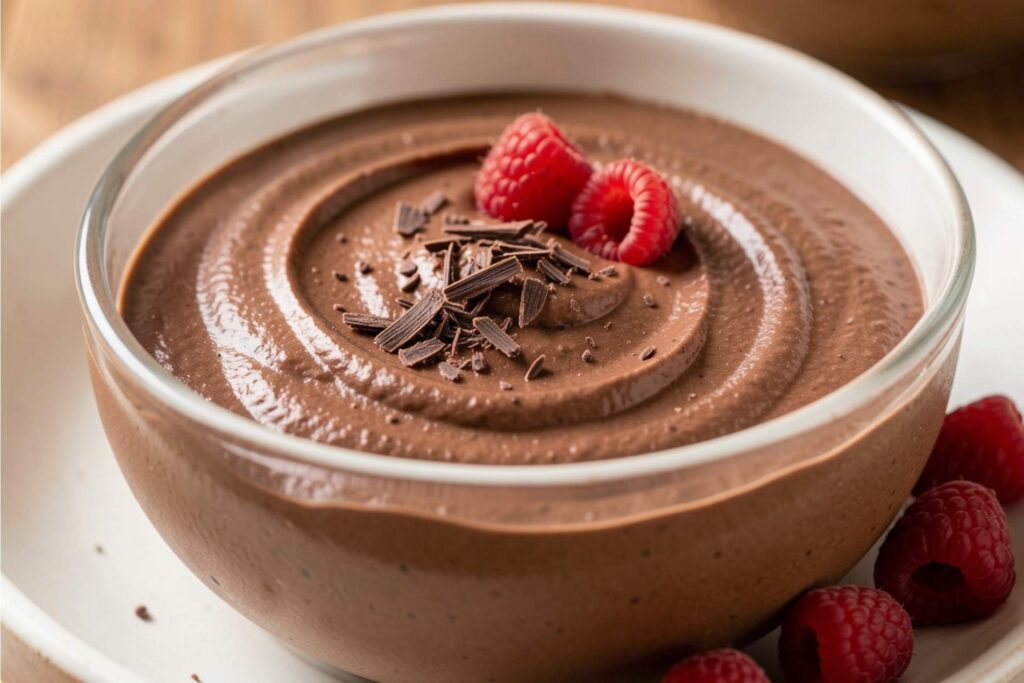
Blend 1 large ripe avocado + 3 Tbsp cocoa powder + 3–4 Tbsp allulose or monk-fruit blend + 1 tsp vanilla + pinch of salt until ultra-smooth. Chill and serve with a few raspberries or a dollop of whipped cream.
- Why it works: Avocado provides creamy fat and fiber, reducing perceived carbs while keeping the mouthfeel luxurious.
- Serving carb estimate: 3–5 g net carbs per 4-oz serving (berries add a small amount).
- Tips: for extra silk, add 1–2 Tbsp melted dark sugar-free chocolate or a splash of espresso to deepen flavor.
Cookies, bars & brownies (4 recipes)
1. Almond Flour Chocolate Chip Cookies (soft, portable)
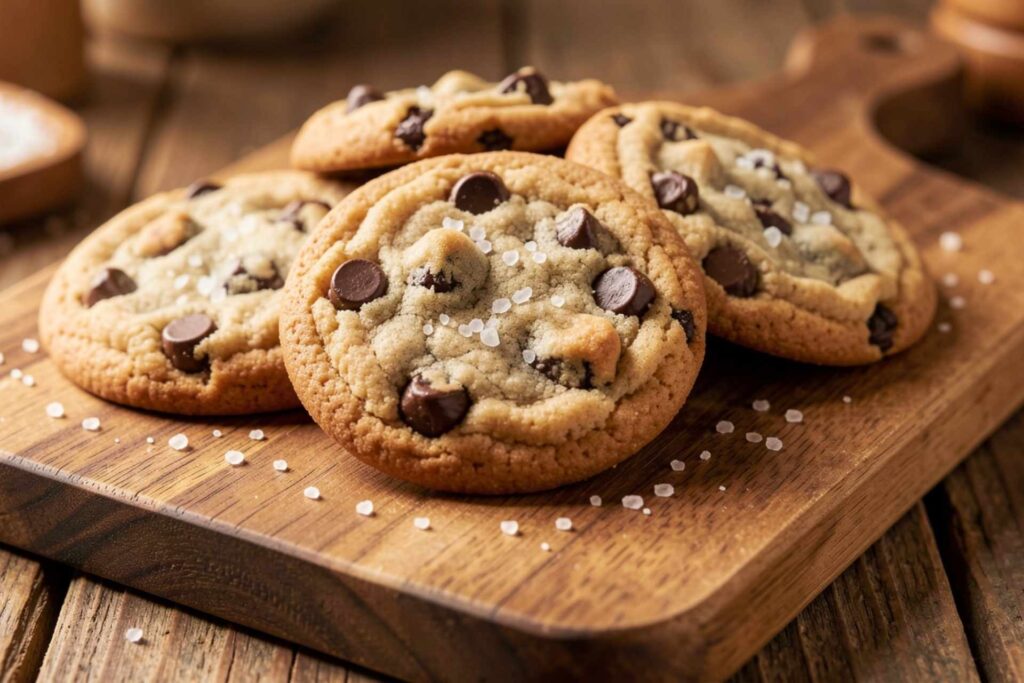
Combine 2 cups almond flour, 1/2 cup powdered erythritol, 1/2 tsp baking soda, a pinch of salt, 1 egg + 1 egg yolk, 1/4 cup melted butter, and 1/2 cup sugar-free chocolate chips. Scoop and bake at 325°F until edges set.
- Net carbs: 2–4 g per cookie (small 20–25 g cookies).
- Pro tip: Chilled dough bakes with better spread and chew.
2. Fudgy Keto Brownies (allulose + cocoa)
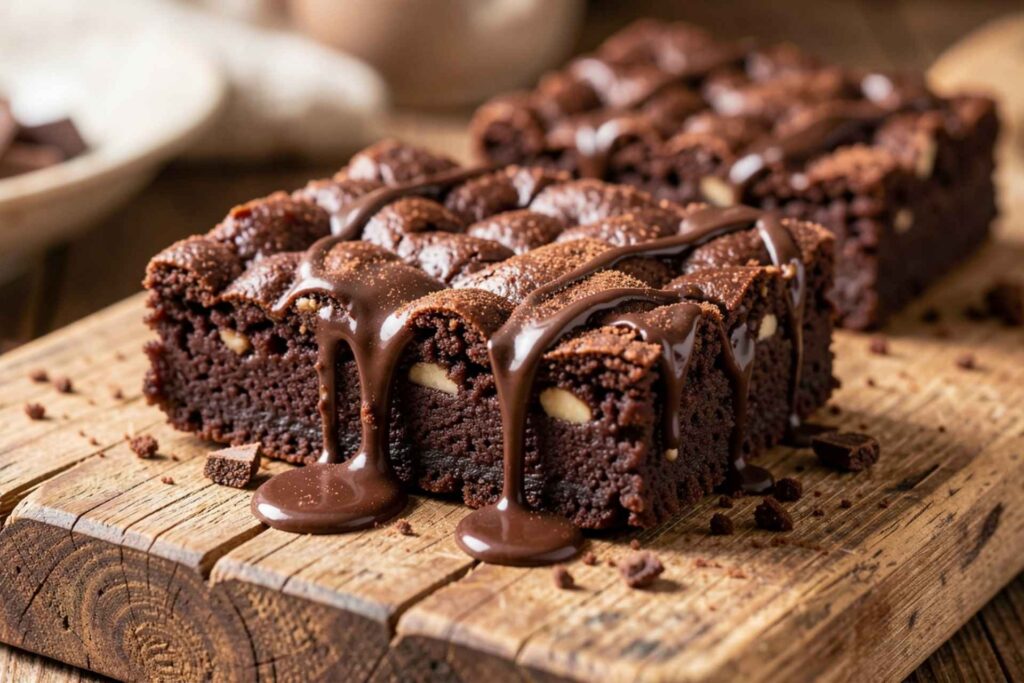
Whisk 3/4 cup cocoa powder, 1/2 cup almond flour, 2/3 cup allulose, 3 eggs, 1/2 cup melted butter, 1 tsp vanilla, and a pinch of salt. Bake until a toothpick shows moist crumbs.
- Net carbs: 3–6 g per square (9 squares total).
- Texture trick: include a tablespoon of melted sugar-free chocolate or coffee to amplify chocolate notes; allulose encourages better browning and fudginess.
3. Lemon Bars with Almond Crust

Make an almond flour crust (1.5 cups almond flour, 3 Tbsp melted butter, 2 Tbsp powdered sweetener) and a lemon curd topping using eggs, lemon juice, zest, and allulose. Bake crust briefly, add curd, finish, and chill.
- Net carbs: 4–7 g per bar, depending on slice size.
- Serving idea: dust with powdered erythritol for a “sugared” look.
4. Peanut Butter Cookies (2-ingredient style, sugar-free)
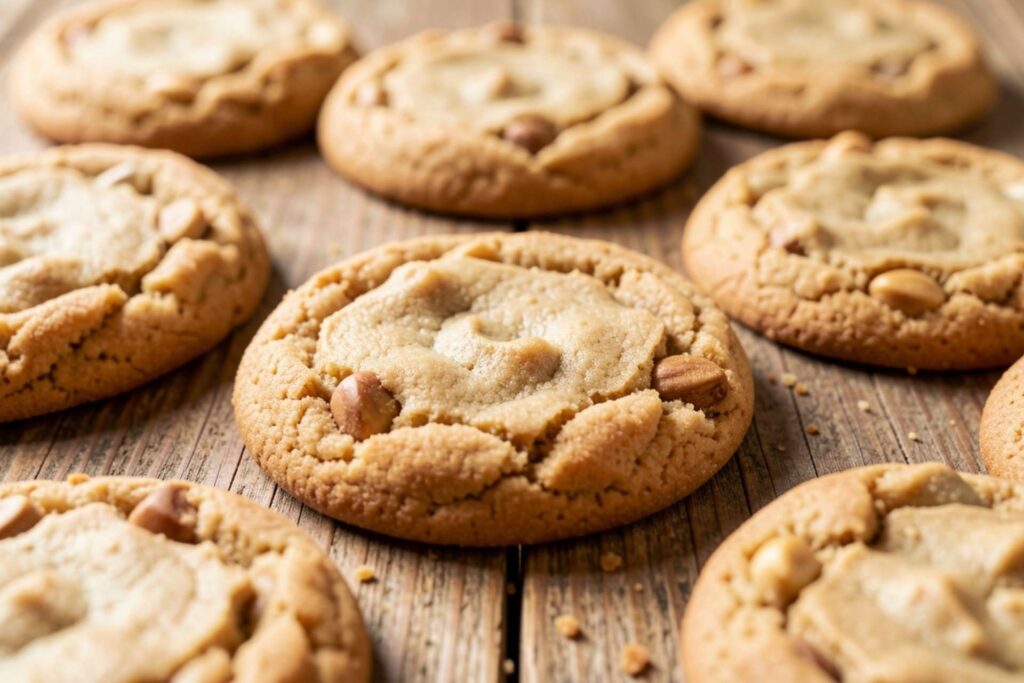
Mix 1 cup natural peanut butter + 1 cup powdered erythritol + 1 egg + pinch salt, scoop, press, and bake lightly.
- Net carbs: 2–3 g per cookie (assuming peanut butter is low-sugar).
- Watchouts: jarred peanut butters with added sugar change the math; always check labels.
Frozen desserts: ice cream & popsicles (3 recipes)
Allulose Vanilla Ice Cream (scoopable, creamy)
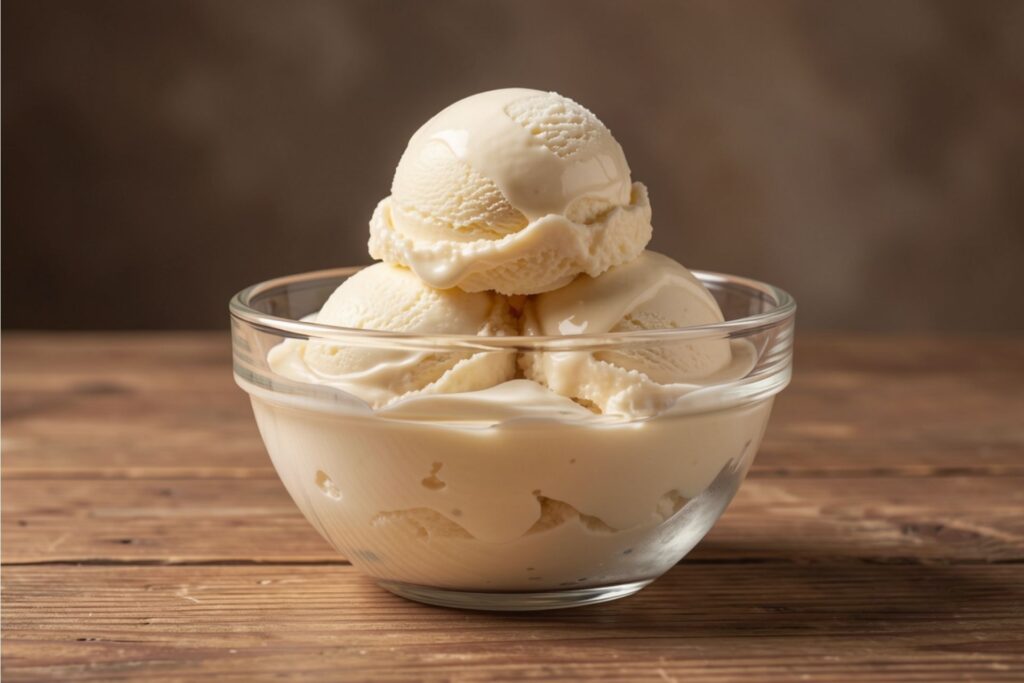
Combine 2 cups heavy cream, 1 cup whole milk (or substitute coconut milk), 2/3 cup allulose, 2 tsp vanilla, and a pinch of salt. Heat to dissolve, chill, churn per ice-cream maker instructions. Allulose lowers the freezing point, keeping the texture soft.
- Net carbs: 3–5 g per 1/2-cup scoop (most carbs come from milk; use higher-fat, lower-lactose dairy to keep carbs down).
- Tip: for dairy-free, use canned coconut milk and add 1–2 Tbsp avocado oil for mouthfeel.
Greek Yogurt Berry Popsicles (lower-sugar freezer treat)
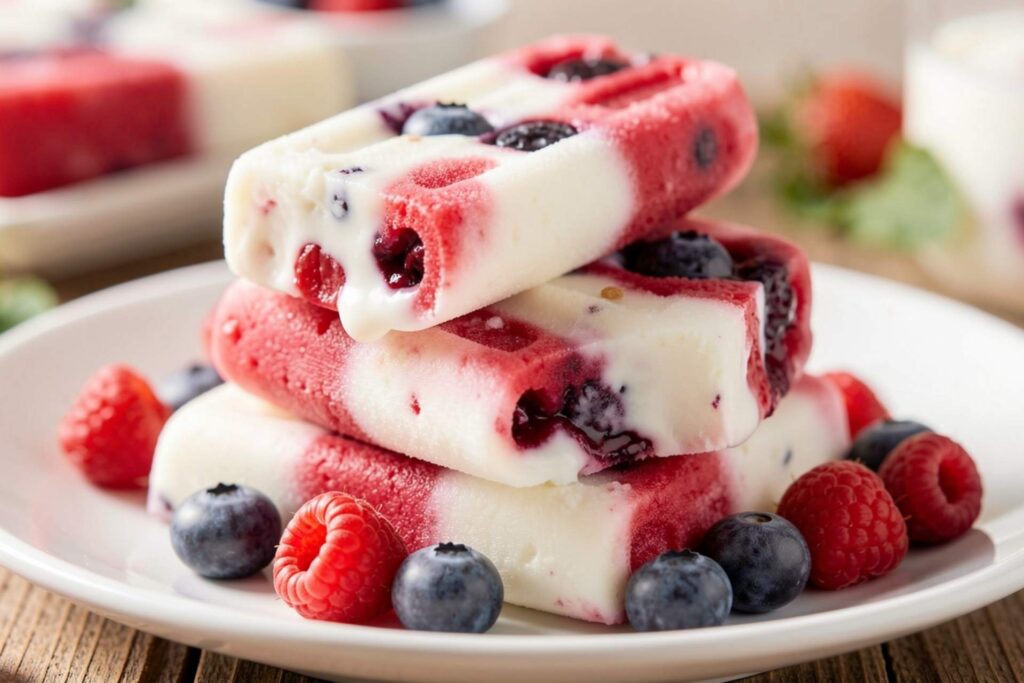
Blend 1 cup full-fat Greek yogurt + 1/2 cup mashed mixed berries + 2–3 Tbsp monk-fruit or allulose syrup + 1 tsp lemon juice. Pour into molds and freeze.
- Net carbs: 4–7 g per popsicle, depending on berry quantity (berries add natural carbs; strawberries are among the lowest).
- Pro tip: grind berries finer so the texture stays smooth when frozen.
Chocolate Avocado “Nice-Cream” Pops (no churn)
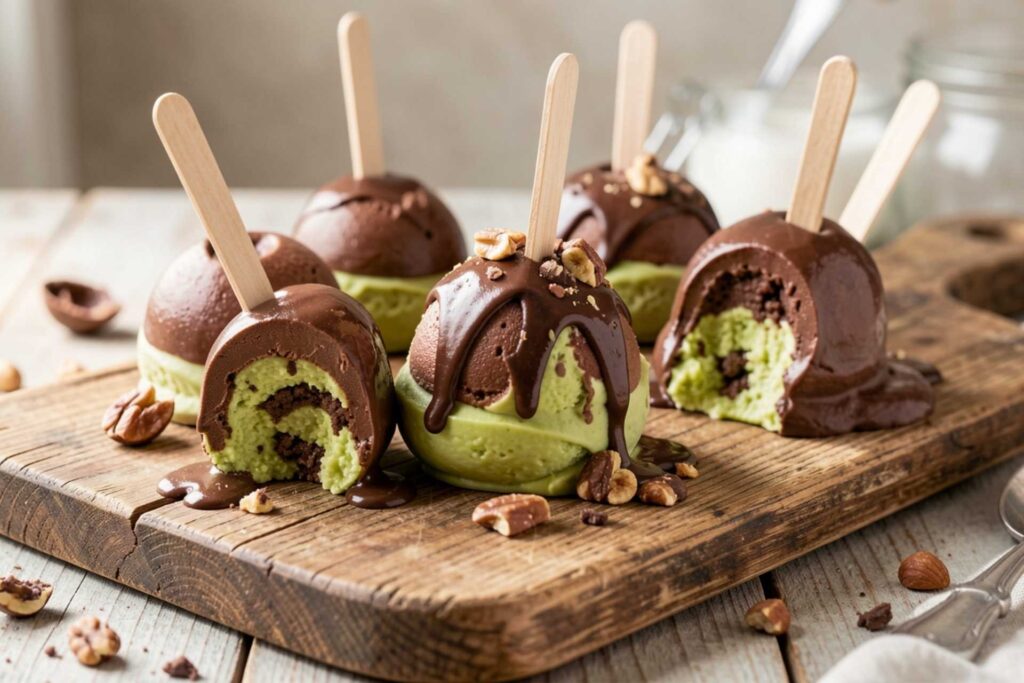
Blend frozen banana substitute (use extra-firm avocado + a small splash of milk), 2 Tbsp cocoa, 2–3 Tbsp allulose, and a pinch of sea salt; freeze in molds.
- Net carbs: 3–6 g per pop (avocado-based versions are lower than banana-based).
- Note: if you use banana, carbs rise substantially — avoid banana for true low-carb.
Additional quick ideas to round out the 12 (three more show-stoppers)
Low Carb Berry Crumble (single-serve jars)
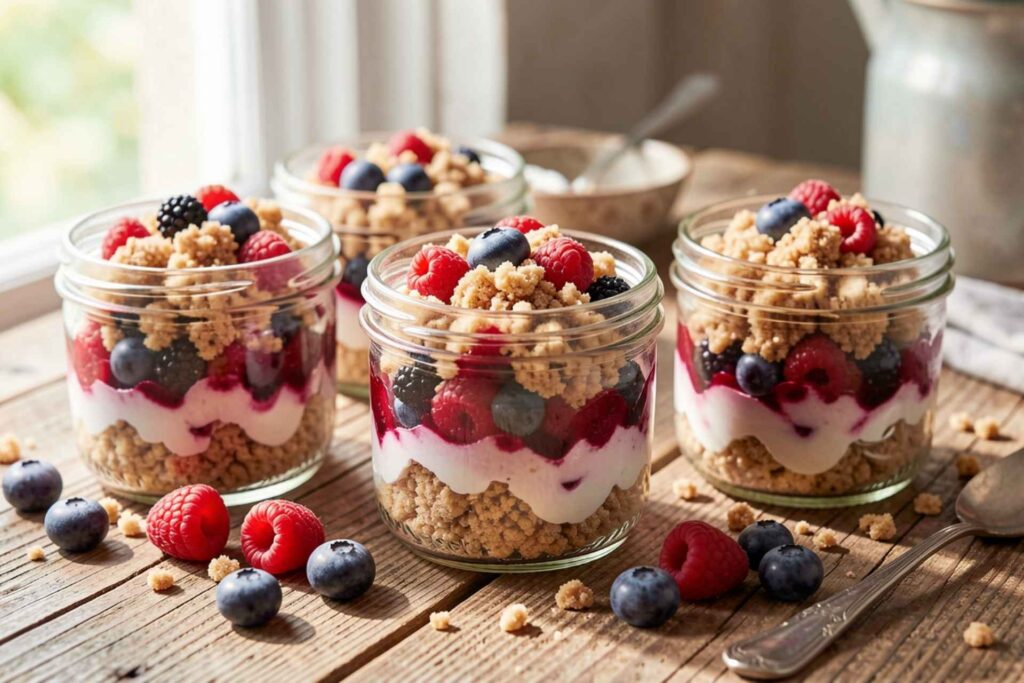
Top 1/2 cup mixed berries with a crumble made of almond flour, butter, a touch of allulose, and toasted sliced almonds; bake until bubbly.
- Net carbs: 5–8 g per jar (berries are the main carb contributor).
- Tip: Use berries sparingly and weigh portions.
Chocolate Fat Bombs (ready in minutes)
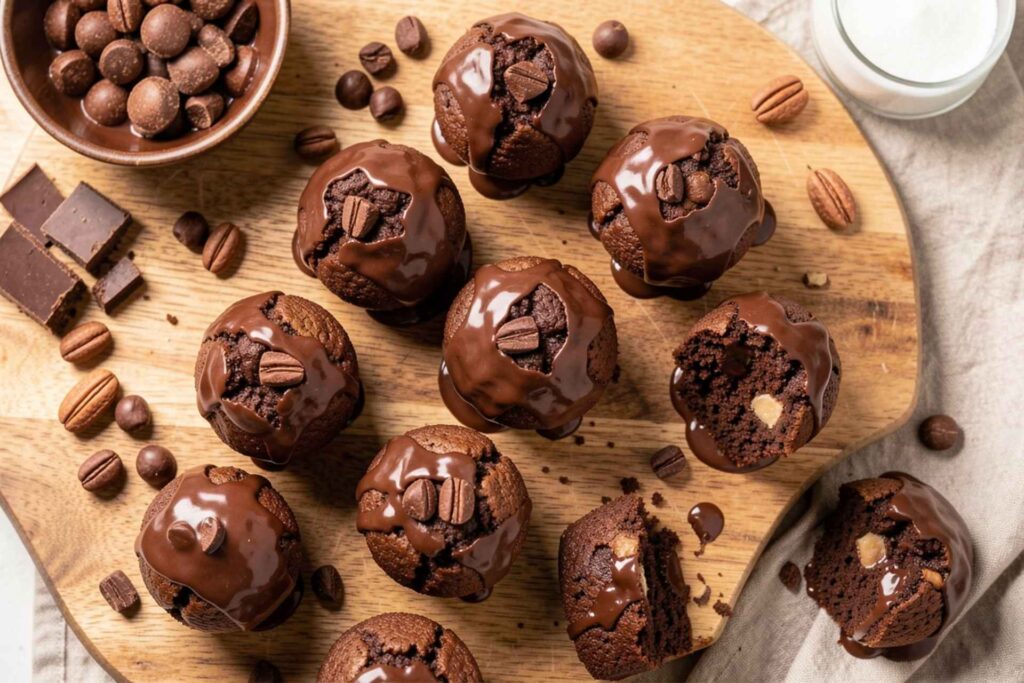
Melt 1/2 cup coconut oil + 1/2 cup nut butter + 1/4 cup cocoa + sweetener to taste; pour into molds and chill.
- Net carbs: <1–2 g each for small 1-Tbsp bites.
- Why they work: fat-forward treats that curb cravings fast — good for keto adherence.
Cinnamon Ricotta Custard (baked or stovetop)
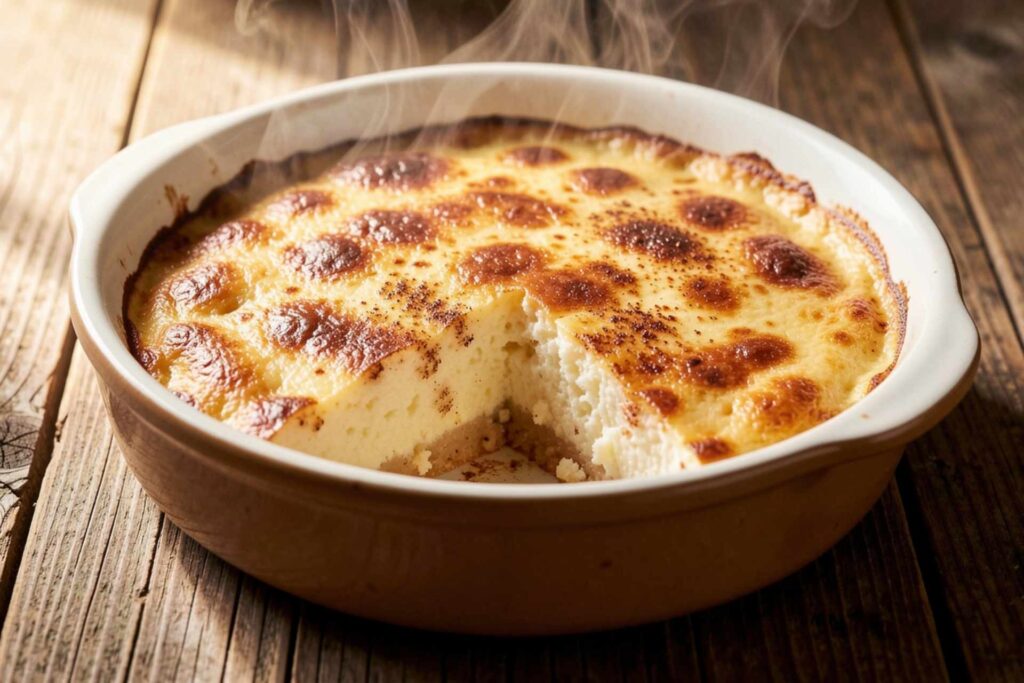
Blend ricotta, egg yolks, cinnamon, vanilla, and a touch of powdered sweetener; bake in ramekins or gently cook as custard.
- Net carbs: 2–4 g per serving, depending on ricotta brand.
- Serving note: top with a few toasted nut crumbs for crunch.
Compact comparison table — Recipe vs. estimated net carbs per serving
| Recipe (serving) | Estimated net carbs per serving |
|---|---|
| Mini no-bake cheesecakes (1) | 3–6 g |
| Chocolate avocado mousse (1) | 3–5 g |
| Almond-flour cookies (1) | 2–4 g |
| Fudgy keto brownies (1 square) | 3–6 g |
| Lemon bars (1) | 4–7 g |
| Peanut-butter cookies (1) | 2–3 g |
| Allulose vanilla ice cream (½ cup) | 3–5 g |
| Greek yogurt berry popsicle (1) | 4–7 g |
| Chocolate avocado pops (1) | 3–6 g |
| Low-carb berry crumble (jar) | 5–8 g |
| Chocolate fat bomb (1 small) | <1–2 g |
| Cinnamon ricotta custard (1 ramekin) | 2–4 g |
Final notes on carb counts and tracking
- Estimates assume you count net carbs (total carbs − fiber − erythritol/allulose where applicable). Different trackers treat sugar alcohols differently — be explicit about your method.
- Brands and portions matter: almond flour density, the brand of ricotta, or whether a peanut butter contains sugar will change totals — always weigh ingredients and verify labels or use the USDA FoodData Central for raw ingredient baselines.
- Serve size control is the single most powerful tactic: a decadent small portion beats a large low carb slice for keeping daily carbs and calories reasonable.
Baking tips & troubleshooting for low carb desserts
Low carb baking looks like normal baking — but it’s a little more forgiving when you know what’s actually happening inside the batter. Below, I’ve broken down the most common problems you’ll meet (dryness, crumbly texture, lack of browning) and given clear, practical fixes you can try immediately. Keep a kitchen scale and a notebook handy — small tweaks matter, and recording results makes recipe development fast.
Pro tip before you start: weigh ingredients where possible (grams are more consistent than cups), use room temperature eggs and dairy for consistent emulsions, and always test small batches when trying a new sweetener or flour combo.
Problem: Dry crumb (cakes, muffins, quick breads)
Why it happens
Low carb flours (especially coconut flour) soak up a lot of liquid, and many sugar substitutes don’t attract and hold moisture as sucrose does. Overbaking and high oven temps compound this.
Fixes that work (fast, measurable):
- Add moisture: For every cup of sugar you replace, add 1–2 tablespoons extra liquid (heavy cream, milk, or water). If batter looks dry, start with 1 tablespoon and add more only if needed.
- Use extra egg: Add 1 extra egg or 1 yolk for richness and to improve the crumb in a standard cake recipe (yolks add fat; whites add structure).
- Swap part almond for coconut carefully: If you used a lot of coconut flour, cut it back. A starting rule: use ¼–⅓ cup coconut flour per 1 cup almond flour in mixed recipes and increase eggs/liquid accordingly.
- Lower oven temp & shorten bake time: With sweeteners that brown fast (allulose), drop the oven 10–15°F (5–8°C) and check earlier — dryness often comes from overbaking while waiting for color.
- Add a tablespoon of fat: A tablespoon of melted butter or oil per cup of sugar replaces and improves mouthfeel and prevents dry, crumbly results.
How to test: Make one small muffin or 6–8 cookies first, then adjust liquid/egg/fat and bake again. Keep notes.
Problem: Crumbly or falls-apart texture (cookies, bars, crusts)
Why it happens
No gluten and absent sugar bulk means fewer cohesive networks. Almond flour recipes rely on eggs, binders, or fat to hold structure.
Fixes that work (practical doses):
- Add a binder: Start with 1/8–1/4 teaspoon xanthan gum for small batches (up to 1 cup almond flour). For bars/breads, 1–2 teaspoons psyllium husk per 2 cups almond flour gives chew and cohesion. Psyllium swells — don’t overuse it or the texture will get gummy.
- Increase egg ratio: Add one more whole egg per 2 cups of almond flour for lift and binding.
- Use melted butter as “glue”: In crusts and bars, increasing the melted butter by 1–2 tablespoons helps the mixture compact and hold when cooled.
- Press & chill: For tart/crust recipes, press firmly, chill at least 20–30 minutes before blind baking so the fat sets and the crust won’t crumble.
- Don’t over-flour the pan: For almond flour cookies, press dough into shape rather than rolling — less hand-handling avoids breakage.
How to test: Make a small wedge of crust and bake; if it crumbles when sliced, increase butter or add ¼ tsp xanthan or 1 tsp psyllium to the mix and re-test.
Problem: Lack of browning / pale crusts
Why it happens
Browning (Maillard reaction and caramelization) needs reducing sugars and protein — many low carb sweeteners don’t participate the same way. Almond flour also browns differently from wheat flour.
Fixes that work (safe and effective):
- Use allulose or a blend: Replace a portion of the sweetener with allulose (it browns). A common approach is to use 50–100% allulose of the sweetening portion for the top or whole recipe, depending on cost (or blend allulose + erythritol).
- Egg wash or cream wash: Brush pastries with a beaten egg or cream before baking to promote color — this also improves surface sheen.
- Light sprinkle on top: Dust the top with 1–2 teaspoons of allulose or powdered erythritol before baking to encourage color (watch for recrystallization with erythritol; use powdered form).
- Higher oven position / short broil: If everything else is correct but color is missing, move the tray higher and watch closely for 30–90 seconds under the broiler to finish color — do this only at the very end and watch like a hawk.
- Add a little acid or milk powder: A teaspoon of milk powder or a small dash of lemon zest can enhance Maillard reactions because of added free amino acids (use sparingly).
How to test: Make a single cookie batch with 25–50% allulose and egg wash to compare color and taste. Note baking time and temp adjustments.
Bonus problem: Grittiness or recrystallization (erythritol issues)
Why it happens
Erythritol can recrystallize as it cools, producing a slightly gritty mouthfeel in frostings, sauces, or some baked goods.
Fixes:
- Powder the erythritol before use (pulse in a spice grinder or food processor) to reduce grain.
- Blend sweeteners — mix erythritol with allulose (even a 50/50 blend) to reduce recrystallization and preserve bulk.
- Add a humectant: A small amount of glycerin (food-grade, about ½–1 teaspoon per cup of frosting) smooths texture and prevents crystallization — only use if you’re comfortable with food-grade additives.
Bonus problem: Sunken centers or cracked tops (cakes & cheesecakes)
Why it happens
Low carb batters and cheesecakes are sensitive to temperature changes and often need gentler baking and longer cooling.
Fixes:
- Bake lower & longer: For cheesecakes, bake in a water bath or at a lower temp (about 25°F / ~15°C lower than a quick-bake temp) and remove when the center still jiggles slightly.
- Cool slowly: Let cheesecakes cool in the oven with the door cracked for 30–60 minutes before moving to the counter; sudden cooling causes collapse.
- Don’t overmix: Overwhipping introduces air that creates cracks as items collapse — fold gently.
Storage & post-bake handling (avoid later problems)
To avoid dryness, recrystallization, and sogginess:
- Store airtight at room temp for cookies, in the fridge for cream based items, and in the freezer for long-term storage.
- Layer with parchment to prevent sticking and moisture transfer.
- Reheat gently: For items that dry out, a quick 8–12 second zap in the microwave or a 3–4 minute low temp oven refresh (300°F / 150°C) with a moist paper towel can revive texture.
- Label portions with net carb estimates so you and readers know what to expect.
Quick troubleshooting checklist
- Batter too dry? → +1–2 Tbsp liquid per cup of sugar replaced OR +1 egg.
- Crumbly bars? → +¼ tsp xanthan or +1–2 tsp psyllium per 2 cups almond flour OR +1 extra egg.
- No browning? → Swap part sweetener to allulose, egg/cream wash, or short broil finish.
- Gritty mouthfeel? → Powder erythritol or blend with allulose.
- Cheesecake collapse? → Lower temp, water bath, slow cool.
Texture & sweetness: science-backed tips
Getting mouthfeel right is what separates a forgettable “low-carb attempt” from a dessert people rave about. Texture and perceived sweetness aren’t just about how much sweetener you add — they come from how fats, acids, and bulking fibers interact with water, proteins, and sweeteners in the recipe matrix. Below are practical, science-backed pointers for each lever, plus short, actionable experiments you can try in your next bake to tune creaminess, snap, and perceived sweetness without reaching for extra sugar
Fats: the lubrication, melt, and flavor carrier
Why fats matter: fat lubricates the mouth, carries volatile flavor compounds, and gives that “luxurious” impression we associate with desserts. Technically, fats reduce friction between the tongue and palate and create a lasting coating that signals richness; they also influence melting behavior (think butter vs. coconut oil vs. cocoa butter), which is critical for cookies, mousses, and ice cream. Fats can also lower perceived sweetness slightly because they coat taste receptors — that’s useful when you want a rounded flavor but may require a touch more sweetener to reach the same perceived sweetness as a sugar-rich version.
Practical tips
- Choose fat by function: use butter or ghee for flavor and a glossy crumb in baked goods; use coconut cream or heavy cream for silky chilled desserts; use nut butters for density and nutty depth in bars.
- Mouthfeel tweak: add 1 tablespoon of extra fat (butter, oil, or cream) per cup of sugar you remove as a starting point to recover richness.
- Freezing and scoopability: for frozen treats, include a fat with a low melting point (e.g., heavy cream, glycerides in coconut milk) and a sweetener such as allulose to depress the freezing point and prevent a rock-hard texture.
Acids: brightness, perceived sweetness, and chemistry
Why acids matter: acids (lemon, cream of tartar, yogurt, vinegar) sharpen flavor, enhance fruit notes, and — importantly — increase perceived sweetness by contrast. A tiny amount of acid can make flavors pop, so you need less sweetener to achieve the same sensory satisfaction. Acids also affect protein structure (curdling/stabilizing) and Maillard chemistry (browning), so use them with intention.
Practical tips
- Micro-acid trick: add 1/8–1/2 teaspoon of lemon juice or a pinch of citric acid to custards, chocolate batters, or frostings to brighten flavors and reduce the need for extra sweetener. Taste after chilling — cold dulls sweetness.
- Control coagulation: when working with dairy-based custards or creams, add acids slowly and temper eggs to avoid curdling while still getting the flavor lift.
- Flavor balance: pair acids with fatty elements (cream cheese + lemon) to get a creamy, tangy finish that reads sweeter than it is.
Bulking fibers: body, moisture retention, and sugar mimicry
Why fibers matter: high-fiber ingredients (inulin, psyllium husk, oat fiber, polydextrose) supply bulk, trap water, and create a perception of density and chew that sugar normally provides. They also reduce net digestible carbs and help stabilize emulsions, but each behaves differently: inulin dissolves to give a silky mouthfeel and can add mild sweetness; psyllium swells and creates bread-like chew; oat fiber adds dry bulk with minimal digestible carbs.
Practical tips
- Bulking swap: when replacing high volumes of sugar, start by adding 1–3 tablespoons of an appropriate bulking fiber per cup of sugar replaced (use smaller amounts with psyllium because it swells).
- Moisture balancing: fibers hold water — you may need to reduce other liquids slightly with large amounts, or conversely add a splash more fat if the crumb feels dry.
- Texture combos: blend fibers for best results (e.g., inulin for silkiness + ½–1 teaspoon psyllium for structure) rather than relying on a single fiber source.
How these elements work together: recipes & quick experiments
Understanding interactions is where the magic happens. Here are three short experiments (small batch) to feel the effects:
- Creaminess test (for mousses and puddings): Make two 4-oz mousse samples — one with an extra tablespoon of cream and one with the original recipe. Chill and compare mouthfeel and perceived sweetness. You’ll usually prefer the slightly fattier version and may find it needs 5–10% less sweetener.
- Acid lift test (for chocolate or berry desserts): Add 1/8 tsp lemon juice to half a serving of chocolate ganache or berry compote; compare flavor brightness and sweetness after chilling. The acidic version will taste brighter and require less added sweetener.
- Bulk swap test (for cookie dough): Replace 25% of the sugar by volume with powdered inulin and reduce the liquid by 1 tablespoon. Bake small cookies and note chew and spread — inulin adds body without raising glycemic load.
Troubleshooting note: If a dessert feels oily or flat after increasing fat, reduce the fat slightly and add a pinch of acid or salt to lift flavors. If fibers create a gummy texture, reduce psyllium by half and compensate with an extra egg or 1/2 teaspoon xanthan.
Final sensory checklist (what to taste for)
- First bite: is it glossy and lubricating (fat present)?
- Middle chew: does it feel hollow/dry or dense/chewy (fiber/binder balance)?
- Aftertaste: any cooling from sugar alcohols or chalkiness from fibers? If so, swap erythritol for a blend with allulose or reduce fiber slightly.
- Sweetness balance: Does a small amount of acid or a pinch of salt improve perception? Often it will — use sparingly.
Portion control, carb counting & glycemic impact
Portion control is the secret superpower of dessert planning. You can have a delicious, satisfying sweet finish and still stay on track — but only if you decide ahead of time what “a portion” looks like for your goals and then measure it. For people tracking carbohydrates, that means two things: know your net carb math (how you count) and decide how much of your daily or meal carb allowance you’ll reserve for dessert.
Below, I walk through an easy serving-size strategy, show exactly how to read nutrition labels for things like sugar alcohols and allulose, explain net carbs vs total carbs, and end with real-world berry examples per 100 g so you can visualize how fruit fits into a dessert. For raw ingredient lookups when you’re calculating exact macros, the authoritative reference is USDA FoodData Central.
Serving-size strategy (practical and kid-friendly)
Start by deciding your daily carb target (or the meal target) and allocate a slice for dessert. A useful rule of thumb:
- For moderate low carb plans (e.g.,~45–60 g carbs/day), aim for dessert portions of 5–10 g net carbs and adjust the rest of the meal accordingly.
- For strict ketogenic goals (~20 g carbs/day), keep desserts ≤ 5 g net carbs per serving.
- For flexible plans, you might allow 10–15 g occasionally, but track the rest of the day to avoid surprises.
Concrete examples (simple subtraction so you can see the math): if your daily carb target is 50 g and you choose an 8 g net dessert, you’d have 42 g left for all other meals/snacks that day; if your meal target is 45 g and dessert is 8 g, the meal portion should be about 37 g of carbs; for a keto target of 20 g and a 5 g dessert you’d have 15 g left. These small equations make planning clear and prevent accidental overshoots.
Reading nutrition labels — what to watch for
Nutrition panels are a roadmap. Focus on these lines:
- Serving size — always the first step; adjust the numbers to match the portion you’ll actually eat.
- Total carbohydrates — includes fiber, sugar, sugar alcohols, and sometimes allulose.
- Dietary fiber — usually subtracted when you calculate net carbs.
- Sugar alcohols (erythritol, xylitol, sorbitol, etc.) — many people subtract erythritol fully when calculating net carbs because it has a negligible glycemic impact, but some trackers differ — be consistent with your method.
- Allulose — label treatment varies by country; many people subtract allulose from total carbs because it contributes minimal usable energy and glycemic effect in most individuals, but confirm how you and your tracking tool handle it.
- Added sugars — useful when comparing how “processed” a product is, though for net carb math, you still do the fiber/sugar alcohol subtraction.
A practical tip: when a packaged product lists several sugar alcohols, add up the sugar alcohol grams and subtract them (or follow your tracker’s rule) — but if a product lists allulose separately, check how your tracker treats it.
Net carbs vs total carbs — simple rules
People calculate net carbs differently, but the most common method is:
Net carbs = Total carbohydrates − Dietary fiber − (Erythritol + Allulose, if you count them that way)
Be explicit about your rule and use the same approach consistently. If you’re working with someone (a clinician, coach, or community), check which method they use so everyone’s tracking matches.
Glycemic impact: GI vs glycemic load (GL) — why portion size matters
- Glycemic Index (GI) rates how quickly a fixed amount of carbohydrate in a food raises blood glucose compared with a reference (usually glucose).
- Glycemic Load (GL) adjusts GI for a realistic serving size and is calculated as:
GL = (carbs per serving × GI) / 100
GL is more useful for real-world decisions because it ties the food’s effect to the actual portion you eat. For example, a small portion of a higher-GI fruit can have a low GL and therefore a modest impact on blood glucose. As a working rule, foods with GL ≤ 10 per serving are considered low impact.
To illustrate, using a common GI estimate for strawberries (~40) and the berry net carb figure below, a 100 g serving of strawberries (≈ 5.7 g net carbs) gives a GL of about 2.3, which is very low and unlikely to cause a major glucose spike for most people. That’s why berries are often the preferred fruit for low carb desserts — they deliver flavor, color, and fiber with comparatively low glycemic load. (If you monitor glucose closely, always test your response — individual reactions vary.)
Real-world examples — berries per 100 g (total, fiber, net)
Use the table below as a quick visual when you’re planning a compote, garnish, or single serve dessert. These are typical nutrient snapshots (rounded) you can use as starting points in your calculations — for brand specific or canned/frozen items, check the label or look up the raw ingredient in USDA FoodData Central.
| Berry (100 g) | Total carbs (g) | Fiber (g) | Net carbs (g) |
|---|---|---|---|
| Strawberries | 7.68 | 2.0 | 5.7 |
| Raspberries | 11.94 | 6.5 | 5.4 |
| Blueberries | 14.49 | 2.4 | 12.1 |
| Blackberries | 9.61 | 5.3 | 4.3 |
(Notes: net carbs = total − fiber, rounded to one decimal. These values are typical — weigh your portions and use exact ingredient data for precision.)
Quick checklist for building a dessert-friendly plan
- Decide your daily or meal carb target first.
- Choose your dessert carb allotment (5–10 g for moderate low carb; ≤5 g for strict keto).
- Weigh portions and calculate net carbs using labels or the USDA FoodData Central.
- Read labels for sugar alcohols and allulose and apply your chosen subtraction method consistently.
- Remember glycemic load — a small portion of a lower-GI fruit often has a lower impact than a large portion of a “low carb” packaged treat that contains maltitol or high sugar alcohols.
Meal planning, making ahead & storage tips
Planning turns low carb desserts from a scramble into a superpower. With a few simple systems — portioning, labeling, smart packaging, and sensible reheating — you can serve reliably delicious treats all week, host stress-free dessert buffets, and keep kids happy without last-minute sugar bombs. Below are practical strategies for batch baking, freezing & thawing, reheating, and party/kid swaps that protect texture, flavor, and nutrition while making your life easier.
Batch baking: scale recipes without losing texture or macros
Batching is the fastest way to have low carb options ready. Double or triple recipes that are proven to hold up (cheesecake filling, cookie dough, brownie batter), portion into individual servings, and package for quick access.
- Use a kitchen scale for scaling — gram measurements, keep almond-flour and coconut-flour swaps consistent across batches.
- Make single serve portions (muffin tin cheesecakes, mini brownie squares, 1-Tbsp fat bombs) so you and guests can grab a controlled portion — this makes tracking net carbs and calories far simpler.
- Cool baked goods completely before packing to avoid condensation that leads to sogginess. If you have sticky or fragile items (glazed lemon bars, mousse cups), chill them until firm before wrapping.
- Keep a master sheet with batch date, recipe version (sweetener blend, flour mix), and net carb per portion so you don’t have to recalculate later.
Freezing: what freezes well and how to package for best quality
Freezing is perfect for low carb desserts, but technique matters because almond flour textures, custards, and frostings can change if you don’t protect them.
What freezes best:
- Fat bombs, cookie dough, brownie squares, and most cookie types freeze exceptionally well and thaw quickly.
- Cheesecake (baked or no-bake) freezes beautifully when wrapped tightly — freeze whole or in slices.
- Ice creams and frozen mousse can be frozen but require anti-crystallization tactics (use allulose or extra fat for scoopability).
Packaging checklist:
- Flash-freeze small items on a tray for 15–30 minutes so they set without sticking, then transfer to airtight containers or vacuum bags.
- Use double protection for long storage: plastic wrap + freezer bag (remove excess air) or a vacuum seal.
- Label each pack with the recipe name, date, and net carbs per portion.
- For molded or delicate items (mini cheesecakes, custard cups), freeze in the mold, then pop them out and wrap once solid.
Shelf life guide (best quality):
- Cookies, brownies, bars: 2–3 months.
- Cheesecakes & custards: 1–2 months (longer is safe, but quality declines).
- Ice cream: 1–2 months for best texture; rock-hard or icy if stored much longer.
For precise nutrient lookups when adjusting portions before freezing, consult an authoritative database like USDA FoodData Central.
Thawing & reheating: revive texture and flavor
How you bring desserts back to life affects mouthfeel more than anything else.
Safe thawing order:
- Refrigerator thawing (overnight) is the gentlest and best for custards, cheesecakes, and cream-based items.
- Counter thawing for 20–30 minutes works for small cookies or fat bombs when you want them closer to room temp quickly.
- Direct oven reheating (see below) revives crispness for baked goods.
Reheating tips:
- Oven refresh: Preheat to 275–300°F (135–150°C) and warm cookies or bars for 5–8 minutes on a rack — this crisps the exterior without drying the interior. For a moister result, place a small oven-safe ramekin of water in the oven to add humidity.
- Microwave caution: Use short bursts (8–12 seconds) for individual portions and let rest 10–15 seconds; microwaves can overcook eggs/dairy and make textures rubbery.
- Avoid overheating custard or cheesecake — warm gently or serve chilled. If a crust softens after freezing, pop slices under the broiler for 30–60 seconds to crisp briefly, watching closely.
- Ice creams & popsicles: let sit 3–6 minutes at room temp before scooping; if overly icy, stir vigorously during thaw to break crystals and improve creaminess.
Smart swaps & tricks for parties and kids
Hosting or packing lunchboxes? Small creative swaps keep desserts friendly for little appetites and diverse guests.
Party platter strategies:
- Make it a sampler: cut brownies and bars into bite-size 1-inch squares so guests can try multiple options without overdoing it. Label each item with net carbs per bite.
- Include balance items: pair a sweet bite with plain Greek yogurt, nuts, or sliced cheese to add protein and blunt blood-sugar impact.
- Allergen & pet notes: Label items containing nuts and remind hosts that xylitol sweetened items are toxic to dogs — keep pet-safe zones.
Kid-friendly tweaks:
- Favor whole-food bases (Greek yogurt parfaits with a few berries, ricotta & cinnamon cups) over heavily sugar alcohol sweetened novelty treats to minimize digestive upset.
- Use visual portioning: small silicone molds, cupcake wrappers, or divided bento boxes make serving size obvious and fun.
- Replace high-intensity sweeteners with a touch more fruit (berries) in kid servings if appropriate — they add fiber, color, and micronutrients while keeping carbs moderate.
- Avoid large amounts of sugar alcohols for children (erythritol is usually tolerated better than sorbitol/xylitol, but always test small amounts first).
Short-term storage & fridge rules (safety and quality)
Follow these rules to avoid spoilage and maintain texture:
- Shelf-stable items (dry cookies, sealed biscotti): store airtight at room temp up to 5 days for best texture.
- Dairy-rich desserts (cheesecake, custard, mousse): refrigerate and use within 3–4 days. If you use fresh fruit toppings, aim for 24–48 hours for the best quality.
- Label every container with the date you made it and the “use by” date — this keeps you out of the food safety guessing game. For general food safety timelines, consult resources such as FoodSafety.gov.
Batch-friendly recipe ideas to prep ahead (examples you can scale)
- Mini no-bake cheesecakes: assemble, chill to set, then freeze individually. Thaw overnight for parties.
- Fat bombs: make several flavor variations (chocolate, lemon, peanut) and store frozen in silicone molds for quick grab-and-go.
- Cookie dough logs: roll dough into logs, wrap, and freeze; slice and bake straight from the fridge for fresh cookies anytime.
- Frozen yogurt pops: portion into molds with wooden sticks, freeze, and pack for school lunches (label ingredients and carbs).
Quick checklist before you close the kitchen
- Portion into single servings when possible.
- Flash freeze fragile pieces before bagging.
- Double wrap and remove air for freezer storage.
- Label with date + net carbs per portion.
- Thaw custards and cheesecakes in the fridge; warm cookies gently in a low oven.
- Avoid heavy sugar alcohol treats for young kids and always keep xylitol away from pets.
Expert mini-interview: a pastry chef’s low-carb tips
Below are short, practical pointers from trusted recipe developers and nutrition professionals — a mix of pastry kitchen craft and dietetic sense so your low carb desserts look, feel, and track like a pro made them.
“Blend sweeteners for best texture.” — Carolyn Ketchum (recipe developer)
Carolyn — a longtime low carb recipe author and the voice behind All Day I Dream About Food — recommends combining sweeteners rather than relying on one. Use an allulose+erythritol mix (or allulose + a touch of concentrated monk fruit) to get browning, bulk, and less cooling/grittiness than erythritol alone. She also emphasizes testing small batches and freezing extras: make a double batch, freeze single serves, and thaw as needed to preserve freshness and portion control. (8)
“Keep the texture goals clear — moisture, structure, and mouthfeel are separate problems.” — Registered dietitian perspective (practical paraphrase)
Nutrition pros remind bakers that low carb swaps change more than sweetness; they alter moisture, binding, and satiety. As dietitians point out, include protein/fat in desserts (yogurt, cream cheese, nuts) to improve fullness and slow glucose response, and always check labels for sugar alcohols/allulose so you calculate net carbs correctly. This approach keeps treats satisfying without surprising blood sugar effects. (9)
“Watch how allulose behaves — it browns fast and changes bake timing.” — Food-science tip
Food science writeups (practicing pastry labs and ingredient specialists) note that allulose caramelizes and browns more quickly than sucrose; lower oven temps by about 10–15°F and watch timing, or blend allulose with another sweetener to avoid overbrowning while preserving sugar like mouthfeel. This is a kitchen science trick pastry chefs use when adapting classic recipes to low carb versions. (10)
Quick practical takeaways from the mini-interview
- Blend sweeteners (allulose for color + erythritol for bulk + monk fruit/stevia for finishing sweetness).
- Add fat or an extra egg if your batter looks dry after removing sugar — this restores mouthfeel and binding.
- Lower oven temp slightly when using allulose and check early for doneness to avoid overbrowning.
FAQs
Are low carb desserts safe for diabetics?
Yes — many resources state desserts can fit into diabetes meal plans when portioned and balanced; always consult your care team.
Which sweetener tastes most like sugar?
Allulose and erythritol+monk fruit blends often give the most sugar-like experience. Try blends to minimize cooling or aftertaste.
Can I use almond flour 1:1 for regular flour?
No — almond flour behaves differently (more fat, less structure). Use almond flour recipes or add binders when substituting.
Will a low carb dessert still make me gain weight?
Desserts still contain calories; portion control matters. Low-carb can help reduce hunger, but calories and overall balance remain important.
Why do sugar-free baked goods sometimes taste grainy?
Some sugar alcohols (erythritol) can recrystallize. Use allulose or mix sweeteners, and store desserts chilled.
The Bottom Line
Low carb desserts let you keep dessert on the menu without the same metabolic consequences of refined sugar. The keys: choose the right flours, blend sweeteners for function and taste, mind moisture and binding, and control portions.
Start simple: make a small batch of keto brownies, coerce a mousse with avocado and cocoa, or scoop an allulose-based ice cream.
Track the experience: note texture, sweetness, and portion satisfaction — tweak until it feels indulgent and manageable. Enjoy dessert without the crash.




Your work always brings such positive energy! Love it
Thank you so much — that really means a lot! I’m glad the content brings positive energy your way. I truly appreciate your support and hope you keep enjoying the posts. If there’s a topic you’d love to see next, feel free to share it!
Your authenticity shines through every word you write for community
Thank you so much — that really means a lot to me. I always try to write with honesty and care, so I’m grateful that comes through for the community. Your support truly keeps me motivated to keep sharing. 💛
Really love your perspective
Thank you so much — I really appreciate that! I’m glad the perspective resonated with you. If there’s a related topic you’d like me to cover next, feel free to share it here.
Your approach feels so genuine
Thank you so much — that means a lot to me. I always try to keep things honest, helpful, and real, so I’m glad that comes through. I truly appreciate your support! 💛