
The ketogenic diet is a very low carbohydrate, high-fat eating pattern designed to shift your body into nutritional ketosis — a state where fat and ketones become a primary fuel instead of glucose. People follow keto for weight loss, blood-sugar control, athletic reasons, or as a therapeutic intervention (for example, in pediatric epilepsy). Because the diet intentionally cuts or limits many carb-rich foods — like whole grains, certain fruits, and legumes — it can also reduce the variety and quantity of micronutrients you normally get from those foods. That matters: clinical reviews and expert consensus notes repeatedly show that ketogenic regimens (especially strict or clinical versions) frequently leave gaps in vitamins and minerals unless those gaps are addressed.
Two key ways keto changes your micronutrient picture:
- Food shifts. Cutting out whole grains, fortified cereals, many fruits, and some starchy vegetables reduces common sources of B vitamins, vitamin C, certain minerals (magnesium, potassium), and fiber — so your usual dietary “safety net” gets thinner.
- Fluid & electrolyte changes. Early ketosis lowers insulin and causes the kidneys to excrete more sodium and water. That can produce short-term symptoms (the “keto flu”) and create higher day-to-day needs for sodium, potassium, and magnesium until you adapt. For strict therapeutic protocols, teams routinely add minerals and a multivitamin to prevent deficiencies and complications.
Because of those effects, many clinicians and ketogenic-diet programs recommend a baseline multivitamin on keto plus targeted supplements (for example, vitamin D, magnesium, or calcium) rather than relying solely on food to cover every micronutrient — especially for children in clinical programs or adults following a very restrictive plan. The NIH Office of Dietary Supplements also highlights how multivitamin/mineral products can help fill dietary gaps when food intake is limited or unbalanced.
What this guide will cover
You’ll get a practical, evidence-aware roadmap so you can make smart choices without guessing:
- How to assess your diet and spot likely nutrient gaps (quick self-checks).
- Exactly which nutrients to prioritize on keto and why (D, magnesium, B-complex, electrolytes, etc.).
- A clear, step-by-step method for choosing a multivitamin on keto — reading labels, avoiding hidden carbs, and spotting useful ingredient forms.
- Lab testing: what to test, realistic timelines for rechecks, and when to involve a clinician.
- A compact shopping checklist and shopping tips (third-party testing, forms to prefer, and when to skip ironing).
If you only remember one thing from this intro: keto can work great for many goals, but it’s also a dietary pattern that changes which micronutrients you routinely consume. Being deliberate about a baseline multivitamin on keto (and adding targeted supplements when labs or symptoms suggest) is a low-friction way to protect long-term health while enjoying the benefits of a low-carb lifestyle.
What is the ketogenic diet?
Here’s a clear, friendly primer so you know the what, why, and how behind keto — and why that matters when you’re thinking about a multivitamin on keto.
Core macros and the physiological aim: ketosis
- Macros at a glance: A typical ketogenic diet is very low in carbohydrates, moderate in protein, and high in fat. That usually translates to roughly 5–10% carbs, 20–25% protein, and 65–80% fat of total calories in many therapeutic or weight loss plans (exact ratios vary by protocol).
- Physiological goal — ketosis: By drastically lowering carbohydrate intake, insulin levels fall, and the body shifts from using glucose to breaking down fat for fuel. The liver produces ketone bodies (beta-hydroxybutyrate, acetoacetate, acetone), which muscles and the brain can use as energy — this metabolic state is nutritional ketosis.
- Why it matters: Achieving and sustaining ketosis changes appetite, energy source, and how the body handles electrolytes and water — all of which influence nutrient needs and the practical role of supplements. (1, 2)
Distinction: clinical (epilepsy) vs therapeutic / weight-loss keto
- Clinical ketogenic dietary therapies (KDTs): These are highly structured, medically supervised regimens used to treat conditions like refractory epilepsy. They often use strict fat: protein + carb ratios (for example, 4:1 or 3:1) and are monitored by dietitians and clinicians. In clinical KDTs, routine vitamin/mineral supplementation is standard practice because the diets do not supply all micronutrients reliably.
- Therapeutic/weight loss keto: Many people follow more flexible low-carb or ketogenic patterns for weight management, blood sugar control, or general health. These versions can vary widely in carb limits, food quality, and how strictly they’re followed. Some people use a “modified Atkins” or lower-ratio plans that are less restrictive than classic clinical keto.
- Practical difference for supplements: Clinical keto almost always includes recommended supplements (calcium, vitamin D, B vitamins, selenium, etc.), while community/weight loss keto users may or may not supplement — so individual assessment matters. (3, 4)
Why do food choices on keto change micronutrient intake
- Fewer grains and fortified foods: Whole grains and fortified cereals are major sources of B vitamins (thiamine, folate), iron, and some trace minerals in many diets. Removing or drastically reducing these removes a steady source of those nutrients.
- Less fruit and starchy vegetables: Many fruits and certain starchy veggies supply vitamin C, potassium, and some B vitamins. Lowering these foods can reduce intake of those micronutrients and dietary fiber.
- Legumes and some dairy are often limited: Legumes (beans, lentils) are high in magnesium, potassium, and folate; if they’re cut, those nutrients can fall. Dairy is a variable source of calcium and vitamin D (when fortified) — and dairy choices on keto differ greatly between people.
- Net effect on micronutrient patterns: Multiple studies and reviews show that strict ketogenic diets frequently have lower intakes of magnesium, calcium, potassium, certain B vitamins, and vitamin D compared with more balanced diets. Even with nutrient-dense food choices, very high fat carbohydrate ratios can leave gaps, which is why many clinical protocols include a baseline multivitamin on keto plus targeted minerals. (5, 6)
Short, practical takeaway
- Keto changes where your calories come from — and that changes where your vitamins and minerals come from.
- If you follow a strict or clinical ketogenic protocol, plan for baseline supplementation and clinician monitoring.
- If you follow a flexible / weight-loss keto, do a quick diet audit (see foods you cut) and consider a baseline multivitamin on keto or targeted supplements (vitamin D, magnesium) based on food gaps or symptoms. (7)
Why a multivitamin on keto may help
If you follow a strict very low carb ketogenic diet (VLCKD), food choices and physiological changes on keto can create predictable micronutrient gaps. A thoughtfully chosen multivitamin on keto isn’t a magic fix, but it’s a low-cost, low-friction way to reduce the chance of shortfalls while you fine-tune your food plan or wait for lab results. Clinical ketogenic programs routinely include vitamin/mineral supplementation because the diets—especially the classic therapeutic versions—often can’t supply everything reliably. (8, 9)
Common shortfalls of restrictive VLCKD patterns
When someone cuts most grains, many fruits, some starchy vegetables, and (in some cases) legumes, the diet can be lower in these nutrients:
- Vitamin D — low in many populations to start with; intake from food is limited unless fortified dairy or fatty fish are regularly eaten, so supplementation is common. (10, 11)
- Calcium — if dairy is restricted or intake is inconsistent, calcium can slip below recommendations; clinical KD protocols often monitor bone health and supplement when needed. (12)
- Magnesium — low dietary magnesium shows up frequently in low-carb cohorts; it’s also linked to cramps, sleep issues, and “keto adaptation” symptoms for some people.
- B vitamins (thiamine, folate, B12, and others) — fortified grains are common sources of several B vitamins; removing or reducing those foods can lower intake, especially folate and thiamin.
- Electrolytes (sodium, potassium) — early in keto, the kidneys excrete more sodium and water; this shifts electrolyte balance and sometimes increases short-term needs for sodium and potassium.
Bottom line: even a nutrient-dense keto plate can miss steady inputs of certain micronutrients that were previously supplied by grains, legumes, or fortified foods. Many clinicians therefore recommend a baseline multivitamin on keto plus targeted minerals as appropriate.
Occasional supplement use vs. routine supplementation — who benefits most
Not every person on keto needs a daily multivitamin. Here’s who commonly benefits from routine supplementation:
- People on strict/very low carb or clinical ketogenic protocols — clinical KDTs (used for epilepsy and some metabolic disorders) are intentionally restrictive and monitored; routine supplementation is standard practice in these settings to prevent deficiencies. (13, 14)
- Vegans or vegetarians doing keto — when animal products (rich sources of B12, heme iron, and some zinc) are limited, supplements or a well-chosen MVM help fill gaps.
- Older adults — absorption of some nutrients (like vitamin B12) declines with age; low-intake patterns plus absorption changes make supplementation more likely to be helpful.
- Pregnant people or those planning pregnancy — pregnancy changes nutrient needs (especially folate, iron, iodine, and vitamin D); prenatal formulations—prescribed or recommended by clinicians—are the correct choice rather than a standard MVM. Pregnancy always needs individualized clinical advice. (15, 16)
- People with restrictive or very low energy intake — if you’re eating far fewer calories than usual, it’s harder to meet micronutrient requirements from food alone; a baseline MVM is a practical safety net.
For most otherwise healthy adults doing a flexible keto approach, a basic, third party tested multivitamin on keto can be a reasonable precaution — but it’s not a substitute for targeted testing and personalized care when needed.
Risks of indiscriminate supplementation
Supplements can help, but there are real downsides to taking supplements blindly:
- Overlap with fortified foods — some people already get certain nutrients from fortified foods (cereals, milks). Taking extra without checking can push you toward excessive intakes.
- Exceeding Tolerable Upper Intake Levels (ULs) — fat-soluble vitamins (A, D, E, K) and minerals like iron and selenium have ULs. Unnecessary megadoses can cause toxicity or mask other problems (for example, excess vitamin A can be harmful in pregnancy). Always compare supplement amounts to DRIs / ULs. (17)
- Wrong form or dose for special conditions — people on anticonvulsant drugs, with kidney disease, or with absorption disorders may need tailored choices; some supplements interact with medications or medical conditions. Clinical ketogenic programs and professional guidelines emphasize individualized supplement plans.
- False sense of security — popping a multivitamin doesn’t fix poor food quality. Whole-food sources provide fiber, phytonutrients, and matrix effects that supplements can’t replicate. Use supplements to fill gaps, not as a license to eat an otherwise nutrient-poor diet.
Practical safety rules (quick)
- Test before you assume. Get baseline labs for vitamin D, B12, and iron if you’re in a higher-risk group—or at least speak with a clinician.
- Choose the right formula. Avoid excess iron unless you need it; prefer transparent labels and third party testing.
- Watch the totals. Add up nutrients from all supplements and fortified foods to ensure you’re not near ULs.
- Pregnancy = special case. If you’re pregnant or trying to conceive, switch to a prenatal after talking to your healthcare provider—prenatals are formulated for higher folate and iron needs and are the safer choice.
Short takeaway
A multivitamin on keto can be a smart, inexpensive insurance policy for people whose diets or life stages make nutrient shortfalls likely — but it should be chosen thoughtfully and used with awareness of total intake and individual needs. If you’re in a high-risk group (clinical KDT, pregnancy, vegan keto, elderly), routine supplementation plus clinician oversight is the safest route; for others, a baseline MVM plus targeted follow-up testing and diet adjustments usually does the trick.
How keto typically changes your micronutrient intake
When you switch to a very low carb ketogenic diet, it’s not just calories and macros that change — the micronutrient map of your plate changes too. Below, I break down the main food groups people usually cut on keto, the key vitamins and minerals those foods normally supply, and the practical consequences (including the “keto flu” and electrolyte shifts). I also give short, actionable fixes you can use right away.
Food groups commonly reduced on keto — and the micronutrients they typically supply
Most ketogenic plans reduce or remove these food groups. Below, I list the food group, the nutrients it commonly supplies, and what tends to fall when that group is limited:
- Whole grains & fortified cereals
- Legumes (beans, lentils, chickpeas)
- Typical nutrients lost: Folate, magnesium, potassium, some iron, and fiber.
- Why it matters: Legumes are a top plant source of folate and minerals; cutting them reduces fiber and several minerals unless you choose alternate keto-friendly vegetables and nuts. (20)
- Many fruits (bananas, apples, grapes; some berries are lower-carb)
- Typical nutrients lost: Vitamin C, potassium, fiber, various phytochemicals.
- Why it matters: fruit supplies easily absorbed potassium and vitamin C; on keto, you’ll rely on non-starchy veg and nuts for those nutrients.
- Starchy vegetables (potatoes, corn) and some root vegetables
- Typical nutrients lost: B vitamins, potassium, fiber.
- Why it matters: these are concentrated sources of several minerals; replacing them with low-carb veg changes overall micronutrient density. (21)
- Dairy (variable)
- Typical nutrients affected: Calcium, iodine (if dairy is a local source), and sometimes vitamin D if milk is fortified.
- Why it matters: People who limit dairy or choose non-dairy, unfortified milks need to watch their calcium and vitamin D intake. (22)
- Fibre-rich whole plant foods
- Typical nutrients affected: Prebiotic fibers, many phytonutrients, and micronutrients that come packaged in whole plant matrices (magnesium, folate, potassium).
- Why it matters: Low fiber intake is a common complaint on restrictive low carb plans and can affect gut health and bowel regularity. (23)
Net effect: multiple reviews and dietary assessments show that very low carb and classic ketogenic patterns frequently have lower intakes of magnesium, potassium, certain B-vitamins (thiamine/folate), calcium, and vitamin D, compared with more mixed diets. That pattern is a common reason clinicians add baseline supplementation for people on strict ketosis protocols.
Effects on electrolytes and fluid shifts — the “keto flu” connection
When carbs fall, and glycogen stores are used up, insulin drops — and the kidneys excrete more sodium and water. That simple physiological shift triggers several downstream effects:
- Sodium loss — increased sodium excretion can cause lightheadedness, low energy, and headaches.
- Potassium & magnesium changes — these minerals often track with sodium/water shifts; lower intake plus urinary loss can lead to cramps, muscle weakness, and sleep disturbances.
- Fluid depletion — the early, rapid water loss is why people often see dramatic first week weight drops, but it also increases the risk of transient symptoms.
- Keto flu — a commonly reported cluster of symptoms (fatigue, headache, nausea, brain fog, irritability) during the first days to weeks on keto; many users and clinicians link it to electrolyte and fluid shifts rather than true illness. (24, 25)
Practical fixes that actually help
- Increase sodium sensibly: add a little extra salt to meals or sip salty broths (start with ~1–2 g extra sodium/day as tolerated, but check health conditions like high blood pressure first).
- Eat potassium-rich, keto-friendly foods: avocado, leafy greens, mushrooms, and salmon are good choices. If you need supplements, use them carefully and preferably under guidance because high-dose potassium pills are restricted for safety.
- Use magnesium strategically: magnesium citrate or glycinate can help with cramps and sleep for many people — consider 200–400 mg nightly if you have symptoms or low dietary intake (adjust to tolerance).
- Hydrate with electrolytes, not just water: plain water can worsen electrolyte dilution; consider electrolyte mixes or bone broth that provide sodium, plus dietary potassium and magnesium from food or supplements. (26, 27)
Health consequences linked to long-term nutrient shifts (brief)
- Bone health: some studies note decreased bone mineral density or higher kidney stone risk in certain ketogenic protocols, likely tied to calcium/vitamin D shifts and urine chemistry — another reason to monitor and supplement appropriately in clinical settings.
- Anemia or B-vitamin gaps: removing fortified grains and not compensating with other sources or supplements can lead to insufficient folate/thiamine over time, particularly in restrictive or low-calorie patterns. (28)
Quick, actionable checklist — fix it on your plate this week
- Add one potassium-rich keto food daily (half an avocado or a big handful of spinach).
- Use a cup of bone broth or a pinch of extra salt in one meal to support sodium needs (unless contraindicated).
- Include a variety of low-carb veggies (leafy greens, broccoli, Brussels sprouts) to help cover folate, magnesium, and vitamin C.
- If you experience cramps, poor sleep, or persistent “keto flu” symptoms after 2–3 weeks, consider magnesium and an electrolyte check — and discuss labs with your clinician.
Keto shifts what you eat — and predictable micronutrient gaps often follow. For many people, a baseline multivitamin on keto plus intentional food choices (and targeted electrolytes early on) is the simplest, lowest risk way to avoid shortfalls while enjoying the benefits of the diet. If you’re on a clinical ketogenic protocol, pregnant, elderly, or very restricted in calories, routine monitoring and clinician-guided supplementation are strongly advised.
Key nutrients to watch on keto — overview
Switching to a very low carb ketogenic diet reshuffles where your calories — and your micronutrients — come from. Below are the top nutrients to watch and the one-line reason each matters for people following keto. These are the things to check on your food audit and the first items to look for in a multivitamin on keto or targeted supplement plan.
- Vitamin D — supports bone health and calcium absorption; many people are low, and food sources on keto can be limited. (29, 30)
- Calcium — important for bones; intake can fall if dairy is limited or dairy choices are unfortified.
- Magnesium — tied to muscle function, sleep, and cramps; often low on VLCKD because rich food sources (whole grains, legumes) are reduced. (31, 32)
- B-vitamins (thiamine, folate, B12, B6) — crucial for energy metabolism; removing fortified grains and legumes can lower steady intake.
- Sodium / Potassium (electrolytes) — kidneys excrete more sodium early in ketosis, and potassium can fall too, contributing to “keto flu” symptoms.
- Fiber — not a vitamin, but lower fiber from cutting grains/legumes/fruits affects gut health and glycemic stability; fiber needs should be met with low-carb veggies, seeds, or supplements. (33)
- Omega-3 (EPA/DHA) — supports inflammation balance and heart/brain health; many keto plates are high in fat but low in marine omega-3s unless fatty fish is regular.
- Iron — needed for oxygen transport; risk depends on sex, menstrual losses, and food choices — don’t supplement iron unless testing shows deficiency.
- Zinc — important for immunity and wound healing; levels can drop if meat intake is low or if plant sources dominate without proper pairing for absorption.
- Selenium — trace mineral for antioxidant enzymes and thyroid support; intake can vary by food choices and soil content — often included in clinical KD supplement protocols. (34)
Quick reading tip: use this list as your shopping & label scan checklist — a good multivitamin on keto should cover many of the above (especially vitamin D, magnesium, and B-complex), while you fill the rest (omega-3, extra electrolytes, or iron) based on foods, labs, and life stage.
Vitamin D
Vitamin D is one of the most commonly low micronutrients across populations — and it’s especially important to watch on a restrictive keto plan because natural food sources are limited unless you regularly eat fatty fish, fortified dairy, or fortified alternatives. Low vitamin D matters for bone health, immune function, and calcium regulation, so it’s a top item to check if you’re thinking about a multivitamin on keto. (35, 36)
A few practical points:
- D3 vs D2: D3 (cholecalciferol) is generally preferred for raising and maintaining blood 25-OH vitamin D levels; D2 (ergocalciferol) is effective but often less potent. Take D3 with a fat-containing meal for best absorption.
- Dosing considerations: Routine low-dose supplementation (e.g., 800–2000 IU/day) is common for maintenance, but many people — especially those who test low — need higher, lab-guided doses for repletion.
- Measurement: the correct lab test is 25-hydroxyvitamin D (25-OH D). Check baseline, supplement as needed, and re-test ~8–12 weeks after dose changes to confirm adequacy. (37)
Include vitamin D3 in your planning and use a 25-OH D test to personalize the dose rather than guessing.

Ancient Nutrition Vitamin D — 5,000 IU D3 per capsule with vitamin K2 and a food-based bone-broth + mushroom blend to support immune, bone, and healthy inflammation response; paleo- and keto-friendly, 60 capsules (one-a-day).
Quick safety note: this 5,000 IU dose is above the common tolerable upper intake level of 4,000 IU/day for most adults — consult your healthcare provider before taking high-dose vitamin D long term.

Calcium
Calcium is central to bone health, muscle function, and nerve signaling. On keto, calcium intake can vary widely depending on dairy choices: people who include full-fat dairy (cheese, yogurt, milk substitutes) may meet needs, while those who avoid or limit dairy — or who rely on non-dairy, unfortified alternatives — may fall short. Clinical ketogenic programs monitor bone health and often supplement calcium when intake is inadequate.
Practical facts and tips:
- Recommended amounts: general adult guidance is roughly 1000 mg/day for many adults, rising to 1200 mg/day for older adults (varies by guideline). Use food first (cheese, yogurt, leafy greens, fortified milks) and supplement if you don’t reliably hit targets.
- When to add extra calcium: consider a supplement if your food audit shows low dairy/unfortified alternatives, if you have low bone density, or if a clinician recommends it after labs. Avoid very high single doses; split supplements as needed and watch interactions with iron and certain medications.
- Balance with vitamin D: calcium absorption depends on adequate vitamin D, so correcting vitamin D status matters before adding large calcium loads.

Ancient Nutrition Calcium — Calcium (from organic eggshell) + Vitamin D3 (2,000 IU) & K2 (MK-7) in a food-based capsule with an Ancient Nutrients TCM blend to support bone health, immune function, and muscle recovery. 90 capsules (take 3 capsules daily); paleo- and keto-friendly.
Magnesium
Magnesium shows up on almost every low-carb audit as “likely low” because major food sources (whole grains, legumes, and some starchy vegetables) are reduced on keto. Clinically, magnesium relates to muscle cramps, sleep quality, energy metabolism, and cardiac rhythm — and many people report improved cramps/sleep when they correct low magnesium. Meta-reviews indicate organic forms tend to be better absorbed than oxides. (38, 39)
Quick guide to forms and use:
- Magnesium citrate — well-absorbed, can relieve constipation, and sometimes causes loose stools at higher doses. Good for short-term repletion or when constipation is present.
- Magnesium glycinate (bisglycinate) — chelated, gentle on the gut, often recommended for sleep/support without laxative effect.
- Magnesium oxide is common and inexpensive, but lower bioavailability andis more likely to cause GI upset for some people.
Practical dosing: many people start with 150–400 mg elemental magnesium (form-dependent) taken in divided doses or at night for sleep/cramp help; adjust to tolerance and consult a clinician for higher therapeutic doses. If GI upset occurs, switch form or lower dose.

NOW Foods Magnesium — 400 mg, 180 Veg Capsules
High-potency magnesium in easy, vegetarian capsules to support enzyme function, healthy nervous system function, muscle relaxation, and normal energy metabolism. Each bottle contains 180 veggie capsules for a long-lasting supply — a convenient daily option for those seeking magnesium supplementation. Follow label directions or check with your healthcare provider for personalized dosing.
B vitamins (B1, B2, B3, B6, B12, folate)
B vitamins are essential cofactors in energy metabolism — they help convert food to ATP, support nervous system function, and aid red blood cell formation. On keto, removal of fortified grains and legumes can reduce steady dietary intake of thiamine (B1), folate, and other B vitamins; B12 is a special concern for vegans or those with absorption issues. Reviews of ketogenic protocols note that B-vitamin adequacy should be checked and corrected when necessary.
Practical points:
- Folate & B12: vegans/vegetarians doing keto are particularly likely to need B12 or folate supplementation; methylated folate (5-MTHF) and methylcobalamin (active B12) are useful options for people with MTHFR or absorption concerns.
- Signs of deficiency: fatigue, neuropathy, anemia, or cognitive changes can be a red flag — test (CBC, serum B12, methylmalonic acid, folate) before high-dose correction.
- Multivitamin role: A good multivitamin on keto should supply a full B complex in reasonable forms and amounts, but higher therapeutic doses (e.g., for deficiency) should be clinician-directed.

Complete Vitamin B Complex — 90 Vegetarian Capsules
A full-spectrum B-complex delivering B1, B2, B3, B5, B6, B7 (biotin), B9 (folic acid), and B12 in one daily formula to support energy metabolism, nervous system health, and healthy hair, skin, and nails. Vegetarian-friendly capsules, convenient 90-count supply — follow label directions or consult your healthcare provider for personalized dosing.
Electrolytes: sodium & potassium
The shift into ketosis causes rapid changes in insulin and glycogen stores; as glycogen (which holds water) is used, the kidneys excrete more sodium and water, which can also alter potassium and magnesium balance. These changes underlie many early keto side effects (the so-called keto flu). Replacing electrolytes sensibly is often the fastest way to reduce symptoms like headache, lightheadedness, and muscle cramps. (40)
Practical replacement strategies:
- Sodium: add salt to meals, drink a cup of salty bone broth, or use electrolytes that supply sodium (start modestly and consider health conditions like hypertension).
- Potassium: focus on keto-friendly potassium foods (avocado, leafy greens, mushrooms, salmon) and prioritize food sources before high-dose supplements (potassium pills have safety limits).
- When to supplement: short-term electrolyte powders or targeted supplements can help during adaptation; long-term use should be personalized and monitored (especially if you take blood-pressure meds or have kidney disease).
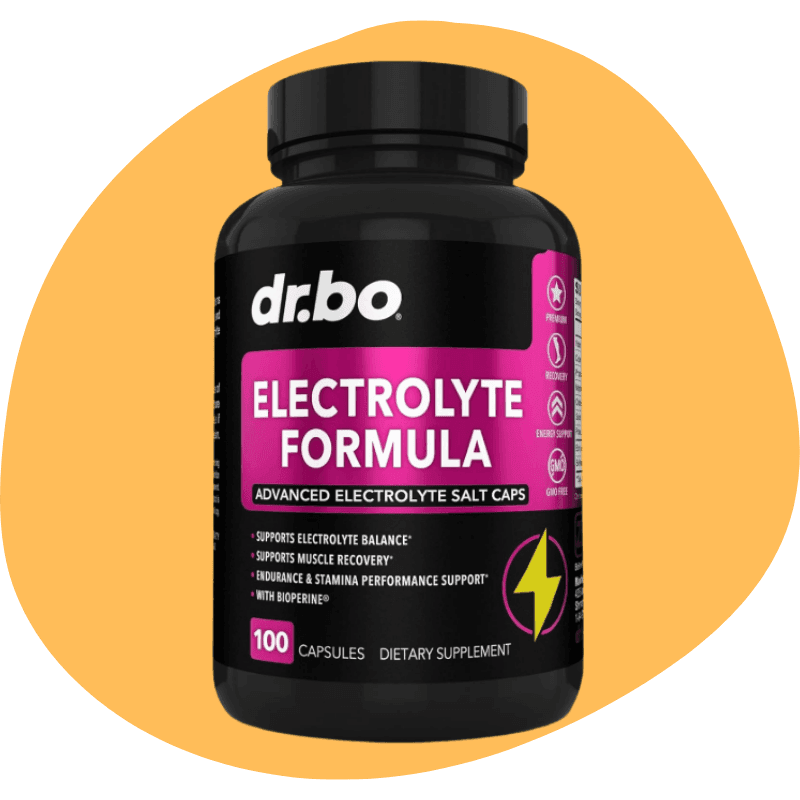
Electrolyte Pills — 100 Hydration Caps
Fast, convenient electrolyte support in a capsule: each serving supplies key minerals — potassium, magnesium, sodium, chloride, and calcium — to help maintain hydration, replace salts lost with sweat, and reduce muscle cramps. Designed for keto, travel, workouts, or anytime you need quick rehydration without mixing powders.
100 easy-to-take capsules per bottle — pocket-friendly for post-workout, long flights, or busy days. Safety note: if you have kidney or heart conditions, are pregnant/nursing, or take prescription meds, check with your healthcare provider before use.
Fiber & prebiotics
Fiber isn’t a vitamin, but it’s a major health factor: gut motility, microbiome diversity, and satiety all hinge on adequate fiber. Keto can reduce fiber intake by removing whole grains, many legumes, and some fruits. A multivitamin on keto won’t replace fiber — so consider low-carb fibrous veggies, seeds (chia, flax), and, if needed, a fiber supplement or greens powder with prebiotic fibers. Research links low fiber intakes to changes in bowel regularity and some gut-microbiome shifts, so prioritize food-based fiber first. (41)
Practical options:
- Eat a generous portion of leafy greens daily.
- Add 1–2 tbsp chia/flax for soluble fiber.
- Use a psyllium or oat-fiber supplement if constipation is persistent (test tolerance and start low).
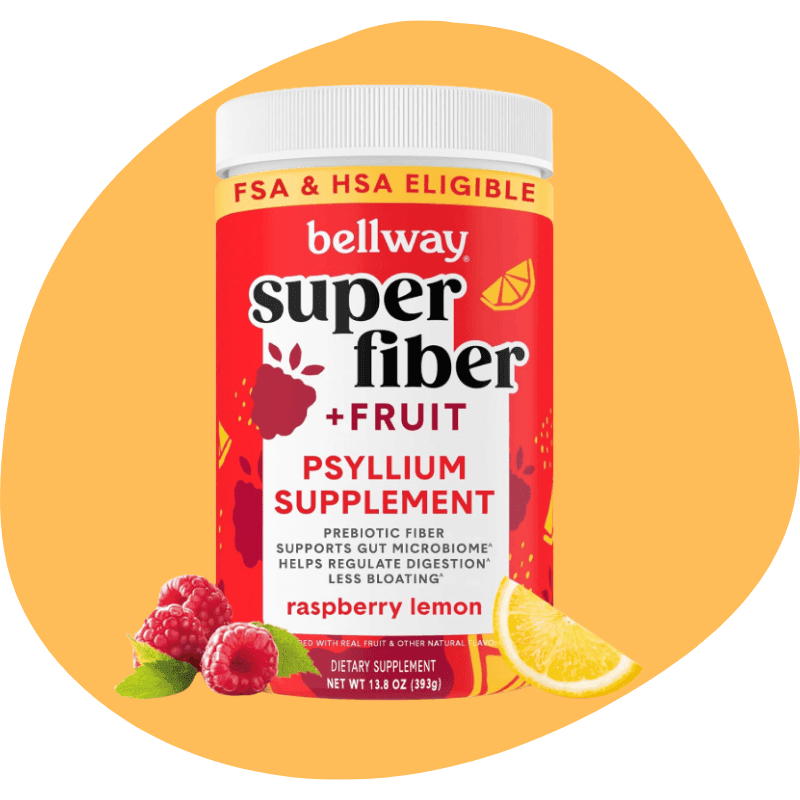
Bellway Super Fiber Powder + Fruit — Raspberry Lemon (50 servings)
A tasty, sugar-free fiber boost made from organic psyllium husk and real fruit flavor. This plant-based powder supports gentle regularity, helps reduce bloating, and promotes overall digestive comfort — mix into water, smoothies, or yogurt for an easy daily routine. Vegan, low-sugar, and convenient for travel or busy mornings. Follow label directions and check with your healthcare provider if you’re pregnant, nursing, taking medication, or have a medical condition.
Omega-3 (EPA/DHA)
Although not a vitamin, omega-3 long-chain fatty acids (EPA and DHA) are often paired with multivitamins because they support cardiovascular and brain health and help balance inflammation on a high-fat diet. If your keto meals don’t regularly include fatty fish (salmon, mackerel, sardines), consider an EPA/DHA supplement (fish oil or algae oil for vegans). Many multis don’t include therapeutic doses of EPA/DHA, so a separate capsule is common. Evidence supports omega-3 benefits for heart and cognitive markers, and they complement a fatty diet well.

Nordic Naturals Ultimate Omega — Lemon (180 Softgels, 90 Servings)
High-potency, great-tasting fish oil that delivers 1,280 mg total omega-3s per serving (EPA ~650 mg, DHA ~450 mg) to support heart, brain, and joint health. Sustainably made from wild-caught anchovies & sardines, lemon-flavored softgels are non-GMO and doctor-recommended; take 2 softgels daily (90 servings per bottle).
Quick note: consult your healthcare provider before starting any supplement, especially if you take blood thinners or have health conditions.
Iron
Iron needs vary widely: premenopausal women and people with heavy menstrual bleeding or low dietary iron (especially vegetarians) should check their iron status. Men and postmenopausal women usually shouldn’t take iron routinely because unnecessary iron can cause harm. Get a CBC and iron studies (ferritin, transferrin saturation) before supplementing; many multivitamins contain iron, so pick a formula that matches your needs to avoid excess. Clinical protocols emphasize testing rather than blind supplementation.
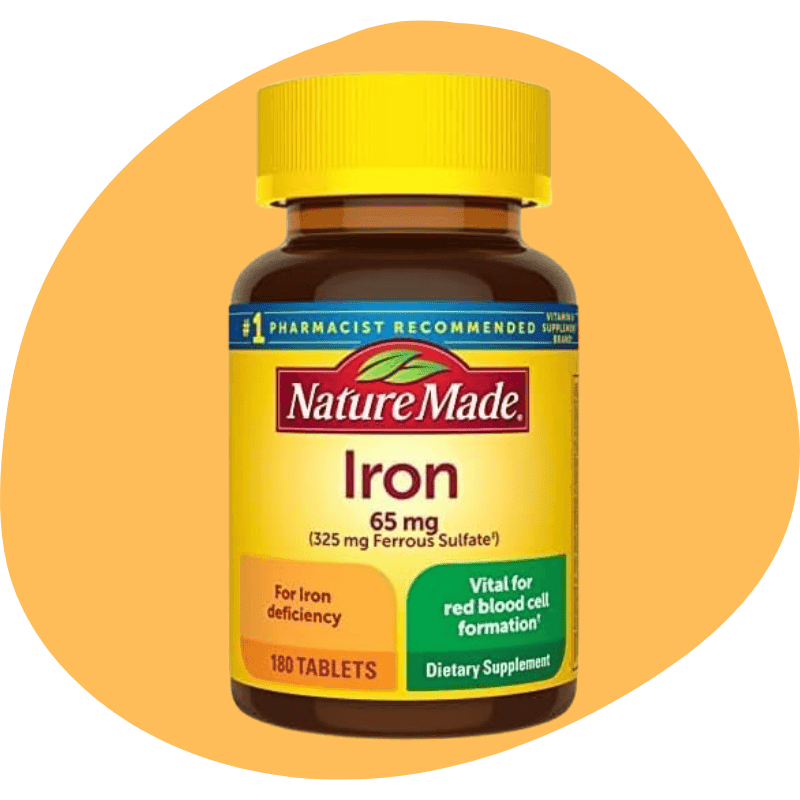
Nature Made Iron — 65 mg (from 325 mg ferrous sulfate) tablets, 180-count (180-day supply).
High-potency iron to help support red blood cell production and reduce the risk of iron-deficiency anemia; convenient once-daily tablet for long-term supplementation.
Quick safety note: iron can cause stomach upset or constipation and is dangerous in accidental overdose — keep out of reach of children. Consult your healthcare provider before use, especially if you’re pregnant, nursing, taking medications, or have a medical condition.
Zinc & selenium
Zinc supports immunity, wound healing, and taste; selenium is important for antioxidant enzymes and thyroid function. Intake depends on food choices: red meat, seafood, and nuts supply zinc and selenium, but plant-heavy, low-meat keto or limited-variety plans may be lower. Many quality multivitamins include modest amounts of zinc and selenium; in clinical ketogenic programs, these trace minerals are monitored and supplemented as needed. Don’t megadose — aim to meet recommended amounts and test if there’s concern.
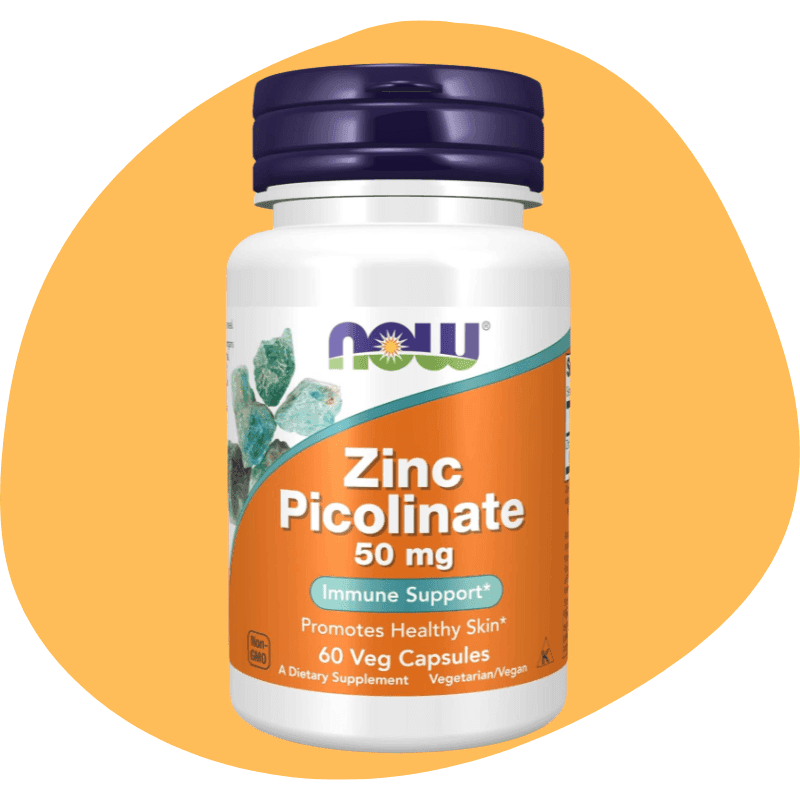
NOW Supplements — Zinc Picolinate 50 mg, 60 Veg Capsules
A potent zinc picolinate formula delivering 50 mg elemental zinc per veg capsule to support enzyme function, immune health, and skin maintenance. Non-GMO, kosher, and suitable for vegans.
Quick facts
- Strength: 50 mg zinc (from zinc picolinate) per capsule — 60 vegetarian capsules.
- Use: Label/seller guidance commonly notes 1 capsule daily with a meal.
- Safety note: This 50 mg dose exceeds the NIH tolerable upper intake level for most adults (40 mg/day) and is above the limits for teens — consult your healthcare provider before use, especially if you’re under 19, pregnant, nursing, or on medication.
Statements about support are based on the product labeling and nutrient roles; they are not medical
Do keto-specific multivitamins exist — and are they worth it?
Short answer: Yes, companies sell products labeled as keto multivitamins or “formulated for keto,” but whether they’re worth the premium depends on transparency, testing, and what you actually need. Below, I break down the differences between keto-specific multivitamins and standard multivitamin formulas, the common pros and cons, and a practical decision checklist so you can decide if a multivitamin on keto branded product is right for you.
What a “keto multivitamin” usually means (vs. a regular multivitamin)
- Keto multivitamins are marketed to low carb audiences and often emphasize:
- Low or zero added sugars and carbohydrate fillers.
- Extra electrolytes (sodium, potassium, magnesium) or higher magnesium.
- Emphasis on vitamin D, calcium, and some B vitamins.
- Labels that claim “supports ketosis,” “keto certified,” or “carb free.”
- A general multivitamin typically aims to provide a broad micronutrient base (B-complex, vitamins A/C/D/E, zinc, selenium, sometimes iron) without marketing toward a specific diet.
Think of the difference as packaging and positioning rather than completely different chemistry: many keto branded formulas are just mainstream multis with some tweaks and marketing language tailored to ketogenic consumers.
Pros of keto-specific multivitamins
- Convenience for keto needs: They often include higher magnesium or added electrolytes, which can be handy during adaptation and for people who don’t want to buy separate products.
- Marketing avoids carb fillers: Many explicitly list “no maltodextrin / no dextrose,” reducing the risk of hidden carbs — useful when you’re tracking net carbs.
- User friendly packaging & claims: They may explain keto-specific use (e.g., electrolyte timing), which helps beginners.
- Niche formulations: Some include targeted ingredients like MCT oil in softgels, vitamin K2 for bone, or extra vitamin D in higher doses — potentially useful if those match your gaps.
Cons & red flags to watch
- Marketing > science: “Keto certified” or “ketosis support” is often a marketing badge; it rarely means the product was clinically tested to improve ketosis or health outcomes.
- Proprietary blends & vague dosages: Some products hide amounts in “proprietary blends,” making it impossible to know how much of each mineral you’re getting. That’s a major red flag.
- Added stimulants or botanicals: “Keto boosters” sometimes include caffeine, bitter herbs, or stimulants that aren’t necessary and may cause side effects.
- Unnecessary extras: Digestive enzymes, appetite suppressants, or thermogenic blends add cost but often no real micronutrient benefit.
- Price premium: Keto branding can significantly increase the price for ingredients you could buy separately or find in a standard, third-party tested MVM.
Practical checklist: Should you choose a keto-specific multivitamin?
Choose a keto multivitamin only if it meets most of these checks:
- Transparent labeling — exact amounts of each vitamin/mineral (no proprietary blends).
- Third-party verification — USP, NSF, or ConsumerLab seals (or a lab report available).
- No hidden carbs — explicitly lists no maltodextrin/dextrose/sugary coatings.
- Useful extras only — includes meaningful forms (D3, methylated B-forms, bioavailable magnesium) rather than gimmicks.
- Matches your needs — includes (or omits) iron based on your testing/life stage, and provides electrolytes in sensible amounts.
If a keto product fails any of the above, a reputable general multivitamin on keto + one or two targeted supplements (magnesium, vitamin D, electrolyte mix) is usually a better, cheaper, and safer option.
How to shop smart: decision rules
- If you want simplicity, pick a transparent keto formula that passes the checklist above.
- If you want control & value: buy a quality, third-party tested general MVM (no iron if you don’t need it) and add:
- Magnesium glycinate or citrate (for cramps/sleep)
- Vitamin D3 (lab-guided dosing)
- An electrolyte powder or food strategies for sodium/potassium during adaptation.
- If you’re on clinical KDT, pregnant, elderly, or taking meds: follow clinician recommendations — avoid retail experiments.
Keto-specific multivitamins can be worth it if they’re transparent, third-party tested, and actually include the targeted nutrients you need without hidden carbs or stimulants. For most people, though, a solid multivitamin on keto (from a reputable brand) plus targeted add-ons (magnesium, vitamin D, or electrolytes) gives better value and customization. Always match your choice to your diet, labs, and life stage — and when in doubt, test first and treat supplements as insurance, not a substitute for whole food nutrition.
How to read a supplement label: a step-by-step guide
If you plan to buy a multivitamin on keto (or any supplement), the Supplement Facts panel is your best friend — and your map to what you’re actually swallowing. Below, I walk you through what to check, why it matters for keto users, and how to spot hidden carbs or risky ingredients.
1) Start with the Supplement Facts panel: serving size, %DV, and units
- Serving size — Always note how many tablets/capsules/teaspoons = one serving. If the panel lists one serving = 2 capsules, but you take one, you’re getting half the amount shown.
- %DV (Percent Daily Value) — Tells you what fraction of an adult’s recommended intake the serving provides. %DV is useful to see whether a vitamin is low, moderate, or high compared to typical needs.
- Units (mcg vs IU vs mg) — Vitamins and minerals use different units:
- mcg (micrograms) and mg (milligrams) are common for most nutrients.
- IU (International Units) is used for some fat soluble vitamins (vitamin D, vitamin A). Quick conversion for vitamin D: 1 IU = 0.025 mcg D3 (so 1,000 IU = 25 mcg).
- Why it matters for keto: the panel shows whether the product supplies vitamin D, magnesium, and electrolytes — often priorities for people choosing a multivitamin on keto.
2) Forms of nutrients: the active vs basic versions matter
- Example — B6: pyridoxine (basic) vs P5P (pyridoxal-5-phosphate, active). People with absorption or conversion issues may prefer active forms.
- Example — B12: cyanocobalamin (stable, inexpensive) vs methylcobalamin (active form some prefer).
- Example — Folate: folic acid vs 5-MTHF (methylfolate).
- Example — Vitamin D: D3 (cholecalciferol) is generally preferred over D2 (ergocalciferol) for potency in raising blood levels.
- Mineral forms: Magnesium citrate/glycinate (more bioavailable, gentler) vs magnesium oxide (cheaper but less well absorbed). Iron can be ferrous sulfate, ferrous fumarate, or chelated forms — elemental iron amounts vary by compound.
- Why it matters for keto: active or chelated forms often absorb better and are sensible when you want practical effects (eg, magnesium glycinate for sleep/cramps).
3) Elemental amount vs compound weight (important for minerals)
- Labels sometimes list the compound (e.g., magnesium citrate 500 mg) but not the elemental magnesium (how much actual magnesium you get). If you need a target (say 200–400 mg elemental magnesium/day), check whether the label states elemental amounts or the compound only.
- Tip: reputable brands list both compound and elemental values; if they don’t, search their website or COA (certificate of analysis).
4) Check for iron — who needs it (and who doesn’t)
- Who might need iron: premenopausal people with heavy periods, confirmed iron deficiency, or diets low in heme iron (meat).
- Who usually should avoid routine iron: adult men and postmenopausal women unless testing shows deficiency (excess iron can cause harm).
- Label tip: if a multivitamin contains iron, consider whether that matches your needs — choose an iron free MVM if you don’t need iron.
- Testing: get ferritin and CBC if you suspect anemia before supplementing.
5) Check for vitamin K—drug interaction flags
- Why check: Vitamin K (especially K1/K2) interacts with blood thinners such as warfarin — it can reduce the medication’s effectiveness or require dose adjustments.
- If you take anticoagulants, keep vitamin K intake consistent and consult your clinician before starting a new supplement.
- Label tip: note the type and amount of vitamin K and mention the interaction in your decision.
6) Hidden carbs, sugars, and fillers — what to avoid on keto
- Watch the “Other ingredients” list for hidden carbohydrate sources:
- Maltodextrin, dextrose, sucrose/sugar, sorbitol, maltitol, sugar coating, dextrin.
- Sugar alcohols vary: erythritol has near zero glycemic impact for most people and is commonly used; maltitol can raise blood sugar.
- Tablet coatings sometimes contain sugar, even if the active ingredients are carb free.
- Fillers & excipients (e.g., magnesium stearate, silicon dioxide) are usually inert and low-carb — they’re not the problem. But maltodextrin is commonly used and does add digestible carbs.
- Keto tip: choose formulas that explicitly state “no maltodextrin/dextrose” or check the “Other ingredients” carefully.
7) Proprietary blends & undisclosed amounts — red flag
- Proprietary blends hide the exact amounts of ingredients inside a named mixture. For example, a “Ketosis Support Blend 500 mg” may list herbs and minerals but not amounts of each.
- Why this matters: you can’t tell if the product gives an effective dose of something (or too much). For safe, evidence-based choices — especially a multivitamin on keto — prefer full disclosure of amounts.
8) Allergens, capsules vs tablets, & vegetarian options
- Allergens: check for soy, dairy, gluten, nuts, or shellfish if you have allergies.
- Capsule shells: gelatin (animal) vs vegetable cellulose (vegan).
- Coatings & colorants: titanium dioxide, food dyes — not necessarily harmful, but some people avoid them.
Mock Supplement Facts (example) — annotated walk-through
Below is a simplified mock label. After it, I list annotated callouts (6–8) so you can see what to check line-by-line.
Supplement Facts — Serving Size: 2 Capsules
- Vitamin D3 (cholecalciferol) — 1000 IU (25 mcg) — 125% DV
- Vitamin K2 (MK-7) — 50 mcg — 42% DV
- Vitamin B12 (methylcobalamin) — 50 mcg — 2083% DV
- Folate (5-MTHF) — 400 mcg DFE (240 mcg folate) — 100% DV
- Magnesium (as magnesium glycinate) — 200 mg elemental — 48% DV
- Iron — 0 mg
- Zinc (zinc picolinate) — 11 mg — 100% DV
- Selenium (selenium yeast) — 55 mcg — 100% DV
- Proprietary Electrolyte Blend — 150 mg (contains: potassium citrate, sodium chloride) — no breakdown.
- Total carbs per serving: 0 g
Other Ingredients: vegetable cellulose capsule, magnesium stearate, silica. No maltodextrin.
Annotated callouts (what to notice)
- Serving size = 2 capsules — If you take one capsule, you get half of the listed amounts. Always match your actual intake to the panel.
- Vitamin D3 — 1000 IU (25 mcg) — clear units and a helpful %DV; D3 shown (preferred form). Good sign.
- Magnesium listed as “elemental 200 mg (glycinate)” — the label shows elemental magnesium, not just compound weight — excellent transparency.
- Iron = 0 mg — for many keto users (men/postmenopausal women), this is desirable; check your own iron needs first.
- Proprietary Electrolyte Blend — no breakdown — red flag: you don’t know how much potassium vs sodium is present. If electrolytes are important to you, pick a product with explicit amounts or buy separate electrolyte products.
- B12 as methylcobalamin & folate as 5-MTHF — active forms listed; useful for people with genetic or absorption issues.
- Other ingredients: “No maltodextrin” — positive for keto users who track net carbs.
- Total carbs per serving: 0 g — but still verify the “Other ingredients” for coatings/sugars and confirm there are no sugar alcohols that the brand fully subtracts from “net carbs.”
Quick practical checklist when you buy a multivitamin on keto
- Serving size aligns with what you’ll take (1 vs 2 pills).
- Vitamin D3 listed with IU and mcg or clear IU → mcg conversion available.
- Magnesium form and elemental amount are shown (glycinate/citrate preferred).
- Iron is present only if you actually need it; otherwise, pick iron-free.
- No maltodextrin/dextrose or sugar coating in “Other ingredients.”
- No vague “proprietary blend” masks for minerals/electrolytes.
- Third-party testing badge or COA available on the brand site (USP, NSF, ConsumerLab).
- Allergens & capsule type listed (if you care about vegan/gelatin).
Final tips & safety reminders
- Check totals: add up nutrients from all supplements you take (including protein powders or electrolyte mixes) to avoid exceeding ULs for nutrients like vitamin A, niacin, or iron.
- If you’re taking medications (warfarin, thyroid meds, anticonvulsants), check with your clinician or pharmacist before starting anything — vitamin K, calcium, and iron can interact or affect absorption.
- Third-party testing matters: choose brands with visible verification or a COA; it’s the best way to trust label accuracy.
- When in doubt, test: a basic set of labs (vitamin D, B12, ferritin, basic electrolytes) will tell you where you actually need support, so your multivitamin on keto choice is targeted and safe.
Which nutrient forms matter? (bioavailability & active forms)
When you’re picking a multivitamin on keto, the form of each nutrient often matters more than the brand name. Two pills can both say “magnesium 200 mg” — but the chemical form (glycinate vs oxide) determines how well your body can use it and whether your stomach will be happy. Below is a clear, practical guide to the forms you should look for (and the ones to avoid), plus real world tips for keto dieters.
Chelated minerals: what they are and why they help
- What “chelated” means: a mineral (like magnesium, zinc, or iron) is chemically bound to an amino acid or organic molecule (glycinate, citrate, picolinate). This can improve absorption and reduce GI irritation.
- Why it matters: chelated forms are usually gentler on the gut and more bioavailable — useful when you want the nutrient to actually work instead of just passing through.
- Common chelated forms to prefer:
- Magnesium glycinate (bisglycinate) — gentle, good for sleep/cramps.
- Magnesium citrate — well absorbed, often used when constipation is present (hasa mild laxative effect).
- Zinc picolinate or zinc citrate — better absorbed than zinc oxide for many people.
- Iron bisglycinate/ferrous bisglycinate — easier on the stomach than ferrous sulfate (if iron is needed).
- Keto tip: because keto often reduces magnesium-rich foods (whole grains, legumes), a chelated magnesium in your multivitamin on keto or a dedicated magnesium supplement is a practical choice.
Methylated B12 / folate vs cyanocobalamin / folic acid
- Active vs basic forms:
- Methylcobalamin is an active form of B12 that your body can use directly. Cyanocobalamin is a stable, synthetic form that your body must convert to active B12.
- 5-MTHF (methylfolate) is the active form of folate; folic acid is the synthetic precursor that must be converted in the body.
- Why choose methylated forms?
- People with certain genetic variants (MTHFR polymorphisms) or absorption problems may not convert folic acid/B12 efficiently. Active forms bypass conversion steps.
- Active forms can be especially helpful for vegans on keto or anyone with absorption issues.
- Tradeoffs: methylated forms can cost more and aren’t strictly necessary for everyone — but they’re a smart, low-risk upgrade if you suspect poor conversion or have symptoms suggesting deficiency.
- Keto note: because keto can change dietary sources of B vitamins (fewer fortified grains), check that your multivitamin on keto includes a full B-complex — active forms are a plus.
Vitamin D3 vs D2; Vitamin K2 (MK-7) vs K1
- Vitamin D3 (cholecalciferol) vs D2 (ergocalciferol):
- D3 is generally more effective at raising and maintaining blood 25-OH vitamin D levels in most people.
- D2 works but is often less potent and may be used in prescription contexts.
- Practical pick: look for D3 on a keto multivitamin or take D3 separately (with a meal containing fat for best absorption).
- Vitamin K — K1 vs K2 (MK-7):
- K1 (phylloquinone) is common in leafy greens and supports blood clotting.
- K2 (menaquinone), especially MK-7, is better at reaching bone and arterial tissues and has a longer half life (so once daily dosing is effective). MK-7 supports calcium utilization and is often paired with vitamin D to protect bone health.
- Note on meds: if you take warfarin or other anticoagulants, keep vitamin K intake consistent and consult your provider before adding supplements.
- Keto relevance: many keto eaters don’t regularly eat fortified dairy or certain produce — a multivitamin on keto with D3 + K2 (MK-7) is a sensible combo for bone and cardiovascular balance.
When to choose slow-release or sublingual forms
- Slow-release (extended-release)
- Pros: can smooth absorption and reduce stomach upset for some nutrients (e.g., niacin, some minerals).
- Cons: some slow-release formulas reduce peak bioavailability; for certain nutrients, you want a quick spike (e.g., B12 in deficiency), slow-release isn’t ideal.
- Use case: people who experience GI intolerance with standard doses or those on multi dose schedules who prefer once daily dosing.
- Sublingual (under-tongue)
- Pros: avoids first-pass digestion and can raise blood levels more quickly for nutrients with known absorption issues (B12 is the classic example).
- Use case: older adults with low stomach acid, people with suspected malabsorption, or anyone who fails to raise B12 with oral pills.
- Keto context: if you have digestive issues or take acid reducing meds that could impair absorption (common in the general population), sublingual B12 or chelated mineral forms can be helpful. For most nutrients, standard forms (D3, methylfolate, chelated magnesium) taken with food are sufficient.
Actionable checklist: pick forms that actually work
- For magnesium: prefer glycinate or citrate (glycinate for sleep, citrate if constipation is present).
- For B12 & folate: consider methylcobalamin and 5-MTHF if you have MTHFR issues, a vegan diet, or signs of deficiency.
- For vitamin D: choose D3 (cholecalciferol) and test with 25-OH D labs to guide dose.
- For vitamin K: K2 (MK-7) pairs well with D3 for bone health — but consult your clinician if you’re on blood thinners.
- Avoid: magnesium oxide (low bioavailability) and products that hide amounts inside proprietary blends.
Final tips & safety
- Labels that state elemental amounts (for minerals) and specify forms are signs of transparency and quality.
- Active and chelated forms cost a bit more, but they’re often worth it because they actually deliver benefit rather than just a laundry list on the label.
- If you’re taking medications, pregnant, or have kidney disease, check with your clinician before adding new forms or higher doses — especially for potassium, magnesium, and vitamin K.
Choosing the right forms is one of the fastest ways to make a multivitamin on keto actually helpful — not just expensive.
Dosage, overlap, and avoiding excess: safety rules
Short version: a multivitamin on keto is useful — but unless you check totals, you can accidentally stack nutrients (or hit unsafe levels). Below is a practical, step-by-step guide to understanding %DV vs UL, how to add up nutrients from foods + supplements, which nutrients most commonly cause trouble, and simple rules to keep you safe.
%DV vs UL — what they mean and why both matter
- %DV (Percent Daily Value) tells you how much one serving contributes to an average adult’s daily requirement (based on FDA Daily Values). Use it to compare products quickly and see whether a serving is “low” (~≤5% DV) or “high” (~≥20% DV). (42, 43)
- UL (Tolerable Upper Intake Level) is different: it’s the highest average daily intake unlikely to cause harm for almost all people. ULs are safety thresholds — not targets. If your combined intake from food + supplements goes above the UL regularly, you risk averse effects. (44)
Practical takeaway: use %DV to judge whether a product meaningfully supplies a nutrient; use UL to check whether your total daily intake (all sources) might be unsafe.
Step-by-step: how to check totals (quick method you can use right now)
- List everything you take daily. Include multivitamins, single-nutrient supplements (vitamin D, magnesium, omega-3), fortified foods (some milks/cereals), and any protein powders.
- Record amounts in consistent units. Most labels list mg or mcg; convert IU to mcg where needed (vitamin D: 1 µg = 40 IU). (45)
- Add the amounts for each nutrient. (e.g., total mg of elemental magnesium; total IU/mcg of vitamin D; total mg of niacin).
- Compare to %DV and the UL. Use the product %DV for a quick sense and check the official UL for safety — if your total exceeds the UL, stop and reassess (reduce doses, drop unnecessary supplements, or talk to a clinician).
- If you take medications / are pregnant / are older / have kidney disease, consult your clinician before changing doses. (Some conditions change safe upper limits.)
Common problem nutrients & safety flags (what to watch for)
- Vitamin A (preformed retinol) — risk: toxicity and birth defects at high doses; UL for preformed vitamin A ~ 3,000 mcg RAE (preformed retinol). Avoid high-dose preformed vitamin A, especially in pregnancy. (46, 47)
- Vitamin D — risk: hypercalcemia at very high intakes. The commonly cited adult UL is 4,000 IU (100 mcg) per day for most adults; lab-guided dosing is safer than guessing. (48)
- Niacin (Vitamin B3) — risk: flushing, liver stress at high doses; the UL for adult niacin (nicotinic acid) is 35 mg/day (higher therapeutic doses are sometimes used under supervision, but can cause flushing and liver problems). (49)
- Iron — risk: GI upset and toxicity when unnecessary; UL ~45 mg/day for adults — men and most postmenopausal women should generally avoid routine iron unless testing shows deficiency. (50)
- Magnesium (supplemental) — risk: high supplemental doses can cause diarrhea, nausea, and, in extreme cases, toxicity (especially with kidney impairment). The UL for supplemental elemental magnesium is commonly listed around 350 mg/day (this applies to magnesium from supplements and medications, not magnesium naturally occurring in food). (51, 52)
These are safety checks, not targets. Hitting 100% DV on a supplement is usually OK — but exceeding the UL for a nutrient repeatedly is where risk appears.
Practical examples (how overlap happens)
- Example 1 — Vitamin D overlap: your multivitamin has 800 IU, you take a separate vitamin D capsule of 2000 IU, and you drink fortified milk (~100 IU) — total = ~2900 IU. That’s below the 4000 IU UL, but could be unnecessary if labs show sufficiency. Test and personalize.
- Example 2 — Magnesium confusion: multivitamin lists 100 mg elemental magnesium; you also take 200 mg magnesium citrate (elemental 200 mg) = 300 mg supplement total. That’s close to the 350 mg supplemental UL; if you also eat magnesium-rich foods, you may feel GI effects or need a form switch (glycinate vs citrate) for tolerance.
- Example 3 — Iron risk: your multivitamin includes 18 mg iron, and you unknowingly take an iron containing protein powder — you might approach or exceed the safe upper range if unnecessary. Men & postmenopausal women should usually pick iron-free multis unless tests show deficiency.
Interactions & antagonisms to know (short list)
- Zinc ↔ Copper: High zinc supplements can reduce copper absorption; long-term zinc megadoses require copper monitoring.
- Calcium ↔ Iron / Zinc: Large calcium doses can interfere with iron absorption if taken at the same time. Space minerals when possible.
- Fat-soluble vitamin buildup: vitamins A, D, E, and K accumulate — don’t megadose these long term without monitoring.
Simple rules to avoid trouble (apply these every time you buy a new product)
- One-page inventory: keep a short list of every supplement and the mg/µg/IU per serving. Update whenever you add something.
- Add the numbers: total each nutrient (don’t rely only on %DV). Convert IU to mcg where needed (vitamin D: 40 IU = 1 µg). (53)
- Check the UL for any nutrient where your total is above ~75% of the UL — that’s a signal to pause and reassess. (If you’re >100% UL, stop and consult.)
- Avoid routine high single-nutrient doses (e.g., vitamin A > preformed UL, iron without testing, niacin > 35 mg/day) unless prescribed.
- Space minerals that compete for absorption (e.g., take iron separate from calcium).
- Test before you guess: vitamin D (25-OH D), ferritin/B12 if you suspect deficiency — then retest after 8–12 weeks of supplementation to confirm benefit.
When you might safely exceed the DV (but still watch the UL)
- Some therapeutic situations require doses above the typical DV (for example, vitamin D repletion protocols or iron therapy). That’s OK when supervised. The clinical rule: higher doses = medical supervision + lab monitoring. Don’t self-treat with megadoses based on internet advice.
What to do if you suspect excess or have symptoms
- Stop the non-essential supplements.
- Check for common toxicity signs: nausea, vomiting, dizziness, severe GI upset, unusual fatigue, palpitations, or change in mental status. (Different nutrients have different red flags — e.g., niacin flushing or liver symptoms for high niacin; hypercalcemia signs for vitamin D excess.) (54)
- Contact your clinician or local urgent care if symptoms are severe. For mild concerns, get a lab panel (electrolytes, LFTs if liver symptoms, 25-OH D, ferritin/B12 as indicated).
One-minute checklist before you buy a new supplement
- What dose of the key nutrient does the product provide (in mg, mcg, or IU)?
- How much of that nutrient do you already get from other supplements and fortified foods?
- Is your combined intake above ~75% of the UL? If yes → slow down and consult.
- Does the product list forms and elemental amounts (e.g., elemental magnesium)? If not, prefer another brand.
- Are you in a group needing caution (pregnant, child, elderly, or medication)? If yes → discuss with clinician first.
Final note: a multivitamin on keto is an efficient safety net for gaps the diet can create — but like any safety net, it only works if used thoughtfully. Track totals, know the ULs for the nutrients that commonly cause problems (vitamin A, D, iron, niacin, supplemental magnesium), and when in doubt, test and talk to a clinician. For quick reference on ULs and Daily Values, the NIH Office of Dietary Supplements and the FDA label guidance are the best authoritative resources.
Ingredients & extras to avoid on keto
When you're buying a multivitamin on keto, the label matters — and not just the Supplement Facts box. The Other ingredients and marketing copy can hide carbs, stimulants, or junk you don’t want. Below is a practical, easy-scan guide (what to avoid, why it matters for keto, and better alternatives), written so you can make a smart choice in the store or online.
Added sugars, dextrose, maltodextrin — obvious carbs to dodge
Why it matters: These ingredients add digestible carbohydrates that can raise blood glucose and potentially interfere with ketosis. They’re sometimes used as cheap fillers, tablet binders, or capsule coatings.
Watch for:
- Dextrose (glucose) — high glycemic, avoid.
- Maltodextrin — often listed as a “filler”; it has a very high glycemic index and is not keto-friendly.
- Sucrose/cane sugar or sugar listed in “Other ingredients” for chewables or gummies.
What to do:
- Prefer tablets/capsules that explicitly list no maltodextrin/dextrose.
- If you want a gummy, expect small carbs — factor them into your daily net carbs and prefer brands that list exact grams per serving.
Sugar alcohols: the good, the meh, and the GI trouble
Why it matters: Sugar alcohols are widely used in low-carb products. Their glycemic and GI effects vary — some are nearly inert for blood sugar, others aren’t, and many can cause digestive upset.
Common sugar alcohols:
- Erythritol — low impact on blood glucose for most people; widely used and generally tolerated.
- Xylitol — sweeter, has some glycemic effect; also toxic to dogs (important if you have pets).
- Maltitol — raises blood sugar more than erythritol; many people on keto avoid it.
- Sorbitol and mannitol can cause bloating, gas, and diarrhea in sensitive people.
What to do:
- If a supplement uses sugar alcohols, check which one. Erythritol is the most keto-friendly for most people; maltitol and sorbitol are red flags.
- Start small — if you’re sensitive to sugar alcohols, even small amounts can trigger GI upset.
Hidden carbs: tablet coatings & “other ingredients.”
Why it matters: Some tablets have sugary coatings or use carbohydrate based binders that brands don’t highlight up front.
Where to look:
- Other ingredients list — check for maltodextrin, dextrose, dextrin, sucrose, polydextrose, or starch.
- Gummies & chewables — often contain sugar or polyols; they’re usually higher in carbs than capsules.
Tip:
- If a product claims “0 g carbs” but lists maltodextrin in the ingredient list, don’t trust shorthand—do the math or choose another product.
Herbal blends & botanical “keto boosters” — buyer beware
Why it matters: Herbs can interact with medications, cause side effects, or add stimulatory effects you may not want.
Red-flag herbs & claims:
- Bitter orange (synephrine), yohimbine, high-dose green tea extract (EGCG concentrate) — stimulants that can raise heart rate or blood pressure.
- “Keto booster” proprietary blends — often vague, unstudied, and included to justify a premium price.
What to do:
- Prefer micronutrient focused products over herbal thermogenics.
- If an herb is included, Google its interactions with any meds you take or ask a pharmacist.
Stimulants & weight-loss extras — skip unless you know why
Why it matters: Multis shouldn’t be disguised fat burners. Extra caffeine, synephrine, or appetite suppressants can cause anxiety, insomnia, or cardiovascular effects.
Watch for:
- Caffeine/caffeine anhydrous is listed in supplements, not marketed as energy products.
- Weight loss proprietary blends or “thermogenic complexes” — a red flag for unnecessary stimulants.
Unnecessary fillers & questionable additives
What’s mostly fine:
- Magnesium stearate, silicon dioxide, microcrystalline cellulose — common manufacturing aids, typically inert and low-carb.
What to be cautious about:
- Titanium dioxide, artificial dyes (FD&C colors), hydrogenated oils — avoid if you prefer cleaner labels.
- Proprietary blends — again, transparency matters. If amounts aren’t listed, don’t buy it for targeted nutrition.
Practical shopping checklist — quick red flags & safe alternatives
Red flags — avoid products that:
- List maltodextrin, dextrose, and sucrose in Other Ingredients.
- Use maltitol, sorbitol, or mannitol as the primary sweetener (if you’re strict keto).
- Contain proprietary blends for electrolytes/herbs without exact dosages.
- Add thermogenic or stimulant herbs unless that’s your explicit goal, and you know the risks.
Safer choices:
- Capsules/tablets with “no maltodextrin/dextrose” or explicitly zero carbs per serving.
- Formulas that show exact mg/µg of electrolytes (don’t hide them in blends).
- Minimal extra botanicals — focus on D3, magnesium (chelated), B-complex, zinc/selenium in clear forms and amounts.
Final tip: test labels, not marketing
Marketing loves simple hooks: “Keto Certified,” “Boosts ketones,” or “Fat-burner.” Those are rarely meaningful for micronutrient selection. For a true multivitamin on keto, prioritize transparent panels, clean filler lists, and third-party testing — not buzzwords.
Third-party testing & certifications to trust
When you pick a multivitamin on keto, a credible third-party seal is one of the fastest signals that a brand is serious about label accuracy and product safety. Seals don’t make a product perfect, but they meaningfully reduce the risk of contamination, mislabeling, or nonsense marketing. Below, I explain the major seals you’ll see — what each one actually tests for, their limitations, and why batch testing / COAs (Certificates of Analysis) matter far more than pretty packaging.
USP Verified — what it means
- What USP does: tests samples for potency (does the product contain what the label claims?), dissolution (will the pill release the ingredient properly), and contaminants (selected heavy metals, microbial limits), and audits manufacturing practices.
- Why it matters: a USP Verified mark tells you a product has been independently checked for label accuracy and basic purity.
- Limitations: USP doesn’t test every possible contaminant or every single lot unless specified; also, not all products in a brand’s lineup are necessarily USP verified — check for the actual seal and product page.
NSF (including NSF Certified for Sport) — what it means
- What NSF does: evaluates product contents, manufacturing practices (GMP), and conducts contaminant screening. NSF has a strong focus on safety and factory auditing.
- NSF Certified for Sport / Informed-Sport level: NSF’s sport certification includes specific screens for banned substances that athletes must avoid; it’s stricter for contaminants that affect doping tests.
- Why it matters for keto users: NSF helps ensure that electrolytes and minerals are present in stated amounts and that there aren’t unexpected contaminants or undeclared stimulants.
- Limitations: like other seals, it applies only to the exact product/lots tested — verify which product and lot numbers are certified.
ConsumerLab — what it means
- What ConsumerLab does: independent lab testing and comparative reviews (they publish pass/fail reports and rank products). They test for purity, potency, contaminants, and often compare products head-to-head.
- Why it matters: ConsumerLab’s reports are highly practical — they show which brands fall short and why. A ConsumerLab “Approved” mark signals that the product passed that reviewer’s testing.
- Limitations: ConsumerLab access is paywalled; not every product is tested, and testing is periodic rather than continuous.
Informed-Choice / Informed-Sport — what athletes need
- What they do: test products for substances banned in sport (steroids, stimulants, select contaminants) and provide lot-by-lot certification so athletes can reduce the risk of positive doping tests.
- Why it matters: if you compete or get tested, these seals are critical — they show the company does lot-level testing for banned substances.
- Limitation: primarily for performance sport contexts; not every consumer needs this level, but it’s great reassurance if you do.
Why batch testing & Certificates of Analysis (COAs) matter more than a seal
A seal is helpful — but the lot specific COA is the gold standard. Here’s why:
- Seals = periodic program; COAs = specific batch data. A seal usually means a brand participates in a testing program and passes regular audits. A COA shows test results for a specific lot number (batch) — potency, heavy metals (lead, arsenic, cadmium, mercury), microbial limits, and sometimes pesticide residues or specific contaminant screens.
- Contamination risk is batch dependent. Manufacturing problems (cross contamination, raw material impurity) are often isolated to specific batches. Batch testing catches those problems.
- How to find COAs: look for a QR code or “lab tested” link on the product page, search the brand’s “quality” or “testing” pages, or request the COA via customer service — reputable brands provide them on request.
- What a COA should show: lab name, test methods, lot number, test date, and results (with pass/fail for each analyte). If any numbers are missing or the COA is vague, be skeptical.
What third-party testing doesn’t guarantee (and how to compensate)
- It doesn’t guarantee effectiveness. A verified product may contain stated amounts, but that doesn’t mean the form is ideal (e.g., magnesium oxide vs glycinate). Check forms and elemental amounts, too.
- It doesn’t replace good labeling checks. Even with seals, check for hidden carbs, proprietary blends, and questionable extras.
- It’s not a substitute for medical advice. If you’re pregnant, on meds, or in a clinical ketogenic program, work with a clinician even if a product is third-party tested.
Practical buying checklist — how to use seals & batch data when choosing a multivitamin on keto
- Prefer products with a recent third-party seal (USP, NSF, ConsumerLab) — verify it’s for that exact product.
- Ask for or find a COA for the lot you’re buying (or confirm the brand posts lot COAs online).
- If you’re an athlete, choose NSF Certified for Sport or Informed-Sport / Informed Choice.
- Check the COA for heavy metals, microbes, and declared ingredient potency. If “not detected” or within safe limits, good sign.
- Cross check the COA lab name (reputable independent labs are standard; anonymous or in house testing only is less reassuring).
- Combine seals + label transparency: seals are great, but a transparent label that lists forms & elemental amounts (not a proprietary blend) plus a COA is ideal.
Bottom line — what to prioritize for a multivitamin on keto
- Transparency first: clear label (forms & elemental amounts) + no hidden carbs.
- Third-party verification second: USP/NSF/ConsumerLab are meaningful — check what they cover.
- Batch COA third: the lot level certificate is the best proof of safety for the specific bottle you buy.
- Special needs: athletes and tested populations should insist on NSF Certified for Sport or Informed Choice/Informed Sport.
Special populations: how needs change
Certain groups need extra care when doing keto — their nutrient needs, absorption, or medication interactions can change what a multivitamin on keto should (or shouldn’t) include. Below, I break down the main groups, what to watch for, and practical steps you can take. This is general guidance — always check with a clinician for personalized care.
Women — pregnancy & menstrual blood loss
- Pregnancy / trying to conceive: Pregnancy increases needs for folate, iron, iodine, vitamin D, and DHA. If someone follows a ketogenic diet during pregnancy or while trying to conceive, clinicians typically recommend prenatal vitamins (not a standard adult MVM) plus targeted supplements (folic acid/folate, calcium, vitamin D, DHA) because fetal neural and brain development are time sensitive. Clinical ketogenic therapy programs similarly treat pregnancy as a special case with routine prenatal supplementation and close monitoring. (55)
- Practical tip: Pregnant people should use a prenatal (not a generic multivitamin) and work with obstetric care to monitor labs (folate, iron/ferritin, vitamin D, thyroid as indicated).
- Menstrual blood loss: Regular blood loss increases iron needs — many menstruating people benefit from iron screening (ferritin, CBC) before adding iron. Routine iron in a general multivitamin on keto can be helpful if tests show low stores — but men and postmenopausal people usually should avoid iron supplements unless indicated. (56)
Older adults — absorption & higher risk of deficiency
- Absorption changes with age: Reduced stomach acid (atrophic gastritis) and changes in absorption make vitamin B12 a frequent concern in older adults; oral supplements or sublingual/IM forms may be required depending on test results. Routine checks for B12, vitamin D, and calcium are sensible. (57)
- Practical tip: Older adults on keto should ensure their multivitamin on keto includes B12 (or take a separate B12 supplement), monitor 25-OH vitamin D, and consider forms that bypass poor gastric absorption if tests suggest deficiency (eg, sublingual B12).
Vegans/vegetarians on keto — higher risk of multiple gaps
- Multiple nutrients at risk: Combining vegan/vegetarian eating with keto increases risk for vitamin B12, iron (heme), zinc, iodine, vitamin D, calcium, and long-chain omega-3s (EPA/DHA) because many primary sources are animal based. Reviews of vegan diets consistently flag these nutrients as ones to monitor and supplement as needed. (58)
- Practical tip: If you’re vegan/vegetarian + keto, prioritize a multivitamin on keto (or baseline MVM) that includes B12 and iodine, add algae-based DHA if you don’t eat fish, and test ferritin/B12 regularly.
Athletes — higher demands & sport-specific concerns
- Increased requirements and sport trade-offs: Athletes on keto can face higher needs for electrolytes, protein, iron (in endurance athletes), and sometimes B vitamins, depending on training volume. Research shows keto can alter micronutrient intake and blood markers in endurance athletes, so monitoring hemoglobin and iron status (and tailoring electrolyte strategies) is important. (59)
- Practical tip: Athletes should track energy intake carefully, use food + targeted supplements (electrolyte powders, omega-3s), and test any concerning labs (CBC, ferritin, vitamin D) with a sports nutritionist or clinician.
People on medications — anticonvulsants, statins, & others
- Anticonvulsants (antiepileptic drugs): Some antiseizure meds affect vitamin D and calcium metabolism and increase bone risk; patients taking these drugs (especially on a therapeutic ketogenic diet) often need vitamin D and calcium monitoring and supplementation under clinical supervision. Clinical resources emphasize routine monitoring in people on long-term anticonvulsants. (60)
- Practical tip: If you take antiseizure medication + keto, your medical team will likely recommend testing vitamin D, calcium, and bone health markers and advise specific supplements/doses.
- Statins and supplement interactions: Some people on statins ask about CoQ10 for muscle symptoms — evidence is mixed, and routine CoQ10 isn’t universally recommended as a fix. Always check with your prescribing clinician before adding supplements, because interactions (or side effect overlap) can complicate treatment. (61, 62)
- Practical tip: Tell your clinician or pharmacist about every supplement you take; some nutrients/herbs can change drug levels or side effect profiles (eg, vitamin K with warfarin, certain herbs with CYP enzymes).
Practical checklist for special populations
- Get baseline labs if you’re in a higher risk group: 25-OH vitamin D, ferritin/CBC, B12, electrolytes as indicated.
- Use the right product: pregnant = prenatal; vegan = MVM + B12 + DHA; older adult = MVM with B12 forms or sublingual if needed.
- Prioritize testing and clinician oversight when medications, pregnancy, or clinical ketogenic therapy are involved.
- Favor transparent labels and third-party testing, and avoid adding supplements that duplicate what your clinician already prescribed.
Special populations often need more than a one-size-fits-all multivitamin on keto.
The smartest move is a short checklist: identify your risk group, get the right baseline labs, choose supplements that address those risks (prenatal for pregnancy, B12/DHA for vegan keto, electrolytes + iron checks for athletes), and work with a clinician to monitor progress. That keeps the benefits of keto while minimizing preventable nutrient problems. (63)
Drug nutrient interactions and safety cautions
When you’re using a multivitamin on keto (or any supplement), remember supplements and prescription meds don’t act in isolation. Some nutrients change how drugs are absorbed or metabolized — and some drugs change how your body handles nutrients. Below is a practical, friendly guide to the most common, high importance interactions and clear spacing rules you can use right away.
Quick rule of thumb
- If a medication label or pharmacist warns you about supplements, listen.
- When in doubt, separate dosing by a few hours and tell your clinician or pharmacist about every supplement you take.
- Test and monitor (INR, blood levels, electrolytes, etc.) when interactions could have safety consequences.
Key examples & what to do
Thyroid medications (levothyroxine) + iron/calcium
- What happens: Levothyroxine binds to minerals and other substances in the gut, which lowers its absorption and reduces effectiveness.
- Common minerals involved: Iron, calcium, magnesium, and some multivitamin/mineral products.
- Practical spacing tips:
- Take levothyroxine on an empty stomach (usually first thing in the morning) and wait about 30–60 minutes before eating.
- Avoid taking iron or calcium supplements for at least 4 hours after levothyroxine when possible.
- If you must take a multivitamin containing minerals, either take it at bedtime or separate it by 3–4 hours.
- Pro tip for keto users: if your multivitamin on keto contains calcium or iron, plan it away from your thyroid med and keep consistent timing each day.
Warfarin (Coumadin) + vitamin K
- What happens: Vitamin K reduces warfarin’s anticoagulant effect. Fluctuating vitamin K intake can make the INR (blood clotting test) unpredictable.
- Practical guidance:
- Do not start or stop a supplement containing vitamin K without talking to your prescriber.
- If you take warfarin, aim for consistent vitamin K intake (don’t binge on leafy greens one day and avoid them the next).
- Your clinician may adjust warfarin dosing based on your diet and supplement routine; always tell them about any multivitamins on keto you use.
- Monitoring: frequent INR checks are typical after any significant diet/supplement change.
Antibiotics (tetracyclines, fluoroquinolones) + divalent cations (calcium, magnesium, iron)
- What happens: Tetracyclines and fluoroquinolones (e.g., doxycycline, ciprofloxacin) form complexes with calcium, iron, magnesium, and zinc that dramatically reduce antibiotic absorption and effectiveness.
- Spacing tips:
- Separate these antibiotics from minerals by 2–4 hours (exact recommendation varies: often 2 hours before or 4–6 hours after, check the specific antibiotic).
- Avoid taking an electrolyte drink or multivitamin with high mineral content at the same time as the antibiotic dose.
- Keto note: if you’re using electrolyte powders or a mineral-heavy multivitamin on keto, plan around a prescribed antibiotic schedule.
Antacids/proton pump inhibitors (PPIs) + B12 / minerals
- What happens: Chronic use of acid reducing meds (PPIs, H2 blockers) can reduce stomach acid and impair absorption of vitamin B12, iron, and some minerals.
- What to do: monitor B12 and iron status if you’re on long-term acid suppression; consider sublingual B12 or injections if malabsorption is confirmed.
Statins + certain supplements (e.g., red yeast rice, grapefruit)
- What happens: Some supplements or foods can increase statin blood levels (raising side effect risk) or interfere with liver metabolism.
- Practical caution: avoid adding red yeast rice or high-dose grapefruit products without checking with your prescriber; always report supplements when you have a med review.
Anticonvulsants (antiepileptic drugs) + vitamin metabolism
- What happens: Several anticonvulsants accelerate the metabolism of vitamin D and affect bone health; medical ketogenic therapy commonly monitors vitamin D and calcium for this reason.
- Clinical note: If you’re taking anticonvulsants and following therapeutic keto, your medical team will likely order specific labs and recommend targeted supplementation rather than a one-size-fits-all approach.
Electrolyte supplements + blood pressure or heart meds
- What happens: Sodium containing electrolyte products can affect blood pressure and fluid balance; potassium supplements can dangerously elevate potassium when combined with ACE inhibitors, ARBs, or potassium sparing diuretics.
- Practical steps:
- If you take BP meds, check with your clinician before using electrolyte powders or high-potassium supplements.
- Prefer food sources of potassium where possible, and never self prescribe high-dose potassium pills.
Practical spacing & safety checklist (easy to follow)
- Levothyroxine: take 30–60 min before breakfast; separate iron/calcium by ~4 hours.
- Antibiotics (tetracyclines/fluoroquinolones): separate from minerals by 2–4 hours (follow specific med instructions).
- Warfarin: keep vitamin K intake consistent; notify prescriber before starting any new supplement.
- BP meds/diuretics: check before adding sodium or potassium supplements.
- Acid reducers (PPIs): monitor B12/iron if used long-term.
- General rule: if you take a prescription, ask the pharmacist, “Is this safe to take with my multivitamin or magnesium?” — pharmacists are experts in spacing interactions.
Final safety notes
- Always tell your clinician & pharmacist about all supplements (including your multivitamin on keto, electrolyte mixes, and omega-3s).
- Small timing changes matter — consistent routines reduce surprises and help clinicians interpret labs.
- If you notice new symptoms after adding a supplement (dizziness, unusual bleeding, palpitations, unexpected fatigue), stop the supplement and call your clinician.
- When in doubt, check labs (INR for warfarin, TSH/thyroid function for dose checks, electrolytes for supplementation) — objective monitoring beats guesswork.
Testing: what labs to check and when
Short version: start with a small, practical panel — 25-OH vitamin D, CBC + ferritin (iron), B12 and folate, basic electrolytes, and thyroid tests — then recheck after you’ve made a clear change (diet or supplement) once the lab result is likely to reflect that change (commonly 6–12 weeks, often ~8–12 weeks for vitamin D). Several of these choices are especially important for people on strict ketogenic diets or clinical ketogenic therapy. (64, 65)
Practical lab panel (what to order and why)
- 25-hydroxyvitamin D (25-OH D) — the single best test for vitamin D status. Do this before you start or increase vitamin D so you can tailor dose, and recheck not earlier than ~8 weeks after changing dose because serum levels need time to reach steady state.
- CBC (complete blood count) + ferritin (iron stores) — ferritin is the most useful screen for iron stores; pair with CBC to check for anemia. If you start oral iron, recheck iron studies after ~8–12 weeks to confirm response (and do fasting morning labs per local guidance). (66, 67)
- Vitamin B12 ± methylmalonic acid (MMA) / folate — B12 (and MMA if you want a more sensitive check) is essential if you’re vegan/plant-forward on keto, older, or using acid-suppressing meds. Guidelines often recheck B12 after ~8 weeks of treatment in deficiency cases; your clinician can advise specifics. (68, 69)
- Basic metabolic panel/electrolytes (Na, K, Cl, bicarbonate) — especially useful early in keto adaptation if you have symptoms (dizziness, cramps, palpitations) because carb shifts change fluid and sodium handling. For clinical KDT, teams often monitor electrolytes during the early months. (70)
- Thyroid function (TSH ± free T4) — if you have symptoms or are on thyroid meds; thyroid status affects energy and metabolism and interacts with nutrient needs (and with some supplements and meds). (71)
- Serum magnesium — can be checked, but interpreted with caution (serum Mg often doesn’t reflect total body or intracellular magnesium). If clinical suspicion is high (cramps, arrhythmia, refractory symptoms), discuss specialist tests or empirical repletion with your clinician. (72)
When to test — realistic timing rules
- Baseline (before changes): get the panel above before you start a new long-term supplement regimen, so you know where you began. This is especially important for vitamin D, iron, and B12.
- After starting a supplement or big diet change, wait until the nutrient has likely equilibrated before re-testing:
- Vitamin D: recheck ≥8–12 weeks after starting/changing dose.
- Iron/ferritin: check ~8–12 weeks after starting oral iron to see response (some guidance suggests 8–10 weeks). Fasting morning samples are often recommended for accuracy.
- B12: If treating deficiency, many clinical protocols recheck in ~6–8 weeks or follow local guideline timing.
- Electrolytes: test sooner if symptomatic (days–weeks); otherwise, baseline and symptom driven checks are typical.
- Routine monitoring: for otherwise stable people on a maintained keto plan, check key labs (D, B12, ferritin) every 6–12 months or sooner if symptoms or med changes occur — clinical ketogenic therapy programs often use a tighter schedule. (73)
Special notes & testing caveats
- Magnesium is tricky. Serum magnesium can be normal even when intracellular or tissue magnesium is low — clinical context matters (symptoms, diet, meds). Don’t rely on serum Mg alone to rule out deficiency; talk to your clinician about symptoms and possible empirical repletion or specialist testing if needed. (74)
- Timing matters for Iron Labs. Serum iron varies by time of day and with recent iron dosing — many labs recommend fasting morning draws and withholding oral iron for 24 hours before testing to avoid misleading results.
- Lab driven dosing is safer than guesswork. For vitamin D and iron, especially, follow lab results to guide dose and recheck rather than taking high doses indefinitely without monitoring.
Practical testing workflow
- Before change: order baseline panel (25-OH D, CBC + ferritin, B12 ± MMA, basic electrolytes, TSH).
- Start targeted supplements only for the nutrients you’re actually low in (e.g., D3 if 25-OH D is low; iron only if ferritin is low/iron deficiency).
- Recheck at the right time: D and iron ~8–12 weeks; B12 per protocol (~6–8 weeks if treating deficiency); electrolytes as needed.
- Adjust & monitor: change dose if labs say so; if you don’t respond as expected, consult a clinician for absorption or interaction issues.
Why does this matter for multivitamins on keto?
Testing lets you turn a multivitamin on keto from guesswork into targeted, safe care. Instead of stocking up on every pill, labs help you:
- Confirm true deficiencies vs. normal variation.
- Avoid unnecessary iron or high-dose fat soluble vitamins.
- Monitor response to repletion and avoid overshooting safe upper limits.
A practical step-by-step process to choose your multivitamin on keto
This is a no-fluff, playbook-style flowchart you can follow start → finish. Read the short flowchart first, then the step-by-step actions, shopping checklist, sample label comparison tips, and a simple monitoring schedule so you don’t guess your way through supplementation.
Quick flowchart (one glance)
Assess diet →Check labs →Identify gaps →Pick formula (no iron if not needed) →Choose certified brand →Monitor symptoms & labs.
Step 1 — Assess your diet (5–10 minutes)
Goal: find likely nutrient gaps before spending money.
Do this:
- Write down typical daily foods for 3 days (breakfast/lunch/dinner + snacks).
- Ask yourself yes/no:
- Do I eat fatty fish (salmon, sardines) ≥2x/week? (omega-3, vitamin D)
- Do I eat dairy or fortified plant milk regularly? (calcium, D)
- Do I eat legumes, whole grains, or fortified cereals at all? (B vitamins, iron, magnesium)
- Do I include plenty of leafy greens and avocados? (folate, potassium, magnesium)
- If you answer no to two or more of the above, you likely have gaps worth testing or covering with a baseline multivitamin on keto.
Quick output (example): “Low fish + low dairy = consider D + omega-3 + calcium checks.”
Step 2 — Check labs (targeted & practical)
Goal: avoid guessing — measure the most actionable labs first.
Order these baseline tests (or ask your clinician to):
- 25-OH Vitamin D (best indicator of vitamin D status)
- CBC + Ferritin (iron stores/anemia)
- Vitamin B12 ± methylmalonic acid (MMA) if symptoms or vegan/elderly
- Basic metabolic panel/electrolytes if symptomatic (Na, K, bicarbonate)
- TSH if you have thyroid symptoms or take thyroid meds
- Optional: Serum magnesium (note: can be normal despite depletion — interpret clinically)
Timing: get baseline before buying megadoses. If you start a targeted supplement, recheck in 6–12 weeks for most nutrients (8–12 weeks for vitamin D/iron).
Step 3 — Identify gaps (diet + lab → gap list)
Make a 1-line decision list:
- Food gap: e.g., “No fatty fish → omega-3 needed.”
- Lab gap: e.g., “25-OH D = 18 ng/mL → needs D3 repletion.”
- Life stage gap: pregnancy, menopause, vegan = special needs.
Prioritize 3 items: one baseline MVM and up to two targeted add-ons (magnesium, D3, omega-3) rather than buying 6 different bottles.
Step 4 — Pick a formula (how to choose the multivitamin)
Rules to apply when comparing products:
- No iron unless you need it. If ferritin/CBC is normal and you’re male or post menopausal, choose an iron-free MVM.
- Look for forms: D3 (not D2), magnesium glycinate/citrate, B12 as methylcobalamin or cyanocobalamin depending on needs, folate as 5-MTHF preferred.
- Transparent label = must. No proprietary blends for minerals/electrolytes. The label must show elemental mineral amounts.
- Watch fillers: no maltodextrin, dextrose, sugar coatings. Gummies often carry carbs — factor them in.
- Serving size & %DV: favor multis that provide 100% DV for most B vitamins and modest %DV for D (then use separate D dose if labs require higher).
Example decision:
- If D low → choose MVM with D3 800–1000 IU and plan to add a separate D3 capsule to hit the lab target.
- If magnesium symptoms → pick MVM with some magnesium, but plan a separate 200–300 mg magnesium glycinate if needed (so you can dose independently).
Step 5 — Choose a certified brand (quality & transparency)
Check these in this order:
- Third-party testing: USP, NSF, or ConsumerLab on the specific product.
- COA availability: brand posts lot-specific Certificate of Analysis or will email it.
- Form transparency: lists compound & elemental amounts (e.g., “magnesium glycinate — 200 mg elemental”).
- No proprietary blends, or at least not for electrolytes/minerals.
- Real reviews + no repeated customer complaints of GI toxicity or label mismatch.
If you’re an athlete or a tested population, you prefer NSF Certified for Sport or Informed-Choice.
Step 6 — Buy smart & set up dosing
Practical buying checklist (copy/paste to phone):
- Serving size realistic (1 pill vs 3 pills/day?)
- Vitamin D3 included (units visible)
- Magnesium form shown + elemental Mg listed
- Iron = 0 mg (unless you need it)
- “No maltodextrin/dextrose” in other ingredients
- Third-party seal or COA link on product page
Dosing setup:
- Take MVM with a fat-containing meal for the best absorption of fat-soluble vitamins.
- Take iron (if prescribed), separate from calcium by 2–4 hours.
- Take levothyroxine separate from multivitamin by 4+ hours. (See your prescriber for exact timing.)
Step 7 — Monitor symptoms & re-test (sensible schedule)
Track both subjective signals and objective labs.
Symptom log (for 8–12 weeks after starting):
- Week 1–2: energy, sleep, digestive tolerance (GI upset, constipation/diarrhea), headache.
- Week 3–8: muscle cramps, mood, concentration, bowel regularity.
- Note any new symptoms immediately (palpitations, severe GI distress, yellowing skin/urine, unusual bleeding) and stop supplements and call your provider if severe.
Lab re-check timeline:
- Vitamin D: recheck 8–12 weeks after dose change.
- Ferritin / CBC: recheck 8–12 weeks after starting iron therapy.
- B12: recheck per clinician—often 6–8 weeks if deficient or sooner for symptomatic improvement.
- Electrolytes: test sooner if symptomatic or if using high-dose potassium/sodium strategies.
Decision rules based on results:
- Labs improved → continue or taper to maintenance dose.
- No improvement → reassess form/dose, adherence, or absorption issues (consider alternate forms like sublingual B12).
- Adverse labs (high calcium, high vitamin D, excessive iron) → stop supplements until the clinician advises.
Sample quick comparison (how two labels might match your needs)
- Product A — “Keto Multi”
- D3 1000 IU, Magnesium oxide 100 mg, Iron 0 mg, Proprietary electrolyte blend (no breakdown) — Reject: magnesium oxide low bioavailability & proprietary electrolyte blend hides amounts.
- Product B — “Daily MVM (iron-free).”
- D3 800 IU (25 mcg), Magnesium glycinate 150 mg elemental, B12 methylcobalamin 50 mcg, No maltodextrin, USP verified seal — Pick: transparent, chelated magnesium, iron-free, third-party tested.
Red flags & safety stop signs
Stop and reassess (or call a clinician) if:
- You develop severe GI distress, palpitations, jaundice, or signs of hypercalcemia (nausea, vomiting, weakness).
- Lab shows vitamin D or calcium above safe range, iron overload, or abnormal liver tests after starting a new product.
- You’re taking anticoagulants (warfarin) and have changed vitamin K intake — notify prescriber.
Action plan you can copy now
- Do a 3-day diet snapshot.
- Get baseline labs (25-OH D, CBC/ferritin, B12, electrolytes).
- Choose iron-free MVM if ferritin is OK; pick forms (D3, Mg glycinate, methylfolate/B12) you prefer.
- Buy a product with a third-party seal + COA.
- Start MVM with a fat meal; add targeted magnesium or D3 only if labs/symptoms indicate.
- Recheck labs at 8–12 weeks; track symptoms weekly.
Checklist & shopping list
Below checklist you can save to your phone before you buy a multivitamin on keto. It’s organized so you can skim in the aisle (or on a product page) and make a safe, evidence-based pick fast.
Checklist — multivitamin on keto
Top priorities (must-have ingredients/features)
- Vitamin D3 — clearly listed in IU and/or mcg (aim for a product with 800–1,000 IU if you want maintenance in a multivitamin; plan lab-guided dosing if low).
- Magnesium — chelated form: glycinate or citrate; label shows elemental mg (e.g., 100–200 mg elemental is useful in a multivitamin).
- Full B-complex — includes B1, B2, B3, B6, B12 (methylcobalamin preferred), and folate (5-MTHF preferred; 400 µg DFE common).
- Zinc and selenium — modest amounts (e.g., zinc ~8–15 mg, selenium ~55 µg).
- No iron unless your labs show deficiency (check ferritin/CBC first).
- Transparent ingredient forms — active/chelated forms listed (no generic names only).
- Third-party testing/COA visible (USP / NSF / ConsumerLab or downloadable lot COA).
Avoid list — don’t buy these features for keto
- Maltodextrin, dextrose, sucrose, dextrin in “Other ingredients” (hidden carbs).
- Maltitol, sorbitol, mannitol (GI issues or blood-sugar effects; maltitol can raise glucose).
- Proprietary blends that hide amounts of electrolytes or minerals.
- Added stimulants or thermogenic herbs (caffeine, bitter orange, yohimbine) unless intentionally wanted.
- High preformed vitamin A (retinol) if pregnant or potentially pregnant — avoid high retinol doses.
- Gummies if you’re strict on carbs (they often contain sugar/polys). If you choose gummies, count carbs precisely.
Sample label quick-scan (3-minute aisle test)
- Check serving size (1 pill vs 2–3 pills) — do you want one pill/day or many?
- Verify Vitamin D = D3 and IU shown.
- Confirm the magnesium form and elemental mg.
- Make sure Iron = 0 mg (unless you need it).
- Look for no maltodextrin/dextrose in Other ingredients.
- Look for a third-party seal on the bottle or COA link on the product page.
- If electrolytes are listed, ensure explicit mg of sodium/potassium (not hidden in blend).
Quick shopping notes
- Prefer capsules/tablets with clear panels over gummies unless you account for carbs.
- If you use other supplements (D3, Mg, omega-3), check totals — don’t duplicate doses.
Quick SKU / pack size guidance (1-month vs 3-month buys)
- Count servings first. If serving size = 2 capsules/day and bottle = 60 capsules → 30-day supply.
- Start with a 1-month supply for a new brand or formula so you can:
- Test tolerance (GI effects, sleep, headaches).
- Confirm label match to your needs (forms & mg).
- Verify you like the brand’s transparency & COA availability.
- Move to 3-month buys only when all these are true:
- You’ve tolerated the product for 1 month with no issues.
- The brand provides a lot of COAs or has a trustworthy third-party seal.
- You’re confident in doses and won’t need to change formulations soon.
- Cost & value tips
- Compare cost per serving (price ÷ total servings) instead of price per bottle.
- Pay extra for transparent forms & testing — cheaper isn’t always better.
- Bulk buys save money but risk wasting if you switch products or a recall occurs — balance risk vs savings.
- Storage & shelf life
- Store in a cool, dry place away from heat/light.
- Note the expiration date and buy a quantity you’ll use before it expires (avoid a 1-year supply if the bottle expires in 9 months).
- If you travel often, smaller bottles (30–60 days) are more portable.
Quick decision scenarios
- If your ferritin/CBC is normal and you’re male/postmenopausal: pick an iron-free MVM.
- If you have cramps/sleep issues: prioritize magnesium glycinate (separate or in MVM).
- If your 25-OH D is low, expect to add a separate D3 repletion dose (MVM D3 is usually maintenance only).
- If vegan + keto: ensure B12 (methylcobalamin), iodine, and DHA (algae) are covered (multivitamin + targeted add-ons).
Final quick safety reminder
A multivitamin on keto is a safety net, not a cure. Test (25-OH D, ferritin, B12) if you’re in a higher-risk group, avoid unnecessary iron and hidden carbs, and switch brands only after testing and a one-month tolerance check. If you’re pregnant, on meds, or under clinical ketogenic therapy, follow clinician guidance — prenatals and medical protocols differ from OTC multis.
Budgeting: how to shop smart (value vs premium)
Buying a multivitamin on keto doesn’t have to drain your wallet — but smart shopping means knowing when to pay more and when a basic, reputable multivitamin will do. Below is a practical, no-fluff guide so you get the nutrients you need without wasting money on marketing.
When it’s worth paying more
Pay up for a product when at least one of these is true:
- Third-party testing/lot COA is available. If the brand publishes a Certificate of Analysis (COA) or carries USP / NSF / ConsumerLab verification for the exact product, that’s real quality control — and it costs money for the company to do. For clinical use, pregnancy, or if you need absolute label accuracy, this is worth the premium.
- Active or high-bioavailability forms you actually need. If you need methylcobalamin, 5-MTHF, magnesium glycinate, vitamin D3, or K2 (MK-7) rather than cheap forms (cyanocobalamin, folic acid, magnesium oxide, D2), expect to pay more — but these forms are often more effective per mg.
- Transparent elemental amounts and no proprietary blends. Brands that list elemental mg for minerals and disclose exact amounts for electrolytes (not “blend 200 mg”) usually charge more for transparency.
- No fillers / low-carb friendly formula. If you want a product explicitly free from maltodextrin, dextrose, and sugar coatings (important for strict keto trackers), premium brands often guarantee that.
- Specialty needs or higher regulatory burden. Prenatals, NSF Certified for Sport products (for athletes), or allergen-free certified lines tend to be pricier but are priced for regulatory compliance and narrower target safety.
Why pay more? You’re buying certainty — better forms, verified label accuracy, safer raw materials, and fewer hidden carbs or contaminants. For people in vulnerable groups (pregnancy, clinical ketogenic therapy, athletes under testing, serious med interactions), that certainty is of high value.
When a basic reputable multivitamin is fine
A budget or mid-range multivitamin can be perfectly adequate if:
- You’re generally healthy, eating a varied, nutrient-dense version of keto, and not in a special group.
- Your labs (25-OH D, ferritin, B12) are normal, and you’re not treating a deficiency.
- You prefer to keep costs low and are willing to add one targeted supplement (D3 or magnesium) if labs or symptoms suggest it.
- The brand is transparent about forms and elemental amounts, even if it lacks every premium badge.
A basic quality MVM (clear label, no maltodextrin, iron-free if you don’t need iron) plus one or two targeted supplements (e.g., D3, magnesium glycinate) often gives the best value-to-effectiveness ratio.
Smart cost strategies (how to save without sacrificing results)
- Buy a good basic MVM + targeted add-ons. Example approach: choose an affordable, trusted MVM that covers B-complex, zinc, selenium, and basic Ds, then buy a separate, cost-effective vitamin D bottle or magnesium glycinate bottle. This often costs less than a premium “all-in-one” and gives dosing flexibility.
- Start with a 30-day bottle. Test tolerance and effects before committing to 3-month bulk buys. (If it works, buy the larger bottle later.)
- Compare cost per serving, not per bottle. Formula: price ÷ total servings = cost per serving. Use that to compare the value across brands.
- Look for sales / subscribe & save options, but don’t auto-renew a 6-month bulk if you haven’t verified the product (or your needs may change).
- Avoid MLM premium markup for the same ingredient set; many mainstream supplement brands offer equal or better transparency at lower cost.
- Check for COAs online before buying. A brand that will email a COA or publish it publicly is higher trust, and you can often email customer service to request lot results before you buy.
- Generic pharmacy brands can be fine when they list forms/amounts clearly and avoid hidden carbs — always check the label.
How to evaluate value vs premium — quick checklist
Use this mini rubric while shopping:
- Does the label show forms (e.g., D3, methylcobalamin, magnesium glycinate)? → yes = higher value
- Does the brand publish a lot of COAs or a recognized third-party seal? → yes = premium justified
- Does the product avoid maltodextrin/dextrose and sugar coatings? → important for keto; premium often guarantees it
- Is the product iron-free if you don’t need iron? → important, regardless of price
- Is the cost per serving reasonable for the forms provided? (Calculate price ÷ servings.) → good signal of value
If you answer yes to 3+ premium items and you’re in a special group, paying more is smart. If you answer no to most and you’re low-risk, a reputable basic MVM + targeted add-ons is likely the best save.
Per-serving cost: how to calculate (no math surprises)
Formula to compare any two products:
- Find total price (P).
- Find total servings in the bottle (S).
- Compute: cost per serving = P ÷ S.
Example (walked-through, no brand names):
- Bottle A = $30, 60 servings → cost per serving = 30 ÷ 60 = 0.50 (fifty cents per serving).
- Bottle B = $45, 90 servings → cost per serving = 45 ÷ 90 = 0.50 (also fifty cents per serving).
If both give similar forms and testing, the two are of equal value, then choose by form, COA, or tolerance.
(If you want, I can create a quick spreadsheet template that computes cost per serving and flags forms / third-party seals automatically.)
Practical buying scenarios
- You’re healthy, no lab gaps: Buy a basic, iron-free MVM with D3 and B-complex, and buy cheaper single-ingredient D3 if your labs later show low levels.
- You’re low on D or magnesium (confirmed): Buy a mid-range MVM + a targeted, high-quality magnesium glycinate and D3 bottle. Spend more on the targeted forms (they’re the ones that matter most).
- You’re pregnant/clinical / athlete: Buy premium. Look for prenatal or NSF/Informed-Choice products and COAs; cost is a justified investment in safety.
- You’re budget conscious but cautious: Look for pharmacy or supermarket brands with explicit forms, no hidden carbs, and consumer lab reports — buy a 1-month supply to test.
Final takeaway — money well spent vs waste
- Spend more when you need certainty (testing, pregnancy, clinical therapy, athlete). Third-party verification and active forms are worth the premium.
- Save money when you’re healthy and just want a safety net: a basic, clear-label MVM + one targeted supplement (like D3 or Mg) is often the best compromise.
- Always check labels and calculate cost per serving — a cheaper bottle that uses poor forms or hides amounts is a false economy.
Timing: when to take your multivitamin on keto
Timing your supplements makes a real difference — for absorption, side effects, sleep, and convenience. Below is a practical guide with clear rules, quick explanations of why it matters, explanations, and sample schedules you can copy. Short, actionable, and keto-aware.
Why timing matters (quick)
- Fat-soluble vitamins (A, D, E, K) need dietary fat to be absorbed well.
- B vitamins can be stimulating for some people — better in the morning for energy.
- Minerals (iron, calcium, magnesium) can interfere with each other or with meds, so spacing prevents poor absorption or interactions.
- Electrolytes work best spread across the day or around workouts, not all at once.
Core rules — the simple takeaways
- Always take your multivitamin on keto with a meal that contains fat. This improves absorption of vitamins A/D/E/K and reduces nausea.
- Take B-complex in the morning (or with breakfast) if you notice it boosts energy or makes it harder to sleep.
- Take magnesium in the evening if you use it for sleep/cramp relief (many people tolerate magnesium glycinate best at night).
- Keep iron separate from calcium, magnesium, and thyroid meds — generally space iron 2–4 hours away from those.
- Split high doses (e.g., large magnesium or B complexes) into morning + evening if a single dose upsets your stomach or causes sleep problems.
- Take omega-3 with any fatty meal (absorption improves when taken with food).
- Electrolytes: sip across the day (or with exercise), avoid large sodium loads right before bed if you have blood pressure concerns.
Specific timing guidance (by nutrient)
Fat-soluble vitamins (A, D, E, K)
- Best time: with a main meal that includes fat (breakfast with eggs & avocado, lunch with olive oil, or dinner with fatty fish).
- Why: fat increases bile secretion and micelle formation, which is required for D/E/A/K absorption.
B vitamins (B1, B2, B3, B6, B12, folate)
- Best time: morning with breakfast.
- Why: They support energy metabolism; some people feel more alert after taking them. If they keep you awake, move them to earlier in the day.
Magnesium
- Best time: evening or bedtime for sleep/cramp benefits (glycinate is gentle).
- Why: magnesium can be calming and may help with relaxation; citrate can act as a mild laxative in some people, so time accordingly.
Iron
- Best time: midday between meals, and not with your multivitamin if it contains calcium or magnesium.
- Why: Calcium and some minerals block iron absorption; coffee/tea also blocks it. If you take thyroid meds (levothyroxine), keep iron 4+ hours apart.
Calcium
- Best time: with a meal if needed; avoid taking high-dose calcium at the same time as iron.
- Why: Calcium is best absorbed with food; spacing avoids competition with iron.
Electrolytes (sodium, potassium)
- Best time: spread throughout the day or around intense workouts.
- Why: helps steady levels and prevents the “keto flu” symptoms; avoid very salty beverages right before bedtime if you watch your blood pressure.
Omega-3 (EPA/DHA)
- Best time: with a fatty meal (any time of day).
- Why: fat improves absorption and reduces fishy burps or GI upset.
Practical sample schedules (pick one)
Minimalist — 1 pill routine
- Breakfast: multivitamin on keto with eggs/avocado (ensures fat-soluble vitamin absorption).
- Anytime: omega-3 with a fatty meal if not included in the MVM.
- Night (optional): magnesium glycinate 100–200 mg for sleep.
Optimized — split & focused
- Upon waking: B-complex (or MVM in AM if it contains B vitamins).
- Lunch: omega-3 with salad + olive oil.
- Mid-afternoon: electrolyte sip if training or symptomatic.
- Dinner: small MVM (if two capsules/day serving) — but only if label recommends split dosing.
- Night: magnesium glycinate for sleep.
Clinical / adaptation support (first 1–3 weeks on keto)
- Morning: MVM with breakfast + extra sodium (salt food or drink bone broth).
- Post-workout: electrolyte sip (sodium + small potassium).
- Night: magnesium if you have cramps or poor sleep.
- Recheck labs 8–12 weeks.
Timing with medications — important cautions
- Thyroid meds (levothyroxine): take on an empty stomach in the morning and separate from multivitamin/mineral by about 4 hours.
- Antibiotics (tetracyclines/fluoroquinolones): separate by 2–4 hours from minerals (calcium, magnesium, iron).
- Warfarin: keep vitamin K intake consistent; don’t change multivitamin or green-leaf consumption without talking to your clinician.
Always ask your pharmacist if you’re on prescription meds — they’ll give exact spacing rules.
Troubleshooting & practical hacks
- Nausea from a multivitamin? Take it with a larger meal and more fat, or split the dose.
- Forgot to take pills? Pair the supplement with a daily habit (toothbrush, coffee, morning walk) and set a phone alarm.
- Too many pills? Consolidate: choose a good MVM and only add one or two targeted supplements (D3, magnesium, omega-3) instead of 6 separate bottles.
- Worried about sleep? Move B complex to morning and magnesium to night.
Quick checklist before you take anything
- Does the MVM include vitamin D3? Take it with fat.
- Does it contain iron? If yes, do you need iron (lab-confirmed)? Space accordingly.
- Do you take levothyroxine or antibiotics? Check spacing rules first.
- Do you train hard? Schedule electrolytes around workouts.
Timing isn’t complicated — it’s strategic. Taking your multivitamin on keto with a fat-containing meal, putting B vitamins in the morning, and magnesium at night will maximize absorption, minimize side effects, and help you get the real benefit from what you buy.
Sample daily supplement stack (non-branded) — practical, keto aware
Below is a simple, non-branded sample stack you can use as a template. It’s written to be practical (what to take when, why, and what forms to prefer), with clear safety notes. The amounts shown are illustrative — not a prescription. Because you’re a teen, check everything with a parent/guardian and your clinician before starting anything.
Quick summary
- AM: multivitamin on keto with a fat-containing breakfast.
- With meals: vitamin D3 and omega-3 (EPA+DHA) (or included in the MVM).
- PM (optional): magnesium at night if you want sleep/cramp support.
(Always pair with food, check label forms, and confirm with a clinician.)
Stack — details & why each item
- Multivitamin (AM with breakfast that has fat)
- Vitamin D3 (with a meal that contains fat) — illustrative guidance
- Why: Vitamin D status is commonly low and affects bone/immune health; D3 is preferred for raising 25-OH D. Typical maintenance supplements for adults are often in the ~800–2000 IU range, but dosing should be individualized by lab results (25-OH D test). Teens and children should follow pediatric/clinician guidance before supplementing. (77, 78)
- Omega-3 (EPA + DHA) — with a fatty meal
- Why: supports heart and brain health and complements a high-fat diet; many multis don’t supply therapeutic EPA/DHA. Typical general recommendations for combined EPA+DHA start at ~250–1000 mg/day for adults, depending on goals; algae oil is an option for vegans. Again, check with your clinician for adolescent dosing. (79, 80)
- Magnesium (PM if used for sleep/cramps) — form & practical note
- Why: Magnesium helps muscle function and sleep, and is commonly low when whole-grain/legume intake drops on keto. Prefer magnesium glycinate (gentler) or citrate (if constipation is an issue). Elemental amounts and tolerability vary by form; many adults find 100–300 mg elemental at night helpful (illustrative). For teens, follow RDA guidance and your clinician: teen RDAs differ (e.g., boys 14–18 ≈ 410 mg/day; girls 14–18 ≈ 360 mg/day from food + supplements). (81, 82)
Example day
- Breakfast: multivitamin on keto with eggs + avocado (ensures fat-soluble vitamin absorption).
- Lunch: fatty fish or salad with olive oil (omega-3 daily if not in food).
- Dinner: normal meal; if using separate vitamin D, take with dinner for fat absorption.
- Before bed: magnesium glycinate (if using for sleep/cramps) — start low and build as tolerated.
Safety, monitoring & teen-specific notes (important)
- Talk to a parent and clinician first. Teens should not start supplements without adult support and medical clearance — labs and dosing can differ for adolescents. The CDC and pediatric guidance show that supplement use among youth is common, but medical oversight is recommended. (83, 84)
- Test before treating: check key labs (25-OH D, ferritin/B12 if indicated) before starting high-dose single-nutrient supplements and recheck per clinician timing (often 6–12 weeks). (85, 86)
- Avoid unnecessary iron unless ferritin/CBC shows deficiency — excess iron can be harmful. Choose iron-free MVMs if you don’t need iron.
- Watch for interactions and timing: take your MVM with food (fat helps D absorption); separate iron from thyroid meds and calcium. If you take other meds, confirm spacing with a pharmacist.
- Start low & monitor: begin one product at a time and watch for GI upset, sleep changes, or new symptoms; stop and consult a clinician if severe reactions occur.
Final checklist before you start
- Show the label to a parent/guardian.
- Ask your clinician to review your planned stack and labs.
- Choose D3 (not D2) and a clear magnesium form (glycinate/citrate) if you’ll supplement.
- Pick an iron-free multivitamin on keto unless tests show a need.
- Buy 1 month to test tolerance, then re-evaluate.
How to evaluate marketing claims and “keto certified” labels
Marketing loves simple badges and bold promises. For shoppers wanting a solid multivitamin on keto, those badges can be useful — if you know what they actually mean. Below is a practical guide to parse claims, sniff out red flags, and verify whether a keto badge actually delivers value (spoiler: most of the time it’s just a carb check).
What “keto certified” commonly means
- Most keto-certified badges simply confirm low carbohydrate content per serving (or that the product’s net carbs are near zero).
- They rarely mean the product was tested for clinical benefits, vitamin bioavailability, or safety in special populations.
- Certification programs vary wildly — some are in-house labels from a small company, others use a third-party verifier. The badge alone isn’t proof that the product is high quality; it usually only answers one narrow question: “Does this product contain significant carbs?”
Quick takeaway: treat keto certified like a convenience flag for carbs — useful for gummy/chewable products — but not a substitute for label transparency, third-party testing, or appropriate nutrient forms.
Red flags to watch for (don’t buy on hype alone)
If you see any of these, stop and dig deeper:
- “Proprietary blend” for minerals or electrolytes — no amounts listed. You can’t dose what you can’t measure.
- “Clinically proven” or “doctor recommended” with no citation — ask for the study reference, read it, and check who funded it. Marketing studies often use tiny sample sizes or industry funding.
- Stimulant / thermogenic language on a multivitamin (e.g., “boosts fat burn,” “thermo blend,” “ketone activator”) — multis shouldn’t double as fat-burner pills.
- No ingredient forms listed — if the label just says “magnesium 150 mg” without form (glycinate, citrate), you don’t know how bioavailable it is.
- Hidden carbs in Other Ingredients — maltodextrin, dextrose, sugar coatings. The product may claim “zero carbs” but still include digestible fillers.
- Over the top superlatives: “cures X,” “guaranteed ketosis,” or “rapid weight loss” — these are marketing, not science.
- No contact or COA on the site — if a brand can’t or won’t provide a lot of Certificate of Analysis, that’s a trust problem.
How to verify a claim — quick step checklist
- Read the Supplement Facts (not the marketing copy): check serving size, nutrient amounts, and the form of each nutrient (D3 vs D2, magnesium glycinate vs oxide).
- Scan Other Ingredients for maltodextrin/dextrose or sugar alcohols you don’t want.
- Ask for the COA (Certificate of Analysis) for the lot you’re buying — it should show potency and screening for heavy metals/microbes. Legit brands publish or email COAs.
- Check for a reputable third-party seal (USP, NSF, ConsumerLab) and verify the seal applies to that exact product.
- If they claim a study, read it. Look for: study size, independent funding, human data (not just lab or animal), and whether the results measured the exact claim.
- Search for complaints or recalls — quick web search + check the brand’s customer service responsiveness.
- When in doubt, consult a pro — pharmacist, registered dietitian, or clinician who can help confirm interactions, dosing, and necessity.
Practical examples of sketchy vs honest marketing
- Sketchy: “Keto Boost Blend — accelerates fat burning!” (Proprietary blend, no amounts, includes bitter herbs and stimulants.)
- Why skip: It mixes a multivitamin with stimulants and hides amounts — high risk of side effects and no proof.
- Honest: “Low-carb Multivitamin — D3 (1,000 IU), Magnesium (glycinate, 100 mg elemental), No maltodextrin. Third-party tested (USP).”
- Why consider: Transparent forms and amounts, clear absence of hidden carbs, and third-party verification.
Extra checks for athletes or people on meds
- If you’re tested for sport, insist on NSF Certified for Sport or Informed-Choice lot verification.
- If you take medications, verify there's no interaction risk (e.g., vitamin K with warfarin), and check that added botanicals won’t affect drug metabolism.
Quick “decision script” to use in the aisle or online
- Badge present? → good, but ask: “What exactly did you test?”
- Proprietary blend? → no.
- Forms listed (D3, glycinate, methylcobalamin)? → yes.
- COA/third-party seal visible? → yes = more trustworthy.
- Hidden carbs in Other Ingredients? → no = move forward.
- Claims of “ketosis support” backed by a human study? → ask for a citation and read it.
Final safety note (especially for teens)
If you’re under 18, talk to a parent/guardian and your clinician before buying or taking supplements. Labels and badges can be confusing, and dosing for adolescents differs from adults. A trusted adult + a professional will help you avoid unnecessary or risky products.
A good multivitamin on keto should be transparent, tested, and free of hidden carbs or stimulant gimmicks — not just shiny packaging and a keto-certified sticker. Use the checklist above, and you’ll cut through the marketing noise fast.
Common myths & mistakes
Below are the top myths and mistakes people make about taking a multivitamin on keto — explained clearly, with practical fixes you can use today. If you’re under 18, show this to a parent/guardian and check with your clinician before changing supplements.
Myth: “Keto multis will kick you out of ketosis.”
Short answer: Unlikely — unless the product contains digestible carbs or sugar.
Why people worry
- The fear comes from the idea that anything you swallow that contains carbs might raise blood glucose and insulin enough to stop ketosis.
What actually matters
- Most reputable multivitamins on keto formulas are virtually carb-free (pills/capsules with micrograms/milligrams of nutrients).
- The real risk is hidden fillers/coatings — e.g., maltodextrin, dextrose, or sugar in chewables/gummies — which do add digestible carbs.
How to avoid the problem
- Check the Other Ingredients for maltodextrin, dextrose, sucrose, or sugar coatings.
- Prefer capsule/tablet forms that list 0 g carbs and explicitly state “no maltodextrin.”
- If you use gummies, count the carb grams into your daily net carbs budget.
Takeaway: a transparent, low-carb multivitamin won’t “kick you out” of ketosis — poor label choices might.
Mistake: taking iron untested
Short answer: Don’t take iron unless tests show you need it.
Why is it a common mistake
- Iron is included in many multis and marketed for energy, but iron is one nutrient where too much is harmful.
Risks of unnecessary iron
- Iron overload can cause GI upset, organ damage over time, and worsen conditions like hereditary hemochromatosis. Men and postmenopausal women often do not need routine iron.
- Symptoms of iron excess can be non-specific; lab testing (ferritin, CBC) is the right way to decide.
What to do instead
- Get tested (ferritin ± CBC) before supplementing if you suspect low iron or have heavy menstrual losses.
- If tests show low stores, follow clinician guidance on dose and recheck after ~8–12 weeks.
- If you don’t need iron, choose an iron-free multivitamin on keto to avoid accidental excess.
Takeaway: test first — iron is helpful when needed, risky when unneeded.
Mistake: ignoring drug interactions
Short answer: Supplements can change how meds work — always check.
Why it matters
- Nutrients can alter drug absorption or effects (e.g., vitamin K with warfarin, calcium/iron with thyroid meds, minerals with certain antibiotics).
- Herbal extras or stimulants in branded “keto” blends can interact with prescriptions or raise heart rate and blood pressure.
Practical safety steps
- Tell your clinician and pharmacist every supplement you take (including brand and dose).
- Space known interactors: e.g., take levothyroxine on an empty stomach and separate iron/calcium by ~4 hours. Separate tetracycline/fluoroquinolone antibiotics from minerals by 2–4 hours.
- If you’re on blood thinners, don’t start/stop vitamin K sources without medical oversight.
Takeaway: A quick pharmacist check or a 2-minute label review can prevent dangerous interactions.
Myth: “More is always better.”
Short answer: No, more can be harmful.
Why do people do this
- Supplements feel harmless, and “more” seems like more protection — but nutrients have upper limits.
What overdoing looks like
- Excess fat-soluble vitamins (A, D) accumulate and can be toxic.
- High niacin can cause flushing and liver stress.
- Too much supplemental magnesium can cause diarrhea; excessive iron has clear toxicity risks.
How to be safe
- Use the multivitamin on keto as a baseline, not a megadose.
- Add targeted supplements only for documented gaps (labs or clear symptoms).
- Total up intake from all sources (multis + single-nutrient supplements + fortified foods) and compare to recommended upper limits (ULs). If totals approach the UL, cut back or consult a clinician.
Takeaway: aim to meet needs, not to blast past them — targeted is smarter than maximal.
Quick summary — the 60-second action plan
- Read labels: avoid maltodextrin/dextrose, prefer capsule/tablet formats.
- Get baseline labs if you might need iron, vitamin D, or B12.
- Tell your clinician/pharmacist about any supplements (drug interactions matter).
- Use a single, transparent MVM as a baseline; only add targeted supplements when tests/symptoms justify it.
- If you’re under 18, involve a parent/guardian and check with your healthcare provider before starting any supplements.
Decision-making flowchart (visual + text)
Below is a compact, copyable visual flowchart plus a detailed step-by-step playbook you can follow to choose a multivitamin on keto. Use the flowchart to make fast decisions; use the text below to execute each step cleanly and safely.
Visual flowchart (ASCII / copyable)
START
  │
  ▼
[1. Quick Diet Assessment]
  │
  ├─ If lots of fish/dairy/leafy greens → Likely fewer gaps
  │        └─ proceed to "Labs?" node
  │
  └─ If low fish/dairy/legumes/greens → Likely gaps
           └─ proceed to "Labs?" node
  │
  ▼
[Labs?]
  ├─ Yes → Order baseline panel (D, CBC+ferritin, B12/folate, electrolytes, TSH if indicated)
  │         └─ Use results to identify GAPS
  │
  └─ No (you choose to skip) → Use diet audit to identify likely GAPS (higher uncertainty)
  │
  ▼
[Identify GAPS]
  ├─ D low → Mark: Vitamin D3 needed
  ├─ Ferritin low → Mark: Iron (only if needed)
  ├─ Low intake of magnesium foods → Mark: Magnesium (glycinate/citrate)
  └─ Vegan/older/pregnant/athlete → Mark: special needs (B12, DHA, prenatal, electrolytes)
  │
  ▼
[Choose formula]
  ├─ Pick MVM that matches gap list:
  │     - If iron not needed → iron-free MVM
  │     - D3 present? Good. If not, plan D3 add-on.
  │     - Magnesium form visible? Prefer glycinate/citrate.
  │
  ▼
[Verify quality]
  ├─ Check label: forms, elemental mg, no maltodextrin, serving size
  ├─ Check seals/COA: USP/NSF/ConsumerLab or lot COA
  └─ If ANY red flag → choose another product
  │
  ▼
[Start product (1-month test)]
  ├─ Monitor symptoms weekly
  ├─ Recheck labs at 6–12 weeks if you started targeted supplements
  └─ Adjust: swap forms, stop iron if unneeded, consult clinician
  │
  ▼
END (repeat monitoring annually or as needed)
Flowchart: step-by-step (what to do at each node)
1) Quick Diet Assessment — 5–10 minutes
Goal: decide how much you need to lean on supplements.
Do this now:
- List typical foods for 3 days. Ask: Do I eat fatty fish ≥1–2x/wk? dairy or fortified milks? leafy greens daily? legumes or nuts?
- Output a one-line summary: e.g., “Low fish + low dairy → likely D, omega-3, calcium gaps.”
Why it matters: the multivitamin on keto should fill real gaps — not duplicate what you already eat.
2) Labs? — yes if you can (recommended)
Recommended baseline panel:
- 25-OH vitamin D, CBC + ferritin, B12 ± MMA, basic electrolytes (Na, K, Mg), TSH if thyroid symptoms or meds.
- If you can’t test: trust the diet audit, but be more conservative with single-nutrient megadoses (don’t megadose without tests).
Timing: get baseline before buying high-dose singles. Recheck 6–12 weeks after starting targeted therapy (8–12 weeks for D/iron).
If you’re under 18: always do labs and discuss with a parent/guardian + clinician first.
3) Identify GAPS — convert data to a shortlist
Create a gap list (max 3 priorities):
- Example outputs:
- D low → “D3 repletion”
- Ferritin low → “iron therapy (clinical).”
- Low magnesium foods + cramps → “magnesium glycinate”
- Vegan keto → “methylcobalamin + algae DHA + iodine”
Prioritize: pick one baseline multivitamin on keto (covers most small gaps) + up to two targeted supplements (D3, magnesium, omega-3).
4) Choose formula — label checklist (exact things to check)
When comparing products, require these:
Must-haves
- No iron unless ferritin/CBC shows need.
- D3 (not D2) listed with IU or mcg.
- Magnesium form shown (glycinate or citrate) and elemental Mg.
- B-complex present; active forms (methylcobalamin / 5-MTHF) if you suspect conversion issues.
- No maltodextrin/dextrose/sugar in Other Ingredients.
- Clear serving size (1 pill vs 2–3 pills).
- Prefer capsule/tablet over gummies if you’re tracking carbs.
Deal-breakers
- Proprietary electrolyte/mineral blends without breakdown.
- Added stimulants or thermogenic herbs.
- No label transparency.
5) Verify seals & quality (don’t skip)
Quality checks:
- Look for USP, NSF, ConsumerLab seals — verify product-specific.
- If no seal: check the brand site for a COA (lot number). Request it if not posted.
- Check customer reviews for consistent label accuracy or GI complaints.
If any of these fail → pick another brand.
6) Start product (1-month test) & monitoring plan
How to trial:
- Buy a 1-month supply first. Start with the MVM only (don’t start 4 new things at once).
- Write a symptom log: sleep, energy, cramps, digestion, mood — check weekly.
- If you add D3 or magnesium, stagger starts by 1–2 weeks, so you can attribute effects.
When to retest:
- Vitamin D: 8–12 weeks after starting or changing dose.
- Ferritin/iron: 8–12 weeks after starting iron treatment.
- B12: per clinician (often ~6–8 weeks if deficient).
- Electrolytes: symptom-driven or earlier if high-intensity training.
Adjustments:
- No improvement → check adherence, absorption (meds), or switch forms (e.g., sublingual B12).
- New adverse effects → stop and consult a clinician.
Quick scripts: what to ask a clinician or pharmacist
To a clinician:
- “My 25-OH D is X ng/mL. What D3 dose do you recommend, and when should I recheck?”
- “My ferritin is Y ng/mL — should I take iron, and which form/dose?”
- “I take levothyroxine — when can I take a multivitamin safely?”
To a pharmacist (label check):
- “Does this product contain maltodextrin or sugar in the coating?”
- “Can these capsules be taken with my blood pressure medicine?”
- “Will this multivitamin interact with [name of med]?”
Have these scripts ready (copy/paste to phone).
Red flags & safety stop signs (immediate action)
Stop the supplement and call a clinician if you experience:
- Severe GI pain, palpitations, yellowing skin/eyes, intense headaches, unusual bleeding, or sudden mood changes.
- Lab results showing hypercalcemia, very high ferritin, or abnormal liver tests after starting a new product.
If you’re under 18, always involve a parent/guardian and clinician before stopping or starting supplements.
Printable decision checklist (one-column copyable)
- Diet audit done (3-day list)
- Baseline labs ordered (D, CBC/ferritin, B12, electrolytes, TSH as needed)
- Gap list created (max 3 priorities)
- Picked MVM that is iron-free (if ferritin OK) and has D3 + chelated magnesium + B-complex
- Verified no maltodextrin/dextrose in Other Ingredients
- Verified third-party seal or COA available
- Bought a 1-month supply to test
- Plan: symptom log + recheck labs in 6–12 weeks
- Clinician/pharmacist informed (if on meds or under 18)
Final note (important for teens)
If you’re under 18 (or making choices for a teen), please show this plan to a parent/guardian and your healthcare provider. Supplements can interact with medications, and developmental needs differ — a clinician can help you prioritize the safest, most effective path.
Research snapshot: what the science says right now
Short, evidence-based summary of the current research and consensus on micronutrient supplementation for people following ketogenic diets — from strict clinical ketogenic dietary therapy (KDT) to community/weight loss keto.
High-level takeaways
- Clinical KDT protocols (especially for pediatric epilepsy) routinely recommend baseline multivitamin/mineral supplementation and targeted minerals (calcium, vitamin D, selenium, etc.) because the diets are intentionally restrictive and monitored.
- In free-living adults who adopt keto for weight loss or metabolic reasons, systematic reviews show common patterns of lower intake of several micronutrients (magnesium, potassium, some B vitamins, calcium, and vitamin D), but the clinical consequences vary and depend on food choices and duration.
- Electrolyte and fluid shifts during early ketosis are well documented; practical electrolyte management (sodium, potassium, magnesium) reduces adaptation symptoms and is frequently recommended in both clinical and community guidance.
- Evidence strength is heterogeneous: highest and most prescriptive for medical KDT (consensus guidelines), moderate and observational for micronutrient shortfalls in low-carb cohorts, and weaker for long-term outcomes in general population keto users — so recommendations should be individualized.
What the major reviews & consensus statements agree on
- Routine supplementation in clinical KDT: international consensus advises routine vitamin/mineral supplementation and regular monitoring for children on therapeutic ketogenic diets (to protect bone health, prevent deficiencies, and manage urine chemistry).
- Usual nutrient gaps identified: reviews of low-carb and ketogenic diets repeatedly flag lower intakes or risk for vitamin D, calcium, magnesium, potassium, and certain B vitamins; many researchers suggest a baseline multivitamin and targeted repletion based on labs/symptoms.
- Practical, not universal megadoses: experts tend to recommend targeted supplementation guided by diet assessment and labs rather than indiscriminate megadoses of multiple nutrients — because unnecessary supplementation can be wasteful or harmful.
Practical implications distilled from the literature
- If you’re on a medically supervised ketogenic therapy (epilepsy, metabolic disorders): follow protocolized supplementation (multivitamin + calcium/vitamin D ± selenium, etc.) and the program’s monitoring schedule — the evidence and consensus are strong here.
- If you’re a community keto user: do a quick diet audit and consider baseline labs (25-OH vitamin D, ferritin/B12, electrolytes) if you plan to do strict/long-term keto; use a transparent multivitamin as a safety net and add D3 or magnesium based on labs or symptoms.
- Electrolyte strategy matters early: many reviews and clinical protocols emphasize sodium and potassium strategies (dietary + targeted supplements) to reduce “keto flu” and maintain function during adaptation.
Important research gaps & uncertainties
- Long-term outcomes in general populations (cardiometabolic, bone, cognitive) remain incompletely characterized for many keto variants — most long-term, rigorous RCT data are limited and heterogeneous.
- Optimal supplementation doses and forms for different subgroups (older adults, vegans on keto, athletes) aren’t universally standardized outside clinical protocols; personalization via labs remains best practice.
- Interplay with medications and comorbidities (anticonvulsants, statins, thyroid meds, kidney disease) requires tailored monitoring — reviews repeatedly call for clinician oversight when meds or special conditions are present.
- For medical ketogenic therapy, follow established consensus guidance: routine supplementation + monitoring is standard and evidence-backed.
- For non-medical ketogenic diets, the science supports targeted supplementation informed by diet audit and labs (vitamin D, magnesium, and electrolytes are the most commonly indicated), rather than blanket megadoses.
- When in doubt, test first, supplement targeted, and monitor — that approach aligns best with current reviews and consensus statements.
The Bottom Line
- Do a quick food gap check.
- Get baseline labs for vitamin D and B12 if possible.
- Choose a transparent, third-party tested multivitamin on keto that fills gaps and avoids additives.
- Add magnesium or targeted supplements based on symptoms or labs.
- Consult with a clinician if you’re pregnant, nursing, on medications, or following therapeutic ketogenic therapy.
FAQs
Do I need a multivitamin on keto?
Not everyone, but many people on strict keto benefit from a baseline MVM plus targeted supplements — especially for vitamin D, magnesium, and calcium. Consider labs and diet before buying.
Can a multivitamin kick me out of ketosis?
Unlikely — most multis are essentially carb-free. Check labels for added sugars or fillers (maltodextrin).
Which magnesium form is best on keto?
Magnesium citrate and glycinate are commonly recommended for absorption and tolerance; citrate helps constipation, and glycinate is gentle and supports sleep. Consider your goals and labs.
Should I pick a keto-branded multivitamin?
Only if it’s transparent and third-party tested. Often, a standard MVM + targeted add-ons is more reliable.
How often should I recheck labs after starting supplements?
Rough guideline: 6–12 weeks for vitamin D and B12 changes; sooner if you have symptoms or are under clinical ketogenic therapy.
We may earn a commission when you buy using our links






A really good blog and me back again.
This content is outstanding
Thanks