
Keto Diet for Beginners: Easy Meal Plan, Foods List, Recipes & Safe Weight-Loss Tips
A friendly, practical guide to the ketogenic (keto) diet: what it is, why people use it, evidence for weight loss, a complete keto food list and grocery shopping guide, easy keto recipes (breakfast, snacks, dinners, desserts), a beginner 7-day meal plan, macro targets and planning tips, common side effects and safety, plus FAQs and resources.
What is the keto diet?
The ketogenic diet is a very low-carbohydrate, moderate-protein, high-fat eating plan that shifts your body from burning glucose to burning fat and producing ketones (a state called ketosis). Typical carb targets on a standard keto plan are low enough (often <50 g/day) to trigger and maintain ketosis.
What the science says
- Short-term weight loss: Multiple reviews and trials show keto can produce faster short-term weight loss than standard low-fat or calorie-restricted diets in some people. Results vary, and long-term superiority is unclear.
- Medical uses: The ketogenic diet is an established medical therapy for some cases of epilepsy (especially in children) and is studied for other conditions, but therapeutic versions are medically supervised and precisely calculated.
- Risks and tradeoffs: Keto often lowers triglycerides and can improve blood sugar control, but it may raise LDL (the “bad” cholesterol) in some people and has other side effects; long-term safety is still being researched. Talk to a clinician if you have heart disease risk, diabetes, or other chronic conditions.
Is keto right for you?
Keto can be useful for weight loss, improving some metabolic markers, or as a therapeutic diet, but it’s not a one-size-fits-all approach. If you have type 1 diabetes, chronic kidney disease, are pregnant or breastfeeding, or take certain medications, you should not start keto without medical supervision. For most healthy adults, a thoughtfully planned keto diet can be safe in the short term, but aim to follow a nutrient-dense version (lots of veggies, quality fats, and protein) rather than relying only on processed keto packaged foods.
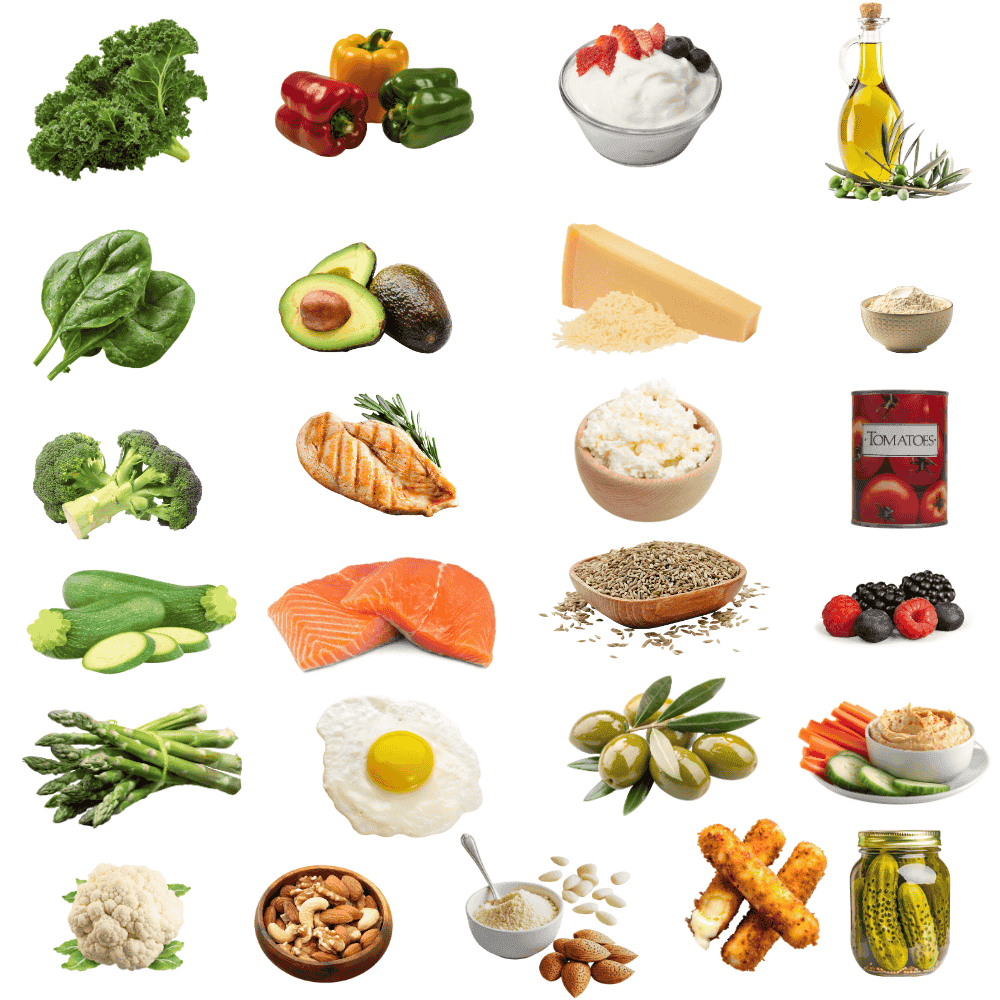
Keto food list — what to buy (grocery checklist)
Aim for whole foods. Here’s a practical keto grocery list to cover meals, snacks, and recipes:
Proteins
- Eggs (whole)
- Fatty fish (salmon, mackerel, sardines)
- Poultry (chicken thighs, duck)
- Beef, pork, lamb
- Tofu & tempeh (for vegetarian keto) — watch carbs
Fats & Oils
- Olive oil, avocado oil, coconut oil
- Butter, ghee, clarified butter
- Avocados, olives
Dairy & Alternatives
- Full-fat yogurt (small amounts), heavy cream, cream cheese
- Hard cheeses (cheddar, parmesan)
- Unsweetened nut milks
Vegetables (low-carb)
- Leafy greens (spinach, kale, arugula)
- Cruciferous veg (broccoli, cauliflower)
- Zucchini, asparagus, bell peppers (in moderation)
Nuts / Seeds
- Almonds, macadamia, walnuts, chia seeds, flaxseed
Pantry basics
- Almond flour, coconut flour (for keto baking)
- Low-carb sweeteners (erythritol, stevia) — use sparingly
- Bone broth, spices, mustard, apple cider vinegar
Snacks & extras
- Olives, cheese sticks, pork rinds, nut butters (no sugar)
(Use the grocery list to build a keto meal plan — see the 7-day sample below.)
Keto macros — how to set targets
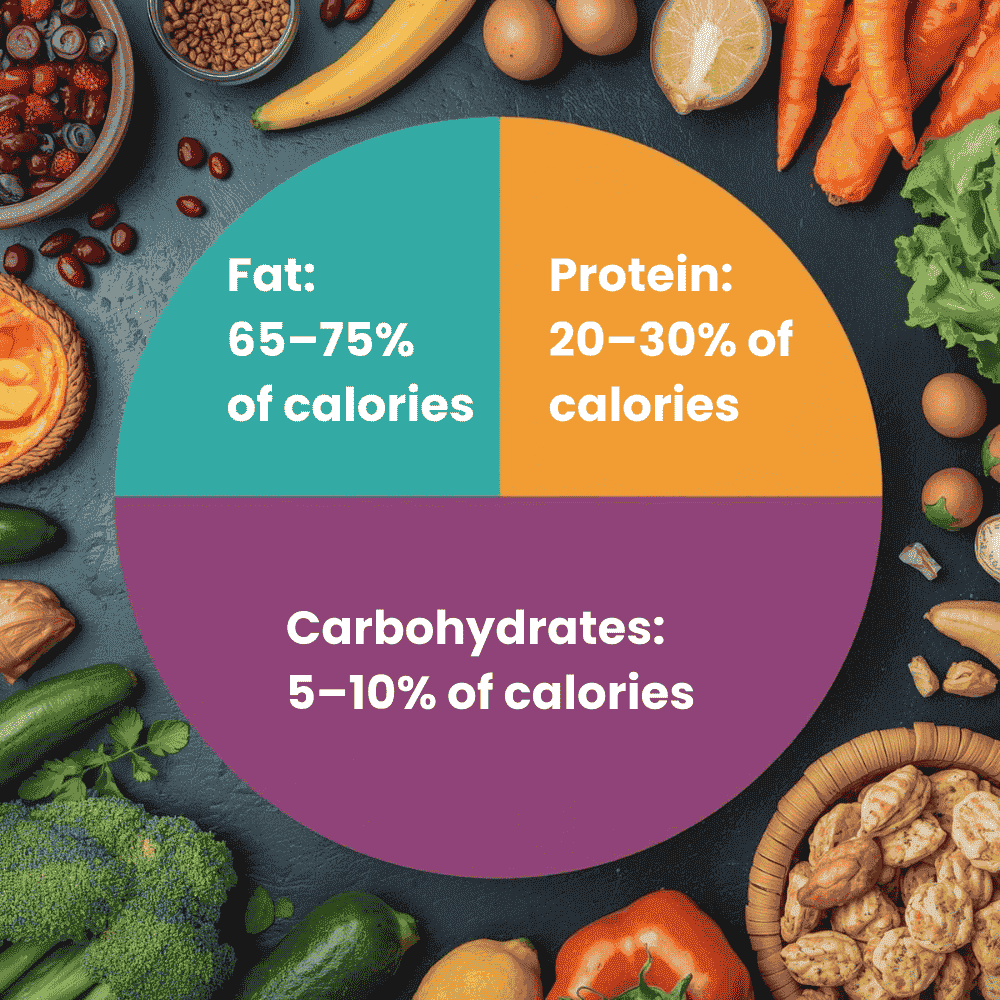
A common starting macro split for standard ketogenic diets:
- Fat: 65–75% of calories
- Protein: 20–30% of calories (moderate)
- Carbohydrates: 5–10% of calories (often <20–50 g net carbs/day)
Tip: For beginners, use a keto macro calculator to convert these percentages to grams based on your calorie target (weight, activity, goals). If your aim is medical ketosis or therapeutic use, a registered dietitian should prescribe exact ratios.
Simple rules for a healthy keto
- Prioritize non-starchy vegetables for fiber and micronutrients.
- Choose whole-food fats (olive oil, avocados, fatty fish) over processed “keto junk.”
- Keep protein moderate — too much protein can reduce ketone production for some people.
- Track total and net carbs (net carbs = total carbs − fiber).
- Stay hydrated and replace electrolytes early (sodium, potassium, magnesium) to reduce “keto flu.”
Easy keto recipes (examples you can make tonight)
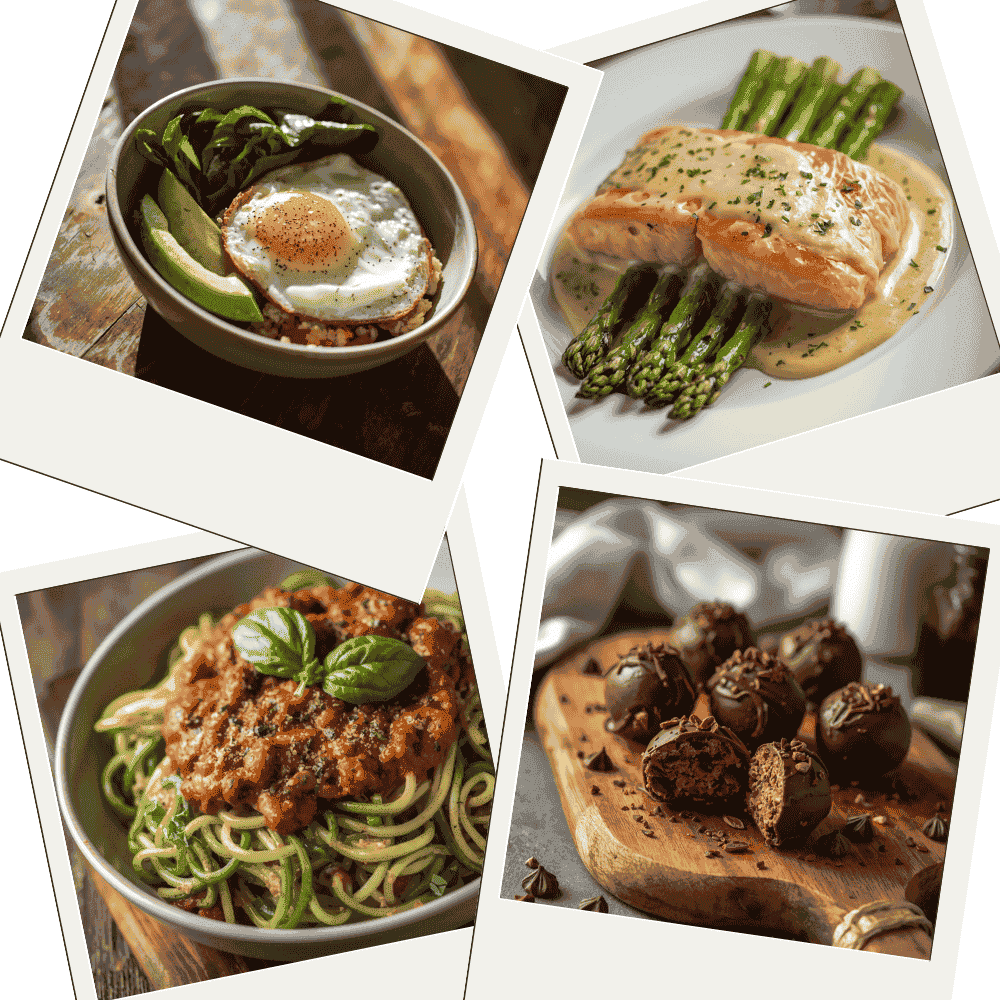
- Keto Avocado & Egg Breakfast Bowl — mashed avocado, two soft-poached eggs, sautéed spinach, and pumpkin seeds.
- Creamy Garlic Butter Salmon — pan-seared salmon with garlic butter and lemon, served with roasted broccoli.
- Zucchini “Noodle” Bolognese — ground beef simmered in herb tomato sauce (low sugar), over spiralized zucchini.
- Keto Fat Bomb Snack — blend cream cheese, almond butter, a low-carb sweetener, roll and chill.
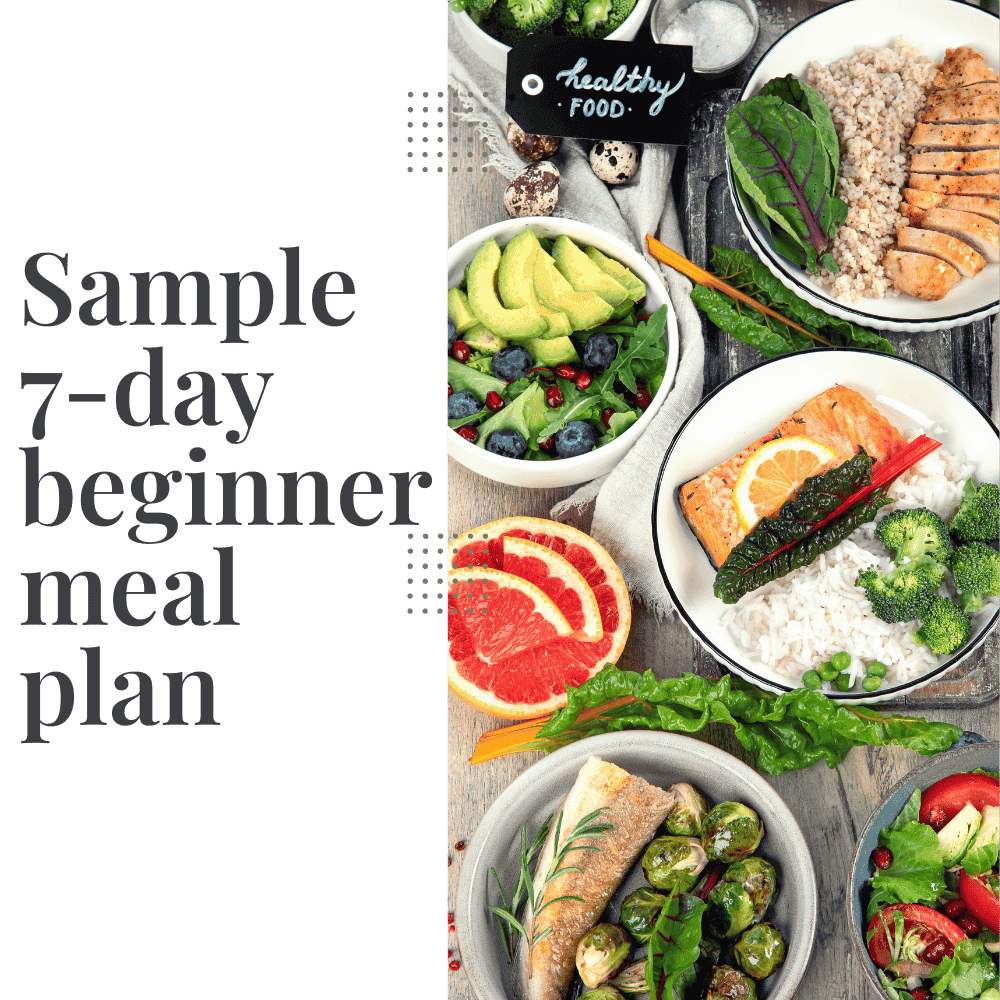
Sample 7-day beginner keto meal plan (simple, realistic)
Below is a simple, balanced starter plan — portions depend on your calorie needs.
Day 1
- Breakfast: 2 eggs scrambled in butter + spinach + half avocado
- Lunch: Grilled chicken salad (olive oil dressing, greens, olives, feta)
- Dinner: Salmon with roasted asparagus
- Snack: Handful of macadamia nuts
Day 2
- Breakfast: Full-fat Greek yogurt (small) with chia seeds & a few berries
- Lunch: Zucchini noodle stir-fry with shrimp
- Dinner: Pork chops + cauliflower mash
- Snack: Cheese slices
Day 3
- Breakfast: Keto chia pudding
- Lunch: Cobb salad (bacon, egg, avocado, blue cheese)
- Dinner: Beef and broccoli (low-sugar sauce)
- Snack: Olives
(Repeat/rotate with meals like omelets, tuna salad, keto-friendly soups, and low-carb desserts.)
Keto meal prep tips
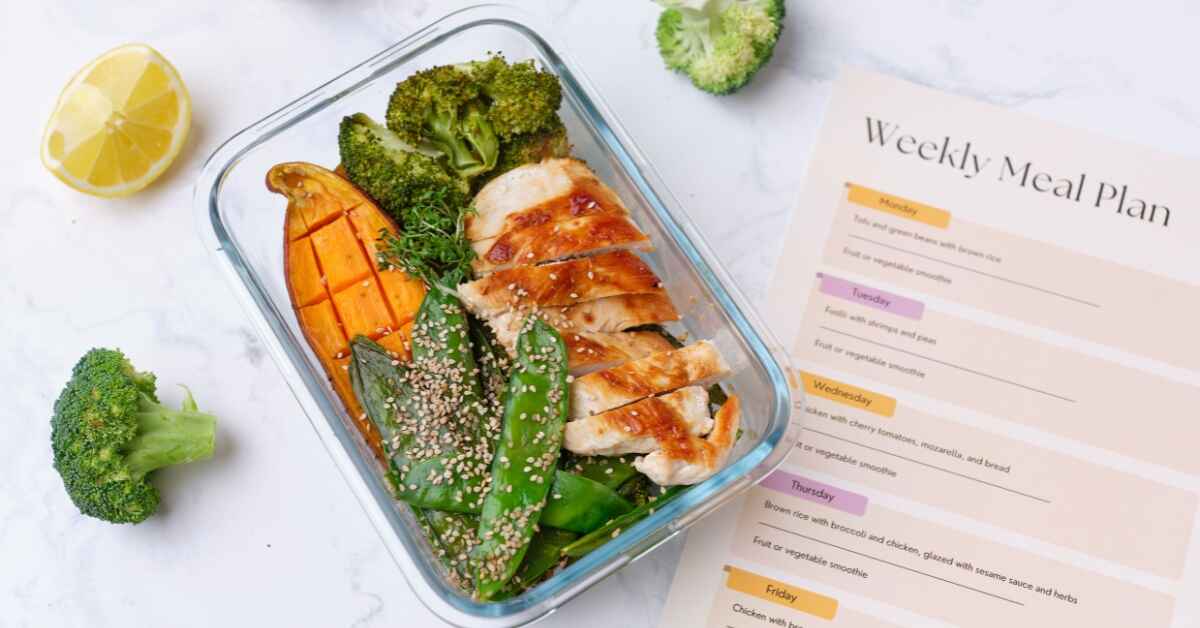
- Cook proteins in bulk (roast a whole chicken, grill extra salmon).
- Pre-wash and chop low-carb veggies for quick salads.
- Make a single large batch of cauliflower rice or mash to use throughout the week.
- Portion snacks (nuts, cheese) into single-serve containers to avoid overeating.
Vegetarian & low carb variations
Vegetarian keto is possible (e.g., eggs, dairy, tofu, tempeh, nuts, seeds, low-carb vegetables) but requires careful planning to meet protein needs and avoid excess carbs. Consider adding plant fats (avocado, coconut) and a protein supplement if needed.

Common side effects & how to handle them
- Keto flu (headache, fatigue, nausea) — usually in the first 1–2 weeks; fixable with hydration, electrolytes, and enough salt.
- Constipation — increase fiber via low-carb vegetables, psyllium husk, and water.
- Changes in lipid profile — monitor LDL, HDL, and triglycerides with your doctor. Some people experience LDL increases
Safety & when to see a clinician
Do not start keto without medical advice if you:
- Are on blood-sugar medication (insulin or sulfonylureas).
- Have type 1 diabetes.
- Have chronic kidney disease, pancreatitis, or are pregnant/breastfeeding.
Always inform your clinician that you’re starting a ketogenic diet so meds and labs can be monitored.

Keto Diet For Beginners
Food List
What To Eat
Health Benefits
Meal Plan
Ketosis
Drinks
Products
Supplements
Weight Loss
FEATURED
Keto Benefits: Weight Loss & Metabolic Health Explained
There’s a reason the keto diet keeps showing up in conversations about nutrition, blood sugar, and weight management. The eating pattern can change the way the body uses fuel,...
Keto Meal Prep: Weekly Batch Cooking Guide
Picture this: it’s Monday morning, your alarm has already gone off twice, you’re trying to get out the door, and suddenly you realize there’s nothing ready to eat. By Wednesday,...

How Keto Actually Burns Fat Faster Than Other Diets
There is a reason keto fat burning has become such a popular topic. The ketogenic diet changes the way the body gets a large share of its energy, moving it away from relying...
Best Supplements to Support Your Keto Journey
Starting keto supplements the right way can make the whole low carb experience feel a lot smoother. When you cut carbs, your body shifts how it handles water, minerals, and...
KETO BEGINNERS
Keto Meal Prep: Weekly Batch Cooking Guide
Picture this: it’s Monday morning, your alarm has already gone off twice,...
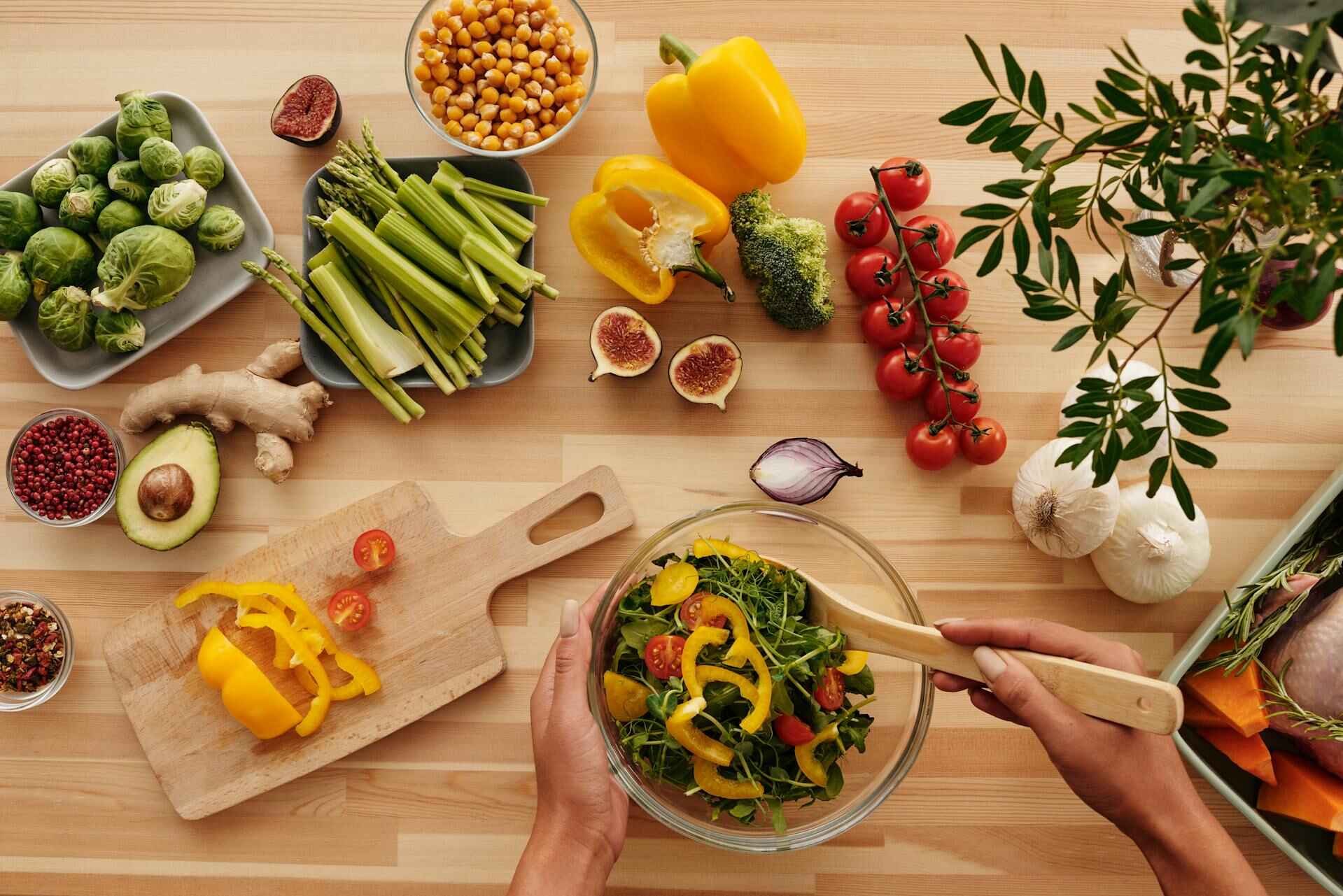
Keto Meal Plan for Beginners: 7-Day Starter Guide for Easy Low Carb Success
Starting a keto meal plan for beginners can feel a little like learning to...
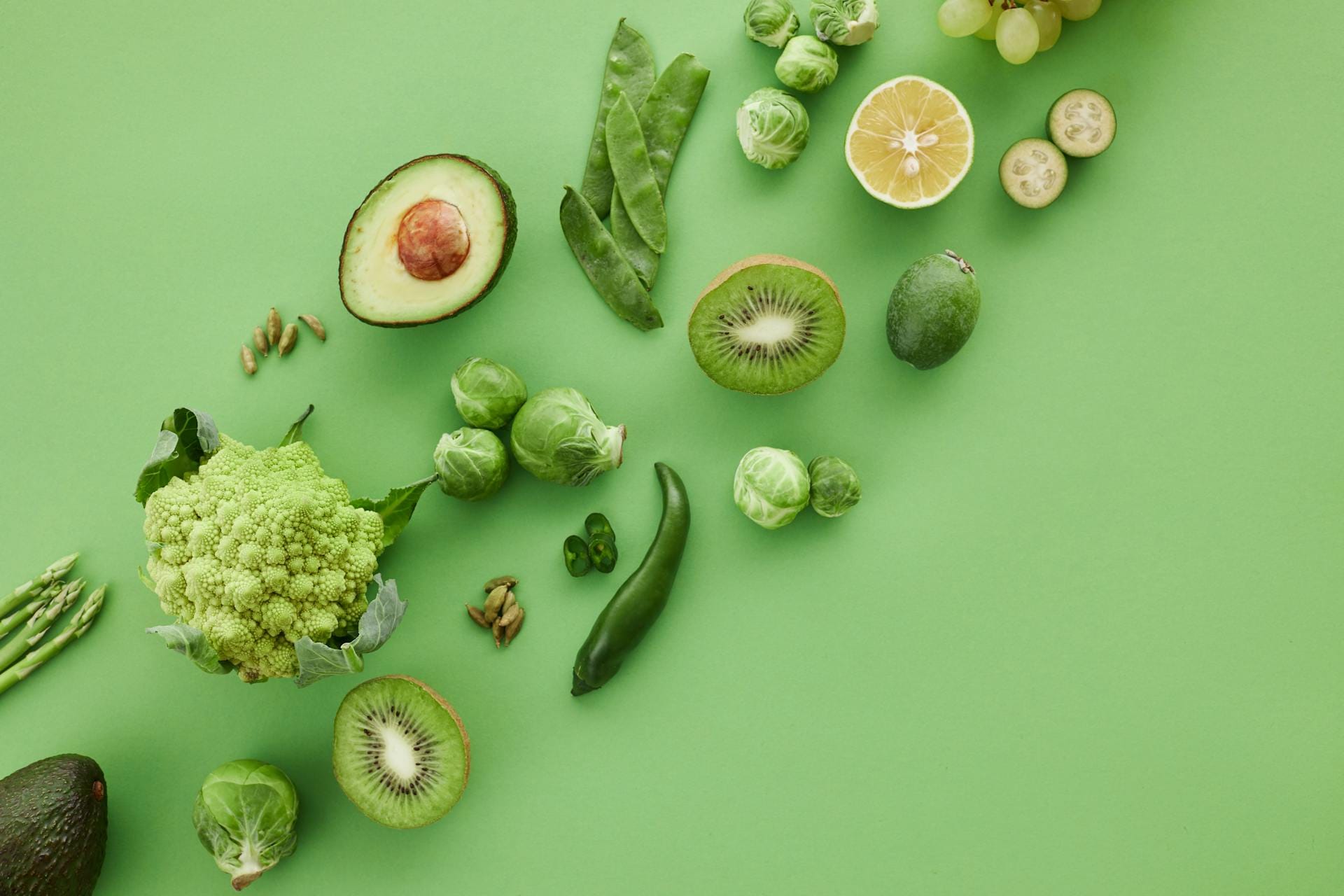
How to Start a Keto Diet: Step-by-Step Beginner’s Guide
If you’ve wondered how to start a keto diet and want a clear, no-nonsense...
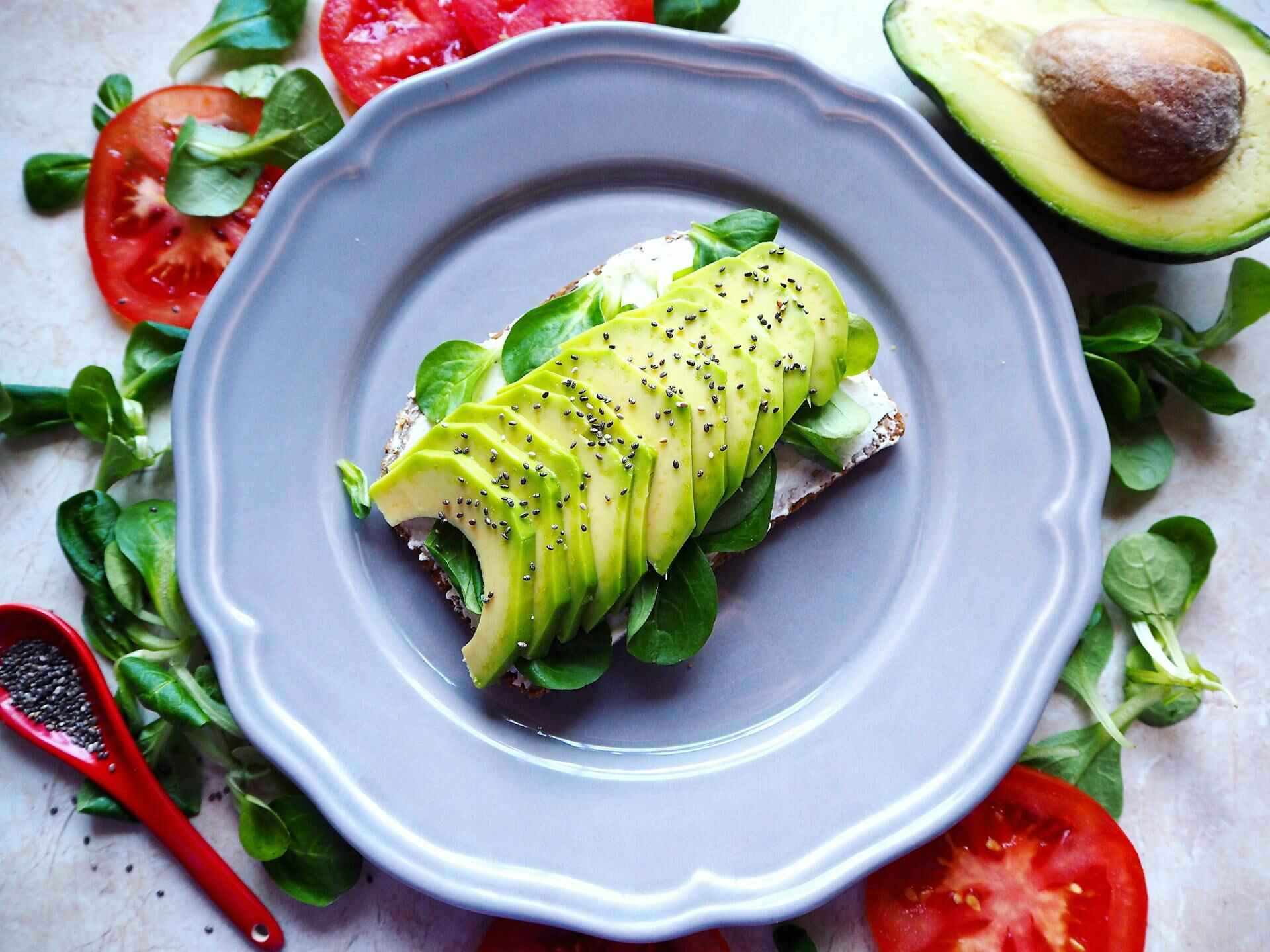
Keto Diet Guide — Meal Plans, Science & Easy Recipes
Thinking about trying keto — or already on it and want to do it smarter?...
Keto for Beginners: Your First 30 Days — A Practical Starter Plan
Welcome — you’re about to try something practical, not mystical. This guide,...
The Right and Wrong Way To Take Cheat Days on Keto Diet
Cheat days on keto can feel like a well-earned treat, but they can also send...
WHAT TO EAT
What to Eat on a Low Carb Diet: Complete Foods List & Smart Substitutes
Welcome — you’re in the right place if you want to make low carb foods simple,...
Low Carb Swaps: Rice, Pasta & Flour Alternatives
If you love rice bowls, pasta nights, and fresh-baked treats but want to cut...
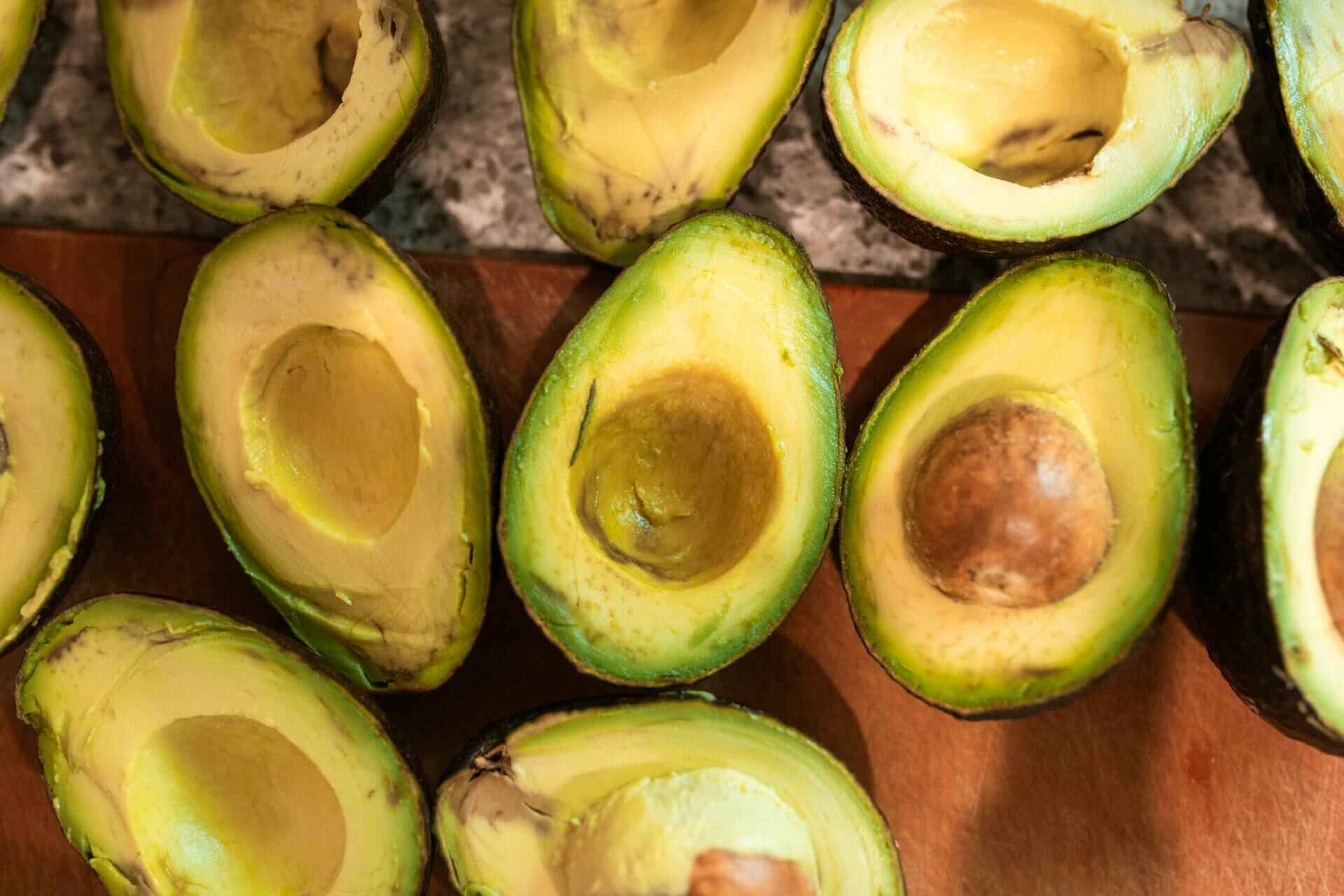
Avocado & Keto: Is Avocado Low Carb? Net Carbs, Benefits & Recipes
Is Avocado Keto? Yes — avocado keto is a perfect match. A typical medium Hass...

Keto Food List: What to Eat and Avoid
Welcome — you’re about to get the clearest, no-fluff keto food list on the...
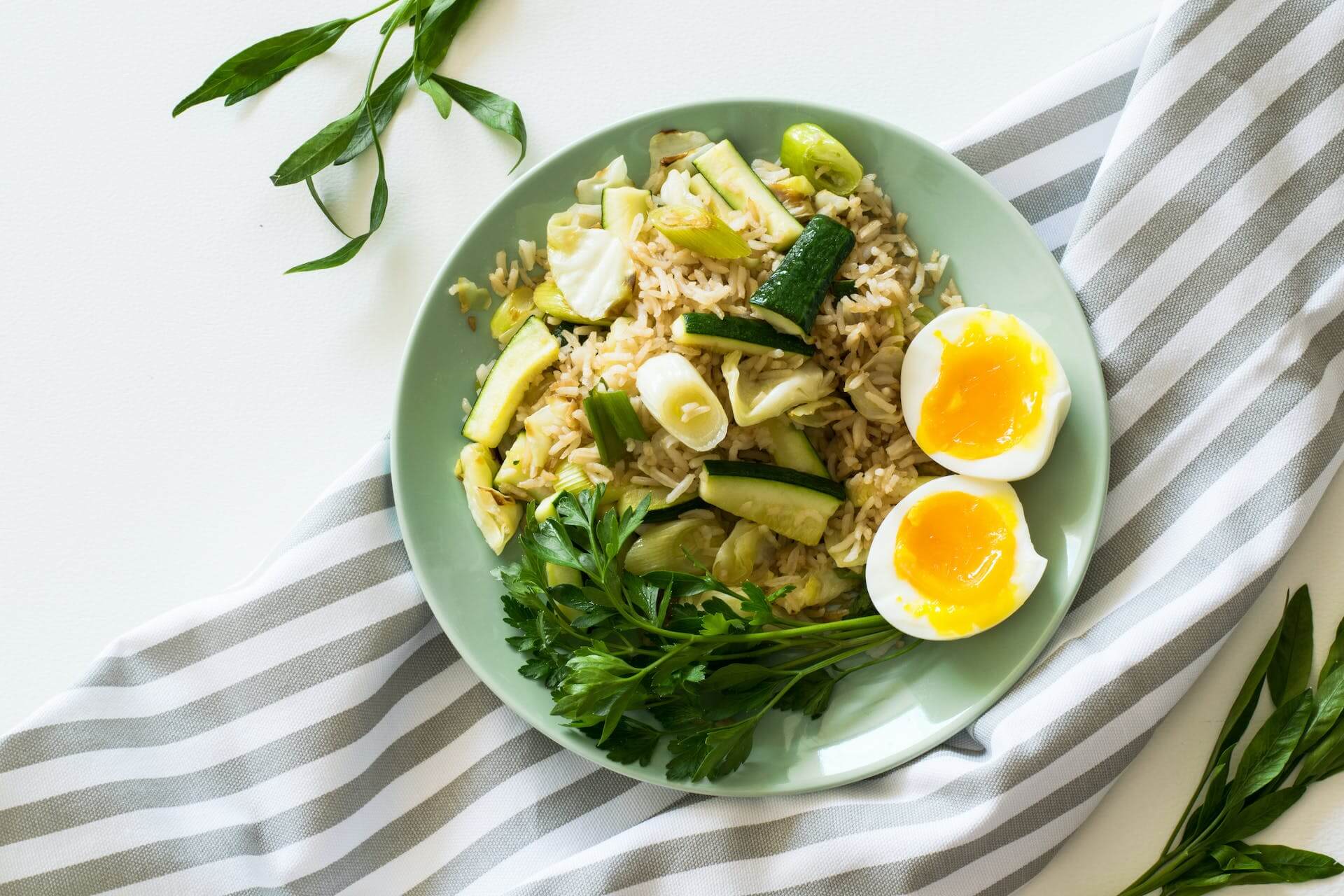
What Is the Slow-Carb Diet? A Beginner’s Guide + Benefits & Complete Food List
The slow-carb diet centers on eating a lot of protein and relatively few...
Is Honey Keto-Friendly?
Honey is widely regarded as a healthier alternative to sugar. It is more...
HEALTH BENEFITS
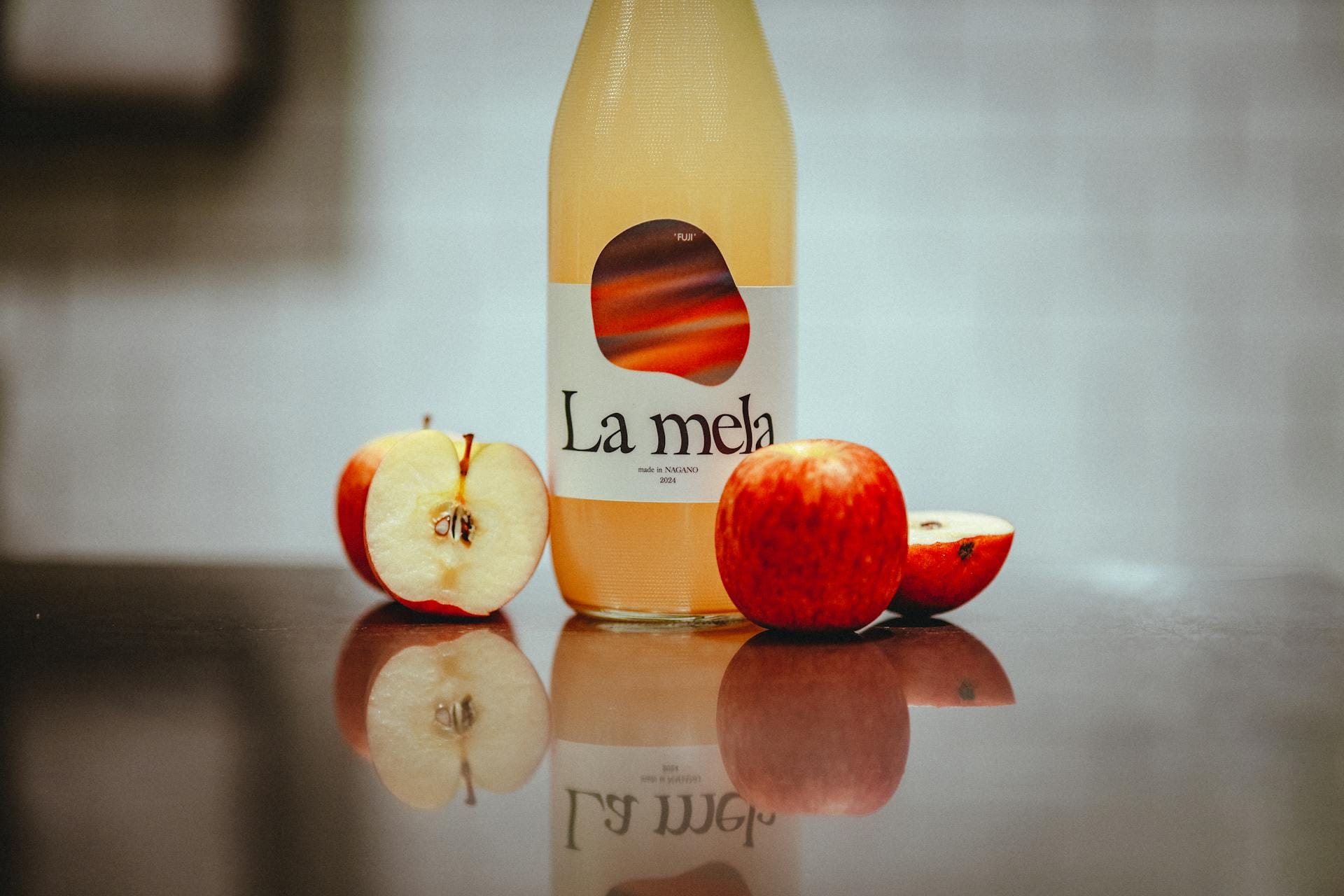
Apple Cider Vinegar for Keto: Weight, Blood Sugar & Ketone Tips
Apple cider vinegar on keto — sounds trendy, right? But is it useful,...
![How Low Carb and Ketogenic Diets Boost Brain Health [Benefits & Effects]](https://eathealthyisgood.com/wp-content/uploads/2023/11/pexels-ella-olsson-1640773-1.jpg)
How Low Carb and Ketogenic Diets Boost Brain Health [Benefits & Effects]
Curious how what you eat can actually change the way you think? The ketogenic...

How To Use The Ketogenic Diet for Productivity and Mental Clarity
Beginning in the 1920s, the ketogenic diet, or "keto" diet, has been adopted...

7 Keto Diet Benefits Beyond Weight Loss
If you've recently browsed a magazine rack, you've undoubtedly seen the "Keto...

The Perfect Keto Coffee Recipes: What Is It and What Are The Benefits?
Should I start my day with a mug of scalding hot Keto coffee? Many Keto...

What is MCT Oil? Benefits, How Can It Help with My Keto Diet, Side Effects, and More
MCTs (medium-chain triglycerides) are a kind of fat present in various foods,...
MEAL PLAN
Keto Meal Plan for Beginners: 7-Day Starter Guide for Easy Low Carb Success
Starting a keto meal plan for beginners can feel a little like learning to...
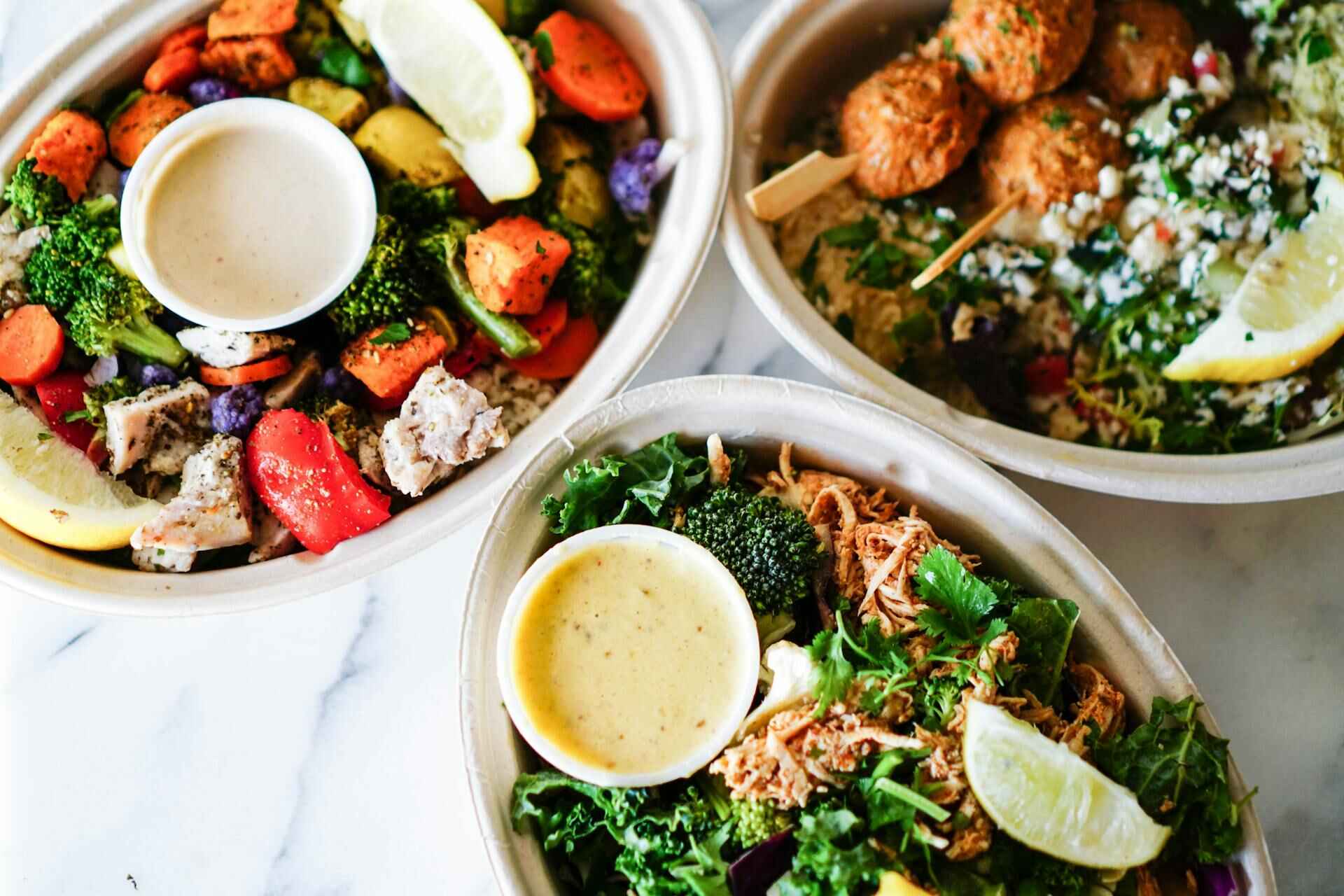
Lazy Keto Meal Plan for Beginners — Minimal Prep Guide for Easy Low Carb Eating
A lazy keto meal plan is one of the easiest ways to start eating low carb...
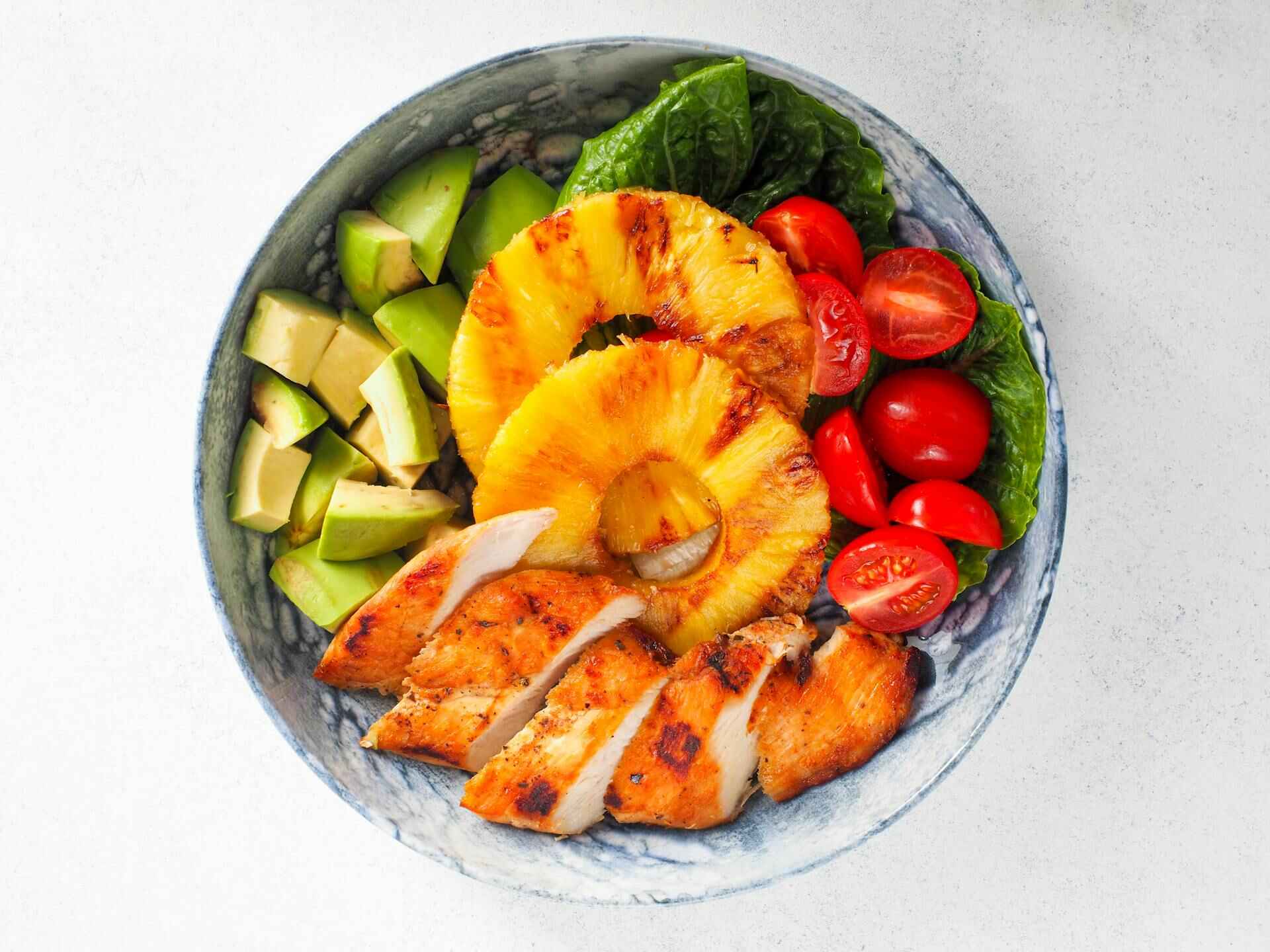
Keto Meal Plans by Goal: Weight Loss and Maintenance Guide
A keto meal plan can be a powerful tool, but only when it matches the reason...
17 Best Keto Low Carb Instant Pot Recipes for Your Meal Plan
If you’ve been hunting for Low-Carb Instant Pot Recipes that save time without...
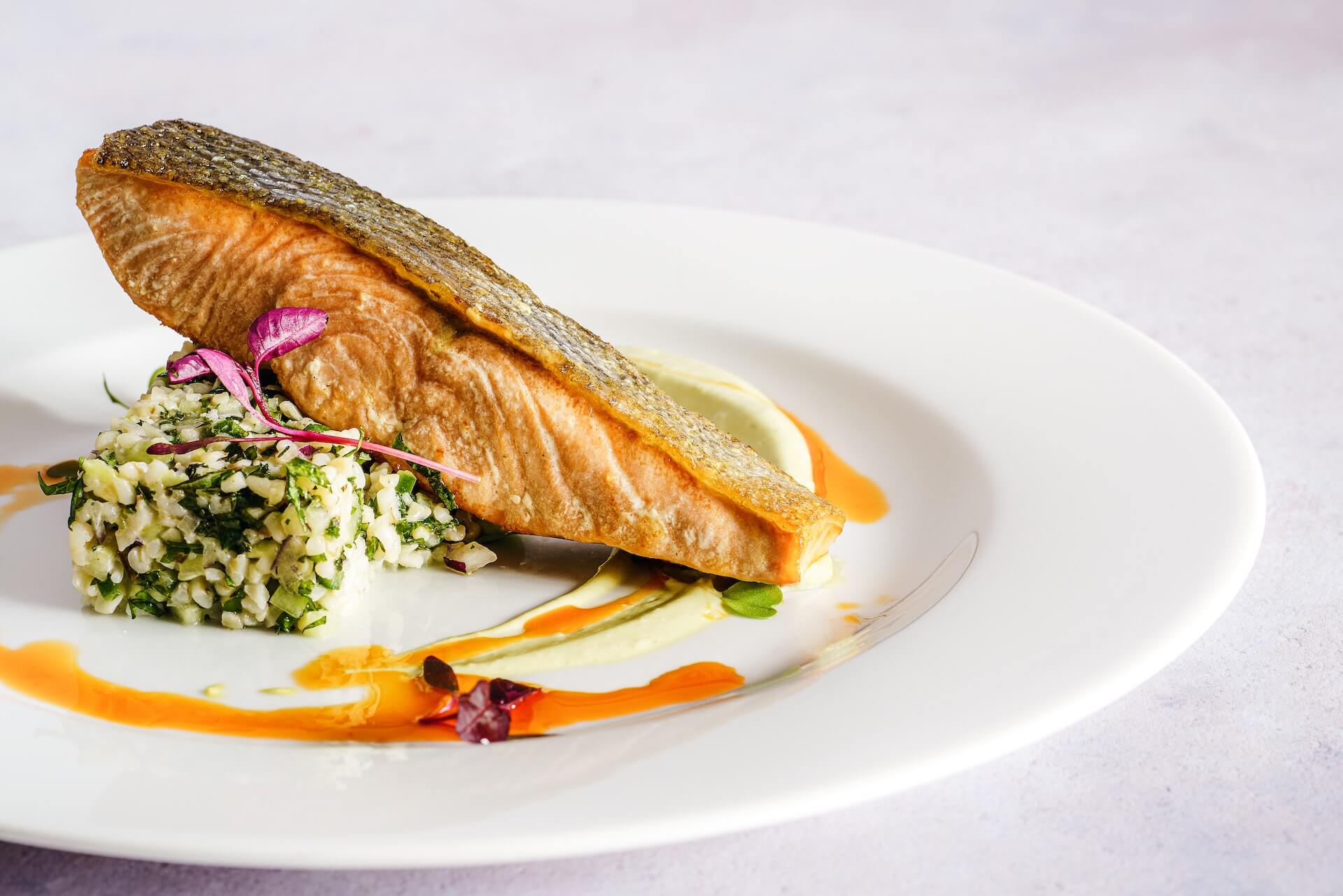
The Mediterranean Keto Diet: Benefits, Food List, Sample Meal Plan, and Recipes
The Mediterranean keto diet combines ketogenic and Mediterranean diets to...
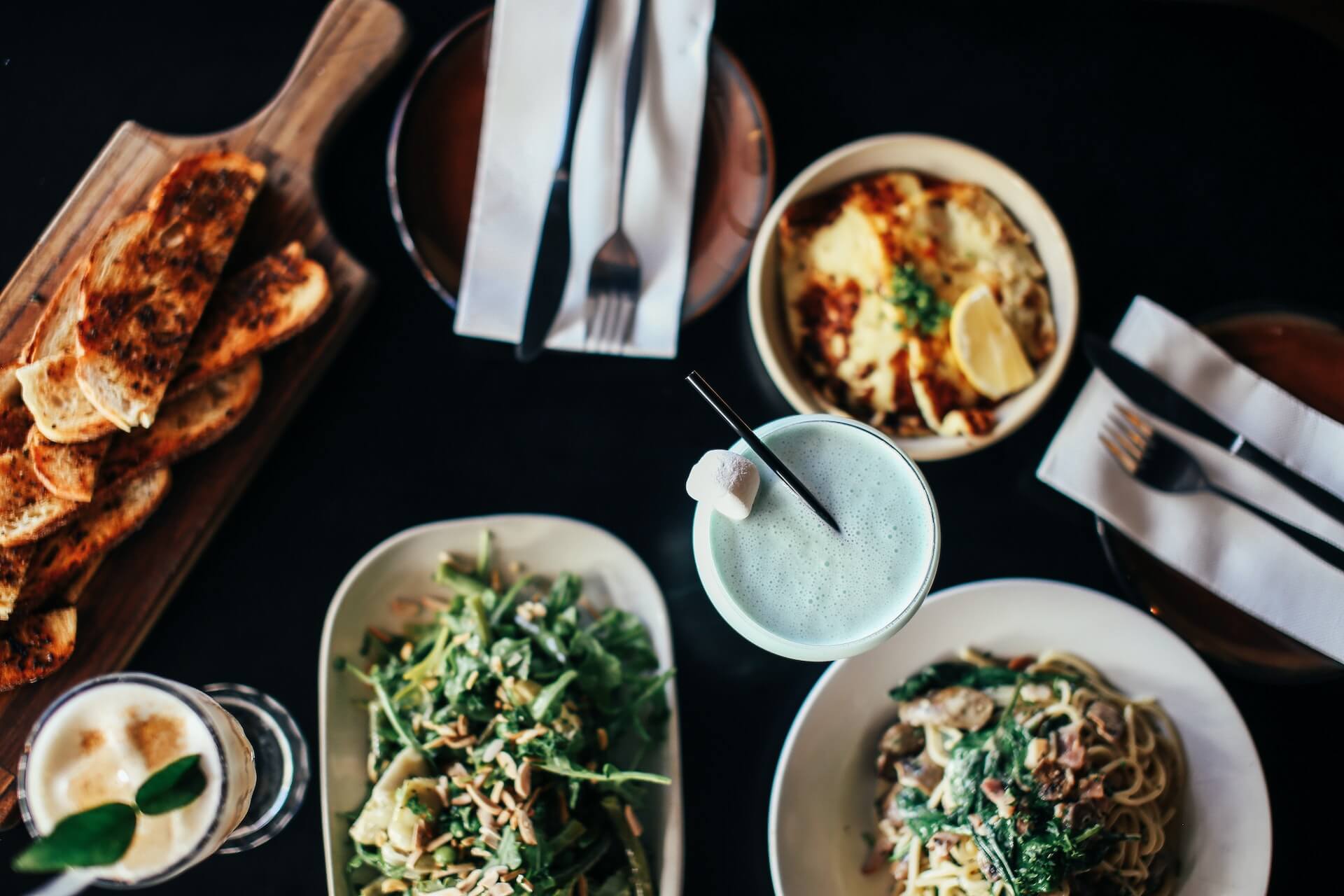
1500 Calorie Keto Meal Plan (Tips and 7-Day Menu)
Unlike many traditional diets, a low-carb diet usually does not need calorie...
KETOSIS
How Keto Burns Fat: Ketosis, Ketones & Fat Loss Science
If you have ever wondered how keto burns fat, you are not alone. The ketogenic diet has become one of the most talked-about ways to lose weight, but the real science behind it is often buried under...
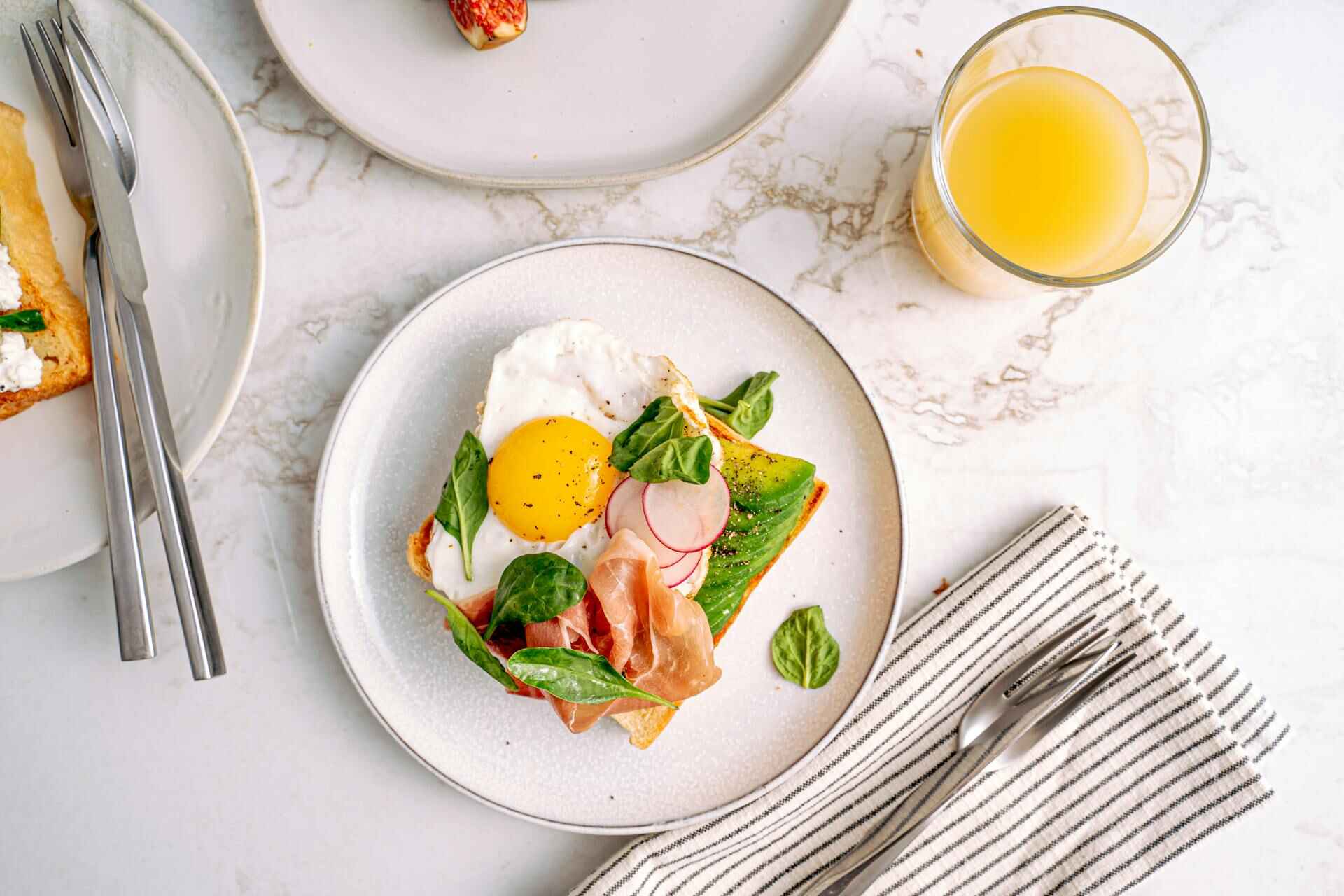
What Is Ketosis? A Beginner’s Guide to Ketone Science, Benefits & How to Start
A friend of mine once joked that after three days of eggs and avocado, she’d become a walking fat-burning machine — and honestly, she wasn’t far off. When someone asks, " What is ketosis? " They’re...
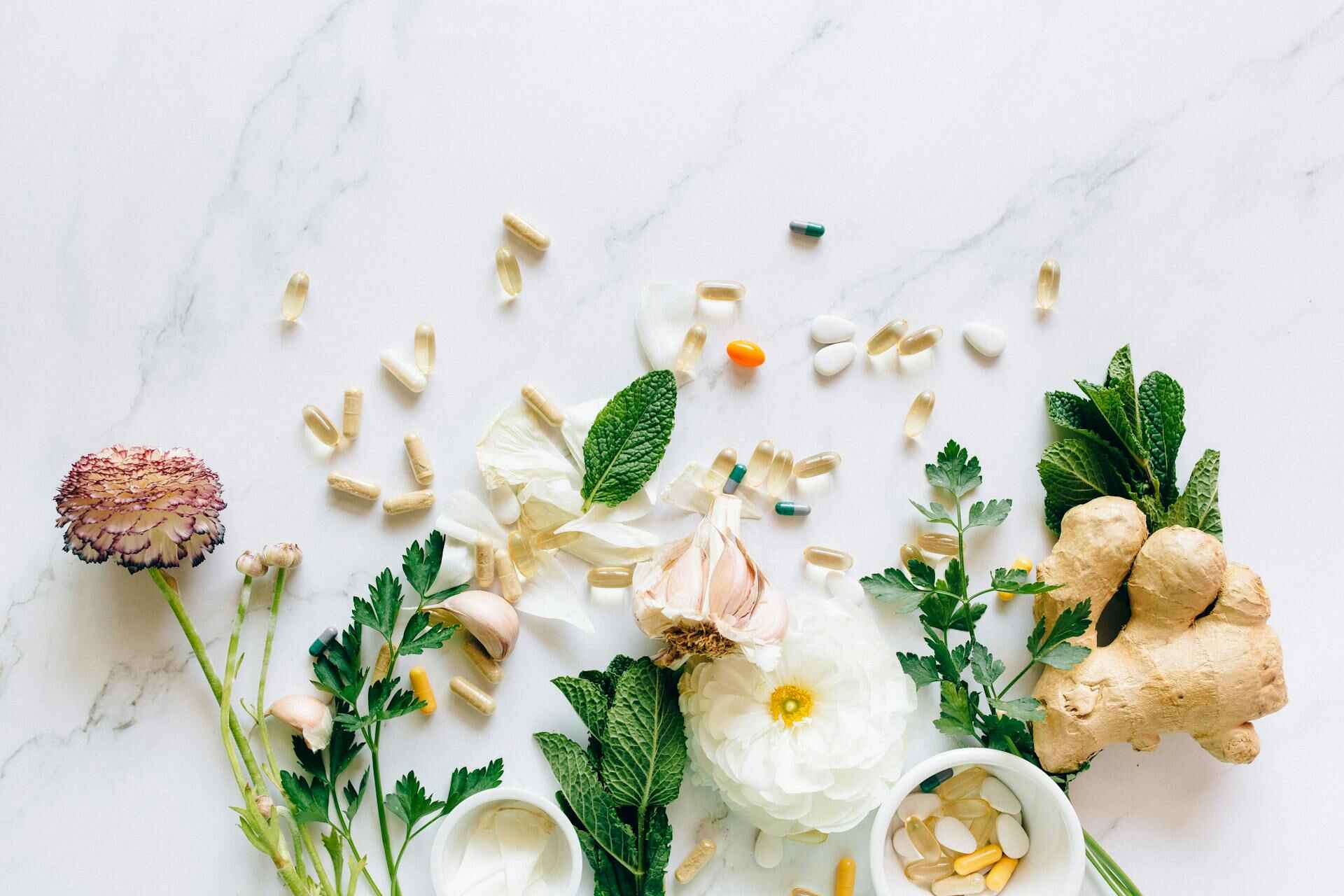
Low Carb Supplements for Ketosis: Top Picks to Boost Your Keto Journey
Have you ever wondered how some people breeze through their day with unwavering energy, razor-sharp focus, and that enviable “glow” that comes from burning fat instead of sugar? The secret often...

How Long Does it Take to Get Into Ketosis? (And How to Speed It Up)
Whether you're new to Keto or seeking to get back on track, you might wonder how long it takes to enter ketosis. It all depends. Your biology, food, exercise habits, genetics, and various other...
FOOD LIST
What to Eat on a Low Carb Diet: Complete Foods List & Smart Substitutes
Welcome — you’re in the right place if you want to make low carb foods simple,...
Low Carb Swaps: Rice, Pasta & Flour Alternatives
If you love rice bowls, pasta nights, and fresh-baked treats but want to cut...
Avocado & Keto: Is Avocado Low Carb? Net Carbs, Benefits & Recipes
Is Avocado Keto? Yes — avocado keto is a perfect match. A typical medium Hass...
Keto Food List: What to Eat and Avoid
Welcome — you’re about to get the clearest, no-fluff keto food list on the...
What Is the Slow-Carb Diet? A Beginner’s Guide + Benefits & Complete Food List
The slow-carb diet centers on eating a lot of protein and relatively few...
Is Honey Keto-Friendly?
Honey is widely regarded as a healthier alternative to sugar. It is more...
SIDE EFFECTS
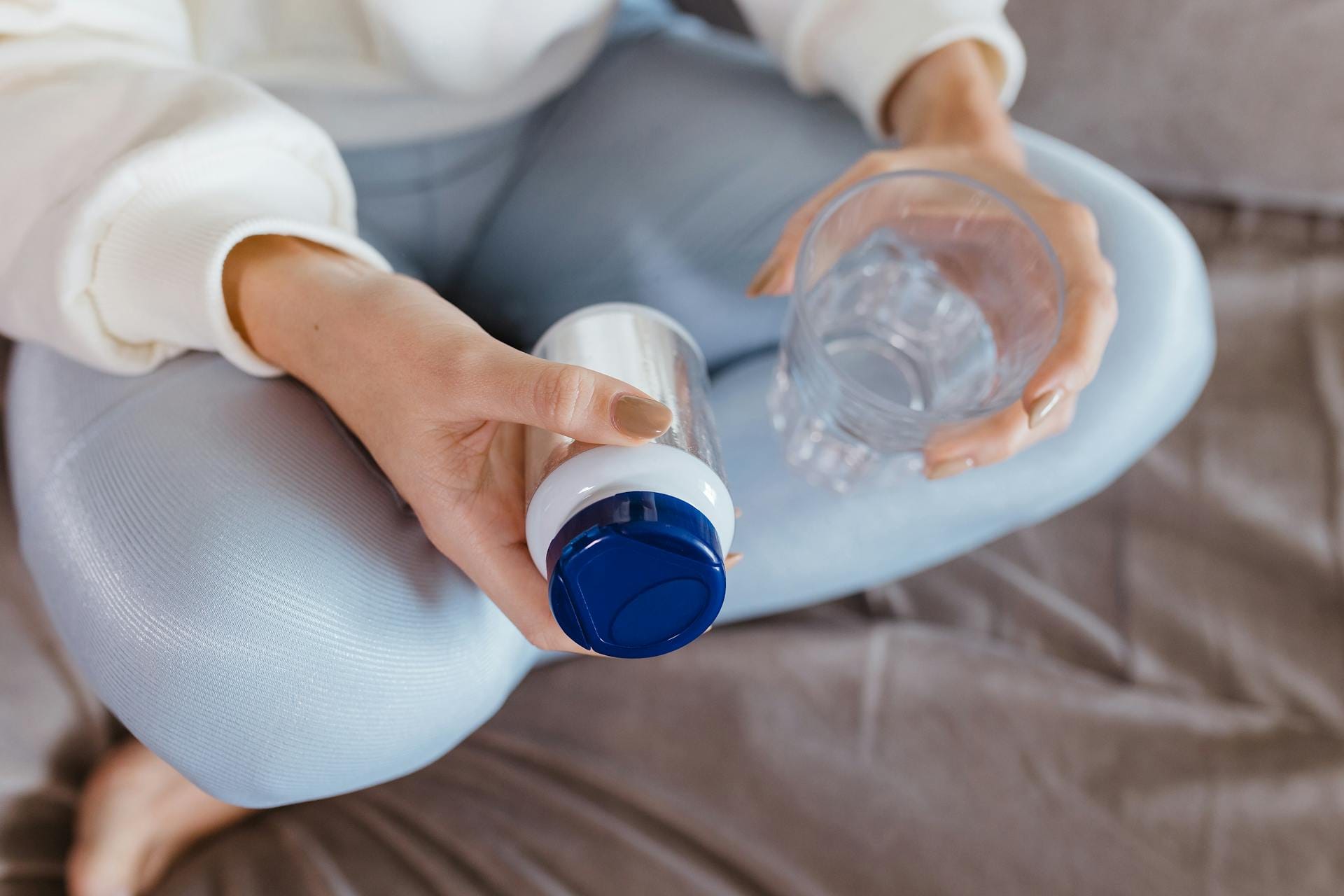
Keto Side Effects You Should Know and How to Fix Them
Starting a keto diet can feel exciting at first. The promise sounds simple:...

How Does Ketogenic Diet Affect Women’s Hormones?
Is a ketogenic diet harmful to women's hormones? Yes, your diet may have an...

Loose Skin On Keto Diet: Why It Happens and What to Do About It
Losing weight feels fantastic, not to mention the benefits to your blood...

What Is the Keto Headache, and How to Prevent It?
Don't be alarmed if you've recently begun a keto diet and are experiencing...

Does Keto Cause Insomnia? How To Prevent And Manage
Sleep, food, and exercise are all important. They are the foundations of...

How to Prevent Hair Loss with a Keto Diet (and How to Stop It)
You may have been aware of some of the adverse effects of the ketogenic diet...
PRODUCT REVIEWS
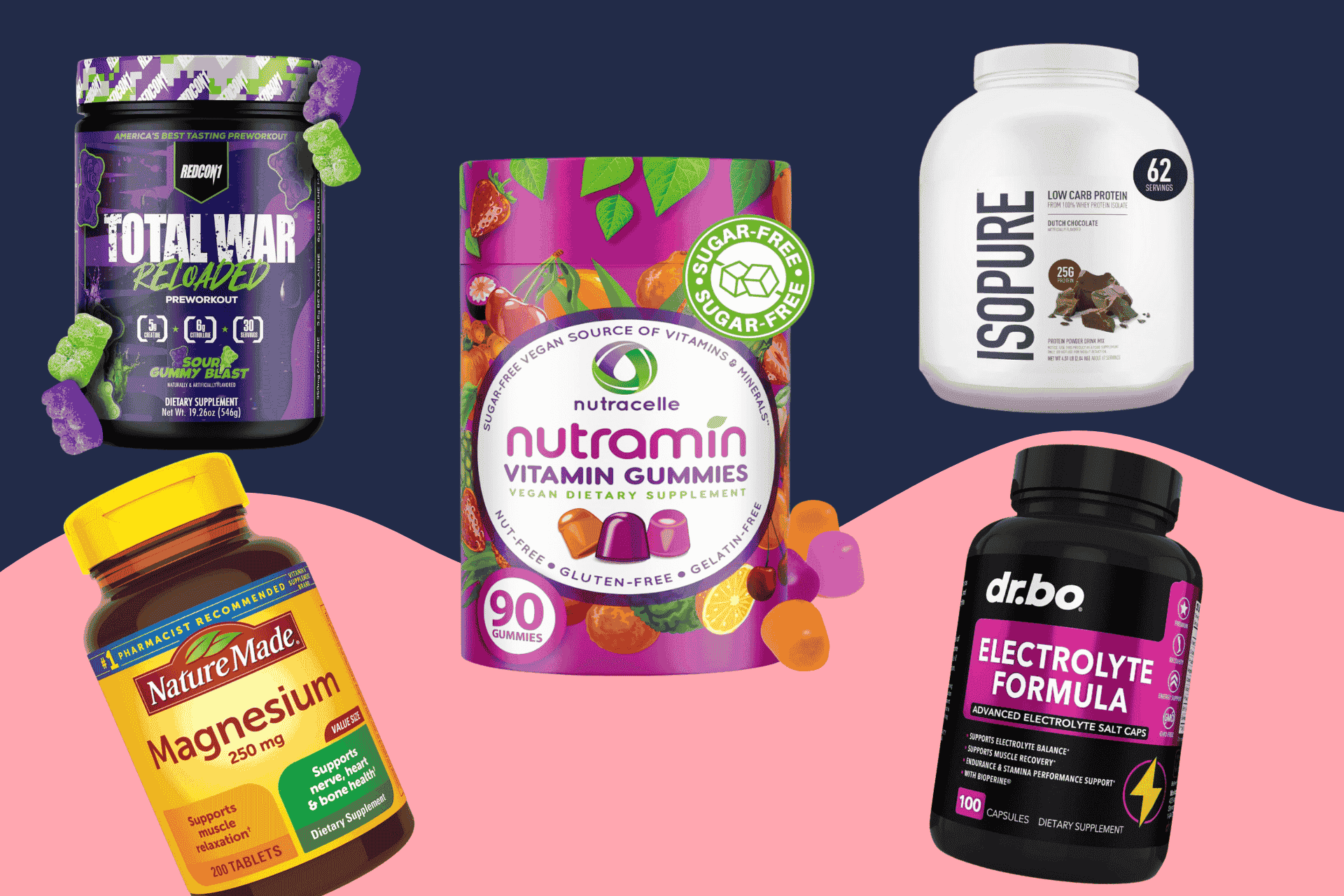
Essential Keto Supplements: What You Really Need
Thinking of going keto or already living the low-carb life but feeling a...
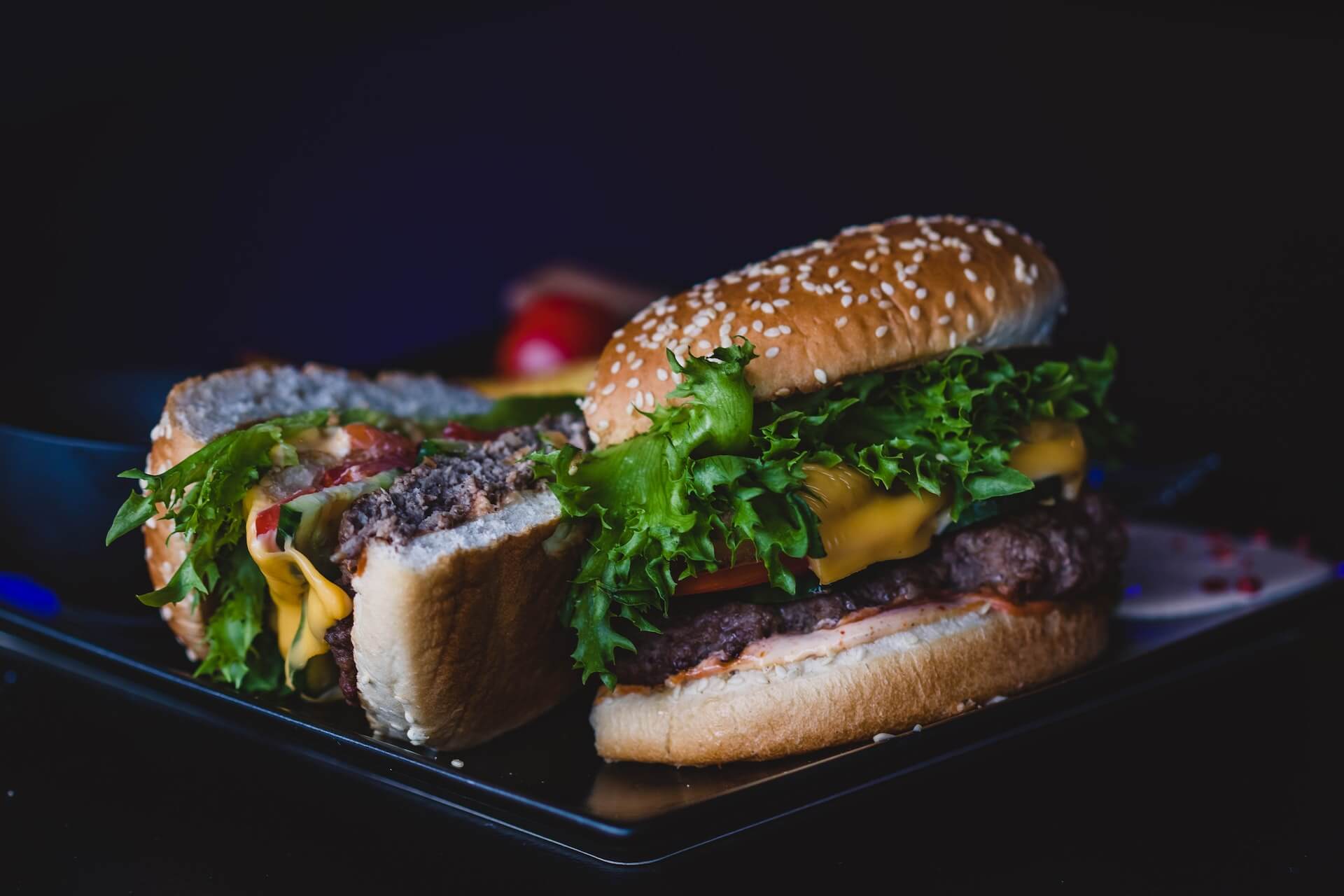
The Unbun Bread Review
What would you give for a hot, buttered bun with your next meal? Most...
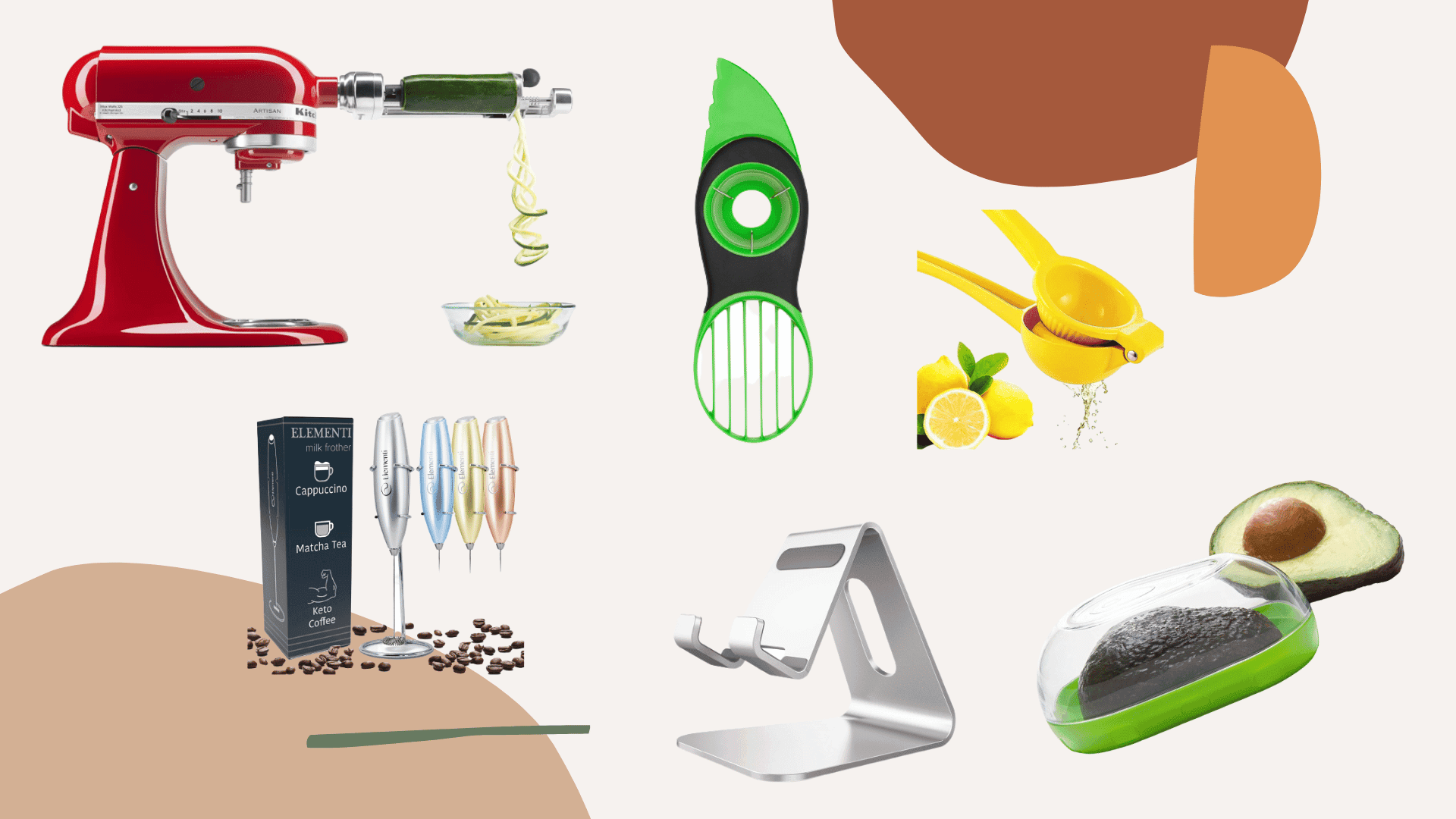
19 Best Killer Keto Stocking Stuffers
Stuffing a stocking for someone who eats low-carb doesn’t have to be hard — or...
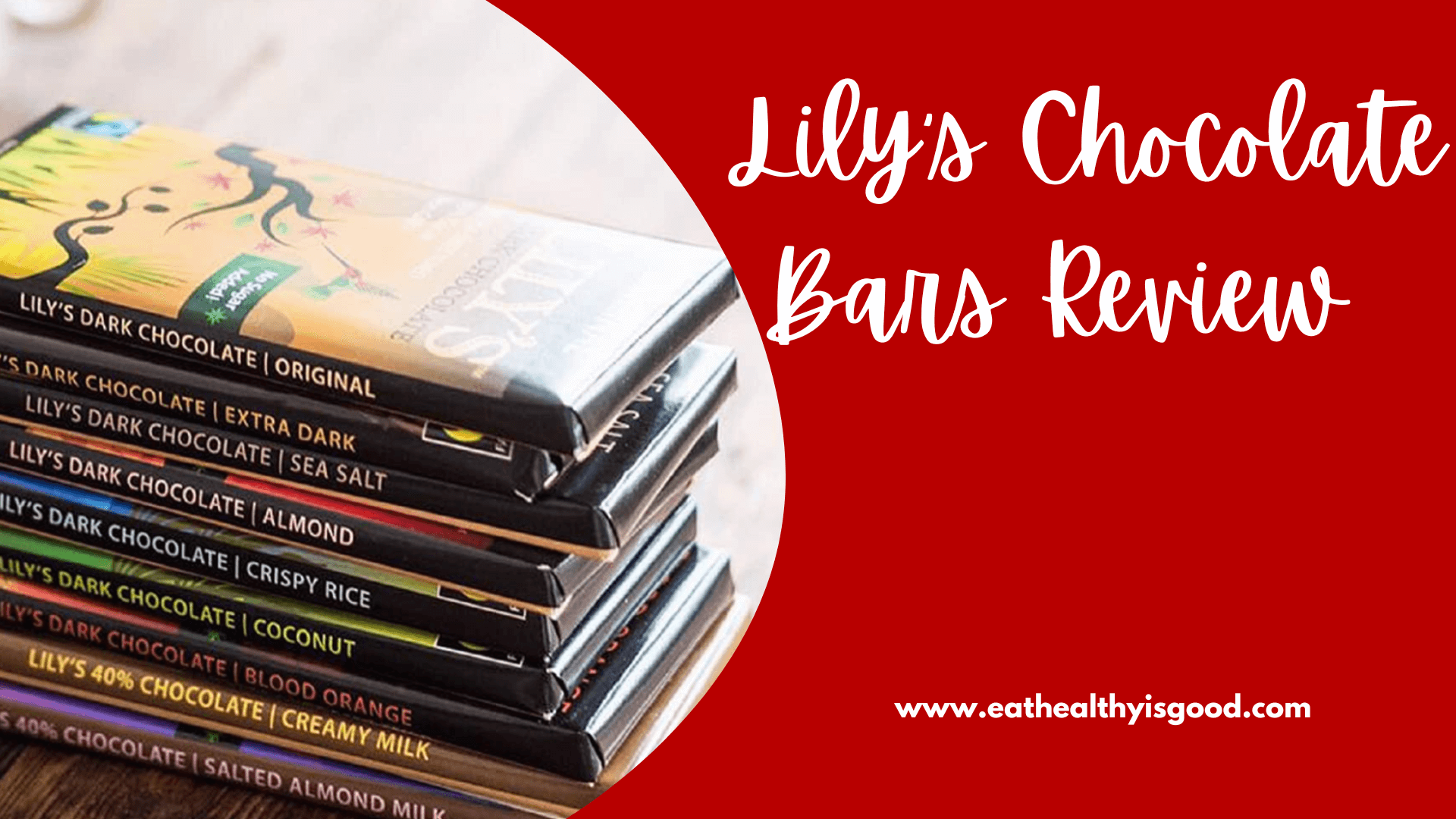
Lily’s Chocolate Bars Review
If you've been keto for a while and enjoy chocolate, you've come across Lily's...
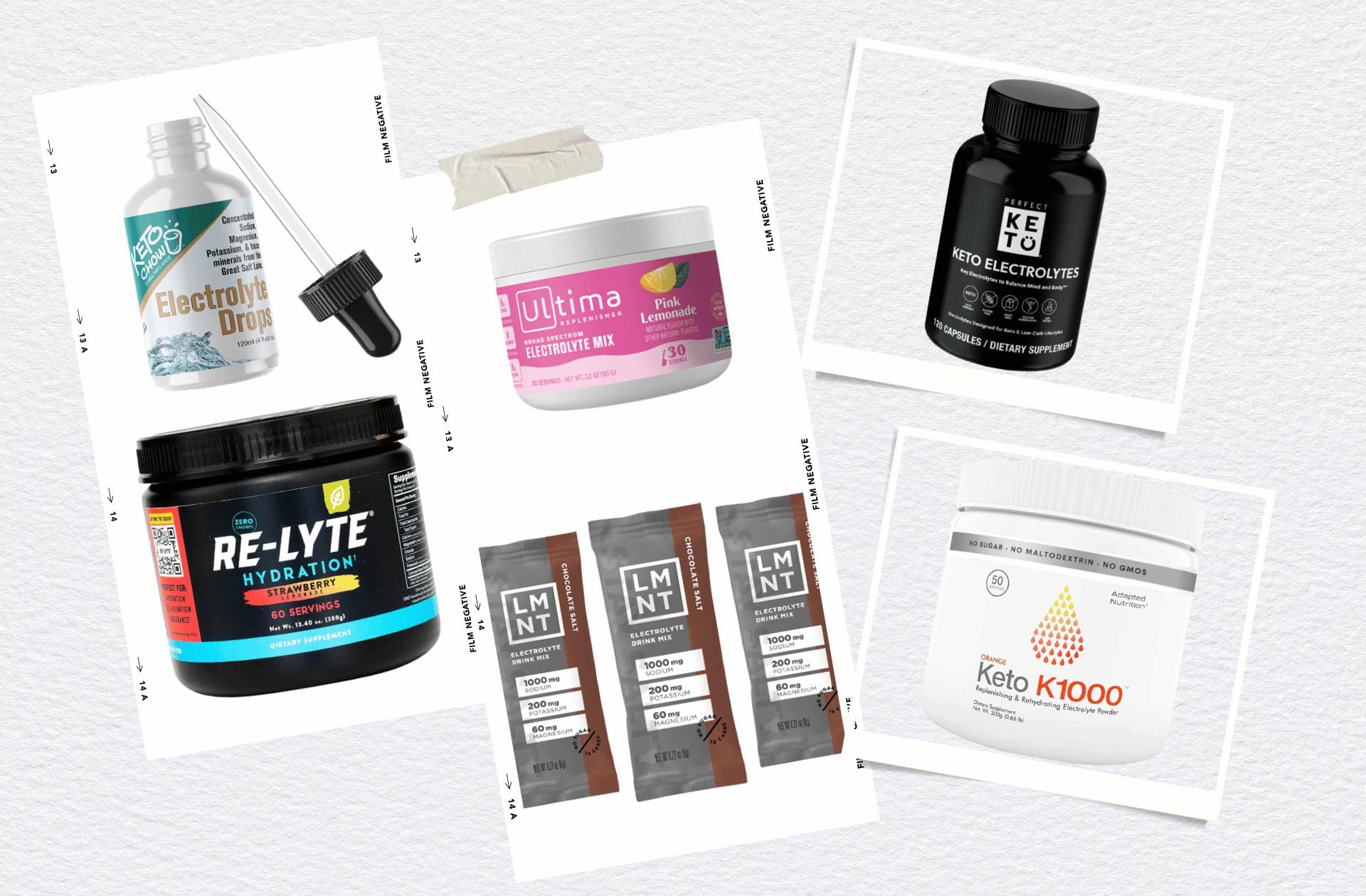
8 Best Keto Electrolytes Supplements Brands
Electrolytes are electrically charged minerals essential for numerous bodily...
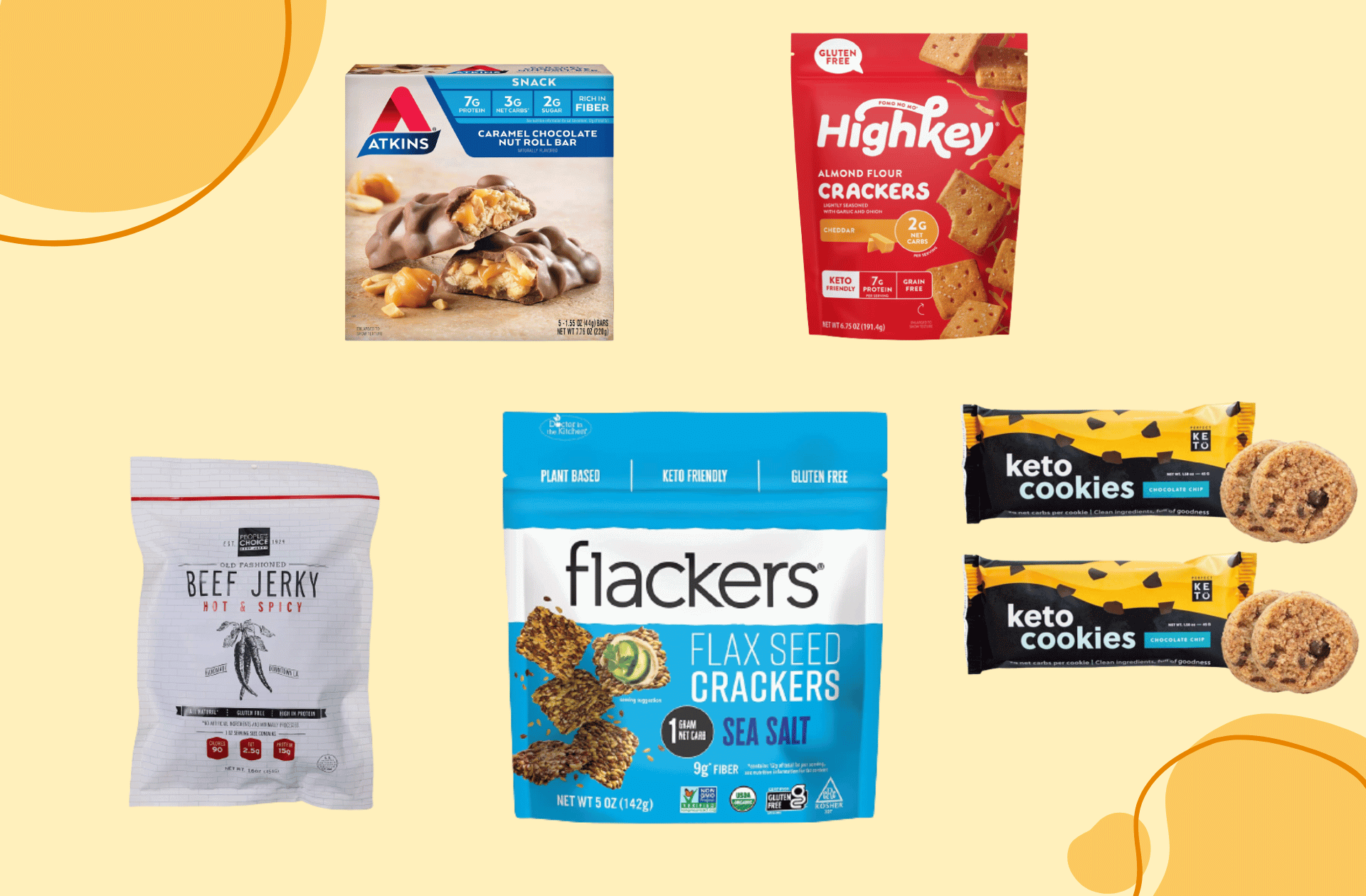
20 Best Keto Snacks on the Go to Buy
Keto snacks on the move make it easy to keep your carbohydrates low and stay...
WEIGHT LOSS
Keto Benefits: Weight Loss & Metabolic Health Explained
There’s a reason the keto diet keeps showing up in conversations about...
How Keto Actually Burns Fat Faster Than Other Diets
There is a reason keto fat burning has become such a popular topic. The...
How Keto Burns Fat: Ketosis, Ketones & Fat Loss Science
If you have ever wondered how keto burns fat, you are not alone. The ketogenic...
Keto for Weight Loss: What to Expect — Timeline, Results & Practical Plan
If you’re exploring keto for weight loss, this guide is written for you —...
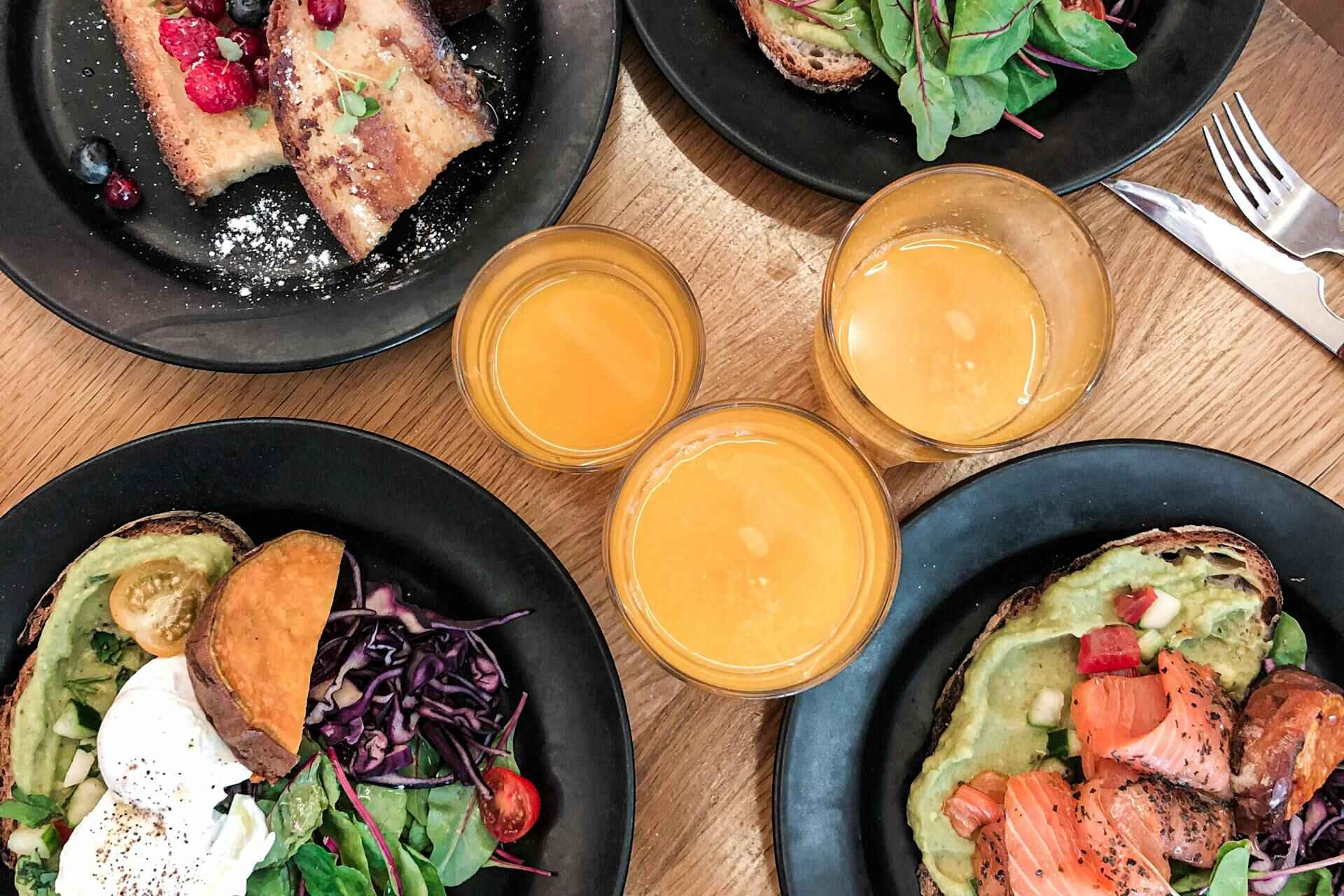
Low-Carb Diet vs Keto: Which is Best for Rapid Weight Loss?
In the realm of dieting for weight loss, two approaches often take center...
Keto Diet Before and After: 4 Low Carb Success Stories
The stars are LeBron James, Tim Tebow, Kourtney Kardashian, and Alicia...
Vitamins & Supplements
Best Supplements to Support Your Keto Journey
Starting keto supplements the right way can make the whole low carb experience feel a lot smoother. When you cut carbs, your body shifts how it handles water, minerals, and energy, which is why many...
How to Choose a Multivitamin on Keto: Expert Guide & Checklist
The ketogenic diet is a very low carbohydrate, high-fat eating pattern designed to shift your body into nutritional ketosis — a state where fat and ketones become a primary fuel instead of glucose....
Keto ACV Gummies — The Complete Guide: Ingredients, Science, Reviews & Buying Guide
If you’ve been scrolling health ads, you’ve probably seen glossy bottles promising “keto results” in gummy form — often with apple cider vinegar (ACV) and a pile of buzzwords: BHB, exogenous...

The 6 Best Sweeteners on a Low Carb Keto Diet (Plus 6 to Avoid)
Sweeteners such as Stevia, sucralose, erythritol, xylitol, monk fruit, and yacon syrup are easy to incorporate into a low carb or ketogenic diet. On a low carb diet, you should limit your intake of...
Drinks

9 Best Keto Drinks for a Diet That Keeps You in Ketosis
If you are doing keto, drinks matter more than most people think. One sweet coffee, a bottle of juice, or a “healthy” sports drink can burn through a huge chunk of your daily carb budget in minutes....
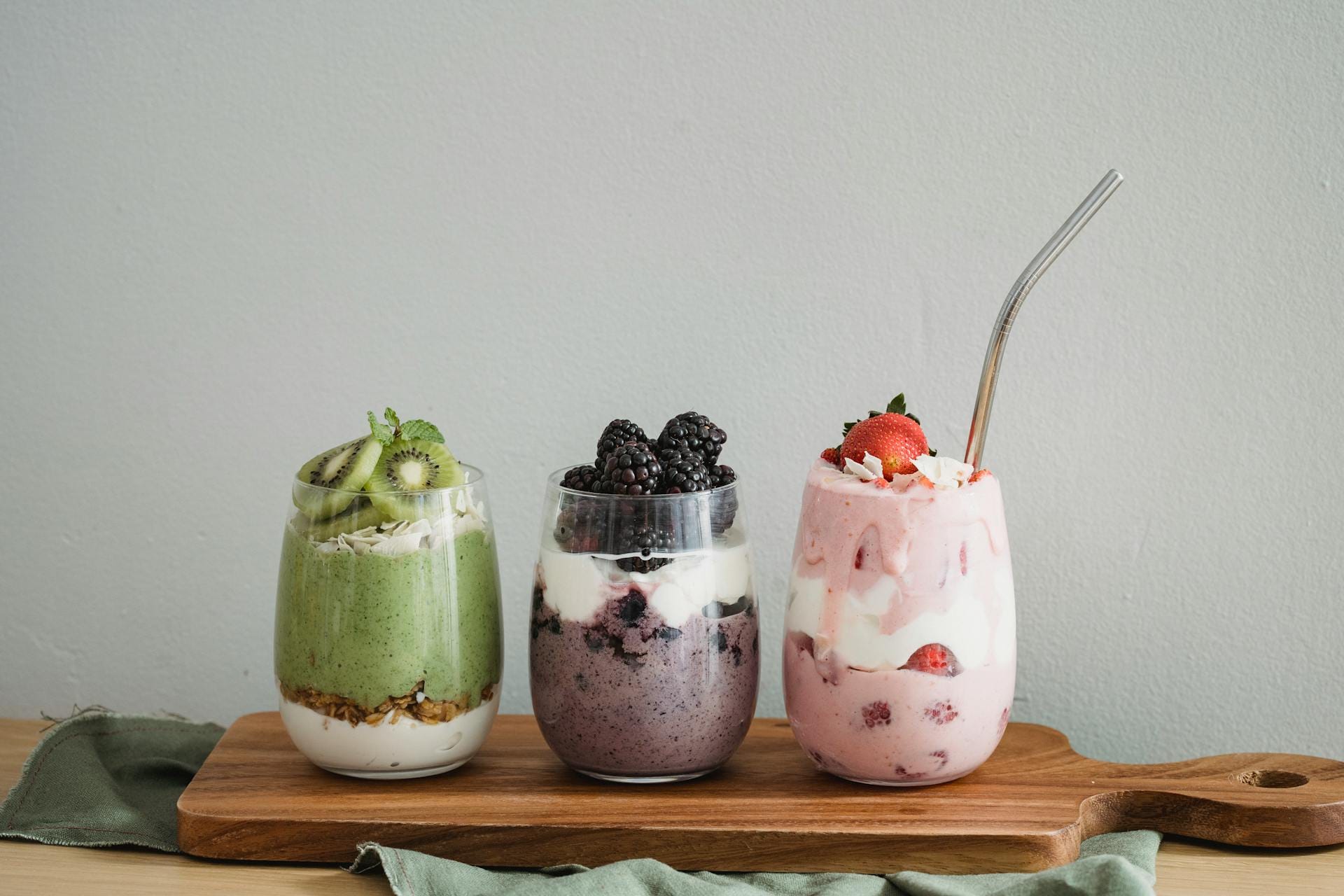
Keto Drinks & Smoothies: Low Carb Recipes, Meal Shakes & Electrolyte Drinks
Love the idea of smoothies but not the carb-count? You’re in the right place. This guide shows you how to blend creamy, satisfying drinks that keep carbs low, favor healthy fats, and fit a ketogenic...
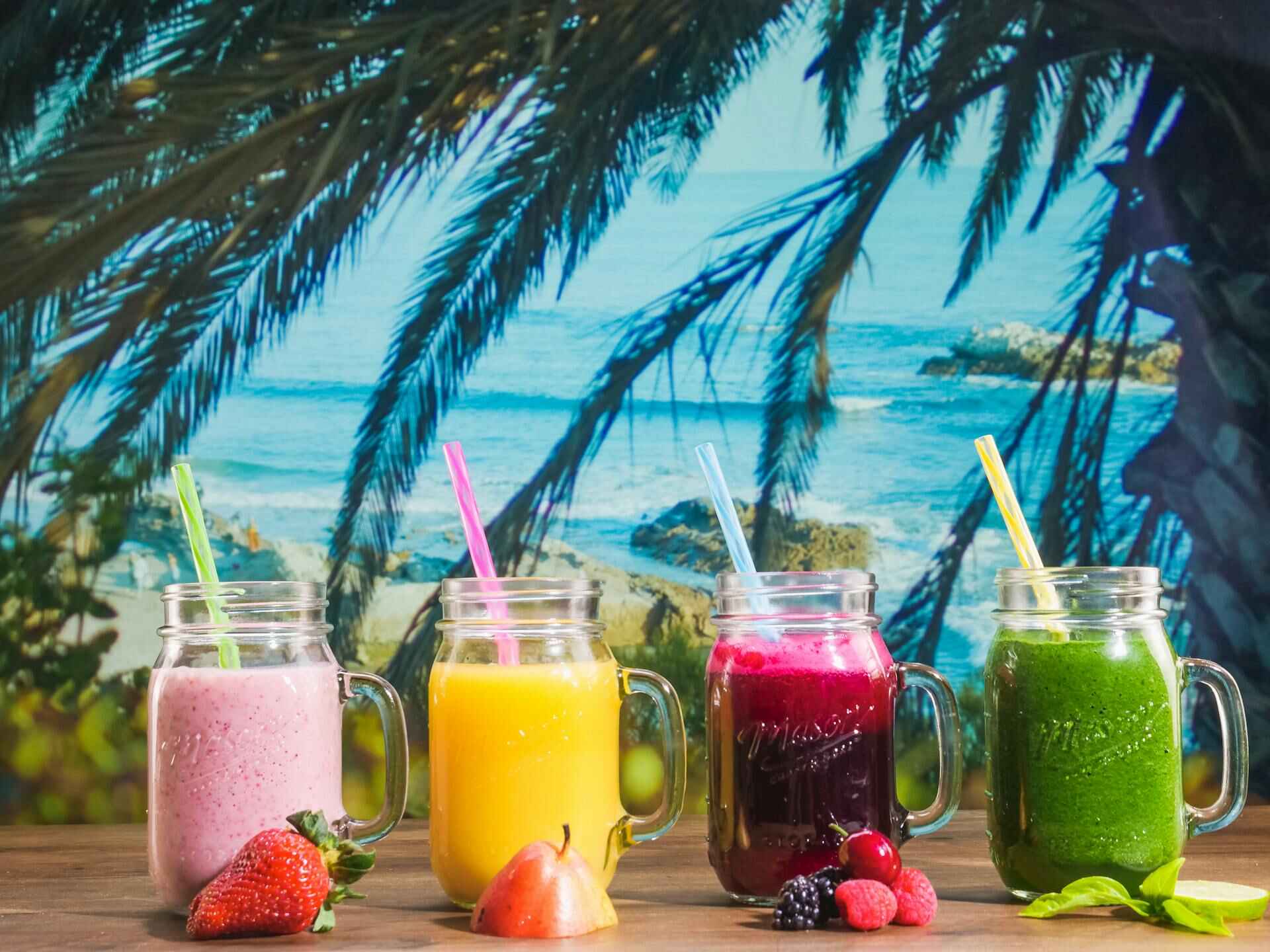
Low Carb Smoothie Recipes to Start Your Day Right
Mornings are busy. You're juggling coffee, kids, e-mail, and the eternal question: what’s breakfast gonna be? A low carb smoothie recipe can be the magic trick — fast, portable, and designed to keep...

Top 10 Low Carb Cocktails: The Ultimate Guide to Healthy, Keto-Friendly Drinks
Welcome to your ultimate guide on Low-Carb Cocktails! In today’s fast-paced world, many of us are looking for ways to enjoy life without compromising our health goals. Low-carb cocktails have taken...
FAQs — Keto Diet for Beginners
How long before I’m in ketosis?
Usually 2–7 days of very low carbs, depending on activity, carbs, and individual metabolism.
The Nutrition Source
Can I still exercise on keto?
Yes — many people adapt and perform well; some athletes prefer targeted or cyclical keto approaches. Monitor performance and recovery.
PubMed Central
Will I lose muscle?
If protein is adequate and you keep resistance training, you can preserve lean mass. Monitor protein and strength.