
Starting a low carb lifestyle can feel overwhelming — carb counts, meal swaps, and cravings all show up at once. This guide gives clear, actionable low carb tips so you can stop guessing and start seeing real wins.
Give yourself 30 days, and you’ll notice small but meaningful changes: fewer midafternoon crashes, steadier hunger, and simpler meal prep routines. Follow a handful of practical low carb tips — like prioritizing protein, planning simple meals, and managing electrolytes — and you’ll build momentum without drama.
Quick starter bullets (what to do in week 1)
- Focus on whole foods: eggs, lean proteins, non-starchy veggies, nuts.
- Keep meals simple: repeat 3–4 breakfasts and lunches you actually like.
- Hydrate and salt strategically: add broth or a pinch of sea salt if you feel tired.
- Prep one batch cook: roast a whole chicken or make a big pan of roasted vegetables.
- Use this guide for daily low carb tips — tiny changes add up.
Short, practical, and friendly — this section is your launchpad. Ready to begin? Save this checklist and start tomorrow.
What you need to know
3–5 fast action items
- Start with simple swaps. Replace bread, rice, and sugary drinks with eggs, leafy greens, and water or sparkling water. These low carb tips cut carbs immediately without making meals weird.
- Prioritize protein + veg at every meal. Protein keeps you full and stabilizes appetite; non-starchy vegetables give volume and fiber so you don’t feel deprived. low carb tips like this are the backbone of easy, sustainable change.
- Plan one batch cook per week. Roast a whole chicken, steam veggies, and hard-boil eggs so you always have a quick low-carb option on hand. This prevents impulse carb choices.
- Mind electrolytes and hydration. If you feel tired or fuzzy when cutting carbs, adding a salty broth or avocado and keeping hydrated often fixes it fast.
Who this is for
- People want to lose weight, reduce sugar cravings, or stabilize blood sugar. If you’re new to changing your plate, these low carb tips are designed to be simple, repeatable, and low-drama.
Safety note (consult your provider for major changes)
- If you take blood sugar medications (insulin, sulfonylureas) or have complex conditions, do not change meds or drastically cut carbs without medical supervision — low carb approaches can alter glucose and medication needs. For evidence and clinical guidance, see the advice from the American Diabetes Association and local health services like the NHS.
Why low carb can help (evidence summary)
Short evidence-based benefits (weight loss, blood sugar control, satiety)
Starting a low carb approach often produces measurable benefits quickly — and not just because you’re “eating less.” Cutting carbs can reduce insulin spikes, naturally lower calorie intake, and increase feelings of fullness, which together support fat loss and fewer hunger driven snacks. Reviews and practical summaries show that many people lose weight more quickly on lower-carb patterns than on some higher-carb approaches, especially early on. (1)
Other important benefits seen in the evidence include:
- Better blood sugar control. Reducing rapidly digested carbs lowers post-meal blood sugar swings — useful for people with insulin resistance or type 2 diabetes. This is why carbohydrate quality and timing matter when managing glucose. (2, 3)
- Increased satiety and fewer cravings. Meals higher in protein and non-starchy vegetables tend to keep people fuller longer, which helps reduce grazing and late day carb binges. Practical low carb tips that prioritize protein + veg are widely recommended for this reason. (4)
Summary: The combination of hormonal effects (lower insulin response), improved appetite control, and simpler meal structures explains why many people notice early wins with low carb tips — better energy between meals, fewer cravings, and easier portion control.
Quick note on who should be cautious (meds, pregnancy, eating-disorder history)
Lowering carbs is not a one-size-fits-all prescription. Some people need extra care and clinical oversight:
- People on glucose-lowering medications (insulin, sulfonylureas, some SGLT2 inhibitors): cutting carbs can drop blood sugar and may require medication adjustment. Don’t change meds on your own — coordinate closely with your prescriber and monitor glucose. (5, 6)
- Pregnant or breastfeeding people: pregnancy generally calls for balanced, nutrient-dense eating and adequate carbohydrates for fetal growth and maternal energy; very low carb plans are not routinely recommended in pregnancy without specialist advice. If you’re pregnant or planning to be, discuss dietary changes with your OB/midwife or a registered dietitian. (7, 8)
- History of disordered eating or restrictive behaviors: aggressive restriction can trigger harmful patterns. If you’ve struggled with disordered eating, seek guidance from a licensed clinician before adopting restrictive low carb tips.
- Children, adolescents, and some medical conditions: growing bodies and complex medical issues need personalized plans; some therapeutic low carb diets (e.g., for epilepsy) are managed by specialists and include medical monitoring. (9)
Finally, be prepared for short-term effects (the so-called “keto flu” or light fatigue/headache for some people) as your body adapts — these are often managed with hydration and electrolyte balance, but if symptoms are severe or persistent, contact a healthcare provider. (10, 11)
How to define “low carb” (practical ranges)
Defining low-carb isn’t magic — it’s a practical range you pick based on goals, activity, and health. Below are clear, real-world gram targets, meal examples, and a simple decision guide so you can choose a carb target that actually fits your life.
Very low (keto) vs moderate vs liberal low-carb — grams + examples
Quick definitions (grams per day):
- Very low / ketogenic:~10–50 g carbs/day
- Typical aim: 20–30 g net carbs to keep ketosis for many people.
- Who it’s for: metabolic therapy, people who respond well to deep carb restriction, or those chasing fast, early weight loss.
- Moderate low carb:~50–100 g carbs/day
- A flexible middle path: more fruit, some starchy veg, small portions of whole grains.
- Who it’s for: people who want steady weight loss with better exercise performance.
- Liberal low carb:~100–150 g carbs/day
- A sustainable, less restrictive approach focused on better carb quality (whole grains, fruit, legumes).
- Who it’s for: active people, older adults, and anyone easing into lower carbs without strict limits.
What “net carbs” means (quick):
- Net carbs = total carbs − fiber − some sugar alcohols (like erythritol). Many people use net carbs to plan, but be careful: not all sugar alcohols are counted the same way metabolically. When in doubt, prioritize whole foods over processed “low carb” labels. For general guidance on carbohydrate quality and health.
Sample day for each range (approximate carbs shown):
- Very low/keto day (~20–30 g net):
- Breakfast: 2 eggs + spinach cooked in butter — ~3–4 g carbs
- Lunch: Cobb salad (lettuce, grilled chicken, ¼ avocado, blue cheese) — ~8–10 g carbs
- Snack: 10 almonds — ~2 g carbs
- Dinner: Salmon + steamed asparagus + butter — ~4–6 g carbs
- Daily total: ~20–22 g net carbs
- Moderate low-carb day (~60–80 g):
- Breakfast: Greek yogurt (unsweetened) with 6 raspberries and 1 tbsp chia — ~10–12 g
- Lunch: Grilled chicken, mixed greens, ½ cup roasted sweet potato — ~20–25 g
- Snack: Apple (small) — ~15 g
- Dinner: Beef stir-fry with broccoli and ½ cup cauliflower rice — ~10–15 g
- Daily total: ~55–67 g net carbs
- Liberal low-carb day (~100–140 g):
- Breakfast: Oatmeal (½ cup cooked) with berries — ~30–35 g
- Lunch: Turkey sandwich on whole-grain bread + side salad — ~35–40 g
- Snack: Banana or yogurt — ~15–20 g
- Dinner: Pasta (small portion) with veg and olive oil — ~20–30 g
- Daily total: ~100–125 g net carbs
These examples are illustrative. If you’re tracking closely, use nutrition labels or an app to get precise counts for your brand/portion sizes.
How to choose your carb target (goals, activity level, health)
Use this short checklist to pick a starting range — then test and tweak over 2–4 weeks.
1. Decide by goal
- Fat loss / metabolic reset: start moderate to very low (50 g or less) if you tolerate it and don’t have medical constraints. Many people see faster initial results with a very low approach, but it’s more restrictive for practical, evidence-based summaries on outcomes.
- Blood sugar control: moderate reduction (50–100 g) often improves post-meal spikes with less strictness than keto — coordinate with your clinician.
- Maintenance / long-term health: liberal low carb (100–150 g) focuses on sustainable, quality carbs and usually fits social life and training.
2. Factor in activity level
- Low activity/desk job: lower carb targets are easier because you’ll use fewer carbs for exercise.
- Regular endurance training or high-volume cardio: you’ll likely do better at moderate to liberal targets, so performance and recovery don’t suffer. Athletes sometimes use targeted carbs around workouts.
- Strength training: moderate carbs can support muscle recovery while still giving metabolic benefits — aim for the middle range and prioritize protein.
3. Consider health and meds
- Taking glucose-lowering meds? Start with a gradual reduction and notify your prescriber — low carbs can reduce medication needs quickly. For safety, consult the American Diabetes Association or your healthcare team.
- Pregnancy, adolescence, eating-disorder history: avoid aggressive restriction; focus on nutrient density and professional support (ob/gyn or registered dietitian).
- Lipids or kidney disease: monitor labs; work with a clinician to tailor fat and protein intake.
4. Start moderate and test
- A practical approach: pick a moderate target (50–100 g/day) for 2–4 weeks. Track simple outcomes — energy, cravings, how clothes fit, and (if relevant) fasting glucose. If you want faster weight loss or reduced snacking, gradually lower toward the keto range. If your energy or workouts crash, raise carbs slowly.
5. Use simple metrics to adjust
- If you feel:
- Energetic, less hungry, steady sleep: keep your current target.
- Tired, weak workouts, mood dips: add 20–30 g carbs/day and retest.
- Cravings and stalled progress: tighten portions, prioritize protein, or reduce carbs by 10–20 g and observe.
Actionable mini checklist — pick your starter target (bullets)
- If you’re brand new and want low-drama change → Start at 75–100 g/day (moderate).
- If you want faster weight loss and don’t have medical constraints, → Start at 20–50 g/day (very low).
- If you’re active or prefer flexibility → Start at 100–150 g/day (liberal).
- Reassess after 14–28 days and adjust by ±20 g based on energy, performance, and appetite.
Remember: one of the best low carb tips is to treat your carb target as an experiment, not a rule. Start where you can succeed, track a few signals, and change the target to match how you feel and what your life requires. For practical recipes and meal plans at each range.
The 21 Practical Tips (main body)
Below are clear, actionable low carb tips you can use today. Each tip includes why it matters, how to do it, and a tiny example so you can put it into practice fast.
Tip 1 — Start with mindset: small wins beat strict perfection
Why it matters
- Big goals sound inspiring, but small, repeatable habits actually stick. Starting too strictly leads to burnout, sugar binges, and quitting.
How to do it
- Pick 3 non-negotiables for week 1 (example: no sugary drinks, protein at breakfast, one extra vegetable at dinner).
- Celebrate small wins: log them, or text a friend each time you hit a non-negotiable.
Example
- Week 1 plan: skip soda, eat eggs for breakfast 4/7 days, add one cup of salad at dinner. These tiny moves are classic low carb tips that build confidence.
Tip 2 — Focus on real, whole foods (not “low carb” processed products)
Why it matters
- Whole foods deliver nutrients and keep you full without weird additives or hidden carbs that show up in processed “low carb” bars.
How to do it
- Shop the perimeter of the grocery store: produce, meat, fish, dairy, eggs, nuts.
- If you buy packaged items, check the ingredient list — avoid long, unrecognizable ingredient chains.
Example
- Swap a packaged “low carb” brownie for a handful of walnuts + a square of 85% dark chocolate.
Tip 3 — Prioritize protein at meals (satiety and muscle support)
Why it matters
- Protein reduces cravings, supports muscle mass, and helps you feel satisfied between meals — all crucial for sustainable results.
How to do it
- Aim for a palm-sized portion of protein at each meal (rough guideline, not a rule).
- Keep ready protein on hand: canned tuna, hard-boiled eggs, grilled chicken, Greek yogurt.
Example
- Breakfast idea: 2 eggs + sautéed greens (quick, filling, classic low carb tip).
Tip 4 — Fill up on non-starchy vegetables (volume + fiber)
Why it matters
- Vegetables add volume without a lot of carbs, improve gut health, and keep you satisfied on fewer calories.
How to do it
- Make half your plate vegetables — roasted, steamed, or raw — and choose high-fiber options (broccoli, cauliflower, leafy greens, Brussels sprouts).
Example
- Swap half the rice on your plate for a big pile of mixed roasted vegetables.
Tip 5 — Use smart swaps (cauli-rice, zucchini noodles, nut flours)
Why it matters
- Simple swaps recreate your favorite meals with far fewer carbs, lowering temptation and improving adherence.
How to do it
- Keep a list of swaps handy: cauliflower for rice, zucchini for noodles, almond or coconut flour for baking.
- Learn one swap well (e.g., how to make fluffy cauliflower rice) so it becomes a go-to.
Example
- Make fried “rice” with riced cauliflower, leftover chicken, egg, and soy sauce — same comfort, fewer carbs.
Tip 6 — Learn to read labels (net carbs, added sugar, fiber)
Why it matters
- Many products hide carbs in serving-size math, maltodextrin, or sugar alcohols. Reading labels prevents accidental carb overload.
How to do it
- Calculate net carbs if you use that method: total carbs − fiber − some sugar alcohols (note: not all sugar alcohols behave the same).
- Watch serving sizes: a package may contain two servings, but list nutrition for one.
Example
- If a “low carb” cracker shows 6 g of carbs per serving, but the bag has 3 servings, eating the whole bag spikes your carbs.
Tip 7 — Plan simple meals and repeat favorites
Why it matters
- Repeating meals reduces decision fatigue and helps you stick with low carb tips more consistently.
How to do it
- Pick 3 breakfasts, 3 lunches, and 3 dinners you enjoy and rotate them weekly.
- Use a weekly meal template (Monday = omelet, Tuesday = salad with protein, etc.).
Example
- Favorite rotation: scrambled eggs + spinach (breakfast), tuna salad over greens (lunch), sheet-pan salmon + asparagus (dinner).
Tip 8 — Meal prep and batch cooking to avoid slipups
Why it matters
- When you’re busy or tired, convenience wins. Having prepped food prevents impulsive carb choices.
How to do it
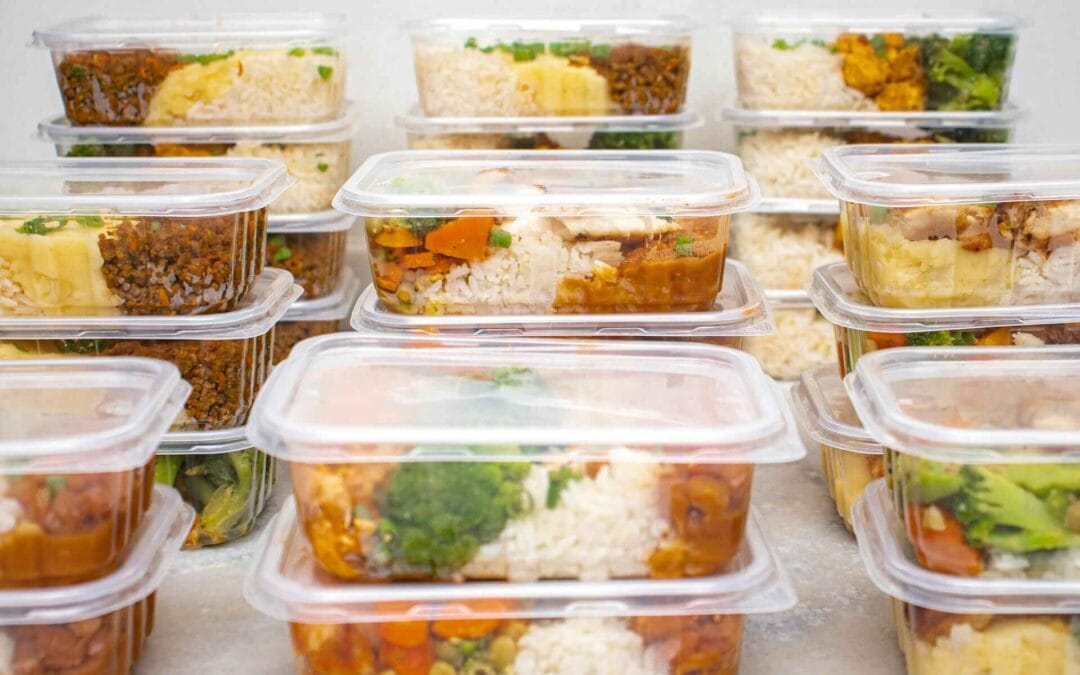
- Batch roast a tray of vegetables, grill two chickens, and hard-boil a dozen eggs on Sunday.
- Portion into containers for grab-and-go lunches.
Example
- Sunday: roast 3 trays (chicken, broccoli, cauliflower). Use across meals: bowls, salads, stir-fries.
Tip 9 — Stay hydrated and mind electrolytes (sodium, potassium, magnesium)
Why it matters
- Lowering carbs can shift fluid and electrolyte balance, causing fatigue, headaches, or the “keto flu.”
How to do it
- Drink water frequently, add a pinch of salt to meals if you feel lightheaded, eat potassium-rich foods (avocado, spinach), and consider magnesium if constipation or cramps are an issue.
Example
- Have a mug of bone broth mid-afternoon or add avocado to lunch — simple low carb tips for electrolyte support.
Tip 10 — Watch for the “low carb trap”: too much cheese/meat = excess calories
Why it matters
- Calorie excess still leads to weight stall even on low carb. Overeating calorie-dense foods like cheeses and fatty meats can slow progress.
How to do it
- Practice portion awareness: weigh or eyeball fatty foods until you learn reasonable amounts.
- Balance with vegetables to lower the energy density of meals.
Example
- Instead of a giant plate of bacon and buttered coffee, pair modest bacon with a large vegetable omelet.
Tip 11 — Keep healthy snacks on hand (eggs, nuts, plain Greek yogurt)
Why it matters
- Having satisfying, low-effort snacks prevents cravings and helps you stay on track when you’re out.
How to do it
- Portion nuts into single-serve bags, keep tuna packets in your bag, or carry a small tub of plain Greek yogurt with berries.
Example
- Snack kit: 2 hard-boiled eggs + 10 almonds + a few cucumber slices.
Tip 12 — Be strategic when dining out (choose grilled, veg swaps)
Why it matters
- Eating out is social and frequent; having a strategy keeps you on target without making nights out stressful.
How to do it
- Order dishes with grilled protein, ask for extra vegetables instead of fries, and request sauces on the side.
- Don’t be afraid to substitute: most kitchens will swap a carb side for a salad or steamed veg.
Example
- At a burger joint: order a lettuce-wrapped burger with a side salad instead of fries.
Tip 13 — Allow for flexibility: cyclical or targeted carb intake for workouts
Why it matters
- Some people perform better with higher carbs near hard workouts. Strategic carbs can boost performance without derailing progress.
How to do it
- Use targeted carbs: add 20–50 g of carbs 30–60 minutes pre- or post-workout when doing long or intense sessions.
- Or use cyclical low carb: 5–6 days lower, 1–2 days higher carbs for recovery.
Example
- After a long run, have Greek yogurt with a small banana to refill glycogen and aid recovery.
Tip 14 — Use spices, sauces, and herbs to keep food interesting
Why it matters
- Flavor keeps meals enjoyable and reduces boredom — one of the main reasons people abandon changes.
How to do it
- Keep a spice drawer: smoked paprika, cumin, garlic powder, Italian herb blend.
- Make low carb sauces: olive oil + lemon + mustard vinaigrette, or avocado crema.
Example
- Smash avocado with lime and chili flakes as a dip for roasted veg — big flavor, low carbs.
Tip 15 — Track progress with simple metrics (how clothes fit, energy, blood sugar)
Why it matters
- The scale is only one metric. Tracking subjective and objective measures gives a fuller picture of progress.
How to do it
- Use a simple weekly log: weight (optional), waist measurement, energy score (1–10), and mood/craving notes.
- If you have glucose concerns, occasional fasting glucose or CGM data (if available) helps measure the impact.
Example
- Each Sunday note: outfit fit, sleep quality, and a one-line summary (“more energy, fewer snacks”).
Tip 16 — Avoid extreme restriction early — prevent burnout
Why it matters
- Extreme cuts can trigger cravings, social strain, and mental fatigue. Gradual change is more sustainable.
How to do it
- Use a phased approach: week 1 small swaps, week 2 more structure, week 3 fine tune portions.
- Allow one planned treat on weekends to reduce feelings of deprivation.
Example
- Plan one “flex” meal per week where you enjoy a higher-carb favorite mindfully, then get back to routine.
Tip 17 — Consider protein + vegetable–first plate method
Why it matters
- A simple plate rule removes guessing: prioritize protein and veg, then add healthy fats, then small carbs if desired.
How to do it
- Build meals in this order: protein (palm), non-starchy veg (large portion), healthy fat (small), optional carb (small).
Example
- Plate: grilled chicken (protein), big mixed greens salad (veg), olive oil on salad (fat), ¼ cup roasted sweet potato (optional carb).
Tip 18 — Address cravings realistically (fruit, dark chocolate, timing)
Why it matters
- Cravings are normal — planning for them prevents shame and relapse.
How to do it
- Use delay tactics (wait 10 minutes), swap tactics (berries + cream), or scheduled treats (small portion of dark chocolate).
- Identify triggers: boredom, stress, skipped meals.
Example
- If ice cream calls at night, try a bowl of full-fat Greek yogurt with cinnamon and a few raspberries.
Tip 19 — Learn batch friendly low carb staples (meatballs, sheet pan)
Why it matters
- Staples you can reuse across meals save time and make eating low carb effortless.
How to do it
- Master 3 staples: an easy protein (meatballs), a base veg (roasted cauliflower), and a salad dressing.
- Mix, match, and repurpose across bowls, wraps (lettuce), and breakfasts.
Example
- Make a big pot of turkey meatballs; use them with zoodles, in salads, or as snack bites.
Tip 20 — Budget tips: frozen veg, whole chickens, pantry staples
Why it matters
- Eating low carb doesn’t have to be expensive; planning and smart buys keep costs down.
How to do it
- Buy frozen vegetables, whole chickens (roast and use for multiple meals), canned fish, and bulk nuts.
- Shop seasonal produce and look for sales on proteins.
Example
- Roast a whole chicken for $/meal value — use meat for lunch salads, dinner, and blended soups.
Tip 21 — When to see a registered dietitian or clinician
Why it matters
- Personalized advice matters when you have meds, medical conditions, or complex goals.
How to do it
- See a dietitian if you’re on glucose-lowering meds, pregnant, have kidney disease, or if major weight loss is a medical goal.
- Bring a 3-day food log, medication list, and recent labs to your appointment.
Example
- If you take insulin and want to lower carbs, coordinate a plan with your diabetes care team — this is safe practice, not guesswork.
These low carb tips are practical, humane, and built for real life — not perfection. Pick 2–3 to start this week, keep notes on how they feel, and add more as those habits stick.
Common side effects & how to manage them (keto flu, constipation, energy dips)
Starting a lower-carb approach can feel great — but many people hit a few predictable bumps as the body adapts. Below is a clear, friendly rundown of the most common side effects, how long they usually last, and practical fixes you can try today. These are everyday low carb tips for managing transition symptoms without drama.
Symptoms & timeline
- Keto flu / flu-like symptoms: headache, fatigue, lightheadedness, brain fog, nausea, and muscle cramps. These usually start within a couple of days after cutting carbs and most often resolve in a few days to about two weeks, though some people report symptoms up to a month while their body fully adapts. (12, 13)
- Constipation or changes in bowel habits: Some people poop less frequently or feel sluggish digestion when fiber intake or fluid balance changes. This can appear in the first 1–3 weeks and often improves with dietary tweaks. (14, 15)
- Energy dips or workout performance drops: short-term reductions in high-intensity performance are common as glycogen stores fall; many people recover within 1–4 weeks or after adding targeted carbs around workouts. (16)
Practical fixes
Use this short checklist of evidence-based, user-friendly actions. Think of these as low carb tips you can try in the next 48–72 hours.
- Hydrate — intentionally.
- Drink water consistently through the day (not just when you’re thirsty). Low-carb shifts cause extra water loss early on, so aim to sip rather than gulp. For many people, adding a little sodium helps retain fluids and reduce lightheadedness. (17)
- Replenish electrolytes (sodium, potassium, magnesium).
- Sodium: include a mug of broth or add a pinch of sea salt to food if you feel dizzy or unusually tired.
- Potassium: Eat avocado, spinach, mushrooms, or a small portion of berries; potassium-rich foods help with cramps and energy.
- Magnesium: consider an oral magnesium supplement (commonly 200–400 mg elemental magnesium) if you have cramps, poor sleep, or constipation — start low and see how you respond. Note: very high doses can cause loose stools; check with your provider if you have kidney disease. (18)
- Increase fiber from whole foods (not suddenly from a supplement).
- Add more non-starchy vegetables (broccoli, leafy greens, Brussels sprouts), seeds (chia, flax), and a portion of berries. If you use a fiber supplement (psyllium, inulin, or methylcellulose), introduce it slowly and drink plenty of water to avoid bloating. (19)
- Move gently, rest when needed.
- Light walks and gentle stretching can help digestion and energy without overtaxing low glycogen stores. Avoid jumping into intense HIIT the first week if you feel wiped.
- Tweak rather than panic: gradual carb reduction.
- If symptoms are bad, slow your carb reduction over several days instead of dropping fast. A gentler taper often minimizes the worst of the adaptation symptoms.
- Use short-term stool-softening strategies for constipation.
- Try magnesium (as above), prune or kiwi (small portion), and a consistent bathroom routine. If constipation lasts more than ~2–3 weeks despite changes, check with your clinician.
Quick troubleshooting bullets (fast reference)
- Feeling dizzy/or lightheaded → Add broth or salted water, drink fluids.
- Bad headaches or brain fog → Check hydration + electrolytes; rest more.
- Muscle cramps → Increase potassium (avocado, spinach) + magnesium supplement.
- Constipated → Add leafy greens, seeds, water, and gentle magnesium; avoid suddenly upping fermentable fibers without water.
- Performance slump at the gym → Use targeted carbs around workouts or raise carbs slightly for a week.
When to contact a healthcare professional
- Severe or persistent symptoms: if fainting, chest pain, severe dizziness, prolonged vomiting, or extreme confusion occur, seek immediate care.
- If you’re on medications (esp. diabetes meds, blood pressure drugs, or diuretics): carb changes and electrolyte shifts can alter medication needs quickly — contact your prescriber before changing meds and monitor glucose/BP closely.
- If you have kidney disease or heart rhythm issues, check with a clinician before starting supplements like potassium or high-dose magnesium — these minerals require caution in some conditions. (20)
Final practical note
Most of these side effects are temporary and manageable with simple, sensible actions: hydrate, eat a variety of low carb whole foods, mind electrolytes, and slow the pace of change if needed. These low carb tips will help you adapt more comfortably and keep your momentum.
Sample 7-day beginner low carb meal plan (3 calorie levels)
Below are three fully written sample days — one for each calorie tier (≈1,500, ≈1,800, ≈2,200 kcal). Each day shows breakfast, lunch, dinner, and two snack options, with approximate calories and net carb estimates so you can pick the level that fits your energy needs. Use these as templates to expand into a full 7-day plan: repeat favorites, swap proteins/veggies, and rotate breakfasts.
Quick note: these are starter templates — adjust portion sizes to match your goals. If you have medical conditions or take medications, check with a clinician. And for faster adaptation, follow simple low carb tips like prioritizing protein and vegetables at every meal.
Day A — ~1,500 kcal (Lower-calorie beginner day)
Breakfast — Veggie omelet
- 2 large eggs + 1 egg white, sautéed spinach & mushrooms, 1 oz feta.
- Approx: 300 kcal | 4–6 g net carbs
Mid-morning snack
- 1 small apple (or 8 raspberries) + 1 tbsp almond butter.
- Approx: 150 kcal | 10–12 g net carbs (choose berries for fewer carbs)
Lunch — Chicken salad bowl
- 4 oz grilled chicken, mixed greens, cucumber, cherry tomatoes (small handful), ¼ avocado, olive oil + lemon dressing.
- Approx: 380 kcal | 6–8 g net carbs
Afternoon snack
- 2 hard-boiled eggs or 1 string cheese.
- Approx: 140 kcal | 1–2 g net carbs
Dinner — Sheet-pan salmon & broccoli
- 4–5 oz salmon, roasted broccoli & zucchini tossed in olive oil and garlic, side of 1/3 cup riced cauliflower sautéed in butter.
- Approx: 420 kcal | 6–8 g net carbs
Daily total (approx): 1,390–1,490 kcal | ~27–36 g net carbs
Low carb tip: Choose berries or small fruit portions when you need a sweet snack — they’re lower in carbs than most fruit.
Day B — ~1,800 kcal (Moderate energy / balanced day)
Breakfast — Greek yogurt bowl
- 1 cup plain full-fat Greek yogurt, 1 tbsp chia seeds, ¼ cup blueberries, 1 tbsp chopped walnuts.
- Approx: 380 kcal | 10–12 g net carbs
Mid-morning snack
- 1 oz mixed nuts (almonds + pecans).
- Approx: 170 kcal | 3–4 g net carbs
Lunch — Turkey & avocado lettuce wraps
- 5 oz sliced turkey, ½ avocado, tomato slices, mustard, 3–4 large butter lettuce leaves; side salad.
- Approx: 450 kcal | 7–9 g net carbs
Afternoon snack
- Celery sticks + 2 tbsp hummus (or 1 oz cheddar).
- Approx: 140 kcal | 4–6 g net carbs
Dinner — Beef stir-fry + ½ cup cauliflower rice
- 5 oz flank steak, mixed peppers & broccoli, soy/tamari + sesame oil, ½ cup cauliflower rice.
- Approx: 650 kcal | 10–12 g net carbs
Daily total (approx): 1,790–1,890 kcal | ~34–43 g net carbs
Low carb tip: if workouts feel heavy, add a small pre/post workout carb (banana or rice cake) on training days.
Day C — ~2,200 kcal (Higher energy / active day)
Breakfast — Savory cottage cheese bowl
- 1 cup full-fat cottage cheese, 1 sliced tomato, 1 tbsp olive oil, 2 slices turkey bacon.
- Approx: 450 kcal | 8–10 g net carbs
Mid-morning snack
- Smoothie: 1 scoop protein powder, ½ cup unsweetened almond milk, a small handful of spinach, 6 strawberries.
- Approx: 260 kcal | 8–10 g net carbs
Lunch — Chicken & quinoa-style salad (small quinoa)
- 6 oz grilled chicken, ½ cup cooked quinoa (or substitute ¾ cup riced cauliflower for lower carbs), mixed greens, olives, 1 tbsp vinaigrette.
- With quinoa: ~650 kcal | 30–35 g net carbs
- With cauliflower rice: ~520 kcal | 10–12 g net carbs (choose based on whether you want more carbs for training)
Afternoon snack
- 1 oz dark chocolate (85%) + 10 almonds.
- Approx: 220 kcal | 6–8 g net carbs
Dinner — Pasta-style swap
- Zucchini noodles with 5 oz turkey meatballs, tomato-basil sauce (no sugar), and parmesan. Add 1 small slice of whole-grain bread if you’re using the higher-carb option.
- With zoodles: ~500 kcal | 12–15 g net carbs
- With small pasta portion: ~700 kcal | 45–55 g net carbs
Daily total (approx): ~2,080–2,280 kcal | ~44–80 g net carbs depending on swaps
Low carb tip: On very active days, choose the higher-carb swaps intentionally around workouts — this is a smart, sustainable way to combine performance and low carb tips.
Shopping list (baseline for the 3-day templates)
Produce
- Spinach, mixed greens, broccoli, zucchini, tomatoes, cucumbers, avocados, berries (blueberries/strawberries), lemons
Protein
- Eggs, skin-on chicken breasts, salmon, turkey slices, lean beef, canned tuna, Greek yogurt, cottage cheese, protein powder
Pantry & fats
- Olive oil, avocado oil, almonds/walnuts, chia/flax seeds, almond butter, canned tomatoes (no sugar), low-sodium broth
Low-carb staples
- Cauliflower (or frozen riced cauliflower), zucchini (for zoodles), lettuce leaves (butter/romaine), grated parmesan
Optional workout carbs
- Small sweet potatoes, quinoa, rolled oats, bananas (use selectively)
Quick swaps & expansion ideas
Use this cheat sheet to expand one day into a full week without overthinking:
- Rice → Cauliflower rice (1:1 texture swap for stir-fries)
- Pasta →Zucchini noodles/shirataki noodles (use for saucy dishes)
- Bread →Lettuce wrap or 1 small slice whole-grain bread (occasionally)
- Cereal → Greek yogurt + seeds
- Fries → Side salad or roasted radishes
- Ice cream → Greek yogurt + cocoa + berries
How to expand to 7 days: pick 3 breakfasts, 4 lunches, and 4 dinners from the templates. Repeat favorites, and schedule one flexible higher-carb meal if you want variety or social meals.
Final practical tips for using the plan
- Prep once, eat many: roast proteins and chop vegetables on Sunday to speed weekday cooking.
- Track loosely: note energy, hunger, and workout performance for 2 weeks and tweak portions.
- Be flexible: swap quinoa or a small potato around workouts if performance dips — targeted carbs help without abandoning low carb tips.
- Safety: If you take blood sugar meds, share any changes with your prescriber before making big carb cuts.
Quick recipes / staples to batch cook
These six simple, make-ahead recipes are perfect starter low carb tips in action: they save time, cut decision fatigue, and keep you on track when life gets busy. Each recipe includes quick ingredients, step-by-step prep, batch cooking notes, approximate net carb range, and smart swaps. Use them to build a weekly rotation.
1) Savory Egg Muffins — Breakfast (makes 12 muffins)

Why: Portable, protein-rich, freezes/reheats perfectly — a top low carb tip for busy mornings.
Ingredients
- 10–12 large eggs
- 1 cup chopped spinach or kale
- 1 cup shredded cheese (optional) or ½ cup feta
- 1/2 cup diced bell pepper or mushrooms
- Salt, pepper, and 1 tsp dried herbs (oregano or thyme)
Quick steps
- Whisk eggs, salt, and pepper. Fold in veggies and cheese.
- Grease a 12-cup muffin tin, and divide the mixture evenly.
- Bake 18–22 minutes at 350°F until set. Cool.
Batch notes
- Store 3–4 days in the fridge, or freeze up to 3 months (freeze on a tray then bag).
- Reheat: microwave 45–60 seconds (from fridge), 90–120 seconds from frozen.
Approx net carbs per muffin: ~1–2 g (depends on veg choices).
Variations: Add cooked bacon or swap spinach for broccoli florets. Great for grab-and-go breakfasts or a quick lunch with a salad.
2) Roast Whole Chicken + Roast Veg Tray — Lunch/Dinner (serves 4–6)

Why: Whole chicken is budget-friendly and multi-use; roasted veg pairs well across meals — classic low carb tip for economy + variety.
Ingredients
- 3–4 lb whole chicken, olive oil, salt, pepper, lemon, garlic, rosemary
- 2 heads of broccoli, 1 head of cauliflower, 2 zucchinis, olive oil, salt, pepper
Quick steps
- Rub chicken with oil, salt, pepper, and lemon halves inside the cavity. Roast at 400°F for ~1–1.25 hours until internal temp 165°F.
- Toss the veg with oil, roast on a tray 20–30 minutes at 425°F until charred edges.
Batch notes
- Use chicken for salads, soups, and quick tacos (lettuce wraps).
- Chicken lasts 3–4 days in the fridge; veg lasts 3–5 days. Freeze shredded chicken in portions for up to 3 months.
Approx net carbs per serving (chicken + veg): ~6–10 g
Pro tip: Save the carcass and make bone broth (extra electrolytes and a soup base).
3) Turkey or Beef Meatballs (oven-baked) — Dinner / Meal Prep (makes ~24 meatballs)

Why: Versatile — toss with zoodles, add to salads, or eat with cauliflower mash; reheats well.
Ingredients
- 2 lb ground turkey OR lean beef
- 1/2 cup almond flour or grated parmesan (binder)
- 1 egg, chopped parsley, 1 tsp garlic powder, salt, pepper
- Optional: 1/4 cup finely grated onion (adds moisture)
Quick steps
- Mix all, form 1–1.5 inch meatballs, place on parchment-lined baking sheet.
- Bake 18–22 minutes at 400°F until cooked through.
Batch notes
- Refrigerate 4 days; freeze 3 months (flash freeze then bag).
- Reheat in oven at 350°F 8–12 minutes or microwave.
Approx net carbs per serving (3–4 meatballs): ~1–3 g
Serving ideas: Low-carb marinara + zoodles, salad topper, or meatball “sub” in lettuce cup.
4) Cauliflower Fried “Rice” with Shrimp or Chicken — Dinner / Batch Base

Why: Fast, lower-carb swap for rice; an excellent vehicle for leftover proteins and veggies.
Ingredients
- 1–1.5 lb riced cauliflower (store-bought or pulse fresh florets)
- 2 cups mixed veg (carrot, small dice optional), 2 cloves garlic, 2 eggs, 12 oz cooked shrimp or shredded chicken, 2 tbsp soy/tamari, sesame oil
Quick steps
- Sauté garlic + veg in oil, add riced cauliflower and cook 3–5 minutes. Push to the side, scramble eggs, then combine.
- Add protein, soy, and finish with a splash of sesame oil and green onion.
Batch notes
- Cooks in ~15 minutes. Keeps 3–4 days refrigerated; reheat in a skillet.
- Freeze? Cauliflower textures change; best fresh or refrigerated.
Approx net carbs per serving: ~6–8 g (depends on added veg like carrots).
Swap: Use cauliflower rice + frozen peas sparingly, or add extra leafy greens for volume.
5) Big Batch Greek Chicken Salad (mason-jar friendly) — Lunch / Snackable

Why: Mason-jar salads stack well, travel well, and are an MVP low carb tip for weekday lunches.
Ingredients (per 4 servings)
- 2 cups diced cooked chicken (from roast chicken)
- 2 cups cherry tomatoes (or swap for a cucumber for fewer carbs)
- 1 cup diced cucumber, 1/2 cup olives, 1/2 cup feta, mixed greens, vinaigrette (olive oil + lemon + oregano)
Quick steps
- Layer jars: dressing on bottom, sturdier veg next, protein, cheese, greens on top. Seal and refrigerate.
Batch notes
- Prepped jars last 3–5 days. Shake into a bowl when ready to eat.
- For even faster options, make 2 salad jars and one bulk salad bowl for family meals.
Approx net carbs per jar (with tomatoes): ~6–10 g — reduce by swapping tomatoes for extra cucumber or leafy greens.
6) Keto-Friendly Snack: Nut + Seed Energy Bites — Snack (makes 12–16 bites)

Why: Controlled portions curb cravings; perfect for travel, school, or work.
Ingredients
- 1.5 cups mixed nuts (almonds, pecans), 1/4 cup seeds (chia/flax), 1/3 cup unsweetened shredded coconut, 2 tbsp almond butter, 1–2 tbsp sugar-free sweetener or 1 tbsp honey (optional), pinch of salt
Quick steps
- Pulse nuts in food processor to coarse crumb, mix with seeds, coconut, almond butter, and sweetener. Form 12–16 balls.
- Chill for 30 minutes to set.
Batch notes
- Keeps 2 weeks in the fridge, or freeze for 3 months. Portion into small bags for quick grabs.
Approx net carbs per bite: ~1–3 g depending on sweetener and portion size.
Batch cooking rules & storage best practices
- Cook once, eat many: devote 90–120 minutes (Sunday or your chosen day) to roast proteins, prep veg, and portion snacks.
- Label everything: date containers and note servings. First in, first out applies — eat older containers first.
- Portion control: use reusable containers that match how you eat (1–2 cup, 3–4 cup sizes). This helps with mindful portions (a smart low carb tip).
- Freezing tips: cool food fully before sealing. Flash-freeze on a tray for single-piece freezes (muffins, meatballs), then bag. Most cooked proteins freeze for 2–3 months. Veg textures vary — cruciferous veg handle freezing well; leafy greens do not.
- Reheat safely: reheat to steaming hot (165°F for leftovers) — oven or stovetop often keeps texture better than microwave. For soups and broths, gently reheat and add a squeeze of lemon to brighten.
Quick meal-build ideas using these staples
- Breakfast bowl: 2 egg muffins + sautéed greens + ¼ avocado.
- Lunch bowl: Greek chicken salad over mixed greens + a scoop of riced cauliflower (warmed).
- Dinner: Meatballs over zoodles with low-sugar marinara; side of roasted veg.
- Snack or small meal: 2 energy bites + 1 string cheese + a few cucumber slices.
Final batch cooking low carb tips
- Start small: pick 2 staples this week (eggs + roast chicken). Master them before adding more.
- Freeze single servings for unpredictable weeks.
- Use leftovers creatively — repurpose rather than repeat (meatballs → salad topper → zoodle sauce).
- Keep a short “use-by” list on your fridge to avoid wasting prepped food.
Tracking, apps & tools that help (but don’t over obsess)
Tracking can be a game-changer — but it can also become a time sink. Use tracking as a tool, not a chore: collect the minimum useful data, review trends weekly, and let small adjustments guide you. Below are suggested metrics, apps that make low carb life easier, and practical tips to help you get insight without burning out. These are friendly, evidence-backed low carb tips for tracking smarter, not harder.
Suggested metrics (what really matters)
Track only a few of these — pick 2–3 to start and add more only if useful.
- How clothes fit / waist measurement — simple, meaningful progress signal.
- Energy & hunger scores (daily 1–5 scale) — great for seeing patterns.
- Weight (weekly average) — weekly check, not daily obsession.
- Performance markers — strength (reps/weights) or workout stamina.
- Craving frequency/mood — note triggers (stress, skipping meals).
- Optional (if clinically relevant): fasting blood glucose or CGM data — only if advised by a clinician.
Why these? They capture real-life changes (comfort, energy, strength) rather than noise. Use a quick daily note or a one-line journal — that’s often all you need.
Apps & tools that help (and when to use them)
Below are widely used apps and what they’re best at. If you prefer minimalist tracking, skip to the “How to use apps without obsessing” section.
- Carb Manager — net-carb first
Great if you want net carb tracking, barcode scanning, and built-in low carb meal plans. Ideal for people who want explicit low carb tips baked into an app (recipes, keto calculators, and net carb views). (21) - Cronometer — micronutrient nerds
If you care about vitamins, minerals, and getting protein + micronutrients right, this app gives trustworthy nutrient breakdowns and a “nutrition score.” Excellent for people who want deeper nutritional accuracy, including micronutrients often missed by simple macro counters. (22, 23) - MyFitnessPal — big database & convenience
Very popular for food-logging with barcode scanning and an extensive food database. It offers a Net Carbs Mode (app settings) if you prefer tracking net rather than total carbs. Good when you want convenience and portability. (24, 25) - Habitica & Coach.me — habit support
Use a habit app to make small wins stick: gamified rewards or daily checkboxes keep momentum (especially for habits like “eat protein at breakfast” or “drink 2L water”). Habit trackers pair beautifully with food logs so you’re tracking outcomes, not every bite. (24, 25) - Other useful tools:
- Photo-logging (phone camera) — snap every plate for 3–7 days to find patterns without weighing.
- Simple spreadsheet or notes app — great for weekly trends if you don’t want an app.
- Food quality apps (e.g., Fooducate) — help spot added sugars and ultra-processed foods. (26)
How to use apps without obsessing
Follow these rules to avoid burnout and still get useful insight:
- Start with a 3- to 7-day food audit. Log everything (or take photos) for a week to spot patterns — then stop detailed logging unless you need to troubleshoot.
- Track trends, not day-to-day noise. Look at weekly averages (weight, energy, net carbs) rather than daily spikes.
- Limit logging time: set a 10–15 minute daily window (or batch-log meals once in the evening).
- Use presets and favorites: save meals you repeat, so logging one dinner takes 10 seconds.
- Log one small habit daily (“protein at breakfast”) in a habit app — this builds behavior faster than counting every gram.
- If you’re new, prefer the plate method + 1 metric (energy or waist) over exhaustive macro counting. The plate method (protein + veg + modest fat) is low-tech and effective.
Quick setup checklist (15 minutes to get started)
- Choose one food app (Carb Manager, Cronometer, or MyFitnessPal) and set goals (net carbs or total carbs, protein).
- Log or photo every meal for 3–7 days.
- Pick two metrics: e.g., weekly weight average and daily energy (1–5).
- Add a habit tracker for 1–2 micro-habits (protein at breakfast; drink water).
- Review trends on the same day each week (Sunday evening works well).
Privacy & subscription notes
- Many apps offer free tiers but lock helpful features behind subscriptions (recipes, micronutrient reports, glucose integration). Decide which features you truly need.
- Check privacy settings — food and health data can be sensitive. If you’re a teen, consider talking with a parent/guardian before linking accounts or sharing health data.
- If you’re using an app for medical reasons (diabetes, meds), share logs with your clinician rather than acting on them alone.
One-week troubleshooting plan using tracking
- If cravings are frequent, examine your logs for low protein or skipped meals. Try increasing protein at breakfast for 1 week and note changes.
- If workouts feel weak: check carbs on training days — consider adding a small targeted carb pre/post workout.
- If weight stalls: look at weekly calorie range and portion sizes (apps help reveal hidden fats or nuts). Use logging for 3–7 days to identify causes.
Quick sources & app guides (for deeper reading)
- Carb Manager: net carb focused keto & low carb tracker.
- Cronometer: detailed nutrient & micronutrient tracking and nutrition scores.
- MyFitnessPal: extensive database and Net Carbs Mode in app settings.
- Habit tracker roundups and recommendations.
- Consumer guide to food-tracking apps (how to choose and what to expect).
Bottom line: tracking can turbocharge your progress when used wisely. Start with a short audit, pick 2–3 meaningful metrics, use a reliable tool (or just photos + a habit tracker), and focus on weekly trends. Those are the most practical low carb tips for staying informed while keeping your life — and your mental space — sane.
Special situations
Some people get extra benefits from low carb tips, and some need to be extra careful. Below are three high-priority scenarios with clear, practical guidance you can use right away — plus when to pause and call a clinician.
Low carb for diabetes: what to watch if you take meds
Key idea: If you take glucose-lowering medications, lowering carbs can change how much medication you need — sometimes fast. Do not stop or change medications on your own. Work with your diabetes team, monitor more often, and have a safety plan. The American Diabetes Association recommends counting carbs and coordinating meals with medication plans. National Center for Biotechnology Information reviews clinical reports showing the most immediate meds to watch are insulin and sulfonylureas, and that teams should also consider SGLT-2 inhibitors, diuretics, and blood pressure meds when carb intake changes. (27)
Practical checklist
- Tell your prescriber before making big carb cuts — especially if you use insulin or sulfonylureas. Bring a 3-day food log and recent glucose readings.
- Increase glucose monitoring in the short term. Check fasting and post-meal numbers more often (or follow clinician instructions). This helps your team safely reduce insulin or other doses if needed.
- Know hypoglycemia signs & rescue plan. Keep quick carbs (juice, glucose tablets) ready and let family/housemates know how to help.
- Watch for blood pressure and hydration changes. Low carb shifts can change fluid balance — some blood pressure or diuretic meds may need adjustment.
When to contact your team: repeated low glucose (<70 mg/dL), fainting, severe dizziness, or if you plan to change insulin dosing significantly.
Low carb for older adults / women over 50 — protein + bone health
Key idea: For adults 50+, the focus should be on preserving muscle and bone while managing carbs. That means prioritizing protein, resistance activity, vitamin D/calcium, and balanced carbs rather than strict, extreme restriction. Evidence summaries suggest older adults often need more protein than younger adults to maintain function. National Center for Biotechnology Information and clinical summaries recommend roughly 1.0–1.3 g/kg/day (and some programs suggest 1.2–1.6 g/kg for those doing resistance training) to support muscle and recovery. Practical overviews from lifestyle medicine programs also endorse regular protein distribution across meals. (28, 29)
Practical checklist
- Aim for protein at every meal. A useful target for many older adults is ~20–35 g protein per meal (adjust by body size and activity). Spread protein across the day.
- Do resistance training 2–3×/week. Strength work preserves muscle and bone; pair it with post-workout protein.
- Mind bone nutrients. Ensure adequate calcium and vitamin D from diet or supplements as needed — discuss levels with your clinician.
- Avoid extreme calorie or protein restriction. Very low energy or very high single-day protein loads can be risky; aim for balanced intake and gradual changes.
When to contact a clinician or RDN: unintended rapid weight loss, new frailty, trouble chewing/swallowing, kidney disease (protein needs must be individualized).
Pregnancy, adolescence, eating disorder history — seek professional advice
Key idea: These life stages or histories require personalized care. Pregnancy and adolescence are times of growth and increased nutrient needs; a one-size-fits-all low-carb plan is not appropriate without professional oversight. The UK’s public guidance for pregnant people emphasizes balanced intake, including starchy carbohydrates for energy and key nutrients. The NHS recommends varied diets during pregnancy, and specific gestational diabetes leaflets suggest spreading carbs and avoiding large gaps between meals. (30, 31)
Practical checklist
- If pregnant or breastfeeding: prioritize a balanced, nutrient-dense plan (include adequate carbs for energy and fetal growth). Talk to your OB/midwife and a registered dietitian before making major carb cuts.
- If you are an adolescent, growth needs are different — speak to a pediatrician or adolescent specialist dietitian before changing macros.
- If you have a history of disordered eating, avoid restrictive approaches that may trigger relapse. Work with a mental health clinician and a dietitian experienced in eating-disorder recovery.
When to contact a clinician right away: pregnancy with poor nutrition or glucose instability, any signs of disordered eating returning, or if growth (in adolescents) is faltering.
Short, practical wrap-up
- If you fall into any of the situations above, use low carb tips as experiments, not as hard rules — keep your healthcare team in the loop.
- For medication-taking people (especially insulin or sulfonylureas), increase monitoring and never change doses without guidance.
- For older adults and women 50+, prioritize protein + resistance training + bone nutrients while using carb adjustments gently.
- For pregnancy, adolescence, or eating disorder history, get specialist, personalized support — these are not times for DIY extremes.
Troubleshooting: 10 common beginner mistakes (short list)
Below are the 10 most common beginner mistakes on a lower-carb path — each with a quick, practical fix you can try today. These are bite-sized low carb tips that fix the usual traps without drama.
Quick fixes for each mistake
- Mistake: Skipping vegetables / not getting enough fiber
Fix: Make half your plate vegetables at every meal. Keep frozen broccoli, spinach, and riced cauliflower on hand and add a cup of veg to breakfast (omelet or sauté). If constipation appears, add chia or ground flax gradually and drink more water. - Mistake: Relying on processed “low-carb” snacks
Fix: Replace one processed snack per day with a whole-food swap (hard-boiled egg, handful of nuts, plain Greek yogurt + berries). Reserve packaged bars for true emergencies, not daily fuel. - Mistake: Eating too many calorie-dense fats and cheeses
Fix: Practice portion control: measure high-fat foods (1–2 tbsp oil, 1 oz cheese) until you eyeball portions reliably. Fill the rest of the plate with protein and non-starchy veg to reduce overall calorie density. - Mistake: Dropping carbs too fast and feeling awful (keto flu)
Fix: Slow the pace. Reduce carbs over several days and prioritize hydration + electrolytes (broth, avocado, leafy greens, magnesium). If symptoms are strong, add 20–40 g carbs/day temporarily and taper more slowly. - Mistake: Not planning meals — leading to impulsive carb choices
Fix: Commit to one batch cook session per week (eggs, roasted chicken, roasted veg). Put 2–3 ready meals in the fridge so you can grab a low carb option instead of ordering takeout. - Mistake: Skipping protein at breakfast (and then snacking all morning)
Fix: Start the day with a protein source (eggs, cottage cheese, Greek yogurt, protein shake). Protein at breakfast reduces cravings and stabilizes mid-morning energy. - Mistake: Over-tracking or obsessing with every gram
Fix: Track for a short audit (3–7 days) to learn patterns, then switch to weekly trend checks (energy, how clothes fit, workout performance). Use tracking tools only when troubleshooting. - Mistake: Ignoring electrolytes and hydration
Fix: If you feel dizzy or have headaches, add a cup of low-sodium bone broth, salt your food a little more, and eat potassium-rich choices (avocado, spinach). A small magnesium supplement can help with cramps and sleep — check with a clinician if you have kidney issues. - Mistake: Expecting immediate gym performance to stay the same
Fix: Accept a short adaptation period. Lower the intensity for 1–3 weeks or add targeted carbs around high-intensity workouts (20–50 g) to support performance until your body adapts. - Mistake: Using “one bad meal” as an excuse to abandon the plan
Fix: Reframe slips as data, not failure. Identify the trigger (social pressure, stress, hunger) and pick one small prevention strategy (eat before going out, bring a low carb option, plan a mindful treat). Then get back to your routine—consistency matters more than perfection.
Rapid troubleshooting checklist (use in the next 48 hours)
- Feeling foggy/lightheaded → hydrate + sip broth + eat an avocado or banana if needed.
- Constant hunger → add 10–20 g extra protein to a meal and another cup of veg.
- Slow weight loss → track one week (photo log or app) to find hidden calories (nuts, oils, cheese).
- Boredom with food → rotate spices/sauces and try one new low carb tip recipe this week.
How to transition from a strict low carb to a sustainable long-term approach
Moving off a strict low carb or ketogenic phase doesn’t have to mean “all carbs, all the time” — think of it as a gentle, planned experiment to regain flexibility while keeping the benefits you want (steady energy, fewer cravings, better blood sugar). Below is a practical, evidence-based playbook: how to reintroduce carbs, flexible approaches that work long term, and tips to maintain the wins you earned.
Reintroducing carbs: a safe, step-by-step plan
Principles first (don’t rush). Add carbs slowly over weeks, not hours. A gradual approach helps your body adapt, minimizes bloating, and avoids quick recovery from glycogen plus water restoration. For many people, 1–3 weeks is a reasonable window to increase carbs gradually and reassess. (32)
Simple 4-week reintroduction plan (practical)
- Week 0 (baseline): note your current pattern, weight, waist, energy, and—if relevant—fasting glucose.
- Week 1: add +10–20 g carbs/day, choosing whole carbs (berries, extra non-starchy veg, ¼ sweet potato, or a few tablespoons of oats). Keep protein and vegetables steady.
- Week 2: add another +10–20 g/day if you feel good (no major bloating, cravings, or energy dips). Track energy, workouts, and scale/waist weekly.
- Week 3–4: continue gradual increases to a comfortable maintenance range (often somewhere between moderate and liberal low-carb for many people). If performance or mood dips, pause and step back 10–20 g. Simple, gradual steps like this are supported by practical clinical guidance that stresses slow refeeding and monitoring. (33)
Why go slow? When you add carbs, glycogen stores refill, and each gram of glycogen brings ~3 g water with it — so the scale may jump quickly even if body fat hasn’t. That’s normal; it’s not “failure.” Eating slowly and watching patterns helps you separate water changes from fat changes. Practical guides warn that reintroducing carbs can lead to quick water weight shifts and recommend a gradual, tracked approach to avoid surprises. (34)
Which carbs to add first (smart choices)
Start with low-glycemic, nutrient-dense options to avoid big blood sugar swings and GI upset:
- Berries (small portions) — fiber + antioxidants
- Sweet potato or small amounts of winter squash — complex starch with micronutrients
- Legumes (for many people) — fiber + protein (introduce slowly if you’re not used to them)
- Small portions of whole grains (oats, quinoa) only if they support training or satiety
If you find bloating, gas, or GI upset when reintroducing certain foods, slow the pace and reintroduce that item more gradually — sometimes the gut needs time to re-adapt after weeks of low fiber from restricted starches. Emerging guides on post-keto carb tolerance recommend starting with low-GI choices and increasing variety slowly. (35)
Flexible eating strategies that preserve benefits
You don’t have to pick a single “diet” forever. These middle-path approaches help maintain metabolic and lifestyle wins without strict rules:
- Targeted carbs (around workouts): add 20–50 g carbs 30–60 minutes before/after very hard training to support performance and recovery — keeps most days lower-carb but fuels hard sessions. This is a practical way to combine fitness and metabolic goals. (36)
- Cyclical or weekly higher-carb days: 5–6 lower-carb days, 1–2 higher days (for social life or glycogen refeeding). Some people find this improves adherence while keeping overall progress.
- Moderate maintenance: choose a sustainable daily range (for many people, this falls between about 100–150 g/day, but individual needs vary). Focus on carb quality (whole foods) rather than quantity alone. (See local public health guidance on balanced carb portions for adults.) (37)
How to keep the benefits as you loosen rules
These simple habits are the backbone of a sustainable plan — they keep satiety, stable blood sugar, and enjoyable food variety.
- Keep protein and veg non-negotiable. Protein at each meal and plenty of non-starchy vegetables preserve satiety and nutrient intake.
- Prioritize whole-food carbs. When you add carbs, choose plants, tubers, beans, whole grains, and fruit over packaged, refined carbs.
- Use the plate method: protein + veg first, then healthy fats, then a modest portion of carbs as desired.
- Keep batch cooked staples and a 2–3 meal rotation, so convenience doesn’t push you into processed carbs.
- Continue simple tracking for 1–2 weeks after changes: monitor energy, waist, mood, and (if applicable) fasting glucose. If you take medications that affect blood sugar, monitor more closely and adjust only with medical guidance. Clinical reviews recommend working with dietitians for personalized reintroduction plans when medical conditions or medications are involved. (38)
Troubleshooting: common snags & fast fixes
- Quick scale rise after adding carbs: likely glycogen + water. Watch waist, clothes fit, and weekly trends rather than daily weight.
- Bloating or GI upset: slow down reintroduction, favor lower FODMAP/low-GI choices first (berries, peeled potatoes, white rice if needed), and add fiber gradually.
- Return of intense sugar cravings: balance each meal with protein + fat, and plan small, satisfying treats instead of open ended carbs.
- Performance still low: try a targeted carb around training or add another 20–30 g on training days for a week and observe.
Final practical checklist
- Baseline: measure waist and note energy/sleep for 1 week.
- Plan: add +10–20 g carbs/day for Week 1, repeat Week 2 if OK.
- Food picks: berries, sweet potato, small oats, legumes — introduce one new item at a time.
- Track: energy, workout quality, waist/weight weekly.
- Keep: protein, veg, and meal structure; use targeted carbs for training or cyclical higher-carb days if that fits you.
Bottom line: transitioning from strict low carb to a flexible, long-term approach works best when it’s gradual, monitored, and focused on quality. Add carbs slowly, choose whole foods, keep your protein & veg habits, and use targeted carbs around activity if you need them. If you have medical conditions or take medications (especially diabetes meds), loop in your clinician or a registered dietitian to plan the reintroduction safely.
FAQs
How many carbs per day is “low carb”?
Very low/keto: ~10–50 g; moderate: ~50–100 g; liberal: ~100–150 g — pick the range that fits your goals and activity.
Will I lose muscle on low carb?
Not if you eat enough protein and do resistance training — aim for protein at every meal.
Can I eat fruit? Which ones?
Yes — choose small portions of berries, kiwi, and citrus; avoid juice and dried fruit if you’re keeping carbs low.
How do I avoid constipation?
Eat more non-starchy vegetables, drink plenty of water, add fiber slowly (chia/flax/veggies), and consider magnesium if needed.
Can I do low carb if I have diabetes?
Often yes, but talk to your healthcare team first — monitor blood sugar closely and don’t change medications on your own.
The Bottom Line
You’ve got a clear roadmap — now it’s time to use it. Focus on a few high-impact moves and build from there; plan, keep protein and vegetables front and center, track a couple of simple metrics, and ask for professional help when your health or meds require it. These are practical, no-drama low carb tips that actually stick.
Key action steps (do these this week):
- Pick 2–3 wins to start (example: protein at breakfast, one batch cook session, no sugary drinks).
- Prioritize meals built around protein + lots of non-starchy veg.
- Track 1–2 metrics only (how clothes fit, weekly energy score, or a weekly weight average).
- Tweak slowly — adjust carbs by 10–20 g at a time rather than making huge jumps.
- If you’re on medications, pregnant, or have complex health conditions, consult your clinician before big changes.
Small, consistent changes beat perfection every time. Treat this as a lifestyle experiment: try things, note what works, drop what doesn’t, and celebrate the tiny wins. Use thelow carb tips here to make everyday choices easier — not harder.
Ready to turn this into action? Grab the checklist or try the 7-day starter plan now.
Remember: progress is built on consistency, not perfection. Keep going — you’re closer than you think. low carb tips applied patiently deliver results.





Hi Dear, are you truly visiting this site daily,
if so after that you will absolutely obtain fastidious knowledge.