
In the health and wellness world, one size rarely fits all—especially concerning dieting. A personalized low-carb diet plan can be the key to achieving your weight loss, fitness, or health goals without feeling deprived. By customizing your low-carb approach to fit your body's needs, you can better manage your energy levels, optimize nutrient intake, and maintain a sustainable lifestyle.
This comprehensive guide will explore what makes a personalized low-carb diet plan effective. We'll also discuss the importance of balancing high and low-carb foods and provide practical tips for creating a diet plan that suits your unique situation.
What is a Low-Carb Diet?
A low-carb diet limits carbohydrates—found in bread, pasta, and sugar—and replaces them with protein, fats, and low-carb vegetables. The goal is to reduce carb intake to encourage the body to use fat for fuel, leading to weight loss and other health benefits. (1)
Some standard low-carb diets include:
- Keto Diet (extremely low carb, high fat)
- Atkins Diet (progressively lower carb intake)
- Paleo Diet (natural foods, low carb)
Each variation has its specific guidelines, but the common theme is reducing carbs and prioritizing other macronutrients.
Why Personalize Your Low-Carb Diet Plan?
While low-carb diets are effective, they aren't a one-size-fits-all solution. Each person's body reacts differently to carbohydrate restriction based on age, sex, metabolism, fitness level, and medical conditions.
Personalizing your diet involves tailoring your daily carb intake, choosing the right foods, and factoring in your personal goals—losing weight, gaining muscle, or controlling a medical condition like diabetes.
By adopting a personalized approach, you'll:
- Improve adherence to your diet, as it will be more sustainable.
- Maximize results by optimizing nutrient intake for your body's specific needs.
- Avoid nutrient deficiencies by ensuring you're still getting essential vitamins and minerals.
High-Carb vs. Low-Carb Foods: What’s the Difference?
Understanding the difference between high-carb and low-carb foods is essential for making your low-carb diet plan effective.
High-Carb Foods:
- Bread, pasta, rice
- Potatoes and starchy vegetables
- Sugar, candies, and baked goods
- Sweetened beverages and fruit juices
Low-Carb Foods:
- Non-starchy vegetables (spinach, broccoli, kale)
- Protein-rich foods (chicken, eggs, fish)
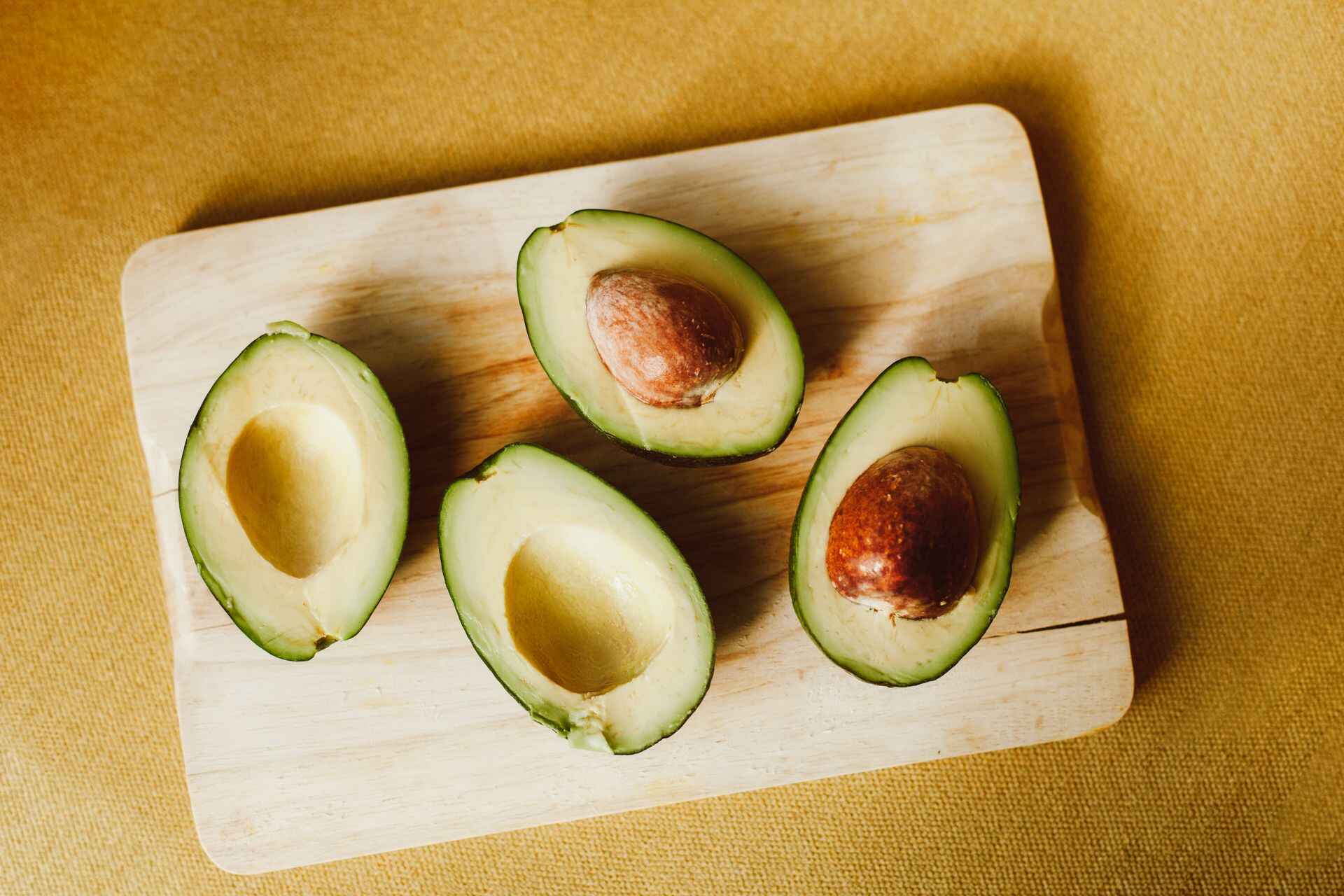
- Healthy fats (avocado, olive oil, nuts)
- Low-sugar fruits (berries, lemons)
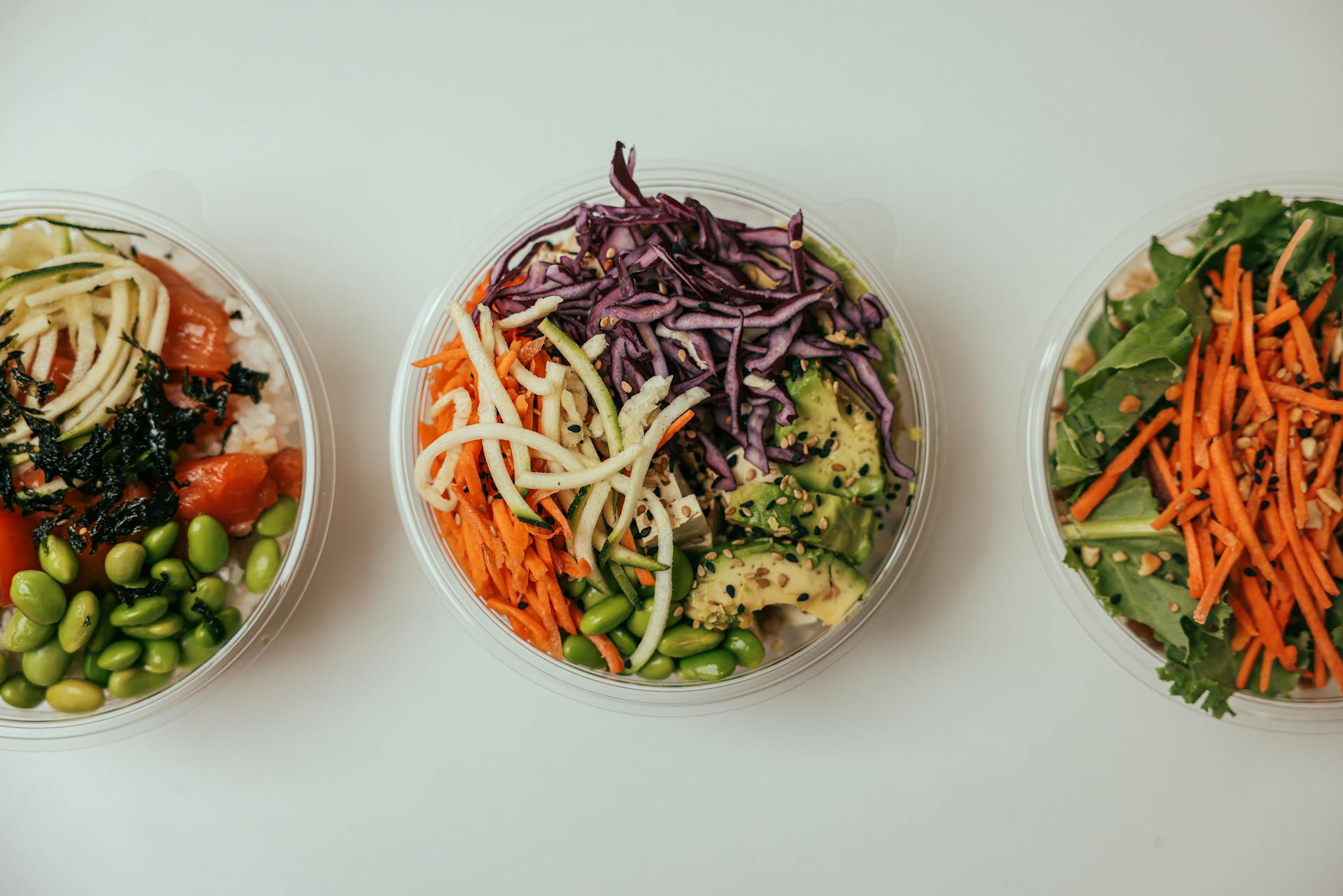
Opting for low-carb substitutes (e.g., cauliflower rice instead of regular rice) is an easy way to reduce carb intake while enjoying flavorful meals.
Tailoring a Low-Carb Diet for Weight Loss
A low-carb diet is often highly effective for those looking to lose weight because it can reduce cravings, increase satiety, and improve metabolic flexibility. However, it's crucial to tailor your carb intake based on how your body responds to carb restriction. (2)
- Start with 50-100g of carbs daily to ease into low-carb dieting.
- Gradually reduce your intake if you hit a plateau or aren't seeing results.
- Track your progress and adjust macros (protein, fat, carbs) accordingly.
It's also important to consider meal timing. Some people succeed with intermittent fasting or eating smaller, more frequent meals to maintain energy levels.
Personalized Low-Carb Diets for Fitness and Athletic Performance
If you're an athlete or lead a highly active lifestyle, a low-carb diet can still work, but it requires careful macronutrient balancing to ensure you have enough fuel for workouts.
- Include more protein and healthy fats to support muscle recovery.
- Cyclic ketogenic diets (CKD) can be helpful for athletes, allowing for carb refeeding days to replenish glycogen stores.
- When incorporating carbohydrates for workout recovery, focus on nutrient-dense carbs (e.g., sweet potatoes, quinoa).
Low-Carb Meal Plans for Different Body Types (Endomorphs, Ectomorphs, and Mesomorphs)
Each body type requires a slightly different approach to macronutrient intake:
- Endomorphs (who tend to gain fat easily) benefit from a strict low-carb plan with moderate protein and higher fat intake.
- Ectomorphs (naturally thin, struggle to gain weight): Should follow a less restrictive low-carb plan, focusing on higher protein and moderate carb intake to support muscle growth.
- Mesomorphs (naturally muscular) do well with balanced macronutrient ratios, which allow for more flexibility with carbs on training days.
Understanding your body type helps determine how many carbs, fats, and proteins you should consume daily for optimal results.
Critical Considerations for Individuals with Specific Health Conditions
If you have certain health conditions like diabetes, thyroid disorders, or digestive issues, personalizing your low-carb plan is even more critical.
- Diabetes: Focus on low-glycemic foods that help stabilize blood sugar levels. Avoid highly processed carbs and sugar.
- Thyroid disorders: Eat plenty of iodine-rich foods like seaweed and eggs, and do not over restrict carbs, as thyroid health can decline with very low-carb diets.
- Digestive issues: Emphasize fiber-rich, low-carb vegetables like leafy greens and avoid overly processed low-carb products that might contain harmful additives.
Balancing Macronutrients: Protein, Fat, and Carbs in a Low-Carb Plan
Balancing macronutrients—protein, fat, and carbohydrates—is essential for creating a well-rounded, low-carb diet.
- Protein: Essential for muscle growth and repair. Aim for 0.8-1.2 grams of protein per pound of body weight.
- Fat: Don't fear fats! Healthy fats like those from avocados, olive oil, and nuts help keep you full and support hormonal balance.
- Carbs: Your carb intake can vary between 20g and 100g daily, depending on your goals. Aim for higher levels of maintenance while keeping it low for fat loss.
Common Challenges in Following a Low-Carb Diet
Low-carb diets come with challenges, especially if you're new to the lifestyle. Here are some common hurdles and how to overcome them:
- Keto Flu: When starting a low-carb diet, your body may adjust to lower carb intake, causing headaches, fatigue, and irritability. Stay hydrated and increase your salt intake to combat these symptoms.
- Cravings: Sugar and carb cravings can be intense initially. Combat these by eating plenty of protein and fat to stay full longer.
- Social Situations: Eating out or attending events can be tricky. Stick to simple options like grilled meats and salads, and ask for substitutions (e.g., swap fries for a side of vegetables).
Creating a Sustainable Low-Carb Lifestyle
A successful low-carb diet is one that you can stick to long term. Instead of viewing it as a temporary fix, approach it as a lifestyle change. Here are some sustainability tips:
- Meal prep: Plan your meals ahead of time to avoid temptation.
- Allow for flexibility: Occasional higher-carb days can help prevent burnout.
- Stay creative: Try new recipes and low-carb substitutes to keep meals exciting.
Explore low-carb communities online, such as on Pinterest or Reddit, to find recipes and tips that fit your preferences.
FAQs About Personalized Low-Carb Diet Plans
Q1. How do I know how many carbs to eat on a low-carb diet?
Calculate your total daily energy expenditure (TDEE), then subtract carbs based on your goal. Consuming 20-50g of carbs daily is ideal for weight loss.
Q2. Can I eat fruit on a low-carb diet?
But stick to low-sugar fruits like berries, lemons, and limes. Avoid fruits high in natural sugars like bananas, grapes, and mangoes.
Q3. Can I drink alcohol on a low-carb diet?
Yes, but choose low-carb alcoholic drinks like dry wine, whiskey, or vodka. Avoid sugary cocktails and beer.
The Bottom Line
A personalized low-carb diet plan offers a tailored approach to reaching your health goals, whether to lose weight, improve fitness, or manage specific health conditions. You can create a sustainable lifestyle that fits your needs by understanding your body type, balancing macronutrients, and factoring in personal preferences. Focus on high-quality foods, remain flexible, and address challenges like cravings and social situations to ensure long-term success.






0 Comments