
If you're on a low carb diet, such as Atkins or the more stringent keto diet, you're probably reducing carbohydrates in favor of other macronutrients like fats and protein. While a low carb eating pattern may help some individuals lose weight (at first), there are several things you should do to maintain a balanced diet while limiting carbohydrates. When you restrict your carbohydrate consumption, you may also lose fiber (in foods such as whole grains, fruits, legumes, and vegetables) and other essential nutrients.
Dietitians recommend avoiding the following 7 things that might exacerbate the situation and hinder you from attaining your goals. It may also be beneficial to consult with a dietician, who can walk you through the process and help you avoid mistakes.
1. Don’t Skimp on Veggies
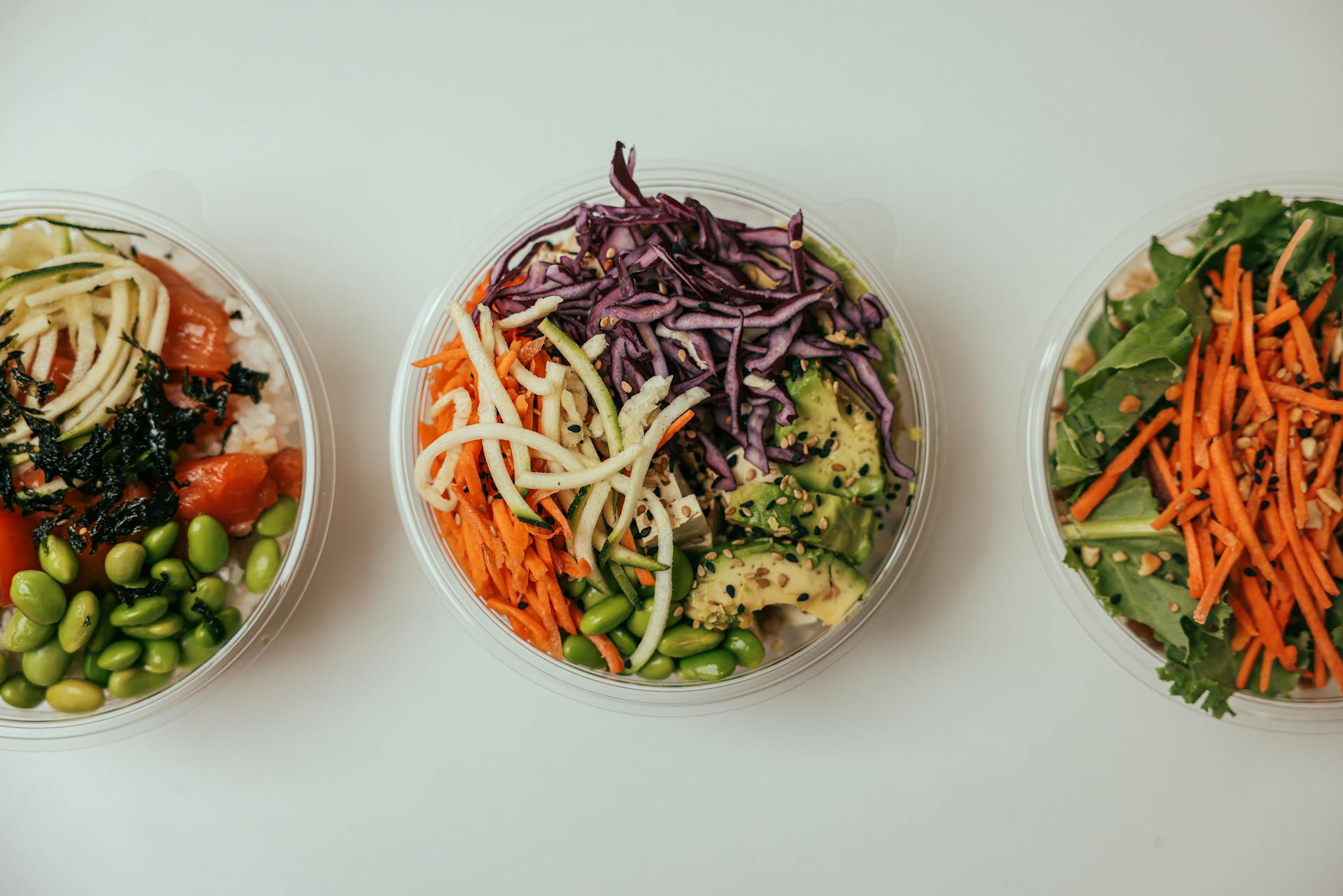
"A low carb diet should contain plenty of vegetables. These foods are inherently low in carbohydrates (think all green leafy vegetables, broccoli, cauliflower, zucchini, mushrooms, bell peppers, and more)," explains Ginger Hultin, M.S., RD, a spokeswoman for the Academy of Nutrition and Dietetics. Maximize your consumption, especially while carbohydrate restrictions are in place, to help you fulfill your fiber and other nutritional requirements. They also have a high water content, which enables you to avoid bloating while being hydrated and regular. Build half your plate with vegetables to receive the benefits while filling up quickly.
2. Don’t Fear Fruit
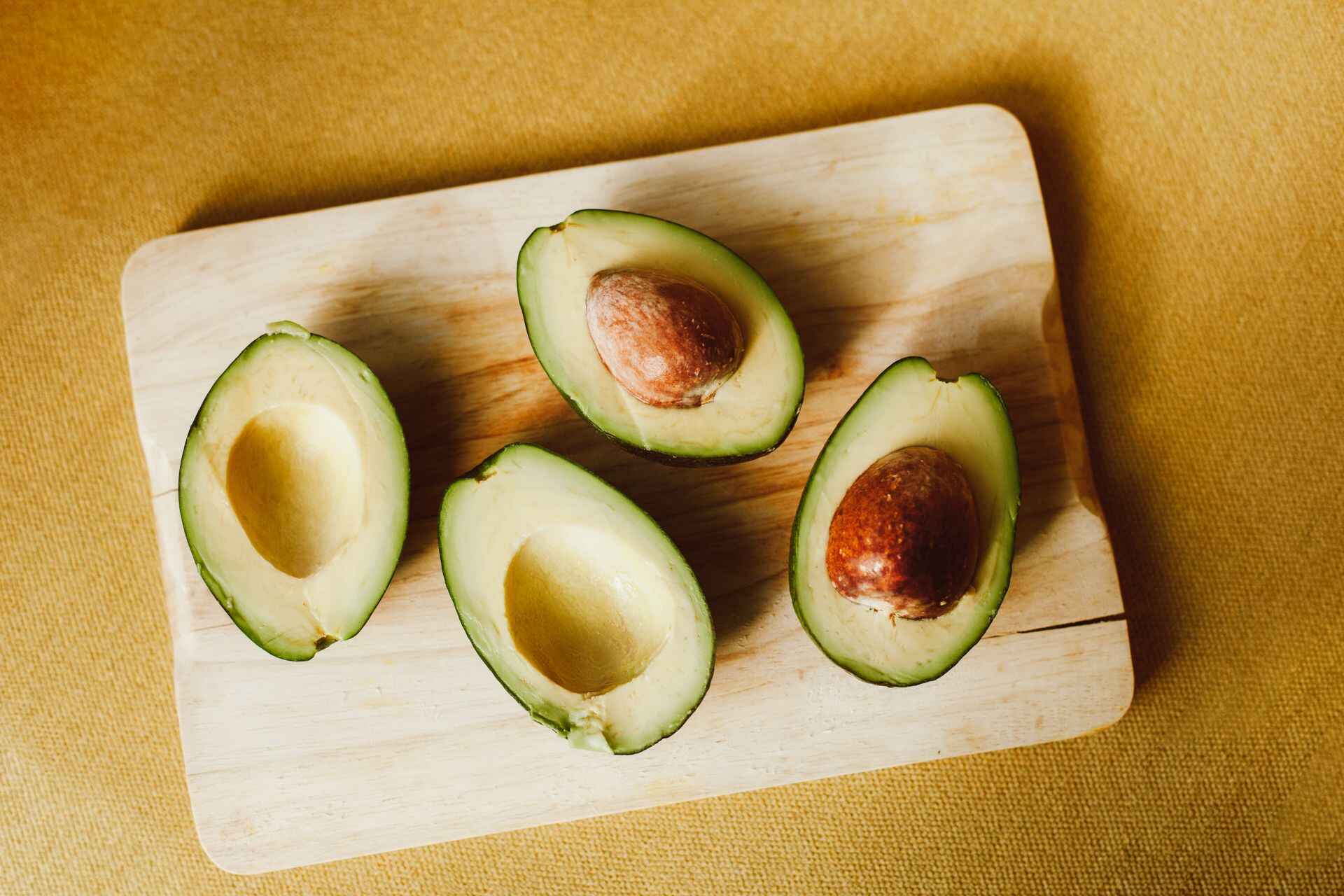
Fruit is often higher in carbs than vegetables, but that doesn't mean it shouldn't be included in your diet. Even if your diet does not allow for a lot of fruit, you may choose a few of your favorite low carb options and budget them into your carb bank. "Watermelon, berries, and peaches are frequent foods to include, even when carbohydrate restrictions are in place. "Don't forget that tomatoes and avocados are fruits," Hultin adds. Fruit provides a boost of fiber, vitamins, and antioxidants.
3. Don’t Use It as an Excuse to Skip Your Workout
Thinking you don't need to exercise because you've cut back on carbohydrates is a mistake. Physical activity is essential for a healthy lifestyle and can assist in weight reduction (if you want to lose weight). Hultin states, "Mixing a nutritious diet with daily physical exercise is critical since both are essential for your health.
If you're so focused on your diet that fitness suffers, or if you don't have enough energy because you've drastically reduced your carbohydrate consumption, it's time to reconsider if the diet is working for you." A healthy balance of cardio and strength training is excellent, but the most important thing is to select routines you love and feel good for your body.
4. Don’t Be Too Restrictive
Many popular comfort foods contain carbohydrates (think pasta, pizza, baked goods, sweets, and so on). If you're too rigorous about your carb consumption, you may feel like losing out on all your favorite indulgences. This might prompt you to give up in frustration or to overeat.
"If you're feeling hungry, hangry, or deprived on a low carb (or any) diet, it's likely not sustainable and not a good quality of life," Hultin said. Make sure that you're maintaining a positive relationship with food and with your body and that you're getting guidance from a qualified professional, like a registered dietitian, to help you better understand your unique needs and how not to feel deprived or restricted," the dietician advises.
5. Don’t Overeat Bacon
It is commonly considered that you may eat as much fatty, greasy bacon as you want, especially on super-restrictive, high-fat, low-carb diets like keto. "When going keto, fat is the major source of fuel; thus, the idea is to include healthy fat in our diet. You may absolutely get ketosis by eating a lot of bacon, but this is not the best option," Randy Evans, M.S., RDN, LD. Says. "You can have some bacon, but not for every meal, every day." When you do eat bacon, look for uncured varieties to reduce extra salt and sugar.
"The target is to use a variety of healthy fat and protein sources," Evans adds, which is crucial for everyone, regardless of whether they follow a low carb diet. Include many plant-based oils, such as olive and canola oil, nuts, and seeds, to receive more healthful mono- and polyunsaturated fats our hearts enjoy. Choose leaner cuts of protein, seafood with heart-healthy omega-3 fats (such as salmon), and plant-based protein sources such as tofu, tempeh, beans, and lentils.
6. Don’t Forget to Drink Water
Simply cutting back on carbohydrates is insufficient to reduce weight. You should drink enough water to stay hydrated, avoid constipation, and keep your body running correctly.
When you cut back on carbs, you're more likely to get dehydrated because your body retains less water and tries to excrete ketones. According to Hultin, "When entering ketosis, be careful to keep very well hydrated, especially if you're feeling the keto flu. Paying close attention to your water intake will help your body adjust and alleviate dehydration symptoms.
Keep a large water bottle on your desk, set a timer to drink fluids, and eat foods high in water, such as watermelon, cucumbers, and citrus, to stay hydrated. "Each individual should definitely meet with a registered dietitian to learn about their own water needs, but, generally, the 'adequate intake' is set at 15.5 cups (3.7 L) for men and 11.5 cups (2.7 L) a day for women," Hultin said.
7. Don’t Give Up All Starchy Veggies
While low carb diets recommend eating predominantly greens and low carb vegetables and limiting starchy vegetables (since potatoes, sweet potatoes, and squash contain more carbohydrates), you don't have to exclude them entirely. "You often hear, 'I can't have starchy vegetables because they have too many grams of carbs,'" Evans said. However, you may maintain a low carb diet without eliminating carbohydrates. Including starchy veggies and fruit means you'll get more of those essential elements you would lose if you take out too many carbohydrates.






0 Comments