
Intermittent Fasting Combined with Low Carb has gained immense popularity among those seeking to lose weight, enhance metabolic health, and maintain energy throughout the day. This approach merges the advantages of fasting, which boosts fat burning and promotes metabolic flexibility, with the benefits of a low carb diet that stabilizes blood sugar and reduces hunger. This method optimizes fat loss, improves insulin sensitivity, and simplifies meal planning by aligning meal timing with low carb consumption. This article delves into the science behind this strategy, offers practical tips, and addresses potential challenges and long-term benefits. Whether you're a beginner or experienced, this guide will clarify how this powerful combination works effectively for sustainable results.
What is Intermittent Fasting?
Intermittent fasting (IF) is not a diet but rather an eating pattern that cycles between periods of fasting and eating. Here are some of the most popular methods: (1)
- 16/8 Method: Fasting for 16 hours and eating during an 8-hour window.
- 5:2 Diet: Eat normally for five days and limit calorie intake to 500-600 on two non-consecutive days.
- OMAD (One Meal A Day): Fasting for 23 hours and eating one large meal per day.
How Does Intermittent Fasting Work?
Fasting triggers several beneficial processes in the body:
- Increased Insulin Sensitivity: Lower insulin levels make stored fat more accessible for burning.
- Autophagy is a process where the body cleans out damaged cells and regenerates new ones, reducing inflammation and improving cell function.
- Fat Burning: As your body depletes its glycogen stores, it begins to burn fat for energy, leading to significant fat loss over time.
Intermittent fasting improves metabolic health, reduces inflammation, and promotes fat loss. Studies have also shown that it can support cellular repair and enhance brain function through autophagy.
Low Carb Diet: An Overview
The low carb diet emphasizes reducing carbohydrate intake while increasing healthy fats and moderate protein. This diet works by keeping insulin levels low and encouraging the body to burn fat for energy. (2)
Types of Low Carb Diets
- Ketogenic Diet (Keto): The most restrictive form of low carb, where carbohydrate intake is limited to under 50g per day, forcing the body into ketosis—a metabolic state where fat is burned for energy. (3)
- Atkins Diet: Initially restricts carbs and gradually increases them over time.
- Low carb Paleo Diet: This diet focuses on whole, unprocessed foods and has fewer restrictions on carbohydrate levels than Keto.
Benefits of a Low-Carb Diet
- Improved Blood Sugar Control: Low carb diets reduce blood sugar spikes, which is especially beneficial for people with type 2 diabetes.
- Sustained Energy Levels: Since blood sugar levels remain stable, low carb eaters often report fewer energy crashes during the day.
- Reduced Hunger: A low carb diet focuses more on fats and proteins, keeping you full longer and reducing overall calorie intake without feeling deprived.
Why Combine Intermittent Fasting with Low Carb?
Combining intermittent fasting with a low carb diet amplifies fat loss and metabolic flexibility. When you fast, your body depletes glycogen stores, and by sticking to a low carb regimen, you switch more readily into a fat-burning state called ketosis.
Key benefits include:
- Faster fat loss: Low carb diets reduce insulin levels, which helps the body tap into fat reserves more efficiently during fasting.
- Reduced hunger: Fasting and low carb diets reduce hunger hormones, making sticking to your eating plan easier.
- Improved mental clarity: Both approaches stabilize blood sugar, reducing energy dips and brain fog.
This combined approach also helps improve insulin sensitivity, a critical factor in preventing chronic diseases like type 2 diabetes.
How to Get Started with Intermittent Fasting and Low Carb
Step 1: Choose Your Fasting Protocol
- For Beginners: Start with the 16/8 method, where you fast for 16 hours and eat within an 8-hour window.
- For Advanced: Try OMAD or alternate-day fasting once you are comfortable with extended fasting periods.
Step 2: Focus on Low Carb, Nutrient-Dense Foods
When eating, focus on nutrient-dense foods that support your low carb approach:
- Proteins: Chicken, beef, pork, turkey, and fish.
- Fats: Avocados, olive oil, butter, coconut oil, and cheese.
- Vegetables: Leafy greens, broccoli, cauliflower, zucchini, and asparagus.
Example meal plan for a 16/8 fasting protocol:
- 12 PM (Breaking the fast): Avocado salad with grilled chicken and olive oil.
- 4 PM (Snack): A handful of almonds or walnuts.
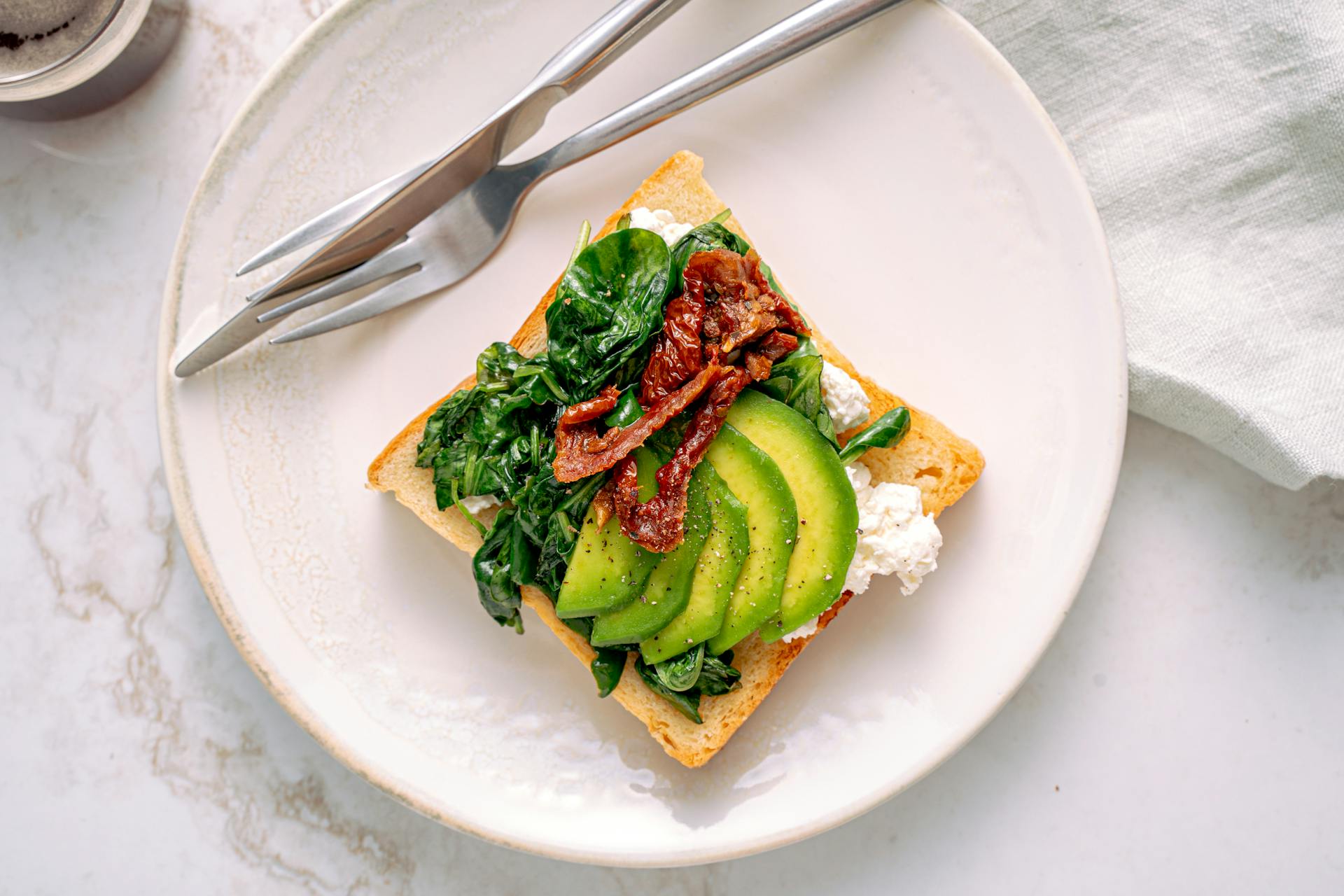
- 7 PM (Dinner): Salmon with sautéed spinach and a cauliflower mash.
Step 3: Stay Hydrated
Drinking plenty of water is essential during fasting and eating periods. During fasting windows, you can also have black coffee, green tea, or herbal tea.
Expected Benefits Over Time
When combining intermittent fasting with a low carb diet, you’ll likely experience:
- Fat Loss: More rapid fat burning as your body shifts to using fat for energy.
- Improved Metabolic Health: Better blood sugar regulation and lower insulin levels.
- Increased Energy Levels: Fewer energy crashes thanks to stable blood sugar levels and ketone production.
- Mental Sharpness: Enhanced focus and cognitive function due to the brain’s use of ketones.
Health Benefits of Combining Intermittent Fasting and Low Carb
When done correctly, this combination offers significant health advantages, including:
- Accelerated Weight Loss: Low carb eating reduces insulin levels, and fasting increases fat oxidation, making it easier to shed pounds.
- Improved Blood Sugar Control: Fasting helps lower insulin resistance, while low carb diets reduce the spike in blood sugar after meals.
- Reduced Inflammation: Both approaches have anti-inflammatory effects, promoting overall wellness.
In addition to fat-burning benefits, research shows that the combined approach can improve mental clarity and support longevity through autophagy.
Potential Challenges and How to Overcome Them
Keto Flu
During the first few days, you may experience headaches, fatigue, and irritability as your body adapts to lower carb intake and fasting. To minimize these symptoms:
- Drink plenty of water.
- Increase salt intake to balance electrolytes.
- Add bone broth to your diet.
Hunger During Fasting
If hunger pangs become an issue, try these tips:
- Drink black coffee or green tea.
- Gradually increase fasting duration instead of jumping straight into long fasts.
- Eat higher-fat meals to promote satiety.
Social Challenges
Fasting and low carb eating can feel isolating at social events. Plan by:
- Eating before you attend an event.
- Bring low carb snacks like cheese sticks or nuts.
Sample Meal Plan for Intermittent Fasting and Low Carb
Here's a simple example of how a day might look using the 16/8 fasting method with a low carb diet:
- 8:00 AM (Fasting)
- Black coffee or herbal tea
- 12:00 PM (Break Fast)
- Spinach with scrambled eggs, cooked in olive oil
- 3:00 PM (Snack)
- A handful of almonds and cucumber slices
- 7:00 PM (Dinner)
- Grilled chicken breast with a large mixed green salad and avocado
- 8:00 PM (Fasting Begins Again)
This plan ensures that your meals are nutrient-dense and low in carbs, keeping you energized throughout the day.
Common Myths about Intermittent Fasting and Low Carb
“Fasting leads to muscle loss.”
Fasting for short periods does not cause muscle loss. During fasting, the body preserves muscle mass by utilizing fat stores for energy.
“You need carbs for energy.”
The body can efficiently use fat and ketones for fuel without carbohydrates, sustaining energy levels without crashes.
Who Should Avoid Intermittent Fasting Combined with Low Carb?
While this combined approach can benefit many people, it's not for everyone. Those who should avoid or consult a doctor before starting include:
- Individuals with diabetes or blood sugar control issues
- Pregnant or breastfeeding women
- Those with a history of eating disorders
Always seek advice from a healthcare provider before beginning any new diet, especially if you have underlying health conditions.
FAQs
What should I eat when breaking a fast on a low carb diet?
When breaking a fast, it's best to eat foods that are easy on your digestive system. Try starting with bone broth, eggs, or leafy greens, followed by a low carb meal.
Can I drink coffee or tea while fasting?
You can drink black coffee, tea, or zero-calorie beverages during fasting.
How long does it take to see results from IF and low carb combined?
Results vary by individual, but many people start seeing energy and weight loss improvements within 1-2 weeks.
The Bottom Line
Combining intermittent fasting with a low carb diet offers a powerful way to accelerate weight loss, improve metabolic health, and enjoy more energy throughout the day. By pairing these two approaches effectively, you can create a sustainable lifestyle that fits your personal goals and health needs.
If you're interested in learning more about the benefits of intermittent fasting, visit Healthline. Check out Mayo Clinic's diet overview for more insights on low carb eating.






0 Comments