
Grains are frequently prohibited on many low carb diets.
However, some grains are high in fiber and may be used in moderation as part of a balanced, carbohydrate-controlled diet.
This is because meals high in fiber have less net carbohydrates, the carbs the body absorbs. Net carbohydrates are calculated by subtracting the grams of fiber from the total grams of carbs (1).
Here are some of the best low-carb grains and a few others to avoid if you're on a low-carb diet.
1. Oats

Oats are highly nutritious and include various essential elements, including fiber.
For example, a 1 cup (33 gram) meal of cooked oats includes more than 8 grams of dietary fiber and just 21 grams of net carbohydrates (2).
Beta-glucan is also abundant in oats. This kind of fiber has been found in studies to lower LDL (harmful) cholesterol levels. High LDL cholesterol levels are a risk factor for heart disease (3, 4).
In addition, oats are high in various micronutrients, including manganese, phosphorus, magnesium, and thiamine (2).
To get the most nutritional bang for your money, choose steel-cut or rolled oats over highly processed alternatives like quick oatmeal.
2. Quinoa
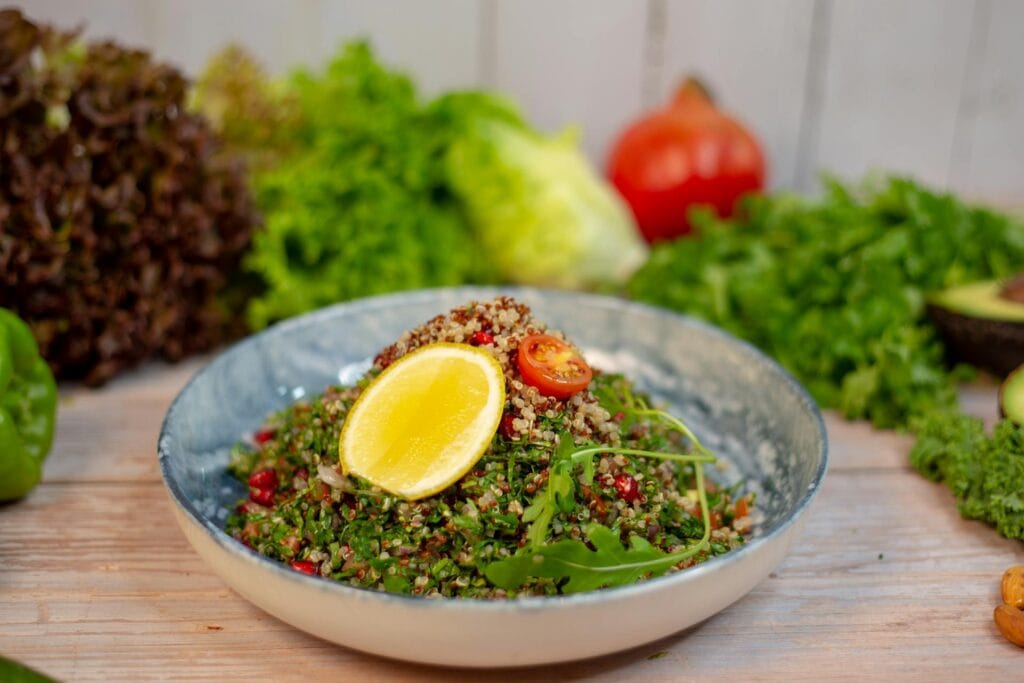
Although legally classified as a pseudocereal, quinoa is commonly cooked and consumed as a grain (5).
Quinoa contains a high concentration of antioxidants and polyphenols, which can help reduce inflammation and protect against chronic illness (6, 7, 8).
It's also low in carbohydrates, with just 34 grams of net carbs in 1 cup (185 grams) of cooked quinoa (9).
Quinoa is also one of the few plant-based complete protein sources, meaning it includes all nine necessary amino acids that the body needs from meals (10).
Quinoa also contains significant amounts of manganese, magnesium, phosphorus, copper, and folate (9).
3. Bulgur
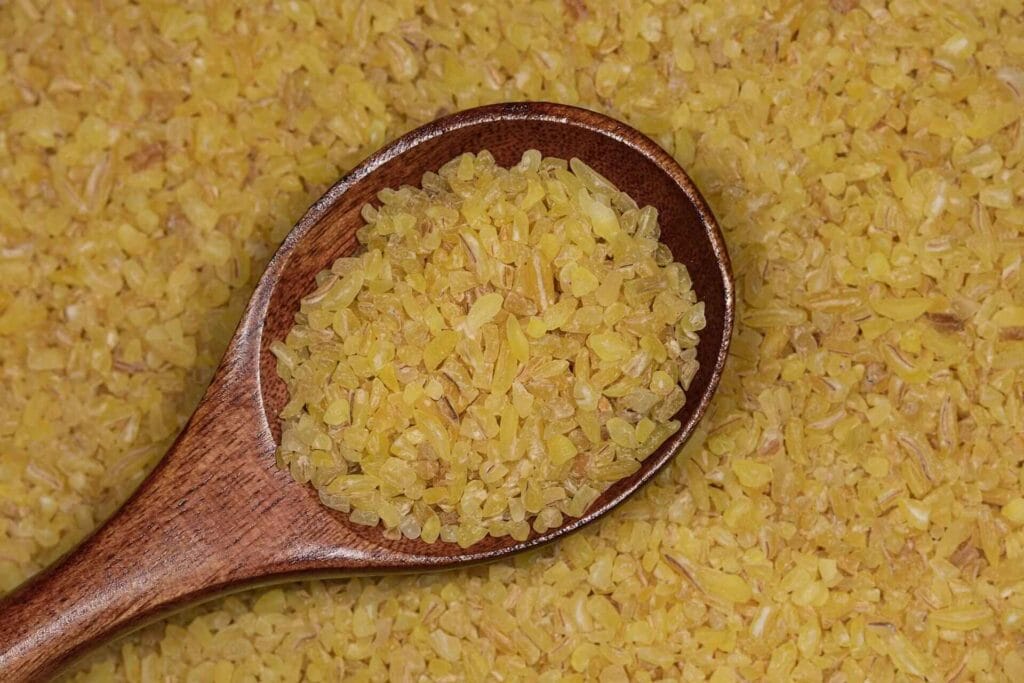
Bulgur is a cereal grain that is primarily produced from broken wheat berries.
It may be used in several recipes, such as tabbouleh salad, oatmeal, and pilaf.
Bulgur is not only flexible and straightforward to cook, but it is also relatively healthy.
It's exceptionally high in manganese, iron, magnesium, and B vitamins (11).
Furthermore, with just 25.5 grams of net carbohydrates in 1 cup (182 grams) of cooked bulgur, it is one of the lowest carbohydrate whole grains available (11).
4. Millet
Millet is a type of ancient grain that is grown all over the world.
Millet, like other whole grains, is high in antioxidants and polyphenols, which may aid in the prevention of chronic diseases such as type 2 diabetes (12, 13, 14).
Millet is also high in fiber and low in net carbohydrates, making it an excellent complement to a low-carb diet.
One cup (174 grams) of cooked millet has more than 2 grams of fiber and 39 grams of net carbohydrates (15).
Millet also contains many essential vitamins and minerals, such as phosphorus, calcium, magnesium, and folate (15).
5. Couscous

Couscous is a refined grain product from semolina flour or durum wheat.
Couscous, a mainstay in many Middle Eastern and Moroccan recipes, is relatively low in carbohydrates, with around 34.5 grams of net carbs in each 1 cup (157 gram) serving (16).
Couscous also contains selenium, a trace mineral important for heart health, thyroid function, immunological health, and other factors (16, 17).
Including couscous in your diet can also increase your intake of essential micronutrients, such as pantothenic acid, manganese, copper, and thiamine (16).
6. Wild rice
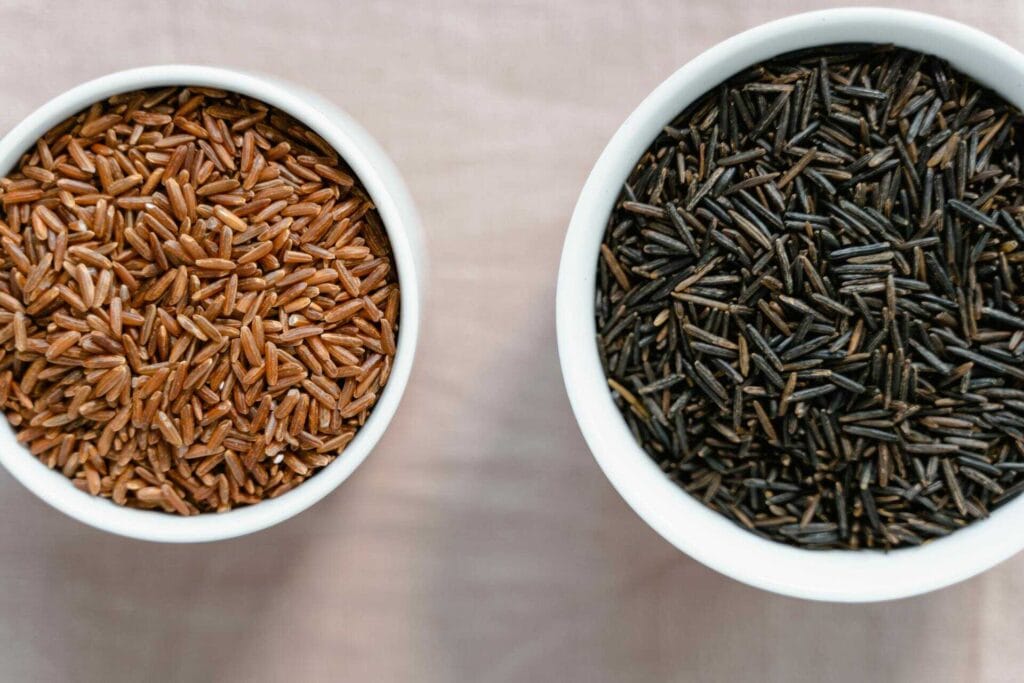
Wild rice is a grain obtained from grasses of the plant genus Zizania.
Wild rice has substantially fewer carbohydrates than other forms of rice, with 32 grams of net carbs in each 1 cup (164 gram) portion of cooked wild rice (18).
Furthermore, wild rice is high in antioxidants, which promote health.
Surprisingly, one study discovered that the phenolic chemicals contained in wild rice had ten times the antioxidant activity of white rice (19).
Furthermore, wild rice contains a high zinc concentration, vitamin B6, and folate (18).
7. Spelt
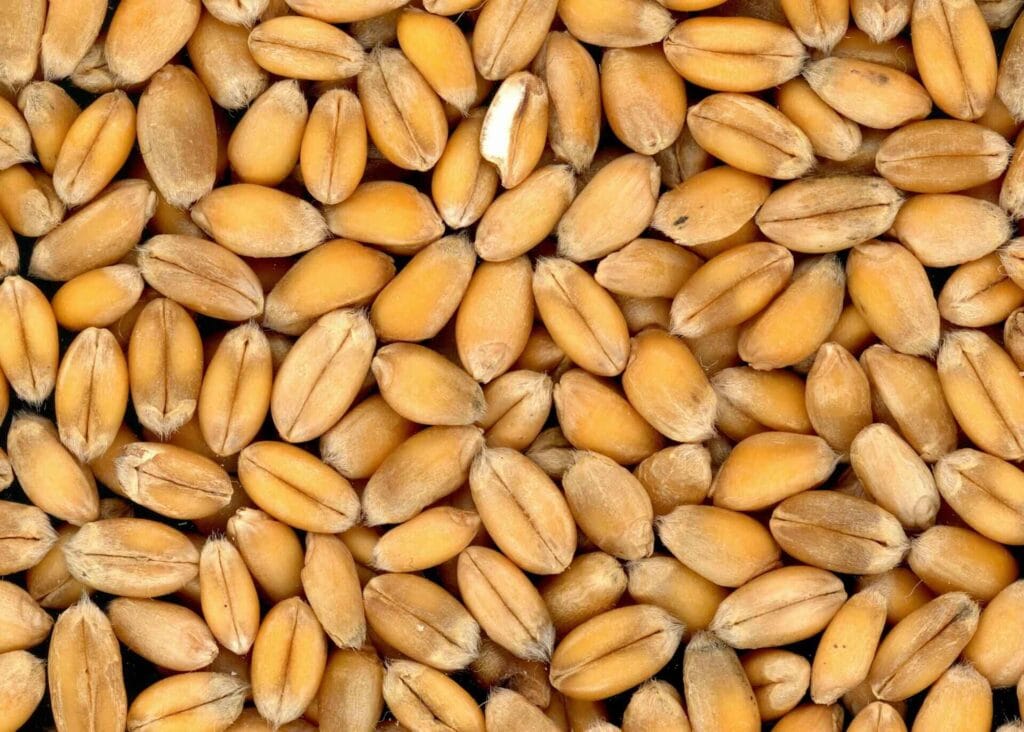
Spelt, also known as hulled wheat or dinkel wheat, is an ancient whole grain linked to various health benefits (20).
More whole grains, such as spelled, may be connected with a decreased risk of heart disease, type 2 diabetes, and some forms of cancer, according to research (21, 22, 23, 24).
Although carbohydrates are primarily carbohydrates, each meal offers a substantial amount of fiber.
For example, a 1 cup (194 gram) meal of cooked spelled has roughly 7.5 grams of fiber and 44 grams of net carbohydrates (25).
Niacin, magnesium, zinc, and manganese are also found in spelled (25).
8. Popcorn

Most people consider popcorn to be nothing more than a snack, yet it is a whole grain.
It's among the lowest carbohydrate grains, with 6.5 grams of net carbohydrates in each 1 cup (14 gram) portion of popped popcorn (26).
Furthermore, popcorn is abundant in B vitamins, iron, magnesium, and phosphorus (26).
To enhance the nutritional content of this healthful grain, choose air-popped popcorn whenever feasible.
This is due to excessive harmful fats, added sugar, and artificial flavorings in many prepared types, which might nullify any possible health advantages.
9. Barley
Barley is a high-fiber cereal grain known for its nutty taste and chewy texture.
Barley is firm in fiber, with 6.5 grams per 1 cup (170 grams) dose and around 41.5 grams of net carbohydrates (27).
Cooked barley is also high in selenium, magnesium, manganese, zinc, and copper (27).
However, choose hulled barley over pearled barley since hulled barley is less processed and considered a whole grain (28).
High-carb grains to watch out for
Although many grains may be included in a healthy, low carb diet, others are heavy in carbohydrates and poor in fiber.
Refined grains are grain products processed to increase their texture and shelf life.
As a result, the fiber content decreases, potentially increasing the number of net carbohydrates in the final product.
Examples of high-carbohydrate cereals include:
- white bread
- refined pasta
- white rice
- pizza dough
- potato chips
- instant oatmeal
- crackers
- breakfast cereal
Furthermore, remember that if you're reducing carbohydrates, you may still need to limit many healthful whole grains, depending on how restricted your diet is.
For example, very low carb or ketogenic diets sometimes limit carb consumption to fewer than 50 grams daily, making it challenging to include grains in your daily carbohydrate allocation (29).
The Bottom Line
Although many low carb diets do not exclude grains, many kinds may be used in a healthy, carbohydrate-controlled diet.
In reality, many grains are high in fiber and low in net carbohydrates, or carbs the body absorbs.
To achieve the most significant outcomes, use whole-grain kinds and avoid excessively processed or refined grains wherever feasible.








0 Comments