
Thinking about trying keto — or already on it and want to do it smarter? Great. This guide is written to cut through the hype and give you practical, evidence-grounded steps you can actually use. Whether you’re a total beginner who needs a simple starter plan, someone who’s tried low-carb before and stalled, or an experienced keto eater wanting to optimize health markers and long-term sustainability, you’ll find clear advice here.
What you’ll get from this section (and the guide overall)
- A fast, friendly primer on what keto is and how it works — without the jargon.
- A realistic view of the evidence: where keto shines (short-term weight loss, blood-sugar improvements, and epilepsy treatment) and where the research is still murky (long-term heart outcomes and sustainability).
- Practical, actionable steps you can use today: grocery swaps, a 10-step starter checklist, troubleshooting tips for the keto flu, and when to get medical help.
Why this matters now
Keto is no longer just a trend — it’s a widely used approach with real clinical roots (it began as epilepsy therapy) and lots of modern research. But popularity also breeds extremes: “dirty keto” (processed, low-carb junk) and sensational headlines about miraculous cures. That’s why this guide focuses on balanced, evidence-based choices and practical safety checks so you can decide if—and how—keto fits your life.
Quick medical caution (so you start safely)
Keto can affect medications, blood sugar, cholesterol, and kidney or liver function — so if you have diabetes, heart disease, kidney/liver problems, or take prescription meds, check with your clinician before radically cutting carbs. We’ll flag the key labs and red flags to watch for in later sections.
Ready to dive deeper? Keep going — next, we’ll explain how ketosis works in plain language and show the exact, simple steps to get started without common rookie mistakes.
Quick TL;DR: 10-point snapshot
- What keto is: The ketogenic (keto) diet is a very low-carb, high-fat eating plan that shifts your body into ketosis — burning fat and ketones for fuel instead of glucose.
- Typical macros: Common starting macros are very low carbs (often <20–50 g/day or ~5–10% of calories), moderate protein, and high fat — though specific ratios vary by protocol.
- Primary short-term benefit: Many people see faster short-term weight loss and reduced appetite on keto compared with standard low-fat approaches.
- Metabolic benefit: Keto can improve blood-sugar control and lower A1C in people with prediabetes or type 2 diabetes in some studies.
- Medical/therapeutic use: The ketogenic diet has long-established therapeutic use (notably for drug-resistant epilepsy) and is being studied for other clinical areas.
- Common short-term risks: Expect possible “keto flu” symptoms (headache, fatigue, brain fog) and electrolyte shifts; these are usually temporary and often helped by hydration and minerals.
- Other safety flags: Some people experience rises in LDL cholesterol or nutrient shortfalls; people with certain illnesses (pancreatitis, liver/kidney disease) or on some meds should avoid or use medical supervision.
- Not the same as DKA: Nutritional ketosis from keto is different from dangerous diabetic ketoacidosis (DKA) — know the difference and seek urgent care for DKA symptoms.
- How to get started fast: Quick starter moves—remove obvious high-carb foods, stock whole-food fats/proteins and low-carb veggies, track net carbs, hydrate, and consider electrolytes/supplements.
- How to check progress: You can confirm ketosis (if you want) with breath, urine, or blood ketone tests, but many people rely on energy, appetite, and weight trends first.
What is the ketogenic (keto) diet?
The ketogenic diet — usually shortened to keto — is a very low-carbohydrate, high-fat eating plan designed to shift your body from using glucose as its main fuel to using fat and ketone bodies. When carbs are restricted enough, the liver converts fatty acids into ketones (beta-hydroxybutyrate, acetoacetate, acetone), and those ketones become a major energy source for the brain and muscles. In practice, that means most calories come from fat, protein is moderate, and carbs are kept very low. (1, 2)
Quick history — where keto came from (Origins & clinical uses)
Keto has medical roots. Clinicians began using very low-carb, high-fat protocols in the early 20th century to mimic the metabolic state produced by fasting, which had been observed to reduce seizure frequency. The diet gained traction in the 1920s–1930s as a therapy for epilepsy (especially in children) and later became less common when new antiepileptic drugs were developed. Today, it’s both a clinical tool for drug-resistant epilepsy and a popular nutritional approach for weight and metabolic health. (3, 4)
Keto vs low-carb vs Atkins — what’s the difference?
Short answer: all of these limit carbohydrates compared with a typical Western diet, but they differ in degree of carb restriction, macronutrient focus, and intended purpose.
| Feature | Ketogenic (Keto) | Low-Carb (general) | Atkins |
|---|---|---|---|
| Typical carbs/day | Very low — often <20–50 g (strict). | Variable — can be moderate to low (50–150+ g). | Starts very low (Induction ~20 g), then increases in later phases. |
| Fat intake | Very high (primary energy source). | Moderate to high. | High, but emphasis shifts as phases progress. |
| Protein | Moderate (to avoid excess gluconeogenesis). | Variable (often higher than keto). | Can be higher than keto in later phases. |
| Main goal | Induce ketosis (metabolic state) — therapeutic or metabolic purposes. | General carb reduction for weight and metabolic health. | Weight loss via phased carb reintroduction and metabolic shift. |
| Typical use | Epilepsy therapy; weight and metabolic management. | Flexible dieting and lifestyle change. | Diet program with structured phases and reintroduction. |
| Medical supervision | Often recommended for therapeutic use. | Usually not required. | Not required but recommended if medical issues exist. |
Why those distinctions matter (short)
If your goal is clinical (e.g., seizure control), you need the strict, tightly controlled classic ketogenic protocols used and supervised by medical teams. If your goal is general weight loss or better blood sugar, a more flexible low-carb approach or an Atkins-style phased plan may be easier to sustain. Keto’s hallmark is achieving and maintaining ketosis — not just eating fewer carbs. (5, 6)
How ketosis works
Ketosis is the body’s backup fuel plan: when you sharply cut carbs, your liver converts fatty acids into ketone bodies (beta-hydroxybutyrate/BHB, acetoacetate, and acetone), and those ketones become a major energy source for tissues that normally prefer glucose — including the brain. Biochemically, the switch happens after your body’s glycogen (stored carbohydrate) is used up; with glycogen low, fatty-acid oxidation ramps up and ketogenesis (ketone production) follows. This is well described in clinical and biochemical reviews. (7)
Put simply: glycogen depletion → increased fat breakdown → liver produces ketones → ketones fuel brain and muscles. That’s why ketogenic eating is often described as a “metabolic mimic” of fasting: it moves your metabolism away from glucose dependency and toward fat-derived fuel. (8)
How long to enter ketosis (practical timing)
Most people who restrict carbs to roughly 20–50 g per day will begin producing meaningful ketones within about 2–4 days, though some people enter ketosis faster (24 hours) and others may take a week or longer depending on prior diet, activity level, body composition, and metabolism. Keto adaptation (your body becoming efficient at using ketones) can take longer — often several weeks. Use these timelines as a practical guide, not a strict rule. (9, 10)
Measuring ketosis: breath, urine, blood
There are three common consumer methods to check ketones — each measures different ketone molecules, and each has tradeoffs in accuracy, convenience, and cost. If you choose to track ketones, pick the method that fits your goals (clinical monitoring, biohacking, or simple reassurance). (11, 12)
Blood ketone meters — most accurate (H4)
- What they measure: Beta-hydroxybutyrate (BHB) in mmol/L.
- Pros: Gold-standard for accuracy; useful if you need precise, repeatable data (medical monitoring, tight experimentation). Blood BHB is the preferred clinical marker.
- Cons: Requires finger-prick test strips (ongoing cost) and a meter; slightly invasive.
- Practical note: Nutritional ketosis is commonly defined as ~0.5–3.0 mmol/L of BHB in blood; many people use ~0.5 mmol/L as a practical lower threshold. (13)
Urine ketone strips — cheap & easy
- What they measure: Acetoacetate excreted in urine.
- Pros: Very inexpensive, easy to use (dipstick color change), good for beginners who want a quick check.
- Cons: Less accurate over time — as you adapt, your body uses ketones more efficiently (so urine ketones can fall even if you are still in ketosis). Hydration level and timing also change results. Not ideal for precise monitoring. (14)
Breath ketone analyzers — reusable & noninvasive
- What they measure: Acetone in breath (a volatile breakdown product of acetoacetate).
- Pros: Noninvasive and reusable (one device purchase rather than ongoing strips). Good for frequent checks.
- Cons: Less standardized across devices; breath acetone can vary with factors such as recent exercise, alcohol, or timing, making interpretation trickier than blood BHB. Still useful for trend-tracking.
Which method should you use? (practical guidance)
- For medical purposes (e.g., therapeutic epilepsy, managing diabetes): use blood BHB and follow clinician guidance — it’s the most reliable.
- For beginners who just want reassurance that they’re producing ketones, urine strips are an inexpensive starting point. Be aware that they can become misleading once you’re keto-adapted.
- For frequent, noninvasive tracking (biohacking or lifestyle): a breath meter can be convenient — treat readings as trends rather than the absolute truth.
Final tips
- Don’t obsess over a single ketone reading — look for trends (energy, hunger, weight changes, and repeated ketone checks). Blood BHB is best for precision; urine and breath are fine for casual tracking.
- Remember: nutritional ketosis (0.5–3 mmol/L) is different from diabetic ketoacidosis (DKA) — the latter is dangerous and usually involves much higher ketones plus high blood glucose and requires urgent medical care. If you have type 1 diabetes or symptoms of DKA (nausea, vomiting, abdominal pain, confusion), seek immediate medical attention. (15, 16)
Keto macros & popular keto types
Getting your macros right is the backbone of keto — not because calories don’t matter, but because the ratio of fat → protein → carbs determines whether your body shifts into ketosis. Below, I’ll explain the usual macro ranges, why protein isn’t the enemy (but too much can matter), and the main keto “flavors” so you can pick what fits your lifestyle.
Typical macro ranges (quick)
- Fat: ~65–75% of calories (often the primary energy source). (17, 18)
- Protein: ~15–25% of calories (moderate — enough to preserve muscle but not so high that it may interfere with ketosis in some people). (19)
- Carbs: ~5–10% of calories, often translated to 20–50 g net carbs/day for most people aiming for nutritional ketosis. (20, 21)
Why ranges instead of fixed numbers? Everyone’s metabolism, activity level, and goals differ. Therapeutic keto (e.g., for epilepsy) is stricter; lifestyle keto for weight/metabolic health is often more flexible.
Why protein needs attention (short explainer)
Protein builds and protects tissue, so you don’t want too little — but very high protein intakes (e.g., 35–40% of calories) can stimulate gluconeogenesis (making glucose from amino acids), which in some people may reduce ketone production and make ketosis harder to sustain. That doesn’t mean don’t eat protein — it means aim for a moderate protein target matched to your weight and activity. (Researchers note excess protein can blunt ketosis in some studies.)
Popular keto types — pick your version
- Standard Ketogenic Diet (SKD)
The classic approach: very low carbs, moderate protein, high fat. Most people aiming for steady ketosis use this. Typical macros fall near the ranges above. Good for general weight loss and metabolic goals. - Targeted Ketogenic Diet (TKD)
Adds a small amount of fast carbs around intense workouts (e.g., 20–50 g) to support performance. Useful if you do high-intensity training and need glycogen spikes. (22) - Cyclical Ketogenic Diet (CKD)
Alternates keto days with higher-carb “refeed” days (for example, 5 keto days / 2 high-carb days). Athletes or people who want occasional carb refeeds use this. - High-Protein Keto
Same idea as SKD but with a higher protein percentage (useful for those doing heavy resistance training). Be mindful: very high protein may make ketosis harder for some. (23) - MCT-based Keto
Uses medium-chain triglycerides (MCT oil) to boost ketone production; MCTs convert readily into ketones and can help people achieve higher ketone levels with slightly more dietary carbs. (24)
Sample macro table — practical numbers (rounded)
Below are example macro targets using a 70% fat / 20% protein / 10% carbs split — a common starting point. Grams are rounded to the nearest whole number.
| Daily Calories | Fat % (kcal → g) | Protein % (kcal → g) | Carbs % (kcal → g) |
|---|---|---|---|
| 2000 kcal | 70% = 1400 kcal → 156 g fat | 20% = 400 kcal → 100 g protein | 10% = 200 kcal → 50 g carbs |
| 1800 kcal | 70% = 1260 kcal → 140 g fat | 20% = 360 kcal → 90 g protein | 10% = 180 kcal → 45 g carbs |
| 1500 kcal | 70% = 1050 kcal → 117 g fat | 20% = 300 kcal → 75 g protein | 10% = 150 kcal → 38 g carbs |
(How the math was done: fat = kcal ÷ 9; protein/carbs = kcal ÷ 4. Round grams for practical meal-building.)
How to choose & tweak your macros (actionable tips)
- Start with goals: weight loss? Metabolic health? Athletic performance? That decides whether to lean toward SKD, TKD, or CKD.
- Calculate needs: use a TDEE calculator and pick a calorie target, then apply your macro split. Diet Doctor, Mayo Clinic, and other reputable sites offer calculators and meal-plan templates.
- Track & adjust: measure how you feel, sleep, energy, performance, and weight. If energy dips or you don’t see ketones and you’re following the plan, lower protein slightly or reduce carbs further — but do this cautiously.
- Prioritize food quality: favor whole-food fats (olive oil, avocados, fatty fish, nuts) over processed “keto” snacks that can hurt long-term health markers.
Potential benefits
The ketogenic diet(“keto”) isn’t just a trendy eating plan — it’s one of the most-studied low-carb approaches. Below, I break down the main, evidence-backed benefits people report and the strength of the science behind each. For each benefit, I’ll give the short takeaway, a plain-English explanation of why it may happen, and key study-type evidence so you know how confident we can be.
Weight loss & appetite control
Takeaway: Keto often produces faster short-term weight loss and can blunt appetite, but long-term differences versus other sensible diets shrink over time.
Why it can work:
- Cutting carbs lowers insulin and reduces water weight quickly; after that, higher dietary fat and adequate protein tend to increase satiety, so many people eat less without feeling constantly hungry.
- Ketone bodies themselves may act on hunger hormones and brain appetite centers, so some people report reduced cravings while keto-adapted. (25, 26)
What the research shows (short summaries):
- Meta-analyses and randomized trials generally find that very-low-carb/ketogenic diets produce larger weight losses than low-fat diets in the first 3–6 months. However, by 12 months, the advantage often downsizes or disappears in many studies. (27, 28)
- Practical note: if your goal is sustainable weight loss, keto can be a powerful tool—but long-term success still depends on adherence and overall calorie balance.
Blood sugar & type 2 diabetes improvements
Takeaway: Keto frequently improves short-term blood glucose, insulin, and A1c measures and can reduce diabetes medication needs, but it must be done with medical supervision for people on glucose-lowering drugs.
Why it can work:
- Lower carbohydrate intake reduces post-meal glucose spikes and decreases insulin demand. Weight loss (often quicker on keto) independently improves insulin sensitivity. Some people see meaningful drops in fasting glucose and A1c within weeks to months. (29, 30)
What the research shows (short summaries):
- Systematic reviews of RCTs and clinical trials report modest but statistically significant short-term improvements in A1c and fasting glucose, especially at 3 months; benefits tend to be largest early and may attenuate with time. Some trials also report reductions in diabetes medications. Still, not every study enforces very low carb levels long-term, and cultural/contextual factors shape results. (31)
Clinical caution: If you use insulin or sulfonylureas, keto can cause hypoglycemia unless doses are adjusted — always coordinate with your healthcare provider.
Neurological uses (epilepsy, Alzheimer’s — early research)
Takeaway: The strongest clinical evidence for keto is in drug-resistant epilepsy (especially in children); evidence for Alzheimer’s and other neurological conditions is promising but preliminary.
Why it can work (mechanism):
- Ketones provide an alternate brain fuel and may stabilize neuronal excitability, alter neurotransmitter balance, and reduce inflammation — mechanisms thought to reduce seizure frequency.
What the research shows (short summaries):
- For pediatric drug-resistant epilepsy, multiple clinical studies and reviews confirm substantial seizure reductions and established clinical use of ketogenic protocols. Adult evidence is smaller but suggests an effect for some patients. (32, 33)
- In Alzheimer’s and other neurodegenerative diseases, small trials and mechanistic studies show potential cognitive benefits from ketones, but larger, longer trials are needed before recommending keto as standard therapy.
Lipid changes & metabolic markers
Takeaway: Keto commonly improves triglycerides and HDL, but LDL responses are mixed — some people see increases in LDL particle number or concentration, which raises questions about long-term cardiovascular impact.
What typically happens:
- Triglycerides: usually fall.
- HDL: often rises (a favorable change).
- LDL: response is variable — some people see no change, some see reductions, and others (the “hyper-responders”) see marked LDL increases. The type of fats consumed (saturated vs unsaturated) and individual genetics matter a lot. (34)
Research & context (short summaries):
- Many trials report improved triglyceride and HDL profiles after 3–12 months on keto, which is cardio-favorable. However, authoritative reviews (and commentary from major medical centers) warn that LDL increases in some individuals could offset benefits and that long-term cardiovascular outcome data are still limited. Observational work has also suggested potential links between very high-fat, low-carb patterns and cardiovascular risk in some populations, but observational studies can’t prove cause and are sensitive to dietary quality (processed vs whole-food fats). (35, 36)
Bottom line on lipids: Monitor lipid panels (including LDL and apolipoprotein B if possible) before starting keto and periodically thereafter—especially if you have a personal or family history of heart disease.
Quick evidence-strength summary
- Strong/established: Epilepsy (especially pediatric), short-term weight loss, and improved triglycerides.
- Moderate/promising: Blood-sugar improvements and reduced medication needs in type 2 diabetes (especially short term).
- Mixed/uncertain long term: LDL/cardiovascular outcomes and sustainability of benefits beyond 12 months.
Practical takeaways (actionable)
- If weight loss or blood-sugar control is your goal, keto can be an effective short-term strategy — but track labs (lipids, CMP) and reassess at 3–6 months.
- If you have epilepsy and are considering therapeutic keto, work with a specialist — protocols are strict and typically medically supervised.
- Emphasize whole-food fats (olive oil, nuts, fatty fish, avocado) over processed saturated-fat heavy options to help protect heart health while on keto.
Risks, side effects & who should avoid keto
Keto can work well for many people, but it isn’t risk-free. Below, I give a clear, evidence-based rundown of the main side effects, what causes them, how to reduce the risk, and which people should avoid (or only try keto under close medical supervision). I’ve kept practical fixes beside each risk, so this is useful, not scary.
Keto flu, dehydration & electrolyte imbalance
What it is: Many people feel groggy, headachey, achy, or nauseous during the first days → weeks after starting keto. That cluster of symptoms is commonly called the keto flu. A large part of the cause is rapid glycogen depletion, and the body loses extra water and salts as glycogen leaves the muscles and liver. (37, 38)
Symptoms: fatigue, headache, lightheadedness, muscle cramps, brain fog, irritability, nausea, and stronger thirst.
Why it happens: Lowered insulin lowers kidney sodium reabsorption, which increases water and electrolyte loss (sodium, potassium, magnesium). If you don’t replace fluids and salts, symptoms can follow.
How to reduce it (practical):
- Increase fluid intake and add electrolytes (salt your food a bit more, eat potassium-rich low-carb veggies, and consider magnesium supplements).
- Don’t go from zero to extreme — reduce carbs quickly but not recklessly; ease into higher fat.
- Rest and lower training intensity for a few days if needed.
When to see a doctor: severe dizziness, fainting, fainting spells, chest pain, or prolonged vomiting. These are signs you may be dangerously dehydrated or have another condition.
Constipation & gut changes
What it is: Many beginners report constipation after switching to keto, especially if they swap out whole-food carbs for processed low-fiber “keto” snacks. Reduced dietary fiber and lower daily fluid intake are the usual culprits. (39, 40)
How to reduce it (practical):
- Prioritize low-carb, high-fiber vegetables (leafy greens, broccoli, Brussels sprouts). (41)
- Drink more water and stay active.
- Consider a soluble-fiber supplement (psyllium) or a probiotic if needed.
- If constipation is severe or persistent, see a clinician.
Kidney stones & uric acid/gout risk
What it is: Some evidence links long-term very-low-carb, high-fat diets to a higher risk of kidney stones and elevated uric acid (a gout risk factor). Mechanisms include changes in urine composition (more acidic urine, higher oxalate in some patterns). (42)
How to reduce it (practical):
- Stay well hydrated and maintain electrolyte balance.
- Include calcium from food (not just supplements) to help bind intestinal oxalate.
- Avoid very high supplemental vitamin C (can raise oxalate).
- If you have a history of kidney stones or gout, discuss keto with a nephrologist or your primary care clinician first.
Nutrient deficits (micronutrients)
What it is: Severely cutting carbs can reduce intake of fruits, whole grains, and some vegetables — raising the risk of shortfalls in fiber, vitamin C, some B vitamins, magnesium, and potassium.
How to reduce it (practical):
- Favor nutrient-dense low-carb foods: leafy greens, berries (in moderation), nuts, seeds, fatty fish, eggs, and low-carb dairy.
- Consider a basic multivitamin and targeted supplements (magnesium, vitamin D), especially early on.
- If you follow keto long term, periodically test for common deficiencies (vitamin D, magnesium, B12 if applicable).
Lipid changes & potential heart-risk signals (mixed evidence)
What it is: Keto usually lowers triglycerides and raises HDL (good). But LDL (bad) can go up in some people — the so-called “hyper-responder” effect. Recent umbrella reviews and meta-analyses report consistent triglyceride/HDL improvement but note clinically meaningful LDL increases in a subset of people; long-term cardiovascular outcome data are limited. That creates uncertainty about long-term heart risk for some individuals. (43, 44)
How to reduce risk (practical):
- Emphasize unsaturated fats (olive oil, avocado, nuts, fatty fish) rather than excessive saturated animal fats.
- Get a baseline lipid panel before starting and repeat at 3 months and periodically thereafter (include LDL and apoB if available).
- If LDL rises substantially, consult your clinician about dietary tweaks or medical management.
Liver, pancreas & fat-metabolism concerns
What it is: People with active pancreatitis, severe liver disease, or known disorders of fat metabolism may be harmed by a high-fat diet; keto shifts the metabolic burden toward fat processing. Major medical bodies recommend against keto in these conditions. (45)
Who should avoid keto (absolute/strong contraindications):
- Pancreatitis (history of or active) — high-fat diets can aggravate it.
- Severe liver disease — the liver is central to ketone production and fat metabolism.
- In certain rare metabolic disorders (e.g., disorders of fatty-acid oxidation), ketogenic metabolism can be unsafe.
- Pregnancy & breastfeeding — not enough safety data; avoid unless supervised by specialists.
- If you’re unsure, get a pre-diet medical check.
Short-term vs long-term safety
Short-term (weeks to months); Most side effects are manageable: keto flu, transient cholesterol shifts, constipation, and dehydration are common but typically resolve with basic fixes (hydration, electrolytes, fibers & food quality). Many clinical trials show short-term metabolic improvements (weight, triglycerides, glucose). (46)
Long-term (1+ year): Evidence is mixed and still emerging. Umbrella reviews and recent long-term animal and human observational studies raise concerns about sustained LDL increases, potential liver dysfunction signals in some models, and unclear effects on cardiovascular outcomes. Because long-term randomized outcome trials are scarce, caution is warranted — especially for people with cardiovascular risk. Regular monitoring and emphasizing whole-food, unsaturated-fat sources help reduce potential long-term harms.
Interactions with medications
Why this matters: Keto changes blood glucose, blood pressure, and electrolyte balance — all of which can interact with common prescriptions. If you take meds, you must involve your prescriber before starting. The NHS and diabetes care resources explicitly warn about medication adjustments. (47, 48)
Key medication classes that often need review:
- Insulin and insulin secretagogues (sulfonylureas): Risk of hypoglycemia as carbs fall — doses often need to be reduced, sometimes quickly. Always coordinate with your diabetes care team.
- Blood pressure medications (diuretics, ACE inhibitors): Faster fluid loss and electrolyte shifts on keto may amplify hypotension or cause dizziness — dose adjustments may be necessary.
- SGLT2 inhibitors (for diabetes): Rarely, combining SGLT2 inhibitors with very low carbs may increase the risk of euglycemic diabetic ketoacidosis — this is a serious condition; check with your clinician.
- Other medications containing carbohydrates/excipients: If you’re on a medically prescribed ketogenic protocol (e.g., for epilepsy), the NHS recommends checking meds for hidden carbs and assessing formulation suitability.
Practical action steps (meds):
- Always tell your prescribing clinician you plan to start keto. Don’t stop or alter prescriptions on your own.
- Arrange earlier follow-up and bloodwork within weeks of starting so doses can be safely adjusted.
- If you’re on insulin or sulfonylureas, plan for gradual dose reductions before you experience hypoglycemia, with clinician guidance.
Quick monitoring checklist (actionable)
- Baseline labs: lipid panel, CMP (liver/kidney), fasting glucose/A1c (if diabetic), electrolytes.
- Repeat labs at 3 months after starting keto, then every 6–12 months based on results and risk.
- Track symptoms: energy, digestion, mood, and any fainting/hypoglycemia episodes.
- Keep an eye on LDL & apoB if available; if LDL rises markedly, re-evaluate dietary fat quality and consult your clinician.
Keto can be effective for certain goals, but it comes with predictable short-term side effects and some unresolved long-term safety questions for certain people. If you have a chronic disease, take medications (especially insulin or BP meds), or have a history of kidney/liver/pancreas issues, consult your healthcare team and get baseline labs before starting. For otherwise healthy adults who emphasize whole-food fats, hydrate properly, and monitor labs, many of the common side effects are manageable.
State of the science: key studies & what they actually show
The research on ketogenic diets is large and growing — but it’s not one simple story. Short-term randomized trials and meta-analyses consistently show keto can speed early weight loss and improve some metabolic markers; long-term results are mixed and depend a lot on study design, dietary quality, and who’s studied. The strongest clinical evidence is for epilepsy (especially in children). Below, I summarize the major findings, the caveats, and give you a short reading list plus a practical checklist for judging study quality. (49, 50)
Weight loss: faster early loss, long-term advantage unclear
Multiple meta-analyses of randomized controlled trials find that very-low-carb or ketogenic diets produce larger weight losses than low-fat diets in the short term (typically 3–6 months). Recent larger meta-analyses that pooled many RCTs still show a short-term advantage for low-carb/KD on weight, BMI, and some inflammatory markers — but the gap usually narrows by 12 months, where adherence and calorie balance drive outcomes more than macronutrient split. In plain terms, keto can be a powerful short-term tool to lose weight and reduce appetite, but long-term superiority is not consistently proven and often depends on whether people can stick with the plan. (51)
Takeaway: Expect faster early wins on the scale, but plan for behavior and sustainability strategies if your goal is long-term weight management.
Cardiometabolic markers & heart outcomes: mixed results, quality and fat quality matter
Across trials, ketogenic diets reliably lower triglycerides and often raise HDL — both favorable changes. However, LDL-cholesterol responses are highly variable: some people see LDL fall, many see little change, and a subset (so-called “hyper-responders”) experience substantial LDL increases. Recent systematic reviews and narrative analyses highlight that while short-term improvements in weight, triglycerides, and HbA1c are common, long-term cardiovascular outcome data are limited, and some observational work raises concern when diets are high in saturated animal fats. In short, keto often improves several risk markers but may raise LDL for some people; the type of fat (unsaturated vs saturated) and individual biology matter greatly. (52, 53)
Takeaway: Monitor lipids (LDL, apoB) when trying keto, favor unsaturated fats, and discuss elevated LDL with your clinician rather than assuming short-term weight loss eliminates long-term cardiovascular risk.
Epilepsy & neurological uses: strongest clinical support
The most robust, long-standing evidence for ketogenic therapies is in drug-resistant epilepsy, particularly in children. Systematic reviews and Cochrane analyses report substantial seizure reductions (many children achieve ≥50% fewer seizures) using classical ketogenic protocols or modified Atkins approaches under medical supervision. Research into Alzheimer’s, Parkinson’s, and other neurodegenerative conditions is promising but still preliminary — small trials and mechanistic studies exist, but large, long-term RCTs are needed before routine clinical recommendations. (54, 55)
Takeaway: For epilepsy, ketogenic diets are an evidence-based therapeutic option (usually delivered under specialist care). For other neurological conditions, the evidence is intriguing but not definitive.
How to read the studies: a practical guide to judging quality
Not all studies are equally informative. Here are quick, practical criteria to apply when you read a paper:
- Study design matters — randomized controlled trials (RCTs) are the best for causal claims; observational studies can suggest associations but not prove them. (56)
- Duration and adherence — short trials (≤3 months) show early physiological changes; longer trials (≥12 months) are needed to assess sustainability. Check adherence rates — poor adherence weakens conclusions.
- Diet quality & comparator — what exactly did participants eat? (“Keto” can mean whole-food keto or processed low-carb—very different.) Also, look at the control diet (Mediterranean? low-fat?) and whether calories were matched.
- Risk of bias — use Cochrane’s Risk of Bias framework: randomization, allocation concealment, blinding of outcome assessment, attrition, and selective reporting are key domains. If a trial has a high risk in one domain, treat its result cautiously.
- Clinical outcomes vs biomarkers — small changes in lab markers (like triglycerides) are useful, but what matters most are clinical endpoints (heart attack, stroke, longevity) — these are harder to study and often unavailable.
Pro tip: Look for meta-analyses that apply GRADE or report risk-of-bias summaries — they synthesize strength of evidence rather than highlighting a single trial result. (57)
Short reading list (authoritative, balanced sources)
- Recent meta-analysis of RCTs on weight/metabolic outcomes (comprehensive review).
- Review on ketogenic diets and cardiovascular disease (explores marker changes and caveats).
- Cochrane review on ketogenic diets for drug-resistant epilepsy (summary of RCT evidence).
- NCBI / clinical overview chapters on ketogenic clinical uses and mechanisms.
- Cochrane Handbook / risk-of-bias guidance for appraisal tips.
Bottom line
- Treat keto as an evidence-backed short-term tool for weight loss and metabolic improvements, with the strongest clinical footing in pediatric epilepsy.
- Expect individual variability: monitor key labs (lipids, liver/kidney function, glucose) and consult clinicians if you have a chronic disease or take medications.
- When evaluating headlines or a single study, ask about study design, duration, adherence, and whether the diet was whole-food focused or processed—those details change how much weight to give the results.
Is keto right for you? — Assess your goals & medical checklist
Deciding whether to try a ketogenic diet is as much about who you are and what you want as it is about the food. Below is a clear, practical decision flow you can use right now, plus a medical checklist (labs and red flags) and exactly when to get professional help. I’ll keep it realistic and evidence-based so you can make a safe plan.
Quick decision flow — should you try keto? (Short version)
- What’s your primary goal?
- Weight loss or general metabolic health → keto can help, especially short-term.
- Tight blood-glucose control (type 2 diabetes) → keto may help, but requires medical supervision if you take glucose-lowering drugs. (58)
- Therapeutic goal (epilepsy, some neurological uses) → Ketogenic therapy is a medical treatment and should be managed by specialists. (59)
- Have major health conditions?
- If you have diabetes (especially on insulin or sulfonylureas), heart disease, kidney disease, liver disease, pancreatitis, or a history of gout/kidney stones → talk to your clinician first. Some of these conditions are contraindications or require close monitoring. (60)
- Are you pregnant, breastfeeding, or a child?
- Pregnancy and breastfeeding are not recommended times to do strict keto unless supervised by specialists; pediatric therapeutic keto is done only under specialist teams for epilepsy.
- Do you take medications that affect blood sugar or blood pressure?
- If yes, you’ll likely need medication adjustments and closer follow-up (see “When to get professional support”).
If your answers raise red flags in steps 2–4, get professional medical sign-off before starting. If not, proceed with baseline checks and a plan.
Medical checklist — labs & baseline tests to get before starting keto
Getting a few baseline tests gives you objective data to track how keto affects you and helps clinicians make safe medication decisions. Sources like Diet Doctor and Mayo Clinic recommend a practical set of tests for people beginning a low-carb or ketogenic approach. (61)
Core baseline labs (start here):
- Lipid panel (total cholesterol, LDL, HDL, triglycerides) — monitor for LDL rises.
- Basic metabolic panel / CMP (kidney + liver function, electrolytes like sodium, potassium, creatinine, ALT/AST) — checks organs that handle fats and ketones.
- Fasting glucose and A1c — especially important if you have prediabetes/diabetes.
- Electrolytes & magnesium (if symptomatic or on diuretics) — to prevent keto-flu complications. (62)
- Uric acid (if you have a gout history) — keto can affect uric acid in some people.
Optional / situation-specific tests:
- Thyroid function (TSH) is checked if you have thyroid disease.
- Vitamin D / B12 if your diet restricts usual sources or if you suspect a deficiency.
- ApoB or particle number, if you want deeper cardiovascular risk tracking (helpful if LDL changes).
Timing: Get these before you start keto, then repeat key tests (lipids, CMP, glucose/A1c as relevant) at about 3 months, and then every 6–12 months depending on results and risk factors. Diet Doctor and clinical guidelines recommend this kind of monitoring cadence.
When you need professional support (be conservative)
- You take insulin, sulfonylureas, or SGLT2 inhibitors. These drugs can cause hypoglycemia or, rarely with SGLT2s, euglycemic ketoacidosis when carb intake drops — your clinician must adjust doses and monitor. Don’t change medication yourself. (63)
- You have heart disease, high cardiovascular risk, or a family history of early heart disease. Get baseline lipids and discuss fat quality (favor unsaturated fats) and monitoring plans with your clinician.
- You have kidney disease, pancreatitis, or severe liver disease. Keto is often contraindicated or needs specialist oversight for these conditions. (64)
- You are pregnant, breastfeeding, or trying to conceive. Avoid strict keto unless under direct specialist guidance.
- You plan to use keto as a medical therapy (e.g., for epilepsy). The ketogenic diet for epilepsy is delivered through multidisciplinary specialist teams and requires careful monitoring—don’t self-prescribe it.
If any of the above apply to you, schedule a pre-start visit with your primary care clinician, endocrinologist, or relevant specialist, and bring your baseline labs.
Practical pre-start checklist (do this before Day 1)
- Book a clinician visit to discuss your plan and bring this checklist.
- Order baseline labs listed above and bring results to the visit.
- If you take glucose-lowering or BP medicines, arrange a plan for earlier follow-up (within days–weeks) so doses can be safely adjusted.
- Plan hydration & electrolytes: get magnesium and consider an electrolyte powder or salt for the first 1–2 weeks to reduce keto-flu symptoms.
- Decide which keto “type” you’ll follow (SKD, TKD, CKD) and whether you’ll prioritize whole foods vs. convenience processed options — food quality affects health outcomes.
Example scenarios (what to do)
- Healthy adult, no meds, wants weight loss: You can often start safely after baseline labs, using whole-foods keto and self-monitoring; recheck labs at 3 months.
- Type 2 diabetes on insulin or sulfonylurea: Do not start alone. See your diabetes clinician to plan medication reduction and monitoring; start only under supervision.
- History of heart disease or high LDL: Get a cardiology/primary care consult, baseline apoB if available, and emphasize unsaturated fats; monitor closely.
- Pregnant or breastfeeding: Avoid strict keto unless a specialist recommends and supervises it.
Final practical tips (wrap-up)
- Safety first: Keto can work, but medical context matters — medication, pregnancy, major organ disease, and pediatric therapeutic uses all change the risk profile. Don’t guess on meds or ignore lab changes.
- Track results, not just feelings: Baseline and follow-up labs give you the data to know if the diet is helping or creating risk.
- Favor whole foods and unsaturated fats (olive oil, avocados, fatty fish, nuts) rather than processed “keto junk” — quality matters for long-term health.
Getting started: 10-step starter checklist
A tight, practical checklist so you can start keto today without scrambling. Each step is actionable — do the first three before Day 1.
1. Pantry clearout (quick wins)
Get rid of or put out of sight obvious high-carb triggers (soda, candy, white bread, sugary cereal, most crackers). Check labels for hidden sugars and starches — sauces and packaged dressings are common surprises. Clearing the visual temptation makes the first week much easier. (65, 66)
2. Basic grocery list (stock the essentials)
Aim for whole foods: eggs, fatty fish (salmon, sardines), chicken, beef, bacon (check for added sugar), full-fat dairy (cheese, cream), avocados, olive oil, avocado oil, butter/ghee, nuts & seeds, low-carb veg (leafy greens, broccoli, cauliflower, zucchini), and berries in small amounts. Frozen low-carb veggies are great for convenience. (67)
3. Sample shopping cart (easy one-trip list)
- Eggs (2 dozen)
- Boneless skinless chicken thighs (2–3 lbs)
- Salmon fillets (4) or canned sardines (4 cans)
- Butter, heavy cream, block cheddar cheese
- Avocados (6)
- Frozen cauliflower rice (2 bags), spinach (1 bag)
- Olive oil + avocado oil
- Almonds, chia seeds
- Bone broth or bouillon (for electrolytes)
- Salt, pepper, dried herbs/spices. (68)
4. Meal templates you can repeat (fast, keto-proof)
- Breakfast: 2–3 eggs + spinach sautéed in butter + ¼ avocado.
- Lunch: Big salad with grilled chicken, mixed greens, feta, olives, olive oil dressing.
- Dinner: Salmon + roasted broccoli tossed in olive oil + butter.
- Snack: A small handful of nuts or celery + cream cheese.
Templates speed decisions and keep macros consistent. (69)
5. Calculate a simple starting macro target
Begin with a practical split (example): 70% fat / 20% protein / 10% carbs, or aim for 20–50 g net carbs/day and adjust from there. Use an online TDEE calculator to set calories, then apply the split. Track for the first 2 weeks to learn portion sizes. (70)
6. Hydration & electrolytes (non-negotiable for Week 1)
Expect fluid and electrolyte shifts early. Drink plenty of water, salt your food a bit more, sip bone broth, and consider supplements or an electrolyte powder with sodium, potassium, and magnesium to prevent the “keto flu.” (71, 72)
7. Supplements to consider (evidence-based & practical)
- Magnesium (for cramps, sleep, digestion)
- Potassium (from food or supplement if needed)
- Sodium (liberalize salt intake—table salt or bouillon)
- Vitamin D (if levels are low)
- Omega-3 fish oil (if you eat little fatty fish)
A basic multivitamin can cover small gaps. Don’t megadose — discuss with your clinician if you’re on meds.
8. Avoid common traps — hidden carbs & “keto junk.”
Watch for sneaky carbs in: salad dressings, marinades, low-sugar sauces, flavored nut butters, “sugar-free” candies (sugar alcohols can cause GI upset), and some processed “keto” bars. Also, avoid relying on ultra-processed low-carb snacks — they can harm satiety and metabolic markers. Read labels and keep most meals whole-food based.
9. Plan easy swaps & 5 emergency meals
Have quick swaps ready: rice → cauliflower rice, pasta → zucchini noodles, toast → cloud bread or eggs, cereal → chia pudding, potatoes → mashed cauliflower. List 5 “emergency meals” you can make in 10–15 minutes so you don’t backslide when busy.
10. Tracking & simple progress metrics
Track macros for 2–4 weeks (apps like Carb Manager, Cronometer, or MyFitnessPal). Measure energy, hunger, sleep quality, and weight/trend rather than daily fluctuations. If you have medical conditions, get baseline labs (lipids, CMP, A1c) and plan a 3-month follow-up with your clinician.
Beginner mistakes and how to avoid them
Below are the most common beginner pitfalls and exactly how to fix them.
Mistake 1 — Not replacing electrolytes (causes keto flu)
Fix: Drink more water, add a pinch of salt to water or meals, sip bone broth, and take a magnesium supplement at night. Expect symptoms to ease in a few days when electrolytes are restored.
Mistake 2 — Eating “keto junk” instead of whole foods
Fix: Prioritize whole-food fats (olive oil, avocados, fatty fish) and protein. Use packaged keto snacks sparingly — they’re convenient but can undermine health and satiety.
Mistake 3 — Under-eating fat (and staying hungry)
Fix: If you’re constantly hungry, add healthy fats (olive oil, butter, avocado) rather than more carbs. Fat is your main calorie source on keto and helps control appetite. (73)
Mistake 4 — Ignoring hidden carbs
Fix: Read labels for added sugars, maltodextrin, dextrose, or starches. Watch condiments and pre-marinated meats. When in doubt, choose fresh ingredients.
Mistake 5 — Overdoing protein (can blunt ketosis for some)
Fix: Keep protein moderate — enough for muscle but not so high that it becomes your main energy source. Aim for the protein percentage you calculated and adjust slowly if needed.
Mistake 6 — No plan for dining out or social events
Fix: Scout menus ahead, pick protein + veg options, ask for sauces on the side, or bring a keto-friendly dish to share. Having a plan reduces stress and keeps you on track.
Mistake 7 — Expecting immediate miracles
Fix: Early weight loss includes water/glycogen loss; metabolic/reset benefits accrue over weeks. Track trends and how you feel (energy and hunger) more than day-to-day weight. (74)
Grocery list & pantry staples
Below is a practical, grocery + pantry guide for a keto kitchen — organized so shoppers can grab what they need quickly. I’ve grouped items by purpose (high-fat cooking, proteins, low-carb veggies, go-to snacks) and finished with condiments & hidden-carb traps to avoid.
High-fat staples (keep these on hand)
Healthy, calorie-dense fats are the backbone of keto meals.
- Extra-virgin olive oil (for dressings, low-heat or finishing).
- Avocado oil (higher smoke point — good for cooking). (75)
- Butter/ghee (cook, roast veg, flavor).
- Coconut oil / MCT oil (optional — MCTs raise ketones faster).
- Avocados (whole food source of monounsaturated fat + fiber).
- High-fat dairy: block cheeses, heavy cream, full-fat Greek yogurt (unsweetened).
- Nuts & seeds: macadamias, pecans, almonds, chia, flaxseed — use portion control (calorie-dense). (76)
Why these matter: they provide satiety, make meals satisfying, and are the main energy source on keto.
Low-carb vegetables (fresh & frozen)
Prioritize nutrient density and fiber — aim for non-starchy options.
- Leafy greens: spinach, kale, romaine, mixed salad greens. (77)
- Brassicas & crucifers: broccoli, cauliflower (great as “rice” or mash), Brussels sprouts.
- Other low-carb veg: zucchini (zoodles), asparagus, green beans, mushrooms, cucumbers, bell peppers (in moderation). (78)
- Herbs & aromatics: garlic, parsley, basil, green onions — small carb cost, big flavor.
- Berries (limited): raspberries, blackberries, strawberries — lower sugar fruit for dessert or snacks. (79)
Tip: frozen cauliflower, spinach, and mixed low-carb veg are convenient, cheap, and last longer. (80)
Proteins — animal & plant options
Choose fatty cuts and whole-food proteins to meet macros and micronutrients.
- Fatty fish: salmon, sardines, mackerel (omega-3s).
- Seafood: shrimp, scallops, canned tuna (in water or oil). (81)
- Poultry & red meat: chicken thighs, duck, beef (ground, steaks), pork chops. Opt for fattier cuts when possible.
- Eggs: extremely versatile, nutrient-rich (use yolks).
- Plant proteins: tofu, tempeh (check for added carbs), and selectively nuts/seeds — watch portions.
Keto-friendly, convenient items & staples
For fast meals and emergency cooking:
- Cauliflower rice (frozen), zucchini noodles, almond flour, and coconut flour (baking).
- Bone broth/bouillon — handy for electrolytes and quick, savory drinks. (82)
- Unsweetened nut butters (almond, macadamia), pork rinds (snack/substitute).
- Dark chocolate (≥85% cocoa) — small portions as a treat.
Smart snack ideas (portion mindful)
- Hard-boiled eggs, olives, cheese cubes, celery + cream cheese, a small handful of macadamias, smoked salmon rollups. (83)
Condiments & packaged items to avoid (hidden carbs/sugar traps)
These commonly derail ketosis — read labels.
- Sugary condiments & sauces: ketchup, BBQ sauce, sweet chili sauce, teriyaki (often packed with added sugar). (84)
- Many store salad dressings (esp. sweet or low-fat varieties) — choose full-fat, no-sugar dressings or make your own.
- Fruit juices, soda, sweetened beverages — obviously high carb.
- Most breads, cereals, grains, starchy tubers (potatoes, corn) — high carb, avoid on keto.
- “Keto” packaged bars and snacks — check sugar alcohols and net carbs; many are highly processed and calorie-dense.
Label reading rule: If an ingredient list includes sugar, dextrose, maltodextrin, cane syrup, or anything with “-ose,” treat it as high carb.
Sample 1-week shopping cart (quick copy-paste list)
(Enough for 1–2 people, flexible meals)
- Eggs (2 dozen) • Butter / ghee • Olive oil • Avocado oil
- Avocados (6) • Mixed salad greens (2 bags) • Frozen cauliflower rice (3 bags) • Fresh spinach (1 bag)
- Salmon fillets (4) • Chicken thighs (2–3 lbs) • Ground beef (2 lbs) • Bacon (check for no sugar)
- Cheddar & cream cheese • Heavy cream • Greek yogurt (full fat, unsweetened) • Canned sardines/tuna
- Almonds/macadamias • Chia seeds • Bone broth cartons • Dark chocolate (85%+)
- Salt, pepper, dried herbs, mustard (no sugar), apple cider vinegar
(Adapt quantities by household size; staple repeat items can be bulk-bought.)
Quick storage & cost tips
- Buy frozen veg & fish when fresh is expensive — same nutrition, less waste.
- Shop in season for lower prices on veggies, or use frozen — berries are fine in moderation and usually cheaper frozen.
- Use a slow cooker or sheet-pan batch cooking to save time and stay on plan.
Calculating macros & tracking: practical tools
Here’s a clear, step-by-step guide to calculating keto macros, understanding net carbs vs total carbs, which tracking apps actually help, when it’s worth testing blood ketones, and a worked sample macro calculation for a 1500 kcal day. I’ll keep it practical so you can put it into practice fast — and include safety notes where they matter.
How to calculate keto macros (step-by-step)
- Pick a daily calorie target. This is usually based on your current weight, activity level, and goals. (If you’re under 18, don’t pick a calorie goal or start a restrictive diet without a parent/guardian and a healthcare professional — see the safety note below.)
- Choose a macro split that suits keto: a common starting split is 70% fat / 20% protein / 10% carbs (many people use 65–75% fat, 15–25% protein, 5–10% carbs depending on goals). (85, 86)
- Convert percentages to calories: multiply total calories by each percentage (e.g., 1500 kcal × 0.70 = calories from fat). (87)
- Convert calories to grams using calorie-per-gram values: fat = 9 kcal/g; protein = 4 kcal/g; carbs = 4 kcal/g.
- Round to practical serving sizes and use a tracking app to log meals — tracking helps you learn portion sizes and stay consistent.
Why protein is treated carefully: protein preserves muscle, but very-high protein can be converted to glucose in some people (gluconeogenesis), which can make ketosis harder to maintain — so most keto plans set protein to a moderate level matched to body size and activity. (88)
Net carbs vs total carbs — what to track
- Total carbs = all carbohydrates listed on a label (includes fiber and sugar alcohols).
- Net carbs = total carbs − fiber (and often sugar alcohols, depending on the type). Many keto followers track net carbs because fiber doesn’t raise blood sugar the way digestible carbs do. However, there’s no FDA-sanctioned, universal definition of “net carbs,” and sugar alcohols vary in how much they affect blood sugar — some (like erythritol) are mostly noncaloric, others (like maltitol) can raise glucose. Use caution and learn which sugar alcohols are in a product. (89, 90)
Practical rule: For most people doing keto for general metabolic or weight goals, tracking net carbs (total − fiber, and subtract erythritol-style sugar alcohols fully, but treat other sugar alcohols conservatively) is common. If you have diabetes or need precise glucose control, talk to your clinician about whether to use total or net carbs for your situation. (91, 92)
Apps & tracking tools that make life easier
Good apps remove guesswork: barcode scanners, large food databases, macro presets for keto, and progress charts.
Top choices (short pros):
- Cronometer — best for micronutrient accuracy and detailed nutrient tracking (great if you care about vitamins/minerals). (93, 94)
- Carb Manager — keto-focused, strong food database, recipe builder, and net-carb settings.
- MyFitnessPal — huge food database and barcode scanner; not keto-specific but flexible.
- Fitia / Keto.app / Stupid Simple Keto — other specialized keto trackers with varying features (meal plans, calculators). Recent roundups list these as top keto trackers.
Tip: Start with one app for 2–4 weeks. Use a food scale at first (or reliable portion photos) so your logged grams match what you actually eat — that’s the fastest way to learn portion sizes and meet your macro targets.
When (and why) to test blood ketones
- Blood ketone meters (measuring beta-hydroxybutyrate/BHB) are the most accurate consumer option. Nutritional ketosis typically shows ~0.5 to 3.0 mmol/L of BHB in blood — many sources use 0.5 mmol/L as a practical lower threshold for ketosis. (95, 96)
- Who should test: people using keto therapeutically (e.g., epilepsy) or those troubleshooting why they’re not seeing results. For most casual keto followers, testing isn’t required — symptoms (reduced appetite, steady energy) and tracking intake are enough.
- When to test: first thing in the morning (fasting) or a couple of hours after a meal; if you’re experimenting with carb limits, test pre- and post-meal to see the effect, use trends rather than obsessing over single readings.
Caution: blood meters require test strips (cost), and very high ketone readings (>3 mmol/L) paired with high blood glucose are dangerous in diabetes (ketoacidosis) — if you’re diabetic and testing, follow your clinician’s guidance.
Sample macro calculation — 1500 kcal day (worked example)
This is an educational example showing the math. If you are under 18, don’t use a calorie target without medical approval — see the safety note below.
Using a 70% fat / 20% protein / 10% carbs split:
- Calories from fat: 1500 × 0.70 = 1050 kcal from fat.
Grams fat = 1050 ÷ 9 = 116.7 g fat → round to 117 g. - Calories from protein: 1500 × 0.20 = 300 kcal from protein.
Grams protein = 300 ÷ 4 = 75 g protein. - Calories from carbs: 1500 × 0.10 = 150 kcal from carbs.
Grams carbs = 150 ÷ 4 = 37.5 g carbs → round to 37–38 g carbs.
Result (rounded practical targets for 1500 kcal):
- Fat: ~117 g
- Protein: ~75 g
- Carbs: ~37–38 g (if you track net carbs, you’d subtract fiber from this daily total when logging).
What that looks like in food: 2–3 eggs + butter + spinach for breakfast, a big salad with olive oil and a palm-sized serving of protein for lunch, fatty fish + roasted low-carb veg for dinner — track exact portions to hit those gram targets.
Practical tracking tips (make it simple)
- Use a food scale for the first 2 weeks. Visual estimates are inaccurate.
- Log everything (condiments and drinks count). Hidden carbs add up.
- Set net-carb rules in the app if you prefer net carbs (and be consistent).
- Track trends, not daily noise. Energy, hunger, sleep, and weekly weight or measurements are more meaningful than daily fluctuations.
- Recalculate if your weight or activity changes — macros should adapt with goals. Many apps include built-in keto calculators if you want automated help.
Quick notes & safety (important)
- If you’re under 18: talk to a parent/guardian and a healthcare professional before starting a keto or calorie-reduced plan. Teens are still growing and may need different nutritional priorities. I can help format a short checklist or a script you can bring to a doctor if you want.
- If you have diabetes or take medications: coordinate with your clinician — carb changes can require medication adjustments.
- Don’t rely solely on “net carbs” for clinical decisions — their calculation is not standardized, and sugar alcohols behave differently. The ADA and other authorities note limitations in net-carb calculations. (97)
4-Week Phased Keto Plan
This four-week plan is designed to move you from “starting” → “adapted” → “fine-tuned” → “maintenance.” It balances real-world convenience with evidence-based pacing (many programs and clinical plans use a 2–4 week adaptation window). Use it as a template — tweak calories and portion sizes to match your macro targets. (If you have medical conditions or take meds, follow the medical checklist and baseline labs first.) (98)
How to use this plan (quick)
- Goal: learn the rhythm of keto, minimize side effects, and build simple routines you can sustain.
- Carb target: beginner safe range for most people aiming for ketosis: ~20–50 g net carbs/day (Mayo Clinic’s “Healthy Keto” plan targets about 50 g net; stricter plans often aim <20–30 g).
- Weigh & adjust: weigh yourself weekly, track energy & hunger, and adjust calories/macros as needed.
- Hydrate & salt: expect electrolyte shifts in Week 1 — salt food, drink water, use broth or an electrolyte supplement if needed.
Week 1 — Adaptation (Days 1–7): clear carbs, settle electrolytes, keep meals simple
Focus: cut obvious carbs, hydrate, prioritize electrolytes and protein + fat balance so you don’t get ravenous. Expect possible “keto flu” 24–72 hours in; the symptoms often ease with salt, water, and rest.
Daily target example: ~20–50 g net carbs, moderate protein, majority calories from fat.
Sample Day (Week 1)
- Breakfast: 2 scrambled eggs cooked in butter + a handful of spinach + ¼ avocado.
- Lunch: Chicken salad — shredded chicken, mayo, celery, green onion, mixed greens.
- Snack: 6–8 olives or a small handful (10–12) macadamia nuts.
- Dinner: Sheet-pan salmon + roasted broccoli tossed in olive oil and lemon.
Simple Week-1 swap & recipe tips
- Make a quick bone-broth mug (warm broth + salt) each morning to top up sodium.
- Swap cereal → chia pudding (chia + unsweetened almond milk + tiny berries).
Week-1 shopping list
- Eggs (2 dozen), butter/ghee, olive oil, avocados (4), spinach (1 bag)
- Chicken thighs or rotisserie chicken, salmon fillets (2–3), broccoli (fresh or frozen)
- Mayonnaise (full-fat, no sugar), olives, macadamia/almonds, bone broth cartons.
Week 2 — Deepen ketosis (Days 8–14): dial in macros & build repeatable meals
Focus: you’re likely producing ketones by now (2–4 days is common for many people, with adaptation improving across weeks). Tighten tracking, build 3–4 repeatable meals, and add simple batch cooking. (99, 100)
Sample Day (Week 2)
- Breakfast: Omelet with 2 eggs, mushrooms, and cheddar + 1 tbsp butter.
- Lunch: Big salad with grilled chicken, mixed greens, avocado, feta, olive oil dressing.
- Snack: Celery sticks + 2 tbsp cream cheese.
- Dinner: Cauliflower “fried rice” — riced cauliflower, scrambled egg, shrimp or diced chicken, tamari, sesame oil.
Simple Week-2 recipe (cauliflower fried rice)
- Sauté 1 cup riced cauliflower in 1 tbsp oil, add 1 beaten egg, push to the side, scramble, add 3–4 oz cooked shrimp, 1 tbsp tamari, and green onion. Finish with sesame oil. Serves 1.
Week-2 shopping list
- Cauliflower rice (frozen or fresh), mushrooms, mixed salad greens, feta cheese, shrimp, or extra protein choice
- Tamari or coconut aminos, sesame oil, green onions, and cream cheese.
Week 3 — Adaptation consolidation (Days 15–21): energy returns, workouts rebound
Focus: Many people report improved energy, reduced hunger, and more stable workouts by week 3. This is a good time to add variety (keto-friendly casseroles, slow-cooker meals) and test targeted carbs around training if needed (TKD) — for most non-athletes, SKD is fine.
Sample Day (Week 3)
- Breakfast: Full-fat Greek yogurt (small serving) + 1 tbsp chia + 5 raspberries.
- Lunch: Bun-less burger (grass-fed if possible), cheddar, lettuce, tomato (small), pickles, mayo.
- Snack: 1 boiled egg + 5 pecans.
- Dinner: Roast chicken thighs + sautéed zucchini + buttered green beans.
Swaps for convenience
- Meal prep 3 chicken thighs + 2 roasted veggies at once for 2–3 meals.
- Use canned salmon + mayo + celery to make an easy salmon salad for lunches.
Week-3 shopping list
- Greek yogurt (full-fat, unsweetened), chia seeds, raspberries (small pack), ground beef or burger patties
- Zucchini, green beans, chicken thighs, pecans, canned salmon.
Week 4 — Fine-tuning & maintenance (Days 22–28): plan sustainability & refeed strategy
Focus: fine-tune fats (favor unsaturated), tweak calories for ongoing progress, and plan how you’ll maintain long-term. Decide whether you want to continue strict keto, move to a moderate low-carb maintenance (~50–100 g/day), or adopt scheduled refeeds/CKD. Mayo Clinic provides a 4-week healthy keto template that uses whole-food choices and ~50 g net carbs/day as a sustainable target for many.
Sample Day (Week 4)
- Breakfast: 2 eggs + smoked salmon + avocado slices.
- Lunch: Cobb salad, mixed greens, bacon, hard-boiled egg, avocado, blue cheese, olive oil.
- Snack: 1 oz dark chocolate (≥85%) or 6–8 almonds.
- Dinner: Zucchini noodle carbonara (zoodles, pancetta, egg yolk, Parmesan).
Refeed & maintenance notes
- If you plan periodic refeeds (CKD) — schedule 1 higher-carb day every 7–10 days and keep it planned (quality carbs like sweet potato, rice). For most people, a moderate low-carb maintenance (50–100 g) is easier and more sustainable than frequent strict refeeding. (101)
Week-4 shopping list
- Smoked salmon, bacon, blue cheese, Parmesan, zucchini for zoodles, dark chocolate (85%+)
- Avocados, mixed greens, eggs, pancetta/Italian bacon.
Simple recipe bank (use these across weeks)
- Egg + spinach skillet: 2 eggs + 1 cup spinach + 1 tbsp butter. Cook eggs, and fold in spinach at the end.
- Salmon & asparagus sheet-pan: salmon fillet + asparagus + drizzle olive oil + bake 400°F 12–15 min.
- Chicken salad (no sugar): shredded chicken + mayo + celery + lemon + salt. Serve over greens.
- Cauliflower mash: steamed cauliflower + 1 tbsp butter + 1 tbsp cream cheese — mash to taste.
- Keto smoothie (if needed): unsweetened almond milk + 1 tbsp almond butter + spinach + ice (watch portions).
Practical swaps (always useful)
- Rice → cauliflower rice
- Pasta → zoodles
- Bread → large lettuce leaves/cloud bread
- Potatoes → mashed cauliflower
- Cereal → chia pudding or full-fat Greek yogurt with seeds
These swaps keep meals familiar while staying low-carb and preserving texture/comfort.
Monitoring & tweaks during the 4 weeks
- Check energy, mood, and workouts — if energy tanks after week 2, raise carbs slightly or add TKD carbs around training.
- If constipation shows up: add more non-starchy vegetables and consider a psyllium or magnesium supplement.
- Repeat labs (if you began with baseline labs): recheck lipids and CMP around 3 months; but if you have concerns earlier, test sooner and consult your clinician. Mayo Clinic emphasizes monitoring and whole-food choices in its 4-week program.
Evidence & sources (key references)
- Mayo Clinic — Healthy Keto Meal Plan (4-week framework, ~50 g net carbs).
- Diet Doctor — 2-week & 4-week keto meal plans and real-world experiments (useful for sample recipes and stricter ≤20–30 g plans).
- Practical timelines & adaptation reports — many keto timelines cite 2–4 days to enter ketosis and several weeks to adapt; real-world 4-week experiments show performance & ketone trends across weeks.
- Harvard / public health overviews for balanced cautions about long-term adherence and cardiovascular considerations. (102)
Final tips to make this plan stick
- Batch cook at weekends (3–4 meals per batch) to avoid convenience temptations.
- Keep a short emergency recipe list (5 meals you can make in 10 min) so busy nights don’t derail you.
- Prioritize whole-food fats (olive oil, avocado, fatty fish) over processed “keto” packaged snacks for better long-term markers.
Recipes & “Swap this for that” tables
Below you’ll find 30 quick, keto-friendly recipe ideas (grouped by meal) with short how-to notes and estimated macros per serving (approximate: fat / protein / net carbs). These are practical, repeatable recipes you can batch-cook or mix-and-match. I also included 5 swap tables (real-food swaps that save carbs) so you can keep familiar meals while staying keto. Macro estimates are rounded — use a food scale and an app (Cronometer, Carb Manager) for exact tracking. (103)
Quick note on sources & accuracy
Estimates are built from common portion sizes and typical ingredient values; they’re meant to guide meal-planning (not clinical dosing). For recipe inspiration and low-carb swaps.
Breakfast (8 quick ideas)
- Eggs & avocado skillet — 2 scrambled eggs cooked in 1 tbsp butter + ¼ avocado + handful spinach.
Est. macros: ~29 g fat / 18 g protein / 3.5 g net carbs. - Cheese omelet with greens — 2-egg omelet + 1 oz cheddar + sautéed spinach.
Est. macros: ~31 g fat / 24 g protein / 3 g net carbs. - Greek yogurt bowl (keto style) — ½ cup full-fat Greek yogurt + 1 tbsp chia + 1 oz almonds + a few berries.
Est. macros: ~28–29 g fat / 20 g protein / 16 g net carbs. - Keto smoothie — ½ cup full-fat Greek yogurt + 1 tbsp chia + ¼ avocado + ice.
Est. macros: ~21 g fat / 14 g protein / 6–7 g net carbs. - Bulletproof-style coffee (light) — coffee blended with 1 tbsp butter + 1 tbsp MCT/coconut oil (use carefully).
Est. macros: ~70 g fat / 2 g protein / ~3 g net carbs. (High-fat beverage — counts toward daily fat goals.) - Cottage cheese & nuts — ½ cup full-fat cottage cheese + 1 oz pecans.
Est. macros: ~25 g fat / 17 g protein / 4 g net carbs. - Cloud-bread “toast” + cream cheese — cloud-bread (almond-flour or 2-egg base) + 1 tbsp cream cheese.
Est. macros: ~39 g fat / 20 g protein / ~8 g net carbs. - Bacon & eggs (simple) — 2 eggs + fattier protein (or a small palm of ground beef).
Est. macros: ~39.5 g fat / 33 g protein / ~1 g net carbs.
Lunch (8 quick ideas)
- Salmon salad — 3 oz cooked salmon + mixed greens + ¼ avocado + 1 tbsp olive oil.
Est. macros: ~35 g fat / 21 g protein / 2.5 g net carbs. - Chicken Caesar (no croutons) — 3 oz chicken + greens + 1 oz Parmesan + 1 tbsp full-fat dressing.
Est. macros: ~25 g fat / 34 g protein / ~2 g net carbs. - Shrimp & cauliflower “rice” — 3 oz shrimp + 1 cup cauliflower rice + 1 tbsp olive oil.
Est. macros: ~15.5 g fat / 20 g protein / ~3 g net carbs. - Tuna/chicken lettuce wraps — mayo-based tuna or chicken salad in lettuce cups.
Est. macros: ~15 g fat / 15 g protein / ~4 g net carbs. - Zoodle pesto with chicken — zucchini noodles + 3 oz chicken + 1 tbsp olive oil + 1 oz cheese.
Est. macros: ~29.5 g fat / 35 g protein / ~4 g net carbs. - Keto Cobb salad — chicken, avocado, hard-boiled egg, cheese, olive oil.
Est. macros: ~36 g fat / 34 g protein / ~2.5 g net carbs. - Sardine salad (super easy) — canned sardines + greens + olive oil + lemon.
Est. macros: ~24 g fat / 13 g protein / ~1 g net carbs. - Burger bowl — 3 oz ground beef, avocado, greens, cheese.
Est. macros: ~34 g fat / 30 g protein / ~3.5 g net carbs.
Dinner (8 quick ideas)
- Salmon + roasted broccoli — 3 oz salmon + 1 cup broccoli + 1 tbsp butter.
Est. macros: ~26 g fat / 22 g protein / ~3 g net carbs. - Beef stir-fry with cauliflower rice — 3 oz ground beef + 1 cup cauliflower rice + 1 tbsp olive oil.
Est. macros: ~32.5 g fat / 23 g protein / ~3 g net carbs. - Chicken curry & cauli rice — chicken pieces cooked with coconut oil and curry spices, served over cauliflower rice.
Est. macros: ~20.5 g fat / 28 g protein / ~3 g net carbs. - Zucchini Bolognese — ground beef ragu over zucchini noodles + a sprinkle of Parmesan.
Est. macros: ~27.5 g fat / 30 g protein / ~4 g net carbs. - Lamb (or beef) curry with cauliflower rice — rich curry using fattier meat + cauliflower rice.
Est. macros: ~32.5 g fat / 23 g protein / ~3 g net carbs. - Pork chops & sautéed greens — pork (or fatty cut) + buttered broccoli/greens.
Est. macros: ~30 g fat / 24 g protein / ~3 g net carbs. - Shrimp Alfredo zoodles — shrimp + zoodles + small amount of cream + Parmesan.
Est. macros: ~54.5 g fat / 29 g protein / ~7 g net carbs. - Keto “fathead” pizza (single-serve) — almond-flour crust + mozzarella + toppings.
Est. macros: ~58 g fat / 31 g protein / ~7 g net carbs.
Snacks & small plates (6 quick ideas)
- Cheese & olives/nuts plate — 1 oz cheese + 1 oz pecans or olives.
Est. macros: ~29 g fat / 10 g protein / ~2 g net carbs. - Celery + cream cheese (or pork rinds) — quick, crunchy snack.
Est. macros: ~13 g fat / 9 g protein / ~1 g net carbs. - Almond spoon/nut butter — 1 oz almonds or 1 tbsp almond butter.
Est. macros: ~14 g fat / 6 g protein / ~3 g net carbs. - Dark chocolate square (85%+) — small portion treat.
Est. macros: ~12 g fat / 2 g protein / ~5 g net carbs. - Hard-boiled eggs — 2 eggs.
Est. macros: ~10 g fat / 12 g protein / ~1 g net carbs. - Pork rinds + guacamole — crunchy + fatty combo.
Est. macros: ~15 g fat / 9 g protein / ~1.5 g net carbs.
Practical tips
- These macros are approximate per serving and assume basic preparations (no added sugary sauces). Use a scale and a tracker (Cronometer / Carb Manager) for precise logging.
“Swap this for that” — 5 quick tables (big carb savings)
Note: numbers are typical per-serving carb comparisons; your packaged foods will vary. (104)
Swap 1 — Rice →Cauliflower rice
| Regular | Keto swap | Why it works | Typical carbs saved (per 1 cup cooked) |
|---|---|---|---|
| 1 cup cooked white rice — ≈ 41–45 g carbs | 1 cup cauliflower rice — ≈ ~3 g net carbs (100 g ≈ 3 g net) | Texture & bulk mimic rice; neutral flavor so it fits Asian, Mexican, and curry dishes. | ~38–42 g fewer carbs per cup |
Swap 2 — Pasta →Zucchini noodles (zoodles)
| Regular | Keto swap | Why it works | Typical carbs saved (per 1 cup cooked) |
|---|---|---|---|
| 1 cup cooked pasta — ≈ 37–43 g carbs | 1 cup zucchini noodles — ≈ 2–4 g net carbs | Zoodles add volume and “noodle” texture with tiny carb cost; pair well with meaty or creamy sauces for a satisfying swap. | ~35–40 g fewer carbs per cup |
Swap 3 — Sweetened cereal/oatmeal →Chia-pudding
| Regular | Keto swap | Why it works | Typical carbs saved (per serving) |
|---|---|---|---|
| 1 bowl sweetened oatmeal / cereal — ≈ 20–40 g carbs (varies) | Chia pudding (chia + unsweetened almond milk + cinnamon; berries sparingly) — ≈ 3–6 g net carbs depending on portion | Chia pudding gives a cereal-like texture and high fiber; chia seeds add healthy fats and slow digestion, keeping you satisfied with far fewer carbs. | ~15–35 g fewer carbs per serving (depends on original cereal) |
Swap 4 — Toast/sandwich bread →Cloud bread/lettuce wraps
| Regular | Keto swap | Why it works | Typical carbs saved (per slice) |
|---|---|---|---|
| 1 slice white bread — ≈ 12–18 g carbs | Cloud bread (egg-based) or large lettuce leaf wrap — ≈ 1–3 g net carbs | Cloud bread mimics bread texture; lettuce is zero-prep, crisp, and works well for sandwiches/wraps. | ~10–17 g fewer carbs per slice/serving |
Swap 5 — Granola →Nut & seed mix
| Regular | Keto swap | Why it works | Typical carbs saved (per ½ cup) |
|---|---|---|---|
| ½ cup granola — often 20–30 g carbs (and added sugars) | ½ cup mixed nuts & seeds (no sugar) — ≈ 4–6 g net carbs depending on mix | Granola is frequently sweetened; plain nuts and seeds are satiating, high in healthy fats, and much lower in carbs. | ~15–25 g fewer carbs per ½ cup |
Final quick checklist
- Use these swaps to keep favorite meals while slashing carbs. Diet Doctor has great step-by-step cauliflower & zoodle recipes if you want exact instructions.
- Track with an app (Carb Manager / Cronometer) and weigh servings for accurate macros.
- If you have medical conditions or take meds, consult your clinician before making big diet changes.
Supplements, labs & when to seek medical monitoring
If you’re thinking about trying keto (or already doing it), having a clear plan for what to check, what to consider taking, and when to get medical help will keep you safer and more effective. This section gives a practical, evidence-based checklist you can use now — plus special safety notes for teens and people on medication.
Important for teens: Major medical organizations warn that restrictive low-carb diets are not recommended for children or adolescents for weight loss without clinical supervision. If you’re under 18, talk with a parent/guardian and a healthcare provider first — never start a strict keto plan on your own. (105, 106)
Labs to check — baseline and follow-up
Getting some baseline labs gives you objective data to track benefits and spot problems early. Many specialist programs (and clinical reviews) recommend a consistent monitoring schedule. (107, 108)
Key baseline tests (get these before you start):
- Lipid panel — total cholesterol, LDL, HDL, triglycerides. Important because LDL can rise in some people on keto. (109, 110)
- Comprehensive metabolic panel (CMP) — includes liver enzymes (ALT/AST), kidney function (creatinine), electrolytes (sodium, potassium), and glucose. This checks organs that handle fat/ketones. (111)
- Electrolytes & magnesium — sodium, potassium, magnesium (either within CMP or as standalone tests) — to prevent and manage keto-flu symptoms.
- Fasting glucose and A1c — especially important if you have prediabetes or diabetes.
- Uric acid — if you have gout history or a kidney-stone risk. Keto can raise uric acid in some people. (112)
Optional / situation-dependent tests:
- Thyroid panel (TSH, free T4) — if you have known thyroid issues. (113)
- Vitamin D (25-OH) — a common deficiency and easy to correct.
- ApoB or LDL particle tests — for deeper cardiovascular risk profiling if LDL changes.
- Full blood count (FBC), trace elements (zinc, selenium) — often included in formal ketogenic therapy monitoring (especially for children on therapeutic diets).
Suggested monitoring cadence (general adult guidance):
- Before starting: get baseline labs.
- 3 months after starting: repeat lipid panel and CMP (so you can see short-term changes).
- 6–12 months: repeat labs and then at least annually if stable — more often if abnormal changes appear. For therapeutic ketogenic therapy (e.g., epilepsy), the NHS and specialist centers recommend more detailed, scheduled testing. (114)
Supplements to consider
Supplements can help manage symptoms and fill nutrient gaps — especially during the early adaptation phase. Don’t megadose or start multiple supplements without checking with a clinician or pharmacist (especially if you take medications). Below are common, evidence-based options and why people use them. (115)
1. Electrolytes (sodium, potassium, magnesium)
- Why: Rapid loss of glycogen causes the body to excrete more water and salts — replacing them reduces keto-flu symptoms (headache, cramps, dizziness).
- How to use (practical): liberalize table salt if needed, sip broth, eat potassium-rich low-carb veg, and consider a magnesium supplement at night. Discuss doses with a clinician — especially if you take blood-pressure meds or have kidney disease.

Electrolyte Pills — 100 Capsules | Potassium • Magnesium • Sodium • Chloride • Calcium — Rehydration, Keto & Cramp Support
Compact electrolyte capsule formula (100 caps) delivering key minerals — potassium, magnesium, sodium, chloride, and calcium — to help replace minerals lost with sweat or low-carb diets.
Useful for short-term rehydration after exercise, during hot weather, or when following keto/low-carb plans that increase electrolyte loss; many people also use electrolytes to help reduce muscle cramps.
Contains concentrated minerals for convenience (capsules are an alternative to drinks or powders) — follow label directions, avoid exceeding recommended doses, and consult your healthcare provider if you take blood-pressure or heart medications or have kidney disease.
Sources for quick reference: Cleveland Clinic (what electrolytes do), MD Anderson (when to use electrolytes), MedlinePlus (imbalances & risks), WebMD/EatingWell (mineral uses & safety).

2. Vitamin D
- Why: Many people are low in vitamin D; maintaining adequate levels supports bone, immune, and metabolic health. Test level first and supplement if low under guidance.

Vitamin D3 with Coconut MCT Oil
Powerful daily D — Sports Research Vitamin D3 with Coconut MCT Oil delivers 125 mcg (5,000 IU) of vitamin D3 in easy-to-swallow liquid softgels formulated with coconut MCT for better absorption. Supports bone strength, calcium absorption, and immune health; non-GMO, gluten-free, third-party tested, and available in a value 360-softgel size.
3. Omega-3 (EPA/DHA) fish oil
- Why: Helpful for balancing fats — may improve triglycerides and support heart and brain health when your diet is higher in fat. Choose a reputable product and discuss the dose with a clinician.

Pure Encapsulations EPA/DHA Essentials — Ultra-Pure Fish Oil (300 mg EPA / 200 mg DHA per Softgel)
Ultra-pure, microfiltered fish oil softgels delivering 300 mg EPA + 200 mg DHA per capsule to support cardiovascular, joint, and cognitive health.
Molecularly distilled and batch-tested for contaminants (heavy metals, PCBs, dioxins/furans, peroxide/TOTOX), supplied in convenient softgels and typically taken with meals (available in 90- or 180-count options).
Low-odor, gentle formula for adults — consult your healthcare provider before use if you take blood thinners, have a bleeding disorder, or are under medical care.
4. Magnesium
- Why: Supports muscles, sleep, and digestion; commonly recommended during keto to reduce cramps and constipation. Dietary sources include nuts, seeds, and leafy greens. Supplement if needed.

Nature Made Magnesium Oxide — 250 mg, 200-Count (200-Day Supply)
Compact product blurb:
- Single-ingredient Magnesium Oxide 250 mg tablets — 200 count (≈200-day supply) to help support muscle, heart, bone, and nerve health.
- Simple, gluten-free formula aimed at meeting daily magnesium needs — easy once-a-day dosing.
Note: magnesium oxide is generally less bioavailable than organic forms (e.g., citrate); follow label directions and consult your healthcare provider — do not exceed the recommended supplemental limit without medical advice (supplemental UL ≈ 350 mg/day).
5. Potassium (food-first)
- Why: Important for heart rhythm and muscle function. Prefer food sources (avocado, leafy greens); use supplements only if recommended by a clinician (excess potassium can be dangerous with kidney disease).

NOW Foods Potassium Chloride Powder
Pure, fine-milled potassium chloride (certified non-GMO) in a convenient powder form. Great for DIY electrolyte drinks, as a low-sodium salt substitute in cooking, or as an ingredient when you need a clean mineral source. Follow the package directions and consult your healthcare provider before using as a potassium supplement—especially if you have kidney, heart, or blood-pressure conditions.
6. Multivitamin / targeted trace elements
- Why: If your food variety is limited, a basic multivitamin can guard against micronutrient gaps. For therapeutic diets, specialists often monitor and supplement specific trace elements.

NUTRAMIN Daily Vegan Keto Multivitamin Gummies — 90 Count (45-Day) — Sugar-Free, Vegan & Allergen-Free (Vitamin C, D₂, Zinc, Biotin & B-Vitamins)
Plant-based, sugar-free gummy multivitamin — 90 gummies (≈45-day supply) made with vegetarian apple pectin and naturally sweetened with stevia; vegan and free from the top food allergens.
Formulated to support immunity and energy with Vitamin C, Vitamin D₂, zinc, biotin, and B-vitamins in natural fruit flavors — positioned for keto and low-carb lifestyles.
Gelatin-free, nut-free, gluten-free, and soy-free — follow the label for dosing and speak with your healthcare provider before use if pregnant, nursing, taking medications, or managing health conditions.
When to stop keto & seek clinician care
Some problems are common and manageable; others need prompt medical attention. If you experience any red flags below, stop the diet and contact your healthcare provider (or emergency services if symptoms are severe). For teens: tell a parent/guardian right away.
Stop & seek urgent care / call your clinician if you have:
- Severe dizziness, fainting, or passing out. Possible dehydration, low blood pressure, or electrolyte imbalance.
- Chest pain, shortness of breath, or sudden severe palpitations. These may signal a cardiac problem — immediate evaluation required.
- Severe persistent vomiting or inability to keep fluids down. Risk of dangerous dehydration and electrolyte loss.
- Signs of liver trouble (yellowing of the skin or eyes, dark urine, severe abdominal pain) — stop diet and seek immediate care.
- Strange muscle weakness or severe cramps, irregular heartbeat. Could indicate major electrolyte disturbances.
- If diabetic and have very high ketones with high blood glucose, nausea/vomiting, or altered consciousness, this could be diabetic ketoacidosis (DKA) and needs urgent care. (People with type 1 diabetes should not start keto without specialist supervision.) (116)
When to contact your clinician (non-urgent but soon):
- Marked rise in LDL cholesterol or other concerning lipid changes on follow-up tests. Discuss diet quality (saturated vs unsaturated fats) and next steps.
- Persistent gastrointestinal issues (severe constipation, bloody stools, prolonged abdominal pain).
- New or worsening kidney-stone symptoms (colicky flank pain, blood in urine).
- If you’re taking insulin, sulfonylureas, SGLT2 inhibitors, diuretics, or blood-pressure medicines, check in within days–weeks of starting keto so medication dosages can be safely adjusted. (117)
Practical monitoring checklist
- Before starting: baseline labs — lipid panel, CMP (including electrolytes), fasting glucose/A1c, uric acid.
- Weeks 0–2: focus on hydration, salt, and magnesium — watch for keto-flu signs. If severe, stop and call your clinician.
- 3 months: repeat lipid panel + CMP. If LDL rises significantly, discuss with a clinician.
- 6–12 months: repeat labs and adjust monitoring frequency based on results and health status.
Final safety note for teens
Because your body is still growing, teens need different nutrient priorities. The American Academy of Pediatrics cautions against using restrictive low-carb diets for children and adolescents for weight loss without clinical oversight, and therapeutic ketogenic diets for epilepsy are always done under specialist teams with close monitoring. If you’re a teen asking about keto, bring this conversation to a parent/guardian and your doctor — they’ll help you find a safe plan that supports growth and health.
Exercise, athletic performance & keto
Keto changes the body’s fuel mix — from carbs → fat, and ketones — and that alters how you perform during different types of exercise. Below is a clear, evidence-based breakdown of what to expect for endurance vs high-intensity work, plus practical TKD (targeted keto) and CKD (cyclical keto) strategies for athletes, and real-world tips so you can test safely. (118, 119)
How keto changes fuel and performance
When you’re keto-adapted, your body increases fat oxidation and relies less on muscle glycogen and blood glucose. That’s great for long, steady efforts where fat can supply most of the energy; it’s usually a disadvantage for short, very intense, glycolytic efforts that need fast glucose and glycogen. Multiple reviews and position stands summarize this tradeoff: fat-adaptation raises fat use but often reduces exercise economy (higher oxygen cost) and high-intensity output.
Key general findings (evidence highlights):
- Endurance (low–moderate intensity): Many athletes maintain performance after 3–4 weeks of keto adaptation; fat oxidation increases substantially. (120)
- High-intensity / sprint/power work: Keto often reduces performance, economy, or capacity at >70–80% VO₂max, especially for repeated intervals or maximal sprints. Reports show decreased efficiency and sometimes higher perceived exertion during high-intensity sessions.
- Overall conclusion from sports-nutrition experts (ISSN): ketogenic diets are largely neutral or detrimental for athletic performance compared with higher-carb diets — they can help body composition and some markers, but don’t reliably boost performance.
Endurance athletes — what to expect & practical tips
- Expect: improved ability to oxidize fat and preserved performance at moderate intensities after adaptation (roughly 2–4 weeks), but possibly worse exercise economy at higher intensities.
- Practical tips:
- Allow a 3–6 week adaptation window before judging performance changes.
- Test race pacing in training first — don’t trial keto the week of an event.
- If you race at steady moderate intensities (ultra-endurance), keto may be useful for reducing dependence on frequent carb feeds, but if you need bursts or surges, keep carbs in your plan. (121)
High-intensity athletes & team sports
- Expect: reduced peak power and repeat-sprint ability in many people on strict keto. High-intensity efforts rely on glycolysis and muscle glycogen, so reducing carbs can impair these outputs.
- Practical tips:
- For athletes in team sports, sprint sports, or sports requiring repeated maximal efforts, do not start strict keto in-season without careful testing. Consider TKD/CKD (below) instead.
- Use carbohydrate timing around workouts (see TKD) and track objective metrics (times, power, RPE) during adaptation.
TKD (Targeted Ketogenic Diet) — carbs around workouts
What it is: small amounts of fast carbs (commonly 20–50 g) taken shortly before or after high-intensity training to support glycogen-dependent efforts while keeping overall daily carbs low. (122, 123)
Why athletes try it: TKD can give you a quick glucose boost for a hard session without fully abandoning ketosis for the rest of the day — a compromise for lifters or interval athletes. Evidence is mostly practical/observational rather than large RCTs, but many coaches use TKD successfully as an on-ramp to performance.
How to use (practical starting protocol):
- Take 20–50 g easily digested carbs (rice cake, small banana, dextrose, sports gel) 30–60 minutes before intense training.
- Monitor performance and whether you return to perceived ketosis afterwards (some people test post-workout ketones).
- Adjust carb amount based on duration and intensity. Always trial in training before competition.
CKD (Cyclical Ketogenic Diet) — planned refeed days
What it is: mostly strict keto for several days, followed by 1–2 higher-carb “refeed” days to restore muscle glycogen (common patterns: 5 days keto / 2 days carbs). (124)
Evidence & use cases:
- CKD can help athletes who do high-volume or high-intensity training and need glycogen restoration for performance. RCTs show CKD may improve body composition, but evidence on strength/endurance benefits is mixed; one RCT found improvements in body composition but not in strength/endurance vs balanced diets. (125)
Practical protocol:
- Schedule refeed days around the most intense training blocks or competitions.
- Keep refeed carbs focused on whole, easily digested sources (rice, potatoes, fruit) and monitor body composition and performance over several cycles.
Strength training & muscle building
- Some meta-analyses suggest keto does not impair strength gains when calories and protein are adequate, and may improve body composition in resistance-trained people — but individual responses vary. If hypertrophy or maximal strength is your priority, consider CKD or a moderate-carb approach and ensure enough protein. (126)
Special concerns & emerging findings
- Bone health: A short study of elite race walkers showed that short-term ketogenic nutrition altered bone-turnover markers unfavorably; long-term implications are uncertain but worth noting for athletes training heavily. Monitor bone health if you adopt a prolonged, strict keto diet.
- Ketone supplements: high-profile studies and recent sports governing-body advice found no clear performance benefit from ketone esters/supplements; cycling’s UCI now recommends against their routine use. Don’t rely on supplements as a performance shortcut. (127, 128)
Quick, evidence-based checklist for athletes
- If your sport is steady-state endurance (ultra, long distance): keto may be a useful tool — trial in training, allow 3–6 weeks to adapt, monitor pace economy.
- If your sport requires high power/speed (sprints, team sports, CrossFit): strict keto will likely reduce peak outputs — prefer TKD/CKD or a moderate-carb plan.
- If you lift for strength/hypertrophy, ensure caloric and protein adequacy; CKD or higher-protein keto protocols can help preserve muscle. (129)
- Always test in training: never debut a major diet change the week of competition. Track objective metrics (time, power, RPE).
Practical sample plans (quick templates)
TKD (for interval days)
- Pre-workout (30–60 min): 20–40 g fast carbs (rice cake, banana, sports gel) + water.
- Post-workout: normal keto meal with protein + moderate fat to aid recovery.
CKD (weekly refeed option)
- 5 days strict keto (~20–50 g net carbs/day) → 1–2 high-carb days (150–250 g carbs focused on whole grains/tubers) timed around heavy training or competition.
Final notes & safety
- Work with a sports-registered dietitian if you’re competing or training at a high level — they can personalize TKD/CKD timing, carb quantities, and recovery nutrition.
- Monitor health markers (lipids, bone markers if heavy training, and overall recovery) during long-term keto use.
- Test before you trust: trial any carb-timing strategy in practice and use measurable outcomes (power, pace, perceived exertion) to decide what works for you.
Troubleshooting — common problems & quick fixes
Here are the most common keto hiccups (keto flu, plateaus, constipation, bad breath, sleep issues) — what causes each, fast fixes that actually help, and when to get medical help. Short, practical, and evidence-backed so you can get back on track. (130, 131)
Keto flu — headache, brain fog, low energy
Why it happens: early carb loss causes glycogen + water loss and a drop in insulin, which makes you shed sodium and other electrolytes; dehydration + low electrolytes = the familiar “keto flu.”
Quick fixes (do these first):
- Drink more water and add salt to food or sip warm bone broth.
- Replenish electrolytes: focus on sodium, potassium, magnesium (food first — avocados, leafy greens, nuts — and consider supplements if needed).
- Rest, reduce training intensity for a few days, and eat enough protein + fat so you’re not undereating.
When to see help: severe dizziness, fainting, very low urine output, or inability to keep fluids down — seek medical care.
Weight-loss plateaus — you stopped seeing progress
Common causes: calorie creep (snacking on calorie-dense keto foods), underestimating portions, intermittent lapses, loss of lean mass, lowering energy needs, or normal metabolic adaptation. Often it’s a combo, not “keto failed.” (132, 133)
How to break it (practical steps):
- Log everything for 7–14 days (weigh portions or use a food scale) to reveal hidden calories. (134)
- Prioritize protein and add strength training 2–3×/week to preserve/build muscle. (135)
- Trim excess snacking (nuts, fat-bombs, cheese) and reduce liquid calories.
- If you’ve lost a lot of weight, recalculate your calories — your body now needs fewer calories. Consider a brief calorie cycle or planned refeed if appropriate. (136)
When to seek help: unexplained weight maintenance despite consistent logging and exercise — a dietitian can audit intake and metabolic causes. (137)
Constipation — a very common early side effect
Why it happens: lower fiber intake (if you swap whole grains for processed “keto” snacks) and reduced water can slow transit.
Quick fixes (first try these): (138, 139)
- Drink more water (aim ~2 L/day+, adjust by climate/activity). (140)
- Increase low-carb, high-fiber foods: leafy greens, broccoli, chia/flax, nuts, avocado.
- Move more — even short daily walks help bowel motility.
- If needed, speak to a pharmacist about a short-term, gentle laxative (osmotic laxatives like polyethylene glycol are commonly recommended), but try diet/lifestyle changes first. NHS guidance recommends consulting a pharmacist or GP if diet changes don’t help. (141)
When to see help: severe abdominal pain, blood in stool, or constipation lasting >3 weeks — get checked.
Bad breath (“keto breath”) — that fruity/acetone odor
Why it happens: Acetone (a ketone) is exhaled and can create a fruity or nail-polish-like odor—more noticeable in early ketosis. (142)
Fast fixes:
- Drink more water and chew sugar-free gum or mints to boost saliva.
- Practice excellent oral hygiene (brush, floss, tongue scraper).
- Reduce very-high-protein meals temporarily and prioritize fats from vegetables (avocado, olive oil) — for some people, excess protein compounds the smell. (143)
- In most people, keto breath fades as adaptation continues (a few weeks).
When to see help: if breath is sweet & fruity and you also have high blood sugar or feel very ill (could indicate diabetic ketoacidosis in people with diabetes) — seek urgent care. (144)
Sleep issues — insomnia or strange dreams (and sometimes improved sleep)
What to expect: sleep responses vary — some people report better sleep and less daytime sleepiness; others get insomnia (often early) related to carb withdrawal, hormone shifts, or electrolyte imbalance. A recent scoping review shows overall mixed effects with some improvements in sleep quality, but individual variability. (145, 146)
Fixes that help most people:
- Fix electrolytes (magnesium can aid relaxation/sleep).
- Keep caffeine early in the day and avoid late stimulants.
- Practice sleep hygiene: consistent bedtime, a dark room, and limit screens before bed.
- If insomnia starts after major carb cuts, try a small evening carb (e.g., 10–15 g from berries) for a few nights and see if sleep improves — trial in training, not on a big event night.
When to seek help: prolonged insomnia affecting daytime function — discuss with a clinician because persistent sleep loss needs evaluation. (147)
Quick “Fix-Now” checklist
- Keto flu → hydrate, salt, bone broth, magnesium.
- Plateau → track intake, up protein, lift weights, cut snacks.
- Constipation → water, fiber (low-carb veg), move; pharmacist if needed.
- Keto breath → water, gum, oral care; usually fades.
- Sleep trouble → electrolytes, sleep hygiene, reduce late caffeine.
Safety note for teens (important)
If you’re under 18, don’t start a strict ketogenic or calorie-restricted plan without a parent/guardian and medical supervision — growing bodies have different nutrient needs, and keto can cause side effects that require monitoring. Ask a parent to bring this checklist to your clinician.
Transitioning off keto & long-term sustainability
Transitioning off a strict ketogenic diet is a process, not a single meal. Do it slowly and deliberately so your metabolism, digestion, and appetite adapt — and so you avoid sudden weight regain, bloating, blood-sugar swings, or anxiety around carbs. Below is a practical, evidence-based plan with timelines, food priorities, monitoring tips, and sustainable maintenance options. If you’re under 18, talk with a parent/guardian and a healthcare professional before making any major diet changes — growing bodies need different nutritional support. (148, 149)
Why reintroduce carbs slowly?
Jumping from very low carbs to a high-carb pattern can cause large fluid shifts, quick weight regain (mostly water and glycogen), GI upset, and temporary carb-sensitivity (bloating, blood sugar swings). A gradual reintroduction helps your hormones, gut, and appetite regulate and gives you data to choose a sustainable long-term approach. Multiple clinics recommend taking several weeks to transition rather than trying to “eat normally” overnight. (150)
4–6 week stepwise reintroduction plan (practical)
Week 0 — baseline prep (before adding carbs)
- Record current weight trend, waist measurement, energy, sleep, and digestion.
- If you had baseline labs before starting keto, keep those for comparison (lipids, CMP, A1c if relevant). If you’re on meds (especially diabetes or BP meds), notify your clinician.
Weeks 1–2 — gentle first phase
- Add ~10–20 g of carbs per day above your current intake (or increase daily carbs by ~10% each day using Cleveland Clinic guidance). Start with fiber-rich, low-GI carbs: extra non-starchy vegetables, berries (small portions), and a serving of legumes or a small sweet potato if you tolerate them. Monitor energy and digestion. (151)
Weeks 3–4 — moderate reintroduction
- Add another 20–30 g/day (so you may be in the ~50–80 g/day range depending on goals). Introduce whole grains (small portions of oats, quinoa), larger fruit portions, and a serving of starchy veg (potato, winter squash) on some days. Continue tracking weight/waist and symptoms.
Weeks 5–6 — maintenance testing
- Decide a maintenance target based on how you feel and your goals: many people stay at ~50–100 g/day for a flexible low-carb lifestyle, while others move toward 120–150 g/day for wider dietary variety and sustainable balance (NHS/UK health guidance uses this range for general daily carbs). Choose what fits your energy needs, workouts, and metabolic health. (152, 153)
Practical rules during the whole transition
- Prioritize whole food carbs (vegetables, fruit, legumes, whole grains, tubers) over refined sugars and sugary drinks. Harvard and Mayo Clinic recommend favoring complex carbs for long-term health.
- Keep protein adequate and keep most added calories coming from nutrient-dense carbs and moderate fats — avoid immediately returning to high-sugar processed snacks.
What to monitor (objective & subjective)
- Objective: weekly weight trend (not daily), waist circumference, and — for people with cardiometabolic concerns — labs (lipid panel, CMP, A1c if diabetic) after ~8–12 weeks.
- Subjective: energy, mood, hunger/satiety, sleep, and GI symptoms (bloating, diarrhea/constipation). If you experience severe GI distress or rapid, unexplained weight gain, slow the reintroduction or check with a clinician. (154)
Avoiding and managing common problems when adding carbs
- Rapid weight “regain” (water + glycogen): expect some weight increase in the first 1–2 weeks — that’s normal. Focus on waist, clothes fit, and body composition long-term rather than scale panic.
- Carb intolerance (bloating, gas, loose stool): reintroduce lower-FODMAP or low-GI carbs first (berries, oats, sweet potato), increase slowly, and consider a probiotic or fiber ramp-up to help your microbiome adjust. If symptoms persist, stop and seek medical advice.
- Blood glucose swings (if you have diabetes): reintroducing carbs can change medication needs — coordinate closely with your care team and monitor glucose more often during the transition.
Strategies to prevent long-term weight regain
- Keep protein high enough to preserve lean mass (helps resting metabolic rate).
- Practice portion control for starchy/high-calorie carbs — use plate portions (¼–⅓ plate starch, rest veg+protein) once you’re in maintenance. NHS guidance suggests ~30–40 g carbs per meal if targeting higher maintenance ranges. (155)
- Continue resistance training 2–3×/week to maintain muscle. Exercise helps energy balance and body composition.
- Make quality swaps: prioritize whole grains, legumes, and fruit over pastries, sweets, and sugary drinks.
Long-term, sustainable approaches (pick one that fits you)
- Flexible low-carb maintenance (50–100 g/day): keeps many keto benefits (reduced hunger, stable energy) while allowing variety and social ease. Good for weight maintenance and metabolic health for many.
- Mediterranean-style low-carb: combine Mediterranean principles (olive oil, fish, vegetables, moderate whole grains) with a lower-carb target. This emphasizes heart-healthy fats and high nutrient density.
- Cyclical carb approach (CKD) or planned refeeds: keep lower carbs most days and schedule higher-carb days around heavy training or social events. Diet Doctor covers carb-cycling tactics for people who need periodic higher carbs. (156)
Psychological & social tips (avoid orthorexia & carb fear)
- Some people feel anxious about carbs after strict keto. Normalizing small, planned reintroductions and tracking how you feel (energy, mood, performance) helps retrain your relationship with carbs. If fear of eating carbs or extreme food restriction persists, talk to a parent/guardian and a healthcare professional — disordered-eating patterns need compassionate support. (157)
When to get medical help during the transition
- Rapid and large weight gain with swelling, severe GI symptoms, fainting, chest pain, or signs of poor blood-glucose control (if diabetic) — seek medical care.
- If labs show worrying changes (big LDL rise, abnormal liver/kidney tests), review diet quality and speak with your clinician about next steps.
Quick checklist (do this as you transition)
- Add carbs slowly (≈ +10–20 g/day in Week 1, then another +20–30 g/week).
- Start with low-GI, fiber-rich carbs (veg, berries, legumes, whole grains).
- Track weekly weight, waist, energy, and digestion.
- Keep protein steady, prioritize whole foods, and continue resistance training.
- If you’re under 18 or on meds (especially for diabetes), get clinical sign-off and monitoring.
The Bottom Line
Keto can be a powerful tool for weight loss and specific medical uses, but it’s not magic. Do your homework, monitor labs, prioritize whole foods over “keto junk,” and remember that personal response varies. If you have chronic conditions or take medication, get professional guidance before you start.
FAQs
How many carbs to stay in ketosis?
Most people need to stay under ~20–50 g net carbs per day, but individual tolerance varies; measure ketones if you want precision.
Will keto raise my cholesterol?
It can — some people see LDL rise while triglycerides fall and HDL rises. Check labs and focus on healthy fats.
Is keto safe long-term?
Long-term safety is still being studied; short-term benefits are clearer than long-term evidence. Regular monitoring is wise.
Can I do intermittent fasting with keto?
Yes, many people combine them and report easier fasting while keto-adapted, but listen to your body and hydrate.
Are exogenous ketones useful?
They can raise blood ketone readings temporarily, but they aren’t a substitute for metabolic adaptation and whole-food nutrition; use them cautiously.

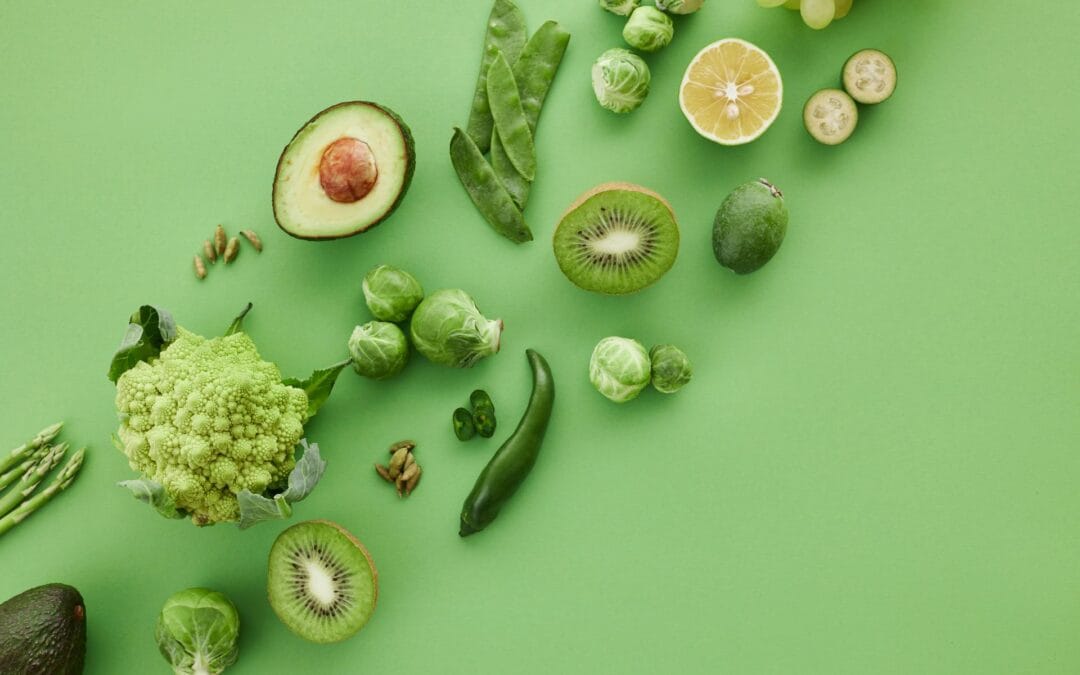
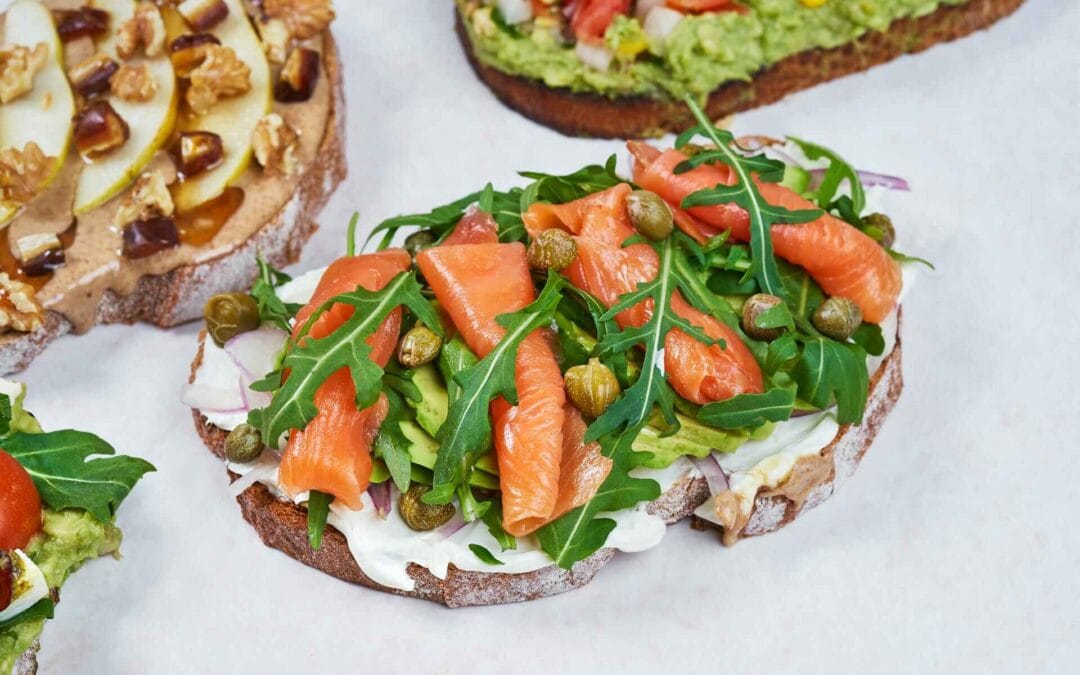


I?¦m not certain the place you are getting your information, however great topic. I must spend some time learning much more or figuring out more. Thank you for excellent info I was in search of this info for my mission.
Thanks — great question, and I appreciate the honest feedback! I pulled the information from a mix of reputable sources (research articles, official guides, and expert roundups). If you’d like, I can add a short “Sources” section and link the exact references so it’s easier to follow up. Tell me which part you want to dig into, and I’ll expand that section with clearer explanations and links. Thanks for stopping by — really glad it helped with your project! 🙏