
If you’re stepping into the world of low carb eating and want meals that feel indulgent, satisfying, and actually simple to make, you’re in the right place. This guide is built for real life — not for culinary perfectionists or people with endless free time. You’ll get the pantry essentials, fast breakfasts, one-pan dinners, smart swaps (so you don’t feel deprived), and a ready-to-use 7-day meal plan that makes mornings and weeknights far less stressful. Think of this as the friendly, no-nonsense starter kit that turns low carb from a confusing trend into a practical way to eat.
Why go low carb? Benefits explained
Deciding to try a low carb way of eating often starts with a simple question: “Will this make my life easier — not harder?” For many beginners, the answer is yes. Cutting back on refined carbs (think white bread, sugary drinks, pastries) and leaning into protein, vegetables, and healthy fats tends to simplify meals, reduce mid-day energy crashes, and make portion control less of a mental tug-of-war. People commonly report fewer cravings and a stronger feeling of fullness after meals — two practical wins that help with consistent, real-world adherence.
Scientific reviews and major health organizations describe low carb eating as a range of approaches (from moderate reduction to very low carb/ketogenic), not a single one-size-fits-all plan, which is why practical flexibility is part of what makes low-carb appealing for beginners. (1, 2)
What “low carb” really means (definitions & carb ranges)
“Low carb” isn’t a strict legal label; it’s a spectrum — and understanding where you want to sit on that spectrum helps you set realistic goals without guessing. Nutrition bodies and dietitians commonly break carbohydrate intake into rough bands so people know what “low” looks like in practice. For example, very low carb or ketogenic approaches usually aim for about 20–50 grams of total carbs per day, which forces the body to shift toward fat and ketone use in many people. A moderate low carb plan tends to sit in the 50–130 gram range, offering big reductions from a typical Western diet while leaving more room for fruit, dairy, and whole-grain swaps.
Some organizations define “low carb” as anything under about 130 grams/day, and call diets above that moderate to high in carbs. Giving yourself a specific range makes shopping lists, recipes, and plate planning far less mysterious — you won’t have to count every crumb. These ranges are supported by professional guidance from dietetic groups and health services that provide practical cutoffs and examples for meal planning. (3, 4)
Common health and practical benefits (weight, blood sugar, satiety)
Why do so many people feel better when they cut carbs? Three everyday benefits show up most often: weight control, better blood sugar stability, and improved satiety (feeling full).
First, reducing high-glycemic carbs frequently reduces calorie intake automatically — protein and fats slow digestion and blunt hunger signals, so people often eat less without rigid calorie counting; that’s one reason several clinical reviews find greater short-term weight loss on lower-carb plans compared with low-fat ones.
Second, because carbohydrates are the main driver of post-meal blood glucose, lowering carbohydrate intake can lead to smaller blood sugar spikes — this is especially helpful for people with insulin resistance or type 2 diabetes who are trying to improve A1C and daily glycemic control.
Third, the macronutrient mix matters: protein + fat + fiber at a meal is a reliable combo for longer satiety, fewer cravings, and less snacking between meals. That said, not all “low carb” approaches are equally healthy — emphasizing whole vegetables, lean proteins, healthy fats, and fiber keeps benefits high and side effects low. Trusted health resources and review articles document these practical outcomes while also noting that long-term effects depend on food choices and individual health context. (5)
Who should check with a doctor first (medications, diabetes, adolescents)
Low carb diets can change how your body handles medications and nutrients, so a quick reality check with a clinician is wise for certain groups. If you take insulin or blood sugar lowering pills, reducing carbs without adjusting meds can cause dangerously low blood sugar (hypoglycemia) — your prescribing clinician or diabetes educator can help you plan safe medication changes while you adjust your intake.
Pregnant or breastfeeding people, adolescents who are still growing, and people with a history of disordered eating should also consult a healthcare professional before starting a restrictive low carb or ketogenic plan because nutrient needs and hormonal balances matter a lot in these life stages. Finally, people with certain kidney conditions, pancreatic issues, or who are on medications that affect electrolyte balance should get professional advice, since some low carb transitions change fluid and electrolyte needs. Major medical organizations and diabetes associations recommend individualized planning and medical supervision for these groups to keep the approach safe and effective. (6)
Low carb pantry essentials for beginners
Getting your pantry and fridge organized is the fastest way to make low-carb eating simple and repeatable. Instead of staring into an anxious abyss of choices at 6 p.m., you want reliable building blocks that combine fast: protein + fat + fibrous veg. That means stocking a handful of versatile items you can mix and match into dozens of meals without a recipe.
The goal here is to lower friction — fewer decisions, fewer store runs, and fewer moments when you reach for a carbohydrate-heavy convenience option. Below, I break the essentials into practical groups, explain why each item helps, and give real-world tips you’ll actually use during a busy week.
Staples to keep on hand (proteins, low carb veg, healthy fats)
A beginner’s pantry should prioritize foods that store well, assemble quickly, and form the base of nearly every meal. For proteins, keep eggs, canned tuna or salmon, chicken thighs (cheaper and forgiving), ground beef or turkey, and a small stash of frozen shrimp. Eggs are the ultimate multitaskers — scramble, bake, hard-boil, or fold into a frittata. Canned fish plus chopped vegetables make a 5-minute lunch bowl. For plant-forward patterns, include firm tofu and canned beans only if your carb budget allows (they’re higher in carbs than most animal proteins).
For low carb vegetables, rotate durable choices: cauliflower, broccoli, zucchini, spinach, bell peppers, and leafy greens. Frozen vegetables are a low-waste, budget-friendly backbone — you can portion and sauté them straight from the bag. These veggies supply fiber and micronutrients, so your plate doesn’t become an endless meat slab.
Stock healthy fats like olive oil, avocado oil, butter or ghee, whole-milk yogurt (if tolerated), nuts, and nut butters. Fats slow digestion and increase satisfaction, which helps prevent grazing on carbs later. Add flavorful, low-carb condiments — Dijon mustard, vinegars, soy sauce/tamari, hot sauce, and preserved lemons — because taste keeps a long-term plan alive.
Finally, add a few smart extras: almond or coconut flour for occasional baking, chia or flax seeds for fiber, bone broth for fast soups, and a small jar of a low carb sweetener if you like baking. A simple rotation of these items means you can make everything from an egg scramble to a stir-fry bowl in under 20 minutes. For practical shopping lists and beginner grocery layouts, recipe sites and low carb guides show similar core items and how they combine into quick meals. (7, 8)
Smart swaps (cauliflower rice, zoodles, nut flours)
Swaps preserve ritual. Pizza night, taco night, and pasta night are cultural anchors — you don’t need to erase them, just swap the high-carb base. Cauliflower rice is the easiest place to start: pulse florets in a food processor or buy frozen riced cauliflower, then sauté until tender. It soaks up sauces and spices like rice but at a tiny fraction of the carbs; many cooks rave that, when seasoned and textured well, it’s indistinguishable as a base under saucy proteins. There are countless recipe walkthroughs for perfect, non-soggy cauliflower rice that explain moisture control and correct searing steps. (9, 10)
Zoodles (spiralized zucchini) are the simplest “pasta” swap — light, fast, and best when dressed with a hot sauce so they don’t get watery. A typical cup of zoodles contains very few carbs compared to a cup of cooked pasta, and they deliver a pleasant, tender bite when drained and quickly warmed rather than overcooked. If you’re craving more structure, spaghetti squash gives a stringier, slightly firmer mouthfeel and is a good low-carb pasta alternative. Comparative nutrient breakdowns show zoodles and spaghetti squash are both far lower in carbs and calories than wheat pasta and add fiber and vitamins to the plate. (11, 12)
For baking, almond flour and coconut flour are the two go-to substitutes. They don’t behave like wheat flour — they absorb liquid differently and produce denser results — so use tested recipes for breads, pancakes, or muffins. Add psyllium husk or xanthan gum in small amounts when you want a chewier, more elastic crumb (use sparingly). These alternatives let you enjoy familiar textures (think pancakes, pizza crusts, or muffins) while keeping net carbs far lower. Lists of these swap options and their common culinary behaviors are widely used in beginner low carb shopping guides. (13)
Useful tools and small appliances (spiralizer, food processor)
Small appliances turn a handful of staples into fast weeknight meals. A food processor is the top multitasker: it makes cauliflower rice, chops nuts, purees sauces, and shreds veg in seconds. Good-quality compact models handle most home needs and are recommended in many “best tools” roundups; if countertop space is tight, a mini chopper still speeds up prep significantly. A number of recent appliance guides list budget manual choppers as excellent low-waste choices for small kitchens.
A spiralizer (manual or electric) turns zucchini, carrots, and squash from whole vegetables into long strands—perfect for zoodles or slaws. Manual handheld models are inexpensive and work well for one or two-person households; larger countertop spiralizers handle sturdier vegetables like sweet potatoes and produce more uniform ribbons. If you prefer a single tool that does several jobs, many cooks recommend a high-capacity food processor with spiral or grating attachments as a space-saving trade-off. Recent appliance roundups and chefs’ guides outline which models combine value and durability.
Other practical helpers: a good nonstick skillet (for quick sautéing), a sheet pan (for one-pan dinners), an instant pot or multicooker (for hands-off braises and batches), and a high-speed blender (for smoothies or nut butters). You don’t need to buy the top-of-the-line versions; sensible mid-range tools last and make prep faster. When choosing, consider capacity (are you cooking for one or a family?), ease of cleaning, and how often you will realistically use the gadget. Appliance comparison guides and meal prep tool roundups are great resources when deciding between a mini chopper, a food processor, or a full blender.
Simple breakfast ideas to start your day
Starting your morning with a low carb breakfast that actually satisfies is one of the fastest wins you can give yourself. The trick isn’t martyrdom — it’s planning. When your first meal combines protein + healthy fat + fiber, you’ll blunt cravings, stabilize energy, and set a calm tone for the rest of the day. Below you’ll find quick 5-minute options with rough macro guidance so you can eyeball what to eat, make-ahead strategies that save time, and low carb smoothie and drink ideas (plus a short list of what to avoid).
These ideas are built to be real: travel-friendly, kid-friendly, and forgiving when life gets hectic. Use them as templates — swap proteins, double a batch, or add a veg — and you’ll have breakfasts that feel like treats, not chores.
Quick 5-minute breakfast options (example recipes + macros)
You don’t need to spend forever to eat a breakfast that keeps you full. Here are three superfast builds you can make in five minutes or less, with approximate macros to help you plan (note: macros are estimates — use an app for exact tracking):
1) Avocado + Egg Boat
- Build: Halve a ripe avocado, scoop a little more flesh to widen the well if needed, crack a large egg into each half, salt, and microwave 1–1½ minutes (or bake 12–15 minutes if you prefer). Finish with black pepper and a squeeze of lemon.
- Why it works: healthy fats from avocado + complete protein from the egg = sustained energy and minimal mid-morning hunger.
- Approx macros (per serving — 1 egg + 1/2 medium avocado): ~300–360 kcal, 12–16 g protein, 22–30 g fat, 6–8 g total carbs (2–4 g net carbs).
2) Greek Yogurt Power Bowl
- Build: ¾ cup full-fat plain Greek yogurt, 1 tbsp chia seeds, 2 tbsp crushed walnuts, and ⅓ cup raspberries. Stir and top with cinnamon.
- Why it works: protein from yogurt + omega fats and fiber from nuts and chia keeps blood sugar steady and gives good mouthfeel without added sugar.
- Approx macros: ~320–380 kcal, 20–25 g protein, 18–25 g fat, 9–12 g total carbs (6–8 g net carbs).
3) Quick Egg & Spinach Scramble
- Build: Whisk 2 large eggs, sauté 1 cup baby spinach in 1 tsp olive oil, add eggs and scramble; optionally fold in 1 oz grated cheddar or a spoonful of pesto. Finish with chives.
- Why it works: superfast, high protein, and easy to scale for kids or partners.
- Approx macros: ~290–360 kcal, 18–24 g protein, 20–26 g fat, 3–5 g total carbs (2–3 g net carbs).
These builds are flexible: swap the cheese for salmon or turkey for higher protein, or add a side of steamed broccoli for extra fiber. If you track macros, treat the numbers above as ballpark figures and log exact portions in your chosen app.
Make ahead breakfast and meal prep tips
Meal prepping breakfast is a small habit that, when compounded, frees you from rushed mornings. There are two effective approaches: batch cooking and assembly prep. Batch cooking means making a large quantity of one item (egg muffins, baked frittatas, breakfast sausages) and portioning it for several days. Assembly prep means prepping the components separately (hard-boiled eggs, washed greens, roasted vegetables) so you can mix and match in the morning.
Practical batch ideas: make a dozen egg muffins with spinach, mushrooms, and shredded cheese in a muffin tin; they reheat in 30–45 seconds. Bake a sheet-pan of seasoned chicken sausage and peppers on Sunday for savory breakfasts that pair with a dollop of Greek yogurt. For sweeter mornings, prepare almond-flour pancakes in a large batch and freeze them between sheets of parchment; toast or microwave for a minute.
Storage and safety tips: refrigerate cooked eggs and most cooked proteins for up to 4 days; freeze portions you won’t eat within that window (most cooked breakfasts freeze well for 1–2 months). Use airtight containers and label with date. Reheat in a microwave on medium power to avoid rubbery textures, or use a toaster oven to revive crisp edges on things like leftover frittata slices. For portability, pack breakfasts in insulated containers — keep wet elements (yogurt, dressings) separate until you eat.
Smart workflows for beginners: pick two breakfast templates (one savory, one sweet) and rotate them weekly; prep components on Sunday in two 45-minute sessions (proteins + veg, then assemble baked items). This reduces decision fatigue and increases the chance you’ll eat the breakfast you planned. Many experienced low carb eaters swear by “one pan Sunday” for slicing prep time and multiplying convenience across meals.
Low carb smoothie & drink ideas (what to avoid)
Smoothies can be a nutrient powerhouse — if you construct them intentionally. The frequent smoothie mistakes are accidental sugar bombs: fruit juices, frozen fruit blends heavy on banana/mango, or sweetened yogurts spike carbs and turn a healthy habit into a snack masquerading as a meal.
To keep smoothies low carb and filling, follow a simple formula: protein + fat + low-carb veg/fruit + fiber.
Keep these building blocks on rotation: a protein source (unflavored whey/pea protein powder or plain Greek yogurt), a fat (1 tbsp almond butter or ¼ avocado), a fibrous base (a handful of spinach or 1/3 cup frozen cauliflower florets), a small portion of low-sugar fruit (5–6 raspberries or ¼ cup blueberries), and a liquid (unsweetened almond milk, coconut water in small amounts, or water). Add seeds (chia/flax) for extra fiber and texture.
Example smoothie: 1 scoop unflavored protein powder + 1 cup unsweetened almond milk + ¼ avocado + 1 cup spinach + 5 raspberries = creamy, filling, and very low net carbs.
What to avoid: large bananas, orange juice, store-bought smoothie blends (unless clearly labeled low carb), sweetened yogurt, and commercial “juice shots.” Also, be cautious with nut milks labeled “vanilla” or “sweetened” — they add hidden carbs. If you enjoy sweetness, prefer natural low-calorie sweeteners like stevia, or use a small amount of allulose where available (it behaves more like sugar for texture but has minimal glycemic impact).
If you prefer warm drinks: bulletproof-style coffee (coffee + 1 tsp MCT oil + 1 tbsp unsalted butter or ghee, blended) can be a low carb, energizing option that increases satiety, but it’s optional — not required. For hydration and electrolytes, especially early in a low-carb transition, add a pinch of salt or a squeeze of lemon to water and include mineral-rich broths occasionally.
For more guidance on low carb breakfast smoothies and common pitfalls, trusted nutrition guides summarize how protein and fiber transform smoothies from “sugar shakes” to stable meals.
Easy lunch recipes that keep you full
Lunchtime is the daily checkpoint where plans either stay on track or quietly unravel — so building easy, filling low carb lunches is a game changer. The trick is to combine protein, fiber, and healthy fat in each meal so your blood sugar stays steady and you don’t reach for vending machine carbs at 3 p.m. Below you’ll find practical, realistic recipes and formats that travel well, scale for families, and recycle leftovers into brand-new meals.
I’ll show you Mason jar salads, protein bowls & wraps that actually taste great, packable lunch strategies for school or work, and smart ways to turn leftovers into quick midday winners. These approaches aren’t about eating boring food — they’re about making your life easier while keeping flavor and satiety high, which is exactly what top recipe resources recommend.
Mason jar salads, protein bowls & wraps (recipes + swaps)
Mason jar salads are the reigning lunch prep champion for a reason: they stay crisp, are visually appealing, and scale easily. Build them bottom-to-top to avoid sogginess — vinaigrette or dressing first, then dense vegetables (cherry tomatoes, cucumbers), proteins (grilled chicken, tuna, chickpeas if your carb budget allows), then softer items (avocado, roasted peppers), and finish with leafy greens at the top.
When you’re ready to eat, just shake into a bowl or eat straight from the jar. A high-satiety example: base dressing (olive oil + lemon + Dijon), roasted zucchini and mushrooms, 4–5 oz chopped rotisserie chicken, a tablespoon of crumbled feta, and baby spinach. That combo delivers sustained fullness from protein and fat, with fiber from veg — typically ~30–40 g protein, 20–30 g fat, and 8–12 g net carbs depending on portion sizes.
Protein bowls are similar but plated and more flexible: start with a bed of cauliflower rice or mixed greens, add a cooked protein (salmon, grilled steak strips, tempeh), toss in crunchy elements (toasted walnuts, radishes), and a finishing sauce (tzatziki, peanut lime dressing).
Swap ingredients seasonally: in summer, use grilled peaches and basil; in winter, use roasted beets and walnuts (watch beets for carbs). For wraps, skip traditional tortillas and use large lettuce leaves, collard leaves, or low-carb flatbreads. A turkey avocado wrap using romaine leaves, sliced turkey, avocado, shredded carrot, and a smear of herbed mayo packs well and eats cleanly.
Key swap rules: replace grains with vegetable bases (zoodles, cauliflower rice), swap bread for large leafy greens, and boost flavor with bold dressings so you don’t miss the carbs. Keep one go-to dressing recipe at the top of your fridge — a bright, acidic vinaigrette stretches over multiple bowls and keeps taste interesting without extra carbs.
Packable low carb lunches for work/school
Packability is lunch’s make-or-break skill. A packable low carb lunch is easy to assemble, holds up through the commute, and doesn’t require complicated reheating.
Think bento-style compartments: a protein section (hard-boiled eggs, smoked salmon, or grilled chicken), a veg section (raw bell pepper strips, snap peas, cucumber), a fat section (olives, cheese cubes, a small portion of nuts), and a dipping sauce (hummus in moderation, or a Greek yogurt herb dip). These lunches are balanced, visually appealing, and provide variety that prevents boredom. For students, portion the protein a bit smaller and add a low carb snack like a single-serve nut butter packet to maintain energy between classes.
Thermal containers and insulated lunch bags are useful if you rely on hot food — an insulated jar can keep a soup or curry warm for hours. For non-hot lunches, stackable bento boxes with leakproof compartments keep wet items separate; use silicone cups for dressings. If you have a fridge at work or school, double down on batch prep: portion four lunches on Sunday and rotate components so you aren’t eating the same thing every day.
Time saving hacks: roast a tray of mixed veggies and a whole chicken on Sunday, chop and portion, then assemble lunches in under five minutes each morning. Keep a small cooler pack in your bag if you’ll be out all day. Also, make sure to include a hydration element — a bottle of water with a squeeze of lemon and a pinch of salt or an electrolyte drink if you’re active — because low carb transitions sometimes change fluid needs.
Leftovers turned into fast lunches
Leftovers are low carb lunch gold — they save time, reduce waste, and often taste better the next day. The trick is to reimagine rather than reheat the same bowl. Roasted chicken becomes chopped chicken salad (mayo, celery, herbs), steak slices become a warm fajita bowl over cauliflower rice with quick-sautéed peppers, and last night’s salmon flakes into a salad Nicoise variant with green beans and a soft-boiled egg. Soups and stews made with low carb veg (cauliflower, kale, mushrooms) store beautifully and can be portioned for multiple lunches. For texture contrast, add fresh crunchy elements at plating time — sliced radish, roasted pepitas, or a lemony slaw — to revive the meal.
If you typically cook for dinner only, adopt a simple leftover workflow: after the meal, immediately portion half for lunch (cool quickly, refrigerate within two hours), and transform it with one small addition the next day (new dressing, different grain/veg base). Keep a list of quick remix templates on your phone, like “protein + new base + crunchy element + acid sauce” — this one rule turns monotonous leftovers into something you look forward to eating.
Storage safety note: refrigerate cooked proteins and mixed salads within two hours of cooking and consume within 3–4 days, or freeze portions for later (most cooked proteins and cooked veg freeze well for up to 2–3 months). Label containers with dates to avoid mystery meals. With simple planning and a few staple dressings, leftovers can consistently deliver fresh, low carb lunches that save both time and money while keeping you full and focused all afternoon.
20-minute low carb dinners (weeknight winners)
Weeknights call for fast, reliable dinners that don’t sacrifice flavor. The good news is that when you build meals around quick-cooking proteins (shrimp, thin chicken cutlets, ground meat), high-flavor sauces, and fast veg (zucchini, asparagus, bell peppers), you can make a satisfying low carb dinner in 20 minutes flat.
The secret is smart mise-en-place: have a few staples prepped (rinsed greens, riced cauliflower in the freezer, a jarred dressing or quick pesto) and rely on techniques that maximize texture — high heat searing, broiling for finish, or sheet-pan roasting that concentrates flavor while you do something else (pack lunch, tuck kids into bed).
These weeknight winners win because they hit the three musts: protein, fat, and fiber, so they keep you full, require little cleanup, and stay within a low carb budget. Below are concrete, flavorful formats — with practical macros and swap ideas — so you can pick and execute the same night you grocery shop.
One-pan and sheet-pan dinners (examples + macros)
One-pan dinners are the backbone of 20-minute cooking: toss everything in the pan, bake or roast, and dinner is done with minimal babysitting.
Sheet-pan lemon-garlic chicken & broccoli is a classic: thin chicken cutlets (or pounded chicken breasts) seared briefly in a hot skillet, then moved to a sheet pan with broccoli florets, olive oil, lemon zest, garlic, and a scattering of crushed red pepper; roast 10–12 minutes until the broccoli is charred at the edges and the chicken reaches temperature.
Approx macros per serving (1 chicken cutlet + 1.5 cups broccoli + 1 tbsp olive oil): ~350–420 kcal, 32–38 g protein, 18–22 g fat, 6–8 g net carbs.
Swap ideas: use thin pork chops instead of chicken, or swap broccoli for Brussels sprouts.
Another rapid format: Sheet-pan shrimp fajita bake — shrimp cooks in 6–8 minutes, so toss peeled shrimp with sliced bell peppers, onions, olive oil, lime juice, cumin, and chili powder; roast until the shrimp curl and the veg soften. Serve over a bed of riced cauliflower or in lettuce cups.
Approx macros (per serving — 5–6 oz shrimp + 1.5 cups veg + 1 cup cauliflower rice): ~300–360 kcal, 30–34 g protein, 10–14 g fat, 8–10 g net carbs.
If you prefer stovetop one-pan: Ground beef & zoodle skillet — brown ground beef with garlic and onion, stir in tomato paste and oregano, toss in spiralized zucchini just until warmed (avoid overcooking), and finish with a generous sprinkle of Parmesan. This gives the comfort of pasta with a fraction of the carbs.
Approx macros (per serving — 4 oz cooked ground beef + 2 cups zoodles + 1 tbsp olive oil): ~420–480 kcal, 26–30 g protein, 32–36 g fat, 6–9 g net carbs.
Pro tips for speed and texture: preheat your pan or oven (high heat yields better crust), pat proteins dry for good browning, and use parchment or a silicone mat for faster cleanup. For larger households, double the veg and roast side-by-side; for solo cooks, line a small sheet pan and halve everything — it still cooks quickly and wastes less energy. For tested temperature and timing advice on sheet-pan techniques, many cooks recommend guides from reliable cooking sites for avoiding soggy vegetables and ensuring even roasting. Serious Eats
Pseudo-pasta and rice substitutes that convert favorites
If pasta or rice is your go-to comfort food, low carb pseudo-pasta and rice substitutes let you keep the ritual with far fewer carbs.
Zoodles (spiralized zucchini) are immediate pasta stand-ins: briefly sauté in a hot pan with garlic and a splash of pasta water (or cream) and toss with meatballs, pesto, or a cream sauce. Because zoodles release water, always drain and dry them well — you want a quick high-heat toss rather than a long simmer. Spaghetti squash offers a stringier texture closer to traditional spaghetti; roast 20–25 minutes if you have the time, or microwave cut halves for 8–10 minutes as a faster option.
For rice swaps, riced cauliflower is the reigning champ. Pulse florets in a food processor or buy frozen riced cauliflower, then sauté in a hot skillet with sesame oil and aromatics for instant fried-rice vibes.
Try a cauliflower fried rice: scramble an egg into the hot pan, add riced cauliflower, scallions, peas (optional, watch carbs), tamari, and sesame oil — you’ll get the mouthfeel of fried rice without the white rice carbs.
Approx macros for cauliflower fried rice (1.5 cups cauliflower rice + 1 egg + 1 tsp oil): ~150–220 kcal, 8–12 g protein, 10–14 g fat, 4–6 g net carbs (scale up with extra protein).
Other satisfying swaps: shirataki noodles (very low in carbs, great for Asian broths and stir-fries), hearts of palm linguine (mild flavor, firm texture), and small portions of spaghetti squash combined with a meat sauce for a hearty bowl. When converting favorite recipes, preserve the key sauce or aromatics to maintain comfort — a rich Bolognese tastes as indulgent on spaghetti squash as it does on wheat pasta. For thicker pastas like lasagna, try portobello mushroom caps or thin slices of eggplant as layered carriers for sauce and cheese.
Kid-friendly low-carb dinner hacks
Getting kids on board with low carb dinners is less about restriction and more about playful presentation and texture.
The quickest wins are familiar formats with subtle swaps: make a mini “pizza night” using portobello caps or low-carb flatbreads (store-bought or quick almond flour crusts), top with marinara, shredded cheese, and turkey pepperoni — bake 8–10 minutes and serve with a veggie dippers plate.
Low carb nuggets are another crowd pleaser: coat bite-sized chicken pieces in crushed pork rinds or almond flour, season lightly, and bake or air-fry until golden; these deliver the crunch kids love without a breaded batter.
Hide veggies in plain sight: blend steamed cauliflower into mashed potatoes (add butter and a little cream), fold finely grated carrots or zucchini into meatball or meatloaf mixes, or blend cooked spinach into meatball meat for color and nutrients without a strong vegetal taste. For picky eaters, texture matters — crunchy vs. soft; offer both elements on the plate (crispy roasted carrot sticks + creamy cauliflower mash).
Get kids involved: let them assemble their own lettuce wrap tacos, choose toppings for mini pizzas, or dip their food — involvement increases acceptance. Keep portion sizes and flavor familiar, sneak in one new ingredient at a time, and celebrate small wins. Kid-friendly low carb dinners should aim to be visually fun, easy to pick up with fingers, and customizable — that’s how they become sustainable family staples rather than a one-night novelty.
Snacks & desserts that won’t spike your carbs
Snacking doesn’t have to be the enemy of progress. In a low carb approach, snacks and desserts are about strategy — choose items that combine protein + fat + fiber, keep portion sizes sensible, and favor ingredients that have a minimal glycemic effect. That way, you get the pleasure and satiety of a snack without a crash or a carb spike that ruins dinner. Below, I’ll walk you through savory snack options that travel well, low carb dessert ideas with practical sweetener guidance, and the reality check about calories — because low carb doesn’t mean low calorie unless you intentionally make it so. Expect real examples, quick mini-recipes, and rough macros so you can pick what fits your day.
Savory snack options (cheese crisps, roasted nuts)
Savory snacks are the easiest low carb wins because they’re often high in fat and/or protein, which slows digestion and suppresses hunger naturally.
Cheese crisps are a superstar: simply grate a hard cheese (Parmesan, cheddar) into small mounds on a baking sheet and bake at 400°F (200°C) for ~6–8 minutes until golden and crisp. One serving (about 1 oz of cheese) usually yields ~100–120 kcal, 7–9 g protein, 8–10 g fat, <1 g net carbs — crunchy, salty, and extremely portable. For variety, mix in a pinch of smoked paprika or everything-bagel seasoning before baking.
Roasted nuts (almonds, pecans, walnuts) are another reliable option — they deliver fiber, healthy fats, and a bit of protein. Keep portions small (a standard serving is 1 oz, roughly a small handful) because nuts are calorie-dense: 1 oz almonds ≈ 160–170 kcal, 6 g protein, 14 g fat, 3 g net carbs. If you want savory spice, toss nuts with a teaspoon of avocado oil and spices (cumin, chili powder, garlic powder) and roast at 350°F (175°C) for 8–10 minutes. For even lower carbs, macadamia nuts and pecans have among the lowest net carb counts per ounce.
Other solid savory picks: hard-boiled eggs (quick protein, 70–80 kcal each), smoked salmon or canned sardines on cucumber slices, olive and cheese skewers, and pork-rind dippers for creamy dips.
The key is portion control and pairing: combine a small amount of nuts or crisps with a protein (cheese, egg, tuna) to turn a snack into a sustaining mini-meal. Trusted recipe roundups frequently recommend these combos as low waste, low prep snacks that hold up in a lunchbox or gym bag.
Low carb dessert ideas & sweetener guidance
Good news: dessert can be low carb and still feel indulgent. The trick is texture + quality ingredients, not sheer sweetness. Simple dessert ideas that perform well:
- Berry & Mascarpone Cups: ¼ cup mixed raspberries + 2 tbsp mascarpone + a few chopped toasted almonds. Approx ~150–180 kcal, 3–4 g protein, 14–16 g fat, 4–6 g net carbs (berries in small volume keep carbs low).
- Chia Seed Pudding: 3 tbsp chia seeds soaked overnight in ¾ cup unsweetened almond milk, a dash of vanilla, and a tiny amount of a low-calorie sweetener or 1 tbsp allulose if you want more sugar-like texture. Top with 4–5 raspberries. Per serving: ~180–220 kcal, 5–7 g protein (if you use protein-fortified milk), 12–16 g fat, 3–6 g net carbs.
- Almond flour Brownie (single-serve): ¼ cup almond flour, 1 tbsp cocoa, 1 tbsp erythritol or allulose, 1 egg, 1 tbsp butter — bake in ramekin ~12 minutes. One small brownie ≈ ~220–260 kcal, 6–8 g protein, 18–20 g fat, 3–5 g net carbs.
Sweetener guidance (practical, safety minded): not all sweeteners behave the same. Allulose tastes and browns like sugar with minimal caloric impact for most people and is often recommended for baked goods when you want a true caramelization; erythritol is another common choice — it’s non-caloric and blends well, but in some people it can cause digestive upset if consumed in large amounts. Monk fruit and stevia are intense natural non-nutritive sweeteners that work well in beverages and some cold desserts, but they can yield a slightly different (sometimes bitter) aftertaste in baked goods. Avoid maltitol and large amounts of sorbitol because those sugar alcohols can raise blood glucose more than erythritol/allulose and often cause GI issues.
A practical rule: start small. Swap in a low-calorie sweetener in half the sugar called for in a recipe and taste; for baking, follow low carb recipes that have been tested with the specific sweetener to avoid texture surprises. If you’re cooking for kids or teens, watch out for intense sweeteners (like pure stevia extract) that children may find unpleasant. For more on how sweeteners compare metabolically and how they affect blood sugar, consumer health sites summarize the latest research and consumer guidance about typical serving tolerances.
When “low carb” snacks still add calories
It’s easy to fall into the trap of assuming “low carb” equals “low-calorie,” and that’s where progress can stall. Many low carb snacks are energy-dense — nuts, cheese, avocado, and coconut-based baked goods pack lots of calories in small volumes. If your goal is weight loss, pay attention to portions: Two handfuls of almonds are very different from one. Use measuring spoons or a small scale for the first few weeks to calibrate what reasonable servings look like.
Also be mindful of the satiety balance: a purely fatty snack (e.g., 2 tbsp nut butter on a spoon) may satisfy taste but might not be as filling as a paired protein + fat option (e.g., 1 oz cheese + 1 boiled egg). For desserts that use sugar alcohols or alternative flours, the texture and palatability can encourage overeating; set a planned portion (one brownie, one pudding cup) rather than free-pouring.
Another tip: if you’re tracking calories or aiming for a deficit, log these snacks — they add up faster than you expect.
Finally, remember context matters: a high-calorie, low carb snack may be entirely appropriate if you’re very active or building muscle, but less so if you’re sedentary and trying to lose weight. The smartest approach is to match snack choices to your overall daily goals: keep frequent snacks small and balanced, reserve richer desserts for planned treats, and use simple tracking for one month to see patterns. Once you get a feel for portions, you can relax and enjoy low carb snacks as part of a sustainable, flexible eating style.
Weekly meal plan + shopping list (beginner 7-day plan)
A simple 7-day low carb meal plan removes decision fatigue and keeps your grocery trips efficient.
The goal here is consistency and variety: each day pairs a protein, fiber-rich vegetable, and a healthy fat, with small, satisfying snacks that prevent energy dips. This sample plan stays in a moderate low-carb range (aiming roughly 50–110 g total carbs/day depending on portions and swaps) and is built to be flexible — you can swap proteins, double recipes for leftovers, or use the same sheet-pan dinner twice to save time.
If you’re a teen, pregnant, breastfeeding, or have a medical condition, check with a clinician before changing your diet. Below is a ready-to-use menu (breakfast, lunch, dinner, snacks), a printable shopping list organized by aisle and budget tips, and clear guidance on scaling and swapping servings for families or meal prep.
Sample 7-day menu (breakfast, lunch, dinner, snacks)
Day 1 — Monday
- Breakfast: Avocado-egg boat (1 egg baked in ½ avocado) + 1 cup black coffee or herbal tea. (~2–4 g net carbs)
- Lunch: Mason jar salad — romaine, 4 oz rotisserie chicken, cucumber, cherry tomatoes (½ cup), 1 tbsp olive oil vinaigrette. (~8–10 g net carbs)
- Snack: 1 oz almonds. (~3–4 g net carbs)
- Dinner: Sheet-pan lemon-garlic chicken (4 oz chicken) + roasted broccoli (1.5 cups) + ½ cup cauliflower rice. (~8–10 g net carbs)
Day 2 — Tuesday
- Breakfast: Greek yogurt bowl (¾ cup full-fat plain Greek yogurt + 1 tbsp chia + ¼ cup raspberries). (~6–8 g net carbs)
- Lunch: Turkey-avocado lettuce wraps (4 oz sliced turkey, ½ avocado, shredded carrot). (~5–7 g net carbs)
- Snack: Cheese crisps (1 oz). (<1 g net carbs)
- Dinner: Shrimp fajita skillet (5–6 oz shrimp + 1.5 cups bell peppers & onions) over 1 cup cauliflower rice. (~10–12 g net carbs)
Day 3 — Wednesday
- Breakfast: Quick egg & spinach scramble (2 eggs + 1 cup spinach) + 1 slice smoked salmon. (~3–4 g net carbs)
- Lunch: Salmon salad bowl (4 oz canned or fresh salmon, mixed greens, 1 tbsp olive oil, cucumber). (~4–6 g net carbs)
- Snack: 1 boiled egg + 5 olives. (~1–2 g net carbs)
- Dinner: Zoodle Bolognese (4 oz ground beef + 2 cups zoodles). (~7–9 g net carbs)
Day 4 — Thursday
- Breakfast: Chia pudding (3 tbsp chia + ¾ cup unsweetened almond milk + 3 raspberries). (~3–5 g net carbs)
- Lunch: Cobb salad mini (grilled chicken, hard-boiled egg, 1/4 avocado, blue cheese crumbles). (~6–8 g net carbs)
- Snack: Celery sticks + 1 tbsp almond butter. (~4–5 g net carbs)
- Dinner: One-pan salmon & asparagus (4–5 oz salmon + 1 cup asparagus) + lemon butter. (~3–5 g net carbs)
Day 5 — Friday
- Breakfast: Greek yogurt + 1 tbsp crushed walnuts + cinnamon. (~5–7 g net carbs)
- Lunch: Leftover zoodle Bolognese or lettuce wrap taco bowl. (~7–10 g net carbs)
- Snack: 1 oz pecans. (~1–2 g net carbs)
- Dinner: Cauliflower fried rice with egg & leftover roast chicken (1.5 cups cauliflower rice + 2 oz chicken). (~6–8 g net carbs)
Day 6 — Saturday
- Breakfast: Almond-flour pancake (single small pancake) + 1 tbsp mascarpone + a few berries. (~6–8 g net carbs)
- Lunch: Tuna salad (canned tuna, mayo, celery) on a bed of spinach. (~2–4 g net carbs)
- Snack: Pork rind + Greek yogurt dip (small portion). (~1–2 g net carbs)
- Dinner: Sheet-pan pork chops + roasted Brussels sprouts (1 cup) + mashed cauliflower (½ cup). (~8–10 g net carbs)
Day 7 — Sunday
- Breakfast: Leftover egg muffin (reheated) + 1 small orange-slice portion if desired (optional—adds carbs). (~4–6 g net carbs without fruit)
- Lunch: Mediterranean bowl (4 oz grilled chicken, cucumber, tomato ½ cup, feta 1 tbsp, olive oil). (~6–8 g net carbs)
- Snack: 1 oz dark chocolate (70%+, 1 square) + 5 raspberries. (~3–4 g net carbs)
- Dinner: Family pizza night — portobello mushroom caps topped with marinara, mozzarella, turkey pepperoni; side salad. (~8–12 g net carbs depending on toppings)
Notes: Portions and net carb estimates are approximate. If you want a daily carb target, pick a range (for example, 60–90 g total carbs/day) and adjust portions (smaller fruit portion, less cauliflower rice) to stay within it. Rotate dinners or double batch for lunches to simplify prep.
Shopping list grouped by aisle and budget tips
Below is a shopping list organized by typical grocery aisles (produce, meat/seafood, dairy/eggs, pantry, freezer, condiments/spices). I include budget tips under each category so you can reduce cost without sacrificing quality.
Produce
- Avocados (4–6) — buy slightly underripe to spread use.
- Spinach or mixed greens (1–2 large bags) — baby spinach on sale is versatile.
- Zucchini (4–6 medium) — for zoodles.
- Cauliflower (2 heads or 2 bags frozen riced cauliflower) — frozen is usually cheaper and waste-proof.
- Broccoli (2 heads)
- Bell peppers (4)
- Cucumbers (2–3)
- Cherry tomatoes (1 pint)
- Raspberries or blueberries (small containers) — buy frozen if fresh is pricey.
Budget tip: buy seasonal and frozen where appropriate — frozen berries and frozen riced cauliflower are often cheaper per serving and reduce waste.
Meat & Seafood
- Chicken thighs or rotisserie chicken (2–3 lbs or 1 rotisserie) — thighs are cheaper and forgiving.
- Ground beef (1–2 lbs)
- Shrimp (1 lb frozen, peeled)
- Pork chops or pork tenderloin (1–2 lbs)
- Canned tuna or salmon (2–4 cans)
Budget tip: buy family packs and freeze portions; canned fish is inexpensive and shelf-stable.
Dairy & Eggs
- Eggs (2 dozen) — essential and economical.
- Full-fat plain Greek yogurt (1 large tub)
- Cheddar or Parmesan (block) — buy blocks and shred at home to save.
- Butter or ghee
Budget tip: larger tubs and blocks cost less per ounce; shred at home to avoid pre-shredded costs.
Pantry & Baking
- Olive oil & avocado oil
- Almond flour (small bag) & coconut flour (optional)
- Nuts: almonds, pecans, macadamia (1 small bag each)
- Chia seeds, flax seeds
- Canned diced tomatoes, tomato paste (for sauces)
- Low-sodium tamari or soy sauce
- Bone broth or low-sodium stock (carton)
Budget tip: buy nuts in bulk or on sale; almond flour can be expensive — substitute extra eggs + psyllium for some recipes.
Frozen
- Frozen riced cauliflower (2–3 bags)
- Frozen spinach (1 bag)
- Frozen shrimp (1 bag)
Budget tip: frozen produce extends life and is often cheaper out of season.
Condiments, Spices & Extras
- Dijon mustard, mayonnaise (full-fat), hot sauce, vinegar (apple cider & balsamic)
- Garlic powder, onion powder, smoked paprika, cumin, oregano, red pepper flakes
- Low carb sweetener (erythritol or allulose) if you bake
Budget tip: Buy small quantities of specialty items until you use them regularly.
Printable checklist format: Copy the list above into a notes app or print directly — check items as you shop. To save money, prioritize proteins and core veg first; nonessential baking flours and specialty nuts can be added later.
How to scale and swap servings
Scaling recipes and swapping ingredients is the difference between a plan that feels rigid and one that fits your life. Here’s how to scale up for family meals, halve for one person, and swap ingredients while keeping nutrition consistent.
Scaling by servings (simple math)
- To double a recipe: multiply each ingredient quantity by 2.
- Example: a recipe calling for 1 lb ground beef for 4 servings → for 8 servings, use 2 lb.
- To halve a recipe: divide ingredient amounts by 2.
- Example: a 12-egg frittata for 6 → use 6 eggs for 3 servings.
- Timing note: when scaling up, cooking times may increase slightly (a larger roast will take longer). Use a thermometer for proteins rather than relying on time alone.
Portion & macro scaling
- If a dinner provides 30 g protein per serving and you need more for a muscle building day, add 3–4 oz extra of cooked protein (chicken, fish, or tofu) — that usually adds ~20–25 g protein. Conversely, reduce the protein portion if you only need lighter meals.
- To keep carbs stable when scaling, keep the vegetable and pseudo-grain portions proportional. For example, doubling a meal: 1 cup cauliflower rice → 2 cups; 1.5 cups roasted broccoli → 3 cups.
Smart swaps that keep the plan intact
- Protein swaps: chicken ↔ turkey ↔ firm tofu (for ~similar protein, but watch tofu carb content slightly higher per serving).
- Veg swaps: broccoli ↔ Brussels sprouts ↔ green beans — all low-carb, swap by volume.
- Carb base swaps: cauliflower rice ↔ 1 cup cooked quinoa (if you want more carbs — but quinoa increases total carbs substantially) — use only if your daily carb budget allows.
- Dairy swaps: Greek yogurt ↔ coconut yogurt (dairy-free option) — check sugar content on coconut yogurt (some brands add sugars).
- Flavor swaps: if out of a spice, replace cumin with smoked paprika + coriander for depth; swap lemon for lime in dressings.
Serving example for families: If a recipe serves 4 and your family is 6, multiply all ingredients by 1.5 (i.e., 4 × 1.5 = 6). For weights: 1 lb chicken × 1.5 = 1.5 lb. For eggs: 8 eggs × 1.5 = 12 eggs. When the recipe involves a fixed-size pan, you may need to use two pans or increase baking time; check doneness with a thermometer.
Make-ahead & batch strategies for scaling: double the recipe and freeze single-serve portions for lunches or emergency dinners; label with date and instructions. This reduces nightly cooking stress and locks in consistent portions for tracking.
Macronutrients, tracking, and simple portion guidance
Getting comfortable with macronutrients — protein, fat, and carbohydrates — is the single best habit for making low carb eating reliable instead of guesswork. Once you can eyeball a portion that balances those three, you’ll stop swinging between overeating and starvation, and your energy and focus will stabilize.
Below, I break down practical, beginner-friendly ways to estimate carbs, track without losing your mind, and watch electrolytes & hydration so you avoid the common bumps in the road when you reduce carbs.
Think of this as a concise user manual: clear rules you can apply today, tools to simplify the math, and safety tips to keep you feeling good while you change what’s on your plate.
How to estimate carbs (net carbs vs total carbs)
Carb counting starts with two labels: total carbs (everything counted on the nutrition panel) and net carbs (a practical number many low carb eaters use to estimate impact on blood sugar). The standard home calculation is:
- Net carbs = Total carbs − Fiber − Sugar alcohols (some counted differently).
For example, if a food label lists 20 g total carbs and 8 g fiber, the quick net carb math is: 20 − 8 = 12 g net carbs. That means, practically, the digestible carbohydrate load is around 12 grams for that portion. Important nuance: not all sugar alcohols behave the same — erythritol is usually subtracted fully because it doesn’t raise blood sugar for most people, but maltitol and sorbitol can still cause blood sugar effects in some users. Food manufacturers sometimes list “net carbs” on packaging, but definitions vary, so learn the label components and do the subtraction yourself when precision matters.
A few quick rules of thumb to simplify daily tracking: favor whole foods (they rarely require label math), use typical serving sizes you can eyeball (a palm-sized portion of protein, two cupped handfuls of nonstarchy veg), and keep a few reference values in your head — for example, one cup riced cauliflower ≈ 5–6 g total carbs (≈4–5 g net), one medium apple ≈ 25 g total carbs. When you first start, log everything for a week in a tracking app so you can learn typical values — after that, you’ll reliably estimate without entering every meal.
If you take medications for blood sugar, be extra conservative in your estimates and check readings more often during the first 1–2 weeks of a major carb change; small differences in net carbs can matter when medication is involved. For medical-grade guidance on carbohydrate counting and label reading, many health resources outline these principles in clear, step-by-step terms.
Easy tracking methods for beginners (apps, plate method)
Tracking is useful — not because it’s forever, but because it teaches portion sense.
Beginners have two reliable routes: a simple visual plate method for everyday meals and an app based approach for the first few weeks to learn numbers.
The plate method is a fast, no-tools way to balance macronutrients: fill half your plate with nonstarchy vegetables (leafy greens, broccoli, peppers), one quarter with a protein source (chicken, fish, eggs, tofu), and one quarter with a low carb starch alternative or optional small portion of a higher-carb side (cauliflower rice, small sweet potato if your carb window allows). Add a thumb-sized portion of healthy fat (olive oil, avocado, a small handful of nuts), and you’re done. This visual rule reduces decision fatigue and works across cultures and cuisines.
If you prefer numbers, free apps like MyFitnessPal and Cronometer let you log meals and automatically calculate total carbs, fiber, and net carbs (if you configure them to subtract fiber or sugar alcohols). Start by logging everything for 7–14 days to create a realistic baseline; don’t obsess over minor daily variations — look for trends in energy, hunger, and weight (if that’s your goal). A middle path is to use an app only during the week to confirm your plate estimates and then switch to the plate method on weekends for freedom and ease.
Other simple tracking hacks: weigh proteins if you’re building muscle (3–4 oz cooked = about the size of a deck of cards and roughly 20–30 g protein depending on the food), use measuring spoons for high-calorie items at first (oils, nut butters), and save frequent meals as “favorites” or templates in your app to log them with one tap. The goal is learning, not policing — the more you practice, the less you’ll need the app, and the more reliable your intuition will become.
When to worry about electrolytes & hydration
When you dramatically reduce carbs, your body’s fluid and electrolyte balance can shift quickly — that’s because stored carbohydrate (glycogen) binds water; when glycogen levels drop, the body sheds extra water and with it some sodium and potassium.
Many beginners notice mild symptoms in the first week: headaches, lightheadedness, muscle cramps, or a little fatigue. These are often solvable with simple electrolyte and hydration tweaks rather than stopping your low-carb approach.
Practical fixes: drink an extra glass of water and include a pinch of salt in a glass or cup of broth once or twice daily; have foods rich in potassium, like avocado, spinach, and mushrooms, and add magnesium-rich foods such as pumpkin seeds, almonds, and leafy greens. A small cup (6–8 oz) of warm bone broth can be especially effective because it provides salt, some potassium, and comforting warmth that many find beneficial during early adaptation.
If you take blood pressure medication, ACE inhibitors, or diuretics, or if you have kidney disease, check with your clinician before adding supplements or dramatically increasing electrolyte intake — changes that are harmless for most people can be risky in those contexts. For official hydration guidance and safety thresholds, public health resources recommend tailored advice when medications or medical conditions are present.
Signs that you should contact a clinician: persistent dizziness or fainting, palpitations, severe muscle cramps, or any symptom that interferes with daily function. If you’re otherwise healthy and your symptoms are mild, simple adjustments — greater water intake, a salty broth, and an extra serving of leafy greens or avocado — often resolve the issue within 48–72 hours.
For athletes or highly active people, plan: add electrolyte drinks (low-sugar formulations) during long workouts and replenish sodium after heavy sweating. If you ever choose to use an over the counter electrolyte supplement, follow dosing instructions and avoid megadoses of single minerals unless supervised by a provider.
Common mistakes beginners make (and how to avoid them)
Starting a low carb plan can feel like stepping into a new kitchen where every drawer holds a surprise — and sometimes a trap. The most common beginner mistakes aren’t dramatic; they’re the little missteps that slowly derail progress: relying too much on processed “keto” convenience foods, skimping on fiber and vegetables, and expecting relentless, linear weight loss without bumps.
Those mistakes share a theme: they look efficient on the surface but sabotage long-term sustainability. Instead of blaming willpower, the smarter move is to redesign the environment and habits so the right choices are easiest. That means stocking whole foods, keeping simple recipes in rotation, and setting realistic, measurable goals that aren’t just the number on the scale. Below I unpack the three biggest traps, why they matter, and practical, specific fixes you can implement this week — no drama, just good food sense that keeps you full, energized, and moving in the right direction.
Overdoing processed “keto” snacks
Who doesn’t love a crunchy bar or a prepackaged cookie that promises “keto”? The problem is, many processed “keto” snacks are engineered to taste indulgent and to mimic high-carb comfort foods — and they do a fantastic job.
That’s precisely why they can be trouble: they’re often high in calories, full of additives, and easy to eat in large quantities because they trigger the same reward pathways as sugary treats. On top of that, sugar alcohols and certain fiber additives used to mimic sugar’s mouthfeel (erythritol, maltitol, polydextrose) can cause digestive upset, bloating, or unexpected carb impact in some people. So you can easily go from “I’ll have one” to “I finished the pack,” and suddenly your carefully planned carb budget is blown.
How to avoid the trap: treat packaged keto products as occasional treats, not daily staples. Read labels — check serving sizes, total calories, and whether the product lists sugar alcohols or maltodextrin (those behave differently). Favor snacks that naturally pair protein + fat + fiber — think a hard-boiled egg and a small handful of nuts, or cucumber slices with tuna salad — because those combos reduce the urge to keep reaching for more.
If you crave the crunchy/comfort texture, try DIY versions you control: homemade cheese crisps, roasted spiced nuts (measured into single-serve bags), or baked almond flour cookies where you can limit portion sizes. In short, convenience is useful, but not when it replaces basic, whole-food building blocks that actually support satiety and metabolic progress.
Ignoring fiber and vegetables
A low carb plate that’s all meat and fat but no vegetables may technically fit your carb targets, but it’s a short route to constipation, nutrient gaps, and boredom — none of which help long-term adherence. Fiber keeps your gut moving, feeds your beneficial microbes, and slows digestion so your blood sugar doesn’t spike and crash. Vegetables supply not only fiber but also vitamins, minerals, antioxidants, and phytonutrients you won’t get from processed substitutes. When beginners cut carbs, one common mistake is to reduce all plant foods out of fear; the smarter approach is to prioritize nonstarchy vegetables (broccoli, spinach, zucchini, peppers, cauliflower) that are low in net carbs but high in fiber and micronutrients.
Practical fixes you can use today: aim to include a fist-to-two-fist portion of nonstarchy veg at every meal — roasted, raw, or quickly sautéed — and add small servings of fiber boosters where needed (chia, flax, psyllium husk) if you struggle with bowel regularity. Fermented foods like sauerkraut or plain kefir (watch carbs on flavored versions) can support gut health, too.
If fiber is new for you, increase it gradually over 1–2 weeks and drink extra water so your system adapts without discomfort. Finally, if you’re relying heavily on low carb baked goods to fill up, substitute or augment them with vegetable forward sides: cauliflower mash, zucchini fritters (baked, not fried), or a crunchy cabbage slaw with a tangy vinegar dressing. These moves keep meals satisfying and nutritionally balanced without wrecking your carb window.
Unrealistic expectations & plateaus
Expecting a straight downhill line on the scale is one of the fastest ways to feel discouraged. Early weight loss on low carb plans often reflects water and glycogen shifts — people lose water weight quickly and then hit a plateau that’s not a failure, it’s just biology.
Plateaus happen for many reasons: your body adapts metabolically, your calorie intake quietly creeps up (healthy fats are calorie-dense), activity patterns change, sleep and stress interfere with hormones, or you simply underestimate portion sizes. The response that helps is curiosity, not punishment: treat a plateau as data to troubleshoot, not a character judgment.
Concrete strategies to break through or manage plateaus: first, measure more than weight. Track energy, sleep quality, clothes fit, waist circumference, and how your workouts feel — those are meaningful signals of progress.
Audit your food log for 7–10 days: Are nuts or cheeses being eaten by the handful? Are dressings and sauces adding unexpected calories? Next, try small, testable changes: bump protein slightly at meals, reduce liquid calories, verify portion sizes for calorie-dense items, and add two resistance-training sessions per week to build lean mass (which helps metabolic rate).
If you’ve been low carb for a long time and progress stalls, a planned, short-term carb refeed, or cycle may reset hormones and performance — but do this intentionally and track results. Finally, remember that sustainable change is a marathon, not a sprint: reframe goals around habits (cook three nights a week, eat vegetables with every meal) and non-scale wins to keep motivation high while you fine-tune the approach.
Expert tips: flavor, texture, and variety without carbs
Low carb doesn’t have to mean dull. In fact, flavor, texture, and variety are the secret weapons that keep a low carb plan delicious and repeatable. When you focus on a few culinary techniques — high-heat roasting, smart brining, layering acids, and dialing up umami — you get big taste with very little carbohydrate cost. Pair those techniques with smart uses of herbs, spices, and crunchy elements, and you'll deliver restaurant level satisfaction at home: crisp edges, silky sauces, tangy finishes, and bright herb notes that make every bite feel complete. Below are practical, testable tips you can apply tonight, plus easy ratios and swaps so you don’t have to guess.
Techniques to boost flavor: roast, brine, acid & umami
Roasting and high-heat searing are magic because they trigger the Maillard reaction — that toasty, savory browning that smells like dinner and tastes like depth.
To get the best roast: dry your protein or veg thoroughly, oil lightly, and use high heat (400–450°F / 200–230°C for most sheet-pan work). Toss vegetables in a small amount of oil and space them so steam doesn’t build; a hot oven concentrates sugars and gives caramelized edges that read as richly flavored without added sauces.
For quick weeknight sears, get a heavy skillet very hot, pat meat or fish dry, then sear for good color before finishing in the oven if needed. For technique primers and temperature guidance, trusted recipe sites are gold — they test timings across home kitchens.
Brining is another simple power move for juicy proteins. A basic wet brine ratio that’s easy to remember: 1 tablespoon kosher salt per cup (240 ml) of water, with optional aromatics (cracked peppercorns, smashed garlic, a few herb sprigs). For a quick 1–2 hour brine on chicken breasts, use this ratio; for larger cuts, you can brine longer (up to 12–24 hours for whole birds). Brining seasons inside the meat and helps it retain moisture, so you get a tender result even when you cook at slightly higher temps for crisp skin.
If you prefer a dry brine for minimal fuss, rub ½ teaspoon kosher salt per pound of meat, let rest uncovered in the fridge for several hours — you’ll still gain moisture retention and better browning.
Acid is the finishing touch that brightens flavors and balances richness. Finish most roasted or fatty dishes with a squeeze of lemon or a scattering of high-quality vinegar — a few drops of acidity lift heavy flavors and make the palate want more. For dressings, use a classic 3:1 oil-to-acid ratio (three parts oil to one part vinegar) for a smooth vinaigrette; adjust to 2:1 for a tangier punch. Acid at the end (citrus, vinegars, fermented condiments) is often more impactful than acid cooked into a dish for 20 minutes.
Umami (savory depth) is your low-carb best friend — it tricks the palate into thinking a dish is richer and more satisfying. Easy umami add-ins: miso paste (1 tsp → 1 tbsp depending on recipe), Parmesan rind simmered into soups, mushroom powder or cooked mushrooms, a few drops of fish sauce in savory Asian bowls, or a splash of tamari/soy sauce. Roast or caramelize aromatics (onions, garlic) for natural umami; sprinkle grated hard cheese on top of hot veg to melt and add savory fat. Layering small amounts of these in combination (a miso glaze plus a squeeze of lime) gives complex flavor without adding carbs.
Using herbs, spices, and textures (crunch without breading)
Herbs and spices are the low-calorie way to create variety: fresh herbs at the end of cooking read as freshness and color (think cilantro, basil, parsley, mint), while dried herbs and toasted spices deliver background warmth when cooked. Toasting whole spices in a dry pan for 30–60 seconds before grinding or adding to oil unlocks oils and intensifies aroma — cumin, coriander, and fennel seeds transform the same recipe into something new.
Build flavor in layers: sweat aromatics (onion, garlic, ginger) first, bloom spices in hot fat, add the main ingredient, then finish with fresh herbs and acid. This sequence ensures each component contributes distinctly rather than blending into a single flat note.
Crunch is crucial for contrast — it makes a bite feel complete. You don’t need breadcrumbs to get crispness. Try these crunch without breading options:
- Toasted nuts & seeds: almonds, pepitas, and sesame seeds add a satisfying snap (measure 1 oz servings to control calories). Toast in a dry pan for 2–4 minutes to boost flavor.
- Parmesan crisps: heap grated Parmesan into thin rounds on a baking sheet and bake until golden; use as crouton replacements or scoopers.
- Roasted chickpea alternatives: roasted soy nuts or roasted edamame have lower net carbs than chickpeas and make crunchy snacks or salad toppers.
- Vegetable crisps: thinly sliced radishes, jicama sticks, or thinly shaved kohlrabi provide fresh, hydrating crunch without carbs.
- Crushed pork rinds or crushed roasted nuts: excellent for coating chicken or fish when you want a crisp crust — press into beaten egg (or an egg wash substitute) then pan-fry or air-fry.
Texture contrast also means pairing a creamy component (avocado crema, herby yogurt, tahini drizzle) with something crisp (toasted seeds, quick pickles). Quick pickles (1 cup vinegar + 1 cup water + 1 tbsp salt + 1 tbsp sweetener, optional; pour over sliced veg and chill 30 minutes) add acid, crunch, and a fermented note that brightens heavy dishes. Herbs, spices, and textural play let you reinvent a single protein dozens of ways — chimichurri, gremolata, herb oil, za’atar sprinkle, or a simple lemon garlic butter finish can all be made in minutes and dramatically change the eating experience.
Quick conversions: 12 family favorites made low carb
Want all the comfort of family-favorite meals but with far fewer carbs? You don’t need to banish pizza nights or taco Tuesdays — you just swap the base, tweak the binder, or add a veggie-first twist. Below are 12 crowd-pleasing favorites and a one-line low-carb conversion for each, so you can keep the rituals your family loves without the carb overload. Think of this as a cheat-sheet: same flavors, similar textures, way fewer carbs.
12 family favorites — quick low-carb conversions
- Pizza → Portobello caps, cauliflower crust, or almond flour crusts with the usual toppings.
- Tacos → Bibb or romaine lettuce cups, or low carb tortillas made from coconut/almond flour.
- Pasta → Zoodles (spiralized zucchini), spaghetti squash, or shirataki noodles with a rich sauce.
- Fried rice → Riced cauliflower stir-fried with egg and aromatics.
- Burgers → Lettuce-wrapped burgers or grilled portobello “buns.”
- Mac & Cheese → Cauliflower “mac” baked with a creamy cheese sauce.
- Meatloaf → Almond-flour or crushed-pork-rind binder instead of breadcrumbs.
- Nachos → Parmesan or cheddar crisps topped with taco meat and salsa.
- Pancakes → Almond-flour or cottage-cheese pancakes (short, quick batter).
- Sandwiches → Cloud bread or large roasted pepper halves as pockets.
- Pulled pork BBQ → Serve over cabbage slaw instead of a bun.
- Shepherd’s Pie → Use mashed cauliflower as the topping instead of mashed potatoes.
Each swap preserves the flavors that make these dishes special while cutting net carbs dramatically — usually by 60–90% depending on the original recipe and portion size.
Ready for the hands-on stuff? Below are short, weeknight-friendly recipes for four of the most beloved swaps: pizza, tacos, pasta, and fried rice.
Pizza swap — Portobello “personal pizzas” (quick recipe + macros)

- Ingredients (serves 2): 2 large portobello caps, 1/2 cup marinara (sugar-free), 1 cup shredded mozzarella, 6 turkey pepperoni slices or roasted veggies, 1 tbsp olive oil, salt & pepper, fresh basil to finish.
- Method: Preheat oven to 425°F. Wipe and remove stems from mushrooms; brush caps with olive oil, season, and place gill-side up on a baking sheet. Spoon 2 tbsp marinara into each cap, top evenly with cheese and pepperoni, and bake 10–12 minutes until cheese melts and edges are bubbling. Finish with fresh basil and a drizzle of olive oil.
- Why it works: Mushrooms provide the “bready” base, soak up sauce, and give a meaty bite — kids and adults both usually love this.
- Approx macros per serving: ~300–360 kcal, 20–25 g protein, 22–26 g fat, 6–8 g net carbs (depends on marinara sugar content).
Taco swap — Crispy lettuce tacos with quick pico (recipe + macros)
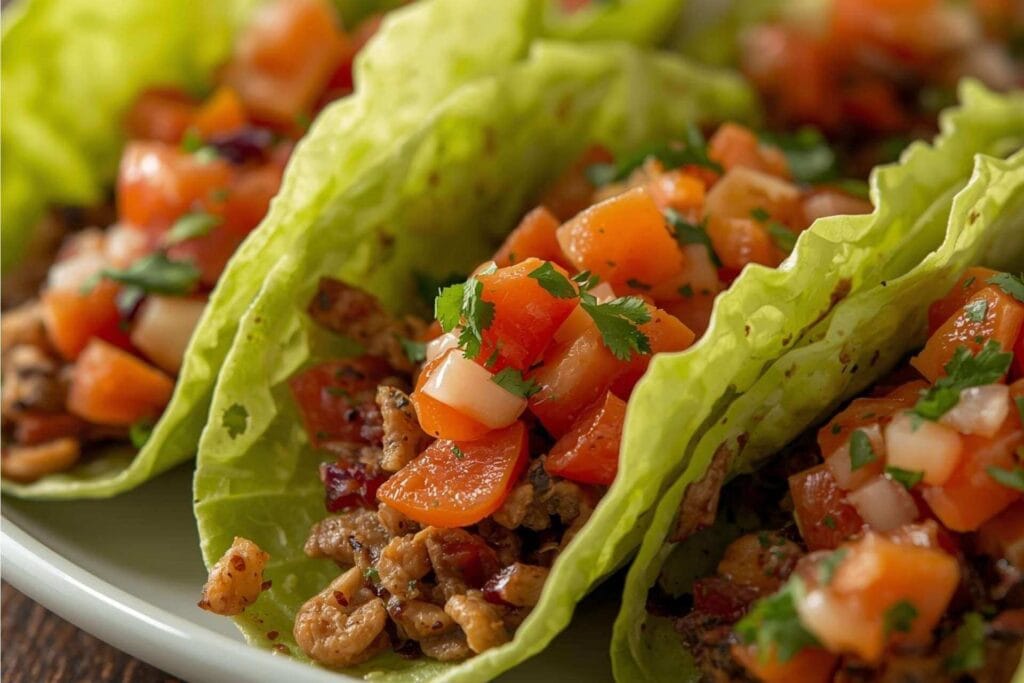
- Ingredients (serves 4 — 2 tacos each): 1 lb ground beef or turkey, 2 tbsp taco seasoning (homemade or low-sugar), 8 large Bibb or romaine leaves, 1 cup shredded lettuce, 1/2 cup diced tomato, 1/4 cup diced red onion, 1 avocado (sliced), lime wedges.
- Method: Brown meat, drain excess fat, stir in taco seasoning and a splash of water until saucy. Spoon 2–3 tbsp meat into each lettuce leaf, top with pico (tomato + onion + lime), avocado slices, and a sprinkle of cheese if desired. Serve immediately for crunch.
- Why it works: Keeps the hand-held fun and crunch of tacos without tortillas. Easy for meal prep and very packable.
- Approx macros per taco: ~150–180 kcal, 10–14 g protein, 10–14 g fat, 2–4 g net carbs.
Pasta swap — Zoodle Bolognese (short recipe + macros)
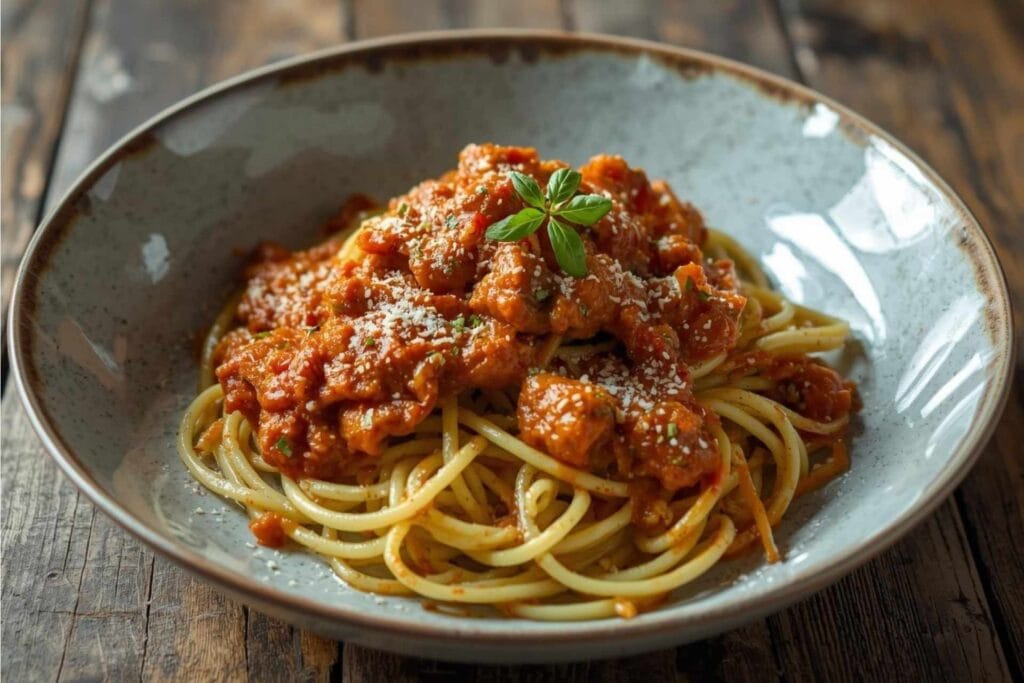
- Ingredients (serves 3): 1 lb lean ground beef, 1 cup low-sugar marinara, 3 medium zucchinis (spiralized into ~6 cups zoodles), 1 small onion (optional), 2 cloves garlic, 1 tbsp olive oil, salt, pepper, and grated Parmesan.
- Method: Sauté onion and garlic in olive oil until soft, brown ground beef until crumbly, drain if needed, stir in marinara, and simmer 5–7 minutes. In a separate skillet, quickly sauté zoodles 1–2 minutes just to warm and slightly soften (don’t overcook). Serve Bolognese spooned over zoodles and finish with Parmesan.
- Why it works: Keeps hearty meat sauce, cuts carbs massively, and zoodles give the familiar twirl.
- Approx macros per serving: ~420–480 kcal, 30–35 g protein, 28–34 g fat, 8–10 g net carbs.
Fried rice swap — Cauliflower fried rice (fast recipe + macros)

- Ingredients (serves 3): 1 large head cauliflower or 1 bag frozen riced cauliflower (~4 cups riced), 2 eggs, 1 cup mixed diced veg (carrots in tiny amount, peas sparingly), 3 scallions chopped, 1–2 tbsp tamari/soy sauce, 1 tbsp sesame or avocado oil, 1 cup diced cooked chicken or shrimp (optional).
- Method: Heat oil in a large skillet, add mixed veg and cook 2–3 minutes, push veg to the side and scramble eggs until just set. Add riced cauliflower and tamari, stir-fry 4–6 minutes until tender, fold in protein and scallions, and finish with a splash of sesame oil.
- Why it works: All the textural satisfaction of fried rice with a tiny carb footprint — great for using leftover proteins.
- Approx macros per serving (with chicken): ~240–320 kcal, 18–24 g protein, 12–18 g fat, 5–7 g net carbs.
50% Off Keto Bundle: 1001+ Low Carb Recipes: A Big, Flavor-Packed Bundle Made for Real Life

Discover a value driven keto and low carb recipe bundle designed to make eating well feel exciting again. This offer is positioned as a 50% off flash sale and highlights 1001+ gourmet recipes across keto, low carb, plant based, and Mediterranean eating styles, making it easy to keep meals fresh, flexible, and satisfying. It is built for shoppers who want convenience without giving up flavor, with done-for-you meal plans that save time and remove the daily guesswork from healthy eating.

Budget friendly low carb cooking
Eating low carb on a budget is absolutely possible — and often tastier than you’d expect. The trick is substituting expensive convenience items with whole, minimally processed foods you can buy in bulk, prep once, and reuse across multiple meals. By choosing cheaper protein cuts, leaning on frozen and seasonal vegetables, and building a small weekend batch cooking routine, you cut both cost and cooking time during the week. Below, I’ll walk through cheap protein choices, how to prioritize seasonal veg, and practical batch cooking + freezer strategies that keep your meals low carb, varied, and wallet friendly.
Cheap proteins and seasonal veg
Start with proteins that give you the largest yield for your dollar. Cheap, versatile choices include eggs, whole chickens, chicken thighs, ground turkey or beef, canned tuna or salmon, and frozen shrimp when on sale. Eggs are the ultimate low-cost, high-value protein — they scramble, bake into frittatas, and form the base of egg muffins for the week.
Buying a whole chicken and roasting it yields multiple meals: dinner, shredded chicken for salads and bowls, and carcass for bone broth. Tougher cuts like pork shoulder or bone-in chicken thighs are usually cheaper per pound than boneless breasts and become incredibly tender and flavorful with slow roasting or braising.
For vegetables, seasonal produce drastically reduces cost and usually tastes better. In spring, choose asparagus, spinach, and radishes; summer brings zucchini, tomatoes, and peppers; fall and winter favor cabbage, broccoli, and cruciferous veg like cauliflower. Frozen vegetables (cauliflower rice, mixed stir-fry blends, spinach) are a budget hero — they’re cheaper, don’t spoil quickly, and are often flash-frozen at peak freshness, so you don’t waste food.
Shop the reduced price bins for slightly bruised produce you’ll cook soon, and check the bulk sections for nuts and seeds. In many countries, local markets or discount grocers also carry seasonal veg for much less than premium supermarkets. If you want a quick reference for portioning and seasonal swaps that keep costs down, the guidance from reliable nutrition resources can be helpful.
Practical combos that stretch protein: bulk-cook 2–3 lbs of ground meat into taco-seasoned crumbles and use them across salads, low carb tacos (lettuce wraps), stuffed peppers, or a quick skillet bowl. Use canned tuna to make a quick tuna avocado salad for lunch or to top zoodles. Make large batches of hard-boiled eggs to snack on or add to salads. These combos reduce the per-meal cost and keep prep time minimal.
Batch cooking and freezer-friendly options
A small, intentional batch cooking session once or twice a week is the fastest way to be low carb, cheap, and stress-free.
Pick two protein projects and two veg projects on your weekend: for example, roast a whole chicken and bake a tray of seasoned meatballs; steam/roast a large pan of cauliflower and roast a sheet of mixed veg. Portion food into single serve containers (or family portions) and label them with the date and reheating instructions.
Freezer-friendly formats that work great: cooked proteins (meatballs, shredded chicken, cooked ground beef), casseroles (egg bake, cauliflower mac), soups and stews (bone broth-based soups with veg and meat), and frozen flatbreads or almond flour crusts for emergency pizza nights.
Storage guidance: cooked proteins and casseroles freeze well for 2–3 months without major quality loss; soups and stews often last 3 months; cooked vegetables are best eaten within 1–2 months for texture, though riced cauliflower holds up well. In the fridge, most cooked proteins keep 3–4 days; egg dishes are usually fine 3–4 days as well. Vacuum sealing extends shelf life and limits freezer burn, but affordable airtight containers and freezer bags work perfectly if you remove excess air and flatten bags for rapid thawing.
Thawing tips: move frozen portions to the fridge the night before for even thawing, or use the microwave’s defrost setting for single portions; reheat in a skillet or oven to restore texture (microwaving is fine for soups and stews but can make roasted veg soggy).
Batch menu example for a weekend session (90–120 minutes):
- Roast a whole chicken (use one pan; while it roasts, prep other items).
- Make 18–24 meatballs (bake on a sheet pan). Freeze half raw or half cooked in single-serve packs.
- Roast 2 large heads of cauliflower into mash and roast 2 pans of mixed seasonal veg. Portion veg into 3–4 day fridge batches and freeze the rest.
- Whisk 12 eggs into an egg muffin batter with spinach and cheese; bake in a muffin tin and refrigerate/freeze.
This rotation gives breakfasts, lunches, and dinners for the next week with minimal nightly cooking.
Freezer to table hacks for best texture: re-crisp roasted veg in a 425°F oven for 8–12 minutes after thawing to restore caramelized edges; reheat meatballs in a skillet with a splash of water and lid to heat through without drying. Soups reheat best on the stovetop to control thickness — add a splash of broth if the soup has reduced in the fridge.
Labeling is crucial: write what’s inside, the date cooked, and “eat by” or “freeze by” so you rotate stock and avoid mystery meals.
Eating low carb while dining out and traveling
Eating low carb on the road or at restaurants is more about planning and smart choices than willpower. With a few simple ordering strategies and a go-bag of smarter snacks, you can stay on track without missing out on social meals or the convenience of travel. This section gives practical, transferable tactics you can use at any restaurant (fast-casual, sit-down, or hotel buffet) and while you’re moving — airports, road trips, and quick convenience-store stops.
These tips reflect mainstream clinical and nutrition guidance about choosing whole foods, balancing plates, and prioritizing protein and vegetables for satiety and blood-sugar control. (14, 15)
Ordering strategies at restaurants
When you sit down (or tap to order), think like a chef and an accountant: choose the cooking method first, then the protein and veg, then the sauces/dressings. That mental sequence prevents accidental carb stacking (rice + fries + bread) and keeps flavor high. Start by scanning the menu for grilled, roasted, seared, or braised proteins — those are almost always lower in hidden carbs than battered, breaded, or honey/glaze-coated dishes. Ask the server if the kitchen can swap a starchy side for extra greens, a side salad, or a double-veggie portion; restaurants expect substitutions and many list “market vegetables” or “seasonal veg” specifically for that reason.
Request sauces on the side — a little dressing goes a long way, and you’ll avoid the surprise sugar in glazes or sweet dressings. If the menu is salad forward, build a high-protein one: a base of mixed greens, a palm-sized protein (chicken, salmon, steak), one fat (avocado or olives), and a vinaigrette (oil + vinegar) on the side.
Portion control matters: restaurant portions are often 1.5–2× what you’d eat at home. Consider sharing an entree and ordering a side salad, or immediately box half for later before you start eating. For multi-course meals, start with a broth-based soup or a salad (skip croutons), then pick a protein main and a vegetable side — this sequence helps slow intake and prevents overdoing rich courses later.
At ethnic restaurants, low carb choices are easy if you focus on protein+veg combos: sashimi and grilled fish at Japanese places, kebabs and salads at Mediterranean spots, and stir-fried protein with extra vegetables (ask for no rice or noodles) at Chinese or Thai restaurants. Finally, if you have special dietary needs or medication concerns (e.g., insulin), call the restaurant ahead of time — many kitchens will accommodate simple swaps when asked. These practical ordering rules are the backbone of dining strategy guides from clinical and nutrition resources. (16)
Airport, road trips & convenience store swaps
Traveling is the time hunger and convenience collide — but with a little prep, you can avoid the high-carb defaults.
Pack a small travel kit with protein-rich, shelf-stable snacks: vacuum-packed tuna, beef jerky (watch sugar), roasted nuts in single servings, cheese sticks (if you have a cooler), and hard-boiled eggs in an insulated bag for short trips. For short flights or security checkpoints, many of these items (nuts, jerky, cheese sticks) pass through screening just fine — check current local rules if you’re unsure.
If you must buy food at an airport or rest stop, scan for rotisserie chicken, pre-cut veggie packs, Greek yogurt (unsweetened), plain cottage cheese, or single-serve nut packs rather than the bakery and candy aisles. Keeping small, measured portions helps — nuts and cheese are nutrient-dense and satisfying but calorie heavy, so pre-portion to prevent grazing.
On road trips, organize a cooler with ready meals: grilled chicken thighs, raw veg sticks with a small dip container, and a jar of olives or pickles for quick acid and salt. At convenience stores, favor whole options: boiled eggs, pre-cooked chicken strips, canned salmon/tuna, string cheese, or shelf-stable nut butter packets with celery. Avoid obvious traps like pre-packaged pastries, sugary energy bars, and large sodas.
For long travel days, prioritize hydration and electrolytes (plain water + a pinch of salt or an unsweetened electrolyte drink) because lower-carb transitions can change fluid needs — a quick cup of broth at a roadside cafe can be an excellent, low carb warm option. Practical travel snack lists and airport guides from nutrition and low carb authorities echo these same swaps as the easiest way to stay on track without hauling a full kitchen. (17, 18)
Special considerations: vegetarian, pescatarian & dairy-free options
Choosing a low carb path when you’re vegetarian, pescatarian, or dairy-free adds a layer of planning, but it’s completely doable — and delicious.
The core challenge across these patterns is the same: replacing the easy animal protein, low carb options (chicken, beef, cheese) with alternatives that deliver enough protein, essential fats (especially omega-3s), and micronutrients like B12, iron, calcium, and iodine without blowing your carb budget. That means leaning into eggs, tofu/tempeh, seafood, high-fat dairy if you eat it, and smart use of nuts, seeds, and concentrated plant proteins.
For dairy-free eaters, you’ll also want to plan for calcium and vitamin D replacements (fortified plant milks, canned salmon with bones, leafy greens) and consider a B12 supplement if your pattern excludes animal products.
Practical planning beats perfection: pick two reliable protein sources you enjoy (for example, tofu + canned tuna for pescatarians; tempeh + eggs for vegetarians) and build most meals around them. Use vegetable bases that are naturally low in carbs — leafy greens, zucchini, cauliflower, broccoli — and add flavor with umami boosters (miso, nutritional yeast, tamari) and acid finishes (lemon, vinegar) so meals never feel “bland.” If you want a quick framework for nutrient balance, resources like USDA MyPlate offer visual plate models you can adapt to low carb portions (more nonstarchy veg, concentrated plant/seafood proteins, measured healthy fats).
Finally, when following any restrictive pattern, get a baseline blood test (B12, ferritin, vitamin D) and check again after 3–6 months so you can safely adjust supplements or food choices.
Protein sources and recipe swaps for each pattern
Vegetarian low carb protein pivots: Eggs are the MVP — versatile, cheap, and low in carbs. Greek yogurt and cottage cheese (if you include dairy) offer concentrated protein for bowls and dressings. Plant proteins that work well in low-carb contexts include tempeh and firm tofu (both are low in net carbs and soak up flavors), seitan (wheat gluten — very low carb but not suitable for gluten-free), and high-protein powders (pea, whey, collagen blends used cautiously).
Nuts and seeds (almonds, hemp, chia) add protein and fat; combine them with eggs or yogurt to boost the protein-to-carb ratio. Legumes (lentils, chickpeas) are nutritious but higher in carbs — use small amounts as texture elements rather than mainstays unless you’re on a moderate low carb plan.
Pescatarian perks: fish and shellfish are naturally low-carb and nutrient dense.
Favorites: canned salmon/sardines (very convenient and provide calcium when eaten with bones), tuna, mackerel, sardines, and shrimp. Oily fish (salmon, mackerel) give you those valuable EPA/DHA omega-3s without needing supplements for many people. Swap ideas: trade chicken in a salad for pan-seared salmon; use smoked trout or canned tuna in lettuce-wrap “sandwiches”; swap meatballs for shrimp skewers served over cauliflower rice.
Dairy-free swaps and additions: replace cow’s yogurt with unsweetened, fortified almond or soy yogurt (check protein and sugar), use nut-based ricotta or blended silken tofu for creamy sauces, and choose olive oil, avocado, and tahini as primary fats. For cheese textures, try nutritional yeast in sauces or thinly sliced marinated eggplant for meaty layers. If you depend on dairy for easy calories and satiety, plan alternatives (extra nuts, avocado, full-fat coconut yogurt) and watch the calories since fats are dense.
Recipe swap examples (easy mental templates):
- Replace ricotta in lasagna → blend silken tofu + lemon + nutritional yeast for savory “ricotta.”
- Replace chicken in grain bowls → marinated tempeh cubes or roasted salmon.
- Replace cream sauces → coconut cream + collagen/pea protein to thicken (for dairy-free), or Greek yogurt + mustard for vegetarians who eat dairy.
If you’re avoiding animal products altogether (vegan low carb), be proactive with B12, iodine (use iodized salt or seaweed modestly), and consider an algae-based omega-3 supplement. For individualized advice on supplements or nutrient gaps, a dietitian or your healthcare provider is best; many clinical guides emphasize targeted testing rather than guesswork.
Sample vegetarian low carb day
Here’s a practical, flavor forward vegetarian day that stays low carb while delivering protein, fat, and satisfying variety. The goal is a moderate, low-carb total (roughly 40–70 g of net carbs, depending on portions), with an emphasis on whole foods and easy swaps.
Breakfast — Spinach-feta omelet with avocado (approx. 2–3 servings)
Whisk 2–3 eggs with a splash of water, cook in olive oil, fold in a generous handful of sautéed spinach, and 1–2 tbsp crumbled feta (or dairy-free alternative for dairy-free). Slice ½ avocado on the side and finish with cracked pepper and lemon zest. This meal gives a strong protein base (≈18–24 g protein), healthy fats, and fiber from spinach + avocado to keep you full until lunch. Use egg whites + one yolk if you prefer fewer calories, but keep at least one yolk for vitamin D and choline.
Midday snack — Greek yogurt bowl (or dairy-free yogurt) + chia (small)
Mix ¾ cup full-fat plain Greek yogurt (or unsweetened soy yogurt) with 1 tbsp chia seeds, a few crushed walnuts, and 4–5 raspberries. This adds protein, omega-3 precursors, and a little texture without a big carb hit (≈10–12 g net carbs depending on yogurt choice).
Lunch — Tempeh Caesar bowl
Crisp 4–6 oz tempeh cubes in a skillet, toss with a Caesar-style dressing made from Greek yogurt or blended silken tofu (for dairy-free) + anchovy paste or capers for umami, lemon, garlic, and Dijon. Serve over mixed romaine and shaved radish, with 1 tbsp toasted hemp seeds for extra protein and crunch.
Approx macros: 25–30 g protein, moderate fat, 8–10 g net carbs.
Afternoon snack — Celery sticks + almond butter (single-serve portion)
Two to three celery sticks with 1 tbsp almond butter keep hunger controlled and add a hit of healthy fat and a little protein (≈3–4 g protein, 4–5 g net carbs).
Dinner — Zucchini-ribbon “carbonara” with mushrooms
Make a carbonara style sauce using 1 whole egg + 1 egg yolk whisked with grated Pecorino or nutritional yeast, toss with quickly sautéed zucchini ribbons, sautéed mushrooms, and peas sparingly (if peas are used, keep portion small). Stir in reserved pasta water (or a bit of vegetable broth) to create a silky sauce; finish with black pepper and parsley. Add a side salad of bitter greens dressed in lemon oil.
Approx macros: 25–30 g protein (if you add extra egg or a pan-seared halloumi slice), and ~8–12 g net carbs depending on peas and portion size.
Optional dessert — Dark chocolate square + cinnamon-roasted almonds
One 70%+ dark chocolate square plus 6 almonds satisfies a sweet tooth without a carb overload — keep portions measured.
Total daily net carbs for this sample day likely land in the mid-range (~45–65 g net carbs), depending on exact portions and ingredient choices. If you need lower carbs, drop the raspberries and reduce any legume/pea portions; for slightly higher carbs (post-workout fueling), add a small starchy side like ½ cup cooked sweet potato. This flexible template shows you can build vegetarian low carb days that are nutrient-complete, flavorful, and practical for family life or meal prep.
Tracking progress: metrics that matter (beyond the scale)
Weighing yourself is an easy signal, but it’s only one small snapshot of how your body is responding to a new eating plan. The most useful progress metrics are practical, repeatable, and tied directly to how you feel and function — not just a number on the scale. Track energy, sleep quality, how your clothes fit (waist and circumference measures), workout performance, and a few targeted lab values when appropriate.
These metrics tell a richer story: steady energy and better sleep are signs your metabolism and hormones are stabilizing; a shrinking waist often reflects meaningful fat loss even when scale weight stalls; and a handful of blood tests can flag nutrient gaps or changes in lipids and electrolytes that matter for long-term health. Use simple, consistent measurements (same scale, same tape placement, same time of day) so you can spot genuine trends rather than everyday noise.
Energy & sleep
Energy and sleep are among the earliest, most actionable signals to watch after you switch to a low carb pattern.
Instead of obsessing over morning weight, ask yourself: Are you less hungry between meals? Do you get through the afternoon without a crash? Are your workouts feeling stronger, or do you need more recovery? Improvements in steady energy and fewer cravings often show up within days to a few weeks and usually mean your meals have a better balance of protein + fat + fiber. Sleep is equally important — better sleep duration and quality support appetite regulation, recovery, and mood; conversely, poor sleep can blunt progress and increase carb cravings.
Track a simple daily checklist (energy 1–5, sleep hours, and quality 1–5) or use a sleep tracker for objective trends, then review weekly. If energy or sleep worsen persistently, that’s a practical cue to examine diet quality (are you getting enough protein, fiber, and electrolytes?), hydration, stress, or the need to see a clinician for a broader check.
Waist measurement & body composition
A shrinking waistline is often a better early indicator of fat loss than scale weight because water and muscle changes can mask fat loss on the scale. Measure your waist at the same spot (usually just above the hip bones or at the narrowest point) with a soft tape, standing relaxed, and record it weekly. Take one or two other circumference measures — hips and chest — and note how clothing fits (looser waistbands, easier buttoning). If you have access to body composition tools (bioelectrical impedance scales, DEXA, or a gym BodPod), they can help quantify lean mass vs. fat mass, but simple tape measures plus progress photos are excellent and cheap.
For people, resistance training, maintaining or increasing lean mass while losing inches, is a strong sign of improved body composition, even if scale weight changes slowly. Use a combination of objective (tape, photos) and subjective (how clothes fit, energy in workouts) measures to avoid overreacting to normal weight variability.
Labs to monitor (what to test and how often)
When a metabolic change — especially a substantial carb reduction — is part of your plan, a few targeted laboratory tests at baseline and periodically afterward help ensure safety and optimize results. Many clinicians recommend an initial set of tests, such as a basic metabolic panel (BMP or CMP) to check electrolytes, kidney and liver markers; a fasting lipid panel to track LDL/HDL/triglycerides; fasting glucose and HbA1c to assess glycemic control; and screening for key micronutrients like vitamin D and vitamin B12 when dietary patterns change.
A recent review of monitoring practices for carbohydrate-restricted therapies highlights that an initial assessment often includes CBC, CMP, fasting lipid profile, fasting insulin, vitamin B12, and vitamin D, with follow-up testing tailored to individual risk and responses. (19)
Some practical testing notes: measure A1C (HbA1c) if you’re tracking long-term glucose control or have diabetes risk — it reflects average blood sugar over ~2–3 months and is widely used in clinical care. For lipids, labs often recommend a fasting lipid panel (fasting helps stabilize triglyceride measures), and clinicians who supervise low carb patients commonly recheck lipids after a few months to monitor any shifts. (20, 21)
Electrolytes (sodium, potassium, magnesium) deserve special attention early on because glycogen/water shifts with carb reduction can change fluid and mineral balance; simple remedies (increasing water, using salted broth, adding potassium-rich foods) usually help, but labs can guide supplementation in sensitive people. For general guidance on sodium and potassium’s role in health and hydration, check authoritative health resources. (22)
If you’re doing a ketogenic approach and want to confirm ketosis for performance or therapeutic reasons, blood ketone testing (measuring BHB with a ketone meter) is the most precise at-home method — but it’s not necessary for everyone and is particularly important for people with diabetes who need to avoid dangerous ketoacidosis. Home ketone meters and guidance on interpreting values can help you distinguish nutritional ketosis from unsafe states. (23)
How often to test? A pragmatic schedule: baseline labs before a major diet change, then recheck key markers (lipids, CMP, A1C if relevant) at 3 months to see early trajectories, and again at 6–12 months once the diet is established — frequency should be individualized based on results, symptoms, and medical history. If you take glucose-lowering medications, blood pressure drugs, or have kidney disease, loop in your clinician earlier and plan tighter monitoring because meds may need dose adjustments as diet changes. The goal of monitoring is not to micromanage numbers but to ensure safety, identify nutrient gaps, and provide clear data you and your clinician can use to optimize the plan.
Action plan: 30-day beginner challenge (what to do next)
Ready to turn curiosity into momentum? This 30-day beginner challenge is a practical, habit-first plan that helps you learn low carb basics, build simple routines, and track real progress without drama.
The idea: small, measurable weekly targets (not extreme rules), a short shopping/meal-prep toolkit, and a tiny daily tracking habit so you learn what works for your body. If you have diabetes, are taking blood sugar medications, are pregnant, or have other medical concerns, check with a clinician before making big changes.
Overview: how the 30 days are structured
- Week 1 — Reset & simplify: clear the pantry of obvious triggers, stock the staples, and practice three “safe” meals a day (breakfast, lunch, dinner) that hit protein + veg + healthy fat. Keep snacks simple and measured.
- Week 2 — Routine & tracking: add meal prep (one 60–90 minute session), track food loosely with an app or notebook so you learn portions, and start a short daily log (energy, sleep, one note).
- Week 3 — Variety & performance: widen recipes (pseudo-pastas, one-pan dinners), add a resistance session 2×/week if you can, and experiment with carb timing (if you work out in the morning vs evening).
- Week 4 — Evaluate & refine: review your 30-day data (energy, waist, weight trends, cravings), plan the next 30 days based on what worked, and schedule any baseline labs or clinician check-ins if needed.
This stepwise approach reduces overwhelm: you’re not rewiring every habit at once — you’re layering changes so they stick. For real month-long meal templates and day-by-day examples you can reuse, many dietitians publish 30-day plans that show how to rotate meals without boredom. (24, 25)
Week-by-week goals, shopping, and tracking checklist
Week 1 — Reset & Stock (Goals + Shopping)
Goals (Week 1):
- Remove or hide obvious refined carbs (sodas, pastries, sweetened cereals) from easy reach.
- Create 3 fallback meals you can make in ≤20 minutes (example: egg scramble + spinach, mason-jar chicken salad, sheet-pan chicken + broccoli).
- Hydrate deliberately (target your usual intake + 1 extra glass) and add a small salty broth or pinch of salt if you feel lightheaded — carbs affect fluid balance early on. (26)
Shopping checklist (one trip):
- Proteins: eggs (2 dozen), canned tuna/salmon, chicken thighs or a rotisserie chicken, 1 lb ground beef/turkey.
- Veg: bagged spinach, cauliflower (fresh or frozen riced), zucchini, broccoli, bell peppers, avocados.
- Fats & extras: olive oil, avocado oil, full-fat plain Greek yogurt (or dairy-free alternative), nuts (almonds), nut butter, Dijon, vinegars, low-sugar marinara.
- Convenience: frozen riced cauliflower, frozen shrimp, spice blends.
Practical tip: Buy frozen riced cauliflower and frozen spinach to reduce waste; whole chickens and thighs stretch across meals and are cheaper per pound. (27)
Week 2 — Routine & Tracking (Goals + Checklist)
Goals (Week 2):
- Do one 60–90 minute meal-prep session (batch eggs, roast 2 pans of veg, make a big pot of seasoned ground meat).
- Track intake for 7 consecutive days using an app or a simple notebook to learn portions. Recommended starter apps include MyFitnessPal and Cronometer; these make logging and macro lookups easy. (28, 29)
- Start a tiny daily habit: record energy (1–5), sleep hours, and one craving — this becomes the fastest feedback loop.
Meal prep checklist:
- Egg muffins (12) — fridge for 4 days/freeze extras.
- One sheet-pan dinner (double recipe): one portion for tonight, portions for two lunches.
- Cauliflower rice (make 6 cups cooked) and freeze in single portions.
Tracking tip: don’t chase perfection. The tracking week is for learning averages — how many carbs are in your go-to meals, where calories hide (oils, nuts), and which snacks derail you.
Week 3 — Variety & Move (Goals + Checklist)
Goals (Week 3):
- Add two new recipes (zoodle Bolognese, cauliflower fried rice) to your rotation to fight boredom.
- Introduce light resistance training twice this week (bodyweight or bands) to preserve lean mass as you change body composition.
- Reassess electrolytes: if you had headaches or muscle cramps earlier, prioritize potassium-rich foods (avocado, spinach) and magnesium sources (pumpkin seeds, nuts), and consider bone broth. Evidence shows electrolyte tweaks reduce early adaptation symptoms for many people. (30)
Practical checklist:
- Try one pseudo-pasta (spaghetti squash or zoodles) recipe.
- Buy a small bag of mixed frozen berries (for measured snacks) and extra avocados.
- Schedule two 20–30 minute strength sessions (e.g., push/pull/core).
Week 4 — Evaluate, Adjust, & Plan Next Steps (Goals + Checklist)
Goals (Week 4):
- Do a 7-day review: energy scores, sleep, average daily net carbs, waist circumference trend, and how clothes fit.
- If you’re on meds that affect glucose or blood pressure, book a clinician check-in now to review needs — a dietary change can require medication adjustments.
- Decide whether to continue the same carb range, tighten it slightly, or add a planned refeed window depending on performance and goals.
Evaluation checklist (what to measure):
- Daily: energy (1–5), sleep hours, one hunger/craving note.
- Weekly: body weight (same day/time), waist circumference (same point), one progress photo (same lighting/angle).
- After 30 days: summarize averages (energy, sleep) and pick two clear next-month goals (e.g., “add 2 resistance sessions” or “drop refined snack x”).
Quick tracking & motivation tools (one-page checklist you can copy)
Daily micro-habits (2 min/day):
- Check: Did I eat protein at each meal? Y/N
- Rate energy (1–5) and sleep (hours).
- Note any cravings or GI symptoms (bloating, constipation).
Weekly check (5–10 min):
- Weigh once (optional) and measure waist.
- Review food log for hidden calories (dressings, nuts).
- Prep the weekend’s main batch-cook plan.
Apps & tools: Use free tracking apps to learn numbers for two weeks, then switch to the plate method (half veg, quarter protein, quarter low-carb base) for flexibility. For structured 30-day meals, refer to a registered dietitian created plans to ensure nutritional balance. (31)
The Bottom Line
Low carb becomes much easier when it is built around structure instead of stress. That means a few dependable breakfasts, lunches, dinners, snacks, and swaps you can repeat without getting bored or overwhelmed. It also means understanding the basics of tracking, learning how to shop smart, and knowing how to adjust meals for your needs instead of forcing one rigid plan onto every situation.
The best beginner approach is simple: keep the food satisfying, keep the prep realistic, and keep the plan flexible enough to fit your life. When you do that, low carb stops feeling like a temporary challenge and starts feeling like a rhythm you can actually maintain. That is the real goal.
FAQs
What are the best easy low carb recipes for beginners?
The easiest recipes are the ones with a short ingredient list and a familiar format. Eggs, chicken, tuna, salmon, ground meat, salad bowls, sheet-pan dinners, zucchini noodles, and cauliflower rice are all great places to start.
Can I eat snacks on a low carb plan?
Yes. The best snacks are small, intentional, and satisfying. Cheese, boiled eggs, olives, nuts, cucumber with tuna, and celery with nut butter are all simple choices that fit well into a beginner's routine.
How many carbs should a beginner eat?
That depends on your goals, comfort level, and health needs. Many beginners start with a moderate low carb approach rather than going extremely low right away, because it tends to feel easier to sustain.
Do I need to track everything?
No. Tracking is useful as a learning tool, not a lifetime rule. Many people use an app for a week or two, then switch to a simpler plate method once they understand their portions better.
Can low carb meals still taste good?
Absolutely. Flavor comes from seasoning, roasting, sauces, herbs, spices, acid, and texture. When you use those tools well, low-carb meals can taste rich, fresh, and satisfying without feeling repetitive.



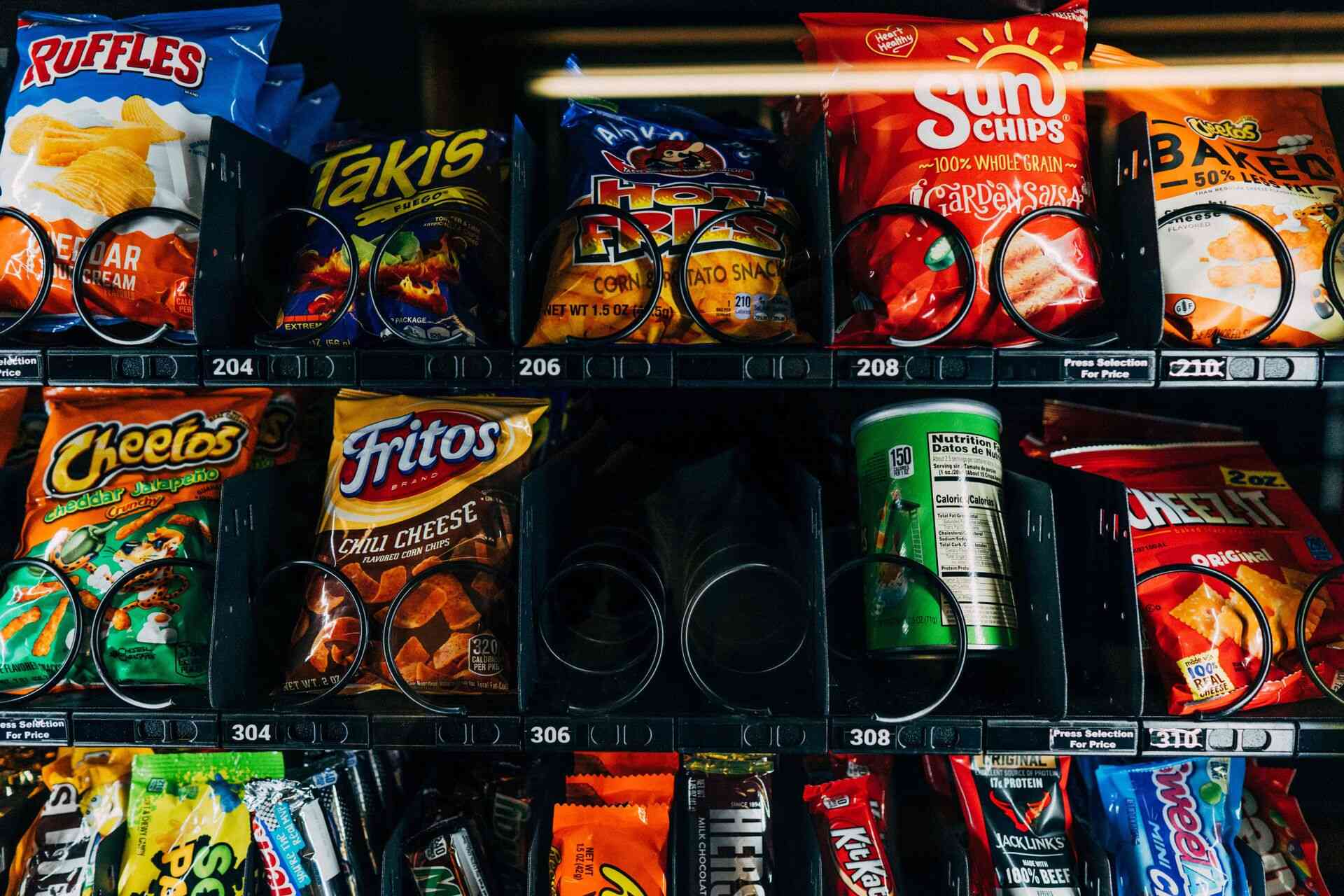
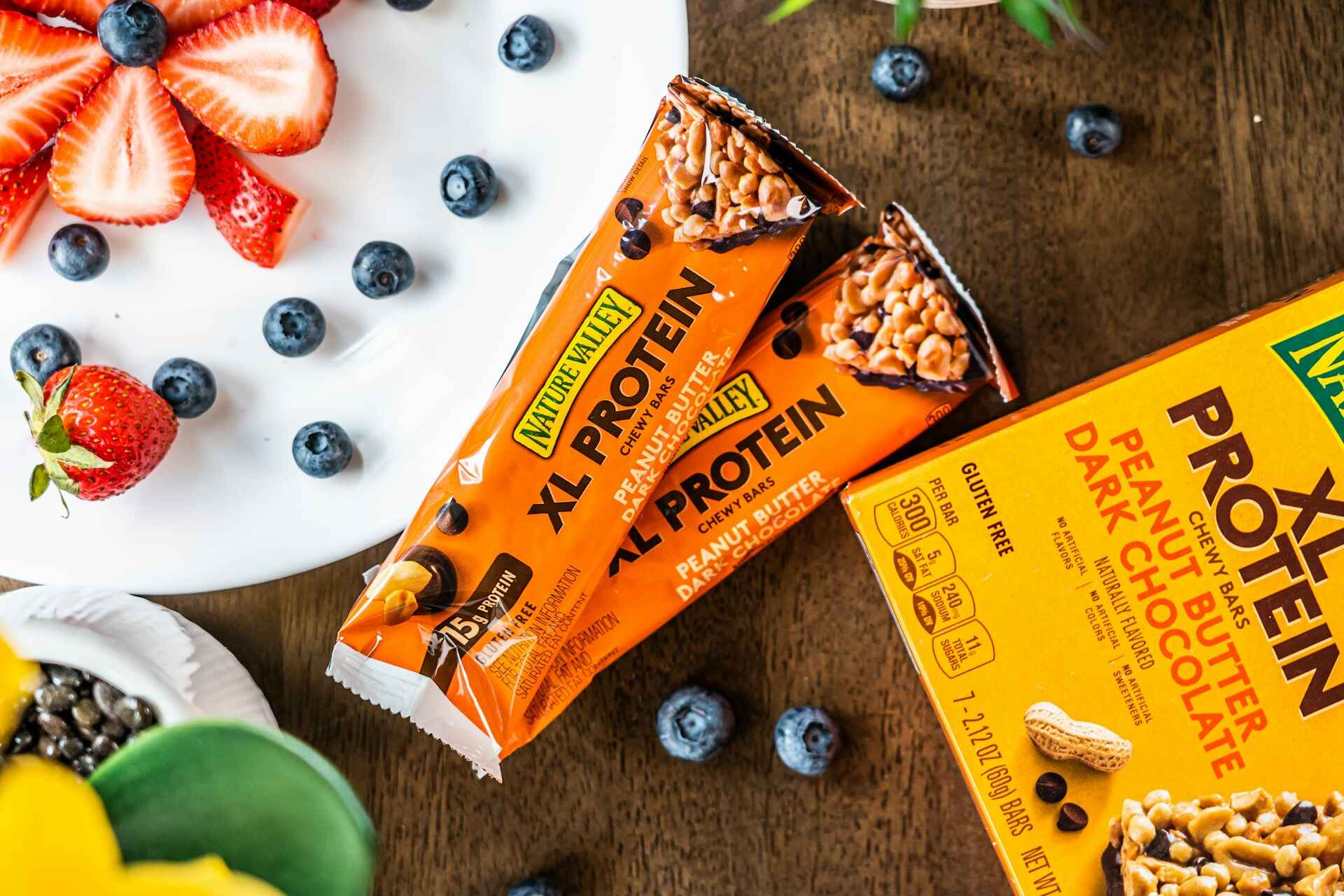


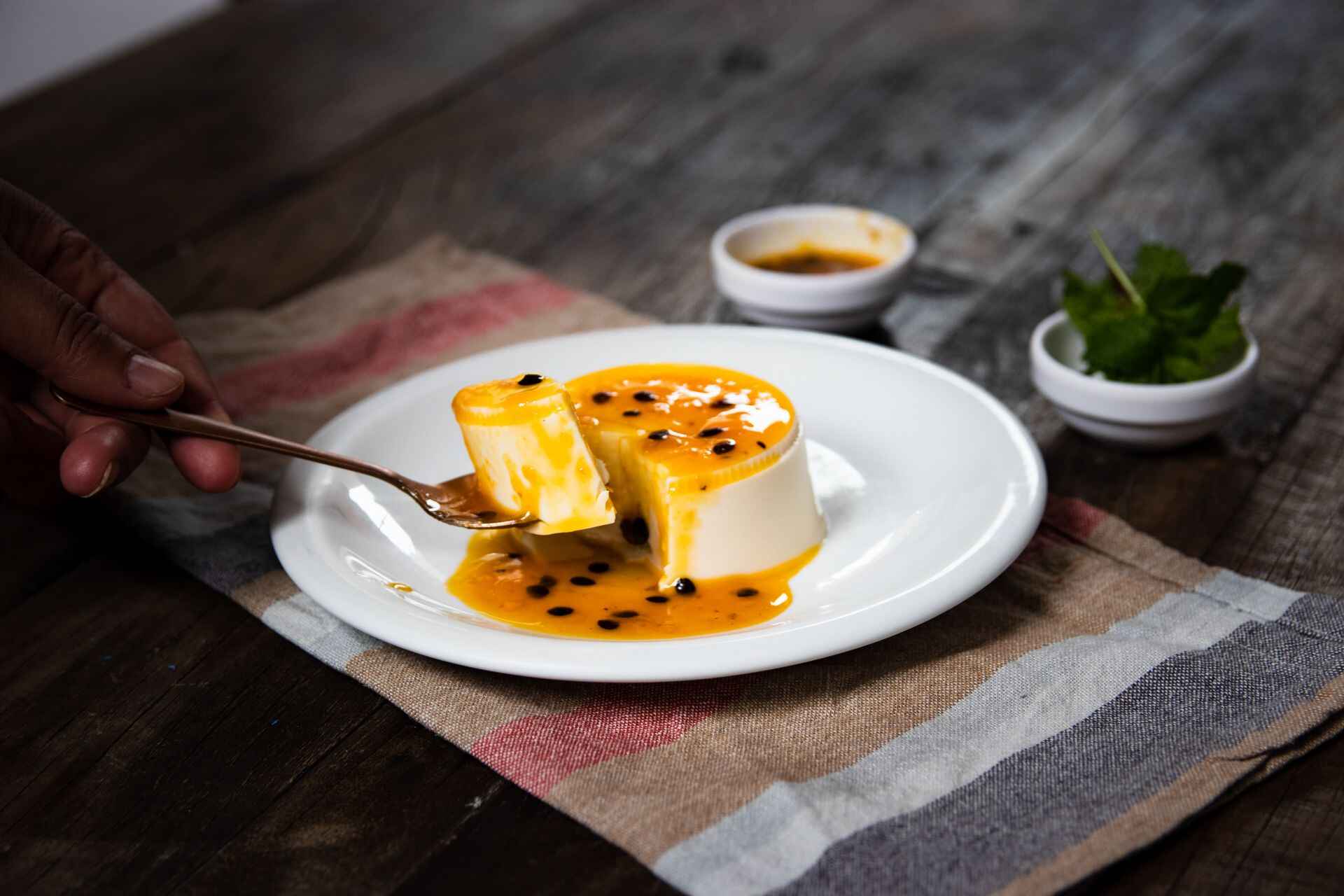
Write more, thats all I have to say. Literally, it seems as though you relied on the video to make your point.
You definitely know what youre talking about, why waste your intelligence
on just posting videos to your weblog when you could be giving us
something informative to read?
Thanks for the honest feedback — I really appreciate it! You’re right, and I hear you. I’ll make sure to include more written explanations and deeper insights alongside videos so there’s plenty to read and learn from. My goal is to make the content both engaging and informative, so your input helps a lot. If there’s a specific topic you’d like me to expand on in more detail, feel free to share it — I’d love to cover it!
You actually make it appear so easy together with your presentation however I to find this matter
to be actually one thing that I think I might never understand.
It seems too complicated and very huge for me.
I am having a look forward for your next submit, I will try to get the hang
of it!
Thank you so much for your kind words! I’m really glad the post was helpful, even if the topic feels a little complex at first. Some subjects do take time to fully sink in, so I’m happy to hear you’re sticking with it. I’ll keep breaking things down as clearly as I can in future posts. Appreciate you reading and following along! 🙏