
Keto for Rapid Fat Loss: Safe 30-Day Plan, How It Burns Belly & Visceral Fat, and Realistic Timelines
Discover how a ketogenic diet speeds fat loss, reduces visceral/belly fat, sample 30-day meal plan, plateau fixes, athlete tradeoffs, supplements & safe tips.
Quick Summary
- Ketogenic (keto) diets often produce faster short-term weight loss than standard low-fat diets, and several trials show disproportionately large visceral-fat reductions.
- Keto works by shifting the body from glucose to fatty acids and ketone fuel (BHB), increasing fat oxidation and appetite suppression.
- Athletes may see performance tradeoffs (especially at high intensity). Use targeted carbs around training if performance matters.
- Keto can cause transient side effects (“keto flu”), electrolyte shifts, and — in rare/long-term cases — possible metabolic concerns; medical supervision is advised for people with chronic disease. Recent population research also suggests caution for long-term unrestricted ketosis patterns.
What is the ketogenic diet, and why does it help with rapid fat loss
A ketogenic diet is a very low carbohydrate, moderate-protein, high-fat eating plan that reduces blood glucose and insulin, forcing the liver to produce ketone bodies (mainly β-hydroxybutyrate, BHB) from fat. In nutritional ketosis, many people experience reduced hunger and increased fat oxidation, which together speed weight loss when calories are controlled or spontaneously reduced.
How keto burns fat — the biological mechanism (simple)
- Low carbohydrate intake → low insulin → increased lipolysis (fat release).
- The liver converts fatty acids into ketone bodies (BHB, acetoacetate), which become energy for the brain and muscles. BHB is also a signaling metabolite that affects appetite, inflammation, and mitochondrial function.
Clinical evidence: weight loss, visceral fat, timelines
- Short-term weight loss: Many randomized trials and reviews show ketogenic diets produce greater weight loss than low-fat diets in the short term (weeks–months), often because of appetite suppression and water loss early on.
- Visceral fat: Some controlled studies report a larger proportional decline in visceral adipose tissue on keto vs low-fat diets — one review highlights studies where visceral fat decreased threefold more in KD groups. This is important because visceral fat is tightly linked to metabolic risk.
- Realistic timeline: Expect fastest losses in weeks 1–8 (water + glycogen + initial fat). Many people see measurable fat and waist reductions in 2–4 weeks; clinically meaningful changes in body composition often appear by 8–12 weeks. Long-term maintenance varies widely.
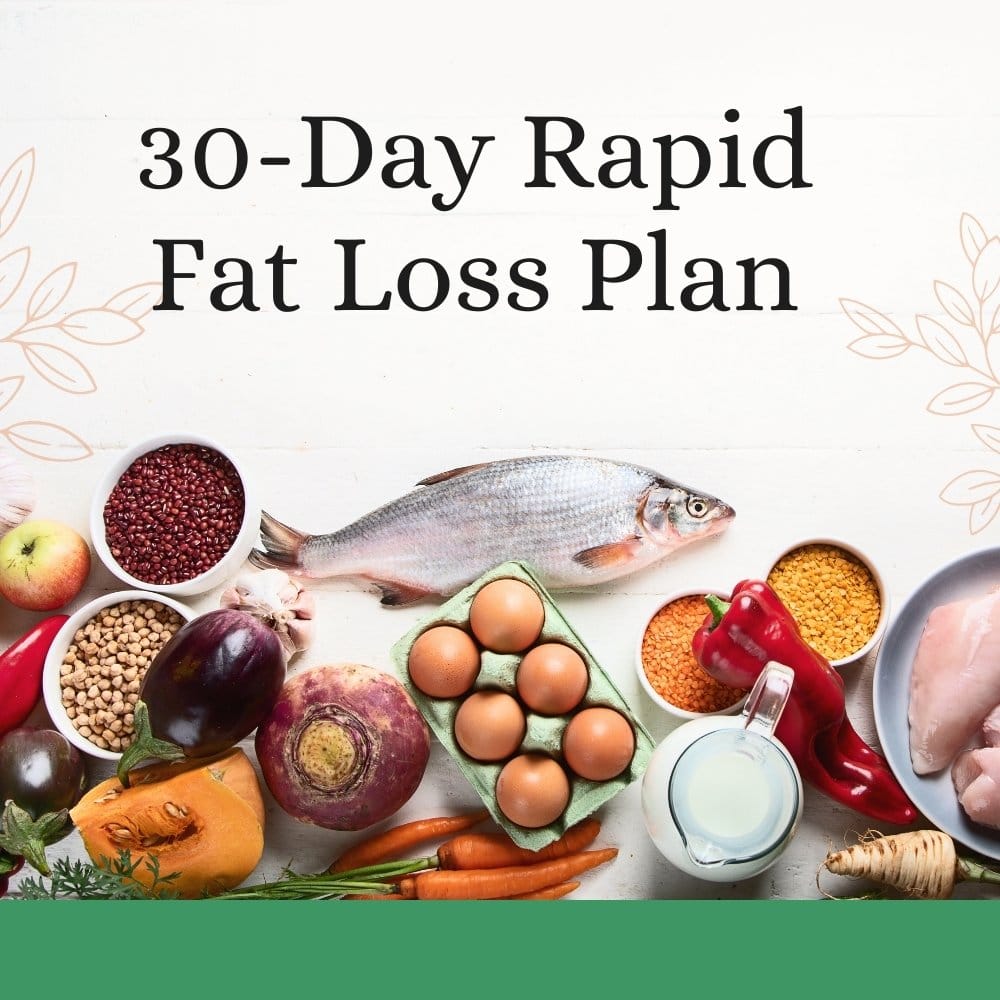
30-Day rapid fat loss plan (balanced and practical)
Goal: enter and sustain mild nutritional ketosis while creating a moderate calorie deficit (~300–600 kcal/day depending on baseline).
Daily targets
- Carbs: 20–50 g net/day (mostly non-starchy vegetables)
- Protein: 1.0–1.4 g/kg ideal body weight (to protect muscle)
- Fat: make up remaining calories (prioritize whole fats: olive oil, avocado, nuts)
- Hydration & electrolytes: aim for +2–3 L water/day and add sodium/potassium/magnesium supplements or food sources early.
Sample week (rotate for 4 weeks)
- Breakfast: 2 eggs scrambled, spinach, 1/4 avocado, black coffee.
- Lunch: Grilled salmon salad (leafy greens, cucumber, olive oil, lemon).
- Snack: 10–15 almonds or 1 serving full-fat Greek yogurt (if within carb limit).
- Dinner: Roast chicken thigh, cauliflower mash (butter + garlic), steamed broccoli.
- Optional: If hungry, add a fat-based snack (cheese, olives) but track calories.
(See “Meal plans” section below for a week sample.)
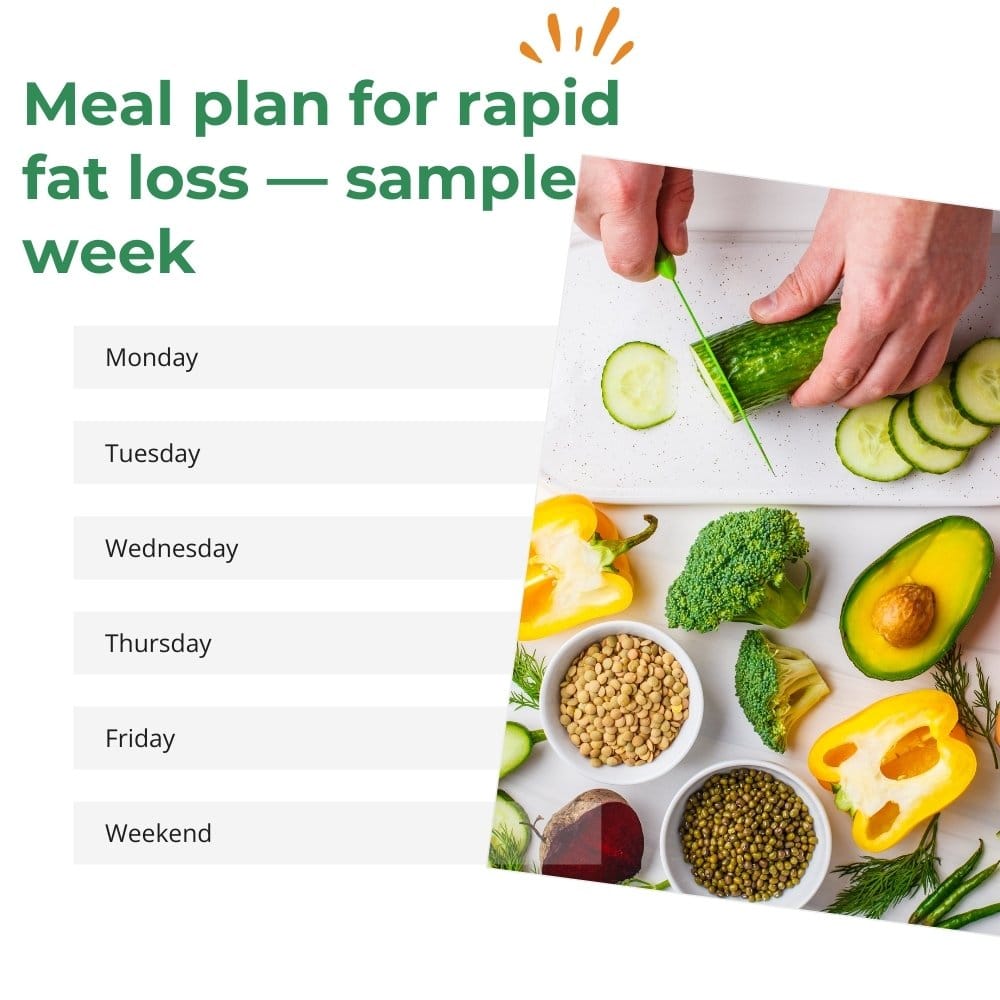
Meal plan for rapid fat loss — sample week
- Monday: Breakfast — omelette (2 eggs, mushrooms); Lunch — tuna + mayo + greens; Dinner — ribeye + asparagus.
- Tuesday: BHB coffee (optional) + spinach; Lunch — Cobb salad; Dinner — pork chops + cauliflower rice.
- Wednesday: Greek yogurt + chia (small portion); Lunch — beef & zucchini noodles; Dinner — baked trout + roasted Brussels.
- Thursday: Eggs + avocado; Lunch — chicken Caesar (no croutons); Dinner — lamb kebab + grilled veg.
- Friday: Smoothie (unsweetened almond milk + spinach + ¼ avocado + protein powder); Lunch — shrimp salad; Dinner — steak + green beans.
- Weekend: Slightly higher calories allowed, but keep carbs low and maintain protein.
Belly fat & stubborn fat: practical strategies
- Prioritize consistent calorie deficit + protein to preserve lean mass.
- Add resistance training 3×/week and 2 sessions of moderate aerobic activity for visceral/belly fat reduction.
- Consider targeted nutritional tweaks for plateauing: cycle carbs strategically (TKD/Cyclical KD) around training days if progress stalls.
What to do when you hit a plateau (plateau solutions)
- Re-check calorie intake (tracking often reveals sneaky calories).
- Raise protein, maintain caloric deficit.
- Increase non-negotiable activity or add HIIT/resistance sessions.
- Consider short 24–48 hr refeed with slightly higher carbs to reset hormones — but plan it (don’t binge).
- If plateau persists >6–8 weeks, re-evaluate macros, sleep, stress, and thyroid/medication interactions.
Keto vs Low-Carb — evidence comparison
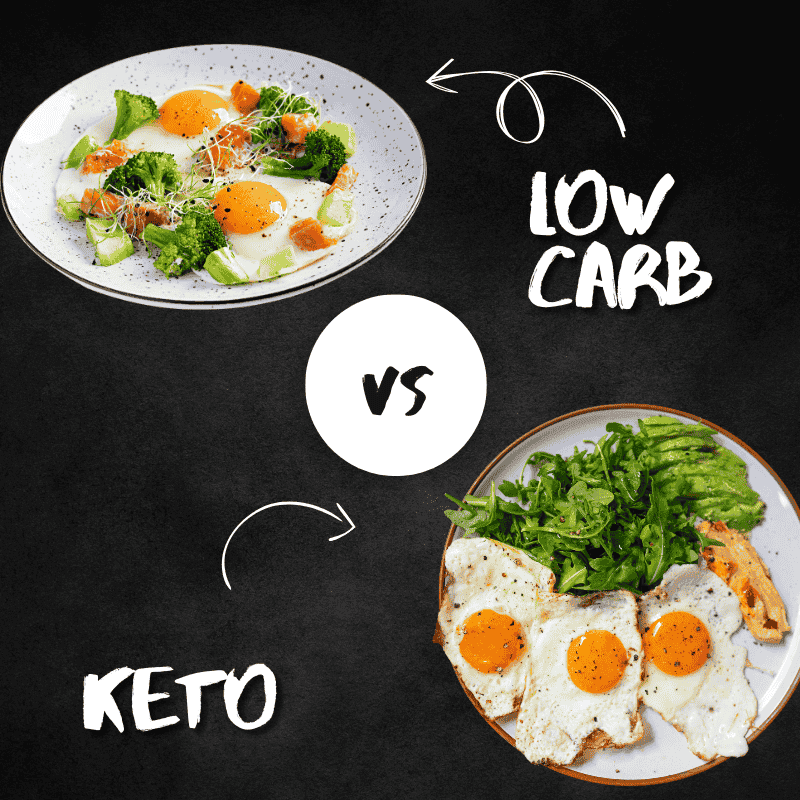
“Keto” is a stricter subset of low carb diets. Evidence repeatedly shows both approaches can produce weight loss; keto may produce faster initial loss and greater visceral fat reduction in some studies, but long-term differences often narrow, and adherence is the decisive factor.
Intermittent fasting + keto (IF plus keto)
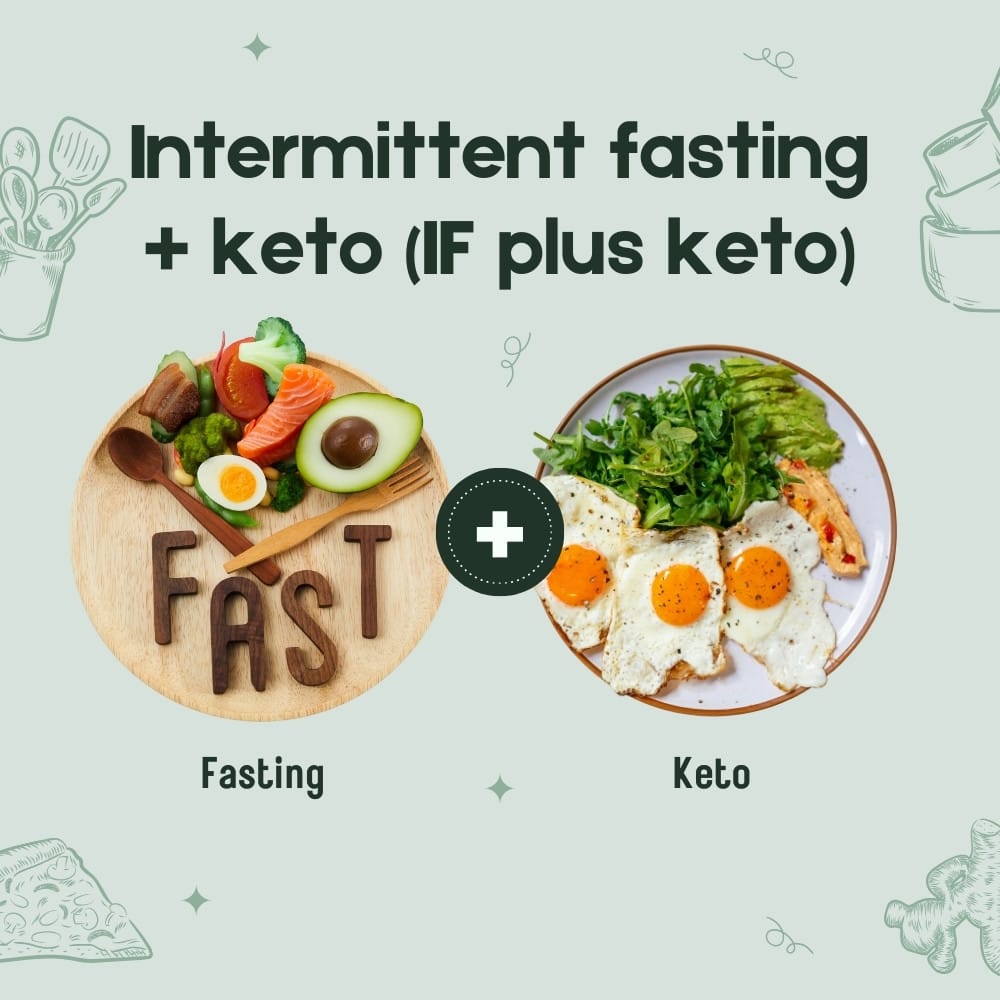
Combining time-restricted eating or alternate-day fasting with keto can accelerate weight loss for some people (reduced eating window → fewer calories), and may add metabolic benefits. However, both strategies increase adherence demands; combine them cautiously and monitor energy, electrolytes, and training performance.
Keto for athletes: performance tradeoffs & how to adapt
Endurance athletes may adapt to burn more fat, but high-intensity and sprint performance often decline on strict KD in trials up to 6 weeks. Elite athletes in studies frequently experienced decrements. If you train for high-intensity sports, consider targeted carbs pre/post workouts or a cyclical approach.
Supplements: what helps and what to avoid
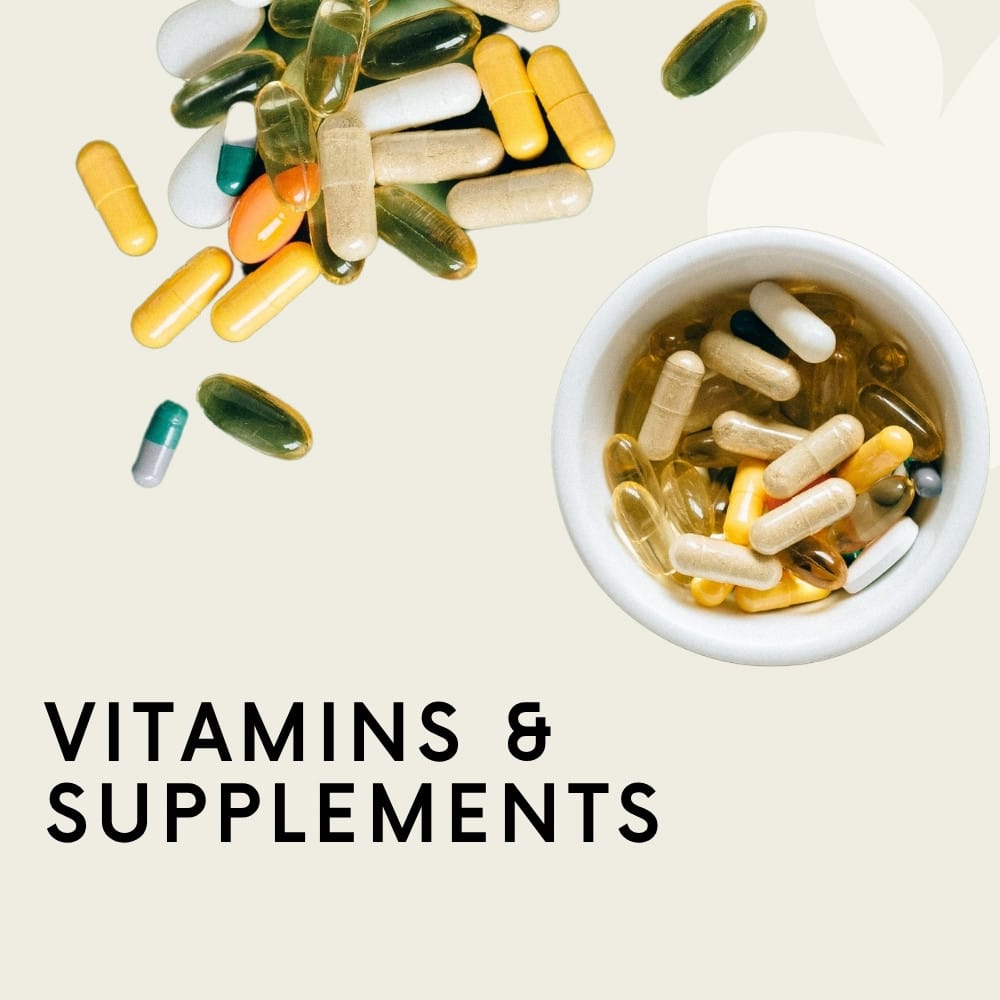
Helpful (when used appropriately): electrolytes (sodium, magnesium, potassium), omega-3s, vitamin D, and — in some cases — fiber and a multivitamin to avoid micronutrient gaps. Exogenous ketone supplements may raise blood BHB but are not magic for fat loss; they can be an adjunct for appetite control, but cost and long-term benefit are unclear. Avoid relying on fat-burning stimulants and unsupervised diuretics.
Safety, side effects, and red flags
Common short-term effects: “keto flu” (fatigue, headache), constipation, changes in menstrual cycles, mineral imbalances. People with diabetes (especially on insulin), kidney disease, pregnancy, or certain medications must consult clinicians before starting. Emerging population research has raised questions about certain long-term risks in some cohorts — so monitor lipids, kidney function, and micronutrients if staying on keto long term.

Long-term maintenance after keto
- Gradual reintroduction of carbs (add 20–50 g/week) while maintaining protein and activity levels helps keep weight off.
- Adopt a sustainable eating pattern (a lower-carb Mediterranean-style diet with vegetables, lean protein, and healthy fats) for metabolic health.
- Track progress (weight, waist, photos, body composition) and adjust energy intake for maintenance.
Tracking progress: metrics that matter
- Weekly weight + waist circumference measurement (same conditions).
- Body composition (DEXA/BIA), if available, for muscle vs fat tracking.
- Progress photos every 2–4 weeks.
- Blood markers: fasting glucose, HbA1c (if diabetic), lipid panel, electrolytes, renal panel. Consider measuring BHB for adherence (blood or breath).
Realistic expectations & “before and after” timelines
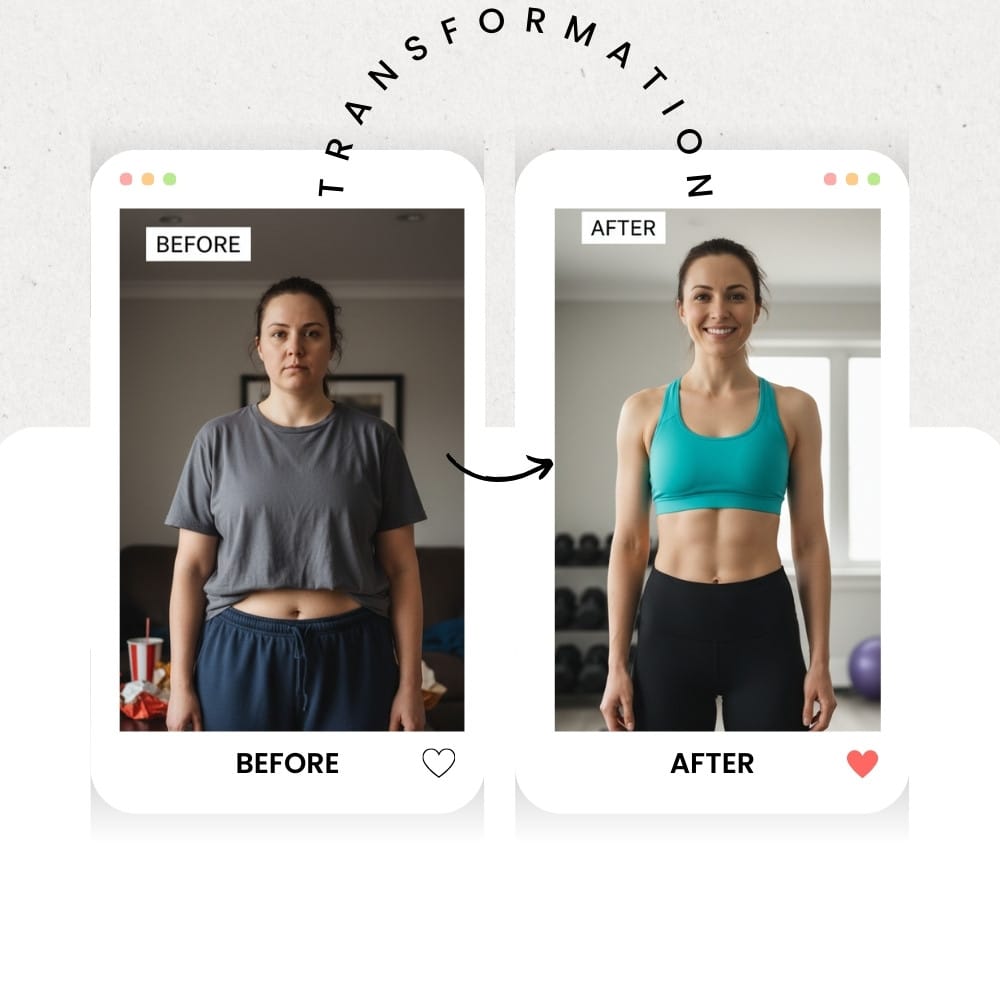
- 2–4 weeks: measurable waist reduction, weight drop (water + fat).
- 8–12 weeks: clearer body-composition change (fat loss, muscle preserved if protein & training are prioritized).
- 6–12 months: significant fat-loss possible, but long-term success depends on adherence and sustainable habits. Individual variation is large.
Practical checklist before you start
- Talk with your clinician if you have a chronic disease, take meds, or are pregnant.
- Plan meals, electrolytes, and a basic exercise program.
- Have a 2–4 week trial period to assess tolerability and results; adjust if energy or training suffers.
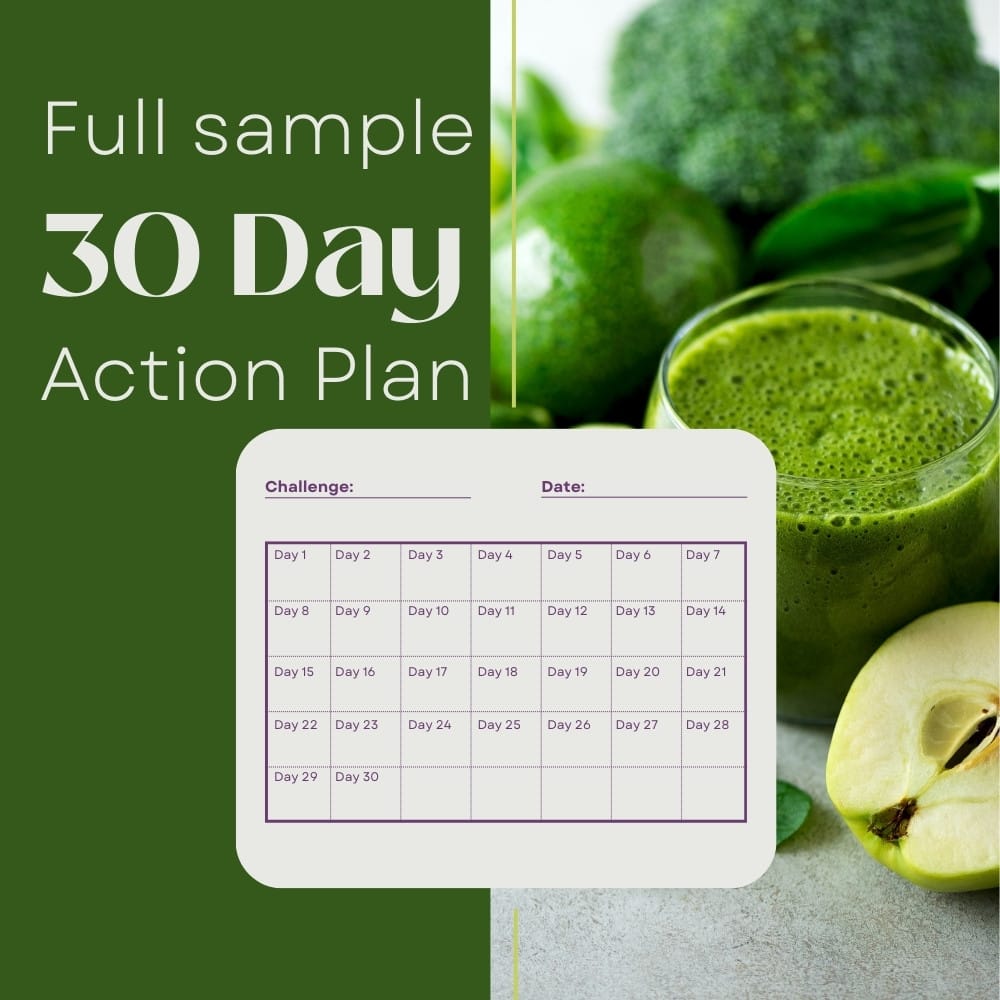
Full sample 30-day action plan (summary)
- Week 1: strict carbs 20–30 g, hydrate, supplement electrolytes, focus on walking + 2 resistance sessions.
- Week 2: maintain deficit, add medium-intensity cardio ×2.
- Week 3: progress resistance, re-evaluate calories.
- Week 4: test keto adaptation (BHB), check waist + weight, plan next 30 days (maintenance or continue).
Clinical evidence & sources
- Randomized trial and comparisons showing short-term superior weight loss with KD and other fasting/KD comparisons.
- Review summarizing KD effects on body fat, including visceral fat reductions.
- Mechanistic review on β-hydroxybutyrate and how ketone bodies act as fuel and signaling molecules.
- International Society of Sports Nutrition position on ketogenic diets and athlete performance tradeoffs.
- Safety/side-effects review and recent population analyses urging caution for long-term unrestricted ketosis patterns.
🔥”FLASH SALE: 50% OFF Keto & Low-Carb Recipe Bundle—Burn Fat & Eat Like Royalty!”

Join 10,000+ Health Warriors: Transform Your Body with Chef-Crafted Meals That Crush Cravings & Melt Stubborn Fat!💪
🕒 “LAST CHANCE: 50% Off Ends in [COUNTDOWN TIMER]!
Why Settle for Boring Diets?
- ✅ 1001+ Gourmet Recipes (Keto, Low-Carb, Plant-Based, Mediterranean)
- ✅ Guaranteed Weight Loss (Backed by 1,235 Success Stories)
- ✅ Done-for-You Meal Plans (Save 7+ Hours Weekly)
- ✅ FREE Bonus: 4 Books for FREE.+ VIP Community Access (Weekly emails)
Why These Recipes Sell Out (Even Picky Eaters Are Obsessed!)
Keto Recipes That Feel Like Cheat Meals (But Torch Fat)
- 🥑 Crispy Bacon-Wrapped Avocado Bites (3g Net Carbs)
- 🥩 Juicy Garlic Butter Steak (Ready in 15 Minutes)
- 🍫 Decadent Chocolate Peanut Butter Fat Bombs (2g Net Carbs)
Low-Carb Vegetarian? We’ve Got You!
- 🥦 Creamy Cauliflower Alfredo (Dairy-Free)
- 🥑 Zesty Black Bean & Avocado Salad
- 🧀 Halloumi & Veggie Skewers with Tzatziki
More Than Recipes—Your Blueprint to Lifelong Health
- Ditch Diet Frustration: Custom plans for Mediterranean, Plant-Based, or Classic Low-Carb.
- Fresh Ingredients = Faster Results: Anti-inflammatory meals that fight cravings.
- Science-Backed: Nutritionist-approved macros for energy and weight loss.
Never Diet Alone: Join Our 10K+ Wellness Tribe
- “Private Community Access”: Exclusive Weekly emails (New Crafted Recipes, Meal Plan & latest news).
- “Real Success Stories”: “I lost 32 lbs in 90 days—without starving!” – Jenna T.
“Lifetime Updates”: New recipes are added monthly.
“30-Day Money-Back Guarantee”: Love it or get 100% refunded.
Trending Keto Weight Loss Articles
All Keto Weight Loss Articles

Keto for Weight Loss: What to Expect — Timeline, Results & Practical Plan
If you’re exploring keto for weight loss, this guide is written for you — plain and simple. Whether you’re a curious beginner, a comeback keto-er, or someone who’s tried low-carb before and wants better, evidence-backed results, you’ll find practical, usable advice...

Low-Carb Diet vs Keto: Which is Best for Rapid Weight Loss?
In the realm of dieting for weight loss, two approaches often take center stage: the Low-Carb Diet and the Keto Diet. Both of these diets aim to reduce carbohydrate intake to promote fat burning and ultimately shed excess weight. But while they share some...
Keto Diet Before and After: 4 Low-Carb Success Stories
The stars are LeBron James, Tim Tebow, Kourtney Kardashian, and Alicia Vikander. What do all these people have in common besides their celebrity? Yes, they have all had success on the Keto diet. And they are only a few instances. Every day, individuals have...

Solving Problem of Obesity with the Ketogenic Diet
Obesity has reached pandemic levels. Over 30% of Americans are fat, and over 300,000 people die yearly from obesity-related diseases. (1) Obesity, while a severe medical condition in and of itself, raises the risk of other disorders such as heart disease, diabetes,...
If I Stop Keto Diet, Will I Gain the Weight I Lost?
One issue many have while trying the ketogenic diet is whether they would regain the weight they lost if they quit following the ketogenic diet, alter their eating habits, and begin eating items like whole grains, legumes, and other high-carb meals. It's a valid...
I’m in Ketosis but Not Losing Weight. What Should I Do?
The ketogenic diet has several health benefits, including improved energy, elimination of "blood sugar roller coaster" rides, and mental clarity. However, one of the primary reasons individuals go on keto is to lose weight. So, it's understandably disheartening if...

A Ketogenic Diet to Lose Weight and Fight Metabolic Disease
Obesity and metabolic illnesses are serious public health issues across the world. Obesity afflicted 13% of individuals worldwide in 2016. (1). Obesity is a risk factor for metabolic syndrome, a collection of metabolic abnormalities that includes type 2 diabetes, high...

8 Reasons You’re Not Losing Weight on Keto Diet
The ketogenic, or keto, diet is a low-carb method of eating that many people have chosen to reduce weight and improve their health. Carbohydrates are often limited to 20 to 50 grams per day while following a keto diet. This has resulted in weight loss and improved...