
If you want dinner that practically makes itself, keeps you full, and fits your low-carb goals, you’re in the right place. This guide is a one-stop playbook for low carb slow cooker recipes — the kind you can dump in the pot before work and come home to a house that smells amazing and a meal that actually fuels you. No fussy techniques, no mystery ingredients, just practical keto-friendly swaps and real-world tips so you can eat better without losing your mind.
Quick preview — What low-carb + slow cooker actually solves
Think of the slow cooker as your time machine for food. Pair it with a low-carb approach, and you solve three massive pain points:
- Time:
- Low carb slow cooker recipes let you skip the nightly stovetop scramble. Prep once (15–30 minutes), set it, and you’re done. That’s hours saved each week — perfect for after-school practices, homework marathons, or busy workdays.
- Satiety (you stay full):
- Slow-cooked meals concentrate flavor and tenderness, so smaller portions of protein and vegetables feel satisfying. Adding healthy fats (such as olive oil, cream cheese, and avocado) and fiber-rich vegetables helps keep blood sugar steady and hunger at bay.
- Family meals that actually please people:
- These recipes are flexible — serve pulled beef as tacos in lettuce cups, spoon stew over cauliflower mash, or pile carnitas into salads. They’re forgiving with seasoning and scale up easily, so you can feed a crowd or stretch for leftovers.
What you’ll get from this guide — the promise
I’m laying everything out so you can stop guessing and start cooking with confidence. Here’s exactly what you’ll find — ready to use:
- Complete shopping lists
- A pantry checklist organized by proteins, low-carb veggies, fats, and flavor boosters so grocery runs are fast and focused.
- Easy conversion tips
- Want to make Grandma’s pot roast low-carb? I’ll show you how to swap starches, reduce sugar, and thicken without flour — step by step.
- Food-safety & timing rules
- Simple, non-scary rules (when to brown, why to thaw, internal temp targets) so you avoid common slow-cooker pitfalls.
- 12 recipe groups
- From shredded chicken and pork carnitas to soups, vegetarian options, breakfasts, and even a couple of low-carb desserts — each group comes with multiple recipe ideas and serving suggestions.
- A 7-day meal plan
- A ready-to-print week of dinners (plus lunches and breakfasts) that balances variety, cost, and leftovers.
- Meal-prep shortcuts & freezer workflows
- Step-by-step for making freezer packs, labeling, and cooking straight from frozen when it’s crunch time.
- Macros & serving tips
- Rough net-carb estimates and portion ideas so you can stay on target without calorie counting becoming a second job.
If you want a little structure, try this: pick three recipes from the 12 groups — one chicken, one beef/pork, one veggie or soup — and make them this week. Use the shopping list, double one batch for leftovers, and you’ll see how low carb slow cooker recipes change the rhythm of dinner from “I don’t know” to “what’s for dinner?” in no time.
What “low-carb” really means (definitions & levels)
If you’re making low carb slow cooker recipes, it helps to be crystal-clear about what “low-carb” actually means — because different people use the term in different ways. Below is a friendly, practical breakdown you can use while planning meals, shopping, or converting favorite crock-pot dishes.
Net carbs vs total carbs — the simple math
- Total carbs = every carbohydrate in a food: fiber, sugars, starches, and sugar alcohols.
- Net carbs (commonly used by people on low-carb or keto plans) = Total carbs − Fiber − Some sugar alcohols.
- The idea: fiber and many sugar alcohols don’t raise blood sugar the same way digestible carbs do, so we subtract them to estimate the carbs that actually affect blood glucose.
- Important caveat: the FDA does not formally define “net carbs,” and sugar alcohols vary in how much they affect blood sugar (erythritol has almost no effect; maltitol has more). Use net-carb math as a helpful rule of thumb — not a perfect lab measurement. (1, 2, 3)
Quick formula (common):
Net carbs = Total carbs − Fiber − Sugar alcohols (if listed) — treat sugar-alcohol subtraction carefully depending on the type.
Typical low-carb ranges (how people usually classify them)
There isn’t a single official standard, but these ranges are commonly used by researchers, dietitians, and major medical sources:
- Moderate low-carb — ~100–150 grams of carbs per day
- Easier to maintain long term, often recommended for general health improvements while still allowing whole grains and more fruit/veg. Research tends to show health benefits when carbs are reduced modestly and replaced with healthy fats and plant proteins. (4)
- Low-carb — ~50–100 grams of carbs per day
- People in this band often notice weight loss and improved blood-sugar control without the stricter rules of keto. It’s a common target for those who want stronger results but still enjoy some starchy veg and limited fruit.
- Ketogenic (very low-carb) — typically <50 grams per day (often 20–50 g)
Tip: Choose a range that fits your health goals and lifestyle. If you have medical conditions (diabetes, kidney issues, medication needs), check with a healthcare provider before dropping carbs drastically.
Real-world examples (approximate carbs to visualize portions)
(These numbers are approximate — use nutrition labels or a database for exact counts.)
- 1 medium apple ≈ 25 g total carbs
- 1 cup cooked white rice ≈ , 45 g total carbs
- 1 cup cauliflower ≈ 5 g total carbs (much lower net carbs because of fiber)
- 1 medium potato ≈ 30–40 g total carbs
Knowing these examples helps you plan low carb slow cooker recipes that fit your daily target: swap rice or potatoes for cauliflower rice or extra non-starchy veg, and you’ll shave dozens of carbs per meal. (For precise counts, check a trusted food database.)
Practical guidance for low carb slow cooker recipes
- If you aim for moderate low-carb (~100–150 g/day), you can comfortably include generous portions of non-starchy veggies, some dairy, and modest fruit.
- For strict low-carb or keto, focus slow-cooker meals around fattier proteins (e.g., thighs, pork shoulder), non-starchy vegetables (cauliflower, zucchini), and low-carb thickeners (cream cheese, cauliflower purée, xanthan gum) so meals stay satisfying without hidden carbs. (8)
A few evidence-based caveats
- Not all low-carb approaches are identical — quality matters. Diets that replace carbs with vegetable-based proteins and healthy plant fats look healthiest in long-term studies, while increasing processed meats and saturated fat may raise cardiometabolic risks. Choose whole foods where possible. (9)
- If you’re counting net carbs, remember labels and methods differ; sugar alcohols are tricky and sometimes should be only partially subtracted (or not at all) depending on the type. The American Diabetes Association and clinical resources suggest caution and individual monitoring.
Low-carb is a flexible umbrella: from modest reductions that improve overall diet quality to very low carb keto approaches that require stricter tracking. Use the ranges above to pick a target that fits your goals, then tailor your low carb slow cooker recipes around high-fiber veggies, clean proteins, and reasonable fats — and check in with a clinician or dietitian if you have health concerns.
Why use the slow cooker for low-carb cooking (benefits & limits)
If you love the idea of low carb slow cooker recipes but worry they’ll be bland, relax — the slow cooker is actually a perfect partner for bold, satisfying low-carb meals. Here’s a focused, practical look at the benefits and the trade-offs so you can use your crockpot like a pro.
Benefits — what the slow cooker gives you
- Deep flavor without babysitting.
Long, low heat breaks down connective tissue and concentrates flavor. Tougher cuts (chuck roast, pork shoulder) become tender and rich, making low carb slow cooker recipes feel indulgent without fussy steps. - Tenderness and texture that impresses.
Collagen melts into gelatin over hours, giving stews and braises a silky mouthfeel. That’s why a simple slow-cooked pork shoulder becomes perfect pulled pork — no carb-heavy binders needed. - Batch cooking & meal prep friendly.
One pot can feed several meals: roast once, eat three times. This is the low-effort backbone of low carb slow cooker recipes for busy weeks — freeze half, portion the rest, and you’re set for lunches and dinners. - Hands-off convenience.
Prep in 20–30 minutes, walk away, and return to dinner. For families, parents, or anyone juggling work and after-school activities, the slow cooker turns commitment into “set it and forget it.” - Makes low-carb swaps seamless.
Swap rice and potatoes for cauliflower variations, add leafy greens late, and use pureed cauliflower or cream cheese to thicken — the slow cooker easily accepts these adjustments and still delivers comfort-food vibes.
Quick examples from recipe roundups
- Salsa verde shredded chicken (dump in chicken + salsa + spices; 6–8 hrs on low → shred) — perfect for lettuce wraps.
- Sugar-free pulled pork carnitas (citrus + cumin + oregano) — serve over cabbage slaw.
- Creamy cauliflower chowder (pureed cauliflower for body, cream for richness) — cozy and low-carb.
These are classic low carb slow cooker recipes that families actually eat and enjoy.
Limits — where to be careful
- Delicate foods don’t love long heat.
Fish, shrimp, and tender veggies (zucchini, summer squash) can overcook or get mushy if left for hours. Solution: add delicate ingredients in the last 20–40 minutes or use short-cook recipes for seafood. - Browning and crusts are limited.
The slow cooker won’t give you a seared crust or crisp skin. If you want that Maillard flavor, sear first on the stovetop or finish under a broiler for 5–10 minutes. - Sauce texture can go wrong.
Too much liquid → watery results. Dairy added too early can split. Fixes: reduce initial liquid by ~½ cup, thicken at the end with pureed cauliflower, cream cheese, or a xanthan gum slurry, and add cream or yogurt in the final 20–30 minutes. - Long cooks can break down low-carb veggies.
Cauliflower, broccoli, and leafy greens lose structure if cooked too long. Keep them chunky or add late in the cook cycle. - Food-safety & frozen meat caveat.
Don’t cook large frozen roasts from frozen — slow cookers bring meat through the danger zone slowly. Thaw first for safe, even cooking.
Practical tips to get the best results
- Sear for depth: Brown larger cuts 4–6 minutes per side before slow cooking.
- Layer thoughtfully: Put root veg under the meat; delicate veg on top, or add late.
- Liquid math: Start with less liquid than stovetop recipes; you can always add at the end.
- Finish smart: Stir in dairy, herbs, or greens in the last 20–30 minutes to preserve texture and brightness.
The slow cooker multiplies the wins of low carb slow cooker recipes — big flavor, low effort, plenty of leftovers — while asking you to be smart about timing and texture. Use it for braises, chilis, shredded meats, and hearty soups; treat seafood and delicate veg with care, and you’ll make weeknight dinners simpler, tastier, and firmly on target for your low-carb goals.
Health considerations & who should check with a clinician
When you’re cooking low carb slow cooker recipes, the meals themselves are often wholesome and satisfying — but changing your overall carbohydrate intake can affect health in important ways. Below is a concise, practical guide on who should talk with a clinician before shifting to a low-carb approach and what to discuss. I’ll keep it action-focused so you can use it right away.
Who should check with a clinician first?
- Anyone taking diabetes medications (insulin, sulfonylureas, meglitinides, SGLT2 inhibitors, etc.). Cutting carbs can quickly lower blood glucose and raise the risk of hypoglycemia (low blood sugar), so medication doses may need adjustment. Work with your diabetes team before big changes. (10, 11)
- People with chronic kidney disease (CKD) or reduced kidney function. Very-low-carb plans sometimes increase protein or change electrolyte balance; your kidney specialist or dietitian can advise safe protein targets and monitoring. Evidence is mixed and needs individualization. (12, 13)
- Those on diuretics or blood-pressure meds. Low-carb diets often cause an initial fluid and salt shift (diuresis), which can change blood pressure and electrolyte levels — medications may need review. (14)
- People with eating disorders, pregnancy, breastfeeding, or serious chronic illness. These are special situations where changes in macronutrients should be supervised by clinicians.
- Older adults and those with multiple medications. They may be more sensitive to rapid blood-sugar or blood-pressure shifts and benefit from closer monitoring.
Key medical issues to be aware of (brief, evidence-based)
- Hypoglycemia risk: Starting a low-carb plan can lower blood sugar quickly; insulin and some oral drugs (sulfonylureas) can then cause dangerous lows unless doses are adjusted. Plan a medication review and a monitoring schedule first.
- Diuresis & electrolytes: Early weight loss on low-carb diets often includes water loss and reduced sodium levels, which can affect blood pressure and how diuretics behave. Stay hydrated and ask about salt/fluid recommendations.
- Kidney concerns: For people with CKD, high-protein versions of low-carb diets raise theoretical concerns. Some studies show low-carb diets can be safe and improve glycemic control in diabetic kidney disease, but findings are mixed — personalize with your nephrologist or dietitian. (15, 16)
- Drug interactions & monitoring: SGLT2 inhibitors have special considerations when carbohydrate intake drops (risk of euglycemic ketoacidosis in rare cases) — discuss this with your prescriber.
Practical checklist before you start (use this at your next appointment)
- Get a medication review: ask which meds may need dose reductions and how to safely adjust them. (Insulin and sulfonylureas often top the list.)
- Baseline labs to consider: A1c, fasting glucose, basic metabolic panel (electrolytes, creatinine / eGFR), lipid panel — your clinician will tell you what’s appropriate. (17)
- Create a monitoring plan: how often to check blood glucose (and ketones if doing keto), and when to contact your team.
- Discuss fluid & salt guidance — especially if you take diuretics or blood-pressure meds. (18)
- Ask about red flags and a sick-day plan: when to stop certain meds, when to seek urgent care.
What clinicians typically recommend (summary)
- Individualize the approach. Low-carb plans vary (moderate low-carb vs. ketogenic); clinicians will help pick a safe, realistic target. (19)
- Start conservatively if you’re on meds. Gradual carb reductions with frequent glucose checks are safer than a sudden plunge.
- Use a dietitian when possible. A registered dietitian can translate your goals into meal plans (including low carb slow cooker recipes) that meet nutrition needs while protecting kidney and metabolic health.
Quick, practical tips for using low carb slow cooker recipes safely
- When trying new recipes, test blood sugar more often the first 1–2 weeks to see how meals affect you.
- Favor vegetable variety (leafy greens, crucifers) and moderate protein — this helps fiber and micronutrients without overloading protein for people at kidney risk. (20)
- If you take insulin or sulfonylureas, carry a fast carb (glucose tablets) if you’re at risk for hypoglycemia and review rescue steps with your team.
Low carb slow cooker recipes can be a practical, tasty part of a healthful plan — but if you’re on diabetes meds, have kidney disease, are pregnant, or take diuretics/other cardiovascular meds, check in with your clinician first. Ask for a medication review, baseline labs, and a monitoring plan — then enjoy the convenience and flavor of slow-cooker meals with confidence.
Slow cooker friendly low-carb ingredients (what to lean on)
If you want low carb slow cooker recipes that actually taste like dinner and not sadness in a bowl, the secret is picking ingredients that hold up to long, slow heat and deliver flavor, texture, and satiety. Below, I’ll walk you through the best proteins, vegetables, healthy fats & thickeners, and flavor boosters to keep on hand — with practical tips for using each in your crock-pot.
Proteins to lean on
Use cuts that get better with time and bring both taste and fat for satisfaction.
- Chicken thighs — dark meat stays juicy and resists drying out in long cooks, which makes it perfect for shredding or braising. Thighs are flavorful, economical, and forgiving if you forget the timer. (21, 22)
- Chuck roast/beef braising cuts — cheaper cuts full of connective tissue turn silky when cooked low and slow; they develop rich, beefy depth without needing starch to feel hearty.
- Pork shoulder / Boston butt — ideal for pulled pork and carnitas; the fat renders down and keeps the meat succulent for shredding.
- Turkey (thighs or legs) — a good alternative to pork/beef when you want a slightly lighter flavor but still something that holds shape and juices.
- Fatty fish (use sparingly) — salmon and firm white fish can be used, but only for short, low-temp finishes — fish doesn’t like the typical 6–8 hour roast. Add fish in the final 30–60 minutes for the best texture.
Pro tip: For long cooks, choose fattier cuts (thighs, shoulder, chuck) — they reward you with flavor and mouthfeel that make low carb slow cooker recipes feel satisfying.
Low-carb vegetables that survive the slow cooker
These vegetables keep their texture and contribute fiber without loading carbs.
- Cauliflower — a superstar swap for rice or potatoes; it also purees to make creamy thickeners. A cup of cauliflower is very low in carbs, which makes it a reliable base for soups and “mashes.” (23, 24)
- Zucchini — adds bulk and moisture; add late in the cook so it doesn’t turn to mush.
- Eggplant — soaks up flavor and works especially well in tomato-based braises and curries.
- Leafy greens (spinach, kale, Swiss chard) — best added in the final 20–30 minutes to preserve color and texture; they boost micronutrients and fiber.
- Mushrooms — bring umami and a meaty texture that pairs well with slow-cooked proteins.
Swap idea: Use a cup or two of riced cauliflower under stews or ladle stew over cauliflower mash to replace rice/potato sides and cut dozens of carbs per serving.
Healthy fats & low-carb thickeners that work
Long cooks can thin out sauces — use these low-carb options instead of flour or cornstarch.
- Cream cheese — melts into sauces for richness and body with hardly any carbs per tablespoon (small amounts go a long way). It’s a kitchen workhorse for creamy low carb slow cooker recipes. (25, 26)
- Greek yogurt (strained) — adds tang and creaminess when stirred in at the end; use full-fat, and temper it (stir some hot liquid into the yogurt first) to avoid splitting.
- Nut-based thickeners — almond flour or ground macadamia nuts can thicken and add richness (best used carefully so texture stays smooth).
- Xanthan gum — a tiny pinch (very small amounts) will thicken a pot instantly without carbs; whisk it into a little cold water or broth to make a slurry and stir into the hot liquid near the end. Bob’s Red Mill and other sources recommend starting with very low ratios (0.1–0.3% for thin sauces; up to ~1% for thicker gravies). (27)
Safety note: Add dairy (cream, cream cheese, yogurt) in the last 20–30 minutes to avoid curdling or breaking.
Herbs, umami boosters & sugar-free sauce ideas
These are the flavor shortcuts that make low carb slow cooker recipes sing.
- Fresh herbs at the finish — parsley, cilantro, basil, and chives brighten a heavy pot; add them right before serving.
- Dried aromatics in the pot — bay leaves, dried oregano, thyme, smoked paprika hold up to long cooks and build a savory base.
- Umami boosters: anchovy paste, tomato paste (small amounts), mushrooms, miso (use at the end), fish sauce — tiny amounts amplify savory depth without adding sugar.
- Sugar-free sauces & sweetener swaps: choose sauces labeled no-sugar-added or make your own blends using tomato paste, apple cider vinegar, mustard, and warm spices. For sweetening, erythritol and stevia are common low-carb options; they behave differently (erythritol is bulkier and less sweet than stevia, which is more concentrated), so pick the one that suits your recipe and taste. (28, 29)
Flavor trick: Finish with an acid (a squeeze of lemon or splash of vinegar) to cut richness and make flavors pop — a tiny bit of brightness goes a long way in slow-cooked dishes.
Putting it together — mini shopping list (keep stocked)
- Proteins: chicken thighs, pork shoulder, chuck roast, turkey thighs
- Veggies: cauliflower (fresh or riced), zucchini, eggplant, mushrooms, spinach/kale
- Fats & thickeners: cream cheese, heavy cream (optional), strained Greek yogurt, almond flour, xanthan gum
- Flavor staples: garlic, onion, smoked paprika, cumin, oregano, tomato paste, low-sodium broth, apple cider vinegar, sugar-free BBQ or mustard
- Sweeteners (optional): erythritol, stevia blends (check labels)
Quick use examples to try this week
- Dump & go shredded chicken: thighs + salsa (no sugar) + garlic + cream cheese stirred in at the end → serve in lettuce cups.
- Keto carnitas: pork shoulder + orange zest (small amount) + cumin + oregano, high then low → broil for crisp edges.
- Creamy cauliflower chowder: cauliflower + mushrooms + bacon + broth → puree part of the pot for body, finish with cream.
Using the right ingredients is the fastest way to make low carb slow cooker recipes that are flavorful, satisfying, and simple to scale.
Pantry & fridge staples + shopping list
If you want consistent, tasty low carb slow cooker recipes, the trick is to keep the right staples on hand so you can assemble a dinner in 15–30 minutes. Below is a practical, shopping list organized by category, plus storage tips and an easy swap table to convert high-carb staples into low-carb winners.
Why this list matters
Have these ingredients ready, and you’ll spend less time shopping and more time enjoying low carb slow cooker recipes that actually taste like comfort food — not cardboard.
Pantry & Fridge Staples (organized by category)
Proteins
- Chicken thighs (bone-in or boneless) — forgiving for long cooks; buy in bulk and freeze.
- Pork shoulder / Boston butt — perfect for pulled pork/carnitas; freezes well.
- Beef chuck roast / short ribs — inexpensive and flavorful when braised.
- Ground beef/turkey — for quick chilis and meat sauces.
- Canned tuna or salmon (for short-cook stews/finishing) — use carefully with timing.
- Sausages (sugar-free) — check labels for no added sugar.
Storage tip: Freeze in portion sizes with date labels. Thaw overnight in the fridge before slow-cooking.
- Cauliflower (fresh or riced, frozen) — multi-use: mash, rice, puree.
- Zucchini — add late so it doesn’t get mushy.
- Eggplant — soaks up sauces beautifully.
- Mushrooms — add umami and texture.
- Spinach/kale / Swiss chard — add in last 20–30 minutes.
- Cabbage — great base for carnitas and stews.
Tip: Keep frozen riced cauliflower — it’s a fast, low-waste swap for rice.
Aromatics & Fresh Flavor
- Onions (yellow/sweet), shallots, garlic (fresh or paste)
- Fresh herbs: parsley, cilantro, basil (add at finish)
- Lemons/limes (zest and juice brighten dishes)
Liquids & Broths
- Low-sodium chicken broth/beef broth
- Canned tomatoes (no-sugar-added) / tomato paste (small cans)
- Coconut milk (full-fat for curries & chowders)
- Apple cider vinegar, red-wine vinegar, balsamic (small amounts)
Fats & Dairy
- Olive oil, avocado oil, butter, or ghee
- Cream cheese (for thickening)
- Heavy cream or full-fat coconut milk
- Strained Greek yogurt (add at the end to avoid curdling)
Spices, Seasonings & Umami Boosters
- Smoked paprika, cumin, chili powder, oregano, thyme, bay leaves
- Dijon mustard, Worcestershire sauce (check sugar), soy sauce/tamari (low-sodium)
- Anchovy paste, fish sauce, mushroom powder — small amounts add big depth
Low-carb Sauces & Condiments
- Sugar-free BBQ sauce (check sweeteners)
- Sugar-free salsa/salsa verde
- Sugar alternatives (erythritol, monk fruit blends) for recipes that need a touch of sweetness
Thickeners & Helpers
- Xanthan gum (use sparingly)
- Almond flour (for dredging or thickening)
- Konjac powder (optional; low-carb thickener)
- Cauliflower (pureed) — the best real-food thickener
Sweeteners & Baking
- Erythritol, monk fruit blend, or stevia (use sparingly)
- Unsweetened cocoa, cinnamon, vanilla extract for dessert-style low carb slow cooker recipes
Printable Shopping Checklist (compact)
Copy this into a text file or notes app and print:
- Proteins: chicken thighs, pork shoulder, chuck roast, ground beef, sausages
- Veg: cauliflower (fresh/frozen riced), zucchini, eggplant, mushrooms, spinach/kale, cabbage
- Aromatics: onions, garlic, lemons/limes, fresh parsley/cilantro
- Liquids: low-sodium broths, canned tomatoes, coconut milk, vinegars
- Fats/Dairy: olive oil, butter, cream cheese, heavy cream, Greek yogurt
- Spices: smoked paprika, cumin, chili powder, oregano, bay leaves, mustard, soy/tamari
- Sauces: sugar-free BBQ, sugar-free salsa, tomato paste
- Thickeners: xanthan gum, almond flour, konjac powder, cauliflower (for puree)
- Sweeteners: erythritol, monk fruit
Swap table: high-carb → low-carb alternatives
| High-Carb Ingredient | Low-Carb Alternative | Why it works | Approx. carbs saved (typical serving) |
|---|---|---|---|
| 1 cup cooked white rice | 1 cup cauliflower rice | Similar texture and volume; works well under stews and in bowls. | ~40 g saved (rice ≈45 g → cauli ≈5 g) |
| 1 medium potato | 1 cup cauliflower mash or turnip mash | Keeps the comforting mashed texture with far fewer carbs. | ~25–30 g saved |
| 1/2 cup cooked beans | Extra meat, mushrooms, or chopped zucchini | Beans provide fiber but also carbs; bulk the dish with low-carb veg or protein instead. | ~15–20 g saved |
| Regular sweet BBQ sauce | Sugar-free BBQ or tomato + vinegar + erythritol (minimal sweetener) | Retains tang and sweetness without added sugar. | ~10–20 g saved per 2 tbsp (varies) |
| Flour / cornstarch slurry | Pureed cauliflower, cream cheese, or xanthan gum (small amount) | Thickens sauces and gravies without starch carbs; choose the option that suits texture needs. | Varies — typically avoids ~5–20 g per serving |
Notes: Carb numbers are approximate to illustrate scale — always check labels or nutrition databases for exact counts when tracking precisely.
How to use this list with your low carb slow cooker recipes
- Plan three recipes and cross off items on the checklist.
- Buy frozen riced cauliflower and frozen chopped spinach to speed prep.
- Freeze proteins in meal-sized portions with seasoning already added for quick “dump-and-go” meals.
- Label freezer bags with date, recipe name, and cook time.
Slow cooker gear, settings & food-safety rules
If you’re building a habit around low carb slow cooker recipes, having the right equipment and rules in your pocket makes dinner reliable and safe. Below is a practical, no-fluff guide to choosing gear, understanding settings, and following the food-safety basics that keep meals delicious — and your family out of the danger zone.
Choosing the right cooker size
- 3–4 quart — good for 1–2 people or single recipes like shredded chicken or a small stew.
- 5–6 quart — the most versatile size for couples and small families (fits a 3–4 lb roast).
- 6–8+ quart — best for batch-cooking, meal prep, or feeding a hungry family.
Why size matters: a too-small pot overfills and cooks unevenly; a too-large pot may evaporate liquid and concentrate salt. For most home cooks, a 5–6-quart model hits the sweet spot for flexibility.
Quick shopping notes
- If you only want one slow cooker, choose a 6-quart oval — it fits a roast and leaves room for veg.
- If you meal-prep and freeze meals, two sizes (one 3–4 qt and one 6 qt) are handy.
(No citation needed for sizing guidance — this is practical experience.)
Programmable vs. manual (mechanical) — which to pick?
- Programmable/Smart slow cookers
- Pros: digital timers let you set a cook time, then switch to warm automatically; useful for unpredictable schedules (e.g., 8-hour workdays).
- Cons: slightly higher price, extra electronics to care for.
- Manual/knob slow cookers
- Pros: simple, robust, usually cheaper.
- Cons: You must manually switch from high to warm if the recipe requires it.
If you use low carb slow cooker recipes as part of weekly meal prep and want a true “set-and-forget” flow, a programmable model is worth the investment. If you’re on a budget and home more often, a manual cooker will still get you great results.
Slow-cooker liners — pros & cons
- Pros:
- Faster cleanup, less scrubbing; great for sticky sauces or fatty roasts.
- It can protect the pot if you’re making acidic stews that stain.
- Cons/cautions:
Practical rule: If you value easy cleanup, use certified slow-cooker liners from reputable brands and avoid single-use liners if you’re worried about chemicals — instead, rinse and season the ceramic insert, or use reusable silicone liners where available.
Heat settings explained (low/high/warm) — what they actually mean
Slow-cooker temperatures vary by brand and model, but here are practical ranges and when to use each:
- Low: roughly around 160–180°F in long runs (it may peak higher intermittently). Best for long braises (6–8+ hours) and tough cuts that need time to become tender. (32, 33)
- High: brings the pot up faster and cooks in a shorter time (often reaches around 200–210°F after a few hours). Use high when you need dinner in 3–4 hours; adjust the liquid slightly downward.
- Warm / Keep-warm: typically holds food around 140–175°F depending on model — intended to keep finished food above the danger zone but not to cook raw meat from cold. Use warm to hold food for serving — not for long unattended cooking of raw ingredients.
Pro tip: Slow cookers heat differently — if you suspect yours runs cool, test it with water and a probe thermometer (put a cup of water in, run on low and high for a few hours, and measure) so you can adapt times and avoid undercooking.
Key food-safety rules
These are the non-negotiables for low carb slow cooker recipes — treat them like kitchen laws:
- Always start with thawed meat or poultry.
Slow cookers heat slowly; putting frozen roasts or large frozen pieces in can keep the interior in the “danger zone” (40–140°F) too long, which encourages bacterial growth. Thaw overnight in the fridge or use quick microwave defrost before slow-cooking. (34, 35) - Don’t overfill the pot.
Aim to fill your slow cooker between half and two-thirds full for the most even, safe heating. Overfilling interferes with circulation and can prevent reaching safe temperatures. (If you need a large batch, split it into two pots.) - Keep the lid on while cooking.
Lifting the lid can add 15–30 minutes to the cooking time because heat and moisture escape; keep the lid closed unless you’re adding delicate ingredients near the end. - Use a probe thermometer — check internal temps, not time alone.
Target internal temperatures (USDA safe minimums):- Poultry (whole or pieces): 165°F.
- Ground meats (beef, pork, turkey): 160°F.
- Beef, pork, lamb, veal (steaks, roasts, chops): 145°F with a 3-minute rest.
Always verify with a thermometer in the thickest part of the meat. (36)
- Finish dairy and delicate ingredients at the end.
Add cream, yogurt, and tender greens in the last 20–30 minutes to prevent curdling or mushy textures. (If a recipe calls for milk/cream, stir it in near the end.) - Cool & store leftovers quickly.
Don’t leave cooked food sitting at room temperature. Divide large batches into shallow containers and refrigerate within 2 hours (1 hour if it’s hot out). Refrigerated leftovers are generally safe for 3–4 days; freeze for longer storage. Reheat to 165°F before serving. (37, 38, 39) - Avoid “warm” as a cooking setting for raw meat.
The warm setting is for holding finished foods. It doesn’t reliably bring raw ingredients up through the danger zone fast enough and should not be used to cook raw meat from cold.
Reheating & storage — practical steps
- Cool fast: Stir and divide into shallow containers (no more than 2 inches deep) to speed cooling, then refrigerate. Avoid stacking hot containers in a crowded fridge.
- Label everything: Date and name the container so you don’t lose track of that 3–4 day safety window.
- Reheat safely: Bring leftovers to 165°F throughout before serving. Microwaves can heat unevenly — stir and check the temperature in several spots.
Putting it into practice — a short safety checklist to follow every time
- Thaw meat fully in the refrigerator. (40)
- Fill the pot no more than two-thirds.
- Keep the lid closed while cooking.
- Use a thermometer — cook to USDA temps.
- Add dairy and greens at the end.
- Cool leftovers quickly, store within 2 hours, and eat within 3–4 days.
Top manual pick — Crock-Pot 7-Quart Oval Manual Slow Cooker
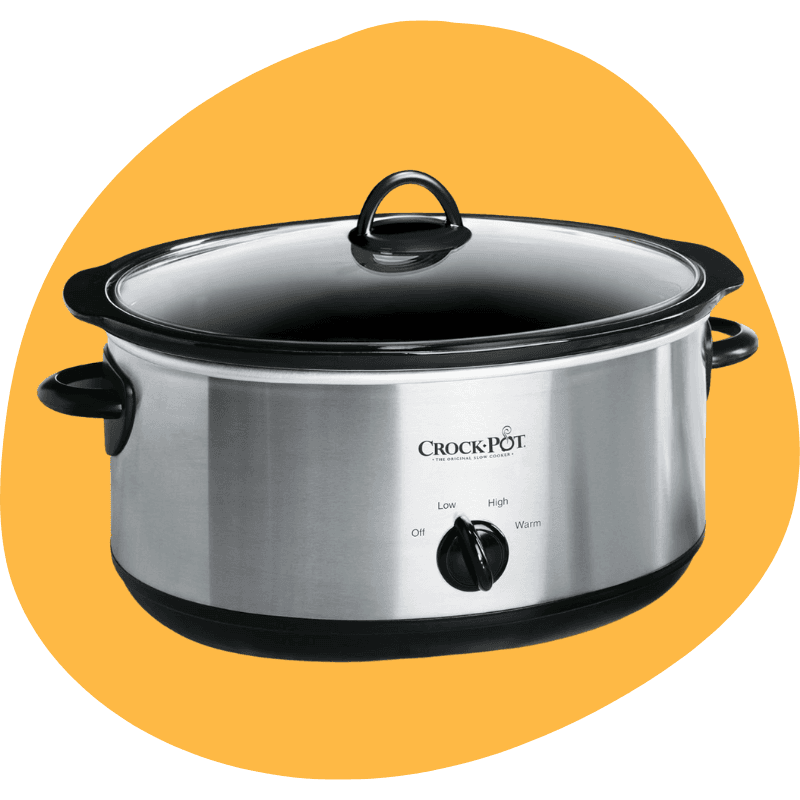
Crock-Pot 7-Quart Oval Manual Slow Cooker — Stainless Steel (SCV700-S-BR)
Big-batch comfort cooking made easy. This 7-quart oval Crock-Pot is perfect for family dinners, potlucks, and entertaining — it fits large roasts, whole chickens, casseroles, and generous stews. The stainless-steel exterior looks sharp on the counter while the roomy oval stoneware holds lots of food.
Simple manual controls let you switch between Low, High, and Warm settings so you can set it and forget it. The removable stoneware and glass lid make serving and cleanup painless (stoneware is dishwasher-safe). Built for slow, even cooking that tenderizes meat and deepens flavors over hours.
Why you’ll reach for it:
- Large 7-qt capacity — feeds a crowd.
- Oval shape fits longer cuts and whole poultry.
- Easy 3-position manual control (Low/High/Warm).
- Removable, dishwasher-safe stoneware & glass lid for easy cleanup.
- Classic stainless finish that fits any kitchen.
Perfect when you want hands-off meals that comfort and feed many.

Top programmable pick — Hamilton Beach “Set & Forget” / 6-Quart Programmable Slow Cooker
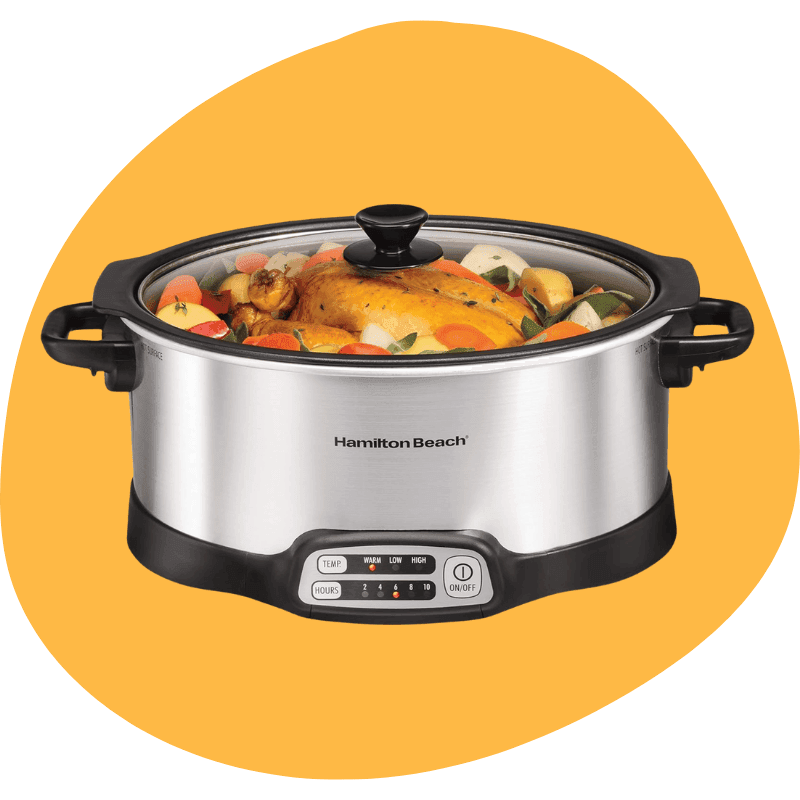
Hamilton Beach 33662 Programmable Slow Cooker — 6 Quart, Silver
Make weeknight meals effortless: this 6-quart programmable slow cooker lets you sear meats on the stovetop right in the removable crock, then transfer it to the cooker to slow-simmer to tender perfection. The digital timer and preset cook/keep-warm settings give you hands-off control so dinner’s ready when you want it.
Why it’s handy:
- 6-quart capacity — feeds a family or preps meals for the week.
- Stovetop-safe sear & cook crock — brown meats and veggies first for deeper flavor.
- Programmable timer + keep-warm — set it and go without worrying about overcooking.
- Removable crock & lid — easy serving and cleanup (dishwasher-safe parts on most models).
- Sleek silver finish — looks good on the counter.
Perfect for stews, roasts, chilis, and slow-cooked favorites when you want rich flavor with minimal effort.
A good slow cooker and a few habits make low carb slow cooker recipes safe and stress-free. Choose the right size, prefer a programmable unit if you need automation, use liners selectively (pick BPA-free/food-safe brands), know what each heat setting does, and follow the food-safety basics — thaw first, don’t overfill, and always verify internal temperatures with a probe thermometer. Do that, and the crockpot becomes your best ally for easy, reliable low-carb meals.
Prep & timing strategies for perfect low carb slow cooker meals
Getting reliably great results from your low carb slow cooker recipes comes down to prep and timing. A few rules — about layering, browning, liquids, and when to add delicate ingredients — will turn “meh” into “wow.” Below are clear, practical strategies you can use every time you cook.
Layering rules (veg vs. meat placement)
- Root veg goes on the bottom.
- Carrots, rutabaga, turnips, and onions take longer to soften and should sit under the meat so they get steady, direct heat.
- Meat in the middle.
- Place roasts or thicker cuts on top of the root veg. The meat juices drip down and flavor the veg while the veg protects the meat from direct contact with the hottest surface.
- Quick-cooking or delicate veg on top (or add late).
- Zucchini, summer squash, sliced mushrooms, and most leafy greens should be added later (last 30–45 minutes) or placed on top so they don’t dissolve into mush.
- Layer smart for sauces.
- If a recipe relies on pan juices to make a sauce, prop the meat on a trivet or thick-sliced veg so it’s not sitting in liquid the whole time — this concentrates flavor.
Browning vs. no-browning methods
- Why brown?
- Searing meat before it goes into the slow cooker builds Maillard flavor (that caramelized, savory crust) and gives the final dish extra depth. It’s a small time investment — 4–7 minutes per side — that pays off in taste.
- When to skip browning
- If you’re in a rush or using pre-seasoned frozen packs, skip browning and compensate by adding an extra aromatic (more garlic/onion), a splash of umami (tomato paste, Worcestershire), or finishing with fresh herbs and acid to brighten the dish.
- Best compromise: Sear only the largest surface areas (one side of a roast or bigger chicken pieces) for 2–3 minutes each to quickly boost flavor without a lot of fuss.
Liquid math (why not too much)
- Slow cookers trap steam. That means you need less liquid than a stovetop or oven recipe. A common mistake is dumping in a full cup-per-ingredient ratio; the result? Watery stew that’s bland.
- Practical rules:
- For braises/roasts: use just enough liquid to come about 1/3–1/2 up the sides of the solids. Meat will release juices; you don’t need to cover it.
- For soups/stews: fill up to 2/3 of the pot so there’s room for bubbling and steam.
- For dump-and-go shredded meats: 1/2 to 1 cup of liquid (broth, salsa, or a sauce) is usually plenty for a 3–4 lb batch.
- Fixes for watery dishes: simmer the finished sauce in a skillet to reduce, or thicken with pureed cauliflower, cream cheese, or a tiny pinch of xanthan gum (whisk into cold broth first).
Using frozen veg vs fresh
- Frozen veg is convenient but watery. Many frozen vegetables (especially mixed blends and spinach) release water as they thaw, which can dilute flavor. They’re fine for long cooks when you reduce added liquid accordingly.
- Best uses for frozen: riced cauliflower, chopped spinach, and peas (if you use them sparingly). Riced cauliflower is especially useful — it absorbs flavor and reheats well under stews.
- If you use frozen whole veg: add them later in the cook or pat them dry before adding to the pot to avoid excess liquid and sogginess.
When to add delicate greens & herbs
- Greens (spinach, kale, chard): add in the last 15–30 minutes for brightness and texture. Kale can tolerate a bit longer (30–40 minutes) than baby spinach.
- Fresh herbs (basil, cilantro, parsley): stir in right before serving to preserve flavor and color. Dried herbs belong in the pot at the start; fresh herbs are a finishing move.
- Citrus & vinegar: acid brightens flavors but can slow connective-tissue breakdown if added too early. Add citrus juice or vinegars at the end or just before serving, unless the recipe specifically relies on a long-simmered acidic braise.
Tips for reducing prep time (foil packets, prepped freezer packs)
- Foil (or silicone) packets inside the slow cooker:
- Great for keeping delicate veg separate from long-cooking meat. Make small veg packets (seasoned zucchini, asparagus, or lemon-herb mushrooms), place them on top of the meat for the last 45–60 minutes, and finish without soggy results.
- Prepped freezer packs (the ultimate shortcut):
- Assemble raw ingredients and seasonings in labeled, flat freezer bags: protein (portion-sized), veg, and sauce. Freeze flat so they stack. When you’re ready to cook, thaw overnight in the fridge and dump into the slow cooker — or transfer the contents to a bowl and microwave briefly to speed defrosting before cooking.
- Safety note: for best safety and texture, thaw overnight; cooking large frozen roasts from the solid-frozen state is not recommended. Smaller cuts thaw and cook more safely.
- Make-ahead aromatics: chop onions, mince garlic, and measure spices into small containers at the start of the week. Store in the fridge and you’ll shave 10–15 minutes off nightly prep.
- Batch cook basics: double recipes and freeze half as finished meals in shallow containers; reheat to 165°F for fast weeknight dinners.
Quick timing reference (approx.)
- Chicken thighs (bone-in): Low 6–8 hrs / High 3–4 hrs
- Pork shoulder (for shredding): Low 8–10 hrs / High 4–6 hrs
- Chuck roast: Low 8–10 hrs / High 4–6 hrs
- Vegetable stews (if veg mostly raw): Low 6–8 hrs / High 3–4 hrs
(Use a probe thermometer to be sure — target temps and tenderness matter more than clock time.)
Mini troubleshooting cheatsheet
- Too watery: remove meat, reduce liquid on the stovetop, or thicken with cauliflower purée or cream cheese.
- Veg too mushy: add them later or use heartier veg (rutabaga, carrot) under the meat.
- Bland: finish with acid (lemon or vinegar), fresh herbs, or a spoonful of umami (tomato paste, miso, soy/tamari).
Converting classic slow-cooker recipes to low-carb
Transforming a beloved slow-cooker recipe into a low-carb slow cooker recipe is less about deprivation and more about smart swaps and texture fixes. Follow this clear, step-by-step method and the examples below to convert stews, chilis, roasts, and casseroles so they stay comforting, flavorful, and keto-friendly.
Step-by-step conversion method
- Define your target carb range
- Decide if you’re aiming for moderate low-carb or keto. That determines how aggressive your swaps will be (e.g., keeping small amounts of starchy veg vs removing them entirely).
- Identify starchy/high-carb elements
- Typical culprits: rice, potatoes, corn, beans, sugary sauces, starchy thickeners (flour, cornstarch). Mark every ingredient that contributes >5–10 g carbs per serving.
- Swap the starchy side or ingredient
- Replace rice/pasta with cauliflower rice or zucchini noodles.
- Replace potatoes with cauliflower mash or turnip/rutabaga mash.
- Replace beans with extra meat, mushrooms, or roasted eggplant for the body.
- Replace sugar and high-carb sauces
- Make simple sugar-free sauces: tomato paste + vinegar + smoked paprika + erythritol (if needed). Or use a no-sugar-added store sauce and taste for seasoning.
- Remove sweeteners or reduce them drastically; add a touch of acid (vinegar/lemon) to balance the sweetness loss.
- Reduce or replace starchy thickeners
- Instead of flour/cornstarch: use pureed cauliflower, cream cheese, strained Greek yogurt (stirred in at the end), or a xanthan gum slurry (very small amount whisked into cold liquid then stirred in).
- For a “stewy” bite, mash a portion of the cooked veg to thicken the pot naturally.
- Add fat and/or protein to maintain satiety
- Increase healthy fats (olive oil, butter, ghee, avocado oil, or a splash of heavy cream) and ensure there’s enough protein to keep the meal filling — e.g., add extra shredded chicken or a few more meatballs.
- Adjust seasoning & umami
- When you remove sweet or starchy ingredients, flavors can flatten. Rebuild depth with: tomato paste, a teaspoon of soy/tamari, a small anchovy paste, mushroom powder, smoked paprika, or a square of dark chocolate/cocoa in chili-style dishes.
- Time and technique tweaks
- Add delicate veg (zucchini, spinach) later in the cook. Add dairy at the end. Brown large cuts beforehand for flavor if possible.
- Test & taste
- Always taste before serving. Finish with brightness (acid) and fresh herbs to lift the flavors. Salt last — low-carb swaps can change perceived saltiness.
- Estimate portions & carb impact
- If you track, calculate net carbs after swaps (total carbs − fiber). Use a database or labels for accuracy.
Practical example: Pot roast → Low-carb pot roast with cauliflower mash
What to change (quick): skip potatoes; bulk up with cauliflower and turnips; thicken with pureed cauliflower and finish with butter/cream.
How to convert (step-by-step):
- Use the same braising liquid (beef broth + tomato paste + Worcestershire), but reduce the added broth by ~½ cup because the cauliflower will release moisture.
- Layer root veg that withstand long cooks — rutabaga or parsnip (if you want a little starch, in a small amount) — under the roast for 6–8 hr on low.
- Replace potatoes entirely with cauliflower mash: roast or steam 1–2 heads of cauliflower, puree with 2–3 Tbsp butter, 2 oz cream cheese, salt, pepper, and a splash of heavy cream to reach the desired texture.
- Once the roast is done, remove the meat, shred or slice it, and thicken the braising liquid by pureeing 1–2 cups of cooked cauliflower with some broth and stirring it back in. Finish with a pat of butter and chopped parsley.
- Serve roast slices over a spoonful of cauliflower mash and a side of sautéed greens.
Why it works: Cauliflower gives the creamy, starchy mouthfeel without the carbs; pureeing part of the veg mimics the sauce body potatoes would have contributed.
Practical example: Classic chili → Beanless low-carb chili
What to change (quick): remove or drastically reduce beans; replace with extra meat and veg (mushrooms, peppers, zucchini); use cocoa/tomato paste for depth.
How to convert (step-by-step):
- Base: Brown ground beef (or use whole chunks of chuck roast for shredding) with onion and garlic. If skipping searing, boost umami later with paste.
- Replace beans with a mix of chopped mushrooms + diced zucchini + bell peppers (use low-sugar canned tomatoes or no-sugar-added crushed tomatoes).
- Use tomato paste + unsweetened cocoa powder (a teaspoon) + chili powder + smoked paprika to deepen flavor without sweetness.
- For the body, add 1–2 cups of riced cauliflower toward the last 60–90 minutes (it absorbs flavor and thickens). Alternatively, stir in ¼–½ cup pureed roasted cauliflower at the end.
- If you must keep legumes: choose black soybeans (lower-carb than standard beans) or use a very small portion of canned chickpeas diluted across many servings — but most keto/low-carb cooks prefer no beans.
- Finish with acid (a splash of apple-cider vinegar or lime juice) and fresh cilantro.
Serving ideas: lettuce cups, cauliflower rice, or shredded cabbage slaw. Top with avocado, sour cream, and shredded cheese.
Extra conversion tips & quick swaps
- Creamy soups: swap flour roux for pureed cauliflower or a small amount of heavy cream + cream cheese. Add Greek yogurt only at the end and temper it with warm liquid.
- Casseroles with crumb toppings: use toasted almond meal mixed with butter and herbs instead of breadcrumbs.
- Stir-ins: mushrooms, eggplant, and diced seitan (if not vegetarian) bulk up texture and soak up sauce — great when you remove beans.
- Sweet sauces: use vinegar + spice + a low-carb sweetener (erythritol or monk fruit) to recreate a tangy-sweet profile safely.
- Crisp edges (for pulled meat): remove pulled pork from slow cooker, spread on a rimmed sheet, broil 4–8 minutes to get crispy bits — then return to the pot or serve immediately.
Testing & seasoning checklist (before you serve)
- Taste for salt. Low-carb swaps can dilute or concentrate flavors — adjust carefully.
- Add a small acid (vinegar or citrus) to brighten after removing starchy sweetness.
- Check texture: if watery, reduce on the stove or thicken with puree/xanthan; if too thick, add a splash of broth.
- Finish with fresh herbs and a fat (butter, olive oil drizzle, or avocado) for richness and mouthfeel.
12 Recipe Categories — Sample low carb slow cooker recipes, macros, cook time & tips
Below are 12 recipe categories packed with practical recipe ideas, quick notes on conversion/serving, estimated net carbs per serving (approximate ranges), typical slow-cooker cook times, and smart leftovers tips. Use these as ready-to-go building blocks for weeknight dinners, meal prep, or scaling into family-size batches.
1. Shredded chicken & versatile pulls

Great for tacos, salads, bowls, and sandwiches (lettuce wraps).
- Salsa Chicken (lettuce cups)
- Quick: chicken thighs + no-sugar salsa + garlic + cumin. Shred at the end.
- Net carbs per serving: ~3–6 g (depends on salsa).
- Cook time: Low 6–8 hrs / High 3–4 hrs.
- Serve: in butter lettuce with avocado and cilantro.
- Leftovers: 3–4 days in fridge; freezes well in portions.
- Crack Chicken (ranch + cream cheese + bacon)
- Rich, creamy shredded chicken that doubles as a dip or main.
- Net carbs per serving: ~2–4 g.
- Cook time: Low 4–6 hrs (thighs) / High 2–3 hrs.
- Tip: Stir cream cheese near the end to avoid curdling.
- Buffalo Shredded Chicken
- Hot sauce + butter + a splash of broth; finish with blue cheese or ranch.
- Net carbs per serving: ~1–3 g.
- Cook time: Low 4–6 hrs / High 2–3 hrs.
- Use: over cauliflower rice, in lettuce cups, or on a salad.
2. Pulled pork & carnitas

Fatty cuts that become tender and shred beautifully.
- Keto Carnitas (citrus + cumin + oregano)
- Brown shoulder (optional), slow-cook with orange zest (small), lime, and cumin. Crisp under the broiler for edges.
- Net carbs per serving: ~2–5 g.
- Cook time: Low 8–10 hrs / High 4–6 hrs.
- Serve: cabbage slaw, cauliflower rice, or tucked into lettuce.
- Leftovers: freeze great; re-crisp on a baking sheet before serving.
- Pulled Pork with Sugar-Free BBQ
- Use a no-sugar-added BBQ sauce or make your own with tomato paste + vinegar + sweetener.
- Net carbs per serving: ~4–6 g (depends on sauce).
- Tip: Reduce the sauce at the end for depth.
- Pork + Apple Cider (low-sugar)
- Small apple cider vinegar + warm spices (no added sugar) for tangy pulled pork.
- Net carbs per serving: ~3–5 g.
3. Beef stews & pot roasts (low-carb variants)

Hearty meals that shine when potatoes are swapped or removed.
- Hungarian-Style Pot Roast (omit starch)
- Beef chuck + paprika + mushrooms + extra rutabaga or turnip.
- Net carbs per serving: ~6–9 g.
- Cook time: Low 8–10 hrs / High 4–6 hrs.
- Serve: over cauliflower mash.
- Beef Bourguignon + Cauli Mash
- Classic flavors, swap potato sides for cauliflower mash; thicken with pureed cauli.
- Net carbs per serving: ~8–12 g (mash included).
- Tip: brown beef first for best depth.
- Italian Herb Pot Roast with Extra Veg
- Add zucchini and eggplant in the final hour; skip potatoes.
- Net carbs per serving: ~7–10 g.
4. Comfort soups & chowders (low-carb)

Creamy and cozy, without the starchy heaviness.
- Creamy Cauliflower Soup
- Cauliflower + broth + garlic + finish with cream or cream cheese, blend for silky texture.
- Net carbs per serving: ~6–8 g.
- Cook time: Low 6–8 hrs / High 3–4 hrs.
- Leftovers: freeze well, reheat gently.
- White Chicken “Chili” (beanless)
- Shredded chicken + green chiles + cream cheese + spices; thicken with cauliflower puree.
- Net carbs per serving: ~5–8 g.
- Serve: with cheddar, scallions, and lime.
- Seafood Chowder (cauli-thickened)
- Use firm fish or shellfish added late; use pureed cauliflower for the body.
- Net carbs per serving: ~6–9 g.
5. Keto chilis & braises

Big flavor, little starch — chili that satisfies without beans.
- Beanless Beef Chili
- Ground beef or cubed chuck + tomatoes (no-sugar) + chili spices + cocoa for depth.
- Net carbs per serving: ~6–9 g.
- Cook time: Low 6–8 hrs / High 3–4 hrs.
- Serve: over riced cauliflower or with avocado.
- Lamb Goulash over Braised Cabbage
- Rich lamb braise with Hungarian paprika; serve on braised cabbage ribbons.
- Net carbs per serving: ~7–10 g.
- Turkey-Pumpkin Chili (low-sugar)
- Ground turkey + small amount of pumpkin puree for body + chiles — tastes fall-ready.
- Net carbs per serving: ~7–9 g.
6. Pork chops, tenderloins & sausages

Faster, leaner pork options and sausage-based dishes.
- Sausage & Peppers (no roll)
- Sausage links + bell peppers + onion (use sparingly) + Italian seasoning.
- Net carbs per serving: ~3–6 g.
- Cook time: Low 4–6 hrs / High 2–3 hrs.
- Serve: over sautéed greens or in a lettuce “boat.”
- Braised Pork with Mustard-Cream Sauce
- Pork tenderloin (shorter cook) or chops slow-braised; add mustard + cream at the end.
- Net carbs per serving: ~2–5 g.
- Apple-Cider Pork (low-sugar twist)
- Use apple cider vinegar + a teaspoon of erythritol for sweetness instead of sugar-laden glazes.
- Net carbs per serving: ~4–6 g.
7. One-pot chicken dinners

Comforting combos that can be whole meals on their own.
- Chicken Cacciatore over Zoodles
- Chicken + tomatoes (no sugar) + mushrooms + olives; serve over zucchini noodles.
- Net carbs per serving: ~6–9 g.
- Tip: add zoodles just before serving or sauté separately.
- Lemon-Garlic Chicken & Artichokes
- Bright, Mediterranean-style one-pot; finish with fresh parsley.
- Net carbs per serving: ~4–7 g.
- Creamy Tuscan Chicken (spinach + sun-dried tomatoes, low-sugar)
- Use limited sun-dried tomatoes (drained) and extra cream/cheese for richness.
- Net carbs per serving: ~5–8 g.
8. Seafood & fish (what works in a slow cooker)

Use short times and low temps — seafood is delicate.
- Low-Temp Fish Stew
- Firm white fish + shellfish added in final 30–45 minutes; tomato-broth base.
- Net carbs per serving: ~4–7 g.
- Tip: Avoid 6–8 hour cooks for fish; add at the end.
- Poached Salmon (short-cook)
- Salmon fillets with aromatics and a splash of broth; 30–60 minutes on low.
- Net carbs per serving: ~1–3 g.
- Serving: buttered greens or quick cauliflower rice.
- Coconut Curry Shrimp (add shrimp last)
- Make curry base in a slow cooker; stir in shrimp in the last 20–30 minutes to avoid a rubbery texture.
- Net carbs per serving: ~5–8 g.
9. Vegetarian low-carb slow-cooker meals

Veg-forward, protein-packed, and full of texture.
- Eggplant & Tomato Stew
- Eggplant soaks up flavor; add chickpea substitutes (hearty mushrooms, toasted seeds) for bulk.
- Net carbs per serving: ~8–12 g.
- Tip: cube eggplant and salt briefly to remove bitterness, or roast before adding.
- Cauliflower Coconut Curry
- Cauliflower + spinach + coconut milk + curry paste — thickened by cauliflower itself.
- Net carbs per serving: ~6–9 g.
- Tofu Braises with Mushrooms & Bok Choy
- Pressed tofu holds up in longer cooks; add bok choy late.
- Net carbs per serving: ~6–10 g (tofu + veg).
10. Breakfast & brunch (eggs, casseroles, savory porridge)

Make-ahead, grab-and-go friendly.
- Slow-Cooker Frittata
- Eggs + cream + spinach + sausage; cook low 2–3 hrs on high or 4–6 hrs low (test early).
- Net carbs per slice: ~2–4 g.
- Leftovers: refrigerate, reheat slices quickly.
- Sausage-Egg Bake
- Layer sausage, eggs, and cheese; serve warm or cold.
- Net carbs per serving: ~1–3 g.
- Chia Coconut “Porridge” (small portions)
- Chia + coconut milk + a few berries — keep portion sizes small for carbs.
- Net carbs per serving: ~4–6 g (depends on berries).
11. Sauces, condiments & keto gravies

Small additions that elevate every low carb slow cooker recipe.
- Cream-Based Pan Gravy
- Use pan juices + cream cheese or heavy cream to thicken; whisk in at the end.
- Net carbs per 2 tbsp: ~1–3 g.
- Sugar-Free BBQ Sauce
- Tomato paste + vinegar + spices + erythritol to taste.
- Net carbs per 2 tbsp: ~2–4 g (varies).
- Herb-Butter Pan Sauce
- Melted butter + lemon + parsley — near-zero carbs.
- Use: finish shredded meats or roasted veg.
12. Low-carb slow-cooker desserts (limited but possible)

Small, satisfying treats that won’t wreck a low-carb day when portioned.
- Berries + Mascarpone Compote
- Limited berries + a splash of erythritol simmered gently, served over mascarpone or whipped cream.
- Net carbs per small serving: ~6–8 g.
- Cinnamon-Spiced Chia Bake
- Chia + coconut milk + cinnamon — set and portion small.
- Net carbs per serving: ~4–6 g (chia has fiber; net estimate reflects fiber subtraction).
- Slow-Cooker Poached Pears (very small portion)
- Use low-sugar cooking liquid; only for occasional portions.
- Net carbs per tiny serving: ~6–10 g (watch fruit portions closely).
Quick serving notes & practical tips across categories
- Macros are estimates. Use labels or a nutrition calculator for exact counts if you track precisely. The ranges above reflect typical low-carb ingredient choices (no added sugar, cauliflower swaps, small starchy veg portions).
- Cook times vary by slow cooker model and cut size — always verify doneness with tenderness and internal temperature for proteins.
- Leftover strategy: cool quickly, portion into shallow containers, label with date; most leftovers keep 3–4 days refrigerated or 3 months frozen. Reheat to 165°F.
- Scaling tip: double meat-centric recipes and halve the liquid for batch cooking; adjust thickening near the end.
Meal prep, batch cooking & freezer-to-slow-cooker workflows
Making low carb slow cooker recipes actually useful all week comes down to smart meal prep, reliable batch cooking, and safe freezer-to-slow-cooker routines. Below is a practical, step-by-step playbook you can use today — repeatable, and tuned for safety and flavor.
Why batch + freeze?
- Save time: cook once, eat multiple times.
- Save money: buy proteins in bulk and use seasonal veg.
- Reduce decision fatigue: grab a labeled meal and reheat.
These wins are why low carb slow cooker recipes are perfect for busy weeks.
How to assemble freezer packs (step-by-step)
What to use
- BPA-free freezer bags (gallon or quart), vacuum sealer bags, or shallow freezer-safe containers.
- Sharpie, masking tape, and a permanent freezer label.
Portioning
- Decide single-meal portions (typical: 1–2 cups cooked protein + veg per adult). For low carb slow cooker recipes, you might aim for 2–3 servings per 2–3 cup container, depending on family appetite.
- For meal-prep lunches, 1–1.5 cups per container is often enough.
Build the pack
- Cool first. Cool cooked food to near room temperature (no longer than 2 hours at room temperature) before packing.
- Layer strategically. Place sauces or liquids at the bottom, denser vegetables or meats in the middle, and delicate toppings (such as cheese or herbs) aside to add after reheating.
- Compact & flatten. If using bags, press flat and remove as much air as possible (vacuum seal if available). Flat packs freeze faster and stack easily.
- Label clearly. Write recipe name, cook date, portion count, and reheating instructions (e.g., “Reheat to 165°F”), plus an estimated net-carb value if you track low carb slow cooker recipes.
- Freeze quickly. Lay flat until solid and then stack upright — this speeds freezing and preserves quality.
Pro tip: Freeze sauces separately if you want to avoid sogginess (especially for shredded meats or crispy-finish items like carnitas).
Thawing guidance (safe and practical)
Best method — refrigerator thawing (recommended):
- Move the frozen pack from freezer to fridge the night before (8–24 hours depending on size). This is the safest, most reliable method and keeps food out of the temperature danger zone.
Faster options (use carefully):
- Cold-water bath: keep the seal intact, submerge the bag in cold water, and change water every 30 minutes. Small packs thaw in 1–2 hours. Immediately cook or reheat after thawing this way.
- Microwave defrost: Use the defrost setting and monitor closely — finish by cooking/reheating immediately because microwave partial-thaw can create hot spots.
What not to do
- Don’t leave thawing food on the counter for hours — bacteria grow between 40–140°F.
- Don’t slow-cook a large solid block of frozen meat from fully frozen (it can sit too long in the danger zone). Always thaw first or break into smaller pieces.
Freezer-to-slow-cooker workflow (best practices)
- Small portions OK from frozen: If you’ve frozen small, flat packs that thaw quickly, you can transfer them directly into the slow cooker once mostly thawed.
- Large roasts or whole birds: Always fully thaw before slow cooker use — USDA guidance and common safety practice advise against cooking very large frozen cuts in a slow cooker.
- If in a pinch: Partially thaw in the microwave, then finish in the slow cooker, but monitor internal temps carefully.
Quick workflow example
- Move the pack to the fridge 24 hours before cooking.
- In the morning, put contents into the slow cooker on low or high, depending on cook time.
- Add a splash of broth if the pack absorbed liquid during freezing.
- Finish with fresh herbs/dairy near the end.
Reheating best practices (safety + quality)
Temperature target: Reheat all leftovers to 165°F (74°C) throughout before serving. Use an instant-read thermometer to check the thickest part.
Preferred methods
- Stovetop: Reheat a pot on medium, stirring occasionally until it reaches 165°F. Fast and controls texture.
- Oven: Put in an oven-safe dish covered, reheat at 350°F until internal temp reaches 165°F. Good for casseroles.
- Microwave: Fastest for single portions — stir halfway through and check the temperature in multiple spots.
- Slow cooker (with caution): Not ideal for reheating because it can keep food too long in the danger zone. If using, transfer contents to a pot and bring quickly to 165°F on high; or preheat the slow cooker, then add mostly-thawed food and verify temp.
Steam & splatter note: When reheating high-fat sauces in the microwave, puncture or vent coverings to avoid steam pressure.
Storage timelines (practical rules)
- Refrigerator: Cooked leftovers are safe for 3–4 days.
- Freezer: Best quality for 2–3 months, though food frozen longer is still safe if kept frozen continuously.
- After reheating: Eat promptly; don’t reheat multiple times. If reheated and not eaten, cool and refrigerate within 2 hours, but try to avoid repeated reheats for both safety and texture.
Labeling & organization tips (so your system actually works)
- Label = date + name + portions + reheating temp (e.g., “Buffalo Chicken — 12/28 — 2 servings — Reheat to 165°F”).
- Color-code tape or stickers for meal types (protein, veg, breakfast) to speed selection.
- Rotate stock: put the newest packs at the back, use the oldest first (FIFO: first in, first out).
- Keep a master inventory list on your phone or a fridge whiteboard: list pack name, date frozen, and location (shelf or bin).
Low-carb specific tips (so flavor and texture survive freezing)
- Keep crunchy toppings separate. Freeze proteins and veg, keep slaws, avocado, cheese, and fresh herbs to add after reheating.
- Sauce on the side. Freeze thick sauces separately for better texture control.
- Label net carbs. For fast tracking of low carb slow cooker recipes, write estimated net carbs per portion on the label so you can grab-and-go without recalculating.
Quick printable checklist (copy & paste)
- Cool cooked food ≤ 2 hours before packing.
- Portion into meal-sized packs, remove air, and freeze flat.
- Label: name / freeze date / portions / reheating temp / net carbs.
- Thaw in fridge 8–24 hrs or use cold water/microwave for fast thaw.
- Reheat to 165°F (stovetop/oven/microwave preferred).
- Store refrigerated leftovers 3–4 days; freezer best quality 2–3 months.
- Use FIFO — oldest first.
Sample 7-Day Low-Carb Slow Cooker Recipes Meal Plan + Shopping List
Here’s a practical, dump-and-go 7-day plan built around low-carb slow cooker recipes. Each dinner is a crock-pot recipe (easy to double), plus three make-ahead lunches, breakfast ideas, snack options, and a consolidated shopping list organized by category. Portioning below assumes 4 servings per recipe — scale up/down as needed.
How to use this plan
- Pick a prep day (Sunday). Brown any large roasts if you want extra depth, assemble one or two freezer packs, and chop veg.
- The lunches reuse dinner leftovers (less waste!).
- Aim to add delicate greens or dairy at the end of cooking to preserve texture and flavor.
- Net-carb guidance: most dinners are ~5–10 g net carbs per serving (without added sides) — adjust for your target.
7-Day Dinner Plan (slow cooker — low carb)
Day 1 — Salsa Shredded Chicken (lettuce cups)
- What to do: Chicken thighs + sugar-free salsa + garlic + cumin → shred.
- Serve with: Butter lettuce, sliced avocado, and cilantro.
- Net carbs per serving: ~3–6 g.
- Leftovers: Use for Day 2 lunch.
Day 2 — Keto Carnitas
- What to do: Pork shoulder + lime zest + cumin + oregano → slow cook, broil briefly for crisp edges.
- Serve with: Cabbage slaw or cauliflower rice.
- Net carbs per serving: ~3–6 g.
- Leftovers: Great for salads or Day 3 lunch.
Day 3 — White Chicken “Chili” (beanless)
- What to do: Shredded chicken (use Day 1 leftovers) + green chiles + broth + cream cheese + spices.
- Serve with: Chopped scallions, cheddar, lime.
- Net carbs per serving: ~5–8 g.
- Leftovers: Freeze in single portions.
Day 4 — Beef Chuck Pot Roast (cauli mash)
- What to do: Chuck roast + mushrooms + onion + beef broth + thyme. Serve over cauliflower mash.
- Serve with: Sautéed greens.
- Net carbs per serving: ~6–10 g (with mash).
- Leftovers: Day 5 lunch.
Day 5 — Creamy Tuscan Chicken (slow cooker)
- What to do: Chicken thighs + sun-dried tomatoes (small amt) + spinach + cream + garlic.
- Serve with: Zoodles or roasted zucchini.
- Net carbs per serving: ~5–8 g.
Day 6 — Beanless Beef Chili
- What to do: Ground beef or cubed chuck + no-sugar tomatoes + chili spices + a pinch of unsweetened cocoa.
- Serve with: Cauliflower rice or a big green salad.
- Net carbs per serving: ~6–9 g.
- Leftovers: Freeze or use for lunch.
Day 7 — Salmon & Fennel Stew (short cook in slow cooker)
- What to do: Build a tomato/broth base early, add firm salmon fillets in the final 30–45 minutes.
- Serve with: Light cauliflower rice or steamed broccoli.
- Net carbs per serving: ~3–6 g.
3 Make-Ahead Lunches (use dinners + quick assemble)
- Lunch A — Carnitas Salad
- Shredded carnitas + shredded cabbage, avocado, lime vinaigrette.
- Prep tip: Portion meat into containers; add greens day-of.
- Lunch B — Beef-and-Cauli Bowl
- Leftover pot roast + reheated cauliflower mash + quick sautéed spinach.
- Prep tip: Freeze half the pot roast in single portions for a later week.
- Lunch C — Buffalo Chicken & Veg Bowl
- Shredded buffalo chicken (Day 1/3) + celery, cucumber, ranch, shaved Parmesan.
- Prep tip: Keep sauce separate until reheating.
Breakfast Ideas (quick, low-carb)
- Slow-Cooker Frittata slices — eggs, sausage, spinach, cheddar. (Make on weekend; reheat.)
- Greek yogurt bowl (full-fat) — add chia, a few raspberries, and chopped nuts.
- Chia-coconut “porridge” — prepared overnight in jars; add a few berries and cinnamon.
Snack Ideas
- Hard-boiled eggs
- Celery or cucumber sticks + cream cheese or almond butter
- Small handful of nuts + a few olives
- String cheese or cubes of cheddar
- Quick veggie-packed soup mug (reheat leftovers)
Consolidated Shopping List (for 4 people, 7 days)
Proteins
- Chicken thighs: 6–8 lbs (for shredded chicken, Tuscan chicken, chili)
- Pork shoulder: 3–4 lbs (carnitas)
- Beef chuck roast: 3–4 lbs
- Ground beef (or extra chuck): 2–3 lbs (for chili)
- Salmon fillets: 1.5–2 lbs (for Day 7)
- Sausage or breakfast meat: 1–1.5 lbs (for frittata)
- Eggs: 2 dozen
- Cauliflower: 4 heads (or 2 bags riced cauliflower)
- Zucchini: 6–8 medium (zoodles, sides)
- Cabbage (small): 1–2 heads (slaw/bowls)
- Spinach/kale: 2–3 large bunches or bags
- Mushrooms: 1–2 lbs
- Onions (yellow): 4–6
- Garlic: 2 bulbs
- Bell peppers: 4–6
- Avocados: 6–8
- Lemons & limes: 6–8
- Fresh herbs: cilantro, parsley, basil (optional)
Dairy & Fats
- Heavy cream or full-fat coconut milk: 1 pint
- Cream cheese: 2–3 packages
- Greek yogurt (full-fat): 1 large tub
- Butter or ghee: 1 lb
- Olive oil/avocado oil
Canned & Pantry
- No-sugar salsa: 2 jars
- Canned tomatoes (no sugar): 3–4 cans
- Tomato paste: 2 small cans
- Low-sodium chicken broth: 2–3 quarts or cartons
- Beef broth: 2 quarts
- Coconut milk (canned): 2 cans
- Green chiles (canned): 1–2 cans
Spices & Condiments
- Cumin, chili powder, smoked paprika, oregano, thyme, bay leaves
- Dijon mustard, apple cider vinegar, soy/tamari (low sodium)
- Sugar-free BBQ or ingredients to make your own (erythritol/monk fruit if used)
- Hot sauce (for buffalo chicken)
Thickeners & Extras
- Xanthan gum (optional, tiny pinch to thicken)
- Almond flour (for crusts/toppings)
- Riced cauliflower (frozen) — backup
Snacks / Misc
- Nuts (almonds, pecans)
- Olives
- Cheese (cheddar, Parmesan, string cheese)
Weekly Prep Checklist (30–90 minutes on Sunday)
- Trim and season proteins; brown large roasts quickly if desired (adds flavor).
- Rice 2 heads of cauliflower or thaw frozen riced cauliflower; make a batch of cauliflower mash.
- Assemble one or two freezer packs (e.g., pre-seasoned carnitas pack, chili pack).
- Make a slow-cooker frittata for breakfast; portion and refrigerate.
- Chop onions and measure spices into small containers for fast evening assembly.
Troubleshooting common slow-cooker issues
Practical fixes so your low carb slow cooker recipes come out delicious every time — not watery, bland, mushy, or curdled. Below, I break down the common problems, why they happen, and step-by-step fixes you can apply right away.
1) Watery results — why it happens & how to fix it
Common causes
- Too much initial liquid (slow cookers trap steam).
- Frozen ingredients that release water as they thaw.
- Veg or canned ingredients that shed extra moisture (e.g., frozen spinach, canned tomatoes with liquid).
- Not reducing the sauce after cooking.
Quick fixes (during or after cooking)
- Finish on the stovetop: remove meat/veg, simmer the liquid in a pot over medium-high heat until reduced and glossy. Stir to prevent burning.
- Thicken with a low-carb option: stir in pureed cauliflower, a little cream cheese (softened), or whisk a tiny pinch of xanthan gum dissolved in cold broth (start with 1/8–1/4 tsp for a pot). Add slowly and whisk.
- Broil to concentrate: for pulled meats, spread shredded meat on a rimmed baking sheet and broil 4–8 minutes to evaporate surface moisture and add texture.
- For future cooks: reduce added liquid by 1/3; pat frozen veg dry before adding; add canned tomatoes, drained if you want thicker results.
2) Bland or flat flavor — why it happens & how to fix it
Common causes
- Under-seasoning at the start (slow-cooker heat can mute spices).
- Missing finishing ingredients (acid, fat, fresh herbs) that brighten flavors.
- Excessive dilution from too much liquid or watery veg.
Quick fixes
- Adjust seasoning at the end: salt, freshly cracked pepper, and a pinch of sweetness (erythritol or a tiny squeeze of honey if not strict keto) can rebalance.
- Add acid for brightness: a splash of vinegar (apple cider or sherry), lemon or lime juice, or a tablespoon of mustard perks up flavors instantly.
- Finish with fresh herbs & fat: stir in chopped cilantro/parsley, a drizzle of olive oil, or a knob of butter/cream cheese right before serving.
- Boost umami: stir in 1 tsp tomato paste, a dash of soy/tamari, fish sauce (tiny amount), or mushroom powder. Taste after each addition.
3) Overcooked, dry, or stringy meat — why it happens & how to fix it
Common causes
- Lean cuts (breast, loin, tenderloin) were left cooking too long.
- High setting for long periods for cuts that need low-and-slow.
- Not enough fat in the recipe for lean proteins.
Quick fixes
- Rescue with sauce: slice the meat and reheat gently in a sauce or gravy to add moisture.
- Shred + dress: shred tougher meat and toss with a flavorful sauce (salsa, BBQ, mustard cream) so it feels juicy.
- For next time: use fattier cuts for long cooks (thighs, shoulder, chuck) or cut cooking time for lean cuts (chicken breast: 2–3 hrs on high, 3–4 hrs on low). Always check internal temp, not time alone.
4) Undercooked roots & potatoes — why it happens & how to fix it
Common causes
- Big chunks of root veg are placed on top, or are too large to cook through in the planned time.
- An overcrowded pot that blocks heat circulation.
Quick fixes
- Finish in the oven: remove meat, cover the root veg, and roast at 400°F for 20–30 minutes until tender.
- Cut smaller next time: dice root veg into 1–1.5 inch pieces and place them under the meat for direct heat.
- Par-cook: microwave or simmer root veg for 5–10 minutes before adding to the slow cooker to reduce total cook time.
5) Weird textures from dairy (grainy, broken, or curdled sauces) — why & how to fix it
Common causes
- Adding milk/Greek yogurt/cream too early on a long cook.
- High heat causes dairy proteins to separate.
Quick fixes
- Temper yogurt: whisk a small ladle of hot broth into yogurt/Greek yogurt to warm it, then stir it back into the pot. Add at the end and heat gently (do not boil).
- Use cream cheese/heavy cream: cream cheese and heavy cream are more stable; add them in the last 20–30 minutes. If a sauce looks curdled, remove from heat and blend briefly with an immersion blender — often this smooths it back together.
- If separation is severe, strain out the solids, reduce the liquid, then reintroduce a small amount of cream or butter and whisk to emulsify.
6) Mushy vegetables (zucchini, spinach, some frozen veg) — why it happens & how to fix it
Common causes
- Delicate veg cooked the entire time under long heat.
- Frozen veg added at the start and overcooked.
Quick fixes
- Add fresh in the final minutes: if still early in the cook, stir in fresh veg and continue 20–40 minutes.
- Sauté separately: for texture, quickly sauté zucchini or mushrooms in a skillet and fold in at the end.
- For salads/refreshing sides: serve over crisp raw slaw or quick-pickle some veg to add crunch contrast.
Universal Fix-It Checklist (copyable & stick on the fridge)
- If watery: remove solids → reduce liquid on stove → return + thicken (pureed cauliflower/cream cheese/xanthan).
- If bland: add salt → add acid (vinegar/lemon) → add fresh herbs → finish with fat.
- If meat is dry: shred → toss in sauce → serve over cauliflower mash or riced cauli.
- If roots are undercooked: par-cook or roast separately; cut shorter next time; place under meat.
- If dairy splits: remove from heat → temper yogurt or blend to smooth → add dairy at the end next time.
- If veg is mushy: add fresh veg late or sauté separately; use heartier veg for long cooks.
- Always: check internal temps with a probe thermometer; adjust times next round based on your slow cooker’s heat profile.
- Best prevention: test your slow cooker with a water run (measure temp after a few hours on low/high) and adapt recipes to that behavior.
Final tip
Take notes — time, setting, cut sizes, and fixes — and keep them with the recipe.
Slow cooker success is about small tweaks: once you know how your unit behaves, every low carb slow cooker recipe will start hitting the mark predictably.
Nutrition tips: balancing macros, fiber & micronutrients on low-carb plans
When you build low carb slow cooker recipes, it’s easy to focus on cutting carbs — but long-term success depends on balancing protein, fat, fiber, and micronutrients so meals are nutritious, satisfying, and sustainable. Below are practical, evidence-based tips you can use right away, with quick food lists and when to check in with a pro.
1) Keep non-starchy veggies high — they’re your best friend
- Aim to make non-starchy vegetables (leafy greens, broccoli, cauliflower, zucchini, peppers) a large part of each meal — they supply fiber, vitamins, and volume without adding many carbs.
- Fiber helps blunt blood-sugar spikes and keeps you full — target a variety across the day rather than one big serving. (41, 42)
Quick swaps to boost veggies in your low carb slow cooker recipes
- Add extra cauliflower florets to stews, or puree some to thicken sauces.
- Layer shredded cabbage under pork or chicken so you get a veg side automatically.
- Toss in spinach or kale in the last 10–20 minutes for color, fiber, and micronutrients.
2) Balance macros: protein + healthy fats + fiber
- Protein: Include a solid protein source every meal (chicken thighs, pork shoulder, chuck roast, fatty fish, tofu). Protein preserves muscle, increases satiety, and stabilizes blood sugar.
- Fat: Use satisfying, nutrient-dense fats — olive oil, avocado, oily fish, nuts, and seeds — to keep meals feeling full when carbs are lower.
- Fiber: Intentionally add fiber (veg, nuts, seeds, small amounts of berries) so digestion, blood sugar, and heart health benefit even on a lower-carb plan. Quality of the fats and protein matters: plant-forward choices are often healthier long term. (43, 44)
Practical plate idea (easy for slow-cooker dinners): ½ non-starchy veg, ¼ protein, ¼ low-carb “starch” or extra veg, plus a drizzle of healthy fat (olive oil or avocado).
3) Watch sodium in slow-cooker sauces & packaged low-carb products
Many convenient ingredients (store broths, canned tomatoes, sugar-free sauces) can carry a lot of sodium, and slow cooker recipes often concentrate those flavors. The Dietary Guidelines and CDC recommend limiting sodium and checking labels (adults: ~<2,300 mg/day unless advised otherwise). (45, 46)
How to keep sodium in check
- Use low-sodium broth or dilute regular broth with water.
- Drain and rinse canned tomatoes or beans if you use them.
- Build flavor with acid (vinegar, lemon), fresh herbs, roasted aromatics, and umami boosters (mushroom powder, tomato paste used sparingly) instead of extra salt.
- If you or a family member needs very low sodium (hypertension, kidney disease), follow clinician guidance and consider low-sodium recipe variations.
4) Mind key micronutrients (potassium, magnesium, electrolytes)
- Low-carb shifts — especially early on — can change fluid and electrolyte balance (less glycogen → less water). Keep potassium-rich, low-carb foods in rotation: leafy greens, avocado, mushrooms, and salmon. Magnesium-rich choices include nuts, seeds, and leafy greens.
Simple swaps to boost micronutrients in your low carb slow cooker recipes
- Stir a handful of chopped spinach into soups and stews near the end.
- Top bowls with sliced avocado for potassium and healthy fat.
- Include a side of steamed broccoli, roasted Brussels sprouts, or a small salad to add vitamins and minerals without many carbs.
5) When supplements make sense — and when to see an RD/clinician
- Most people can get vitamins/minerals from food if they eat a varied low-carb pattern, but supplements may help in specific situations (e.g., persistent magnesium or potassium shortfalls, or if you’re on meds that alter electrolytes).
- If you have chronic conditions (diabetes, kidney disease, pregnancy, or take BP/diuretic/diabetes meds) or you plan to follow a very low-carb/keto approach, consult a clinician or registered dietitian (RD) to tailor nutrient monitoring, adjust meds safely, and consider lab tests. Clinical guidance emphasizes individualization when prescribing low-carb therapeutic plans. (47, 48)
Questions to bring to an RD/clinician
- Should I check electrolytes (potassium, magnesium)?
- Do my medications need monitoring/adjustment if I lower carbs?
- Am I meeting micronutrient needs (iron, B12, vitamin D) with my food choices?
6) Practical, evidence-based takeaways you can use this week
- Build every slow-cooker meal around veg first — make veggies the biggest volume on the plate.
- Favor plant-forward fats and protein sources when possible (fish, nuts, olive oil, legumes, where they fit your carb target) for better long-term outcomes.
- Read labels for sodium and added sugars in broths and sauces; prefer no-sugar-added canned tomatoes and low-sodium broths.
- If you’re making clinical changes (meds, pregnancy, chronic disease), schedule a visit with your clinician or an RD before making big shifts. Expert reviews support tailoring low-carb plans to the individual.
Cost & time savings: meal-planning math (quick examples)
If you want a fast, convincing reason to build your week around low carb slow cooker recipes, here it is: batch-cooking with a slow cooker saves real money and real time compared to ordering takeout every night. Below are two realistic scenarios (with clear assumptions), the math, and practical tips to maximize the savings.
Assumptions I used (so you can adjust for your area)
- Family = 4 people.
- Takeout prices vary — I show two common examples: $12/person (restaurant-quality) and $8/person (cheaper takeout).
- Homemade slow-cooker meal cost per serving uses conservative food-cost examples: $2.50 and $3.50 per person per meal (bulk proteins, veg, pantry staples, divided cost).
- Nightly from-scratch cooking = 45 minutes active time per dinner.
- Batch-cooking workflow = 90 minutes Sunday prep + 10 minutes reheating/assembly per dinner.
Scenario A — restaurant-style takeout vs. batch-cooked dinners
Takeout math (per week):
- Takeout per meal = $12 × 4 people = $48 per meal.
- Weekly (7 nights): 48 × 7 = $336 per week.
Homemade slow-cooker math (per week):
- Homemade cost per meal = $2.50 × 4 = $10 per meal.
- Weekly: 10 × 7 = $70 per week.
Weekly savings: 336 − 70 = $266 saved per week.
Monthly (≈4 weeks) savings: 266 × 4 = $1,064 per month.
Time saved (per week):
- Nightly cooking: 45 min × 7 = 315 min = 5 hours 15 minutes.
- Batch approach: 90 min (prep) + 10 min × 7 reheats = 90 + 70 = 160 min = 2 hours 40 minutes.
- Time saved: 315 − 160 = 155 minutes ≈ , 2 hours 35 minutes per week.
Scenario B — cheaper takeout example
Takeout math (per week):
- Takeout per meal = $8 × 4 = $32 per meal. Weekly: 32 × 7 = $224.
Homemade (higher-cost estimate) (per week):
- Homemade cost per meal = $3.50 × 4 = $14. Weekly: 14 × 7 = $98.
Weekly savings: 224 − 98 = $126 saved per week.
Monthly (≈4 weeks) savings: 126 × 4 = $504 per month.
Why do the savings add up so fast?
- Bulk protein buys: A big pork shoulder or whole chicken costs far less per pound than buying single-portion takeout.
- Low waste & leftovers: Slow-cooker meals scale naturally — one pot = multiple lunches.
- Lower labor cost (your time): a 90-minute weekly prep can replace several hours of nightly cooking — freeing time for family, errands, or sleep.
Practical ways to increase savings (and keep great flavor)
- Buy in bulk & freeze portions. Whole chickens, family pork shoulders, and large roasts are cheaper per pound — shred, portion, and freeze.
- Use cheaper, flavorful cuts. Chuck roast, pork shoulder, and bone-in thighs are inexpensive and turn magical in the slow cooker.
- Double recipes and repurpose. Make a big pot of salsa chicken — day 1 tacos, day 2 salad bowls, day 3 soup or stuffed peppers.
- Swap expensive proteins smartly. Use eggs, canned fish, or tofu in a couple of meals a week to reduce costs.
- Plan two “dump-and-go” nights + one batch-cook night. If your family isn’t ready to fully give up takeout, even 3 slow-cooker dinners a week can cut costs a lot.
- Cut food waste. Freeze scraps for stock, use leftover veg in frittatas, and turn leftover braise into quick stir-fries.
A quick rule-of-thumb you can use
- If your takeout is ≥ $8–$12 per person and you can make a slow-cooker meal for $2.50–$3.50 per person, you’ll typically save $100–$1,000+ per month, depending on how often you cook.
- Time-wise: switching from nightly cooking to a slow-cooker batch system commonly saves 2–3 hours per week of active kitchen time.
Final practical tip
If you want, tell me:
- Your local approximate takeout price per person (or paste a recent receipt), and
- Whether you prefer chicken, beef, pork, or vegetarian options—
—and I’ll build a personalized 7-day cost-and-time plan (shopping list, which cuts to buy in bulk, and the exact batch-cook schedule) so you can see your specific weekly and monthly savings.
FAQs
Can I cook frozen meat in a slow cooker?
No — don’t. Slow cookers heat slowly, and frozen meat can spend too long in the bacterial “danger zone” (40–140°F) before reaching a safe internal temperature, increasing food-safety risk. Thaw meat in the fridge (or use cold-water/microwave thaw, then cook immediately) before using the slow cooker.
What are the best low-carb slow cooker recipes for weeknights?
Top, reliable picks: pulled pork/carnitas, crack chicken (cream-cheese ranch shredded chicken), beanless chili, chicken cacciatore, and creamy cauliflower soups. They use low-carb-friendly proteins + veg, need minimal swaps, and reheat well for lunches — reasons these appear in low-carb recipe roundups.
How do I thicken slow-cooker sauces without flour?
Use pureed cauliflower, cream cheese, or heavy cream (stir in at the end), or a tiny amount of xanthan gum (start with ~⅛–¼ tsp, disperse first). Strained Greek yogurt can work if tempered and added late. These options add body with minimal or no carbs.
Is a low-carb slow-cooker diet healthy long-term?
It can be — but quality and balance matter. Research shows moderate low-carb patterns that emphasize plant proteins, healthy fats, and lots of non-starchy veg are linked to good outcomes; very low-carb (keto) can work short-term for weight loss but needs careful planning long term. Personalization and whole-food choices are key — check Harvard, Mayo Clinic, and review evidence.
Can I use a slow cooker for seafood?
Yes — but use low temps and short cook times. Seafood (fish, shrimp) is delicate and will overcook or get mushy if left for hours; add fish/shellfish in the final 20–45 minutes and confirm doneness quickly. Also, follow usual thawing/safety rules.
How many carbs are in a typical slow-cooker chili without beans?
Ballpark: ~6–10 g net carbs per serving, depending on tomato volume and added veg. Quick method: total the carbs on ingredient labels (eg, canned/crushed tomatoes, peppers, onions), subtract fiber to get net carbs, then divide by servings. Use USDA/FoodData Central values for accuracy.
Are slow-cooker liners safe?
Most commercial slow-cooker liners are made from heat-resistant, FDA-compliant nylon and marketed as BPA-free; when used exactly as directed, they’re widely considered safe and convenient. However, some sources advise caution (proprietary additives aren’t always disclosed) — if you’re concerned, use reusable silicone liners or skip liners and soak the ceramic insert instead.
How do I convert a family favorite into a low-carb slow-cooker meal (3 steps)?
1 Identify high-carb parts (rice, potatoes, beans, sugar).
2. Swap smartly: rice → cauliflower rice, potatoes → cauli/turnip mash, beans → extra mushrooms/meat or low-carb legumes; replace sugar with vinegar + spice or a small amount of low-calorie sweetener if needed.
3. Adjust texture: reduce added liquid, add dairy/thickeners at the end, and finish with acid and fresh herbs to restore brightness. Taste and recalculate carbs per serving.
The Bottom Line & next steps — try 3 recipes this week
You’ve got the maps, the swaps, and the safety rules — now it’s time to turn theory into tasty meals. Low carb slow cooker recipes are all about big flavor, small effort, and meals that stretch into lunches. Here’s a fast, practical plan to get you cooking confidently this week.
Quick 1-week starter plan (doable in ≤90 minutes prep)
- Pick 3 recipes (one protein-forward, one braise/stew, one cozy soup):
- Salsa Shredded Chicken (lettuce cups) — Low 6–8 hrs / High 3–4 hrs.
- Keto Carnitas (pork shoulder) — Low 8–10 hrs / High 4–6 hrs.
- Creamy Cauliflower Soup — Low 6–8 hrs / High 3–4 hrs.
- Shopping & prep (Sunday, 45–90 min): buy proteins, riced cauliflower (frozen), greens, cream cheese, low-sodium broth, spices. Trim meat, measure spices into small containers, and pre-riced/steam cauliflower mash so finishing is quick.
- Cook schedule: start carnitas early in the morning, set the soup midday, and chicken in the afternoon, so dinners are staggered and fresh.
What to track (quick wins)
- Time saved: note active prep time vs normal cooking.
- Leftovers: count meals prepped for lunches (1 pot = 2–3 lunches).
- Satisfaction: rate each meal 1–5 (flavor, fullness, texture).
- Net carbs per serving: jot the rough number so you can tweak next week.
Mini troubleshooting cheat-sheet
- Watery? Reduce the liquid next time, or simmer the sauce on the stove to reduce.
- Bland? Finish with acid (lemon/vinegar) + fresh herbs.
- Mushy veg? Add delicate veg in the last 20–30 minutes.
Next step — make it yours
Try the three recipes above this week, use the shopping list and prep plan, and tweak salt/acid to taste.
We may earn a commission when you buy using our links


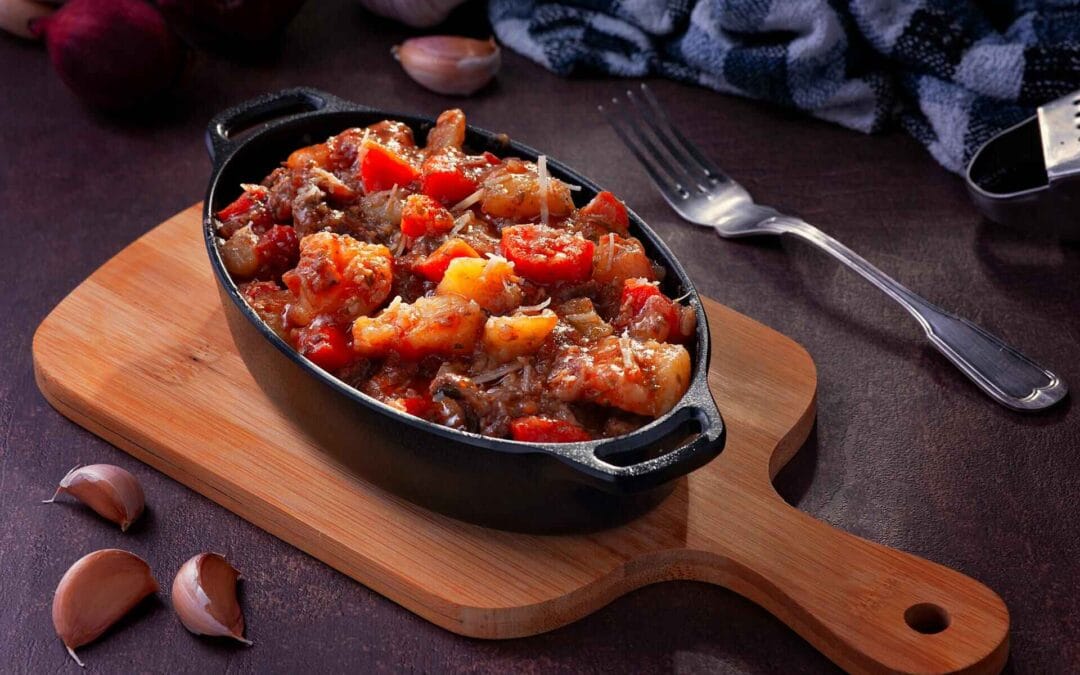
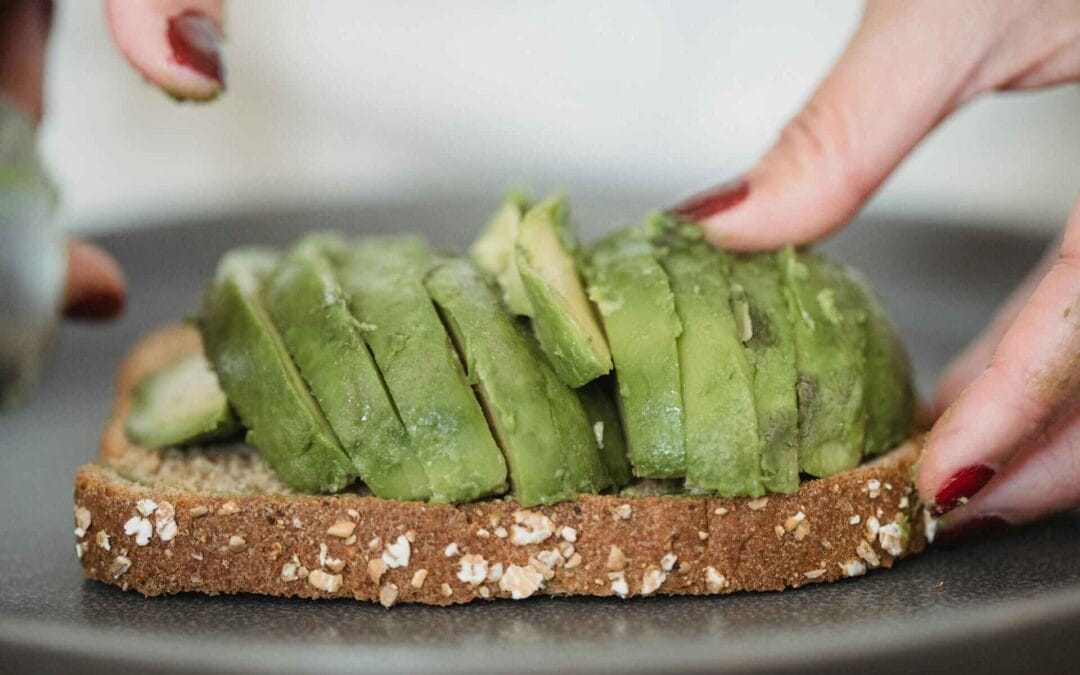


Really love this perspective
Thanks — I really appreciate that! Glad the perspective resonated with you. If there’s a related angle you’d like me to explore or a question you have, drop it here, and I’ll cover it in a future post. 🙌
Love how you consistently create spaces 🌈 😊 💪 where people feel truly valued
Thank you so much — that truly means a lot! I try to make this space welcoming and supportive, so I’m really glad it comes across that way. If you ever have ideas for topics, events, or ways to make the community even more helpful, please share them here.