
People who cut carbs from their diet generally turn to meat as a replacement, but a recent study finds that eating more plant-based foods instead may result in less long-term weight gain.
The study, published in JAMA Network Open, discovered that low carb dieters who depended mainly on animal protein gained more weight over time than those who ate meals like non-starchy vegetables and healthy grains. (1)
"The key takeaway here is that not all low carb diets are created equal when it comes to long-term weight management," research author Qi Sun, MD, ScD, an associate professor in the Department of Nutrition at the Harvard T.H. Chan School of Public Health, stated in a press statement. (2)
People who follow a low-carb diet frequently limit carbohydrate-rich items like bread, pasta, fruit, and starchy vegetables like potatoes and lentils. Instead, they focus on getting their calories from protein and fat.
Researchers have long connected low-carb diets to quick weight loss, but few studies have examined how eating patterns impact weight over time. (2)
"Our study goes beyond the simple question of, 'To carb or not to carb?'" lead author Binkai Liu, a research assistant at Harvard University's Department of Nutrition, stated in the statement. "It dissects the low-carb diet and provides a nuanced look at how the composition of these diets can affect health over years, not just weeks or months."
Here's everything you need to know about the research, the advantages of eating plant-based foods, and how to get more of them in your diet.
The Association Between Weight and Low Carb, Plant-Based Diets
The study analyzed data from 123,000 usually healthy medical professionals who participated in numerous ongoing investigations in the 1970s and 1980s. Participants in the current study ranged in age from 25 to 65, and all ate a low-carb diet. More than 80% were women, and the majority were white.
Researchers evaluated reports on individuals' eating habits and weight that they completed every four years. They then classified the subjects according to their eating habits.
The researchers discovered a link between slower long-term weight gain and diets rich in plant-based foods, healthy carbohydrates, and lipids. On the other hand, they found a relationship between diets high in animal products or refined carbohydrates and weight growth over time.
Participants under 55 who were overweight, obese, or sedentary showed the most vital connections.
"Our findings could shake up the way we think about popular low-carbohydrate diets and suggest that public health initiatives should continue to promote dietary patterns that emphasize healthful foods like whole grains, fruits, vegetables, and low-fat dairy products," Sun said in a news statement.
Toby Amidor, RD, registered dietitian and cookbook author, told Health, "The study is reflective of previous studies that promote healthy foods, including whole grains, fruits, vegetables, legumes, and other wholesome foods when on a low-carb diet."
"Given that 90% of Americans don't meet their daily recommendation for vegetables and 85% don't meet their daily recommendation for fruit per the dietary guidelines, eating more plants in general on any diet, including a low-carb one, can be beneficial, especially if those foods replace higher calorie, lower nutrient-dense foods," according to her.
Benefits of Eating More Plants While on a Low Carb Diet
If you're on a low-carb diet, eating more plant-based meals can help you prevent long-term weight gain.
"The evidence has been pretty clear that we should all be eating a more plant-based diet," Sharon Palmer, MSFS, RDN, author of The Plant-Powered Plan to Beat Diabetes, told Health magazine. "These diets are rich in fibers, healthy fats, micronutrients, and phytochemicals with antioxidant and anti-inflammatory action."
A large body of research has connected the Mediterranean diet, an eating pattern that emphasizes healthy fats and plant-based foods, not just to weight reduction but also to a lower chance of developing heart disease, strokes, and chronic illnesses like diabetes and some malignancies. Research suggests it may even improve elderly persons' brain health.
It's crucial to remember that integrating certain animal products into your diet doesn't eliminate the benefits of a plant-based diet or guarantee that you won't lose weight.
Studies have found that incorporating tiny amounts of leaner, least-processed animal protein may help you stay slender. A 2015 report published in Food and Nutrition Research found that incorporating chicken meat into a vegetable-rich diet reduces the risk of obesity. (3) Furthermore, a 2019 study identified a correlation between fish consumption and a lower risk of obesity. (4)
How to Eat More Plant-Based Foods on a Low Carb Diet
While vegetables like broccoli, lettuce, and zucchini may come to mind when you think of plant-based meals, a low-carb, plant-rich diet involves more than just eating leafy greens and other non-starchy vegetables—though they are undoubtedly healthful options. There are several alternatives to pick from.
Here are some extra elements to include in your diet if you're reducing carbohydrates but increasing plant-based foods:
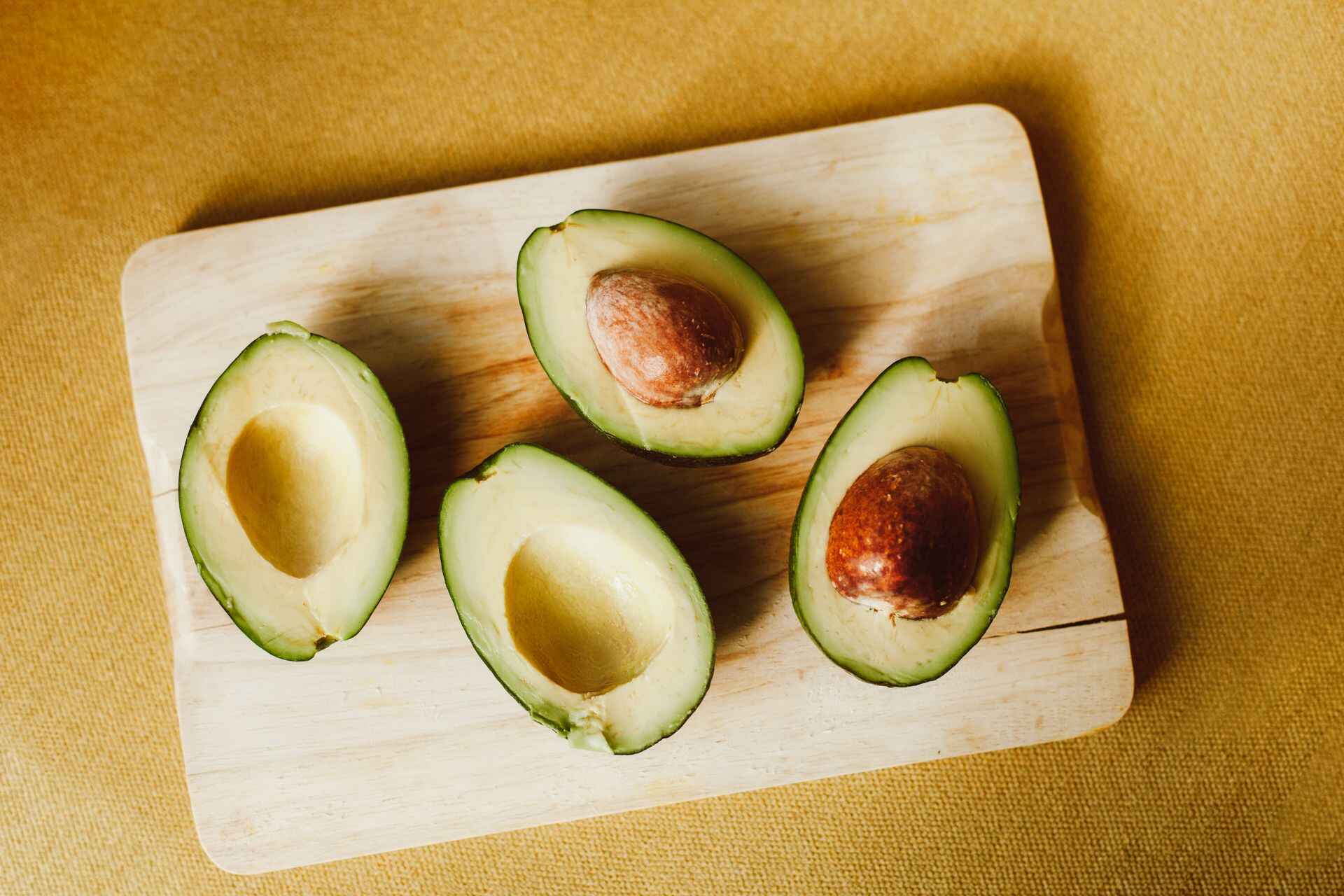
- Avocados: This fruit is low in carbohydrates and high in healthy fats and fiber, making it an excellent plant-based item to incorporate into your diet.
- Nuts and seeds are abundant in fiber, healthy fats, and low in carbohydrates.
- Tofu and tempeh are soy-based, high-protein, low-carb plant meals that may be included in various recipes.
- Berries, plums, peaches, and apricots are all relatively low carb fruits that may be consumed in moderation.
While a plant-based diet has many benefits, it's always a good idea to consult a healthcare expert before changing your eating habits.
Some persons may need to avoid particular ingredients; for example, those with thyroid issues may need to limit their consumption of goitrogenic foods such as raw cruciferous vegetables.
You may also discuss how to properly arrange your meals so you don't miss out on vital nutrients found chiefly in animal protein, such as vitamin B12, iron, calcium, and omega-3 fatty acids.






0 Comments