
Starting keto supplements the right way can make the whole low carb experience feel a lot smoother. When you cut carbs, your body shifts how it handles water, minerals, and energy, which is why many people notice headaches, fatigue, cramps, or constipation early on. Harvard notes that ketogenic eating typically keeps carbs very low, often under 50 grams a day, and low-carb eating can also reduce fiber intake, which is one reason digestive issues sometimes show up. That is where keto supplements can be helpful, but only when they fill a real gap instead of acting like a shortcut.
If you have ever wondered whether keto supplements are necessary or just trendy, the honest answer is: it depends on your food choices, your symptoms, and your goals. The most useful keto supplements tend to be the simple ones, like electrolytes, magnesium, vitamin D, and fiber support, because those line up with the most common challenges of lower-carb eating. Some people also use MCT oil or omega-3s, but those are more “nice to have” than “must have” for most dieters. Harvard also recommends caution and supervision for people trying keto, especially when the diet is used long term or in more restrictive forms.
Why Keto Supplements Support Matters
What changes when you cut carbs
When you cut carbs, your body does more than swap one fuel source for another. It also changes how it holds onto water and minerals, which is why the first stretch of keto can feel surprisingly bumpy for some people.
That is one reason keto supplements matter so much early on: they help cover the gap between what your body used to get from a higher-carb diet and what it now needs to feel steady. Harvard’s Nutrition Source explains that ketogenic diets are very low in carbohydrates, and that shift can change the balance of foods, fiber, and nutrients in a person’s day-to-day eating pattern. (1, 2)
A lot of people expect keto to be all about fat intake, but the real story is more practical than that. Once carbs drop, the body may excrete more water and electrolytes, and that is when headaches, fatigue, cramps, or lightheadedness can show up. Cleveland Clinic lists common signs of electrolyte imbalance, such as extreme fatigue, muscle cramps, confusion, dehydration, and changes in heart rate, which help explain why keto supplements often start with minerals rather than exotic formulas. In other words, the issue is not “keto is broken”; it is that your body is adjusting fast and may need better support. (3, 4)
Fiber is another quiet change that matters more than people expect. When someone removes bread, grains, beans, and many high-carb fruits, it becomes easier to fall short on fiber without realizing it. That is why many people search for keto supplements that help digestion, not just energy. Harvard’s nutrition guidance on low carb eating notes that food choices still matter a lot, and that lower-carb patterns can create gaps if vegetables, nuts, seeds, and other nutrient-dense foods are not included consistently.
Why supplement needs feel different on keto
On a standard diet, a person may get minerals and fiber from more varied sources without thinking much about it. On keto, the menu gets narrower by design, so the margin for nutritional mistakes gets smaller too.
That is why keto supplements feel more noticeable than they do on other eating patterns: the diet itself changes the supply chain. Magnesium, potassium, sodium, vitamin D, and fiber all become more relevant because they support the body systems that are most likely to feel the shift first. (5)
Magnesium is a good example of this. The NIH says magnesium is involved in more than 300 enzyme systems, including muscle and nerve function, protein synthesis, blood glucose control, and blood pressure regulation. That makes it a smart nutrient to pay attention to when someone starts looking at keto supplements as part of a daily routine. It is not just about avoiding cramps. It is about supporting the basic machinery your body uses to keep energy, movement, and recovery running smoothly. (6)
Potassium matters for a similar reason. Harvard notes that potassium helps maintain fluid inside cells, while sodium helps maintain fluid outside cells, so they work as a balancing pair. When someone goes low carb, especially if they are sweating, exercising, or drinking lots of water, that balance can get shaky faster than expected. That is why keto supplements are often less about “boosting ketosis” and more about keeping your internal systems in a comfortable range.
The same logic applies to vitamin D and digestion support. NIH explains that vitamin D helps the body absorb calcium, which supports bones and muscle function, while fiber can help with regularity when lower-carb eating reduces plant intake. These are not glamorous benefits, but they are the kind that make keto feel livable instead of draining.
So when people talk about keto supplements, the real win is usually steadiness: better hydration, fewer symptoms, and less guesswork. (7)
What this guide will help the dieter decide
This guide is meant to make keto supplements feel simpler, not more complicated. Instead of throwing a huge product list at the dieter, it helps them figure out what actually deserves attention first. That means separating basics from extras, symptoms from hype, and evidence-backed support from trendy add-ons. When people know what to look for, they can spend less money, make fewer mistakes, and build a keto routine that feels sustainable. (8)
Here is the kind of decision making this section supports:
- Which keto supplements are most likely to help early in the transition
- Whether symptoms like fatigue, cramps, or constipation point to a mineral or fiber gap
- When food alone may be enough and when a supplement makes sense
- Which products are helpful, goal-based options, like MCT oil or omega-3s, versus optional extras
- How to avoid overbuying and choose a few smart, high-quality keto supplements instead of a crowded cabinet
The goal is not to sell dieters on taking more pills. The goal is to help them understand the role keto supplements can play in real life. Some people will only need a little electrolyte support. Others may benefit from magnesium, vitamin D, or fiber for a while. Once the dieter understands their own pattern, they can use supplements as tools instead of guesses.
Do You Actually Need Supplements on Keto?
When food alone may be enough
For some people, the answer is yes, food alone can cover a lot of the bases. If your meals are built around low carb vegetables, avocado, eggs, seafood, nuts, seeds, olive oil, and other nutrient-dense foods, you may already be getting many of the vitamins and minerals that matter most on keto. Harvard’s Nutrition Source recommends including fruits, vegetables, and other whole foods in lower-carbohydrate eating patterns so you still get essential vitamins, minerals, and phytonutrients. That is a good reminder that keto supplements are not meant to replace smart food choices; they are meant to support them. (9, 10)
This is especially true if you feel steady, have normal digestion, and are not dealing with the classic early keto symptoms like fatigue, cramps, headaches, or constipation. If your meals are varied and you are already using salt, eating enough vegetables, and getting enough protein and fat, you may not need much more than a basic safety net approach. In that situation, keto supplements can stay optional instead of becoming a daily requirement. The body is often pretty good at telling you when food is doing enough, as long as you are paying attention to the signals.
Food-first keto also makes sense because many of the most useful nutrients are easier to absorb from meals than from a bottle. Magnesium, potassium, and other minerals show up naturally in foods like leafy greens, avocados, nuts, seeds, dairy, and fish, while fiber comes from non-starchy vegetables and other plant foods. Even if someone chooses to use keto supplements later, a strong food pattern still does most of the heavy lifting. That is the part people sometimes skip in a rush to buy products, but it is usually the part that makes the biggest difference long term. (11)
When supplements become more useful
Keto supplements become more useful when the diet is creating a real gap. That gap may show up as dehydration, muscle cramps, headaches, low energy, constipation, or the general “dragging” feeling many people call keto flu. Cleveland Clinic lists dehydration signs, muscle cramps, fatigue, confusion, and changes in heart rate among the symptoms of electrolyte imbalance, which helps explain why electrolytes are so often the first keto supplements people consider. The point is not that everyone on keto needs a cart full of products; the point is that some bodies ask for help sooner than others. (12, 13)
This is also where magnesium often enters the picture. The NIH notes that magnesium plays a role in muscle and nerve function, energy metabolism, and many enzyme systems, which is why it gets so much attention in keto discussions. If you are experiencing cramps, poor sleep, or that weird but tired feeling during the transition, magnesium is one of the more sensible keto supplements to consider. It is not a magic fix, but it is a practical one when the symptoms line up with a likely mineral gap.
Potassium can matter too, but it is the kind of nutrient that deserves a careful, food-first approach. NIH explains that potassium is needed for kidney, heart, muscle, and nerve function, and also notes that many supplements provide only small amounts, often up to 99 mg per serving. That is one reason keto supplements containing potassium should never be treated casually. For many people, food sources are the better starting point, with supplements used only when appropriate and with professional guidance if there are any health concerns. (14, 15)
Who should talk to a clinician first?
Some people should not wing it with keto supplements. If you have kidney disease, heart conditions, diabetes, blood pressure issues, take prescription medications, or have a history of electrolyte problems, it is smart to speak with a clinician before adding minerals or major dietary supplements. That caution matters because electrolyte balance affects important systems like hydration, heart rhythm, and muscle function, and those are not areas where guesswork is ideal.
It is also wise to get medical advice if you are dealing with prolonged vomiting, diarrhea, confusion, dizziness, unusual weakness, or a racing or irregular heartbeat. Cleveland Clinic specifically lists prolonged vomiting or diarrhea, signs of dehydration, confusion, muscle cramps, and changes in heart rate as reasons to contact a healthcare provider. In that situation, keto supplements should not be the first fix you reach for; the priority is figuring out what is actually going on.
Another good time to pause is when your keto plan is very restrictive, or you are not eating enough overall. Harvard notes that low carb diets can be hard to sustain and that people should still try to include nutrient-dense foods to avoid missing key vitamins and minerals. If your intake is very limited, then keto supplements may help fill gaps, but a clinician or registered dietitian can help you decide which ones are truly appropriate instead of taking a random stack. That approach saves money, reduces confusion, and usually leads to better results.
Electrolytes — The Foundation of Keto Supplements Support
Sodium — Why keto often changes salt needs
Sodium is usually the first mineral people notice when they start looking into keto supplements. That is because lower-carb eating can change how the body handles water, and when water shifts, sodium often shifts with it. Potassium and sodium work together to manage fluid balance inside and outside cells, so when carb intake drops, the whole system can feel a little off until things settle down. In practical terms, that is why some people notice headaches, fatigue, or lightheadedness early on and find that keto supplements with electrolytes help them feel more stable.
This is also why salt is not the villain in a keto plan. In a lower-carb pattern, your body may not be holding onto water in the same way it did before, so a “just drink more water” approach can sometimes make you feel even flatter if minerals are not being replaced. The smarter move is to think in terms of balance, not extremes. When readers understand that keto supplements are often about restoring what the diet naturally shifts, sodium stops looking like a gimmick and starts looking like a basic support tool.
Potassium — Fluid balance, muscles, and nerves
Potassium deserves a major place in the keto supplements conversation because it is central to how the body works every single day. The NIH says potassium is needed for proper kidney and heart function, muscle contraction, and nerve transmission, and it helps maintain intracellular fluid volume. That means potassium is not just about avoiding cramps. It is part of the electrical and fluid system that keeps everything moving smoothly, which is exactly why people on keto often pay closer attention to it.
The tricky part is that potassium supplementation is not something to treat casually. NIH notes that many potassium supplements contain only small amounts, and people at risk of hyperkalemia or those taking certain medications should talk with a healthcare provider about safe intake from food and supplements. That makes potassium one of the more careful, adult-supervision-friendly keto supplements. For many readers, the better strategy is food first, then supplements only when appropriate and guided by a clinician. (16)
Magnesium — Energy, sleep, and muscle function
Magnesium is one of the most talked-about keto supplements for a reason. The NIH says magnesium helps nerves and muscles function and is involved in more than 300 enzyme systems, including those tied to protein synthesis, blood glucose control, and blood pressure regulation. That broad role makes magnesium especially relevant when someone is adjusting to keto and wants to support energy, muscle comfort, and overall steadiness.
Many people also bring up magnesium when they are dealing with sleep or post-exercise tightness. While magnesium is not a cure-all, it is one of the most logical keto supplements to consider if the body feels tense, crampy, or worn out during the transition. The key is to remember that magnesium works best as part of a bigger picture that includes hydration, enough food, and a reasonable electrolyte intake. It is a support act, not the whole show.
Hydration and mineral balance — how the pieces fit together
Hydration on keto is not just about water bottles and good intentions. It is about water plus minerals, because the body needs both to stay balanced. Cleveland Clinic explains that electrolyte problems can show up with symptoms like fatigue, muscle cramps, confusion, changes in heart rate, and signs of dehydration. That is one reason people sometimes feel worse after increasing water intake without also thinking about sodium, potassium, and magnesium. (17, 18)
This is where the idea of keto supplements becomes much more practical. Electrolyte support is not meant to be fancy or complicated. It is meant to help the body handle the changes that come with lower-carb eating, especially during the first few weeks. If the reader understands hydration as a system rather than a single glass of water, they will make better supplement choices and avoid the common trap of overcorrecting in the wrong direction. (19)
Best time to take electrolyte supplements
The best time to take electrolyte keto supplements depends on when symptoms show up and when the body needs support most. Many people find them helpful in the morning, after exercise, or during the early phase of keto when fluid and mineral shifts are more noticeable. The goal is not to follow a rigid schedule for the sake of it, but to make sure the timing matches your daily pattern and needs.
If someone wakes up groggy, gets lightheaded when standing, or feels wiped out after a workout, that can be a clue that electrolyte timing matters. Cleveland Clinic also notes that dehydration and electrolyte imbalance can be linked, which makes routine hydration and mineral replacement more important than people often realize. In other words, the best keto supplements routine is the one that helps the person feel steady, not the one that sounds the most impressive on a label.
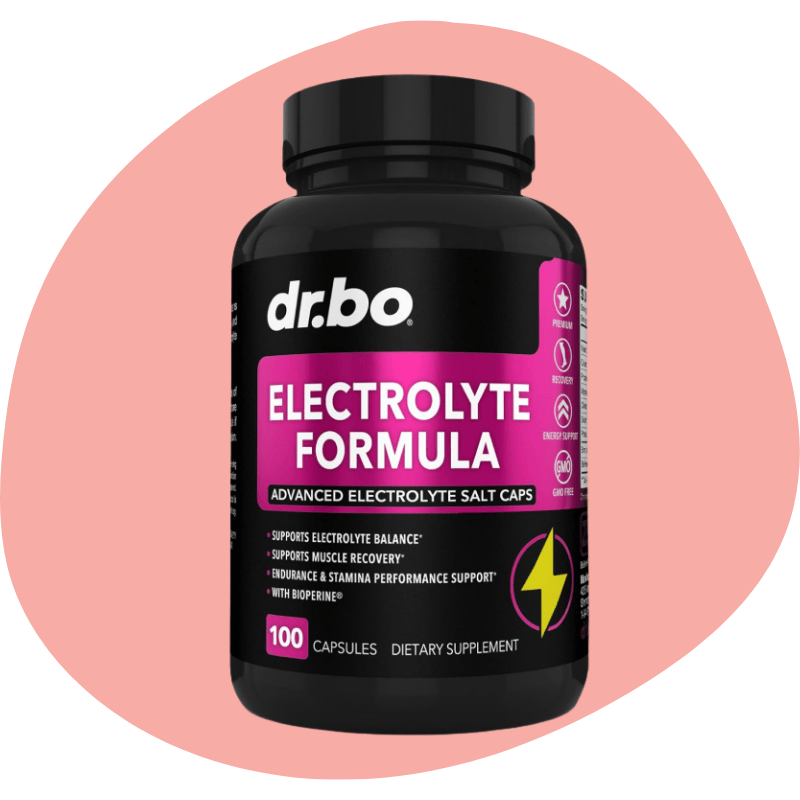
Electrolyte Pills — 100 Capsules | Potassium • Magnesium • Sodium • Chloride • Calcium — Rehydration, Keto & Cramp Support
Compact electrolyte capsule formula (100 caps) delivering key minerals — potassium, magnesium, sodium, chloride, and calcium — to help replace minerals lost with sweat or low-carb diets.
Useful for short-term rehydration after exercise, during hot weather, or when following keto/low-carb plans that increase electrolyte loss; many people also use electrolytes to help reduce muscle cramps.
Contains concentrated minerals for convenience (capsules are an alternative to drinks or powders) — follow label directions, avoid exceeding recommended doses, and consult your healthcare provider if you take blood-pressure or heart medications or have kidney disease.
Sources for quick reference: Cleveland Clinic (what electrolytes do), MD Anderson (when to use electrolytes), MedlinePlus (imbalances & risks), WebMD/EatingWell (mineral uses & safety).

Magnesium in Depth — One of the Most Talked-About Keto Supplements
Why magnesium matters on low carb eating plans
Magnesium is one of the most talked-about keto supplements because it touches so many basic body functions at once. The NIH says magnesium helps regulate muscle and nerve function, blood sugar levels, and blood pressure, and it is also needed to make protein, bone, and DNA. It is a cofactor in more than 300 enzyme systems, which means it shows up in the background of a lot of important reactions your body relies on every day.
That is a big reason magnesium keeps coming up in keto conversations: when your food pattern changes, a nutrient with that many jobs becomes hard to ignore.
Low carb eating can make magnesium feel even more relevant because the diet often changes the mix of foods on your plate. The NIH lists legumes, nuts, seeds, whole grains, and green leafy vegetables as important food sources of magnesium, and Harvard notes that ketogenic eating lowers carb intake so much that some people end up eating fewer of those same foods. That does not mean keto automatically causes a deficiency, but it does mean the diet can make magnesium intake more vulnerable if meals are not planned carefully. For many people, that is exactly where keto supplements start to feel practical instead of optional.
Magnesium also matters because the body does not always “complain” loudly right away when intake is low. The NIH says short-term low intake may not cause obvious symptoms because the kidneys help conserve magnesium, but long-term low intake can eventually lead to deficiency. Symptoms can include fatigue, weakness, nausea, vomiting, muscle cramps, numbness, tingling, seizures, and abnormal heart rhythm in more severe cases.
That makes magnesium a quiet but serious player in the keto supplements world: the goal is not just comfort, but steady support before problems pile up.
Common forms people search for
People usually start comparing magnesium forms once they realize not all keto supplements behave the same way. The NIH says magnesium supplements come in many forms, and the ones that dissolve well in liquid are generally better absorbed. It specifically notes that magnesium aspartate, citrate, lactate, and chloride tend to have higher bioavailability than magnesium oxide and magnesium sulfate. That is one reason shoppers spend so much time comparing labels instead of just grabbing the first bottle they see.
Here are some of the forms people most often run into:
- Magnesium citrate — commonly used in keto supplements and also as a short-term laxative for occasional constipation. MedlinePlus says it works by retaining water in the stool, which helps soften stool and increase bowel movements. (20)
- Magnesium oxide — appears in some keto supplements, but it is also widely used in antacids and laxatives. The NIH notes that oxide is one of the common supplement forms, while MedlinePlus shows it is used in medicine products and can cause side effects such as nausea, vomiting, dizziness, and tiredness. (21)
- Magnesium chloride — highlighted by NIH as one of the more absorbable forms. It is one of the forms many people look for when they want a practical, everyday keto supplement option.
- Magnesium lactate and magnesium aspartate — also listed by NIH as forms that tend to have higher bioavailability than oxide and sulfate. That makes them common comparison points for anyone trying to choose a gentler or better absorbed supplement.
The best form is not always the one with the fanciest marketing. It is the one that matches the job you want it to do. If someone is mainly looking at keto supplements for regularity, citrate may come up because it is associated with constipation support. If they want a daily magnesium option, they may look more closely at a form that is better absorbed and easier to tolerate. The label matters because the same mineral can behave very differently depending on the compound it comes in. (22)
Side effects, tolerance, and label reading
This is the part of keto supplements that people often skip, but it matters a lot: magnesium is useful only if your body actually tolerates it. The NIH says magnesium from food is not harmful in healthy people, but magnesium from supplements and medications should not be taken above the upper limit unless a health care provider recommends it. For adults, that upper limit is 350 mg per day from supplements and medications, not counting magnesium that naturally occurs in food. That makes label reading more than a habit; it is the difference between a helpful supplement and one that creates problems.
The most common side effects of too much supplemental magnesium are pretty simple, but not pleasant: diarrhea, nausea, and abdominal cramping. The NIH also warns that extremely high intakes can lead to irregular heartbeat and cardiac arrest, especially in cases of toxicity. MedlinePlus lists additional possible side effects for magnesium products, such as dizziness, unusual tiredness, weakness, and vomiting. So when people talk about keto supplements as if more is always better, magnesium is a good reminder that balance is the real goal.
Label reading gets especially important because the amount on the front of the bottle may not tell the whole story. The NIH says the Supplement Facts panel lists elemental magnesium, not the weight of the entire magnesium compound. That matters because two products can look similar on the shelf but deliver different amounts of actual magnesium. If you are comparing keto supplements, this is one of the first details worth checking so you do not accidentally double up or assume a product is stronger than it really is.
It also helps to check for medication interactions before starting magnesium. The NIH says magnesium supplements can interfere with bisphosphonates, antibiotics, diuretics, and some medicines used for acid reflux or peptic ulcers. It also notes that very high doses of zinc can interfere with magnesium absorption and regulation. That means the safest way to use keto supplements is to think in terms of your whole routine, not just one bottle sitting on the counter.
If you are trying to decide whether magnesium belongs in your keto routine, the simplest answer is this: it often makes sense, but it should be chosen with care. Magnesium is one of the most useful keto supplements because it supports muscles, nerves, energy, and bone health, and because low carb eating can make food sources easier to miss. Still, the details matter. The right form, the right amount, and the right timing are what turn magnesium from a random add-on into a genuinely helpful part of the plan.
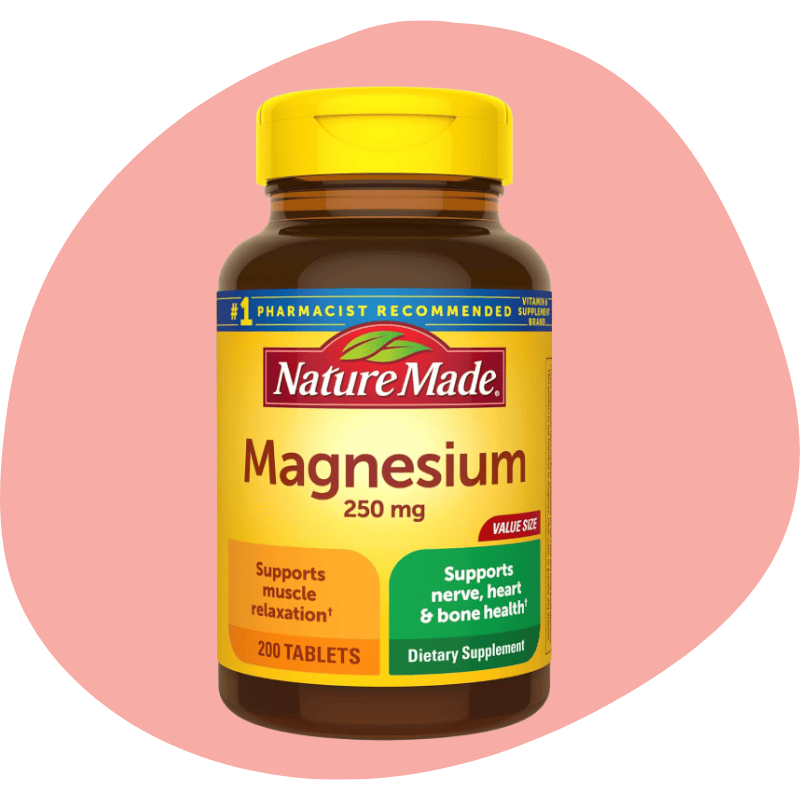
Nature Made Magnesium Oxide — 250 mg, 200-Count (200-Day Supply)
Compact product blurb:
- Single-ingredient Magnesium Oxide 250 mg tablets — 200 count (≈200-day supply) to help support muscle, heart, bone, and nerve health.
- Simple, gluten-free formula aimed at meeting daily magnesium needs — easy once-a-day dosing.
Note: magnesium oxide is generally less bioavailable than organic forms (e.g., citrate); follow label directions and consult your healthcare provider — do not exceed the recommended supplemental limit without medical advice (supplemental UL ≈ 350 mg/day).
Vitamin D — Bone Health, Immune Support, and Keto
Why vitamin D often deserves attention on keto
Vitamin D is one of those nutrients that can slip under the radar until you start paying closer attention to how your diet actually works. On keto, that matters because the menu often gets narrower, and when food variety drops, it becomes easier to miss nutrients that support bones, muscles, and overall balance. The NIH explains that vitamin D helps the body absorb calcium and maintain normal calcium and phosphate levels, which are necessary for healthy bone mineralization. That is a big reason keto supplements often include vitamin D in the conversation, even though vitamin D itself is not “keto-specific.” (23, 24)
There is also a practical reason vitamin D keeps showing up in low carb discussions. Keto tends to spotlight fats and carbs, but it can quietly sideline nutrient-rich foods like fortified dairy, certain fish, and other sources people may not be eating as often. MedlinePlus notes that vitamin D supports your muscles, nerves, and immune system, not just your bones. So when people think about keto supplements, vitamin D often earns attention because it supports several systems at once, and those are the systems that can feel off when someone is not eating a broad mix of foods. (25)
For you, trying to keep things simple, vitamin D is one of the more sensible keto supplements to watch. It is not a trend-based add-on like some flashy keto products. It is a nutrient with a real job in the body, and that job becomes more important if the diet is restricted, sunlight exposure is limited, or food sources are inconsistent. That makes vitamin D less about chasing hacks and more about basic nutritional support. (26, 27)
Vitamin D3 vs. D2 — what readers should know
A lot of people shopping for keto supplements run into the D2 versus D3 question pretty quickly. NIH explains that vitamin D comes in two main forms, D2 and D3, and both can increase vitamin D levels in the blood when taken at recommended amounts. That means the difference is not about one form being “real” and the other being fake; both are valid forms of vitamin D. Still, the details matter, especially when the goal is choosing a supplement that fits your routine and your needs. (28)
The NIH also notes that when people take very large doses under medical supervision, D3 may be more effective than the same amount of D2. That is one reason D3 often appears so frequently in keto supplements. It is the version people most commonly recognize, and it is often the one chosen for everyday supplementation. The key point is not to obsess over the label at the expense of the bigger picture. What matters more is whether the supplement fits your actual needs and whether you are taking it for a clear reason.
If you are comparing keto supplements, think of D2 and D3 as two roads to the same destination, with different use cases. For many people, the most important question is not which one sounds better, but whether the product is being used appropriately and consistently. Since vitamin D is fat-soluble, it also fits naturally into a higher-fat eating pattern, which helps explain why it shows up so often in keto-friendly wellness routines.
Vitamin D, calcium, and bone support
Vitamin D and calcium are a team, not solo acts. NIH states that vitamin D is required for calcium to be absorbed in the gut through active transport and that it helps maintain adequate calcium levels in the blood. That relationship is the backbone of why vitamin D is often included in discussions of keto supplements. If calcium is the building material, vitamin D helps the body make use of it properly. Without enough vitamin D, bone health can suffer over time. (29)
This matters even more if a keto plan is low in dairy or other calcium-rich foods. MedlinePlus explains that a lack of vitamin D can lead to bone diseases such as osteoporosis or rickets, and that getting enough vitamin D and calcium helps maintain bone strength. NIH also says that vitamin D sufficiency prevents rickets in children and osteomalacia in adults, which shows just how central it is to skeletal health. That is why vitamin D is one of the most practical keto supplements for long-term support, not just short-term convenience. (30)
There is also a reason many nutrition experts treat vitamin D as part of a larger bone health picture rather than a standalone fix. The NIH bulletin on bone nutrients notes that calcium, vitamin D, and magnesium work together to build and maintain strong bones. That means a smart keto routine is not just about one nutrient in isolation. It is about creating enough nutritional coverage that your body has what it needs to do the quiet but important work of maintaining bone strength. For readers looking at keto supplements, that is a far more useful mindset than chasing one “perfect” pill. (31)
When testing may be more useful than guessing
Vitamin D is one of the clearest examples of when testing can beat guessing. MedlinePlus says a vitamin D test measures the amount of vitamin D in your blood, and that routine testing is not recommended for everyone. Instead, testing is usually done when a health care provider suspects a bone problem or another condition linked to very low vitamin D levels. That makes vitamin D different from some casual keto supplements people buy just because they are trending online. This is a nutrient where real data can be more useful than assumptions. (32)
The 25-hydroxy vitamin D test is especially important here because MedlinePlus says it is the most accurate way to measure vitamin D in the body. That matters if someone is already dealing with symptoms, has limited sun exposure, follows a restricted eating pattern, or wants to know whether supplementation is actually needed. In other words, if the goal is to use keto supplements wisely, vitamin D is a good place to be evidence-based instead of guessing based on how tired or stiff you feel on a random Tuesday. (33)
Testing can also help keep people from overdoing it. MedlinePlus notes that too much vitamin D over a long period can contribute to high calcium levels, which is another reason to avoid stacking keto supplements blindly.
The smart move is simple: use vitamin D when it makes sense, test when the situation calls for it, and keep the focus on balance rather than more and more capsules. That way, vitamin D stays what it should be on keto—a support nutrient, not a gamble. (34)
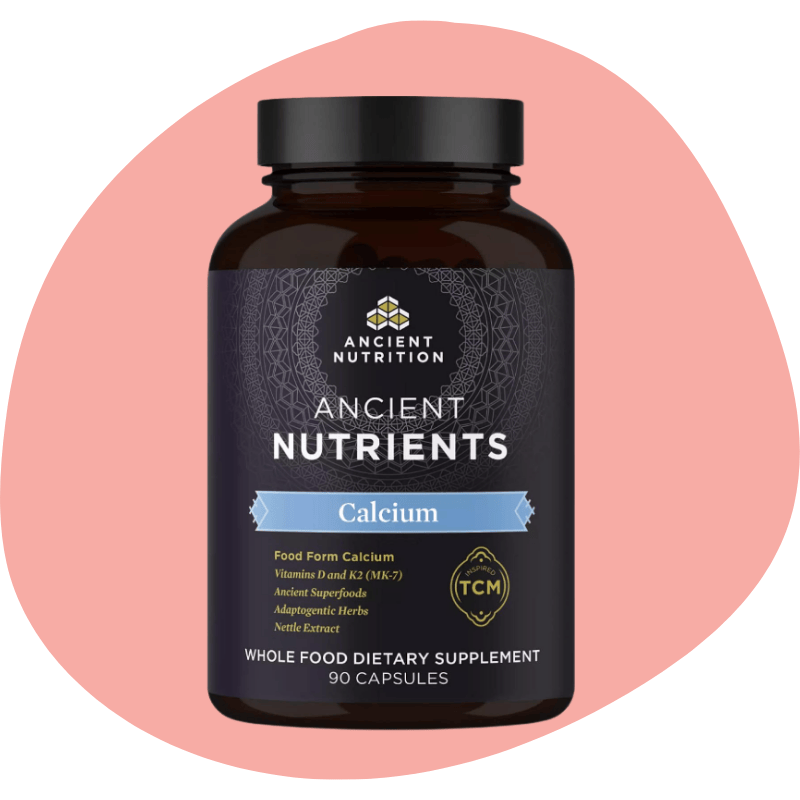
Ancient Nutrition — Calcium with Vitamin D3 & K2 (Ancient Nutrients Calcium)
Food-form calcium (eggshell) formula delivering ~574 mg calcium per serving (3 capsules) paired with Vitamin D3 (50 mcg / 2,000 IU) and Vitamin K2 (MK-7, 90 mcg) to support bone health and help optimize calcium absorption.
Includes Ancient Nutrition’s whole-food / superfood blend (adaptogens & broth extracts), is non-dairy and labeled paleo/keto-friendly — a convenient daily option for bone, muscle, and immune support.
Typically 30 servings per bottle (follow label directions); consult your healthcare provider before use if you take blood-thinning medication or have kidney disease.
MCT Oil — A Keto-Friendly Energy Booster
What MCT oil is and why it’s popular in keto circles
MCT oil has earned a loyal following in the keto supplements world because it fits the way keto is supposed to work: fast, simple, and easy to use. MCT stands for medium-chain triglycerides, which are fats that are absorbed and processed differently from the long-chain fats found in many other foods. That different pathway is exactly why people talk about MCT oil as a quick energy source and a convenient keto-friendly add-on. A 2021 review notes that MCTs can be used to induce ketosis, and a 2020 meta-analysis found that MCTs can induce mild ketosis. (35, 36)
That is also why MCT oil shows up so often in coffee, shakes, and breakfast routines. People like the idea of adding a spoonful of fat that may help support ketosis without making a meal feel heavy or complicated. In the broader keto supplements conversation, it stands out because it is easy to understand and easy to use. You do not need a long prep step, a special recipe, or a big lifestyle overhaul. It is one of the few supplement-style keto tools that feels almost as simple as pouring olive oil on a salad. (37)
Still, popularity is not the same as necessity. MCT oil is helpful for some people, but it is not required for keto success.
The real appeal is convenience: it can support a fat-forward eating pattern, provide a quick energy option, and give people a practical way to stay consistent with their routine. That is why it belongs in an article about keto supplements at all. It solves a specific problem for a specific kind of eater, which is exactly what a good supplement should do.
How MCTs can support ketosis
The reason MCT oil gets so much attention is that it may help increase ketone production more directly than many other fat sources. Research summarized in a 2020 meta-analysis found that MCTs can produce mild ketosis, and clinical reviews describe MCTs as a ketogenic intervention that can raise ketone bodies. That does not mean the oil alone replaces a ketogenic diet, but it does mean MCTs can support the body’s shift toward ketone use in a real, measurable way. For dieters comparing keto supplements, that makes MCT oil is one of the more biologically sensible options. (38, 39)
This is where expectations matter. MCT oil may help people get into or stay in mild ketosis, but it is not a magic switch for fat loss or energy. A 2022 review found little to no ergogenic effect of MCT oil on exercise performance in healthy populations, which is a good reminder that supplement marketing often sounds bigger than the evidence. In other words, MCT oil may support ketosis, but that does not automatically translate into better workouts, more endurance, or dramatic results on its own.
What MCT oil can do well is act like a small, fast moving helper in a keto routine. It may be useful when someone wants a quick source of fat that does not require a full meal. It may also be appealing for people who like simple keto supplements that can be added to coffee or smoothies without much thought. That convenience is a big part of why the product has stayed popular for so long.
Possible downsides and beginner mistakes
The biggest beginner mistake with MCT oil is using too much too soon. The 2021 review notes that MCTs are generally safe at doses up to 1 g/kg, but it also points out common side effects such as gastrointestinal discomfort and diarrhea.
That is the part many people learn the hard way: a supplement can be keto-friendly and still be rough on the stomach if the dose is too aggressive. Among keto supplements, MCT oil is one of the easiest to overdo at the start.
Digestive upset is the most common reason people back off. Research and clinical references repeatedly note that MCTs can cause stomach upset, including diarrhea and vomiting, especially at higher doses. The 2018 trial on MCT supplementation for keto-induction also exists because researchers were interested in whether MCTs could help people reach nutritional ketosis more quickly, which shows how tied the oil is to the early keto transition. But the same transition phase is also when the gut may be most sensitive, so a slow start is usually smarter than a bold one. (40, 41)
Another common mistake is expecting MCT oil to replace the basics. It cannot make up for low electrolytes, poor sleep, under-eating, or a meal pattern that is too repetitive. It is one of the more useful keto supplements, but it still works best when the rest of the keto routine is stable. Think of it as an optional accelerator, not the engine itself.
A final mistake is assuming all MCT products behave the same way. Different formulas and doses can affect tolerance, and people sometimes confuse “more fat” with “better keto.” That is not always true. The smarter approach is to use MCT oil carefully, notice how your body responds, and treat it as one tool in a larger keto plan rather than the star of the show. In the world of keto supplements, that mindset usually leads to better results and fewer unpleasant surprises.
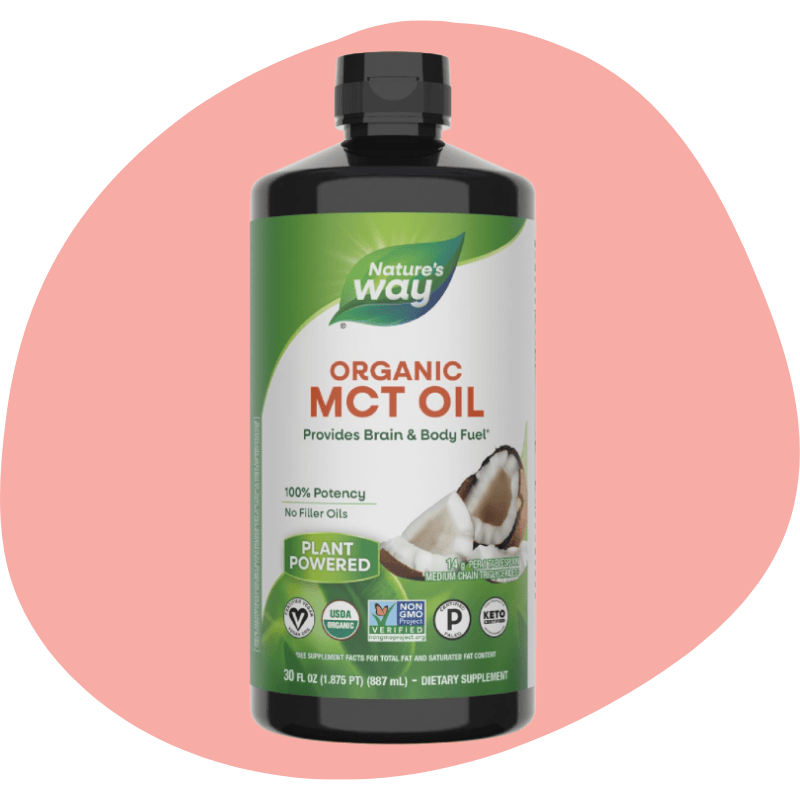
Nature's Way Organic MCT Oil — 30 fl oz | C8 (Caprylic) & C10 (Capric) Medium-Chain Triglycerides — USDA Organic & Non-GMO Project Verified
Light, flavorless MCT oil made from organic coconuts — provides quick brain & body fuel with mainly C8 (caprylic) and C10 (capric) fatty acids.
Each tablespoon delivers about 14 g MCTs; keto- and paleo-friendly, vegan, USDA Organic, and Non-GMO Project Verified for clean, traceable sourcing.
30 fl oz bottle — ideal for adding to coffee, smoothies, dressings, or recipes when you want fast-absorbing energy without flavor.
Omega-3 Fatty Acids — A Smart Add-On for Many Keto Dieters
Why omega-3s fit a keto lifestyle
Omega-3s fit so naturally into a keto pattern because keto is already a fat-forward way of eating, and not all fats play the same role in the body. The Harvard Nutrition Source notes that a ketogenic diet can include unsaturated fat sources like nuts, seeds, avocados, plant oils, and oily fish, which makes omega-3-rich foods feel like a very natural part of the plate. That matters for anyone practically looking at keto supplements, because omega-3s are less about chasing a trend and more about rounding out a fat-based eating style with the kinds of fats the body actually uses in specific ways. (42, 43)
Omega-3s are also interesting because they are not just “extra fat.” The NIH explains that the main omega-3s are ALA, EPA, and DHA, and that EPA and DHA are especially important because the body converts ALA into them only in very small amounts. That is one reason omega-3s keep showing up in keto supplements conversations: if someone does not eat much fish or seafood, it can be hard to get meaningful EPA and DHA from food alone. (44)
Another reason omega-3s matter on keto is that the fat quality can be just as important as the fat quantity. NIH notes that omega-3s are key components of cell membranes and are involved in functions across the heart, blood vessels, lungs, immune system, and endocrine system. In other words, omega-3s do real biological work, which is why they often make sense as one of the more thoughtful keto supplements rather than an optional add-on with no clear purpose.
Food sources vs. supplements
For many keto eaters, food should still come first. The NIH says omega-3s are found naturally in fish and other seafood, especially fatty cold water fish like salmon, mackerel, tuna, herring, and sardines, as well as in plant foods like flaxseed, chia seeds, and walnuts. It also notes that most people in the U.S. get enough ALA, but EPA and DHA are much harder to raise without eating fish or taking supplements.
That is the central tradeoff behind keto supplements for omega-3s: food gives you a broader package, while supplements are the more direct route if fish intake is low.
The Consumer NIH fact sheet is especially helpful here because it makes the options clear. Omega-3 supplements can include fish oil, krill oil, cod liver oil, algal oil, and flaxseed oil, and the federal Dietary Guidelines recommend adults eat 8 ounces or more of a variety of seafood per week. NCCIH also notes that, for some health conditions, the evidence for seafood is stronger than the evidence for omega-3 supplements, which is a useful reminder that keto supplements should support the diet, not replace it. (45)
A simple way to think about it is this: food sources are best when you already enjoy seafood and can eat it regularly, while supplements are more useful when your routine is inconsistent, or your preferences make fish hard to fit in. That is especially relevant in keto, where meals can become repetitive if you are not planning carefully. In that situation, omega-3 keto supplements can be a convenient backstop, but they still work best as part of an overall pattern that includes real food sources too. (46)
Here is the clearest food-first comparison:
- Food sources: salmon, sardines, mackerel, herring, tuna, flaxseed, chia seeds, and walnuts. These fit easily into a keto pattern and bring other nutrients along with the omega-3s.
- Supplements: fish oil, krill oil, cod liver oil, algal oil, and flaxseed oil. These can help fill gaps when food intake is low or inconsistent.
- Best practical use: food first for variety and nutrient density; keto supplements second when you need a more reliable EPA/DHA boost.
Fish oil vs. algae oil
Fish oil is the classic omega-3 supplement because it provides EPA and DHA directly. NIH and NCCIH both point out that these are the omega-3s most often studied, and they are the ones found in seafood and fish oil supplements. For keto eaters who already tolerate fish well, fish oil can be a straightforward choice among keto supplements because it lines up with the same seafood-heavy food pattern that many low carb meal plans already use.
Algae oil, on the other hand, is the plant-based option. NIH explains that algae are actually the source of the omega-3s that end up in fish, and NCCIH notes that algal oils are a vegetarian source of DHA and sometimes EPA. That makes algae oil a smart option for people who avoid fish, prefer plant-based products, or simply want a non-fish version of keto supplements.
The biggest practical difference is not just where they come from, but how they fit into your routine. Fish oil may be the more familiar choice, but algae oil can be easier for people who dislike fishy burps or who want to stay vegetarian. Since the NIH says direct EPA and DHA from foods and/or supplements is the only practical way to increase those fatty acids in the body, both fish oil and algae oil can play a real role, depending on your preferences and diet. That makes this one of the more flexible areas of keto supplements rather than a one-size-fits-all decision.
A good keto-focused takeaway is simple: if you already eat oily fish a few times a week, you may not need much supplementation at all. If you rarely eat seafood, omega-3 keto supplements can help close that gap, and algae oil is a strong alternative if fish oil does not fit your lifestyle. Either way, omega-3s make sense on keto because they support the fat quality of the diet, not just the amount of fat on the plate.
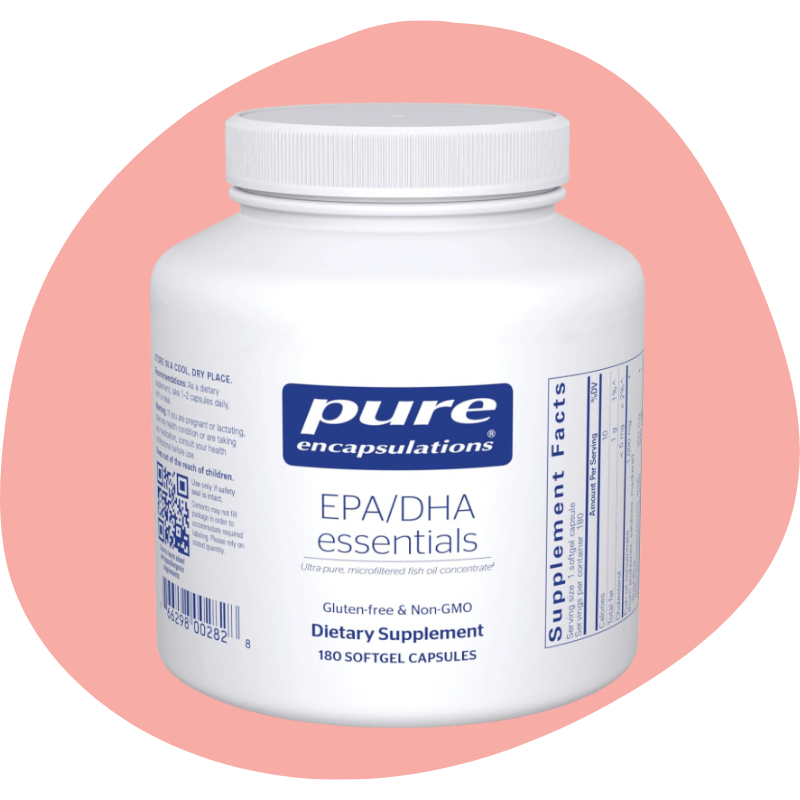
Pure Encapsulations EPA/DHA Essentials — Ultra-Pure Fish Oil (300 mg EPA / 200 mg DHA per Softgel)
Ultra-pure, microfiltered fish oil softgels delivering 300 mg EPA + 200 mg DHA per capsule to support cardiovascular, joint, and cognitive health.
Molecularly distilled and batch-tested for contaminants (heavy metals, PCBs, dioxins/furans, peroxide/TOTOX), supplied in convenient softgels and typically taken with meals (available in 90- or 180-count options).
Low-odor, gentle formula for adults — consult your healthcare provider before use if you take blood thinners, have a bleeding disorder, or are under medical care.
Fiber Supplements — The Constipation Question Nobody Loves Talking About
Why keto can reduce fiber intake
Keto supplements often start with electrolytes and magnesium, but fiber deserves just as much attention because keto can quietly lower fiber intake. When you cut out bread, beans, many fruits, and whole grains, you also remove some of the most common fiber-rich foods from a typical eating pattern. Harvard’s keto guidance notes that the diet is very low in carbohydrates, which often means fewer plant foods overall unless you deliberately build them back in.
That is one reason constipation shows up so often in keto conversations: the diet can change both the amount and the type of fiber people eat. (47)
Fiber matters because it helps keep digestion moving and supports regular bowel movements. Harvard’s fiber guidance explains that higher fiber intake from vegetables, fruits, and whole grains is linked to better health outcomes, and MedlinePlus explains that soluble fiber attracts water and forms a gel during digestion, while insoluble fiber helps add bulk. That mix is exactly why keto supplements for fiber can be useful when food choices get too narrow. If your meals are lower in plant foods, you may need to be more intentional about getting enough fiber from the foods you do eat. (48, 49)
Psyllium husk and other low carb fiber options
Psyllium is one of the most popular keto supplements for constipation because it is a bulk-forming fiber. MedlinePlus says psyllium absorbs liquid in the intestines, swells, and forms a bulky stool that is easier to pass. That makes it a very practical choice for people whose digestion slows down on keto, especially if their meals are heavy on protein and fat but light on plants. Psyllium is not flashy, but it does the job in a way many people can actually feel. (50)
Other low carb fiber options can also fit into a keto routine, especially when the goal is to support regularity without adding a lot of digestible carbs. MedlinePlus notes that psyllium is a common soluble fiber, and that soluble fiber can be found in foods like nuts, seeds, and some vegetables as well. That means not every fiber strategy has to come from a bottle. Some people do better with a food-first approach using chia seeds, flaxseed, avocado, leafy greens, or low carb vegetables, then using keto supplements only if they still need extra support. (51)
Here is the simplest way to think about fiber on keto:
- Psyllium husk: a classic bulk-forming option when constipation is the main concern.
- Food-based fiber: chia, flax, avocado, greens, seeds, and low carb vegetables for a more natural daily approach.
- Low carb keto supplements: helpful when your meals are consistent but still do not give you enough fiber. (52)
How hydration changes fiber results
Fiber and water work together, which is why hydration can make or break your results with keto supplements. MedlinePlus says that when using laxatives, including fiber-based products, you should drink plenty of water. Psyllium in particular absorbs liquid in the intestines, so if you take it without enough fluid, it may not work as well and can feel uncomfortable. In plain English, fiber without water is like trying to bake bread with no liquid in the dough. (53)
This is especially important on keto because the diet can shift fluid balance early on. Harvard notes that the so-called keto flu can include constipation, and electrolyte imbalance symptoms can also include fatigue and dehydration. That means fiber keto supplements often work best when they are paired with adequate water and mineral balance, not used as a stand-alone fix. If your body is already under-hydrated, adding more fiber without correcting the fluid problem may not give you the result you want. (54)
A good rule of thumb is to treat hydration as part of the supplement plan, not an afterthought. If you are trying a fiber supplement and nothing seems to happen, the issue may be timing, dose, or simply not enough fluid.
That is why many people find the best keto supplements are the ones used with a steady routine: drink enough, eat enough plants, and let the fiber do its job gradually instead of forcing fast results.
When a fiber supplement is helpful, and when food is better
A fiber supplement is most helpful when keto has made your digestion sluggish and your food choices are not enough to fix it. If you are eating low-carb vegetables, seeds, and avocado but still not getting regular bowel movements, a fiber keto supplement like psyllium may be a smart next step. It can also be useful if you are traveling, eating repetitive meals, or going through a phase where vegetables are harder to fit in consistently. The goal is not to replace food, but to bridge the gap when food alone is not quite enough.
Food is the better choice when you can get the fiber you need without relying on a supplement. Harvard’s fiber guidance emphasizes that vegetables, fruits, whole grains, beans, nuts, and seeds are the main sources of beneficial fiber, and those foods also bring vitamins, minerals, and other nutrients along for the ride. On keto, the most realistic version of that may be low carb produce, seeds, and nuts rather than traditional high-carb fiber staples. Still, the more your meals are built around real food, the less you have to depend on keto supplements to keep digestion on track. (55)
The best approach is usually a food-first base with supplement support only when needed. If your keto meals already include plenty of low carb plants and you are drinking enough water, you may not need much extra help. If constipation keeps showing up, though, fiber keto supplements can be one of the simplest and most useful tools in the whole routine.
That is why this category matters so much: it is not about chasing trends, but about making a low carb plan feel normal and sustainable.
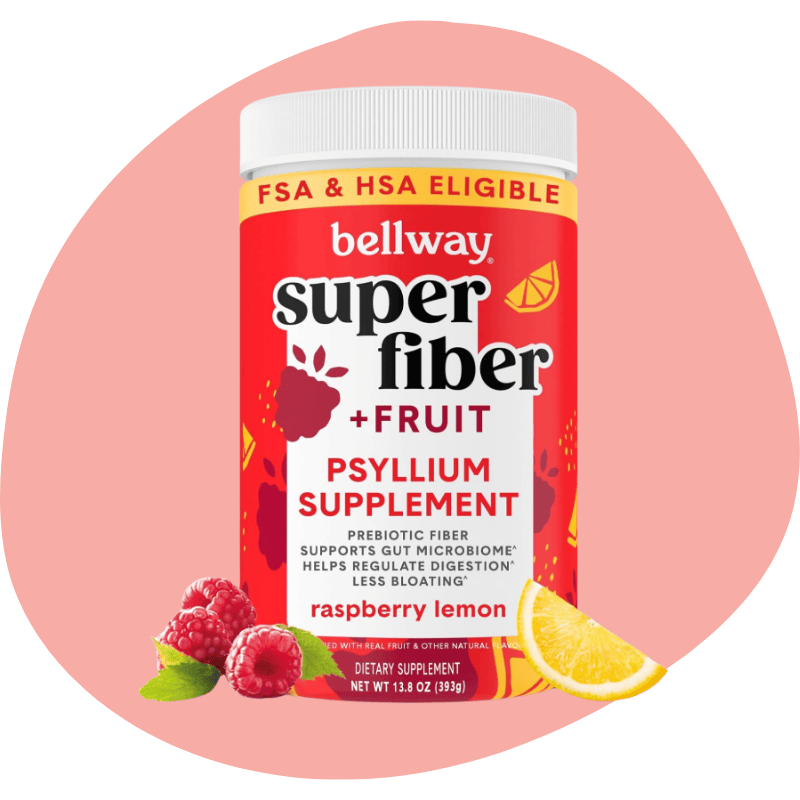
Bellway Super Fiber Powder + Fruit — Sugar-Free Organic Psyllium Husk (Raspberry Lemon) — 50 Servings
Tasty, sugar-free psyllium fiber powder made with organic psyllium husk and real fruit (raspberry-lemon) — convenient 50-serving pack for daily gut support.
Each serving supplies soluble psyllium fiber to help promote regularity, relieve bloating, and support digestive (and potentially heart) health when taken with plenty of water.
Plant-based, non-GMO, and gluten-free — zero sugar; mix into water, smoothies, or yogurt. Follow the label for dosing and check with your healthcare provider if you take medications.
B Vitamins, Zinc, Selenium, and Calcium — The “Quiet” Nutrients People Forget
B-complex vitamins and energy metabolism
When people talk about keto supplements, the spotlight usually goes to electrolytes, magnesium, or MCT oil. But the quieter nutrients matter too, especially the B vitamins. NIH explains that vitamin B6 helps enzymes work in the body, and vitamin B12 helps keep nerve and blood cells healthy. Those jobs are not flashy, but they are essential, which is why B vitamins often deserve a place in the conversation even when they are not the headline act. (56, 57)
This matters on keto because energy metabolism is still active, even if your carb intake is lower. B vitamins help your body convert food into usable energy, support red blood cell production, and keep nerves functioning properly. That does not mean a B-complex will magically make you “feel energetic” overnight, but it does mean B vitamins can help keep the background systems running smoothly when your diet has become more restrictive. For dieters comparing keto supplements, that makes B vitamins a sensible support category rather than a trendy one. (58)
B12 is especially worth keeping an eye on if your keto meals are limited in animal foods or fortified foods. The NIH notes that some people can become low in B12 even if they eat enough of it, because absorption problems can interfere with status.
That is why B vitamins are part of the “quiet” keto supplements group: they do not always announce themselves with obvious symptoms, but they matter a lot when intake or absorption is off.
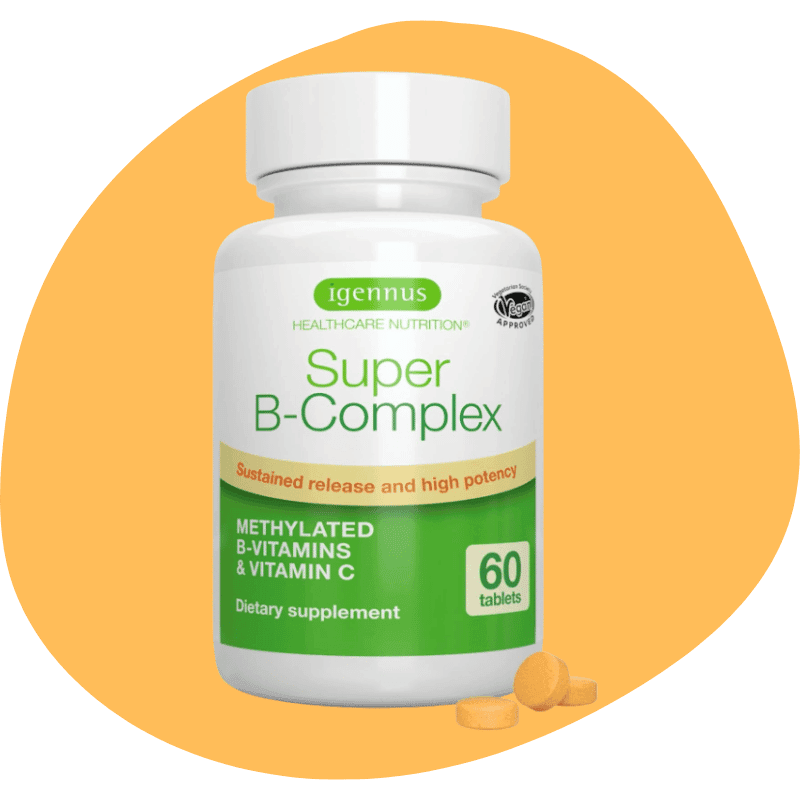
Igennus Super B-Complex is a clean-label, sustained-release B vitamin formula with 5-MTHF folate and methyl B12 designed to support energy, mood, and cognitive performance in 60 small tablets.
Zinc and selenium for general nutrient coverage
Zinc and selenium are easy to overlook, but they fit the keto supplements conversation because they support everyday body functions that people rarely think about until something feels off. NIH says zinc helps the immune system and helps make proteins and DNA, while selenium is needed for thyroid function, reproduction, DNA production, cell protection, and resistance to infection. Those are broad jobs, which is exactly why these nutrients can be useful as part of a general nutrient-coverage approach. (59, 60)
Keto can make it harder to get enough of it if your food variety gets too narrow. Zinc is found in foods such as meat, shellfish, and dairy, while selenium is found in foods such as fish, poultry, beef, pork, and eggs. That means a well-built keto plan may already cover some of these needs, but if your meals are repetitive or very restricted, keto supplements can help fill the gaps. The point is not to panic about deficiency; it is to stay aware of nutrients that quietly do a lot behind the scenes.
Zinc is also one of those nutrients where more is not automatically better. The NIH notes that zinc supplements can interact with medications and that high amounts can cause problems, which is a good reason to avoid random stacking. Selenium has its own upper-limit concerns, too, so it should also be treated like a real nutrient, not a bonus you can keep adding forever. For dieters choosing keto supplements, that means zinc and selenium should be used with intention, not as “just in case” extras piled on without a plan.
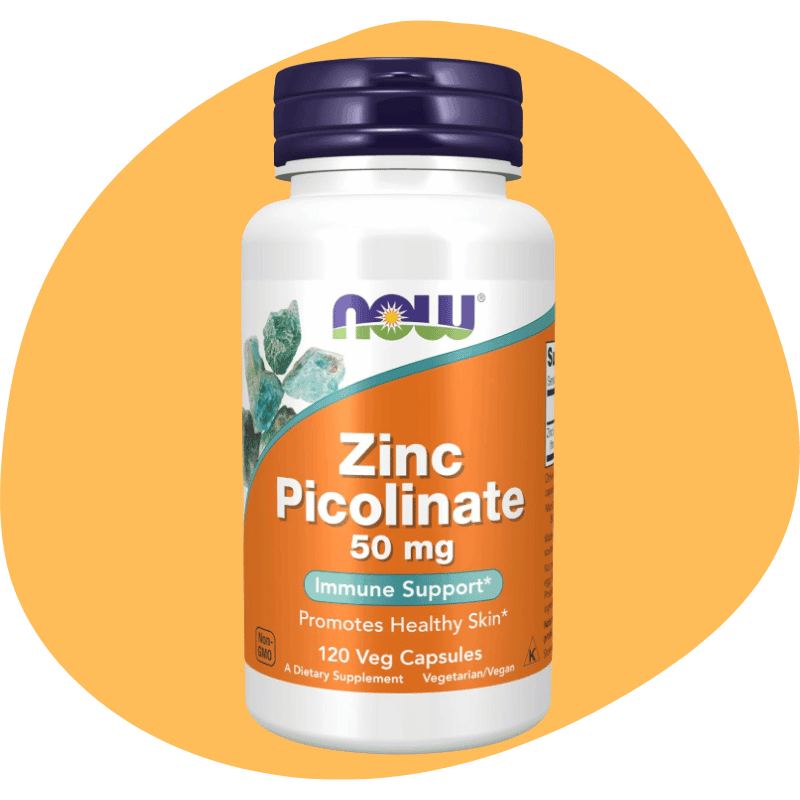
NOW Foods Zinc Picolinate 50 mg delivers a high-potency dose of zinc in easy-to-swallow vegetarian capsules to support enzyme function and immune health. This 120-capsule bottle offers a convenient, long-lasting supply for daily wellness support.
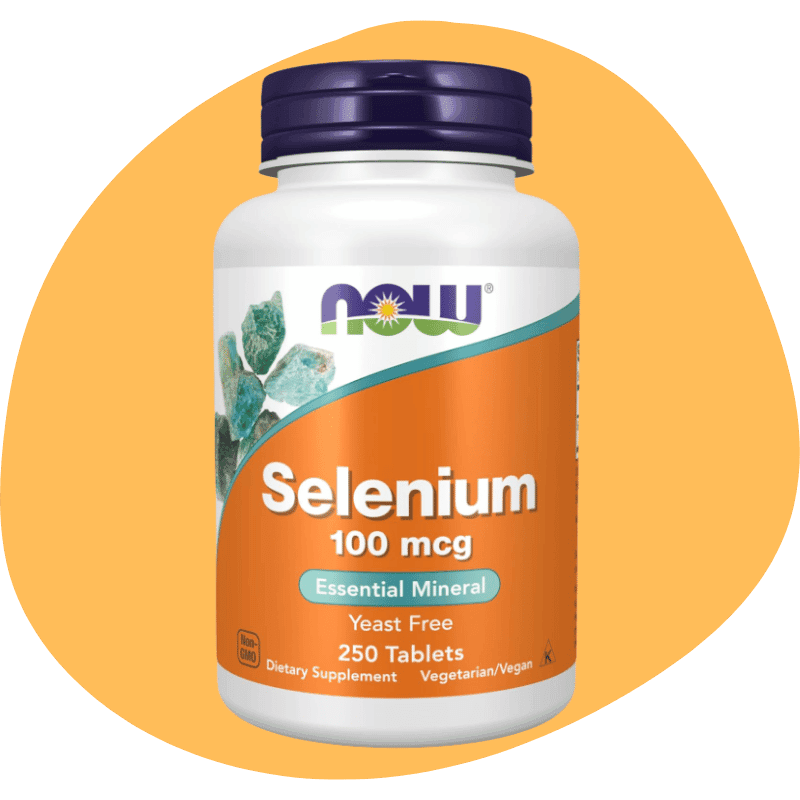
NOW Foods Selenium — 100 mcg of the essential trace mineral selenium in a convenient daily supplement to support antioxidant activity and overall wellness. Yeast-free and made for easy everyday use.
Calcium and why bone support still matters
Calcium is another nutrient that can slip out of sight when keto meal planning gets focused on fat and carbs. NIH says calcium is essential for building and maintaining strong bones and teeth, and it also helps with muscle function, nerve signaling, and blood clotting. That makes calcium one of the most important long-term nutrients to keep in mind when looking at keto supplements, especially if dairy intake is low or food choices are limited. (61, 62)
Vitamin D and calcium also work as a team, which is why they often show up together in nutrition guidance. NIH explains that vitamin D helps the body absorb calcium, so bone health depends on both nutrients working together. If a keto diet cuts back on dairy or fortified foods, calcium coverage can become easier to miss than people expect. That is one reason calcium belongs in the broader keto supplements discussion, even if it is not the first product people think of. (63)
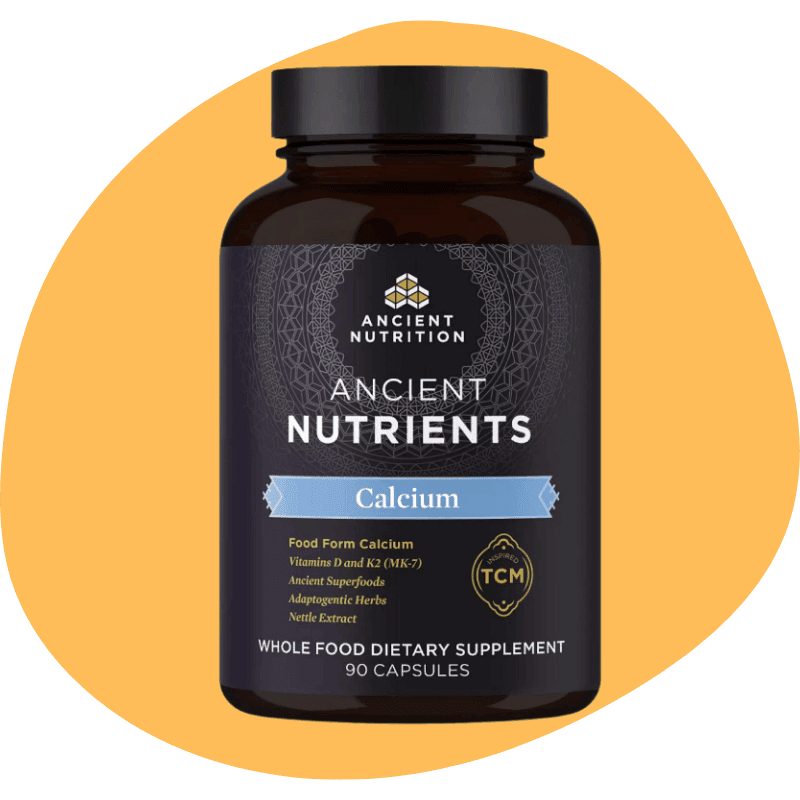
Ancient Nutrition — Calcium with Vitamin D3 & K2 (Ancient Nutrients Calcium)
Food-form calcium (eggshell) formula delivering ~574 mg calcium per serving (3 capsules) paired with Vitamin D3 (50 mcg / 2,000 IU) and Vitamin K2 (MK-7, 90 mcg) to support bone health and help optimize calcium absorption.
Includes Ancient Nutrition’s whole-food / superfood blend (adaptogens & broth extracts), is non-dairy and labeled paleo/keto-friendly — a convenient daily option for bone, muscle, and immune support.
Typically 30 servings per bottle (follow label directions); consult your healthcare provider before use if you take blood-thinning medication or have kidney disease.
Multivitamins on keto — useful or overkill?
Multivitamins can be useful on keto, but they are not a magic fix. NIH describes multivitamin/mineral supplements as products that contain at least three vitamins and minerals, and they are widely used by adults. That said, the evidence for broad disease prevention is mixed, so a multivitamin should be viewed as a coverage tool, not a substitute for a good diet. For people who want simple keto supplements without building a full stack, a basic multivitamin can make sense when food variety is inconsistent. (64)
The biggest benefit of a multivitamin is convenience. If your keto meals are solid but not always varied, a multivitamin may help cover smaller nutrient gaps in one step. The downside is that it can create a false sense of security, making people think they can skip vegetables, seafood, eggs, or other nutrient-dense foods.
That is where keto supplements should stay in their proper lane: helpful backup, not the main event. (65)
A good rule of thumb is this: if your keto diet is already rich in whole foods and you feel fine, a multivitamin may be unnecessary. If your diet is repetitive, your appetite is low, or you suspect gaps in things like B vitamins, zinc, selenium, or calcium, then a simple multivitamin can be a practical option. That keeps your keto supplements strategy focused on real needs instead of guesswork. (66, 67)
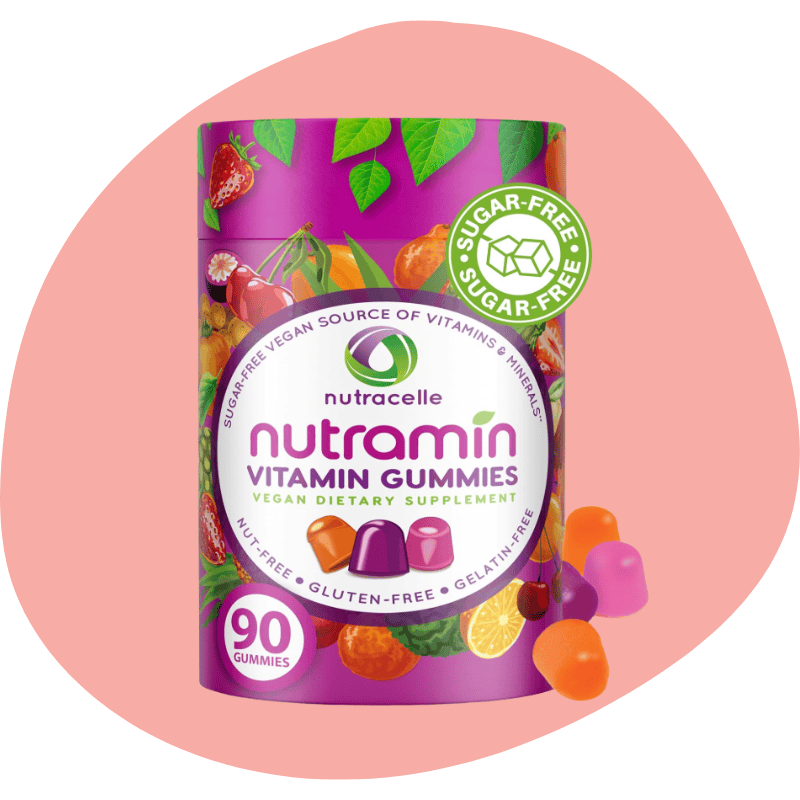
NUTRAMIN Daily Vegan Keto Multivitamin Gummies — 90 Count (45-Day) — Sugar-Free, Vegan & Allergen-Free (Vitamin C, D₂, Zinc, Biotin & B-Vitamins)
Plant-based, sugar-free gummy multivitamin — 90 gummies (≈45-day supply) made with vegetarian apple pectin and naturally sweetened with stevia; vegan and free from the top food allergens.
Formulated to support immunity and energy with Vitamin C, Vitamin D₂, zinc, biotin, and B-vitamins in natural fruit flavors — positioned for keto and low-carb lifestyles.
Gelatin-free, nut-free, gluten-free, and soy-free — follow the label for dosing and speak with your healthcare provider before use if pregnant, nursing, taking medications, or managing health conditions.
Digestive Enzymes and Probiotics — Helpful or Just Marketing?
Who may notice a benefit?
Some people do notice a benefit from digestive enzymes or probiotics, but the biggest gains usually show up when there is a specific digestive issue behind the symptoms. Digestive enzymes are most clearly used in people with exocrine pancreatic insufficiency (EPI), a condition where the pancreas does not make enough digestive enzymes, and food is not broken down normally. NIDDK says doctors treat EPI with pancreatic enzyme replacement therapy (PERT), and symptoms can include bloating, cramps, diarrhea, greasy stools, gas, and weight loss. In that setting, digestive enzymes are not a trend; they are part of medical treatment. (68, 69, 70)
That matters for keto supplements because keto meals are often higher in fat, and people with true fat-digestion problems may feel the difference quickly. If someone has a condition like EPI, a history of pancreatitis, cystic fibrosis, or another issue that affects digestion, enzyme support may be genuinely useful. MedlinePlus notes that a stool elastase test is used to check for EPI when belly pain and other digestive symptoms do not have a known cause, which is a reminder that the right move is often diagnosis first, supplement second. (71)
Probiotics can also help some people, but the evidence is more mixed. NCCIH says there is some evidence that certain probiotics may improve IBS symptoms, yet benefits have not been conclusively demonstrated, and not all probiotics act the same way. That means a probiotic may help a person with gut symptoms, but it is not a universal fix, and it is not guaranteed to work just because it is popular in keto supplements circles. (72)
Who may not need them at all
A lot of people do not need digestive enzymes or probiotics as a daily routine. If your digestion is generally fine, you are eating enough fiber-rich low carb foods, and you are not having regular bloating, diarrhea, or pain, these products may be unnecessary. NCCIH describes probiotics as live microorganisms intended to have health benefits, but it also makes clear that the evidence varies by strain and use case. In other words, “helpful for some people” does not mean “needed by everyone.” (73)
This is especially important on keto because constipation or sluggish digestion is often caused by something simpler than a missing probiotic. Low fiber intake, dehydration, and electrolyte imbalance are common keto-related issues, and those problems usually need food, fluids, and minerals first. Harvard notes that lower-carb diets can be hard to sustain if they are not built around nutrient-dense foods, and keto flu often involves constipation and fatigue early on. That means many keto supplement shoppers are actually looking for a fix to a hydration or fiber issue, not a probiotic issue. (74)
People with no clear digestive complaint may also be spending money on products they do not need. NCCIH says probiotic safety data mainly come from Lactobacillus and Bifidobacterium, and even there, side effects like cramping and nausea can happen. For digestive enzymes, MedlinePlus and NIDDK point to medical use in specific enzyme-deficiency conditions, not casual everyday use. So if a person feels fine, the smarter keto supplements move is usually to keep the routine simple rather than layering on extra pills. (75)
How to avoid buying a hype bottle
The easiest way to avoid hype is to ask one plain question: what problem is this supposed to solve? If the answer is vague, the product is probably not a priority. NCCIH recommends using probiotic strains, doses, and durations that are beneficial in human studies, because the effects are strain-specific and not interchangeable.
That is a big clue for shoppers evaluating keto supplements: a label that says “digestive support” is not enough. You want a product with a clear purpose, not a fancy promise. (76)
The second step is to match the product to the symptom. If the problem is bloating, gas, or greasy stools, a clinician should rule out something like EPI before you guess at enzymes. If the issue is constipation on keto, fiber, hydration, and electrolytes are often a better first move than a probiotic. NCCIH also notes that some probiotics can cause minor side effects, and in people with underlying health problems, more serious complications have been reported. That is another reason not to treat keto supplements like harmless candy just because they are sold over the counter. (77, 78, 79)
A third clue is whether the marketing sounds bigger than the evidence. Phrases like “detox,” “reset your gut,” or “boost digestion overnight” are usually red flags.
NIDDK and NCCIH keep the picture grounded: enzymes help when the body truly lacks them, and probiotics may help some people in some situations, but the research is not universal, and the results depend on the strain, dose, and condition. That makes these keto supplements more of a targeted tool than a cure-all. (80, 81)
A simpler filter looks like this:
- Try food, fluids, fiber, and electrolytes first if the issue is mild and clearly tied to keto adjustment.
- Consider probiotics only when the goal is specific and evidence-based, such as a particular IBS-related symptom pattern, and not because the product is trendy.
- Consider digestive enzymes mainly when there is a diagnosed problem like EPI or another condition that reduces enzyme production. (82)
- Talk to a clinician first if symptoms are persistent, severe, or unexplained.
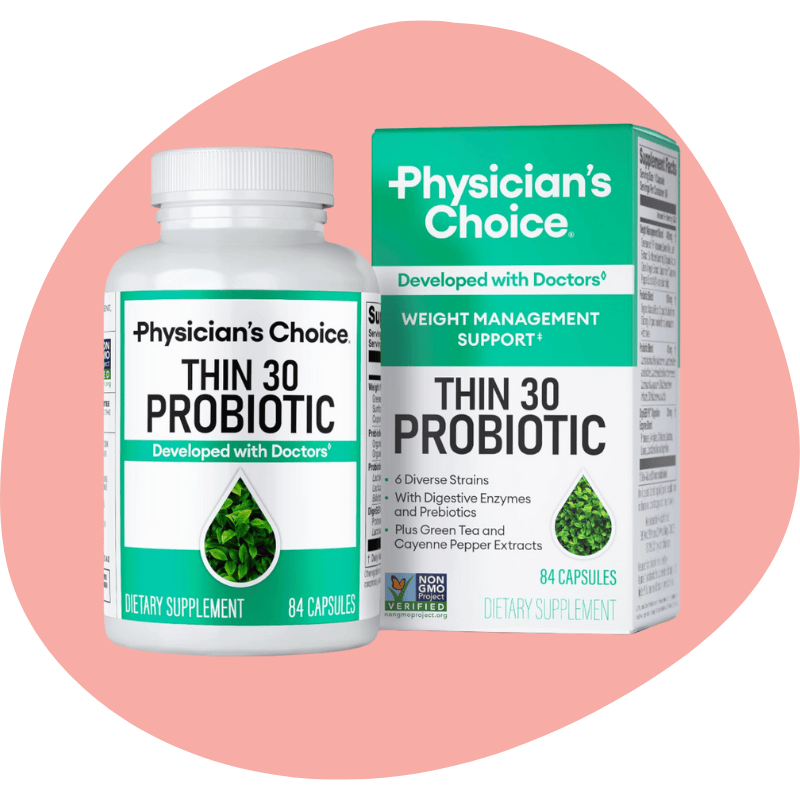
Physician's CHOICE Probiotics for Weight Management & Bloating — 84 capsules with 6 targeted probiotic strains, prebiotics, cayenne, and green tea extract.
Supports balanced gut flora and digestive comfort to help reduce occasional bloating and promote regularity.
Formulated to complement weight-management efforts — cayenne and green tea help support metabolism while probiotics aid nutrient absorption.
Daily dietary supplement — take as directed on the label to complement a healthy diet and exercise routine.
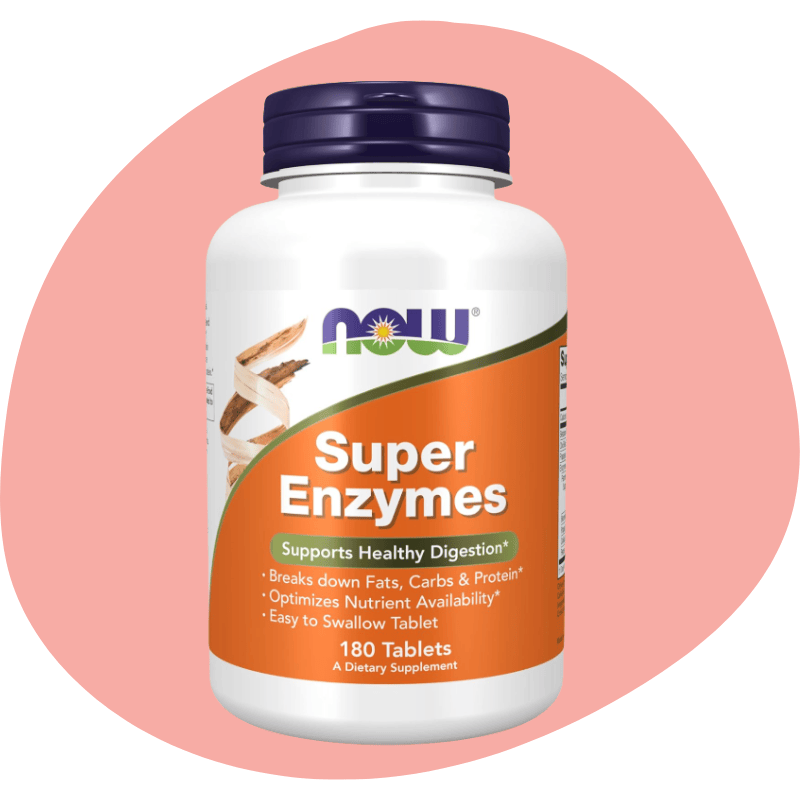
NOW Foods Super Enzymes — 180 tablets formulated with bromelain, pancreatin, papain, and ox bile.
Supports efficient digestion of proteins, fats, and carbohydrates to help reduce occasional bloating and discomfort.
Take with meals to aid nutrient breakdown and promote digestive comfort for those with lower enzyme production.
Large 180-tablet supply offers convenient, long-lasting support — follow label directions and consult a healthcare professional if needed.
Supplements That Are Popular on Keto but Not Always Necessary
Exogenous ketones — what they do and do not do
Exogenous ketones are one of the most talked-about keto supplements because they sound like a shortcut to ketosis.
The idea is simple: instead of making ketones only through carb restriction and fat burning, you take ketones from a supplement. Research shows these products can raise blood beta-hydroxybutyrate (BHB) and lower blood glucose in the short term, which is why they have attracted attention in both metabolism and performance circles. (83, 84)
That said, “raising ketones” is not the same thing as solving every keto goal at once. The available evidence suggests exogenous ketones may change blood markers acutely, but the performance and recovery benefits are inconsistent, and many studies are small or short-term. They may move the lab numbers, but that does not automatically mean better fat loss, easier fat adaptation, or noticeably better energy for everyone. That is an important distinction when comparing keto supplements, because the label can sound more powerful than the real-world effect. (85)
There is also a tolerability angle that people do not always consider. A 2023 study reported side effects such as appetite reduction, stomach pain, headache, nausea, belching, and heartburn with an exogenous ketone product. That does not make them “bad,” but it does make them a very goal-specific option rather than a must-have. For most dieters, exogenous ketones belong in the “interesting, but optional” category of keto supplements. (86)
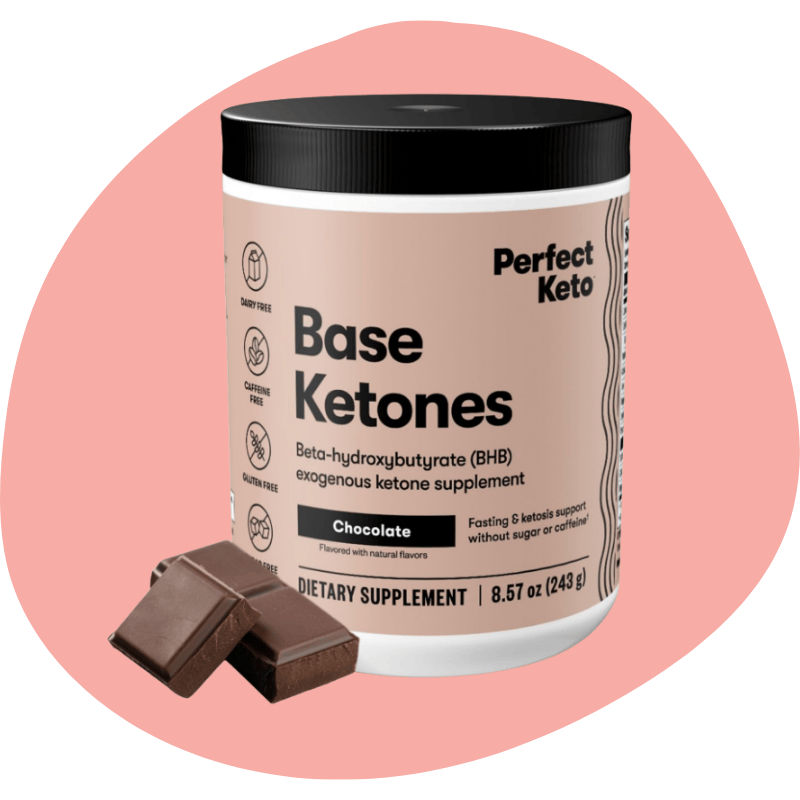
Perfect Keto Exogenous Ketones Powder — BHB Salts for Ketosis & Fasting (Chocolate, Caffeine-Free)
Chocolate-flavored exogenous ketone powder with BHB salts designed to help support ketosis, fasting, and sustained energy without caffeine.
Formulated with electrolytes for hydration and to help reduce “keto flu” symptoms, it’s ideal for those following a low-carb or ketogenic lifestyle.
Mixes easily into water, coffee, or shakes for a smooth, chocolatey boost to energy, focus, and endurance while supporting hydration and recovery.
Greens powders — convenience versus real nutrition
Green powders are popular because they promise convenience in a scoop. They fit into the keto supplements conversation for the same reason protein powders do: they are easy to mix, easy to market, and easy to believe in when life is busy.
But the core issue is the same one NCCIH and Harvard raise about supplements in general: the evidence for dietary supplements varies widely, and supplements are meant to supplement the diet, not replace it. (87, 88)
That is where green powders can get overhyped. They may provide some vitamins, minerals, or plant compounds depending on the formula, but they are not the same thing as eating vegetables. Whole foods bring fiber, water, texture, and a wider mix of nutrients in a way a powder cannot fully copy. Harvard’s supplements guidance also notes that supplements are not strictly regulated in the same way as medicines are, so the ingredient panel matters more than the front label. For keto dieters, that means greens powders may be convenient, but they are not a substitute for actual low carb produce. (89, 90)
A better way to think about green powders is this: they may help some people bridge a gap, especially if they travel often or struggle to eat vegetables consistently, but they are not automatically necessary. If your keto meals already include leafy greens, avocado, cucumber, broccoli, cauliflower, and seeds, a greens powder may not add much. That makes it one of the more optional keto supplements in the bunch.
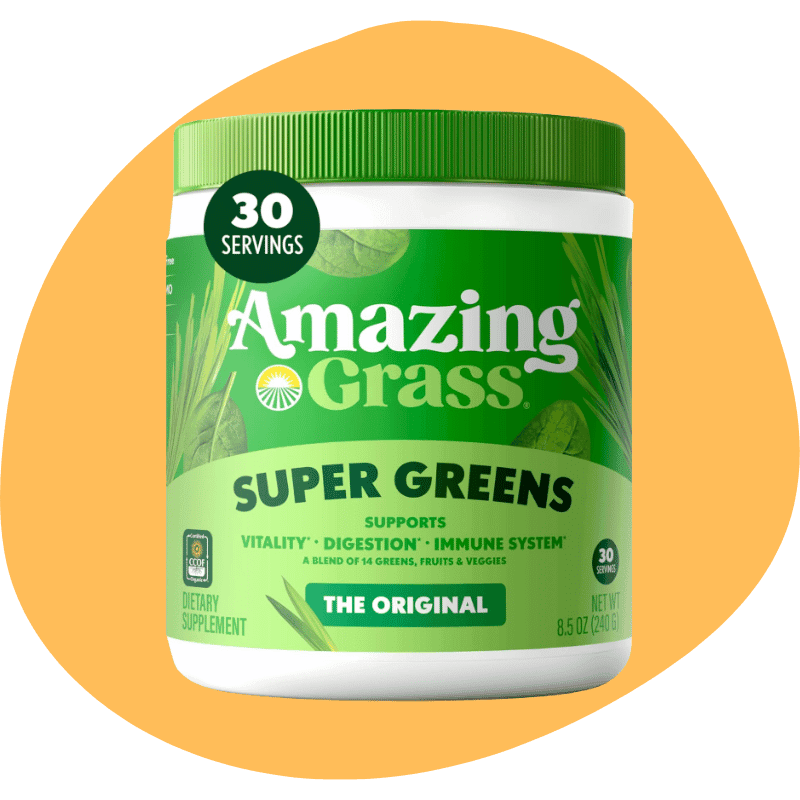
Amazing Grass Super Greens Powder is an organic superfood blend made to make healthy habits easy. Packed with greens, probiotics, spirulina, and beet root, it supports digestion, daily wellness, and smooth, nutrient-rich smoothies with a fresh, original flavor. Convenient 30-serving tub for an effortless boost any day.
Collagen or creatine — optional, goal-dependent extras
Collagen and creatine are both common keto supplements, but they solve very different problems. Collagen is best thought of as a protein supplement that people often use for convenience or for specific personal goals, while creatine is a performance-focused supplement with a much clearer use case for intense exercise. Harvard describes collagen as the most abundant protein in the body and notes that its research as a supplement is still limited overall. Cleveland Clinic also says scientific research is lacking for most collagen supplements, which is a good reminder not to treat it like a miracle product. (91, 92)
Creatine has a stronger evidence base, but it is still goal-dependent. NIH’s Office of Dietary Supplements says creatine can increase strength, power, and the ability to contract muscles for maximum effort, especially during repeated short bursts of intense activity like sprinting and weight lifting. The same source notes that creatine is safe for healthy adults for several weeks or months and appears safe for long-term use over several years, though it can cause water retention and sometimes GI distress. That makes creatine one of the more legitimate keto supplements for people who train hard, but it is not a requirement for everyone on keto. (93, 94)
The simplest way to separate the two is this: collagen is optional if you want another protein-based add-on, but it is not essential if your daily protein intake is already solid. Creatine is optional unless your goal involves strength, power, sprint work, or high-intensity training. Both can fit into keto, but neither should be treated as a universal need. That is the theme with many keto supplements: useful for the right person, unnecessary for the wrong one.
Here is the quick version:
- Exogenous ketones: may raise blood ketones and lower blood glucose briefly, but the benefits are inconsistent, and side effects can happen.
- Greens powders: convenient, but not a replacement for vegetables or a strong keto diet.
- Collagen: optional protein-style support, not essential for most keto eaters.
- Creatine: best for repeated short, intense exercise; helpful for some goals, not all.
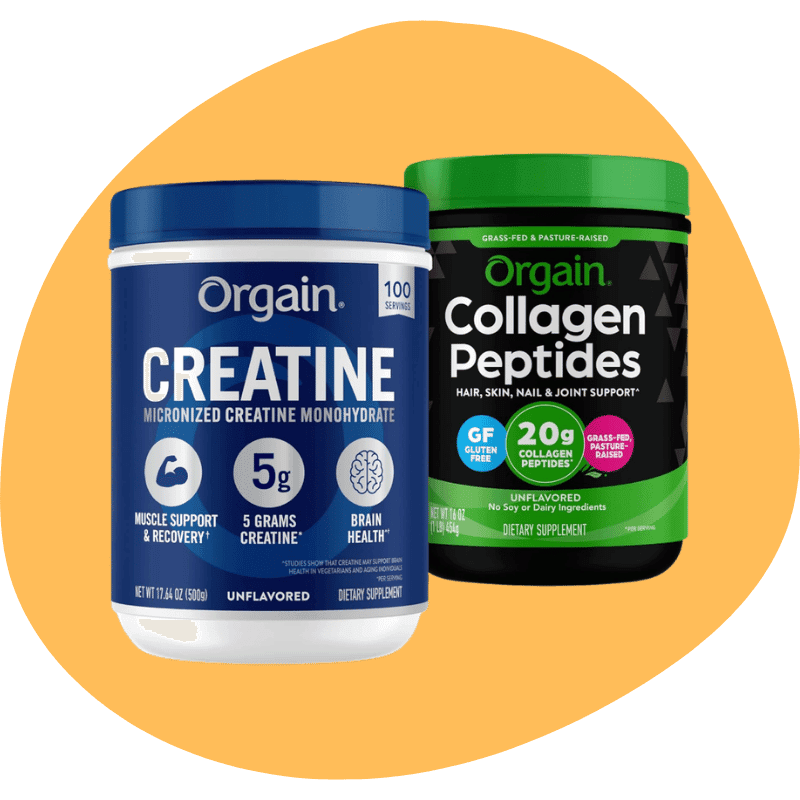
Orgain Creatine + Collagen Bundle — a simple, unflavored duo designed to fit into your daily routine with ease. The creatine monohydrate powder supports muscle performance and training energy, while the grass-fed collagen peptides help support skin, joints, and overall wellness. Both are non-GMO and easy to mix into water, coffee, shakes, or smoothies for a clean, convenient supplement stack.
How to Choose a High-Quality Keto Supplement
Third-party testing and quality seals
When you are choosing keto supplements, third-party testing is one of the clearest signs that a product has gone beyond basic marketing. The NIH Office of Dietary Supplements explains that the USP Verified mark means a product has gone through independent verification, and USP says its verification program includes auditing, reviewing, and testing to help confirm quality and accuracy. NSF also runs a well-known Certified for Sport program that tests sports supplements and nutritional products for banned substances, which is especially useful for active people who want extra confidence in what they are taking. (95, 96, 97)
That matters because the supplement market is not the same as the prescription drug market. FDA guidance says dietary supplements have their own labeling rules, and the agency’s consumer information stresses that shoppers should be informed and talk with a doctor, pharmacist, or other health professional before using them. In practical terms, a quality seal is not a magic guarantee, but it is a strong signal that the keto supplement has been checked by a third party instead of being judged by the front label alone. (98, 99)
Reading the label for sugar, fillers, and hidden carbs
A smart label check starts with the Supplement Facts panel and the Other Ingredients list. FDA says ingredients that are not listed in Supplement Facts must appear in Other Ingredients, and that list can include things like sugars, color additives, and other inactive ingredients. NIH’s Dietary Supplement Label Database also exists specifically to catalog what is printed on supplement labels sold in the United States, which is a good reminder that label details matter and are worth reading carefully before buying keto supplements. (100, 101)
That label check is especially useful on keto because a product can look “clean” on the front and still contain ingredients you would rather avoid. Even small amounts of sweeteners, syrups, or fillers can matter if you are trying to keep your carb intake low or keep your routine simple. The safest habit is to scan the entire label, not just the marketing claims. For keto supplements, the front of the bottle sells the story, but the back of the bottle tells the truth. (102)
Here is the easiest way to check a product fast:
- Look at the Supplement Facts panel first. (103)
- Check Other Ingredients for sugar, flavoring, and fillers.
- Make sure the form and amount match your actual goal. (104)
- Prefer products with transparent labeling and a clear third-party seal when possible.
Matching the form to the goal
A high-quality keto supplement is not just about brand reputation. It is also about matching the form to the job you want it to do. For example, ODS notes that some magnesium forms are more bioavailable than others, and that is why people compare citrate, chloride, lactate, or aspartate against oxide.
The same logic applies to other nutrients: the best form depends on whether you want daily support, a quick correction, or a product that is easier on your stomach. It helps to think about the goal before you buy. If the purpose of your keto supplement is electrolyte support, you want a product built for sodium, potassium, or magnesium rather than a random “all-in-one” blend with tiny amounts of everything. If the purpose is bone support, vitamin D and calcium make more sense than a greens powder.
If the goal is workout support, creatine may be a better fit than collagen. NIH and ODS both emphasize that supplements should be chosen for a specific need, not just because they sound healthy. (105, 106, 107, 108)
This is the part of keto supplements people should never skip. NCCIH says supplements can interact with prescription drugs, over-the-counter medicines, and even foods, which is why it is important to talk with your health care providers about everything you take. The NIH Office of Dietary Supplements also warns that supplements can affect how medicines work, and the MedlinePlus update notes that interactions can be unexpected and sometimes serious. Supplements are part of your medication picture, not separate from it.
That matters even more if you take medicine for blood pressure, blood sugar, heart health, thyroid health, or digestion. FDA advises consumers to be informed and to talk with a doctor or pharmacist before choosing a supplement, especially because “natural” does not automatically mean safe. With keto supplements, the right question is not just “Does this help keto?” but also “Is this safe with my medications and health conditions?” This works well: (109, 110)
- Use keto supplements only for a clear reason. als like USP Verified or NSF Certified for Sport when quality matters most. sugars, fillers, and inactive ingredients. Our interactions before combining supplements with medicines. A section in the same style: “Sample Keto Supplement Stacks by Goal.”
Sample Keto Supplement Stacks by Goal
The easiest way to use keto supplements without overcomplicating things is to match them to a clear goal. A beginner does not need the same stack as someone dealing with keto flu, training hard, or trying to fix constipation.
That is where these sample stacks help: they keep the focus on the most likely need first, instead of turning supplement shopping into a guessing game. The examples below are not prescriptions, but they are a practical way to think about keto supplements with a little more structure and a lot less noise.
Beginner keto stack
For someone just starting keto, the most reasonable keto supplements stack is usually the simplest one. Electrolytes come first because low carb eating can shift fluid and mineral balance, and NIH notes that potassium works closely with sodium to regulate intracellular and extracellular fluid, while magnesium supports hundreds of enzyme systems related to muscle, nerve, and glucose function. That is why beginners often feel better when they start with mineral support before they try anything fancy.
A beginner stack often makes sense in this order:
- Electrolytes to support hydration and mineral balance. Potassium is essential for kidney, heart, muscle, and nerve function, while sodium helps regulate fluid balance.
- Magnesium if muscle tightness, fatigue, or sleep issues that show up during the transition. NIH says magnesium helps with muscle and nerve function and is involved in more than 300 enzyme systems.
- Vitamin D if food intake, sunlight exposure, or bone-support needs are low. NIH explains that vitamin D helps the body absorb calcium and supports bone mineralization, muscle, and nerve function.
The reason this starter stack works is that it covers the most common early keto gaps without turning keto supplements into a full-time hobby. Beginners usually do best when they fix the basics first, then reassess after a few weeks based on how they actually feel. If the diet is already rich in nutrient-dense foods, some of these may not be necessary at all.
That is the whole point of a beginner stack: keep it small, useful, and easy to manage.
Keto flu support stack
If someone is in the roughest part of keto adaptation, the best keto supplements are usually the ones that support hydration, minerals, and digestion. Cleveland Clinic notes that electrolyte imbalance can show up with fatigue, muscle cramps, confusion, dehydration, and changes in heart rate, which helps explain why many people feel off in the first phase of keto. That is why the support stack for keto flu should begin with fluids and minerals, not random extras.
A simple keto flu support stack may look like this:
- Electrolytes for fluid balance and symptom relief when low carb eating causes water shifts.
- Magnesium for muscle and nerve support, especially if cramps or tension are part of the picture.
- Vitamin D if the person is already low or has very limited sun and food intake.
- Psyllium only if constipation is showing up alongside keto flu, because fiber can help bulk stool and support regularity. (111)
This stack works because keto flu is often a “multiple small things at once” situation. A person may need more sodium, more water, a bit of magnesium, and sometimes more fiber, all at the same time. MedlinePlus says psyllium absorbs liquid in the intestines and forms a bulky stool that is easier to pass, but it also works best when the person drinks enough water. That means the best keto supplements for keto flu are not the flashiest ones; they are the ones that address the actual imbalance.
Workout and energy stack
For someone who trains regularly, the most useful keto supplements are often the ones that support performance rather than general wellness. Creatine is one of the clearest examples. NIH says creatine can increase strength, power, and the ability to contract muscles for maximum effort, especially during repeated short bursts of intense activity like sprinting and weight lifting. That makes it a better fit for strength training than for endurance work, where it appears to have little value.
A workout-focused stack might include:
- Creatine for short bursts of high-intensity performance and strength work. NIH says it is safe for healthy adults for several weeks or months, and it seems safe for long-term use over several years.
- Electrolytes if training causes heavy sweating or if workouts feel flat during keto adaptation. Potassium and sodium are central to fluid balance, muscle contraction, and nerve transmission.
- Magnesium is used for muscle relaxation, nerve support, or recovery when part of the goal.
This kind of stack is useful because it lines up with what keto and exercise both demand: stable fluid balance, adequate muscle energy, and enough mineral support to keep performance from feeling sluggish. But there is an important catch. Creatine may cause some water retention and occasional GI distress, so it is not a “better is always better” product. As with other keto supplements, the right choice depends on the goal. If the goal is strength or repeated intense exercise, creatine makes sense. If the goal is just casual movement, it may be unnecessary.
Constipation focused stack
When constipation is the issue, the best keto supplements are usually the ones that restore bulk, water, and regularity. MedlinePlus says psyllium is a bulk-forming laxative that absorbs liquid in the intestines, swells, and forms a bulky stool that is easier to pass. That makes it one of the most practical options for people whose digestion slows down after dropping carbs and cutting back on fiber-rich foods.
A constipation-focused stack usually starts with:
- Psyllium for stool bulk and regularity.
- Water and electrolytes, because fiber works better when fluids are adequate, and keto can make fluid balance more fragile.
- Magnesium if the person also has muscle tension, poor sleep, or a broader mineral imbalance. NIH notes magnesium is involved in nerve and muscle function and multiple enzyme systems.
This is one of the easiest places to overbuy. People often assume they need a complex gut product when what they really need is more fluid plus a straightforward fiber supplement. Harvard’s lower-carb guidance also reminds dieters that vegetables, seeds, nuts, and other plant foods still matter on keto, because they help prevent the diet from becoming too narrow. That means constipation-focused keto supplements work best when they are paired with more low carb plants, not used as a replacement for them.
Food First — Keto Foods That Reduce the Need for Supplements
The best keto supplements strategy is the one that starts with food. When your plate is built around the right low carb foods, you often need less help from pills and powders because the food itself is already doing a lot of the heavy lifting. Harvard’s keto guidance points readers toward foods like nuts, seeds, avocados, plant oils, and oily fish, while Harvard’s fiber guidance emphasizes that fiber is best obtained from food whenever possible because whole foods bring vitamins, minerals, and other helpful compounds along with the fiber.
That is the real goal here: let food cover as many needs as it can, then use keto supplements only where a real gap still exists. (112, 113)
That food-first approach matters even more on keto because the diet naturally narrows the list of acceptable carbs. If you are careful about choosing low carb vegetables, nuts, seeds, fish, eggs, and dairy, you can often cover a surprising amount of your mineral and nutrient needs without making your routine complicated. NIH notes that magnesium is found in green leafy vegetables, nuts, seeds, legumes, and some dairy foods, while omega-3s come from fish and flaxseed, and vitamin D appears in fatty fish, egg yolks, cheese, and fortified milk. In other words, the more thoughtfully you build your meals, the fewer keto supplements you may need to rely on later. (114, 115)
Low carb foods rich in electrolytes
Electrolytes are where food can really help. Magnesium-rich foods on the low-carb side of the menu include green leafy vegetables, nuts, seeds, and some dairy foods, according to NIH. Harvard also highlights nuts and seeds as nutrient-dense foods that bring protein, fiber, healthy fats, and a broad mix of vitamins and minerals. That makes these foods a natural fit for dieters who want keto supplements to be a backup rather than a daily necessity. (116)
Sodium is a little different, because it often comes from seasoning, broth, cheese, and prepared foods rather than from “clean” whole foods alone. The American Heart Association notes that a large share of sodium intake comes from packaged and prepared foods, and it specifically lists foods like soup, bread, cold cuts, pizza, poultry, and sandwiches as common sodium sources. On keto, that does not mean you should chase packaged foods; it simply means some people find it easier to meet sodium needs by salting food well and using savory, mineral-friendly meals instead of depending entirely on keto supplements. (117, 118, 119)
A practical way to think about electrolyte-rich food is to look for meals that are naturally savory and mineral-dense. Leafy greens, nuts, seeds, dairy, and fish can all help support the electrolyte picture, especially when they are part of a consistent eating pattern. If your meals already include these foods and you feel stable, you may not need much more than basic hydration and a little seasoning.
That is the quiet advantage of food-first keto: it makes keto supplements simpler, not more complicated.
Low carb foods rich in fiber
Fiber is one of the easiest nutrients to lose on keto if you are not paying attention. Harvard says the best fiber strategy is to get it from food, and it lists legumes, fruits, vegetables, whole grains, nuts, and seeds as major fiber sources.
On keto, the low carb pieces of that list matter most: vegetables, nuts, and seeds can help keep digestion moving without pushing carbs too high. That is why good food choices can often reduce the need for keto supplements like psyllium or other fiber products. (120, 121, 122)
You do not need to overthink this. The easiest fiber-friendly keto meals usually include a few simple building blocks: leafy greens, crunchy vegetables, avocados, almonds, walnuts, chia seeds, and flaxseed. Harvard’s fiber guidance points to nuts and seeds as valuable fiber sources, while its keto guidance also emphasizes nuts, seeds, avocados, and plant oils as common foods in a ketogenic pattern. If those show up regularly on your plate, you may find that keto supplements for digestion become more of a backup plan than a daily requirement.
This is also where many people get tripped up: they think keto automatically means “eat fat and forget everything else.” In reality, a low carb plan still works best when it includes enough plants to support regularity, micronutrients, and satiety. Harvard’s nutrition guidance makes that point clearly by emphasizing plant foods as sources of vitamins, minerals, fiber, and phytochemicals.
That is exactly how food reduces the need for keto supplements: it fills in the background details that pills cannot fully replace.
Fatty fish, eggs, dairy, nuts, and seeds
If you want a keto plate that does more work for you, this is the lineup to remember. NIH says omega-3 fatty acids are found in fish and flaxseed, while vitamin D appears in fatty fish, egg yolks, cheese, and fortified milk. Harvard also points out that nuts and seeds are dense with protein, fiber, and healthy fats, and that almonds, walnuts, chia seeds, and flaxseeds bring useful nutrients to the table. Together, these foods cover a lot of the same ground that people often try to get from keto supplements.
Fish is especially valuable because it supports both the fat profile and the micronutrient profile of keto. NIH notes that fatty fish are the main food source of EPA and DHA, the omega-3s most often studied for health, and Harvard recommends oily fish as part of keto-friendly fat choices. Eggs and dairy help too, especially when the goal is to keep food simple without losing nutrient density. That is one of the reasons keto supplements can often be reduced when meals already include salmon, sardines, eggs, cheese, and yogurt in sensible amounts.
Nuts and seeds deserve their own spotlight because they quietly contribute across several nutrient categories at once. Harvard notes that nuts and seeds provide protein, fiber, healthy fats, and minerals, and NIH confirms that magnesium is naturally found in nuts and seeds as well as green leafy vegetables.
That makes them a very efficient keto food group: they help with fullness, digestion, and micronutrient coverage all at the same time. When a food does that much, it naturally lowers the pressure on keto supplements to fill every gap.
Common Keto Supplement Mistakes to Avoid
Over supplementing without a reason
One of the biggest mistakes people make with keto supplements is assuming that more products automatically mean better results. That sounds logical at first, but it often leads to clutter, confusion, and side effects that could have been avoided. The NIH says people are more likely to have side effects from dietary supplements when they take them at high doses, replace prescribed medicines with them, or use many different supplements at once. That is a strong reminder that supplementing should be intentional, not impulsive. (123)
On keto, this mistake happens a lot because the diet itself already feels different, so people start chasing solutions for every symptom they notice. A headache becomes a reason to buy electrolytes, magnesium, MCT oil, and a probiotic all at once. The problem is that not every symptom needs a new bottle. Some early keto symptoms are tied to the diet’s lower carb intake and changes in hydration or fiber, which Harvard notes can include constipation, fatigue, and foggy thinking during the keto transition. That means a simpler adjustment, like more fluids, more mineral-rich foods, or better meal planning, may be more useful than stacking keto supplements without a clear goal. (124)
The safer approach is to treat keto supplements like tools, not trophies. Pick one thing to address one problem, then pay attention to how your body responds before adding something else. If you take too many supplements at once, you lose the ability to tell what helped, what did nothing, and what caused the issue in the first place. That makes the whole routine harder, not easier.
Skipping food quality and chasing pills instead
Another common mistake is trying to use keto supplements to patch over a weak diet. That usually happens when meals become too repetitive, too processed, or too low in vegetables and other nutrient-dense foods. Harvard’s keto guidance emphasizes that the diet can be hard to follow and may lean heavily on fatty, salty foods unless it is carefully built around healthier food choices. In other words, supplements are not meant to rescue a poor plate.
Food quality matters because the nutrients people seek in keto supplements are often already available in low carb foods. Magnesium is found in leafy greens, nuts, seeds, and some dairy foods, while omega-3s come from fish and flaxseed. Fiber also comes more naturally from vegetables, nuts, and seeds than from pills alone. So if the diet is missing those foods, the first fix should usually be food, not a bigger supplement stack.
This matters for another reason, too: supplements can hide the real problem. If constipation is the issue, fiber may help, but hydration and electrolytes still matter. If fatigue is the issue, magnesium or sodium may help, but under-eating or poor sleep may be the real cause. If someone keeps buying more keto supplements without improving the diet itself, the root issue usually stays put. The result is often a more expensive routine with the same frustrations.
A better mindset is food first, supplements second. Build meals around eggs, fatty fish, leafy greens, avocado, nuts, seeds, and other low carb whole foods. Then use keto supplements only where a gap still exists. That gives the diet a real foundation instead of making pills do all the work.
Ignoring symptoms that need professional advice
The third mistake is assuming every symptom on keto is just part of the process. Some symptoms may be temporary and harmless, but others need medical attention. Cleveland Clinic notes that electrolyte imbalance can cause fatigue, muscle cramps, confusion, dehydration, irregular heartbeat, and other serious symptoms. Harvard also lists confusion, irritability, nausea, difficulty sleeping, and constipation among common keto-flu symptoms, which means it is easy to blur the line between normal adjustment and a real health problem.
That is why keto supplements should never become a reason to ignore warning signs. If someone has prolonged vomiting, diarrhea, severe dehydration, confusion, chest symptoms, or a racing or irregular heartbeat, those are not “just keto” problems to power through. The right move is to speak with a healthcare professional rather than trying to self-correct with more supplements. NIH and NCCIH both stress that supplements can interact with medications and can have side effects on their own, so getting medical advice is especially important if the person already takes prescriptions or has a health condition. (125)
It is also worth remembering that supplement labels are not the same as medical supervision. FDA says dietary supplements are not pre-approved like drugs, and its labeling guide exists because the label still requires careful review by consumers. That means a bottle may look reassuring while still missing the real answer. If symptoms feel unusual, intense, or persistent, the most responsible choice is not to buy another keto supplement; it is to get evaluated.
The simplest way to avoid these mistakes is to keep your routine narrow and purposeful. Start with the basics, use keto supplements only when they match a real need, keep food quality high, and take warning signs seriously.
That approach is not only safer, but it is usually more effective in the long run because it focuses attention where it belongs: on the actual cause, not just the label on the bottle.
The Bottom Line
The smartest way to think about keto supplements is simple: start with what keto changes most, then fill the gaps that actually show up in your life. For many people, that means electrolytes first, then magnesium, then vitamin D or fiber, depending on diet and symptoms. MCT oil, omega-3s, probiotics, and other add-ons can make sense, but they are not the starting point for most keto eaters. The best supplement routine is the one that supports your energy, digestion, and long-term consistency without turning keto into a science project.
If you keep your meals nutrient-dense, stay hydrated, and choose keto supplements for a reason instead of a trend, you will usually get better results with less frustration.
That is the real secret: not more products, but better decisions. Keto works best when the basics are steady, and supplements are there to make steady feel easier.
FAQs
What keto supplements should I take first?
Most people start with electrolytes, especially sodium, potassium, and magnesium, because these are closely tied to the fatigue, cramps, and headaches that can show up when carbs drop. After that, vitamin D or fiber may be worth considering, depending on your food choices and symptoms. The best first step is usually the simplest one.
Are keto supplements necessary for everyone on keto?
No, and that is an important point. Some people eat a varied low carb diet and feel great without many supplements, while others notice they need targeted support to feel their best. The difference usually comes down to food quality, hydration, activity level, and personal tolerance.
Is magnesium one of the most useful keto supplements?
Yes, magnesium is one of the most commonly discussed keto supplements because it plays a role in muscle function, nerve function, and many enzyme systems in the body. That makes it a logical option for people dealing with cramps, tension, or sleep issues during keto. It is still best used as part of a bigger plan, not as a cure-all.
Can keto supplements help with constipation?
They can, especially fiber and magnesium-related support. Low carb eating can reduce fiber intake, and that can contribute to constipation, which is why many people search for fiber-based keto supplements soon after starting keto. Pairing fiber with enough water and vegetables usually works better than relying on the supplement alone.
Is MCT oil worth it among keto supplements?
MCT oil can be useful for some people because MCTs may support ketosis and provide a rapid source of fat. Still, research does not show it as a magical solution for everyone, and some people tolerate it better than others. It is one of those keto supplements that makes sense when it fits your goals, but not everyone needs it.
Can I take too many keto supplements?
Yes. More is not always better, especially with minerals and overlapping products. The safest approach is to focus on the most likely gaps first, read labels carefully, and check with a clinician if you take medications or have medical conditions. That keeps keto supplements helpful instead of confusing.
We may earn a commission when you buy using our links






0 Comments