
A keto meal plan can be a powerful tool, but only when it matches the reason you are using it in the first place. That is the main idea behind this guide. Some people want a keto meal plan for weight loss, while others want a version that supports maintenance without feeling strict or exhausting. Those are two very different goals, so they should not be treated like the same plan with a different label. A smart keto approach starts with clarity, not guesswork.
This guide is built to help you understand how to shape a keto meal plan around your lifestyle, your appetite, and your long-term goals. Instead of handing you one rigid template, it shows you how to think about keto more practically. That means looking at food choices, meal structure, carb limits, and the kind of routine you can actually stick with on a busy week. After all, the best plan is not the fanciest one. It is the one you can repeat without dreading every meal.
You will also see how a keto meal plan for weight loss differs from one for maintenance. The weight loss version usually leans more structured and simple, while the maintenance version allows a little more flexibility and variety. Both can work well, but they serve different purposes. When you understand that difference, it becomes much easier to choose meals that support your goal instead of fighting against it.
Just as important, this guide keeps sustainability front and center. A keto meal plan should fit into real life, not just look perfect on paper. That means meals you can prep, foods you actually enjoy, and a rhythm that feels manageable over time. If a plan is too strict, too complicated, or too hard to repeat, it usually does not last. This guide is here to help you build something simpler, smarter, and more realistic.
How keto meal plans change by goal
A keto meal plan works best when it matches the result you are actually trying to reach. That sounds obvious, but it is where a lot of people go wrong. They copy a generic low carb menu, expect it to work for everyone, and then wonder why the plan feels too strict, too loose, or just plain inconvenient.
The truth is simple: a keto meal plan for weight loss usually needs more structure, while a keto meal plan for maintenance needs more flexibility. Same style of eating, different job.
The goal changes everything. When someone is trying to lose weight, the plan often needs tighter carb control, more predictable meals, and a stronger focus on hunger management. That helps reduce decision fatigue and makes it easier to stay consistent. On the other hand, once weight is stable, the plan can loosen up a little without losing the core keto principles. You may still keep carbs low, but you usually have more room to adjust portions, add variety, and make the plan fit your actual lifestyle.
This is why a good keto meal plan is not just about food lists. It is about strategy. The best version is the one that supports your goal without turning every meal into a chore. A plan for fat loss should feel structured enough to guide you, while a maintenance plan should feel flexible enough to live with. That balance is what makes keto practical instead of exhausting. (1, 2)
Weight loss version
A keto meal plan for weight loss is usually more structured because the goal is to create consistency, control hunger, and make it easier to stay in a calorie deficit without constant counting. This version often uses a shorter list of repeat meals, fewer snacks, and very clear portion habits. That kind of structure helps remove guesswork, which is especially useful when motivation is high at the beginning but day-to-day energy starts to dip later on.
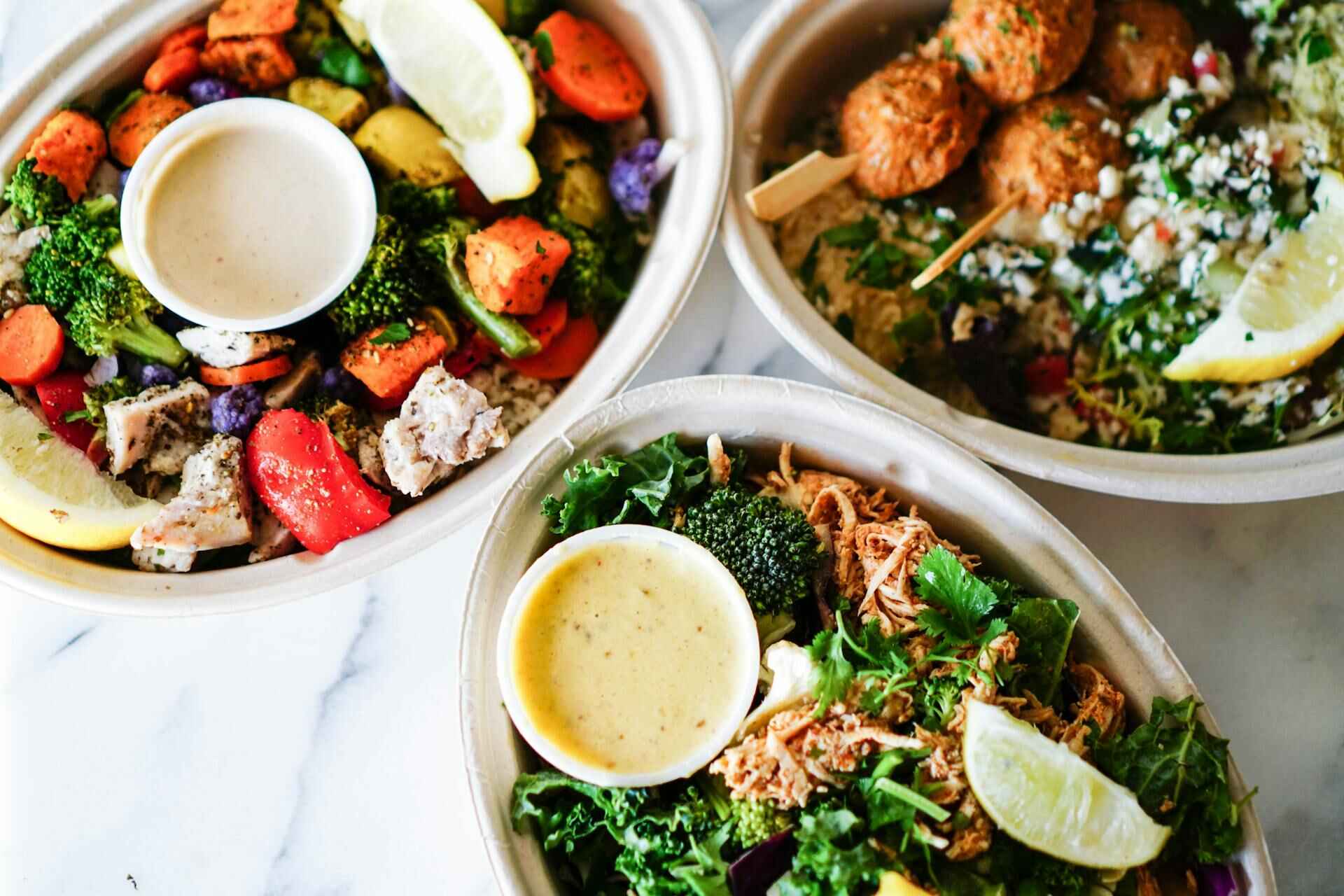
Tighter carb control is one of the biggest reasons this version works. Lower carbs can help reduce blood sugar swings, which may make cravings feel more manageable for some people. That does not mean every meal has to be tiny or boring. It means the meals should be built around protein, healthy fats, and low carb vegetables that keep you full for longer. Think eggs and avocado, grilled chicken with salad, salmon with roasted broccoli, or beef bowls with cauliflower rice. These meals are simple, but they do a lot of heavy lifting.
A keto meal plan for fat loss also tends to work better when it limits “extra” foods that are easy to overeat. That includes keto snacks, cheese-heavy grazing, nut handfuls that turn into half the bag, and packaged products that seem low carb but add up fast. The goal is not to eliminate everything fun. The goal is to make the plan easier to follow without accidentally stacking too many calories. Structure gives you guardrails, and guardrails help when your willpower is not perfect.
Hunger management is another big reason this version is more controlled. A strong keto meal plan for weight loss should help you feel satisfied enough to go several hours between meals without thinking about food all day. That is why protein matters so much. If meals are too light on protein or too low in volume, you may feel hungry even if the carbs are low. A smart keto plan solves that by combining protein, fiber-rich vegetables, and enough fat to make meals feel complete. It is not about eating less for the sake of eating less. It is about eating in a way that feels steady.
A simple way to think about this version is to imagine it like a clean, organized desk. There are fewer distractions, fewer random items, and fewer chances to lose focus. The same idea applies to a keto meal plan for weight loss. The less chaotic the food choices are, the easier it is to stay on track. That is why many people do better with a repeatable weekly menu, a short shopping list, and meals they can prepare quickly without much thought. (3, 4)
Maintenance version
A keto meal plan for maintenance still follows the same keto principles, but it usually allows more flexibility in portions, meal variety, and daily rhythm. Once weight loss is no longer the main target, the plan no longer needs to be as tightly controlled. You can often add more vegetables, slightly larger servings, or a wider range of meals without losing the low carb framework that made keto work in the first place. That makes maintenance feel more livable and less like a temporary project.
The big difference here is that maintenance is less about pushing results and more about protecting them. A keto meal plan in this phase should support energy, appetite stability, and routine. That may mean adding a little more food at lunch if you tend to get hungry in the afternoon, or making dinner more varied so you do not burn out on the same few meals. It may also mean being a little less strict about meal timing. The point is to keep the pattern sustainable, not to micromanage every bite forever.
A maintenance friendly keto meal plan also has room for more food quality and more enjoyment. You might include a wider range of vegetables, more creative seasoning, different proteins through the week, or occasional keto-friendly recipes that take a little extra effort. That variety matters because maintenance should feel like a lifestyle, not a punishment after reaching a goal. If every day looks identical, the plan may become mentally exhausting even if it works on paper. Flexibility helps protect long-term consistency.
There is also a psychological side to maintenance that people often overlook. When you are no longer trying to lose weight, you usually do not need the same level of structure to stay successful. A more flexible keto meal plan gives you room to eat socially, travel more easily, and adapt to busy weeks without feeling like you have “ruined” anything. That is important because maintenance is not a finish line. It is the part where habits have to survive real life, not just a perfect routine.
Think of it this way: the weight loss version of a keto meal plan is like training wheels, while the maintenance version is the bike ride itself. Both are useful, but they serve different stages. One gives you tighter support and clearer rules. The other gives you more freedom while still keeping the same direction. A strong maintenance plan should remain low-carb, balanced, and intentional, while also leaving room for normal life. That is what makes it sustainable. (5, 6)
Keto macros, carb limits, and calorie balance
A strong keto meal plan starts with understanding the numbers behind it. Keto is not just “eat bacon and skip bread.” It is a low carb way of eating that depends on the right mix of carbs, protein, and fat so your meals actually support your goal. If those macros are off, even the most carefully planned keto meal plan can feel frustrating, confusing, or harder to follow than it needs to be. That is why this section matters so much. It turns keto from a trendy idea into something practical you can actually use every day. (7)
Once you understand the basics of keto macros, it becomes much easier to build meals that fit your body and your goal. For some people, that means keeping carbs very low and meals very simple. For others, it means allowing a little more flexibility while still staying in a low carb pattern.
Either way, the goal is the same: make your keto meal plan clear enough to follow, flexible enough to live with, and balanced enough to support real results. That balance is where the real magic happens.
Typical carb ranges
The first number most people pay attention to in a keto meal plan is carbohydrate intake. That makes sense, because carbs are the nutrient that usually gets reduced the most. In many keto approaches, carb intake is kept low enough to support ketosis, which is the metabolic state where the body uses fat and ketones for fuel instead of relying mainly on glucose. A lot of current keto resources still place daily carbs somewhere in a fairly narrow range, and that range can vary depending on the version of keto being used and the person’s goal.
A useful distinction here is net carbs versus total carbs. Total carbs include all the carbohydrates in a food, including fiber and sugar alcohols, while net carbs usually refer to the carbs that are more likely to affect blood sugar and ketosis after subtracting fiber and, in some cases, certain sugar alcohols. That is why many keto meal plan guides focus on net carbs instead of total carbs. It gives a more practical picture of how the food will fit into the day. Still, it helps to remember that not all foods labeled “keto” are equally helpful, even if the net carbs look low on paper.
A strict keto meal plan often keeps carbs at the lower end of the spectrum, while a more flexible plan may allow a bit more room. For example, some people do best with very low carb intake, especially if they want deeper ketosis or faster initial fat loss. Others do better with a moderate, low carb approach that is still keto friendly but easier to sustain. That is why the “right” carb range is not the same for everyone. The best range is the one that supports your goal without making your keto meal plan feel impossible to maintain.
It also helps to think about carb limits in terms of food choices, not just numbers. A keto meal plan built around eggs, leafy greens, avocado, chicken, salmon, and olive oil will naturally look very different from one built around packaged snacks and sugar-free treats. The first version tends to feel easier to manage because the foods are more filling and less processed. The second version may technically fit the macros, but it can become a slippery slope if you are not careful. That is why carb limits are only part of the story. Food quality matters too.
If you are creating a keto meal plan for weight loss, a lower carb target often helps create clearer boundaries. If you are building a plan for maintenance, a slightly more generous range may be easier to live with long term. In both cases, the goal is not to chase perfection. The goal is to choose a carb limit that actually supports your lifestyle, energy, and appetite. Keto works best when the numbers are useful, not obsessive.
Protein, fat, and calories
Protein is one of the most important parts of a keto meal plan, even though it sometimes gets overshadowed by all the talk about fat. That can lead people to think keto is mainly about eating as much fat as possible, but that is not really the point. Protein matters because it supports fullness, helps preserve lean mass, and gives meals structure. Without enough protein, a keto meal plan can become unbalanced very quickly, even if carbs stay low. You may feel hungry too soon, lose momentum, or end up relying too heavily on fats and snacks to feel satisfied. (8, 9)
A lot of people do better when they think of protein as the anchor of the meal. Eggs, chicken, turkey, beef, fish, tofu, Greek yogurt, and cottage cheese can all help build a more satisfying keto meal plan. When protein is strong, the whole meal feels steadier. You are less likely to wander into the kitchen looking for “just one more bite,” and that alone can make the plan easier to stick with. It also helps make meals more practical, especially if you are using keto for weight loss and want to feel full without overeating.
Fat still matters, of course, but its role is often misunderstood. Fat supports satiety, flavor, and energy, but it is not a free pass to eat endlessly. In a smart keto meal plan, fat works best as a support nutrient, not the main event. That means adding avocado, olive oil, butter, nuts, cheese, or creamy sauces in ways that improve the meal without turning it into a calorie bomb. Fat makes food enjoyable and satisfying, but it does not need to be cranked up to the maximum every single time. More fat is not automatically better. Better balance is better.
Calories also matter more than many people expect. A keto meal plan can be low carb and still too high in calories if portions are oversized or snacks keep piling up. That is especially important for weight loss, where the goal is not just ketosis but actual progress over time. On the other hand, a maintenance plan may need more calories to keep energy stable and prevent unwanted weight loss. That is why calorie balance should always be considered along with macros. Keto is not magic. It is a structure, and structure works best when it fits your actual needs.
A helpful way to think about this is to imagine a three-legged stool. One leg is carbs, one leg is protein, and one leg is fat. If one leg is too short or too long, the whole stool gets shaky. A keto meal plan works best when those three pieces support one another instead of competing for attention. If carbs are too high, ketosis becomes harder to maintain. If protein is too low, meals may not keep you full. If fat is too high, calorie intake can climb faster than expected. The sweet spot is balance.
Expert note placeholder
Dietitian note placeholder: “A well-structured keto meal plan should focus on balanced macros, not extreme fat intake. Protein and food quality matter just as much as carb restriction.”
That kind of expert point fits perfectly here because it reinforces the real message behind a successful keto meal plan: the goal is not to eat the most fat possible. The goal is to build meals that are satisfying, sustainable, and aligned with your objective. Once you understand that, keto stops feeling like a set of random rules and starts feeling like a workable system.
Best keto foods for both plans
A strong keto meal plan gets much easier when you stop thinking in terms of “diet food” and start thinking in terms of reliable building blocks. The best foods for both weight loss and maintenance are the ones that keep carbs low, support fullness, and make meals simple enough to repeat without getting bored. That is the real sweet spot. You want ingredients that can work in many different combinations, so your keto meal plan feels practical instead of complicated.
The good news is that keto does not require a massive list of foods. In fact, the best results often come from a fairly short set of staples you can mix and match throughout the week. When you build your meals around a few core proteins, healthy fats, and low carb vegetables, you remove a lot of decision fatigue. That means fewer random choices, fewer impulse snacks, and fewer moments where you stare into the fridge hoping dinner will assemble itself. A simple keto meal plan is often the easiest one to follow.
Proteins, fats, and low carb vegetables
The core of a good keto meal plan usually starts with three things: protein, fat, and low carb vegetables. These foods give your meals structure and help you stay satisfied for longer. They also make it much easier to adjust the plan for either weight loss or maintenance without changing the whole system. If you understand these three categories, you can build dozens of meals from just a handful of ingredients.
For proteins, think about foods like eggs, chicken, turkey, beef, pork, salmon, tuna, shrimp, and tofu. These are the kinds of foods that can anchor a meal and keep it from feeling too light. Protein matters because it helps meals feel complete, especially when carbs are low. In a keto meal plan, that sense of completion is important. You want to finish eating and feel steady, not like you need to start hunting for snacks ten minutes later.
Healthy fats are the next piece of the puzzle. A good keto meal plan often includes avocado, olive oil, butter, coconut oil, olives, mayonnaise, cheese, nuts, and seeds. These ingredients do more than just add calories. They add flavor, texture, and staying power. A little avocado can make a salad feel rich and satisfying. A drizzle of olive oil can turn vegetables into something you actually look forward to eating. The goal is not to drown every meal in fat. The goal is to use fat wisely so the meal feels balanced and enjoyable.
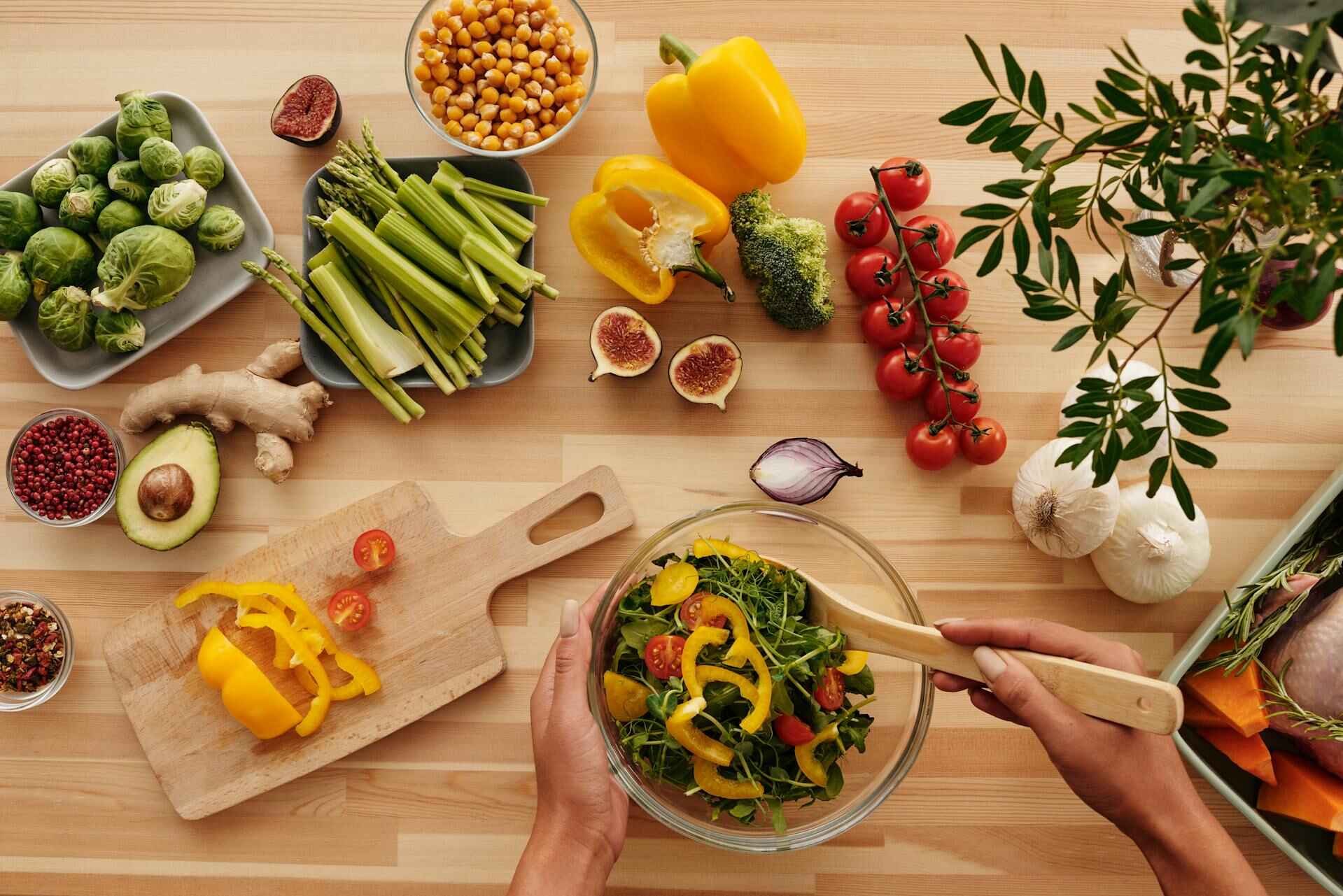
Low carb vegetables bring freshness, color, and volume to the plate. They help your keto meal plan feel more like real food and less like a list of restrictions. Great options include spinach, lettuce, arugula, kale, broccoli, cauliflower, zucchini, asparagus, cucumber, cabbage, mushrooms, and green beans. These vegetables are useful because they add bulk without adding many carbs, which makes meals feel bigger and more satisfying. That matters a lot, especially if you are trying to stay full between meals.
A simple way to build meals around these foods is to choose one protein, one or two vegetables, and one fat source. For example, you might have grilled chicken with spinach and avocado, salmon with roasted broccoli and butter, or eggs with mushrooms and cheese. That structure keeps your keto meal plan easy to follow while still leaving room for variety. You do not need a fancy recipe every time. Sometimes the best meal is just a smart combination of basic foods.
Here is the easiest formula to remember:
- Protein gives the meal its foundation.
- Vegetables add volume and freshness.
- Fat adds satiety and flavor.
When you use that formula consistently, your keto meal plan starts to feel much more natural. You are no longer trying to invent meals from scratch every day. Instead, you are working from a small set of dependable ingredients that can be rotated in different ways. That is what makes keto sustainable in real life.
Flavor boosters, dairy, and pantry staples
A keto meal plan can only stay interesting if the food tastes good, and that is where flavor boosters come in. These are the ingredients that take a basic meal and give it personality. They are not always the main event, but they make the whole plate better. Think of them as the finishing touches that keep keto from feeling repetitive. Without them, even the best ingredient list can start to feel dull after a while.
Sauces and condiments are especially helpful in a keto meal plan because they can completely change the mood of a meal. Mustard, mayonnaise, hot sauce, salsa, pesto, vinegar-based dressings, sugar-free ketchup, and low carb marinades can all add flavor without pushing carbs too high. A grilled chicken breast feels very different with pesto than it does with mustard or ranch-style dressing. That little bit of variety can make a big difference when you are eating low carb every day. Just be sure to check labels, because some sauces look innocent but carry hidden sugar.
Seasonings are another underrated part of a good keto meal plan. Garlic powder, onion powder, paprika, cumin, black pepper, Italian seasoning, chili flakes, curry powder, and fresh herbs can make a simple meal taste much more complete. This matters because keto meals do not need to be bland to be effective. In fact, when the seasoning is strong, you may need less sauce and less snacking just to feel satisfied. A well-seasoned meal can feel more “finished,” which is helpful when you want your keto meal plan to be easy to repeat all week.
Dairy can also play a useful role in a keto meal plan, especially when you want more richness or variety. Cheese, cream cheese, sour cream, heavy cream, plain Greek yogurt, and cottage cheese can all fit into many keto-style meals, depending on the plan and portion size. Cheese can turn eggs into breakfast. Sour cream can add creaminess to taco bowls. Greek yogurt can work as a protein-rich base for dips or snacks. The key is to use dairy as a tool, not a crutch. It should improve the meal, not take over the whole plate.
Nuts and seeds deserve a place in the pantry, too. Almonds, walnuts, pecans, chia seeds, flaxseeds, pumpkin seeds, and sunflower seeds can all help round out a keto meal plan. They work well as snacks, toppings, or add-ins for salads and yogurt bowls. They also bring crunch, which is one of the easiest ways to make a low carb meal feel more satisfying. That said, nuts are easy to overeat, so portion awareness still matters. A small handful can support your plan. A whole bag can quietly push calories higher than expected.
Cooking fats are another pantry staple worth keeping on hand. Olive oil, avocado oil, butter, and coconut oil are common choices in a keto meal plan because they help with cooking, roasting, and flavor. A little fat in the pan can transform eggs, vegetables, or meat without much effort. The point is not to make every dish heavy. The point is to help the ingredients taste better and cook well. A good kitchen always has a few reliable fats ready to go.
A few practical meal ideas can help bring all of this together. These are the kinds of combinations you can repeat through the week without getting bored:
- Breakfast: scrambled eggs, sautéed spinach, and cheese
- Lunch: chicken salad with avocado, cucumber, and olive oil dressing
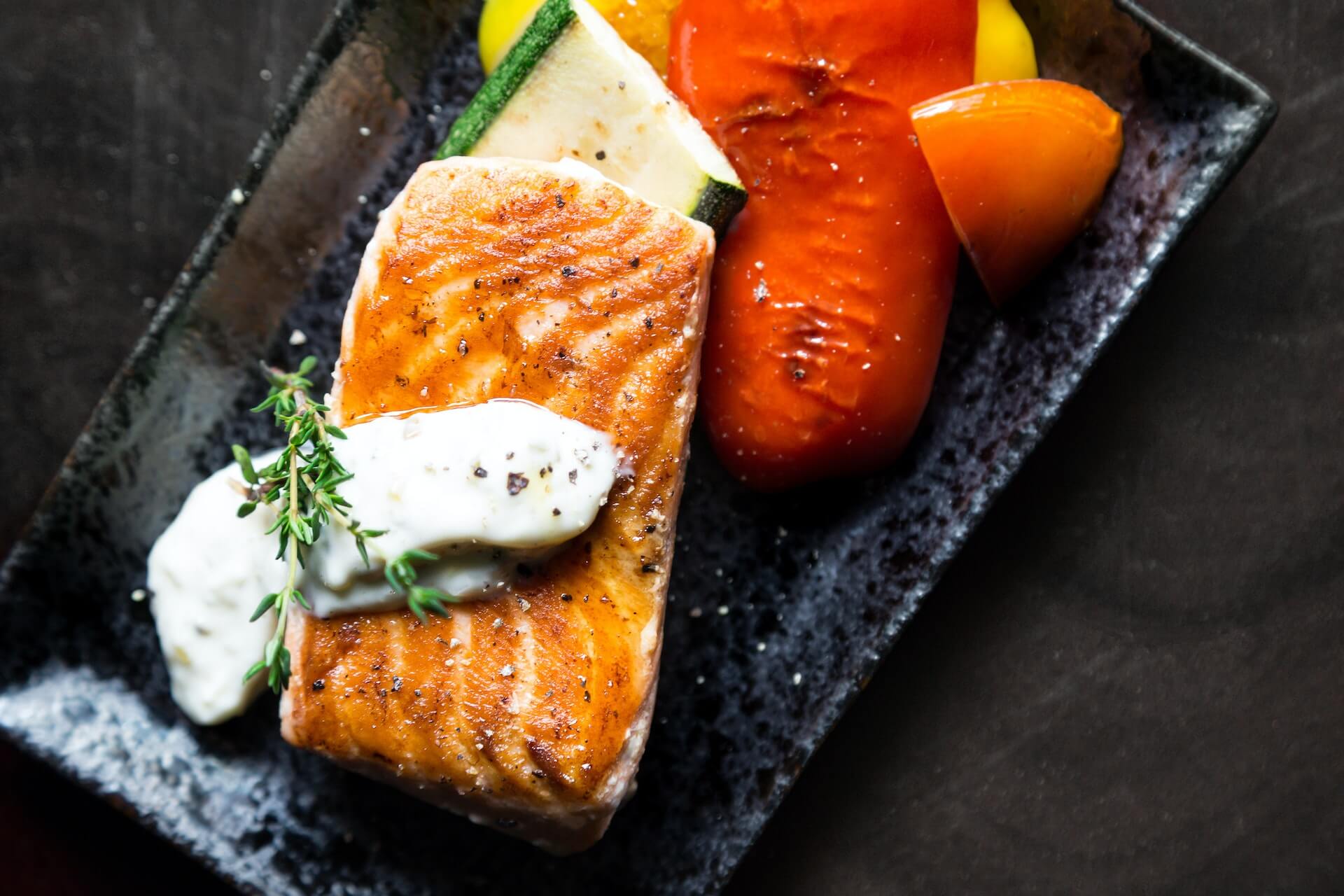
- Dinner: salmon with broccoli and butter
- Snack: Greek yogurt with chia seeds
- Quick bowl: ground beef, cauliflower rice, salsa, and sour cream
- Easy wrap: turkey slices, lettuce, mayonnaise, and pickles
The reason these combinations work so well is that they are simple, flexible, and easy to repeat. A keto meal plan does not have to rely on complicated recipes to be effective. In fact, the more repeatable the meals are, the easier it is to stay consistent. And consistency is what turns keto from an idea into a routine.
If you build your week around a few reliable proteins, a few low carb vegetables, and a small set of flavor boosters, your keto meal plan becomes much less stressful. You will spend less time wondering what to eat and more time actually following the plan. That is the real advantage of using familiar foods. They make keto feel normal, and when a plan feels normal, it becomes much easier to stick with.
Foods to avoid or limit
A successful keto meal plan depends just as much on what you leave out as what you include. That is because keto works by keeping carbohydrate intake low enough to support ketosis, and the fastest way to derail that is by letting high-carb foods sneak in through the side door. The foods to avoid are usually the obvious ones first, but the hidden carb sources are where many people get tripped up. A slice of bread is easy to spot. A sweet dressing, flavored sauce, or “healthy” snack bar is a little more sneaky. That is why this part of the keto meal plan matters so much.
The goal is not to make food feel scary. The goal is to make your choices clearer. Once you know which foods tend to push carbs too high, you can build a keto meal plan with much more confidence. You do not need to memorize every single ingredient in the grocery store. You just need to understand the big categories that are most likely to cause problems. When you know those categories, it becomes much easier to stay on track without second-guessing every bite.
High-carb foods and sneaky sugar sources
The most obvious foods to avoid in a keto meal plan are bread, pasta, rice, cereal, potatoes, crackers, and baked goods. These foods are high in starch, which means they usually raise carb intake quickly and leave very little room for the rest of the day. Even small portions can add up fast, especially if you are trying to keep carbs low for weight loss or ketosis. That is why they are usually left out of a strict keto approach altogether.
Sugar is another major one to watch. Regular sugar, honey, maple syrup, agave, candy, cakes, cookies, and sweet pastries can all push a keto meal plan off track very quickly. The same is true for sweet drinks like soda, juice, sweet tea, flavored coffee drinks, and sports drinks. These are easy to overlook because they do not always feel like “real food,” but they can still contribute a lot of carbs. If your drink is sweet, it is probably not helping your keto goals.
Most desserts are also not a good fit for a standard keto meal plan unless they are specifically made with low carb ingredients and kept in reasonable portions. Even then, it helps to treat them as occasional options rather than daily staples. A dessert that fits the macros on paper may still keep cravings active or make it easier to overeat. That does not mean you can never enjoy something sweet. It just means desserts should be handled carefully so they do not slowly take over the plan.
The hidden carb problem is where things get more interesting. A lot of people are careful about obvious starches but forget about dressings, sauces, and packaged snacks. These foods can be especially tricky because they often look harmless at first glance. A salad sounds keto friendly, but if the dressing is loaded with sugar, the meal may no longer fit your keto meal plan. The same goes for barbecue sauce, teriyaki sauce, ketchup, sweet marinades, and many bottled sauces that are marketed as flavor-packed but are actually sugar-heavy.
Packaged snacks are another common trap. Even products labeled as “protein” or “low carb” can still contain enough starch, sugar alcohols, or hidden ingredients to affect your daily total. That is why it helps to read labels carefully and check both total carbs and serving sizes. A snack that looks okay in a small serving may not be as keto friendly once you realize how tiny the serving actually is. In a keto meal plan, the label matters just as much as the front of the package.
Here are some of the most common hidden carb sources to watch for:
- Salad dressings with added sugar
- BBQ sauce and sweet marinades
- Ketchup and flavored condiments
- Flavored yogurt and sweetened dairy snacks
- Granola bars and “keto” snack bars
- Breaded meats and fried foods
- Packaged soups with starch or sugar
- Sugar-free products that still contain too many carbs for your target
This is one of the biggest reasons a keto meal plan works better when it is built around whole foods. Whole foods are easier to recognize, easier to portion, and easier to trust. You know what the chicken is. You know what the spinach is. You know what the avocado is. But once you start depending on packaged foods, the carb count can become much less predictable. A meal does not have to be complicated to be effective. In fact, simple is usually safer.
Another useful habit is to think in terms of “carb budget.” Every day in a keto meal plan, you only have so much room for carbs before you start crowding out the rest of your food choices. If you spend that budget on bread, sauces, and snack foods, there may not be much left for vegetables, dairy, or anything else you actually want to eat. That is why avoiding or limiting high-carb foods is not about punishment. It is about protecting the space you need for the foods that make keto work.
If you are just starting, it can help to make a short personal list of your biggest problem foods. For some people, it is bread and pasta. For others, it is sweet drinks, chips, or dessert after dinner. The more honest you are about your own patterns, the better your keto meal plan will work in real life. Awareness is a powerful tool here. Once you know your weak spots, you can plan around them instead of hoping willpower saves the day.
The best keto meal plan is not the one that simply says “no carbs.” It is the one that shows you exactly which foods to limit, which ones to avoid, and which sneaky ingredients to watch for before they become a problem. That clarity makes the entire plan easier to follow, especially when life gets busy, and convenience starts calling your name.
7-day keto meal plan for weight loss
A keto meal plan for weight loss works best when it is easy to follow, not overly fancy, and built around meals you can actually repeat. The goal here is not to create a perfect food experience every day. The goal is to reduce decision fatigue, keep carbs low, and make it easier to stay consistent without feeling like you are constantly “on a diet.” That is why this kind of keto meal plan should feel simple, structured, and realistic from the very first day. (10)
For weight loss, a weekly plan also helps you stay organized before hunger and busy schedules start making choices for you. When meals are already mapped out, you are less likely to grab random snacks or rely on takeout that does not fit the plan.
A good keto meal plan for fat loss gives you a clear rhythm: eat, reset, repeat. That rhythm can be surprisingly powerful because it keeps the week steady instead of chaotic.
Day-by-day structure
The easiest way to build a keto meal plan for weight loss is to break each day into four simple parts: breakfast, lunch, dinner, and an optional snack. This keeps the plan flexible enough for real life while still giving you enough structure to stay on track. You do not need a new recipe for every meal. In fact, repeatable meals are often better because they make grocery shopping easier, save time, and help you stay focused on your goal.
A simple weekly structure might look like this:
- Breakfast: eggs, avocado, cheese, or a low carb breakfast bowl
- Lunch: chicken salad, tuna salad, turkey lettuce wraps, or leftover protein with vegetables
- Dinner: salmon, beef, chicken, pork, or shrimp with a low carb side
- Optional snack: boiled eggs, olives, cheese, nuts, Greek yogurt, or cucumber with dip
This kind of structure works because it keeps your keto meal plan grounded in familiar foods. You are not trying to invent a brand new menu every day. You are rotating a few core meals and mixing up the flavors a little, so the plan does not feel stale. That is especially helpful for weight loss, because the more effortless the plan feels, the easier it is to stay with it long enough to see results.
Here is a simple example of how a week can flow:
- Day 1: scrambled eggs, chicken salad, baked salmon, and an optional cheese snack
- Day 2: omelet with spinach, turkey lettuce wraps, beef with broccoli, and optional nuts
- Day 3: eggs and avocado, tuna salad, chicken with cauliflower rice, optional yogurt
- Day 4: egg muffins, leftover chicken bowl, pork chops with zucchini, optional olives
- Day 5: Greek yogurt with chia, turkey salad, shrimp with asparagus, optional boiled egg
- Day 6: scrambled eggs, tuna lettuce cups, burger bowl, optional cucumber slices
- Day 7: omelet, leftover protein salad, roasted chicken with vegetables, optional cheese
The point of this structure is not to be flashy. The point is to keep your keto meal plan easy enough that you can stick to it even when energy is low or the week gets busy. Repetition is not boring when it saves you from decision overload. It becomes a tool. And when you are trying to lose weight, tools that reduce friction are worth a lot.
Sample day template
A strong keto meal plan day for weight loss should feel balanced, filling, and easy to repeat. It should also be realistic enough that you do not feel like you are “being good” all day just to make it to dinner. A simple template helps because it shows you what one full day can look like without making the plan feel rigid.
Here is a sample day:
- Breakfast, 8:00 a.m. — Scrambled eggs cooked in butter with spinach and a few slices of avocado
- Lunch, 12:30 p.m. — Grilled chicken salad with lettuce, cucumber, olive oil dressing, and a small amount of cheese
- Snack, 3:30 p.m. — A boiled egg or a small handful of almonds
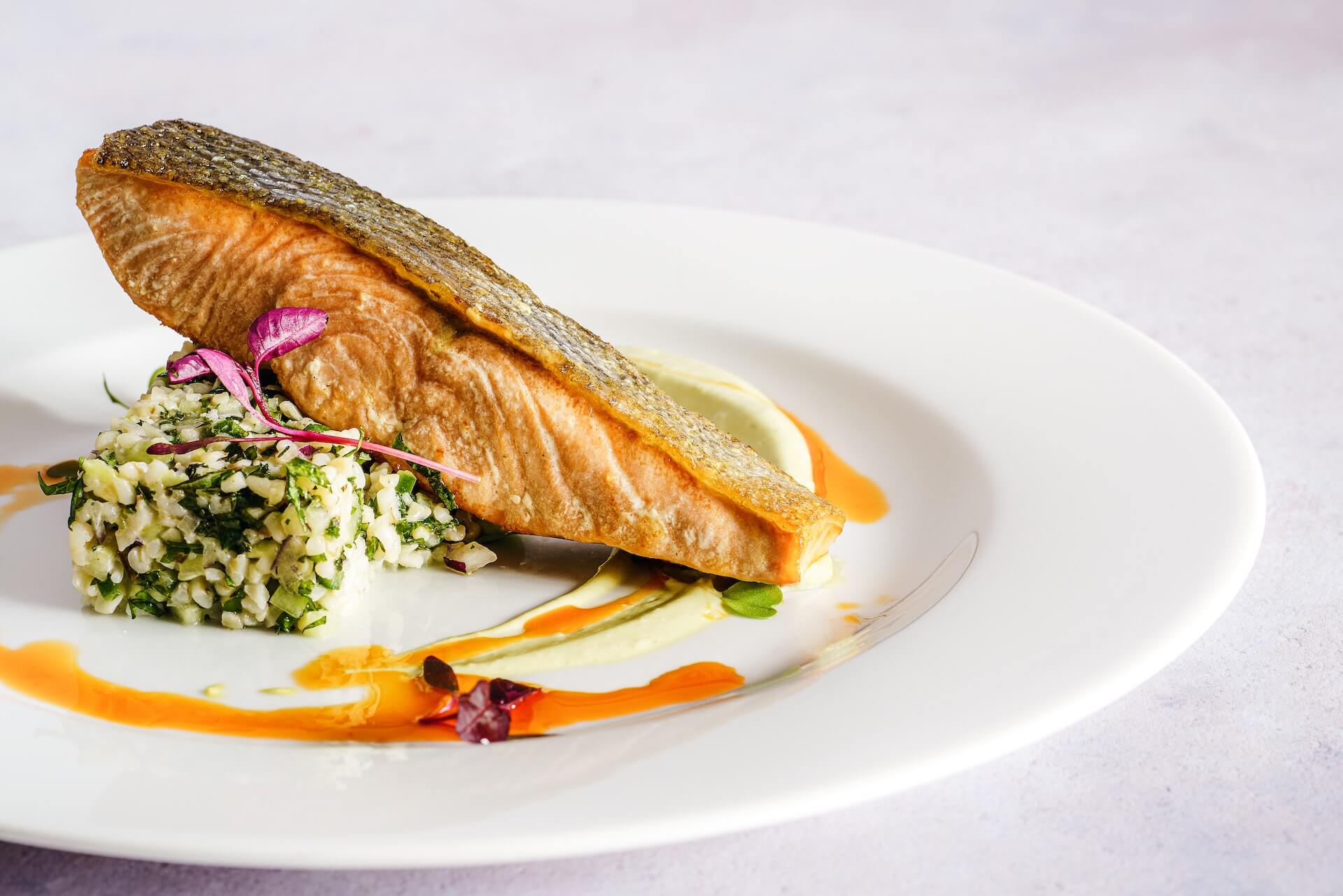
- Dinner, 6:30 p.m. — Baked salmon with roasted broccoli and butter
This kind of day works well because each meal has a clear purpose. Breakfast sets the tone, lunch keeps energy steady, snack support is optional, and dinner finishes the day without a heavy carb load. A keto meal plan like this stays simple while still covering the basics your body needs. It does not rely on complicated recipes or specialty foods, which makes it much easier to repeat throughout the week.
The timing matters less than the pattern. Some people prefer three meals, while others feel better with two meals and one snack. The best keto meal plan is the one that keeps you satisfied without turning mealtime into a constant event. Hunger control is important here because a plan that leaves you too hungry usually becomes hard to maintain. Protein is your best friend for this. Pairing protein with vegetables and a moderate amount of fat can help you feel full longer and reduce the urge to snack constantly.
Portion awareness also matters, even on keto. A keto meal plan for weight loss is not about unlimited eating just because the food is low in carbs. Nuts, cheese, cream, and oils can all add up quickly if you are not paying attention. That is why a realistic plan should leave room for satisfaction without turning into an oversized calorie load. The goal is progress, not pressure. When the plan feels too strict, people often quit. When it feels too loose, they drift. The sweet spot is somewhere in the middle, where the meals are structured enough to guide you but flexible enough to fit normal life.
7-day keto meal plan for maintenance
A keto meal plan for maintenance should feel a lot more relaxed than a fat loss version, but it still needs enough structure to keep your results steady. The goal here is not to keep tightening the screws forever. The goal is to hold your progress, keep your energy stable, and make keto feel like a normal part of life instead of a temporary sprint. That is why a maintenance focused keto meal plan usually includes more variety, slightly fuller portions, and a little more freedom with meal rotation.
This version of a keto meal plan works best when it gives you room to breathe. You are no longer trying to force fast change, so you do not need the same level of control around every meal. Instead, the focus shifts toward consistency, appetite balance, and enjoying food without drifting into higher-carb habits. A good maintenance plan should still be low carb, still satisfying, and still easy to follow, but it should also feel livable enough to repeat week after week.
Day-by-day structure
A keto meal plan for maintenance can include more variety because the goal is not aggressive restriction. You can rotate proteins more often, change up the vegetables, and use different flavors throughout the week so meals stay interesting. That kind of variety matters because maintenance is where boredom can quietly become a problem. If every day feels too repetitive, people often start reaching for extra snacks or less keto friendly choices just to make meals feel exciting again.
A balanced maintenance structure can still follow the same simple rhythm: breakfast, lunch, dinner, and an optional snack. The difference is that each meal can be a little more complete and a little more flexible. Instead of always keeping things minimal, you can allow slightly fuller portions of protein, a wider range of vegetables, and more texture from foods like seeds, cheese, avocado, or nuts. That gives the keto meal plan more staying power.
Here is one easy maintenance-style rotation:
- Day 1: eggs with spinach and cheese, chicken salad, salmon with asparagus
- Day 2: Greek yogurt with chia and walnuts, turkey lettuce wraps, beef with broccoli
- Day 3: omelet with mushrooms, tuna salad, pork chops with zucchini
- Day 4: egg muffins, leftover chicken bowl, shrimp with cauliflower rice
- Day 5: cottage cheese with seeds, burger bowl, baked cod with green beans
- Day 6: scrambled eggs, avocado salad, meatloaf with roasted vegetables
- Day 7: yogurt bowl, chicken Caesar salad, salmon with broccoli and butter
The main point of this structure is to keep your keto meal plan interesting without making it complicated. Maintenance works best when meals are familiar enough to feel easy, but varied enough to keep your appetite and interest in check. A little rotation goes a long way here. It helps you avoid the “I am tired of eating the same thing” feeling that often causes people to drift away from their plan.
Slightly fuller portions are another important part of maintenance. You may need a bigger breakfast, a more satisfying lunch, or a heartier dinner than you did during weight loss. That does not mean the plan should turn into unrestricted eating. It simply means your body may need more food to hold steady. In a maintenance keto meal plan, the goal is to match your intake to your actual needs instead of keeping calories artificially low for too long.
Sample day template
A maintenance friendly keto meal plan day should feel balanced, satisfying, and flexible enough to fit normal life. You are not trying to force hunger, and you are not trying to overfill every plate just because the day is more relaxed. The best maintenance day is one that helps you feel steady from morning to evening without constantly thinking about food.
Here is a simple full-day example:
- Breakfast, 8:00 a.m. — Omelet made with eggs, spinach, mushrooms, and cheese, plus half an avocado
- Lunch, 12:30 p.m. — Turkey salad with lettuce, cucumber, olives, olive oil dressing, and pumpkin seeds
- Snack, 3:30 p.m. — Plain Greek yogurt with chia seeds or a small handful of walnuts
- Dinner, 6:30 p.m. — Grilled salmon with roasted broccoli and cauliflower mash
This kind of day works well because it gives you a little more food volume and more variety than a strict fat loss version of keto. The meals still stay low carb, but they feel more complete and more enjoyable. A keto meal plan for maintenance should not leave you feeling like you are still “on a diet” in the exhausting sense. It should feel like a pattern you can actually live with.
Adding calories carefully is the main skill in this phase. The easiest way to do that without drifting out of keto is to increase portions of protein, healthy fats, and low carb vegetables first. That might mean a little more chicken at lunch, an extra egg at breakfast, more olive oil on salad, or a larger serving of broccoli at dinner. These changes can raise calories in a controlled way without pushing carbs too high. The key is to add food with purpose, not just volume.
It also helps to avoid the trap of adding calories through carb-heavy convenience foods. In maintenance, it can be tempting to loosen the rules too much and slowly drift back toward bread, sweets, or snack foods that do not really fit the plan. A smart keto meal plan protects against that by keeping the extra calories inside keto friendly foods. That way, you can maintain your results without turning the plan into a carb comeback.
A good maintenance mindset is simple: eat enough to feel satisfied, but stay anchored to the foods that made the plan work in the first place. That balance is what makes a keto meal plan sustainable long term.
Meal prep, shopping list, and budget strategy
A strong keto meal plan gets much easier when you stop treating every meal like a fresh decision. That is where meal prep comes in. Instead of cooking from scratch three times a day, you cook smart once or twice and then reuse those ingredients in different ways. This saves time, cuts down on stress, and makes your keto meal plan far more realistic during busy weeks. When the food is ready, the excuses get a lot smaller. (11)
Batch cooking is one of the best habits you can build. You do not need to prep every ingredient for the entire week in a fancy container row. You just need a few reliable basics ready to go. Cook a tray of chicken, brown some ground beef, roast a pan of broccoli or cauliflower, boil a batch of eggs, and wash your greens. From there, meals become mix-and-match instead of start from zero. That kind of setup is especially helpful for a keto meal plan because the ingredients already fit the structure of the diet.
Ingredient overlap is another smart way to save both money and time. This simply means buying foods you can use in more than one meal. For example, chicken can become salad one day, and a lettuce wrap the next. Eggs can work for breakfast, lunch, or a quick snack. Avocados can appear in salads, bowls, or beside grilled protein. When your keto meal plan uses the same ingredients in several ways, your grocery list becomes shorter, and your food waste gets lower.
Shopping efficiency matters just as much as cooking efficiency. A good rule is to build your list around a small number of proteins, a few low carb vegetables, several healthy fats, and a handful of flavor boosters. That keeps you from filling the cart with random extras that look interesting but never actually get used. A focused keto meal plan should feel organized before you even get home from the store. The more predictable your shopping is, the easier it becomes to stay consistent.
Budget friendly keto swaps can make a big difference, too. Instead of buying expensive specialty products, focus on simple, whole foods that naturally fit a keto meal plan. Eggs are usually cheaper than packaged keto breakfasts. Ground beef or chicken thighs often cost less than pre-seasoned meats. Cabbage can be a smart swap for pricier salad bases. Frozen vegetables can be easier on the budget than fresh produce that spoils quickly. These small choices add up fast, especially if you are building a keto meal plan for the long term.
Time saving prep habits help even more. Wash and chop vegetables right after shopping so they are ready to grab. Cook protein in larger batches so you can reheat it instead of starting over. Keep salad ingredients at eye level in the fridge. Put your most used keto items in one easy-to-see section of the pantry. The less effort a meal takes, the more likely you are to stick with your keto meal plan when life gets hectic.
A reusable weekly shopping framework can keep things simple:
- Proteins: eggs, chicken, ground beef, salmon, tuna
- Vegetables: spinach, lettuce, broccoli, cauliflower, zucchini
- Fats: avocado, olive oil, butter, cheese, olives
- Extras: Greek yogurt, nuts, seeds, mustard, hot sauce, herbs
This kind of list gives your keto meal plan a clear foundation every single week. You are not reinventing the wheel. You are just restocking the same smart ingredients and turning them into different meals. That is how keto starts to feel less like a project and more like a rhythm you can actually keep.
Eating out, traveling, and social events
A keto meal plan only works long term if it can survive real life. That means restaurant dinners, road trips, family gatherings, birthdays, and those random days when food is not fully under your control. The good news is that you do not have to choose between staying keto and having a normal social life. You just need a few reliable habits that make it easier to stay on track without turning every outing into a test. A flexible keto meal plan should support real-world eating, not collapse the second you leave your kitchen. (12)
The easiest way to handle restaurants is to think in terms of simple defaults. You do not need the perfect menu item every time. You just need a repeatable way to order. A grilled protein with vegetables, a bunless burger, a salad with extra chicken, or fish with a side of greens can all fit a keto meal plan very well. If the restaurant uses sauces heavily, ask for them on the side. If the plate comes with fries, rice, bread, or mashed potatoes, swap them for a salad or extra vegetables when possible. That small shift can keep the meal aligned with your goal without making you feel awkward.
A few easy ordering examples can make things even simpler:
- Breakfast out: eggs, bacon or sausage, and avocado instead of toast or pancakes
- Lunch out: grilled chicken salad with dressing on the side
- Dinner out: steak, salmon, or chicken with roasted vegetables
- Burger option: burger without the bun, with cheese, lettuce, tomato, and pickles
- Mexican-style option: taco bowl without rice and beans, with lettuce, meat, salsa, cheese, and sour cream
These kinds of choices work because they keep the meal close to the structure of a keto meal plan without making you overthink every ingredient. You are not trying to control everything. You are just choosing the version of the meal that fits your plan best. That mindset makes eating out feel a lot less stressful and a lot more normal.
Traveling can feel a little trickier, but the same idea applies. A smart keto meal plan on the road is built around defaults, not perfection. If you know you will be traveling, it helps to bring a few backup foods that fit your plan, like nuts, cheese sticks, hard-boiled eggs, beef jerky with no added sugar, tuna packets, or low carb protein snacks. These options can help bridge the gap when airport food, gas station food, or hotel breakfast does not offer much that works. The goal is not to eat perfectly. The goal is to avoid getting so hungry that you make a random decision you would not usually make.
Family gatherings and social events are another place where a keto meal plan needs flexibility. You may not control the menu, and that is okay. Start with the foods that fit your plan best, like meat, cheese, salad, vegetables, and anything without obvious starch or sugar. Then decide whether a small off-plan bite is worth it or whether you would rather skip it and keep the meal simpler. What matters most is not one event. It is the pattern you return to afterward. A single family dinner does not ruin a keto meal plan. The next meal is what keeps the rhythm going.
The best way to stay realistic is to avoid an all-or-nothing mindset. If you eat something that is not perfectly keto, do not turn it into a reason to give up on the entire day. Just return to your normal routine at the next meal. That kind of calm, steady approach is what makes a keto meal plan sustainable. You are building a lifestyle, not proving perfection. And once you see social eating as part of the plan rather than a threat to it, keto starts to feel much more livable.
Keto flu, plateaus, and common mistakes
A keto meal plan can feel exciting at first, especially when you are ready for a fresh start. But like any major shift in eating habits, there can be a short adjustment period. Some people notice low energy, mild headaches, irritability, cravings, or a general “off” feeling during the first few days. That is often called keto flu, and while it can feel frustrating, it is usually a sign that your body is adapting to a lower-carb routine. The key is not to panic. The goal is to understand what is happening and give your keto meal plan enough time and support to settle in. (13)
A lot of people expect instant perfection from a keto meal plan, but that expectation can cause unnecessary stress. The early days are not always smooth, and that is completely normal. Your body may be adjusting to less sugar, fewer quick energy spikes, and a different meal rhythm. That is why hydration, electrolytes, and enough food matter so much. If your meals are too small, too repetitive, or too low in protein, the adjustment can feel harder than it needs to be. A smarter approach is to stay calm, keep meals simple, and let the plan work gradually instead of forcing it.
Early adjustment symptoms in simple language
During the first part of a keto meal plan, some people feel tired, foggy, cranky, or unusually hungry. Others may notice cravings for bread, sweets, or starchy foods they usually do not think about much. In simple terms, your body is used to one fuel pattern and is learning a new one. That shift can feel awkward for a little while. It does not mean the plan is failing. It usually means you are in the middle of the transition.
This is a good time to keep meals predictable. A solid keto meal plan during the adjustment phase should lean on foods that are easy to digest, filling, and familiar. Think eggs, chicken, fish, salad, avocado, broth, cooked vegetables, and simple fats like olive oil or butter. You do not need to chase complicated recipes. You need steady meals that support the shift and keep your energy from dropping too low.
Plateaus, low energy, and avoidable planning mistakes
Plateaus can happen even when your keto meal plan is technically “correct.” That can be annoying, but it is not unusual. Sometimes the issue is not carbs at all. It may be portion size, hidden snacks, too many packaged keto products, or simply not giving your body enough time to respond. Weight loss is rarely a straight line, so a pause in progress does not automatically mean failure. It may just mean your body is adjusting again.
Low energy is another common issue, especially when a keto meal plan is too aggressive. If meals are too small or too low in protein, you may end up feeling drained instead of steady. On the flip side, if you are eating large amounts of nuts, cheese, cream, or keto treats, your plan may be higher in calories than you realize. That can slow progress and make the whole routine feel confusing.
The best fix is usually simple: check the basics before making big changes. Look at meal size, protein intake, hidden carbs, and how often you are snacking.
Some of the most avoidable mistakes are the ones people make without realizing it. Skipping meals all day and then overeating at night can make a keto meal plan feel unstable. Relying too much on processed “keto” snacks can also create problems, because those foods often do not keep you full for very long. Another common issue is not planning, which leads to random food choices when you are tired or busy. A little structure goes a long way here. The more prepared your meals are, the less likely you are to fall into those patterns.
Here are a few troubleshooting questions that can help:
- Am I eating enough protein?
- Am I drinking enough water?
- Am I getting enough electrolytes and resting well?
- Am I snacking more than I think?
- Am I relying too much on packaged keto foods?
- Is my keto meal plan realistic for my schedule?
The best mindset for a keto meal plan is not “What did I do wrong?” It is “What needs adjusting?” That shift matters a lot because it keeps small problems from turning into big emotional reactions. If your energy is low, you may need more food, more protein, or a better meal schedule. If your progress has stalled, you may need to simplify your meals or tighten up hidden carbs. If you feel overwhelmed, the answer may be to reduce complexity, not increase it.
A keto meal plan works best when you treat it like a system you can fine-tune. That means being curious instead of critical. It also means giving yourself a little patience while the body adapts. A plan that supports long-term success does not have to be perfect every day. It just has to be adjustable. And once you start looking at keto that way, the whole process feels a lot less stressful and a lot more manageable.
How to adjust the plan for different needs
A keto meal plan should never feel like a rigid script that only works one way. Real life changes from day to day, and your meals should be able to shift with it. Some days you need smaller portions. Some days you need more food at breakfast because you will not get a proper lunch break. Some weeks, you need a plan that is easy enough for the whole family, not just for one person following keto. That is why adjusting the plan is not a weakness. It is one of the smartest things you can do. (14, 15)
One of the easiest ways to personalize a keto meal plan is by changing portion size. If you are trying to stay more structured, smaller portions may help keep meals simple and controlled. If you feel hungry too quickly, slightly larger servings of protein and vegetables can make a big difference. The key is to adjust the meal without changing the whole plan. For example, instead of adding more carb-heavy food, add a little more chicken, eggs, fish, avocado, or cooked vegetables. That keeps the plan balanced while still making it feel satisfying.
Meal timing is another place where flexibility helps. Some people do best with three meals a day, while others feel better with two meals and a snack. A keto meal plan does not need to force one pattern on everyone. If mornings are busy, a later breakfast may work better. If evenings are hectic, a bigger lunch may keep you from getting too hungry before dinner. The goal is to match the plan to your day, not to fight your schedule.
Snack frequency should also be adjusted based on real hunger, not habit alone. If you are truly hungry, a small keto-friendly snack can help keep your energy steady. But if you are snacking just because food is nearby, it may be worth simplifying your meals instead. A well-built keto meal plan should leave you feeling fed, not constantly searching for the next bite. That is why snacks work best as a tool, not a default.
For beginners, the best adjustment is usually to keep things very simple. Start with a small list of foods you already know how to cook and enjoy. Repeat the same breakfast or lunch a few times a week. Use easy meals like eggs, chicken salad, tuna bowls, roasted vegetables, and simple protein plates. A beginner-friendly keto meal plan works because it removes pressure. You do not need ten different recipes to get started. You just need a plan that feels clear enough to follow.
Family-friendly changes are helpful too, especially if you are not the only one eating at home. Instead of making separate meals for everyone, build one main dish and serve different sides if needed. For example, you might make taco bowls, burger patties, baked chicken, or a stir-fry that can be adjusted for different preferences. That way, your keto meal plan fits into family life without creating extra stress in the kitchen. The meal stays simple, and everyone still gets something they can eat.
Busy schedules call for another kind of flexibility. If you know your week will be packed, choose meals that reheat well, ingredients that overlap, and snacks that are easy to grab. Pre-cooked protein, chopped vegetables, boiled eggs, and salad kits can save a lot of time. A practical keto meal plan should make life easier, not harder. That might mean repeating the same lunch several days in a row or relying on a few emergency meals when the day gets away from you.
The most reassuring part is this: you do not need a perfect plan to make progress. You just need a keto meal plan that can adapt without falling apart. Small changes are often enough to keep you on track. A little more protein here, a slightly later meal there, a simpler dinner on a hectic night — all of those choices can help the plan stay realistic. And when a plan feels realistic, it is much more likely to last.
The Bottom Line
A well-built keto meal plan should match your goal, not fight against it. For weight loss, the plan usually works best when it is simple, structured, and steady enough to control hunger. For maintenance, the same framework can be made more flexible, more varied, and easier to live with in the long term. The biggest win is not just eating fewer carbs; it is building a keto meal plan that feels sustainable enough to repeat without burnout.
Harvard, Mayo Clinic, UC Davis, and NCBI all point to the same basic truth: keto is a low carb, high-fat, moderate protein approach, but the way you use it matters just as much as the label itself.
If you keep your meals simple, choose quality ingredients, and adjust the plan to your own routine, keto becomes less like a strict challenge and more like a workable system. That is the real goal of a keto meal plan. Not perfection. Not punishment. Just a clear, repeatable way to eat that supports the outcome you want.
FAQs
What do you eat on a keto meal plan?
A keto meal plan usually centers on eggs, meat, fish, cheese, non-starchy vegetables, avocado, olive oil, butter, nuts, and seeds. The goal is to keep carbs low while still eating meals that feel filling and satisfying. Harvard’s keto overview specifically points to meats, eggs, fish, nuts, oils, seeds, cheese, and fibrous vegetables as common staples.
How many carbs can you have on a keto meal plan?
Most keto approaches keep carbs very low, often somewhere below 20 to 50 grams per day, depending on the version of the plan. Harvard notes that keto commonly falls in that range, while Mayo Clinic’s Healthy Keto plan is built around about 50 grams of net carbs per day.
Is a keto meal plan better for weight loss or maintenance?
A keto meal plan can be used for either goal, but the structure changes. For weight loss, it is often tighter, simpler, and more controlled. For maintenance, it usually allows more variety and slightly more food while still staying low carb. Mayo Clinic’s flexible meal-plan setup is a good example of how keto can be adapted to different goals.
Can you stay on a keto meal plan long term?
Some people do maintain a keto meal plan long term, but major health sources caution that keto can be restrictive and difficult to follow for extended periods. Harvard has noted that it may be hard to sustain, and it has also raised concerns about how healthy some very high-fat versions can be over time. That is why many people do better with a flexible, food-quality-focused version rather than an extreme one.
What is the biggest mistake people make on a keto meal plan?
The most common mistake is treating a keto meal plan like a license to eat unlimited fat or packaged “keto” snacks. Another big mistake is not paying attention to hidden carbs in sauces, drinks, and processed foods. A good plan is built around real food, steady meals, and a carb target that fits your goal.




I think the admin of this site is genuinely working hard in support
of his web site, for the reason that here every information is quality
based material.
Thank you so much — I really appreciate that! It means a lot to know the content stands out as high quality. I put a lot of care into each post, and I’m glad it shows. Thanks for your support! 🙏